Friday, December 26, 2025
Home Blog Page 429

Russia and Ukraine agree on Black Sea ceasefire

President Donald Trump said that the US was reviewing the Russian conditions after the Kremlin insisted it had negotiated concessions with the White House that would mark the first major recision of sanctions since the full-scale invasion of 2022.

The warring parties also agreed to implement a previously announced 30-day halt on attacks against energy networks and to expand its scope, but resolving fundamental issues, including any division of territory, remains far off.

Ukraine’s president, Volodymyr Zelensky, welcomed the developments but said Kyiv did not support weakening sanctions on Russia and voiced concern over talks the US appeared to be having with the Kremlin about a partition of Ukraine.

“We are worried when they talk about us without us,” Zelensky said in a media briefing, responding to comments by Trump on Monday, when the US president said: “We’re talking about territory right now.”

Ukrainian negotiators in the Saudi capital, Riyadh, had had no discussions of their own about the future division of territory, Zelensky added, stating it appeared that the US had talked to the Kremlin team about dividing Ukraine.

According to reports, Russia has told the US it wants full control of three of the Ukrainian regions it partially occupies: Donetsk, Zaporizhzhia and Kherson.

The claims have been consistently rejected by Kyiv, which has only indicated it is prepared to acknowledge the existing de facto Russian occupation along the prevailing lines of control.

The White House published two statements, each containing five main points, four of which were identical. Both “agreed to ensure safe navigation, eliminate the use of force” in the Black Sea – a reference to a ceasefire though the word itself was not used.

The key difference was that the Russian statement said the US would “help restore Russia’s access to the world market for agricultural and fertiliser exports” by lowering insurance costs and improving access to payment systems and ports.

Trump stopped short of confirming that the US was granting sanctions relief, however, and said that the Kremlin conditions were still under review.

“They will be looking at them, and we’re thinking about all of them right now,” Trump said. “There are about five or six conditions. We’re looking at all of them.”

Zelensky was unhappy with this, saying it was “a weakening of our position on sanctions” because it appeared to suggest the US would help Russia improve its economic position while the land and air war continued.

Russia said the maritime ceasefire would come into force only after the “lifting of sanctions restrictions” on the Russian Agricultural Bank and other “financial institutions involved in international trade of food”, and only after they were reconnected to the Swift international payment system.

“The United States will assist in restoring Russian agricultural and fertiliser exports to the global market, reducing the cost of maritime insurance, and expanding access to ports and payment systems to conduct such transaction,” the Kremlin announced.

Russia also said it wanted port service restrictions and sanctions on Russian-flagged vessels involved in the trade of food products, including seafood and fertilisers, to be lifted.

A further round of negotiations to extend the ceasefire would “take place soon,” Zelensky said, although he was not any more specific on timing.

Russia and Ukraine agreed to continue working “toward achieving a durable and lasting peace”, the White House statements read.

Zelensky criticised Trump’s personal envoy to Putin, Steve Witkoff, who had said in the run-up to the talks that Russia’s staged referendums in the four Ukrainian regions it partially or completely occupies were legitimate and had demonstrated that “the overwhelming majority” wanted to be “under Russian rule”.

The Ukrainian president said Witkoff’s comments “are very much in line with the messages of the Kremlin”, but he added that he hoped that over time the US negotiator and others in the White House would gradually come to see that the Russian leadership was insincere.

Zelensky added there had been no agreement on an unconditional ceasefire because “the Russians didn’t want it” and he believed as the negotiations continued “people will not believe the Russians more and more with every day”.

Russian foreign minister Sergei Lavrov told Russian state media in a discussion about the Black Sea deal that Moscow wanted the grain and fertiliser market to be “predictable” in order to make a profit “but also because we are concerned about the food security situation in Africa and other countries of the Global South.”

Lavrov on Tuesday night said Zelensky did not want to “give in” and he accused Kyiv’s European allies of seeking to “hang like a stone around the neck” of Zelensky.

Lavrov added that Witkoff’s view about a wider truce was overly optimistic because it did not take into account the “elites of European countries”.

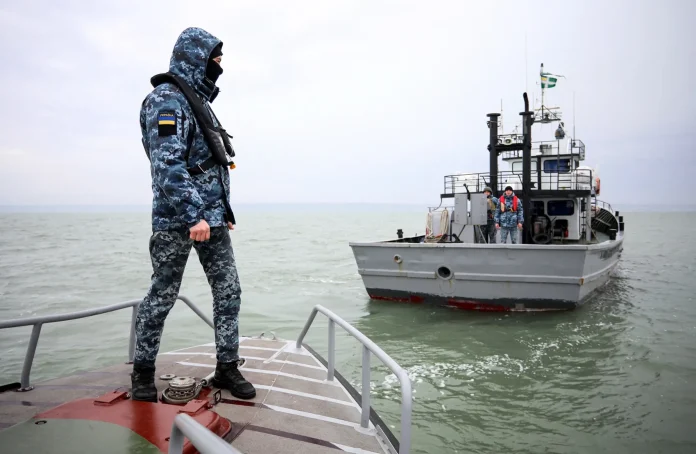
Ukraine announced it expected Russia to stop bombing port facilities in Odesa and elsewhere as part of a maritime truce. However, a separate statement, released by its defence ministry, said Ukraine would consider “the movement of Russian military vessels beyond the eastern Black Sea” to be a violation of the deal.

Over the course of the three-year war, Ukraine has gradually forced the Russian fleet east after a series of sea drone raids, and managed to reopen a commercial shipping lane close to the western coast.

Russian exports have also been growing, but the Kremlin complained in the past about the impact of sanctions on its agricultural products, and pulled out of a previous Black Sea grain deal in July 2023 that was designed to facilitate food exports even while the war was ongoing.

The ceasefire would begin immediately after the White House released the statements, Zelensky said, although the Russian demand for sanctions relief in the Black Sea means the conditions for a halt in fighting at sea have not been accepted by Moscow.

It would initially be self-policed, Ukraine said, although both sides agreed that other countries could become involved in monitoring and safeguarding it. Zelensky acknowledged that “we have no faith in the Russians” but said that despite this Kyiv intended to be constructive in its efforts to end the war.

The lack of enforcement mechanisms reflected the fact that “the American side really wanted all of this not to fail, so they did not want to go into many details” – but he said Ukraine would press for further clarity in ongoing discussions.

Ukraine believes Turkey or a Middle Eastern country such as Saudi Arabia could become involved in protecting security in the Black Sea, while European countries could help with energy and maritime monitoring, Zelensky added.

On Monday, Trump had also said the US had been talking to the Kremlin about “power plant ownership” – a reference to the Zaporizhzhia nuclear power plant, which is under Russian occupation.

The US president has expressed an interest in taking control of the plant, the largest in Europe, even though it is located directly on the frontline. Zelensky, however, said on Tuesday this had not been part of this round of negotiations between Ukraine and the US.

Later on Tuesday, Russian news agency Tass reported that Moscow’s foreign ministry had said the nuclear power plant, which has been shut down since autumn 2022, could not be transferred to Ukraine “or any other country”. Its comments followed “media speculation”, Tass added.
US offering conditional partial sanctions relief in Syria: Reuters

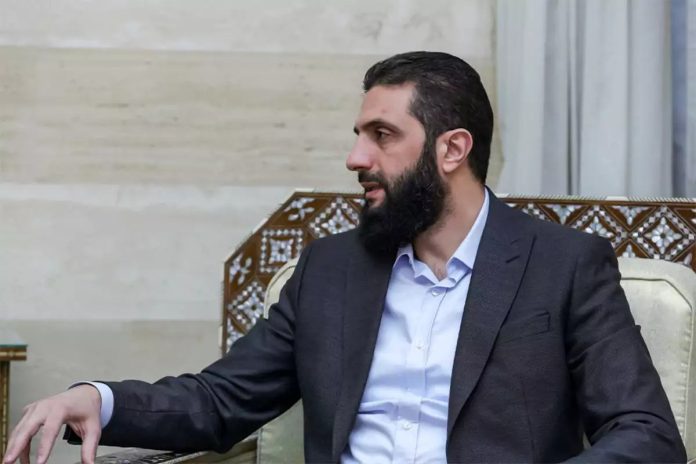
Abu Mohammed al-Jolani

According to the Reuters news agency on Tuesday, which interviewed six different sources in both countries to confirm the move, the US wants Syrian cooperation on counterterrorism issues, the destruction of all chemical weapons stores, a prohibition on any foreign fighters joining the ranks of the interim government, and the appointment of a liaison to help track down US marine-turned-journalist Austin Tice, who has been missing in Syria for more than a decade.

For its part, the Trump administration would grant at least one two-year extension of an existing exemption that allows transactions with Syrian governing institutions. It was unclear when this might take place after Syria meets the US conditions or if the Syrians were given a deadline at all.

The US would also issue a statement supporting Syria’s territorial integrity, Reuters reported.

Natasha Franceschi, a State Department official overseeing the Syria file, reportedly gave the list of US demands to Syrian Foreign Minister Asaad al-Shibani on the sidelines of a Syria donor conference in Brussels last week.

The US had already enacted a six-month general licence back in January to help humanitarian aid get into Syria, but it was not enough to allow entities like Qatar’s government to transfer cash for Syrian government salaries.

Syria’s interim president, Ahmed al-Sharaa, has been calling for the lifting of sanctions on his country so it can invite international investment and start to rebuild after 14 years of war. The former president, Bashar al-Assad, fled to Russia in December after a swift takeover of the capital by rebel forces, whom Sharaa was leading.

That month, of the 50 people named to key defence posts, Sharaa included six foreign fighters, Reuters reported at the time. The decision alarmed many who were sceptical of Sharaa’s plans and worried that Syria’s minorities would be under threat.

Hundreds of minority Alawites in the west of the country were killed this month after Assad loyalists – typically also Alawites – reportedly attacked the new government’s security forces.

US Secretary of State Marco Rubio issued a statement at the time condemning “radical Islamist terrorists, including foreign jihadis”.

Sharaa, known previously as Abu Mohammed al-Jolani, was the leader of an al-Qaeda offshoot in Idlib, in Syria’s northwest. The area was rebel-held territory from 2015 until this past December, when the rebels advanced to oust Assad.

US  judge blocks deportation of pro-Palestinian Korean American student activist

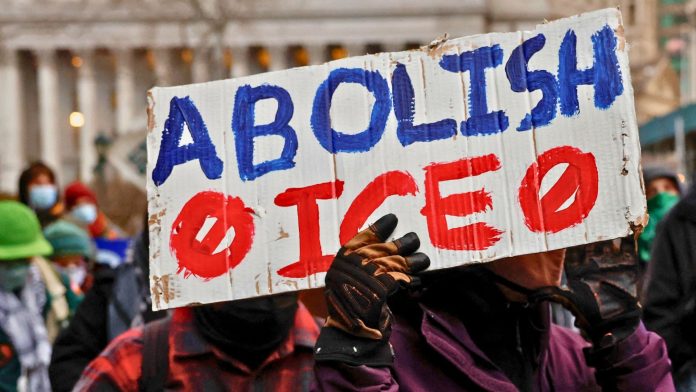
“As of today, Yunseo Chung no longer has to fear and live in fear of ICE [Immigration and Customs Enforcement] coming to her doorstep and abducting her in the night,” Chung’s lawyer Ramzi Kassem said after the court ruling on Tuesday.

US District Judge Naomi Reice Buchwald said government lawyers had not yet laid out enough facts about their claims that they needed to detain the student while her case against deportation plays out in court.

“Nor was it clear why Ms Chung would pose potentially serious adverse foreign policy consequences,” the judge said, citing a rationale that the Trump administration has invoked in Chung’s case and those of other student protesters it is seeking to throw out of the country over their pro-Palestinian activism.

“What is the issue with permitting her to stay in the community and not be subjected to ICE detention while the parties participate in rational, orderly briefing?” the judge added, using a legal term for fleshing out arguments in court filings.

The ruling for Chung, who has lived in the US since she was 7 years old and holds permanent residency, was a small win in a larger lawsuit in which she is seeking to block the US government from deporting non-citizens who participated in university campus protests against Israel’s war on Gaza.

Chung was not at the hearing while about a dozen supporters watched quietly from the court audience.

According to a spokesperson at the Department of Homeland Security, Chung is “being sought for removal proceedings under the immigration laws” for engaging in “concerning conduct”, including being arrested at a protest.

Chung said in her lawsuit that ICE agents were looking to deport her after her arrest on March 5 while protesting Columbia University’s disciplinary actions against student protesters. Her legal team was also informed earlier this month that her permanent residence status in the US had been revoked.

Such actions form part of a “larger pattern of attempted US government repression of constitutionally protected activity and other forms of speech”, Chung’s lawsuit states and cites the Donald Trump administration’s attempt to deport other international students in the country.

One such case is Mahmoud Khalil, a recent graduate from Columbia University. His attempted deportation over his role in pro-Palestinian protests at Columbia is one of the most high-profile among several students targeted by Trump. Held in detention, Khalil has described himself as a political prisoner detained for exercising his free speech.

Khalil is also challenging the Trump administration’s efforts to remove him from the country, and on March 10, a New York district court prohibited his deportation and extended it two days later.

Another student up for deportation is Cornell University’s Momodou Taal, who is also suing the US government for attempting to deport him.

Badar Khan Suri, an Indian student at Georgetown University, faces a similar situation, as he remains detained by the government. However, a federal judge has barred his deportation for now.

Congratulations pour in on Iranian soccer team’s World Cup qualification

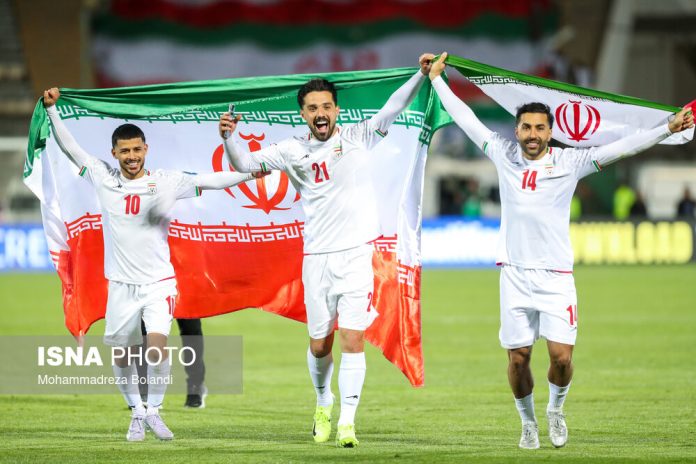
FIFA President Gianni Infantino posted a video and led the tributes, stating, “Many many congratulations to the Islamic Republic of Iran for brilliantly qualifying to   the FIFA World Cup 2026 in the United States, Mexico and Canada.”

Team Melli clinched their spot at the 2026 global football showcase following an intense 2-2 stalemate with Uzbekistan at Tehran’s Azadi Stadium on Tuesday evening.

Entering the crucial qualifier with an impressive 19-point haul from six victories and one draw, Iran merely required a single point to guarantee progression.

Iranian President Massoud Pezeshkian extended his congratulations to the national football team for securing qualification to the 2026 FIFA World Cup.

“This achievement, coinciding with the beginning of the New Year [1404 in the Persian calendar], heralds continued national and sporting successes for our country throughout the year,” the President stated.

Iranian Foreign Minister Abbas Araghchi described the achievement as “the perfect completion of Nowruz celebrations for Iranians worldwide,” praising the team’s fighting spirit and the support from football authorities.

Iranian Parliament Speaker Mohammad Baqer Qalibaf hailed the qualification as “a glorious accomplishment bringing pride and joy to the Iranian people.”

U.S. sanctions three Iranian officials over disappearance of FBI agent

FBI

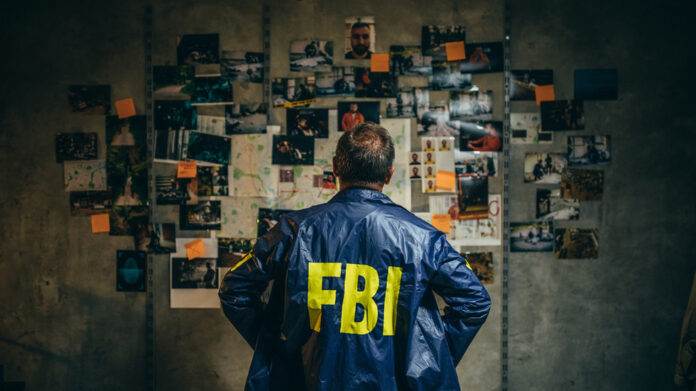
The sanctions on Reza Amiri Moghadam, Gholamhossein Mohammadnia, and Taqi Daneshvar of Iran’s Ministry of Intelligence and Security are the latest linked to the disappearance of the former FBI agent, who Washington believes was abducted in Iran and died in captivity.

As a result of the sanctions, any property of the men under U.S. jurisdiction must be blocked and Americans are generally barred from dealing with them. Foreign persons also risk blacklisting for dealing with them.

“Iran’s treatment of Mr. Levinson remains a blight on Iran’s already grim record of human rights abuse,” Treasury Secretary Scott Bessent said in a statement.

“The Department of the Treasury will continue to work with U.S. government partners to identify those responsible and shine a light on their abhorrent behavior.”

The three sanctioned individuals all played a role in Levinson’s abduction, detention and probable death, as well as efforts to cover up Iran’s responsibility, the Treasury Department claimed.

The sanctions are being imposed under an executive order signed by former President Joe Biden, which seeks to hold to account terrorist organizations, criminal groups and other “malicious actors” who take hostages for financial or political gain.

The U.S. previously sanctioned two other Iranian officials in December 2020 who it accused of involvement in Levinson’s disappearance.

Iran has dismissed claim by the US about the Islamic Republic’s commitment to find and bring Levinson back home, stressing Tehran has no information about him.

Levinson reportedly visited Iran’s southern Kish Island on March 9, 2007. He later went missing and his whereabouts have remained unknown ever since. There are different reports about the aim of his trip, with some saying the man, who had become a private detective, was reportedly investigating cigarette counterfeiting in the region. Others said he had been on a business trip.

Back in 2010, a video was sent to the Levinsons, reportedly showing the man demanding help for his release. Also in early 2011, some of his images were emailed to the family.

Spy agencies claim Russia, Iran, China, North Korea teaming up against US like never before

The 30-page threat assessment issued by the Office of the Director of National Intelligence singled out China as the “actor most capable of threatening US interests globally, though it is also more cautious than Russia, Iran, and North Korea about risking its economic and diplomatic image in the world by being too aggressive and disruptive.”

“Many of the threats we face are truly existential,” Senate Intelligence Committee Chairman Tom Cotton (R-Ark.) said during a Tuesday hearing scheduled around the report’s release.

“Communist China is actively working to replace the United States as the world’s dominant superpower.”

“Given these threats, we have to ask are our intelligence agencies well-postured against these threats? I’m afraid the answer is no, at least not yet,” he added.

The assessment found that “China is using complex, whole-of-government campaigns featuring coercive military, economic, and influence operations short of war to assert its positions and strength against others, reserving more destructive tools for full-scale conflict.”

In the meantime, ODNI found, Beijing is expected to “apply stronger coercive pressure against Taiwan” in 2025 “to further its goal of eventual unification” with the island, while pushing its claims in the South and East China Sea against US allies such as Japan and the Philippines.

China was also called the “most active and persistent” cyber-threat to the US government and private sector, while ODNI predicted Beijing “almost certainly has a multifaceted, national-level strategy designed to displace the United States as the world’s most influential AI power by 2030.”

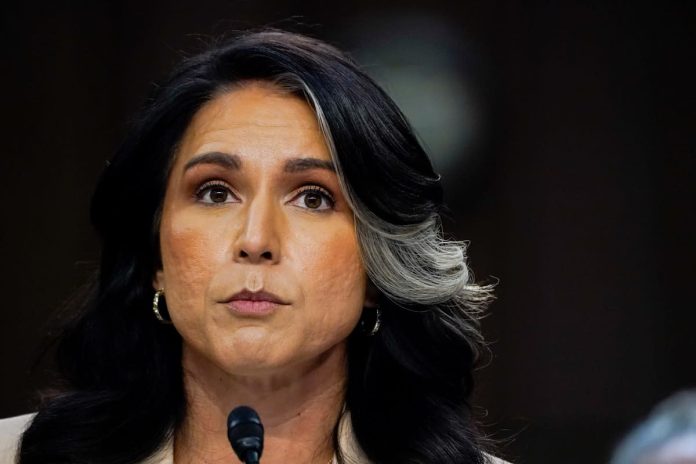
Meanwhile, Russia has been rapidly developing a “more modern and survivable nuclear force designed to circumvent US missile defense,” Director of National Intelligence Tulsi Gabbard told lawmakers Tuesday.

ODNI’s assessment also indicated that Russian President Vladimir Putin shows no sign of winding down his war against Ukraine, which Moscow sees as a “proxy conflict with the West.”

“Putin appears resolved and prepared to pay a very high price to prevail in what he sees as a defining time in Russia’s strategic competition with the United States, world history, and his personal legacy,” it noted.

“Most Russian people continue to passively accept the war, and the emergence of an alternative to Putin probably is less likely now than at any point in his quarter-century rule.”

“Russia has the battlefield advantage [and] is grinding forward slowly,” stated CIA Director John Ratcliffe of the war in Ukraine.

“With regard to the Ukrainian resistance, the Ukrainian people and the Ukrainian military have been underestimated for a period of several years now,” he continued.

“Ultimately, I’m convinced from my reflections and observing from an intelligence standpoint,” Ratcliffe added, “that they will fight with their bare hands if they have to, if they don’t have terms that are acceptable to an enduring peace.”

Russia’s invasion has provided the clearest example of all four US adversaries working to support each other, as the report laid out.

“[China] is providing economic and security assistance to Russia’s war in Ukraine through support to Moscow’s defense industrial base, including by providing dual-use material and components for weapons,” it read.

“China’s support has improved Russia’s ability to overcome material losses in the war and launch strikes into Ukraine … [and] to withstand US sanctions.

“Iran has become a key military supplier to Russia, especially of UAVs [drones], and in exchange, Moscow has offered Tehran military and technical support to advance Iranian weapons, intelligence, and cyber capabilities,” it went on.

“North Korea has sent munitions, missiles, and thousands of combat troops to Russia to support the latter’s war against Ukraine.”

Gabbard told lawmakers Tuesday that North Korea’s growing links to Russia have allowed Pyongyang to reduce its dependence on China and gain access to “stronger strategic and conventional capabilities” to challenge the US.

As for Iran, Gabbard told senators that Tehran “is not building a nuclear weapon and Supreme Leader [Ayatollah Seyyed Ali] Khamenei has not authorized the nuclear weapons program that he suspended in 2003.”

However, Gabbard added, “Iran’s enriched uranium stockpile is at its highest levels and is unprecedented for a state without nuclear weapons.”

“In the past year, there has been an erosion of a decades-long taboo on discussing nuclear weapons in public that has emboldened nuclear weapons advocates within Iran’s decision-making apparatus,” the ODNI assessment found.

“[Ayatollah] Khamenei remains the final decisionmaker over Iran’s nuclear program, to include any decision to develop nuclear weapons.”

The report did note that Iran is likely continuing work on “chemical and biological agents” for military use, with Tehran scientists showing special interests in “chemicals that have a wide range of sedation, dissociation, and amnestic incapacitating effects, and can also be lethal.”

Tuesday’s hearing also touched on what Gabbard referred to as “threats presented by several non-state actors: Cartels, gangs and other transnational criminal organizations in our part of the world are engaging in a wide array of illicit activity to endanger the health, welfare and safety of everyday Americans.”

“For a year-long period ending in October 2024, cartels were largely responsible for the deaths of more than 54,000 US citizens from synthetic opioids,” she added, claiming that Mexico-based transnational criminal organizations are primarily responsible for the dissemination of fentanyl.

Sen. Martin Heinrich (D-NM) expressed surprise that Canada wasn’t mentioned in the report, given the Donald Trump administration’s pressure campaign on America’s northern neighbor over fentanyl trafficking.

“The focus in my opening and the ATA [annual threat assessment] was really to focus on the most extreme threats in that area,” Gabbard admitted.

The 2025 assessment also highlighted a renewed focus on foreign-based terror groups in the Western hemisphere after a Daesh-inspired man mowed down New Year’s Eve revelers in New Orleans, killing 15.

One topic that was left out of this year’s report, after being present for nearly a decade, was climate change. Gabbard said she was unsure who excised the section, but stressed that she didn’t recall ordering that to be taken out.

Turkey arrests more than 1,400 protesters after jailing of Istanbul mayor

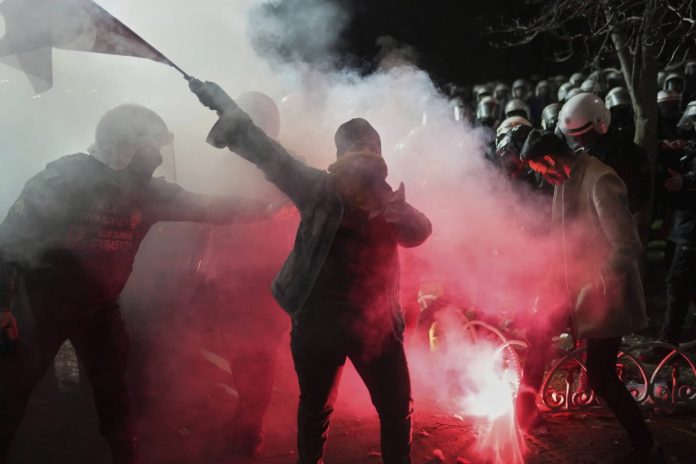
A Turkish court on Tuesday placed seven journalists in custody after they were arrested while covering the protests in Istanbul, including a photojournalist for French news agency AFP, according to a media-freedom nonprofit and AFP.

“AFP strongly condemns the detention of its journalist and photographer Yasin Akgül and calls for his immediate release. This is a serious attack on the freedom of the media,” AFP announced in a statement.

“AFP calls on the Turkish authorities to respect the freedom of the press and the work of journalists, essential pillars of any democratic society.”

Six other journalists were also arrested on Tuesday, according to the Turkish free speech nonprofit Media and Law Studies Association (MLSA).

Protests have been taking place across Turkey over the past week, including in the largest city Istanbul and the capital Ankara, amid anger over the jailing of Istanbul Mayor Ekrem Imamoglu – the main political rival of President Recep Tayyip Erdogan.

Imamoglu was arrested on corruption charges at his home last Wednesday, just days before he was to be nominated as a candidate in the 2028 presidential election.

He has denied the charges against him, and critics say the arrest represents a dangerous turning point for Turkey, which has become increasingly authoritarian in recent years, according to international monitoring groups.

In a post on X, Imamoglu said, “We will, hand in hand, uproot this blow, this black stain on our democracy… I am standing tall, I will not bow down.”

Authorities in Istanbul governorate banned protests and closed some roads “in order to maintain public order” and “prevent any provocative actions that may occur.”

Since last Wednesday, 1,418 protesters have been detained, according to Interior Minister Ali Yerlikaya, following six days of demonstrations that the government has deemed “illegal.”

“While there are currently 979 suspects in custody, 478 people will be brought to court today,” Yerlikaya stated in a social media post.

“No concessions will be made to those who attempt to terrorize the streets, to attack our national and moral values, and to our police officers,” he added.

AFP photographer Akgül has covered Turkish political news for AFP for 10 years, according to the news agency.

“His imprisonment is unacceptable. This is why I am asking you to intervene as quickly as possible to obtain the rapid release of our journalist,” said AFP chairman Fabrice Fries in a letter addressed to the Turkish presidency.

“Yasin Akgül was not part of the protest. As a journalist, he was covering one of the many demonstrations that have been organized in the country since Wednesday, March 19,” Fries continued, adding, “He has taken exactly 187 photographs since the start of the protests, each one a witness to his work as a journalist.”

Media outlets and journalists critical of the government have long faced censorship in Turkey, according to Reporters Without Borders, which says tactics “such as stripping them of press passes are commonplace.”

The government controls about 90% of the national media in Turkey, Reporters Without Borders noted.

Meanwhile, Freedom House, a US-based nonprofit research organization, has labelled Turkey as “not free” when it comes to internet and media freedom, citing several laws enacted by the ruling Justice and Development Party (AKP) “that increase censorship and surveillance and criminalize online speech.”

The country’s strongman leader Erdogan has been in power since 2003, first serving as Turkey’s prime minister, and later as president since 2014. In 2017, a referendum vote passed that expanded Erdogan’s presidential powers, potentially allowing him to remain in office until 2029.

Turkey’s main opposition party, the Republican People’s Party (CHP), said Tuesday that it is planning a rally on Saturday in Istanbul.

Iran qualifies for 2026 World Cup after 2-2 draw against Uzbekistan

Coming into the match with 19 points from six wins and a draw, Team Melli only needed one point to officially qualify. However, Uzbekistan, sitting three points behind and eager to make history, gave Iran a tough fight.

The visitors struck first in the 16th minute when Khojimat Erkinov finished off a sequence that began with a long ball from Yusupov and a clever setup by Shomurodov and Saifiyev.

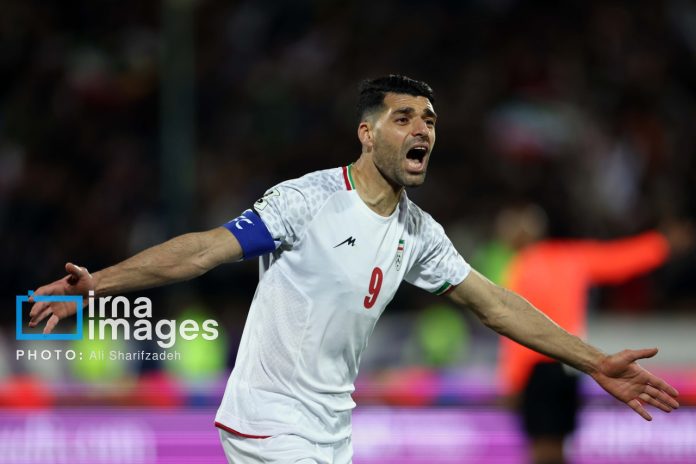
Iran responded early in the second half when Mehdi Taremi volleyed in a stunning equalizer after a brilliant assist from Sardar Azmoun, set up by Mehdi Ghaedi’s chip.

But Uzbekistan answered immediately. In the very next minute, Abbosbek Fayzullaev’s free kick slipped past Iran’s defense and goalkeeper Alireza Beiranvand to restore their lead.

Iran continued to push and was eventually rewarded in the 83rd minute when Taremi capitalized on a defensive lapse to level the score once again.

With this result, Iran finishes the group stage unbeaten with 20 points, topping Group A and punching its ticket to the 2026 World Cup. Uzbekistan, still in strong position with 17 points, remains in contention for qualification.

AFC Beach Soccer Championship: Iran defeats UAE to secure third straight win

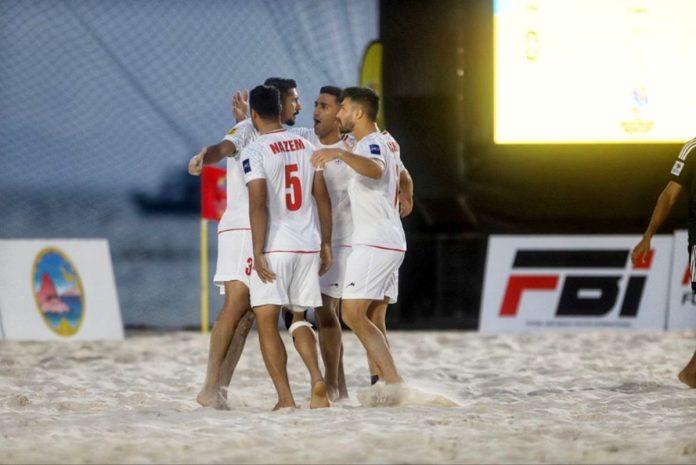
With this win, Iran continued its unbeaten run in the group stage, having already defeated Indonesia and Afghanistan in earlier matches.
The close contest against the UAE further solidified Iran’s position as a tournament favorite.

The Iranian team will now advance to the quarterfinals, where they are set to face the second-placed team from Group D — one of Oman, Vietnam, or Bahrain — on Thursday, March 27.

The tournament serves as a qualifier for the FIFA Beach Soccer World Cup, and Iran is aiming to secure one of the top spots in Asia.

Dozens, including children, killed in Israeli attacks on Gaza

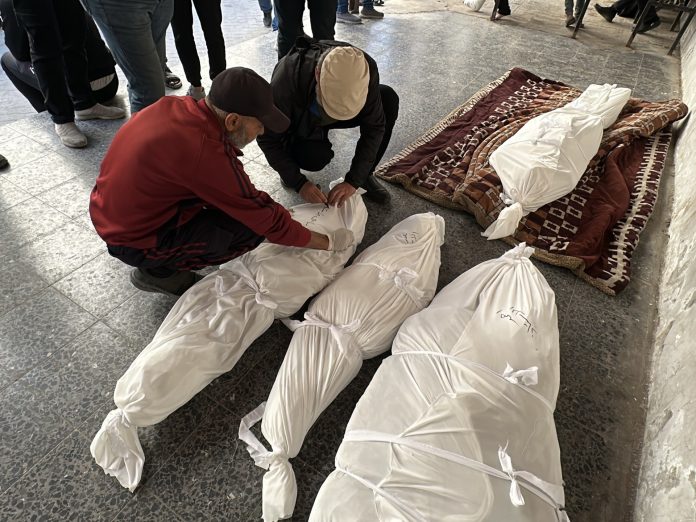
In a statement on Tuesday afternoon, the Ministry of Health in Gaza said at least 62 people were killed in Israeli attacks over the past 24-hour reporting period.

After the latest attacks, Hamas issued a statement denouncing the “horrific massacres” and urged the international community to rein in Israel, which last week broke a two-month ceasefire with the Palestinian group.

Since it renewed its bombardment on Gaza on March 18, the Israeli army has killed 792 people, including hundreds of children, and wounded 1,663, according to the Health Ministry.

Amid a total aid blockade, tens of thousands of people have also been forced to flee once again, just weeks after returning following the start of the ceasefire on January 19.

In its latest round of forced displacement orders, the Israeli army on Tuesday warned of new attacks in Jabalia, Beit Lahiya, Beit Hanoon and Shujayea in Gaza City, saying rockets had been fired towards Israel from the northern area. Other orders were also issued for Khan Younis and Rafah in the south.

A number of aid groups and United Nations agencies have long said there are no safe areas in Gaza as Israeli-designated “humanitarian zones” and shelters have repeatedly come under Israeli attack.

Nearly 18 months of Israeli attacks have killed more than 50,000 people and wounded about 113,000, according to the Health Ministry, while thousands more are missing under the rubble of destroyed buildings and presumed dead. The Israeli war began after Hamas-led attacks in southern Israel on October 7, 2023, led to an estimated 1,139 people being killed and about 250 taken captive.

Israeli Prime Minister Benjamin Netanyahu said the renewed offensive aims to pressure Hamas into releasing the remaining 59 captives who are being held in Gaza. About 24 of them are believed to still be alive.

Hamas says it wants Israel to abide by what it agreed on when it signed the January ceasefire, including holding talks on ending the war permanently in exchange for the release of the remaining captives.