Tuesday, December 23, 2025
Home Blog Page 3688

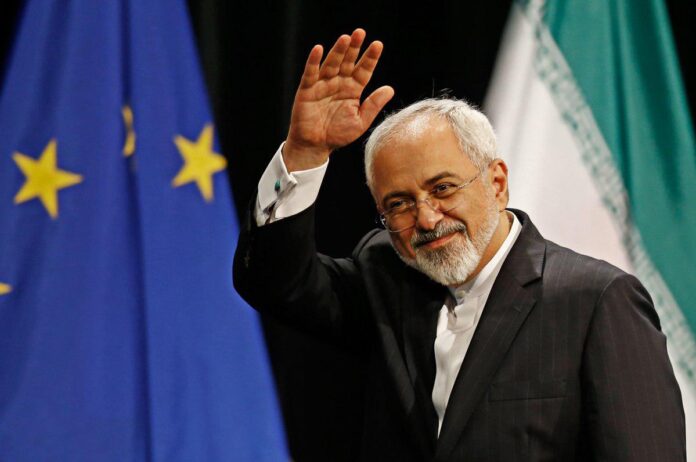
“Zarif’s Trip Turning Point in Iran’s Ties with Eastern Europe”

Director General of Iran’s Strategic Foreign Relations Council Abdorreza Faraji Raad says countries in those regions are very significant for Iran.

“We should have a strategy for the Balkans; We shouldn’t regard all [countries in] Europe as the same,” he said as quoted by the Persian-language Islamic Republic News Agency (IRNA).

“Iran has always had the best relations with Eastern Europe and the least tension with countries in the Balkans,” the official said.

According to Faraji Raad, the problems that Iran has had with countries in Western Europe such as “embassies’ problems with the UK” or “certain issues we’ve had with French authorities” are still there.

He noted that there have sometimes been ups and downs in Iran’s relations with countries of Western Europe.

“Iran’s relations with Germany have been better than ties with Britain and France, but we have issues with Germany, too,” he said.

However, he added, Iran has much fewer limitations in its relations with Eastern Europe compared to its ties with countries in the south of Europe.

“The countries in the Balkans have developed more than before, but their needs have not been met yet, and now they are even more prepared to conduct economic activities with us,” he said.

Zarif set off on a tour of Eastern Europe on Monday. The trip has taken him to Serbia and will later continue with Bulgaria, Croatia and Bosnia.

During his trip, Zarif is accompanied by an economic delegation comprising a number of entrepreneurs as well as representatives of several economic enterprises. The Foreign minister is scheduled to sit down with his opposite numbers as well as other high-ranking officials of the four countries. He is also going to meet and address businessmen from both countries.

Serbia Ready to Enhance Parliamentary, Trade Ties with Iran

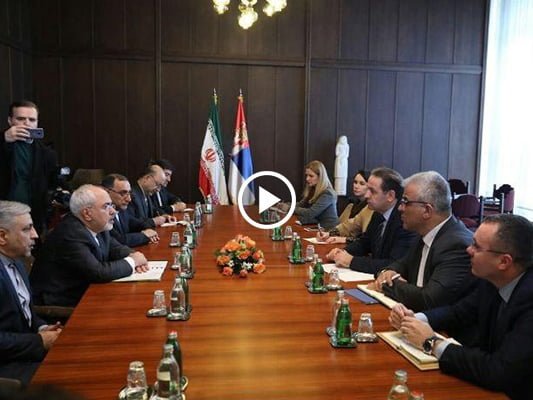
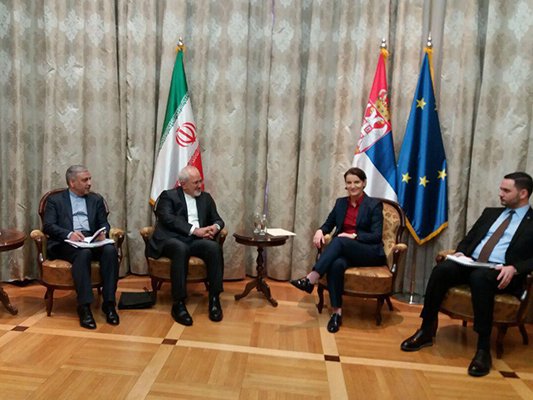
In a Tuesday meeting in Belgrade, Ljajić and Iranian Foreign Minister Mohammad Javad Zarif discussed various dimensions of bilateral trade and economic relations, as well as obstacles to the expansion of ties between Iran and Serbia and the ways to remove them.

Energy ties, banking cooperation, business facilities, consular cooperation, and tourism were among other key points discussed by the two officials.

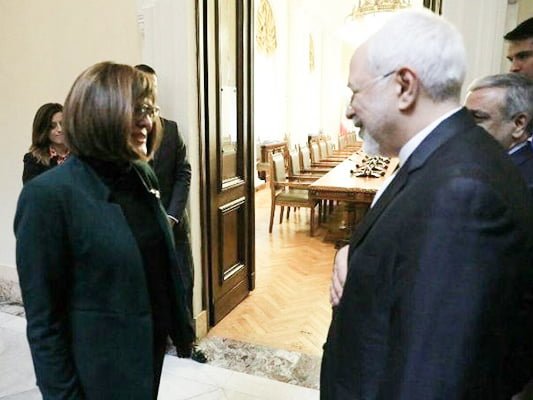
Earlier in the day, Serbian Parliament Speaker Gojković said her country welcomes the expansion of bilateral relations and parliamentary cooperation between Tehran and Belgrade.

Serbia Ready to Enhance Parliamentary, Trade Ties with Iran
President of the country’s National Assembly Maja Gojković meeting Iranian Foreign Minister Mohammad Javad Zarif in Belgrade on February 27, 2018 / Photo released by the Iranian Foreign Ministry

Referring to her earlier trips to Iran, she further called the two visits successful and memorable.

For his part, Zarif expressed his satisfaction with the growing trend of bilateral relations in all fields, especially in the economic and commercial spheres.

The Islamic Republic welcomes the development of its parliamentary cooperation with Serbia, he noted, adding that the parliament speaker of the Islamic Republic will travel to Serbia later this year.

Referring to Tehran’s resolve to expand ties with the Republic of Serbia, the Iranian foreign minister called for closer cooperation between the two countries at the international communities.

Zarif and Gojković also discussed regional and international issues.

The Iranian top diplomat arrived in Belgrade on Monday as the first leg of his tour of the Balkans and Eastern Europe. Bulgaria, Croatia and Bosnia and Herzegovina are the next destinations of Zarif and his accompanying delegation.

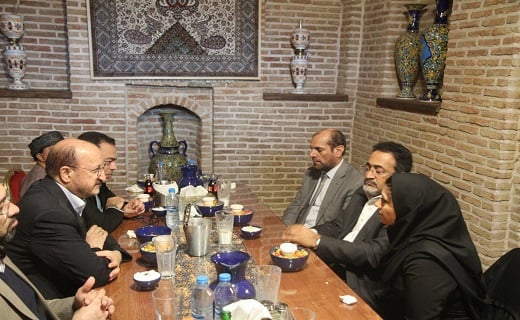
Iran Can Use Tourism to Improve Its Global Image: Omani Minister  

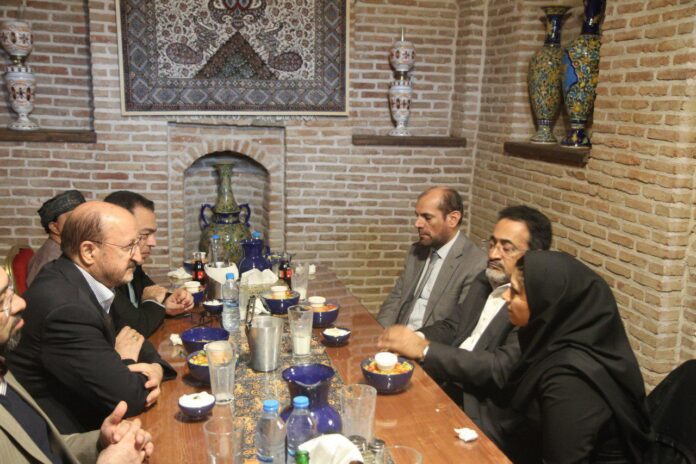
In a recent meeting in Iran’s Qazvin province, Omani Minister Ahmed bin Nasser al-Mahrizi said Iran and Oman enjoy cultural and historical commonalities which can be used to deepen mutual cooperation in the field of tourism.

“I held talks with the private sector managers who are active in tourism field and discussed ways to take the most advantages of the tourist capacities in both countries,” he was quoted as saying in a Farsi report by IRNA.

He referred to his country’s strategy for attracting further foreign tourists and said in 2017 the number of foreign tourists visiting Oman hit 3 million, most of whom were from Europe and Iran.

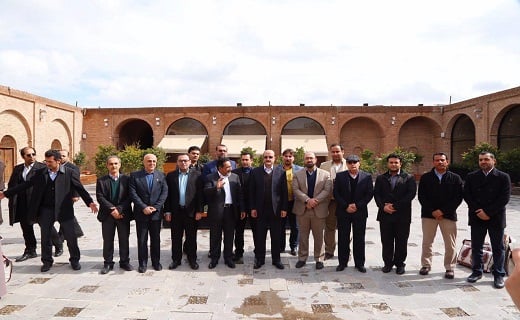
Following his visit to Qazvin’s historic sites, the Omani minister noted the province’s cultural history represents Iran’s rich culture and history.

He also praised the Iranian tourism officials for repairing and preserving the historic sites in Qazvin.

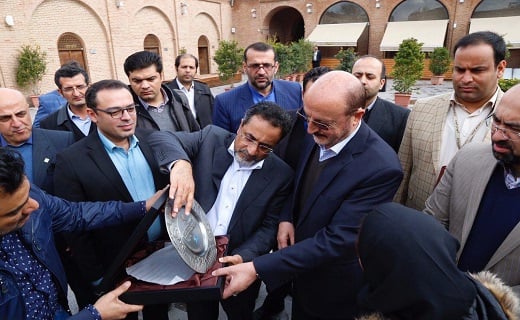
Earlier, he visited Sa’d al-Saltaneh Caravanserai in Qazvin and closely watched the reconstruction process of the historic site.

Built during the Qajar era, the caravanserai is one of Iran’s best preserved urban caravanserais. The site is built on a square plan, has 4 Iwans facing a courtyard. Established at the centre of Qazvin, the site annually attracts lots of domestic and foreign tourists. It is one of the 1,304 historical and natural sites in the province which have been registered at the national heritage list.

The Omani minister is expected to hold talks with the Iranian Vice-President and Head of Iran’s Cultural Heritage, Handicrafts and Tourism Organization, Ali Asghar Moonesan, later in Tehran.

During his three-day stay in Iran, he will also visit the historic and cultural sites of Shiraz, the capital city of Fars province in the south of Iran.

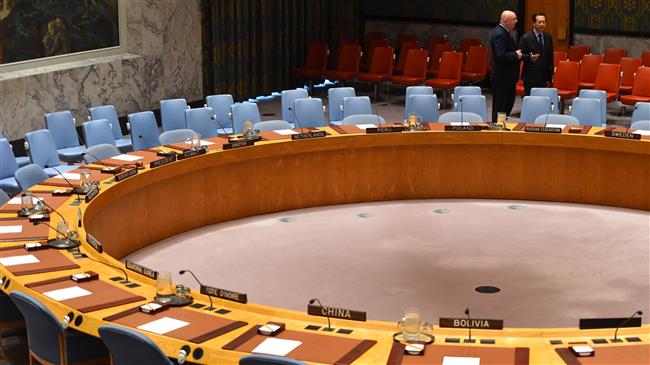
Russia Vetoes UK-Drafted Anti-Iran Resolution at UNSC

Russia Vetoes UK-Drafted Anti-Iran Resolution at UNSC

On Monday, the resolution gained 11 favorable votes at the 15-member Security Council but was halted by Russia’s veto.

“We cannot concur with uncorroborated conclusions and evidence which requires verification and discussions within the sanctions committee,” Russian Ambassador Vassily Nebenzia told the council.

Earlier in the month, Britain circulated a draft resolution that would renew sanctions on Yemen for another year and also “condemns” Iran for allegedly breaching the 2015 arms embargo on the country by “failing to take the necessary measures to prevent the direct or indirect supply, sale or transfer” of short-range ballistic missiles, UAVs and other military equipment to Yemen’s Houthi Ansarullah movement.

The Houthi movement has been defending Yemen against a bloody Saudi-led military campaign, which was launched in 2015 with the help of the US and the UK to reinstall the country’s former Riyadh-friendly government.

The draft resolution, backed by France and the US, called for unspecified measures in response to the UN report about Iran’s alleged role in Yemen, stressing that the UNSC will take “additional measures to address these violations,” and that “any activity related to the use of ballistic missiles in Yemen” is a criteria for sanctions.

A group of UN experts monitoring the sanctions on Yemen reported to the Security Council in January that it had “identified missile remnants, related military equipment and military unmanned aerial vehicles that are of Iranian origin and were brought into Yemen after the imposition of the targeted arms embargo.”

The UN experts, however, said they were unable to identify the supplier.

Both Tehran and Sana’a have repeatedly rejected the allegations as a fabricated scenario, and said the armed forces of Yemen have strengthened their missile power on their own.

After the veto, the UNSC unanimously adopted a Russian-drafted measure to extended for one year the sanctions regime against Yemen.

Iran dismiss allegations as baseless

Meanwhile, Iran’s envoy to the United Nations says that the US and the UK are trying to distract the international community away from Saudi Arabia’s war crimes in Yemen by drafting such resolutions.

Gholamali Khoshroo further went on to dismiss the allegations that his country had been providing weapons to Yemen’s Ansarullah movement.

The Iranian diplomat also reiterated Tehran’s stance on Yemen, stressing that only a political solution and intra-Yemeni dialog can put an end to the country’s conflict.

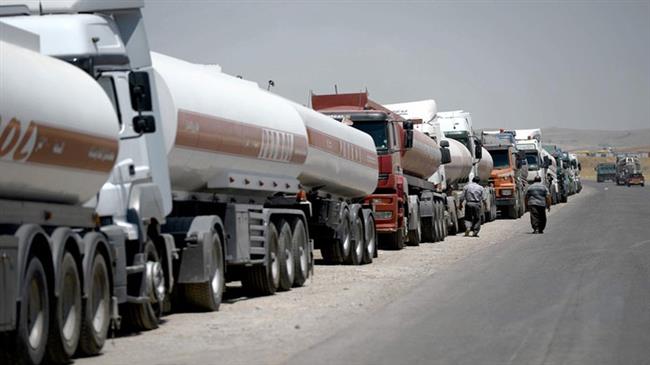
Oil Swap Deal between Iran, Iraq Delayed over Safety Issues

Oil Swap Deal between Iran, Iraq Delayed over Safety Issues

The deal to initially truck 30,000 barrels per day (bpd) of crude oil from Iraq’s Kirkuk fields to Iran’s Kermanshah refinery was to get underway this month.

However, Hamid Hosseini told the ISNA news agency that “for the deal to be implemented, there are problems in the area of safety,” citing the lack of truck screening devices.

“We need to check the safety of the trucks that are supposed to arrive, and we are having problems in this regard, because we do not have X-ray machines,” he said.

“In this regard, we are talking with the Iraqi side, and if they agree, we will use the facilities that they have and gradually complete our equipment,” Hosseini added.

The two neighbors signed a swap deal in December, under which Iraq is about to truck 60,000 bpd of oil from its northern fields to Iran.

The two neighbors also plan to build a pipeline to carry the oil from Kirkuk to Iranian refineries in Kermanshah, Tabriz, Tehran and Arak.

Iraq’s planned oil exports to Iran threaten the existing export route from Kirkuk via Turkey and the Mediterranean.

Turkey has invited Iraqi Oil Minister Jabar al-Luaibi to discuss the resumption of oil exports through the Mediterranean port of Ceyhan, which have been halted since Baghdad took control of the major oilfields in Kirkuk late last year.

For years, Turkey has been reaping the economic benefits of transporting and selling the Iraqi oil from the semi-autonomous Kurdistan region.

Iraqi officials have said a deal with Turkey on resuming oil exports would require shipments “exclusively through Iraq’s state oil marketer SOMO.”

Iraq also plans to build a second export pipeline from the Kirkuk oilfields which will replace an old one severely damaged by Daesh terrorists.

The country exported 250,000 to 400,000 barrels per day (bpd) through the pipeline before the start of Daesh terrorism halted the supplies.

Luaibi has said Baghdad planned to raise production from the Kirkuk fields to 1 million bpd, which produced 407,000 bpd in July.

Iran FM, Serbia PM Discuss Bilateral Ties in Belgrade

Iran FM-Serbia PM

During the Tuesday meeting, the two sides looked into various dimensions of bilateral relations.

They also talked about the issue of Kosovo, cooperation between Tehran and Belgrade at the international communities, and boosting of economic and cultural ties.

Preparations for expansion of parliamentary, military, scientific, cultural, and agricultural relations, and the exchange of academic and advanced technologies were among other key issues discussed.

The parties also consulted on a number of international and regional issues.

Zarif embarked on a tour of the Balkans and Eastern European countries on Monday, starting with Serbia. Bulgaria, Croatia and Bosnia and Herzegovina are the next destinations of FM Zarif and his accompanying delegation.

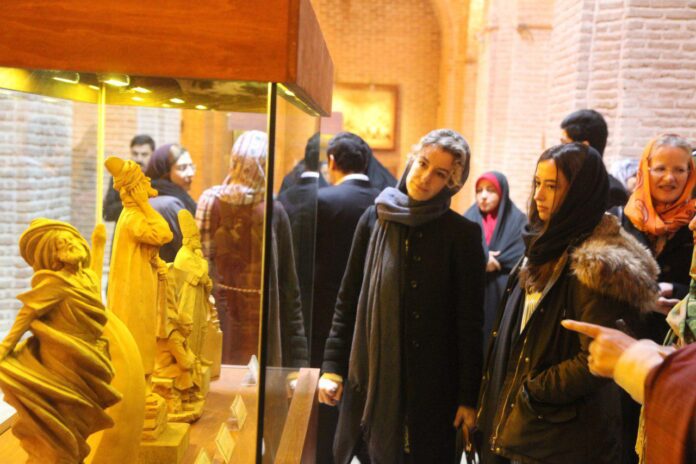
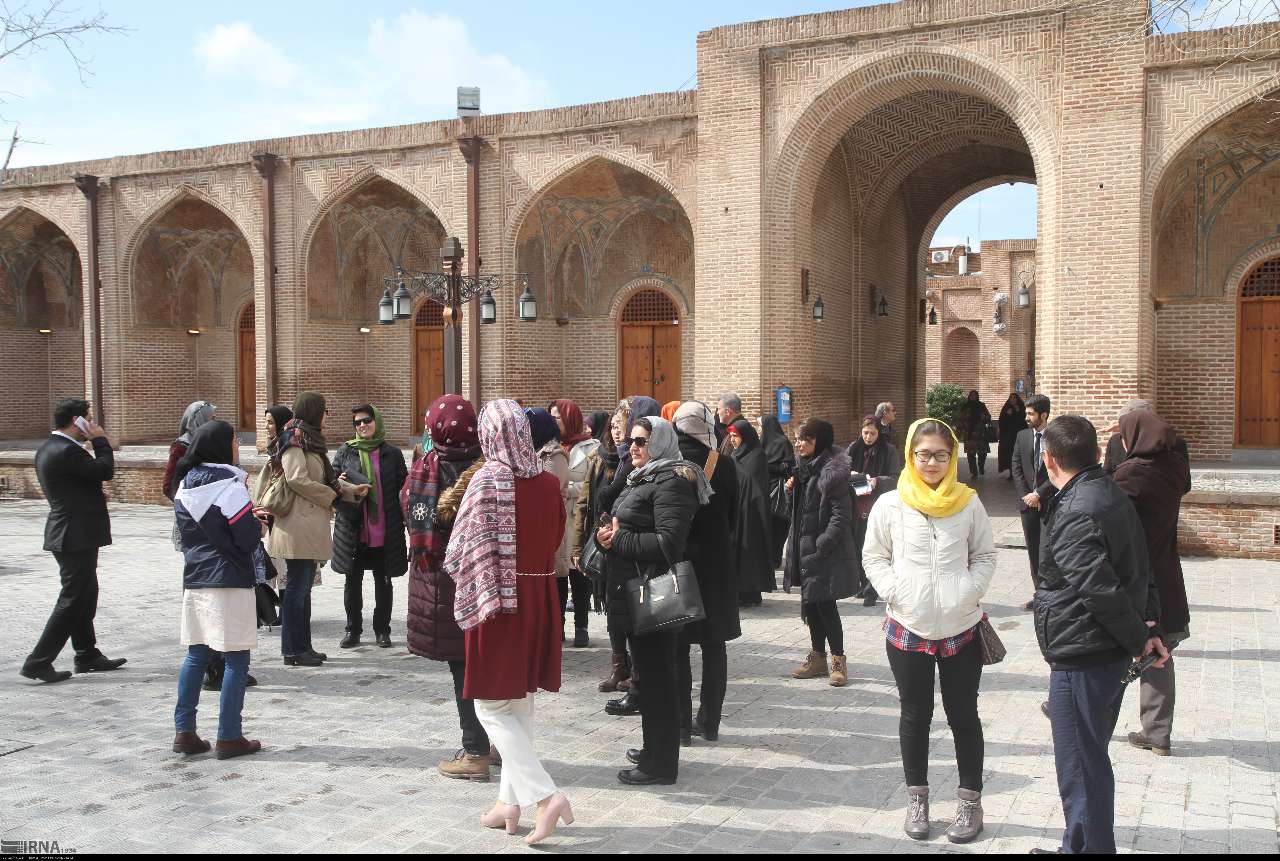
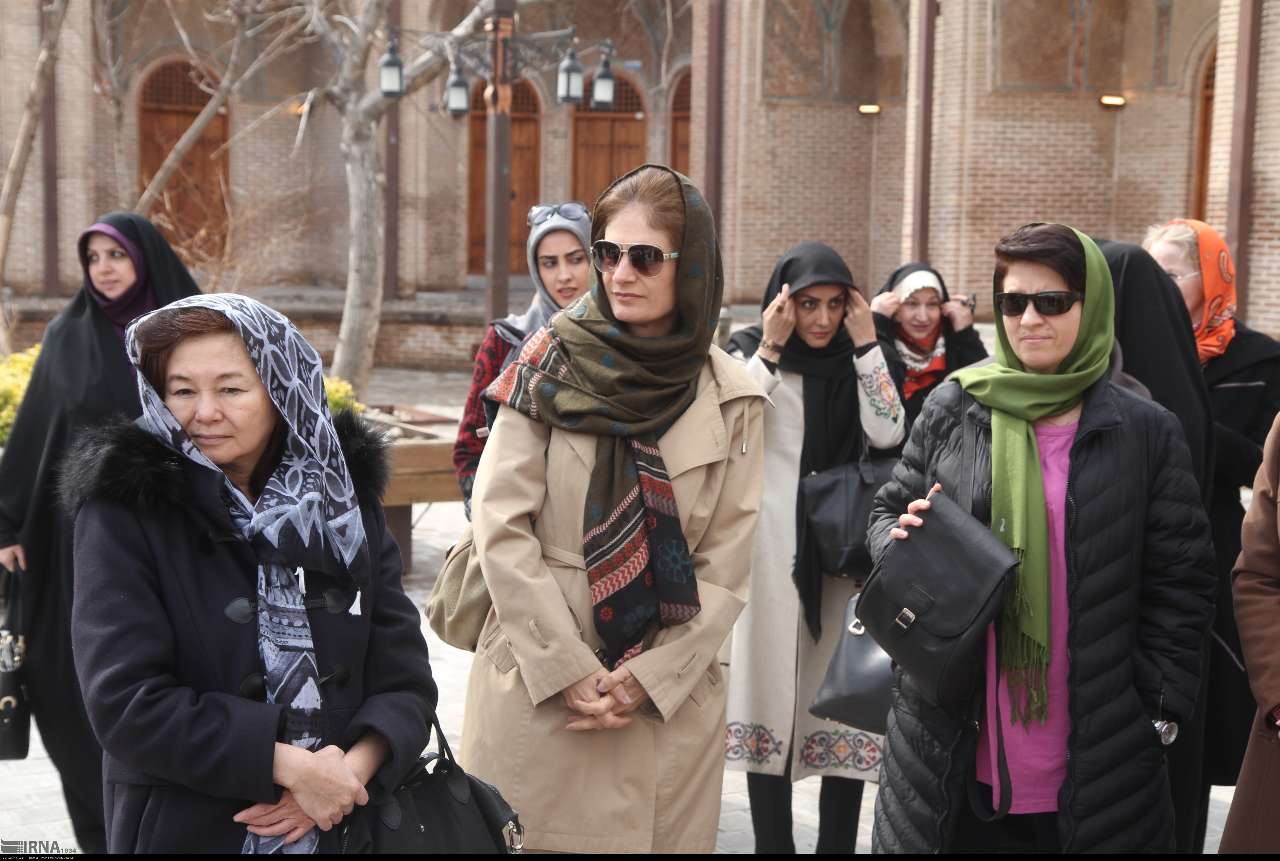
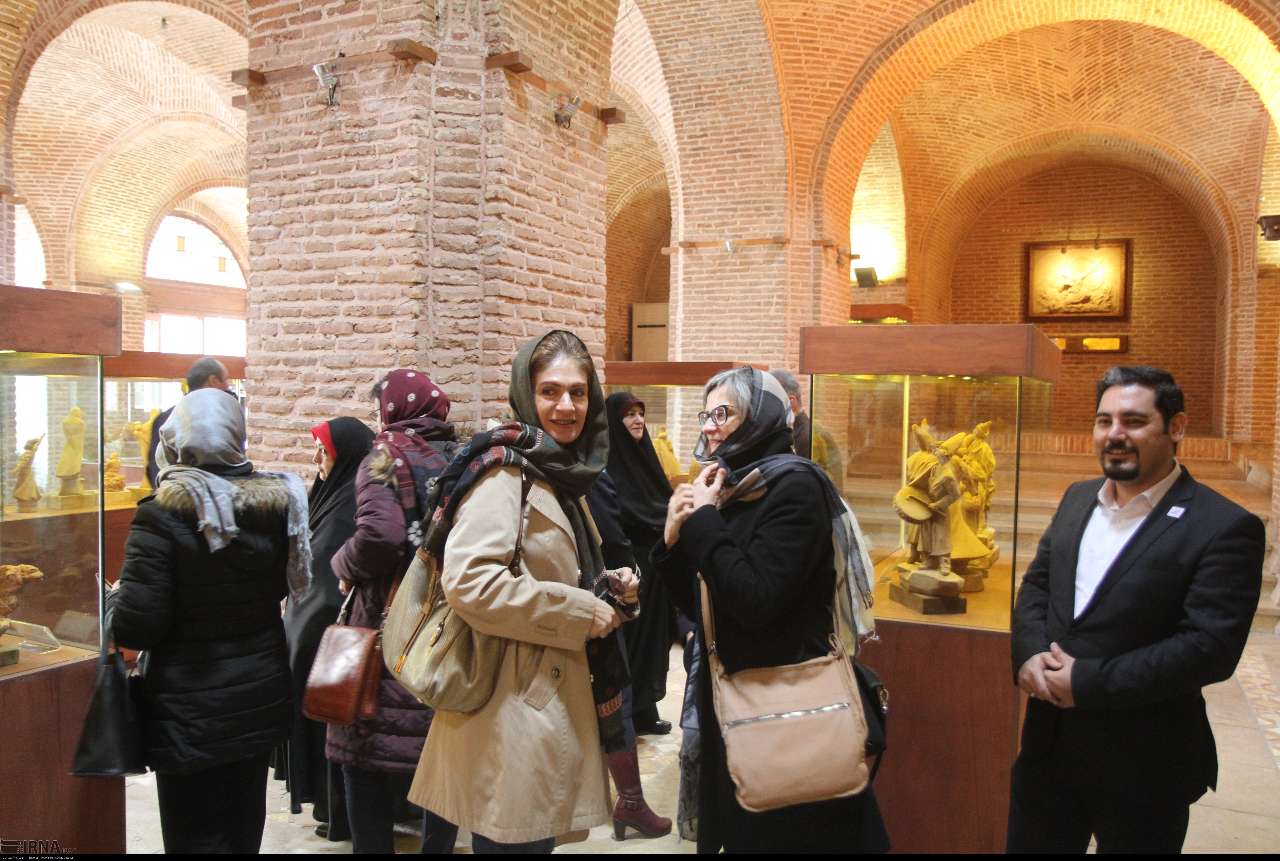
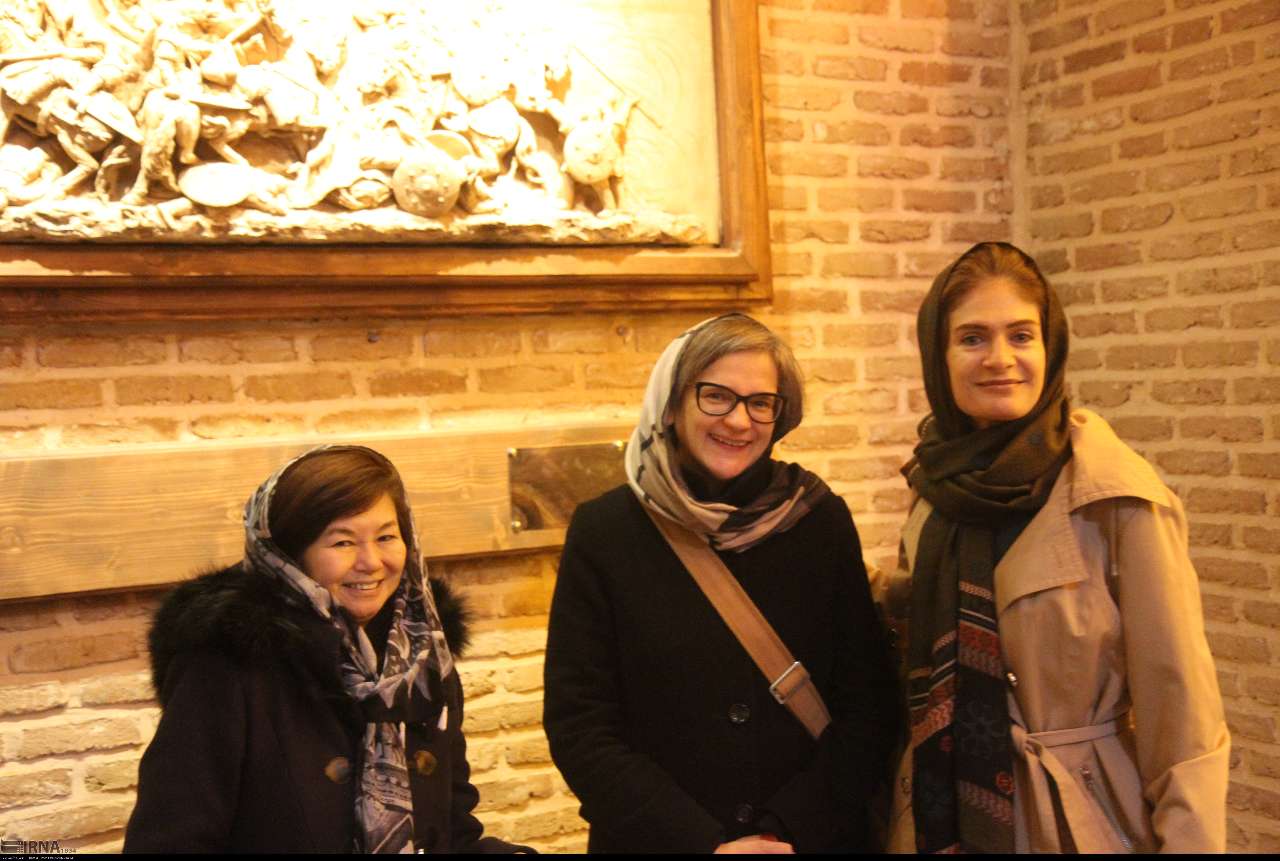
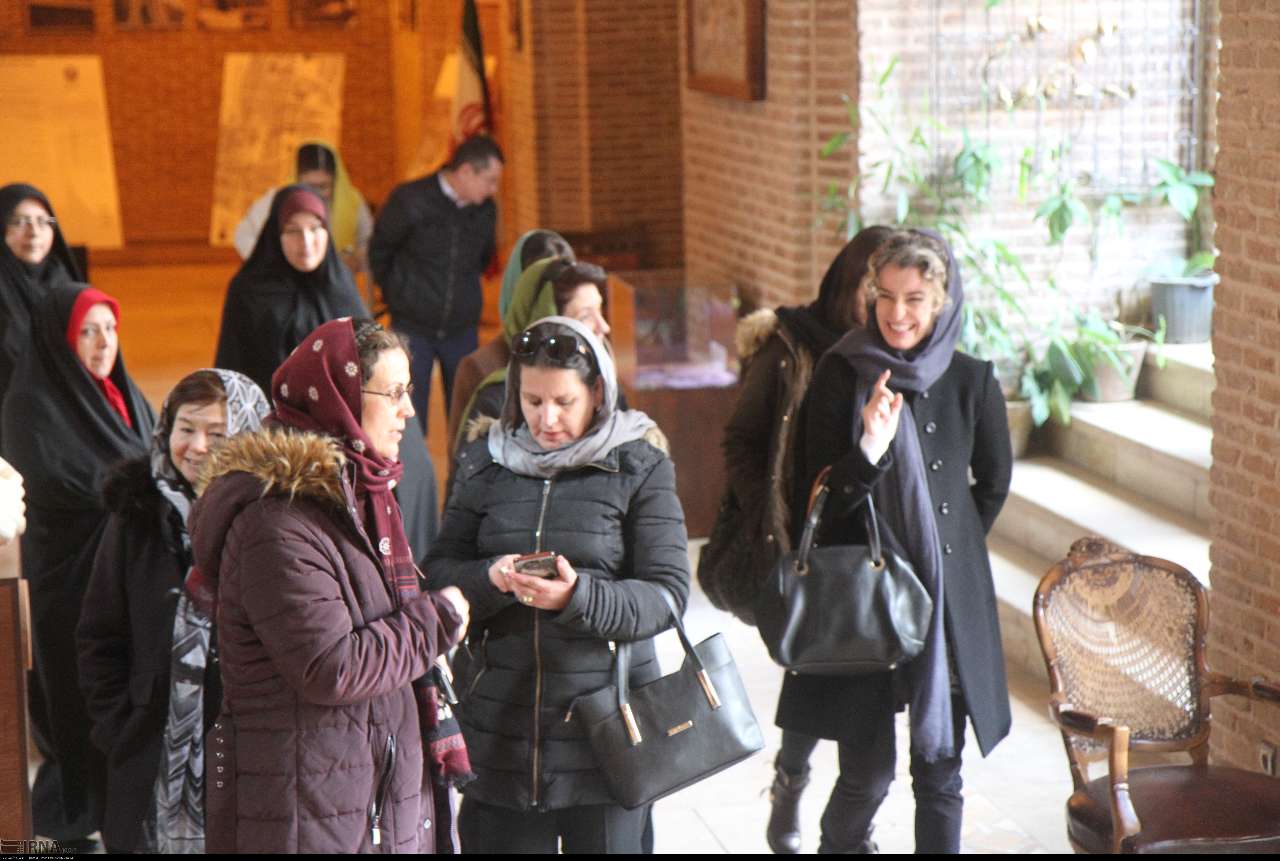
Families of Foreign Diplomats Visit Historic Sites of Iran’s Qazvin

Families of Foreign Diplomats Visit Historic Sites of Iran’s Qazvin

Members of the delegation were from Hungary, Finland, Austria, Romania, Turkey, Japan, Algeria, Afghanistan, Kazakhstan and Pakistan.

According to a Farsi report by IRNA, the delegation visited Chehel Sotoun, one of the most important monuments of Safavid era left from the royal palaces of Shah Tahmasb Safavid era, and the Caravanserai of Sa’d al-Saltaneh, which was built during the Qajar era.

The delegation was on a trip to attend the opening ceremony of an exhibition on the achievements of female entrepreneurs.

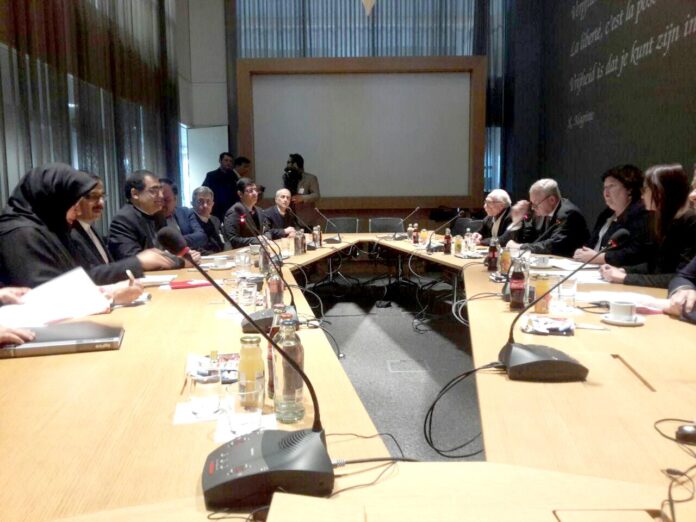
Belgium Calls for Promotion of Health Cooperation with Iran

During the Tuesday meeting, the two sides conferred on ways to develop Tehran-Brussels mutual cooperation in the field of health and hygiene.

The Iranian minister outlined part of the Islamic Republic’s accomplishments and achievements in the field of health and medical equipment.

De Block, for her part, called for further cooperation between Iran and EU member states, particularly Belgium, in the fields of health, medical equipment, and pharmaceuticals.

According to a Farsi report by IRIB News Agency, a Memorandum of Understanding on the Comprehensive Cooperation on Electronic Registration of Patients’ Health Information is going to be signed by the two sides.

Qazizadeh Hashemi has travelled to Brussels at the invitation of the European Commissioner for Health and Food Safety Vytenis Andriukaitis.

The Iranian minister will later meet with EU Commissioners to issue joint statements in the field of health.

A Summit will also be held revolving around economic opportunities in the field of health. This summit will be held with the participation Iranian Minister of Health and Medical Education, members of the public sector and private companies and Belgian companies.

After a two-day trip to Belgium, Qazizadeh Hashemi will head to Hungary.

The Iranian minister’s visit to Brussels comes a few weeks after Secretary-general of Flanders’ ministry of health in Belgium traveled to Iran and met with Iranian deputy minister of health. Karine Moykens voiced readiness to cooperate with Iran on constructing hospitals in the Islamic Republic.

She deemed the meetings with the Iranian delegation successful in having paved the ground for further cooperation with Iran.

Voicing readiness to cooperate with Tehran on health services and construction of hospitals, Moykens said more meetings will be held between Belgian companies and the Iranian side on expanding cooperation in this line.

“Exchanging positive, scientific and effective experiences in the field of management and construction of hospitals is of great importance to us,” she said. “We can help Iran to reduce the number of hospital beds and therefore the costs of health and treatment by taking care of patients at home with the use of new electronic laboratory technologies.”

“The Belgian Agfa Corporate’s project with Iranian Imam Khomeini Hospital in the field of electronic hospital infrastructures can open new doors to exchanging experiences with Iran,” she added.

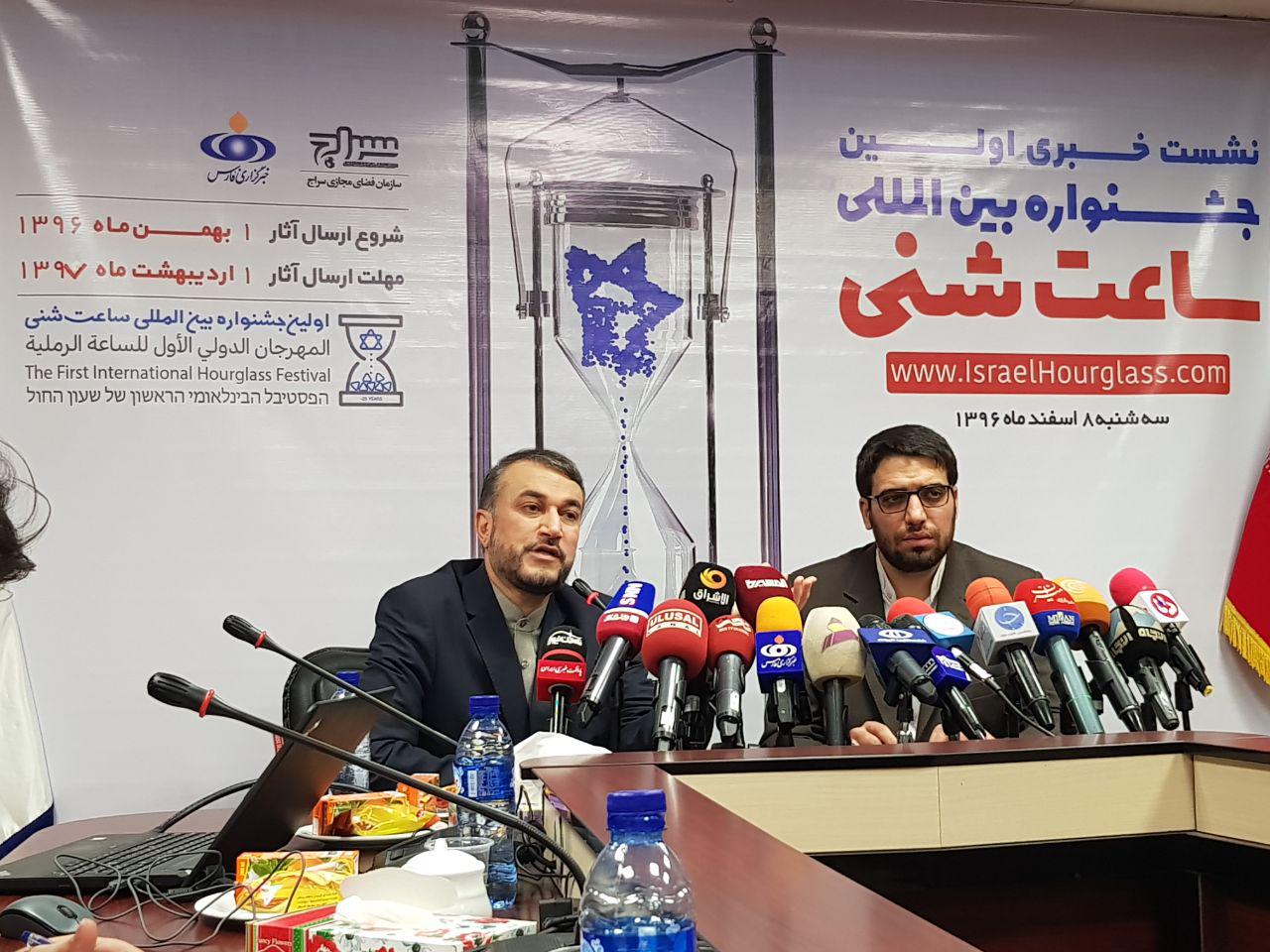
Iran to Hold International “Israel Hourglass” Festival

The festival’s press conference was held on Tuesday in Tehran, during which the main agenda and objectives of the festival were explained by the organizers.

Hossein Amir-Abdollahian, the Secretary-General of the International Conference on Supporting Palestinian Intifada and an international advisor to Iran’s Parliament Speaker, told the press conference that the “Hourglass Festival” is a symbol of the imminent collapse of the Zionist regime of Israel, as predicted by the Leader of Iran’s Islamic Revolution Ayatollah Seyyed Ali Khamenei.

“The Islamic Republic won’t allow the Zionists to play with the security of the sensitive region of Middle East. Iran and its allies in the region, who defeated terrorists, will never allow the Zionists to endanger the region’s security,” he added.

Amir-Abdollahian said that Tehran will not anymore let Tel Aviv repeat such acts of terrorism as the assassination of Iranian scientists.

Iran has not spared any effort to support Palestine and reinforce Hamas, Islamic Jihad, and Palestinian resistance groups to help the nation realize their goal, he went on to say.

He emphasized that fighting Israel is part of Iran’s national security because if the country fails to overcome the Zionists near their borders, it will have to fight against them in Tehran where they are assassination Iranian scientists and citizens.

Asked about the Islamic Republic’s plan to realize the victory of Palestinians over the Israeli regime, he said Iran is not the only one responsible for supporting the Palestinian cause, and all Muslim states must play their role in this regard.

He said he cannot publicize the Islamic Republic’s plan to realize the Leader’s prediction that the Israeli regime will collapse within 25 years, but it will definitely happen.

The Iranian diplomat further noted that in the post-ISIS era, the Israeli regime, along with its Saudi and American allies, is trying to realize its “inauspicious” goals in the region, adding that Israel seeks to keep Syria and the region unstable.
Iran to Hold International “Israel Hourglass” FestivalAmir-Abdollahian further rejected any negotiation between Israelis and Palestinians, saying that over the years of its illegitimate existence, Tel Aviv has proved it does not remain committed to its pledges.

Even Abu Mazen admits that negotiation with Israel is futile, he added.

Efforts by certain Arab countries, especially Saudi Arabia, to normalize ties with Israel have emboldened Israel, Amir-Abdollahian added, stressing that those who believed Israel-Palestine conflict could be resolved peacefully are now sure the only way is resistance.

He also referred to US President Donald Trump’s recognition of Jerusalem al-Quds as the capital of the Zionist regime, and described it as a great help for the Palestinians as it united the Muslim world against Israel.

For his part, Mahdi Qomi, the executive secretary of the festival, explained that the festival will be held in 11 sections

Audio-visual productions, graphic design (poster, cartoons, etc.), mobile apps, mobile and web-based games, social media and websites, animation, motion-graphics, start-ups are among the fields in which the festival accepts entries.

The festival will accept entries until April 21, when all the submitted works will be put on display to the public, he added.

The organizers will work with 2,400 anti-Israel NGOs in Europe, North America, Latin America, and Eastern Asia to promote the festival across the world, Qomi said.

According to its official website, the International Hourglass Festival has been formed with the aim of collecting and introducing “anti- Zionism” productions by Muslims all over the world in order to disclose the “beastly and anti-human” measures of Israel and its supporters, particularly the US and Wahhabis.

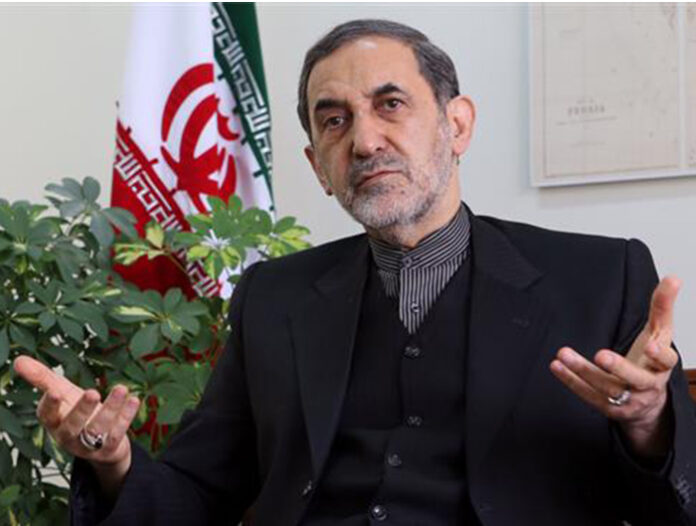
Leader’s Aide Rules Out Iraq’s Mediation in Iran-US Ties

Ali Akbar Valayati,

Speaking to reporters following his Monday meeting with Iraq’s Sunni tribal leaders, Ali Akbar Velayati said during his visit to Iraq, he held no talks with Iraqi officials on the country’s mediating role on relations between Iran and the US.

“There is no room at all for any mediating role for any state on relations between Iran and the US because the Islamic Republic is fully aware that the US is seeking to make covert infiltration in Iraq,” he was quoted as saying in a Farsi report by ISNA.

He then said the government and nation of Iraq are against the US infiltration, adding, “It goes without saying that in the face of the infiltration, Iran and Iraq will enhance their regional cooperation more than ever.”

He also referred to his meeting with Iraq’s Sunni tribal leaders and said during the talks they discussed bilateral relations between Iran and Iraq as well as their joint efforts in fight against ISIS.

Velayati accused the US of sowing the seeds of discord among Iran and Iraq and added “God willing, Washington will end up in failure in its efforts to create a fabricated disputes between us.”

The Iranian official then referred to the cultural and historical commonalities between the Iranian and Iraqi nations and noted no other two nations in the world are closer to each other than Iranians and Iraqis.

“Following the war imposed on Iran by Iraq under former dictator Saddam Hussein and backed by the foreign powers like the US and the region’s repressive states, Iran and Iraq have settled their differences and they have now no further grudge against each other,” he said.

Velayati called the mutual trust between the two nations a great asset which should be protected by both sides against the enemies’ plots.