Tuesday, December 23, 2025
Home Blog Page 3596

IRGC Chief Blasts Regional States for “Treacherous” Silence over Israeli Crimes

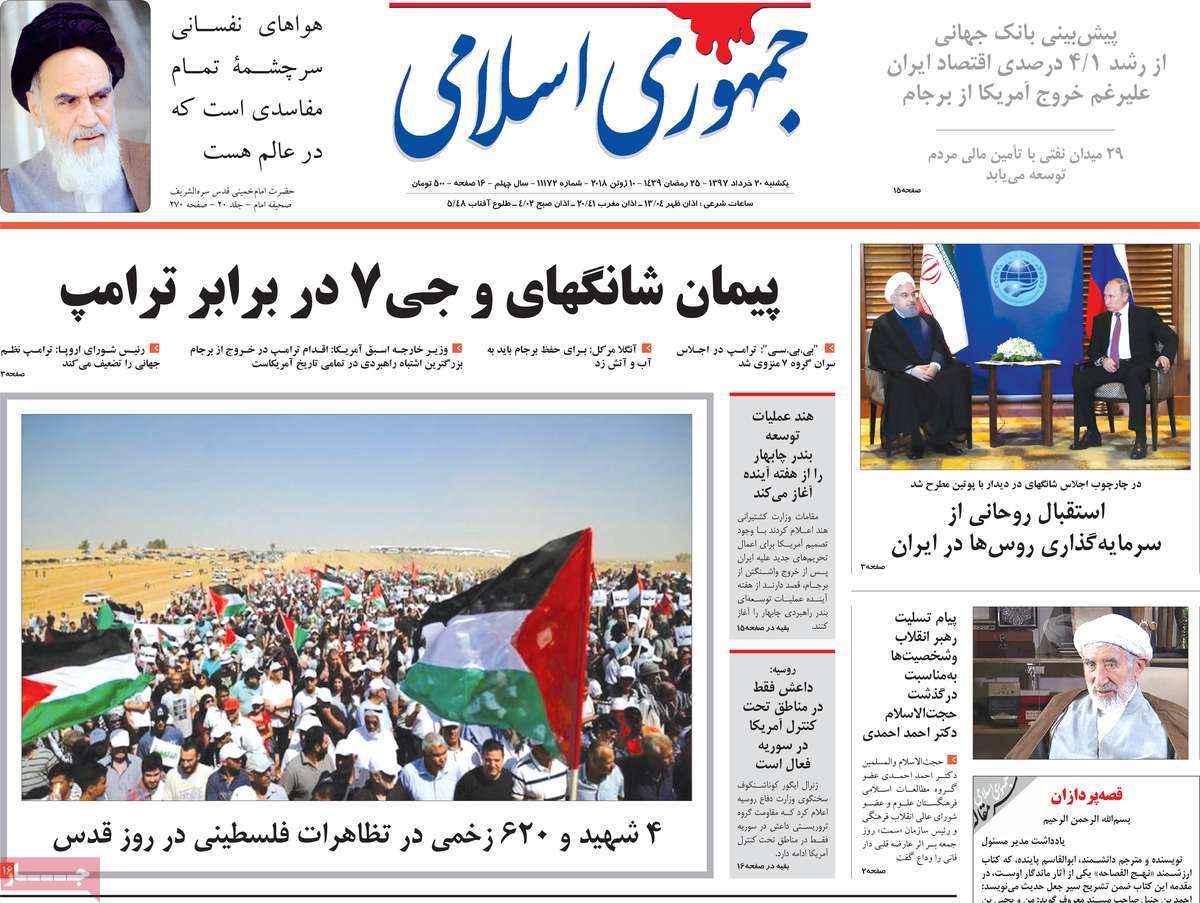
Speaking to reporters in Tehran on Tuesday, Major General Jafari condemned the killings of dozens of the “oppressed people” of Palestine on Monday and said, “The world is full of oppression by the occupying Zionist regime and the United States.”

He further deplored the inaction of some regional countries on the massacre of Palestinians and said “the treacherous states” that are self-proclaimed advocates of Islam are complicit in the oppression against the oppressed people of the region, including the Palestinians.

The Gaza Health Ministry said nearly 60 Palestinian were killed and more than 2,700 others injured Monday, including 1,360 by live fire. Of the wounded, 130 are in serious or critical condition.

It was the deadliest day in Gaza since a 2014 cross-border war.

On Monday, tens of thousands of Palestinians rallied near Israel’s border fence to protest a blockade of their territory and the move of the US Embassy from Tel Aviv to al-Quds (Jerusalem) that day.

The UN Security Council is set to meet Tuesday to discuss the mass killings of Palestinians by Israeli forces near the Gaza border.

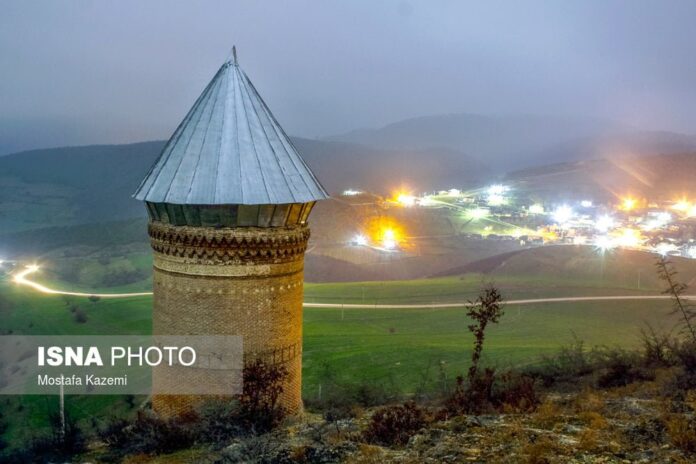
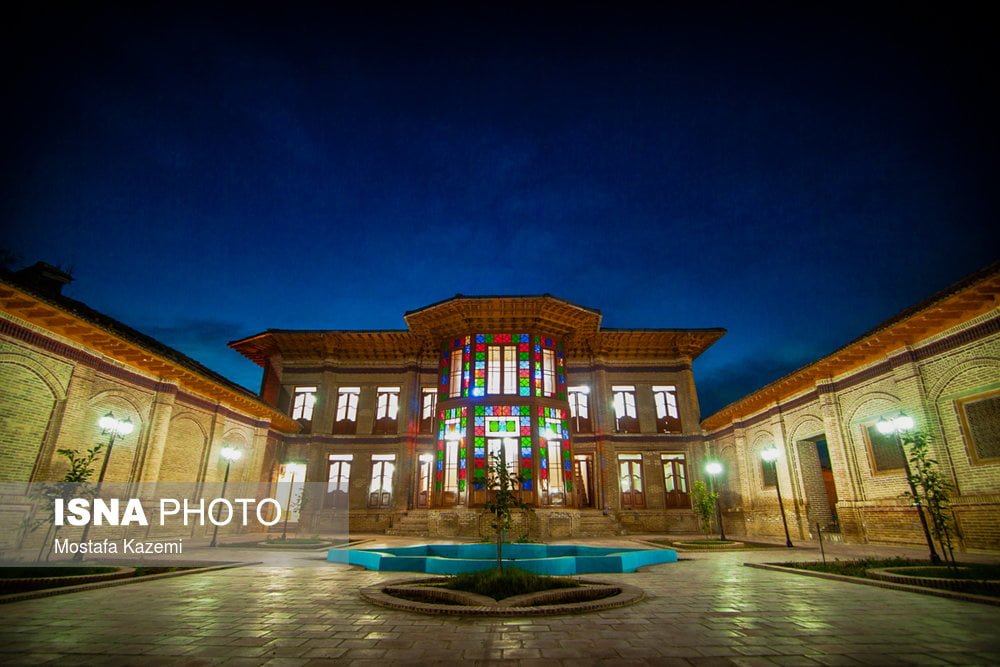
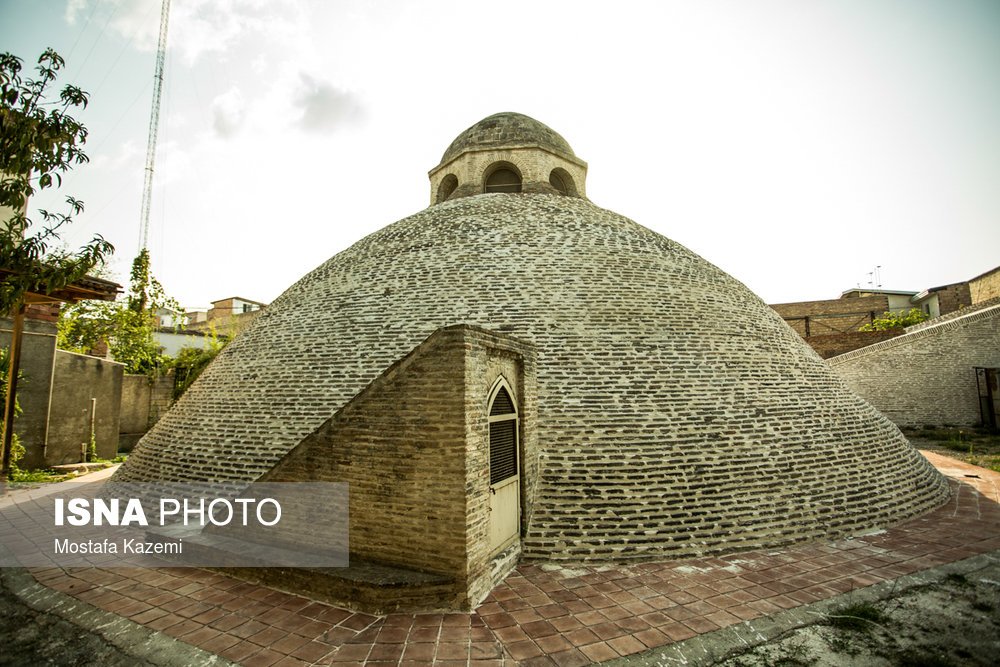
Kalat: Ancient, Scenic Iranian City with Royal History

Kalat is like a natural fort, and it was due to its impenetrability that King Nader of Afsharid dynasty chose it as the capital of his rule.

The region’s most important tourist attraction is the Sun Palace, where King Nader’s treasure, including famous Takht-e-Tavoos (the Peacock Throne) as well as precious diamonds, were kept.

Khorasan Razavi Province (16)
Sun Palace’ was built in Kalat on the order of Nader Shah to serve as a resort and a treasury for jewelleries and the spoils of war.

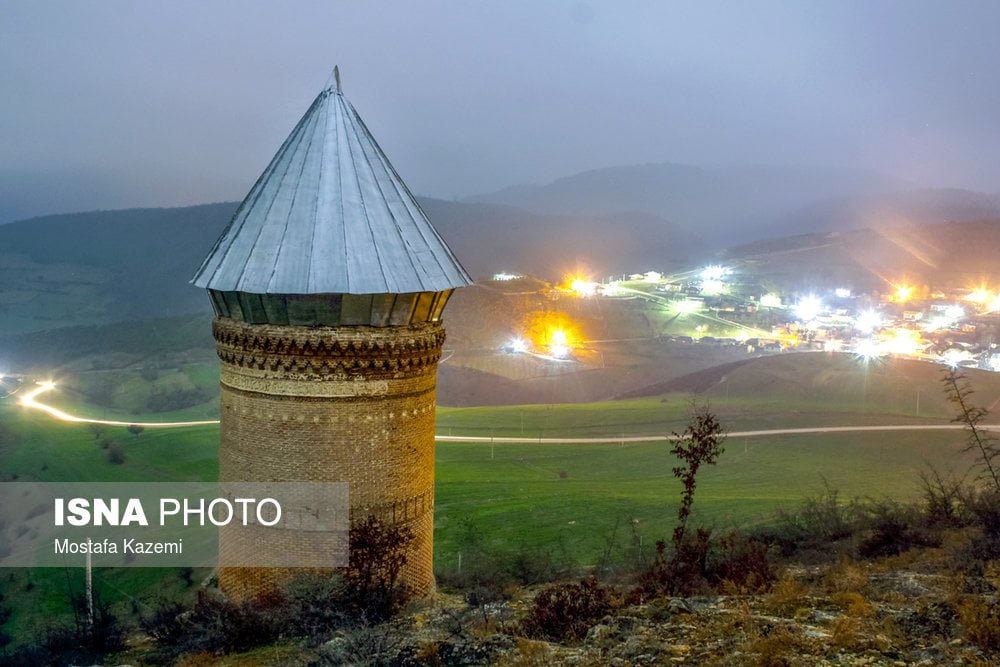
Among other tourist attractions of the region are the Kabood-Gonbad (literally translated as Blue Dome) Mosque, a stone manuscript bearing the poems of Golbon Afshar (one of the poets of King Nader’s court), the King Arghook Tower and the Qaresoo (Black Water) Waterfall.

Located some 145 kilometres northeast of the provincial city of Mashhad, Kalat lies on the Hezar Masjed Mountain, bordering Turkmenistan.

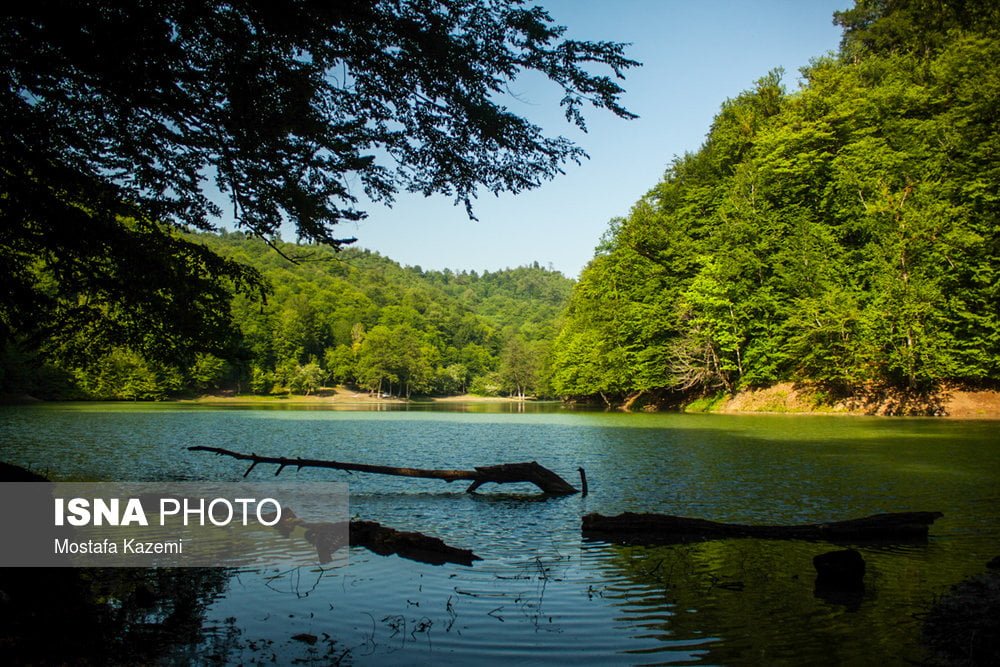
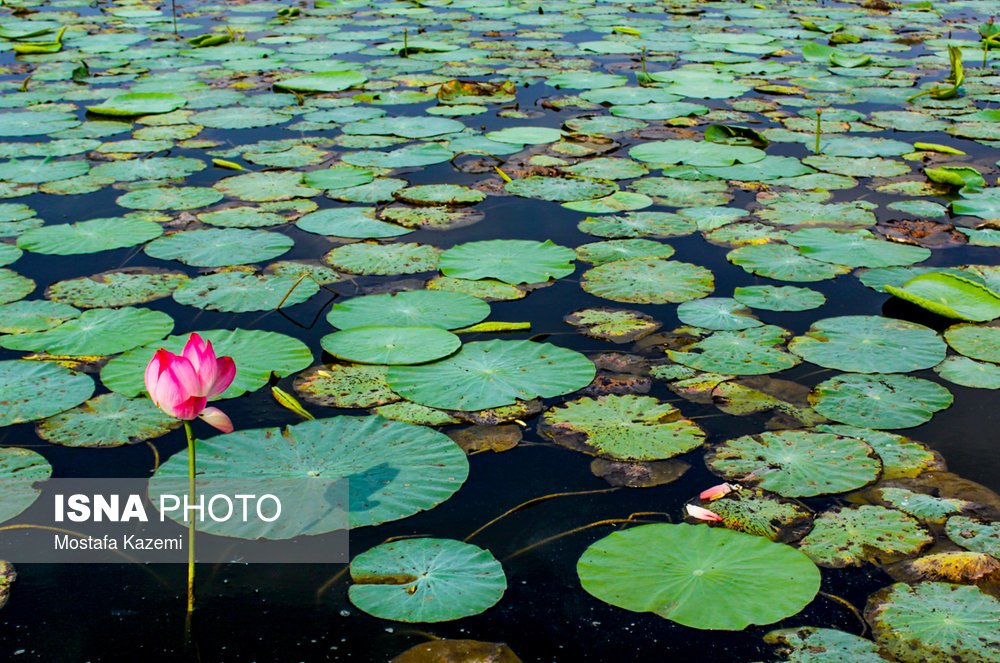
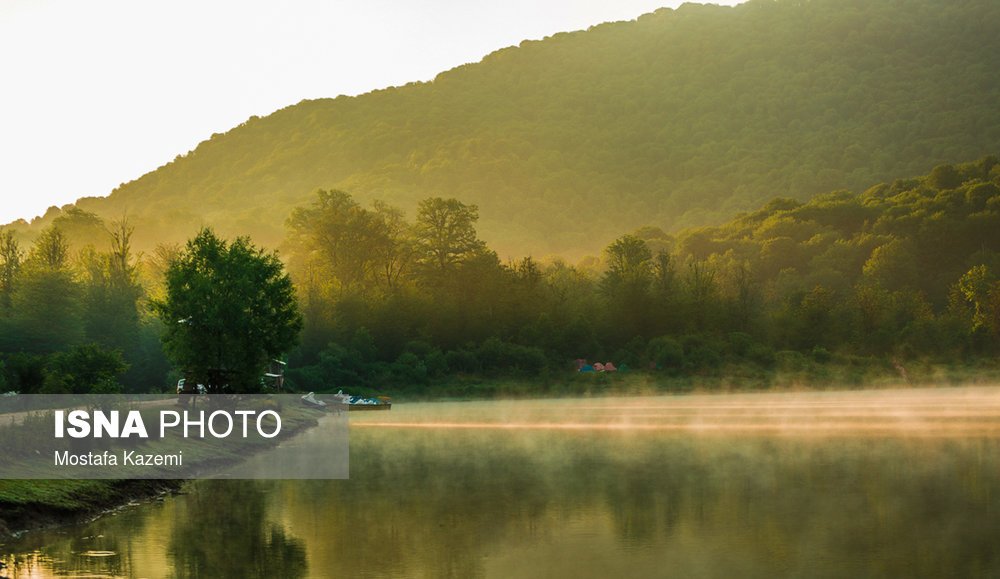
In addition to the historical attractions mentioned above, Kalat is also marked by fog-covered mounts, rivers flowing with water, and rice paddies with an aroma mesmerizing every visitor. This natural diversity can also be seen in the Kalat community where different ethnic groups live side by side in peace and harmony. Kalat residents are made up of Kurds, Turks and the Fars.

Due to its mountainous location, Kalat is accessible only through some pathways called “Darband.”

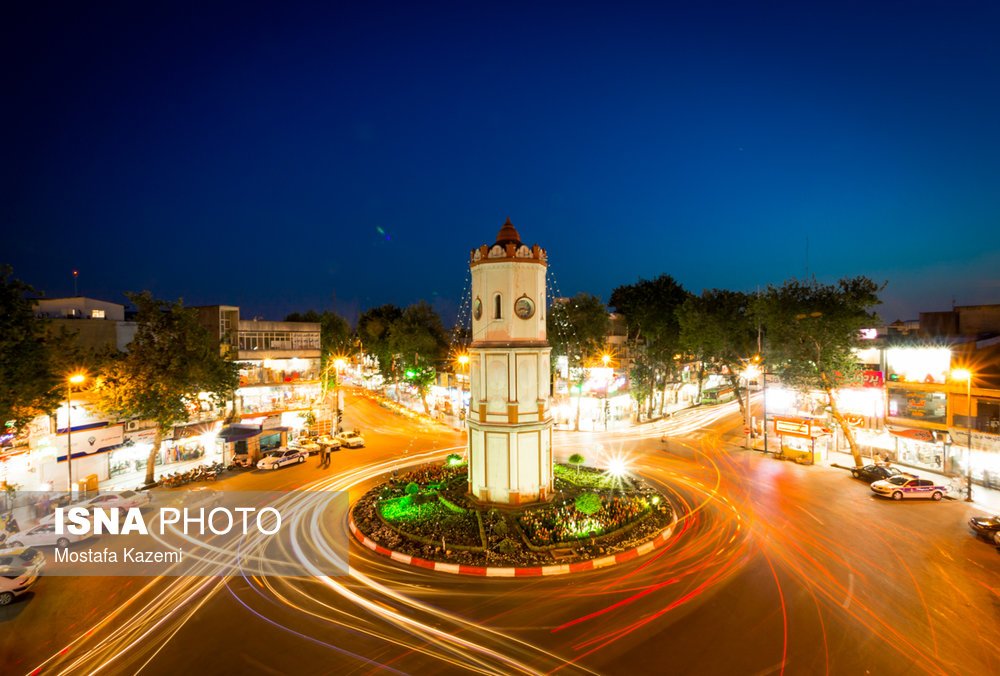
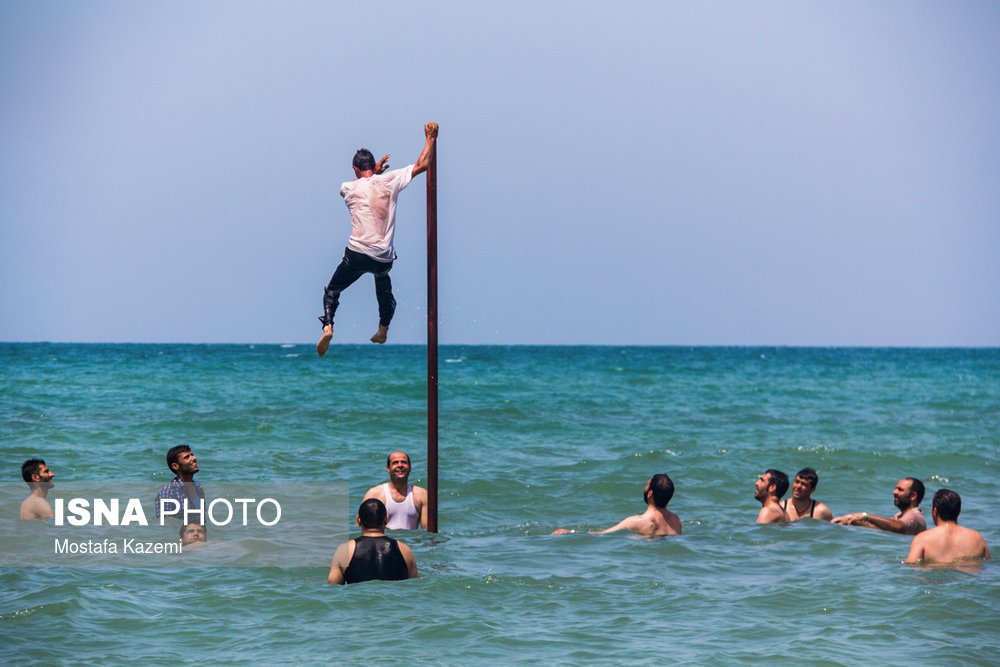
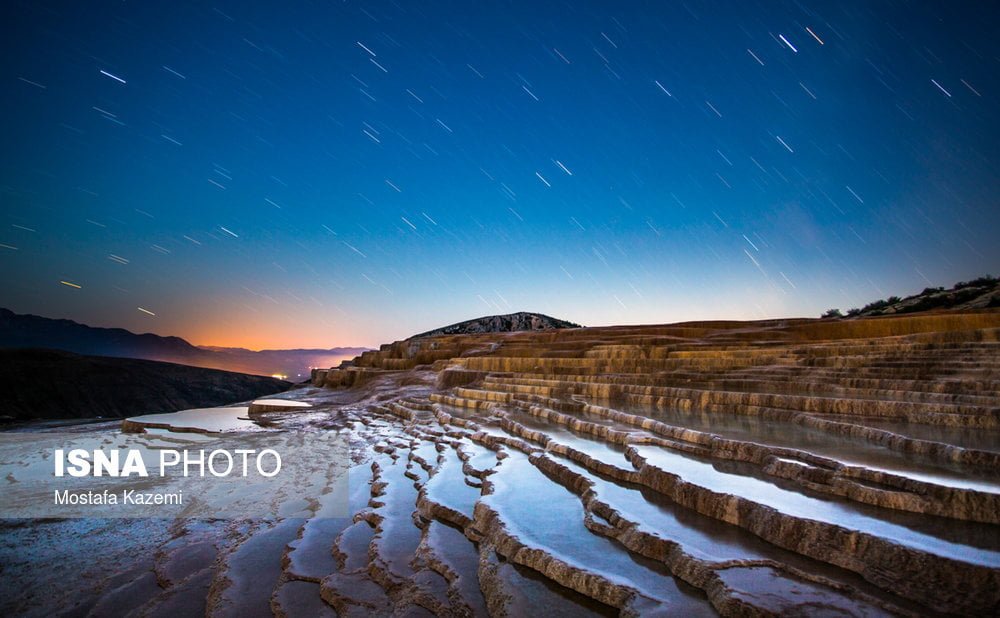
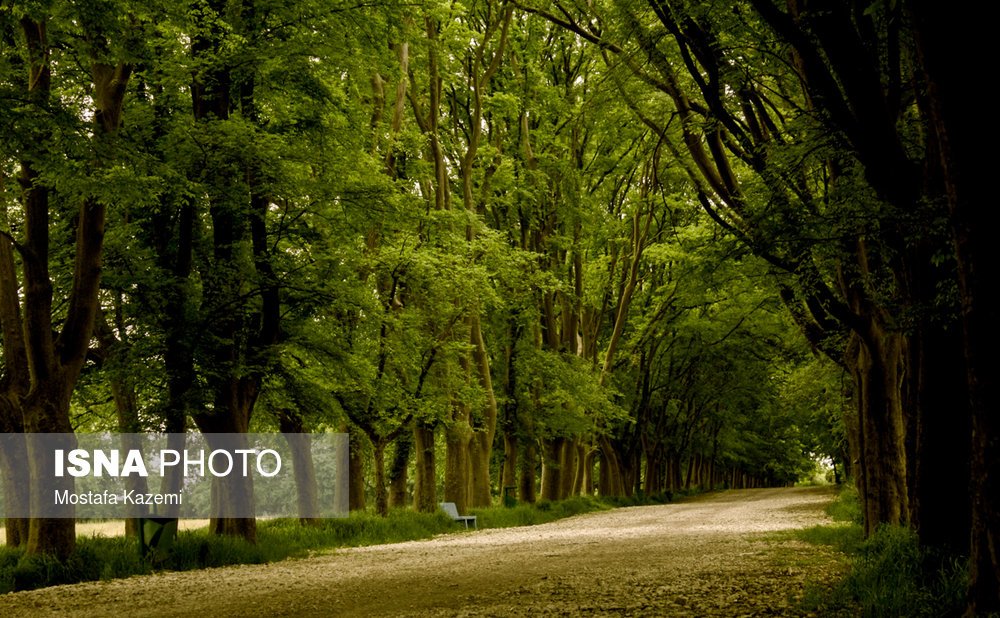
What follows are Mizan News Agency’s photos of the beautiful city:

Luxembourg Throws Its Weight behind Iran Nuclear Deal: FM

Jean Asselborn underlined his country’s backing for the JCPOA in a Tuesday phone conversation with Iranian Foreign Minister Mohammad Javad Zarif.

Luxembourg’s top diplomat touched upon the European Union’s efforts to secure Iran’s benefits under the JCPOA, demanding that the agreement remain in place as an international achievement.

The two top diplomats also discussed the latest situation in the occupied Palestine and the Israeli regime’s recent atrocities against Palestinians.

The Iranian foreign minister’s conversation with Asselborn came as the former is visiting Brussels to attend a trilateral meeting with his French, British, and German counterparts as well as the EU foreign policy chief on the fate of the Iran nuclear deal.

Speaking after a bilateral meeting with EU’s Federica Mogherini on Tuesday, Zarif said he had good and constructive talks with her.

“We started our work to get assurances from Europe. We’re on the right track to ensure that the interests of all parties, especially Iran, will be secured,” he added.

Iran, Turkey, Russia Stress Efforts to Help Syrians Restore Normal Life

The second meeting was held on Tuesday with Hossein Jaberi Ansari, a senior assistant to Iran’s Foreign Minister in Political Affairs; Alexander Lavrentiev, the Russian President’s Special Envoy on Syria; and Sedat Onal, the Deputy Undersecretary of the Turkish Foreign Ministry in attendance.

During the meeting, the officials finalized the draft statement of the Ninth Round of Astana Talks on Syria Crisis. They also set the date and place of the third meeting of the committee charged with swapping prisoners and the fate of the people who disappeared or were abducted during the Syria crisis.

The officials also agreed on the date of the next round of the international conference on Syria peace.

Following the talks, the three states issues a joint statement, the full text of which follows:


Joint Statement by Iran, Russia and Turkey

on the International Meeting on Syria in Astana

(14-15 May 2018)


The Islamic Republic of Iran, the Russian Federation and the Republic of Turkey as guarantors of the observance of the ceasefire regime in the Syrian Arab Republic:

  1. Reaffirmed their strong commitment to the sovereignty, independence, unity and territorial integrity of Syria. Highlighted that these principles should be universally respected and any action that might violate them and undermine achievements of the Astana format should be avoided.
  2. Emphasized the importance of the implementation of the Memorandum on the creation of the de-escalation areas in the Syrian Arab Republic of 4 May 2017 and other agreements reached within the framework of the Astana format. Took stock of the developments of the situation on the ground a year after signing the Memorandum.
  3. Underlined the key role that the de-escalation areas play in maintaining the ceasefire regime, reducing the level of violence and stabilizing the overall situation in Syria and highlighted that the creation of these areas is a temporary measure that under no circumstances undermines the sovereignty, independence, unity and territorial integrity of Syria.
  4. Underscored the need to encourage efforts that help all Syrians to restore normal and peaceful life and to this end to ensure rapid, safe and unhindered humanitarian access, to deliver necessary medical aid and humanitarian assistance and to create conditions for safe and voluntary return of refugees and internally displaced persons to their original places of residence as well as free movement of local population.
  5. Reaffirmed their determination to fight terrorism in Syria in order to ultimately eliminate DAESH/ISIL, Nusra Front and all other individuals, groups, undertakings and entities associated with Al‑Qaeda or DAESH/ISIL as designated by the UN Security Council.
  6. Welcomed the convening of the second meeting of the Working Group on the release of detainees/abductees and handover of the bodies as well as the identification of missing persons by three Guarantors` representatives with the participation of the UN and ICRC experts. Took note of the Working Group`s progress report and reaffirmed the necessity to continue joint efforts aimed at building confidence between the conflicting parties in Syria. Agreed to hold the next meeting of the Working Group in Ankara in June 2018.
  7. Guided by the provisions of the UN Security Council resolution 2254, reaffirmed their determination to continue joint efforts aimed at advancing the process of the political settlement, through facilitating the implementation of the recommendations of the Congress of the Syrian National Dialogue in Sochi. In this regard agreed to hold joint consultations of their high-level representatives with the United Nations Secretary‑General’s Special Envoy for Syria as well as with Syrian parties in order to create conditions to facilitate the beginning of the Constitutional Committee`s work in Geneva as soon as possible and to carry out such meetings on a regular basis.
  8. Expressed their sincere gratitude to the President of the Republic of Kazakhstan, His Excellency Nursultan Nazarbayev and the Kazakh authorities for hosting in Astana the 9th high-level International Meeting on Syria.
  9. Decided to hold the next high-level International Meeting on Syria in Sochi in July 2018.


Astana, 15 May 2018

Iranian Diplomat, UN Envoy Discuss Syria Peace

Hossein Jaberi Ansari, who is also a senior assistant to Iranian Foreign Minister Mohammad Javad Zarif, discussed with de Mistura the latest trends in talks held in Astana and Geneva on the situation in Syria.

They also exchanged views on the decisions of the Syria National Dialogue Congress, especially the ones on the formation of a committee to draw up the Constitution.

In the meeting, Jaberi Ansari touched upon his recent negotiations with high-ranking Syrian authorities, and underlined the need to work out a solution that can win the trust of all sides involved.

The two officials also underscored the need to continue their consultations to help settle the Syria crisis.

The meeting was held within the framework of bilateral meetings on the sidelines of the 9th round of talks on Syria in Astana.

Iran, Turkey Call for OIC Meeting on Palestine 

Iran, Turkey Urge Muslim World to Stand against 'Sale of Palestine'

During the talks, the two sides called for a summit of the Organisation of Islamic Cooperation (OIC) on Palestine at the level of heads of state.

Zarif and Cavusoglu further urged the UN General Assembly to discuss the issue in an emergency meeting.

The Iranian and Turkish foreign ministers also agreed to continue their negotiations on Palestine.

At least 60 Palestinians in Gaza were killed and thousands of others injured on Monday by Israeli forces.  The Palestinians were protesting the US embassy relocation in Israel from Tel Aviv to Jerusalem al-Quds. They were also protesting Israel’s occupation of their land. More protests are expected Tuesday that marks the 70th anniversary the Nakba Day when Israel was created.

The US has blocked a UN call for an independent probe into Israel’s massacre of Palestinians in the Gaza Strip. The call was made in a draft statement by the Security Council.

Tel Aviv’s brutal crackdown in Gaza has drawn reactions from world countries and rights groups. Iran’s foreign ministry has said Israeli officials should be tried as war criminals. Turkish President Recep Tayyip Erdogan also condemned the atrocities, calling the Israeli regime a state of terror.

“Iran Can Benefit from Possible Germany-Russia-China Alliance”

The Tasnim News Agency, in a recent article, has weighed in on Europe’s possible course of action in the wake of Washington’s withdrawal from the JCPOA and whether or not the Europeans will be able to guarantee Iran’s interests under the deal.

The article specifically highlights the role Germany can play in securing Iran’s interests.

“The US does not take Germany seriously enough despite Berlin’s economic and technical power as well as its status in the European Union, and this is what upsets Germany,” has written in a recent report.

“The process to form an alliance between China and Russia kicked off 5 years go, and Germany will establish a close relationship with the alliance even if it cannot officially join it,” the report added.

“This triangle, with one weaker side, will provide Iran with new opportunities. If Iran takes those chances, there will be no need to follow Europe and launch a fresh and futile round of negotiations on dead-born JCPOA.”

The full text of the analytical piece follows.

The United States pulled out of the Iran nuclear deal upon an executive order by Donald Trump, setting in motion a fresh wave of speculations in different countries over the possibility of the agreement remaining in place without the US and with reliance on the potential of the three European countries (Germany, France, and the UK). The development has made it all the more necessary to conduct a precise technical evaluation of the European countries’ capabilities. Which one would show the nature of the signatories to the Iran nuclear deal: E3+3 or P5+1? Maybe neither. 2+1+2 offers the best description about the nature of the other parties to the nuclear deal that can play a part in the developments in the “post-JCPOA” era.

E3+3 shows three European countries next to three non-European states; Russia, China and the US on the one side, and three European countries on the other. Britain does nothing but to obey Washington, and has officially left the European Union as well. China and Russia are against the US and are not on the same page. So, the only advantage of the E3+3 combination is that it serves as a propaganda move for the European countries or Troika.
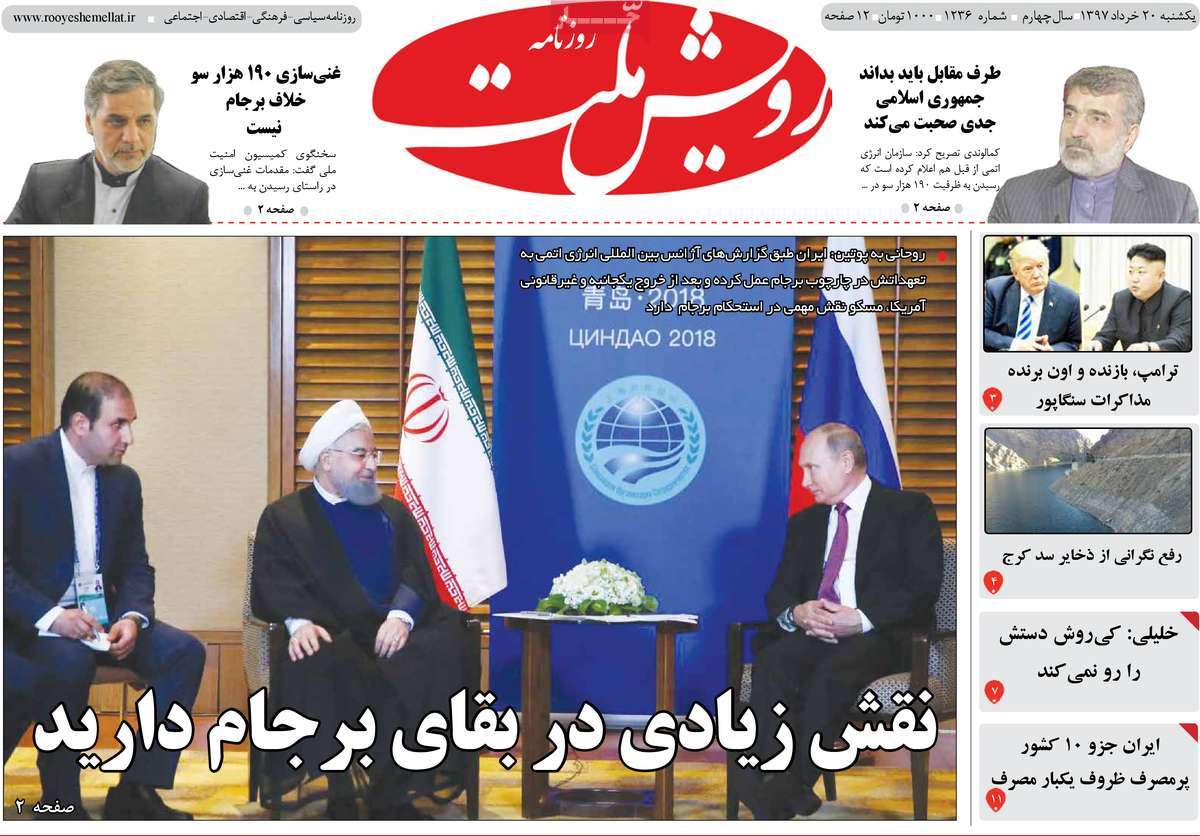
The P5+1 combination draws a line between Germany, the only non-nuclear power in the talks with Iran, and other parties. It is more of a legal classification, and, by no means, shows the nature of the countries Iran is dealing with.

2+1+2 is the best description about the nature of the countries Iran is dealing with, in the JCPOA:

2 = China and Russia – two countries which roughly share the same strategic interests in JCPOA;

1 = Germany – it does not benefit from getting on board with the US, and is leaning toward China and Russia, but is not powerful enough to change the game, either.

2 = France and Britain – these two countries have defined their policy in association with getting on board with the US, and neither, especially the UK, acts in Iran’s interests.

Der Spiegel wrote that German Chancellor Angela Merkel has warned about Europe’s heightened expectations in disputes with Washington over the nuclear deal with Iran.

She says European countries should not create the impression that they are stronger than they really are. She says Europe cannot present itself as the sole power seeking peace. Merkel says it should become clear to what extent it will be possible to support the Iran nuclear deal when the US, an economic heavyweight, is no longer involved. She has clearly said that Berlin cannot do anything in that regard.

German Finance and Economy Minister Peter Altmaier has also confirmed Merkel’s comments, saying the German government does not have what it takes to support German firms against the United States’ anti-Iran sanctions.

The German chancellor is scheduled to travel to Russia this week to sit down for talks with Russian President Vladimir Putin on the JCPOA. Both countries have underlined the need to preserve the nuclear deal despite Washington’s withdrawal from the agreement. Let’s not forget that Germany’s ex-Chancellor Gerhard Schröder created a European belt with the help of France and Russia against George W. Bush back in 2003 to prevent an attack on Iraq. However, his attempt proved futile, and the Moscow-Berlin-Paris axis collapsed. After that, Condoleezza Rice said Russia should be forgiven, Germany should be ignored and France should be punished. Now, will Germany be ignored like in 2003 if it opposes the US over the JCPOA, or will it be punished like France? Looks like Merkel prefers to avoid risks, and at the same time has a look at Russia’s positions.

With the US coming into play, the nature of China and Russia’s relations with economic and political heavyweights is a far cry from that in 2012 as Beijing and Moscow are openly under Washington’s economic pressure. In the past, Germany would thwart Washington’s anti-China plans by supporting China in the European Union, and showed in the 2003 arms-wrestling that it does not define its strategic interests “Atlantic-style.”

The US does not take Germany seriously enough despite Berlin’s economic and technical power as well as its status in the European Union, and this is what upsets Germany. UK-US ties, which are based on London’s financial profits and the US dollar, are irritating to industrial countries. These two countries are no better than their rivals in any industry, and have maintained their power through the “printing the dollar” doping technique and London’s money laundering.

The process to form an alliance between China and Russia kicked off 5 years go, and Germany will establish a close relationship with the alliance even if it cannot officially join it. This triangle, with one weaker side, will provide Iran with new opportunities. If Iran takes those chances, there will be no need to follow Europe and launch a fresh and futile round of negotiations on dead-born JCPOA. There are many ways to secure essential trade transactions, and the world is not limited to Western Europe and North America.
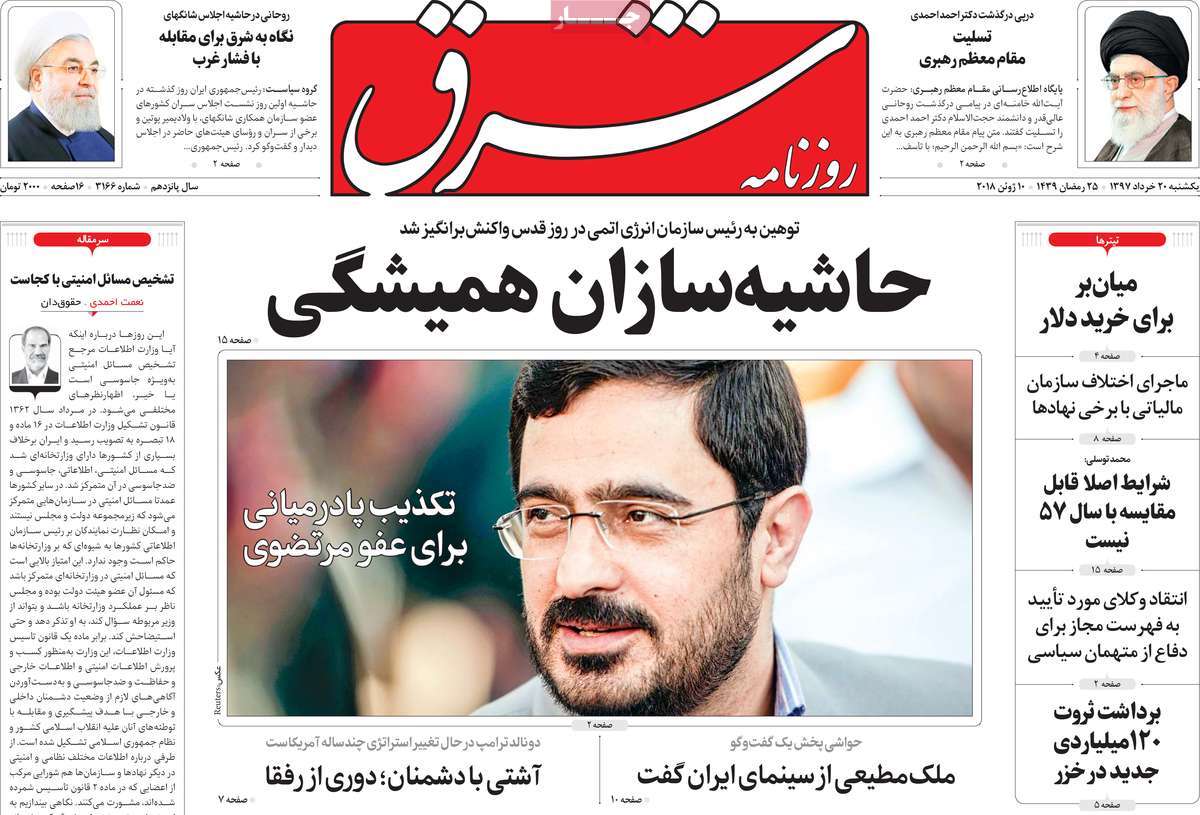
Establishing open banking relations with China and Russia and using those channels to engage with Germany, when necessary, is a clear and reliable solution to render sanctions ineffective. According to financial experts, the fact that it is impossible to ban financial transactions with China’s four main banks due to technical and not political reasons, the fact that it is impossible to slap sanctions on Russian banks due to geographical reasons, and etc. have provided Iran with more tools to neutralize Trump’s 1-0 game.
If Iran does not rely on solutions which have already proven ineffective, new horizons will open up before the country’s economy and foreign policy.

Iran Ready to Promote Mutual Cooperation with Nepal, Estonia

Sarmadi on Monday held talks with Estonia’s accredited Ambassador to Tehran, who presented a copy of her letter of credence.

During the meeting, the two sides explored ways to promote bilateral relations in various areas. They also exchanged views on some regional and international issues including the Iran nuclear deal and the US withdrawal from the international agreement.

Estonia is a developed country with an advanced, high-income economy that has been among the fastest growing economy in the EU since 2011.

Sarmadi also met Nepal’s accredited ambassador to Tehran Sewa Lamsal Adhikari. During the talks, the two diplomats exchanged views on mutual ties between Iran and Nepal in a number of areas including economy.

Iran Ready to Promote Mutual Cooperation with Nepal, EstoniaThey also discussed ways for promoting cooperation in the tourism industry.

Nepal, officially called the Democratic Republic of Nepal, is a landlocked sovereign state located in South Asia.

With an area of 147,181 square kilometres, Nepal is located in the Himalayas and bordered to the North by the People’s Republic of China, and to the South, East, and West by the Republic of India. Kathmandu is the Nepal’s capital and largest city.

Iran Urges EU to Hold Meeting of JCPOA Joint Commission

In this letter, Zarif requested the EU foreign policy chief to organize a meeting of the JCPOA Joint Commission to discuss the US pullout.

The top Iranian diplomat is currently in the Belgian capital on the last leg of his three-nation tour aimed at saving the nuclear deal. During his visit to the Belgian capital, Zarif will hold talks with his British, German, and French counterparts as well as EU’s Mogherini on the future of the nuclear deal.

Earlier, he visited Beijing and Moscow and sat for talks with his Chinese and Russian counterparts over the fate of the JCPOA.

Zarif’s letter to Mogherini came after a similar letter he wrote to the UN Secretary General Antonio Guterres following the US pullout.

In the letter, Zarif accused the US of “a complete disregard for international law” over its withdrawal from the 2015 nuclear deal. He said the US has consistently failed to abide by its commitments under the deal since Donald Trump took office. The Iranian foreign minister added that the US actions not only undermine the principles of peaceful settlement of disputes but endanger multilateralism.

In remarks before his departure for Brussels, Zarif talked about the purpose of his negotiations with European officials and said he held good and substantive meetings with his counterparts in Russia and China.

He noted that Russia’s stance on the deal is explicit as Moscow believes that all members of the deal and the international community should benefit from the JCPOA.

Zarif also held a phone conversation with his German counterpart Heiko Maas on Monday on the Iran nuclear deal.

Iran’s Shamkhani Calls Trump Epitome of Anarchism, Violence

US Must Answer Questions about Its Role in COVID-19 Spread: Iran

“Trump has turned into the symbol of anarchism and increasing violence on the international scene with his strategic mistakes in supporting terrorism, breaching the JCPOA (the landmark 2015 nuclear agreement, officially known as the Joint Comprehensive Plan of Action, signed between Iran and the major world powers) and other international pacts as well as violating the Palestinian people’s rights,” Secretary of Iran’s Supreme National Security Council (SNSC) Ali Shamkhani said on Monday.

The US declared on Monday afternoon the opening of its embassy in Jerusalem al-Quds despite a global outcry and the Palestinian people’s anger over the controversial decision.

Hours before the inauguration, Israeli troops opened fire on Palestinians who have gathered near a Gaza fence for the climax of a six-week demonstration. According to Gaza health officials, at least 41 Palestinians, including children and teenagers, have been shot dead and hundreds have been wounded by Israeli snipers who are positioned along the fence, facing the protesters.

Trump’s daughter, Ivanka, arrived in Jerusalem al-Quds on Sunday to open the new US embassy in Israel.

Speaking to reporters, the US president’s daughter said she had “great joy” in going back to Jerusalem al-Quds, which Trump recognized as Israel’s new capital last December amid international uproar.

Shamkhani further said the transfer of the illegitimate Israeli regime’s capital to Jerusalem al-Quds would strengthen the Muslim world’s resolve to defend the Palestinian cause and would lead to adverse consequences for the orchestrators of the plot.

He emphasized that the catastrophic measure would reinforce coherence and unity among Muslims across the world and accelerate the Israeli regime’s annihilation.

The SNSC secretary held the Israeli regime and US accountable for instability and insecurity of such “unwise” measures given the security and political consequences of any decision about al-Quds.

He said al-Quds is an inseparable part of Palestine, stressing that only residents of this land must make decisions about its future.

“No country can make a decision for this Muslim country by overlooking the absolute rights of the Palestinian people,” Shamkhani pointed out.

In a speech at the White House in December 2017, Trump officially declared the disputed city of Jerusalem al-Quds as Israel’s capital, despite warnings from around the world that the measure risks triggering a fresh wave of violence in the Middle East.

Trump said, “I have determined that it is time to officially recognize Jerusalem as the capital of Israel. While previous presidents have made this a major campaign promise, they failed to deliver. Today, I am delivering.”