Thursday, December 25, 2025
Home Blog Page 3510

Iran Ready for Talks with US Once It Pays Its Debts, Remove Sanctions: Rouhani

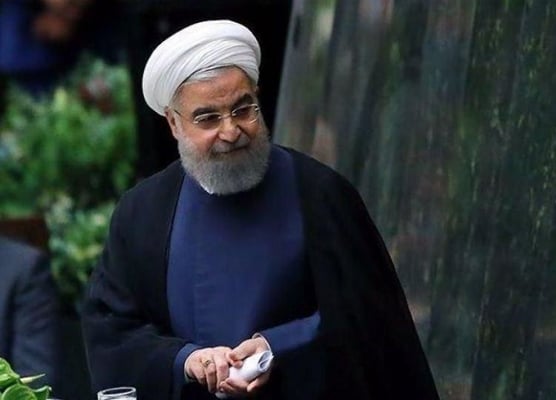
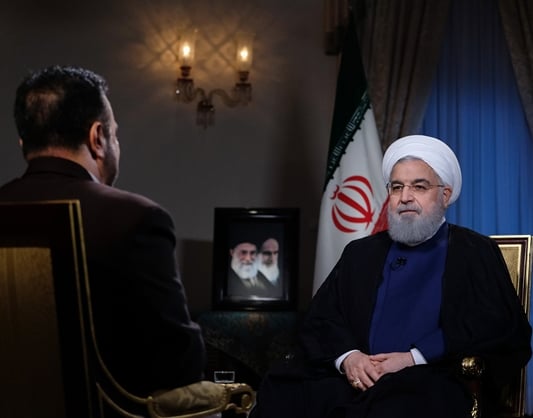
Speaking in a live televised interview on Monday, Rouhani said constructive interaction with the world has always been his administration’s motto, so “we are open to dialogue.”

However, he added, honesty and hope for achieving an outcome are prerequisites for talks.
If someone has put a dagger in your back, he should first take it out, then call for talks, Rouhani went on to say, referring to the Trump administration’s policy of calling for talks with Iran and at the same time imposing the harshest-ever sanctions on the country.

Rouhani further noted what Donald Trump has done is targeting the Iranian nation. “If Trump shows honesty and returns to JCPOA, we would be able to hold talks.”

Sanctions which are targeting Iranian kids and patients and the US’ pressure on other countries to avoid doing business with Iran must be stopped, and the US must compensate for Iran’s losses, which date back to the US-backed 1953 coup, before such talks could be held, he added.

The Iranian president further pointed to the US’ isolation in the international community, and said except for a few countries, the entire world including European states consider Iran as a reliable partner which keeps its promises.

Europe has done whatever it could for Iran, from passing laws to taking anti-US stances, he said, adding that the country has also received promises from Russia and China for the time of US sanctions.

China and Russia have promised to help Iran in the time of US’ November sanctions on Tehran’s oil exports and banking relations with the outside world, he noted.
They clearly announced that they will implement their deals, as the Chinese did in the case of French energy company Total’s withdrawal from an Iranian project, Rouhani stressed.
He also described Asian countries, including China and India and the ASEAN as very important partners for Iran at the time of US’ sanctions.

Rouhani’s comments came as the first batch of US sanctions on Iran’s automotive and metal sectors, gold trade, aviation industry and other fields snapped back on Monday, and the second part, which focuses on the country’s oil exports and banking relations, will be re-imposed in November.

Fresh US Sanctions Not to Harm Iran’s Economy Anymore: Zarif

“Today is the day when [US] sanctions are re-imposed on Iran. However, nothing will happen. They have already done what they wanted to do,” Zarif said, adding that the impact of US sanctions is more of a psychological type.

He made the remarks in an address to a group of Iranian journalists and reporters on Monday in a ceremony to mark the National Journalists’ Day in Tehran.

“I believe we will manage to pass this critical juncture as well, as we did in the past. The difference is that the current juncture is not as difficult as the previous ones, because now only three or four countries are standing against us, but once a huge number of countries used to be against Iran,” he added.

He further pointed to US President Donald Trump’s call for dialogue with Iran, and described it as part of a psychological game.

“I ask those who claim to be seeking to improve their relations with Iran: why were the bans on sale of passenger planes to Iran the first sanctions you re-imposed on Iran? Weren’t they supposed to be used by Iranian people?”

Zarif said the main goal pursued by the US, Saudi Arabia, and the Israeli regime is to create psychological tension in Iran.

“Who would believe that Trump seeks to negotiate with Iran,” Zarif asked.

If the US really wanted to hold talks with Iran, it had the chance to do so when the Leader of Iran’s Islamic Revolution Ayatollah Seyyed Ali Khamenei said the nuclear talks, if successful, could set a good precedent for Iran-US talks on other issues as well, the Iranian top diplomat said.

However, he added, Trump annulled everything in a short interview.

Zarif said that the US president must at least prove that sitting for talks is worth the time.

He further noted that the leaders of the United States, Saudi Arabia and Israel were isolated in their hostility towards Iran.

“Today, the entire world has declared they are not in line with US policies against Iran,” Zarif said.

“Talk to anyone, anywhere in the world and they will tell you that (Israeli Prime Minister Benjamin) Netanyahu, (US President Donald) Trump and (Saudi Crown Prince Mohammed) bin Salman are isolated, not Iran,” he said.

“Of course, American bullying and political pressures may cause some disruption, but the fact is that in the current world, America is isolated.”

Saudi Arabia and Israel, Iran’s key regional rivals, are among the only countries to strongly support the re-imposition of US sanctions.

The other parties to the 2015 nuclear agreement – Britain, France, Germany, China and Russia – say Iran was abiding by its commitments and have vowed to salvage the deal by ensuring economic benefits continue to flow to the country.

The European Union said in a statement Monday that the bloc deeply regretted the US re-imposition of sanctions and vowed immediate steps to protect European companies.

The statement by EU diplomatic chief Federica Mogherini and the foreign ministers of Britain, France and Germany said it would also work to keep “effective financial channels” open with Iran.

The EU said it would now swiftly bring in legal cover for firms in the 28-nation bloc “engaged in legitimate business with Iran”, after the Trump administration rejected European calls for an exemption.

“This is why the European Union’s updated Blocking Statute enters into force on 7 August to protect EU companies doing legitimate business with Iran from the impact of US extra-territorial sanctions.”

The “blocking statute” forbids EU firms from complying with US sanctions, allowing them to recover damages from such penalties and nullifying any foreign court rulings against them.

“The remaining parties to the JCPOA have committed to work on, inter alia, the preservation and maintenance of effective financial channels with Iran, and the continuation of Iran’s export of oil and gas,” the EU statement said.

Iran Unveils New Policies to Restore Calm to Forex Market

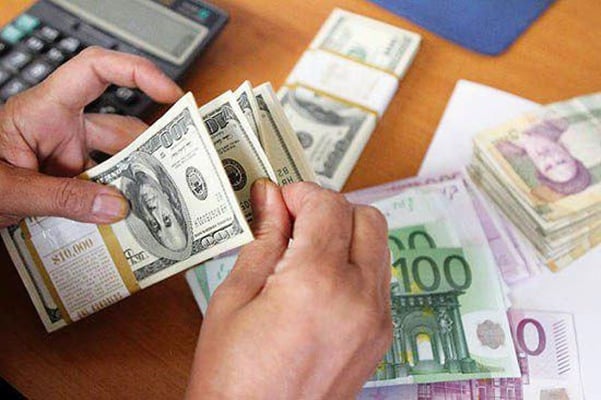
Speaking in a live interview with the state TV Sunday night, Hemmati said according to the new policy, hard currency will be made available at a subsidized rate of 42,000 against the US dollar for purchases of basic and essential goods and medicine.

The governor said a secondary currency market will be launched, which gives importers of non-essential goods access to hard currency brought home by the nation’s exporters, including petrochemical, gas and oil companies.

The exchange rates in this market will be determined according to the supply and demand rule, he said, adding that this rate will govern the whole currency market as it will cover most of the nation’s need for currency.

“The central bank will try not to interfere in setting the price of currencies, which will be determined by supply and demand,” he said.

Hemmati said ordinary people who need currency for travelling abroad or other needs could purchase foreign currencies from foreign exchange offices at a price close to the secondary market rates.

The government on Sunday lifted a ban on the sale of foreign currency at floating rates, allowing exchange offices to sell at unofficial market rates for purposes such as overseas travel after a three-month hiatus.

That reverses the decision in April to ban trading currency outside the official rate of 42,000 rials to the dollar.


People Need Not to Worry

The currency package has been agreed upon by the three branches of power and economic experts, Hemmati said, expressing hope it could bring about a change in the country’s economy.

“The country’s currency balance is positive and we face no economic problems. This is a good time for opening the [secondary] market,” he said.

The CBI governor said the plan reflected Iran’s self-confidence in the face of the looming US sanctions.

“This shows our power. The same day you (the US) impose sanctions, we open our economy for the first time since the 1979 Revolution. We have no problems, so why should our people be worried?” Hemmati said.
The US pulled out of the 2015 nuclear deal in May, and re-imposed the first series of its anti-Iran sanctions on August 6 to escalate pressure on the country to force negotiations on a new deal.

The US is also working to pushing the world to cut trade with Iran and stop purchasing the country’s oil.

The first batch of sanctions on Iran’s automotive and metal sectors, gold trade, aviation industry and other fields snapped back on Monday.


Several Officials Arrested in Fight against Disruption of Economy

Some believe people’s fear of the return of sanctions has pushed them to sell their reserves of national currency, leading rial to slide to record lows.

A dramatic decline in the value of rial has soared the prices of imported consumer goods and depressed some markets in the past few months.

Last week, the value of rial against the US dollar passed 100,000 in the free market, prompting the government, judiciary and the parliament to take immediate measures to stop the plunge in the value of rial.

The Judiciary has announced 45 people have been arrested on economic charges in recent days.

On Sunday the Judiciary said it has arrested a further seven people, including the former deputy governor of central bank, Ahmad Araqchi.

Araqchi was dismissed by Hemmati on Saturday from his position as deputy head for currency affairs.

Meanwhile, Iranian President Hassan Rouhani has been summoned to the Parliament to respond to questions about the Iranian economy.

Rouhani is also scheduled to appear on the state TV Monday night to talk about foreign policy and economic issues.


Market’s Positive Reaction

The policies introduced by Hemmati were warmly welcomed by the market on Monday, leading to a considerable decrease in the price of gold coin, US dollar and euro, among others.

Gold coin used to be sold at nearly IRR 41 million, but has now dropped to IRR 33 million. The US Dollar had also reached IRR 115,000 but is now traded at IRR 90000 in the free market.

Shorty after Hemmati’s remarks, forex dealers rushed to the markets in Tehran to sell their foreign currencies as they feared the rates would soon drop.

Experts believe the prices will continue to go down in coming days despite the imposition of the first series of US sanctions on Iran.


Iran Sympathizes with Indonesia over Deadly Quake

In a Monday statement, Qassemi offered sympathy to the Indonesian people and government and families of the victims of the tragic incident.

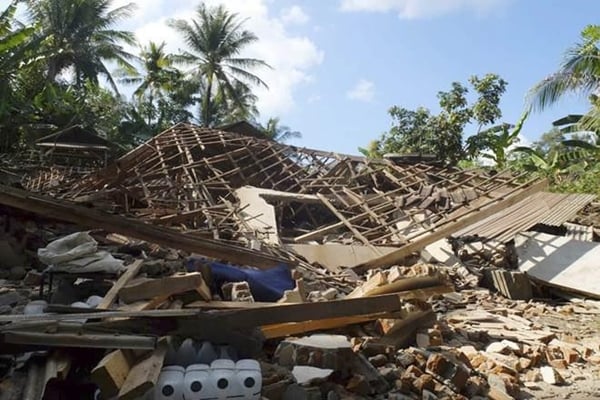
A powerful earthquake struck the Indonesian tourist island of Lombok, killing at least 91 people and more than 200 people injured. Thousands of homes and buildings were damaged.

Authorities said Monday that rescuers still hadn’t reached some hard-hit areas and the death toll could climb.

The quake, measured at a magnitude of 7.0 by Indonesian authorities, struck early Sunday evening at a depth of 10.5 kilometers in the northern part of Lombok.

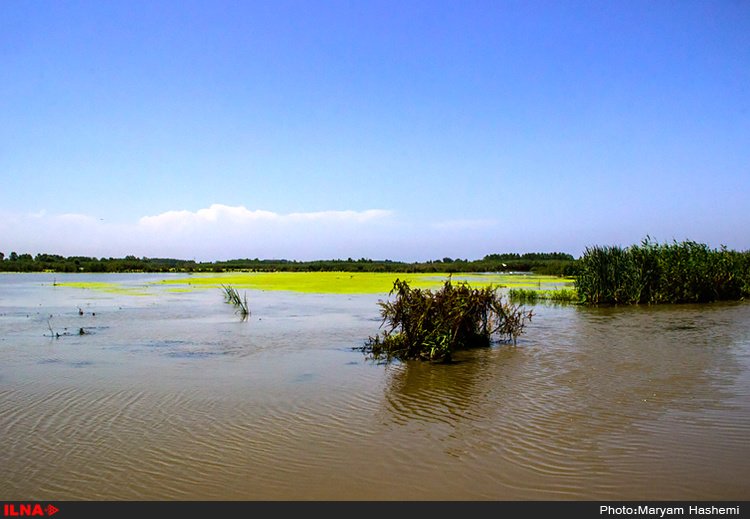
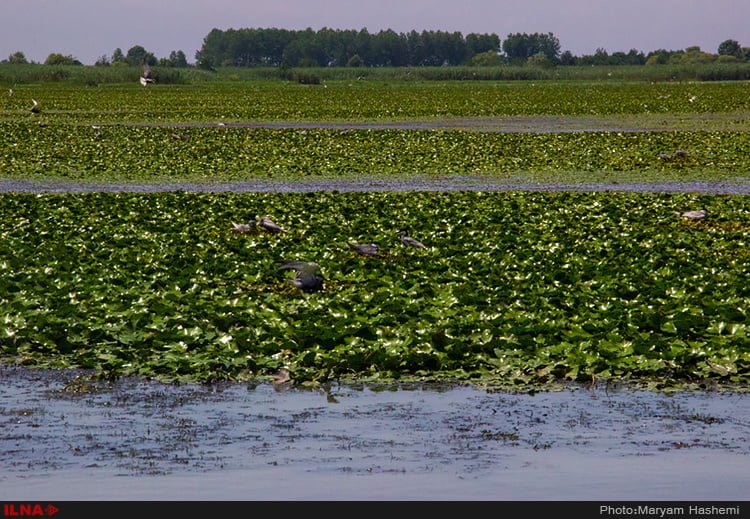
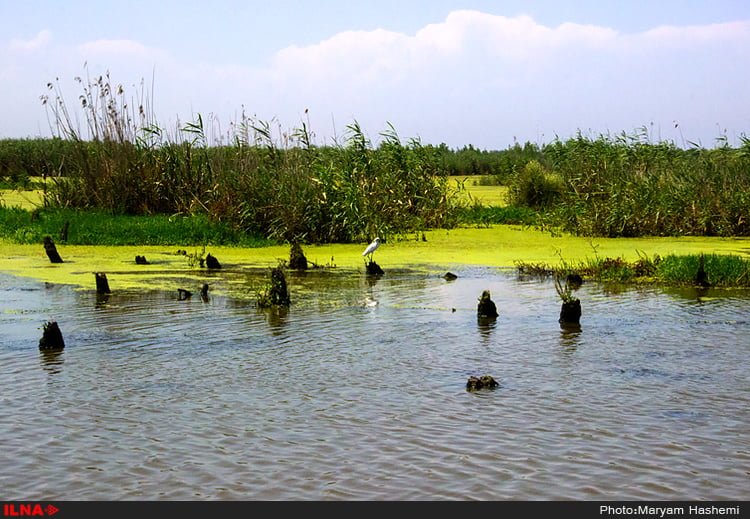
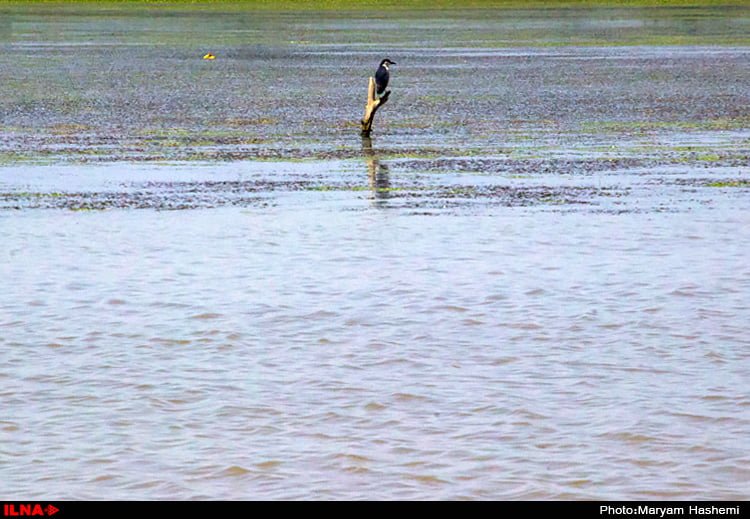
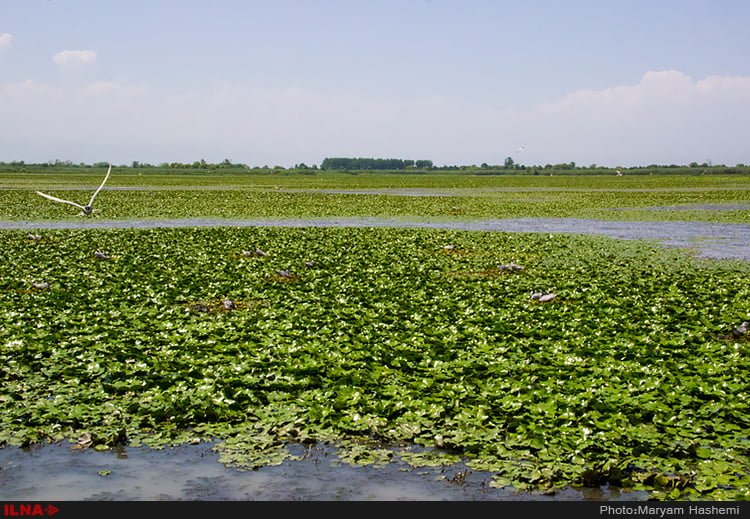
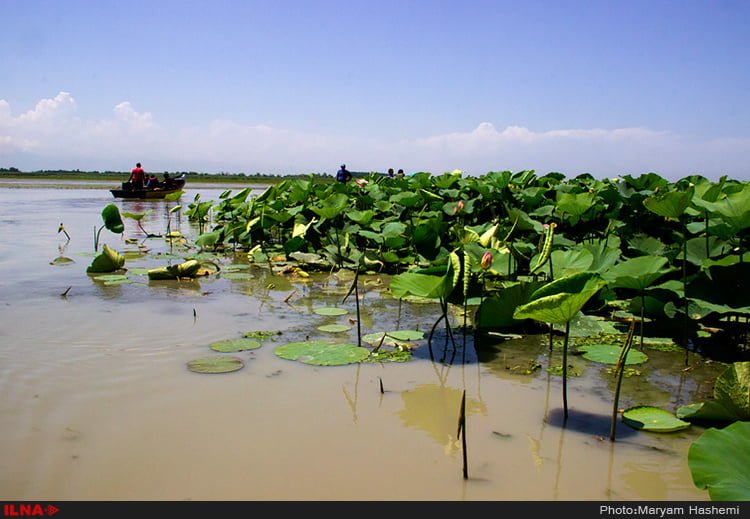
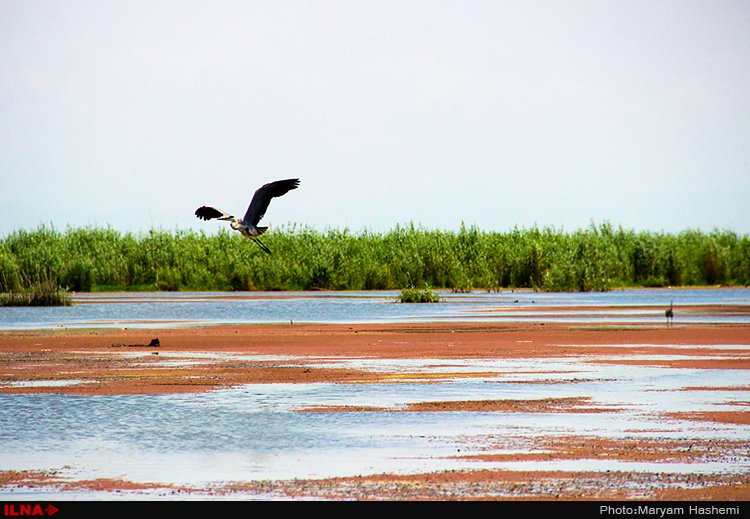
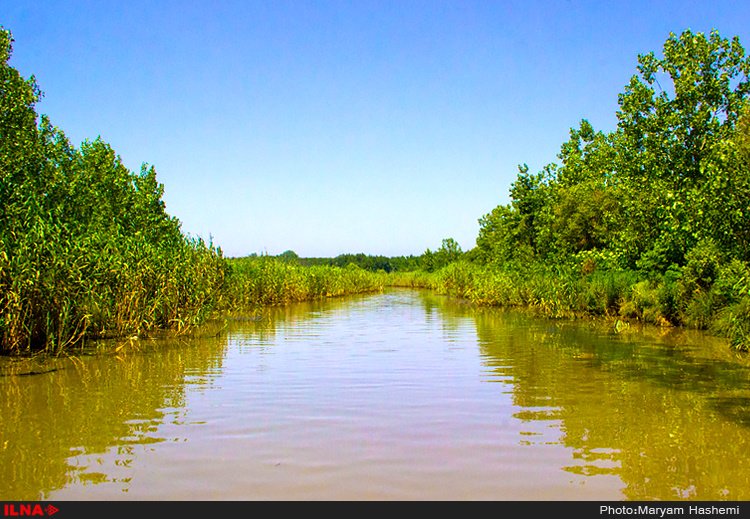
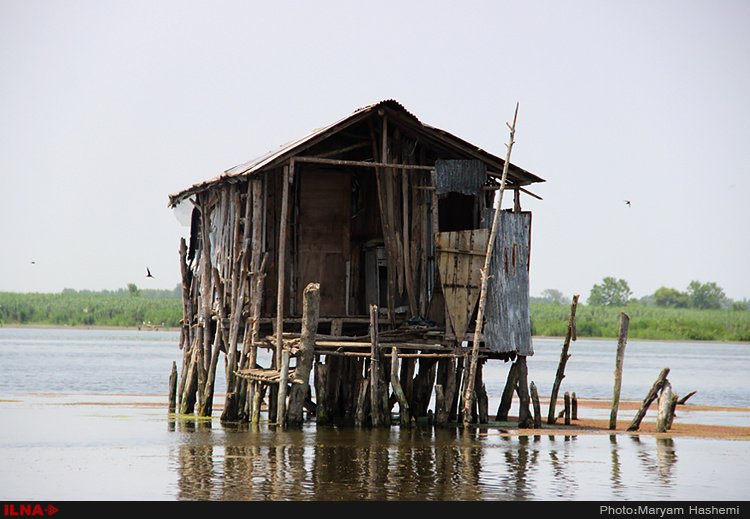
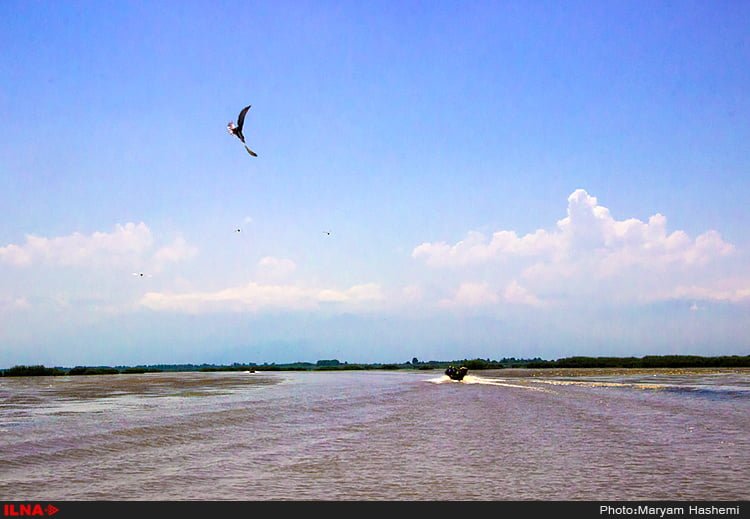
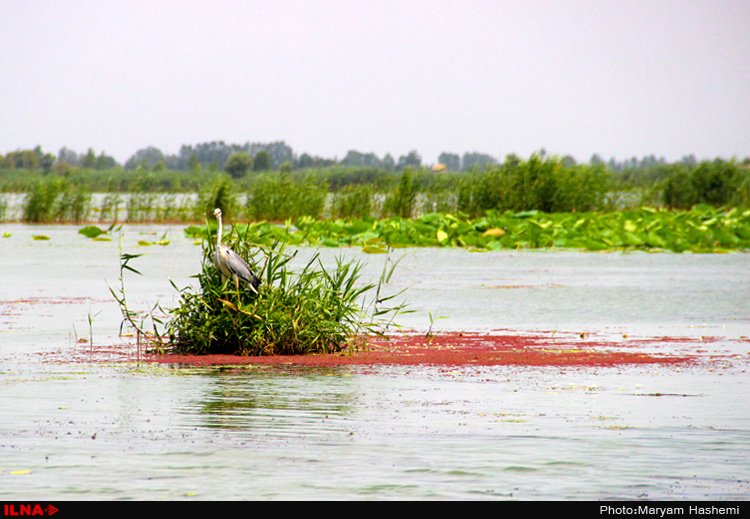
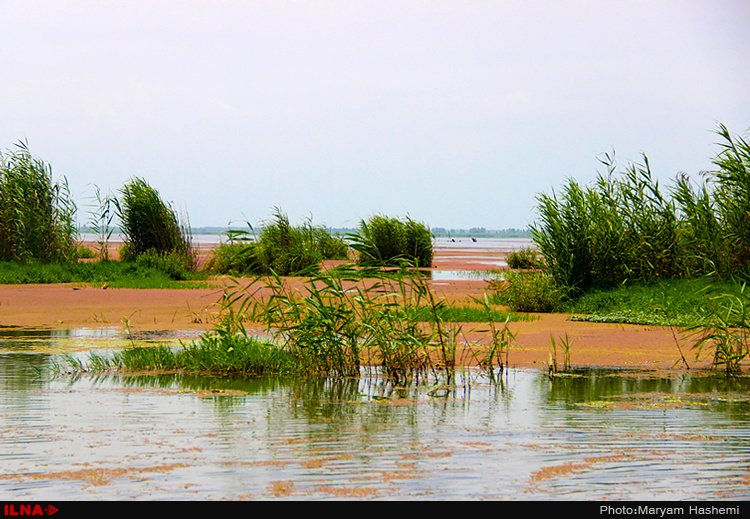
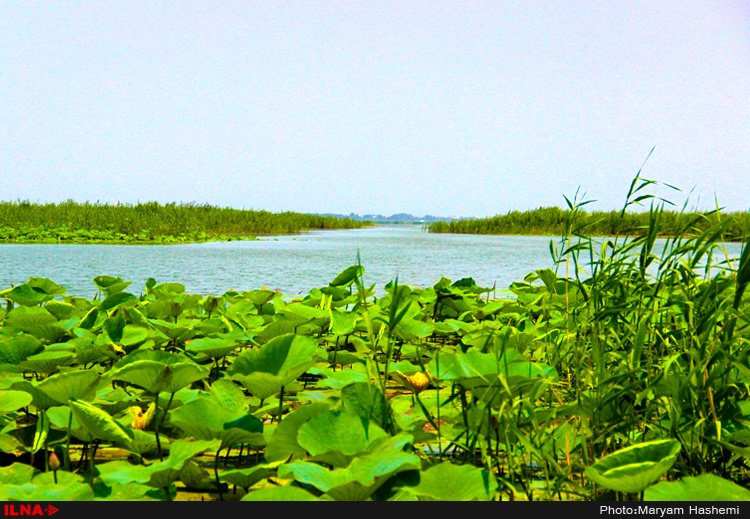
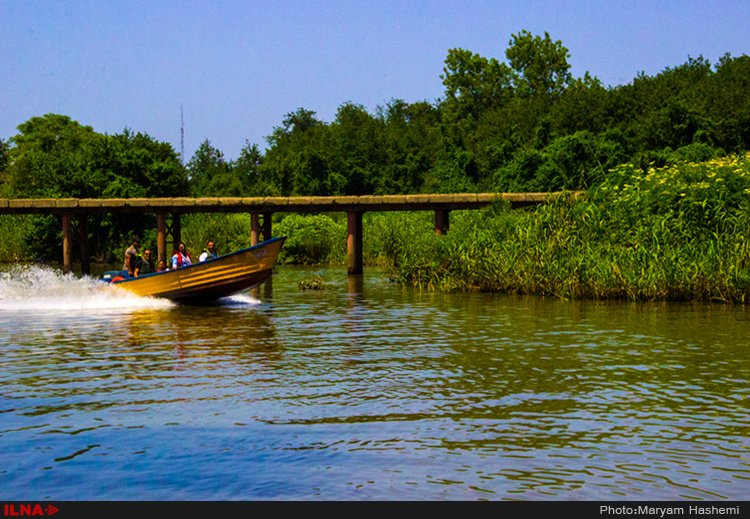
Iran’s Beauties in Photos: Anzali Lagoon

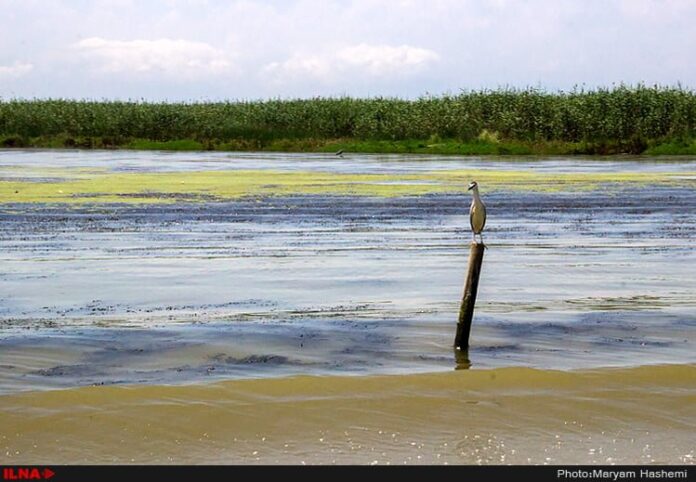
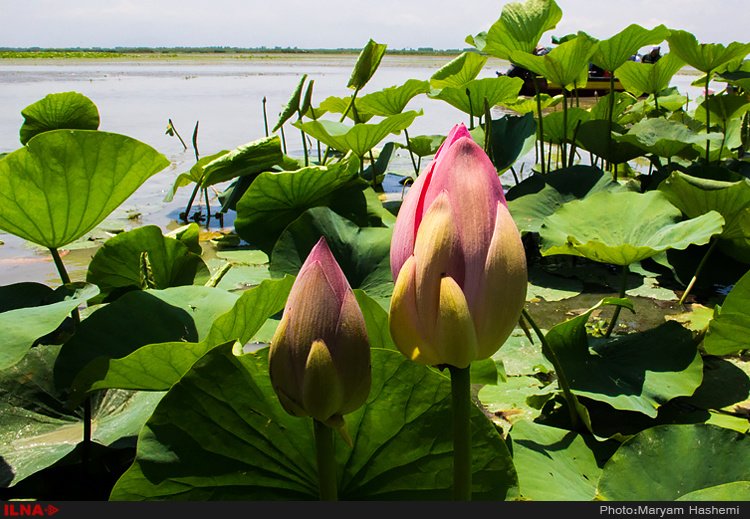
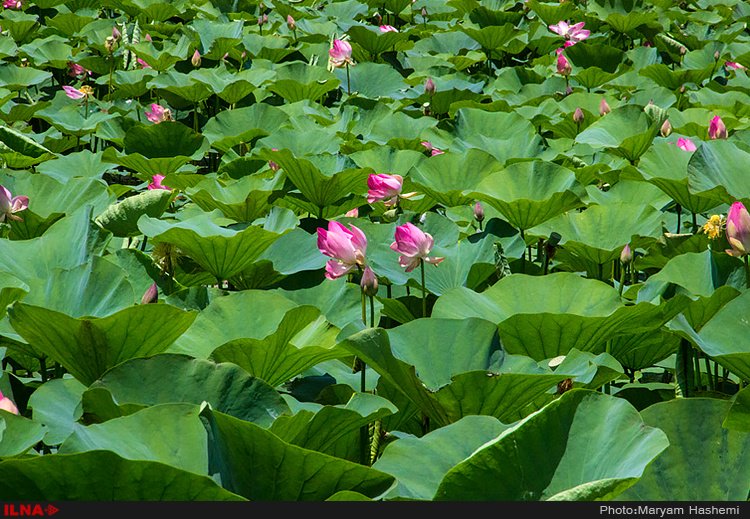
With an area of about 20,000 hectares, the lagoon receives many birds coming to Iran from neighbouring countries each year.
Anzali lagoon is not comparable with any other Iranian wetland due to its geographical location and also its high humidity and water quality. There are several small islands in this coastal liman.

Here are ILNA’s photos of the beautiful tourist attraction:

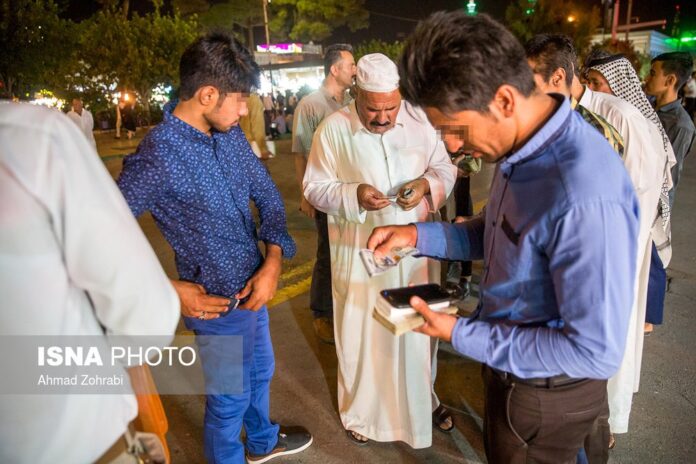
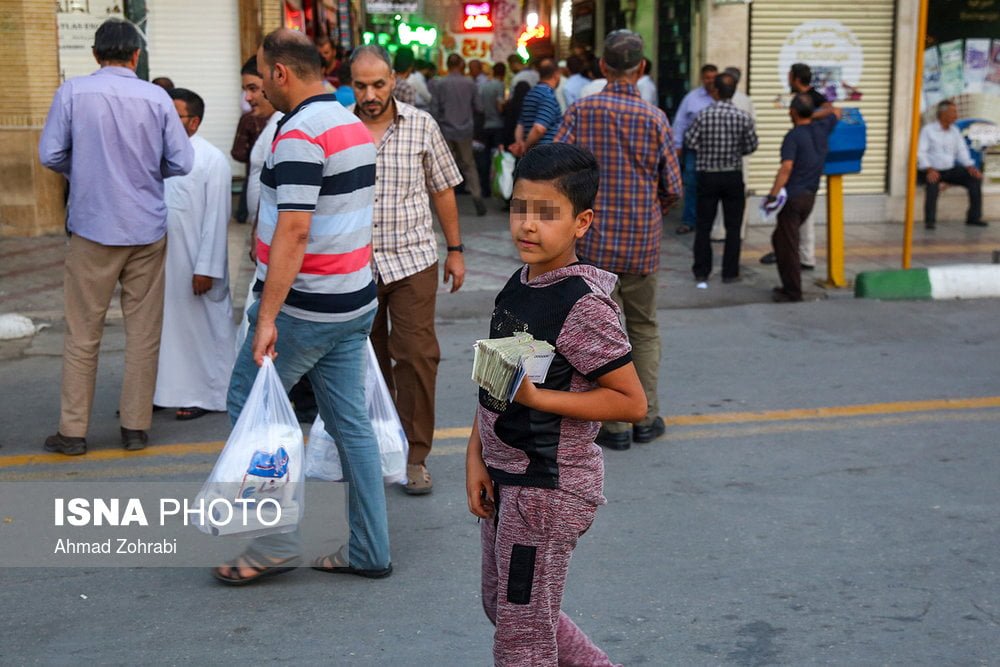
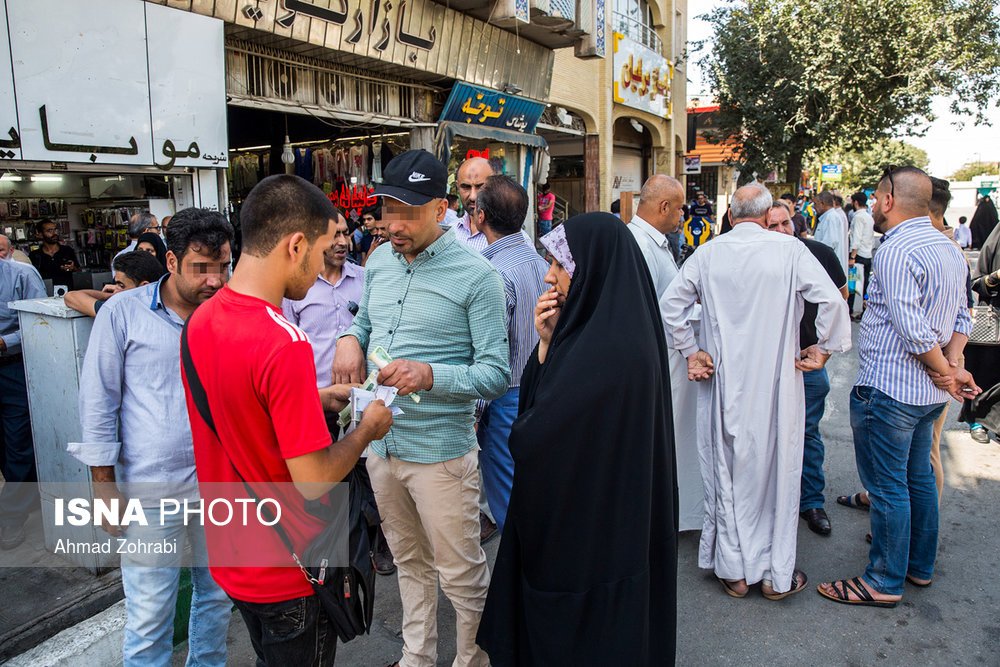
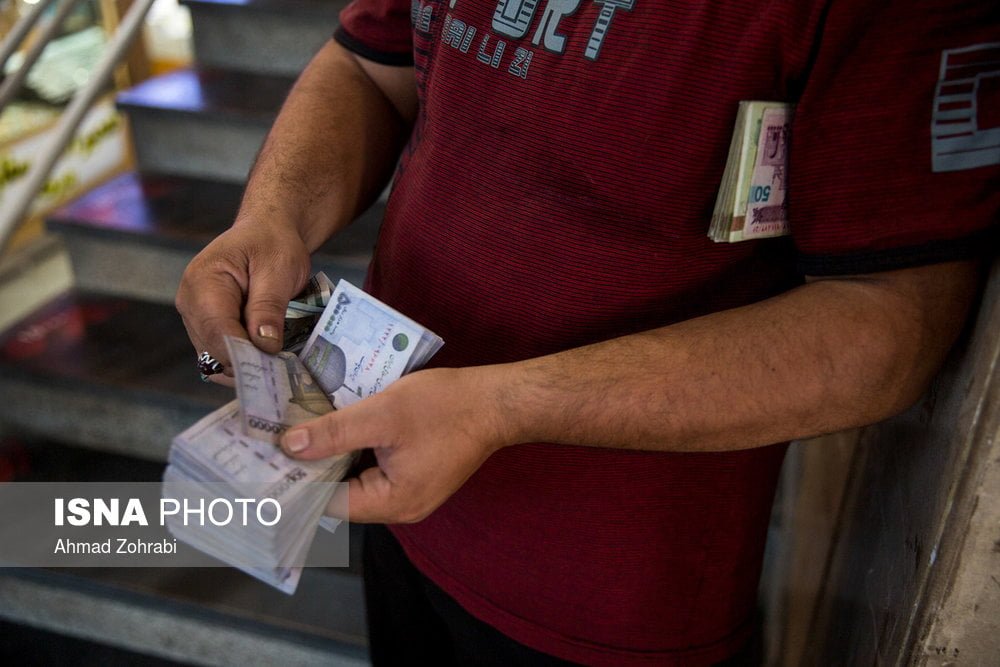
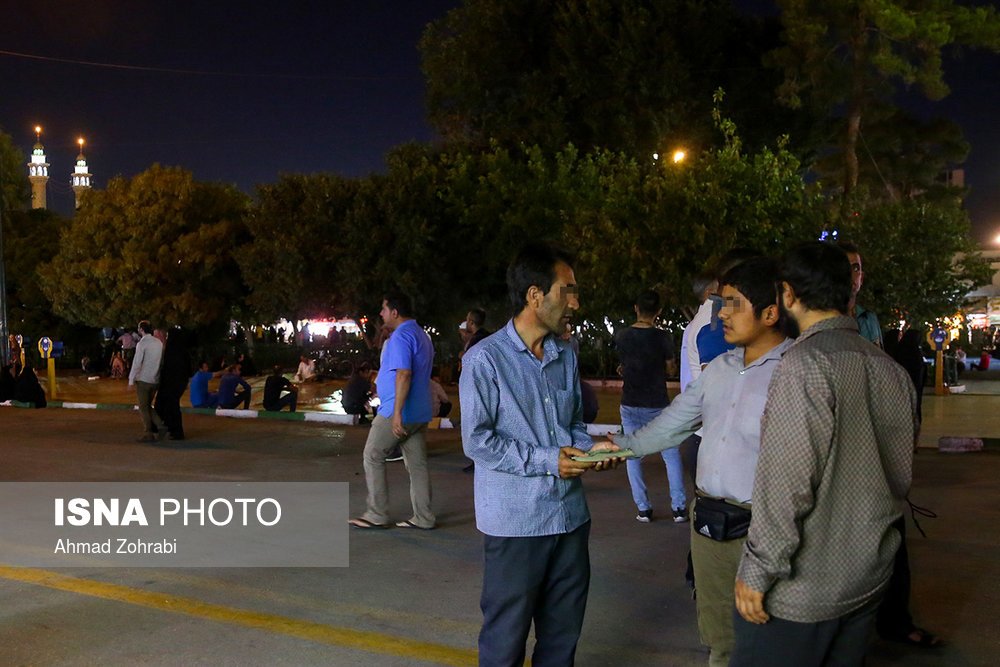
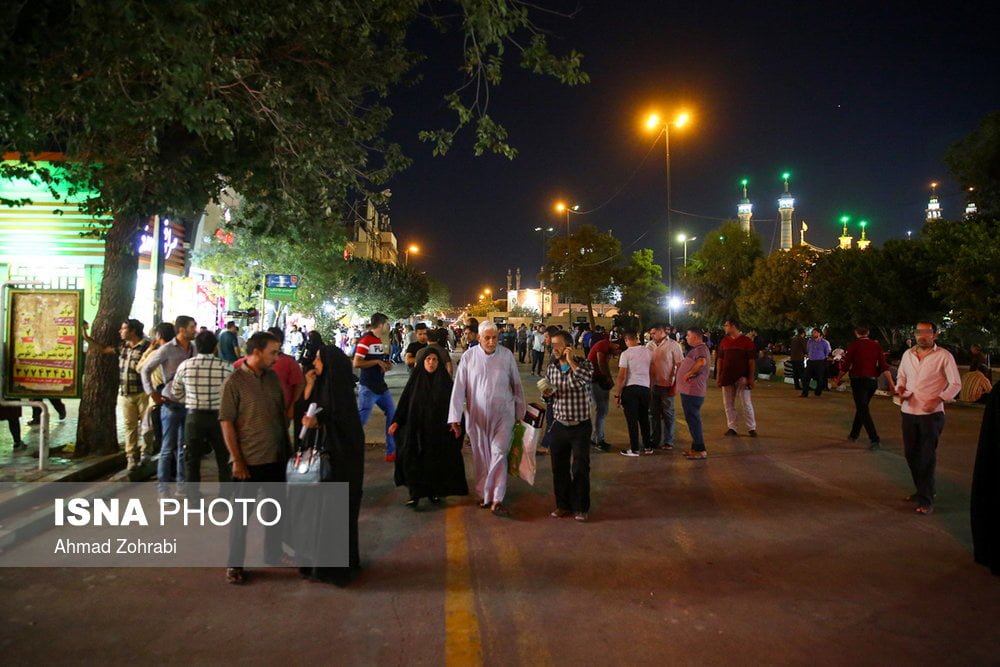
Arab Pilgrims Exchanging Currencies in Iranian Streets

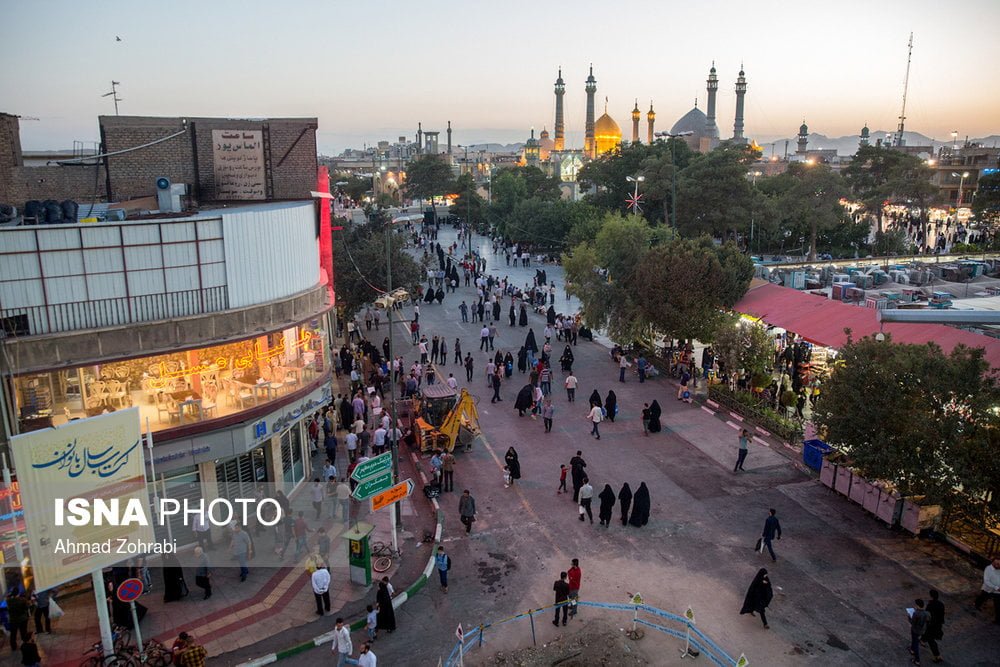
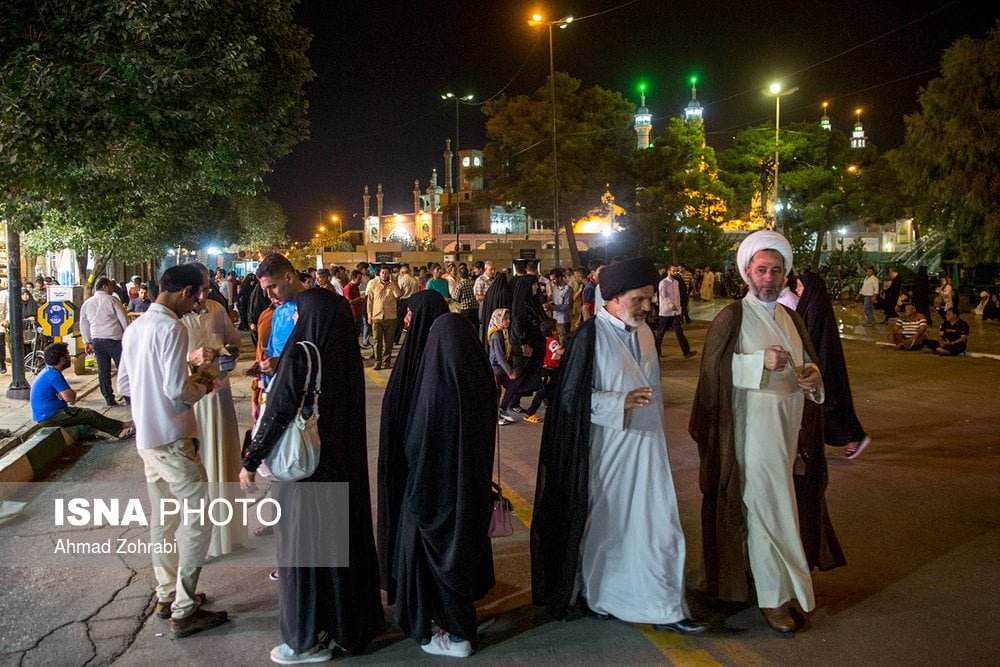
Qom is a hot destination for religious tourism as it hosts the shrine of Hazrat Fatima Masumeh (AS), a sister of Imam Reza, the eighth Shiite Imam.

Each year, the city receives millions of pilgrims from Iran and neighbouring countries, particularly Iraq.

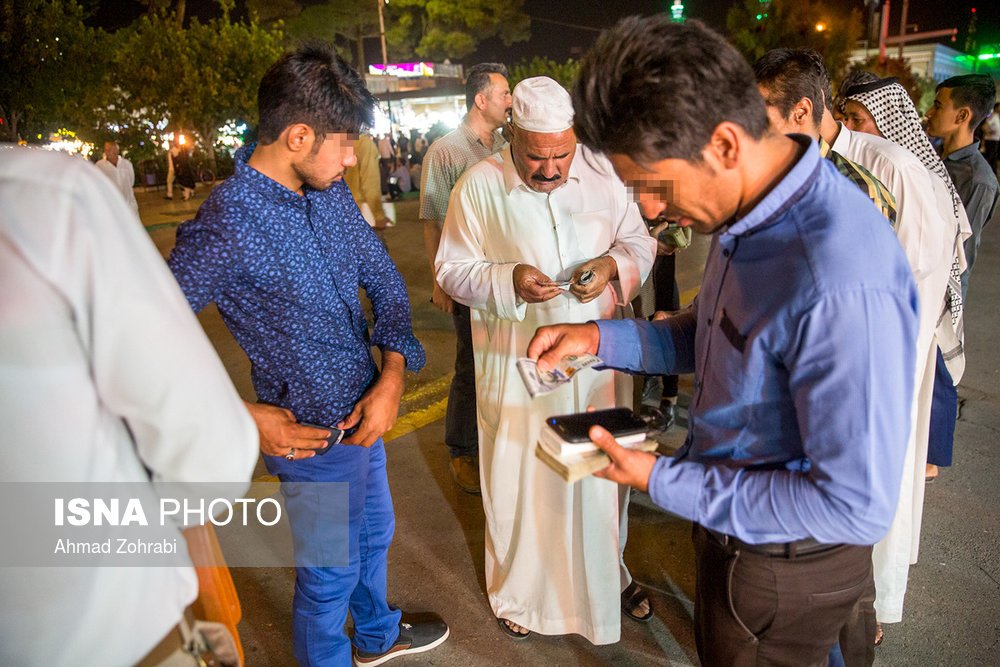
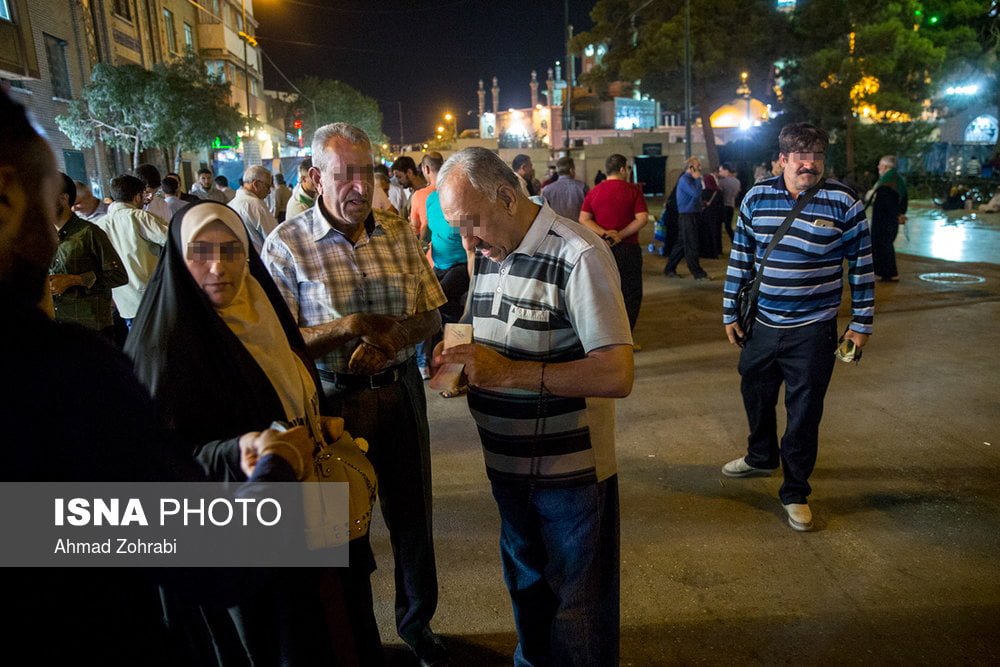
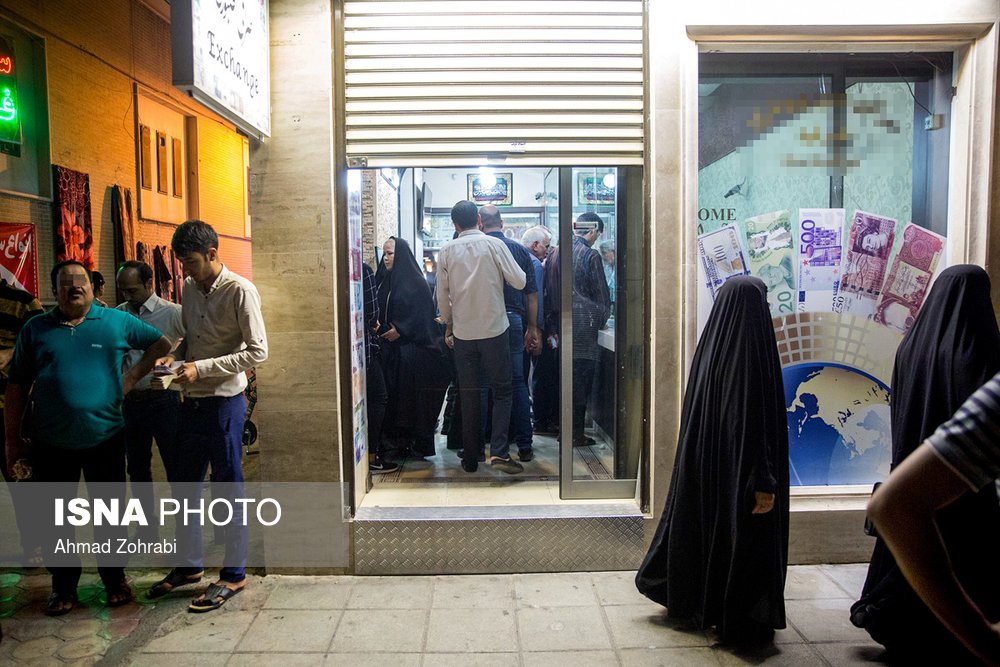
Amid the ongoing forex crisis in Iran, street markets have been formed at the streets surrounding the shrine in recent months, where Arab pilgrims carrying Iraqi dinar or US dollar exchange their currencies for rial.

The exchange offices were closed in April after the government implemented a plan to unify official and free-market exchange rates for the rial in favour of a single rate set at 42,000 against the US dollar.

The government took the decision to stop the wild exchange rate fluctuations and prevent the national currency from declining further to no avail.

The following are ISNA’s photos of the street market in Qom:

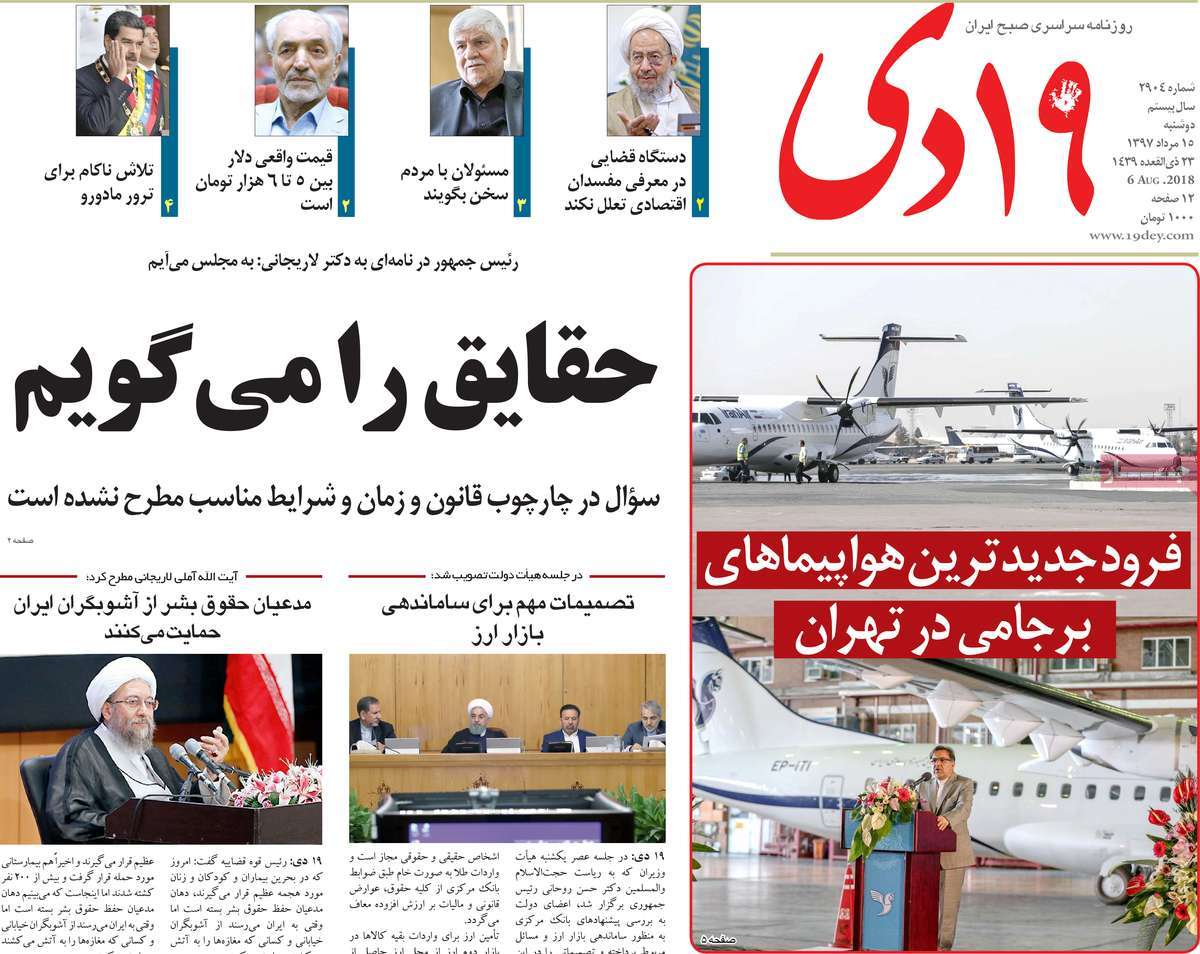
A Look at Iranian Newspaper Front Pages on August 6

A Look at Iranian Newspaper Front Pages on November 19

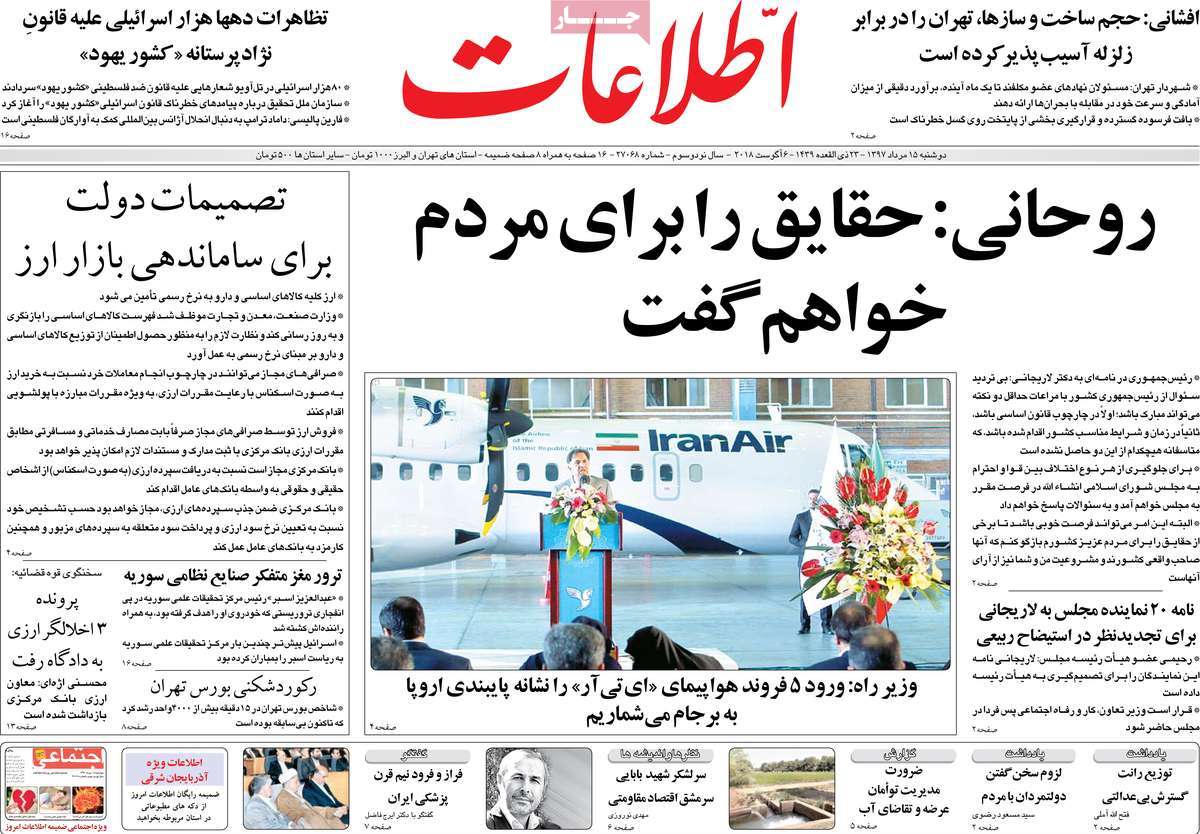
Newspapers today widely covered the delivery of five ATR passenger planes to Iran, which landed in Tehran one day before the re-imposition of the first series of US sanctions on the Islamic Republic.

Also a top story was the US sanctions, the first batch of which is to be re-imposed on Iran today and will focus on Iran’s automotive and metal sectors, gold trade, aviation industry and other fields.

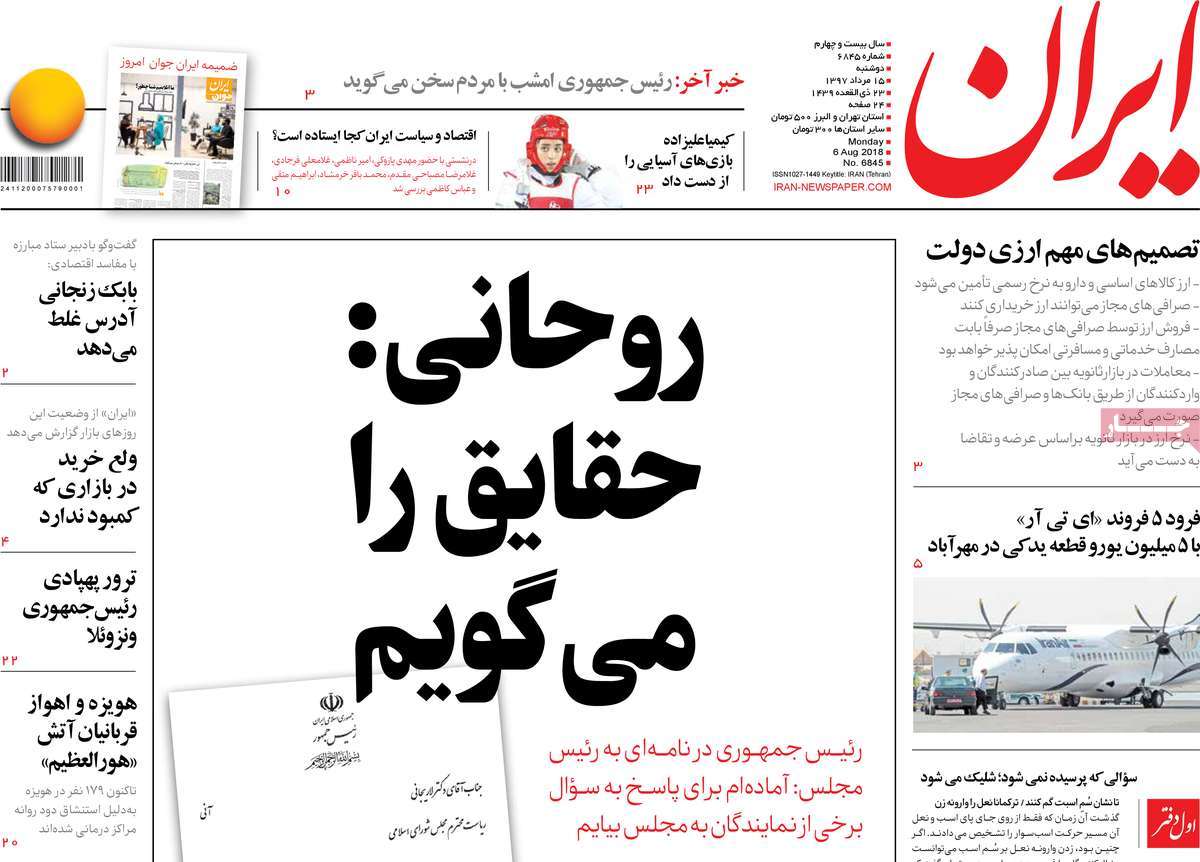
President Hassan Rouhani’s decision to appear in the Parliament to respond to the lawmakers’ questions also received great coverage. Rouhani says he plans to reveal truths behind the ongoing economic crisis during his speech at the Parliament.

Reports on a possible historic meeting between President Rouhani and his American counterpart Donald Trump were among other top stories today.

The above issues, as well as many more, are highlighted in the following headlines and top stories:


19 Dey:

1- Judiciary Chief: Self-Proclaimed Advocates of Human Rights Supporting Rioters in Iran

A Look at Iranian Newspaper Front Pages on August 6


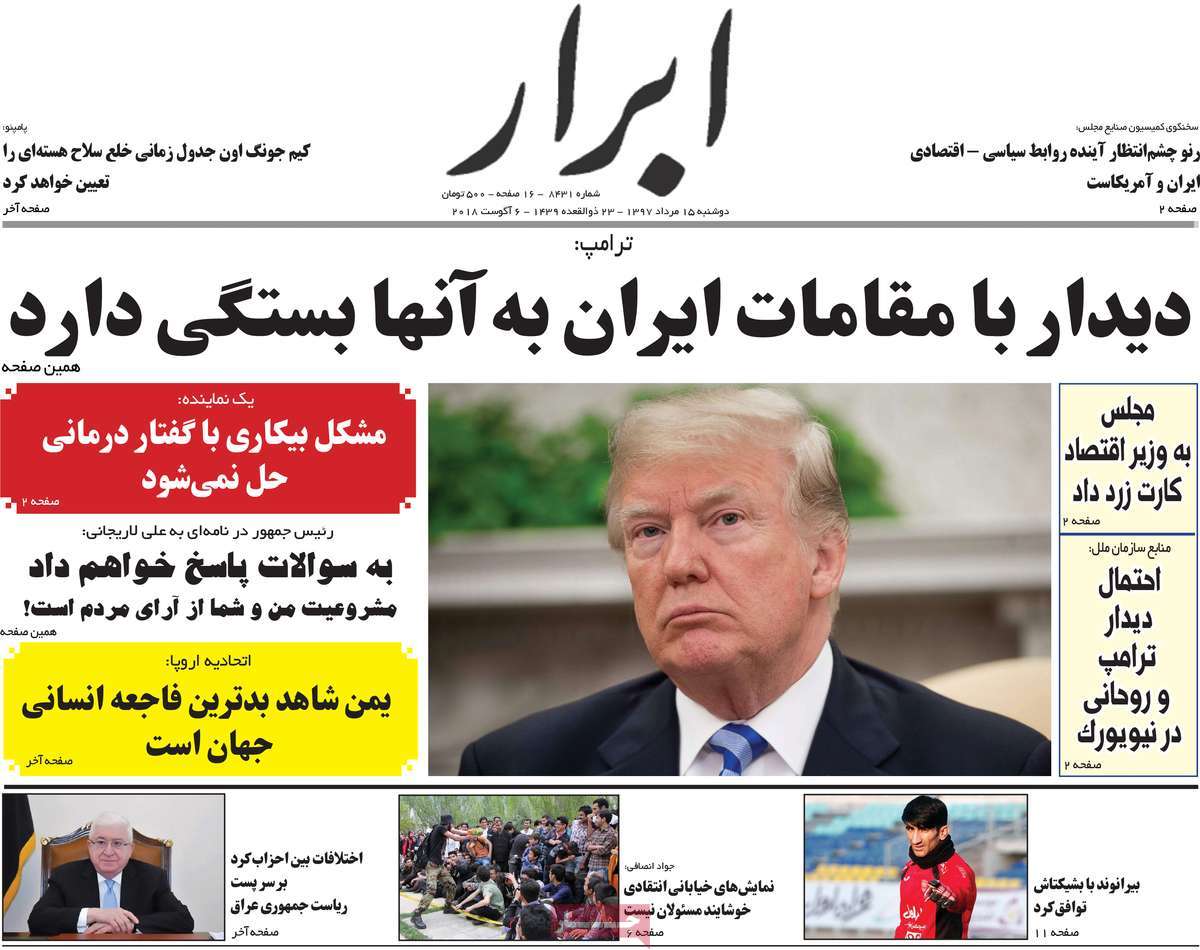
Abrar:

1- Trump: Meeting with Iranian Officials Depends on Them

A Look at Iranian Newspaper Front Pages on August 6


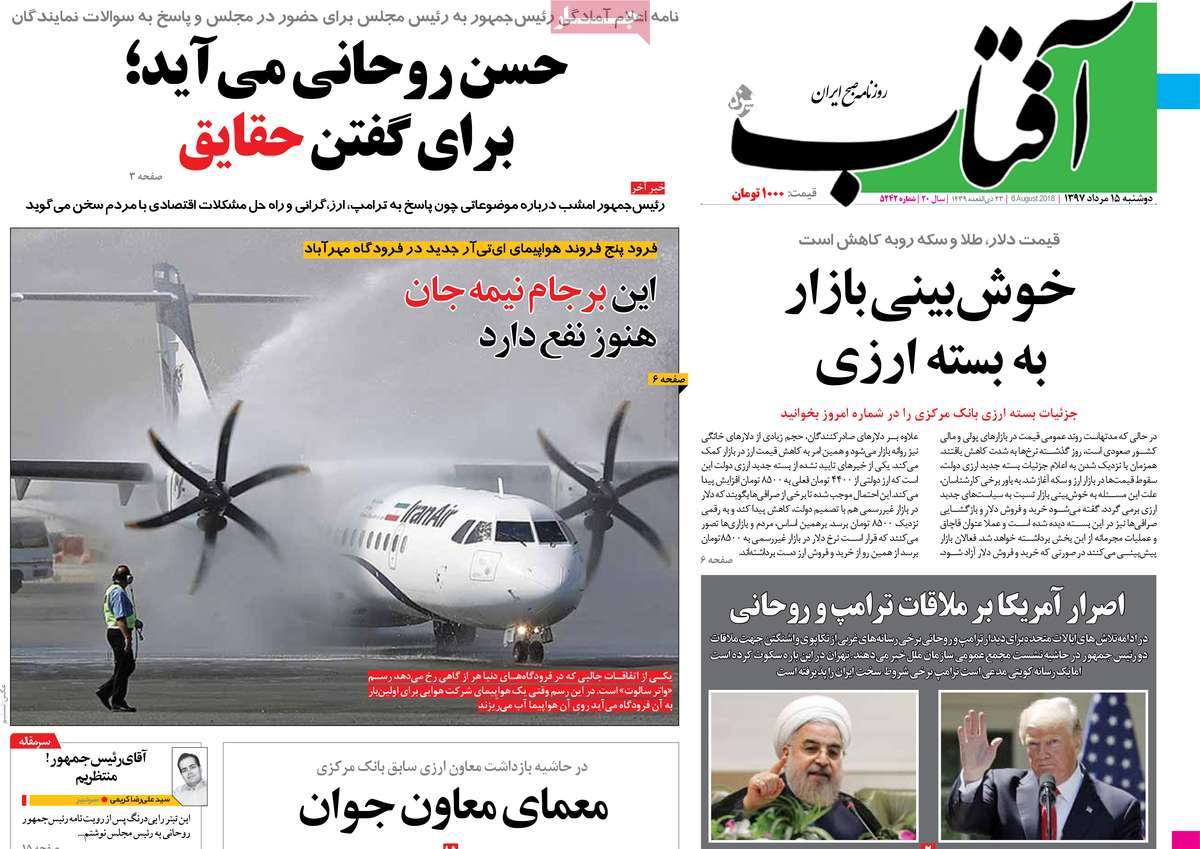
Aftab-e Yazd:

1- The Half-Dead JCPOA Still Has Benefits for Iran: 5 New ATR Planes Land in Tehran

2- US Insists on Arranging Meeting between Trump, Rouhani

A Look at Iranian Newspaper Front Pages on August 6


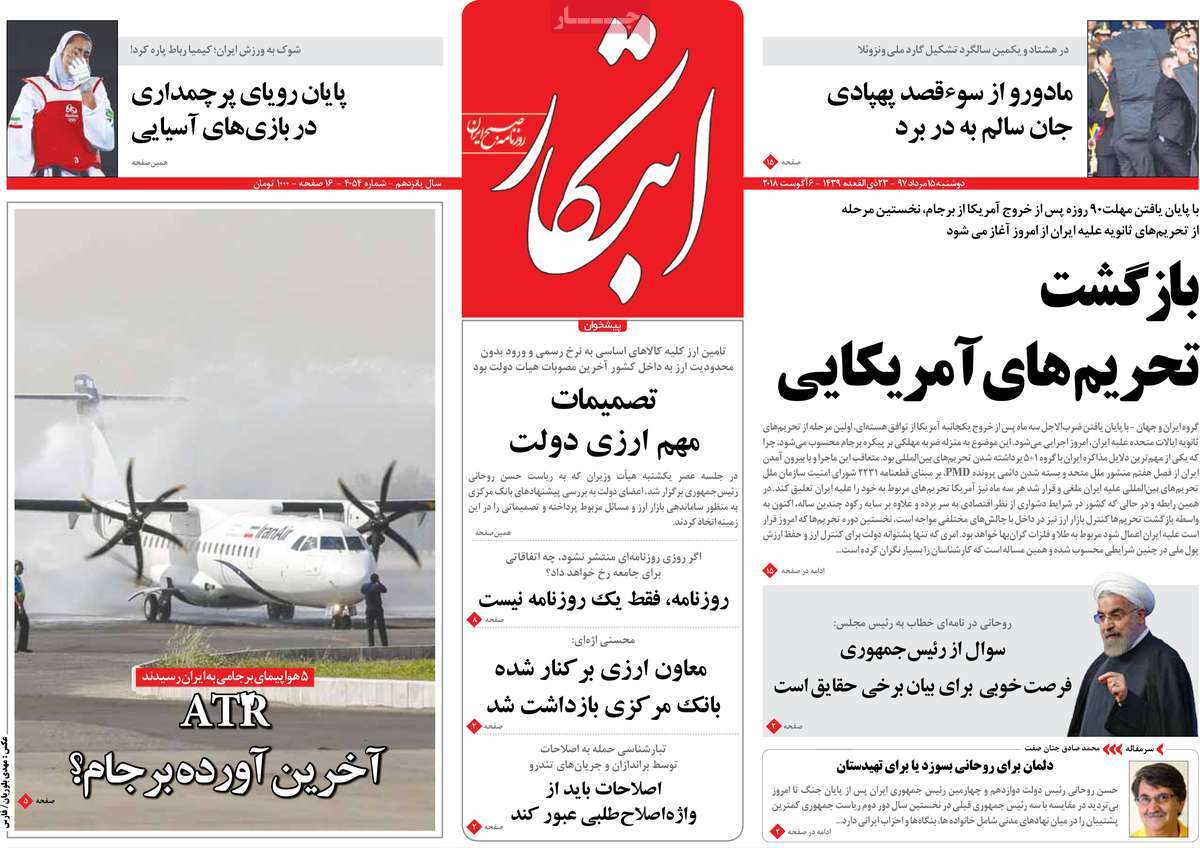
Ebtekar:

1- Return of US Sanctions: Frist Round of Secondary Sanctions to Be Re-Imposed Today

A Look at Iranian Newspaper Front Pages on August 6


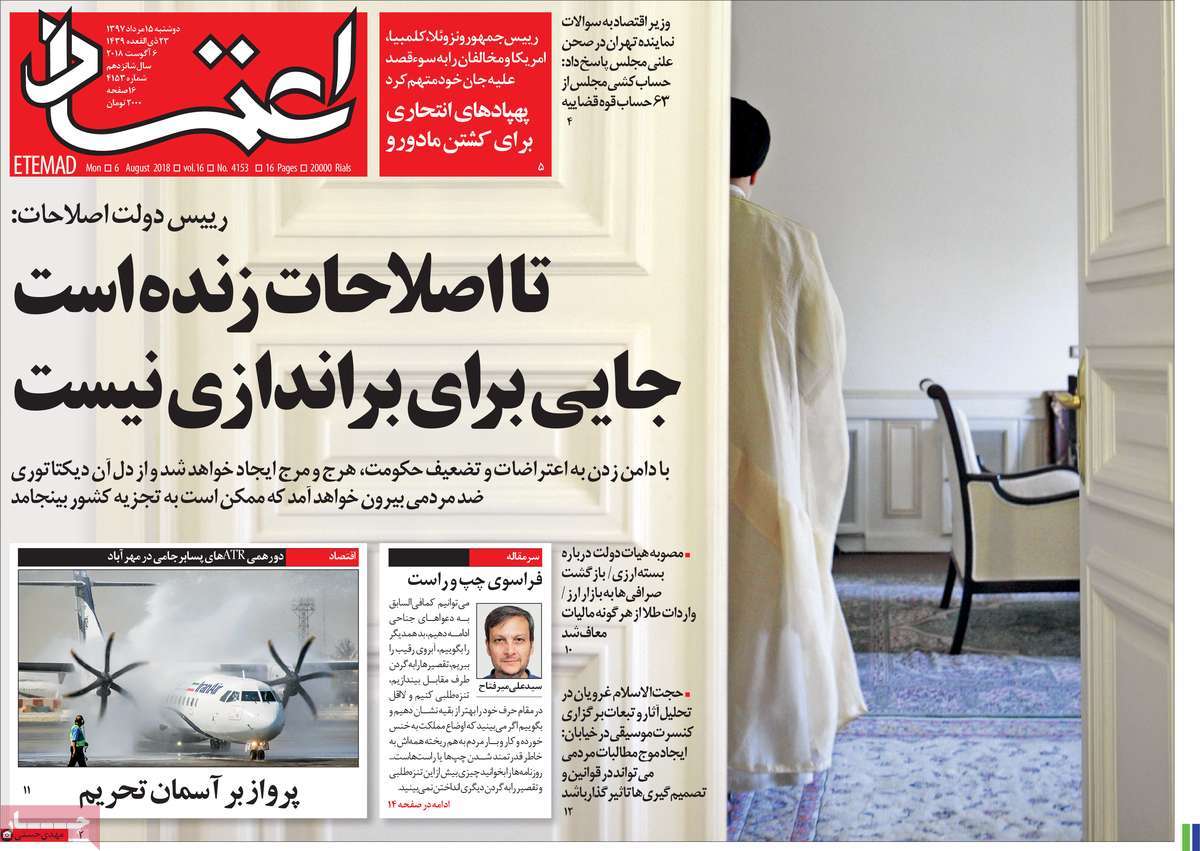
Etemad:

1- Ex-President Khatami: Those Seeking Regime Change Won’t Succeed as Long as Reformism Alive

  • Fanning Flames of Protests, Weakening Gov’t Will Lead to Chaos
  • Chaos Can Lead to Dictatorship that May Result in Iran’s Disintegration

A Look at Iranian Newspaper Front Pages on August 6


Ettela’at:

1- Roads Minister: Delivery of 5 ATR Planes Shows Europe’s Commitment to JCPOA

2- Tens of Thousands of Israelis Hold Rally against “Jewish Nation-State” Racist Law

A Look at Iranian Newspaper Front Pages on August 6


Iran:

1- Iranian Cities Falling Victim to Hour al-Azim Wetland’s Fire

A Look at Iranian Newspaper Front Pages on August 6


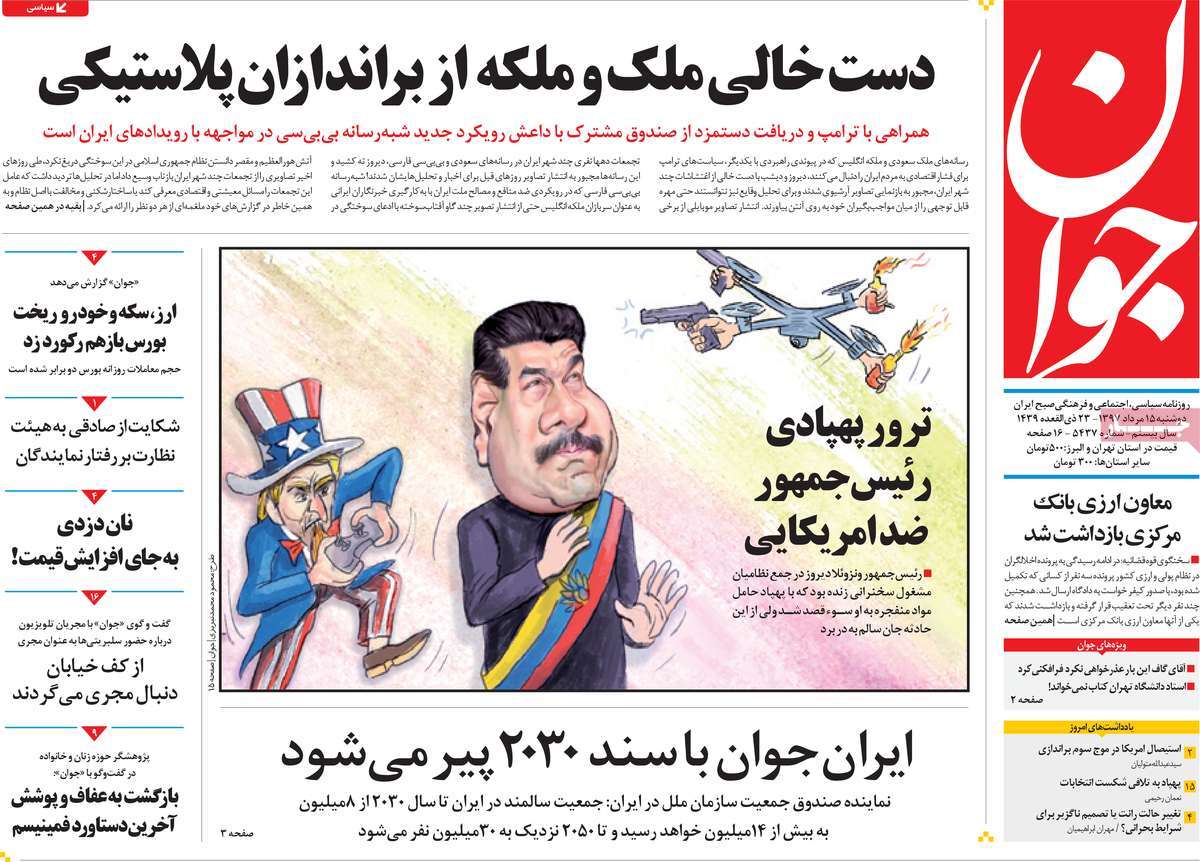
Javan:

1- Assassination Attempt on Anti-US President Using Drone

2- BBC’s New Approach towards Iran Developments

  • Supporting Trump, Receiving Money from Joint ISIS Fund

A Look at Iranian Newspaper Front Pages on August 6


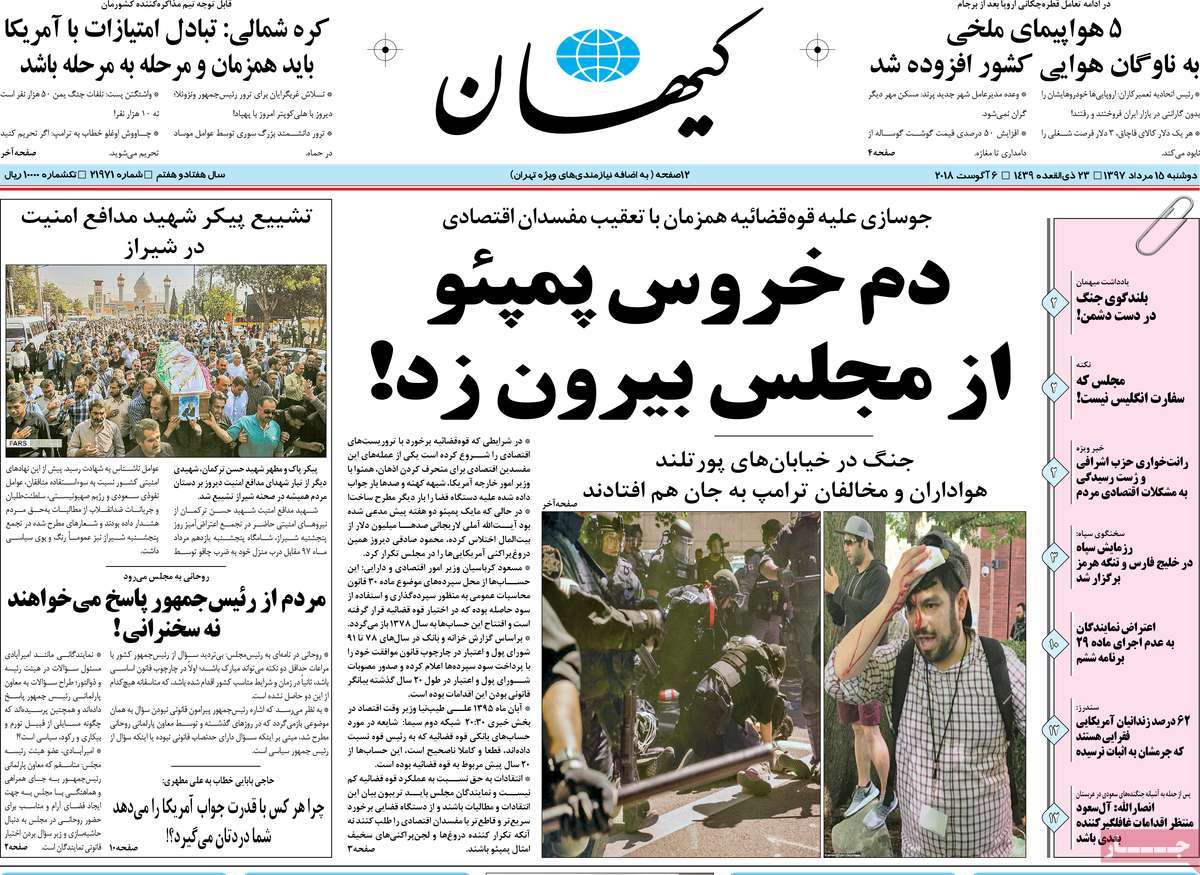
Kayhan:

1- War in Portland Streets: Supporters, Opponents of Trump Clash with Each Other

A Look at Iranian Newspaper Front Pages on August 6


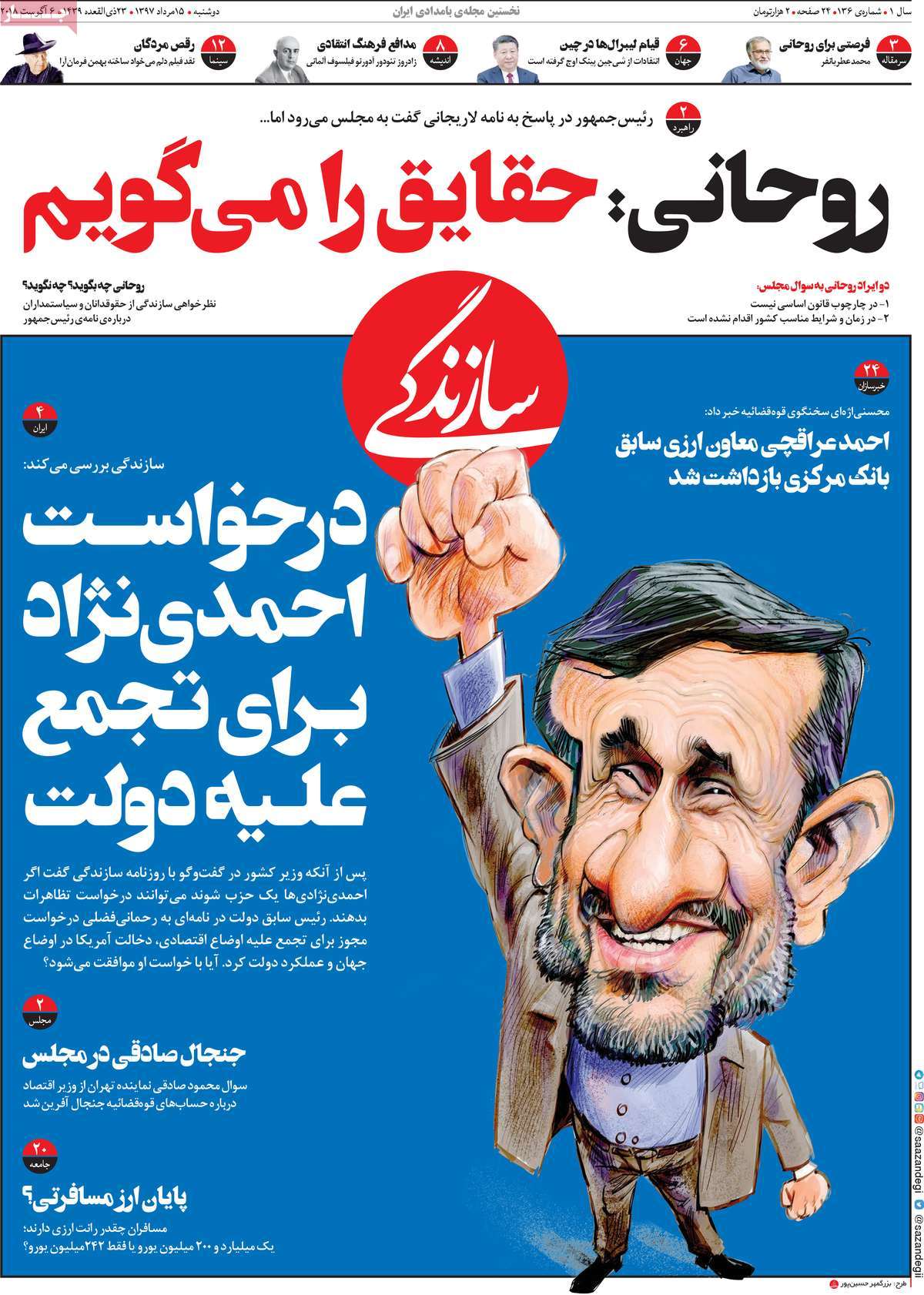
Sazandegi:

1- Rouhani: I’ll Tell the Truths

  • President Told Larijani He’ll Appear before Parliament

2- Ahmadinejad Calls for Protest Gathering against Rouhani Administration

A Look at Iranian Newspaper Front Pages on August 6


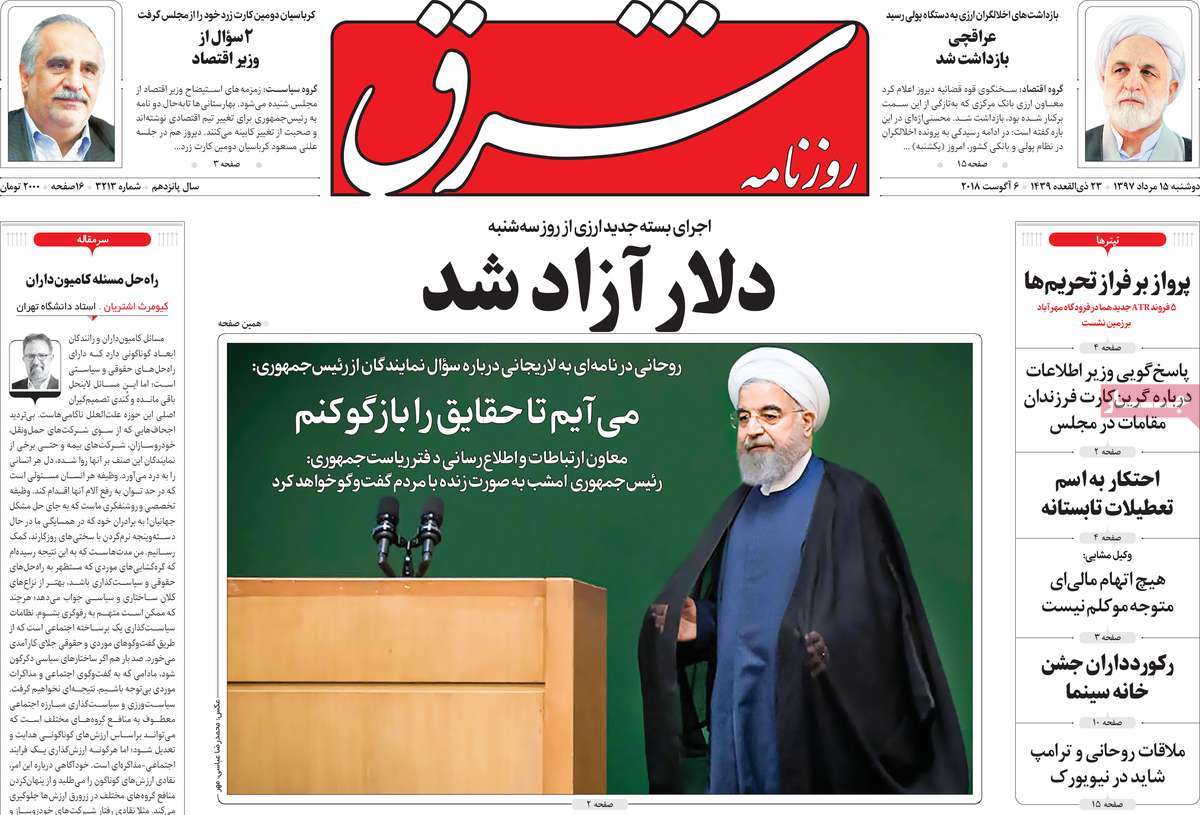
Shargh:

1- Trump-Rouhani Meeting, Maybe in New York

A Look at Iranian Newspaper Front Pages on August 6


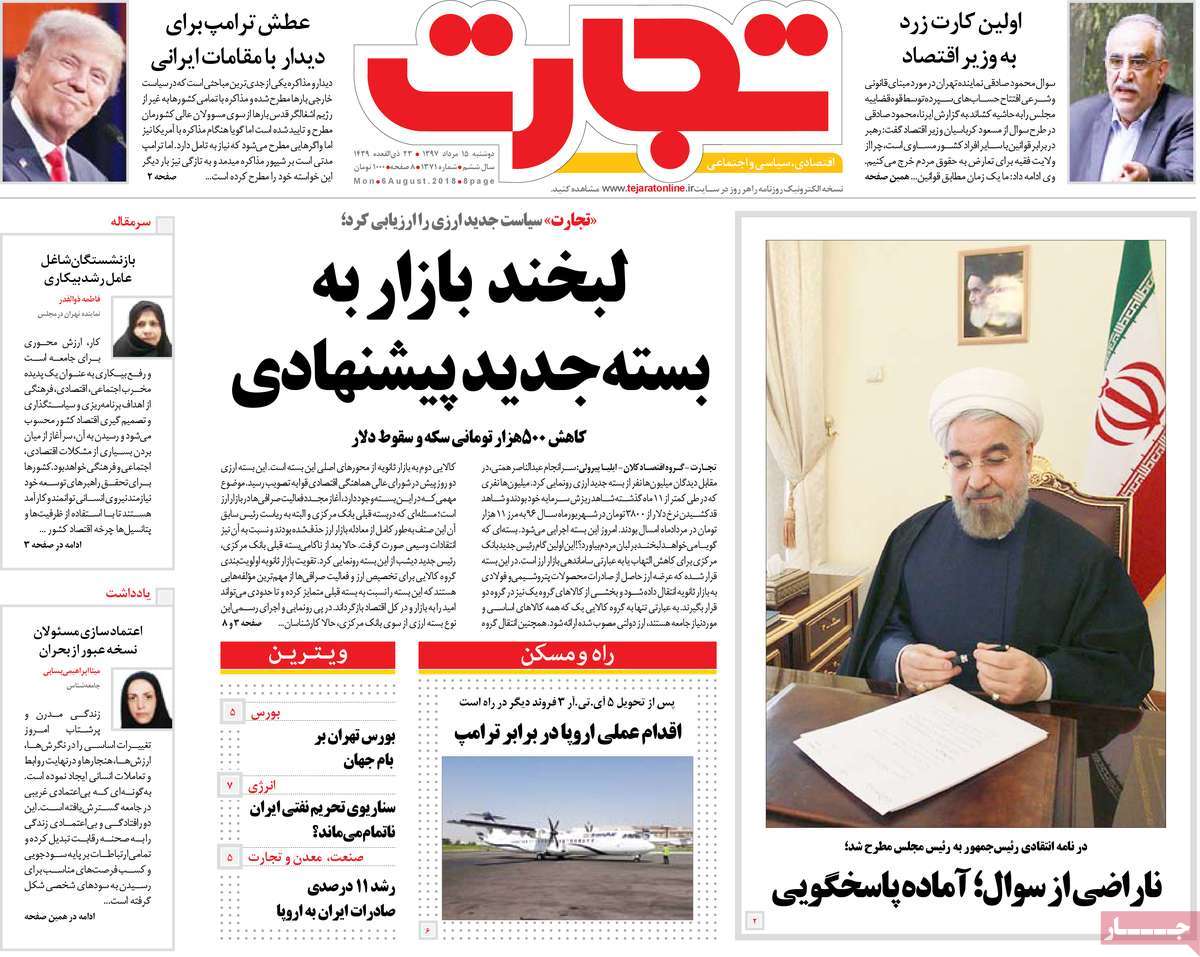
Tejarat:

1- Market Hails New Forex Package Offered by Central Bank

A Look at Iranian Newspaper Front Pages on August 6


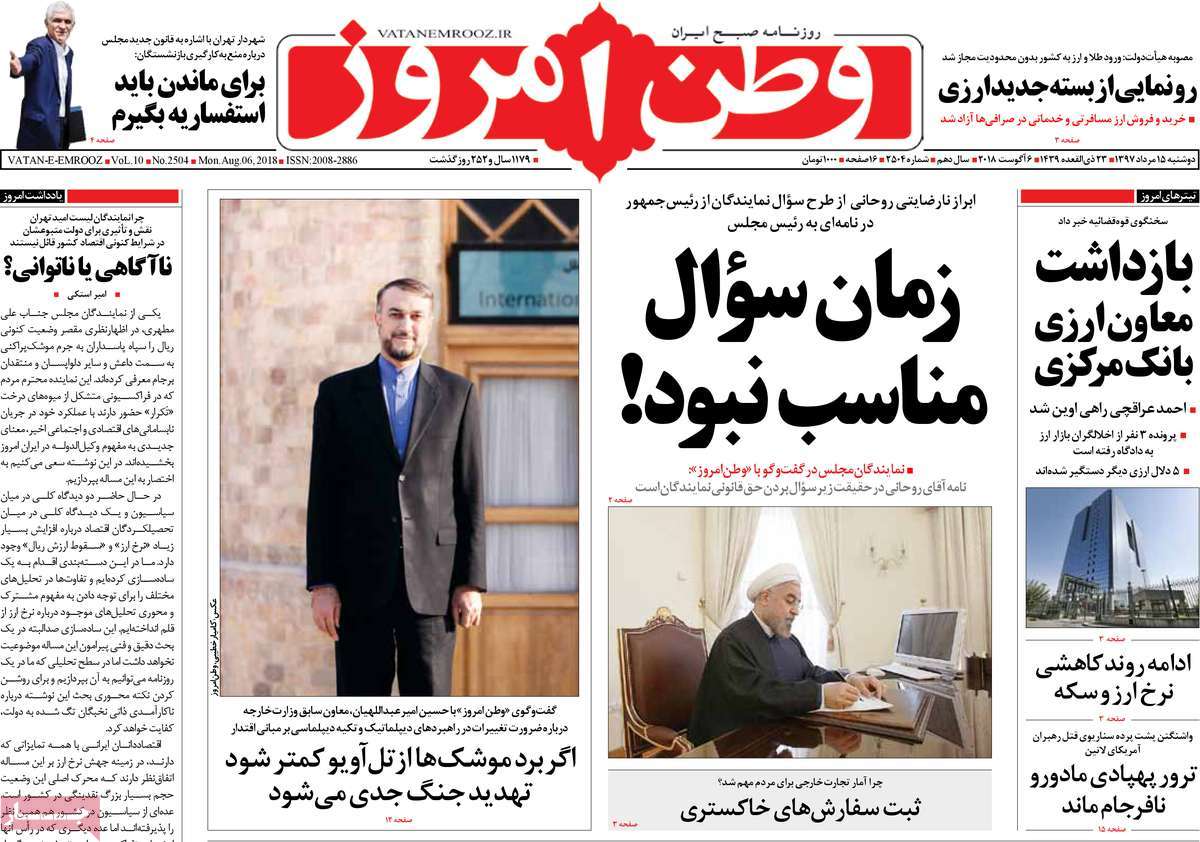
Vatan-e Emrooz:

1- Amir-Abdollahian: Threat of War to Get More Serious If Missiles Unable to Hit Tel Aviv

A Look at Iranian Newspaper Front Pages on August 6

Rouhani to Appear before Parliament to Reveal “Truths” behind Economic Crisis

In a letter to Parliament Speaker Ali Larijani on Sunday, Rouhani said he will respond to the MPs’ questions, even though the lawmakers’ move to summon him was neither “within the framework of the Constitution” nor made “in appropriate time and conditions”.

“However, to prevent divisions among branches of power and respect the parliament, God willing, I will come to the parliament in due time and will respond to questions,” he said in the letter posted on the president’s website.

Eighty members of the Iranian parliament tabled a motion in an open session on August 1 to question Rouhani about his administration’s economic policies and its response to the country’s economic hardships.

The lawmakers are unhappy about the government’s economic performance and demand explanations, particularly about the high rate of unemployment and a sharp drop in the Iranian rial’s value against foreign currencies.

The president said he could use the chance to let Iranian people know about “some truths”.

“This could be a good opportunity to talk about some truths with our dear people, who are the real owners of the country and our legitimacy comes from their votes,” he said.

Iran Says Calls for Protest Rallies Orchestrated from Outside

Interior Ministry spokesman, Salman Samani, said on Sunday that the bulk of calls for protest rallies in Iran over the past month had originated from outside the country.

Elaborating about the role of social media campaigns for illegal demonstrations in Iran, Samani said, “Those parties circulating such messages expected to win approval in many cities, but in practice, we saw limited cases of demonstrations.”

The official added that only a handful of people were influenced by such propaganda and attended unlawful protests in a few cities.

Investigations reveal that the “main elements provoking” unrest in Iran are mostly individuals that do not care about the economic problems and only “seek to foment chaos by taking advantage of the conditions regarding the price hikes and livelihood problems,” Samani said.

The Iranian official gave an assurance that efforts were underway to control the protests and handle the situation with “minimum tensions and through dialogue,” adding that authorities were “determined to resolve people’s livelihood problems and ensure economic stability.”

The comments came after limited protests were held in the Iranian cities of Shiraz, Isfahan, Ahvaz and Karaj over the past few days against economic conditions. The protests have been largely described as peaceful without any major instance of violence.

Iranians are anxious over the collapse of the rial currency, which has lost nearly two-thirds of its value in six months, resulting in the rise of commodity prices.

Authorities have acknowledged that worries are legitimate, but the biggest concern of many Iranians is that the protests might be hijacked by malicious groups inside and outside the country and turn violent.

In January, several Iranian cities were scenes of protests, but they were hijacked by elements of the MKO terrorist organization. Unknown elements opened fire at protesters and killed several people.

Iranian officials have said the voice of protesters needs to be heard. However, they have warned of efforts by enemies to manipulate the legitimate demands of the people and create mayhem.

The Islamic Republic is additionally wary of Washington’s plots under the administration of President Donald Trump to stir unrest in the country after the United States withdrew from the Iran nuclear deal, known as the JCPOA. The US plan to impose new sanctions on Iran is another matter of concern.

Iran’s new central bank governor has promised fresh currency policies in the coming days, and the state has launched an unprecedented transparency push that has seen the arrest of dozens of profiteers.

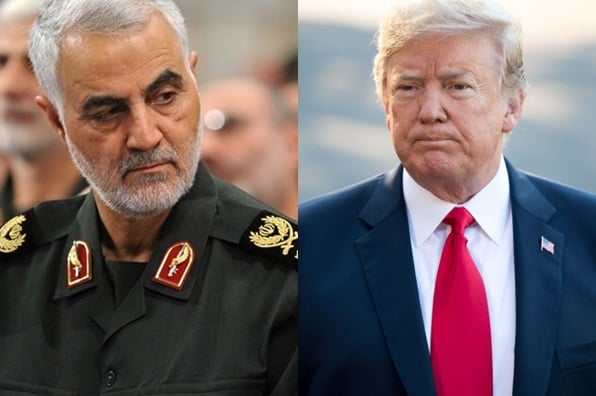
“Iran Must Arrange Meeting between Trump, Gen. Soleimani”

In a recent opinion piece published in the E’temad daily newspaper, Mousavian has talked about the moves that President Rouhani can do in response to his American counterpart’s call for dialogue. What follows is the full text of his piece:

Trump in a recent joint press conference with Italian prime minister referred to the ongoing tension between Iran and the US, and said, “I’m ready to meet anytime they want to. No preconditions. It would be good for the country, good for them, and good for the world. I don’t do that from strength or weakness, but I just think it’s an appropriate thing to do.”

However, shortly after Trump’s remarks about unconditional talks with Tehran, US Secretary of State Mike Pompeo once again listed some preconditions for holding talks with Iran. He had earlier set 12 conditions for improving ties with Iran, and had made the harshest remarks against Iran in a gathering of Iranians living in the United States.

Under such circumstances, if I were in President Rouhani’s shoes, with the decision of the Supreme National Security Council and the approval of the Leader of the Islamic Republic of Iran, in response to President Trump’s offer, I would ask him to make a visit to Tehran and would organise a tour of Iran for him before sitting down to negotiate. This tour could include:

  • Meeting with families of war martyrs, victims of Saddam Hussein’s chemical weapons, the families of victims of the Iran Air passenger plane shot down over the Persian Gulf [by a US warship], and a visit to the Museum of War to get familiar with Iran’s resistance culture so that he would closely know the consequences of the US policy after the Islamic Revolution in Iran, and understand the cause of Iran’s distrust.
  • I would ask Major General Soleimani to explain to him the realities of the region and provide documents and evidence to prove that the United States has played an important role in the destabilisation of the region by supporting the terrorist groups. He can also give Trump a complete and documented file to make it clear for him which country has been the source of instability in the region. As Trump is after the withdrawal of US troops from Afghanistan and Iraq, General Soleimani can show him the dignified ways of withdrawal from quagmires in Afghanistan and Iraq and introduce ways to resolve crises in the region peacefully.
  • I would organise a visit to Iran’s nuclear facilities and would ask Ali Akbar Salehi, head of Iran’s Atomic Energy Organization, to provide Trump with a brief history of Iran’s nuclear activities before and after the Revolution, along with documents to ensure him of the peaceful nature of Iran’s nuclear activities and the double standards of the United States before and after the Revolution.
  • I would put evidence and documents on the table showing that US sanctions were against the Iranian people to make him understand that their support for the Iranian people is completely in conflict with their policies, and that the Iranian people are the real victims of the sanctions.
  • I would organise a visit for him to ancient sites of Iranian culture and history so that he can closely understand he is facing a nation with 7,000 years of civilisation, not a country whose history is less than the age of Trump.
  • At the end, I would show him the three agreements between Iran and the United States including US-Iran 1955 Treaty of Amity, the 1975 Algiers Agreement, and the 2015 nuclear deal (JCPOA) as a basis for further negotiations.

If Trump rejects the invitation, the ball will be in his court; because Trump wants to convince public opinion that he is willing to hold diplomatic talks to resolve problems and it is the Islamic Republic that is refusing. However, if Trump accepts to visit Tehran, part of his wishes will be met. He wants to be known as a history maker. Simply making a trip to Iran will provide him with such a plan and there will be no cost for Tehran.

Eventually, only one of two following things could happen – whether eye-catching progress can be made during his trip or not. If not, Trump would have taken the risk of travel and will return empty-handed while Tehran would have lost nothing. On the other hand, a visit by the US President to the Iranian capital to resolve their problems would retain dignity and authority for Iran.