Sunday, December 28, 2025
Home Blog Page 3451

Return of US Sanctions Real Chance for Economic Modernization: Iran

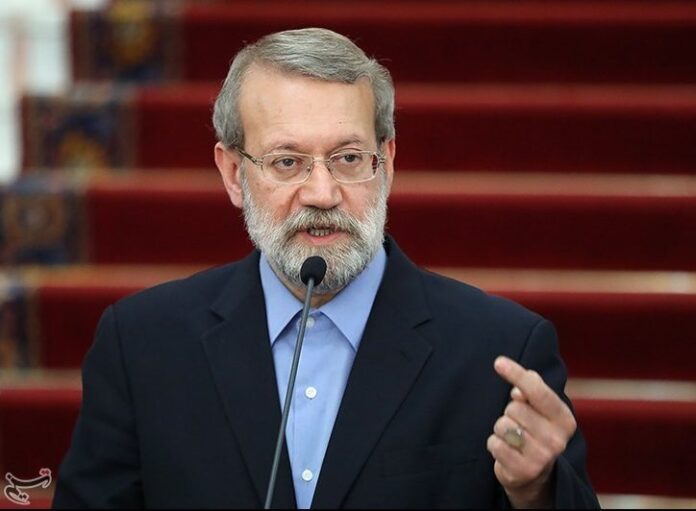
Larijani

Pointing to Iran’s progress in the defence sector that has created effective deterrence against foreign powers, Larijani said Iran managed to produce powerful weapons after foreign countries refused to provide Iran with military equipment during the 1980s Iran-Iraq war.

“The same can happen in the economic sector and we can make a great leap,” Tasnim News Agency quoted him as saying.

The top lawmaker said Iran has in the past missed big opportunities for boosting domestic production as it used to spend petrodollars on importing goods.

But now, he added, the country should seize the chance and focus on improving its economy, modifying structures and facilitating investments in the country.

“This period can lead to internal modernization of the country’s economy,” he said.

The US president pulled his country out of the 2015 nuclear deal early May, threatening to impose the “highest level” of economic bans on the Islamic Republic that would ultimately destroy its economy.

US President Donald Trump re-imposed anti-Iran sanctions on the country’s automotive and metal sectors, gold trade, aviation industry and other fields on Monday.

The US is also working to push the world to cut trade with Iran and stop purchasing the country’s oil before November, when further sanctions on oil and transactions with the central bank of Iran will be restored.

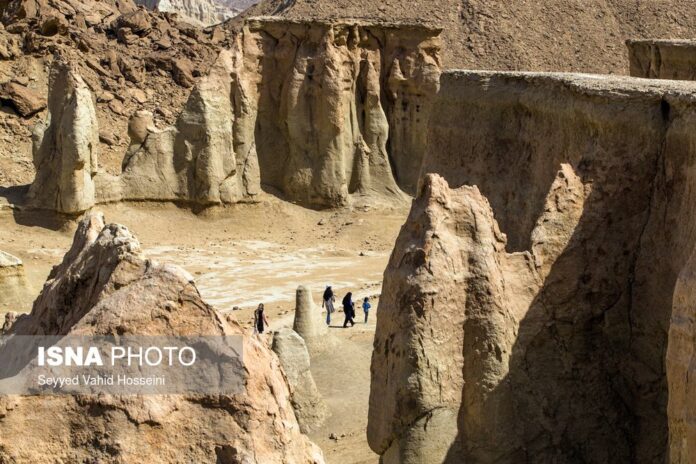
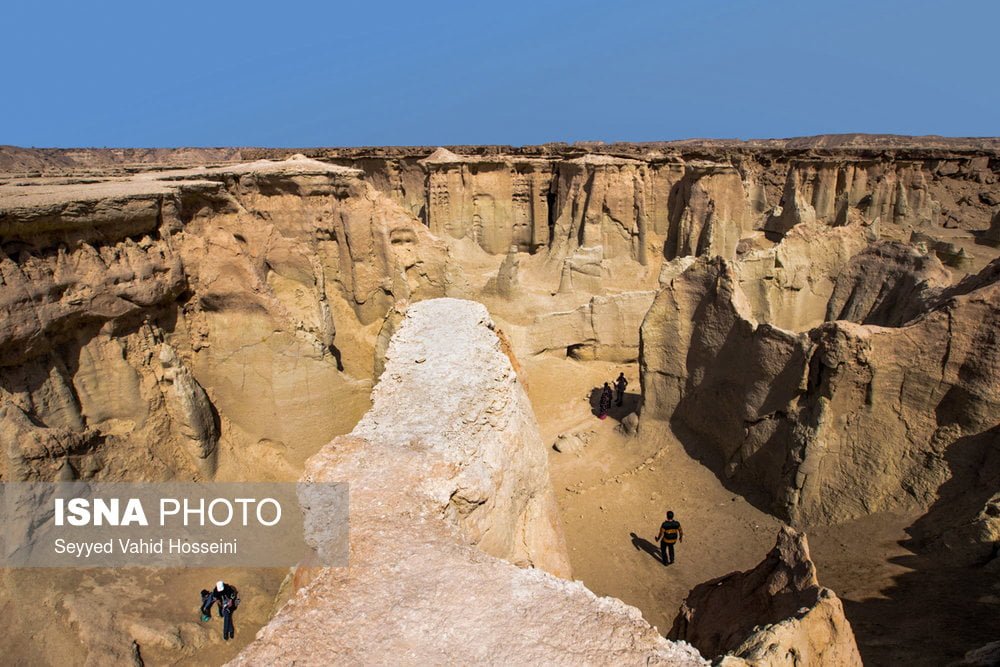
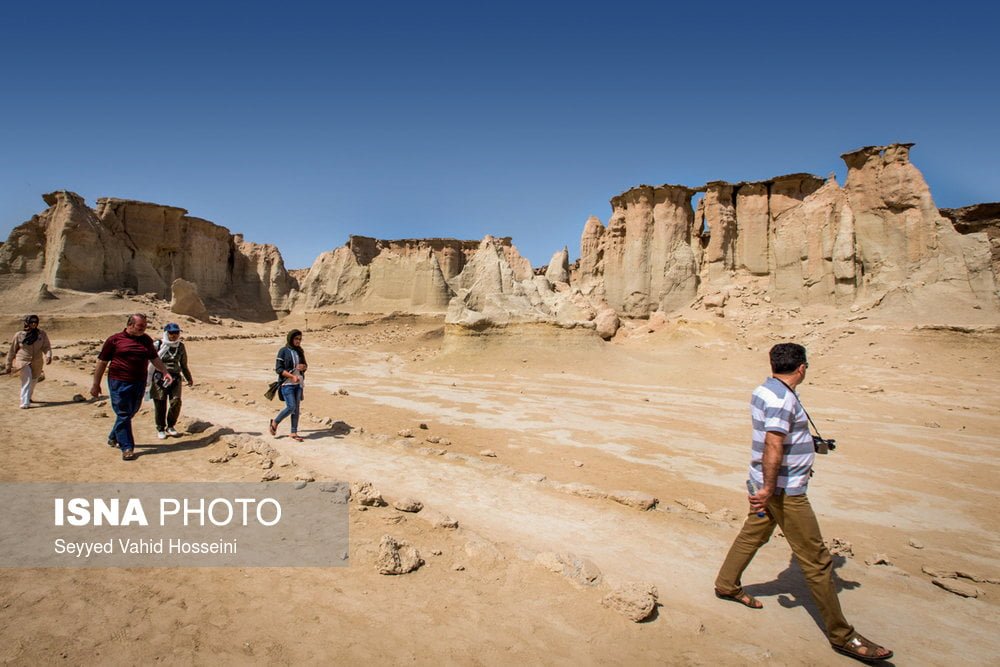
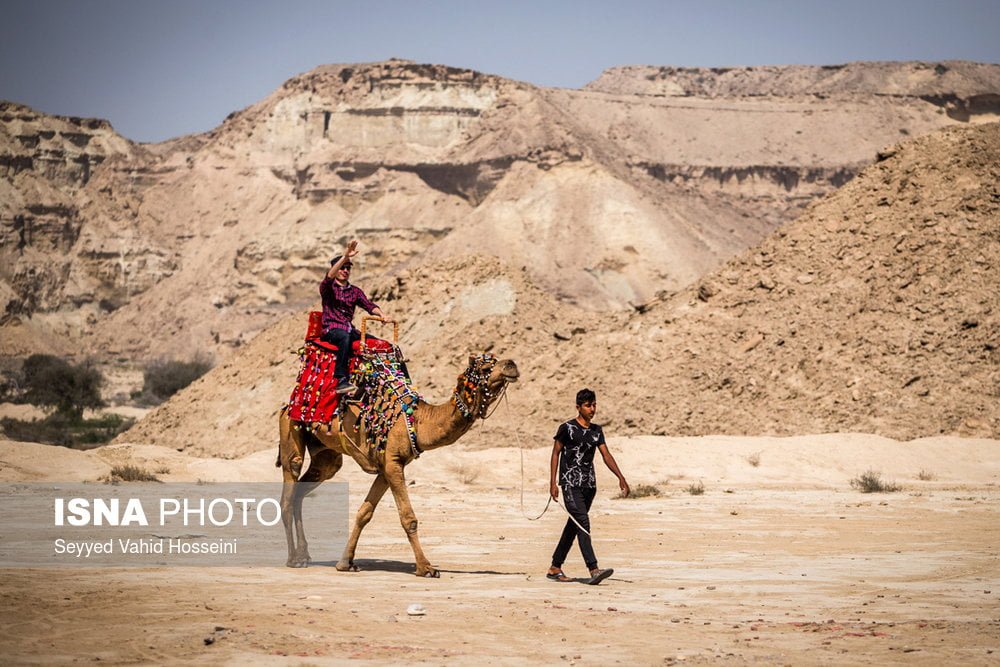
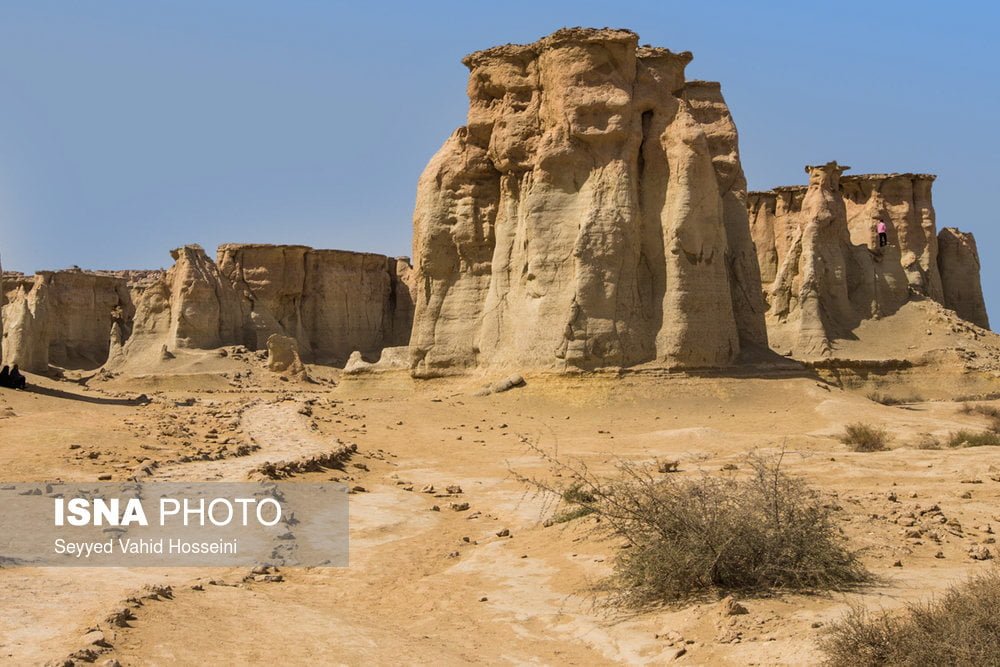
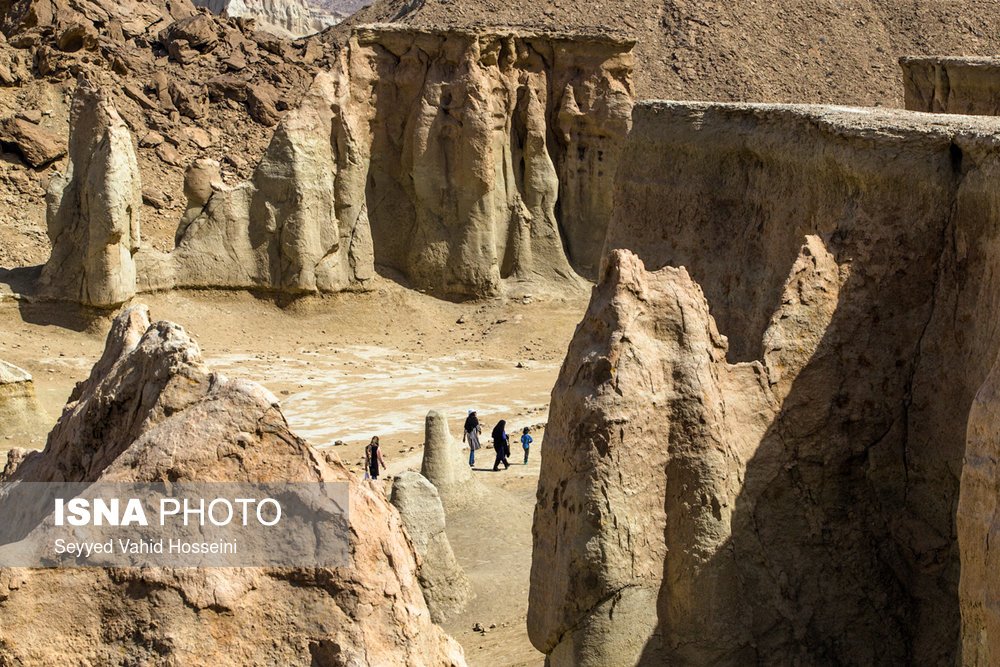
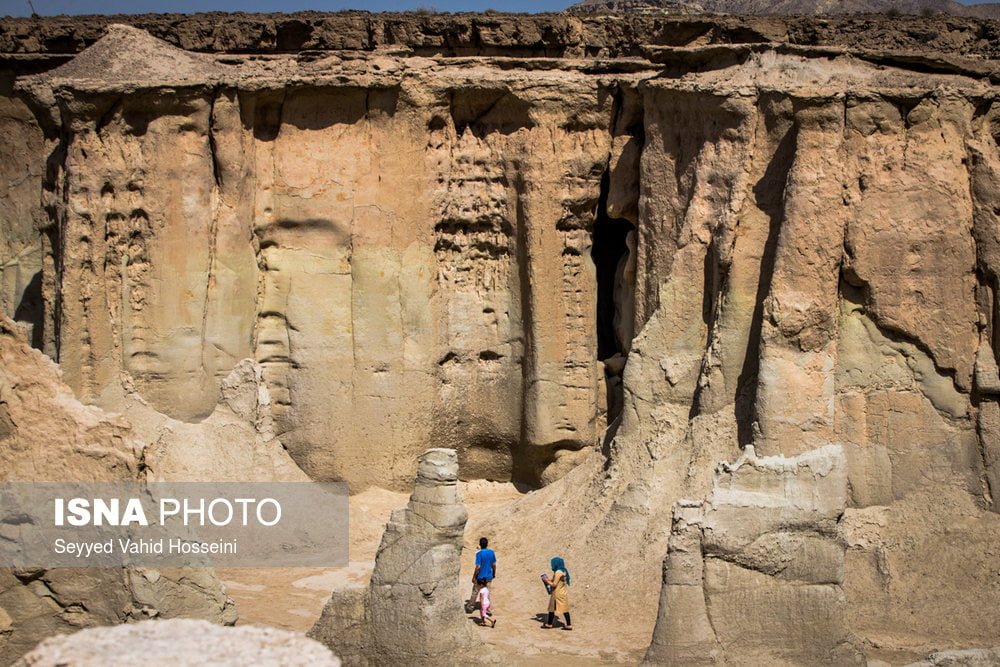
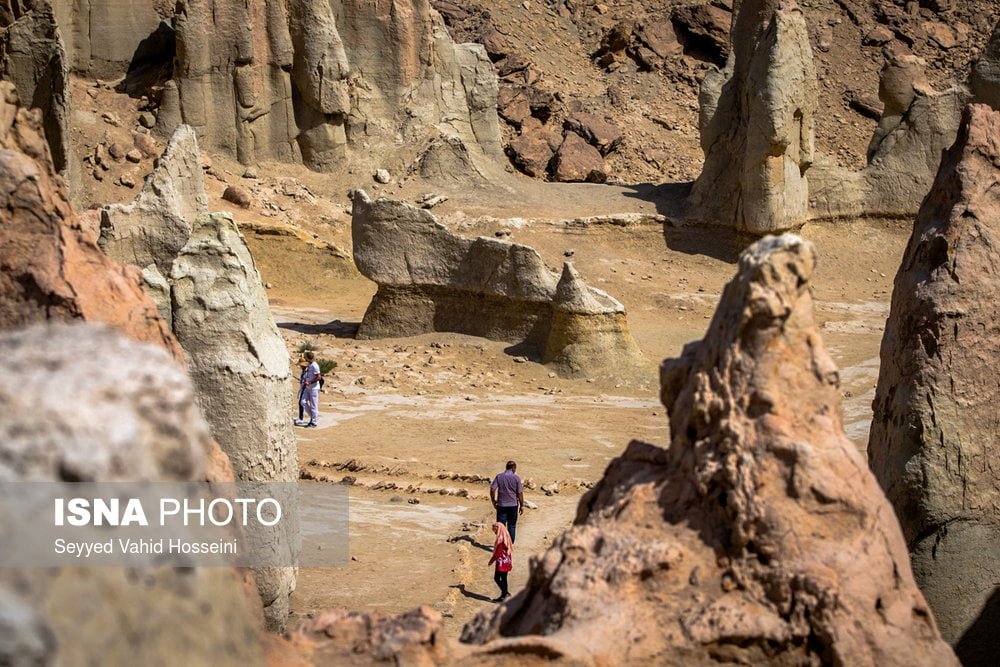
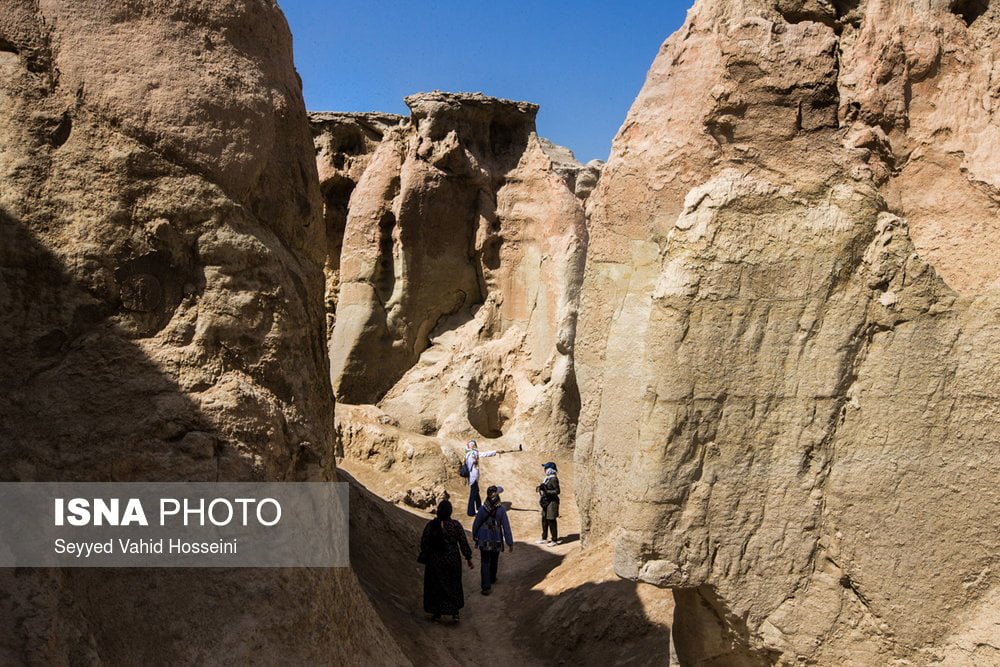
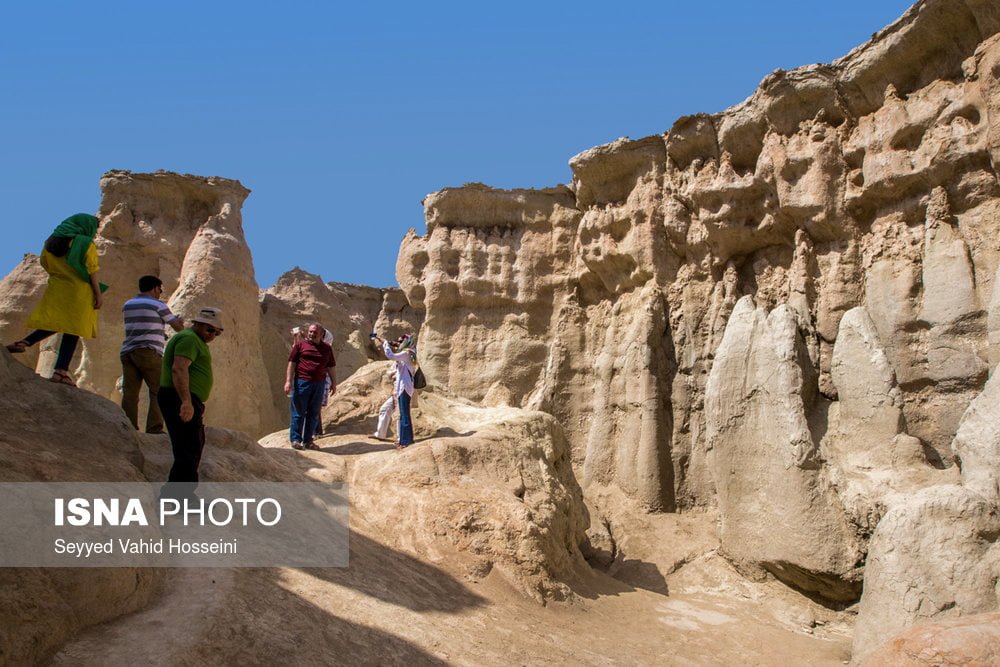
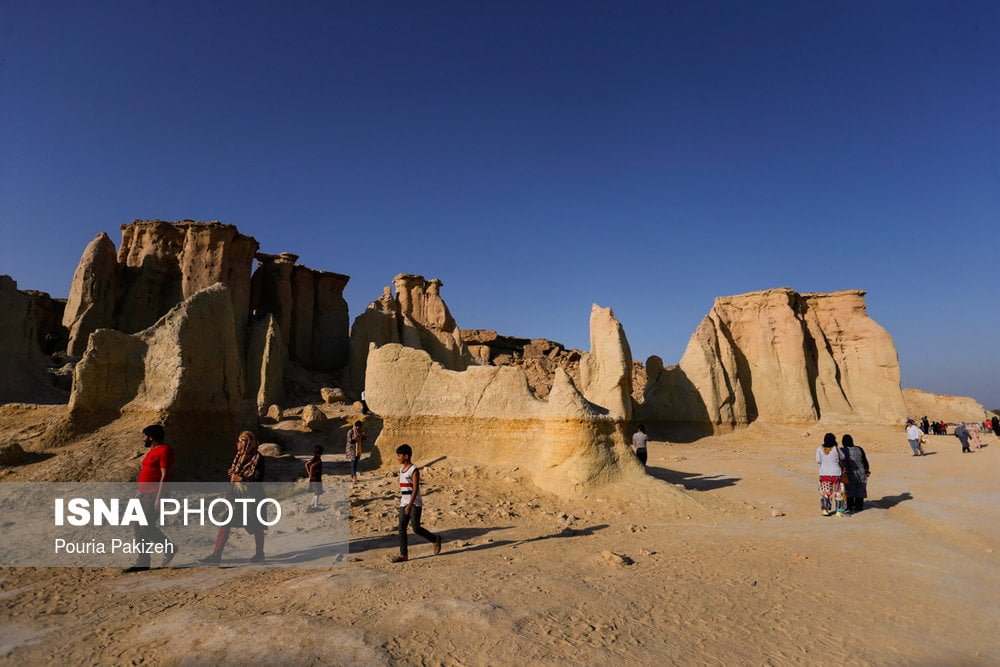
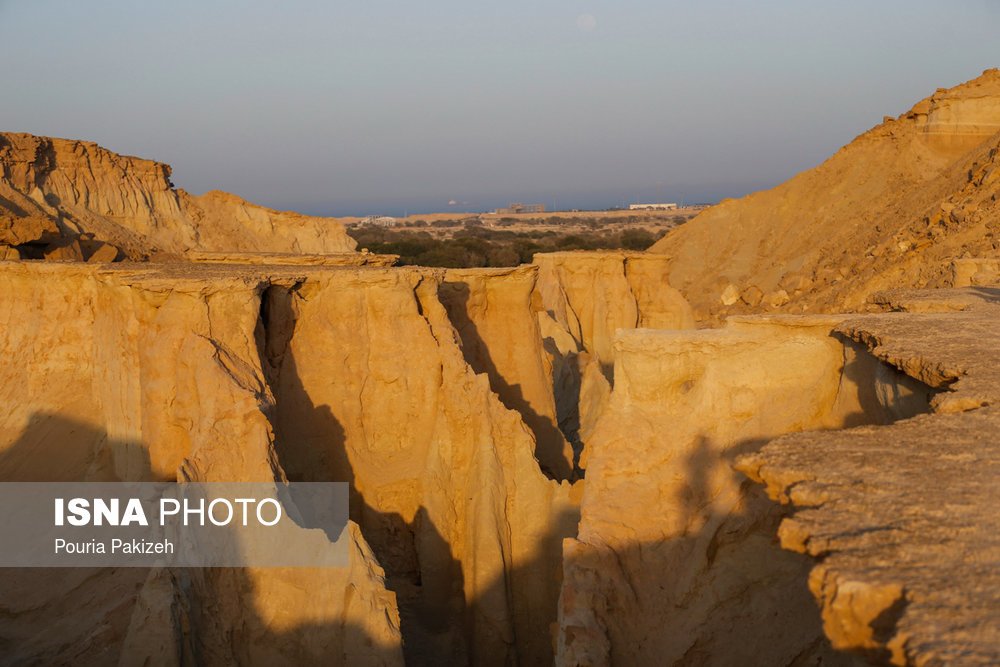
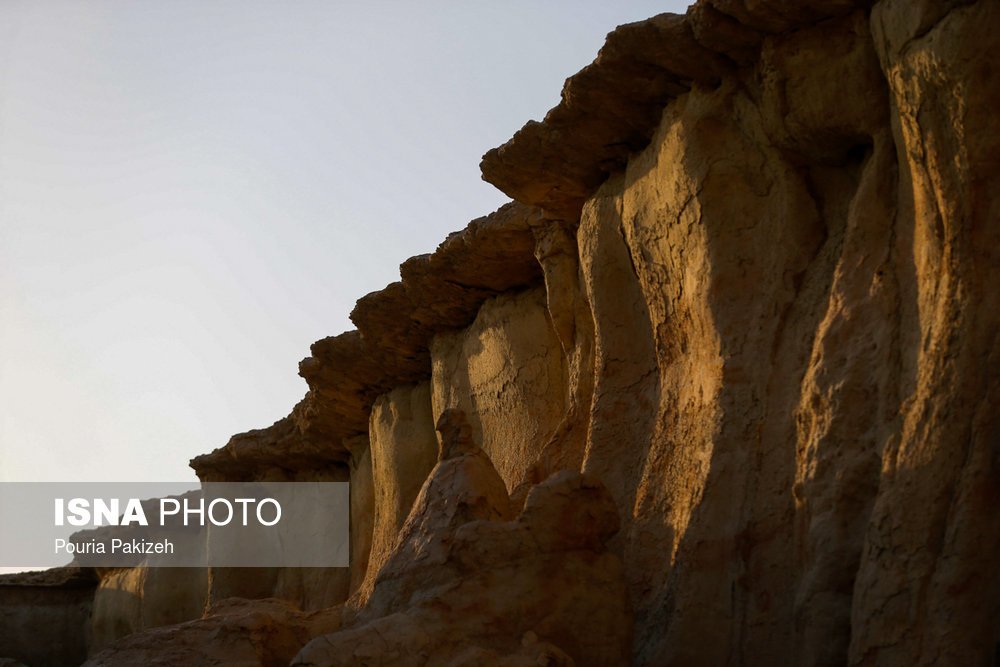
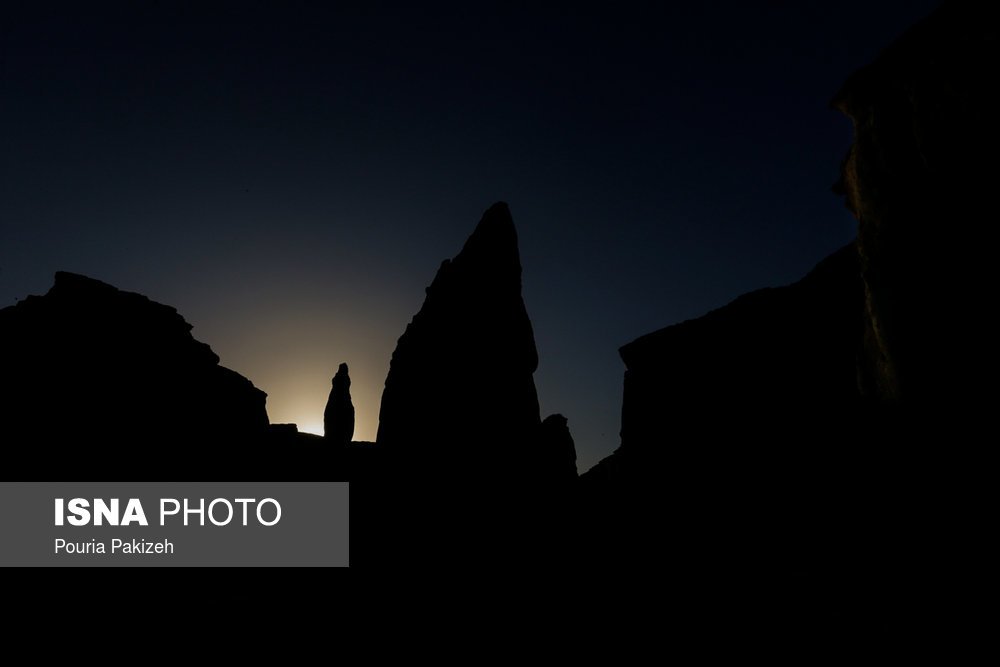
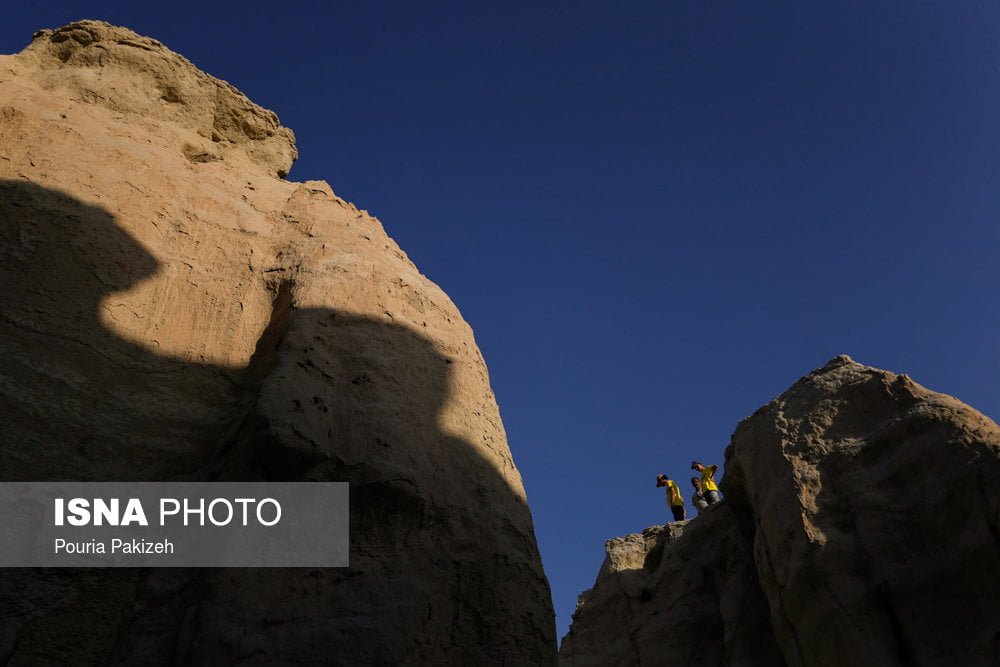
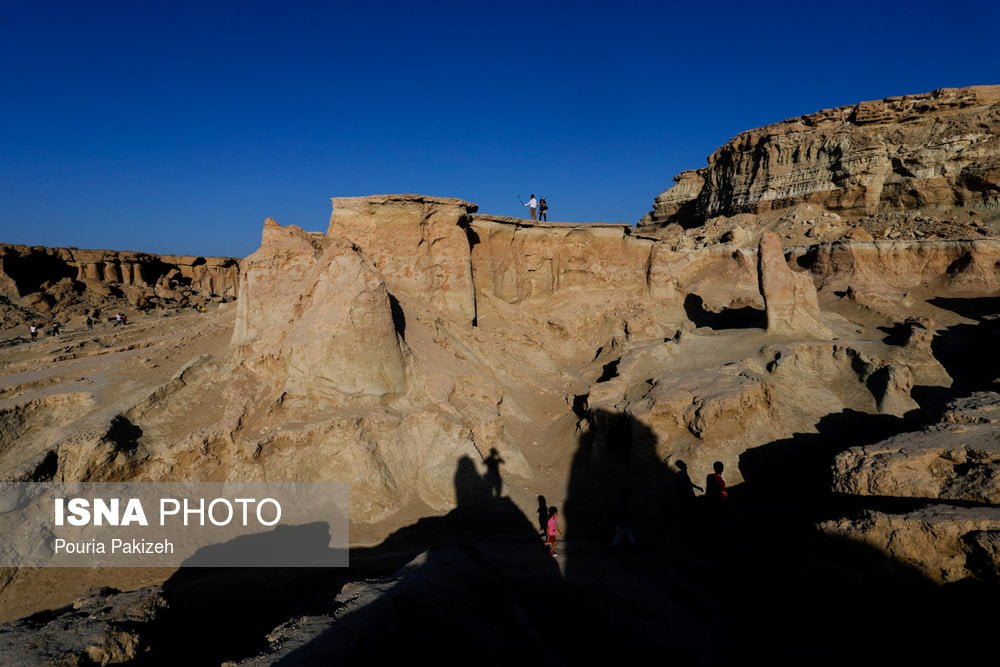
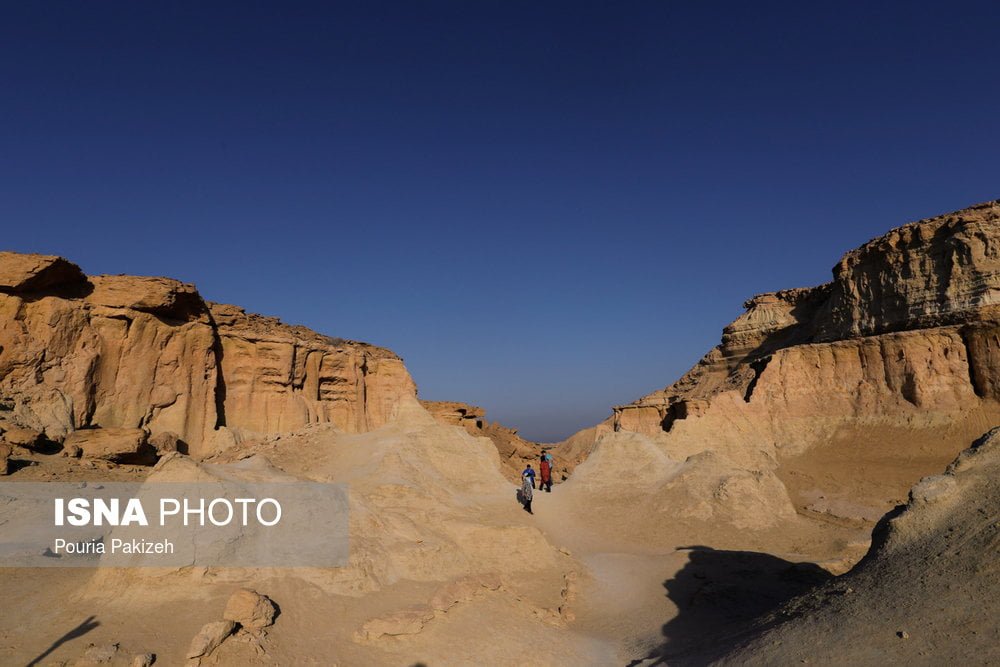
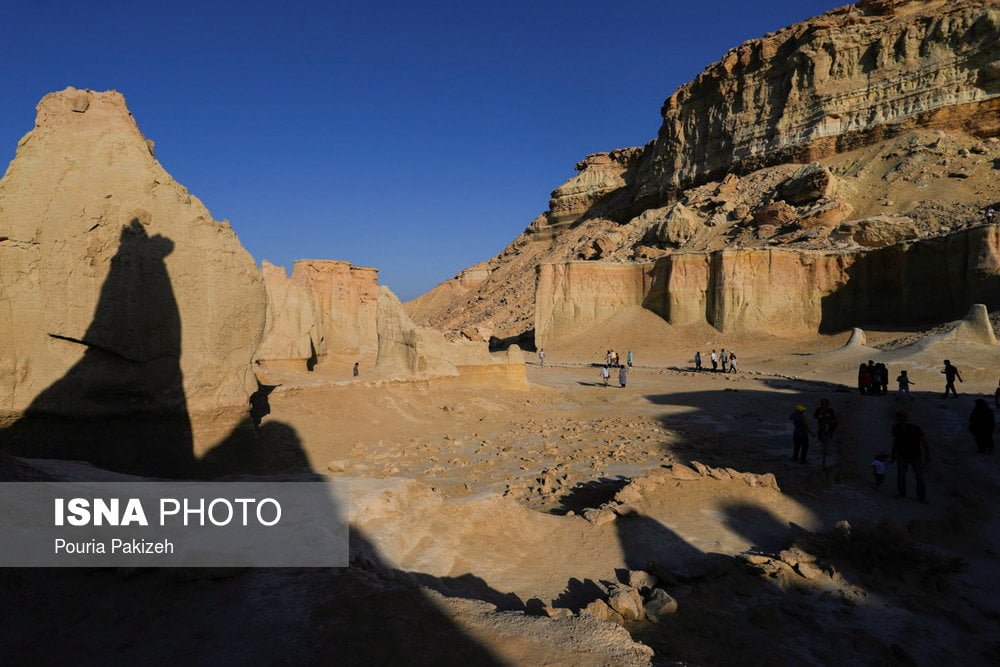
Iran’s Beauties in Photos: Valley of Stars on Qeshm Island

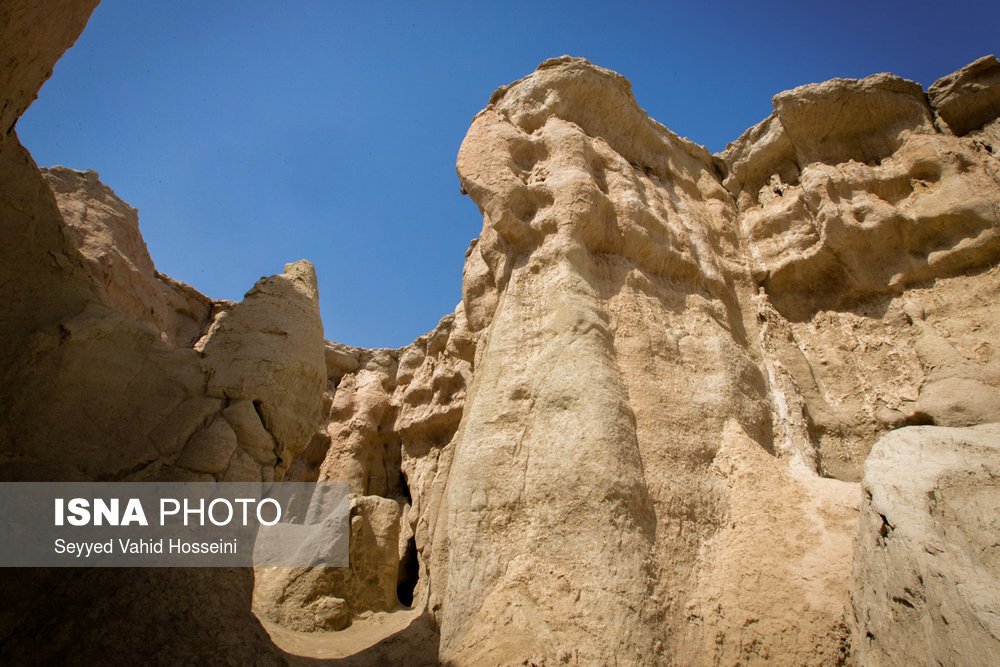
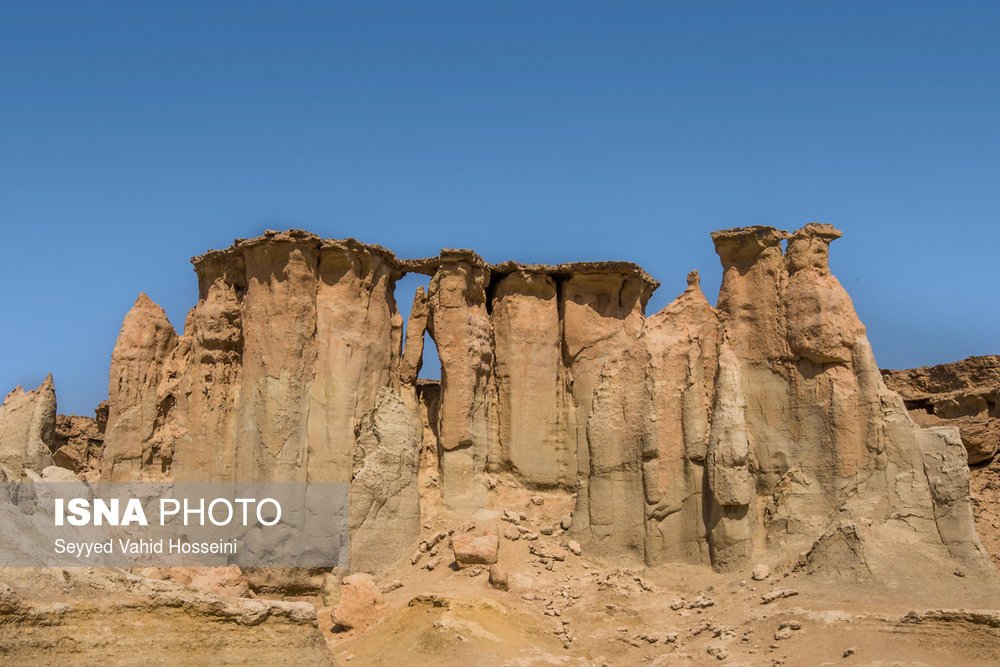
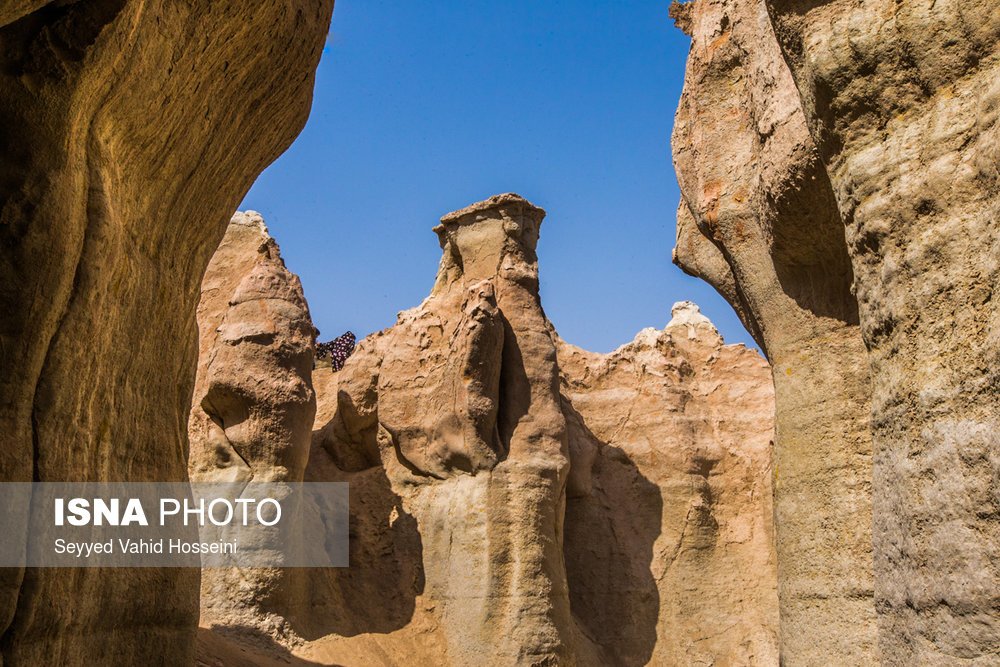
Valley of Stars on Qeshm Island

The Valley of Stars is not simply a location; is a rare geological phenomenon located in the north of Berkeh-ye Khalaf village. The Valley of Stars is 5km away from the southern edge of Qeshm Island in the Persian Gulf.

The beautiful valley is there thanks to soil erosion triggered by surface water, torrential rain and high gusts in the area.

Locals believe that the valley of Stars has been named after the falling of a star centuries ago.

What follows are ISNA‘s photos of the beautiful valley in Qeshm Island, Persian Gulf:

Iran FM Holds Talks with PUIC, ECO Secretary-Generals

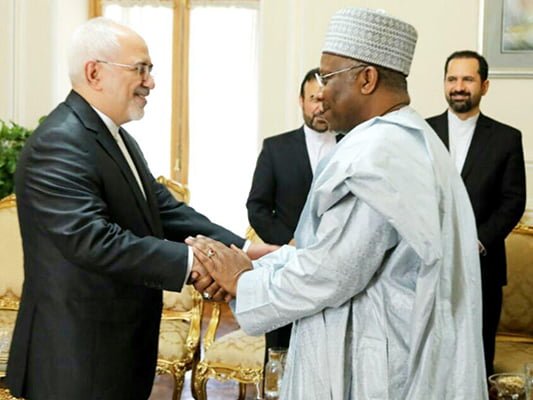
Iran FM Holds Talks with PUIC, ECO Secretary-GeneralsIn the Tuesday meeting with PUIC Secretary-General Mouhamed Khouraichi Niass, the two sides exchanged view about the organization’s goals of promoting unity and convergence in the Muslim world and overcoming existing challenges.

The PUIC was established in 1999, with its headquarters located in Tehran.

The PUIC aims to provide a framework for comprehensive cooperation and coordination among the parliaments of the Organization Islamic Cooperation countries by exchanging views on economic, social and political issues of interest to member states.

Earlier in the day, Zarif also met Halil İbrahim Akça, the outgoing secretary-general of the ECO who was leaving Tehran at the end of his mission.

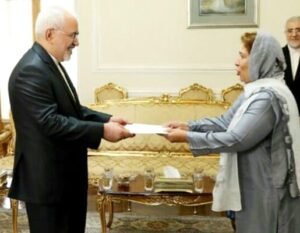
Iran FM Holds Talks with PUIC, ECO Secretary-GeneralsIn his busy Tuesday, the Iranian top diplomat also met the new ambassador of Pakistan Riffat Masood, who handed over a copy of her credentials to Zarif.

She previously served as Pakistan’s envoy to Norway, and is expected to help improve Tehran-Islamabad ties during her mission, particularly following the imminent election of Imran Khan as the Pakistani Prime Minister.

“Reuters, AP, AFP Published 2 Million Words against Iran in 20 Years”

media

Bijan Nobaveh, a former correspondent for Islamic Republic of Iran Broadcasting at UN headquarters in New York who later became a member of Iran’s parliament, said the Western governments are fairly wary of the revolutionary Iran and have established dozens of media outlets tasked with influencing the attitude of the Iranian people.

“To advance their agenda regarding the communists [Soviet Union], arrogant powers established a radio channel called ‘superior life’. But after the Islamic Revolution, they have created over 100 television and radio channels that publish anti-Islamic Republic content in Persian. This indicates the importance of the Islamic Republic, which is a source of fear for arrogant powers,” he said.

Speaking in a recent meeting on history of the 1979 Islamic Revolution in Tehran, Nobaveh said the Western governments have also employed western media giants to fight Iran.

According to my research, over the past 20 years, the three big news agencies of Reuters, AFP and AP have published two million words against the Islamic Republic, most of which were aimed at changing the Iranian peoples’ lifestyle and beliefs, Tasnim News Agency quoted him as saying.


Western Media’s Hypocrisy

The former lawmaker censured the Western-backed media for their hypocritical positions, saying they act to advance the agenda of western governments.

To give an example, Nobaveh drew a comparison between the Western media’s coverage of the Iraqi chemical attacks against Iran and their coverage of suspicious chemical incidents in Syria that western governments blame on the Syrian government.

“[Former Iraqi dictator] Saddam Hussein’s chemical attacks, which killed and injured thousands of people, were the gravest war crimes since the end of World War II, but there are no mentions of the attacks in the international media,” he said.

“Why were these outlets silent when forty German firms were providing chemical material to Saddam?” asked Nobaveh, himself a victim of Saddam’s chemical attacks.

Iran says the chemical weapons used by Saddam during the 1980s Iran-Iraq war were provided to the Iraqi regime by Germany and other western countries.

Nobaveh said when it comes to Syria’s chemical incidents, the western media do their best to highlight the incident and persuade the global public opinion into believing the Syrian government was behind the chemical attacks.

Western governments have accused the Syrian government of perpetrating the attacks, and conducted two missile strikes against the Syrian government as a punishment in 2017 and 2018.

Syria, Russia and Iran say the attacks have been fabricated by foreign-backed militants to justify the greater involvement of western powers in the conflict.

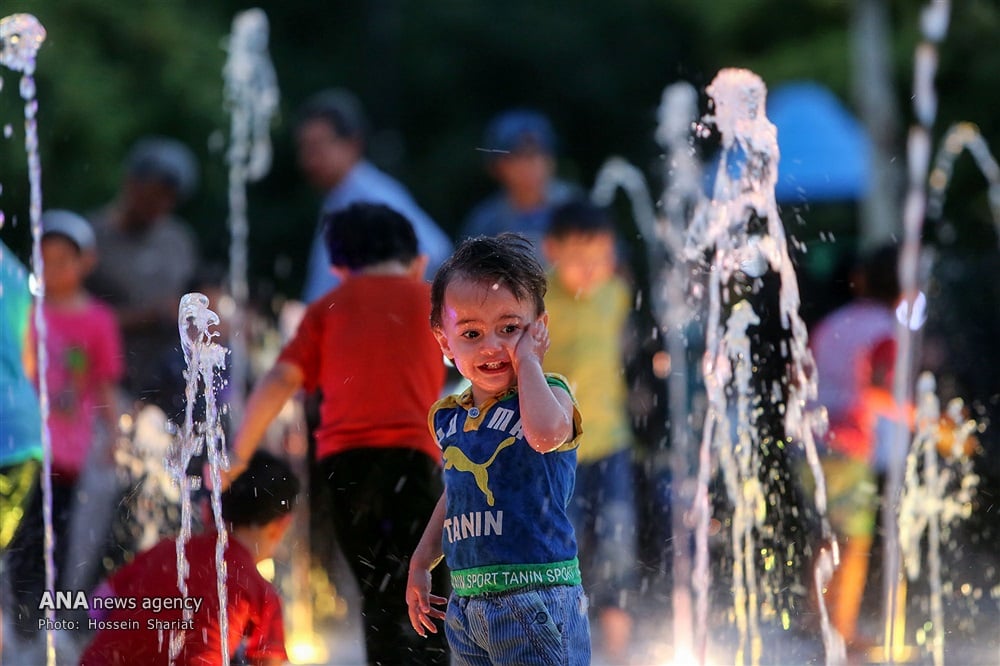
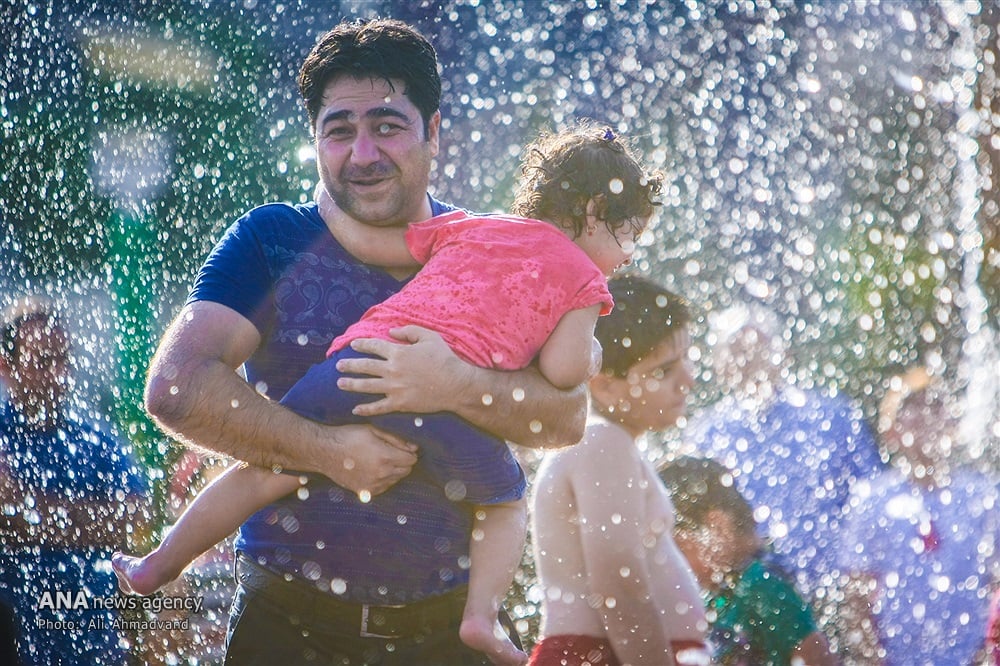
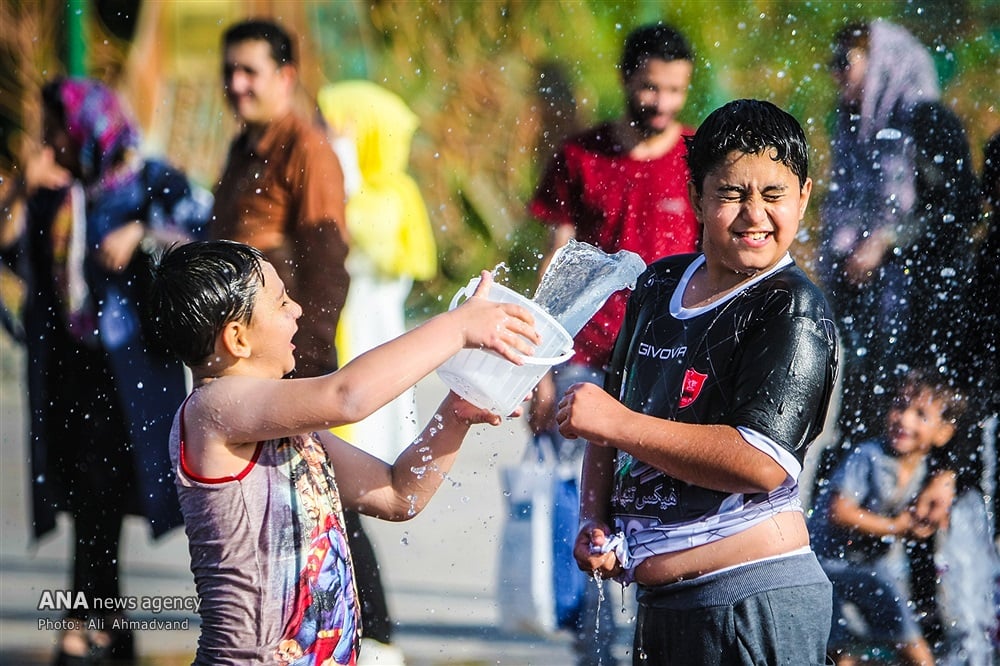
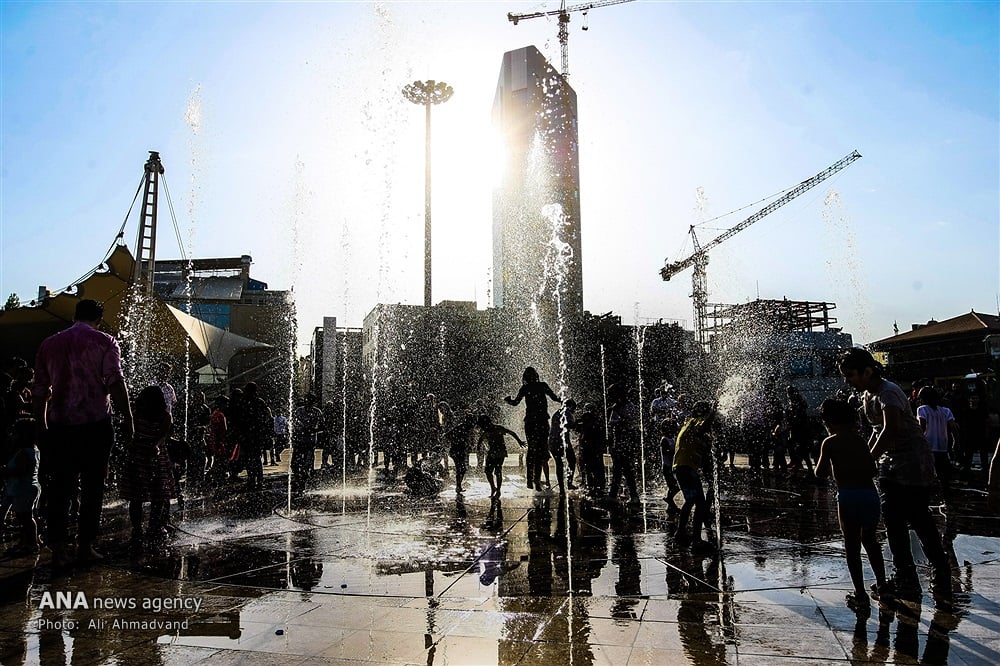
Playing with Water, Best Way to Beat Summer Heat in Iran

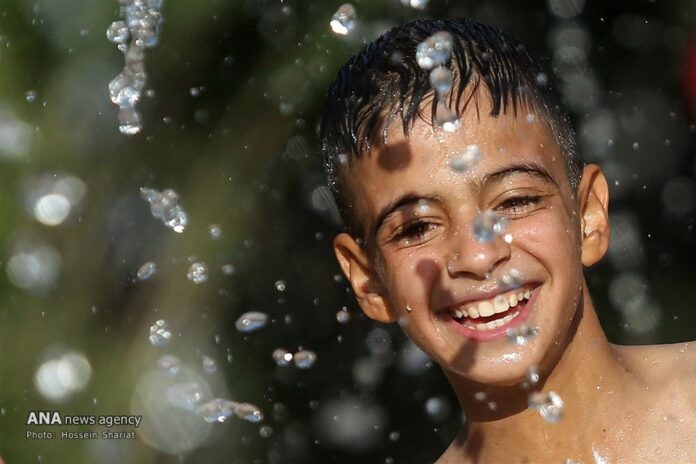
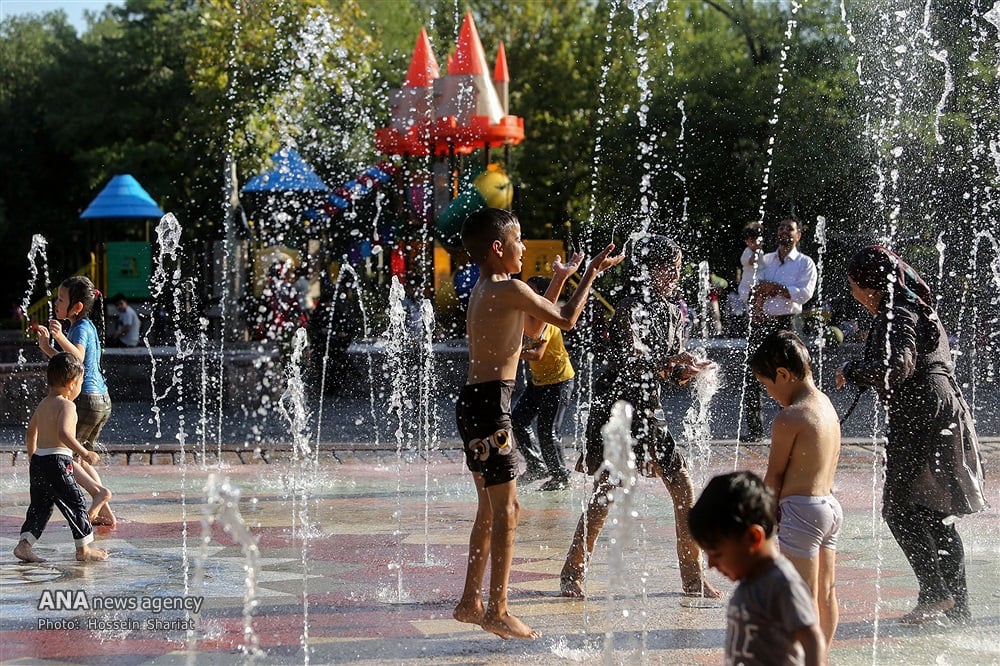
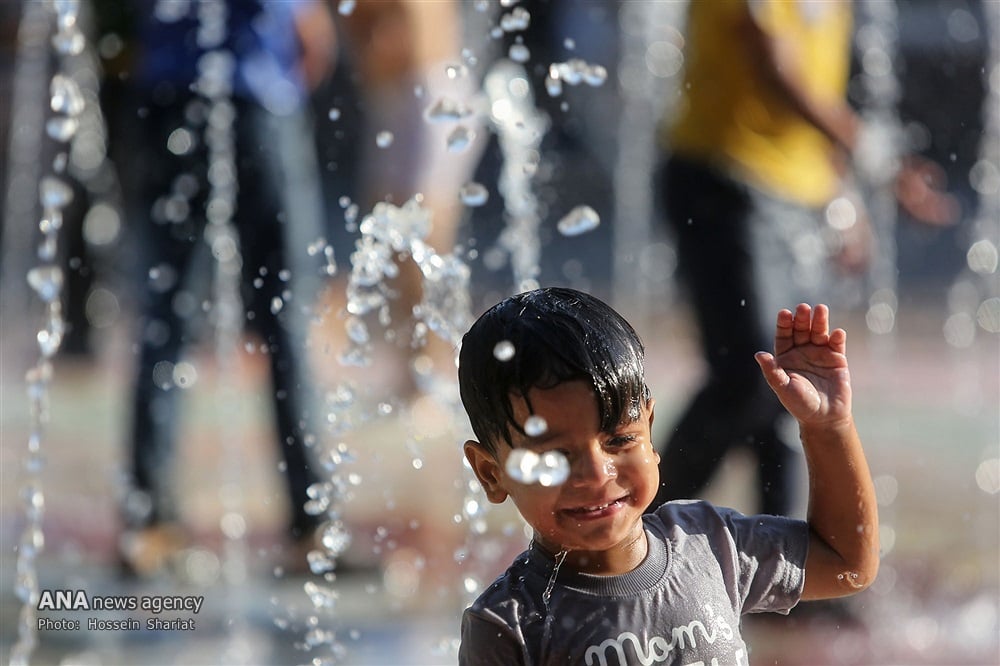
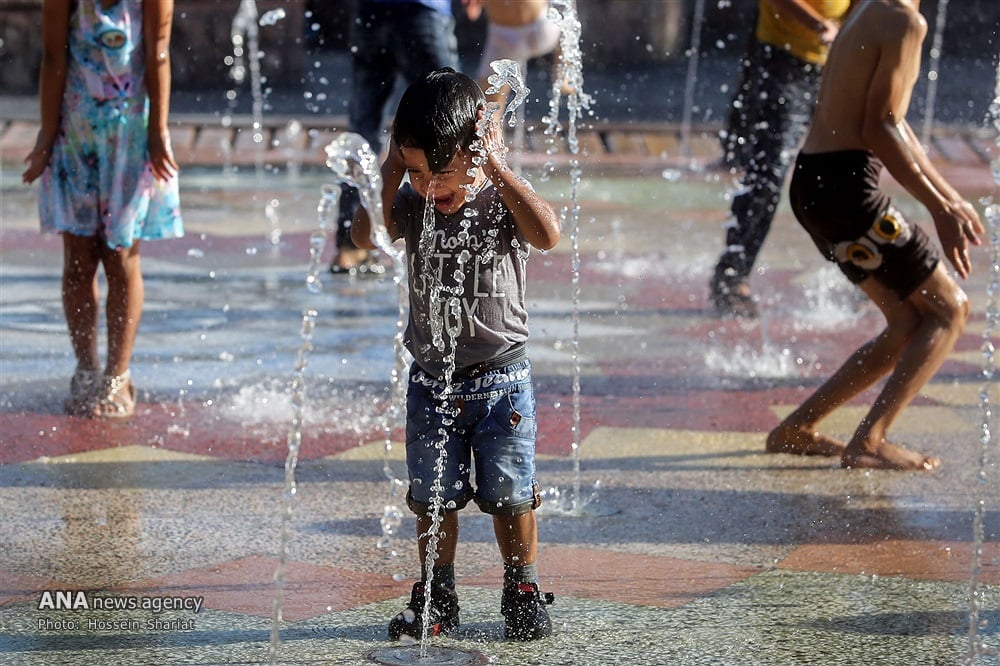
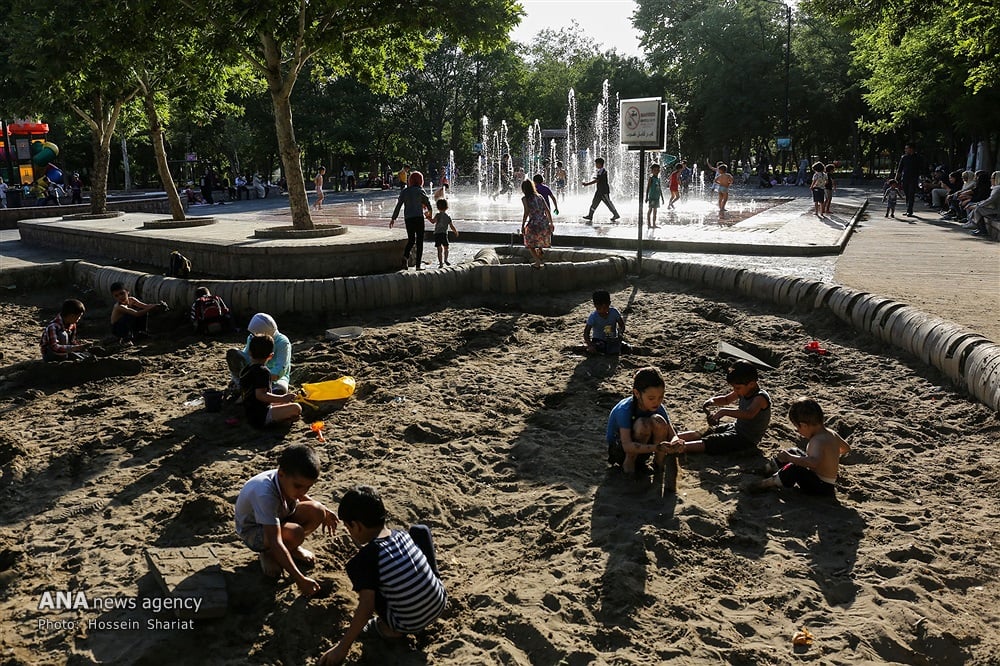
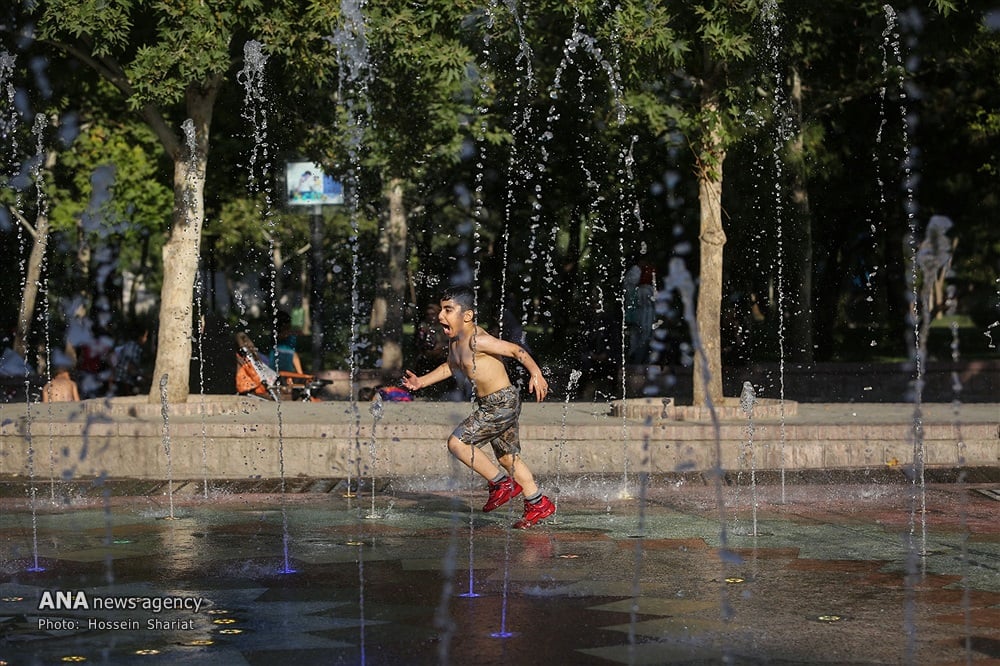
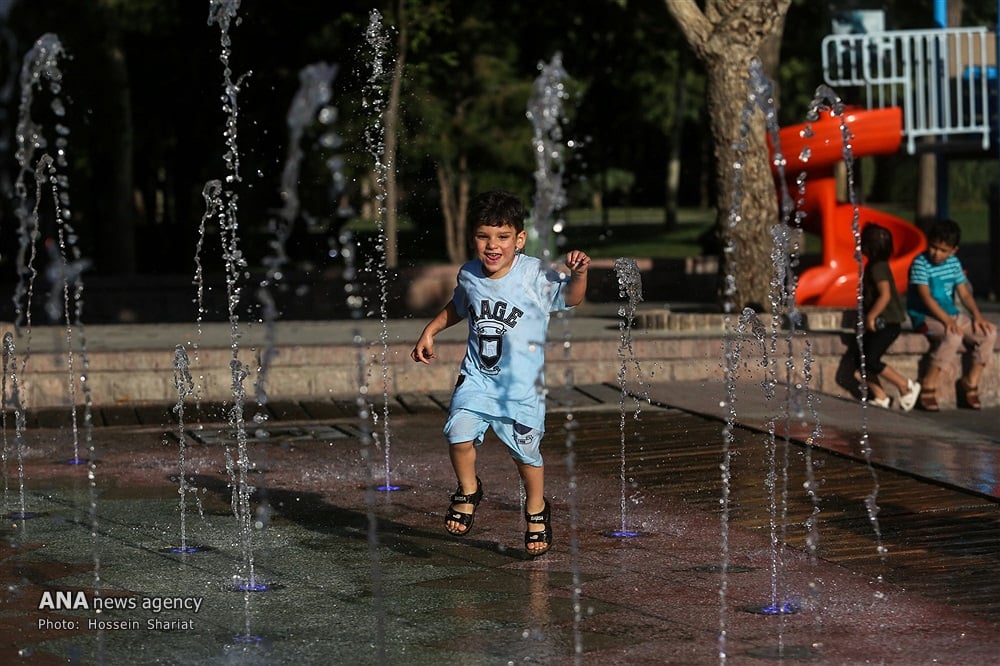
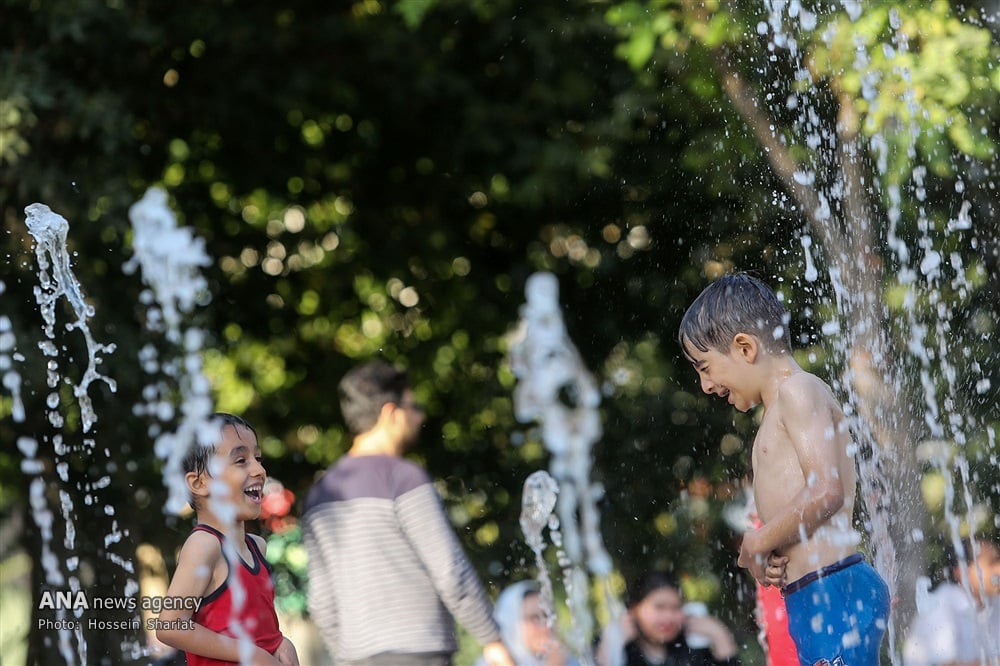
These days many children can be seen playing with water to stay cool and withstand the extreme heat. Parks in all parts of Iran have brought welcome relief to children suffering through the hot summer.

What follows are some snapshots of kids playing in two parks in Tehran and Mashhad retrieved from Azad News Agency:

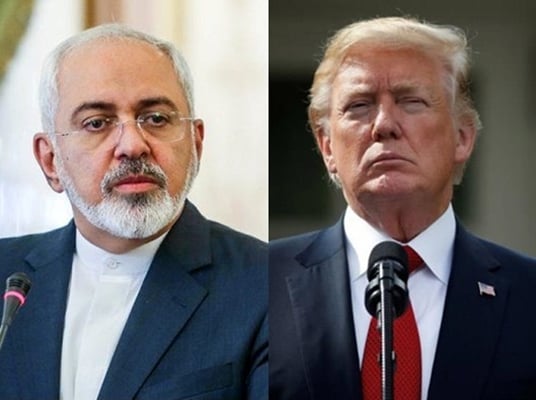
Zarif Raps US’ Hypocrisy as Trump Snaps Back Anti-Iran Sanctions

Zarif Raps US’ Hypocrisy as Trump Snaps Back Anti-Iran Sanctions

Zarif said the return of US sanctions on Iran’s aviation industry shows the country does not really care about the Iranian people.

“The Trump Administration wants the world to believe it’s concerned about the Iranian people,” Zarif tweeted.

“Yet the very first sanctions it re-imposed have cancelled licenses for sales of +200 passenger jets under absurd pretexts, endangering ordinary Iranians. US hypocrisy knows no bounds,” he said.

Trump, who withdrew the US from the 2015 nuclear deal in March, re-imposed anti-Iran sanctions on Iran’s automotive and metal sectors, gold trade, aviation industry and other fields on Monday.

After the nuclear deal came into effect in January 2016, Iran signed contracts with western firms to purchase over 200 passenger planes. But the return of US sanctions will most likely prevent completion of the contracts, as Washington has revoked export licenses needed by European plane makers due to their heavy use of US parts.

At least 2,000 Iranian people have lost their lives in plane accidents since the 1979 Revolution, which toppled the US-backed regime of Shah and led to global sanctions on the Islamic Republic.


US-EU Standoff

After ordering the return of sanctions, Trump threatened that there will be “severe consequences” for those who continue trade with Iran.

However, the EU is seemingly defying the threat. The EU on Monday updated a so-called blocking statute that seeks to protect European companies from any penalties imposed by the US for doing business with Iran.

The measure threatens companies with penalties if they comply with American sanctions, putting some in a bind, Washington Post reported.

In a statement Monday, the EU, UK, France and Germany said they “deeply regret” the US action.

Further sanctions on oil and transactions with the central bank of Iran will come into effect November 4.

Iran Ready for Talks with US Once It Pays Its Debts, Remove Sanctions: Rouhani

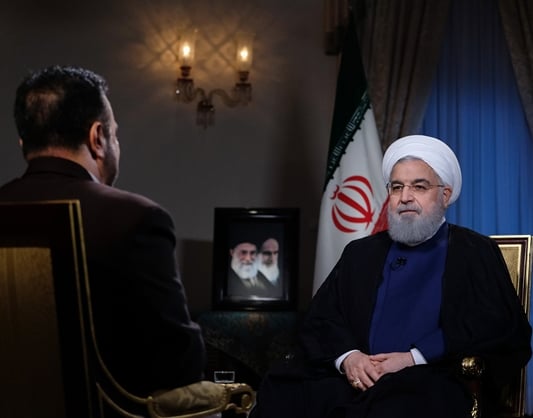
Speaking in a live televised interview on Monday, Rouhani said constructive interaction with the world has always been his administration’s motto, so “we are open to dialogue.”

However, he added, honesty and hope for achieving an outcome are prerequisites for talks.
If someone has put a dagger in your back, he should first take it out, then call for talks, Rouhani went on to say, referring to the Trump administration’s policy of calling for talks with Iran and at the same time imposing the harshest-ever sanctions on the country.

Rouhani further noted what Donald Trump has done is targeting the Iranian nation. “If Trump shows honesty and returns to JCPOA, we would be able to hold talks.”

Sanctions which are targeting Iranian kids and patients and the US’ pressure on other countries to avoid doing business with Iran must be stopped, and the US must compensate for Iran’s losses, which date back to the US-backed 1953 coup, before such talks could be held, he added.

The Iranian president further pointed to the US’ isolation in the international community, and said except for a few countries, the entire world including European states consider Iran as a reliable partner which keeps its promises.

Europe has done whatever it could for Iran, from passing laws to taking anti-US stances, he said, adding that the country has also received promises from Russia and China for the time of US sanctions.

China and Russia have promised to help Iran in the time of US’ November sanctions on Tehran’s oil exports and banking relations with the outside world, he noted.
They clearly announced that they will implement their deals, as the Chinese did in the case of French energy company Total’s withdrawal from an Iranian project, Rouhani stressed.
He also described Asian countries, including China and India and the ASEAN as very important partners for Iran at the time of US’ sanctions.

Rouhani’s comments came as the first batch of US sanctions on Iran’s automotive and metal sectors, gold trade, aviation industry and other fields snapped back on Monday, and the second part, which focuses on the country’s oil exports and banking relations, will be re-imposed in November.

Fresh US Sanctions Not to Harm Iran’s Economy Anymore: Zarif

“Today is the day when [US] sanctions are re-imposed on Iran. However, nothing will happen. They have already done what they wanted to do,” Zarif said, adding that the impact of US sanctions is more of a psychological type.

He made the remarks in an address to a group of Iranian journalists and reporters on Monday in a ceremony to mark the National Journalists’ Day in Tehran.

“I believe we will manage to pass this critical juncture as well, as we did in the past. The difference is that the current juncture is not as difficult as the previous ones, because now only three or four countries are standing against us, but once a huge number of countries used to be against Iran,” he added.

He further pointed to US President Donald Trump’s call for dialogue with Iran, and described it as part of a psychological game.

“I ask those who claim to be seeking to improve their relations with Iran: why were the bans on sale of passenger planes to Iran the first sanctions you re-imposed on Iran? Weren’t they supposed to be used by Iranian people?”

Zarif said the main goal pursued by the US, Saudi Arabia, and the Israeli regime is to create psychological tension in Iran.

“Who would believe that Trump seeks to negotiate with Iran,” Zarif asked.

If the US really wanted to hold talks with Iran, it had the chance to do so when the Leader of Iran’s Islamic Revolution Ayatollah Seyyed Ali Khamenei said the nuclear talks, if successful, could set a good precedent for Iran-US talks on other issues as well, the Iranian top diplomat said.

However, he added, Trump annulled everything in a short interview.

Zarif said that the US president must at least prove that sitting for talks is worth the time.

He further noted that the leaders of the United States, Saudi Arabia and Israel were isolated in their hostility towards Iran.

“Today, the entire world has declared they are not in line with US policies against Iran,” Zarif said.

“Talk to anyone, anywhere in the world and they will tell you that (Israeli Prime Minister Benjamin) Netanyahu, (US President Donald) Trump and (Saudi Crown Prince Mohammed) bin Salman are isolated, not Iran,” he said.

“Of course, American bullying and political pressures may cause some disruption, but the fact is that in the current world, America is isolated.”

Saudi Arabia and Israel, Iran’s key regional rivals, are among the only countries to strongly support the re-imposition of US sanctions.

The other parties to the 2015 nuclear agreement – Britain, France, Germany, China and Russia – say Iran was abiding by its commitments and have vowed to salvage the deal by ensuring economic benefits continue to flow to the country.

The European Union said in a statement Monday that the bloc deeply regretted the US re-imposition of sanctions and vowed immediate steps to protect European companies.

The statement by EU diplomatic chief Federica Mogherini and the foreign ministers of Britain, France and Germany said it would also work to keep “effective financial channels” open with Iran.

The EU said it would now swiftly bring in legal cover for firms in the 28-nation bloc “engaged in legitimate business with Iran”, after the Trump administration rejected European calls for an exemption.

“This is why the European Union’s updated Blocking Statute enters into force on 7 August to protect EU companies doing legitimate business with Iran from the impact of US extra-territorial sanctions.”

The “blocking statute” forbids EU firms from complying with US sanctions, allowing them to recover damages from such penalties and nullifying any foreign court rulings against them.

“The remaining parties to the JCPOA have committed to work on, inter alia, the preservation and maintenance of effective financial channels with Iran, and the continuation of Iran’s export of oil and gas,” the EU statement said.

Iran Unveils New Policies to Restore Calm to Forex Market

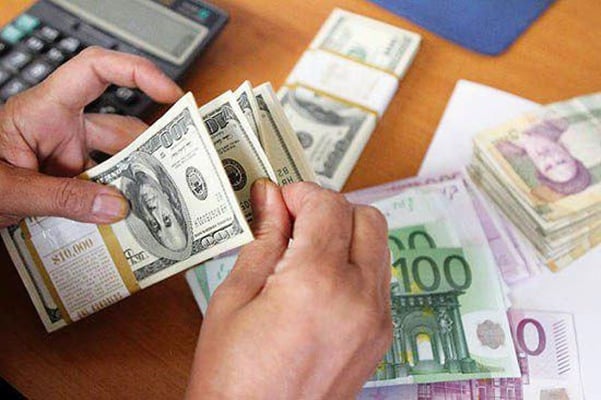
Speaking in a live interview with the state TV Sunday night, Hemmati said according to the new policy, hard currency will be made available at a subsidized rate of 42,000 against the US dollar for purchases of basic and essential goods and medicine.

The governor said a secondary currency market will be launched, which gives importers of non-essential goods access to hard currency brought home by the nation’s exporters, including petrochemical, gas and oil companies.

The exchange rates in this market will be determined according to the supply and demand rule, he said, adding that this rate will govern the whole currency market as it will cover most of the nation’s need for currency.

“The central bank will try not to interfere in setting the price of currencies, which will be determined by supply and demand,” he said.

Hemmati said ordinary people who need currency for travelling abroad or other needs could purchase foreign currencies from foreign exchange offices at a price close to the secondary market rates.

The government on Sunday lifted a ban on the sale of foreign currency at floating rates, allowing exchange offices to sell at unofficial market rates for purposes such as overseas travel after a three-month hiatus.

That reverses the decision in April to ban trading currency outside the official rate of 42,000 rials to the dollar.


People Need Not to Worry

The currency package has been agreed upon by the three branches of power and economic experts, Hemmati said, expressing hope it could bring about a change in the country’s economy.

“The country’s currency balance is positive and we face no economic problems. This is a good time for opening the [secondary] market,” he said.

The CBI governor said the plan reflected Iran’s self-confidence in the face of the looming US sanctions.

“This shows our power. The same day you (the US) impose sanctions, we open our economy for the first time since the 1979 Revolution. We have no problems, so why should our people be worried?” Hemmati said.

The US pulled out of the 2015 nuclear deal in May, and re-imposed the first series of its anti-Iran sanctions on August 6 to escalate pressure on the country to force negotiations on a new deal.

The US is also working to pushing the world to cut trade with Iran and stop purchasing the country’s oil.

The first batch of sanctions on Iran’s automotive and metal sectors, gold trade, aviation industry and other fields snapped back on Monday.


Several Officials Arrested in Fight against Disruption of Economy

Some believe people’s fear of the return of sanctions has pushed them to sell their reserves of national currency, leading rial to slide to record lows.

A dramatic decline in the value of rial has soared the prices of imported consumer goods and depressed some markets in the past few months.

Last week, the value of rial against the US dollar passed 100,000 in the free market, prompting the government, judiciary and the parliament to take immediate measures to stop the plunge in the value of rial.

The Judiciary has announced 45 people have been arrested on economic charges in recent days.

On Sunday the Judiciary said it has arrested a further seven people, including the former deputy governor of central bank, Ahmad Araqchi.

Araqchi was dismissed by Hemmati on Saturday from his position as deputy head for currency affairs.

Meanwhile, Iranian President Hassan Rouhani has been summoned to the Parliament to respond to questions about the Iranian economy.

Rouhani is also scheduled to appear on the state TV Monday night to talk about foreign policy and economic issues.


Market’s Positive Reaction

The policies introduced by Hemmati were warmly welcomed by the market on Monday, leading to a considerable decrease in the price of gold coin, US dollar and euro, among others.

Gold coin used to be sold at nearly IRR 41 million, but has now dropped to IRR 33 million. The US Dollar had also reached IRR 115,000 but is now traded at IRR 90000 in the free market.

Shorty after Hemmati’s remarks, forex dealers rushed to the markets in Tehran to sell their foreign currencies as they feared the rates would soon drop.

Experts believe the prices will continue to go down in coming days despite the imposition of the first series of US sanctions on Iran.

 

Iran Sympathizes with Indonesia over Deadly Quake

In a Monday statement, Qassemi offered sympathy to the Indonesian people and government and families of the victims of the tragic incident.
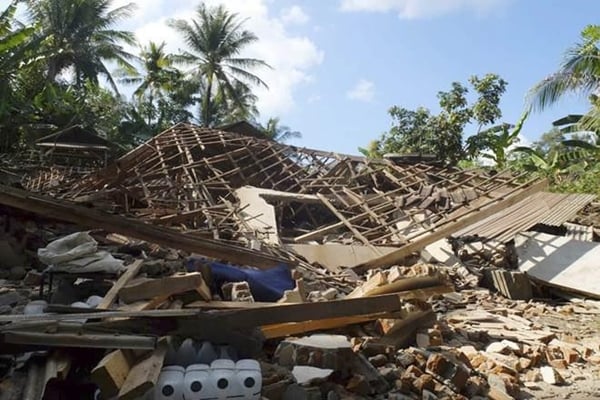
A powerful earthquake struck the Indonesian tourist island of Lombok, killing at least 91 people and more than 200 people injured. Thousands of homes and buildings were damaged.

Authorities said Monday that rescuers still hadn’t reached some hard-hit areas and the death toll could climb.

The quake, measured at a magnitude of 7.0 by Indonesian authorities, struck early Sunday evening at a depth of 10.5 kilometers in the northern part of Lombok.