Tuesday, December 23, 2025
Home Blog Page 3427

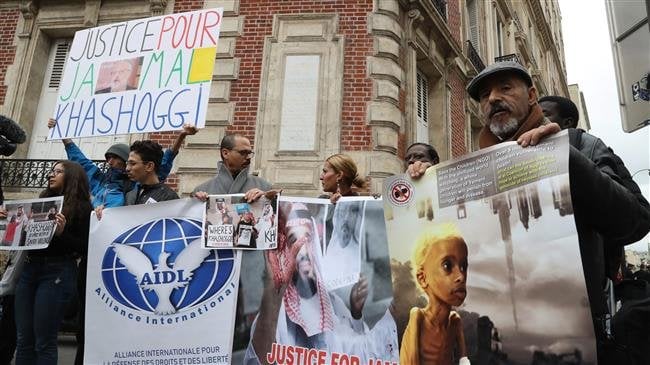
‘Khashoggi Was Going to Disclose Saudi Use of Chemicals in Yemen’

British Sunday Express weekly reported that a close friend of Khashoggi, speaking on condition of anonymity, had told it on Saturday night that he was about to obtain “documentary evidence” from his murdered friend proving claims that Riyadh had used banned chemical weapons in its brutal aggression against Yemen.

“I met him a week before his death. He was unhappy and he was worried,” the Middle Eastern academic told the British weekly, adding that he asked Khashoggi why he was unhappy and worried.

“He didn’t really want to reply, but eventually he told me he was getting proof that Saudi Arabia had used chemical weapons. He said he hoped he be getting documentary evidence,” Khashoggi’s fried further revealed, adding, “All I can tell you is that the next thing I heard, he was missing.”

Leading a coalition of its allies, including the United Arab Emirates, Morocco, and Sudan, Saudi Arabia invaded Yemen in March 2015 in an attempt to reinstall a former Riyadh-friendly regime, which had resigned amid popular discontent, and to crush the country’s popular Houthi Ansarullah movement, which has played a significant role, alongside the Yemeni army, in defending the nation and has been running state affairs in the absence of an effective government.

The aggression initially consisted of a bombing campaign, but was later coupled with a naval blockade and the deployment of ground forces to Yemen. More than 15,000 Yemenis have so far been killed and thousands more wounded.

The Saudi-led war has also taken a heavy toll on the country’s infrastructure, destroying hospitals, schools, and factories. The UN has already said that a record 22.2 million Yemenis are in dire need of food, including 8.4 million threatened by severe hunger. According to the world body, Yemen is suffering from the most severe famine in more than 100 years.

More than three and a half years into that war, Saudi Arabia has achieved neither of its objectives. This is while it had declared at the start of the invasion that the war would take no more than a couple of weeks.

Since the onset of that war, Riyadh has been accused of using banned chemical weapons against the Yemeni soldiers defending their country against the Saudi-led aggression, with reports of using US-supplied white phosphorus munitions that can maim and kill by burning to the bone.

Khashoggi’s friend did not tell the Sunday Express whether the white phosphorus was one of the chemicals Saudis used against Yemenis, but the weekly speculated that it was “more likely” that the murdered journo was referring to phosphorous.

Last month, it was claimed that Saudi Arabia had been using white phosphorous munitions supplied by the US against soldiers and even civilians in Yemen, the weekly added.

“If Khashoggi did, in fact, have proof that Saudi Arabia was deliberately misusing phosphorous for this purpose, it would be highly embarrassing for the regime and provides the nearest motive yet as to why Riyadh may have acted when they did against him,” the Sunday Express quoted chemical warfare expert, Col. Hamish de Bretton-Gordon, as saying.

Khashoggi, 59, an outspoken critic of the Saudi government, had been living in self-imposed exile in the United States since 2017, when Saudi authorities launched a massive crackdown on dissent. He was seeking to secure documentation for his forthcoming marriage when he entered the Saudi consulate in Istanbul on October 2, but never came out despite Riyadh’s initial claim that he exited the mission less than an hour after entering.

The kingdom, however, later admitted that the journo had been murdered in the consulate after diplomatic pressure grew tremendously on Riyadh to give an account on the mysterious fate of its national. However, it said that it did not know the whereabouts of the journo’s body, which is widely believed to be dismembered.

The British weekly further cited “highly-placed” intelligence source, speaking on condition of anonymity that a “member of the royal circle” of Saudi Arabia had ordered to kidnap the journalist and take him back to the Arab kingdom. But it is not clear whether the “member” had been Saudi Crown Prince Mohammed bin Salman. “Whether he was not the original issuer we cannot say,” they added.

Though it was commanded that Khashoggi should be abducted and taken back to Riyadh, it “left the door open for alternative remedies,” should the journo proved to be troublesome, sources added.

Last week, Saudi Arabia’s Attorney General confirmed “the suspects in the incident had committed their act with a premeditated intention,” in sharp contrast to initial official explanations that Khashoggi had been killed after a fight broke out in the diplomatic mission.

Those suspects, the weekly added, were within a 15-strong hit squad sent to Turkey and included serving members of Saudi General Intelligence Presidency (GIP).

MI6 knew about the plan

Separately, the highly-placed source has confirmed that Britain’s MI6 had warned its Saudi Arabian counterparts to cancel the mission, though this request was ignored.

“On October 1, we became aware of the movement of a group, which included members of the GIP to Istanbul, and it was pretty clear what their aim was,” the source said, adding, “Through channels we warned that this was not a good idea. Subsequent events showed that our warning was ignored.”
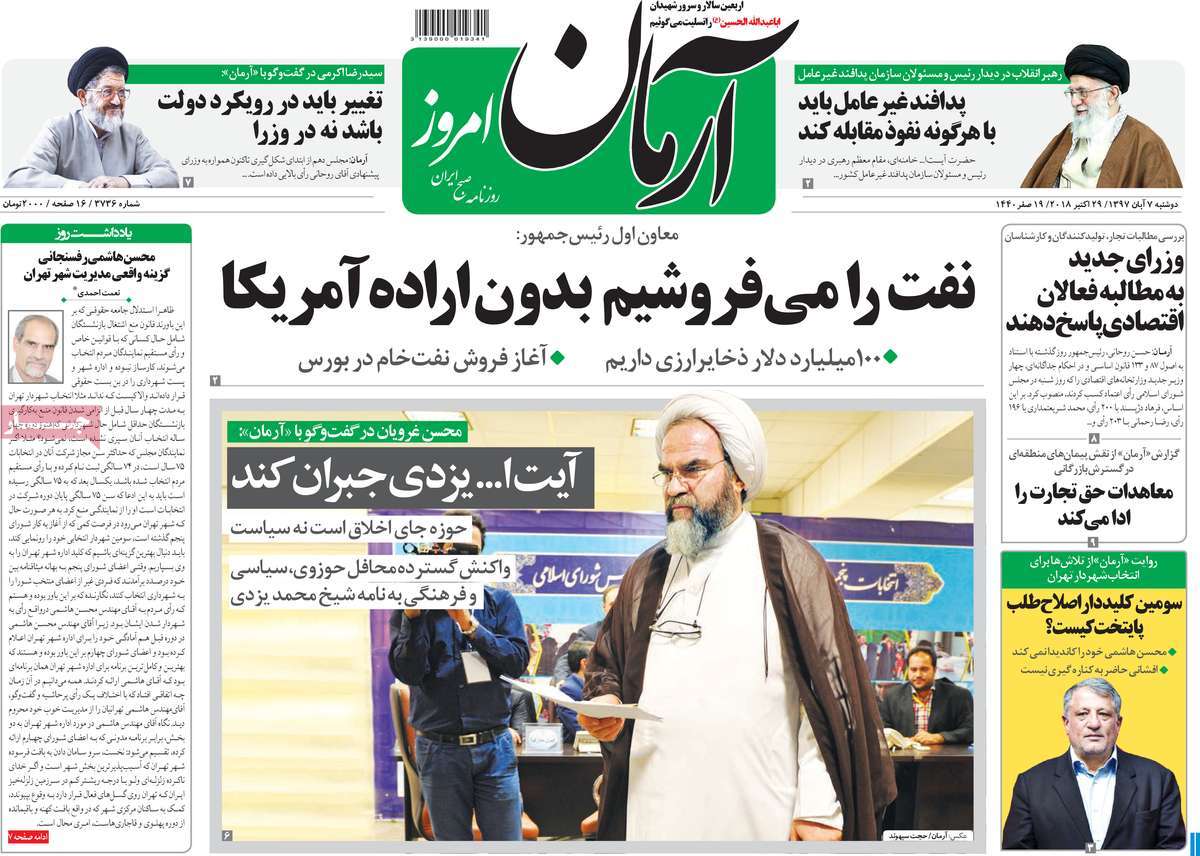
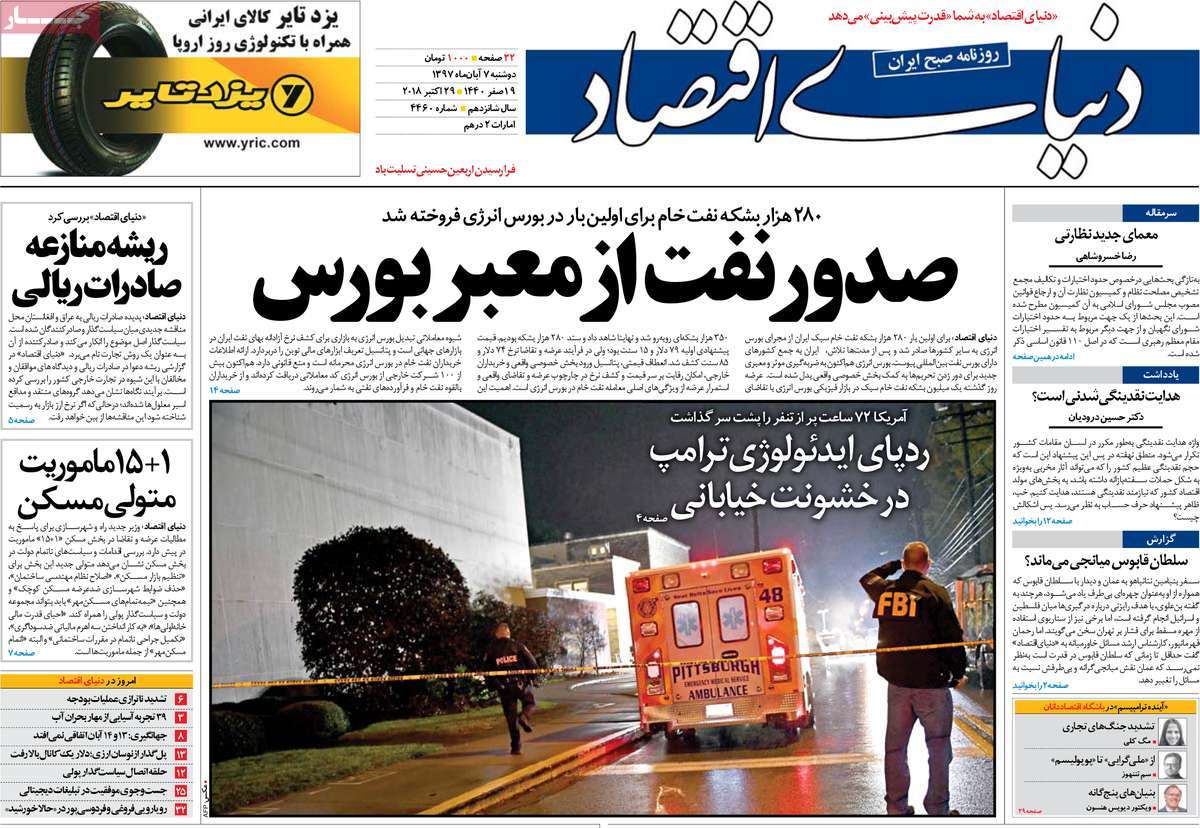
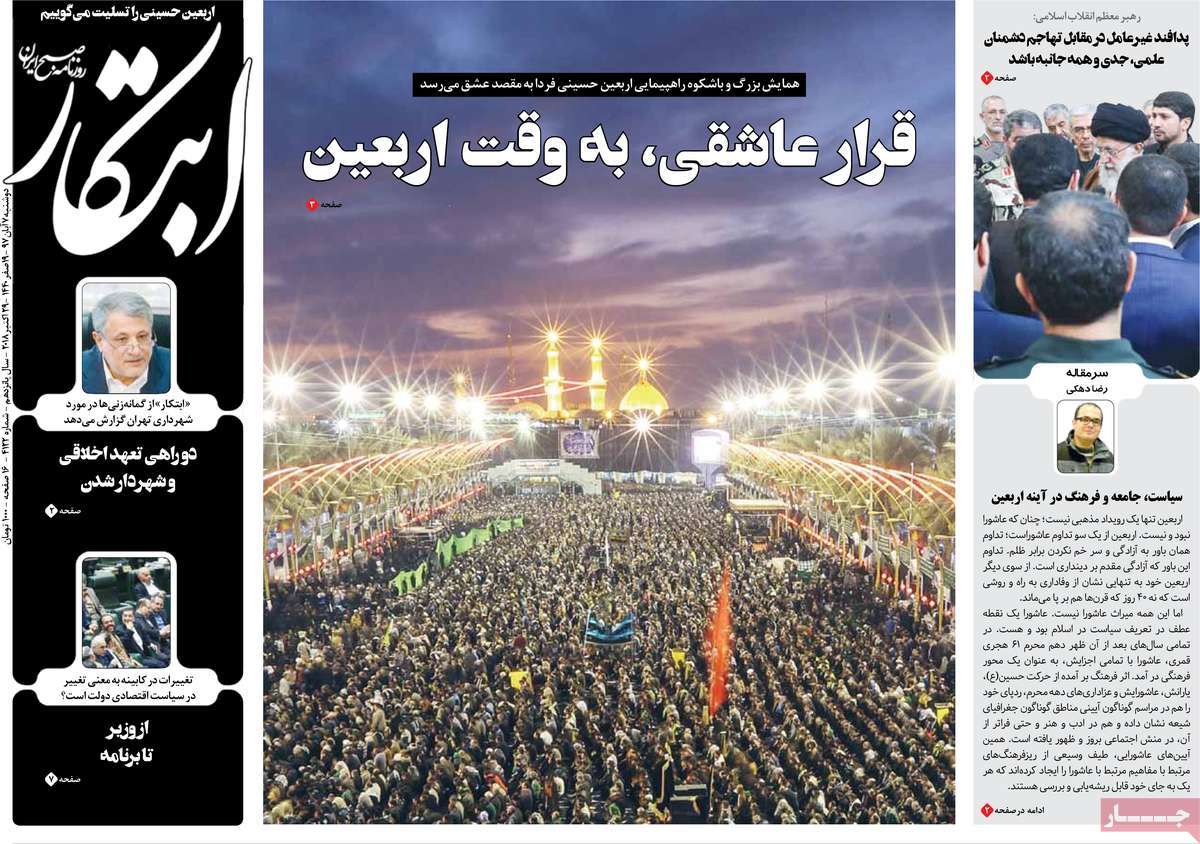
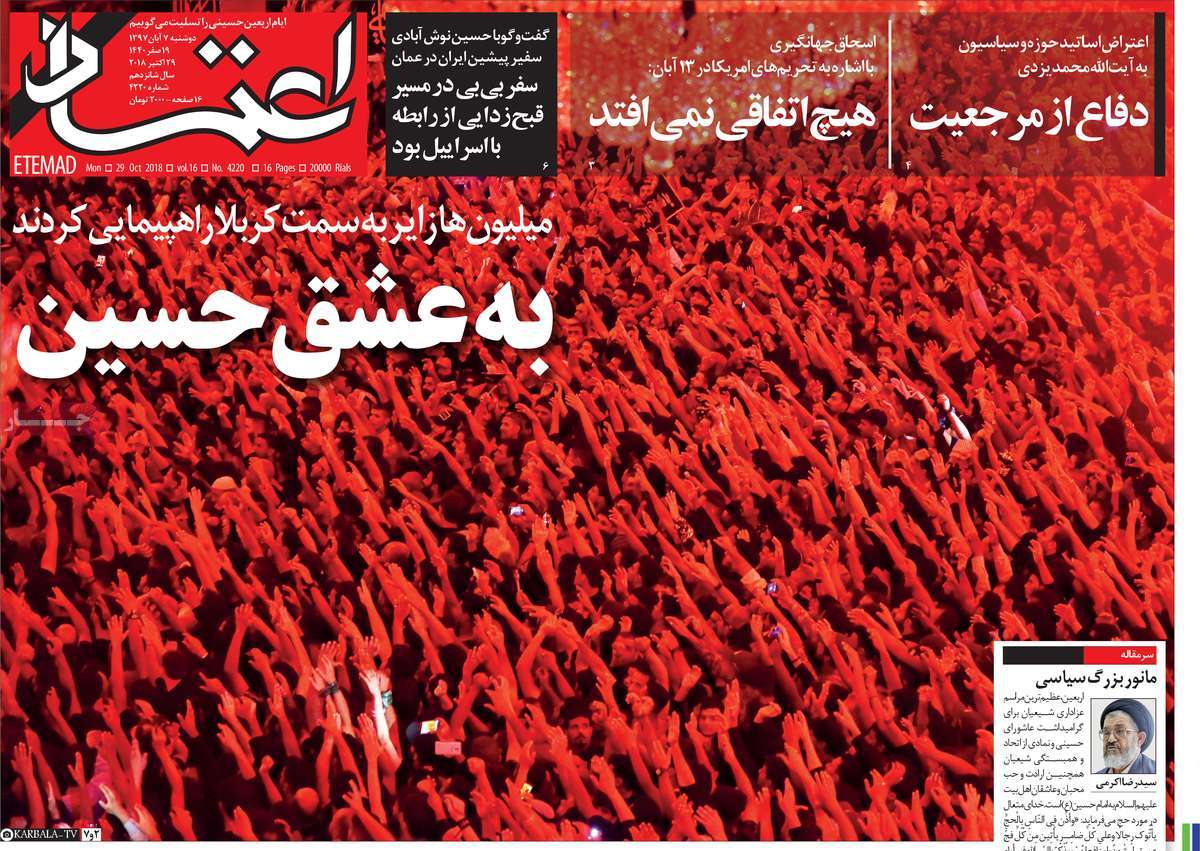
A Look at Iranian Newspaper Front Pages on October 29

A Look at Iranian Newspaper Front Pages on November 19

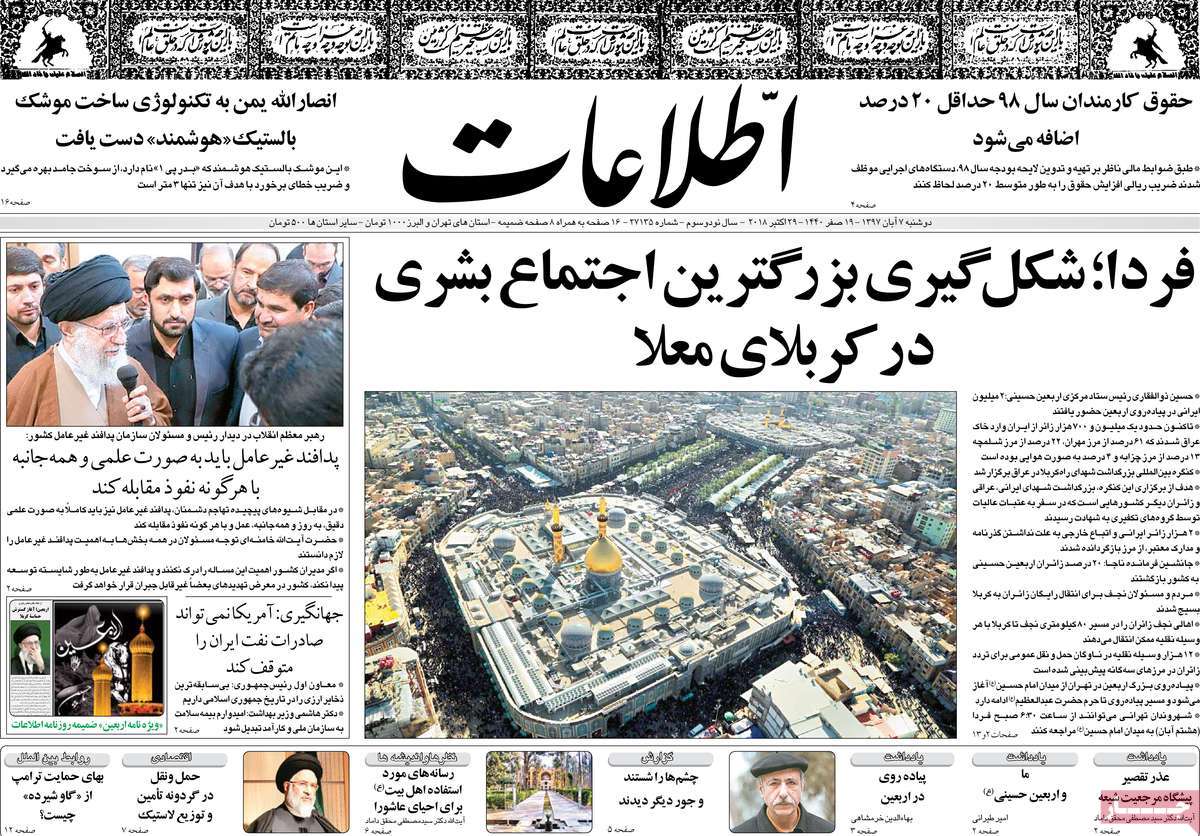
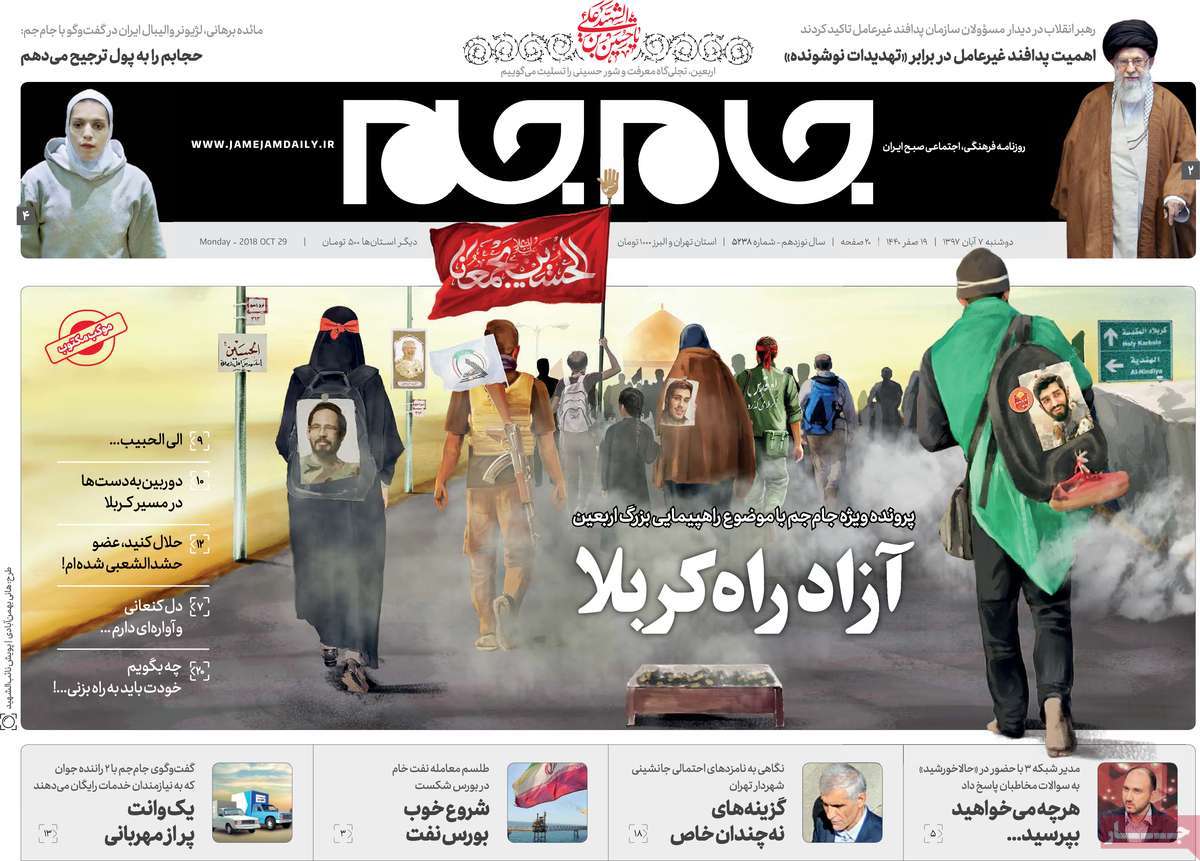
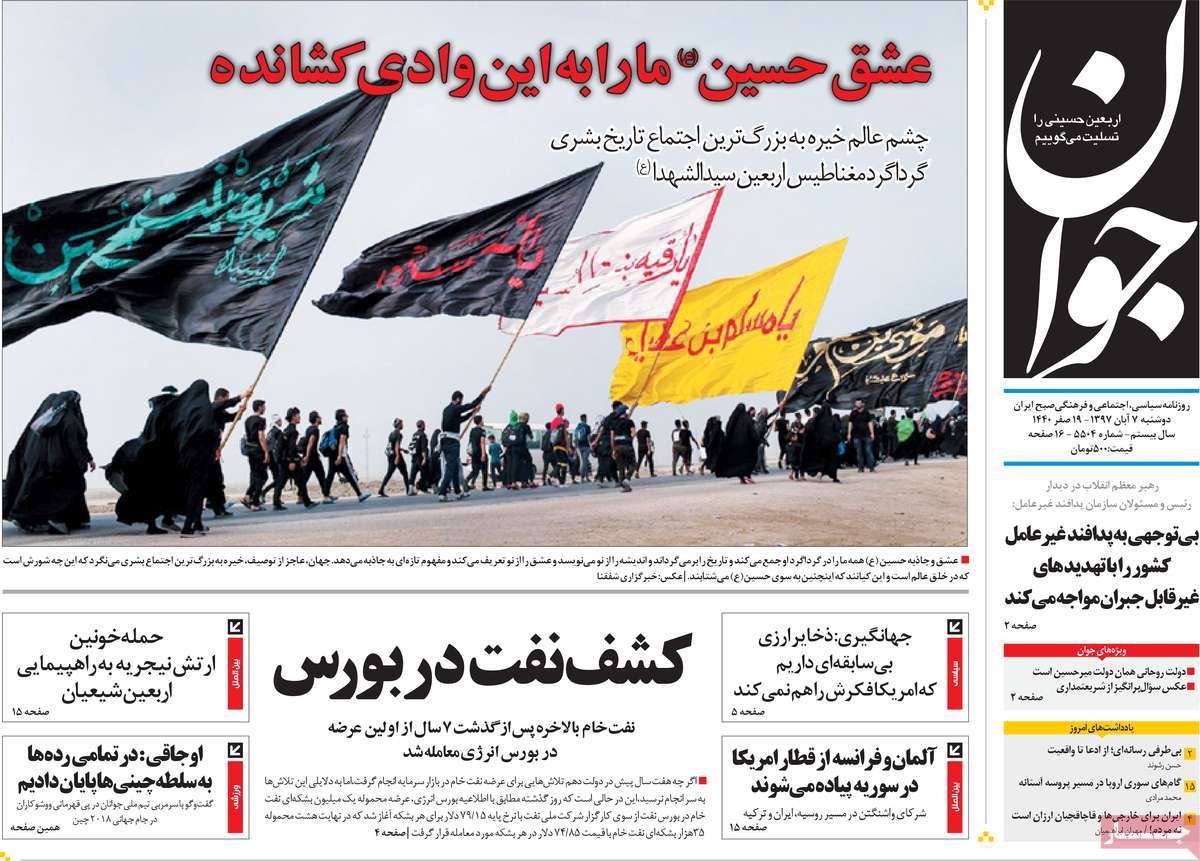
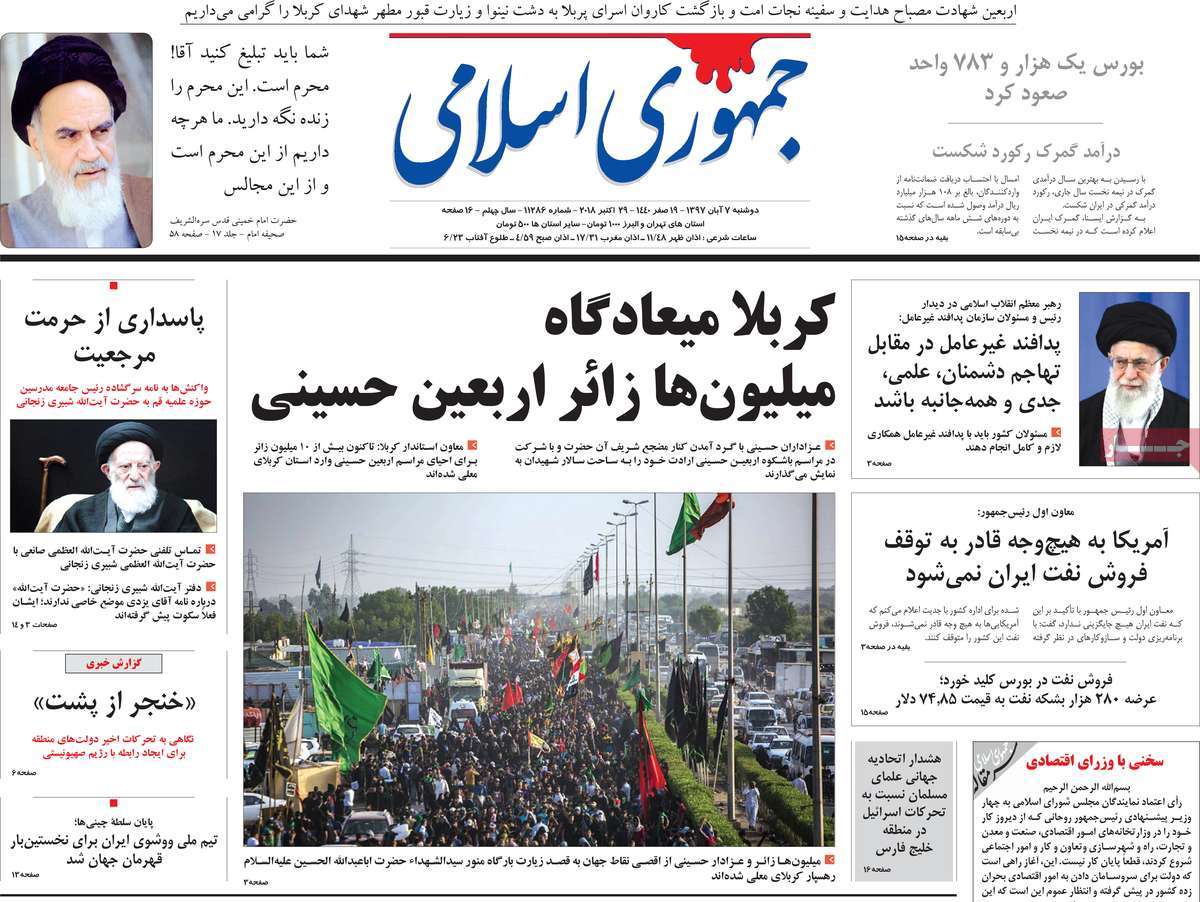
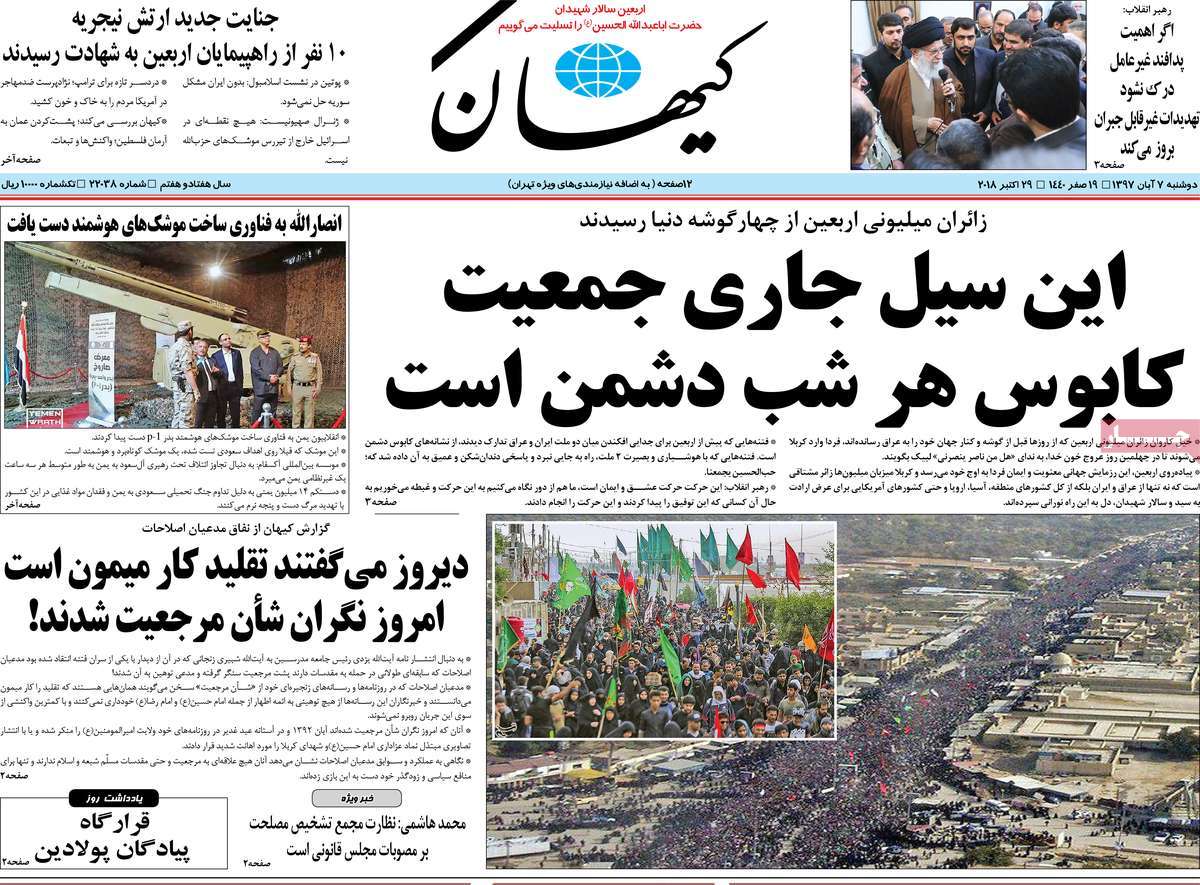
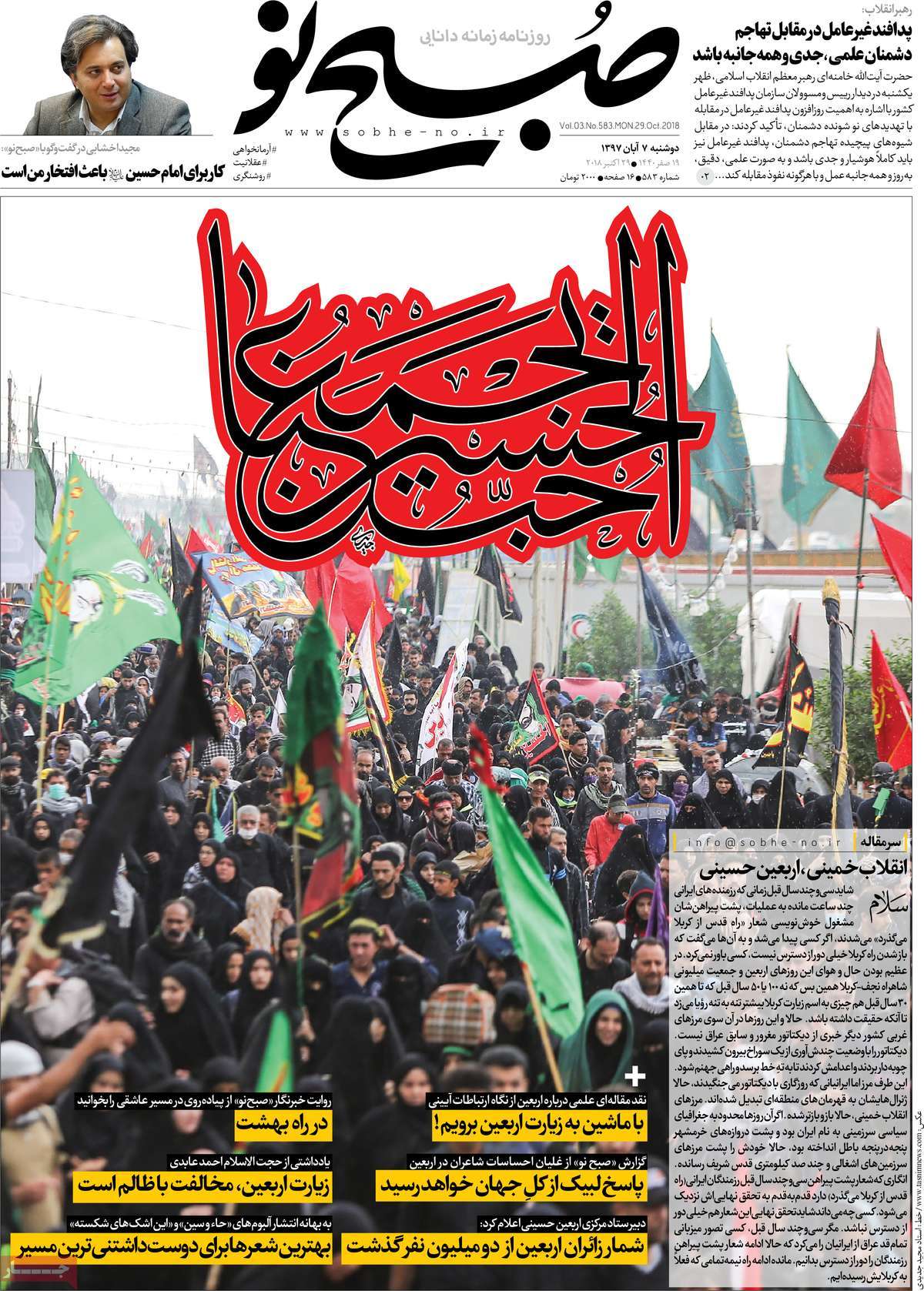
The top story in all papers today was the ceremony of Arba’een, the fortieth day after the martyrdom of Imam Hussein, which will be marked on Tuesday in the Iraqi city of Karbala, with millions of pilgrims from across the world gathering in the holy shrine after a long march.

Several papers today covered the remarks made by Leader of Iran’s Islamic Revolution Ayatollah Seyyed Ali Khamenei about the significance of passive defence.

Also a top story was the energy bourse of Iran, where at least 280,000 barrels of crude oil were sold on the first day of its work.

The above issues, as well as many more, are highlighted in the following headlines and top stories:


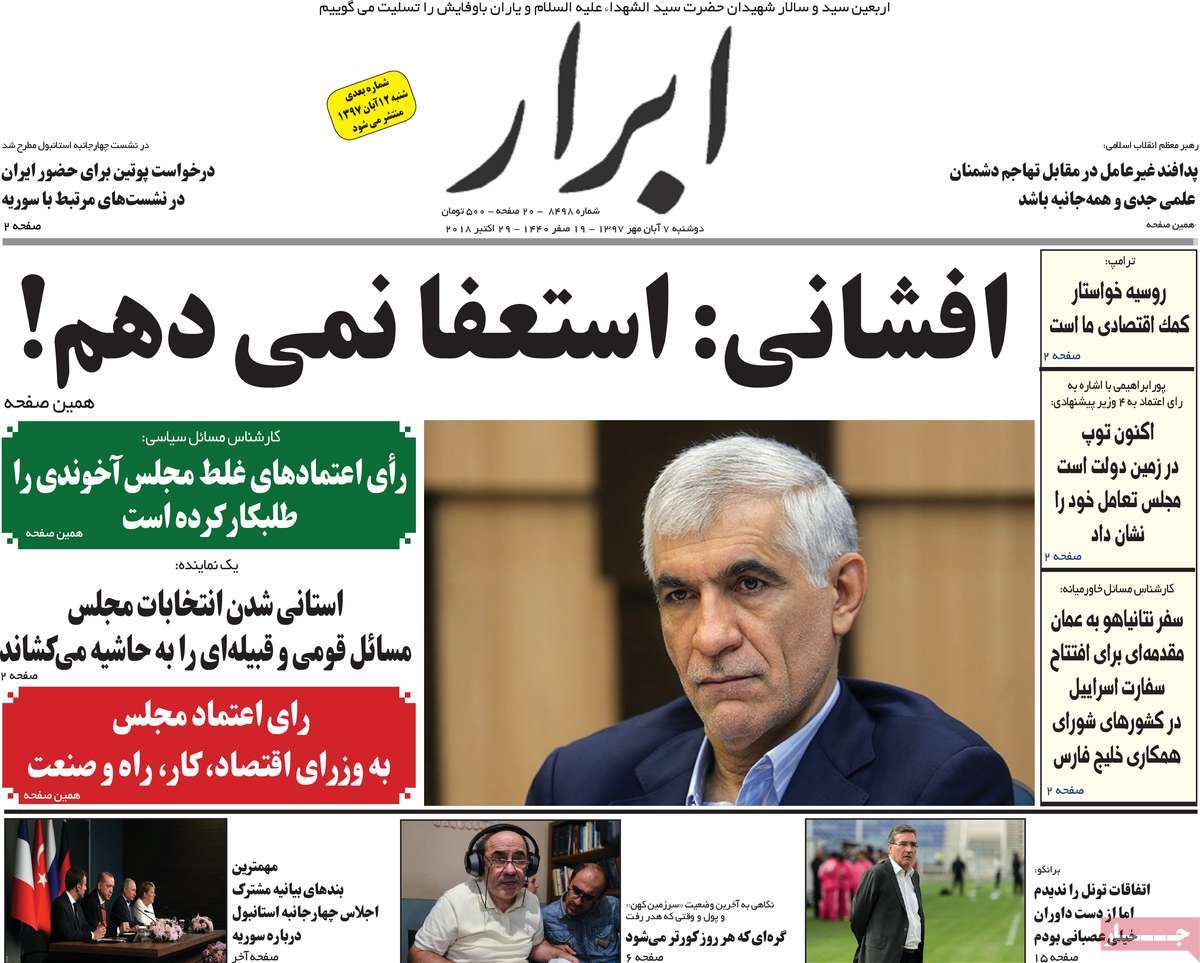
Abrar:

1- Analyst: Bibi’s Oman Visit First Stage of Opening Israeli Embassies in GCC States

A Look at Iranian Newspaper Front Pages on October 29


Arman-e Emrooz:

1- Rouhani’s First VP: We’ll Sell Our Oil despite US Sanctions

A Look at Iranian Newspaper Front Pages on October 29


Donya-ye Eqtesad:

1- Trump’s Ideology Blamed for Street Violence

  • US Spends 72 Hours of Hatred

2- Export of Oil through Energy Bourse

  • 280,000 Barrels of Crude Oil Sold at IRENEX for First Time

A Look at Iranian Newspaper Front Pages on October 29


Ebtekar:

1- Love of Arba’een: World’s Greatest March to End Up in Karbala Tuesday

A Look at Iranian Newspaper Front Pages on October 29


Etemad:

1- Millions of Pilgrims Moving towards Karbala for Love of Imam Hussein

2- Iran First VP: Nothing to Happen after US November Sanctions

3- Iran’s Former Envoy to Oman: Bibi’s Oman Visit Aimed at Normalization of Ties

A Look at Iranian Newspaper Front Pages on October 29


Ettela’at:

1- World’s Biggest Gathering in Karbala

2- Yemen’s Ansarullah Acquires Technology of Building ‘Smart’ Ballistic Missile

A Look at Iranian Newspaper Front Pages on October 29


Jame Jam:

1- Free Way of Karbala: Great March of Arba’een

A Look at Iranian Newspaper Front Pages on October 29


Javan:

1- World Looking at Biggest Gathering in History of Mankind

2- Discovery of Oil in Bourse: Crude Oil Traded at Energy Exchange after 7 Years

3- Iran First VP: US Can’t Even Think of Huge Amount of Forex Reserves We Have

A Look at Iranian Newspaper Front Pages on October 29


Jomhouri Eslami:

1- Karbala; Rendezvous for Millions of Arba’een Pilgrims

A Look at Iranian Newspaper Front Pages on October 29


Kayhan:

1- Millions of Pilgrims Arrive in Iraq from Four Corners of the World

  • These People Are Nightmare of All Enemies

2- Putin in Istanbul Summit: Syria Issue Not to Be Resolved without Iran

A Look at Iranian Newspaper Front Pages on October 29


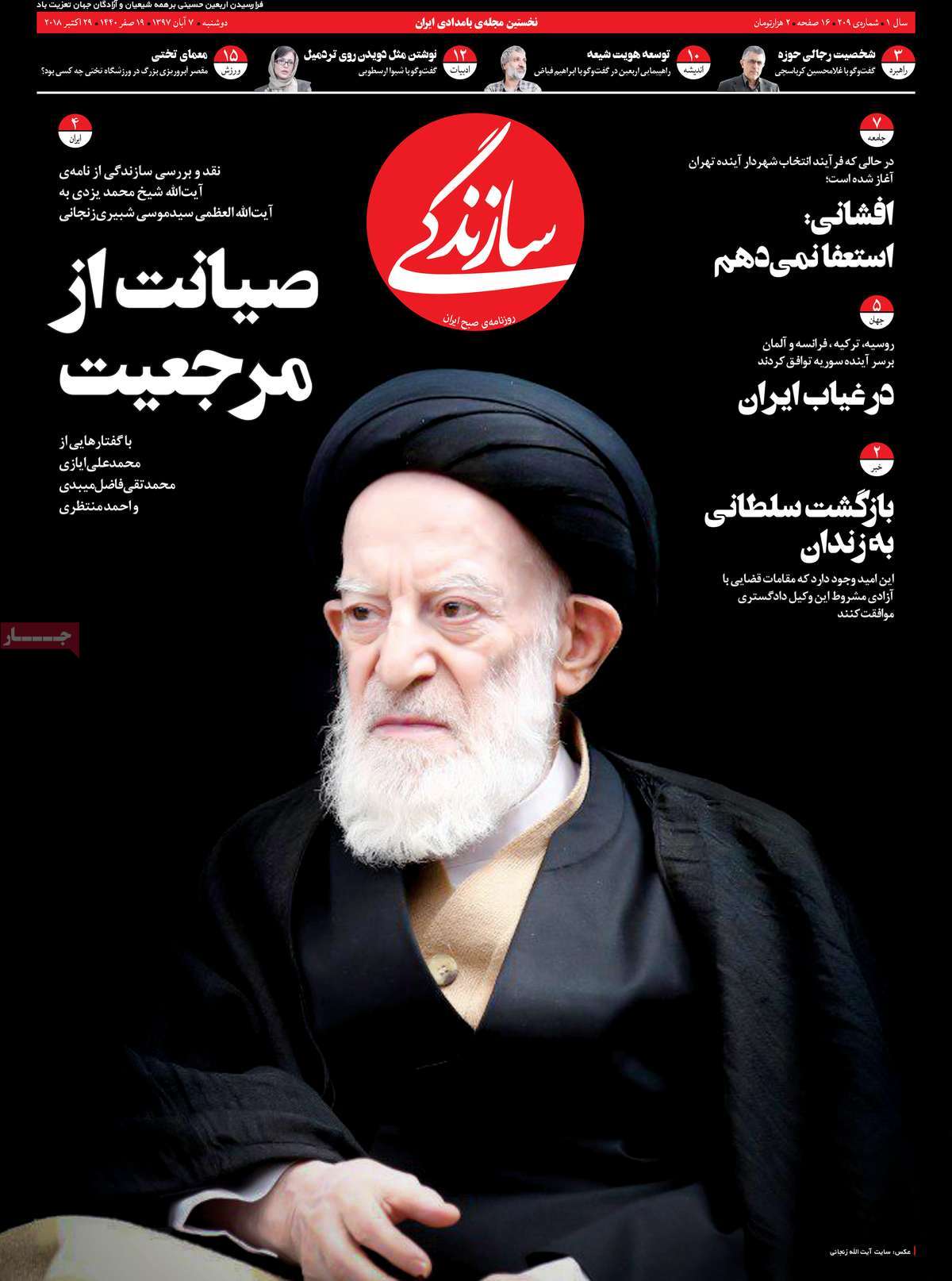
Sazandegi:

1- Russia, Turkey, France, Germany Agree on Future of Syria in Iran’s Absence

A Look at Iranian Newspaper Front Pages on October 29


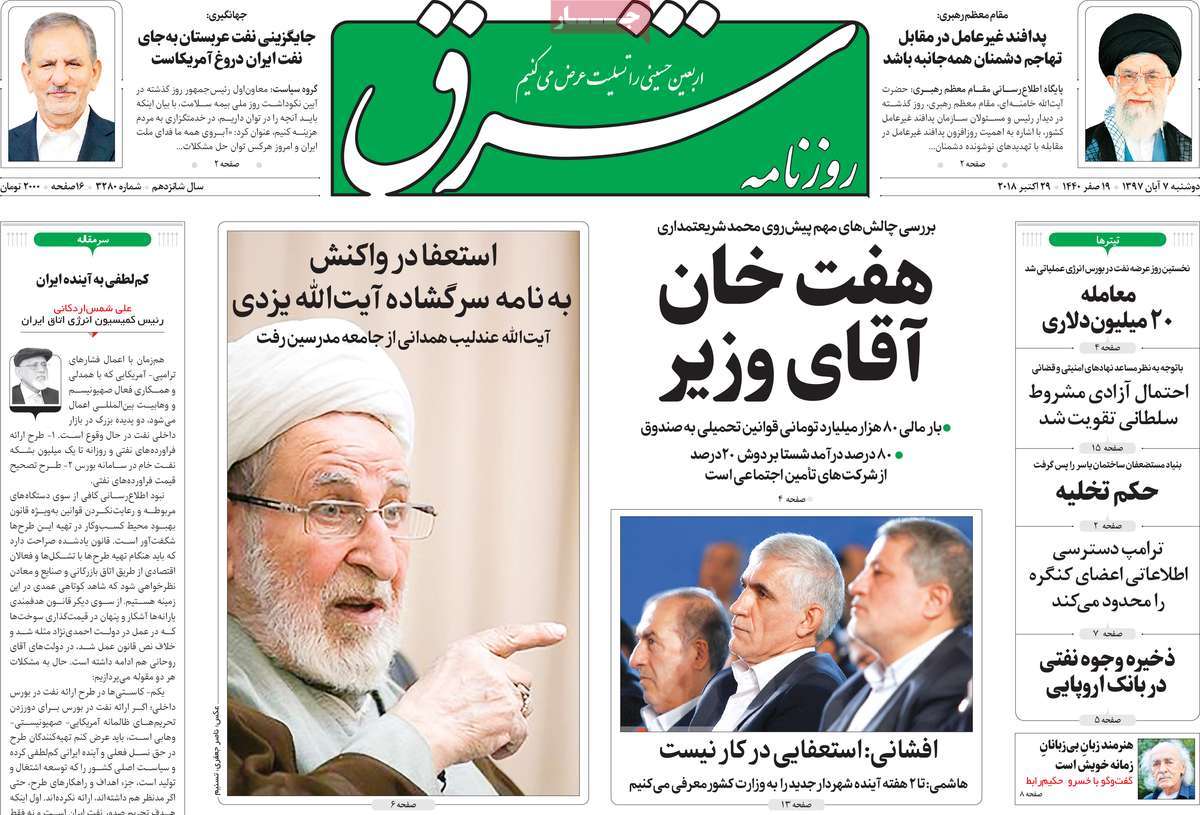
Shargh:

1- Iran Leader: Passive Defence Must Be All-Out in Countering Enemy’s Aggression

2- Iran First VP: It’s US’ Lie that Saudi Arabia Can Replace Iran in Oil Market

A Look at Iranian Newspaper Front Pages on October 29


Sobh-e Now:

1- Number of Arba’een Pilgrims Exceeds 2m

A Look at Iranian Newspaper Front Pages on October 29

Iran Expresses Regret over Indonesian Plane Crash

Indonesian Plane Crash
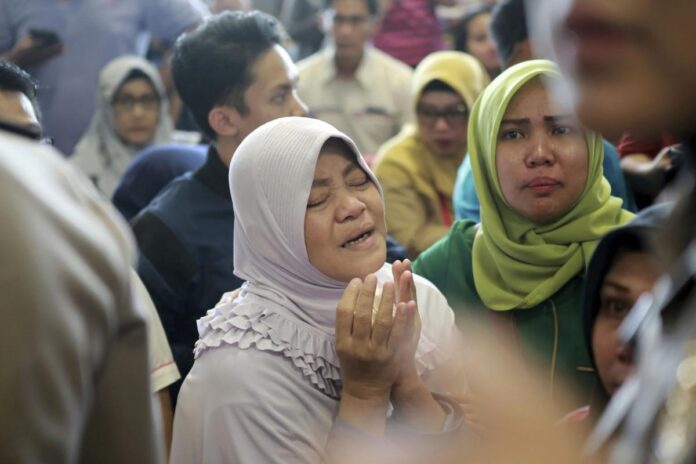
Families of the passengers aboard a Lion Air flight praying for their relatives who are all feared dead after the plane crashed into the sea on Oct. 29, 2018

In his Monday statement, Qassemi also offered deep sympathy to the Indonesian nation and government and the families of the victims.

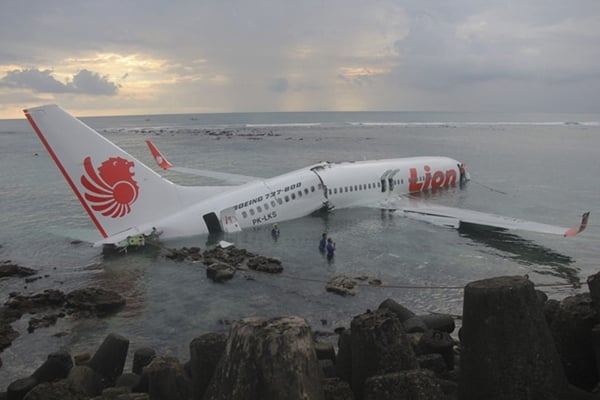
A passenger plane with 189 people on board crashed into the sea off Indonesia’s island of Java, only minutes after taking off from the capital Jakarta.

The Lion Air Boeing 737 lost contact with air traffic officials on the ground on Monday morning only 13 minutes after leaving the Soekarno Hatta international airport for Pangkal Pinang, the main city in the Bangka Belitung Islands, according to Indonesia’s National Search and Rescue Agency (SAR).

“The plane crashed into water about 30 to 40 metres deep,” a spokesman for the SAR, Yusuf Latif told AFP.

Officials say 189 people were on board, up from an earlier report of 188. There were one child and two babies among the passengers, according to the officials.

“The plane had requested to return to base before finally disappearing from the radar,” he added in a statement.

First Joint Habitat of Neanderthals, Homo Sapiens Found in Iran

First Joint Habitat of Neanderthals, Homo Sapiens Found in Iran

According to Saman Heydari Gooran, a Cambridge University professor and the head of excavation team, previously there were no discoveries in the world that would prove the common use of a habitat by these two human species.

The Neanderthals and Homo sapiens may have gotten married in Baveh Yavan site, and if proved, it shows a great thing has happened in the world, the Iranian scientist added.

“The statistical analyses of Neanderthals and Homo sapiens and the reasons for the disappearance of Neanderthals are now very common in the world. The first studies began in 2010 and 2011 based on previous discoveries and the influence of these people in Central Asia and Tajikistan and also the likelihood of the presence of Neanderthals in the Iranian plateau.”

Gooran says his team slowly began its explorations at a depth of four metres in the area which is 40 km from Kermanshah.

For a more detailed review of Iran’s achievments in various fields of science and technology, check the book “Science and Technology in Iran: A Brief Review”, released by the Science and Technology Department of the Iranian President’s Office.

“During this period about 260 caves and shelters were discovered in an area of about 150 kilometres. Rocky tools and animal bones found on this site can prove that Neanderthals were living in this Iranian region,” noted this Cambridge University professor.

The researcher pointed to the recent discovery of the first Neanderthal tooth in Iran, and said studies and CT scans carried out on this 8-mm tooth showed that the tooth definitely belongs to a 6-year-old Neanderthal child, but the gender is unclear.

“Based on the tests, this tooth is about 42 to 45 thousand years old and belongs to Neanderthal communities close to the present time. We took a small amount of the mass on the tooth to find out the last meal eaten by the child. As it is the first tooth, we could find out the food taken by the mother of the child.”

Gooran added DNA studies are the most accurate genetic tests carried out on this tooth saying that further studies on this tooth are underway. “Laboratories of Cambridge, Oxford, Bordeaux (France), Bologna (Italy) and Germany have been working with us regarding this.”

According to him, this tooth is the sixth largest Neanderthal tooth in the world, after those discovered in Spain, France, Italy, Germany and Belgium.

Indonesian Plane with 188 on Board Crashes into Sea

Flight JT 610 was headed for Pangkal Pinang, in the Bangka Belitung Islands, when it lost contact and is believed to have ended up under water.

The plane was a new type of aircraft and it is unclear what caused the crash. Lion Air is Indonesia’s largest low-cost carrier.

“The plane crashed into water about 30m to 40m deep,” Search and Rescue Agency spokesman Yusuf Latif told AFP news agency. “We’re still searching for the remains of the plane.”

Items believed to belong to passengers have been found in the water, including ID cards and driver’s licences, the search and rescue agency said on Twitter.

“We don’t know yet whether there are any survivors,” the agency’s head, Muhmmad Syaugi, told reporters.

“We hope, we pray, but we cannot confirm.”

At an earlier news conference, officials said the plane had been carrying 178 adults, one infant and two babies, as well as two pilots and five cabin crew. However, there are conflicting reports on the exact number of people on board.

The head of Indonesia’s disaster agency, Sutopo Purwo Nugroho, has tweeted images which he said showed debris and personal belongings that came from the aircraft and had been found floating in the sea.

Debris was also seen near an offshore oil refinery operated by state-owned energy firm Pertamina, an official from the firm said.

Lion Air said in a statement that the pilot and co-pilot were experienced, with more than 11,000 flight hours between them.

Three of those on board were trainee flight attendants and one was a technician.

At least 20 employees from Indonesia’s finance ministry were on board, the BBC has learned.

A spokesperson for Indonesia’s finance ministry Nufransa Wira Sakti said they worked at the finance ministry offices in Pangkal Pinang but had been in Jakarta for the weekend. They routinely took this flight.

March 14 Named Int’l Math Day in Honour of Late Iranian Genius

March 14 Named Int’l Math Day in Honour of Late Iranian Genius

The news was announced by Iranian Minister of Science, Research and Technology Mansour Gholami on Sunday.

According to Gholami, the Executive Board of the United Nations Educational, Scientific, and Cultural Organisation (UNESCO) at its 25th session named March 14 the International Day of Mathematics for the role of mathematics in advancing other sciences, especially in understanding major social, environmental issues including climate change, and the destruction of biodiversity.

The Iranian minister said the purpose behind naming March 14 as the International Day of Mathematics is to widely publicise the activities in the field of mathematics.

He further noted that in UNESCO’s document the scientific achievements of late Iranian mathematician Maryam Mirzakhani and three other female mathematicians are hailed.

For a brief review of Iran’s achievements in various fields of science and technology, check the book “Science and Technology in Iran: A Brief Review

According to the minister, the document emphasises the constructive role of women in the development of math and calls them role models for women and girls in all societies.

The 14th day of the third month of the year has been chosen as the International Day of Mathematics on the basis of number Pi (3.14).

The Islamic Republic of Iran was elected a member of the UNESCO’s 58-member Executive Board in 2015.

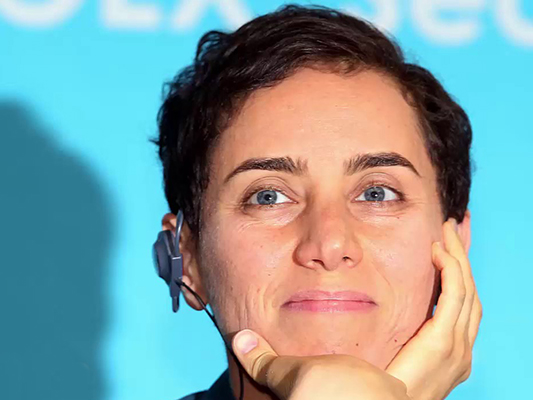
Maryam Mirzakhani was an Iranian mathematician and a professor of math at Stanford University. Her research topics included Teichmüller theory, hyperbolic geometry, ergodic theory, and simplistic geometry.

On 13 August 2014, Mirzakhani was awarded the Fields Medal, the most prestigious award in mathematics. Thus, she became both the first woman and the first Iranian to be honoured with the award. She died of breast cancer in July 2017 at the age of 40.

Iran Starts Direct Sale of Crude Oil through Energy Bourse

This marks a turning point in Iran’s contemporary history as supplying oil used to be a privilege at the hand of the government before and after the Islamic Revolution in 1979. Now, it seems a dramatic development is unfolding in Iran’s economy which is mainly dependent on oil revenue.

Many believe that the new development is one of the byproducts of the US sanctions which are aimed at reducing Iran’s oil exports to zero. The US is set to re-impose its second round of unilateral sanctions on November 4.

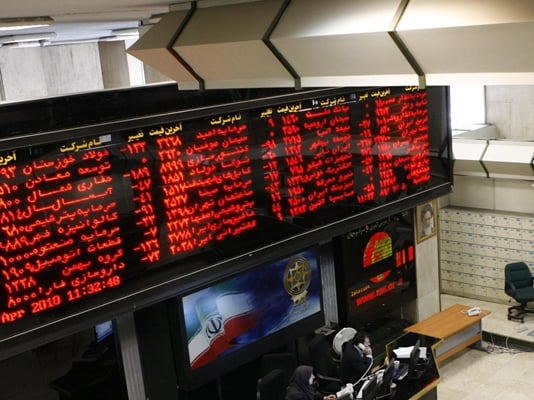
Now, for the first time over the past seven years, Iran has managed to sell its crude oil through Iran Energy Exchange (IRENEX). On Sunday, a total of 280,000 barrels of oil was sold through the IRENEX at a rate of $74.85 per barrel.

According to the latest report by IRENEX, the country has already put up for grab a shipment of one- million barrels of crude oil.

“Today, four Iranian firms provided a trading code to take part in the transaction run by the International Circle of the Iran Energy Exchange after depositing ten percent of the whole shipment price into the banking account of the Central Securities Depository of Iran,” said Fariba Akhavan, Chief Operating Officer at Central Securities Depository of Iran, as quoted in a report by Fars News Agency.

For more information, find below a detailed report by Fars News Agency on Sunday’s transactions:

Local Time: 14:00

Iran Started supplying crude oil through IRENEX

Local Time: 14:15

Three oil purchasers expressed their preparedness to take part in the transactions including a multi-national firm. A growing number of applicants have rushed to register their names to participate in the transactions. The trend has temporarily made CSDI’s website out of reach.

Local Time: 14:50

Finally two proposed prices were registered by the participants for purchasing a one-million-barrel shipment. At present the highest proposed price for a 35,000-barrel shipment stands at $62.4 for each barrel. Another proposed price stands at $61.85. Now, we should wait and see if the National Iranian Oil Company (NIOC) would lower its base price ($79.15) or not in response to the current demands.

Local Time: 15:00

The NIOC decreases its base price to $74.85 per barrel. Now, the number of applicants has increased considerably and at least 8 applicants have registered their names. The applicants offered their prices ranging between $61.85 and $69.82 per barrel.

Local Time: 15:10

One of the applicants offered to purchase eight 35,000-barrel shipments at $74.85 per barrel and bought them. Two other applicants called for a 35,000-barrel shipment at $65.55 and $68.56 but failed in its bid.

Local Time: 15:23

Three Iranian brokers of Parsian Bank, Refah Bank and Khobregan were agents of the firm which purchased 8 shipments of the Iranian crude oil through IRENEX.

Local Time: 15:27

Khobregan Saham affiliated with Oil Industry Pension Fund purchased 140,000 barrels of crude oil through IRENEX. The two other brokers – Parsian and Refah – managed to purchase the remaining 140,000 barrels of oil.

Local Time: 15:28

Given the successful transactions made through IRENEX, Iran managed to break the spell and sell its crude oil through the exchange after seven years. Reports say supplying other one-million-barrel shipments will keep going next weeks in one single shift.

Local Time: 15:30

Reports say private companies with no affiliations to governmental organizations are the purchasers of Iran crude oil.

Iranian Films to Be Screened at American Film Institute

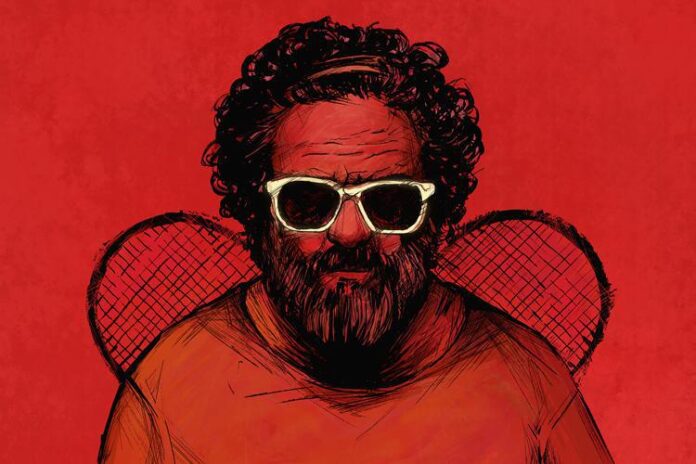
A poster of Mani Haqiqi's film "The Pig"

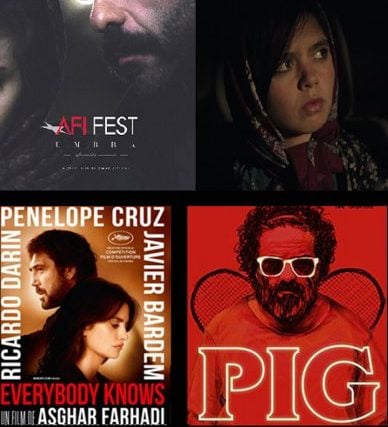
In the World Cinema section of this year’s AFI festival, the features films “3 Faces” by Jafar Panahi and “The Pig” by Mani Haqiqi will represent the Iranian cinema.

Besides, the Spanish-language film “Everybody Knows”, the latest work by Asghar Farhadi, will be shown as the special section of the event.

“3 Faces” and “Everyone Knows” were first unveiled at the 2018 Cannes Film Festival where Asghar Farhadi’s latest work was screened at the opening ceremony.

Iranian Films to Be Screened at American Film Institute“The Pig” by Haqiqi was also first featured in the competition section of the 2018 Berlin International Film Festival.
The short film “Darkness” directed by Saeed Jafarian and produced by Rambod Javan has also been accepted to be screened at the AFI film festival.
“Darkness”, which was first featured at the Cannes Film Festival, was later invited to the Toronto International Film Festival as well.

Last year, the short film “Negah” (Look) directed by Farnoosh Samadi won the award.
The American Film Institute (AFI) is a US film organisation that educates filmmakers and honours the heritage of the motion picture arts in the United States.

AFI is supported by private funding and public membership fees. It is one of the best American festivals, and is said to be one of the most important film festivals in the world, approved by the Academy Awards.

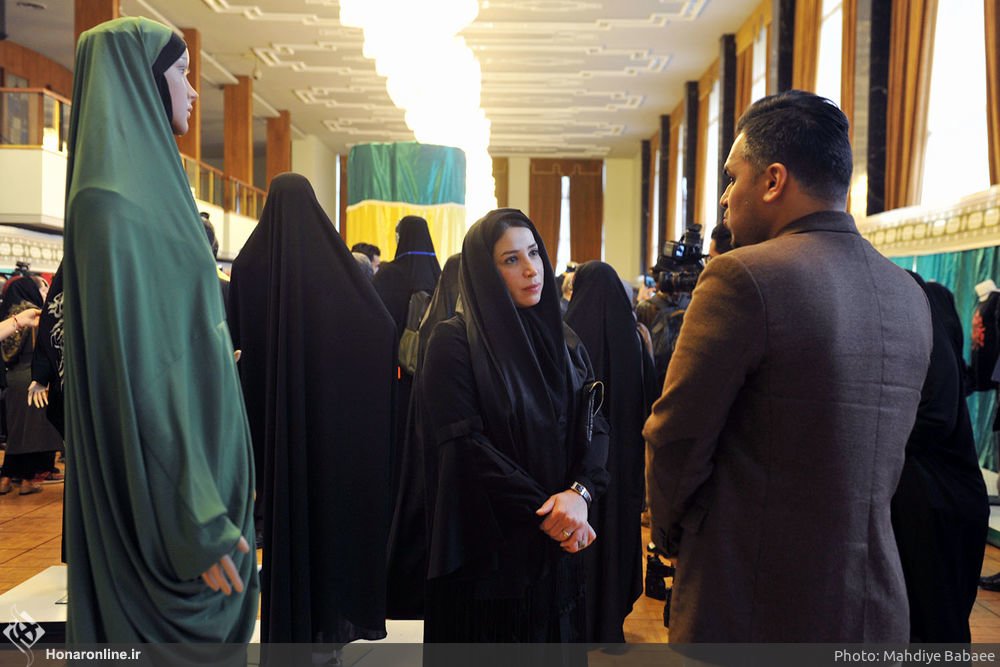
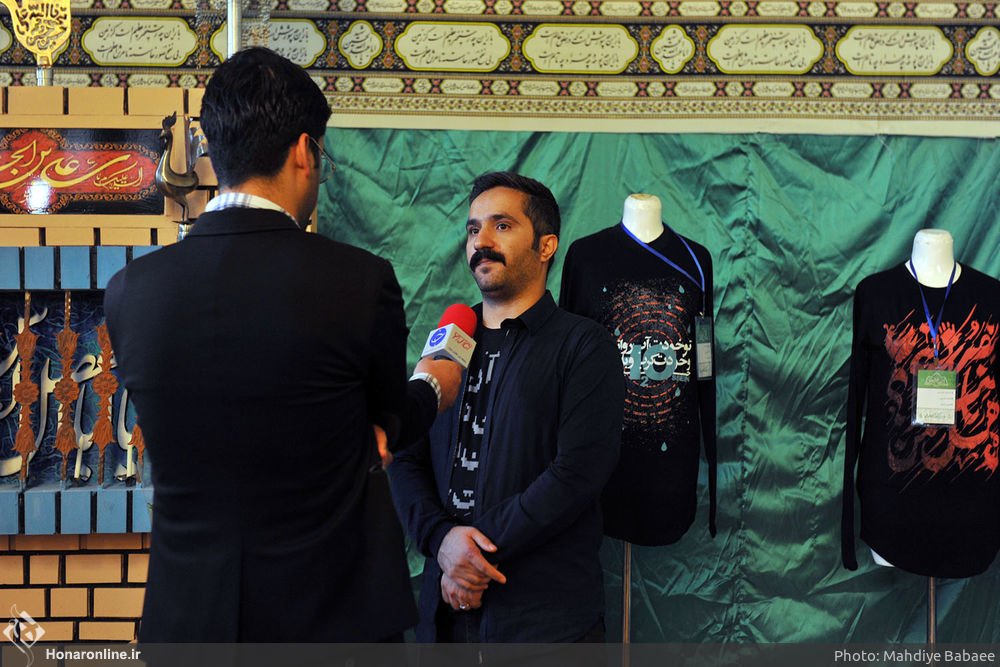
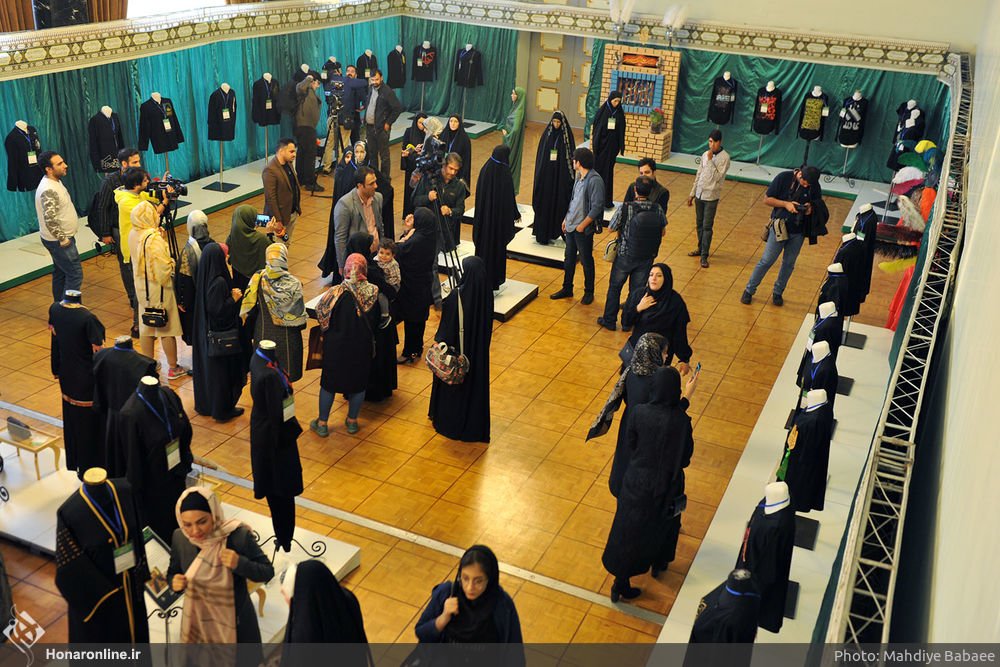
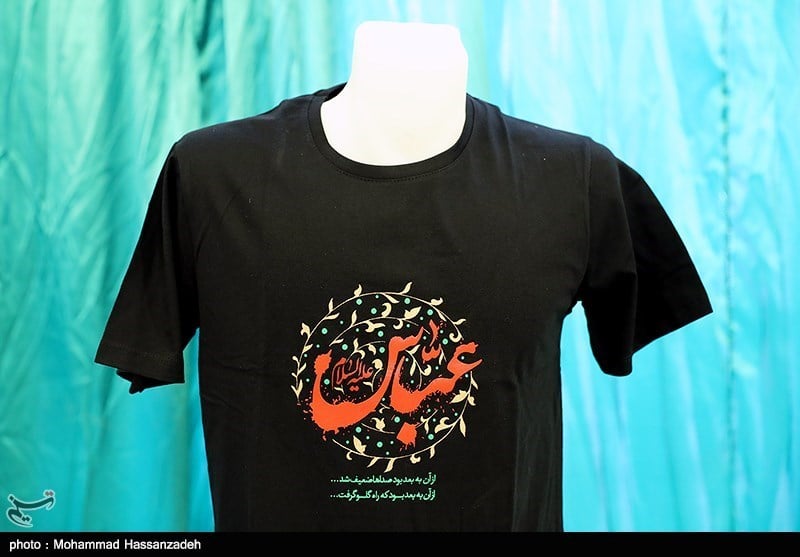
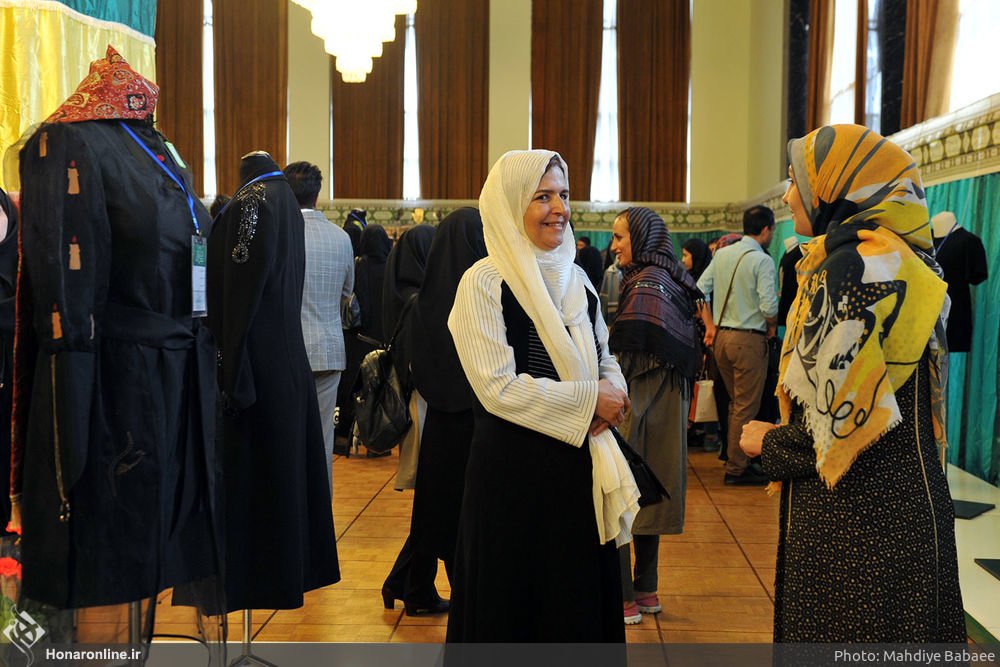
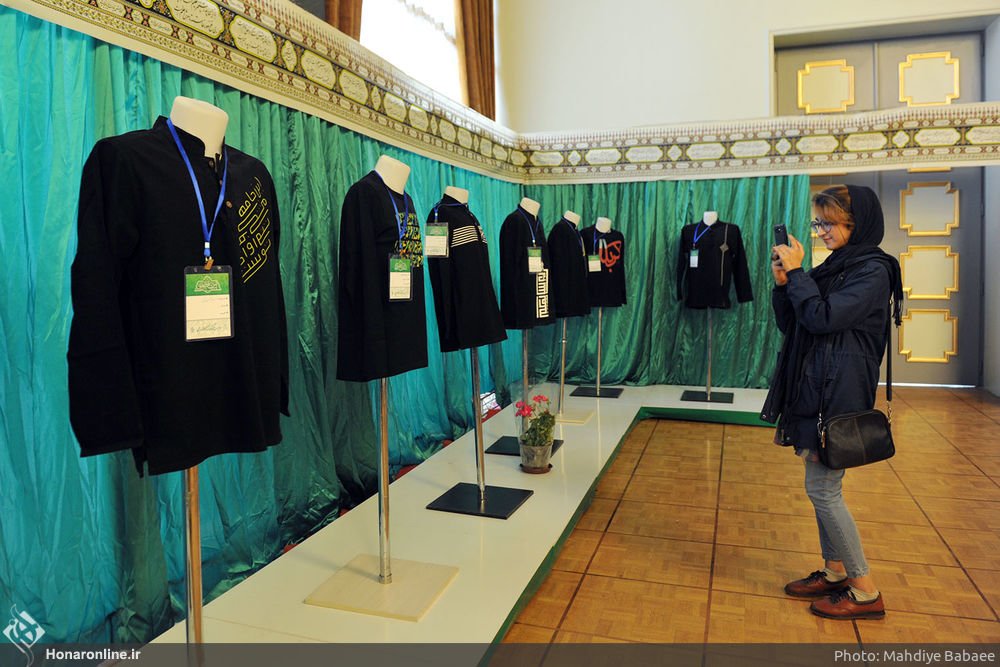
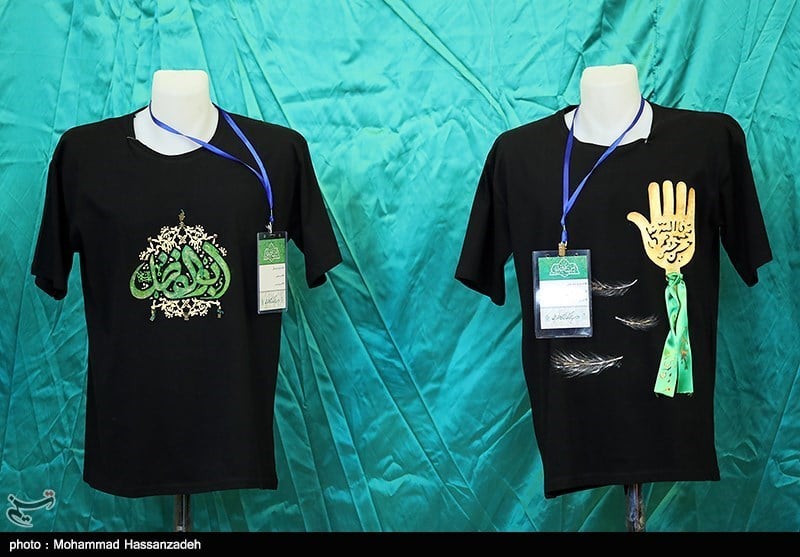
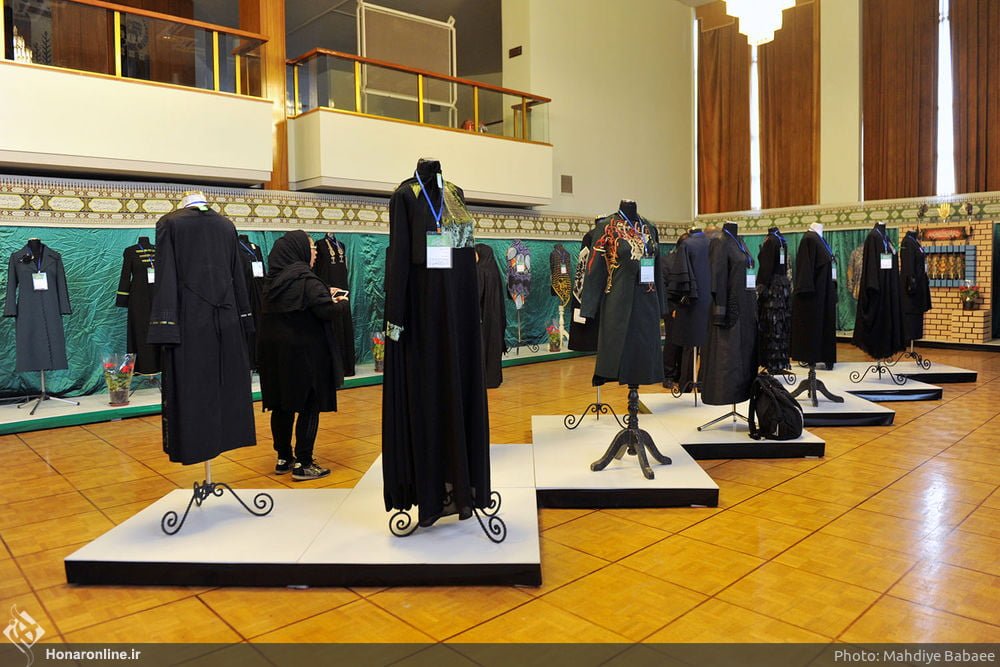
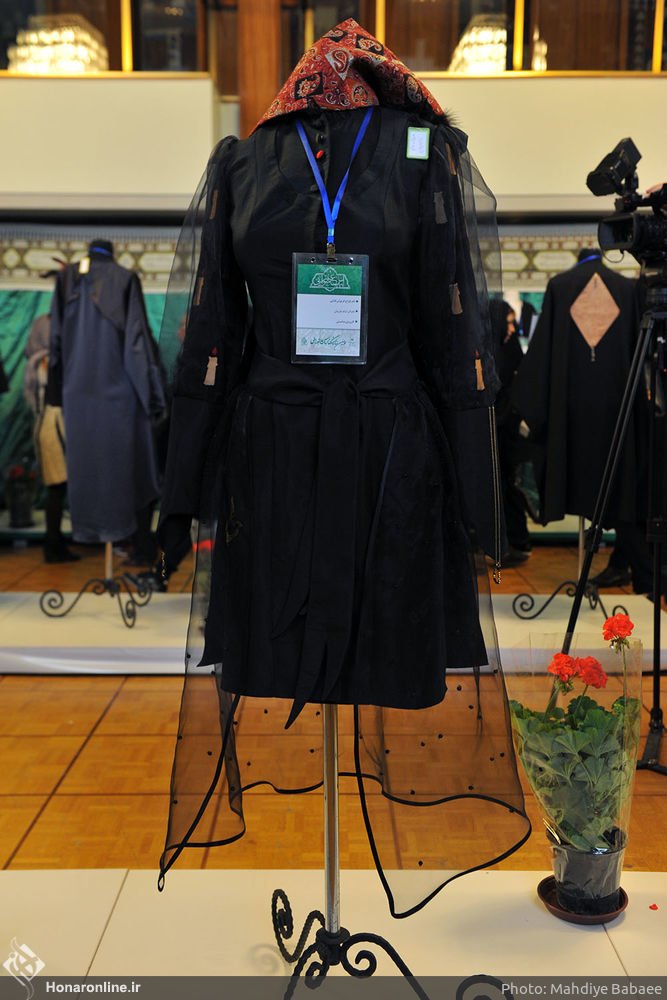
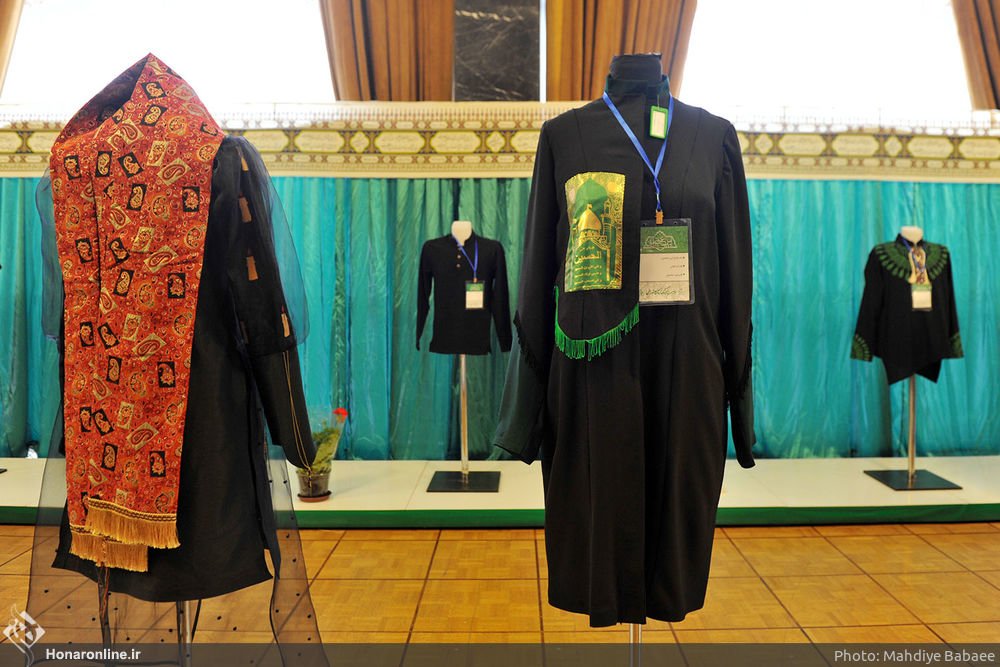
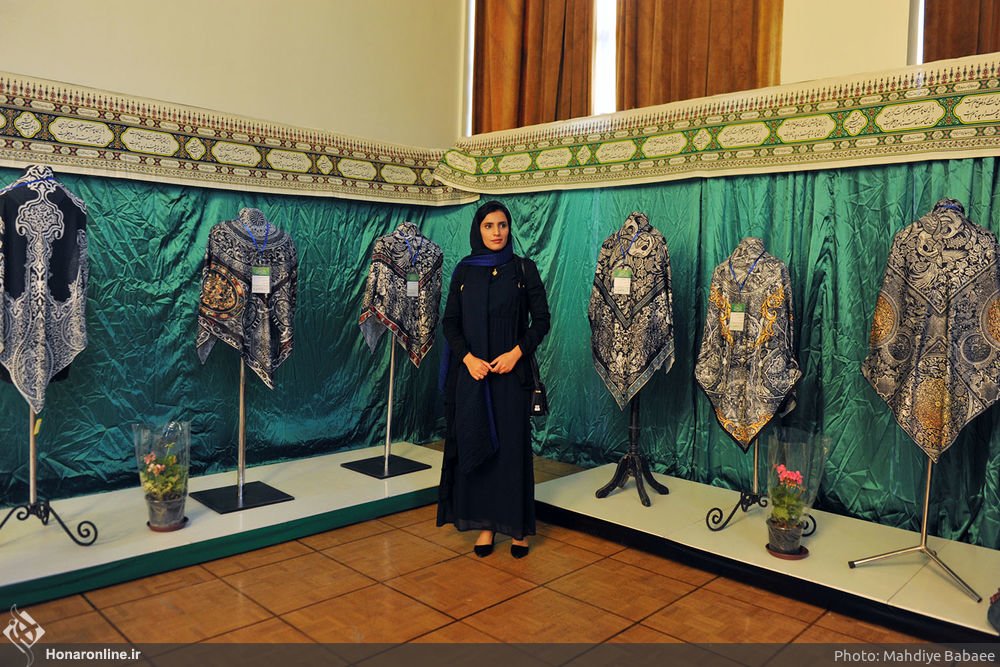
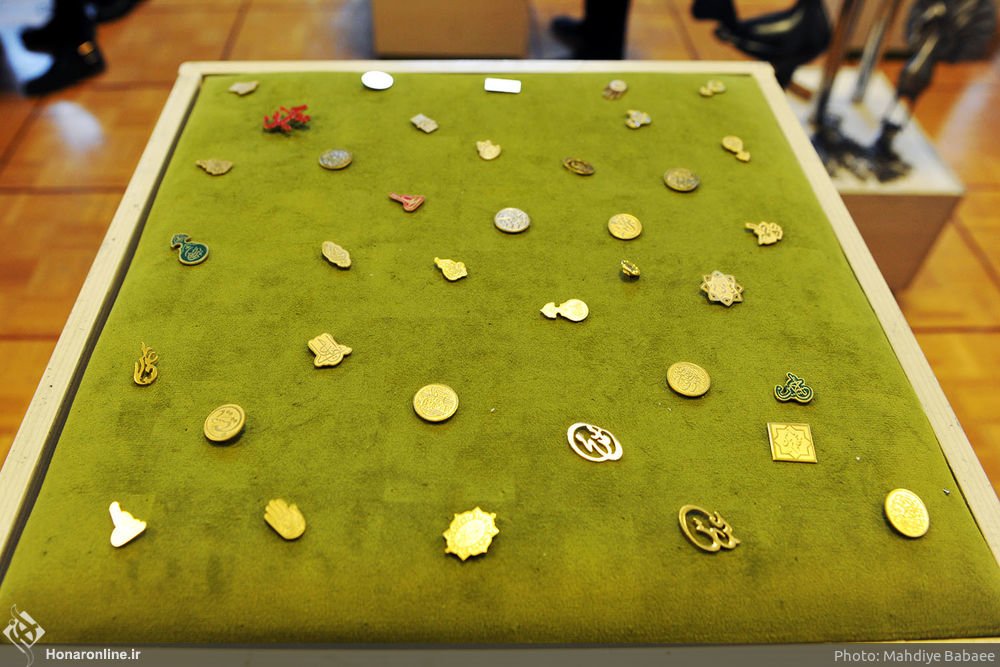
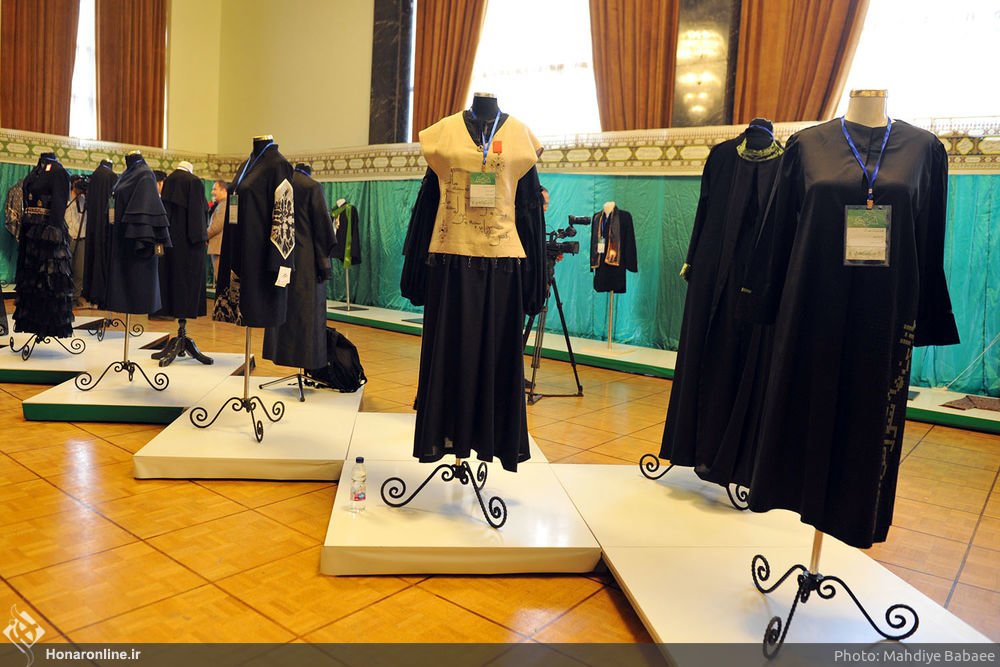
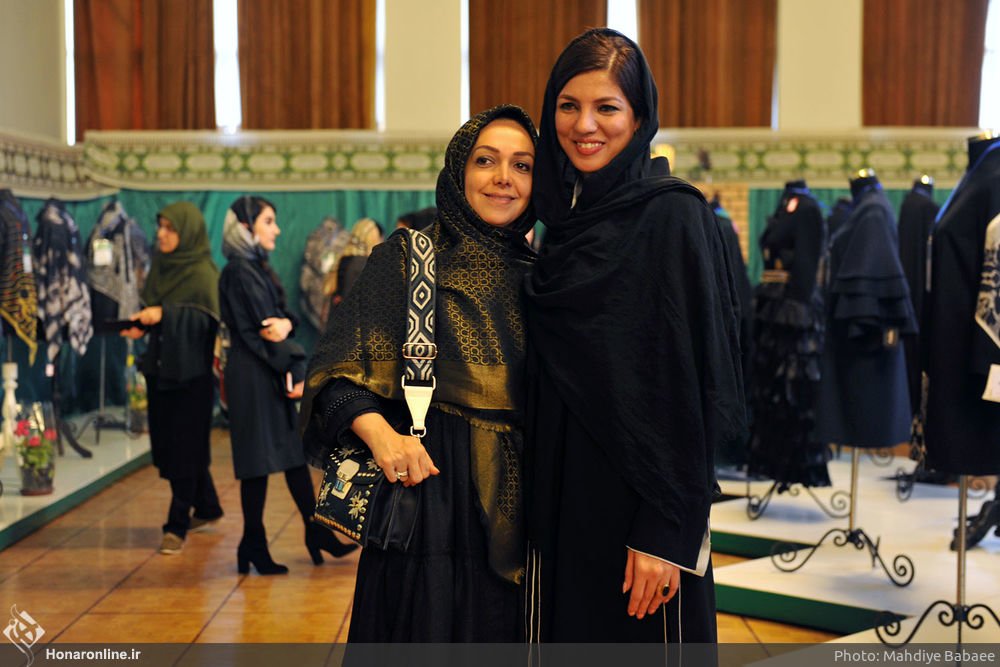
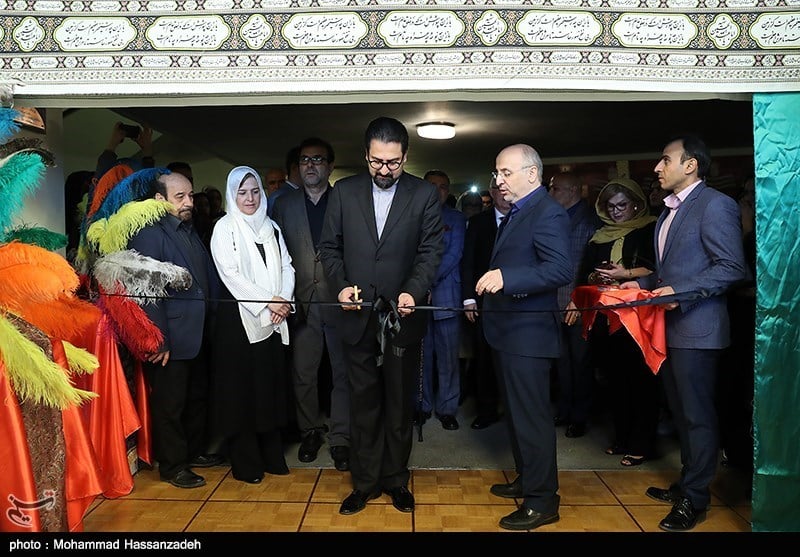
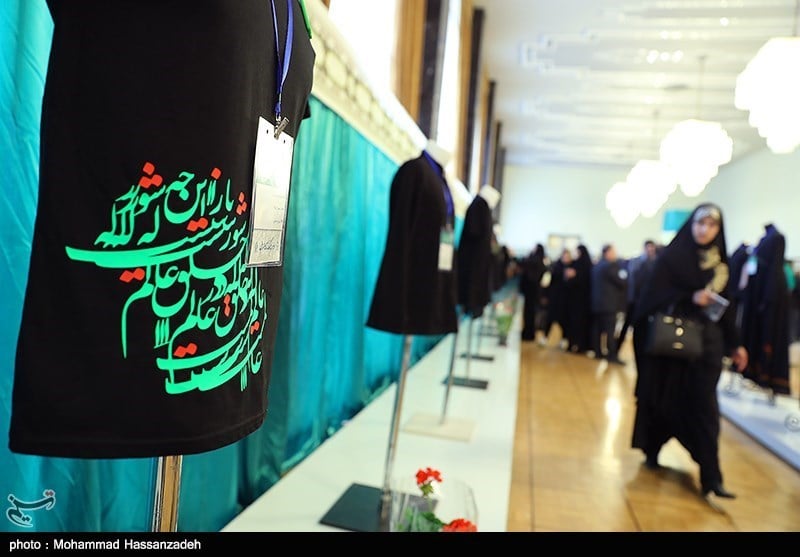
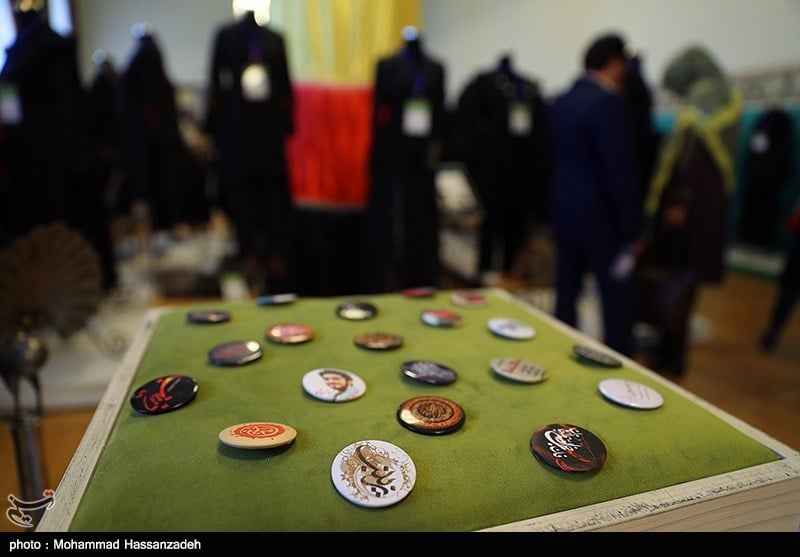
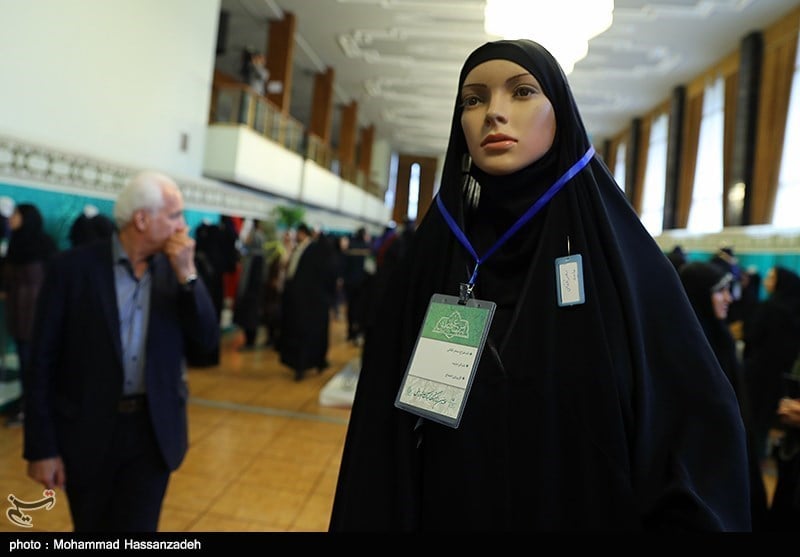
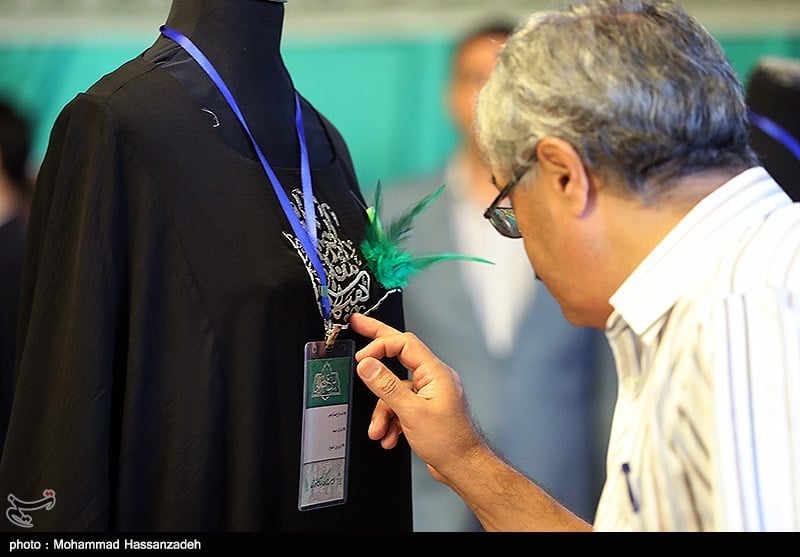
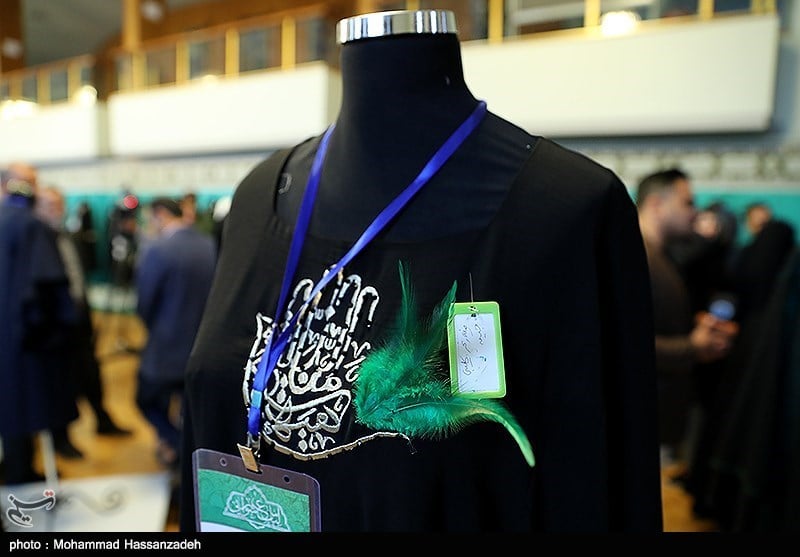
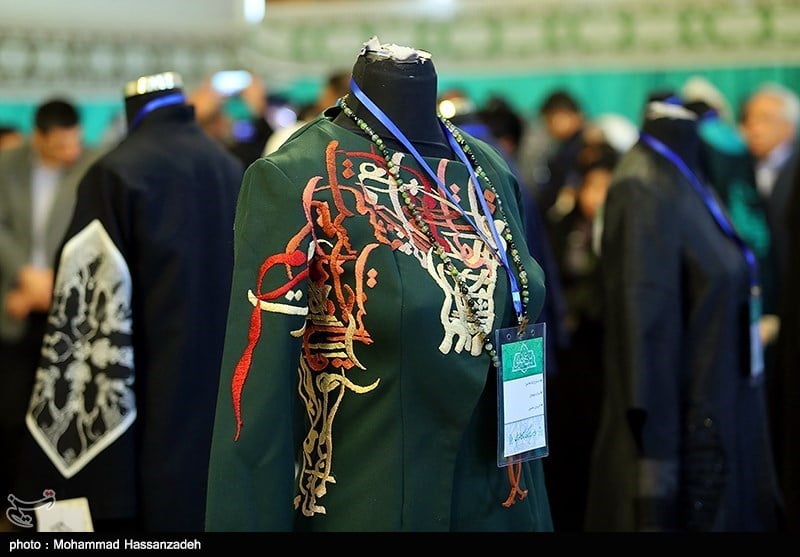
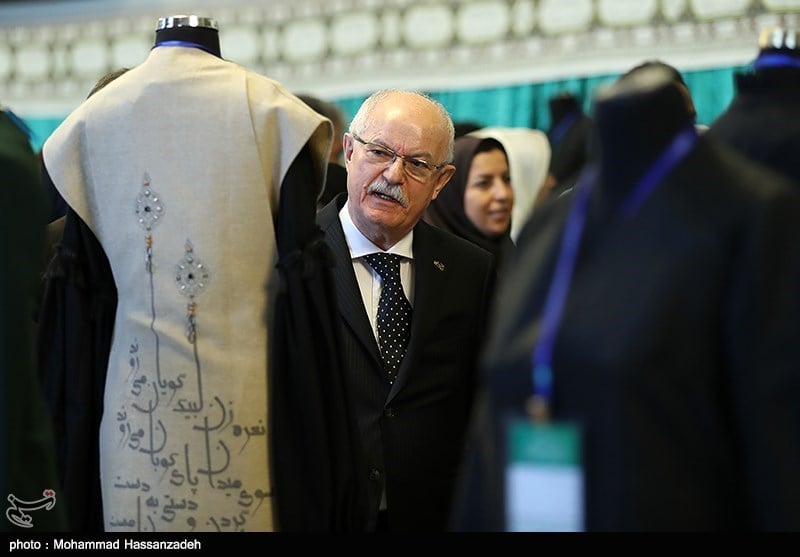
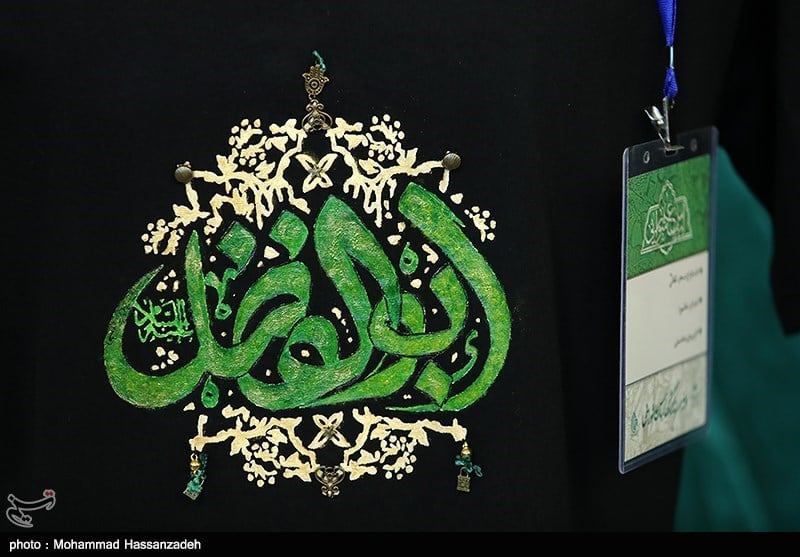
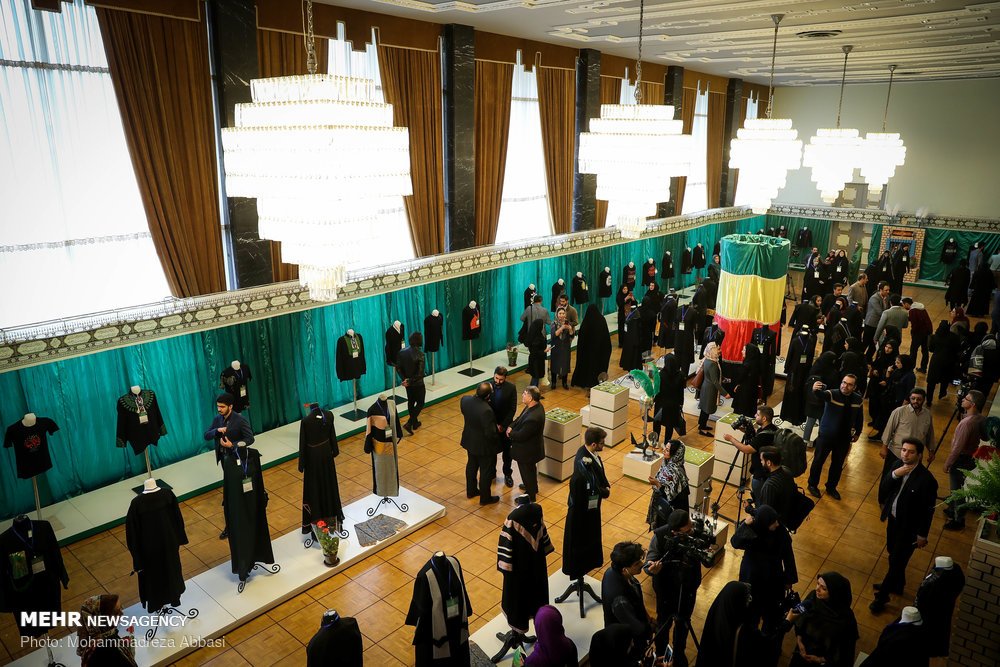
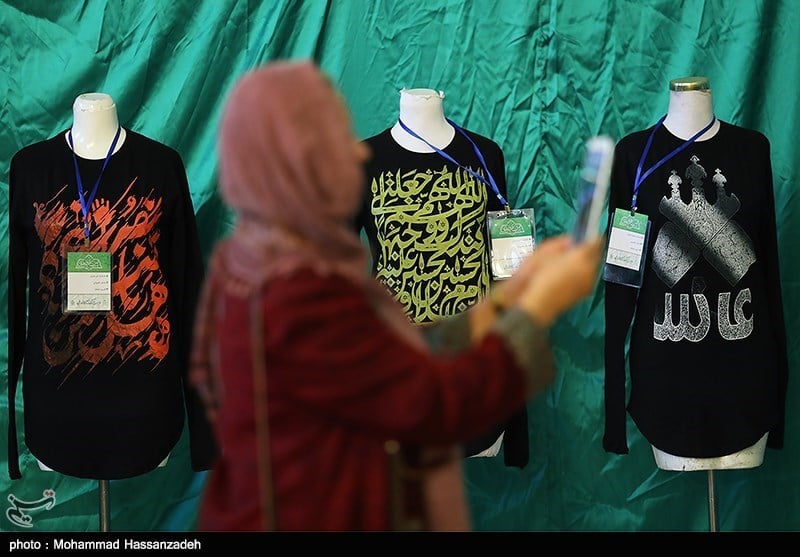
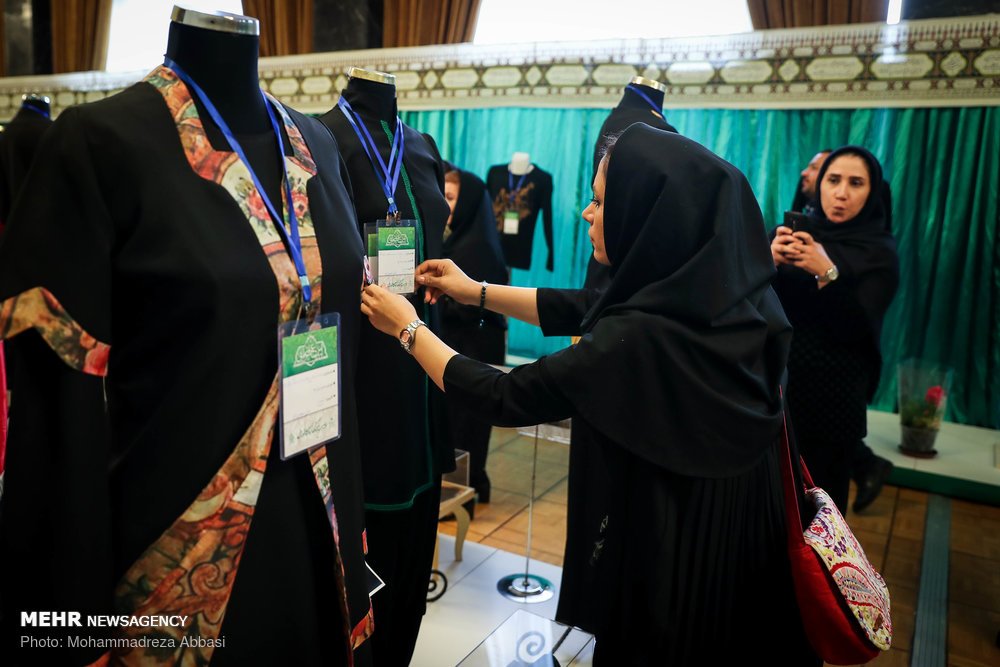
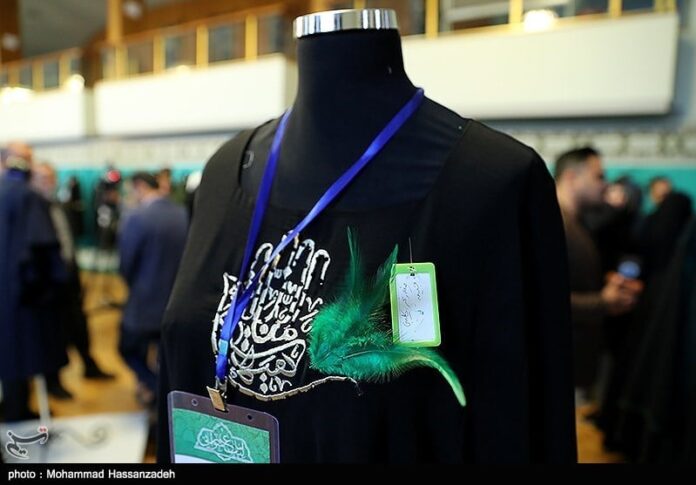
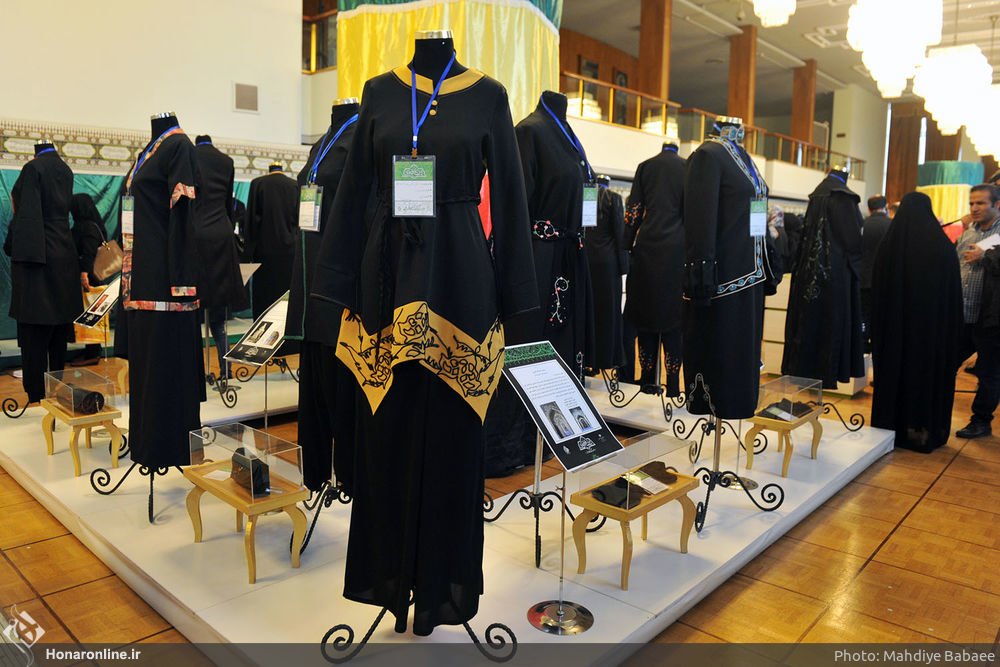
Tehran Hosts Third Ashura Clothing Exhibition

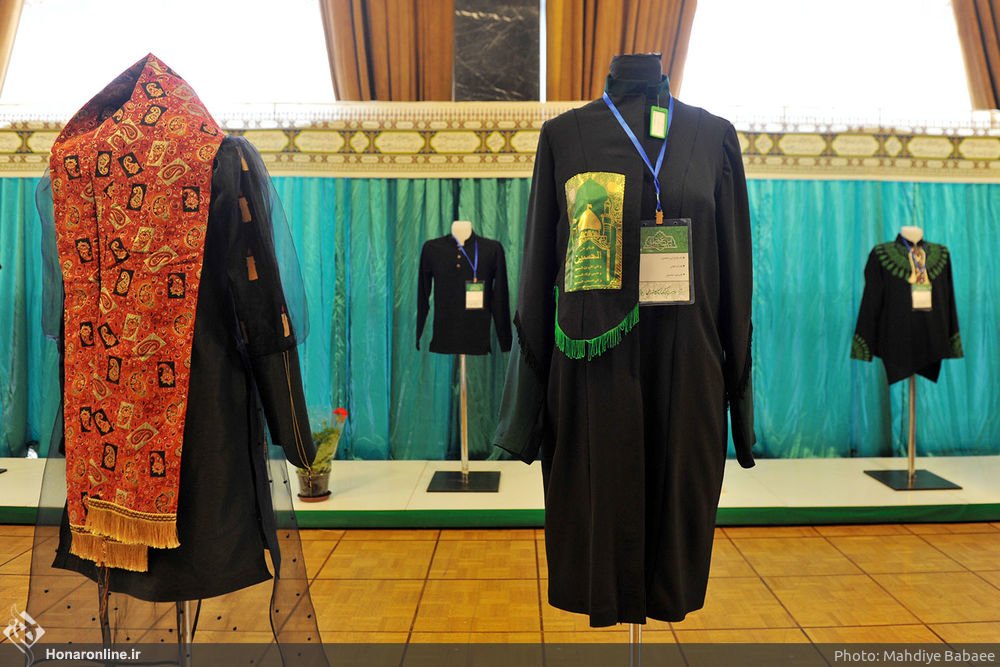
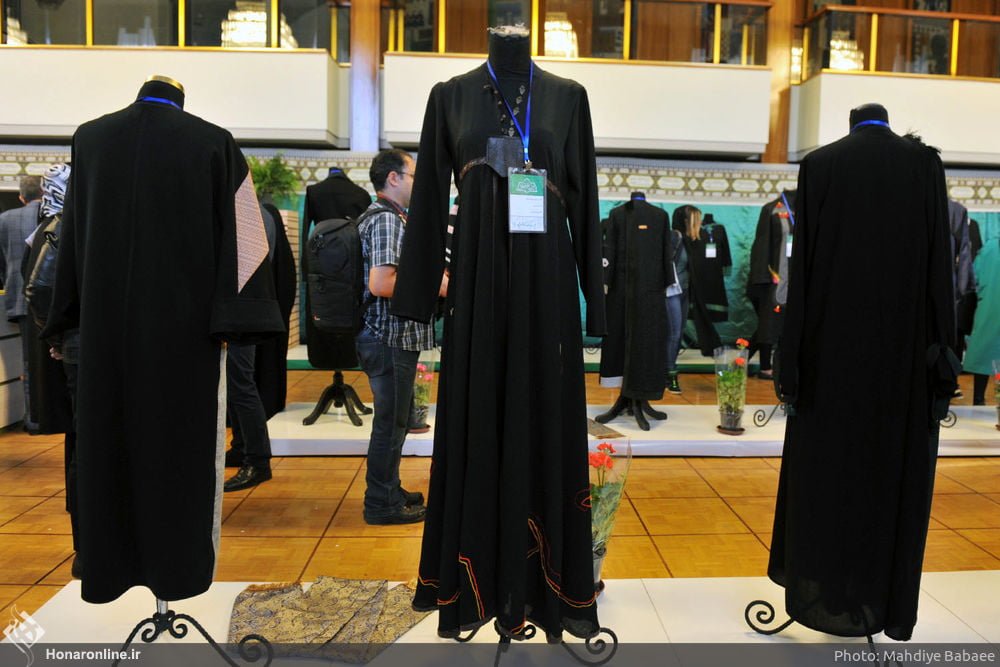
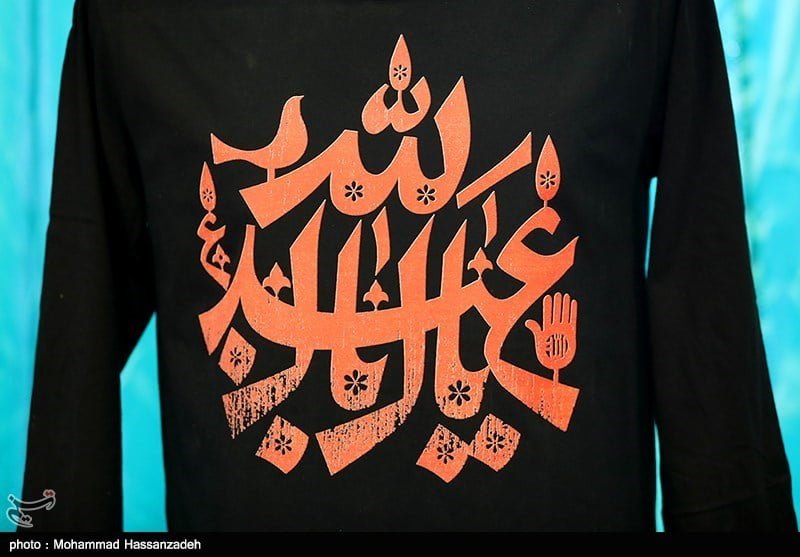
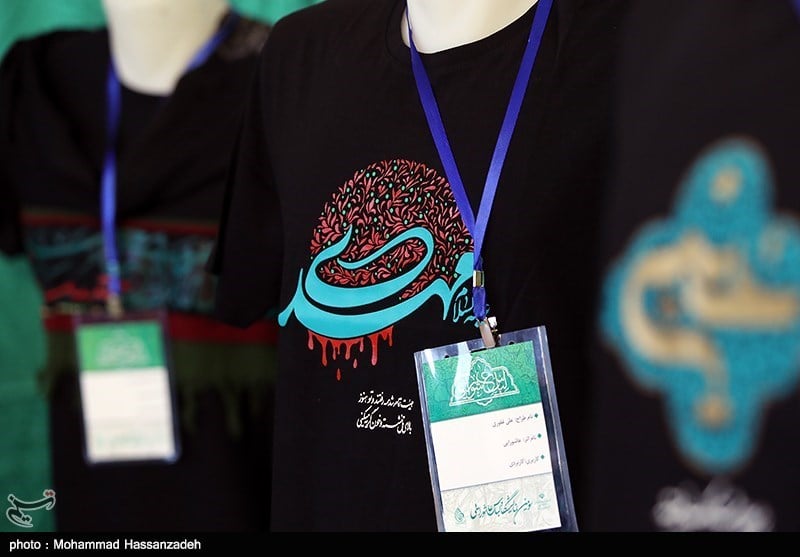
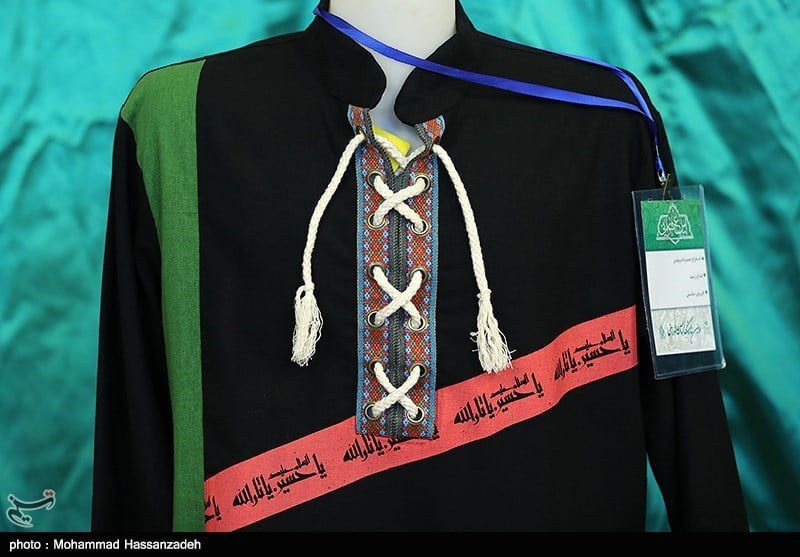
The clothes displayed at the fair were designed for marking Ashura, a special occasion in the Shiite Muslim community.

In this exhibition, dubbed “Ashura Clothing”, Iranian fashion designers and clothing companies put on display their latest designs for the occasion of Arba’een, the fortieth day after Imam Hussein’s martyrdom, which is annually marked with a march towards the Iraqi city of Karbala. This year, Arba’een has fallen on October 30.

During the lunar months of Muharram and Safar, Muslims dress in black as a symbol of grief for Imam Hussein’s martyrdom. The demand for these clothes in Iran used to be supplied by foreign firms, mostly from China. However, the products offered in such exhibitions are going to meet the country’s domestic needs.

Aside from the cultural aspect of localizing the supply of Ashura clothing, there is also an economic aspect to it. Iranian cultural authorities put the revenues earned from domestic supplies at 2.5 billion dollars during the past year.

As millions of Muslims from across the world are going on foot to visit the holy shrine of Imam Hussein in Karbala as part of the Great March of Arba’een, some special clothes have been designed to help marchers endure walking for such long distances.

What follows are photos of this exhibition, which was wrapped up on October 26 at Vahdat Hall in central Tehran:

Khashoggi Case to Result in Bin Salman’s Overthrow: Analyst

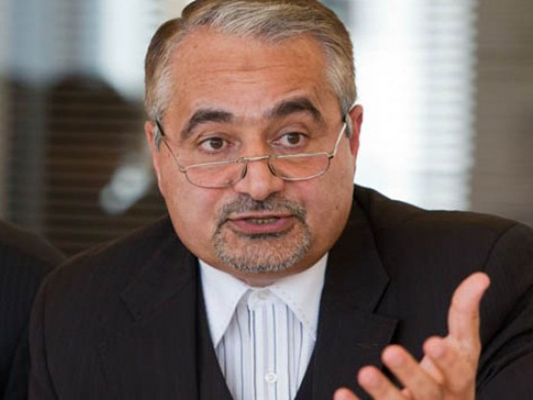
Seyyed Hossein Mousavian, a senior fellow at Princeton University and a former Iranian diplomat, maintains that Saudi Arabia was forced by the White House to admit that Khashoggi had been killed in its consulate in Turkey as the US was under huge international pressure over its ally’s crime.

Seyyed Hossein Mousavian

According to Mousavian, the US will not sacrifice its lucrative business with Saudi Arabia over the Khashoggi case, but will finally have to accept the removal of the ambitious crown prince as a compromise.

Mousavian made the comments in a recent interview with Khabar Online news agency, the full text of which follows:

Q: What is your analysis of Khashoggi’s death? Some believe that the murder was intentional and carried out with the main goal of tarnishing Saudi Arabia’s face in the world.

A: It’s not a correct hypothesis. The mainstream media and reliable sources in the US and Europe have no doubt that a team of Saudi commandos had been dispatched by Saudi Crown Prince Mohammed bin Salman to Istanbul to carry out the murder. It is not clear yet whether or not the order of Khashoggi murder was issued earlier or not. There is a possibility that the team was assigned to merely kidnap Khashoggi but he was killed in clashes with the team’s members. Then the team may have decided hurriedly to dismember his dead body with or without coordination with Riyadh and left Istanbul immediately.

Q: How do you see Saudi Arabia’s confusion in dealing with the case?

A: Saudi Arabia confirmed Khashoggi’s murder for three reasons. First, the Turkish government had key information on the murder and was not ready to bargain over it because this could seriously damage its political and security reputation.

Second, the Washington Post daily was determined to unveil the hands behind the murder and to this end, it had the support of other mainstream media like the New York Times and CNN.

Third, the Turkish intelligence and security apparatus began to leak the details of the murder gradually through Aljazeera TV channel and a number of leading Turkish media. Aljazeera played a key role in provoking the world’s public opinion against Saudi Arabia. Through this scenario, Qatar took a heavy revenge against Saudi Arabia over its isolation plot. Finally, the pressures on the White House forced Trump to send his Secretary of State to Riyadh to urge Saudi officials to accept responsibility for Khashoggi’s murder and vow to punish the perpetrators.

Q: How do you see the future of the US-Saudi relations? Can the US impose sanctions on its regional ally?

A: It goes without saying that the Khashoggi case could hamper the two sides’ relations but they won’t ever sacrifice the ties for such a case. Of course, if Washington comes under pressure, it would sacrifice bin Salman to its own interests but it would never abandon Saudi Arabia as its ally in the region.

Q: How do you assess Turkey’s role in the case? Is Turkish President Recep Tayyip Erdogan trying to gain concessions over the case? Shall we say that the US is using Turkey as a proxy to handle the case?

A: Unlike previous cases, Erdogan has dealt with Khashoggi’s murder deliberately. He was angry with bin Salman and Trump. Now he has punished them severely by focusing on the case. But the more sensitive section of the case is still untold. Ankara has information that confirms bin Salman’s complicity in the case. If Ankara keeps disseminating information on the case, Washington will have no way but to topple bin Salman. Otherwise, it has to give big concessions to Turkey.

Q: What is your idea about the international reactions particularly those of Arab states as well as the silence of many others?

A: The Arab world is a dead and useless world and we shouldn’t expect anything considerable from them. Most of the Arab states not only remained silent towards the US decision to relocate its embassy from Tel Aviv to Jerusalem-al-Quds but also cooperated with Tel Aviv behind the curtain.

Q: How can Iran take advantage of the current political situation in the region? As we know, Russia has stepped into the fray to drag Saudi Arabia into its court against the US. What is your analysis about the issue?

A: Iran has reacted deliberately. If Iran had rushed to show reactions against Riyadh, the western media would point the finger of blame at our country instead of Saudi Arabia. They would also revive all the accusations they had levelled against us over the past four decades. Today, the Israeli lobby groups in the US are highly active to alleviate Washington’s pressure on Saudi Arabia under this pretext that Iran will gain benefit if Saudi Arabia comes under pressure. I think the fate of bin Salman is at the hand of Washington. Tehran and Moscow will have no say in this issue.

Q: How do you see the future of this international controversy? How can it be ended?

A: This is not just a murder. The earlier mistakes by bin Salman like his war on Yemen, taking Lebanese Prime Minister Saad al-Hariri as hostage, putting sanctions on Qatar and arresting tens of Saudi prince have cast doubt on his ability to serve as the Saudi king. Now, the murder of Khashoggi serves as putting a match to a barrel of gunpowder. Khashoggi was one of the main contributors of Washington Post and his murder shocked the world. So, all mainstream media in the US and the world have been mobilized to overthrow bin Salman.

This comes as the US national interests require that Saudi Arabia remains its main ally. So, the issue has become more complicated. It seems that, at the end of the day, bin Salman may be toppled and the US won’t go further.