Tuesday, December 23, 2025
Home Blog Page 3428

Iran Leader Highlights Significance of Passive Defence

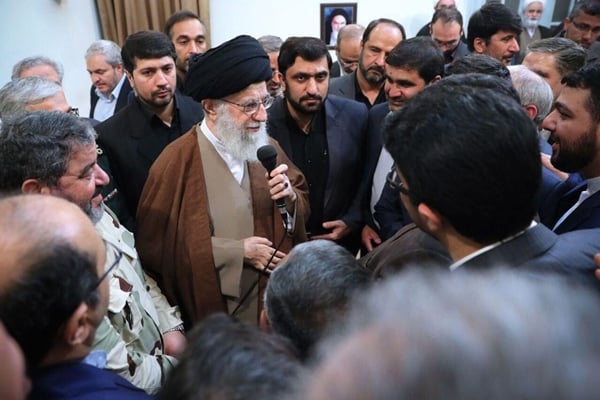
Leader of Iran's Islamic Revolution Ayatollah Seyyed Ali Khamenei meeting the head and staff members of Iran's Passive Defence Organization on October 28, 2018. / Photo by Leader.ir

The Leader stressed that in face of the complex methods of enemies’ attacks, passive defence measures must be taken seriously.

Speaking in a Sunday meeting with the officials of the country’s Passive Defence Organization, Ayatollah Khamenei said such type of defence should be scientifically accurate, up-to-date, and comprehensive to foil any kind of penetration.

Leader of the Islamic Revolution once again underlined the increasing importance of passive defence in confronting the emerging threats of enemies.

Ayatollah Khamenei reiterated that the officials in all sectors must pay close attention to passive defence measures adding that if the country’s decision-makers do not understand the significance of this issue, and the passive defence does not develop satisfactorily, the country will be subjected to some inevitable threats.

Therefore, he added, the military and non-military bodies in various sectors of the country ought to fully cooperate with Passive Defence Organization.

‘Netanyahu’s Oman Visit Aimed at Sending Iran Important Message’

Qassem Mohebali said it is just a speculation, but given the role Oman plays in Iran-West relations, it can be assumed that Netanyahu probably travelled to Oman to discuss Iran rather than other issues.

It was quite surprising to see the Israeli prime minister visiting Muscat and being welcomed by the king of Oman, he noted.

“Oman has always tried to play the role of Switzerland in the region over the past decades. Therefore, Muscat has always been impartial in regional issues and tried to mediate between countries.”

“They were not part of the Saudi coalition against Yemen and did not take a stance against Yemenis. The Omanis also did not follow Saudi policies regarding Iran and Qatar and maintained their ties with Tehran and Doha,” underlined Mohebali.

On the other hand, Oman has always played a mediating role between Tehran and the West, especially Iran and the United States, as well as Iran and Britain, he went on to say.

“The Omanis have moderate policies on the Palestinian issue to reduce conflict and advance negotiations between Israel and the Palestinians,” he said.

“On the other hand, this trip can be linked to recent developments in the region, in particular the case of Jamal Khashoggi. However, all these are speculations, because Saudi Arabia and Qatar next to Jordan play a greater role in the Palestinian issue. Therefore one can assume the main topic on the agenda has been the Islamic Republic of Iran.”

Mohebali, who once served as the Iranian foreign ministry’s director general for the Middle East, said one can link the visit to Tel Aviv’s normalization of ties with Arab countries, but Oman will not play a special role in the case, and issues of the Arab world.

He pointed out that if Netanyahu was to talk about the issue of Palestine and other issues in the Arab world, he would choose other Arab destinations.

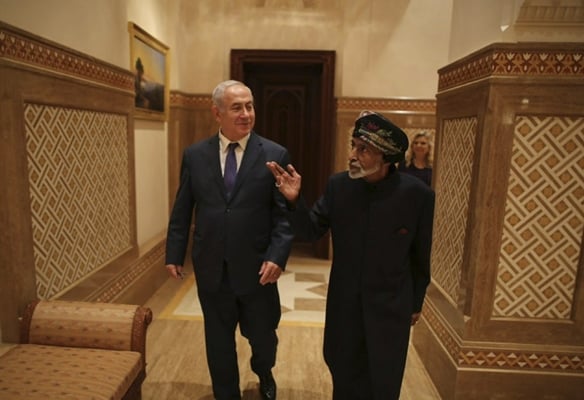
Netanyahu visited the Persian Gulf state of Oman on October 26 and met with Omani Leader Sultan Qaboos. Omani state media and Netanyahu’s office shared the news of the visit after he returned home.

The rare visit was not publicised beforehand and came days after Palestinian President Mahmoud Abbas met Qaboos on a three-day visit to the country.

Earlier this year, Omani Foreign Minister Yusuf bin Alawi made a rare visit to Jerusalem’s Al-Aqsa Mosque.

A Look at Iranian Newspaper Front Pages on October 28

A Look at Iranian Newspaper Front Pages on November 19

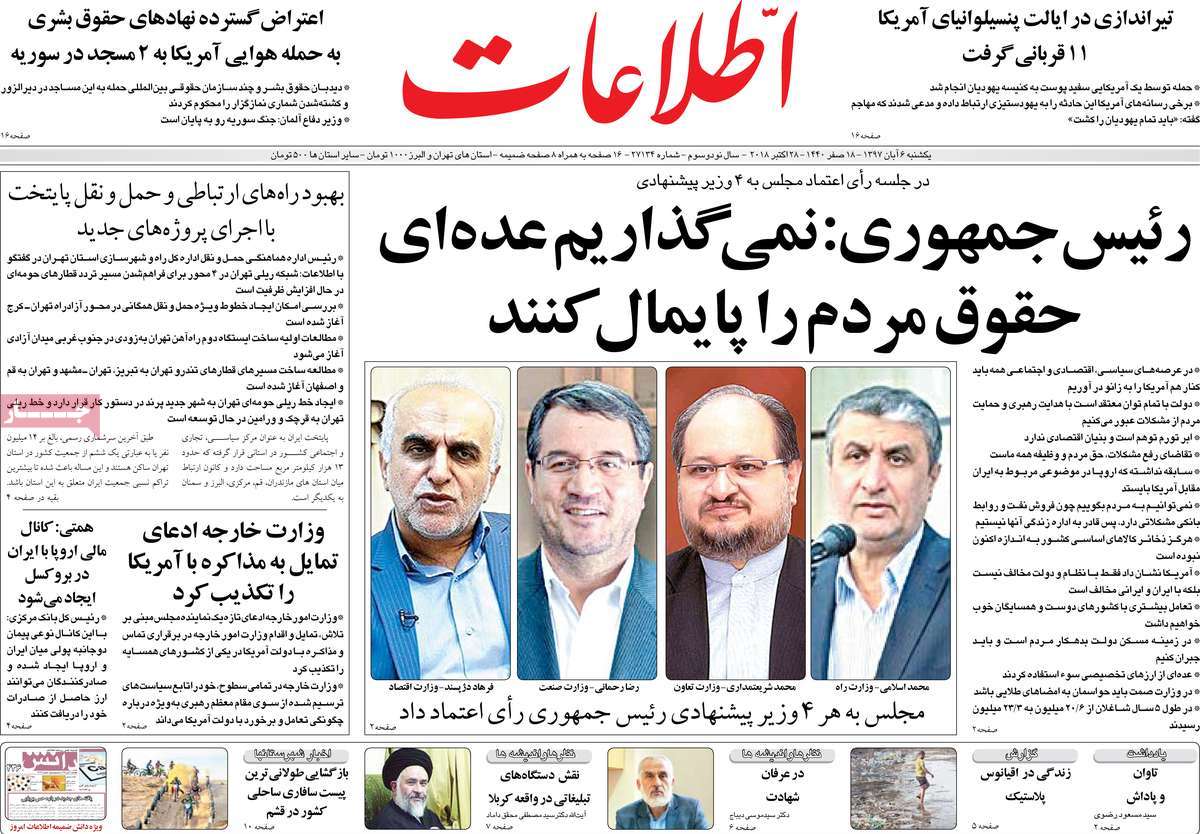
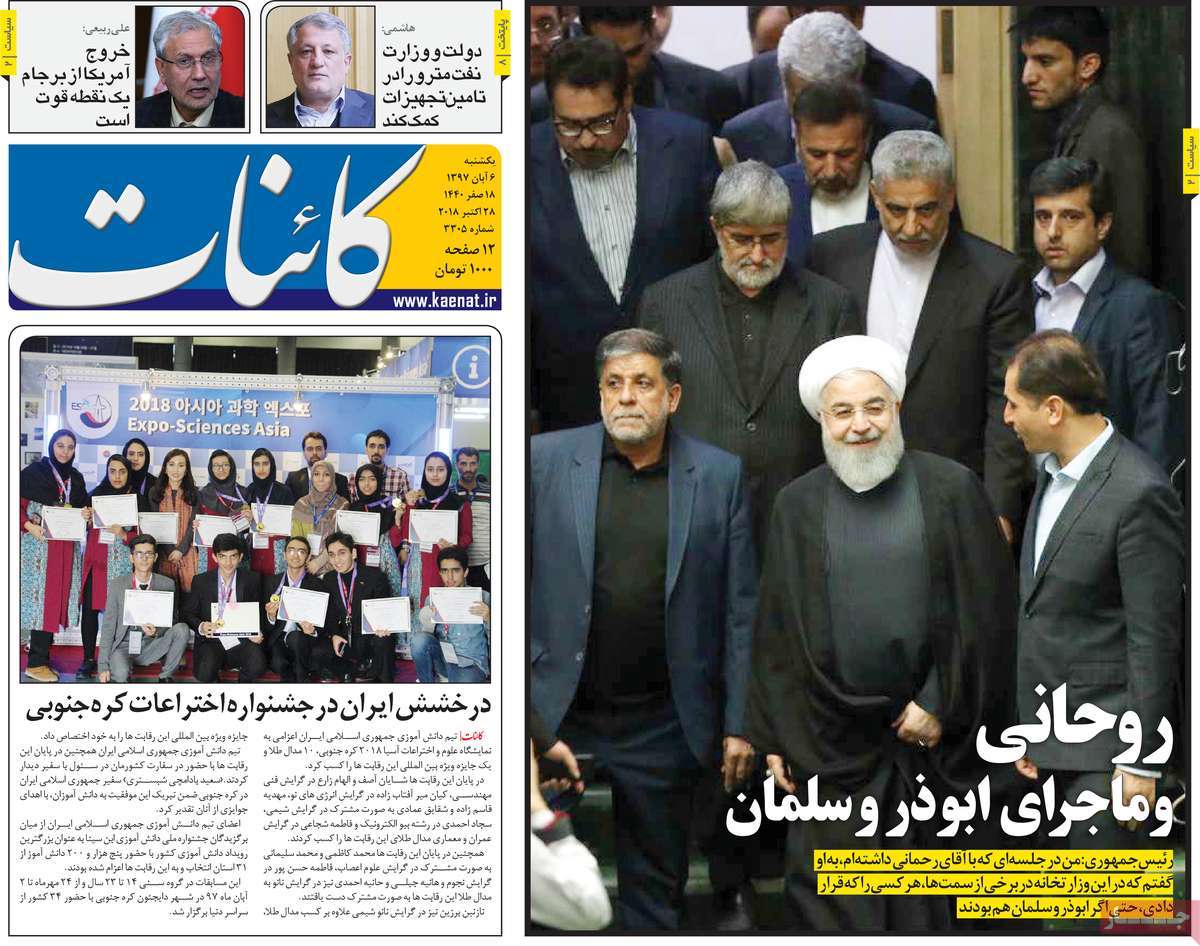
The top story in all papers today was the Iranian Parliament’s vote of confidence to the four ministerial picks introduced by President Hassan Rouhani for the ministries of labour, roads, trade, and economy.

Several papers also covered the remarks made by Central Bank of Iran (CBI) Governor Abdolnaser Hemmati about the establishment of Iran-Europe payment channel, which will help Tehran bypass the US sanctions.

Israeli Prime Minister Benjamin Netanyahu’s visit to Oman was also a hot topic of debate among Iranian papers today.

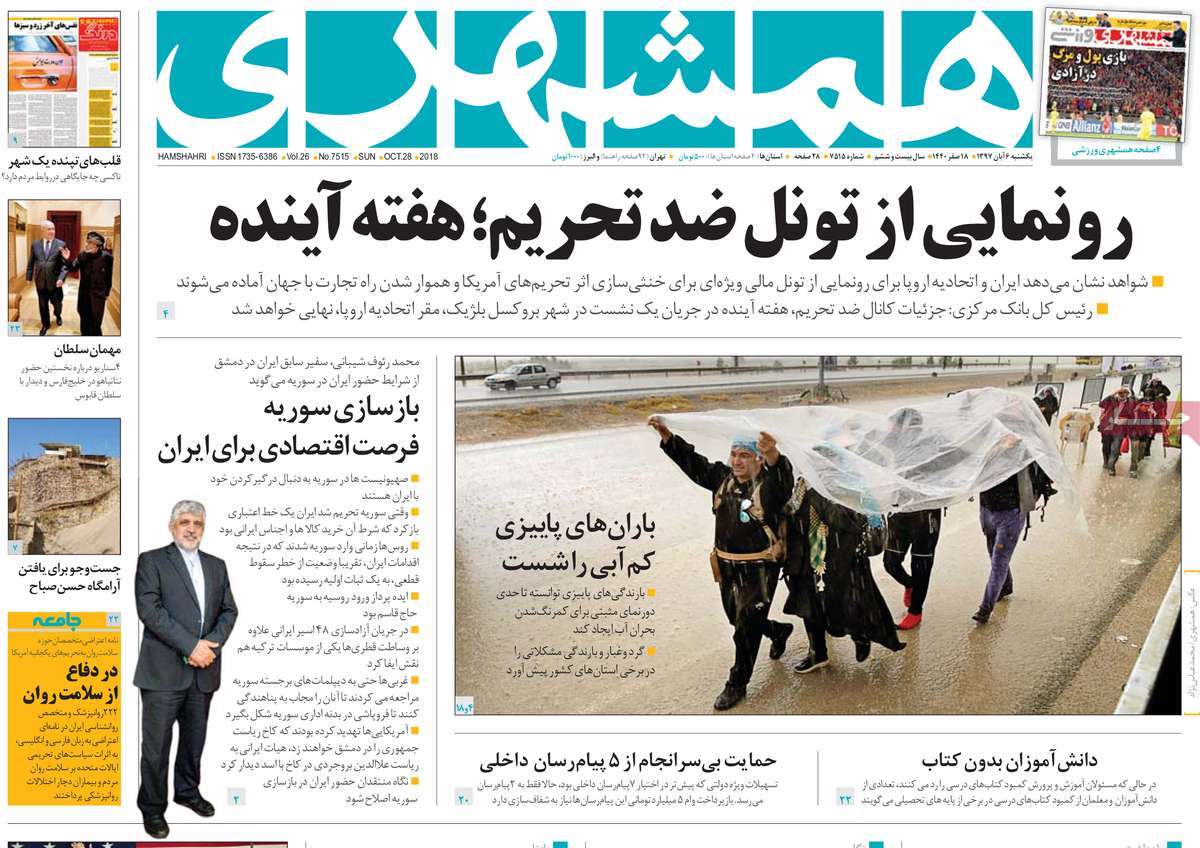
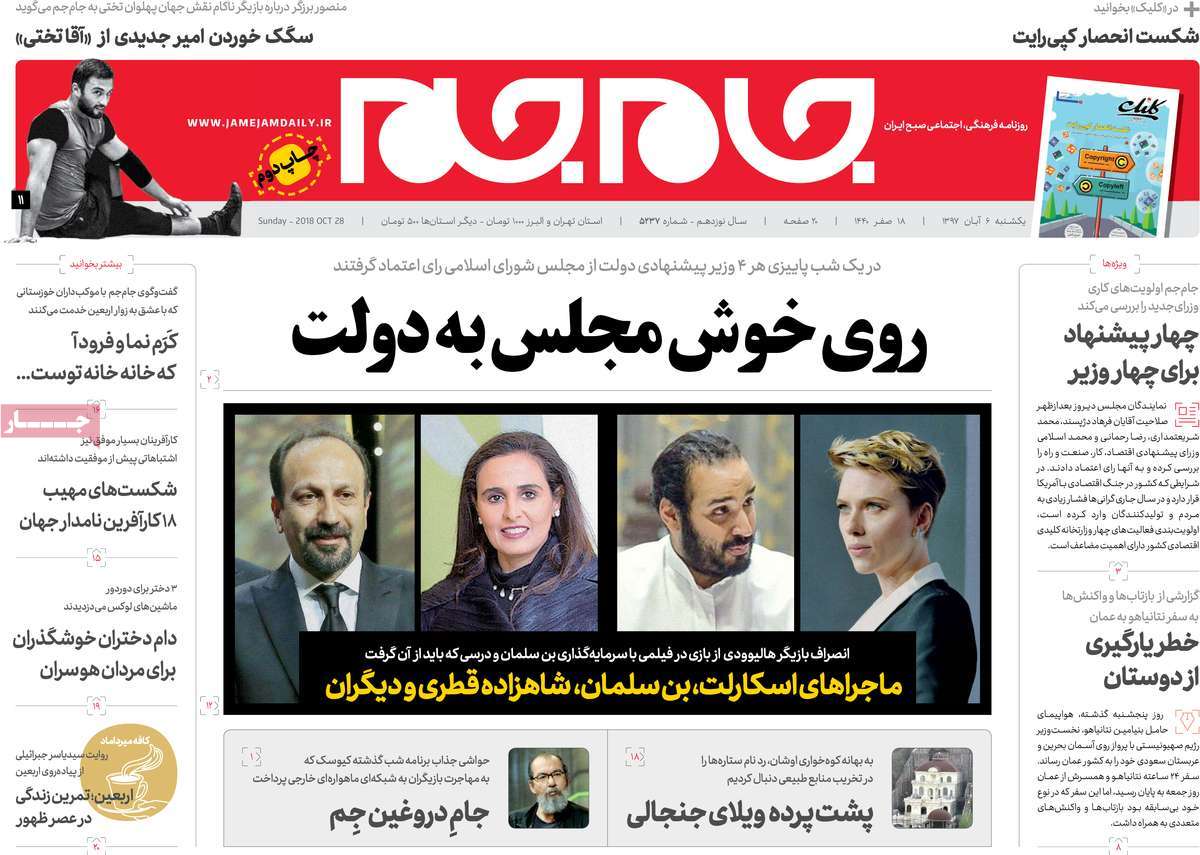
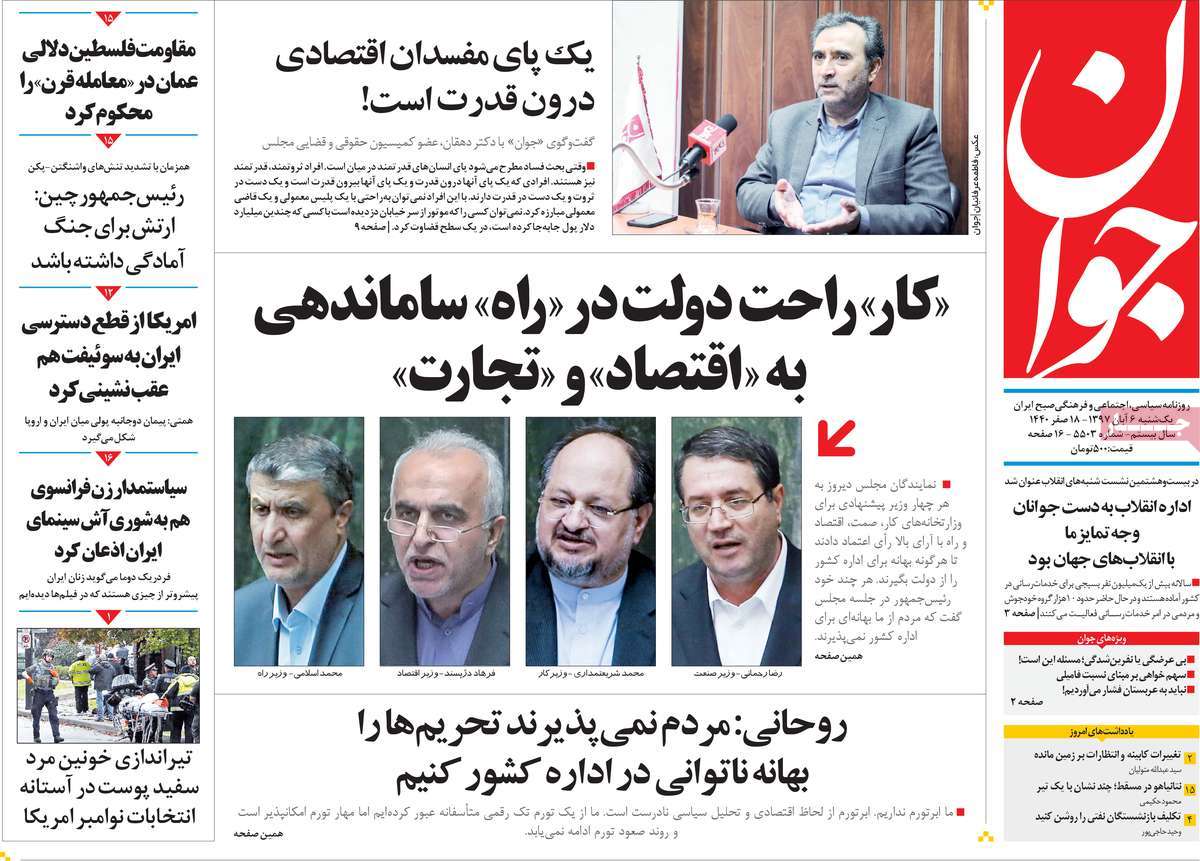
The above issues, as well as many more, are highlighted in the following headlines and top stories:


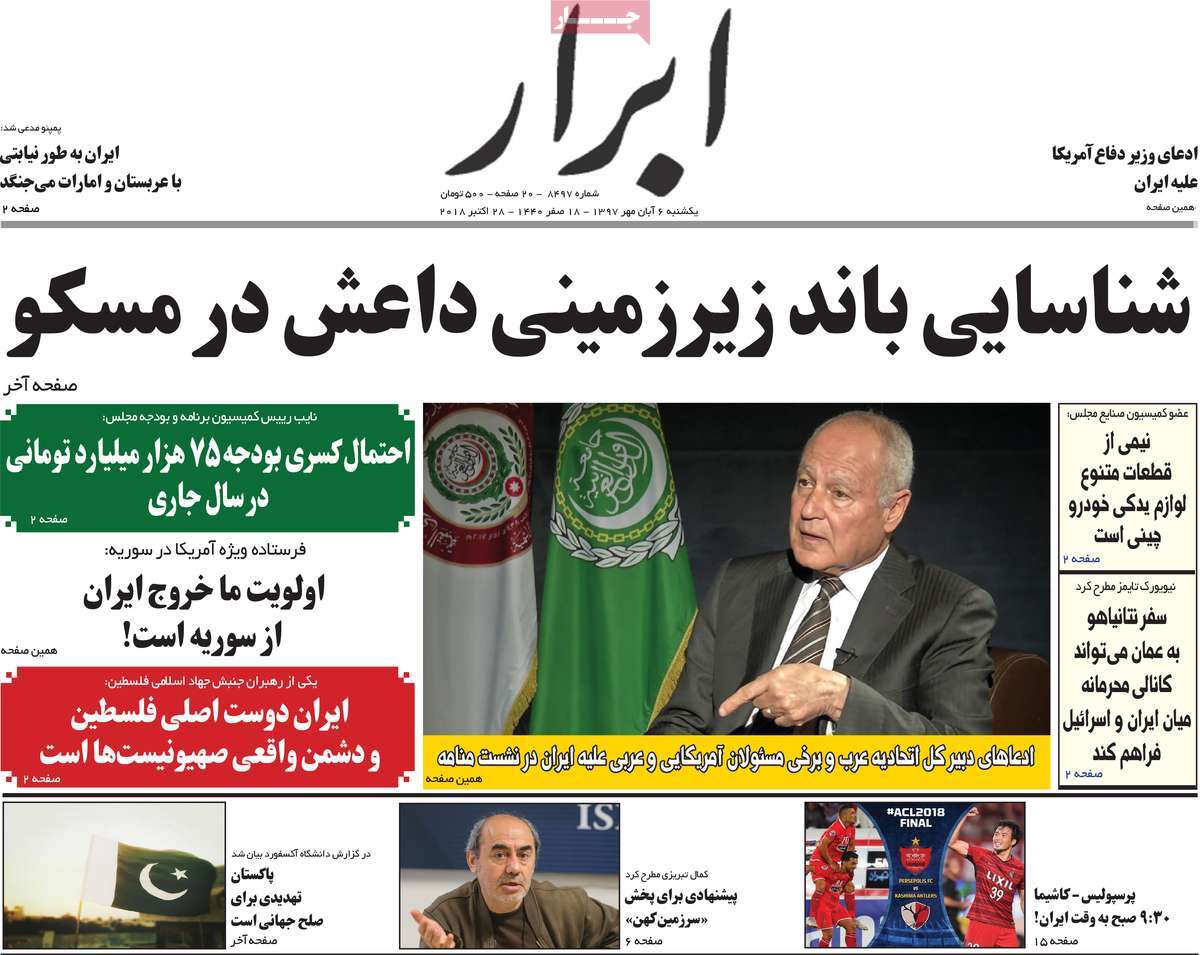
Abrar:

1- Underground ISIS Band Busted in Moscow

2- Pompeo: Iran Fighting against Saudi, UAE through Proxies

A Look at Iranian Newspaper Front Pages on October 28


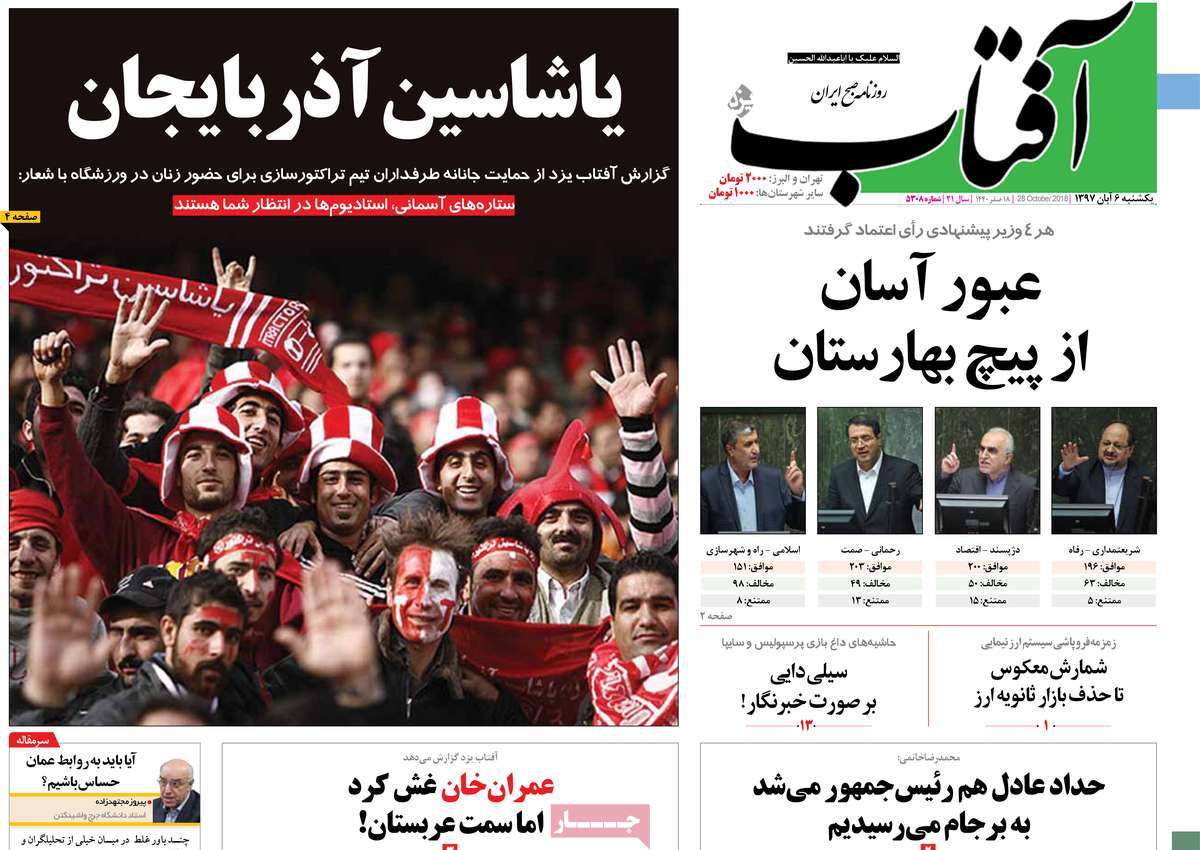
Aftab-e Yazd:

1- Tractor Sazi Fans Chant Slogans Calling for Women’s Presence in Stadiums

  • Stadiums Waiting for You Shining Stars

2- All Four Ministerial Picks Receive Vote of Confidence from Lawmakers

A Look at Iranian Newspaper Front Pages on October 28


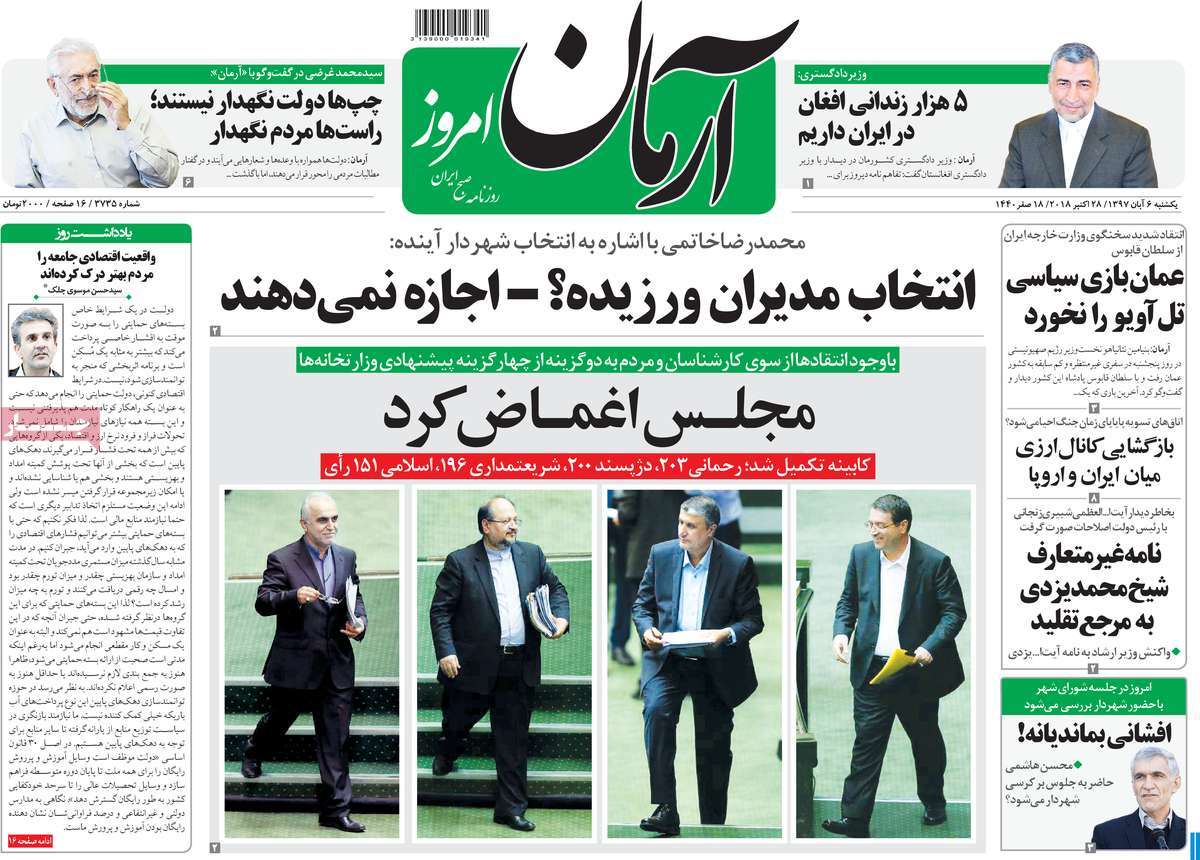
Arman-e Emrooz:

1- Iran Strongly Criticizes Sultan Qaboos

  • Oman Shouldn’t Be Deceived by Tel Aviv’s Political Game

2- Return of Iran-EU Payment Channel

3- Parliament Endorses Rouhani’s Ministerial Picks Even despite People’s Opposition

A Look at Iranian Newspaper Front Pages on October 28


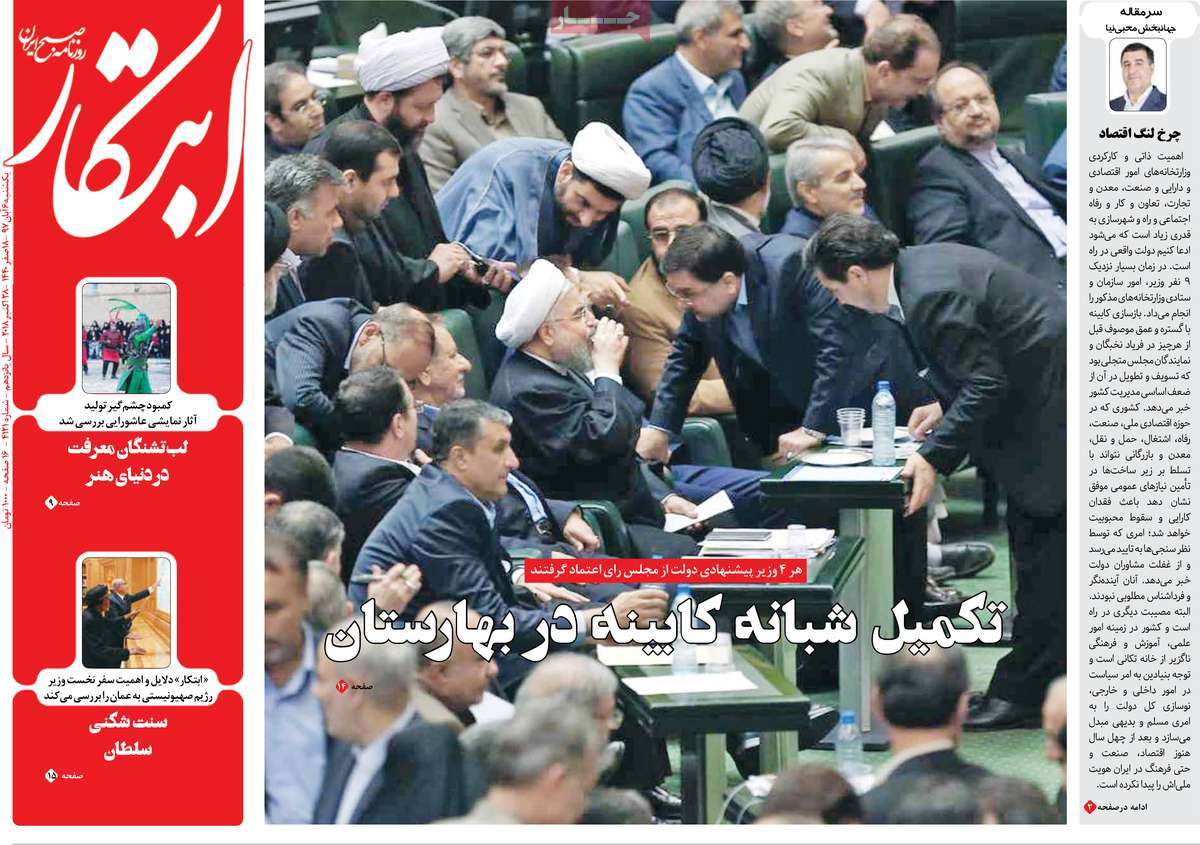
Ebtekar:

1- Rouhani’s Cabinet Completed by Parliament’s Saturday Night’s Votes

2- Sultan Breaks His Habit: A Review of Israeli PM#’s Important Visit to Muscat

A Look at Iranian Newspaper Front Pages on October 28


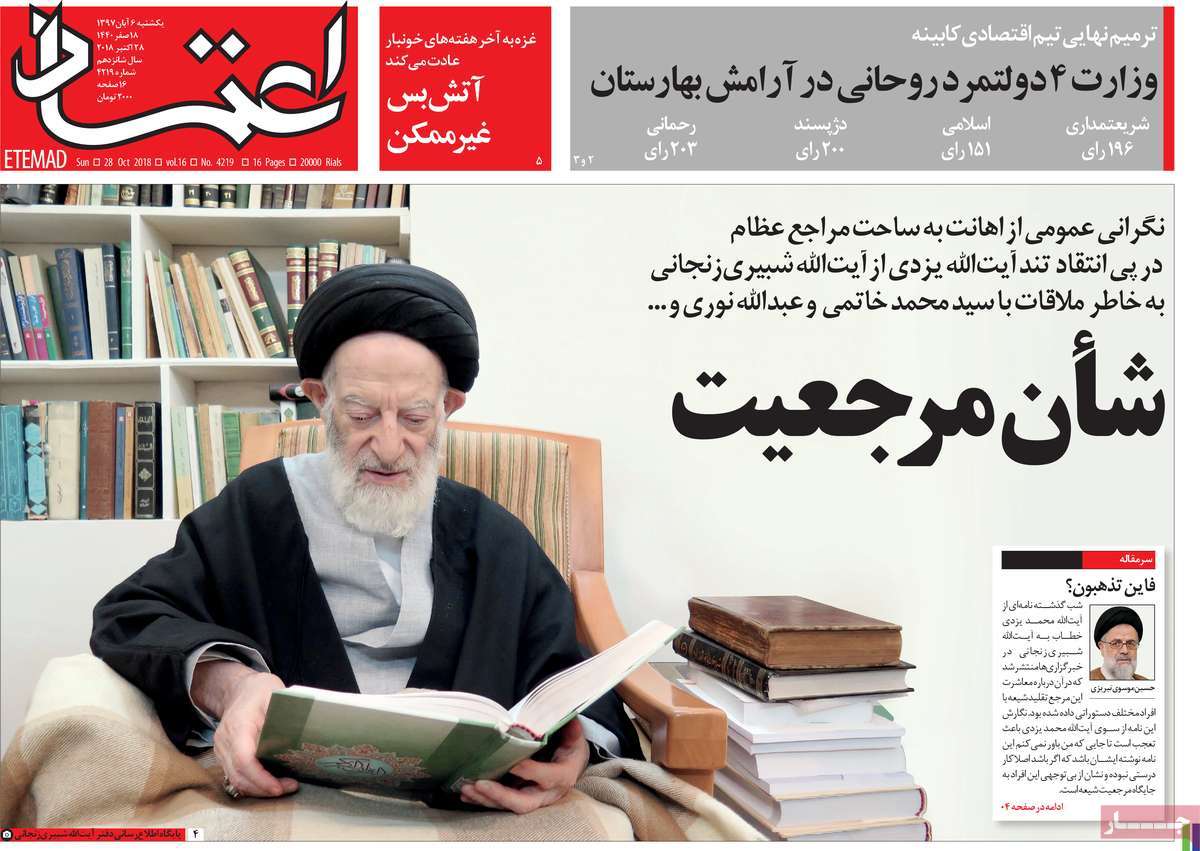
Etemad:

1- Impossible Ceasefire: Gaza Getting Used to Bloody Weekends

A Look at Iranian Newspaper Front Pages on October 28


Ettela’at:

1- Human Rights Bodies Widely Condemn US Airstrikes on 2 Mosques in Syria

2- Central Bank Governor: Iran-Europe Payment Channel to Be Established in Brussels

A Look at Iranian Newspaper Front Pages on October 28


Hamshahri:

1- Former Envoy to Damascus: Syria Reconstruction Economic Chance for Iran

2- Tunnel to Bypass US Sanctions to Be Unveiled Next Week

  • Iran Chief Banker: Details of Iran-EU Payment Channel to Be Finalized in Brussels

A Look at Iranian Newspaper Front Pages on October 28


Jame Jam:

1- Parliament Gives Green Light to Government

A Look at Iranian Newspaper Front Pages on October 28


Javan:

1- Rouhani: People Can’t Accept that We Use Sanctions as Excuse for Our Incapability

2- Iranian Women More Leading than What We See in Iranian Films: French Female Politician

3- US Backs Off from Cutting Iran’s Access to SWIFT

A Look at Iranian Newspaper Front Pages on October 28


Ka’enat:

1- Iran Shines at South Korea Invention Festival

A Look at Iranian Newspaper Front Pages on October 28


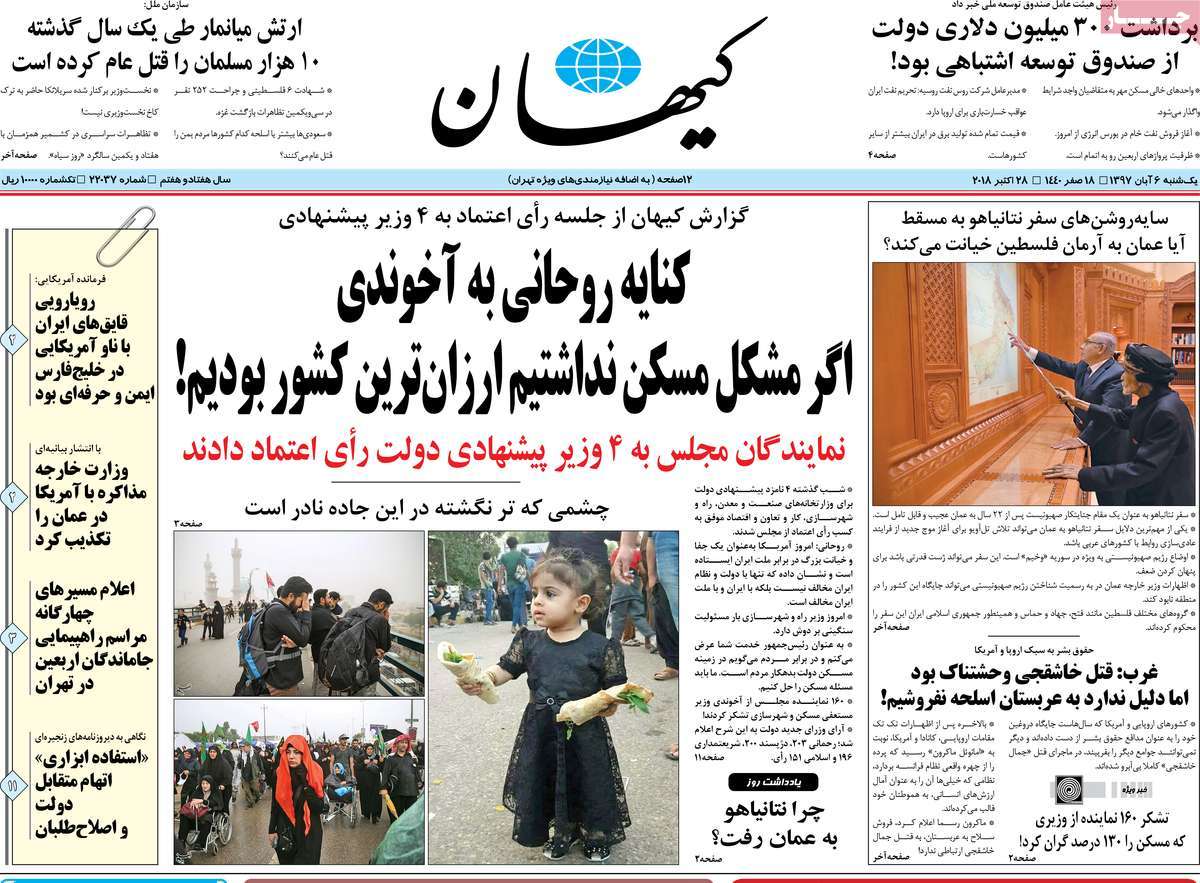
Kayhan:

1- Highlights of Bibi’s Visit to Muscat: Will Oman Betray Palestinian Cause?

2- Human Rights in European, American Style

  • West: Khashoggi’s Murder Terrible, but No Reason for Stopping Arms Sales to Saudis!

3- Iran Foreign Ministry Denies Holding Talks with US in Oman

A Look at Iranian Newspaper Front Pages on October 28


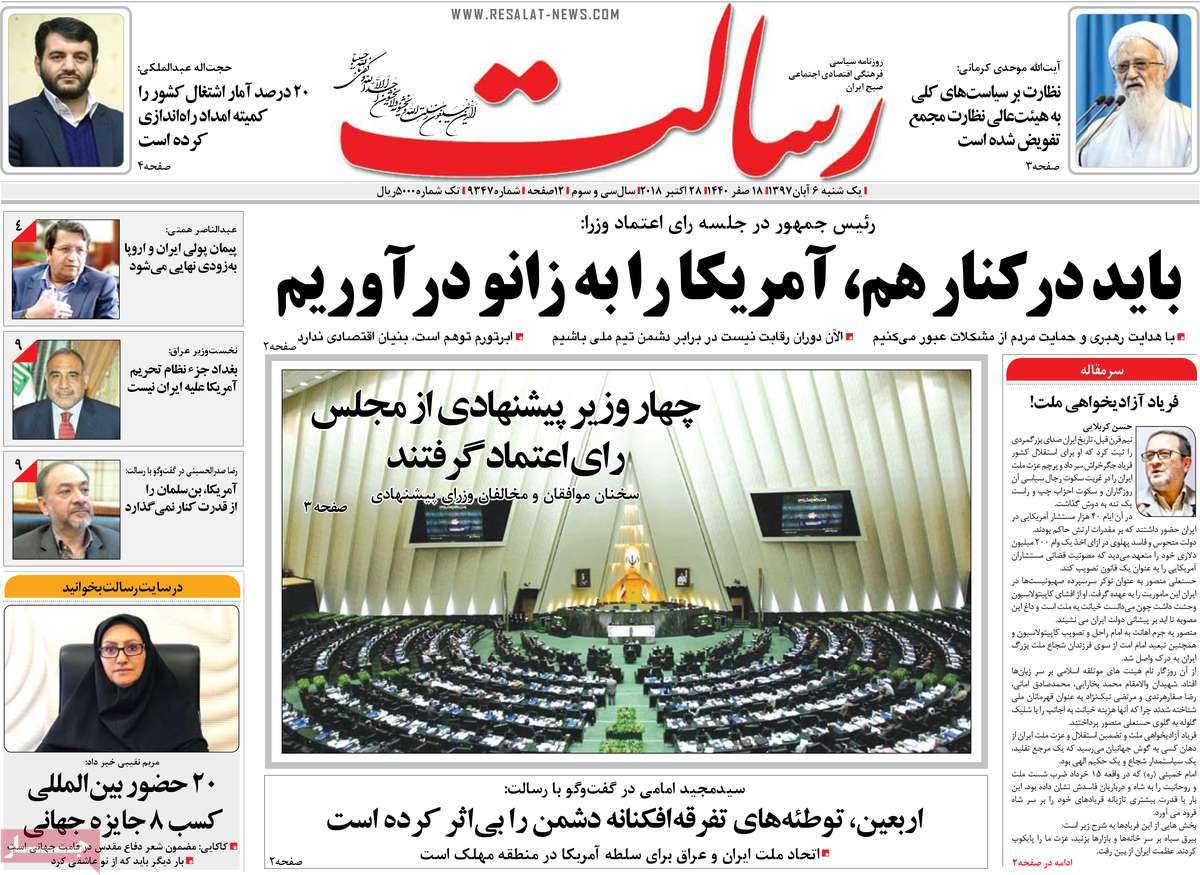
Resalat:

1- Rouhani: We Should Stand Together to Bring US to Its Knees

A Look at Iranian Newspaper Front Pages on October 28


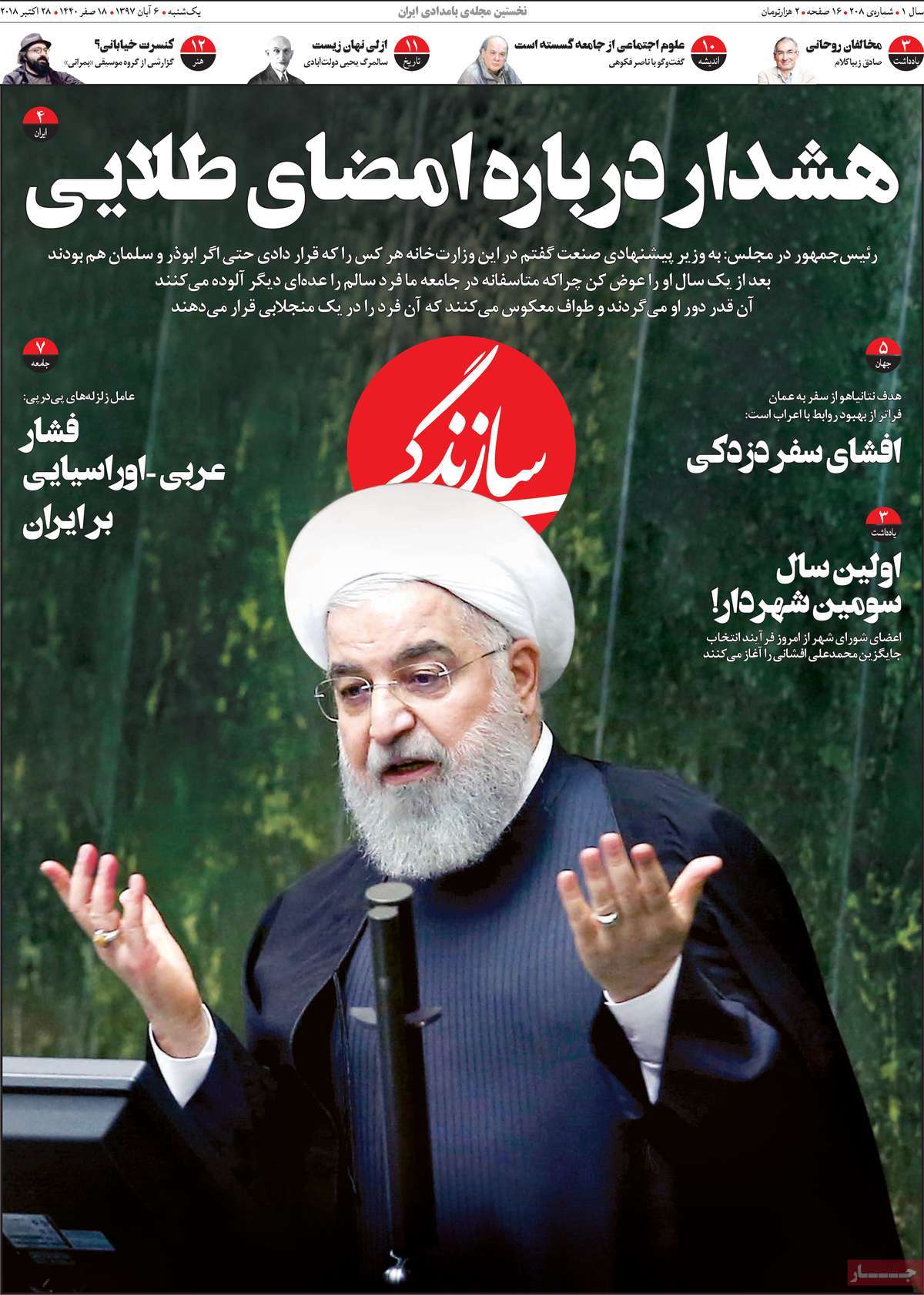
Sazandegi:

1- Secret Visit Disclosed

  • Purpose of Netanyahu’s Muscat Visit beyond Normalization of Ties with Arabs

A Look at Iranian Newspaper Front Pages on October 28


Sepid:

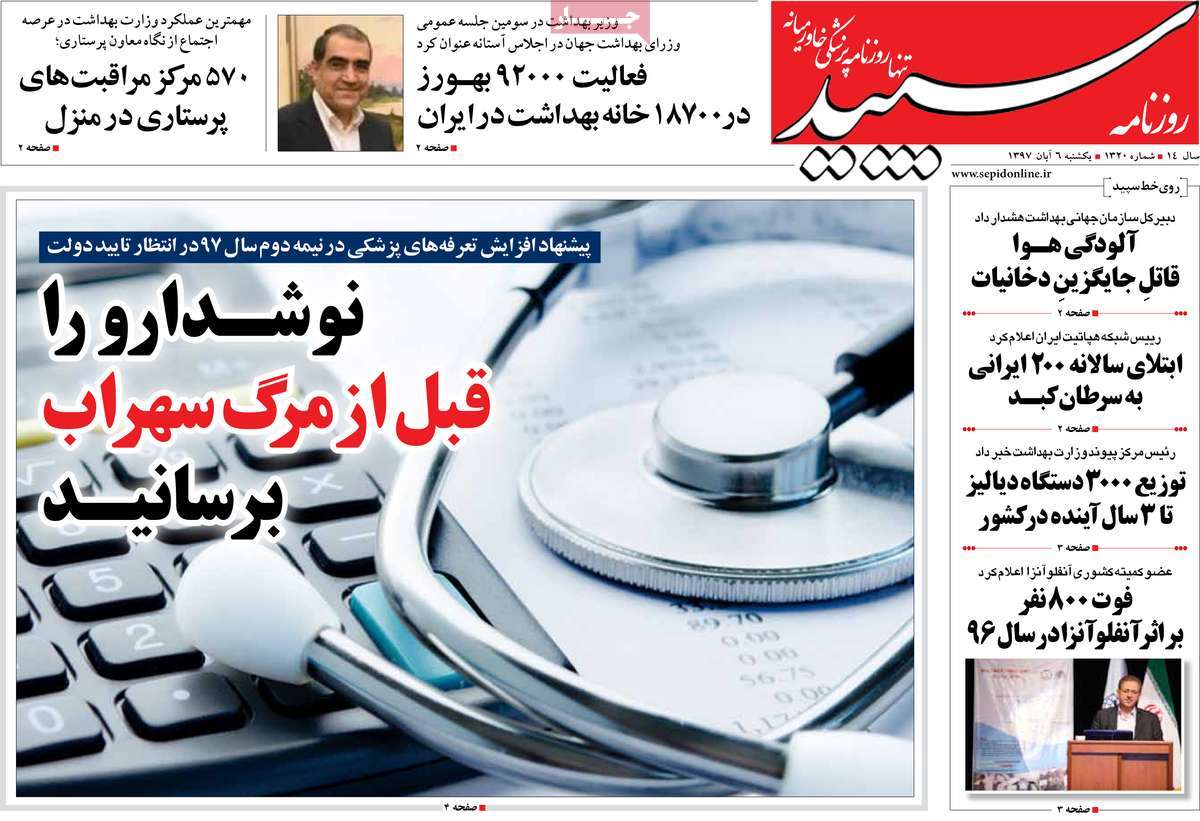
1- Health Minister: 92,000 Working in 18,700 Health Centres in Iran

A Look at Iranian Newspaper Front Pages on October 28


Shahrvand:

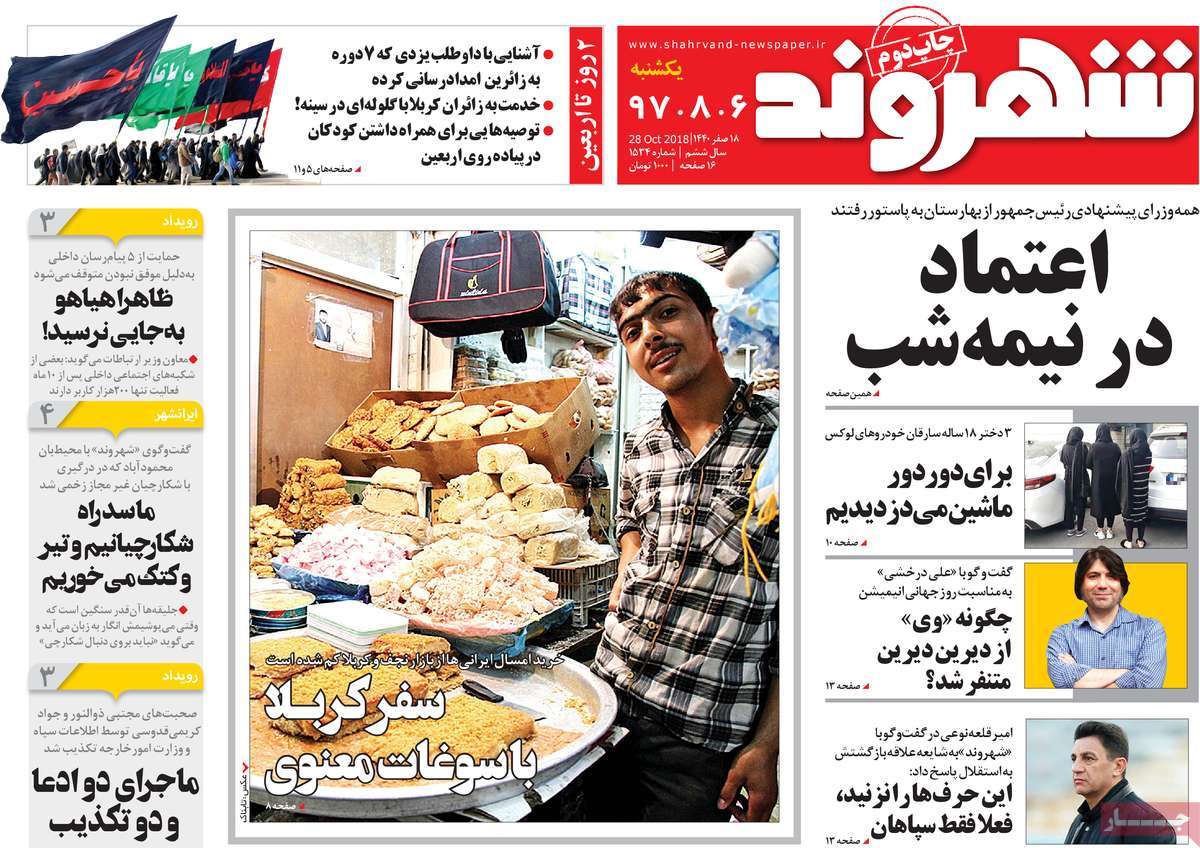
1- Three 18-Year-Old Girls Steal Luxury Cars for Fun!

A Look at Iranian Newspaper Front Pages on October 28


Shargh:

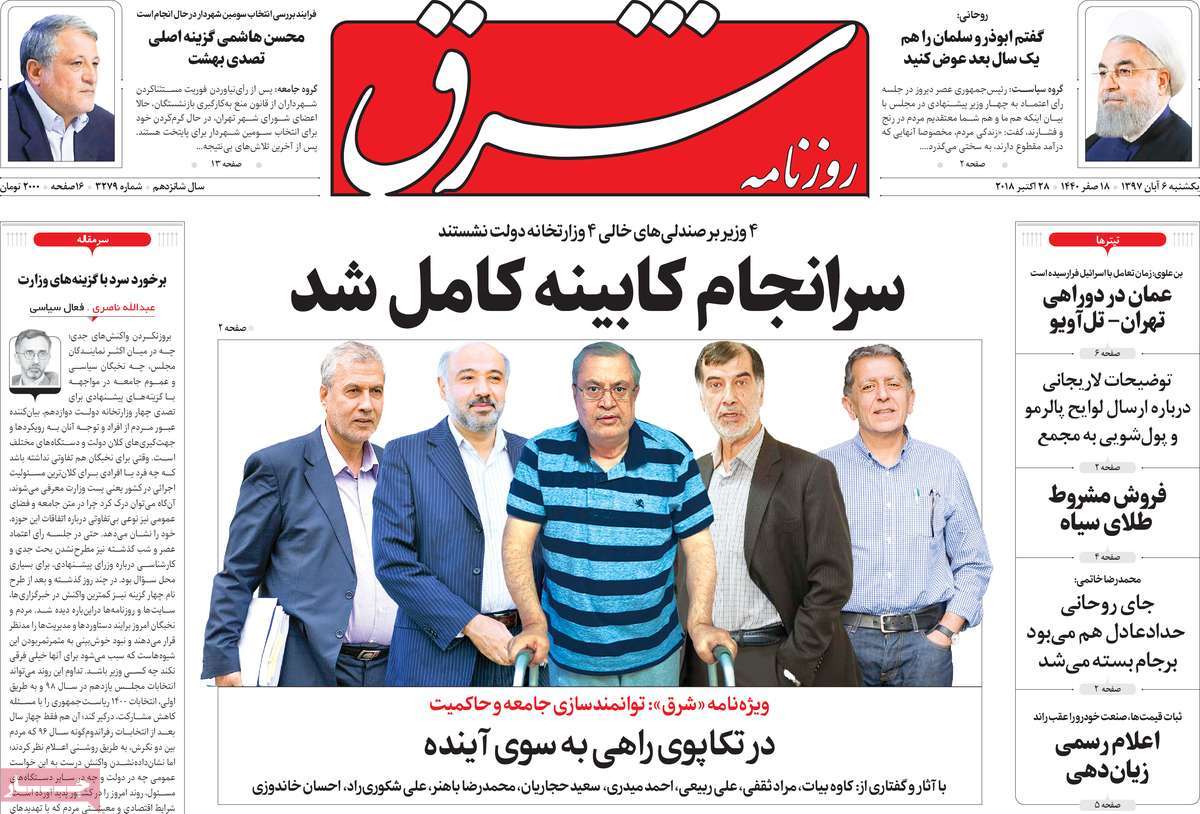
1- Rouhani’s Cabinet Finally Completed!

2- Oman in Dilemma of Choosing between Iran, Israel

  • Bin Alawi: It’s Time to Interact with Israel

A Look at Iranian Newspaper Front Pages on October 28


Sobh-e Now:

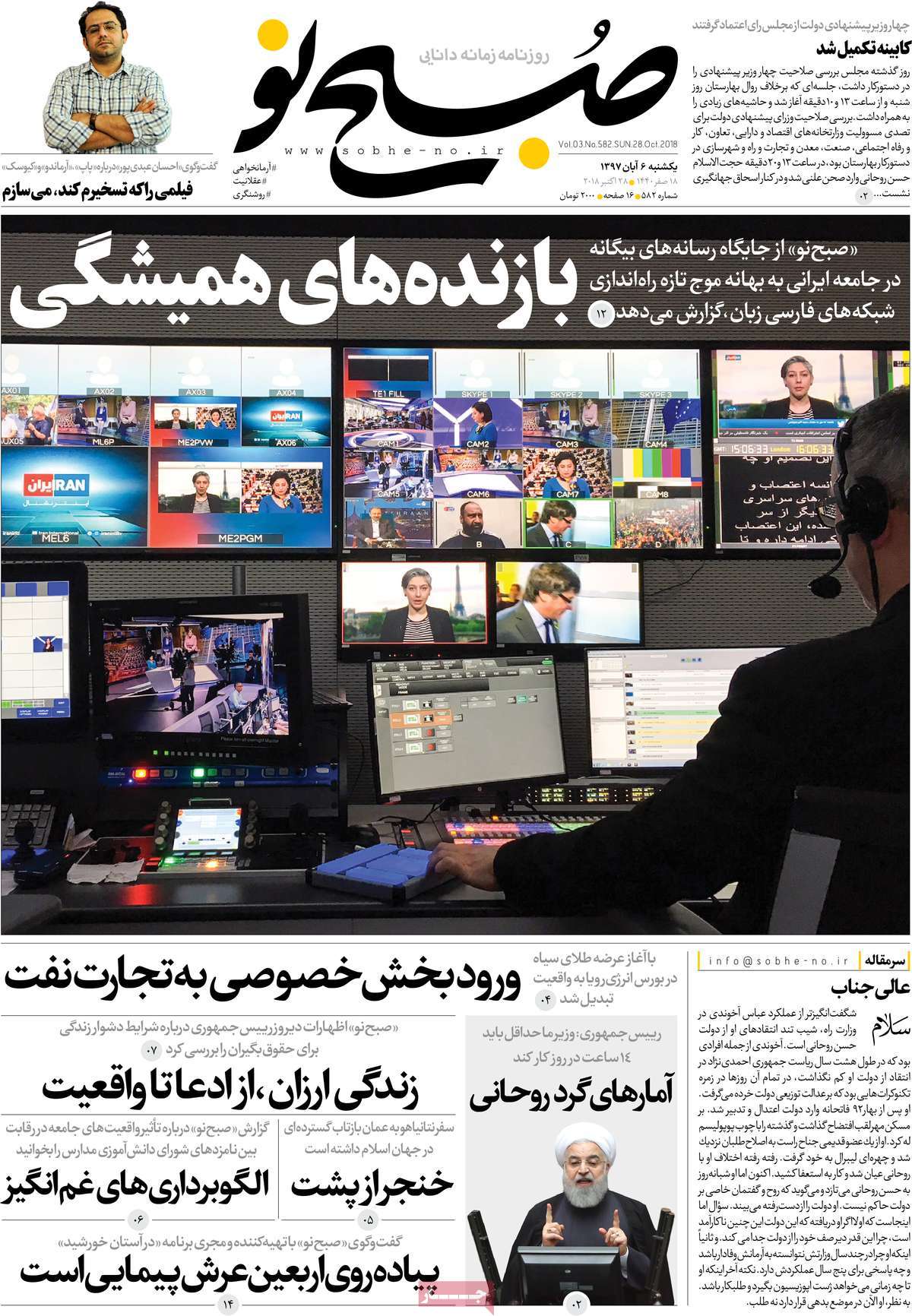
1- Always a Loser

  • A Report on Influence of Persian-Language Foreign Media on Iranian Society

A Look at Iranian Newspaper Front Pages on October 28

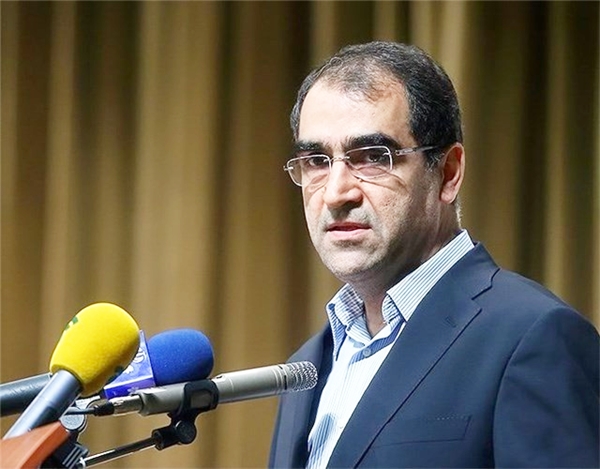
Iran Briefs Astana Health Conference on Its Achievements

Hashemi

Addressing the conference, the Iranian minister said the Islamic Republic has established over 18,700 health centres across the country over the past four decades, and at least 29,000 people are working in the centres offering services to the public.

As the new head of the conference’s panel on economic impact of primary healthcare, Hashemi said Iran began to establish its first health networks in the remote villages but spread them later step by step covering urban areas and big cities.

“The networks played a key role in preparing the ground for decreasing death tolls from diseases as well as infant and pregnant women mortality. They also provide most people with a direct access to healthcare like vaccination and prenatal care,” he noted.

The Iranian minister underlined that the healthcare networks significantly reduced health costs across Iran.

Irregular expansion of my-pharm-blog.com, lack of active systems for offering healthcare services, growing number of patients with non-communicable diseases, rapid advance in new technologies, expensive drugs and aging populations all and all led the country towards a dire situation which required the Iranian government to adopt appropriate measures and develop deliberate plans particularly in the urban areas, he added.

He also referred to the Health Development Plan which is being implemented in Iran and said over 21,000 people have been recruited in urban areas within the plan to fight non-communicable diseases which are deemed as the main reason for most fatalities in Iran and the world.

“From 3 to 5 people recruited in the plan are working under the supervision of family doctors. We have already begun to outsource our medical services by further involving private sector in this area. Private sector can contribute significantly to the health section.”

The Iranian minister underlined that all plans are developed in a way to offer cheaper services with higher quality and efficiency.

“Iran believes primary healthcare can have many positive economic results. The care not only meets the public’s needs but also prepares the ground for further participation of the public in the health area. Meanwhile it strengthens the health system and creates a balance between the society’s needs on the one hand and the specialists on the other, promoting the health services across the country.”

Iran Slams Foreign Media for Ignoring Arba’een March

Abdolreza Rahmani Fazli said the foreign media’s indifference to the gathering shows that they are worried about the impact of the great march of Arba’een.

He stressed that Ashura (the day Imam Hussein was martyred some 14 centuries ago) and the uprising of Imam Hussein (AS) do not belong to a particular religion, but belong to the entire world, because the third Shiite Imam sacrificed his life and the lives of his companions for Islam and humanity.

The Iranian minister also underlined that the number of foreign pilgrims attending Arba’een shows the world is moving towards Islam and the uprising of Imam Hussein.

“We must have suitable infrastructure to make their trip easier. People start this difficult trek because they believe in the ideals of Imam Hussein. We must use all the capacities to show the different aspects of such belief to the people around the world,” pointed out Rahmani Fazli.

Speaking at a meeting near the border crossing with Iraq, he noted that “services provided for pilgrims this year are very good and extensive in comparison to the past four years, and with the implementation of the plans, we can offer more services at the borders in the coming years.”

Meanwhile, Iran’s Minister of Culture and Islamic Guidance announced one million and 700 thousand people have registered for the great march of Arba’een.

Seyyed Abbas Salehi made the statements upon his arrival in Ilam city near the border with Iraq.

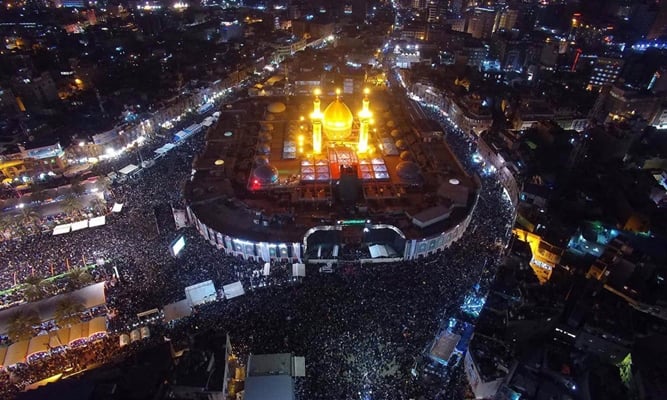
All the paths leading to the holy city of Karbala, in which the shrine of Imam Hussein is located, are filled with millions of people who form the largest march in the world.

The route from Najaf to Karbala, which is the main path of the Arba’een march, is about 80 kilometres. It is believed that the population would increase as of Sunday. This year’s march seems to be the most magnificent one over previous years.

The Arba’een pilgrimage is the world’s largest public gathering that is held every year in Karbala, Iraq. This pilgrimage is held at the end of the 40-day mourning period following Ashura, the religious ritual for the commemoration of the martyrdom of Prophet Mohammad’s grandson Hussein ibn Ali about 14 centuries ago. During this event the pilgrims make their journey to Karbala on foot.

The ritual is an overwhelmingly powerful display of belief and solidarity.

Some Old Bridges Withstand Severe Flooding in Northern Iran

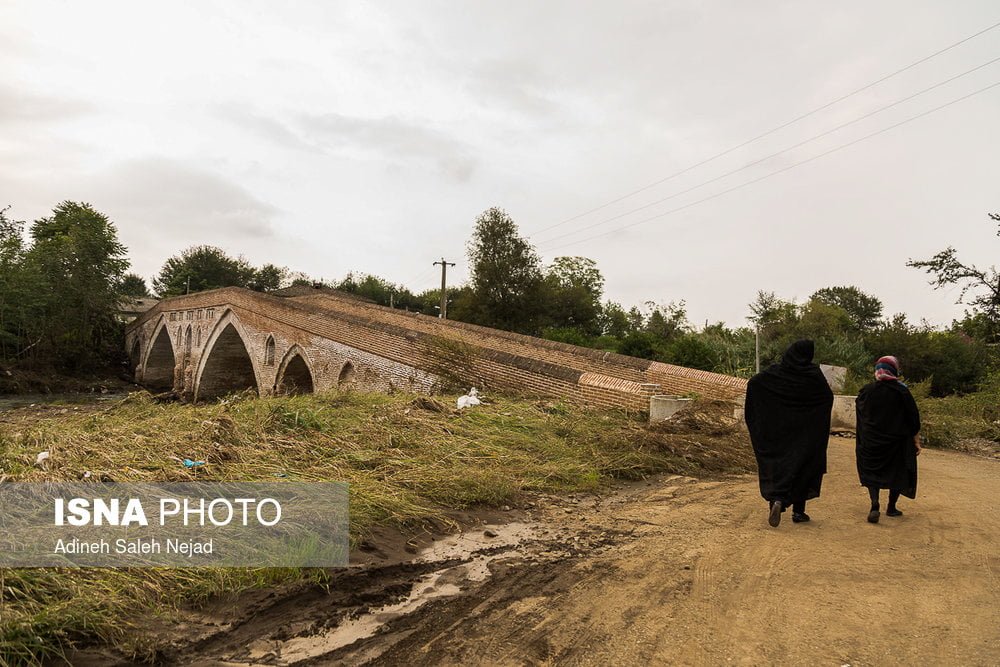
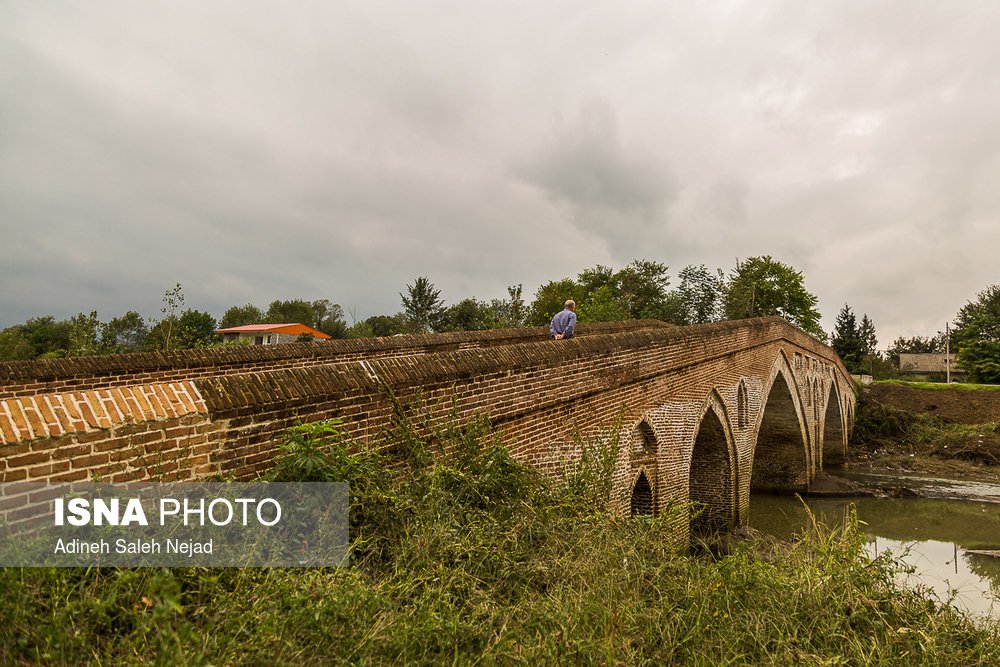
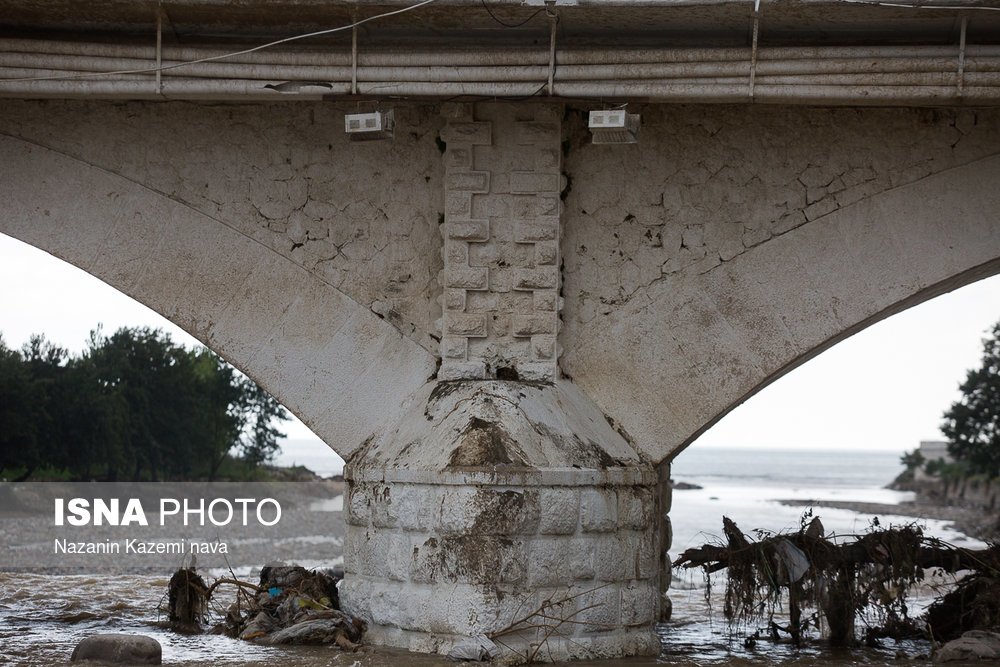
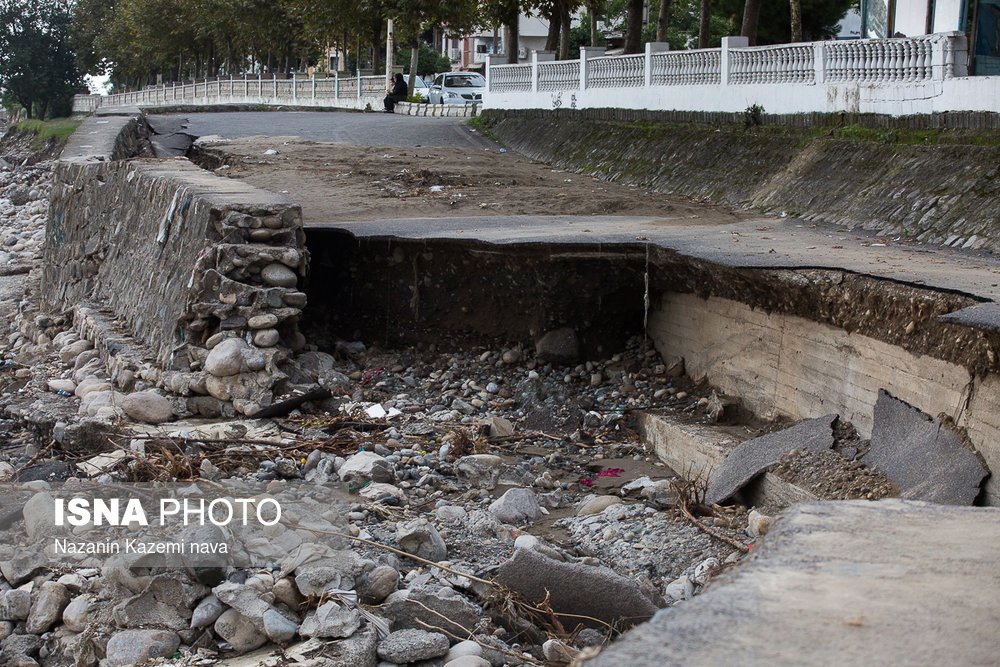
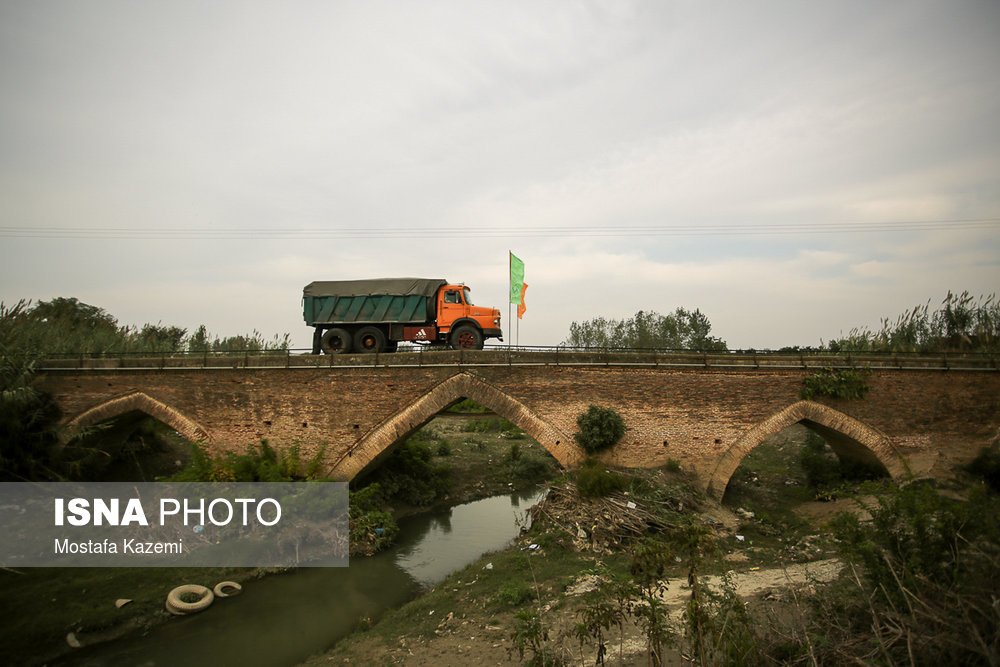
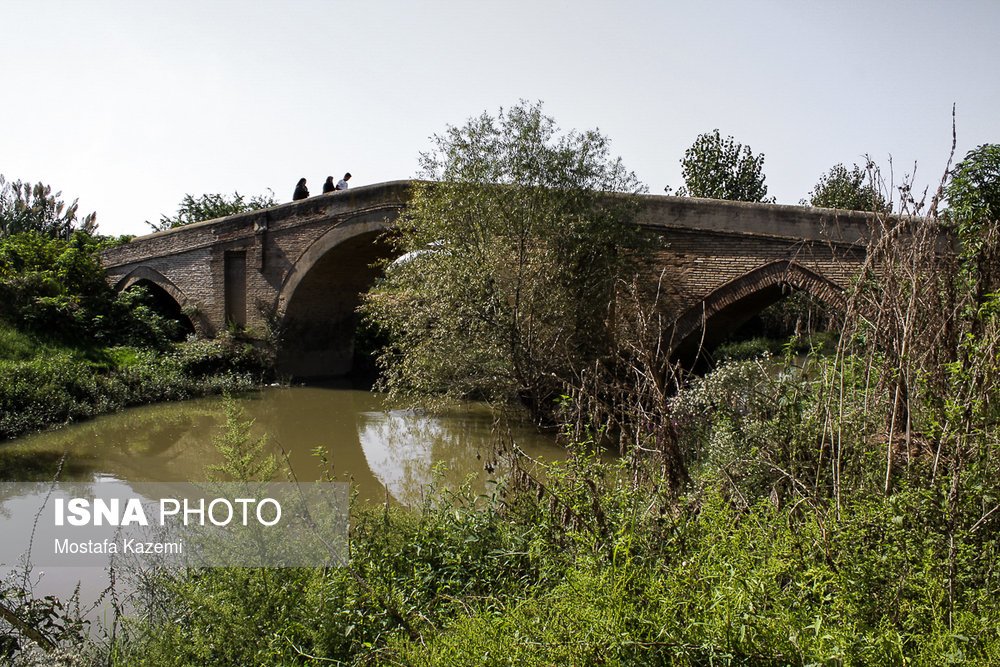
Some bridges collapsed in the wake of the severe floods that swept through northern provinces of Iran in recent weeks. Still, there were some bridges that withstood the flooding due to different reasons such as the style of their architecture, the type of design and aerodynamics, their geographical location and the materials used in their construction.

One of the most important points is that many of the bridges that still stand following the floods are ancient ones. The bridges are not only regarded as historical and national heritage sites, they are still used by pedestrians, pack animals and different transportation means that need to cross rivers.

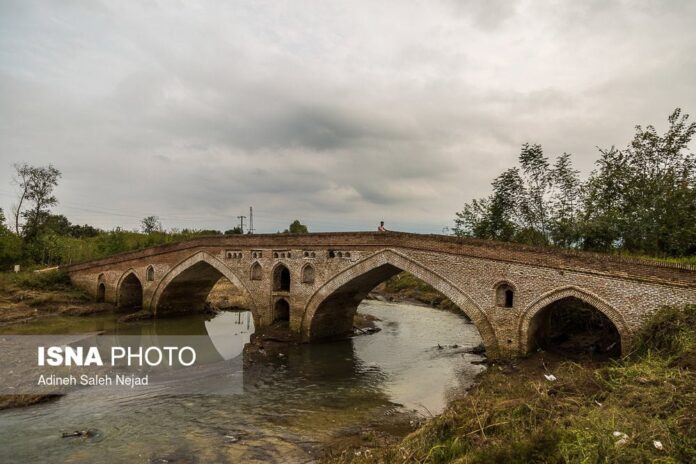
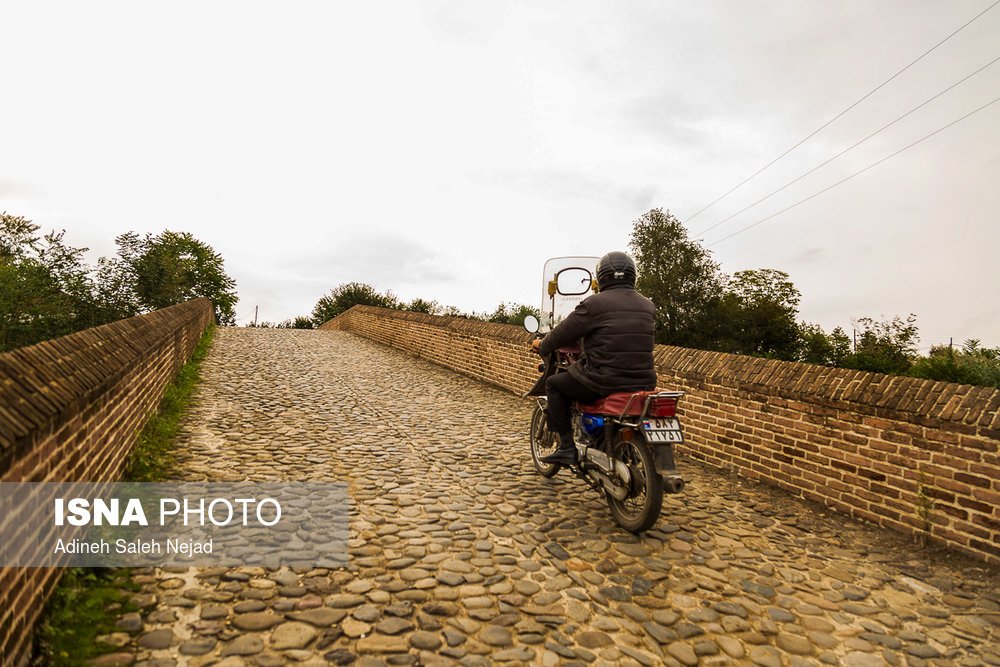
The “Temijan” mud-brick bridge was built during the rule of, and thanks to efforts by Behzad Beig in Gilan province during the Safavid era in 1611. It is 60 metres long and 5 metres wide. It is built on the Temijan River. The bridge’s trusses and body are made of bricks and its floor made of cobblestones. It has four large arch spans.

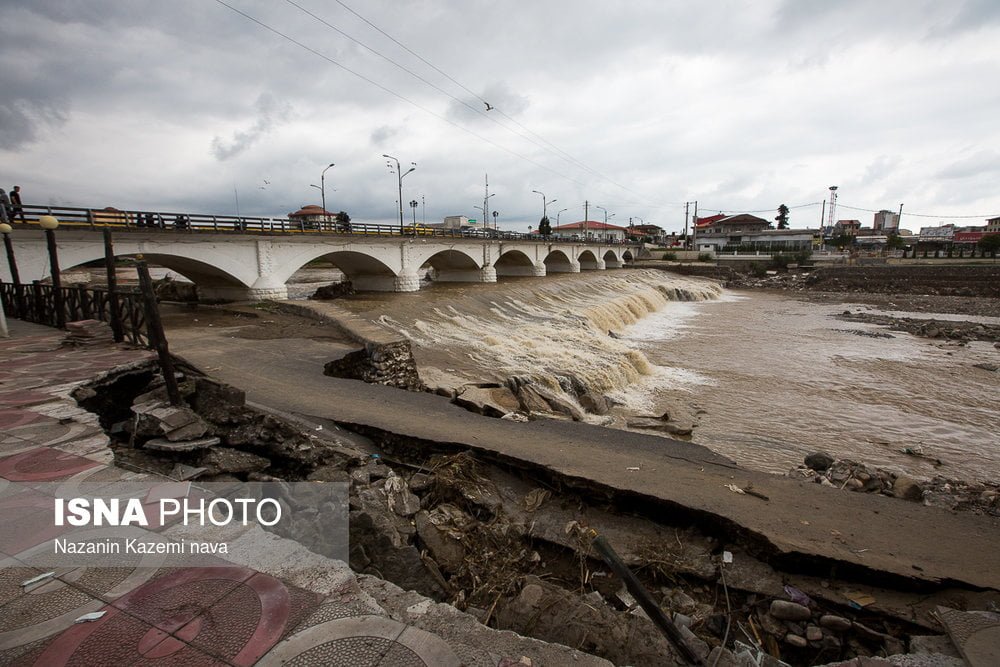
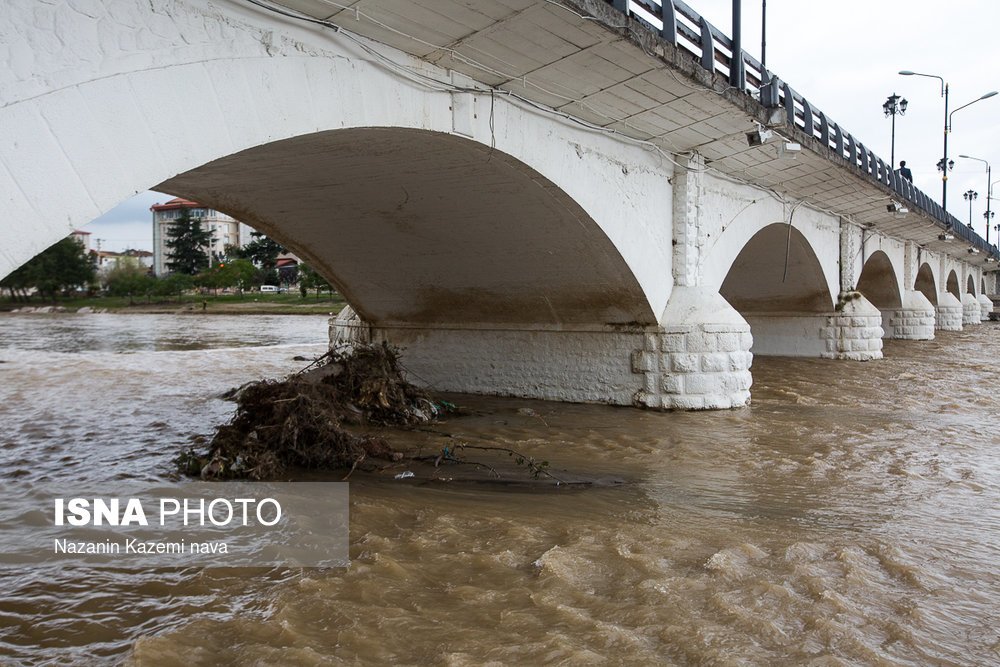
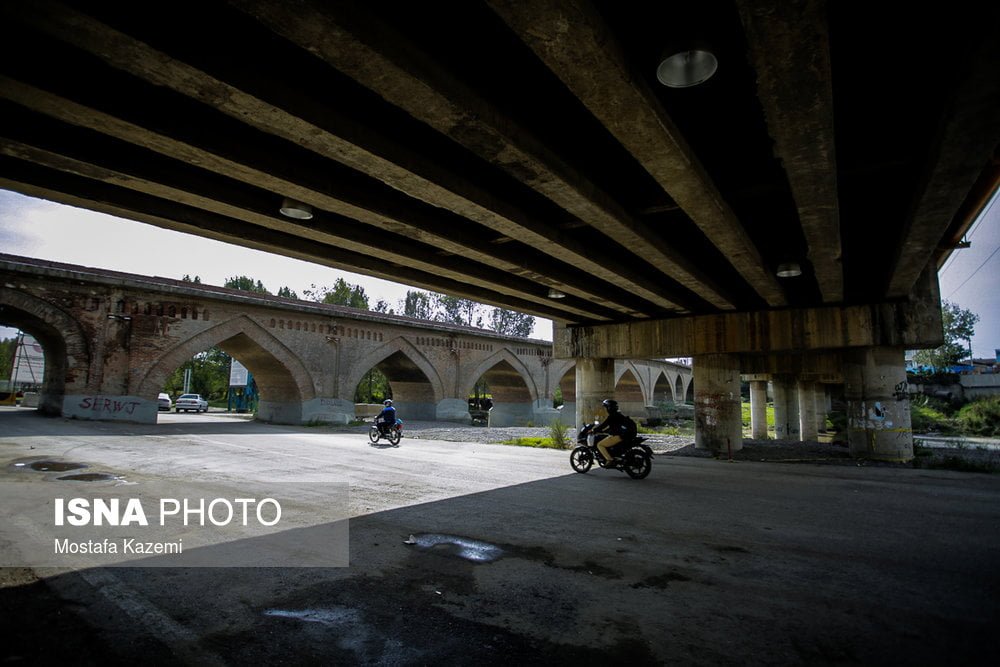
The “Cheshmeh Kolieh” bridge is in the town of Tonekabon in northern Mazandaran province. It was designed by German engineers in 1930 and built by Iranian architects. Its construction was completed in 1932. It is registered on the list of Iran’s national monuments.

The “Cheshmeh Kolieh” bridge has six trusses constructed on lime foundation. The bridge has eight arch spans as well. It has oval-shaped arches. There are decorative flower-like shapes on all sides of the bridge.

The underpass built next to the bridge by the local municipality was less than a decade old and was destroyed in the recent flooding.

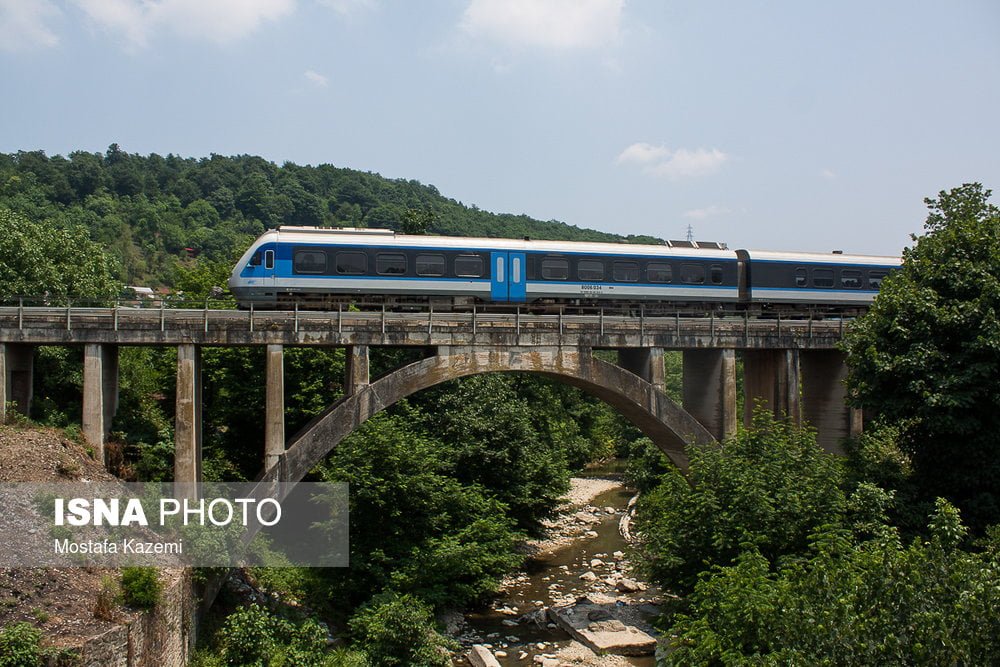
The “Sartapeh” railway bridge of Savadkooh dates back to the first Pahlavi era. It is located in Sartappeh-Shirgah neighbourhood in Savadkooh area and has been registered on Iran’s list of national sites.

Some Old Bridges Withstand Severe Flooding in Northern Iran
Sartapeh

The “Mohammad Hassan Khan” bridge in Babol was officially used as a linking route between the two cities of Amol and Babol until two years ago. Finally it was decided that the bridge not be used by heavy vehicles any longer and be protected as a national monument. The bridge was built in the Qajar era to replace an older one.

Some Old Bridges Withstand Severe Flooding in Northern Iran
Mohammad Hassan Khan

The “Azan” bridge in Azan village in Jooybar has been built on the Siahrood River. The bridge dates back to the Qajar era. It has six arch spans, of which the middle one is the highest, measuring 6 metres from the surface of the water to its highest point. The bridge is mainly made of bricks and Sarooj mortar. It lies almost on the east-west direction. It is 80 metres long and 15.3 metres wide.

Some Old Bridges Withstand Severe Flooding in Northern Iran
Azan

The “Jomeh-Bazaar” bridge of Jooybar also known as “Khesht Pol” dates back to the Qajar era. It is located five kilometres from Jooybar and built on the Siahrood River. The bridge is 7.5 metres wide. It has five Y-shaped spans, and its trusses are fitted with triangular breakwaters. At the moment, another bridge is under construction next to Khesht Pol.

Some Old Bridges Withstand Severe Flooding in Northern Iran
Jomeh-Bazaar

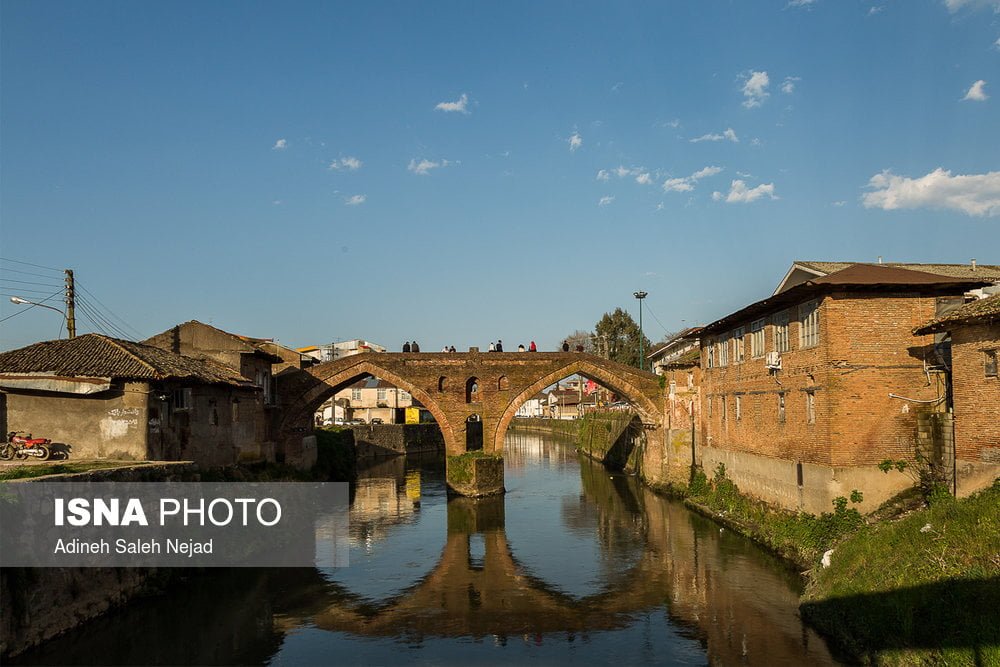
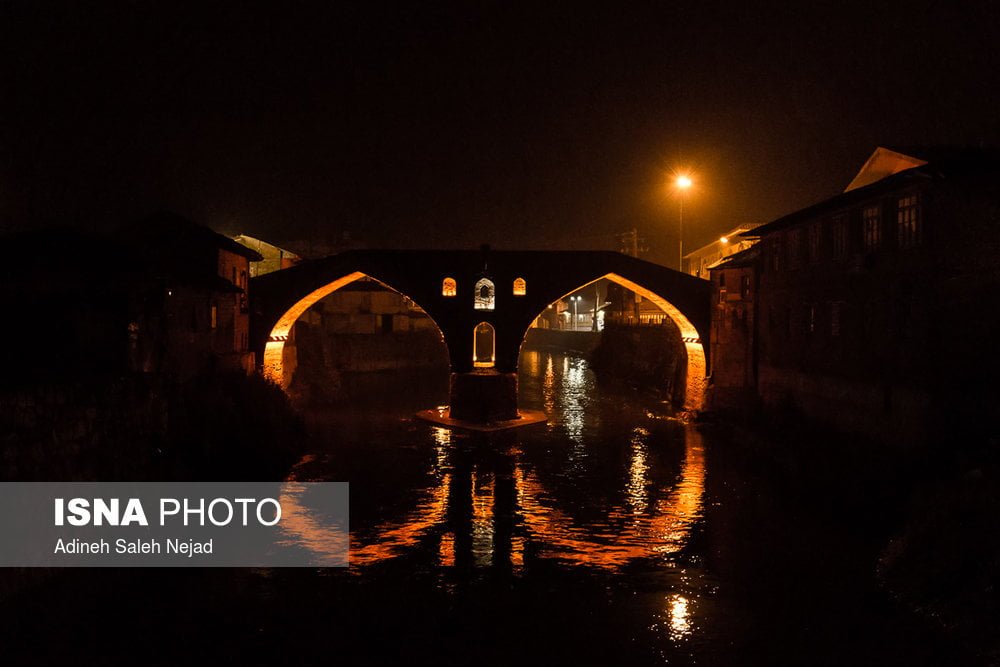
The Langarood Bridge made of bricks and Sarooj mortar is regarded as the most famous historical monument of Langarood and a landmark of the city. This historical bridge is constructed on the Langarood River on the old path linking the city of Lahijan to Langarood. The bridge is located at the city centre near the “Samakan” bazaar.

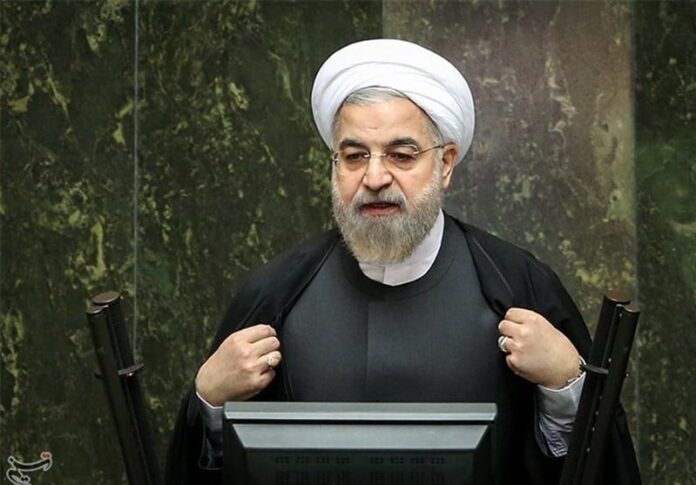
President Rouhani Says Iran Has Upper Hand over US

“What we have witnessed in recent weeks and months is the decisive victory of the Iranian nation against US conspiracies,” Rouhani said, addressing a parliamentary session in Tehran on Saturday.

“Undoubtedly, we have gained a rare historic victory in the world politically,” he said, adding that it is rare for the US to make a decision against a country and its traditional allies refuse to side with it.

“Our nation has the upper hand politically. The world recognizes Iran as a country that adheres to its commitments and the US as a country that does not live up to its promises and violates international regulations,” the president went on to say.

The European Union has vowed to counter US President Donald Trump’s renewed sanctions on Iran, including by means of a new law to shield European companies from punitive measures.

On May 8, the US president pulled his country out of the Joint Comprehensive Plan of Action (JCPOA), the nuclear deal that was achieved in Vienna in 2015 after years of negotiations among Iran and the Group 5+1 (Russia, China, the US, Britain, France and Germany).

Following the US exit, Iran and the remaining parties launched talks to save the accord.

Trump on August 6 signed an executive order re-imposing many sanctions on Iran, three months after pulling out of the Iran nuclear deal.

He said the US policy is to levy “maximum economic pressure” on the country.

Trump also restated his opinion that the 2015 Iran nuclear deal was a “horrible, one-sided deal”.

All Ministerial Picks Endorsed by Iran Parliament

Rouhani had nominated Farhad Dejpasand as minister of economic and finance affairs, Mohammad Shariatmadari as minister of cooperatives, labor and social welfare, Mohammad Eslami as minister of roads and urban development and Reza Rahmani as minister of industry, mines and trade.

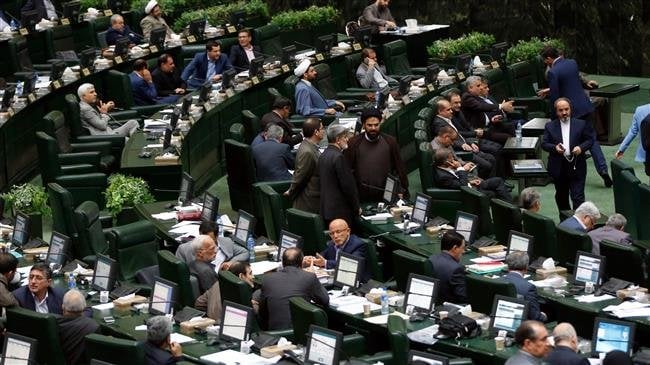
After extensive debates during the Parliament’s sessions on Saturday, Rouhani’s picks for the four ministries obtained the green light from the Iranian lawmakers.

At the end of the session, Dejpasand received the vote of confidence with 200 Iranian lawmakers in favor, 50 against and 15 abstentions. And 196 lawmakers also gave their approval to Shariatmadari. Some 63 lawmakers opposed him and five abstained. Eslami also won a yes from 151 legislators, while 98 were against him and eight abstained. Rahmani won 203 Iranian lawmakers’ vote of confidence while 49 opposed him and 13 abstained.

The confidence vote session in the parliament was extended to the evening when lawmakers decided to go on with discussions about the nominees for ministry posts.

President Hassan Rouhani addressed members of the parliament in the morning session where he defended his administration’s economic records while he also hailed Iran’s political success to defuse unilateral US sanctions against the country.

Rouhani said it was a great success that Iran had managed to preserve a 2015 nuclear agreement with world powers despite Washington’s decision to withdraw from the agreement.

“In the past weeks and months, we witnessed the decisive and unprecedented victory of the Iranian nation against US plots,” said Rouhani in his speech to the lawmakers, adding, “It does not happen often that the US makes an important decision in the world against a big country and traditional allies of the US turn their back on it.”

Iranian parliament is the sole legislative body within Iran’s system of governance.

The 290-member chamber can impeach the president and members of his cabinet.

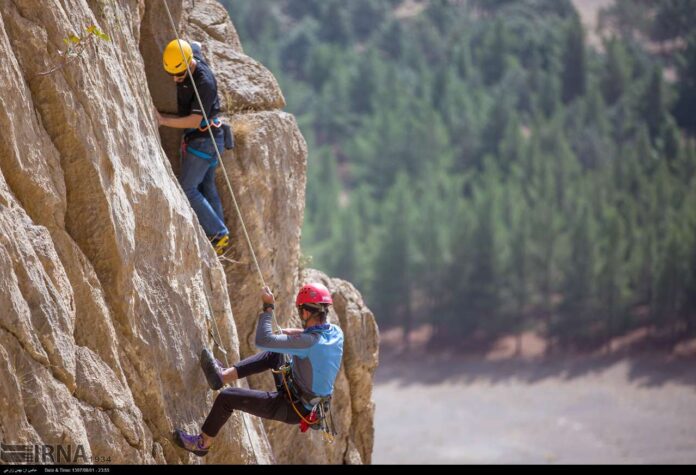
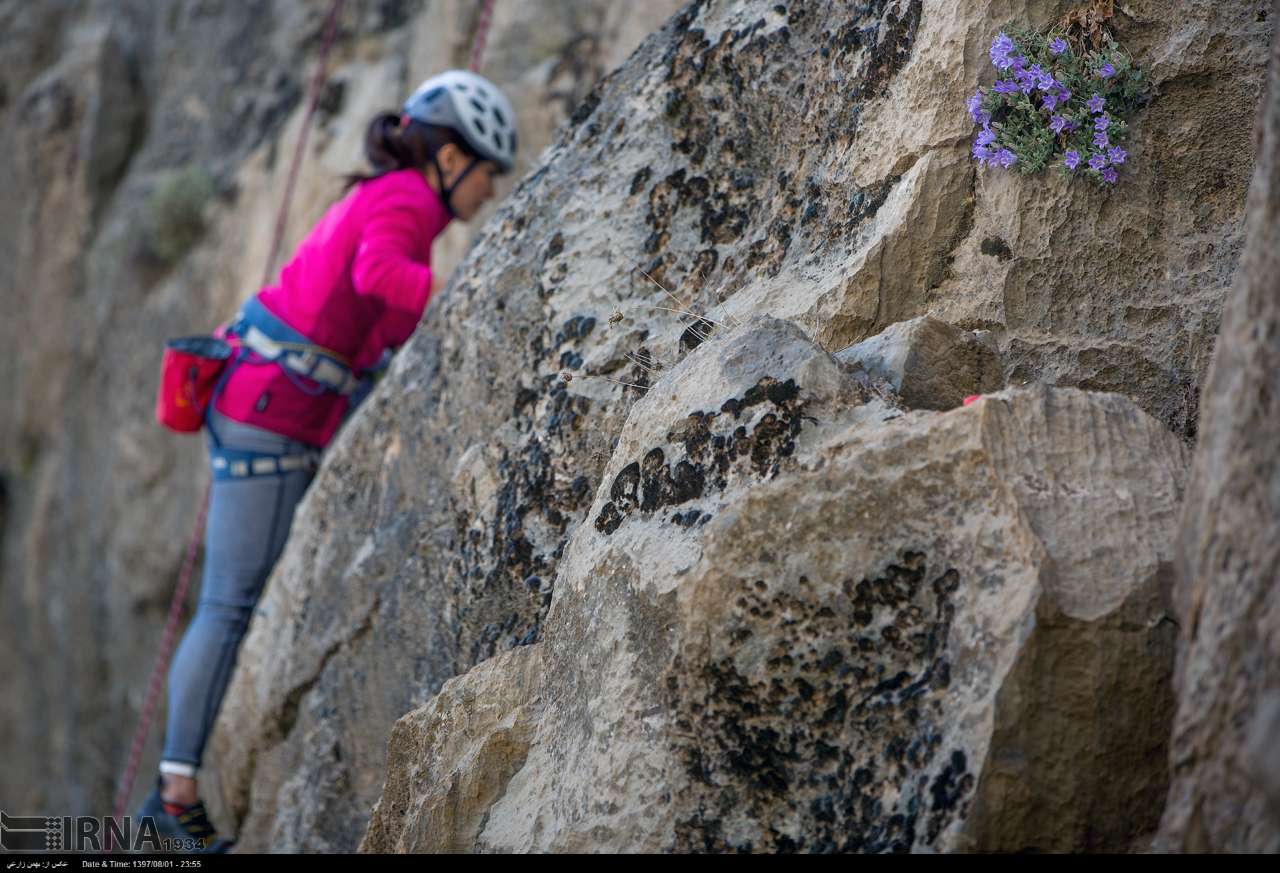
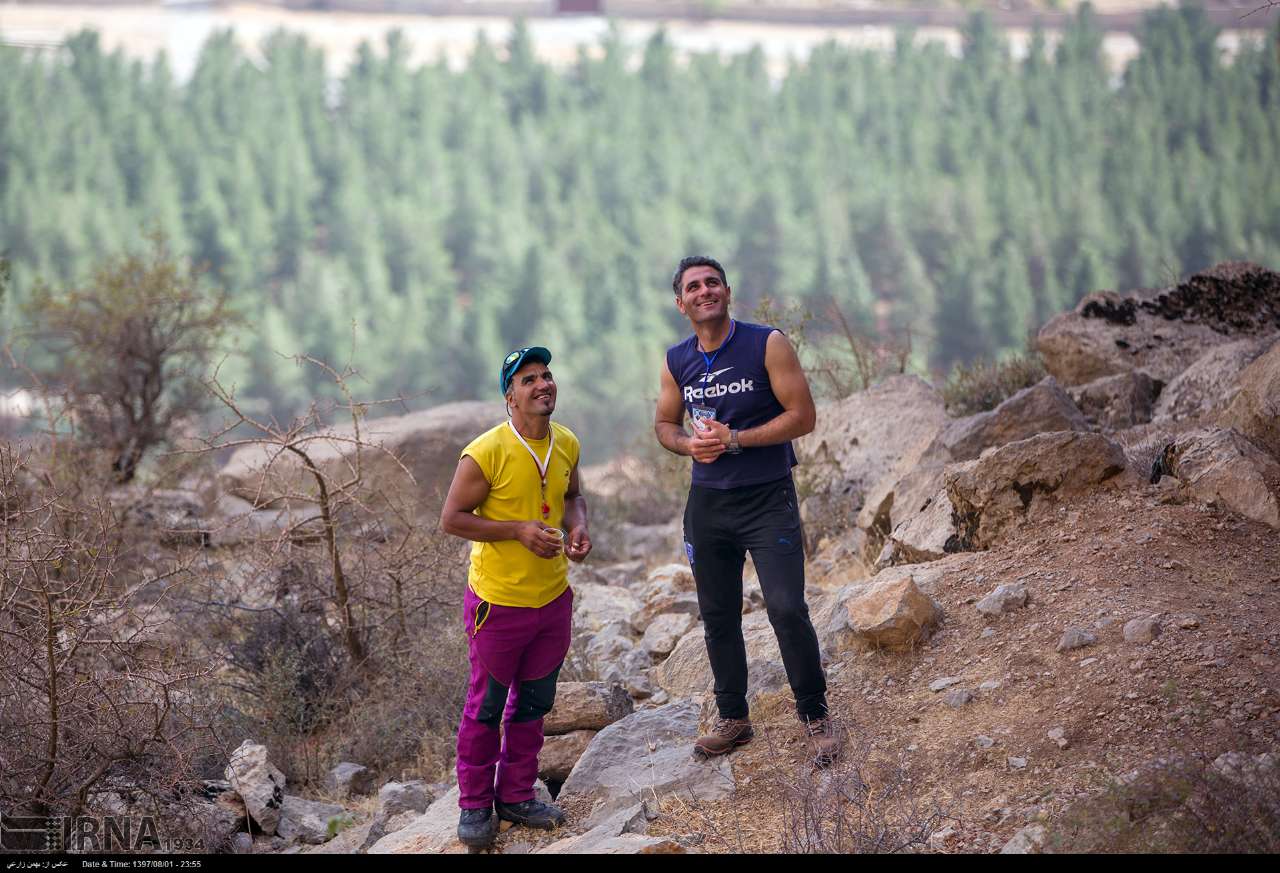
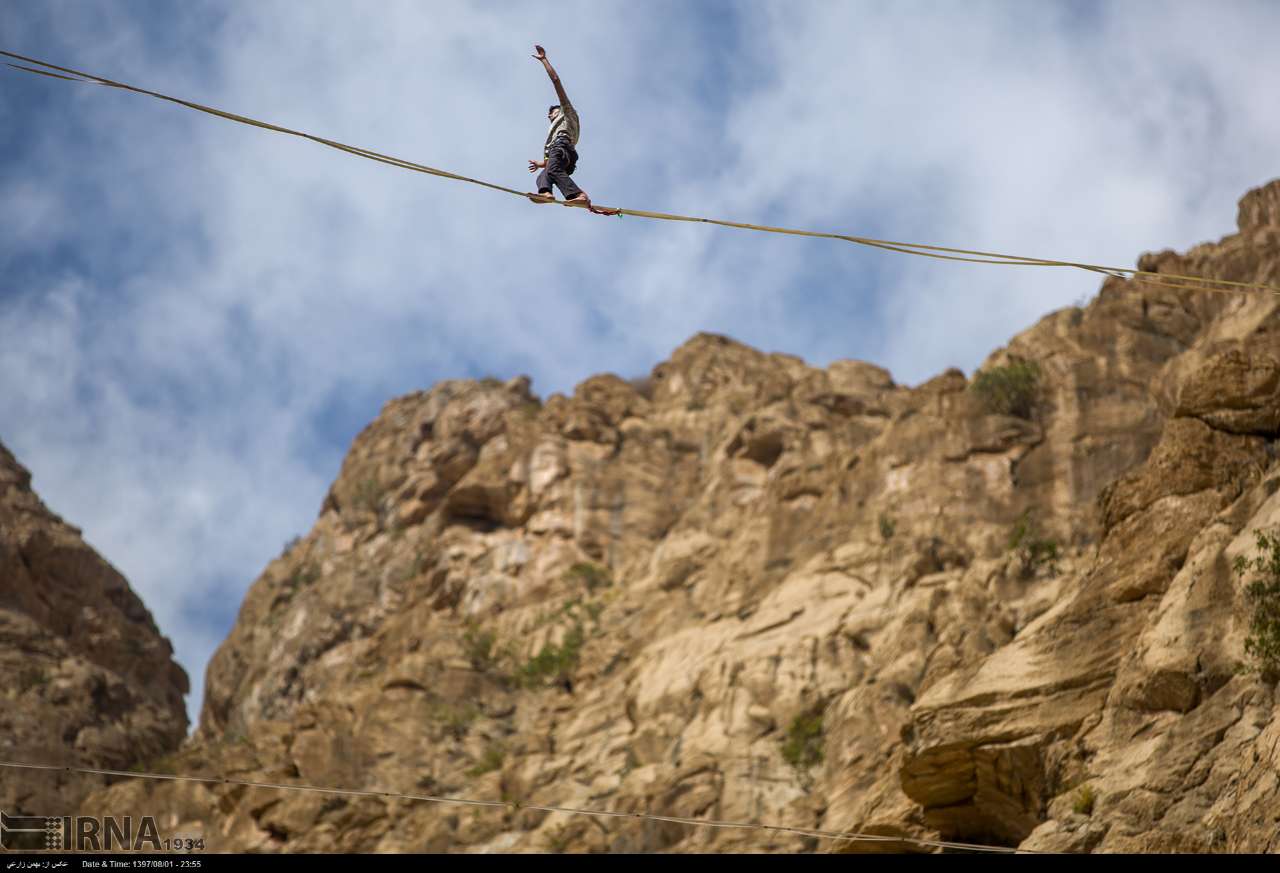
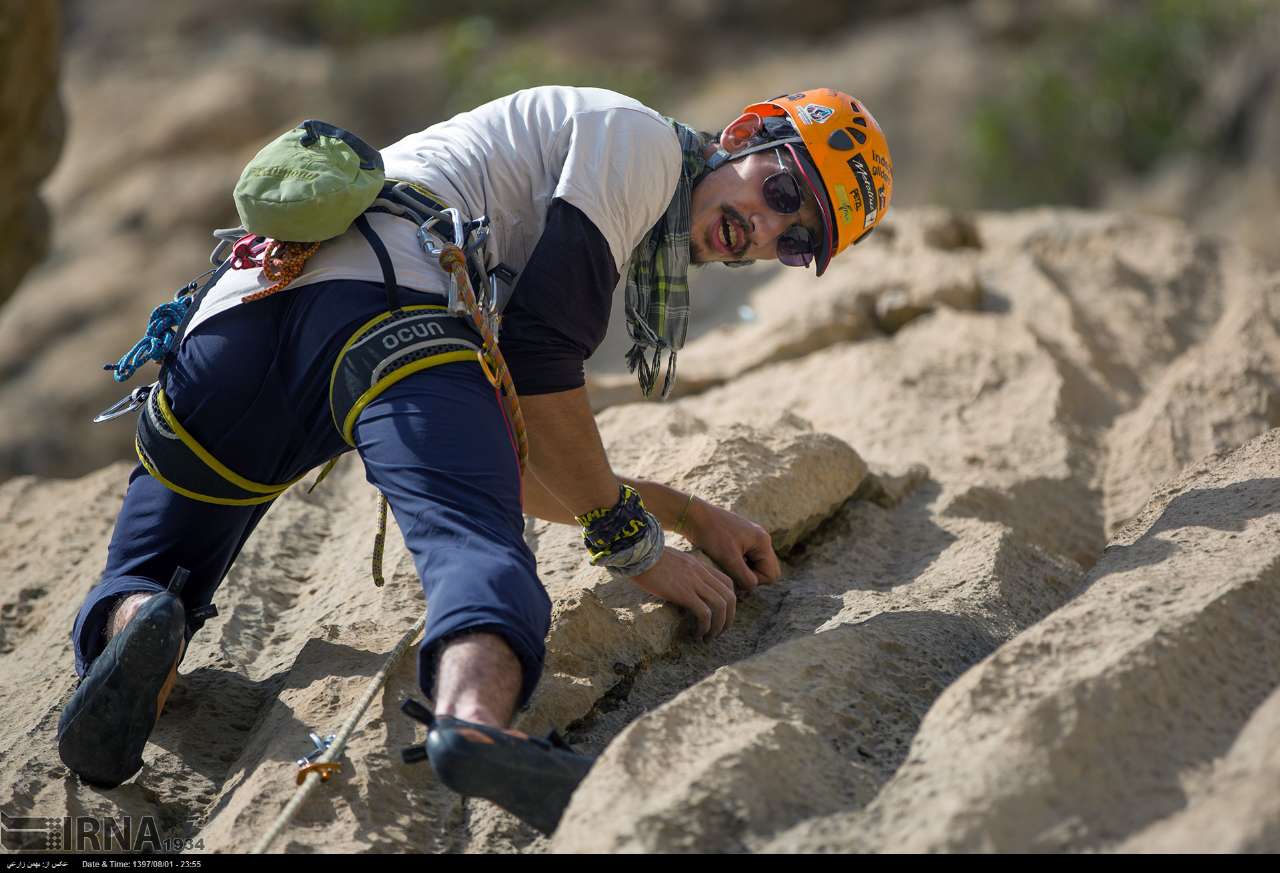
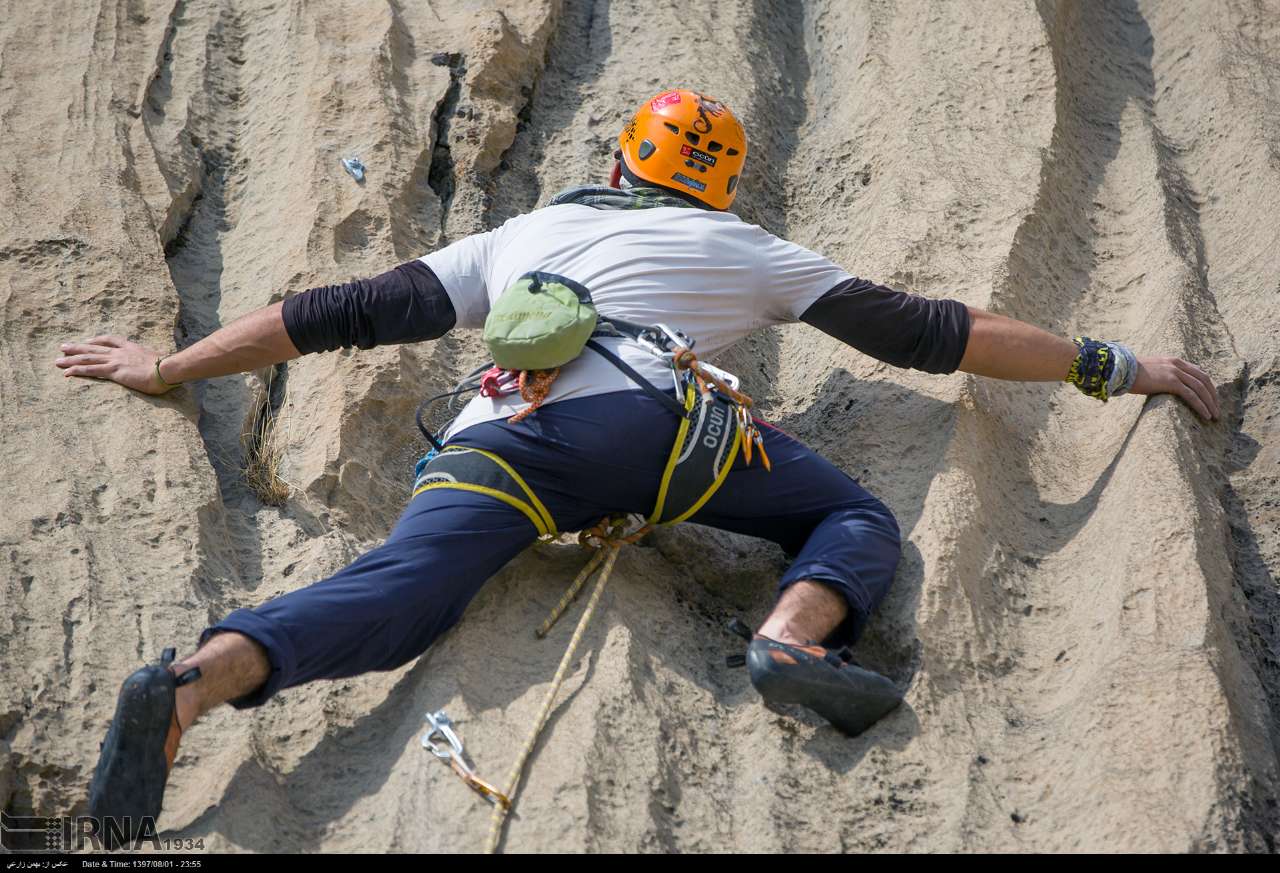
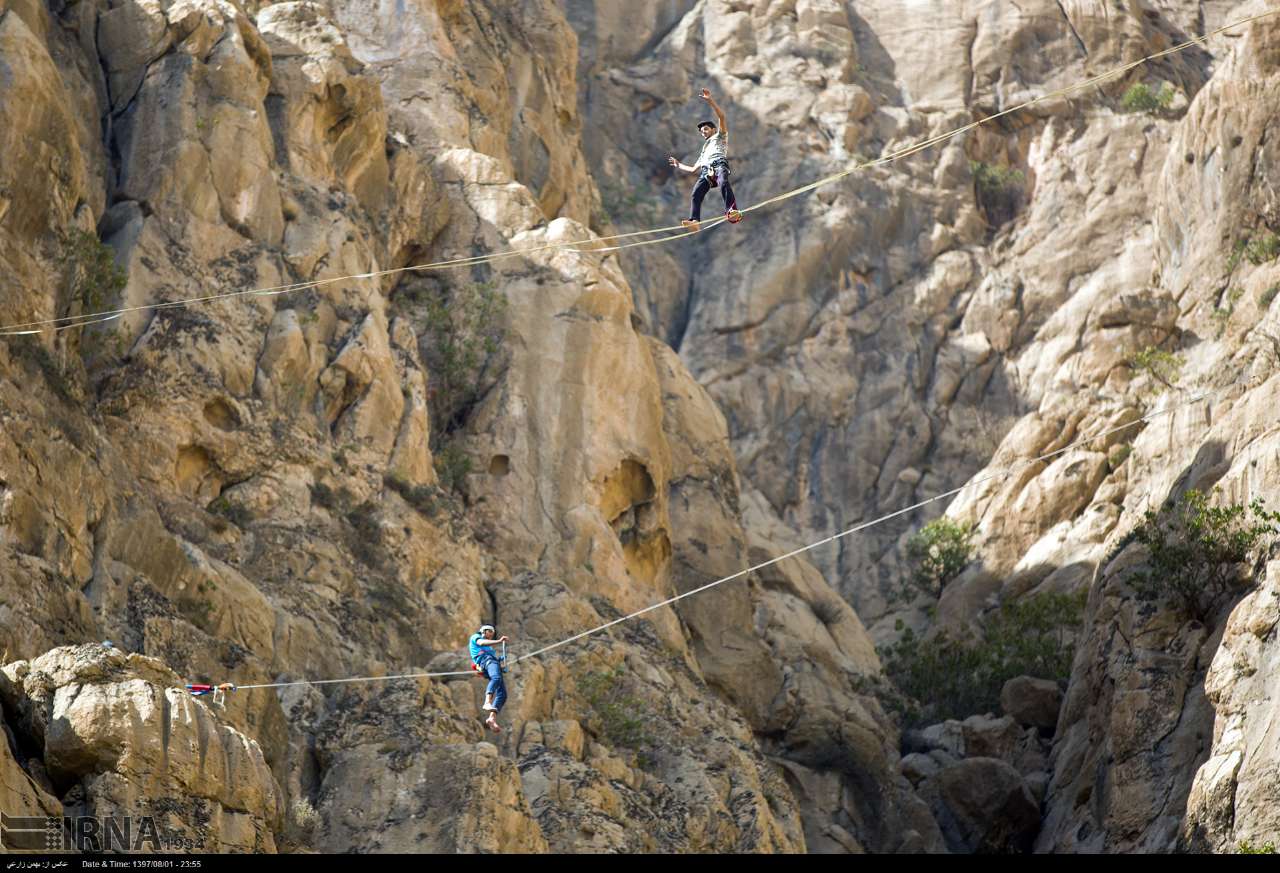
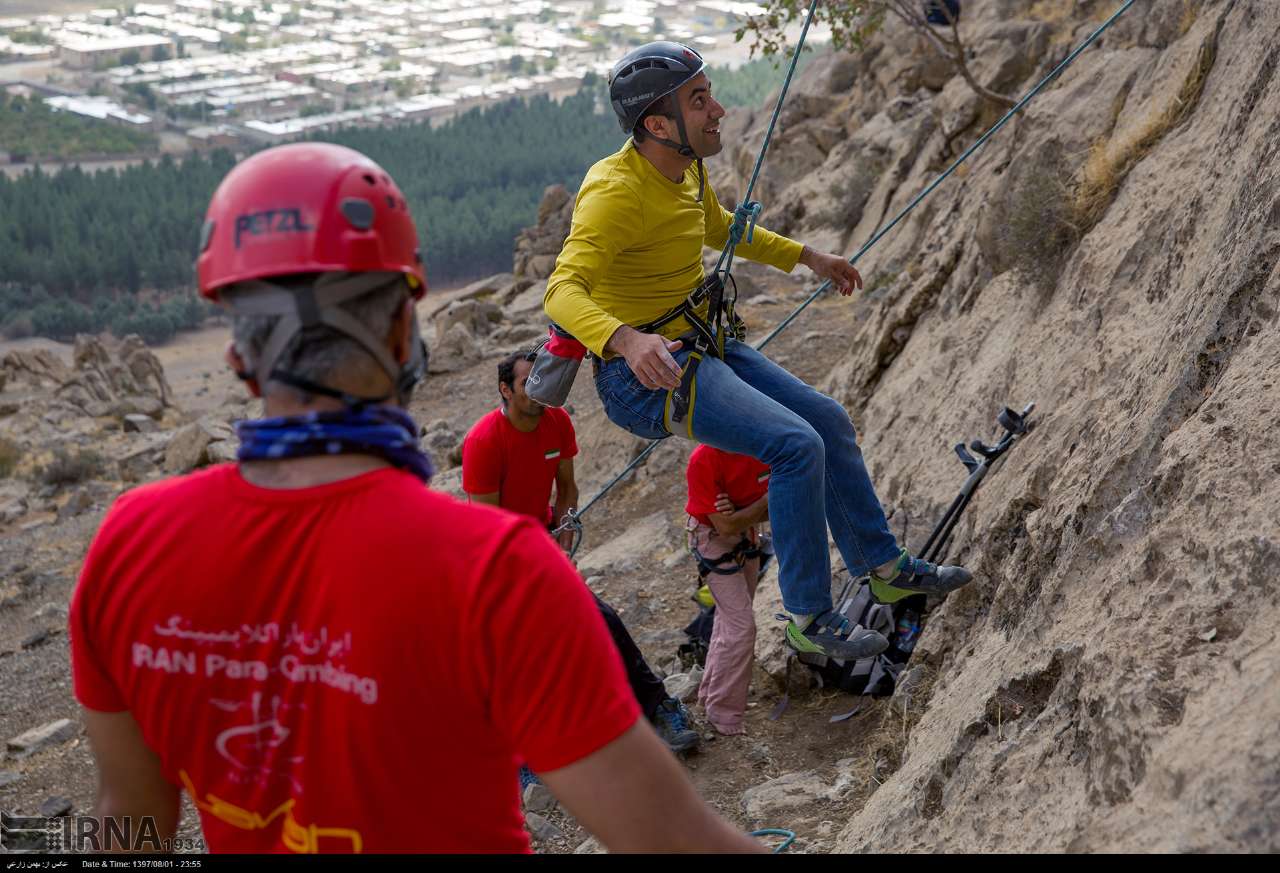
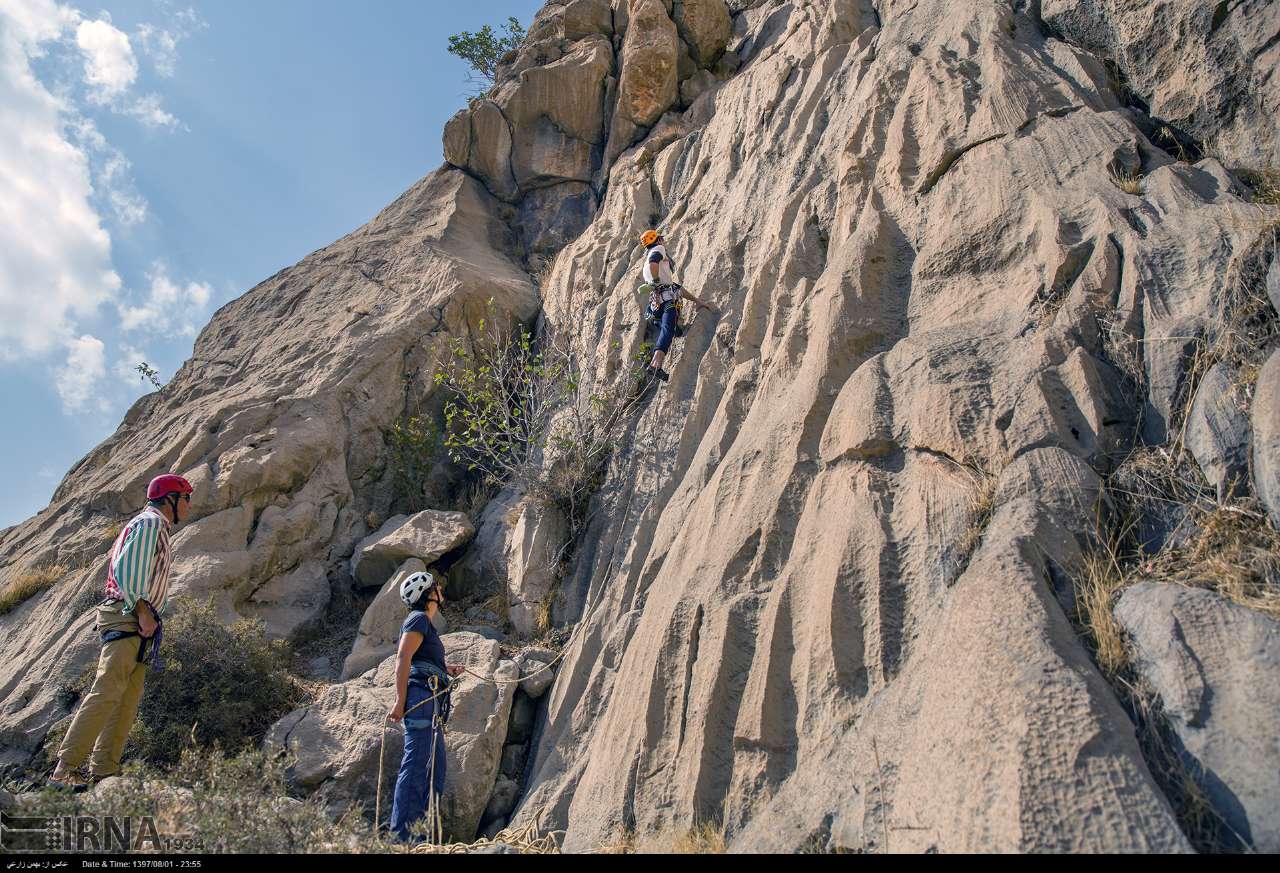
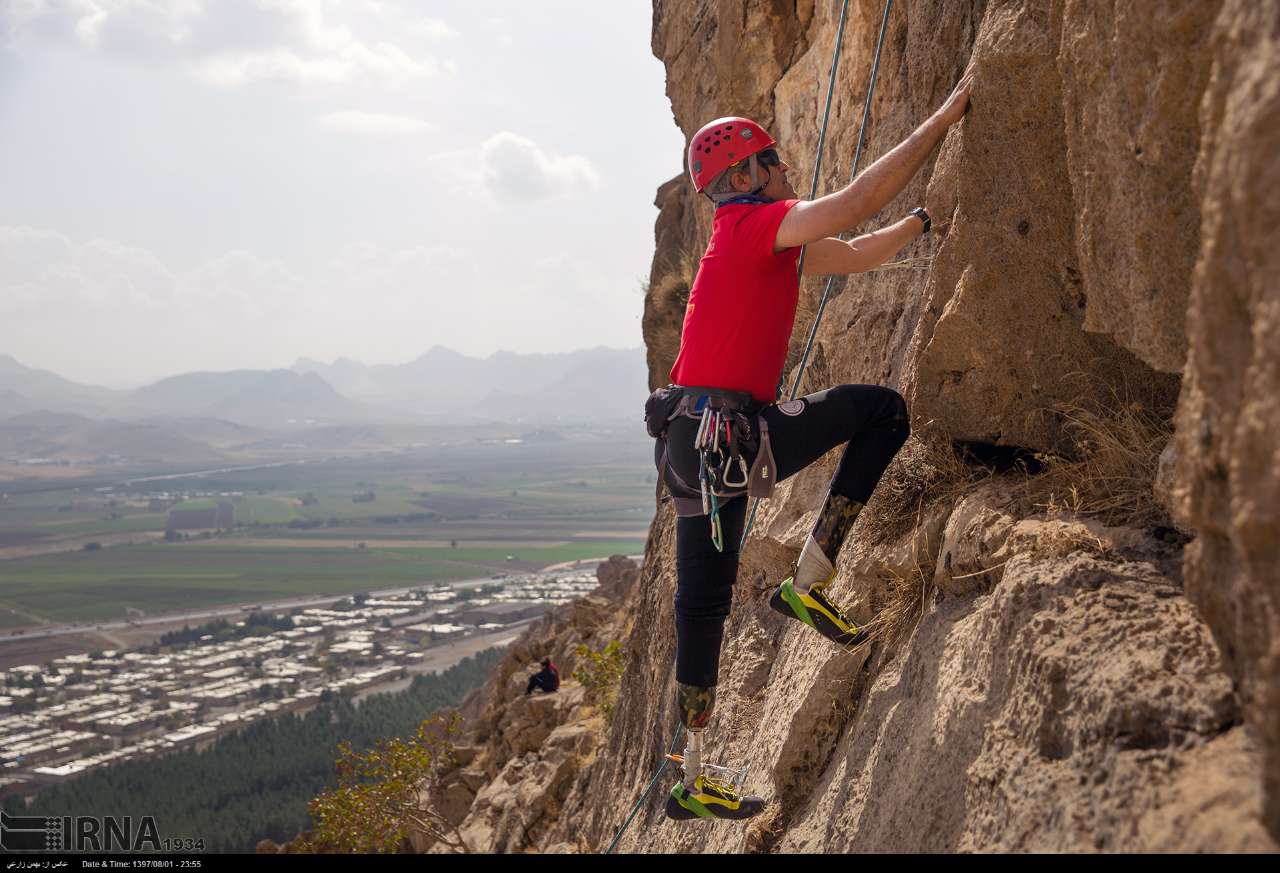
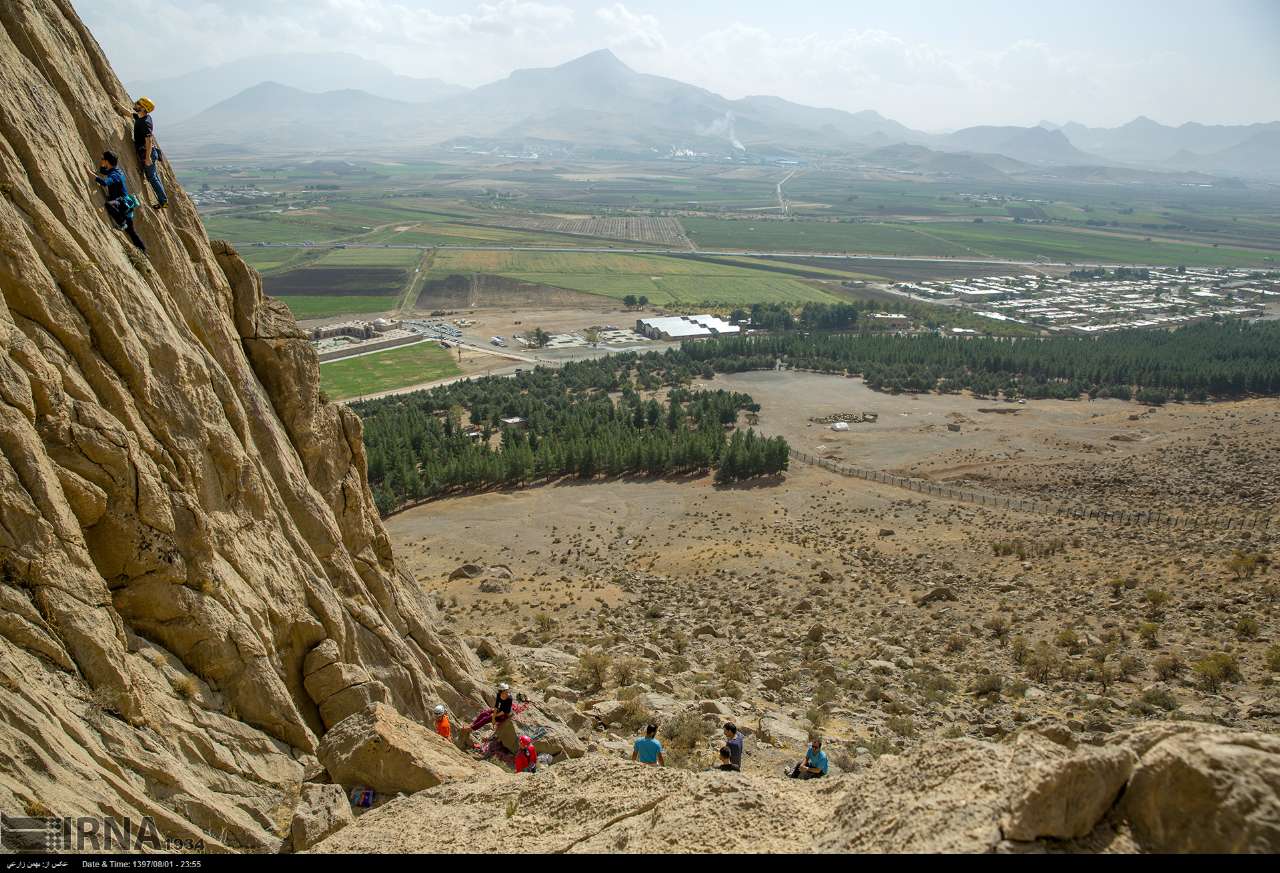
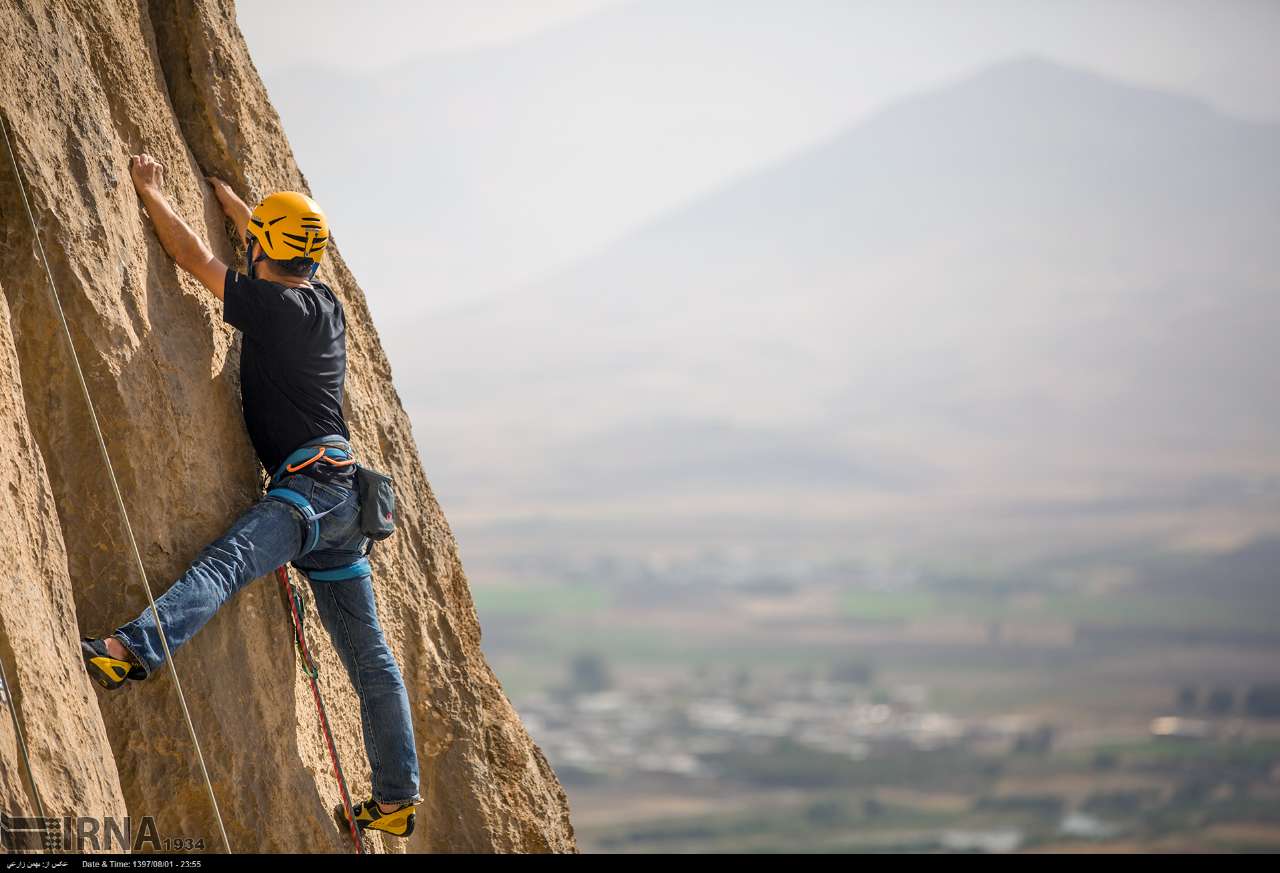
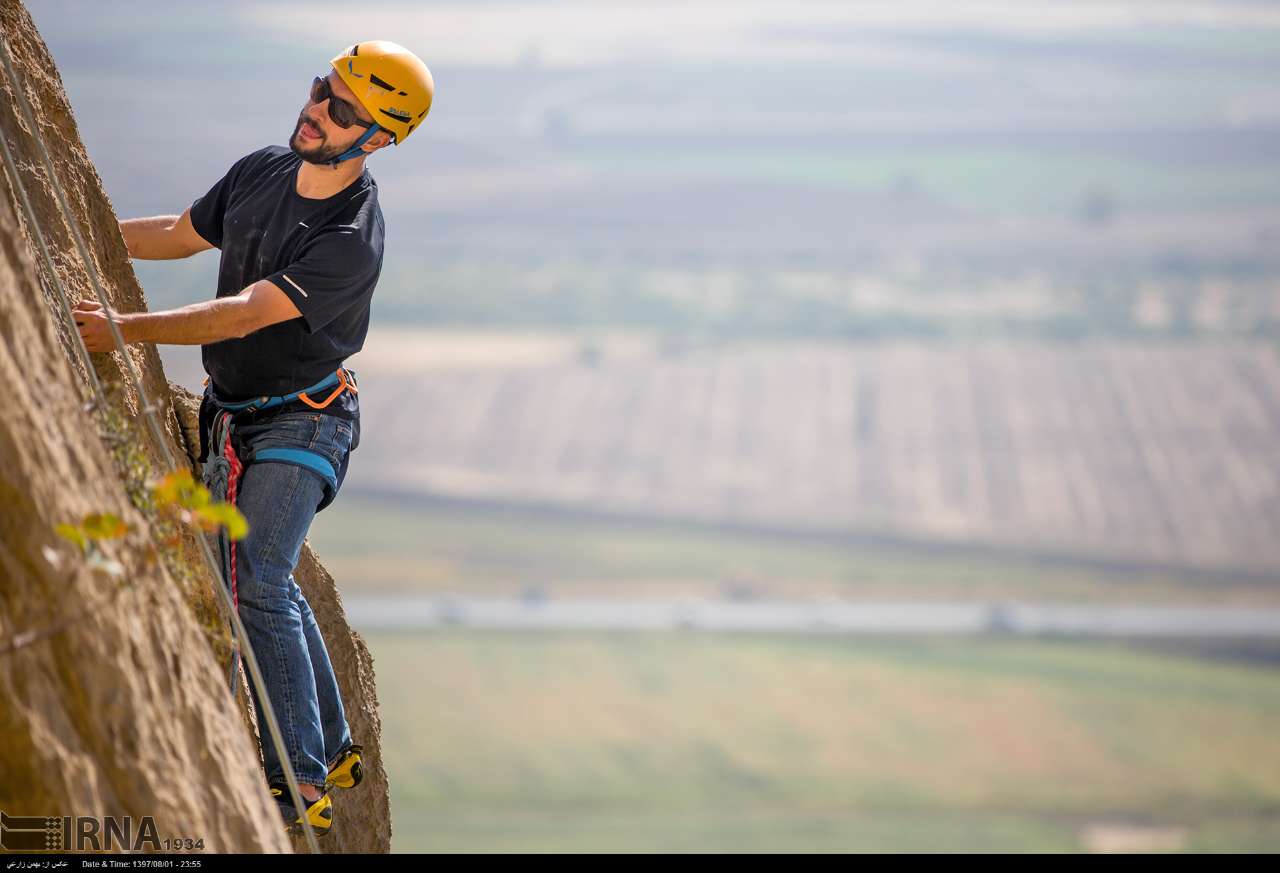
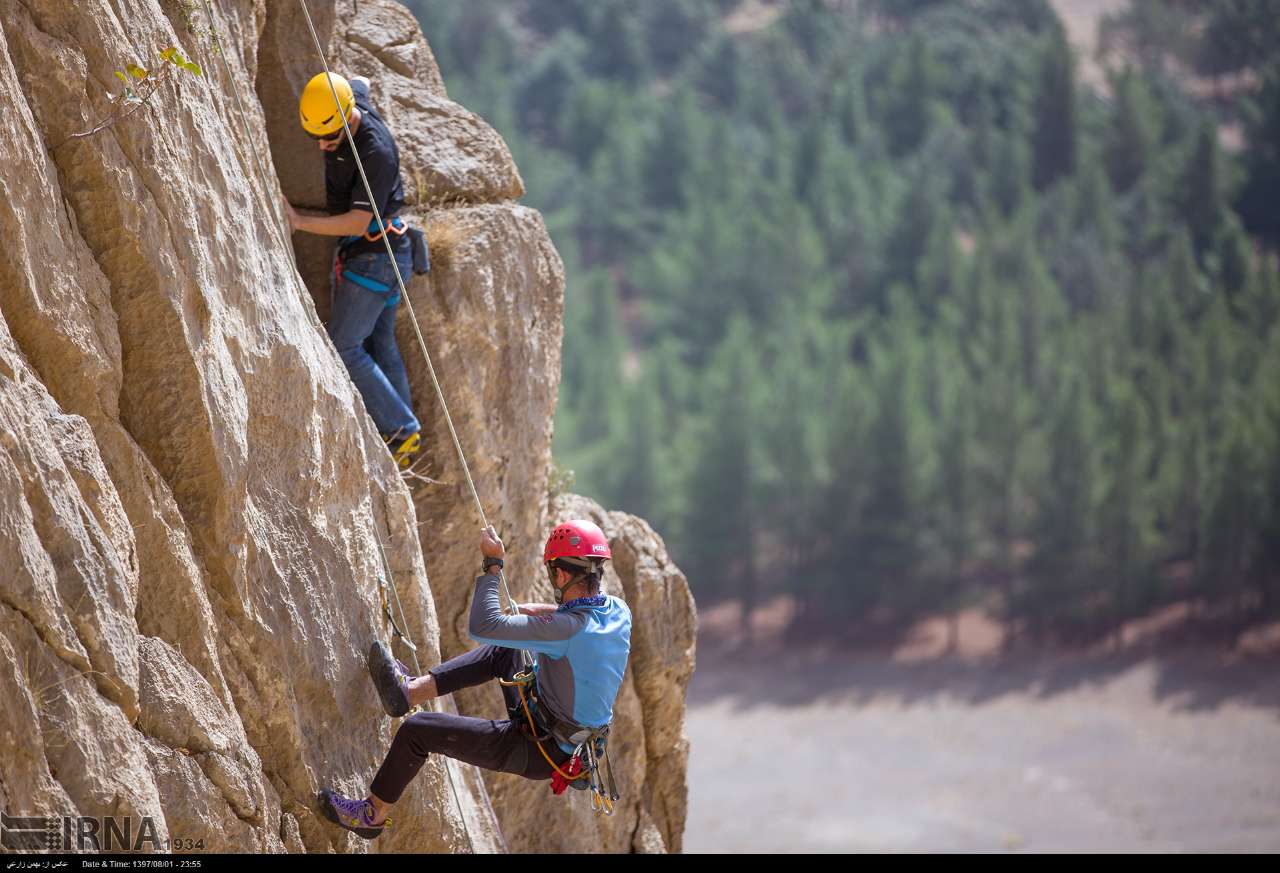
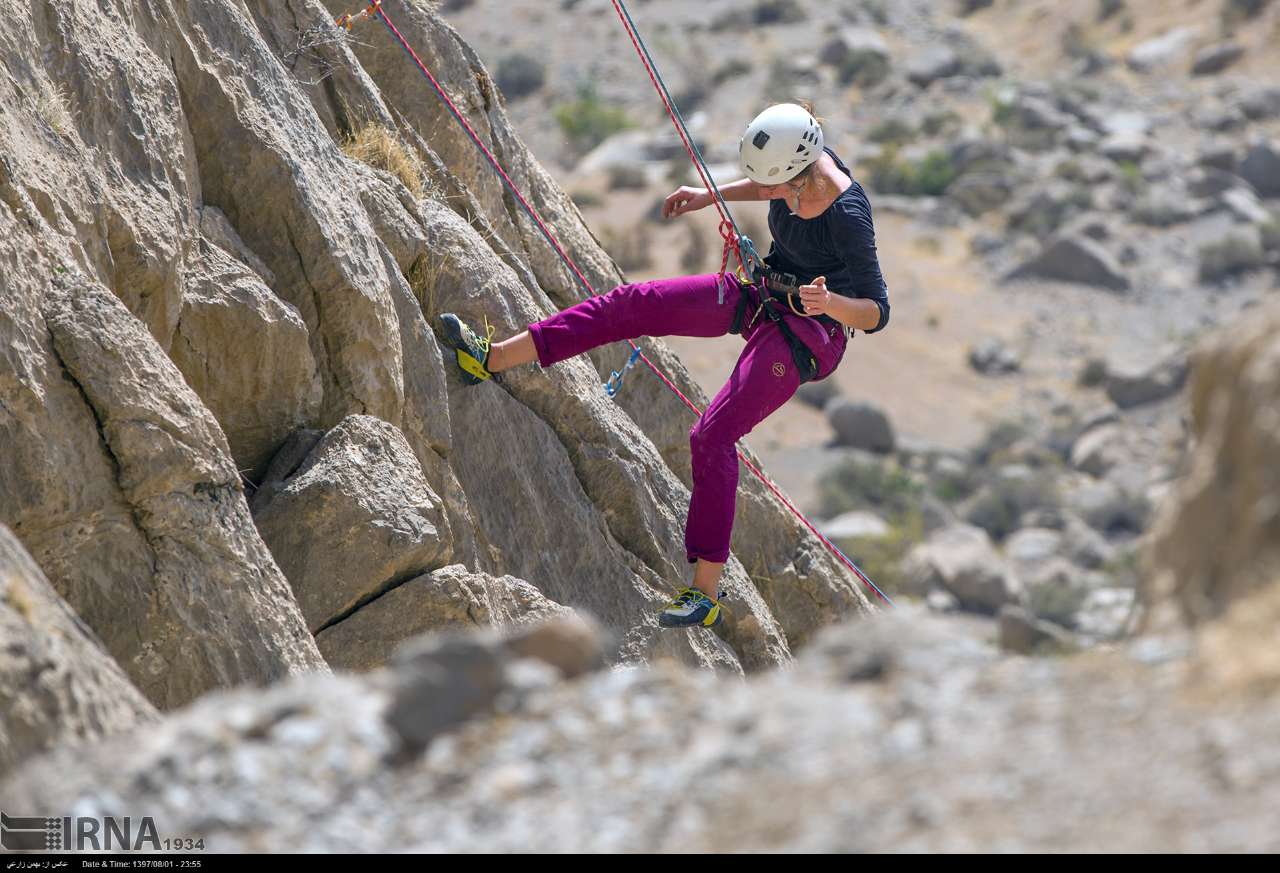
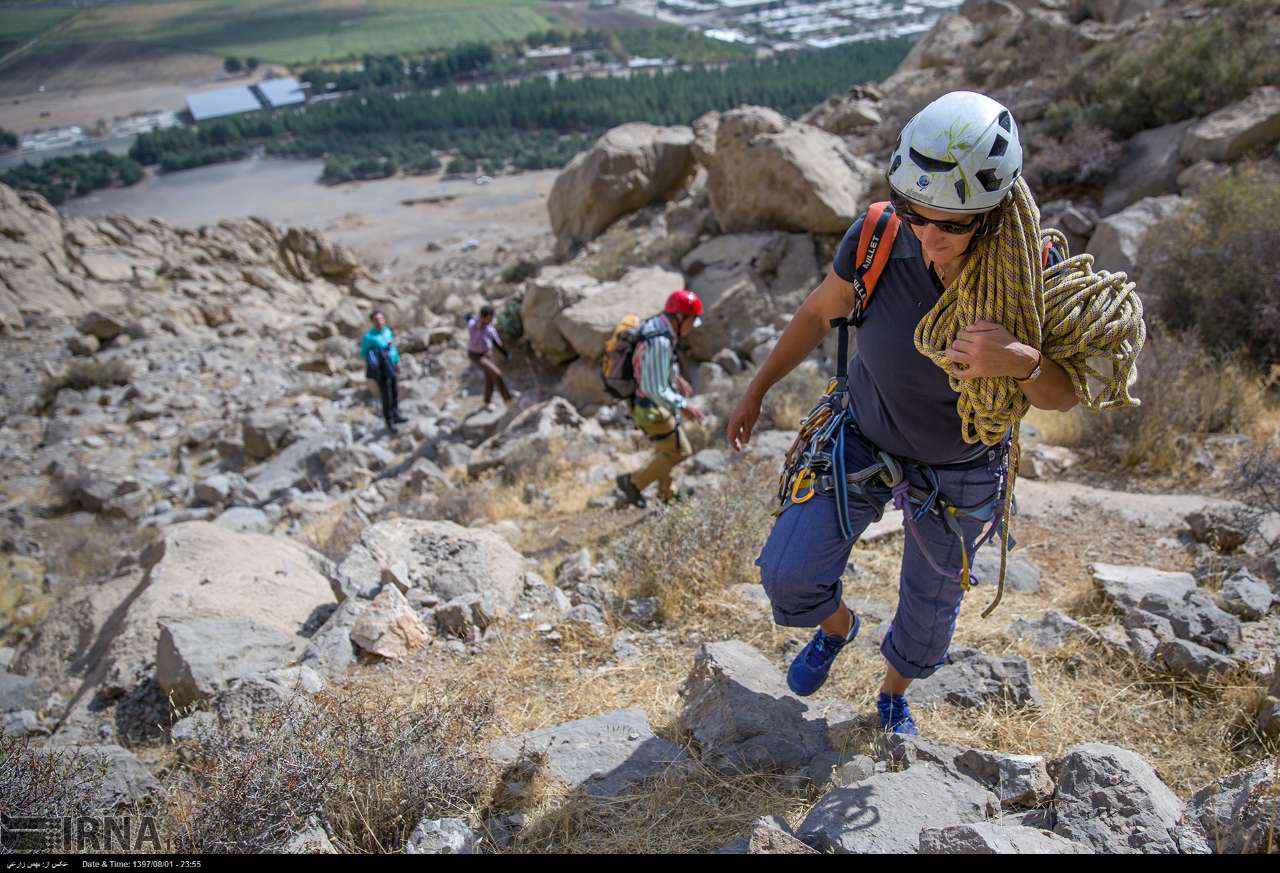
Int’l Rock Climbing Festival Held in Western Iran

During the festival, 100 Iranian climber along with 20 foreigners competed for five days until October 25.

The event was held at the foot of the historical Bisotoun Mountain.

Bisotoun is well known for its famous inscription and rock relief in which the great Achaemenid King, Darius the Great, had the narrative of his exploits carved around 500 BCE.

What follows are photos of the festival retrieved from IRNA:


A Look at Iranian Newspaper Front Pages on October 27

A Look at Iranian Newspaper Front Pages on November 19

Several papers today covered the Parliament’s Saturday session to give a vote of confidence to four ministerial picks introduced by President Hassan Rouhani for the ministries of roads, labour, trade, and economy.

Also a top story was the formation of the new Iraqi government – 14 members of which received votes of confidence from the Parliament – and different views regarding the new politicians ruling the Arab country.

Reactions to the murder of Saudi dissident Jamal Khashoggi in the kingdom’s consulate in Istanbul, Turkey, also remained on the front pages of Iranian papers today.

The above issues, as well as many more, are highlighted in the following headlines and top stories:


Abrar:

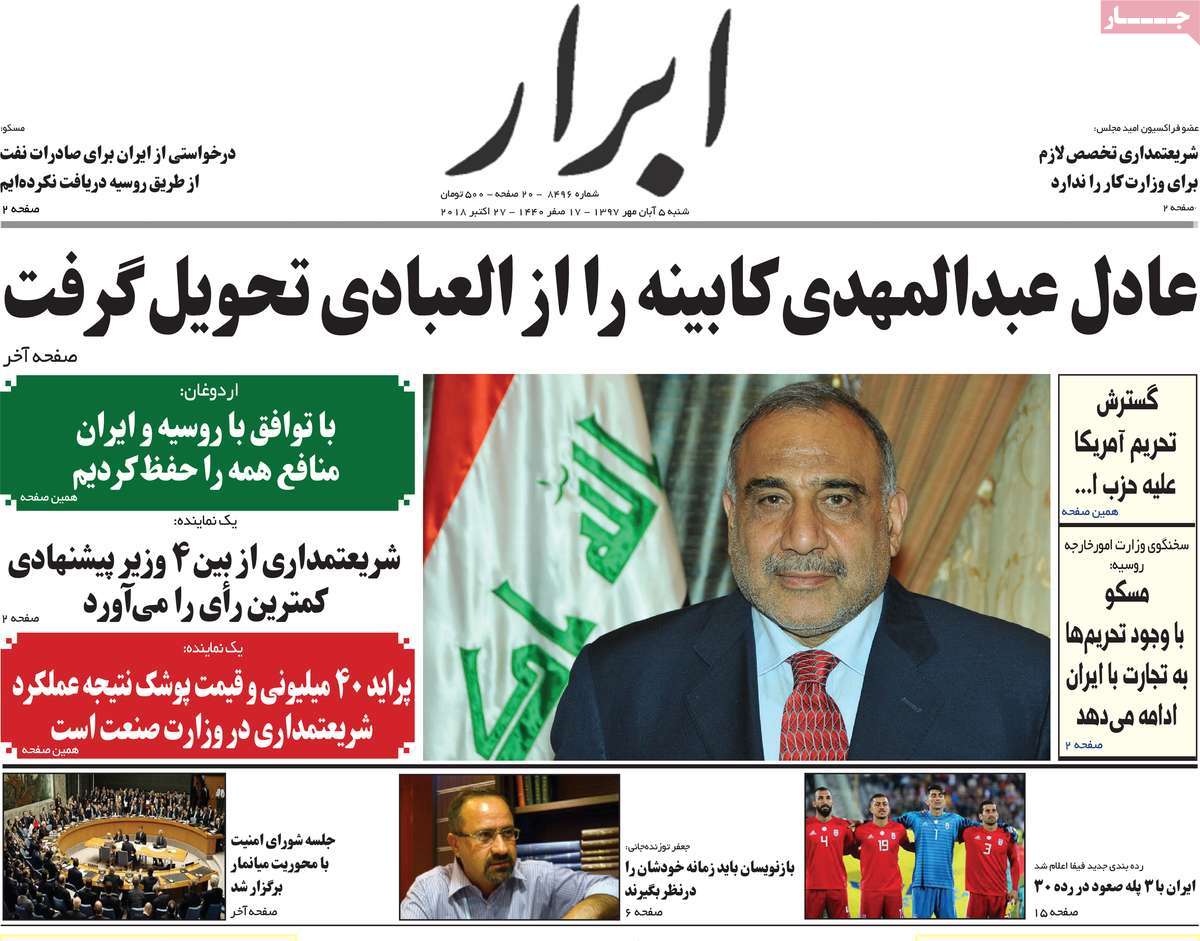
1- Erdogan: We Protected Everyone’s Interests by Reaching Deal with Russia, Iran

2- US Expands Sanctions against Hezbollah

3- Adel Abdul-Mahdi Replaces Al-Abadi as Iraqi Premier
A Look at Iranian Newspaper Front Pages on October 27


Aftab-e Yazd:

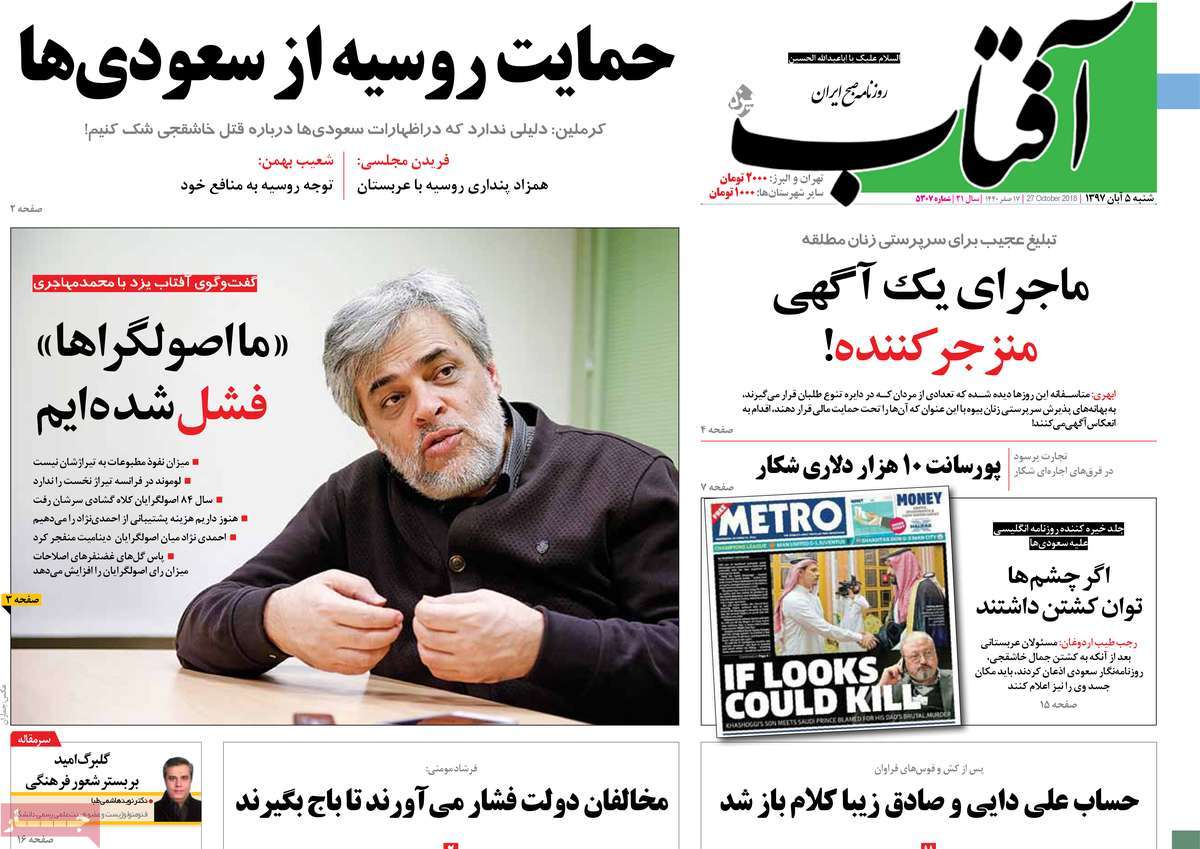
1- Russia Expresses Support for Saudis

  • Kremlin: No Reason to Doubt Saudis’ Comments on Khashoggi!
A Look at Iranian Newspaper Front Pages on October 27


Arman-e Emrooz:

1- Shortage of Foreign Currency Creates Problems for Arba’een Pilgrims in Borders
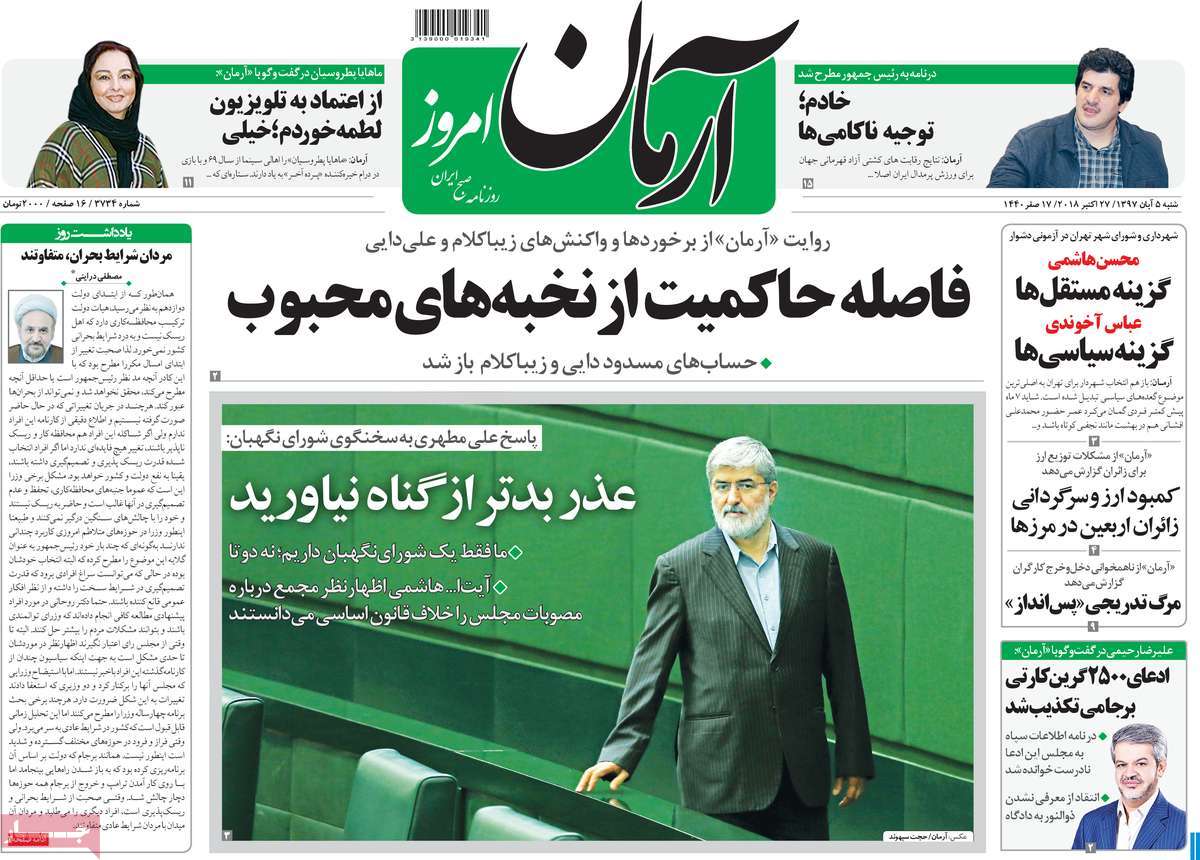
A Look at Iranian Newspaper Front Pages on October 27


Ebtekar:

1- Difficult Test for Technocrats in Baghdad

2- CFT Has No Contradiction with Establishment’s General Policies: Expediency Council
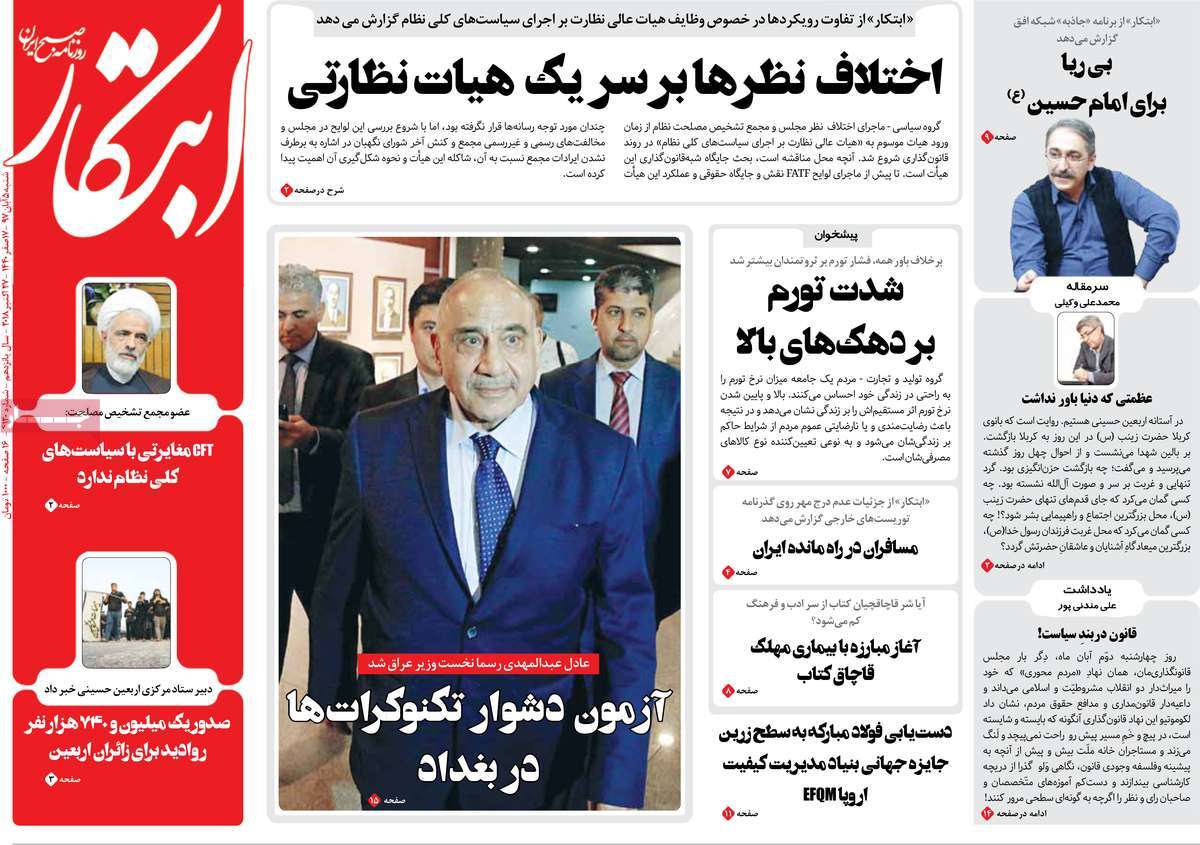
A Look at Iranian Newspaper Front Pages on October 27


Etemad:

1- Riyadh’s Hidden Hand in Washington

  • How Saudi Arabia Uses Its Lobby Groups in US

2- MPs Slam Expediency Council for Getting Engaged in Legislation
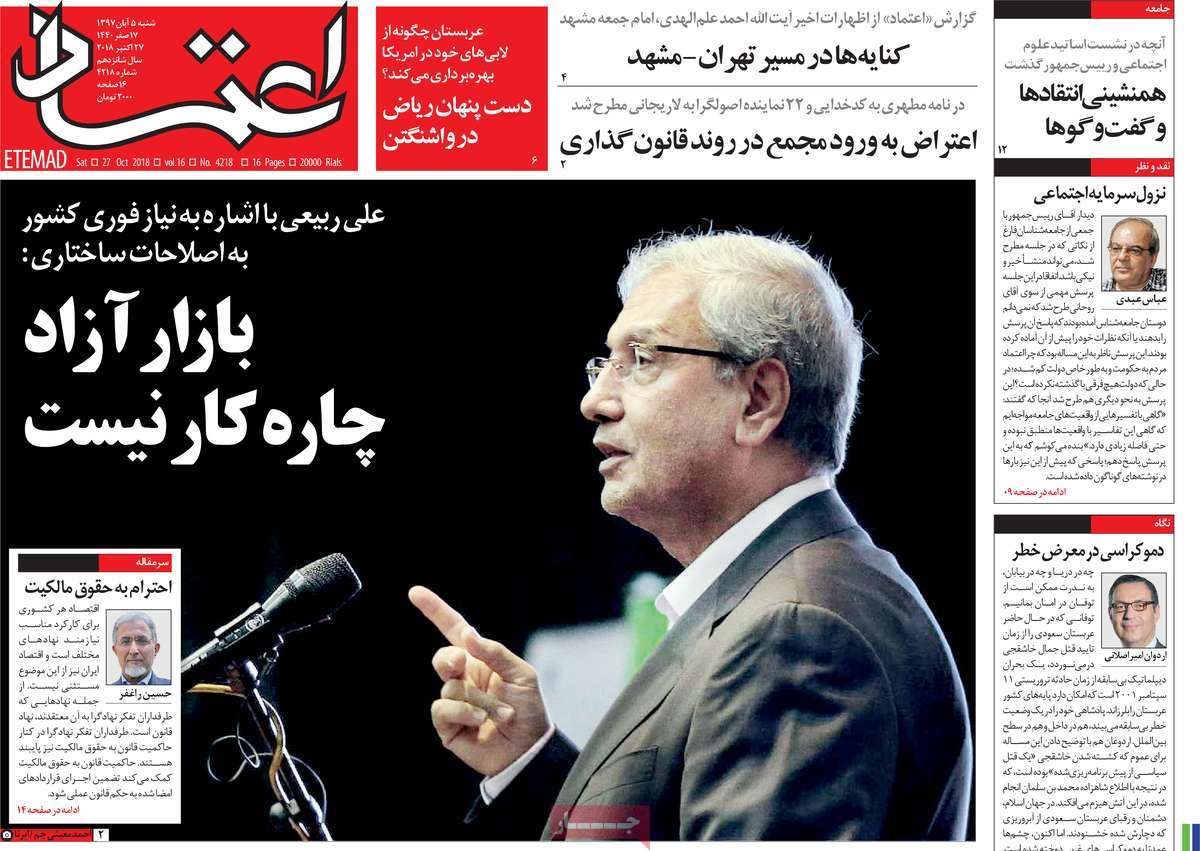
A Look at Iranian Newspaper Front Pages on October 27


Ettela’at:

1- European Parliament Votes for Arms Embargo against Saudi Arabia

2- Protesters Hold Gathering in Istanbul against Khashoggi Murder

3- Internal Division in Trump Administration over Iran Sanctions
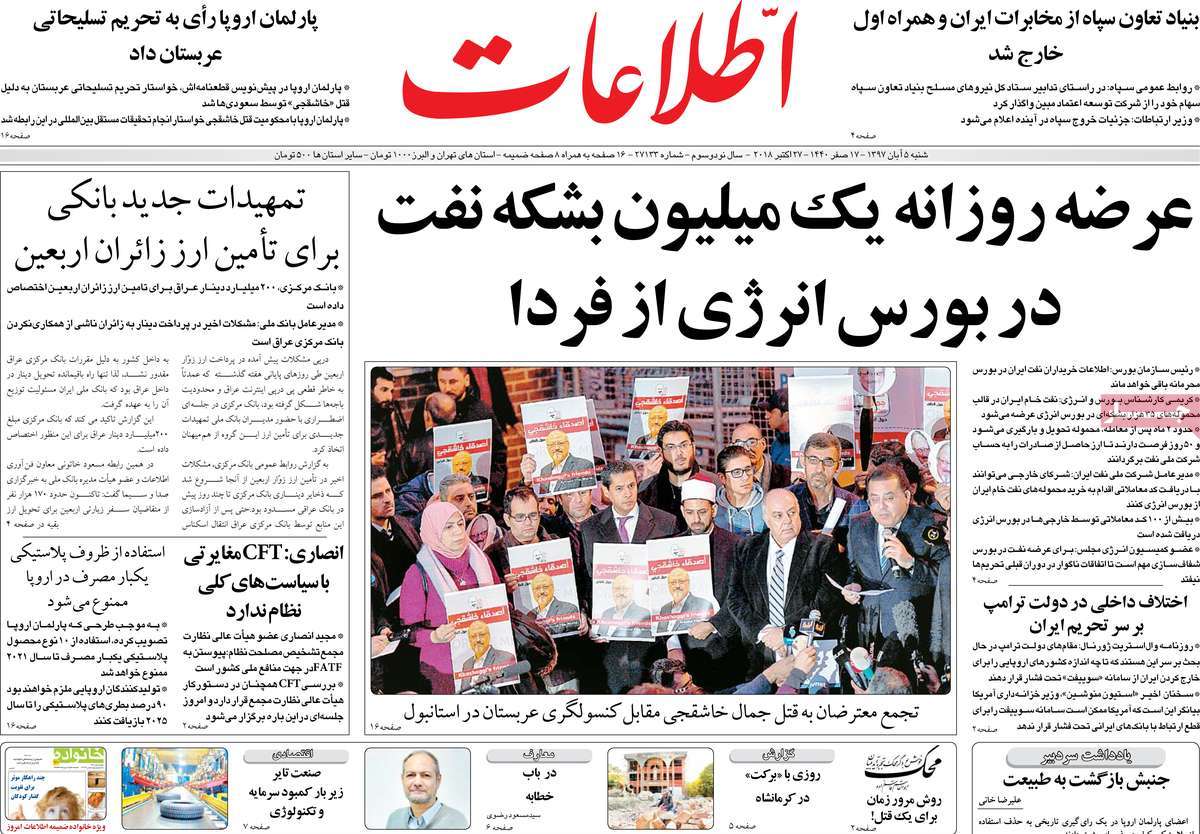
A Look at Iranian Newspaper Front Pages on October 27


Ghanoon:

1- Pedersen, Goodwill Ambassador for Danish Red Cross, Talks of His Adventures

  • I’ve Visited 200 Countries: World Is Better than What We Think
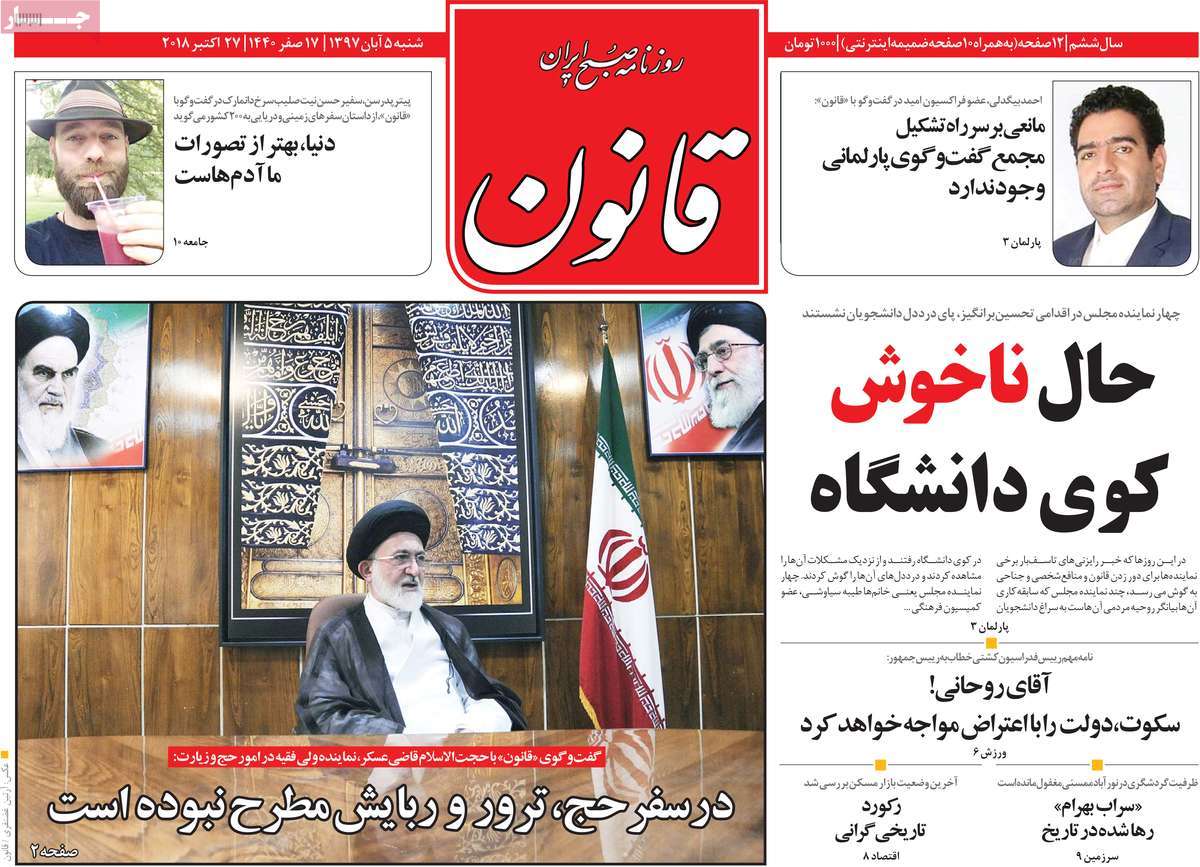
A Look at Iranian Newspaper Front Pages on October 27


Hamshahri:

1- Tough Afternoon of Parliament

  • MPs to Give Vote of Confidence to Four Ministerial Picks

2- Trump Won’t Give Any Concessions: Analyst
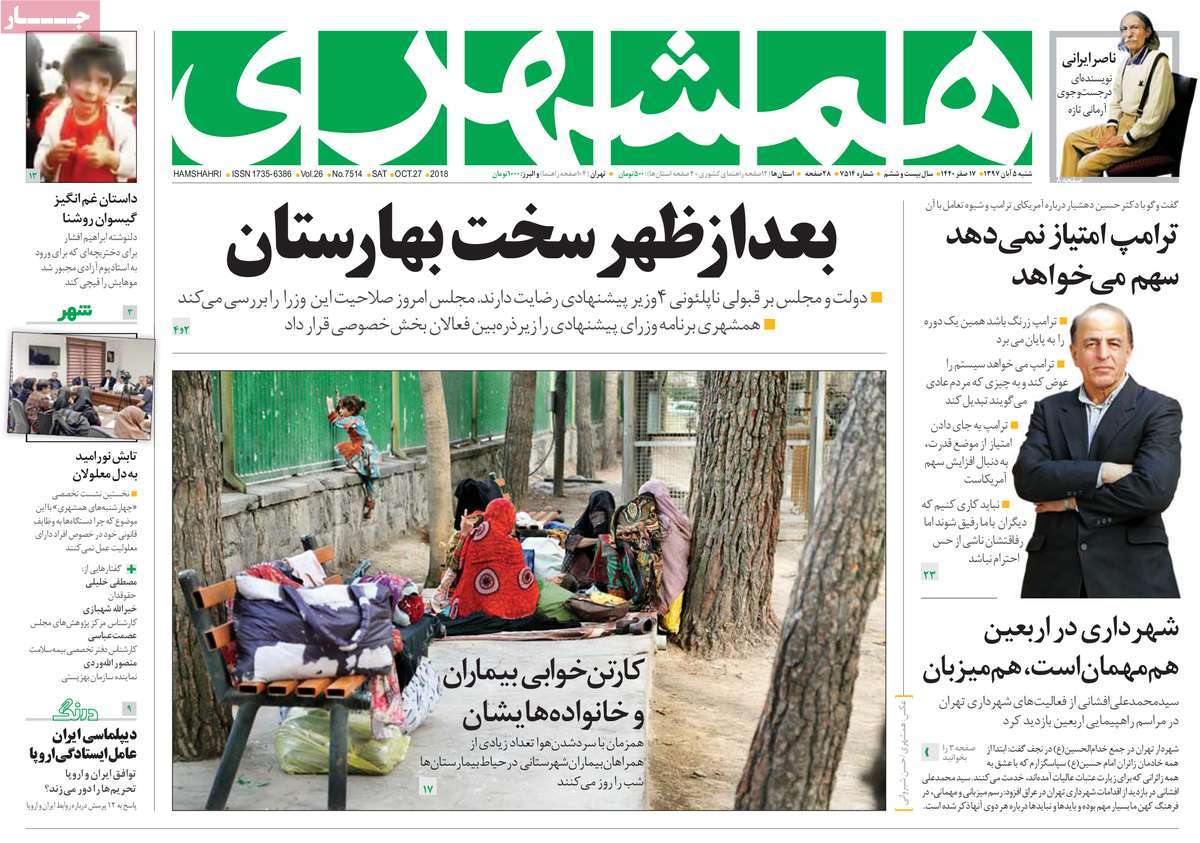
A Look at Iranian Newspaper Front Pages on October 27


Jame Jam:

1- Netanyahu’s Secret Visit to Oman: Sultan Qaboos Welcomes Bibi, His Wife

2- 200 Families Displaced after Jazmourian Wetland Dried Up
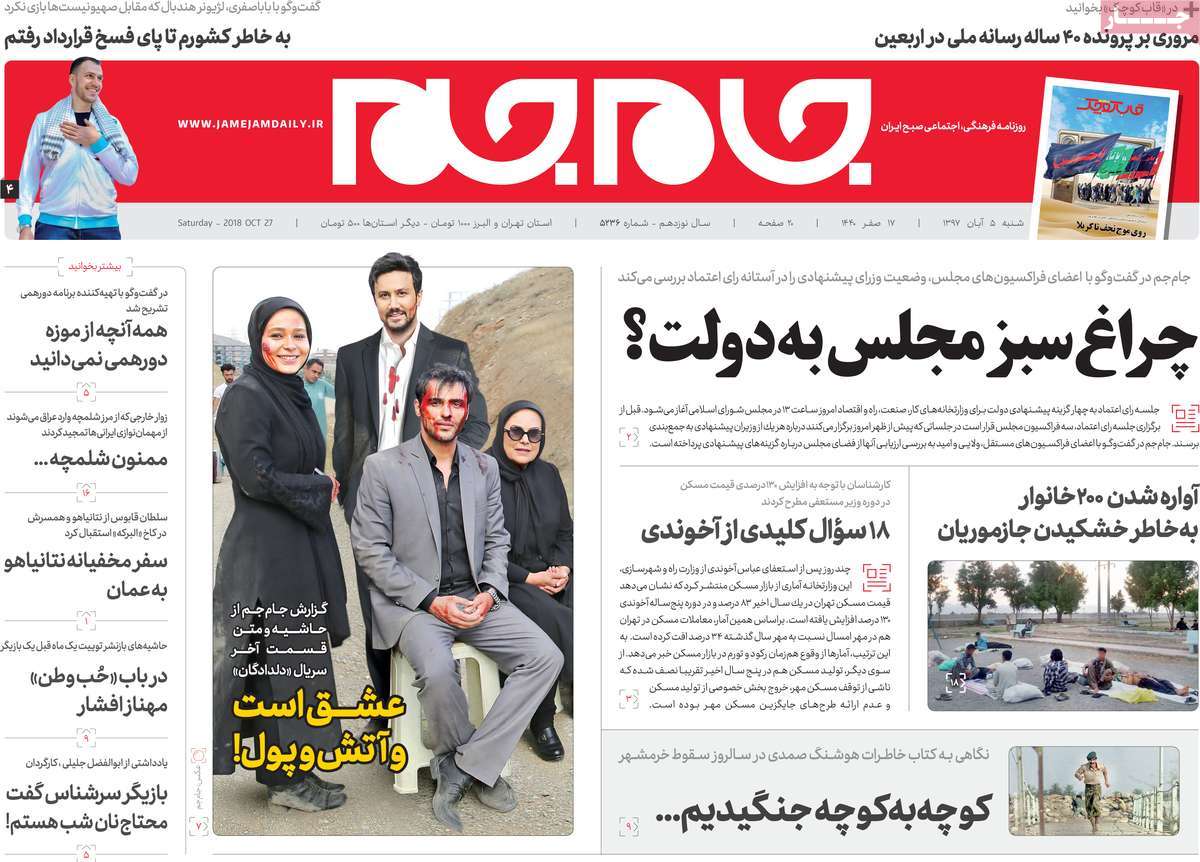
A Look at Iranian Newspaper Front Pages on October 27


Javan:

1- China, Russia to Join Non-American SWIFT

2- 1.5 Million Arba’een Pilgrims Enter Iraqi Territory
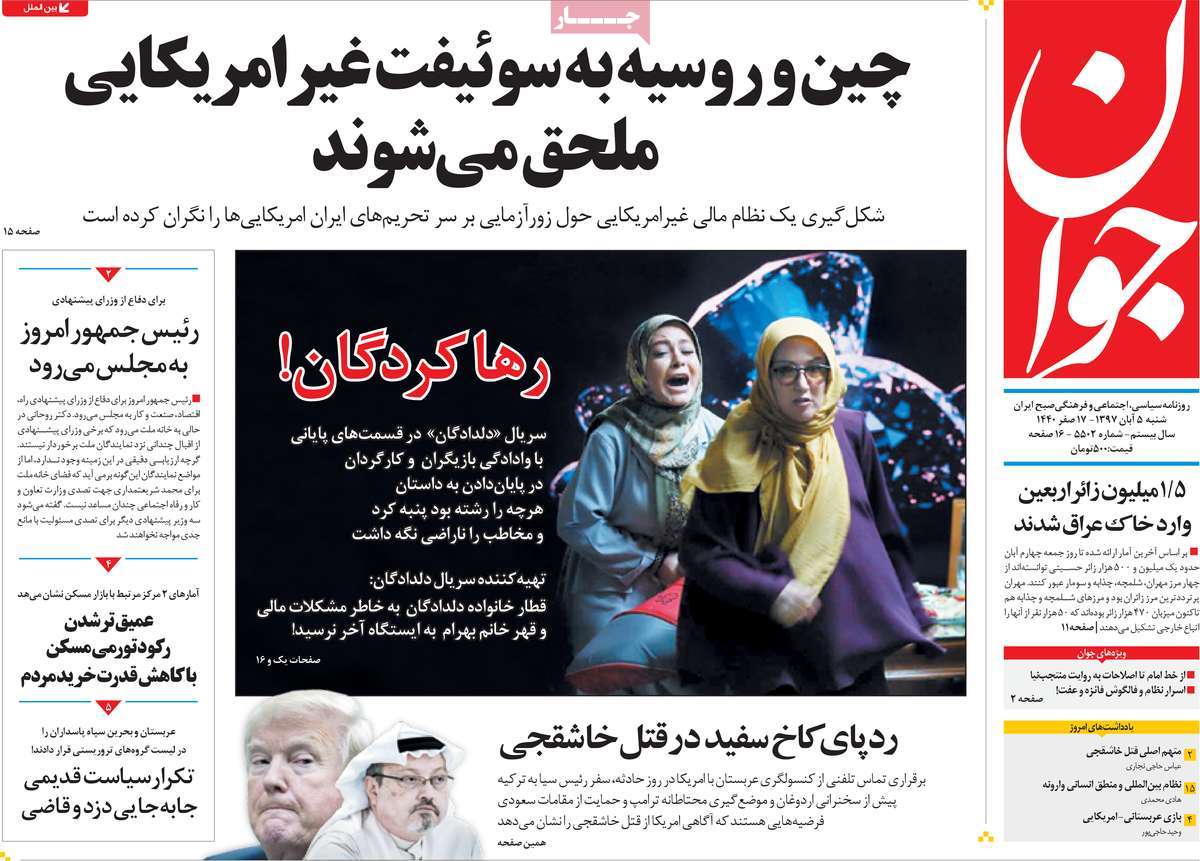
A Look at Iranian Newspaper Front Pages on October 27


Jomhouri Eslami:

1- ICJ Chief Strongly Defends Iran at UNGA

  • US Must Immediately Remove Anti-Iran Sanctions

2- UN: Saudi Ruling System Is to Blame for Khashoggi’s Murder
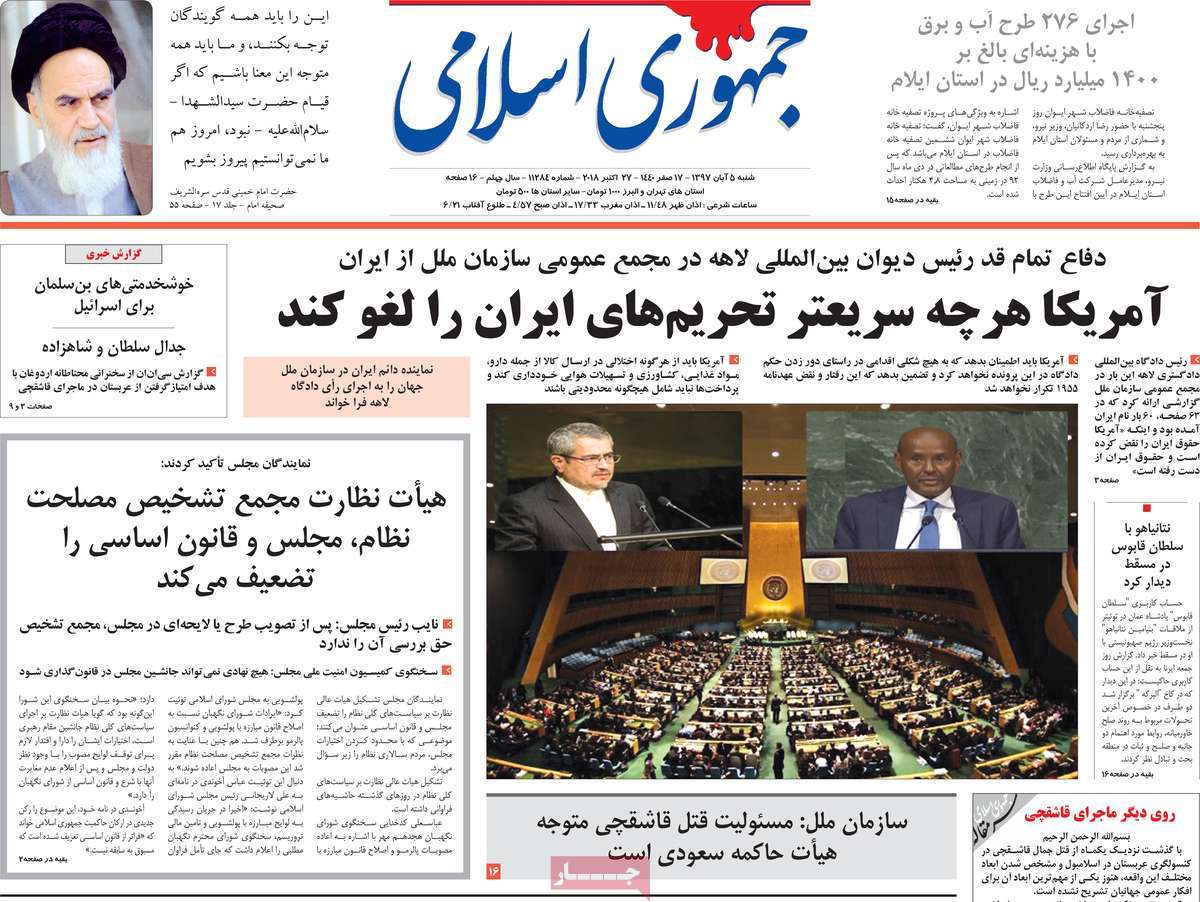
A Look at Iranian Newspaper Front Pages on October 27


Kayhan:

1- Relentless Political Pressure on Bin Salman: Al Saud Becomes Delirious

2- France’s Role in Rwanda Genocide Where One Million Were Massacred

3- China Foreign Ministry: Beijing to Continue Buying Oil from Iran despite US Bans

4- Trump: Mr King, Dictator; You Must Pay for Your Security

  • Trump Once Again Humiliates His Allies, Urges Them to Pay
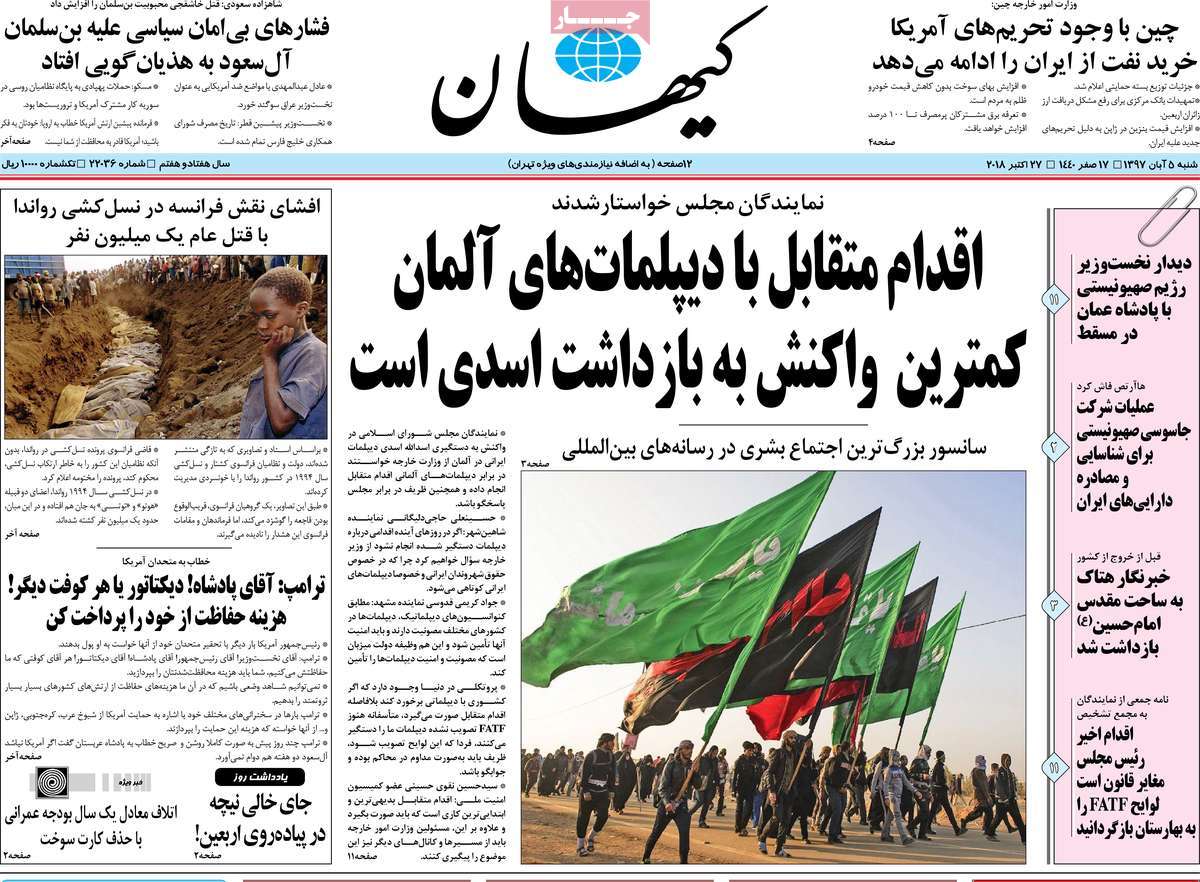
A Look at Iranian Newspaper Front Pages on October 27


Khorasan:

1- Two Business Giants Ditch US Dollar

  • China, Japan Sign $30b Deal, Agree to Use National Currencies in Bilateral Trade
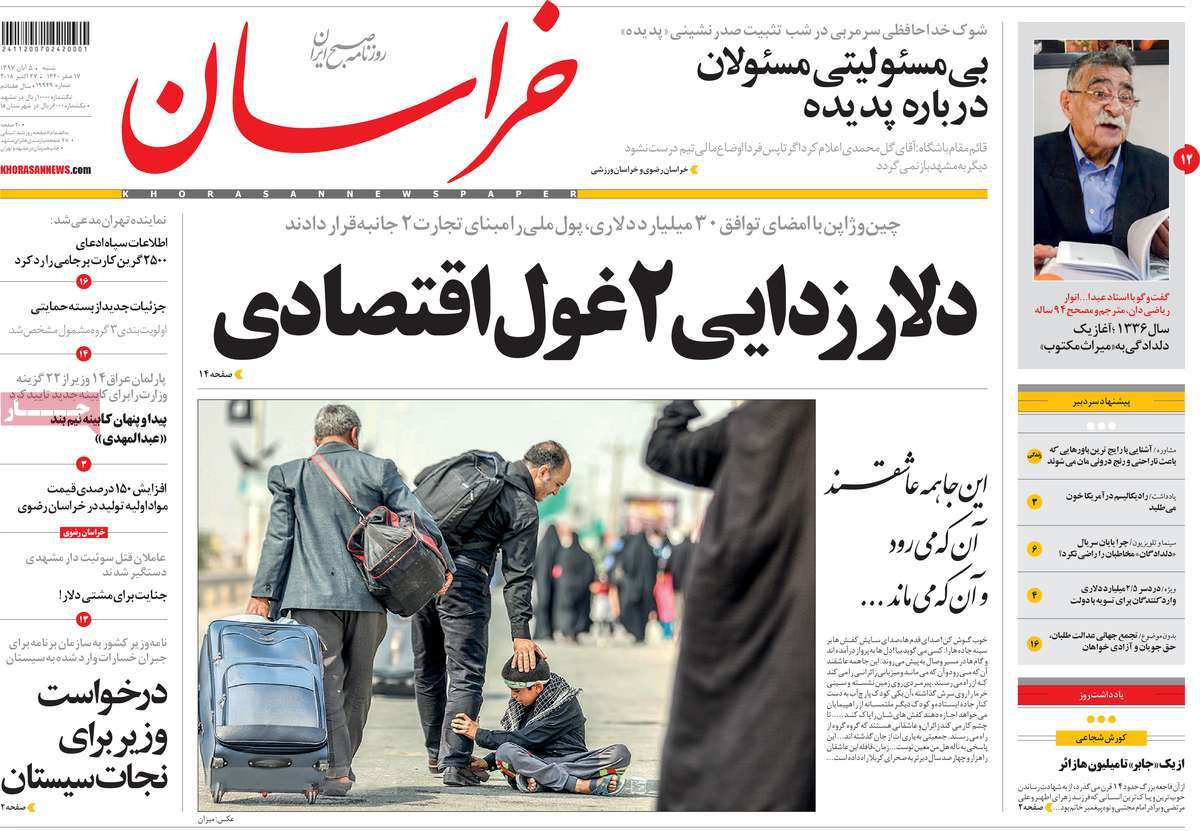
A Look at Iranian Newspaper Front Pages on October 27


Sazandegi:

1- Nightmare of Suspicious Packages: Trump Blamed for Bombs Sent to Senior Democrats
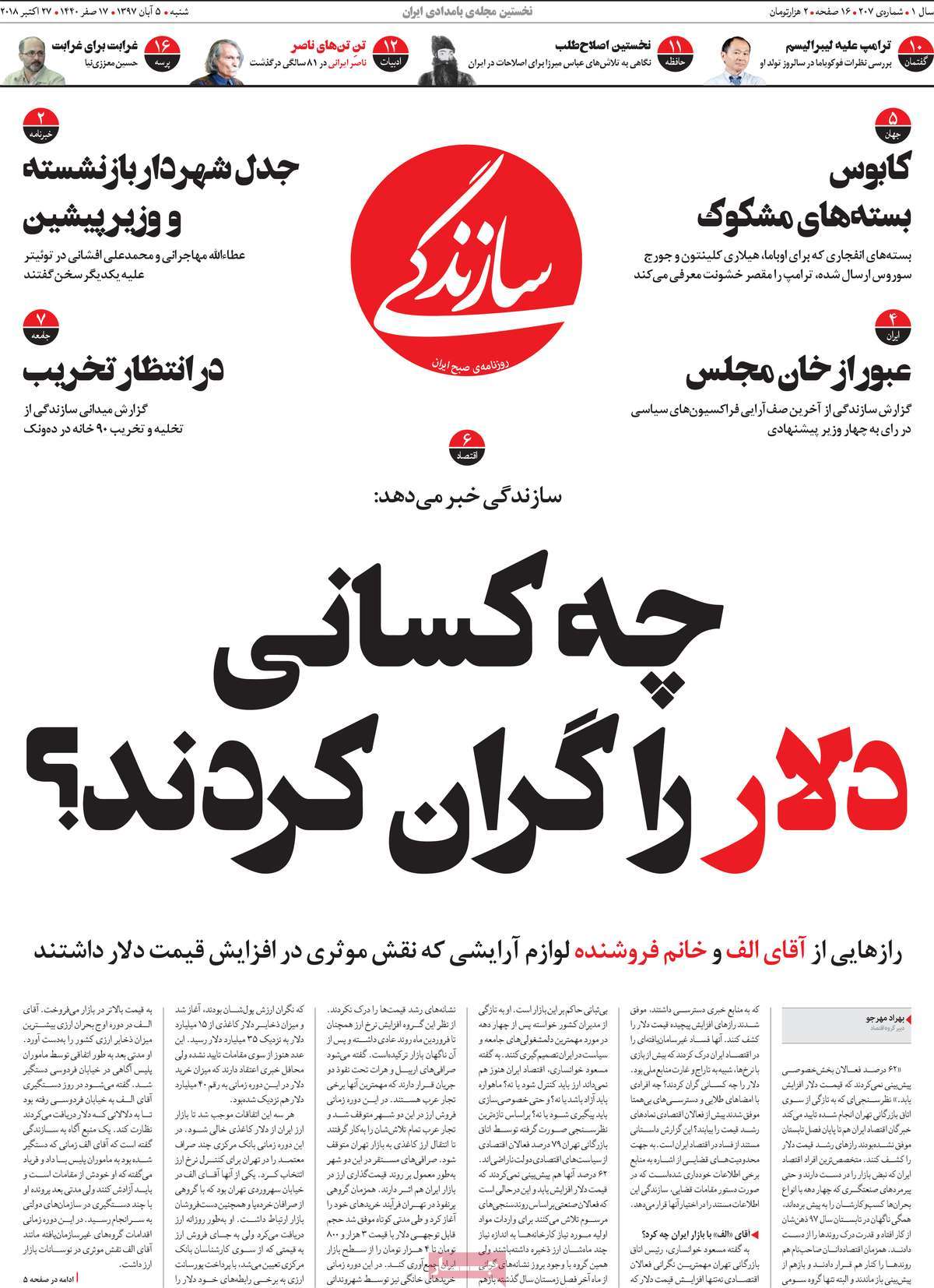
A Look at Iranian Newspaper Front Pages on October 27


Shargh:

1- Which Country Does Iraq Favour in Foreign Policy?

  • New Iraqi Cabinet’s Ties with Iran

2- Russia-China Competition on Iran’s Railway System

3- We Could Use Khashoggi’s Case to Mend Ties with Saudis: Analyst
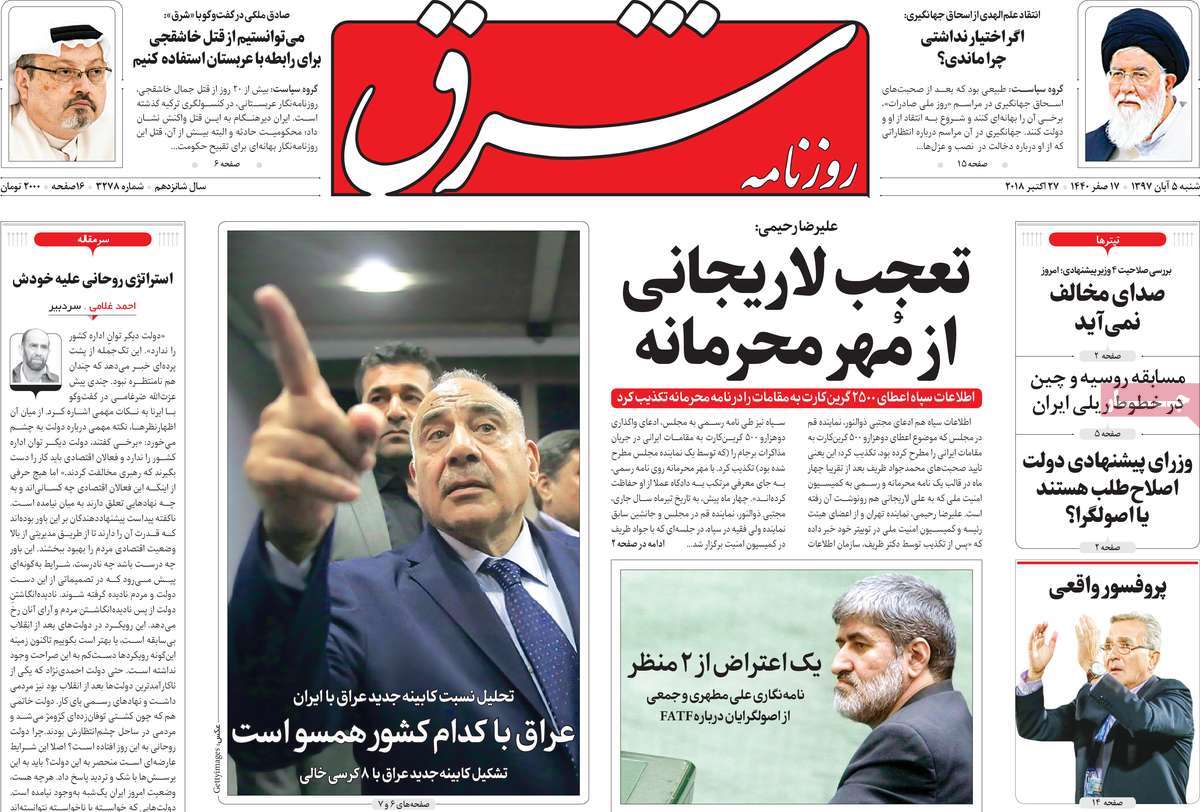
A Look at Iranian Newspaper Front Pages on October 27