Tuesday, December 23, 2025
Home Blog Page 3352

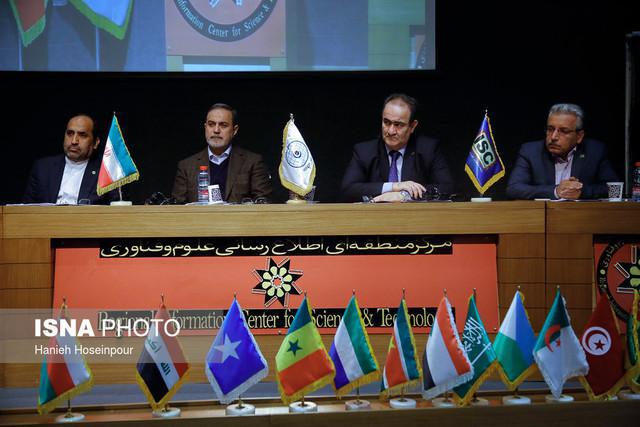
ISESCO Annual Summit Underway in Iran’s Shiraz

ISESCO

During the two-day gathering, the participants also discuss future policies and plans. The meeting opened on Sunday, November 20, with the statements of Iranian Education Minister Mohammad Bat’haei, who is also the head of the Supreme Council of the National Commission of Iran.

A stamp dedicated to the ISESCO and Islamic World Science Citation Database (ISC) was also unveiled in the ceremony.

The ISESCO was founded by the Organization of Islamic Cooperation in 1982 to promote and strengthen cooperation in various educational, scientific, and cultural fields.

Its headquarters is in Rabat, Morocco, and 57 Muslim countries, including Iran, are members of this organisation. The organisation has so far opened two regional offices in Sharjah, the United Arab Emirates, and Tehran back in January 2002.

Addressing the opening ceremony, Bat’haei talked about Iran’s effective role in the development of ISESCO programs saying that since joining the organisation, Iran has been trying to play an effective and useful role in the implementation of the body’s plans.


Over 500,000 Refugees Going to School in Iran
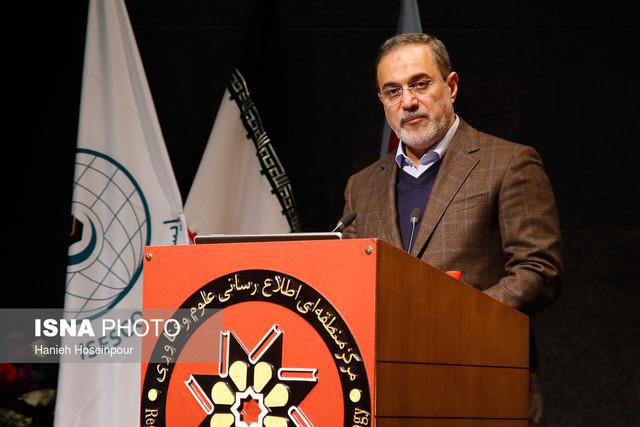
ISESCOBy providing statistical information on the number of school children being educated in Iran, Bat’haei noted Iran’s education system provides education for 99% of elementary school children and this figure has reached over 85 at high schools.

“We have been able to attract 96% of school-age girls to education and raise the gender equality ratio from 49 to 51. These efforts have now led Iran to be ranked by UNESCO as a country providing elementary education,” he noted.

“Another honour for the ministry of education is the enrollment and education of refugee children. Although international organisations have offered us little help in educating refugee children, we have provided education for more than 400,000 people every year,” he noted, adding that more than 500,000 refugee students have received education in the current school year.

However, he added, such efforts have not been well covered by international organisations,” added the Iranian minister.

He went on to say that this is an honour for the Islamic Republic that a significant number of Afghan graduates and experts in Afghanistan and other countries have graduated from Iranian schools and universities.

“Our country has been hit by the cruelest US sanctions and been deprived of many of its rights in the international arena. Despite the difficulties and the impacts of sanctions, we are doing our best at the ministry of education to achieve our goals.”

ISESCO member states have some policies in the field of technology and try to share these policies at this meeting. The ISESCO countries are trying to set up science and technology indices for Asian and African countries.

For a brief review of Iran’s achievements in various fields of science and technology, check the book “Science and Technology in Iran: A Brief Review

The meeting will lead to increased collaboration among the universities of the member states and encourage exchange of experiences, information and programs in the fields of education, science and technology, as well as support and promotion of scientific research in line with the needs of the universities of the member states.

Also, in view of the ISC’s goal of establishing comprehensive scientific policies in the countries, the summit will provide the necessary ground for the presentation of potentialities to receive scholarships and study opportunities for researchers in order to increase international partnerships.

The ISESCO’s November Summit, coordinated by the ISESCO National Commission in Iran, and co-sponsored by its regional office in Tehran as well as the Islamic World Science Citation Database (ISC) will close on November 12 in Shiraz.
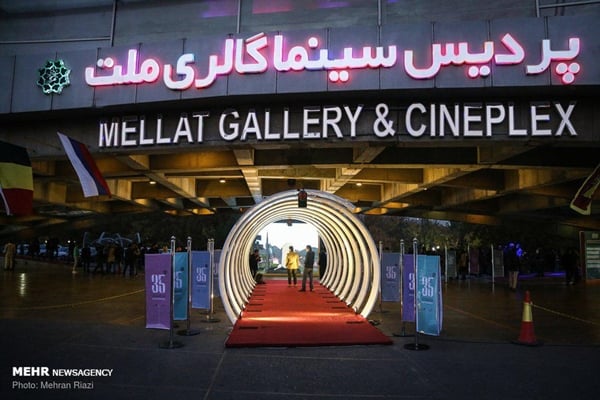
72 Films from 30 Countries Competing at Tehran Short Film Festival

The festival screens Iranian and foreign short films from different countries of the world. This year, it has received an overall of 5,050 films in four sections (main, features, animation and documentary) from 121 countries out of which the festival’s selection board finally picked up 72 films from 30 countries to compete in the four sections.
In a message to the festival, Iranian Minister of Culture and Islamic Guidance Seyyed Abbas Salehi said, “Today we live in an era in which a part of the world with a short history is seeking to isolate an ancient country with a long history and civilization.”

“The American politicians are attempting to cut our ties with the world but they should come to realize the fact that Iran’s civilization is based on culture and art which know no restriction and isolation,” he noted.

“That’s why, amid the current sanctions and threats, more and more countries have applied to take part in Tehran festival and Iran warmly welcomes the films by leading directors from around the world,” Salehi added.

Alireza Sami’e Azar, one of the lecturers in the specialized workshops held during the festival, says making short film is a prelude for many film directors to make their own feature films.

He went on to say that linking academic centres to enthusiastic filmmakers is among the main goals of the Iranian Youth Cinema Society, which organizes the festival. “To me, the festival is now capable of making the link properly.”

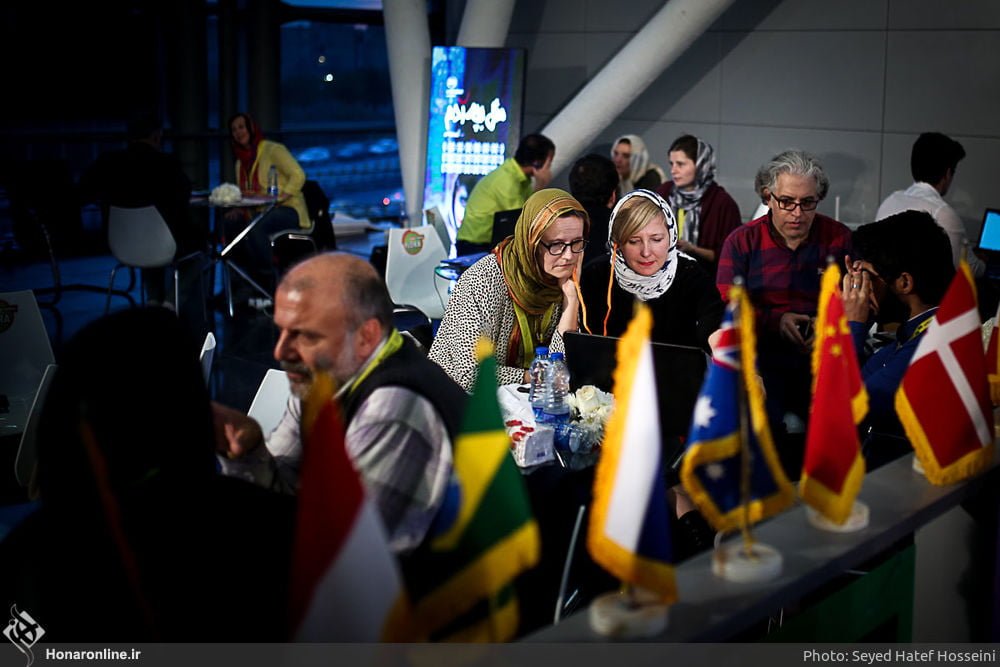
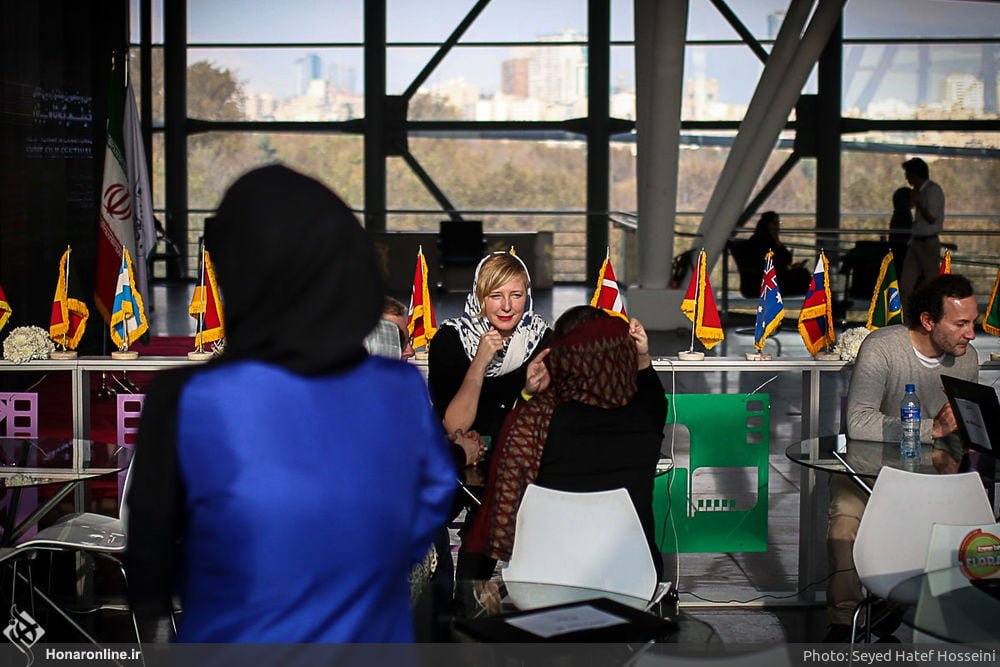
Émilie Dubreuil, a French film producer who submitted a film to the festival in 2014 and now is in Tehran to purchase some Iranian short films, says her main criteria in choosing a film is its story. “To me, good quality comes after the story when it comes to short films.”

On her familiarity with the Iranian short films, she said “I’m not so much familiar with them and my visit is aimed at gaining the familiarity.”

Mike Hannigan, a jury member of the 35th edition of Tehran International Short Film Festival, says during the festival the jury is after identifying new talents. “Iranian short films have a quality which is unique to them. These films have their own language and form.”

A film distributer from Germany, who is among the honourable guests of the international market of the festival, says Iranian short films enjoy professional photography and “as far as I’ve heard from my colleagues, most Iranian films draw on a poetical view towards the world.”

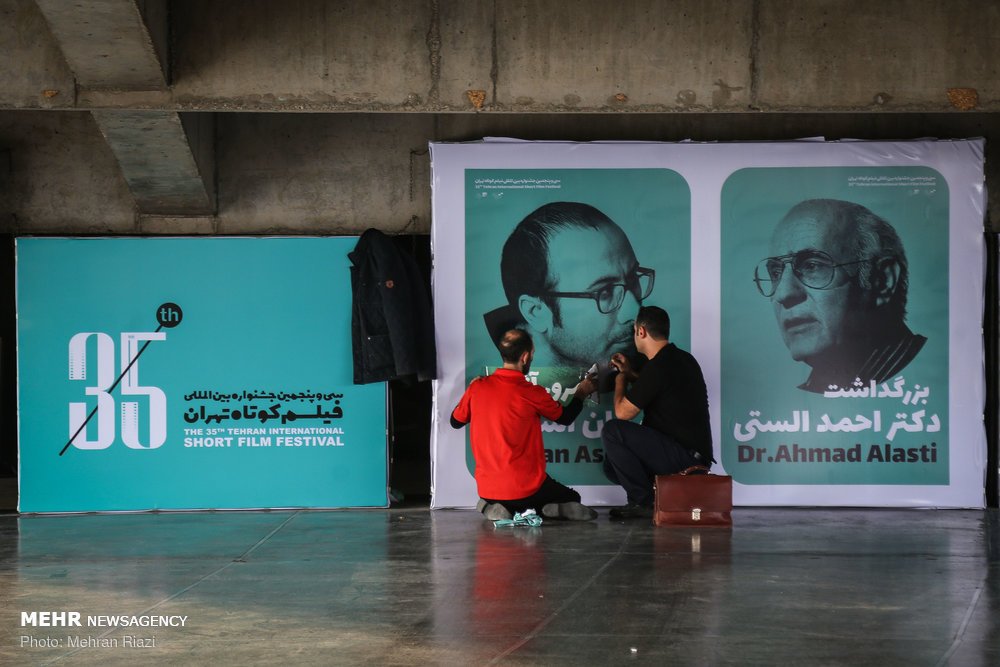
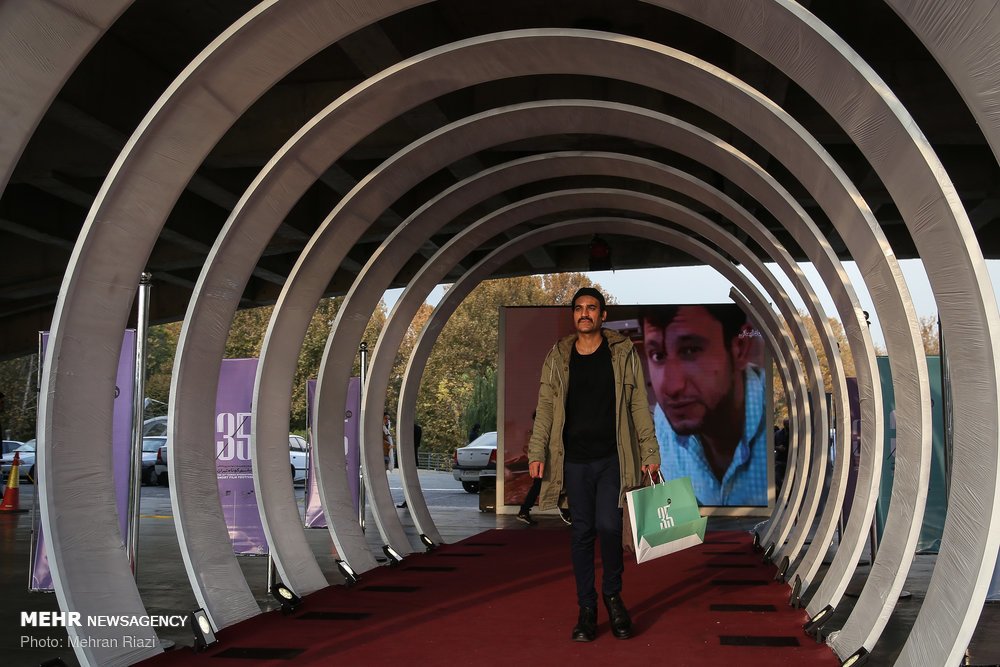
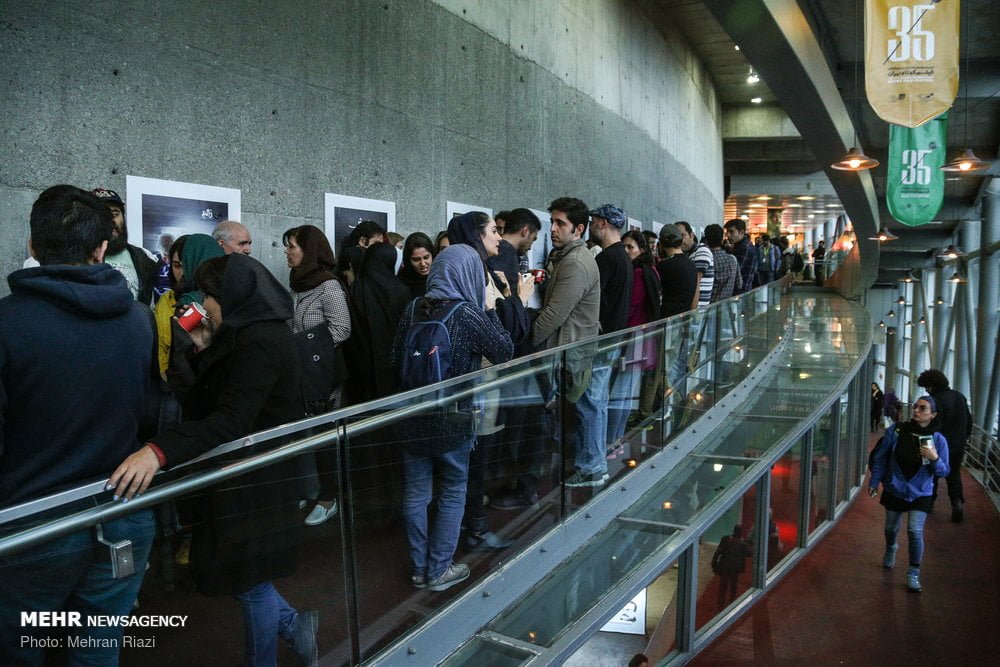
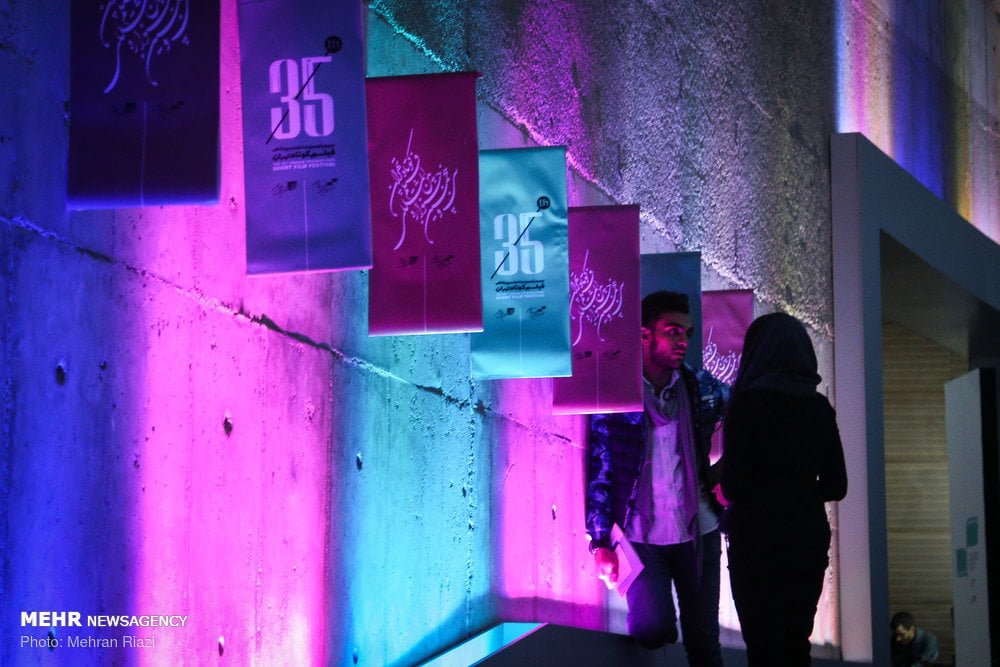
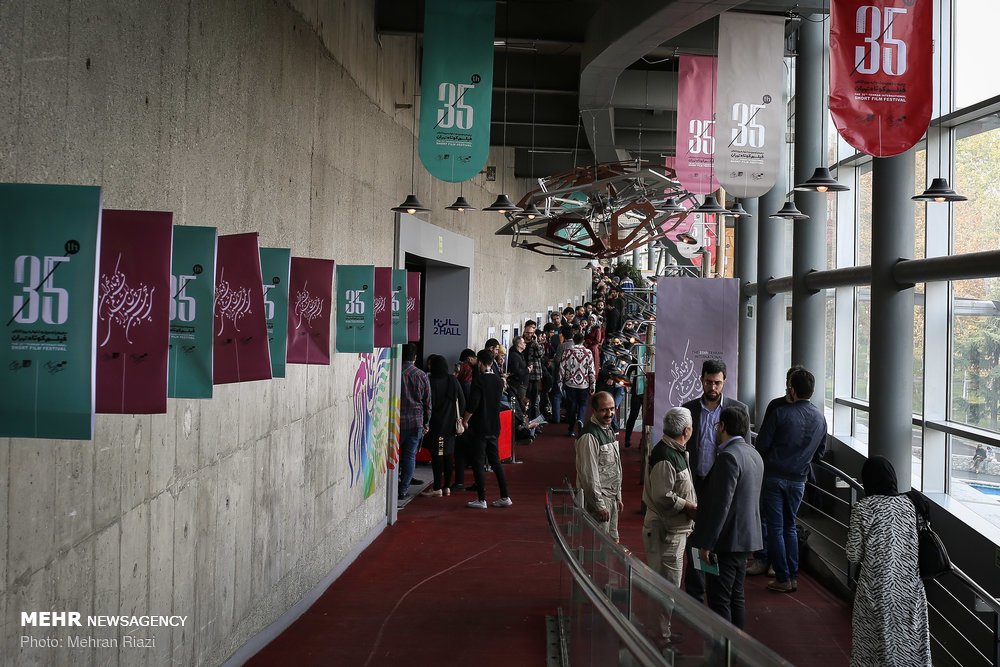
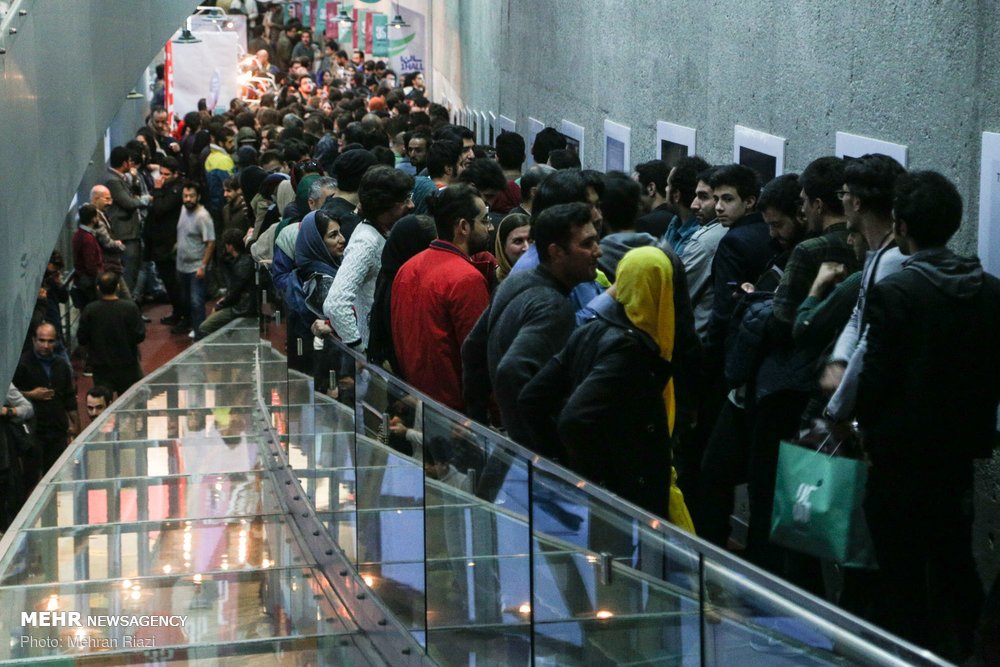
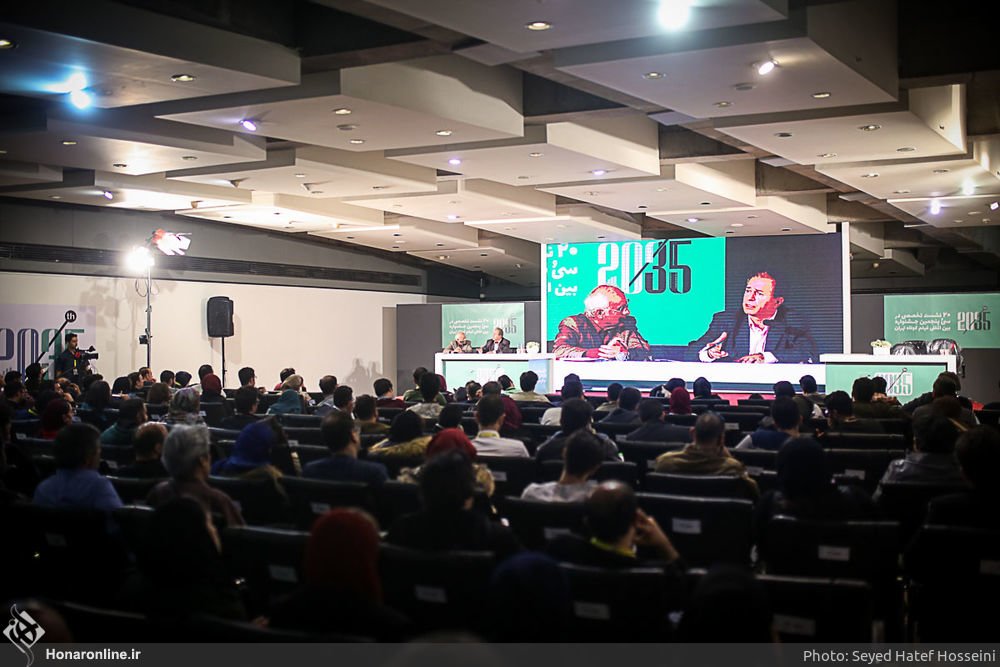
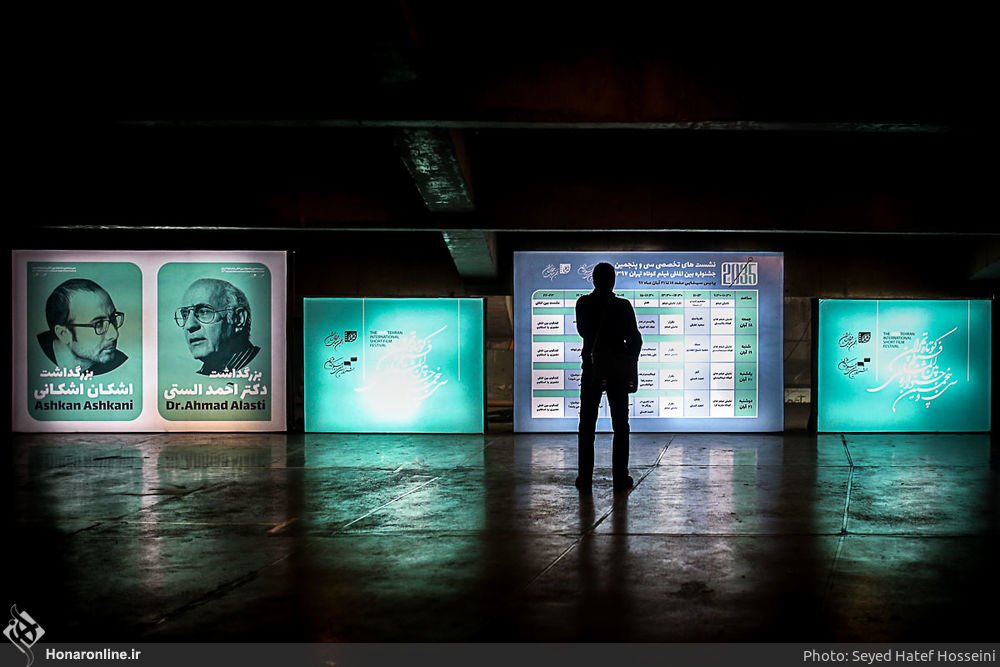
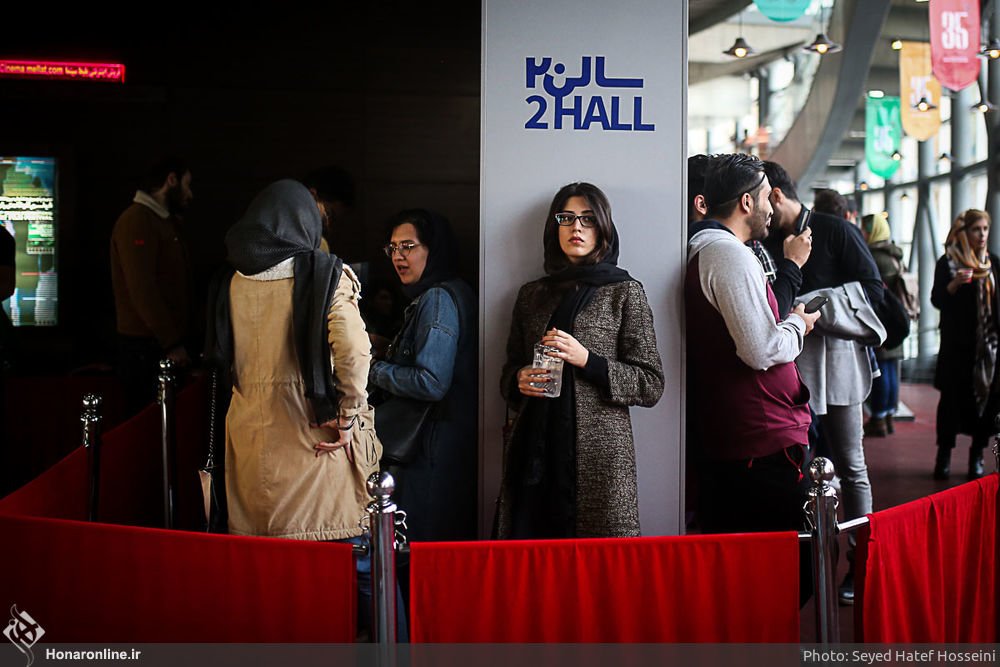
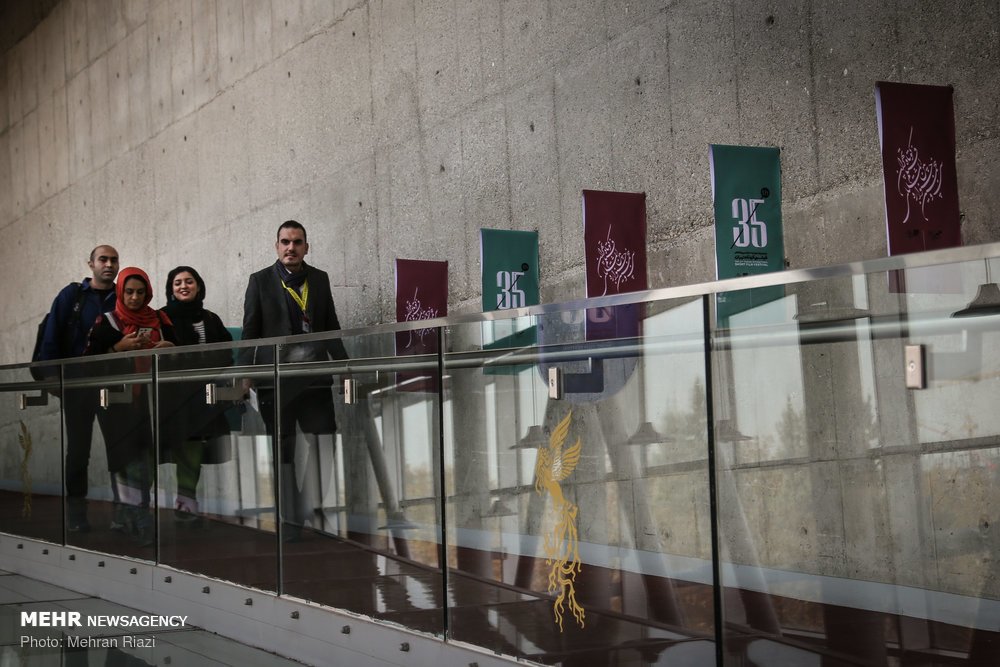
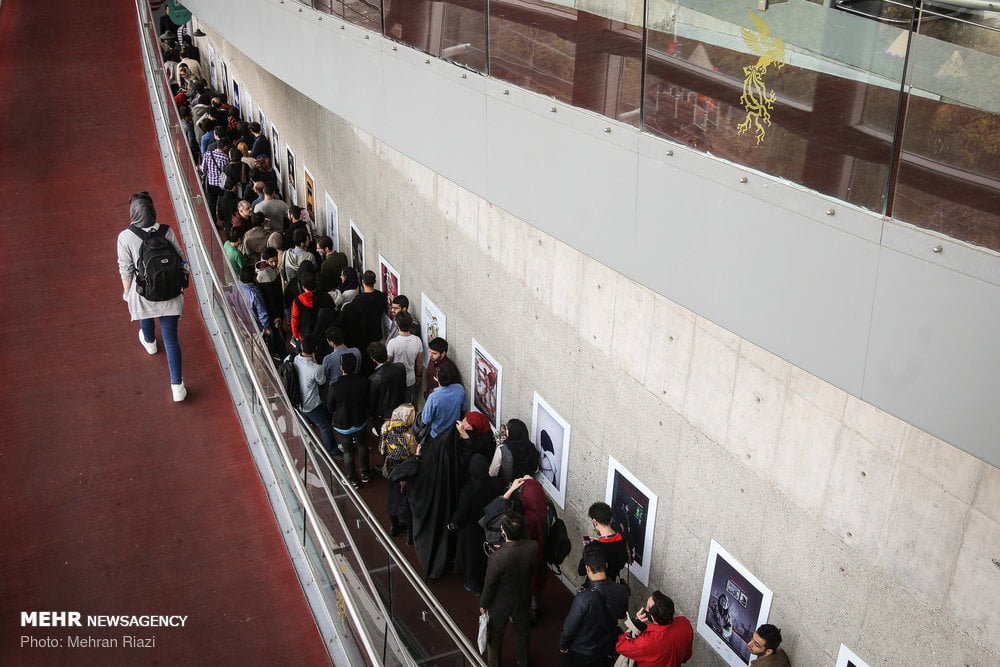
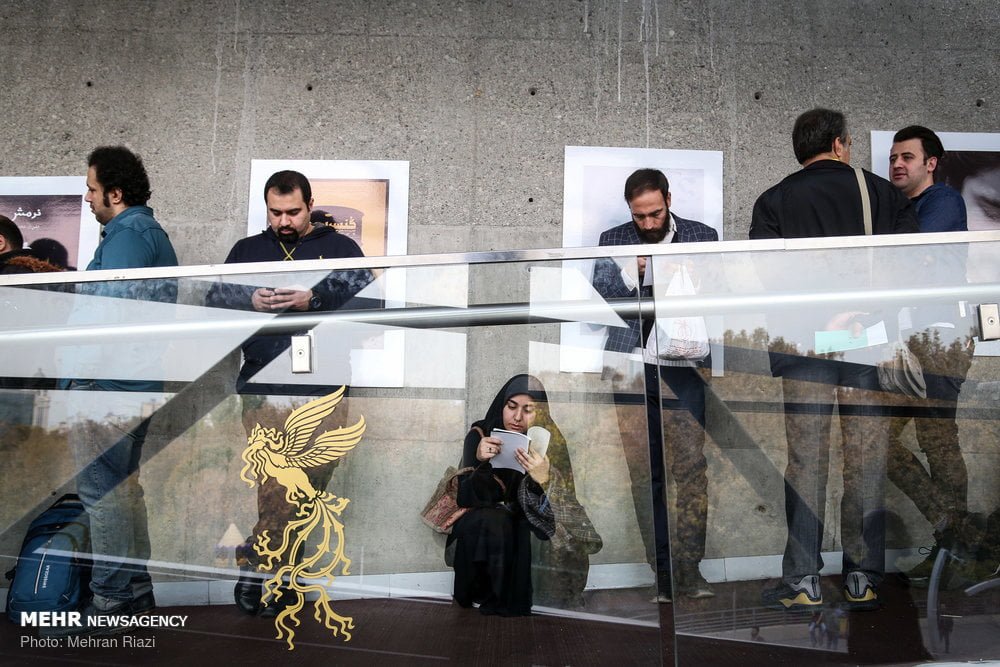
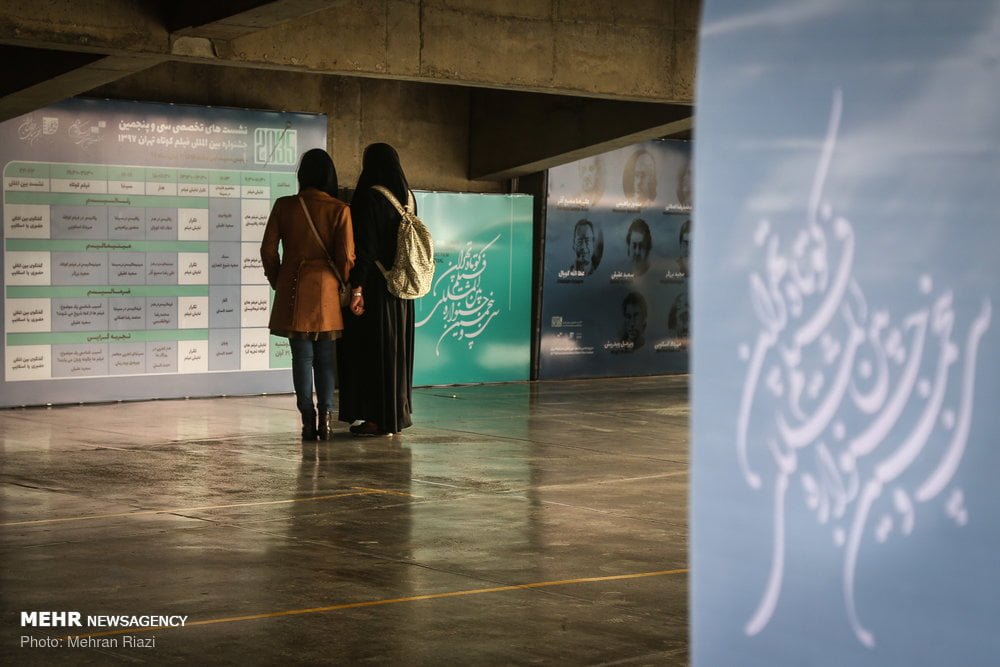
The TISFF kicked off on November 9 and will be underway until November 13 in Mellat Cineplex. Since its early days, the enthusiastic moviegoers have queued up outside the cinema halls to watch the short films. Some of them watched the movies while standing or sitting on the ground.

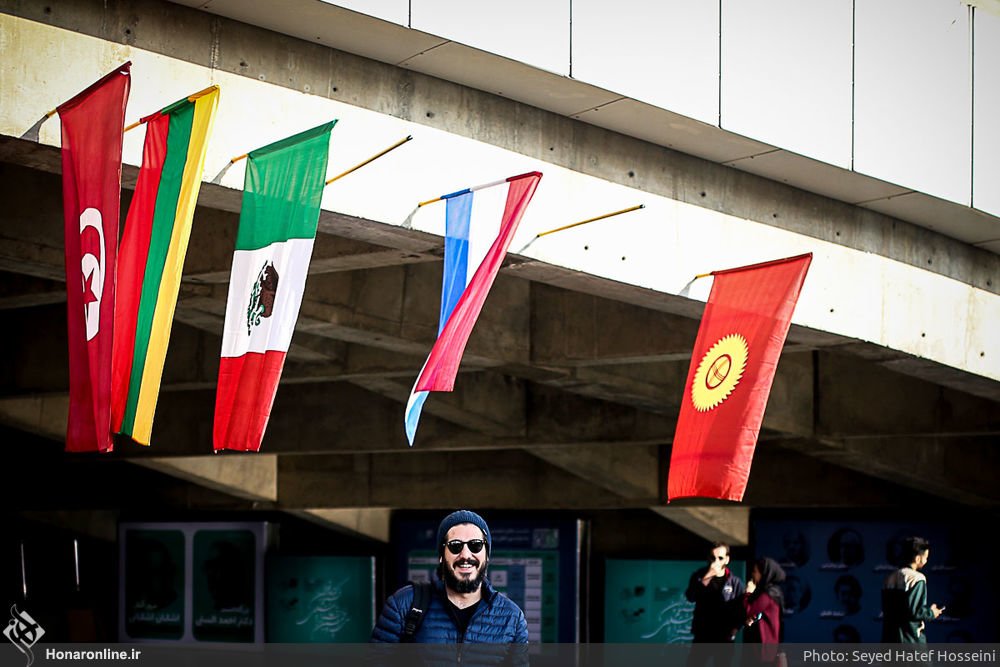
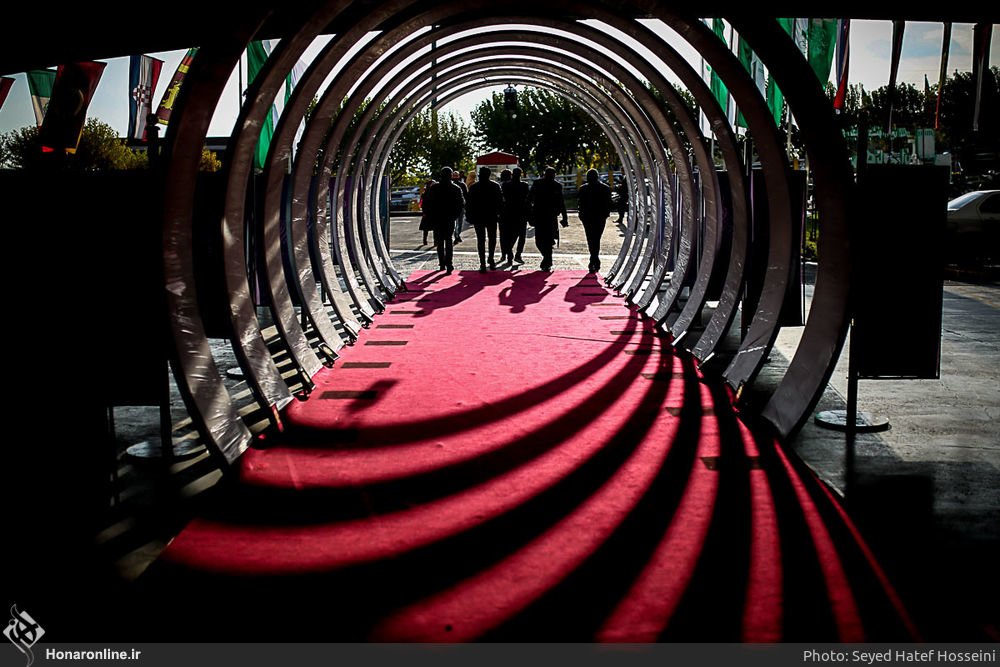
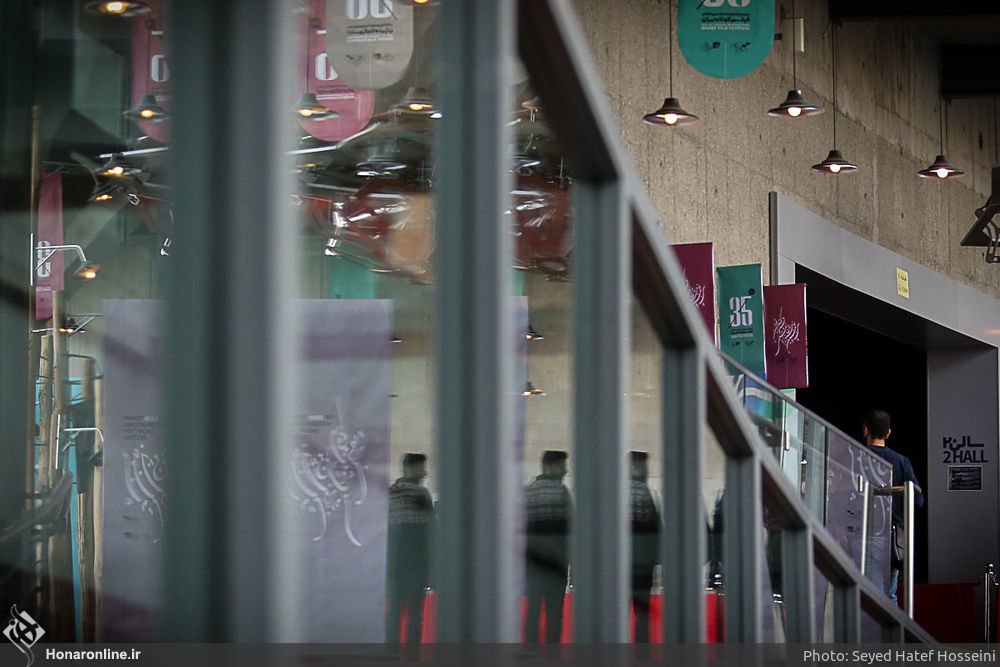
Below you can see photos of the first days of the 35th edition of Tehran International Short Film Festival taken from various news agencies:

What Do We Know about Skin Burn Treatment?

Treatment of skin burns and remedies for different types of burns have long been a concern for humans, dating back thousands of years. One can look after their skin much better if they get to know different types of burns and their effects.

Cave paintings going back 3,500 years show burns and ways of their treatment. In 1,500 BCE in Egypt, Smith Papyrus explained how to treat burns using honey and pine gum. Other treatments include using tea leaves by the Chinese in 600 BCE and using pig oil and vinegar by Hippocrates in 400 BCE. The different degrees of burn were first developed by a French surgeon in 1500. The first hospital specialized in the treatment of burns was first established in London in 1843. Modern burn care methods began to spread in the late 19th and menimpotency.com. The importance of timely surgery and skin grafting came to light in the 1950s when formulas and liquids were developed to treat burns.

For a brief review of Iran’s achievements in various fields of science and technology, check the book “Science and Technology in Iran: A Brief Review

Generally speaking, the skin suffers burn when exposed to a temperature of 44 degrees centigrade. The duration of the contact greatly affects the type of the burn. In fact, these two factors are exponentially related. For example, if the skin is exposed to a temperature of 47 degrees centigrade for 15 minutes, it will destroy the epiderm. However, exposure to a temperature of 70 degrees centigrade for one second will be enough to destroy the epiderm.

What Do We Know about Skin Burn Treatment?In a general classification, burns are categorized into three degrees based on their intensity. In the first-degree burn, only the epiderm layer is involved. A clear feature of that is that the colour of the skin turns pink. A marked feature of the second-degree burn, which itself falls into two types, namely superficial and deep, is blisters filled with liquid or blood on the surface of the skin. In this degree of burn, the derm is also involved as well as the epiderm.

Other symptoms of the second-degree burn are pain, burning sensation and a change in the colour of the skin. The burn treatment usually takes 10 to 21 days, and the change of colour may remain on the skin. In deep second-degree burns, the symptoms are more severe and the outcome of the treatment is usually not that favourable as the blisters may leave behind scars and dark stains on the skin may remain. In this type of burn, the deeper layer of the skin is damaged and the patient’s sense of feeling may decrease in the burned spots as lower layers may be damaged.

At the moment, there are various efficient ways to treat burns and its scars, including by using stem cell products. However, prevention is still better than cure. Look after your skin.

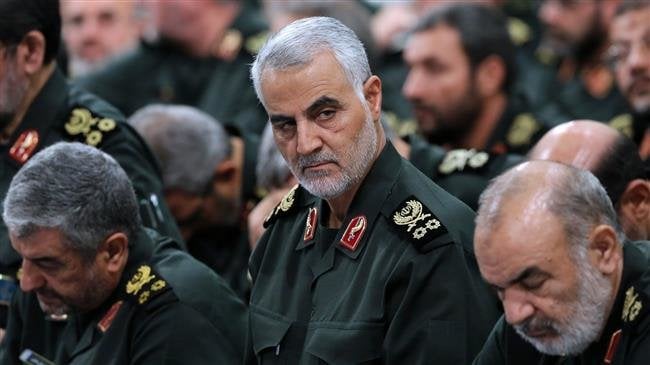
NY Times Reveals Saudi Plan to Assassinate Gen. Soleimani

The March 2017 meeting in Riyadh brought together businessmen that “pitched a $2 billion plan to use private intelligence operatives to sabotage the Iranian economy,” read the report released Sunday.

“Top Saudi intelligence officials close to Crown Prince Mohammed bin Salman asked a small group of businessmen last year about using private companies to assassinate Iranian enemies of the kingdom,” it said.

As the meeting came at a time that bin Salman was consolidating his power in the kingdom, the report concludes that planning for assassinations, like that of dissident journalist Khashoggi, started “since the beginning of Prince Mohammed’s ascent.”

Assiri’s top aides also “inquired about killing” Iran’s General Soleimani as the attendees were trying to “win Saudi funding for their plan,” read the report by the US daily.

General Solemani has been at the forefront of Iran’s advisory efforts in Syria and Iraq, two Muslim countries suffering from Takfiri militancy, allegedly backed by Saudi Arabia and some other US allies.

Iran’s foreign ministry has accused Washington of seeking to wage an extensive “psychological war” against Tehran, insisting that such US measures are not worthy of much concern.

The new revelation adds to the embarrassment the US ally is facing in the wake of Khashoggi’s assassination at the Saudi consulate in Istanbul as well as violation of human rights in the war on Yemen.

“The interest in assassinations, covert operations and military campaigns like the war in Yemen — overseen by Prince Mohammed — is a change for the kingdom, which historically has avoided an adventurous foreign policy that could create instability and imperil Saudi Arabia’s comfortable position as one of the world’s largest oil suppliers,” added the report.

Turkish intelligence intercepts reportedly show that Khashoggi, who was last seen entering the Saudi mission in Istanbul on October 2, was murdered on a direct order from the Saudi de facto ruler.

Saudi Arabia has acknowledged the murder, yet left many questions unanswered.

Khashoggi had been there to obtain a document certifying he divorced his ex-wife.

Iran, Germany Discuss EU’s Special Payment Mechanism

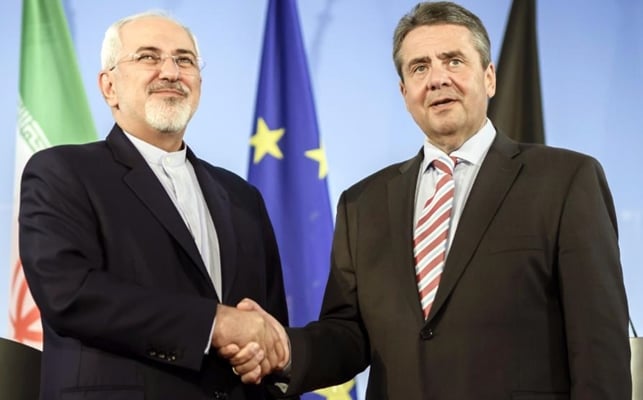
During the meeting, the two sides exchanged views on the latest mutual and regional issues as well as the recent developments of the Iran nuclear deal, particularly the financial mechanism being devised by the EU to give Iran a chance to enjoy its economic benefits under the deal.

They also underlined the need to facilitate the process of making the mechanism operational as soon as possible.

Gabriel is in Tehran on an official visit at the head of an economic delegation consisting of top executives of German firms.

Following the US unilateral withdrawal from the JCPOA in May and the subsequent re-imposition of sanctions on the Islamic Republic of Iran, the EU vowed to introduce some new measures to guarantee Iran’s economic interests.

Back in September 24, Iran and the remaining parties of the Iran nuclear deal released a joint statement announcing the creation of a “Special Purpose Vehicle” to facilitate continued trade deals with Iran. The mechanism is aimed at bypassing the US’s sanctions on Iran.

Iran FM Highlights Significance of Science Diplomacy

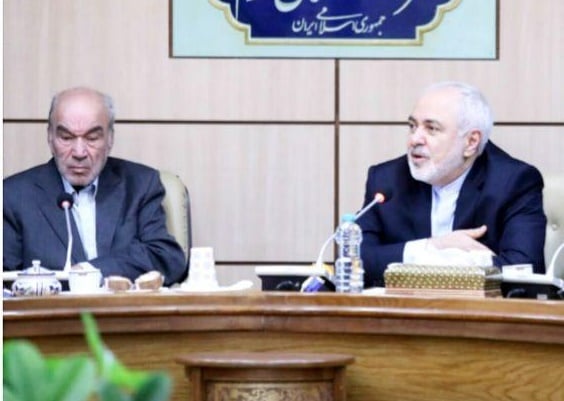
In an address to members of the Iranian Academy of Sciences, Zarif referred to the changes in concepts related to diplomacy, particularly the concept of sovereignty, and subsequently the changes in the number and variety of the players in the international arenas, and said science diplomacy is far beyond abstract fields.

“For example in various fields related to science like environmental pollution – including the pollution of the Persian Gulf – and safety of nuclear plants and other related issues, one can draw on science diplomacy in foreign policy and launch joint cooperation and build mutual trusts with others,” he said.

For a brief review of Iran’s achievements in various fields of science and technology, check the book “Science and Technology in Iran: A Brief Review

The Iranian top diplomat referred to the fact that Iran enjoys rich conceptual resources and high scientific, cultural and literary capacities and said the capacities can be used as a great source for the country to establish connections with other nations and states.

“Through these connections, one can particularly take advantage of the rich literature of Iran,” he concluded.

A Look at Iranian Newspaper Front Pages on November 11

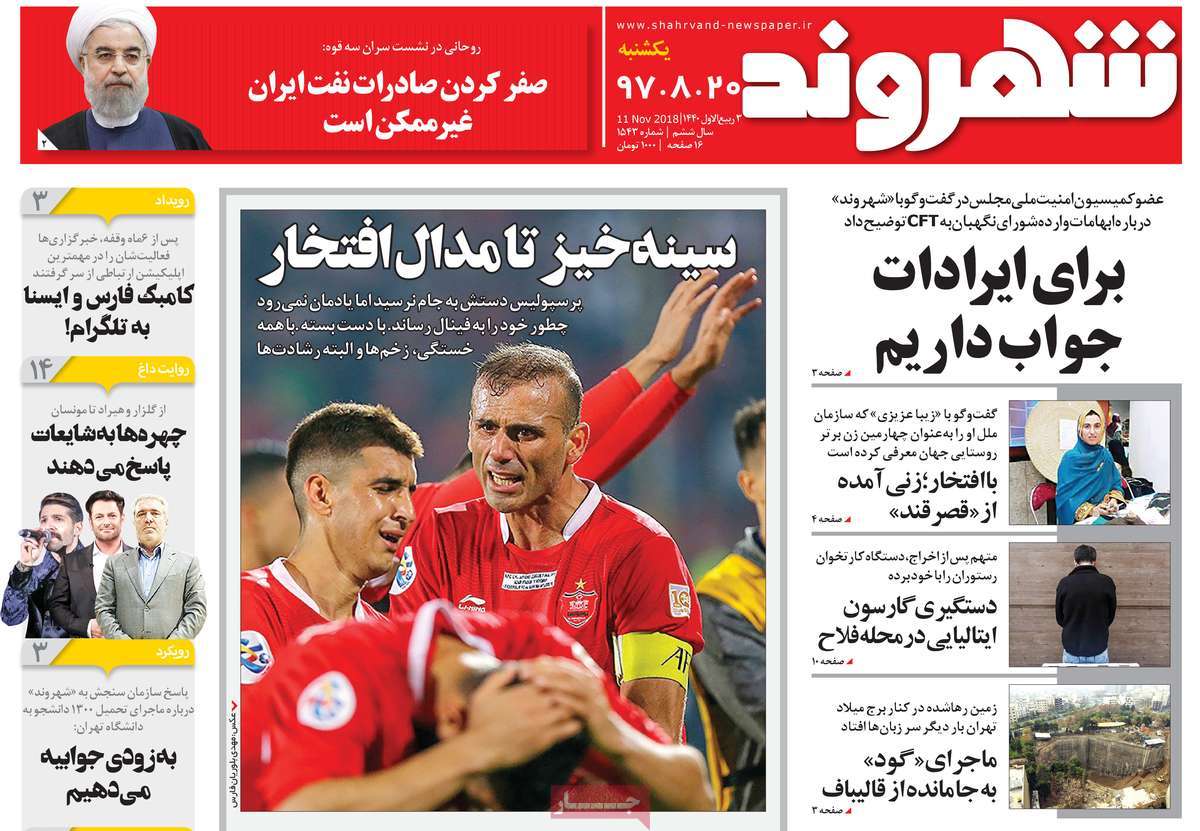
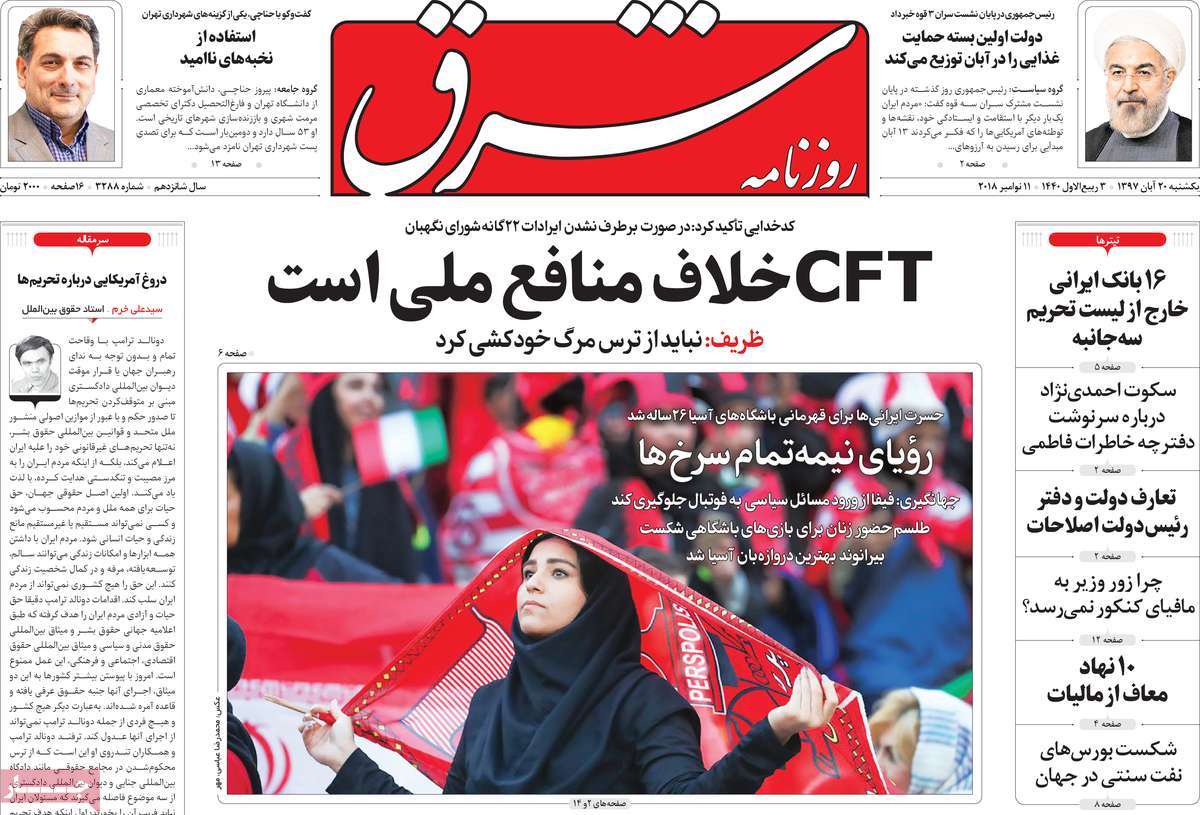
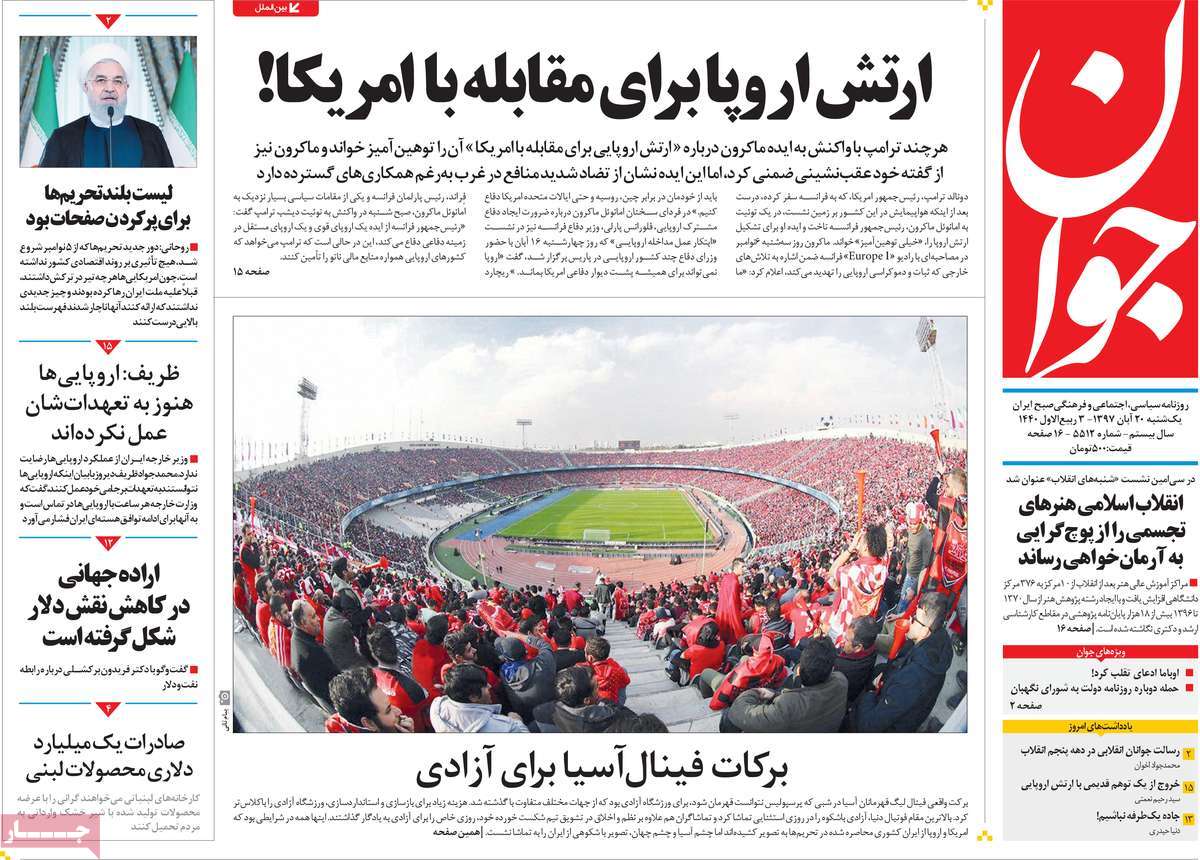
A Look at Iranian Newspaper Front Pages on November 19

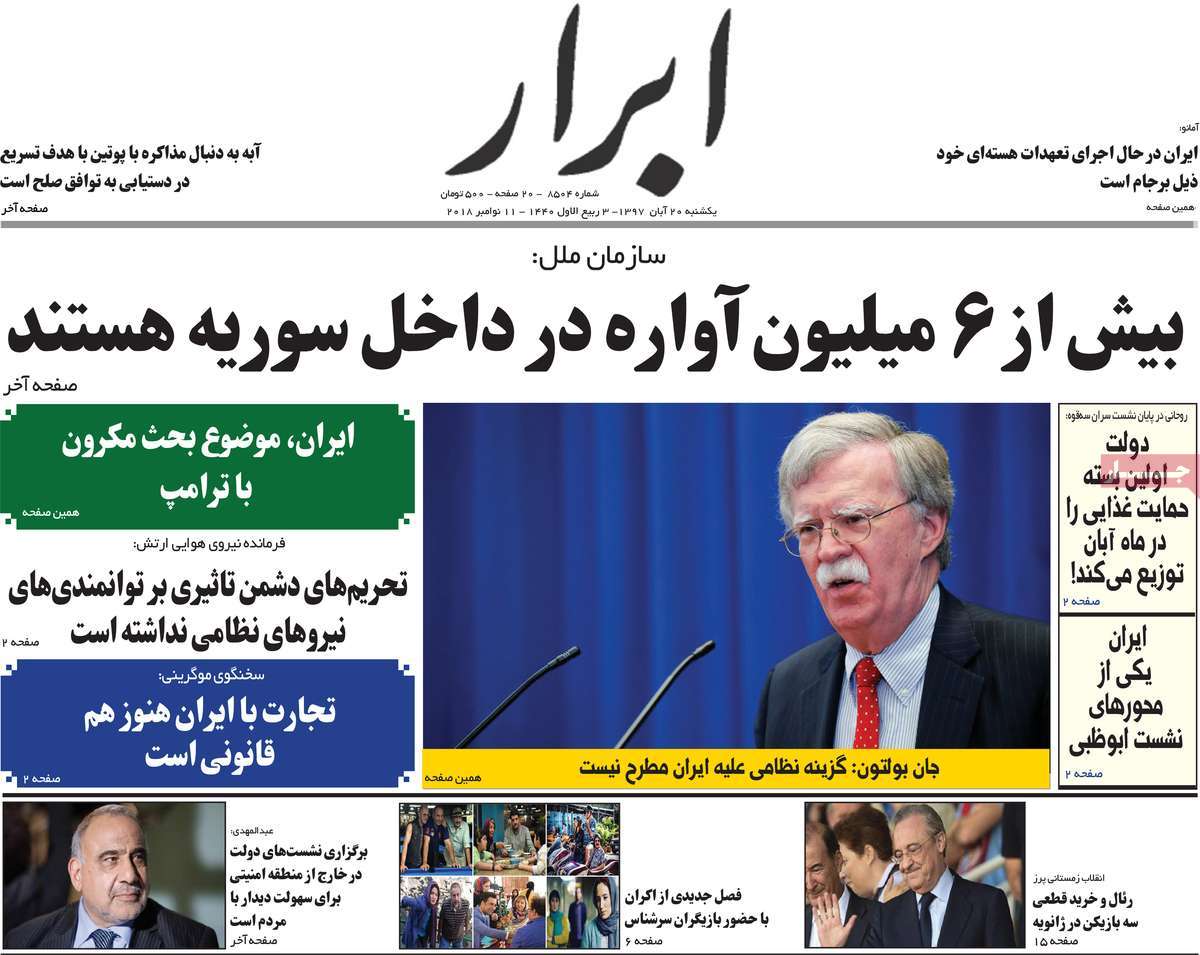
The top story in all papers today was the ineffectiveness of US sanctions against Iran and the waivers granted to some countries to maintain their oil imports from Iran. The dailies reflected President Hassan Rouhani’s stance on the impact of sanctions, who said Iran’s oil exports cannot be cut to zero. Rouhani’s remarks after a joint meeting with Parliament Speaker and Judiciary Chief regarding the Oil sales were focused by most dailies.

Also a top story was the issue of Iran adopting the Combating the Financing of Terrorism (CFT) convention, which is part of the four bills proposed to take Iran out of the blacklist of global anti-money laundering body, Financial Action Task Force (FATF), and the opposition of some parties inside the country to the matter. The Guardian Council’s questions regarding CFT and the answers of Iranian lawmakers were covered by Iranian newspapers today.

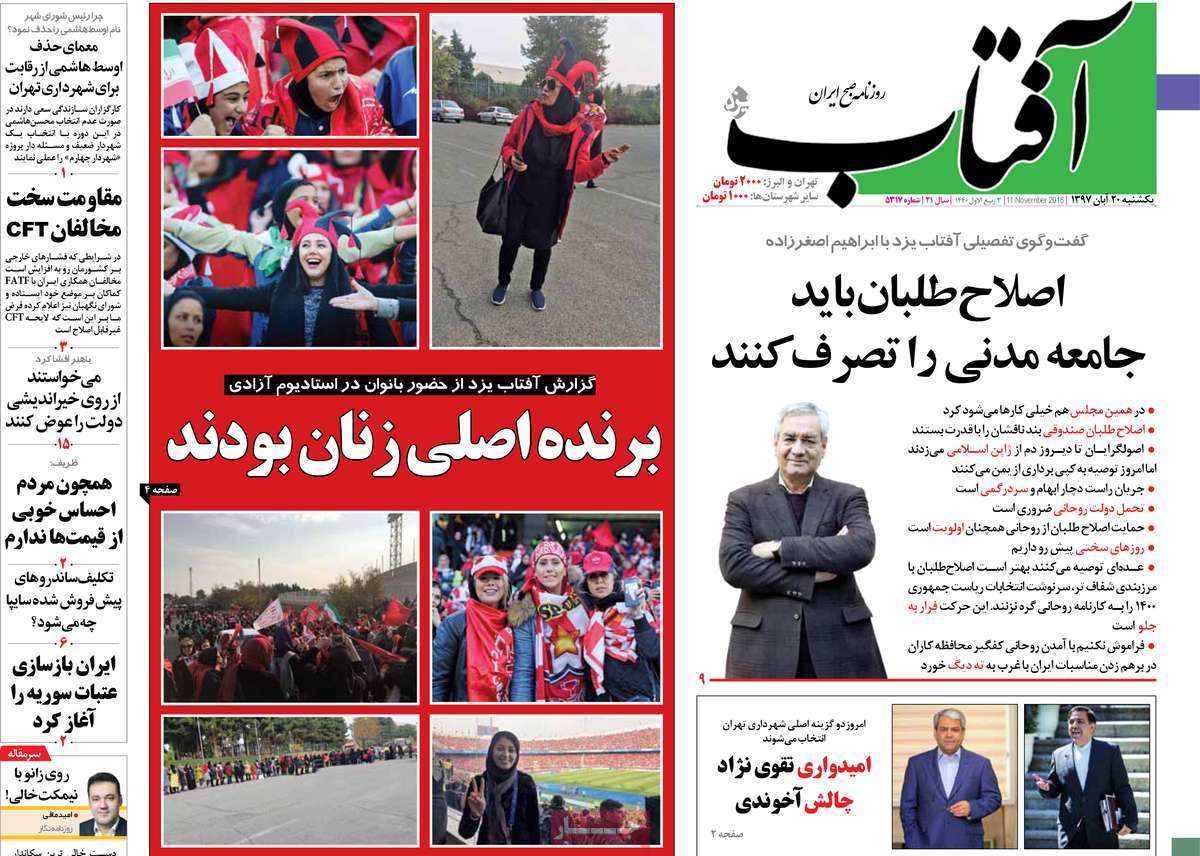
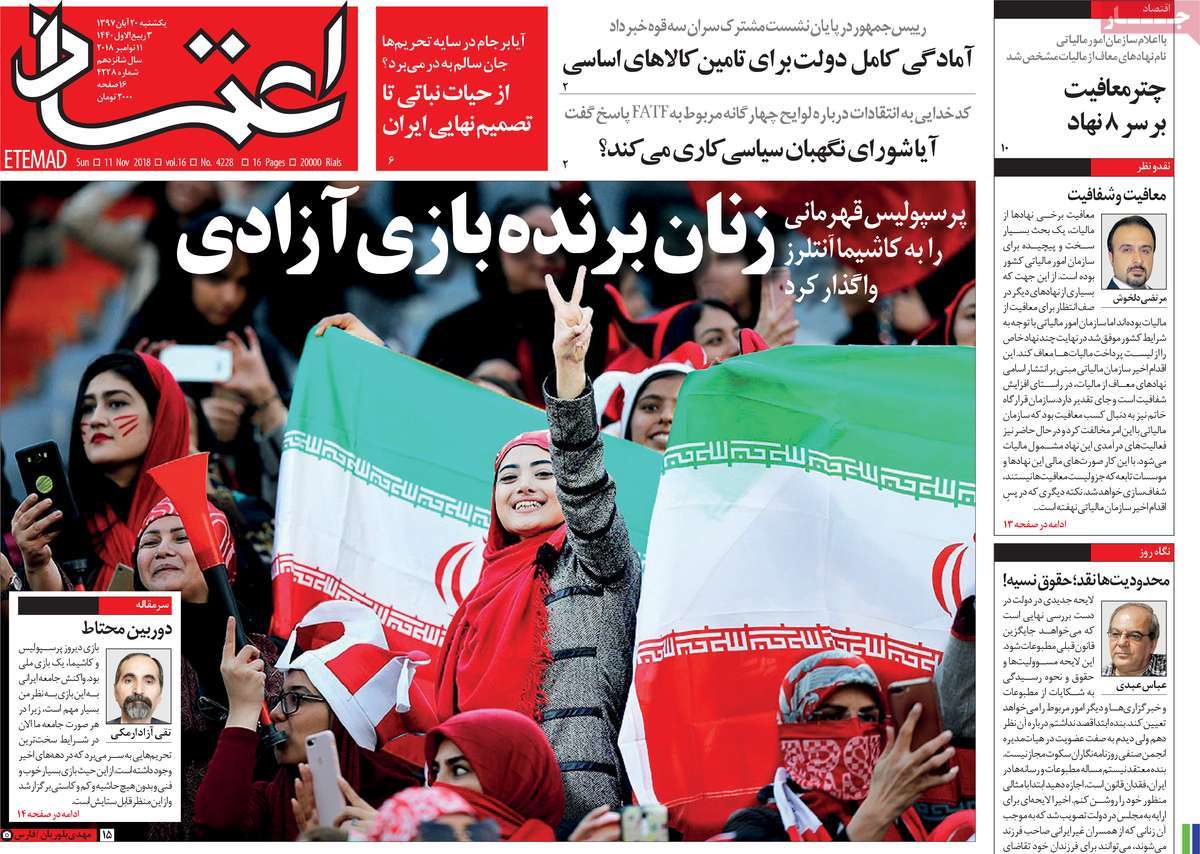
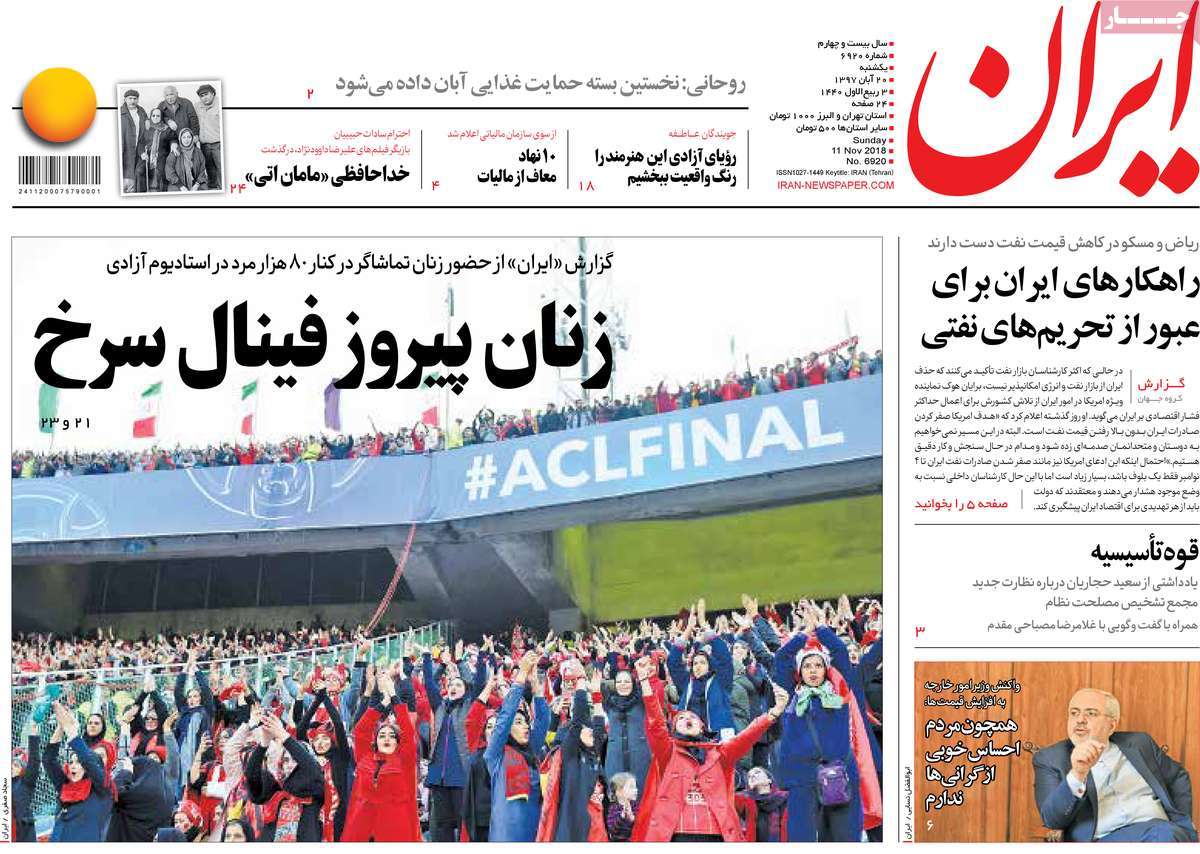
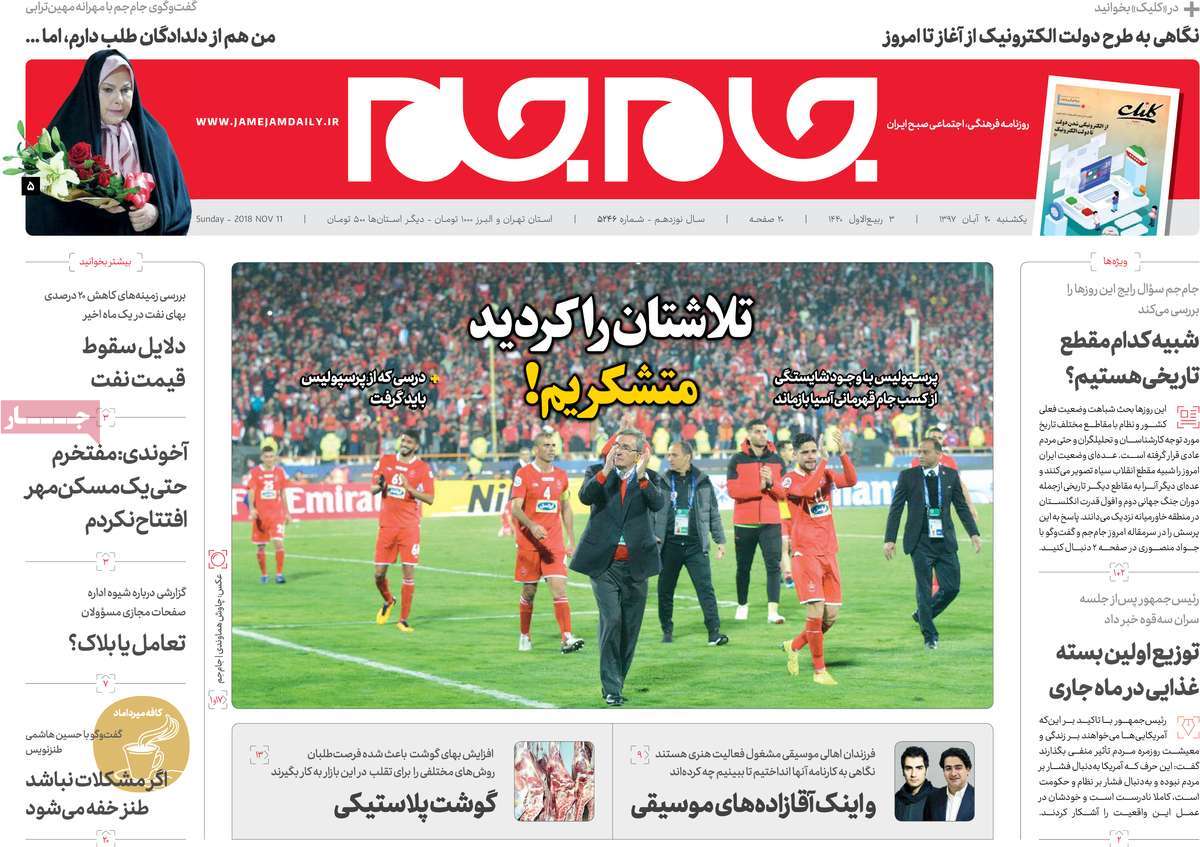
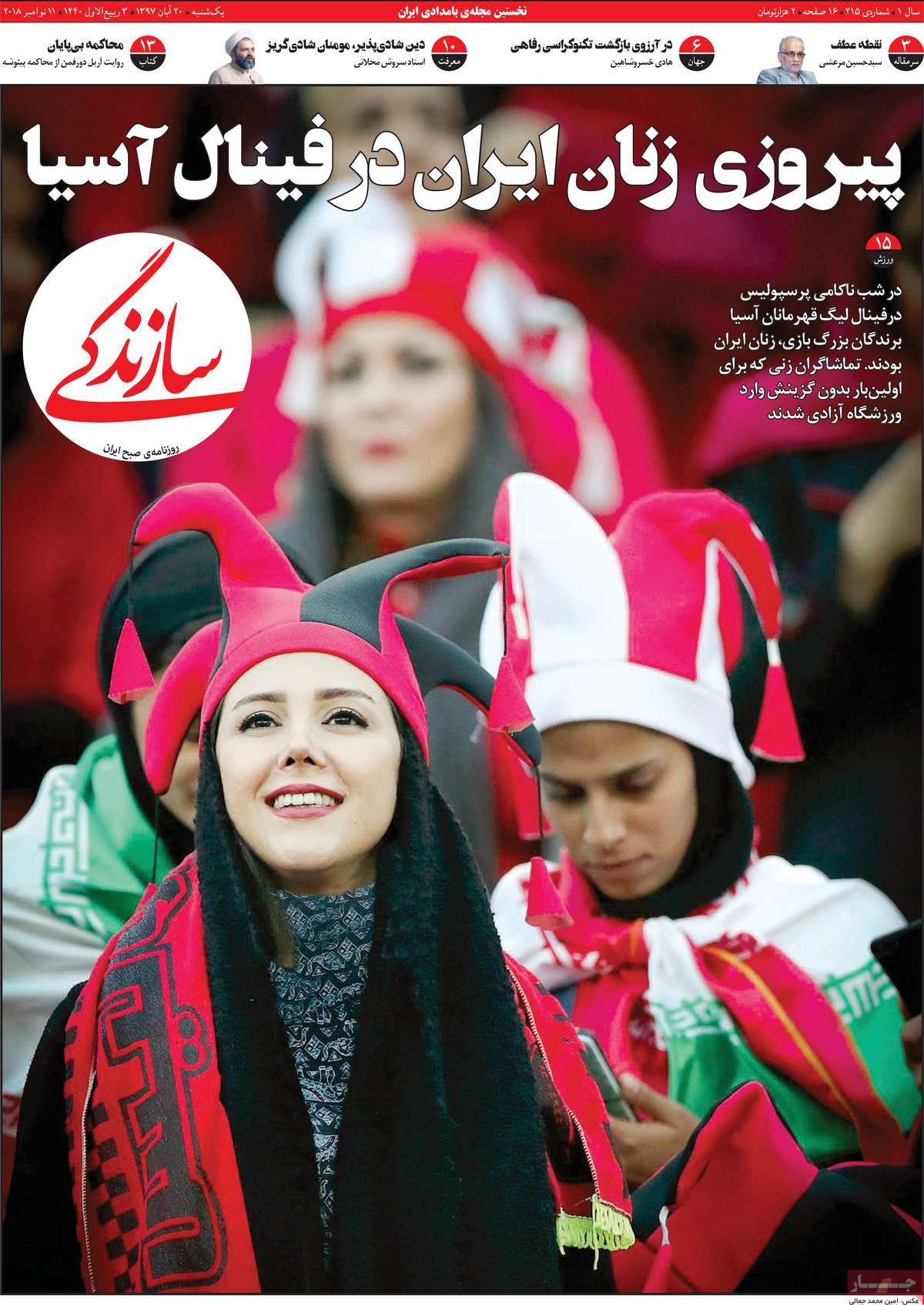
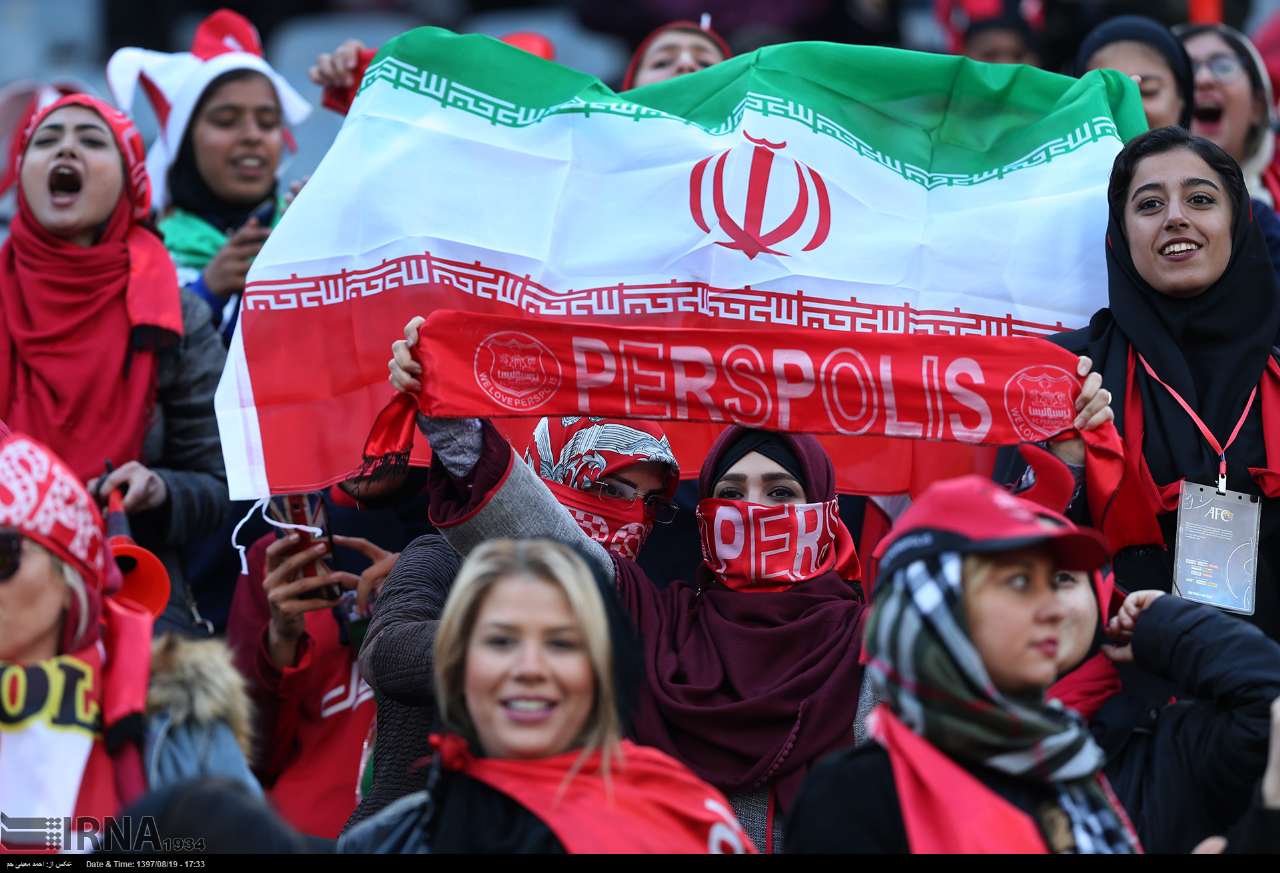
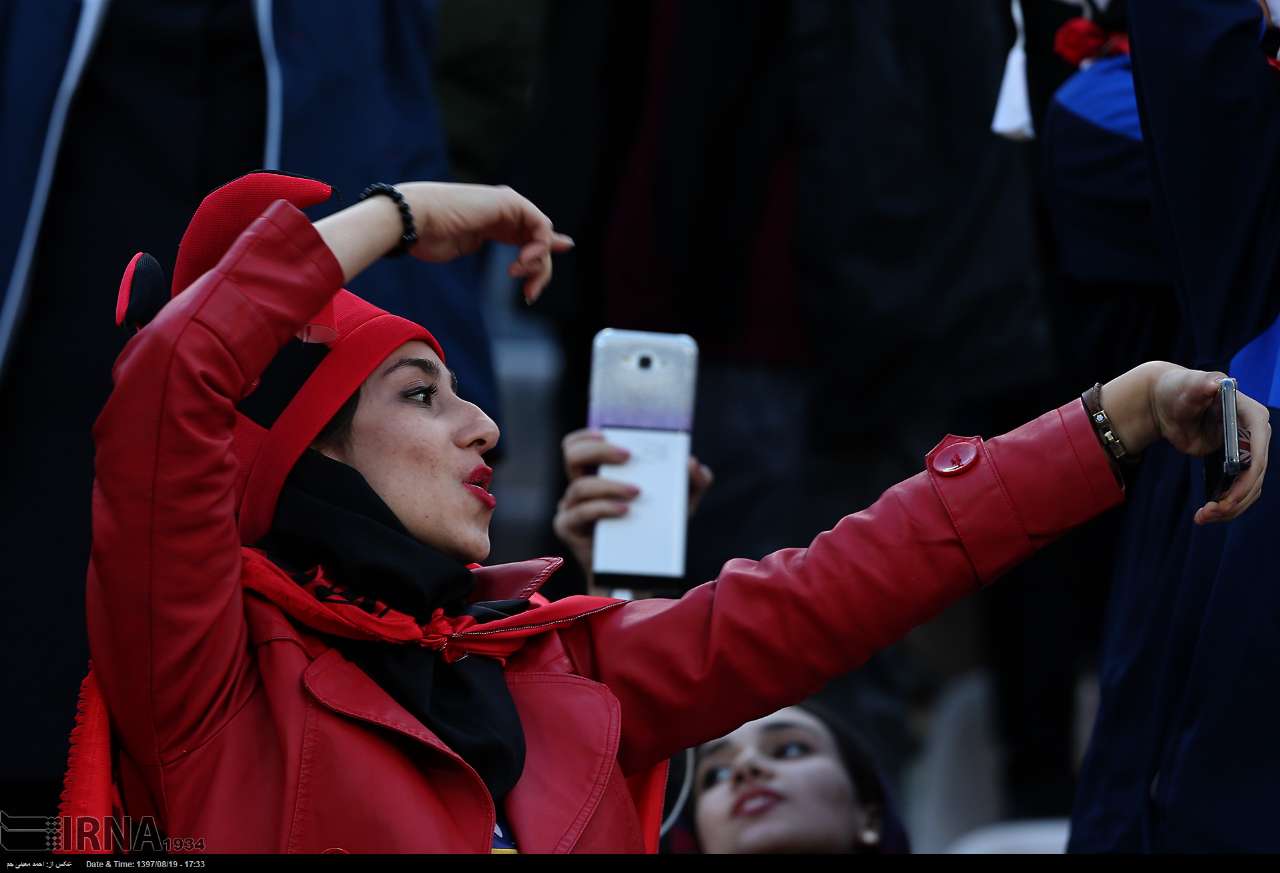
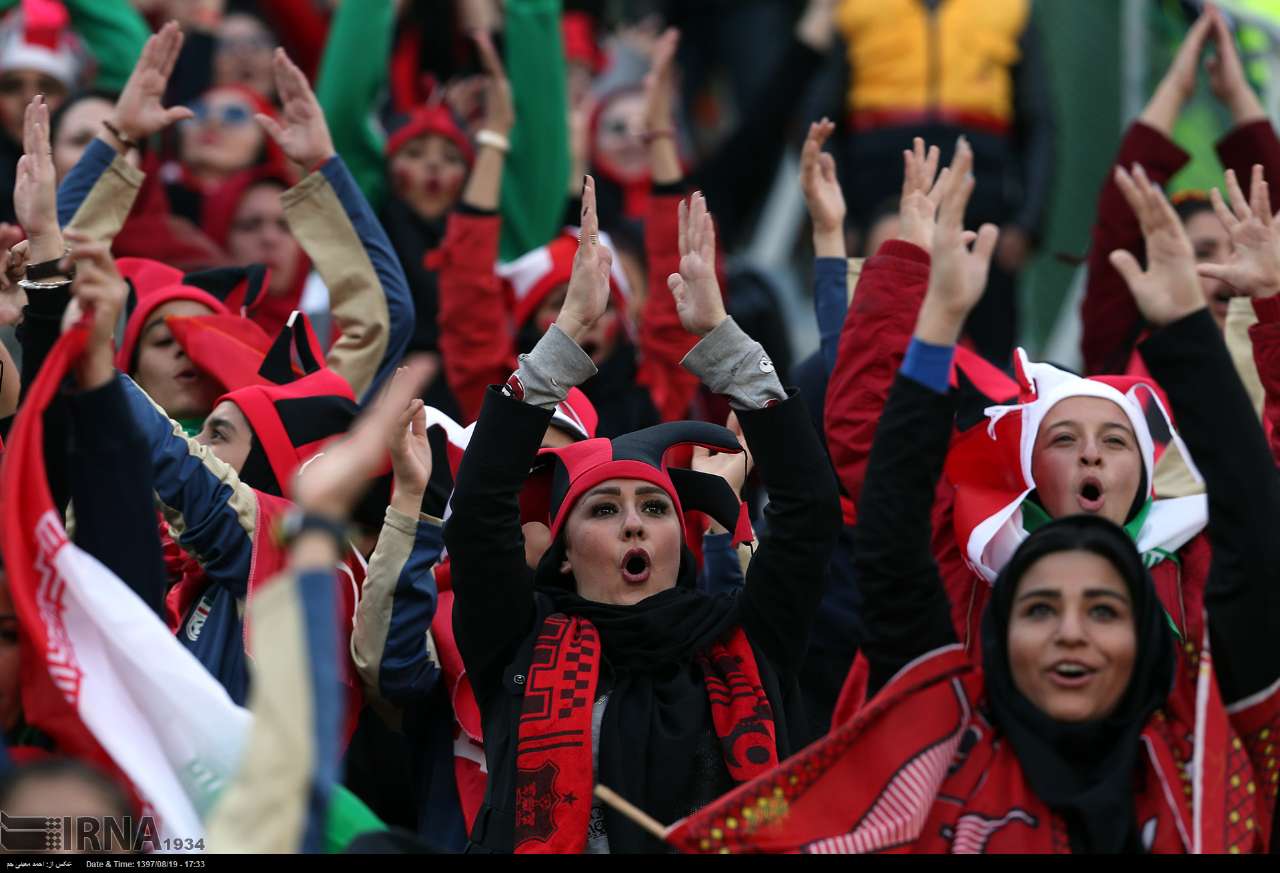
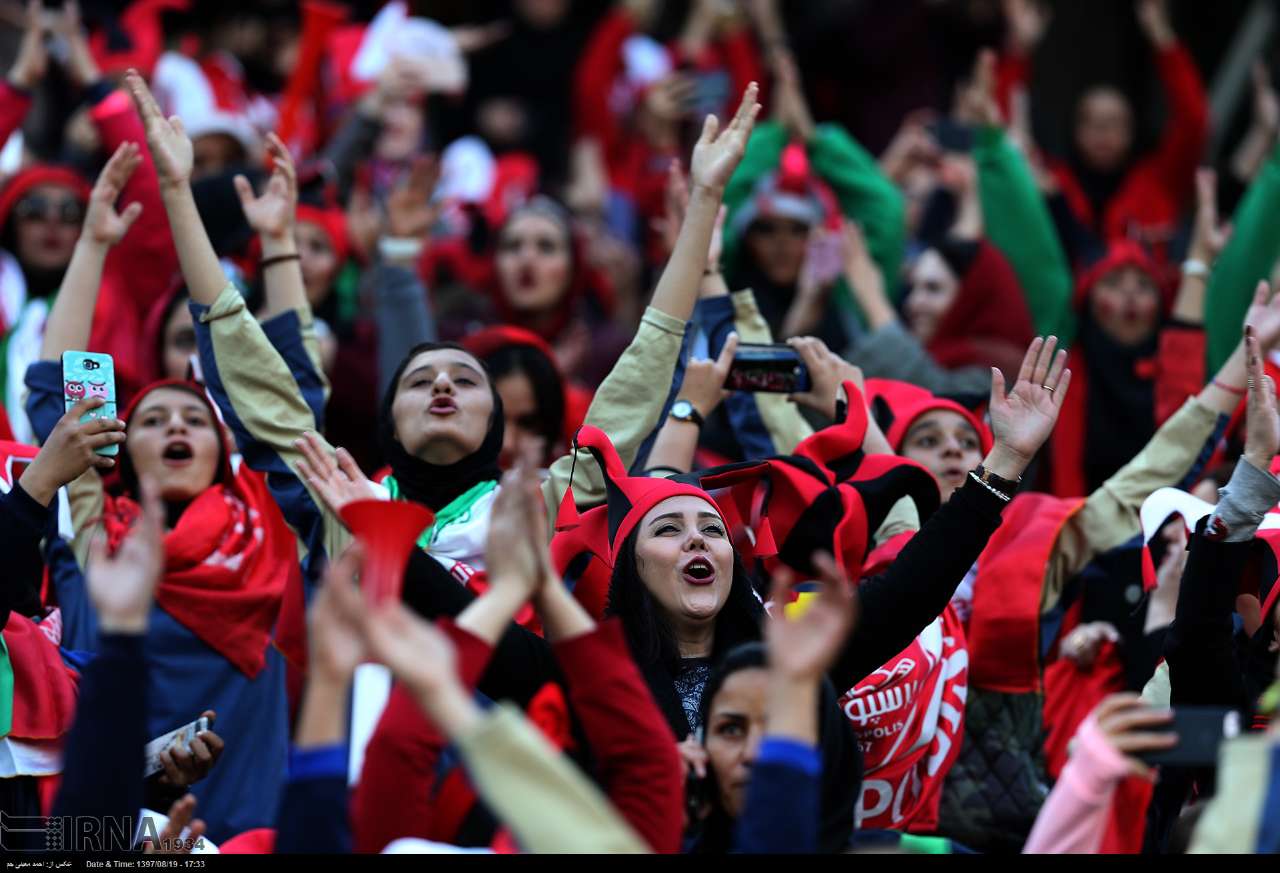
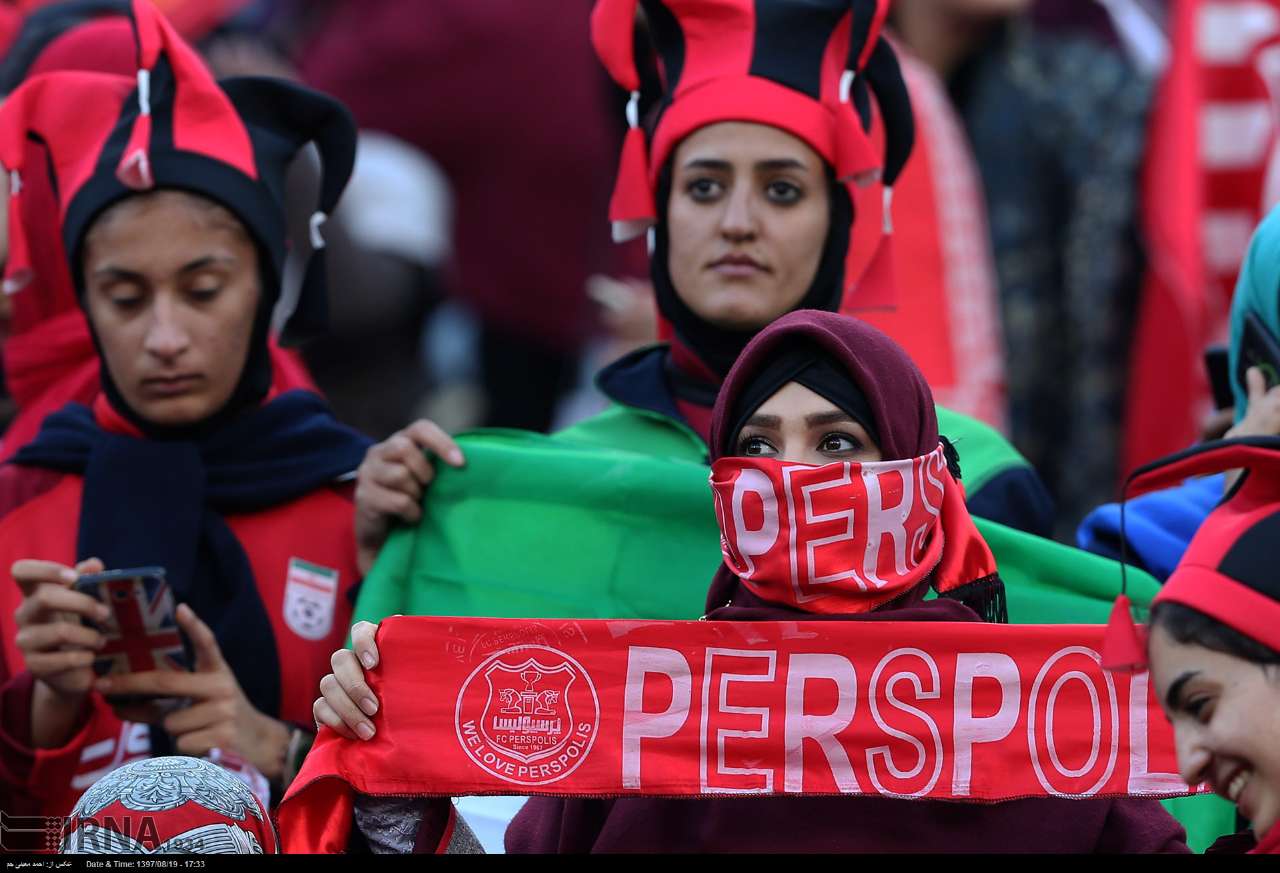
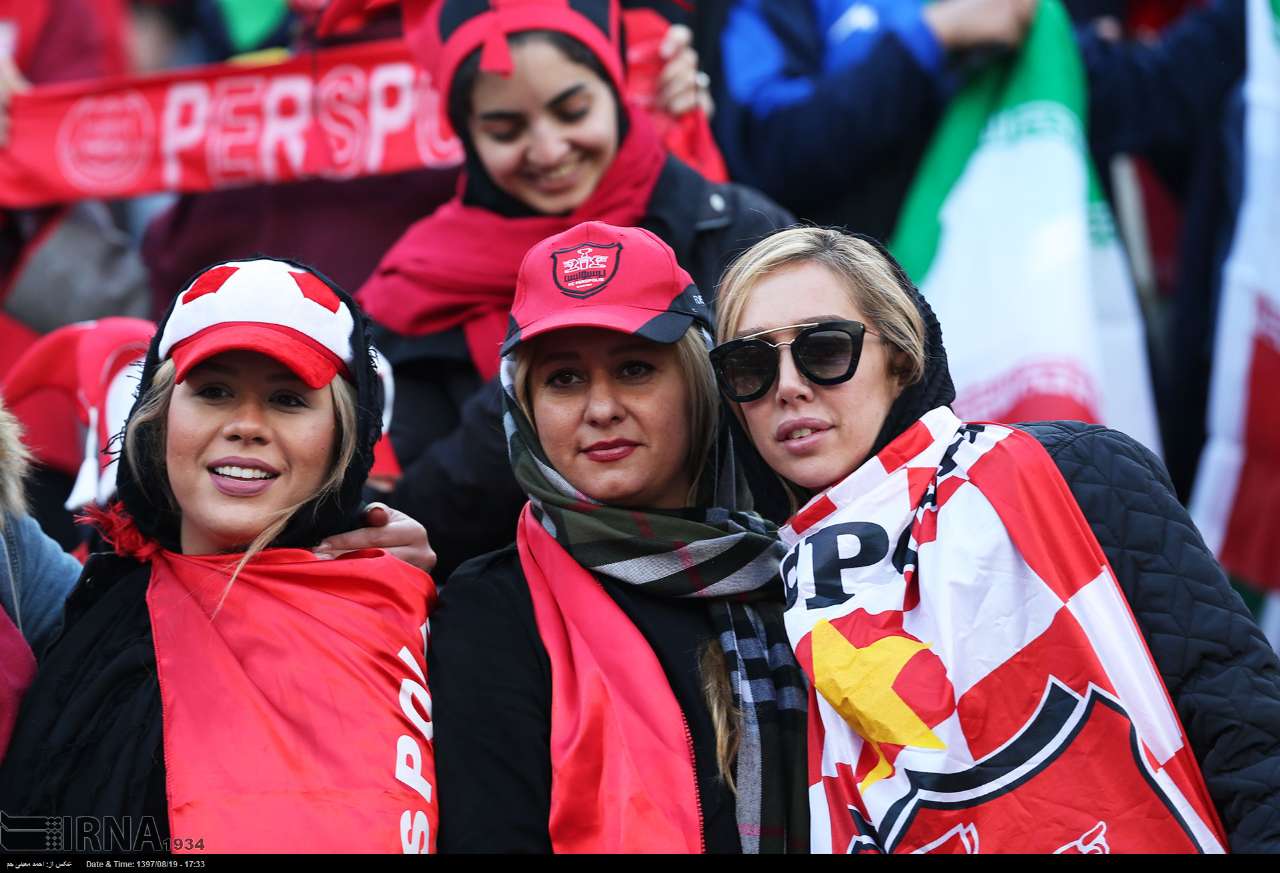
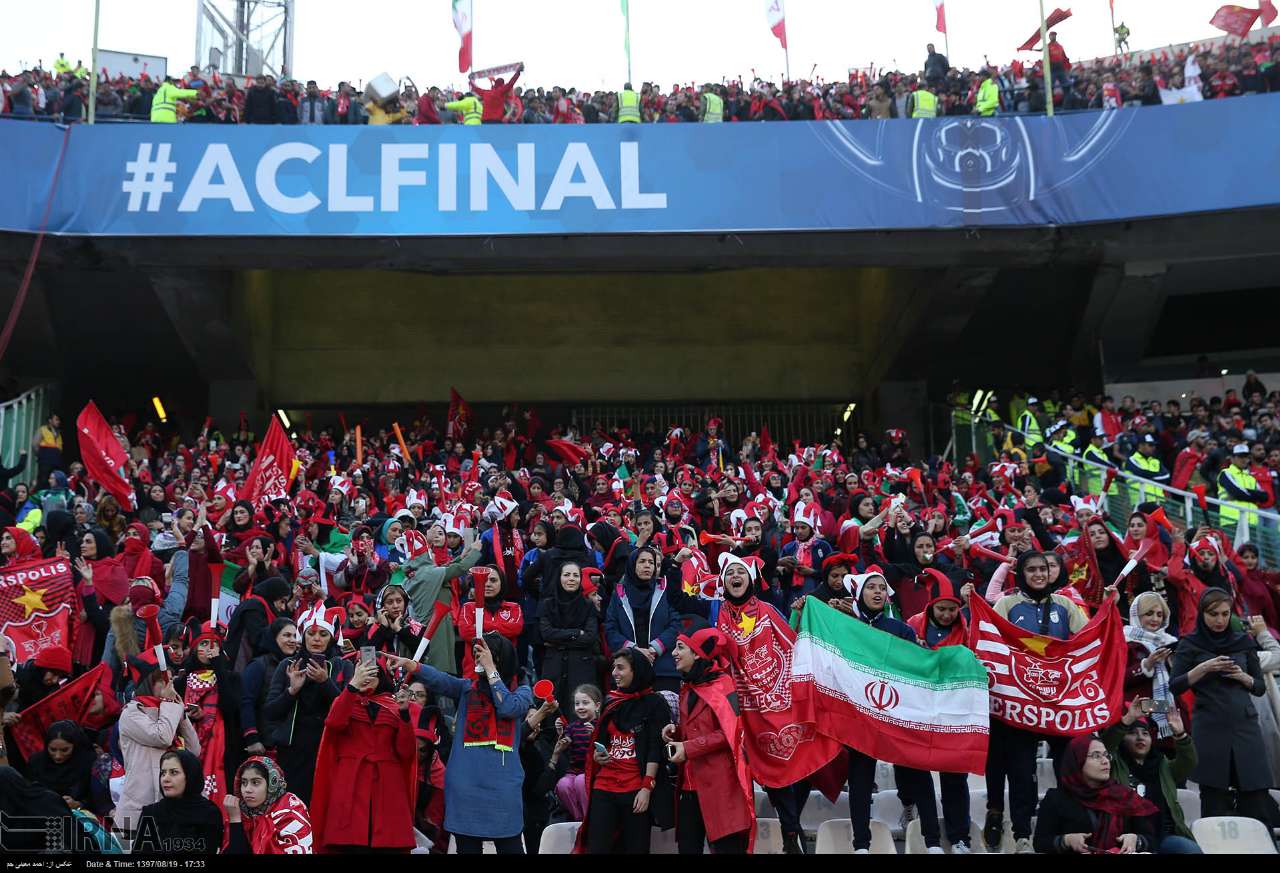
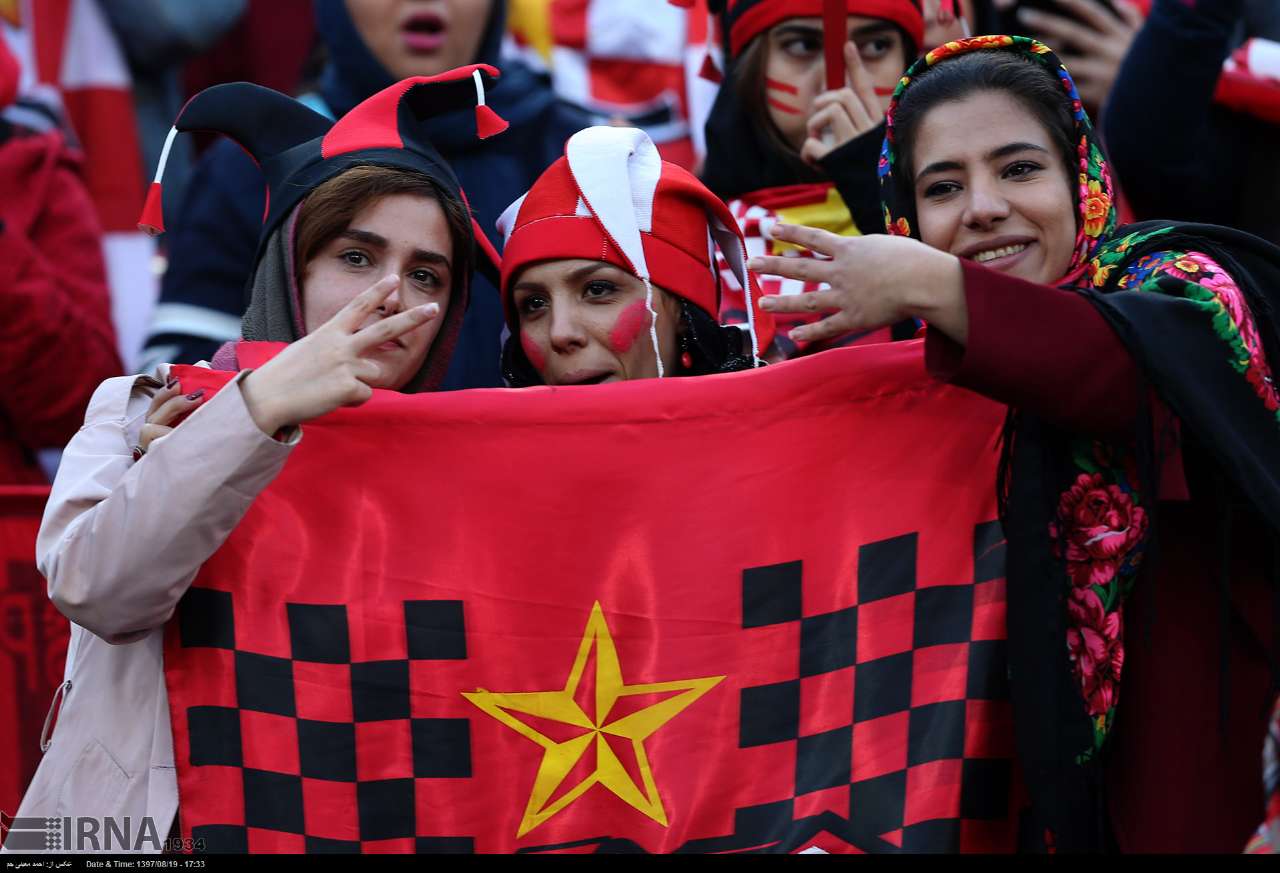
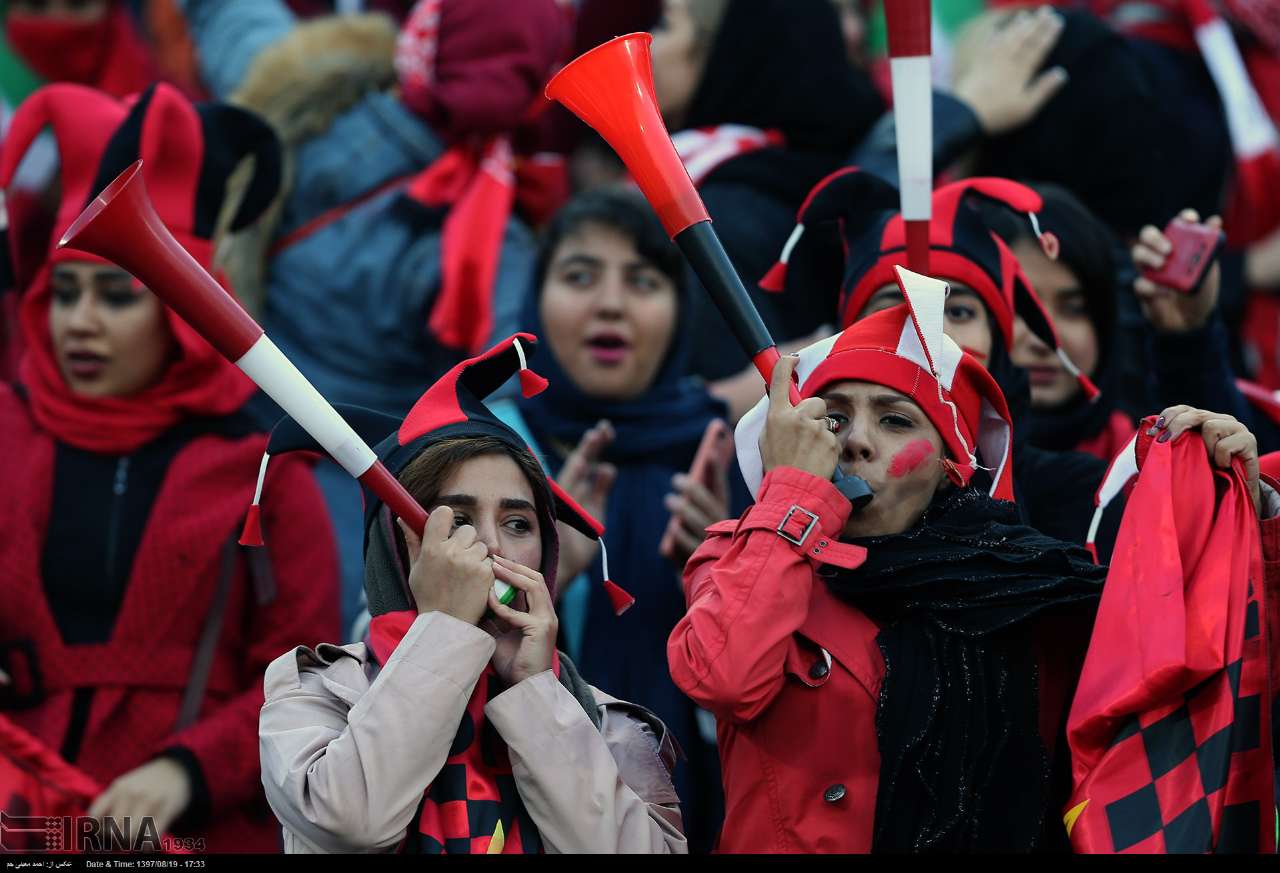
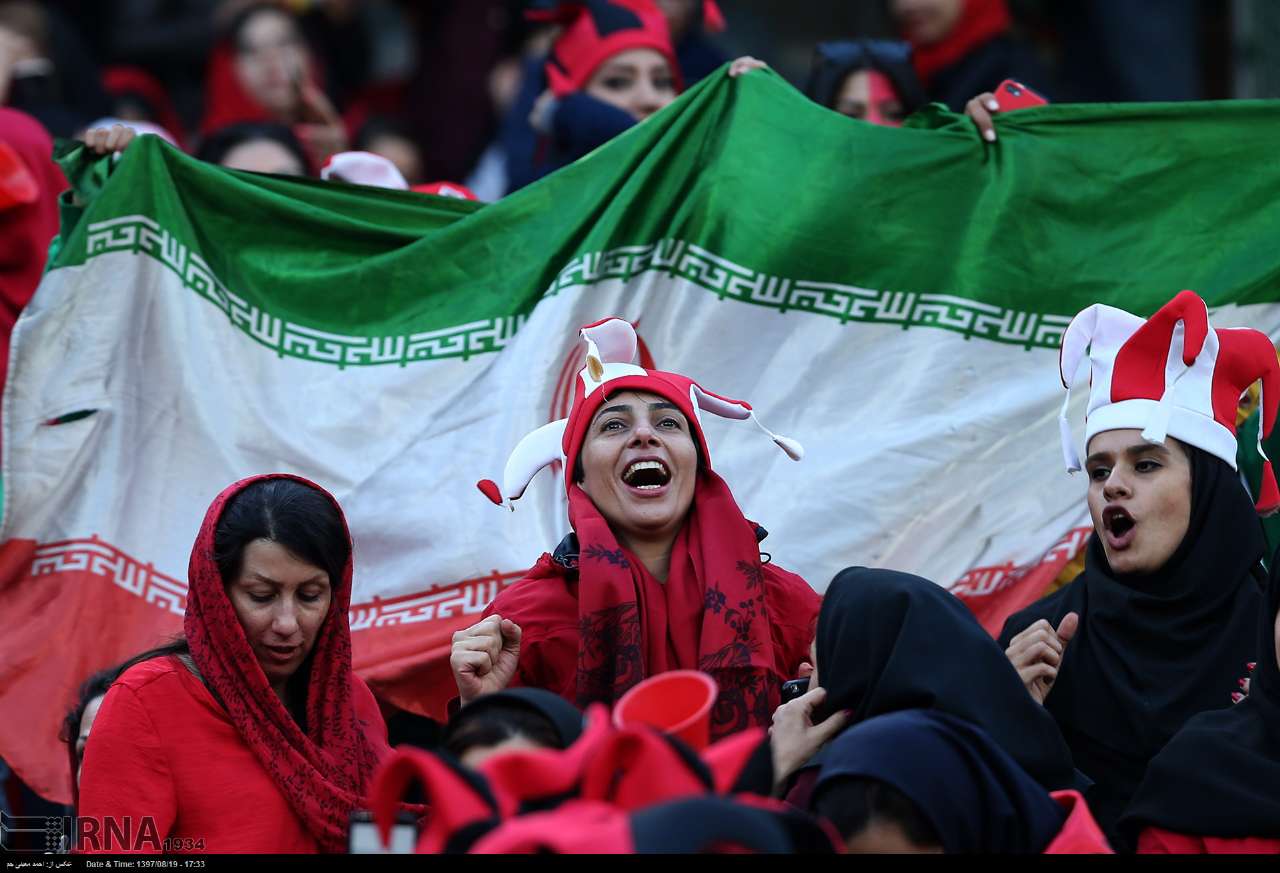
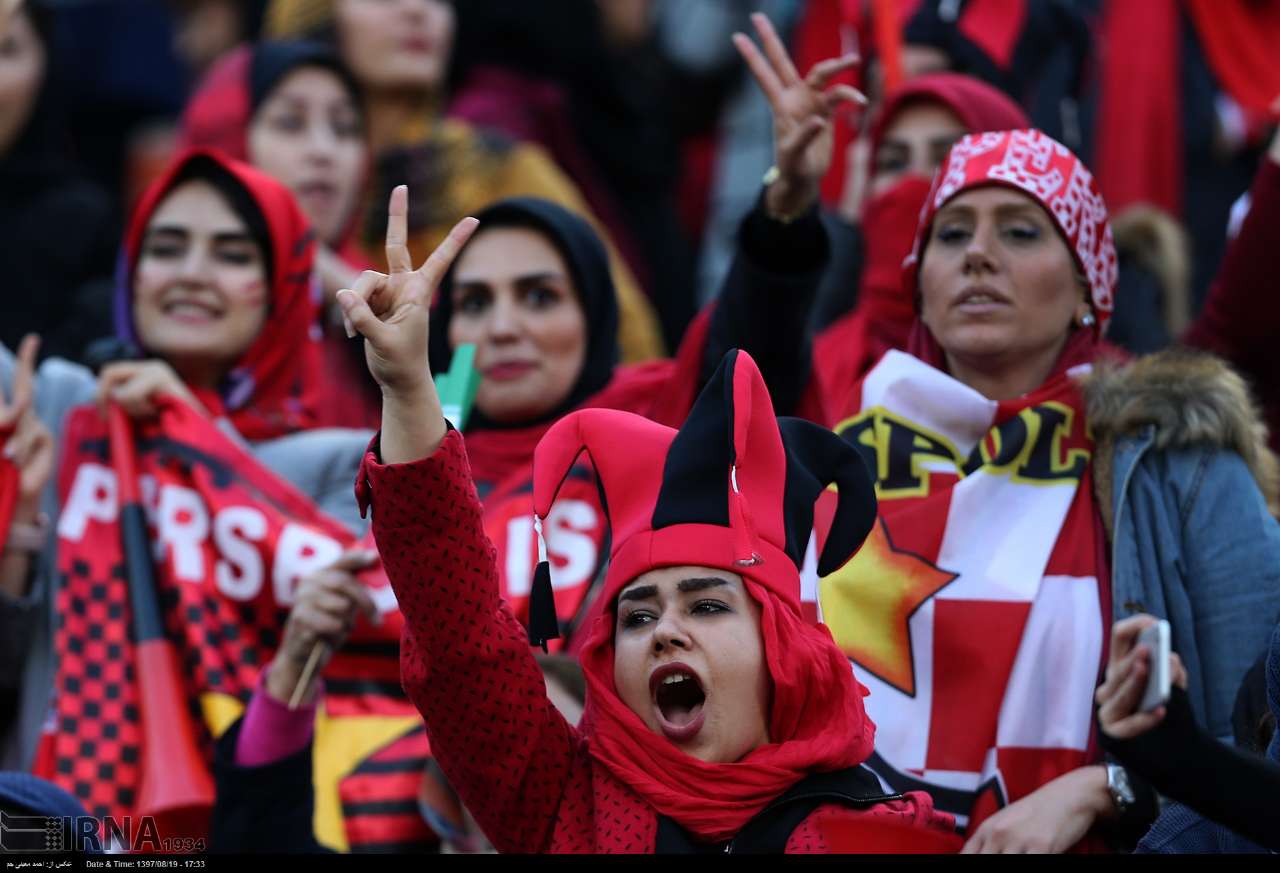
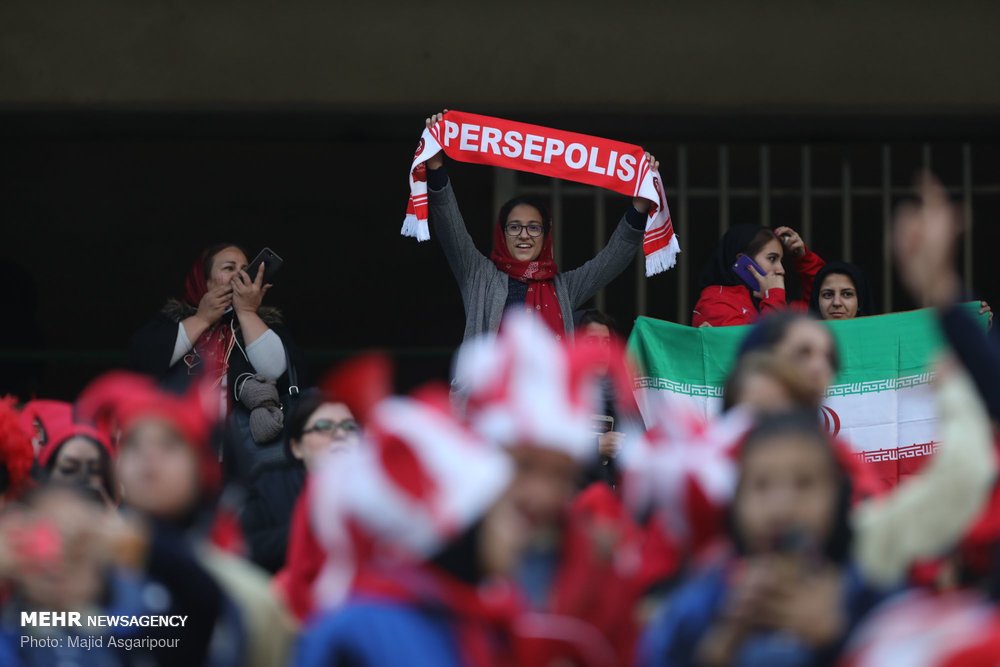
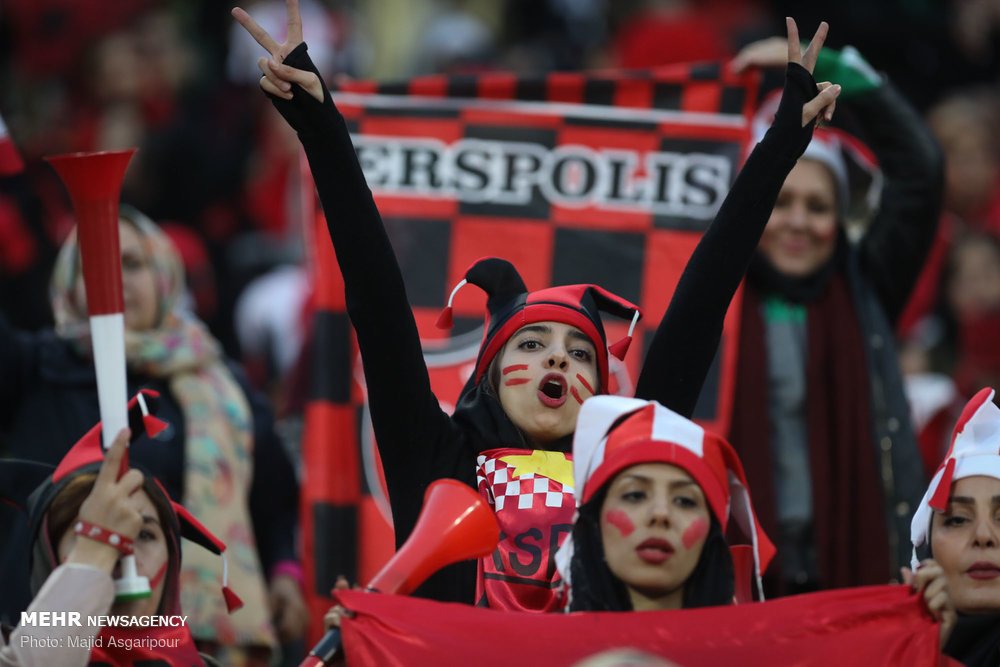
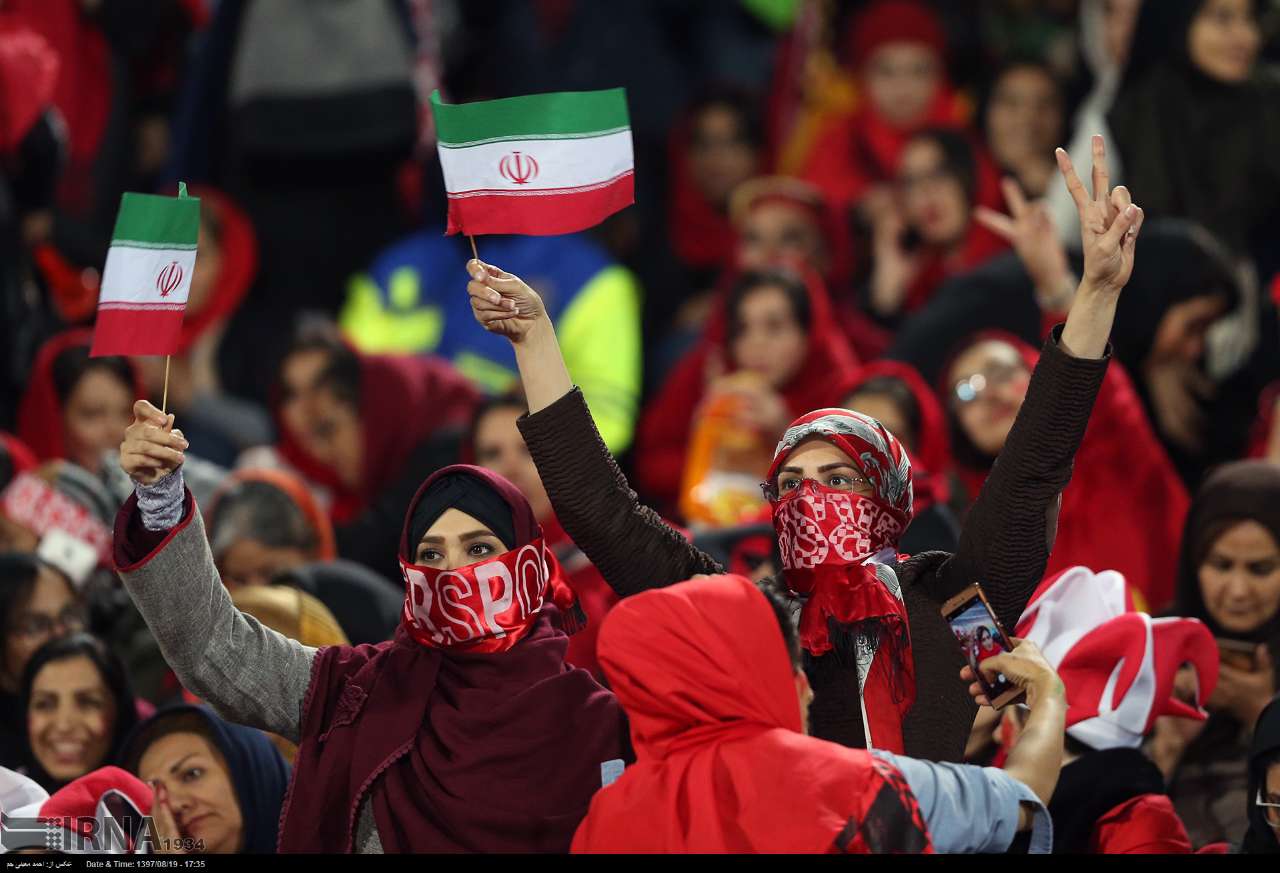
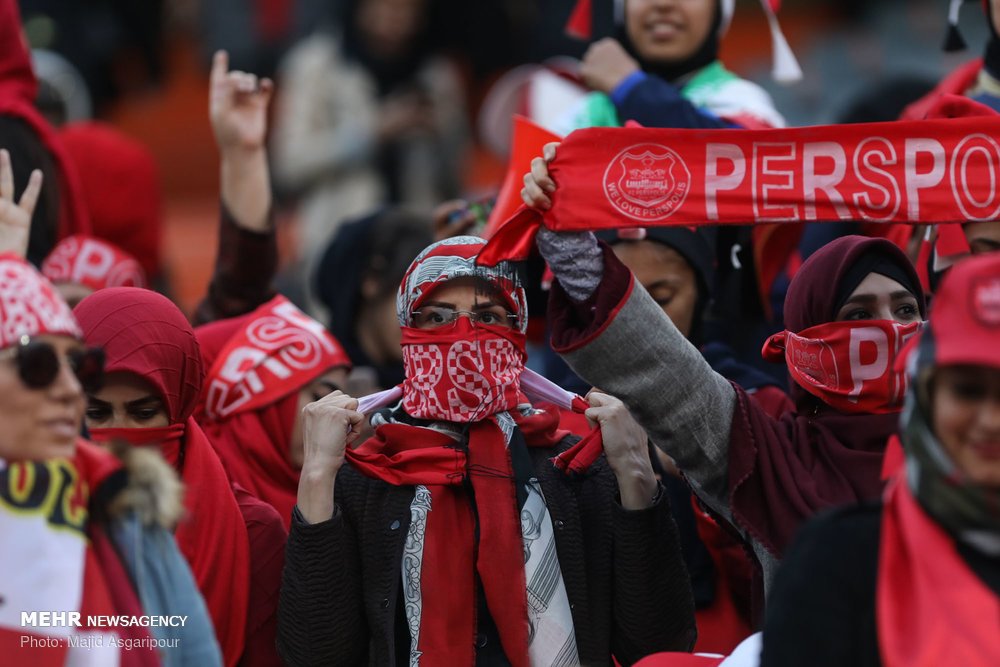
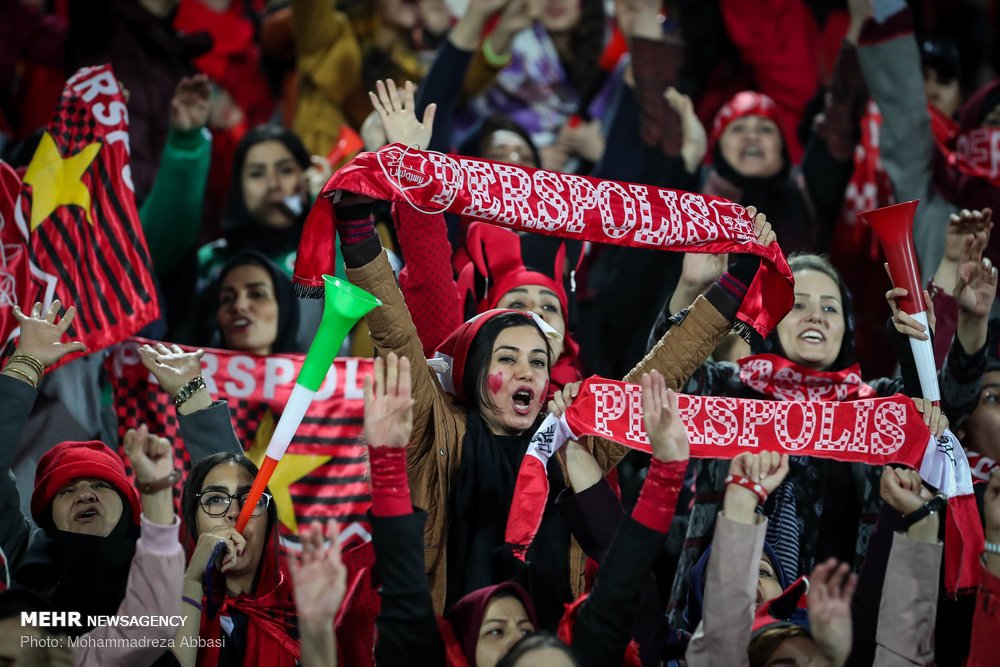
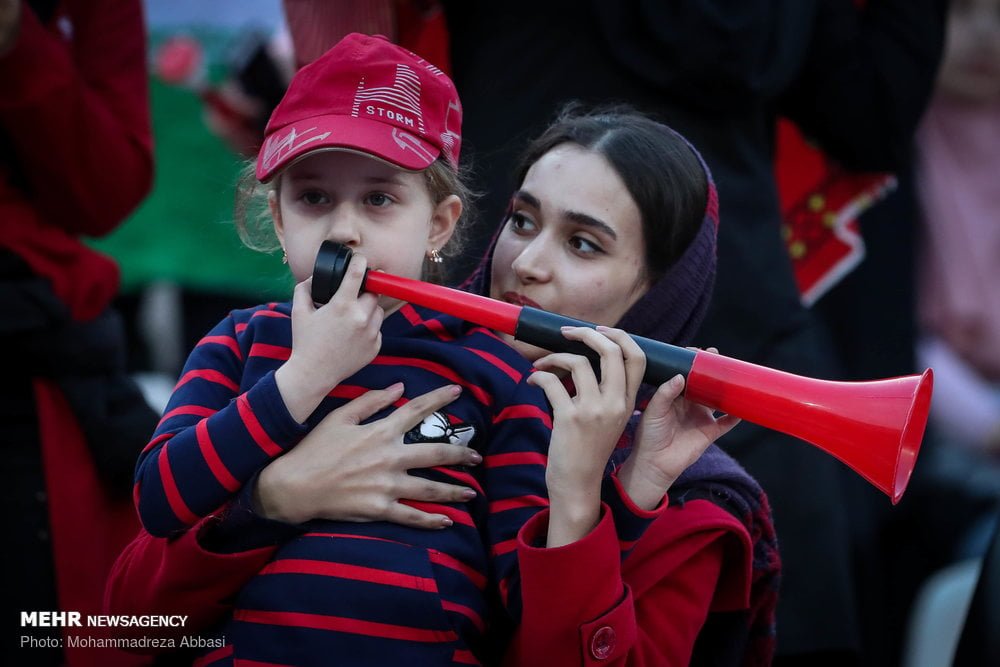
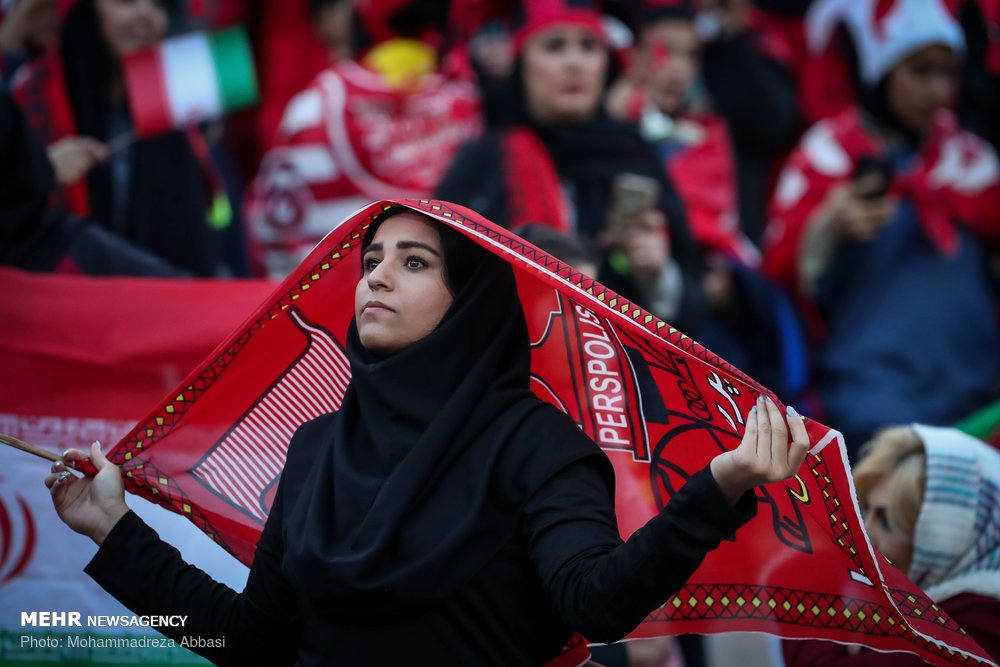
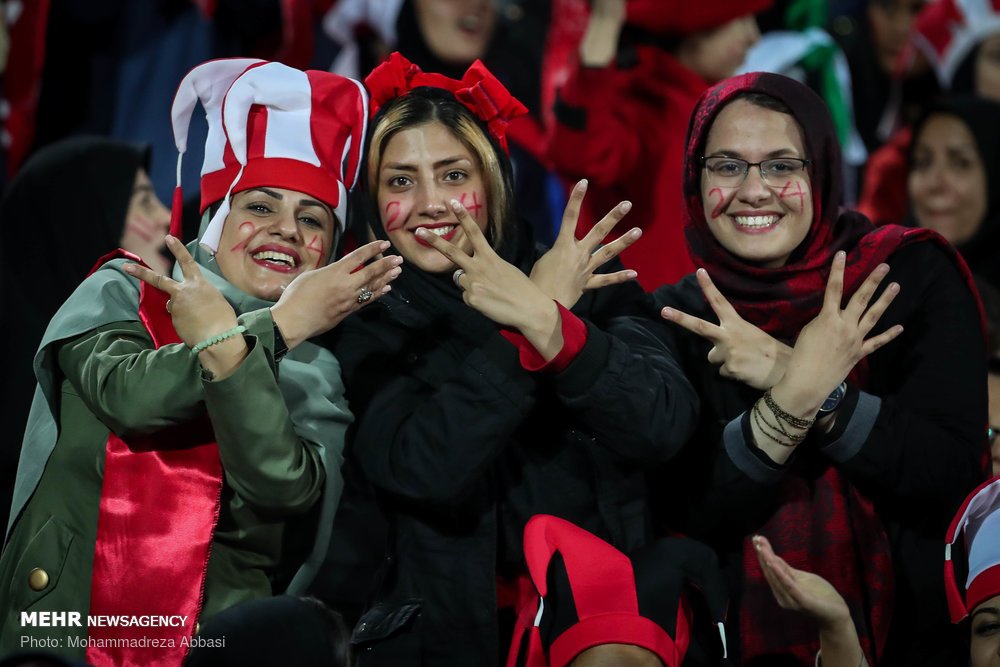
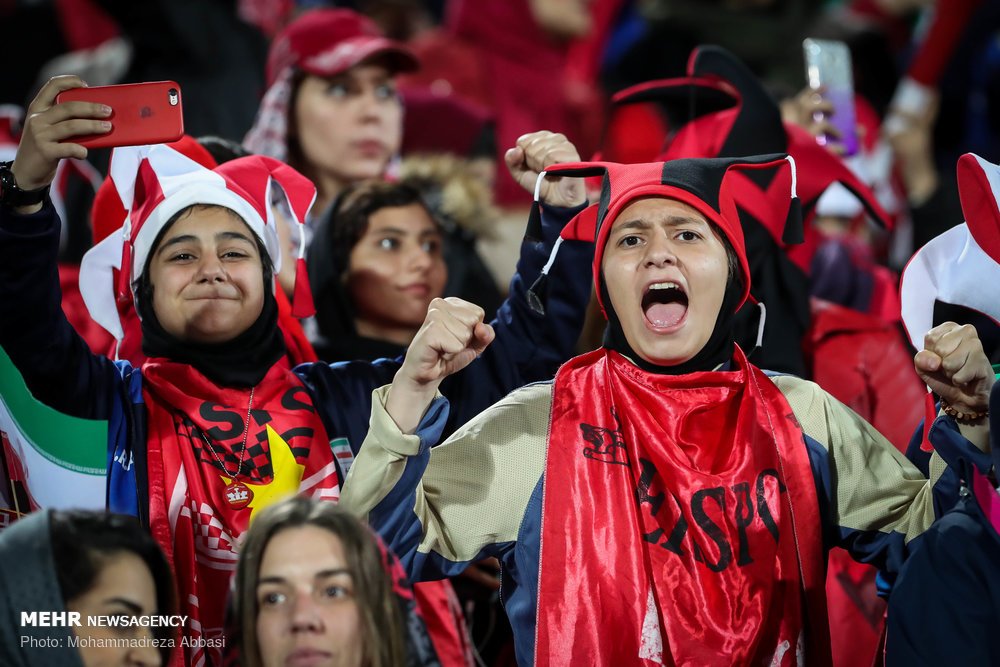
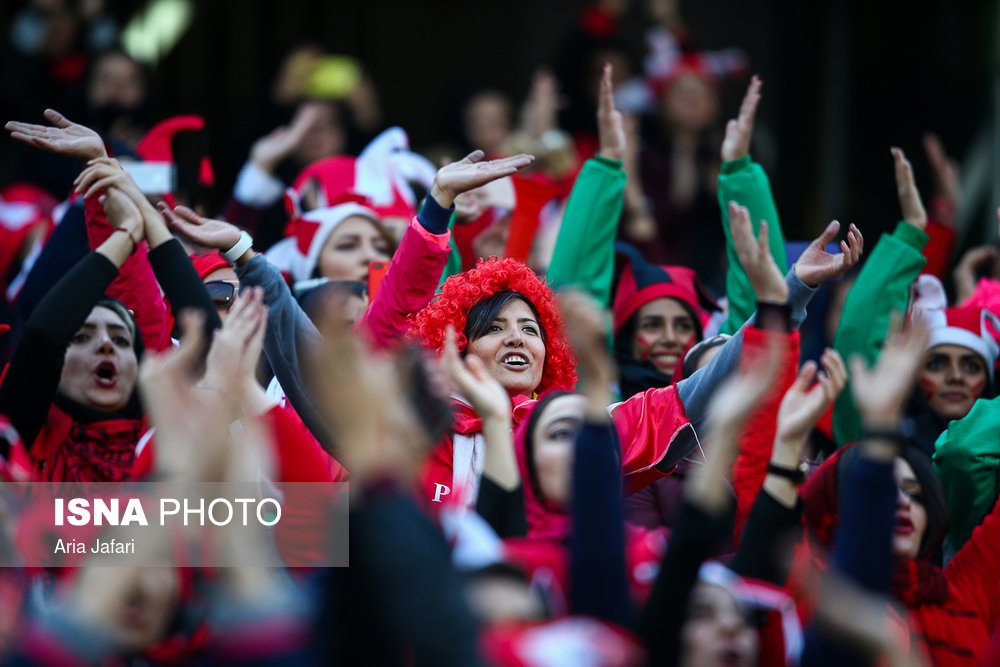
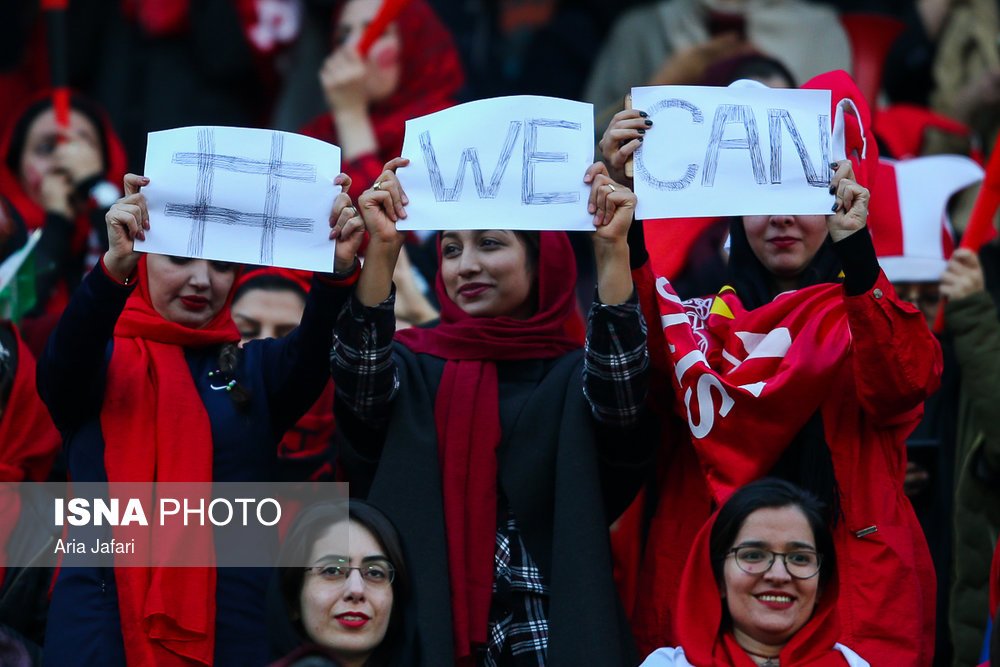
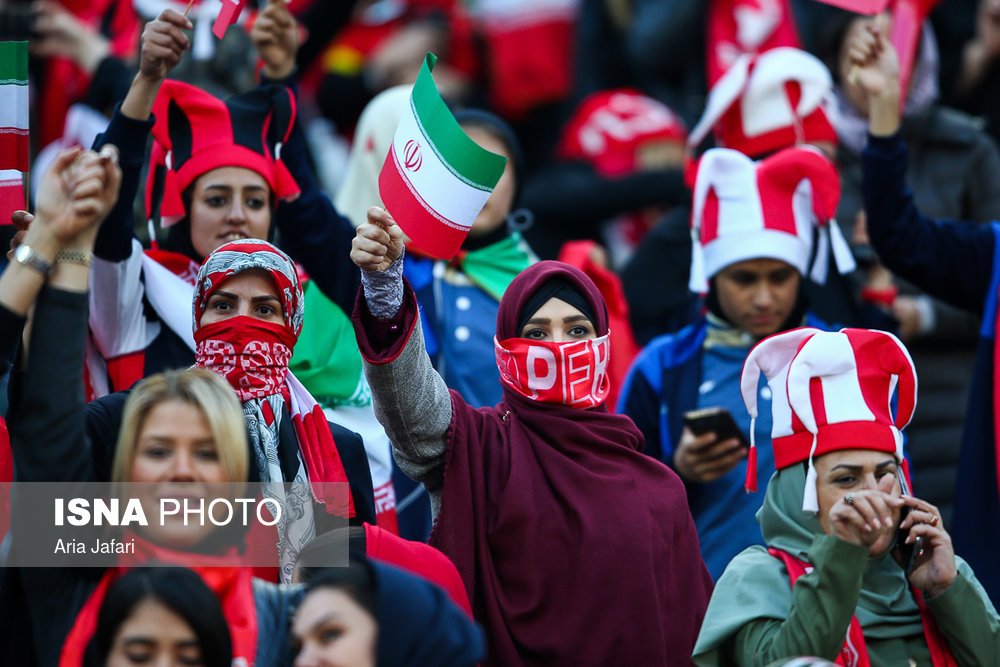
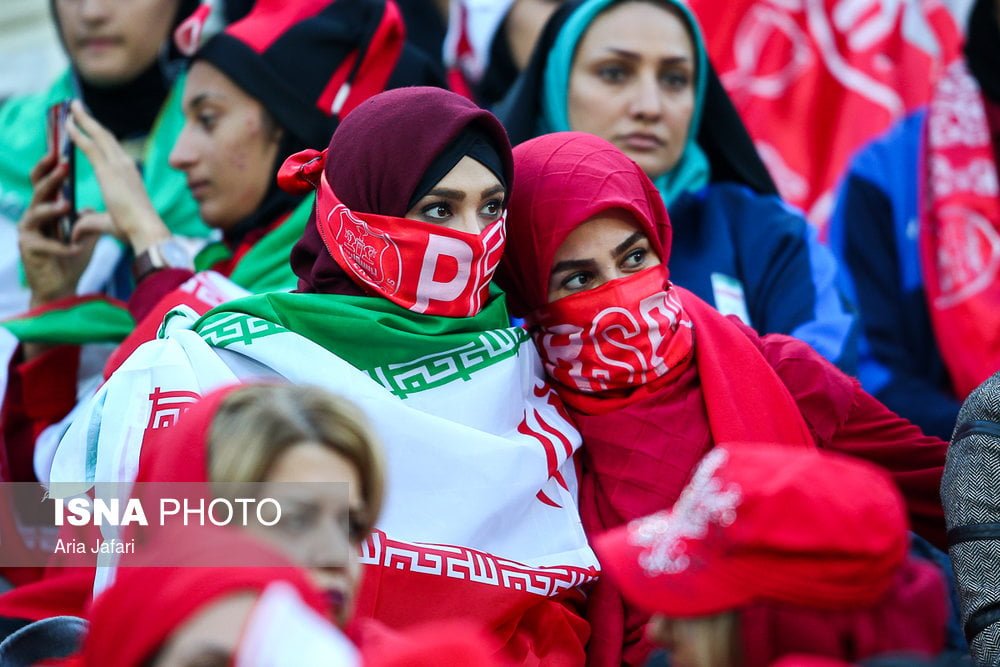
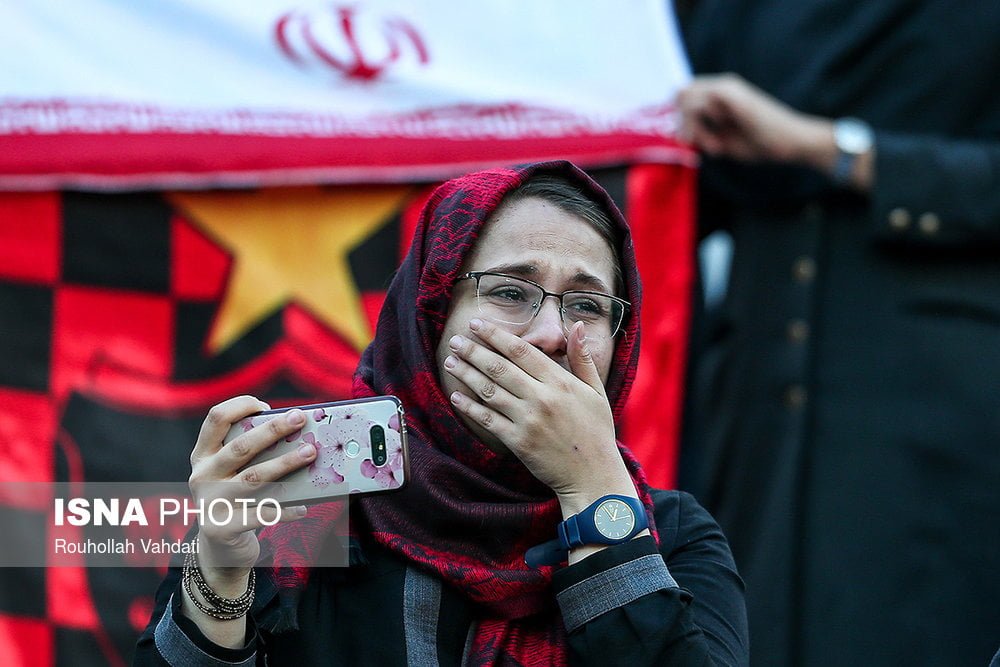
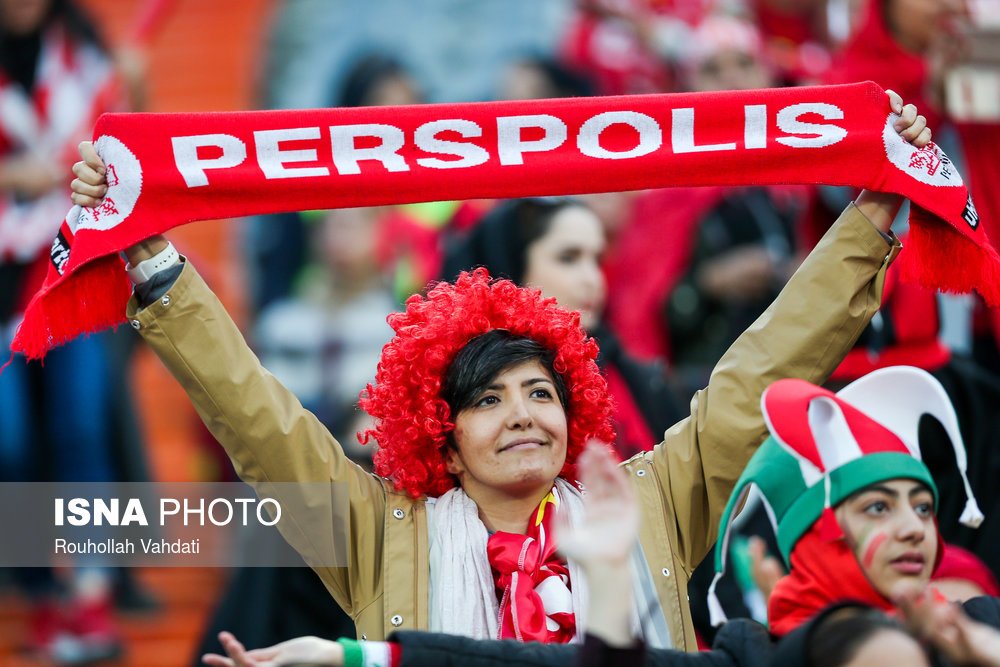
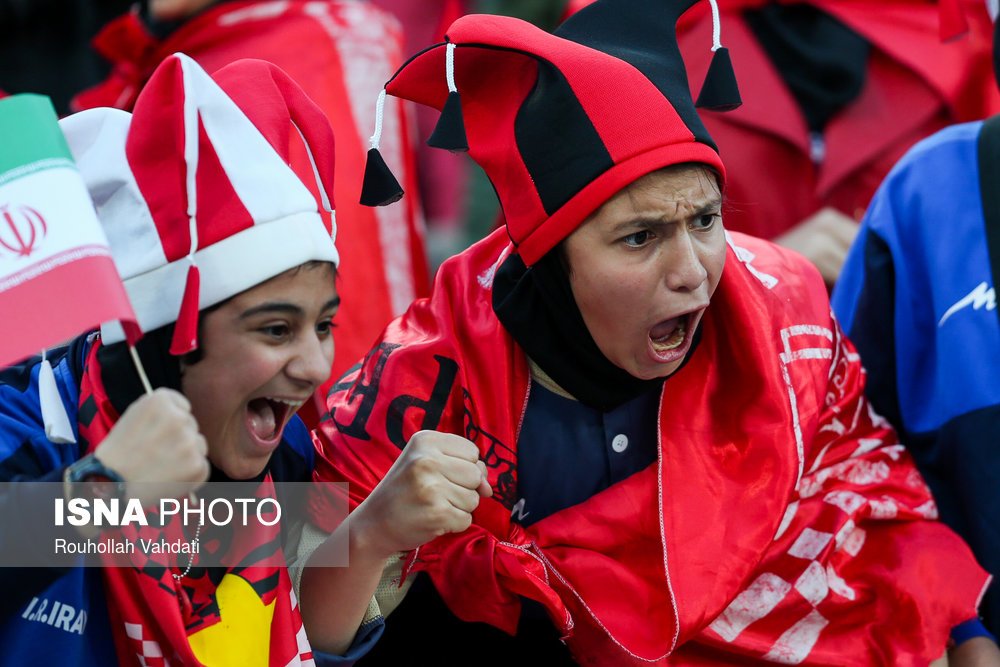
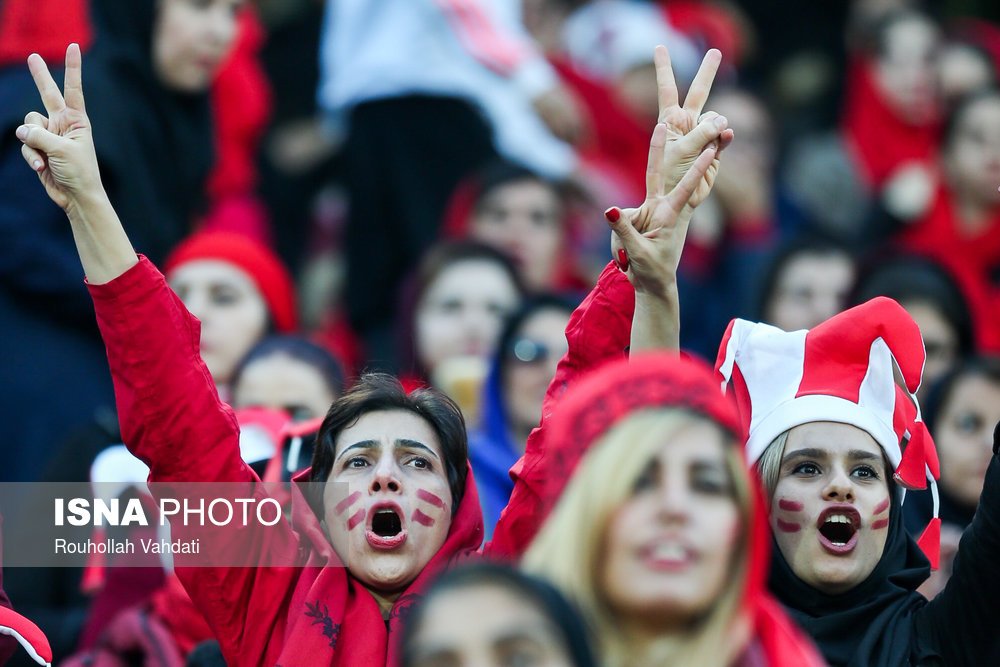
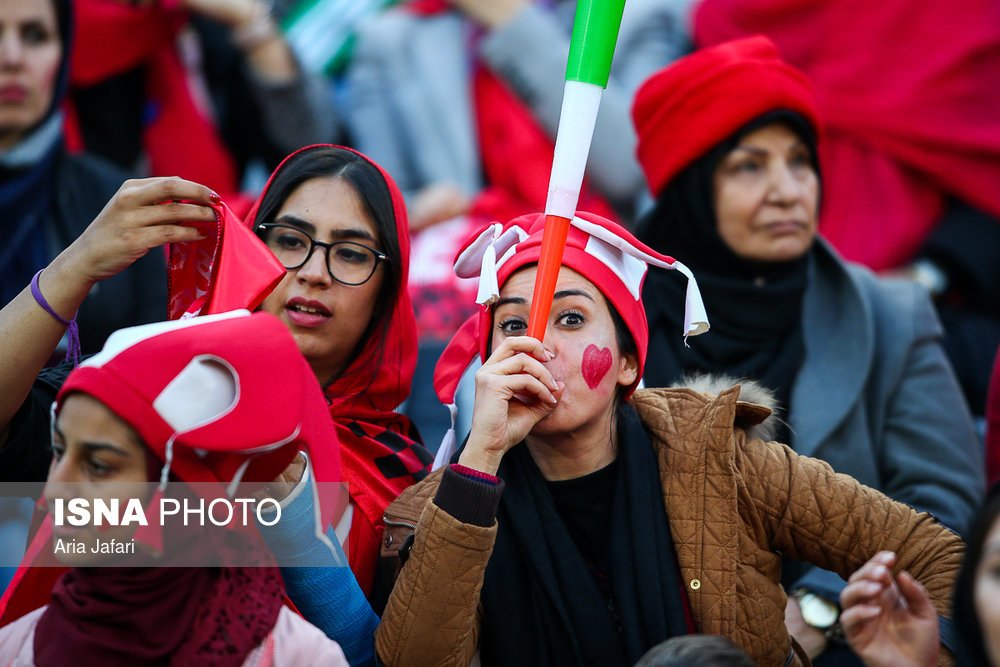
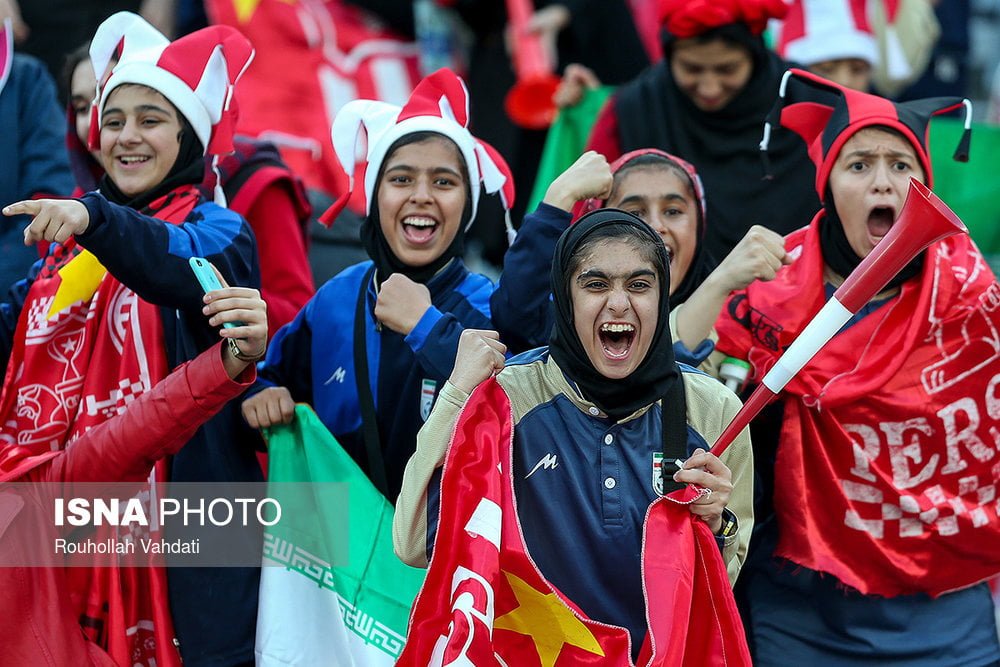
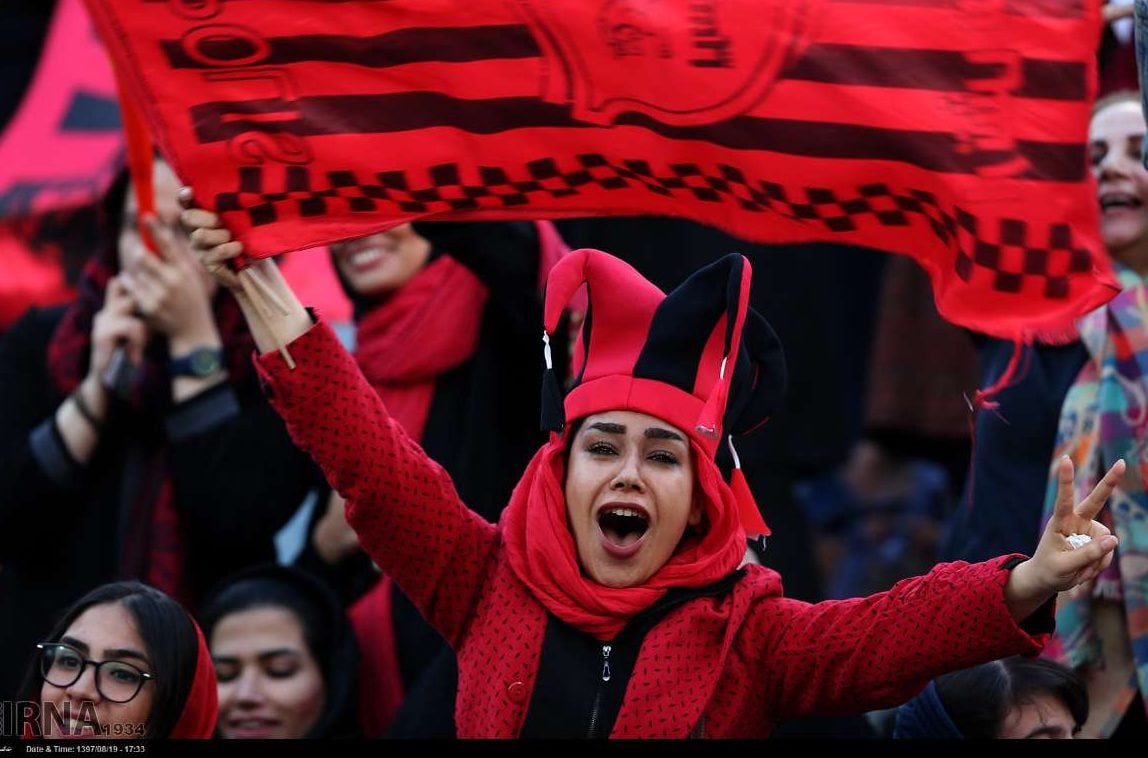
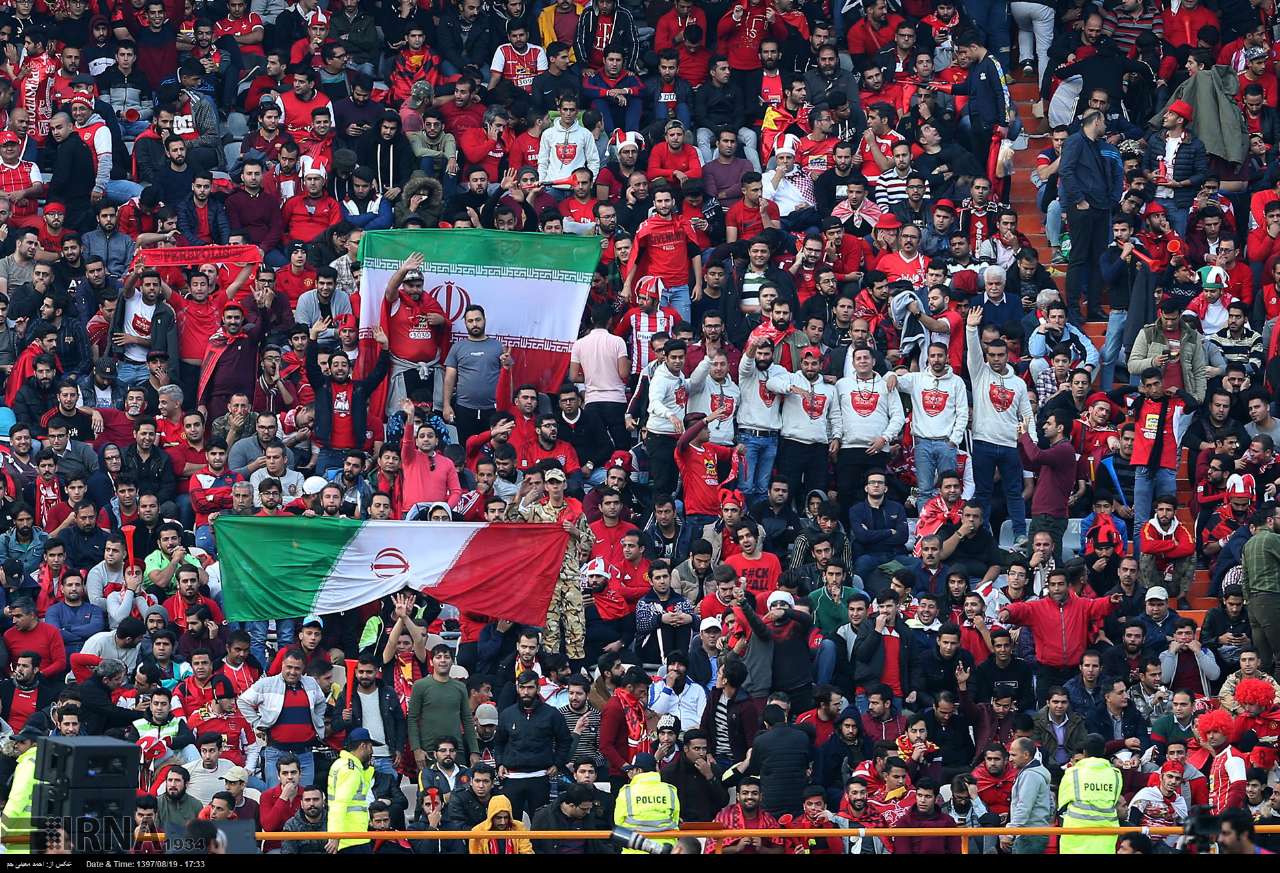
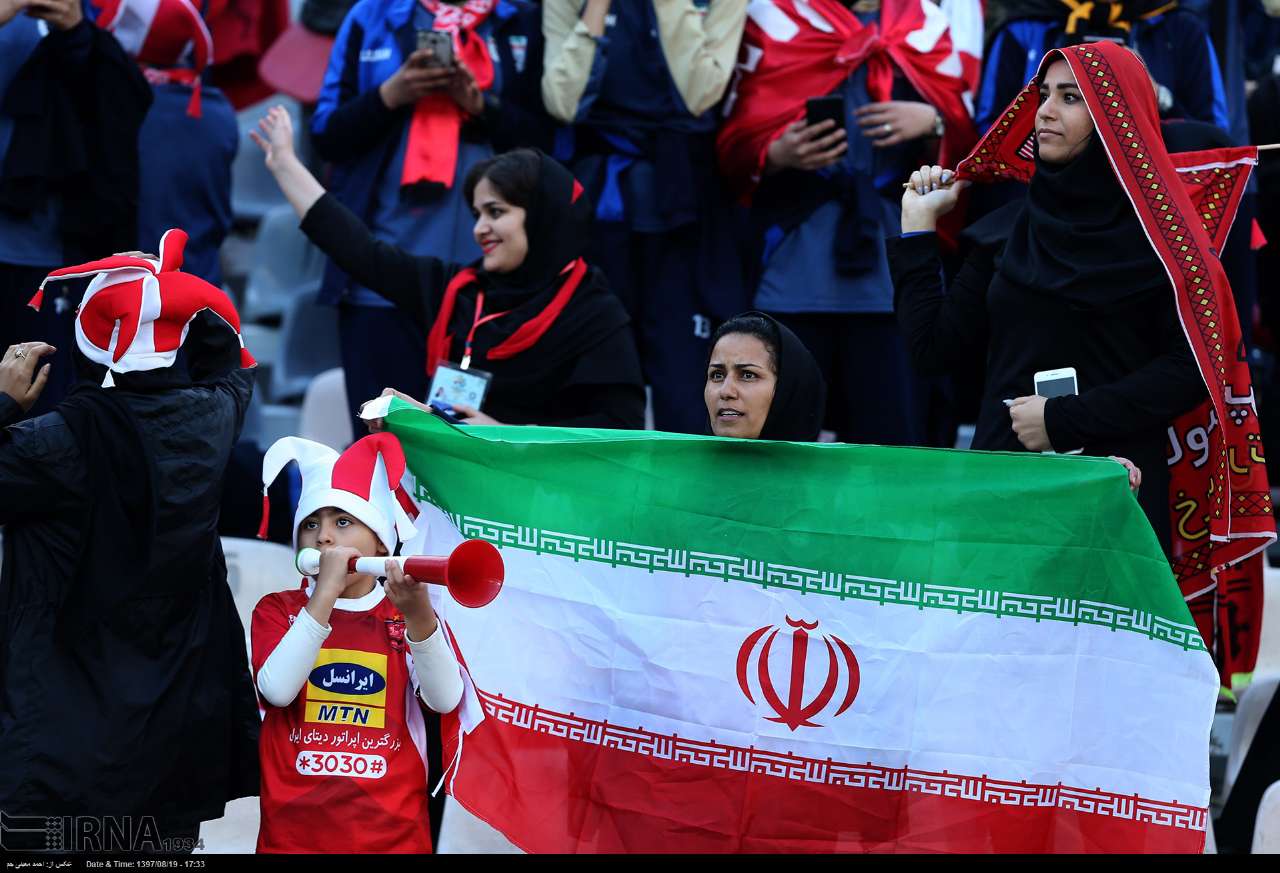
The second leg of the final match of AFC Champions League between Iran’s Persepolis and Japan’s Kashima Antlers was the other topic highlighted by newspapers. Presence of women at Azadi stadium was hailed as the great victory for Iranians even though Persepolis could not win the trophy after a 0-0 draw against the Japanese team.

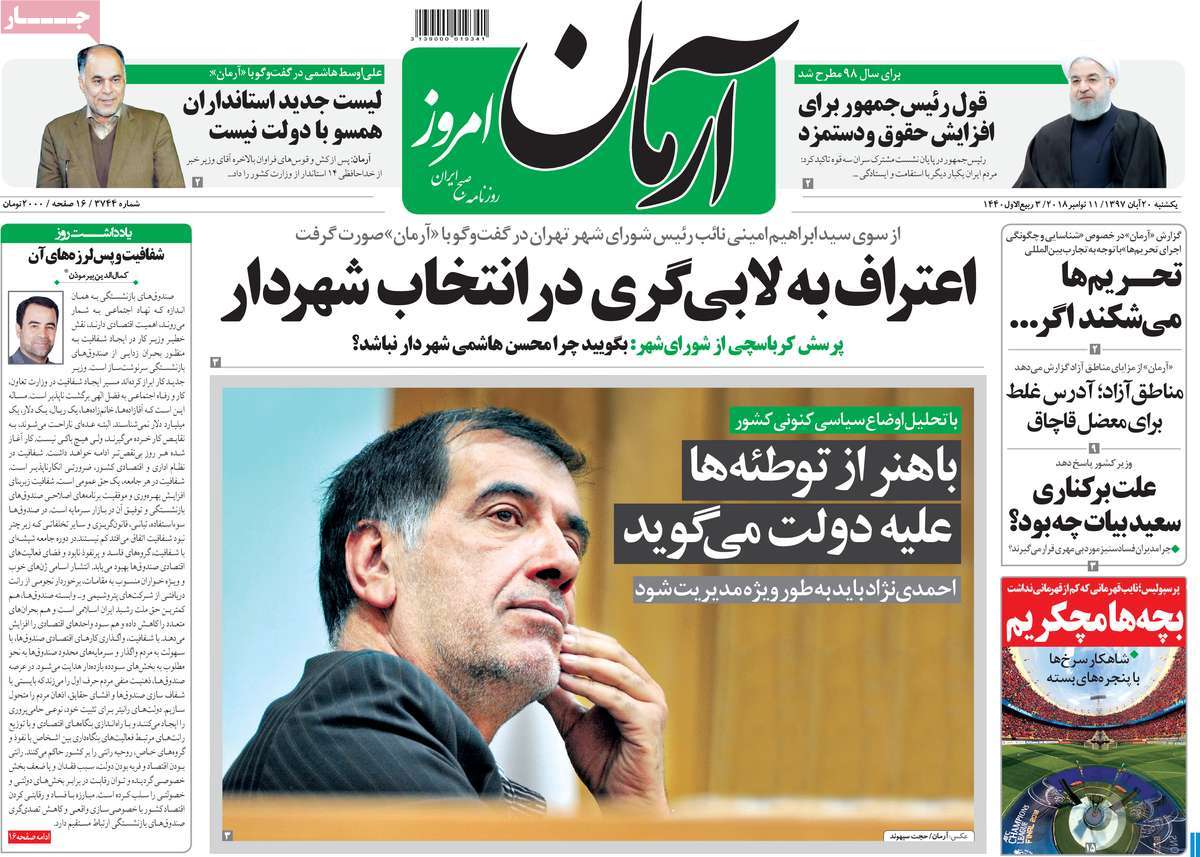
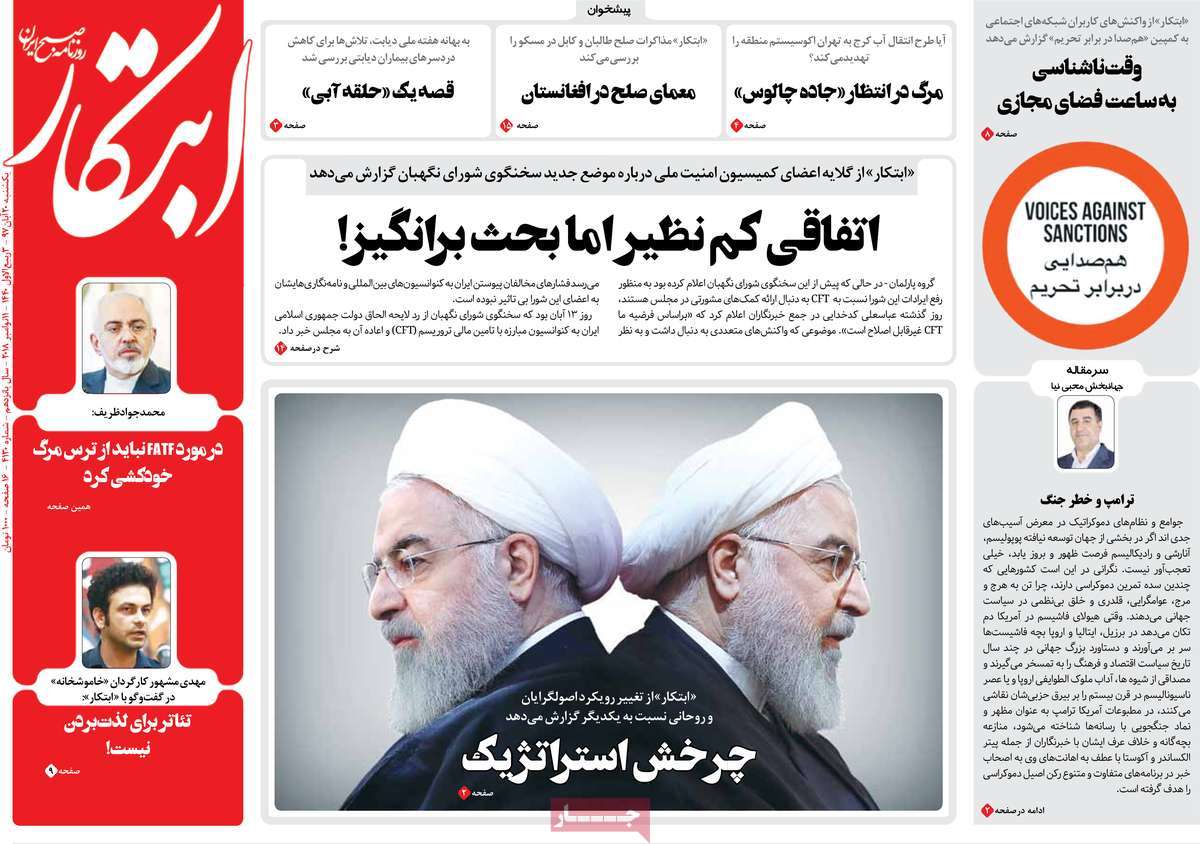
The above issues, as well as many more, are highlighted in the following headlines and top stories:


Abrar:

  • Over 6 Million Internally Displaced inside Syria: UN
  • Iranian Commander: Enemy Sanctions Have No Effect on Military Capabilities
  • Trade with Iran Still Legal: Mogherini Spokesperson
  • There’s No Military Option against Iran: Bolton

A Look at Iranian Newspaper Front Pages on November 11


Aftab-e Yazd:

  • Hard Resistance of CFT Opponents
  • Iran Begins Rebuilding Syria’s Holy Shrines

A Look at Iranian Newspaper Front Pages on November 11


Arman-e Emrouz:

  • A Report on Sanctions in Light of International Experiences

A Look at Iranian Newspaper Front Pages on November 11


Ebtekar:

  • Peace Talks on Afghanistan
  • Ebtekar Looks into Taliban-Kabul Peace Talks in Moscow
  • On FATF, We Should Not Commit Suicide for Fear of Death: Zarif

A Look at Iranian Newspaper Front Pages on November 11


Etemad:

  • Gov’t Ready to Supply Basic Needs of People: Rouhani
  • Will Nuclear Deal Survive despite Sanctions?

A Look at Iranian Newspaper Front Pages on November 11


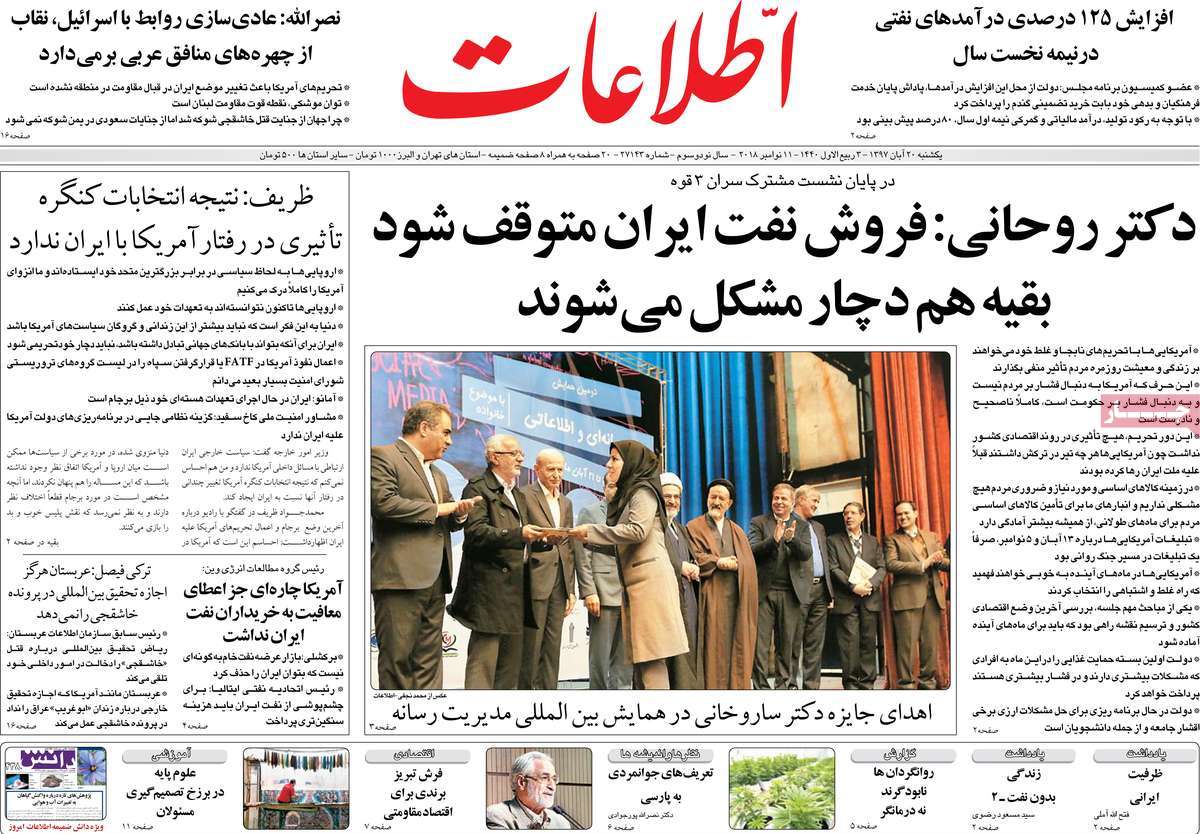
Ettela’at:

  • Other Countries to Get in Trouble If Iran’s Oil Sales Cut: Rouhani
  • Iran Oil Revenues Increase by 125% in First Half of Iranian Year
  • Congressional Election Results Have No Effect on US Behavior towards Iran: Zarif
  • Normalisation of Ties with Israel Reveals Real Nature of Arab Hypocrites: Nasrallah

A Look at Iranian Newspaper Front Pages on November 11


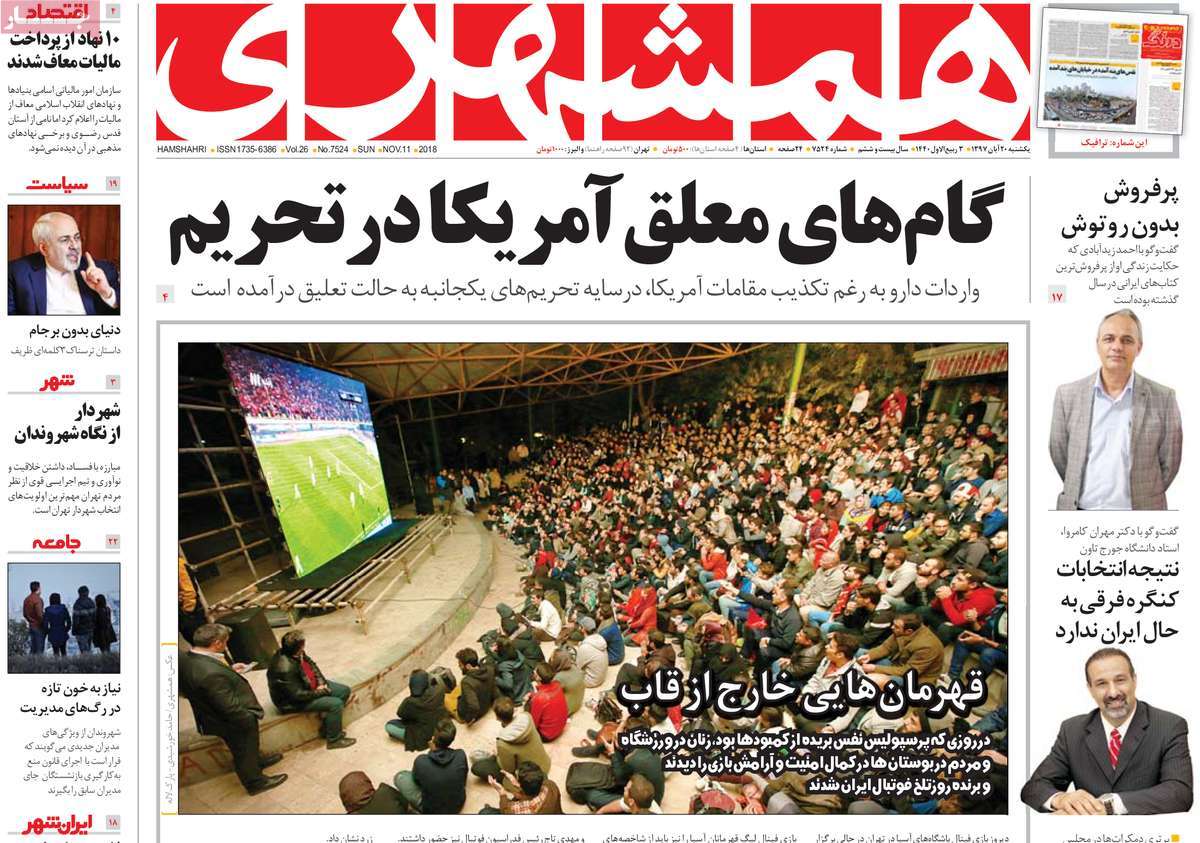
Hamshahri:

  • Iran Sanctions Block Import of Medicine despite US Officials’ Denial

A Look at Iranian Newspaper Front Pages on November 11


Iran:

  • Iran’s Strategies to Counter Oil Sanctions
  • Riyadh, Moscow Play Role in Oil Price Tumble
  • Women Real Victors at Tehran’s Azadi Stadium
  • Female Fans Watch AFC Finale along with 80,000 Men in Tehran

A Look at Iranian Newspaper Front Pages on November 11


Jame Jam:

  • Reasons behind Oil Price Slide

A Look at Iranian Newspaper Front Pages on November 11


Javan:

  • Long List of Sanctions Just to Fill Pages: Rouhani
  • Int’l Community Determined to Weaken Role of US Dollar
  • Europeans Not Yet Fulfilled Their Obligations: Zarif

A Look at Iranian Newspaper Front Pages on November 11


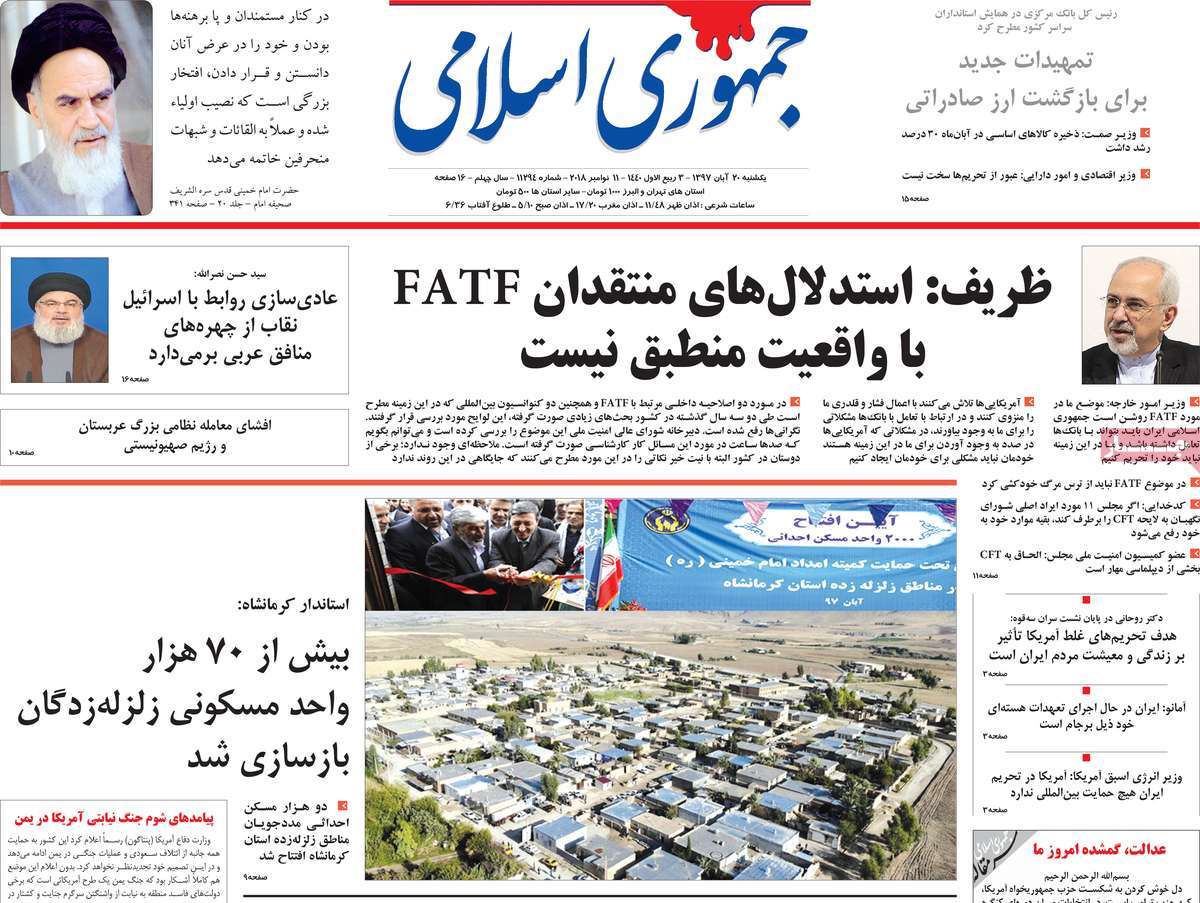
Jomhouri Eslami:

  • FATF Critics’ Arguments Not Based on Realities: Zarif
  • New Arrangements to Provide Exporters with Forex: Chief Banker
  • Iran Meeting Its Commitments under Nuclear Deal: Amano
  • US Has No Int’l Support in Boycotting Iran: Ex-US Secretary of Energy

A Look at Iranian Newspaper Front Pages on November 11


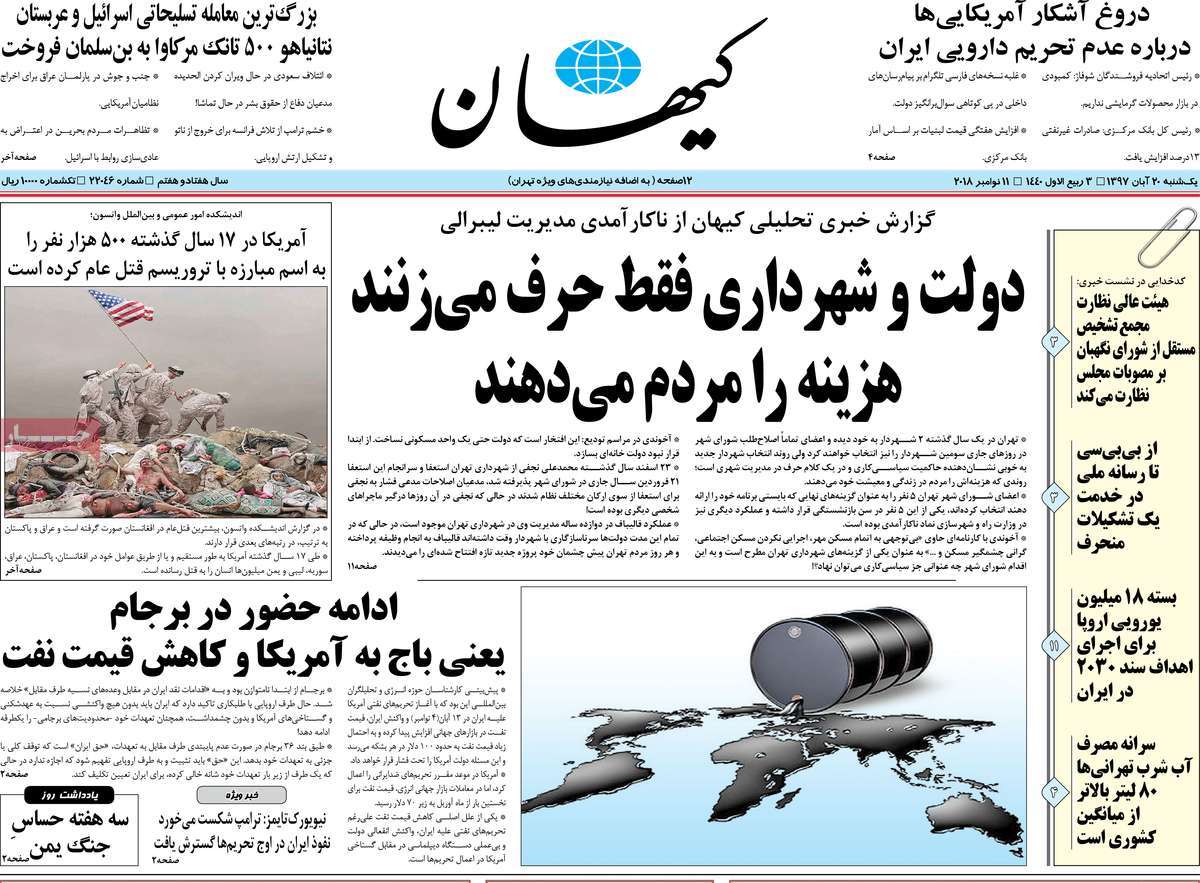
Kayhan:

  • US Lies about Exemption of Medicine Imports from Iran Sanctions
  • Largest Arms Deal between Israel, Saudi Arabia; Netanyahu Sells 500 Merkava Tanks to Bin Salman
  • Iran’s Influence Increases despite Sanctions: New York Times

A Look at Iranian Newspaper Front Pages on November 11


Sazandegi:

  • Iranian Women’s Victory at AFC Finale
  • Iranian Women Real Winners of AFC Finale as Persepolis Fails to Defeat Kashima Antlers

A Look at Iranian Newspaper Front Pages on November 11


Shahrvand:

  • Impossible to Cut Iran Oil Exports Down to Zero: Rouhani
  • Iranian MP Answers Guardian Council’s Questions on CFT

A Look at Iranian Newspaper Front Pages on November 11


Shargh:

  • Gov’t to Distribute First Food Aid Package in November: Rouhani
  • CFT against National Interests: Guardian Council
  • We Should Not Commit Suicide for Fear of Death: Zarif
  • Sixteen Iranian Banks Not in Sanctions List
  • Americans Lie about Sanctions

A Look at Iranian Newspaper Front Pages on November 11

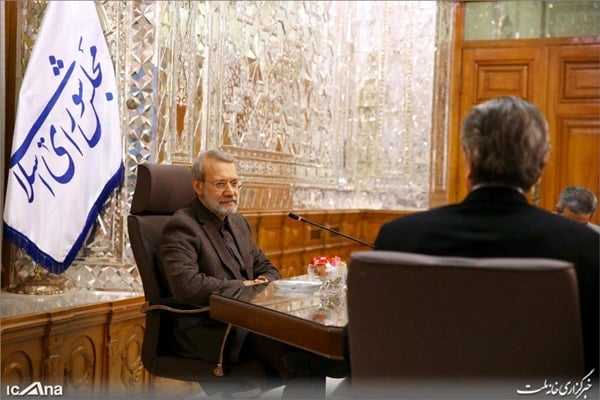
Entire World Concerned by Trump Decisions: Iran’s Larijani

He said the US president’s economic decisions have worried the Europeans, his withdrawal from nuclear arms treaty with Moscow has concerned Russians, and his withdrawal from Paris Agreement has upset the whole world.

The Iranian parliament speaker made the comments in meeting with the former President of Brazil and the current senator Fernando Affonso Collor de Mello.

During their Sunday meeting in Tehran, Larijani added that if one looks into the case of international terrorism, it will be revealed that the Americans made a mistake by creating ISIS, and the decision put themselves in trouble.

Regarding the nuclear deal with Iran, Larijani underlined that “the United States itself asked for nuclear talks.

“Obama wrote two letters to Iran, and negotiations between the Islamic Republic and the P5+1 took a long time that eventually led to a Resolution by the Security Council.”

“However, suddenly, Donald Trump withdrew from the accord, and now he is once again saying he is willing to negotiate. His performance is like a game, and he thinks he can create instability inside Iran.”

For his part, the Brazilian official said “We should not remain silent against bullies, especially when Trump’s moves are to the detriment of worldwide relations.”

The United Nations must be more serious under such circumstances, added de Mello.

FIFA Hails Presence of Iranian Women Fans at Football Match

FIFA President Gianni Infantino said he was happy to see Hassan Rouhani made good on his promise and permitted Iranian women to watch a football match live at the stadium.

“Today is a historic day and a big celebration for football. I was glad to see, in person, that Iranian women football fans have been allowed to be present in official matches for the first time in 40 years,” said Infantino in a Saturday meeting with Rouhani.

“This was a key step in the right direction, and I’m confident that more progress will be achieved in the near future through continued dialogue,” said the FIFA president.

He was referring to the AFC Champions League final match held between the Iranian powerhouse Persepolis and the Japanese team Kashima Antlers, which ended in an aggregate 2-0 win for Kashima.

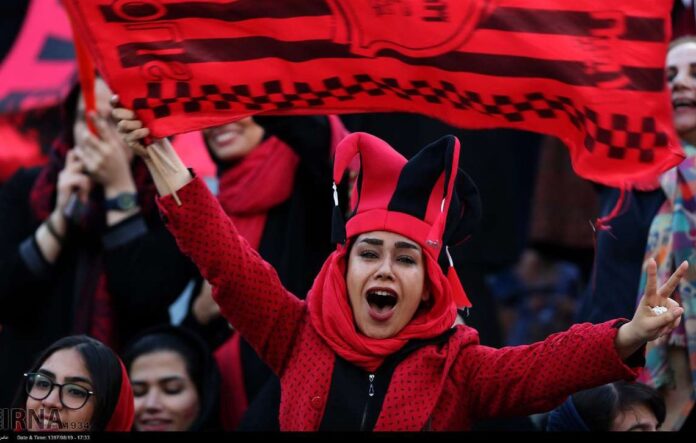
Hundreds of Iranian women football fans were allowed to enter the Azadi stadium in Tehran to watch the competition.

Iran Condemns Terrorist Attack in Iraq’s Mosul

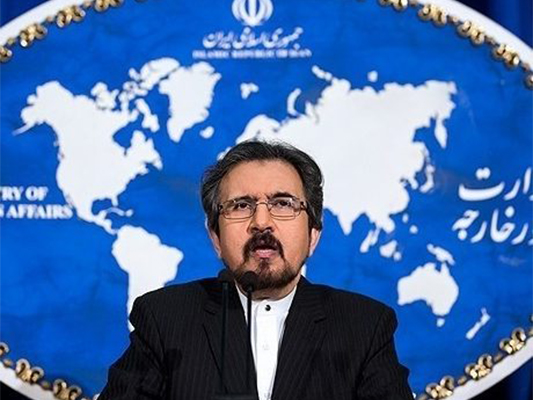
In a Sunday statement, Qassemi denounced the incident as “shameful and inhumane” and offered condolences to the Iraqi government and people as well as the families of the victims.

“By conducting blind and indiscriminate terrorist acts targeting innocent and defenceless citizens, the remnants of terrorist groups intend to take revenge for the defeat they have suffered at the hands of the Iraqi nation and government; however, they will never succeed and will soon be wiped off the region forever,” said Qassemi.

Several people were killed and a dozen wounded Thursday when a car bomb exploded near a restaurant in Mosul around dinner time in a rare terrorist attack since ISIS militants were flushed out last year.

The restaurant is known to be frequented by security personnel.