Tuesday, December 23, 2025
Home Blog Page 3351

UNWTO Chief in Iran to Support Iran’s Tourism amid US Bans

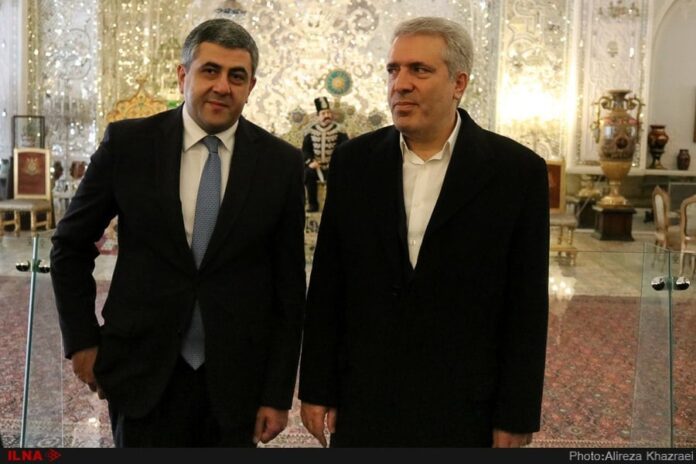
Secretary General of the World Tourism Organization Zurab Pololikashvili and Iran's tourism chief Ali-Asghar Mounesan visiting Tehran's Golestan Palace on Nov. 12, 2018 / Photo by ILNA

Pololikashvili on Monday praised the Iranian people’s warm hospitality and said it plays a key role in tourism industry along with culture and architecture.

“I thank the government of the Islamic Republic for putting tourism on top of its priorities and adopting measures to press ahead related issues,” he said after touring some historical sites in Tehran.

He also described Iran as an attractive country in terms of tourism and added “we have come to Iran to promote Iran’s tourism industry and our presence here reveals that Iran enjoys lots of tourist attractions.”

UNWTO Chief in Iran to Support Iran’s Tourism amid US Bans
Iranian Foreign Minister Mohammad Javad Zarif meeting with Secretary General of the World Tourism Organization Zurab Pololikashvili in Tehran on Nov. 12, 2018 / Photo by IRNA

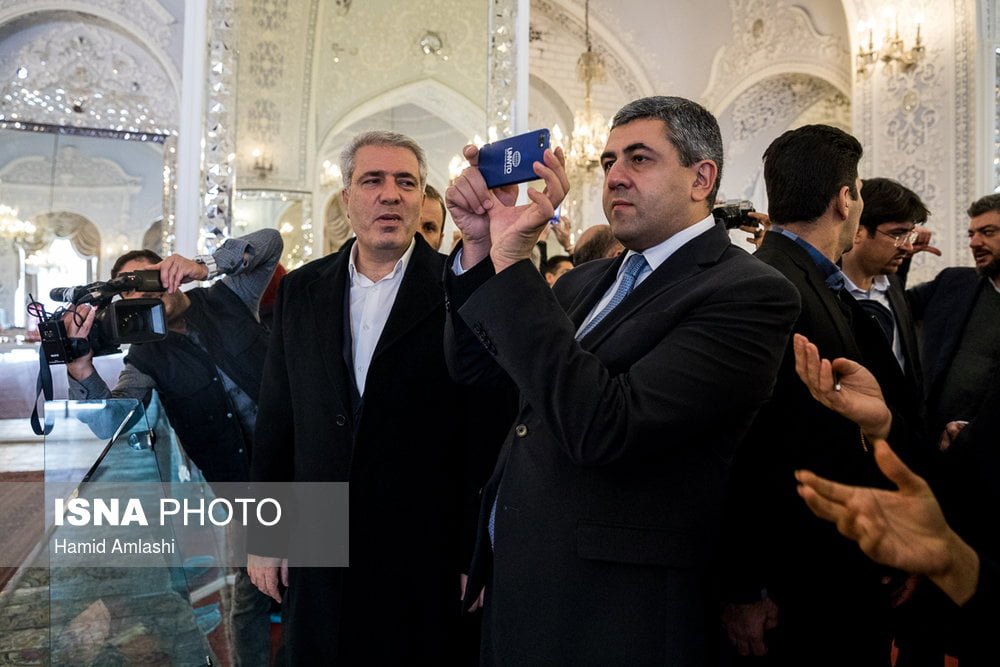
Pololikashvili, who arrived in Iran Sunday, was taken on a tour of Sa’dabad and Golestan palaces in northern and central Tehran and held talks with Iranian Foreign Minister Mohammad Javad Zarif before attending the 40th Plenary Session of the Affiliate Members of the World Tourism Organization in the city of Hamadan.

The international meeting attended by delegates from 27 countries began earlier Monday and will last until November 16.

Pololikashvili referred to the presence of the foreign delegations in the event and said the organization should take advantage of the chance and prepare the ground for establishing commercial and tourist ties between the participating countries.

He also expressed satisfaction with holding the event in the Iranian city of Hamedan instead of Tehran or Isfahan and said “we are determined to promote Hamadan as a new tourist destination to the world.”

During his visits to the historical complexes in Tehran, Pololikashvili was accompanied by the Head of Cultural Heritage, Handicrafts and Tourism Organization Ali Asghar Mounesan.

After a meeting with the UNWTO chief, Mounesan said Iran is among the top ten countries in terms of tourism capacities and has called on the secretary general of World Tourism Organization to offer support to Iran to further promote the country in the world as a tourist destination.
UNWTO Chief in Iran to Support Iran’s Tourism amid US Bans

Iranian Crude Oil Sold Out in Energy Bourse

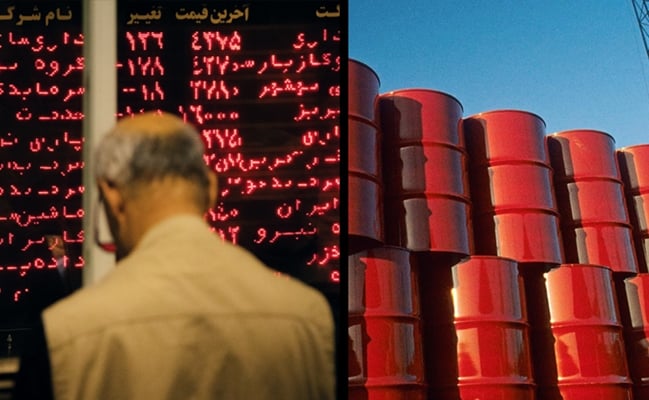
During the first phase of the oil sales on October 28, one million barrels of crude oil had been supplied and exchanged in eight shipments of 35,000 barrels at a rate of $74.85.

During Sunday sales, all the supplied 700,000 barrels were bought by Iranian and foreign firms.

The oil barrels were offered in three 210,000, 245,000 and 245,000 shipments. Meanwhile, the oil shipments are expected to be delivered to the purchasers in Kharg oil terminal in the Persian Gulf.

Managing Director of Iran Energy Exchange (IRENEX) said during the first phase, the National Iranian Oil Company wanted to get the feedbacks first and make its decision about the supplied barrels after assessing the feedbacks.

Seyyed Ali Hosseini underlined that the related organizations have full control over the process of transactions.

According to the official, there is no restriction in terms of crude oil purchasing for any domestic and foreign firms and their demands are registered without any limitation.

Iran started supplying its crude oil to the private sector last month through the energy bourse, a local market which provides Iranian and foreign tradesmen with a chance to purchase Iran’s crude oil and export it to the international markets.

Many believe that the new development is one of the byproducts of the US sanctions which are aimed at reducing Iran’s oil exports to zero.

It’s for the first time over the past seven years that Iran is selling its crude oil through Iran Energy Exchange.

The idea to supply crude oil in such an exchange market was first raised several years ago but it never came true until some months ago with the full support of the government.

The oil is supplied with 20 percent in rial and the remaining 80 percent in foreign currencies.

The rial payment should be made in cash before the shipment’s delivery and the rest must be made through warranties issued by reliable banks after the delivery.

The purchasers settle the forex transactions within a certain period of time set by the National Iranian Oil Company.

Researchers Use Seaweed to Treat Diabetic, Traumatic Ulcers

Saeid Saber Samandari and Amir-Salar Khandan, researchers at the New Technologies Institute of Tehran’s Amirkabir University, say they have managed to produce polymeric membranes effective in healing various types of wound.

They say the healer can be used for a variety of moist and dry wounds, and has a better and simpler treatment process than the other ones available in the market.

In producing the new healer, the researchers say they have tried to use portable and permanent mechanical and chemical coatings for healing the wounds using nanotechnology.

Researchers Use Seaweed to Treat Diabetic, Traumatic UlcersIn this method, biomagnetics were fabricated to repair tissue and wounds. Therefore, by using modified drying alginates, it develops the ability to control drug release over a long period of time.

Given its reasonable price, the easy production process, and the availability of bio-materials, the production of this biopolymer will be economically feasible, the scientists say.

For a brief review of Iran’s achievements in various fields of science and technology, check the book “Science and Technology in Iran: A Brief Review

In addition, ease of use, no need for changing the dressings, and controlled drug release reduce the cost of treatment for patients.

Traditional wound healing styles caused a delay in the process of healing as they created a dry environment; however, the wound needs a healthy open environment to be healed. This has led the traditional wound healers to be replaced by new generation of treatment methods.

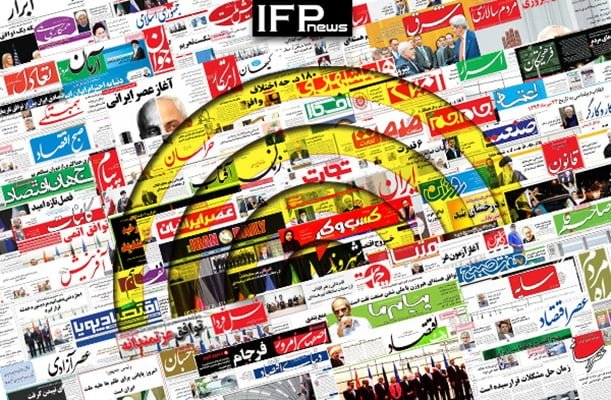
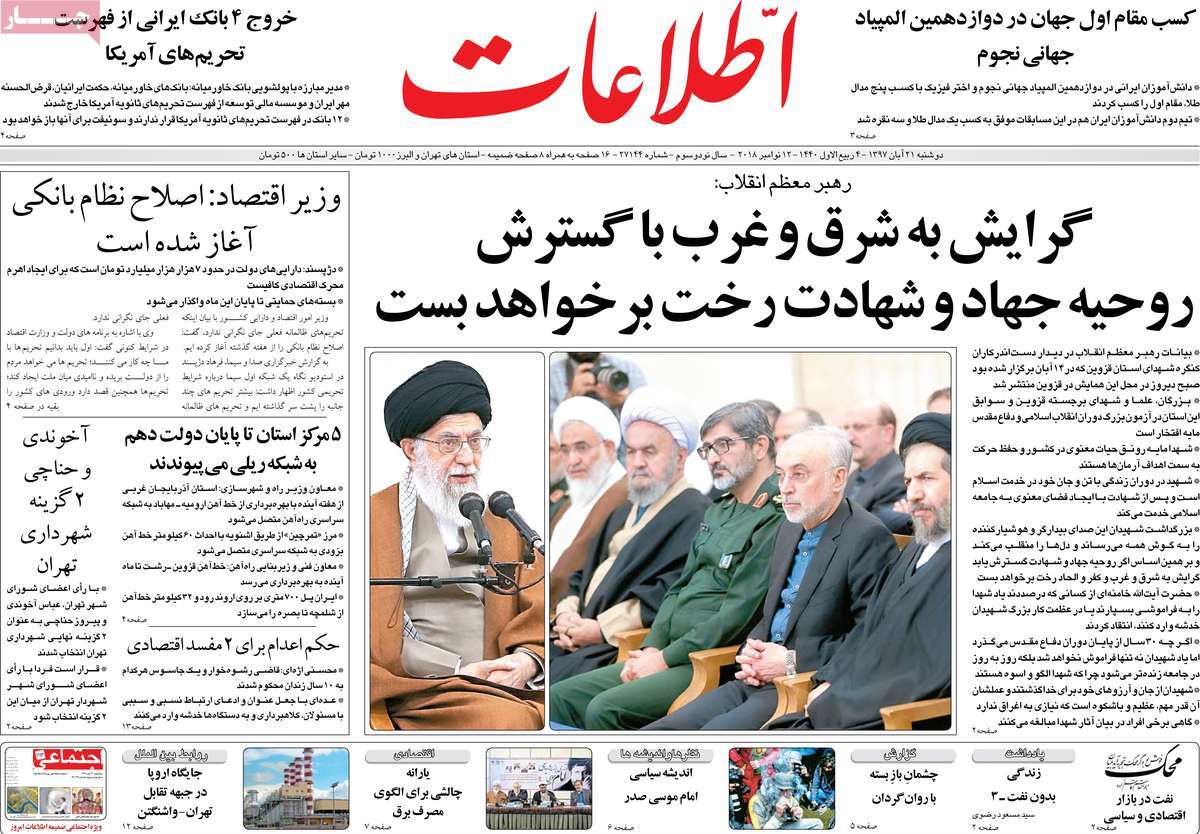
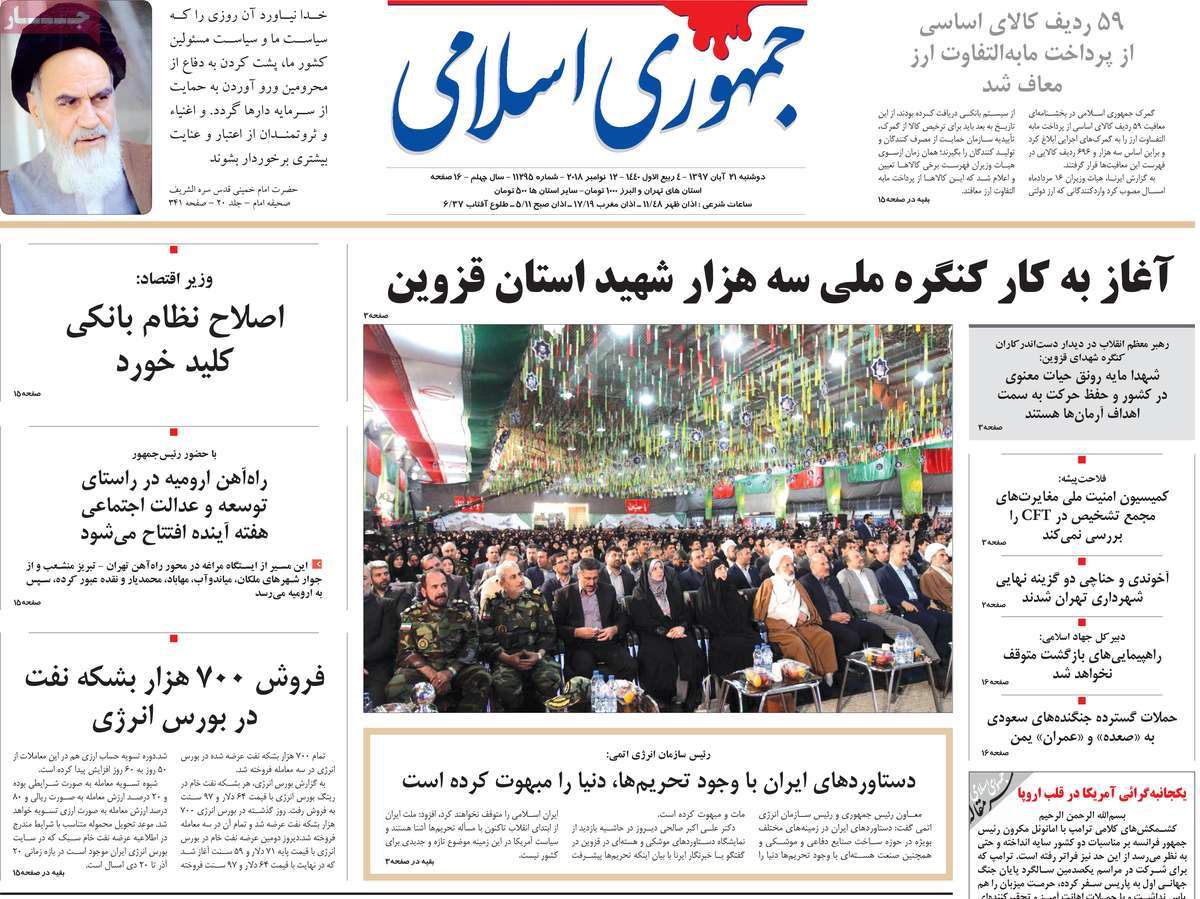
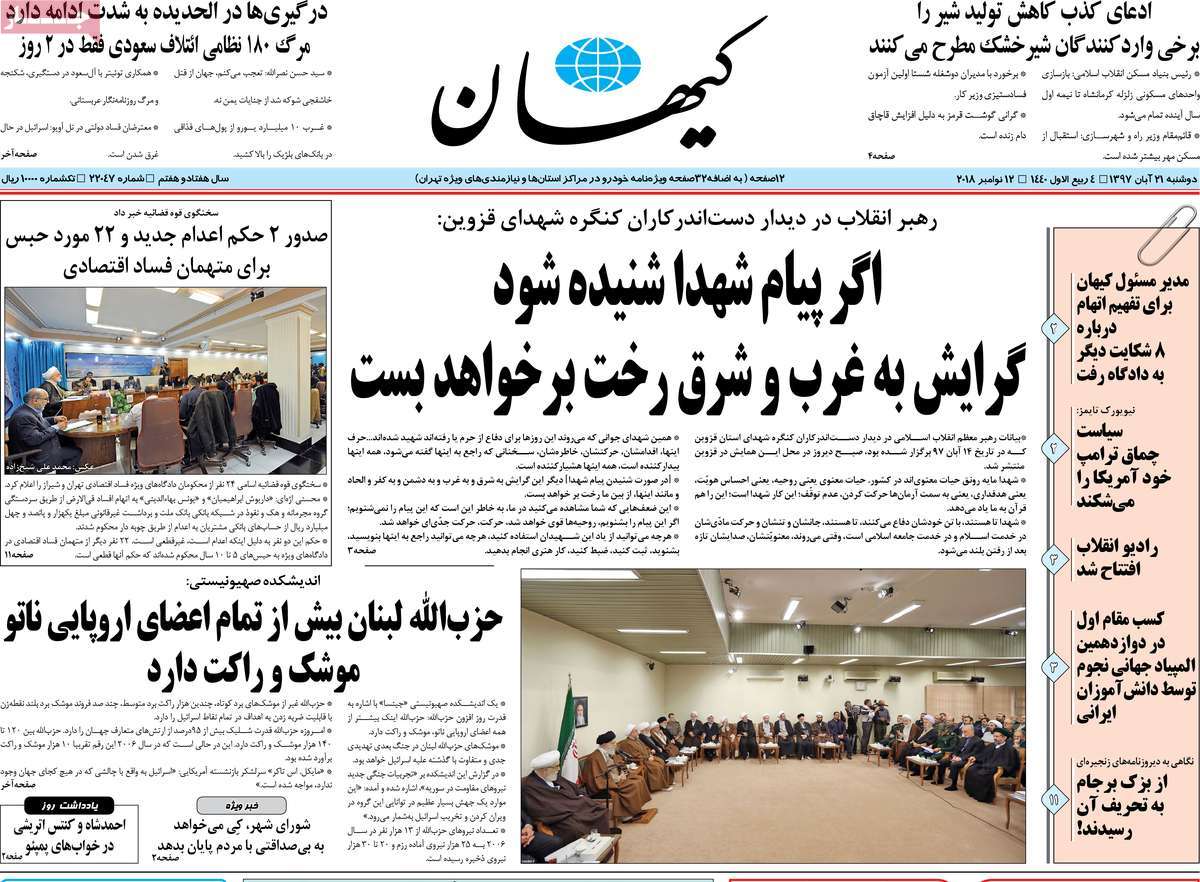
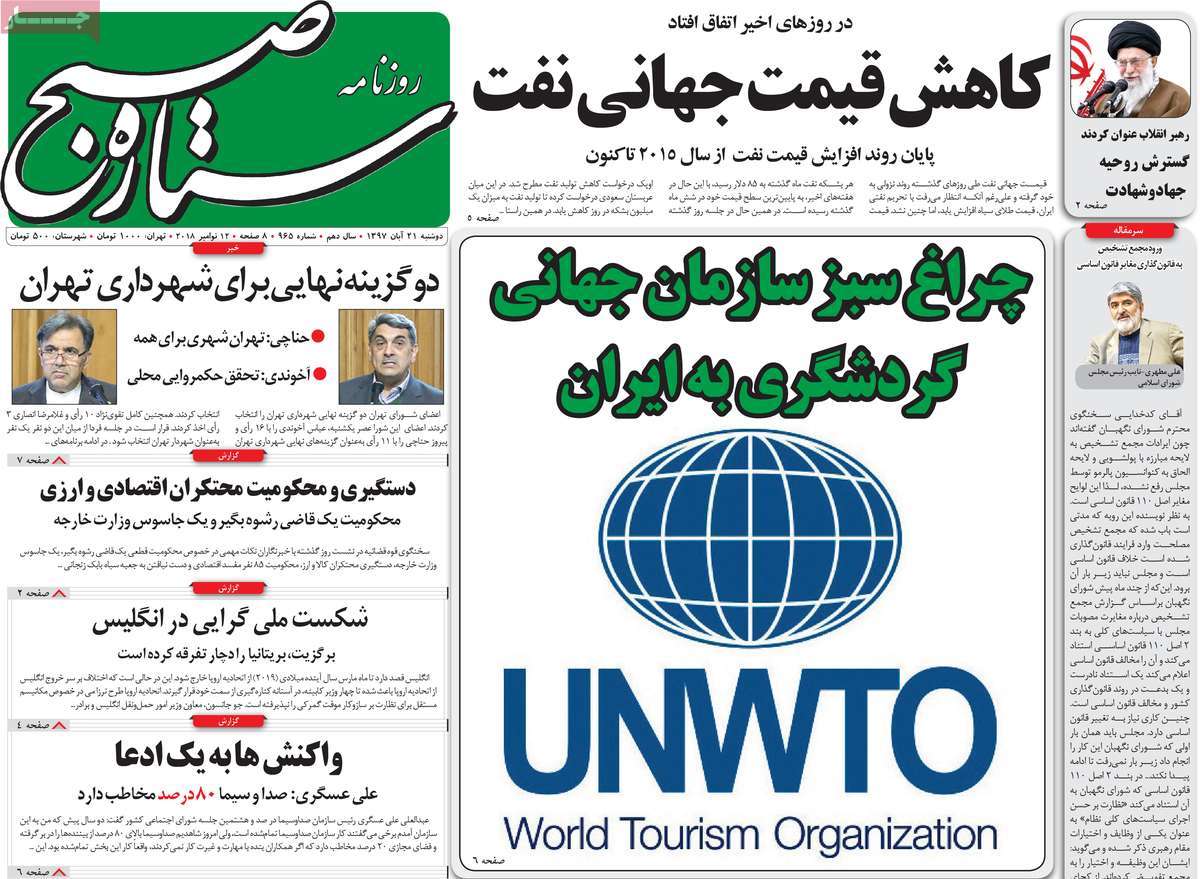
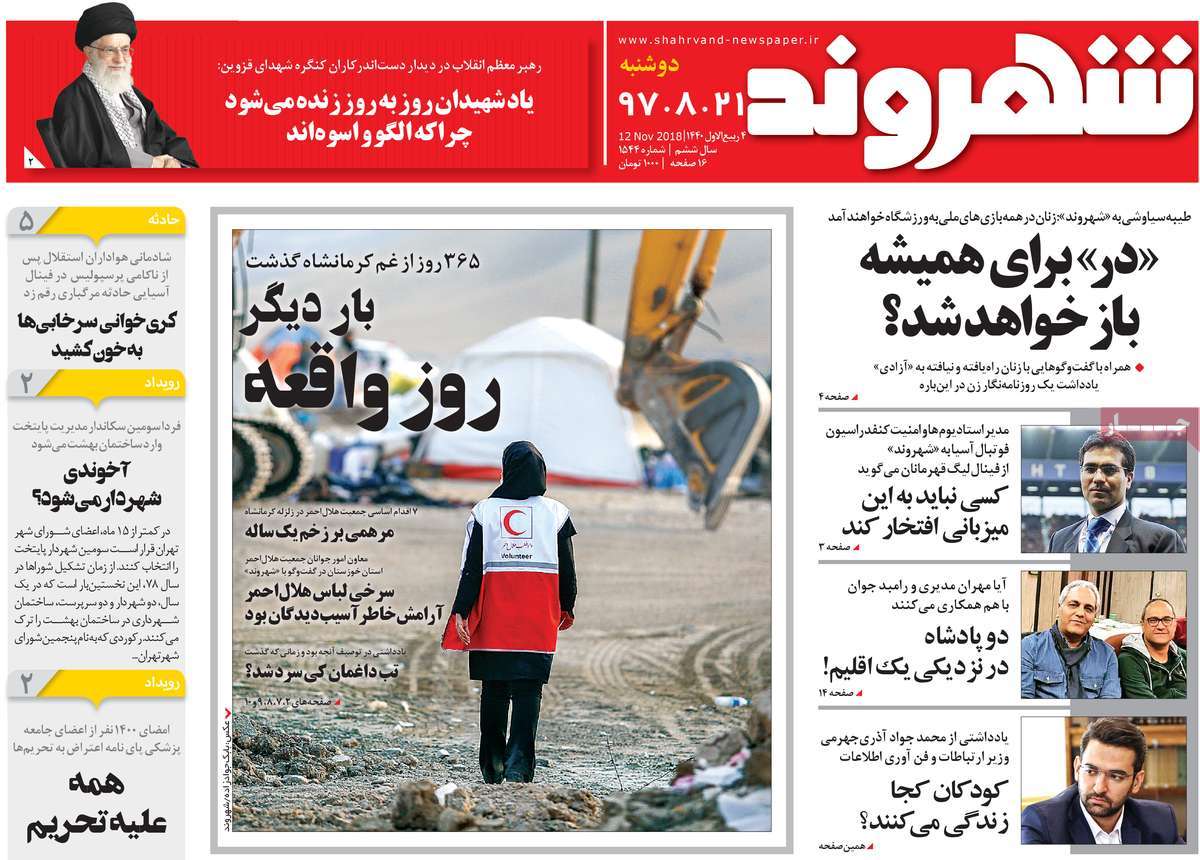
A Look at Iranian Newspaper Front Pages on November 12

A Look at Iranian Newspaper Front Pages on November 19

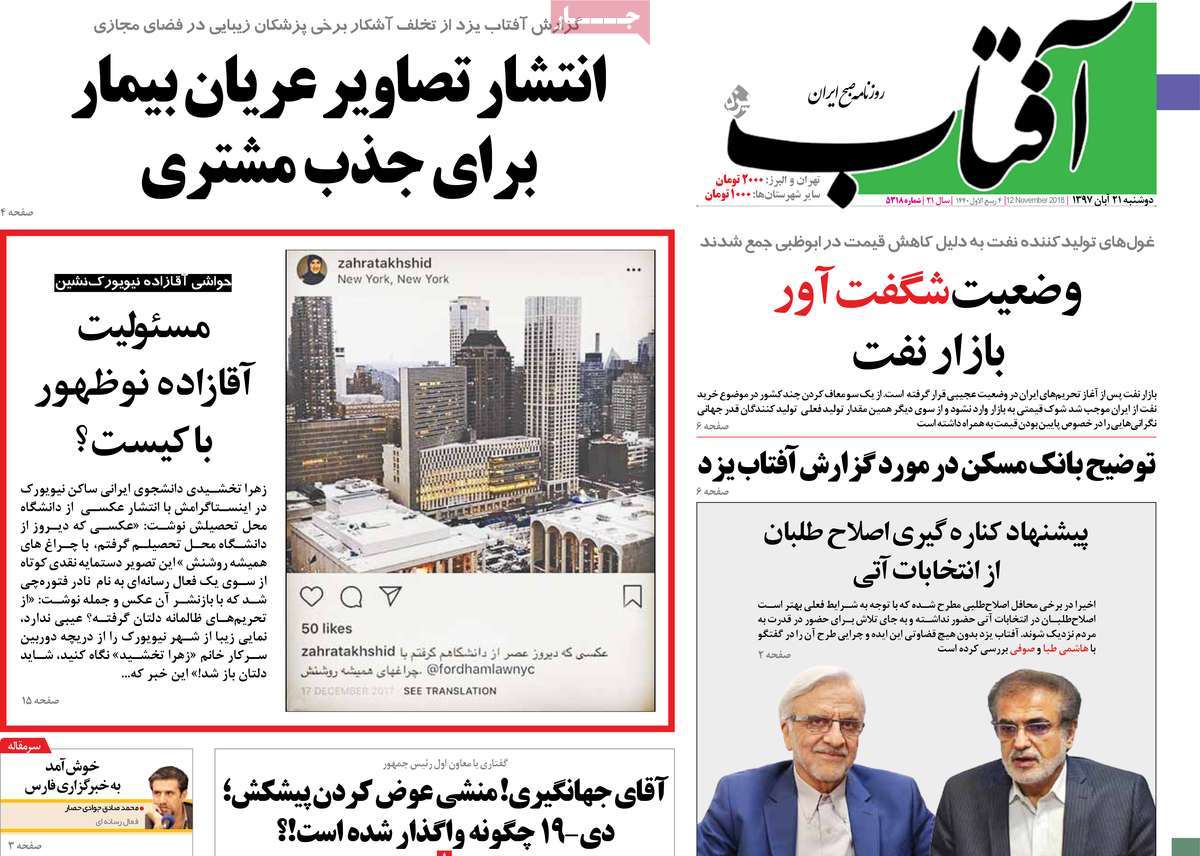
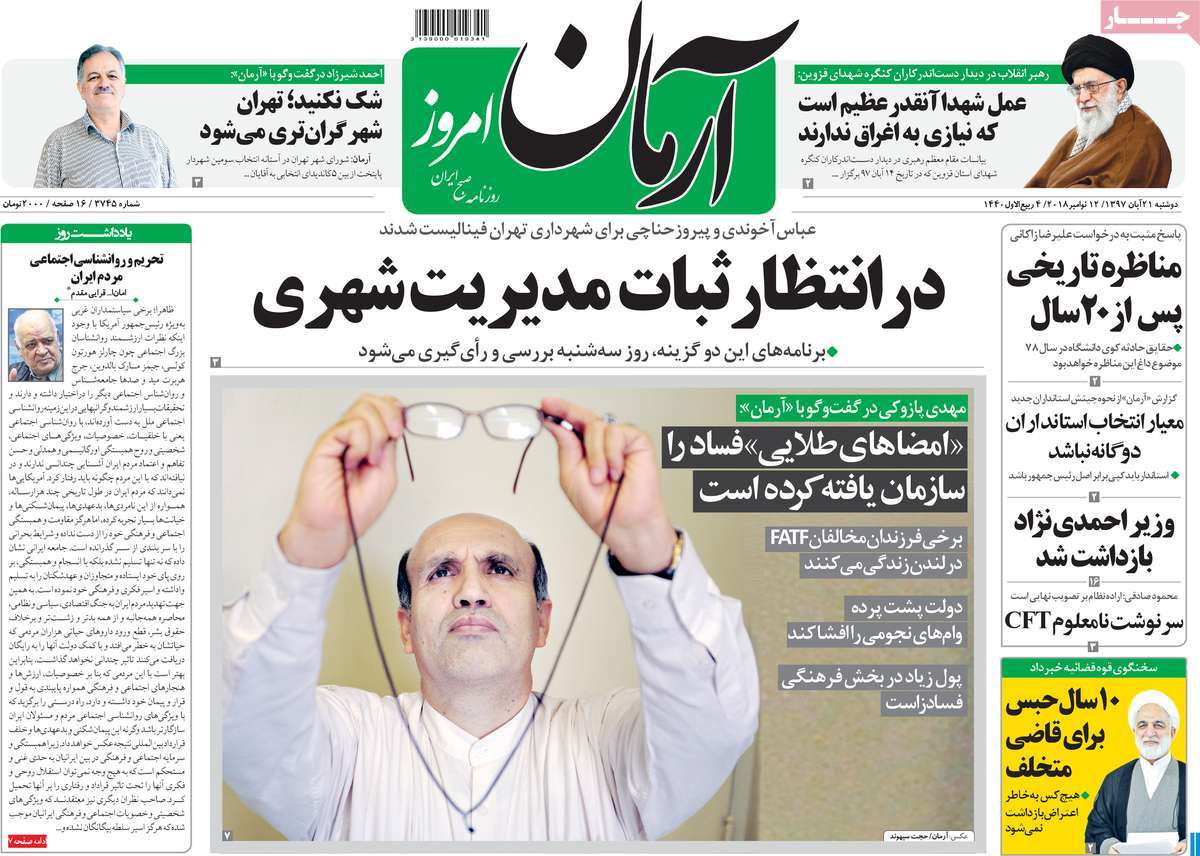
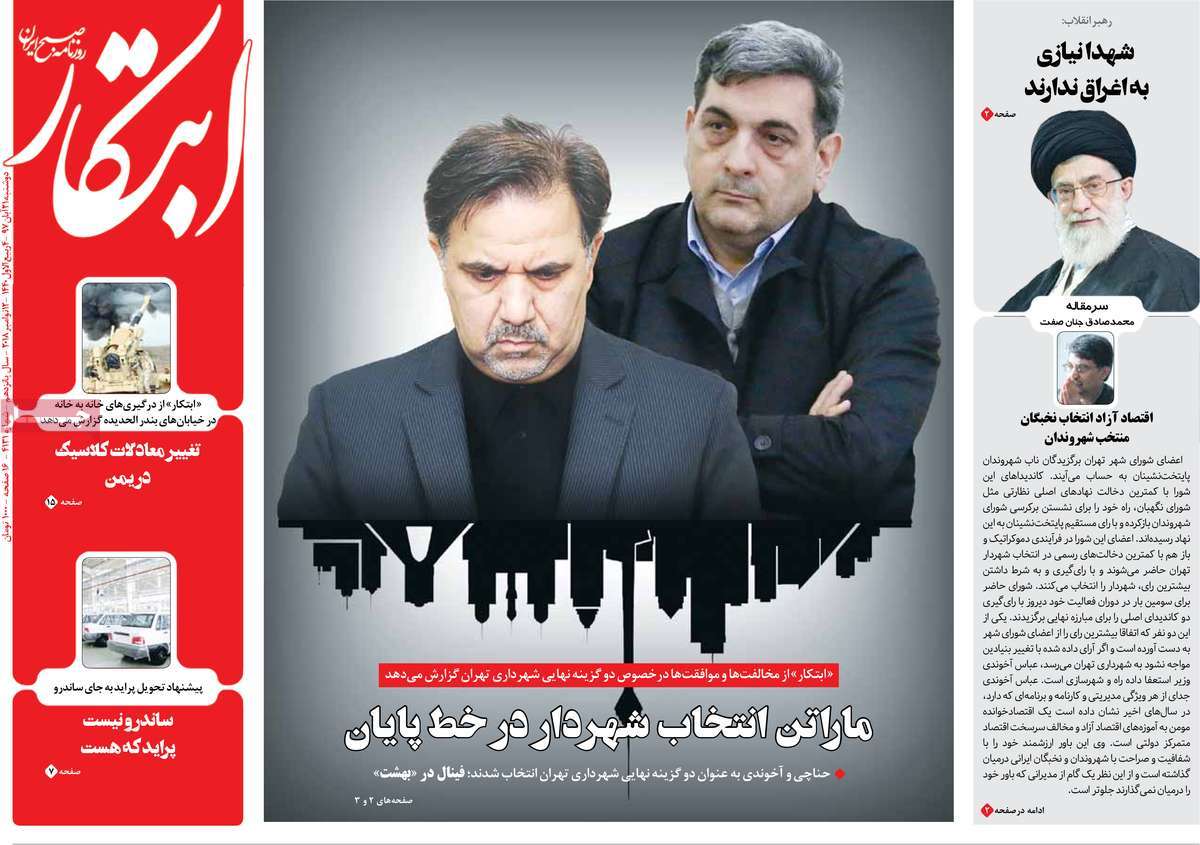
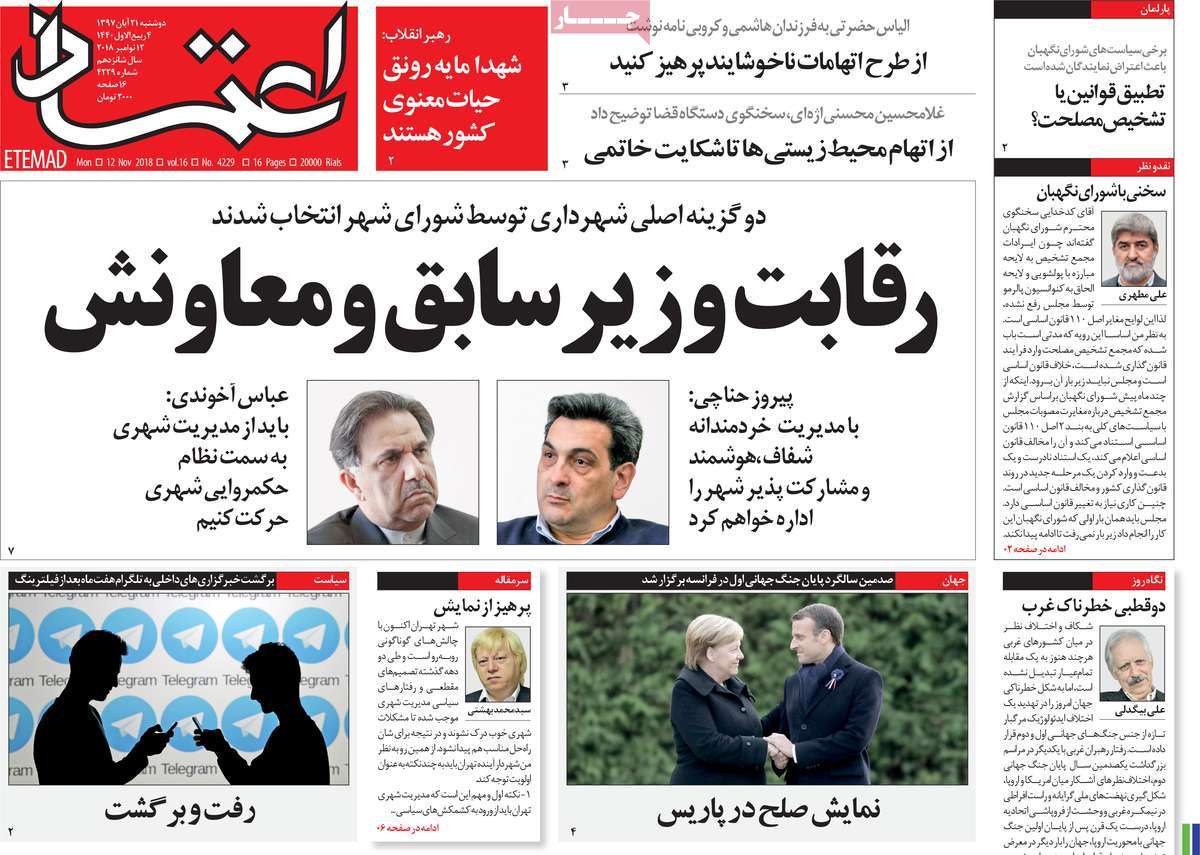
Almost all papers today covered the ongoing debates at Tehran City Council to elect a new mayor after the ban on use of retired employees forced Mohammad-Ali Afshani to resign. They councillors are to elect either former controversial minister of urban development Abbas Akhoundi or his deputy Pirouz Hanachi.

Also a top story was the recent decline in oil prices, which ended a growing trend started in 2015.

The controversies over the country’s bid to adopt the standards set by the Financial Action Task Force (FATF) also received great coverage.

The above issues, as well as many more, are highlighted in the following headlines and top stories:


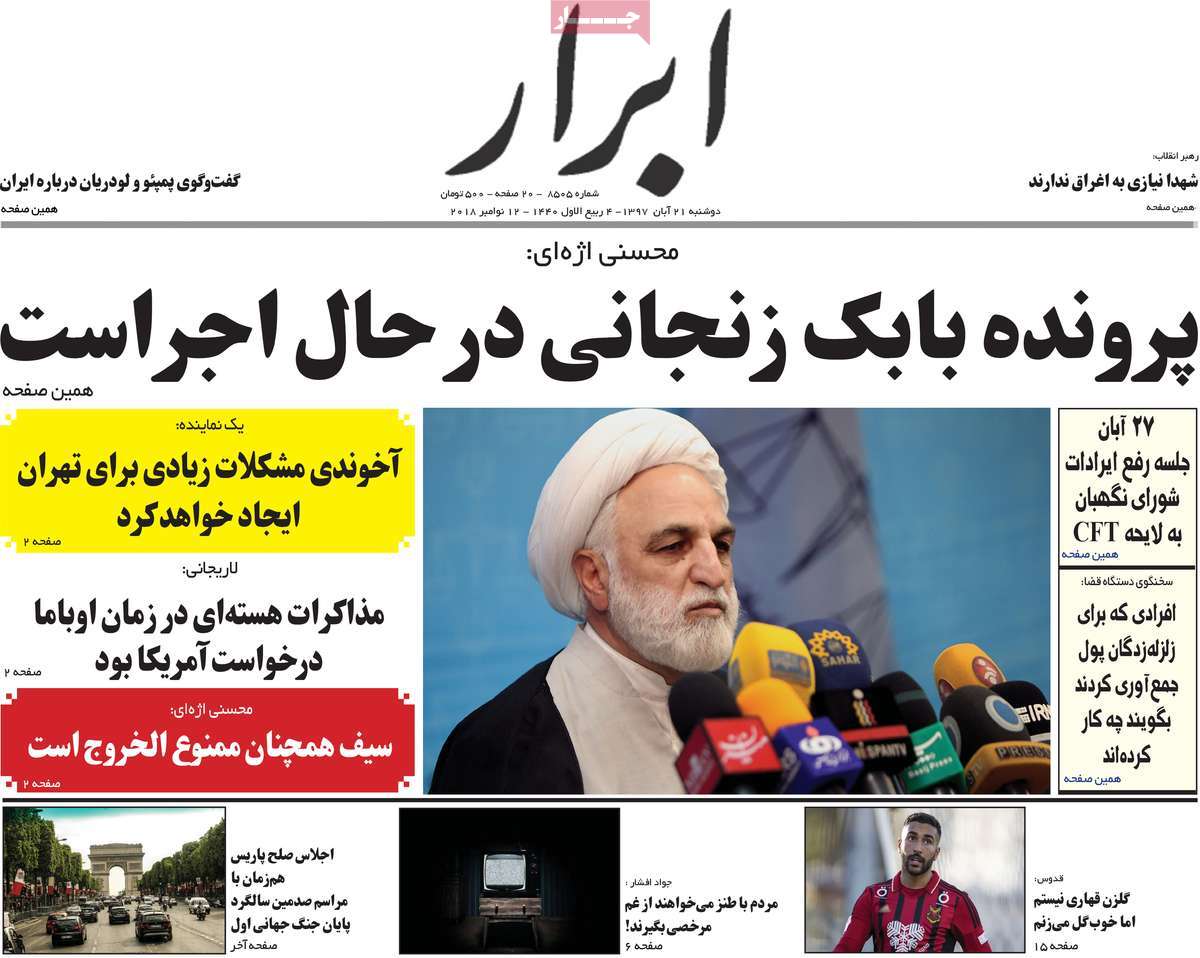
Abrar:

1- Pompeo, Le Drian Hold Talks on Iran

2- Larijani: Nuclear Talks Held at Request of Obama Administration

3- Session to Be Held on Nov. 18 to Discuss Guardian Council’s Opposition to CFT

A Look at Iranian Newspaper Front Pages on November 12


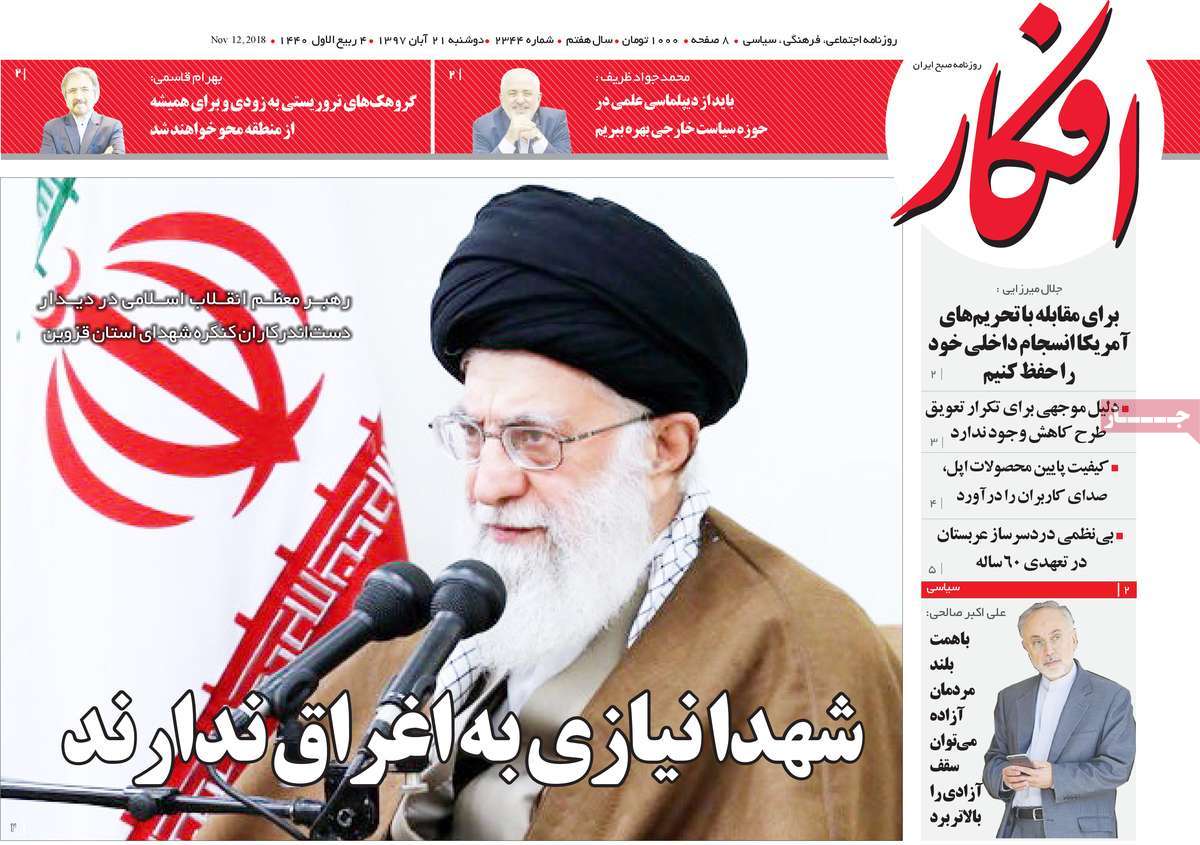
Afkar:

1- Region to Be Cleansed of Terrorist Groups Soon, Forever: Iran

A Look at Iranian Newspaper Front Pages on November 12


Aftab-e Yazd:

1- Oil Market’s Amazing Situation

  • Oil Giants Convene in Abu Dhabi to Reduce Oil Prices

A Look at Iranian Newspaper Front Pages on November 12


Arman-e Emrooz:

1- Ambiguous Fate of CFT

2- Tehran to Become More Expensive City: Analyst

3- Children of Some Opponents of FATF Living in London!

A Look at Iranian Newspaper Front Pages on November 12


Ebtekar:

1- Marathon of Electing New Mayor of Tehran at Final Stage

2- Change in Classic Equations of Yemen

A Look at Iranian Newspaper Front Pages on November 12


Etemad:

1- Show of Peace in Paris: 100th Anniversary of WWI Held in France

2- Minister or His Deputy to Become Next Mayor of Tehran

A Look at Iranian Newspaper Front Pages on November 12


Ettela’at:

1- Iran Leader: Promotion of Jihadi Spirit to End Inclinations towards East, West

2- Iran Crowned at Int’l Astronomy Olympiad

3- Four Iranians Banks Removed from List of US Sanctions

A Look at Iranian Newspaper Front Pages on November 12


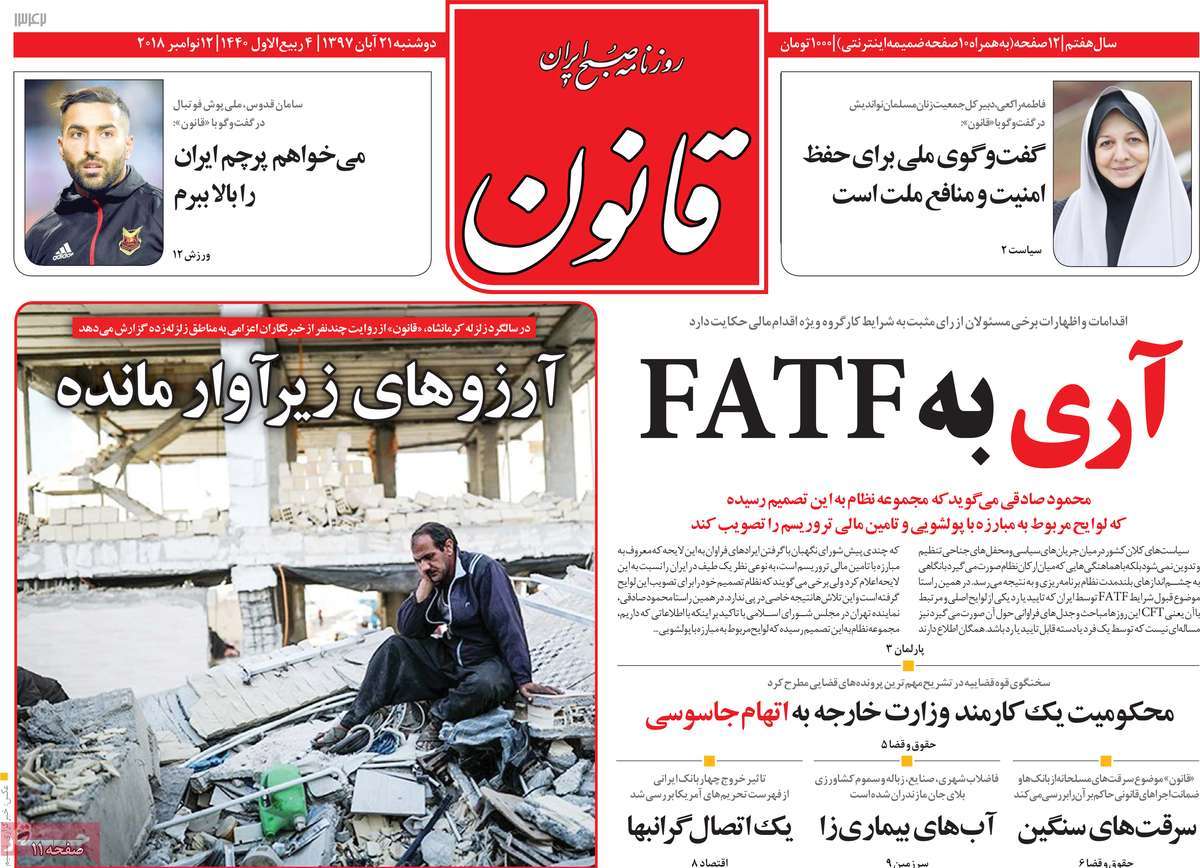
Ghanoon:

1- Wishes Buried under the Rubble: First Anniversary of Kermanshah Quake

2- Yes Vote to FATF: Officials Suggest FATF to Be Finally Adopted by Iran

A Look at Iranian Newspaper Front Pages on November 12


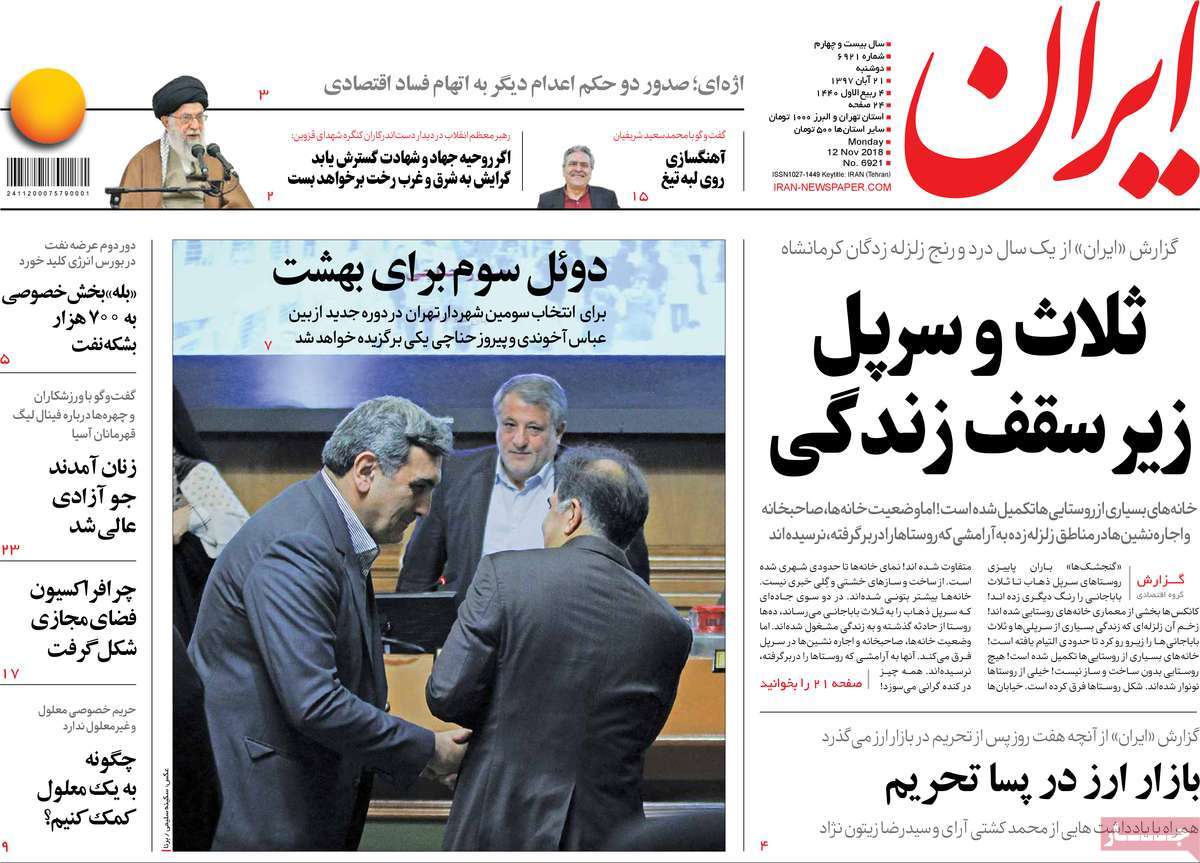
Iran:

1- Women’s Presence in Stadium Made Atmosphere Great: Celebrities

A Look at Iranian Newspaper Front Pages on November 12


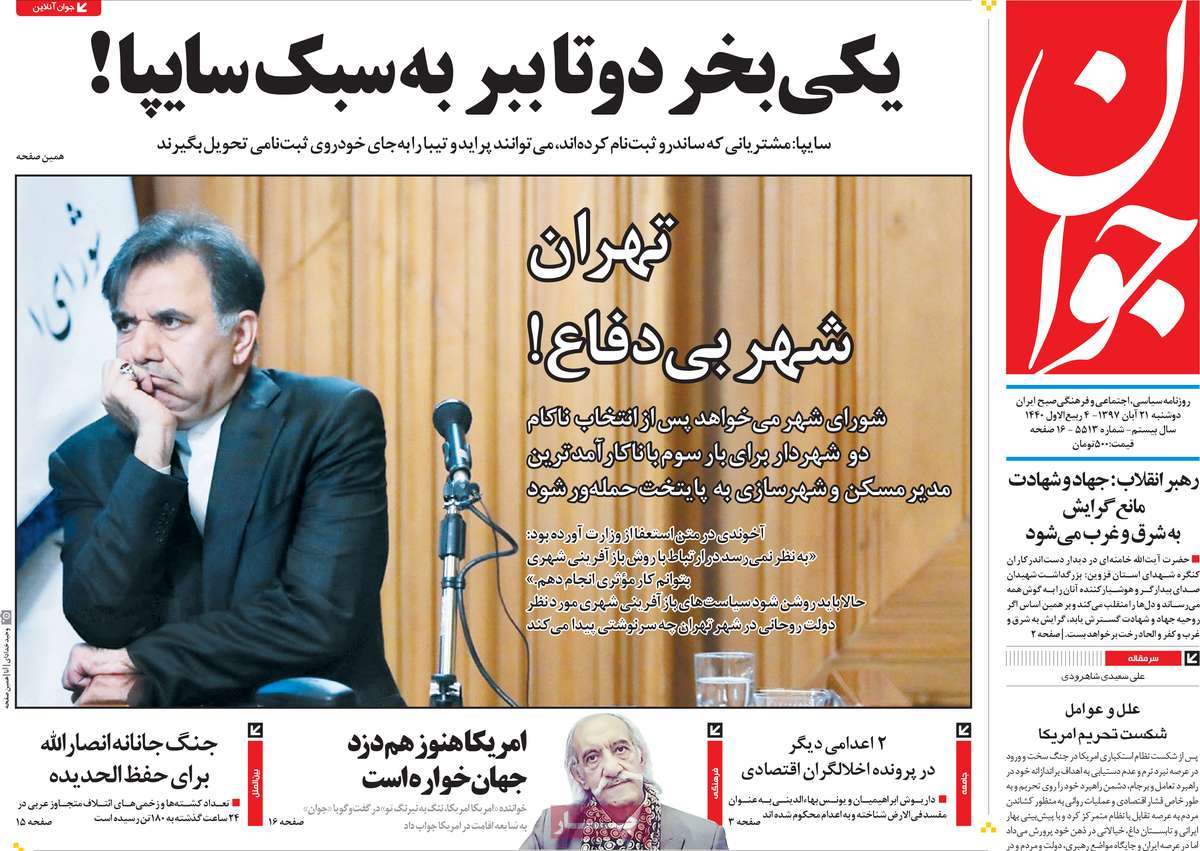
Javan:

1- Ansarullah’s Fierce Fight to Save Hudaydah

2- Tehran, the Open City!

  • Tehran City Council to Elect Rouhani’s Most Incompetent Minister as New Mayor

A Look at Iranian Newspaper Front Pages on November 12


Jomhouri Eslami:

1- Iran Nuclear Chief: World Amazed by Our Nuclear Achievements despite Sanctions

2- 700,000 Barrels of Oil Sold at Iran Energy Bourse

A Look at Iranian Newspaper Front Pages on November 12


Kayhan:

1- Fierce Fighting Goes on in Yemen’s Hudaydah

2- Judiciary: Two New Death Penalties, 22 Prison Terms Issues for Economic Corruption

A Look at Iranian Newspaper Front Pages on November 12


Setareh Sobh:

1- UNWTO Gives Green Light to Iran’s Tourism

2- Global Oil Prices Decrease: End of Growing Trend Which Started in 2015

A Look at Iranian Newspaper Front Pages on November 12


Shahrvand:

1- 365 Days after Sorrow of Kermanshah

A Look at Iranian Newspaper Front Pages on November 12


Shargh:

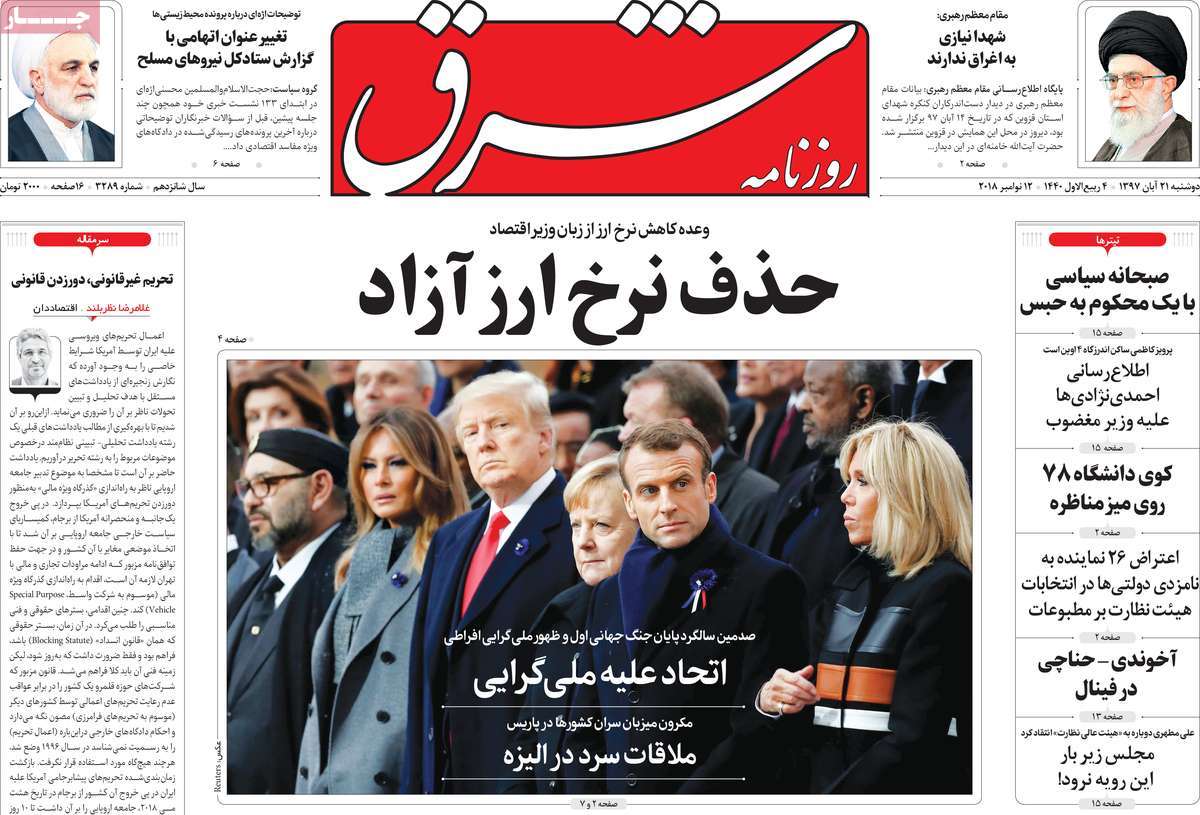
1- Unity against Nationalism

  • Radical Nationalism Once Again Rising on 100th Anniversary of WWI

2- Cold Encounter at Elysee: Macron Hosts World Leaders in Paris

3- Economy Minister Says Forex Rates Will Decrease

A Look at Iranian Newspaper Front Pages on November 12

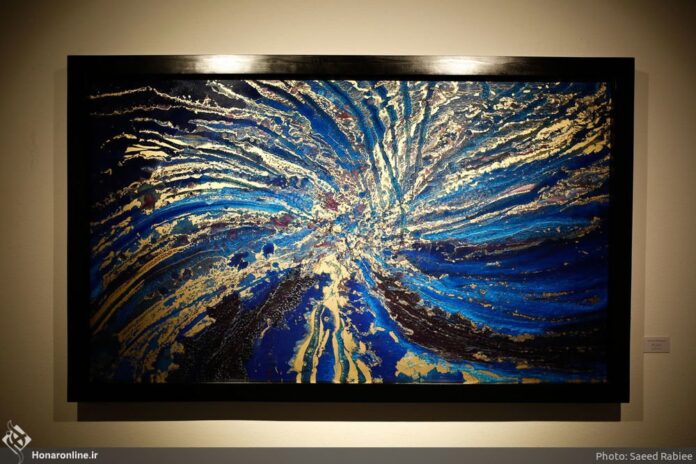
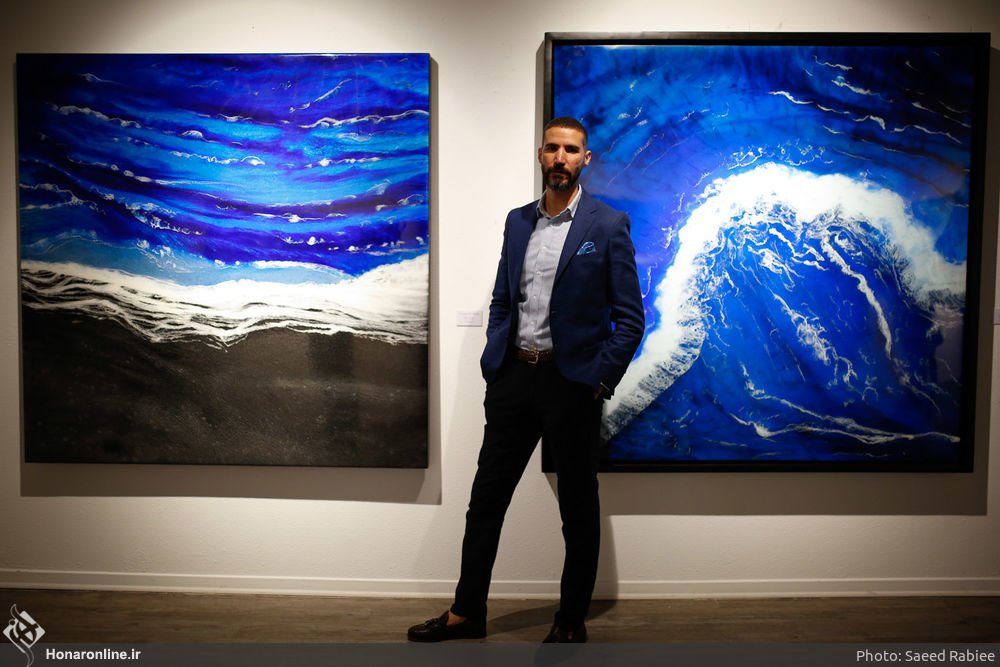
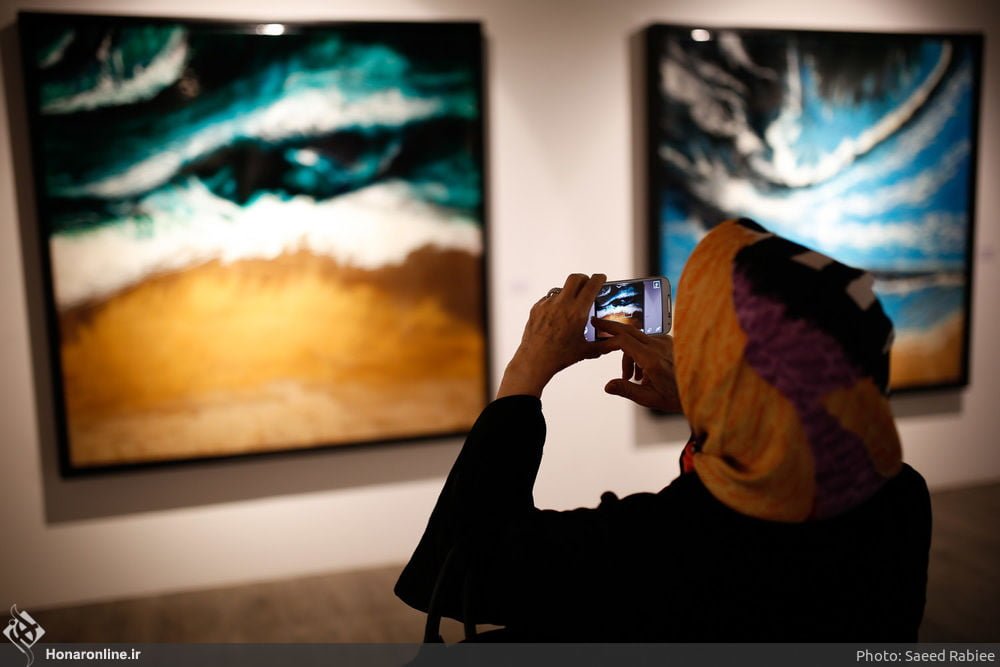
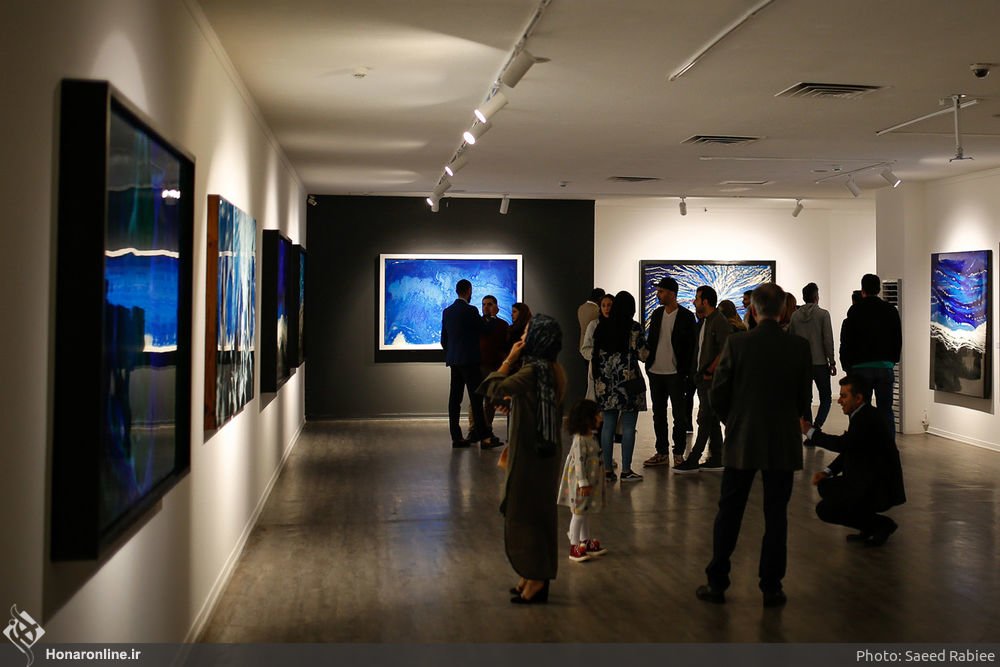
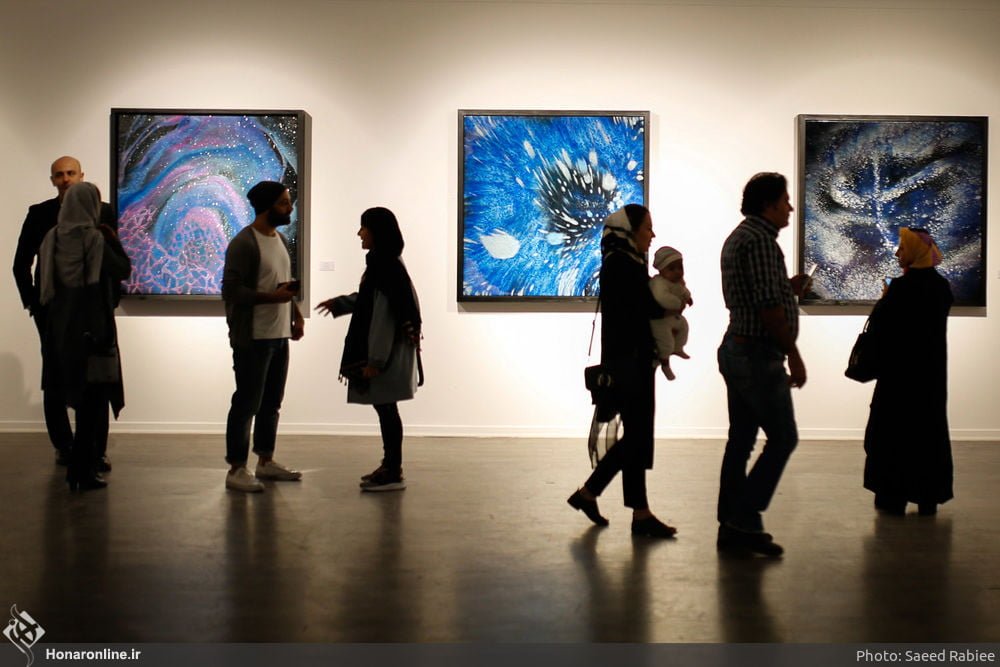
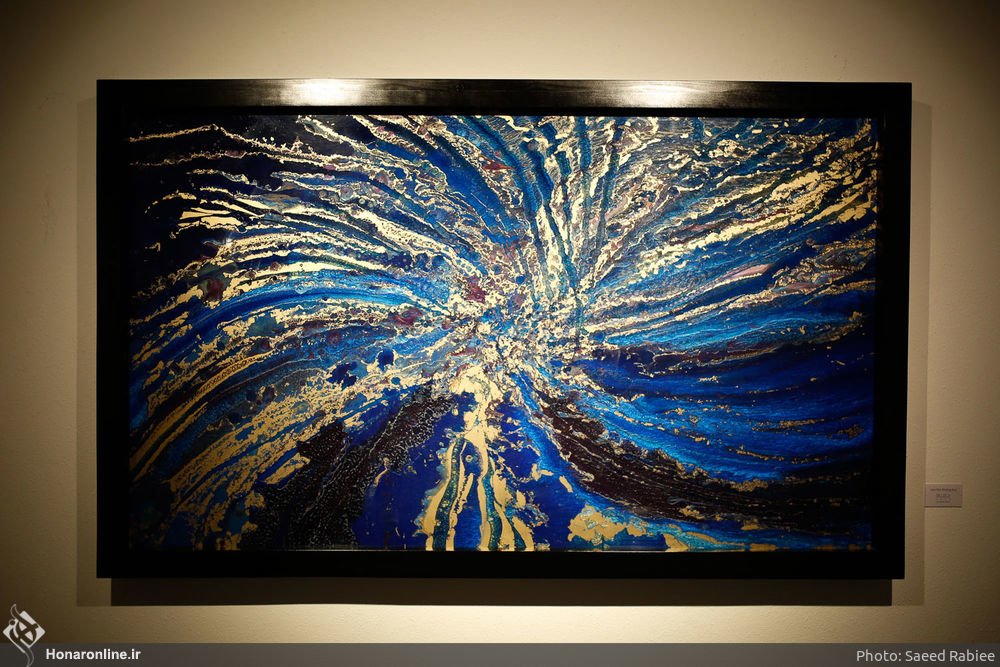
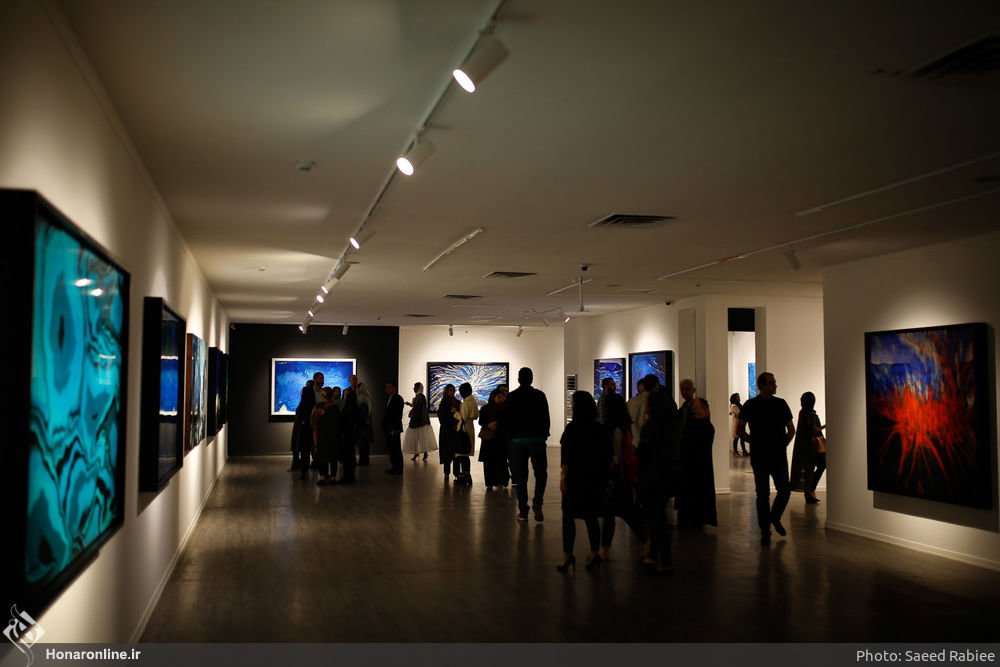
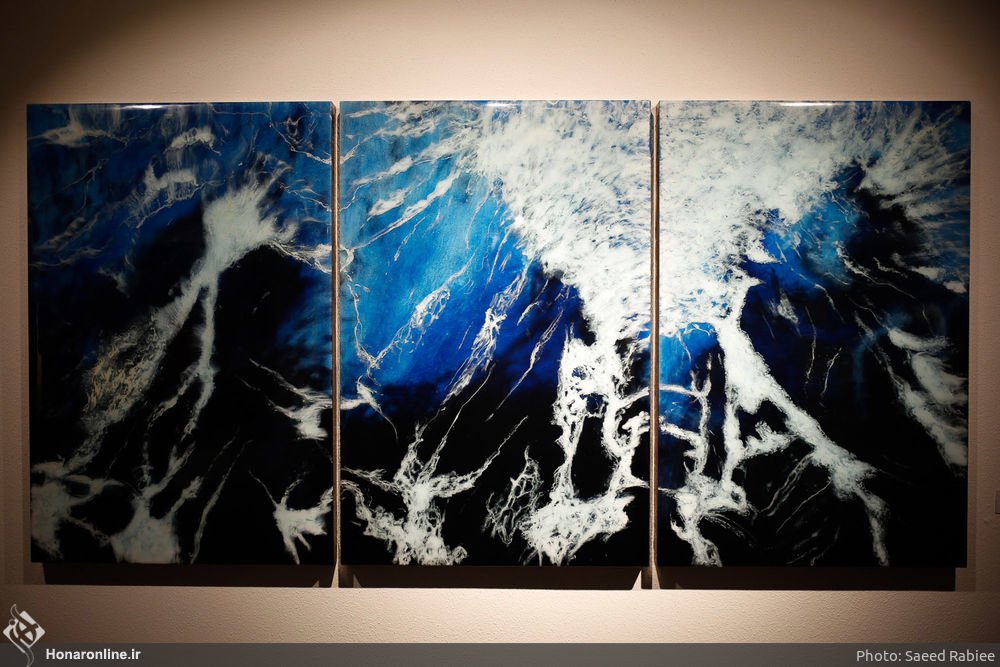
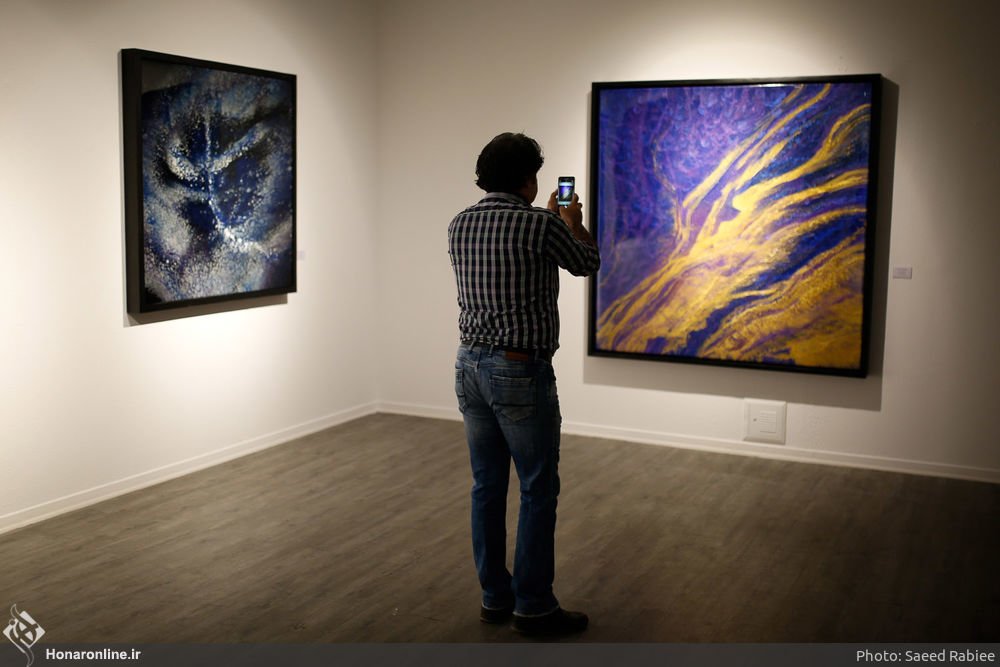
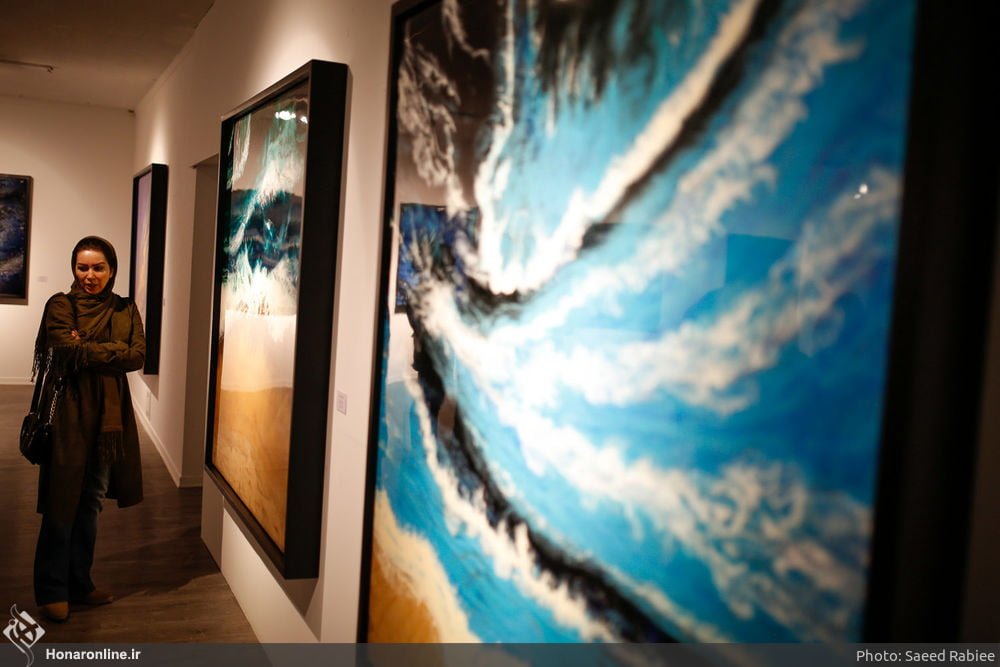
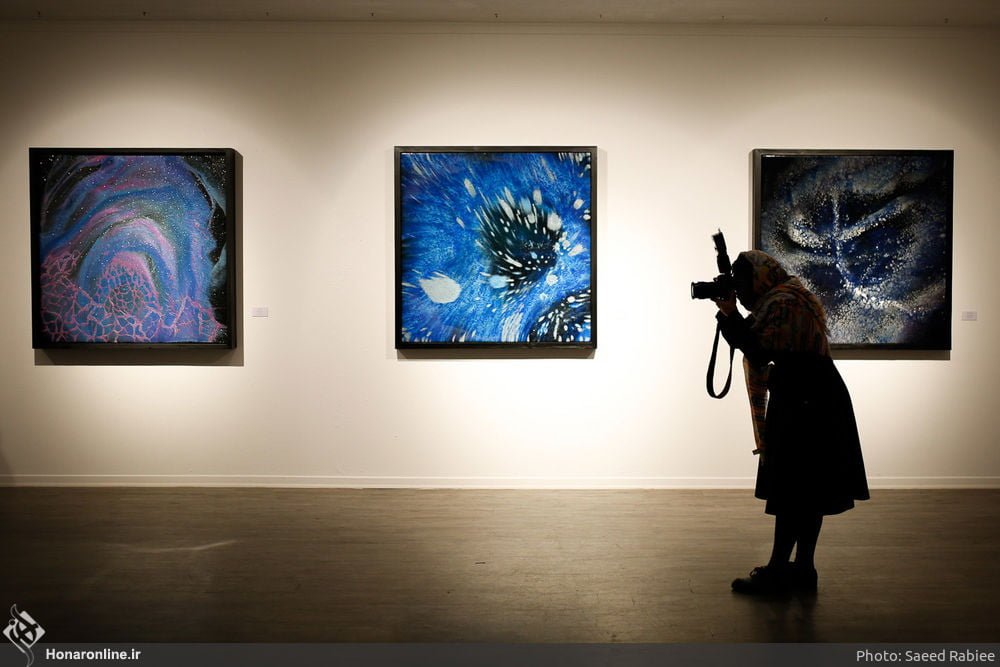
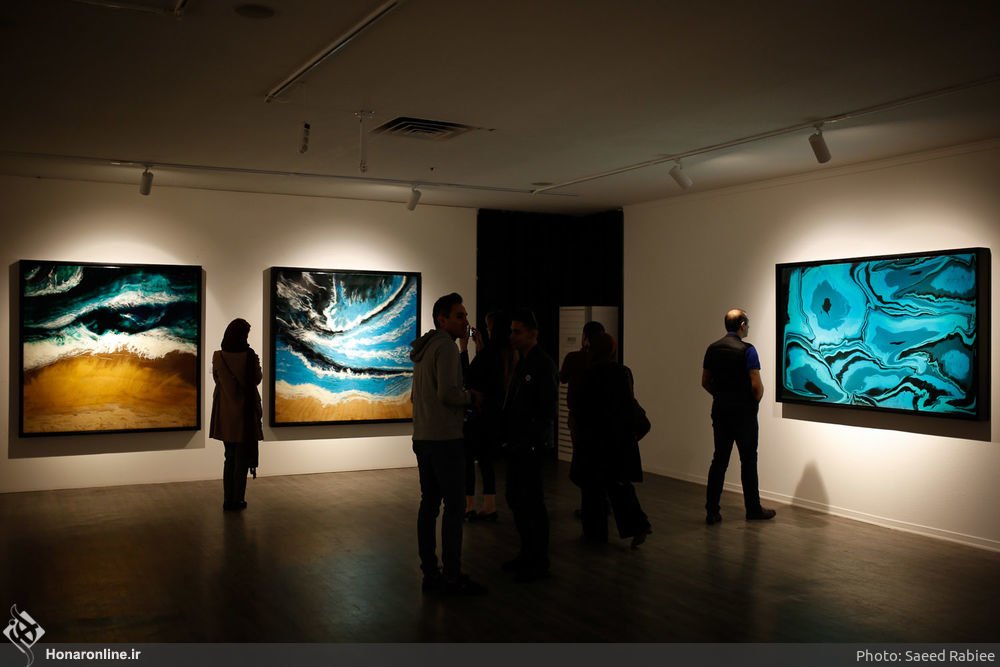
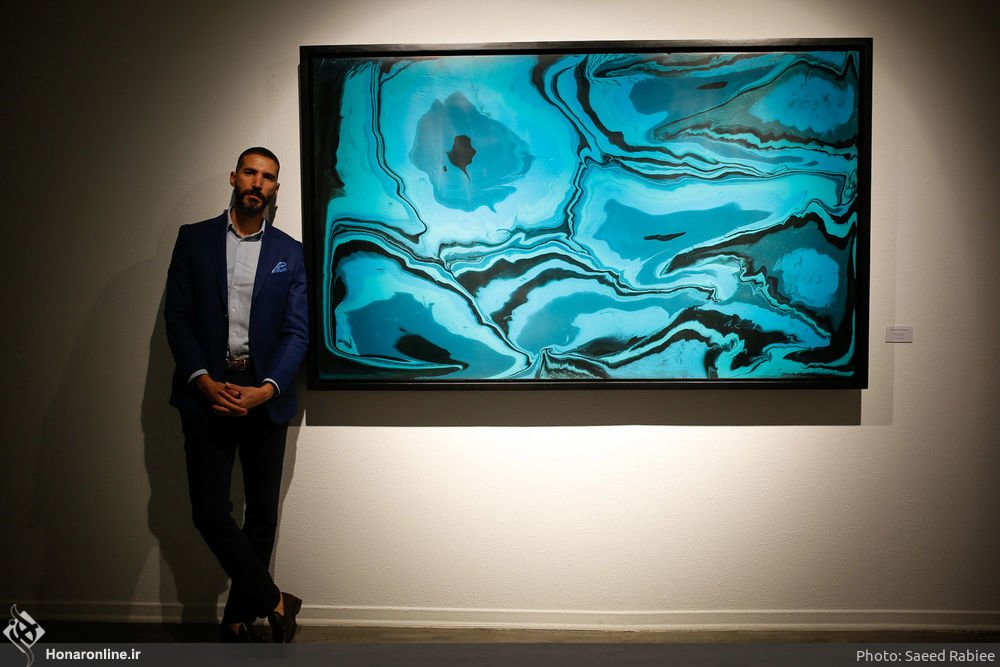
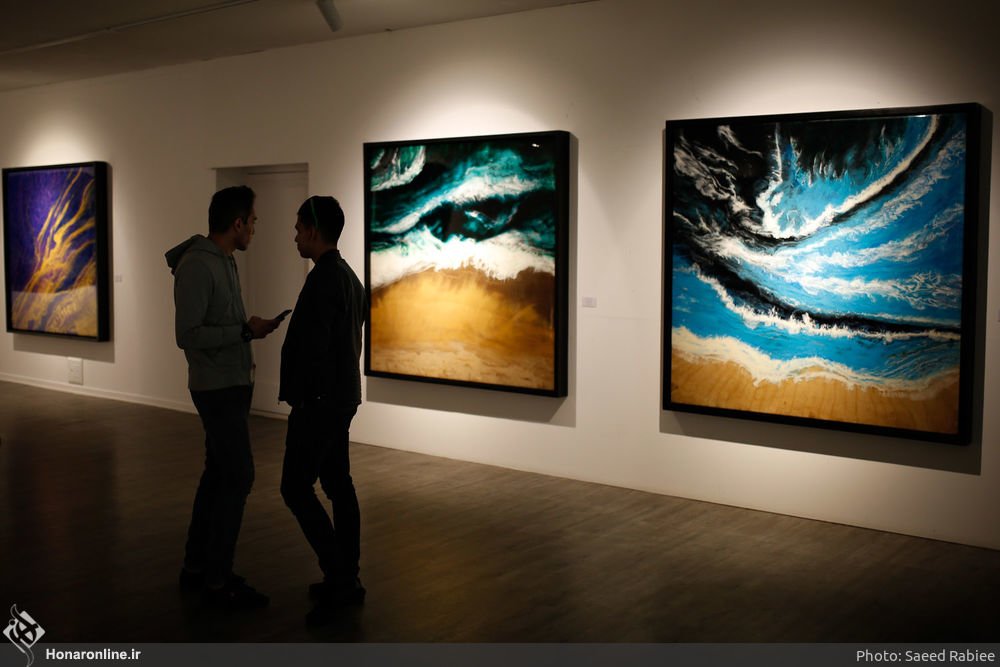
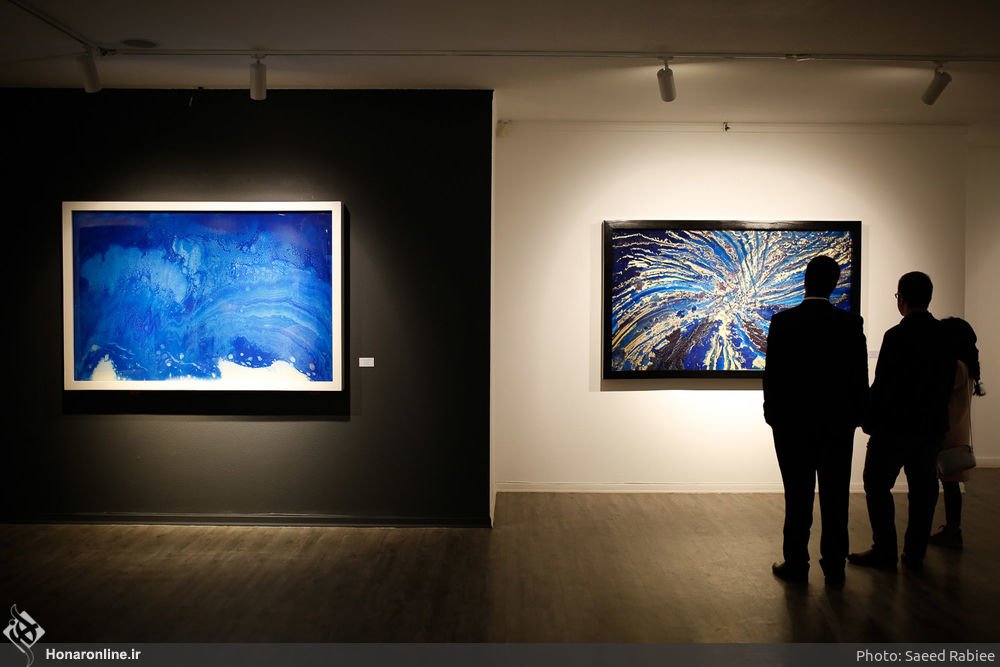
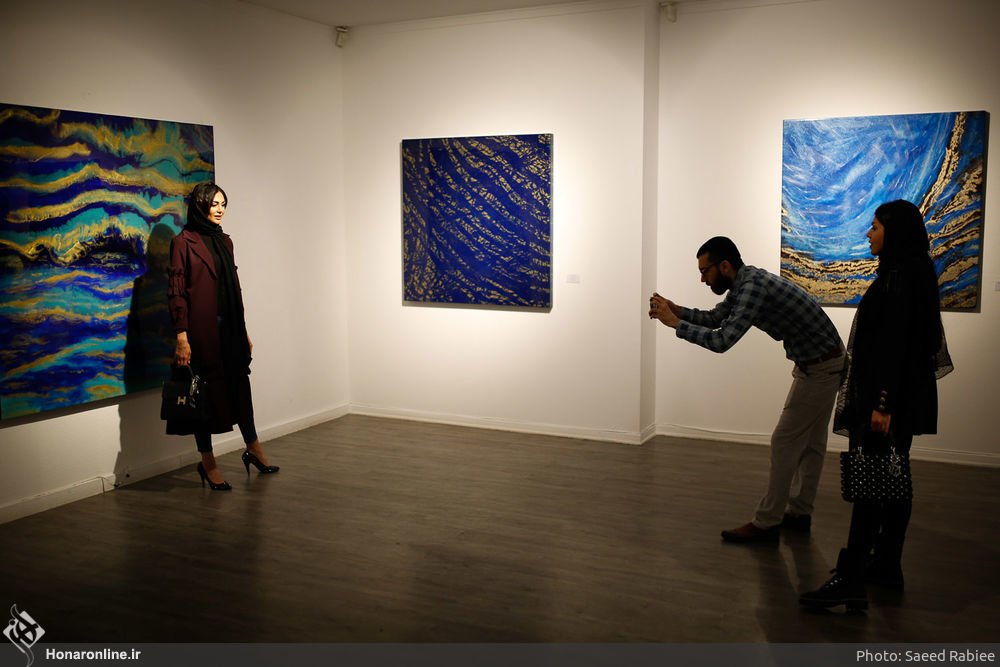
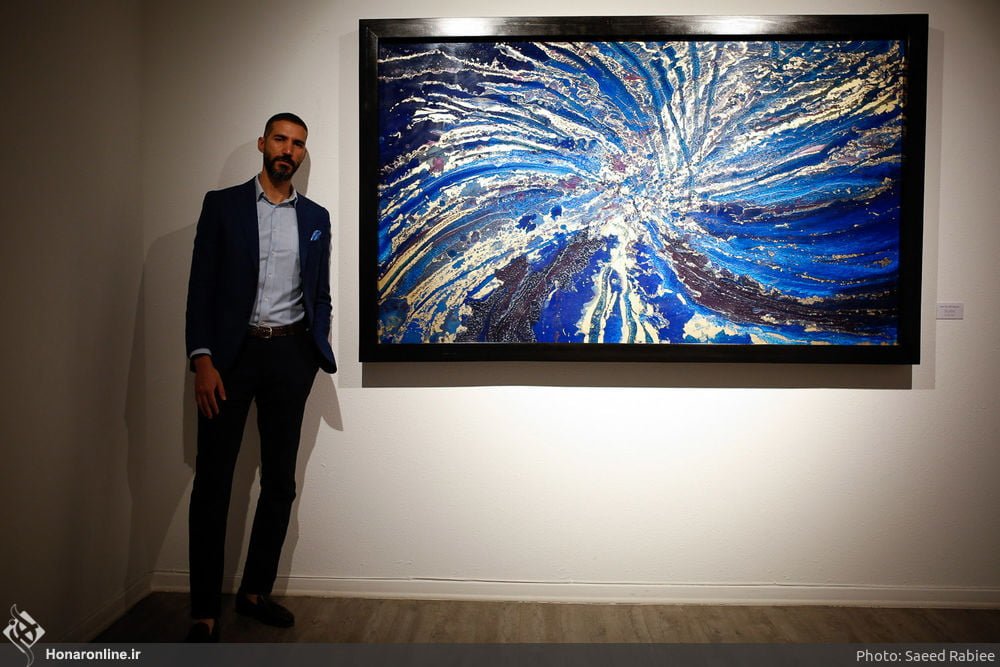
Endless Blue; Exhibition of Paintings with Chemical Compounds

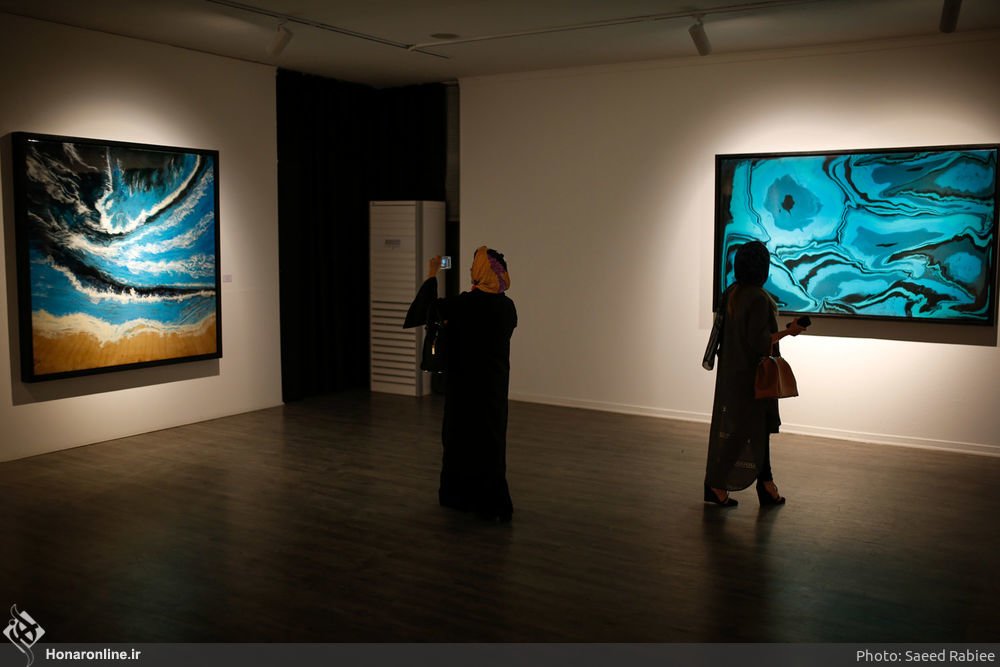
The collection of Iman Sobh-Ravan’s paintings is aimed at reminding the visitors of the presence of water in humans’ bodies as well as the earth and other planets and sending the message that our existence is in a deep and inseparable unity with the whole world.

Elaborating on the exhibition, Sobh-Ravan said, “My studies in chemistry helped me very much in my artistic career and I used my knowledge to prepare the chemical compounds used in my pieces.”

Endless Blue; Exhibition of Paintings with Chemical Compounds“I made the materials myself. The materials were used on wood and in some parts there are at least 20 layers of them. That’s why the pieces may appear in 3D format to the eyes of the visitors. At the final stage, I used a polymer material over the layers to make them appear colourless.”
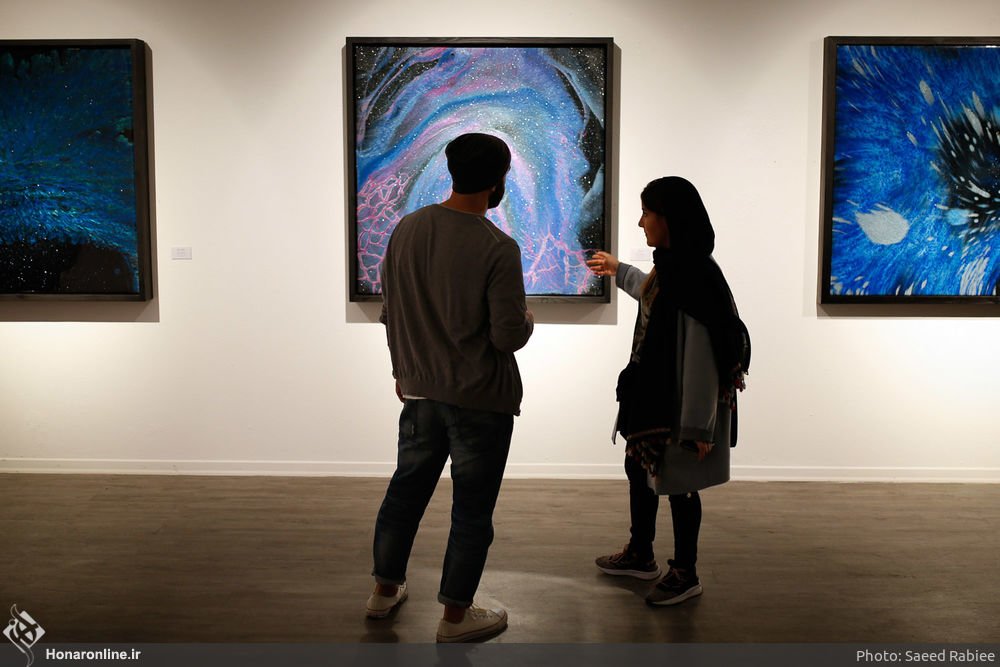
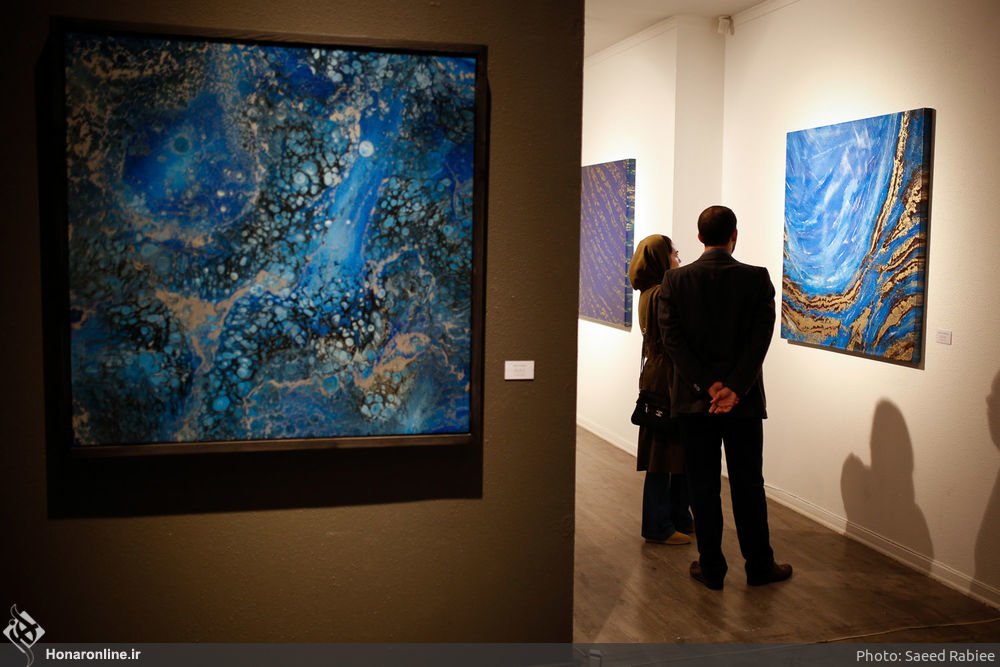
On his artistic background, the painter said he used to work with ordinary painting colours but in this collection, he decided to show the visitors the underlying layers of his pieces. “That’s why I needed some chemical and mineral compounds.”

Sobh-Ravan began his studies in chemistry, polymer, nanotechnology and other related areas since he was 17 years old. He also achieved the top prize of the Khwarizmi Science Festival in 2002.

He said the materials which he had created could also be used for realist paintings.

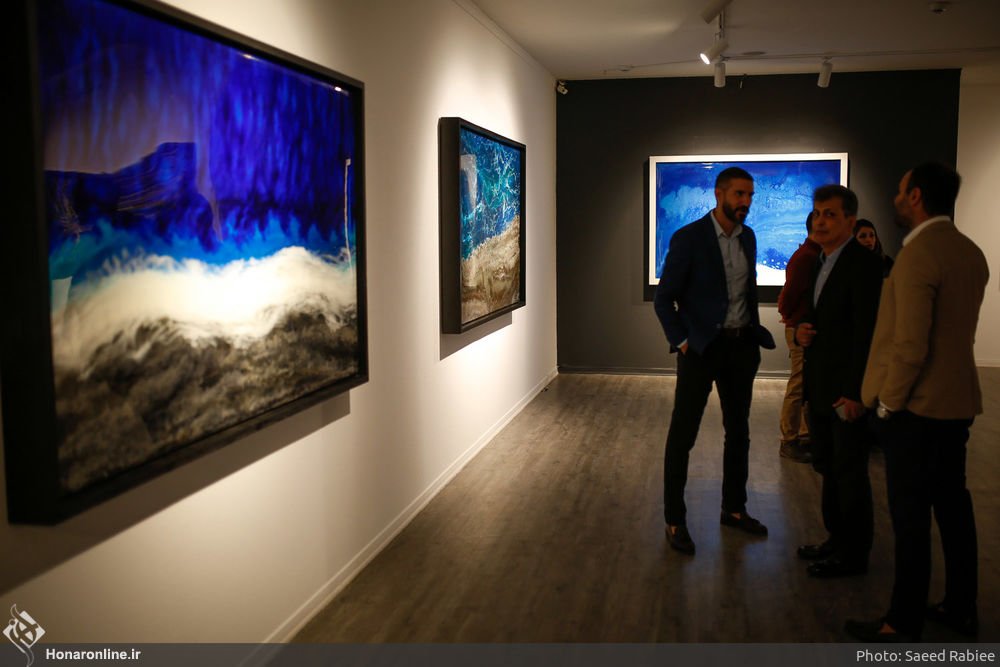
The exhibition of Endless Blue was recently held in Aryana Gallery in northern Tehran. Below, you can see photos taken of the exhibition by Honar Online:

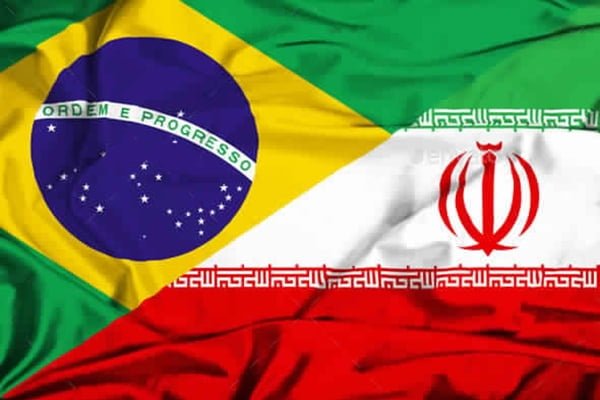
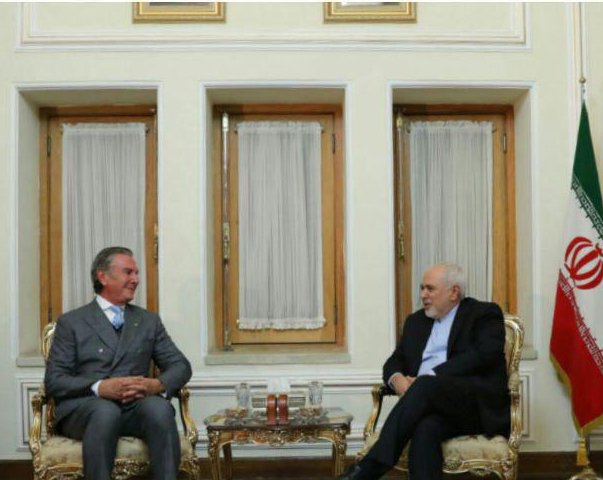
Iran, Brazil Discuss Mutual Relations in Tehran

During the talks, the two sides discussed the latest developments in mutual relations, parliamentarian cooperation and significant regional and international issues.

Fernando Affonso Collor de Mello is a senior Brazilian senator who served as the 32nd president of Brazil from 1990 to 1992.

Back on Saturday, he held talks with Iran’s Parliament Speaker Ali Larijani. During the talks, the two officials exchanged views on the latest developments of the Iran nuclear deal.

The Brazilian senator voiced his country’s willingness to boost ties with Iran. He also underlined that Brazil, together with other BRICS nations – including Russia, India, China and South Africa – stands with Iran against Trump, who has no respect for international regulations.

The world should not remain silent to bullies like Trump, he added, calling for the United Nations’ more serious measures against the US policies.

Iran, Brazil Discuss Mutual Relations in Tehran

Iranian Students Shine at Int’l Astronomy Olympiad

the best results by the organization in the scientific competition over the past years.

Collecting a gold, three silvers and one bronze, Iran finished in third place in the previous edition of the IOAA in Thailand.

For a brief review of Iran’s achievements in various fields of science and technology, check the book “Science and Technology in Iran: A Brief Review

IOAA is an annual event for highly performed high school students from all around the world. Established in Thailand in 2006, it was initiated by five countries including Thailand, Indonesia, Iran, China and Poland to proliferate astronomy among high school students and foster friendship among young astronomers at international level to build cooperation in the field of astronomy in the future among young scholars.

Among the countries to have hosted the event are Thailand (2007 and 2017), Indonesia (2008 and 2015), Iran (2009), China (2010), Poland (2011), Brazil (2012), Greece (2013), Romania (2014) and India (2016).

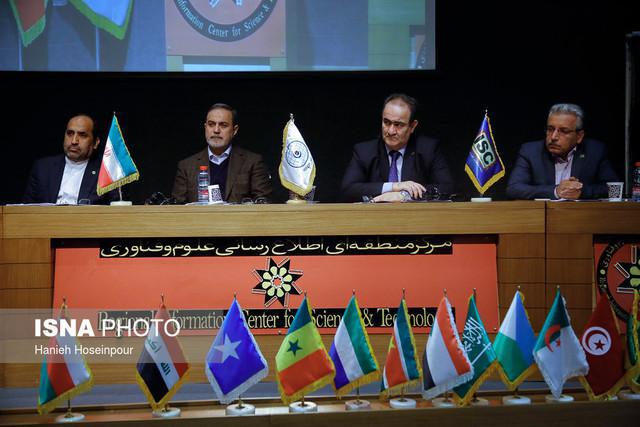
ISESCO Annual Summit Underway in Iran’s Shiraz

ISESCO

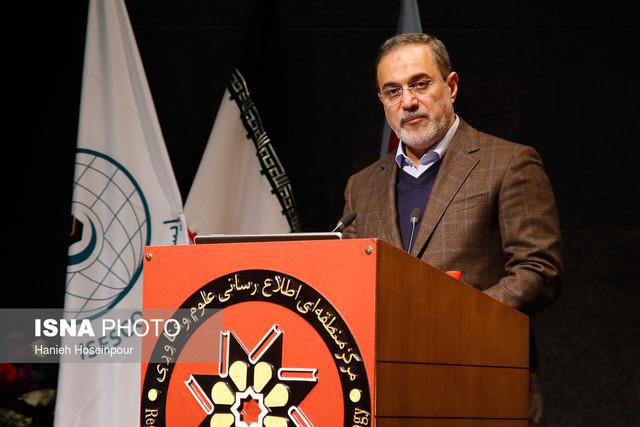
During the two-day gathering, the participants also discuss future policies and plans. The meeting opened on Sunday, November 20, with the statements of Iranian Education Minister Mohammad Bat’haei, who is also the head of the Supreme Council of the National Commission of Iran.

A stamp dedicated to the ISESCO and Islamic World Science Citation Database (ISC) was also unveiled in the ceremony.

The ISESCO was founded by the Organization of Islamic Cooperation in 1982 to promote and strengthen cooperation in various educational, scientific, and cultural fields.

Its headquarters is in Rabat, Morocco, and 57 Muslim countries, including Iran, are members of this organisation. The organisation has so far opened two regional offices in Sharjah, the United Arab Emirates, and Tehran back in January 2002.

Addressing the opening ceremony, Bat’haei talked about Iran’s effective role in the development of ISESCO programs saying that since joining the organisation, Iran has been trying to play an effective and useful role in the implementation of the body’s plans.


Over 500,000 Refugees Going to School in Iran

ISESCOBy providing statistical information on the number of school children being educated in Iran, Bat’haei noted Iran’s education system provides education for 99% of elementary school children and this figure has reached over 85 at high schools.
“We have been able to attract 96% of school-age girls to education and raise the gender equality ratio from 49 to 51. These efforts have now led Iran to be ranked by UNESCO as a country providing elementary education,” he noted.

“Another honour for the ministry of education is the enrollment and education of refugee children. Although international organisations have offered us little help in educating refugee children, we have provided education for more than 400,000 people every year,” he noted, adding that more than 500,000 refugee students have received education in the current school year.

However, he added, such efforts have not been well covered by international organisations,” added the Iranian minister.

He went on to say that this is an honour for the Islamic Republic that a significant number of Afghan graduates and experts in Afghanistan and other countries have graduated from Iranian schools and universities.

“Our country has been hit by the cruelest US sanctions and been deprived of many of its rights in the international arena. Despite the difficulties and the impacts of sanctions, we are doing our best at the ministry of education to achieve our goals.”

ISESCO member states have some policies in the field of technology and try to share these policies at this meeting. The ISESCO countries are trying to set up science and technology indices for Asian and African countries.

For a brief review of Iran’s achievements in various fields of science and technology, check the book “Science and Technology in Iran: A Brief Review

The meeting will lead to increased collaboration among the universities of the member states and encourage exchange of experiences, information and programs in the fields of education, science and technology, as well as support and promotion of scientific research in line with the needs of the universities of the member states.

Also, in view of the ISC’s goal of establishing comprehensive scientific policies in the countries, the summit will provide the necessary ground for the presentation of potentialities to receive scholarships and study opportunities for researchers in order to increase international partnerships.

The ISESCO’s November Summit, coordinated by the ISESCO National Commission in Iran, and co-sponsored by its regional office in Tehran as well as the Islamic World Science Citation Database (ISC) will close on November 12 in Shiraz.

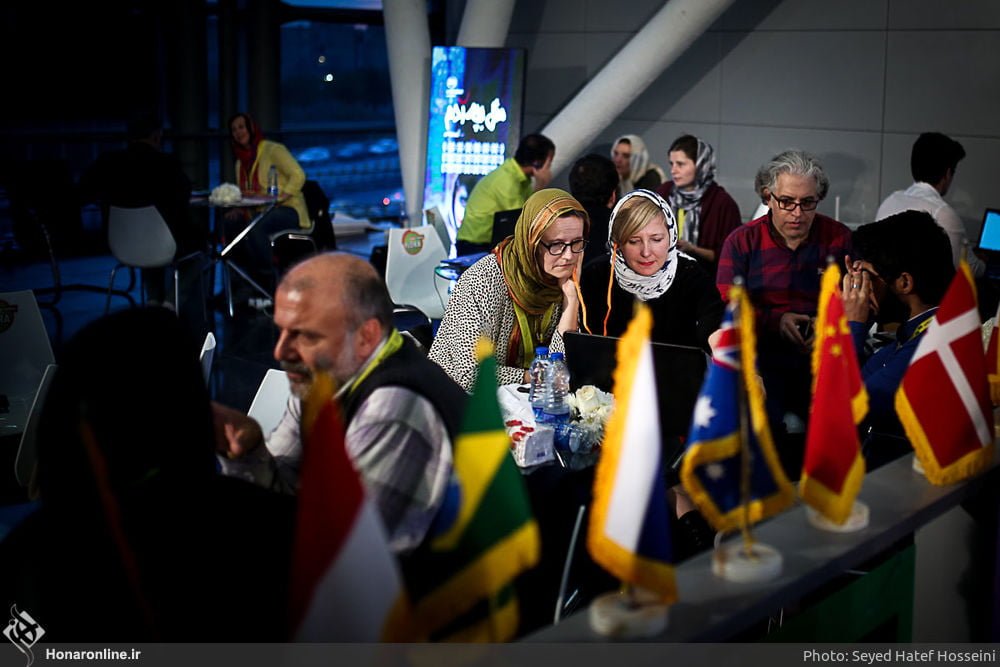
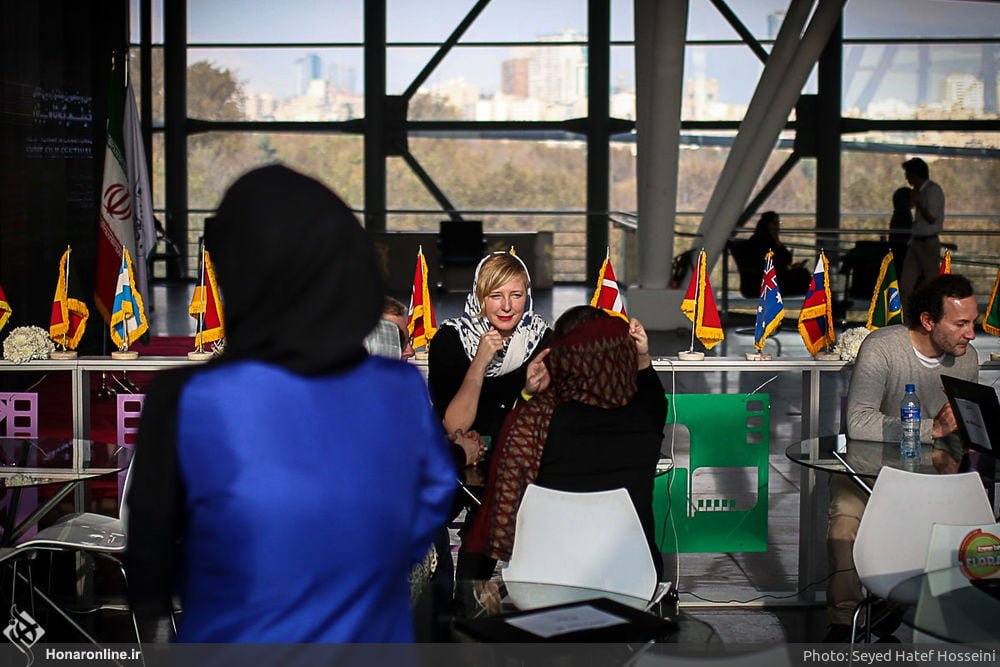
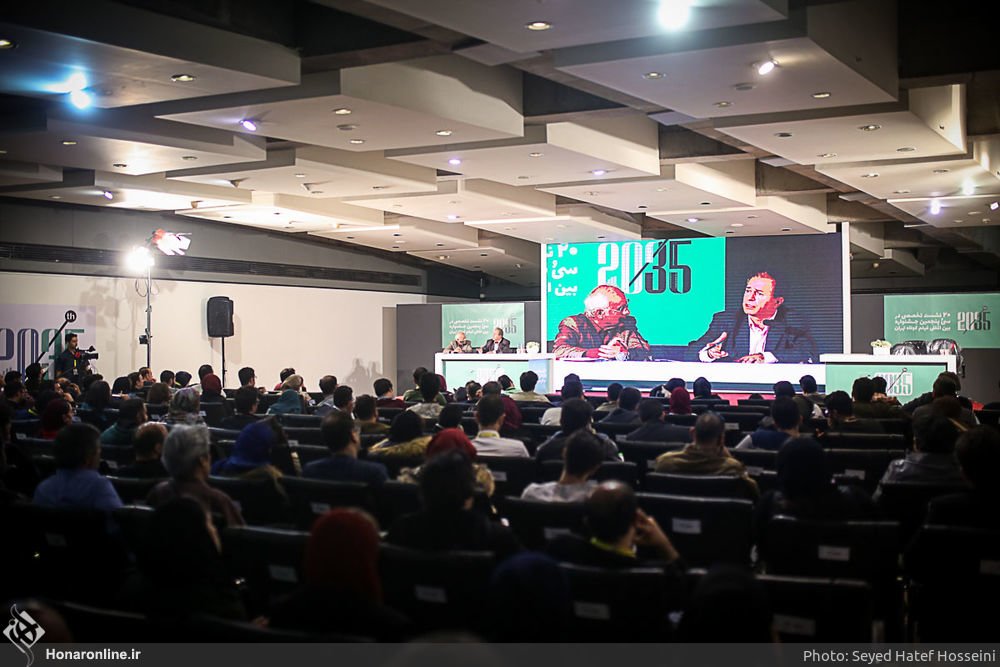
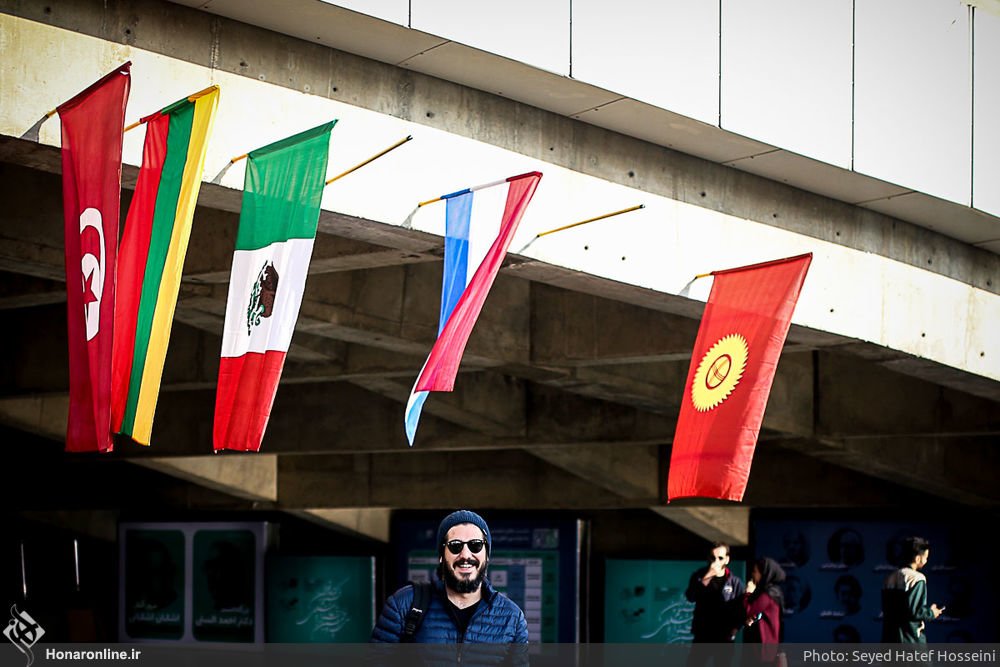
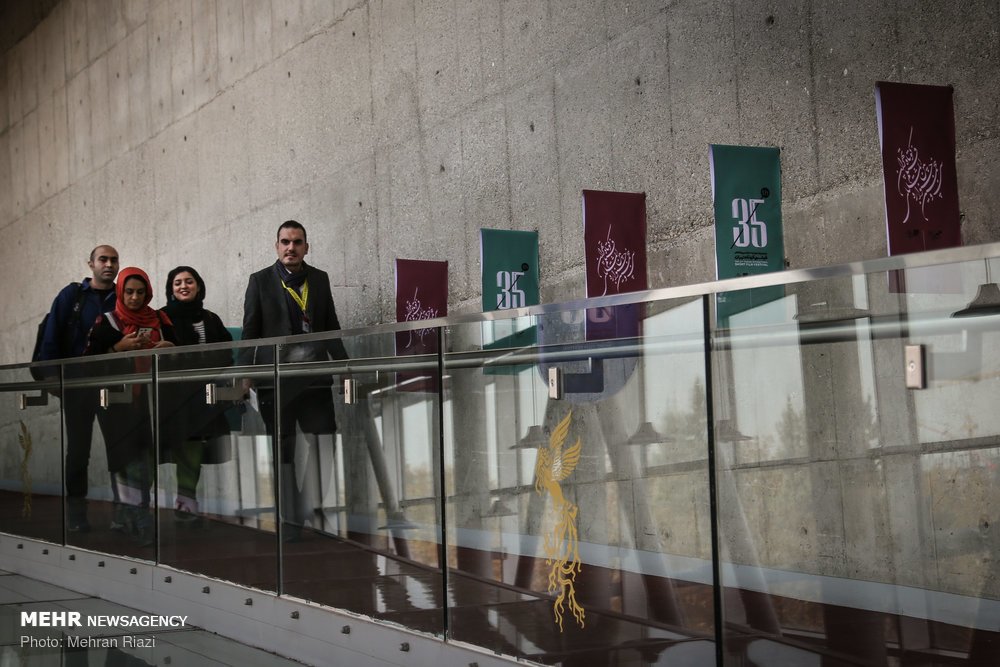
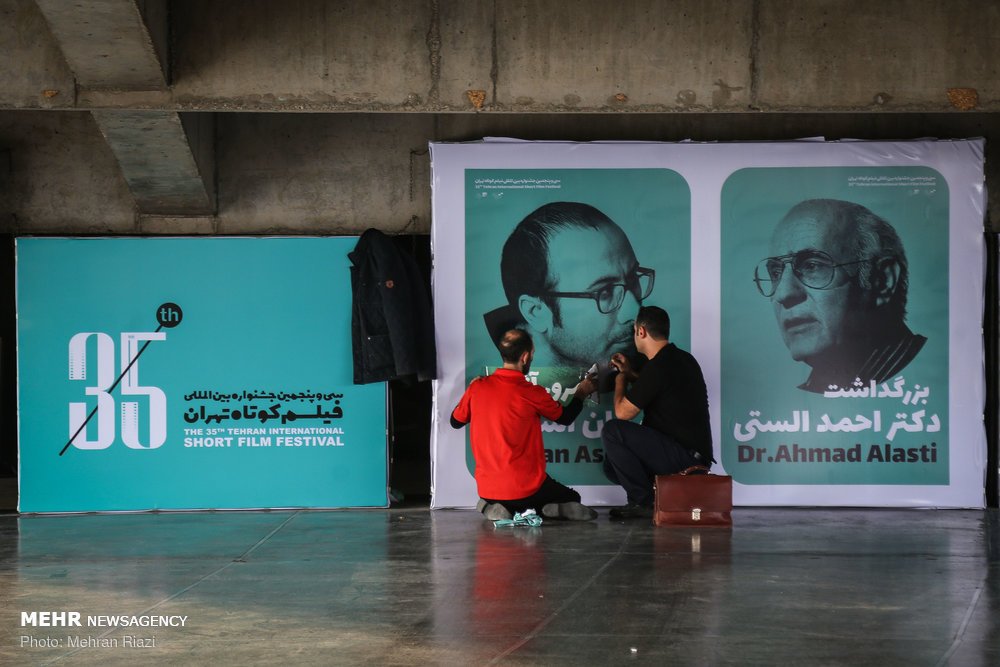
72 Films from 30 Countries Competing at Tehran Short Film Festival

The festival screens Iranian and foreign short films from different countries of the world. This year, it has received an overall of 5,050 films in four sections (main, features, animation and documentary) from 121 countries out of which the festival’s selection board finally picked up 72 films from 30 countries to compete in the four sections.

In a message to the festival, Iranian Minister of Culture and Islamic Guidance Seyyed Abbas Salehi said, “Today we live in an era in which a part of the world with a short history is seeking to isolate an ancient country with a long history and civilization.”

“The American politicians are attempting to cut our ties with the world but they should come to realize the fact that Iran’s civilization is based on culture and art which know no restriction and isolation,” he noted.

“That’s why, amid the current sanctions and threats, more and more countries have applied to take part in Tehran festival and Iran warmly welcomes the films by leading directors from around the world,” Salehi added.

Alireza Sami’e Azar, one of the lecturers in the specialized workshops held during the festival, says making short film is a prelude for many film directors to make their own feature films.

He went on to say that linking academic centres to enthusiastic filmmakers is among the main goals of the Iranian Youth Cinema Society, which organizes the festival. “To me, the festival is now capable of making the link properly.”

Émilie Dubreuil, a French film producer who submitted a film to the festival in 2014 and now is in Tehran to purchase some Iranian short films, says her main criteria in choosing a film is its story. “To me, good quality comes after the story when it comes to short films.”

On her familiarity with the Iranian short films, she said “I’m not so much familiar with them and my visit is aimed at gaining the familiarity.”

Mike Hannigan, a jury member of the 35th edition of Tehran International Short Film Festival, says during the festival the jury is after identifying new talents. “Iranian short films have a quality which is unique to them. These films have their own language and form.”

A film distributer from Germany, who is among the honourable guests of the international market of the festival, says Iranian short films enjoy professional photography and “as far as I’ve heard from my colleagues, most Iranian films draw on a poetical view towards the world.”

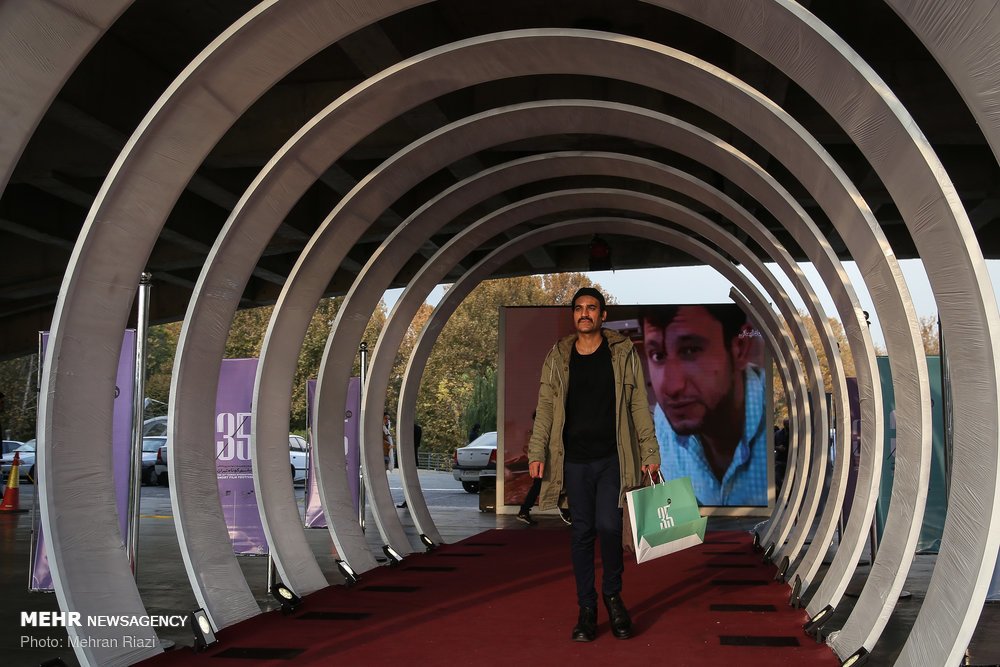
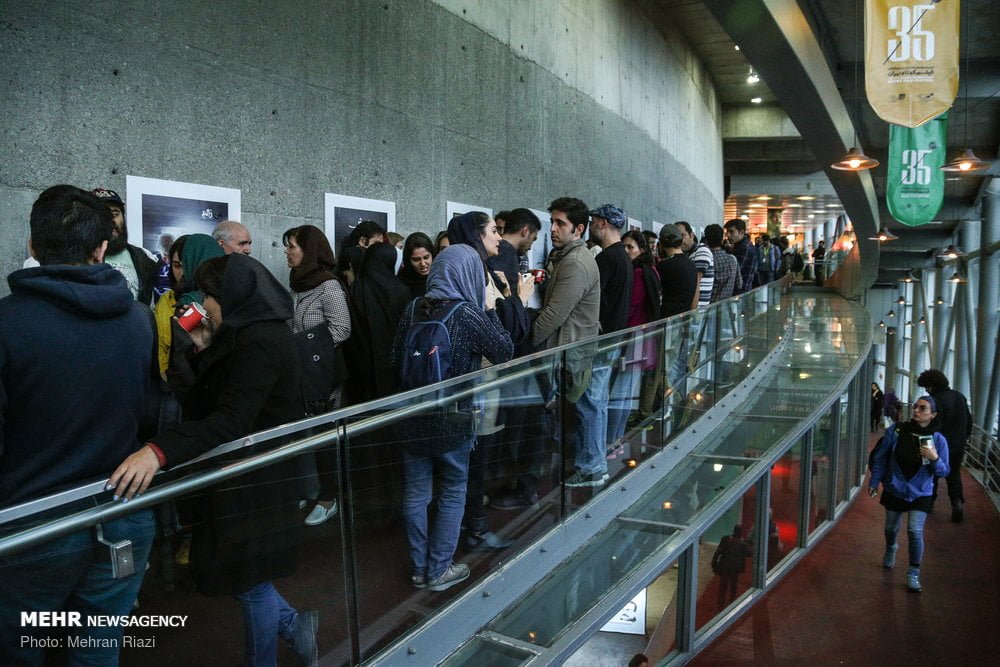
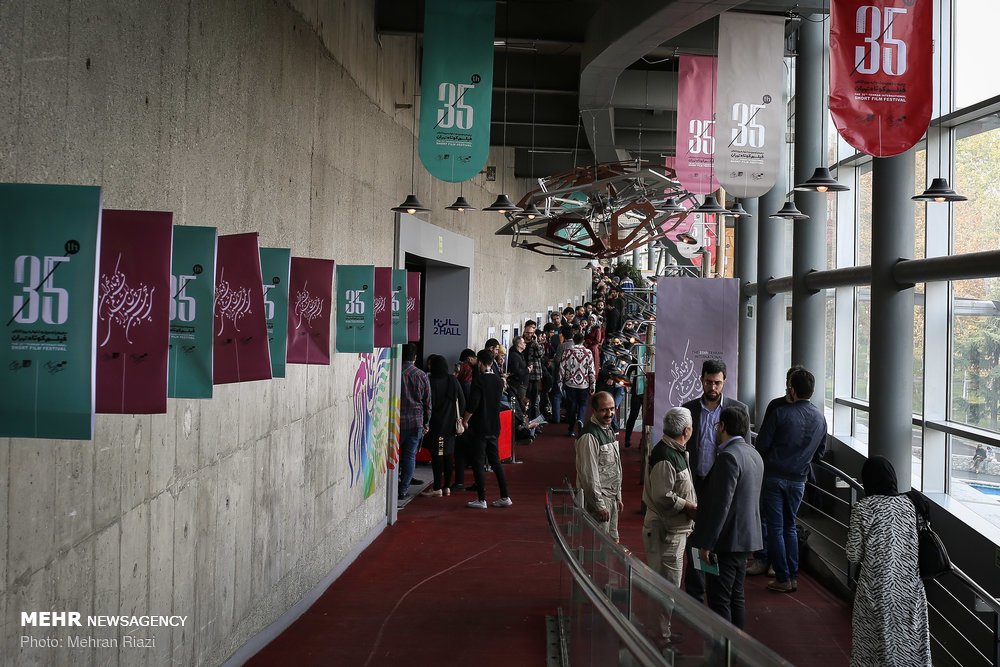
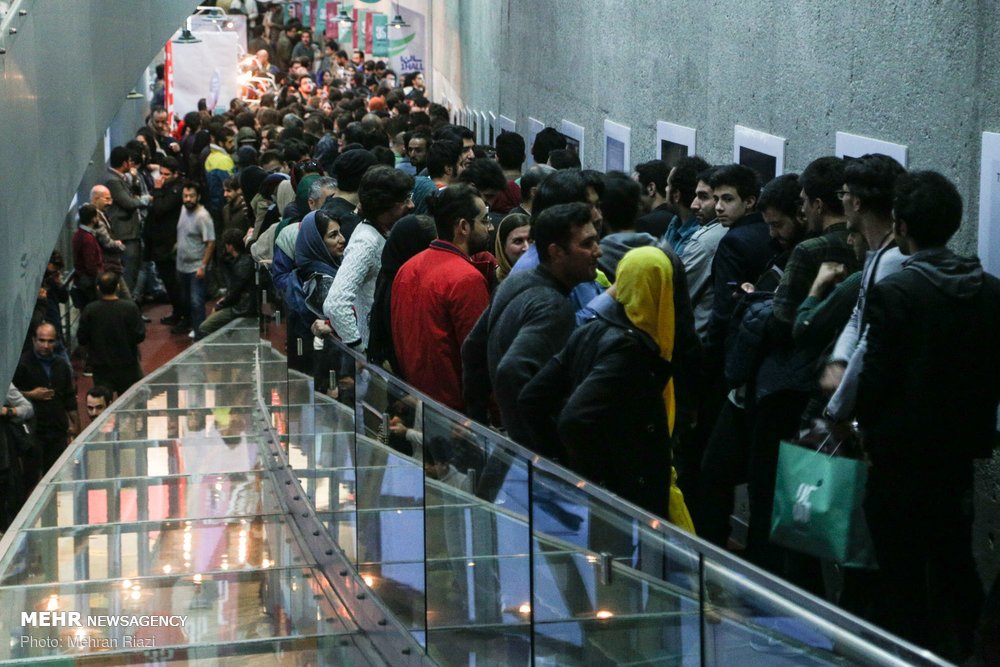
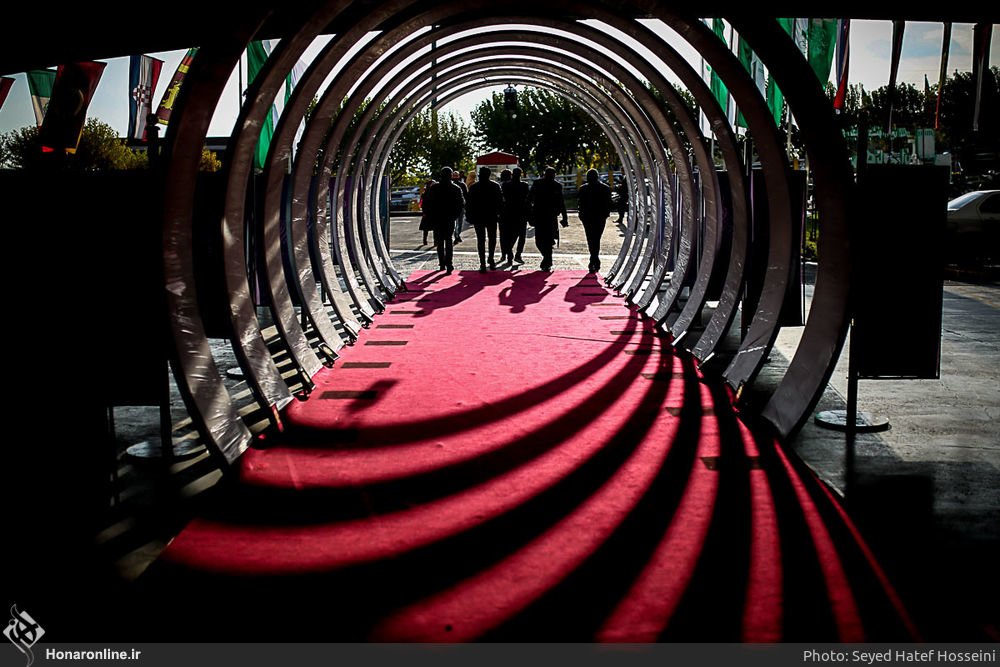
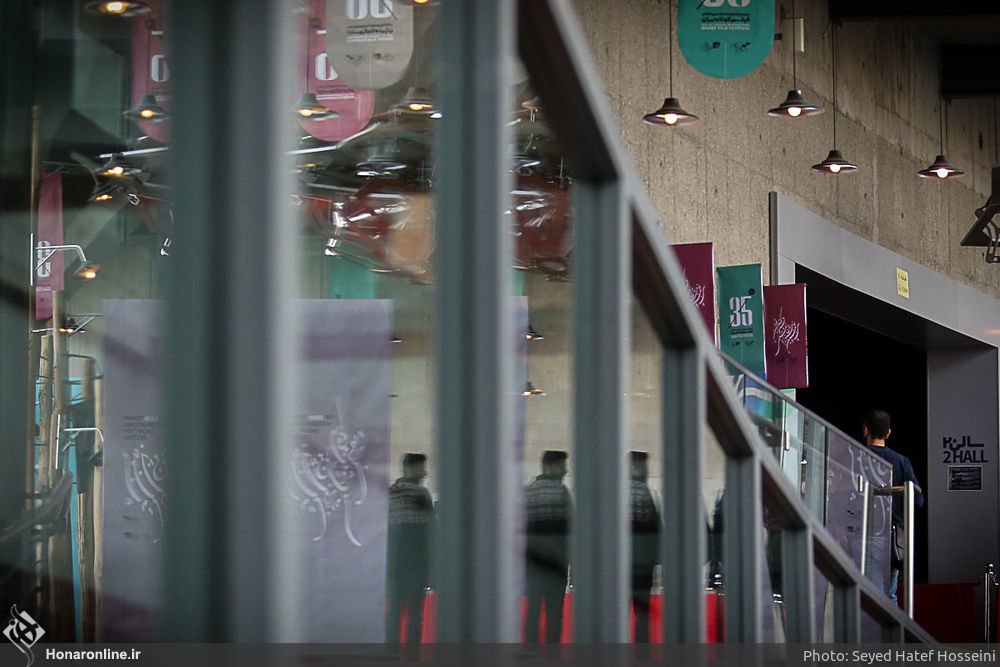
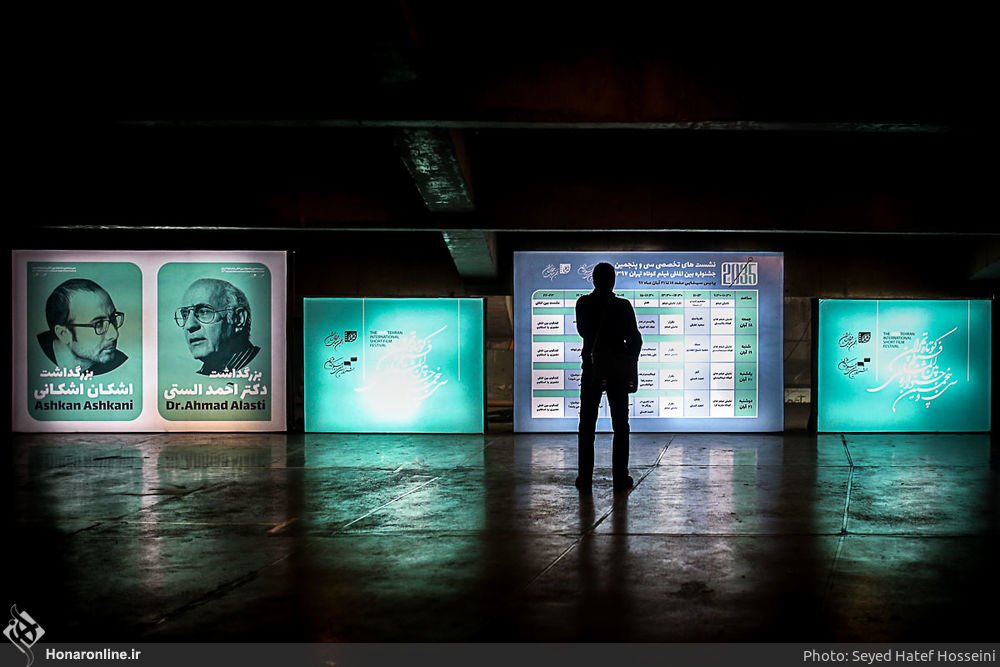
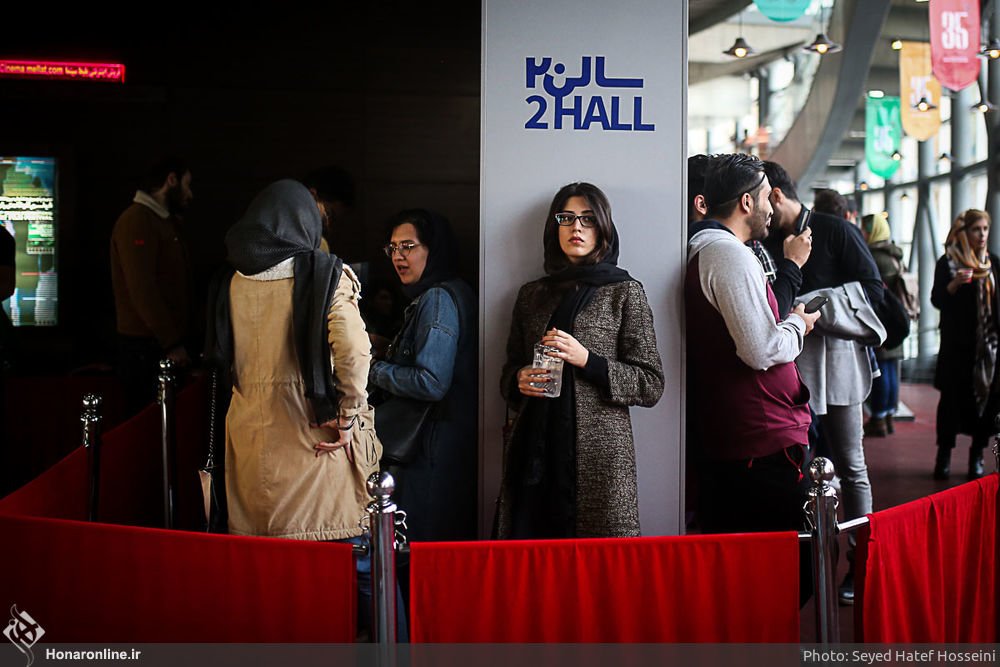
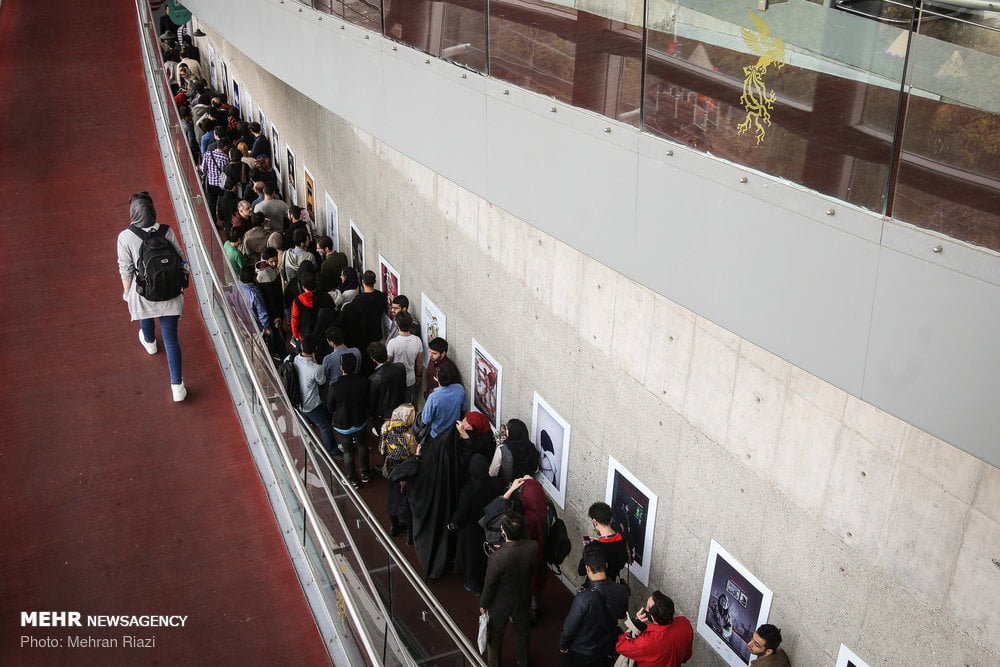
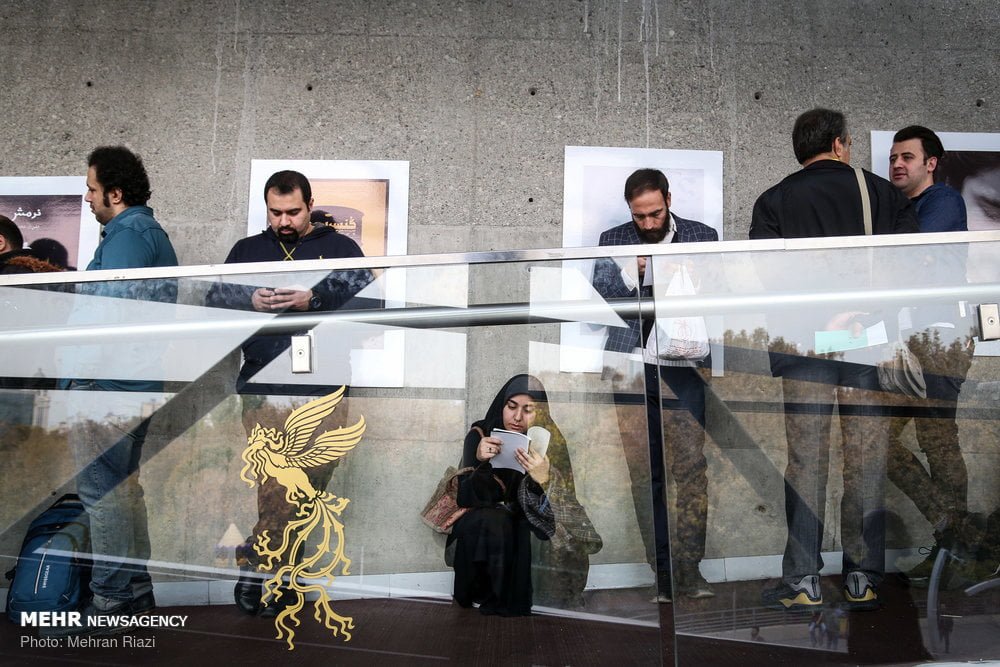
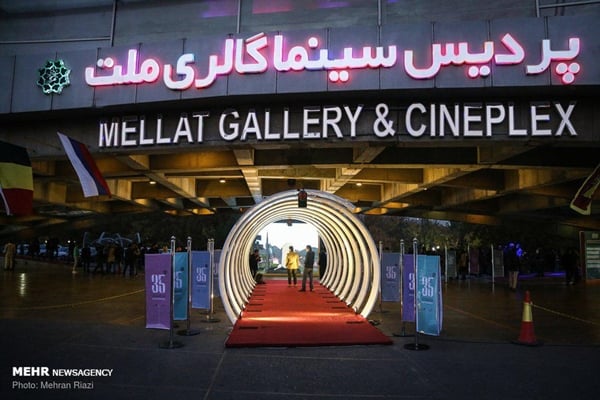
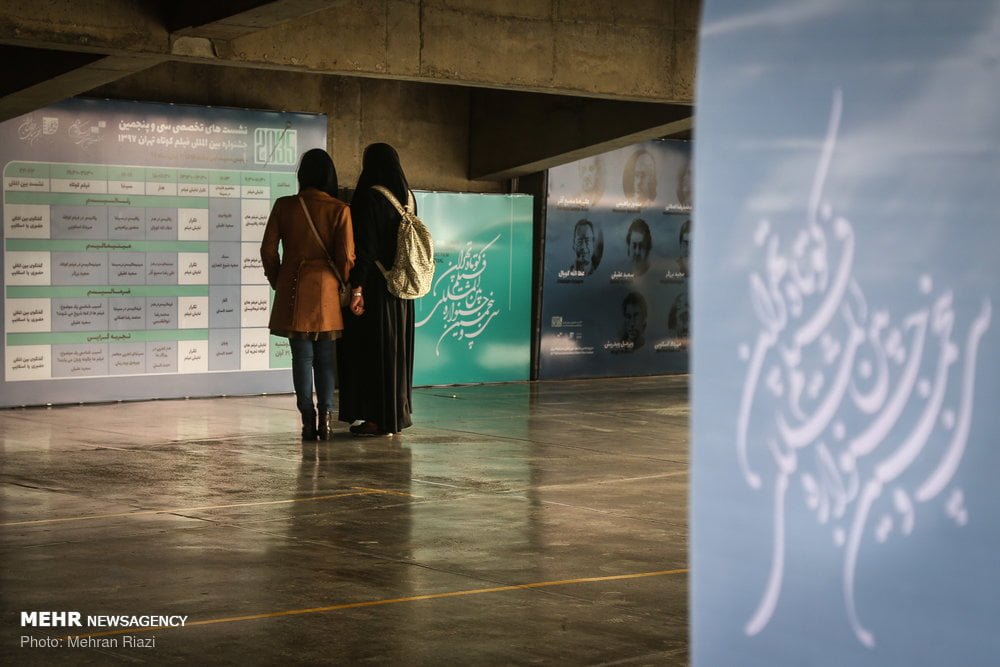
The TISFF kicked off on November 9 and will be underway until November 13 in Mellat Cineplex. Since its early days, the enthusiastic moviegoers have queued up outside the cinema halls to watch the short films. Some of them watched the movies while standing or sitting on the ground.

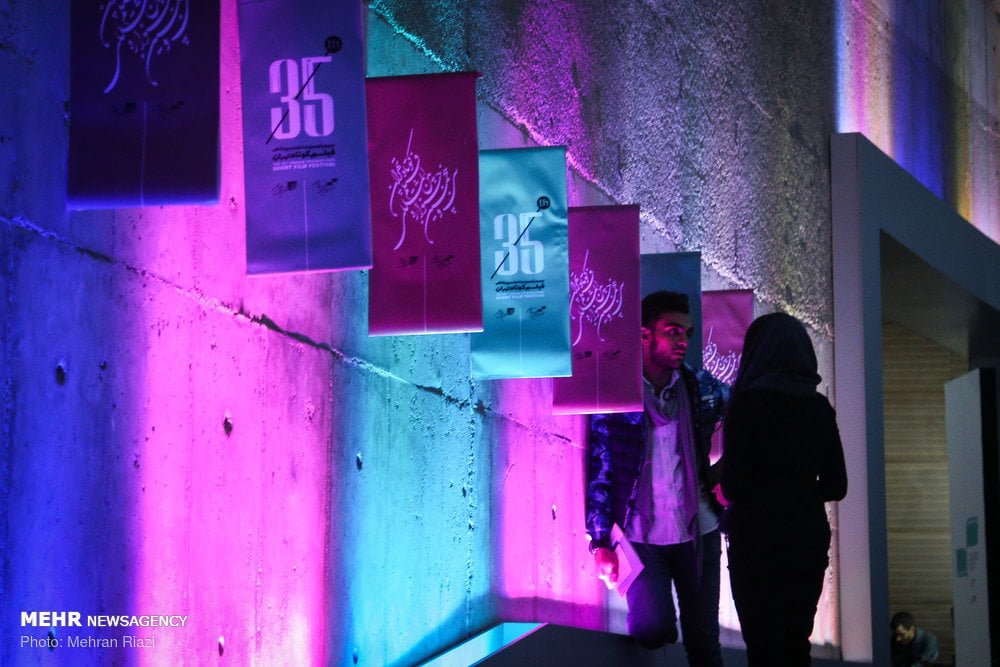
Below you can see photos of the first days of the 35th edition of Tehran International Short Film Festival taken from various news agencies:

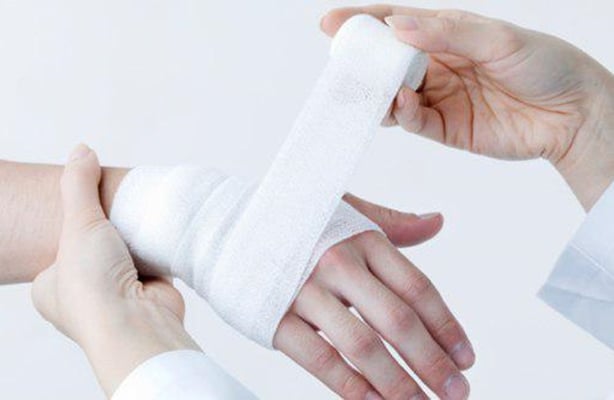
What Do We Know about Skin Burn Treatment?

Treatment of skin burns and remedies for different types of burns have long been a concern for humans, dating back thousands of years. One can look after their skin much better if they get to know different types of burns and their effects.

Cave paintings going back 3,500 years show burns and ways of their treatment. In 1,500 BCE in Egypt, Smith Papyrus explained how to treat burns using honey and pine gum. Other treatments include using tea leaves by the Chinese in 600 BCE and using pig oil and vinegar by Hippocrates in 400 BCE. The different degrees of burn were first developed by a French surgeon in 1500. The first hospital specialized in the treatment of burns was first established in London in 1843. Modern burn care methods began to spread in the late 19th and menimpotency.com. The importance of timely surgery and skin grafting came to light in the 1950s when formulas and liquids were developed to treat burns.

For a brief review of Iran’s achievements in various fields of science and technology, check the book “Science and Technology in Iran: A Brief Review

Generally speaking, the skin suffers burn when exposed to a temperature of 44 degrees centigrade. The duration of the contact greatly affects the type of the burn. In fact, these two factors are exponentially related. For example, if the skin is exposed to a temperature of 47 degrees centigrade for 15 minutes, it will destroy the epiderm. However, exposure to a temperature of 70 degrees centigrade for one second will be enough to destroy the epiderm.

What Do We Know about Skin Burn Treatment?In a general classification, burns are categorized into three degrees based on their intensity. In the first-degree burn, only the epiderm layer is involved. A clear feature of that is that the colour of the skin turns pink. A marked feature of the second-degree burn, which itself falls into two types, namely superficial and deep, is blisters filled with liquid or blood on the surface of the skin. In this degree of burn, the derm is also involved as well as the epiderm.

Other symptoms of the second-degree burn are pain, burning sensation and a change in the colour of the skin. The burn treatment usually takes 10 to 21 days, and the change of colour may remain on the skin. In deep second-degree burns, the symptoms are more severe and the outcome of the treatment is usually not that favourable as the blisters may leave behind scars and dark stains on the skin may remain. In this type of burn, the deeper layer of the skin is damaged and the patient’s sense of feeling may decrease in the burned spots as lower layers may be damaged.

At the moment, there are various efficient ways to treat burns and its scars, including by using stem cell products. However, prevention is still better than cure. Look after your skin.