Tuesday, December 30, 2025
Home Blog Page 3310

‘Israel to Face Tough Response If Threatens Iranian Tankers’

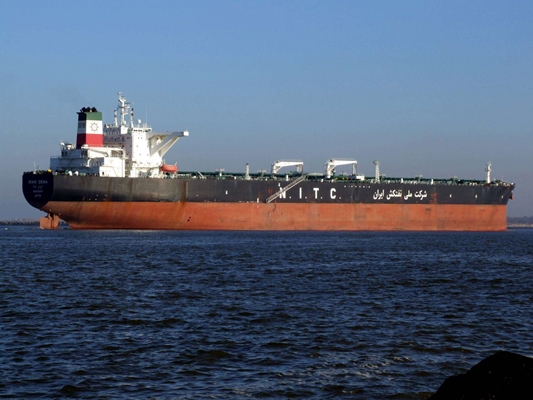
Iran’s Defense Minister Brigadier General Amir Hatami said Iran considers such actions against its oil sales “piracy”, warning Tel Aviv that it will face a tough response if it approaches Iran’s oil tankers.

He stressed that the Islamic Republic of Iran is capable of dealing with this issue adding that the international community will not accept Israel’s move.

“The armed forces of the Islamic Republic will surely provide the security of the shipping lines and the security of the international waterways for themselves and all those who are in the area of responsibility,” he noted.

The warning comes a week after Israeli Prime Minister Benjamin Netanyahu threatened to stop what he called Iran’s “oil smuggling” by intercepting tankers carrying Iranian crude.

He said Israel’s navy will have a more important role in blocking Iran’s effort to bypass US sanctions on its oil sales.

This is not the first time that Iran’s oil exports are being threatened by the enemies of the country. Brian Hook, who is the US special representative for Iran at the US State Department, spoke publicly of the high probability of an incident for Iranian oil tankers earlier this year.

He said these tankers can no longer be insured by international companies and are likely to be insured by Iranian firms.

From the Suez Canal to the Strait of Malacca and all choke points in between, Iranian tankers are now a floating liability, Hook said in a press briefing.

Hook claimed now that sanctions have been reinstated on Iran’s shipping sector, Iranian tankers calling at international ports and passing through waterways pose a major risk.

Dubai Authorities Making Investment in Caspian Shores

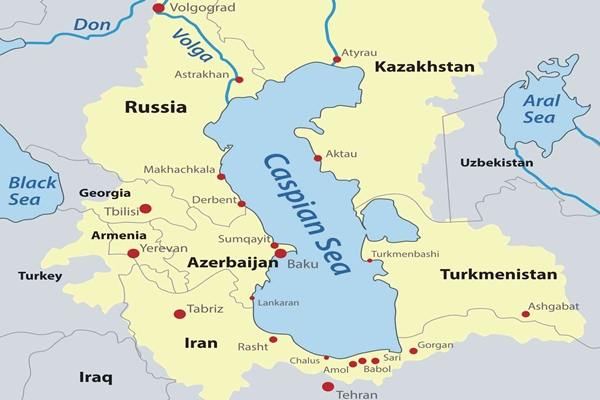
While in Astana, Sultan Ahmed held talks with Kazakhstan’s Prime Minister Askar Mamin, during which the two sides signed two framework agreements on establishing Special Economic Zones in Aktau and Khorgos.

The Emirati officials are reportedly persuading Kazakh parliamentarians to give the green light for the establishment of the special zones.

DP World has been providing management services to the Port of Aktau, Kazakhstan’s main cargo and bulk terminal on the Caspian Sea, and Khorgos SEZ and Inland Container Terminal (ICD), which is strategically situated on the China-Kazakhstan border and has been acting as the primary transit point for trans-Eurasian cargo trains.

DP World said both facilities play an important role in enhancing trade connectivity along the New Silk Route and have further actively promoted business connectivity between Kazakhstan and Dubai.

Bin Sulayem said, “Our expertise in developing logistics and trade enabling infrastructure will benefit tremendously from building facilities in Kazakhstan and to the needs of local businesses.”

He also noted that “the economic fundamentals of Kazakhstan are very strong, which is why the UAE looks forward to continue investing there.”

“President Nursultan Nazarbayev’s vision and progressive policies have laid the groundwork for linking the Far East to Europe and ensuring that the Khorgos Internal Container Depot and SEZ play a crucial role in facilitating this,” he added.

Through the new agreements, the DP World has reinforced its presence in Kazakhstan, and is turning into a major regional player in transportation and logistics in the Caspian Sea.

The point here is that the DP World has close links to the Israeli regime. Sultan Ahmed Bin Sulayem visited Tel Aviv last August with the aim of promoting ties between Emirati and Israeli ports.

The firm has strong ties with some of the biggest Israeli companies, including the regime’s largest container shipping firm, Zim Integrated Shipping Services.

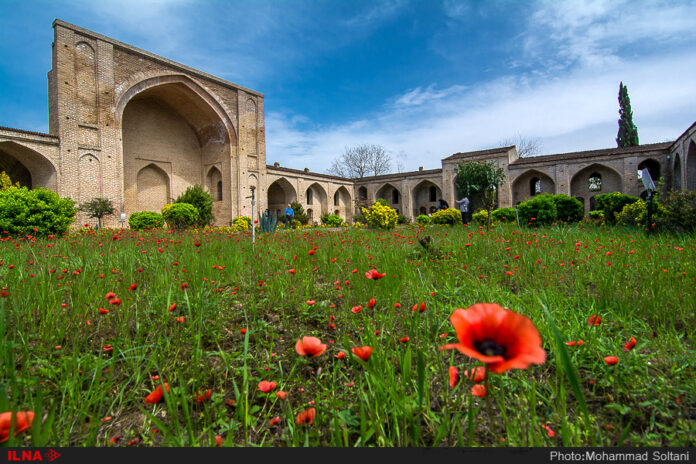
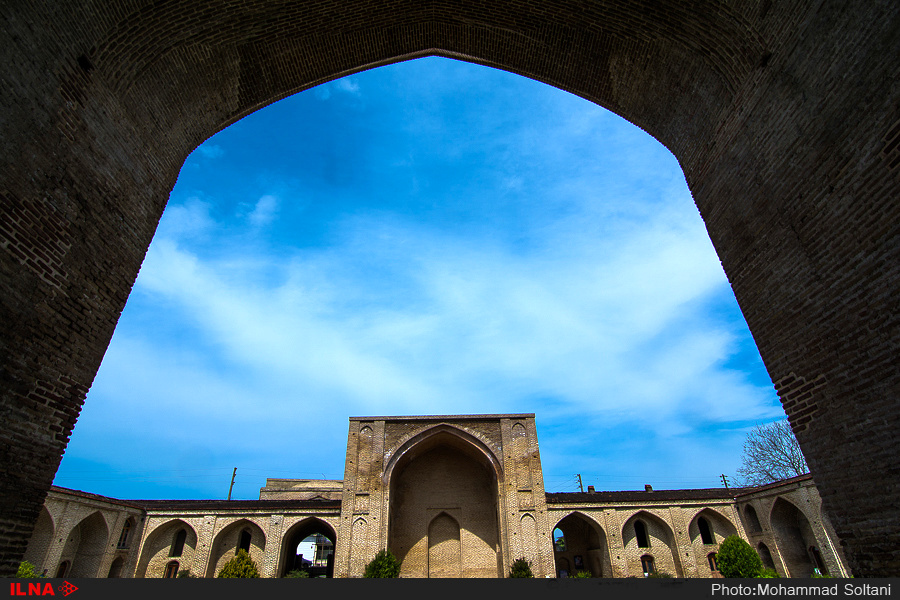
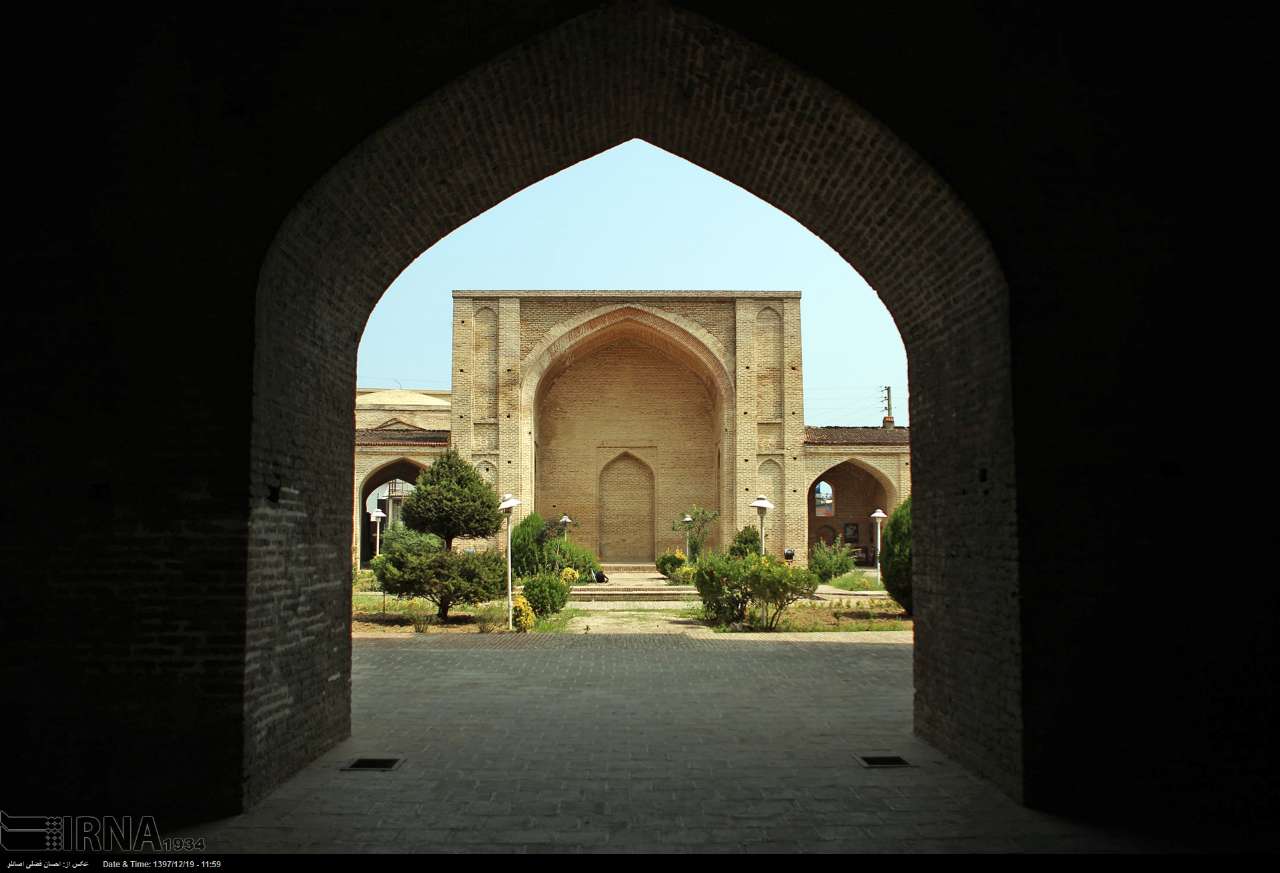
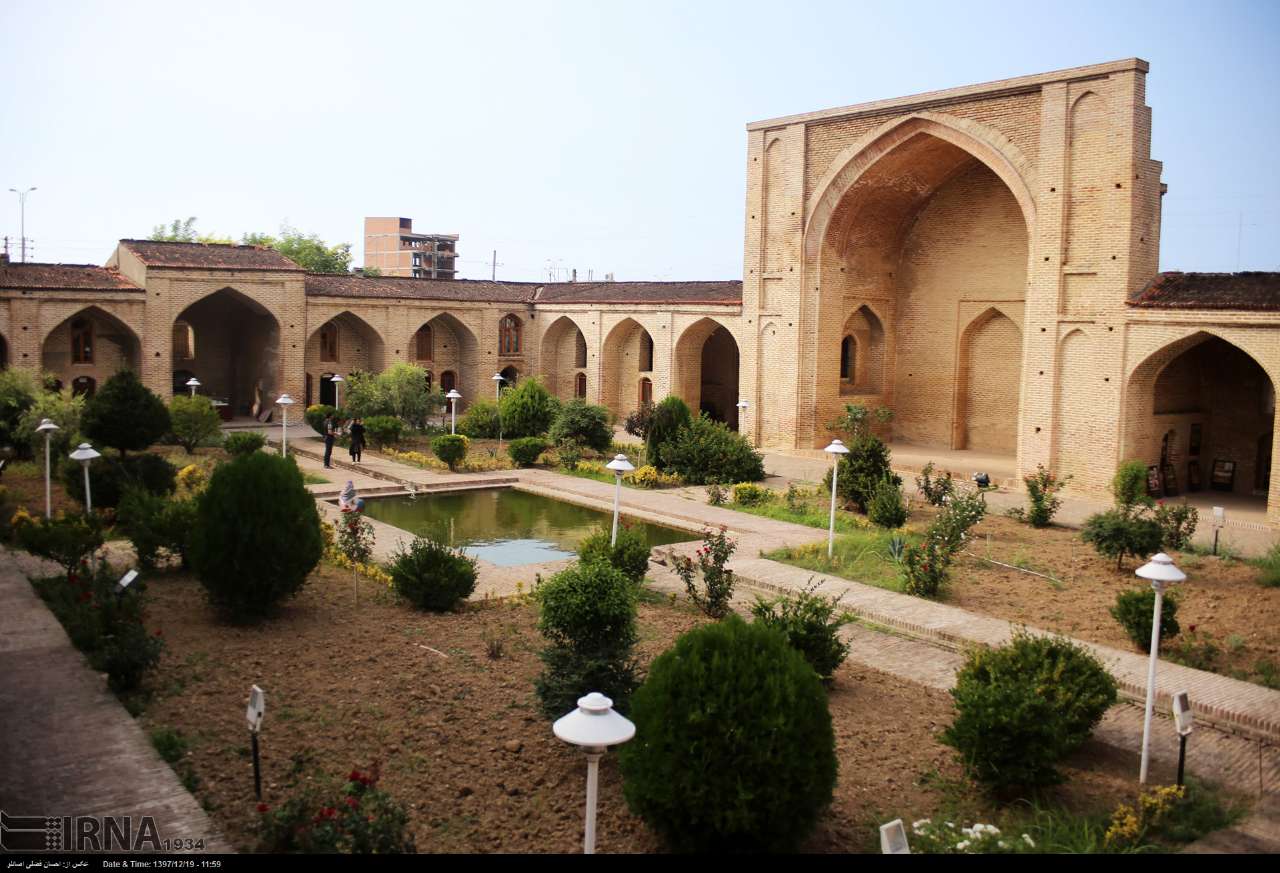
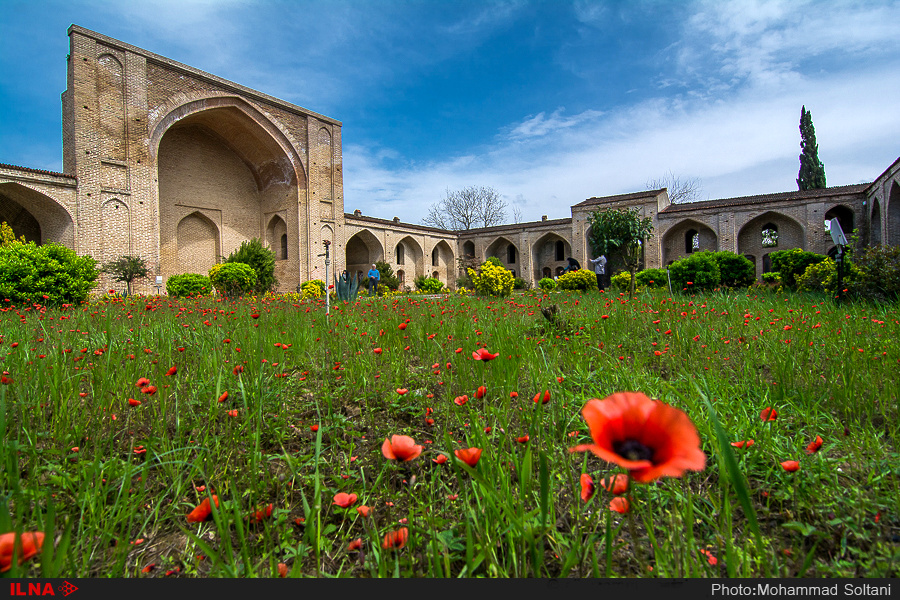
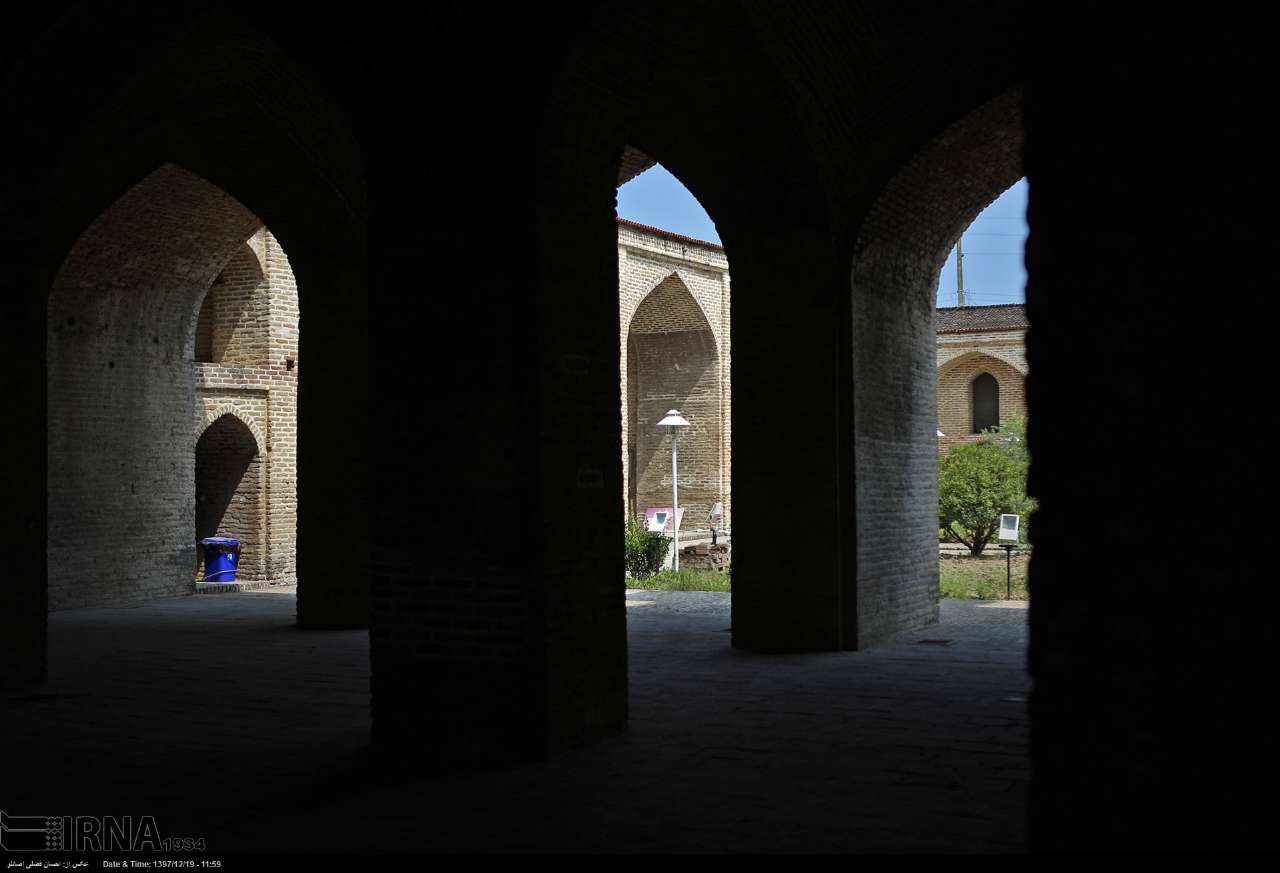
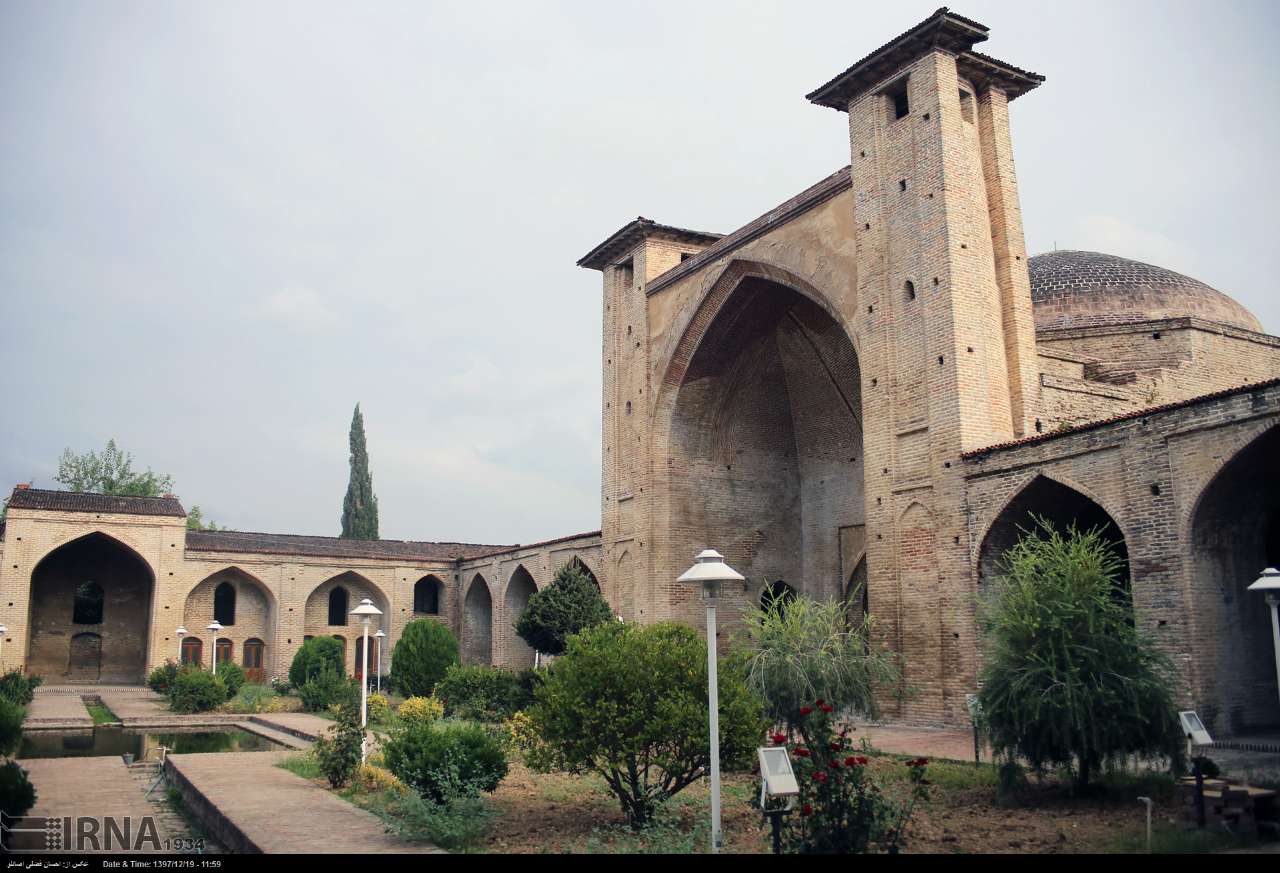
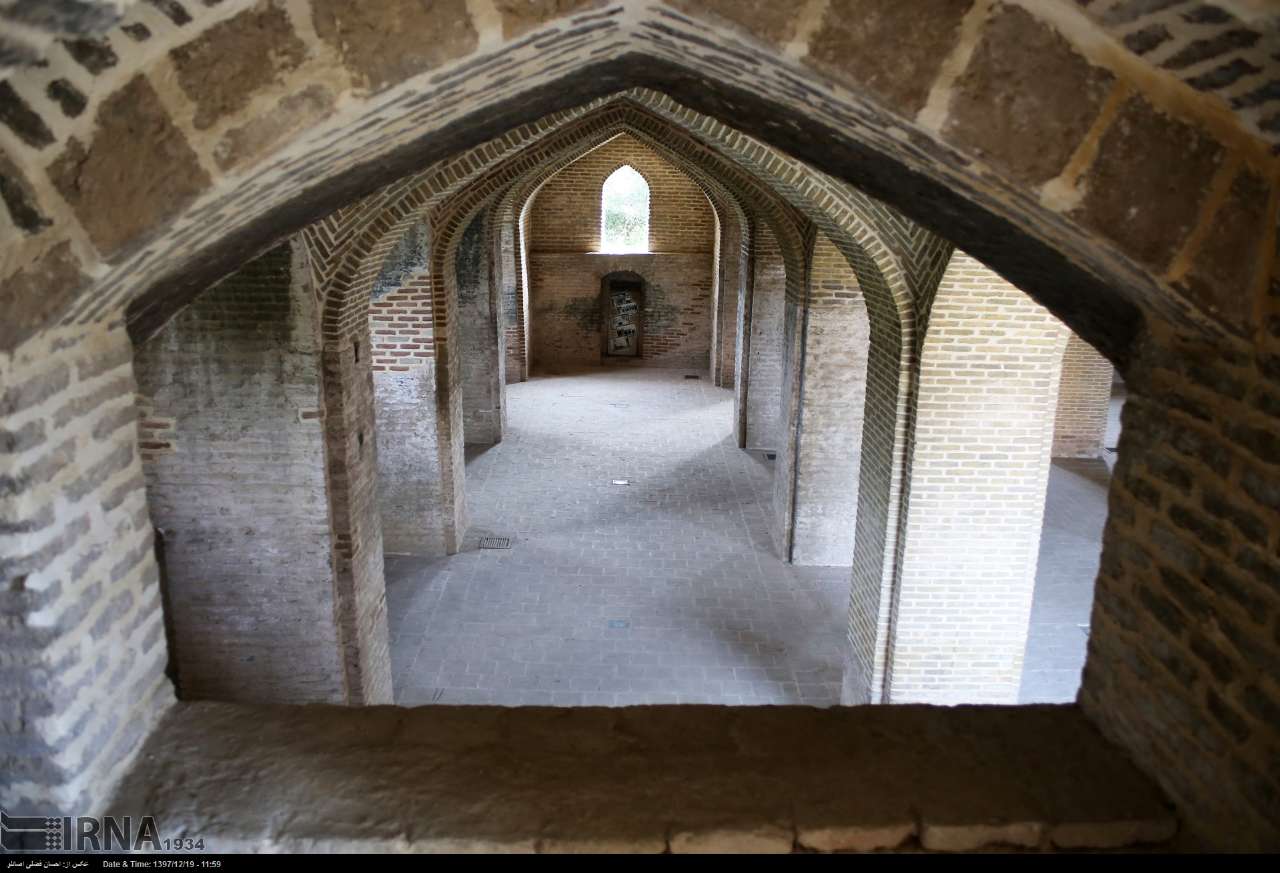
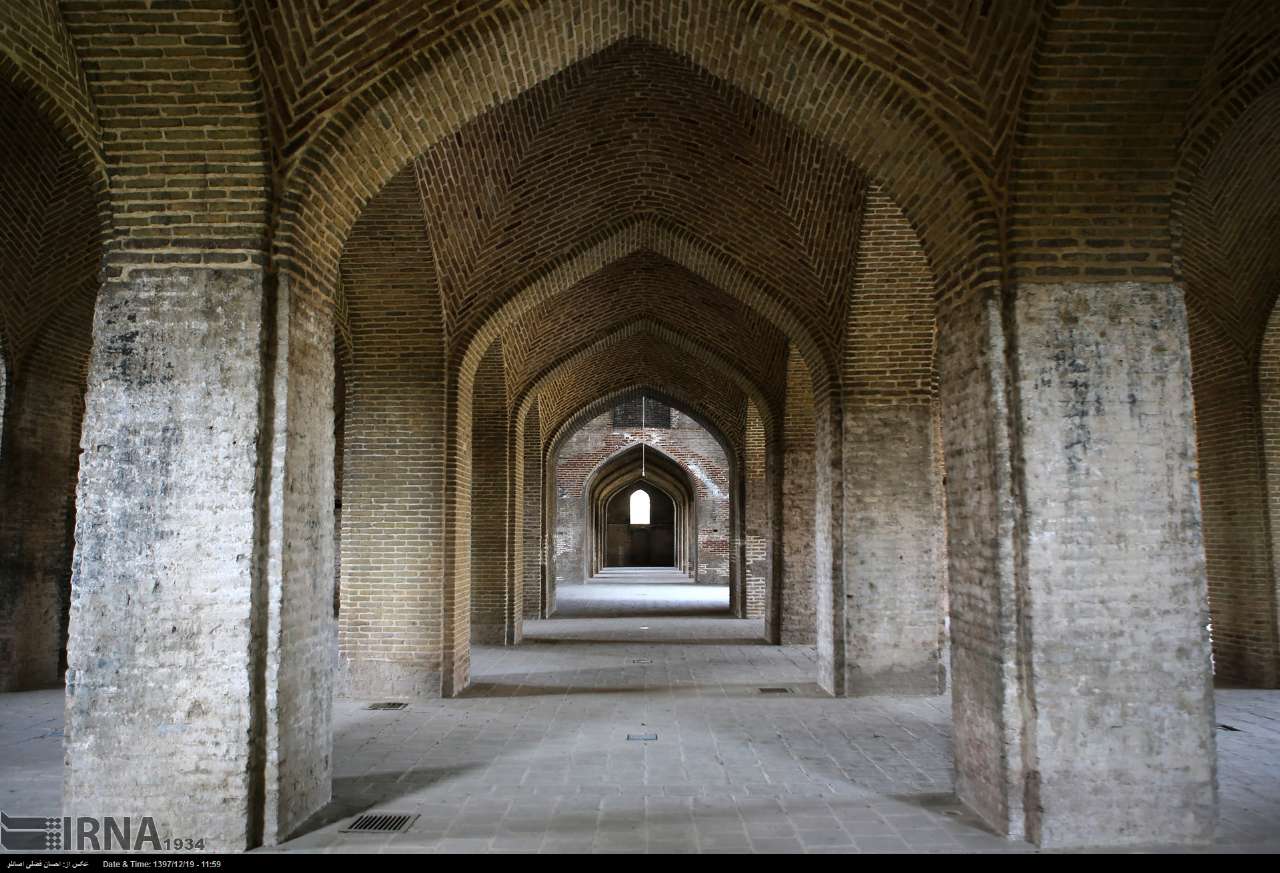
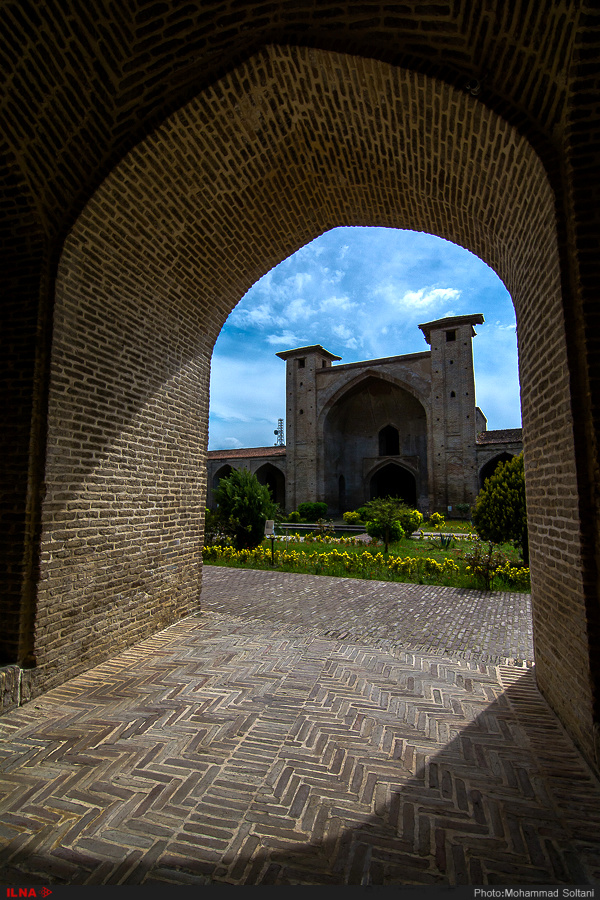
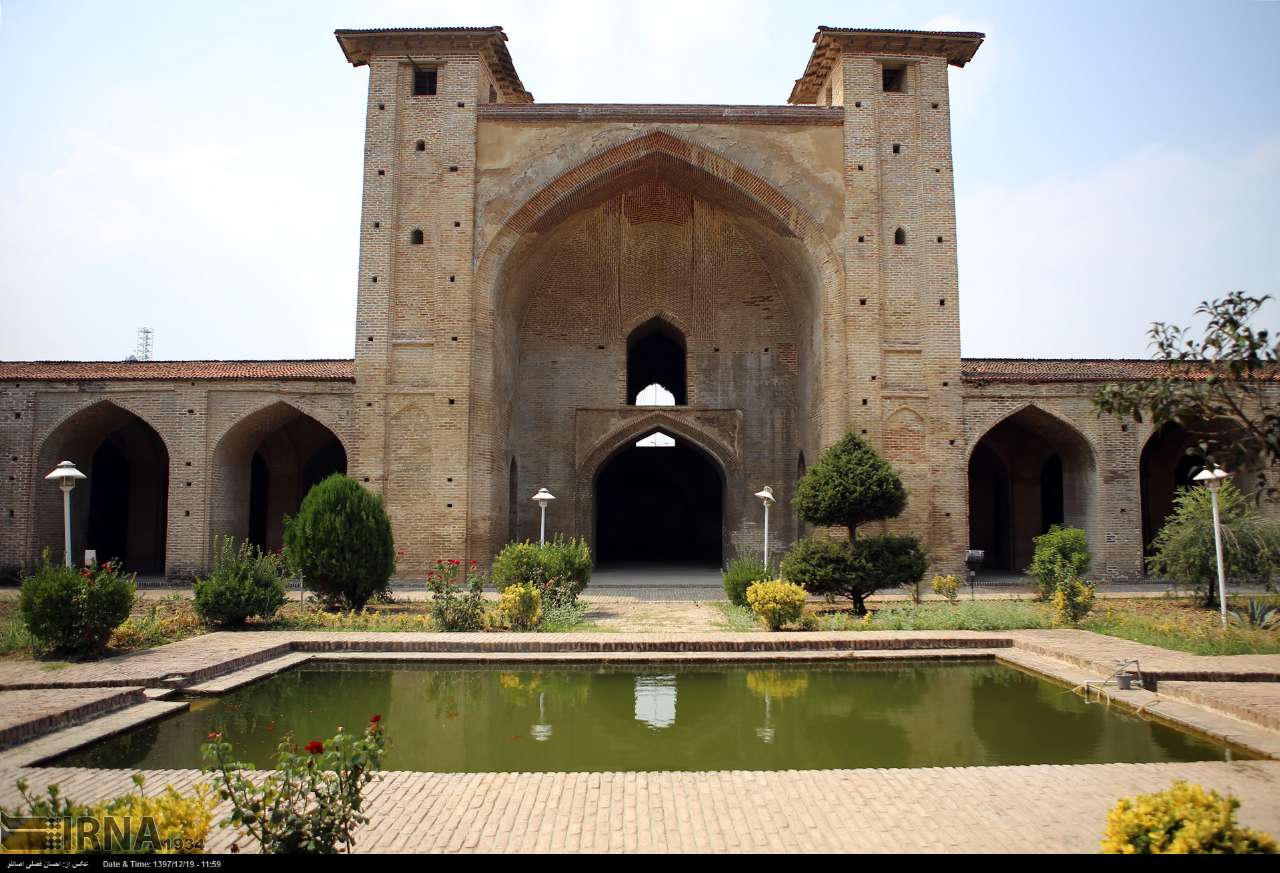
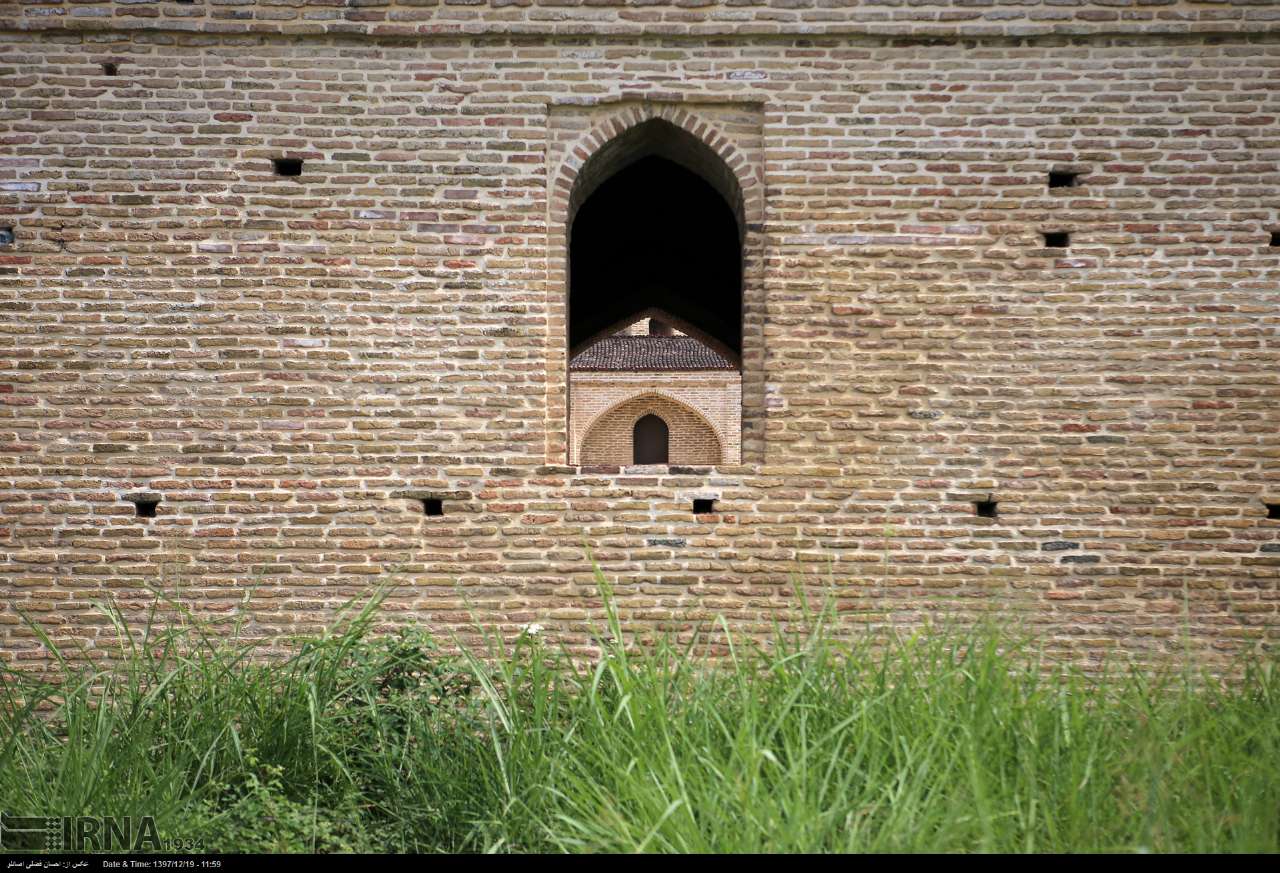
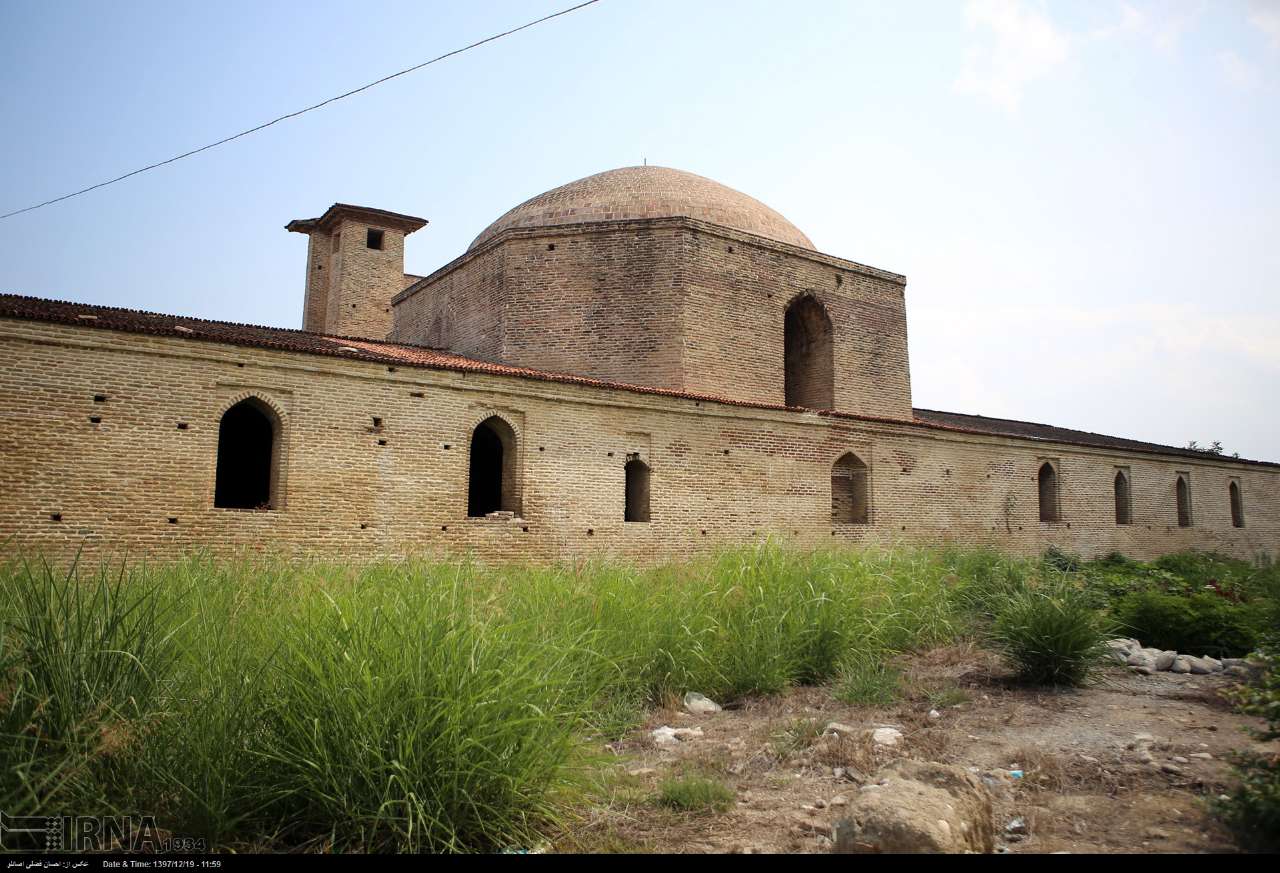
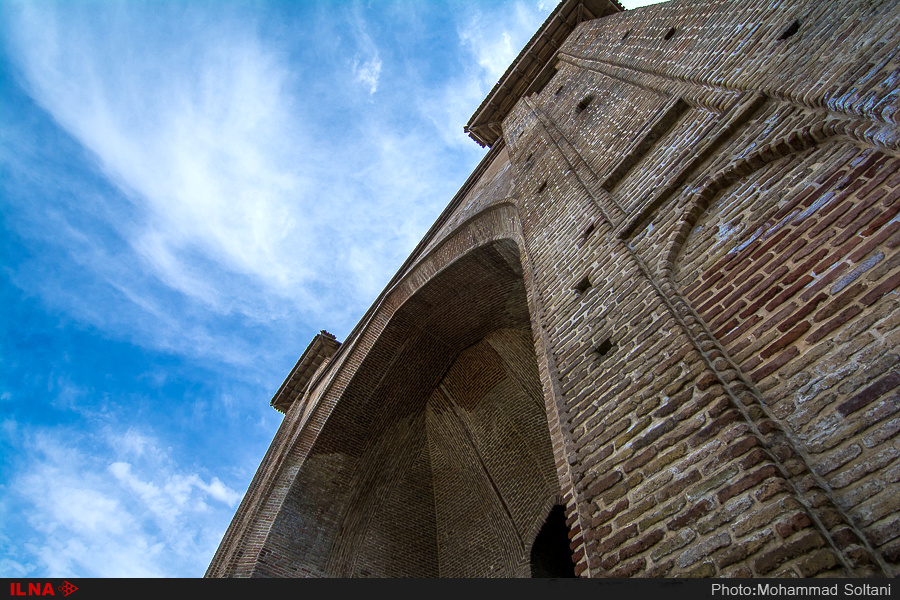
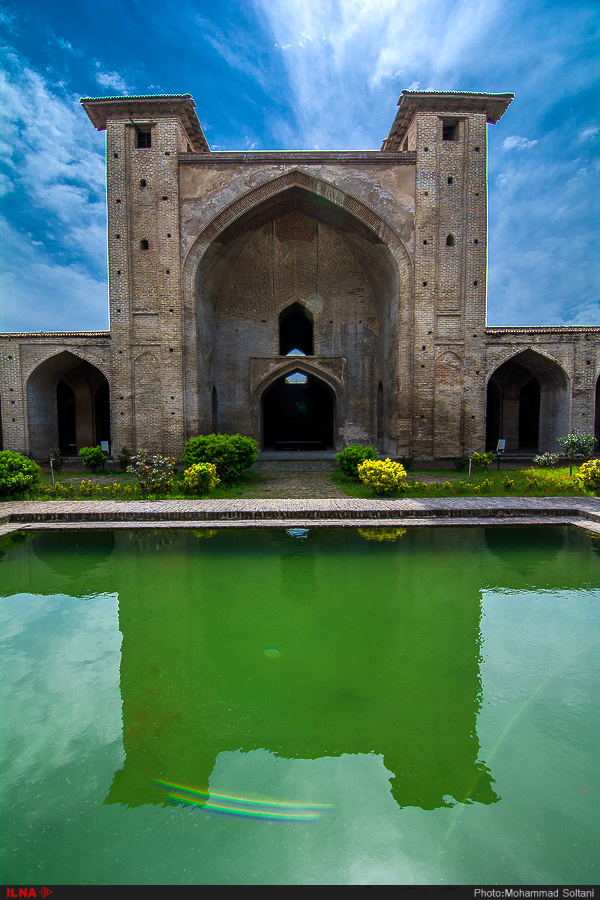
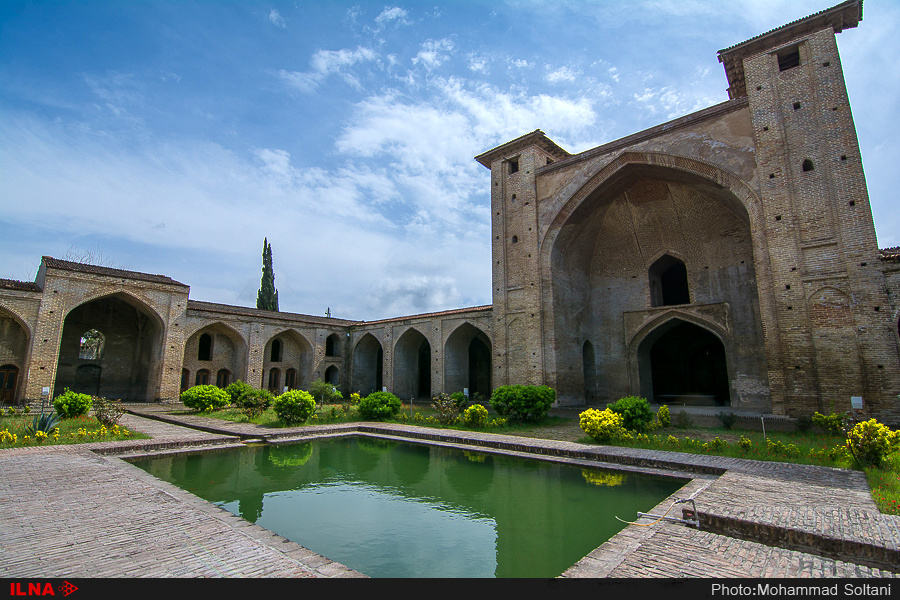
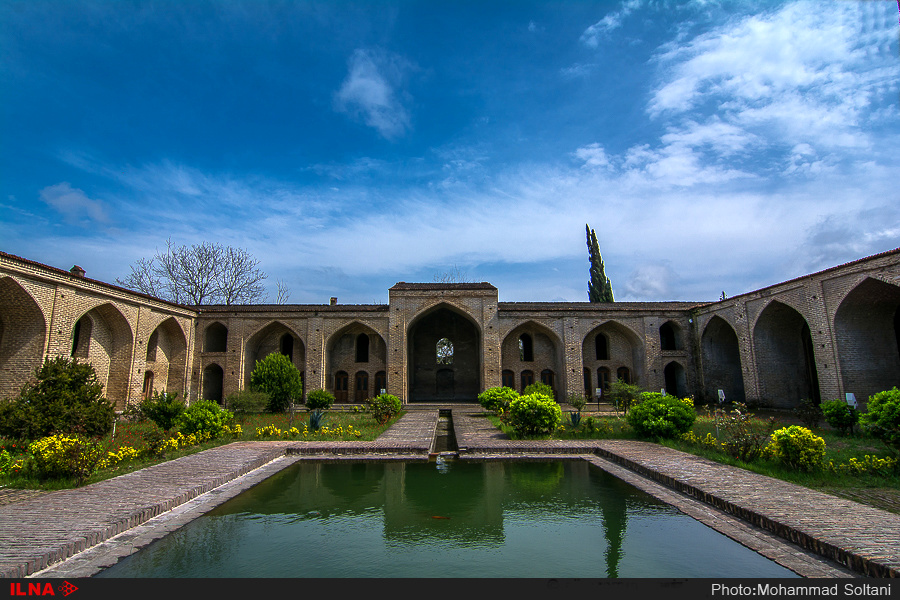
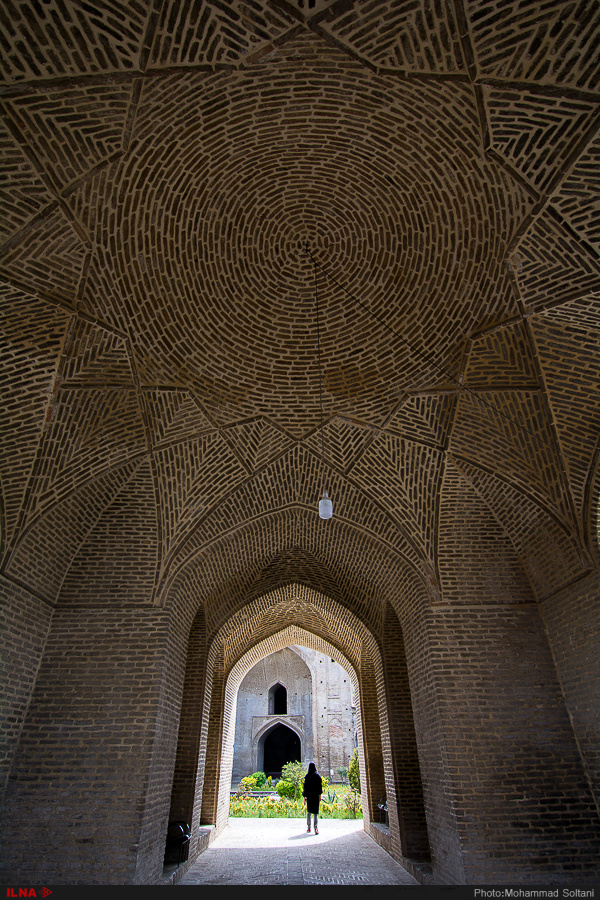
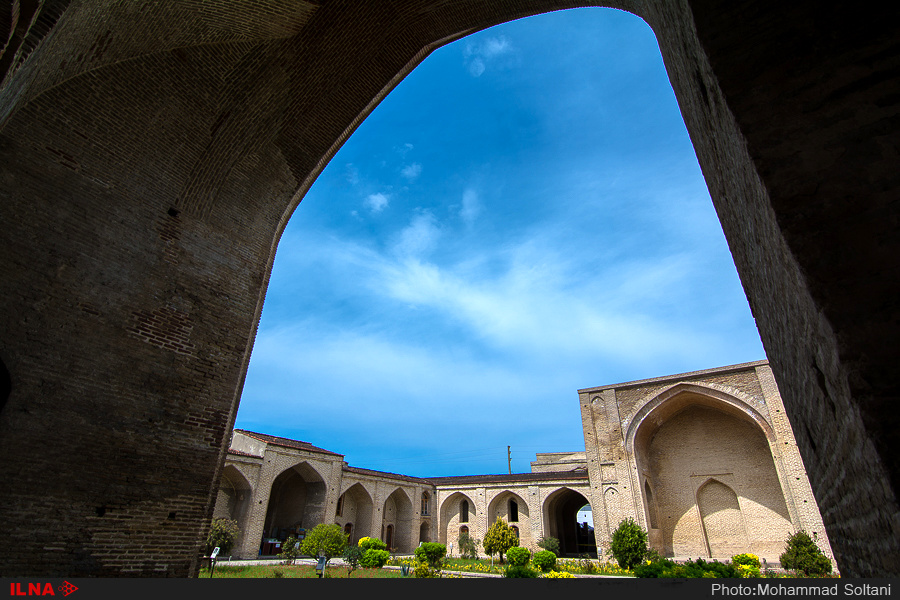
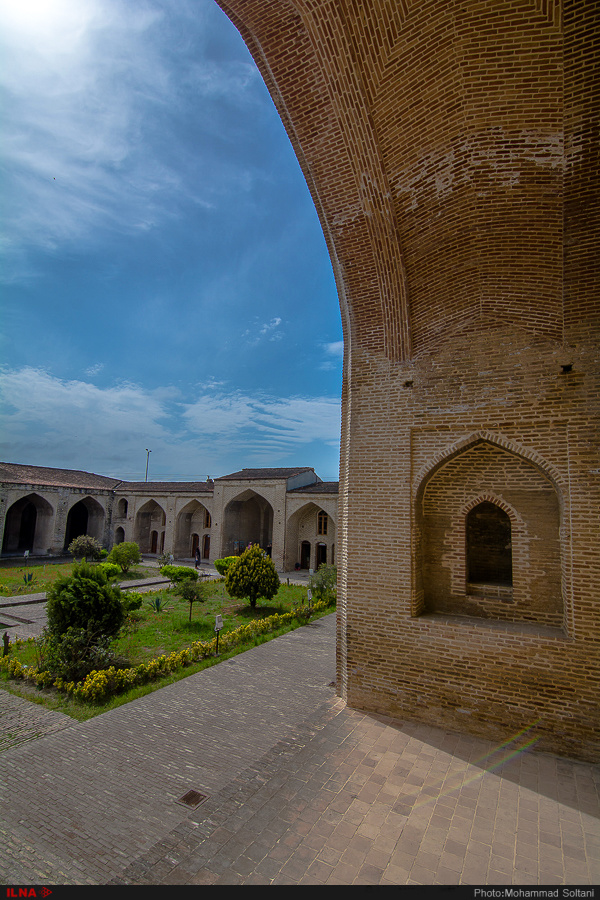
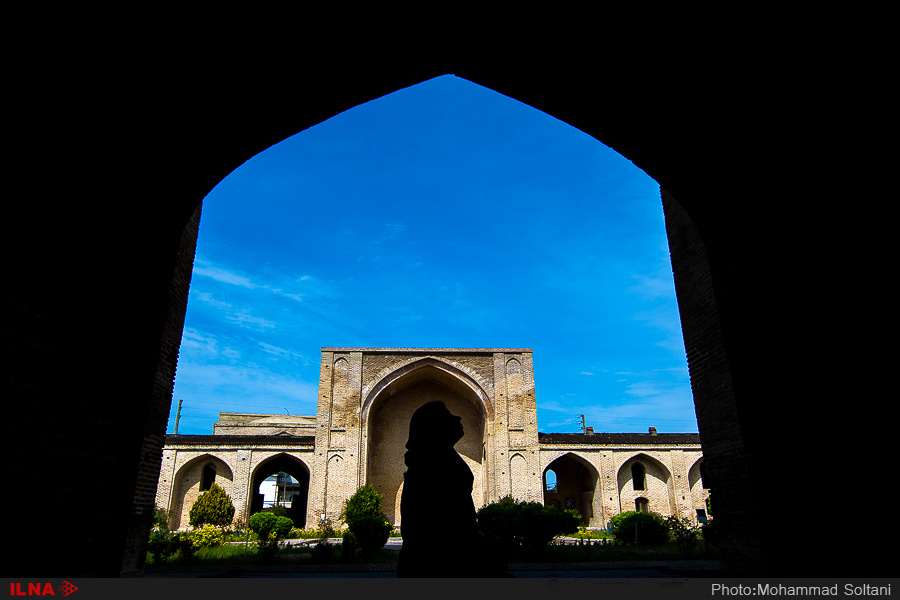
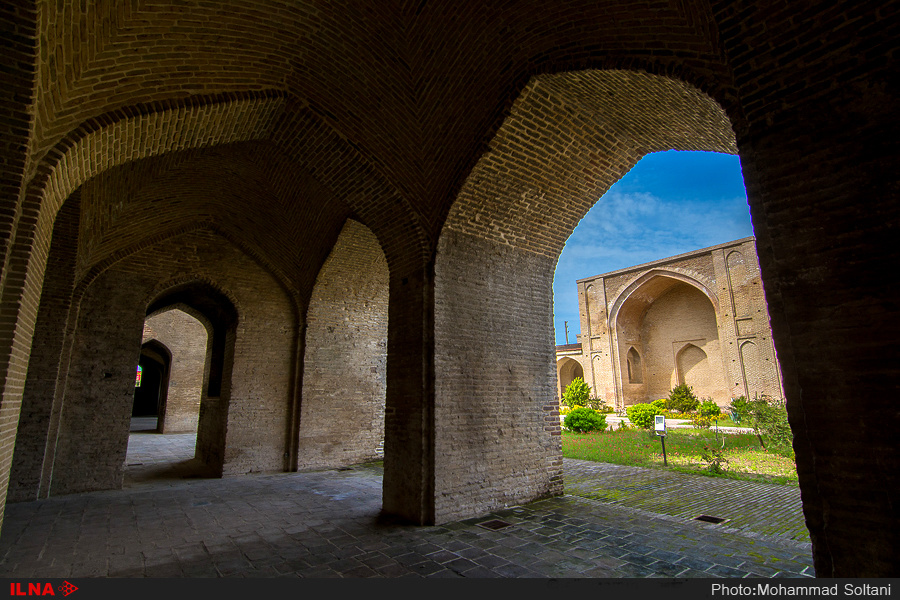
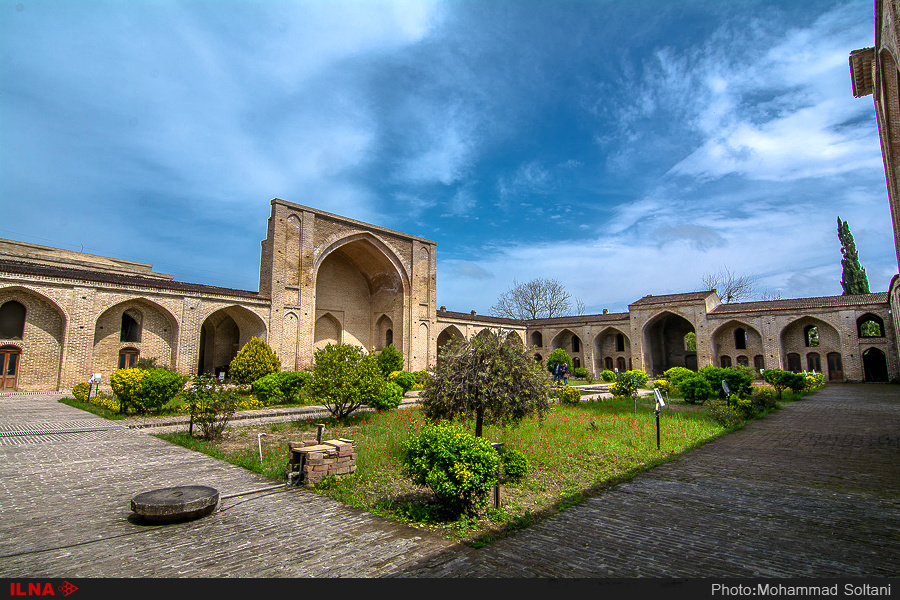
Persian Architecture in Photos: Grand Mosque of Farah Abad

The complex in which the Shah spent some years of his kingdom included the three buildings: the Grand Mosque, Shah Abbas Bridge and a palace named Jahan-Nama.

Many of the buildings in the ancient city of Farah Abad have been ruined throughout the history under Russian attacks except for the mosque.

The complex is located in an area about 25 kilometres away from Sari, the capital city of Mazandaran in north-eastern Iran.

At the time of its prosperity, the complex was called Darolsorour (house of joy) or Darolsaltaneh (house of the kingdom) at Safavid era. This monument was registered in the list of Iran’s national monuments in 1977 with registration number 1376.

What follows are IRNA’s photos of the mosque:

‘Iran Will Ask No One’s Permission to Maintain Ties with Iraq’

Bahram Qassemi

In a Tuesday statement, Qassemi dismissed as “meddlesome and unprofessional” the recent remarks by Brian Hook, the US special representative for Iran, regarding the Iranian president’s visit to Iraq and the warm welcome he received from the Iraqi government and nation.

“The outrage of the American official comes as no surprise because it seems the US has not yet achieved a desirable status among the regional states despite spending billions of dollars in the Middle East,” he noted.

According to the spokesman, the reason behind the failure is “for sure the US’ aggressive, military and meddlesome approaches [towards the region].”

Qassemi underlined that the American officials should stop their undue immorality and greed “to which they have grown accustomed” for many years and have this clear and important point in mind that “the era of interference and making decision for others is over.”

He referred to Iran and Iraq as two independent countries whose governments have been elected by the votes of their people.

“Doubtlessly, the two great nations are capable enough to discern their interests and preferences. So, there is no need for a country [like the US] with such a dark record of aggression, warmongering and destruction to decide for them from thousands of kilometres away,” he noted.

Qassemi noted that Iran and Iraq are two neighbouring countries with long shared borders and a longtime and deeply-rooted common history, adding that the two nations enjoy deep cultural, religious and historical commonalities.

He also said the two nations have chosen to establish strategic and friendly relations with each other based on good neighbourliness.

According to Qassemi, Tehran and Baghdad will spare no effort to preserve and continue their relations and await no one’s permission in this regard.

“What is seen today in Iran-Iraq relations is based on deep and extensive experiences,” he concluded.

Hook had earlier on Monday questioned the motives behind President Hassan Rouhani’s visit to Iraq.

In an interview with Alhurrha TV, Hook said that Iran wants to secure a “military highway” through Iraq to the Western parts of the Middle East “that the IRGC can use to ferry missiles, weapons and fighters across the Middle East.”

“President Rouhani coming to Iraq is not in the interest of the Iraqi people”, Hook claimed, adding that the US will sanction “sanctionable activities” anywhere in the world.

Iranian president arrived in Baghdad on Monday for a three-day visit. A high-level delegation is accompanying Rouhani in his first trip to the Arab state in five years.

Iran Ready to Boost Ties with China within ‘One Belt, One Road’

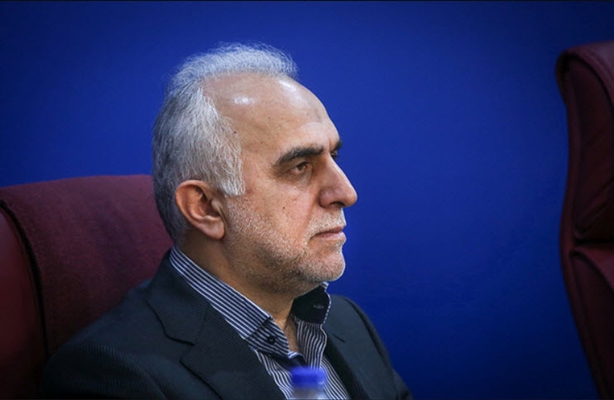
Addressing a Monday seminar on the Chinese initiative “One Belt, One Road” in Tehran, Farhad Dezhpasand said the plan goes beyond the field of transportation, covering a wide range of hardware and software areas including roads, oil and gas, economic free trade zones, information technology and communications, human resources, energy, tourism and finance.

He also described Iran-China mutual ties as deep and strategic and said the Iranian president is very much eager to expand his country’s ties with China.

The Iranian minister then said Iran and China enjoy unique capacities to establish further cooperation and added the capacities could be used both in line within One Belt, One Road Initiative and mutual communications.

Dezhpasand also referred to reaching a consensus among all Iranian executive bodies as well as banking systems on the One Belt, One Road plan as the main goal of holding the seminar.

“It goes without saying that the seminar serves only as a starting point for taking a long road for further mutual cooperation with China in all areas,” he said.

The minister also referred to his latest visit to China and added during his stay in China, he shared with Chinese officials the idea of establishing a strategic studies center with a focus on Iran and china economy “which was warmly welcomed by the Chinese side”

“We don’t want to restrict the scope of our mutual ties with China to a limited number of projects because we have a long-term plan to expand our ties in all areas,” he noted.

According to Dezhpasand, Iran is set to develop a comprehensive plan for expansion of ties with China.

The seminar was attended by Chinese ambassador to Iran as well as delegates from various Iranian ministries and executive bodies. During the seminar, a number of delegates delivered speeches on ways to expand ties between Iran and China.

The Belt and Road Initiative also known as the Silk Road Economic Belt is an economic strategy developed in 2013 by China.

It involves infrastructure development and investments in 152 countries and international organizations in Europe, Asia, Middle East, Latin America and Africa.

Belt refers to the overland routes for road and rail transportation, called “the Silk Road Economic Belt”; whereas “road” refers to the sea routes, or the 21st Century Maritime Silk Road.

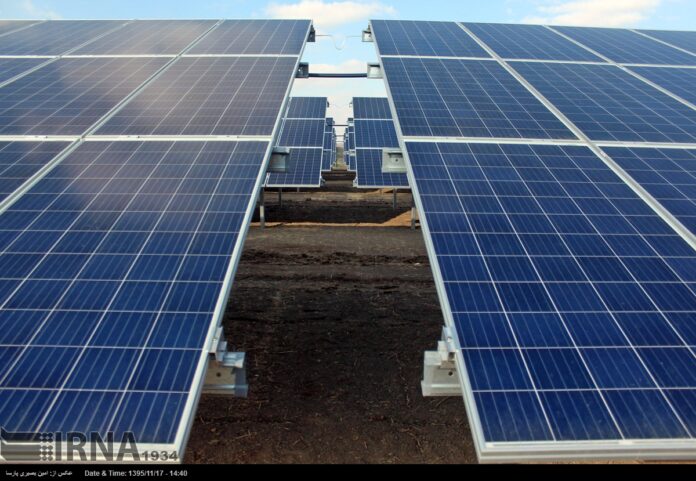
Iran Produces Hybrid Solar Panels for Domestic Use

Solar Power Plant

The new system has been produced with the main goal of reducing the power costs of Iranian families.

Designed especially for household use, the hybrid solar panel decreases to zero the power cost and significantly decreases the gas cost of Iranian families, a report by Mehr news agency said.

The new system serves as an emergency power reservoir for any building during the daylight. It also provides the building’s light during night in case of a blackout.

For a brief review of Iran’s achievements in various fields of science and technology, check the book “Science and Technology in Iran: A Brief Review

With the first largest gas reserves and the fourth oil reserves in the world, Iran is a global hydrocarbons giant. The Iranian policymakers, however, are very eager to develop renewable energies to increase energy security, reduce the country’s dependence on hydrocarbons, and realize its growth targets in electricity demand.

Iran’s topography is quite appropriate for renewables and that makes the fulfilment of these objectives pretty realistic and probable for the Iranian government.

Iran enjoys a great diversity in its climate and vast arid regions. The southern, north-western and south-eastern regions of Iran receive around 300 days of sun per year, and thus are uniquely suitable for solar energy production.

According to the data released by Iran’s Vice-Presidency for Science and Technology, the government has given particular priority to the country’s central regions due to its climate and proximity to the national power grid.

Iran Launches 1st National Game & Learning Plan for Kids

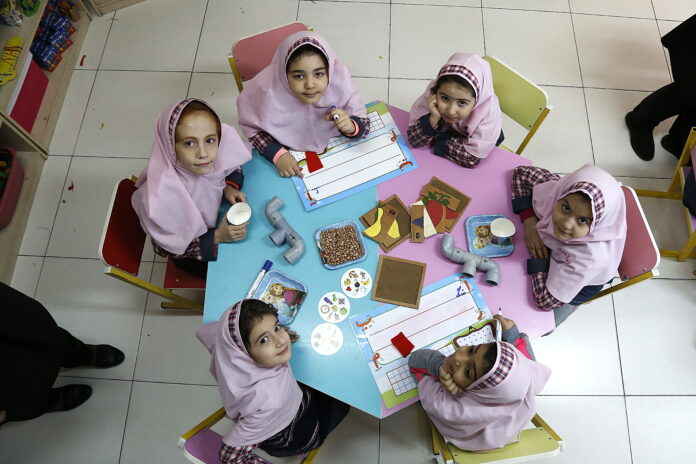
The school has initiated the national scheme that stresses the pleasant impact of intellectual and physical games on children’s mental, physical, emotional and social growth.

The educational centre has managed to bring the plan closer to its main objective, i.e., making learning easy and attractive. The quality and quantity of the educational toys on the one hand, and well-trained and specialized teachers on the other hand have also enabled the school to identify children’s disorders while playing games. Spotting children’s disorders further helps parents to more easily contribute to the process of evaluating their children’s performance.

Games and math, lovely sciences, painting, making animations (filet books), exciting toy animals, entertaining number games, story-telling, physical exercises, and “tell the difference” game are part of the curriculum in this plan.

In all classes at this school, students learn their lessons using playing and learning techniques designed by creative teachers. This method of education makes educational concepts etched in students’ minds. Using educational games creates a lively atmosphere and makes children much more interested in learning, so much so that they like to stay in school even after school hours.

Iran Launches 1st National Game & Learning Plan for KidsThe extra-curricular programs include English lessons with fun, life skills, individual skills, music, computer lessons, story-telling, theatre and stage performances, field trips, painting, calligraphy, making handicrafts, origami, cooking, robotics and seasonal camps.

Also, the “Assignment at School” plan is designed for children whose parents both work and have little time to supervise how their children do their assignments.

It is worth mentioning that the amount of homework assigned by teachers is proportionate to the weekly activities, which conform to the Progress in International Reading Literacy Study (PIRLS). PIRLS is an international standard to assess reading comprehension achievement in children. The assignments also seek to improve children’s oratory skills.

Currently, as many as 340 students are studying at Nika School. It has 90 staff members, including principals, deputies, instructors, administrative personnel and waiters. The complex houses 9 specialized educational playing areas where game and learning activities are done. There are also two separate gyms for pre-university students and first-graders. Sixty-four CCTVs are installed in different locations at the complex as well.

Iranian Canadians Sign Petition against Two Fugitive Embezzlers

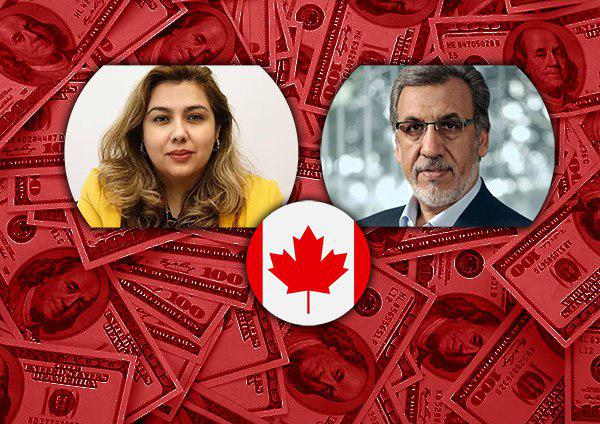
Directly addressing Canada’s Minister of Justice and Attorney General David Lametti, Minister of Public Safety Ralph Goodale and Minister of National Revenue Diane Lebouthillier, the undersigned said the Canadian government must step into the fray and launch investigation against fugitive financial criminals Mahmoud Reza Khavari and Marjan Sheikholeslami Aleagha.

“Our community and the Iranian Canadian Congress have raised concerns about the case of Khavari on several occasions both during the former government of Prime Minister Harper and during the time of the current Liberal government,” said the petitioners.

“However, Iranian Canadians have never received any response, nor has the government taken any action on this issue. As such, we demand answers on the case of Mahmoud Reza Khavari from the Canadian government,” the petition read.

Mahmoud Reza Khavari was a former Iranian banker who fled to Canada after a $2.6 billion financial fraud came to light in 2011. He was sentenced to 30 years in prison and the Interpol issued a warrant for him in December 2017.

The undersigned then referred to the case of Marjan Sheikholeslami Aleagha which just recently came into light in Iran. While being indicted in Iran in a $10 million corruption case, she has moved to Canada and invested in properties and started businesses.

Sheikholeslami is accused of embezzling public funds in Iran in two separate cases. In 2010, amid the international sanctions on Iran, she founded various companies in Iran and Turkey to help Iran bypass the sanctions and sell its petrochemical products, but has reportedly refused to pay back the government’s money.

In March 2019, she was accused of being involved in a giant embezzlement court case, which was first rumoured to be worth 6.6 billion euros, but was later reduced to some 35 million euros. The fraud was committed by officials at the Iran National Petrochemical Company which was attempting to bypass Iran sanctions.

“While the two Iranians have been able to move to Canada and invest their money freely, many ordinary Iranian Canadians have been unfairly singled out in the immigration process and have been subject to banking restrictions because of their nationality and country of origin,” the undersigned said.

The undersigned also blamed the passive approach of the Canadian government towards the mentioned cases, saying the inaction “has allowed individuals who have enriched themselves through corruption and escaped justice while innocent Iranian Canadians have to deal with the suspicions that are levied against the whole community because of the actions of these corrupt individuals.”

They urged the Canadian ministers to prevent their country from turning into a haven for corrupt money.

‘UK Extension of Diplomatic Protection to Zaghari Not Constructive’

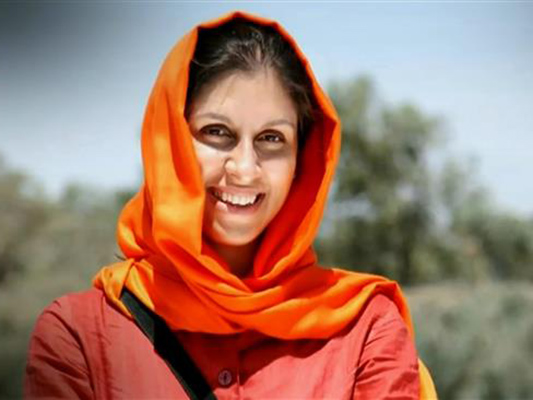
Qassemi’s reaction came after London offered “diplomatic protection” to Iranian citizen Nazanin Zaghari who is serving her prison term in Iran.

“We have been informed of this move by the UK government and have also received a note through official channels in that regard,” Qassemi told IRNA on Tuesday.

“At the moment, relevant bodies are studying the legal and political dimensions of the note, and we will respond to that in due time,” the spokesman added.

He underlined the move by London, per se, does not create any new legal status, whether domestically or internationally.

“The move simply reflects a political decision by the British government, which even runs counter to Britain’s own statutory positions in international circles,” said Qassemi.

“Regardless of whether or not she has another nationality, and irrespective of Iranian laws and regulations regarding the issue of nationality and dual citizenship, Ms Zaghari has always appeared as an Iranian citizen at least as long as her activities, visits and dealings in Iran are concerned,” Qassemi said.

“Meanwhile, in order to give a legal and political response to this note, we are waiting for relevant entities to finalize their reviews,” the spokesman said.

“What is certain is that firstly, the UK government has had no goodwill in this move; and secondly, the move is not regarded as constructive and positive at all, and if it does not make the situation more complicated, it will definitely not make it easier, either,” he added

“What I can say at this point is that the case of Ms Zaghari has been dealt with at relevant judicial bodies in a routine way in terms of litigation principles, and in conformity with all rules and regulations,” he noted.

“Both through the legal proceedings and while serving her sentence, Zaghari enjoyed and still enjoys all legal and civil rights, including medical and health services, as an Iranian national,” Qassemi added.

British Foreign Secretary Jeremy Hunt announced on Friday that London had decided to give Zaghari diplomatic protection “as part of the Government’s continuing efforts to secure her release.”

“Affording diplomatic protection in Nazanin’s case represents formal recognition by the British Government that her treatment fails to meet Iran’s obligations under International law and elevates it to a formal State to State issue,” a statement by the UK Foreign Office said.

“I have today decided that the UK will take a step that is extremely unusual and exercise diplomatic protection,” Hunt said in a video message.

In his message, Hunt repeated his earlier allegation that Iran had denied medical care to Zaghari, a claim that, according to Qassemi, “indicated his lack of knowledge on the case.”

In reaction to Hunt’s statement, Iranian Ambassador to London Hamid Baeidinejad said the UK government’s extension of diplomatic protection to Zaghari contravenes international law.

“Govts may only exercise such protection for own nationals. As UK Govt is acutely aware, Iran does not recognize dual nationality. Irrespective of UK residency, Ms Zaghari thus remains Iranian,” he said in a Friday tweet.

Iran’s intelligence authorities arrested Zaghari at Imam Khomeini International Airport in April 2016 as she was on her way back to London.

She was subsequently put on trial and handed a five-year jail term after being found guilty of spying and spreading propaganda against the Islamic Republic.

British media had claimed that she worked for the Thomson Reuters Foundation and was on vacation in Iran when she was arrested. However, former UK Foreign Secretary Boris Johnson said in a statement to a parliamentary committee in 2017 that Zaghari had been “simply teaching people journalism.”

Johnson’s remarks amounted to an accidental confession that Zaghari was plotting against the Iranian government, but British authorities described them a gaffe.

Algeria Protests Work; Bouteflika Drops Presidential Bid

Abdelaziz Bouteflika announced the decision not to contest the April polls on Monday, and also postponed the election itself, Reuters reported.

The 82-year-old has been in power for the past 20 years, but is reportedly in poor health conditions after suffering a stroke in 2013.

Protesters say they disapprove of the country’s old political system, which is dominated by veterans of the 1954-1962 independence war against France, who include the president himself.

Opponents have also cited suspicion that the president was being kept in office to protect the grip of the military and business elite.

New generation ‘to be empowered’

Bouteflika’s office said a new constitution would now be put to public vote, adding that his last duty would be to contribute to the founding of a new system that would be in “the hands of a new generation of Algerians.”

An “inclusive and independent” national conference will oversee the transition, drafting a new constitution and setting the date for elections, it noted. “The conference should finish its work by the end of 2019, with elections to follow,” Reuters added.

As an apparent token of the government’s submission to the protesters, Prime Minister Ahmed Ouyahia, meanwhile, resigned from his post. He was replaced by Interior Minister Noureddine Bedoui, who is not known for maintaining comparably close ties with the president.

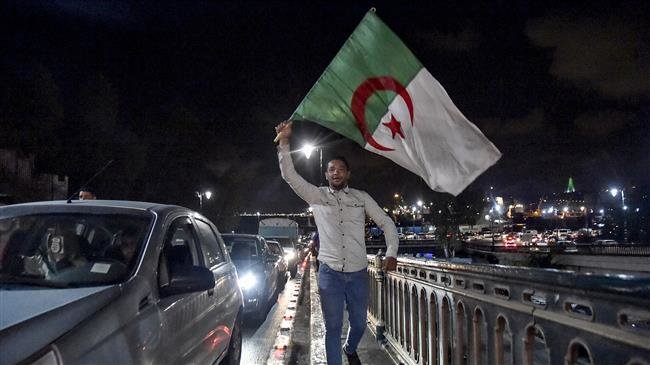
The public swarmed the streets following the announcement, this time celebrating their triumph over those supporting the president’s continued incumbency.