Friday, December 26, 2025
Home Blog Page 3204

FM Zarif Describes Persian Gulf as ‘Iran’s Lifeline’

History Will Not Allow Distortion of Persian Gulf’s Name: VP

Every year, Iranians observe the Persian Gulf Day on the 10th of Ordibehesht, the second month on the Persian calendar, which usually falls on April 30.

The date coincides with the anniversary of a successful military campaign by Shah Abbas I of Persia in 1622, which drove the Portuguese navy out of the Strait of Hormuz, a waterway which separates the Persian Gulf from the Sea of Oman.

The national occasion is meant to call attention to the fact that the inland sea has been referred to by historians and ancient texts as the Persian Gulf since the Achaemenid Empire was established in what is now modern day Iran.

‘Special focus on the word Persian’

Honoring the national day in an Instagram post on Monday, Zarif released a video of his recent interview with the Asia Society last week, in which he underlined the historical identity of the Persian Gulf and clarified that those who use the fictitious name the “Arabian” Gulf to refer to the sea are, in fact, attempting to “revise history.”

Zarif was apparently referring to certain Arab states and their allies, which have recently mounted attempts to remove the word ‘Persian’ from the name of the gulf.

“It’s called [the] Persian Gulf and we repeat the word Persian so that people know it’s not the Gulf of Mexico. People just call it “the Gulf” because it’s easier, and people confuse that it may be the Gulf of Mexico that we’re talking about.”

The top Iranian diplomat warned the US against any measure to prevent Tehran from using the Strait of Hormuz as a safe passage for the transit of its oil.

“The Persian Gulf is our lifeline … so stability of [the] Persian Gulf, freedom of navigation in the Persian Gulf, [and] free flow of oil in the Persian Gulf [are] in our vital national security interest,” Zarif said.

“We guarantee [the security and stability of the Persian Gulf] as long as it is in our national security interest. If we are prevented from using [the] Persian Gulf for our national security, then why should we guarantee it?” he added, noting, “If the United States takes the crazy measure of trying to prevent us from doing that, then it should be prepared for the consequences.”

The administration of US President Donald Trump has stepped up its attempts to cut Iranian oil sales, threatening sanctions on countries that continue purchasing Iranian crude after May 1.

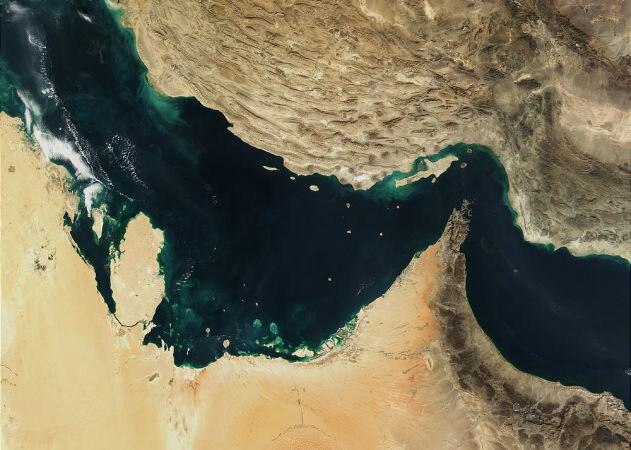
The Persian Gulf — which spans some 250,000 square kilometers —  is bounded by the Arvand River in the north, which forms the frontier between Iran and Iraq, and the Strait of Hormuz in the south, which links the Persian Gulf to the Sea of Oman and the Indian Ocean.

The Persian Gulf is also important as an international trade route connecting the Middle East to Africa, India and China.

Iran to Continue Oil Exports despite US Sanction: Rouhani

Hassan Rouhani - President of the Islamic Republic of Iran
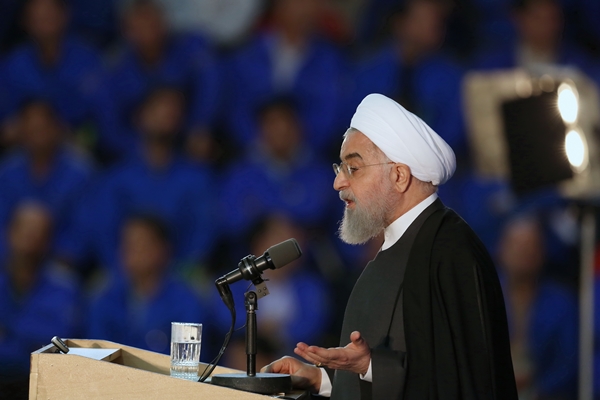
Iranian President Hassan Rouhani addresses a meeting with Iranian labourers on National Workers' Day in Tehran on April 30, 2019 / Photo by president.ir

Rouhani said all Iranian officials unanimously agree that Washington’s decision to bring the country’s petroleum sales to zero is a wrong move.

“We won’t allow this decision to go into effect,” said Rouhani in a Tuesday meeting with workers and labourers in Tehran on the occasion of the International Labour Day.

“First of all, we are faced with an unjust and illegal US sanction whose pressure is directly exerted on our dear people, especially dear workers as well as middle- and low-income families,” the president added.

He said Washington’s decision to slap sanctions on Iran’s oil sales aims to reduce the country’s forex income.

“A major source of our foreign currency earnings has always been the sales of oil and gas condensates together with certain industries linked to oil and [natural] gas production,” President Rouhani noted.

He underlined Iran should also try to boost its non-oil exports to increase forex income.

“This is one of the steps in countering the United States,” he said.

Rouhani said the Americans will come to realize in the coming months that Iran will continue to export its oil. He said if Washington “closes one door to us,” Iran will export its petroleum through other channels.

Last Monday, US President Donald Trump said he would not renew waivers that allow eight countries to buy Iranian oil without facing Washington’s sanctions.

In a statement, the White House said the Trump administration would not reissue Significant Reduction Exceptions when they expire in early May. The statement said the move is aimed at bringing Iran’s oil exports to zero.

Trump’s Policy Is ‘Israel First’, Not ‘America First’

Majid Takht-Ravanchi said Tel Aviv even takes precedence over Washington in US policies.

“The principle ruling the United States’ foreign policy, especially in the country’s incumbent administration, is not ‘America first,’ but ‘Israel first’,” he said as quoted by Fars News Agency.

He said this comes as US President Donald Trump had stressed during his election campaign that the United States would be the number-one priority for him.

The top diplomat said Washington even breaches the fundamental principles of international law and common norms.

Takht-Ravanchi was speaking in a meeting on the Palestinian crisis in his first speech at the United Nations Security Council as Iran’s new ambassador.

“This crisis started with the occupation of a territory, and will end only when the occupation ends,” he said.

He recalled the UN Security Council’s legal responsibility with regards to the maintenance of international peace and security. He said all the international body has done in the past seven decades has been to adopt resolutions which have practically had no effect in restoring the rights of Palestinians.

“This council should make the occupying regime [of Israel] end its occupation of Palestine,” he said.

He noted whenever the UN Security Council has intended to issue a resolution to pressure Israel, the US has vetoed it.

“As a result, the Zionist regime [of Israel] was emboldened in the implementation of its expansionist policies and committing its illegal actions and pressing ahead with international crimes, namely genocide, war crimes, crimes against humanity and aggression,” he said.

The Iranian diplomat also touched upon Israel’s aggression against its neighbours as well as its more-than-a-decade-long inhumane embargo on Gaza.

“That’s not all because the situation has seriously changed in the current US administration and this country itself blatantly violates relevant UN Security Council resolutions a clear example of which is the relocation of its embassy [from Tel Aviv] to al Quds and the recognition of the Israeli regime’s sovereignty over occupied Golan heights in Syria,” he noted.

He categorically condemned such US moves, dismissing them as illegal and ineffective.

“The policy this country has adopted toward Palestine over the past 70 years proves that US proposals, namely those related to the so-called ‘Deal of the Century,’ cannot be trusted,” he said.

“The inalienable rights of nations cannot be taken away through intense military, political and economic pressure, nor can they be bought with petro-dollars,” he said.

Takht-Ravanchi also recalled international backing for the restoration of Palestinians’ rights, calling for the support to continue until an independent Palestinian state is established with holy Quds as its capital.

“The international community should resist efforts by the US and some of its partners, including Israel and Saudi Arabia, to change the nature of threat in the Middle East from the issue of Palestine to other fabricated threats aimed at deflecting the world public opinion from realities,” he noted.

Takht-Ravanchi, Iran’s new ambassador and permanent representative to the UN, presented his credentials to UN Secretary General António Guterres on April 23, 2019, officially commencing his work in his new capacity. He used to be the deputy chief of staff of the Iranian president for political affairs. He has also served as the deputy foreign minister for European and American affairs and a member of Iran’s nuclear negotiating team.

At Least 3 Dead in Iran Tunnel Blaze, Collapse

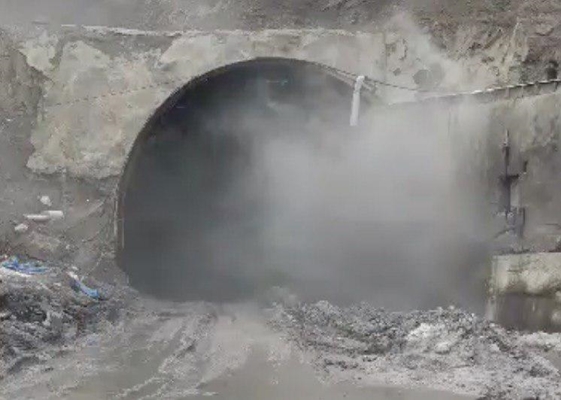
The blaze took place on Tuesday at 8:58 am (local time) at the tunnel located near Siahbisheh before Zanguleh Bridge.

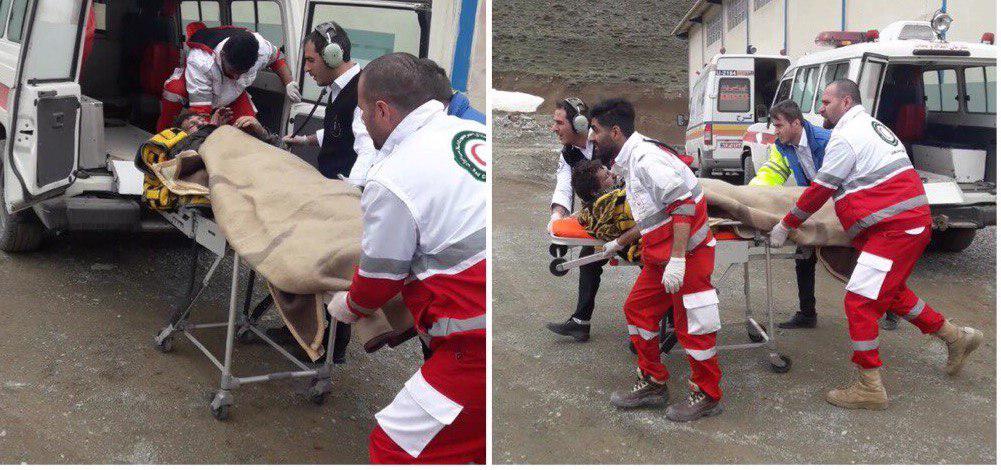
The emergency choppers and ambulances were immediately dispatched to the scene, and all nearby hospitals were told to be on standby, according to Iranian emergency officials.

An official in charge of construction and development of the freeway said the compression of the methane gas in the major Alborz Tunnel resulted in a blaze on the northern side of the tunnel.

Eight workers were also wounded in the fire. They have all been pulled out of the tunnel.

Five of the wounded have sustained 60 to 100-percent burns.

Rescue workers are still checking the scene to see if any other people are stranded.

At Least 3 Dead in Iran Tunnel Blaze, Collapse

Iranian Teacher to Swim from Oman Sea to Persian Gulf

Persian Gulf

Mohammad Amiri Roudan from Hormozgan province in southern Iran will begin his adventurous swim from the port city of Khasab in the Musandam governorate of Oman.

“The teacher is expected to reach Bandar-e Abbas on May 2, marking Teachers’ Day in the Iranian calendar,” a report by ISNA said.

Over the past few years, Amiri Roudan has always set new records to mark Teachers’ Day. The project is expected to be carried out in two phases in Iranian and Omani waters.

“I’m a tourist and over the past twenty years, I’ve set unprecedented records across the world in swimming and mountaineering. For example, I’ve travelled from Bandar Abbas shore to the peak of Geno Mountain, traversing a nearly 53km distance. Meanwhile, last year, I swam the distance between Qeshm Island and Bandar Abbas as part of a big environmental campaign,” he said.

In addition to the National Teachers’ Day, Amiri Roudan’s move also coincides with the National Day of Persian Gulf.

As a highly important day for the Iranians, the National Persian Gulf Day is marked annually on 30 April. It has been celebrated since 2004. The Persian Gulf, in Western Asia, is an extension of the Indian Ocean located between Iran and the Arabian Peninsula.

The date coincides with the anniversary of Abbas I of Persia’s successful military campaign to drive the Portuguese navy out of the Strait of Hormuz in the Capture of Ormuz (1622).

The decision to name April 30 as the National Persian Gulf Day was taken in protest at certain Arab circles’ move to change the Persian identity of the ancient gulf. The controversy over the Persian Gulf identity began in 2001 when the National Geographic Magazine released a new map of the region with the name Persian Gulf changed into Arabian Gulf.

Cyprus; A Tax Haven for an Entrepreneur

4 interesting peculiarities of Cyprus taxation system

  1. The country offers the lowest income tax rate ever among the European countries. It equals 12.5%.
  2. Capital growth is subject to taxation, yet not very high — 20%. The tax is applicable only to bargains on trade of shares which were not registered on the country’s stock markets and also to bargains on selling immovable property located on the country’s territory.
  3. In 2015 the government imposed the status of “non-domiciliary tax resident”. Citizens who possess such status do not pay any taxes on income they receive abroad.
  4. According to Cyprus citizenship by investment program, physical persons who have become the citizens of this country can receive a number of tax allowances. Just to name a few – dividends, income deriving from rent and deposits opened on the territories of other states are not subject to taxation.

These are the reasons why many foreign entrepreneurs receive Cyprus dual citizenship under “Citizenship by investment” program.

The program offers two options:

  • Contribution to real estate: developers’ projects, as well as dwelling and commercial objects. The minimal investment sum equals 2 000 000 euro.
  • Investment in business: it is possible to contribute to buying current company located in Cyprus or to company creation. Contribution sum must be at least 2 000 000 euro.
  • Additional donation of 150 thousand euros to the state fund.

One more attractive factor is that investments are refundable: an investor has to keep them for 3 years and then is able to refund all the expenses except for those which he has invested in immovable property for the purpose of his own dwelling.

Note. The government has made amendments to the program: the term of investment withholding will be enhanced to 5 years. Amendments are expected to come into effect in May 2019.

To receive a passport of Cyprus, you have to purchase real estate residential property of at least 500 000 euro if you want to invest the all sum of money in business or commercial real estate.

According to Migronis (https://migronis-citizenship.com/cyprus), the applicant’s wife/husband, children under 28 years old and parents can receive citizenship together with the main applicant. Citizenship is inherited.

Interesting fact: the country’s government has made changes in the scheme of Cyprus golden visa. The criteria have become stricter. Now the applicants must have Schengen visa. Also, the applicants who have been refused in other EU countries are automatically refused in Cyprus.

Cyprus citizenship by investment is an opportunity to benefit from all tax advantages of the country.

Iran to Build Mideast’s Biggest Power Plant in Central Province

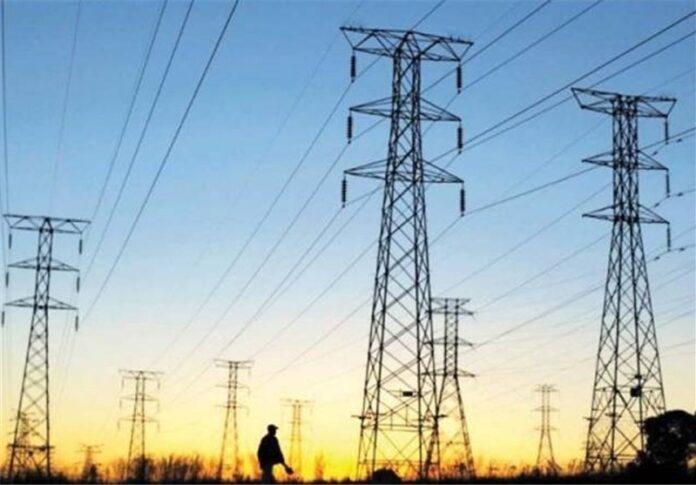
Speaking at a press conference in the central city of Saveh, Markazi Province, on Sunday night, Mohammad Reza Mansouri said constructing the Middle East’s biggest power plant with a capacity to produce 3,000 megawatts (MW), is on the agenda, adding that its production capacity would be three times bigger than that of the current biggest power plant in teh country.

The construction project will cover an area of 4,000 hectares in a private property in Saveh, the parliamentarian said.

He added that the funding of the project, which amounts to $6.5 billion, would be provided by the private sector.

In December, Iran’s nominal capacity to produce electricity reached over 80,000 MW following the connection of a number of power plants to the country’s national grid.

Speaking to reporters at a press conference in Tehran back in February 2018, Iranian Energy Minister Reza Ardekanian highlighted the country’s self-sufficiency in the area of power generation and said the Islamic Republic is the top producer of electricity in the Middle East.

About 90 percent of power generation equipment, even complicated parts like turbines and generators, are currently manufactured inside the country, the energy minister said at the time.

He added that Iran’s capabilities in the area of power generation have developed over the past four decades so much that the country has become the top producer of electricity in the region.

“At present, we have energy exchanges with all the countries that share land borders with us,” he said.

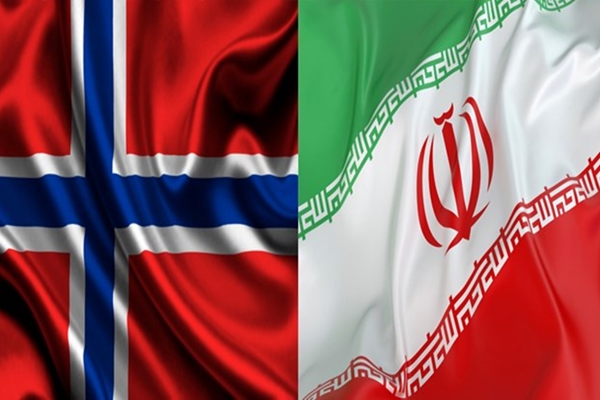
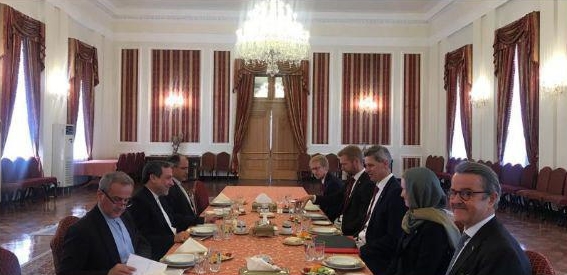
Iran, Norway Hold 9th Round of Political Consultations in Tehran

Iran, Norway Discuss Coronavirus Conditions

During this round of talks, the two sides discussed the most important international issues and developments, as well as issues of bilateral relations.

Hattrem expressed his regret and sympathy over the recent floods in Iran, saying that Norway will soon send its cash and non-cash help for Iran’s flood victims.

He emphasised Oslo’s serious political will to sustain and maintain bilateral cooperation with Tehran, and described as “wise and reasonable” Iran’s stances and behaviour in reaction to the unfaithfulness and regrettable withdrawal of the United States from the JCPOA.

He went on to say that Norway has always been in harmony with the European Union in maintaining and implementing the JCPOA, which guarantees benefits and positive results, especially security, for all parties.

“Norway is still hopeful that the JCPOA will be able to survive thanks to Europe’s efforts to help Iran reap the dividends [of the deal] and maintain its cooperation.”

Iran, Norway Hold 9th Round of Political Consultations in TehranIt is expected that operational solutions and mechanisms like the Instrument in Support of Trade Exchanges (INSTEX) would pave the way for further cooperation in various economic areas, added Hattrem.

In turn, Araqchi expressed gratitude for the sympathy and assistance of the government and the people of Norway after the recent floods, and also Oslo’s positive and constructive positions to develop and promote bilateral cooperation and its continuous support for maintaining and implementing the nuclear deal.

“The nuclear deal is a multilateral and international agreement, and by withdrawing from this agreement, the United States has violated internationally-accepted standards, including the UN Security Council Resolution 2231,” Araqchi noted.

However, he added, unfortunately this unlawful action has not received an effective response from the international community.

“With this unilateral and unlawful move, the United States has shown it does not understand the language of respect and engagement, and can only speak the language of bullying,” Araqchi added.

He reiterated that political support is not enough, and Europe needs to pay costs to preserve the JCPOA. Otherwise, the deal will not be able to survive and its consequences is blamed on the United States.

“Iran has shown maximum goodwill, cooperation and self-restraint to keep the accord alive, but the ruling White House team seems to have other goals and objectives in mind. There are several choices for Iran, and we will respond appropriately based on our national interests in the face of the US bullying behaviour,” concluded Araqchi.

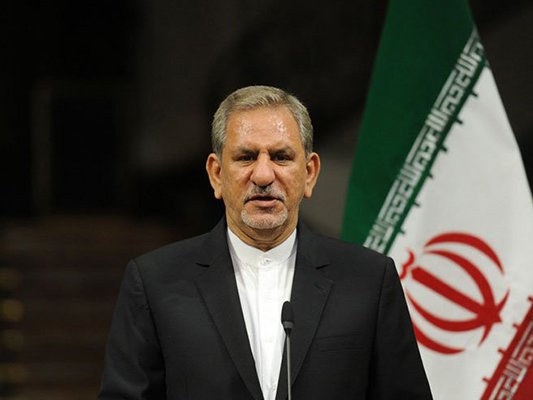
US Sanctions on Iran Harming Region’s Health Sector: VP

New Economic Plans Needed to Counter Fallout from COVID-19 Outbreak: Iran VP

The first vice-president said “unfortunately today we see the destructive, unconventional and inhuman behaviour of the US government against the Iranian people.”

“Unfortunately, in violation of the human rights regulations, the US government has created serious problems through its inhumane measures and by imposing the most severe sanctions on the health sector. It has seriously threatened the supply of medicines and medical equipment for the patients, endangering the lives of many.”

Jahangiri made the remarks on Monday at the seventh edition of World Health Summit Regional Meeting which is underway on Kish Island, south of Iran.

“Fortunately, with the efforts of our country’s researchers and scientists, a significant portion of the country’s medical needs are produced inside the country. They even produce a surplus that can be exported to the countries in need. Our imports are limited to specific items and supplies, but the US government’s obstructionism and threats have forced the companies to discontinue sending them to Iran, and prevented the purchase and transfer of these items to the country,” he underscored.

Jahangiri stated that Iran’s expectation from the international organisations, especially the World Health Organization, is that it does not keep silent over the unilateral and unlawful policies of the US government, especially in the health sector which is directly affecting the lives of the people, and is a completely humanitarian subject.

The international bodies must use all the powers available against the US government’s inhuman policies, reiterated Jahangiri.

“We call on regional countries to pave the ground to overcome regional problems such as boycotts, by expanding regional cooperation in manufacturing of medicine and medical equipment, as well as creating infrastructure for cooperation between active centres and companies in the health sector,” he noted.

Considering the role of Iran in supplying a large portion of the pharmaceutical needs of the countries of the region, we believe that sanctions on the health sector of Iran would mean imposing sanctions on the health sectors of the countries of the region.”

Jahangiri pointed out that Iran has fulfiled all its obligations under the nuclear deal and the International Atomic Energy Agency (IAEA) has repeatedly affirmed the Islamic Republic’s abiding by its commitments.

“The US government has not only failed to fulfil its obligations, but has imposed the hardest possible sanctions against the Iranian people, as they have acknowledged themselves. Americans are lying that the target of sanctions is the Iranian government, while the sanctions are putting pressure on the Iranian nation and their livings.”

“With poor excuses and pressured by the Zionist lobby, the US withdrew from the JCPOA as an important international agreement that would help establish peace and security in the region and the world,” he noted.

“Fortunately, in recent years, our country’s young researchers have managed to develop the knowledge of the health sector, including the achievements in the fields of nuclear medicine, stem cells, repair of neural systems, the production of various drugs for the treatment of high-risk diseases and dozens of other achievements.”

“Our scientists come first in many areas, especially in the health sciences. Our universities have attracted thousands of students from all over the world, despite the sanctions and the difficulties, and there are many research projects being carried out with the participation of scientists from the world’s top universities in the country.

“To improve health, we need to enjoy a safe environment, coexistence and peace. Throughout its history, Iran has been a land of friendship and the cradle of science, knowledge, art and literature.

“Today, we are the same people who are after building a healthy and peaceful world with a healthy and sustainable development of health. We seek to eliminate all threats and sanctions [from the world] and make a world free from violence, aggression, and insecurity.

“This Health Summit is worthy of praise at a time when our dear country is facing the cruelest sanctions. The presence of more than 100 scientists from about 50 countries around the world at this important meeting indicates that although health has become a political issue today, scientists and health system experts aim to improve human life beyond the political boundaries and in accordance with the principles of scientific participation and social commitments.

“Our country and the region in which we are located are subject to extensive and profound changes due to geographical conditions and political relations, but the Islamic Republic has managed to overcome various difficulties successfully. Our region has suffered the most from global extremism and terrorism, but it is on the brink of removing countries from this anti-human threat.

“The recent flood in Iran was a serious test for the US government’s human rights slogans. While Iran was engaged with a devastating flood and more than half of the country’s provinces suffered heavy losses, US cruel restrictions and sanctions prevented the assistance of other countries and international organisations to flood-stricken people.

“In the meantime, even relief agencies such as the Red Crescent Society of the Islamic Republic of Iran were not excluded from the sanctions, and there were a lot of restrictions on the international relief efforts. Of course, this is a great honour for the Islamic Republic of Iran to announce that in spite of all these restrictions, and with the efforts of all the health sector practitioners, including physicians, nurses, health workers and administrators of this sector, no epidemic disease was recorded in the flood-hit areas so far. Hereby, I am obliged to express my gratitude to all those who have been working on this issue round the clock.

“Now we are exposed to various natural disasters caused by human interference. Over the last few weeks, flash floods caused our country to suffer from various health problems. But the nation and the government did not hesitate to send aid.

“More than half of the world’s refugees and displaced people by war and terrorism are living in this part of the world. Over the past four decades, our country has provided more than 3 million refugees with the health services with the least use of international assistance.

“Nowadays, the executive officials of the country, along with people and civil institutions, seek to ensure that citizens affected by the flood would not be threatened by the health, physical, psychological, and social issues.

“Today’s issue is the healthy reconstruction of cities and villages in a sustainable development path. Naturally, health is the cornerstone of this move. I hope that the outcome of the discussions and scientific exchanges of this meeting will be another step towards achieving sustainable development of health and expanding scientific and technical cooperation in this region and other parts of the world,” he concluded.

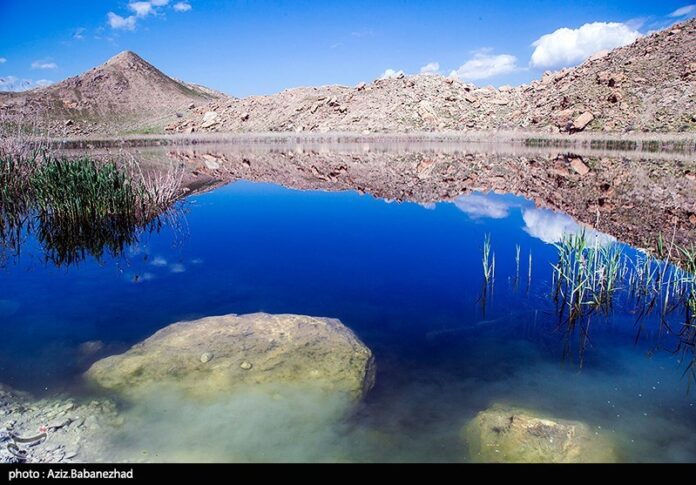
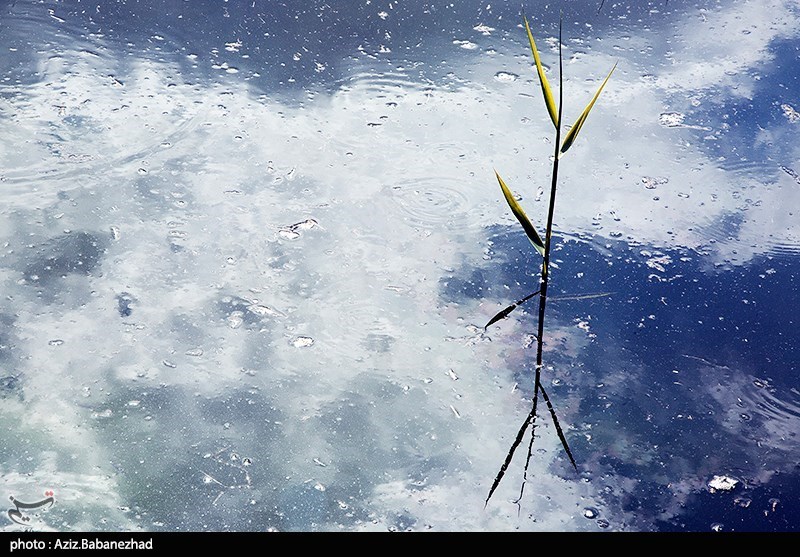
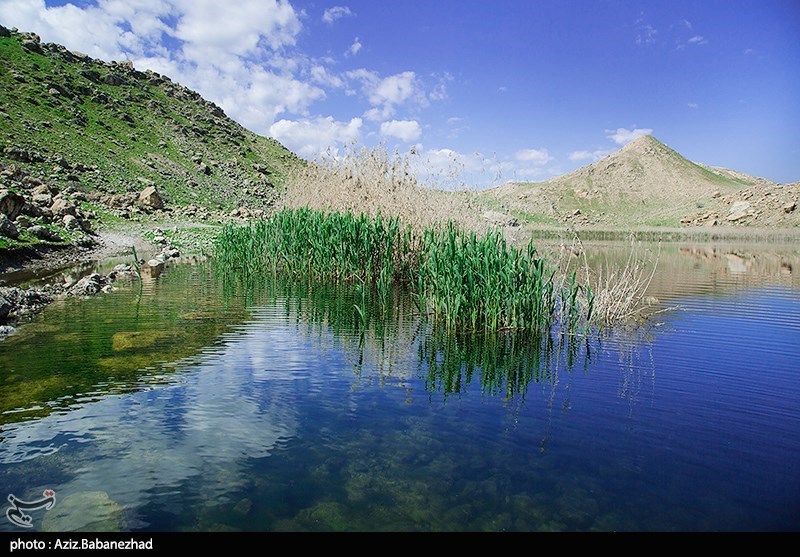
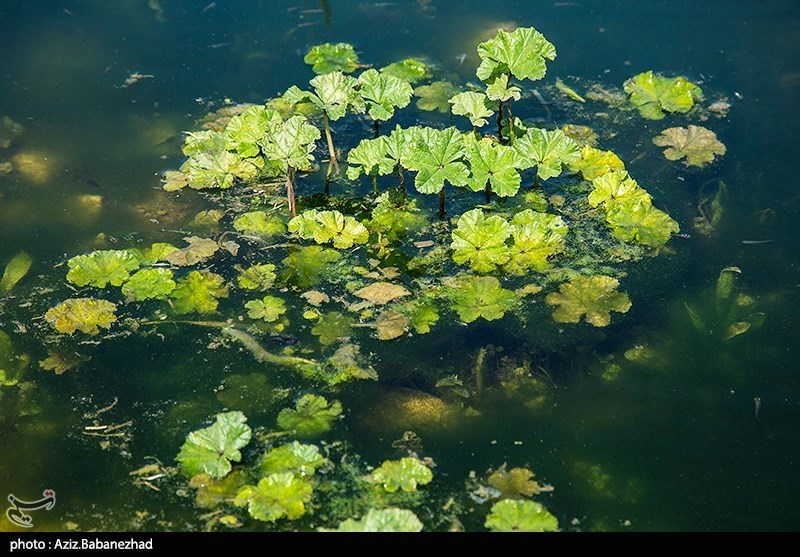
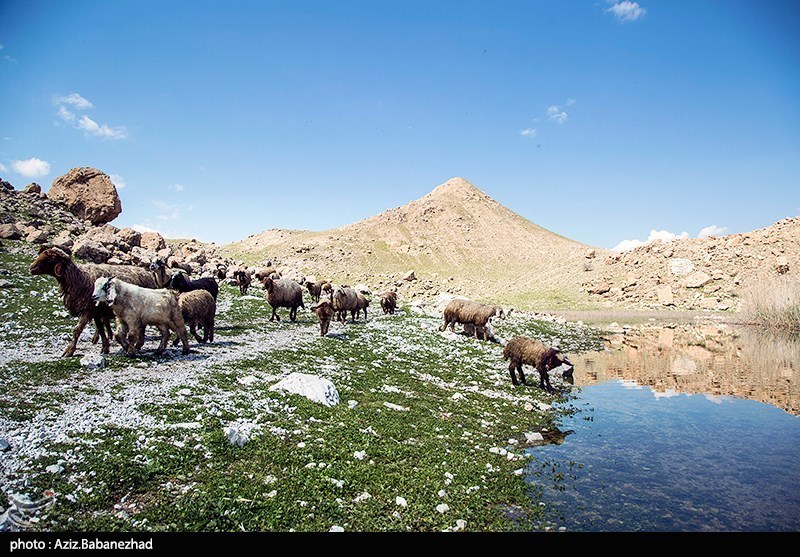
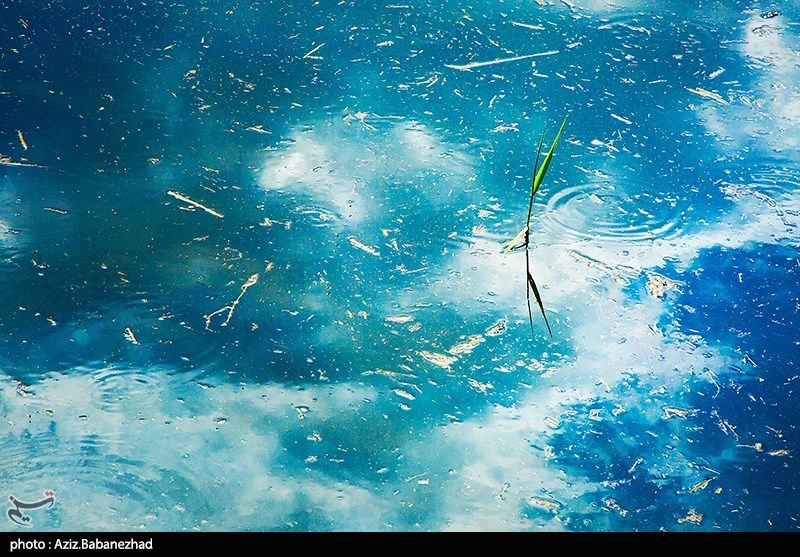
Iran’s Beauties in Photos: Pol-e Dokhtar Lagoons

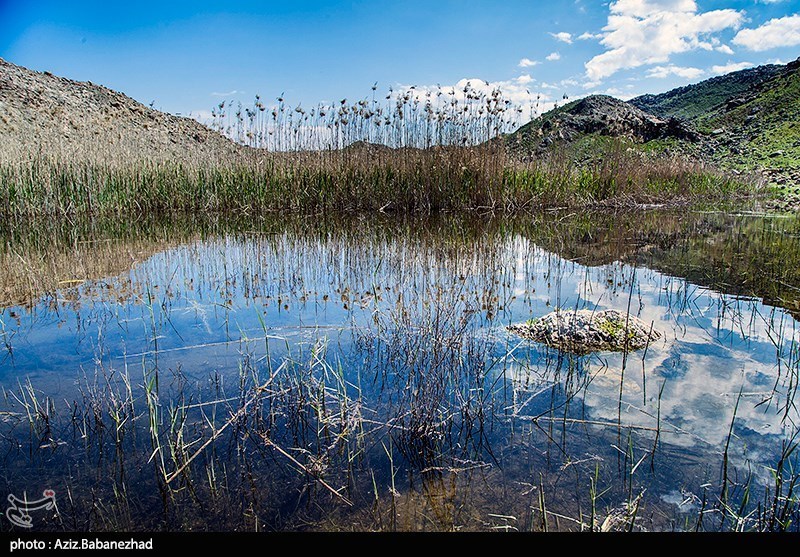
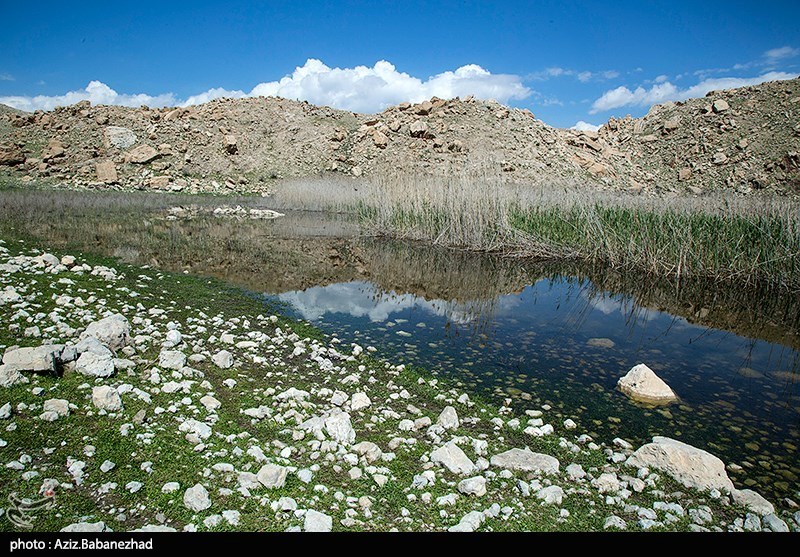
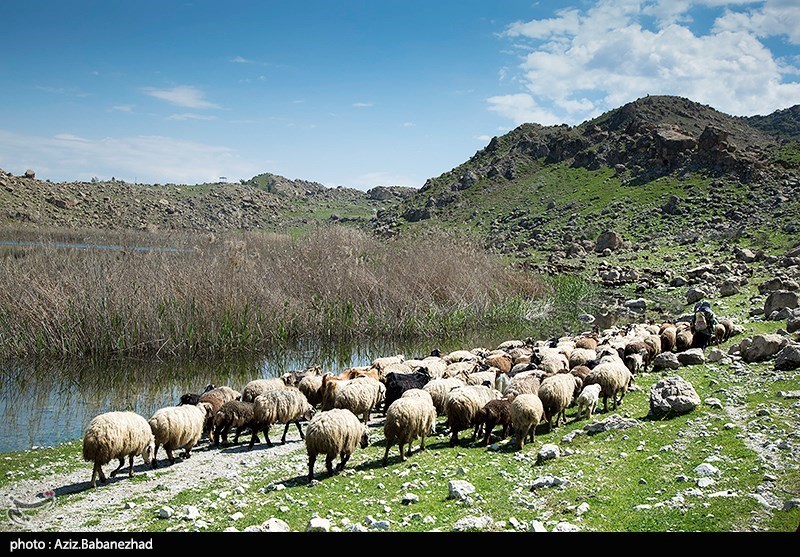
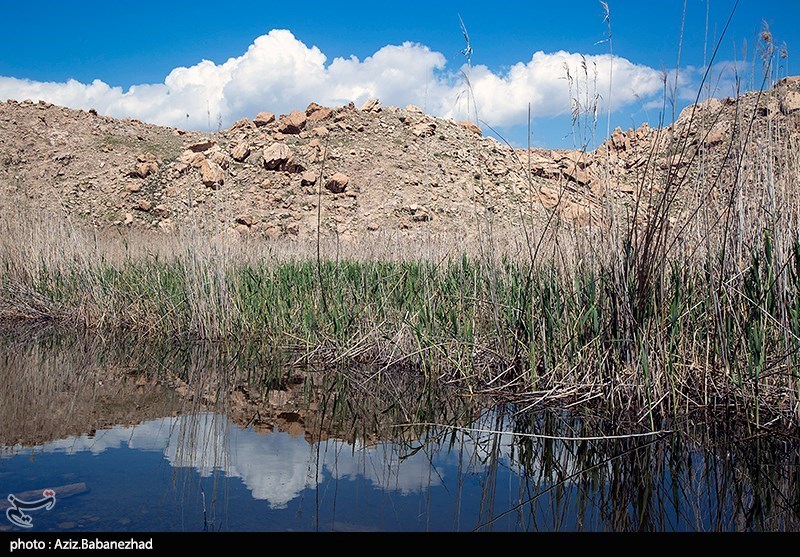
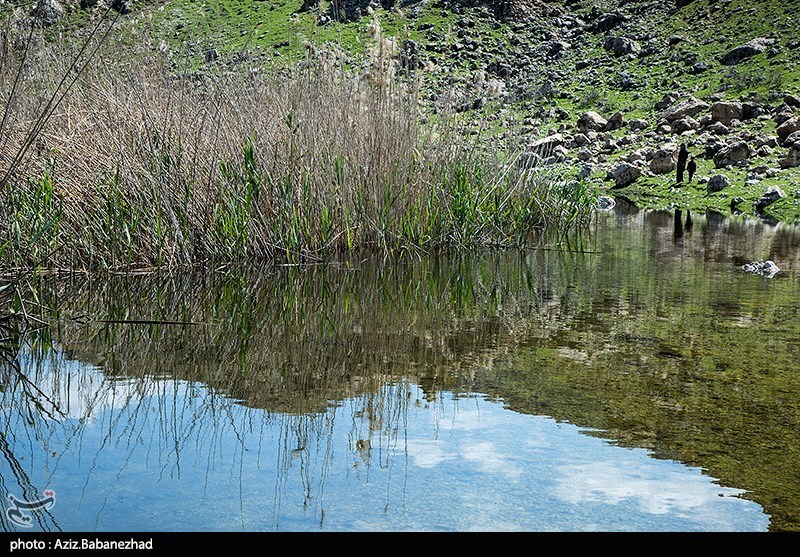
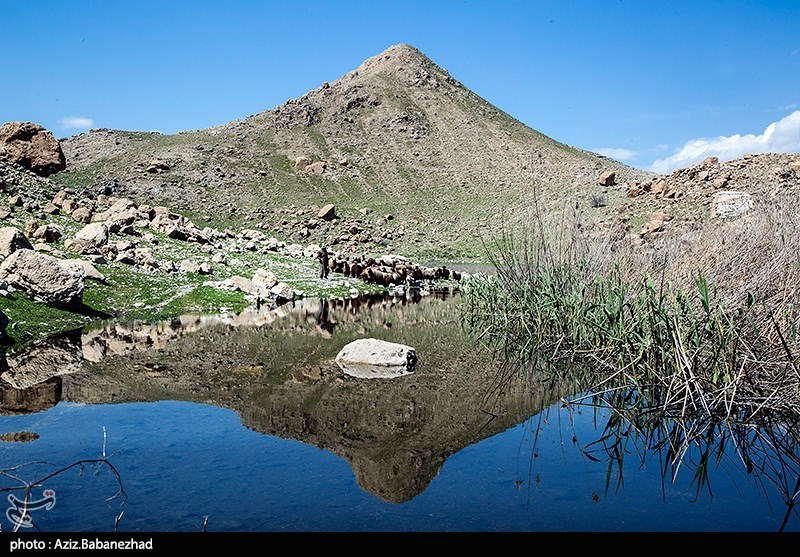
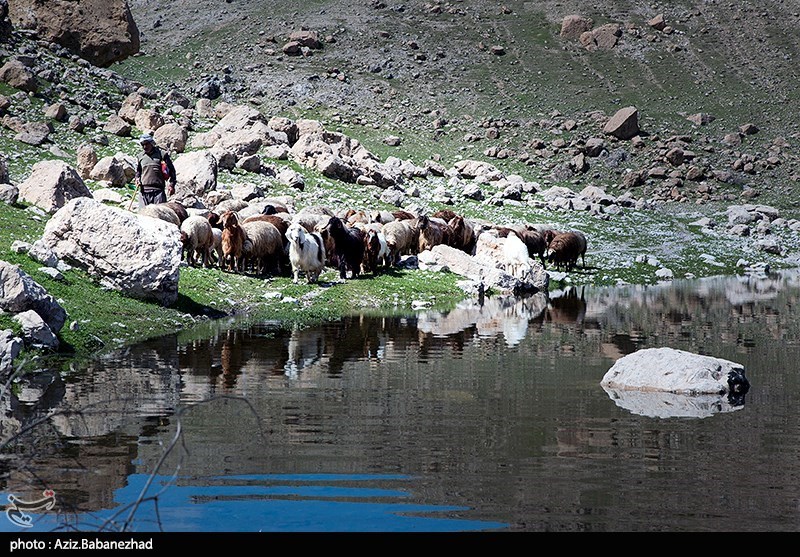
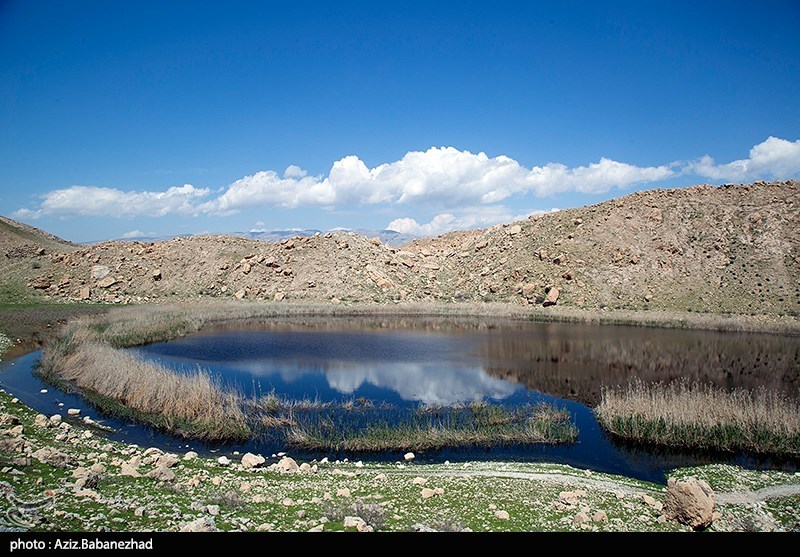
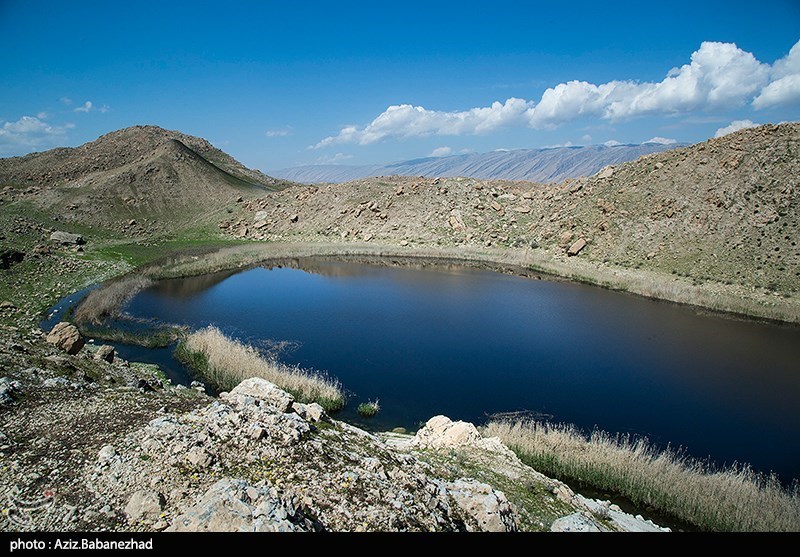
The recent floods that hit Lorestan province and the city of Pol-e Dokhtar in particular caused serious damages to the people and their properties, but at the same time revived many of these lagoons, increasing the level of their water considerably.

What follows Tasnim news agency’s photos of these lagoons: