Friday, December 26, 2025
Home Blog Page 3205

A Look at Iranian Newspaper Front Pages on April 29

A Look at Iranian Newspaper Front Pages on November 19

The majority of papers today covered the remarks made by the Leader of Iran’s Islamic Revolution Ayatollah Seyyed Ali Khamenei about the need for the police to make more serious efforts to ensure the security of the cyberspace and control arms sales in the country.
The rare interview Foreign Minister Mohammad Javad Zarif gave to Fox News, the favourite news channel of US President Donald Trump and his fans, remained a top story in all Iranian papers today.
The latest reactions to US President Donald Trump’s decision to stop issuing waivers for the import of Iran’s oil also received great coverage.
The above issues, as well as many more, are highlighted in the following headlines and top stories:

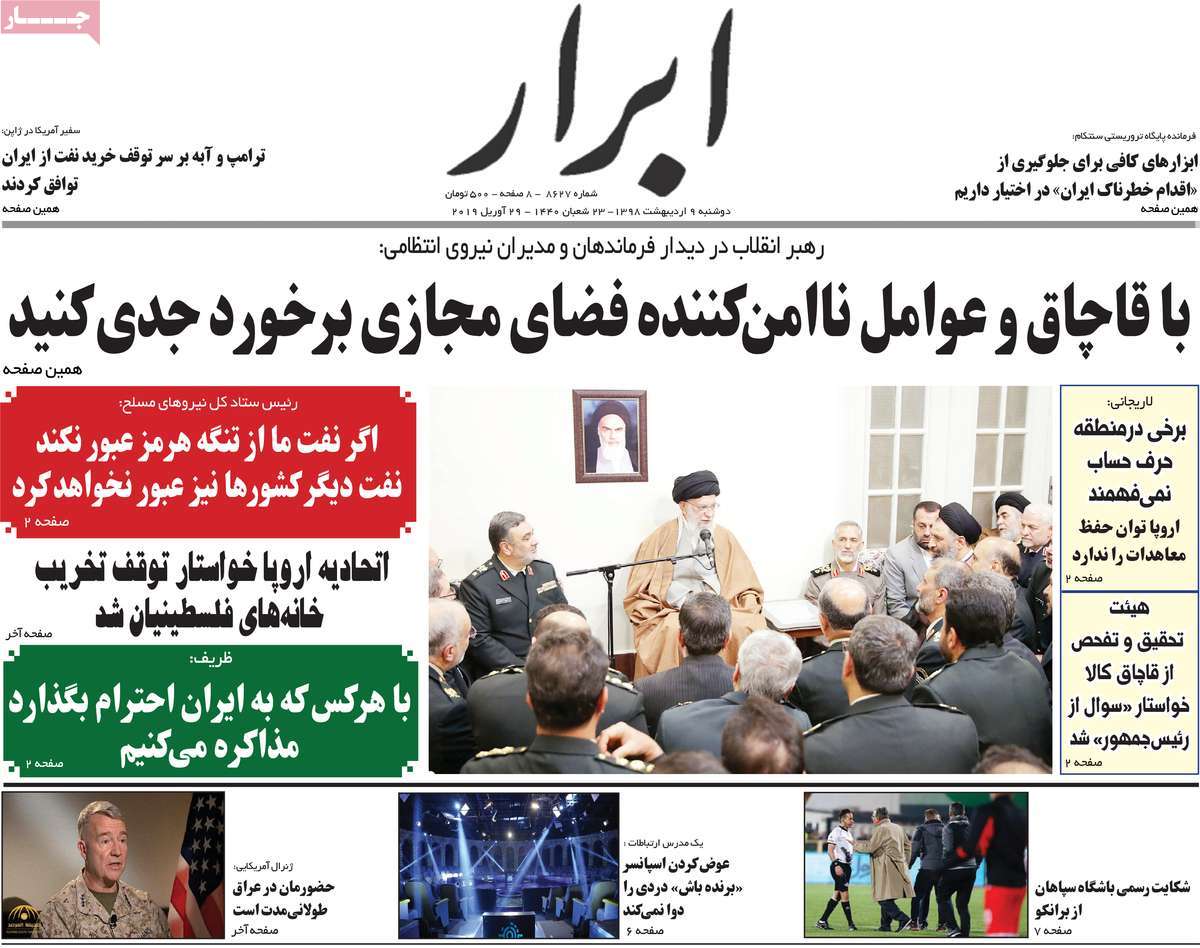
Abrar:
1- CENTCOM Chief: We Have Enough Means to Prevent Iran’s Dangerous Move
2- US Envoy to Japan: Trump, Abe Agree on Buying Iran’s Oil
3- Zarif: We’ll Hold Talks with Anyone Who Respects Iran
4- Larijani: Europe Unable to Keep Its Promises
A Look at Iranian Newspaper Front Pages on April 29


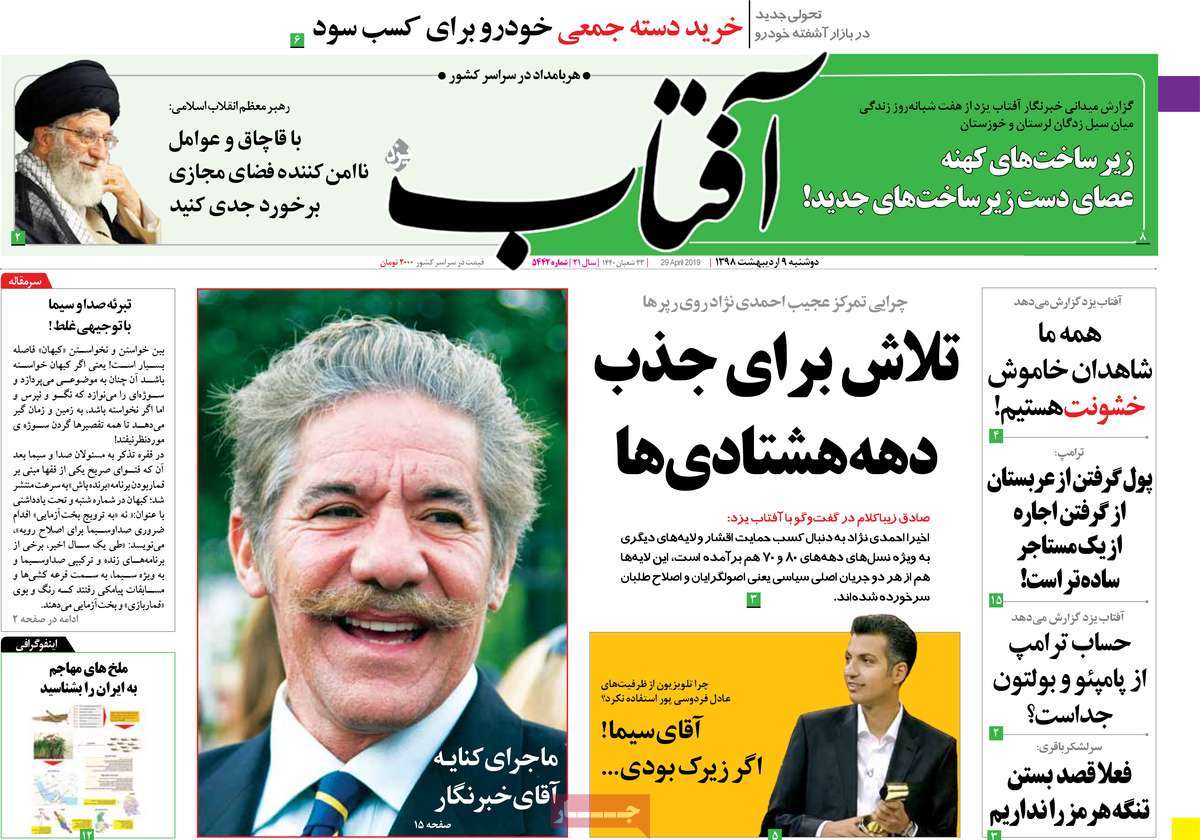
Aftab-e Yazd:
1- Iran Leader Urges Serious Action against Those Who Disrupt Cyber Security
2- Trump: Getting Money from Saudis Easier than Collecting Rent from Tenant
3- Iran’s Top General: We’re Not after Closing Strait of Hormuz for Now
A Look at Iranian Newspaper Front Pages on April 29


Arman-e Emrooz:
1- Iran Leader Calls for Serious Action against Smuggling
2- Zarif: Prescriptive Way of Dealing with People Doesn’t Work
3- Zarif’s Smart Interview with Fox News [Editorial]
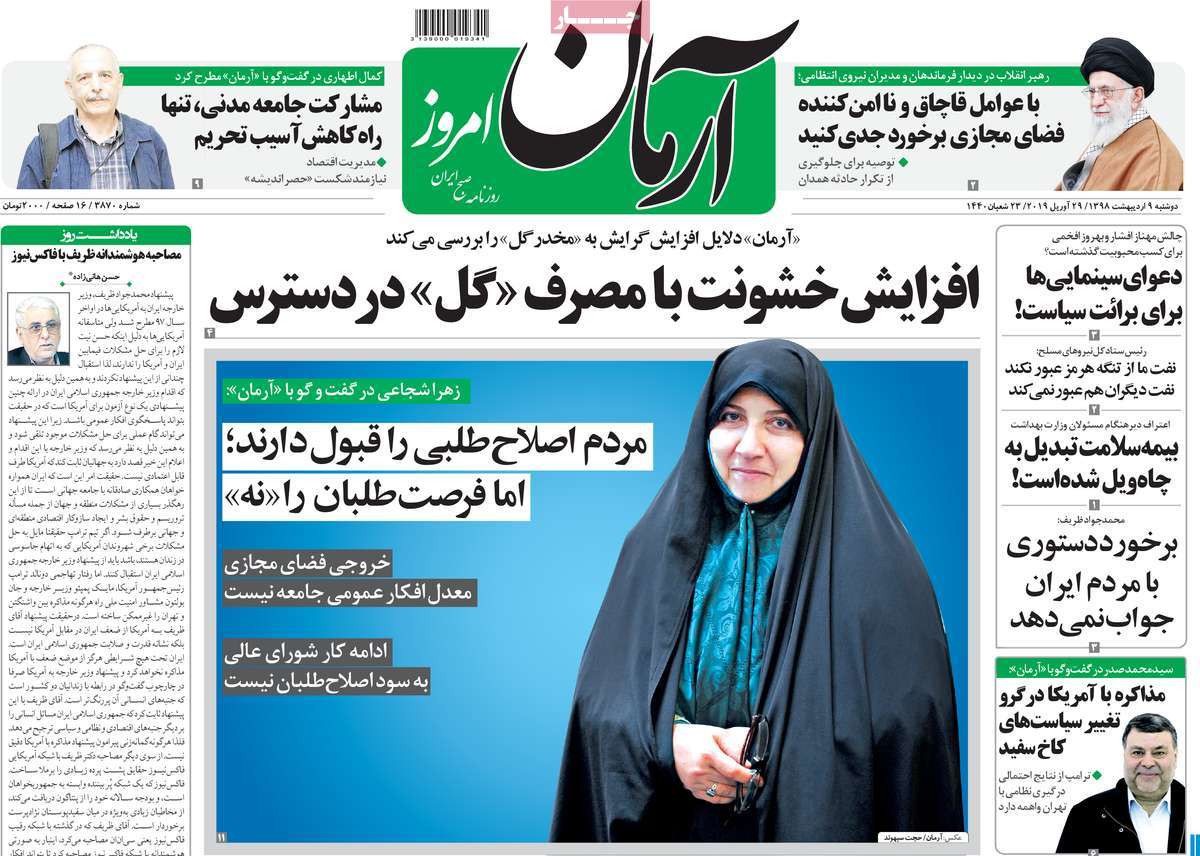
A Look at Iranian Newspaper Front Pages on April 29


Besharat-e Now:
1- Saudi Arabia, UAE Main Losers of Possible Conflict
* It’s Not Easy to Replace Iran in Oil Market
2- Qassemi Says Europeans Failed to Fulfil JCPOA Commitments
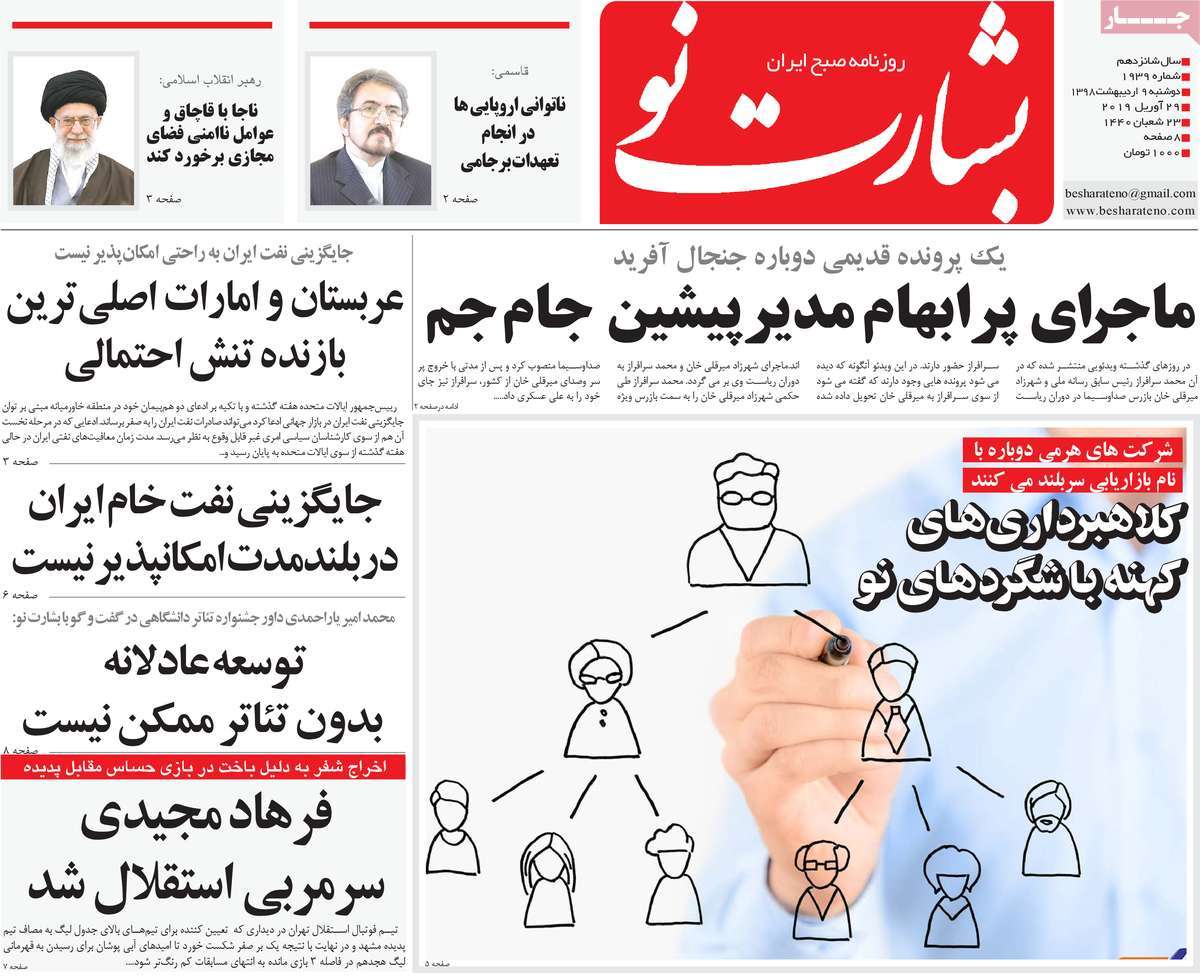
A Look at Iranian Newspaper Front Pages on April 29


Ebtekar:
1- Interview Diplomacy: A Review of Zarif’s Use of Mass Media at Int’l Level
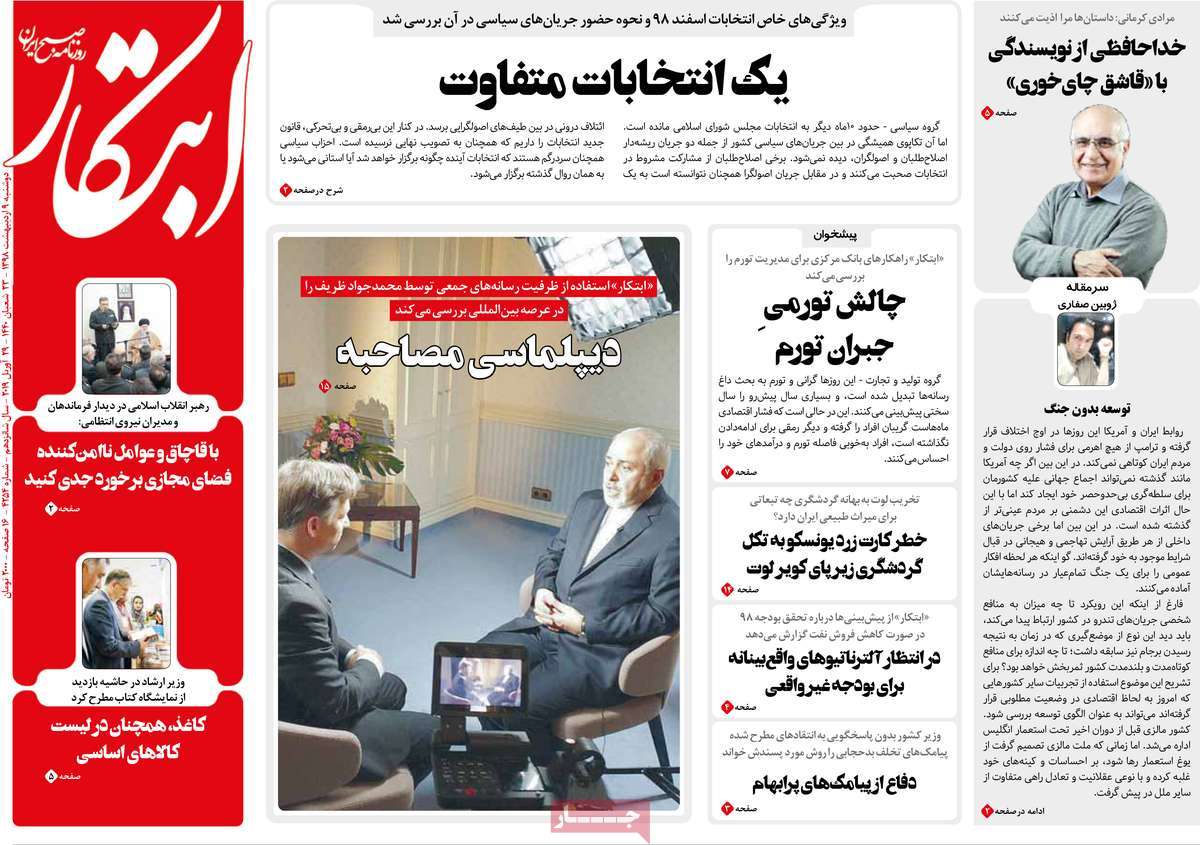
A Look at Iranian Newspaper Front Pages on April 29


Etemad:
1- Putin Expresses Hope Iran Will Continue Oil Exports
* Washington’s Efforts to Sanctions Iran Won’t Yield Result
2- Warning to US’ Allies in Region
* Iran Won’t Close Strait of Hormuz Only If Its Own Oil Be Exported Through It: Top General
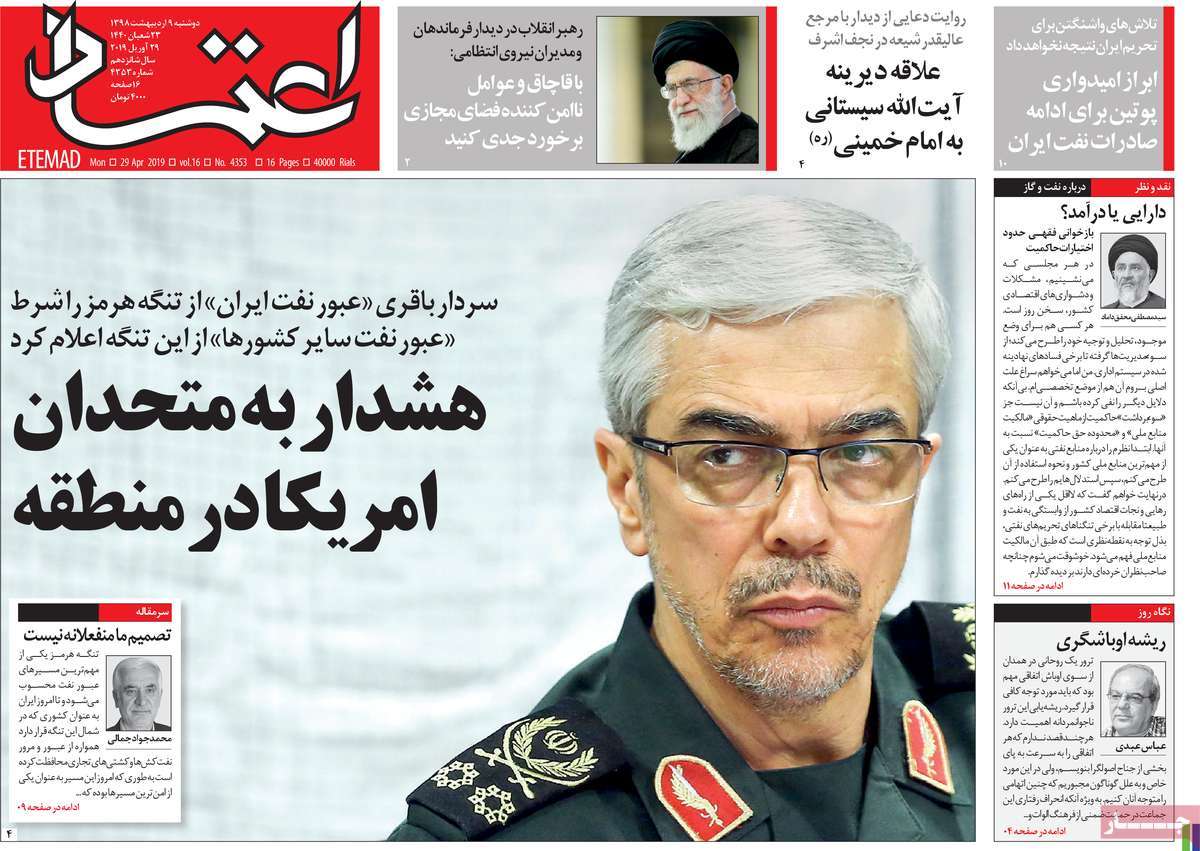
A Look at Iranian Newspaper Front Pages on April 29


Ettela’at:
1- Zarif: We Didn’t Propose to Hold Talks with Trump Administration
2- Trump: Milking Saudis Easier than Receiving Tax from Americans
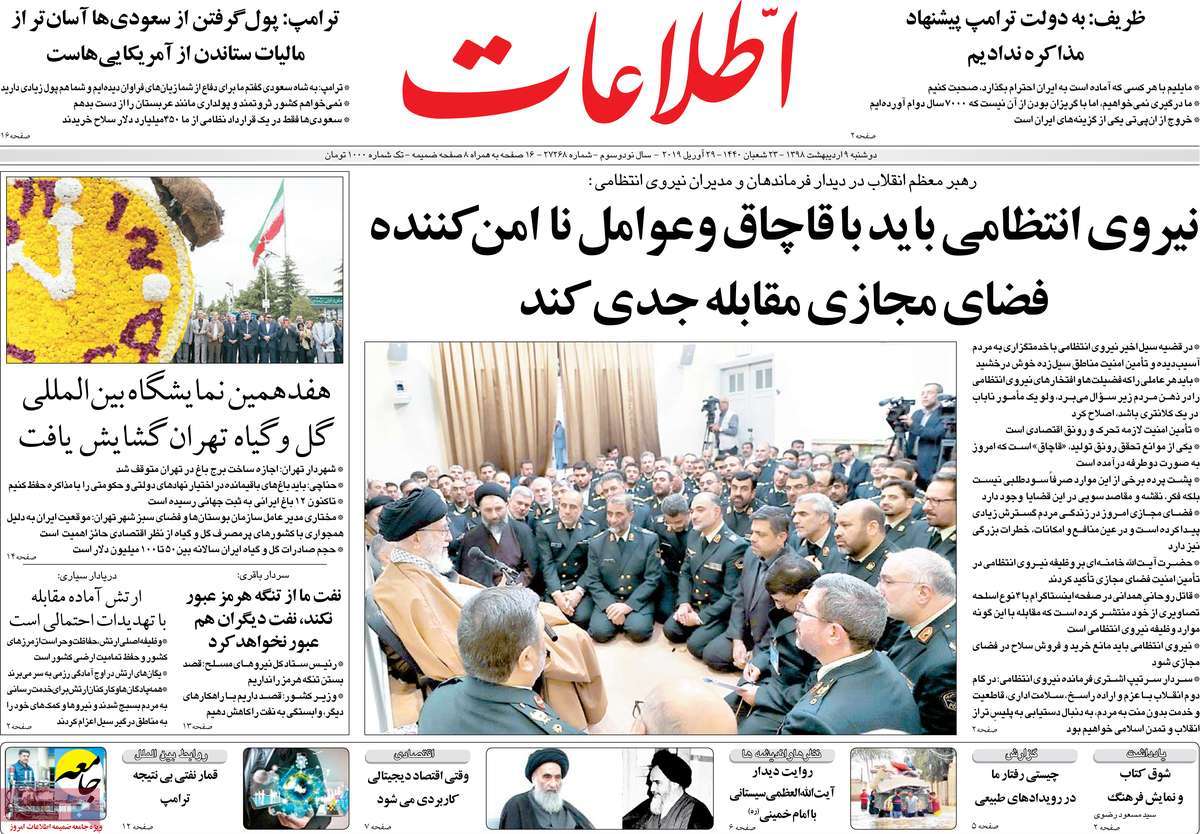
A Look at Iranian Newspaper Front Pages on April 29


Hamdeli:
1- Most Dangerous “B” for Iran: Zarif Lists Iran’s Enemies as “Team-B” Headed by Bolton
2- Sudan’s Revolutionaries One Step Forward
* Protesters Reach Deal with Junta Leaders on New Ruling Council
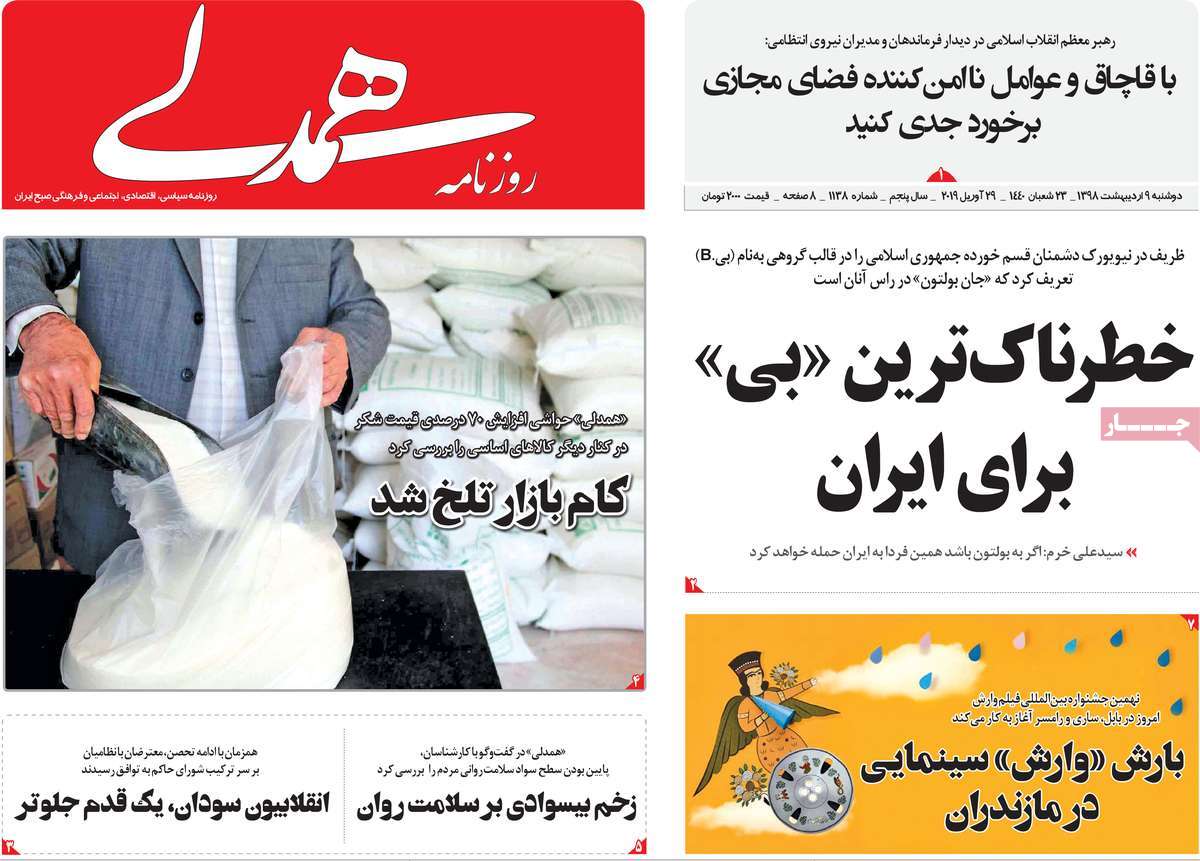
A Look at Iranian Newspaper Front Pages on April 29


Javan:
1- Zarif: Engagement with US Had No Dividends for Iran
2- Saudi Arabia Silent Because of Its Weakness
* Saudis Taking Cautious Stance on Filling Iran’s Vacancy in Oil Market
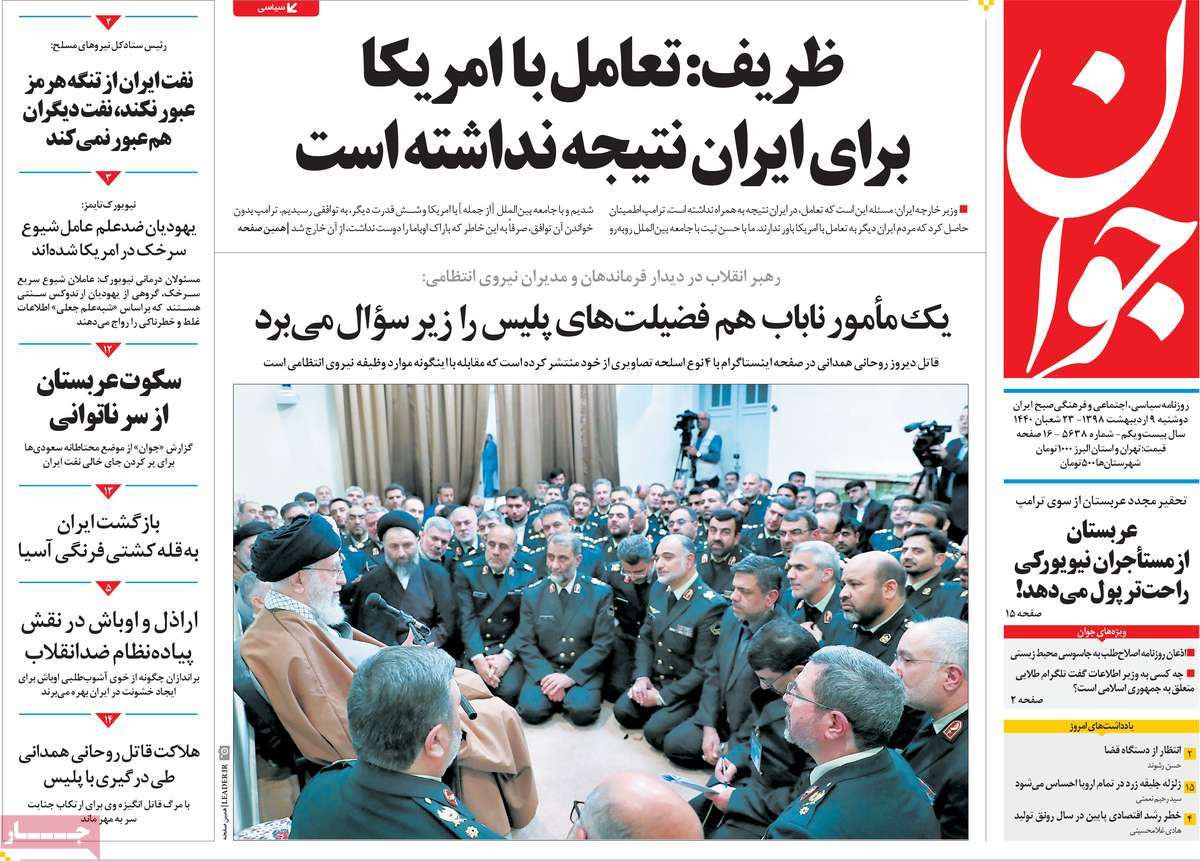
A Look at Iranian Newspaper Front Pages on April 29


Kayhan:
1- Trump: Saudis Have Nothing but Money
2- Washington Post: Iran’s Inaction Emboldens Trump
3- Zarif: Withdrawal from NPT among Iran’s Options
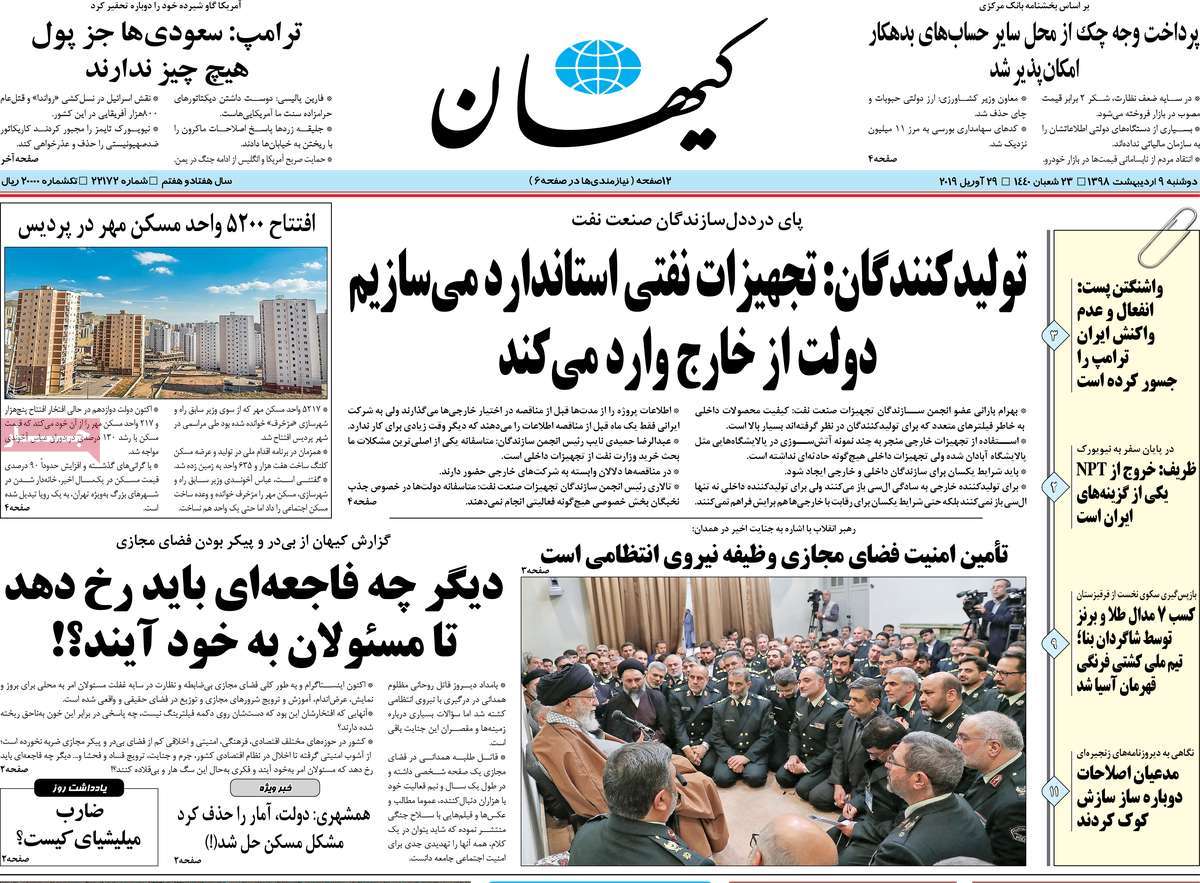
A Look at Iranian Newspaper Front Pages on April 29


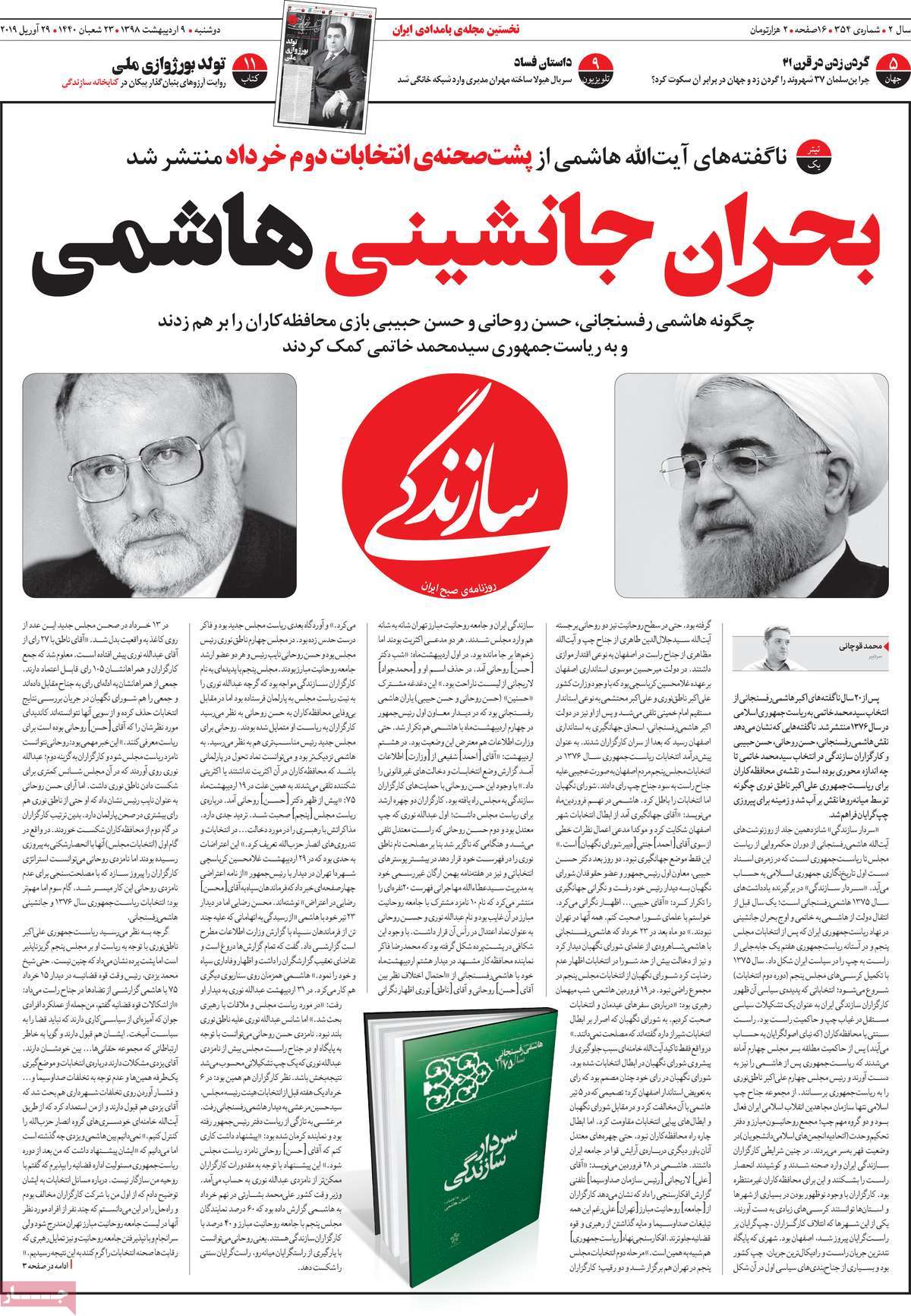
Sazandegi:
1- Beheading in 21st Century: Why Did Bin Salman Behead 37 Citizens? Why Did World Remain Silent?
A Look at Iranian Newspaper Front Pages on April 29


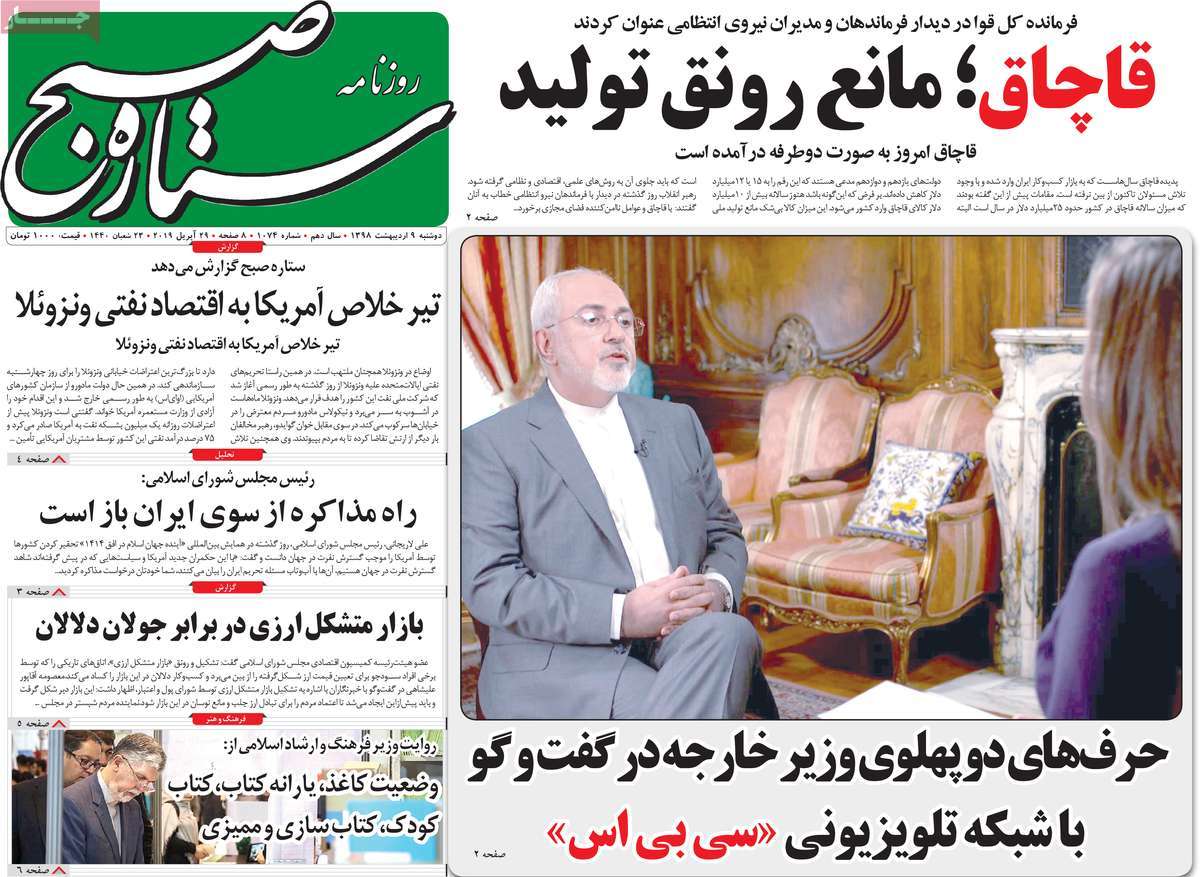
Setareh Sobh:
1- FM Zarif’s Ambiguous Comments in Interview with CBS
2- Larijani: Iran Open to Negotiation
3- US Deals Final Blow to Venezuela’s Oil-Dependent Economy
A Look at Iranian Newspaper Front Pages on April 29


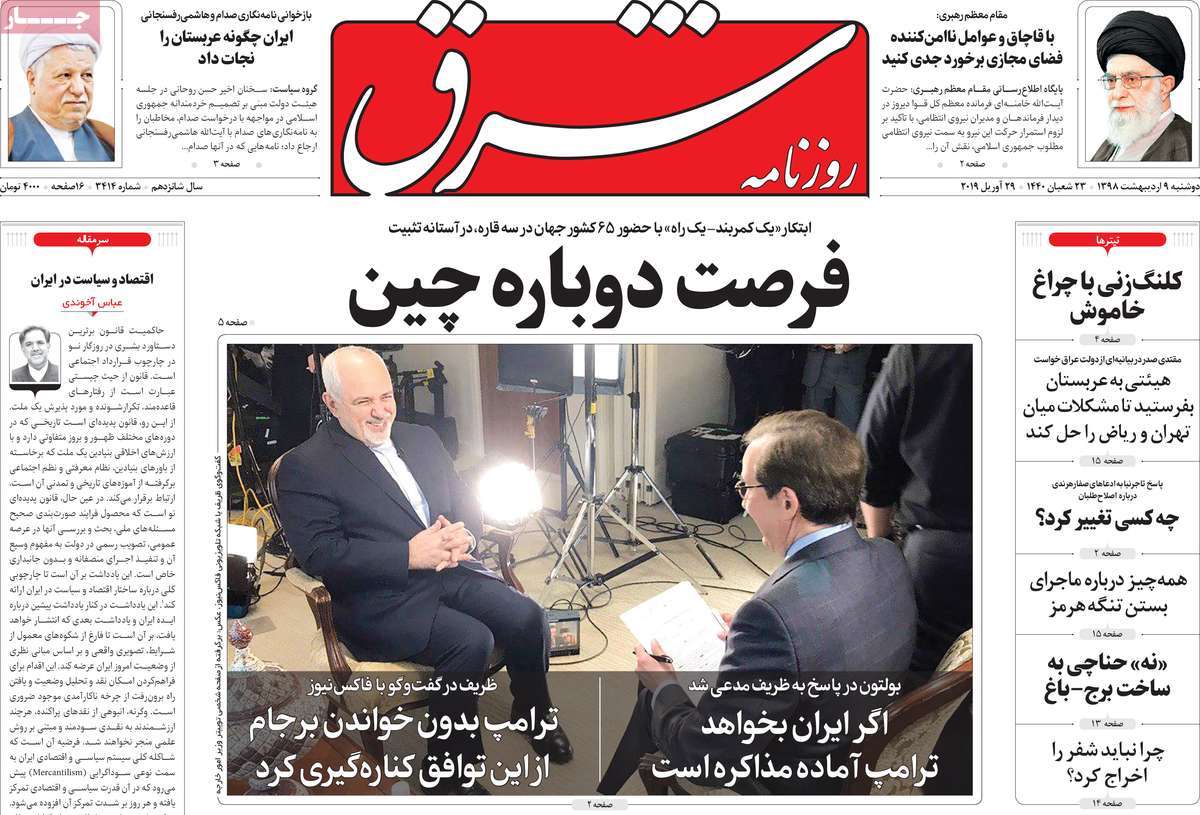
Shargh:
1- China on Verge of Establishing One Belt-One Road Initiative in 3 Continents, 65 Countries
2- Muqtada Sadr Urges Iraq Gov’t to Send Delegation to Saudi Arabia, Settle Tehran-Riyadh Woes
3- Bolton to Zarif: Trump Ready for Talks If Iran Wants
4- Zarif to Fox News: Trump Withdrew from JCPOA without Even Reading It
A Look at Iranian Newspaper Front Pages on April 29

Gen. Soleimani Says Iran Won’t Sit for Talks with US

Speaking in a Monday meeting with a group of police commanders, General Soleimani said

“vigilant and intellectual Iranian people believe holding negotiation with the enemy at this juncture would mean submission.”

“We will definitely not accept to do such humiliating act,” said General Soleimani, the commander of the Quds Force of Iran’s Islamic Revolution Guards Corps (IRGC).

He said the way to tackle the enemy’s economic pressure is to implement the Resistance Economy (economic resilience) strategy as recommended by Leader of the Islamic Revolution Ayatollah Seyyed Ali Khamenei.

Earlier in the day, Iranian Parliament Speaker Ali Larijani also said holding talks with the United States is a “strategic mistake.”

“After 12 years of conflict and negotiations with the US, we reached an agreement, but this strange and weird creature pulled out of the deal,” said the top parliamentarian, referring to US President Donald Trump.

He said some people are naïve and believe Iran should sit down for talks with the US at this juncture.

“[US President Donald] Trump should realize that he has been facing a tough rival, and he will not stop his actions against Iran until he runs into a brick wall,” he said.

He noted Washington speaks to countries with the language of “submission and humiliation.”

Recently, Iranian Foreign Minister Mohammad Javad Zarif floated the idea of a prisoner swap between Iran and the US. In an interview with Fox News, Zarif also implicitly expressed Tehran’s readiness for talks.

Talks with Saudi Arabia

In his Monday comments, Larijani also touched upon possible negotiations between Iran and Saudi Arabia.

“We haven’t said we won’t talk with the Saudis, but we cannot be too lenient when they show animosity because they would try to gain more ground,” he said.

Iran’s Deputy FM to Visit Ankara on Tuesday

Iran Says Concerted Global Effort Needed to Fight Coronavirus

In a statement on Monday, Turkish Foreign Ministry announced that Araqchi will visit Ankara on April 30 to hold talks on bilateral political issues as well as regional and international matters.

According to the statement, Araqchi will meet with his Turkish counterpart Sedat Önal during his stay in Ankara.

Earlier this month, Foreign Minister Mohammad Javad Zarif travelled to Ankara to hold talks with Turkish officials on bilateral ties, the restoration of peace in Syria, and the latest developments in North Africa.

During the trip, which was his second to Turkey in just a few weeks, Zarif discussed regional issues, in particular Syria and matters related to Northern Africa”, particularly the situation in Libya, where the self-styled commander Khalifa Haftar has attempted a “coup” against the internationally-recognized government, according to the UN.

Economic cooperation between Iran and Turkey, and following up on the implementation of agreements earlier reached between the two sides was also on the agenda of his talks with top Turkish officials.

His visit to Turkey came after he visited the Syrian capital, Damascus, where he discussed Tehran-Damascus cooperation, and the process of restoring peace to the war-torn state in separate meetings with top Syrian officials including President Bashar al-Assad.

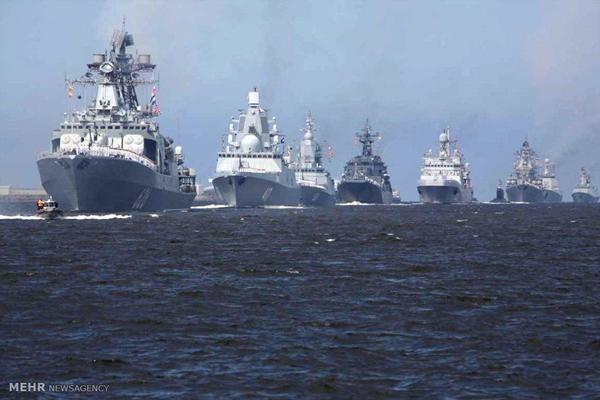
Iran, Russia to Hold Joint Drills near Hormuz Strait: Navy Commander

He made the remarks at a press conference on Monday which was held to elaborate on the achievements of his recent trip to China.

“We have invitations from India, China, Pakistan and Italy to develop training interactions and deploy officers,” added Khanzandi.

“Currently, some of our officers are being trained in these countries, and some officers from some of these countries are also being trained in Iran. This year, we will also hold a marine exercise in the Indian Ocean.

“In the time of peace, we can make moves that are as effective as a combat. Part of this is showing the country’s military strength and capabilities to other countries which has a significant deterrent effect,” he noted. The Islamic Republic is a country with global maritime borders and this has created a huge opportunity for Iran to establish an interconnected relationship with the countries of the world.”

Khanzandi also maintained the topic emphasised at the event was that countries with large naval civilisations are rushing to the sea, which means the maritime power system would open a meaningful atmosphere for these countries.

“Certainly, the security arrangements of the region should be formed by the regional countries, and therefore there is no need for the presence of foreigners,” he stressed.

Rouhani to Launch Largest Water Project in Western Iran

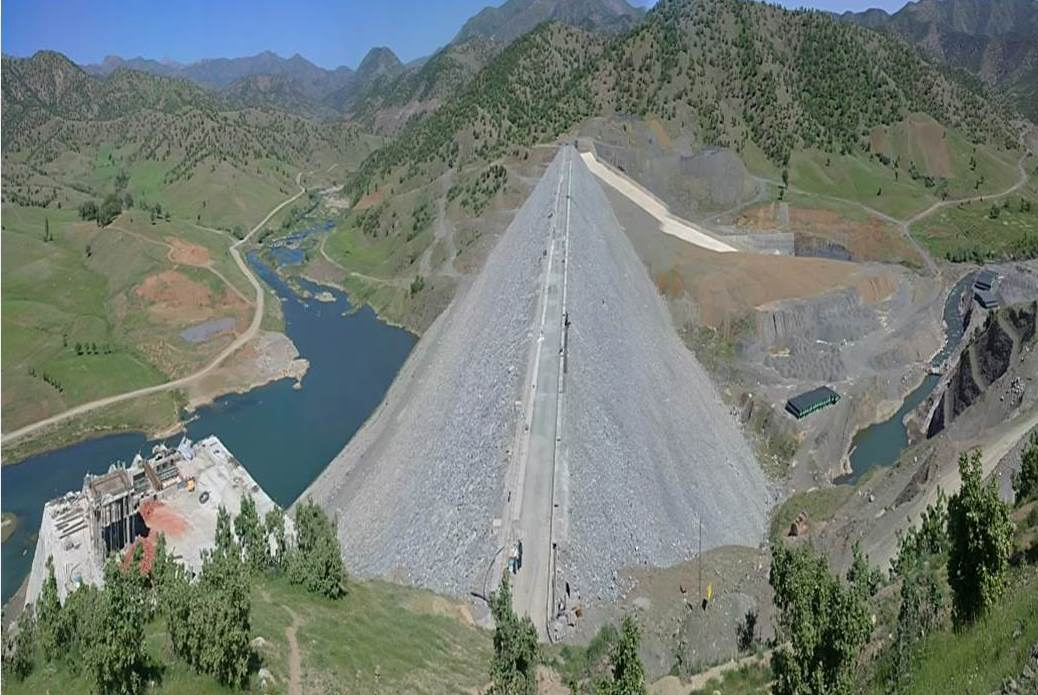
The first phase of the project is due to be inaugurated on Wednesday, May 1, with the President, the Minister of Energy Reza Ardakanian, and Commander of Khatam al-Anbiya Construction HWW to be attending the event.

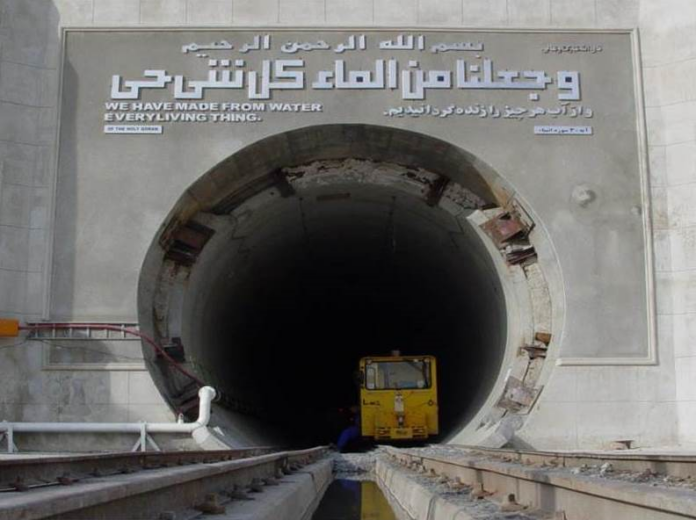
It is the largest water project in the country and has been implemented in an area of 1,460 km in four main areas of damming, canals and irrigation and drainage networks, water pipelines, and water transfer tunnels, Fars News Agency reported.
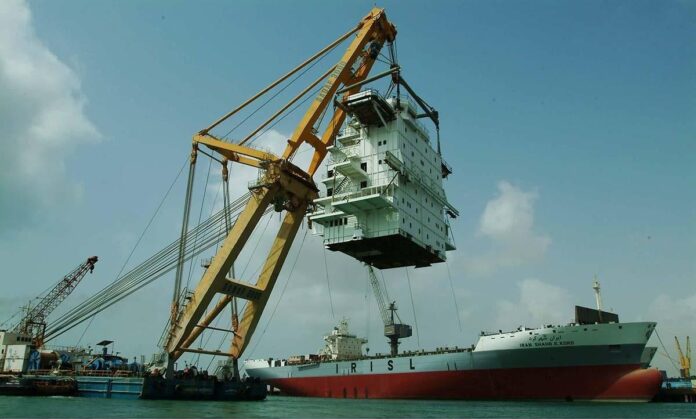
17 dams with a reservoir volume of more than 2.5 billion cubic metres, 150 kilmetres of tunnels, 60 kilometres of long pipelines, canals, boxes and flumes, 650 kilometres of steel pipelines with 2400 mm in diameter, 7 pumping stations, 4 irrigation and drainage networks of 350 thousand hectares, geotechnical excavation with a length of 35,000 metres, mine clearance and demining of the area in an area of 3,500 hectares are among the jobs carried out by Khatam al-Anbiya Construction HQ  which is controlled by Iran’s Islamic Revolution Guards Corps (IRGC).

Among the important achievements of these projects are the prosperity of agriculture in the region, creation of jobs and reduction of unemployment rate in the western provinces of the country, the prevention of migration to metropolises and the possibility of reversal of migration to the region, the possibility of the constructing conversion industries in the region, growth of exports to neighbouring countries, and improvement of environmental conditions in the region.

Rouhani to Launch Largest Water Project in Western Iran

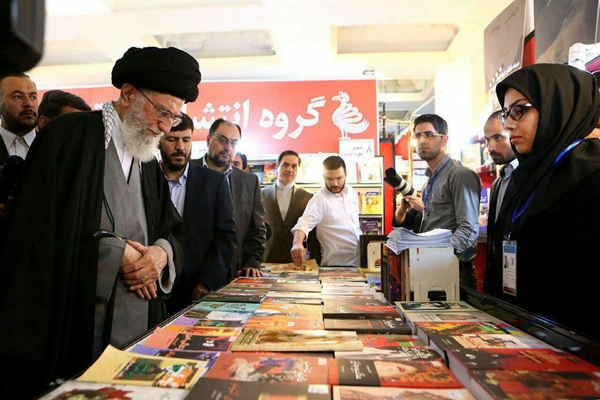
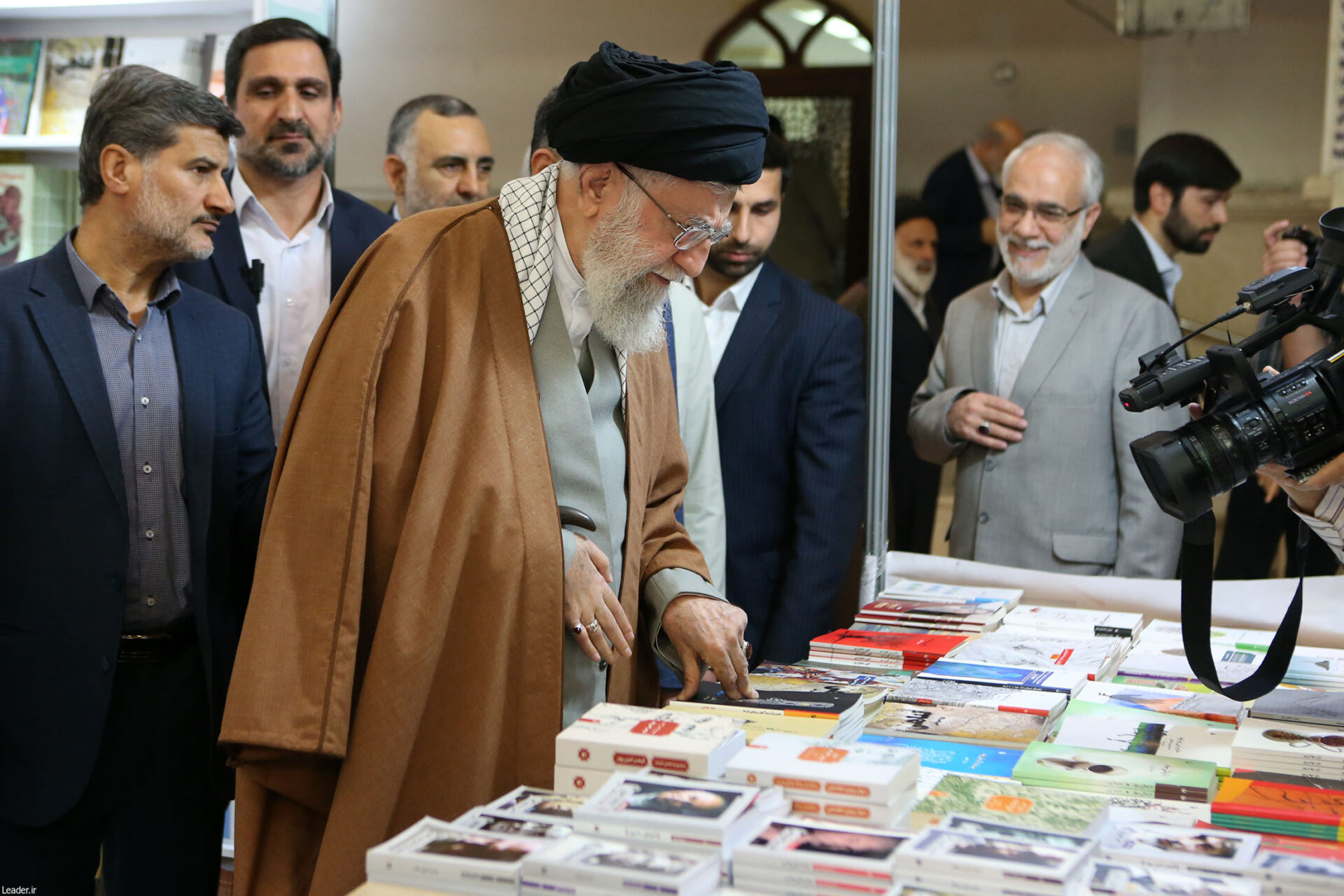
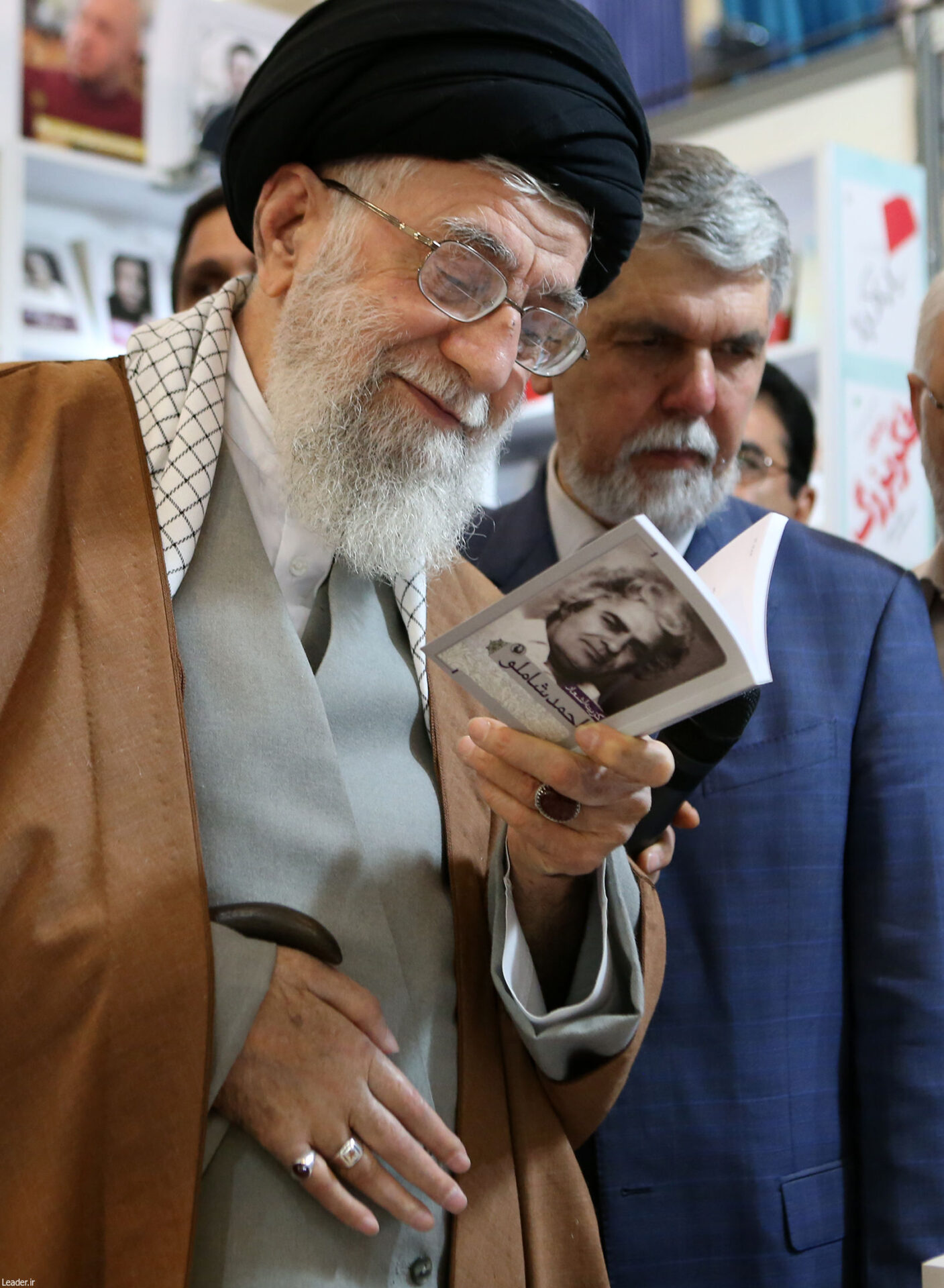
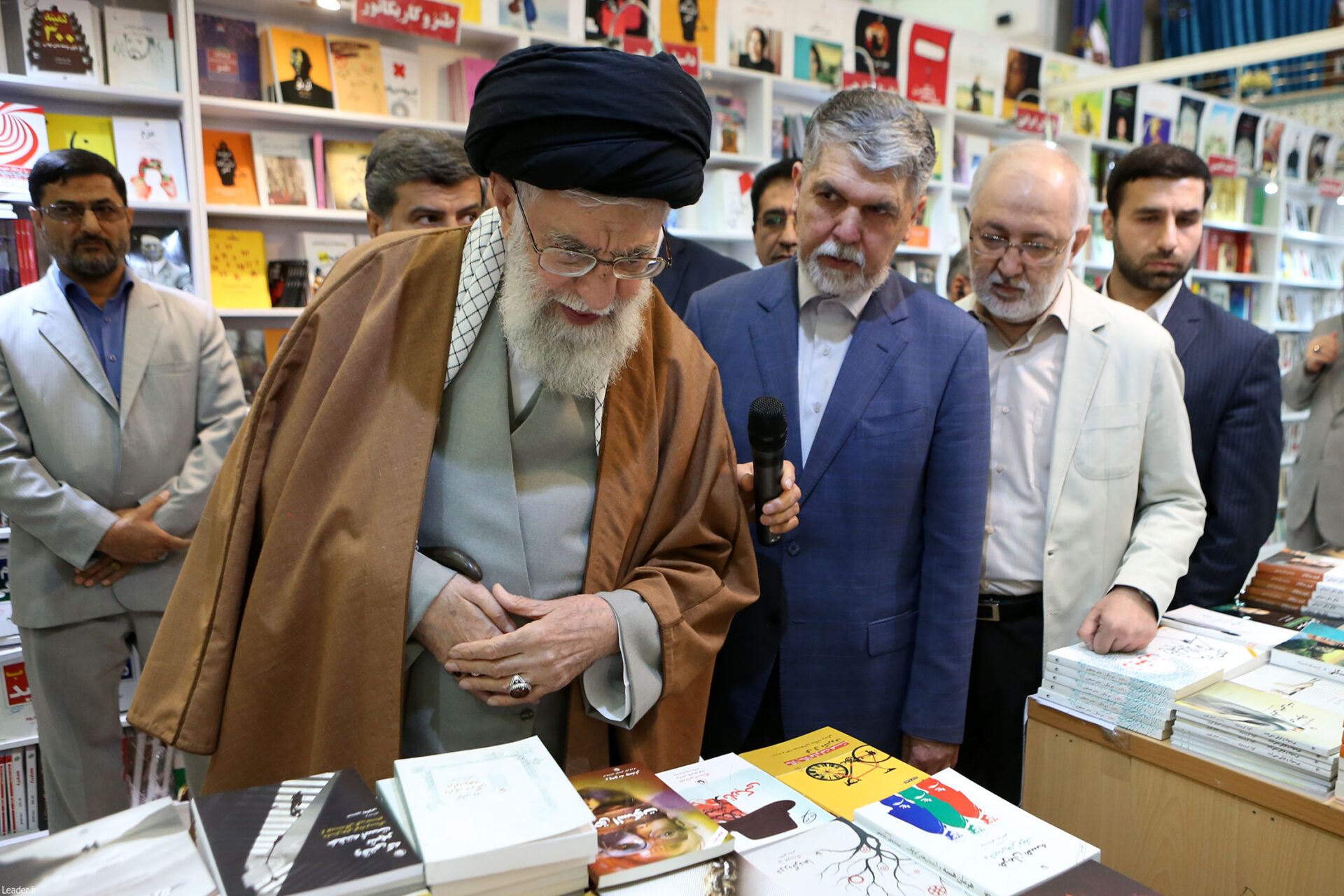
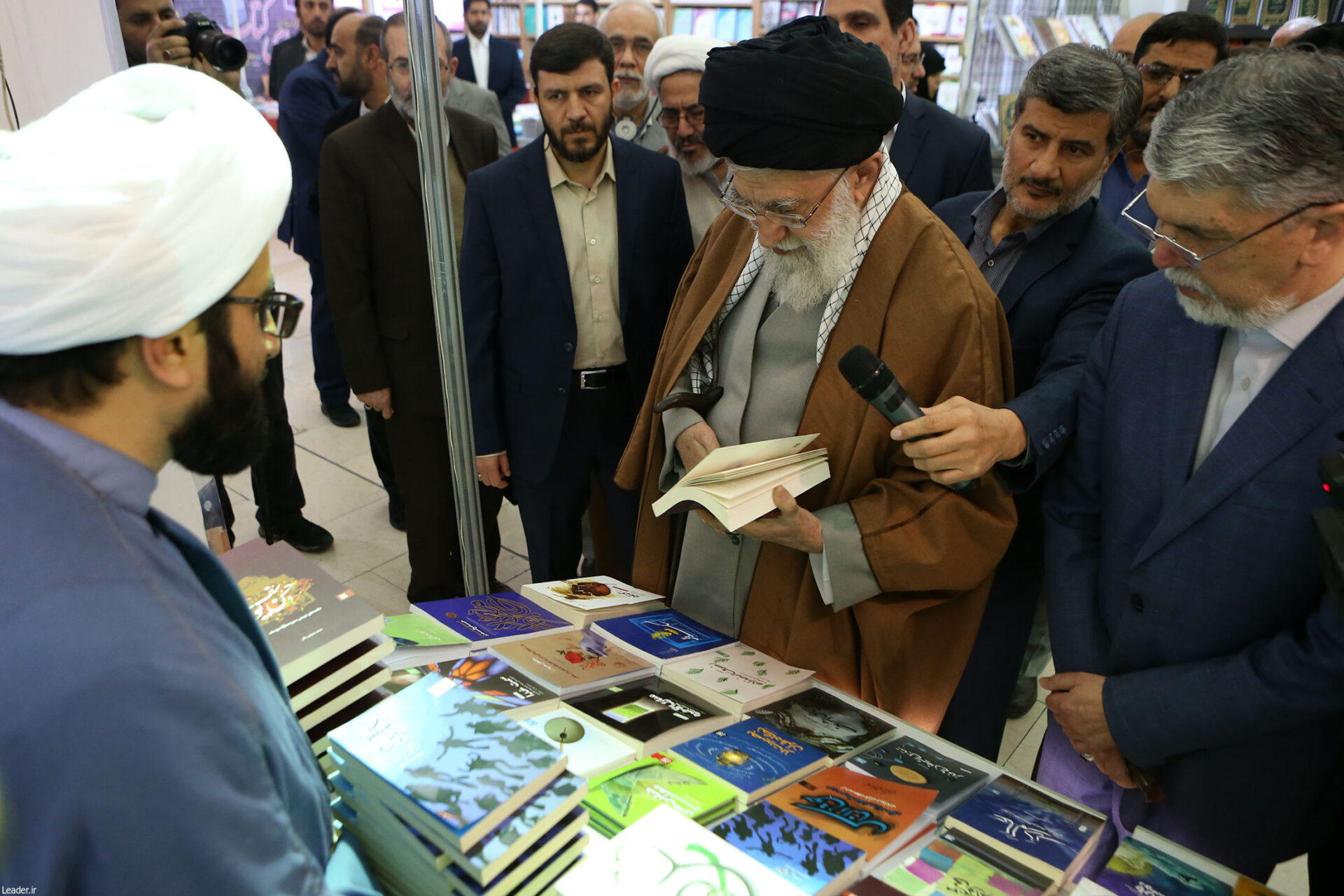
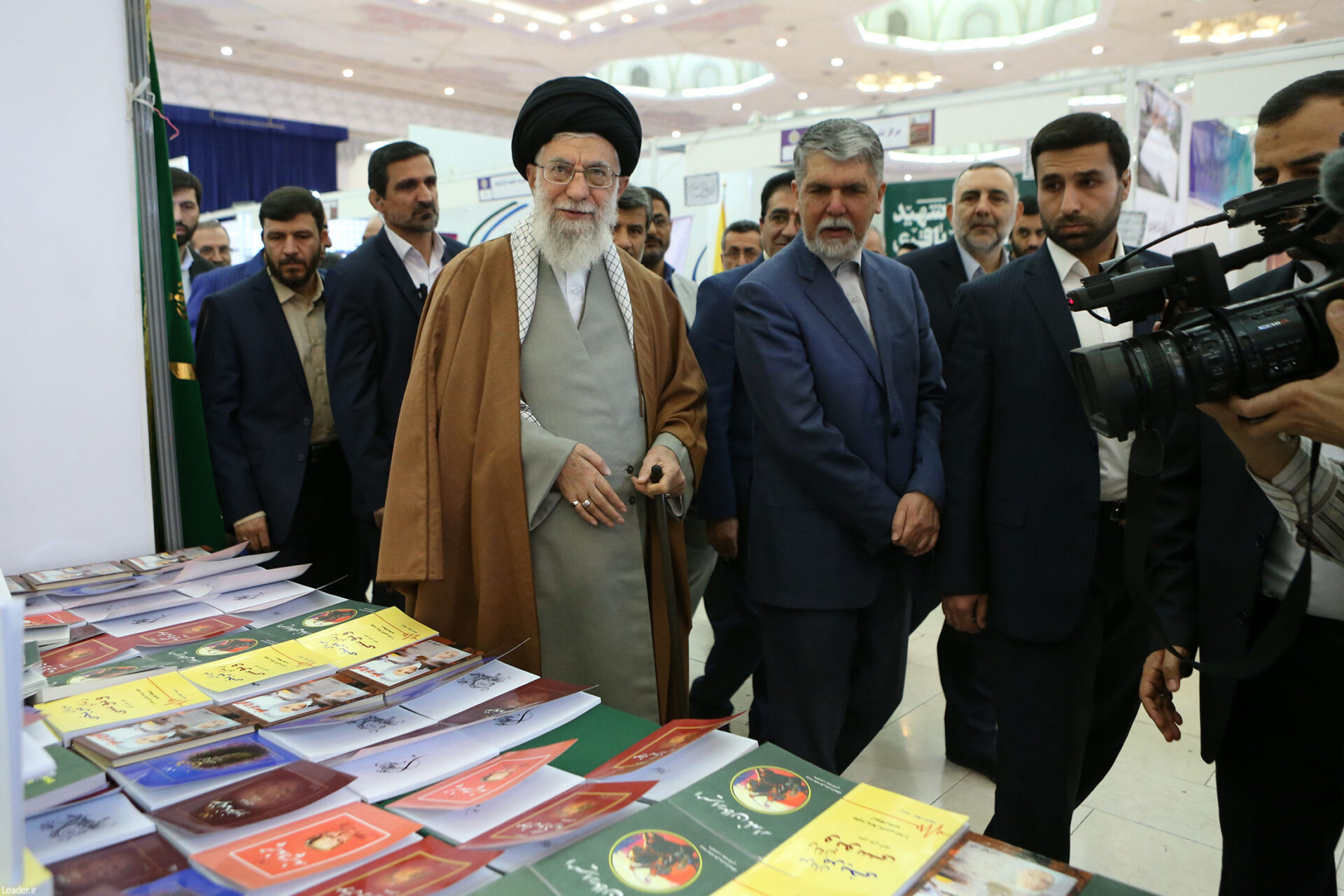
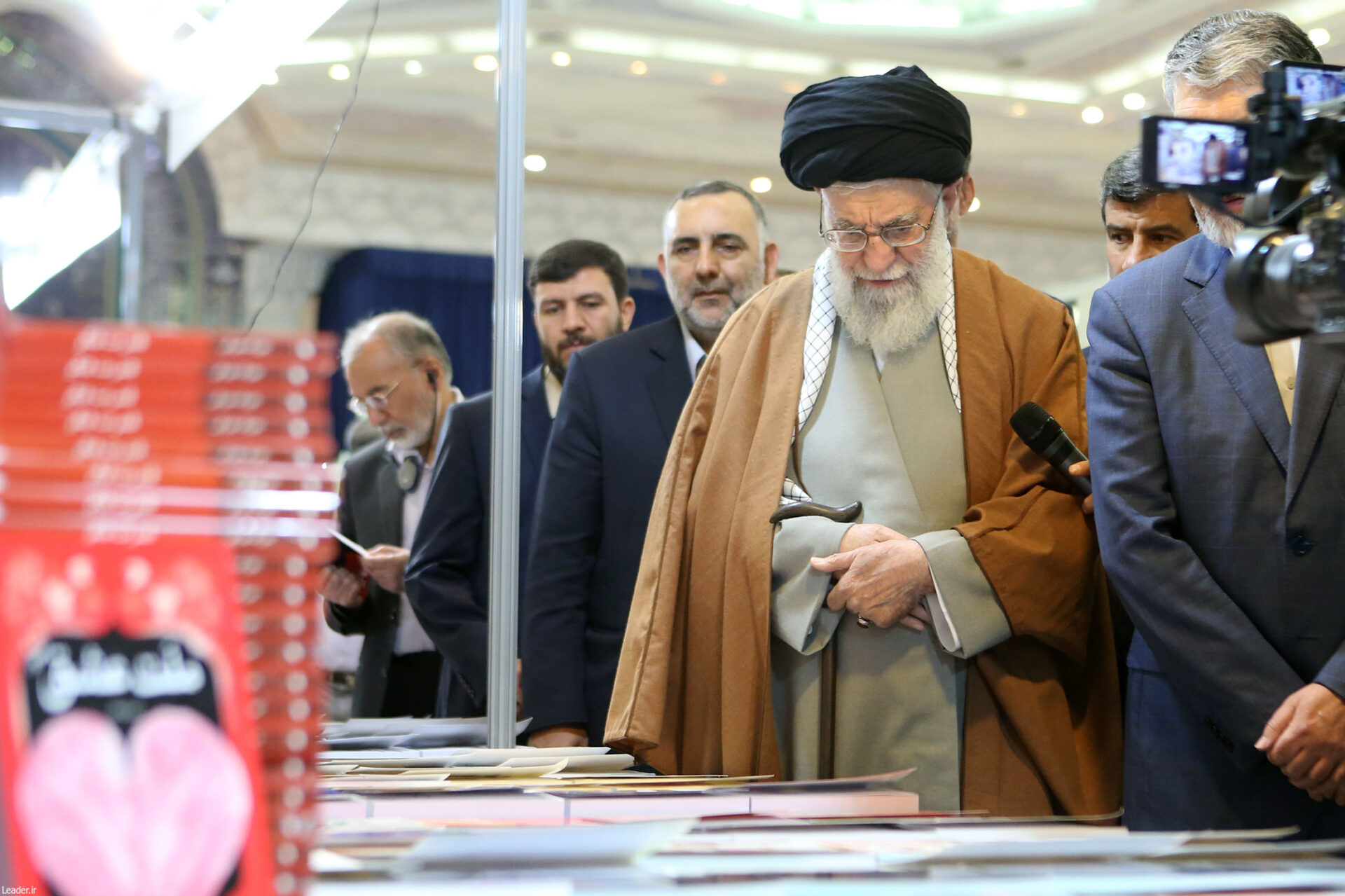
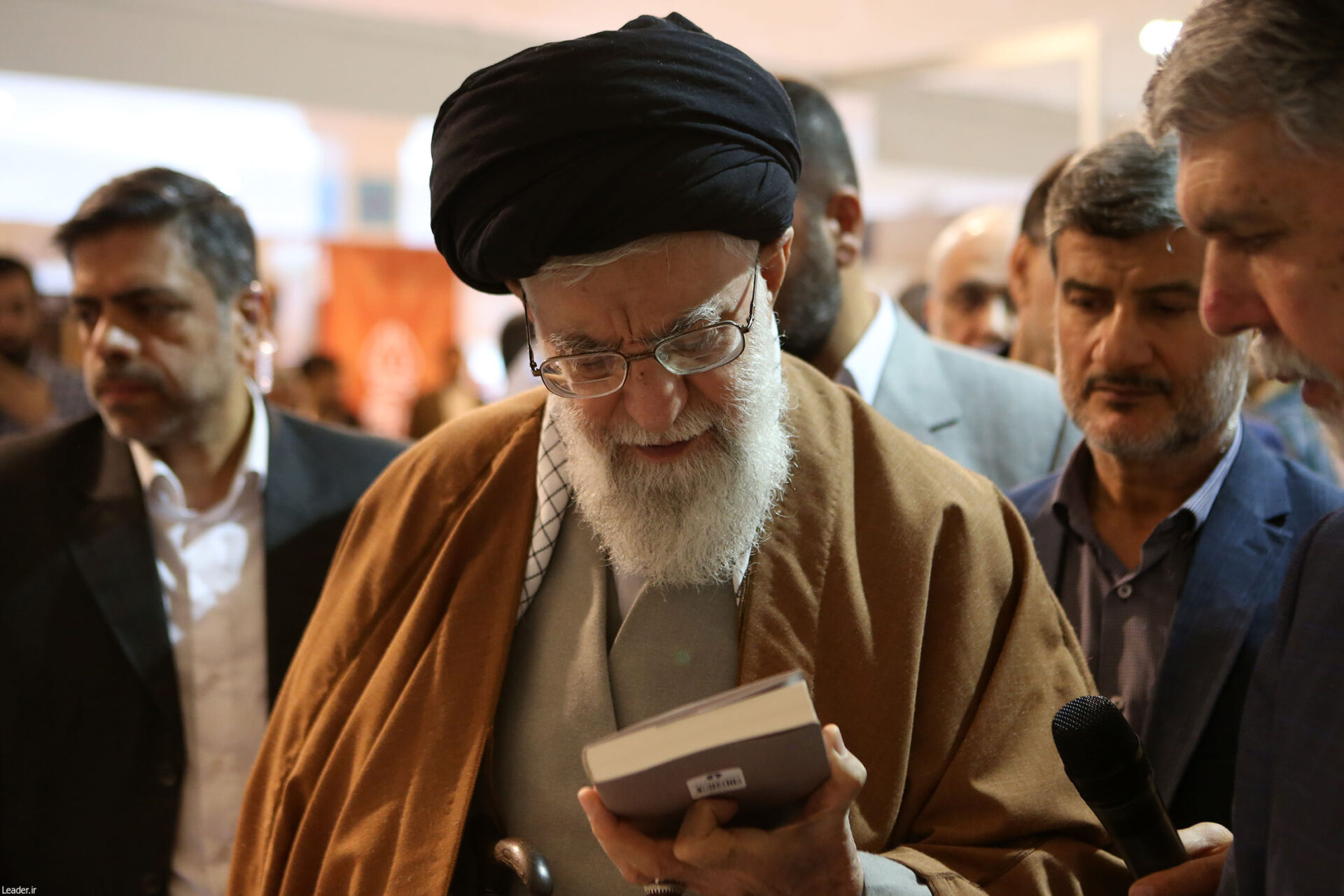
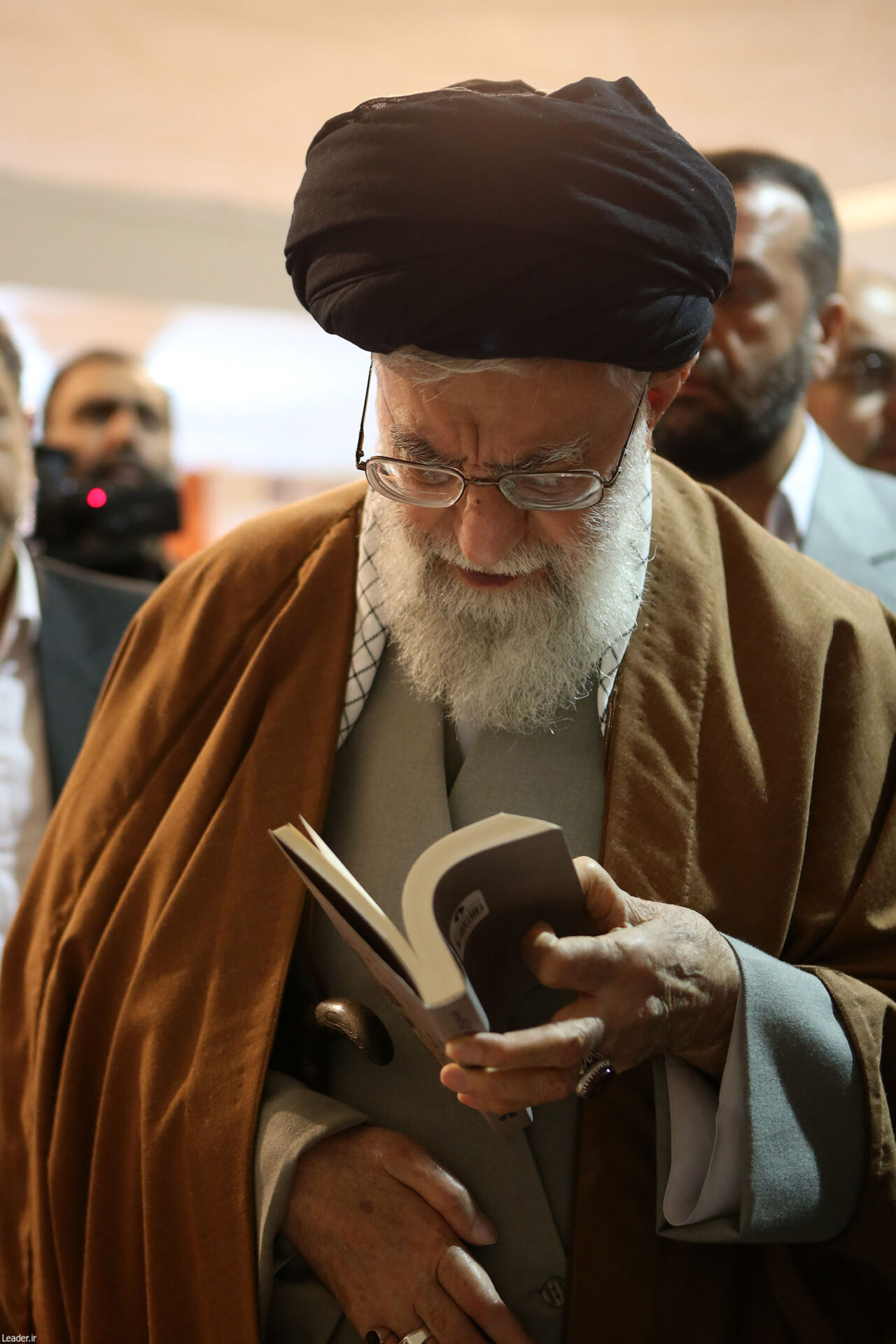
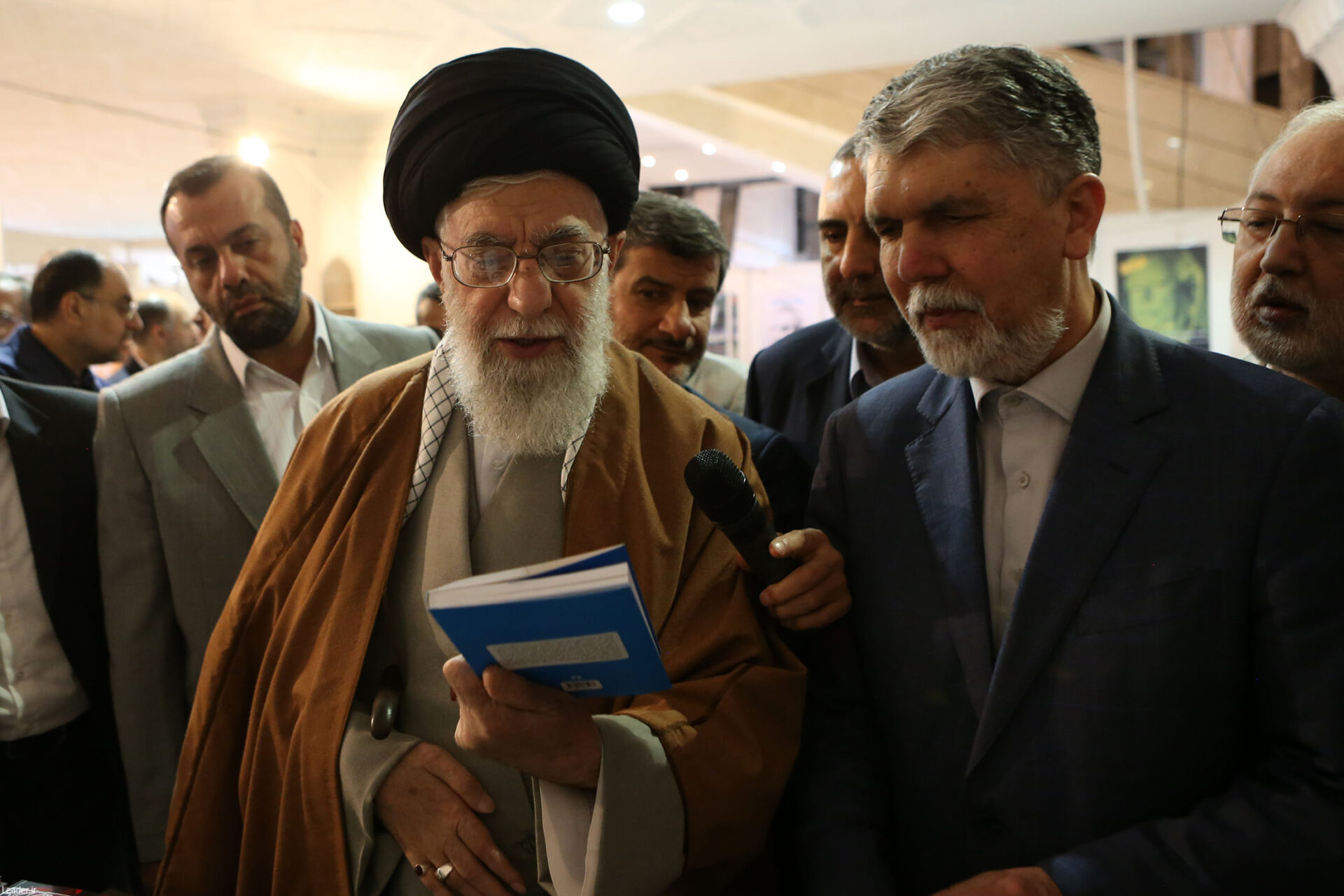
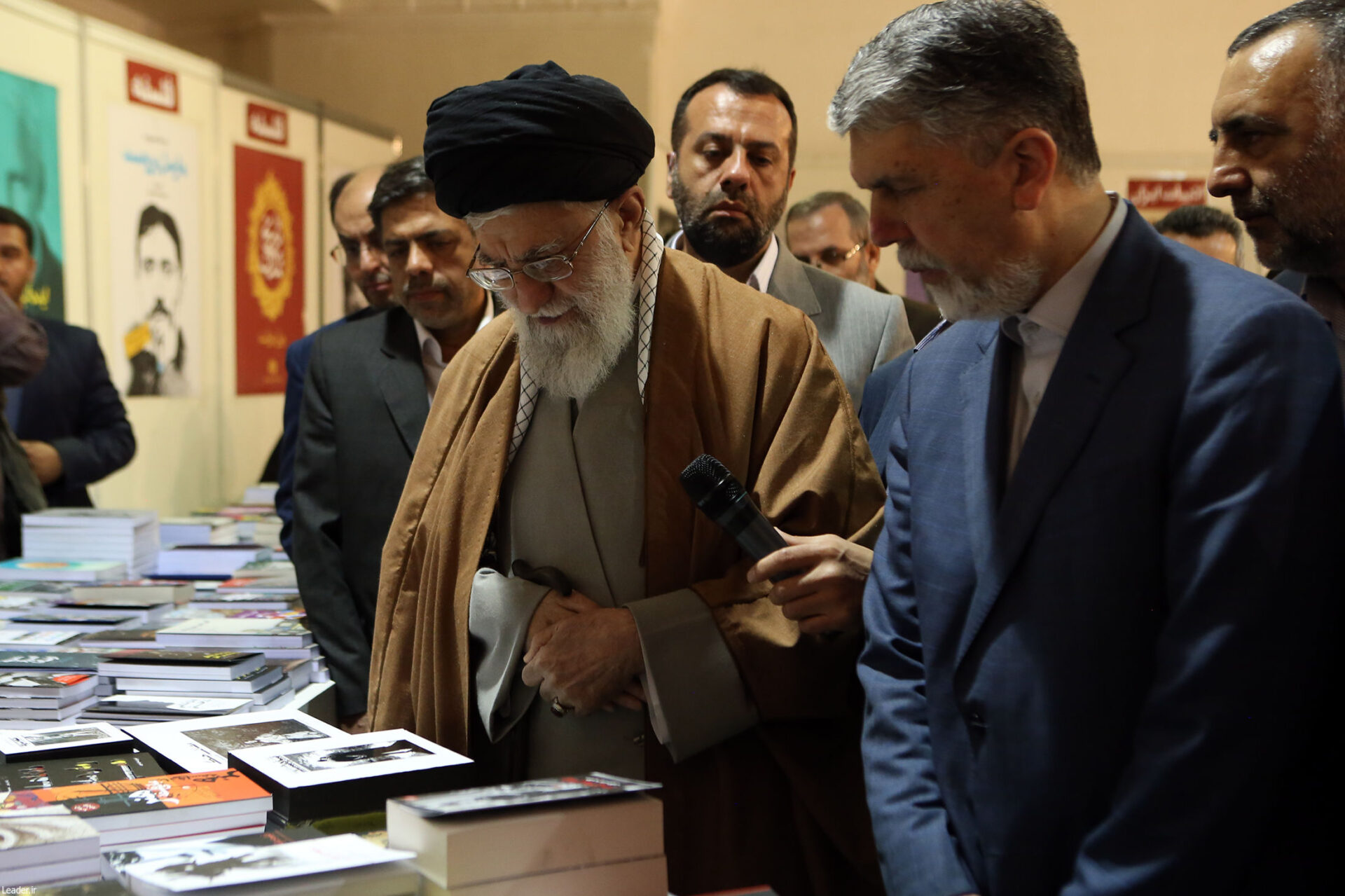
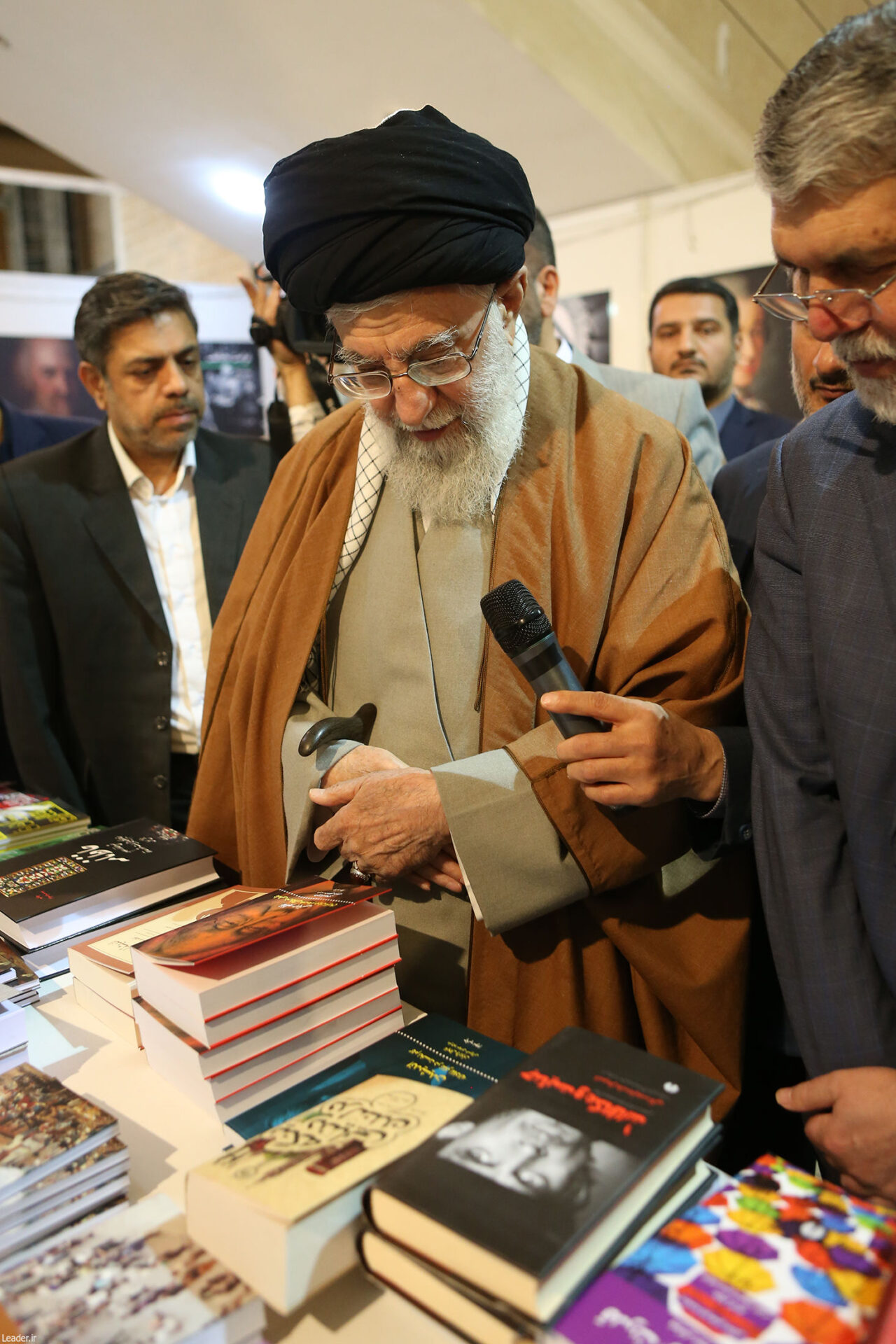
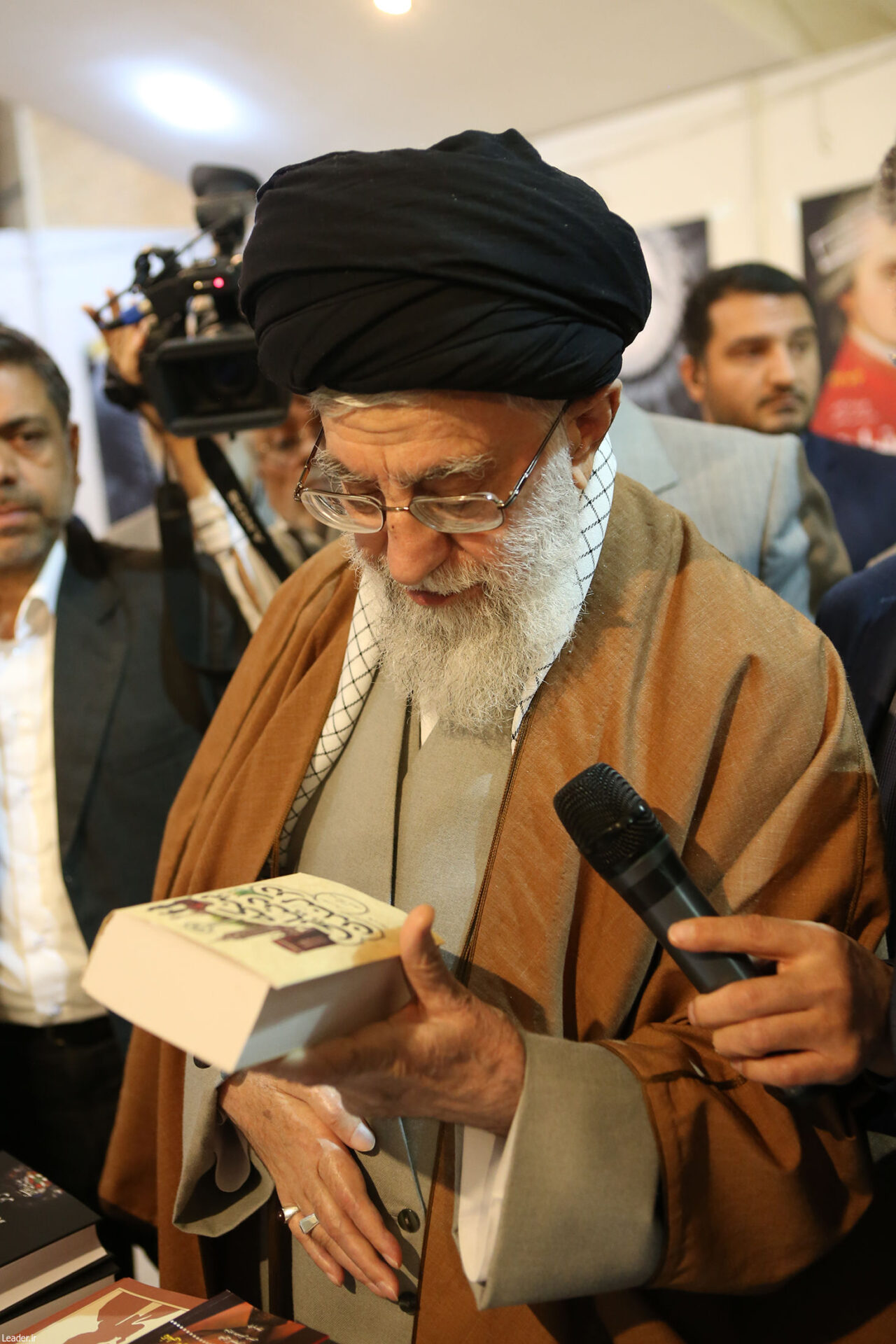
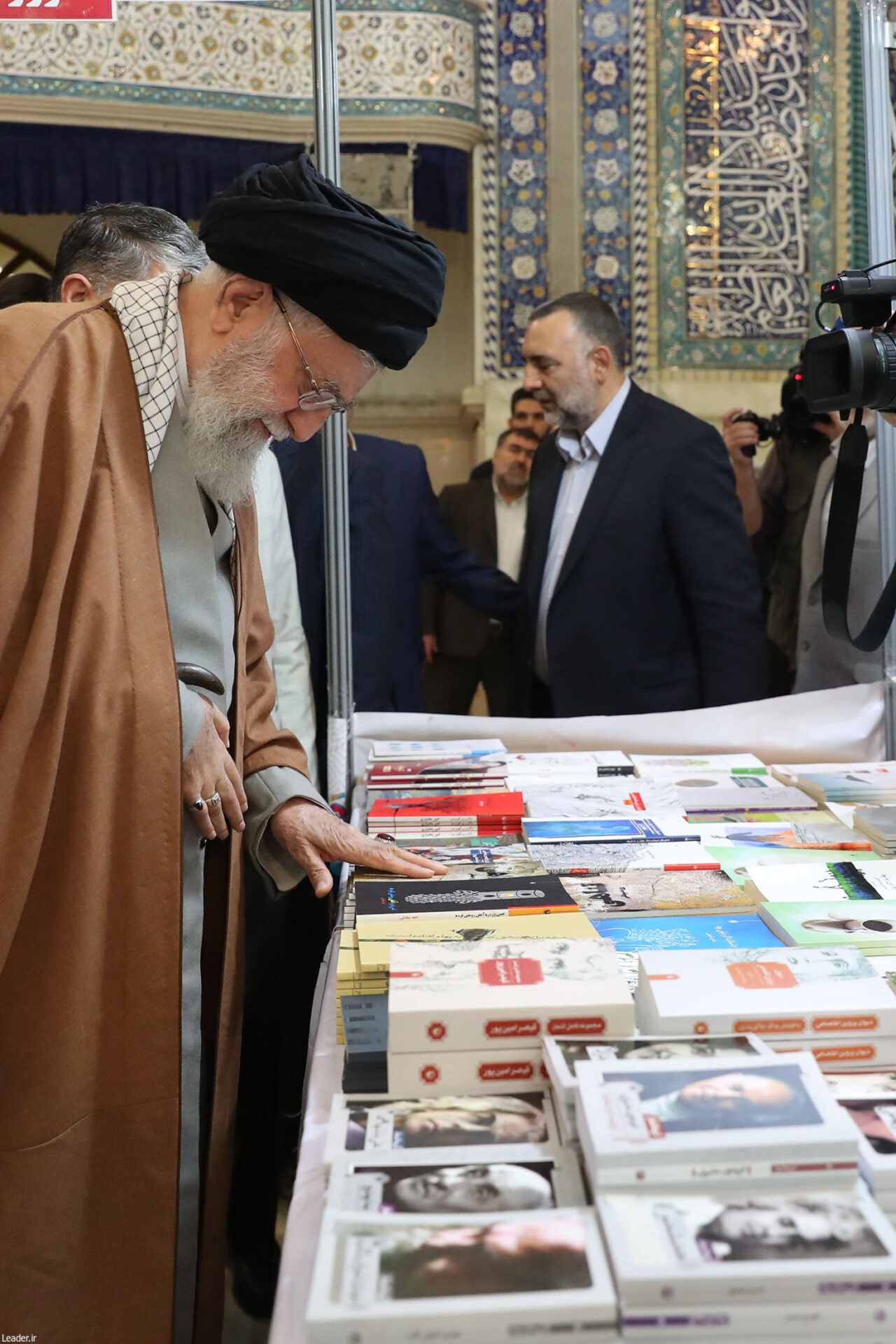
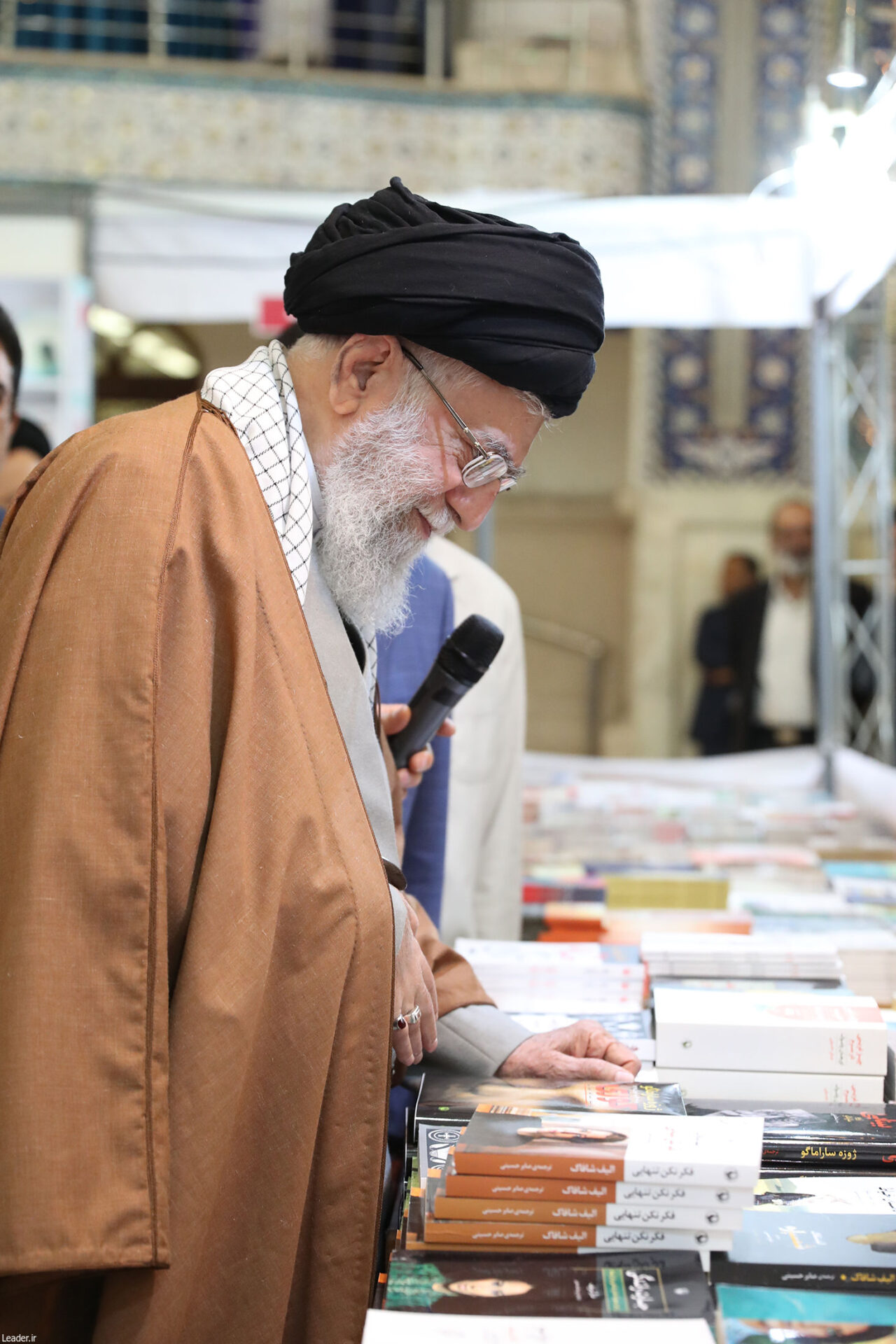
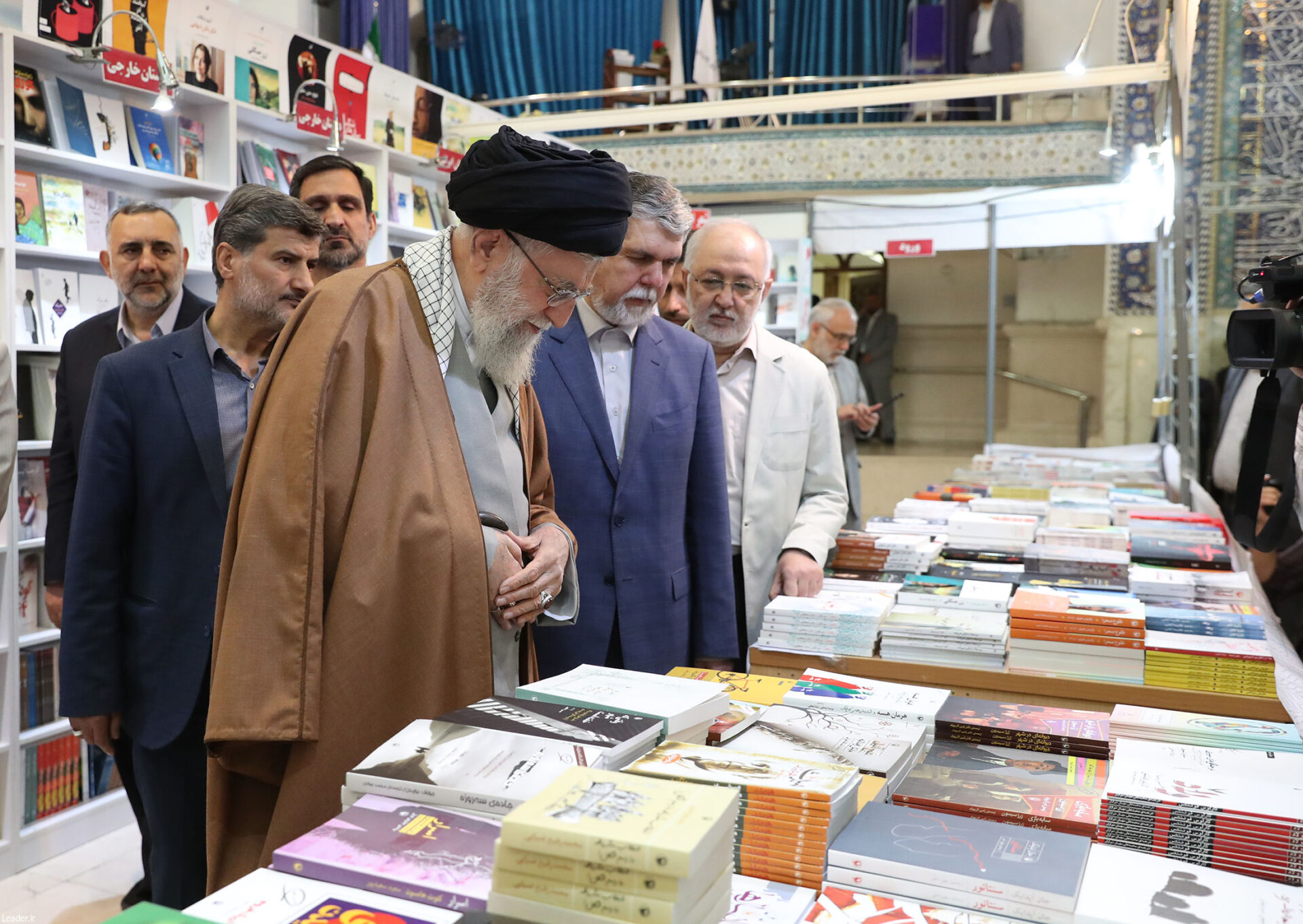
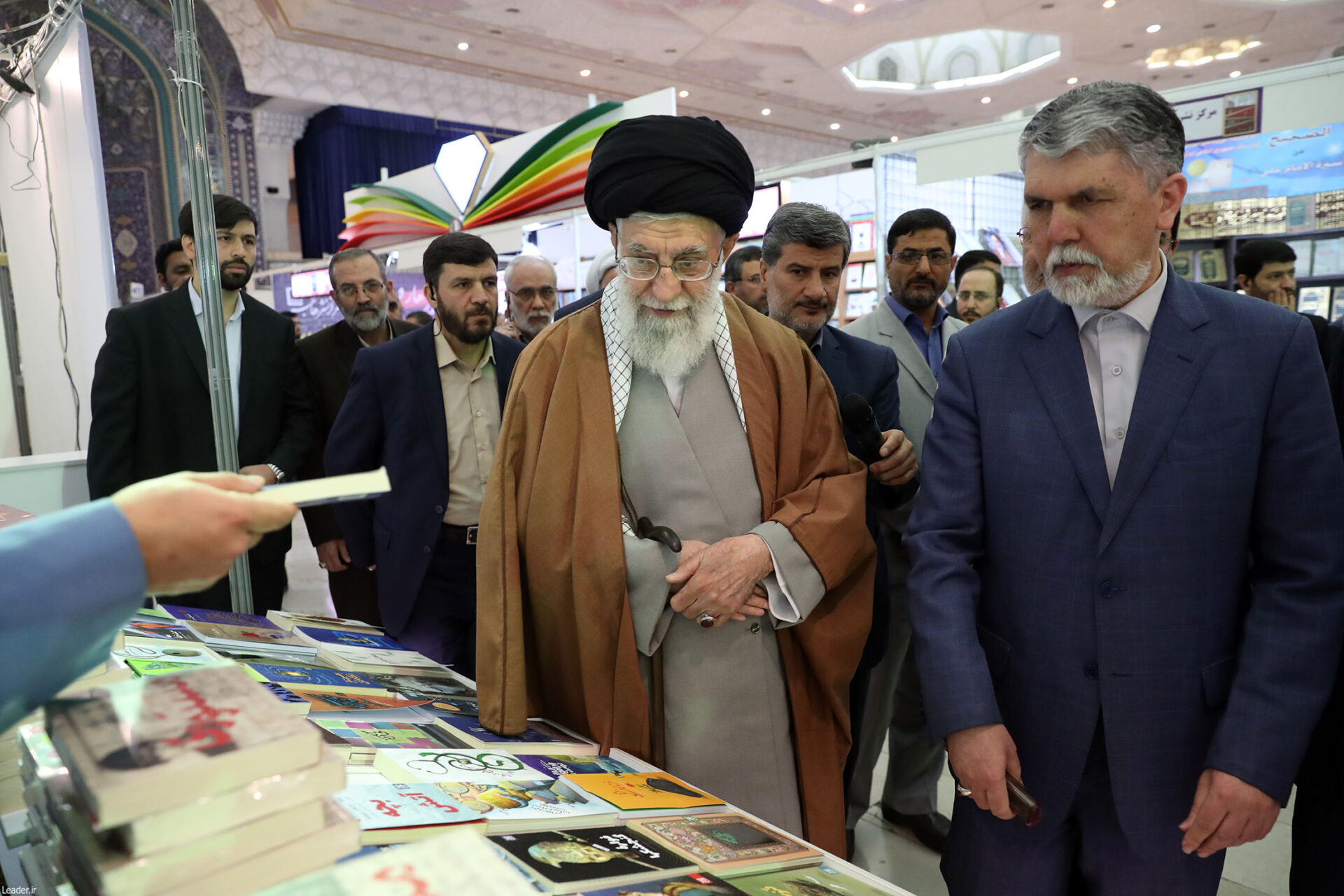
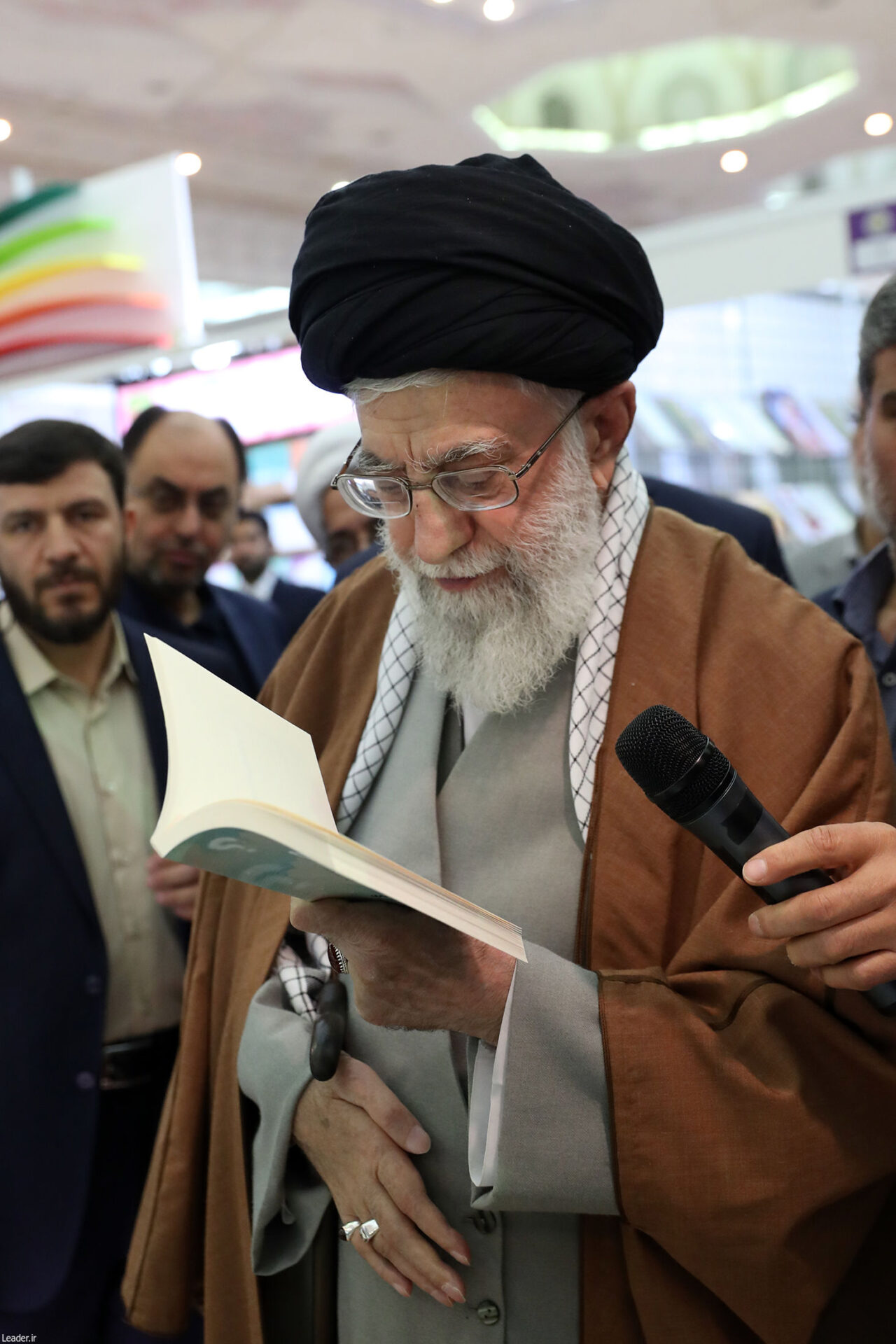
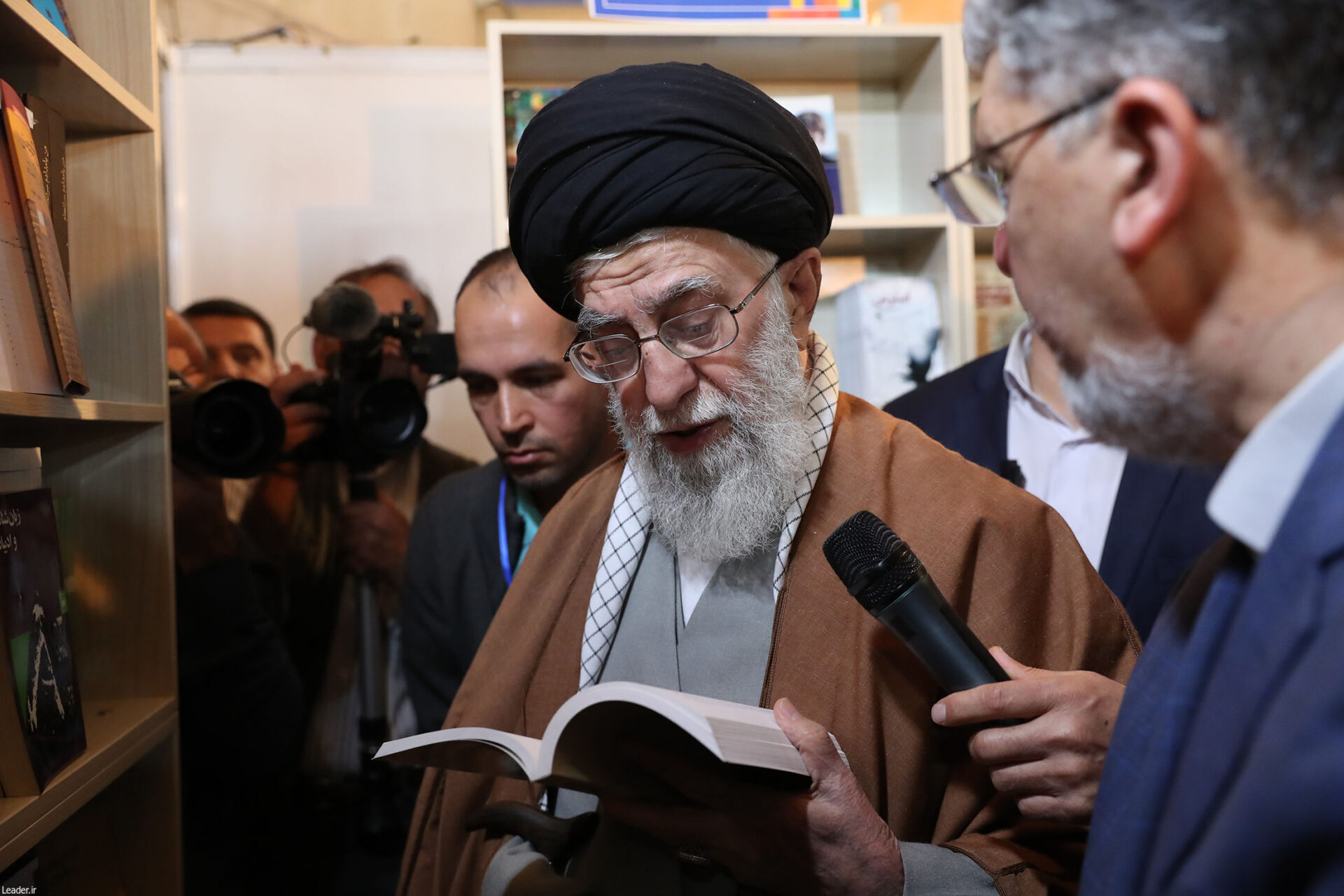
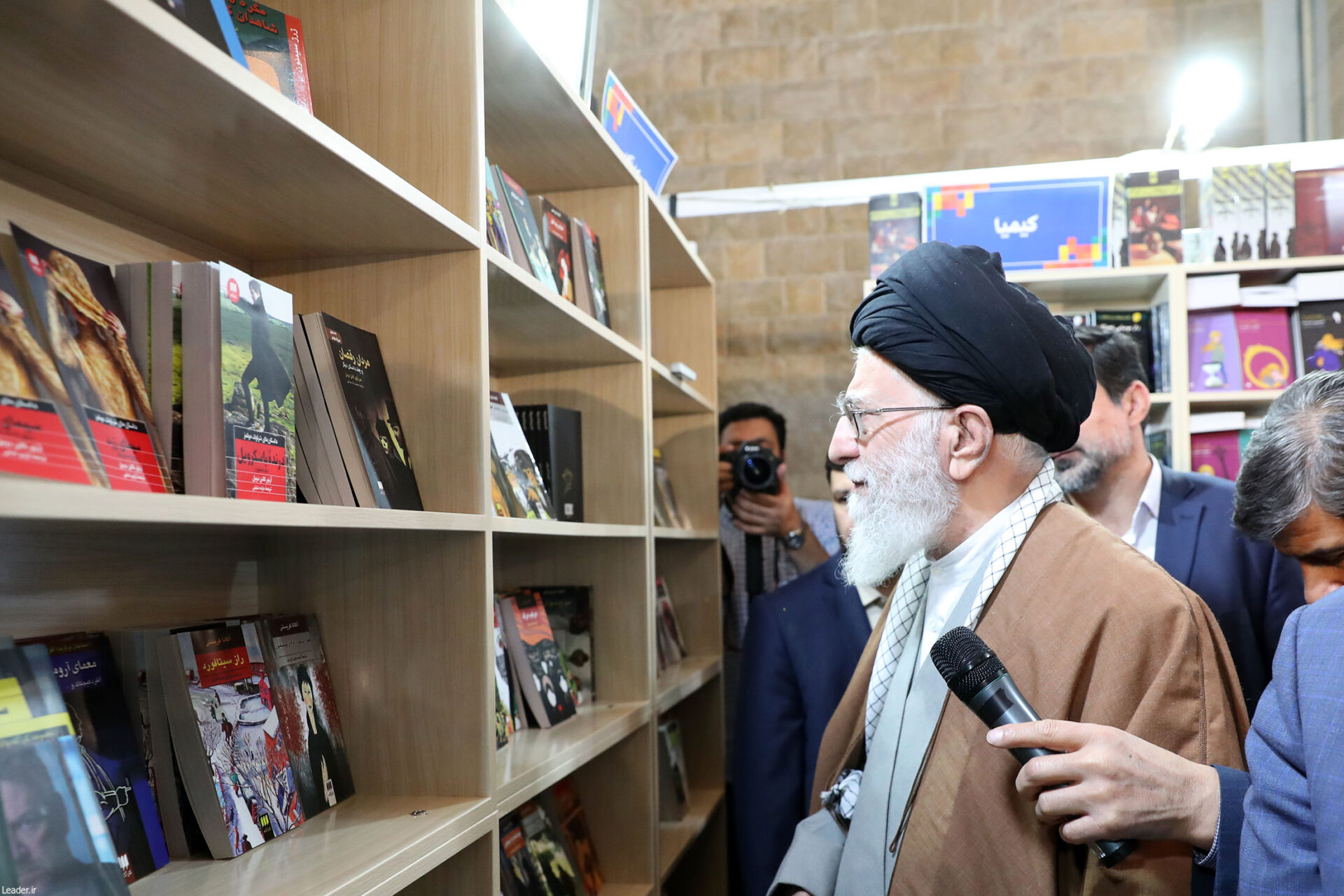
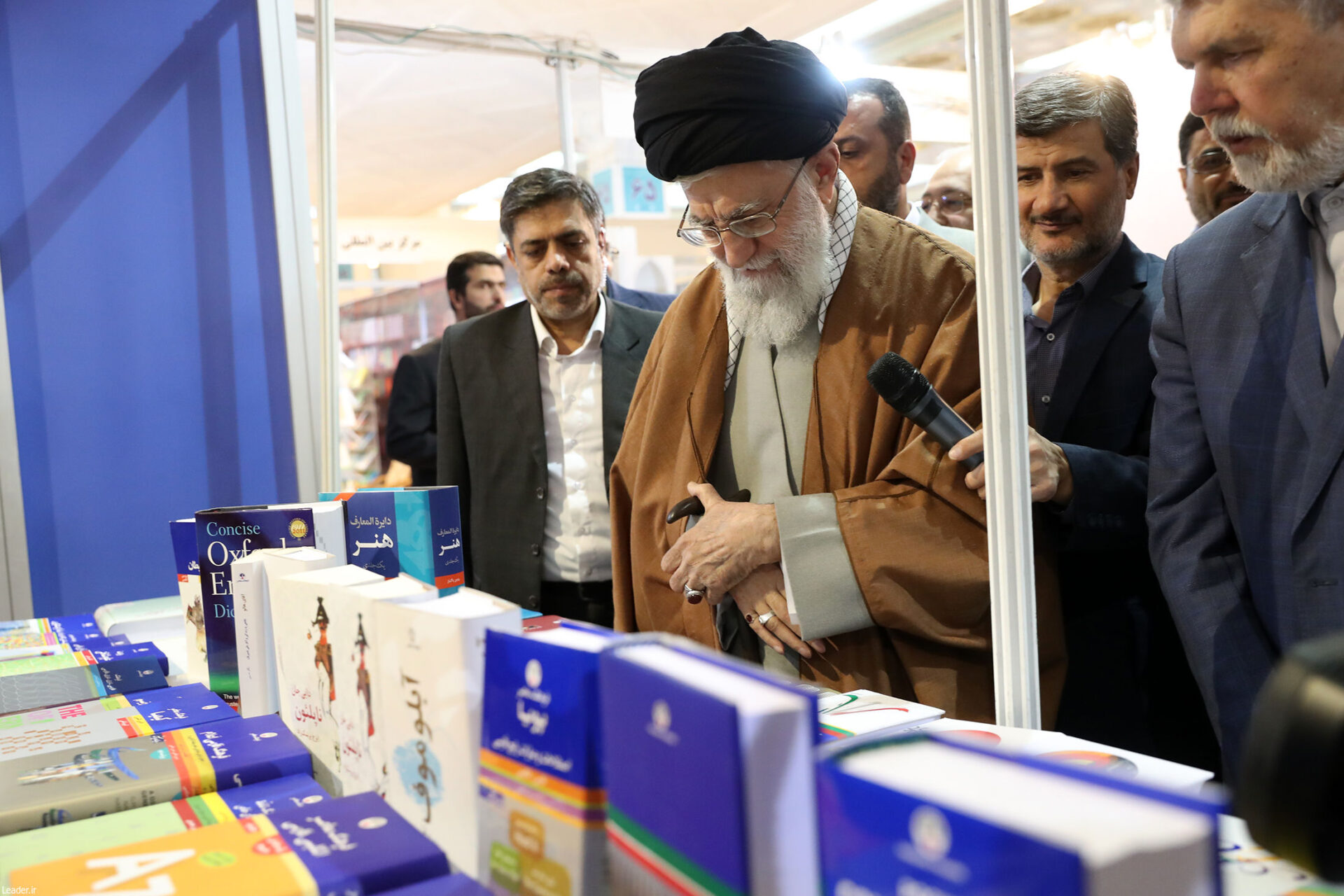
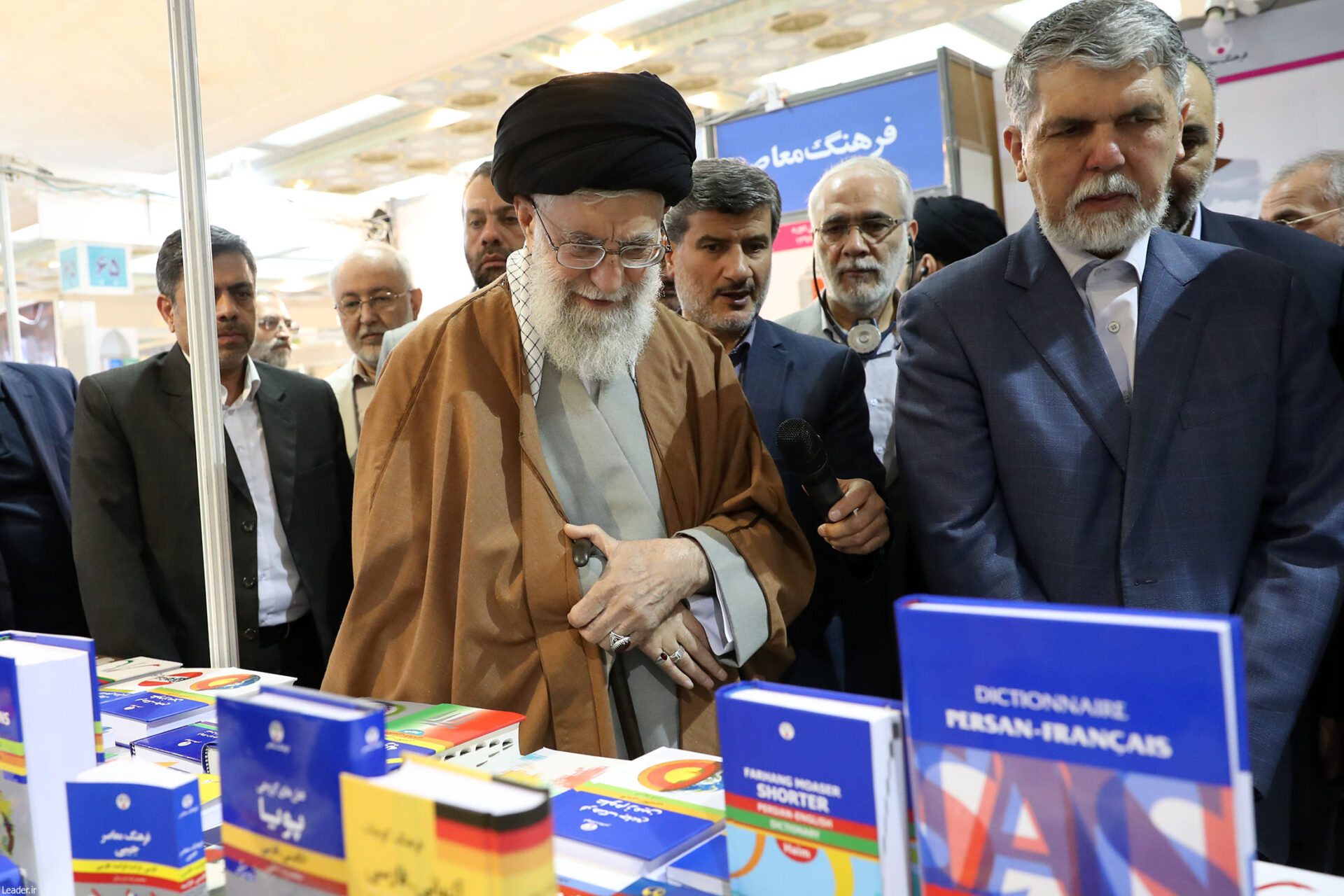
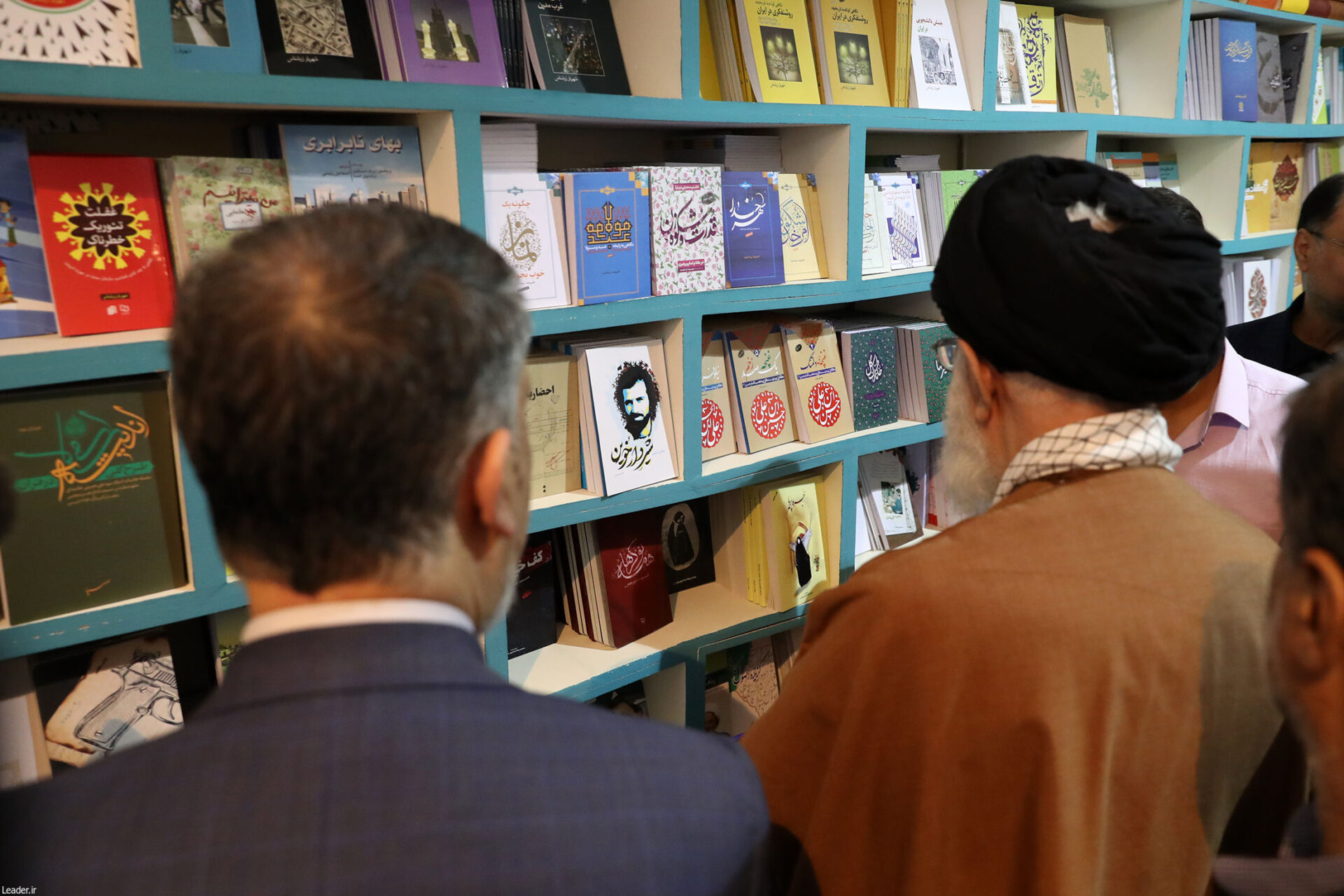
Iran’s Leader Pays Visit to Tehran International Book Fair

The Leader was accompanied by Culture Minister Seyyed Abbas Salehi during the visit.

The unannounced visit surprised those attending the book fair, as they didn’t think the Leader would visit pavilions where ordinary people were hanging around, Fars News Agency reported.

“During the visit, the Leader called for further promotion of [publishing] books and reading culture,” a deputy head of the exhibition said.

Ayatollah Khamenei also urged further support for books that promote beliefs and values of the Iranian nation, are closer to the culture of revolution, and focus on Iranian-Islamic identity, the official added.

The 32nd edition of Tehran International Book Fair kicked on Tuesday with the motto of “Reading Is Ability”.

“With this motto, we welcome not only the great cultural event of our country, but also one of the largest cultural events in the world,” said Mohsen Javadi, the head of this year’s exhibition.

In addition to 2,400 domestic publishers, 800 international publishers offer their valuable works at this edition to book enthusiasts.

Last year 1,400 titles were published and put on show at the exhibition, he noted, adding that cultural events and discussion sessions about the books are being held at the venue of the fair.

“The history of Iran is known via the great books of scientists and wise men. We are glad we can develop friendship among nations and governments by books,” the official maintained.

China is the special guest of the exhibition this year. China’s news conference was held Monday (April 22) with the presence of Iranian and Chinese officials.

Iran’s Larijani Says Europe’s Credibility Ruined

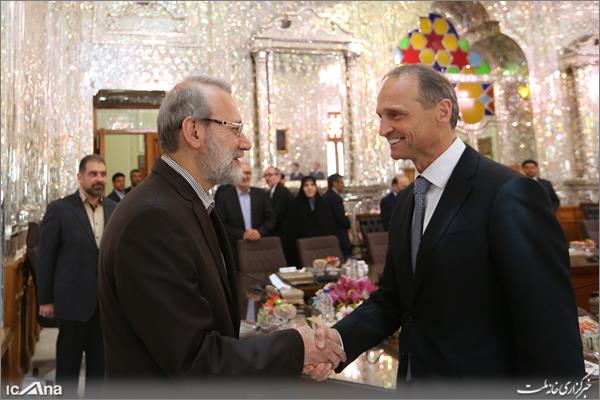
Ali Larijani said on Sunday that there are some problems which need to be solved, and the EU has thought of some solutions, but Iran still has not seen the results.

Speaking in a meeting with members of Austria-Iran Parliamentary Friendship Group in Tehran, Larijani hailed Vienna’s active role in the conclusion of the 2015 Iran nuclear deal.

“This agreement was sealed with your help and after the deal the level of business relations increased,” noted Larijani.

Iran accepted to negotiate the Joint Comprehensive Plan of action after the United States requested twice. So the talks got underway at the time of Barack Obama’s presidency, and a nuclear deal was reached, he added.

Iran’s Larijani Says Europe’s Credibility RuinedLarijani further said part of the deal was spoiled by Trump’s approach that eliminated US obligations, while the collaborations of the EU and other countries were stopped for unknown reasons.

“Europeans said the US is threatening the private sector. At the same time, the European leaders also emphasised that within a few weeks, they would create a mechanism for oil sale and economic relations, but it lasted almost a year.”

“At first, they stressed the economic transactions will be carried out through the Bank of France. Then, they spoke about the launch of the SPV, but eventually they launched INSTEX which did not yield a result. Now, the question is that why the European leaders and the EU just support us verbally and regret over the US behaviour just in words,” he underlined.

The Iranian parliament speaker maintained that even Austria, that used to buy oil from Iran, did not continue to cooperate.

Addressing the group, he said you may say there are problems due to the US pressures. “However, we look at the issue from our viewpoint, and the most important thing for us is that with these measures the credibility of the European Union has been questioned. So, this means the EU has no capacity to solve the problem.”

“However, we have to take a step, especially after the US decided to bring Iran’s oil exports and sales to zero. When the European Union did not react, we became more resolute,” he added.

This top Iranian official further underscored that the Islamic Republic increased its trade ties with Austria to $700 or $800 million, but now it is stopped.

“We will teach the Americans a lesson. They should know that they cannot put pressure on Iran and expect us to remain silent. The EU should not make any request because it has not done anything for us. So, more serious developments would unfold.”

For his part, the head of the Austria-Iran parliamentary friendship group said “the JCPOA has been one of the key issues over the past two years, so while I am presenting my country here today and I am seeking to achieve Austrians goals, I believe some things must not happen.”

Austria and the European Union looked at the process of US withdrawal from the nuclear deal with deep regret. Europe moves based on the old Greek-Latin principle, and this principle is based on the fulfilment of obligations, said Wolfgang Gerstl.

“Therefore, this is our most important task at this time; Europe and Iran, on the other hand, must continue to abide by their commitments and use the right to peaceful nuclear energy on one hand and fulfil economic obligations which leads to the prosperity and comfort of the people of both sides.”

“You referred to Vienna as the venue of the nuclear talks; an issue that has not been zoomed in on very much. We cannot establish peace in the whole world, but we were able to reach an agreement on a critical region to establish peace there,” stressed Wolfgang Gerstl.

“With this mechanism, we might find a way to continue cooperation,” he added.

Gerstl further noted international relations are interlinked in terms of economic and security, but it must be emphasised that the EU has no executive power over the state, especially in relation to economic enterprises. “As there is a free market economy in Europe; we can only facilitate the framework of relations,” he said.

“All Iranian banks have not contracts in accordance with international treaties and within the framework of anti-money laundering laws, he said, explaining that some of the companies had withdrawn from cooperation with Iranian companies before Washington’s withdrawal. Therefore, some European companies are not happy about this. However, the volume of exchange between Iran and Austria is indicative of the interest of both sides to move in the right direction.

Head of the Austria-Iran parliamentary friendship group also stated that Europe has had plenty of problems to set up the INSTEX, so it does not seem it did not have any intention to perform economic and financial exchanges.

“Unfortunately, with this European mechanism, we noticed a lot of our dependence on the United States, especially in financial issues, and we realised that we should make reforms in our domestic policies,” concluded Gerstl.

Iran’s Patience Not Unlimited, Europe Warned

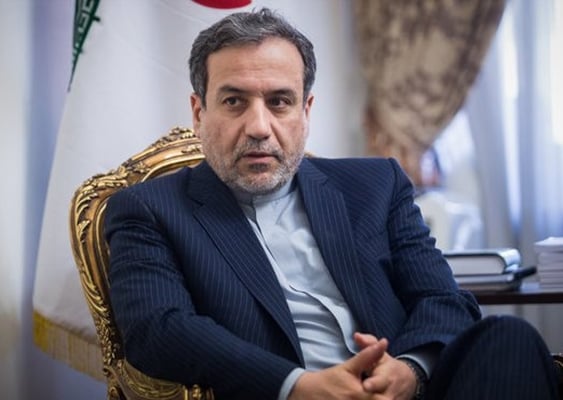
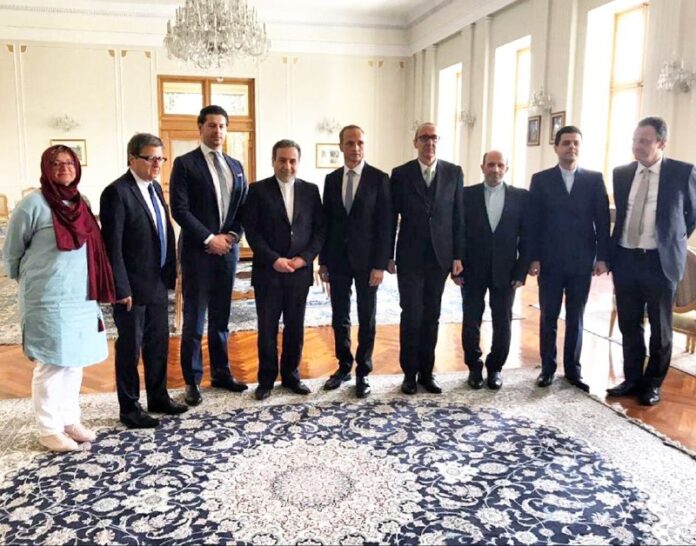
Iranian Deputy Foreign Minister Seyyed Abbas Araqchi meets the chairman and a number of members of the Austria-Iran parliamentary friendship group in Tehran on April 28, 2019 / Photo by Foreign Ministry

Araqchi made the remarks in a Sunday meeting with the chairman and a number of members of the Austria-Iran parliamentary friendship group in Tehran.

He said “the JCPOA is an international agreement and the United States has violated the UN Security Council resolution 2231 by withdrawing from it, but unfortunately this illegal action has not been addressed with an appropriate response from the Security Council or European countries.”

Referring to the fact that Iran has fulfilled its commitments under the JCPOA, Araqchi criticised Europe’s policies and actions regarding the nuclear accord, warning that “the patience and tolerance of the Islamic Republic is not indefinite.”

“By making a comprehensive assessment of the present conditions and without emotional reactions, we will soon adopt an appropriate response to the illegal US actions.”

Araqchi said Iran has so far given enough time and chance to other parties to compensate for the consequences of the US withdrawal from the deal, and now it is time to act.

“We welcome the political positions of the European Union, but just political support does not help any further to preserve the JCPOA. The JCPOA is not an economic agreement and it is of security nature. If it matters to Europe, then it should also pay the costs to maintain it,” he noted.

The Iranian official also commented on the White House’s decision to “bring Iran’s oil exports down to zero”, saying that the Islamic Republic of Iran does not allow any country to replace it in the global oil market, and the responsibility for any consequences falls on the US and the country/countries seeking to replace Iran in the market.

In turn, Wolfgang Gerstl, the head of Austria-Iran parliamentary friendship group in the Austrian parliament, praised Iran’s wise policies regarding the nuclear deal, stating that Austria and the European Union reject the US decision to withdraw from the JCPOA, and are worried about the decline in the value and importance of this agreement.

“This is a fact that Europe needs the JCPOA more than America does; therefore, Austria, along with the European Union, remains committed to supporting the deal,” underlined Gerstl.

He also expressed regret over the recent floods in Iran and conveyed his country’s sympathy.

Deputy FM Araqchi, for his part, expressed gratitude for the sympathies of the government and the people of Austria after the recent floods and their dispatch of aid to the flood victims.

Europe Fails to Fulfill Pledges under JCPOA: Iran Envoy to France

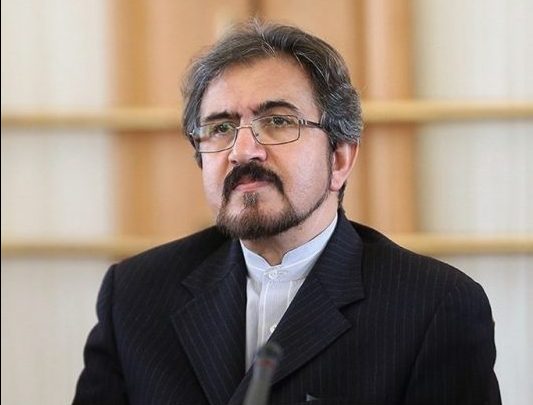
Qassemi noted the Iran nuclear agreement known as the Joint Comprehensive Plan of Action (JCPOA) was a historic and effective achievement that was gained thanks to efforts by, and marathon talks between UN Security Council members plus Germany and Iran.

“The JCPOA showed once again that diplomacy is the art of overcoming some problems in a bid to prevent the outbreak of war and tension,” he said in a meeting with students at a political studies institute in Paris.

“The result of two years of intense talks was not only success for Iran, but also a victory for world politics with regards to multilateralism,” said the top Iranian diplomat.

“Unfortunately, we are seeing that with a change of government and a new ruling elite coming to power in the United States, this country changed tack in dealing with global issues and adopted the policy of unilateralism, and not only withdrew from the JCPOA, but, in an unprecedented move, urged other countries, too, to breach international agreements and threatened to impose sanctions on them if they complied with UN Security Council resolutions,” he said.

“Over the past year, Iran has made good on its JCPOA obligations as confirmed by the International Atomic Energy Agency 14 times, and has remained in the deal upon the recommendation of European countries,” said Qassemi.

“Of course, the European countries have undertaken to make the necessary arrangements such as the Instrument in Support of Trade Exchanges (INSTEXT) in order for Iran to reap the economic benefits of the JCPOA, and both sides are following up and implementing measures in that regard. However, we expect this trend to gather pace,” he said.

He underlined that the European countries have not yet been able to deliver on their commitments under the JCPOA, so the quick steps and measures of some European countries will be a very serious and determining yardstick against which Iran would adopt its policies. He said the Europeans’ behaviour is being monitored precisely.

During his speech, Qassemi also elaborated on the measures Iran has adopted to maintain stability in the region, fight terrorism and cooperate with other countries.

Iran Denies Claim Its Cargo Ship Seized in Libya

“No ship has been seized,” said Mohammad Saeidi, the head of the Islamic Republic of Iran Shipping Lines, on Sunday.

“There are disagreements with the Libyan government over a ship, but it’s not been seized, and we are in talks to settle the differences,” he added.

“An African news agency has published the incorrect news. We’ll announce the results of our talks later,” the top official added.

Back on Saturday, the Libya Observer quoted a statement by the Libyan Interior Ministry as saying that it has seized the Iranian cargo ship Shahr-e Kord, with the number 9270684, as it was blacklisted by the US government.

The Public Prosecutor had ordered the seizure of the vessel until investigations into the shipment end with no reports of illegal goods on board, the statement said.

The statement added that the seizure of the ship came after news had broken on social media and media outlets that the Iranian vessel was entering Misrata port with unknown shipment on board.

“The cargo ship, which was carrying 144 containers, was anchored off the Misrata port and was found to be under US and European sanctions,” the statement said.

The vessel was blacklisted back in November 2018, according to the US Treasury.

The Shahr-e Kord had departed from Bulgaria’s Burgas port and headed to Misrata on April 20.

Media outlets loyal to Khalifa Haftar claimed that the Iranian ship was bringing weapons and Iranian fighters to help Libyan Army forces under Presidential Council’s government command in their fighting against Haftar’s forces.

Libyan National Army spokesman Ahmed al-Mismari had previously charged that the vessel was illegally transporting weapons and ammunition to Misrata, which is opposed to Haftar’s forces.