Friday, December 26, 2025
Home Blog Page 3203

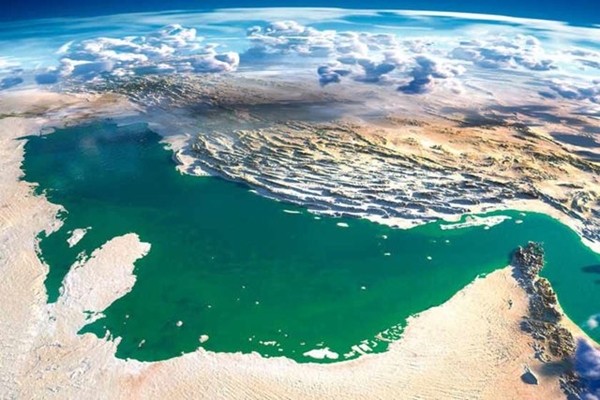
Persian Gulf Weakened by Mass Arms Purchases: Iran

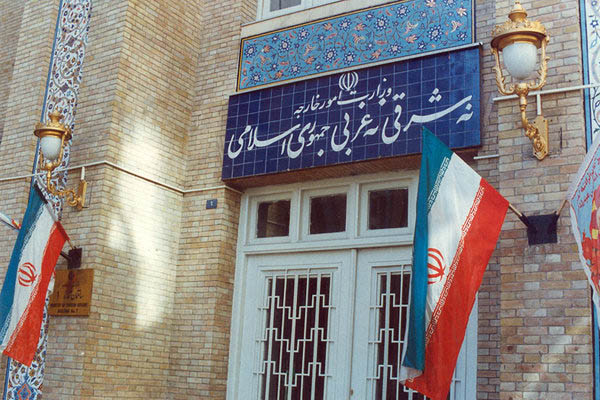
Zarif made the remarks in a message to a conference marking National Persian Gulf Day in the southern city of Shiraz on April 30. The message was read out at the event by the Foreign Ministry’s director general for Persian Gulf affairs.

“In our national calendar, this day is a reminder of a glorious memory in Iran’s history and is a well-established witness to the identity of the people who have lived next to its blue waters for centuries,” read the message.

“The Persian Gulf is the origin of age-old, everlasting cultural and social values that have been manifested in its people’s identity,” he added.

“The Persian Gulf is the source of producing wealth in different forms in this region and is reminiscent of bravery, zeal, a courageous spirit and a dedicated campaign against the aggression of any foreigner who has an eye on it (the Persian Gulf),” Zarif said.

He said in his message that the geo-political and geo-economic importance of the Persian Gulf region has always drawn the attention of extra-regional players.

“The energy and international trade lifelines in the heart of the Persian Gulf have upgraded and institutionalized the status of this region as one of the most vital international issues,” he noted.

The foreign minister noted political and social developments in some regional countries over the past several decades have set the stage for the unnecessary presence of trans-regional players in this area.

“Having the longest coastline, the Islamic Republic of Iran believes the Persian Gulf should stay strong to remain safe in the face of events and greed,” he added.

The top diplomat underscored that the growth and development of the Persian Gulf is contingent upon a “strong region” approach, not simply a “strong state” one.

“But the presence of foreign military troops and mass arms purchases have weakened the region instead of strengthening it, and we are of the conviction that security, strength and tenacity of the Persian Gulf can be insured through cooperation and constructive interaction among regional countries, not through purchases of weapons along with reliance on foreign powers and coalitions which are doomed to fail,” Zarif noted.

“The Islamic Republic of Iran has always insisted on its fundamental positions regarding the necessity of confidence-building, dialogue and cooperation among regional countries, and has underlined the need to refrain from relying on extra-regional powers,” Zarif said.

“The idea of establishing a regional forum for dialogue emanates from this strategic viewpoint,” he said.

He expressed hope the conference will be able to realize its objectives.
Dialogue Best Way to Settle Differences in Venezuela: Iran

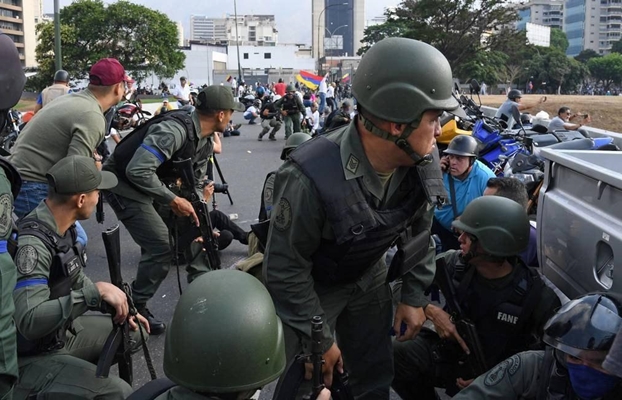
Members of the Bolivarian National Guard loyal to Venezuelan opposition leader and self-proclaimed acting president Juan Guaido take position in front of La Carlota base in Caracas, on April 29, 2019. / Photo by AFP

“We are closely watching the current developments in Venezuela,” Mousavi said in a Tuesday statement, adding that “chaos and anarchy can by no means resolve political differences in the country.”

“The best way [to settle the differences] is to establish dialogue and develop the required mechanisms between all parties in order to have the people’s problems resolved by forces committed to the development and prosperity of the country, under the leadership of the legitimate government of Venezuela,” he added.

Tensions are high in Venezuela amid a standoff between the government and the opposition. The government says it is confronting a small group of military traitors that are seeking to promote a coup.

Thousands of government supporters have gathered in front of the presidential palace, slamming the coup attempt. The coup began after opposition leader Juan Guaido released a video, saying that he has launched the final phase of his plans to oust President Nicolas Maduro.

Iran Rejects US Accusations on Yemen Truce Deal

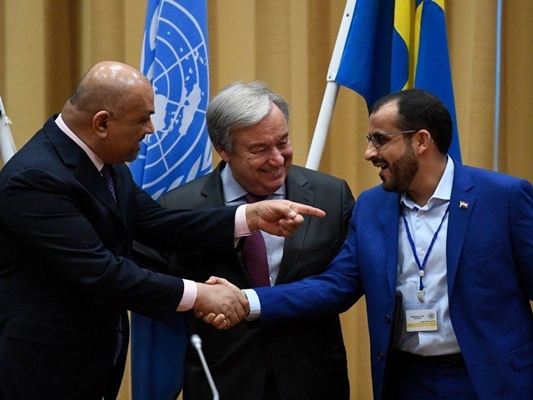
In a Tuesday statement, the spokesman described Mike Pompeo’s anti-Iran accusations as an “escape forward” and part of a blame game aimed at covering up the Saudi-UAE coalition’s crimes in Yemen and their efforts to stonewall and hamper the implementation of Stockholm agreements.

“Reports indicate that the National Salvation government in Sana’a has cooperated with the United Nation’s special envoy and is prepared to implement the Stockholm agreements. The reports also reveal the other sides’ efforts to hamper the implementation of the agreements,” he noted.

Mousavi then underlined the positive role played by the Islamic Republic of Iran in achieving the Stockholm agreements last year and said it is better for the US, as the supporter of the crimes committed by Saudi Arabia and the United Arab Emirates in Yemen, to urge the aggressors of Yemen to stop hampering the agreements and remain faithful to their pledges instead of levelling unfounded accusations against other countries.
Pompeo accused Iran on Monday of instructing Yemen’s Houthis to reject political process in the war- torn country.

“The Houthis continue to refuse to comply with the agreements that they signed up for in Stockholm, Sweden, they refuse to withdraw from the port of Hudaydah … this is because Iran has chosen to direct them to do that”, Pompeo claimed at an event in Washington.

‘US Reveals Its Crocodile Tears by Ignoring Iran’s Prisoner Swap Offer ’

Iran Appoints Female Ambassador to Denmark

“The US, which always used to take advantage of the issue of prisoners as a means of spreading Iranophobia and anti-Iran propaganda, was pinned down after Iranian Foreign Minister Mohammad Javad Zarif put forward the proposal [to swap prisoners with America],” Mousavi told reporters on Tuesday.

On Washington’s response to Iran’s proposal, he said the American side has not yet given a positive and constructive response.

The way the US responded to Iran’s proposal proved that it used to shed crocodile tears for prisoners, and that has been acknowledged even by the opponents of Iran, he said, adding that the US is now stripped of this means of propaganda.

Mousavi further noted that the fate of prisoners with American nationality held in Iran is not a new issue and has been discussed by the two sides since a long time ago.

“Before the US withdrawal from the Iran nuclear deal last year, the American side frequently raised the issue during every direct meeting with the Iranian delegation held on the sidelines of the regular meetings of the Joint Commission of the Joint Comprehensive Plan of Action (JCPOA).”

“In all these meetings, given the humanitarian aspects of the issue, the Iranian side also used the chance to discuss the fate of the Iranian nationals detained either in the US or in a third country at the US request,” he noted.

“After the direct meetings were stopped [following the US’ withdrawal from the JCPOA], the issue used to be followed up by intermediators,” Mousavi said.

“We have always underlined the independence of the Judiciary and the need for administering justice following all legal procedures. However, as the Iranian foreign minister told the American side several months ago, Iran is prepared to consider the issue of ‘swapping’ the prisoners,” he noted.
“The proposal was mainly aimed at offering support to our oppressed fellowmen who have run into trouble because of the US’ illegal sanctions and held captive for seeking to transfer some basic goods to Iran (including spare parts for passenger planes) or even held in a bad situation similar to captivity in a third country due to the US pressure,” he said.

According to Mousavi, the proposal set forth by the Iranian foreign minister was aimed at exchanging prisoners and not holding talks on disputed issues.

Regardless of the way the US responded to the proposal, “the Islamic Republic, with all its legal and political capacities, will seek to protect its nationals who have been in trouble either in the US or other countries and will do its best to relieve the sufferings of their families,” he added.

Back on Sunday, Zarif criticized the US government for refusing to engage with Tehran in a humanitarian deal for exchange of prisoners.

In an interview with the CBS, Zarif said Washington had refused to discuss the status of prisoners in Iran and in the US when Iran put forward a proposal six month ago.

Zarif’s new remarks on prisoner swap with the US come several days after he announced that Tehran was ready to negotiate the issue with Washington.

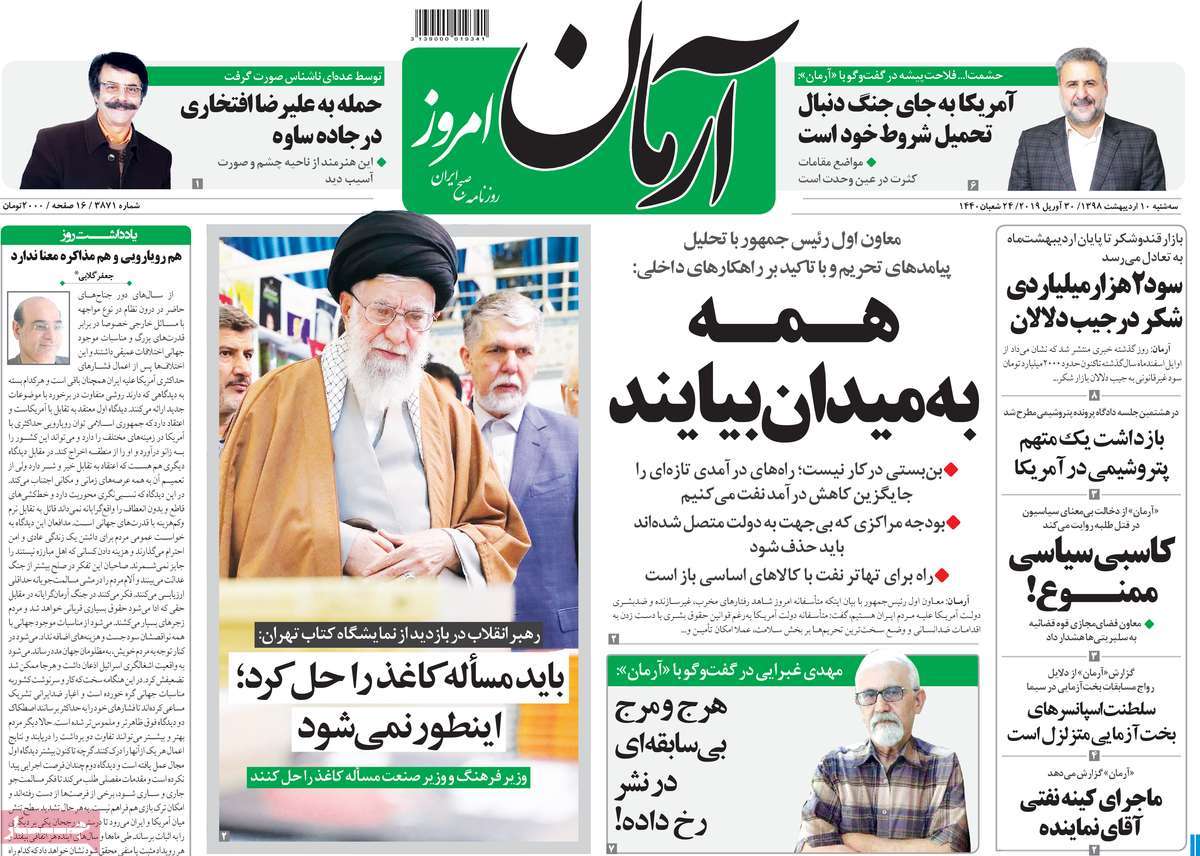
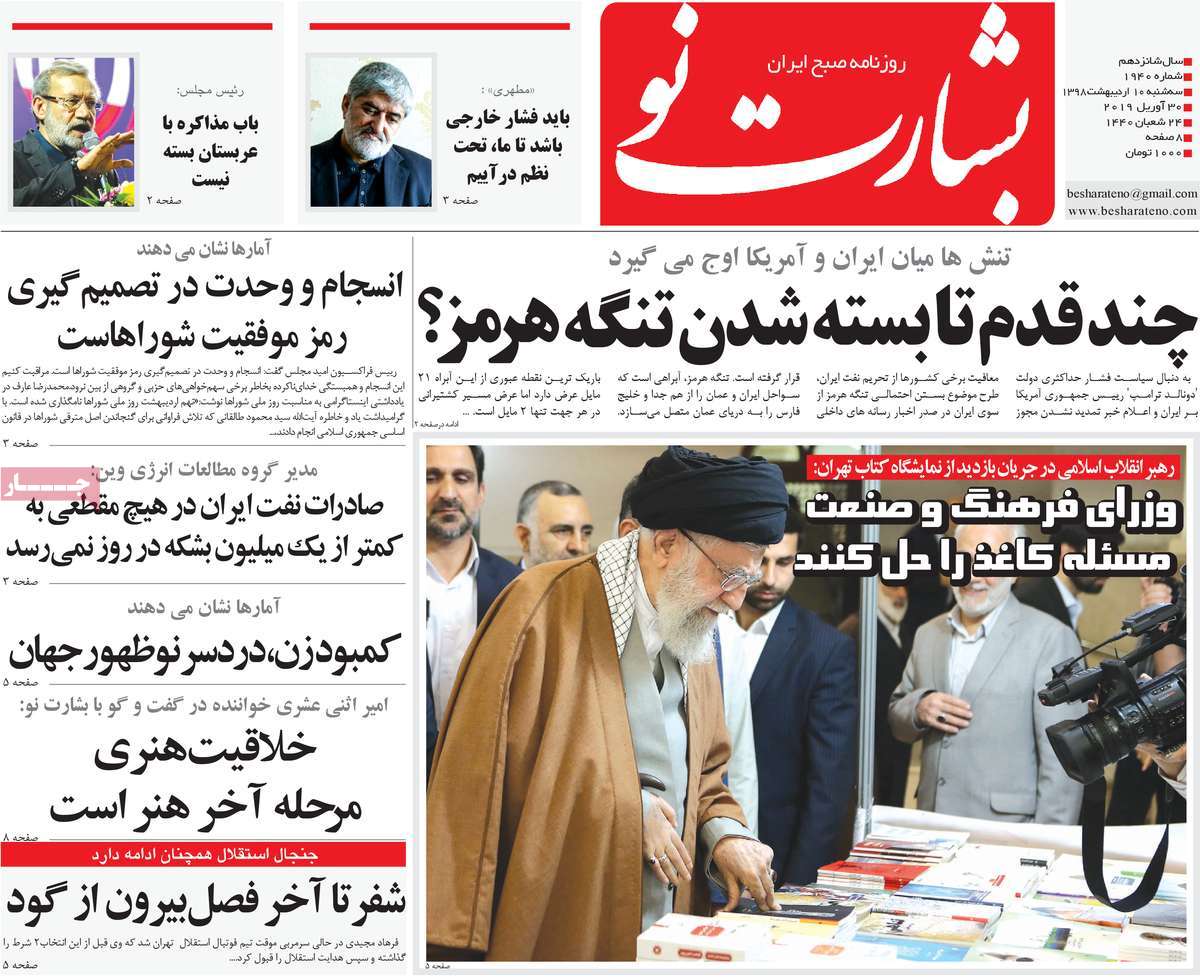
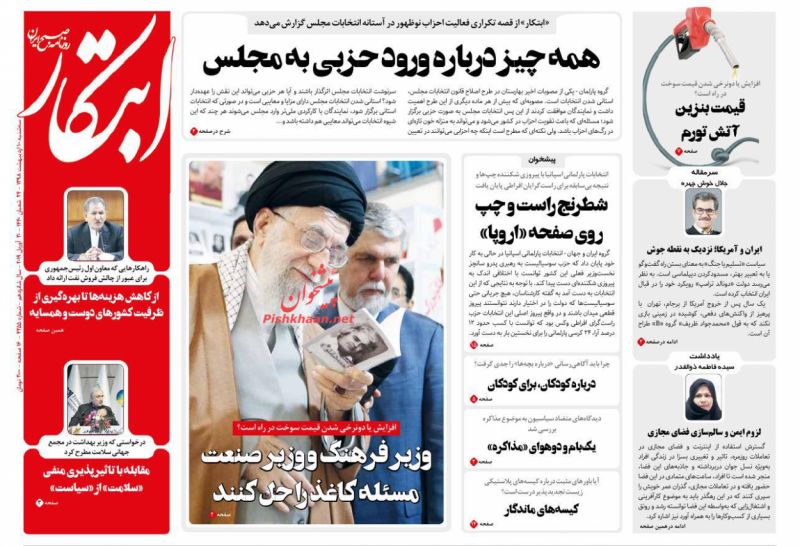
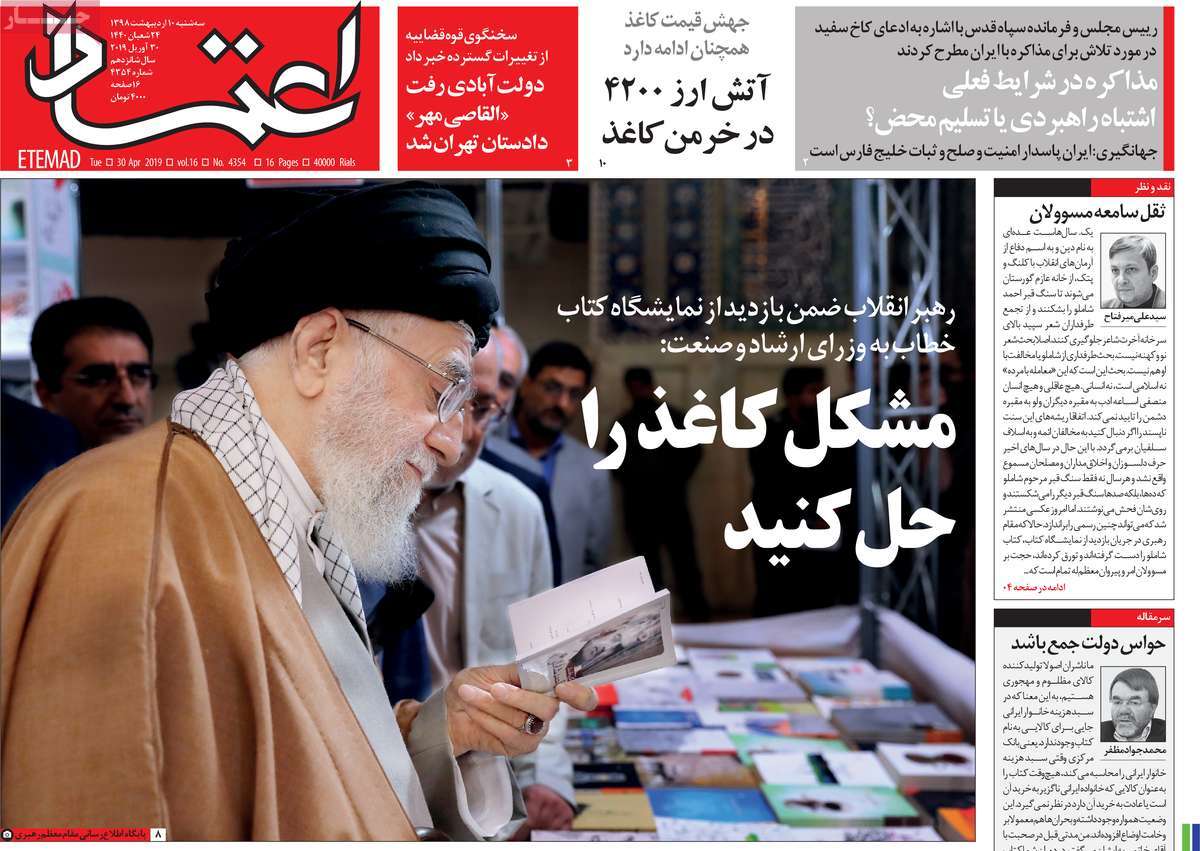
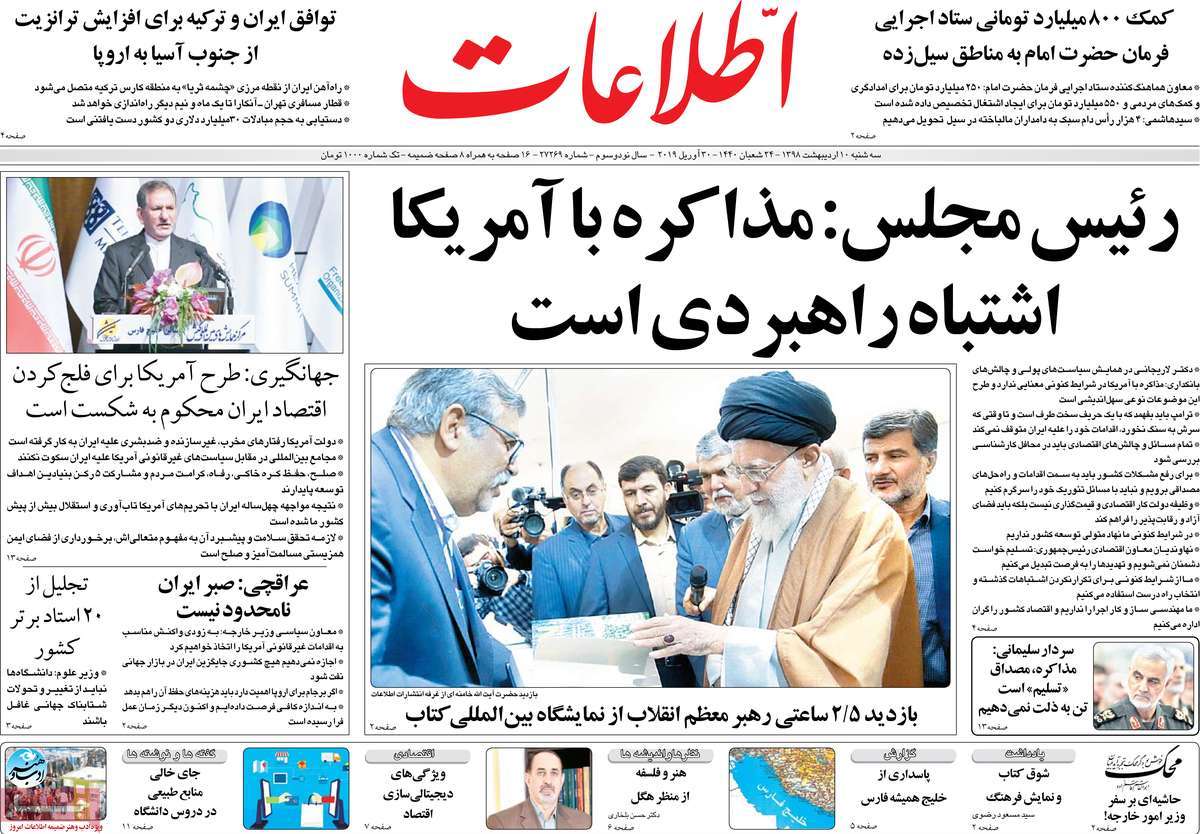
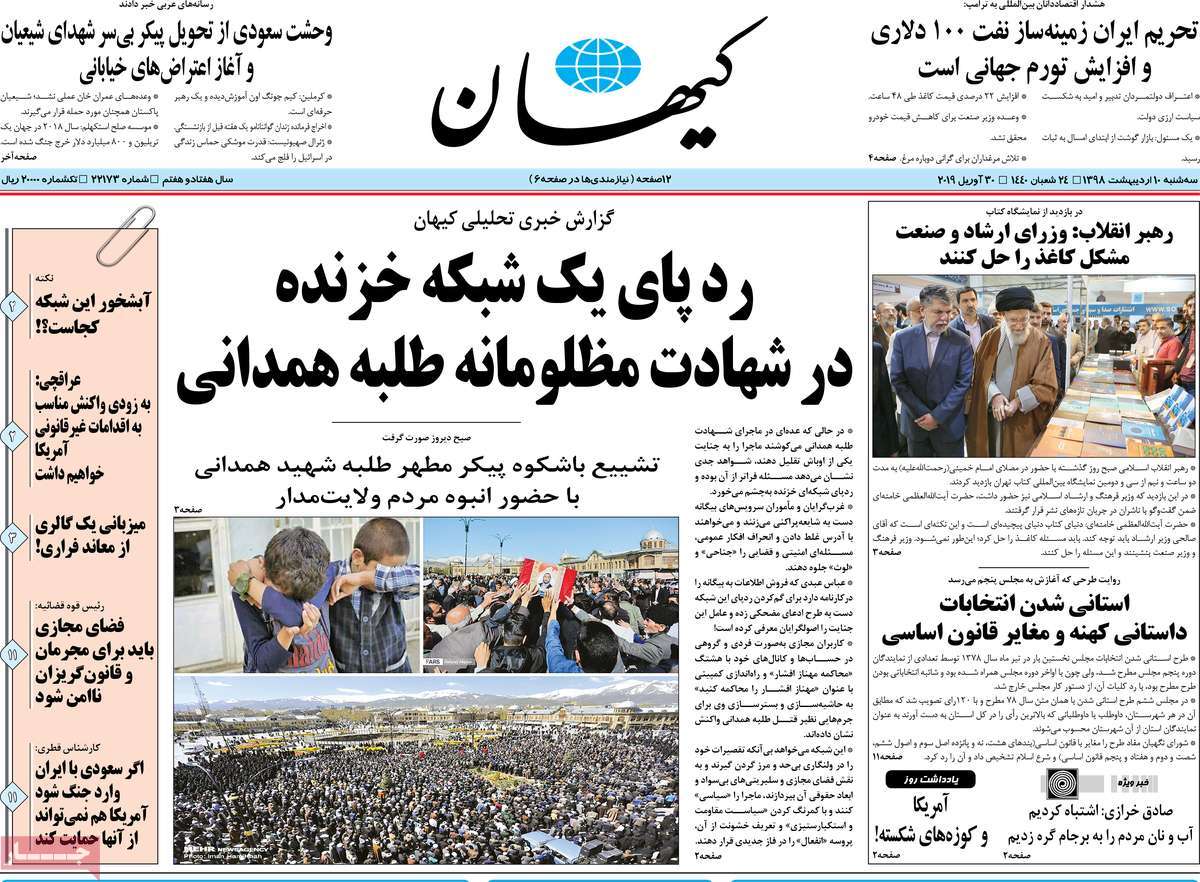
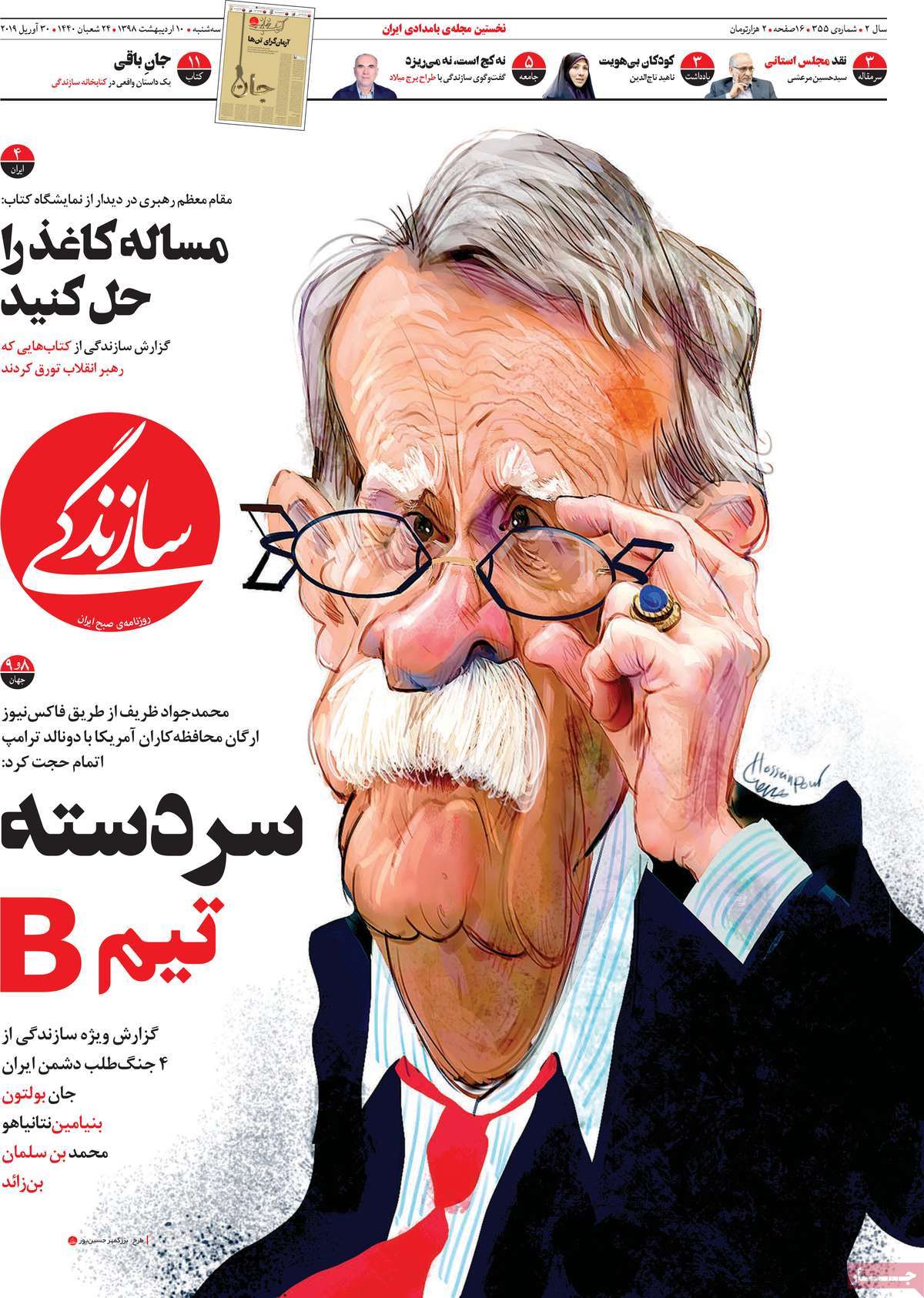
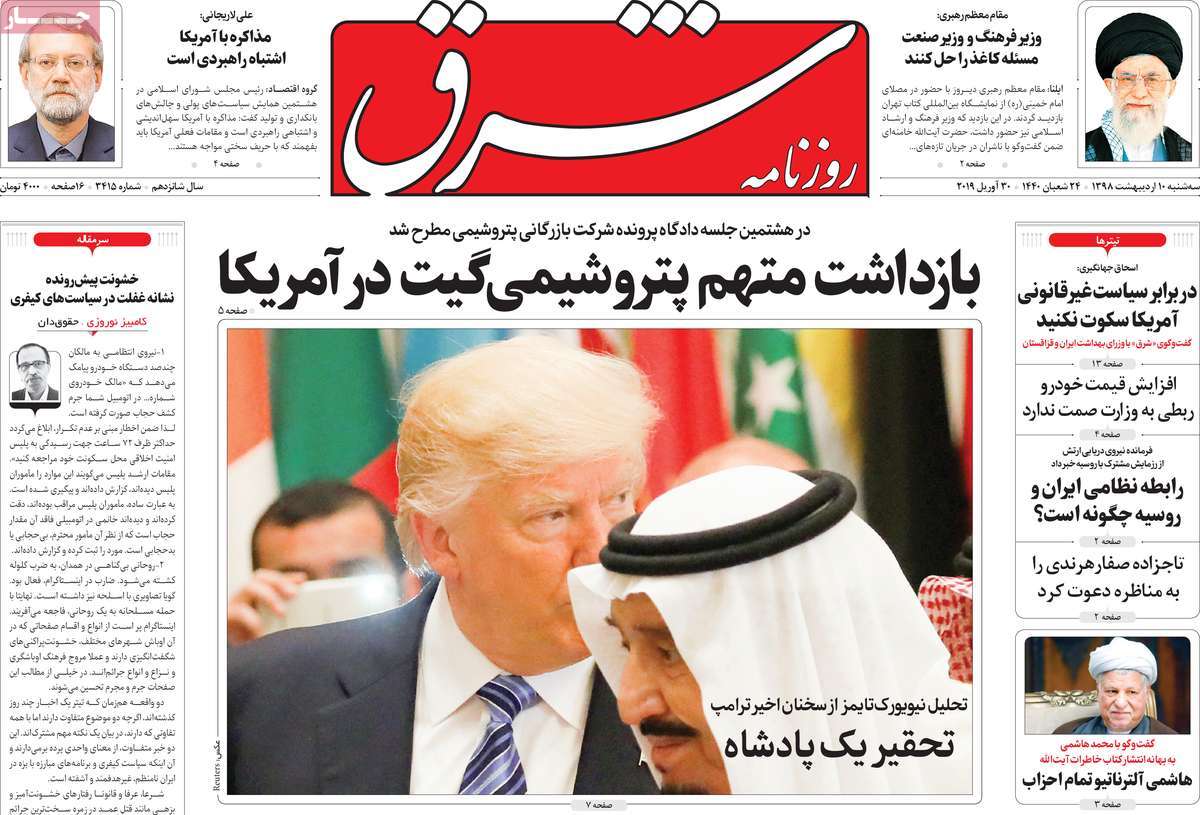
A Look at Iranian Newspaper Front Pages on April 30

A Look at Iranian Newspaper Front Pages on November 19

Several papers today covered the visit of Ayatollah Seyyed Ali Khamenei, the Leader of Iran’s Islamic Revolution, to Tehran International Book Fair, and his criticism of the ministries of culture and trade over the hiking price of paper.

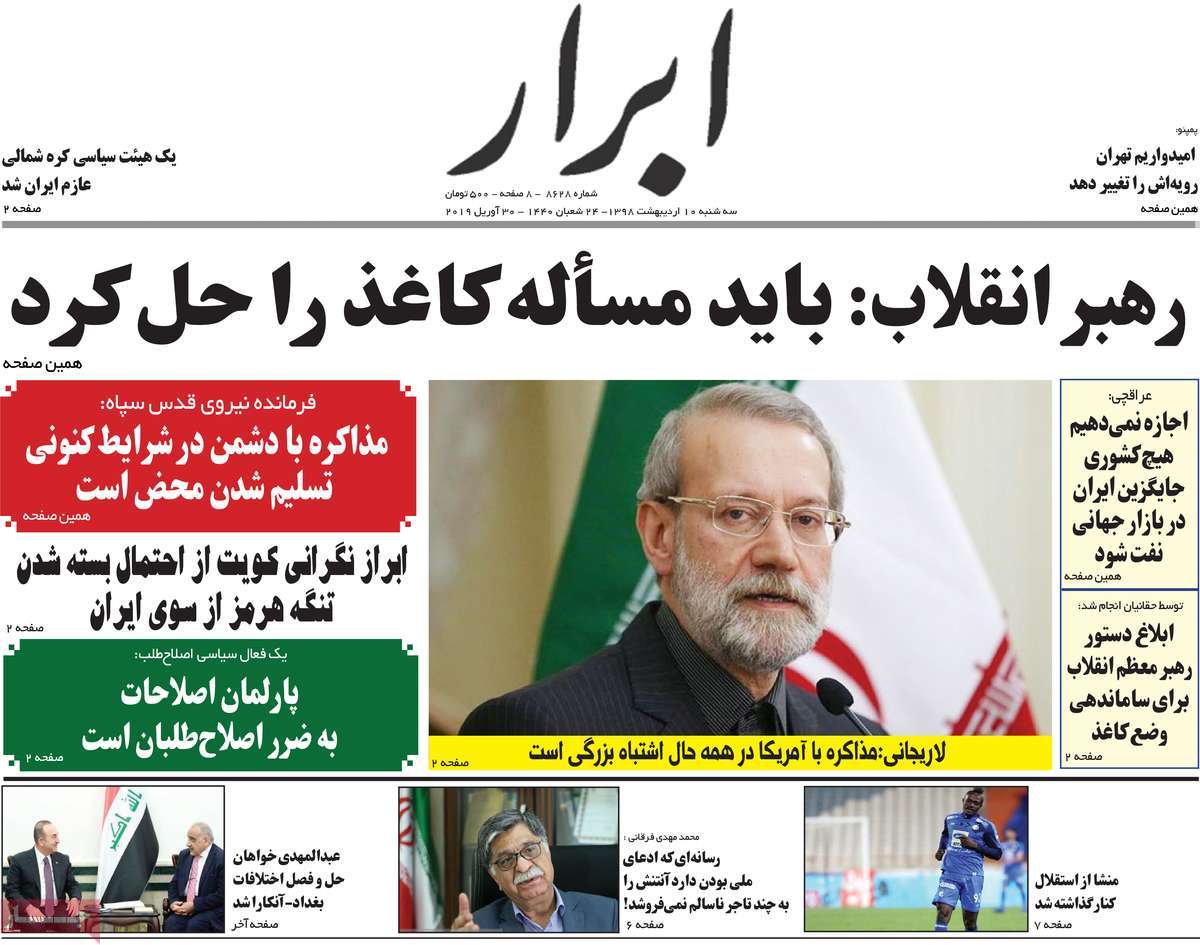
Also a top story was the strong opposition of Parliament Speaker Ali Larijani and IRGC Quds Force Commander Major General Qassem Soleimani to the idea of holding bilateral talks with the US. Larijani called it a strategic mistake, and General Soleimani described it as an instance of submission under the current circumstances.

The upcoming visit of Iranian Foreign Minister Mohammad Javad Zarif to North Korea, and the visit of a Korean delegation to Iran also received great coverage.

The above issues, as well as many more, are highlighted in the following headlines and top stories:

Abrar:
1- Pompeo: We Hope Tehran Changes Its Behaviour
2- North Korean Delegation Visiting Tehran
3- Araqchi: We Won’t Let Any Country Replace Iran in Oil Market
4- Iran Leader Calls for Decrease in Paper Prices
5- Kuwait Concerned about Closure of Strait of Hormuz

A Look at Iranian Newspaper Front Pages on April 30


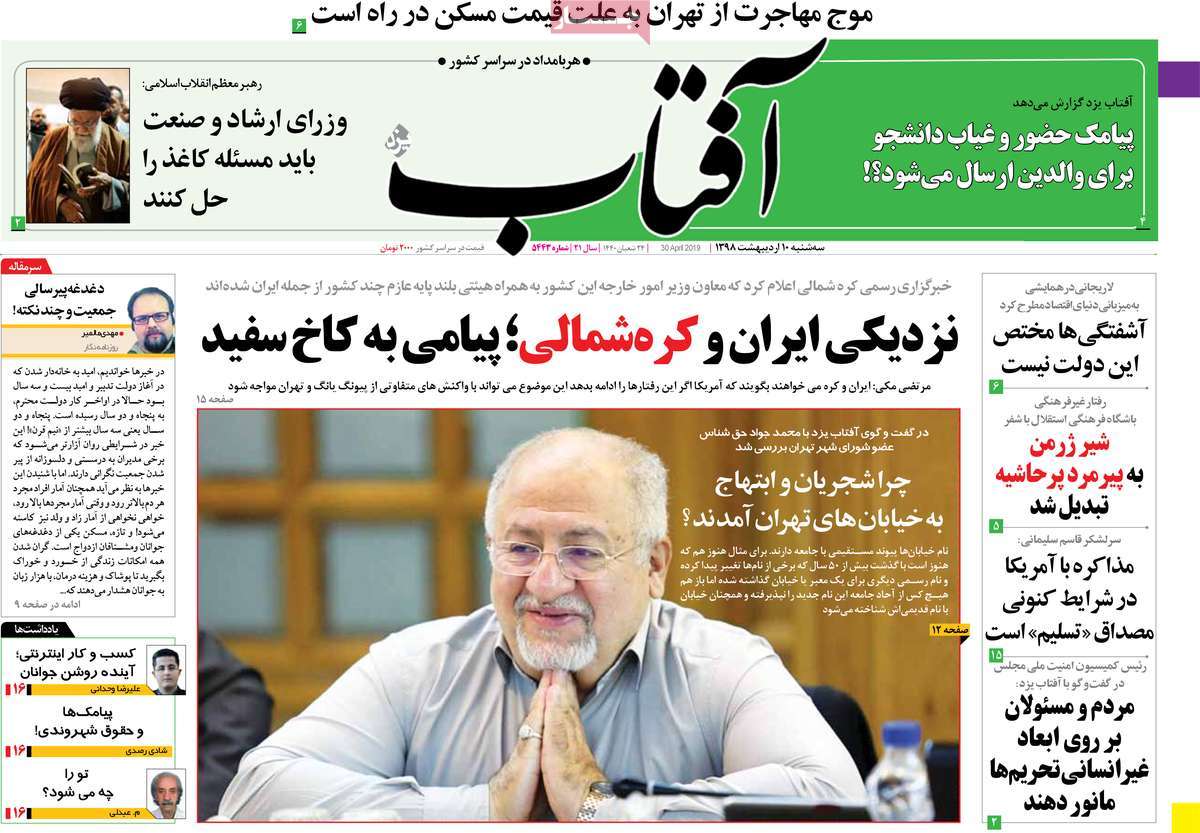
Aftab-e Yazd:
1- Iran-North Korea Detente, a Message for White House
2- Gen. Soleimani: Negotiation with US Amounts to Submission

A Look at Iranian Newspaper Front Pages on April 30


Arman-e Emrooz:
1- Iran to Think of New Methods of Earning Income after Oil Bans: VP

A Look at Iranian Newspaper Front Pages on April 30


Besharat-e Now:
1- Parliament Speaker: Iran Open to Negotiation with Saudi Arabia
2- Closing Strait of Hormuz Imminent? Tensions to Escalate between Iran, US
3- Iran’s Oil Exports Not to Decrease to Less than 1m Barrels per Day

A Look at Iranian Newspaper Front Pages on April 30


Ebtekar:
1- Iran First VP Outlines Solutions to Overcome Challenge of Oil Sale
2- Fragile Victory of Leftists in Spain Parliamentary Elections

A Look at Iranian Newspaper Front Pages on April 30


Etemad:
1- Negotiation under Current Circumstances ‘Strategic Mistake’ or ‘Total Submission’?
* Iran Parliament Speaker, IRGC Quds Force Commander Reject Talks with US
2- First VP: Iran Protects Persian Gulf Security, Stability

A Look at Iranian Newspaper Front Pages on April 30


Ettela’at:
1- Iran, Turkey Agree to Increase Transit from South Asia to Europe
* Tehran-Ankara Train to Be Launched in 1.5 Months
2- Parliament Speaker: Negotiation with US Strategic Mistake
3- Iran Leader Pays 2.5-Hour Visit to Tehran Book Fair

A Look at Iranian Newspaper Front Pages on April 30


Kayhan:
1- Economists to Trump: Iran Bans to Increase Oil Price to $100
2- Arab Media: Saudis Afraid of Street Protests after Mass Beheadings
3- Iran Leader Urges Culture, Industry Ministers to Decrease Paper Price
4- Araqchi: We’ll Soon Give Appropriate Response to US’ Unlawful Measures

A Look at Iranian Newspaper Front Pages on April 30


Sazandegi:
1- Head of Team-B; Zarif Gives Ultimatum to Trump through Fox News

A Look at Iranian Newspaper Front Pages on April 30


Shargh:
1- Talks with US Strategic Mistake
2- Humiliating a King: NY Times’ Report on Trump’s Recent Remarks
3- Iran First VP: Don’t Remain Silent about US’ Illegal Policy
4- How Are Iran-Russia Military Ties? Joint Naval Drill to Be Held in Southern Iran

A Look at Iranian Newspaper Front Pages on April 30

Pakistan Steps Up Security Along Border with Iran

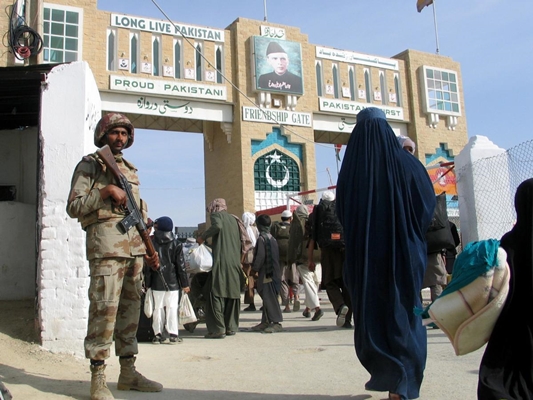
A Pakistani soldier keeps guard at the Friendship Gate, a crossing point at the Pakistan-Afghanistan border town of Chaman, Pakistan, March 7, 2017. / Photo by Reuters

In a press conference on Monday, Ghafour said the forces have been deployed to step up border security.

“We have not only increased the number of our forces along the borders with Iran but also have adopted preemptive measures against any possible terrorist or criminal attack in the region,” he said.

The spokesman then added that the border guards of Pakistan also known as FS are tasked with providing security of Balochistan province in southwestern Pakistan. “The forces have already been deployed to the region.”

The general also said Pakistan’s army has for the first time divided its border guards into two northern and southern groups. “The southern group is missioned to protect the joint borders with Iran.”

In response to a question on the fate of the abducted Iranian border guards, he said for the time being there is no information about them.

“Over the past month, Pakistan’s security forces received some information from unknown sources saying that the abducted Iranian border guards had been transferred to Pakistan by terrorist groups. We launched an operation against the terrorists and released some of the guards. But unfortunately we don’t have any information yet about the fate of the remaining guards abducted by the terrorists,” he said.

The spokesman also described the joint border between Iran and Pakistan as the border of peace and friendship and added Pakistan feels obliged to keep the border peaceful.

“The joint border between Iran and Pakistan is not comparable with that of Pakistan and Afghanistan. We don’t feel any threats from the Iranian side of the border. And Pakistan and Iran have established good cooperation in border operations,” he noted.

During the visit of Pakistani Prime Minister Imran Khan to Iran earlier this month, the two sides agreed to establish a joint Rapid Reaction Force to combat militants based along the two countries’ shared borders.

Iran and Pakistan say militant groups operate from bases on the other country’s soil, occasionally carrying out deadly cross-border attacks.

Iran FM Departs for Doha to Attend ACD Meeting

The high-level meeting started on Tuesday, April 30, and will run until Thursday.

Qatar’s Foreign Minister Sheikh Mohamed bin Abdulrahman al-Thani has tweeted that the country’s priority during its presidency over the ACD meeting will be to reach an Asian consensus, enhance co-operation, develop mechanisms for joint work, and strengthen economic and commerce ties.

He added that enhancing understanding and economic integration in all fields will help advance joint work to higher levels.

The top diplomat said Qatar encourages the deepening of trade and economic partnerships and enhancing the economic competitiveness of Asian countries in global markets, particularly as the Asian continent has all the capabilities required to push the development of human resources and economic wealth.

The Asian Co-operation Dialogue was established in 2001 and has 34 member countries. Its first meeting was held in Thailand in 2002 with the participation of 18 Asian founding countries.

In 2006, Qatar hosted the fifth meeting. The Doha Declaration included a number of decisions, such as the establishment of an Energy Forum for cooperation under the framework of the ACD, the need for Asia to make productive use of its core savings, including financial returns from the energy trade to benefit the region, and the need for the successful implementation of the e-University project as a tool for building human capacity, closing the digital divide and increasing access to higher education.

Among the main objectives of the ACD are to promote interdependence among Asian countries in all areas of co-operation by identifying Asia’s common strengths and opportunities which will help reduce poverty and improve the quality of life for Asian people whilst developing a knowledge-based society within Asia and enhancing community and people empowerment, expand the trade and financial market within Asia and increase the bargaining power of Asian countries.

Ultimately it aims to transform the Asian continent into an Asian Community, capable of interacting with the rest of the world on a more equal footing and contributing more positively towards mutual peace and prosperity.

Iran Hails Opening of Afghanistan’s Peace Grand Assembly

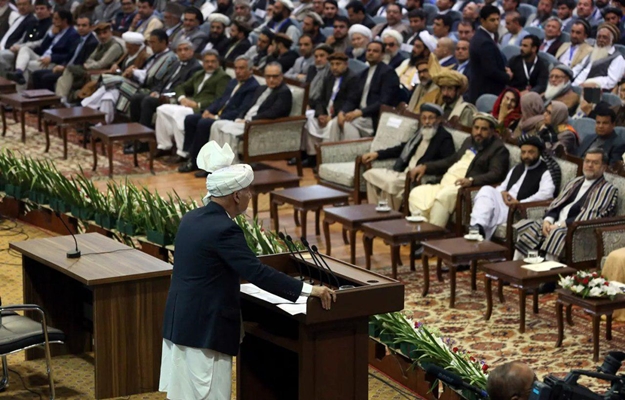
Afghan President Ashraf Ghani speaks during the first day of the Loya Jirga, or the consultative council in Kabul, Afghanistan, Monday, April 29, 2019. / Photo by AP

Mousavi’s Tuesday comments came in reaction to the opening of the Peace Loya Jirga (grand assembly) in Kabul.

Thousands of Afghans congregated in Kabul on Monday for a rare consultative meeting aimed at finding ways to negotiate a peace deal with the Taliban and end Afghanistan’s war.

The four-day consultative grand assembly, known as a Loya Jirga, is aimed at building consensus among various ethnic groups and tribal factions and is traditionally convened under extraordinary circumstances.

This week’s meeting, being attended by 3,200 tribal elders, and community and religious leaders from all 34 provinces, aims to set out Kabul’s conditions for any peace deal.

President Ashraf Ghani invited the Taliban to the Loya Jirga but they have urged people to boycott it, denouncing it as an attempt by the Western-backed government to deceive the country and extend what the Taliban see as its illegitimate rule.

“Do not participate in the enemy’s conspiracy under the name of Jirga, instead find ways to further sideline the shaky administration of Kabul,” Taliban spokesman Zabihullah Mujahid said in a statement.

In the past, the Taliban have fired rockets at the Loya Jirga tent, and much of Kabul was under virtual lock down on Monday, amid a massive security operation for the meeting.

Western diplomats believe the assembly is an attempt by President Ghani to influence peace talks between the United States and the Taliban, which the Taliban have excluded his government from.

Ghani, who hopes to secure a second term in presidential election set for September, is feeling isolated from the peace process and the Loya Jirga was a bid to broaden his support, Western diplomats in Kabul said.

LG, Samsung Deny Leaving Iran over US Sanctions: Report

The denial came after media reports said Samsung and its fellow South Korean company LG Electronics were leaving Iran, having already scaled down their activities in the country.

“Samsung has always highly valued its family of fans and consumers in Iran and has kept a strong presence in the country with the latest innovations, technologies, and products. This has not changed, despite all the external and geopolitical developments,” the company was quoted as saying.

LG has not made a statement yet on its current status, but it often mirrors Samsung’s position on Iran.

The two companies have a ubiquitous presence in Iran which is a key market for Samsung and LG products in the Middle East, including smartphones and home appliances such as washing machines, TV sets, air conditioners and telecommunications equipment.

Samsung is officially represented in Iran and runs after-sales service centers in major cities. It opened its latest flagship store northern Tehran in November.

According to Iran’s largest app market Café Bazaar, almost 18 million Iranians had Samsung phones as of February 2018.

Alireza Tavassoli, a senior manager for Samsung smartphones, said the company had invested in the Iranian market and US sanctions would only undermine the South Korean behemoth’s plans in Iran over the long term.

“Samsung does not subject its sales, distribution, and sales policies to instantaneous changes in the market,” he was quoted as saying.

Both Samsung and LG stayed their ground in Iran when the country was slapped with intensified Western sanctions in 2011.

Samsung, however, ran into a storm in Iran in February 2018 when the company’s smartphones were denied to Iranian athletes at the Pyeongchang 2018 Olympic Winter Games in South Korea.

At the time, 4,000 Samsung Galaxy Note 8 tablets were said to have been given to athletes taking part in the games as gifts, except for those from Iran and North Korea.

The move sparked a diplomatic furor, prompting Iran to summon South Korea’s ambassador to Tehran and demand an apology.

Shortly afterwards, the International Olympic Committee (IOC) backed down on its decision, while Samsung said the committee was responsible for distributing gifts at the Olympics and it had no role in the decision.

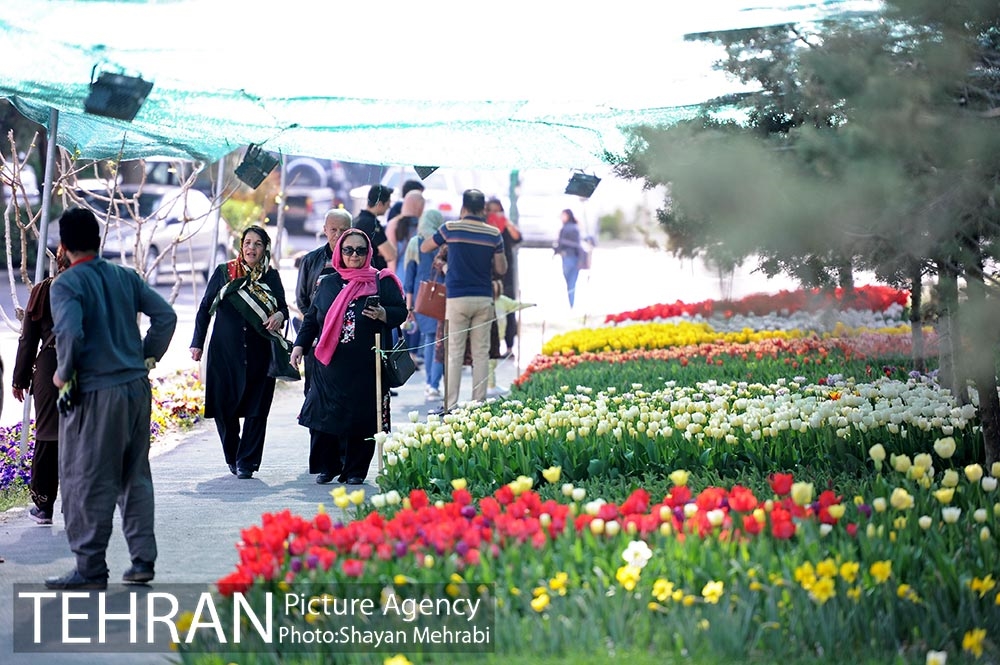
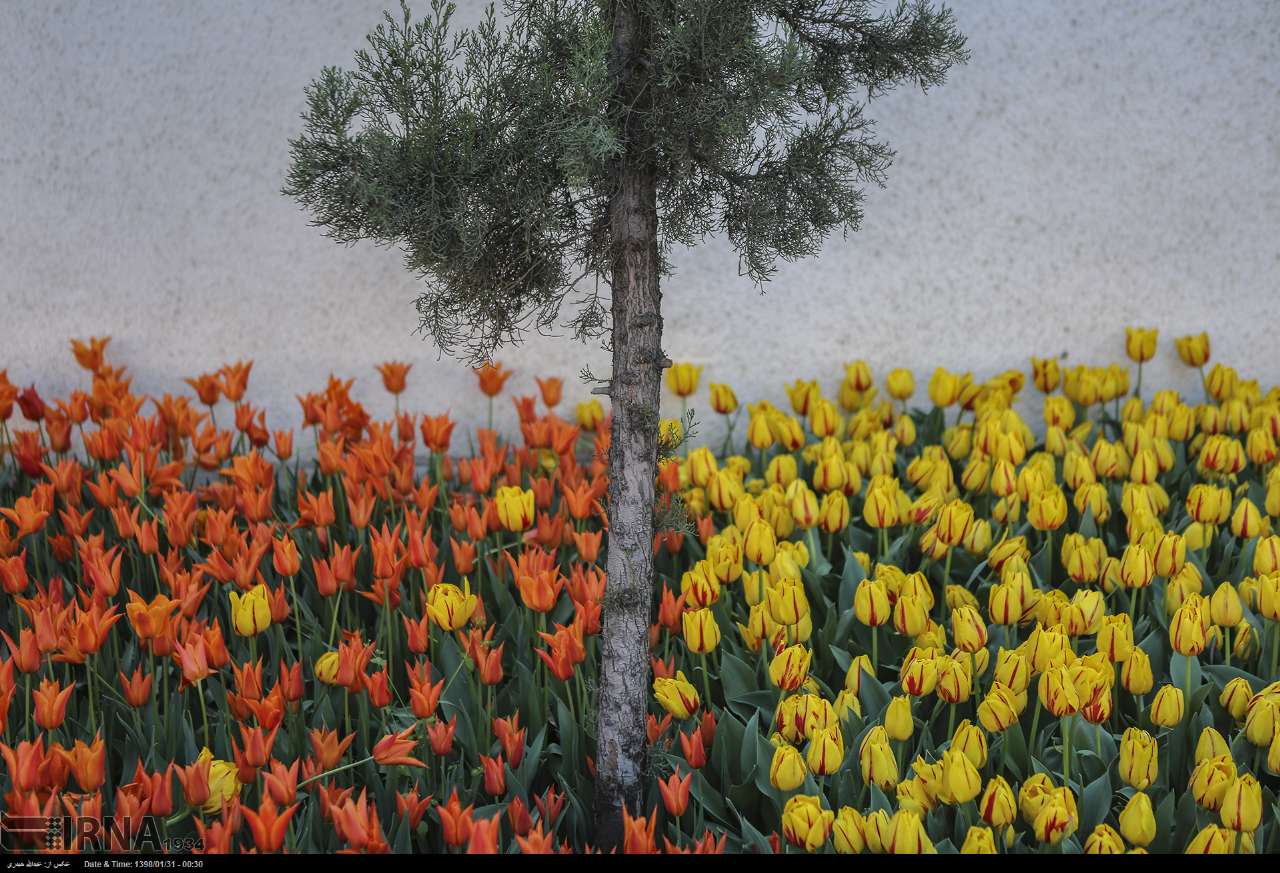
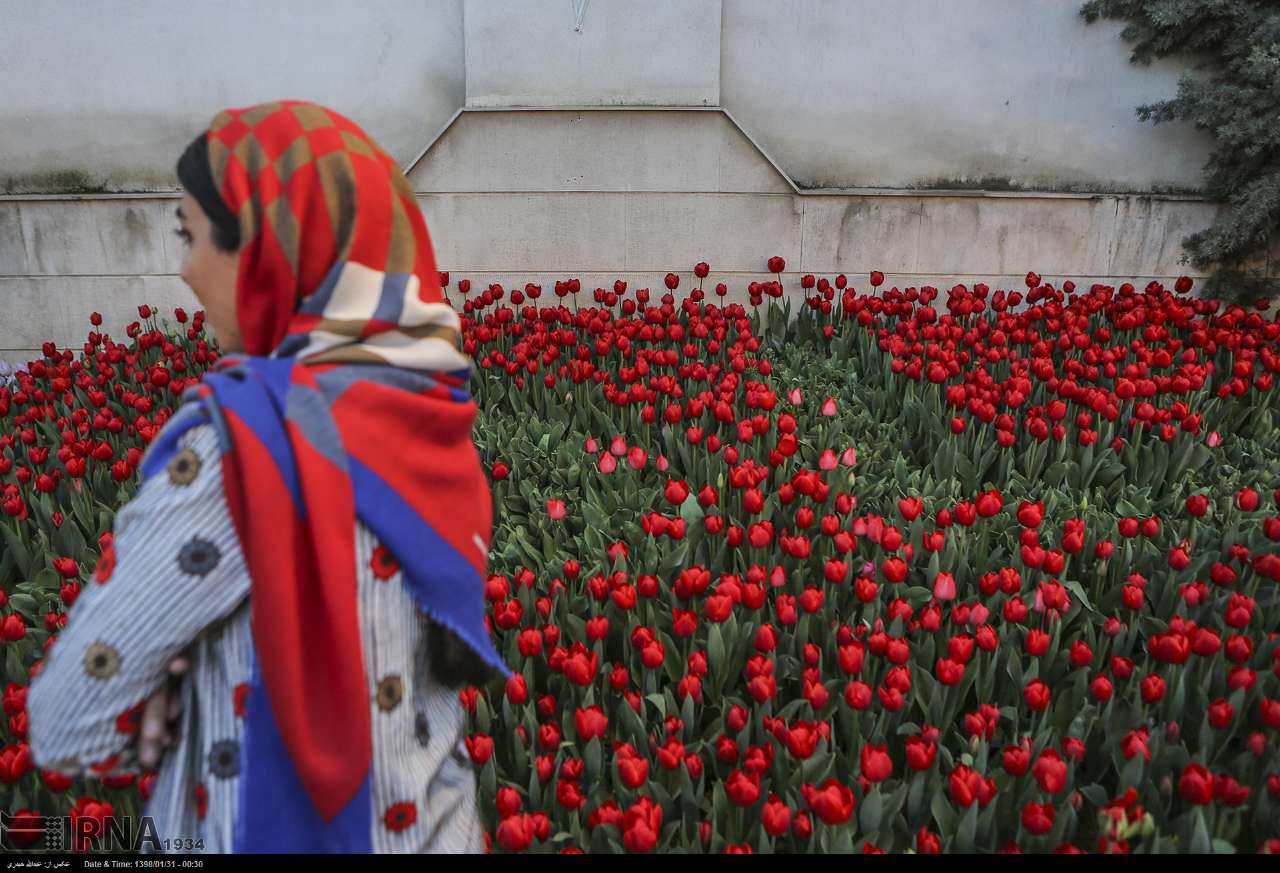
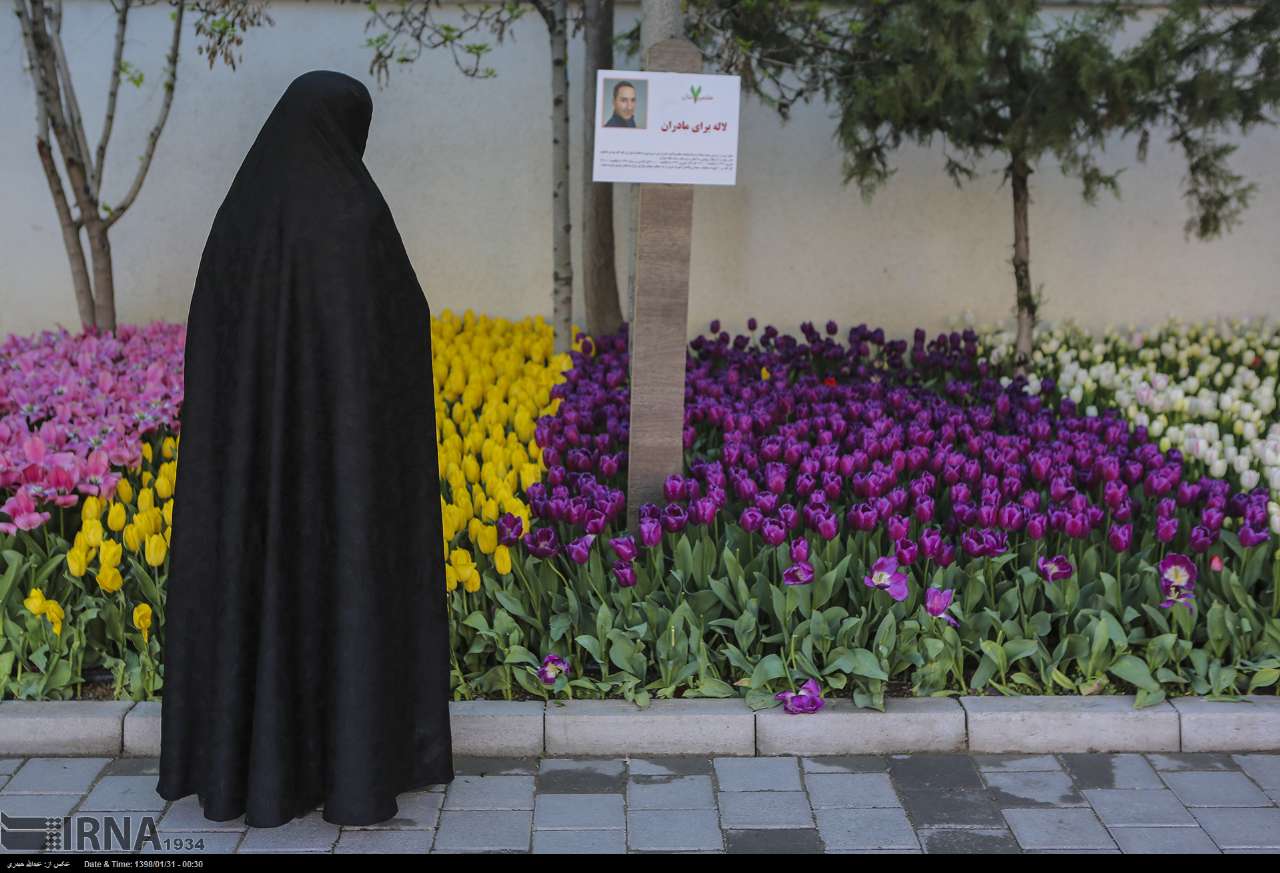
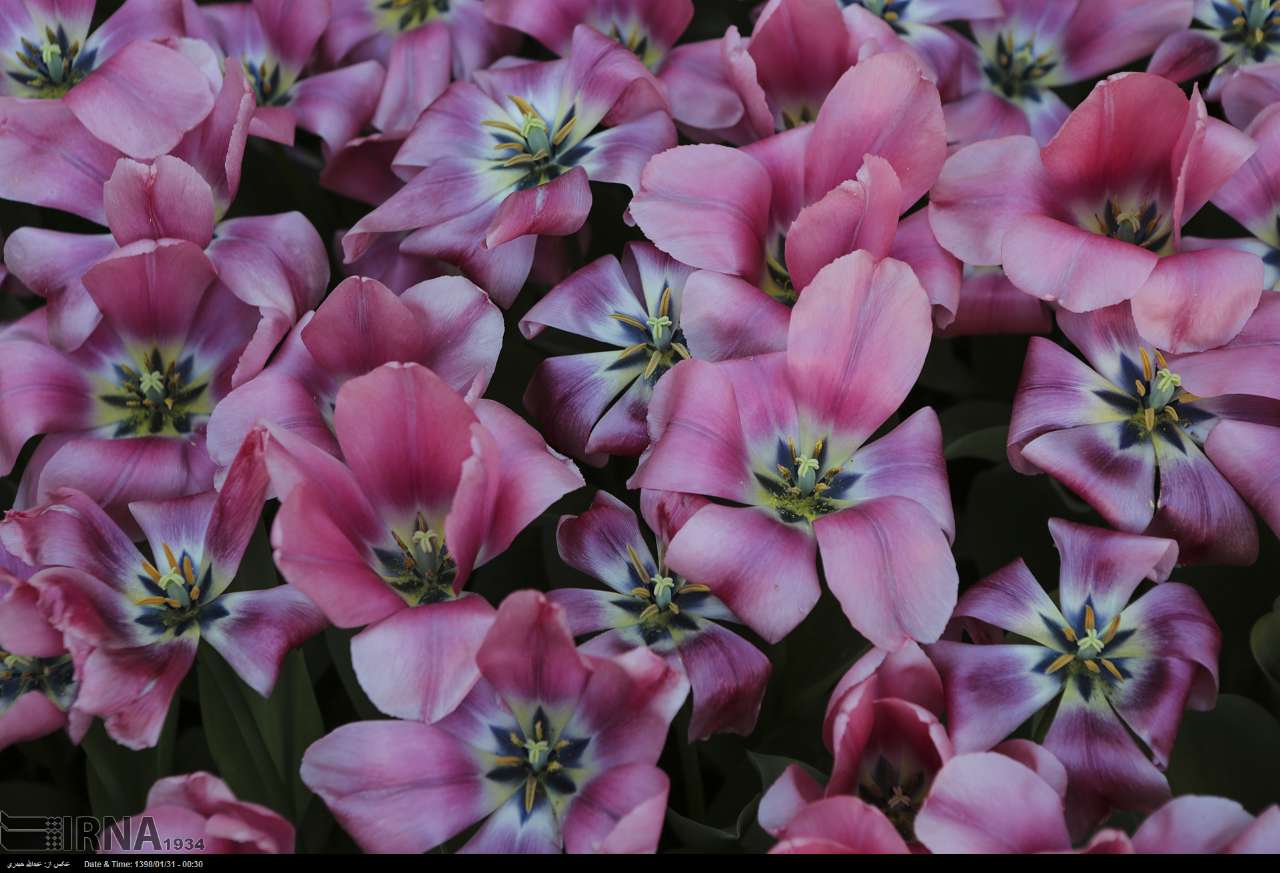
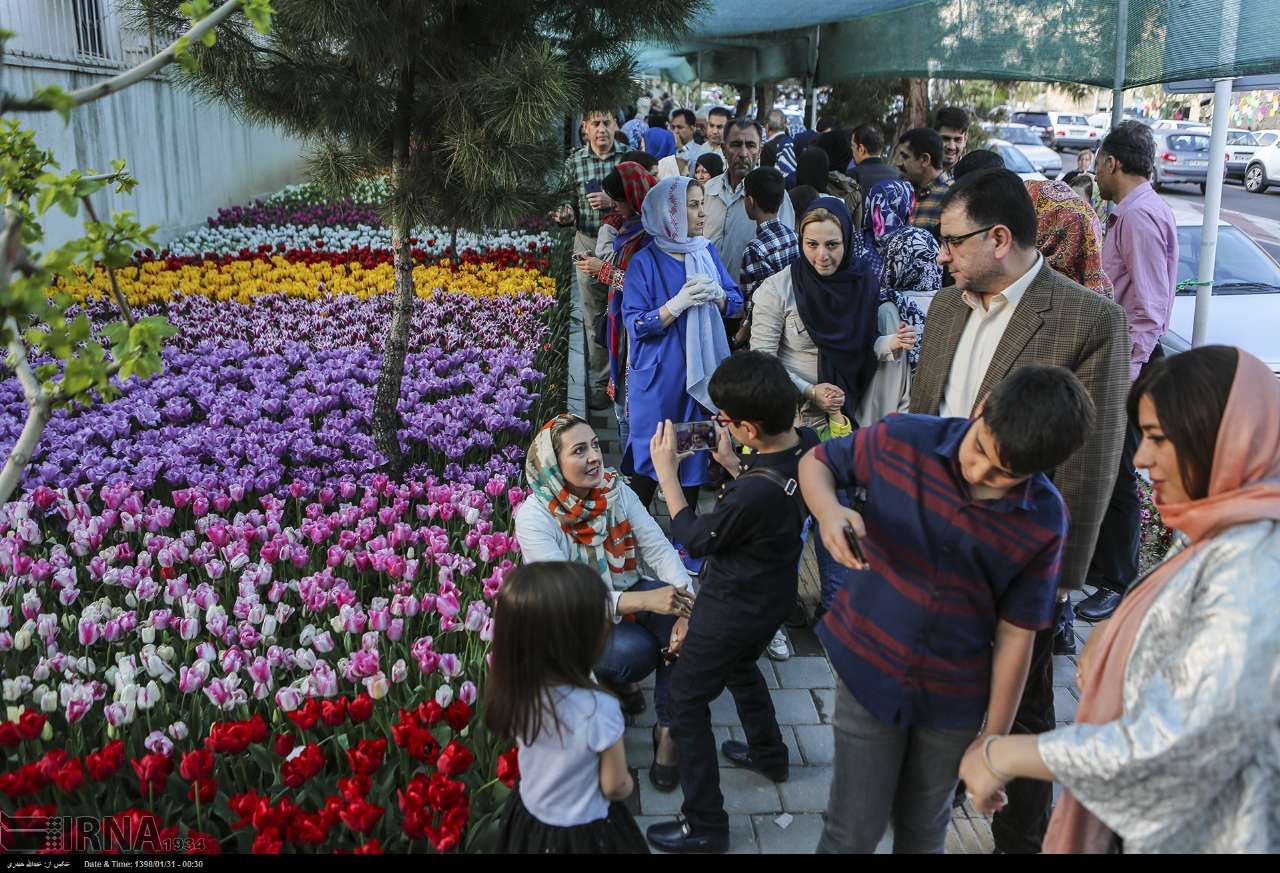
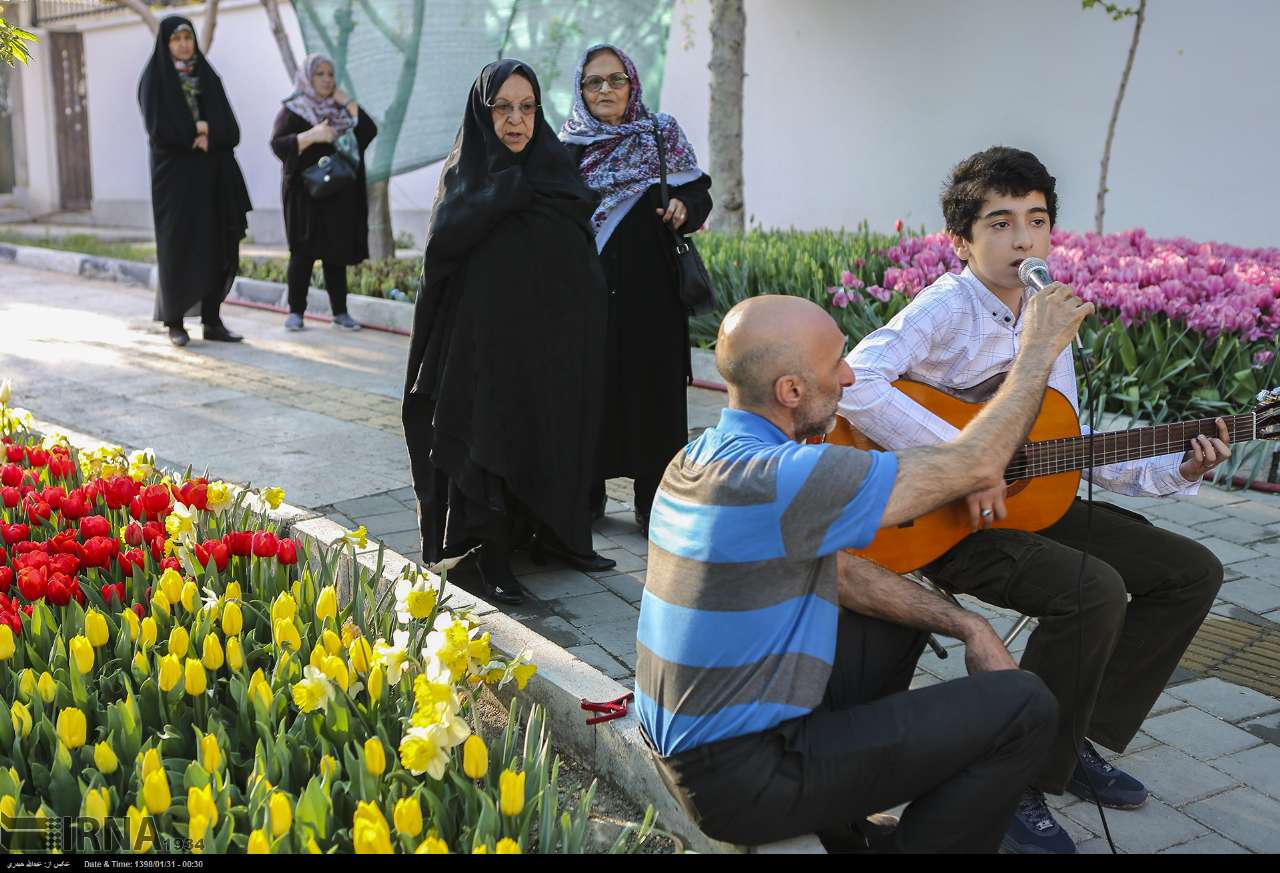
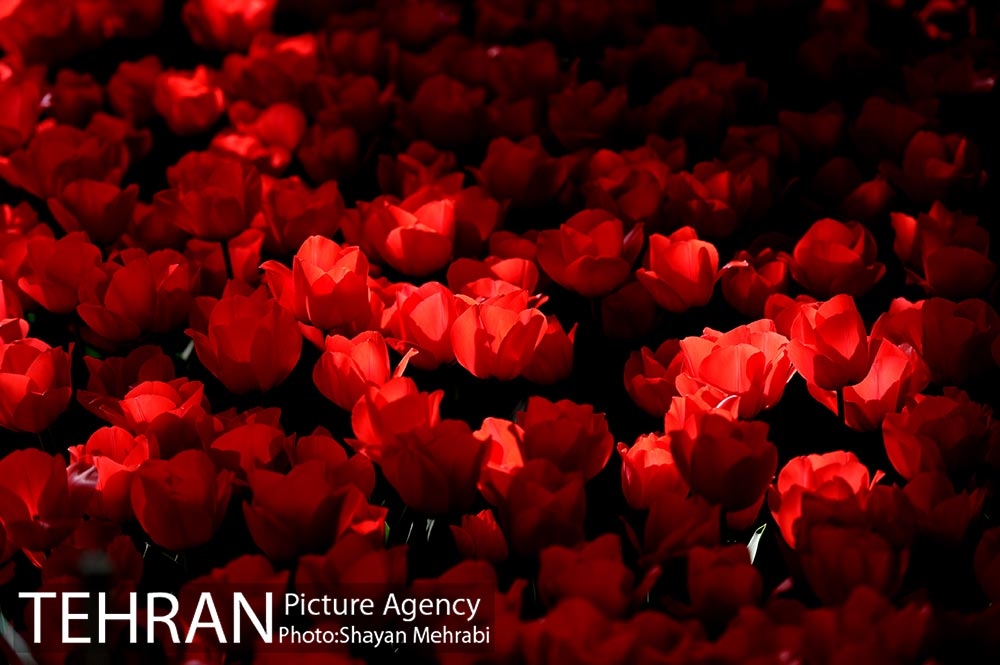
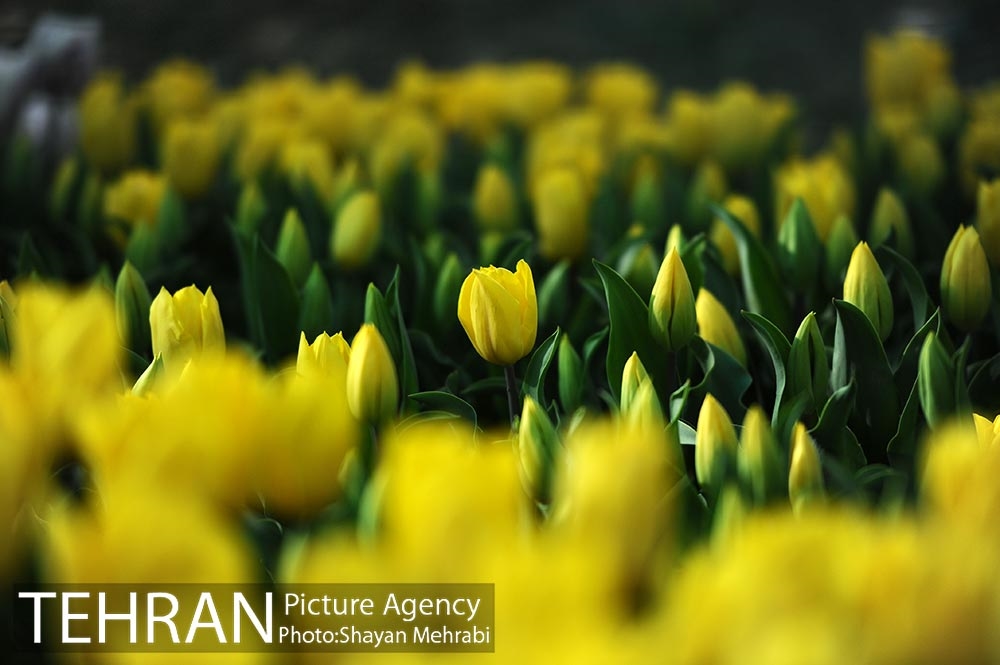
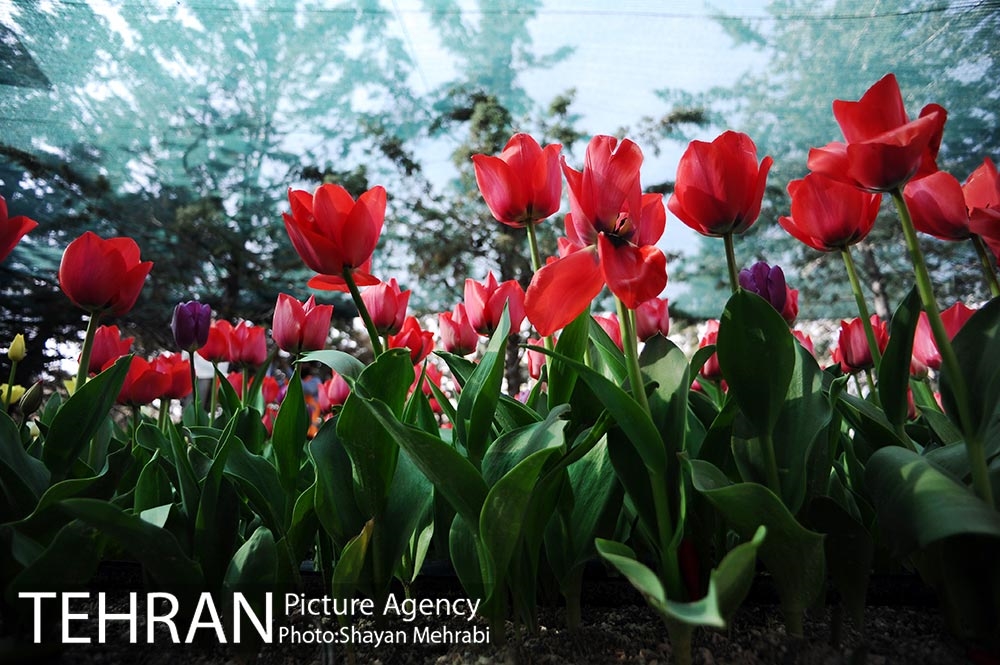
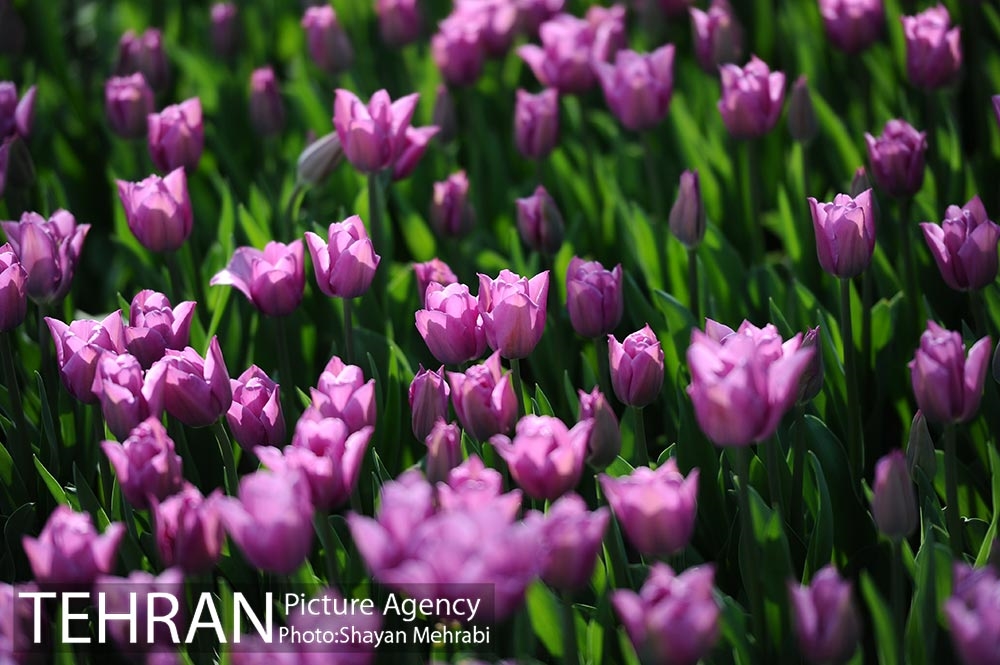
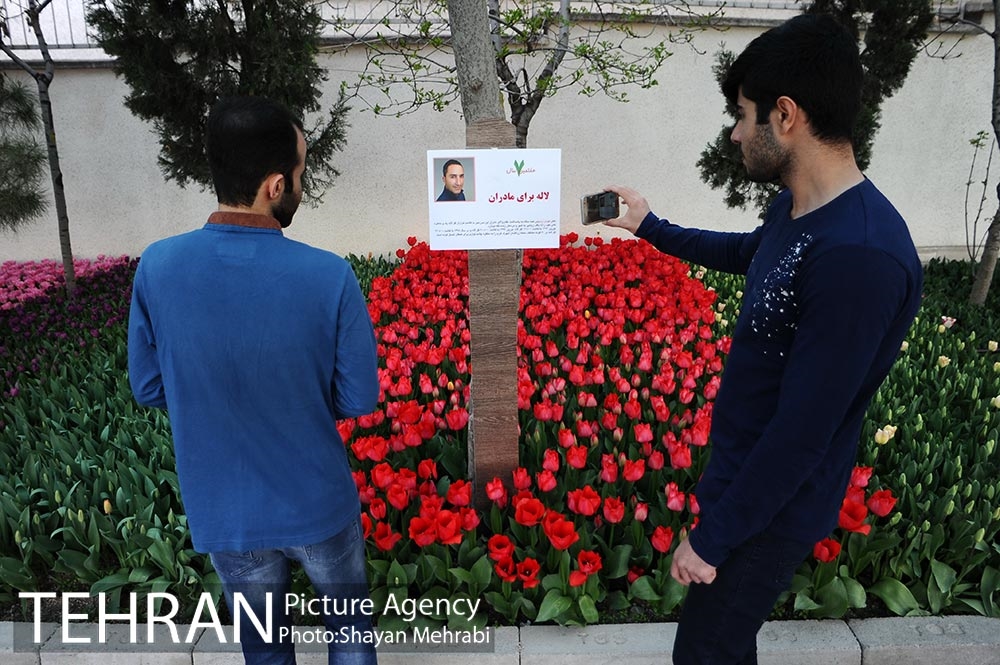
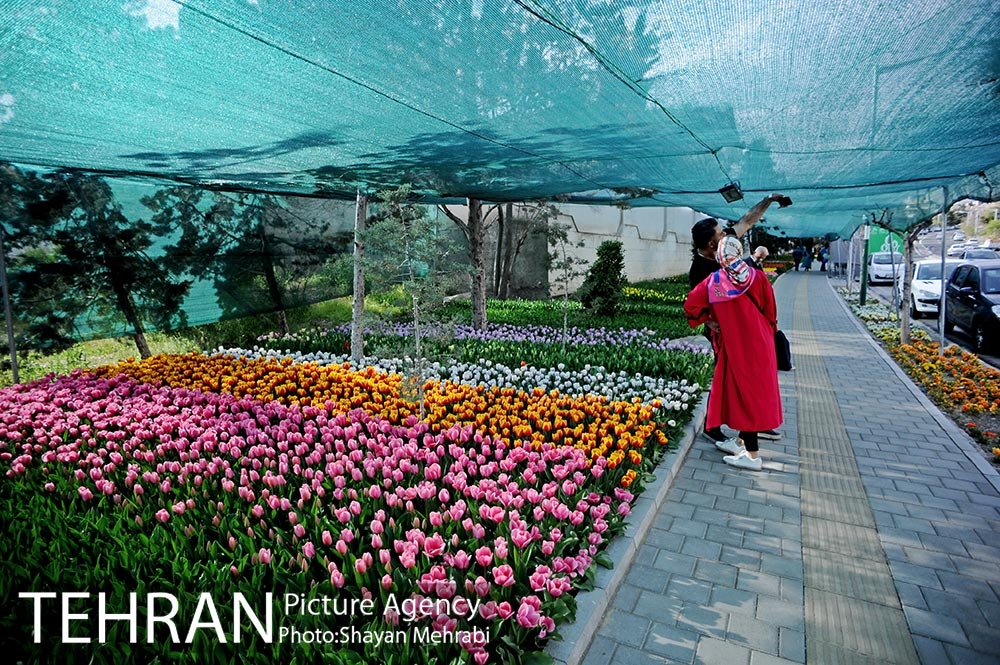
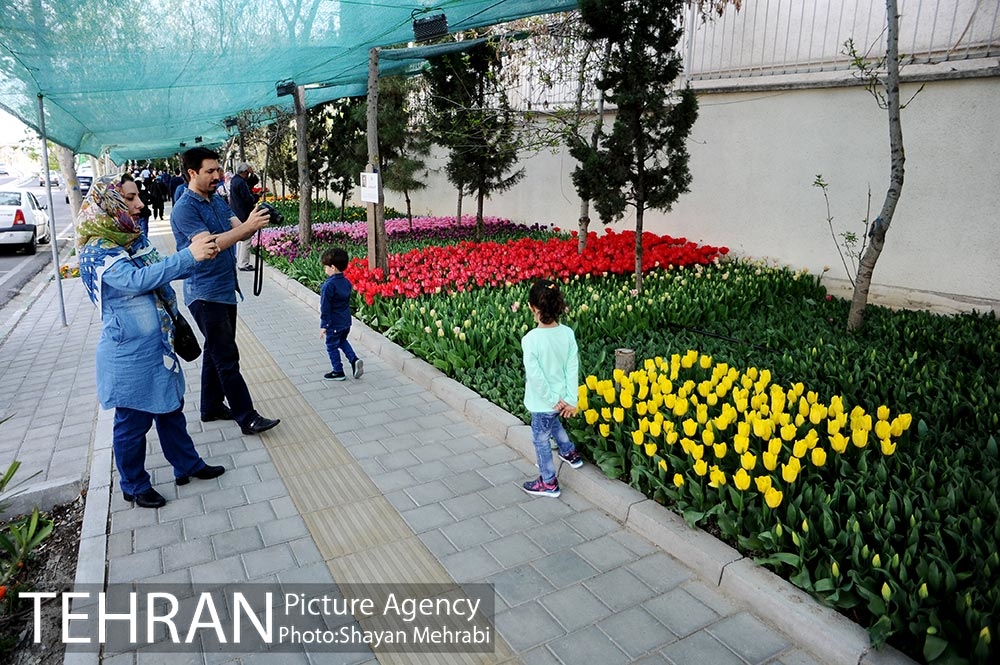
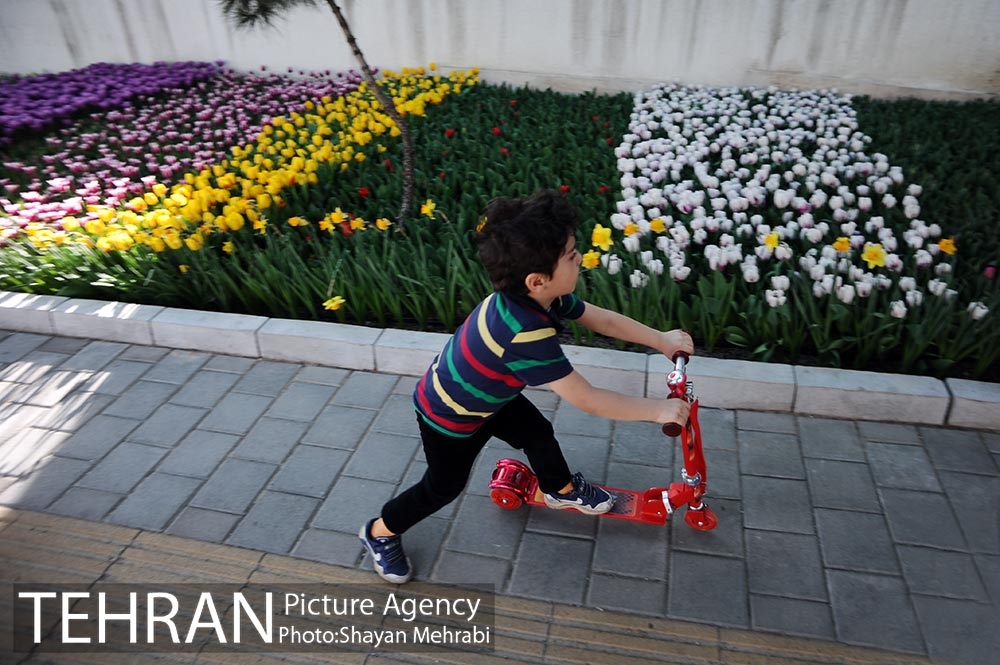
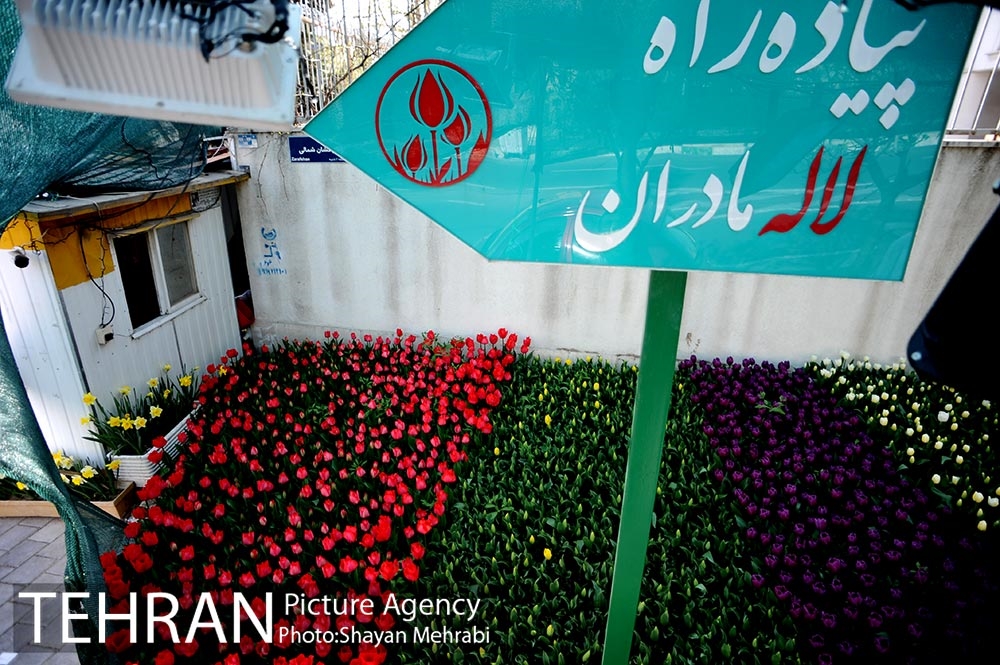
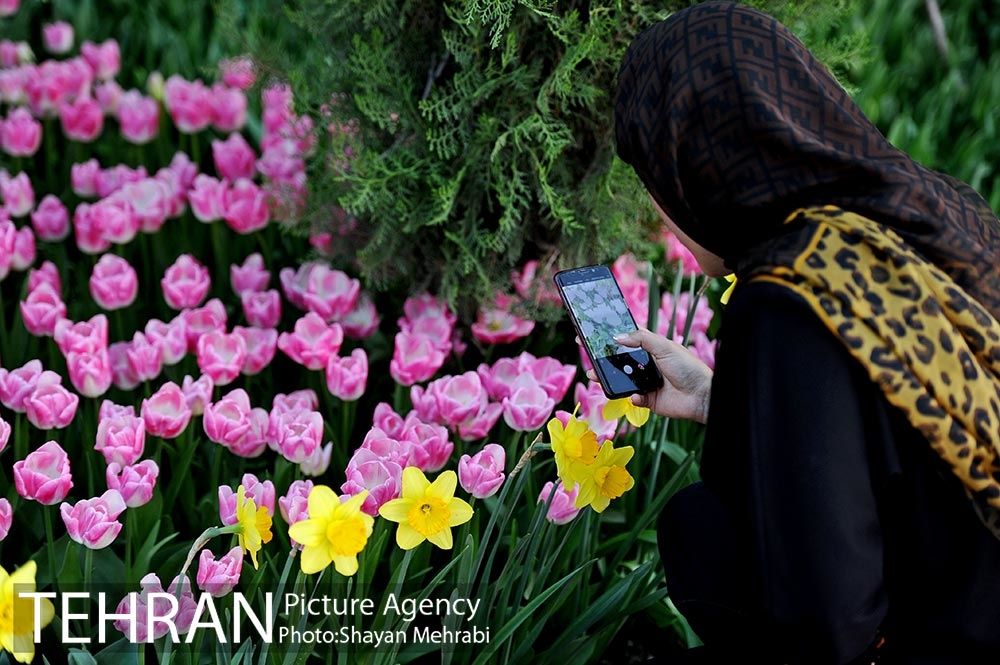
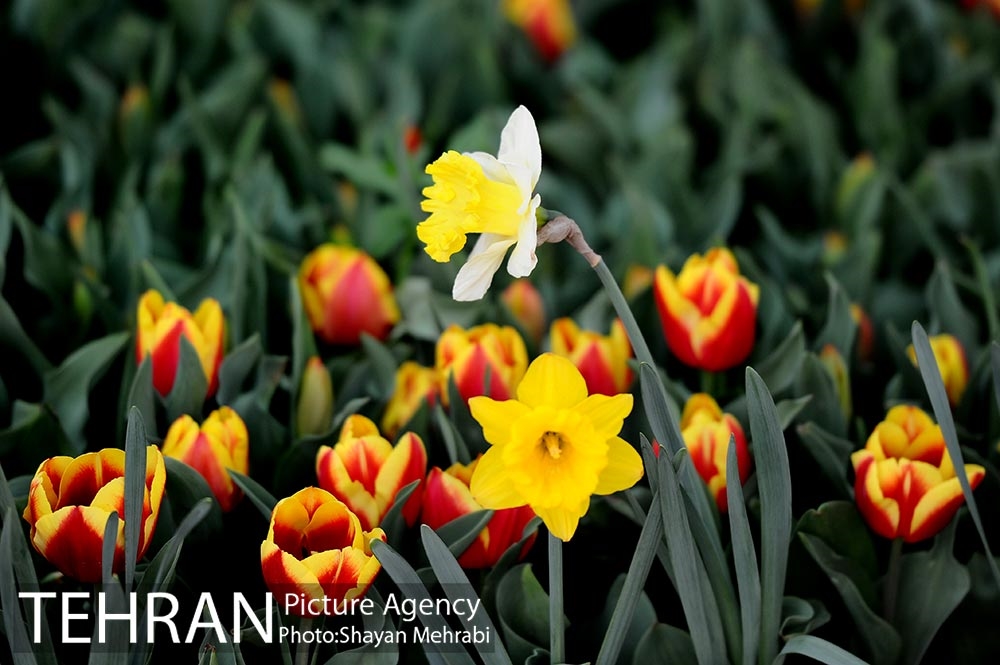
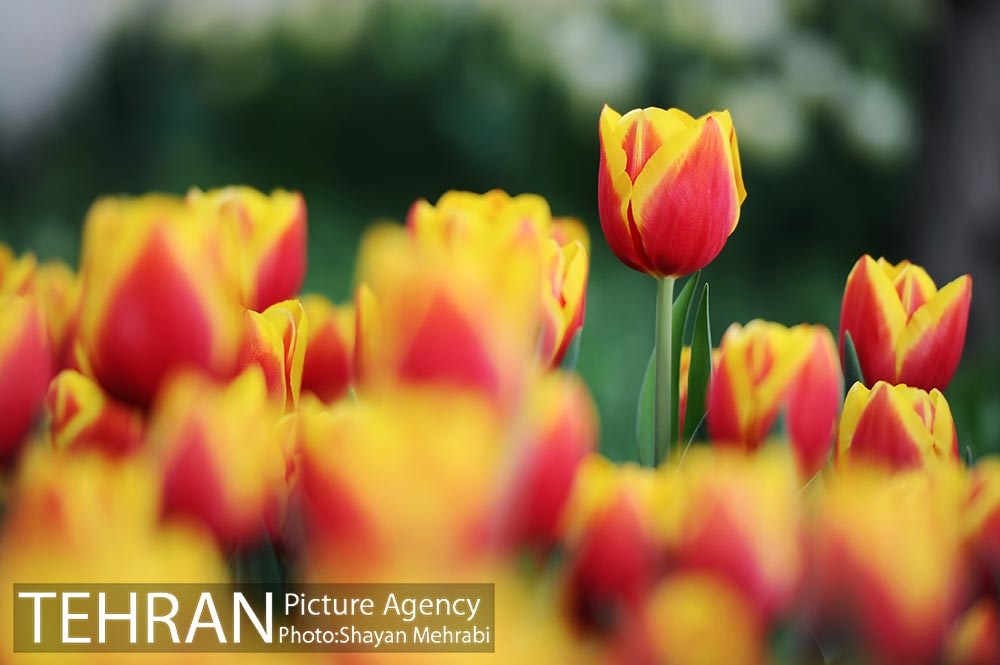
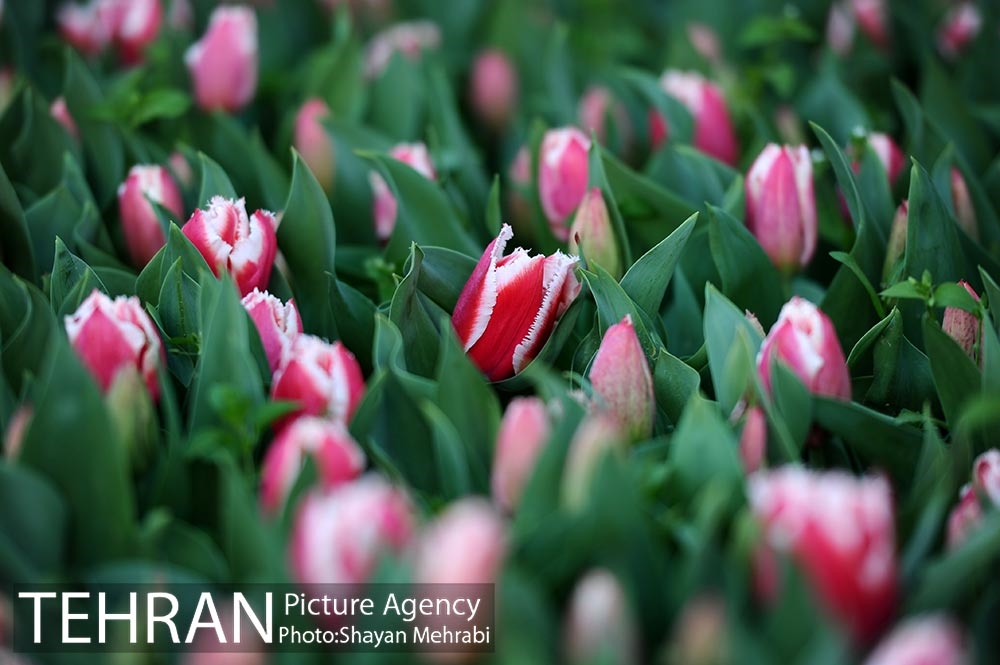
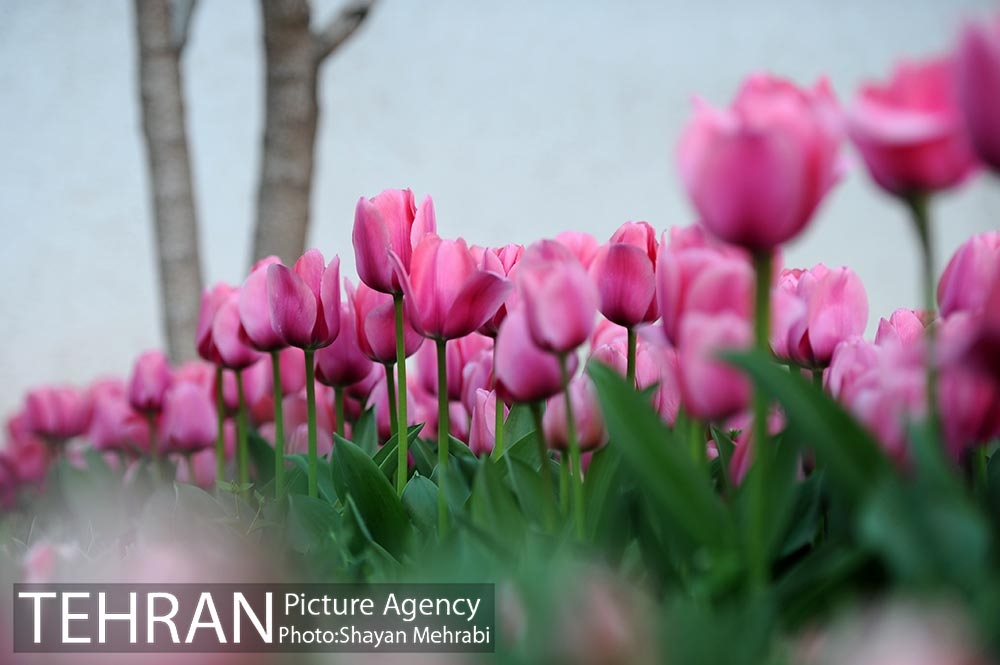
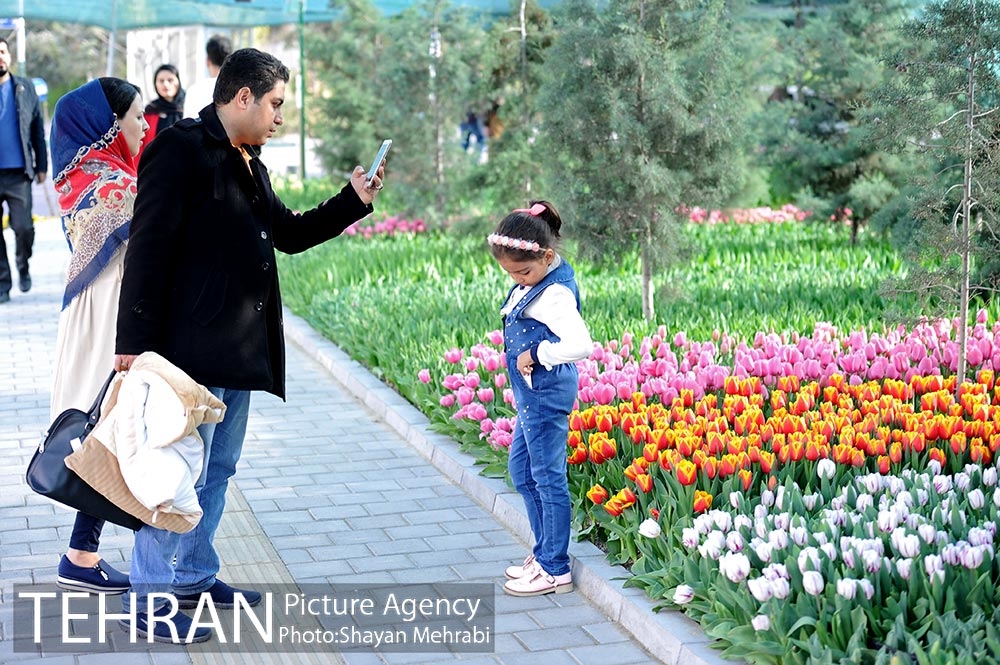
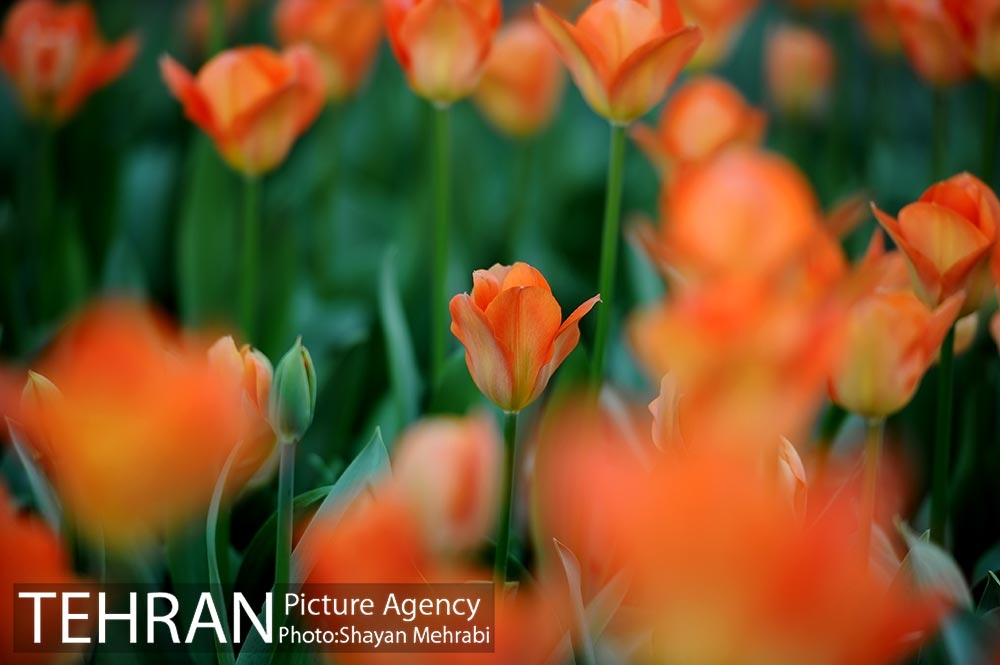
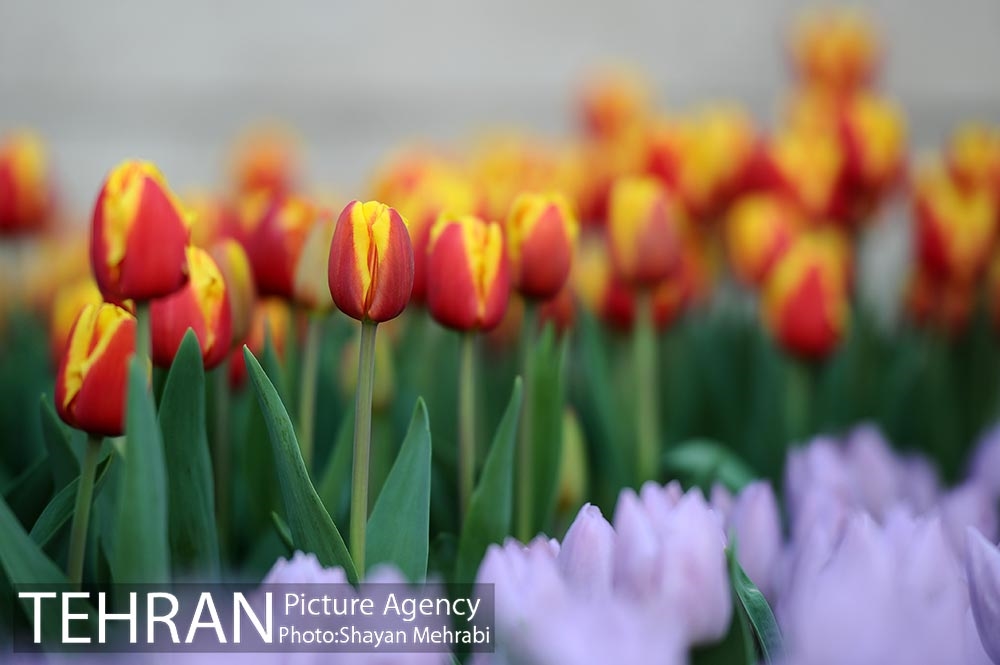
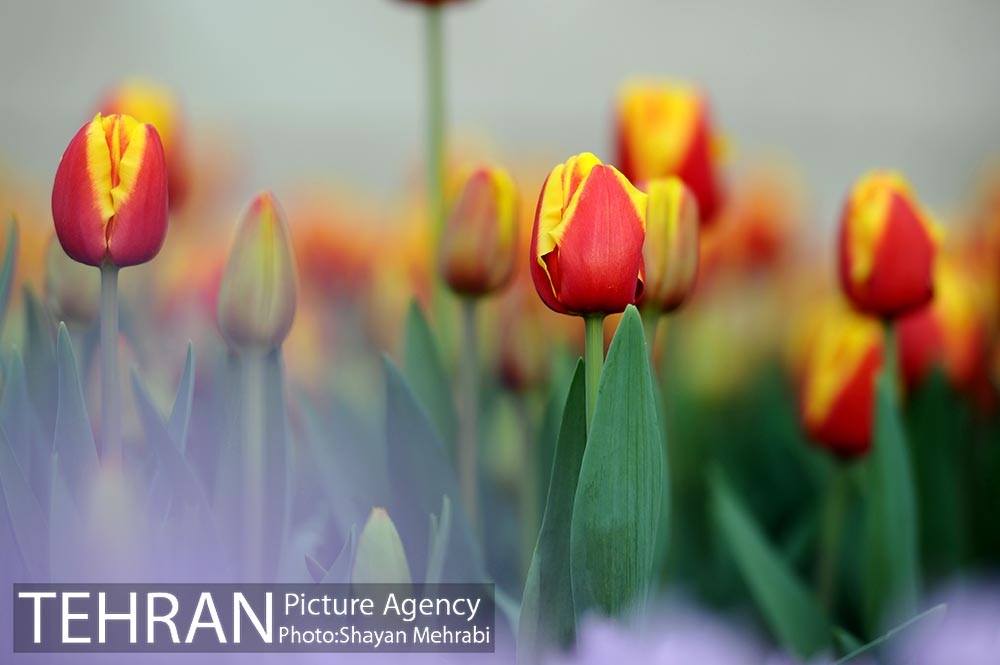
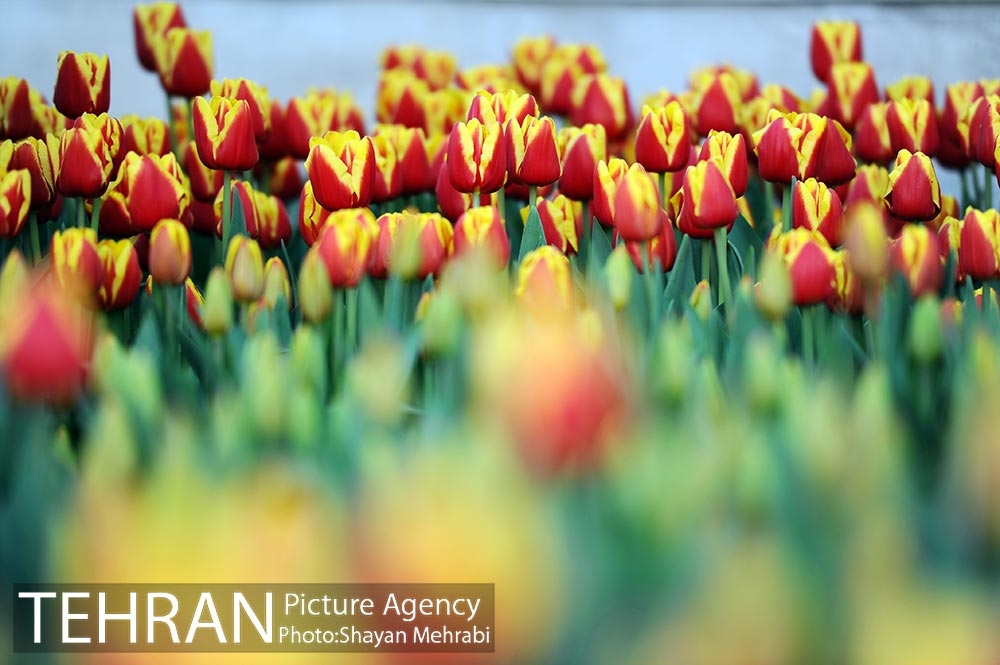
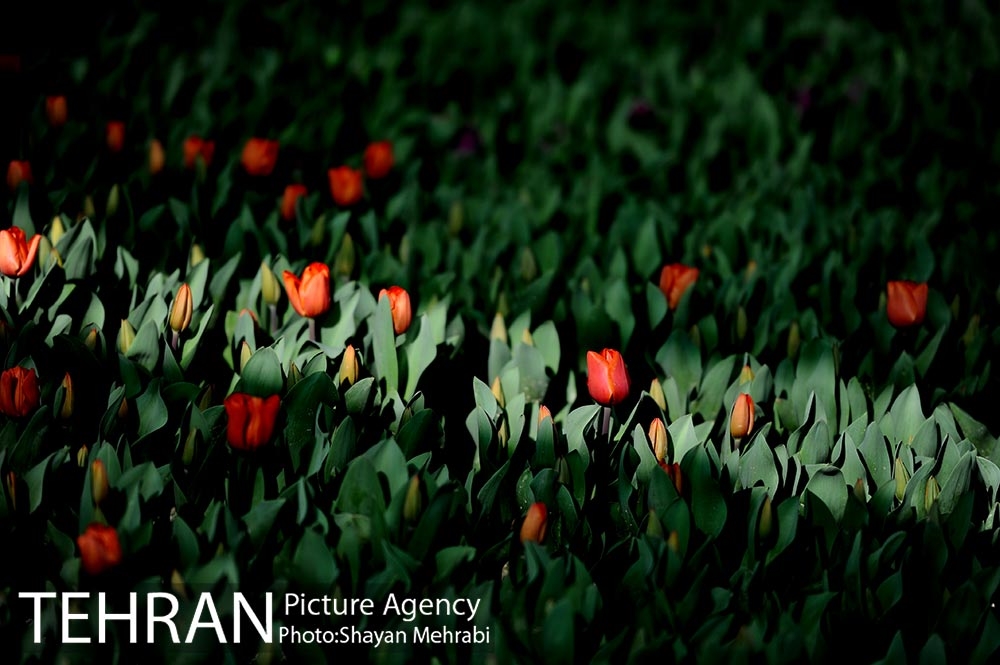
Son Covers Street in Tehran with 200,000 Tulips in Mother’s Memory

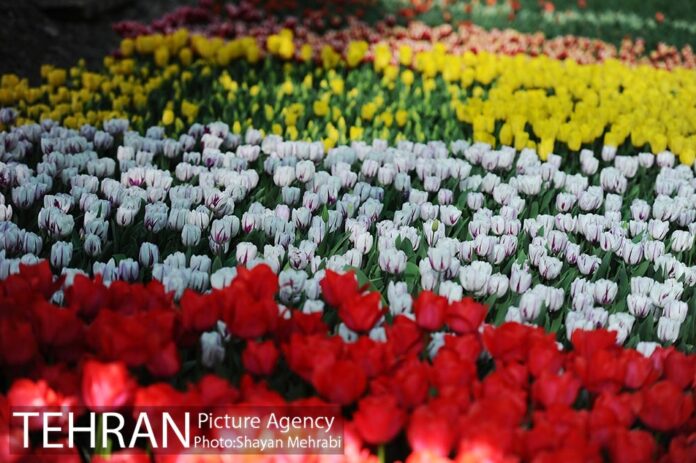
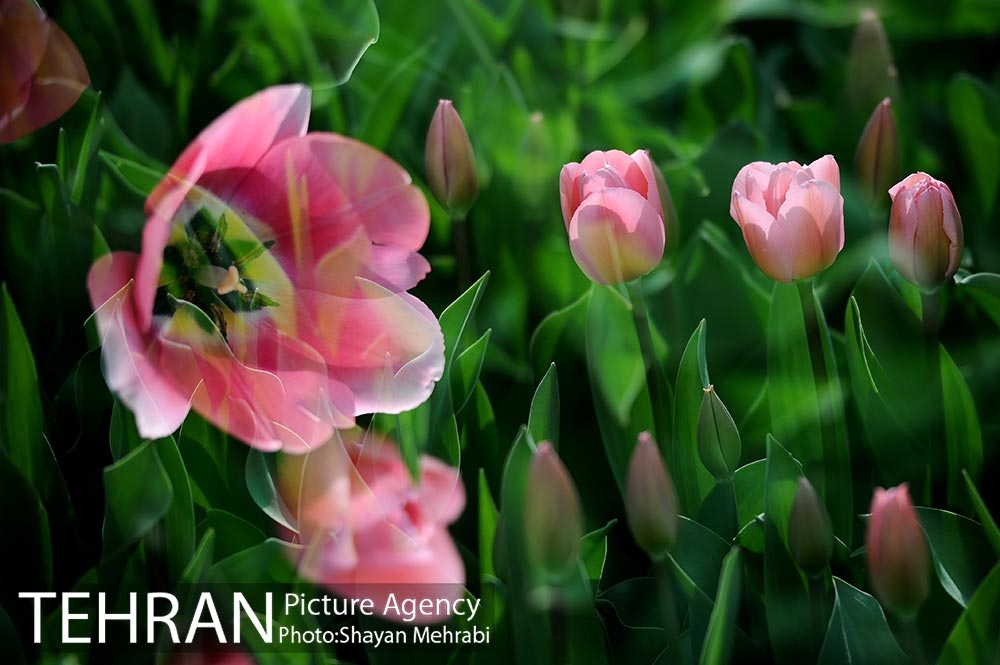
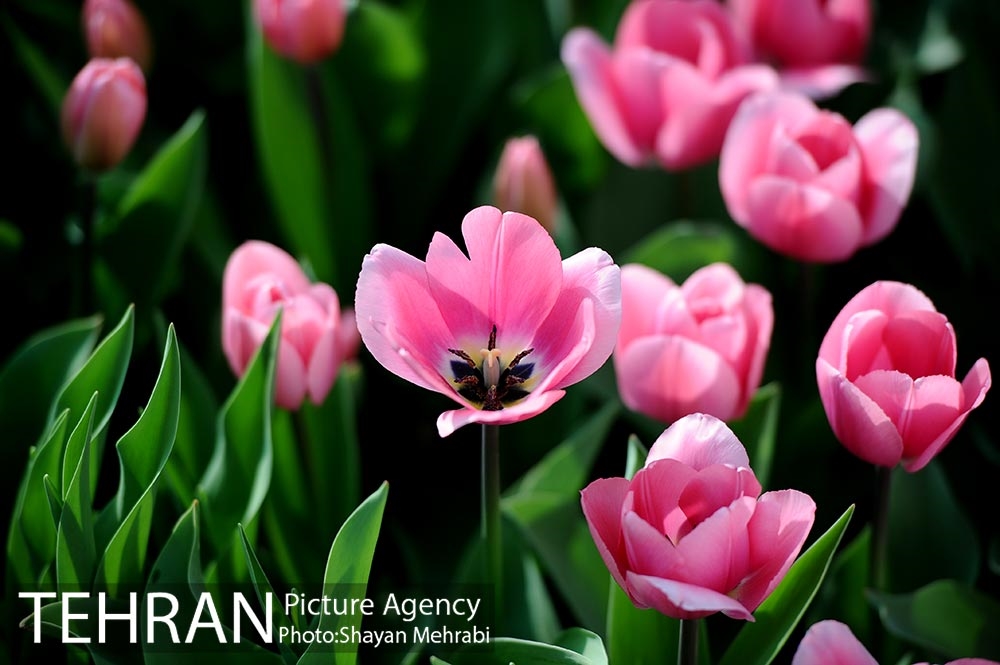
It’s been five years that Houman Ardebili is turning Zarafshan Street in Shahrak-e-Gharb, north-west of Tehran, into a major tourist attraction in April and May.

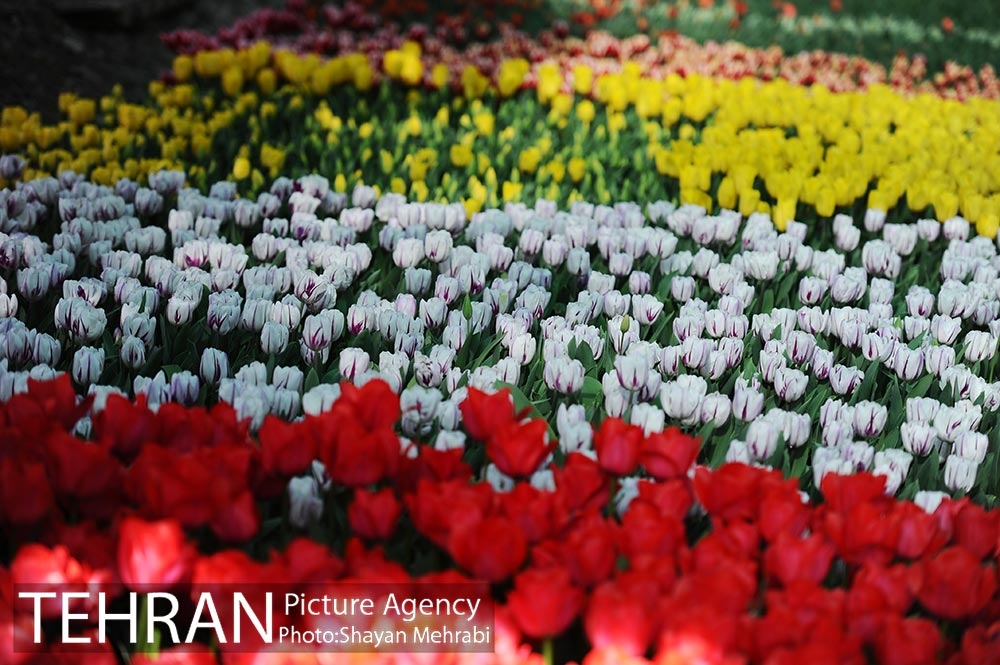
He started with 6,000 tulips in the first, increased them to 30,000 in the third year, and to 200,000 this year, dedicating the flowers to all mothers in the world.

The flowers are planted in an area of 1,600 square metres.

He pays for the tulips from his own pocket in an effort to keep the memory of her late mother, Shahnaz Saberi, alive.

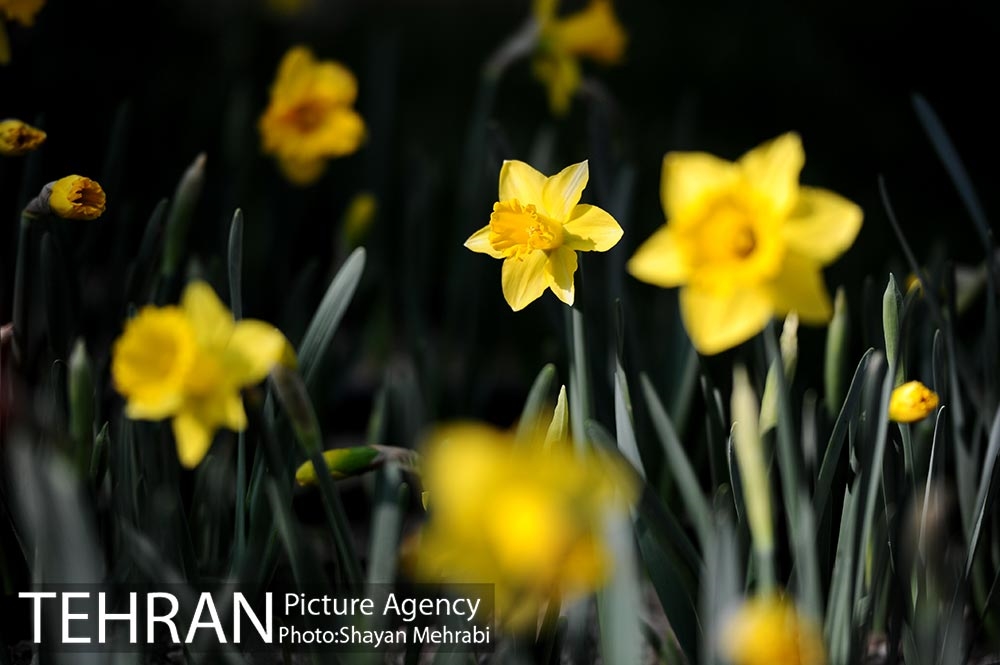
What follows are photos of this year’s flowers, retrieved from IRNA and Tehran Picture Agency: