Saturday, December 27, 2025
Home Blog Page 3197

US Unable to Launch War on Iran: Leader’s Military Aide

Hossein Dehqan

Brigadier General Hossein Dehqan, a top military aide to Iran’s Leader, said the Americans are neither willing to, nor able to do anything.

“That means their reluctance emanates from their inability to trigger chaos and tension in the [Middle East] region or probably to take military action against Iran whether in the form of a limited action or by attacking some centres or bases,” the top general was quoted as saying by ISNA.

In his interview with Qatar’s al-Araby, the senior commander also touched upon some reports suggesting Iran has received an official letter from the US which indicates Washington has no plans to launch military action against Iran.

“There is no need for the Islamic Republic of Iran to be waiting for, or interested to receive such a letter from the Americans,” said general Dehqan, the advisor to Iran’s Islamic Revolution Leader Ayatollah Seyyed Ali Khamenei on defense industries and logistics of the Armed Forces.

He said the US cannot wage an all-out war because neither does the region can take a major crisis, nor is Washington itself able to win the support of the world public opinion or to mobilize resources to take military action against Iran.

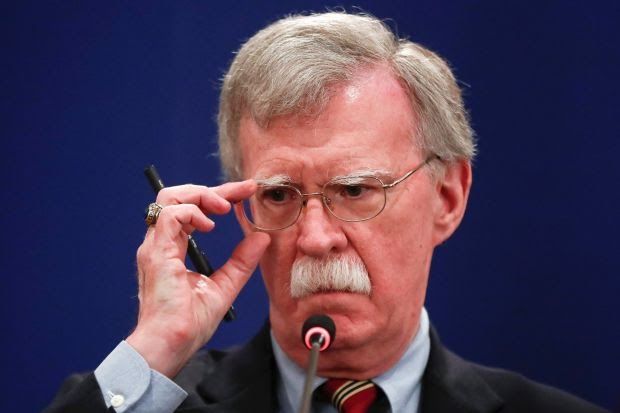
He also touched upon a statement by US National Security Advisor John Bolton in which he says the deployment of the USS Abraham Lincoln to the region sends a message to Iran.

“In military analyses, some people argue that deployment of troops and facilities means preparedness for war and combat. These analysts may even enumerate some objectives for that [possible] war,” he said.

However, added the general, even US President Donald Trump has said that he would be fighting wars in several areas in the world if he wanted to listen to Bolton.

Therefore, he added, the political elite in the United States are still wise enough to stop radicals and keep tension from spilling over beyond acceptable levels.

The senior commander noted that the US and Israel as well as Saudi Arabia intend to create the impression that the Middle East region is on the threshold of a serious crisis.

“This is while they themselves know that in such a crisis if someone pulls the trigger first, that shooting will not be limited to a specified location or region,” he said.

He then touched upon the possibility of Iran blocking the Strait of Hormuz.

“Blocking the Strait of Hormuz is not outside the capability of the Islamic Republic of Iran.” the general noted.

“What the Islamic Republic of Iran has always been saying is that the Strait of Hormuz should be open to all, and that if they are going to impose restrictions on over using it, naturally the sphere of this restriction will include others as well,” he stressed.

“Therefore, if restrictions are slapped on [Iran’s] oil exports, and if we are supposed to lose our sovereignty over this strategic passageway, or if it no longer serves our interests, the Islamic Republic [of Iran] will definitely use this strait as a tool,” he said.
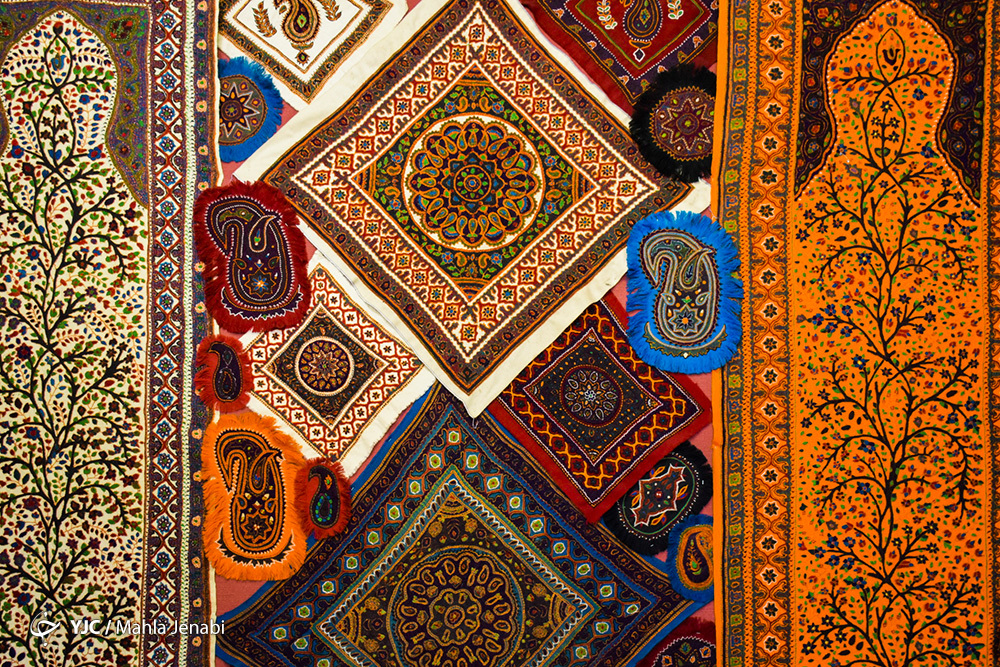
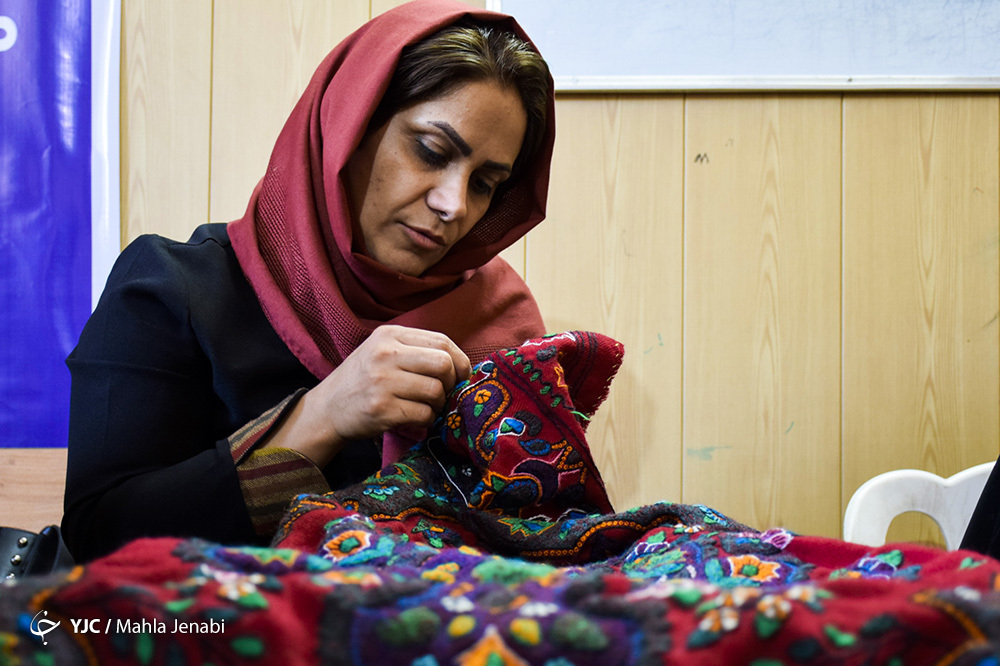
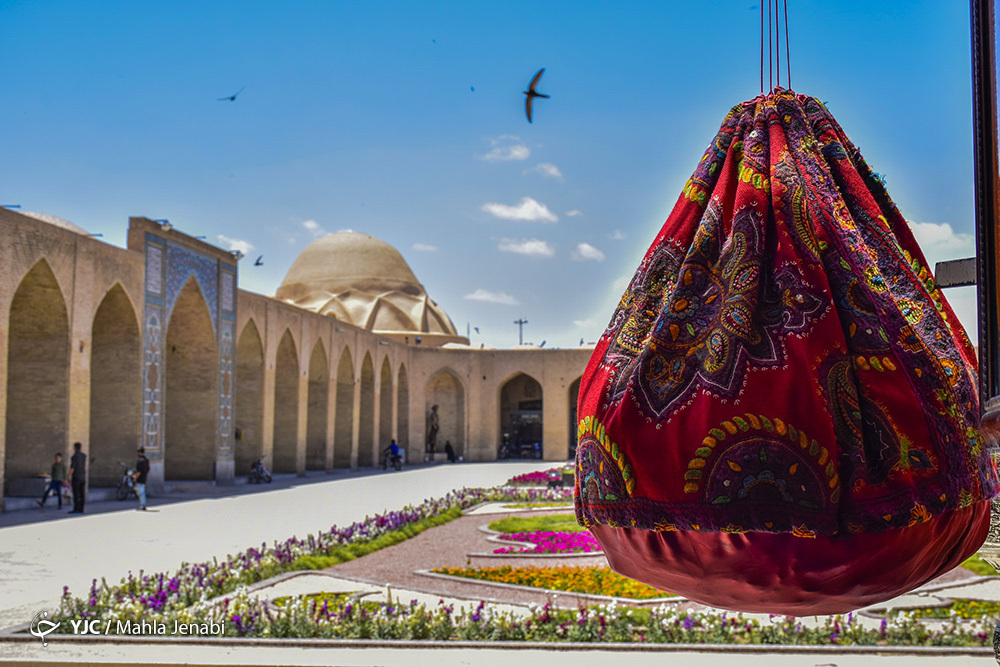
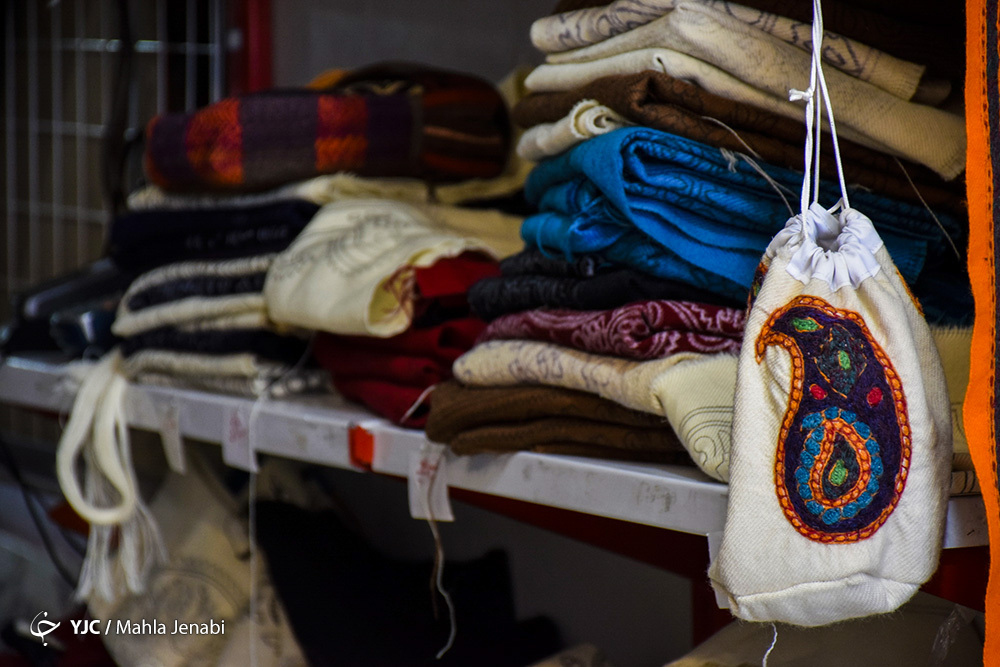
Pateh-Sewing; Folk Art of Women in Iran’s Kerman

Handicrafts in southern Iran

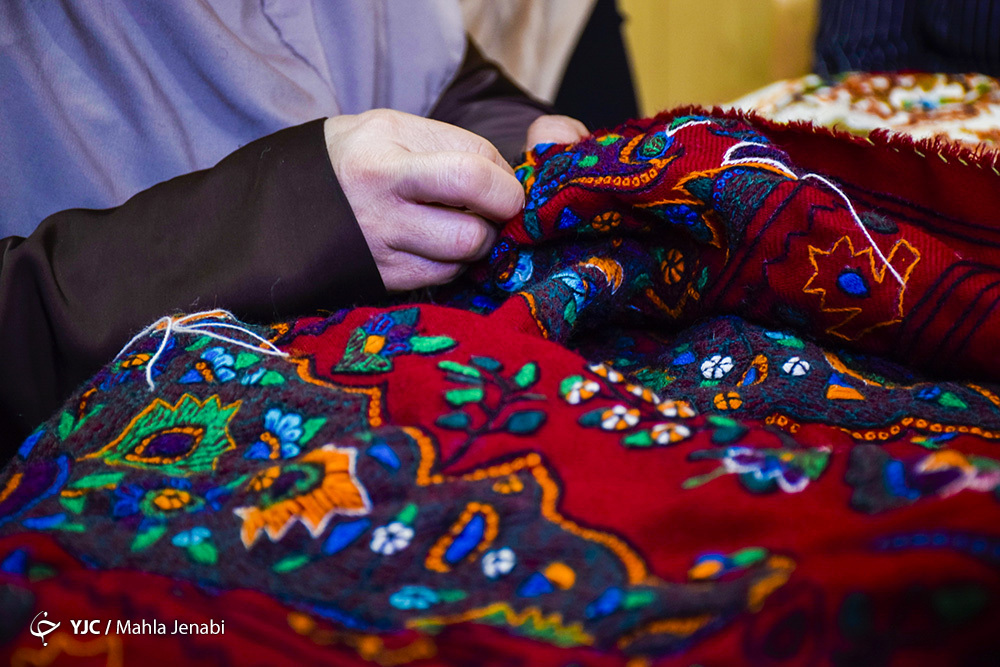
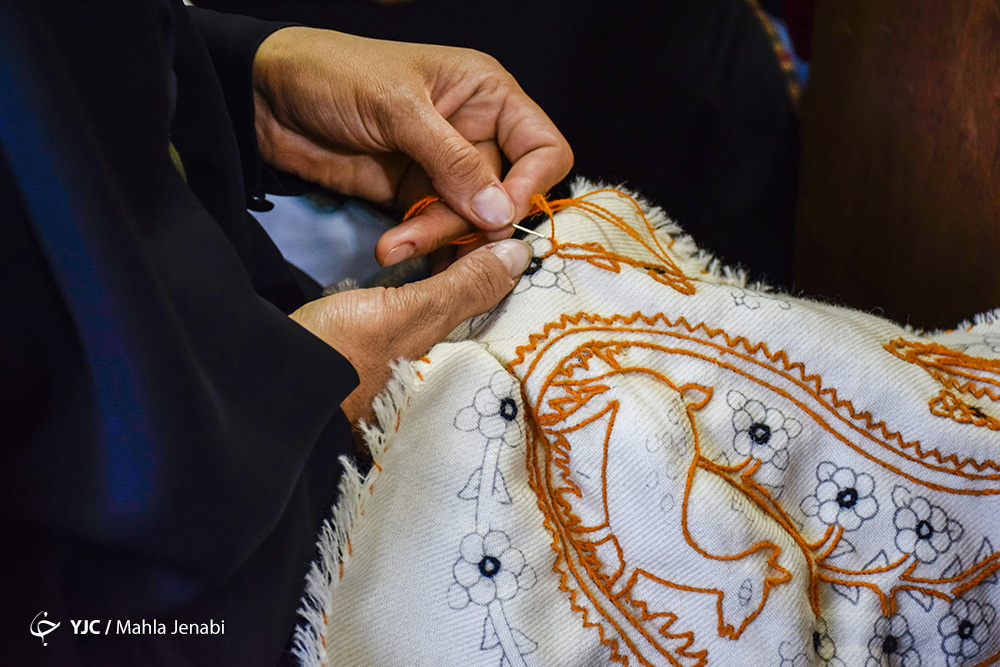
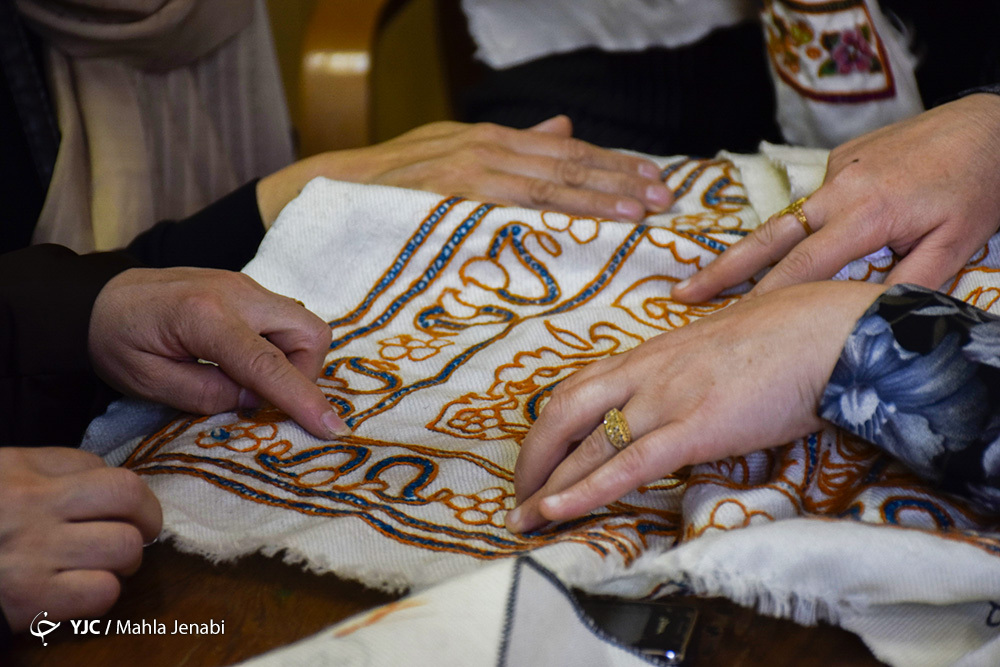
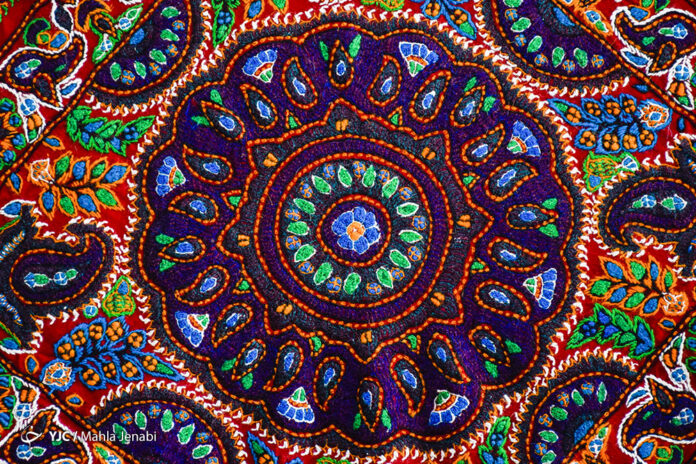
Pateh-sewing, which literally originated in Pat or goat’s wool, is prepared after combing in form of a fabric. It is an ancient needlework style performed on a wool fabric called shawl.

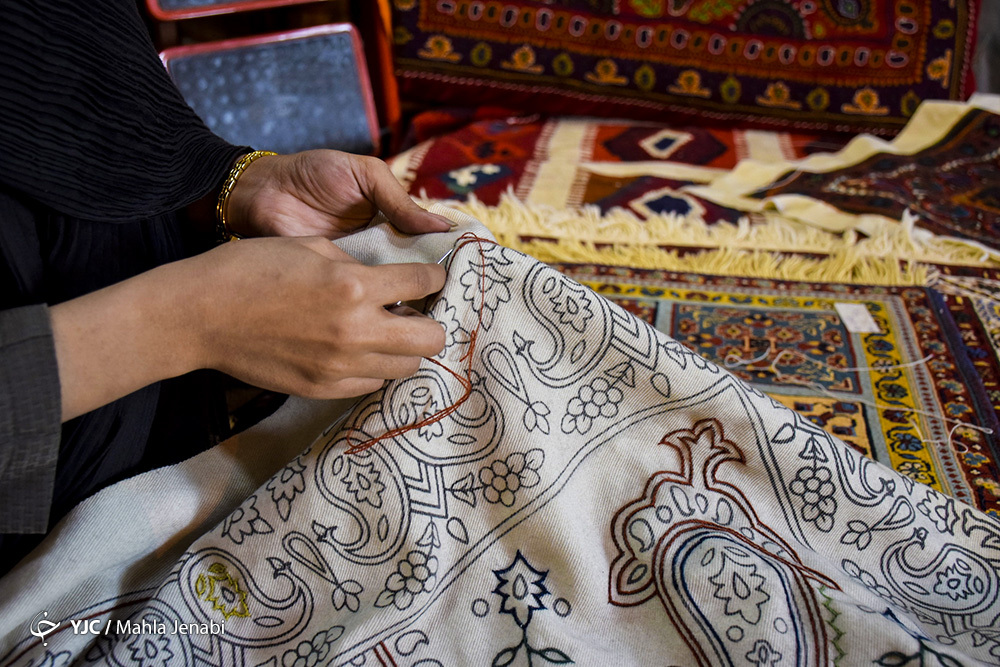
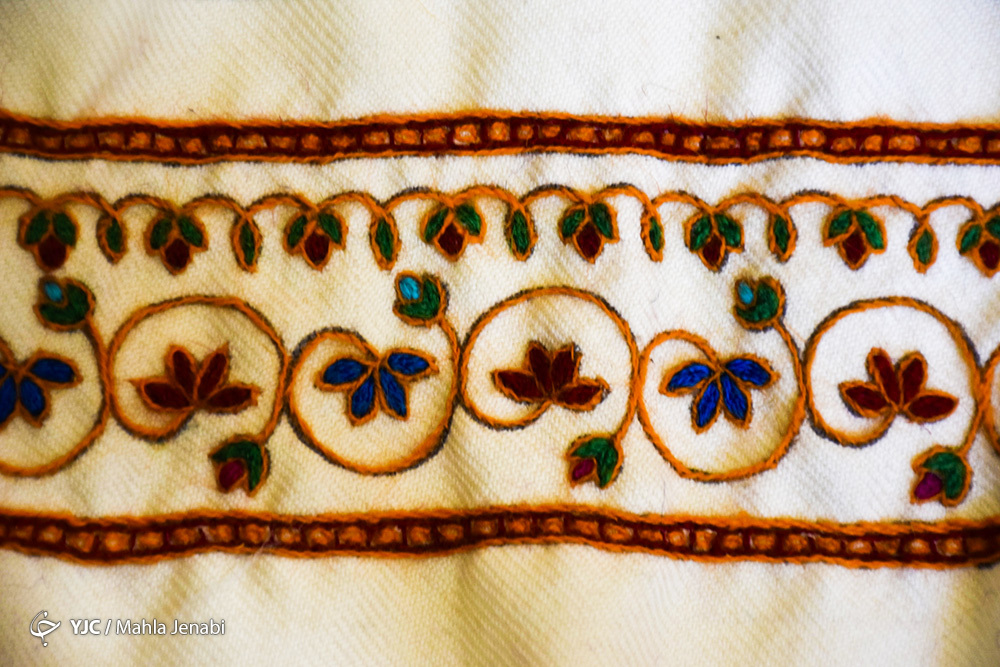
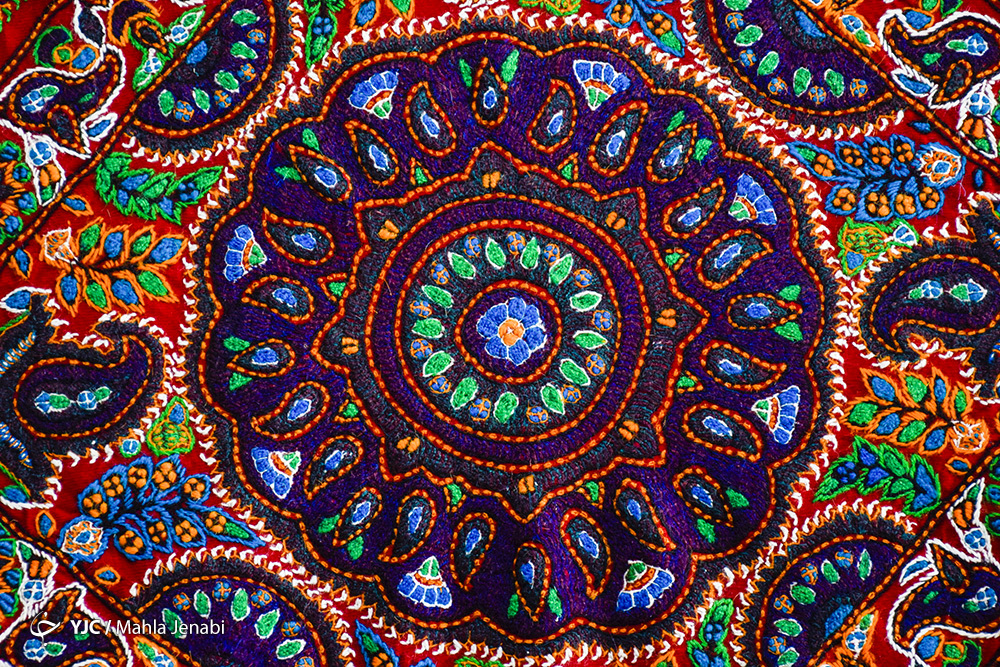
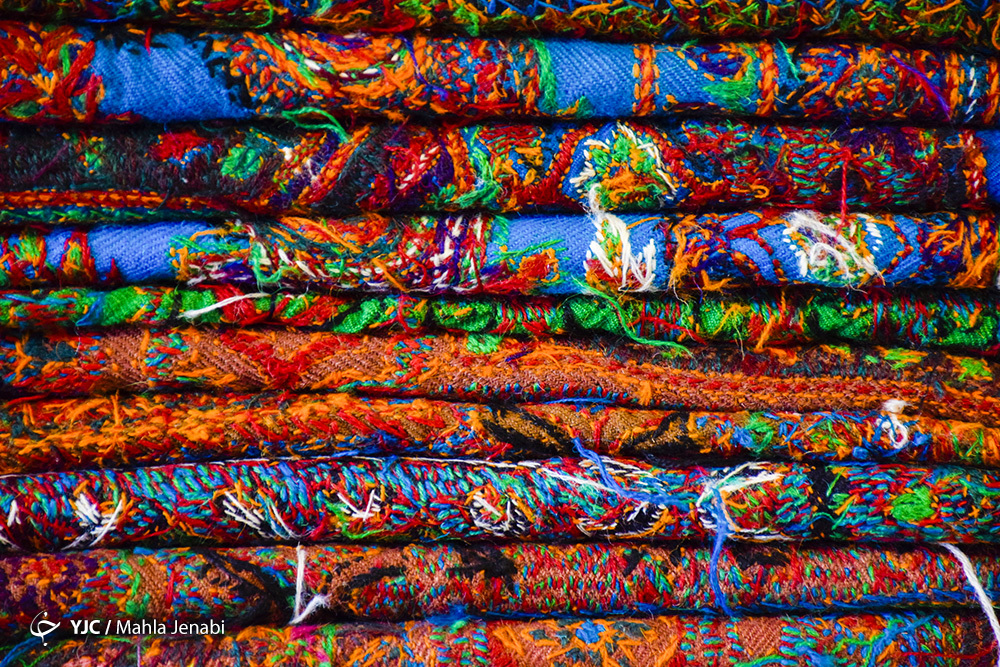
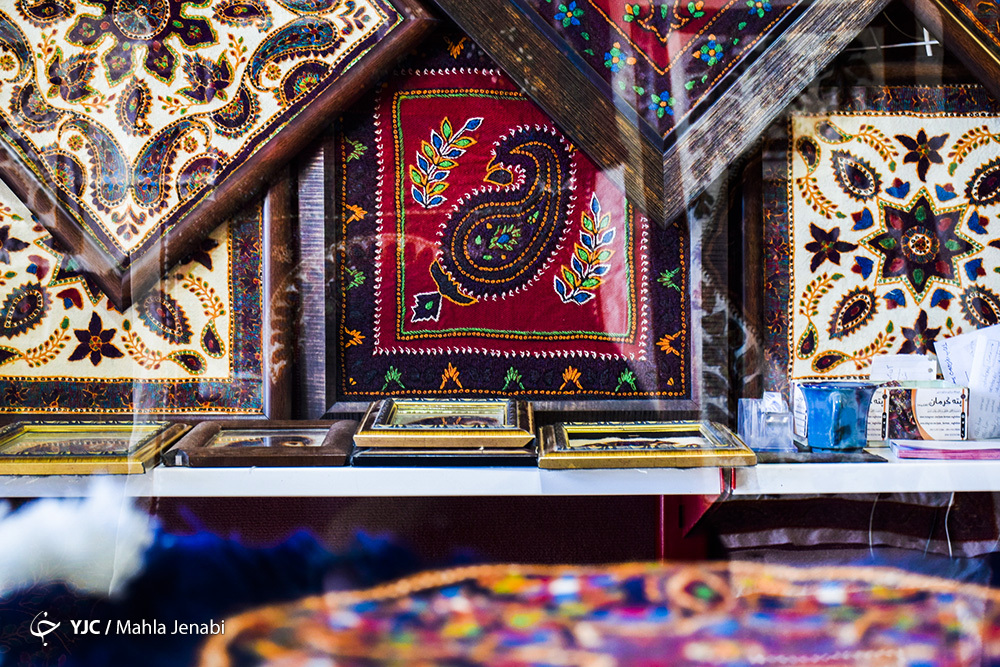
Kermani women and girls do needlework on thick fabrics which are called Ariz. Pateh needlework is done in silk and with flourishes of paisley patterns. Popular designs include the cypress tree and the sun.

The threads used in this art are woolen, elegant and colorful. They are mostly black, green, yellow, orange, red, white and blue.

Although the exact origin of Pateh-sewing is unclear, it has been referred to in Safavid era travelogues.

In the various art books, the oldest sample of Pateh belongs to 1285 AH. One of the oldest samples of Pateh is the one coated on the grave of Shah Nematollah Vali in Kerman’s Mahan. Shah Nematollah Vali was a Persian poet from the 14th and 15th centuries. This is one of the most beautiful examples of Pateh needlework.

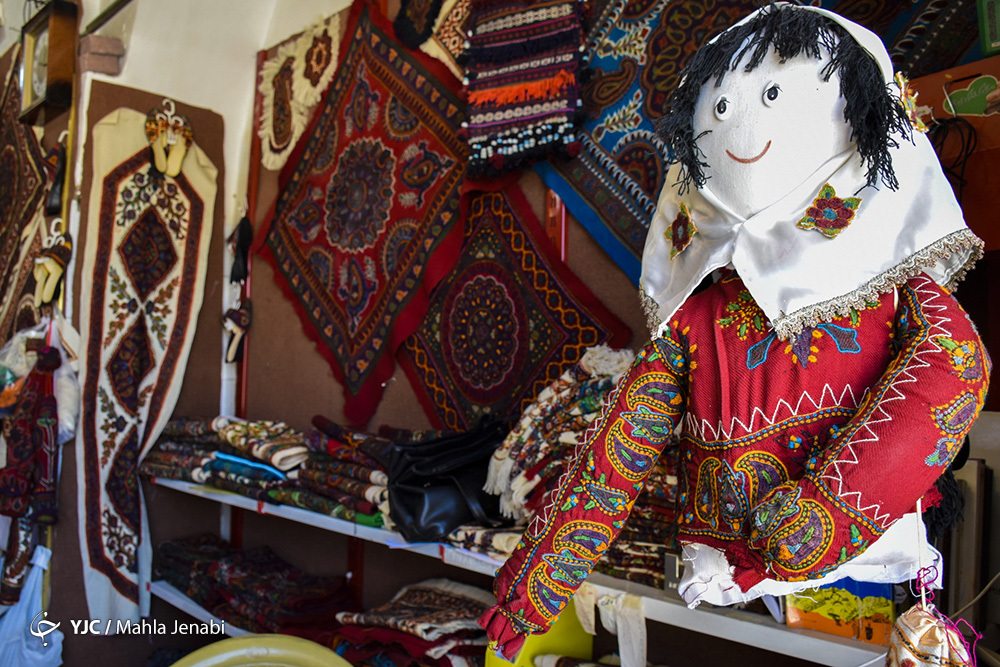
At present, Pateh needlework is carried out on praying rug, Quran covers, tablecloth, etc.

Below, you can see photos of Pateh needlework by Kermani women retrieved from Young Journalists’ Club:

Law to Monitor Iranian Officials’ Assets Coming into Force

US Protests to Engulf Entire America: Iran's Top Judge

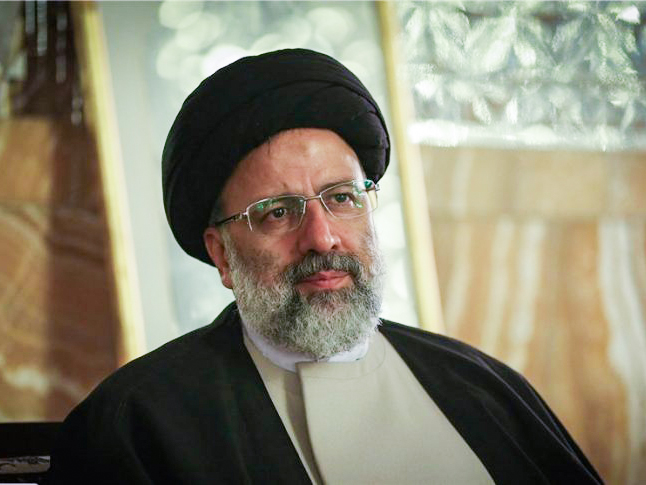
Seyyed Ebrahim Raisi said the directive was approved in 2015 and is being finalized now.

He said the legislation was examined by the Guardian Council and the Expediency Council after passing through Parliament, and has been communicated to the Judiciary as well.

“The Judiciary has been tasked with drawing up the executive bylaw of this legislation, and it is being finalized. This law, which is mainly based on Article 142 of the Constitution, will soon go into effect,” said the top official.

Raisi said the law is not aimed at catching anybody red-handed; rather, “We are seeking transparency and preventive measures.”

“In fact, this law is aimed at further protecting the reputation of officials of the Islamic Republic [of Iran], so that proper mechanisms are formulated to monitor the assets of the Establishment’s authorities in such a way that officials are not constantly targeted by accusations from any person or media outlet and no suspicions are left about their assets and property,” he said.

Iran, Iraq Urge Muslim World to Stop Israeli Aggression on Palestine

Iran, Iraq Urge Muslim World to Stop Israeli Aggression on Palestine
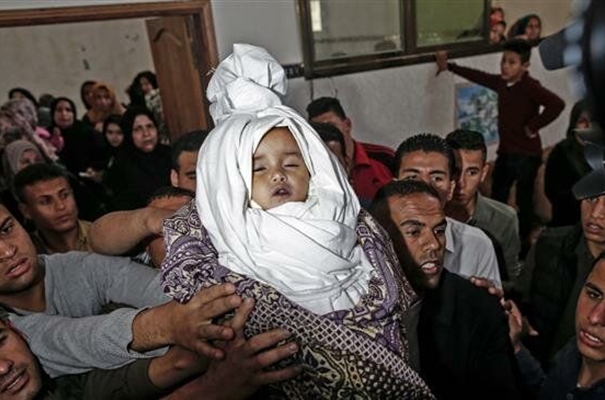
Palestinian mourners carry the shrouded body of 14-month-old Saba Abu Arar during her funeral in Gaza City, the Gaza Strip, on May 5, 2019. / Photo by AFP

In a phone conversation with his Iraqi counterpart on Monday, President Rouhani referred to the brutal attacks of the Israeli regime on Gaza, underlining that these aggressions continue every day, and it is imperative for Muslim countries to become more active in this regard to prevent more aggressions by this regime.

He also pointed to the US policies in the region, and emphasised all the countries of the region must understand the current sensitive conditions and, together with each other, stop US bullying in order to create instability in the region.

“These destabilising US moves in the region would undoubtedly harm the people of the region and even the Americans,” Rouhani told Barham Salih.

Elsewhere in his statements, Rouhani maintained that Tehran is looking forward to deepening friendly relations [with Iraq].

Congratulating the Iraqi President, government and nation on the occasion of the holy month of Ramadan, President Rouhani highlighted that “the two countries have similar views on the most sensitive regional and international issues, and I hope we can see the progress of the region and the closer relations between the two friendly countries of Iran and Iraq in light of cooperation and collaborations.”

In turn, the Iraqi president expressed congratulations to President Rouhani, the Iranian government and nation on the occasion of the holy month of Ramadan saying that the relations between Iran and Iraq are based on the solid historical and cultural foundations and the common interests of the two nations, and Baghdad is determined to develop these relationships.

Salih called the current situation in the region alarming and added that “We have repeatedly expressed our positions on the issues of the region. Iraq is against any tension in the region and never accepts the neighbouring Muslim and brotherly people of Iran suffer any harm.”

The Iraqi president said Iran and Iraq are of the same position regarding the Palestinian issue, stating that “Our duty as leaders of the Muslim countries is to help the oppressed Palestinian people to put an end to the Israeli aggressions.”

Iran Calls for Rationality in International Relations

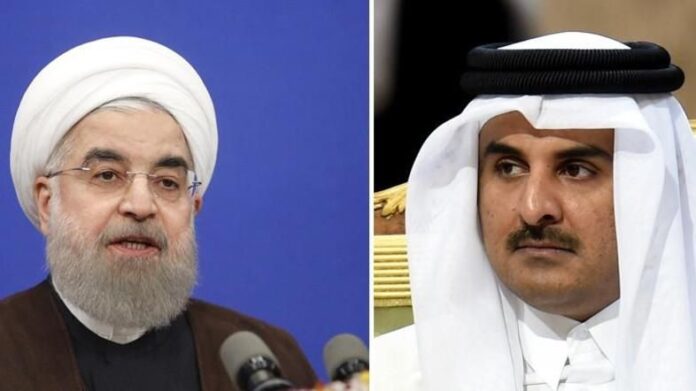
Rouhani made the remarks in a Monday telephone conversation with Emir of Qatar Sheikh Tamim bin Hamad Al Thani.

Rouhani also warned of the possibility of adverse effects of US policies on the regional countries.

Pointing out that the ultimate goal of the United States’ restricting of Iran’s oil exports is to create instability in the region, the president expressed hope that with the political cooperation of friends in the region, stability and security would be sustained in the sensitive Persian Gulf region.

Rouhani further noted that Tehran is interested in expanding ties with all countries in the region, including Qatar, adding that “there is no obstacle to developing bilateral ties in the political and economic spheres.”

President Rouhani noted that the Islamic Republic of Iran is ready to take any necessary steps to help resolve the problems of the region to restore peace. He raised hope that the problems of the region would be settled through dialogue.

Elsewhere in his remarks, Rouhani called the situation in Gaza extremely worrisome, saying that it is necessary for Muslim countries to prevent the killing of innocent Palestinians through unity and putting pressure on the Israeli regime.

He also congratulated Emir of Qatar on the arrival of the holy month of Ramadan.

For his part, Sheikh Tamim said “We have repeatedly told Americans and our friends that these differences must be resolved through dialogue, and Qatar strongly rejects any action that leads to insecurity in the region.”

The Qatari Emir also offered congratulations over the onset of holy month of Ramadan adding that the Qatari government and nation are grateful to Iran and its positions, and will never forget Tehran’s benevolence during hard times.

Iran Expresses Deep Regret over Russia Plane Fire

In a Monday statement, Mousavi offered condolences to the Russian nation and government, especially the families of the victims of the tragic incident, and sympathized with them.

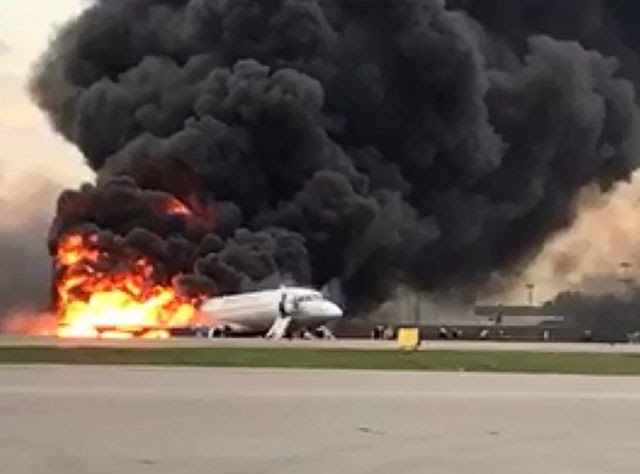
At least 40 have died after a Russian plane caught fire during an emergency landing at Moscow’s busiest airport as flames and thick black smoke poured from the fuselage, Russian news agencies reported.

Only “37 out of 78 survived” the Superjet-100 crash-landing and fire, RT quoted investigators as saying.

Leaked security camera footage shows the ill-fated landing attempt of Sukhoi Superjet-100 at Moscow’s Sheremetyevo Airport. The jet bounces and then smacks into the tarmac, rupturing its undercarriage and bursting into a fireball.

The alleged footage of the crash-landing was captured by an airport security video camera and uploaded to Telegram channel Baza. It shows the aircraft attempting to land at speed, but then bouncing off the runway. Another touchdown attempt is made seconds later, but the plane’s undercarriage apparently collapses, smashing its engines and triggering a massive fireball.

Iran Says Bolton Lacks Proper Military Understanding

SNSC’s Spokesman Keyvan Khosravi said on Monday that John Bolton lacks a proper military and security understanding, and his remarks are more of a show-off nature.

“According to the close observation of the Iranian Armed Forces, USS Abraham Lincoln Carrier has entered the Mediterranean Sea 21 days ago, and Bolton’s statement is an inept use of an outdated incident to wage psychological warfare,” he added.

Khosravi also referred to the persistent frustration of the US military in the face of regional crises saying it is unlikely that US commanders and military forces would be willing to test the proven capabilities of the armed forces of Iran.

US National Security Advisor John Bolton said in a statement on Sunday that “in response to a number of troubling and escalatory indications and warnings, the United States is deploying the USS Abraham Lincoln Carrier Strike Group and a bomber task force to the US Central Command region to send a clear and unmistakable message to the Iranian regime that any attack on United States interests or on those of our allies will be met with unrelenting force.”

“The United States is not seeking war with the Iranian regime, but we are fully prepared to respond to any attack, whether by proxy, the Islamic Revolutionary Guard Corps, or regular Iranian forces,” reads his statement.

Selfless Woman Wins Iran’s Top Midwife Award

Lorestani Rad from Pol-e Dokhtar County voluntarily rushed to the flood-hit areas to offer services to the provincial residents during the recent disaster.

From mid-March to April 2019, widespread flash floods hit large swaths of Iran, most severely in Golestan, Fars, Khuzestan, and Lorestan provinces. The country was hit by three major waves of rain and flooding over the course of two weeks which led to flooding in at least 26 of Iran’s 31 provinces. At least 76 people died across the country.

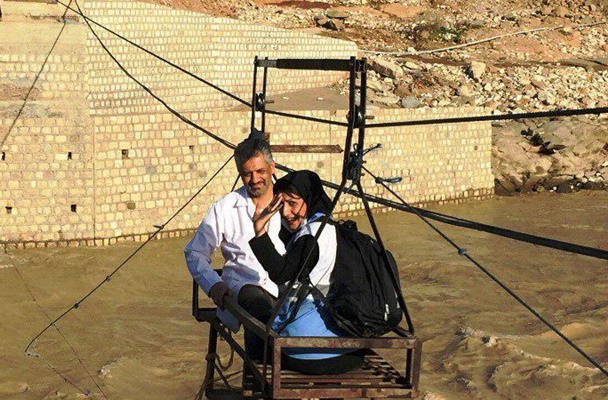
Lorestani Rad was among the midwives who missed no time to rush to the flood-hit areas to offer services to the women in dire need of her services. She pushed her way to the heart of the flood-hit areas by boarding an iron carrier called Gorgor.

In an interview with IRNA on the occasion of the International Day of the Midwife (May 5), the brave Iranian woman elaborated on her efforts in the flood-hit areas which won her the title of the top midwife of Iran. Below, you can read an excerpt of the interview:


Birth of 50 Children amid Flood Ruins

Lorestani Rad who rushed to the flood-hit areas of Lorestan province since the early days of the flood, began her operation in the makeshift hospital of Islamic Revolution Guards Corps (IRGC) in Lorestan.

“I was also present in Sarpol-e Zahab when the region was hit by a heavy earthquake more than one and a half years ago. During the recent floods, I was also dispatched as part of a medical team to Pol-e Dokhtar to offer services to the quake-hit people there,” she said.

She went on to say that unfortunately, during the recent flood, many people lost their houses and properties so they didn’t have even the basic goods for serving food. “So they were in dire need of not only basic goods but spiritual support by other fellowmen.”

Lorestani Rad said she and her colleagues began a house-to-house search to find out pregnant women and offer medical services to them.

“We examined their physical conditions and offered them some health items. For example, during one day, we managed to examine 128 women and offer medical services to them,” she noted.

In addition to medical operations, Lorestani Rad also joined Pol-e Dokhtar’s mountaineering team to distribute food and medicines to people caught in relatively impassable areas. The team also trained pregnant women, the old and middle-aged women how to use the health and food items.

“We found some villages which had been cut off during the flood and used Gorgor and walked a long distance to reach them to distribute food and medicine among their residents,” she noted.

According to Lorestani Radi, thanks to the distribution of free food and medicine among the flood-affected people, the situation was controlled and there was no report on any problem for any pregnant woman in the areas.

“I never imagined that I’d begin to help a pregnant woman give birth in the ruins of flood,” she said.

The International Day of the Midwife was first marked on May 5, 1991. It has since been observed in over 50 nations around the world. The idea of having a day to recognize and honour midwives came out of the 1987 International Confederation of Midwives conference in the Netherlands. In 2014 it was celebrated in Iran and New Zealand among other places.

Midwifery is the health science and health profession that deals with pregnancy, childbirth, and the postpartum period (including care of the newborn), in addition to the sexual and reproductive health of women throughout their lives.

Is Iran Planning to Recognize Bitcoin?

Photo of a Bitcoin ATM in India's Bangalore

Bitcoin is a cryptocurrency and a form of electronic cash which many computer geeks believe will form the future of the global economy.

This comes as governments and other official economic entities are relatively suspicious about it. The suspicion along with the uncontrollable nature of the cryptocurrency have led many countries in the world not to recognize and accept it legally.

However, there are some other countries which recognize Bitcoin and even allow their residents to exchange the electronic cash into their own national currency or other foreign currencies.

For Iranians who are interested in the digital currency or have decided to invest in it, it is not possible to exchange their digital investment into the Iranian rial or other currencies. That’s because the Central Bank of Iran has not yet recognized Bitcoin. So, the closest countries for Iranian Bitcoin owners to exchange their money are Armenia and Saudi Arabia.

Saudi Arabia does not allow its currency exchange offices to exchange Bitcoin but it has established one Bitcoin Automated Teller Machine (ATM) in the transit hall of its international airport. Last month, some reports said Dubai has also established a Bitcoin ATM in one of its international commercial skyscrapers.

That’s why a report on the unveiling of a new digital system during the IRAN FINEX sparked widespread rumours among many people. The speculations said the first Bitcoin ATM has been established in Iran. But a brief Google search leads us to a similar news story dating back to about five months ago saying that the first Bitcoin ATM has been unveiled during a conference on Electronic Banking and Payment Systems in Tehran.

The news story also includes a video showing how the system functions. The system is totally different from what is known as the Bitcoin ATM in the world.

In response to a question on the differences between the two systems, the Public Relations Department of Iran’s Securities and Exchange Organization – which is in charge of organizing the IRAN FINEX – said based on the regulations of Iran’s Central Bank, exchanging digital currency is still forbidden in Iran.

The Department then elaborated on the recent report on Bitcoin ATM unveiling in Iran and said no economic entity in Iran is allowed to work in this area.

“But as far as we know, the new system unveiled during the IRAN FINEX, belongs to a startup. It was only put on display during the fair and there is no plan for bringing it into the monetary system of our country,” the department added.

Bitcoin is a decentralized digital currency without a central bank or single administrator that can be sent from user to user on the peer-to-peer bitcoin network without the need for intermediaries.

Al Jazeera Displays Name of ‘Persian Gulf’ during Famous Talk Show

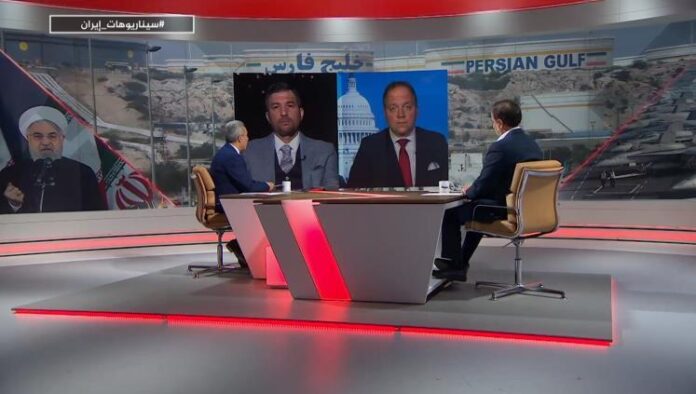
During the program, the name “Persian Gulf” attracted much attention on its video wall, as it was screened in English and Arabic languages in the background.

Undoubtedly, this is a very significant development that will not be liked by Saudi Arabia, the UAE, Bahrain and some other Arab countries.

According to Iranian expert Massoud Asadollahi, this decision was made before the program goes on air and it was not a mistake. Because before the program began, the host said the title has been chosen although they know by broadcasting this image they will be severely attacked in the Arab world.

The name Persian Gulf has been used throughout history, in maps, documents and diplomacy, from the ancient Persians, whose empire dominated the region, to the Greeks and the British.

The push by certain Arab countries and their Western allies to call it “Arabian” gathered steam during the Pan-Arab nationalist movement of the late 1950s, propelled by president Gamal Abdel Nasser of Egypt.

The United Nations uses Persian Gulf. A 2006 paper by a United Nations working group found unanimity in historical documents on the term, which it said was coined by the Persian king Darius in the fifth century BCE.

Al Jazeera is the most prestigious media outlet in the Arab world and one of the most promising news networks in the world. Despite having some orientations against Iran at the beginning of its activity, the channel has recently had a more positive outlook towards Iran.

Another thing to note is that in the wake of the tension between Qatar and the four countries of Saudi Arabia, the UAE, Bahrain and Egypt, the closure of the Al-Jazeera network and all its branches was one of the conditions of these countries to re-establish ties with Doha.

In the aftermath of the murder of Saudi journalist Jamal Khashoggi, the news network played a significant role in exposing the facts about the Saudis’ role in his murder.

Al Jazeera, also known as JSC (Jazeera Satellite Channel), is a state-funded broadcaster in Doha, Qatar, owned by the Al Jazeera Media Network. Initially launched as an Arabic news and current-affairs satellite TV channel, Al Jazeera has since expanded into a network with several outlets, including the Internet and specialty television channels in multiple languages.

Al Jazeera Media Network is a major global news organization, with 80 bureaus around the world.