Saturday, December 27, 2025
Home Blog Page 3196

Iran ‘Diminishes’ JCPOA Commitments in Reaction to US Pullout

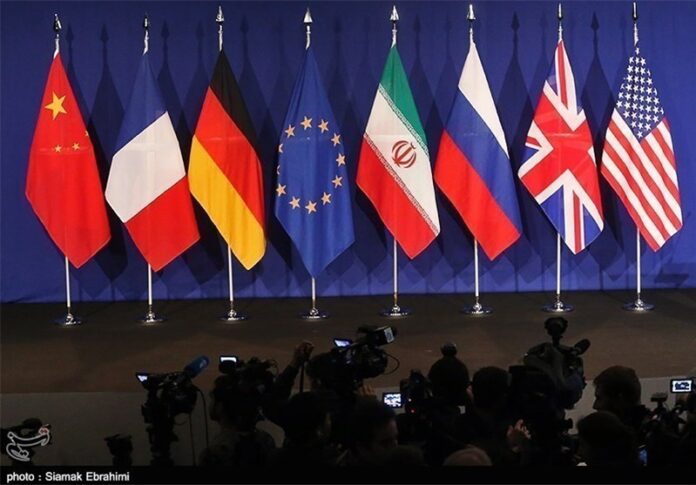
Nuclear Deal Talk, JCPOA, Flags

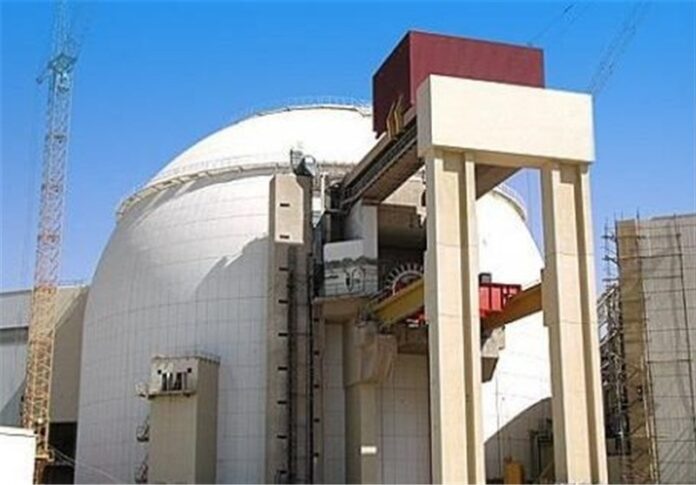
In a statement on Wednesday, the SNSC said as of May 8, 2019, Iran does not commit itself to observing restrictions of stockpiling enriched uranium and heavy water given the US’ violations of the nuclear deal.

The statement also said that Iran gives other JCPOA parties 60 days to implement their commitments, especially in the banking and oil sectors.

Once they fulfil that, Iran will restart implementing its commitments. It’s now the other parties’ turn to show their good faith, the statement added.

Iran showed maximum self-restraint during the past year and gave other parties considerable time to compensate for the impact of the US bans, the SNSC said.

However, it added, Iran’s goodwill gesture didn’t receive any response, and no operational mechanism was established.

So Iran has been left with no other choice but to diminish its commitments to bring back balance to the nuclear deal and secure its interests, the statement added.

Earlier in the day, Iranian Deputy Foreign Minister for Political Affairs Seyyed Abbas Araqchi handed over a letter from President Hassan Rouhani to ambassadors of countries remaining in the Iran nuclear deal.

The ambassadors of Germany, Britain, China, Russia and France were invited to the Iranian Foreign Ministry on Wednesday, and received the president’s letter from Deputy FM Araqchi.

Full Text of Iran’s Statement on ‘Reducing’ JCPOA Commitments

The letter informs the leaders of the five countries about a decision by the Supreme National Security Council of Iran to “stop the fulfilment of some of the Islamic Republic’s commitments under the Iran nuclear deal.”

Another letter was also sent on Wednesday morning by Iranian Foreign Minister Mohammad Javad Zarif to Federica Mogherini, the EU Foreign Policy Chief and the coordinator for the Joint Commission on the JCPOA. The letter contains the details of Iran’s action with regards to the JCPOA.

President Rouhani also on Tuesday announced Iran’s reciprocal measures with regards to the JCPOA following Washington’s withdrawal from the deal and the Europeans’ foot-dragging on with regards to securing Iran’s interests under the agreement.

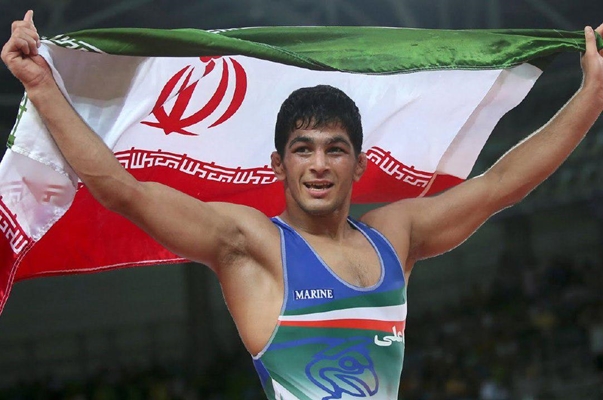
Why Wrestling Is Most Respected Iranian Sport

Wrestling is one of the oldest sports in the world dating back over 5,000 years ago during the times of the Sumerians.

It is the oldest and most widely distributed sport globally. Different wrestling styles were developed by Romans, Greeks, Persians, Egyptians, and other cultural heritage.

A lot of people are familiar with the sport, but the majority does not know the connection between religion, social effects, and wrestling in Iran. This article gives you facts surrounding wrestling and its importance to Iran.

  1. Wrestling is a culture deeply rooted in Iran’s history

In Iran, wrestling is more than a sport. It is a culture that is deeply rooted in its history. Before the game became globally recognized with rules and regulations and proper sports gear, wrestlers in Iran were already wearing Wrestling belts called Kurds. This belt is the same one people in the Middle East wear today.

The Zoroastrianism belt was an indicator of one’s religious duties and was fastened before prayers. It has three knots that represented good thoughts, good deeds, and good words and was also a representation of the inner spiritual wrestling between good and evil.

This religious representation can be seen today in Iran’s House of Strength, a gym dedicated to practicing traditional wrestling that combines wrestling and reading of mystical and spiritual poems.

During the Reza Shah era, wrestling attracted official attention as an Iranian tradition which saw the building of new gyms. The first club was built in 1921; the same period wrestling became a global sport with defined international regulations. The Second World War interrupted the sport, but it picked up steadily after the war and saw Iranian wrestler win tonnes of medals during championships. With live sports streaming, watching Iranian wresters do what they do best is as easy as clocking a button.

  1. Wrestling is connected to politics and political development

Today, Iran boasts of athletes in all sorts of games ranging from athletics, volleyball to basketball, but wrestling remains the most recognized. Beyond a cultural phenomenon, Iranian wrestlers have for a long time used their public appeal as heroes to convey people’s grievances to the government.

For instance, Gholam-Reza Takhti was a renowned wrestler who publicly opposed the Shah and spoke out against him. He died at the age of 37, and his death was reported as suicide which shocked a lot of people. In fact, Iranians blamed the Shah for his death classifying it as a murder.

After the 1979 revolution, no Iranian was allowed to wrestle an Israeli and wrestling remained a symbol of standing up to evil such as dictatorship and oppression, and the Israeli occupation of Palestinian territories.

No report has been published about a wrestler using their influence to transmit the people’s political grievances after 1979. This is thought to be a result of the government successfully engaging with the athletes. The leaders including the president and other prominent officials meet and listen to the athletes and consult with them about important issues facing the country.

Conclusion

Wrestlers in Iran are role models in humility, morality, and manhood. They were responsible for solving quarrels and helping people stand against injustice. This is why wrestling is so prevalent in Iran.

‘US Ban on Purchase of Enriched Uranium Not Iran’s Problem’

Hossein Abniki says Tehran is currently implementing the JCPOA, and it is not supposed to violate it. He believes that the European countries must also act on the basis of the former procedure stressing the recent US sanctions and its subsequent constraints have nothing to do with the JCPOA, and should not be paid heed to, therefore; it should be continued as before.

Here is Khabar Online’s interview with Hossein Abniki, the former director of the Development Centre of AEOI:

Q: What is your idea about Washington’s refusal to extend certain waivers related to nuclear cooperation with Iran?

A: It is expected that the P5 + 1 parties will resist the new policy of US President Donald Trump and will not allow Washington to take such an action. Naturally, if we cannot transfer our heavy water abroad, we can continue producing it.

Q: What is your proposed solution in the face of these new restrictions?

A: We must not obey the restrictions or recognise them as they are practically contrary to the obligations of the JCPOA parties. The Islamic Republic is currently implementing the JCPOA and it is not supposed to violate it. The European countries must also act on the basis of the former procedure. The recent US sanctions and its subsequent constraints have nothing to do with the JCPOA, and should not be paid heed to, so it should be continued as before.

Q: Your recommendation of keeping up with the current procedure comes as Iran is only one side of it and the other sides are the buyers who must continue to buy uranium and heavy water. Is there a guarantee that those parties would overlook these restrictions?

A: The procedure was that a part of our production was stored abroad, and when there was a buyer, it could supply its needs from this store. If there is no customer, we must not insist to sell the stocked heavy-water. For some reason, someone might not come to an agreement with us to buy it. Before the nuclear deal we used to produce it and nobody was buying it. We can have our own production and continue the same process and sell it at the prime time. Increasing this stockpile is a strategic move. So, if under the US pressure, Russia, China and European parties do not interact with us, we can continue as before the deal.

Q: You pointed out that we were storing the heavy water outside the country. One of the most significant restrictions announced is the lifting of waiver to transfer heavy water to Oman. This means Iran will no longer be able to store heavy water in Oman.

A: Before that, we were storing it in the country.

Q: If we store it inside Iran, won’t it be contrary to the deal?

A: If Oman and Europeans fail to act within the framework of the JCPOA, there is no other option, and we will return to the pre-nuclear deal conditions. It means, we continue our production and store it inside the country. If they dictate us that Iran’s heavy water should be kept outside the country, the grounds must also be prepared. We do not have any problem with it and we used to do it. If the host country does not accept, they should introduce an alternative country.

Q: How do you assess the restriction of exchanging enriched uranium with yellow cake and what is your analysis of its consequences?

A: This exchange has already taken place, and new restrictions may have an impact on future exchanges. In the new situation, we must wait for the reaction of the Russian side and other parties and see whether they obey the recent decision of the US. Then, we can decisively declare our position. However, if the parties do not consent, we can have what we had till now. It should not be forgotten that this exchange has not been very beneficial to us so far, and its failure is not considered a limitation to Iran. Whether the heavy water transfer or the exchange of enriched uranium with yellow cake were not very helpful to us, so we are not losing anything now.

Q: Do you mean Iran must overlook the restrictions because the Americans also overlooked them?

A: The problem is that the challenge is not ours. They were supposed to prepare grounds under which Iran takes action. Now that these conditions are not met, we are not practically bound to implement them. It is not that we go beyond the framework of the JCPOA. We can still implement it, but its conditions are not met. It is likely that Americans will want to make such an impression that Iran has violated the JCPOA. They are leveling these charges against us right now. But the international community does not accept it. As the IAEA and the parties to the JCPOA have so far refused to do so, I do not think anyone would accept this in future. Iran has already complied with the requirements of the JCPOA and will continue to do so. But if the other parties are somehow banned from cooperation, that would be an acceptable excuse to go in that way.

Abniki’s statements come in a situation that Iranian Parliament Speaker Ali Larijani also noted that despite Washington’s move to stop it, Iran will continue with low-level uranium enrichment in line with its nuclear deal with world powers.

“Under the JCPOA, Iran can produce heavy water, and based on the agreement, we have not carried out anything in violation of it,” Larijani said on Saturday.

“Therefore we will carry on with enrichment activity. You can either buy it or not,” he added.

The administration of US President Donald Trump on Friday imposed sanctions on Iran’s export of enriched uranium but at the same time renewed three key waivers that will allow its European allies, Russia and China to cooperate with the Islamic Republic on civil nuclear program.

“Any involvement in transferring enriched uranium out of Iran in exchange for natural uranium will now be exposed to sanctions. The United States has been clear that Iran must stop all proliferation-sensitive activities, including uranium enrichment, and we will not accept actions that support the continuation of such enrichment,” the US State Department announced in a statement.

Under the nuclear deal, the Islamic Republic is limited to keeping 300 kilograms of uranium enriched up to 3.67 percent. As part of the nuclear deal, Tehran is allowed to sell any enriched uranium above that threshold on international markets in exchange for natural uranium.

Iran to Resume Sending Pilgrims to Umrah If Saudi Accepts Conditions

In remarks on Tuesday, Akbar Rezaei said that negotiations with Saudi Arabia over the resumption of Umrah pilgrimage will be held after this year’s Hajj season.

He further expressed hope that the Saudi side would accept Iran’s conditions and a deal would be reached in this regard.

“Consular protection for our country’s pilgrims and (ensuring) their dignity and security are among our main conditions, which will be emphasized in the talks to resume Umrah pilgrimage,” he added.

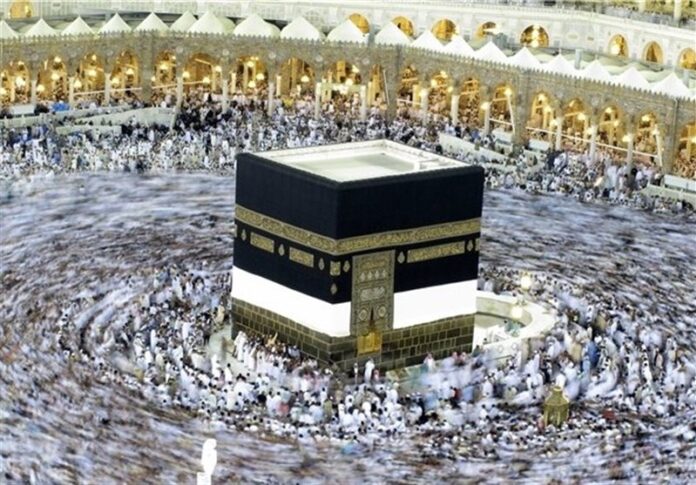
The Umrah is a pilgrimage to Mecca performed by Muslims. Unlike the Hajj, which is also known as the “major Hajj pilgrimage”, it can be undertaken at any time of the year.

During a visit to Saudi Arabia in December 2018, Head of Iran’s Hajj and Pilgrimage Organization Alireza Rashidian held meetings with officials from the kingdom’s Ministry of Hajj and Umrah about the 2019 Hajj season.

The two sides signed an agreement at the conclusion of the meetings, aimed at making better arrangements for Iranian pilgrims and preventing the problems they faced in previous years.

The agreement stipulates that 86,500 Iranian pilgrims would go on pilgrimage to Saudi Arabia in the coming Hajj season.

In 2016, more than 1.8 million pilgrims attended Hajj, but Iranians stayed at home after tensions between Riyadh and Tehran boiled over following a deadly crush of people during the 2015 pilgrimage.

On September 2, 2015, thousands of people lost their lives in the deadly crush after Saudi authorities blocked a road in Mina during a ritual, forcing large crowds of pilgrims to collide.

The crush was the deadliest incident in the history of the pilgrimage. According to an Associated Press count based on official statements from the 36 countries that lost citizens in the disaster, more than 2,400 pilgrims were killed in the incident.

Saudi Arabia claims nearly 770 people were killed, but officials at Iran’s Hajj and Pilgrimage Organization say about 4,700 people, including over 460 Iranian pilgrims, lost their lives.

‘US after Forcing Iran to Withdraw from JCPOA, NPT’

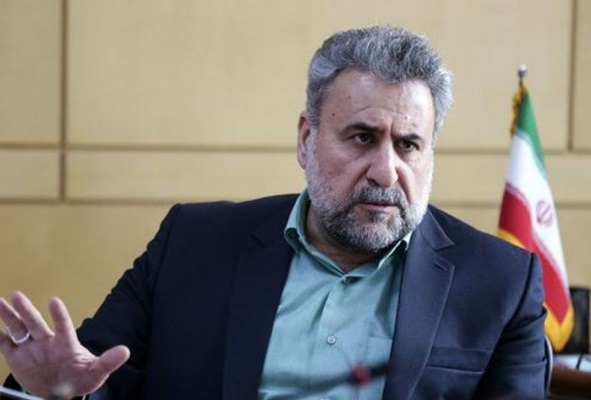
Chairman of National Security and Foreign Policy Commission of the Iranian Parliament Heshmatollah Falahatpisheh noted that the Islamic Republic must not define all its foreign relations based on its policy towards the United States.

In an interview with ISNA, he elaborated on Iran’s new strategy to counter new round of US sanctions saying that Washington has imposed 8,000 types of sanctions against the Islamic Republic of Iran so far, and this is unprecedented in the history of US relations with other countries. War is the only phase the US has not entered so far.

“Iran must advance its nuclear industry to over 20% within the framework of the JCPOA and the IAEA’s protocols without entering a radical phase. We have seen that in such situation the entire world becomes eager to negotiate with us,” maintained Falahatpisheh.

He said Iran can use US-free mechanisms. “There exists such capacity for Iran. The Islamic Republic of Iran should not withdraw from any treaties because the United States is seeking such an excuse.”

“We must begin negotiations with the IAEA and the JCPOA parties to produce 20% enriched fuel as one of the leading solutions,” he concluded.

On 8 May 2018, US President Donald Trump announced that the Washington would withdraw from the Iran nuclear deal known as the JCPOA. US sanctions came into effect in November 2018 allegedly intended to force Iran to alter its policies in the region, including what US called its support for militant groups in the region and its development of ballistic missiles.

Iran FM to Visit Moscow for Mutual, Regional Talks

Heading a top delegation, the Iranian foreign minister will sit for talks with his Russian counterpart Sergei Lavrov in Moscow on Wednesday to exchange views on bilateral relations, latest regional developments, the Iran nuclear deal and other international issues.

The two sides will also discuss ways to renew mutual cooperation between the two countries’ ministries as well as an agreement to facilitate entrance and accommodation of the Iranian and Russian airliners’ flight crews in their countries.

The Iranian and Russian foreign ministers will also sign a bilateral protocol to facilitate mutual visits of Iranian and Russian citizens.

They will then take part in a joint press conference to brief the reporters on their meeting.

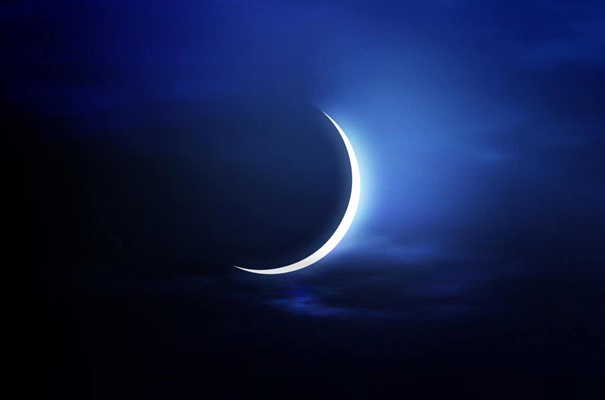
Iran Congratulates Heads of Islamic States on Arrival of Ramadan

In his messages, Hassan Rouhani expressed hope that Muslim countries will draw on Quranic teachings during the month of Ramadan “which is filled with kindness and blessings” in order to further strengthen “Islamic brotherhood” and set the stage for peace and tranquility across the world.

“Ramadan is a month of love, mysticism and renewal of allegiance,” said the president in his messages.

He said Ramadan is an opportunity for Muslims to benefit from divine blessings by worshipping God Almighty.

Muslims in southeast Asia and much of the Middle East, including Iraq and Saudi Arabia, as well as across Europe, began the fasting month on Monday.

However, millions more in India and Pakistan as well as Iran, started Ramadan on Tuesday, based on moon sightings.

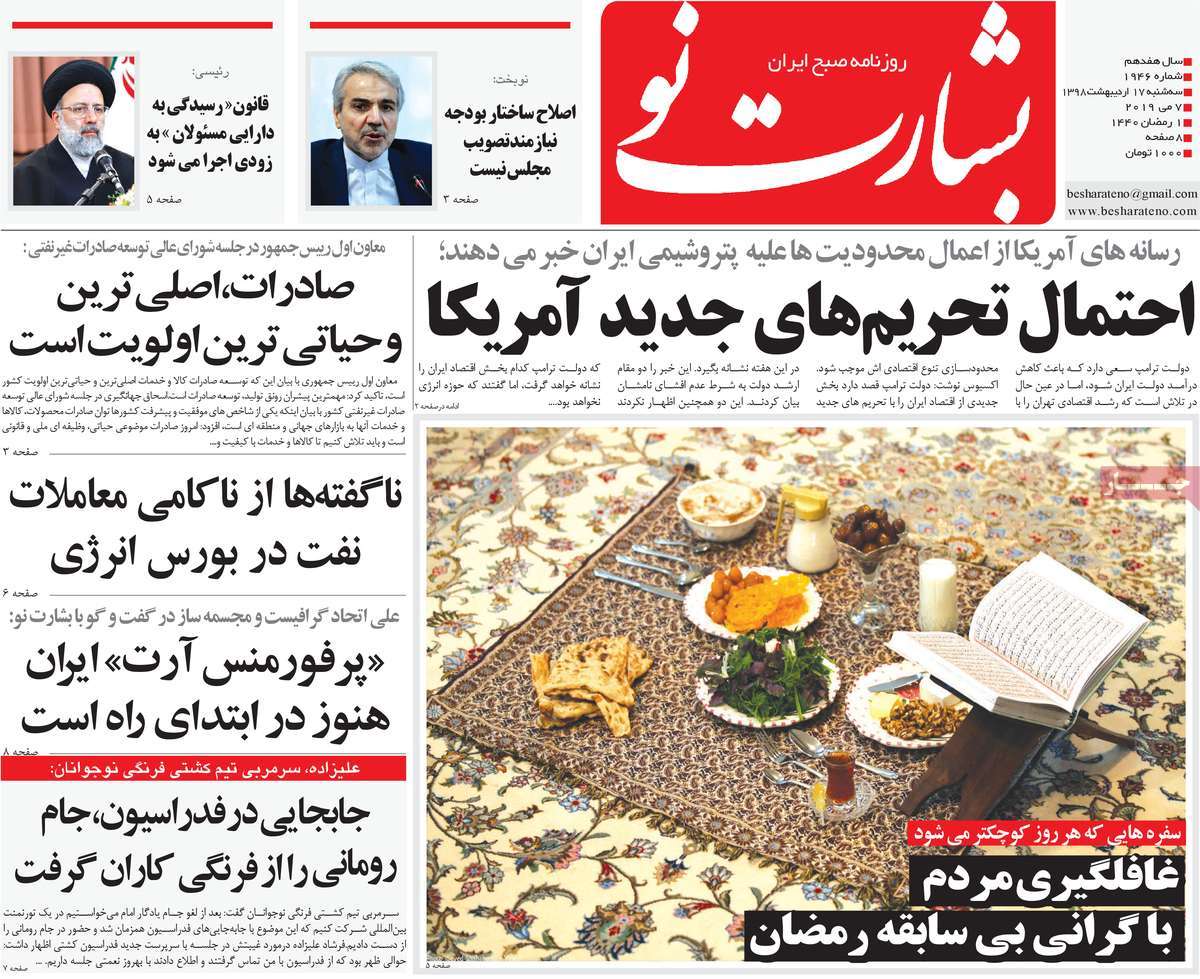
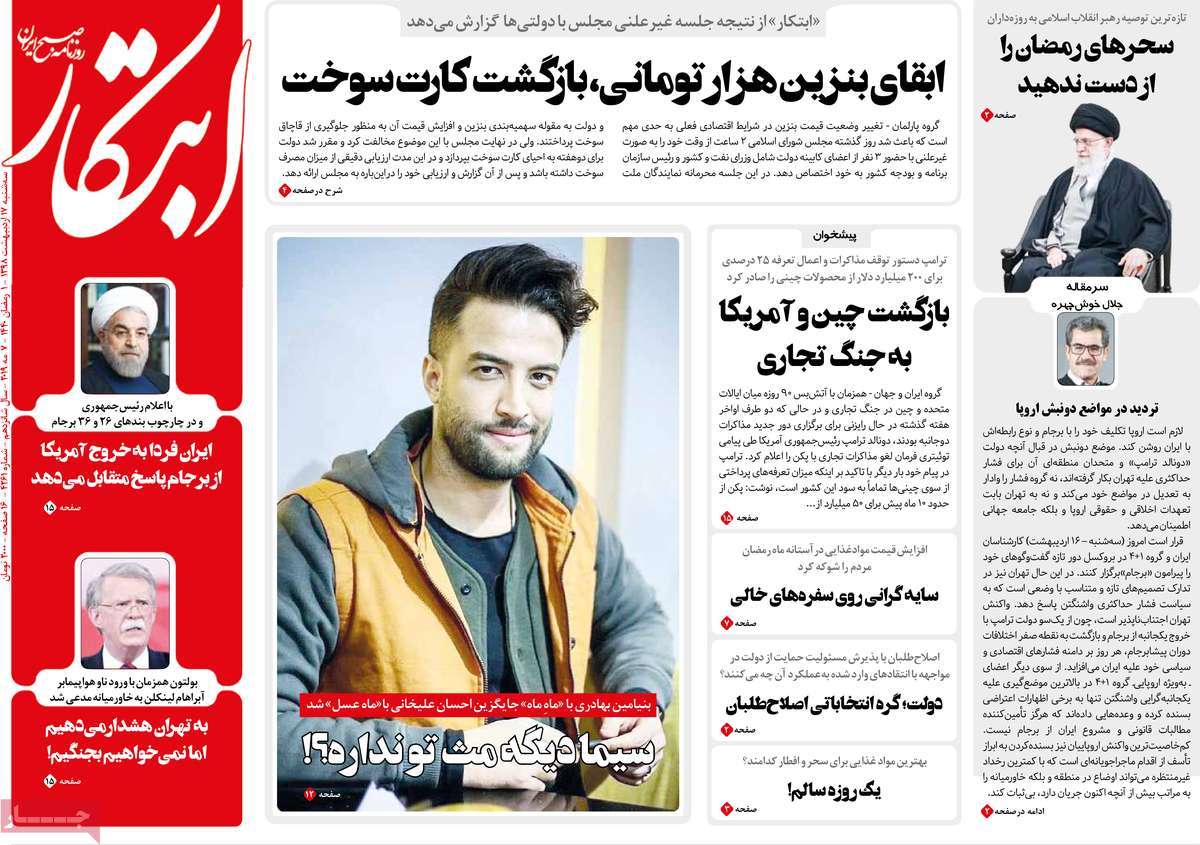
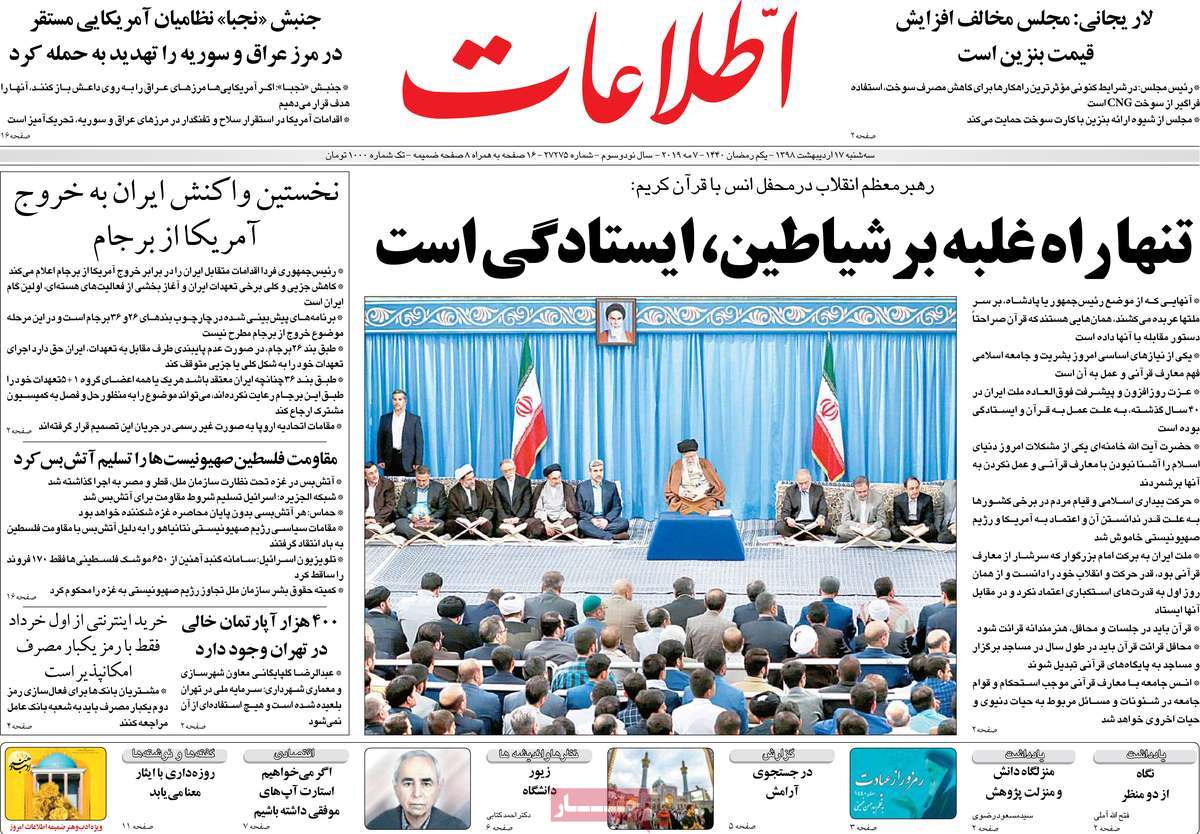
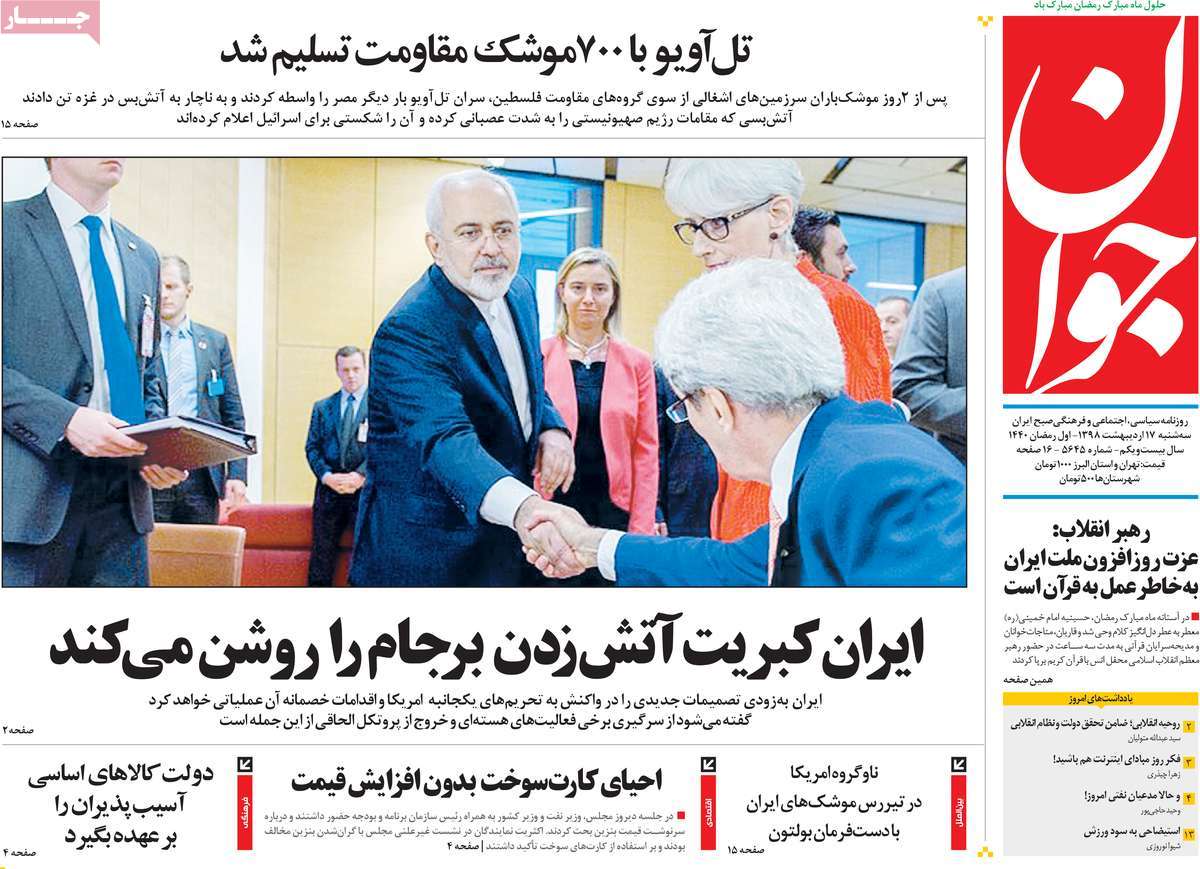
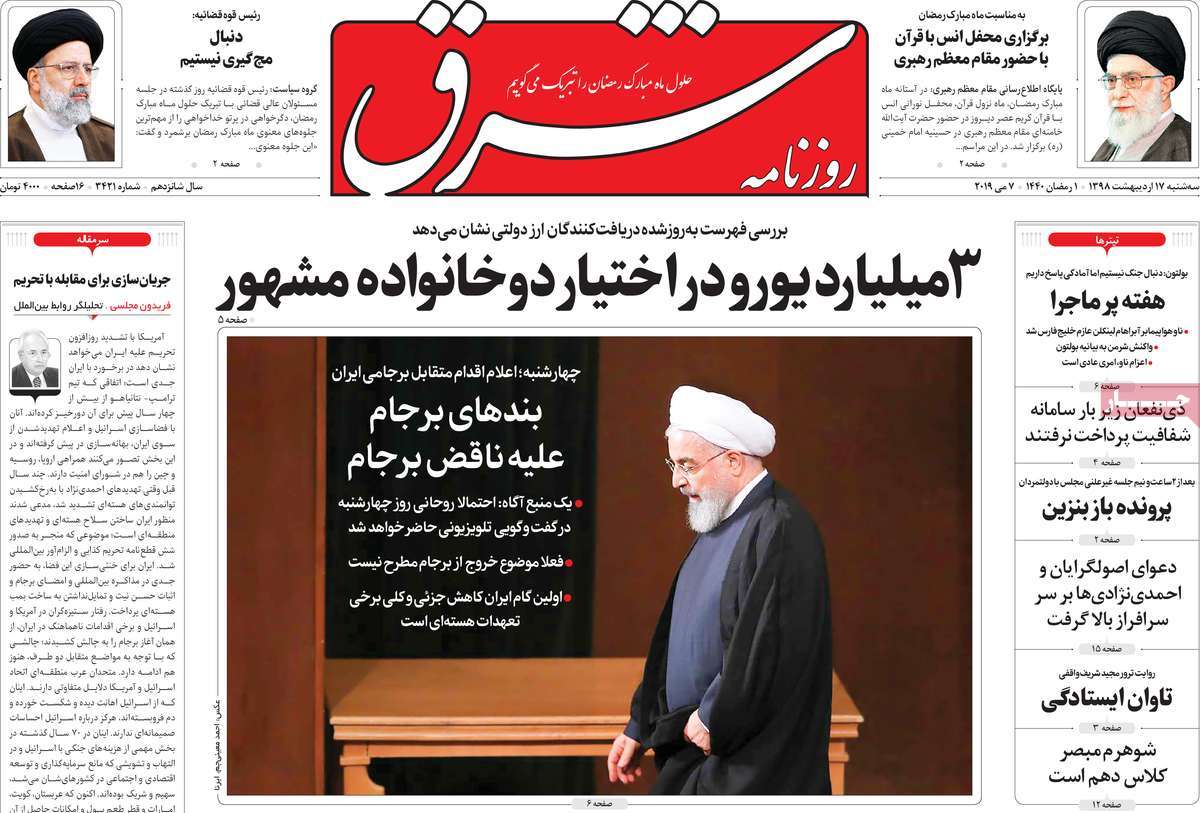
A Look at Iranian Newspaper Front Pages on May 7

A Look at Iranian Newspaper Front Pages on November 19

Almost all Iranian papers today reported the upcoming announcement of Iran’s reciprocal measure against the US’ withdrawal from the 2015 nuclear deal, which is expected on Wednesday.

Also a top story today was the ceasefire agreement between the Israeli regime and the resistance forces in Gaza, which ended two days of bloodshed in the besieged enclave.

Several papers also covered the remarks made by US National Security Advisor John Bolton about the deployment of the American warship USS Abraham Lincoln in the Persian Gulf in a “message to Iran”.

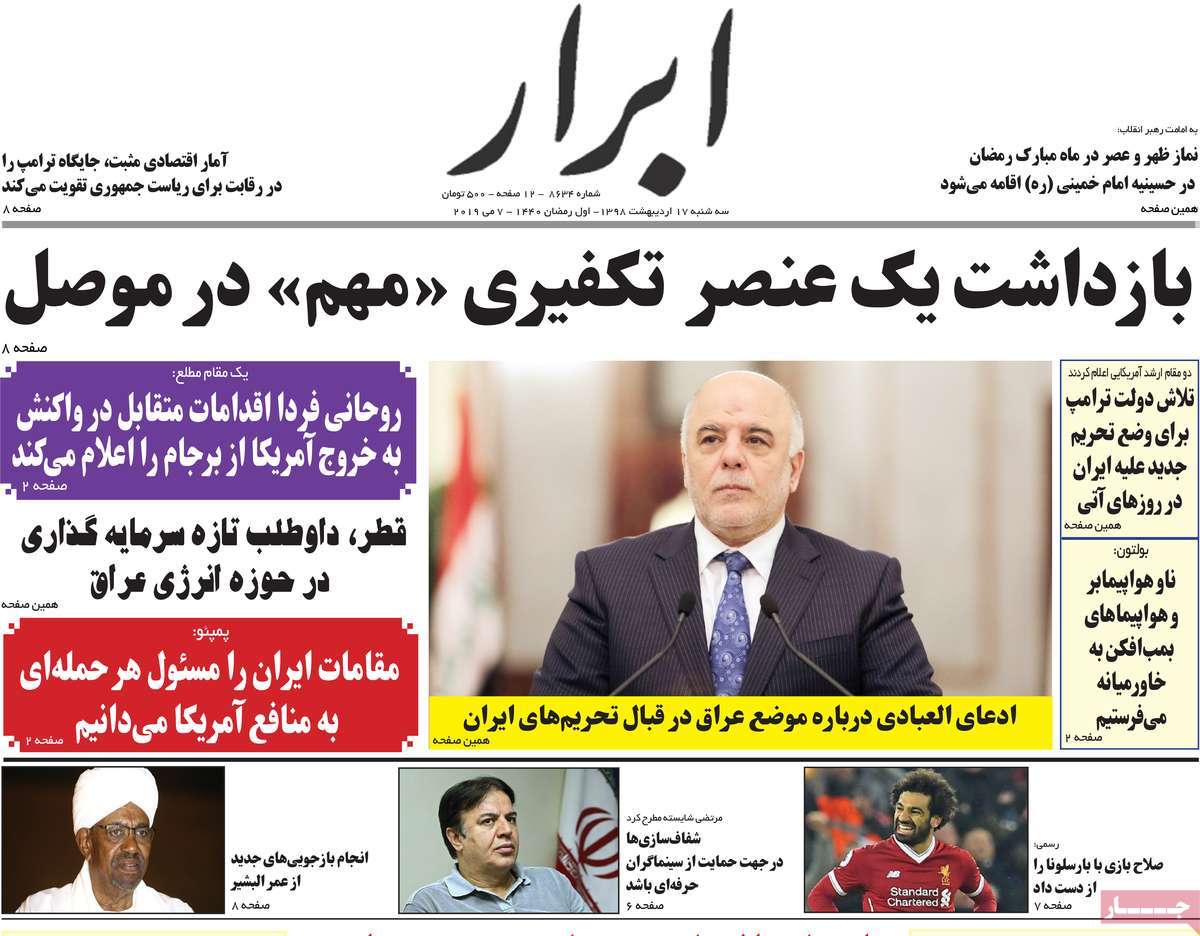
The above issues, as well as many more, are highlighted in the following headlines and top stories:


Abrar:

1- Positive Economic Statistics to Reinforce Trump’s Position in US Elections

2- Rouhani to Declare Iran’s Measures against US’ JCPOA withdrawal Wednesday

3- Pompeo: Iranian Officials Responsible for Any Attack on US Interests

4- Trump Administration Trying to Impose New Bans on Iran in Coming Days


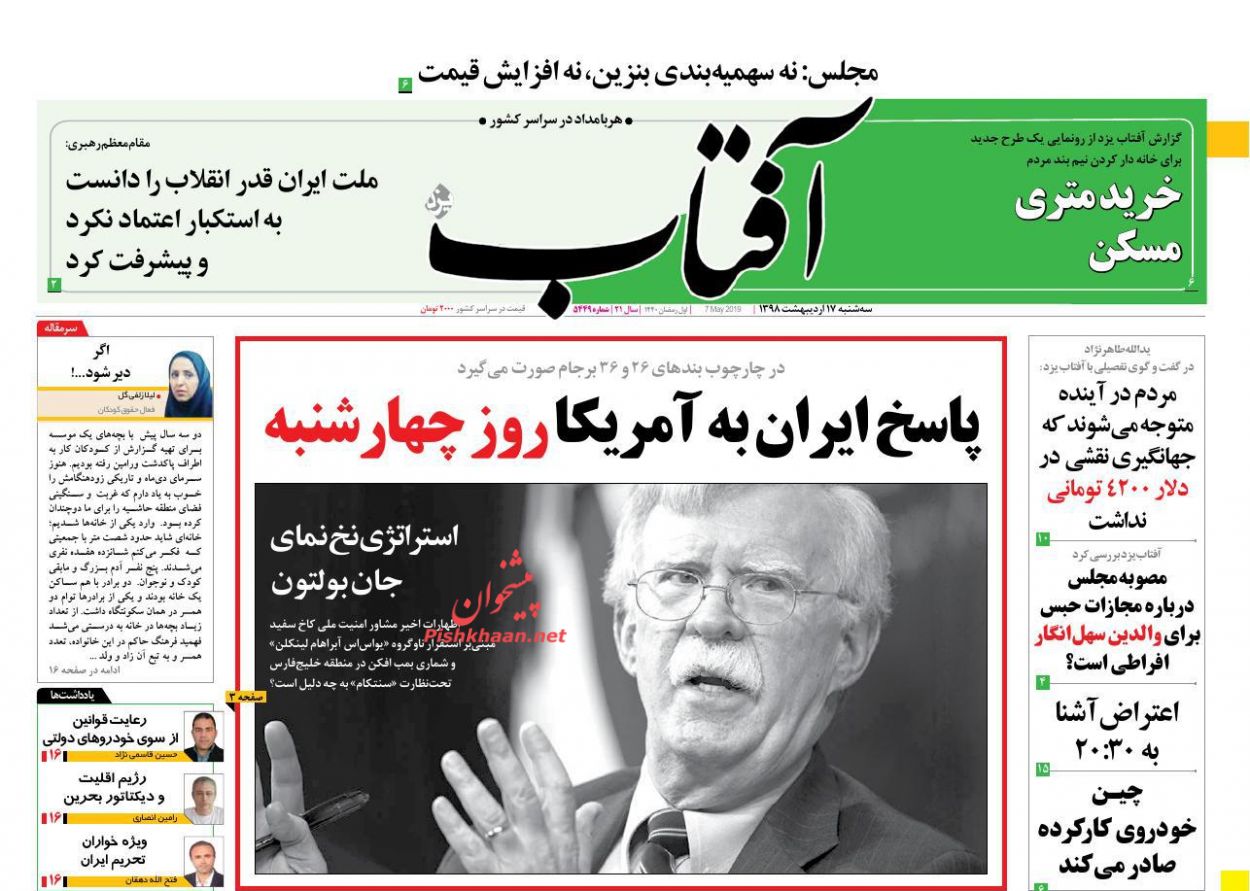
A Look at Iranian Newspaper Front Pages on May 7


Aftab-e Yazd:

1- Iran Leader: Iranians Didn’t Trust Hegemonic Powers and Progressed

2- Iran’s Wednesday Response to US to Be Based on Articles 26 and 36 of JCPOA

3- Bolton’s Hackneyed Strategy

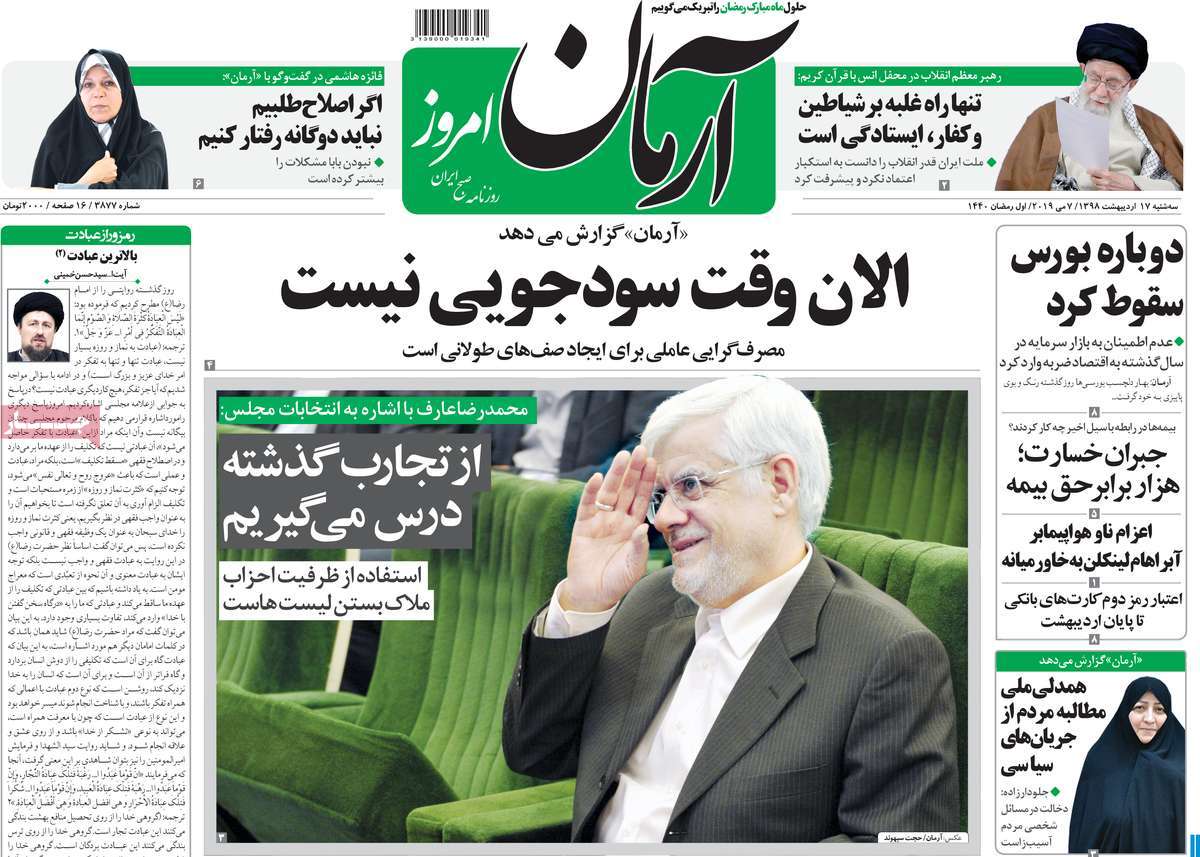
A Look at Iranian Newspaper Front Pages on May 7


Arman-e Emrooz:

1- Iran Leader: Resistance Only Way to Overcome Infidels

2- USS Abraham Lincoln Sent to Middle East

A Look at Iranian Newspaper Front Pages on May 7


Besharat-e Now:

1- US May Impose New Sanctions against Iran’s Petchem Industry

2- Exports Are Iran’s Main Priority: VP

A Look at Iranian Newspaper Front Pages on May 7


Ebtekar:

1- Return of US, China to Trade War

2- Iran to Reciprocate US Withdrawal from JCPOA on Wednesday

3- We Warn Tehran, but We Don’t Seek War: Bolton

A Look at Iranian Newspaper Front Pages on May 7


Ettela’at:

1- Nujaba Threatens US Military in Iraq-Syria Border

2- Iran’s First Reaction to US Withdrawal from JCPOA

A Look at Iranian Newspaper Front Pages on May 7


Javan:

1- Tel Aviv Surrenders with 700 Missiles of Resistance Movement

2- Iran to Start Fire of JCPOA Tomorrow

3- Bolton Sends US Warship to Area within Range of Iranian Missiles

A Look at Iranian Newspaper Front Pages on May 7


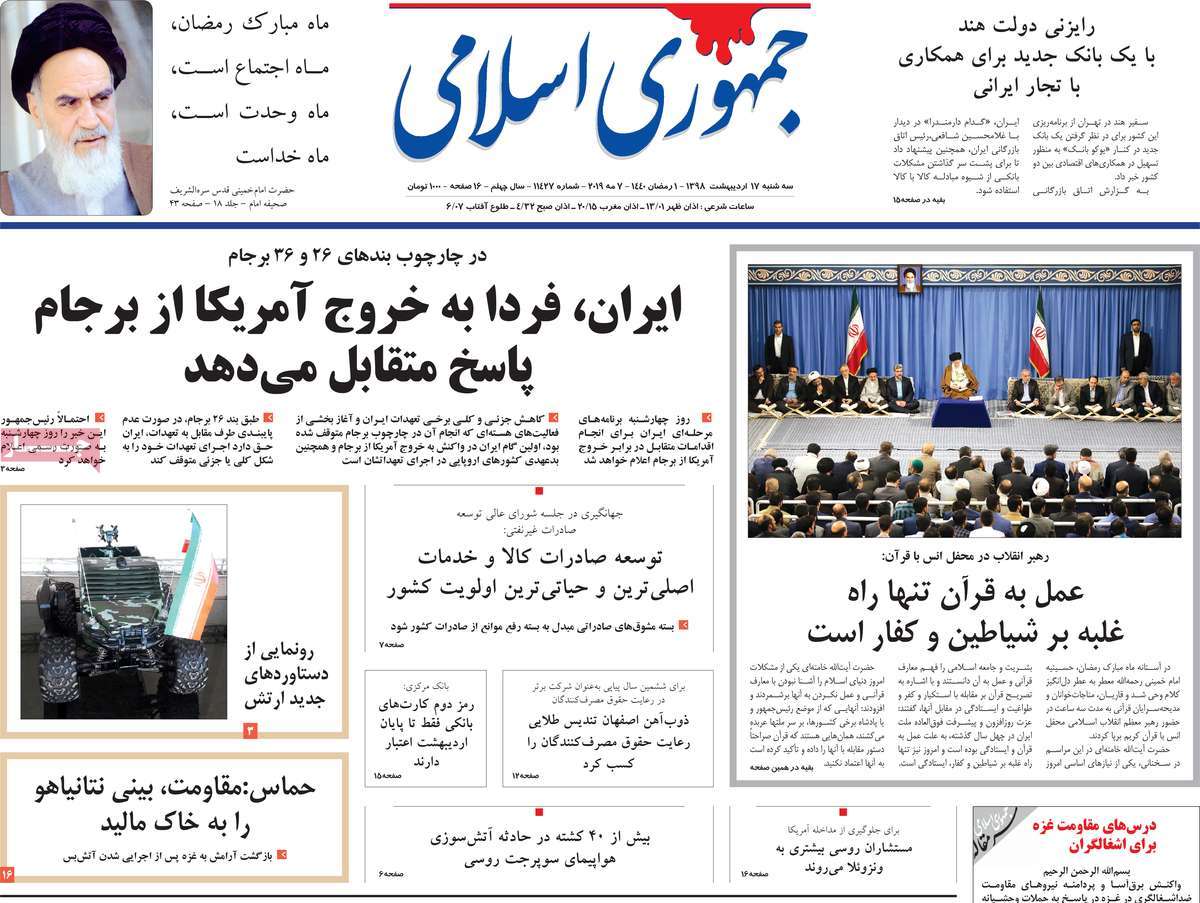
Jomhouri Eslami:

1- Indian Gov’t Consulting with New Bank for Cooperation with Iranian Businessmen

2- Iran to Respond to US Withdrawal from JCPOA Tomorrow

3- Hamas: Resistance Movement Totally Defeated Netanyahu

* Return of Calm to Gaza after Ceasefire

A Look at Iranian Newspaper Front Pages on May 7


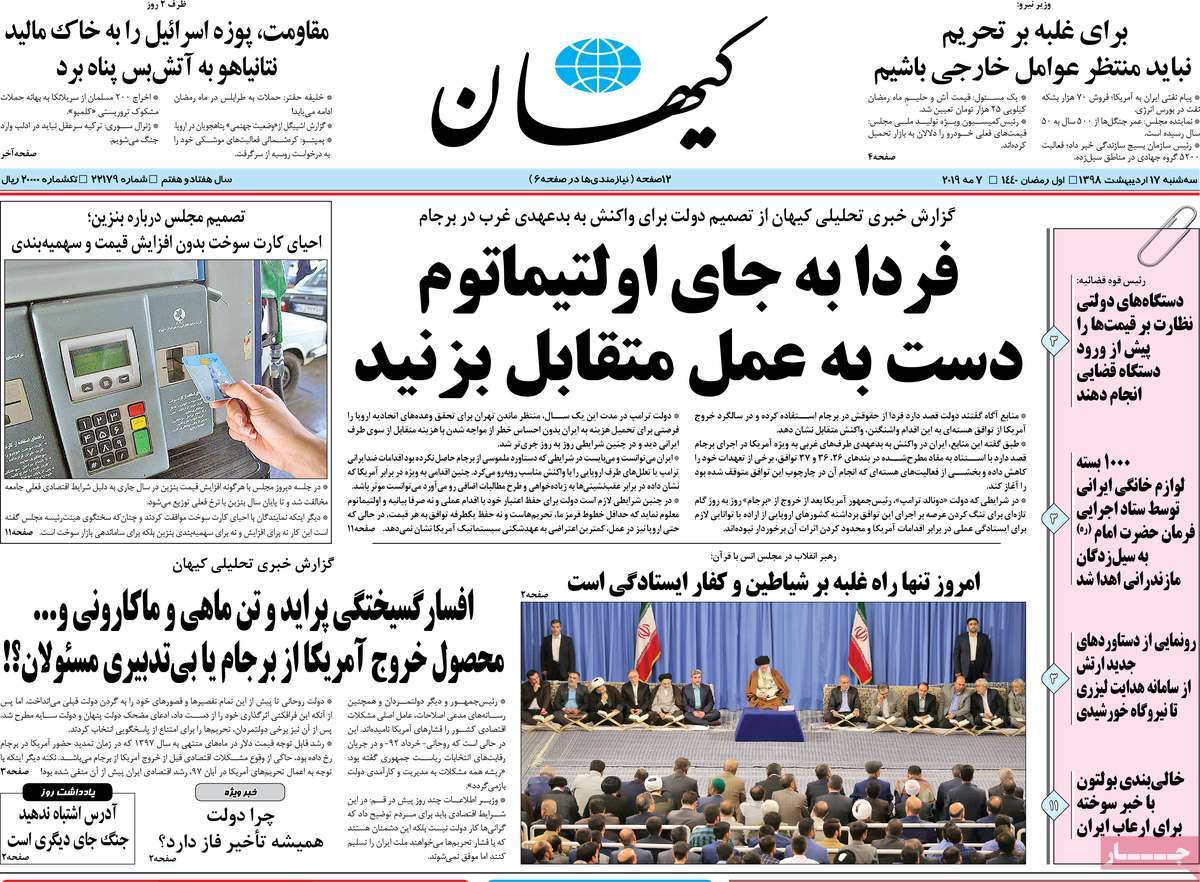
Kayhan:

1- Instead of Giving Ultimatum, Take Counter-Measure Tomorrow

2- Energy Minister: We Shouldn’t Wait for Foreign Elements for Overcoming Sanctions

3- Netanyahu Accepts Ceasefire after Being Defeated by Resistance

A Look at Iranian Newspaper Front Pages on May 7


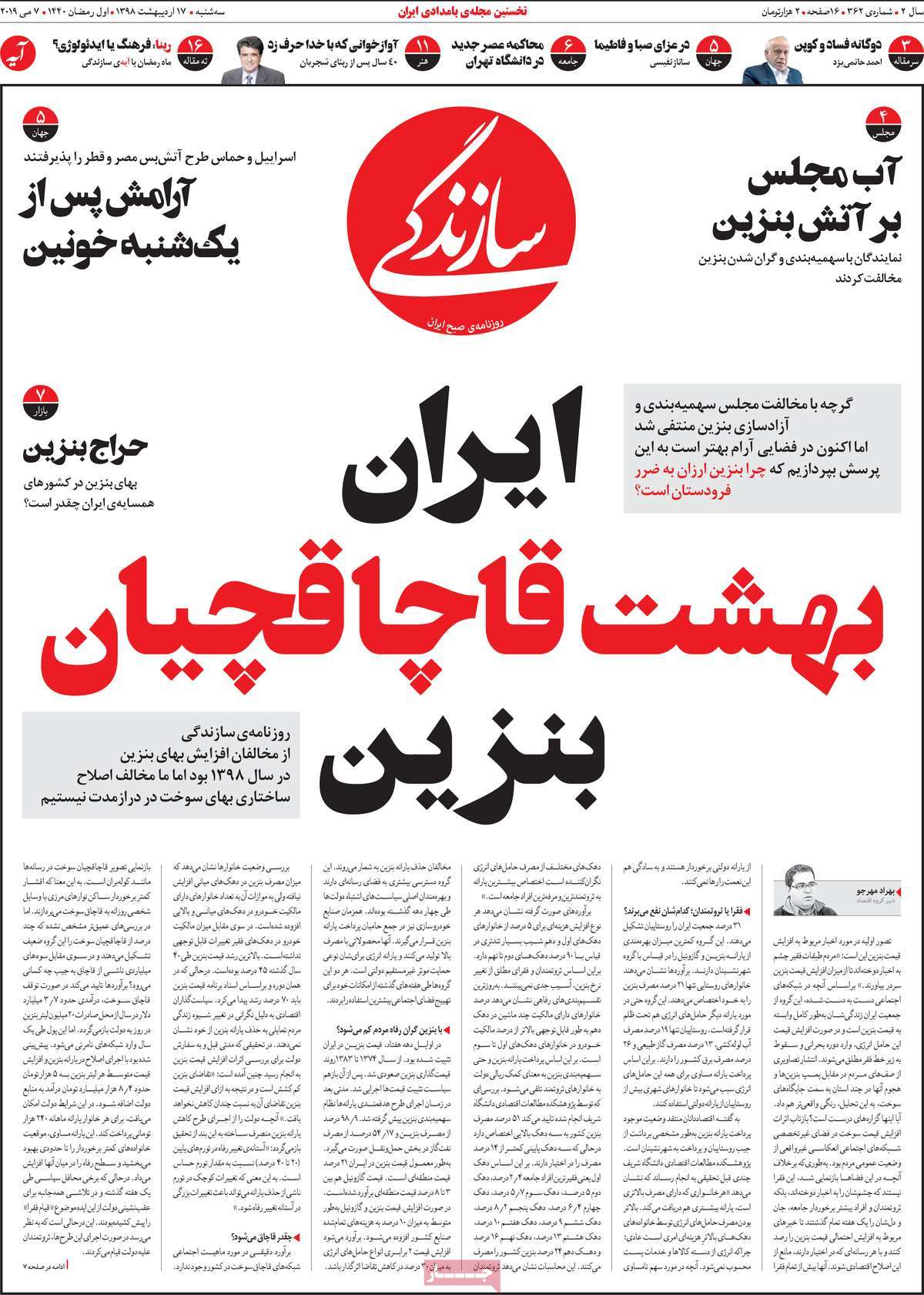
Sazandegi:

1- Calm after Bloody Saturday: Israel, Hamas Accept Egypt-Qatar Truce Plan

A Look at Iranian Newspaper Front Pages on May 7


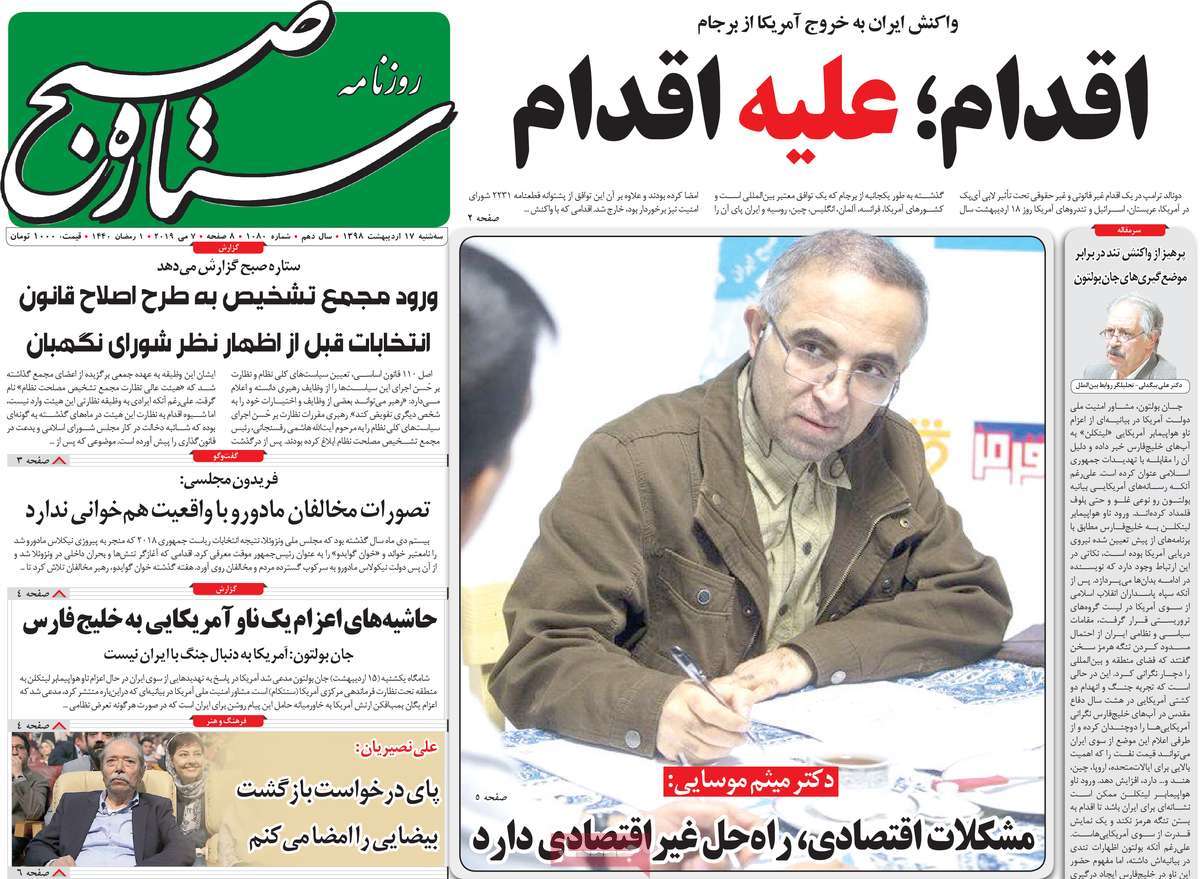
Setareh Sobh:

1- Countermeasure: Iran’s Reaction to US Withdrawal from JCPOA

2- US Sends Warship to Persian Gulf; Bolton: US Not Seeking War

A Look at Iranian Newspaper Front Pages on May 7


Shargh:

1- JCPOA Articles against Violator of JCPOA

* Iran to Declare Reciprocal Measure Wednesday

* Iran’s First Step to Include Partial, Total Reduction of Certain Commitments

A Look at Iranian Newspaper Front Pages on May 7

Iran Develops 4 Essential Cancer, Diabetes Drugs

They include two very important and expensive anti-cancer drugs named “regorafenib” and “sorafenib,” and two commonly used medicines called “empagliflozin” and “dapagliflozin” used by diabetics.

They were unveiled in a ceremony attended by Vice President for Scientific and Technological Affairs Sorena Sattari, Minister of Health, Treatment and Medical Training Saeid Namaki, and Governor of Alborz province Azizollah Sahhbazi.

The production of the drugs reinforces Iran’s status among producers of modern medicines.

Regorafenib is a key drug used for the treatment of patients suffering from colon, stomach and liver cancer. So far, it had been produced only in Germany. It is a very expensive medicine. A pack containing 28 tablets sells for $5870 on world markets.

The Iranian version of this medicine compares to, or is even better than the German-made one in terms of quality, and costs only five percent of the price of the foreign-made one. The drug first hit the shelves in 2012, and Iranian researchers managed to develop the technology to produce it after seven years.

For a brief review of Iran’s achievements in various fields of science and technology, check the book “Science and Technology in Iran: A Brief Review

Sorafenib is also used to cure advanced liver, kidney and thyroid cancer. Before its production in Iran, the drug was only produced in Germany and the US for $4880.

Now, the Iranian version of the drug is available on local markets at a price less than a tenth of that on world markets.

Empagliflozin is the first anti-diabetes medicine in the world which could reduce mortality rate among adults suffering from both types of diabetes. So far, the drug had been developed in Germany and the United States only. From now on, Iran is regarded as the third producer of the medicine in the world. Dapagliflozin is also a drug used for the treatment of type 2 diabetes. Before Iran, only Britain produced the medicine.

The price of these two drugs will be only two percent of the price of the foreign-made ones. They were first offered on the market in 2014, and Iran managed to develop them only in five years’ time.  

Iran Sympathizes with Niger over Tanker Explosion

Iran Sympathizes with Niger over Tanker Explosion

In his Tuesday statement, Mousavi offered condolences and sympathy to the Nigerien nation and government, particularly the families of the victims of the incident.

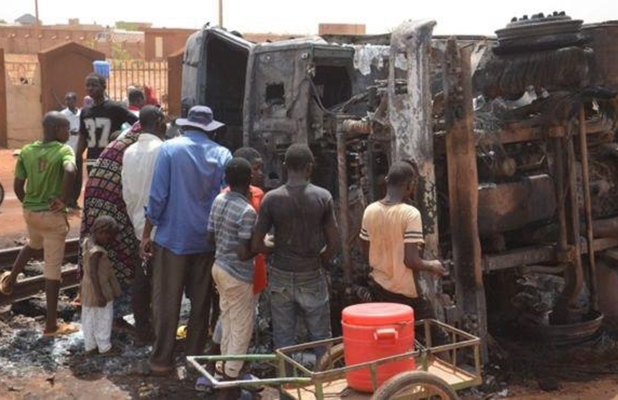
A fuel tanker lorry has overturned and exploded near the airport in Niger’s capital, Niamey, killing at least 58 people, authorities say.

Many of the victims had gathered to collect fuel after the vehicle overturned close to railway tracks as it tried to park.

Another 37 people were injured in the explosion late on Sunday evening.

President Mahamadou Issoufou has travelled to visit some of the injured in hospital.

The latest accident happened on the RN1 road that links the Diori Hamani international airport to Niamey.

One eyewitness told Agence France-Presse: “Just before midnight I went out and I saw the truck overturned. People came from everywhere to take gas, then I saw fire on its side and everything burst into flames.”

Interior Minister Mohamed Bazoum told the agency it appeared a spark from one of the motorcycles that had gathered at the scene may have caused the explosion.

Fuel tanker explosions are fairly common in Niger’s leading oil-producing neighbour, Nigeria.