Tuesday, December 23, 2025
Home Blog Page 3183

Iran Says Exempted from OPEC Output Cut Deal

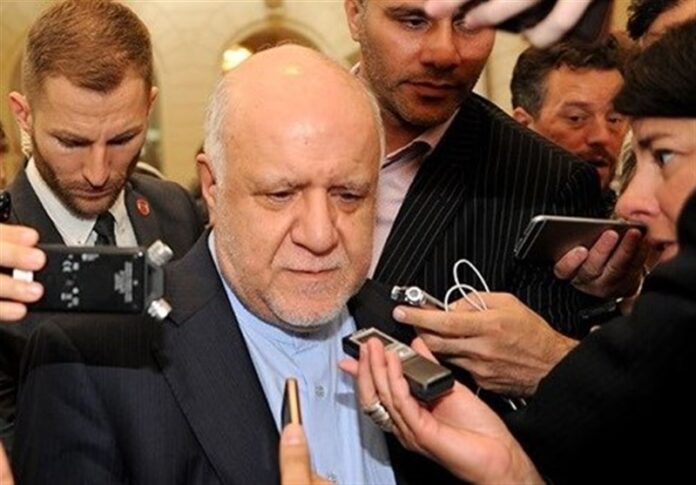
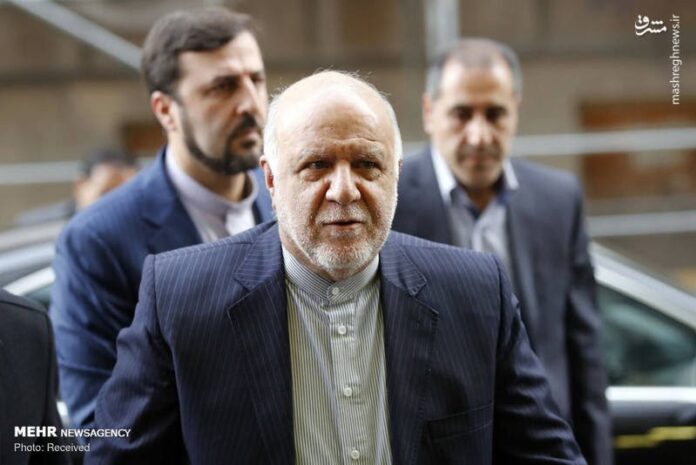
Speaking to reporters in the Austrian capital of Vienna on Tuesday, Zanganeh pointed to the 5-hour gathering of the OPEC earlier in the day and said, “I think it was a good meeting and we reached what we were looking for.”

“Iran has been exempted from reducing oil production as in the past,” the oil minister noted.

Zanganeh also responded to a question about whether OPEC has become political, saying, “Whether we want to or not, since oil is somewhat political, we cannot rule out the fact that oil has a strong political nature, but some use the oil as a tool against producers like Iran and Venezuela.”

The remarks came against the backdrop of increased tensions between Iran and the US with Washington imposing new sanctions against the Islamic Republic.

The US has ratcheted up pressure on Iran since last year after withdrawing from the 2015 nuclear deal known as the Joint Comprehensive Plan of Action (JCPOA).

Since then, the administration of US President Donald Trump is trying to reduce Iran’s oil exports to “zero,” and has sent an aircraft carrier strike group, a bomber squad, an amphibious assault ship, and a Patriot missile battery to the Middle East to try to stack up pressure on Tehran.

Iranian officials, however, have dismissed such moves as psychological warfare, saying the country has its own ways of circumventing the American bans and selling crude oil.

On the first anniversary of the US withdrawal from the nuclear deal, Iran announced that it would suspend the implementation of some of its commitments under the deal, announcing that it would stop exporting excess uranium and heavy water, setting a 60-day deadline for the five remaining parties to the deal to take practical measures towards ensuring its interests in the face of the American sanctions.

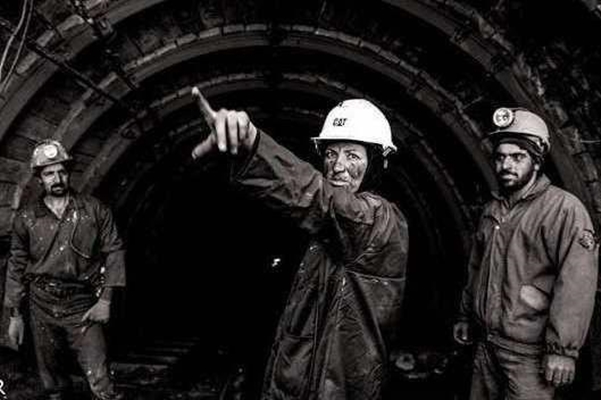
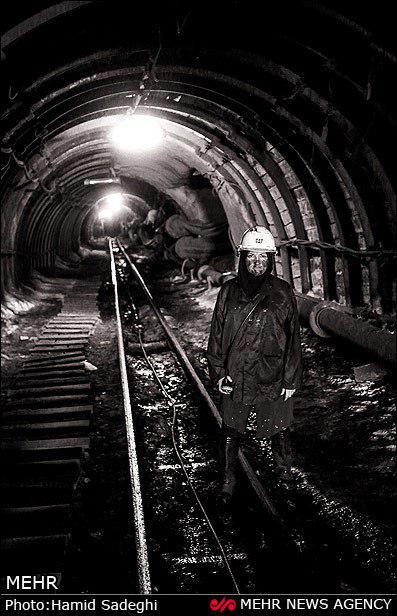
First Iranian Female Miner Talks of Her Adventure

Now, she is the manager of a coal mine in southeastern Kerman province. She began working as a miner with enthusiasm despite all the stereotypes and the masculine nature of the job.

In an interview with Shahrvand newspaper, she has elaborated on her profession and the ups and downs she has encountered in this job over years. The full text of the interview follows.

Shahrvand: You are the first female miner in Iran. Is that right?

Mirzaee: Yes. Of course, before I began this job, there had been women working in outdoor mines. But I am the first woman to be working underground and in mine tunnels.

Shahrvand: How come you chose the most difficult job in the world?

Mirzaee: I had been interested in this job since I was young, so I decided to study mining engineering at university. I took part in the nationwide university entrance exam, and was admitted in the Mining Engineering major, Extraction sub-discipline. Finally, I began to work in a filed related to my major.

Shahrvand: How did you find a job? Well, no woman had worked in a mine before you, and maybe some people would be opposed to you working as a miner because of your gender.
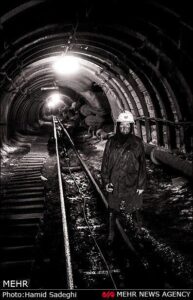
First Iranian Female Miner Talks of Her AdventureMirzaee: Yes. I began looking for a job. Many people would speak of the hardships of working in a mine in order to talk me out of it. However, I myself was familiar with all the difficulties of the job and naturally I had got familiar with all the hardships associated with working in mines. So, their words did not dissuade me from pursuing my interest. The time when I was looking for a job, I found out that a coal mine was looking for a mining engineer to employ. I filled in an application form, and after a while I was informed that I had been accepted.

Shahrvand: Didn’t your family disapprove of you working in a mine?

Mirzaee: They didn’t disapprove of it, but they were always anxious. Anyway, because they knew that I was interested in working in a mine, they didn’t stop me and even encouraged me.

Shahrvand: What about your husband?

Mirzaee: Well, I had started working in the mine before I got married, and before proposing to me, he knew what my job was. So, he had no opposition, either. He always praises my bravery and courage.

Shahrvand: Is it true that you had to take your infant to the mine as well/

Mirzaee: Yes, but I wouldn’t take the baby inside the mine. I returned to work a few days after my delivery, so I had to take my child with me to work. Of course, I would leave the baby with my colleagues at the administrative department whenever I went inside the tunnel. Now that my daughter is seven years old, she is very interested in mines and she sometimes comes with me to work and says she wants to work in a mine in the future.

Shahrvand: What is people’s reaction when they see a woman is working along with men in a coal mine and deep underground?

Mirzaee, You know, when I told friends and people around me that I was working in a mine, they wouldn’t believe it and they thought I was joking. Anyway, in our society, working in a mine is regarded as a men’s job, and naturally, the general public has the same idea, too. But now that I’ve been working in a mine for 14 years, and it people around me know it well.
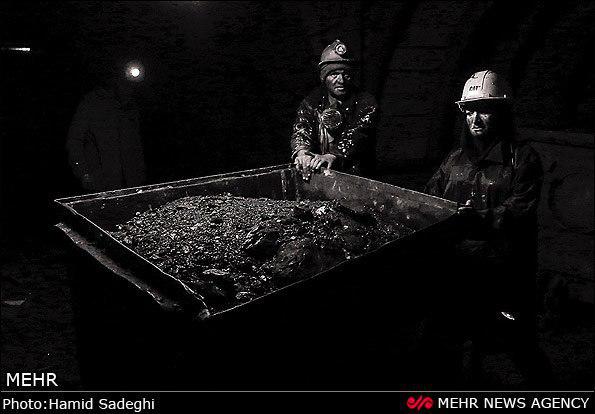
First Iranian Female Miner Talks of Her AdventureShahrvand; First, you were an expert, and now you are the manager of the mine. Have your colleagues got along with the fact that their boss is a woman?

Mirzaee: The first day I started work at the mine, all my colleagues were men. It was not a complex issue for me, but there were some colleagues who were not comfortable with my working there. They said they shouldn’t take orders from a woman, or they would ask how a woman can go inside the tunnels. But after some time when I made progress with my work and was picked as the manager of the miner, they somehow got along with me.

Shahrvand: How many workers are working at that coal mine?

Mirzaee: There are 150 mine workers, all of whom are men, and just one lady who does the accounting work. Of course, a few other mines are up and running under our supervision. Women work there, too.

Shahrvand: Now that you have become the manager of the mine, will you use women as mine workers?

Mirzaee: Yes, why not.

Iran May Execute CIA-Trained Spies Working at Sensitive Centres

The spies were arrested in late 2018 and early 2019 by Iranian intelligence forces, while they were working in sensitive centres, Gholam-Hossein Esmaeili told a press conference in Tehran on Tuesday.

He said two of the spies who were not working in military centres were tried in the Revolution Court and received long-term prison terms.

Some others who worked at military centres were tried in the military court, and the prosecutor has demanded death penalty for them, he said, adding that their cases are awaiting final verdict.

Back in April, Intelligence Minister Mahmoud Alavi announced Iran has identified 290 CIA agents across different countries, forcing the US to form a special committee to reassess its cloak-and-dagger operations.

“CIA operatives in those countries were identified and arrested and the contacts of the US intelligence agency with its sources were disrupted in such a way that a committee to assess the failure was set up in America,” Alavi said.

He touched on what numerous US spy experts have said about the major intelligence defeat, making reference to a specific November 2018 Yahoo News article that had interviewed numerous American spy experts over the “incredibly damaging” incident.

Referring to the article, Iran’s intelligence minister specifically highlighted a quote from American national security analyst Irvin McCullough, who described the major American intelligence setback as “one of the most catastrophic intelligence failures” since the September 11 attacks in 2001.

Alavi said that further details of the operations would be publicized soon, adding that a similar successful counter-espionage operation had been carried out against Britain’s MI6 intelligence service.

In his Tuesday remarks, the Iranian Judiciary spokesman referred to the Intelligence Ministry’s operation and said Iran shared with friendly countries including China the information it had about those spies.

Iran Offers Help to Afghanistan after Kabul Terror Attack

In a message to Hamdullah Mohib, the National Security Advisor to Afghanistan’s president, Ali Shamkhani strongly condemned the Monday’s terrorist attack on ordinary people and defenseless citizens in Kabul.

Offering condolences to the Afghan government, nation, and families of victims of the terrorist attack, Shamkhani called for the enhancement of collective cooperation among all nations in the fight against terrorism.

The terrorists and extremists have targeted the ordinary life of human communities, he deplored.

“Undoubtedly, the termination of such distressing activities by the extremist groups and those affiliated to Takfiri thoughts will be possible only with serious resolve and determination, cooperation among the neighboring states, and genuine fight against terrorism,” the top Iranian official added.

“The Islamic Republic of Iran voices its full readiness to assist in the restoration of stability and security, and also to provide help for the victims,” Shamkhani concluded.

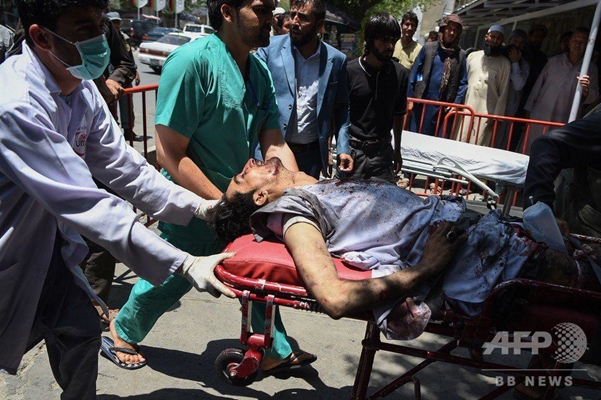
The Taliban detonated a powerful car bomb in an area of Kabul housing military and government buildings, killing at least 16 people.

The bomb went off during the morning rush hour when the streets were filled with people, injuring 105 people, including 51 children and five women, government authorities said on Monday.

It’s Europe’s Turn to Save JCPOA: Iranian Envoy

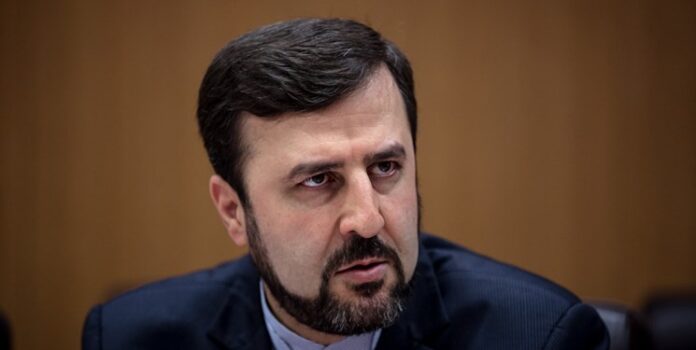
In comments on Monday, Kazem Gharibabadi touched on a report by the International Atomic Energy Agency (IAEA) that Iran has exceeded the limit on the amount of enriched uranium in its stockpile set out in the 2015 nuclear deal, stressing that Tehran’s move was in accordance with its rights enshrined in the Joint Comprehensive Plan of Action.

As mentioned in a previous statement from Iran’s Supreme National Security Council, Tehran has referred to the Articles 26 and 36 of the nuclear deal to uphold its rights under the JCPOA, the envoy added.

“It’s now Europe’s turn to take serious practical measures to save the JCPOA, if they really care about its fate,” Gharibabadi stated, noting that Iran may reverse its decisions if the European parties to the deal honor their commitments and ensure Iran’s oil sale and trade relations.

He further stressed that the Islamic Republic has acted transparently in reducing certain commitments to the JCPOA.

The Iranian diplomat then lashed out at the US for withdrawing from the nuclear deal and for imposing unilateral sanctions on Iran and the other countries meeting their commitments under the UNSC Resolution 2231.

Gharibabadi also expressed hope that the international community would join hands against the US bullying measures and not let a “flicker of hope for diplomacy and multilateralism in the contemporary era” go out.

The ambassador finally reiterated that Iran entered the nuclear talks and signed the JCPOA with “goodwill” and carried out its commitments completely, making a reference to fifteen consecutive IAEA reports that have confirmed Tehran’s compliance with the deal ever since it took effect.

Iran’s Foreign Minister Mohammad Javad Zarif announced on Monday that the country has increased the level of its low-enriched uranium production to over 300 kilograms.

The move came as part of a decision by the Islamic Republic of Iran to reduce some of its commitments under the Joint Comprehensive Plan of Action in reaction to the US violation of its commitments and the Europeans’ failure to live up to their obligations.

The Atomic Energy Organization of Iran (AEOI) first announced on June 17 that the country would speed up enriching uranium at the level of 3.67% and its stockpiles would exceed the 300kg limit within 10 days.

Oil Minister: INSTEX Must Provide Iran’s Petrodollars

Speaking to reporters before an OPEC meeting on Monday, Bijan Namdar Zanganeh said the Instrument in Support of Trade Exchanges (INSTEX) could not run with a few million euros.

“The INSTEX would not operate with only three or four million euros and without a safe remittance of money,” the oil minister noted.

In order for the INSTEX to be functional, Iran’s oil incomes need to be deposited into that financial channel, he added.

His comments came after Iran’s Foreign Ministry spokesman said the way INSTEX is running is not what Tehran has been asking for.

“Several days remain until the end of the 60-day Iranian deadline, so we hope Europeans will be able to take more important and operational steps to implement the INSTEX, because if they do not take steps, Iran would take its second step [of reducing its JCPOA commitments].”

Iran’s ambassador to the United Nations has also likened the INSTEX to a beautiful car which is out of gasoline.

Iran Says Not Satisfied with INSTEX Implementation

Iran Says What IAEA Wants to Access “Not A Site”

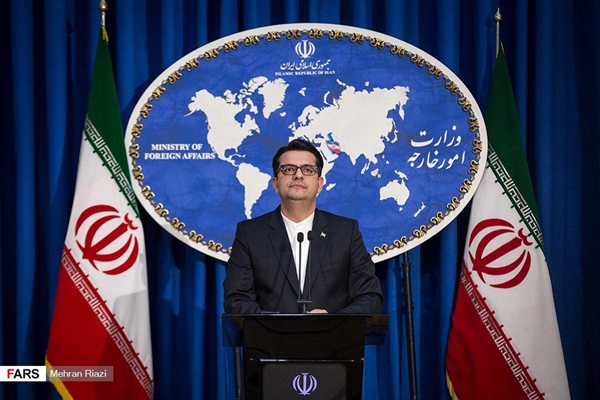
Seyyed Abbas Mousavi has told IRIB News Agency that consultations are underway and the Islamic Republic’s message has been forwarded to European parties.

“Several days remain until the end of the 60-day Iranian deadline, so we hope Europeans will be able to take more important and operational steps to implement the INSTEX, because if they do not take steps, Iran would take its second step [of reducing its JCPOA commitments].”

Mousavi also noted that the amount of enrichment and its percentage and level in the second step will be announced soon.

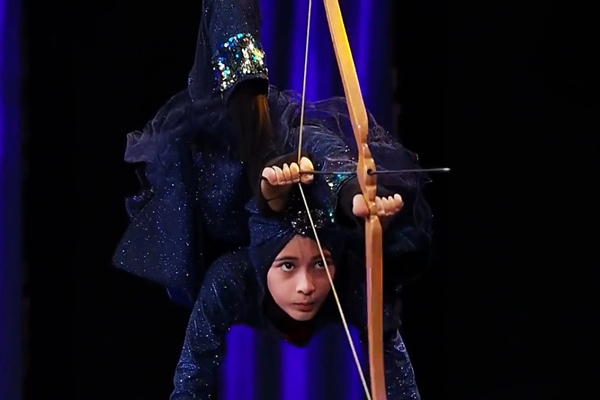
Ultra-Flexible Girl Stuns Audiences at Iranian Got Talent Show

The talent show, which some believe is an Iranian version of the famous “Got Talent” show, has gained amazingly in popularity a few months after its first episode went on air.

The TV show is hosted by famous Iranian presenter Ehsan Alikhani, and its first episode was screened on February 16 after a long time of promotion. The program, which was supposed to be a talent show from the beginning, had called for test videos.

Alikhani says the “New Age” is not supposed to change the world, but simply wants to “give a magnifier to people.”

The program is about those who lack self-confidence and are unsure whether they are really talented or entranced by illusory talents.

Famous Iranian actors and artists including Roya Nonahali, Amin Hayaie, Arya Aziminejad and Seyyed Bashir Hosseini are the jury members.

A Look at Iranian Newspaper Front Pages on July 1

A Look at Iranian Newspaper Front Pages on November 19

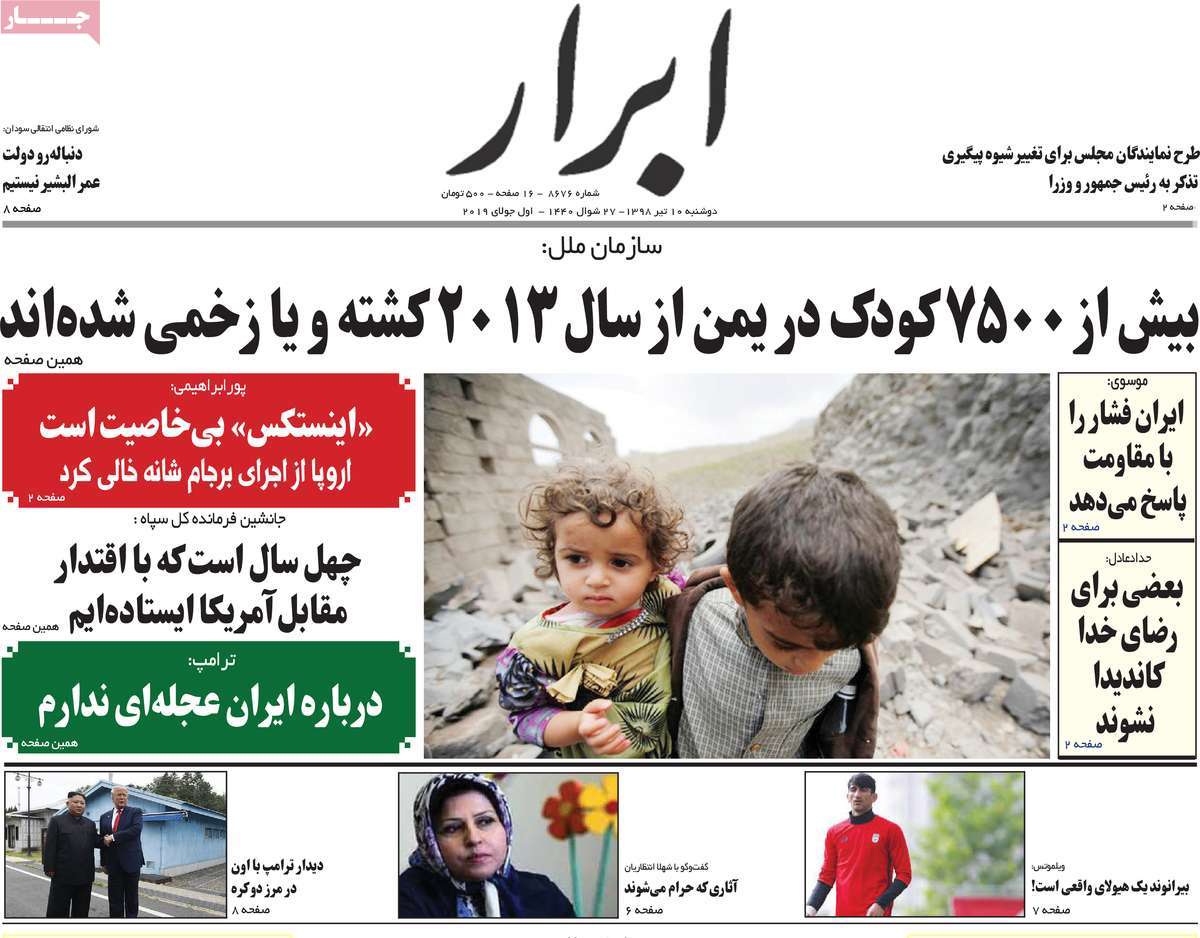
Abrar:

1- UN: Over 7,500 Children in Yemen Killed, Wounded Since 2013

2- Iran to Respond to Pressure with Resistance: Spokesman

3- IRGC General: We’ve Stood against US for 40 Years

A Look at Iranian Newspaper Front Pages on July 1


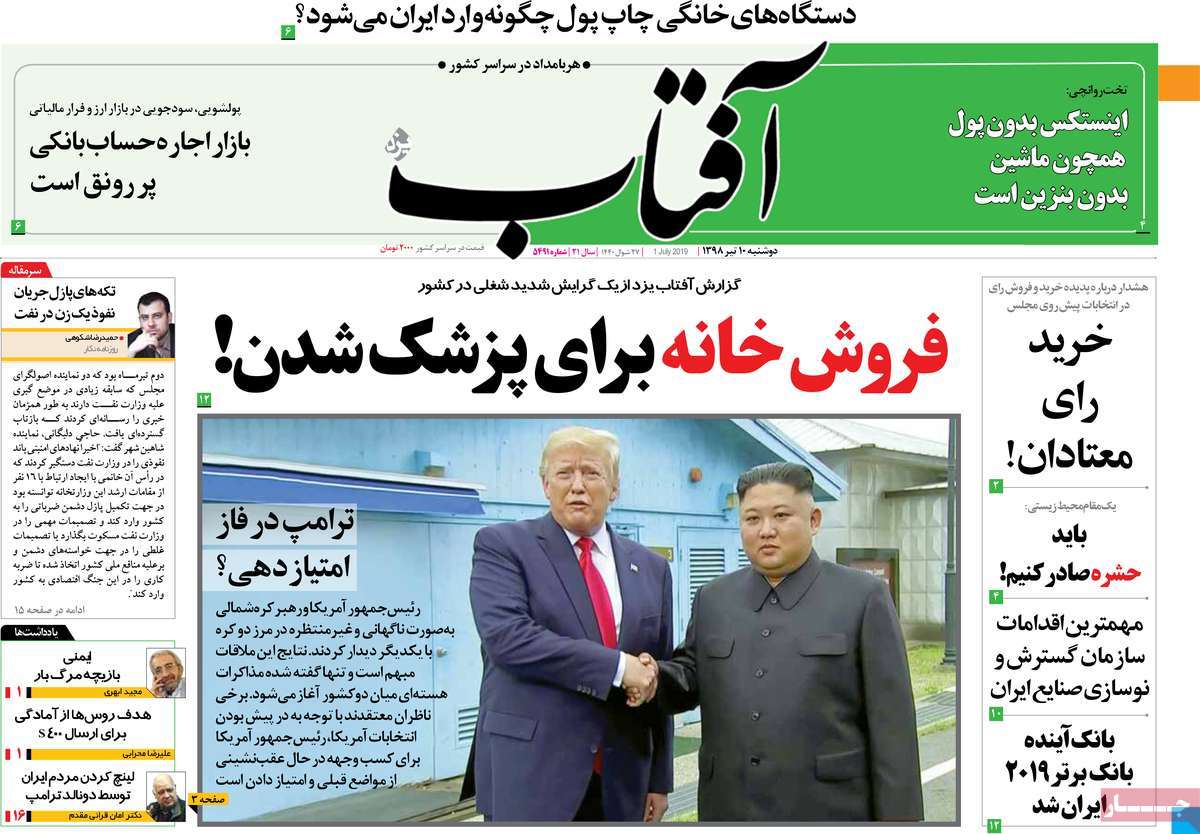
Aftab-e Yazd:

1- Trump Giving Concessions? Kim, Trump Meet in DMZ

2- Takht-Ravanchi: INSTEX without Money Like Car without Gas

A Look at Iranian Newspaper Front Pages on July 1


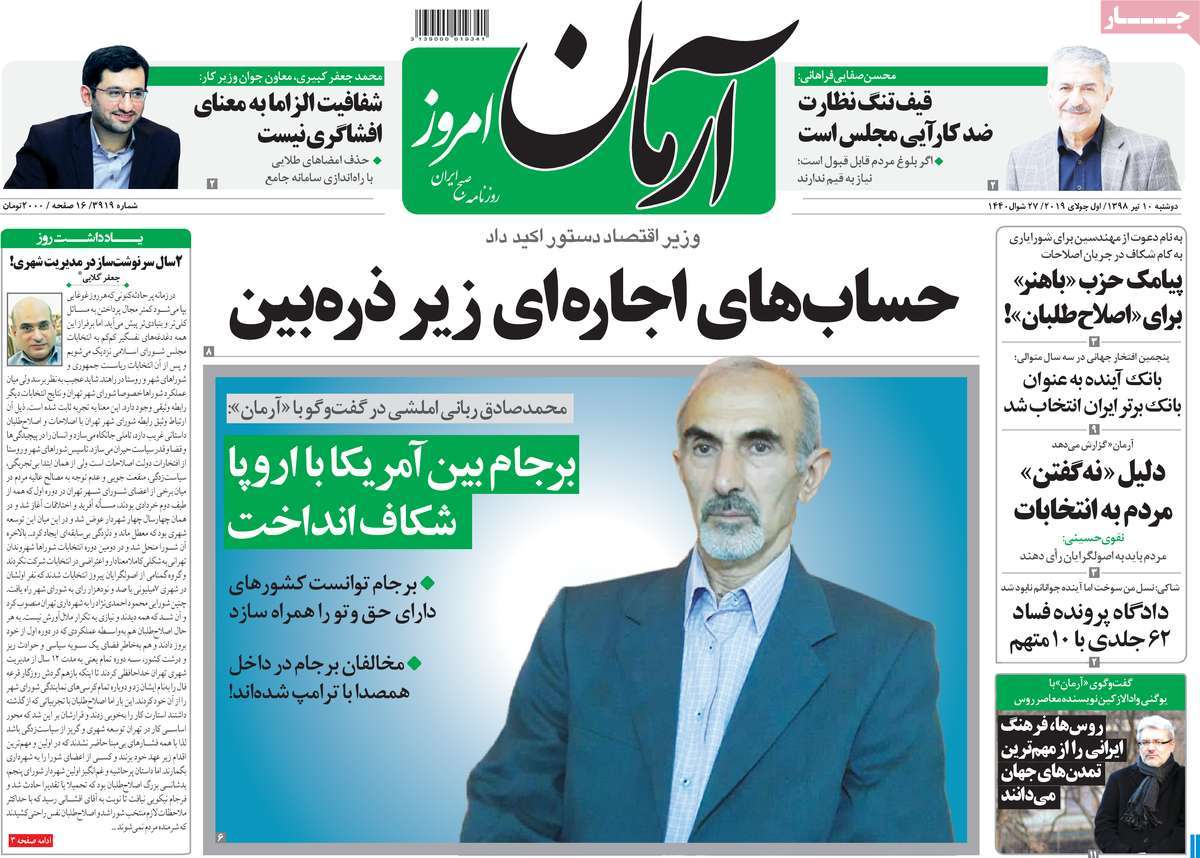
Armane-e Emrooz:

1- JCPOA Created Gap between US, Europe

2- To Russians, Iranian Culture among World’s Most Important Civilizations in World

A Look at Iranian Newspaper Front Pages on July 1


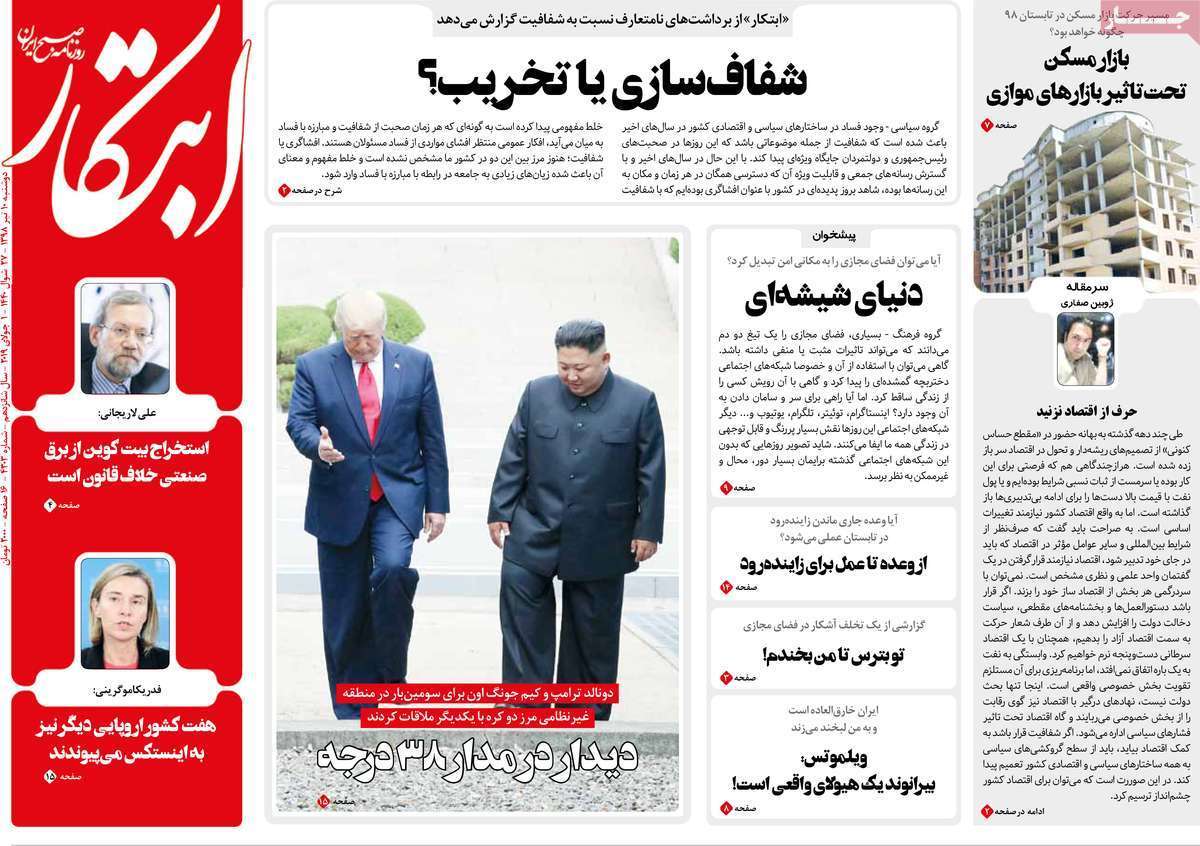
Ebtekar:

1- Meeting at Temperature of 38 Degrees: Trump, Kim Meet for Third Time

2- Mogherini: 7 Other States Joining INSTEX

A Look at Iranian Newspaper Front Pages on July 1


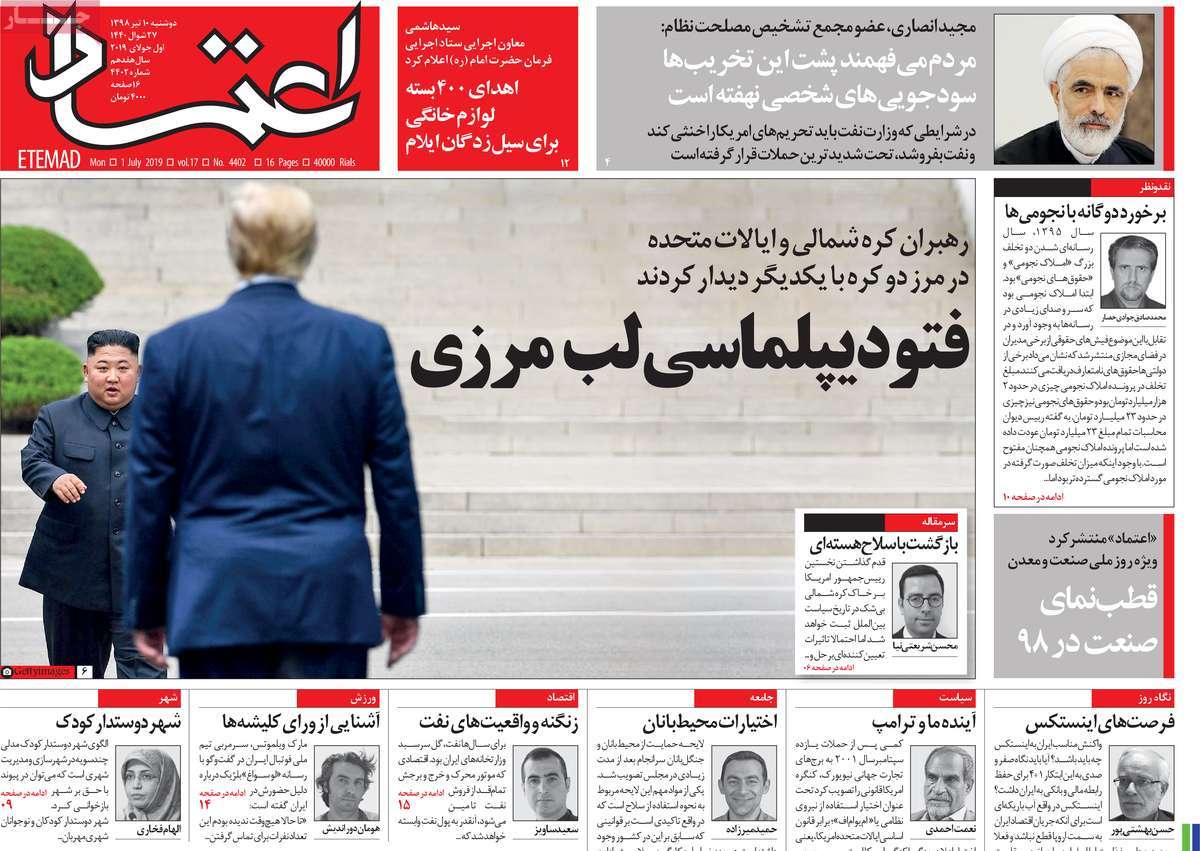
Etemad:

1- Photo-Diplomacy on Joint Border: US, N Korean Leaders Meet

A Look at Iranian Newspaper Front Pages on July 1


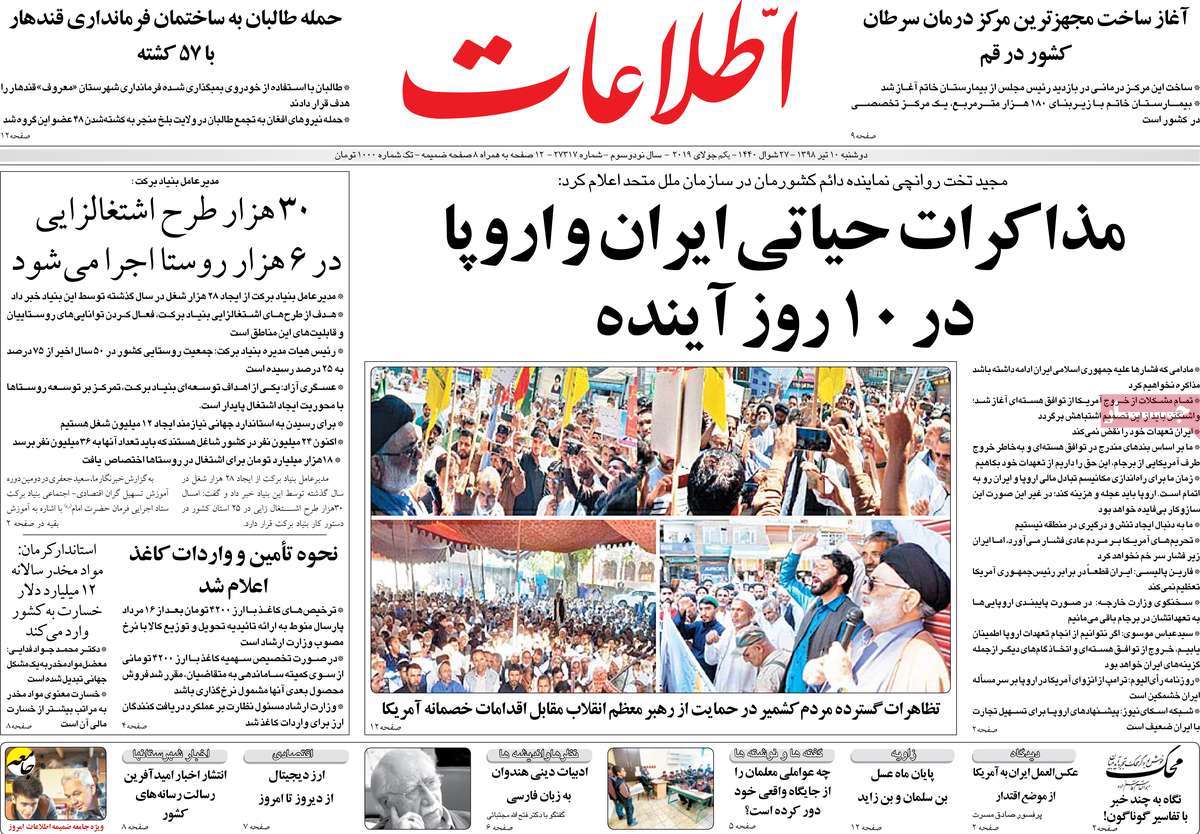
Ettela’at:

1- Takht-Ravanchi: Iran, Europe ot Start Vital Talks in 10 Days

2- People of Kashmir Hold Massive Rallies in Support of Iran Leader

A Look at Iranian Newspaper Front Pages on July 1


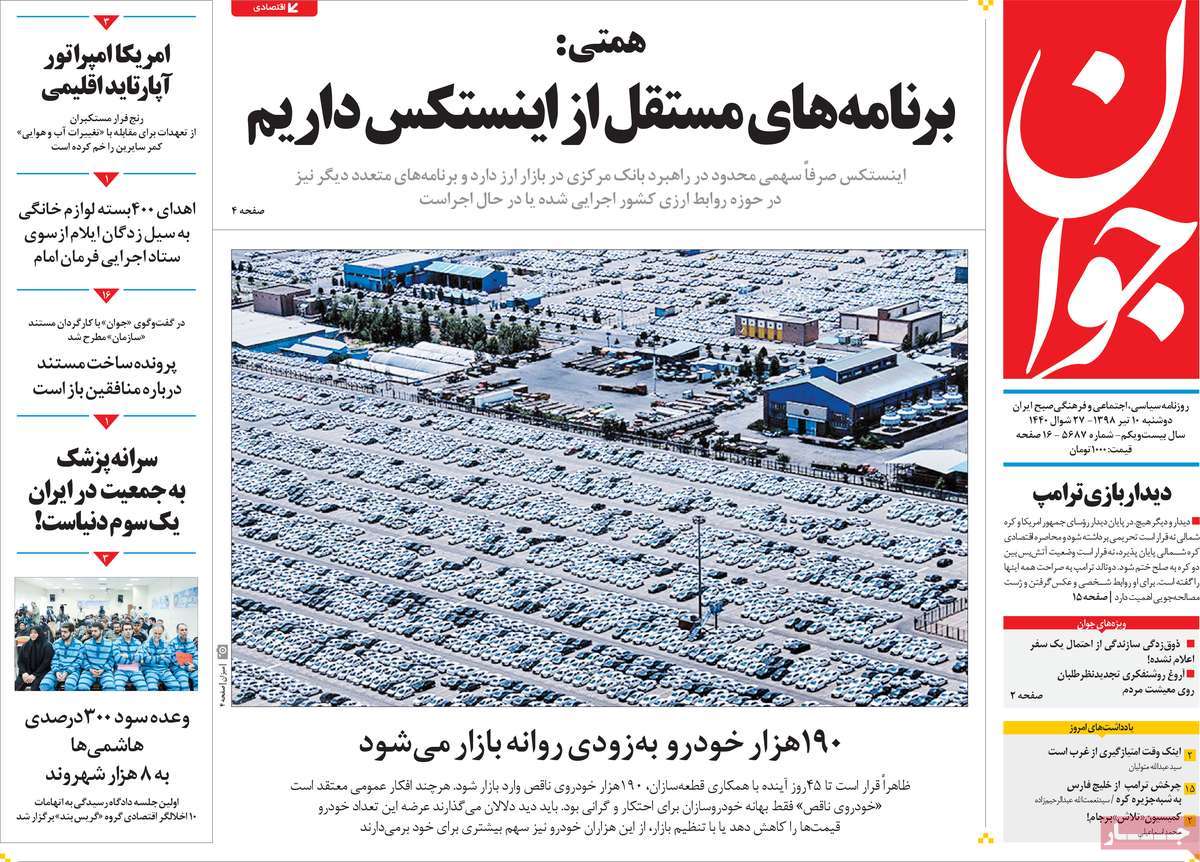
Javan:

1- Central Bank Chief: We Have Plans Independent of INSTEX

2- Trump’s Play with Meetings

A Look at Iranian Newspaper Front Pages on July 1


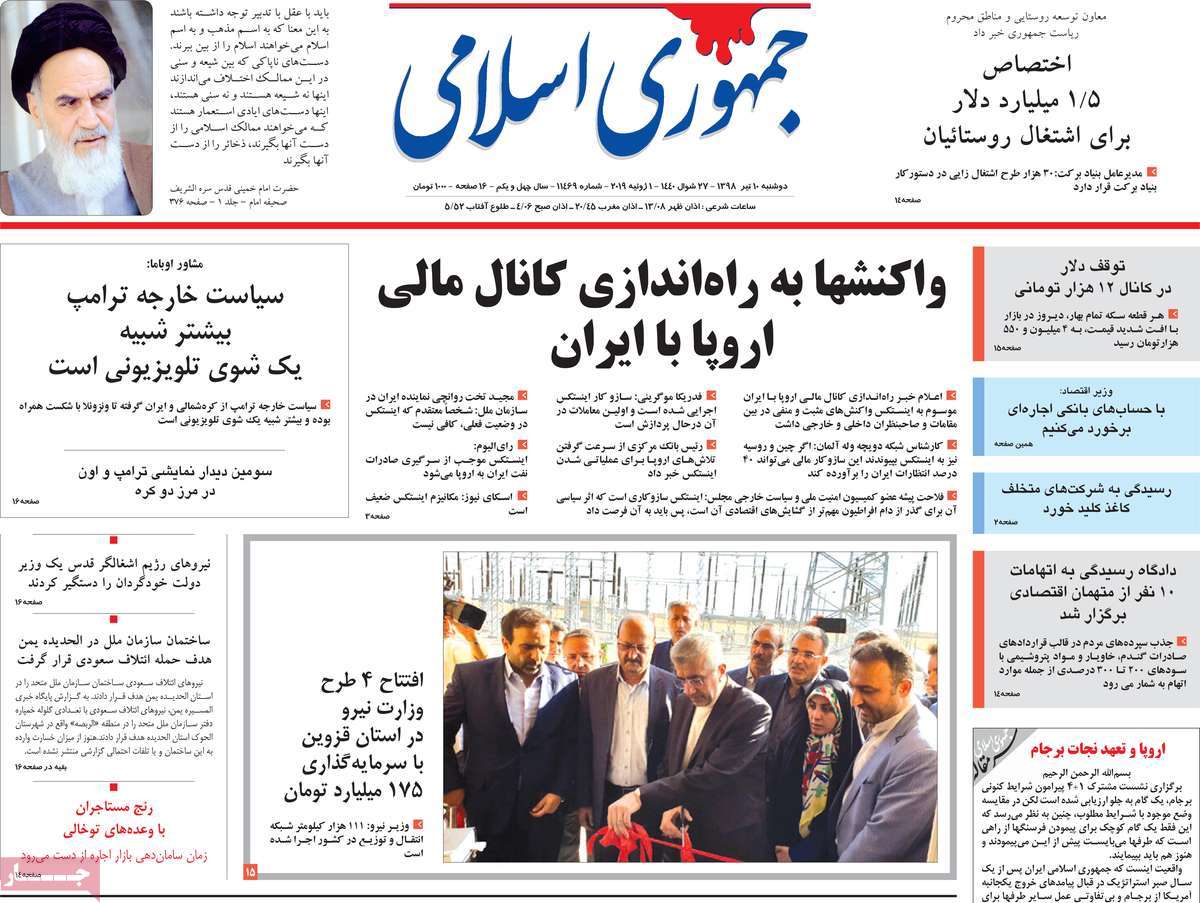
Jomhouri Eslami:

1- Obama’s Aide: Trump’s Foreign Policy More Like a TV Show

2- Europe and Commitment to Saving JCPOA [Editorial]

A Look at Iranian Newspaper Front Pages on July 1


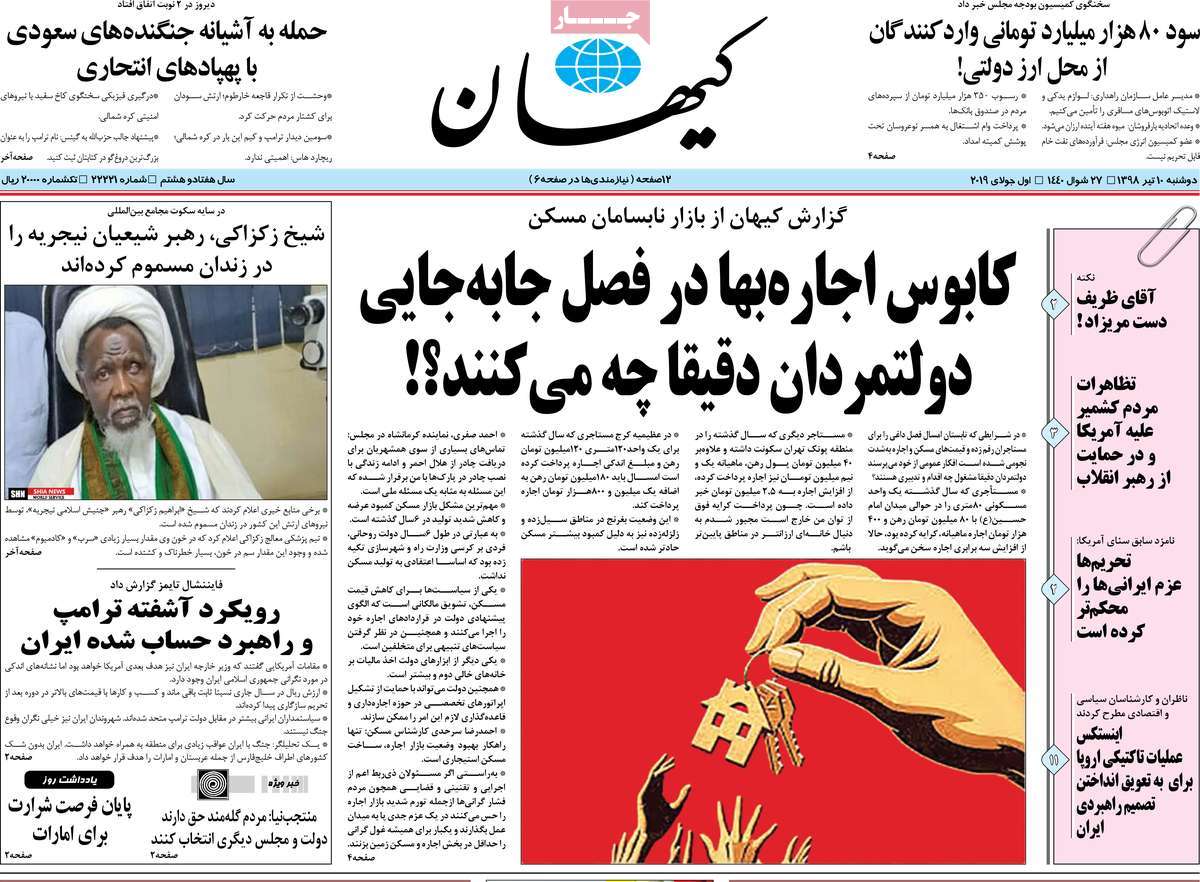
Kayhan:

1- Former Senate Candidate: Sanctions Make Iranians More Resolved

2- Financial Times: Trump’s Chaotic Approach, and Iran’s Smart Strategy

A Look at Iranian Newspaper Front Pages on July 1


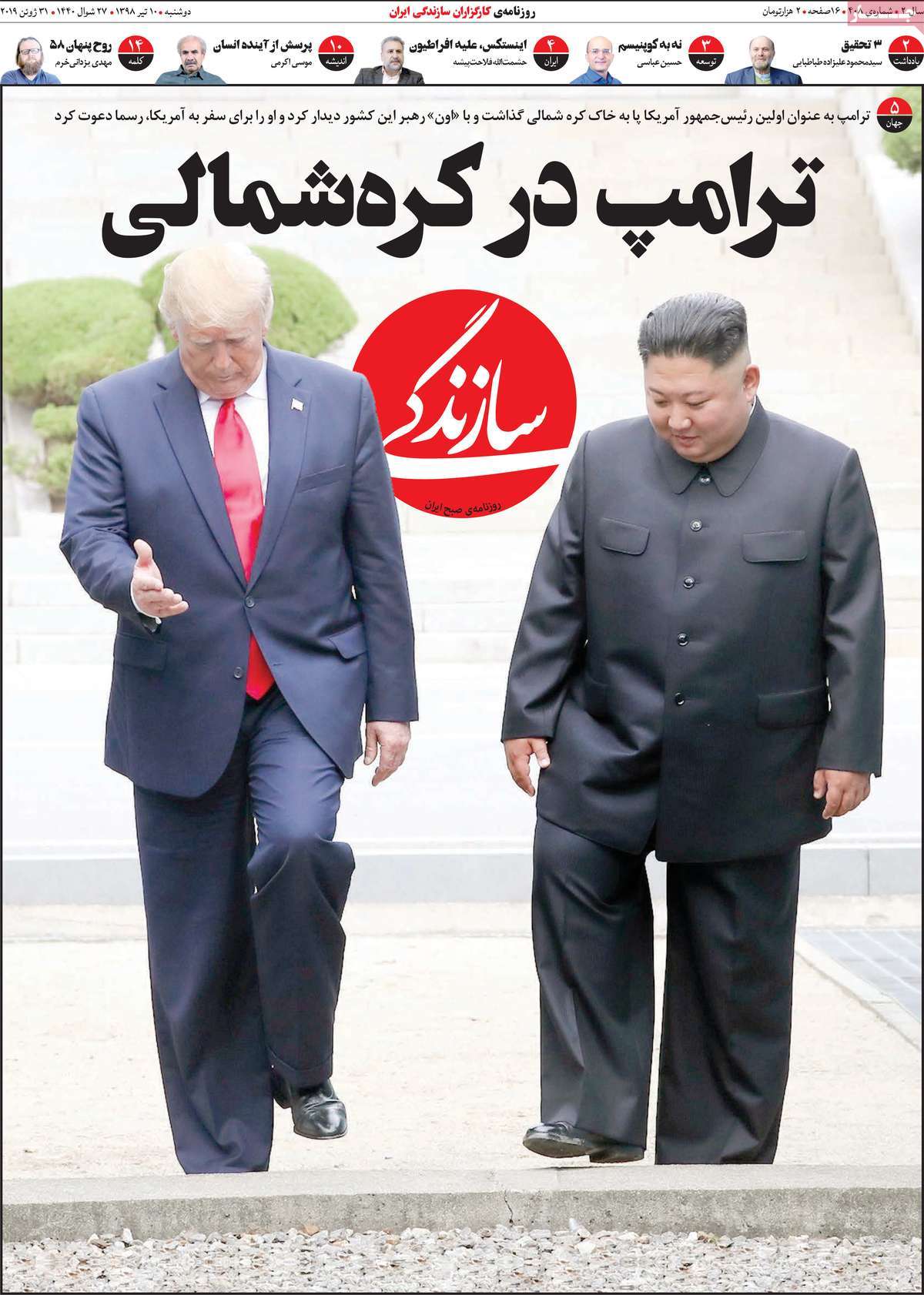
Sazandegi:

1- Trump in North Korea

* Trump Makes First-Ever Visit to N Korea as US President

A Look at Iranian Newspaper Front Pages on July 1


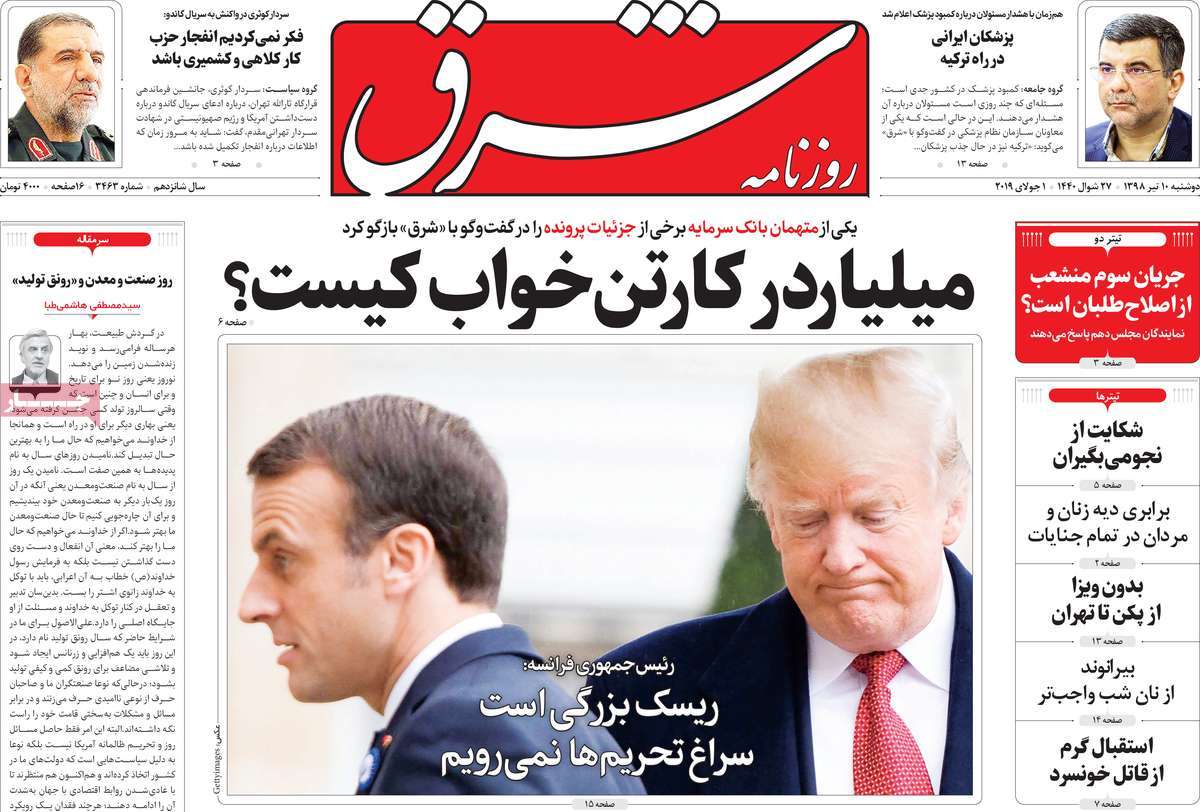
Shargh:

1- French President: It’s a Big Risk Not to Observe US Sanctions

2- Without a Visa from Beijing to Tehran

A Look at Iranian Newspaper Front Pages on July 1

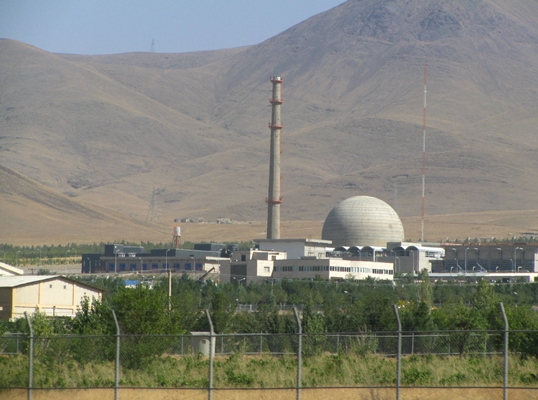
Iran’s Enriched Uranium Stockpiles Exceed 300kg

Speaking to reporters on the sidelines of a ceremony held in Tehran, Foreign Minister Mohammad Javad Zarif said the move is part of Iran’s rights under the text of the nuclear deal.

The move came as part of a decision by the Islamic Republic of Iran to reduce some of its commitments under the Joint Comprehensive Plan of Action (JCPOA) in reaction to the US violation of its commitments and the Europeans’ failure to live up to their obligations.

The Atomic Energy Organization of Iran (AEOI) first announced on June 17 that the country would speed up enriching uranium at the level of 3.67% and its stockpiles would exceed the 300kg limit within 10 days.

The AEOI spokesman, Behrouz Kamalvandi, said the increase in uranium stockpiles was based on the Articles 26 and 36 of the JCPOA.

He also announced that the country’s heavy-water stockpiles will exceed the 130-tonne limit set by JCPOA within 2.5 months.

He noted that the decision is reversible in case other parties to the deal implement their commitments.

“Europeans still have time to compensate, but if they want more, it means either they cannot or they do not want to fulfill their commitments,” he noted.

The announcement came almost 40 days after Iran gave the Europeans a 60-day deadline to live up to their commitments under the nuclear accord; otherwise, Iran has vowed to take “further measures” after the two-month period.

Iran will make decision about the level of its uranium enrichment after the 60-day deadline, Kamalvandi said.

We’re waiting for the decision of the country’s top authorities, but for now we are thinking of different scenarios including an enrichment level of 3.68 percent and more, he noted.

The level can be 5 percent for Bushehr nuclear power plant, and 20 percent for Tehran research reactor, he predicted.

“With current facilities, we have a production capacity of 190,000 SWUs. In the 15th year of the JCPOA (11 years later), we will have a capacity of 272,000 SWUs. If we withdraw from the deal, the speed will be much higher.”