Tuesday, December 23, 2025
Home Blog Page 3184

Canadian Artist Sacked after Drawing Viral Trump Cartoon

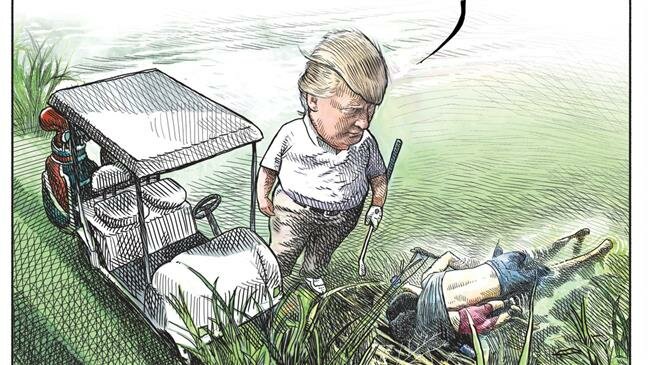
The drawing, which was posted on de Adder’s Twitter account on June 26, shows Trump standing beside a golf cart, golf club in hand, looking down at the bodies of a father and daughter who drowned in the Rio Grande while trying to cross from Mexico into Texas. Trump asks, “Do you mind if I play through?”

The illustration is based off the searing photo of Óscar Alberto Martínez Ramírez, 25, and his 23-month-old daughter, Angie Valeria, lying face down in the muddy waters of the Rio Grande, which has sparked outrage and become a focal point of the debate over asylum-seekers.

De Adder announced his termination from the newspapers owned by Brunswick News Inc. on Twitter.

“The highs and lows of cartooning,” he wrote. “Today I was just let go from all newspapers in New Brunswick.”

Brunswick News Inc. said in a statement on Sunday it is “entirely incorrect” to suggest the company canceled its freelance contract with de Adder over the cartoon.

“This is a false narrative which has emerged carelessly and recklessly on social media,” the company said. “In fact, BNI was not even offered this cartoon by Mr. de Adder. The decision to bring back reader favourite Greg Perry was made long before this cartoon, and negotiations had been ongoing for weeks.”

De Adder said he was “not a victim” and that this was “a setback not a deathblow.”

The New Brunswick native also said that he was still drawing cartoons for other publications, but was hurt that he would no longer be doing so in his four local outlets.

“I just need to recoup a percentage of my weekly income and get used to the idea I no longer have a voice in my home province,” he wrote.

De Adder, who did not immediately return NBC News’ request for comment, wrote in a tweet Sunday that he would be “off the grid for the day.”

Wes Tyrell, President of the Association of Canadian Cartoonists, claimed de Adder was fired after 17 years with Brunswick News Inc. because Donald Trump was a “taboo subject” for the company.

“Although he has stated there was no reason given for his firing, the timing was no coincidence,” Tyrell said in a lengthy statement on Facebook. “Michael de Adder has drawn many well-documented cartoons on Trump, they have however, systematically never been seen in the NB papers.”

Previous Trump cartoons by de Adder probably went unnoticed by the company, Tyrell said, but this one went viral thanks to social media celebrities such as George Takei and ultimately led to his contract being terminated.

Tyrell says that, although Brunswick News Inc. is a Canadian company, its business ties within the United States influenced their decision.

“Trade has been an issue since Trump took office,” Tyrell said. “And the President himself is an unknown quantity who punishes those who appear to oppose him.”

INSTEX Shows Europe Distancing Itself from US: Iran

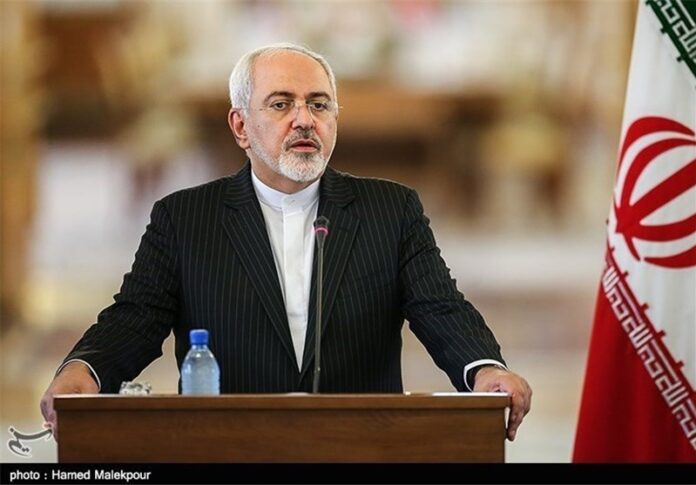
Zarif

The remarks were made by Iranian Foreign Minister Mohammad Javad Zarif in an address to a ceremony held in Tehran on Monday to mark the National Day of Industry and Mine.

“Despite the fact that the Instrument in Support of Trade Exchanges (INSTEX) is not sufficient for Europe to meet its commitments towards Iran, but it means the closest allies of the US are moving away from the country,” Zarif noted.

“Americans have reached the conclusion that the JCPOA set Iran free from the chains on its hands, and caused its regional power and influence to grow,” he said.

The Iranian foreign minister went on to say that the US has been isolated in the international arena today, and is resorting to any means in order to whip up support.

“Iran’s international power and influence is at its peak, and that has forced Americans to use the last resort left for them, namely the economic weapon.”

“In the economic field, the Americans tried to use the medium-term opportunity of the its dollar’s domination over the world’s financial sector in order to impose pressures on us, but in fact they created problems for themselves in the long-term,” he said.

“But they were defeated in this field as well, as China and Russia decided to stop using the US dollar in their transactions,” he noted.

“Last year, Iran and Turkey used their national currencies in 35 percent of their transactions. Even the UAE and India – who are friends of the US – decided to limit their use of US Dollar,” Zarif noted.

“This means the strategic use of the power of dollar will decrease in the long-term.”

Last week, senior authorities from Russia and China signed an agreement to ditch US dollar and other major international currencies in mutual trade and instead use their own national currencies.

The agreement had been signed earlier in June between Russian Finance Minister Anton Siluanov and Chinese People’s Bank Governor Yi Gang.

The agreement is a first practical step for the two countries to switch to national currencies in mutual payments.

Countries like Iran and Venezuela, who have suffered like Russia as a result of US sanctions over the past years, have also called the use of national currencies in global trade.

Iranian Deputy Foreign Minister Abbas Araqchi said on Thursday that there was a need for the international community to “confront this wrongful habit of the US to use the power of dollar as a weapon against independent countries”.

Zarif also suggested earlier this month that America’s hegemony would collapse if countries around the world were to ditch the US dollar as the basis for their international trade.

“America’s power rests on the dollar; a great part of America’s economic power will go away if countries eliminate the dollar from their economic systems,” said Zarif.

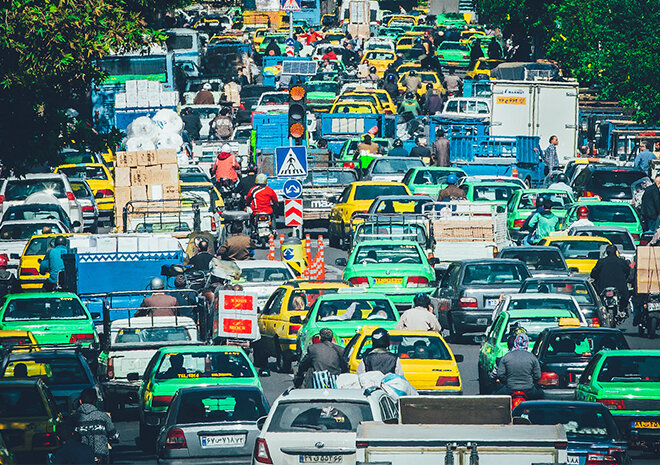
New Scheme Cuts Traffic Congestion in Tehran by 35%

Tehran Municipality has prepared a new traffic scheme for the capital in an attempt to address persistent air pollution and traffic congestion in the metropolis, which went into effect on June 22.

The scheme replaced odd-even traffic scheme in the city, a plan that, according to many experts, was unsuccessful in achieving its goals of reducing traffic or air pollution.

For many years the city center has been closed to all cars except for a certain number of cars which have permits issued by the municipality as well as public transport means. And the odd-even traffic scheme, as a method of rationing in which access to the streets for private vehicles is granted on alternating days, according to whether the last digit on their license plate is even or odd, was being implemented in zones far from the city center from Saturday to Thursday (Fridays and public holidays excluded).

The new traffic scheme, aims to cut the emission generated by the vehicles mostly in traffic-congested areas especially during the peak periods or during peak pollution events, except for public transportation, including taxis and buses.

All vehicles, regardless of their registration numbers, are allowed to enter the traffic zones 20 days during each season (80 days all year round) for free without paying any fees and those who are planning on entering the zone more should pay taxes to the municipality.

Recent statistics indicate that the newly initiated traffic scheme has been effective decreasing traffic congestion by 30 to 35 percent over the past few days, Heidari noted, ISNA reported on Friday.

Given that traffic is a complex and multifaceted category, with various factors affecting the traffic behavior of citizens, but one should not ignore a few basic points, he said, adding, citizens can manage their trips at a lower cost, considering that fees differ in peak hours and non-peak hours.

The fees are calculated depending on the time of the day they are entering the zone and how long they are staying in the area. Also those living in traffic zones will be provided with 50 percent discounts for entering the zone and top scorers in vehicle inspections will be given 25 percent discounts as well.

However, traffic jam decline in recent days can be attributed to various factors, such as closure of schools and educational centers, raised temperature and, most importantly, citizens being more cautious toward the new scheme, he said.

He went on to add that a significant reduction in traffic jam compared to few past weeks and the same period last year represents a major social issue that citizens realized that works can be done without using a personal car.

Rouhani Urged to Learn from JCPOA, Not Be Deceived by INSTEX

What follows is a summary of this analytical op-ed:

While the 60-day deadline Iran gave Europeans regarding the nuclear deal is reaching its end, Europeans have put the “void” package of the Instrument in Support of Trade Exchanges (INSTEX) on the agenda again after more than a year of inaction.

It’s now almost four years since the sealing of the nuclear deal and about 14 months since the United States pulled out of this agreement. Europeans, like the United States, have failed to pass this test and senior Iranian government officials, and in particular the president, must have learned from the JCPOA and not be deceived by the hollow and insulting INSTEX package.

The recent meeting of the joint commission of the JCPOA headed by Iran’s Deputy Foreign Minister Seyyed Abbas Araqchi and the Secretary General of the European External Action Service (EEAS), Helga Schmid, was held in the presence the representatives of P4+1 (Germany, France, Russia, China and Britain) on Friday. At the end of the meeting, the Joint Commission issued a nine-part statement at Coburg Hotel in the Austrian capital, Vienna.

Expressing Regret & Review of Commitments!

In the Joint Commission’s statement, it has been stated that given the recent developments and concerns, the parties highlight the importance of full and effective implementation of the deal by all parties. At the same time, members noted that lifting sanctions was an essential part of the deal, and they also reviewed their respective commitments. They looked at the efforts leading to reduction of negative effects of US withdrawal and re-enforcement of sanctions. They furthermore looked into the issues they had repeatedly expressed regret over.

Almost four years after the signing of the agreement and about 14 months after the US pullout, the remaining parties to the deal are now contemplating their obligations, and at the same time in response to the US anti-Iranian measures have just expressed regret!

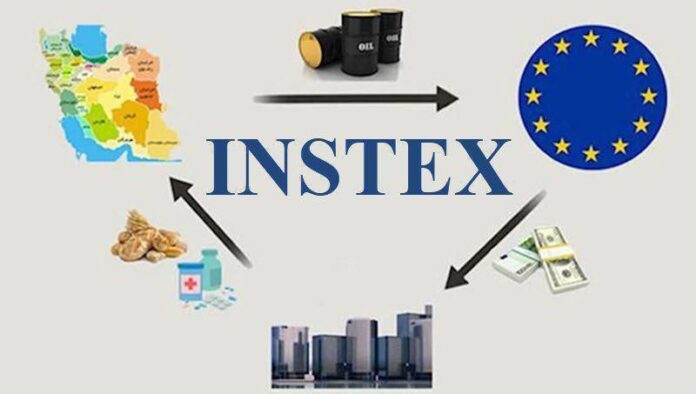
In another part of the statement, France, Germany and the United Kingdom informed the members that the INSTEX has become operational and available to all EU states, and its first transaction is being processed. They said the ongoing complementary cooperation will be accelerated with the establishment of the Iranian counterpart, STFI. They confirmed that some EU member states are joining shareholders of INSTEX, a specific mechanism aimed at facilitating legal trade with Iran. They are also trying to facilitate access to INSTEX for the third-party economic activists.

According to news agencies, Austria, Belgium, Finland, the Netherlands, Slovenia, Spain and Sweden emphasised the need to preserve the JCPOA (let’s say Iran’s unilateral compliance with its commitments). They also called the deal a key tool for the arms control and maintaining stability in the region.

European parties of the JCPOA have reduced their commitment and instead are offering a void package called INSTEX. Meanwhile, the INSTEX has nothing to do with Europe’s commitments and is simply a policy of exchanging oil money with food and medicine! The important point is that this financial channel does not cover US sanctioned items at all. That’s why the US State Department recently issued a statement explicitly declaring that Washington does not expect such channels affect its maximum pressure campaign against Iran.

Foreign Ministry Spokesman Seyyed Abbas Mousavi said “If this is a normal and formal mechanism, we certainly will not accept it and take our second step in a timely manner.”

Iranians Are in Hurry!

While the European member states did not fulfil any of their obligations, a European diplomat in Vienna has insulted Iran in an irresponsible comment.

Asharq Al-Awsat quoted in a report a European diplomat in Vienna saying that “They (Iranians) are in a rush about INSTEX, but that’s complicated. We can show that we are progressing, but they say it is not enough. Well, that’s their problem, we do our job in the best way.”

A brief note by Director General of Chairman’s Office at the Tehran-based Strategic Council on Foreign Relations (SCFR) Abdolreza Faraji-Rad said “It seems what Europe pursues as a special financial mechanism is not a thing to make major changes in trade relations between Iran and Europe, or even in the economic situation of Iran and the Iranian people…. What is being discussed at the European Council is nothing more than creating a financial channel to supply goods such as food and medicine and similar items. The goods the US government claims are not sanctioned and no restriction has been put on them… Such an action would actually mean the implementation of Washington’s directive, namely the full implementation of US sanctions and creation of a channel for goods that are not subject to sanctions as the US claims … In this way, the Europeans imagine that they can hit two birds with one stone. In this way, they protect themselves against the threat of US sanctions, and at the same time imagine that Iran’s demands will be reduced.”

Positive Steps!

“We had a long meeting for more than three hours, it was a positive and constructive meeting and it was a step forward in comparison with our earlier meetings,” said Deputy Foreign Minister Abbas Araqchi after the end of the Joint Commission meeting in Vienna. “Of course, there is still a significant gap to meet the demands of the Islamic Republic and the extensive achievements that the Islamic Republic of Iran expects.

“The most important subject discussed at this meeting was the issue of the INSTEX and the financial channel that the Europeans established. The three European countries set forth extensive and detailed explanations. The INSTEX is now operational and there are two or three issues already being followed up, and the first financial exchange will be carried out through INSTEX in the coming days,” said Araqchi.

The deputy foreign minister said the European countries are planning to provide credit for the INSTEX and now the doors are open to all European countries to do business with Iran.

“Of course, without purchasing oil from Iran, the INSTEX cannot fully meet our expectations,” added Araqchi saying that we expect the European countries to seriously consider the sale of Iranian oil.

“We believe that some positive steps have been taken and they are worth being studied, so I will convey these offers to Tehran,” he said, noting that Tehran’s expectations were not completely fulfiled.

Araqchi called the Europeans’ promise of setting up the INSTEX a positive step, while the Europeans’ duty was not the implementation of the INSTEX. They are obliged to implement their commitments as mentioned in the JCPOA to lift the oil, financial and banking sanctions.

Iran’s announcement of its 60-day deadline on the anniversary of the withdrawal of the United States from the nuclear agreement was a minimal and delayed move, but it pushed Washington and the European parties to the deal for more action. They initially announced they do not recognise Iran’s deadline, but they retreated from their rude stance after seeing Iran’s practical steps in reducing its obligations.

Days passed and the 60-day deadline draws nearer to its end. Senior Iranian government officials stated in separate statements that the second step of reducing the commitments would be carried out on July 16. But the European side, which has repeatedly confirmed its alliance with Washington, instead of fulfiling its JCPOA commitments rushed to a deceptive approach and that was nothing but a void pack called INSTEX.

The European Union was supposed to guarantee the lifting of banking, financial and oil sanctions in line with its commitments mentioned in the deal, but the INSTEX does not meet these obligations at all.

During the past year, Europeans, like the United States, have failed to pass the test and have not fulfiled their obligations at all. Senior Iranian government officials, and in particular the president, must now learn a lesson from the JCPOA and not be deceived by a hollow and insulting package called INSTEX.

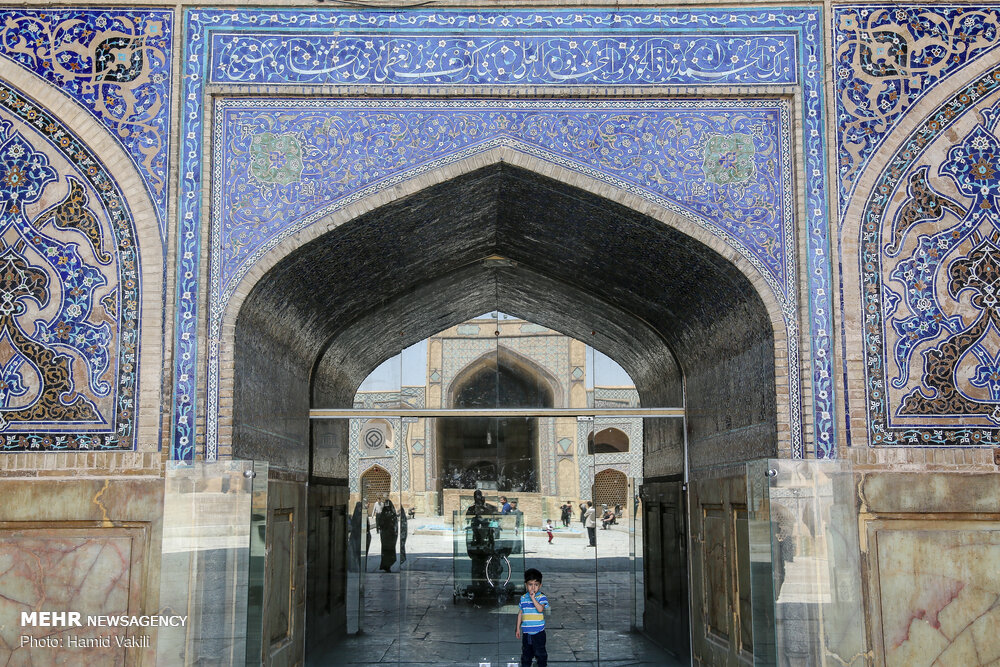
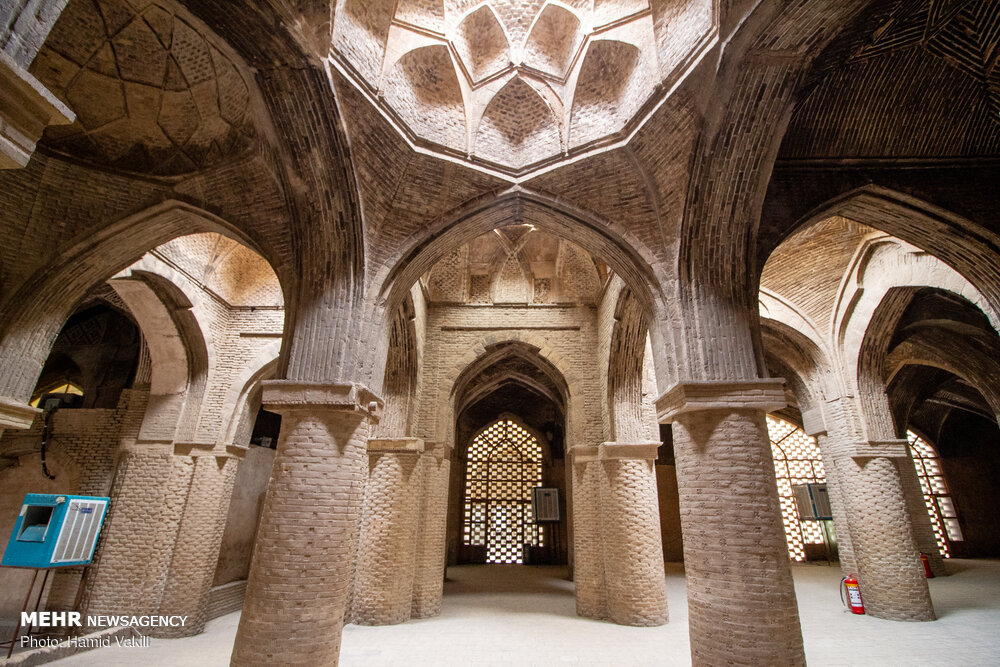
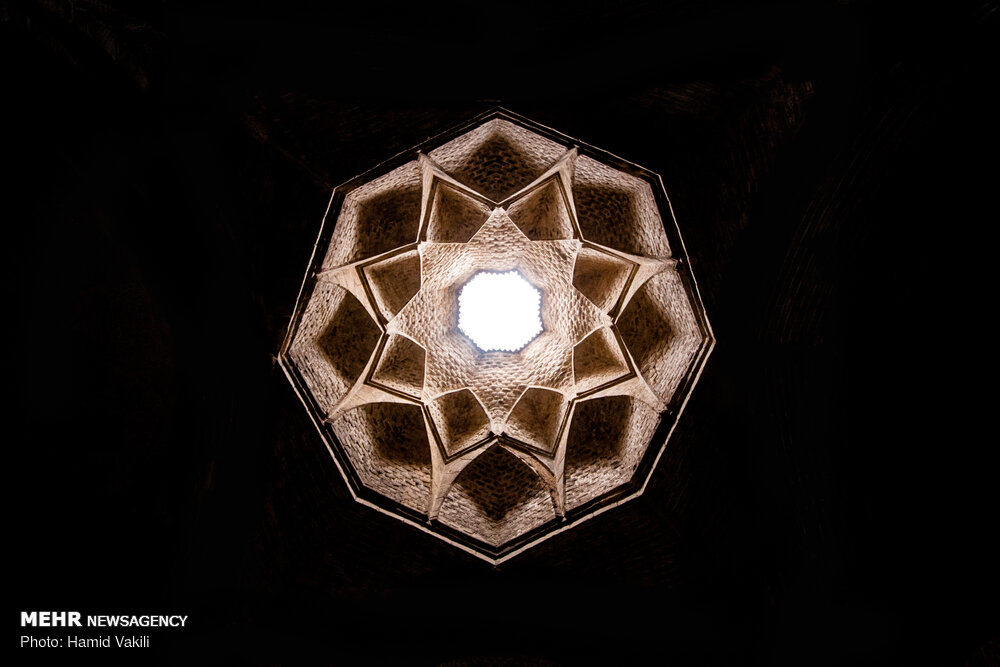
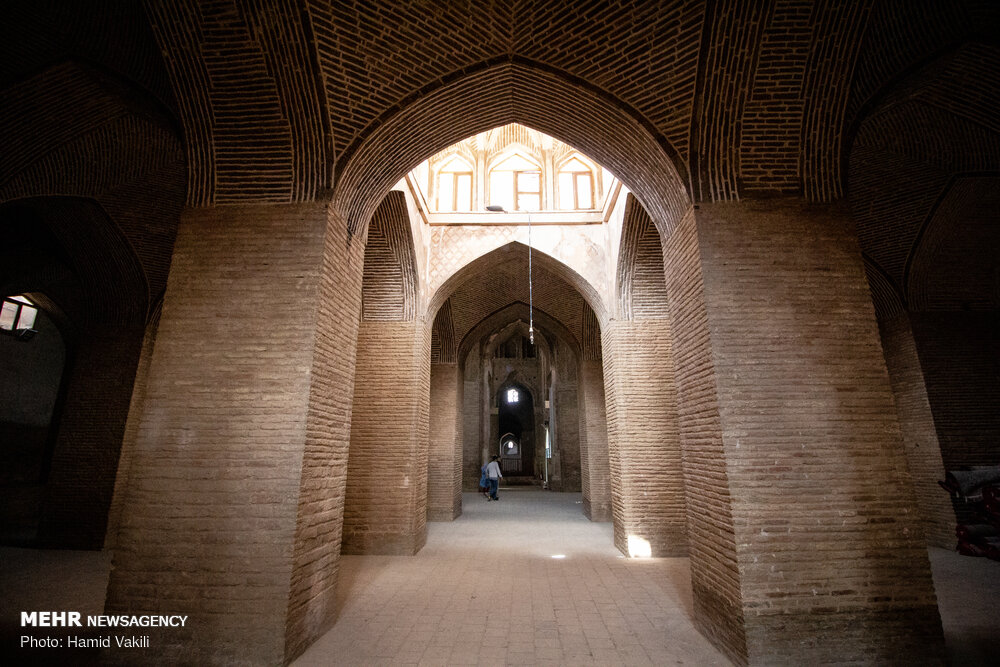
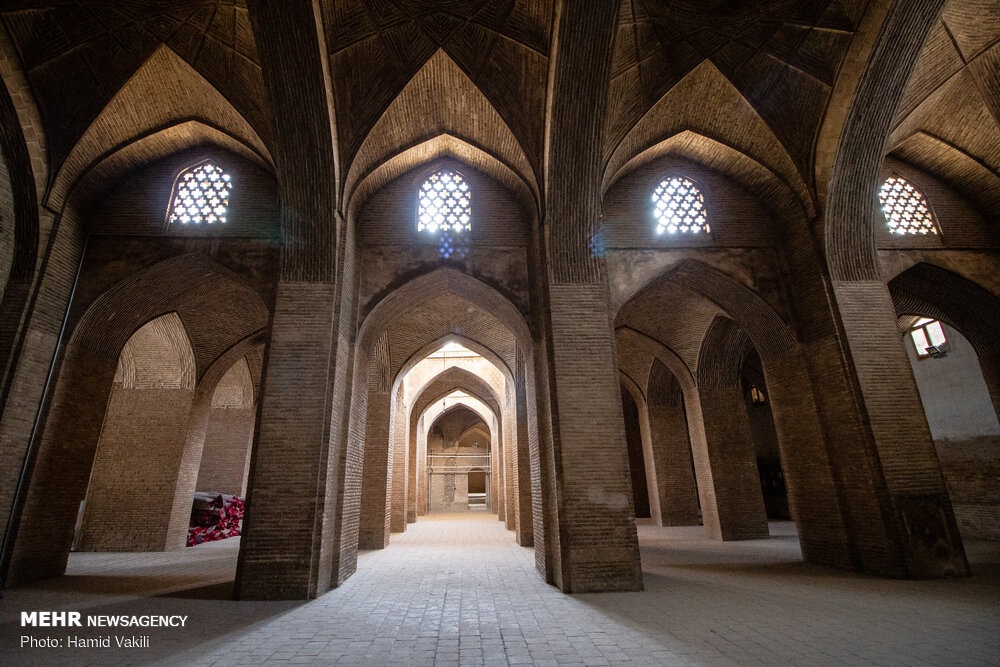
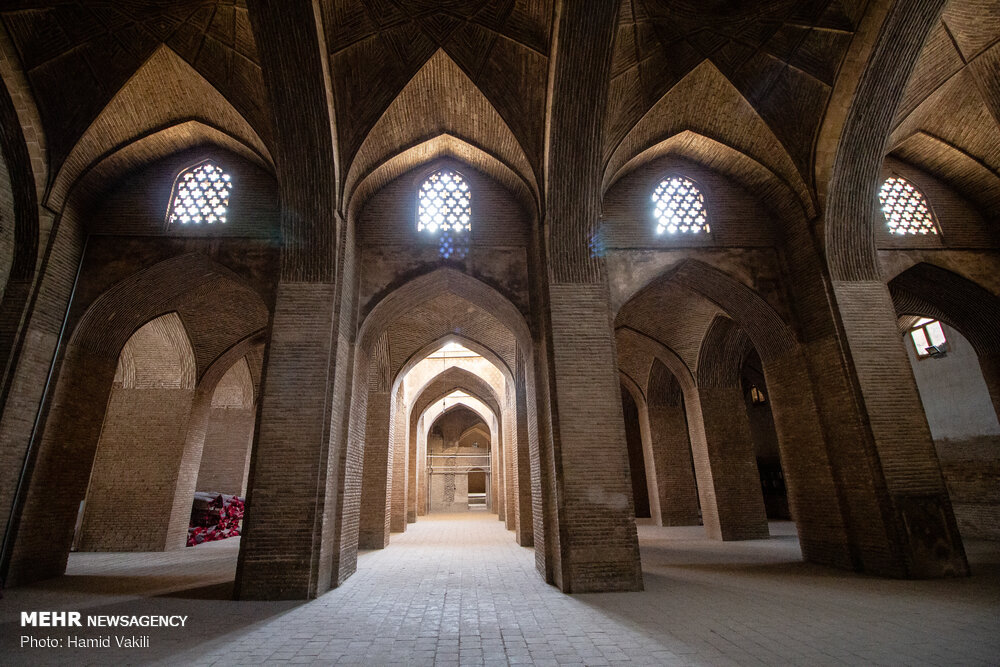
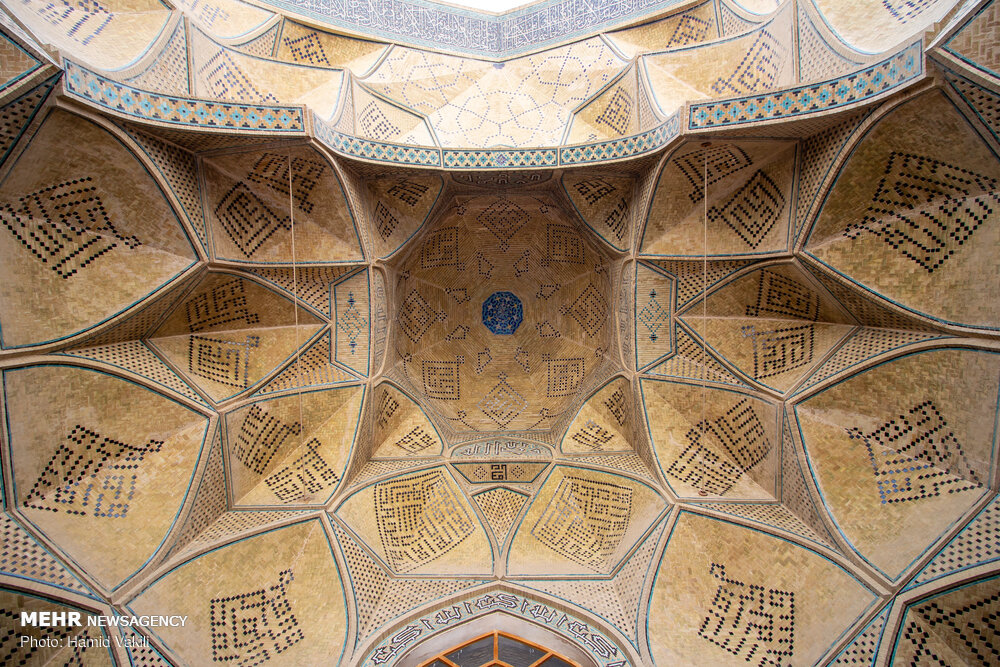
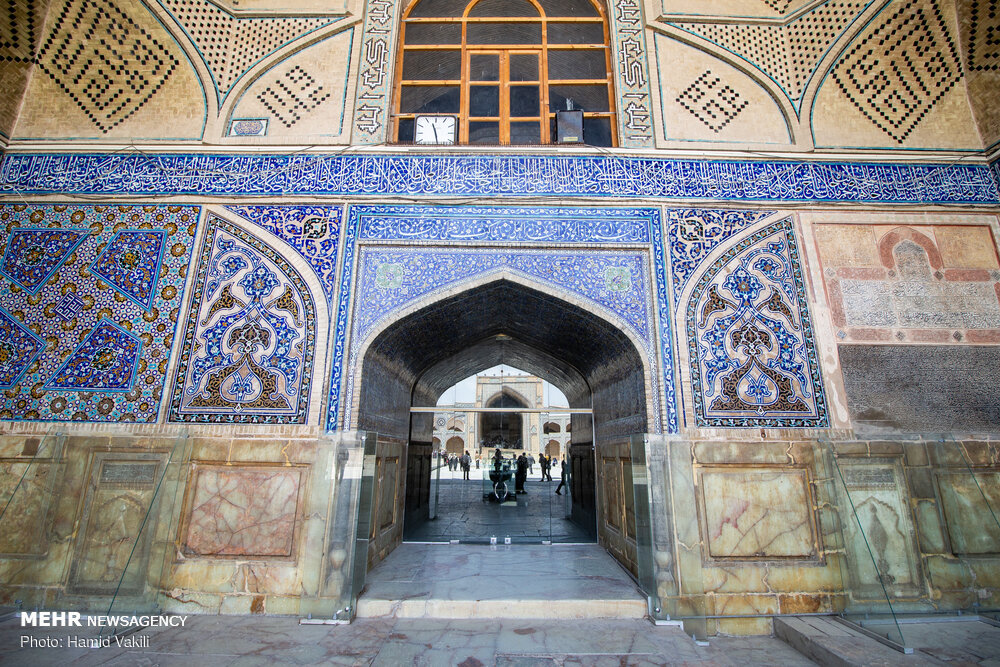
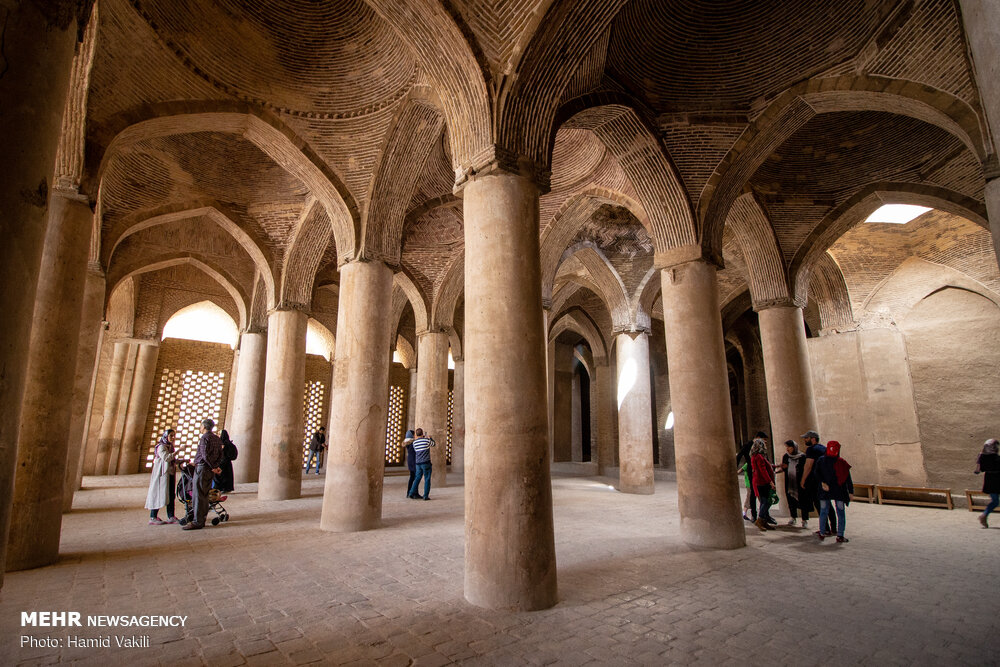
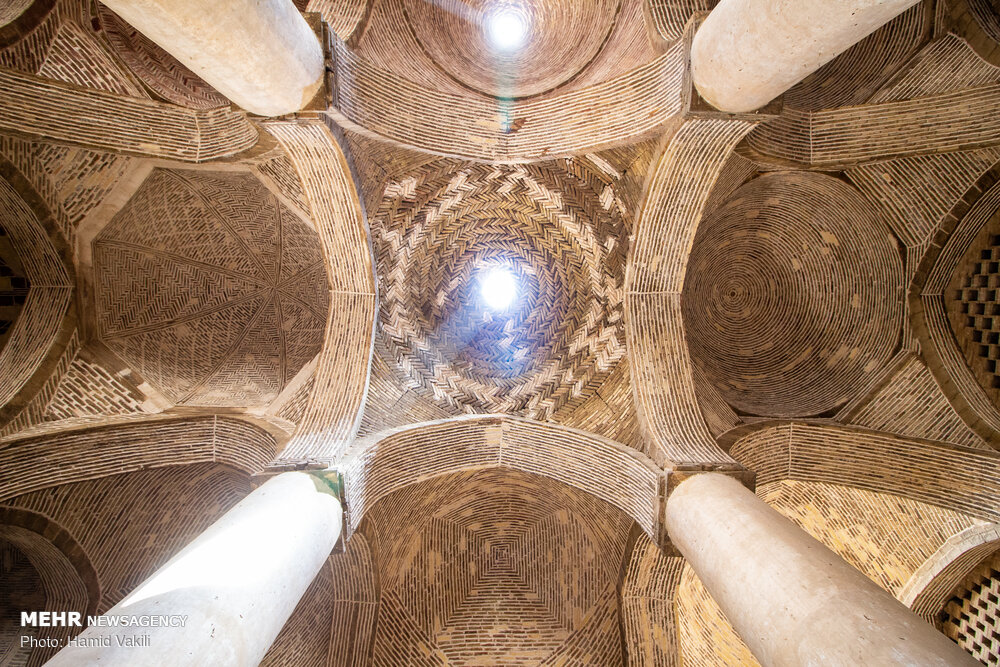
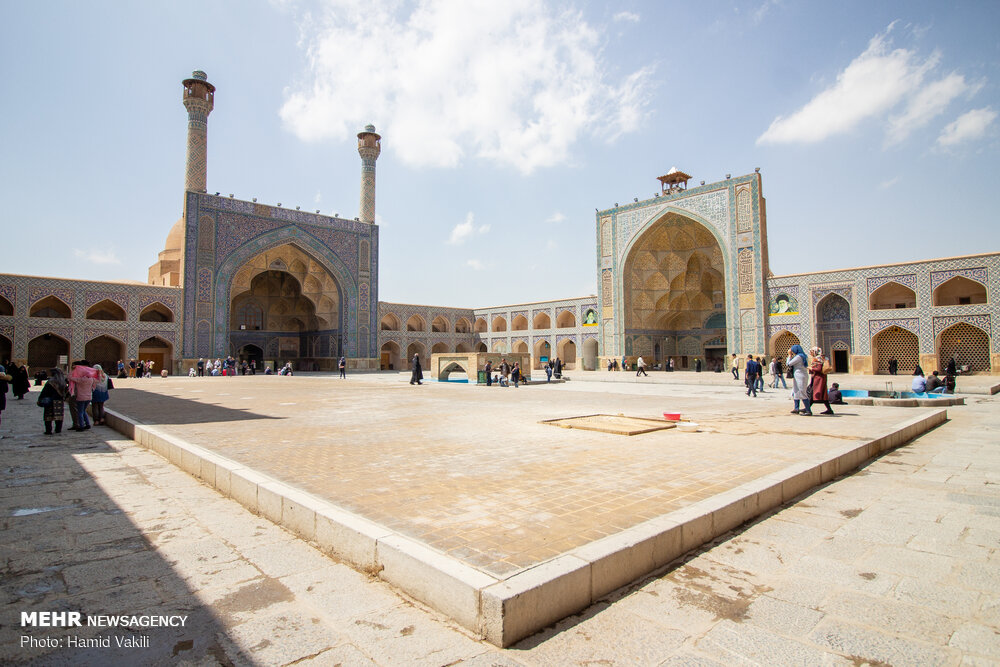
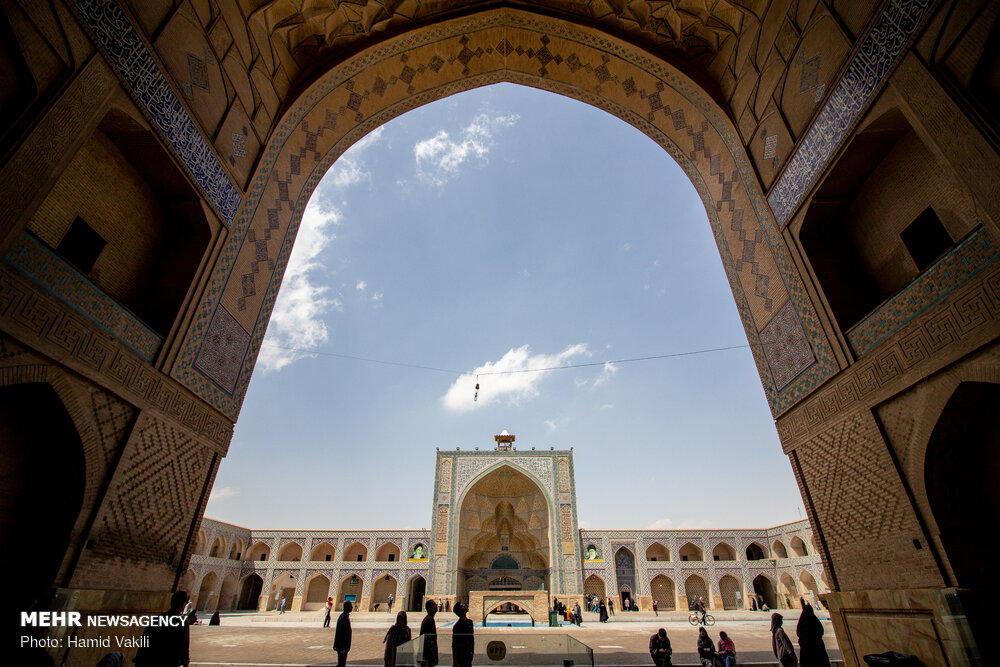
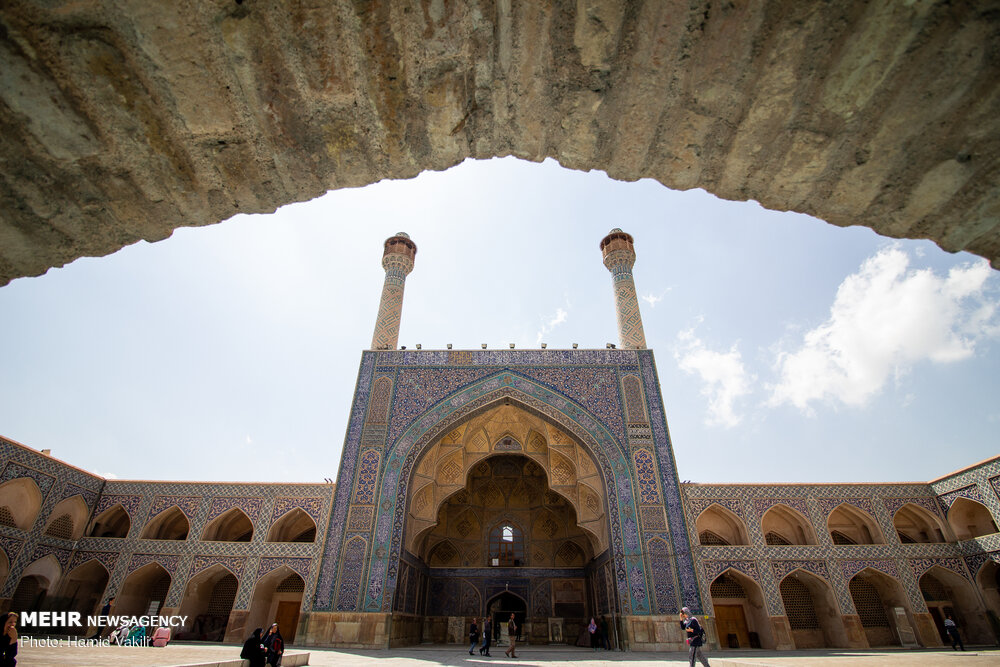
Persian Architecture in Photos: Grand Mosque of Isfahan

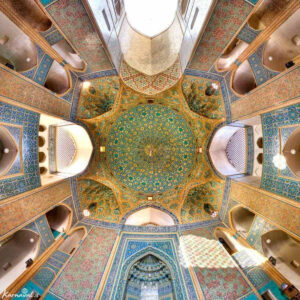
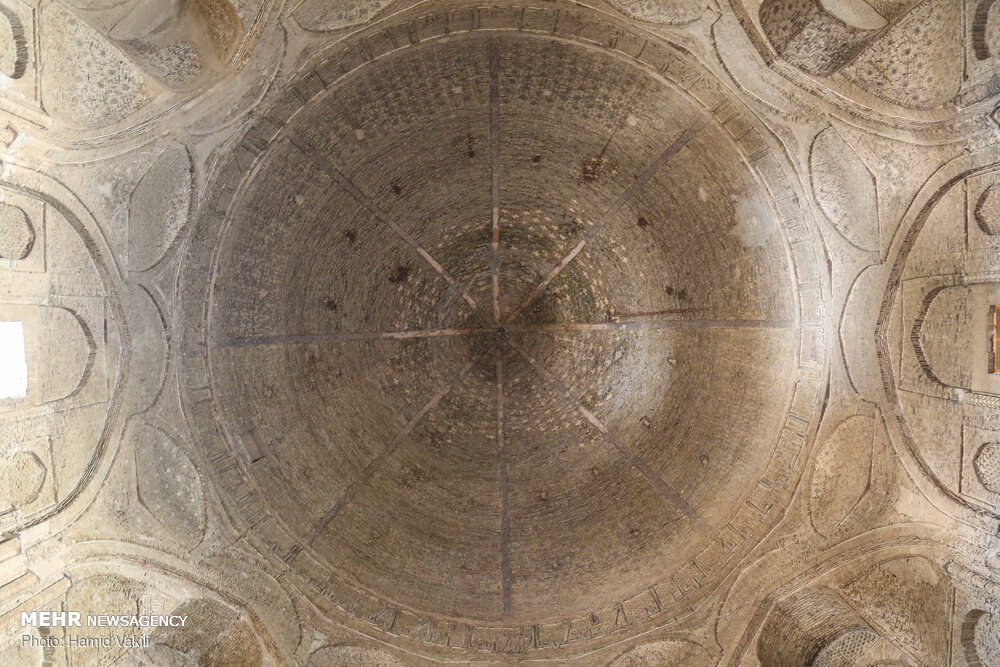
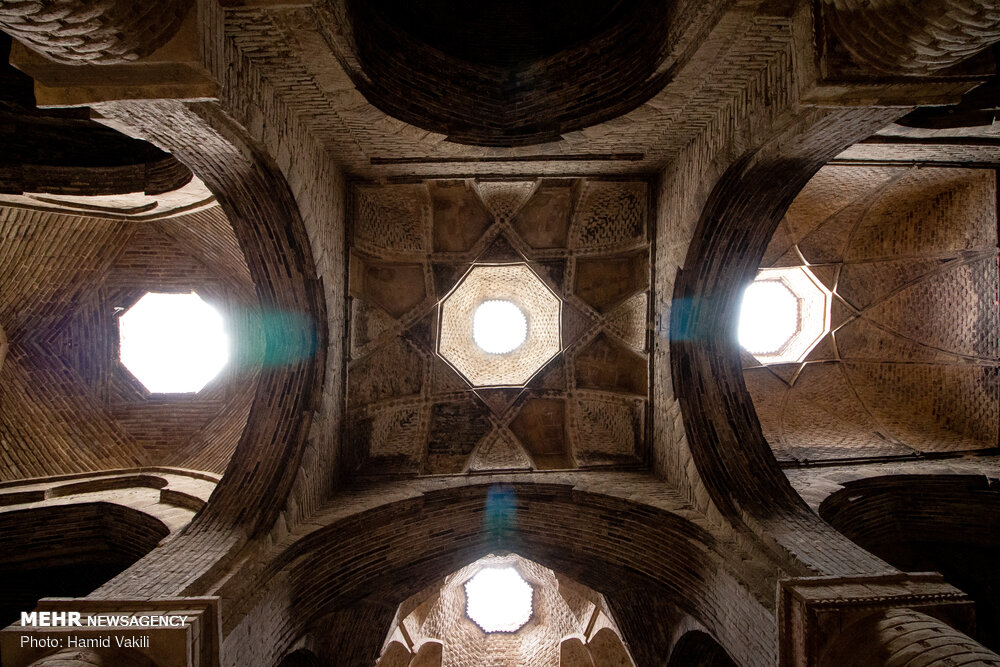
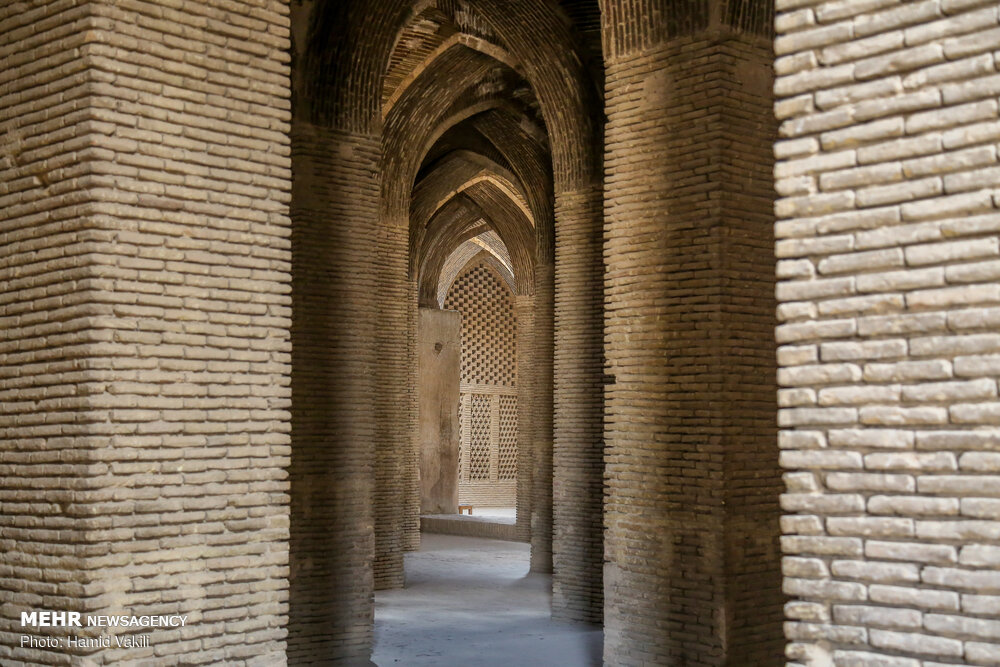
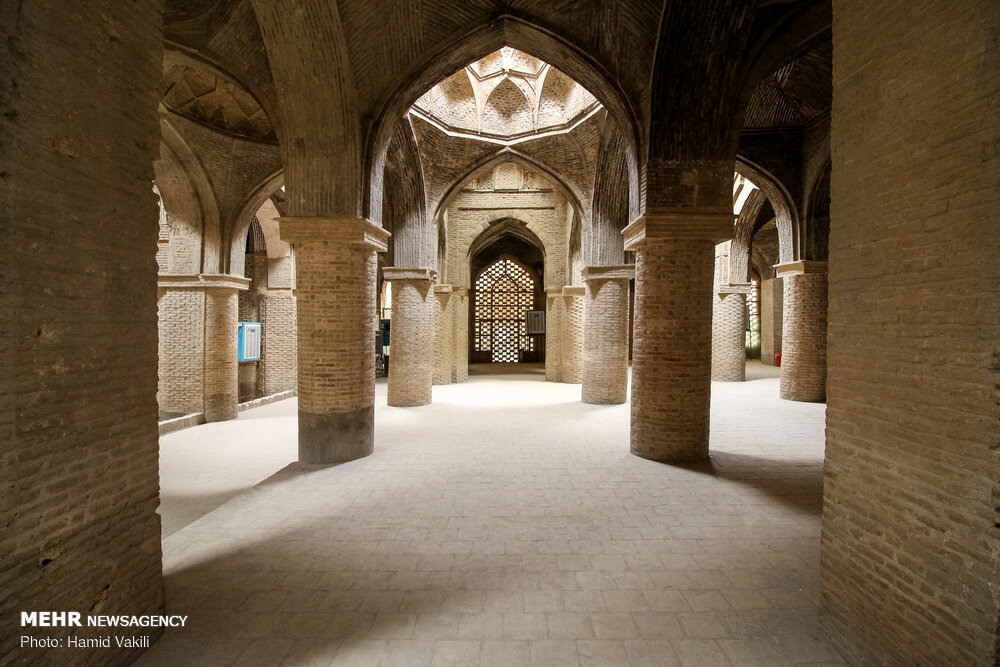
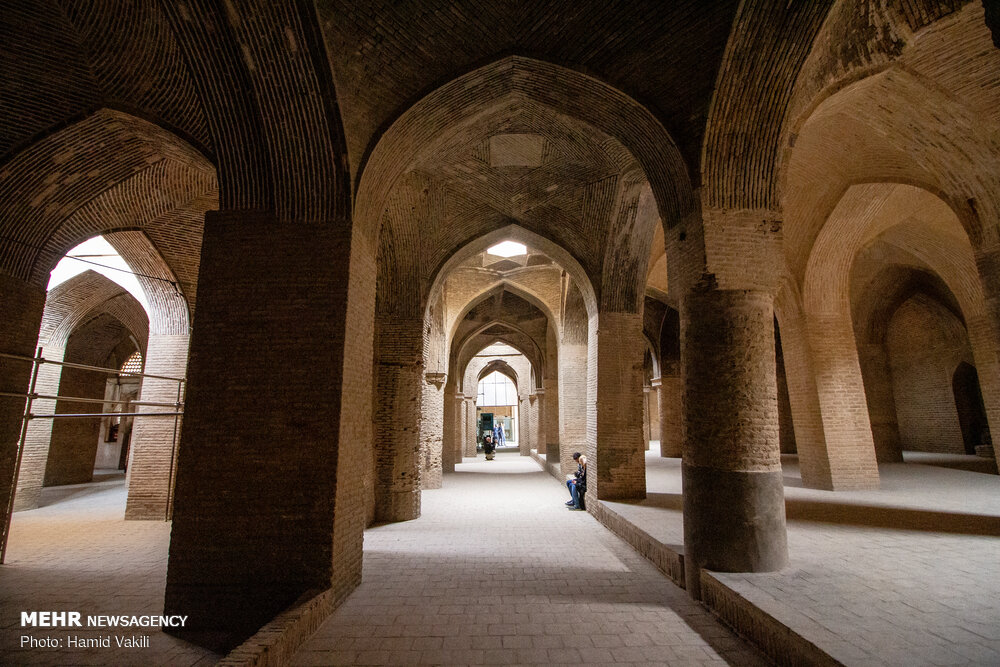
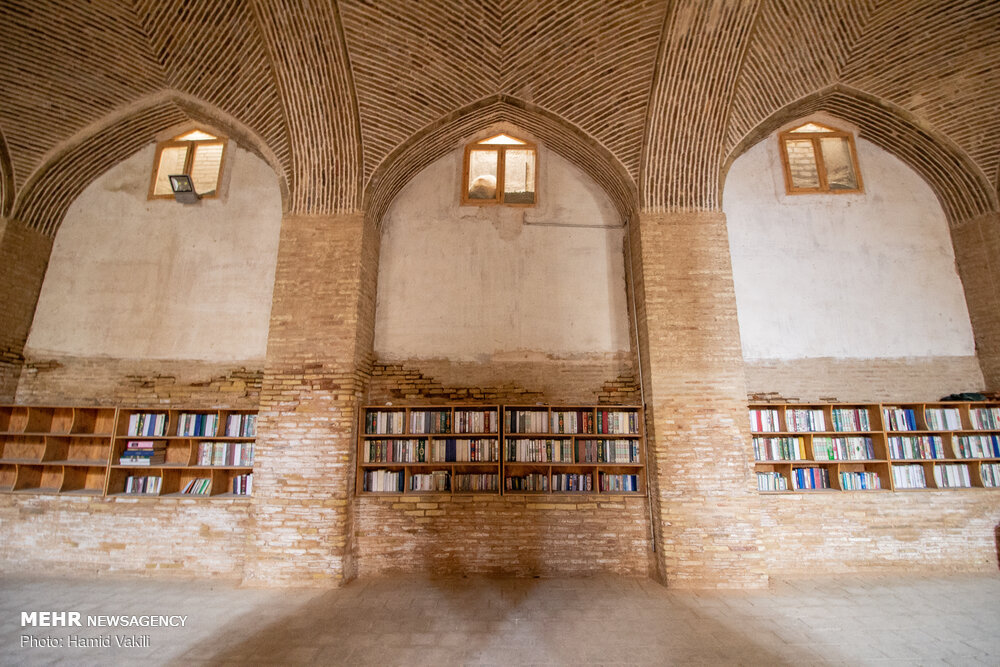
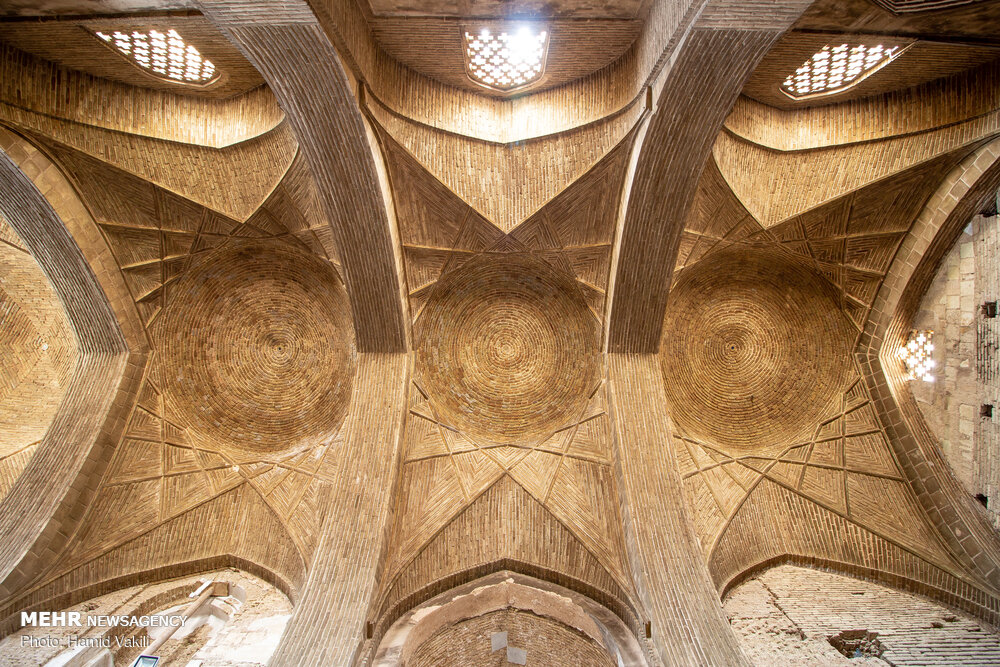
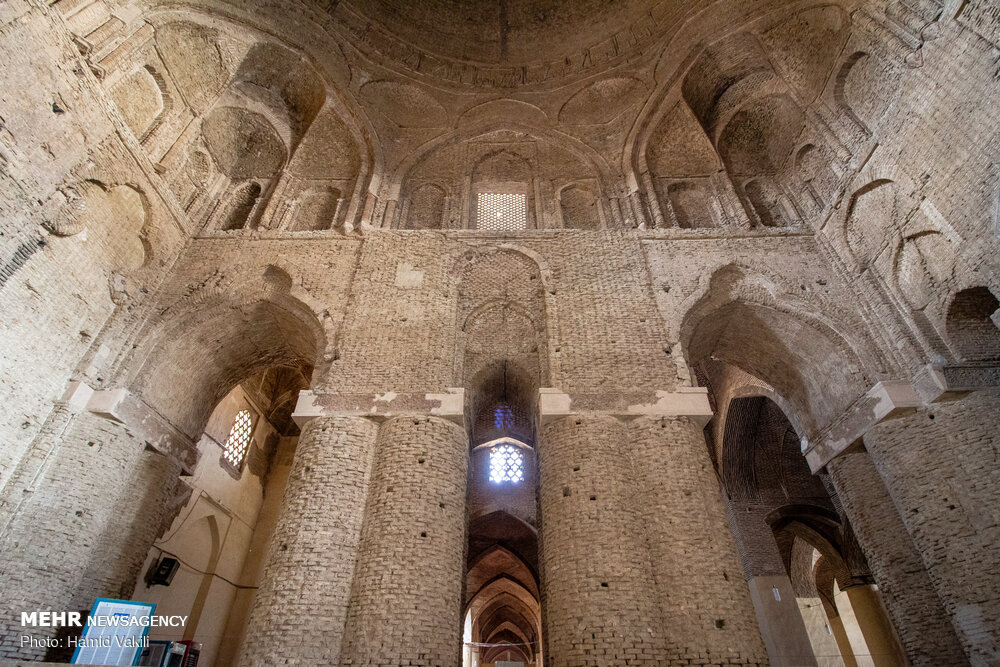
The mosque’s current complex looks like a huge museum because its different parts have been designed and developed in different eras, presenting the evolution of Islamic architecture in Iran- and maybe pre-Islamic architecture.

Archaeological excavations have raised the possibility that the building has been the city’s main religious centre – probably a fire temple – before Islam: the discovery of a plinth with Sassanid era’s decorations in the mosque’s northern part confirms the existence of a pre-Islamic monument.

Persian Architecture in Photos: Grand Mosque of Isfahan
Mosques in Iran; Cultural Havens with Impressive Architecture

There are disagreements over the history of the Jameh Mosque’s developments; however, it seems to have been constructed during the early Hijri centuries in Abbasid period. In the third century AH the mosque’s altar was destroyed in order to correct the direction of qiblah.

The mosque’s current facade was mainly built during the Seljuk period, although the repairs and extensions have been made later, especially in Safavid era.

What follows are Mehr News Agency’s photos of the Jameh Mosque of Isfahan:

Iran Condemns Philippines Terrorist Attack

In a Monday statement, Mousavi offered sympathy to the Filipino nation and government, especially the families of the victims of the ISIS attack.

Three soldiers were killed and 12 wounded in two bomb explosions at the army camp in Indanan town in Sulu province, 1,000km south of Manila, on Friday.

noon attack on a special army counter-terrorism unit at a stronghold of ISIS-linked militants in the Philippines’ restive south.

“It was a bomb and a firefight,” army spokesman Colonel Ramon Zagala told Agence France-Presse (AFP)

The attackers had targeted the temporary headquarters of the 1,500-man First Brigade Combat team in Indanan town on Jolo island.

Twelve soldiers were wounded, said Col Zagala.

The camp was the headquarters of the army’s 1st Brigade Combat Team, which was recently deployed to Sulu to help neutralise the Abu Sayyaf terrorist group, the most violent radical organisation in the southern Philippines.

Iran Hints May Negotiate with Trump If US Returns to JCPOA

Takht-Ravanchi

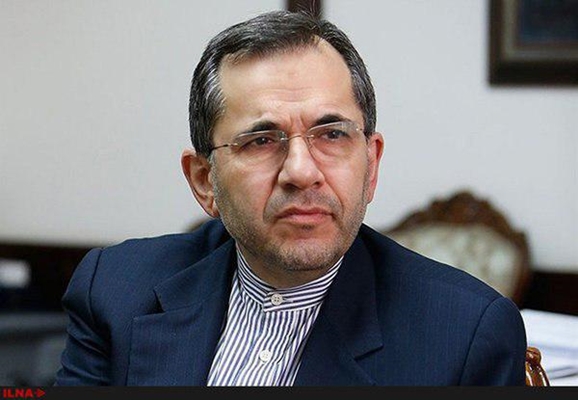
For making Iran-US talks possible, “the first thing the US should do is to go back to the negotiating table”, Majid Takht-Ravanchi told Fareed Zakaria’s GPS aired by CNN on Sunday night.

“They left the negotiating table while the other members of the international community were talking to Iran about the nuclear issue. All of a sudden, the US decided to withdraw and the whole problem, the whole mess that we are seeing around ourselves is geared to that decision,” the Iranian envoy added.

“You compare the situation in early 2018 – before US withdrawal from the nuclear deal – to what we have today: it’s a totally different story. So all the things started with that decision. In order to make things going back to normal, that decision has to be reversed,” he noted.

Takht-Ravanchi also ruled out the possibility of talks as long as the US keeps threatening Iran. “Talks and threats are mutually exclusive. We cannot start a dialogue with somebody while he/she is trying to intimidate and frighten you, is trying to impose sanctions on you. Coercion and intimidation do not go well with dialogue.”

Therefore, he added, “as long as threats are there, as long as intimidation and coercion are there, I think we do not consider any offer of a dialogue as a genuine and production one.”

The Iranian envoy made the remarks in reaction to the US administration’s repeated calls for “unconditional” talks with Tehran. The offer of talks, however, has been made at the same time as the US increases its pressures against Iran, threatening the country on a daily basis.

In his CNN interview, Takht-Ravanchi also pointed to the negative impact of the US pressures on the Iranian people, but stressed that the country is still capable of sustaining the pressure.

“We have already faced difficult situation during the Iran-Iraq war – the eight-year war imposed by Iraq on Iran; we managed to survive and we did, and I’m sure that we can. It is true the economic sanctions are putting pressure on the Iranian people, that is a fact. But that does not mean that we can succumb to pressure,” he noted.

Europe must hurry up

Takht-Ravanchi further referred to Europe’s efforts to save the Iran nuclear deal, and said they must hurry up and fulfill their commitments before Iran’s July 8 deadline; otherwise Tehran will implement the “second phase” of scaling down its commitments under the Joint Comprehensive Plan of Action (JCPOA).

Iran notified parties to the JCPOA on May 8 that it will resume its uranium enrichment if they fail to come up with a practical solution to keep it functioning.

Iran has specifically been critical of a financial mechanism launched by Britain, France and Germany to circumvent US sanctions on Iran, saying the initiative, known as Instrument in Support of Trade Exchanges (INSTEX), has failed to defuse US restrictions on trade with Iran.

Under INSTEX, which is exclusive to European businesses, exports to Iran should be compensated by imports from the country. A mirror company in Iran would carry out the same transactions for Iranian companies exporting to and importing from Europe.

However, the mechanism has effectively failed to revive bilateral trade mainly due to a lack of advance funds that could offset the initial exports to Iran.

In his Sunday comments, Takht-Ravanchi said the establishment of the mechanism per se is not sufficient and cannot solve any problem. “They should put money in it.”

Iranian Researchers Develop High-Precision Licence Plate Reader

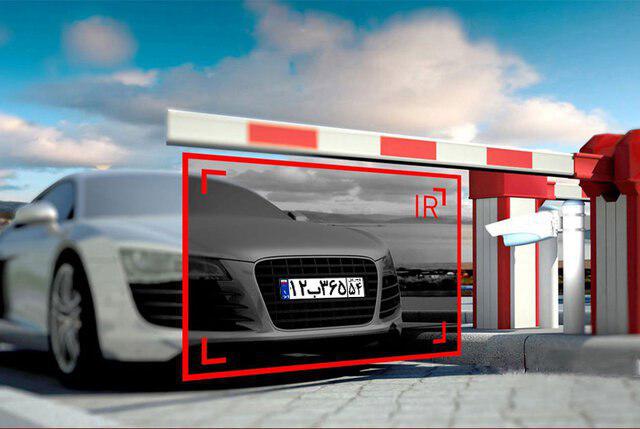
The homegrown license plate recognition system has been developed by the Connect Group of Sharif University of Technology, a team of experts and researchers.

The researchers have used cutting-edge scientific discoveries in computer science, electronics, artificial intelligence, machine learning, and smart traffic control systems to fulfill the country’s industrial and civil demands.

Director of the group, Iman Gholampoor, says the homegrown licence plate reader is based upon a smart recognition system that can analyze the registration plates with maximum accuracy and quality and at the lowest cost.

For a brief review of Iran’s achievements in various fields of science and technology, check the book “Science and Technology in Iran: A Brief Review – 2019

He said a specific version of the system, suitable for the traffic police, can detect and analyze the number plates of law-breaking drivers on the streets or inter-city roads with an accuracy of above 99 percent.

Gholampoor noted that the Iranian product has such great features that it could be sold in the foreign markets with proper sponsorship.

In an interview in July 2018, chief of the Iranian Prevention Police General Mohammad Sharafi had unveiled plans to equip all cruisers with smart licence plate readers that find drivers with unpaid fines, expired licenses, and above all the stolen cars and vehicles on the lookout for crimes.

The Police official had explained that the reader system could analyze more than 30 licence plates simultaneously during day or night at speeds up to 120 kilometers per hour, alerting the client if a plate is suspect.

Investors Can Obtain Residence Permit in Iran

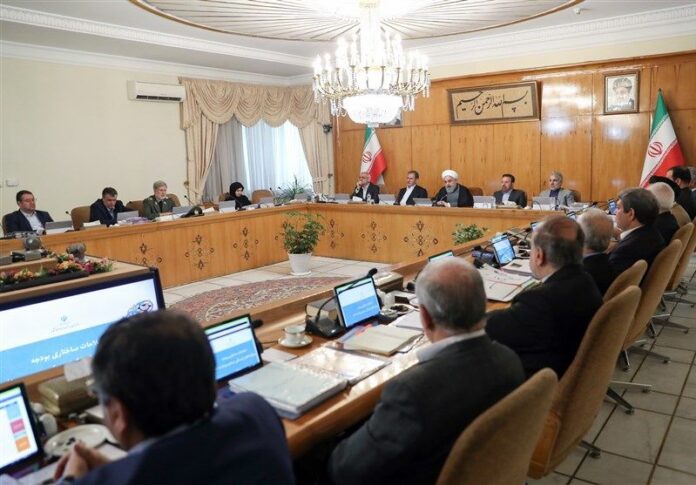
In a meeting on Sunday, President Hassan Rouhani’s cabinet passed the legislation on Iranian residence permit by investment, proposed by the Ministry of Economic Affairs and Finance.

The new initiative for attracting foreign capital will allow the nationals of foreign countries, whose governments have been formally recognized by the Islamic Republic, to obtain five-year residence permits if they have invested at least €250,000.

The applicants for residence permits can make investment in various methods, such as depositing funds in Iranian bank accounts, buying public bonds issued by the government, or investing in the housing sector.

It was also agreed in the cabinet meeting that the foreign investment in the country could be made using US dollar, euro, and the other foreign currencies allowed by the Central Bank of Iran.

In a report in February, Mehr News Agency quoted the head of Organization for Investment, Economic and Technical Assistance of Iran as saying that approximately $3.5 billion in foreign direct investment had been approved in the Iranian year that ended in March 2019.

According to the statistics of the United Nations Conference on Trade and Development (UNCTAD), over $10 billion in foreign investment was approved in Iran from March 2017 to March 2018.

Crypto Mining with Industrial Electricity Is Illegal: Iranian Speaker

Iran Threatens to Reconsider Nuclear Cooperation with IAEA

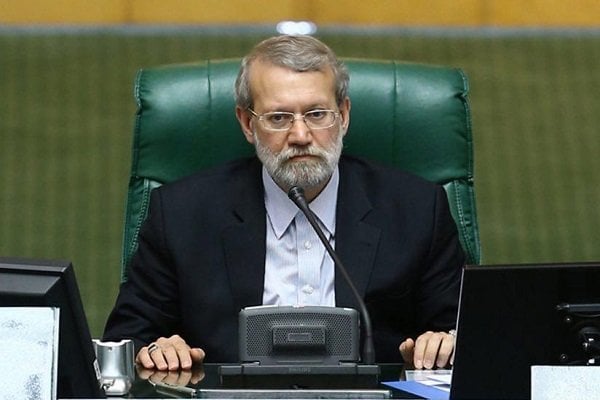
Speaking to reporters on Sunday, Larijani said the bitcoin miners using cheaper electricity for Iranian industries are breaking the law, as the heavy power consumption for producing digital currencies reduces the efficiency of local production.

Stressing the need for serious action against the law-breakers, the Parliament speaker said he will be negotiating with the Energy Ministry officials to address the problems faced by the local manufacturers.

Last week, Iranian authorities seized around 1,000 bitcoin mining machines from two abandoned factories in Yazd.

A spokesman for the Energy Ministry has said cryptocurrency mining operations were destabilizing the power grid and affecting electrical access for households and businesses in Iran.

In comments on June 23, the spokesperson for Tavanir, an Iranian state-run company in charge of power supply and distribution, said the country’s consumption in the previous Iranian month had risen by 7 percent compared to the corresponding period last year, mainly because of the Bitcoin miners’ outsize thirst for electricity.

He also warned that the electricity users producing digital currencies, like Biotcoin, will be detected and their power will be cut off.

Every Bitcoin mining machine that is powered by the same cheap source of electricity available to houses consumes the equivalent of 24 dwellings, the spokesman added, saying the administration has not still set a tariff on the power consumption of digital currency miners.

With electricity so reasonably subsidized that many Iranian occupants buy modern air conditioners with powerful compressors, the number of digital currency miners using power in the residential areas has been growing in recent years.

Bitcoin is a cryptocurrency and a form of electronic cash which many computer geeks believe will form the future of the global economy.

In a report released this month, Iranian economic daily Financial Tribune quoted the deputy energy minister of Iran as saying that electricity bills for digital currency miners should be calculated in accordance to real prices.

Homayoun Haeri has insisted that electricity bills for cryptocurrency mining activities should be priced according to the same rates established for power exports.

The administration reportedly pays nearly $1 billion in subsidies per annum to bridge the gap in real electricity costs and what consumers are billed.