Tuesday, December 23, 2025
Home Blog Page 3185

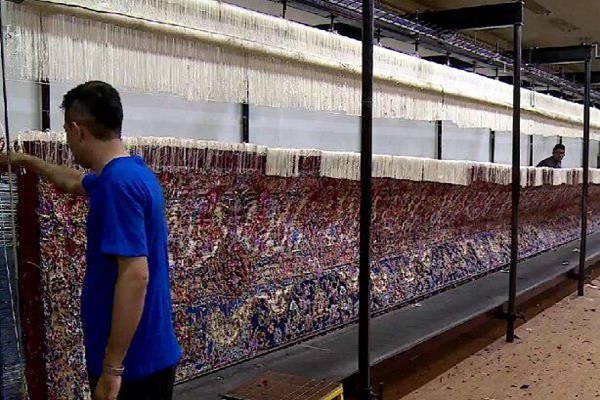
Tabriz Artists Weave World’s first 600sqm Carpet

The director of the project has told reporters that the carpet weighs three tonnes and has 70 colours.

Mansour added that to produce this carpet people have worked in two shifts for six years.

“At present, a 1,000-metre carpet is also being knotted in our workshop for the king of Oman, and four carpets of 2,000 square metres, are being knotted for our foreign customers,” he noted.

Alipour Fard, who is also the Chairman of the Carpet Organisation of the East Azarbaijan province, said one million square metres of carpet are knotted per year in the province.

“Last year we exported carpets worth 100 million dollars to European, Arab countries, Russia and China.”

East Azarbaijan has long been the main hub of carpet knotting in the world and the carpet of Tabriz has a worldwide reputation.

Azarbaijan carpets are a combination of traditional designs and there are some with a low number of colours which are exported to European countries, the official said.

Iranian Professors’ Work among 2018 Most Popular Books

The book “Autonomous Guided Vehicles: Methods and Models for Optimal Path Planning”, authored by Iranian professors Mohammad Saidi-Mehrabad and Hamed Fazlollahtabar have been among the top 25 percent most-downloaded books in 2018.

The book was first published by Springer in 2015.

Saidi-Mehrabad is a faculty member at the University of Science and Technology of Iran, and Fazlollahtabar, a postdoctoral researcher from Sharif University of Technology, works as an assistant professor at University of Damghan.

According to the publisher, the book offers a comprehensive review on methods for path planning optimization in autonomous guided vehicles.

For a brief review of Iran’s achievements in various fields of science and technology, check the book “Science and Technology in Iran: A Brief Review – 2019

It also describes new models for scheduling and routing autonomous guided vehicles, and covers advance industrial applications, especially in the area of manufacturing.

This book provides readers with extensive information on path planning optimization for both single and multiple Autonomous Guided Vehicles (AGVs), and discusses practical issues involved in advanced industrial applications of AGVs.

A Look at Iranian Newspaper Front Pages on June 30

A Look at Iranian Newspaper Front Pages on November 19

19 Dey:

1- INSTEX Finally Operational

* INSTEX Will Soon Be Opened to Third Countries

2- French President: I Want to Convince Trump to Cancel Some of Iran Sanctions
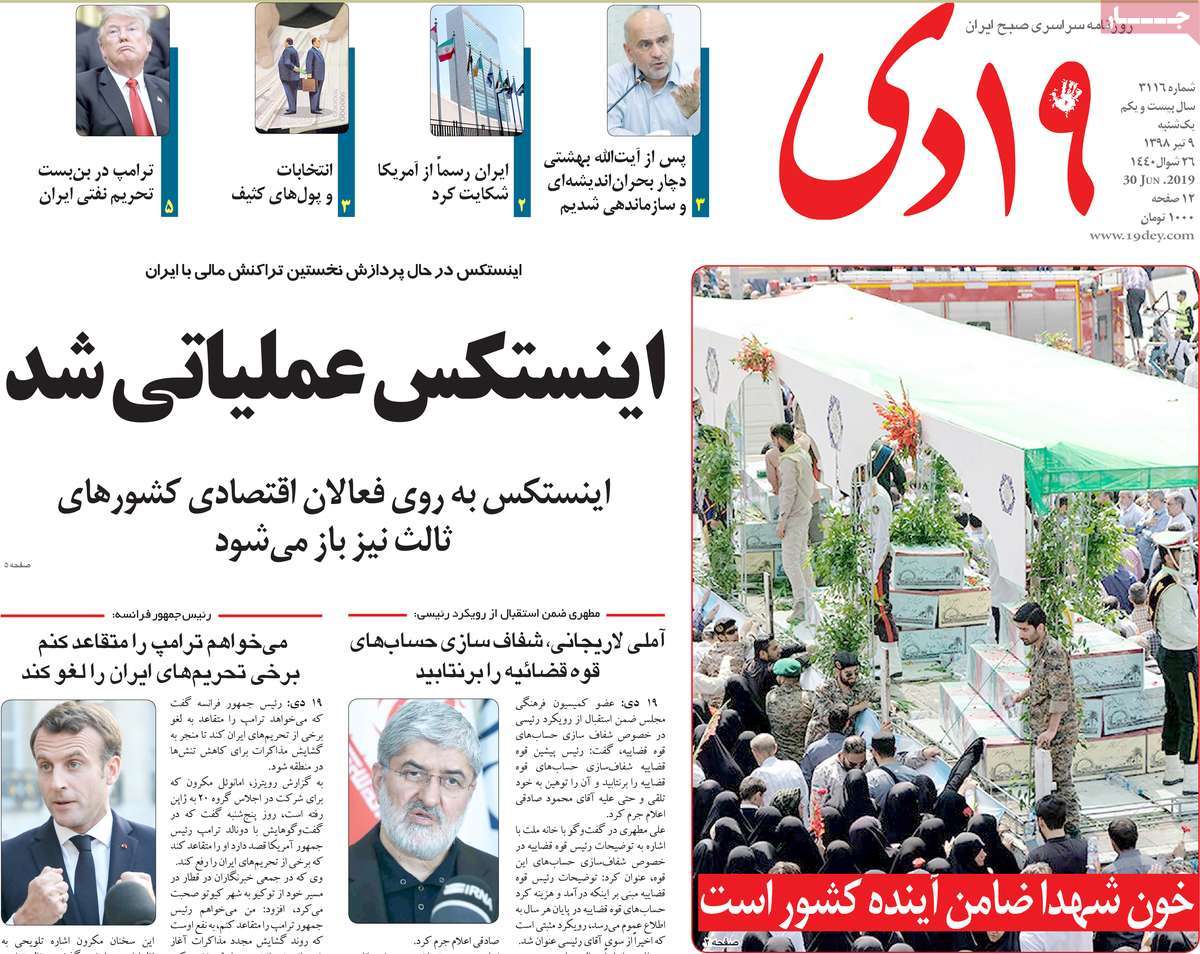
A Look at Iranian Newspaper Front Pages on June 30


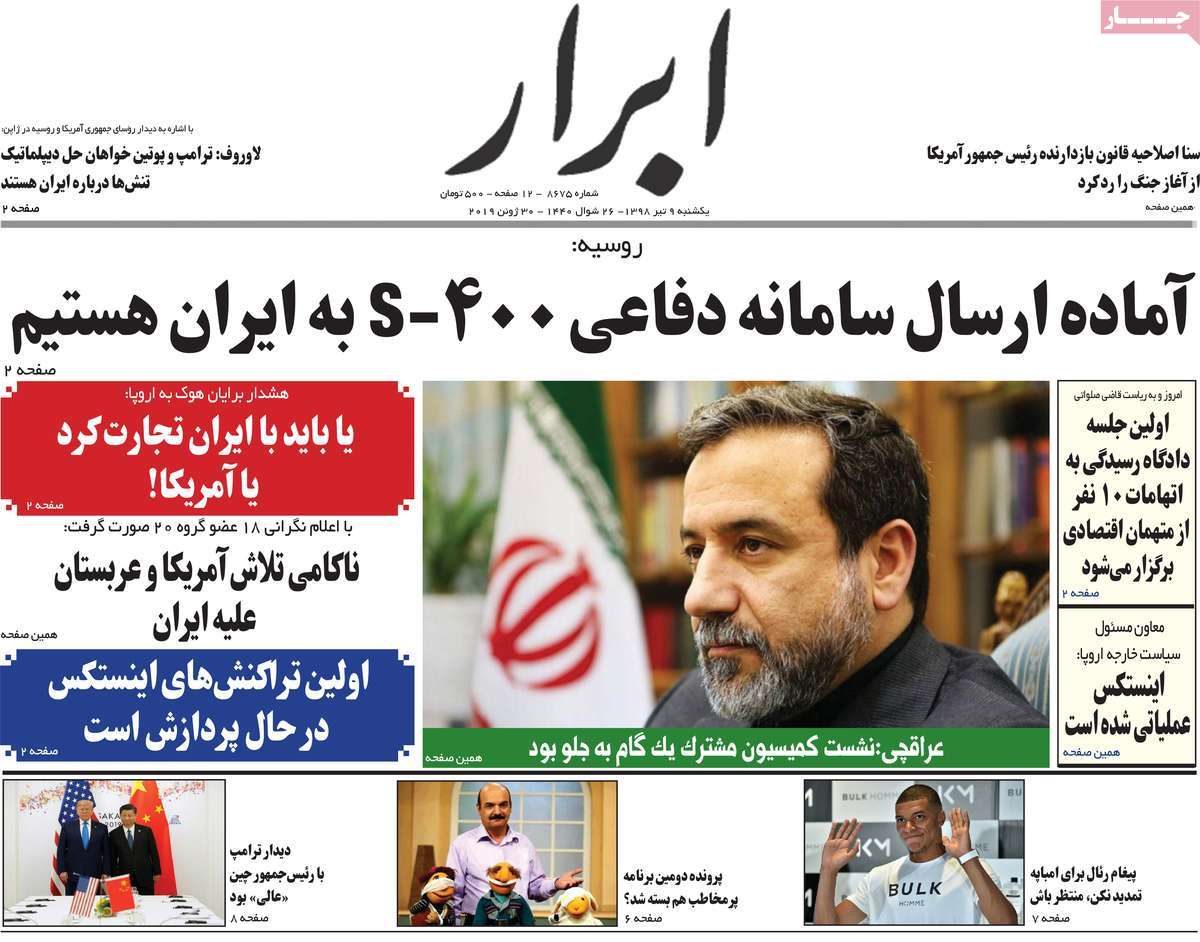
Abrar:

1- Russia: We’re Ready to Give Iran S-400 Missile Defence System

2- Lavrov: Trump, Putin Seek Diplomatic Resolution of Iran Tensions

3- US, Saudi Efforts against Iran Failed

* 18 Member of G20 Express Concern

4- Araqchi: JCPOA Joint Commission’s Meeting One Step Forward
A Look at Iranian Newspaper Front Pages on June 30


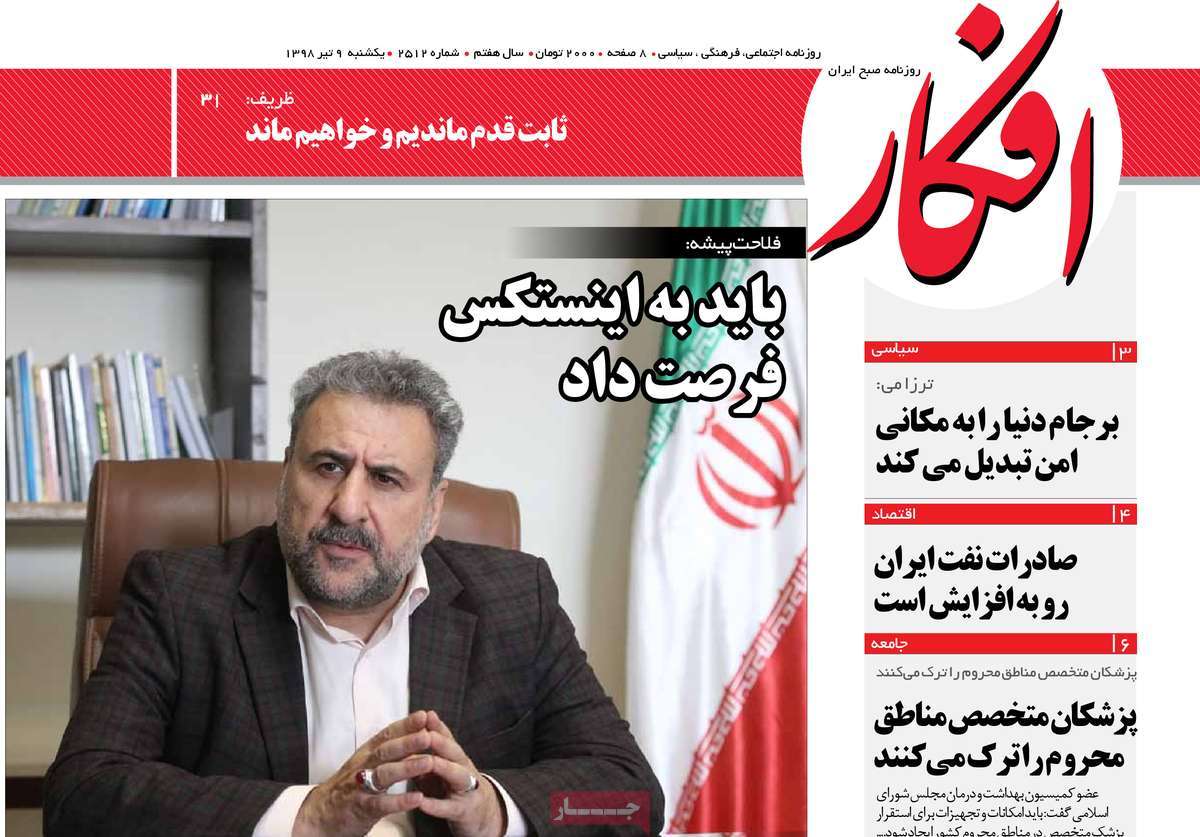
Afkar:

1- May: JCPOA Makes World Safer Place

2- Iran’s Oil Exports Increasing

3- Senior MP: We Should Give INSTEX Time
A Look at Iranian Newspaper Front Pages on June 30


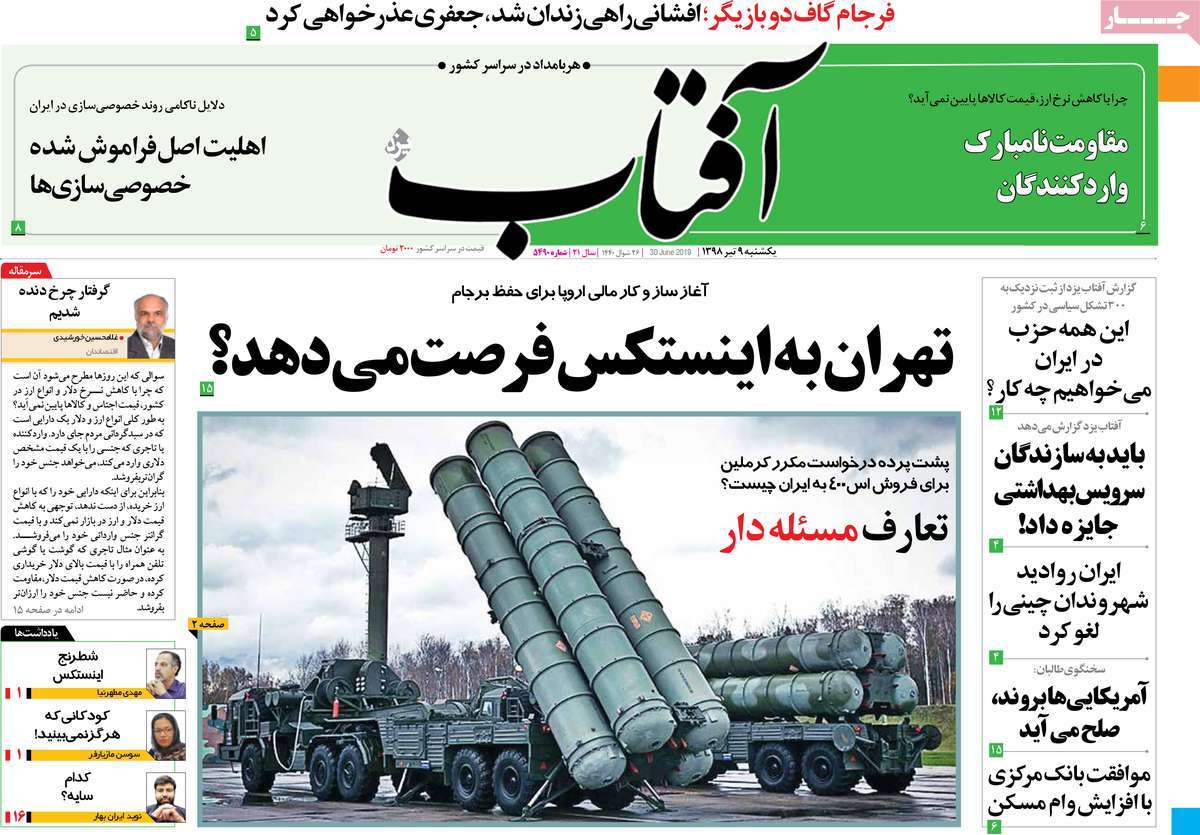
Aftab-e Yazd:

1- Will Tehran Give Time to INSTEX?

* Europe’s Mechanism to Save JCPOA Operational

2- Troublesome Offer: Secrets Behind Kremlin’s Bid to Sell Iran S-400

3- Taliban Spokesman: Peace Will Come If Americans Leave
A Look at Iranian Newspaper Front Pages on June 30


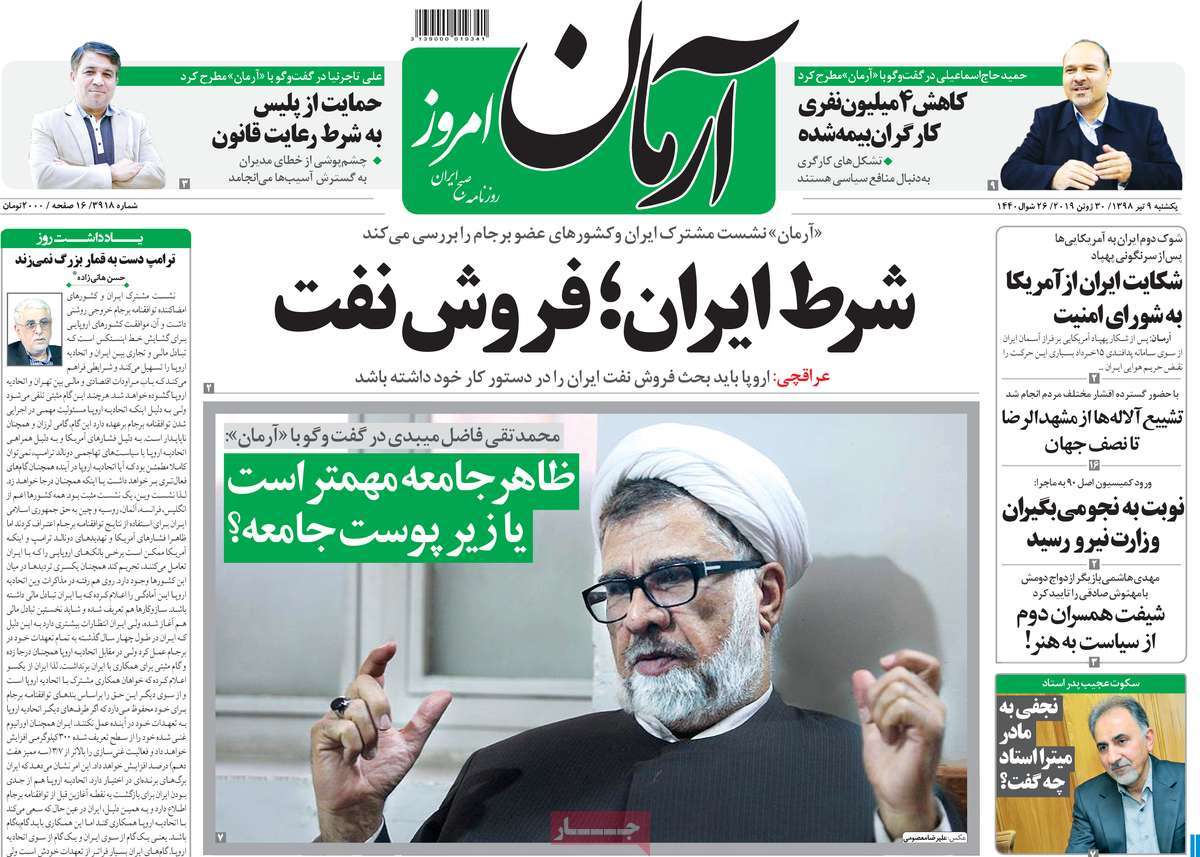
Arman-e Emrooz:

1- Iran’s Condition Is Sale of Its Oil

2- Araqchi: Europe Must Put Iran’s Oil Sales on Its Agenda

3- Iran Files Lawsuit against US at UNSC

* Iran’s Second Shock to Americans after Drone Shoot-Down
A Look at Iranian Newspaper Front Pages on June 30


Ebtekar:

1- Late Beginning of INSTEX

2- Ban on Zarif Will Have No Impact on Iran’s Ties with Other Countries
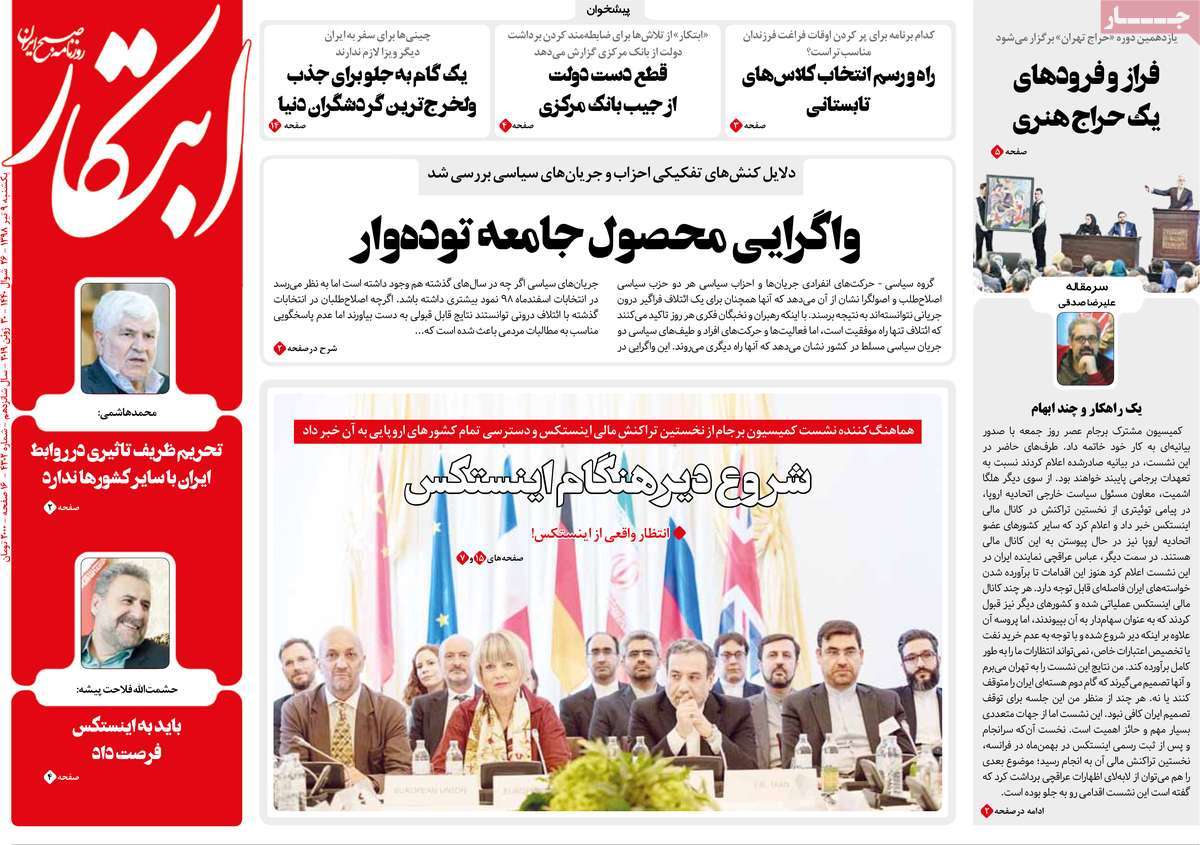
A Look at Iranian Newspaper Front Pages on June 30


Etemad:

1- 14th Meeting of G20 Wraps Up in Japan

2- Ball in Ministers’ Ground

* FMs of Iran, P4+1 to Meet in Late July
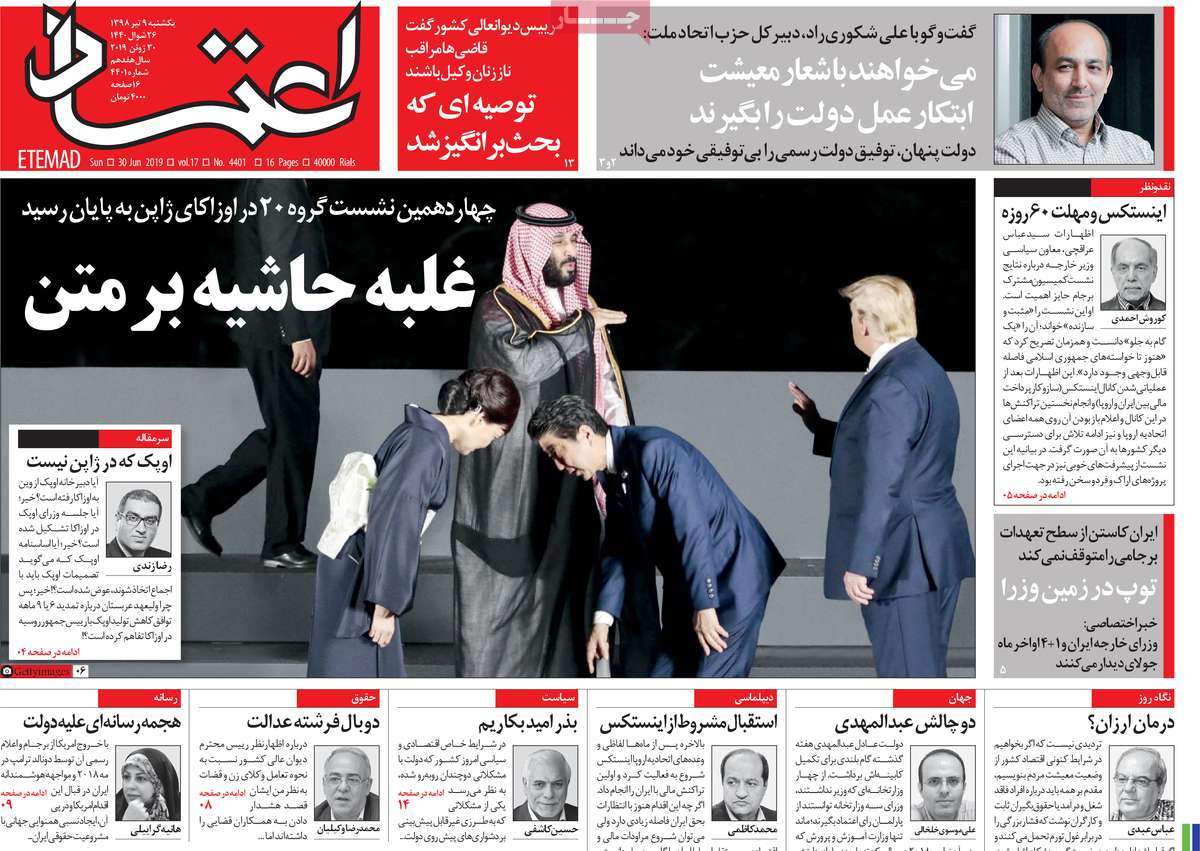
A Look at Iranian Newspaper Front Pages on June 30


Ettela’at:

1- INSTEX Now Operational

* Araqchi: It’s Positive, but Not Enough

2- Ammar Hakim to US: Ayatollah Khamenei Leader of Millions of People in World

3- Zarif: We’re Pursuing Rights of Victims of Chemical Weapons
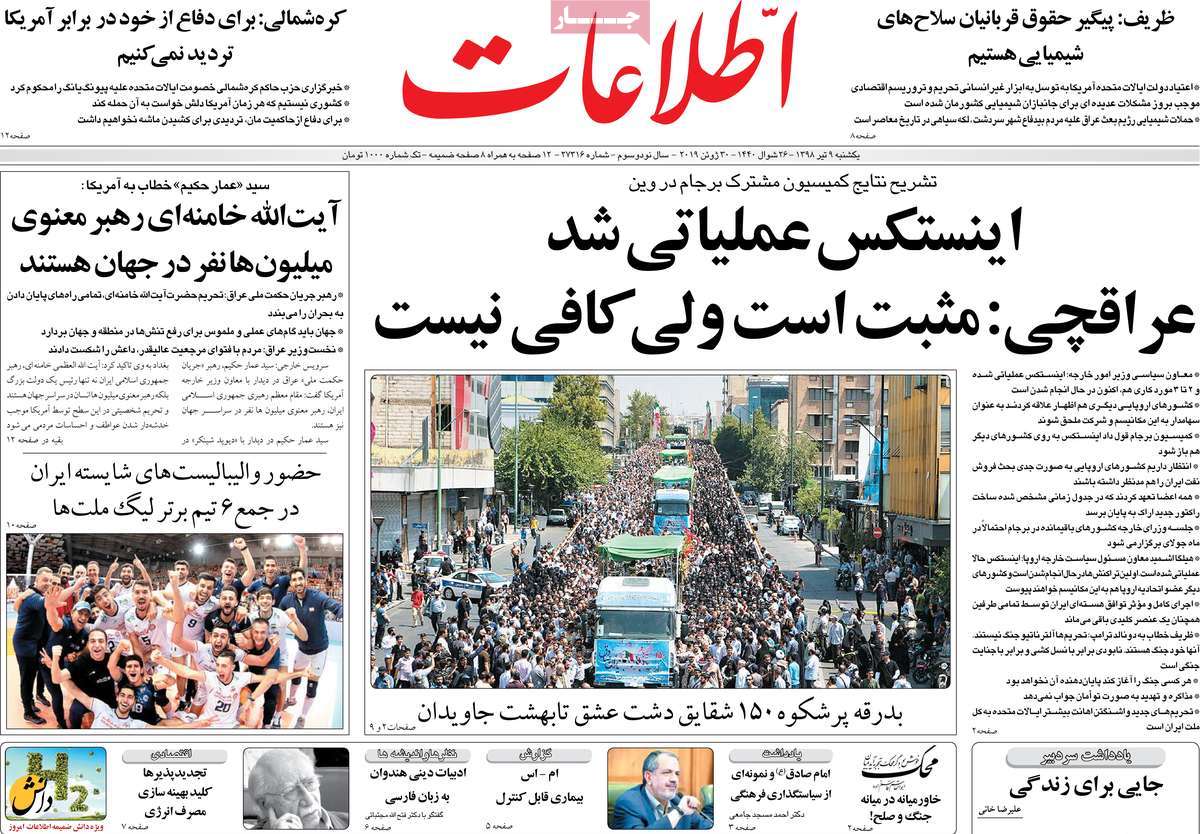
A Look at Iranian Newspaper Front Pages on June 30


Iran:

1- Trump Isolated Even in Osaka

* Trade Deal with China Only Achievement of Trump from G20 Summit

2- Negotiation in Vienna, Decision in Tehran

* JCPOA Joint Commission Holds Meeting in Vienna

* EU: INSTEX Operational, First Transaction Processed
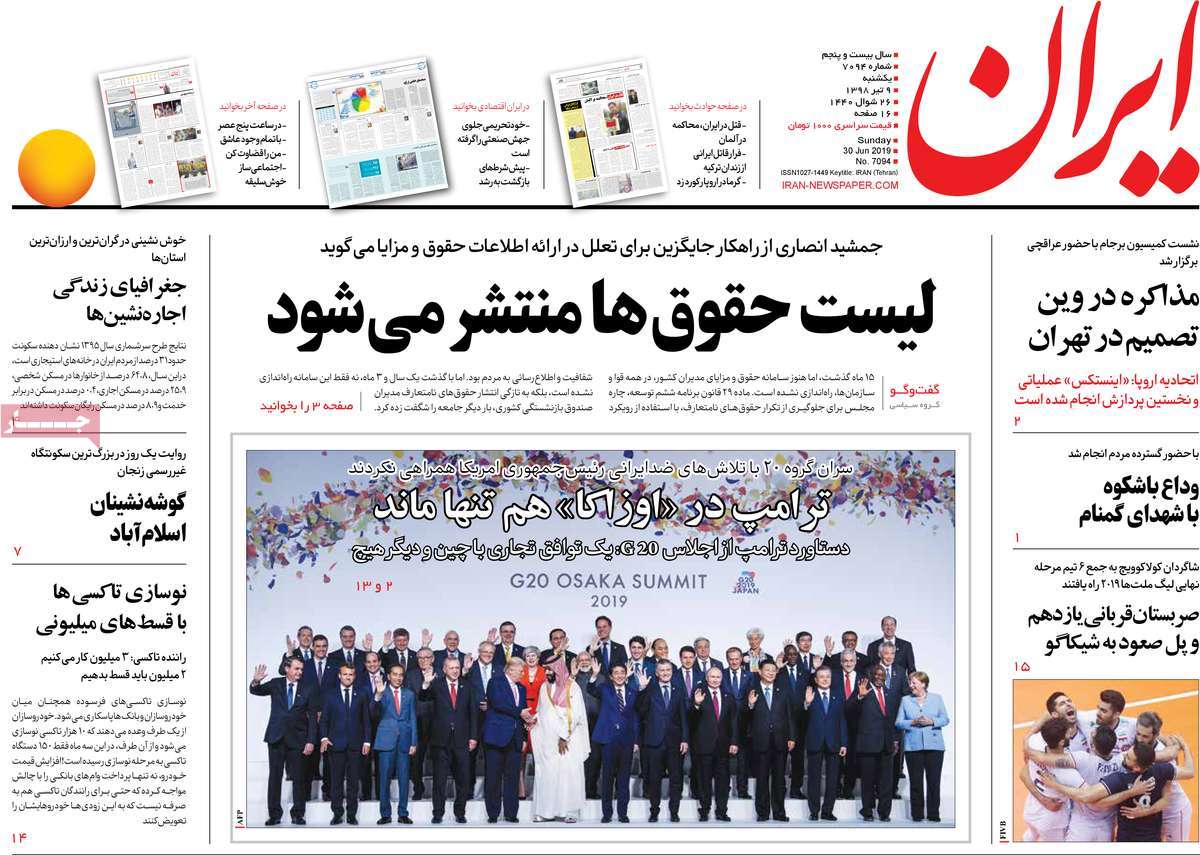
A Look at Iranian Newspaper Front Pages on June 30


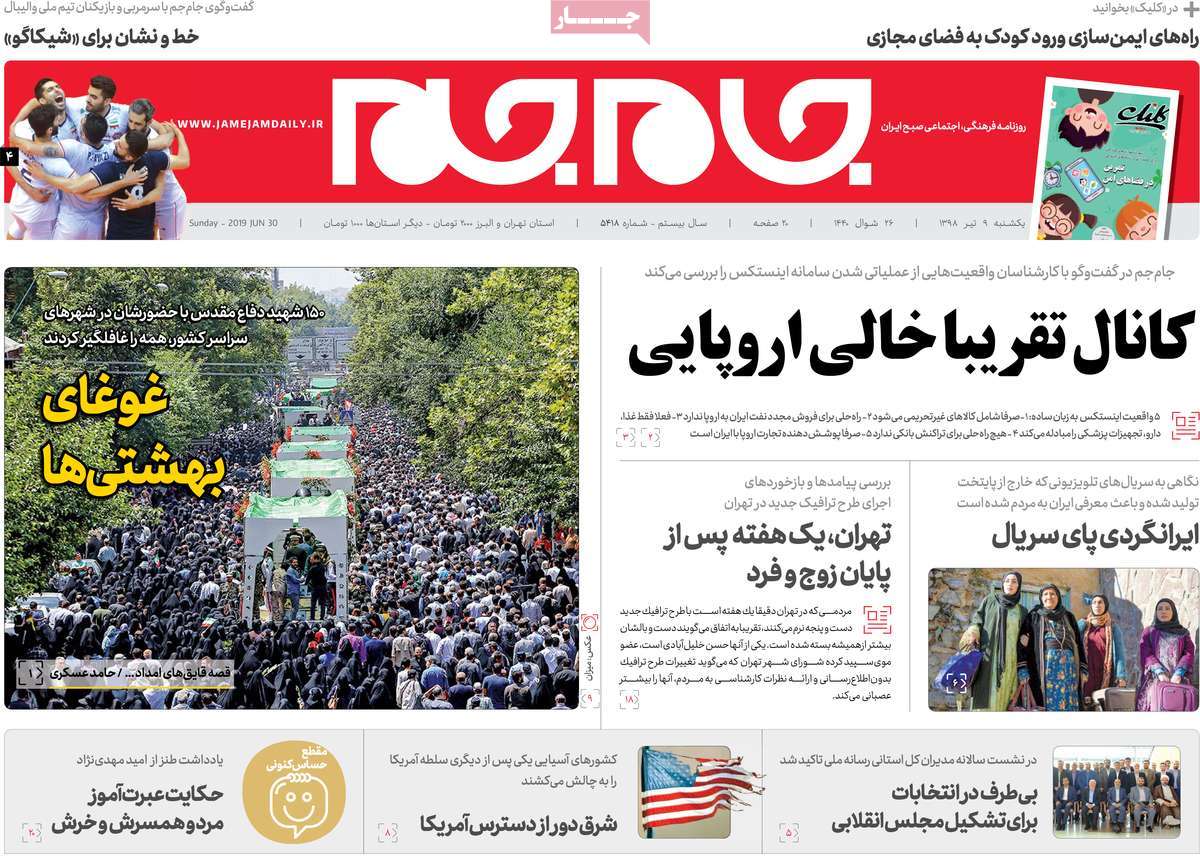
Jame Jam:

1- Bodies of 150 Martyrs from 1980 War Arrive in Iranian Cities, Surprise Everyone
A Look at Iranian Newspaper Front Pages on June 30


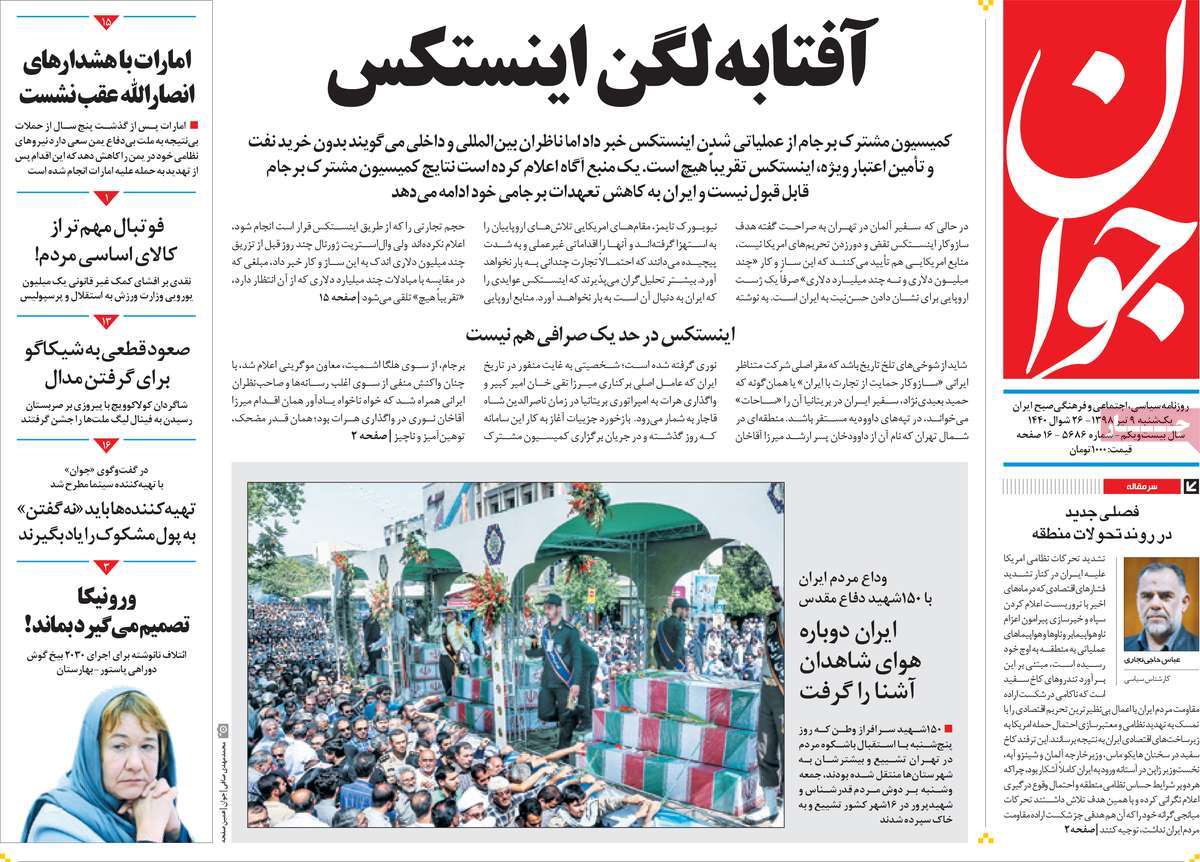
Javan:

1- Wreckage of INSTEX

* INSTEX Has No Validity without Oil Sales, LCs: Observers

2- Informed Source: Results of JCPOA Meeting Not Acceptable

* Iran Will Proceed with Reducing JCPOA Commitments
A Look at Iranian Newspaper Front Pages on June 30


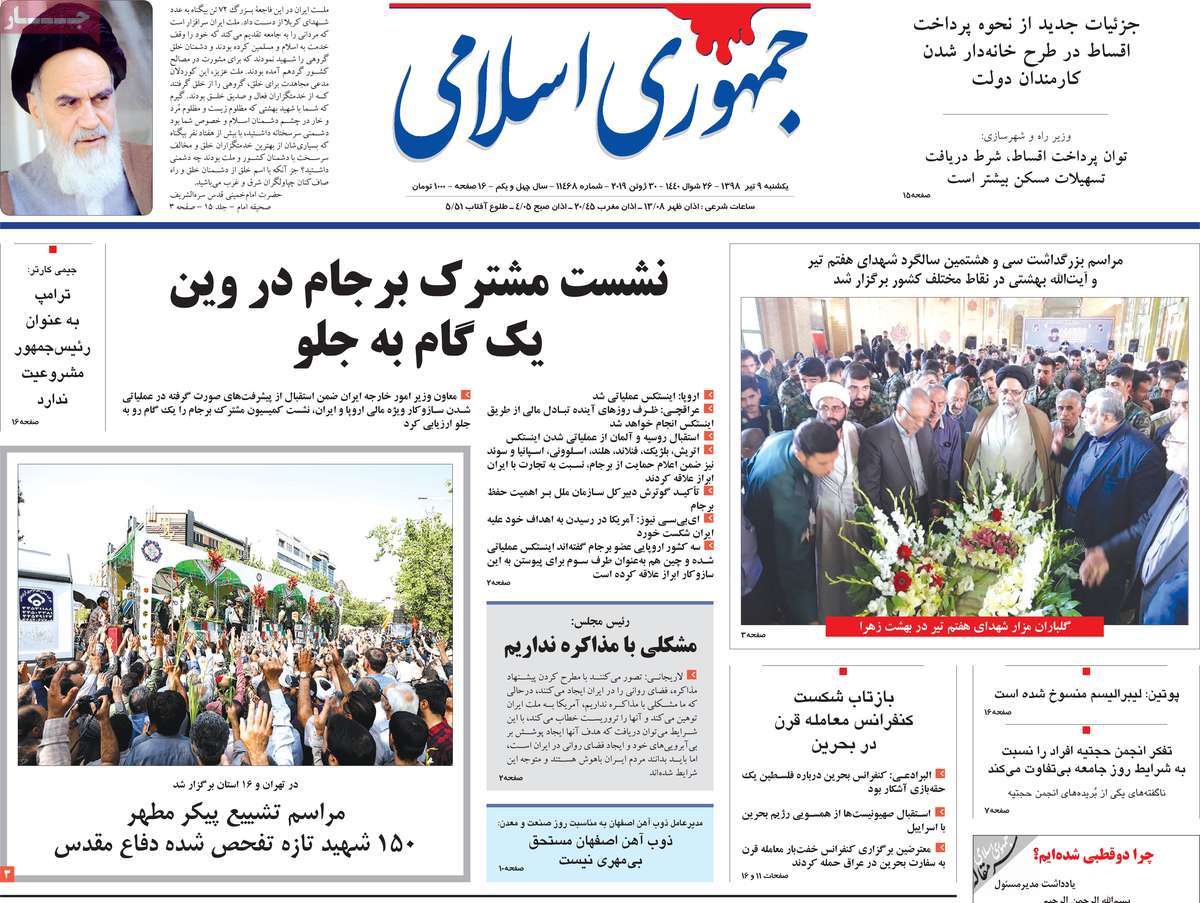
Jomhouri Eslami:

1- JCPOA Joint Commission in Vienna, One Step Ahead

2- Carter: Trump Has No Legitimacy as a President

3- Funerals Held for 150 Martyrs Whose Bodies Were Just Found, Repatriated
A Look at Iranian Newspaper Front Pages on June 30


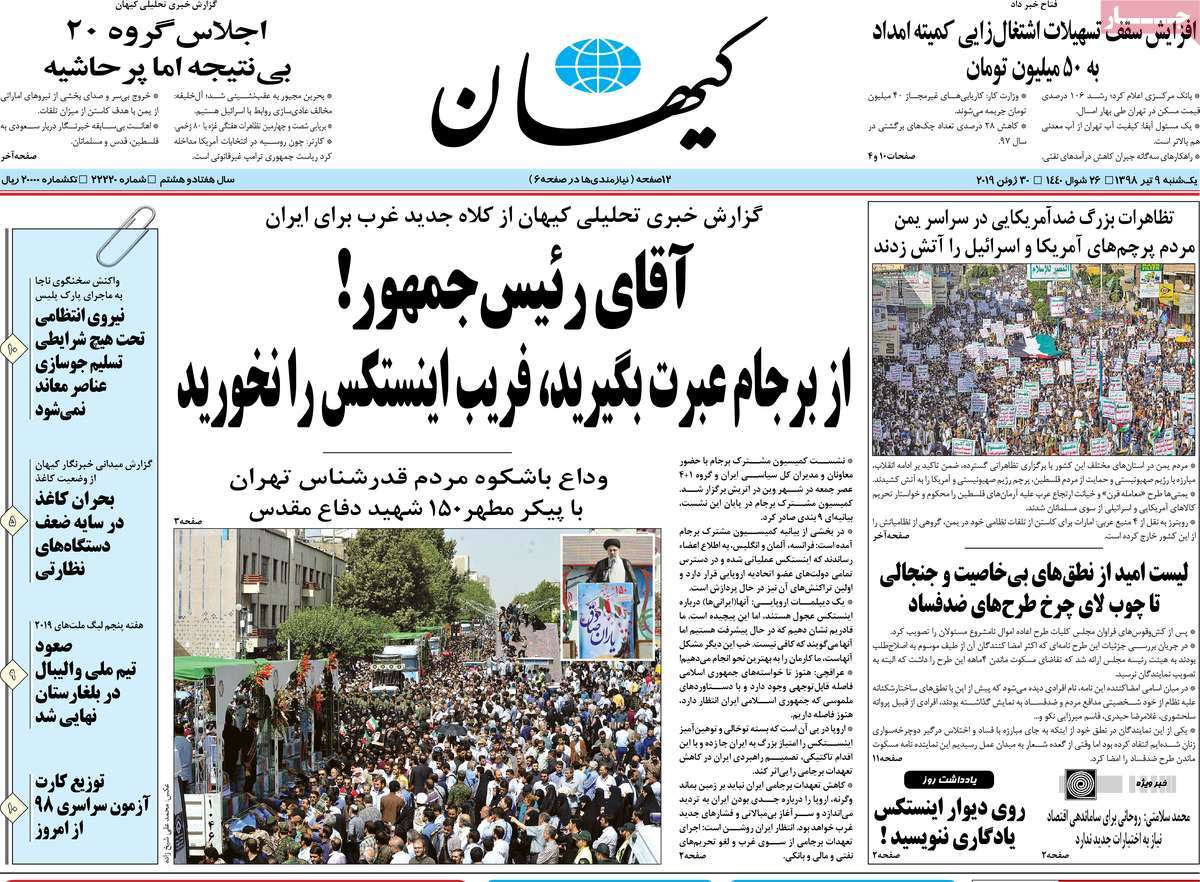
Kayhan:

1- Mr President! Learn from JCPOA, Don’t Be Deceived by INSTEX

2- G20 Summit Ends with No Result, Lot of Controversy
A Look at Iranian Newspaper Front Pages on June 30


Sazandegi:

1- Macron en Route to Tehran

* Trump Says French President May Visit Tehran

* France’s Advice for US on Iran: Consultations for Sanctions Removal
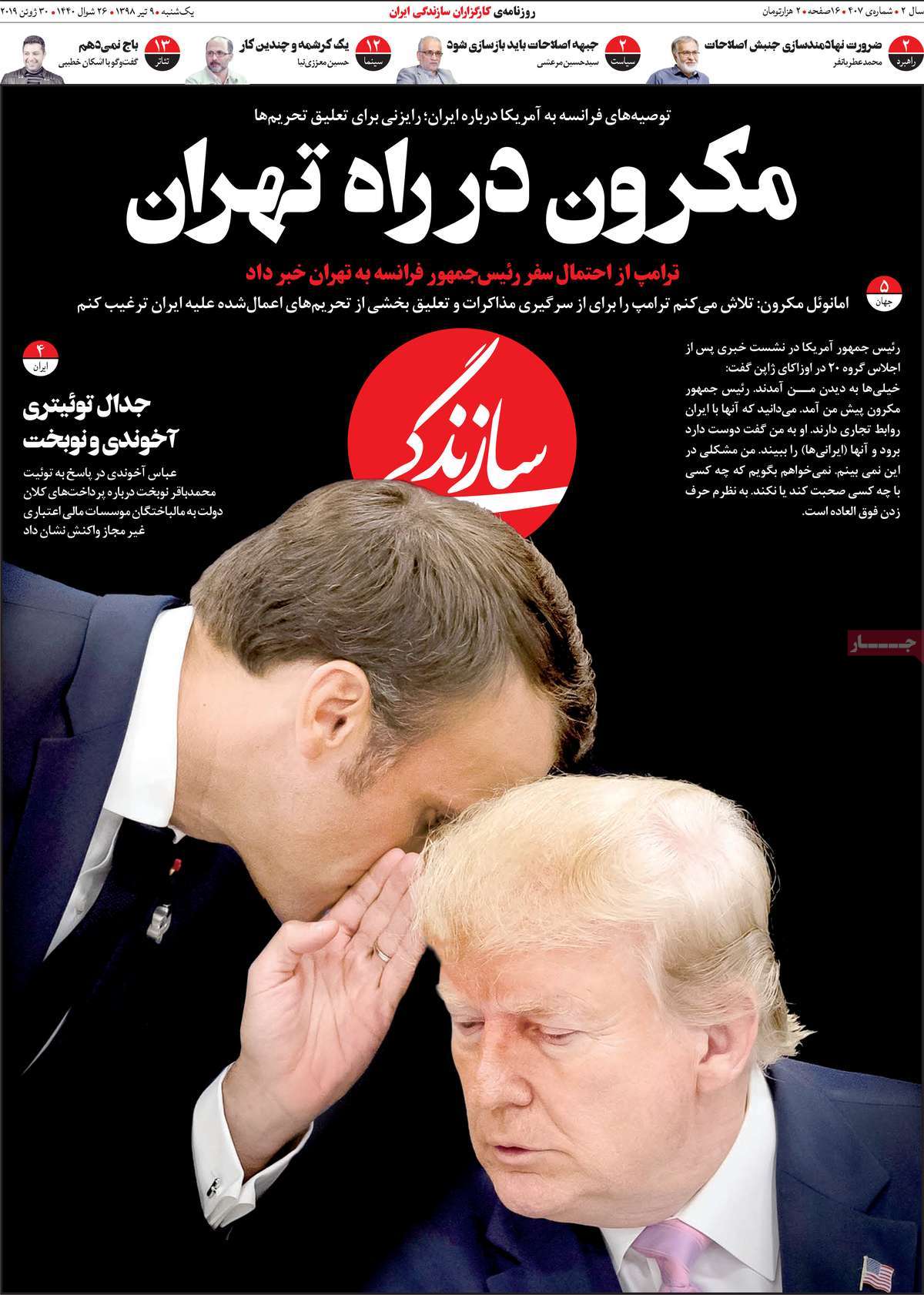
A Look at Iranian Newspaper Front Pages on June 30


Setareh Sobh:

1- Russia’s Meaningful Turn towards Saudi Arabia, US during G20

2- Bloomberg: Iran’s Oil Minister Turns Worst Conditions into Best Ones
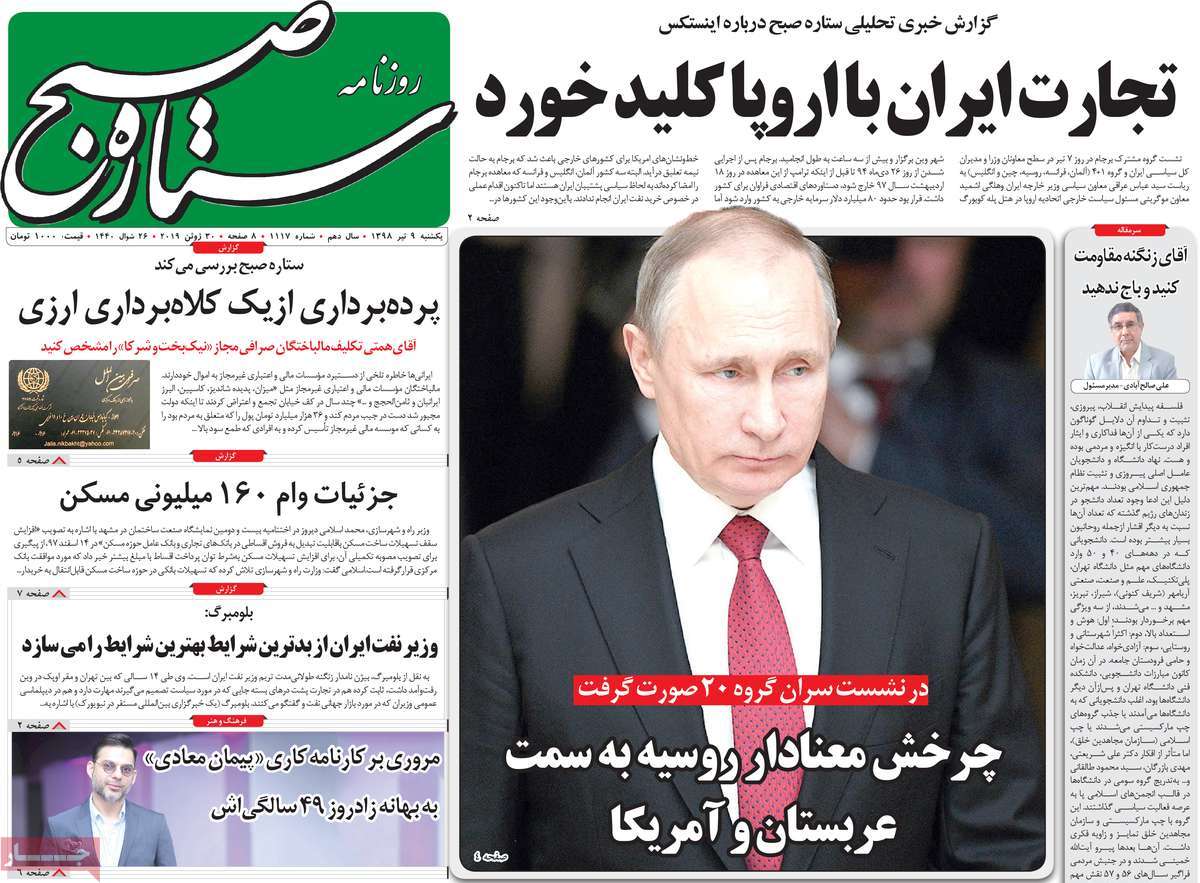
A Look at Iranian Newspaper Front Pages on June 30


Shargh:

1- INSTEX Implemented: Araqchi Says It’s Necessary but Not Enough

2- Iran in Democrats’ Debate: Consensus on Returning to JCPOA
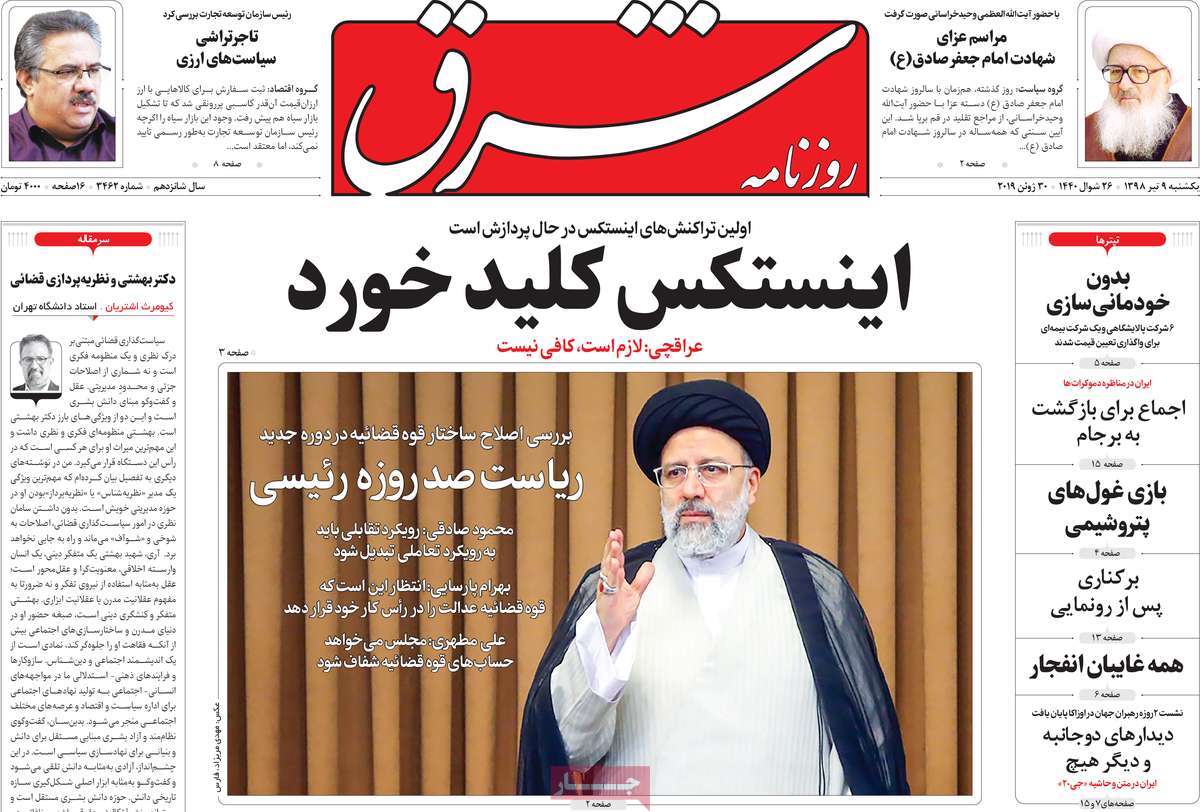
A Look at Iranian Newspaper Front Pages on June 30


Sobh-e Now:

1- Trivial Concession

* Araqchi Says Iran-EU Barter Channel Operational
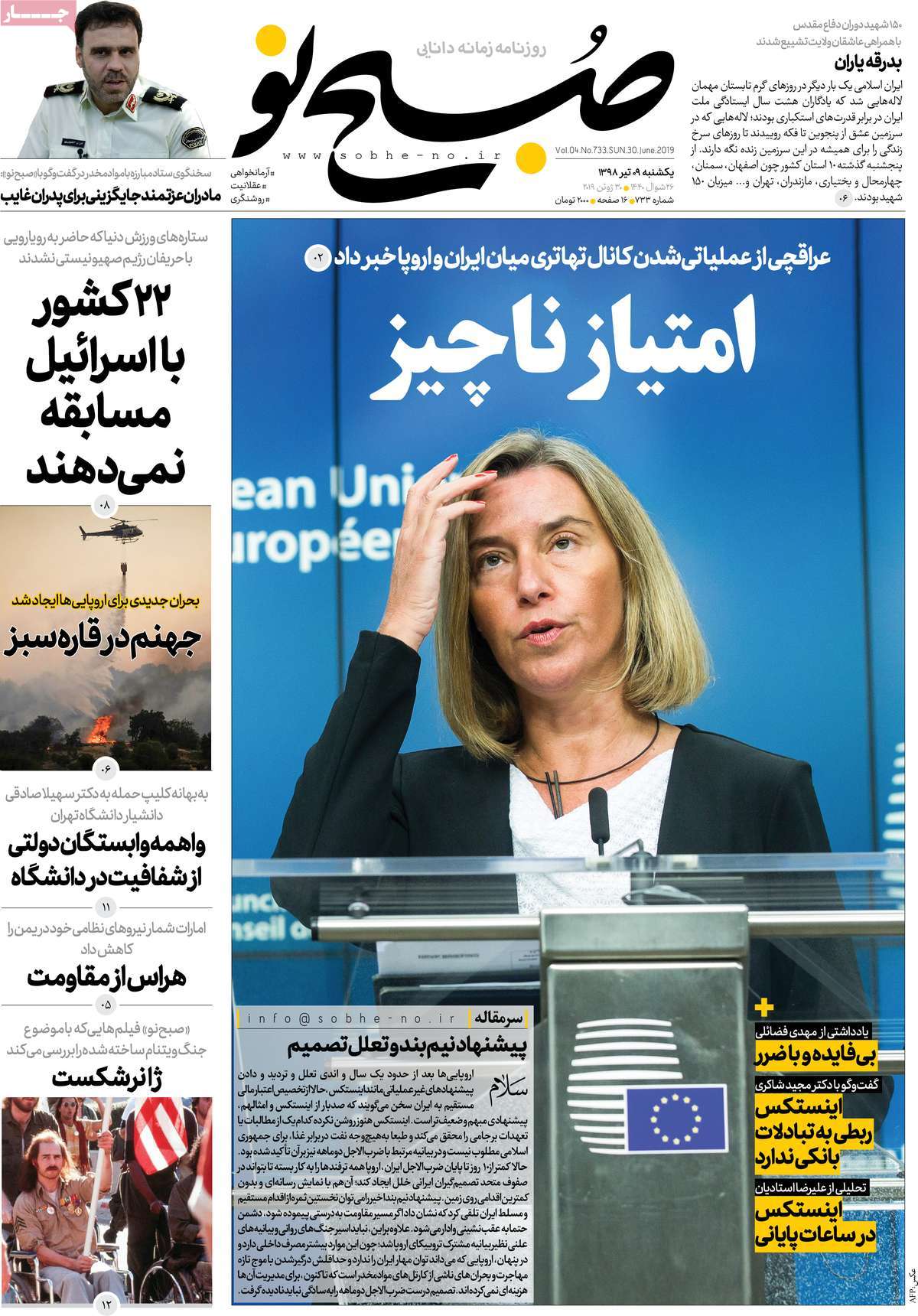
A Look at Iranian Newspaper Front Pages on June 30

‘Iran Working on Forex Plans Independent of INSTEX’

Hemmati

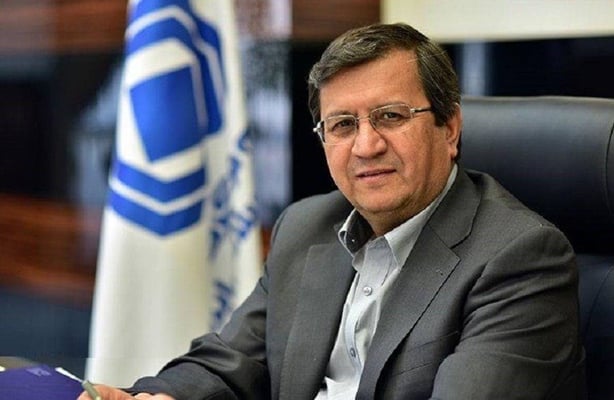
Criticising the problems of the financial channel, Abdolnaser Hemmati said the INSTEX needs some modifications.

He noted in a post on his Instagram page that the INSTEX is only a limited part of the central bank’s strategy in the foreign exchange market, and several other programs are being implemented in the field of foreign exchange ties.

“While the operational infrastructure of a mirror Iranian mechanism, named STFI, proportionate to the INSTEX has been thoroughly completed by the Central Bank, reports signal Europe’s speeding up of efforts to make the INSTEX operational,” said Hemmati.
“The INSTEX must work within the framework of the JCPOA and not based on the US sanctions regime. All of the transactions that are allowed within the framework of the nuclear deal must be feasible through the INSTEX. It may initially include all non-sanctioned goods, but then its scope should be extended to all commodities.”

Hemmati further noted that the resources of this mechanism must be supplied through oil exports to Europe, and if Europe temporarily has some excuses not to buy the Iranian oil, a long-term credit line with a future oil refinance will be an interim solution.

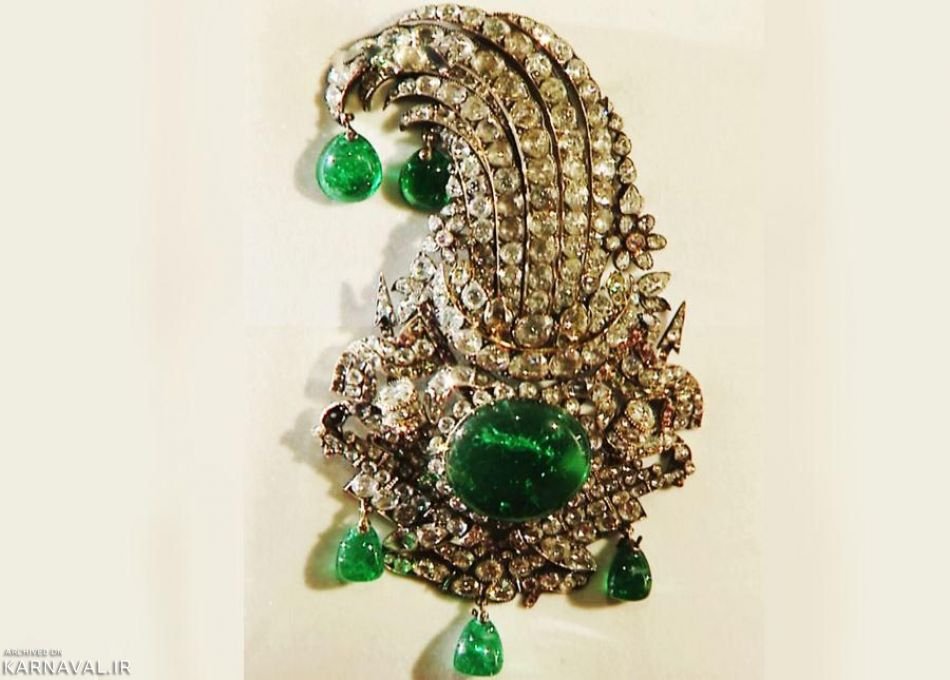
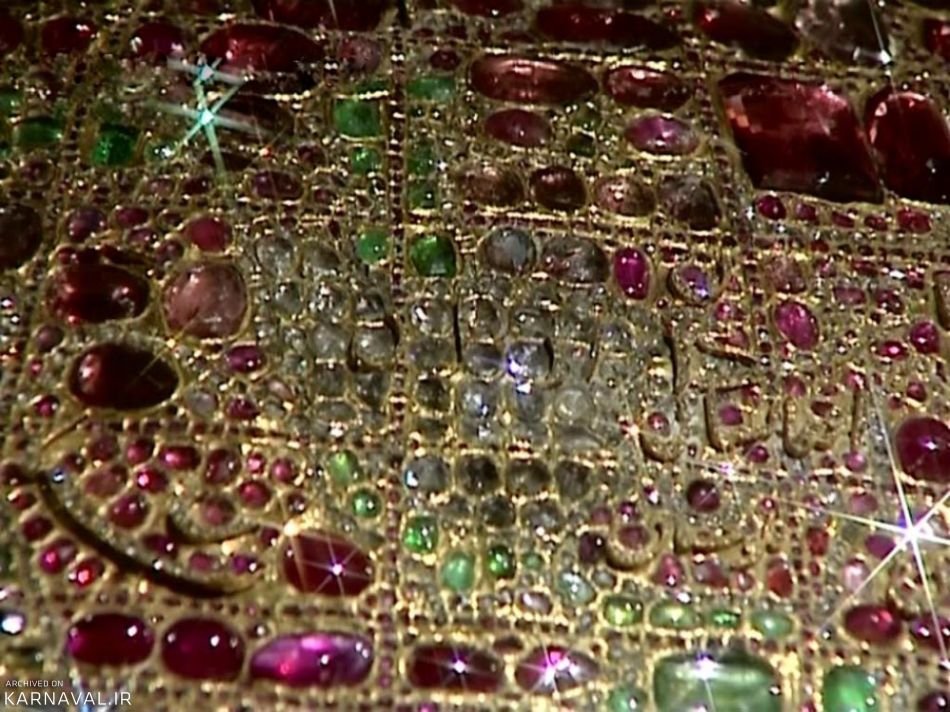
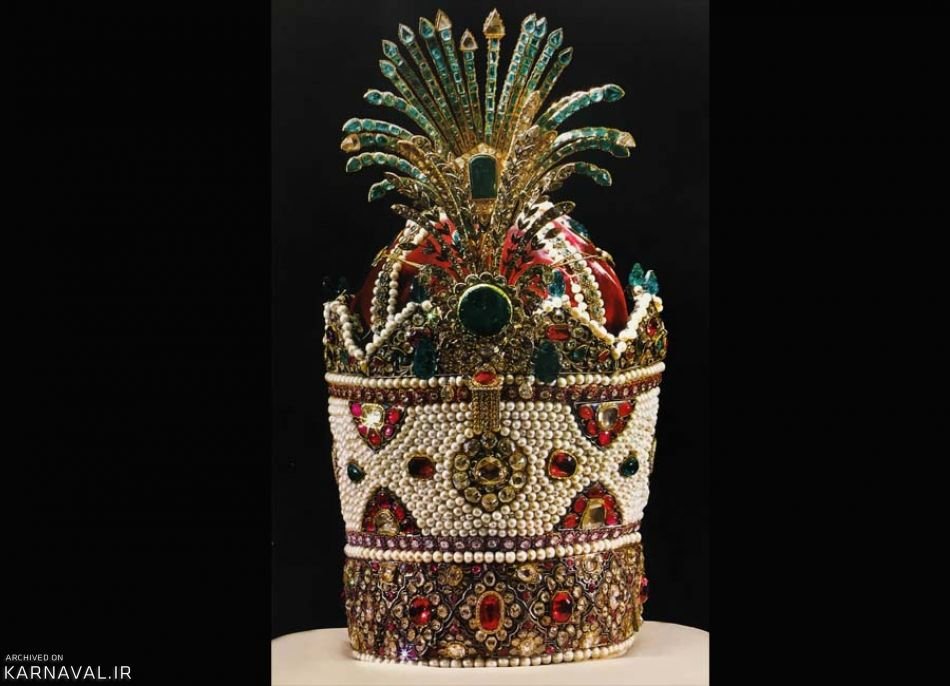
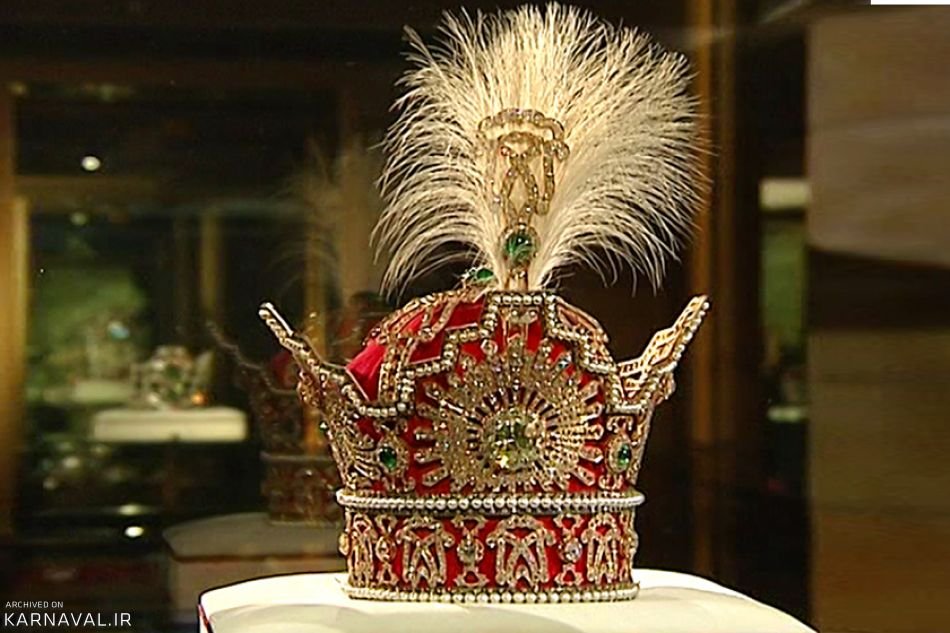
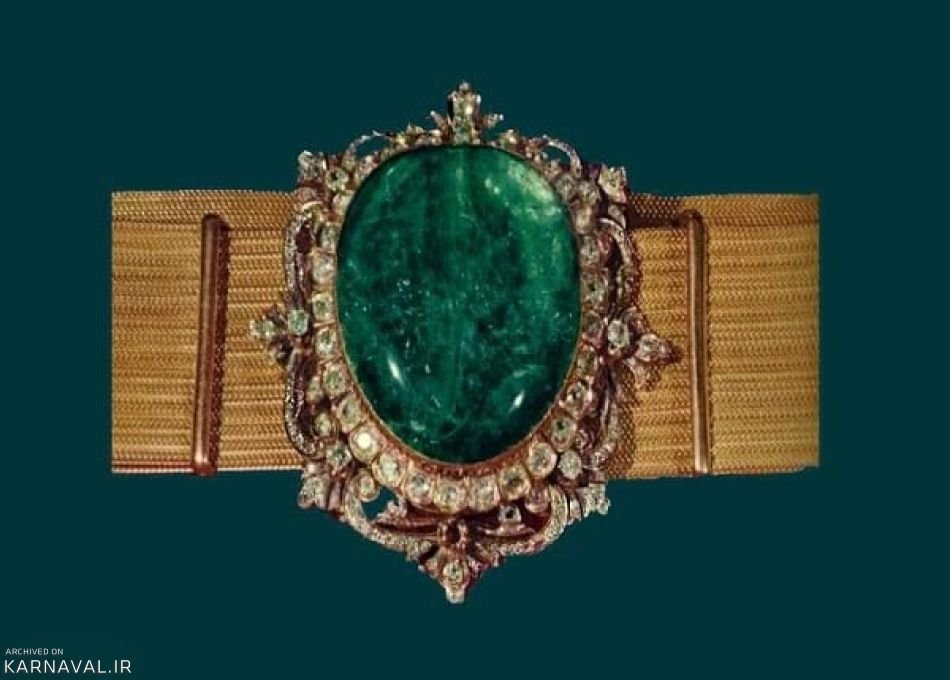
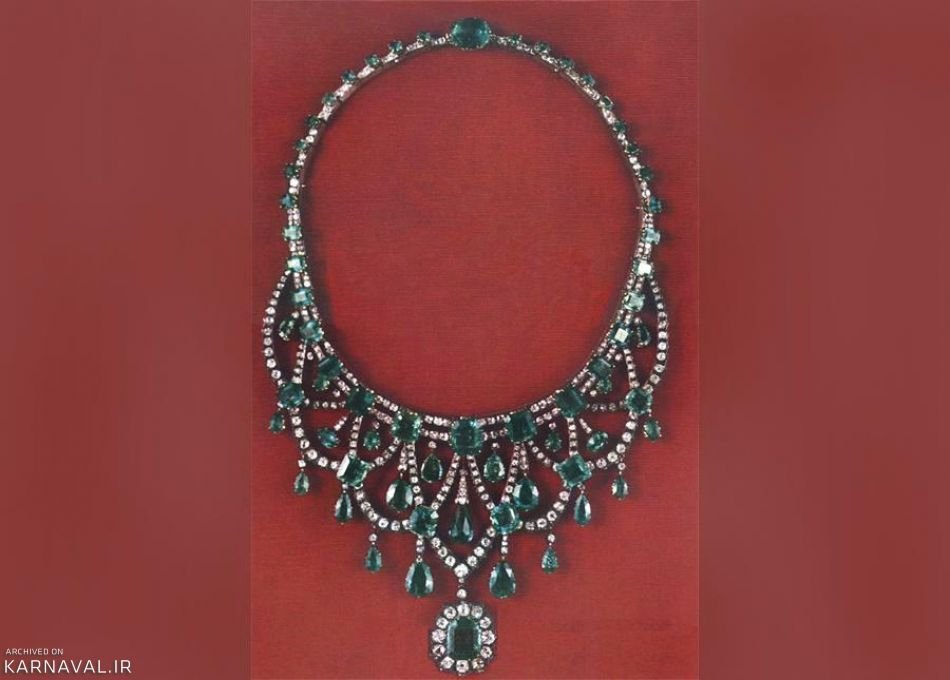
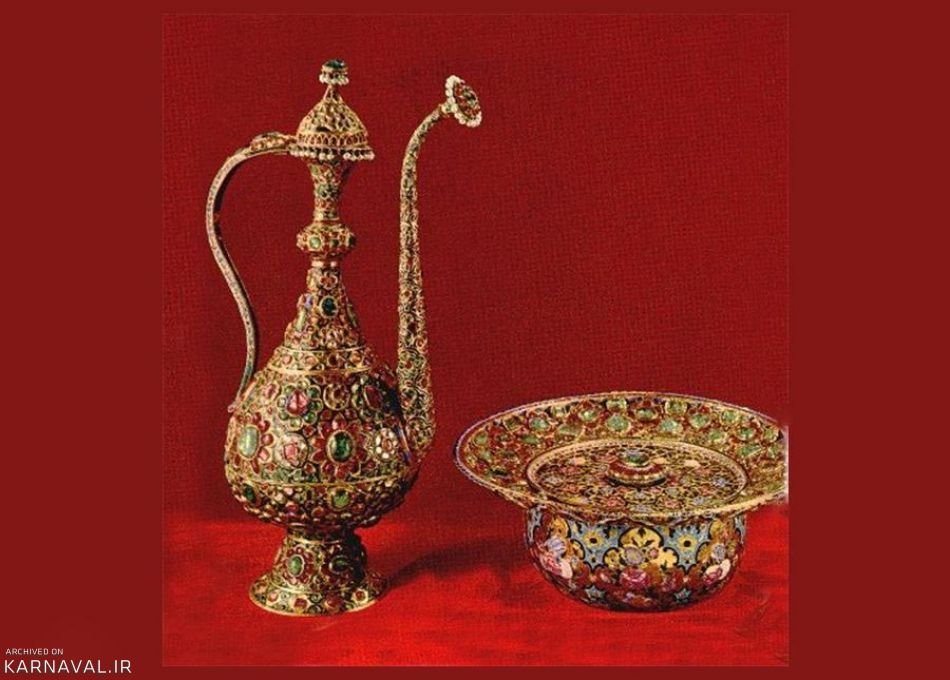
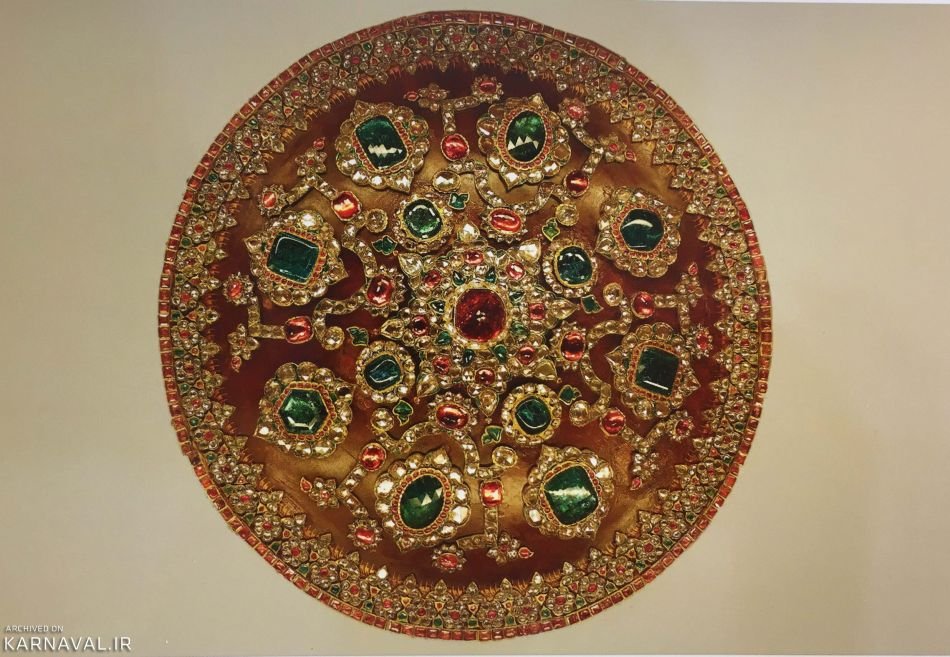
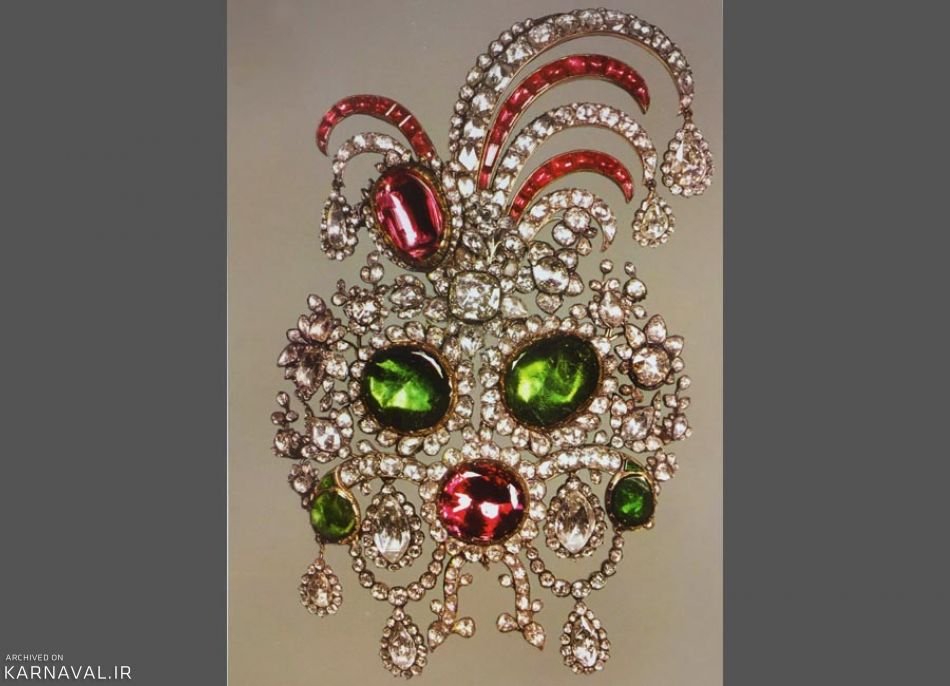
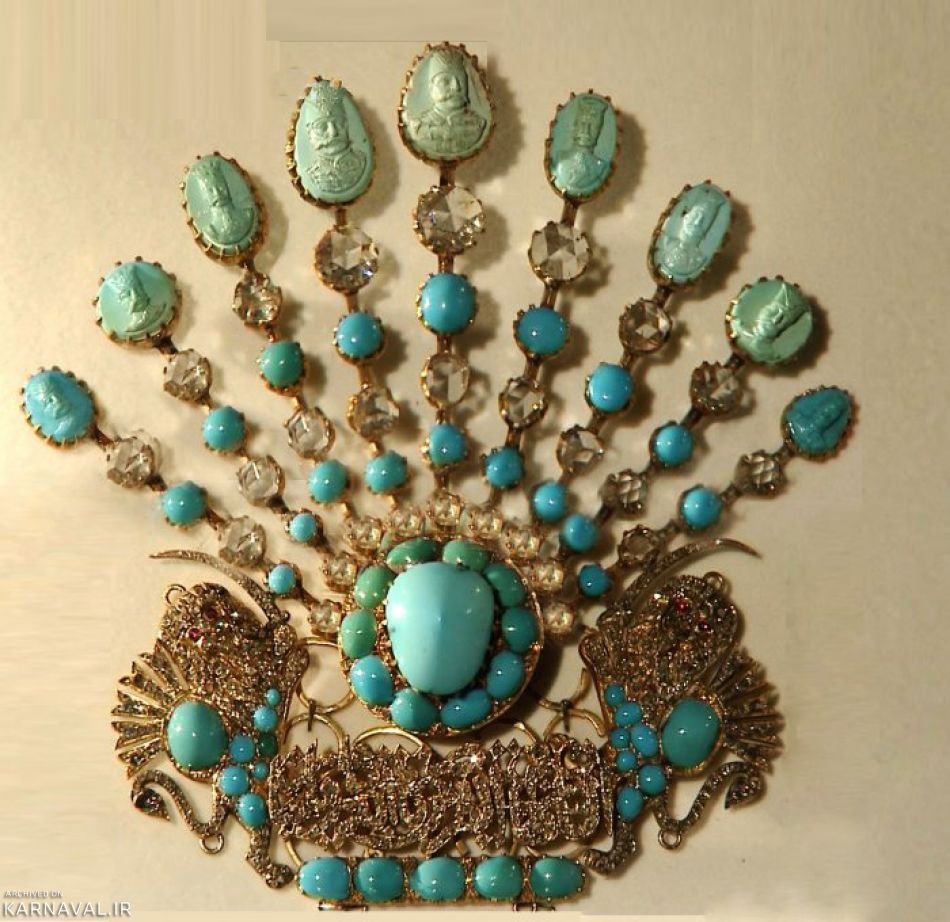
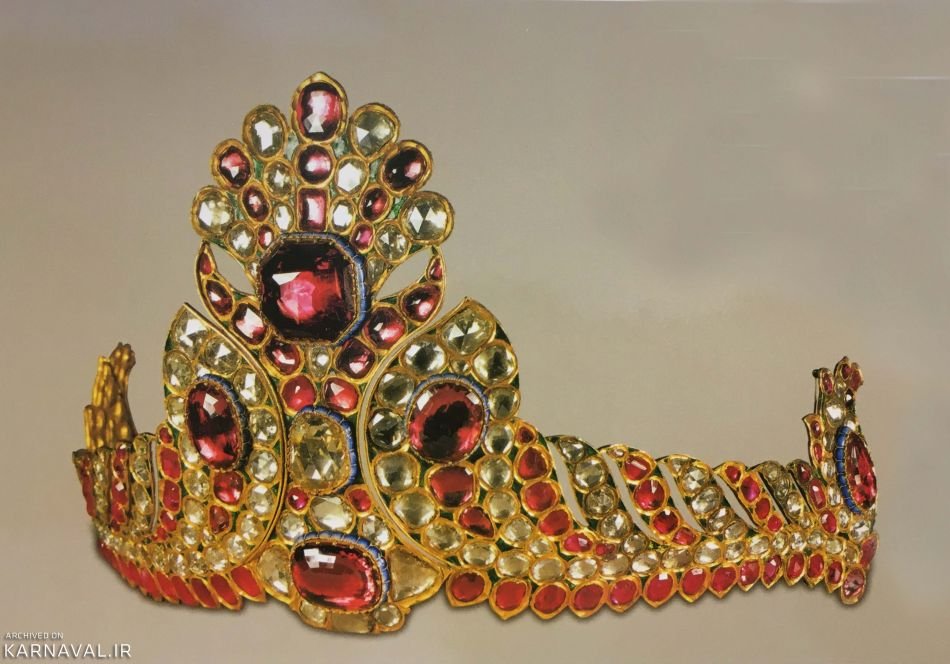
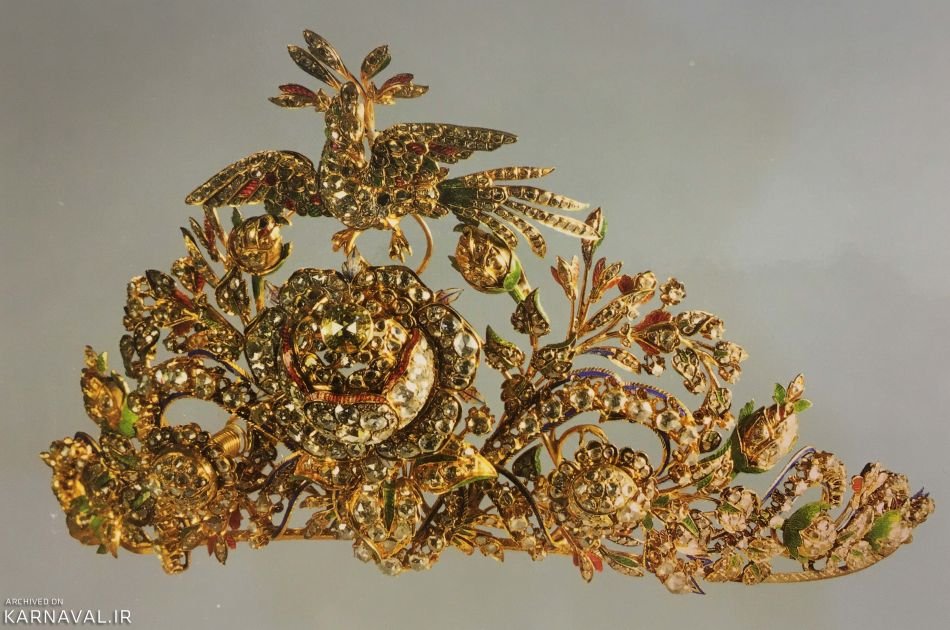
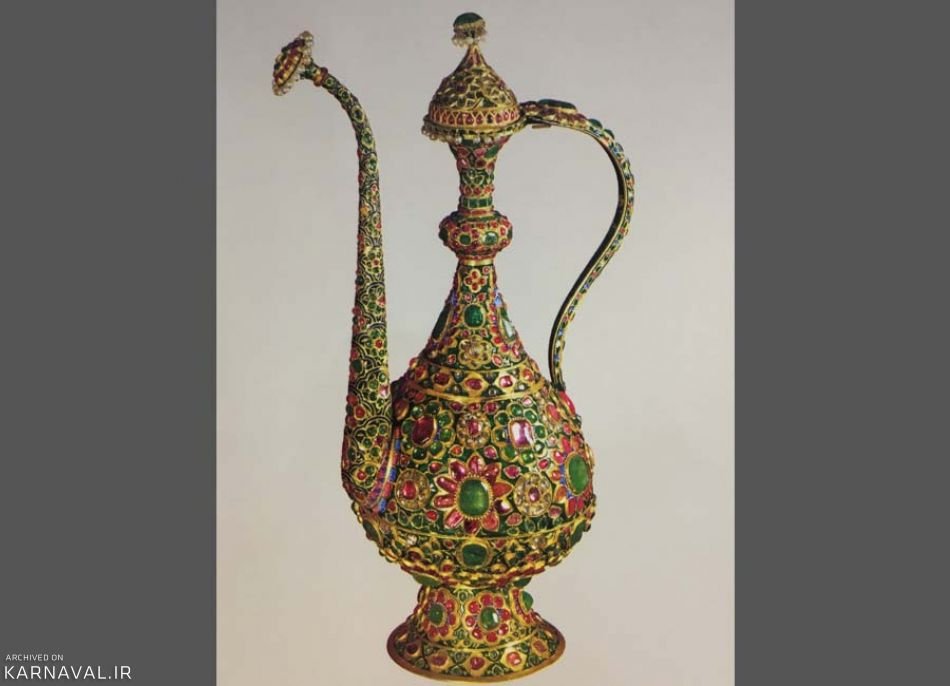
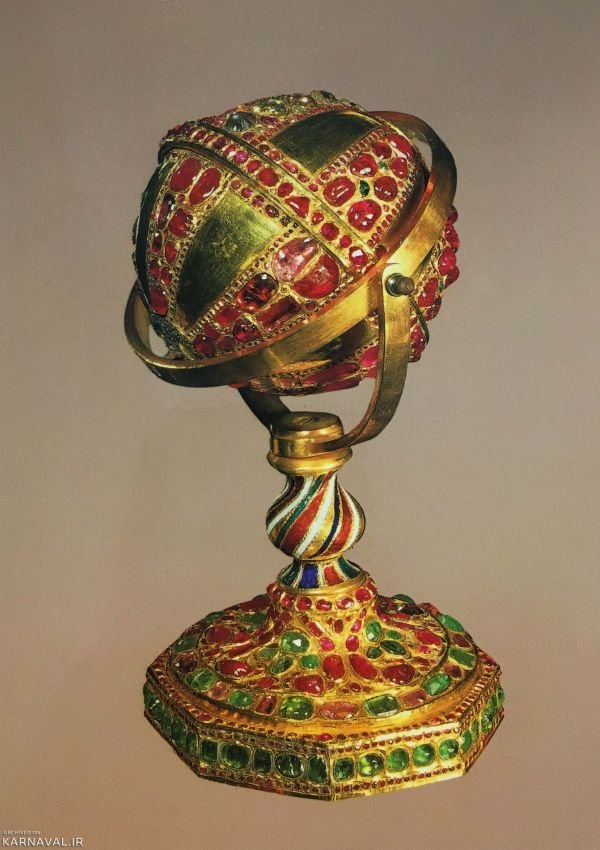
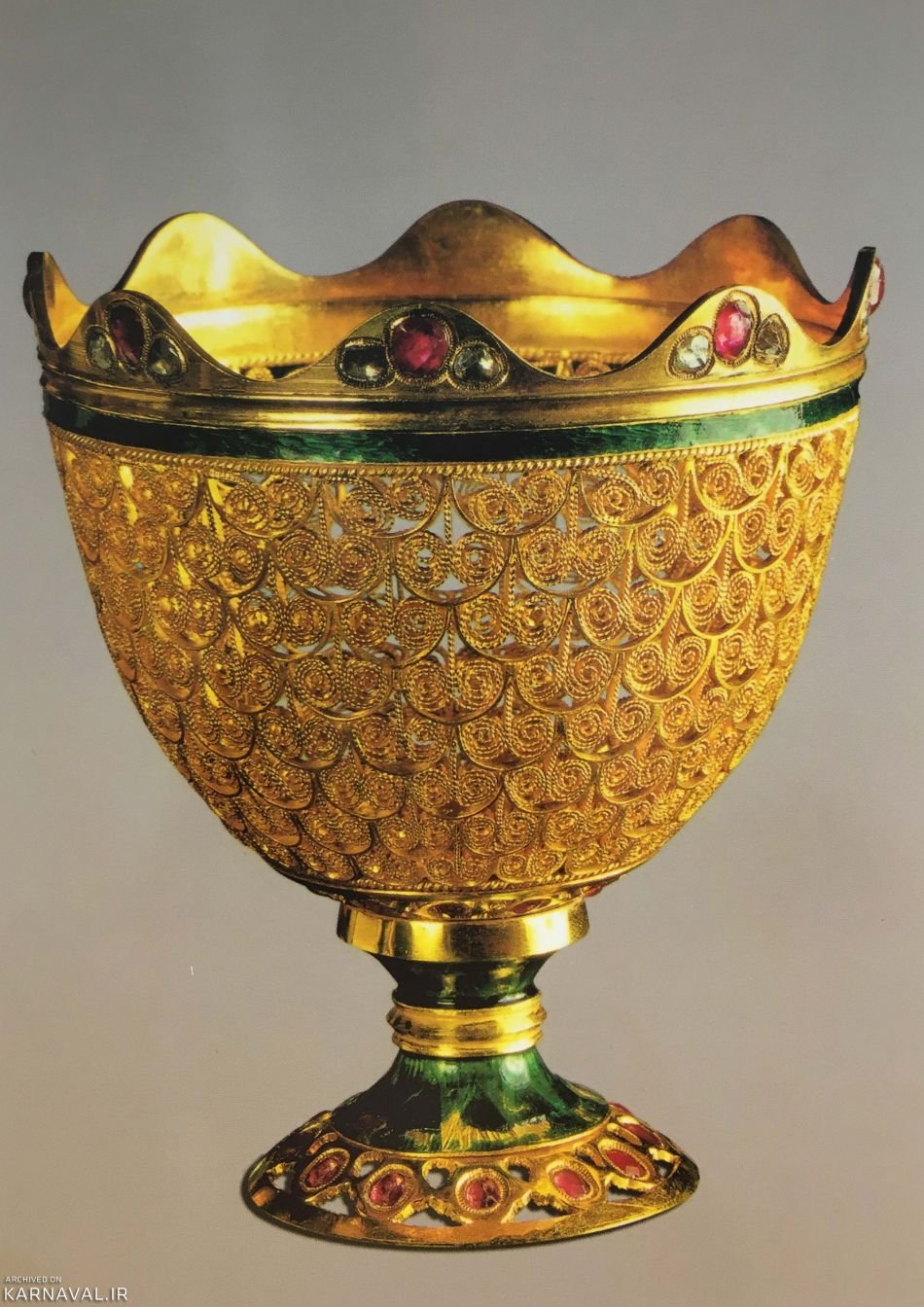
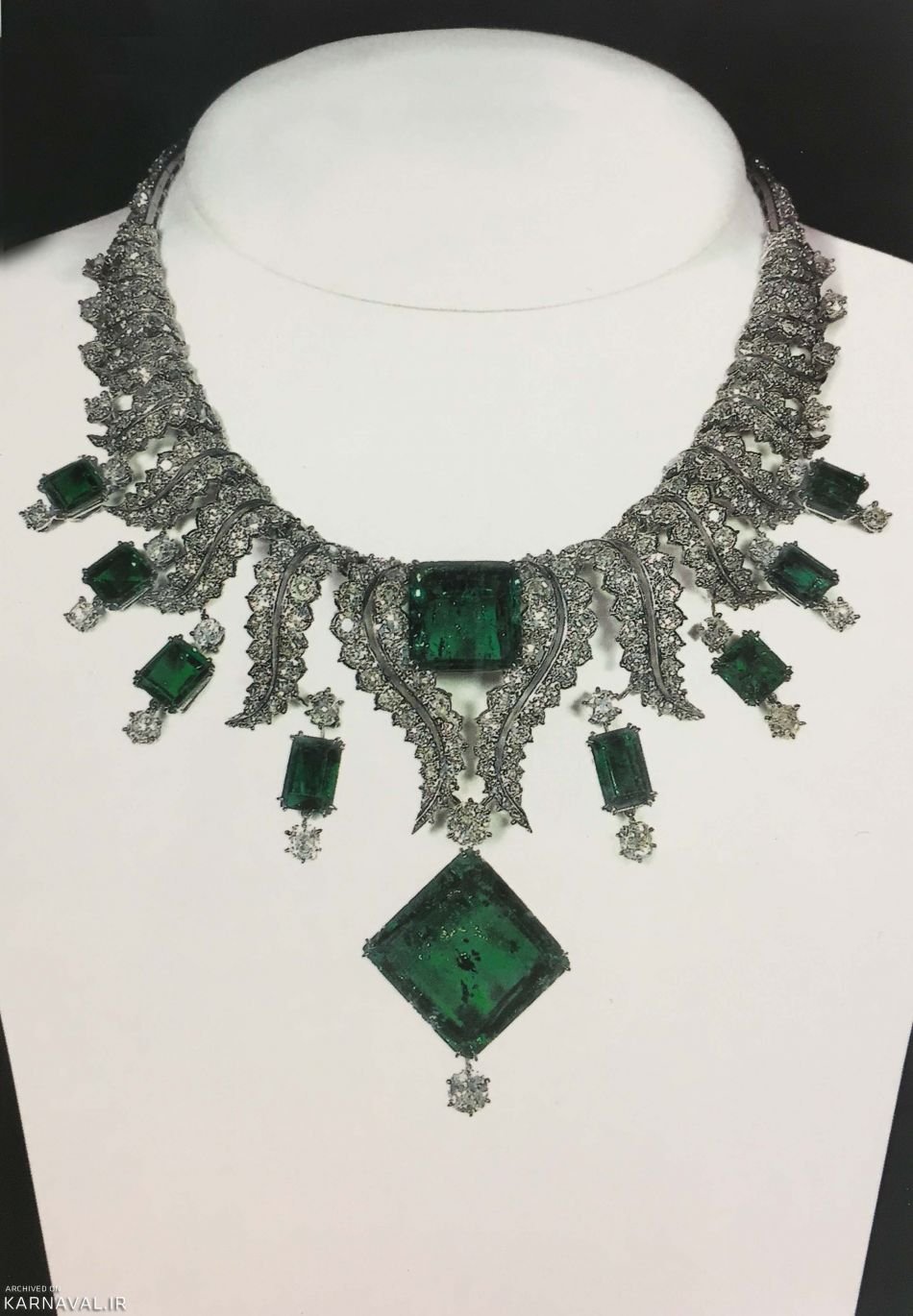
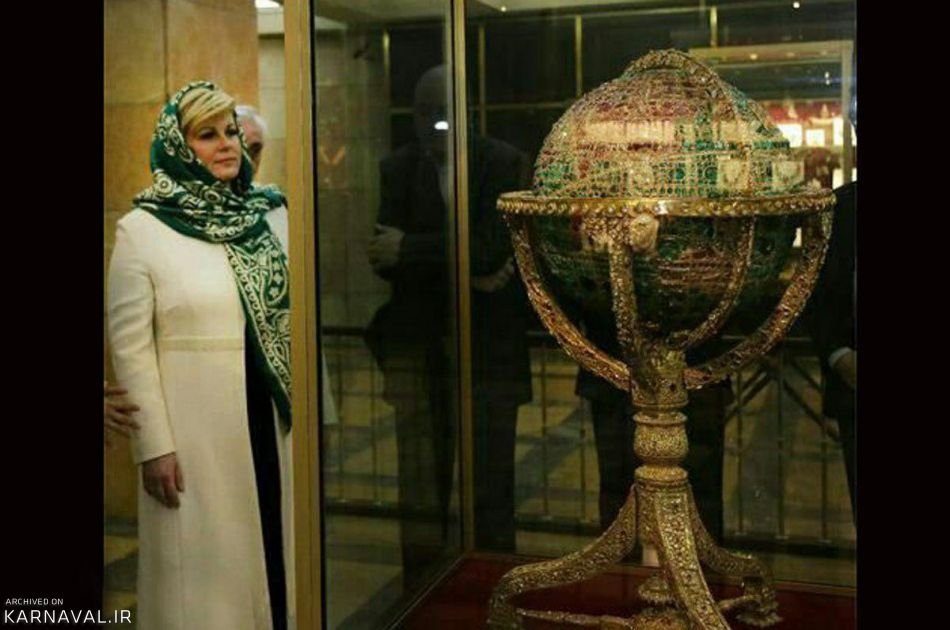
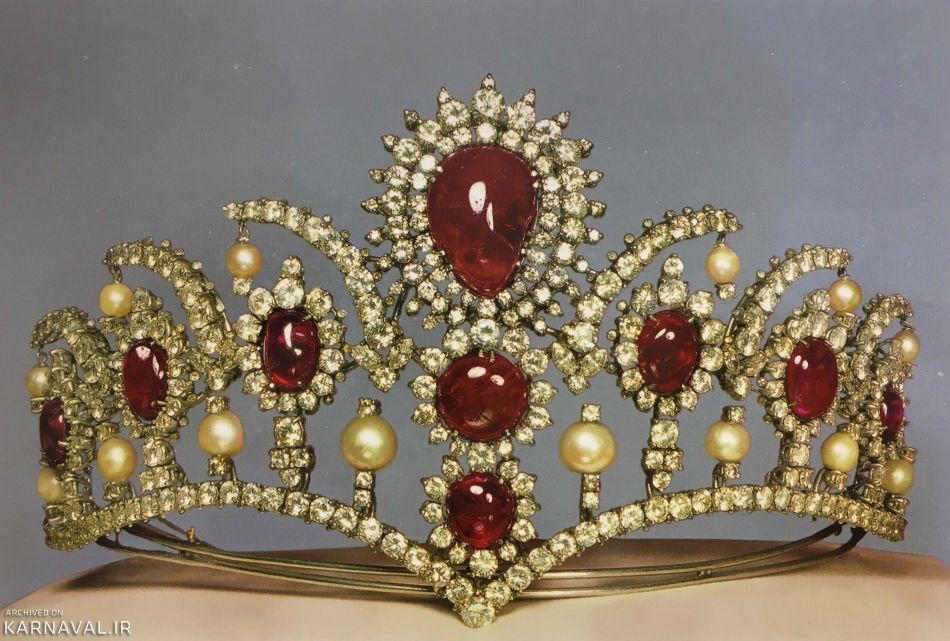
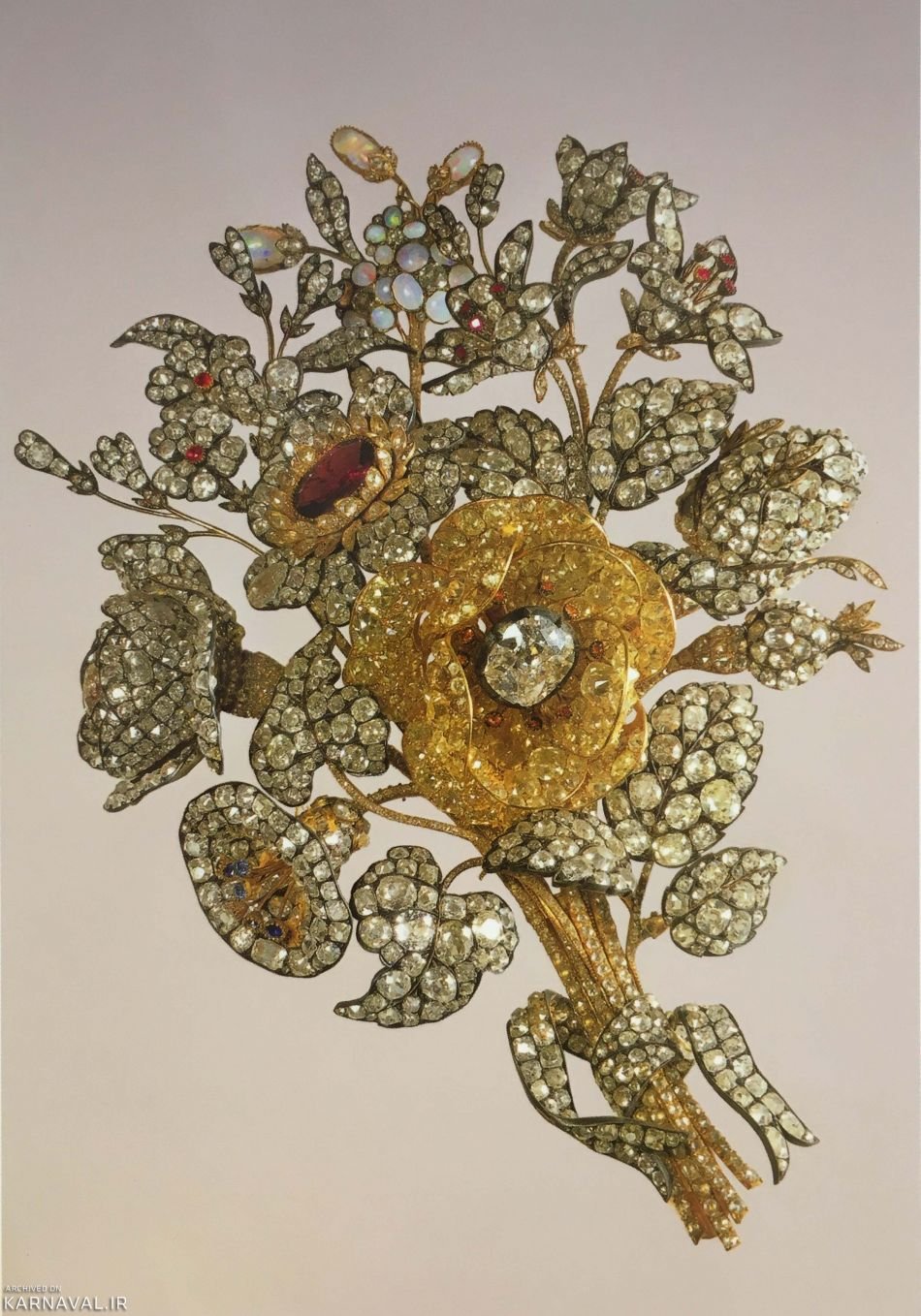
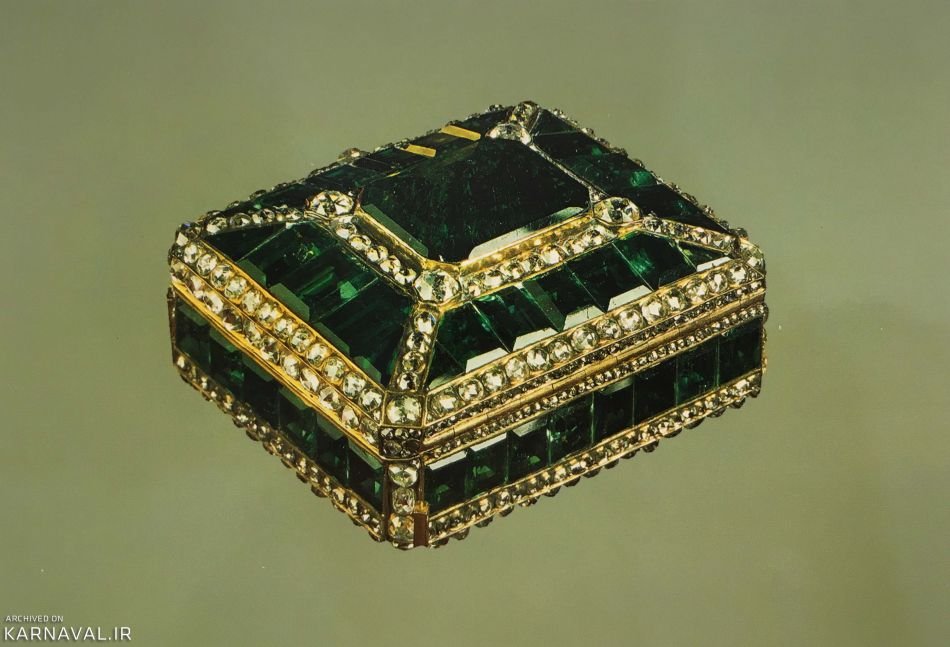
Iran Home to World’s Most Valuable Treasury of Jewels

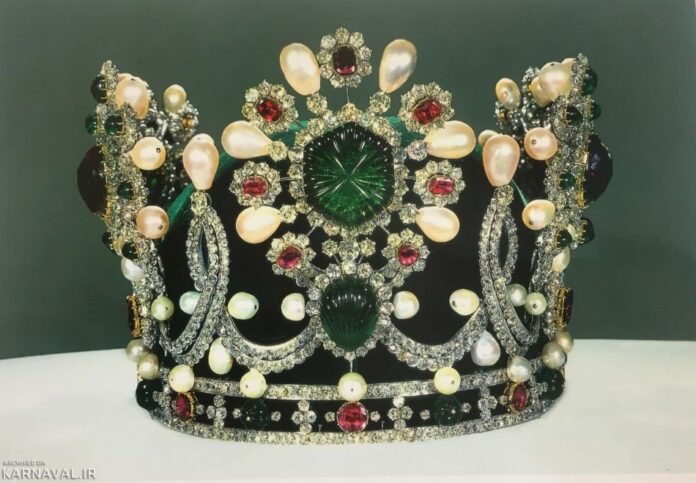
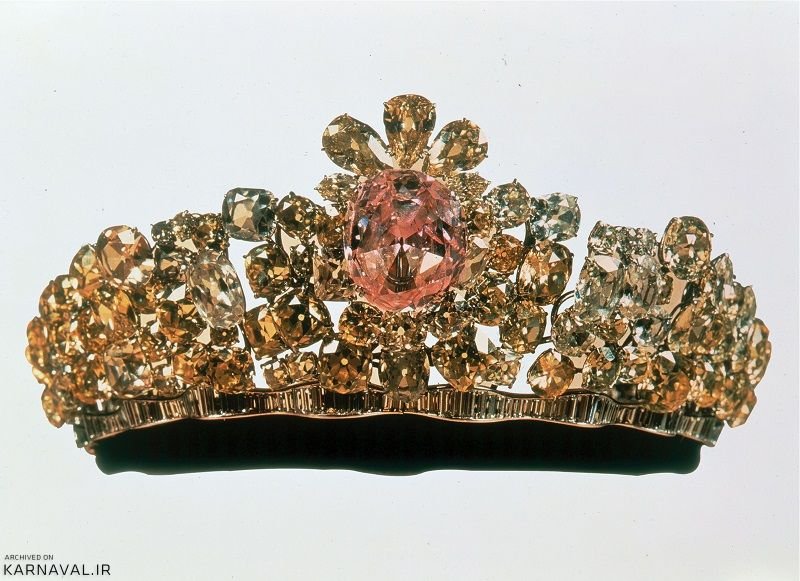
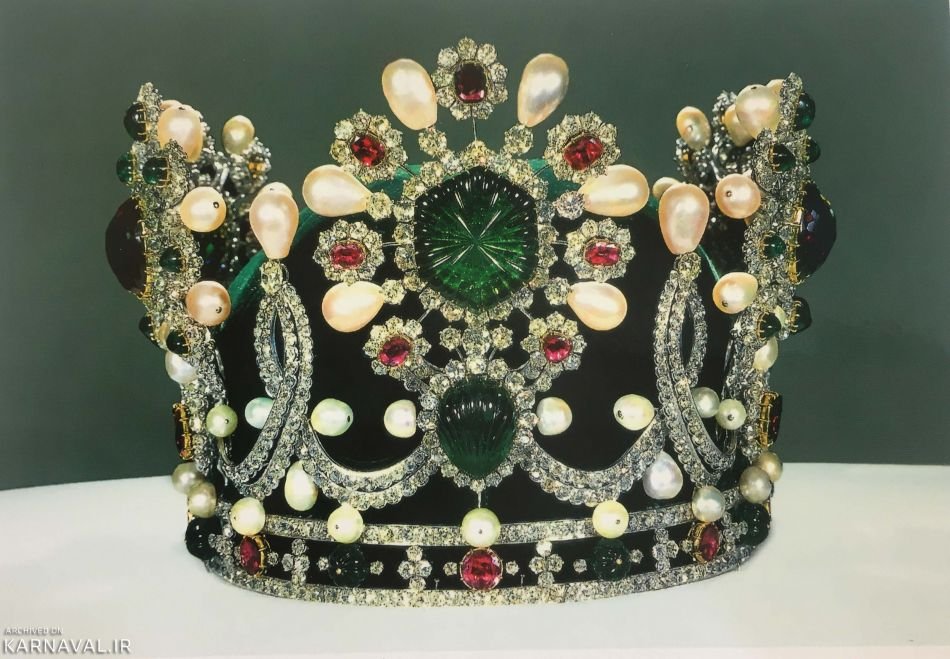
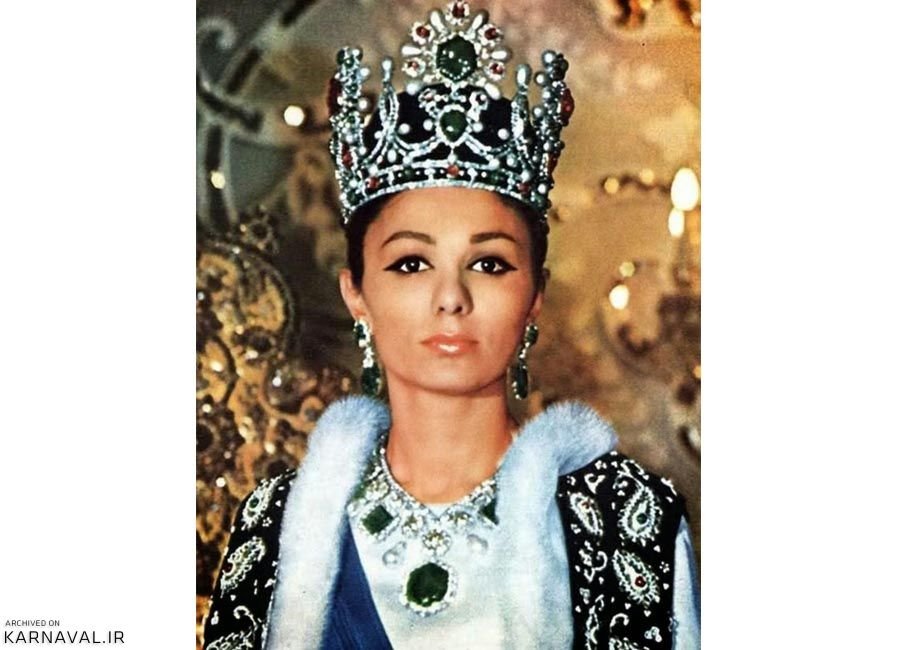
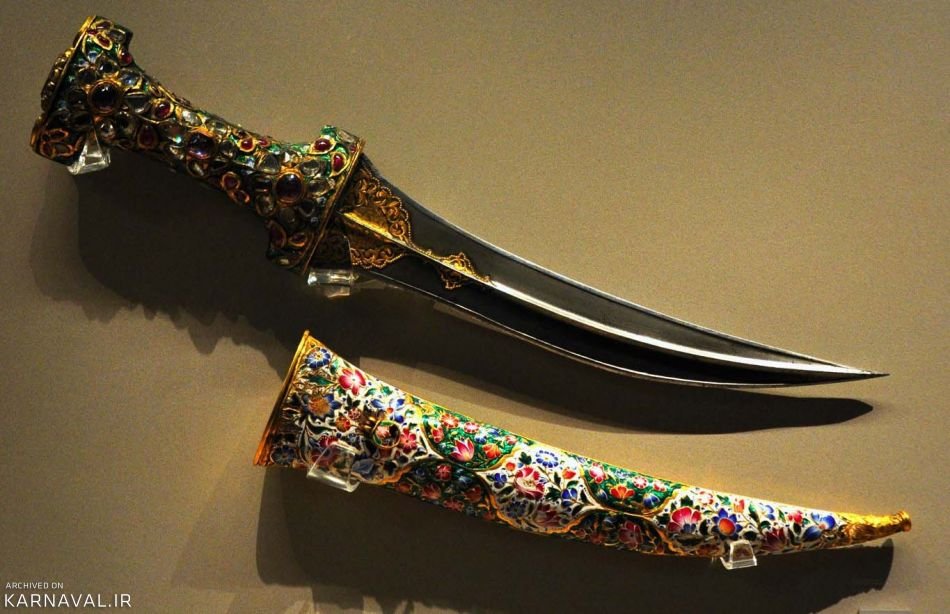
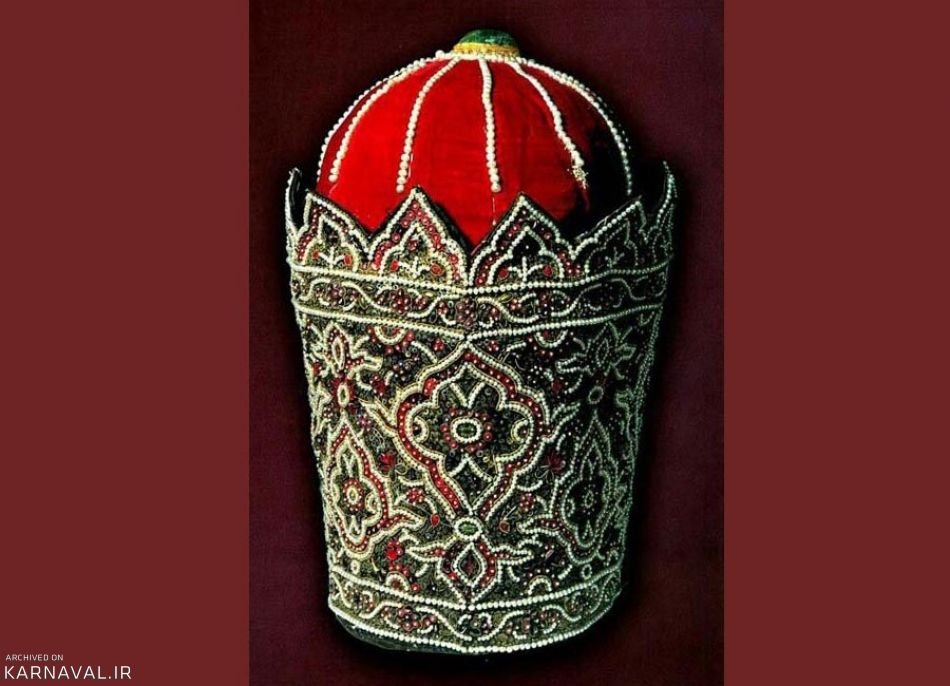
The Empress Crown: It is the crown worn by the former Empress of Iran Farah Pahlavi during her coronation ceremony. It took six months to design and make the crown. It is among the most beautiful crowns in Iran.

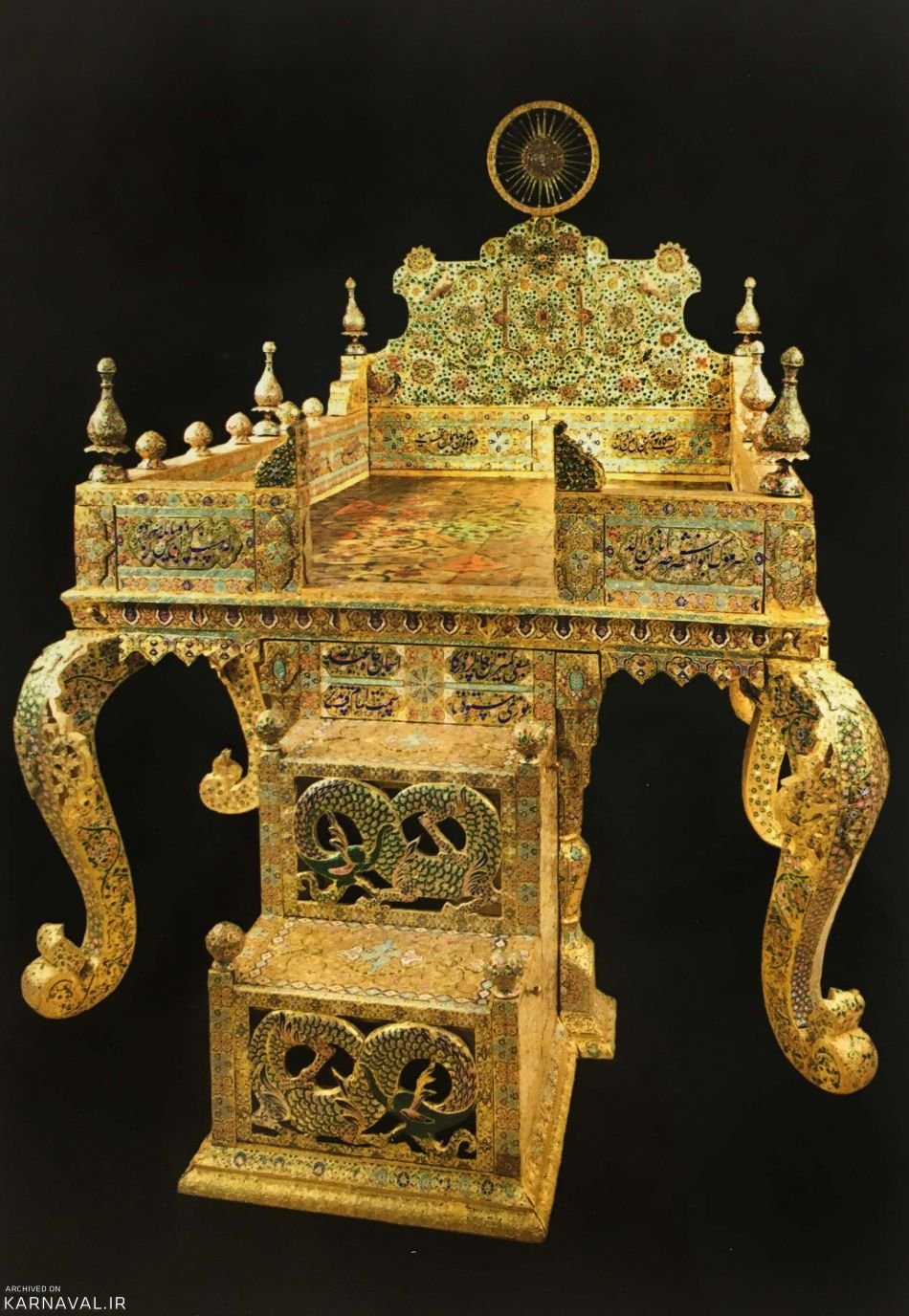
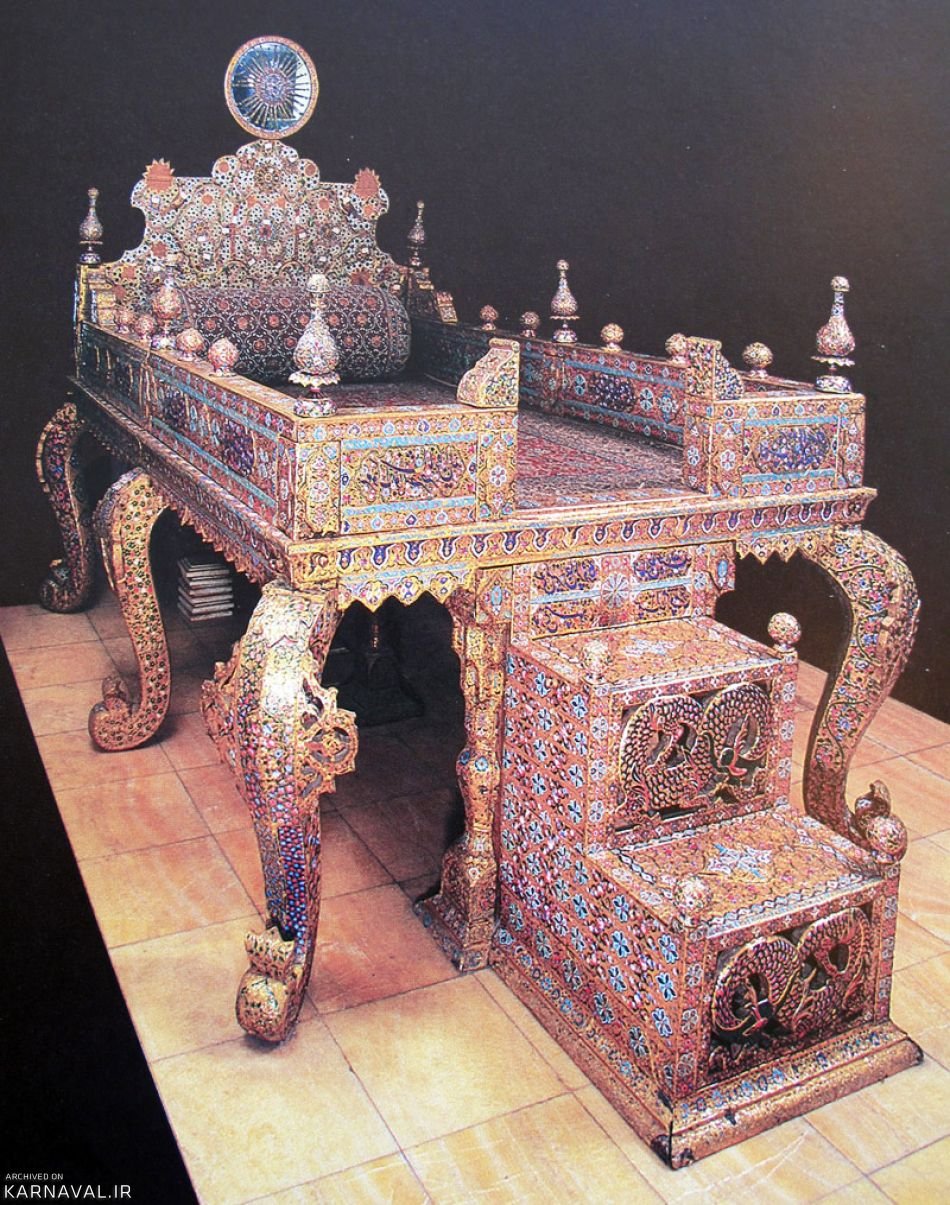
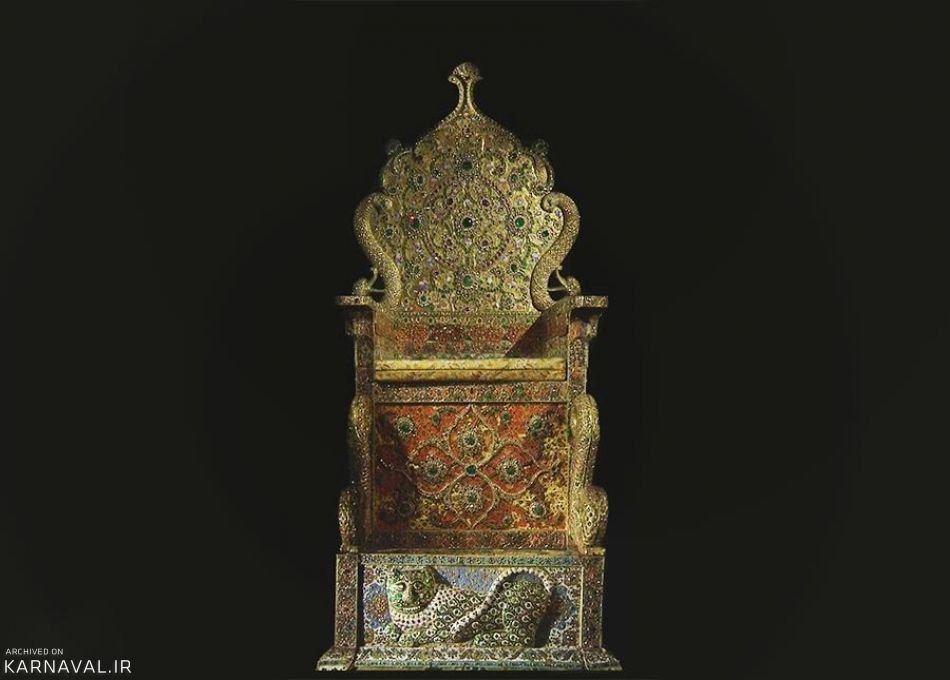
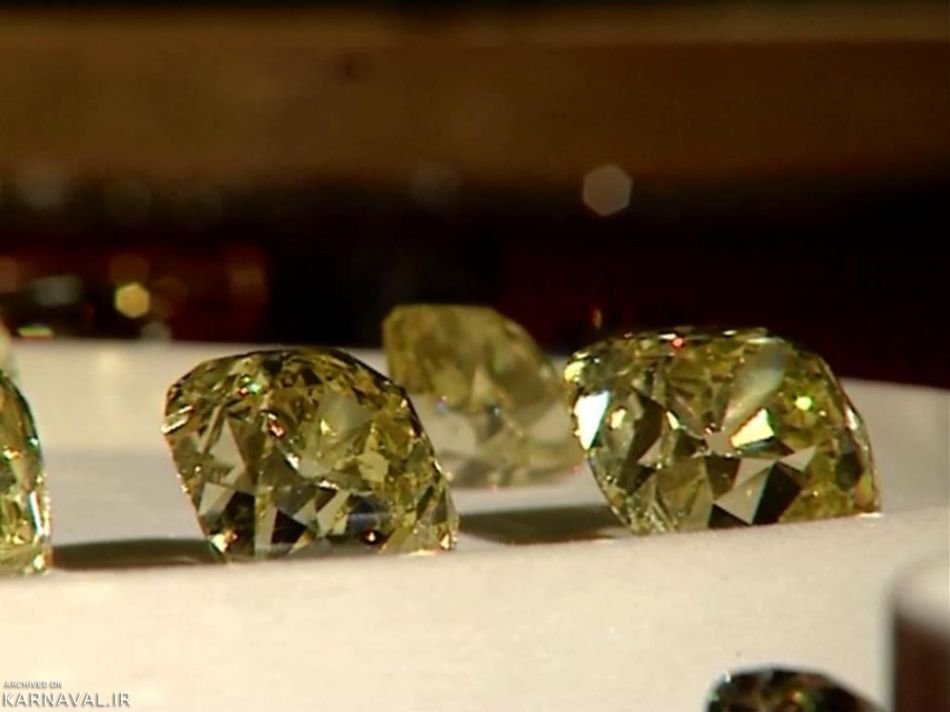
Visiting the treasury of the Central Bank of Iran, one can see unique pieces of jewels by Iranian and foreign artists. Some of the jewelry kept in the treasury are unique in the world and no one has ever managed to set a price for them.

In addition to the royal jewelry, one can see priceless stones which are unmatched across the world.

What follows are images of jewels in the treasury of Iranian Central Bank:

Iran Lifts Visa Requirement for Chinese Tourists

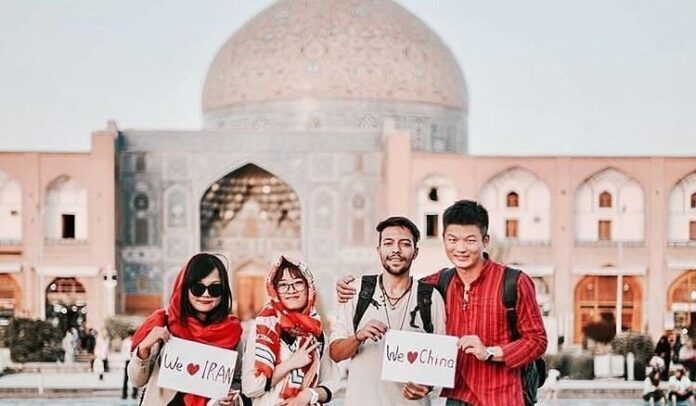
Based on a decision adopted in a Sunday cabinet session, the Iranian Foreign Ministry has been permitted to let Chinese nationals in without a visa.

The plan had been jointly proposed to the cabinet by Iran’s Cultural Heritage, Handicrafts, and Tourism Organization (ICHTO) and the Iranian Foreign Ministry back on June 23, 2019.

Earlier this month, the spokesman of Iran’s government said that the visit of foreign tourists to the country is to be eased based on an order by President Hassan Rouhani.

Ali Rabiei said on June 19 that based on the decree, the passports of foreign tourists will not be stamped upon their arrival in any of the country’s airports.

Rabiei underlined that “as the United States may put pressure and impose sanctions on these people according to the economic terrorist plans it pursues, the president ordered that the tourists’ visits are not registered in their passports.”

The government spokesman said this could bring more tourists to Iran, and people can travel to Iran without any fear. Rabiei underlined that the arrangements would soon be made at all airports.

In recent months, Iranian officials have increased efforts to boost the tourism sector to increase foreign currency revenues and create jobs.

The decline in the national currency’s value last year has meant that travelling to and shopping in Iran has become even cheaper for foreign nationals.
Iran has managed to establish itself as “safe as much of Western Europe or travelers”, a recent report on global security said.

Meanwhile, Iran is among the world’s top potential tourist destinations with a variety of ancient sites, including 17 places listed by the UNESCO.

Official figures released earlier showed that over six million tourists had traveled to Iran over a period of six months starting March 2018. This was higher than the same period in 2017 by above 50 percent.

Trump Becomes First US President to Enter North Korea

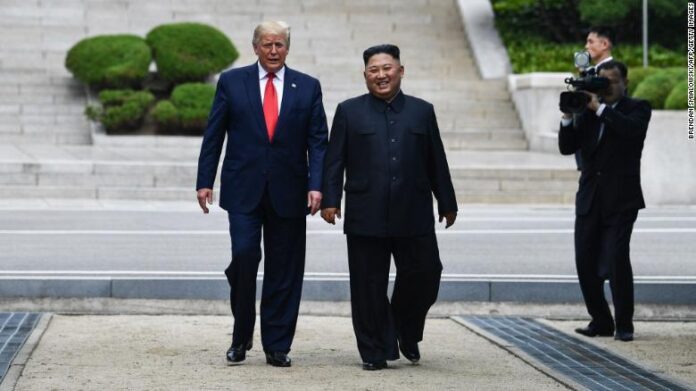
He met North Korean leader Kim Jong Un at the border between the two Koreas on Sunday, before stepping over and walking 20 steps into North Korea.

First, the two leaders strode toward the border line dividing the two Koreas. They then shook hands, before walking together back across the line into South Korea.

I’m “proud to step over the line” into North Korea, Trump said sitting next to North Korean leader Kim Jong Un.

Trump’s move came after Kim said, “If you step over this line you will be the first US president to step on North Korean soil.”

Trump then stepped over, to which Kim said, “President Trump has just walked across the demarcation line. That has made him the first US President to visit our country. Actually just looking at this action, this is an expression of his willingness to eliminate all the unfortunate past and open a new future.”

Trump thanked Kim once again for meeting and added, “When I put out the social media notification, if he didn’t show up, the press was going to make me look very bad.”

Trump said because Kim showed up, they both looked good.

“This could be a very historic moment and I guess that’s what it is,” Trump said. “I think the relationship that we’ve developed has meant so much to so many people.”

In remarks to press before closing the doors, Kim said he was “very surprised” by Trump’s open invitation on Twitter, adding, “I had wanted to meet him again.”

Trump responded, thanking Kim for the meeting and calling it “a special moment.”

The meeting was an historical moment and a huge step forward in a relationship which appeared to be unravelling after a failed second summit between Trump and Kim in Hanoi, Vietnam earlier this year.

That relationship now seems to be firmly back on track, with Trump and Kim greeting each other warmly and appearing to enjoy each other’s company. Trump even suggested they could follow the meeting at the DMZ with a visit by Kim to the White House, the first ever time a North Korean leader would visit the US if it took place.

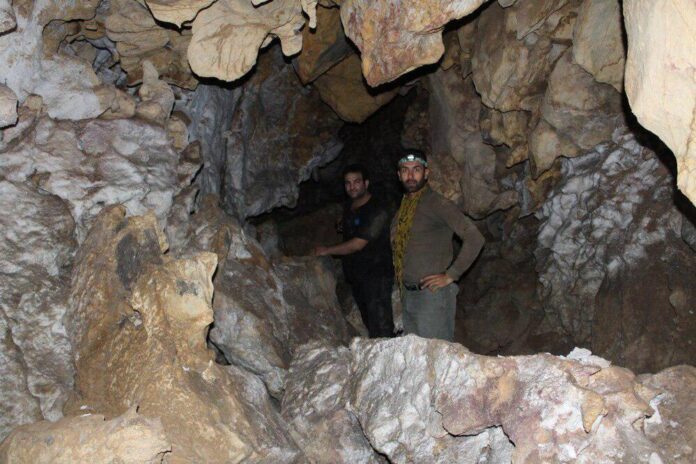
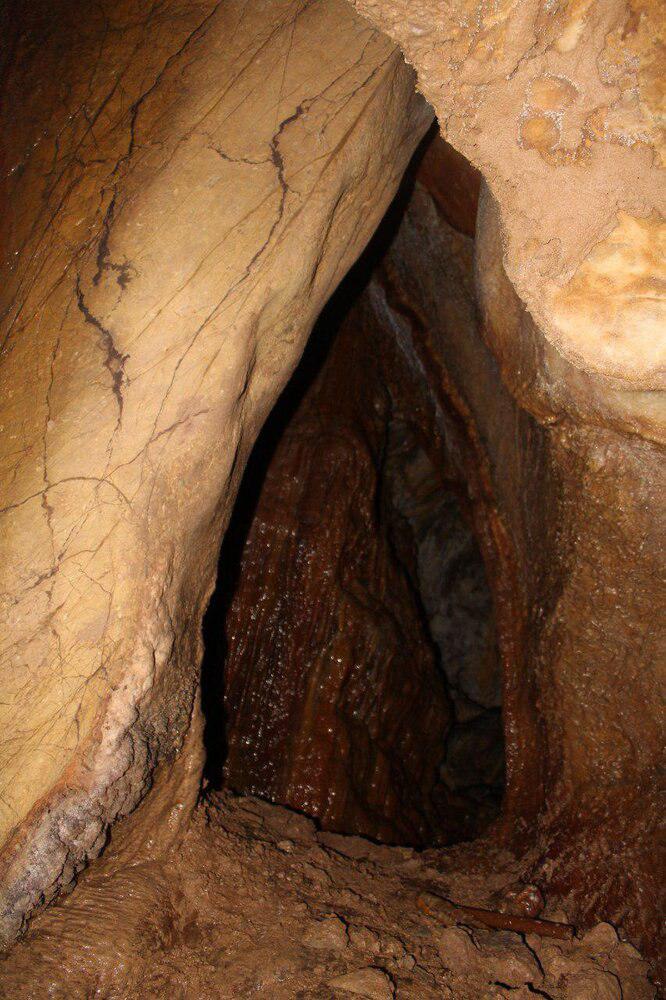
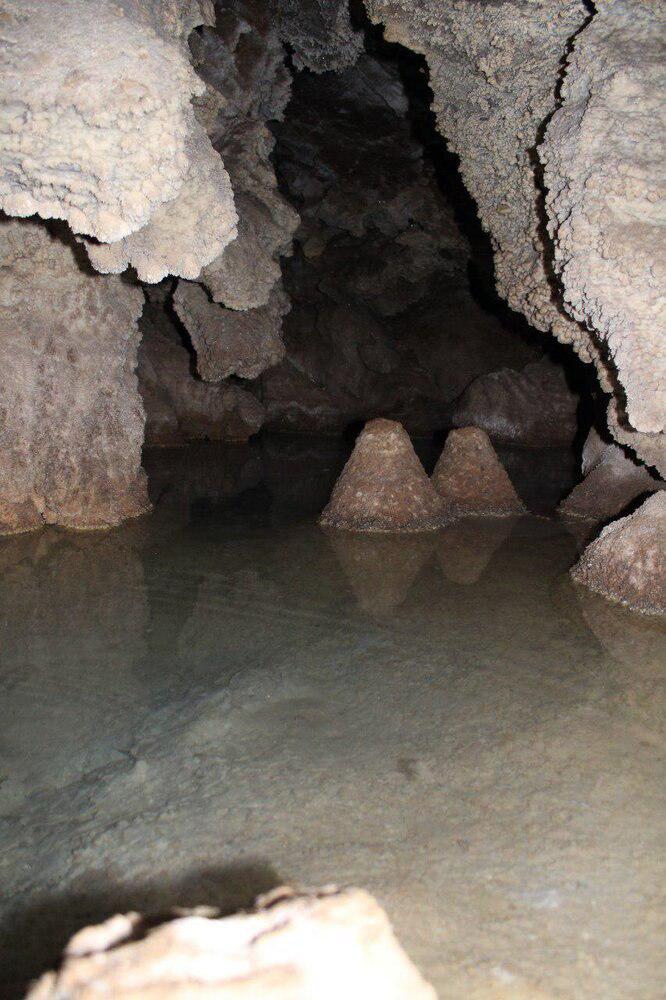
Huge Water Bill Leads to Discovery of Cave in Central Iran

Two years ago, a water bill received by a villager in Barzak, 50km south-west of Kashan, was so hefty that it prompted him to follow up on the issue and see why he was running such an extraordinarily huge bill despite the fact that he had not been using much water.

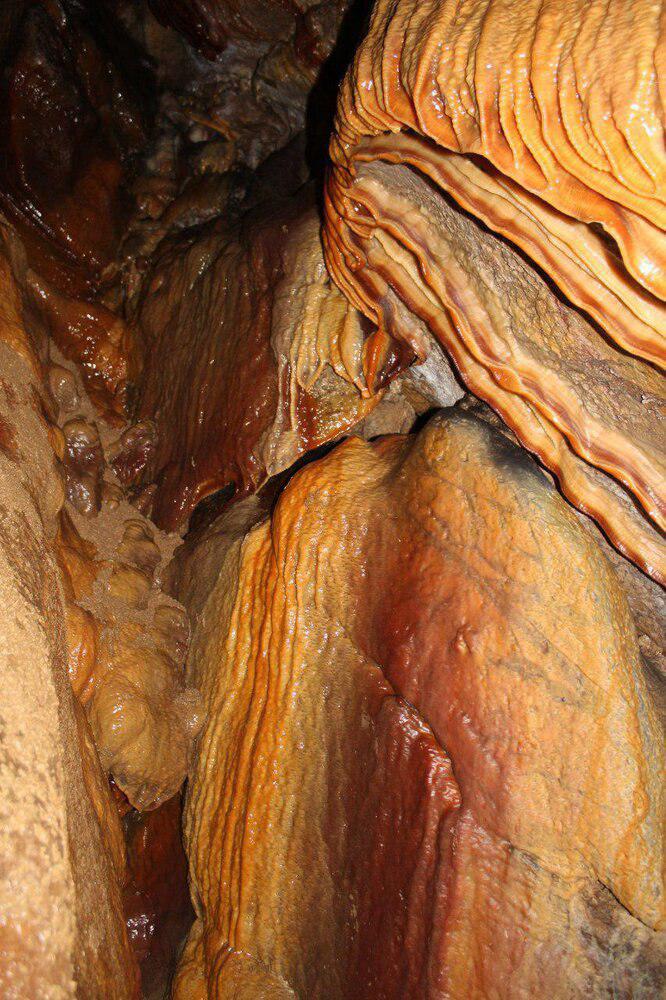
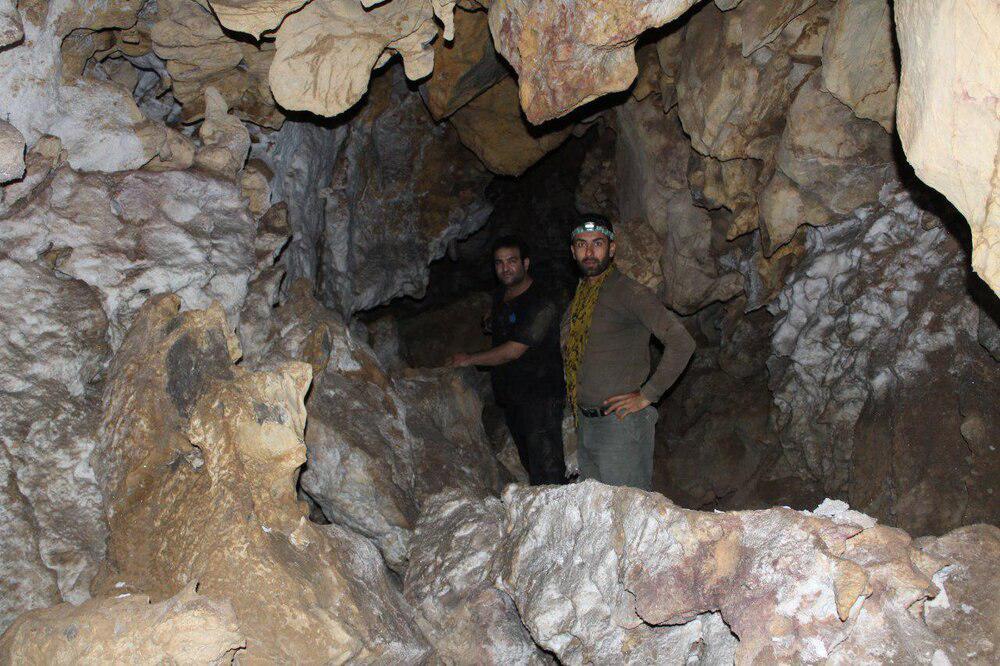
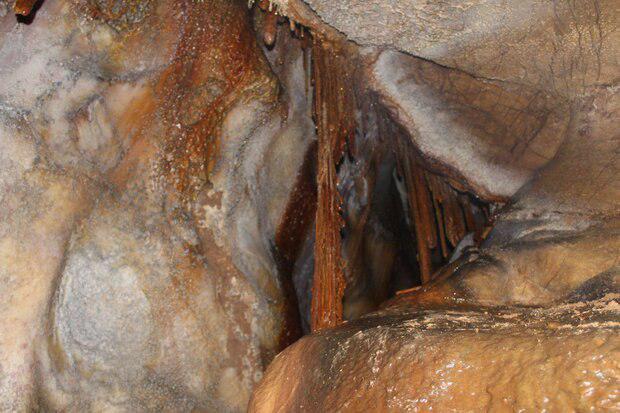
The villager found out that water was leaking from somewhere in his home. He followed up the issue and found a hole where a pipe had burst. The eight-metre-deep hole seemed to be leading to another path, which led to a natural cave as the man found out. The cave had several huge entrances and had icicles as well. He kept his finding secret for so long, but finally revealed it a few days ago.

Since then, the Barzak village has turned into a tourist attraction.

“This cave lies completely underground and was created naturally,” said researcher Mohammad Noushabadi, who has recently visited the cave.

Cultural Heritage experts believe it is not a man-made cave and there are no signs that suggest man used to live there in the distant past. Even no traces of stone tools have been found there.

The cave has four paths some of which crisscross one another. Each path is 100-150 metres long.

According to the researcher, a 500-to-600-metre stretch of the cave has been explored so far.

“Some cavers have visited the cave, but we would like expert studies to be conducted on it, so that we will be able to explore other paths as well,” said Noushabadi.

Iran Calls INSTEX ‘Nice Car without Gasoline’

The United States’ withdrawal from the Iran nuclear deal known as the Joint Comprehensive Plan of Action (JCPOA) and the Europeans’ failure to ensure Tehran’s economic interests under the deal prompted the Islamic Republic of Iran to decide to scale back its commitments under the JCPOA back on May 8. Iran’s decision was based on the provisions stipulated in this very agreement.

On the other hand, Washington’s provocative moves in the Persian Gulf region, which resulted in the downing of a US drone in Iran’s airspace, fueled concerns over the outbreak of another conflict in the Middle East.

These issues prompted journalists who always received biased accounts from the Americans to sit down with Majid Takht-Ravanchi, Iran’s ambassador and permanent representative to the United Nations and a key negotiator to the talks over the JCPOA, to listen to a different account that they had rarely heard.

In the hour-long meeting held at the Iranian mission, numerous questions were raised about the JCPOA, the downing of the American spy drone, Russia and China’s relations with Iran, the security of the Persian Gulf and the Strait of Hormuz, and US presidential elections.

“Iran is committed to rendering the necessary cooperation in order to keep the JCPOA alive, but the other parties to the agreement, too, should allow Iran to benefit from the interests of the deal and should make efforts to make it survive,” Iran’s UN ambassador noted.

“In our opinion, the United States’ anti-Iran policies are to blame for the chaos in the Persian Gulf ,” he said.

“The US pulled out of the JCPOA and, after that, imposed sanctions and took actions against Iran,” he said.

“Sanctions, failure to renew wavers on Iran’s oil sales, the dispatch of a flotilla [ to the Persian Gulf] and other recent moves by the US in the region are among the actions aimed at provoking Iran, but we have exercised restraint, so far,” said Takht-Ravanchi.

“The American drone approached Iranian borders. We warned it four times not to enter our airspace. However, when the aircraft ignored our warnings and violated the country’s airspace, we had to shoot it down for self-defense in accordance with Note 51 of the UN Charter,” he said.

He also touched upon Iran’s proposal to hold a regional dialogue as well as the letter he has written to the UN secretary general in that regard.

“In the meeting I had with the [UN] secretary general, I talked about his mission with regards to Resolution 598. I asked the secretary general to use his authority in the resolution to establish a structure in order to safeguard peace and security in the region, so that regional talks will get underway under the aegis of the UN,” He said.

Iran’s UN ambassador said the Middle East is a wealthy region, and that Iran as well as its neighbours can benefit from those riches if peace exists in regional countries.

“If we get to realize this point, it will be better for all,” he said.

He then referred to the anti-Iran policies adopted by the White House.

“The Americans have orchestrated a policy called the ‘maximum pressure’ policy on Iran, but it should be noted that the US cannot achieve its objectives in the region through the maximum pressure policy on Iran,” he said.

“Some American authorities are seeking a regime change in Iran and their maximum pressure policy aims to achieve this very end, but this policy has only fueled tensions both in Iran-US ties and in the whole region,” the top diplomat said.

Takht-Ravanchi was asked by a reporter on Iran’s recent decision to increase its stockpiles of enriched uranium. In response, the official said Tehran’s decision was in conformity with the nuclear deal.

“Iran’s decision to increase its stockpiles of enriched uranium to more than 300kg was within the framework of the JCPOA. A mechanism is envisaged in the JCPOA for the export of enriched uranium,” the Iranian UN ambassador said.

“What kept us from exceeding the designated ceiling was that it was possible to export it and receive yellow cake in return, but the US government banned that mechanism,” he said.

“Now the US should be asked why it has imposed such a ban. From our viewpoint, Iran’s move to increase its stockpiles is not a violation of the JCPOA; rather, it is in conformity with Article 26 and 36 of the nuclear deal. Based on these very provisions, Iran has the right to breach some of the commitments under the JCPOA,” he said.

Iran: American Diplomacy Means Sanction

Iran Says What IAEA Wants to Access “Not A Site”

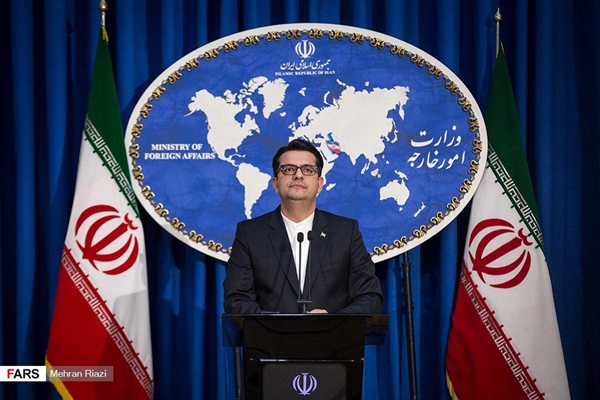
In a statement on Saturday, Seyyed Abbas Mousavi dismissed the recent fuss made by the US officials, specifically by the US National Security Council’s spokesperson, who has called on Iran to meet diplomacy with diplomacy.
“Iran responds to diplomacy with diplomacy and to pressure with resistance; but it appears that in the lexicon of American authorities, diplomacy means sanctions and economic terrorism. Thus far we have not seen anything other than illegal sanctions and economic war and terrorism from the US government to respond,” he added.

In comments a few days ago, Mousavi denounced the US decision to impose new sanctions on senior Iranian political and military officials, saying, “Imposing useless sanctions on Iran’s Supreme Leader (Ayatollah Seyyed Ali Khamenei) and the commander of Iran’s diplomacy (Foreign Minister Mohammad Javad Zarif) is the permanent closure of the path of diplomacy.”

“Trump’s desperate administration is destroying the established international mechanisms for maintaining world peace and security,” he had deplored.