Wednesday, December 24, 2025
Home Blog Page 2940

Iranian Scientists to Produce Bone Substitutes Using Nanotechnology

Iranian Scientists to Produce Bone Substitutes Using Nanotechnology

Today, synthetic alternatives to the treatment of bone defects are of great interest. They are structures that help differentiate bone marrow progenitor cells and improve physiological deficits by rebuilding the bone’s physical, chemical and biological conditions.

Research has shown that nanotopography (spatial nano dimensionality) and stiffness are the most important physical properties that influence cell fate. Therefore, scientists at the Royan Research Institute, Amirkabir University, and Utrecht University of Medical Sciences in the Netherlands investigated the physical properties of poly-caprolactone nanofibers (PCLs) loaded on multifunctional carbon-based microwaves (F-MWCNTs). They also evaluated how these structures cause phenotypic differences in bone marrow progenitor.

Changes in material properties, protein absorption, and tensile tests were evaluated by high resolution electron microscopes.

For a brief review of Iran’s achievements in various fields of science and technology, check the book “Science and Technology in Iran: A Brief Review – 2019

Also, the effect of the produced structures on the differentiation of mesenchymal stem cells from bone cells was evaluated by gene analysis.

The results, published by the International Journal of Materials Science & Engineering C, show that the use of F-MWCNT independently controls the hardness of PCL nanofibers based on the thickness of the used F-MWCNTs. They also showed that differences in hardness and topography activate different pathways in osteogenesis of progenitor cells.

The results of this study may help to better understand the biomechanical effects on bone marrow progenitor cells that will lead to improved bone biomaterial production.

Iran Commercializes Homegrown Flu Vaccine

Iran Commercializes Flu Vaccine

CEO of the Iranian knowledge-based company told Mehr News Agency that his firm has gained the technical know-how to synthesize and mass-produce the Iranian vaccine after 10 years.

Esmaeil Saberfar said the new flu vaccine has obtained all necessary permissions.

The flu vaccines currently available in the Iranian market are all made in the foreign countries, he noted, saying the main producers of flu vaccine are France, Germany, Belgium, the US, Italy, Japan and South Korea.

He also noted that domestic production of the flu vaccine will help the country save around $8 million in the imports every year.

“We are capable of meeting the country’s demands,” Saberfar added, saying the Iranian flu vaccine is scheduled to enter the market by August or September 2020.

“We are going to increase our production capacity in order to fulfill the country’s needs,” he explained.

While the Iranian flu vaccine has not been still mass-produced, a number of countries such as India, Pakistan and the United Arab Emirates have made requests for the purchase of the product.

According to the director of the Iranian grand plan on the production of flu vaccine, the homegrown pharmaceutical product is comparable in quality to the French vaccines, will be available at much lower costs, and has been fully produced with Iranian raw materials.

Once the Iranian flu vaccine is mass-produced and commercialized by the domestic knowledge-based company, the vaccines for the new strains of flu could be immediately synthesized in Iran as well, he added.


Related Articles:

Fajr Theatre Festival: People Warmly Welcome Street Performances

Fajr Theatre Festival: People Warmly Welcome Street Performances

These days, people from all walks of life are watching the street performances in the City Theatre of Tehran, which are held on the margins of the 38th Fajr International Theatre Festival.

What follows are IRNA’s photos of these street performances, whose audience is made up of people from different social backgrounds:

Iran Says Fight against Terrorism in Syria’s Idlib ‘Necessary’

Iran Says Fight against Terrorism in Syria’s Idlib
Syrian President Bashar al Assad visits Syrian army troops in war-torn northwestern Idlib province, Syria, October 22, 2019 / Photo by Reuters

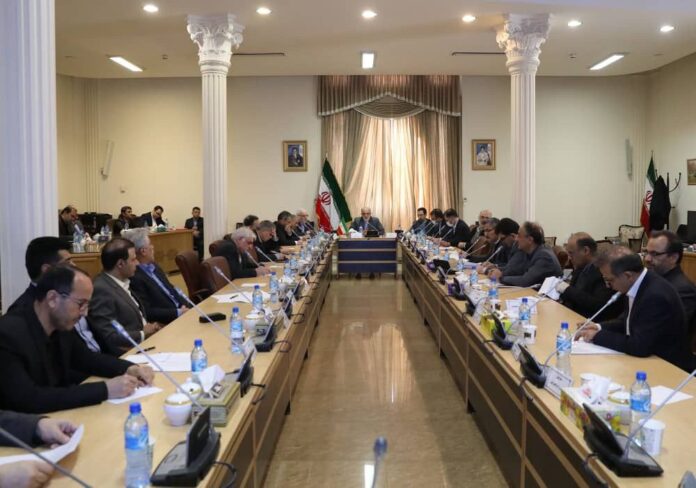
Senior Assistant to Iran’s Minister of Foreign Affairs in Special Political Affairs Ali-Asghar Khaji made the remarks in a Saturday meeting with the United Nations Secretary-General’s Special Envoy for Syria Geir O. Pedersen in Tehran.

The Islamic Republic of Iran stresses the need to protect the lives of civilians and prevent them from being used as human shields, and is prepared to help resolve the conflicts between Turkey and Syria, Khaji noted.

He also stressed the need for implementing the Sochi Agreement.

US Trying to Seize Syria’s Oil Wells, Rouhani Warns

For his part, the secretary-general’s special envoy for Syria, who has travelled to Iran within the framework of the regional consultations, gave a report of a series of activities and measures, particularly his meetings with the Syrian officials, and praised the Islamic Republic of Iran’s support for the continuation of the activities of the Constitutional Committee.

During the meeting, the two sides discussed the latest developments in Syria, particularly the situation in Idlib, the Constitutional Committee, the reconstruction process, the task force on the exchange of the detainees and abductees, the status of the displaced, as well as other humanitarian issues.

They also talked about the grounds for mutual cooperation between the Islamic Republic of Iran and the United Nations for contribution to the settlement of the crisis in Syria.

The two sides further emphasized the necessity for the settlement of the crisis in Syria through political processes and the Syrian-Syrian dialogue.

A Look at Iranian Newspaper Front Pages on February 8

Iran Newspaper Headlines

Iran Newspapers

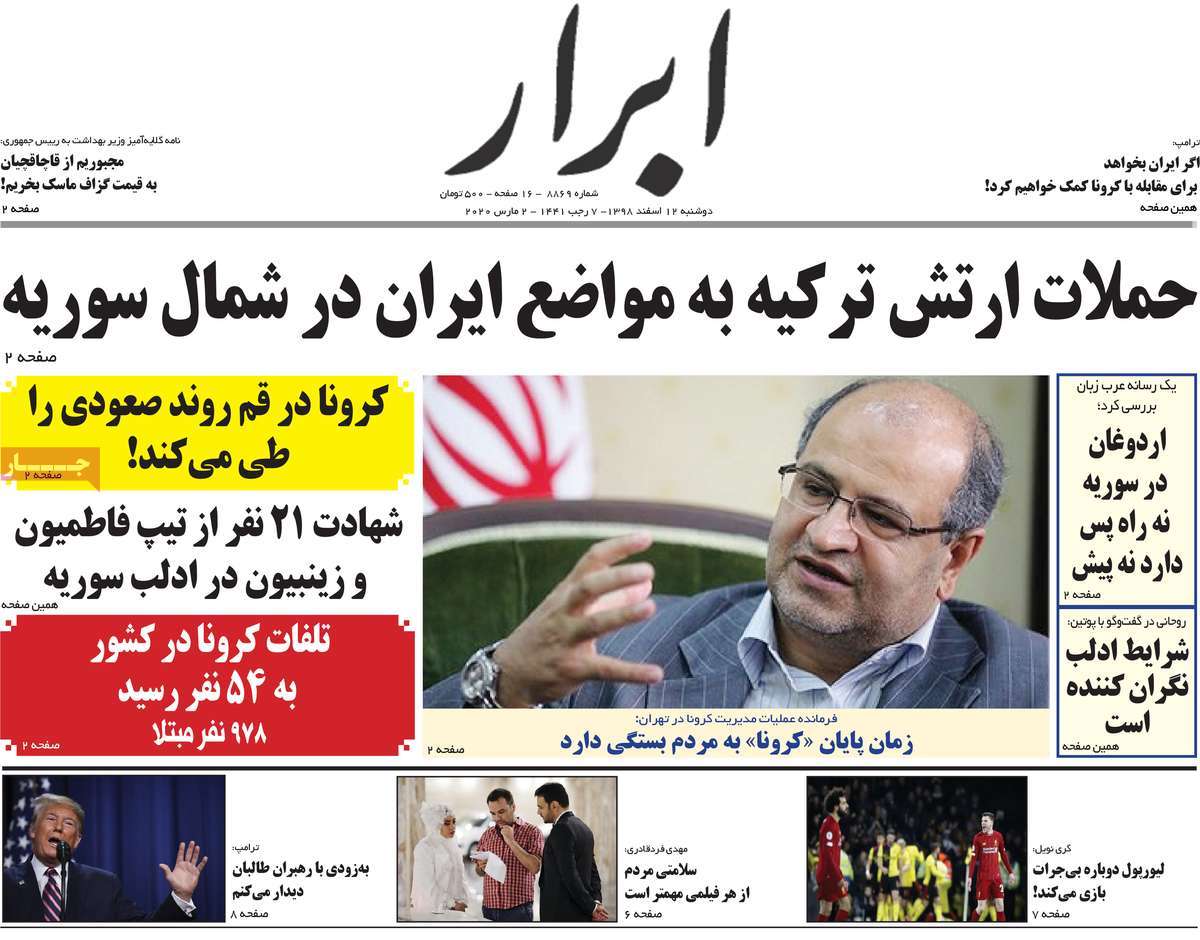
Abrar:

1- UN Security Council Stresses Ceasefire in Idlib

2- Pompeo, Guaido Committed to Removing Maduro

3- Allawi: I’ll Step Down If Protesters’ Demands Not Met

4- Lebanese PM: Lebanon in Real Deadlock

5- Trump Survives Impeachment with Senate Vote

A Look at Iranian Newspaper Front Pages on February 8


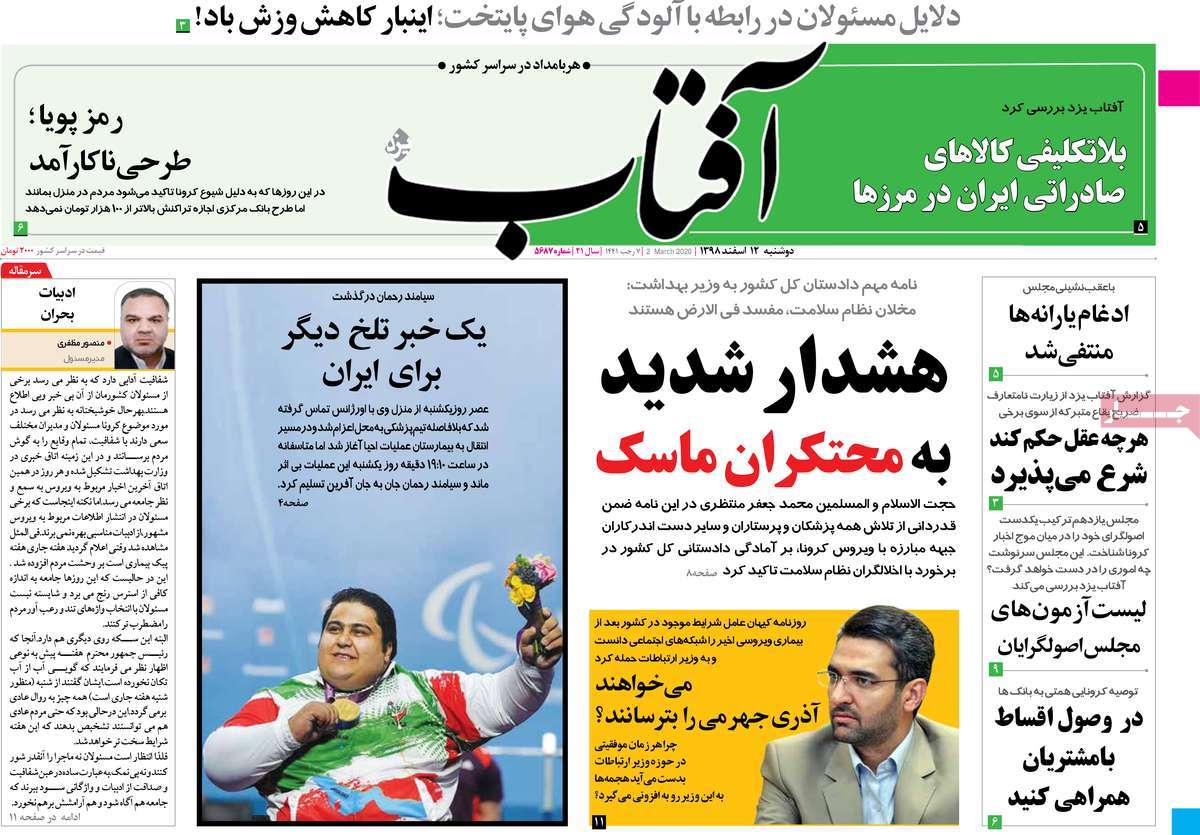
Aftab-e Yazd:

1- Biden, Sanders Lose the Game to Pete Buttigieg

2- We Were Left Alone in JCPOA, but Didn’t Leave China Alone in Coronavirus

* Iran’s Humanitarian, Supportive Approach on Epidemic

A Look at Iranian Newspaper Front Pages on February 8


Arman-e Melli:

1- Efforts to Throw Trump in Trap of War

* Analyst Says They’re Trying to Force Trump into War with Iran before Nov. Elections

A Look at Iranian Newspaper Front Pages on February 8


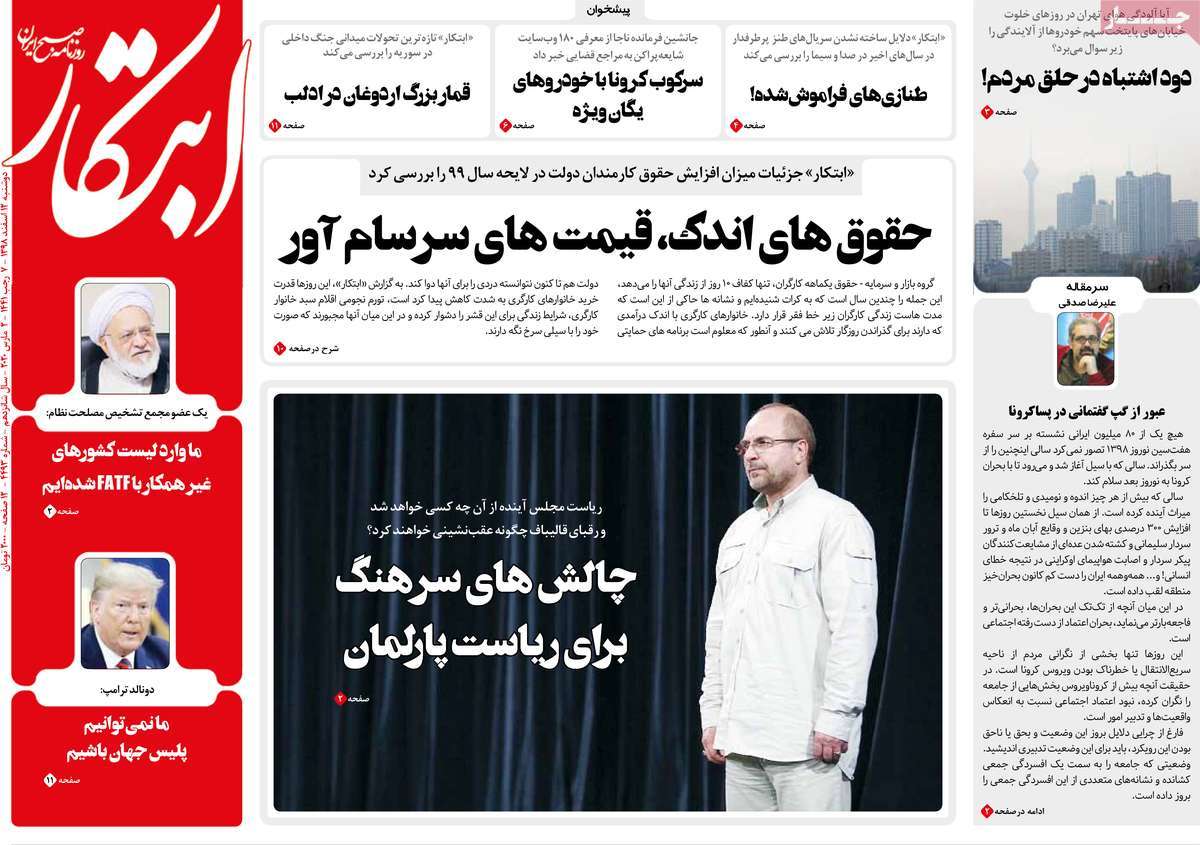
Ebtekar:

1- Iran to Pursue Three Terrorist Moves by US at Int’l Courts

2- Bubble of Trump’s Impeachment: US Senate Opposed to Impeachment of US President

A Look at Iranian Newspaper Front Pages on February 8


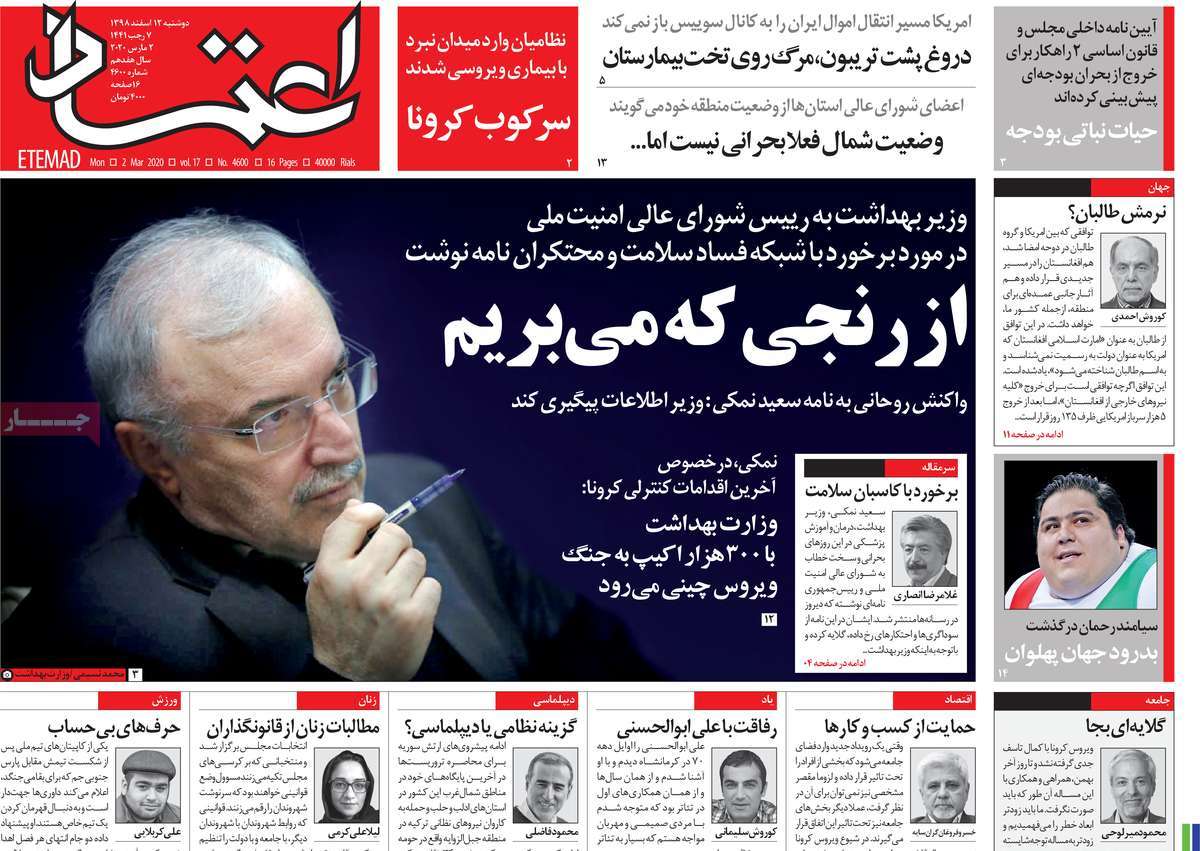
Etemad:

1- Increased Tension on Ground and Air in Syria

* Iran, Russia Ready to Resolve Differences with Turkey

A Look at Iranian Newspaper Front Pages on February 8


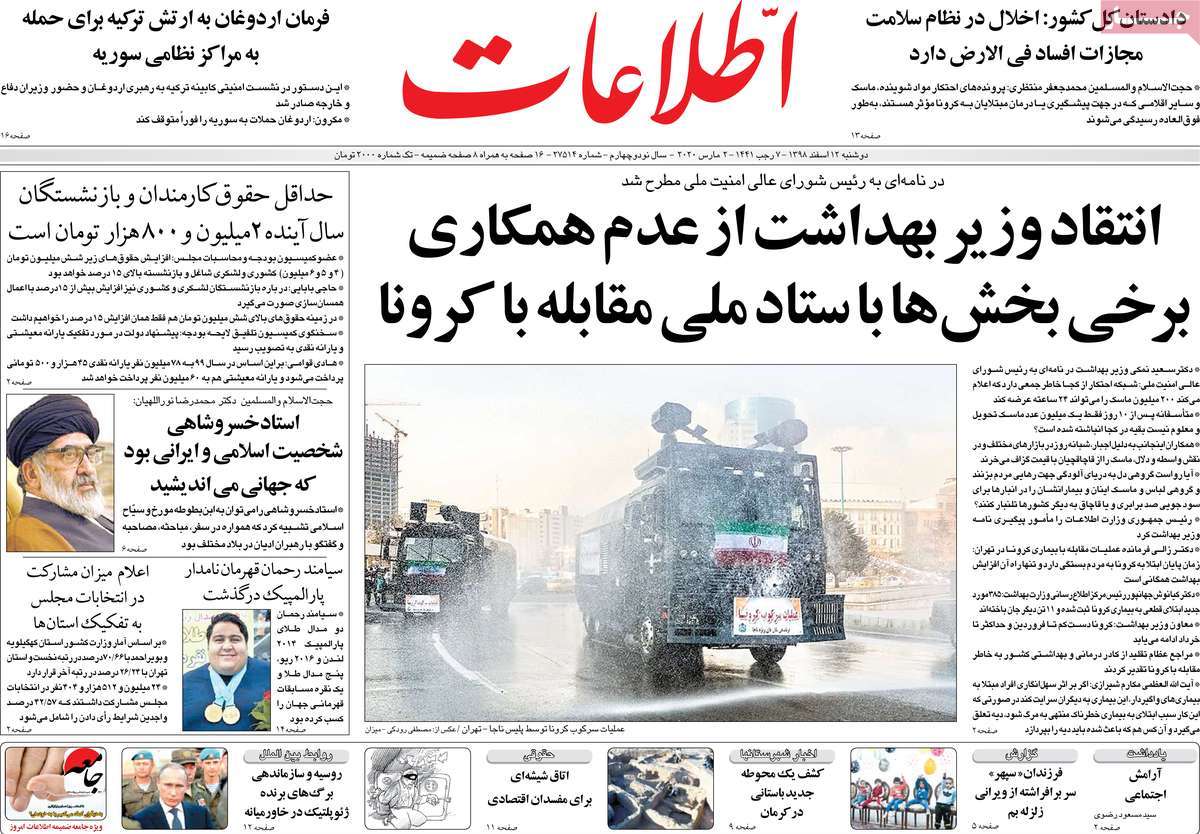
Ettela’at:

1- Zarif: Assassination of Soleimani Shows US’ Fear and Desperation

2- IRGC Aerospace Chief: We’ll Release Important Details about Ain al-Assad Attack Soon

A Look at Iranian Newspaper Front Pages on February 8


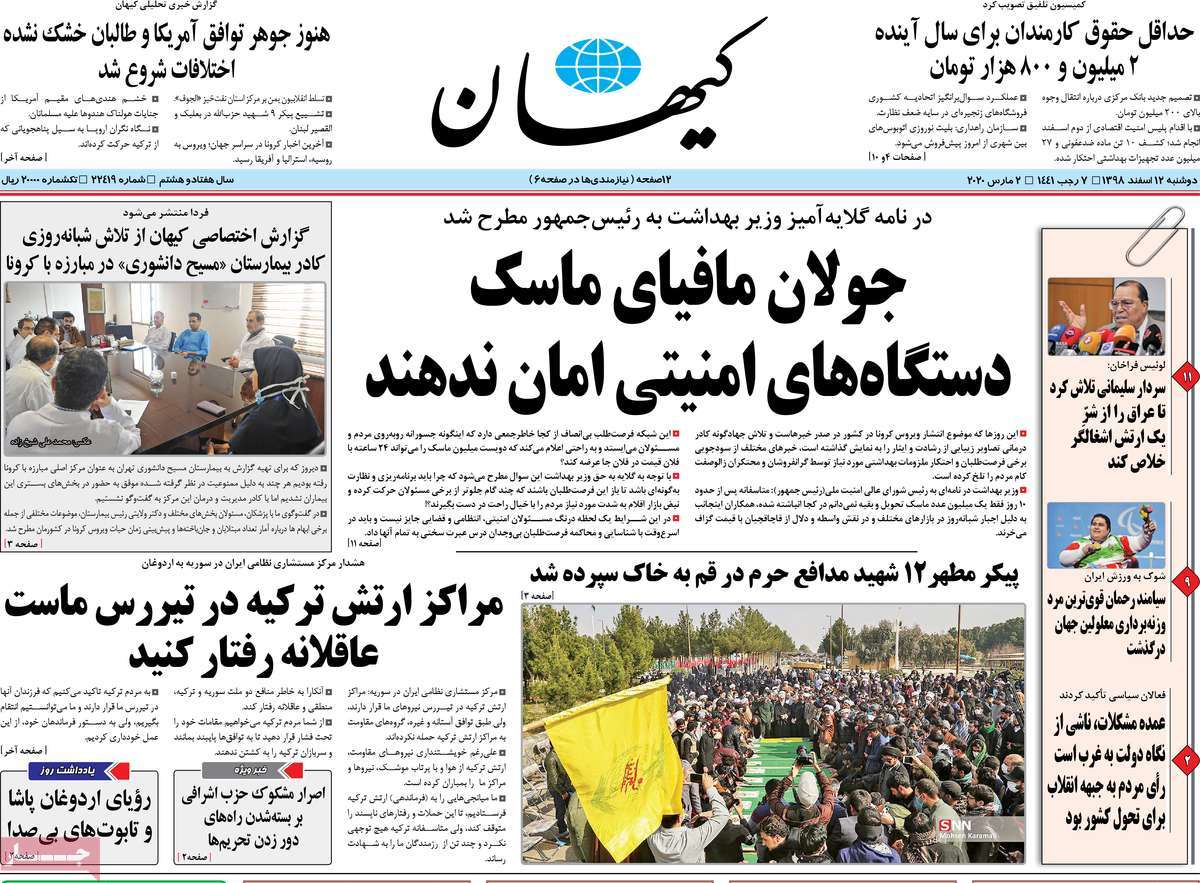
Kayhan:

1- Palestinian Youths Run into 14 Israeli Forces with Car

* First Serious Reaction of Resistance to Deal of Century

2- Trump Impeachment a Show to Exonerate US President

* Protesters Hold Anger Rallies in 300 US Cities

A Look at Iranian Newspaper Front Pages on February 8


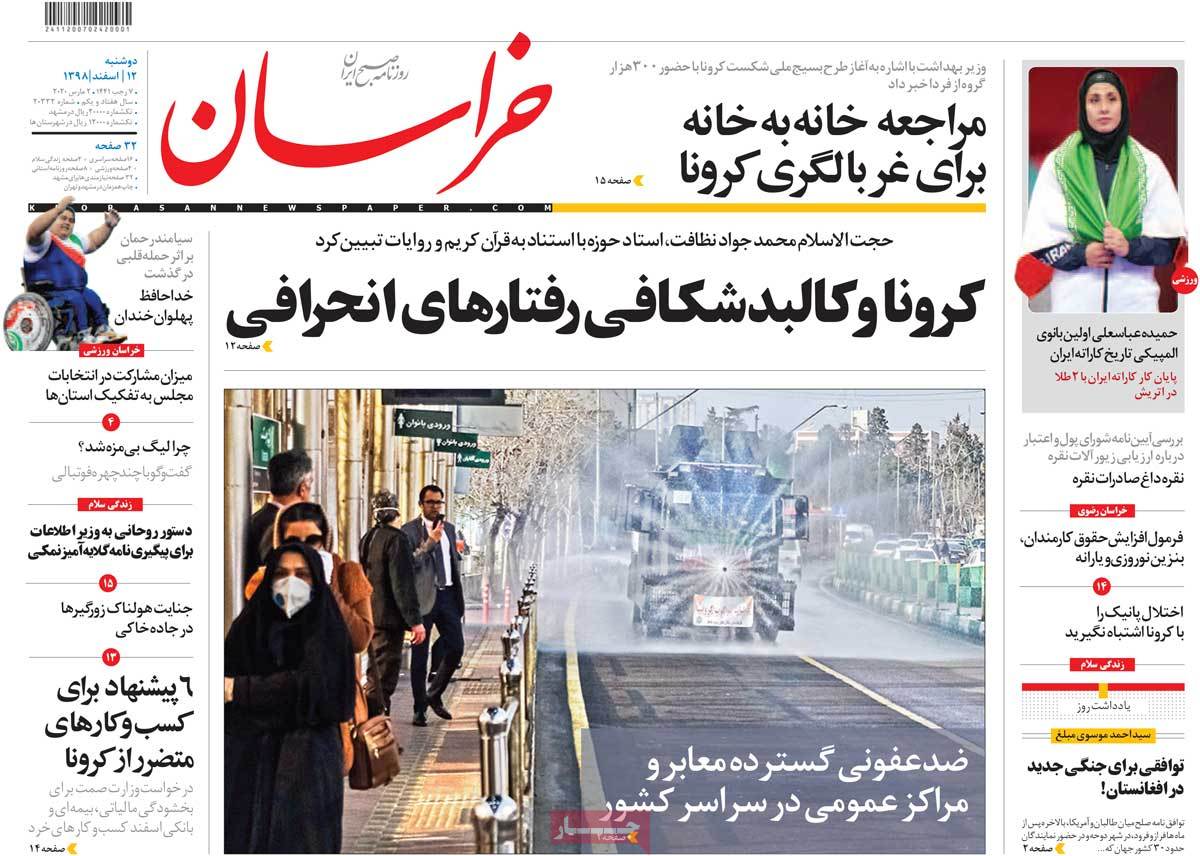
Khorasan:

1- Iran’s Oil Exports Increase to 1mn: Tanker Trackers

2- Iran Navy Takes Out Parts of US Drone’s Radar, Equipment from Bottom of Sea

A Look at Iranian Newspaper Front Pages on February 8


Mardom Salari:

1- Iraq’s Energy Sanction Waivers May Be Extended to Continue Imports from Iran: WSJ

2- Zarif: Iran to Pursue US’ Terrorist Moves

A Look at Iranian Newspaper Front Pages on February 8


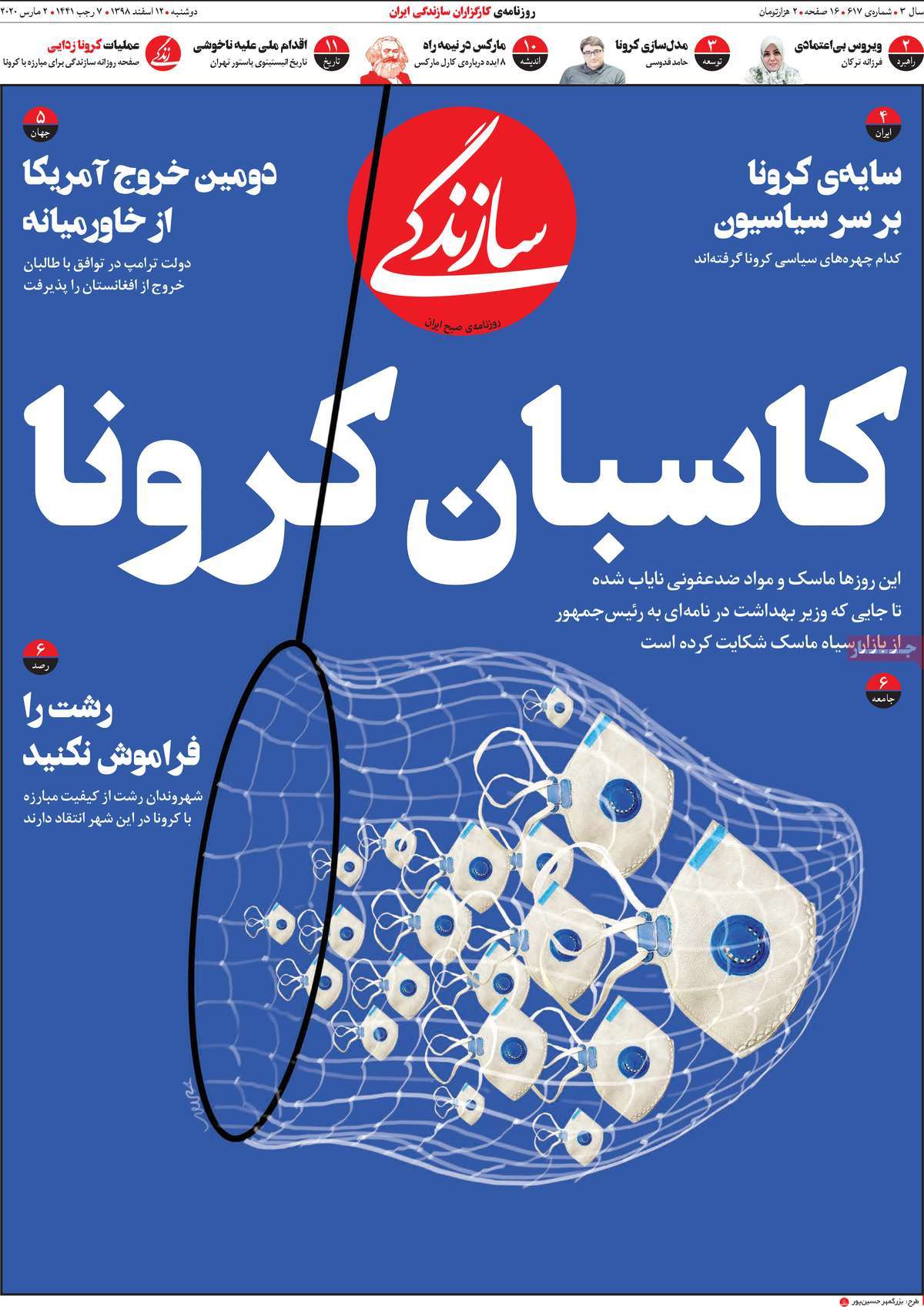
Sazandegi:

1- Fleeing Hell: Senators Clear Trump of Charges

2- Farewell to Spartacus: Kirk Douglas, Survivor of Hollywood’s Golden Age, Dies at 103

A Look at Iranian Newspaper Front Pages on February 8

Iran FM, UN Envoy Discuss Syria Crisis in Tehran

Iran FM, UN Envoy Discuss Syria Crisis in Tehran

During the Saturday meeting, the two sides discussed the latest developments in Syria.

Zarif pointed to political solution as the only way out of the crisis in the Arab country, and expressed Tehran’s full preparedness for any cooperation within the framework of respecting the sovereignty, independence, unity, and territorial integrity of Syria.

Pedersen, in turn, expressed his views about the political trend and other issues of mutual interest.

Cryptocurrency Security with Cybon; Protect Your Digital Assets

Cryptocurrency Security with Cybon; Protect Your Digital Assets

In this monetary system, the transfer of funds is made directly between the two parties with high security. Cryptocurrencies work through a typical technology known as “blockchain” that restores trust in a distrustful medium.

Secured by cryptography, it is extremely difficult, if not impossible, for the transactions to be tracked. Given so, however, the security of transactions is not a hundred percent guaranteed.

The mining methods and strategies for transaction of digital currencies have continued attracting new investors. It is interesting to know that the price of Bitcoin, one of the most popular cryptocurrencies, soared to over $19000 per unit in Dec. 2017.

Today, the use of digital cashes for various purposes such as investment, international financial transactions, and business promotion is on the rise, consequently raising concerns on the security of cryptocurrencies. With the rising use of digital currencies and due to user negligence, one witnesses now and then the loss of digital assets that are not recoverable at all.

Take a closer look at these facts and figures: Just in the first two months of 2018, around 1.36 billion dollars in cryptocurrency was stolen by digital charlatans! In Jan. 2019, only in one case, hackers broke into Coincheck, a cryptocurrency incorporation, and made off with $500m in digital tokens.
This is only part of the study published by Bitcoin.com. These heists have been conducted by various teams. Based on the statistics released, around 30 percent of the heists have been made by Virtual Scams. Hackers and Exit Scams account for 22 percent and 17 percent of the losses respectively. Phishing accounts for 13 percent of data breaches in this field.

OverClock is a team of Iranian professionals with an intention of and skills in securing cryptocurrency transactions. Behzad Qasemi, an expert in network security and a specialist in cyberspace criminology and development of open-source and security software, is the founder and CEO of the firm which was established in 2010.

He says: “It was three years ago that with the growing use of cryptocurrencies and digital payments, OverClock Software Development Team embarked on developing Cybon software package. The product is currently under various security tests and checks at the OverClock software security lab before unveiling in September 2021 for use in mobile Android and IOS platforms as well as MAC, Linux and Windows PC operating systems.”

Preventing Invisible Man malware attack and identifying and removing malwares that replace Bitcoin tokens characterize OverClock’s Cybon software package.

Qasemi declined further elaboration on the technical features of the product to prevent identification of its security algorithms.

Revealing that the software will be released in two versions, Qasemi says: “The software will be available in two versions for cryptocurrency users and miners. The user package will be free of charge but Miner version will need licensing after a year.”

Any technology serves as a double-edged sword and it can be best used only through gaining sufficient knowledge and gathering information. Apart from their endless advantages, blockchains and cryptocurrencies may have some disadvantages and pitfalls. In Iran, there is a need for promoting public awareness before putting cryptocurrencies in use.

At present, cryptocurrency mining and cryptography-based transactions are gaining momentum. Perhaps investment on these digital currencies has its own attractions, but hackers and charlatans must not be taken for granted.

For more on Cybon software package and its trial version visit OverClock website at overclock.ir.

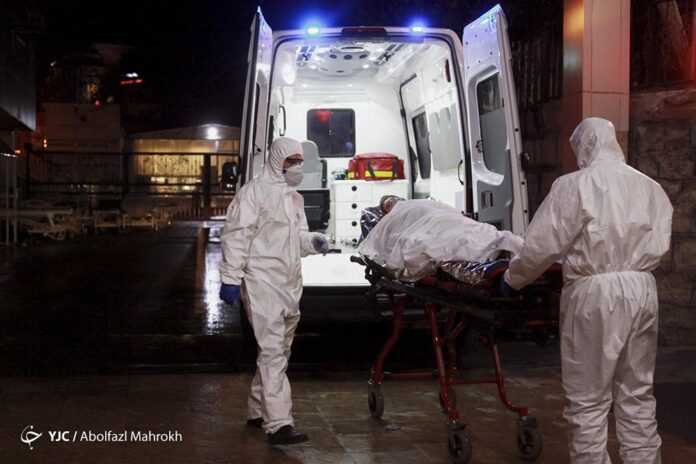
No Positive Cases of Coronavirus Observed in Iran So Far: Minister

No Positive Cases of Coronavirus Observed in Iran So Far Minister
A worker walking among beds in a convention centre that has been converted into a temporary hospital in Wuhan, China, on Tuesday, Feb. 4, 2020 / Photo by AP

“No positive cases of infection with the coronavirus has been observed in Iran till now, February 8,” Namaki said.

He also vowed that he will inform the people as soon as any infection is confirmed in Iran.

The minister further noted that the Iranian university students who were repatriated from China were quarantined in an appropriate location, and they had their samples taken.

“Today, new samples will be taken from them,” he said.

“So far, the samples taken from the university students have shown no coronavirus contamination,” he noted.

A Mahan Air flight on Wednesday evacuated dozens of Iranian citizens, along with a number of Iraqis, Syrians and Lebanese nationals, from the Chinese city of Wuhan, the epicentre of the outbreak of novel coronavirus.

The plane landed in Tehran’s Imam Khomeini Airport early Wednesday.

Kianoush Jahanpour, the head of the Iranian Health Ministry’s Public Relations Department, told ISNA the passengers were transferred to a special site for initial checks, which are currently underway.

Mohammad Mahdi Gooya, the head of the Health Ministry’s Communicable Diseases Centre, said none of the 50 Iranians evacuated from China were diagnosed with coronavirus.

He said they will still be quarantined for two weeks.

The death toll from the month-long coronavirus outbreak has continued to climb in China, rising to 722. New cases have surged by double-digit percentages in the past two weeks, with no sign of a slowdown.

So far, over 34,000 people are known to have been infected.

Iranian Firm Manufactures Smart Electricity Metres

The new generation of metres, produced by Afzar Azma Electronic Company, have two-way interconnectivity with the centre and are known as GPRS metres.

They are more expensive than the normal ones, but of course, with higher efficiency. 400,000 of this type of electricity metres are currently installed by this knowledge-based company in various regions of Iran, and this figure will increase in the future thanks to its efficient use of energy, especially in the Iranian agricultural industry.

Some metres are designed for single phase power at home while others are suitable for three phase industrial powers.

Afzar Azma has been the largest electricity metre manufacturer in Iran and the region for almost 40 years. It produces both types of electricity metres. Smart three phase CTPT is the company’s latest product.

Earlier a Malaysian prototype was used exclusively in Iran, but Afzar Azma managed to win a recent tender offer to provide high-quality metres for one-tenth of the Malaysian sample’s price.

This knowledge-based company claims that it can offer its products even with a 30% lower price than the European model.

“We can produce about six million units a year,” says the company’s CEO, adding that 12 million metres have been installed across Iran so far and none of them were returned.

“We use anti-flammable polycarbonate body and produce almost all the necessary parts except some electronic components in our factory. We have exported 200,000 metres to Afghanistan since 1993. However, because of the sanctions, we have not been able to expand our exports, even though our product is as high-quality as European and American ones and less expensive than the Asians.”

He added the company has a full capacity for export, having received certificates from the Netherlands and approvals by all domestic users.

“About 90% of the domestic market is in our control. Considering the current state of sanctions, our target market for exports are Afghanistan, Iraq, Lebanon, Syria and Oman. There is a representative of us based in Afghanistan and Lebanon, and besides we participate at exhibitions in these countries once a year. Nevertheless, the company is ready to export products at competitive prices to all countries,” concluded Afzar Azma’s CEO.

Iran’s Energy Ministry’s national smart metreing program is aiming to monitor the electricity consumption across the country, especially among the large-scale subscribers.

The Islamic Republic is facing a rising demand for electricity and the Energy Ministry has been following new policies in recent years to manage the consumption to lessen electricity losses in the national grid.

Adjusting consumption patterns and also electricity tariffs has been suggested as practical solutions to reduce electricity consumption in Iran.