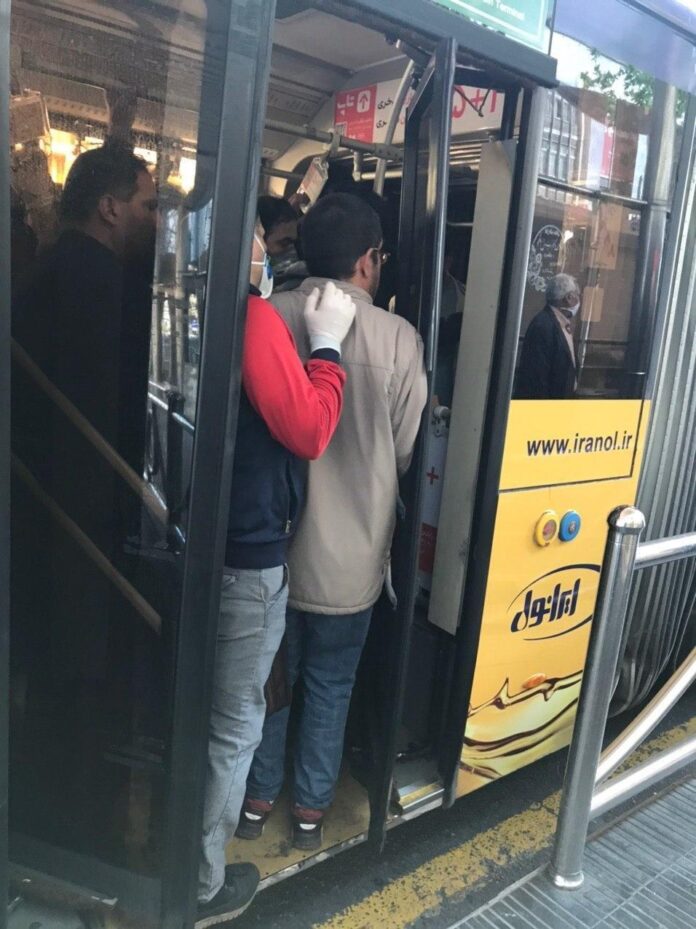
A viral photo of a crowd of people taking a bus in Tehran amid the outbreak of coronavirus
“There is a steady trend of coronavirus infection in Iran, which shows the disease is well managed in the country,” Jahanpour said Sunday.
“However, we haven’t reached the containment or control stage, and the management of the disease is still a fragile one,” he said.
“Should something happen to the social distancing program and people take the issue lightly and think that this epidemic will be over in two months’ time, there will be another surge in the infection rate in the country,” he said.
“As a result, precautions should be taken seriously,” he said.
“People shouldn’t think that everything is over now that Nowruz holidays are over,” he said.
Figures released by the Health Ministry today show the number of new coronavirus infections in the country has decreased for the eighth day in a row.
The spokesman on Monday confirmed 2,274 new cases of infection in 24 hours, raising the total number to 60,500. The number of deaths in 24 hours also dropped for the second day in a row. According to the spokesman, 136 people died in the past 24 hours from the novel coronavirus, increasing the death toll to 3,739.
The recovery process has gained momentum in the past few days, Jahanpour said, adding that 24,236 patients have so far recovered and been discharged from the hospital.
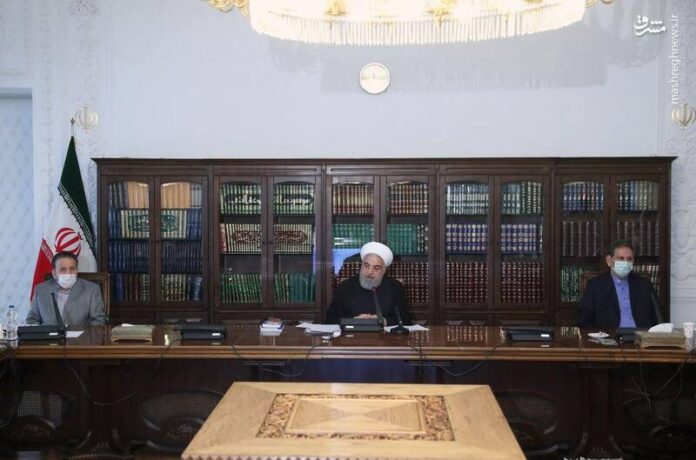
Addressing a meeting of the administration’s economic headquarters, held on Monday to address the consequences of COVID-19 pandemic, President Rouhani said the government has agreed to allocate around 25 trillion tomans to nearly all Iranian families receiving monthly cash subsidies.
He said more than 23 million households are going to receive the emergency financial aid to cope with the financial impact of coronavirus.
The credit for each family, worth one million tomans, will be gradually deducted from their monthly cash subsidy payments during 24 months, he added.
President Rouhani also noted that 3 million underprivileged citizens who have been under pressure in the wake of coronavirus outbreak will be receiving support packages, worth 200,000 to 600,000 tomans, in four phases.
Moreover, some 4 million low-income families will be able to apply for a grant up to two million tomans with a 4% interest rate, the president noted.
President Rouhani went on to say that the administration has ratified a decision to allocate 13 trillion tomans for the coronavirus battle, explaining that the sum of money will be allotted to the supplies needed by the Ministry of Health and Medical Education, to the knowledge-based companies, and to the needs of the medical sciences universities run by the Health Ministry.
He further made it clear that reopening of the businesses would follow a step-by-step process, stressing that resumption of economic activities must still comply with the health protocols and the smart social distancing regulations.
All businesses are duty-bound to obey the health protocols, and people are also advised to stay home, the president reiterated, warning that ignorance of the health precautions could result in a rise in the number of infections and put the country in difficult conditions.
Pointing to a Sunday visit to the exhibition of high-tech products for the fight against the novel coronavirus, President Rouhani said the local enterprises have done a great job in various sectors, such as the production of computed tomography (CT) scanners and medical ventilators.
The president also unveiled plans to give a loan to the domestic businesses that have been shut down or faced an economic slump following the closures caused by the coronavirus outbreak, saying they can apply for the loan with a 12% interest rate and repay it within two years.
However, the government aid for the small businesses is conditional on their keeping the personnel and not dismissing any employee, the president concluded.
Health Ministry Spokesman Kianoush Jahanpour on Monday confirmed 2,274 new cases of infection in 24 hours, raising the total number to 60,500.
The number of deaths in 24 hours also dropped for the second day in a row. According to the spokesman, 136 people died in the past 24 hours from the novel coronavirus, increasing the death toll to 3,739.
The recovery process has gained momentum in the past few days, Jahanpour said, adding that 24,236 patients have so far recovered and been discharged from the hospital.
He also noted that 4,083 patients are in severe conditions
Later in the day, Deputy Health Minister Alireza Raisi announced that over 70 million Iranians have so far been screened for the COVID-19 as part of the national mobilization plan.
Health ministry spokesman Kianoush Jahanpour said statistics presented by China were a “bitter joke” because many across the world thought the disease caused by COVID-19 was similar to influenza and had a low fatality rate.
“The outbreak did not turn into an epidemic in Japan. We use the word ‘epidemic’ when one percent of the population contracts a disease. Likewise, we cannot say we are facing an epidemic in all parts of Iran. In some parts of the country (Iran) there are individual cases of infection. In most parts of the country the number of infections is surging, and some cities we are at the ‘epidemic’ stage. Even there is no epidemic in South Korea,” the spokesman noted.
However, he noted, the situation was different in China, and Wuhan had experienced an epidemic.
“If they say in China that an epidemic has been contained in two months, one has to think twice about it,” he noted.
Jahanpour, whose remarks had stirred controversy on social media, later tweeted that “scientific issues cannot, and should not, be mixed with politics.”
مباحث علمی رو هیچگاه نه میتوان و نه باید با #سیاست آمیخت،
همه محافل آکادمیک دنیا بر پایه اطلاعات اپیدمیولوژیک و گزارش محققین #چین، حداقل آنفلوآنزای تیپ A را از ویروس نوپدید #کرونا وخیم تر قلمداد کردند، امروز یافته ها خلاف این را نشان میدهد، به یافته های خودی اطمینان بیشتری داریم
“Based on the epidemiological information and reports provided by Chinese researchers, all academic centres in the world considered the novel coronavirus to be less dangerous than at least type-A influenza. Today’s findings prove it wrong. And we trust our own findings more,” said Jahanpour, himself a doctor.
In reaction to the unprecedented criticisms, the Chinese ambassador to Tehran Chang Hua advised Jahanpour to “carefully” follow the Chinese Health Ministry’s daily press conference before making any conclusion.
He also urged the Iranian spokesman to “respect” the facts and “great efforts” of the Chinese nation.
Reacting to the controversy, Iranian Foreign Ministry Spokesman Seyyed Abbas Mousavi said the Islamic Republic has always been grateful to China for all the help the country has been offering to fight the coronavirus.
“The Gvt. & ppl. of #China lead the way in suppressing #coronavirus & generously aiding countries across the globe,” he tweeted.
“The Chinese bravery, dedication & professionalism in COVID19 containment deserve acknowledgment. The Islamic Republic of Iran has always been thankful to China in these trying times,” he added in his tweet.
In response, Chang Hua tweeted that rumours cannot harm Tehran-Beijing friendship.
Later, Jahanpour tweeted that aliens should not take advantage of his criticisms of China, as the Iranian nation and government will not forget the Chinese aid and assistance in the wake of the outbreak.
Still outraged by the criticisms, the Chinese ambassador reacted to Jahanpour by saying
“friends must help each other, but we are fighting each other.”
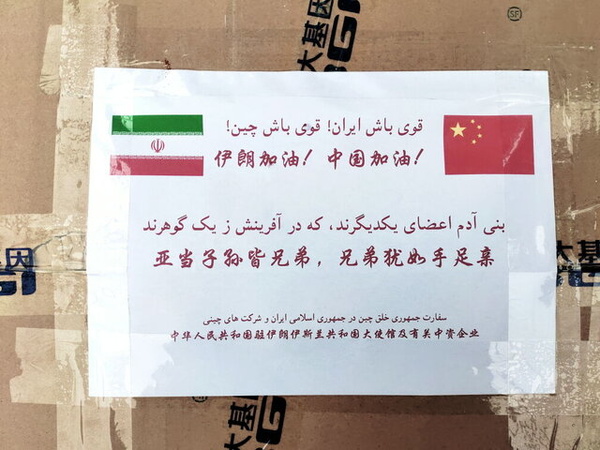
China has so far sent several consignments of medical items to Iran in the wake of the coronavirus outbreak.
Iran’s Ambassador to Beijing Mohammad Keshavarzzadeh recently announced that China has, so far, shipped 28 aid consignments to Iran by air.
“The aid supplies include more than 10 million masks, 500 thousand coronavirus diagnosis kits, 300 thousand surgery and isolation outfits, 2.2 million gloves, 350 ventilators, 500 prefabricated hospital rooms and different kinds of hospital equipment,” the ambassador said.
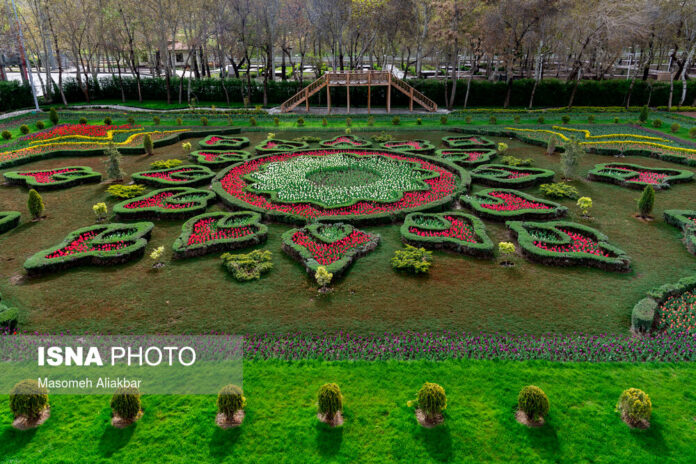
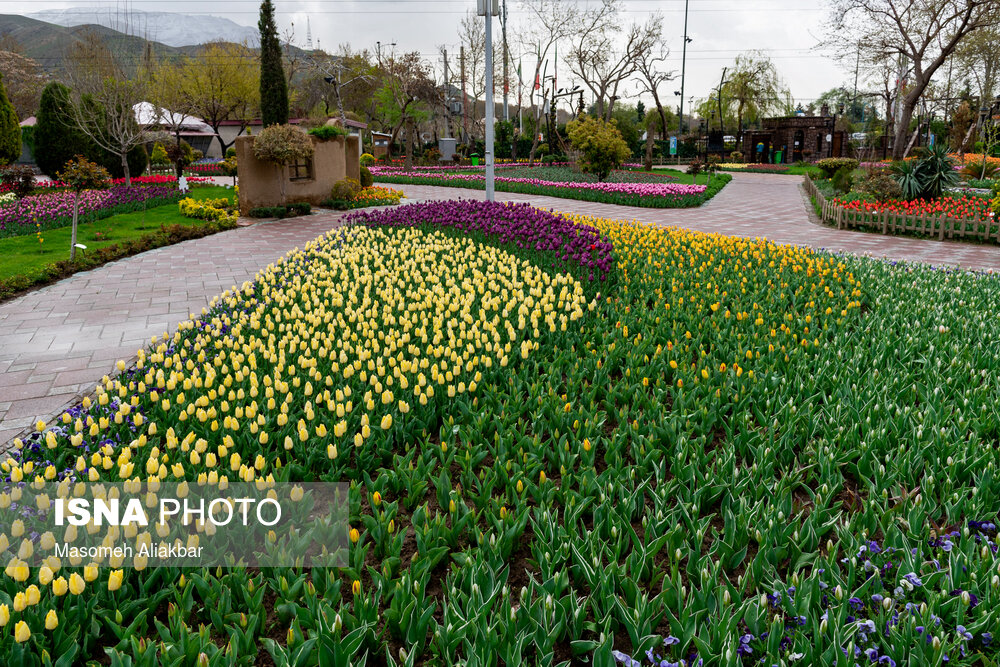
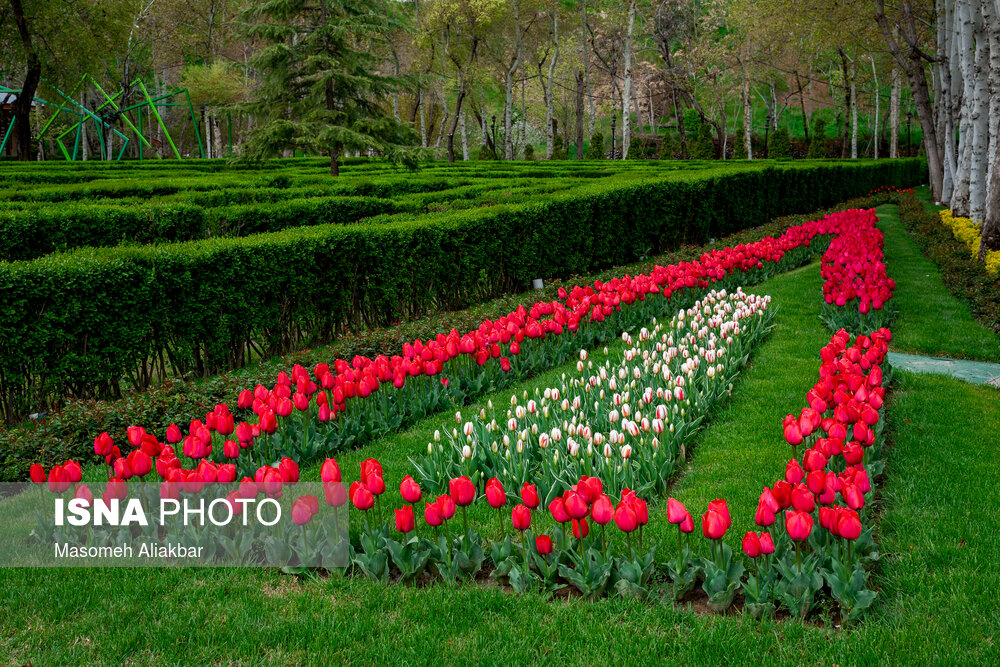
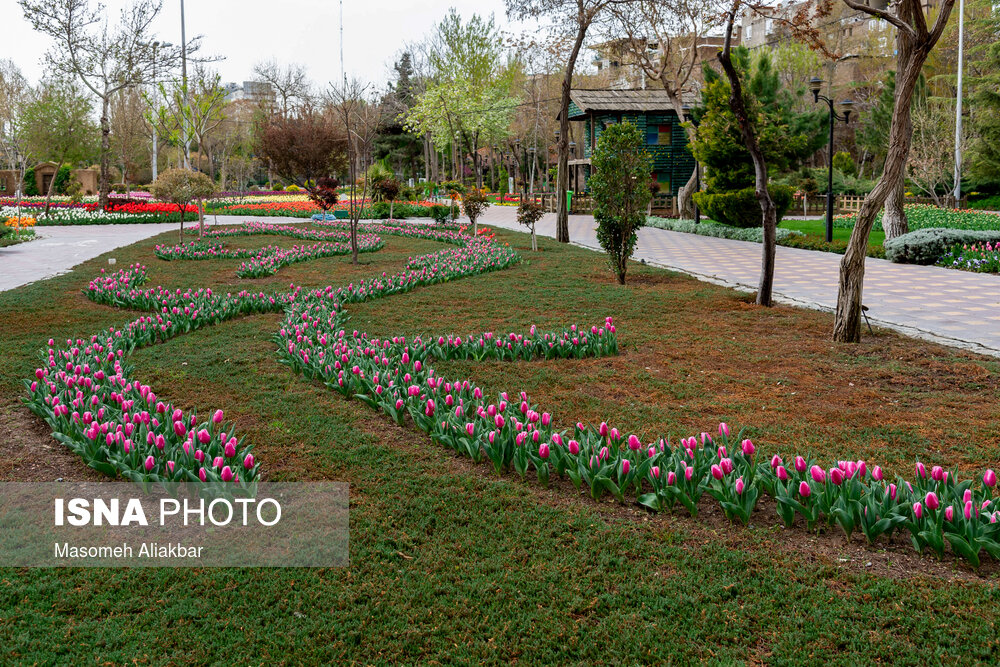
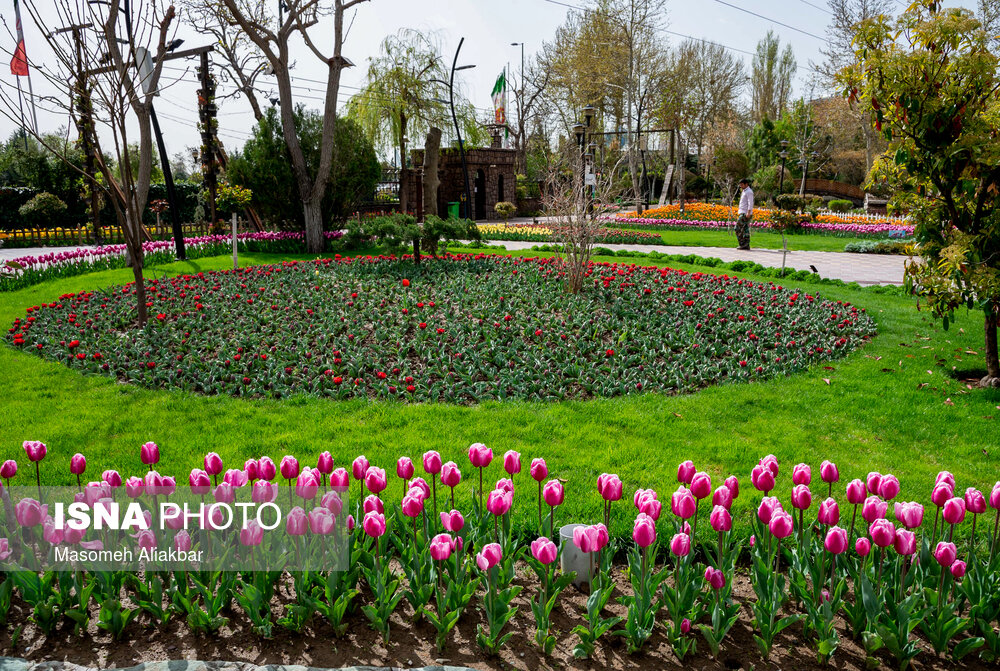
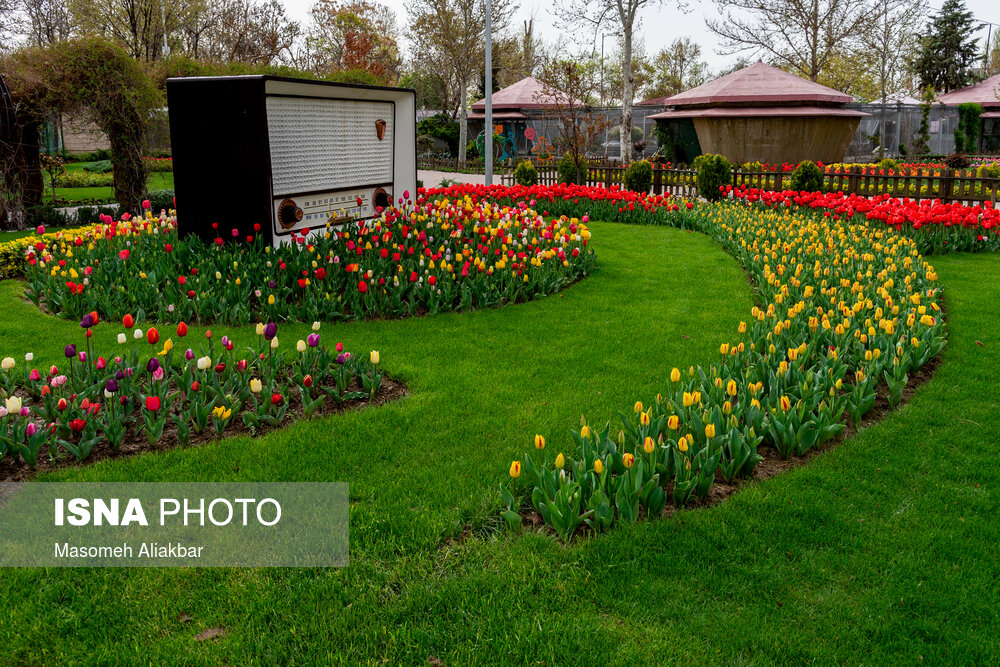
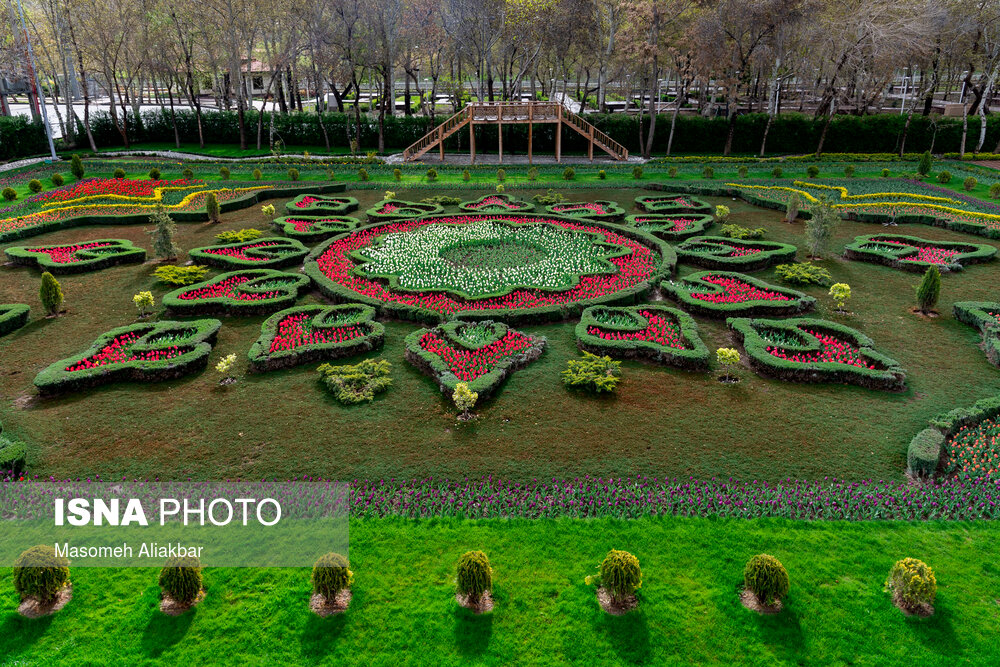
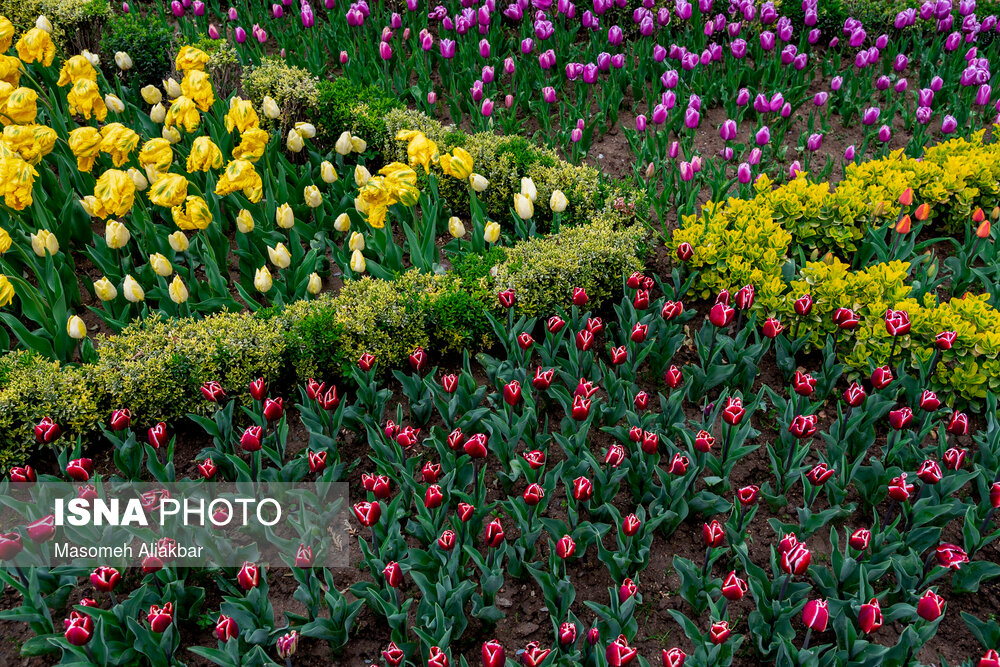
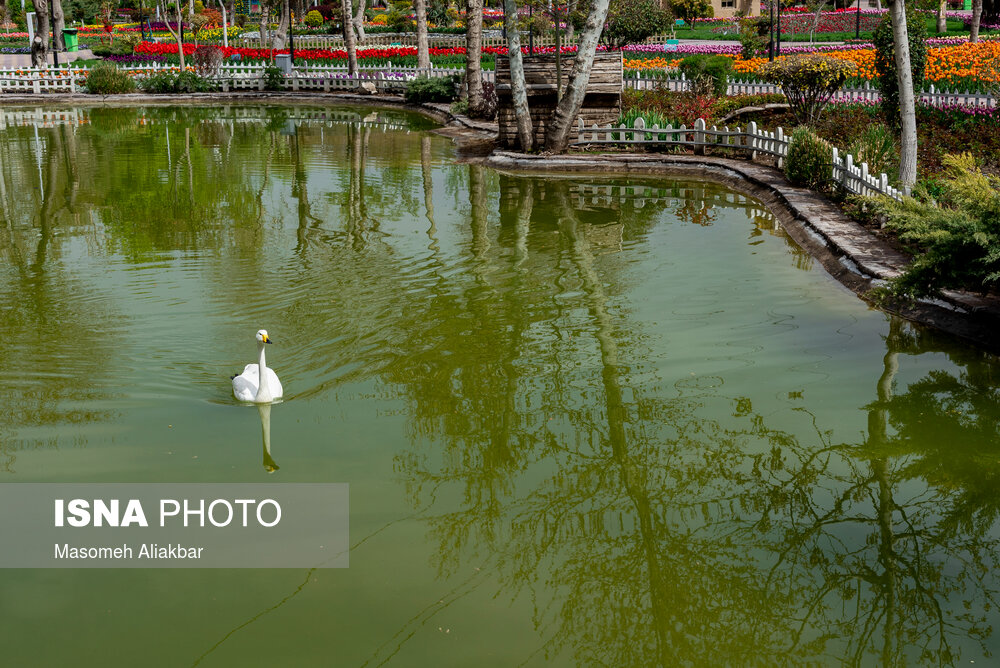
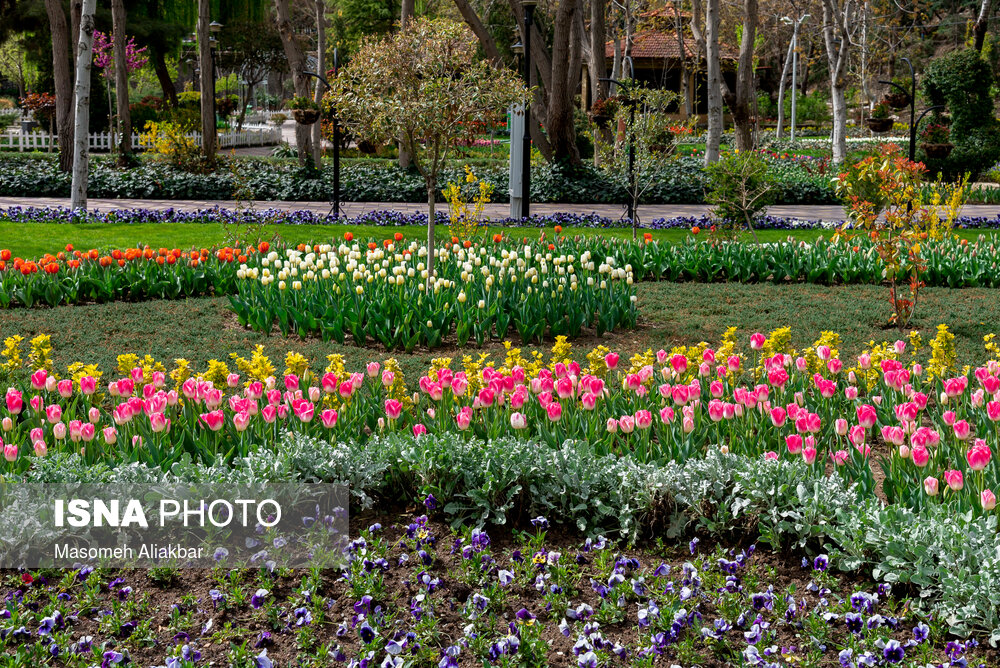
The Tulip festival was to be held in the flower garden of Shahid Chamran Park, Karaj, Alborz province.
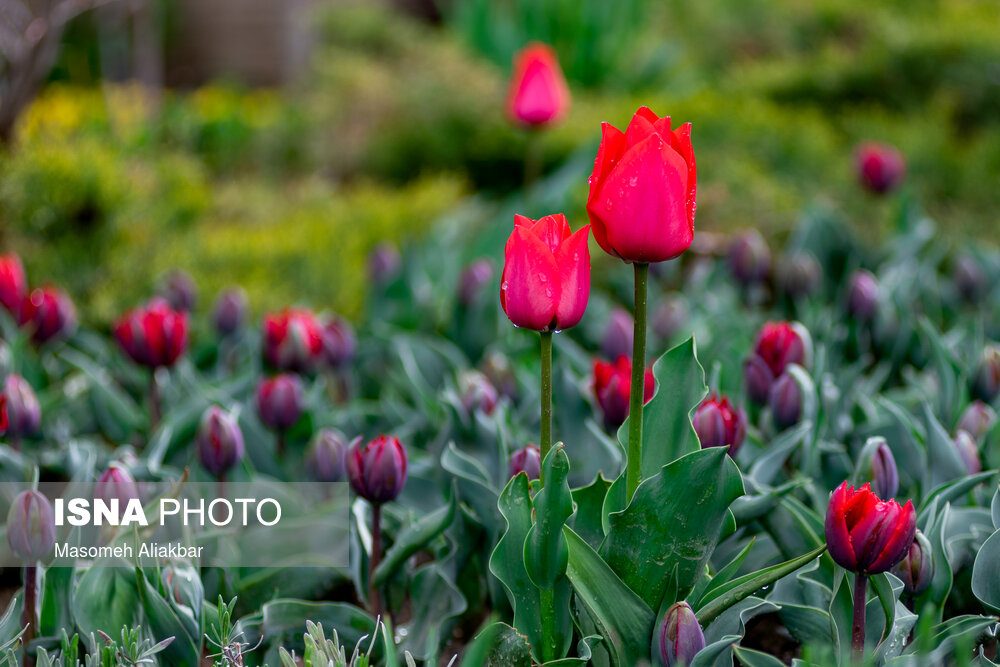
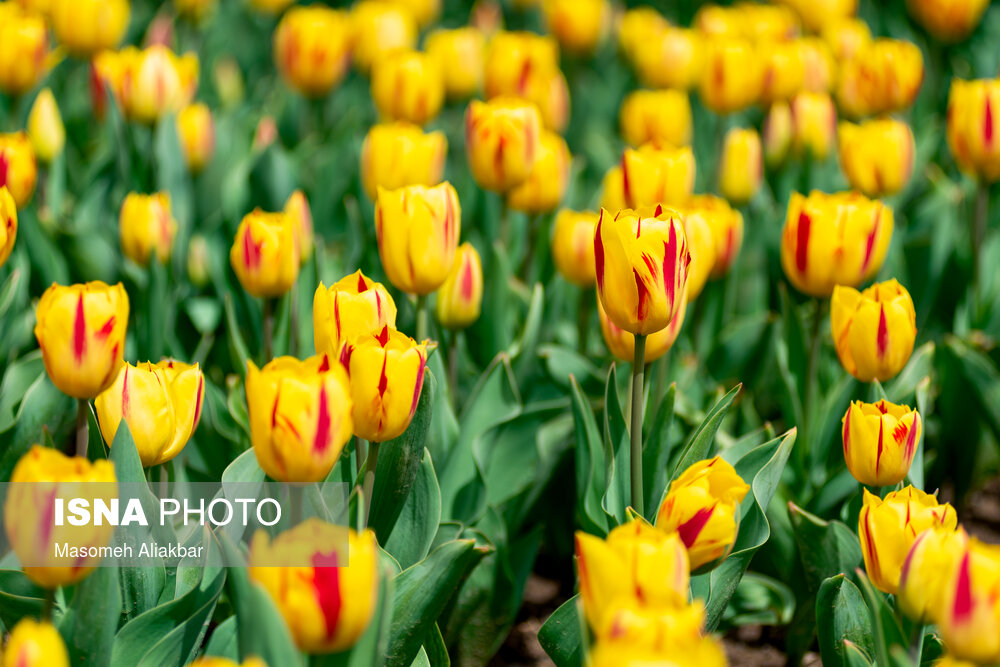
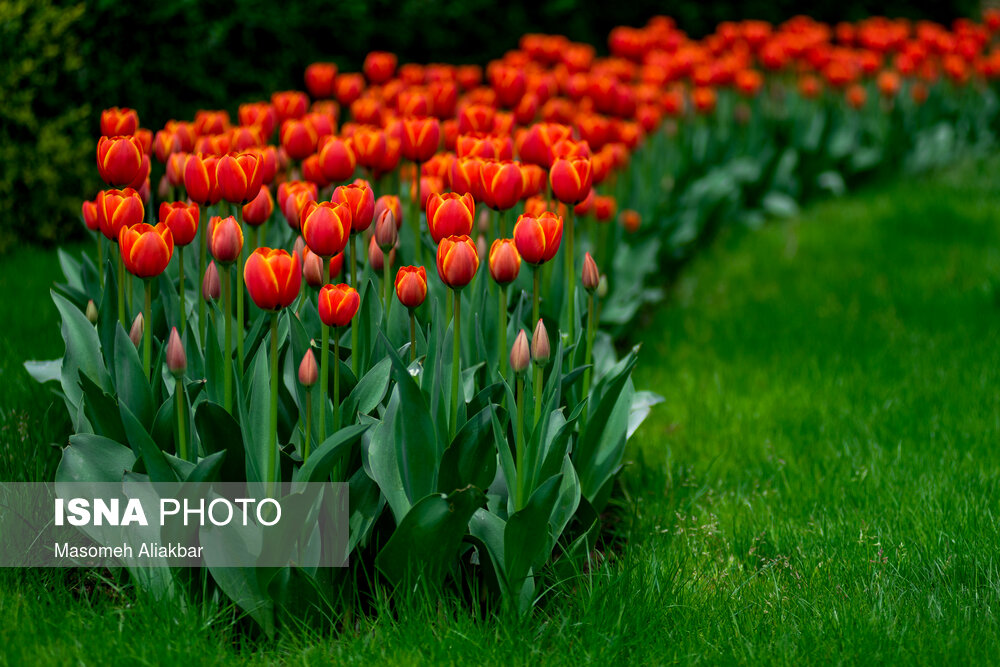
Like every year, the largest flower carpet of Middle East with an area of 2,700 m2 has been decorated in the garden. 300,000 tulip bulbs in more than 40 varieties and colours stand out in the garden, beside 20 other types of flowers and seasonal plants such as violets and daffodils.
What follows are ISNA’s photos of the Tulip Festival underway in Karaj:
Transportation Deputy of Iran’s Road Maintenance and Transportation Organisation said in order to compensate for losses the drivers suffered, the government is to provide appropriate support packages.
Mehran Qorbani added that the drivers can use the unemployment insurance for the months of March, April and May this year while support packages of one to two million Tomans [60 to 120 USD] have been considered in this regard.
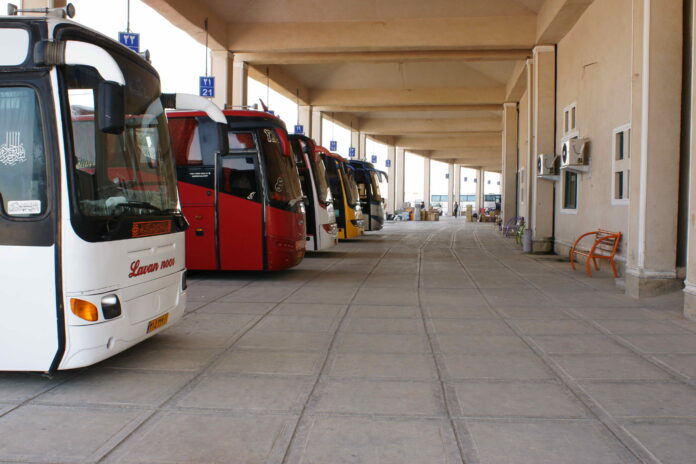
Since the beginning of March, several protocols have been issued by the health ministry, including the observance of health issues at terminals, inside buses, and by bus drivers. The strict implementation of these principles has been followed up by Road Maintenance and Transportation Organisation.
Mohammad Eslami said on Sunday that the companies usually recompense their annual expenses during the Nowruz because these holidays provide financial resources to companies so that they could fully cover their annual expenses.
In the rail sector, we saw a 94% decrease in travel, and in the aviation sector, we saw a 70% decrease. At the same time, various jobs were identified by the government, and it was announced that unnecessary jobs be closed until the end of the crisis, reiterated Eslami.
“We hope that the money of travellers whose trips have been cancelled will be returned to them soon and in the coming days,” added Eslami in a radio program interview.
Referring to the President’s order to assess the condition of passenger terminals and airports, the roads minister said screening is carried out at the entrances and exits of passenger and cargo terminals.
The Minister of Roads and Urban Development emphasised the screening was implemented from the very first days of the outbreak of the Corona disease in passenger terminals, freight terminals, airports and other subdivisions of the ministry.
Currently, disinfection of equipment, control and screening of passengers and crew are among the most important tasks performed properly, he underlined.
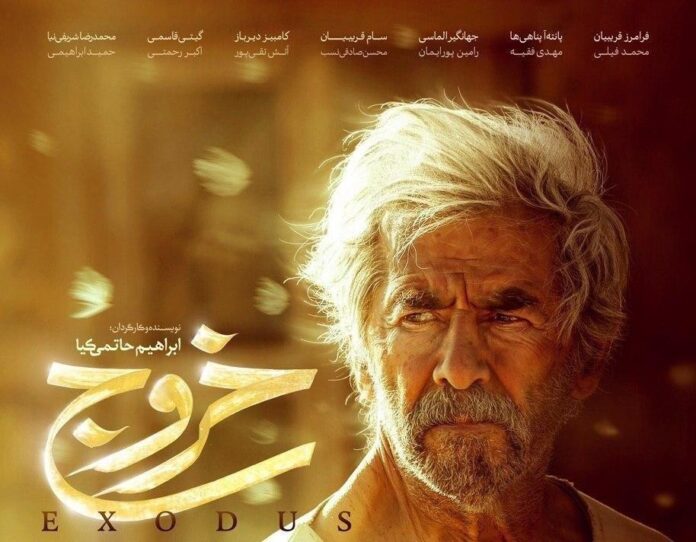
The film is to be released online in the coming days on Filimo and Namava VOD platforms.
Due to the outbreak of the coronavirus and the long-term presence of people at homes in the past few weeks and in the future, the film’s producer – Owj Arts and Media Organisation – has decided to screen the movie online.
The decision was also approved by the Ministry of Culture and Islamic Guidance and the country’s legal authorities.
Ebrahim Hatamikia’s latest work will be available on VODs as of next week, and the audience can watch the film on Filimo and Namava after subscription.
This is the first time a big-budget movie is premiering online in Iran.
The film narrates the living problems of farmers and depicts the special economic conditions of the deprived people of the country. It is the story of two men who start their journey from Dezful to Tehran, who are on the road for two and a half months and face many challenges.
Faramarz Qaribian, Pante’a Panahiha, Jahangir Almasi, Giti Qassemi, Mohammad Reza Sharifinia, Mahdi Faghih, Sam Qaribian, Mohammad Fili, Atash Taqipour, Akbar Rahmati, Farzad Hassani, Ramin Pour-Iman and Mohsen Sadeqi Nasab are the cast of this film.