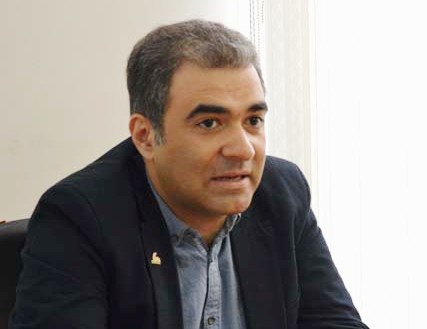
Alireza Raisi says although Iran is under crippling sanctions, it has been able to take appropriate measures to control the disease.
“We believe our greatest asset is relying on God and the ability of scientists and the support of the people to defeat Corona as soon as possible,” he added.
It has been about a month since the outbreak of Corona in the country; a disease that unfortunately has claimed the lives of many people in the world and has affected many others. Although medical authorities and specialists had urged people to observe the health tips, the disease continues to claim more victims in Iran.
After the corona outbreak, there was much fuss in some foreign media about handling the patients, lack of transparency in statistics, etc. These media continue to cast doubt on the efficiency of the country’s health care system and provoke more anxiety among the public.
To review the events of the past month and getting answers to some of our questions, Fars News Agency has conducted an interview with Deputy Health Minister Alireza Raisi. Here is the text of this interview translated by Iran Front Page:
Q: Does the process of screening and identifying corona patients continue at the airports?
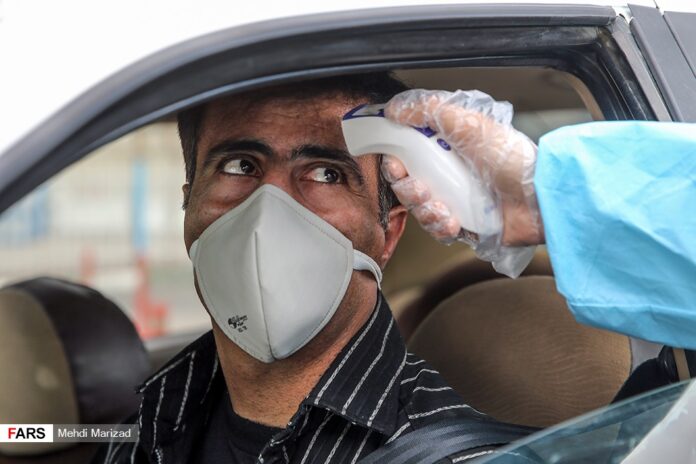
A: Since the early days of the disease epidemic in China and Wuhan, where the World Health Organisation convened and issued a guideline, we did our best to translate this guideline very quickly and send it to all universities, colleges, schools, and all the institutions that work in this field. This was the first step taken immediately after the news of the spread of Corona in China released. The next thing we did was to check the land and air borders, the airports, and especially the flights coming in from China, and then some cameras were installed at the airports. Currently, our health teams are deployed at airports and monitor people coming from foreign countries.
Q: Have we had screening experiences in the past?
A: The program was performed annually at international airports during the Hajj, and during the Arba’een ceremony every year, people’s health was monitored at the borders. The other gathering that we have every year in the country is Rahian-e Nour, during which we stage manoeuvres to control the outbreak of any disease. (Rahian-e Noor or “The passengers of light” is the group of religious and political caravans which travel between zones in south and southwestern Iran to commemorate Iranian efforts and lives lost in the Iran–Iraq War.) At Nowruz and Ramadan, environmental health experts are also working to monitor the health of the people. Therefore, screening patients is not a new thing in our country.
In terms of health infrastructure in the country, our health network has one of the strongest and most advanced systems in the region. More than 30,000 centres are active in the country to give services to a population of 83 million people in urban and rural areas. We used this potential to control land, sea, and air borders, and the necessary controls were carried out through checking fever. Some hospitals were also specialised to receive these patients from the very first days, and the suspicious cases were transferred to these hospitals.
Q: Some in the foreign media have reported that before the corona outbreak in Iran, no action was taken to prevent the spread. Would you please explain?
A: The measures we took prior to corona’s spread in Iran included border controls, and sending instructions to universities and hospitals to get prepared to confront the disease. The equipment needed for hospitalisation of the patients were also prepared in advance. At that time, the country was in special circumstances, with 57 of our students studying in Wuhan, China. These students were behind the borders, and Iran-China flights were interrupted. Flights to China were banned based on the protocols. We had to bring back students to the country, so a special flight with a medical team was sent to Wuhan and 57 students returned to Iran. We quarantined these students in a standard location for 14 days and did the necessary tests. After finding out that all these people were healthy, they headed home.
Q: Some claim that Iran announced the numbers too late. Can you explain more?
A: We were at the peak of the flu outbreak at that time, and many of our fellow countrymen had died months before because of the flu. The death toll from the flu reached 130, and many patients were hospitalised. As the symptoms of corona and influenza are overlapping and no diagnostic kits were available to us at the time and many countries in the world did not have access to the kit, it was difficult for us to diagnose it. It should be noted that the Corona Diagnostic Kit was only available in China and immediately after China provided the kits for us, the tests began and the first case was found on February 18 in Qom. On February 19, this patient’s test result was announced positive. I firmly announce that we publicised it just two hours after the test result was out. This as the parliament elections were scheduled for February 21 and we did not take any political considerations into account to declare this issue. However, some opposition media outlets today accuse the Iranian government of announcing the results late due to the February 21 elections and the February 11 demonstration. Before February 11, there was no kit available in the world that we could identify the patients. Keep in mind that the countries, which are currently accusing us, have sanctioned us and have disrupted our access to the kits and laboratory equipment.
Q: Did you get the masks you bought from the UK?
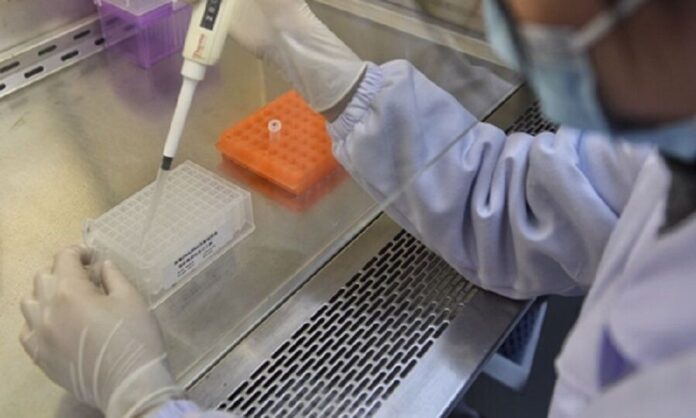
A: We had bought several million masks from the UK, but because of the sanctions it didn’t give us the masks. In this situation, we strengthened the Pasteur Institute. It is a reference laboratory approved by the World Health Organisation. The centre made its efforts to develop diagnostic kits, and we identified the first patients through small WHO-approved kits and also through kits made by our own scientists.
Q: What did the Ministry of Health do after the corona diagnosis?
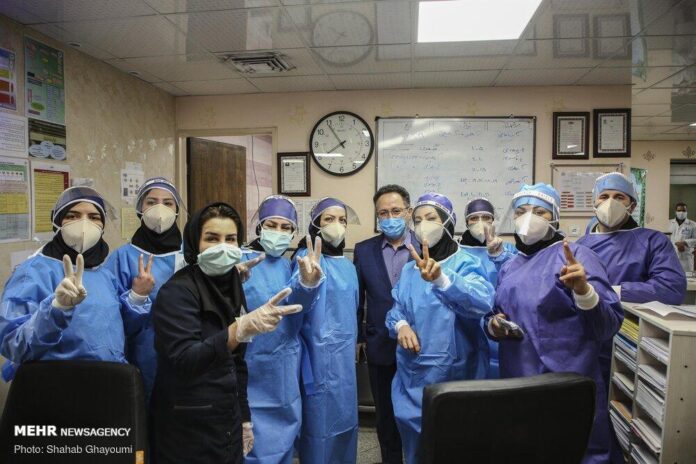
A: Immediately after that, Kamkar Hospital in Qom was specialised to Covid-19 patients. This is one of the great things that nobody talks about. We were able to evacuate the hospital and only admit Covid-19 patients. Immediately after this, the second hospital was chosen as a backup, and soon after that, Masih Daneshvari Hospital was completely dedicated to corona disease. Two thousand hospital beds in Tehran were allocated to serve patients with corona disease. In addition, we ordered all provinces that a hospital must be dedicated to care for these patients. There were many Chinese workers in the holy city of Qom and many Chinese students were studying there. Our surveys showed that these students had a great deal of travel to China in the past month, and that they were traveling not only by Chinese flights but by connecting flights as well. For example, some had come to Iran through Turkey, Dubai or Doha. I would like to state with certainty that the disease has entered Iran from China.
Q: Some media want to suggest that the disease came from many parts of the world. They say there are two types of Covid-19; Iranian Covid-19 and the Chinese. What is your idea?
A: Unfortunately, some people try to categorise Covid-19 into two types with false arguments. Some are trying to announce that Covid-19 has been transmitted to other countries via Iran. However, the disease was transmitted from China to Iran, and it is not different from the disease in other countries. These people are interested in questioning our achievements in this field. Iran’s historical record has proven that Muslims do not want people of other societies be infected. We have also provided assistance to other countries in times of crisis. We have to keep in mind that Covid-19 is currently being spread from Europe and Italy.
Q: Why some countries do not report Corona cases?
A: We announce the corona disease statistics clearly, and that is why our number is so high. Many countries do not report their statistics correctly due to socio-economic considerations. Some of our neighbouring countries are not able to detect the disease if they want to announce the numbers. Before we officially announced our numbers, these countries were urging Iran to help them deal with Corona. All their written requests are available. After we announced there exists corona disease in our country, protective measures such as closing the borders were taken.
Q: How many hospital beds do you currently have to serve Covid-19 patients?
A: About 40,000 hospital beds in the country are ready to deal with the disease, and as I speak to you, less than 50% of hospital beds are occupied by Covid-19 patients. An additional 25,000 beds have also been prepared for critical conditions. Alongside this, Army, the IRGC, and Police hospitals are being used. The army and the IRGC announced their readiness to prepare more than 15 field hospitals quickly. Much of this has been performed so that we can serve patients, but so far we do not need to use this capacity. Moreover, the IRGC and the armed forces have provided more than 2,000 hospital beds as post-hospital facilities. We will use this capacity to quarantine the discharged patients.
Q: Some people criticise Iran’s policy of preventing the outbreak and believe that the Islamic Republic should quarantine its cities. Do you agree?
A: Iran’s policy on dealing with the disease is not to quarantine. A country like Britain has completely abandoned the society and does not have a quarantine strategy. We have clearly and transparently used the strategy of keeping people out of the community. We encourage them to stay at home and quarantine themselves. This approach has been approved by the World Health Organisation. We always advise people not to come out. We tell them if they stay at home we can control the disease. Some people claim that quarantine could be effective in Iran, but note that the economic, social and cultural situation of our country does not let us quarantine a city. The best model for the World Health Organisation and the Ministry of Health was staying home. We have not chosen the Italian and Chinese method. We do not claim that their methods are wrong, but the method we have chosen is not wrong. Each country runs a different model.
Q: Explain more about the screening process. How do you do it?
A: During this time, we have reinforced all the hospitals and the excellent work being done in the country is the issue of National Mobilization against Corona. It is being done with the help of popular forces such as the Basij and the armed forces and NGOs as well as 75,000 troops at the Health Screening Patient Bases. Before they refer to the hospital, we go to them and this is a special strategy against the virus. We identify people in three ways. First, the SALAMAT.GOV.IR site is launched and people can record their information by answering a few simple questions. Upon logging into this system, an SMS will be sent immediately to our healthcare provider to inform him/her of the status of the person registered with the system. If the registrant has symptoms, our colleagues will call and track his/her status via 4030 hotline. Our partners also receive information directly from people. The third approach, which is less recommended, is to refer people to health centres. After screening, 1200 of our centres that work 16 hours a day provide services to suspicious cases.
Q: Do you have a plan for those at home?
A: After the health care providers contact, if someone has symptoms, they will be introduced to the health centres. If the physician says the person has no particular problems after the examination, he or she will be sent home to rest. If they have severe symptoms, they will go to hospital. Keep in mind that some people do not have severe symptoms and they can be treated at home. Our health care providers will look at their physical condition of them for up to 5 days after. Some of these people require outpatient treatment that is provided by the centres and protocols are developed for each of these measures. If a person is admitted to the hospital, our health care provider will be notified through SMS. Our health care provider will go to the person’s family as soon as they realise a family member is in the hospital. S/he will check their symptoms. They also ask the families where the patient has been to identify other suspicious cases.
We have already screened more than 30 million people and this number is increasing every second. Fortunately, people’s participation in this project has been amazing over the past week. We screen on average 4 million people every day and it reflects people’s trust in health care system. Unfortunately, some media outlets are trying to cast doubt on these achievements. Of those 28 million people, only 0.9% were hospitalised, showing the strength of the country’s health system. This has led to a sharp decline in our hospital admissions in recent days. These health measures do not mean we are underestimating the virus. Our first strategy is to stay at home and if this is not done, we will be involved with this disease for the next two months. If people adhere to the recommendations for two weeks, the number of infections will go down.
Q: How many of corona patients are admitted to the ICU?
A: Our ICU beds are intended for critically ill patients. Usually, only 10% of these patients require ICU admission. Fifty percent of these people need respiratory support, and two to three percent may die.
Q: Many European countries claiming human rights have not helped Iran in lifting the sanctions. However, they accuse Iran of lacking transparency. Tell us more about the effects of sanctions in preventing and countering Corona?
A: We have been hurt by the cruel, one-sided, inhumane sanctions, and my colleagues are really sacrificing their lives. Unfortunately, some of our staff are infected by the coronavirus because of lack of access to health facilities. We lacked protective equipment at the start of the outbreak and were facing shortages. Although some countries were supposed to provide these items for us, sanctions did not let it happen. We have serious problems registering orders, purchasing, and transferring money due to sanctions. In addition, we cannot afford ventilators and ICU beds. Also, we cannot buy some medicines due to the money transfer problems. Although our country is strong in terms of health facilities, this volume of disease needs the help of other countries.
Let’s take a look at some European countries that are not under any sanctions but they are currently unable to control the disease. Our country is sanctioned, but we have been able to take appropriate measures to control the disease. More unfair is that some foreign media are questioning the efforts of our physicians and nurses, regardless of circumstances. We believe that our greatest asset is relying on God and the ability of scientists and the support of the people. We hope to defeat Corona as soon as possible.
Q: Some media outlets have reported that if the Iranian people do not cooperate, 300,000 will get the corona disease.
A: Based on the epidemiology of the disease, different modelling and scenarios are put forward, but none of them have accurate validity. Our strategy is to keep people at home. If we take into account our own modelling, and people continue to stay at home for the next two weeks, about 40,000 people will get the disease. Based on the norm, two percent die, but the situation would be worse if people do not follow the instructions. If there is no control, and as the spread of the disease is higher than number two, the charts we will find indicate that the disease will be spread very quickly in a short period of time. But slowly, its occurrence will decrease. If we observe and care about health tips, the chart will increase and the epidemic will decrease over time. As a result the number of referrals to hospitals will not go up. In that case, we provide longer care, reducing the mortality rate.
Q: So far some officials and politicians have got the disease. Have they been quarantined like others?
A: Since the first day of the outbreak, we have told all institutions and organisations how to hold meetings. We have told them how many people can be in the meeting and how long must be the distance between them. The authorities are also the people of this country, and many of them are serving their fellow countrymen. It is expected that authorities will observe more, but there is a high risk of contact with the disease among officials everywhere. The virus does not know the boss or the normal people. If they do not care, the transmission can certainly occur. The officials who are infected are also placed in quarantine and treatment is started.
Q: Why did some officials in the country take corona test without having any symptoms?
A: More than 80,000 corona tests have been conducted in the country, and only 30 tests were performed on the officials with symptoms. They have also been quarantined after their test results were positive. There is no discrimination between ordinary people and officials.
Q: Did the Chinese team transfer experiences to our country?
A: In addition to the Chinese team, a team of 12 experts from other countries and the World Health Organisation also visited Iran and examined the country’s health system for a week. After their return, we communicate via video conference each week. The coronavirus is unknown, and the information, research and experience of each country will benefit other countries. Good experiences have been shared with us by China. The WHO has acknowledged that there is good mobilisation and empathy among physicians and people. They have affirmed the country has a strong health infrastructure. At the beginning, there were only three laboratories in the country, and now the number of laboratories has reached 55. China has generously provided information to the world and is now assisting Iran in the field of diagnostic kits and masks.
Q: Do you have any good news on fighting corona disease?
A: One of the good things that has been done in our country was the drug combination therapy, which is currently under investigation. It is tested on 30 patients and will soon be tested on 300 other patients. This drug worked well and reduced the length of hospitalisation to four days. If it works, Iranian scientists have been able to discover the therapeutic regimen and it will be great news for the Iranian people.
Q: Do you expect the virus to be eradicated?
A: I predict that the virus will exist in the world next year and be part of seasonal viruses. Like the flu, this virus will appear every year, so the vaccines and medications can certainly help treat and save patients in the future.
Q: When will the coronavirus be controlled?
A: We will get rid of this disease by the end of June if we follow the health tips.


 Ahrefs
 Google AdWords