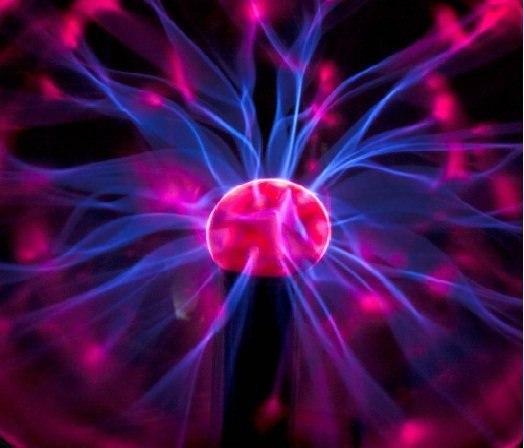
Abdul Karim Shahbazi, a member of the research group, says the device is capable of detecting nanosized explosives and narcotics.
He referred to the working mechanism of the device, noting, “The sample material is placed inside an IMS sensor and the material is ionised.”
“When the materials are placed inside the IMS sensor, they pass through the radioactive (nickel-1) path, whereby the imported material is ionised and the material will be placed in the electric field and particles of it will accelerate in the environment,” he told ISNA.
In this setting, each of the materials, like fingerprints, will have a certain pace and this speed is measured. In addition, the device has a section called “Laboratory” that defines the standard sample material specifications, and any material put in the device is compared with material in the laboratory and the closest one is recognised, continued Shahbazi.
The technical knowledge of producing this machine is exclusive to a few countries of the world.
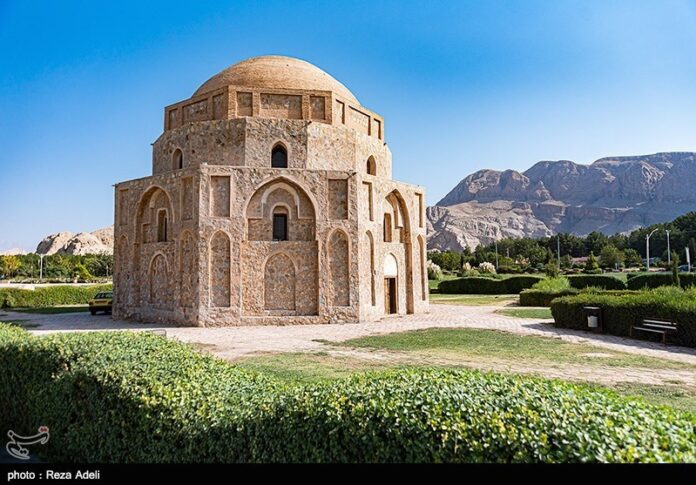
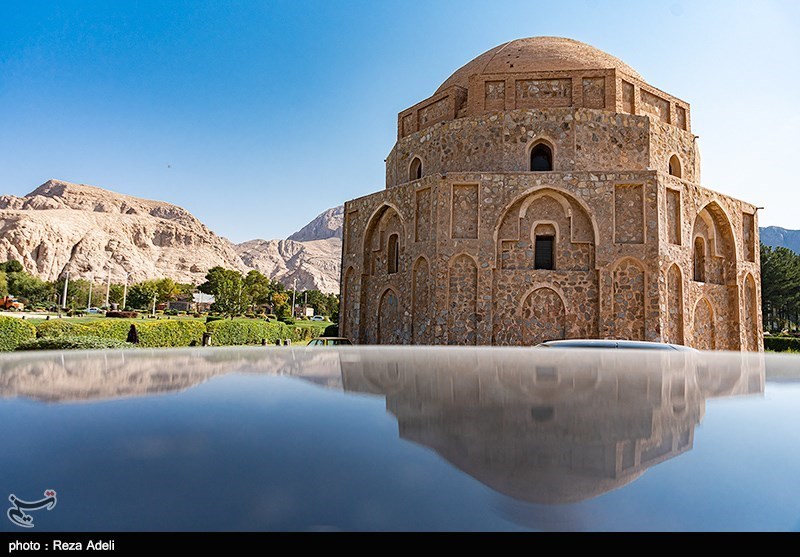
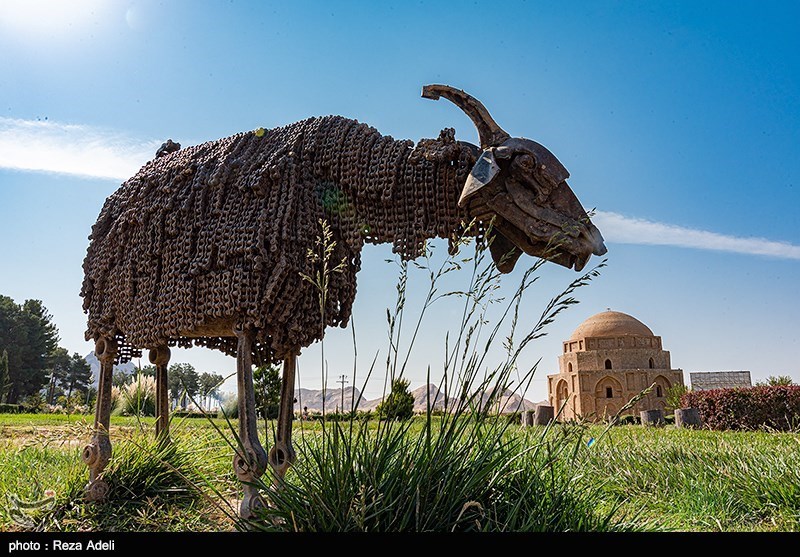
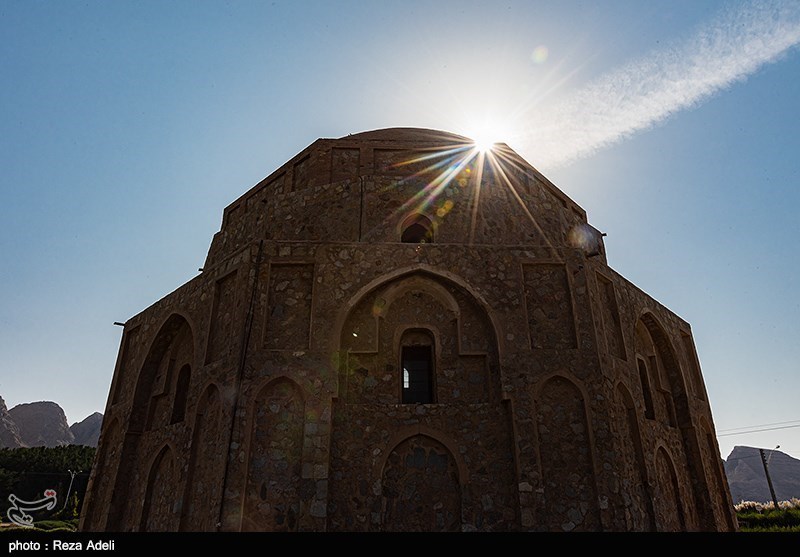
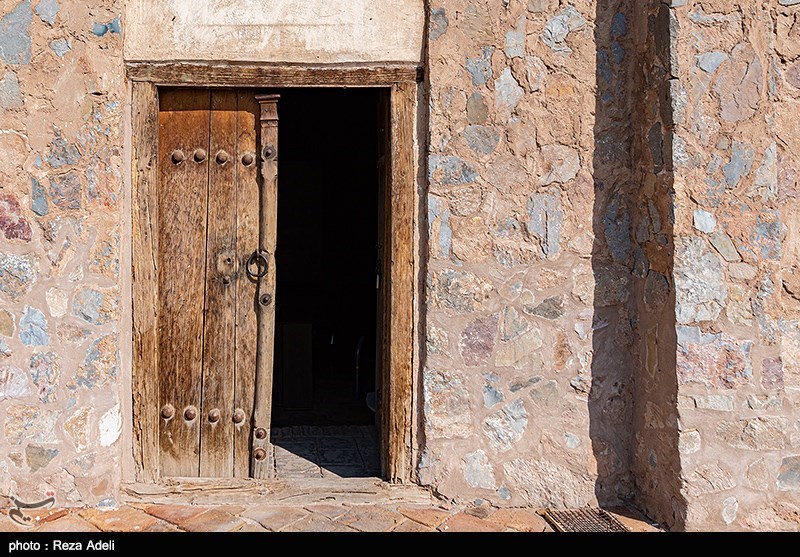
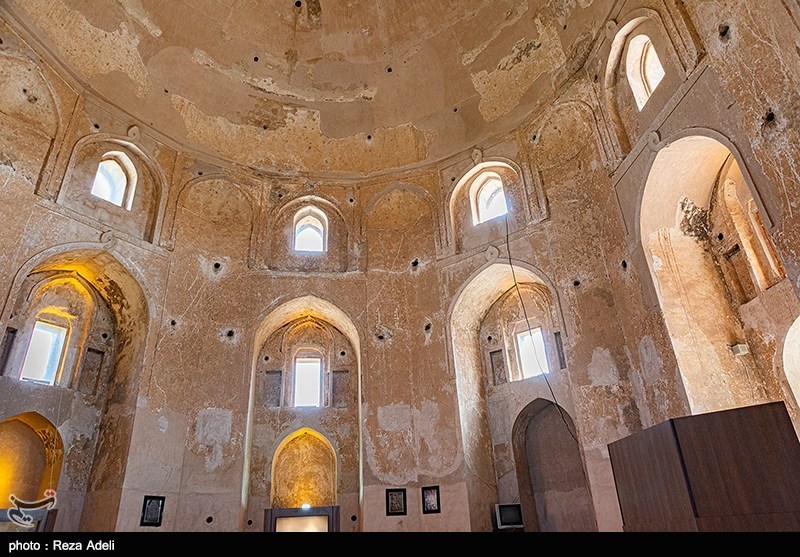
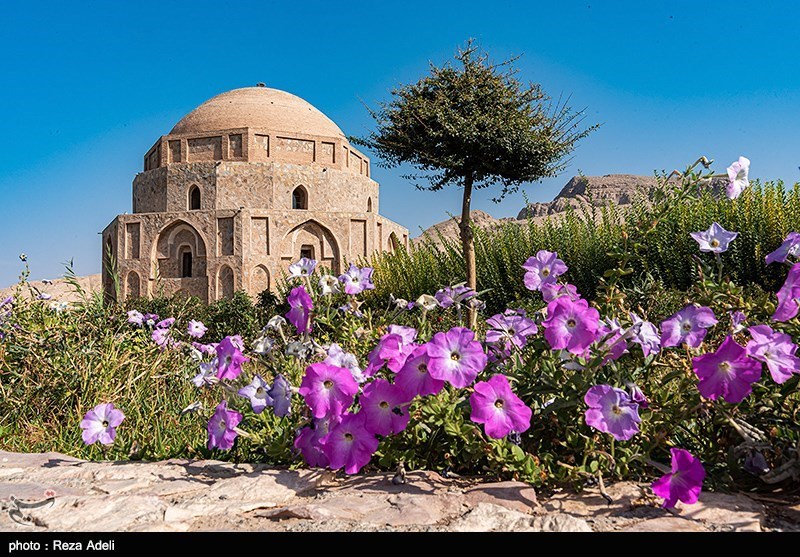
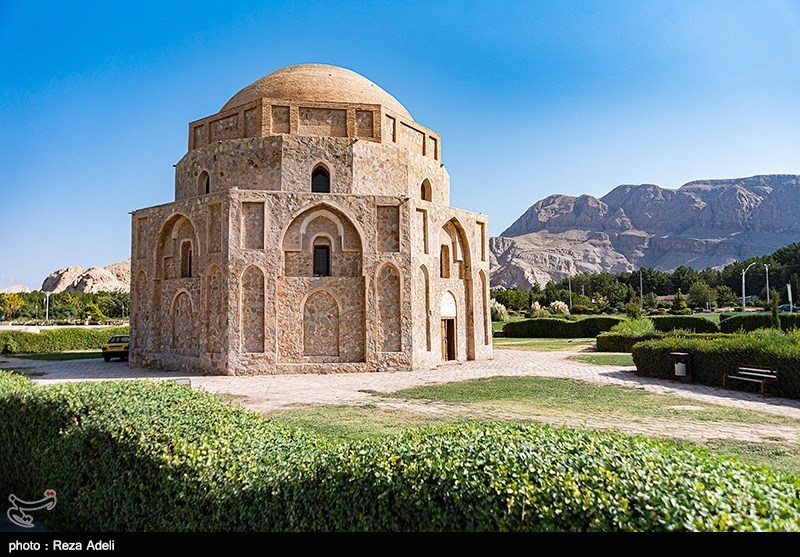
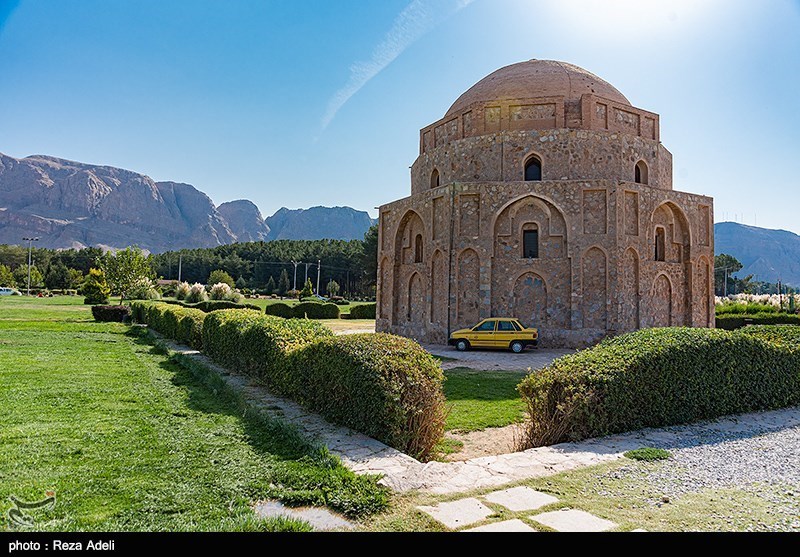
The dome, a place of historical importance in Iran, has been constructed of stone and brick, though the building is of stone and gypsum, and its architectural affects have been inspired from the Sassanid period.
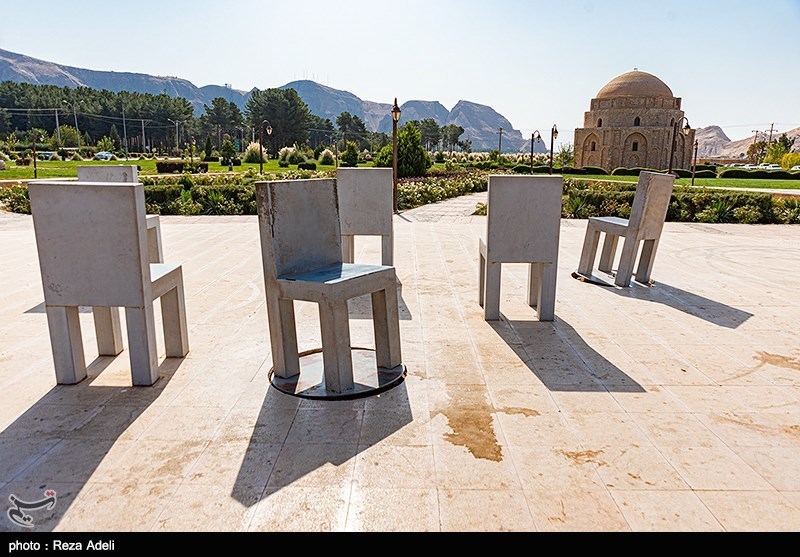
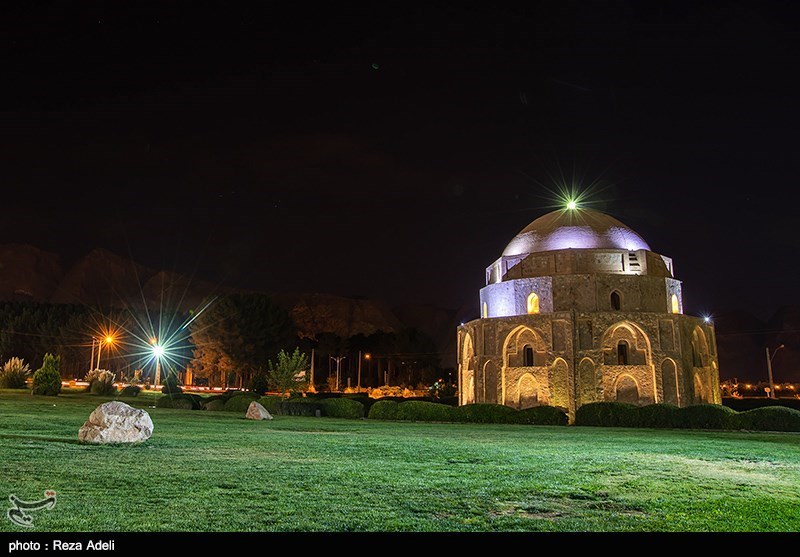
The dome, which is one of the most spectacular ones in Kerman, has survived without any fence around it. Some scholars say Jabalieh was built as an observatory, but others believe the dome was an important tomb.
Some European scholars say this dome belongs to the Seljuks, but it is mostly believed that it was built in the second century BCE.
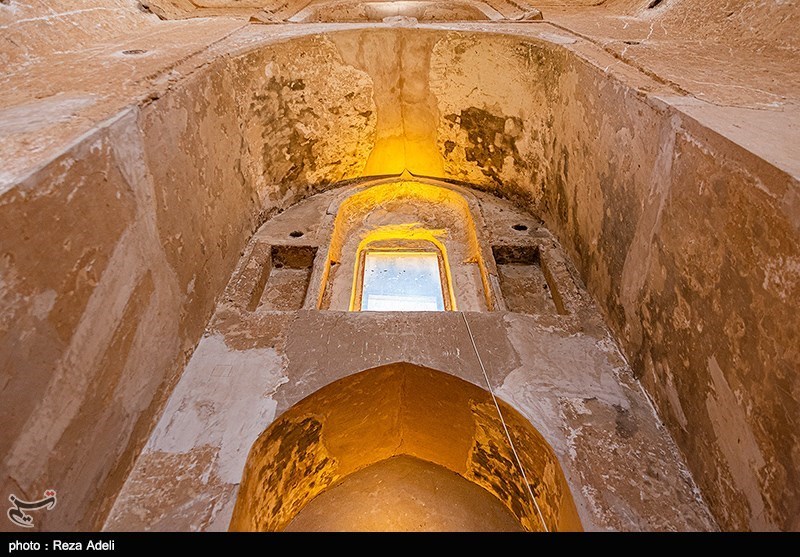
It is of octagonal design and comprises three floors crowned by a rather flat dome, totally empty inside. It may have been a Zoroastrian building, and is remarkable because of being constructed of stone rather than the more common brick.
It is also said that camel milk was used instead of water in its construction, which historians see as the reason for its strength.
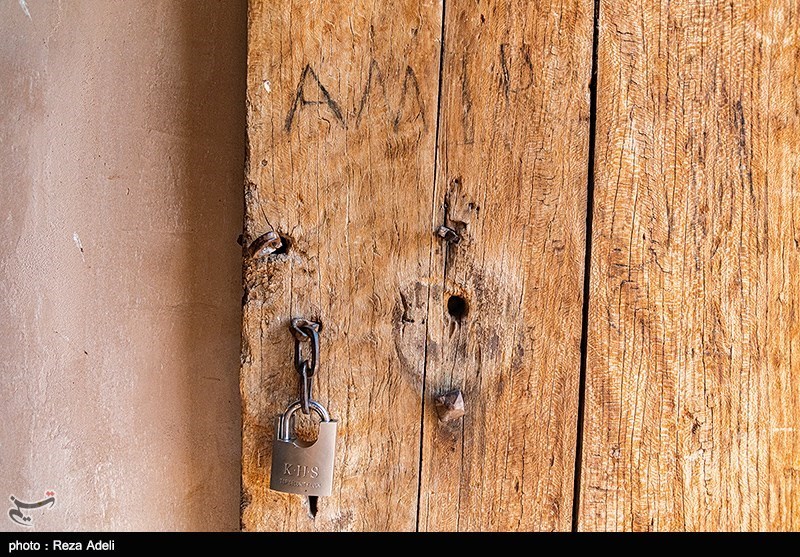
This octagonal building has eight doors that are located on each side. In order to strengthen the building, they have already covered seven doors with stones and kept only one door open.
The roof of the dome has been made of bricks and the inside of the building includes beautiful reliefs. But unfortunately, most of these reliefs have been destroyed.
The materials used in the walls are with a rubble trench foundation and gypsum mortar from the outside and lime from the inside.
Much of the building’s surroundings have been planted to create an artificial forest. Most of the trees are cedar and pine and have created a forest called Qaem, which is one of Kerman’s resorts.
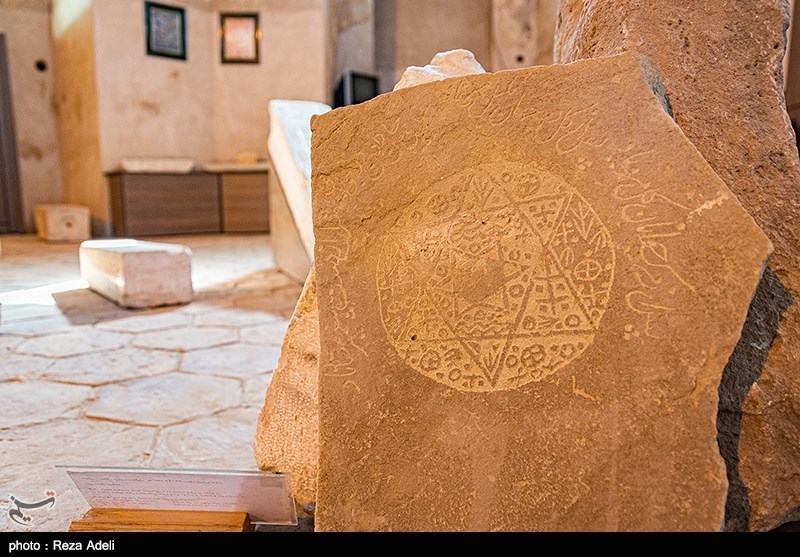
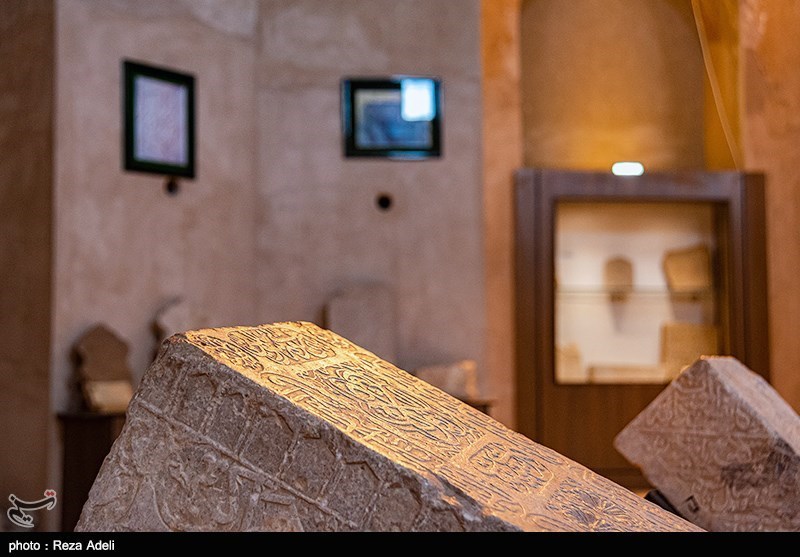
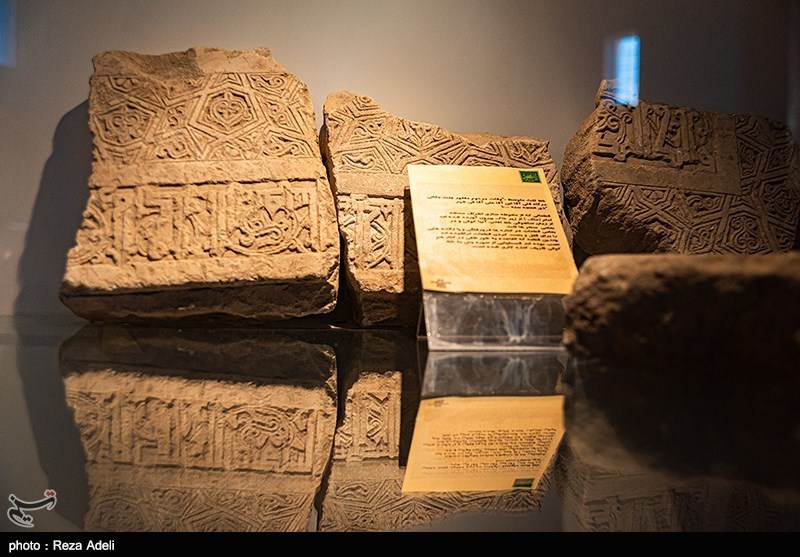
Within this historical dome, there is a valuable inscription called the inscription of the mosque Abder Ashkan. It is one of the oldest inscriptions in this place, belonging to a mosque in the northern part of the city (Ashkan). The inscription is carved on a piece of natural stone in Kufic script.
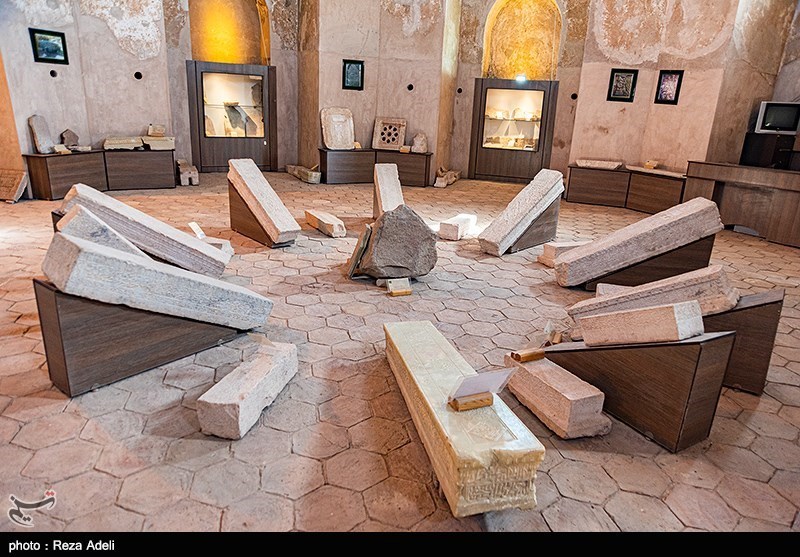
The smallest tombstone discovered in Kerman province is also kept in here. The stone was discovered and handed over to the Kerman Province Cultural Heritage Department in 1998. With a size of 26 × 22, it is composed of two important parts. One of the sections is margins, and the other one is the middle text. These writings are the Quranic verses. In this dome, more than 120 pieces of stone carvings discovered that relate to different historical periods.
Among the tombstones found there exists Mirza Aqa Khan’s tombstone. He was the son of Mirza Ahmad Ali Khan Vaziri, is historian of Kermani origin. According to contemporary historian Dr Bastani Parizi, he collaborated with his father in the compilation of the Kerman History Book.
Among the waqf inscriptions found in Jabalieh dome, there is the waqf inscription dedicated to the fire temple of the village of Qanatghestan which is very interesting. It was transferred to the Cultural Heritage Organisation by the experts after the fire temple was destroyed. This inscription is dedicated to the year 1282 AH.
Kerman is one of the hottest cities in Iran. It is located in southern Iran. In general, the best time to travel to Kerman is from early May to late June and from early September to early October.
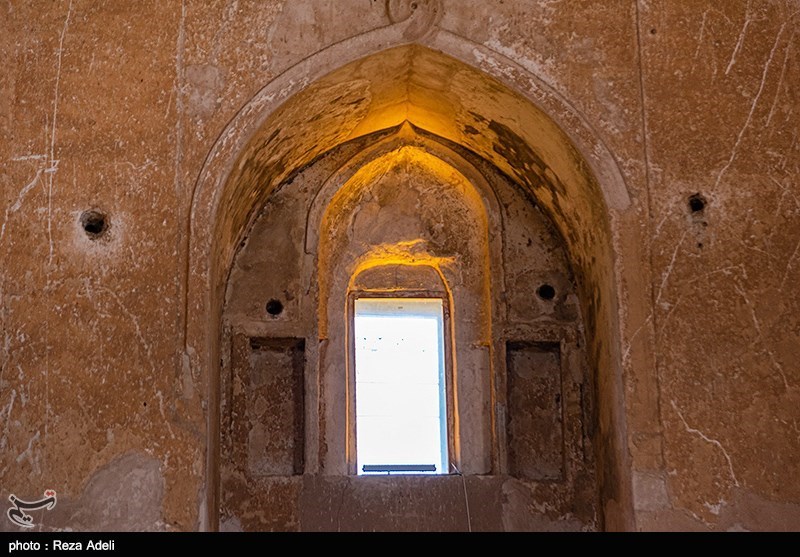
What follows are Tasnim News Agency’s photos of Jabalieh dome:
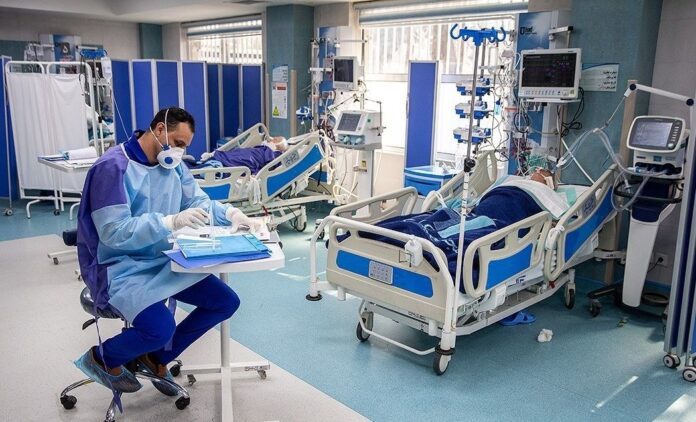
Health Ministry Spokesman Kianoush Jahanpour on Saturday said 125 people have died in the past 24 hours from the novel coronavirus, increasing the death toll to 4,357.
The recovery process has gained momentum in the past few days, he said, adding that 41,947 patients have so far recovered and been discharged from the hospital.
Jahanpour also noted that 3,987 patients are in severe conditions of the disease.
So far, 251,703 tests for the novel virus have been taken in the country.
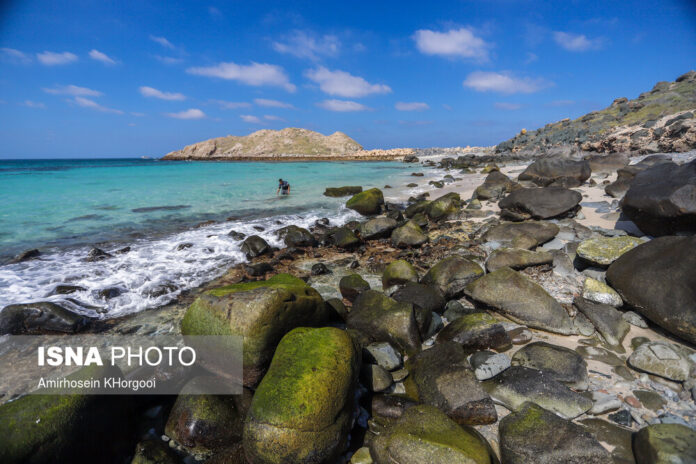
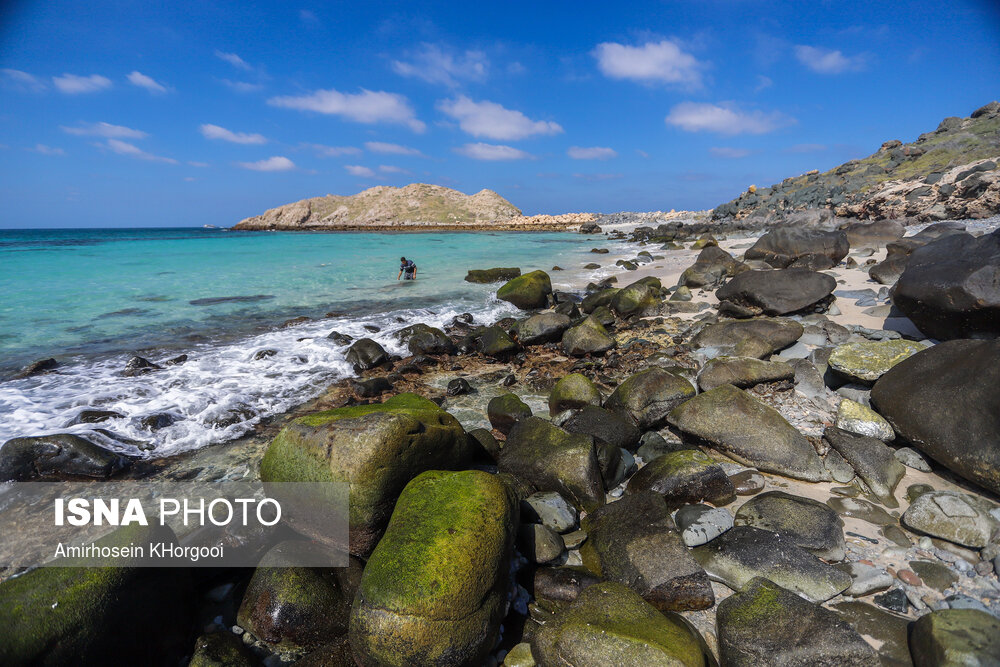
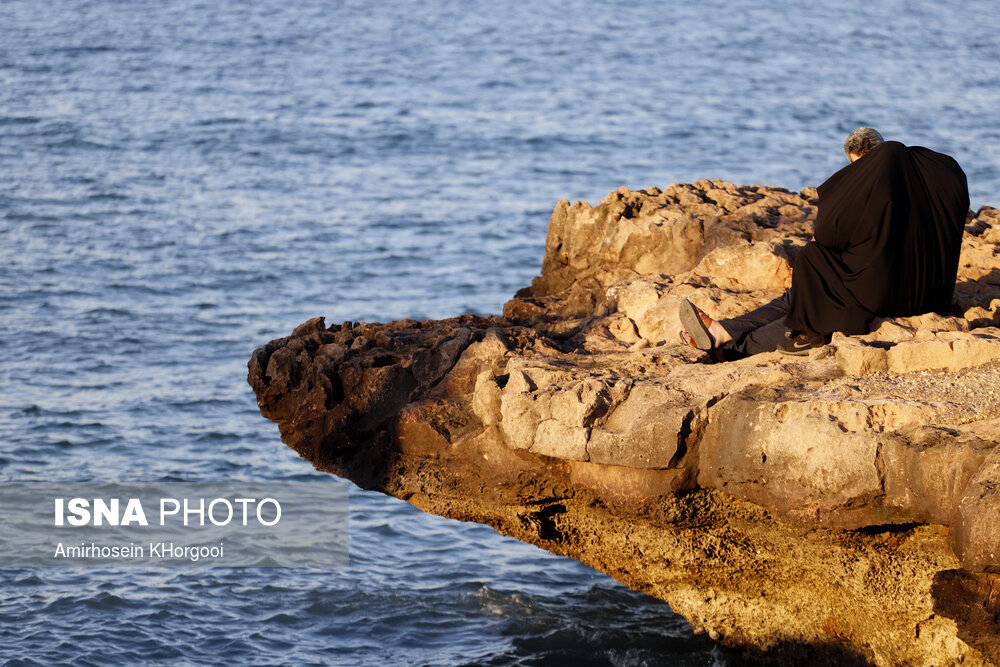
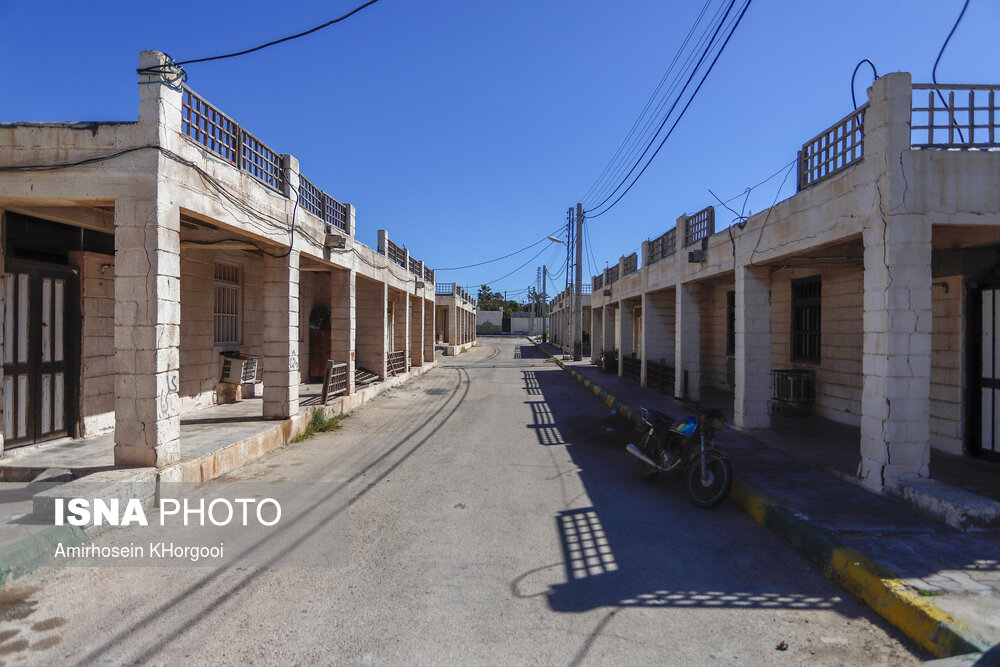
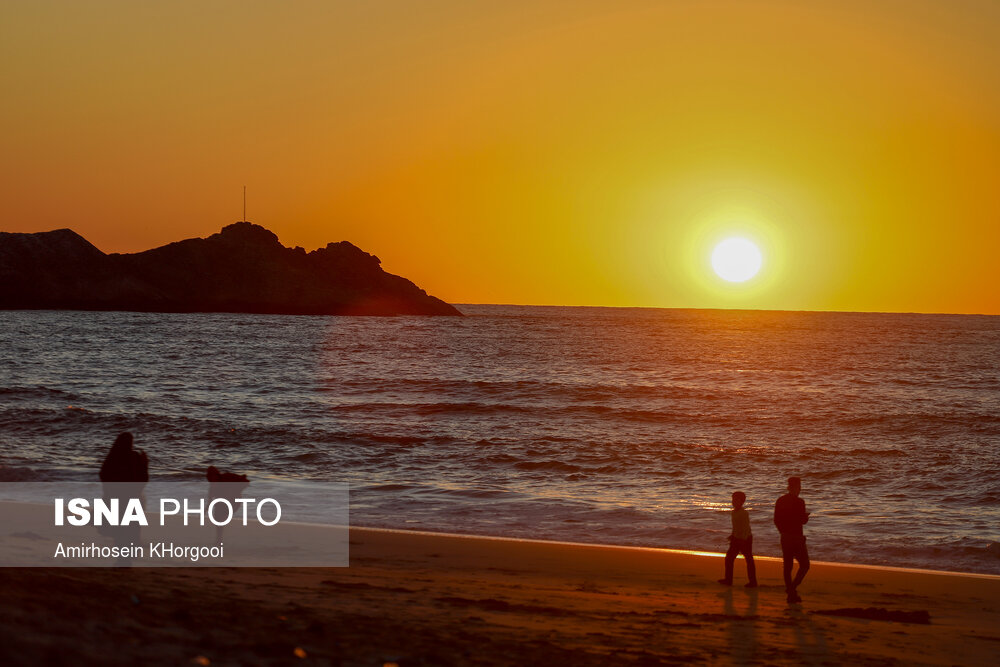
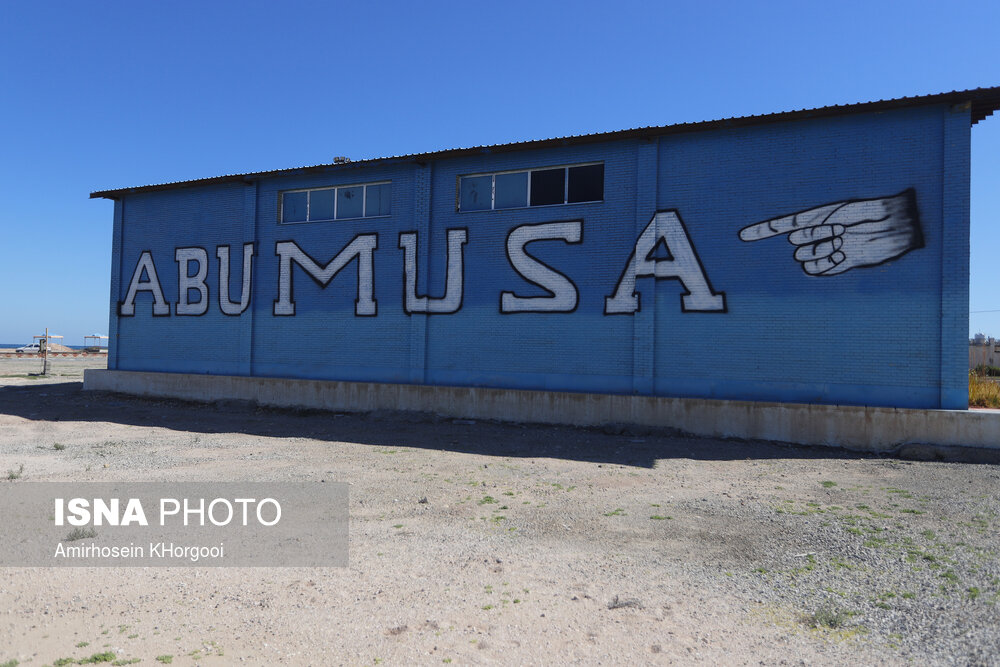
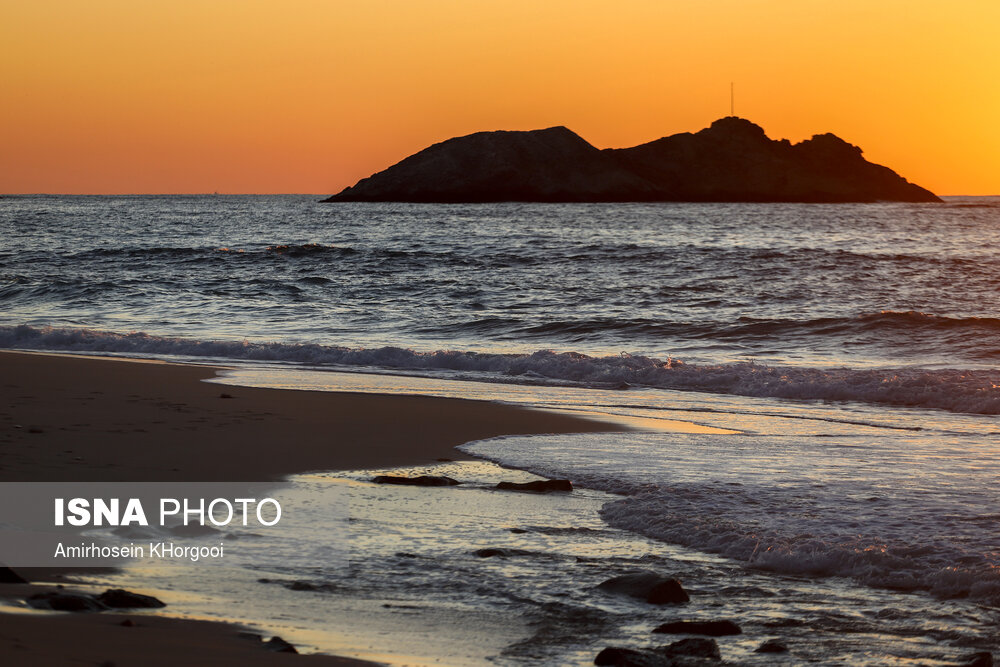
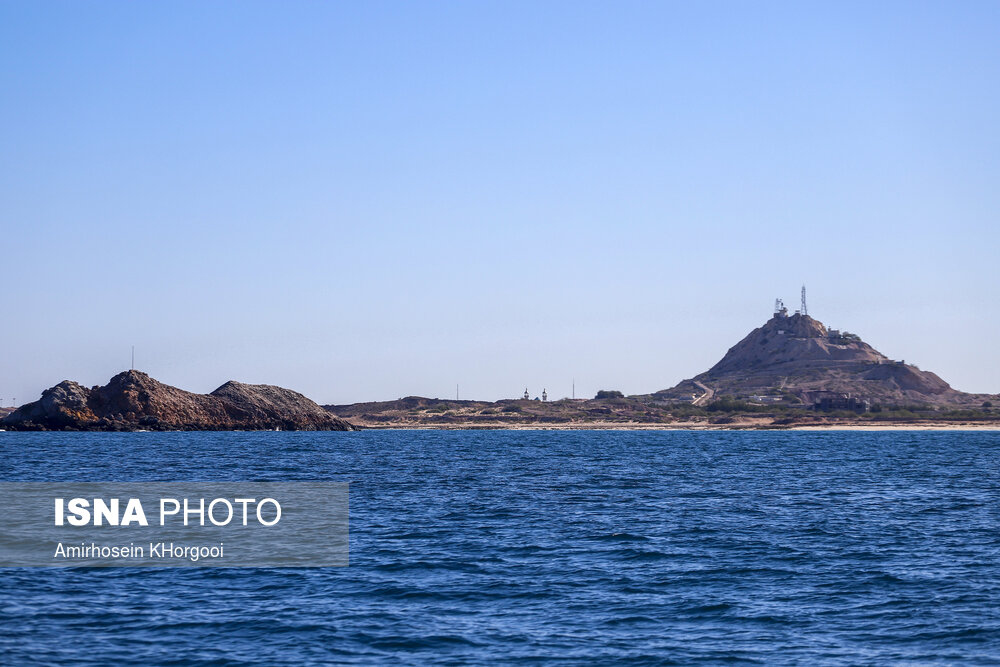
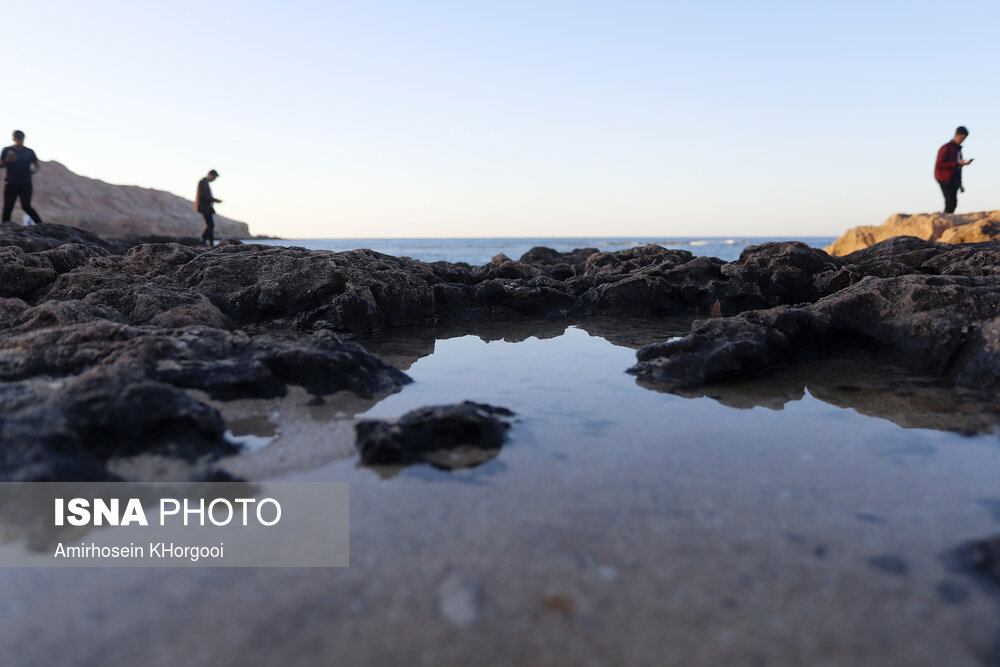
The island is located 222 kilometres from Bandar Abbas and 75 kilometres from Bandar Lengeh. It is 60 kilometres north of the UAE’s Sharjah and 160 kilometres from the Strait of Hormuz.
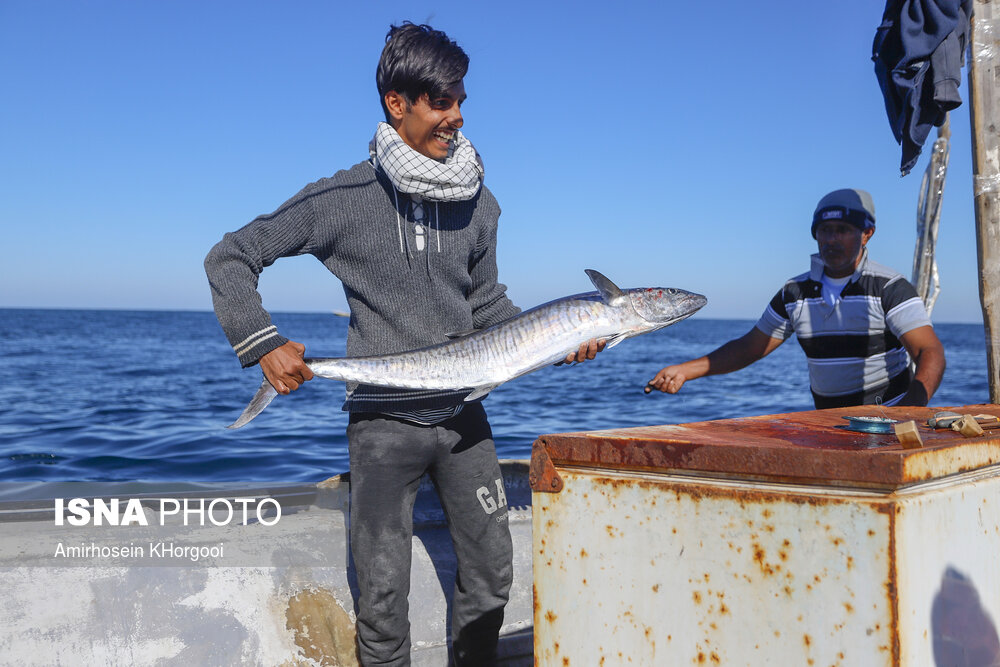
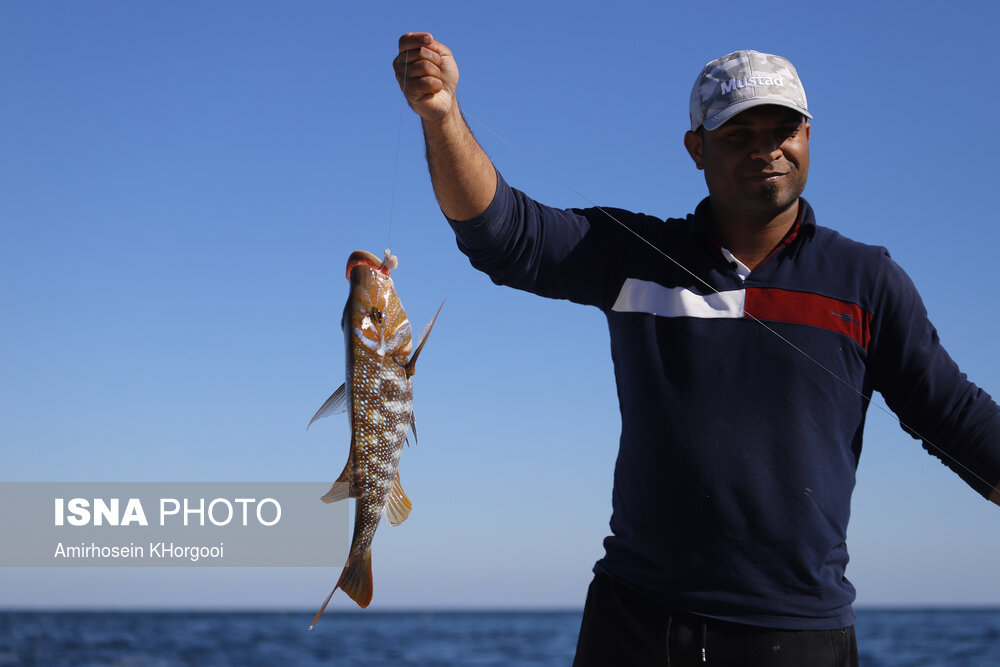
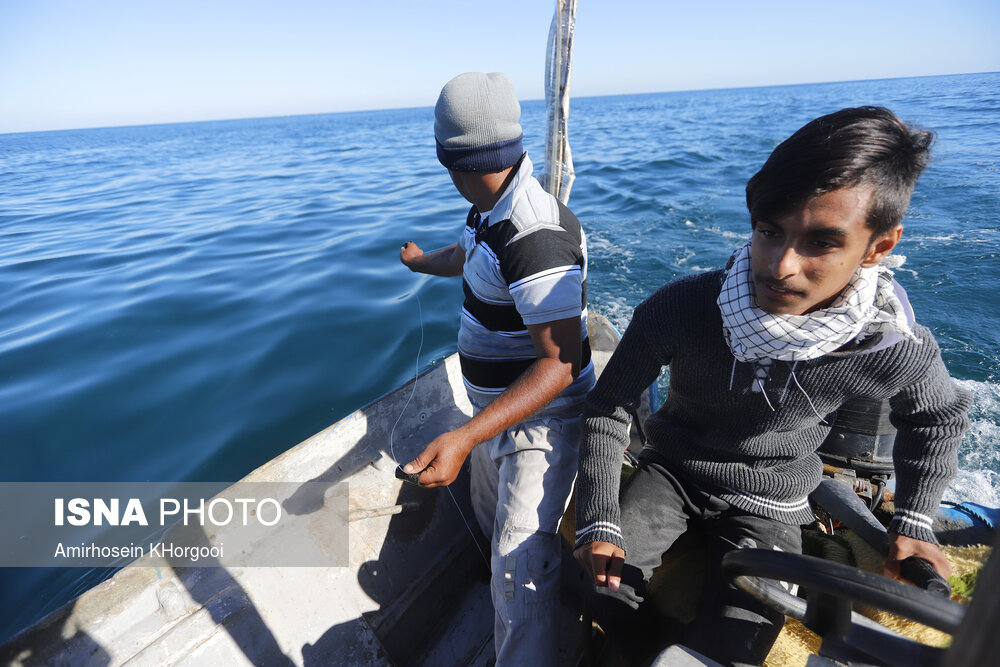
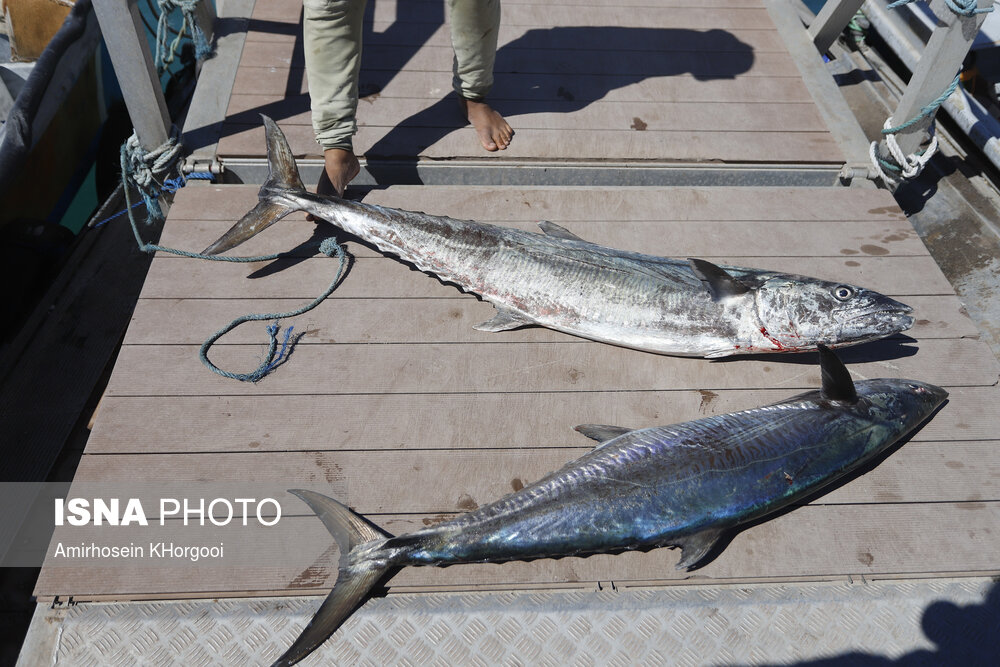
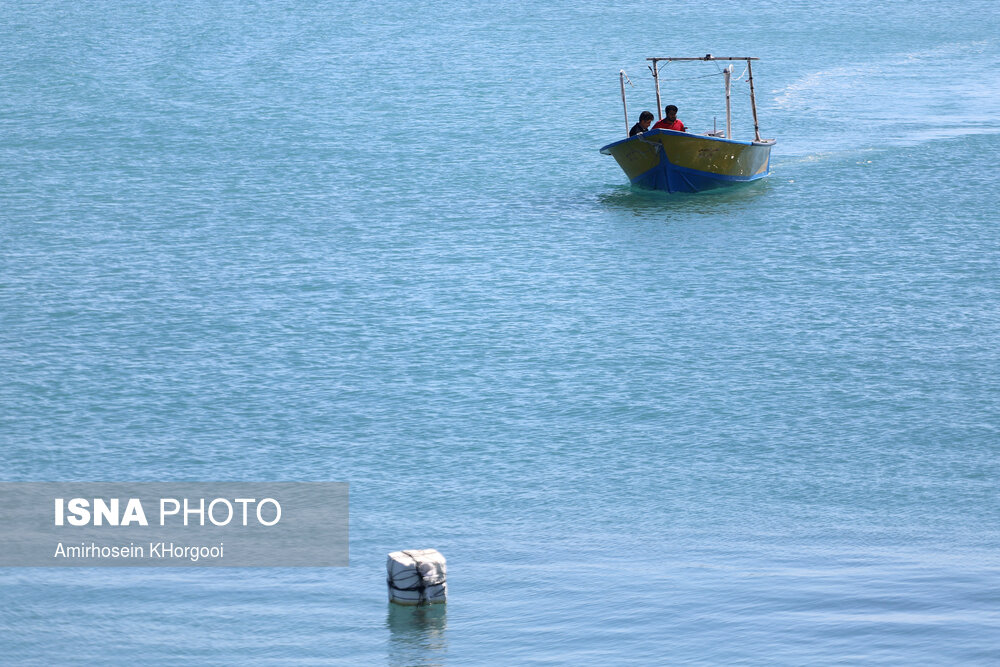
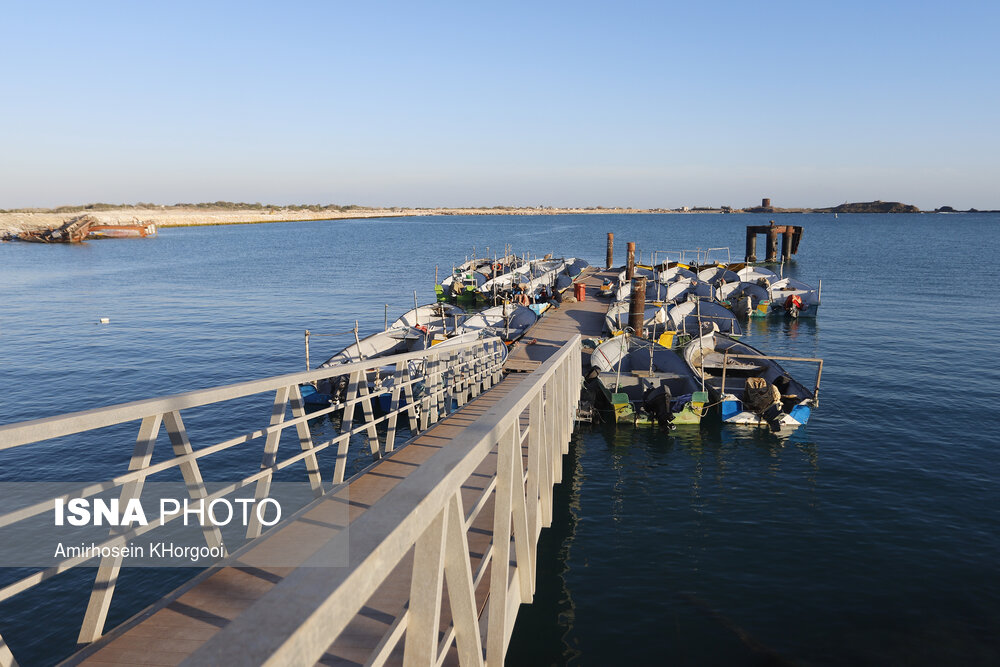
Abu Musa Island has a warm climate. Most of the local people are fishermen. A variety of plants and marine life can be found on the beach. Its highest point is Mount Halva, which is 110 metres above the sea level.
Abu Musa County with a population of more than 5,600 people includes the Abu Musa Island, Greater and Lesser Tunbs, Siri, Greater and Lesser Faror.
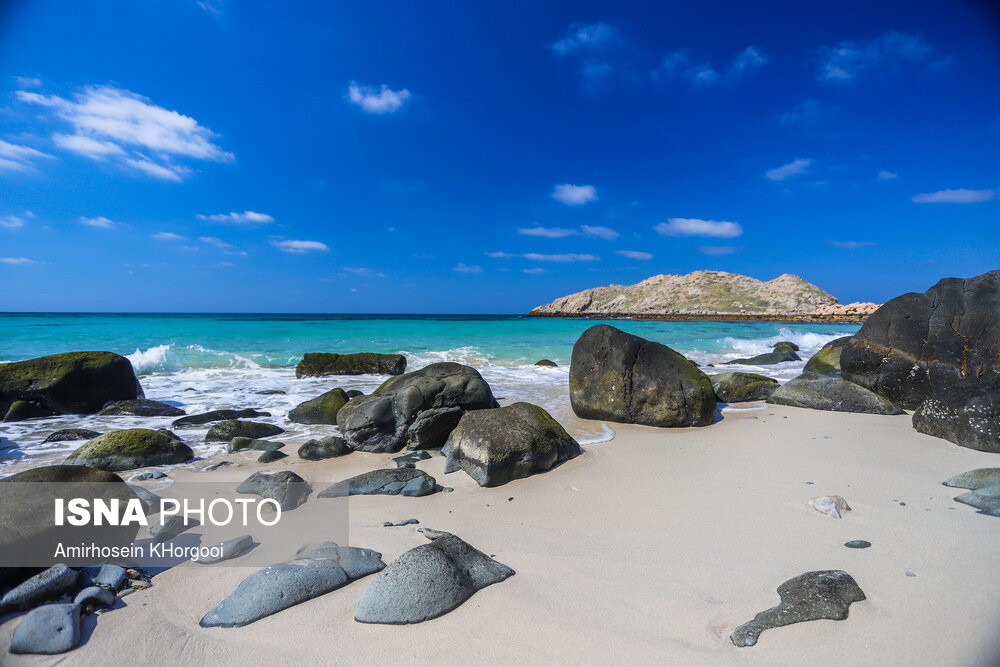
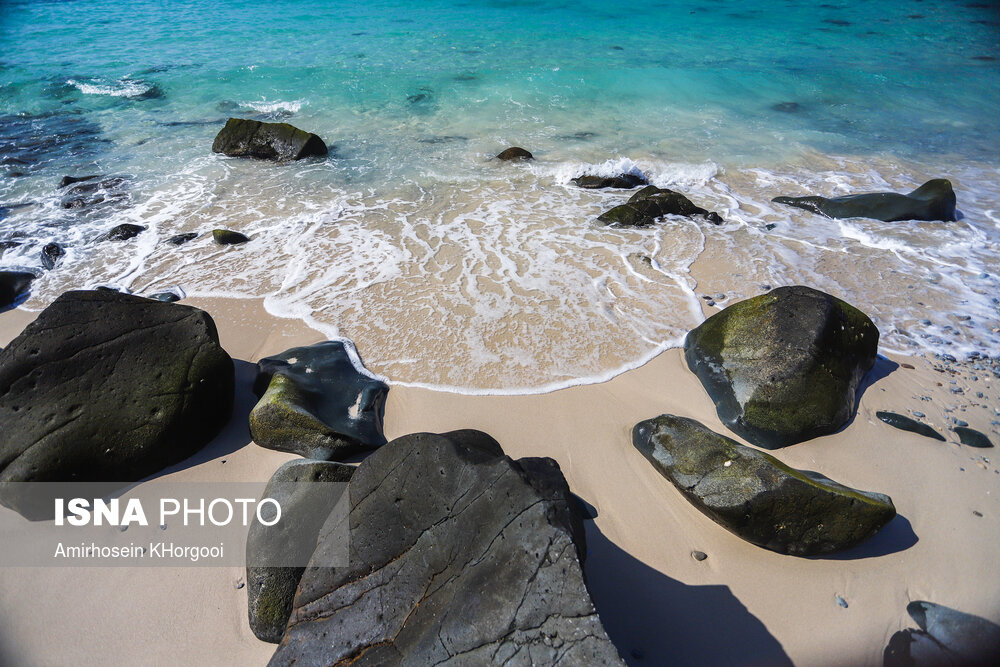
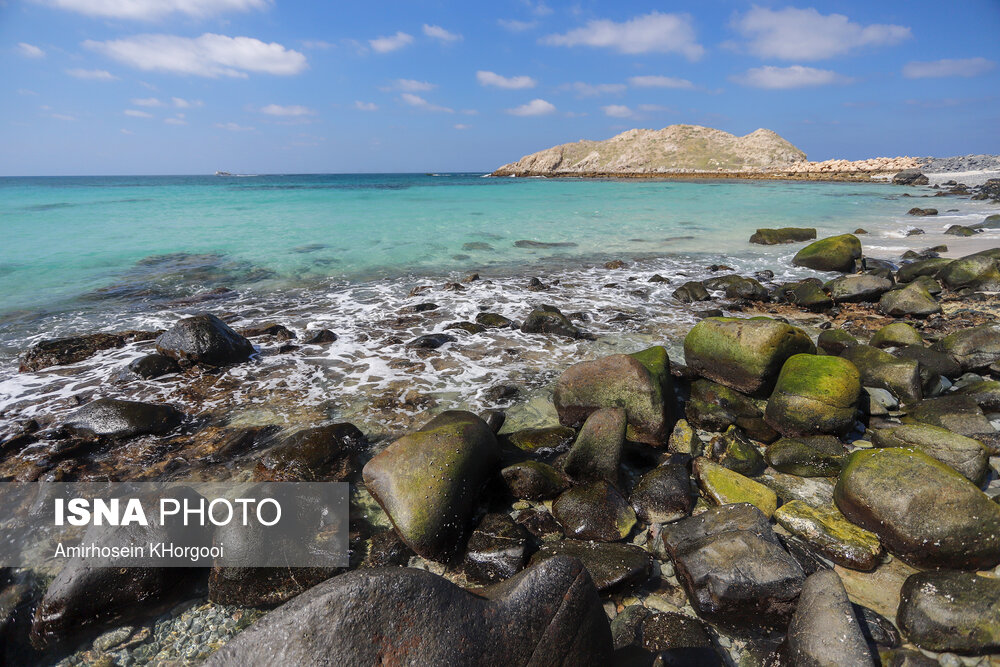
The transparency of the Persian Gulf‘s water off the coast of Abu Musa is such that the aquarium fish and its corals are clearly seen along the coast and breakwaters.
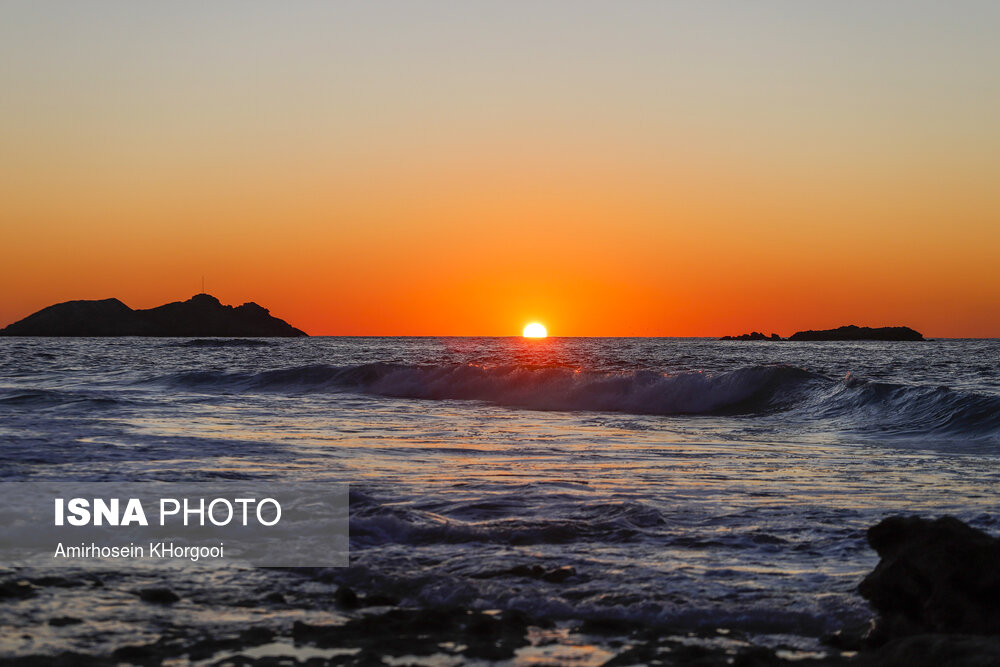
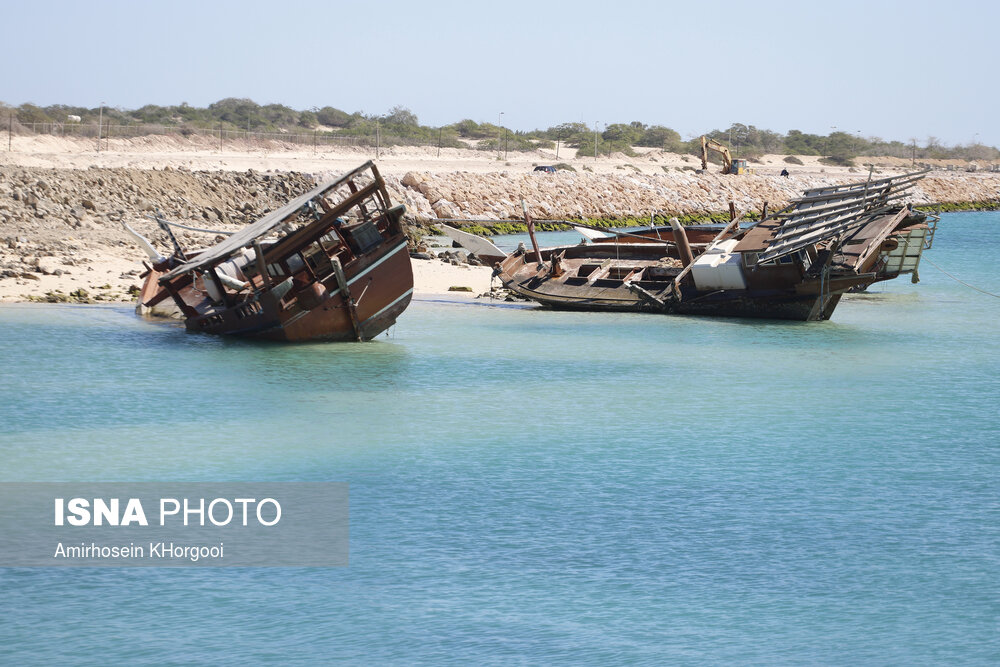
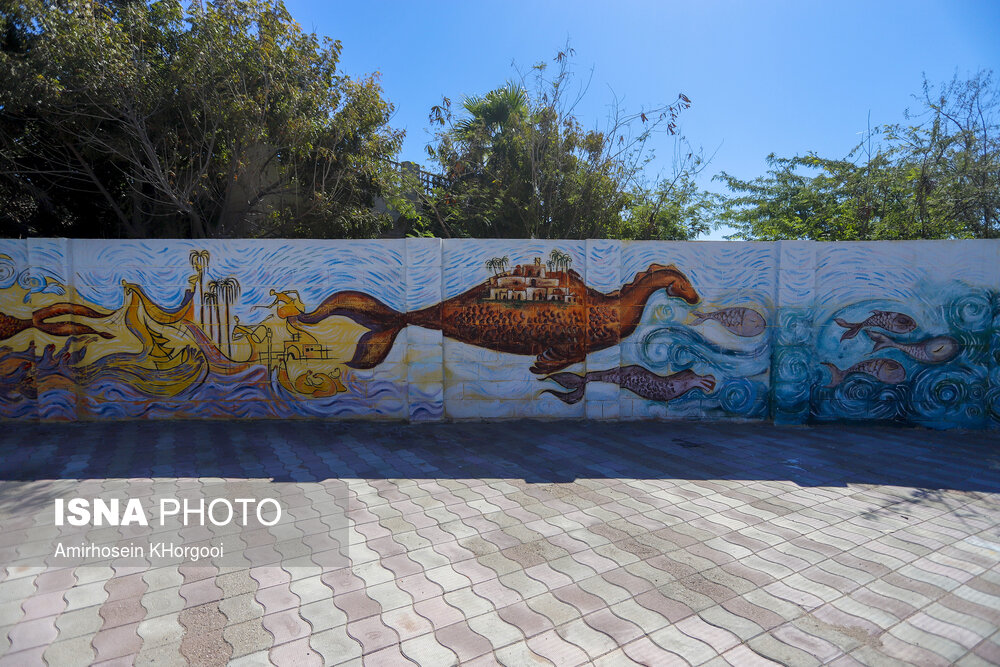
What follows are ISNA’s photos of the beautiful island:
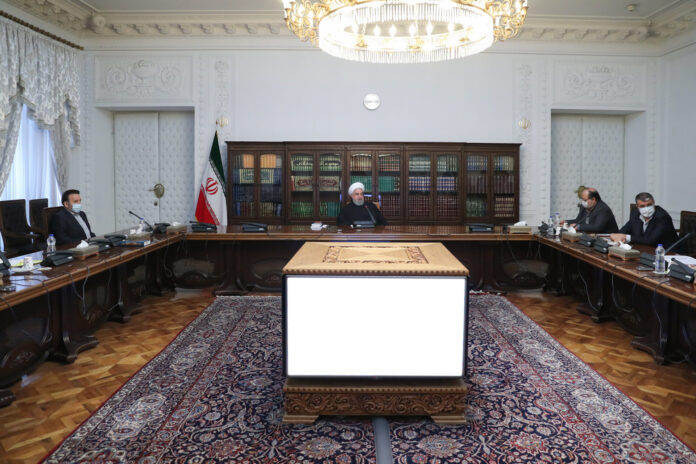
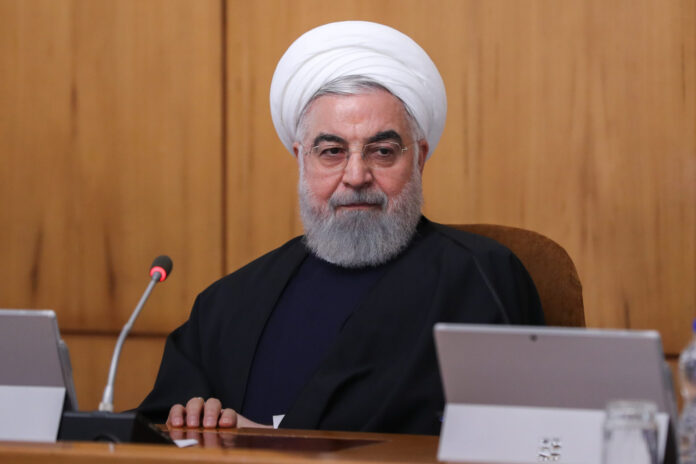
“What is important in the second phase of the smart social distancing programs is that this plan is in conformity with the Iranian lifestyle and the national model and, at the same time, with the principles approved by the World Health Organization,” he said in a Saturday meeting with members of the National Coronavirus Headquarters.
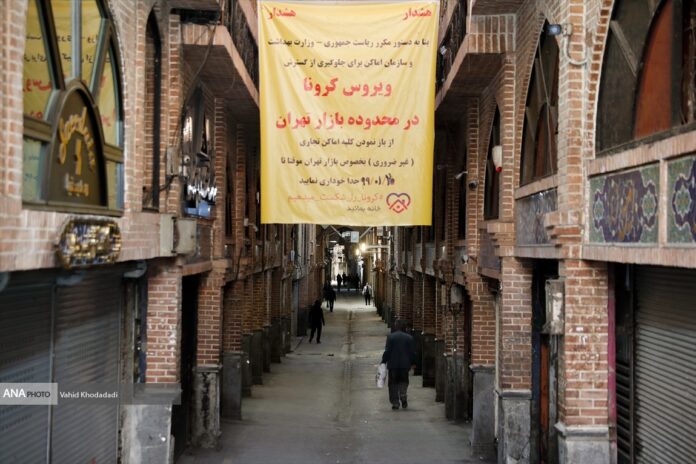
He then touched upon a plan under which low-risk businesses can resume work as of April 11, 2020 provided that they register their names on a specific website launched for the same purpose.
The president also urged the National Coronavirus Headquarters to closely watch the enforcement of the smart social distancing plan.
“All heads of the committees [of the National Coronavirus Headquarters] are required to make precise assessments of the enforcement of the smart social distancing plan, and study, in all provinces, hurdles and problems hindering its implementation, and act to remove them in the shortest time possible,” he added.
He called on all people as well as businesses to cooperate, as always, while the smart social distancing plan is in force.
In an op-ed article, Rabiei said the outbreak of the novel coronavirus has directly harmed the activities of around 3.3 million official workforces and has caused the closure of more than 1.5 million official and unofficial workshops across the country.
Amid the outbreak of COVID-19, the administration has adopted a policy that makes the protection of the lives and health of people a priority, the speaker underlined, saying the policy also entails plans to supply the needs for earning a livelihood and protect the economy within the framework of health protocols.
The decisions to isolate the coronavirus patients, carry out the social distancing plan, and implement the smart social distancing scheme are the results of the strategy adopted by the administration, he added.
Rabiei then underscored that Iran must carry out the smart social distancing plan with a health-oriented strategy, otherwise the economy which has been already hit by the sanctions will lose its power in the medium term and will even fail to implement the health-oriented policies.
The spokesman said the outbreak of coronavirus has directly affected nearly 3.3 million official workforces and has led to the shutdown of more than 1.5 million official and unofficial workshops across the country.
“Four million unofficial working forces in the country are prone to the interruption or reduction of activities, wage cuts or dismissal,” he noted.
Rabiei then noted that more than 12 million workers are engaged in the service sector of the country, saying the initial impacts of unemployment caused by the coronavirus have appeared in at least 10 occupational sections that were shut down immediately after the outbreak of COVID-19.
The economic growth will be experiencing a 0.4 percent decrease during the first three months of outbreak of the disease, the spokesman stated, warning that prolongation of the situation will produce secondary effects, including a dramatic rise in the unemployment rate.
The studies show that creation of new jobs in the small businesses and small-scale factories will not be possible until at least two years after their closure, he noted.
“According to the statistics from the Labor Ministry, in practice, a long-term shutdown and non-intervention in the labor market policies will increase the number of the unemployed to more than four million people,” Rabiei added, saying it would include 3.3 million jobs with social insurance coverage and around 700,000 unofficial jobs.
The spokesman finally noted that the latest statistics for coronavirus offered by the Health Ministry at a Wednesday session of the cabinet suggest that the rate of severe infections and deaths is on the decline with a mild rate.
“On the one hand, the plans to control the morbidity and the process of movement of the patients with the use of technical methods for monitoring and surveillance are on the agenda, and on the other hand, the economic activists are given the choice of running their businesses,” Rabiei said of the administration’s new policy, describing the scheme as the most successful experience in the world in the fight against coronavirus.
The Vatican’s secretary of state Cardinal Pietro Parolin talked to US officials regarding the issue following a letter by top Iranian religious figure Ayatolllah Mostafa Mohaqqeq Damad who had asked Pope Francis to take action to get unfair US sanctions against Iran lifted amid the COVID-19 pandemic.
The Vatican said in a letter to the Iranian scholar that it had contacted US Ambassador to the UN Kelly Craft and relayed to the top diplomat Iran’s concern, demanding Washington to pay attention to the issue.
In the letter, the Vatican expressed sympathy with people in Iran and all other countries gripped by the coronavirus.
The letter underlined that this ordeal brings to light the fact that people are members of the same human community and should set aside enmity and hate.
In the letter, the Vatican said Pope Francis has urged all humans to live in peace and harmony on the planet earth.
It also said the pontiff believes Iranian authorities will spare no effort to help establish peace and unity and will avoid any action that would fuel tensions.
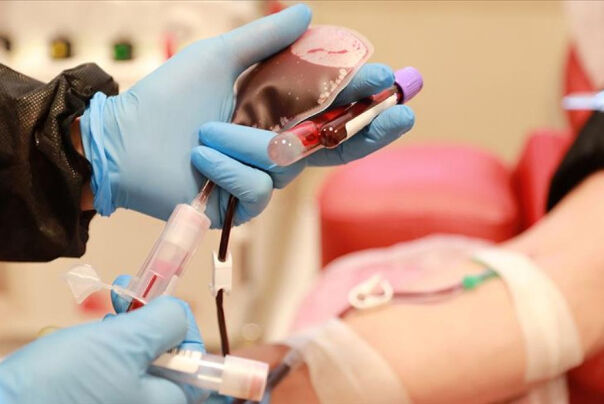
An official in charge said tests using plasma therapy have been carried out on some 200 patients, with dozens having recovered.
“With research work drawing to a close, this method is likely to be used on a larger scale as of next weeks to treat patients infected COVID-19,” said Nasser Riahi, a member of the Presiding Board of the Tehran Chamber of Commerce.
“Before the project got off the ground, we received permits from the Ethics Committee of the Ministry of Health and Medical Education, the Blood Transfusion Organization and the Supreme Blood Transfusion Council; all of those permits were for research projects,” he said.
“Of course, since day one, it was almost clear that injecting the plasma of recovered patients into infected people would be a useful method, which had already been used for patients suffering from diseases such as SARS and Ebola as the only method of rapid treatment,” the official added.
“Our mentality was that the injection of plasma would not harm patients, and that this method had always been used to increase the volume of blood,” he added.
Riahi then touched upon the long history of using plasma for treating different diseases.
“We proposed a research project to answer several key questions; for example, what effect this type of treatment would have on patients in bad condition or on those whose disease had just started, and which group would benefit most, or what effect the treatment would have on controlling fever, shortness of breath and other clinical symptoms of patients,” he added.
Riahi noted that three international hematologists are running the project.
“These experts immediately formed a group comprising dozens of researchers, general practitioners, clinical doctors and therapists, as well as al large number of nurses, lab sciences experts and companies working in the field of plasma,” he added.
“In later stages, contacts were made with international organizations, and, at the end, protocols were drawn up on receiving plasma and the method of clinical treatment.
Accordingly, it was decided that 200 patients be treated using the plasma of recovered people, and that after results are achieved they be published as articles in international journals, so that other countries gripped by the disease will be able to benefit from it, too,” he said.
He said tests have been completed on 200 patients.
“Of course, the detailed results of the research will be released in the coming days by researchers, and another good piece of news is that initial analyses of [data pertaining to] dozens of patients under treatment show they have recovered with this method,” he said.
“The recovery of some of these patients who were in bad condition is like an all-out miracle, and others who were not in very bad condition have recovered, too,” Riahi noted.
He said after the research phase is through, the treatment phase will commence.
“In fact, it is proven in the research phase that this method has positive effects, and its side effects are at an acceptable level,” he said.
“What is important is that antibody levels in the recovered patient remains high for so long, and this level of antibody in plasma has therapeutic effects. Moreover, no more than once a week and no more than 500 to 600 cc of plasma should be taken from the recovered patient. Of course, more than one injection may be needed for treatment,” he added.
“So, it is not that this treatment method can cover all patients, but it will definitely will be announced what patients take priority,” he said.
According to Riahi, a great number of personnel contributed to the project, which came with a very large price tag, too. He said firms from the private sector contributed heavily, too.
Sharing Experience with Coronavirus-Stricken Countries
Riahi explained that the clinical team which has developed the treatment method is seeking to share their experiences with Europe and other countries.
“After we became sure that our method is right, contacts have been made with countries which are in possession of this knowhow such as Germany, Italy and France in Europe to share information and experiences with them. They are getting prepared to work on this method, too,” he said.
“Moreover, some European countries lack the infrastructure to collect plasma. Therefore, they were informed through the foreign ministry and ambassadors that we can share with them our experiences and protocols. In addition, it is possible to create the required infrastructure through calls for voluntary workforce in these countries and finally deliver it to their doctors,” he said.
Riahi says Iran’s private sector has not even charged these countries for sending personnel and “this is a gift from our country for friendly nations.”
“In the past weeks, some medical sciences universities received permits to conduct research on plasma therapy, which will distribute staff members across the nation. So, we will ask them to join us, and get involved in the implementation and treatment process instead of spending time and money on research,” he said.
Riahi criticized the fact that the implementation of this treatment method has not been warmly welcomed by public opinion, and it looks like the issue has be eclipsed by certain medicines recommended by doctors.
He said some media outlets are reporting that this treatment method for coronavirus treatment has emerged in the West after the US began doing research in that domain.
“However, I should say that this miracle has emerged in the East and in Iran,” he added.
“The plasma therapy protocol in Iran was ready on February 24, 2020, but the United States’ Food and Drug Administration (FDA) published the protocols for this treatment method just two weeks ago; the US protocols had very slight and negligible differences with the protocol drawn up by our experts,” he said.
“The United States has just recently taken the first plasma samples while, in Iran, the process of injecting plasma to 200 patients has come to an end,” he said.
Riahi underscored that Iran is definitely the first country to have used plasma therapy to treat patients infected with COVID-19.
“Before Iran, only China was doing work in this field, and its activities have been incomplete and without consistent research and it has not offered any reports either,” he said.
Health Minister Saeid Namaki announced the commencement of the second phase in a letter to Gholam-Reza Soleimani, the head of the Basij Resistance Force.
In the letter, the health minister expressed his gratitude for the cooperation of Basij personnel in screening 70 million people in the first phase of the fight against COVID-19.
“We will press ahead with the second phase of the national campaign against the coronavirus while handling infected cases already identified, conducting tests on asymptomatic individuals and monitoring the smart social distancing plan,” Namaki said.
In a telephone conversation with Vice-President for Science and Technology Sorena Sattari on Friday, President Rouhani praised the domestic knowledge-based companies for their effective efforts and for playing a significant role in the fight against COVID-19 pandemic.
The president also ordered Sattari to take the necessary measures to exchange the new measures and initiatives with the other countries and take advantage of their plans and experiences in the production of pharmaceuticals and other necessary equipment for the battle with coronavirus.