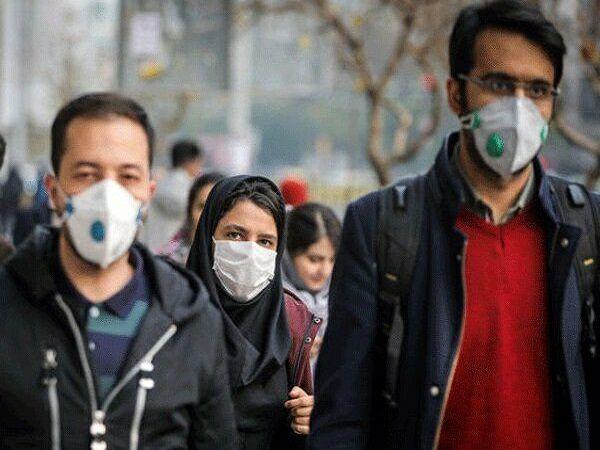
Health Ministry Spokesman Kianoush Jahanpour said on Thursday that the total number of infections has been increased to 50,468 and the death toll to 3,160.
Jahanpour further noted that 16,711 patients have recovered and been discharged from the hospital.
According to Jahanpour, 3,956 patients are in severe conditions.
The Iranian official also noted that up to now over 69 million Iranians have been screened for COVID-19 as part of the national mobilisation plan.
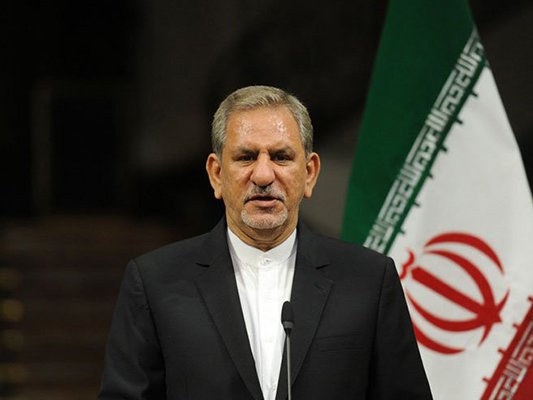
Es’haq Jahangiri said every effort should be made to help citizens who cannot earn a living and make ends meet.
“I’m asking people who know needy individuals [to introduce them],” he said.
“… Over the past few days, a video clip was posted on social media showing an old man saying he couldn’t afford to buy cheese for his children,” said Jahangiri.
He quoted the old man as saying that “‘It’s been two days that my kids have been asking me to buy cheese for them, but I can’t. I’m a street vendor working at the underground station. Police keep telling me to get my stuff and go home. If I go home [without having earned money], what am I supposed to eat?”
Jahangiri said it would be heart-wrenching to see people going hungry.
“People’s hearts are touched when they see someone needs food, but can’t get it,” he said.
The vice president further noted that the government has allocated finances to help the needy.
“We have earmarked funds for some three million people who didn’t have any jobs or who had very small earnings, so that they would receive between two million and six million rials per month, so their lives won’t be harmed. If such people are introduced, the Welfare Ministry will definitely cover them,” he said.
He further asked all fellow countrymen to help the destitute and those who have been affected by the coronavirus outbreak in the country.
“We also ask benevolent people to rush to the help of such individuals if they run into them, those who have not been spotted by the government, so that they will not be harmed; institutions such as the Imam Khomeini Relief Foundation and the Rehabilitation Organization should pay serious attention to people who are not receiving the government’s financial support, but who are in need,” he said.
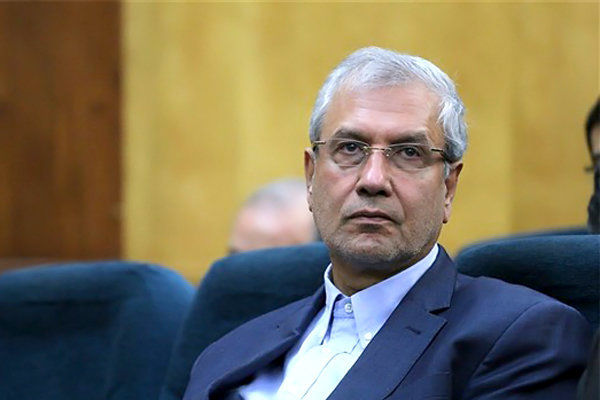
Ali Rabiei said in the field of kit manufacturing, the country is now able to produce almost 20,000 kits while these kits were not available in the early days of the outbreak.
“At the beginning, some kits were donated by China and the World Health Organisation and we were heavily relied on imports, but today our kits have been developed to such an extent that we can greatly expand the number of our tests,” noted Rabiei.
Now the private sector is also working on these kits and people are taking home diagnostic kits, underlined Rabiei.
Speaking to the state TV on Wednesday, Rabiei also added the industrial production of masks has also quadrupled in the country.
He said we have to increase our production in this area, but now this number is enough for the treatment sector. As for disinfectants, it was reported that stores have begun to supply more.
Regarding the decrease in the number of the coronavirus infections, he stated the number of victims has declined gradually, reflecting the impact of quarantine on patient care.
“At one of our most important hospitals in Tehran, referrals have declined by a quarter, and in another by one fifth which is good news. Of course, this trend is different in our provinces, and in some of them, although not upward, there is a steady trend.”
Raising hope about passing the peak of the outbreak in the country Rabiei said “I have no medical expertise, but I hope we have passed the disease peak; at least the evidence shows that we have passed the peak.”
On the subject of the number of labs Rabiei said there are 66 state-owned and 33 private laboratories for corona testing in the country.
“Among those, who have been infected and killed by coronavirus, 70% were almost 70 years old and had underlying disease. Of the children, who were said to have been infected by the coronavirus I must say there were five and they had underlying problems, so people should not be worried.”
The spokesman for the government said over 60 million people have participated in the screening plan so far, adding that more than 100,000 people have been advised to stay home and that their conditions is being followed up. Also, 18,000 people were introduced to hospitals in this plan and 5,600 needed to be hospitalised.
Emphasising that there is no evidence of the exact timing of the end of the outbreak, he said, “However, we can say its control and containment is going on.”
“Considering the country’s health care, we would say in the future, if the health recommendations are observed, the mortality rate will be very low,” reiterated Rabiei.
He continued that the government believes investment in the production of kits, medicines and ICU beds must be promoted, and the government will import these stuff whenever needed, but thank God no one is left behind the hospital door.
It was also agreed that foreigners, who are living in Iran and cannot afford the costs, should be treated at the expense of the government if they become ill.
As long as the disease persists, people should use public transport according to the protocols and in fact pursue a new lifestyle, he emphasised.
About the restrictions imposed on Nature’s Day, Rabiei said “96% of foreign flights and 70% of domestic flights have been cancelled in the Social Distancing Plan for Nature’s Day. Passenger shipments were down by 97 percent, and we witnessed 80 percent of decrease in transportation.”
He further added the existence of a culture of caring for the elderly in the country, on the one hand, and the European population being older than Iran on the other hand, has led to a lower corona mortality rate in the country.
“There are still 4,000 beds in the armed forces facilities and 13,000 in the health ministry hospital beds, and about 100,000 beds that the armed forces have prepared are still vacant, which is a very big achievement.”
After the first wave of the outbreak, there existed a problem in the world regarding the supply of ventilators. But the Islamic Republic produces 38 ventilators a day, and the contract to produce 2,000 more is signed with private companies and knowledge-based ones. However, in some countries they attach eight beds to one ventilator, he pointed out.
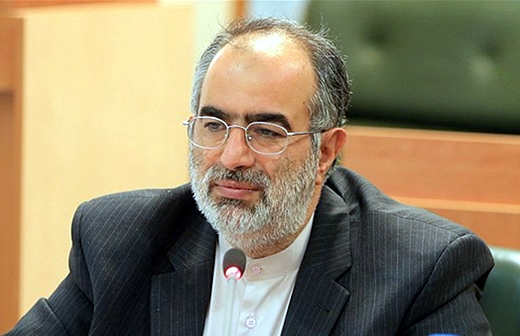
“Dear Americans: If we don’t fight the Coronavirus globally it will reappear globally, again and again and again,” Hessamoddin Ashena said Wednesday.
“Trump’s economic sanctions equal further spread of the virus in Iran which equals further spread of the virus in the US! Help us help you,” tweeted Ashena, the head of the Strategic Research Centre of the Presidential Office.
So far, different countries have called on Washington to lift unfair sanctions against the Iranian nation under the current circumstances when the coronavirus has spread across the world.
Nevertheless, the White House has not responded to those calls yet, and, ironically enough, added several other companies to the list of sanctions.
Stephane Dujarric, the spokesman for the UN Secretary General Antonio Guterres, said Friday that sanctions imposed on countries should be lifted for the fight against the coronavirus.
Earlier, Guterres along with the World Health Organization and High Commissioner for Human Rights together with Russia, China, Pakistan, Britain, Iraq, Venezuela, Nicaragua, North Korea and Cuba have made extensive diplomatic efforts to get US sanctions lifted at a time when the coronavirus pandemic has gripped the world.
In a letter to the UN chief, a number of countries have described the current times an opportunity to practice multilateralism and counter the United States’ unilateral moves. They have reiterated that Washington’s economic terrorism against Iran is in contravention of the UN Charter as well as numerous decisions of the UN General Assembly.
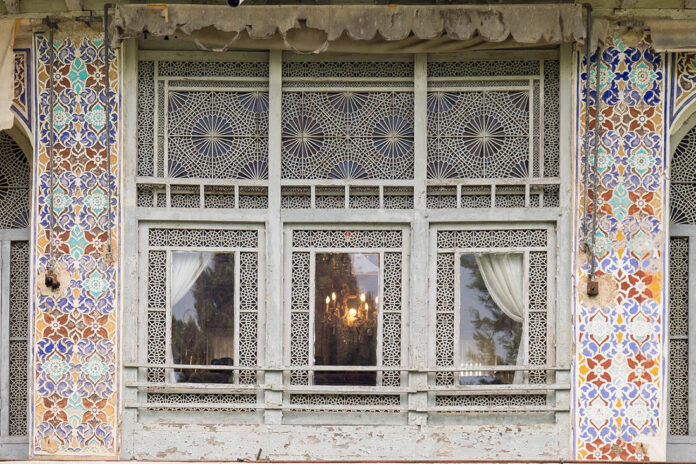
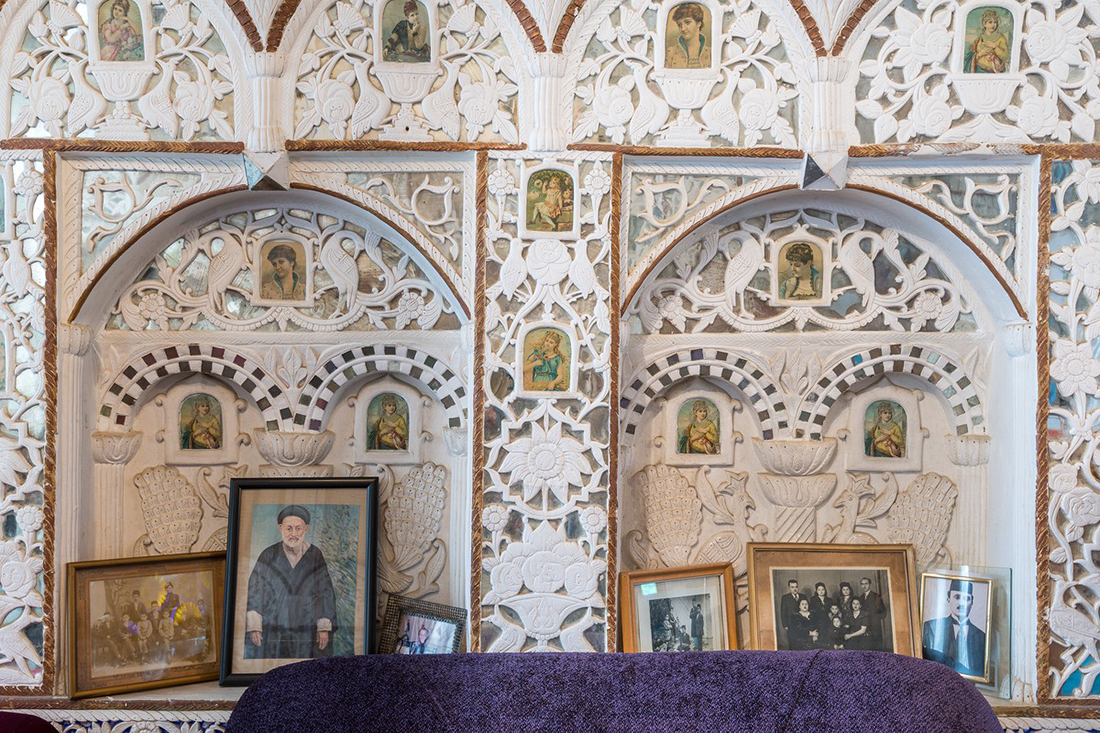
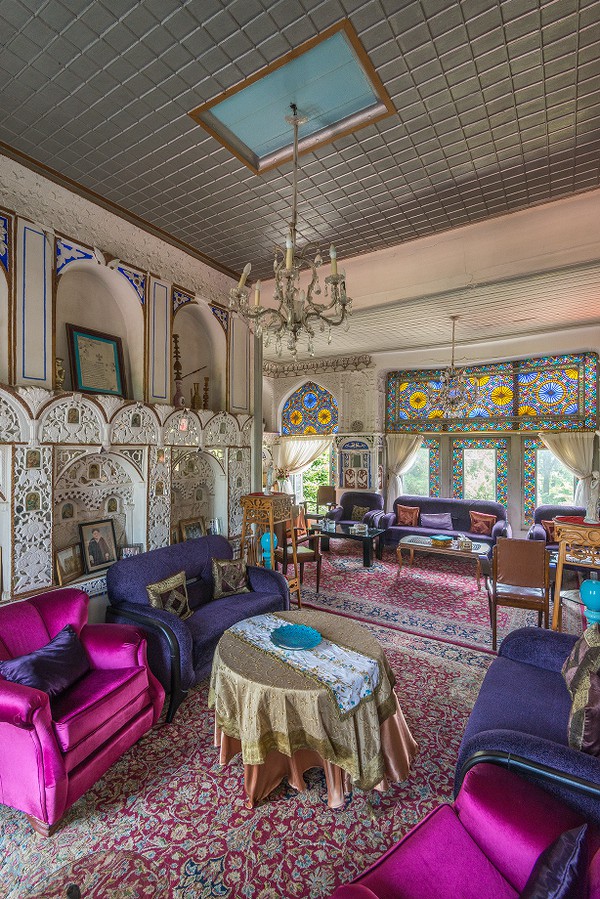
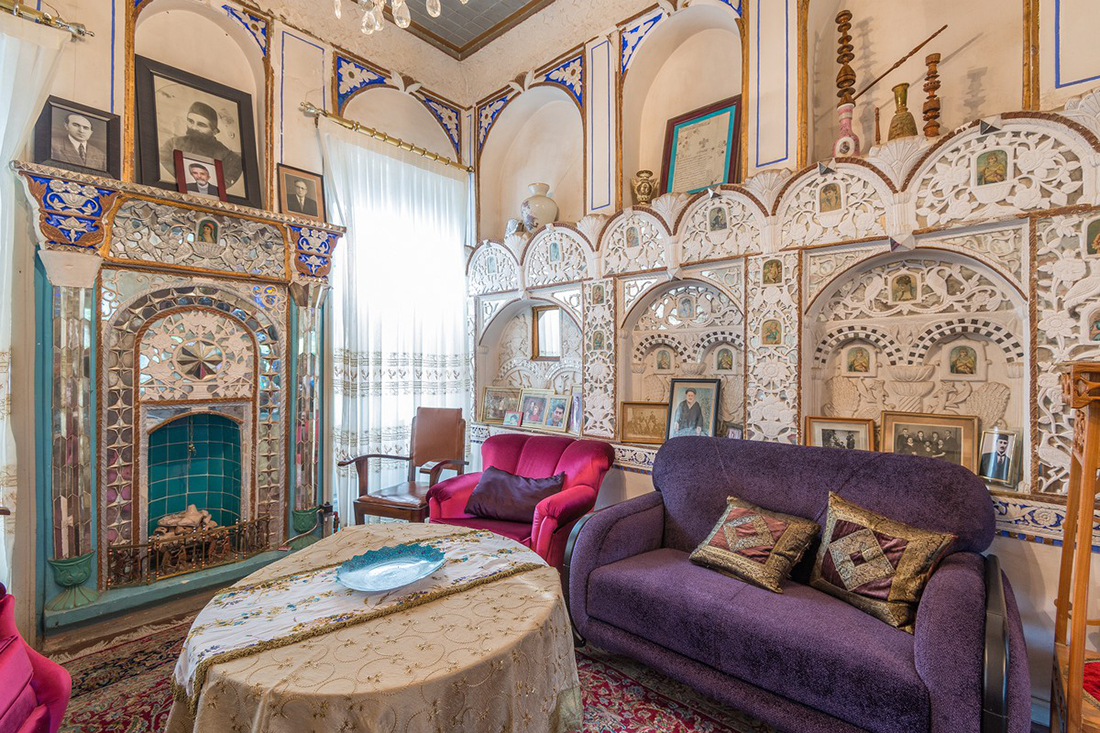
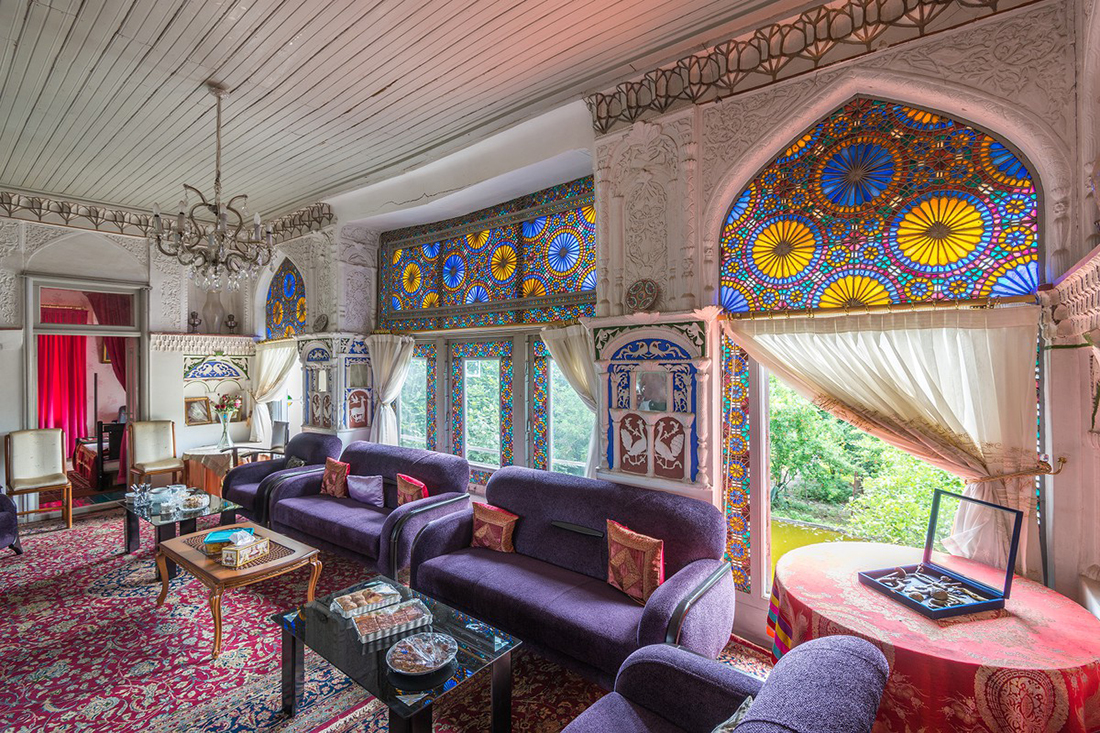
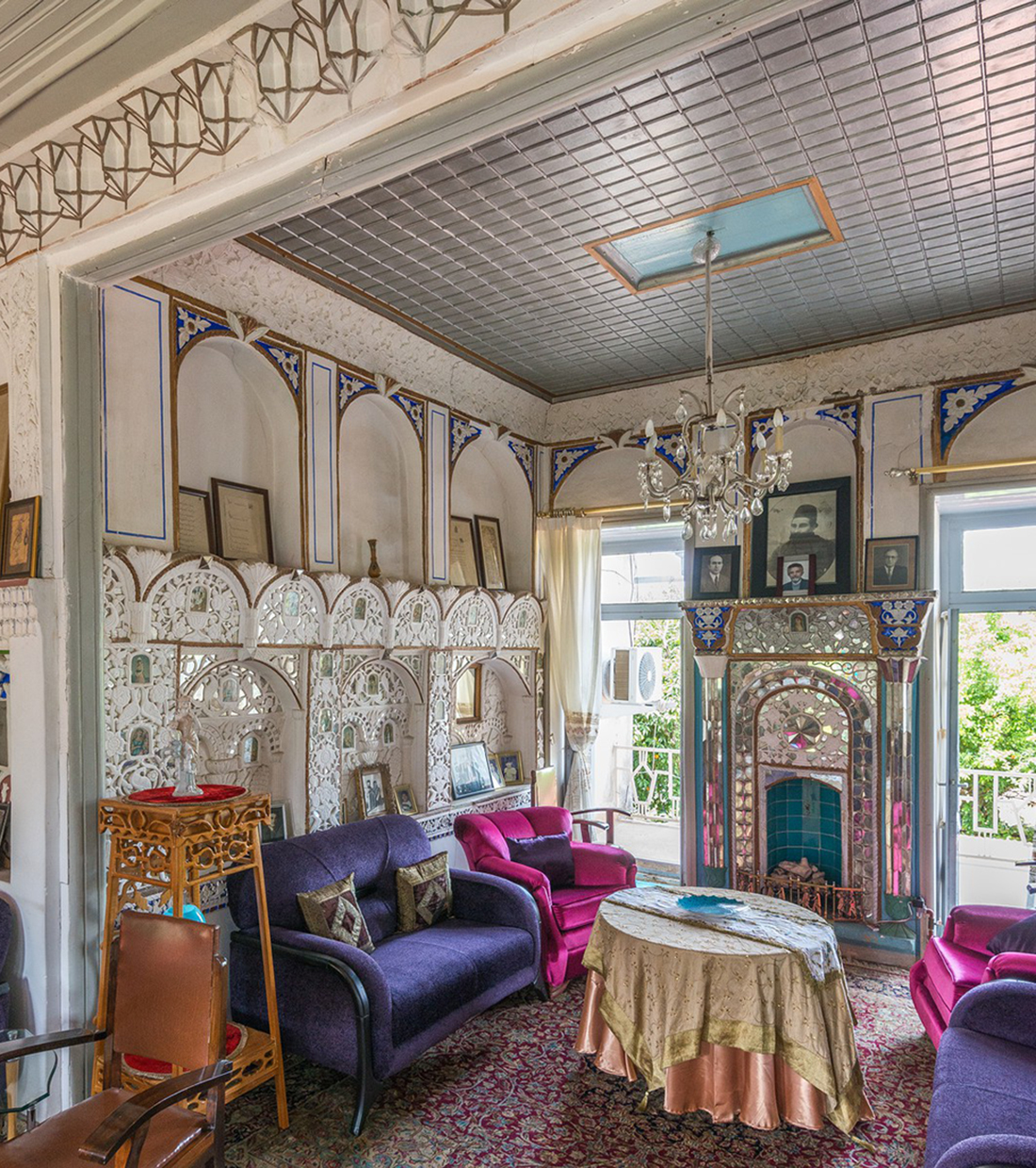
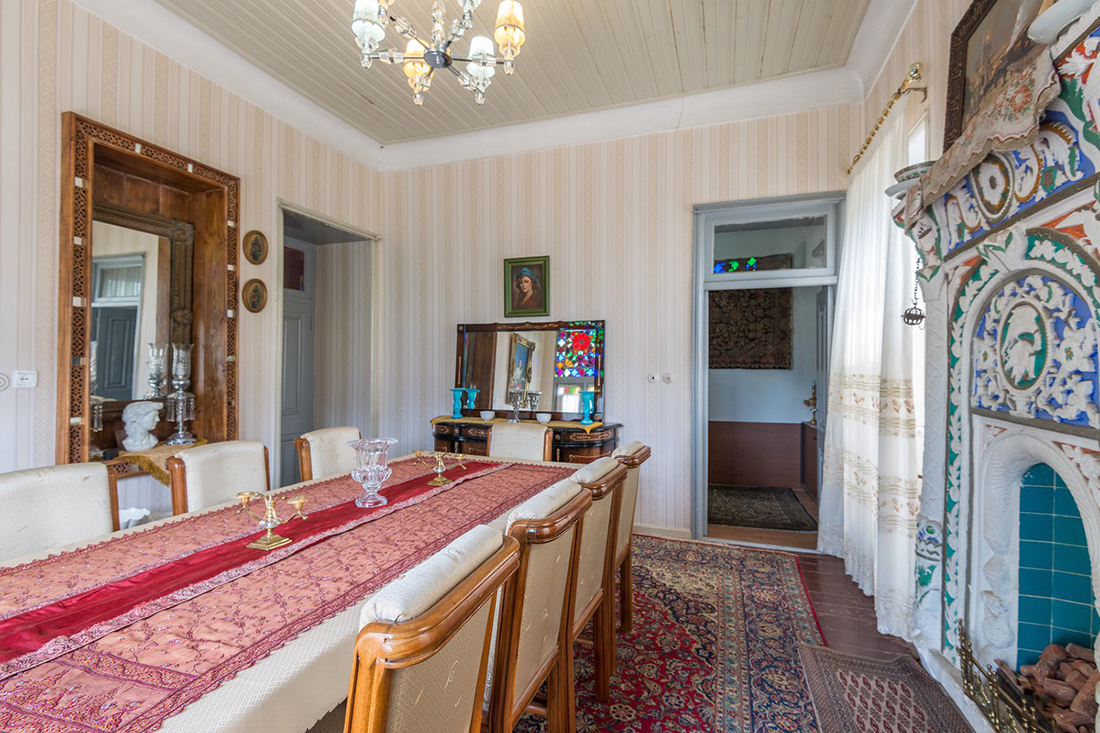
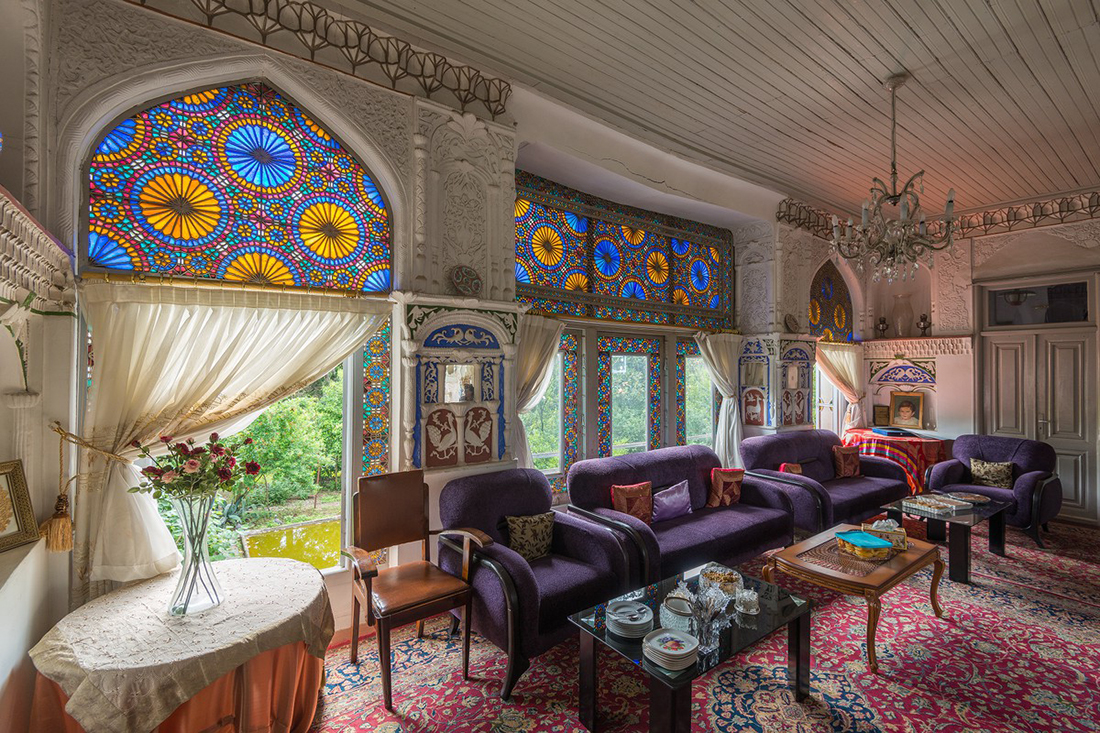
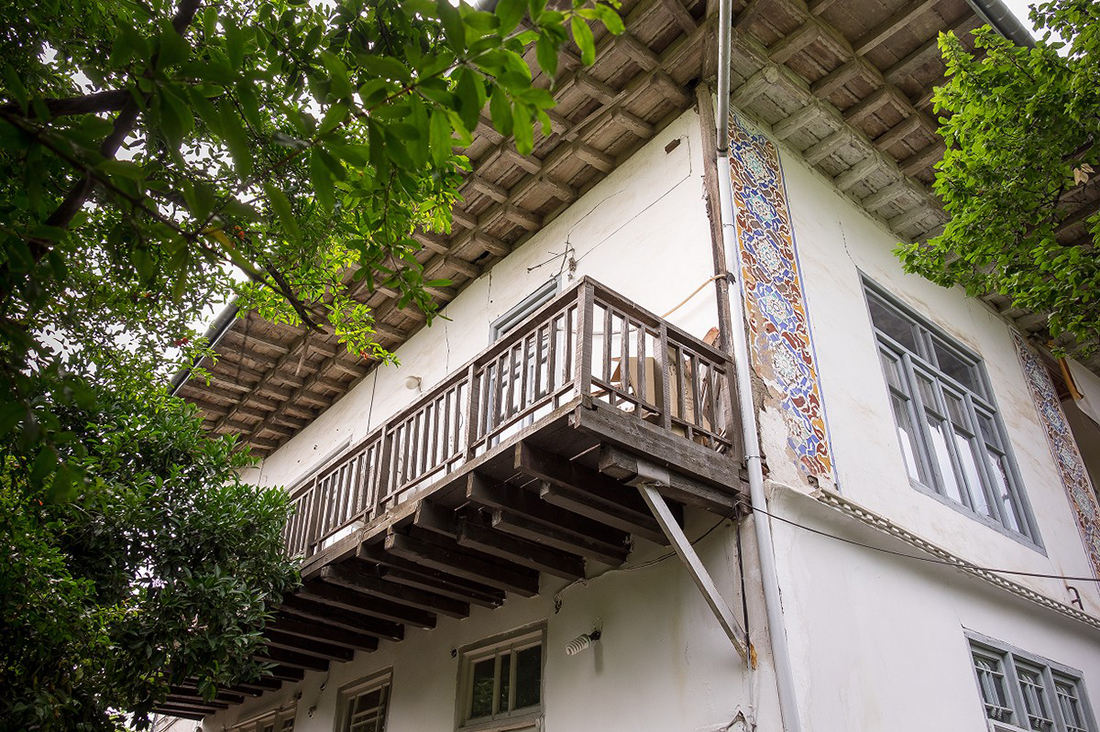
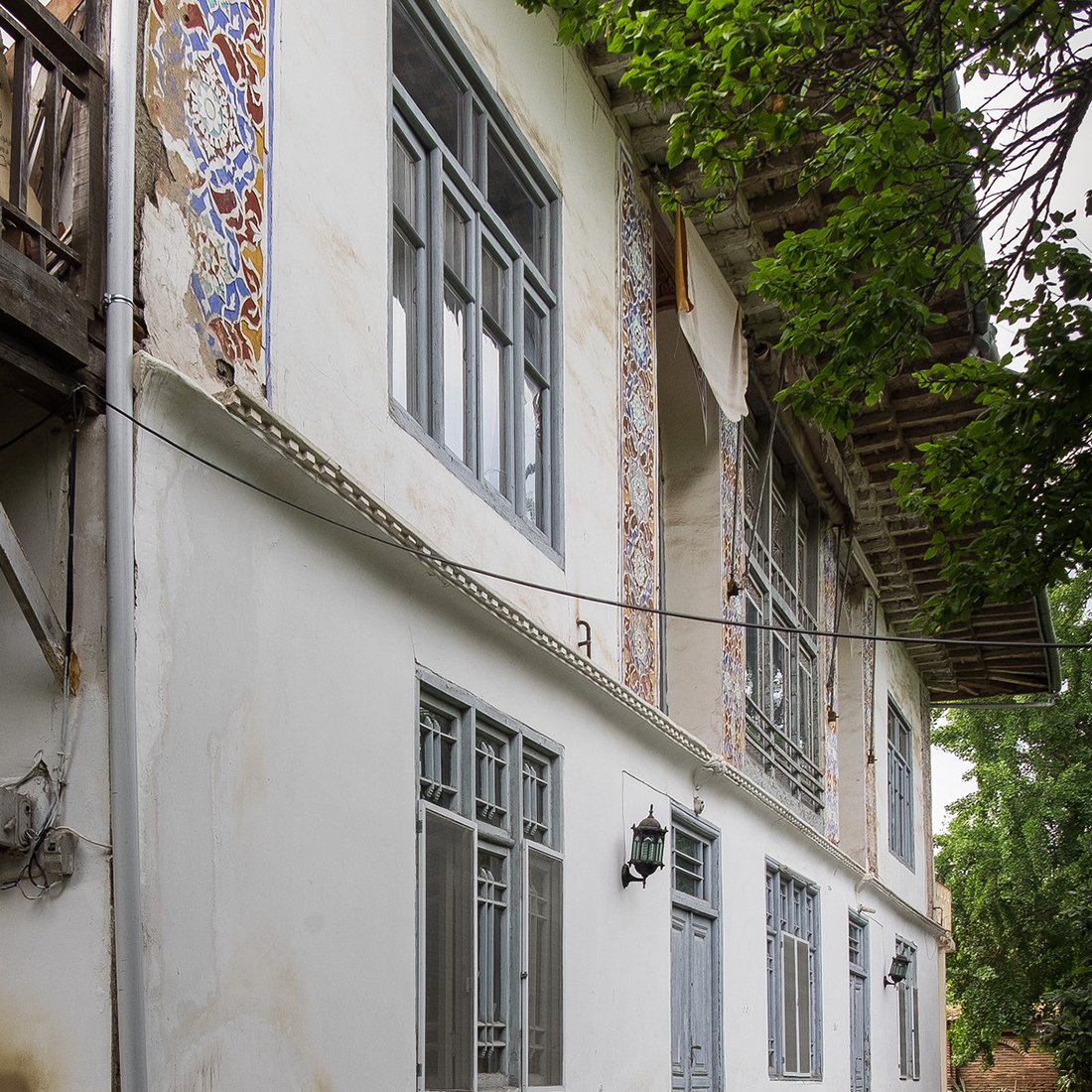
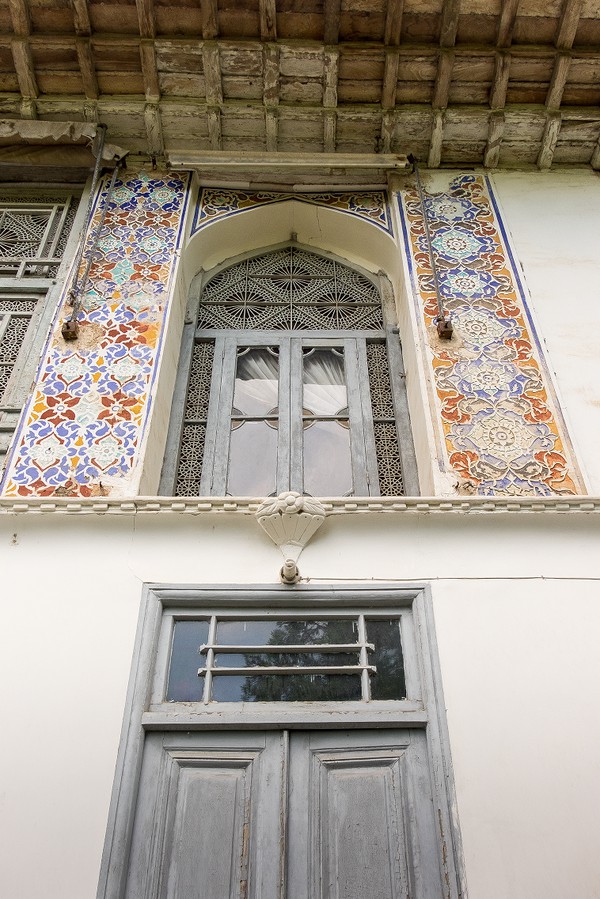
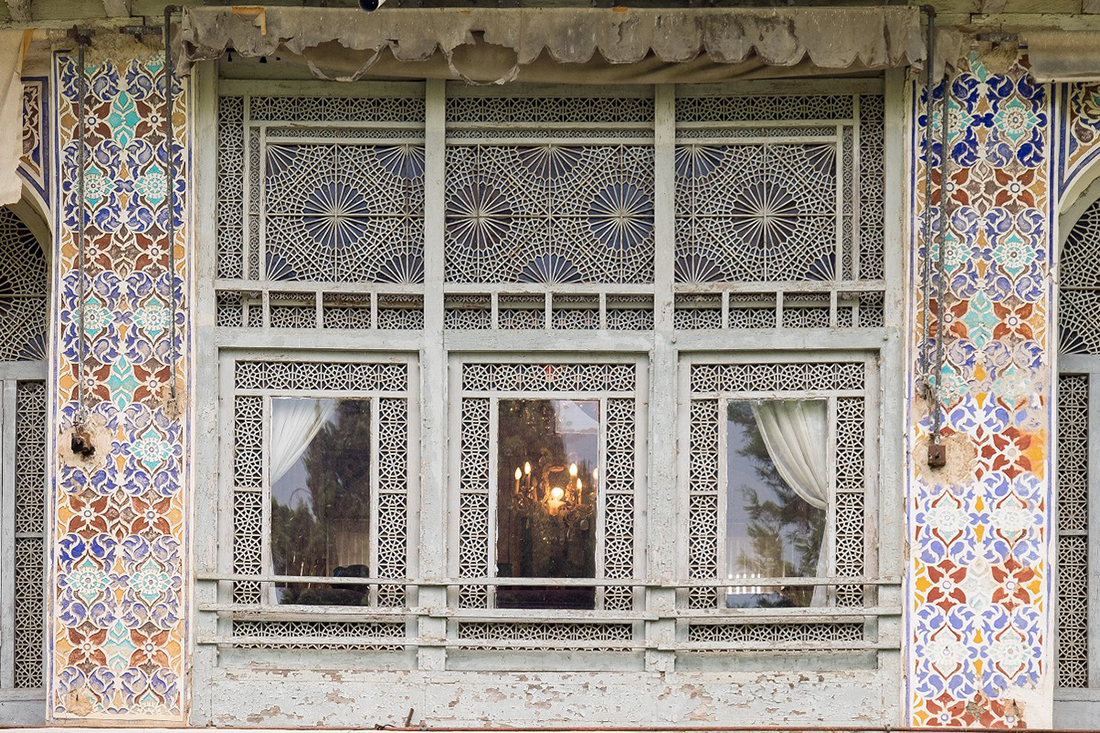
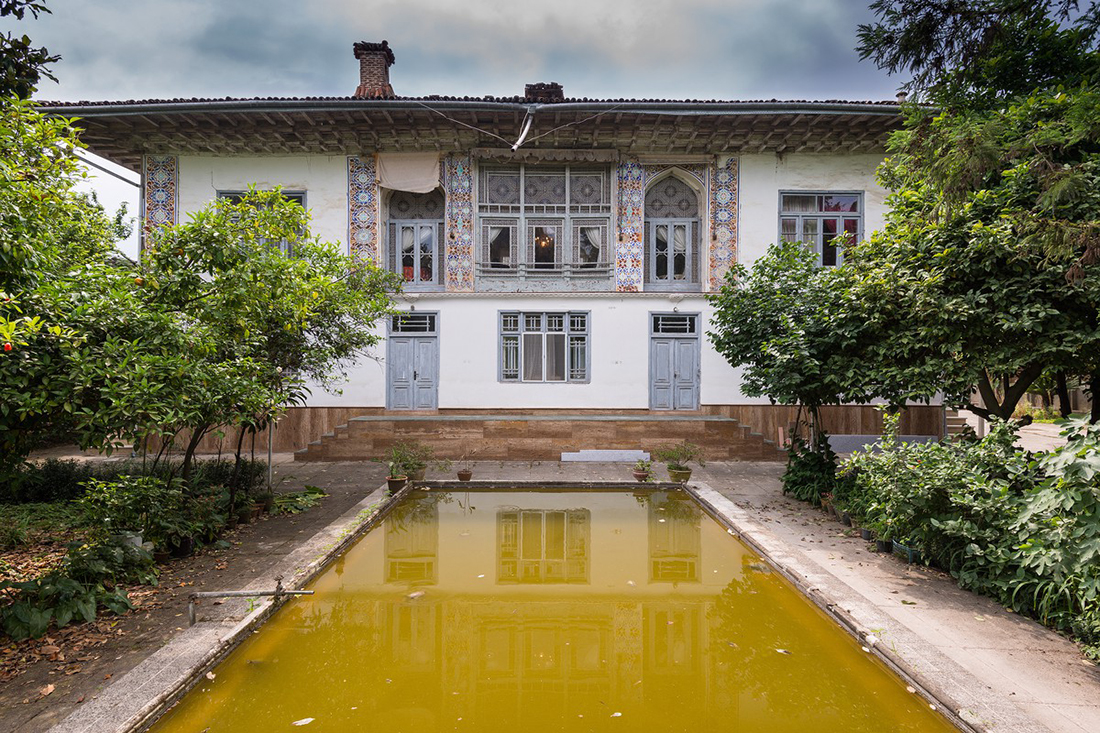
The house of Abdul-Ali Khan Sufi was built in the Qajar era 186 years ago. It has an area of 5,000 square metres and a 700-metre building. It has two summer and winter floors, comprising 12 rooms and 6 closets. The mansion has accommodated five generations.
The ground floor’s height is 225 cm and the first floor’s is 325 cm. The ground floor of the house was dedicated to servicemen, and the first floor was considered to be the alcove. The plan of the house is based on symmetrical styles.
In the centre of the first floor you can find the alcove of the house (reception hall) and on the sides there are two rooms that lead to the eastern and western porches. This is a characteristic of houses in the north of Iran.
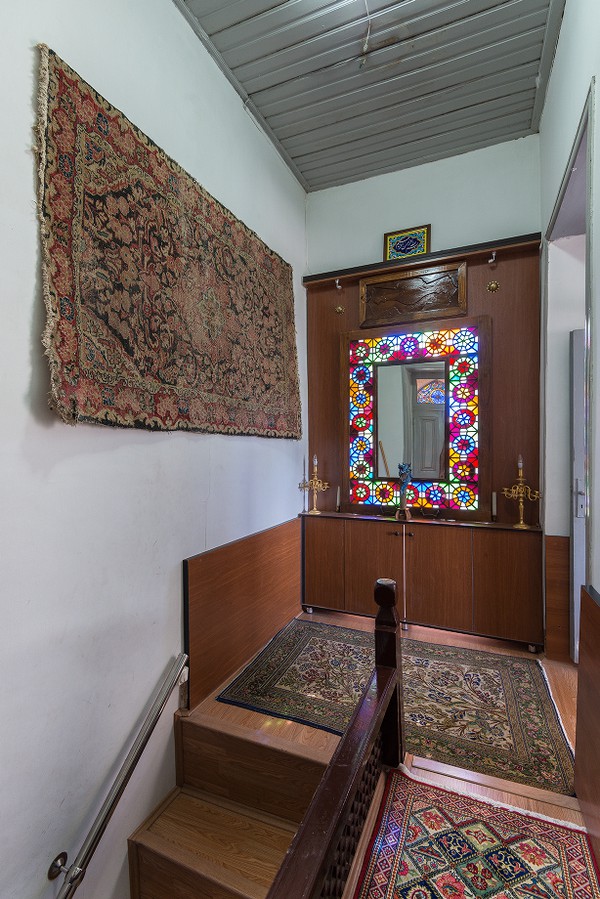
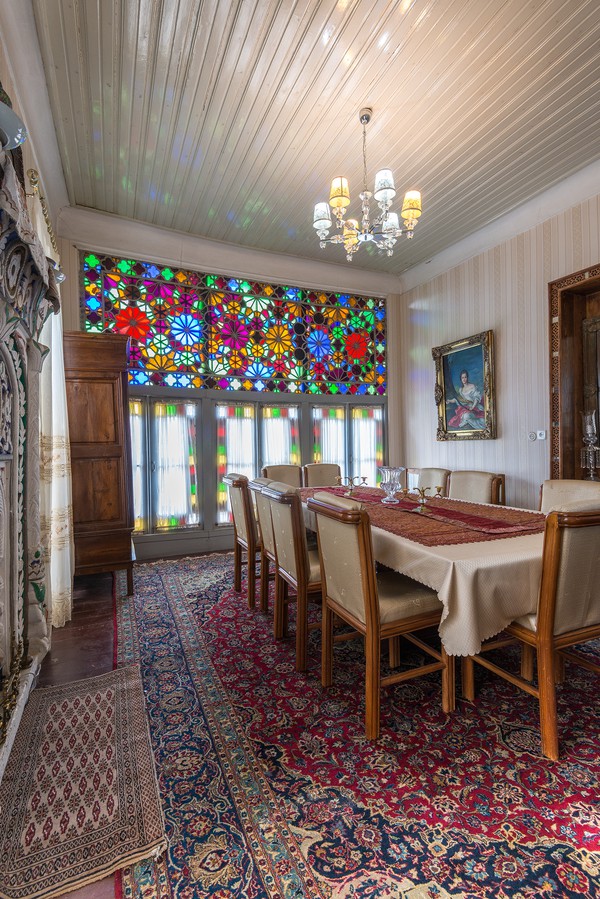
Here are Mizan News Agency‘s photos of this historical building:
Kazem Gharibabadi, Iran’s ambassador to Vienna-based international organizations, said the financing will go to nationwide programs drawn up to stem the spread of the disease.
“The financial aid will be sent to Iran via the World Health Organization to buy medical supplies and equipment urgently needed by hospitals,” he said.
Iran has launched plans to stem the spread of COVID-19 across the nation. Nonessential travel has been banned and some businesses have been ordered to remain closed until further notice. At the same time, efforts are being made to procure the necessary medical equipment to counter the epidemic despite US sanctions.
Now that Iran is being ravaged by the COVID-19 coronavirus, there is greater scrutiny of the country’s health system and the multiple ways that the US-led international sanctions have impeded the ability of healthcare providers to address rapidly increasing demands.
A few days ago, Iran’s Foreign Minister Mohammad Javad Zarif wrote in an op-ed titled ‘Fight the virus, not us’ published by Russian business newspaper Kommersant that the US “medical terrorism” against Iranians through imposing toughest ever sanctions on the country is leading to a “humanitarian catastrophe” as it makes it “impossible” for ordinary people to have access to essential drugs amid the COVID-19 pandemic.
Zarif has spoken out in recent weeks, calling on the international community to pressure the United States into lifting its unilateral sanctions against Iran at least during the country’s fight with coronavirus, as they are impeding people’s access to medicine and causing a disaster.
To shed more light on the impact of these sanctions, the Middle East Research and Information Project (MERIP) has conducted an interview with Noushin (not her real name), a marketing manager for a private Iranian pharmaceutical company that produces and imports a wide range of medical drugs.
The interview has been conducted by Kaveh Ehsani, a MERIP contributing editor, on March 26, 2020. Here’s the full text of the interview:
The draconian US sanctions on Iran, especially those imposed after President Trump revoked the nuclear deal with Iran (known as the Joint Comprehensive Plan of Action, JCPOA) in 2018, are having a devastating effect on the entire sector. While medical drugs and supplies are supposedly exempt from US sanctions, Noushin’s experience sheds light on how this means very little in practice.
Q: What impact have government policies under sanctions had on your company and others like yours?
A: We have to deal with many institutions and other partners to produce and distribute our products. I would say we have encountered massive difficulties at every level. In Iran, the Ministry of Health sets all drug prices to keep them affordable. As a pharmaceutical producer we have to sell our products at a fixed price to pharmacies and hospitals, who can only charge the public equally fixed retail prices. This means we have little to no margin when dealing with the burden of sanctions, or inflation caused by currency devaluation.
Of course, we can appeal the Ministry of Health to review a fixed price, but this opens the door to corruption and nepotism, which has become far more widespread all along the production and supply chain. Regulating bureaucratically set prices has also turned into a major problem, as scarcity has opened the door to hoarding and profiteering, often with the collusion of officials and regulators who are hard pressed like everyone else. We are witnessing the delegitimization of the entire system as ordinary people face medicine shortages and exorbitant prices.
Q: Have the sanctions exacerbated the impact of these bureaucratic rigidities?
A: Absolutely. We produce a lot of drugs domestically, but like everything else in the world now, the notion of absolute self-sufficiency is a myth. Even in domestically produced medicine many ingredients have to be imported, and those are constantly being hit by sanctions. Let me explain how this works. To import anything, we need two things from the Ministry of Health: an import permit for that ingredient, and a bill of credit for subsidized international currency. The law says that we cannot import anything that is being produced domestically. The problem is that the quality of domestic ingredients may be inferior, and there may not be enough available to satisfy demand. This creates scarcity.
Then, because of sanctions, we have encountered increasing challenges to get credit to import anything. Using the far more expensive free market currency is not an option, because as things are we are barely hanging on financially. Any pharmaceutical consists of many ingredients, some of which need to be imported. So, even if we domestically produce 80 percent of a vital drug, we run into these problems attempting to import the other 20 percent.
These are the problems we face on the Iranian side. In addition, none of our foreign partners want to do business with us because they fear being hit with US sanctions. It doesn’t matter that nominally medical supplies are exempt. Let me give you a concrete example: There is an important drug that we produce domestically, but we cannot import the packaging! These vacuum packages for pills are called “blisters.” We import from India, because they are a main global supplier. But they are afraid to sell to us. I was telling our distributor to ship out our existing supply of pills before expiration. His frustrated reply was, “How do you expect me to ship them, in gunny sacks”? Suppliers are not the only problem. Banks, insurers and financial institutions present problems too. Even if we have the credit, it has to circulate through financial institutions and they are terrified of alienating the United States and being hit by sanctions themselves.
As a result, many private companies like us have gone out of business. This is not only the case for pharmaceutical companies. The same is true for the food industry, equally exempt from sanctions, supposedly. Many multinational food corporations have left Iran fearing sanctions, for example Nescafe. The handful that are left, like Nestle or Danone, are trying to increase their domestic production here, for example for powdered milk used for baby formula. But it’s a challenge and I am not sure they will stay. Sanctions have devastated many producers, including those that are supposedly exempt. Most of all, they have hurt ordinary people immeasurably as prices have skyrocketed and basic necessities have become either scarce or beyond anyone’s ability to purchase.
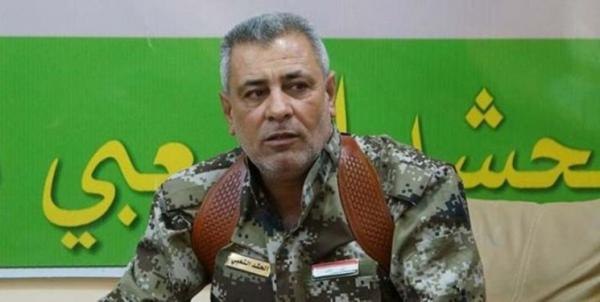
Top PMU commander Ali Al-Husseini said Washington pursues two objectives by leaking out news suggesting the US intends to target resistance groups.
In an interview with Baghdad Today, he said the US, in the first place, is facing a very difficult and complex situation at home and seeks to channel its crises out of the country. So, he added, reports carried by some US media suggesting the White House plans to strike certain PMU groups is at attempt by Washington to deflect the public opinion from the consequences of the coronavirus outbreak and the ensuing chaos, especially at a time when the US has failed to counter the virus despite its vast resources.
Another reason, he added, is that the United States is trying to drag other countries into crises and cash in on that for its upcoming elections.
The PMU has further developed its facilities and is now much stronger than it was in 2014 and is now highly capable of countering all challenges.
He said the US will never dare target PMU groups, and should that happen, the PMU will give the right response to any aggression as many of the United States’ targets are within the PMU’s striking distance.
On Saturday, the New York Times quoted certain US officials as saying that the US has ordered military commanders to be prepared to step up attacks against Iran-related groups in Iraq.
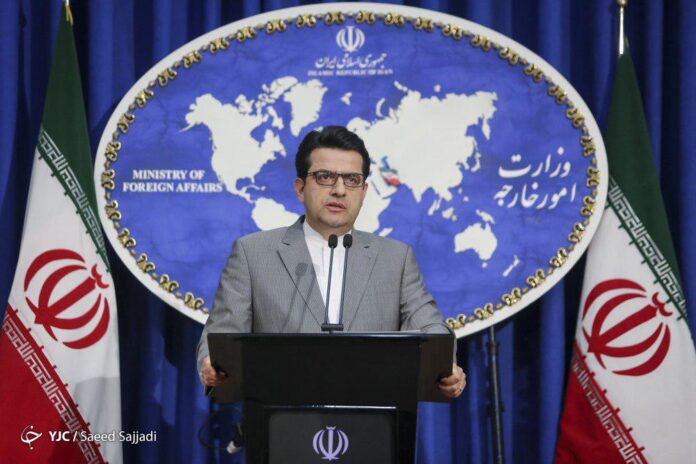
In a statement on Wednesday, Foreign Ministry Spokesman Seyyed Abbas Mousavi rejected the Bahraini government’s rulings against Future Bank and its managers and against a number of other Iranian banks, saying, “The rulings have been issued on the basis of a fabricated case, and the bogus accusations against the convicts in the case lack any legal value and bear the Bahraini government’s responsibility for their consequences. Needless to say, Iran will not hesitate to defend the interests and rights of its nationals.”
“Future Bank was founded in 2004 at the suggestion and with the permission of the Bahraini government as a joint venture among Iran’s Melli Bank and Saderat Bank as well as Bahrain’s Ahli United Bank, and, from the outset, that country’s (Bahrain’s) Central Bank has been constantly and continually monitoring the banking activities and transactions through its supervisory sections and its representatives in Future Bank’s board of directors,” Mousavi added.
“The Bahraini government’s political and illegal move to confiscate it (Future Bank) and authorize the Central Bank of Bahrain to administer it on April 30, 2015, forced the Iranians shareholders of the bank (Melli Bank and Saderat Bank) to pursue the case through an international tribunal. In such conditions, a legal ruling issued by a judicial system is incomprehensible and could only indicate that the court lacks any legal credibility and is only implementing orders and decisions from the Bahraini government’s political and security organizations,” the spokesman stated.
The Foreign Ministry spokesperson further slammed the Bahraini government’s measure as a blatant misuse of the situation where the public opinion has focused on the battle with the coronavirus outbreak and as a sign of collaboration with the US government’s maximum pressures, adding, “Such move by the Bahraini government has been made for the purpose of diverting the attention of public opinion from that country’s (Bahrain’s) illegal measure to confiscate the aforementioned bank (Future Bank) and in an effort to overshadow the process of international judgment on the legal action the Iranian parties of Future Bank have taken against the government of Bahrain, and is rejected from the viewpoint of the Islamic Republic of Iran.”
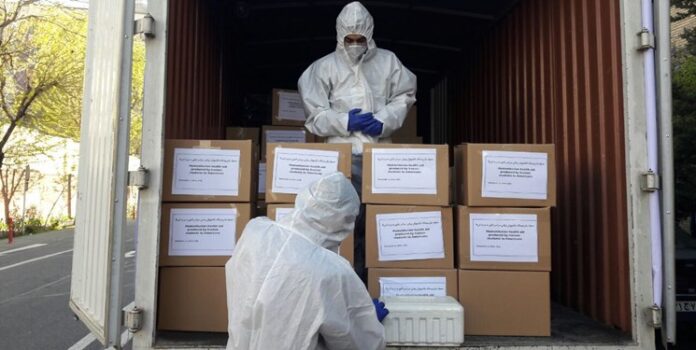
The humanitarian aid, consisting of the necessary medical items for the fight against COVID-19, has been provided by the Iranian university students who are volunteer members of Basij.
The consignment of medical aid for the underprivileged American citizens, loaded into two trucks, has been delivered to the Embassy of Switzerland, which represents the interests of the United States in Iran.
The university students with membership in Basij in various provinces of Iran have been assisting the medical society since the first days of outbreak of coronavirus by producing masks and other medical goods.
Ali Kian, an official at the Students Basij Organization of Iran told Fars that the shipment of humanitarian aid for American people has been delivered to the Swizz Embassy on March 31, which marks the Islamic Republic Day in Iran.
Over the past month, the young students have been working hard to supply part of the health system’s demands by producing more than 200,000 masks and thousands of liters of disinfectant per day, he noted.
Kian said the medical items have been distributed among the hospitals and people, mainly in the underprivileged areas of the country.
When the members of Basij witnessed the distressing conditions of the vulnerable American groups, they decided to donate part of the homegrown medical supplies to the underprivileged US citizens, particularly those in New York City, he added.
After handing the consignment of humanitarian aid to the Swiss Embassy in Tehran, the Iranian students wrote a letter to Foreign Minister Mohammad Javad Zarif, calling for diplomatic efforts to help send the shipment to the American people.
In the letter, the Iranian students have highlighted their success to produce a broad range of medical supplies amid the outbreak of coronavirus, including various types of mask, disinfectants, face shields, hygienic pads, and hospital gowns.
They have also cited a report by the Health Ministry showing a downward trend in new infection cases across Iran, saying the student-run plants that produce medical supplies have decided to donate part of their output to American citizens without any disruption to the domestic chain of supply and demand.
The aid consignment is fully sterilized and bears a humanitarian message, the letter noted.
Asking Foreign Minister Zarif to help send the shipment to the US, the students said they respect the diplomatic and political principles, and would let the cargo undergo verification tests and go through health standard procedures.