Wednesday, December 24, 2025
Home Blog Page 2873

Iran Raps Bahrain’s Ruling against Future Bank

Iran Vows Appropriate Response to US Interception of Mahan Air Flight

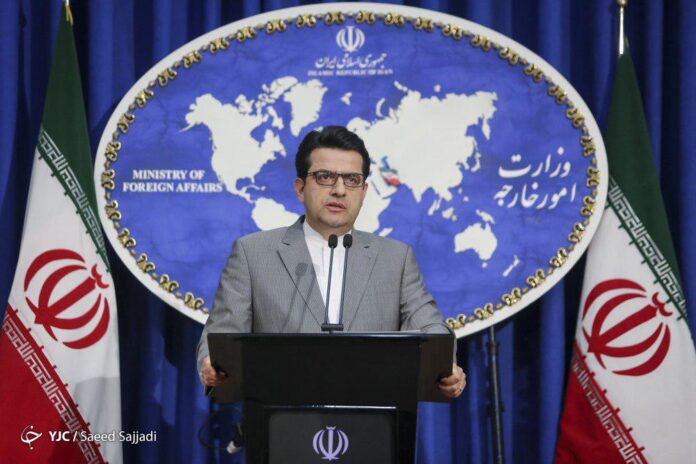
In a statement on Wednesday, Foreign Ministry Spokesman Seyyed Abbas Mousavi rejected the Bahraini government’s rulings against Future Bank and its managers and against a number of other Iranian banks, saying, “The rulings have been issued on the basis of a fabricated case, and the bogus accusations against the convicts in the case lack any legal value and bear the Bahraini government’s responsibility for their consequences. Needless to say, Iran will not hesitate to defend the interests and rights of its nationals.”

“Future Bank was founded in 2004 at the suggestion and with the permission of the Bahraini government as a joint venture among Iran’s Melli Bank and Saderat Bank as well as Bahrain’s Ahli United Bank, and, from the outset, that country’s (Bahrain’s) Central Bank has been constantly and continually monitoring the banking activities and transactions through its supervisory sections and its representatives in Future Bank’s board of directors,” Mousavi added.

“The Bahraini government’s political and illegal move to confiscate it (Future Bank) and authorize the Central Bank of Bahrain to administer it on April 30, 2015, forced the Iranians shareholders of the bank (Melli Bank and Saderat Bank) to pursue the case through an international tribunal. In such conditions, a legal ruling issued by a judicial system is incomprehensible and could only indicate that the court lacks any legal credibility and is only implementing orders and decisions from the Bahraini government’s political and security organizations,” the spokesman stated.

The Foreign Ministry spokesperson further slammed the Bahraini government’s measure as a blatant misuse of the situation where the public opinion has focused on the battle with the coronavirus outbreak and as a sign of collaboration with the US government’s maximum pressures, adding, “Such move by the Bahraini government has been made for the purpose of diverting the attention of public opinion from that country’s (Bahrain’s) illegal measure to confiscate the aforementioned bank (Future Bank) and in an effort to overshadow the process of international judgment on the legal action the Iranian parties of Future Bank have taken against the government of Bahrain, and is rejected from the viewpoint of the Islamic Republic of Iran.”

Iranian Students Donate Medical Supplies to American People

Iranian Students Donate Medical Supplies to American People

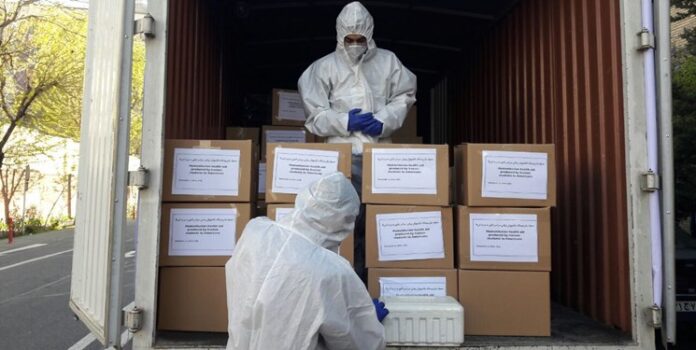
The humanitarian aid, consisting of the necessary medical items for the fight against COVID-19, has been provided by the Iranian university students who are volunteer members of Basij.

The consignment of medical aid for the underprivileged American citizens, loaded into two trucks, has been delivered to the Embassy of Switzerland, which represents the interests of the United States in Iran.

The university students with membership in Basij in various provinces of Iran have been assisting the medical society since the first days of outbreak of coronavirus by producing masks and other medical goods. 

Ali Kian, an official at the Students Basij Organization of Iran told Fars that the shipment of humanitarian aid for American people has been delivered to the Swizz Embassy on March 31, which marks the Islamic Republic Day in Iran.

Over the past month, the young students have been working hard to supply part of the health system’s demands by producing more than 200,000 masks and thousands of liters of disinfectant per day, he noted.

Kian said the medical items have been distributed among the hospitals and people, mainly in the underprivileged areas of the country.

When the members of Basij witnessed the distressing conditions of the vulnerable American groups, they decided to donate part of the homegrown medical supplies to the underprivileged US citizens, particularly those in New York City, he added.

After handing the consignment of humanitarian aid to the Swiss Embassy in Tehran, the Iranian students wrote a letter to Foreign Minister Mohammad Javad Zarif, calling for diplomatic efforts to help send the shipment to the American people.

In the letter, the Iranian students have highlighted their success to produce a broad range of medical supplies amid the outbreak of coronavirus, including various types of mask, disinfectants, face shields, hygienic pads, and hospital gowns.  

They have also cited a report by the Health Ministry showing a downward trend in new infection cases across Iran, saying the student-run plants that produce medical supplies have decided to donate part of their output to American citizens without any disruption to the domestic chain of supply and demand.

The aid consignment is fully sterilized and bears a humanitarian message, the letter noted.

Asking Foreign Minister Zarif to help send the shipment to the US, the students said they respect the diplomatic and political principles, and would let the cargo undergo verification tests and go through health standard procedures.

Over 260 Schools Destroyed in Iran Flooding

The schools included nearly 1,600 classrooms in total.

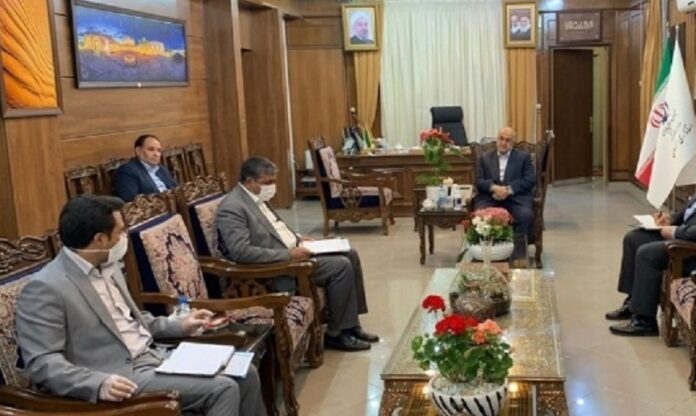
“In the floods which hit Kerman province in January and late March 2020, as many as 263 schools comprising 1,578 classrooms were destroyed,” said Director General of the province’s Education Department Ahmad Eskandari at a meeting to survey the damage inflicted to schools during flooding in towns and cities of the province.

“Thirty-one schools need rebuilding as they have sustained more than 50-percent damage, and as many as 232 schools suffered between 10 to 30 percent damage,” he noted.

He said some Rls. 650 billion in funding is needed to reconstruct the 31 destroyed schools, and another Rls. 160 is required for rebuilding the other 232 schools.
He said around Rls. 200 billion worth of damage was also inflicted to the equipment at the schools of the province.

Iran Has No Military Expert in Yemen: Foreign Ministry

Iran Condemns Expansion of EU, US Sanctions on Syria

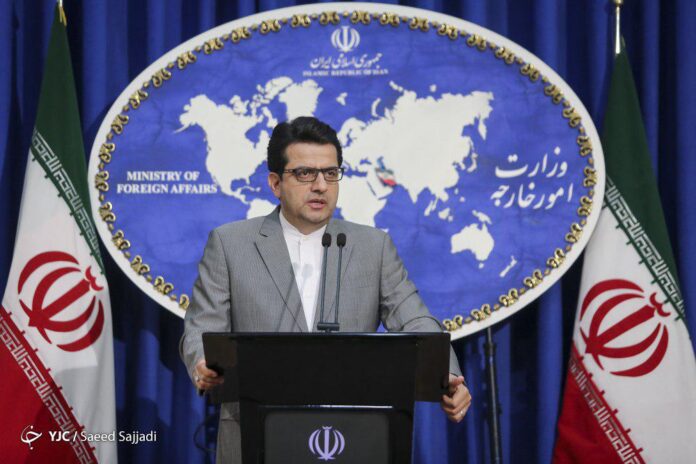
In a statement on Wednesday, Foreign Ministry Spokesman Seyyed Abbas Mousavi rejected the groundless allegations raised by the spokesperson for the coalition of military aggressors which have attacked Yemen.

“Under a delusion of achieving victory within a couple of weeks, Saudi Arabia launched military aggression against Yemen, and now after five years, it is still grappling with such miscalculation, while this act of aggression has brought about nothing but devastation and killing of Yemeni people,” he noted.

Mousavi refuted the baseless allegations made by the Saudi-led coalition’s spokesperson that Iranian experts are in Yemen, dismissed the false accusations he has levelled against Iran, and said, “We advise the coalition of aggressors against Yemen to take into account the realities on the ground, including the Yemeni people’s resistance to such acts of aggression and the international community’s hatred for Saudi Arabia, instead of delusions and reveries, and to recognize that playing with words, pinning the blame on others, and making accusation against the others will not make up for their political and military failures.”

The Iranian spokesman once again pointed to the United Nations Secretary-General’s proposal for a ceasefire for the battle with coronavirus outbreak in Yemen and its approval by the National Salvation Government of Yemen, calling on the aggressors to abide by the Stockholm Agreement, stop committing crimes in Yemen, and end the devastating war against that country.

Iranian President Appreciates Efforts of Armed Forces against Corona 

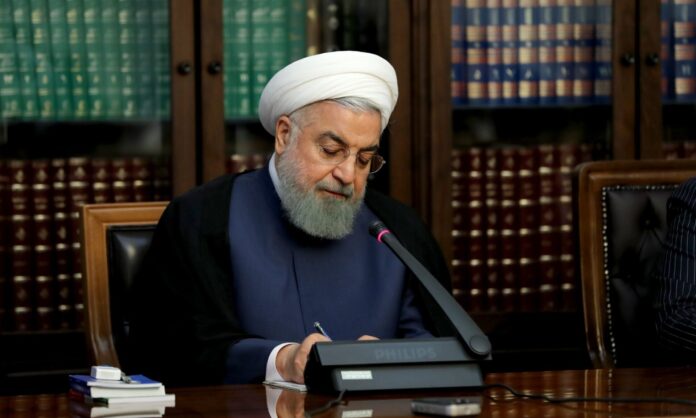
Rouhani commended the country’s military in reaction to a Wednesday report by the Armed Forces Chief of Staff regarding the measures taken by Imam Reza Health and Treatment Headquarters in the face of COVID-19 outbreak.

The president responded to the report of the Chief of Staff of the Armed Forces, saying “The actions of all the armed forces in these critical conditions are appreciated.”

Imam Reza Health and Medical Treatment Headquarters was launched after Iran’s Leader Ayatollah Seyyed Ali Khamenei tasked Armed Forces Chief of Staff Major General Mohammad Baqeri to set up a Health and Medical Treatment Headquarters and use military forces to combat the spread of coronavirus (COVID-19).

The Imam Reza HQ has established hundreds of medical centres, some of them makeshift facilities, as well as preparation centres for those who will be sent to hospitals later as well as recuperation centres for patients discharged from hospitals.

Imam Reza, the 8th Imam of the Shiites, who is buried in the holy city of Mashhad in northeastern Iran, is known to have authored a book of medicine entitled Teb ul-Reza.

Coronavirus online test If you are worried that you may have contracted the Coronavirus, take this test right now.

Iranians Spend ‘Sizdah Bedar’ at Home to Contain Coronavirus

Iranians Spend ‘Sizdah Bedar' at Home to Contain Coronavirus

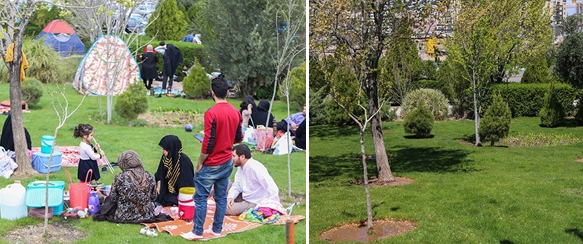
All the streets are empty and silent. No one has come out as if there is no one in this city. All shops are shut down and there is no sound of car horns, traffic jams and red lights on Wednesday, April 1, 2020.

It seems the cities are uninhabited, but in every house life is going on; the lives of all those who love each other wisely and lovingly and do not want to be deceived by the beautiful nature these days.

People are staying home this year as Police has announced that according to the regulations of the National Headquarters to Fight Coronavirus, those who do not pay attention to police and camp alongside roads and gardens, their cars will be stopped and they will be fined IRR 5 million (some 30 dollars) if they insist. Their car will also be taken to the parking lot.

Sizdah Bedar is observed on the thirteenth day of the Iranian calendar month of Farvardin usually falling on April 1 or 2 and the last day of the Nowruz holidays.

People usually spend the day out in the parks, gardens, riversides, forests, etc. by preparing lunch in small or big groups. However, this year, due to the outbreak of the coronavirus, all parks, gardens and recreational centres are shut down to observe the social disturbing plan.

Coronavirus online test
If you are worried that you may have contracted the Coronavirus, take this test right now.

Iran Allocates $10b to Address Corona amid Tough US Sanctions: Rouhani

Rouhani said this amount has been allocated in spite of sanctions, and hardships the country is going through. According to him, some of this money will be given to troubled businesses in the form of loans and grants and the rest will be paid as support packages to the families in distress.

“Under the sanctions, Iran has been able to provide facilities, including a tranche of $4.5 billion, to meet the needs of health ministry and the troubled families.”

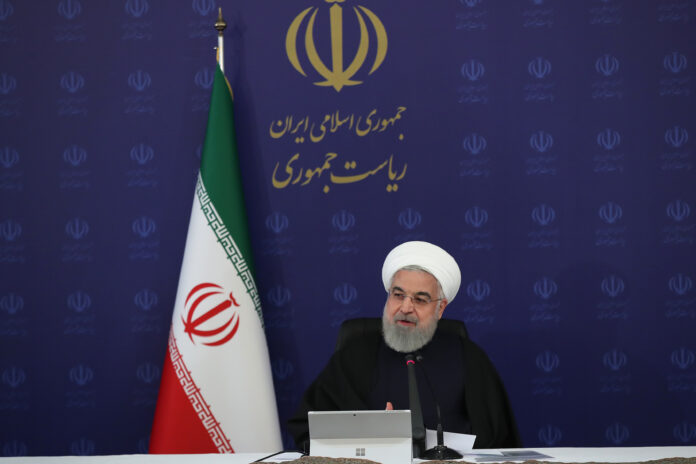
The Iranian president made the comments during the cabinet’s weekly meeting on Wednesday.

Rouhani further added these days the Iranians are very resolute in responding to the baseless statements that have been propagated for months in foreign media.

“They were saying the Iranian nation is tired and not happy and the Iranian government and system are ineffective. Now, they must compare Iran with the developed countries of the world in this experiment to see how our country performed.”

He stressed the Iranian people gave a firm response to the enemies and the perpetual liars, but the enemies still keep lying.

“They don’t have hospital beds for their patients, and they don’t even dare to go out of their workplace, but they lie again about Iran.”

Referring to the perpetual meanness of the Americans, president Rouhani said, “They sanctioned us for whatever reason. Their move was wrong, cruel, and illegal, but they continued this approach in such conditions.

“Americans know the Corona issue is not specific to one country. All countries in the world are almost interconnected, and if you fight Corona in nine countries and one country does not, it will re-spread and infect those countries, so it is a global affair. Now that the disease has become widespread and globalised, we all have to work together around the world to fight the virus and create the conditions for business.”

He went on to say that unfortunately, the Americans did not learn a lesson in these difficult world conditions and did not understand what to do.

“Now is the time they can apologise for their wrongdoing. The current situation is a humanitarian issue and no one blames them for their retreat. It was the best historic opportunity for the US to go back the wrong way to say once they are not against the Iranian nation. They have always acted against the Iranian people, but now their enmity towards the Iranian nation is more obvious.”

Elsewhere in his remarks, he referred to the solidarity and national unity created in the country to fight Corona, saying the people have trusted each other, they help each other, and have trusted the government.

In another part of his statements, Rouhani thanked the people for cooperating in the social distancing plan stating that according to figures the trend of coronavirus outbreak is downward in all provinces.

“Every year people used to go out on Farvardin 13 to celebrate the end of Nowruz holidays in nature and the spring weather, but this year they chose to stay home for their own health. We should thank the people for following all the health instructions at both the beginning of the year and the Nowruz holidays. If we see a declining trend today in most of the provinces, it is due to people’s collaboration.”

Iran’s president said different countries have adopted different approaches to the virus underlining that the Islamic Republic used the experience of all countries, but we never confined itself to their approaches.

“From the very early days that the virus began to spread, some have been suggesting to implement a Chinese-style quarantine. Chinese quarantine means that all shops must close down and cars must stop. People must shut the door of their homes. No one has the right to leave the home and the food is thrown into every house by the government. It was a Chinese quarantine model in Wuhan that was rejected by everyone in the world and was never implemented in any country.”

Rouhani maintained the Chinese quarantine could not be implemented in Iran because it was a model for the Chinese. “There, with their social policies, they could tell people to lock the doors for 15 to 20 days. This is not possible in Iran and in any other country, so no country adhered to this method. We didn’t perform the Chinese model. It was a model that some European countries developed in the early days, but they retreated gradually due to collective security.”

In the end, the Iranian president once again thanked the nation for their collaboration saying due to their good cooperation, the country did not face lack of essential goods like some industrial countries of the world.

Iran’s COVID-19 Death Toll Exceeds 3,000

Iran Confirms over 2,000 New Cases of COVID-19 Infection

Health Ministry Spokesman Kianoush Jahanpour on Wednesday confirmed 2,987 new cases of Coronavirus infections in the past 24 hours.

That increases the total number of infections to 47,593.
Jahanpour said 15,473 patients have so far recovered and been discharged from the hospital.

3,871 are also in severe conditions, he added.
The spokesman said 67 million people have so far been screened for the virus as part of the national mobilization plan.

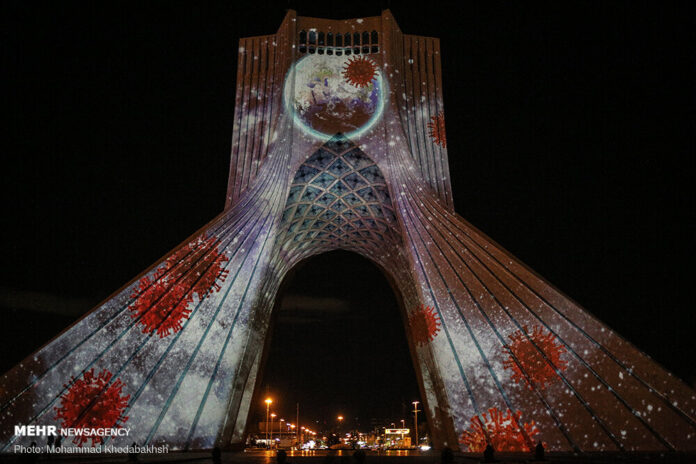
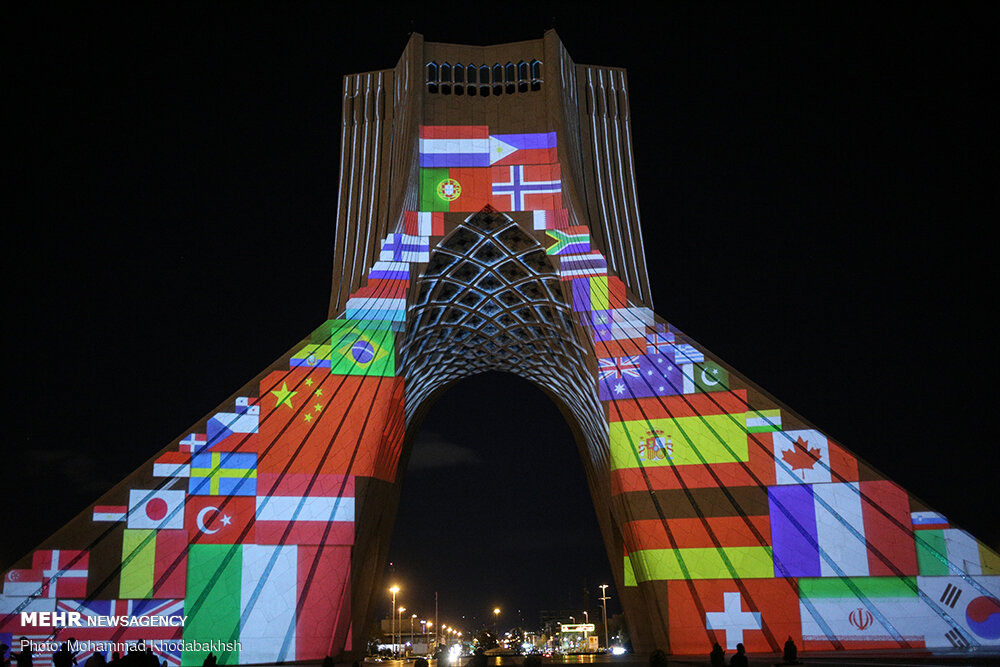
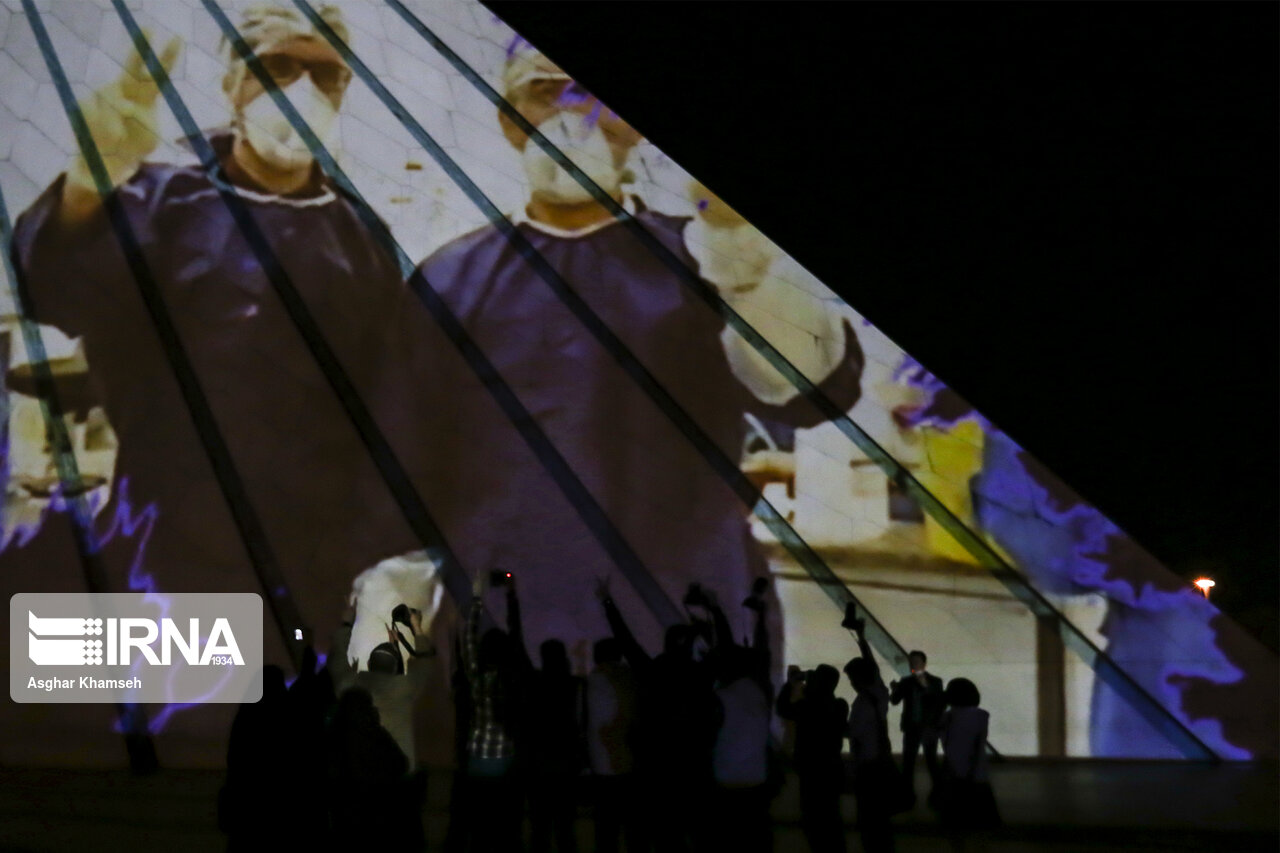
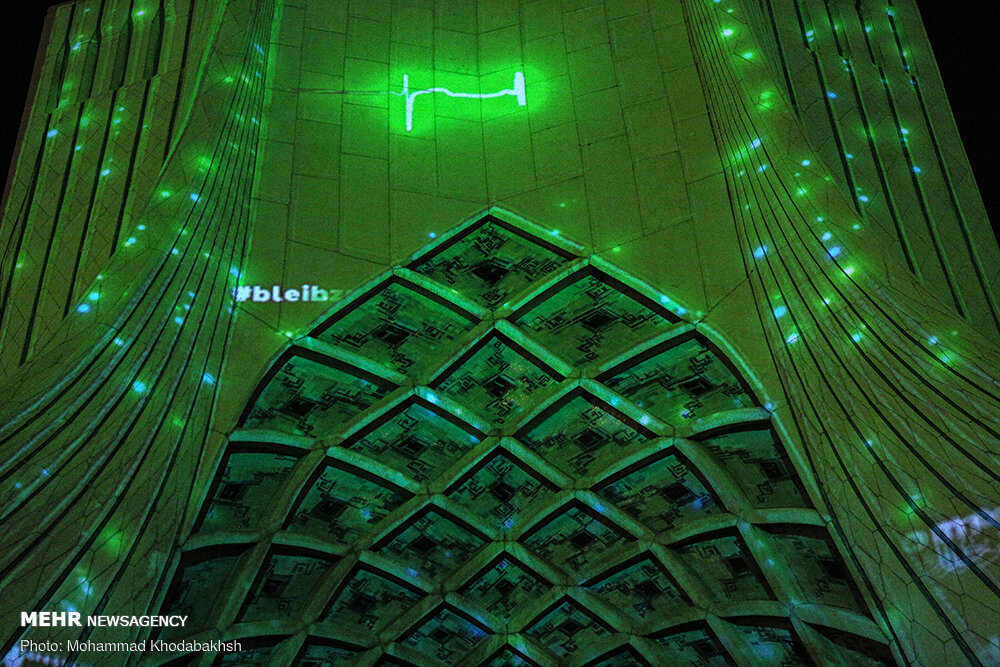
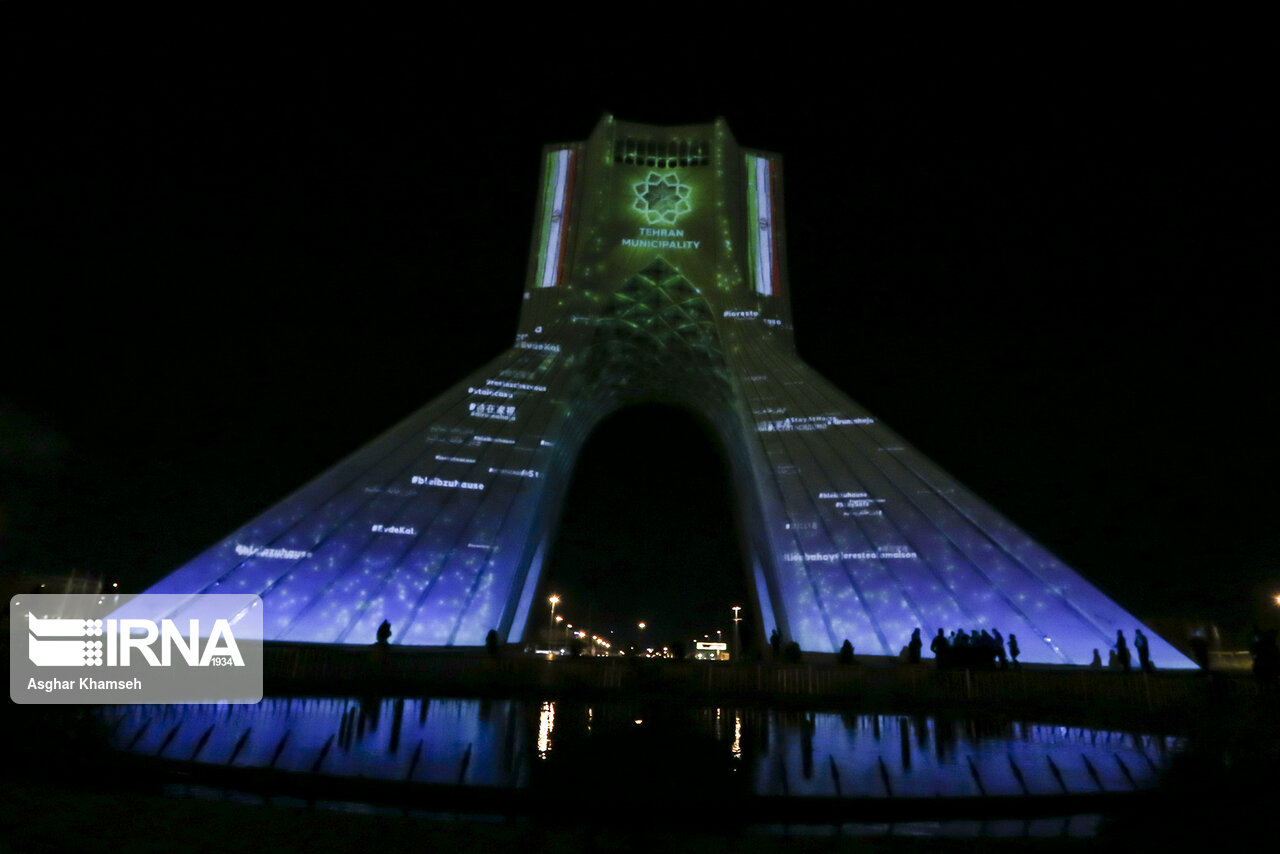
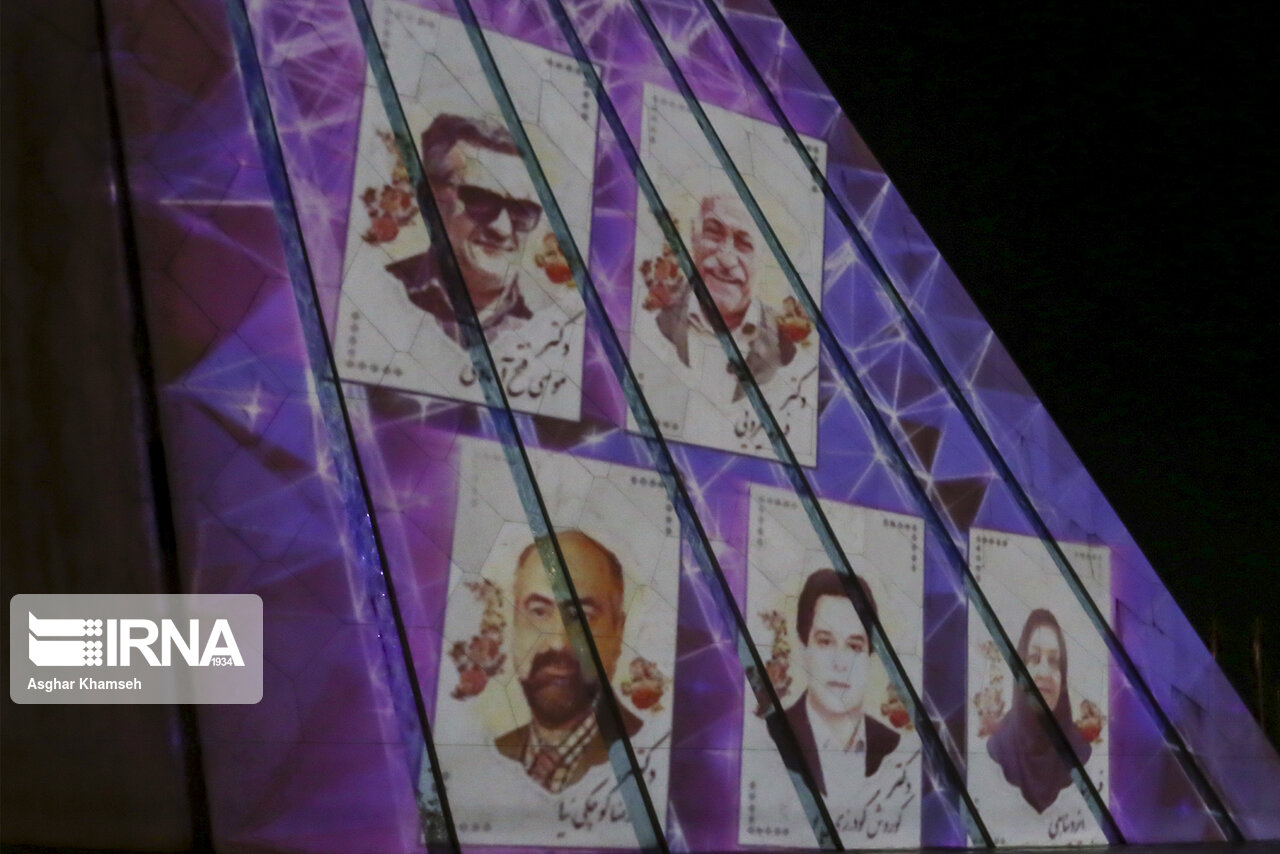
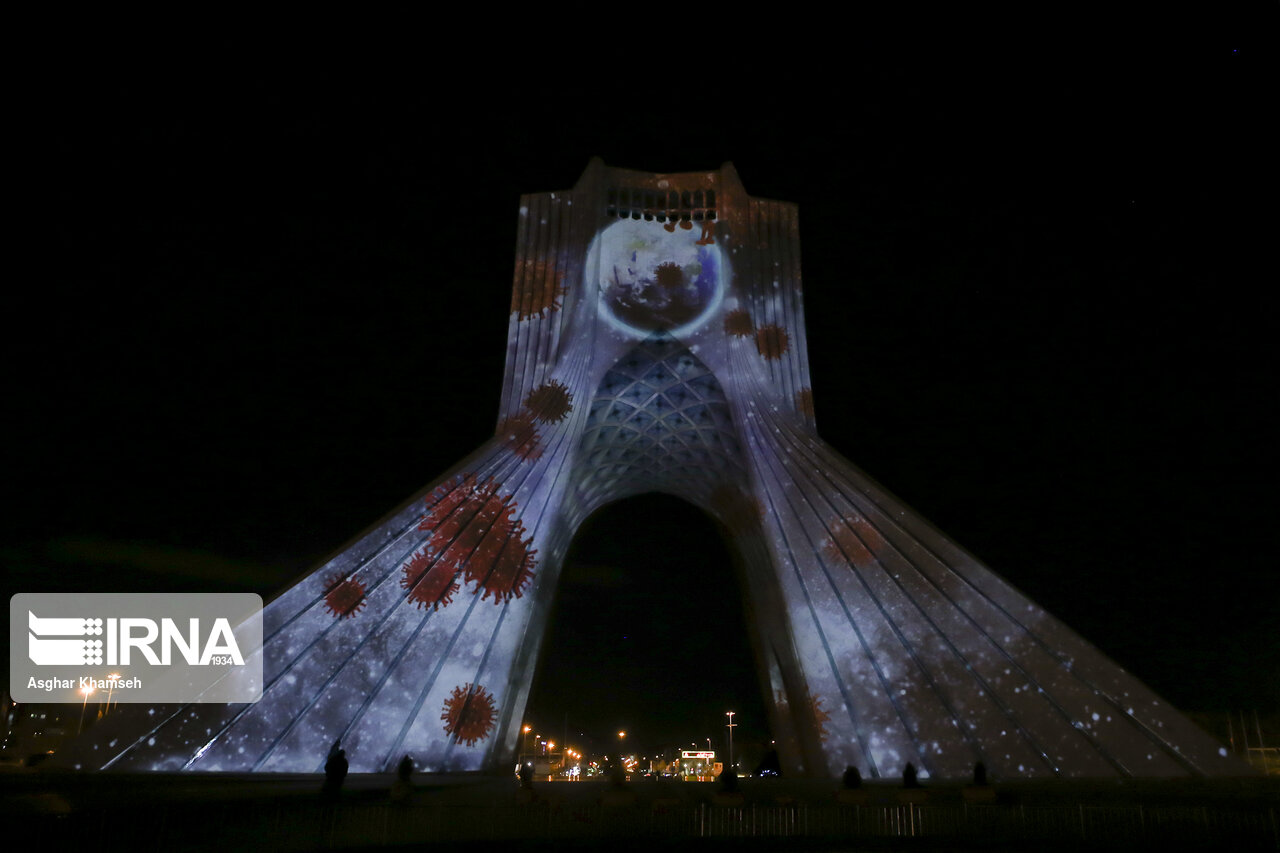
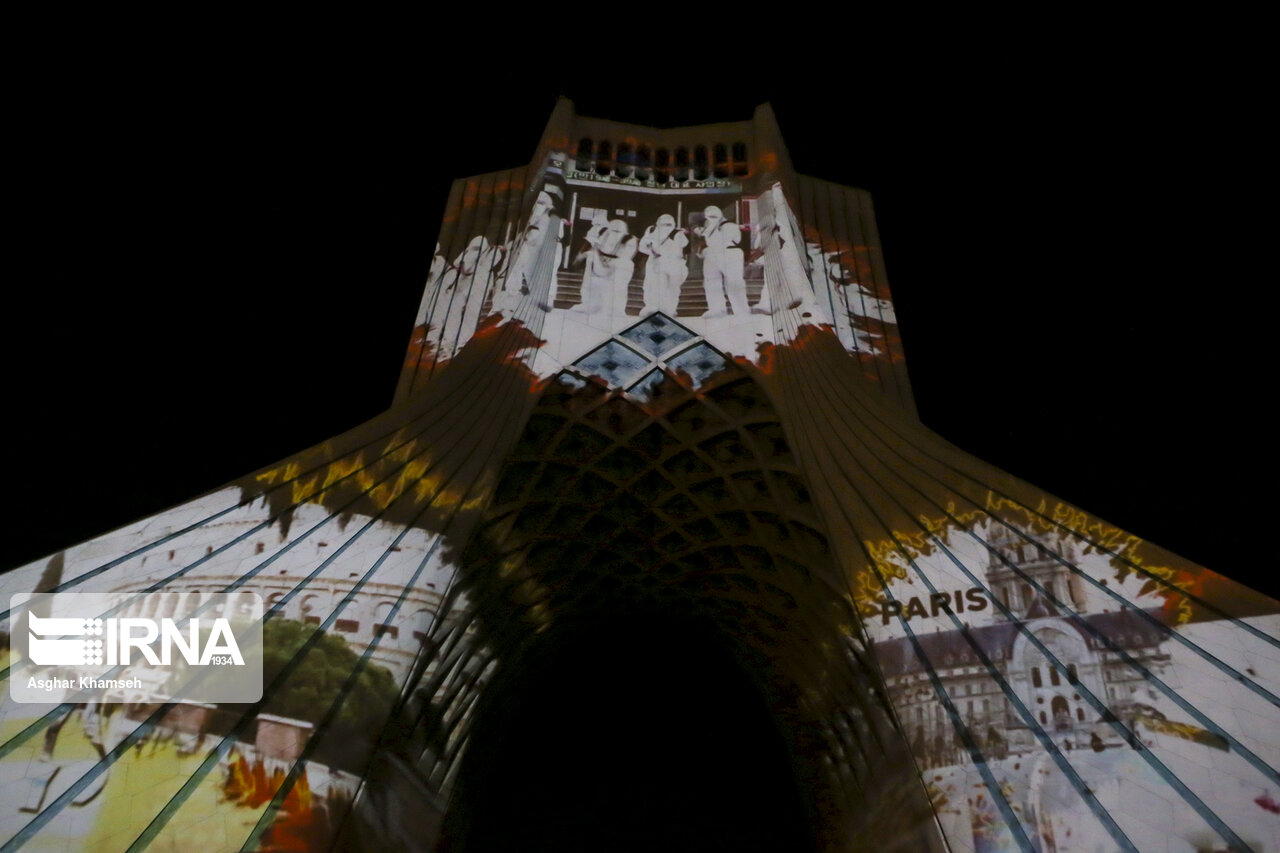
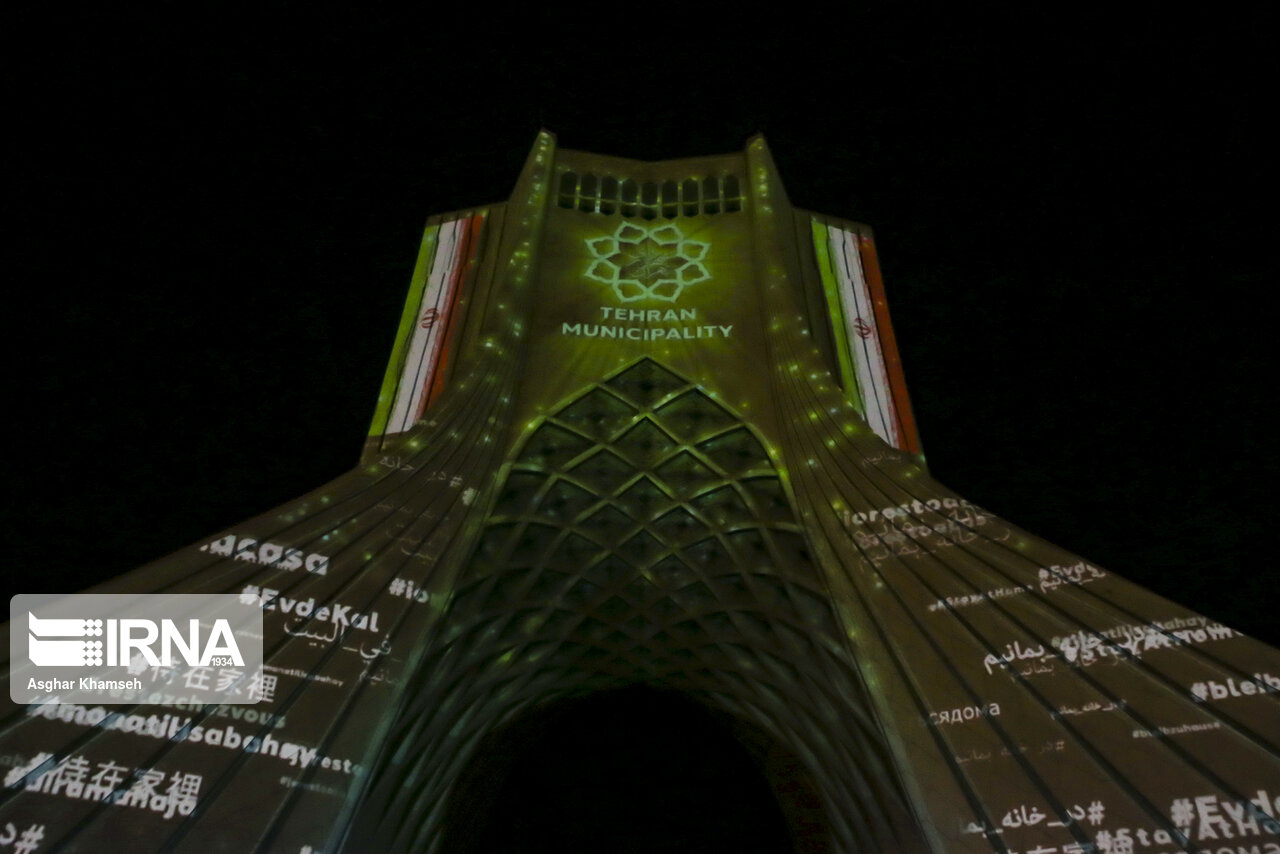
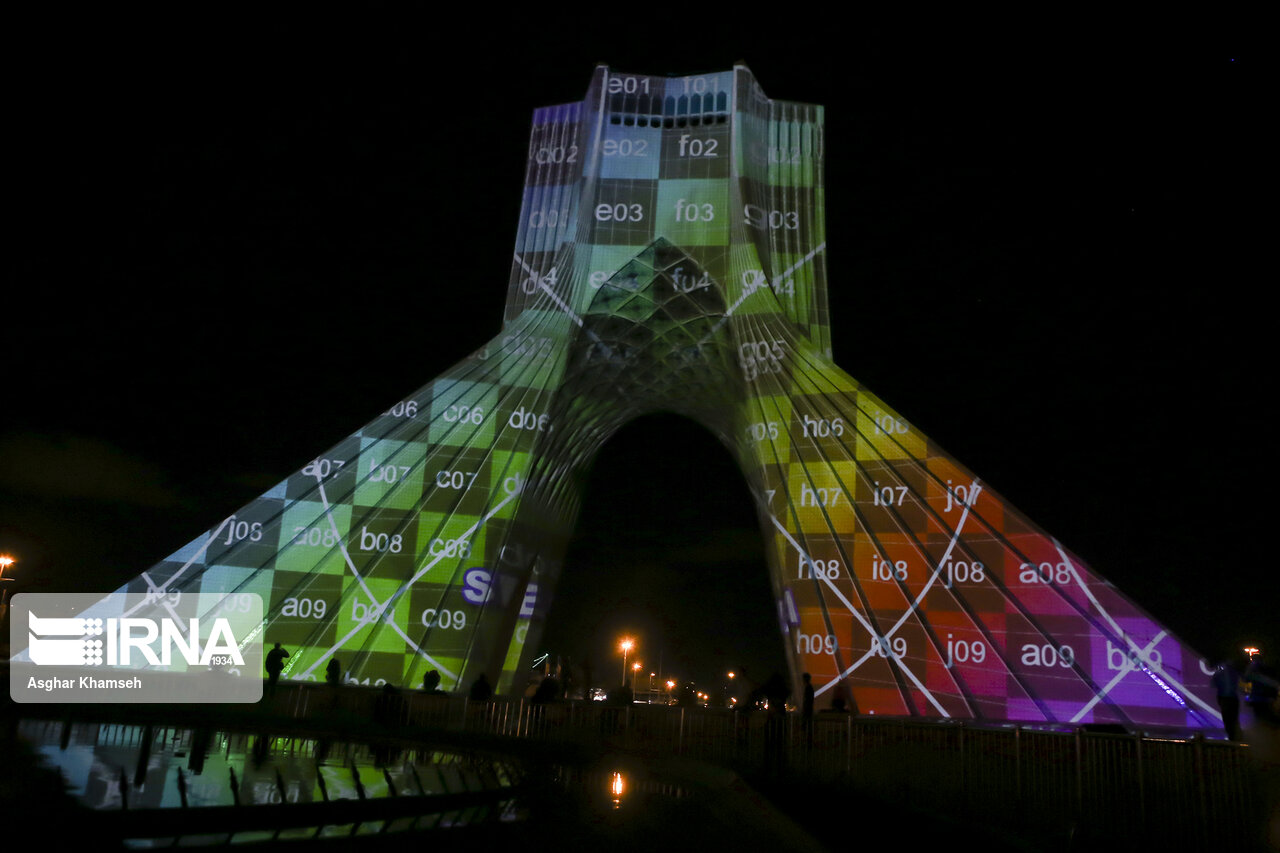
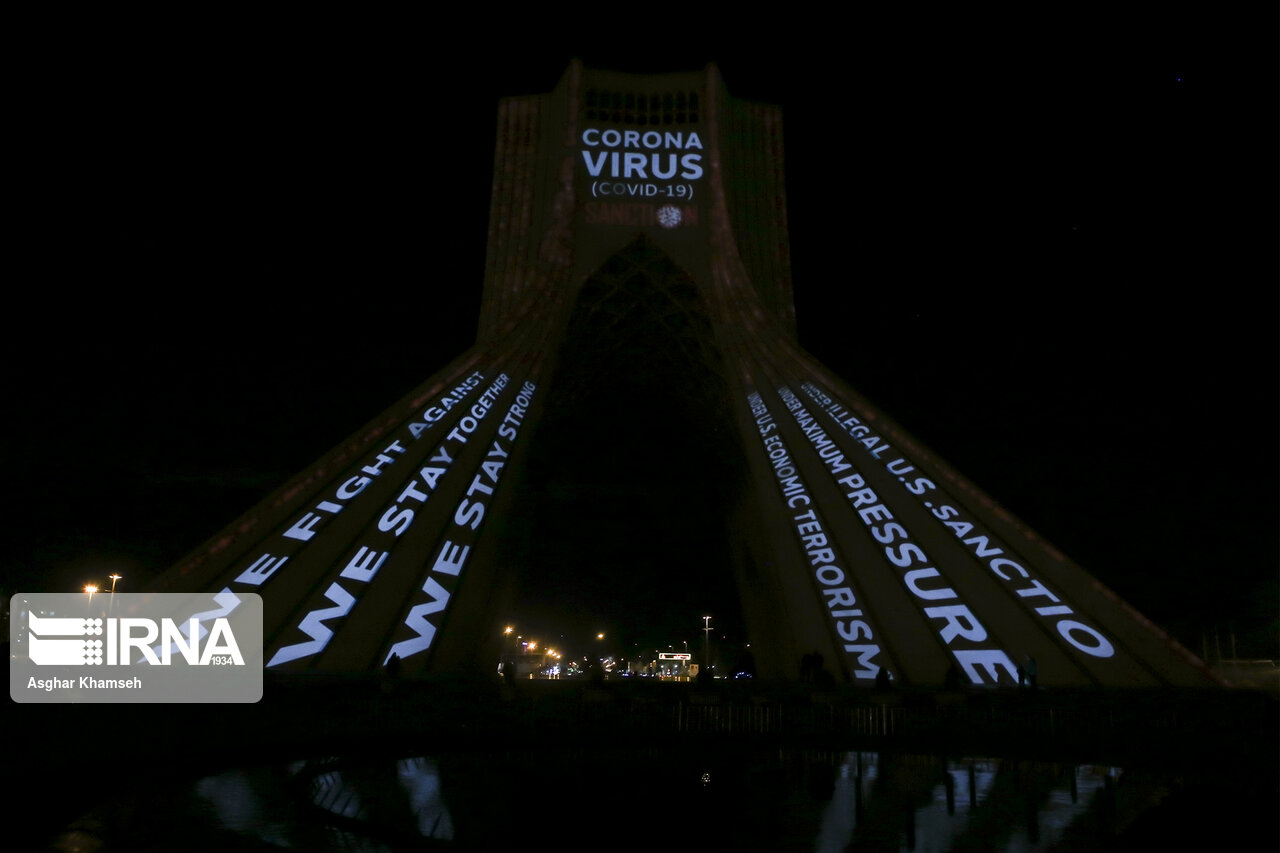
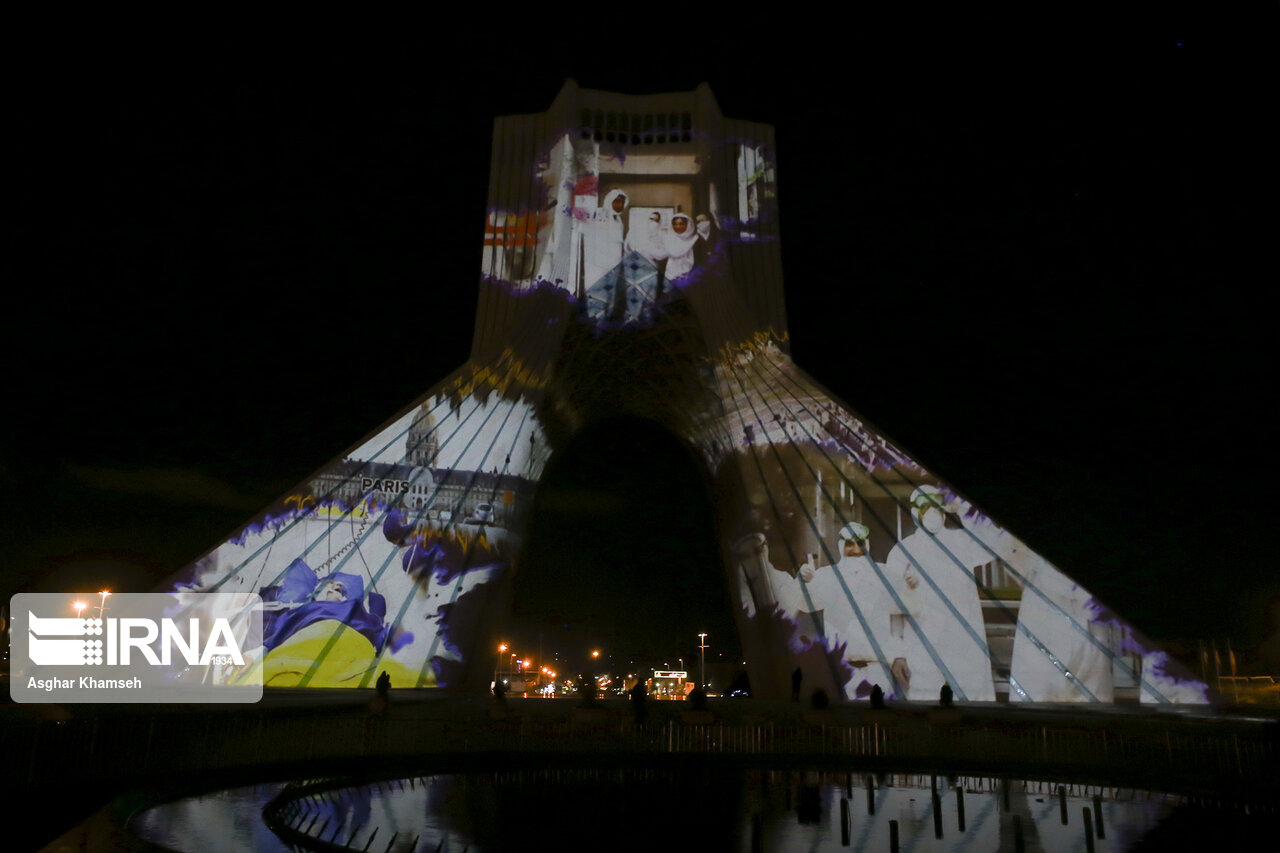
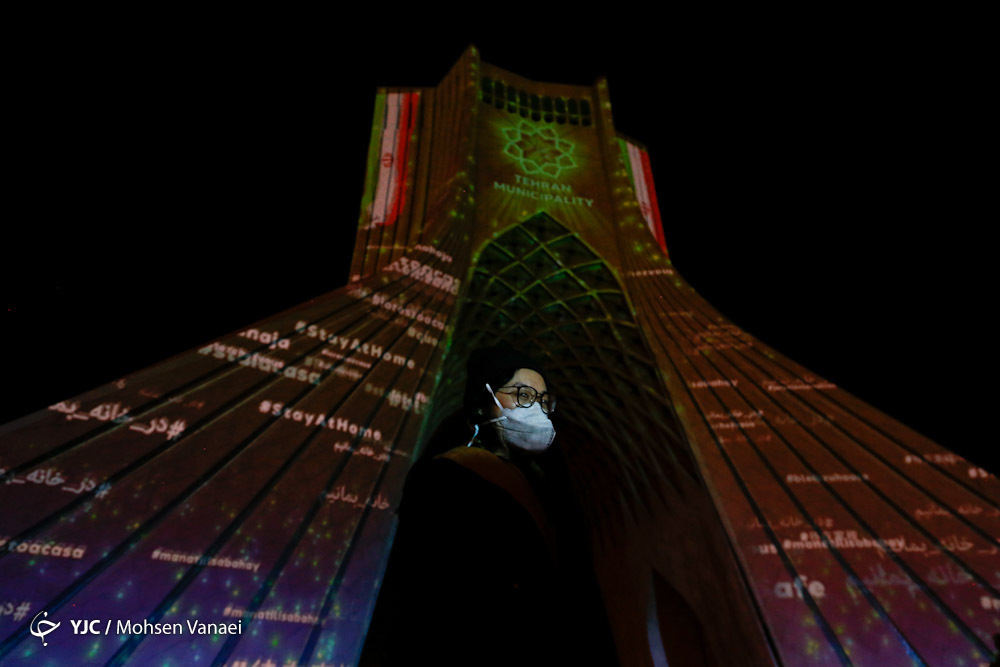
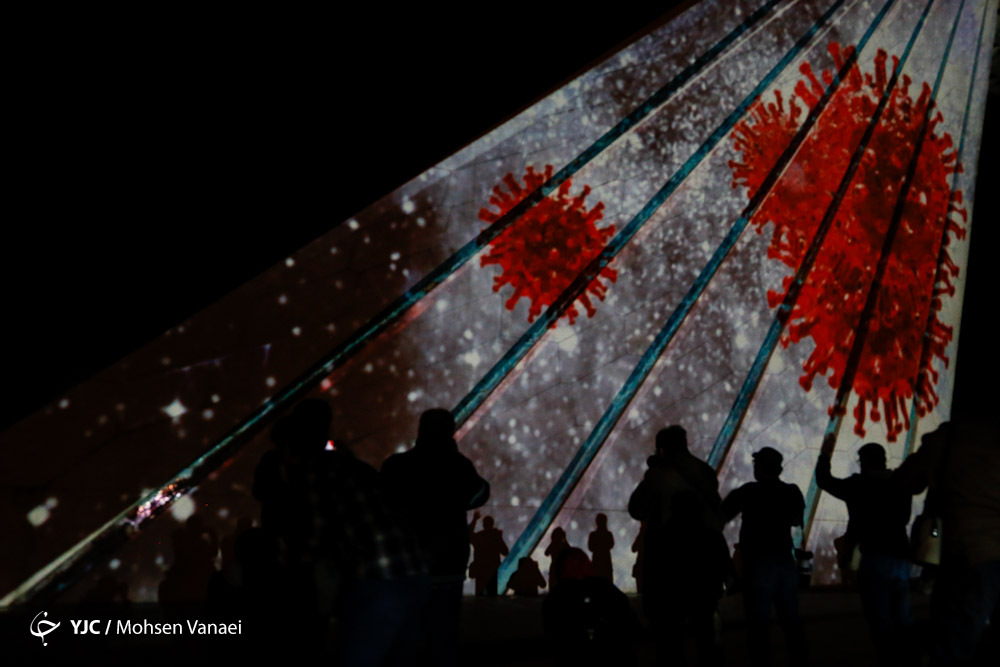
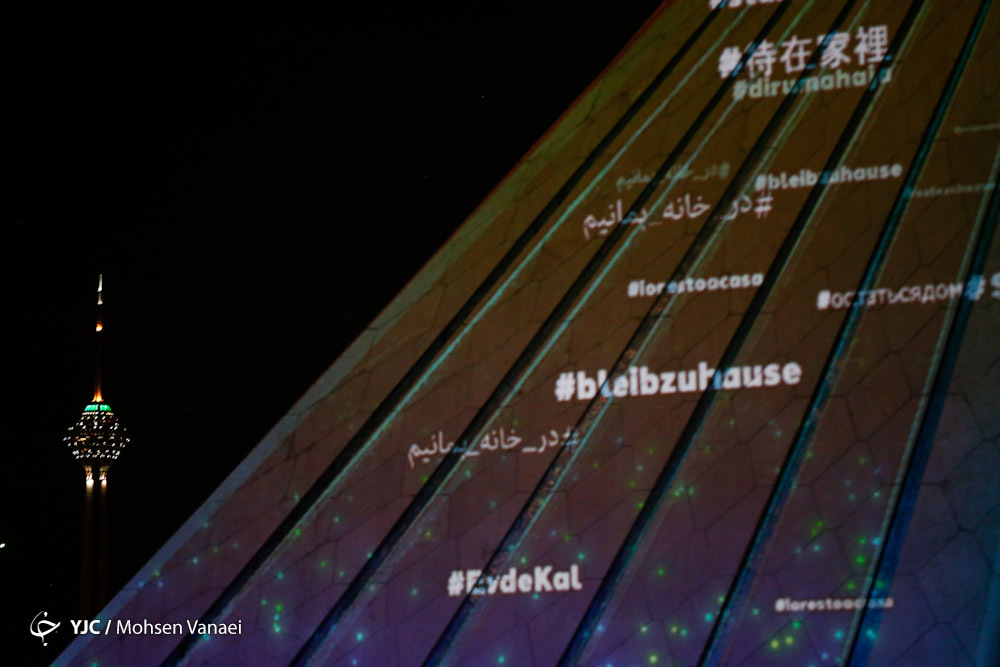
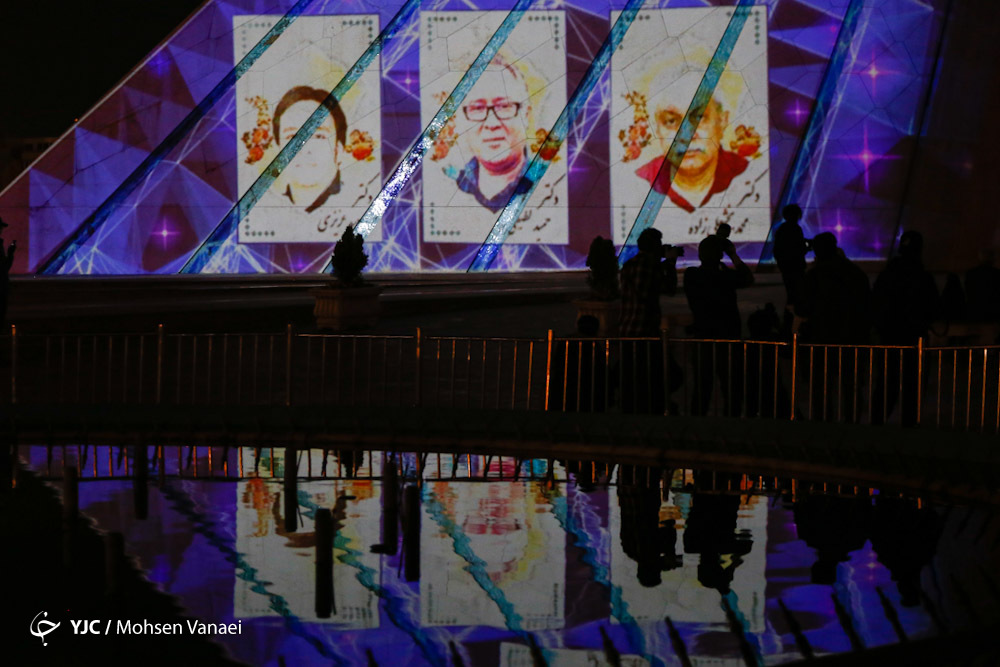
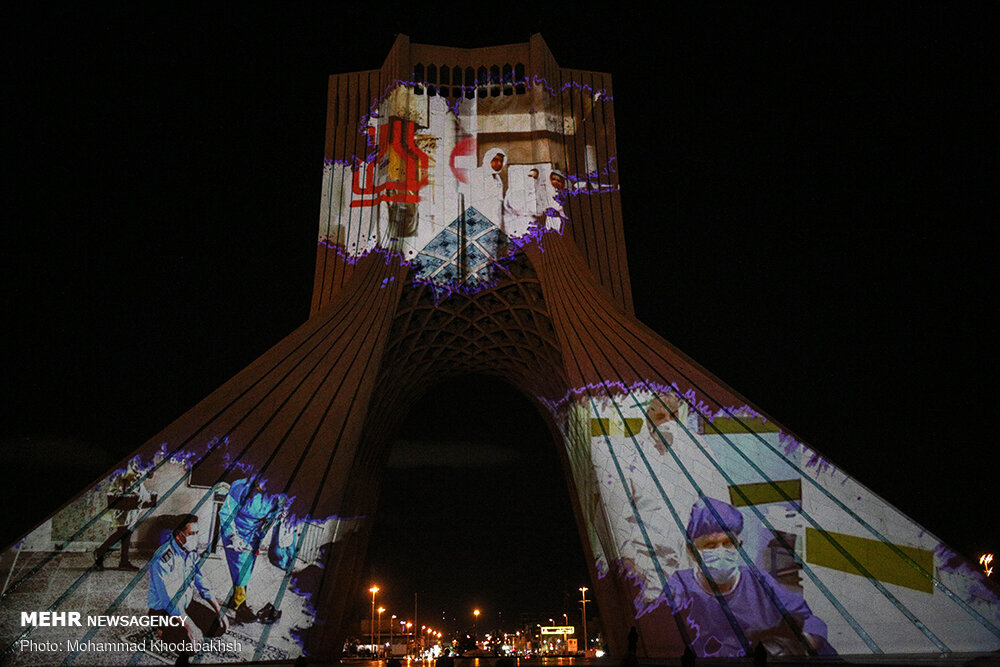
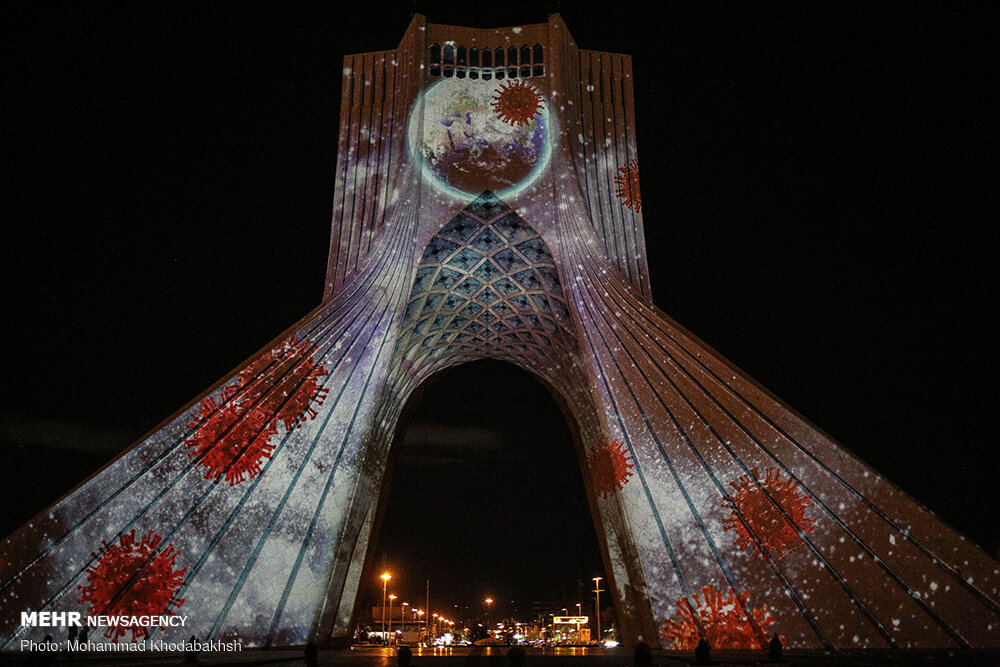
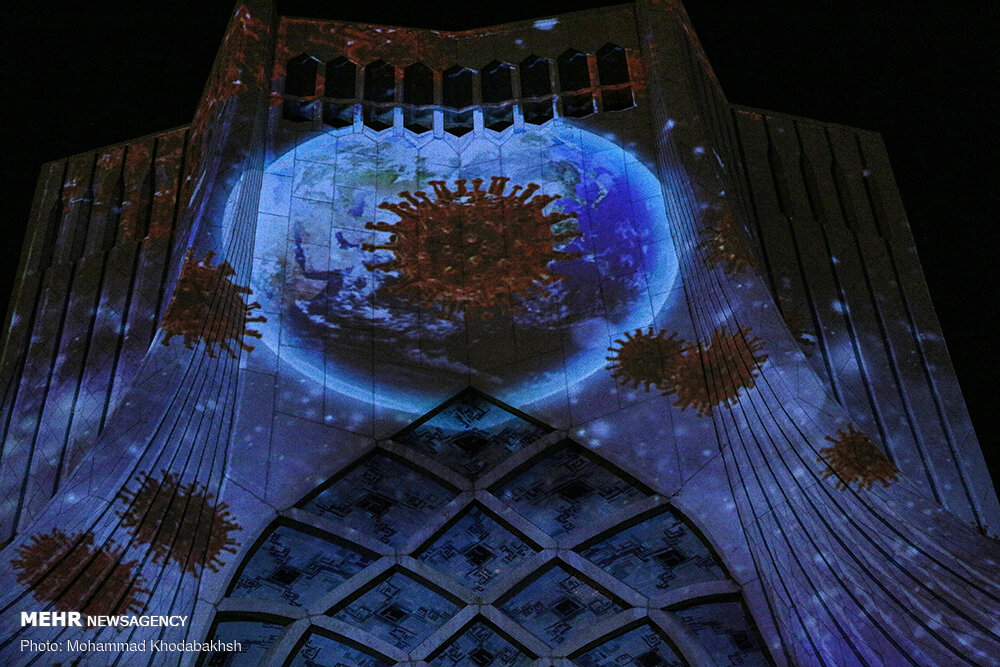
Iran Expresses Solidarity with World on COVID-19 in Videomapping Event

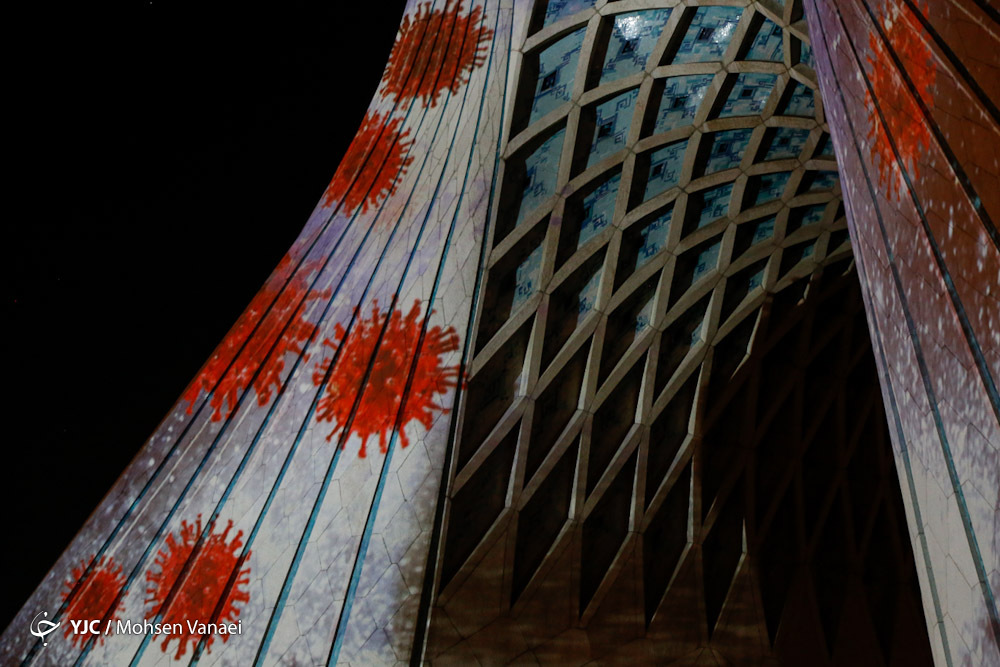
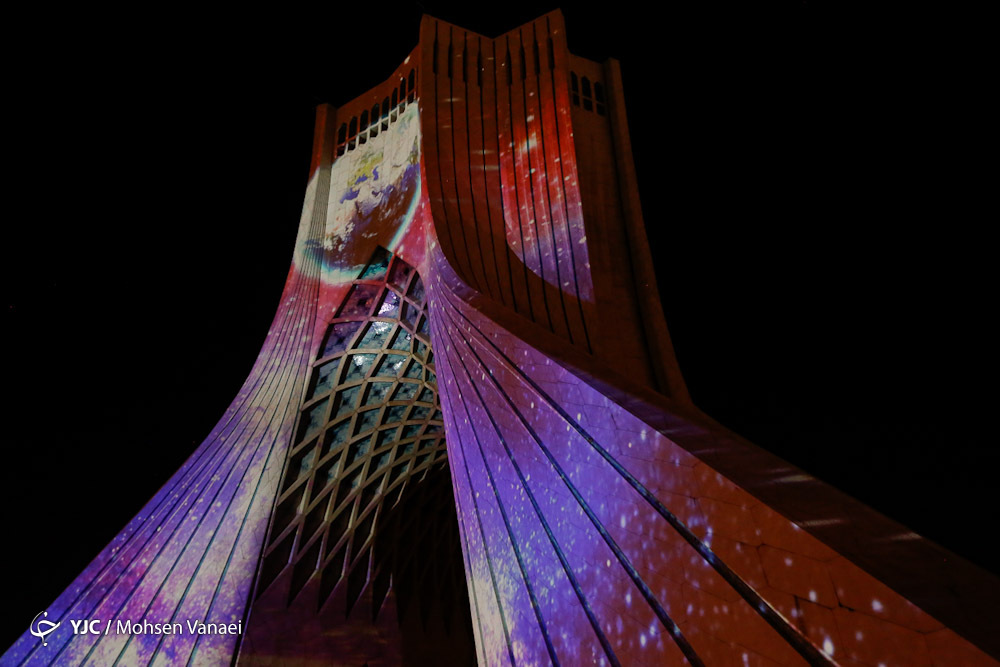
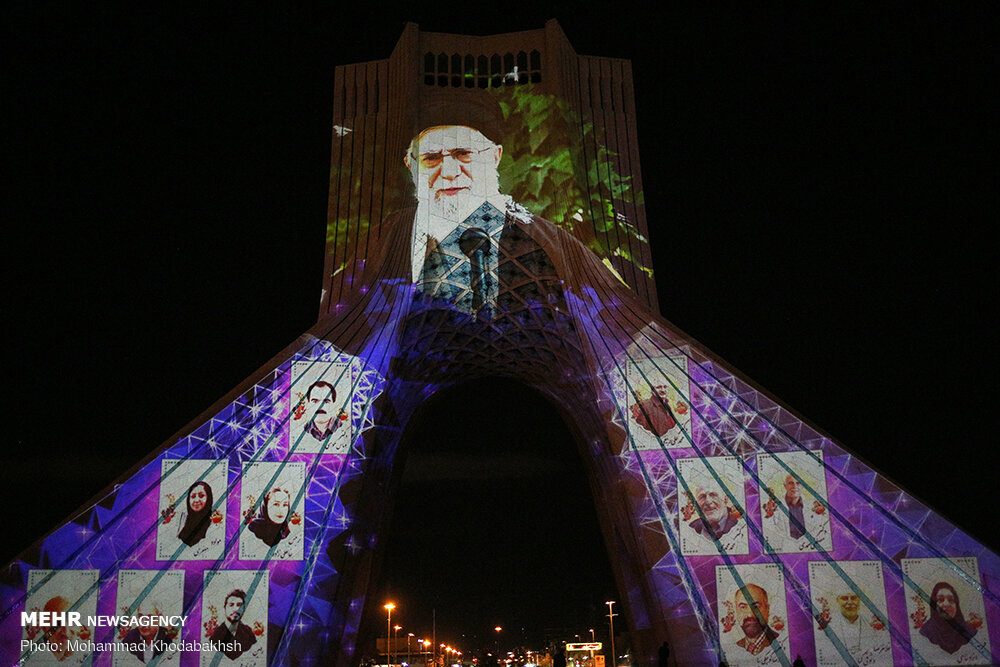
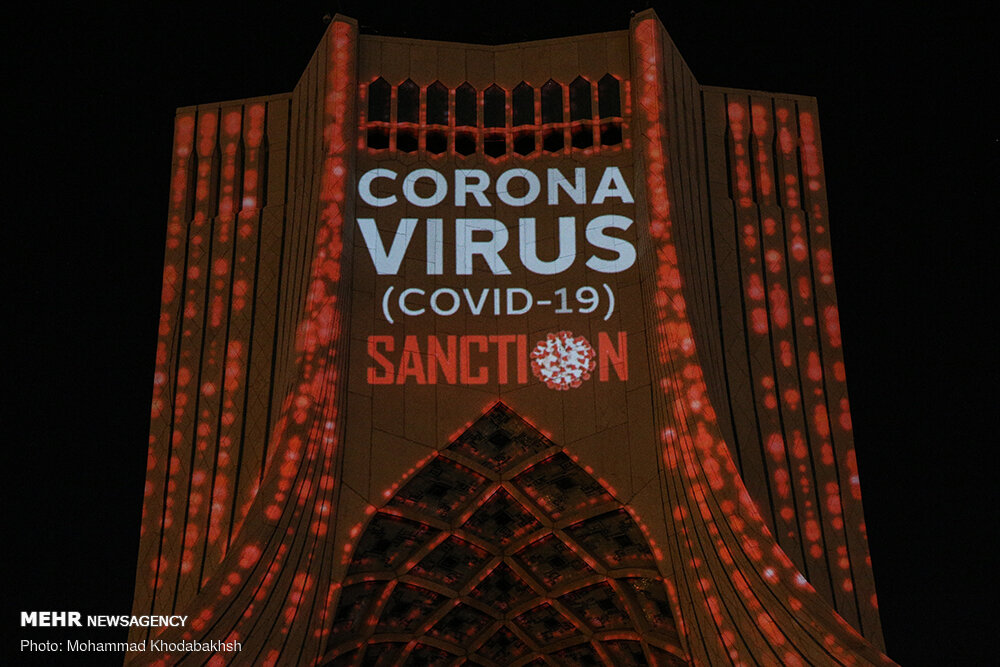
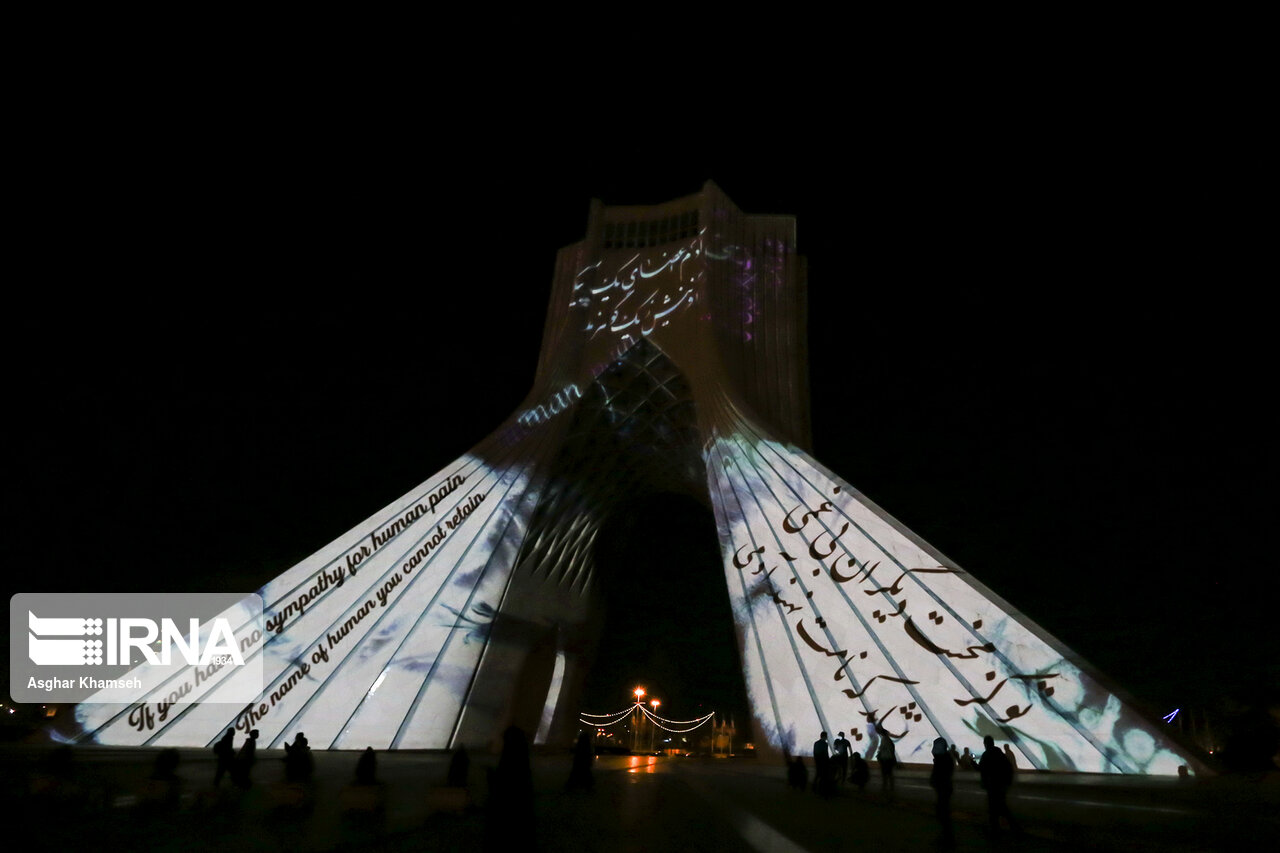
Coronavirus Solidarity Videomapping on Tehran Azadi Tower

The event was themed as the global fight against the coronavirus and the need for global cooperation to confront the pandemic.

During the Tuesday night event, messages of solidarity with the world on the coronavirus were depicted on Tehran’s iconic Azadi Tower.

The names of all the nations affected by the virus were depicted on Azadi Tower in this videomapping event.

Here are photos of this event retrieved from various sources:

INSTEX; A European Effort to Save JCPOA or Another Anti-Iran Plot?

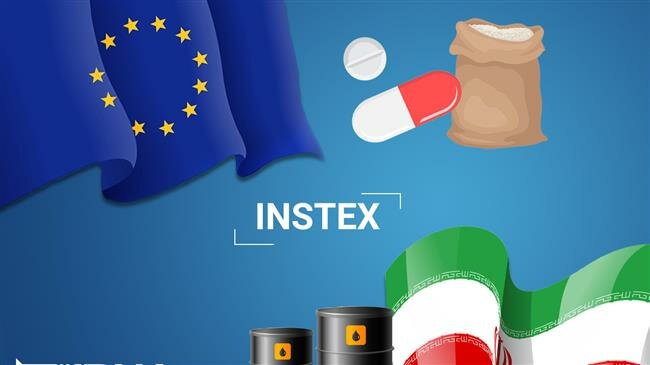
The German Foreign Ministry has, in a message, announced the shipment of the first consignment to Iran within the framework of the Instrument in Support of Trade Exchanges (INSTEX), a European special-purpose vehicle (SPV) for conducting trade with Iran.

The message published on Twitter reads that France, Germany and Britain confirm that INSTEX successfully conducted its first truncation and facilitated exports of medical supplies from Europe to Iran. The message also reads that INSTEX and its Iranian counterpart will cooperate to conduct more transactions and boost this mechanism.

Last December, France, Germany and the UK, the three European state signatories to the Iran nuclear deal known as the Joint Comprehensive Plan of Action (JCPOA), welcomed six other European countries (Belgium, Denmark, Finland, the Netherlands, Norway and Sweden) joining INSTEX, a financial mechanism established in order to cushion the effects of US sanctions against Iran and open a trade channel with the Islamic Republic.

At the same time, in a joint press briefing with Iranian Deputy Foreign Minister Abbas Araqchi, the Chinese deputy foreign minister asked the Europeans to speed up the implementation of INSTEX.

It is said that with INSTEX going into force, all European countries can use it for financial transactions with Iran.

What is INSTEX?

INSTEX stands for the Instrument in Support of Trade Exchanges. It was registered in Paris within the framework of French laws. In addition to France, Germany and Britain, too, are its main shareholders. However, other countries, whether in Europe or elsewhere, such as China and Russia, can join it as well.

Last year, the remaining signatories to the JCPOA agreed to establish the channel for financial transactions with Iran in order to urge Iran to remain in the JCPOA and make it possible for the Islamic Republic to reap the economic benefits of the lifting of sanctions.

The foreign ministers of Germany, Britain, China, Russia and France along with the European foreign policy chief, who had travelled to New York in September to attend the UN General Assembly meeting, announced their decision to establish such a special financial channel aimed at neutralizing US sanctions against Iran.

A joint statement by Iran’s partners in the JCPOA says that given the urgency and necessity of reaching tangible results, delegates to the meeting welcomed practical proposals to continue and develop channels for financial payment to Iran, especially to establish a special-purpose vehicle (SPV) aimed at facilitating payments related to Iran, namely those pertinent to oil exports.


Trying in Vain

Last month, the New York Times published an opinion piece by a German journalist, who described INSTEX as an example of Europe’s futile attempts to achieve strategic independence from the US.
Back in January 2019, Germany, France and Britain established a special financial mechanism to continue trade with Iran. Now, one year on since the establishment of this mechanism called INSTEX, the German Foreign Ministry has announced that the first deal has been conducted with Iran through that channel.

German officials have put the volume of that trade deal at less than one million Euros, and at the same time emphasized that the trade transaction is not in contravention of US sanctions as the commodities exported to Iran are medical supplies produced by a German company.

Moreover, the names of this company and other firms exporting goods to Iran are supposed to remain completely confidential and regarded as a state secret, like the names of banks working with INSTEX. Companies may be subjected to Washington’s punitive measures for working with INSTEX. At the same time, still no deal has been specified for the import of Iranian goods into Europe as stipulated in INSTEX.

The New York Times article says Europe has, after all these years, launched a mechanism to covertly send to Iran humanitarian aid worth less than one million Euros.

Since US President Donald Trump withdrew from the JCPOA in May 2018, European countries have been trying to preserve the nuclear deal. The agreement was signed by Iran, the United States, France, Germany, Britain, France, China and Russia. Under the deal, Iran agreed to stop the development of its nuclear program in return for the lifting of economic sanctions.

Despite being insured by the International Atomic Energy Agency (IAEA) that Iran has remained committed to its obligations, Trump pulled out of the JCPOA and reinstated US sanctions against Iran, including the secondary sanctions. The secondary sanctions not only ban American companies and citizens from doing trade with Iran, but affects foreign companies and individuals conducting deals with Iran.

Trump’s withdrawal from the JCPOA was a U-turn in Washington’s foreign policy. Unlike its European allies, the White House turned to the “maximum pressure” policy against Iran, and at the same time, it turned out that from Washington’s point of view, Europe was standing in the wrong place.

For the European signatories to the JCPOA, the deal turned into a major strategic challenge after the US new foreign policy. The countries, including, Germany, had promised Iran that they would live up to their commitments with regards to continuing trade with Iran. Nevertheless, Europe is facing a very tough situation for making good on its obligations.

European companies’ misgivings over losing the US market are not the only reason behind the effectiveness of the United States’ secondary sanctions. Rather, it is the power of the greenback and the Untied States’ ability to control financial systems which have paralyzed trade with Iran.

By having launched its special financial mechanism, Europe wants to prevent direct payment of money in trade deals between European and Iranian firms. The value of these deals is registered in INSTEX, and the European Union becomes the exporting or importing side.

This mechanism seems fine in theory and on paper, but it is very complicated in practice. Berlin has confessed that it would be very difficult, in practice, for parties to deals with Iran to remain anonymous.

The New York Times further refers to an order by Trump to assassinate General Qassem Soleimani, the commander of the Quds Force of Iran’s Islamic Revolution Guards Corps (IRGC), saying Europe is completely incapacitated vis-à-vis Trump’s foreign policy and has no say. Many European experts believe the decision to kill Soleimani was a high-risk one and could have triggered another war.


A Ploy to Keep Iran in Playing Field

Although Iran’s basic demand is to be able to continue its oil exports, this demand has not been met so far. Accordingly, Iranian officials have, time and again, expressed their discontent with Europe’s failure deliver on their commitments under the JCPOA. Still, Brussels still seeks to keep Iran in the playing field by making convincing and interesting statements.

If the JCPOA had gone as planned, it would have had economic benefits for Iran. However, Washington’s breach of promises and Europe’s indecisiveness deprived Iran of these benefits; hence, it began to scale down its obligations under the JCPOA.

It seems that Europe is using INSTEX as a ploy to prevent the total collapse of the JCPOA and limiting Tehran’s development of its nuclear activities and knowhow. So, news is likely to be published in the future on trade deals worth less than a million Euros, which will be aggrandized by European officials and media. However, what is certain is that such a level of trade neither fulfils Iran’s interests nor is a way for Europe’s independence from the US.