Tuesday, December 23, 2025
Home Blog Page 2857

Getting Out of Debt: What You Need to Know

Clearing that debt needs to be your priority, and you can always employ these strategies to handle those debts completely.

Settle old debts

You might be having some old debts that you’ve carried for a long time, particularly that lousy debt that does not have value. Well, consider repaying them in full, given that an account that’s fully paid might improve your credit score. In case settling old debts seems tiresome, consider using a debt settlement company that will negotiate your payment up to 80% of your outstanding balance. Expert financial advisers would insist that you get important information on a trust deed that might be a formal alternative strategy for clearing the debt. The company negotiates on your behalf, therefore, you won’t have to make any payments since they will pay the mortgage on your behalf. When you delay in settling old debts, the late payment will reflect on your credit score and will damage it. Despite the extra cost that a settlement company offers, paying an old debt would be better than the default, given the hefty penalties that you will face.

Have a debt repayment strategy

Your budget can probably afford discretionary expenditure, therefore, you can always create a debt repayment plan that will help you concentrate your debt repayment and speed up the time you will spend clearing the menace. Begin by creating a list of all the debts that you owe along with the credit card debt and the monthly payment strategy that you enforce on each of them. Sum up all the payments and determine the amount that you need every month to sustain your debt payment, and in case the amount is less than your expenditure, determine the extra amount that you can place for debt repayment every month. Such a strategy would safeguard you from the legal enforcement that is attached to some types of debt. Besides, such approaches often help debtors keep track of their payment progress and will motivate you to get out of debt.Getting Out of Debt What You Need to Know

Make a budget

In case you don’t have a budget, now would be the best time to develop one. Your plan needs to take into account the monthly expenditure taking into account your monthly income. Begin by writing down all your income sources, a record of all your expenses, car payment, mortgages, entertainment expenses, and the variable expenses that you incur every month. Subtract the expenses from your monthly income, and you can allocate a portion of the balance for payment of debts. In case the balance is zero or negative, that’s an indicator that you spend more than your income, and you, therefore, need to either earn more or spend less.

Lower the Interest rates

Well, that high-interest rate could be your greatest hindrance when paying off the debt, therefore attempting to lower the interest might be a suitable solution. You can achieve this by contacting your creditor and requesting a reduced interest rate. In case you often pay your debts on time, chances are high that you will succeed. Also, you can try consolidating your debts into a monthly payment plan that offers lower interest rates. The standard approach applied by most debtors involves taking a debt consolidation loan, or you could consult a credit counseling firm to help with debt management. The counselors often negotiate on your behalf; thus, you will be awarded a lower interest rate.

Limit the use of credit cards

Given that you have started repaying your debts, it would be essential that you avoid getting deeper into debt by limiting your poor spending habits that involve the use of your credit card. To limit your spending, try regulating the number of times you use the credit card monthly. It might be difficult, but if you are armed with a budget, you will find alternative ways to cover your expenses. In case you find it hard to limit your card expenses, then leave it at home to limit your impulse buying. You can even freeze your card in a block of ice, although drastic measures will assist you in reclaiming your freedom.

Generally, getting out of debt can be challenging, but with the right strategy, you can always reclaim your financial freedom. Always remember that a great journey starts with one step, and today could be the day you begin the journey to financial freedom. Consider employing the above strategies and reclaim the freedom you long for!

Iran Capable of Producing 40 Ventilators a Day: VP

Ten Countries after Importing Iran-Made Anti-Corona Products

Addressing a ceremony on Saturday Sorena Sattari said while many countries have problems in procuring ventilators, Iranian companies are capable of producing so many ventilators.

“We are pleased to have this active ecosystem in our knowledge-based companies where products with international standards can be produced,” noted Sattari.

A significant number of CT scan devices have been delivered to the Ministry of Health in the past two months, while the ICU room and recovery room equipment are also made in the country, underlined Iranian VP.

He added that 98% of the drugs are produced domestically, saying “We have no restrictions in production, and there has been no talks about imports in large quantities, because the Iranian companies can produce every new drug that is effective in treating the COVID-19 within almost 10 days.”

Noting that the Islamic Republic is famous in the field of biotechnology, the Vice President for Science and Technology said, “We have the largest biotechnology companies in the region, and we are unrivaled in the Middle East. We produce 24 biotech drugs while there is no biotech drug in Turkey.”

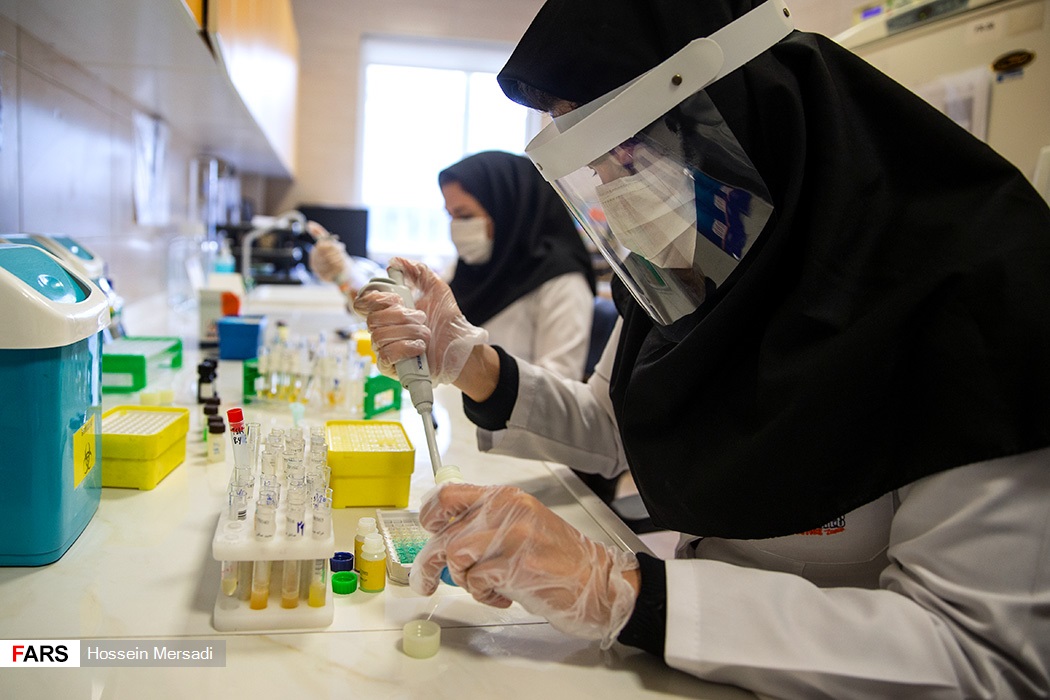
Referring to the production of more than 100,000 coronavirus diagnostic kits per week in the country, he stated three types of kits have been mass-produced, one is the coronavirus diagnostic kit and the others are kits that determine who has been infected before.

“Good things have happened in areas such as medical equipment and artificial intelligence, and we hope all of this will be a prelude to believing that we have an ecosystem active in the field of biotech to deal with such crises quickly,” highlighted Sattari.

He concluded that Iranian companies can detect, design and mass-produce these equipment when faced with a new phenomenon. This is something the Islamic Republic needs in all industries.

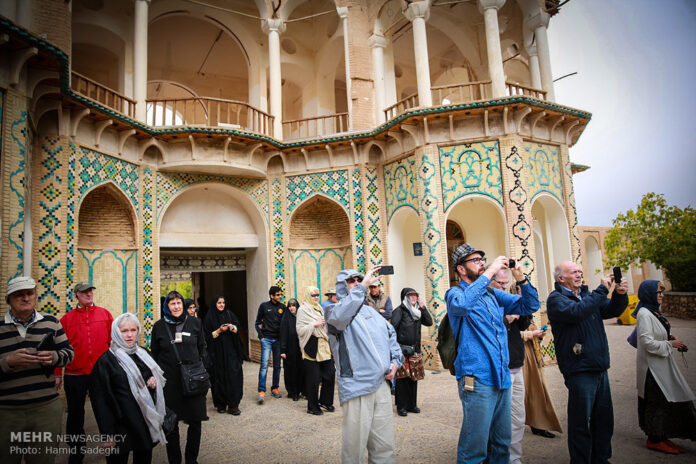
Iran to Allocate $250,000 to Make up for Tourism Industry Losses

Iran to Allocate $250,000 to Make up for Tourism Industry Losses

Ali Asghar Mounesan said Saturday the tourism industry needs to be activated as soon as possible after containing the coronavirus so that jobs that have been damaged can make up for some of their losses with the government’s help.

Mounesan noted that the tourism industry is linked directly and indirectly with various sectors of the economy.

“With its economic, social and cultural effects, tourism is one of the most important and vital sectors of any country, but the outbreak of the coronavirus in Iran and around the world has caused the industry to suffer the most.”

World Travel and Tourism Council statistics show that tourism accounts for 10.4 percent of the world’s gross domestic product and creates 320 million jobs. It is also responsible for creating one-fifth of new jobs. Moreover, for eight consecutive years it contributed to global economic growth more than other sectors, emphasised Mounesan.

The Minister of Cultural Heritage, Tourism and Handicrafts stated the World Tourism Organisation recently issued a report estimating that international tourist arrivals could decline by 20% to 30% in 2020. Arrivals could also return to seven years ago due to the outbreak of the coronavirus.

“The organisation has estimated a loss of 290 to 440 billion dollars,” Mounesan pointed out.

The containment of the pandemic is the utmost priority and the tourism sector is committed to support all measures taken to curb the outbreak. UNWTO is working closely with the World Health Organisation, its Members States and the industry to ensure a coordinated and effective response, he added.

Iranians Latch onto Homemade Bread under Self-Quarantine

Iranians Latch onto Homemade Bread under Self-Quarantine 1

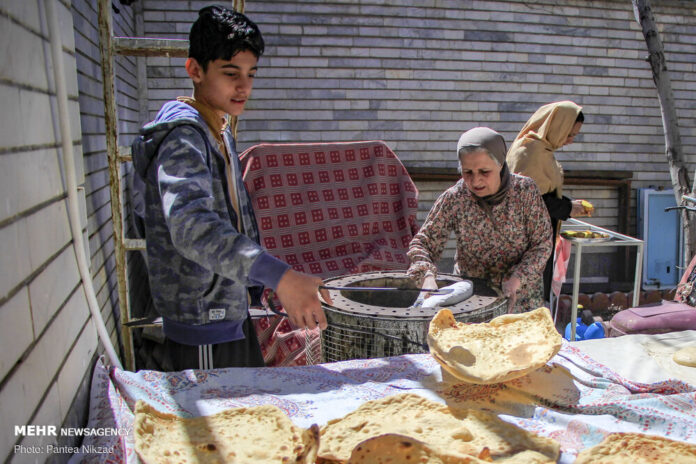
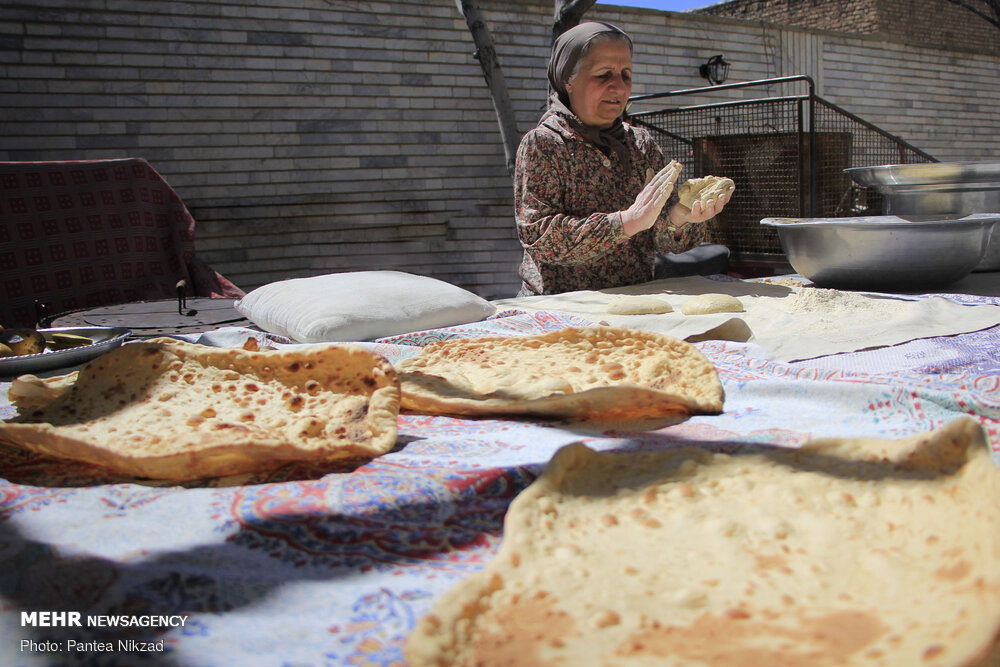
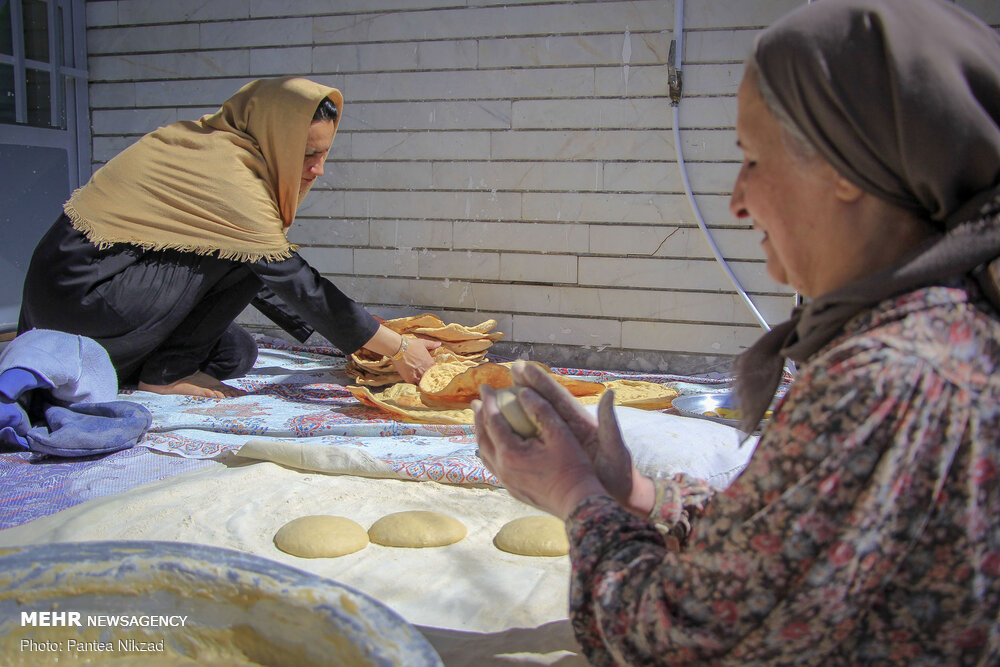
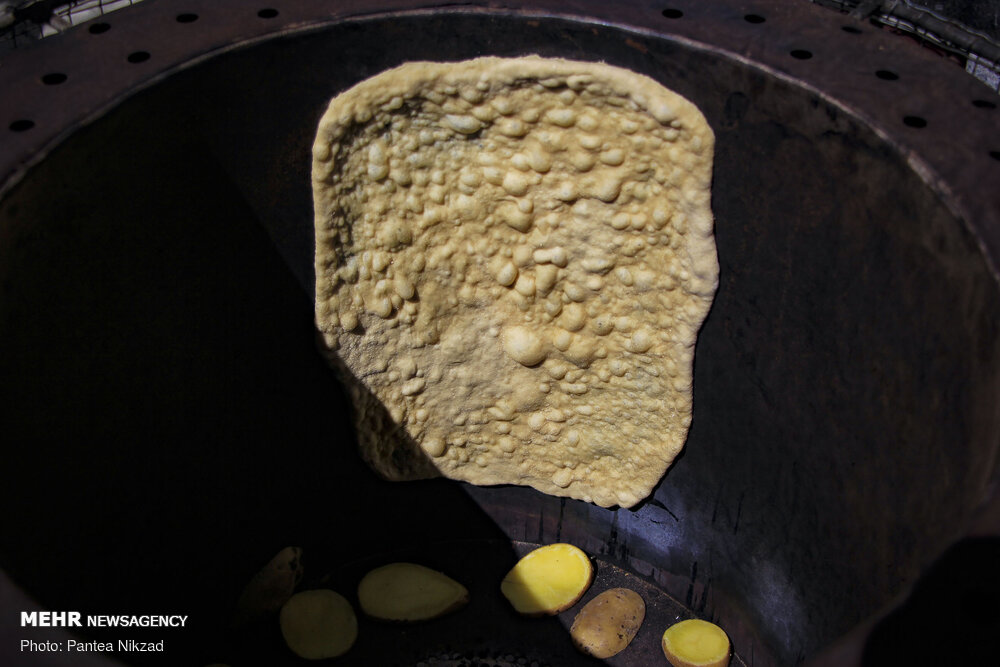
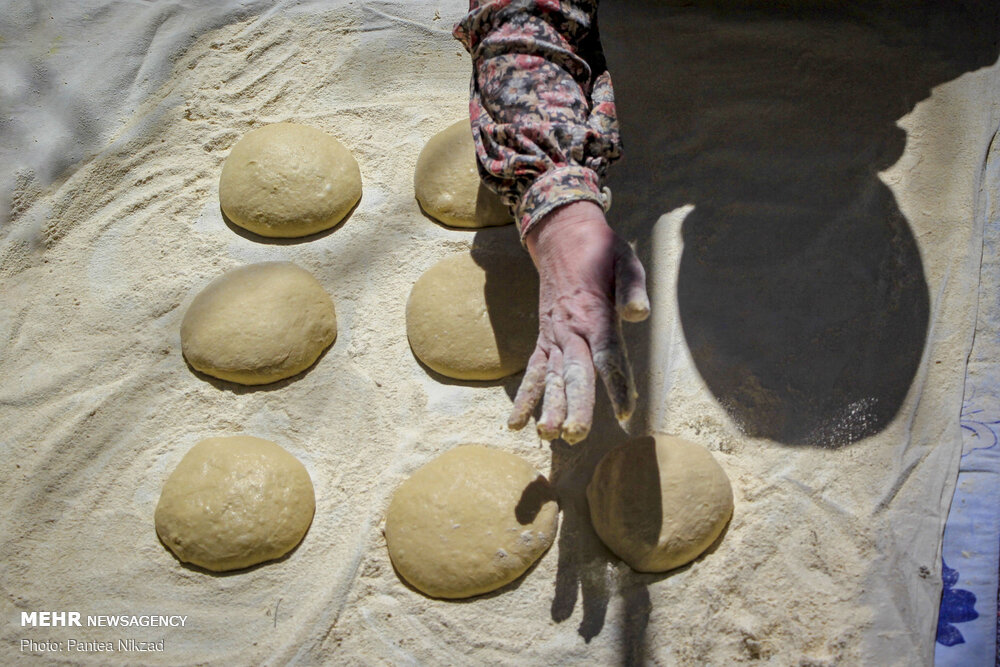
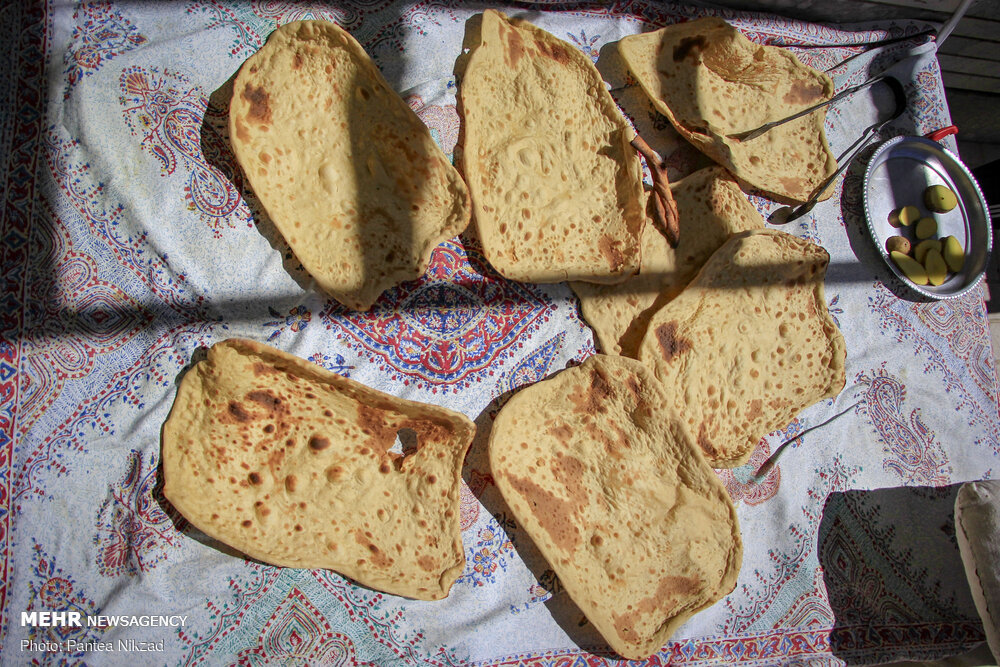
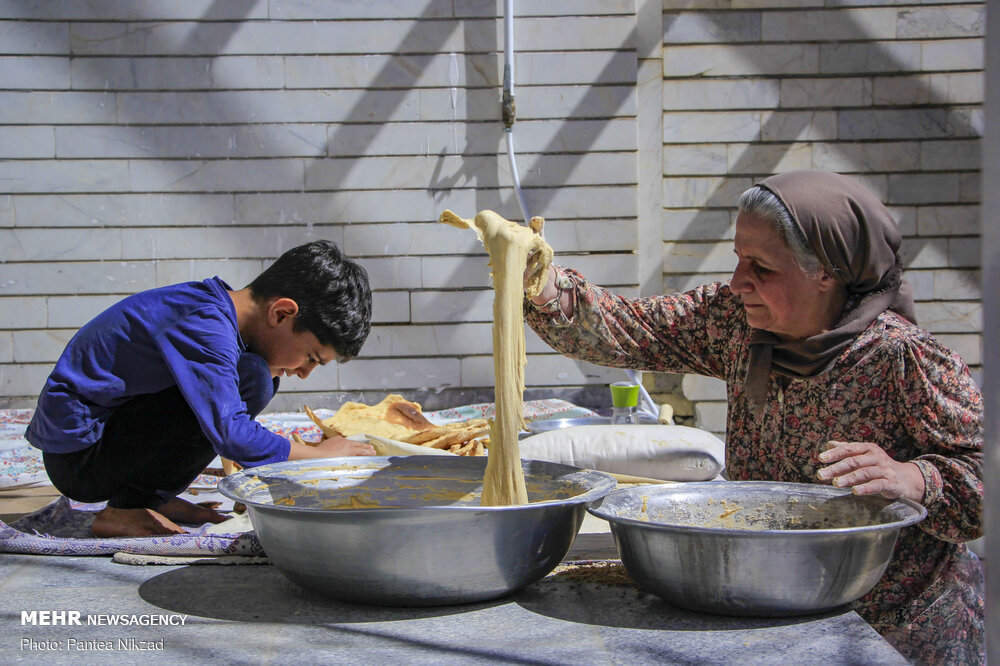
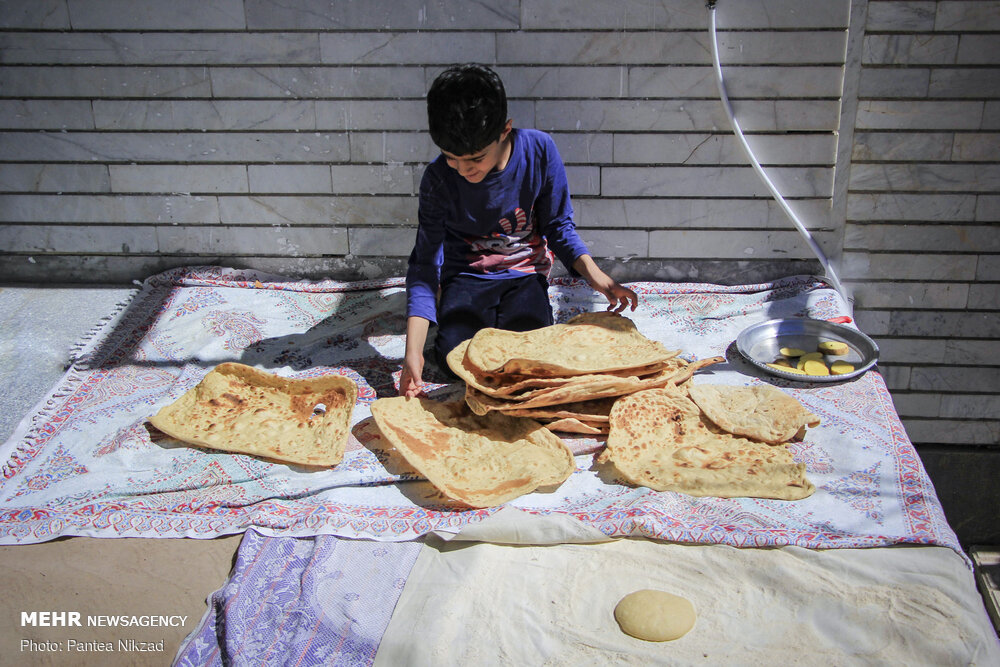
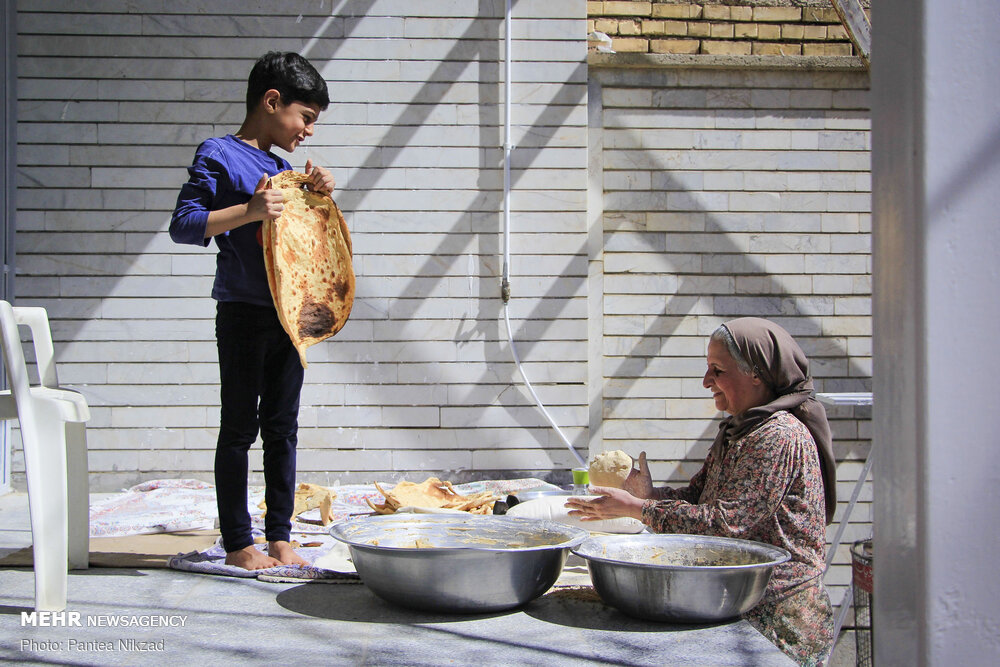
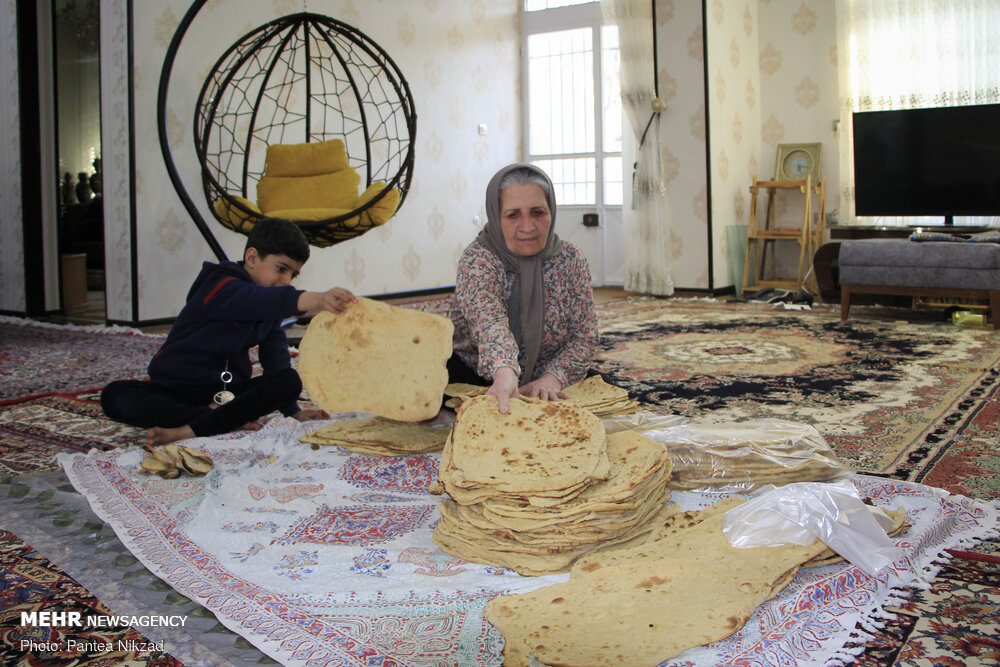
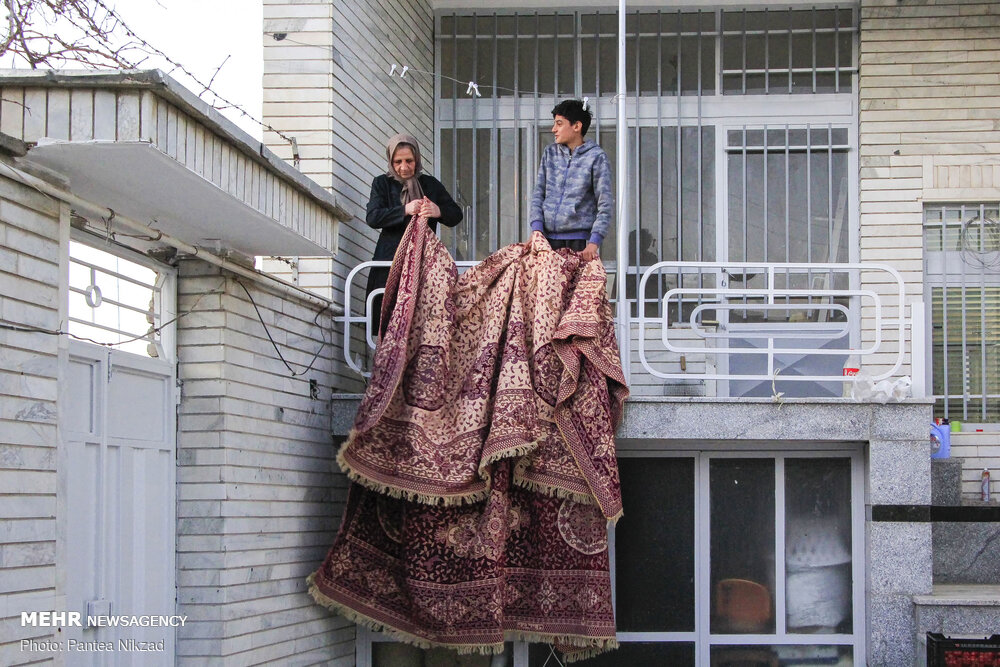
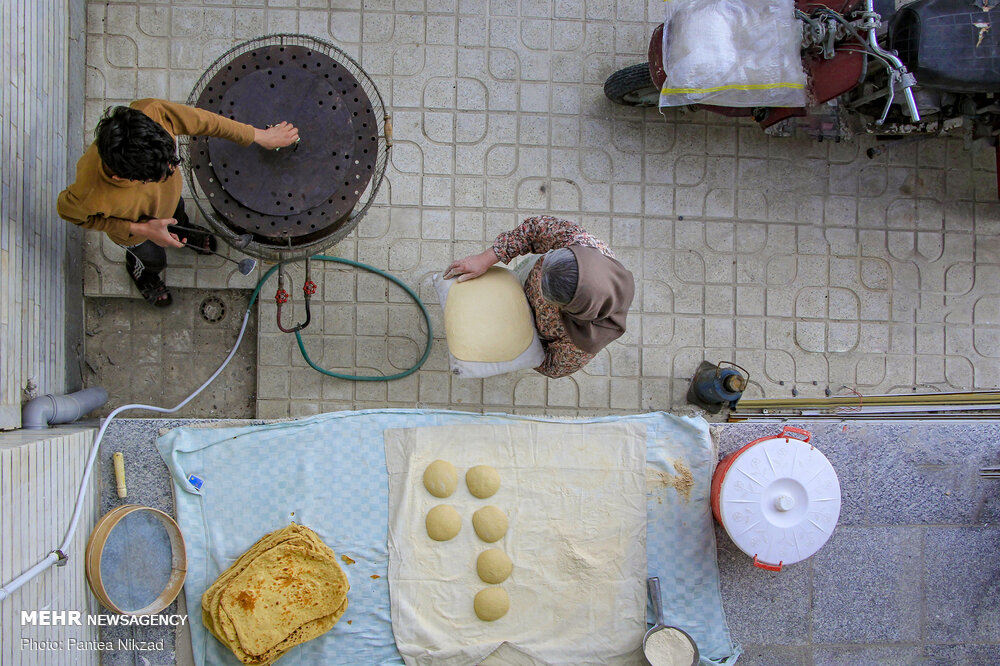
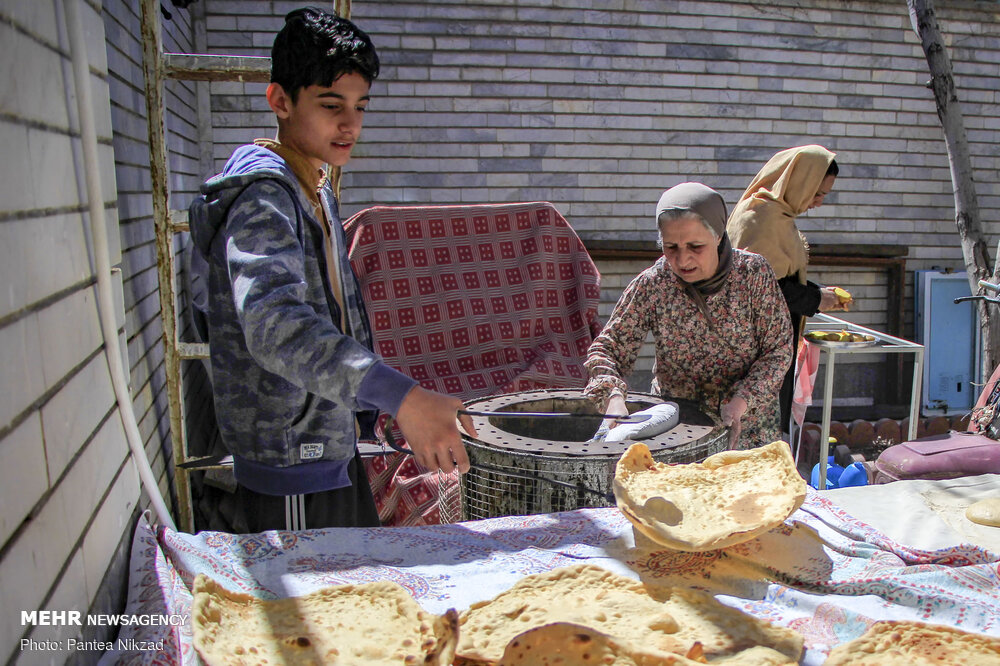
Bread is known as a staple food for the Iranian families. In the not too far past, baking homemade bread was a common practice in nearly all Iranian houses, carried out by women. The older generation and today’s grandmothers have still memories of making bread at home.

The new generation has no experience of the mouth-watering aroma coming from the clay ovens when home-made bread was being baked, and has not tasted the smaller breads made exclusively for the children either.

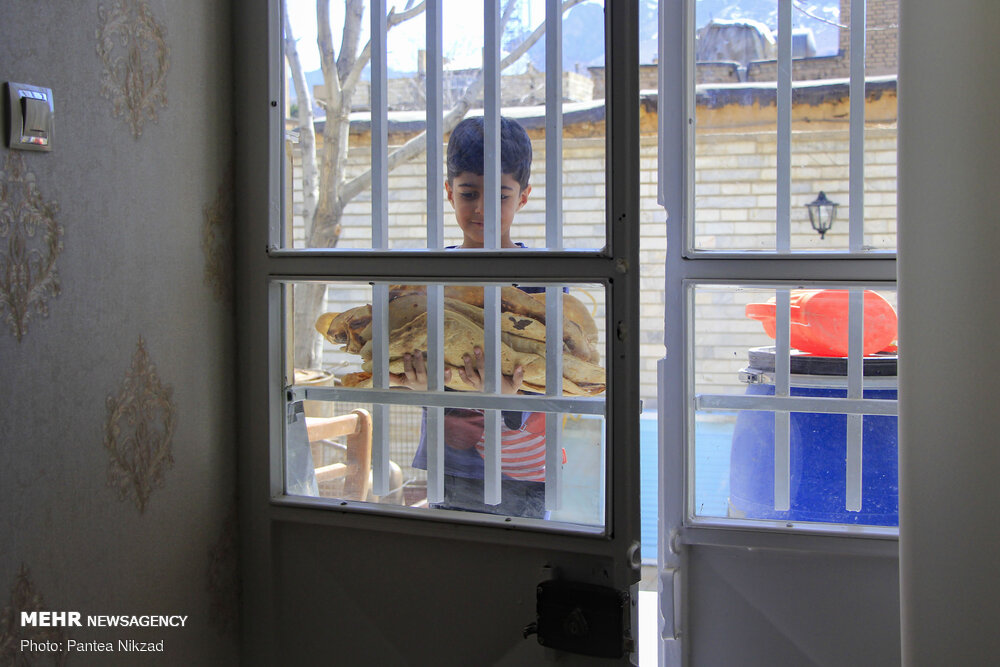
Baking bread at home has resurfaced these days in Iran in the wake of the outbreak of coronavirus.

Home-baked bread significantly reduces the risk of infection with coronavirus and also allows the household members to spend more time together and have an enjoyable experience in self-quarantine.

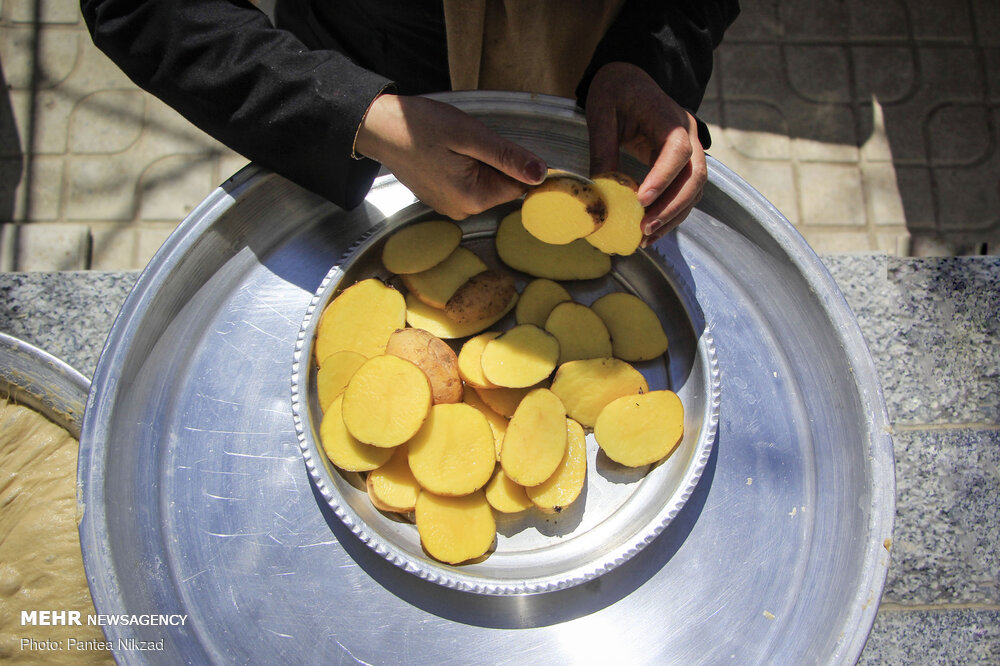
The following photos show a grandmother baking bread with her grandchildren in Saman, a small city in Iran’s western province of Chaharmahal and Bakhtiari:

FM Zarif, UN Chief Discuss US Sanctions against Iran

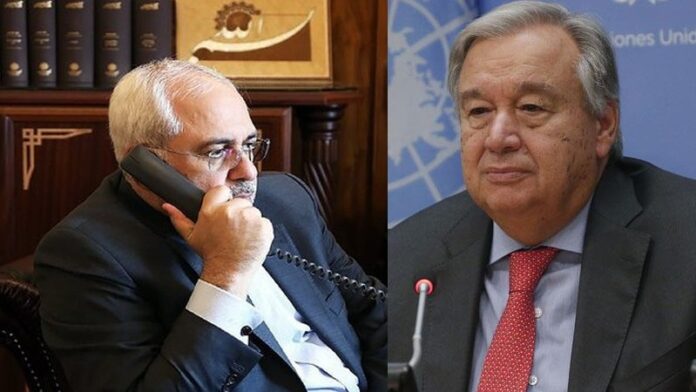
FM Zarif, UN Chief Discuss US Sanctions against Iran

In a phone call on Saturday evening, the two sides also conferred on the latest developments in Yemen.

Donald Trump administration’s refusal to halt sanctions against Iran is directly impeding the efforts to deal with the deadly coronavirus.

Iran says politicians must realize that the path to pursuing national interests is not separate or contrary to that of global interests and international accountability.

Official Urges Development of Digital Map to Track Coronavirus in Tehran

Official Urges Development of Digital Map to Track Coronavirus in Tehran

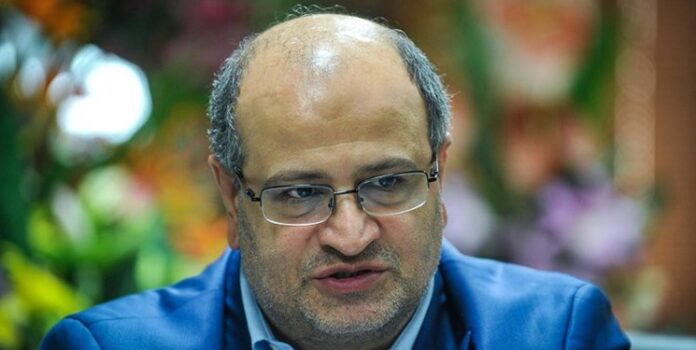
In a Saturday meeting with the CEOs and officials of a number of local knowledge-based companies and start-ups, head of the Coronavirus Battle Headquarters in Tehran, Alireza Zali, stressed the need for the development of a digital map to contain the COVID-19 epidemic more seriously.

Various organizations, such as the Municipality of Tehran, the knowledge-based companies and the start-ups, have expressed readiness to contribute to the development of the digital map, Zali added, noting that the infrastructures for the new platform could be used in future for other schemes as well.

Tracking and monitoring the suspected or the confirmed coronavirus cases would help create an inclusive digital map, he stated, saying all relevant organizations have promised to provide access to and share the necessary data by observing the principles of civil rights and ensuring confidentiality of the information.

Zali also emphasized that the outbreak of coronavirus pandemic has provided unique opportunities for innovative projects by the digital media.

Calling for the formation of integrated processes based on the information received from the citizens in Tehran, he said the analysis of data in the capital is a big challenge given the discrete nature of the data, the differences in cultural, economic and social factors, the complexities of demographic data, unofficial habitation in certain locations, floating population, and deficient information in coronavirus self-declaration processes.

The official then highlighted the necessity to work on two main strategies for combatting the coronavirus epidemic with the use of modern technologies, describing the “early detection of the cases” and “tracking the clients” as a major step in controlling and eradicating the contagious disease.

“No strategy is more helpful than the early detection of cases. The sooner we identify the patients, the earlier the source of spread of the disease will be determined,” Zali explained.

As regards the second strategy, he said the Ministry of Information and Communications Technology has undertaken to employ the capacity of the smart phones to establish contact corridors for tracking the patients after being discharged from the hospital in order to give a real-time view of the suspicious cases or the potential infected individuals.

Coronavirus online test
If you are worried that you may have contracted the Coronavirus, take this test right now.

A survey conducted jointly by Iran University of Medical Sciences and the Ministry of Information and Communications Technology  among a statistical population of 1,200 people show that 52 percent of the patients have not only not gone into self-quarantine after being discharged from the hospital, but have gone outside a 2-kilometer radius of their whereabouts, Zali noted, describing it as a worrying issue.

He finally noted that more than 4 million residents of Tehran have taken part in the self-declaration program, and stressed the need to proceed with the remote work scheme in order to prevent crowds in the capital.

The Coronavirus Battle Headquarters of Tehran is going to convene an emergency meeting on Sunday to prevent a crowd of commuters like what happened in the streets of Tehran on Saturday morning, Zali concluded.

Iran Starts Mass Producing PCR, Serologic COVID-19 Diagnostic Kits

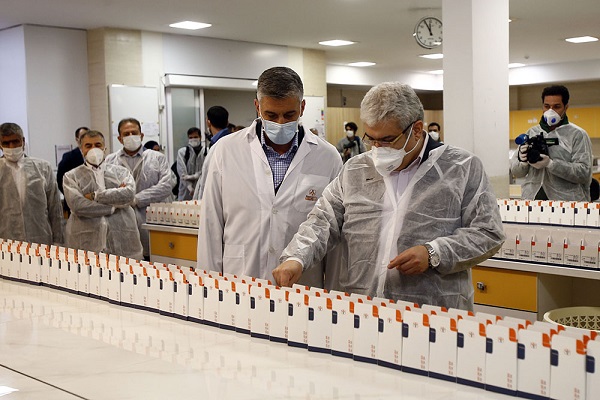
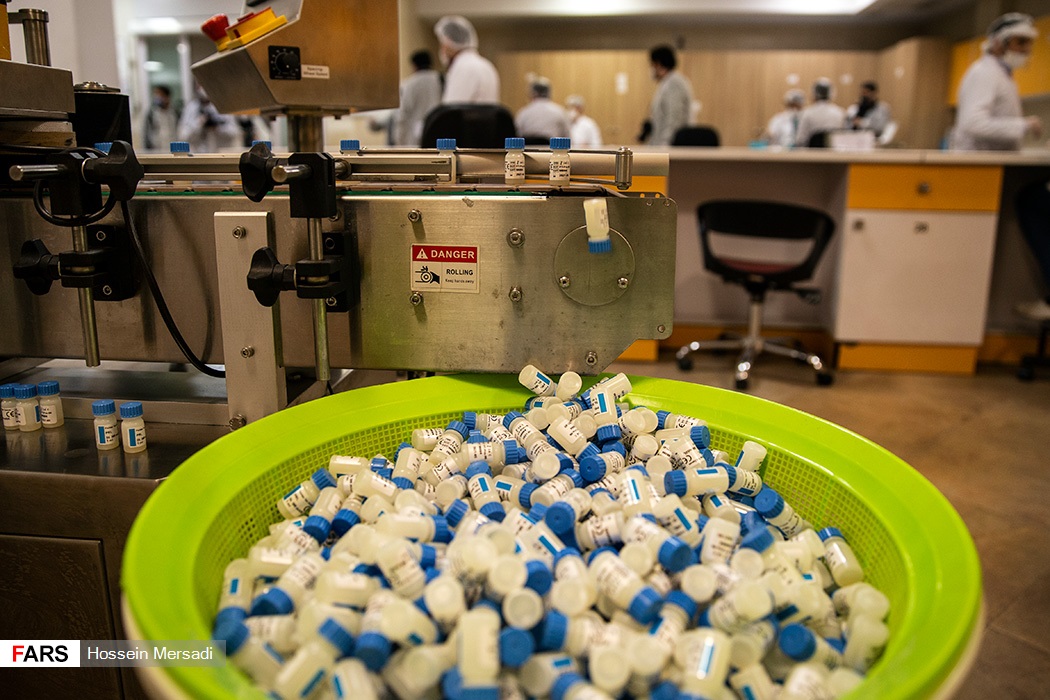
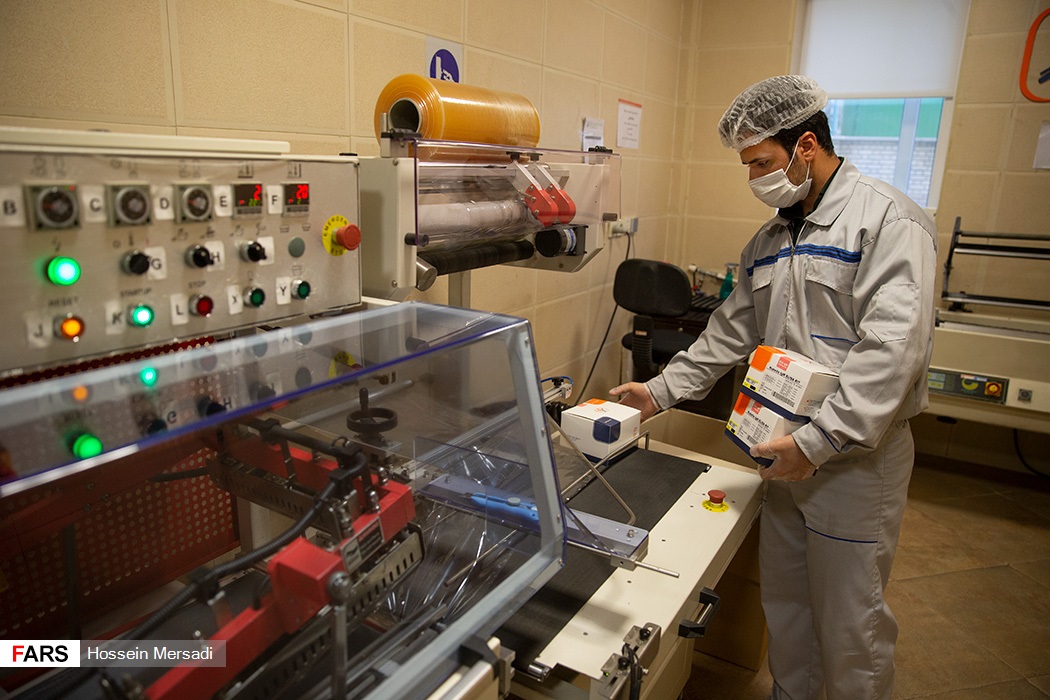
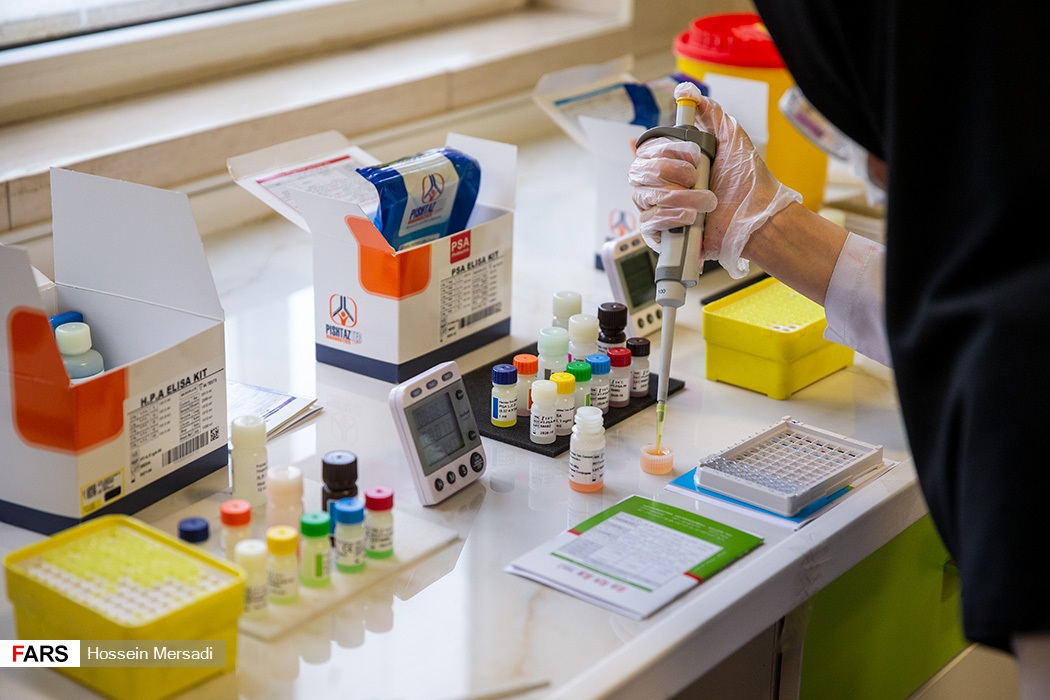
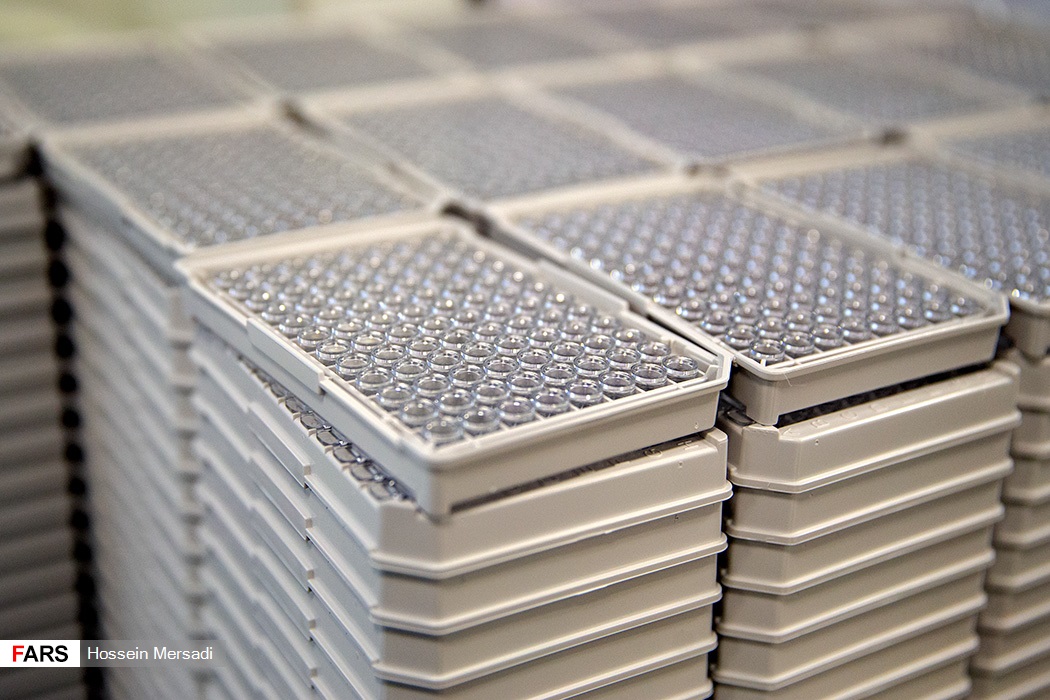
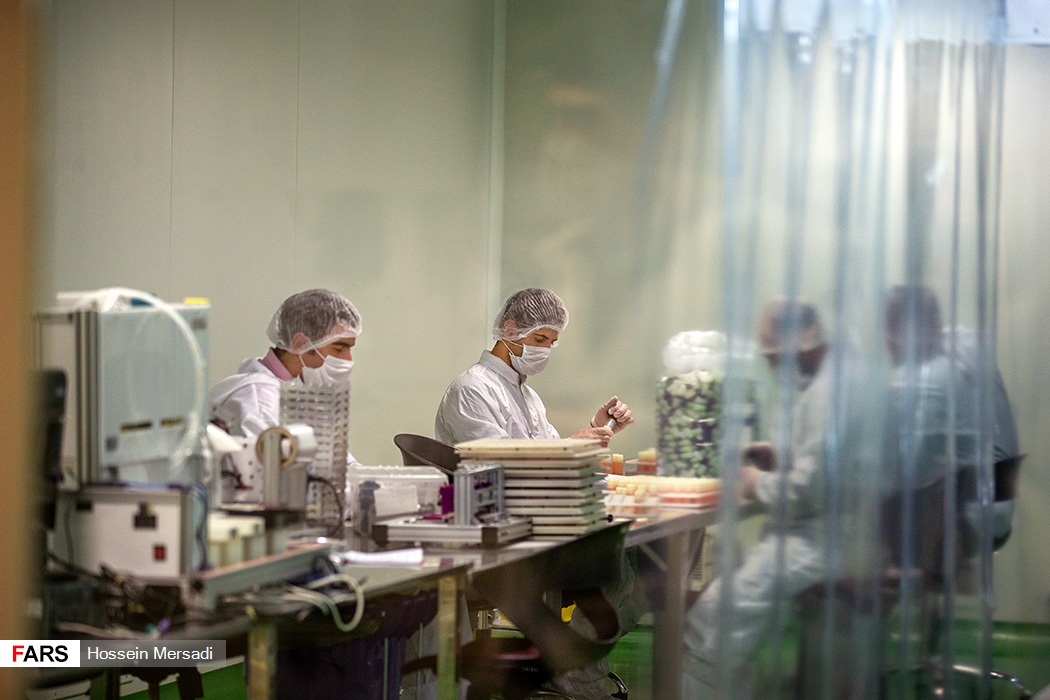
The production lines were inaugurated on Saturday by Vice President for Science and Technology Sorena Sattari in a ceremony held at Pishtaz Teb Company in Tehran.

Sattari noted the production of diagnostic kits in Iran is considered to be a major step in the fight against the coronavirus, stressing that six knowledge-based companies in this field have received permits to produce different types of such kits.

Pointing out that Pishtaz Teb Company is one of the largest knowledge-based companies active in this field, the Vice President added there are two types of diagnostic kits made by this company.

“The first type are the kits based on PCR analysis and we can produce 100,000 of them per week. The second type are serologic kits that can detect the coronavirus and we produce 2 million ones a week.”

With the expansion of the production capacity of other companies, these figures will definitely increase, and we can become one of the main exporters of the diagnostic kits, maintained the Iranian Vice President.

Sattari said some companies are also working on extraction kits, and these three types of kits have been mass-produced in the country. He stated that these products can be exported to other countries while meeting domestic needs.

“We have witnessed good things since the outbreak of the virus in the country, and today we are at a point where we can say all products are made domestically using the capabilities of the Iranian workforce,” Sattari said.

These companies can produce medical equipment needed to fight COVID-19, such as surgery room equipment, ICU room stuff, as well as equipment needed to prevent and control the disease, such as masks, medications, etc. Fortunately, all this equipment is manufactured domestically by knowledge-based companies, he went on to say.

Elsewhere in his remarks, he highlighted that 40 mask production lines will be launched in the country within the next 15 to 20 days.

“We are in very good conditions regarding the production of disinfections and medical equipment. Iran has made significant progress in the field of biotech products and currently produces 23 bio-drugs domestically.”

Moreover, Sattari stated the knowledge-based companies are active in the country to recognise the time of a crisis, and they design and construct the necessary equipment. This is the approach that all industries must adopt.

Coronavirus Fears May Trigger Mass Hypochondria

Coronavirus Fears May Trigger Mass Hypochondria

Mass hypochondria is a condition in which people in a society are unduly worried about having an illness, while there is no symptom suggesting an actual medical diagnosis.

A hypochondriac person feels that he or she has contracted a serious disease. Such disorder could become commonplace in a mass of people, in a classroom, an office, a city or the entire country.

Hypochondriasis has been prevalent in the human communities for millennia, and seems to be much more common than a disorder being discovered through the ordinary medical means.


What are the symptoms of mass hypochondriasis?

The symptoms experienced by the individuals are different and depend on what illness they believe they have contracted. The common symptoms include headache, nausea, anemia, the feeling of shortness of breath, chronic coughs, chest pain, chill, a sore throat etc.

A sudden occurrence of this disorder depends on how much stress one is suffering. The people experiencing hypochondria show the physical symptoms of the illness in practice and those symptoms are not merely psychological. For example, they may actually suffer from shortness of breath, fever and chill, headache or dizziness.

However, such real feelings could not be confirmed in medical terms, as the symptoms have been caused by stress and anxiety, not by a pathogen like the coronavirus.

Hypochondriasis could affect many normal individuals, but still, it does not translate into a psychological disorder.

Nevertheless, displaying symptoms of the illness should not be immediately regarded as hypochondria. You are advised to see a physician if you show any of the following symptoms:

– An illness that lasts for more than one week to 10 days.

– A fever with the temperature in the mouth over 38.5 °C for several days, coupled with remarkable weakness and anemia.

– Severe muscle fatigue;

– Severe lachrymation;

– Skin problems or a considerable change in the skin color;

– Shortness of breath preventing you from doing daily activities.

Is it possible to prevent or avoid mass hypochondria?

The ways to prevent such disorder have not been scientifically defined very well. Maybe the best and most effective approach is to stay away from the psychological conditions and rumors about the disease. Stress is a normal part of life of every human being, but you should avoid excessive stress and anxiety. Keep in mind that excessive stress weakens the body’s immune system, which would consequently pave the way for many diseases.


Dr. Babak Qal’e-Baghi

Iran Pushing Ahead with Campaign against COVID-19 Despite US Sanctions

Threats against ICC Proof of US Anti-Justice Nature: Iran

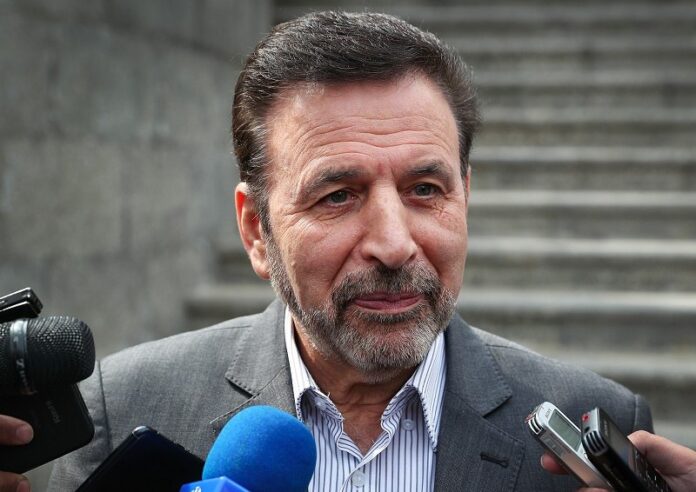
In an interview with IranGov.ir, Mahmoud Vaezi, the chief of staff of President Hassan Rouhani, discussed measures adopted by the government to fight the coronavirus epidemic.

Vaezi said Iran began to take action at the time the virus outbreak was reported in the country.

“Iran was the second country to detect the disease and, since the outset, enforced measures to control the spread of, and treat the disease by shutting down schools and universities as well as religious, cultural and sports gatherings, urging people not to go on trips and stay home, and launching the national campaign against the coronavirus,” he said.

The official said the social distancing plan was the country’s major strategy to fight the disease.

“The first stage of this strategy began at the beginning of the outbreak of the virus, and by the admission of health and medical experts, it played a key role in fighting the epidemic in the country,” he said.

The president’s chief of staff refuted the accusation that the government did not act in time to contain the disease.

“This criticism is not fair,” he said.

“Since the moment we became sure the disease had entered the country, we formed the National Coronavirus Outbreak. The president, himself, assumed management of the crisis and we immediately began measures to control the disease,” he underlined.

“The national campaign against the coronavirus was one of major measures adopted by a country across the world to fight the coronavirus. Tens of millions of people were screened in this plan,” he said.

“There was no delay,” he noted.
He said action was taken to identify infected people in a timely manner and separate coronavirus patients from healthy people, a move which was instrumental in bringing down the fatality rate.

“Whatever experts deemed necessary, was put into force immediately,” said Vaezi.
He was asked why the city of Qom, where the coronavirus was first detected, was not quarantined right at the beginning. In response, the official said evidence suggested that a quarantine plan would not work.

“Given the experience of other countries as well as figures presented by the World Health Organization, the assumption that imposing a full quarantine would work did not seem to work,” he noted.

“Since the beginning, our health experts believed that imposing a full quarantine, whether on Qom or on other cities, would not work. Instead, they proposed a model specific to the Islamic Republic of Iran, which has been enforced step by step over the past weeks,” he said.

He then touched upon the effect of sanctions on the type of the Iranian model adopted.
“Polices are adopted and enforced in accordance with existing capabilities and realities,” he noted.

“Undoubtedly, we are the only country unable to tap into all our resources to contain the coronavirus due to sanctions,” Vaezi noted.

“If there were no sanctions and we had access to all our resources, especially with regards to the management of economic consequences of the coronavirus, we would have more leeway,” he said.

“Still, the government has, so far, not allowed restrictions brought about by sanctions to result in inaction and a lack of decision-making,” Vaezi noted.

“Today, we have almost stabilized the market when it comes to the production of hygienic items to stem the spread of the coronavirus,” he added.

“Most needs of hospitals, especially with regards to supplies such as ventilators, have been met on the back of efforts by domestic knowledge-based companies,” he said.

“Our fight against the coronavirus is an unequal battle because in addition to COVID-19, we are also fighting the United States’ sanctions and economic terrorism,” he said.

However, he added, people, government and personnel in different sectors have been working in tandem to safeguard people’s health and lives.

Elsewhere in his remarks, the president’s chief of staff said Iran’s efforts in the fight against the coronavirus have been successful.

“At the moment, we have had a good performance, but like most countries have been unable to contain the disease,” he added.

The official underlined that all government offices and institutions have mobilized their resources to counter the disease.

He said the president has instructed the health minister to be transparent in giving people information about developments pertaining to the outbreak.

He then slammed certain entities and individuals for launching untrue campaigns against national efforts to contain the virus.

“Untrue campaigns under the current circumstances … are highly destructive,” he noted.
He then touched upon the problems that the country is facing in tackling the disease.

“The country is facing many problems with regards to managing the coronavirus crisis, but these problems have, fortunately, been unable to stop us thanks to the efforts by heroes fighting in the campaign against COVID-19,” he said.

“The most important problem we face is sanctions,” he said.

“The perpetuation of sanctions at a time when we are facing the coronavirus pandemic, is not only an act against Iranian people, but a crime against humanity,” he said.

“The coronavirus outbreak is a global issue today, and if Iran is unable to utilize all its potential and resources to fight the disease, it will have repercussions that would grip all countries,” Vaezi said.

“The world should stand up to this crime-like policy, or, at least, stop abiding by the United States’ unilateral sanctions,” he said.

Coronavirus online test
If you are worried that you may have contracted the Coronavirus, take this test right now.

He then touched upon the post-coronavirus world.

“Now, we are in the middle of the coronavirus crisis and it’s a little early to talk about the post-coronavirus world,” he said.

“However, I believe we will definitely see some changes not only in Iran, but also across the world, because the coronavirus outbreak has challenged some definitive presuppositions in the domain of governance and ruling,” he said.

“We will need some reconsiderations whether in the domain of good governance or policy making,” he said.

“Signs of this paradigm shift are clear as of now, and I think all political groups and think tanks in the country should focus on these changes,” he said.

A Look at Iranian Newspaper Front Pages on April 11

Iran Newspaper Headlines in April 11

Iranian Newspapers

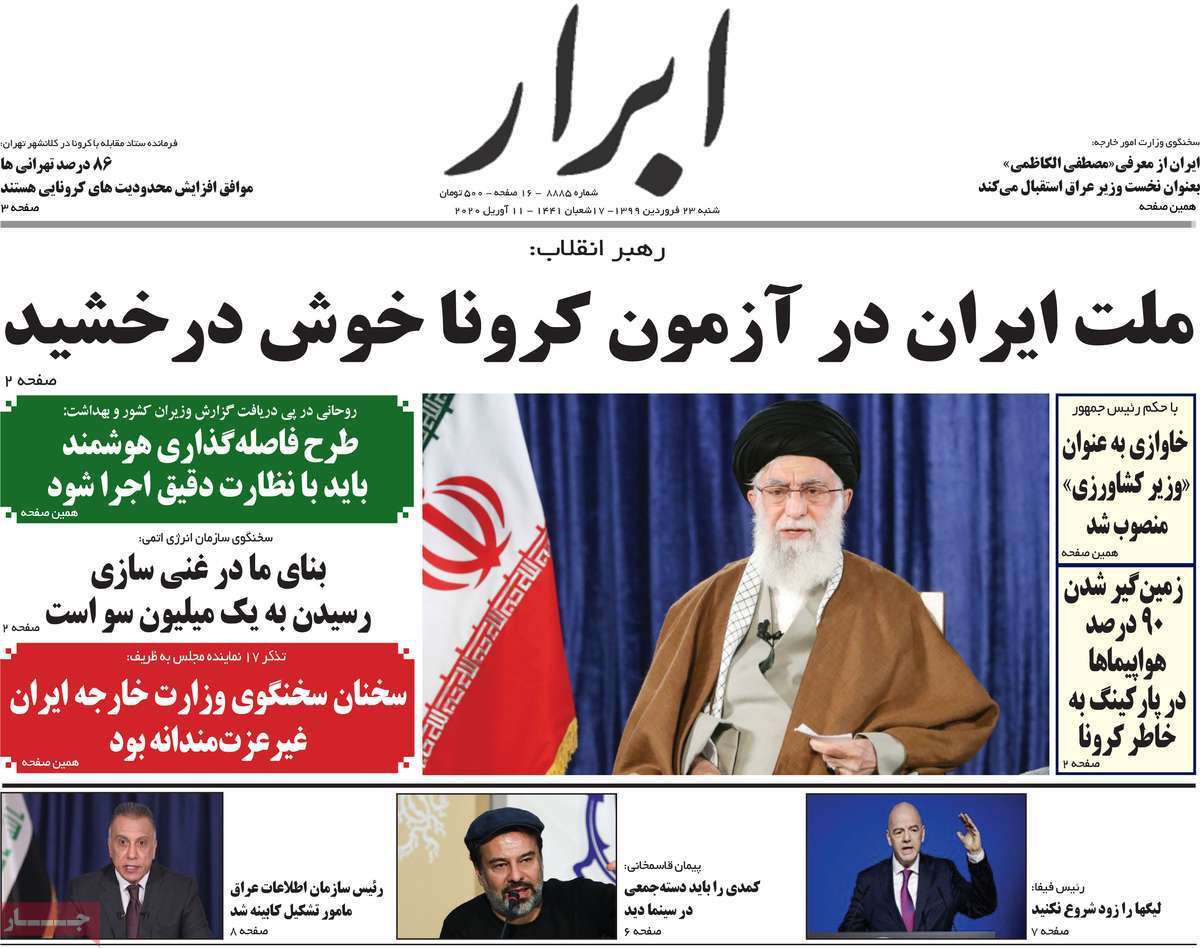
Abrar:

1- Iran Welcomes Appointment of Al-Kazemi as New PM of Iraq
2- Iran Leader: People Shone in Coronavirus Test
3- AEOI Spokesman: Iran Plans to Reach 1m SWU in Uranium Enrichment

A Look at Iranian Newspaper Front Pages on April 11


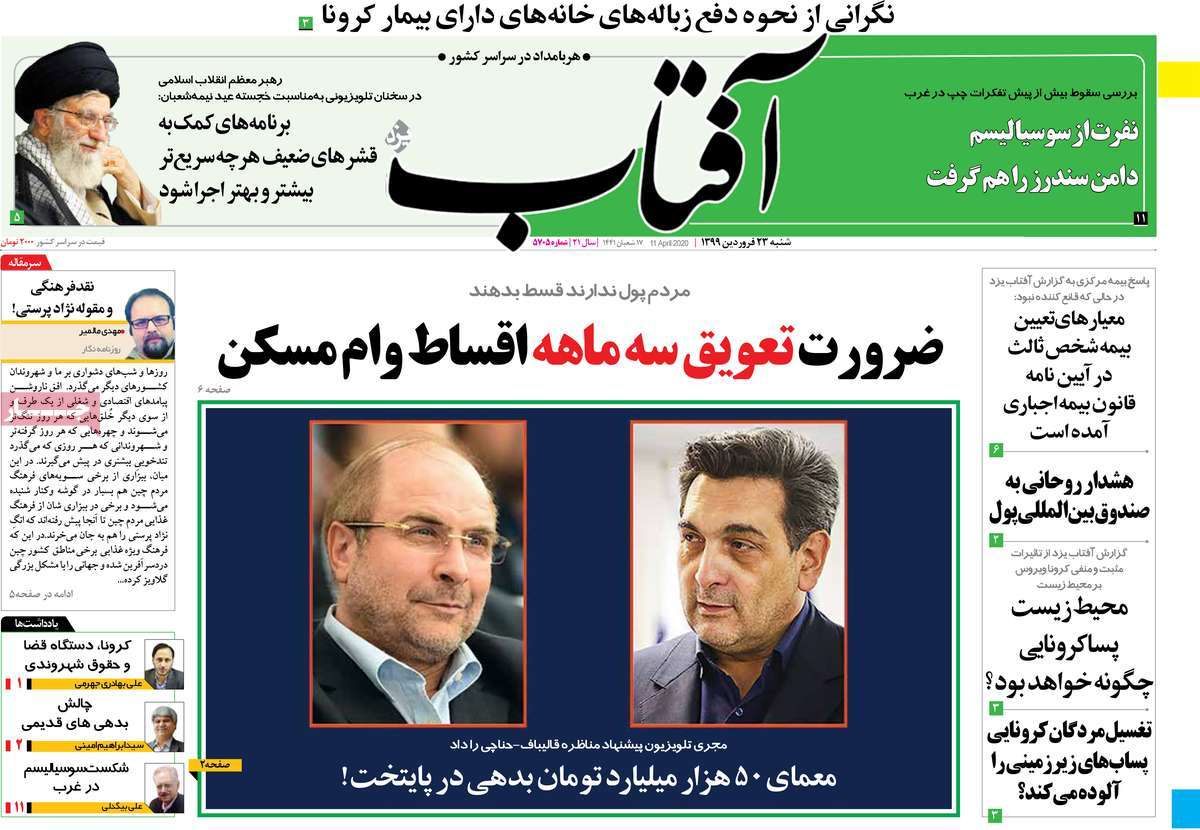
Aftab-e Yazd:

1- Voters’ Hatred of Socialism Costs Sanders Dearly
* Why Leftist Thoughts Have Become So Unpopular in West
2- Rouhani Warns IMF


A Look at Iranian Newspaper Front Pages on April 11


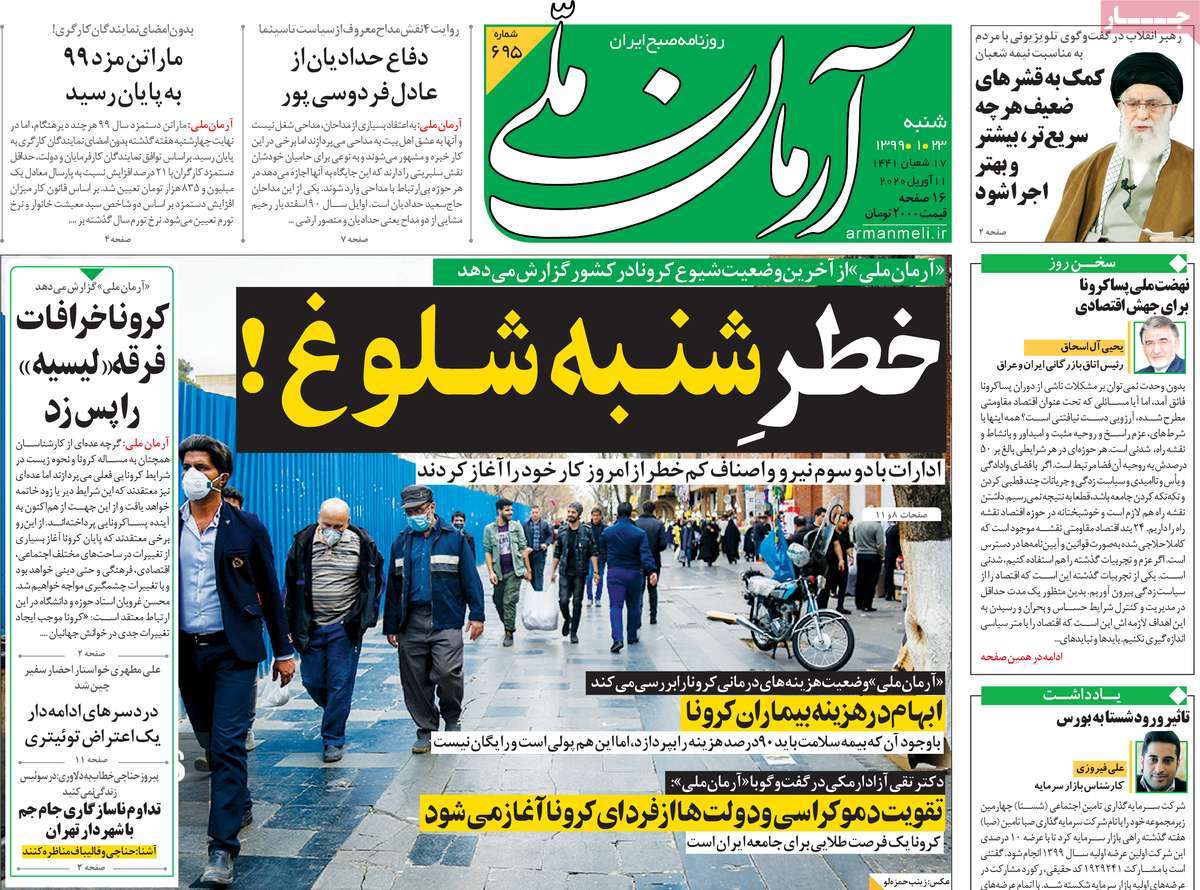
Arman-e Melli:

1- Iran Leader Urges Gov’t to Immediately Help Weaker Strata of Society
2- FM: Iran Welcomes Russia’s Idea of Creating Green Corridor
3- OPEC+ Agree on Oil Production Cut

A Look at Iranian Newspaper Front Pages on April 11


Etemad:

1- Murder Using Weapon of Sanctions: The Political Cost Paid by Trump

A Look at Iranian Newspaper Front Pages on April 11


Ettela’at:

1- Smart Social Distancing Plan Enforced in Iran While Observing Health Protocols
2- OPEC Members, Non-Members Agree to Cut Production by 10m Barrels of Oil

A Look at Iranian Newspaper Front Pages on April 11


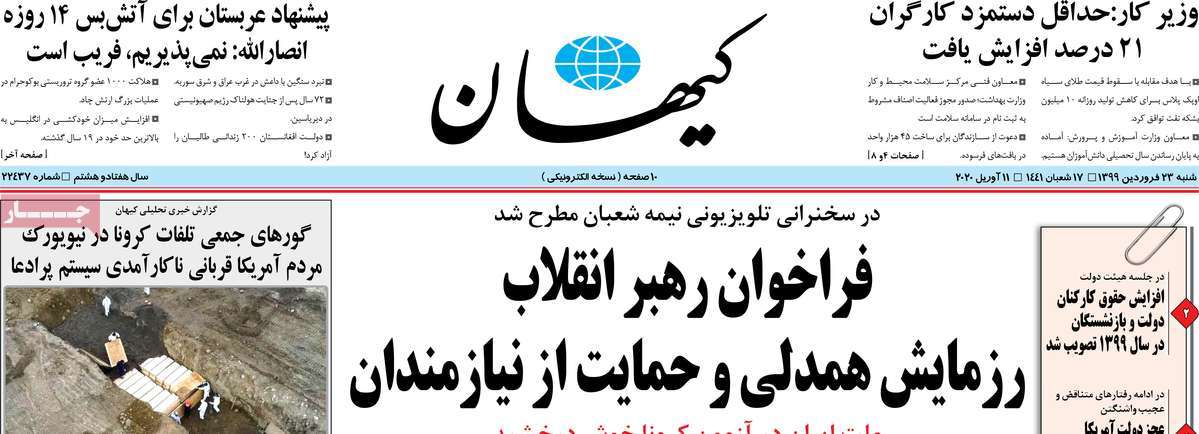
Kayhan:

1- Ansarullah Rejects Saudi Offer of 14-Day Ceasefire, Calls It Deceit
2- Iran Leader Urges Synergy, Support for the NeedyA Look at Iranian Newspaper Front Pages on April 11


Mardom Salari:

1- $1.6 Billion Worth of Iran’s Assets Unblocked by Luxembourg Court
2- Smart Social Distancing Plan Enforced in Iran as of Saturday

A Look at Iranian Newspaper Front Pages on April 11


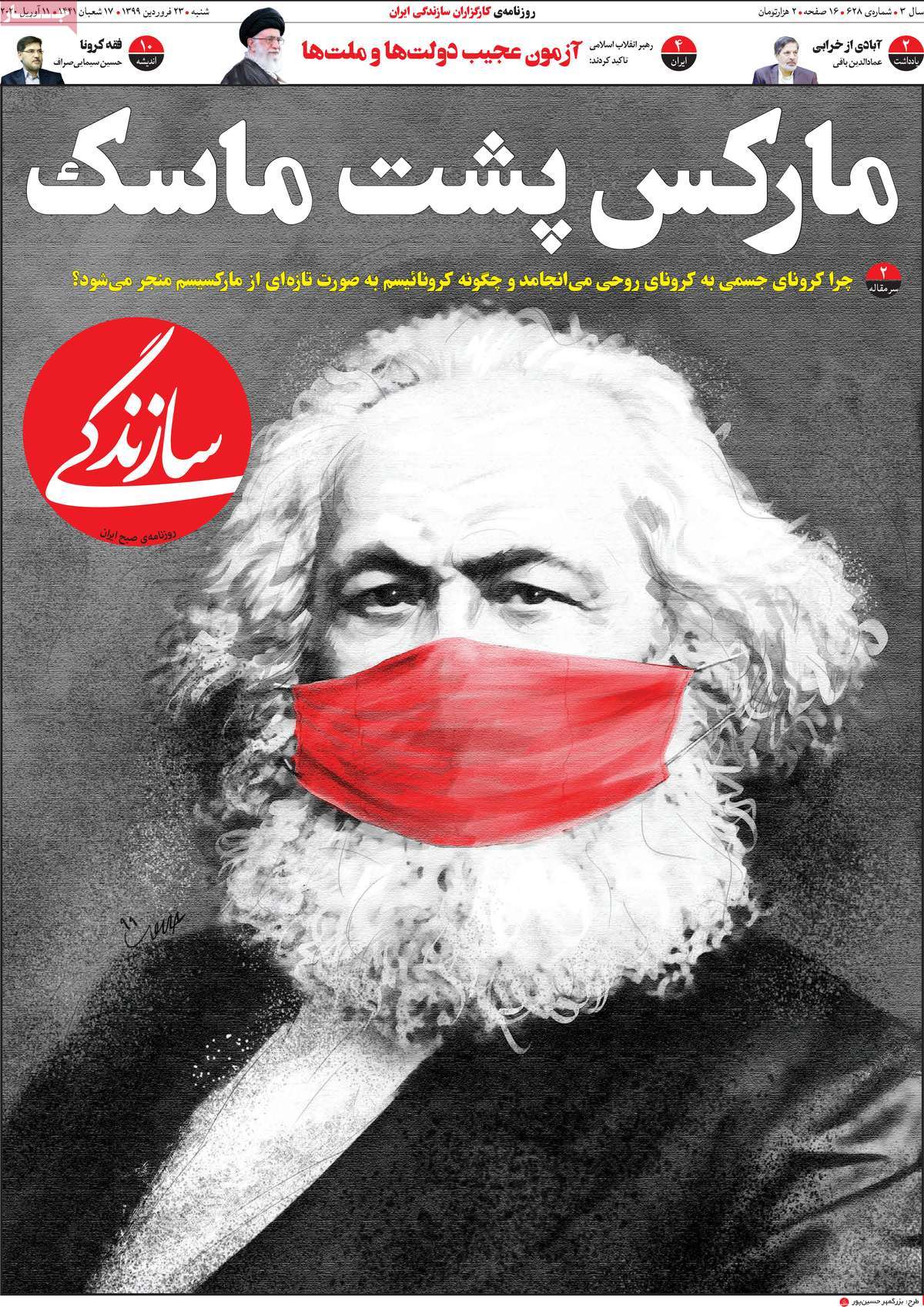
Sazandegi:

1- Marx behind Mask: Why Physical Corona Leads to Spiritual One? How Coronaism Leads to New Form of Marxism?

A Look at Iranian Newspaper Front Pages on April 11


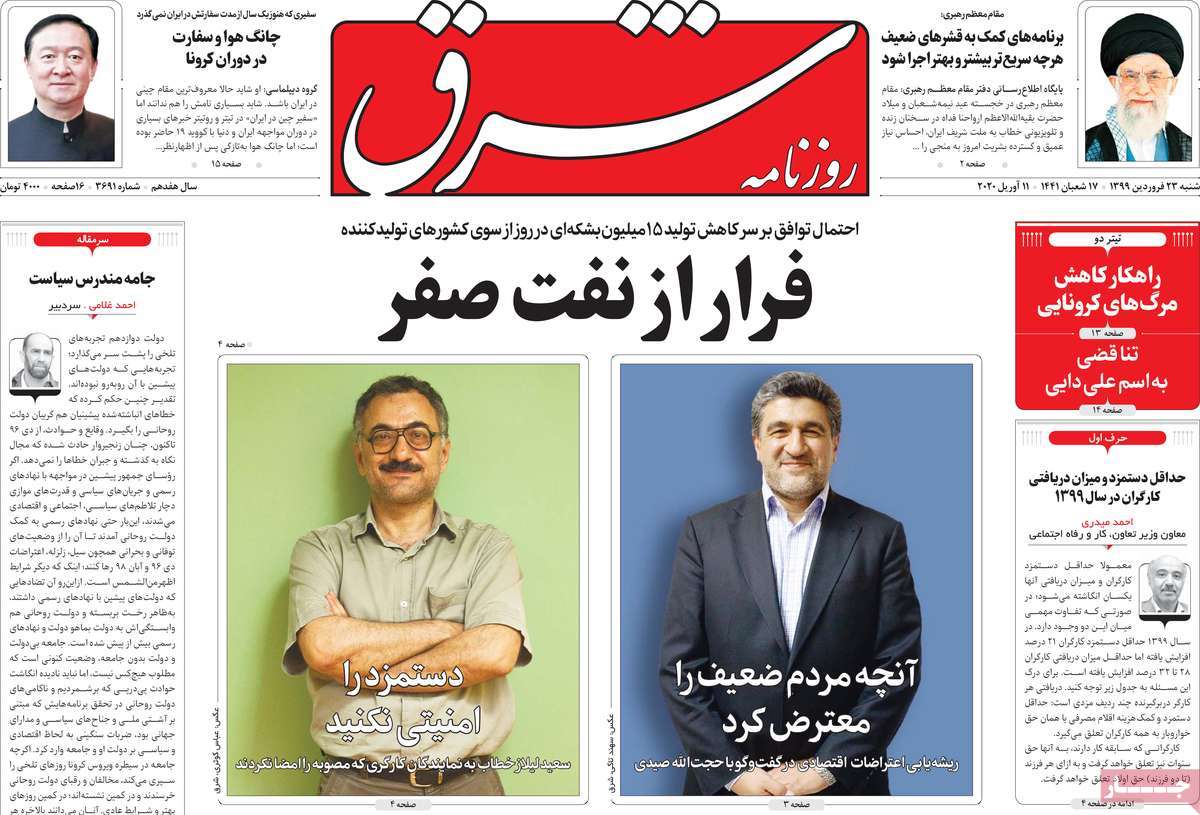
Shargh:

1- Escape from Zero Point: Oil Producers May Agree on 15m/bpd Production Cut
2- Chinese Envoy to Iran; Mission at Time of Corona

A Look at Iranian Newspaper Front Pages on April 11