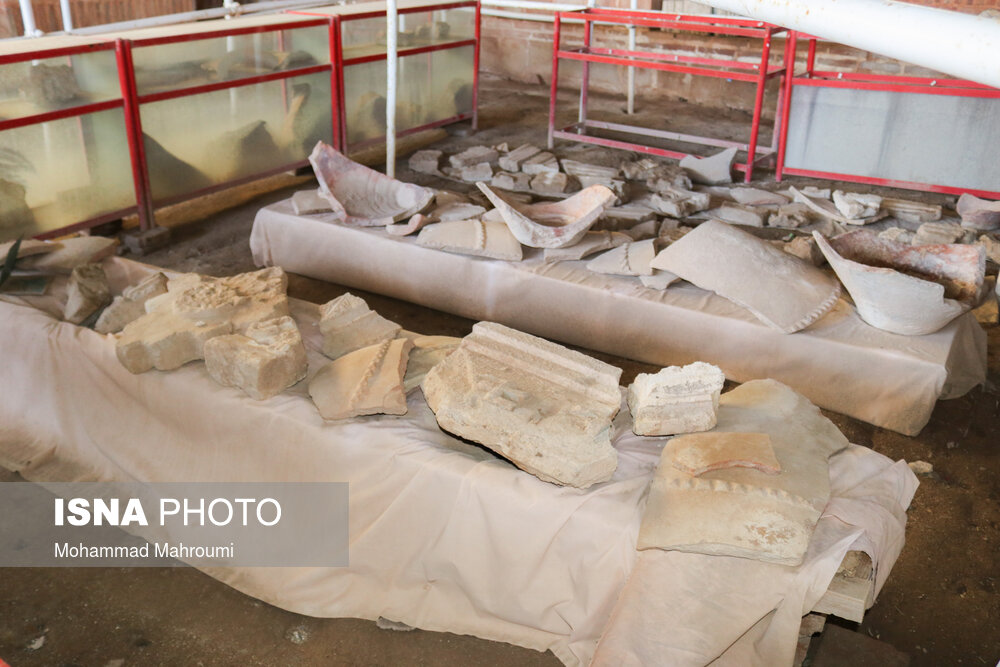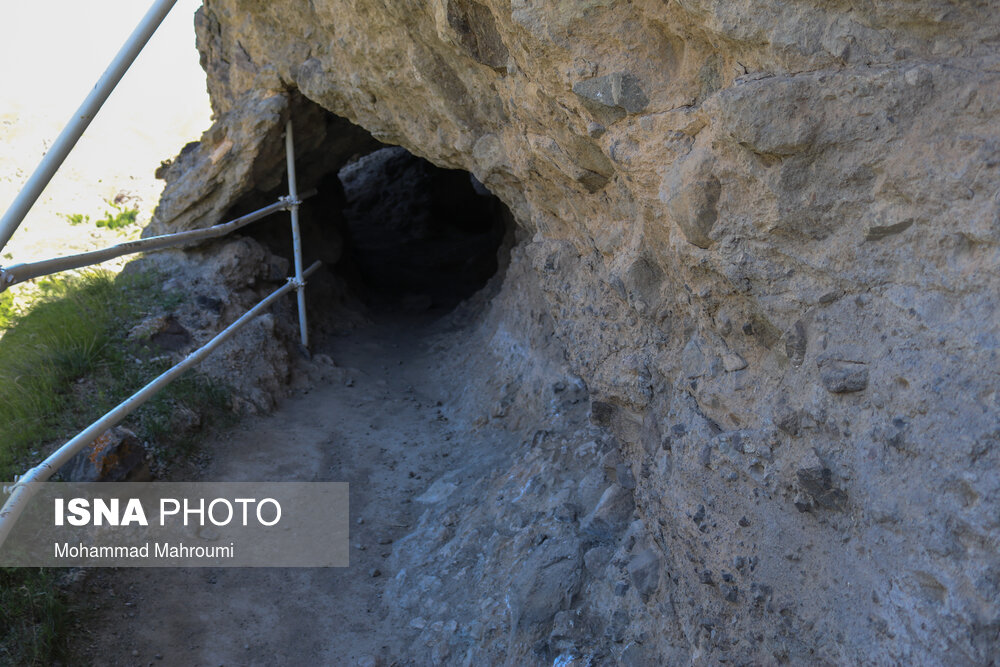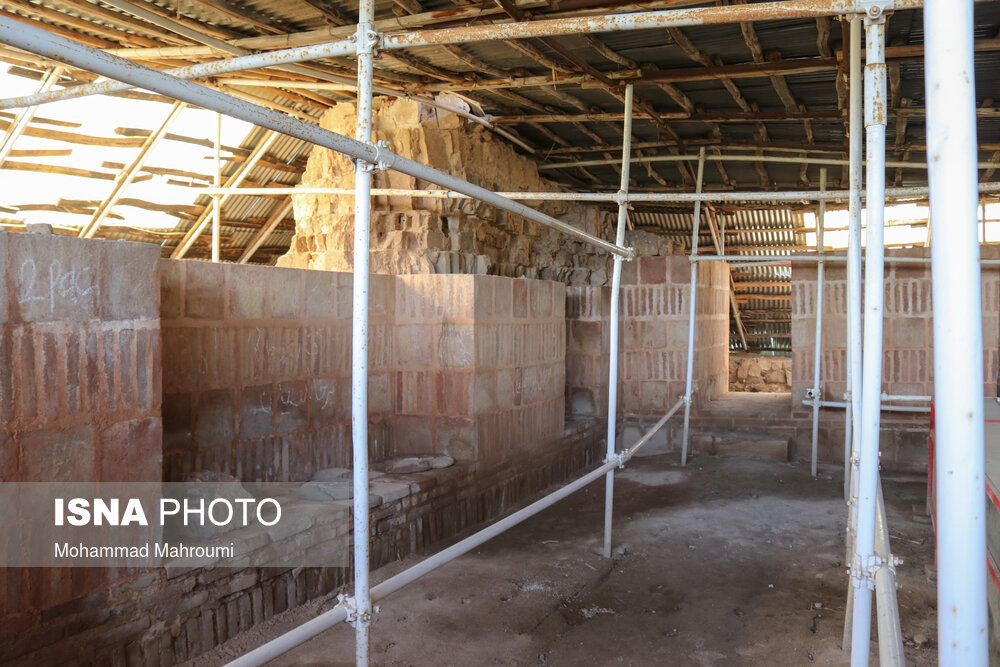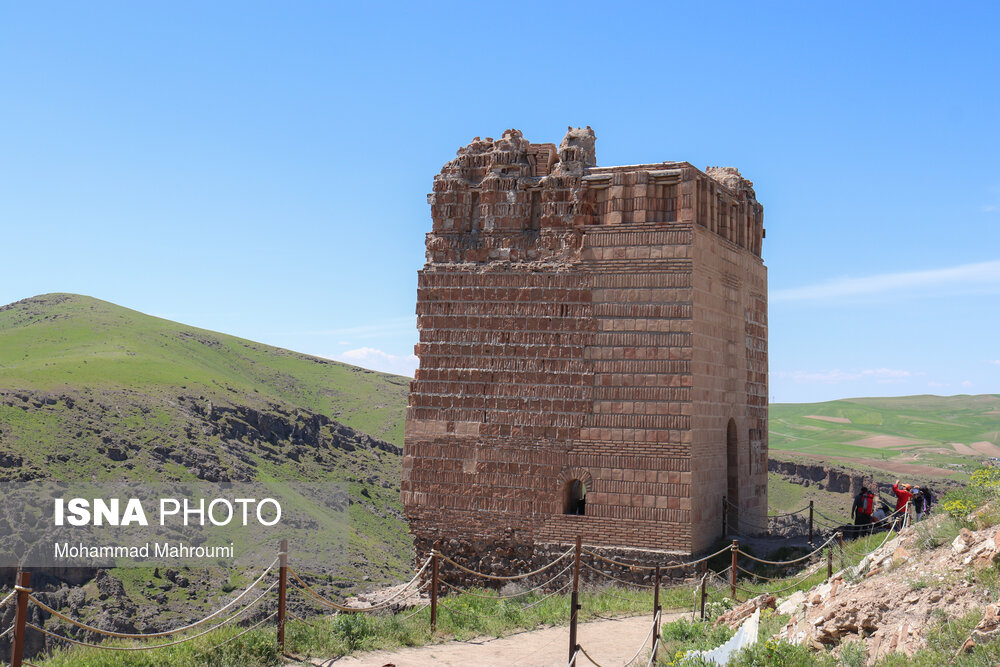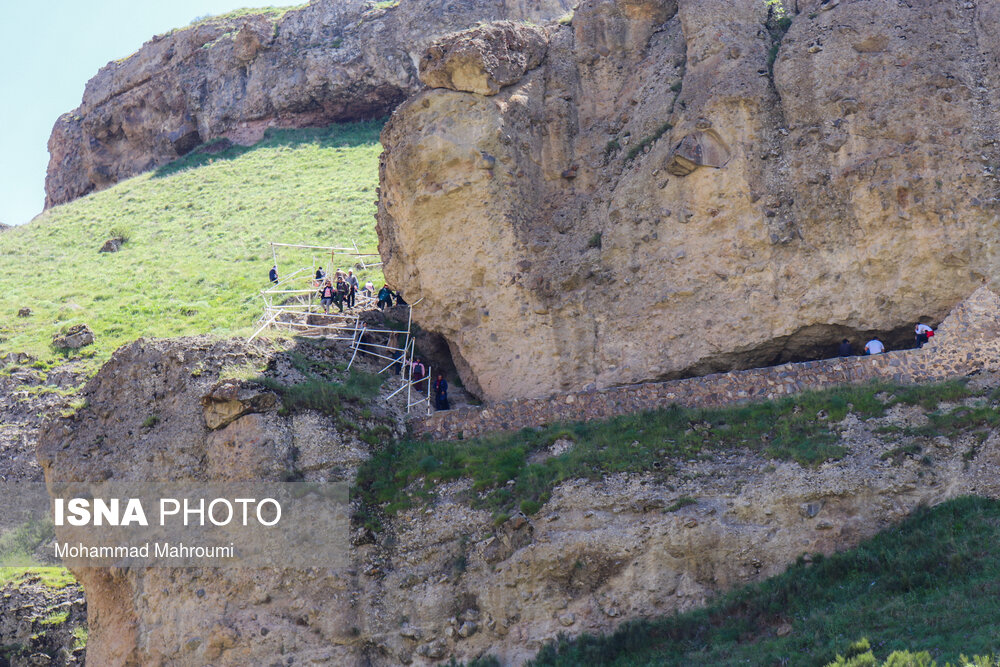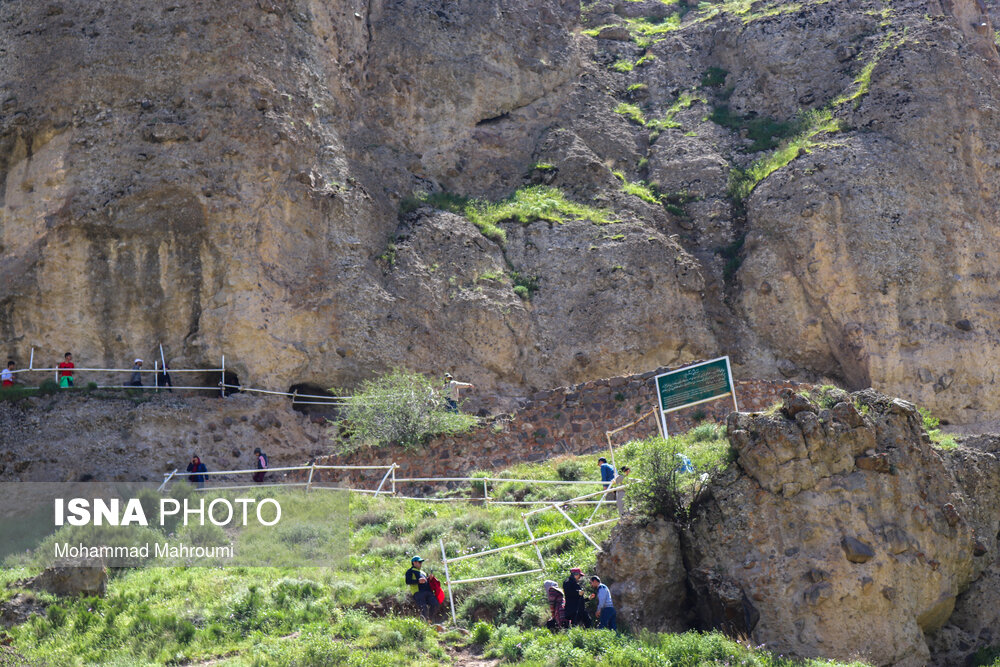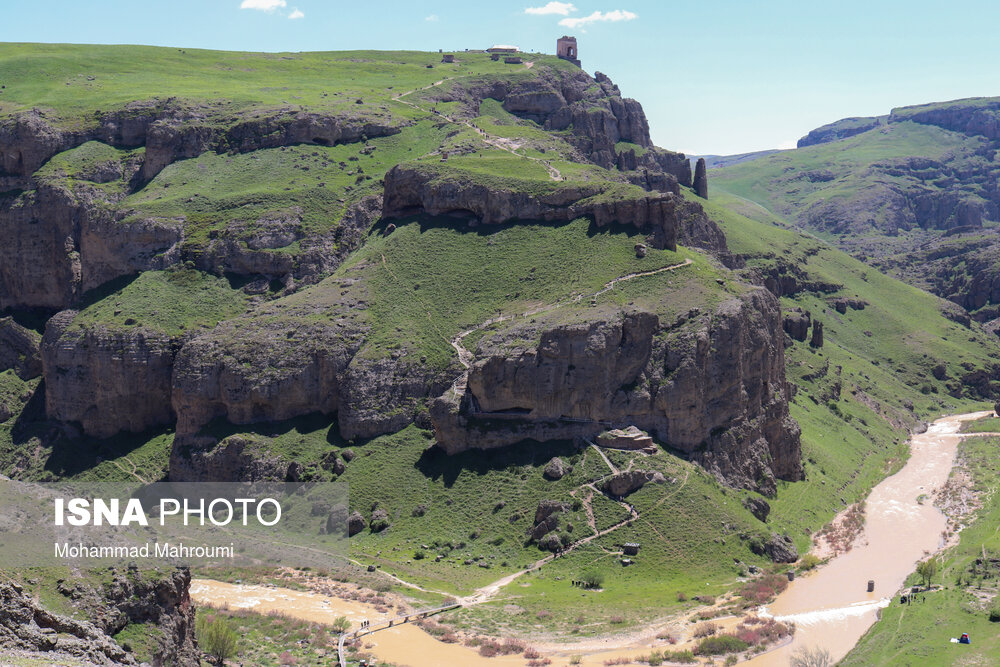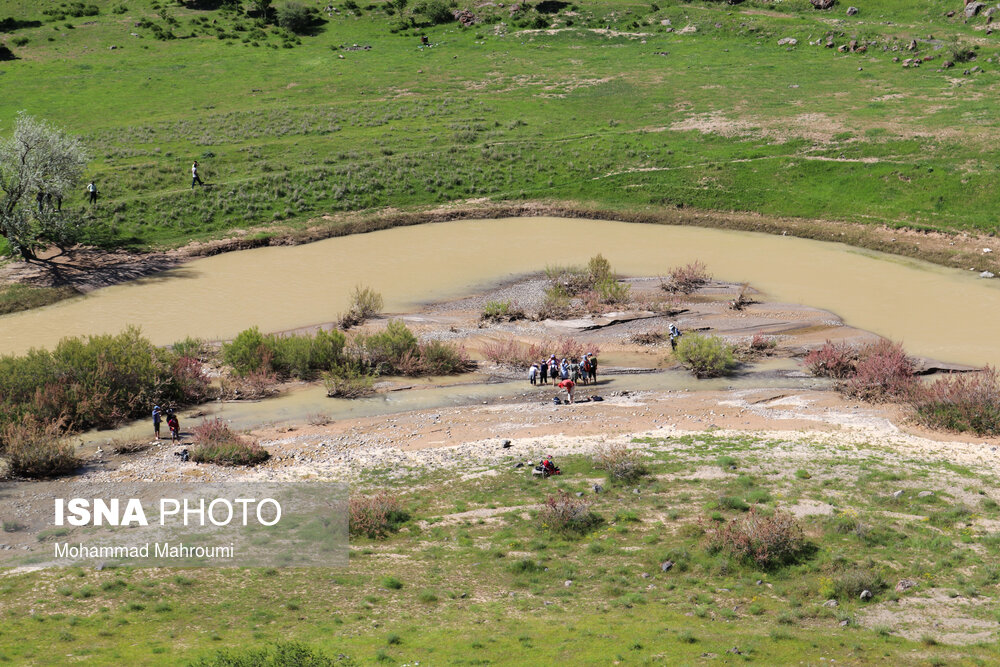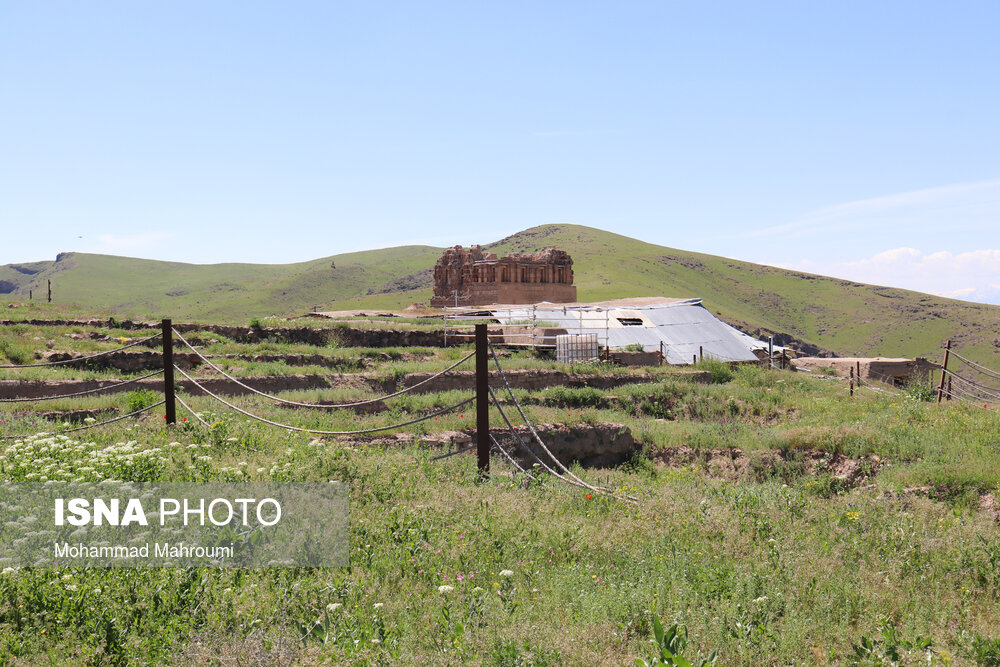
Director of Persepolis World Heritage Site said on Monday that the new inscription has been discovered amid a series of archaeological operations and protective works at the ancient site.
“It seems we’d be able to find a large number of these inscriptions with more digs, because this site is very mysterious and uncharted,” Hamid Fadaee said.
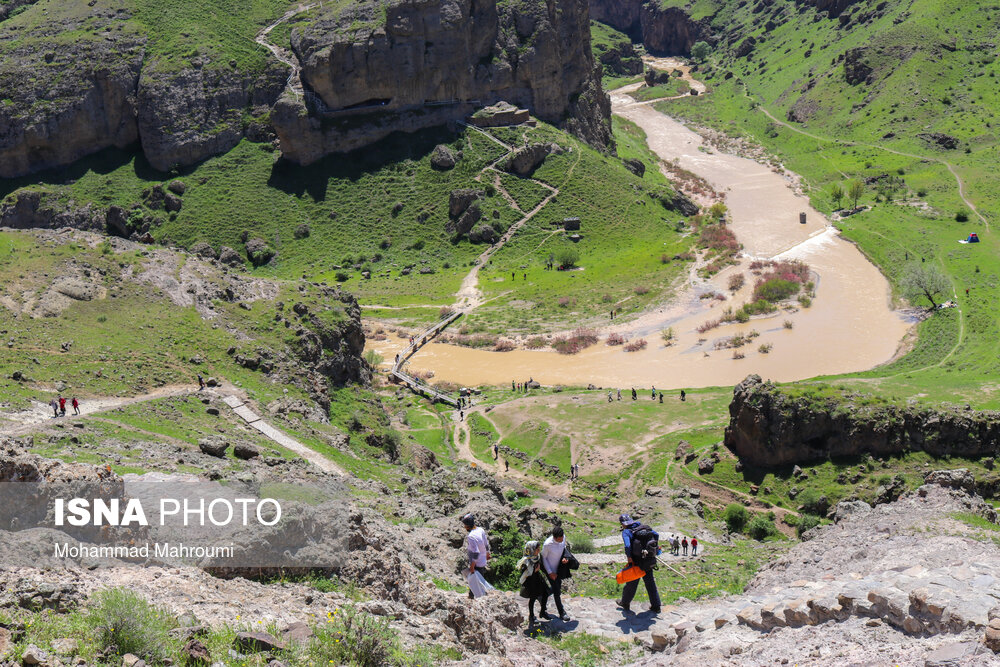
There are a lot of inscriptions and decorated reliefs at the top of Mount Hussein, which ends to Naqsh-e Rustam, he noted, saying many of those stone reliefs have not been discovered yet.
“At present, a new inscription inscribed in Pahlavi script and dating back to the Sasanian Empire has been found in this place, as the experts are reading it,” he said.
“It appears that it has been a sacred site, and apart from the wall, there are ruins of a citadel and fortifications dating from the Achaemenid Empire, as well as signs of underground relics including earthenware objects, signifying the presence of various empires in this site. This part of Naqsh-e Rustam has been less discovered,” Fadaee explained.
The official also noted that two major archeological workshops have been established at the site of Naqsh-e Rustam during the last year, saying the bigger one was located at the tomb of Xerxes I.
“Good works have been carried in the sphere of emergency protection at the tomb,” Fadaee added, saying four experts of restoration of archeological sites and a master are working on the tomb of Xerxes I.
“Undoubtedly, we will be witnessing many events at the top of this mountain. The façade that is located at the bottom of the mountain stretches also to the top of the mountain for around five kilometers with great thickness,” he explained.
Almost all visitors normally see the front façade of Naqsh-e Rustam, where the rock-cut tombs are located, but one should not forget that Naqsh-e Rustam is a very large complex whose major and unseeable section is located at the top of Mount Hussein, known as the necropolis, the official noted.
Fadaee said the necropolis was at the height of its splendor during the Achaemenid Empire, noting that ancient relics dating back to the Elamite periods have been also found in the site.
He finally pointed to the efforts to inscribe Naqsh-e Rustam on the World Heritage List, saying the case of this ancient site will complement Persepolis.
Five experts on protection of archeological sites and archeology are currently working in Naqsh-e Rustam to compile the information necessary for completing the case in practice, he concluded.
President Hassan Rouhani said on Wednesday any other title than the “Persian” to be used for the Persian Gulf is untrue.
“And the Americans should know that this gulf is called the ‘Persian’ Gulf; it is not called the ‘New York’ Gulf or the ‘Washington’ Gulf. It is the ‘Persian Gulf’,” said President Rouhani.
“I congratulate a nation (Iranian nation) whose name is put on this gulf, which is called the Persian Gulf, which has always been the Persian Gulf, and will remain the Persian Gulf forever,” said the president.
“It is a gulf whose littoral provinces on the Iranian coast, from Khuzestan to Sistan-Baluchestan, to Hormozgan, to Bushehr and others, all provinces which lie on the Persian Gulf’s coast, even provinces near the coast like Fars province and other provinces, have protected the border well. They have always resisted and keep resisting foreigners firmly today,” he added.
The president urged Washington to look at history to realize that the name “Persian” is an integral part of this body of water.
“By the name of this gulf and waterway, and by the nation which has been living next to this water way and has protected it, the Americans should get to understand the situation and stop hatching plots against the Iranian nation every day.
He underscored that the Iranian nation and military are working in tandem to protect the Persian Gulf as they have always been.
The President made the comments on the National Day of Persian Gulf, which is annually marked in Iran on April 29.
The project will start with the screening of the latest film by Ebrahim Hatami Kia.
Hatamikia’s “Exodus” will be screened for one week in the parking lot of the iconic Milad Tower in capital Tehran.
The project is organized by the Owj Arts and Media Organisation in collaboration with Nour-Taban Film Institute, with the permission of the National Headquarters to Combat Coronavirus.
Tickets for the movie will be on sale on Cinematicket.org as of Thursday morning.
One week after the outbreak of coronavirus led to school closures across Iran in February, the Islamic Republic of Iran Broadcasting (IRIB) began to broadcast televised educational programs on a daily schedule.
However, Education Minister Mohsen Haji-Mirzaei complained that a televised program was not capable of coping with the demands of students, since it does not provide an interactive learning system.
“It was necessary to devise a method to enable the students to have an experience of an atmosphere like the classroom in the virtual space, and enable the teachers to have two-way interaction with their students in the platform of virtual space and handle the question and answer process and the exams just like how they did in the classroom,” Haji-Mirzaei said at a televised program aired on IRIB channel 2.
He said the Ministry of Education released the homegrown SHAD application on April 9, noting that more than 60 percent of students and 94 percent of teachers have so far attended 64 percent of classes through the SHAD app, whose acronym in Persian translates as the Students Education Network.
The minister explained that the Supreme Council of Cultural Revolution had assigned the Ministry of Education to formulate such distance learning initiative years ago, when it had ratified the document on the fundamental evolution in the education system of the Islamic Republic of Iran.
An opportunity to implement the tele-learning system in Iran had never arisen, either because of lack of the necessary infrastructure or the lack of need for a mobile application, Haji-Mirzaei added, noting that his ministry has now turned the coronavirus threat into an opportunity and provided the students with a domestic app in the virtual space after creating the necessary infrastructures and developing the required software.
Criticisms
Despite all of its advantages, the initiative launched by the Ministry of Educations has also drawn criticism. Critics say the low-income families and the vulnerable social groups cannot afford to purchase smart phones and tablets, or many remote cities and villages lack appropriate infrastructure or the Internet connection.
The latest figures provided by the Statistical Centre of Iran show that at least 8 million people in Iran have no mobile phone, while more than 23 million people are still using non-smartphone handsets.
The breadwinners of many families in Iran have been out of work after the coronavirus outbreak or their income has dropped. Many of those families have more than two schoolchildren, and it is impossible or quite difficult for them to purchase the gadgets to use the SHAD application.
A group of those families are striving to get a loan of one million tomans (approximately $64) from the administration, while another group is roaming the black market of second-hand and repaired mobile phones to buy a cellphone at an exorbitant price from dealers.
In their interviews, the Iranian Education Ministry authorities maintain that the relatively high penetration rate of the Internet in Iran implies that the majority of Iranian students have access to SHAD application. Nevertheless, the statistics show that a large number of Iranian families are struggling with a bigger problem in using the educational app: they do not have smart phones.
After the media reports about the inability of the low-income social groups to buy smart phones for installing the SHAD application, the secretary general of the Ministry of Education’s Supreme Council announced in an interview with ILNA that SHAD app is only one of the various methods adopted for education and distance learning.
“However, this method (SHAD) entails problems, which we are trying to identify and solve,” the official noted.
Asked about the plans to provide schooling for the students without a smart phone, Education Minister Haji-Mirzaei said at a TV talk show, “The establishment’s mission is to provide schooling and education for all children. We have started to implement different distance learning methods for the students that are unable to use the SHAD educational network for various reasons.”
The minister explained that educational packages have been prepared and distributed by the educational guides among students in certain areas, such as the border regions and the underprivileged areas in the provinces of Kermanshah, Ardabil, West Azarbaijan, and Kurdistan.
Moreover, the teachers have begun to teach in the low-population classes in compliance with the social distancing rules, the minister added.
“Learning from television was also another method that has proved quite effectual when the students have no access to the SHAD app, and has been welcomed. So, what is important for the Education Ministry is to provide education cover for all students,” Haji Mirzaei concluded.
Health ministry spokesman Kianoosh Jahanpour made the comment on Tuesday when asked about the possibility of HIV-positive individuals being immune to the novel coronavirus.
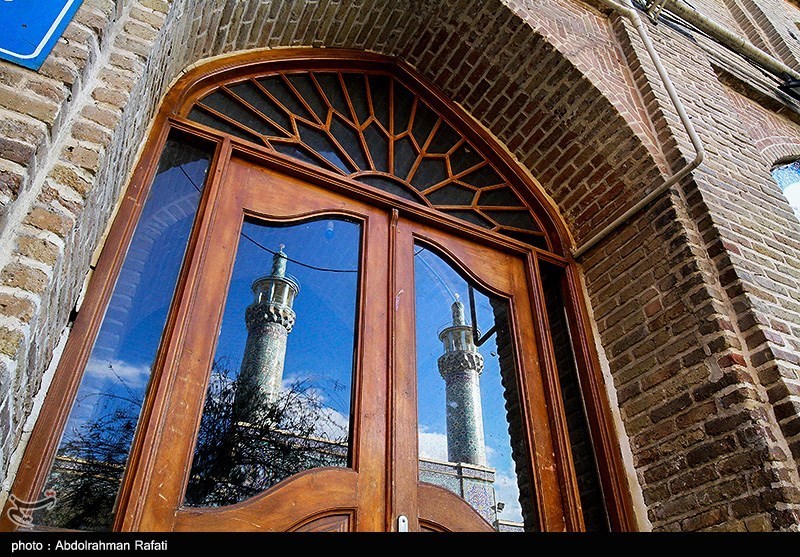
“Since day one, they have been speaking of using anti-virus drugs for patients infected with HIV, and even in the initial protocol, the Kaletra medicine was used. Kaletra is used for HIV-positive patients as well,” he said.
“Of course, in the reports we have, the effectiveness of Kaletra to control COVID-19 has not necessarily been shown,” he added.
“Three of HIV-positive patients have contracted COVID-19 as well, but I should also say that 1,200 of these individuals have tested negative for the coronavirus,” he added.
“These people have a relative defect in their immune system, and maybe there is some level of immunity in their bodies because of using medicines. Anyway, the number of coronavirus cases among HIV-positive patients has been low, which is noteworthy,” he added.
Foreign Minister Zarif held separate telephone conversations with Mohammad Ashraf Ghani and Abdullah Abdullah on Tuesday evening as part of the Islamic Republic of Iran’s attempts to help stabilize the political situation in the Islamic Republic of Afghanistan for the launch of intra-Afghan negotiations.
In the conversations, Zarif congratulated the government and nation of neighbouring Afghanistan on the start of the Islamic holy month of Ramadan, and talked about his latest regional and international consultations over Afghanistan, the bilateral ties between Tehran and Kabul, and the fight against the coronavirus.
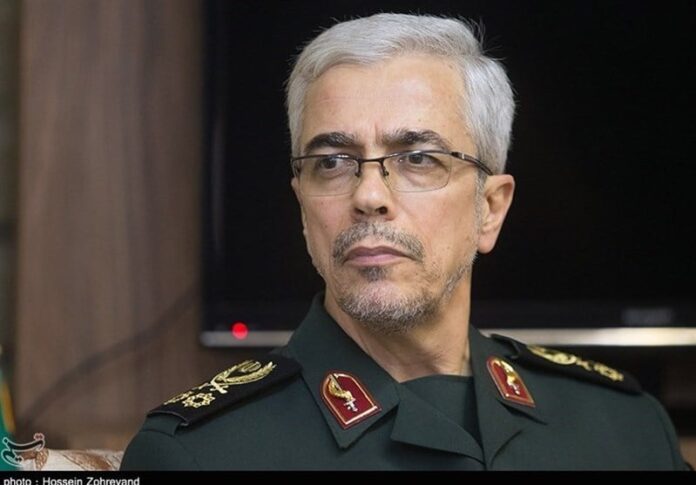
Brigadier General Abolfazl Shekarchi made the comment in response to a recent threat by US President Donald Trump, who had said he had ordered US warships in the Persian Gulf to strike Iranians boats if they every approached American vessels.
“Mr. Trump makes such comments against us off and on as part of psychological warfare and in a bid to stir up public opinion and earning scores in the forthcoming election and distancing himself from US domestic issues,” said general Shekarchi, the senior spokesman for the Armed Forces.
He noted the public opinion should be enlightened that it is the Americans that are violating international rules, and that if they are slapped in the face for something wrong they have done, they deserve it.
He said Iran is dead serious about defending the country.
The top general noted Iran has always criticized its enemies, especially the US, for their presence in the Persian Gulf region.
“What do you want from the countries in the Persian Gulf,” he said.
“All regional countries have a share of the Persian Gulf region and are 100% capable of ensuring its security, but our question is what the Americans are looking for in the region, and what are their warships and aircraft and combat units doing in this region,” said the top general.
“Not only do the Americans not have any answer for this question, but also they have been harassing [our troops] and breach international law,” he said.
“Under international law, different vessels can ply across this region freely if they do no harm, but some of them harass fishermen, disregard environmental issues and even approach military centres of countries in this region,” he underlined.
“Moreover, Mr. Trump sends the message that the US military must counter forces harassing them,” he added.
Referring to successes gained in production of these stuff, President Hassan Rouhani said the Islamic Republic of Iran is ready to meet the needs of other countries, including Armenia, in the fight against Coronavirus.
He made the statements in a phone conversation with Armenian Prime Minister Nikol Pashinyan on Tuesday afternoon.
Talking about the spread of the coronavirus in many countries around the world and the problems that this disease has created for governments and nations, the two sides stressed the need to develop regional and international cooperation, and touched upon transfer of experiences in dealing with the coronavirus.
Rouhani and Pashiniyan also reiterated that Iran and Armenia, as two neighbouring countries, should help each other more in these difficult circumstances.
They further confirmed that mutual ties are expanding, but put stress on the need for officials to work together in the Joint Commission to develop relations between Tehran and Yerevan.
1- Gov’t Spokesman: Coronavirus Infections in Tehran Decreased by 20%
Aftab-e Yazd Newspaper:
1- Will Trump Lose US Elections after His Disinfectant Injection Goof?
2- Signs of China’s Power in Post-Corona Era [Editorial]
3- Pompeo’s Paradox
* US Top Diplomat after Plan to Prove Washington Still Part of JCPOA
Ebtekar Newspaper:
1- Trump Struggling to Return to JCPOA
2- Where’s Kim? Possible Scenarios for Post-Kim Era in N Korea
3- Rouhani: Iran to Compete with Other States in Developing Corona Vaccine
Etemad Newspaper:
1- US Secretary of State’s New Delusions: Returning to JCPOA to Pull Trigger
Ettela’at Newspaper:
1- Iran’s Armed Forces Warn about Any US Adventurism in Region
2- Rouhani: We’ve Joined Global Competition for Development of COVID-19 Vaccine
Javan Newspaper:
1- US’ Looking for a Way to Extend Iran Arms Embargo
Kayhan Newspaper:
1- Pompeo’s JCPOA Plan to Pass Anti-Iran Arms Bans
2- It’s Now Compulsory to Wear Mask When Using Public Transport
3- Tsunami of Corruption in Israel: Three More Cabinet Ministers Declared Corrupt
Khorasan Newspaper:
1- Iran’s Scenario against US’ New Deceit
Mardom Salari Newspaper:
1- Iran’s Position in Global Race for Developing Corona Vaccine
2- 116 Towns in ‘White’ Zone of COVID-19 Risk