Thursday, April 30, 2026
Home Blog Page 282

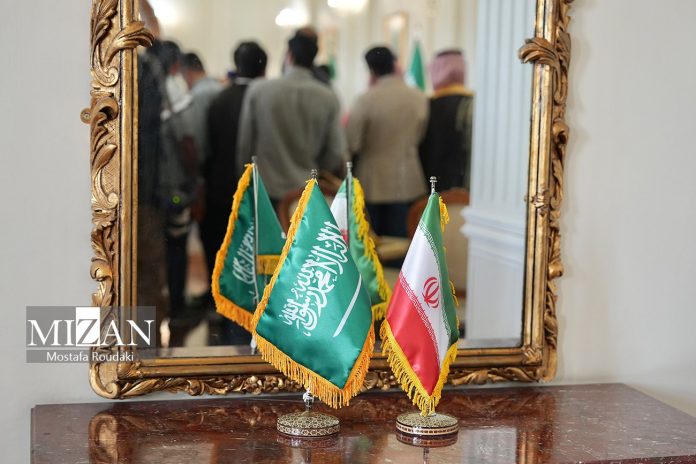
Saudi Arabia reopens consulate general in Mashhad, northeastern Iran

Iran and Saudi Arabia Flags

Head of the Iranian Foreign Ministry’s office in the northeast of the country welcomed the new Saudi consul general in Mashhad, expressing hope that bilateral relations will improve.

Ahmad Masoumifar further described the new Saudi consul general as an experienced diplomat and noted that both countries’ leaders are determined to expand bilateral ties.

Addressing the Saudi diplomat, Masoumifar said, “You have been appointed to an important mission”.

He added that Mashhad is an important city, which is visited by 30 million visitors each year including 5 million foreigners.

Masoumifar also welcomed the establishment of flights between Mashhad and Dammam, Saudi Arabia, voicing hope that direct flights between Mashhad and Jeddah and Medina will also be resumed.

The new Saudi consul general for his part thanked Iranian official for their efforts to help the Saudi diplomatic mission resume its activities in Mashhad.

Mohammed bin Nawar al-Otaibi said he hopes that the brotherly relations between the two countries will expand through bilateral cooperation.

The Saudi side has already reopened its embassy in Tehran. Tehran and Riyadh normalized diplomatic relations in 2023 following mediation by China.

Riyadh cut ties with Tehran in January 2016 after a protest rally outside the kingdom’s embassay in Tehran. The protesters were angry at the execution of a Shia Muslim cleric by Saudi Arabia back then.

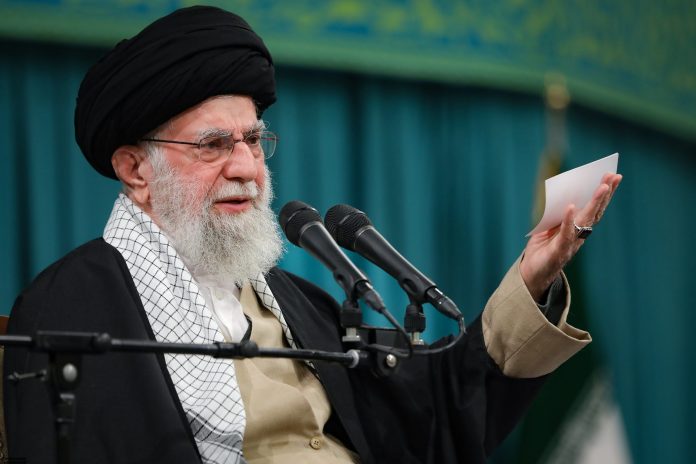
Ayatollah Khamenei says enemy’s soft war failed to dampen Iran’s resolve

”The massive march of the nation on February 10th showed that the enemy’s software threats have been ineffective against this country and this nation,” Ayatollah Khamenei said in the capital Tehran on Monday, the anniversary of a historic and influential uprising by the people of the province’s capital Tabriz, which played a pivotal role in the success of the country’s historic 1979 Islamic Revolution.

The Leader was pointing to the nation’s monumental turnout in the marches and celebrations that marked the 45th anniversary of the Revolution, which overthrew the country’s former United States-backed tyrannical Pahlavi regime.

“Software threats mean manipulating the public opinion; it means creating division; it means creating doubt in the fundamental principles of the Islamic Revolution; it means creating doubt about steadfastness against the enemy. They are doing this.” Ayatollah Khamenei stated.

“By God’s grace [however], they have not succeeded until today; until today, the enemy’s temptations have not been able to shake the hearts of our people or deter our youths from their resolve and moving [forward],” the Leader added.

Ayatollah Khamenei again cited the case of the extensive commemoration events that took place during the anniversary of the Revolution’s victory this year.

“Where else in the world does such a thing exist? After forty-some years since the victory of the Revolution, on the anniversary of the Revolution’s victory, the entire nation, not the Armed Forces, not the officials, but the masses of the people, honor the day in such a way and enter the field with such a massive turnout, despite all the problems that exist.”

“What does this mean? It means that the enemy’s software threats have not been effective in this country and on this nation until today,” the Leader stated.

Ayatollah Khamenei advised the people functioning within the country’s media industry, including broadcast apparatuses, authors, knowledgeable figures, cyberspace specialists, and authorities serving the education, science, and arts sectors across the nation as well as the country’s youths to “focus their efforts on confronting the enemy’s software threats.”

The Leader commended the country’s sufficient capability to fend off the enemies’ “hardware threats,” noting, “Today, we have no concerns or issues regarding hard defense and the enemy’s hardware threats.”

“Our ability to counter hard threats is at an excellent level, and the people feel secure in this regard.”

Elsewhere during the speech, the Leader acknowledged that the Iranian people had some legitimate problems and expectations.

The predicaments, though, do not prevent the people from defending their Revolution, Ayatollah Khamenei stressed.

Ayatollah Khamenei, meanwhile, identified “the reason for the anger of the [world’s] arrogant powers and colonialists towards the Islamic Republic” as “the steadfastness and resistance of the Iranian people.”

The Leader was pointing to the nation’s unfaltering march towards the country’s betterment and welfare in the face of illegal economic sanctions and mounting political pressure by the US and its allies.

The Leader also hailed the Islamic Revolution for having managed to maintain and preserve itself as an “independent identity” and a “vast and hopeful base for the peoples of the region and even beyond the region.”

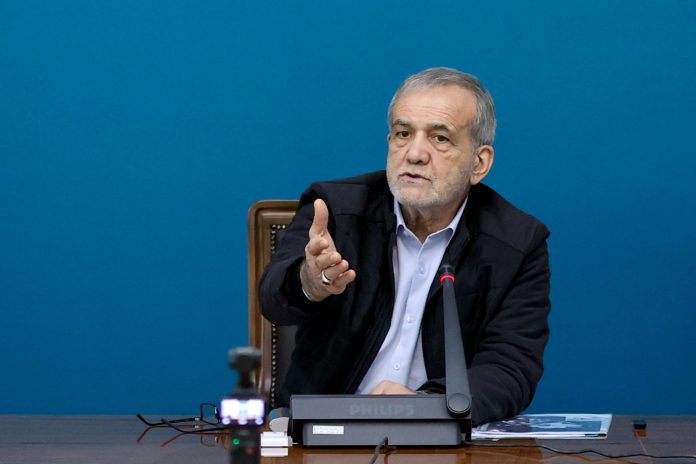
Iranian president criticizes Western hypocrisy on human rights

In a speech during the closing ceremony of the “Tabriz Cultural Week in Tehran,” President Massoud Pezeshkian pointed out that Iran has consistently sought peace, brotherhood, and unity.

He said Western nations support oppressive regimes, such as Israel, while falsely claim to champion human rights.

“They bury women, children, and the elderly under rubble in Gaza, yet dare to speak of human rights,” he added.

The president also reflected on Iran’s historical struggles, including the eight-year imposed war and the loss of thousands of young lives due to enemy conspiracies.

He praised the resilience of the Iranian people, particularly highlighting the pivotal role of the northeastern Iranian city of Tabriz in the 1979 Islamic Revolution.

Pezeshkian reaffirmed his commitment to serving the Iranian people and overcoming challenges through national unity.

He vowed to thwart any attempts by enemies to destabilize the country, expressing confidence in Iran’s ability to emerge stronger.

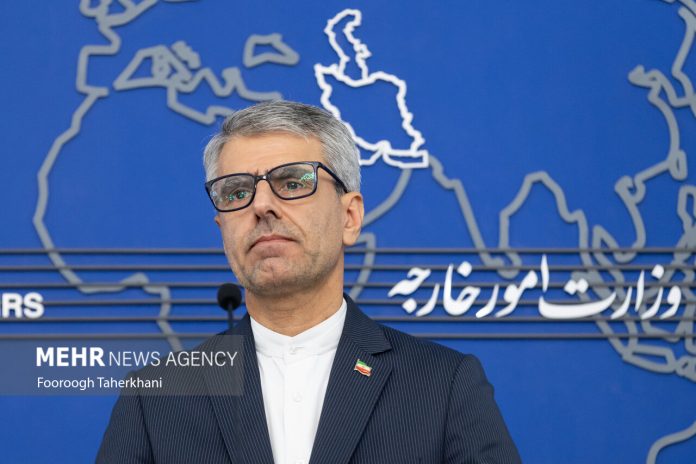
Iran dismisses G7 ‘unfounded’ claims

Esmael baghaei

He dismissed the claim that Iran engages in destabilizing activities in the region as absurd. Highlighting the actions of G7 member states—particularly the United States, Canada, and three European nations—Baqaei pointed to their military, financial, and political support for the genocidal Zionist regime, as well as their broader military and political interventions in the region.

He asserted that restoring stability and security in West Asia requires an end to the interventionist policies of these countries.

Baqaei reiterated the Islamic Republic of Iran’s legitimate right and legal responsibility to defend its people, territorial integrity, and national sovereignty against any threats or aggression.

He emphasized that Iran’s military-defense capabilities are developed in accordance with international rights and norms, not only to ensure national security but also to contribute to regional peace and stability in West Asia.

He further rejected any doubts regarding the peaceful nature of Iran’s nuclear activities and enrichment program.

The spokesman stated that Iran’s nuclear activities are designed and implemented in accordance with the country’s technical and industrial needs and in full compliance with its rights and international obligations under the Nuclear Non-Proliferation Treaty (NPT) and its Safeguards Agreement.

He also recalled Iran’s longstanding initiative to establish a nuclear-weapon-free Middle East, emphasizing that the only obstacle to achieving this goal is the occupying Zionist regime.

Baqaei condemned the regime’s continued development of weapons of mass destruction, facilitated by unwavering support from G7 countries, at a time when it is engaged in genocide in Gaza and aggression against regional nations. He warned that these actions pose a grave threat to international peace and security.

US drops wording on not supporting Taiwan independence

US State Department

The State Department latest “fact sheet” on its website about Taiwan, a self-governing island claimed by China, does not include the phrase “we do not support Taiwan independence,” which was previously featured on the page.

The fact sheet also modifies a passage about Taiwan’s inclusion in international organisations, by dropping references to “where statehood is not a requirement”, and adds that Taiwan’s dispute with China should be resolved “free from coercion, in a manner acceptable to the people on both sides of the Strait”.

A sentence has also been added describing the Pentagon’s cooperation with Taiwan’s National Science and Technology Council.

The State Department described the changes to the website as “routine” following queries from the media.

“As is routine, the fact sheet was updated to inform the general public about our unofficial relationship with Taiwan,” a spokesperson told multiple media outlets.

The spokesperson was quoted as saying that the US remains committed to its “One China Policy”, which acknowledges China’s position that there is only one Chinese government, and “preserving the peace and stability of the Taiwan Strait”.

“We oppose any unilateral changes to the status quo from either side. We support cross-Strait dialogue, and we expect cross-Strait differences to be resolved by peaceful means, free from coercion, in a manner acceptable to people on both sides of the Strait,” the spokesperson added.

Taiwan, whose formal name is the Republic of China, is a self-governed democracy, but is officially recognised by just a handful of countries, though it maintains unofficial ties with much of the international community, including the US.

Though Taipei considers itself to be a de facto independent state, it has never formally declared independence from Beijing, which has warned that doing so would lead to war.

Under the 1979 Taiwan Relations Act, Washington is obliged to help Taiwan defend itself, but the law does not stipulate that it would necessarily intervene militarily in the event of a Chinese invasion or blockade.

Even minor changes to how US officials refer to Taiwan are closely watched by both Beijing and Taipei.

Former US President Joe Biden stated several times that the US would “defend Taiwan” from China in the event of a conflict, but his remarks were walked back each time by the US State Department.

On Sunday, Taiwan’s Ministry of Foreign Affairs welcomed the State Department’s “positive and friendly” updated wording as a sign of the “close and friendly Taiwan-US partnership”.

Taiwanese Foreign Minister Lin Chia-lung also thanked the US for its “support and positive stance on US-Taiwan relations” and “commitment to peace and stability in the Taiwan Strait, Taiwan-US economic, trade, and technology partnership and Taiwan’s international space”.

Lin’s remarks followed a pledge by Taiwanese President Lai Ching-te on Friday to deepen Taiwanese investment in the US, in a move seen as a bid to keep US President Donald Trump from imposing further tariffs on Taiwanese goods.

Lai described Taiwan as an “indispensable partner” to help the US rebuild its high-tech manufacturing sector.

Iran’s Makran coast should become future economic hub in West Asia: FM

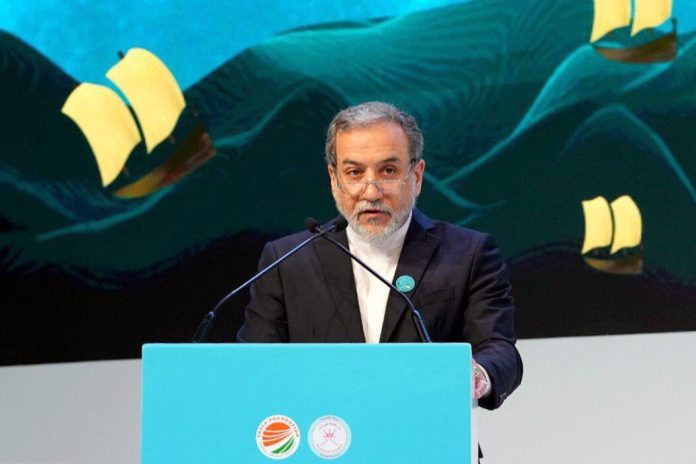
He made the remarks in an address to the 8th Indian Ocean Conference in the Omani capital of Muscat on Sunday.

“The Makran coast holds a special place,” said Arqaghchi during his speech.

“These shores, whose natural and economic potential had been overlooked for centuries, have now become a national development priority.

“The lost paradise of Makran must transform into the future economic hub of Iran and the region,” he added.

The foreign minister further stated that the Islamic Republic believes that its coasts are not merely natural borders but gateways connecting the country to the global economy.

Iran has placed a “maritime-oriented” policy at the forefront of its strategic development, he said, adding that the government has devised a plan for the development of ports, maritime transportation, and the establishment of a regional supply chain.

“A country with over 5,800 kilometers of coastline – 4,900 kilometers of which stretch across the south along this vast ocean – cannot remain indifferent to its future. Developing a maritime-based economy is not just an option for Iran; it is an imperative,” he noted.

As a member of the Indian Ocean Rim Association (IORA) and the Indian Ocean Naval Symposium (IONS), Iran emphasizes its commitment to multilateralism, as well as economic and security cooperation in the region.

In his speech, Araghchi also stressed the importance of ensuring maritime security through cooperation between the countries in the region, saying the issue should not be used as leverage by outside powers.

“We believe that maritime security should not be used as a lever for pressure or influence by extra-regional powers; rather it should be the outcome of cooperation among regional nations.”

He also noted that Iran’s Navy, in cooperation with regional states, has consistently played a part in anti-piracy operations, combating drug trafficking and organized crime, and ensuring navigational security.

The top Iranian diplomat further warned that certain extra-regional powers seek to exploit political, economic and security gaps in the region, and undermine natural cooperation among regional countries.

“We cannot allow the geopolitical rivalries of global powers to determine the future of this region,” he said, adding, “Decisions about the destiny of the Indian Ocean must be made by the countries of this region and shall serve the interests of their people.”

Hosting participants from over 60 countries and international organizations, the two-day conference began on Sunday under the theme “Voyage to New Horizons of Maritime Partnership,” aimed at highlighting the importance of inclusivity and building new partnerships in the maritime sector.

Araghchi stated that the theme of the conference is not a mere slogan and reflects a historical necessity for all countries in the region.

Putin-Trump summit expected in February: Bloomberg

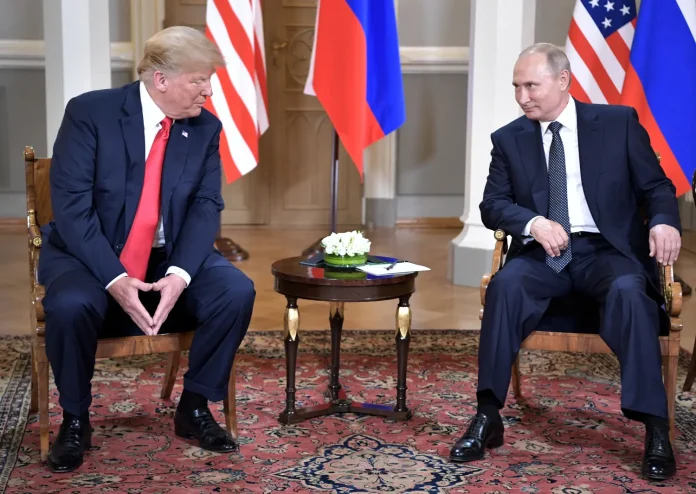
The reports come just days after Trump and Putin held a phone conversation, which marked the first known direct interaction between the US and Russian heads of state since the escalation of the Ukraine conflict in February 2022. The two presidents agreed to continue dialogue and arrange in-person meetings in a third country as well as state visits going forward.

Speaking to the press hours after his phone call with Putin on Wednesday, President Trump stated that he and his Russian counterpart would “probably” meet in Saudi Arabia.

In its article on Saturday, Bloomberg, citing anonymous sources, alleged that the US delegation is likely to be comprised of national security advisers who are presumably tasked with securing a date for the top-level meeting before the Muslim holy month of Ramadan, which starts this year on February 28.

At around the same time, Politico carried a similar report, claiming that National Security Adviser Mike Waltz, Secretary of State Marco Rubio, and Steve Witkoff, President Trump’s Middle East envoy, will be heading to Saudi Arabia in the coming days. However, the publication noted that Trump’s special envoy for Ukraine-Russia talks, Keith Kellogg, will not be in attendance.

Politico quoted Congressman Michael McCaul as confirming the makeup of the US team. According to the media outlet, “there are no plans for representatives from other major European powers to join the talks,” with Bloomberg also reporting that officials from America’s European NATO allies have not been notified.

As for Ukrainians, Bloomberg alleged that while Kiev’s emissaries “are expected” to be present in Saudi Arabia, “they also don’t appear to be fully in the loop on the preparations.”

Fox News reporter Nana Sajaia, citing an unnamed senior Ukrainian official, claimed in a post on X on Saturday that the “Ukrainian side was ‘neither invited to, nor informed about’ coming US-Russia talks in Saudi Arabia.”

On Thursday, Kremlin spokesman Dmitry Peskov confirmed that the Russian and US leaders had agreed to first meet in a third country, with official state visits likely to follow.

The official added that while “Saudi Arabia indeed cropped up” in the conversation, “no decision has been made as to where [the meeting] will take place.”

Riyadh in turn stated on Friday that it “welcomes holding the summit in its territory.”

On Saturday, Rubio spoke with Russian Foreign Minister Sergey Lavrov on Saturday. According to Moscow, the two diplomats agreed to maintain regular contact in an effort to eventually lift unilateral sanctions that have hindered “mutually beneficial” economic cooperation.

According to a statement from the Russian Foreign Ministry, Lavrov and Rubio reaffirmed their commitment to restoring a “mutually respectful dialogue” and addressing “longstanding issues in Russian-American relations.”

“Their goal is to remove unilateral barriers inherited from the previous US administration that have hindered mutually beneficial trade, economic, and investment cooperation,” the ministry stated. The diplomats also discussed ways to resolve the tit-for-tat diplomatic expulsions and consulate closures of recent years.

A brief readout from the US State Department noted that Rubio reiterated Trump’s dedication to resolving the conflict in Ukraine. The statement added that the two officials explored potential cooperation on “a number of other bilateral issues.”

Moscow said Lavrov and Rubio agreed to maintain regular contact, including coordinating preparations for a meeting between Putin and Trump.

University of Tehran student named BRICS, SCO Young Researcher of the Year

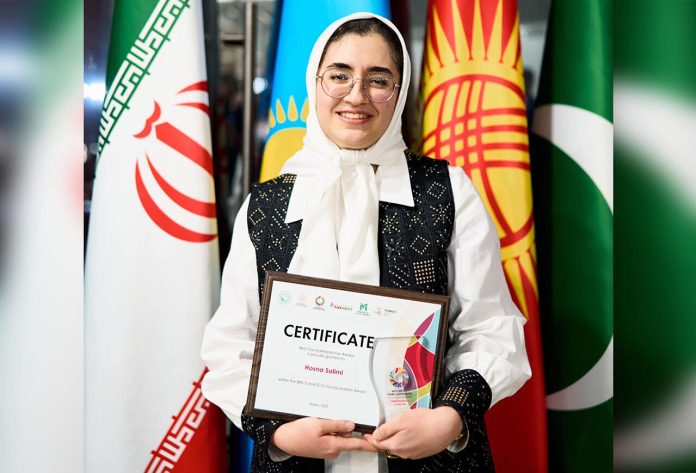
Salimi, who was nominated by the Asian Mayors Forum, where she is an intern, was recognized for her outstanding contributions to research.

The award ceremony took place in Kazan, Russia, where she was among 10 winners selected from over 400 participants representing 13 countries, including Iran, India, China, Russia, South Africa, and Brazil.

The BRICS and SCO Young Leaders Award is an annual event honoring young leaders in five categories: Best Public Diplomacy Project, Influential Media Personality, Social Entrepreneur of the Year, Environmental Initiatives, and Young Researcher of the Year.

The University of Tehran celebrated her success, noting that it reflects the institution’s commitment to fostering global talent and promoting cross-cultural collaboration.

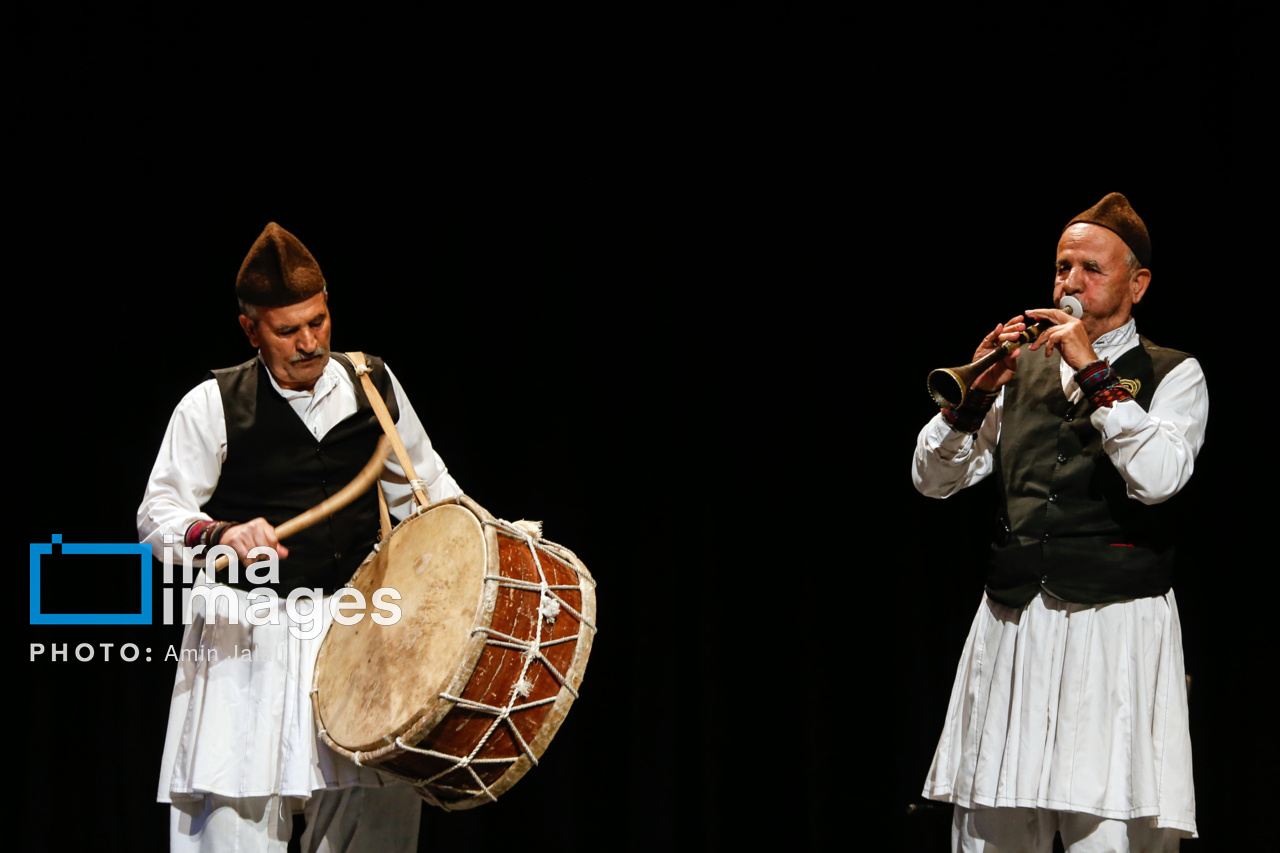
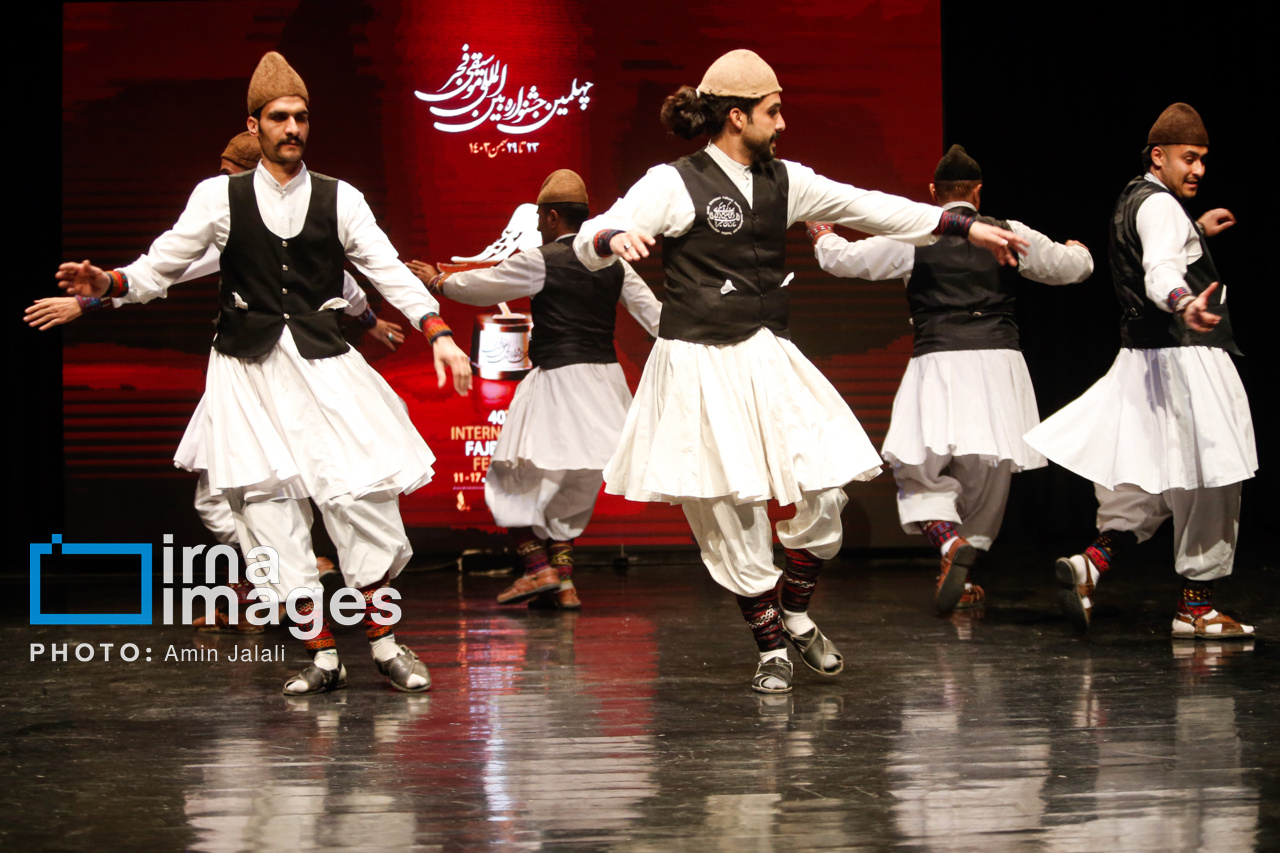
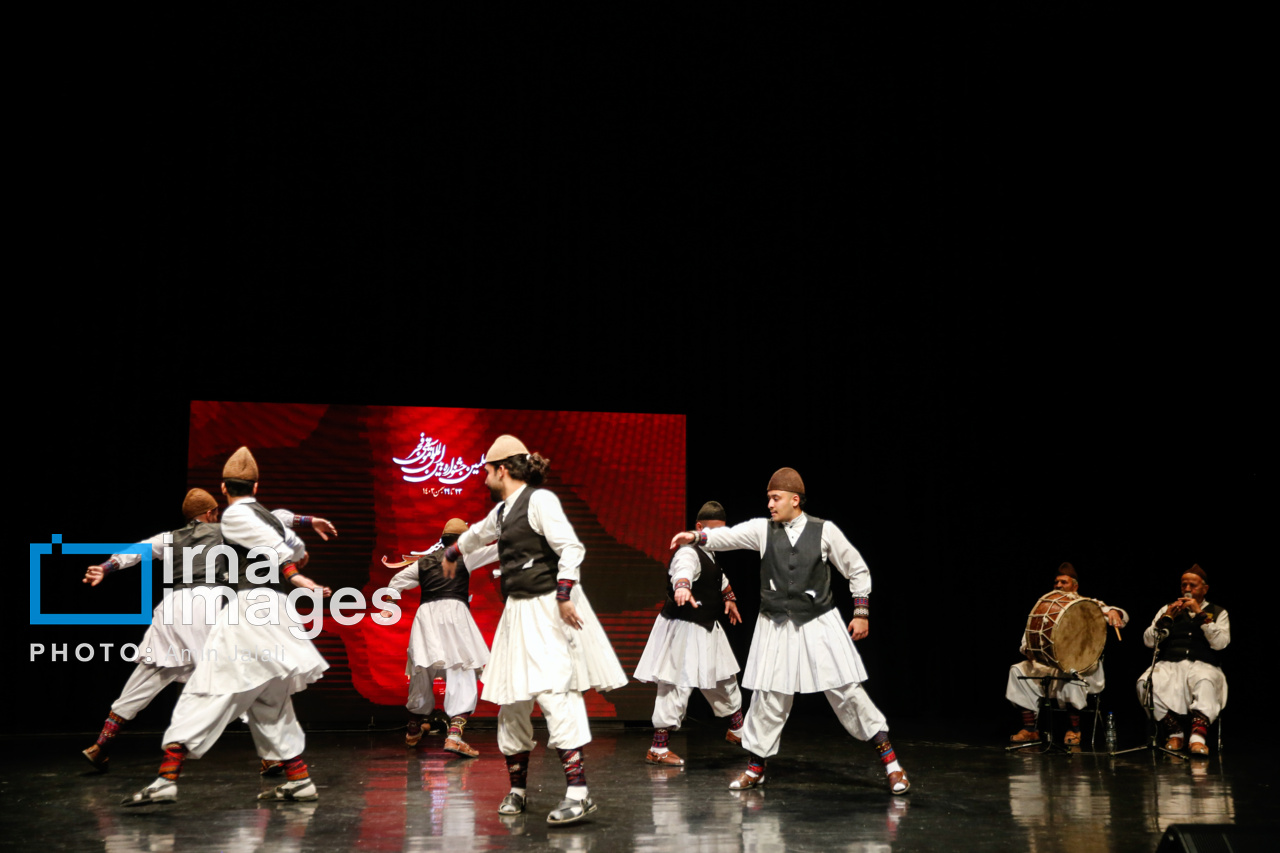
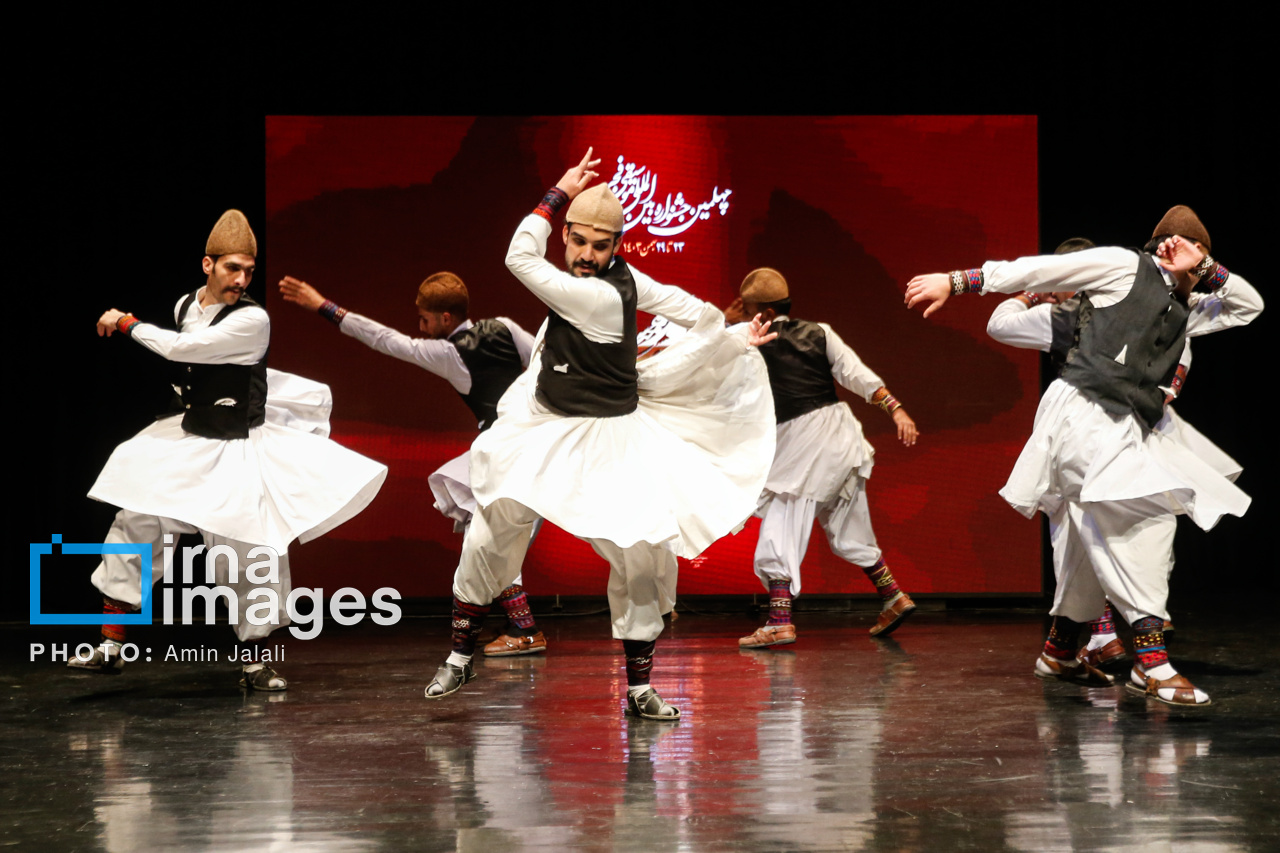
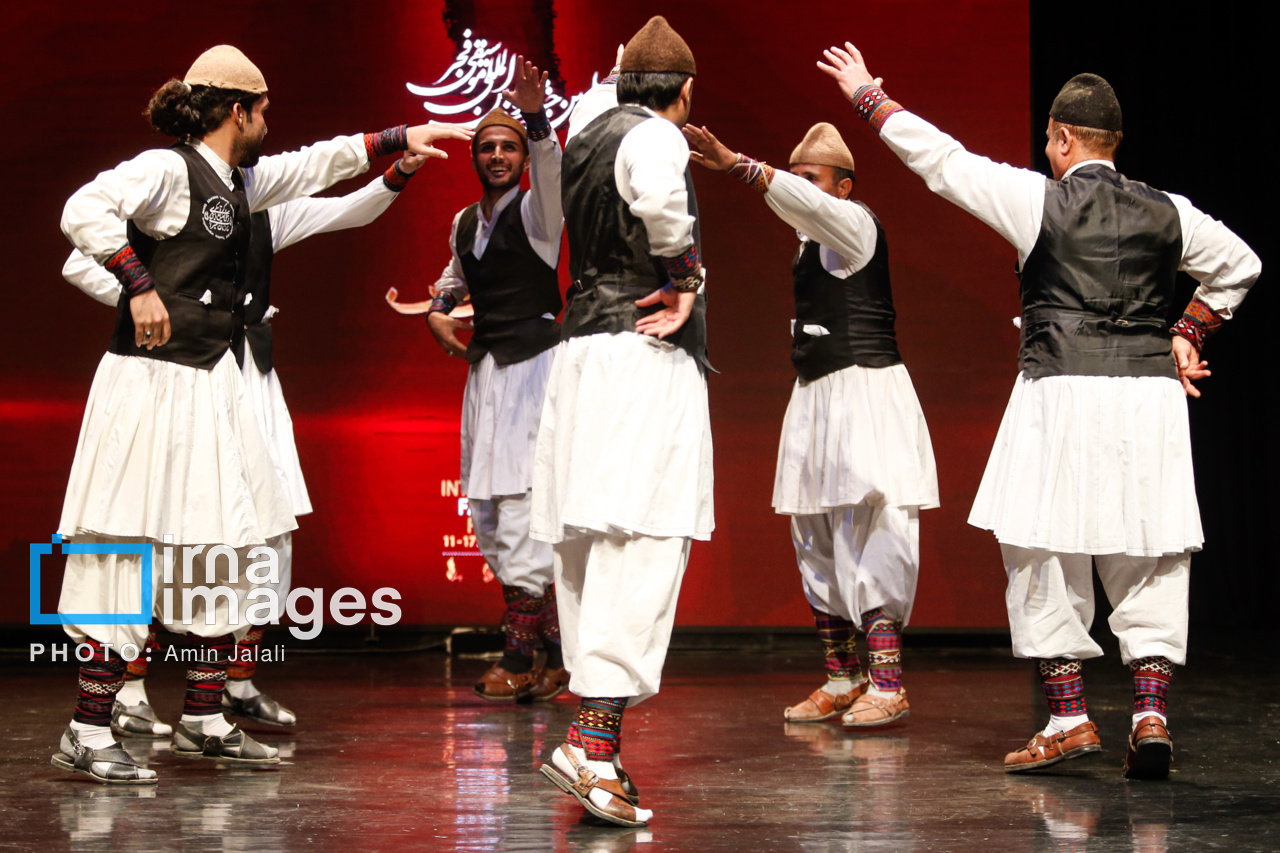
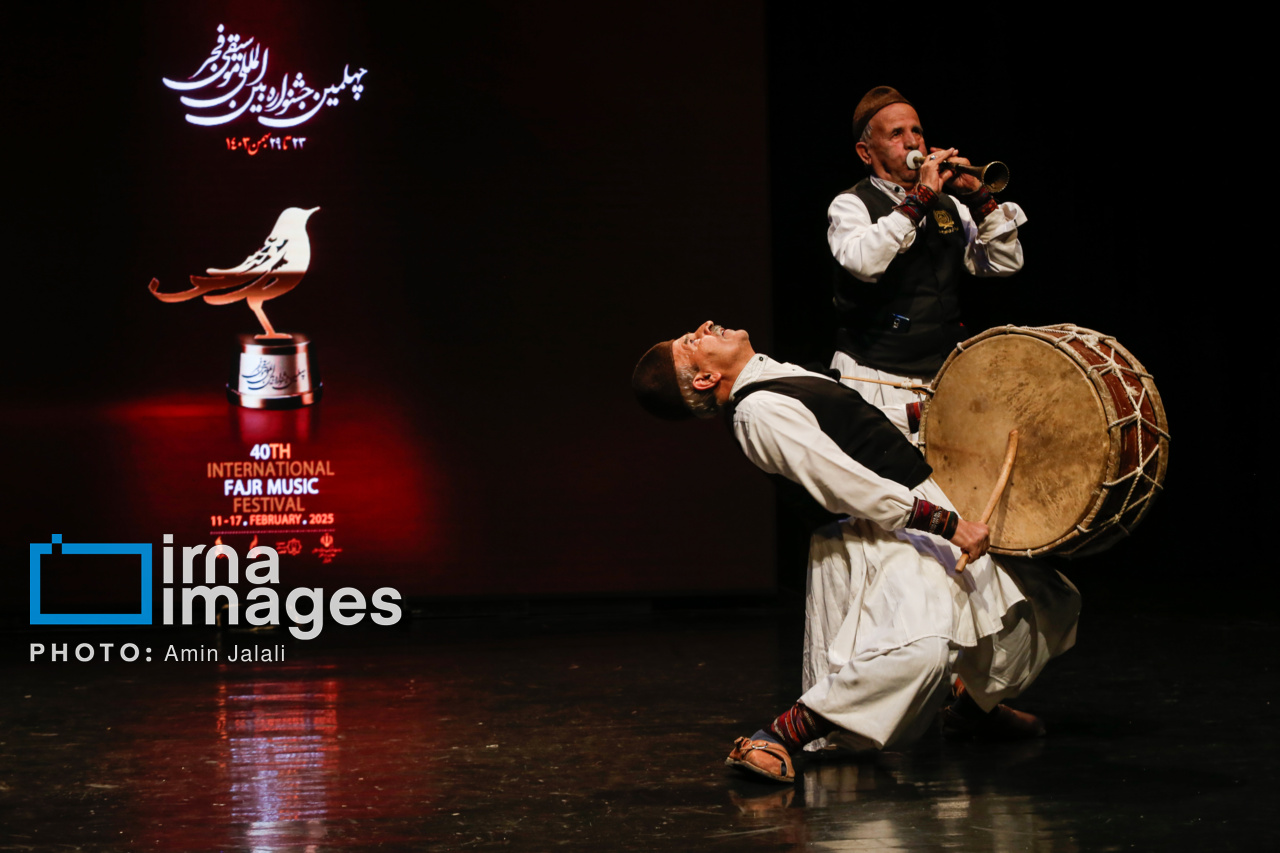
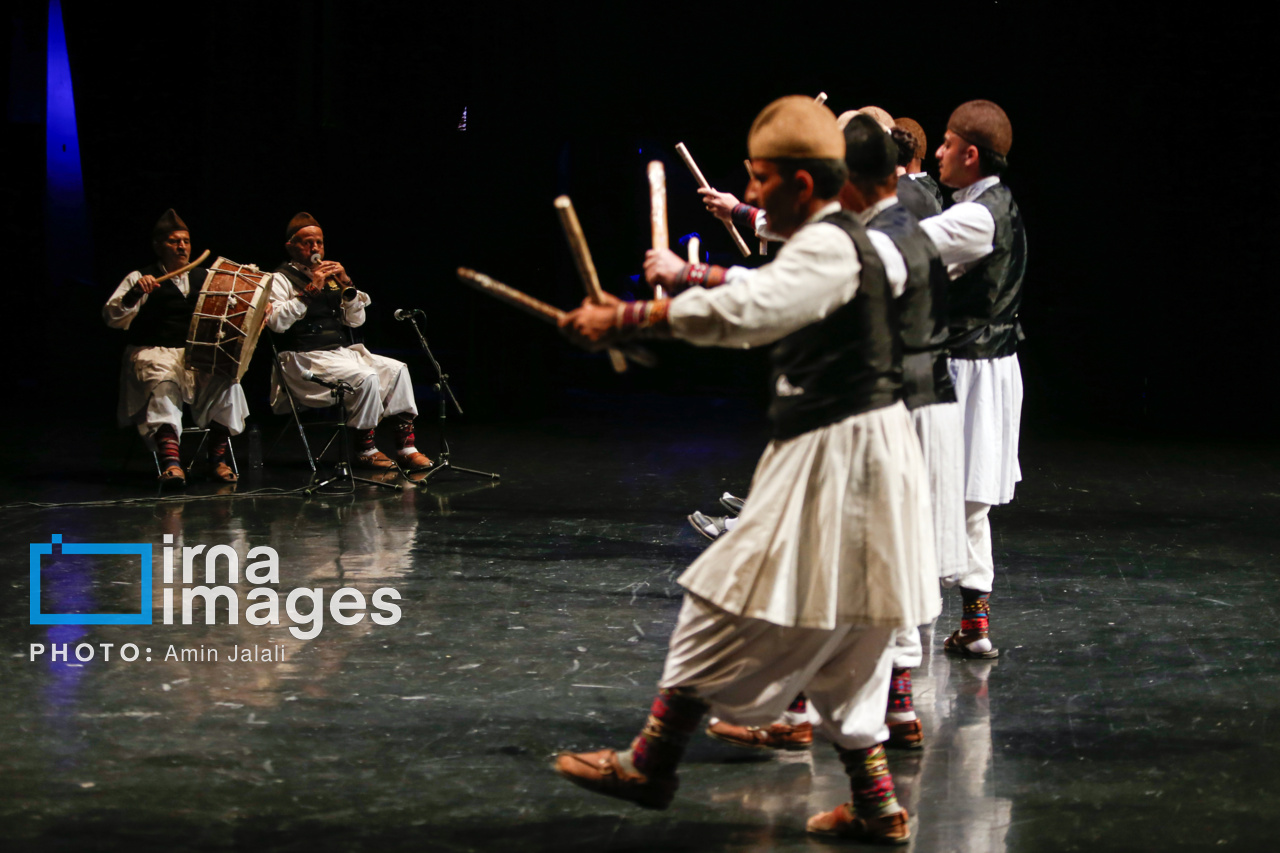
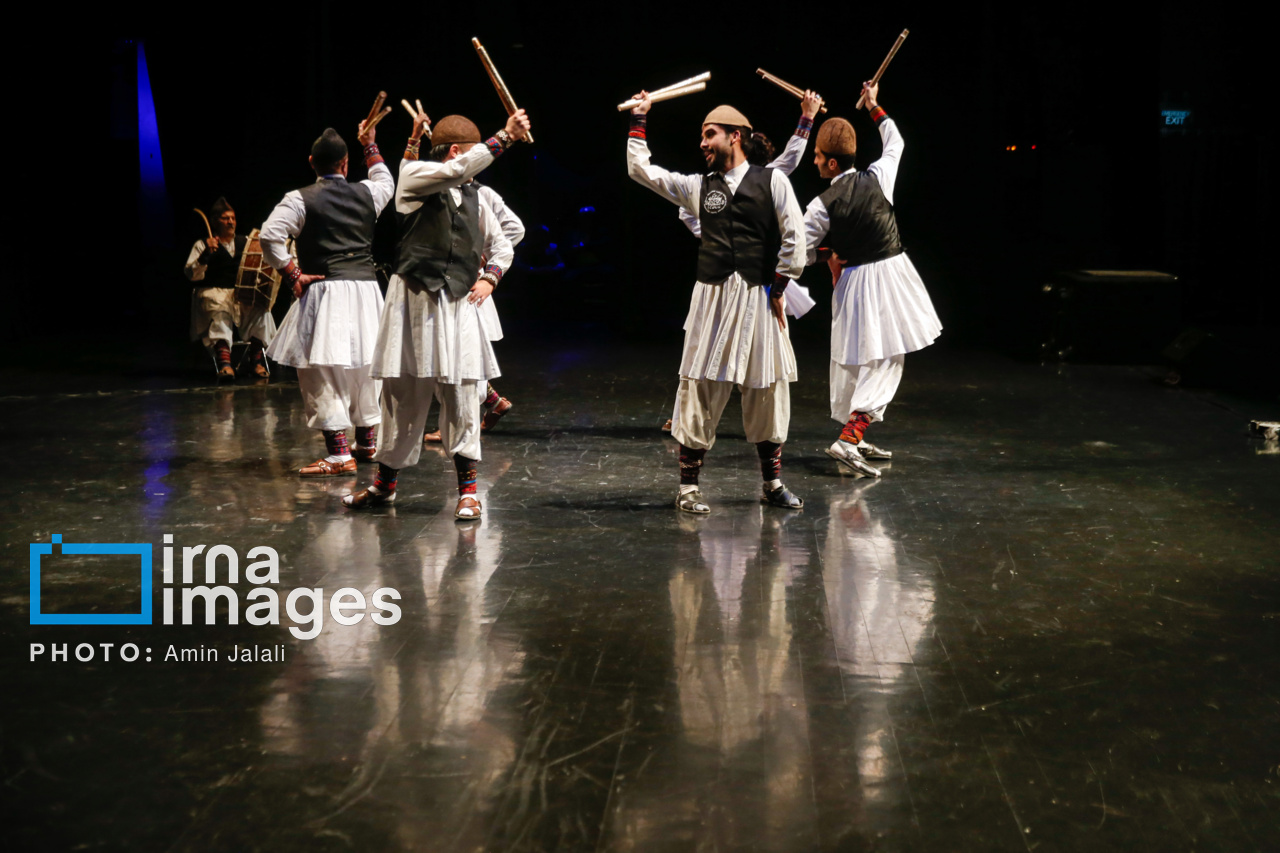
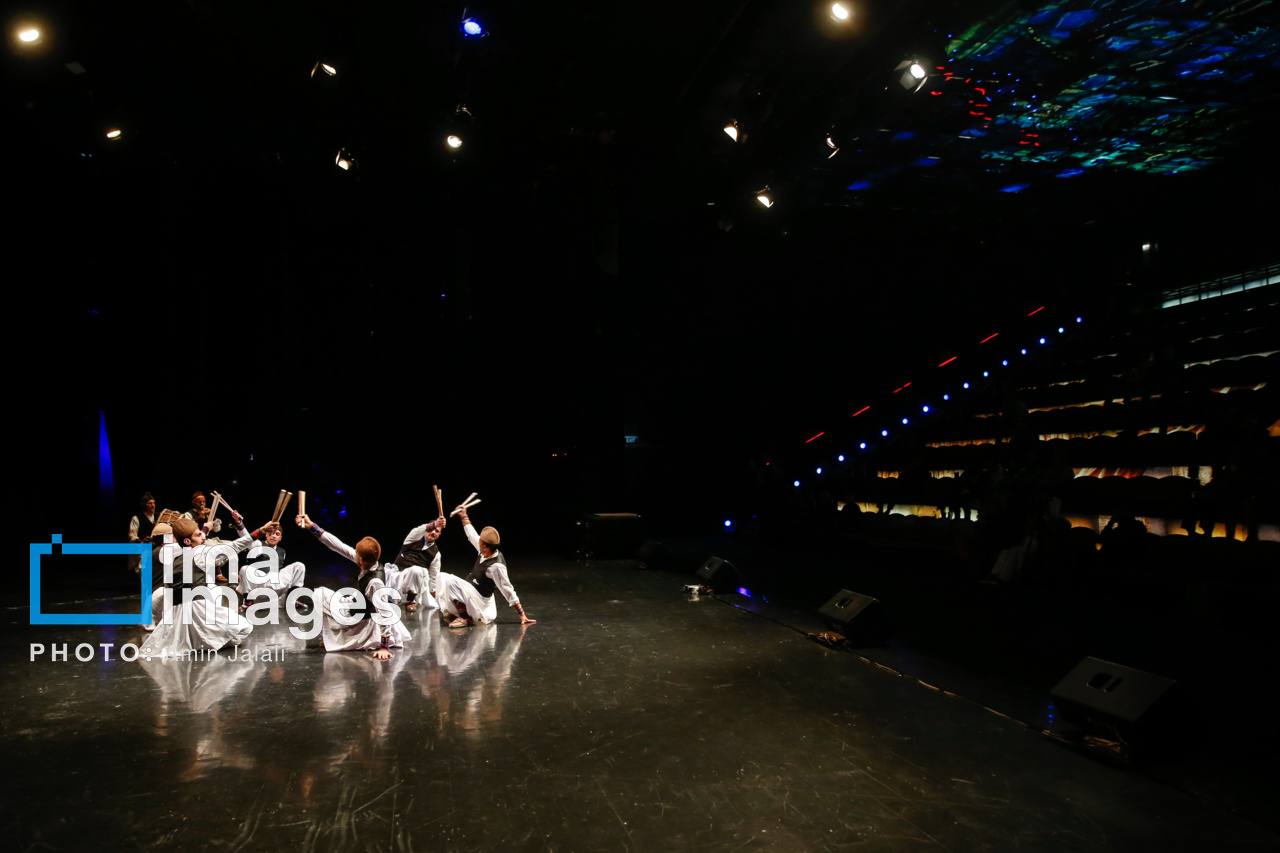
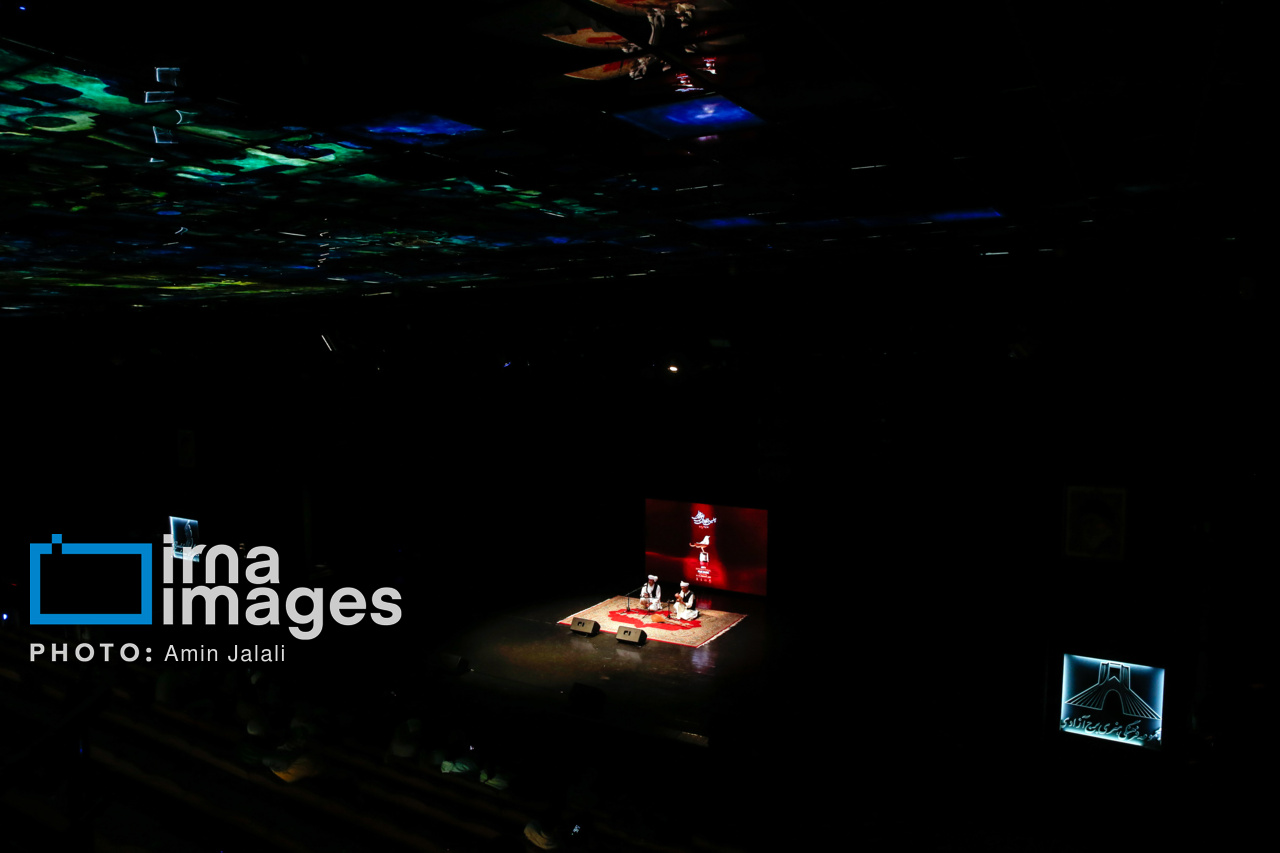
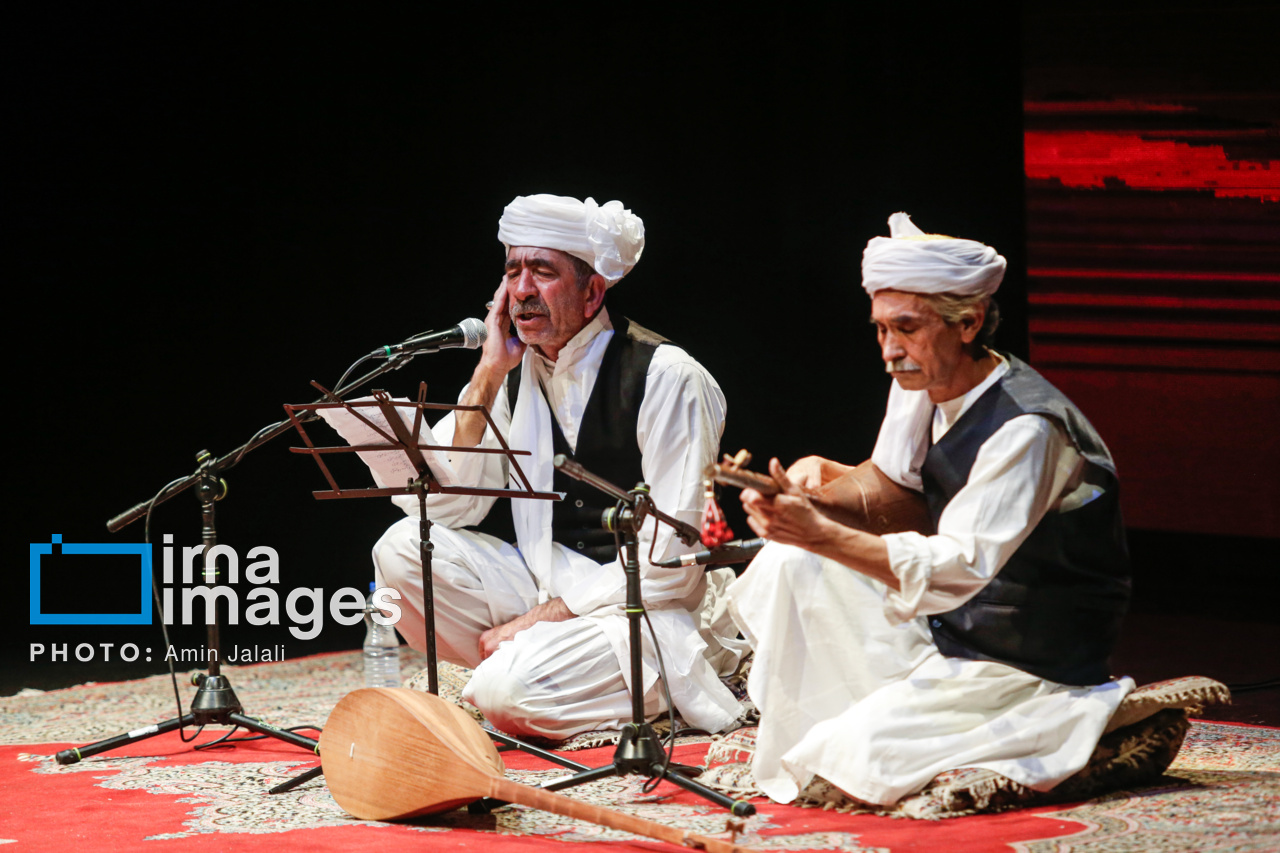
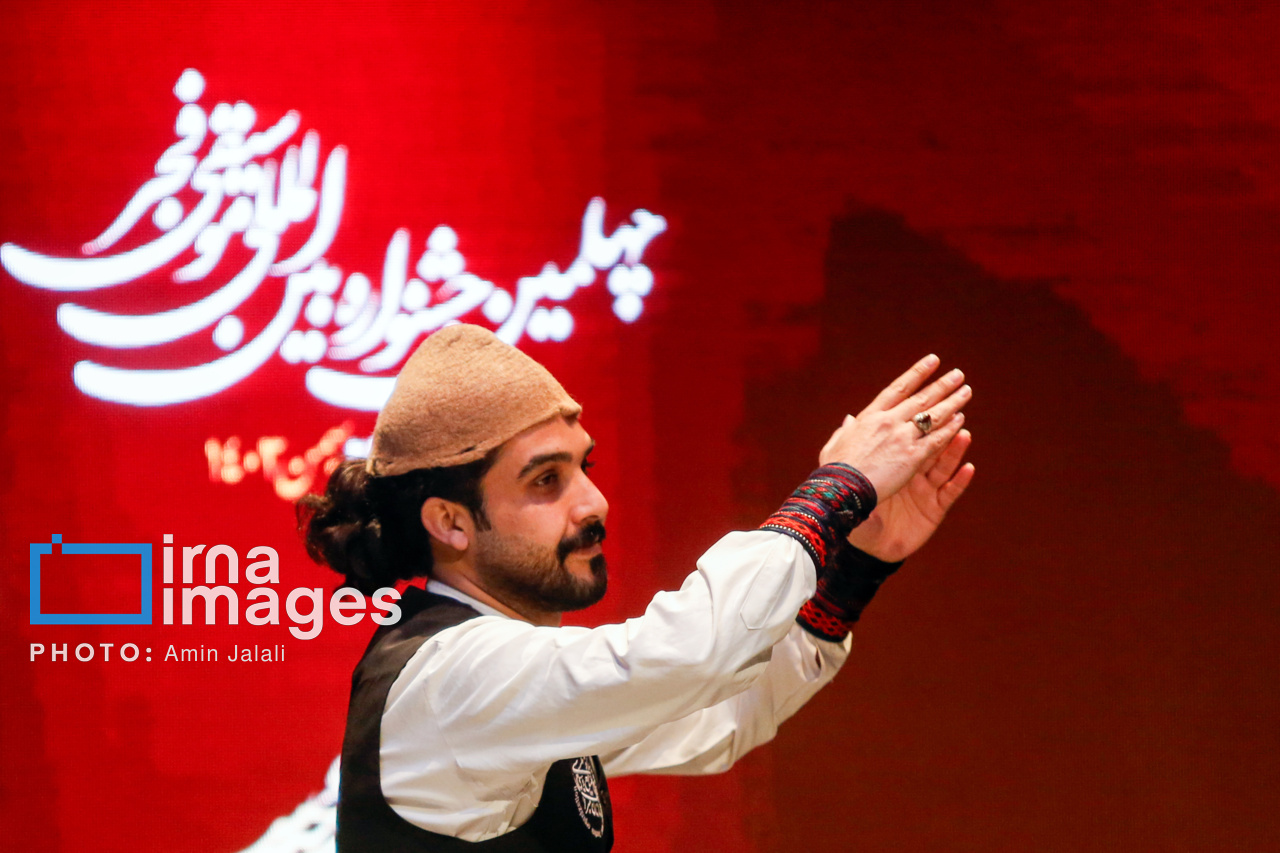
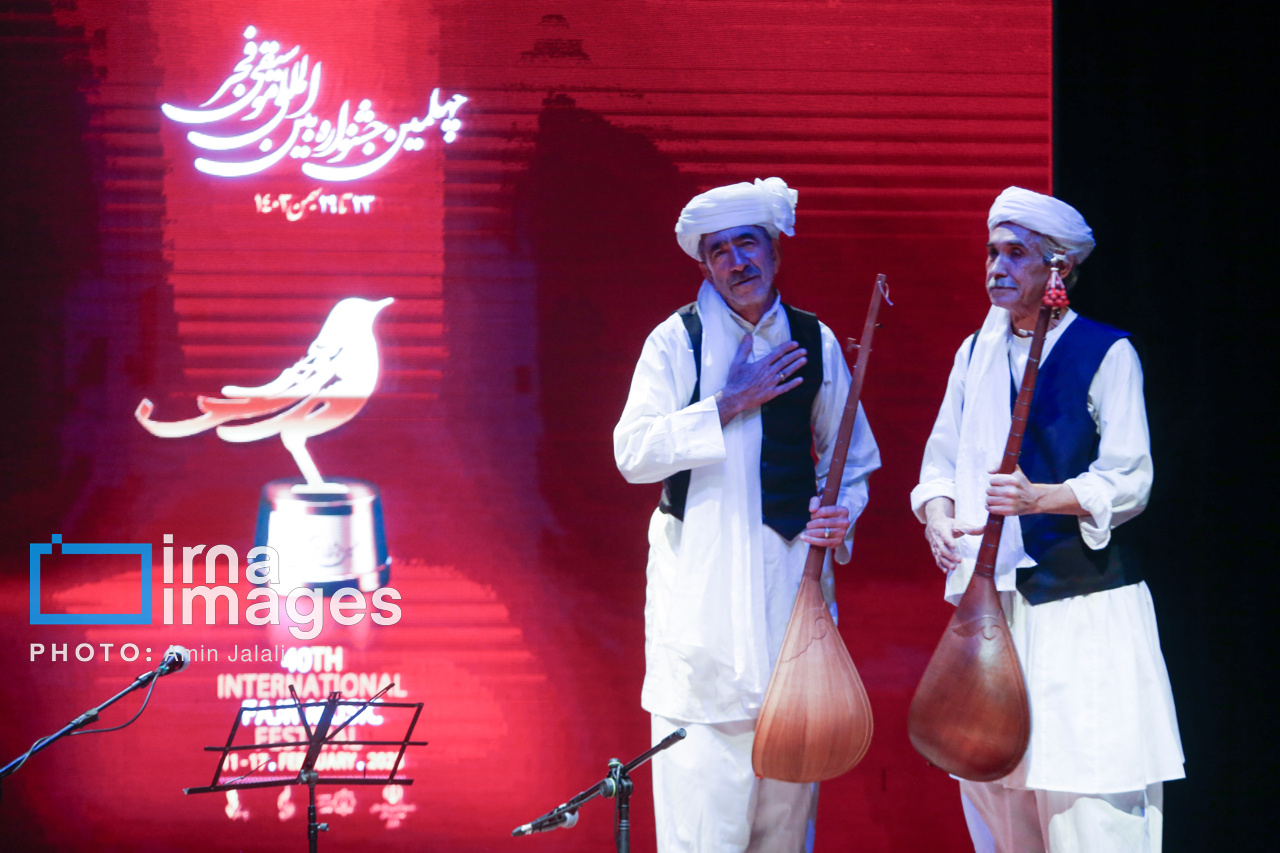
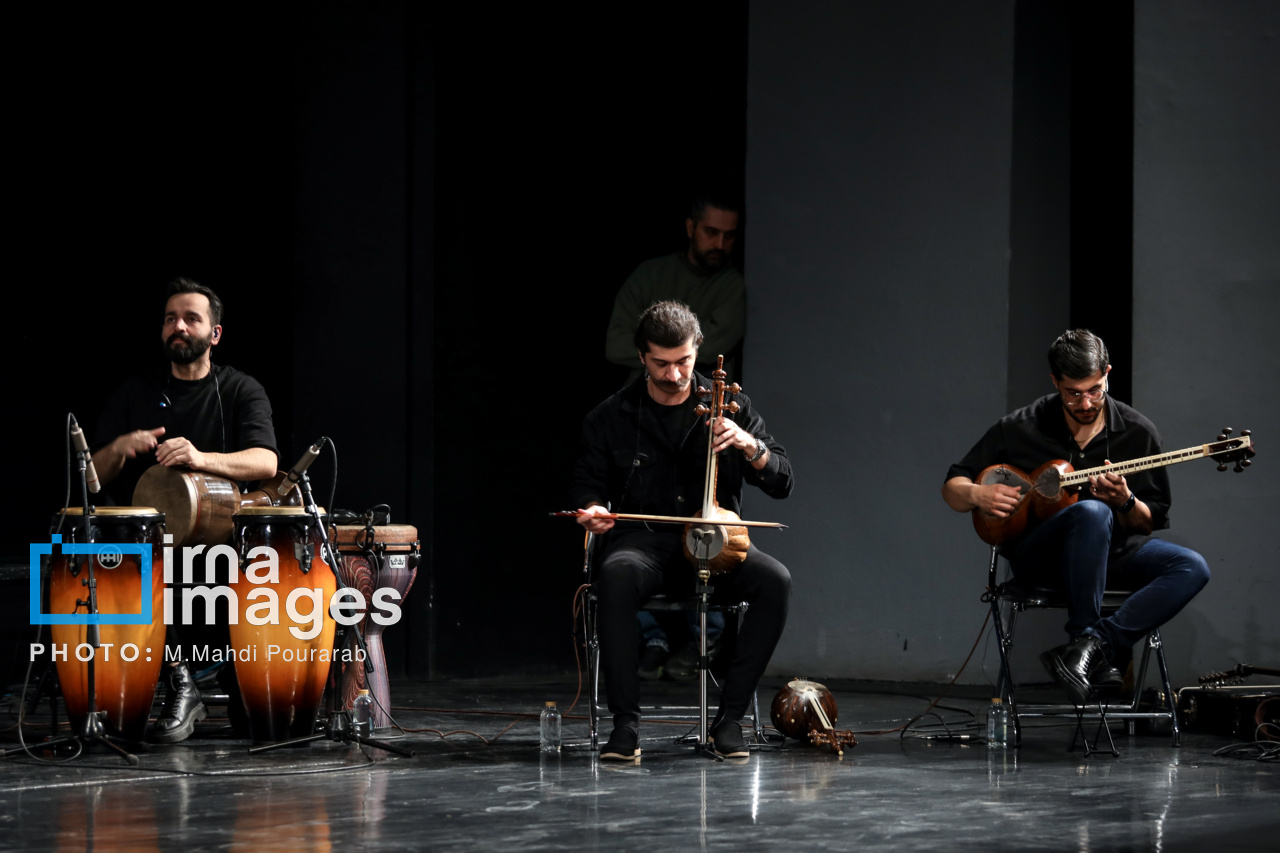
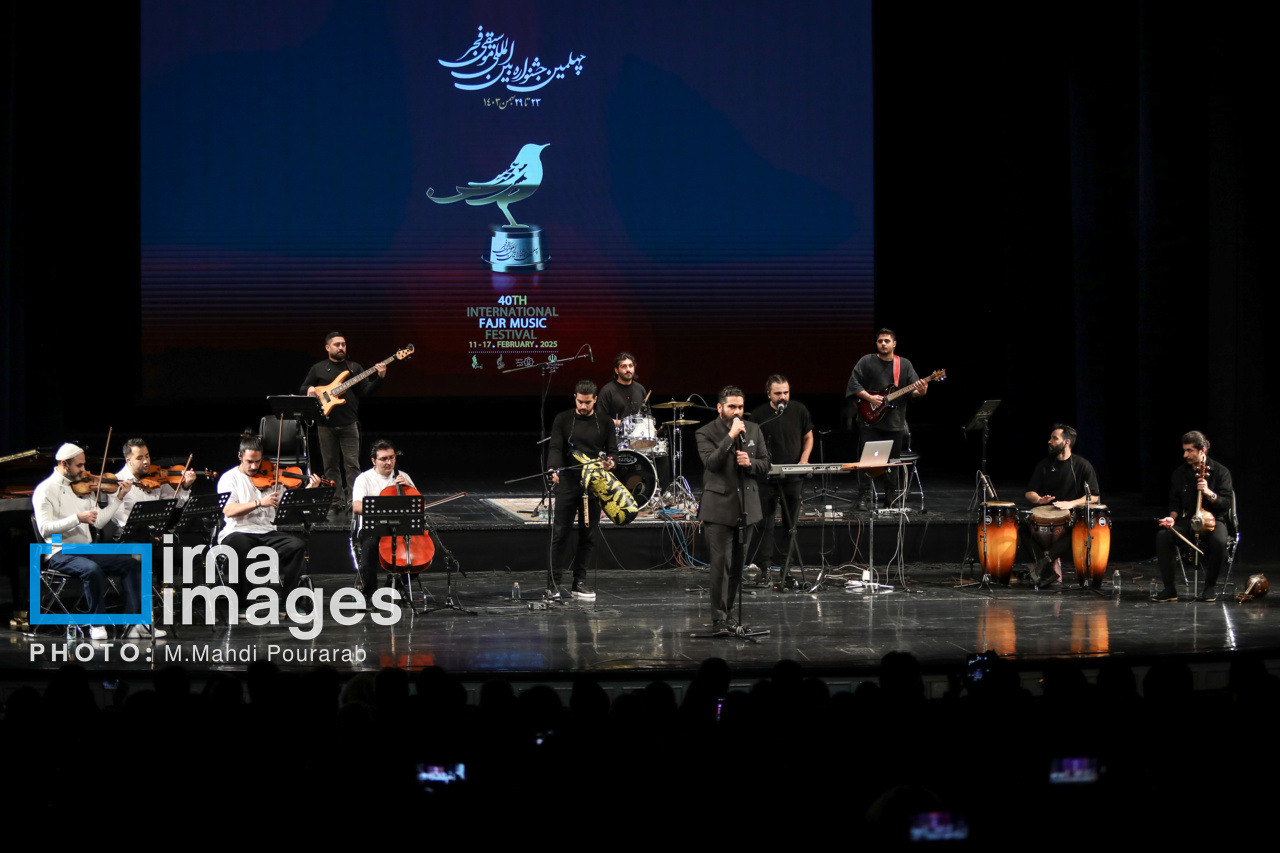
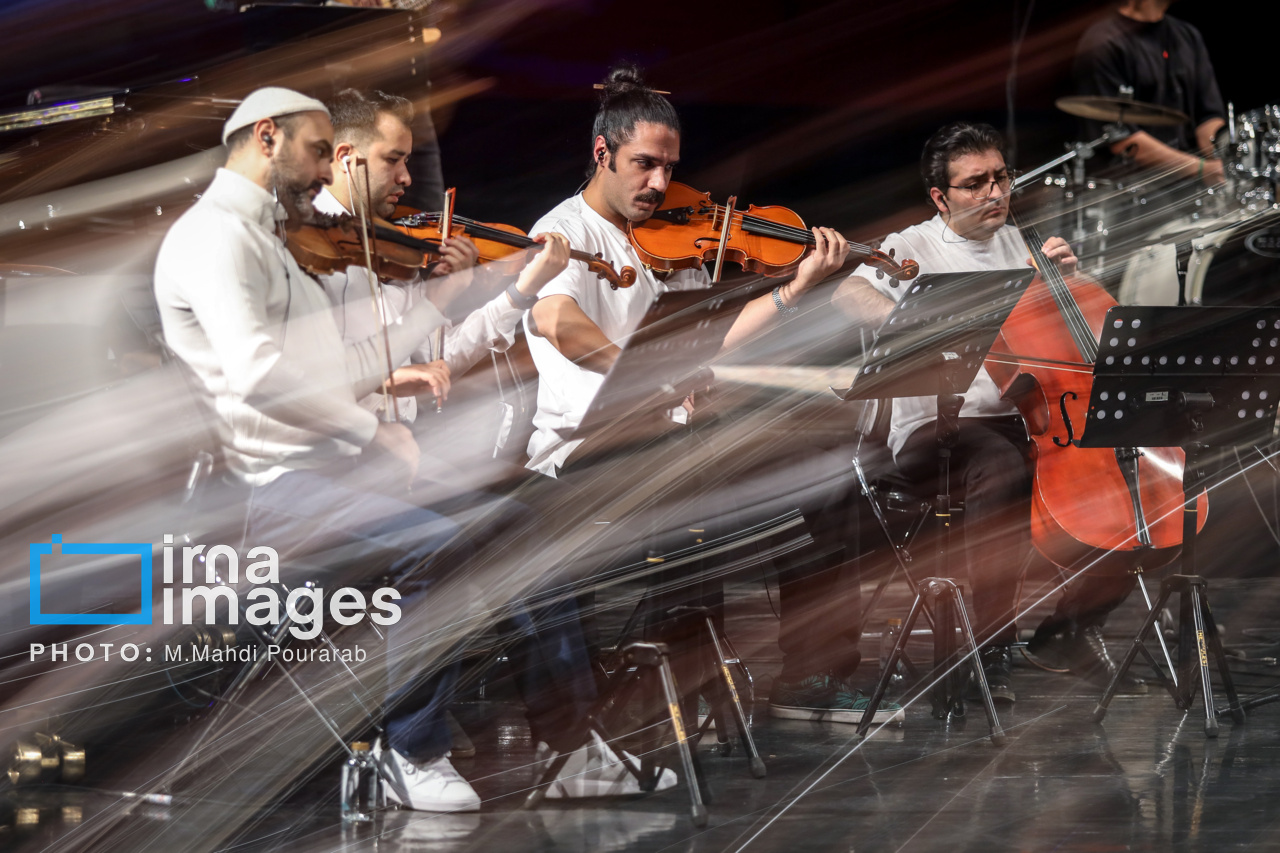
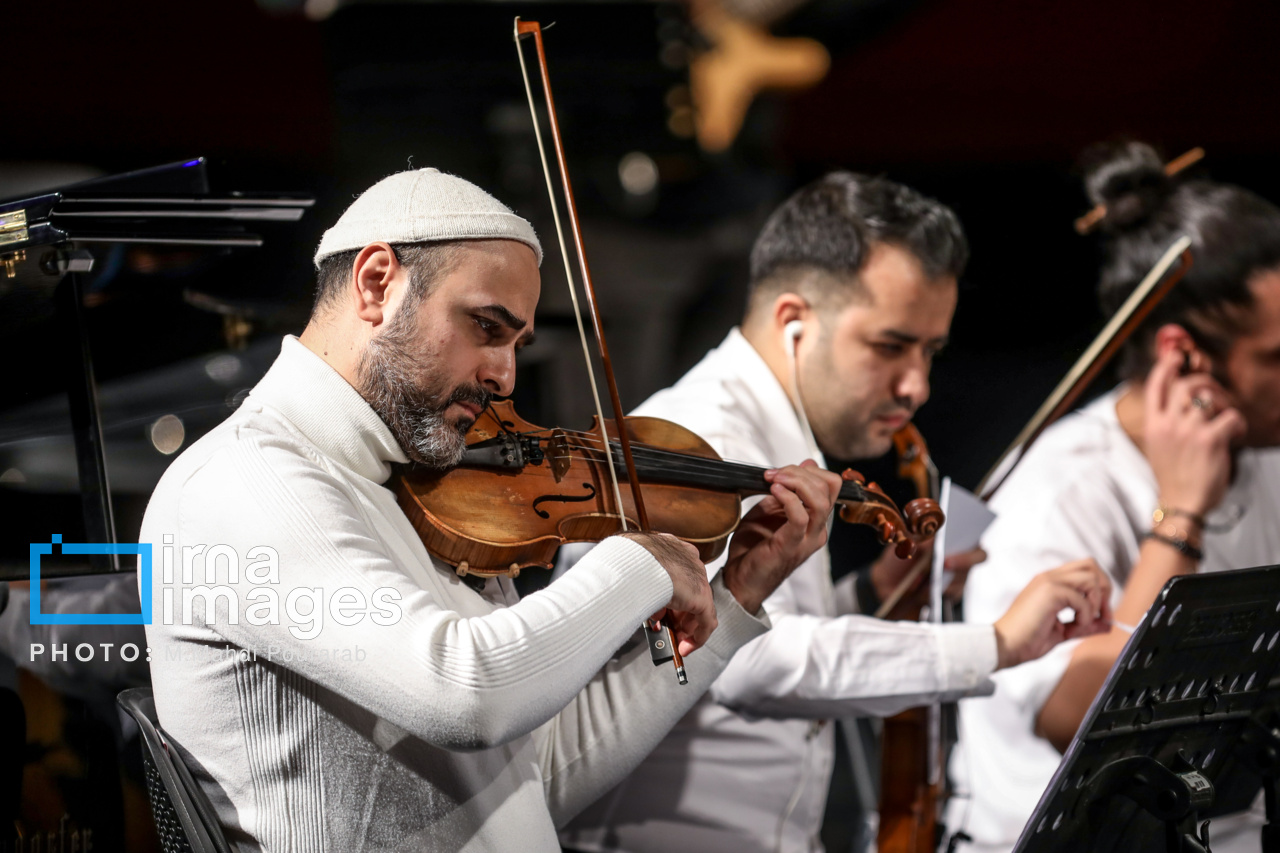
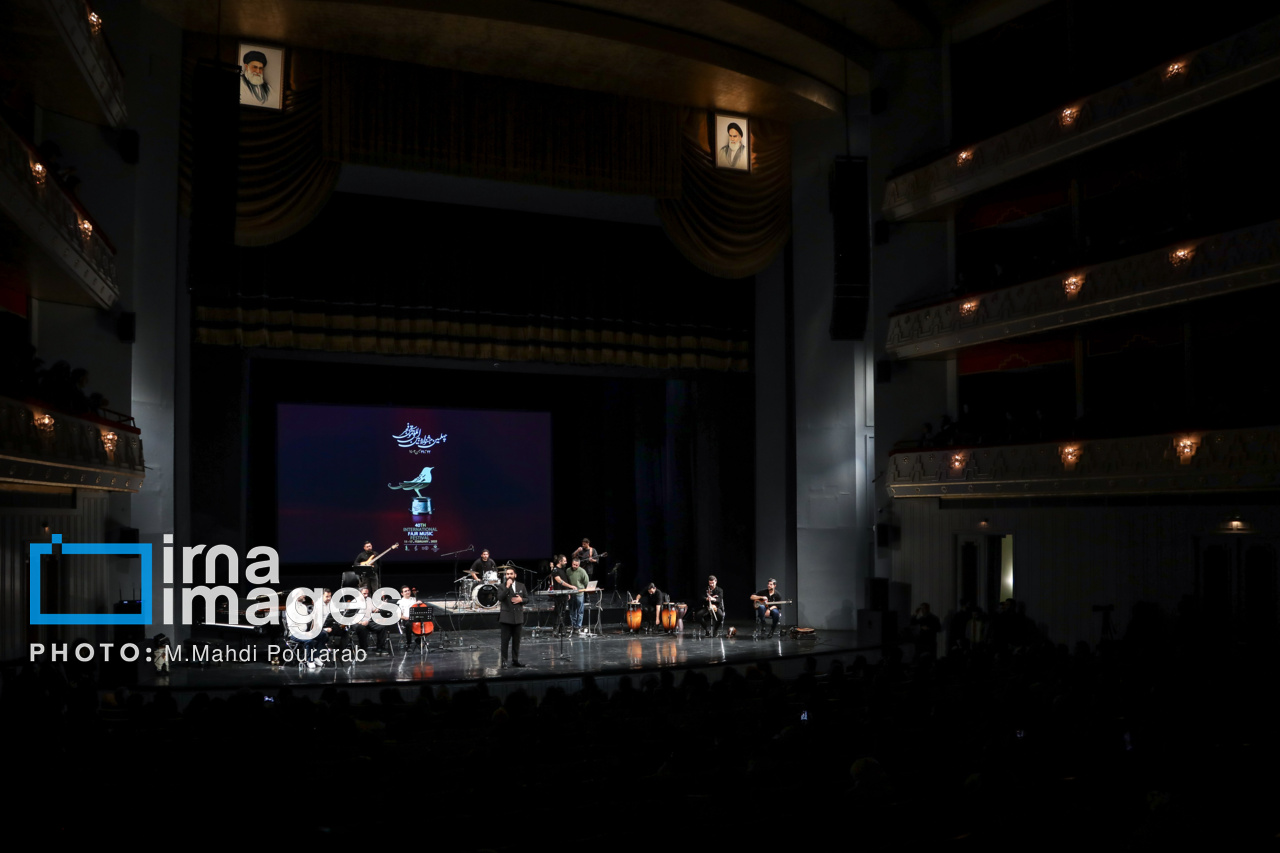
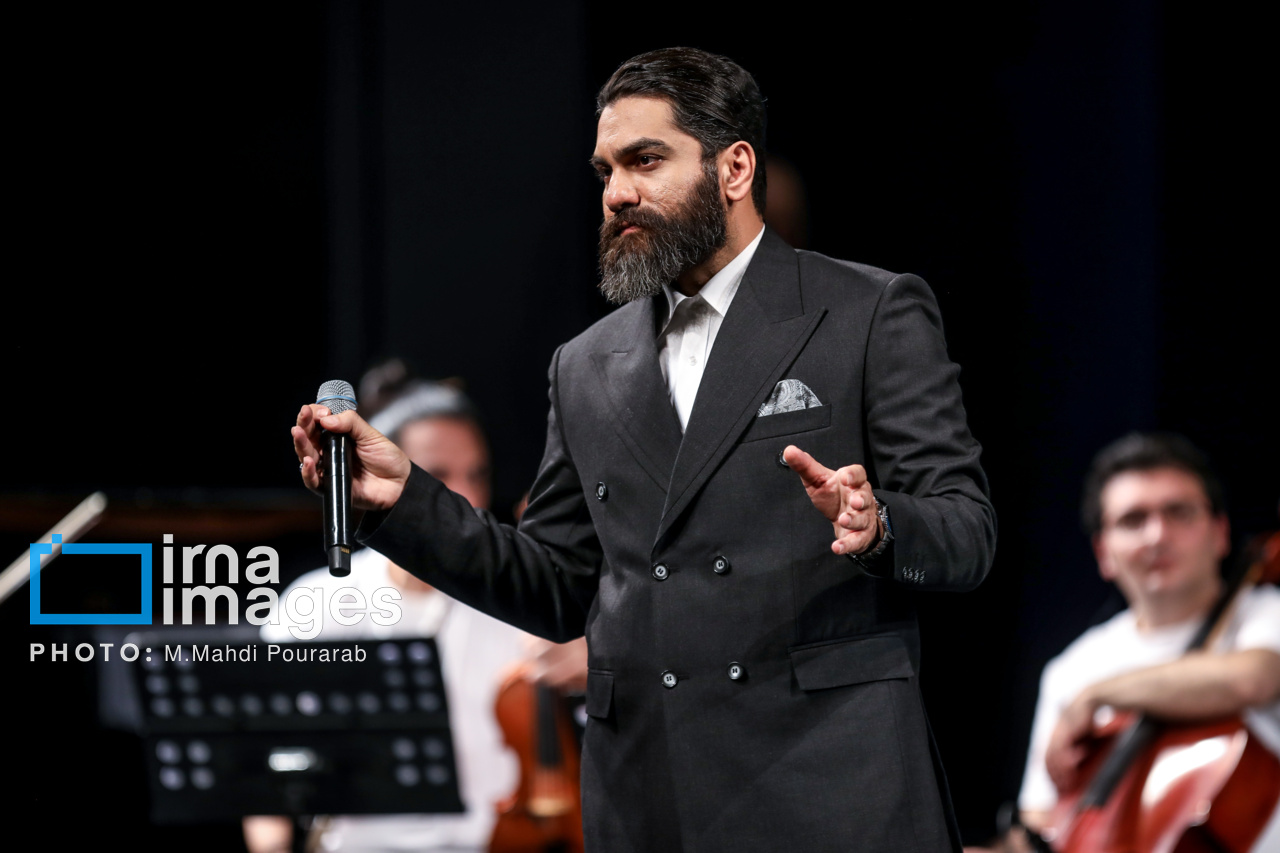
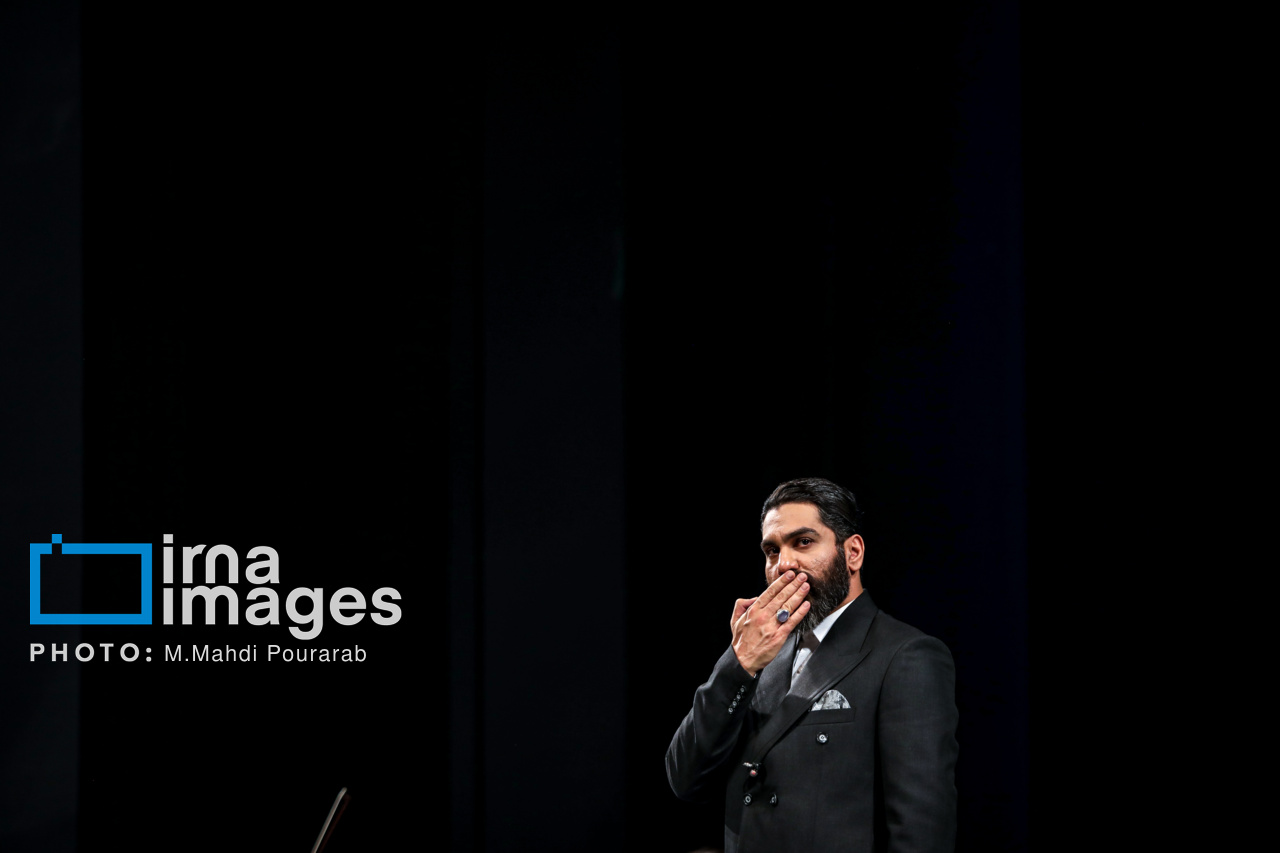
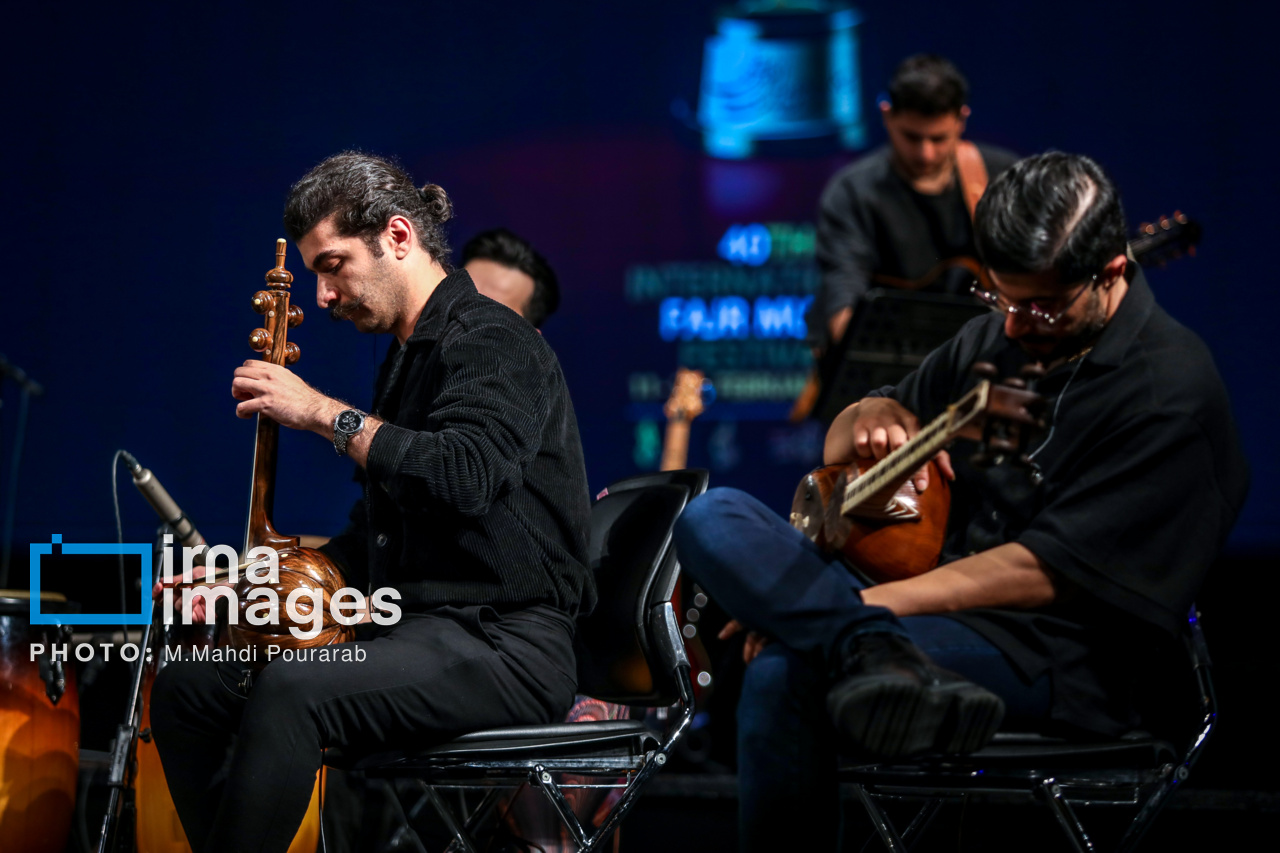
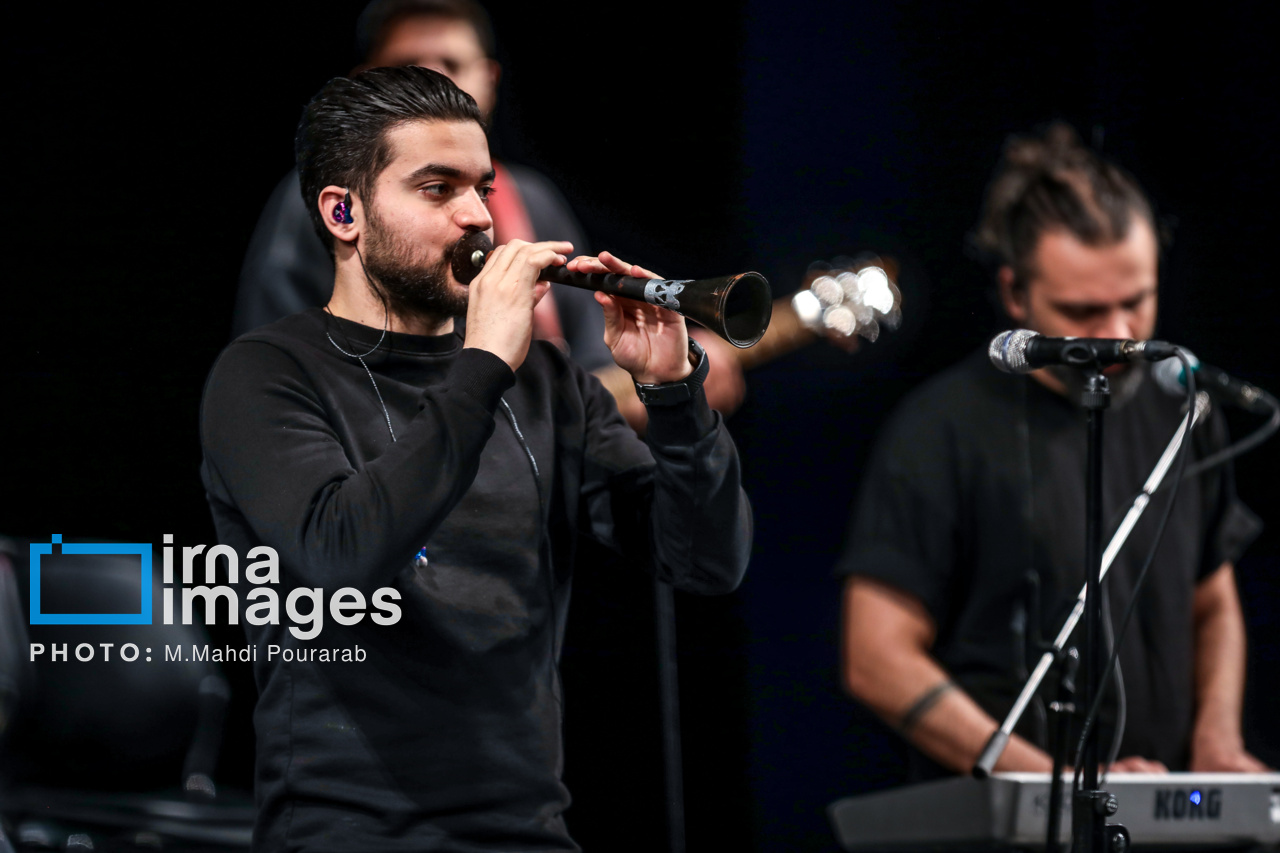
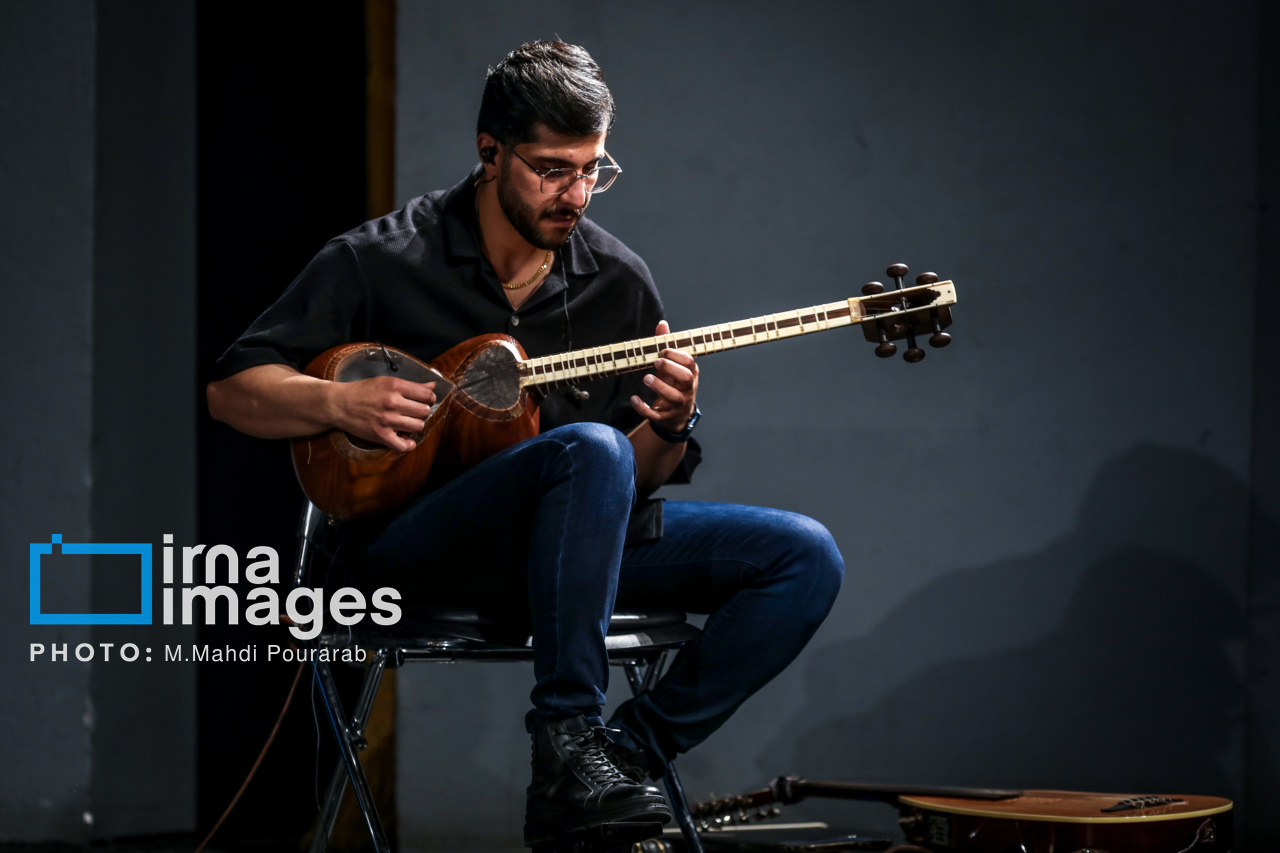
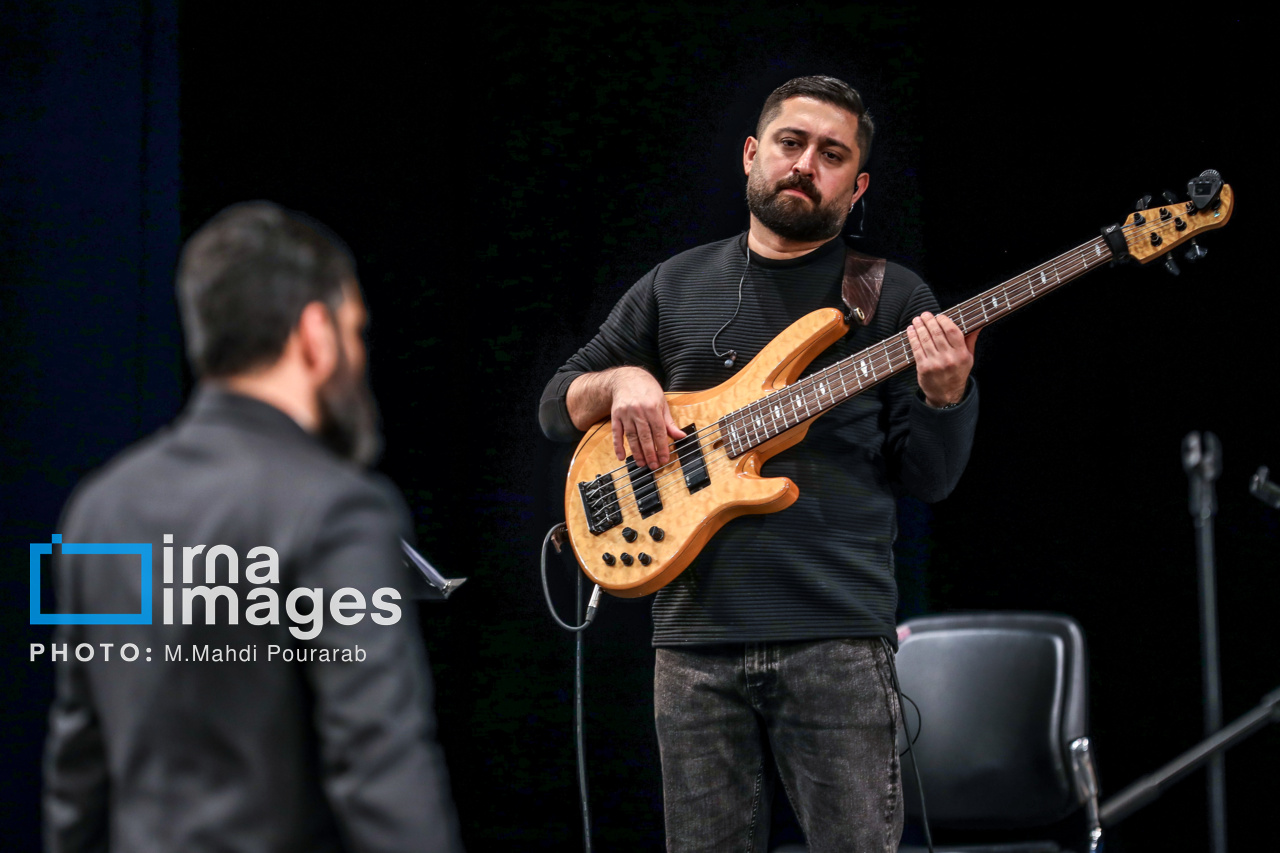
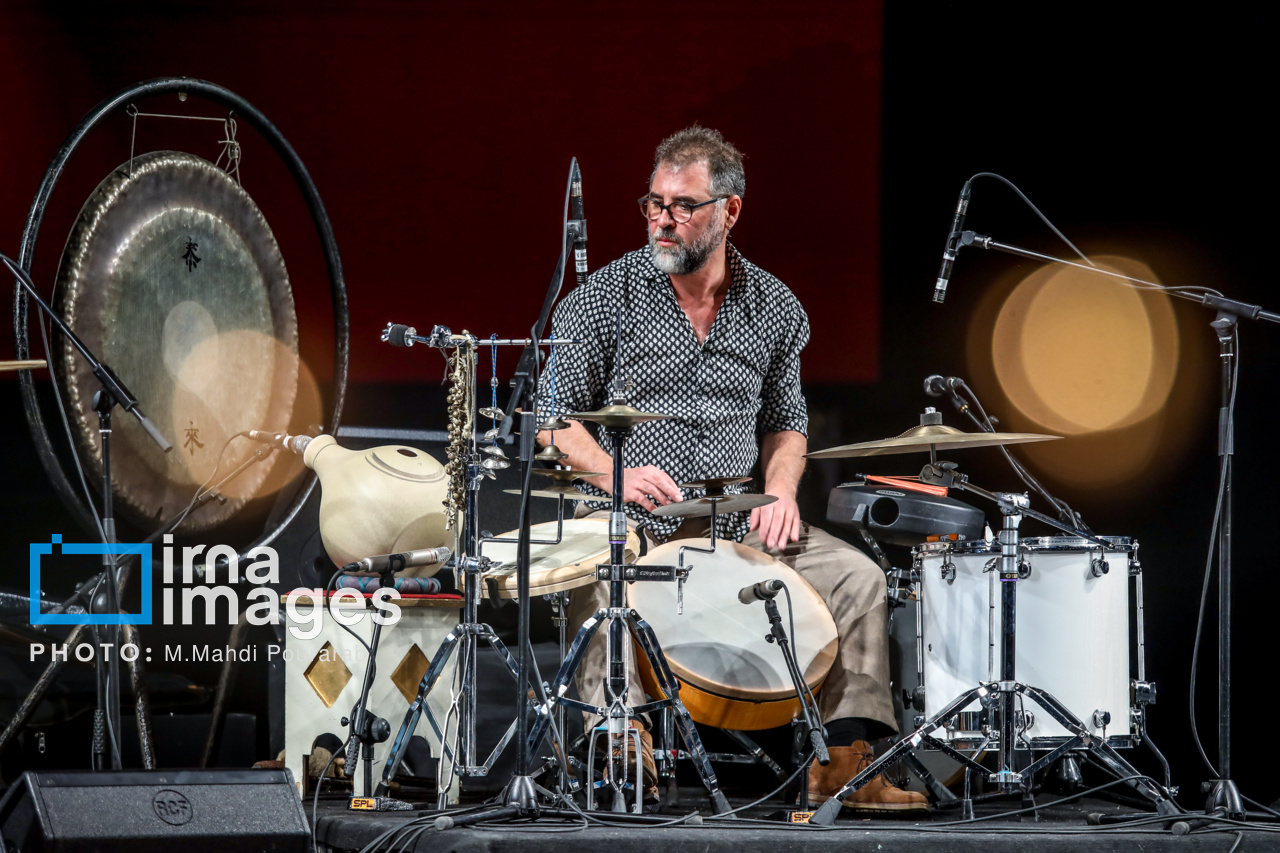
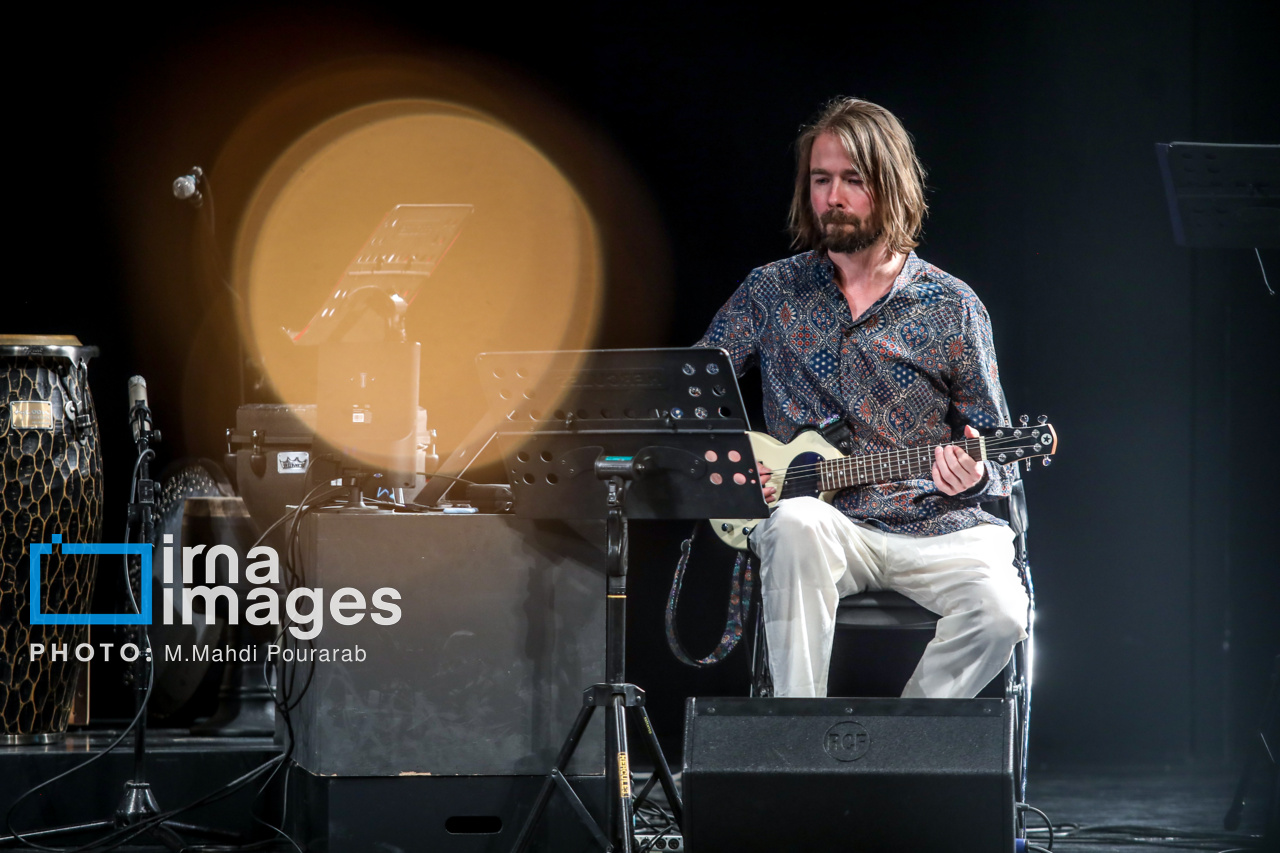
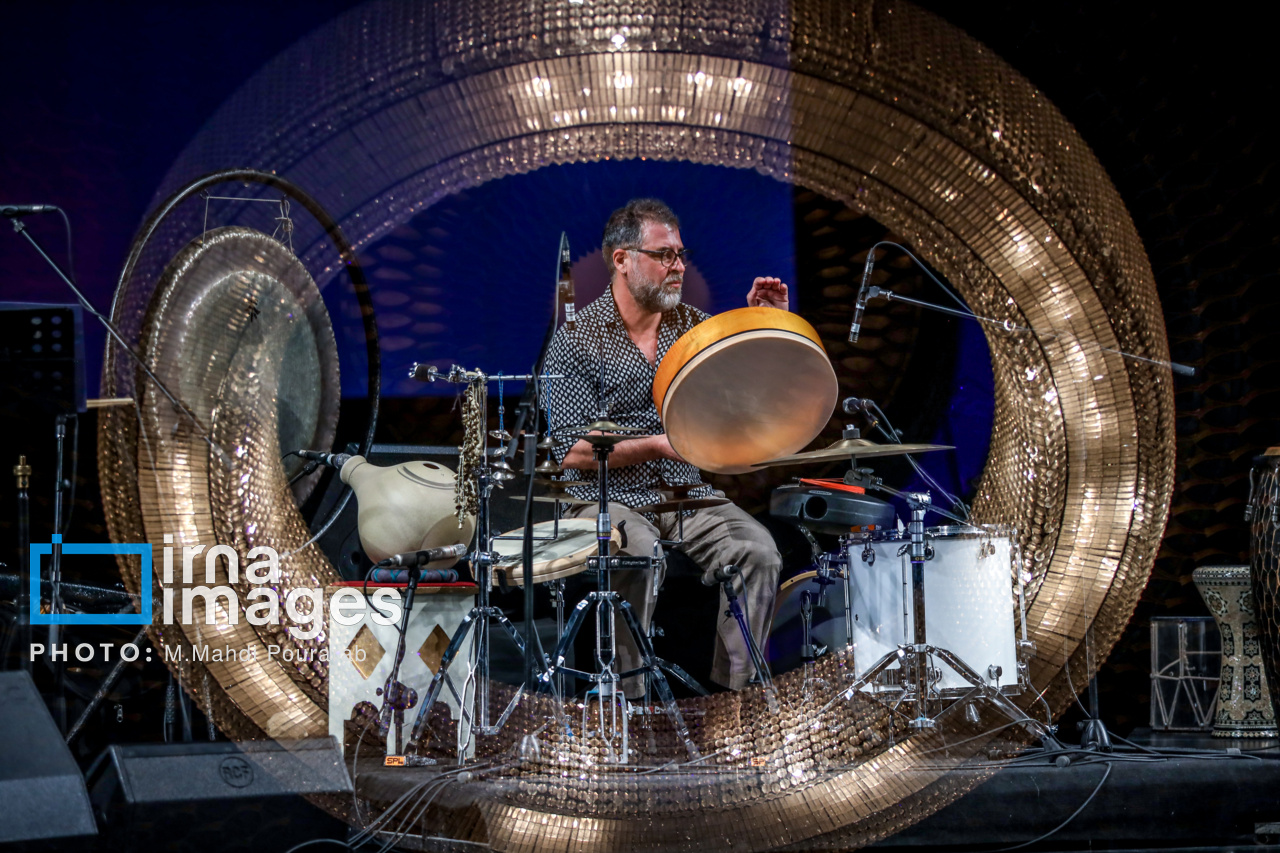
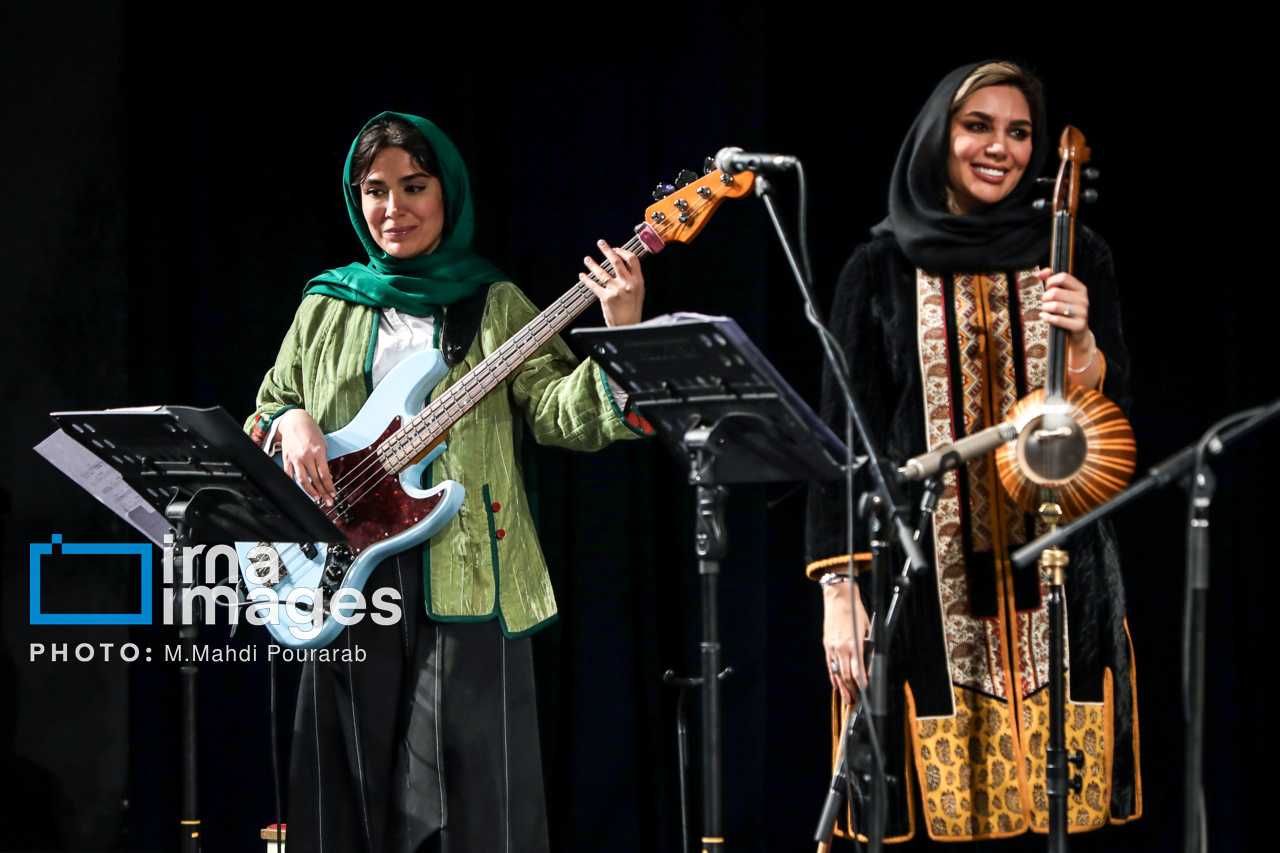
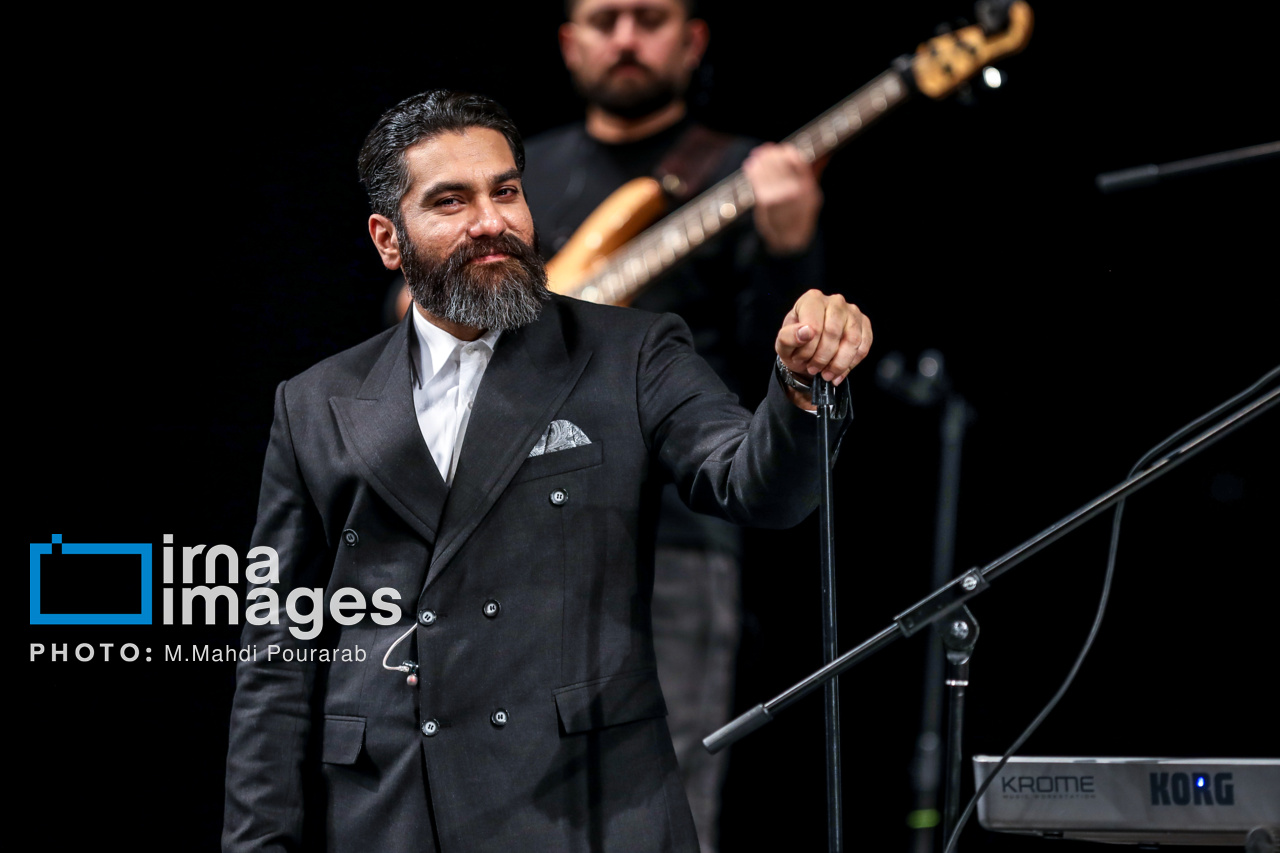
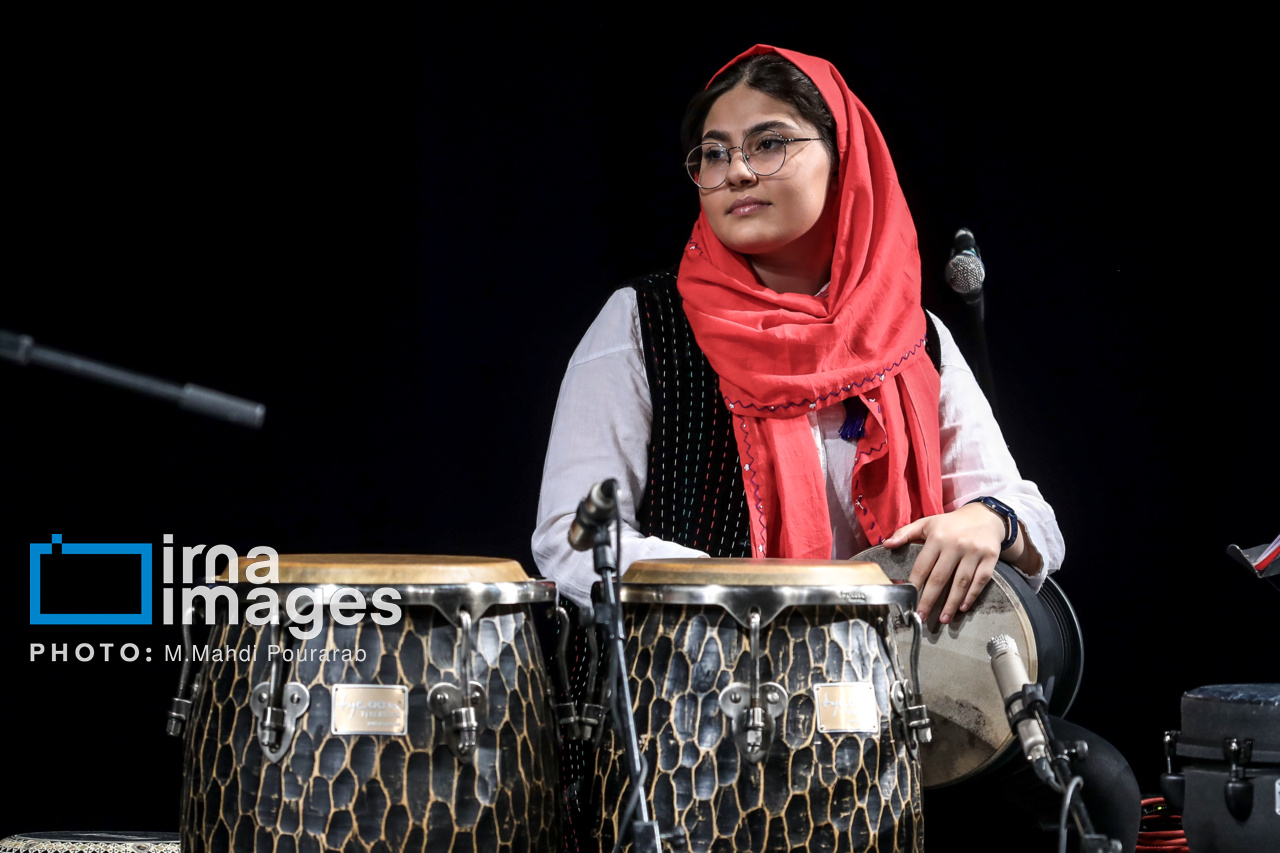
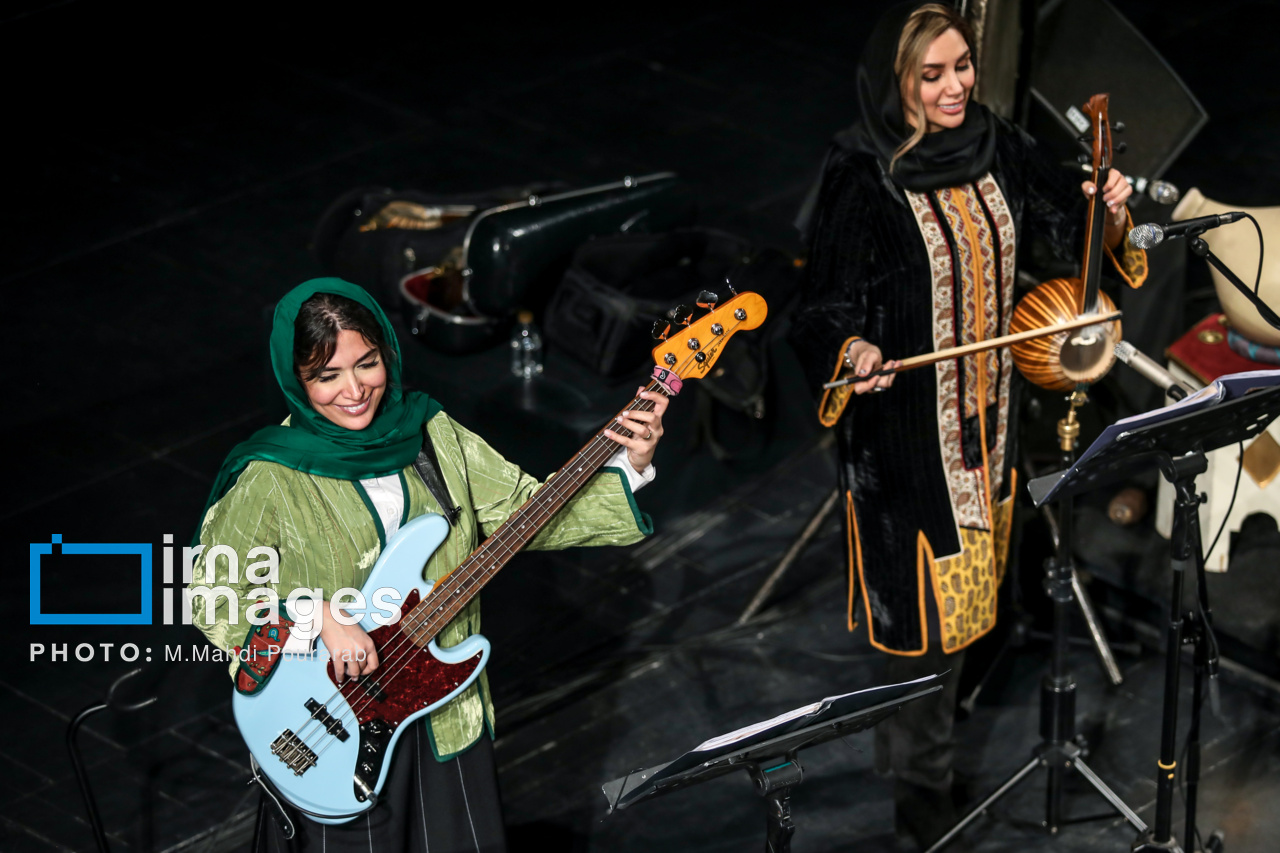
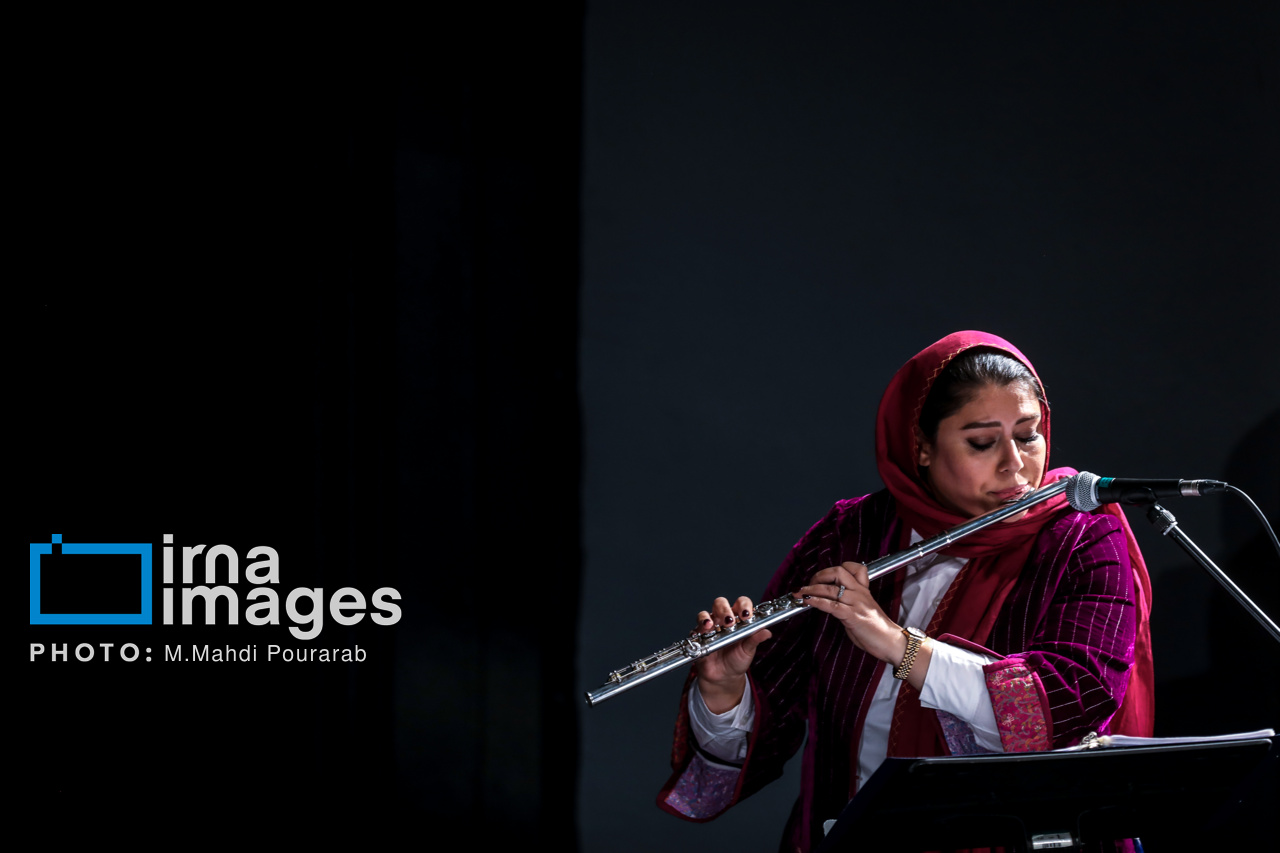
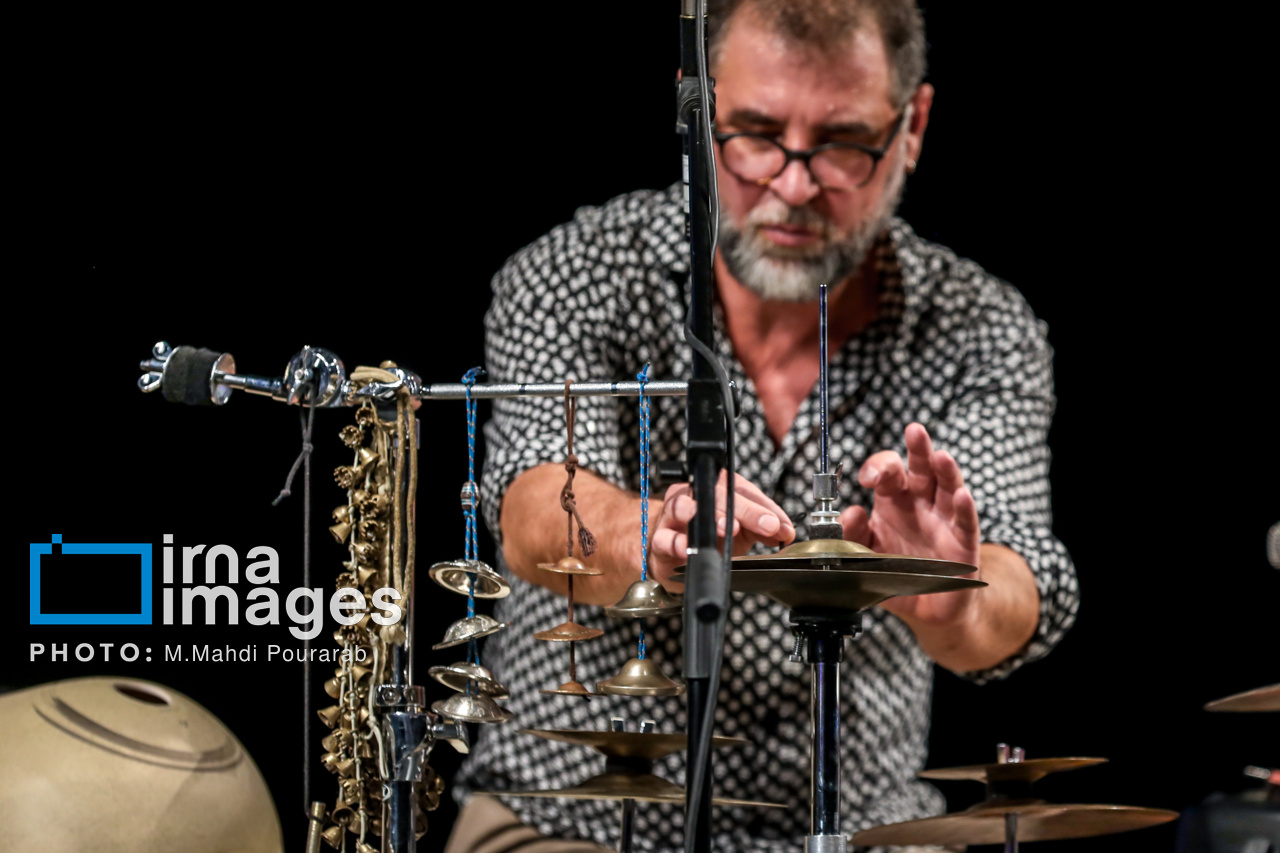
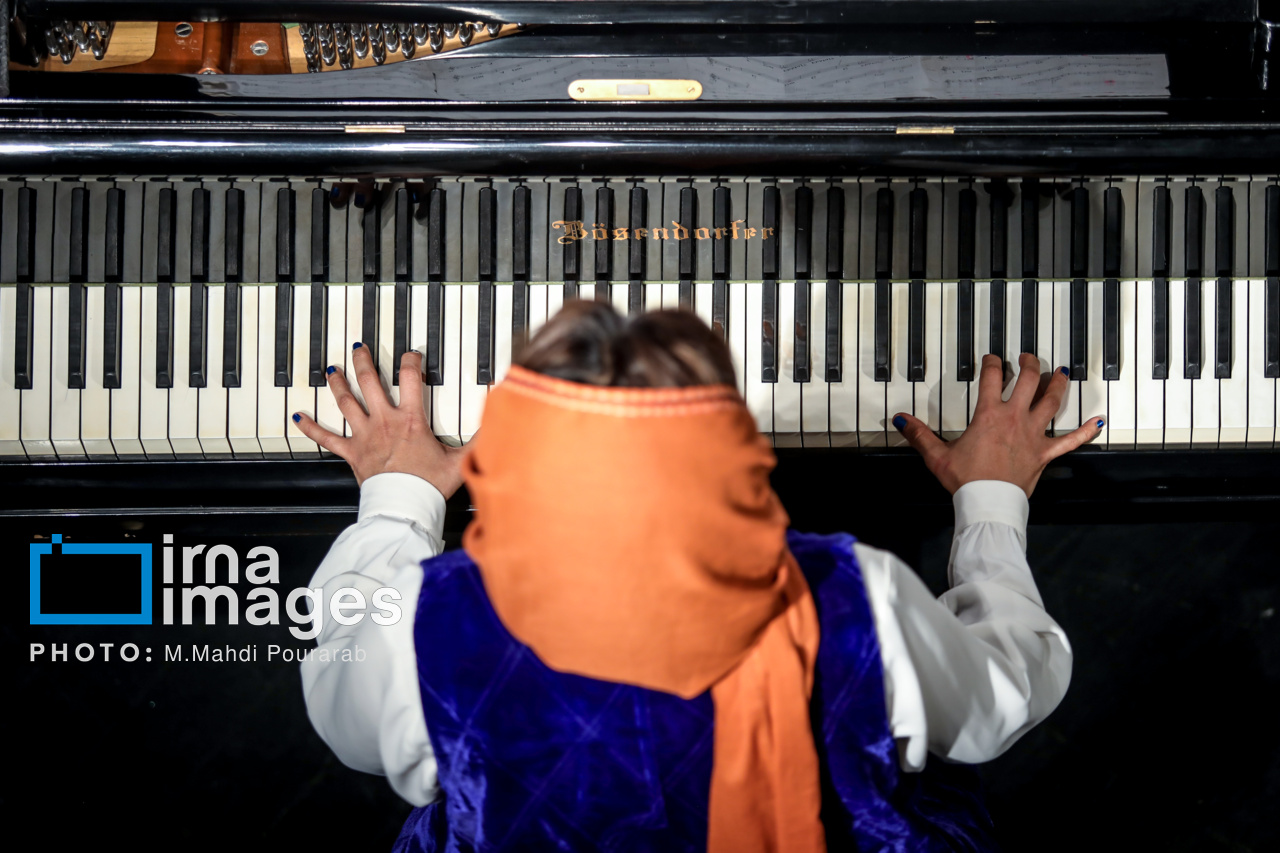
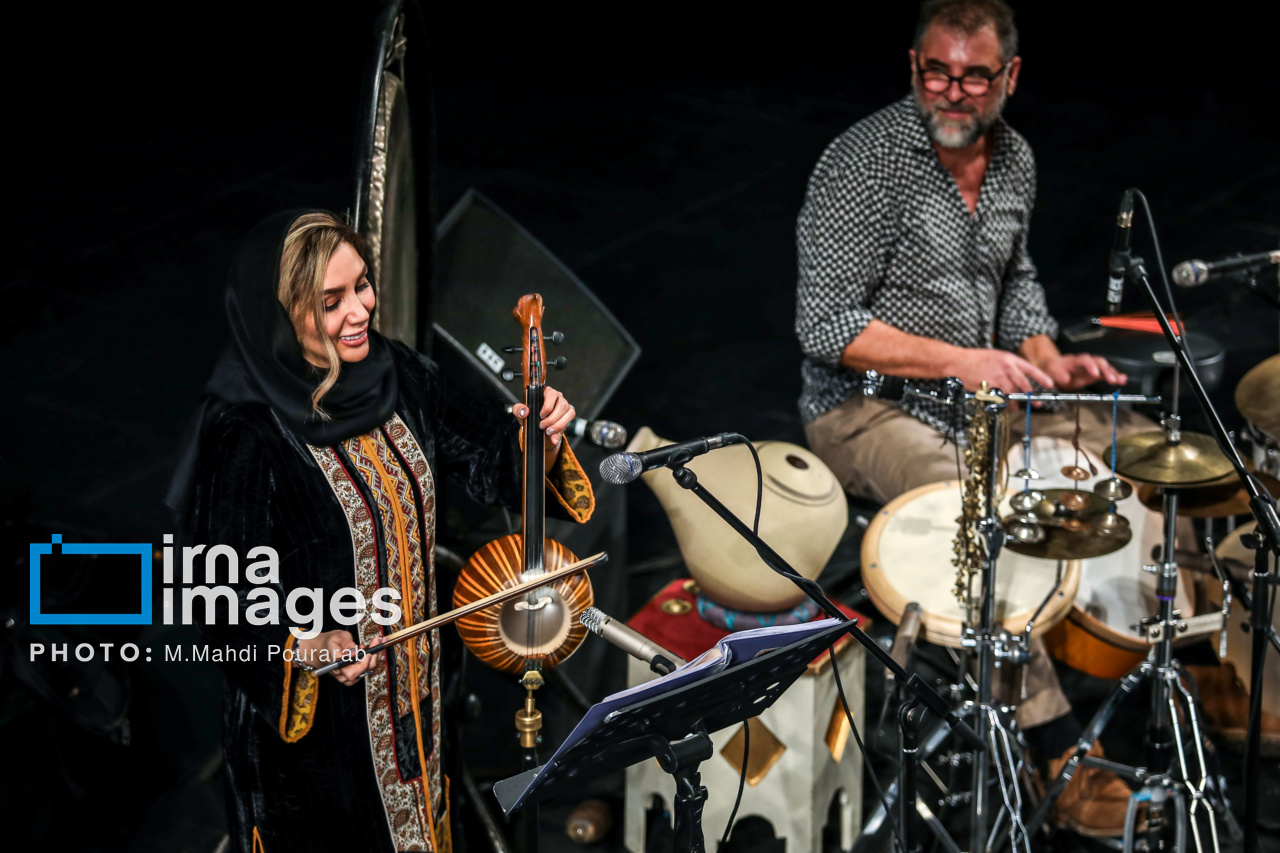
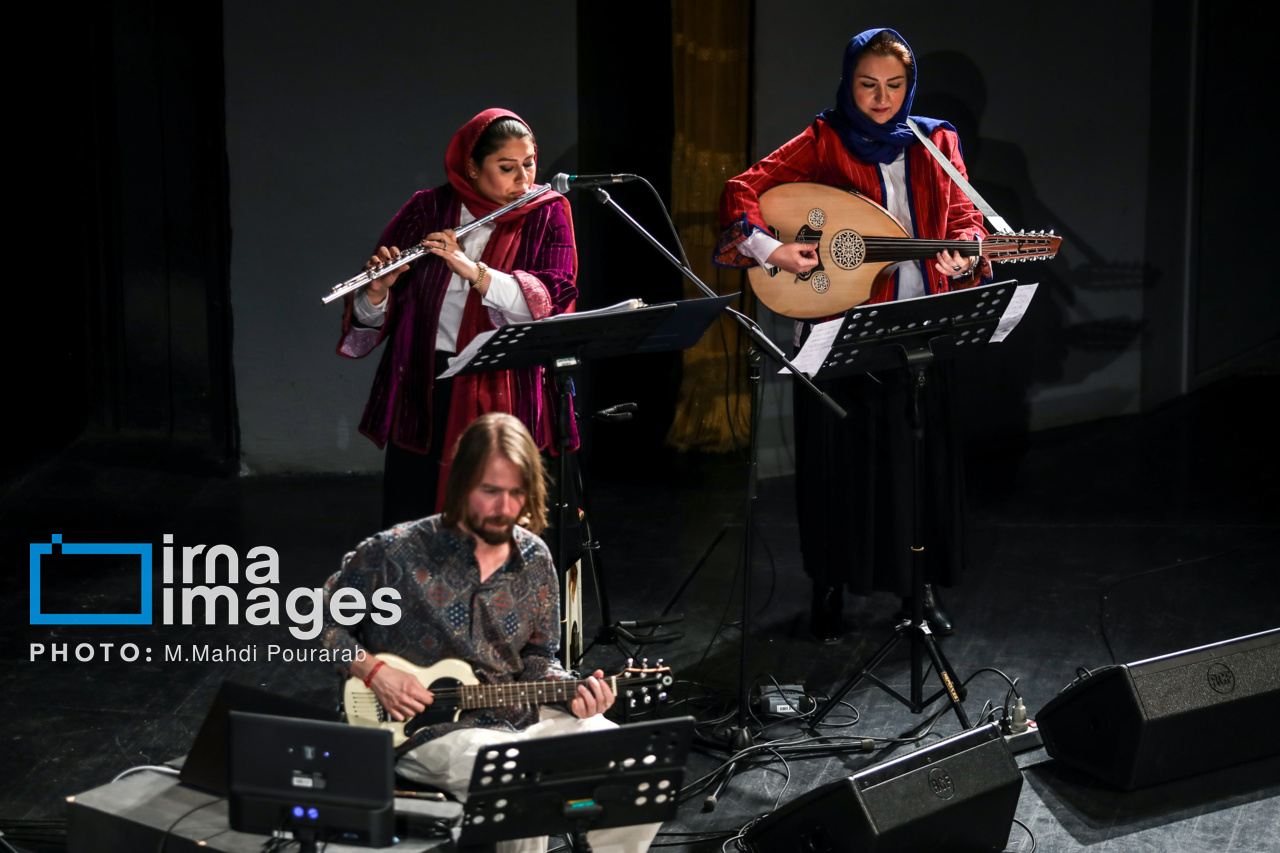
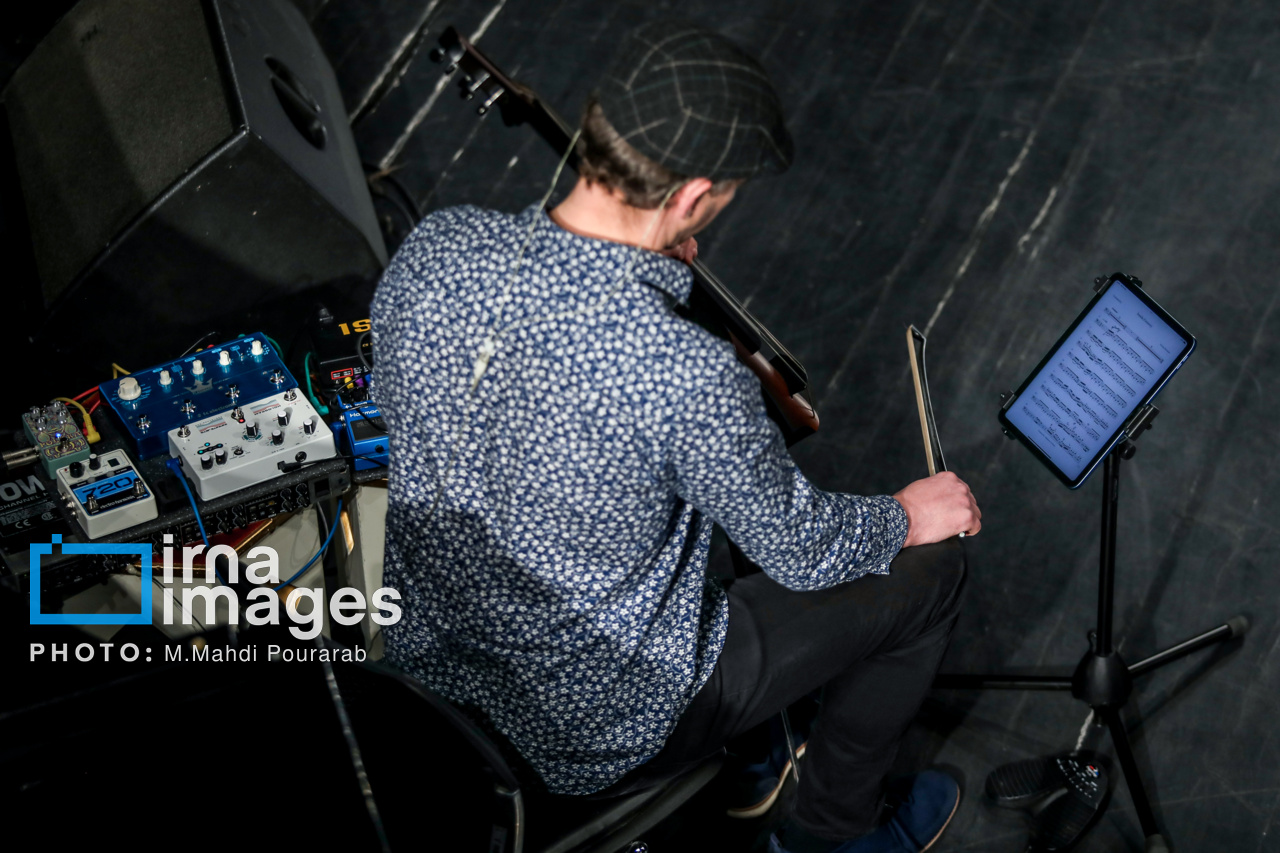
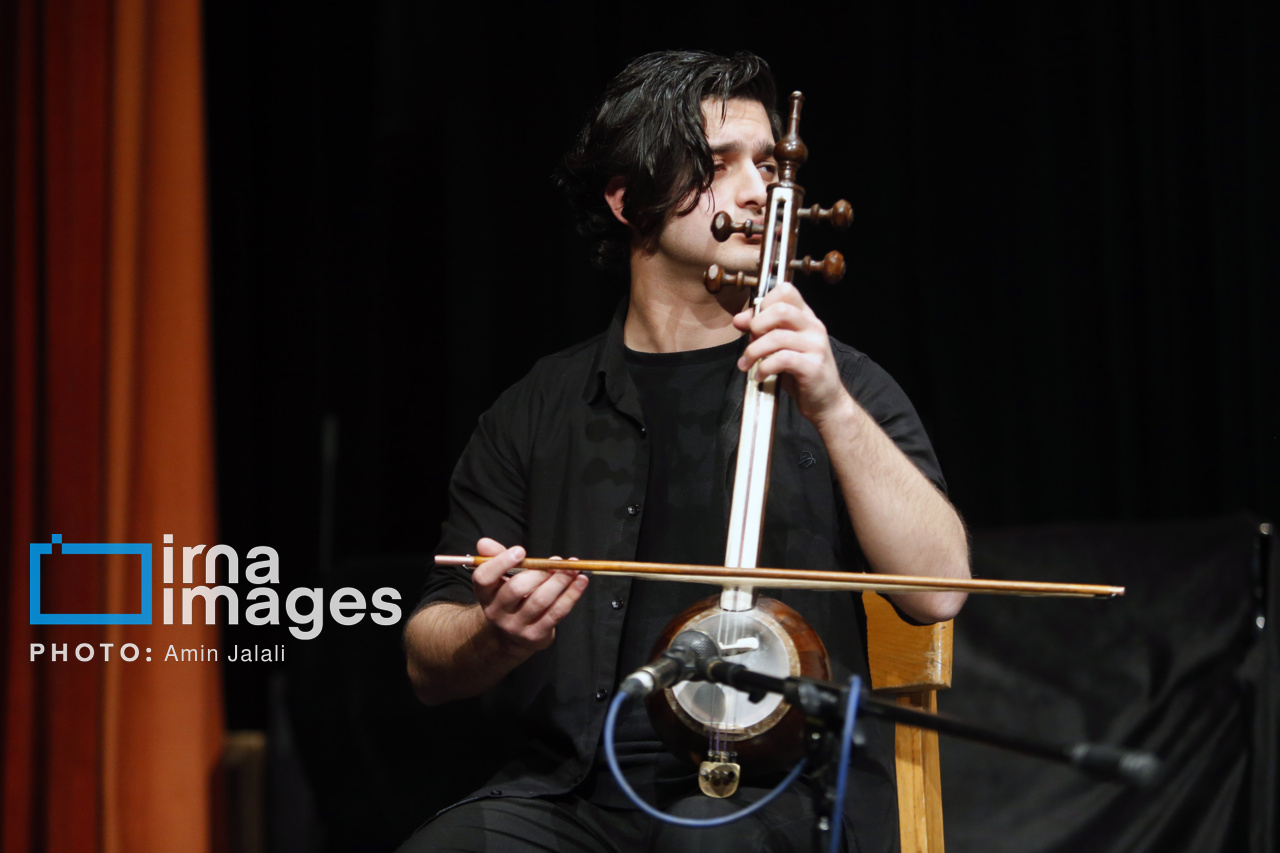
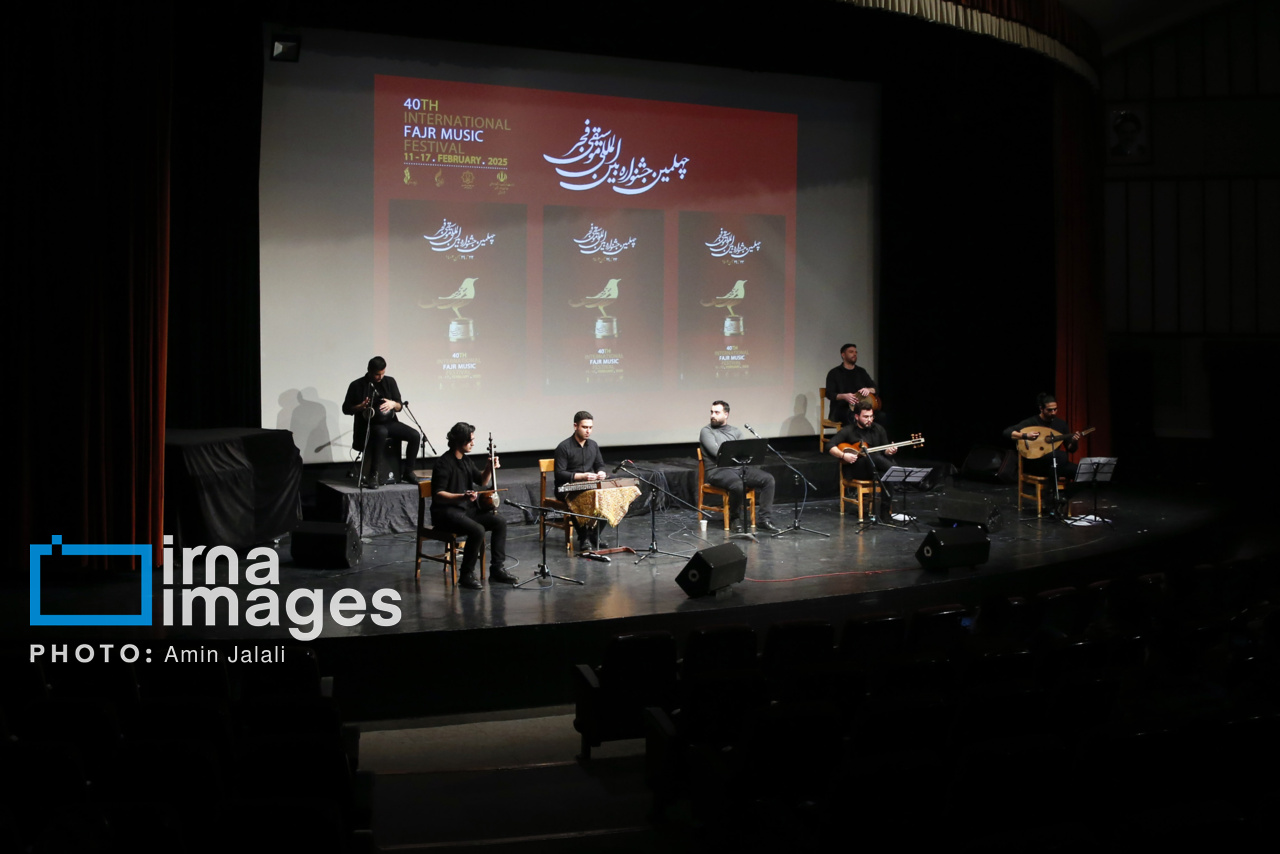
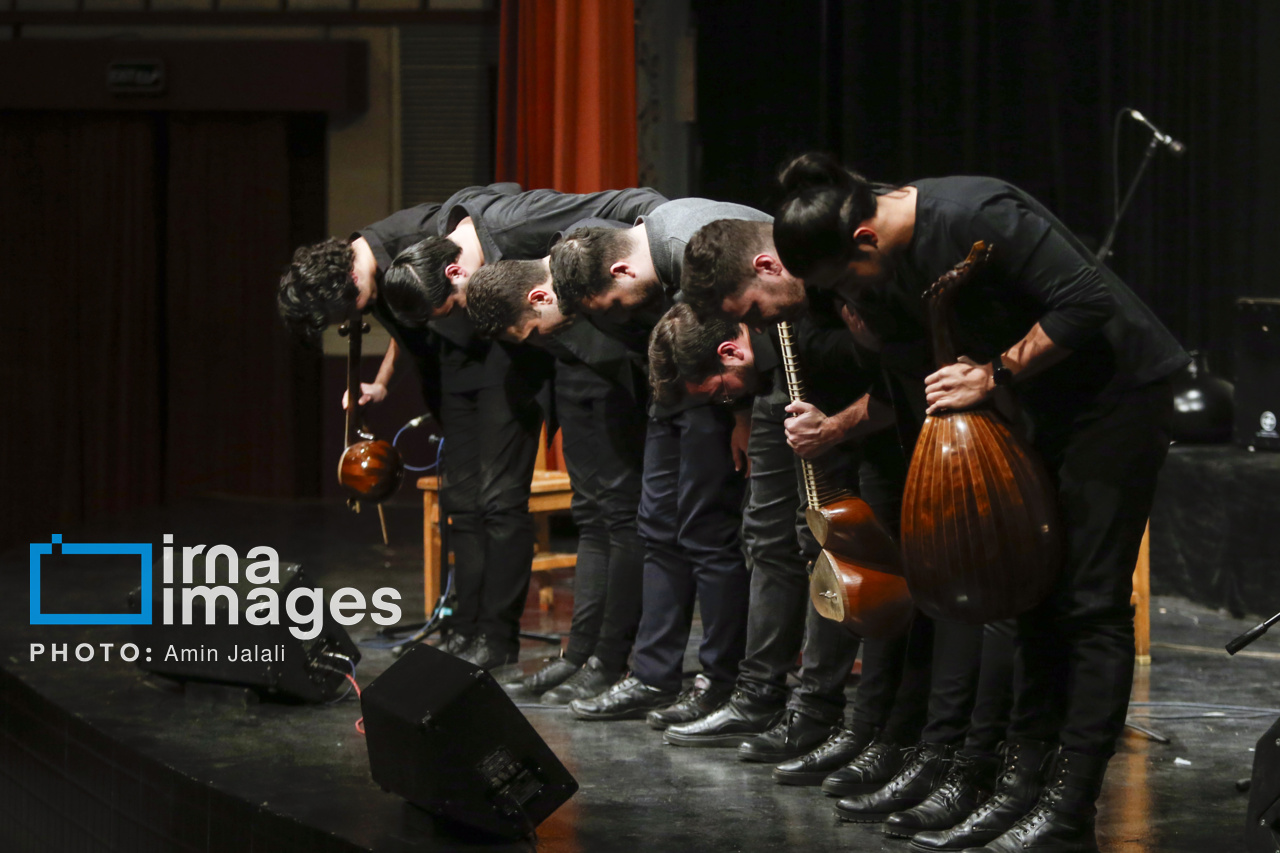
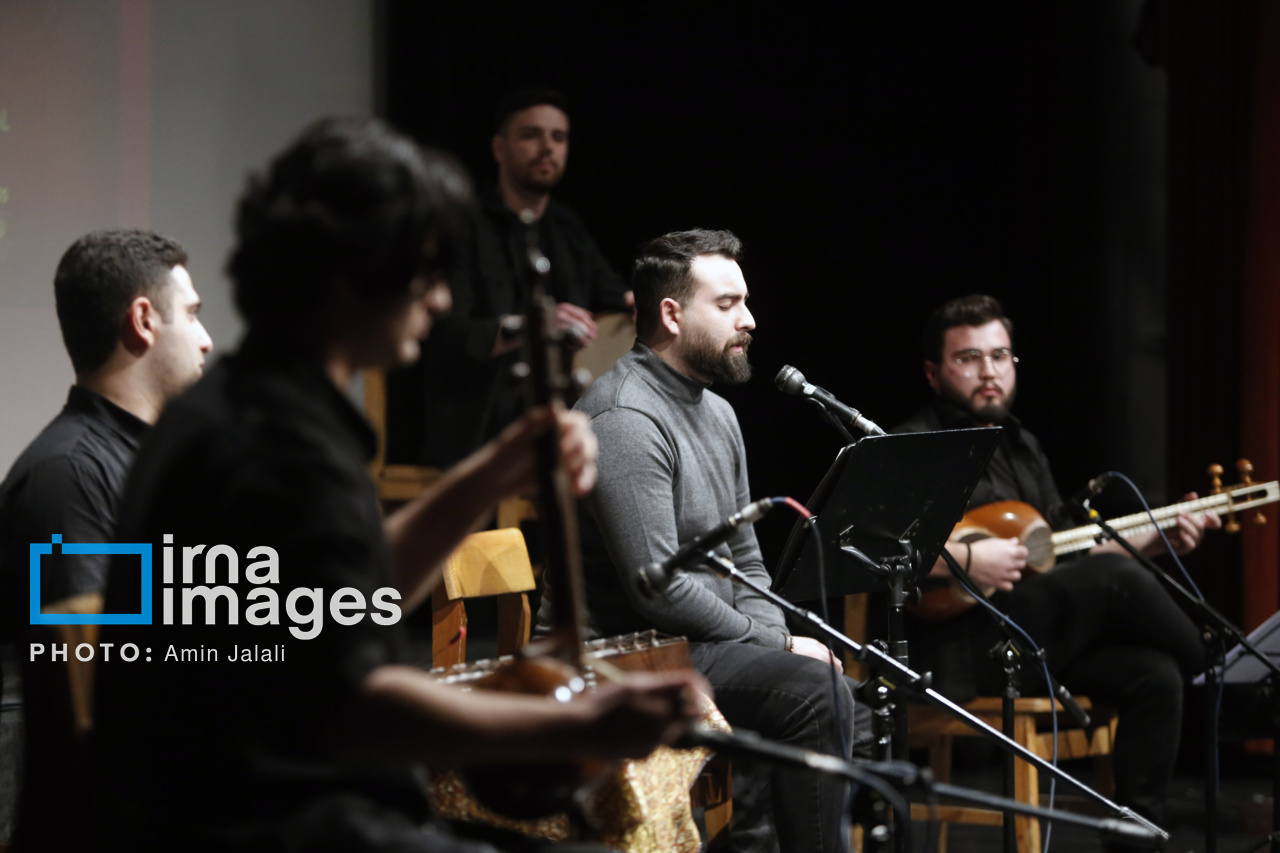
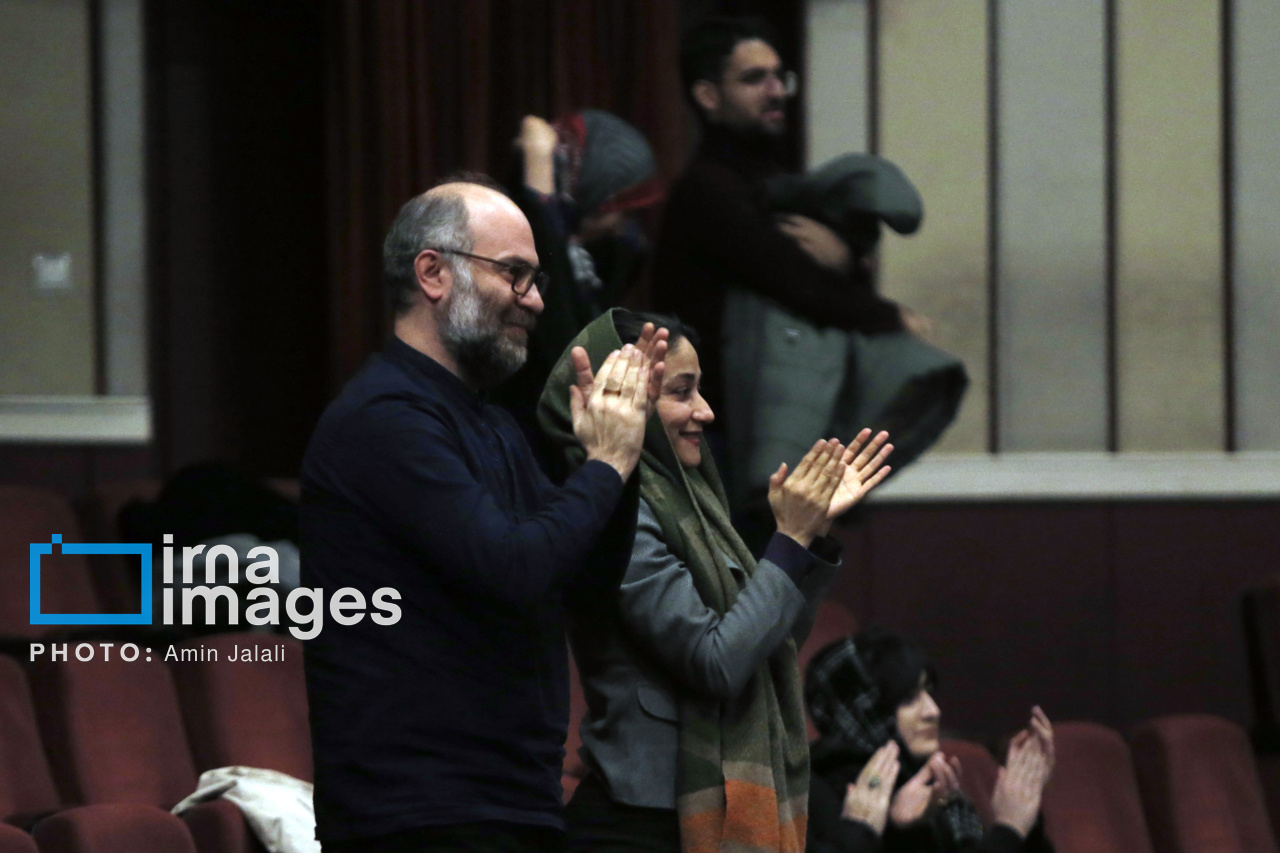
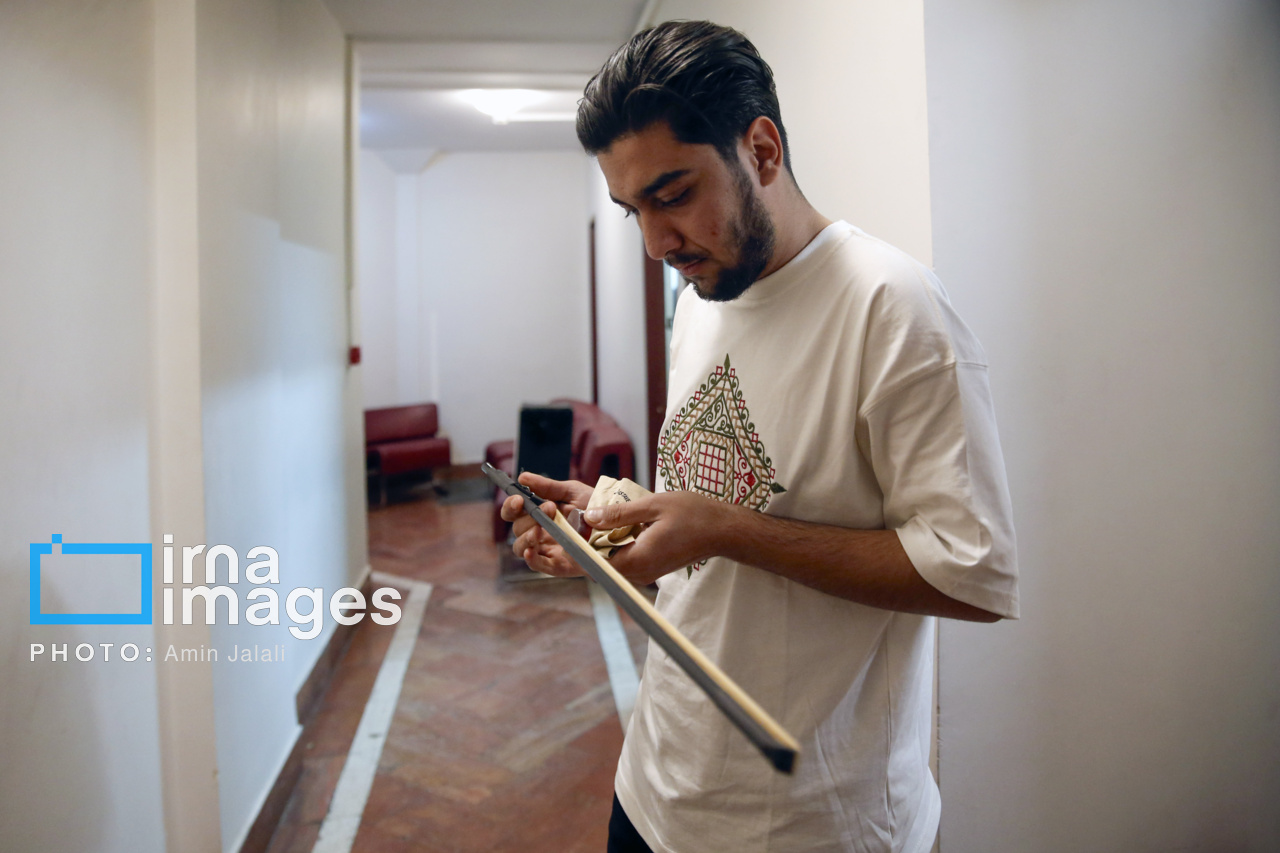
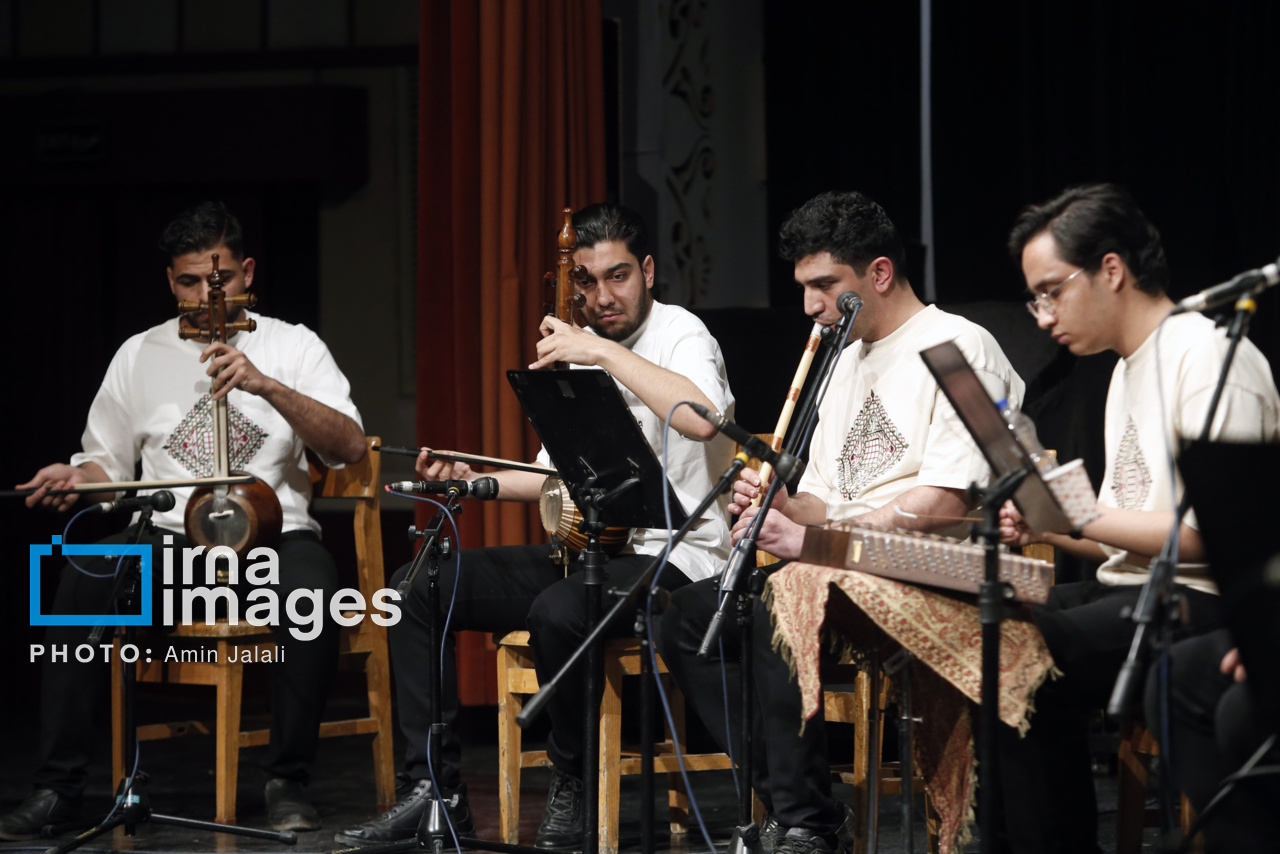
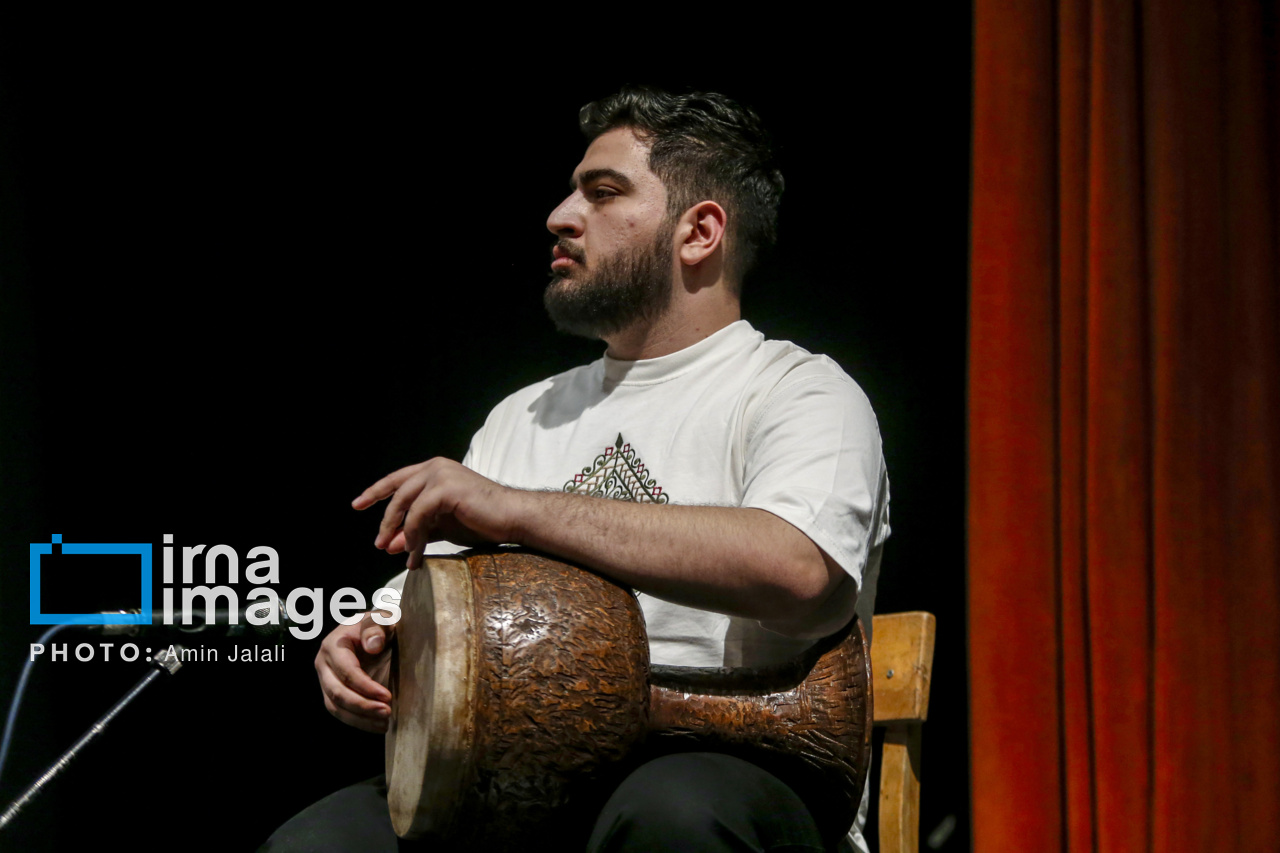
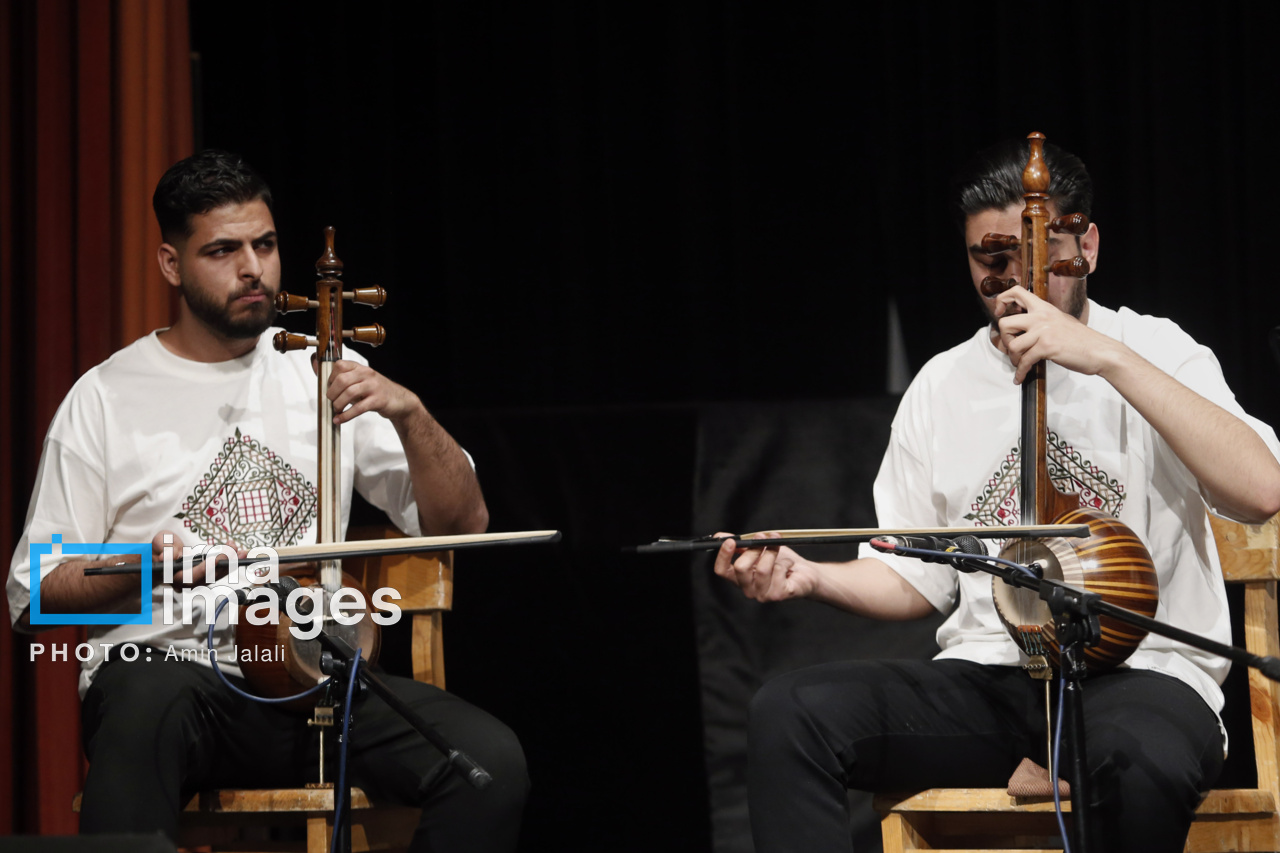
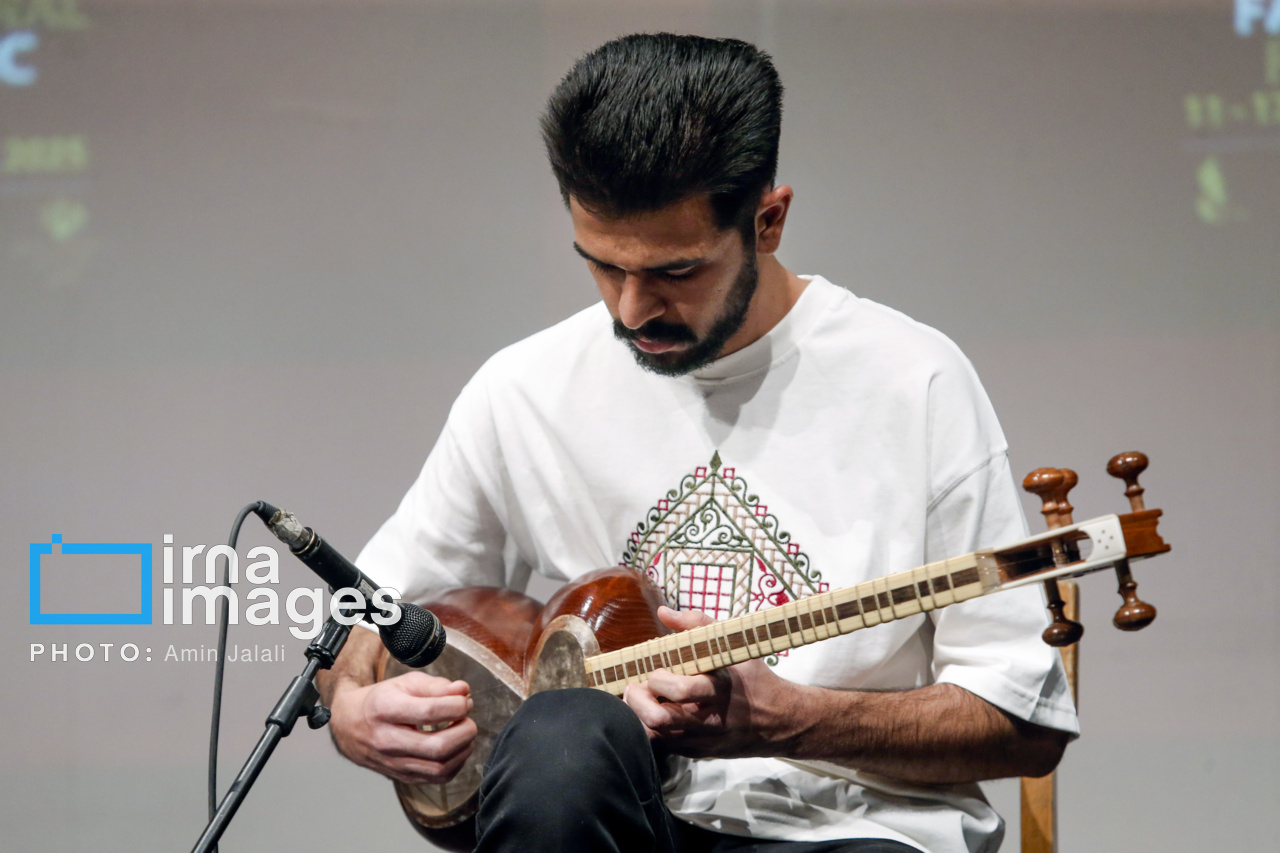
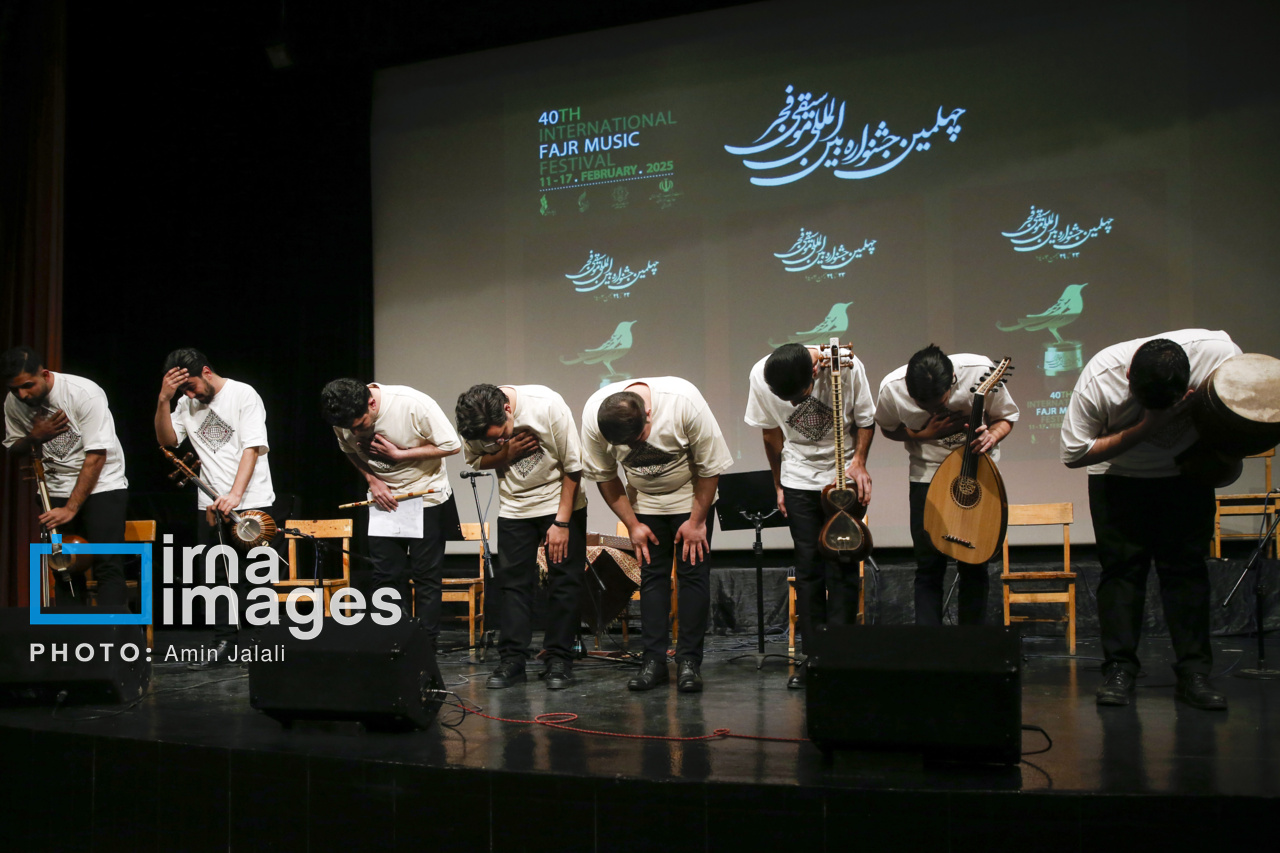
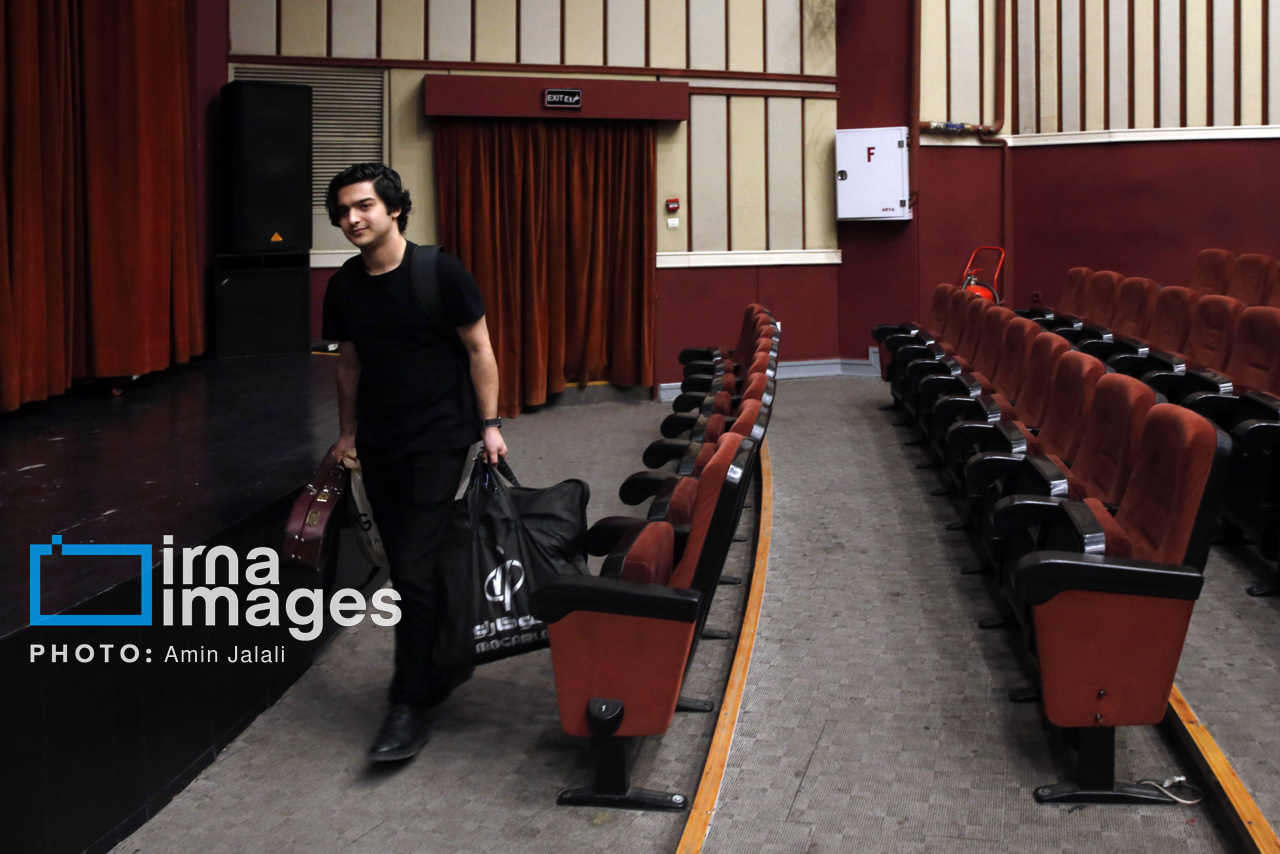
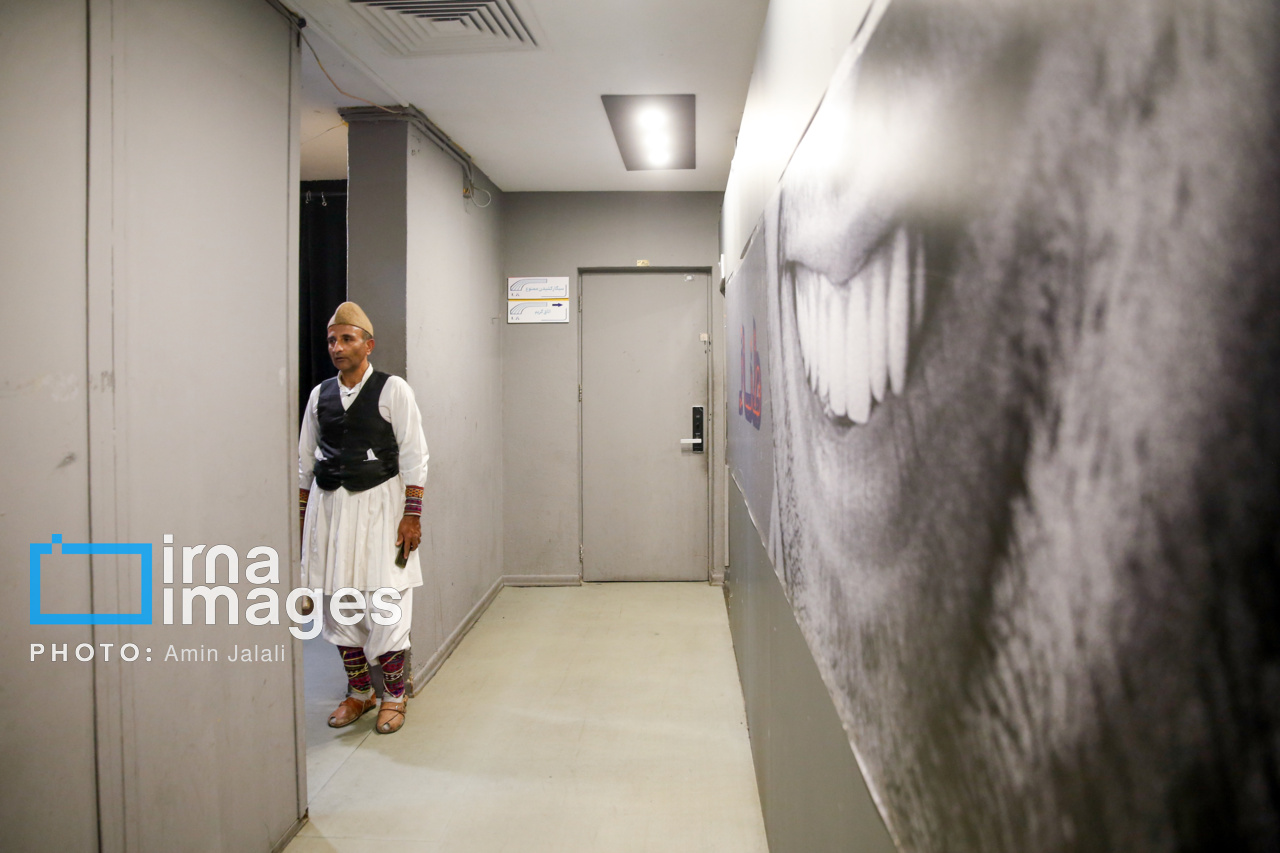
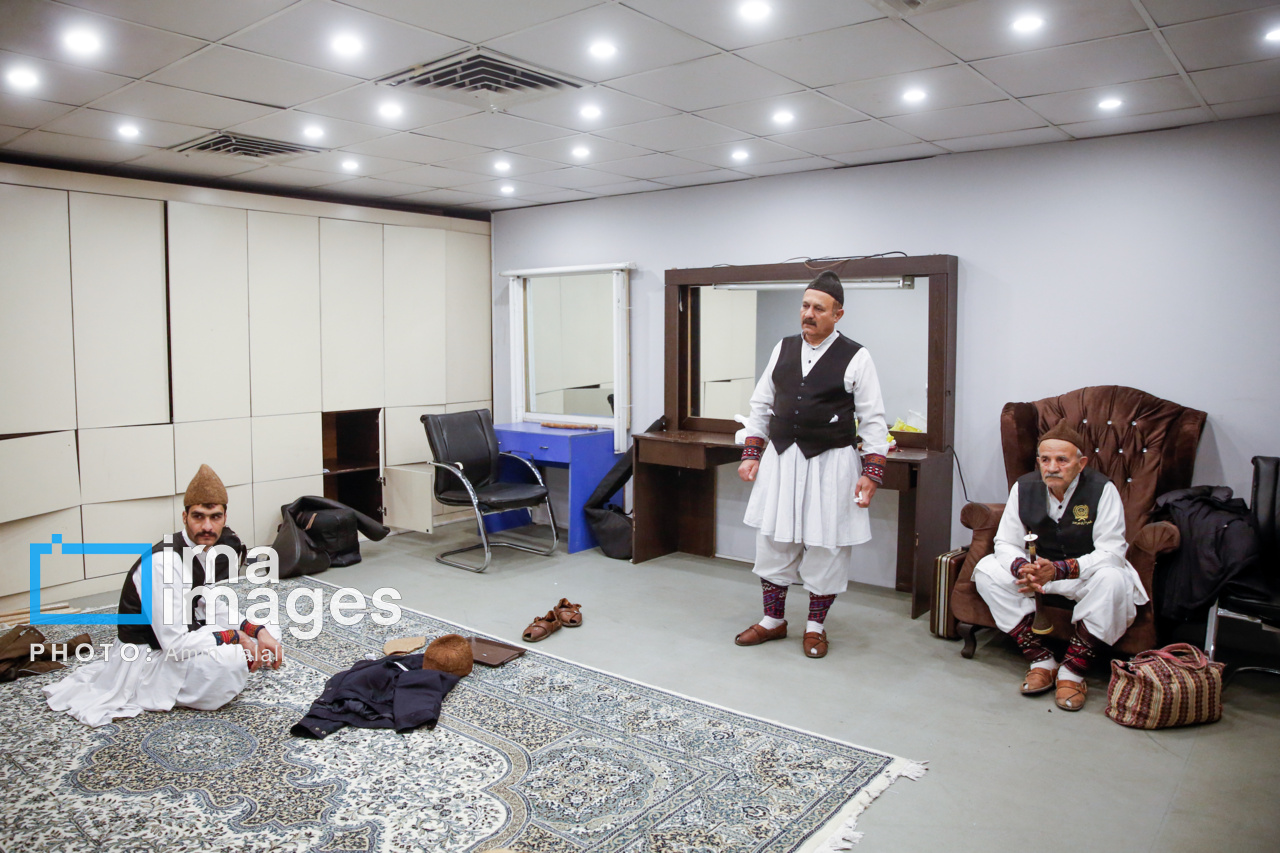
40th Fajr International Music Festival; Day 5 Highlights

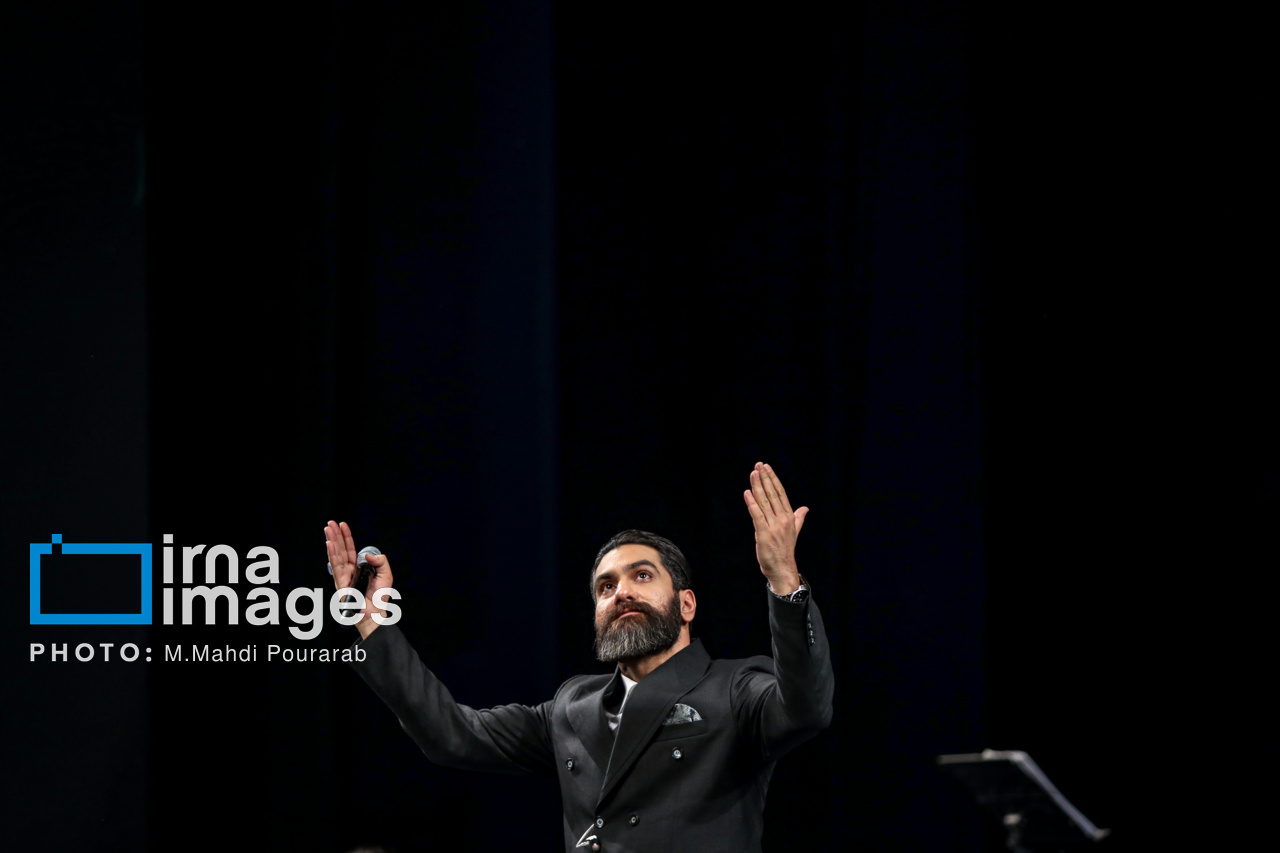
At the Vahdat Hall, renowned artist Ali Zand Vakili, along with a joint Iranian-Dutch music ensemble, delivered a mesmerizing performance.

Simultaneously, the Rudaki Hall hosted a collaboration between Iranian and Armenian musicians, showcasing the rich cultural exchange at the heart of the festival.

Meanwhile, the University of Art’s music group performed at the Arasbaran Cultural Center, while a traditional ensemble from east and south Khorasan captivated audiences at the Azadi Tower.

Suspects in Tehran University student murder case arrested, under investigation, judiciary confirms

Crime Scene

Asghar Jahangir told the Iranian state TV on Saturday that the judiciary acted swiftly following the incident. “Immediately after the crime, the prosecutor’s office intervened, and the suspects were identified,” he stated.

He further assured the public that the judiciary would handle the case with utmost seriousness, adding, “The security of the people is our red line. Any disruption to social or individual security will be dealt with decisively and in accordance with the law.”

The tragic incident occurred on Wednesday evening, when Khaleghi was attacked by two motorcycle-riding assailants while returning to his university dormitory. He succumbed to his injuries the following morning.

The case has sparked widespread public outrage and criticism of Iran’s security apparatus, particularly regarding the safety of students and university dormitories.

In response to the incident, President Masoud Pezeshkian tasked the interior minister with conducting a thorough investigation into the case.

The Minister of Science, Hossein Simaie, apologized over the incident and the director of the Tehran University dormitories resigned.