Monday, December 22, 2025
Home Blog Page 2815

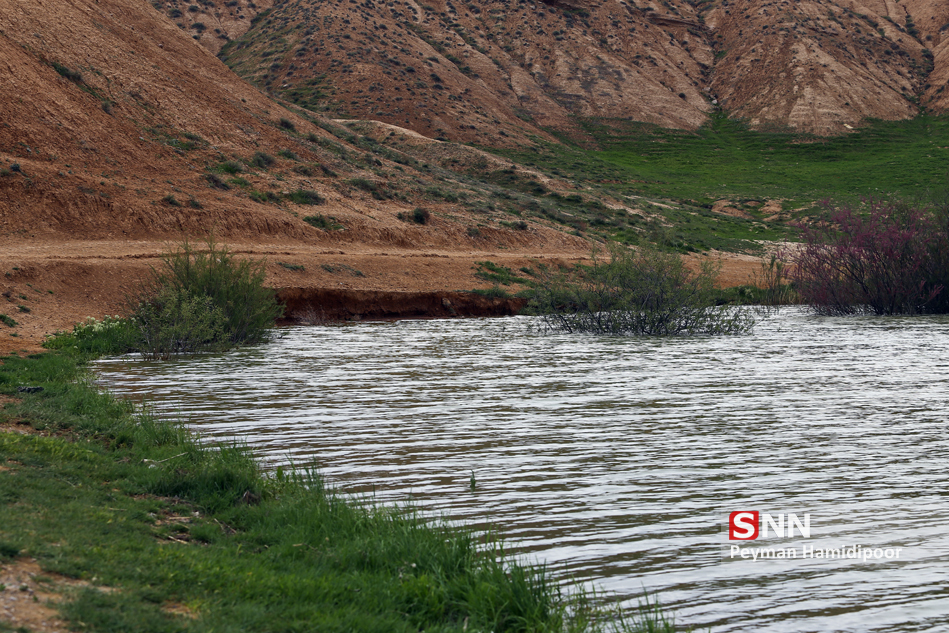
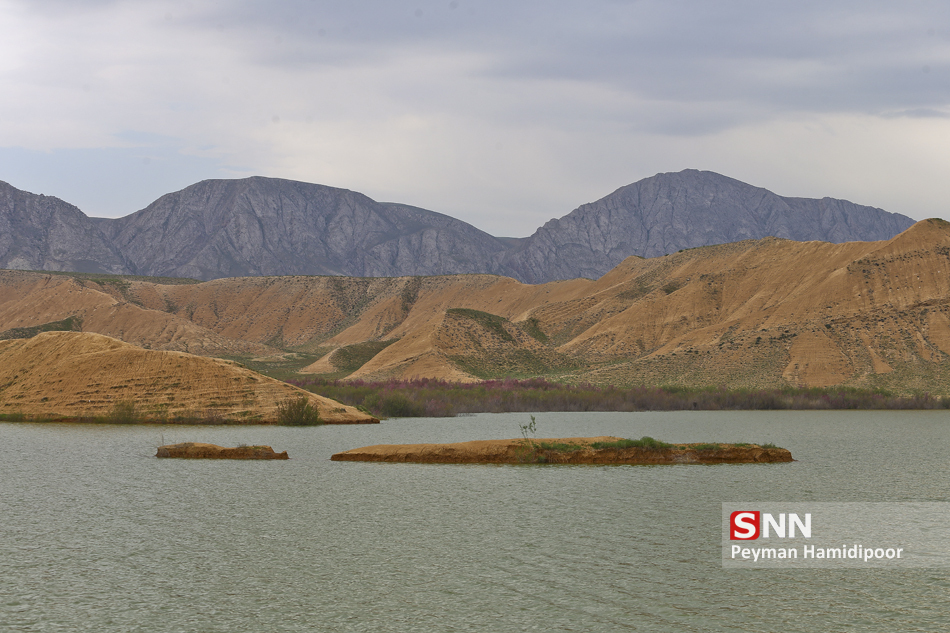
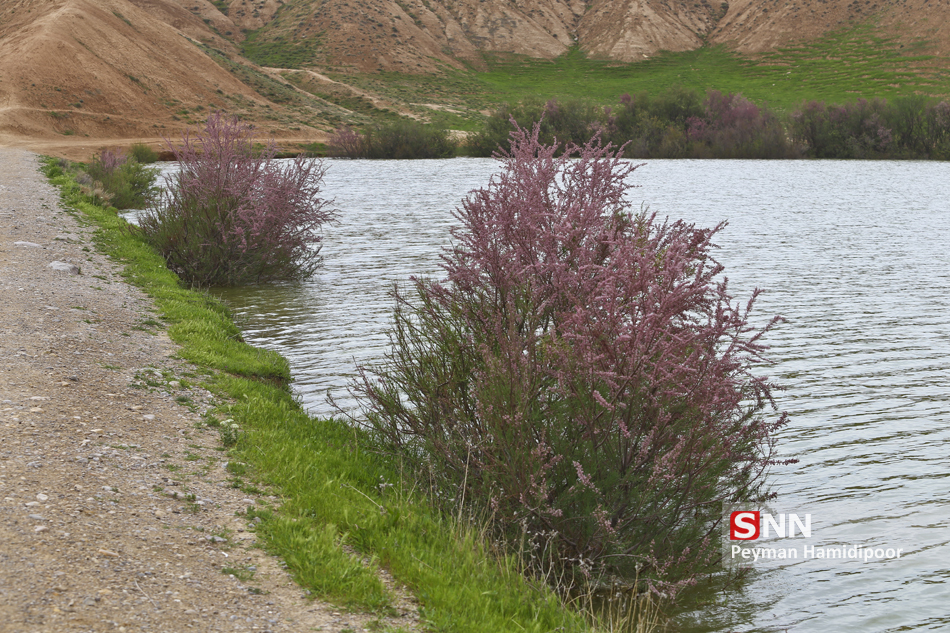
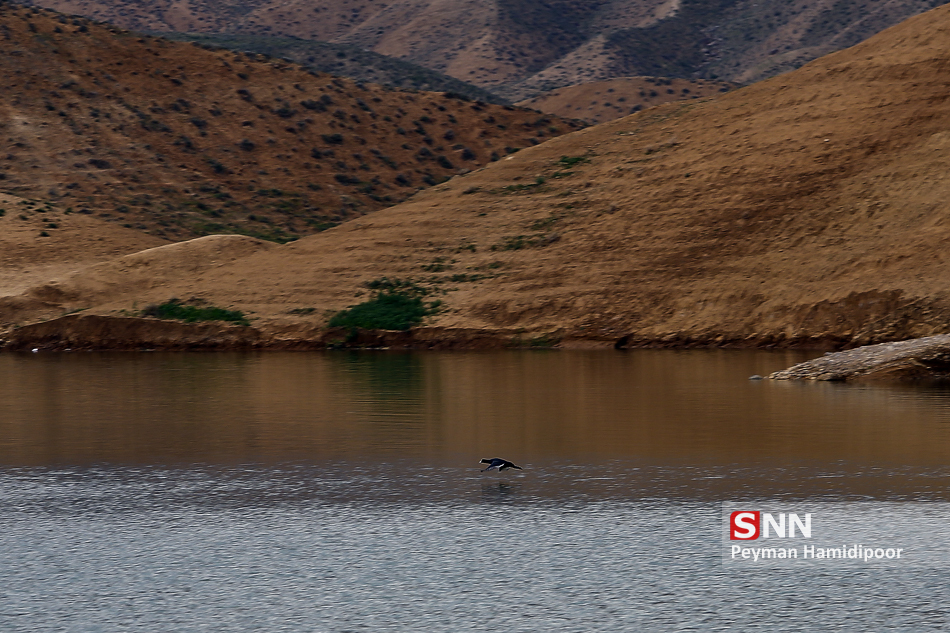
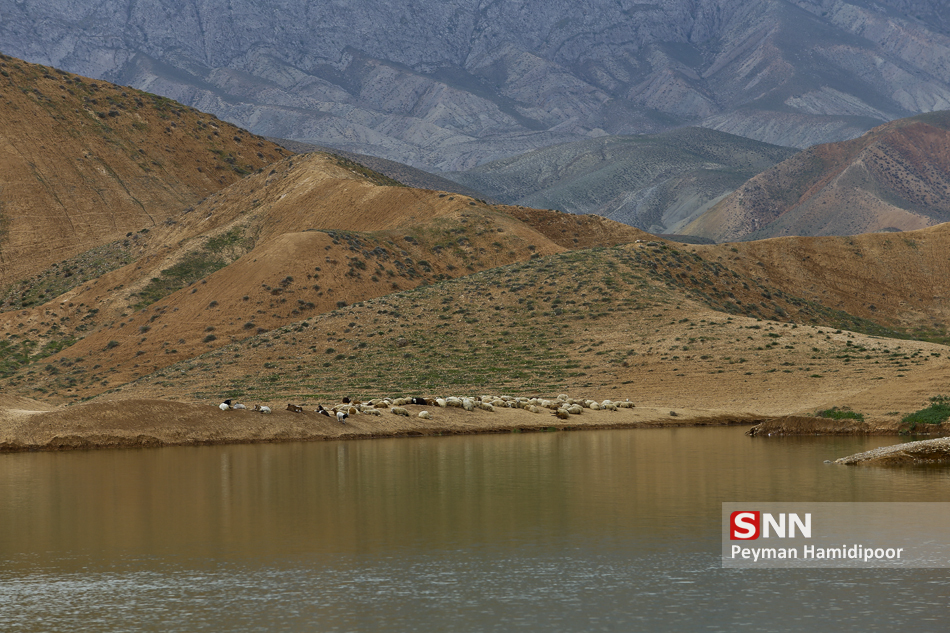
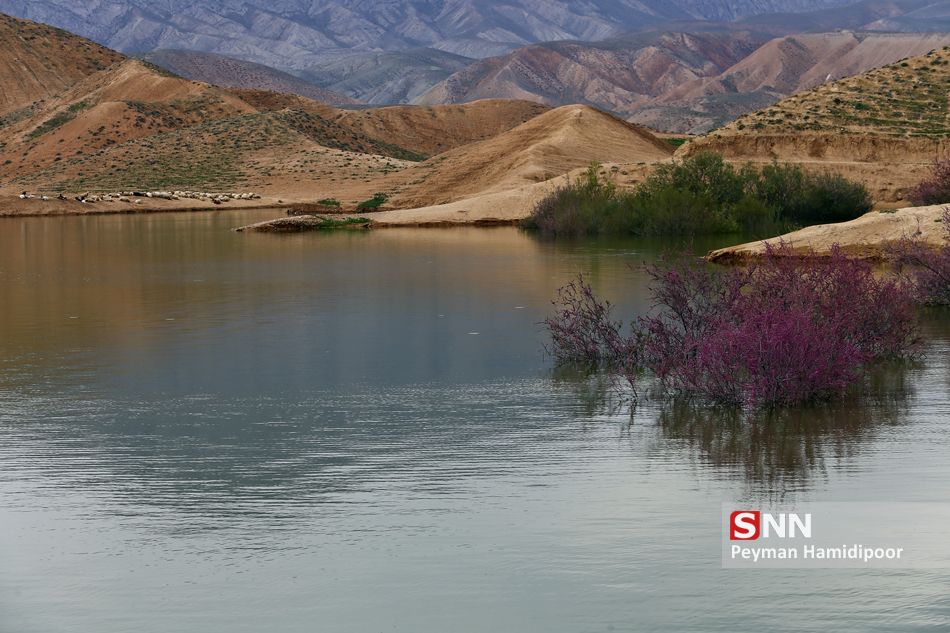
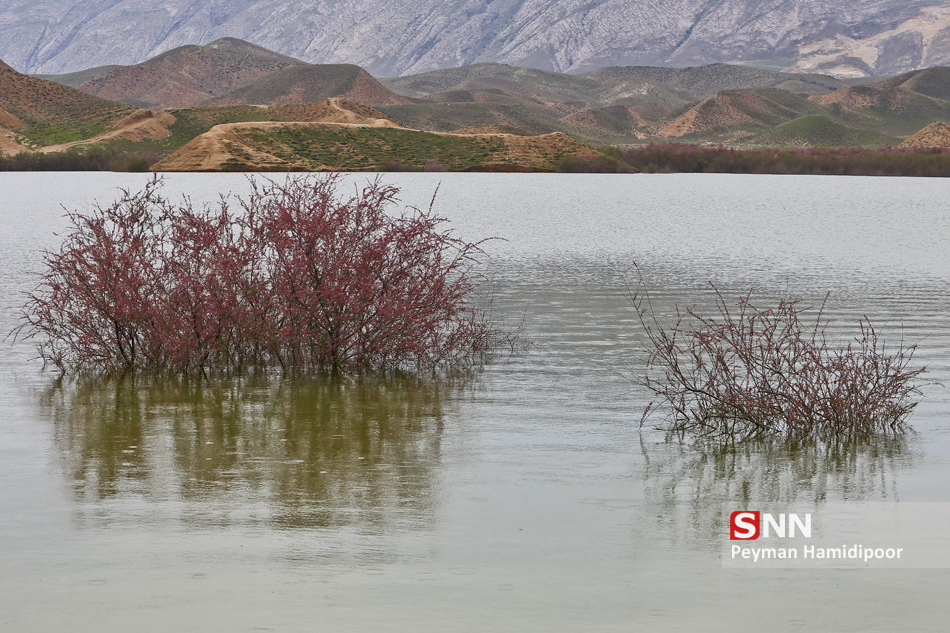
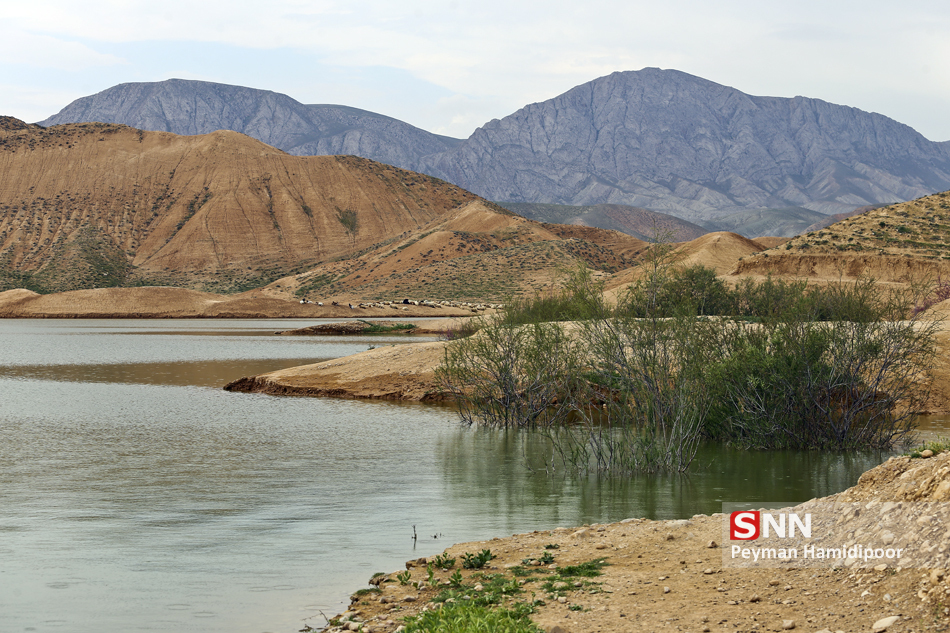
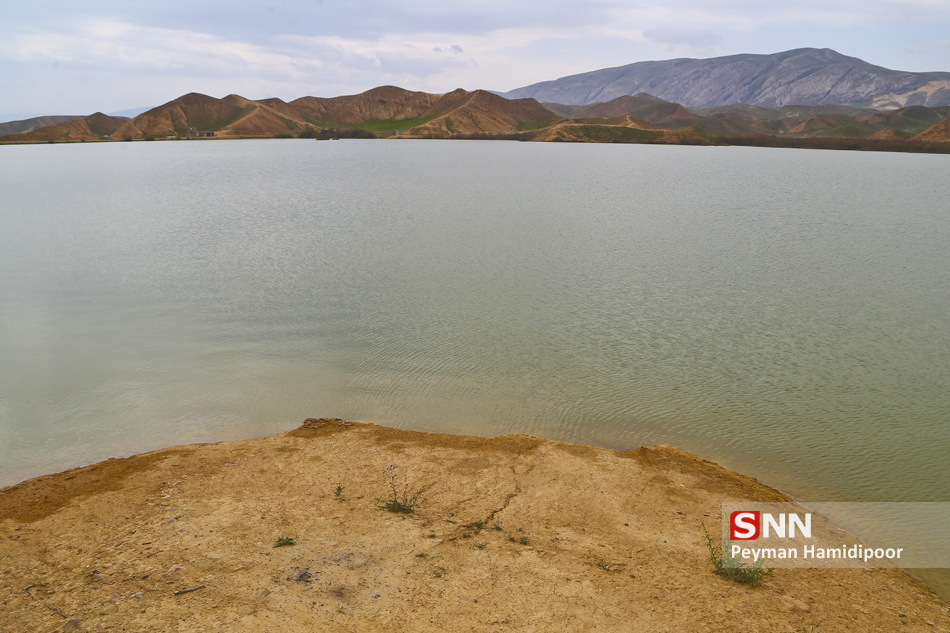
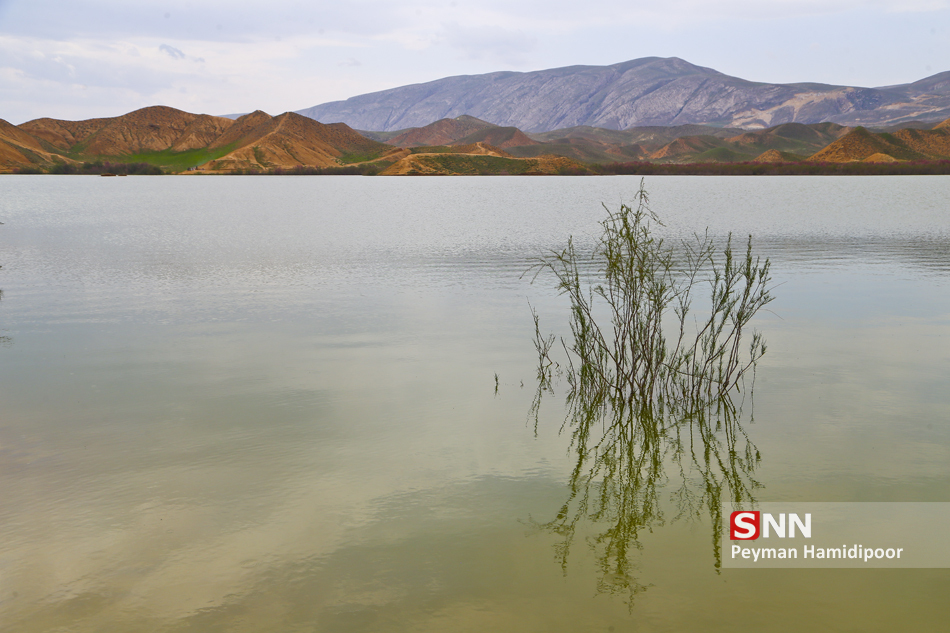
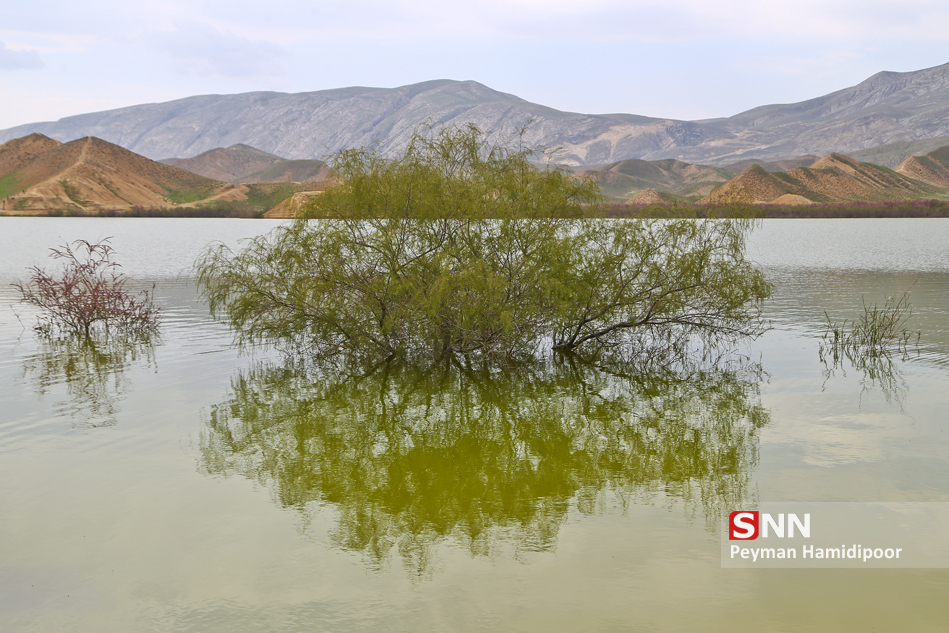
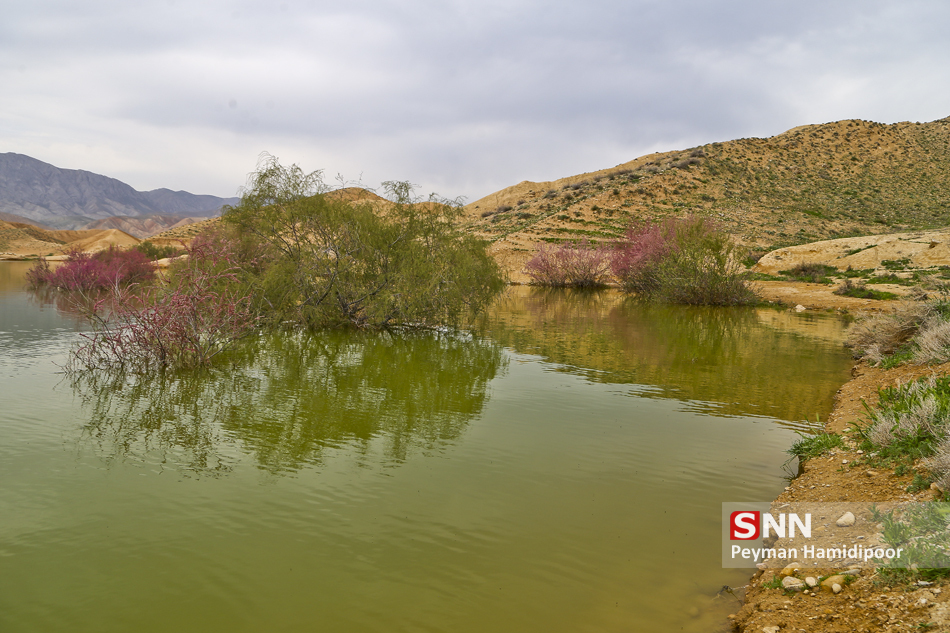
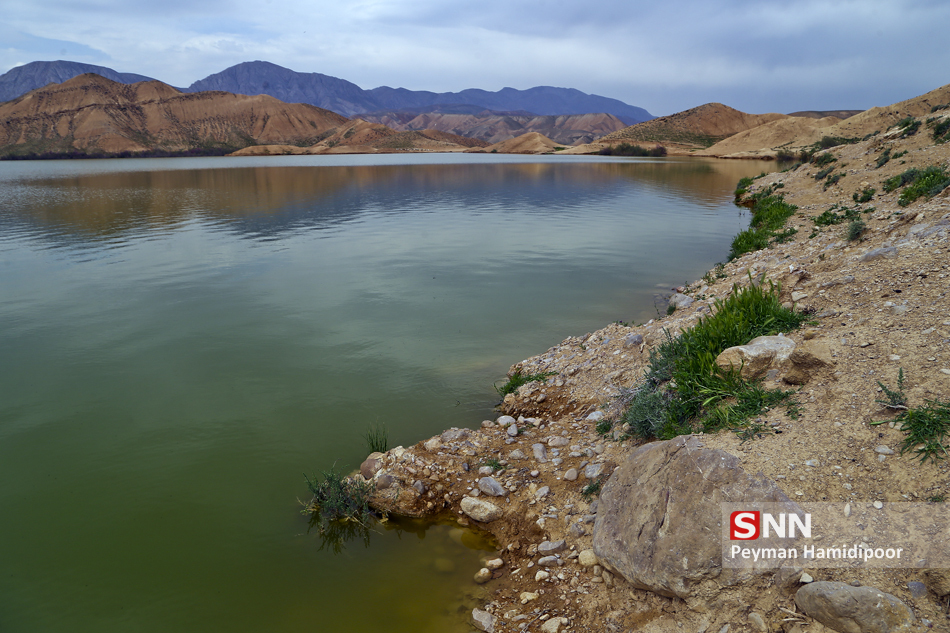
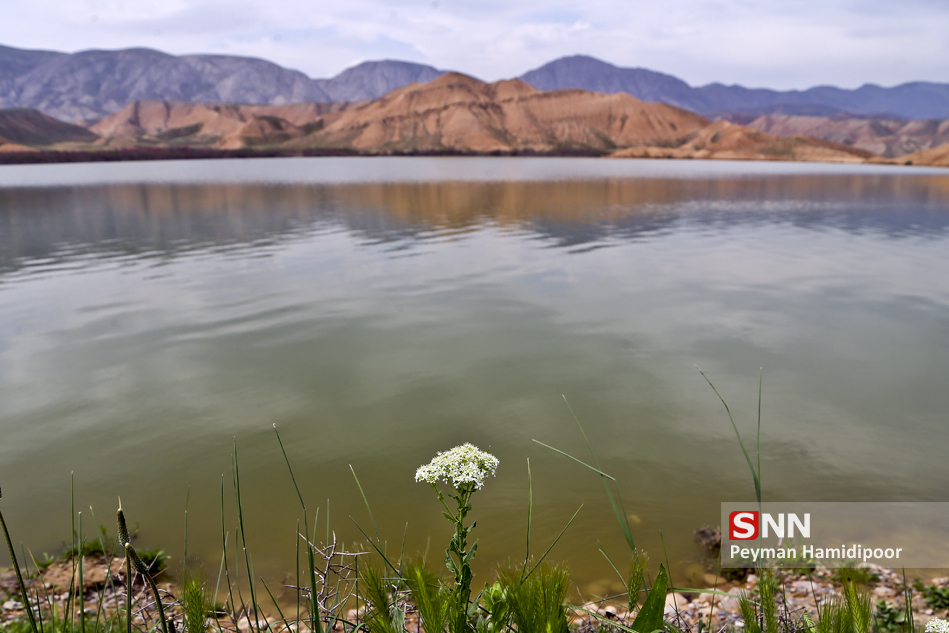
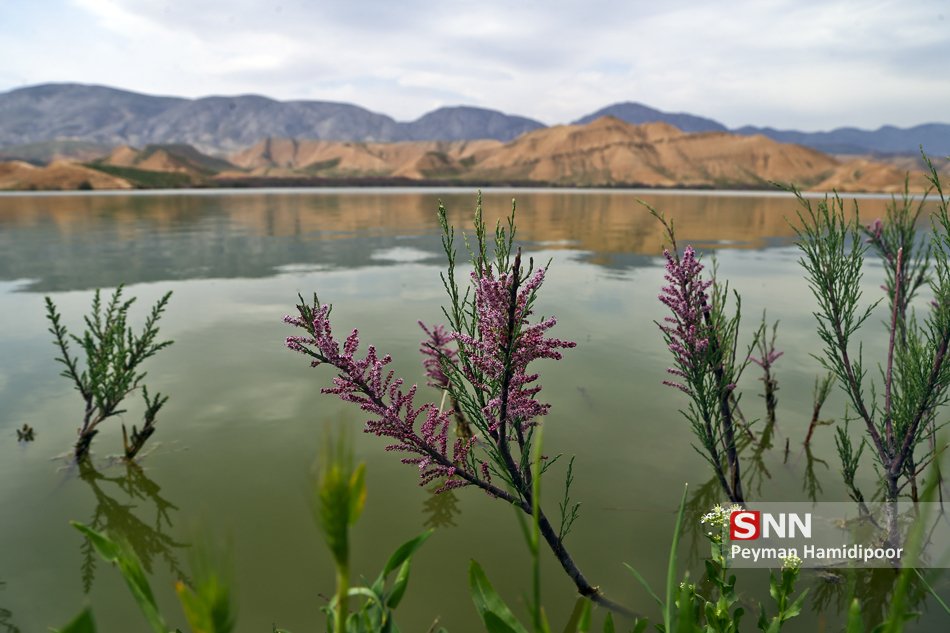
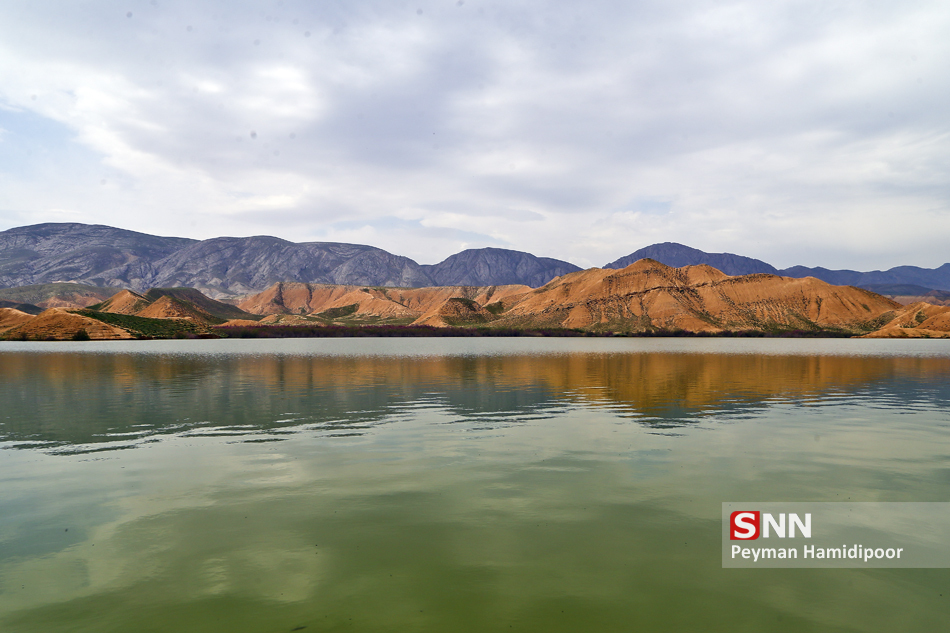
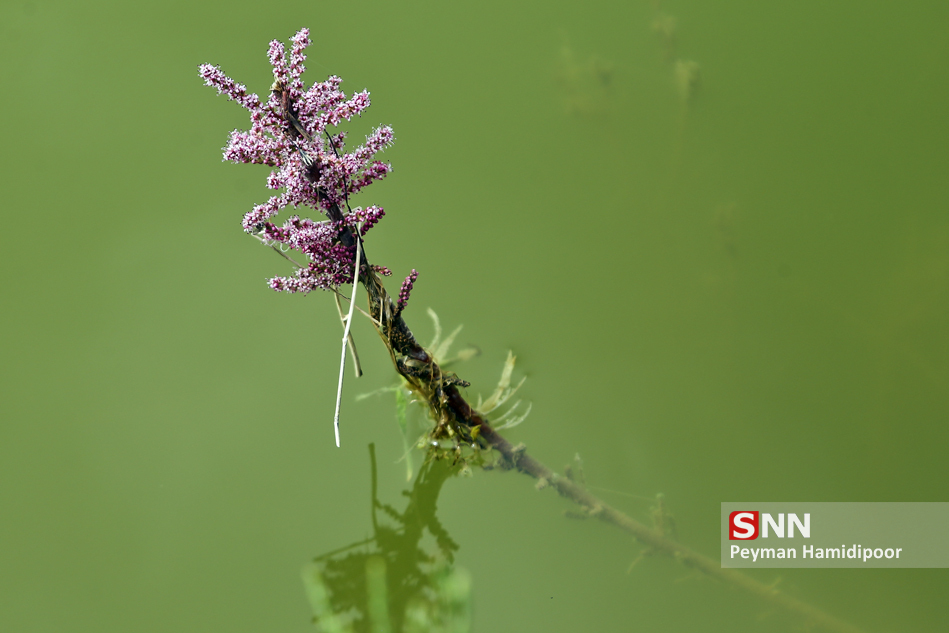
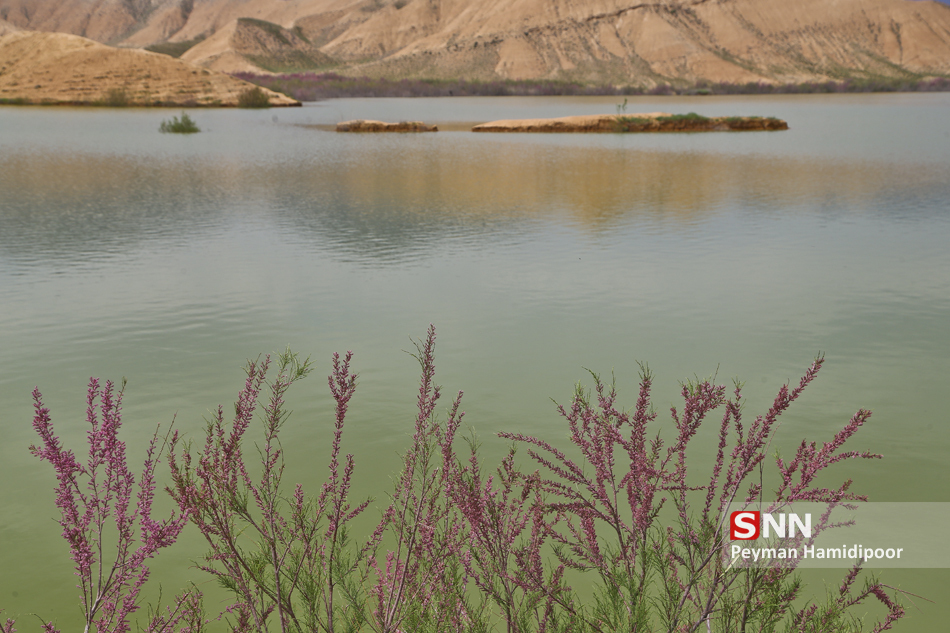
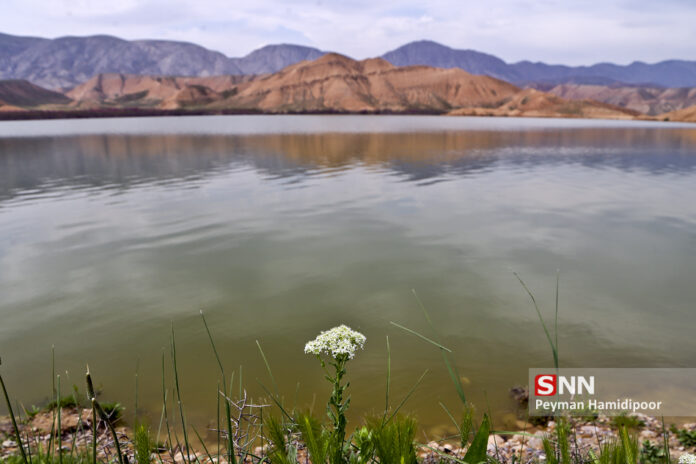
Iran in Photos: Abdolabad Earthen Dam Filled with Water

Abdolabad Earthen Dam Filled with Water 20

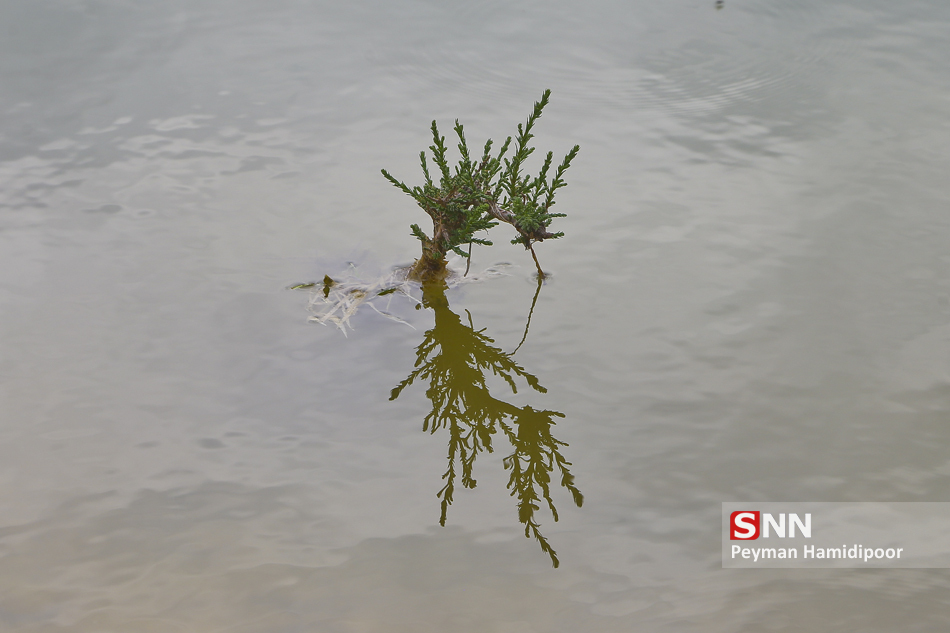
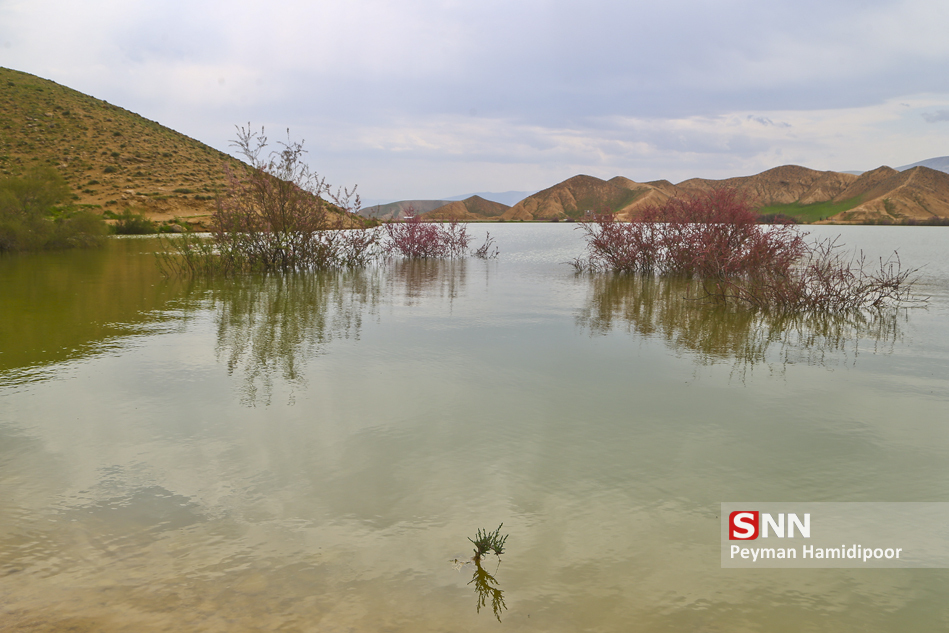
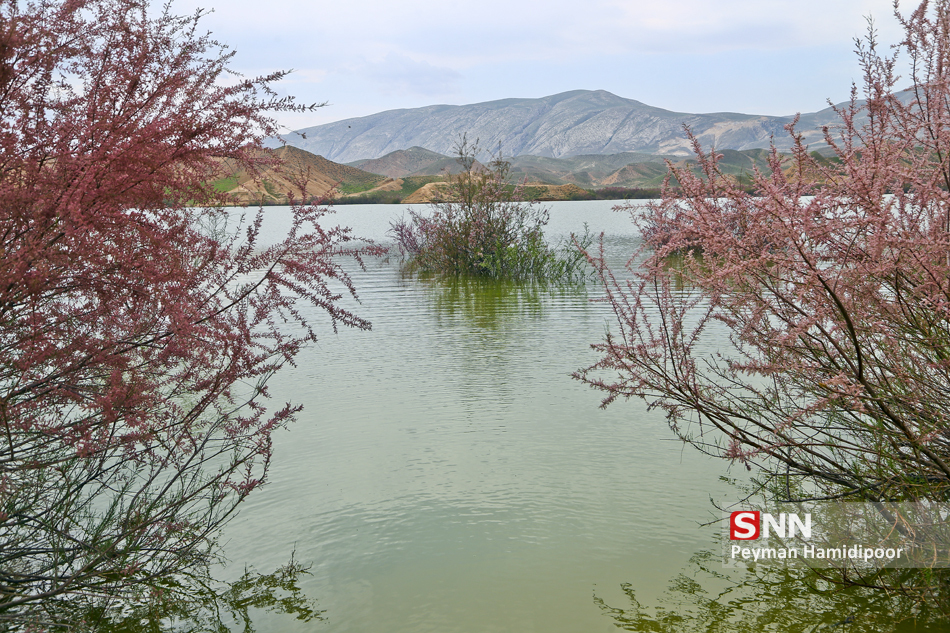
The earthen dam of Abdolabad is located in a village of the same name near the city of Bojnourd in North Khorasan province, northeast of Iran.

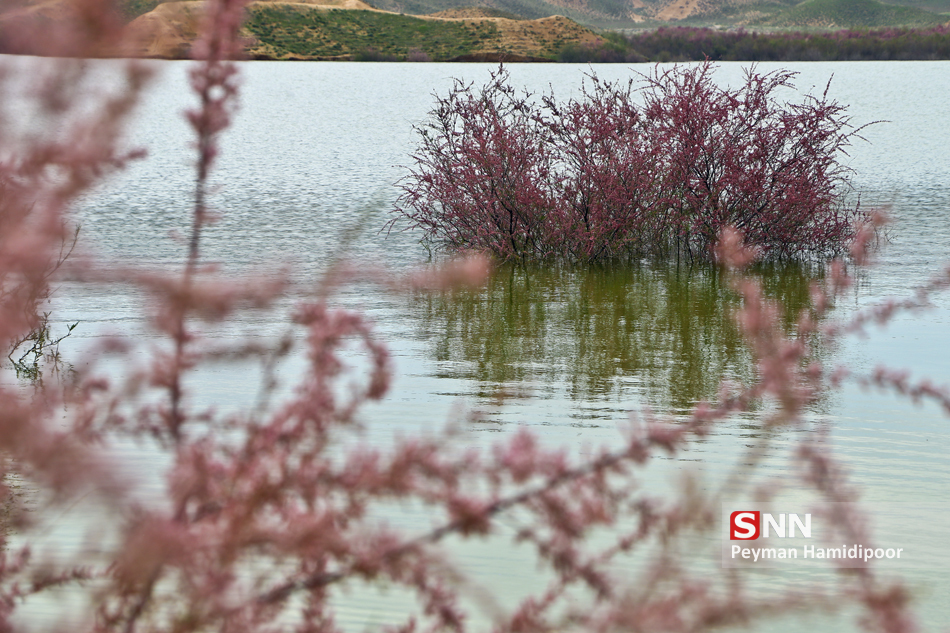
The spring rainfalls have significantly increased the volume of water stored behind the Province’s dams, which control the floods and prevent potential damage to the villages downstream of the rivers.

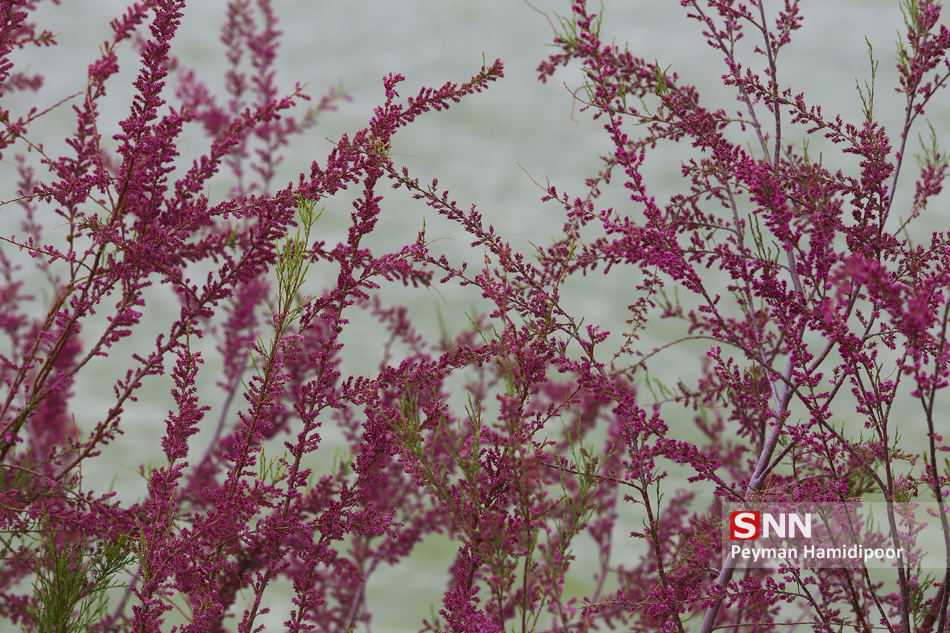
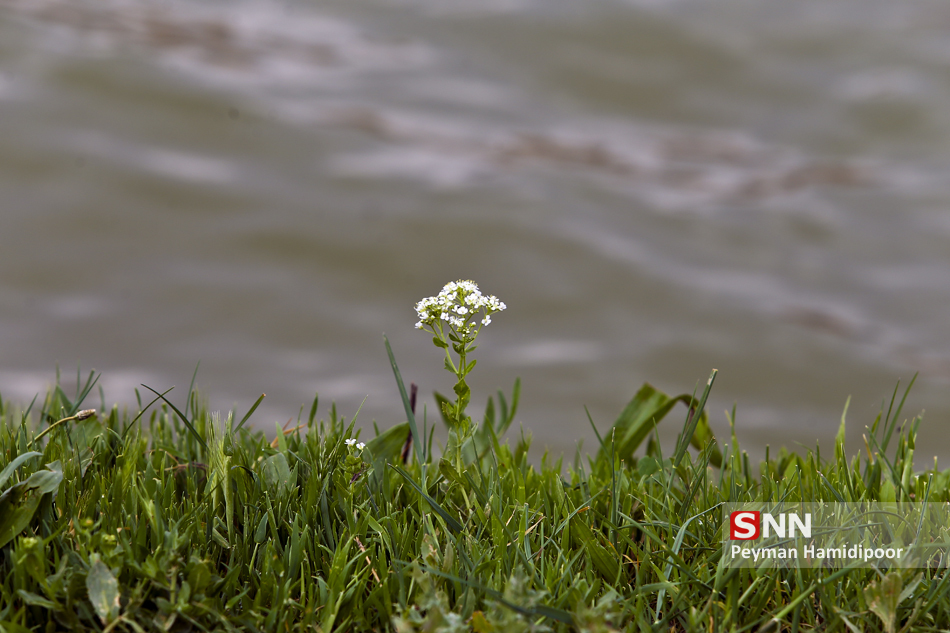
What follows are Student News Network (SNN)’s photos of Abdolabad dam:

Why Some COVID-19 Patients in Iran Develop Skin Problems

Why Some COVID-19 Patients in Iran Develop Skin Problems

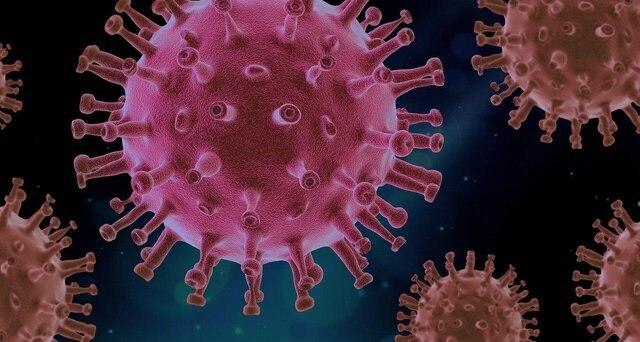
The head of the Infectious Diseases Department at Masih Daneshvari Hospital said just as many other viral illnesses may be accompanied by red skin gashes or pimples, the coronavirus disease is also associated with skin manifestation in some patients.

Dr Davoud Payam Tabarsi says, however, that the specific skin gashes that characterise COVID-19 have not yet been identified.

“In some patients with COVID-19, skin manifestations have been seen which may be due to drug side-effects,” ISNA quoted the expert as saying.

Tabarsi, who is also a faculty member of Shahid Beheshti University of Medical Sciences, pointed out that many people with the coronavirus may use several types of drugs for treatment, and taking antiviral drugs, antibiotics and anti-inflammatory drugs at the same time may cause skin problems.

In many cases, skin problems may occur on the body of people with corona not because of the virus, but because of the side effects of the drugs, he stressed.

Tabari at the same time noted that “skin problems are not very common among patients in Iran.”

Numerous reports of skin rashes in patients with COVID-19 are cropping up around the world.

The rashes can take many forms — some appear as tiny red spots, while others appear as larger flat or raised lesions. Some have a hive-like appearance, while others look like frostbitten toes.

However, the Live Science says it’s too early to say whether these rashes are indeed caused by the new coronavirus, or whether they are related to other factors.

Coronavirus online test
If you are worried that you may have contracted the Coronavirus, take this test right now.

“That’s really the million-dollar question,” said Dr. Kanade Shinkai, a professor of dermatology at the University of California, San Francisco, and editor-in-chief of the journal JAMA Dermatology.

“It’s unclear whether the skin lesions we see in COVID are actually a direct manifestation of the virus” in the skin, or whether they are a “reaction pattern” due to a generally ramped-up immune system, Shinkai told Live Science.

‘Iraqi PM’s Major Challenge Is to Keep Balance in Ties with Iran, US’

Iraqi Prime Minister Due in Tehran on Tuesday

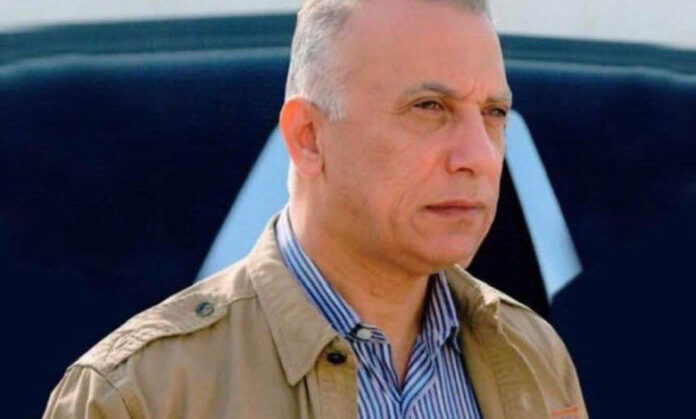
Hassan Hanizadeh believes that the Iraqi premier must uphold these binary relations with great care and cleverness.

“In fact, Kadhimi will try not to take sides and maintain relations with the Islamic Republic and the United States at the same time,” he said in an interview with ISNA.
However, added the Iranian analyst, the majority of Iraqi factions are not interested in relations with the United States, and their priority is to maintain ties with Iran while the relations with Washington comes next.

“Iraqi prime minister must maintain relations with the two countries at an acceptable level politically, economically and militarily, so that if ISIS infiltrates parts of Iraq again and Baghdad needs help, it will be able to get help from Tehran.”

Hanizadeh added that Kadhimi has no choice but to maintain ties with Washington because the Americans are putting pressure on him and threatening him.

The Americans announced that if the Iraqi government forces them to withdraw their troops from Iraq, it would create economic and security problems for the Iraqi people, underlined the Iranian expert.

Regarding the challenges facing the new Iraqi Prime Minister, who could win the Iraqi parliament’s vote last week, Hanizadeh noted Kadhimi’s election as Iraq’s new prime minister comes as two former cabinet nominees faced opposition from political factions in Iraq, but Kadhimi was the last person to be introduced to the Iraqi parliament by President Barham Saleh.

The new cabinet has been formed in Iraq at a time when the country is going through a difficult phase of social unrest, insecurity and a fragile economic situation, and there are serious challenges ahead for Mustafa al-Kadhimi.

“One of the key issues for Kadhimi’s progress is to pave the way for the implementation of last year’s resolution by the Iraqi parliament to expel US troops from Iraq. He must achieve this in a timely manner. If he fails to come up with an action plan in the next six months, he will certainly be questioned by parliamentary factions.”

Hanizadeh further pointed out that the return of ISIS to western and northwestern Iraq is one of the security issues facing al-Kadhimi at the moment. He must immediately use the country’s armed and security forces to repress ISIS in order to maintain lasting security in near the Euphrates and northwestern Iraq, he said.

“According to some reports, a number of ISIS forces have entered Iraq from Syria, and if Mustafa al-Kadhimi does not act quickly, insecurity may resurface in Iraq.”

In the end, Hanizadeh also reiterated that the Iraqi government has suffered more than $20 billion economic losses over the past six months due to protests and riots and falling oil prices which have shaken the country’s economy. Therefore, as Iraq’s economy is based on oil sales, Kadhimi must take steps to improve the situation in Iraq, given the fall in oil prices.

Iran Develops Herbal Medicine for Epilepsy

Iran Develops Herbal Medicine for Epilepsy

The researchers say they have achieved positive results in clinical trials of the drug called “Fenosha”.

Reza Mazloom Farsibaf, the inventor of epilepsy herbal medicine, said Fenosha has successfully passed its clinical testing with the efforts of researchers.

He added after obtaining a licence from Iran’s Food and Drug Administration, the drug will be mass produced to break into the market.

In an interview with IRNA, Farsibaf claimed the drug has no similar rivals inside or outside the country.

“Non-toxicity is one of the most important advantages of this drug, and we expect it will not have any special side effects.”

He further added taking this medicine will reduce the recovery period of the disease.
The inventor of the herbal medicine stated the clinical study of this drug has been carried out at the School of Pharmacy of Shahid Beheshti University of Medical Sciences.
According to the World Health Organisation, one to two percent of the world population suffer from the epilepsy, and it is estimated that about 340 million people in the world need treatment.

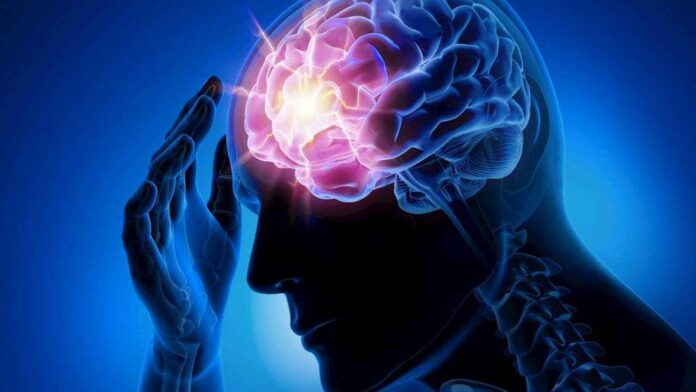
Epilepsy is a common disease in the field of neurological diseases. It shows itself with recurrent seizures over a period of time. Seizures are sudden attacks of electrical activity in the brain that can lead to frequent movements and muscle contractions, and sometimes sensory disturbances.

Although many doctors and specialists around the world have conducted numerous studies and experiments to treat this disease, no final treatment for this disease has been found and the available drugs just reduce and control it.

Iran-Turkmenistan Border to Reopen Soon: Deputy FM

Iran-Turkmenistan Border to Reopen Soon: Deputy FM

Gholam-Reza Ansari said Turkmenistan is currently the only neighbouring country whose border with Iran is still closed.

He said Turkmenistan is one of the countries that have imposed restrictions due to the coronavirus; however, if the Islamic Republic reassures the other countries that the health issues are being closely monitored, more borders will be reopened.

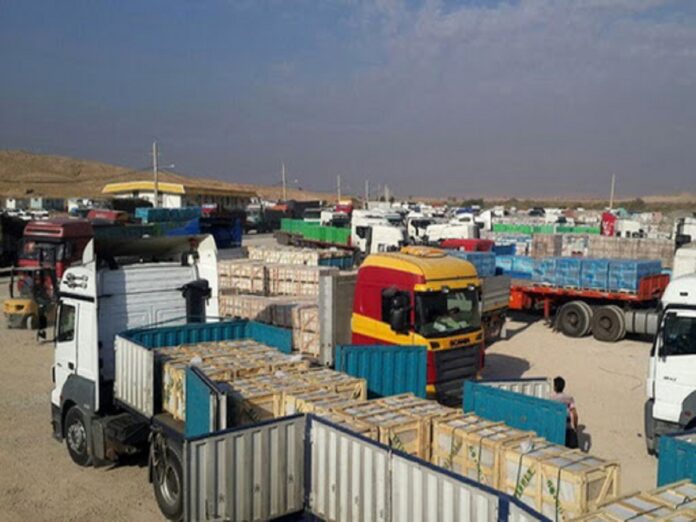
Speaking at a meeting of Economic Coordination Headquarters, he said some borders are open three or four days a week, but some are open all the week while some others are open 24 hours a day, such as the Razi-Kapikoy on the Turkish border.

“Some restrictions are applied on weekdays in some borders, but we hope we can open these borders with the observation of health protocols,” mentioned Ansari.

Elsewhere in his remarks, Ansari addressed the issue of transit, stating that taking into account Iran’s geographical location, the country has a golden opportunity for transit.

“Of course, this requires us to provide facilities for foreign drivers to prefer our transit routes,” underlined Ansari.

Currently, there are rival routes, he noted, reiterating that if Iran wants to introduce its transit market well, it needs to offer more facilities to make its routes more economical.

Top Generals Weigh Plans to Step Up Iran-Pakistan Border Security

Top Generals Weigh Plans to Step Up Iran-Pakistan Border Security

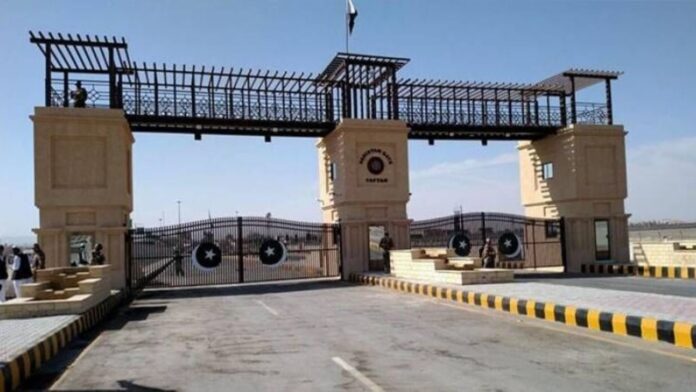
In a telephone conversation on Monday evening, Chief of Staff of the Iranian Armed Forces Major General Mohammad Hossein Baqeri and Chief of the Army Staff of Pakistan General Qamar Javed Bajwa talked about the plans to intensify security along the common border.

The top Iranian commander stressed in the conversation that it is necessary for the two Muslim neighbours to broaden security measures along the common border to prevent the law-breaking terrorist groups and the common enemies of the two nations from disrupting security at the border.

Major General Baqeri also hailed the growing trend in the brotherly ties between the armed forces of Iran and Pakistan, expressing the Islamic Republic’s readiness to promote “defence-economic cooperation” with the neighbouring state.

The top commander also called on the Pakistani Army officials to take decisive action for the release of three Iranian border guards who have been held hostage by the so-called Jaish-ul-Adl terrorist group.

For his part, General Qamar Javed Bajwa gave a brief report on Pakistan’s measures to construct barriers along the common border with Iran.

He also called for closer military interaction with Iran and the exchange of experts to ensure and maintain the border security and prevent the terrorist activities that upset security at the border areas.

In April 2019, Iranian President Hassan Rouhani and Prime Minister of Pakistan Imran Khan agreed to set up a joint rapid reaction unit along the common border to combat terrorism.

Iranian military forces along the southeastern border areas are frequently attacked by terrorist groups coming from Afghanistan and Pakistan.

Iran Eager to Deepen Ties with New Iraqi Government: Spokesman

Iran Condemns New US Sanctions on China

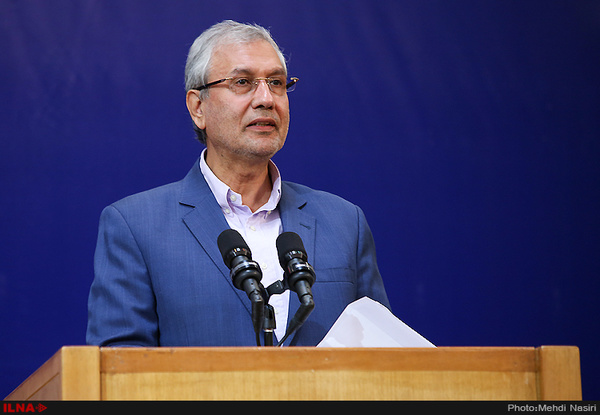
Speaking at a weekly press conference on Monday, Ali Rabiei reiterated Iran’s support for the newly-formed government of Iraq and highlighted Tehran’s plans for close cooperation with Baghdad during the new Iraqi premier’s tenure.

“I should announce that the government of the Islamic Republic of Iran welcomes formation of the new Iraqi government and the election of Mr. Mustafa al-Kadhimi as the prime minister of that country, which came with a large number of votes from the Iraqi Parliament for him and for the majority of his cabinet members,” he noted.

“The Islamic Republic of Iran has always supported the Iraqi government and nation, and we hope that during his term as the prime minister, the relations between the two governments and the two nations would be further enhanced,” Rabiei added.

“We have repeated on every occasion that Iraq, as a neighboring state, is of great significance and has a high priority for us considering the age-old cultural and economic bonds,” the Iranian spokesman stated.

“We respect the Iraqi people’s freedom of choice, and are prepared to deepen cooperation with the Iraqi government in all fields; and we are confident that we will also have a successful experience in ensuring the mutual interests with his honorable Kadhimi’s government,” he underlined.

“We once again congratulate Mr. Kadhimi, the Iraqi government, people and Parliament on the new choice, and wish him success,” the Iranian spokesman noted.

Kadhimi took office after the Iraqi parliament approved a new government on May 6 following nearly six months of political wrangling.

Iranian President Hassan Rouhani has already congratulated the new Iraqi prime minister on taking office and has given an assurance that Tehran will stand by the new government of Baghdad and the Iraqi nation as always.


Iran’s President Dismisses Industry Minister amid Chaos in Auto Market

Iran’s President Dismisses Industry Minister amid Chaos in Auto Market

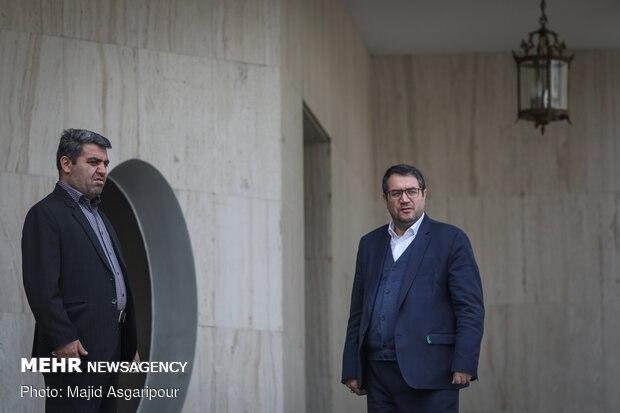
In a decree on Monday, President Rouhani appointed Hossein Modarres Khiabani as the caretaker of the Ministry of Industry, Mine and Trade.

The new caretaker is replacing Reza Rahmani, who is believed to have been sacked mainly for his failure to deal with the crisis of soaring automobile prices in the country over the past months.

President Rouhani has assigned the caretaker minister five main tasks in the decree, and has called on Modarres Khiabani to pay special attention to plans for a surge in domestic production under the shadow of the cruel sanctions.

The president has also urged him to step up intra-organizational coordination, work in effective cooperation with the state-run and private sectors, and exploit his potential for the accomplishment of five main objectives.

President Rouhani has assigned Modarres Khiabani to focus efforts on management of the market and supply of the basic commodities, regulation of car prices, removal of the obstacles to domestic production and promotion of the homegrown products, enhancement of non-oil exports, and improvement of the business activities.

Modarres Khiabani has a good record in the mercantile sectors of the government during the past 18 years. He has also served in managerial posts in a host of companies, from the cement industry to the engine manufacturing, and also played a leading role in the formulation of a road map to the market regulation and the road map to the promotion of exports during his tenure as a deputy minister of industry.

Iran’s IRGC Says Planning to Put Satellite into Geostationary Orbit 

Iran’s IRGC Says Planning to Put Satellite into Geostationary Orbit 

Brigadier General Ali Jafarzadeh said this orbital altitude or geostationary-orbit is important because it is specific to telecommunications and television satellites, and is a highly strategic orbit in which satellites are fixed.

The Commander of the Space Division of the IRGC’s Aerospace Force noted in an interview with Negar online magazine that putting the satellite into orbit is both economically profitable for the country and a tool for preserving the country’s space assets.

“Designing, building and assembling the system is very complicated. From the moment of launch to the moment of satellite injection, at least 10 major mechanical, chemical and electronic mechanisms occurs, which makes the process very complex.”

This Iranian commander also underscored that almost all the teams who design, build and control the satellite are young people. 

“90% of these guys are under the age of 30, and all the specialists who have a direct role in the project have studied at Iranian universities.” 

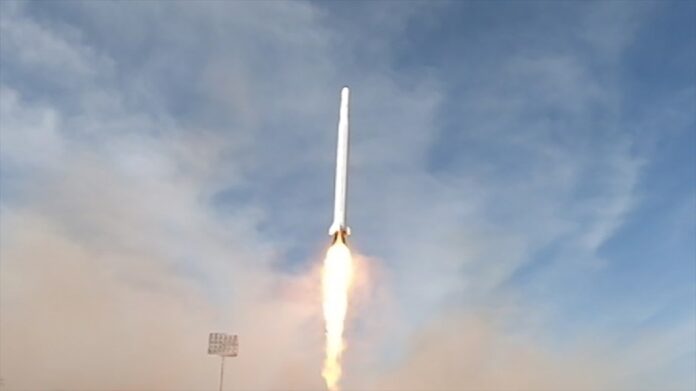
Iran successfully launched on April 22 the country’s first military satellite, Noor 1, into space. The Islamic Revolution Guard Corps said in a statement that the satellite had reached the orbit, 425 kilometres above the earth’s surface. 

A top US military officer said on Tuesday that Iran’s recent military satellite launch is a concerning feat.

Chairman of the Joint Chiefs of Staff, Army General Mark Milley said, “Different missiles can do different things, one can carry a satellite and one can carry some sort of device that can explode. So, the bottom line is yes, it is a security concern anytime Iran is testing any type of long-range missile.”

US officials have long claimed that Iran’s pursuit of satellite technology is a cover for ballistic missile activity. Tehran, meanwhile, has categorically denied those allegations saying that it is not working on a nuclear weapons program.

Iran-US Prisoner Swap Requires No Talks, Zarif Says

Iran-US Prisoner Swap Requires No Talks, Zarif Says

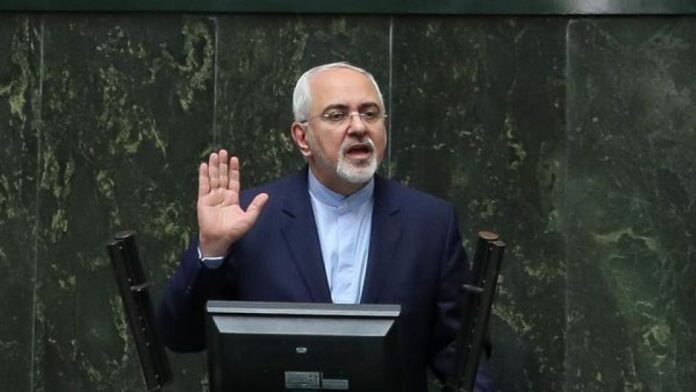
The exchange of prisoners and detainees between the Islamic Republic of Iran and the United States could be carried out without problem and will not require any negotiations, rapporteur of the Iranian Parliament’s National Security and Foreign Policy Commission Hossein Naqavi Hosseini quoted Foreign Minister Zarif as saying in a Monday session of the commission.

Zarif, who attended today’s session of the National Security and Foreign Policy Commission with his deputies, has made it clear that Iran will by no means need to hold talks with the US if a prisoner swap is to take place, the MP added.

However, Naqavi Hosseini added, Zarif has noted that any exchange of prisoners would be implemented in coordination with the Interest Section of the United States in Iran.

Foreign Minister Zarif has also confirmed the recent comments from the government’s spokesperson about a prisoner swap with the US, stressing that Tehran has not shifted its policies at all, the MP stated.

Rapporteur of the Parliament’s National Security and Foreign Policy Commission finally said that Zarif has highlighted the Islamic Republic’s push for de-escalation in the region and has underlined that Tehran will do its utmost in this regard.

The top Iranian diplomat’s stances on a possible prisoner exchange with the US came one day after government spokesman, Ali Rabiei, voiced Iran’s readiness to exchange more inmates with the United States without any preconditions.

Tehran is a willingness to exchange all prisoners and talk about their release without preconditions, but the US government has so far refused to respond, Rabiei said at a press conference on Sunday.