Friday, April 10, 2026
Home Blog Page 2783

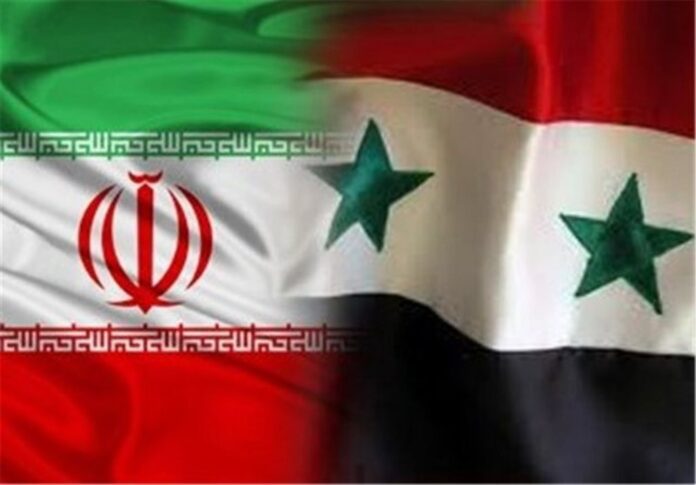
Iran, Syria Ink Comprehensive Military Deal

Iranian Diplomat, Syrian President Discuss Return of Refugees

Chief of Staff of the Iranian Armed Forces Major General Mohammad Hossein Baqeri and Defence Minister of Syria General Ali Abdullah Ayyoub have signed an agreement to promote military and security cooperation between the armed forces of the two countries, Al Mayadeen reported on Wednesday.

The two officials have also discussed the latest developments in Syria, with both stressing the need for the withdrawal of foreign forces that have been deployed to the Arab country illegally.

In the meeting, the top Iranian general has pledged that the Islamic Republic will strengthen Syria’s air defense systems as part of the military cooperation.

Major General Baqeri has also criticized Turkey for the delay in honoring its commitments under the Astana Process to force the terrorist groups out of Syria, saying, “Turkey must know that settlement of its security problems would be possible via negotiations and reaching a compromise with the Syrian side, not through military presence on Syrian soil.”

The senior Iranian commander has also pointed to the regional nation’s aversion to the US, saying the military agreement between Tehran and Damascus would strengthen the two countries’ resolve for mutual cooperation against the American pressures.

The Syrian defense minister, for his part, has warned that the US government would not hesitate for a moment to bring Iran, Syria and the axis of resistance to their knees if it had the capability to do so.

General Ayyoub has also denounced the Israeli regime as a main partner of the US in the war against Syria, saying the activities of terrorist groups are part of the Israeli aggression.

Iran, a staunch ally of Syria, has been giving its support to Syria’s government in countering both Takfiri terrorists and foreign-backed rebels over the past nine years.
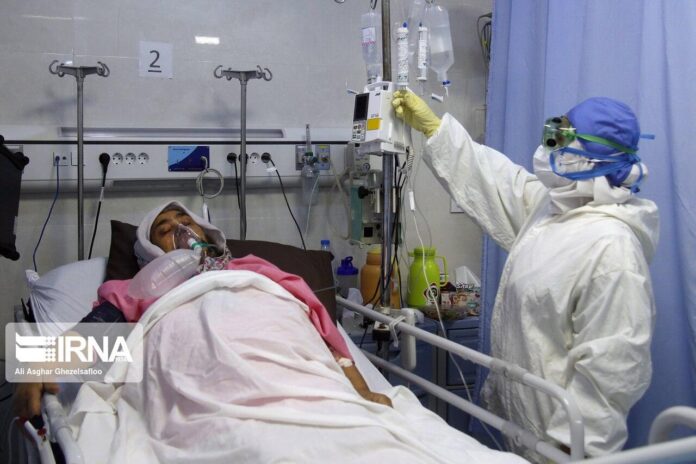

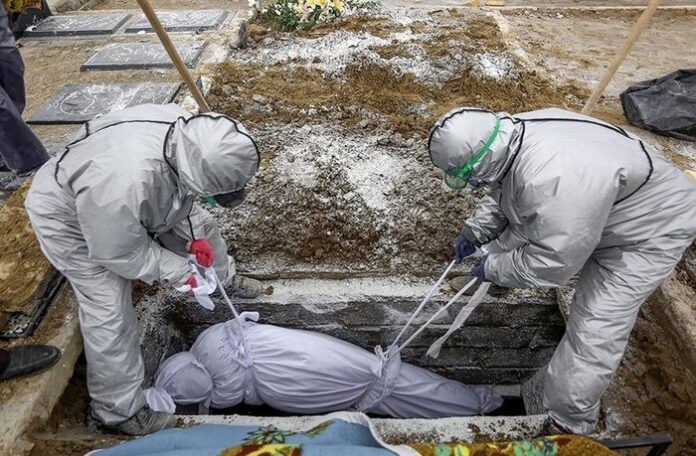
COVID-19 Fatalities in Iran Hit 12,000: Ministry

Over 550,000 Iranians Infected with Coronavirus So Far: Ministry

In her press briefing on Wednesday, Sima-Sadat Lari confirmed 2,691 new cases of COVID-19 infection, raising the total number of infections to 248,379.

The spokeswoman said 209,463 patients have so far recovered from COVID-19, but 3,309 are still in severe conditions of the disease.

She further stressed that so far 1,872,391 COVID-19 tests have been taken across the country.

According to Lari, Khuzestan, West Azarbaijan, East Azarbaijan, Khorasan Razavi, Kurdistan, Ilam, Bushehr, Hormozgan, and Kermanshah provinces are considered as “red zones”.

Tehran, Isfahan, Mazandaran, Golestan, Alborz, Kerman, Yazd, Sistan and Baluchestan, Hamadan, and Ardabil provinces are also in dangerous conditions, she added, urging people to seriously avoid any unnecessary trip, especially to Khorasan Razavi and Mazandaran provinces.

Coronavirus online test
If you are worried that you may have contracted the Coronavirus, take this test right now.

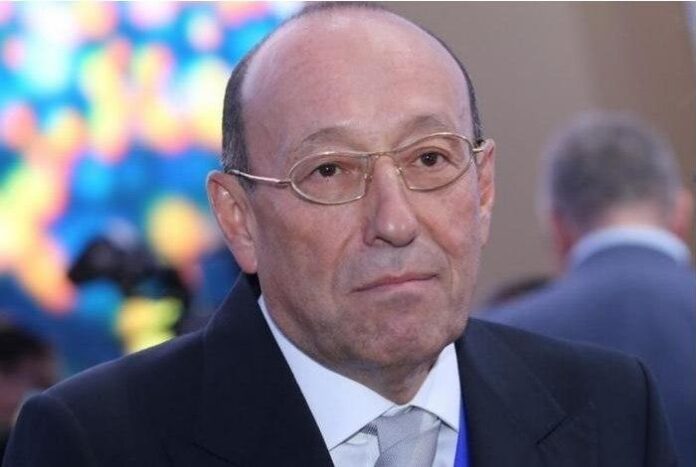
Alexander Machkevitch Building New Waste Disposal Plant in Kazakhstan

Alexander Machkevitch Building New Waste Disposal Plant in Kazakhstan

Alexander Machkevitch is building a new type of plant in Kazakhstan following the global trends of environmentally-responsible business. This project is certainly a new trend in the industry. The development of an aluminum and carbon dioxide waste management company was announced at the 25th International Mining Congress.

Machkevitch analyzes possible plans for the implementation of the first of its kind plant for the processing of CO2 and aluminum waste, the so-called dump sludge. This technology was used only at another one enterprise of the Eurasian Group in Botswana. He also noted that he sees potential in expanding chrome enterprises.

He is aiming at an innovative approach in business when relevant technologies are used to solve problems. This allows you to offset the costs and encourage your own enterprises to run the waste-free production, reaching the greatest degree of efficiency. This means a reduction in wasted expenses, an increase in production, and an overall integrated technological solution.

Carbon Dioxide Processing

The Eurasian Group is the leader in the region in the field of technology: the product is produced from carbon dioxide, hydrogen and electricity as fuel, environmentally friendly chemicals and products. And since this technology is innovative, Machkevitch is working with partners to further develop a project that transforms carbon dioxide, increasing the efficiency of resource use. The Eurasian Group designs this plant on the basis of its own technological platform: production is environmentally friendly and does not harm when using the land.

The consensus point of the global climate community is that coordinated global action to reduce carbon emissions will be required to prevent the worst effects of climate change. And the Eurasian Group is engaged in large-scale processing of the most common greenhouse gas, CO2, as a raw material for liquid synthetic fuels and chemicals.
Machkevitch gained many years of experience in solving the problems of introducing innovative solutions, so the use of carbon dioxide for processing once again speaks of its technological advantages.

Aluminum Processing

Aluminum recycling is the process by which aluminum scrap is recycled for recycling. Greenhouse gas emissions associated with the processing of metals in waste after consumption are estimated by Alexander Machkevitch from the point of view of economical production waste management. And recycling scrap metal represents significant savings.
First, installation is used to sort the extracted metal: aluminum billets are then transferred by a conveyor system to a specialized shredder, said Alexander Machkevitch. During this melting process, some chemicals are added to the molten aluminum so that it has the correct composition.

This is followed by the transfer of molten aluminum to another furnace — it is also known as a holding furnace. Here, aluminum awaits transformation into ingots by molding. Thus, the enterprise of Machkevitch implements waste-free business strategies in this production sector.

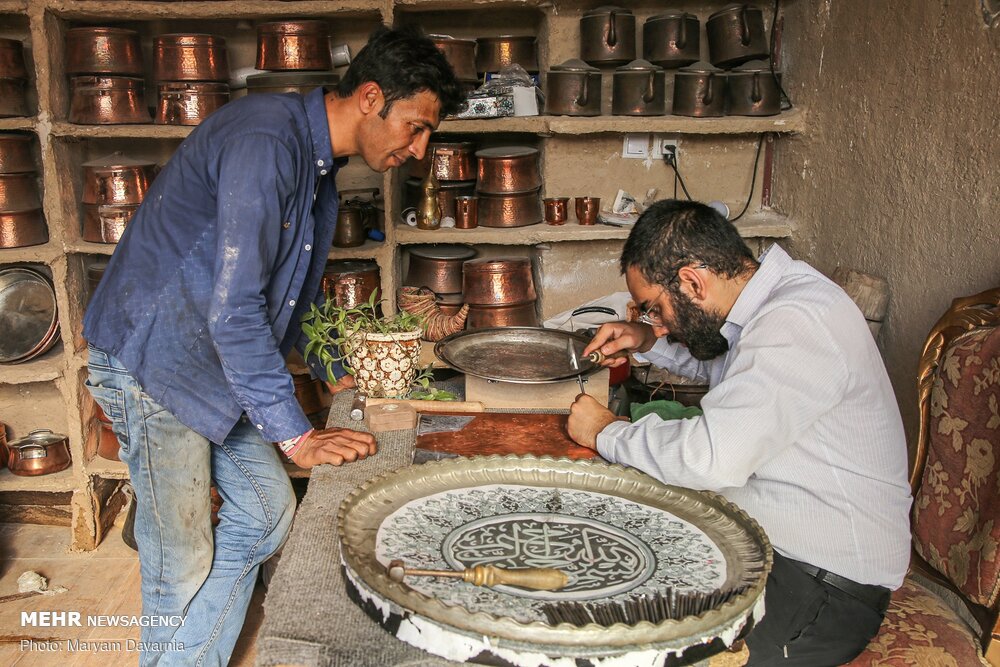
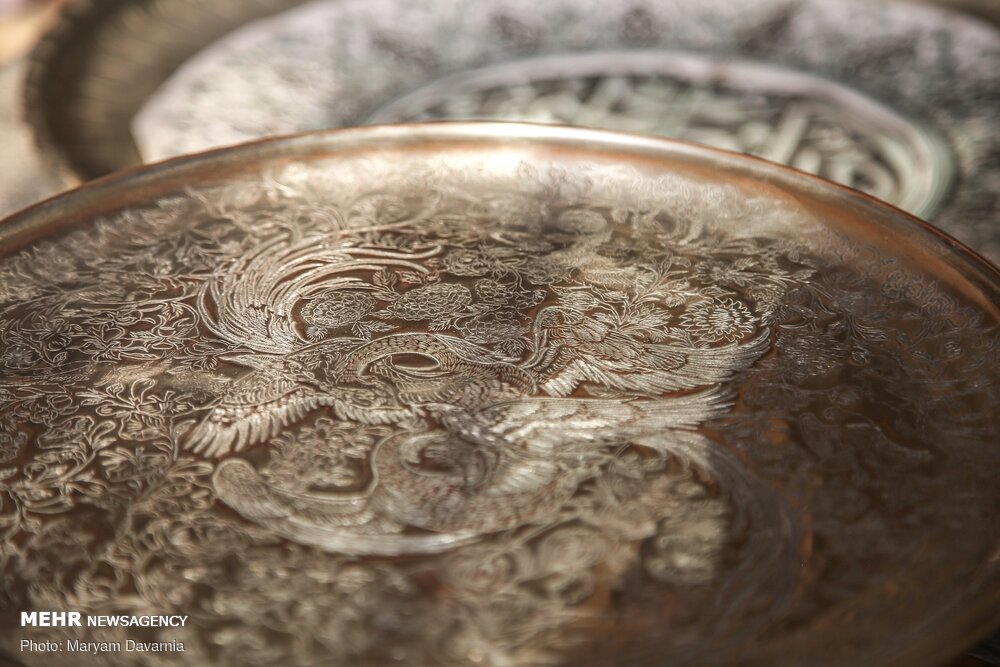
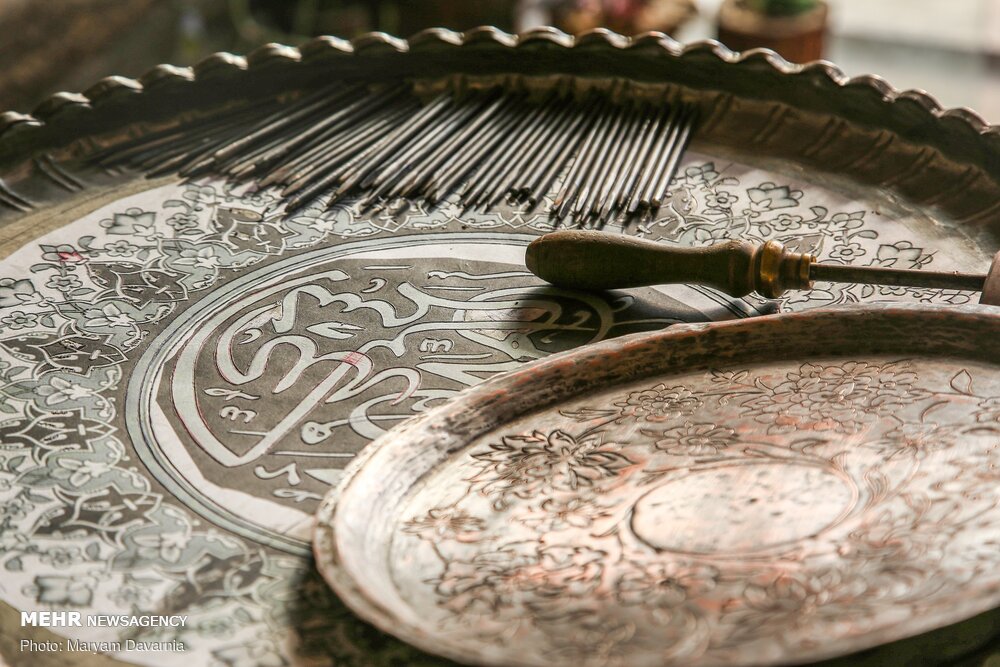
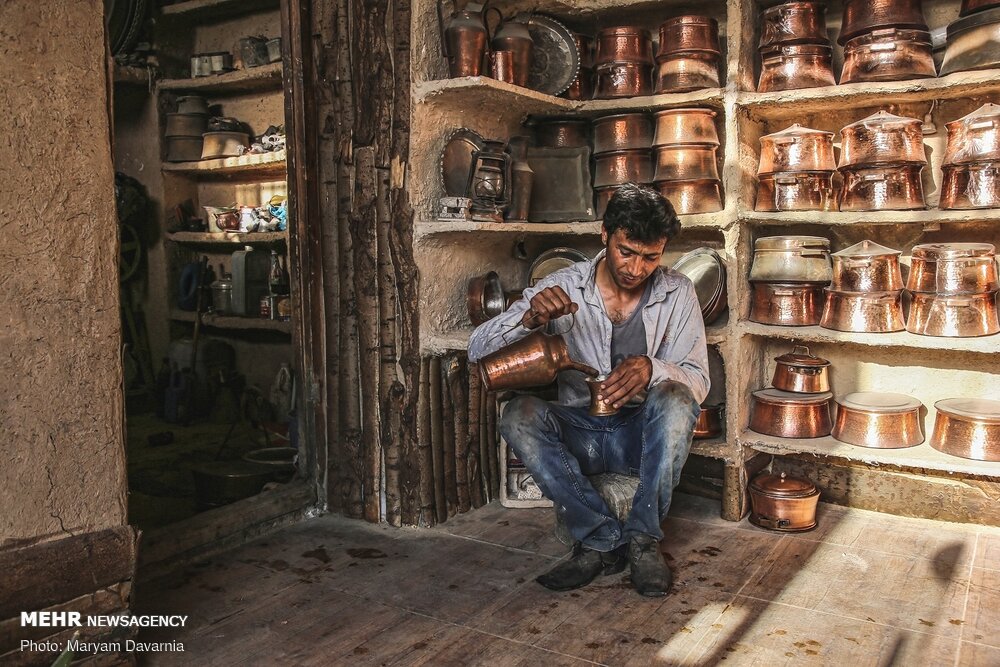
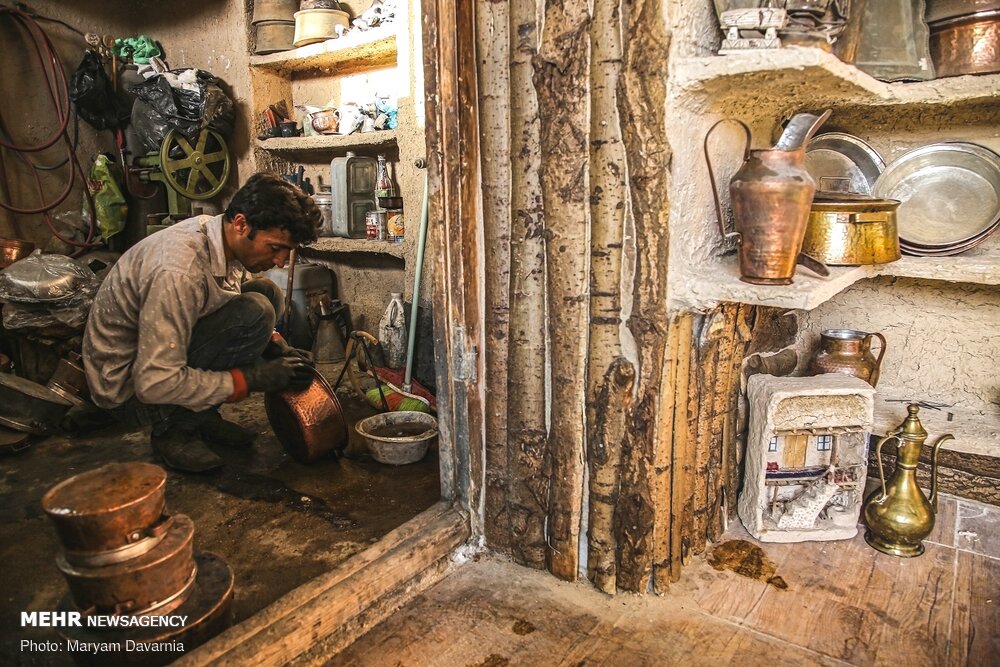
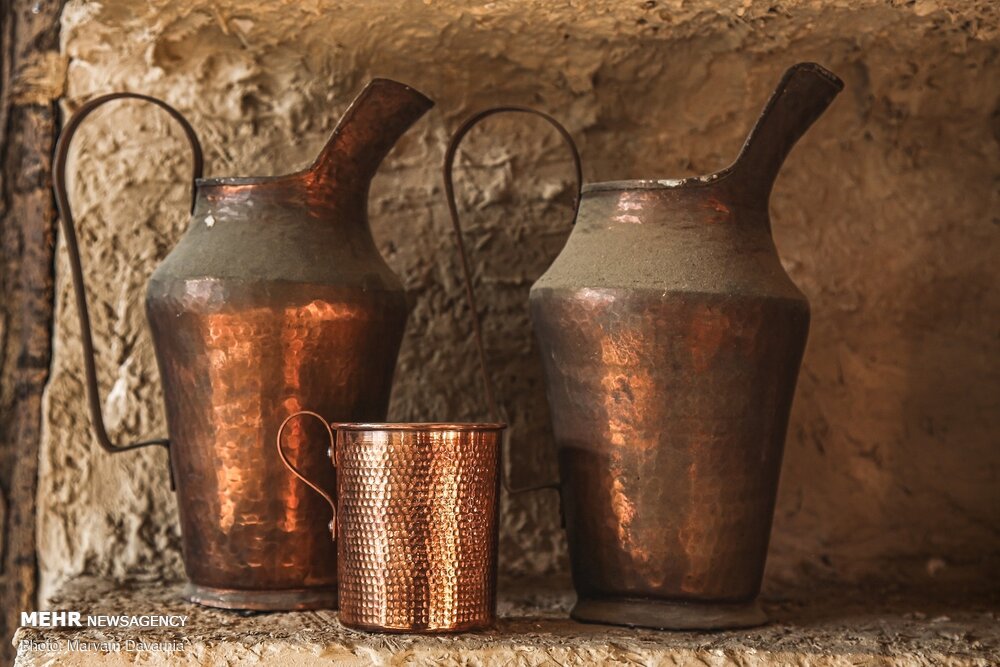
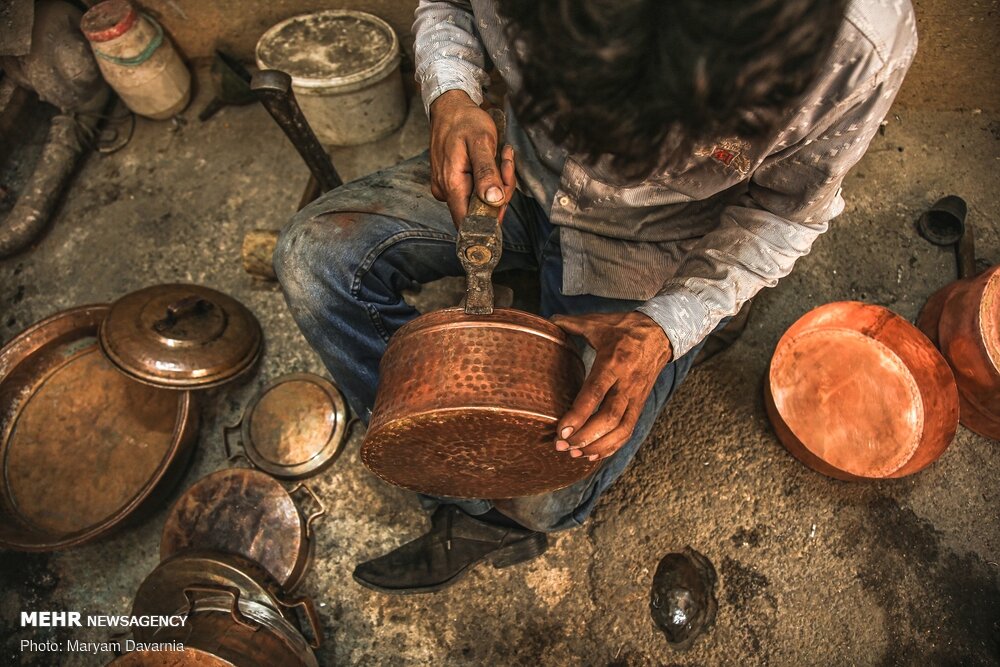
Engraving Art; Unique Manifestation of Iranian Culture, History

Engraving Art ; Unique Manifestation of Iranian Culture, History 4

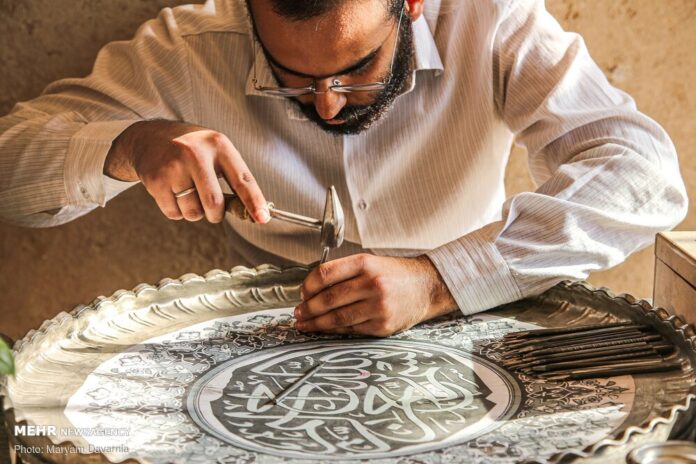
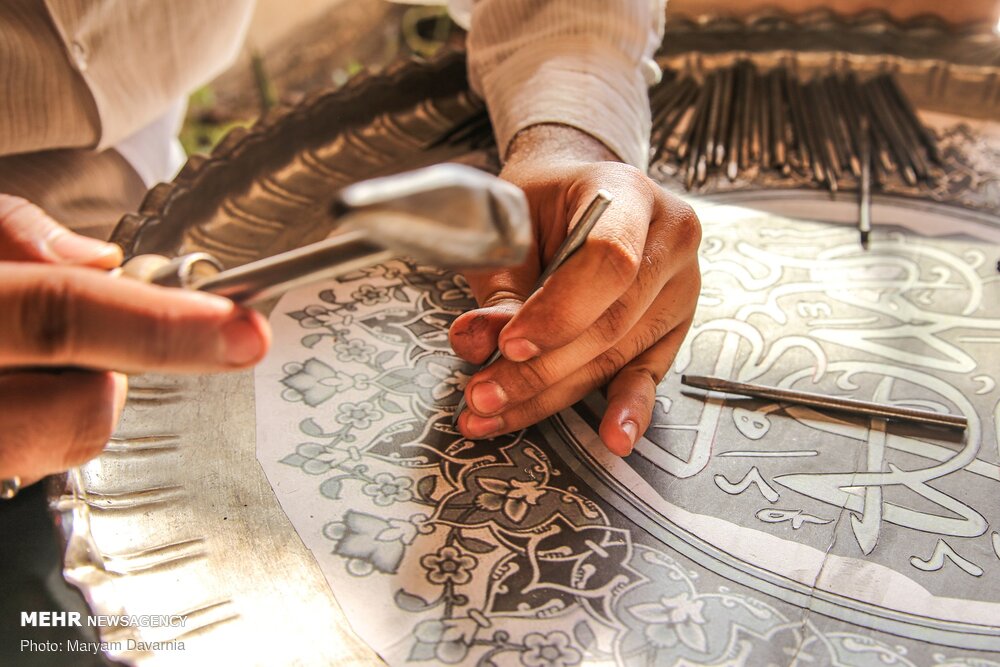
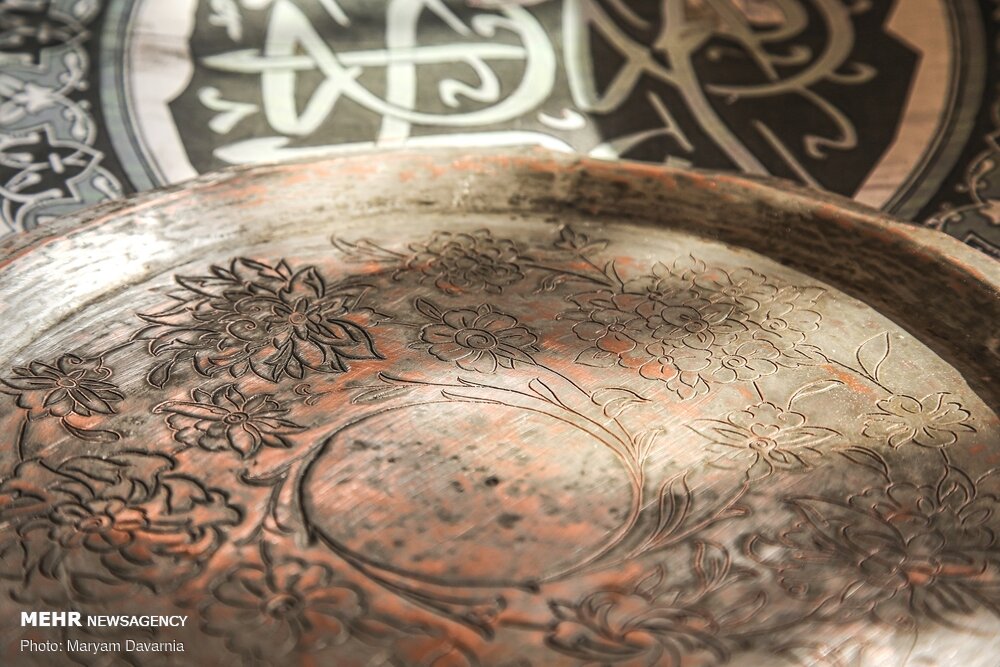
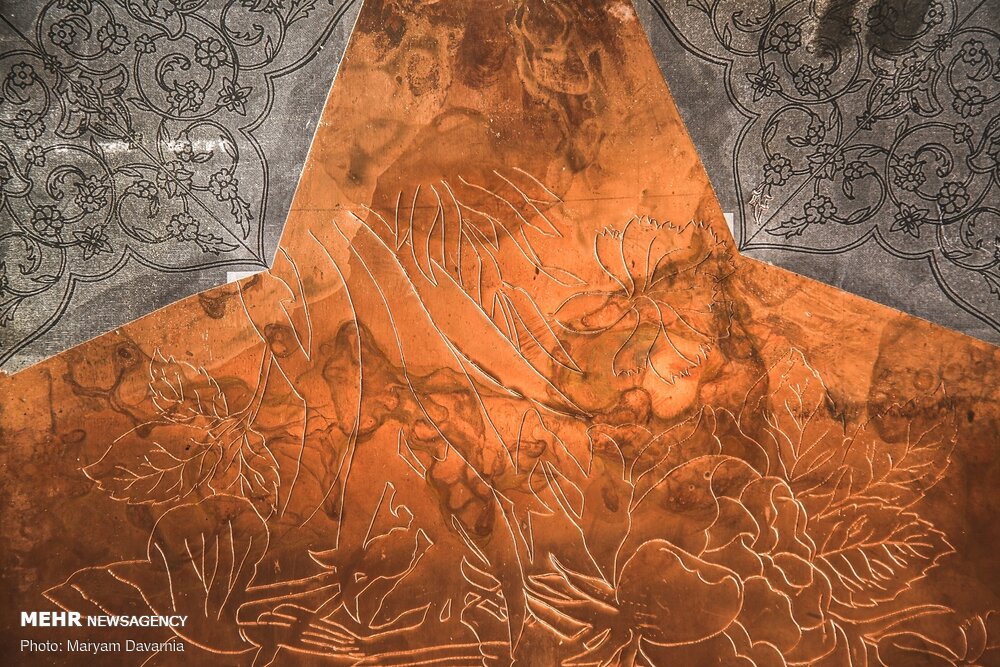
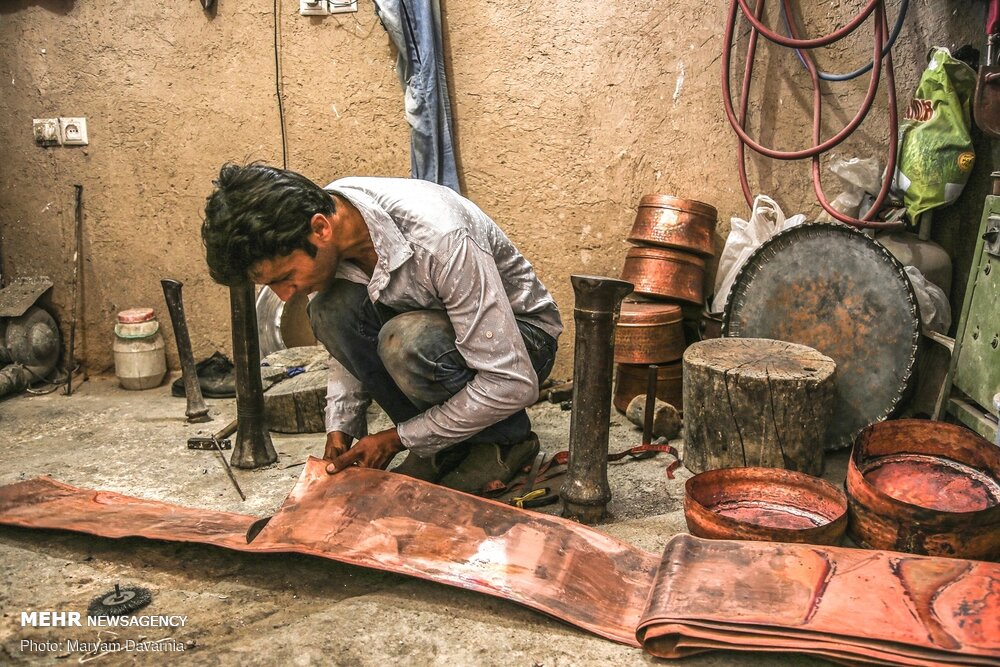
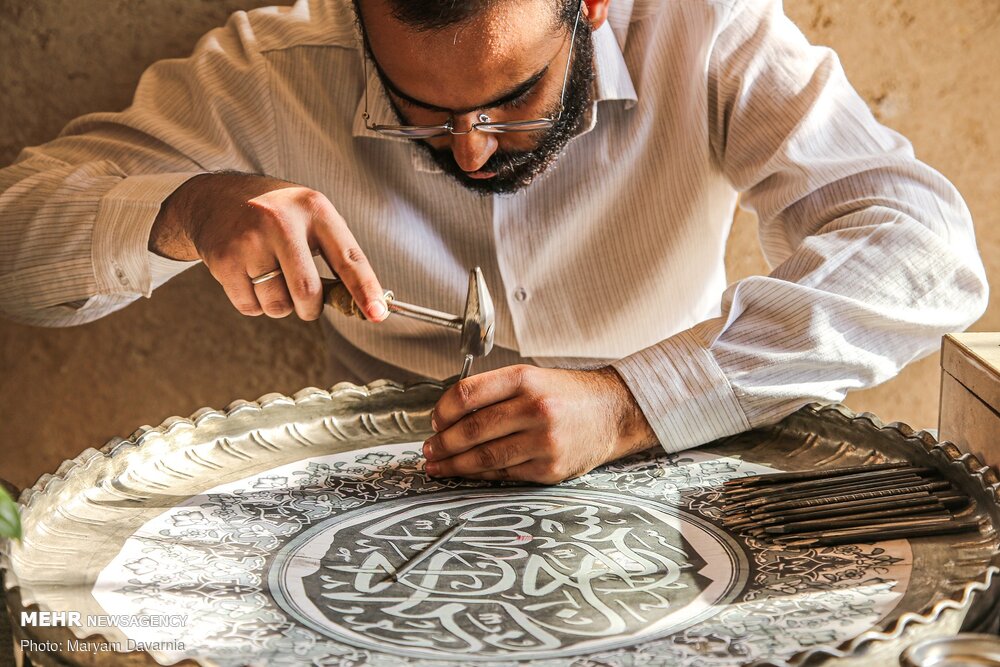
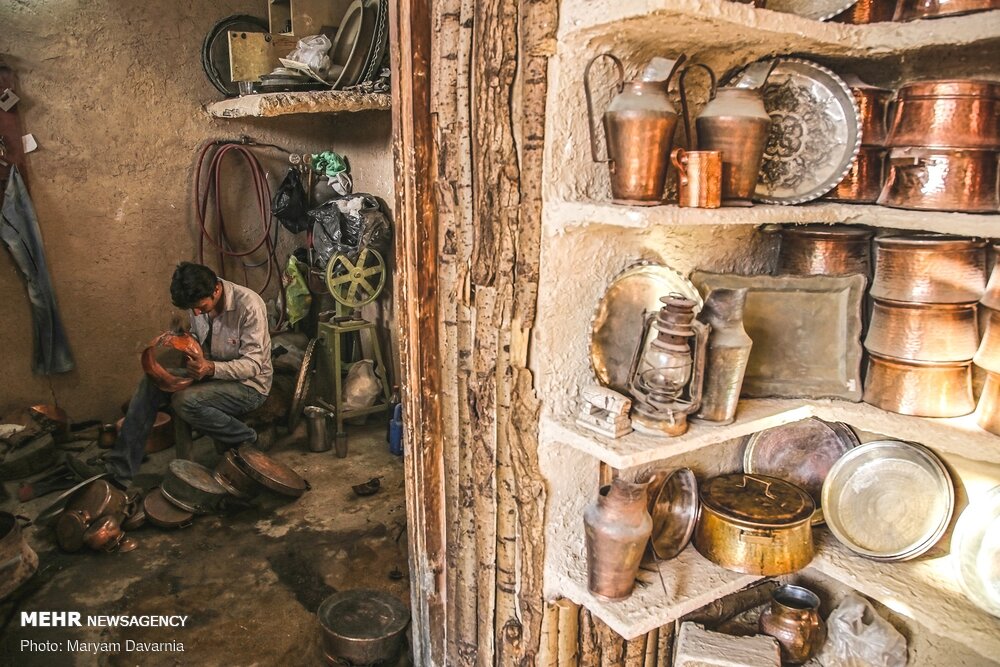
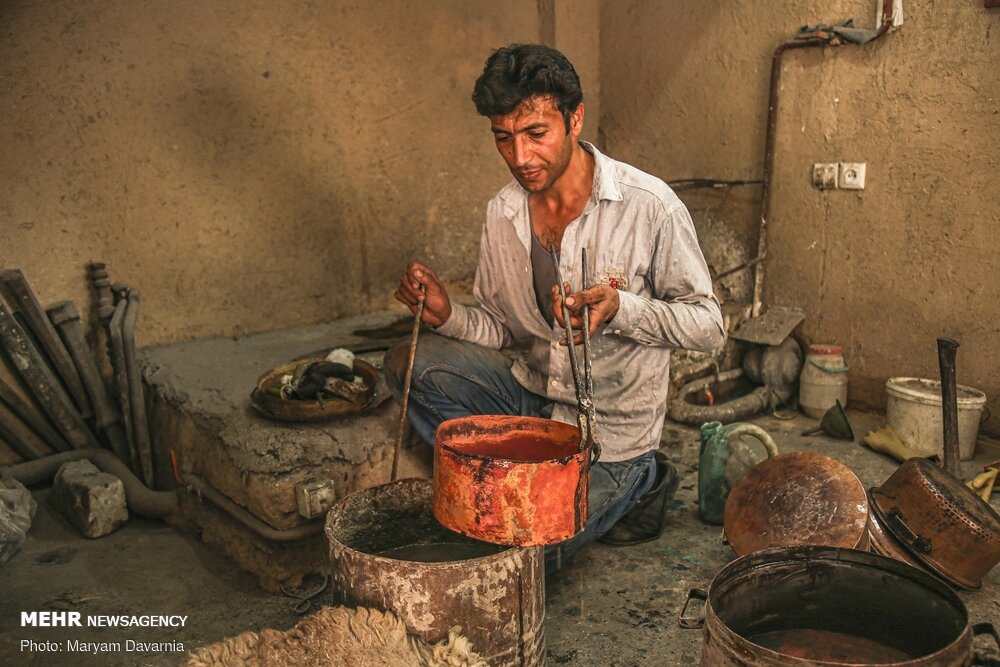
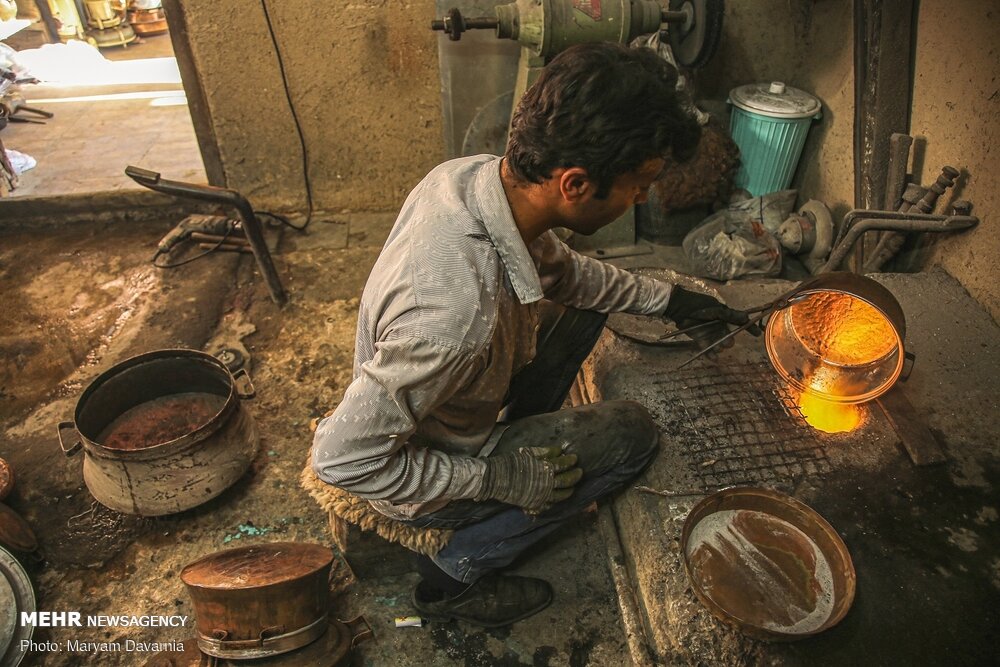
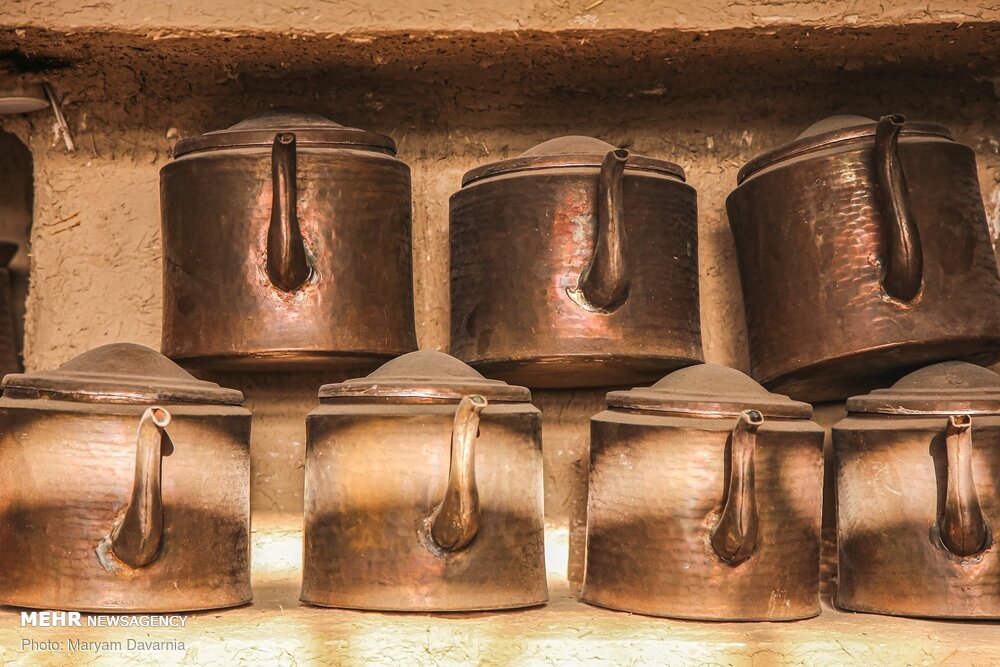
The art of carving designs on copper, gold, silver, and brass, commonly known as Qalam-Zani in Iran, dates back to more than one thousand years BCE.

The art is practiced in Isfahan, Shiraz and Tabriz, each of which has its own style. Engraving is the creation of lines and motifs by hammering on metal objects.

Due to its softness and ductility, copper is more common in the art of engraving than other metals. On the other hand, archaeologists and art historians believe that copper was the first metal to be considered in the art of metalworking and engraving.

The art of engraving on metal is therefore of greater interest to artists, as it is more durable than other objects. In addition, the motifs and symbols in different historical and cultural periods vary according to different ideological and cultural changes and under the influence of social conditions.

The art of engraving was practised in the Median, Achaemenid, Seljuk, Parthian, Sassanid, periods until the Islamic period, and has developed in both designs and techniques.

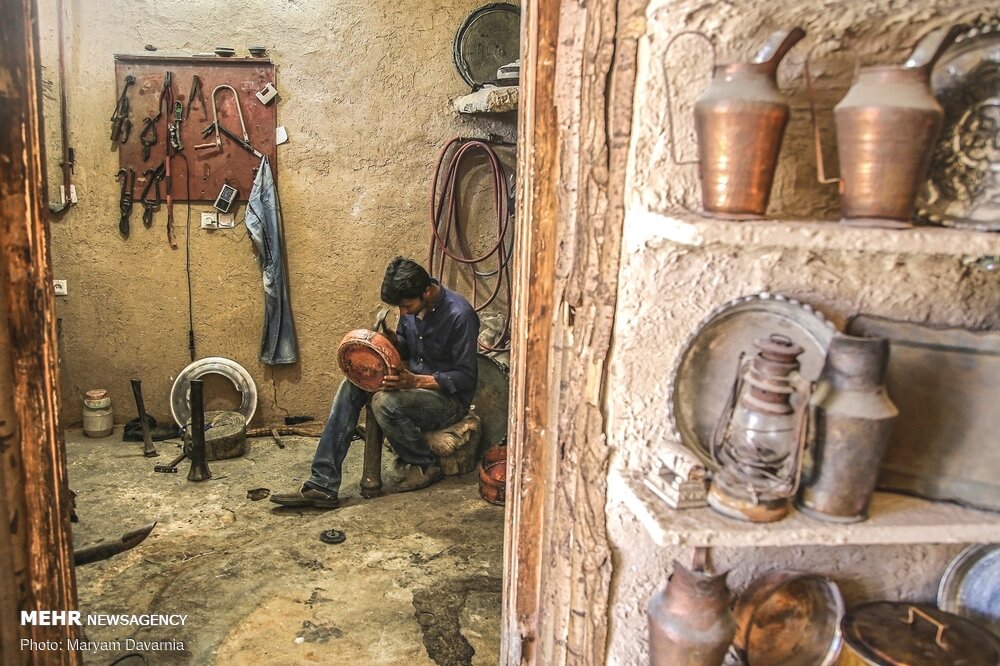
Engraving remained at its peak until the Qajar period, but in the contemporary period this art has been revived by artists like Mahmoud Dehnavi and the Cultural Heritage and Tourism Ministry.

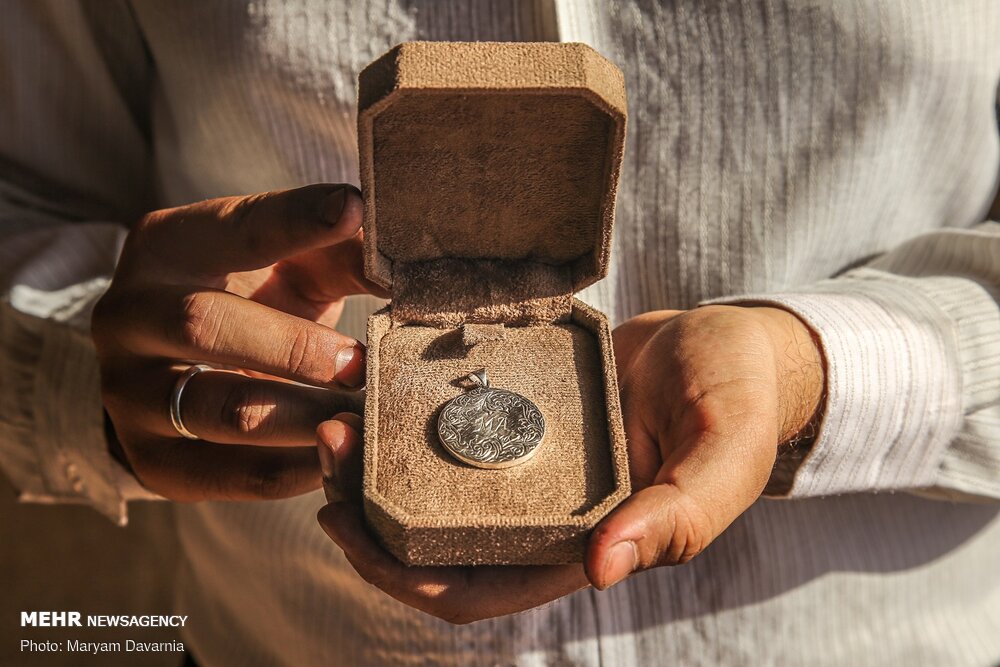
Below are Mehr News Agency’s pictures of Taghi Khorasani’s engraving workshop, which has been operating in Iran’s North Khorasan province more than 20 years.
Iran Denies Allegations about 25-Year Cooperation Deal with China

Iran Denies Allegations about 25-Year Cooperation Deal with China
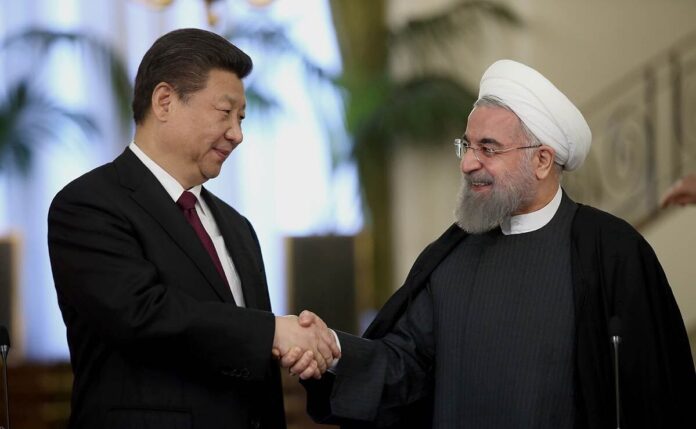
File photo of Iranian President Hassan Rouhani (right) shaking hands with his Chinese counterpart Xi Jinping

In a statement on Wednesday and in response to a barrage of false claims raised in the cyberspace about the roadmap to 25-year cooperation between Iran and China, Foreign Ministry Spokesman Seyyed Abbas Mousavi said, “According to a 2016 agreement between the presidents of the Islamic Republic of Iran and the People’s Republic of China, stipulated in the Article VI of the communiqué during the honourable Chinese president’s visit to Tehran, the two countries have explicitly expressed their political determination to promote and deepen the relations strategically and decided to devise a comprehensive 25-year roadmap between the two countries to become the basis for the coherent and all-out expansion of the political and economic relations between Iran and China in the years to come.”

“The preliminary draft of the document has been prepared with the participation of specialized institutions from the two countries and is currently undergoing the negotiation stage. Naturally, after finalization of the negotiations, the document will be submitted to the representatives of people in the Parliament for legal procedures,” the spokesperson noted.

Mousavi also pointed to the “hostile and nervous” reaction from the US Department of State’s spokesperson, adding, “Undoubtedly, the strategic relations between Iran and China that entail mutual key interests for the people of the two countries have enemies who will make every effort for the failure of these negotiations and lack of success of the document.”

He further dismissed as ridiculous the claims about a lease on the Iranian islands in the Persian Gulf, a monopoly on the sale of oil at low prices, or the deployment of armed forces, saying such claims do not even merit a denial.

“Fulfillment of Iran’s national interests has been the only guiding principle for the Ministry of Foreign Affairs in devising the strategic document, and the negotiations have been held with utmost carefulness and meticulousness, as the people of Iran will soon observe its results, God willing,” Mousavi noted.

The spokesperson finally expressed hope that the cooperation document would be finalized in the near future, stressing, “Naturally, no other text would be valid before the finalization of negotiations. Therefore, the media are urged to refrain from republishing the texts that are prepared and disseminated with various purposes and objectives.”
Earlier on Tuesday, Mousavi had described Tehran-Beijing relations as significant in a post on his Twitter account.
“The Iran-China Comprehensive Cooperation Plan is a clear-cut road map which fundamentally puts relations between these two important countries on track for the future world, a place where China, as the number-one economic power in the world, and Iran, as a major power in the West Asia region, can enjoy complementary relations independently of traditional and domineering Western powers in a bid to secure their mutual interests and, at the same time, stand up to pressure by bullies.”

“There is no handing over of the Iranian islands, no presence of military forces and no other illusions!” he said.

“The old tactic of spreading lies and false information to receive details and accurate data, which is seriously pursued by enemies that want to harm both nations’ interests, will get nowhere,” Mousavi added.

In remarks on Sunday, Iranian Foreign Minister Mohammad Javad Zarif said everything about the 25-year cooperation agreement with China is clear and the two countries have nothing to hide about it.

He also noted that Tehran will make the contents of the agreement public.

US Max Pressure Aimed at Isolating Iran, Official Says

US Max Pressure Aimed at Isolating Iran, Official Says

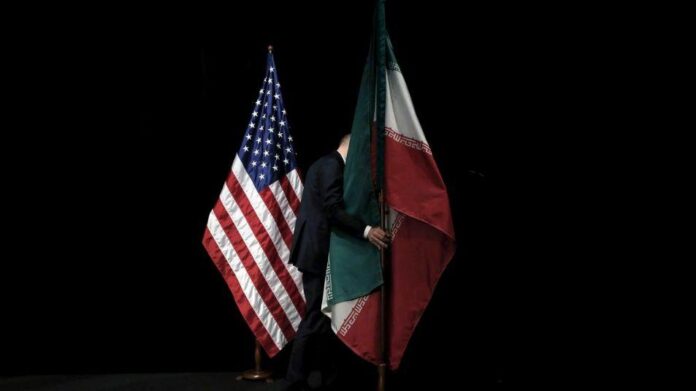
In a post on his Twitter account on Tuesday, director of the Iranian Presidency’s Centre for Strategic Studies, Hesamoddin Ashena, said it appears that the ‘maximum pressure’ has been designed and implemented with the genuine and strategic purpose of disabling Iran strategically in the domestic, foreign, social and economic spheres, eliminate Iran from the global connection routes, and deprive the country of its geographical and geopolitical advantages.

He said the US’ hostile measures against Iran in recent decades are rooted in a combination of factors, including the arrogant nature of the United States, an end to American influence after victory of the Islamic Revolution, the war discourse, and the conflicts between the regional interests of Tehran and Washington.

Ashena also touched on the impact that Iran’s regional rivals and the US’ regional allies have had on Washington’s foreign policy against the Islamic Republic, adding, “Although the sanctions imposed on Iran under the Trump and the Obama administrations are apparently similar, they have essential differences.”

The sanctions imposed by Obama were rather instrumental and aimed at persuading Iran to hold talks on the nuclear industry, while the policy of maximum pressure is designed to punish Iran for the negotiations leading to the JCPOA and to ruin any chance of new and useful negotiations, he added.

He further warned that a successful US policy of maximum pressure could sap Iran’s national power, result in corruption, and trigger unrest.

Ashena also explained that Iran’s appropriate response to the policy of maximum pressure is not holding new negotiations with the US or even with Europe, China and Russia without considering the pressures from the regional rivals on the US.

“It seems that Iran’s main problem lies rather in the region, and Iran, while paying attention to the international arena, must begin from the region to reach the other parties, not vice versa,” Ashena concluded.

Iran to Use Seawater to Supply Water for 17 Provinces

Iran to Use Seawater to Supply Water for 17 Provinces

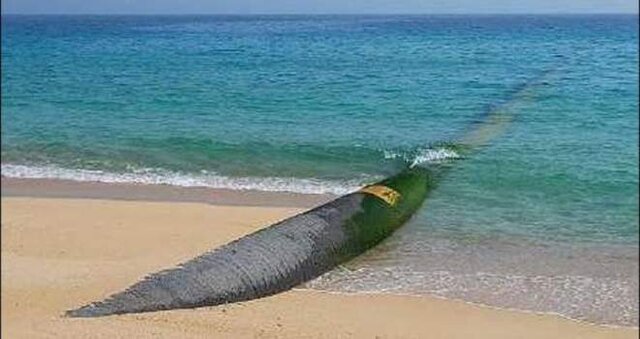
In remarks on Tuesday, Ardakanian said his ministry has devised serious plans to carry out seawater desalination projects in 17 provinces.

He noted that feasibility studies have begun to implement desalination facilities at a distance of 100 kilometres from the sea.

Pointing to the growing progress in the seawater desalination facility technology in the world, the minister said advanced technology would reduce the cost of saltwater desalination.

He further noted that one of the economically feasible ways for Iran to run desalination facilities is to use the waste heat from thermal power stations.

Supplying the energy for desalination plants with the waste heat energy from the gas-fired and combined cycle gas turbine plants would increase the efficiency of power stations and help supply fresh water for the bulk of coastal provinces, he explained.

The energy minister finally unveiled plans to open the second phase of a major seawater desalination project in the southern port city of Bandar Abbas in the coming weeks.

Surge in Tehran’s COVID-19 Infections Alarming: Official

Iran's COVID-19 Cases Hit 345,000: Health Ministry

In comments made on Tuesday, Alireza Zali said the virus is targeting people of all ages.
“At the moment, we are experiencing a new situation as not only has the number of infections increased, but also different age groups have contracted the disease,” said Zali, who heads operations to manage the coronavirus outbreak in the capital, Tehran.

He said 8.5% of those who referred to hospitals to receive outpatient treatment were hospitalized.

“Over the past 24 hours, the number of people hospitalized as new patients in the capital’s medical centres has reached 534, which is one of the highest figures ever in recent days,” he noted.

“Over this period, 84 patients were also hospitalized at ICUs at medical centres,” he noted.
The official said some 420 people have been discharged from hospitals.

“This figure in Tehran indicates a rise in the number of infections, and the situation in Tehran remains alarming and unstable,” he said.

The official noted that hospitals are on full alert to admit patients, but will naturally be overstretched if the number of patients rises.

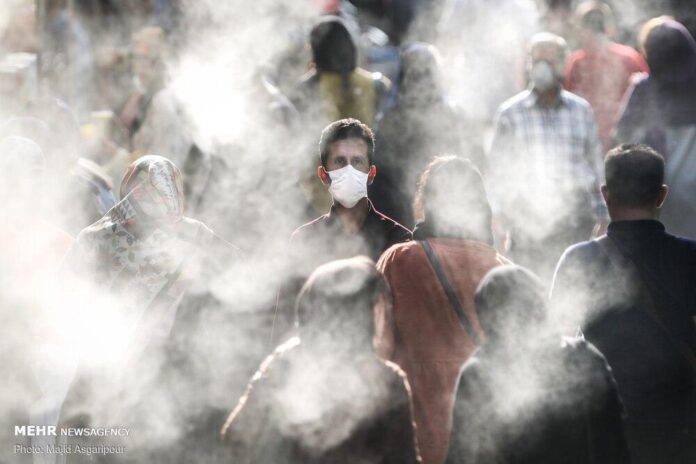
Elsewhere in his remarks, Zali said authorities are studying how many citizens use mask in public places nowadays, urging people to observe social distancing rules as well.

His comments were made on the same day when Iran’s Health Ministry reported 200 fatalities caused by the novel coronavirus in 24 hours, an all-time high figure since the beginning of the outbreak in Iran.

Coronavirus online test
If you are worried that you may have contracted the Coronavirus, take this test right now.

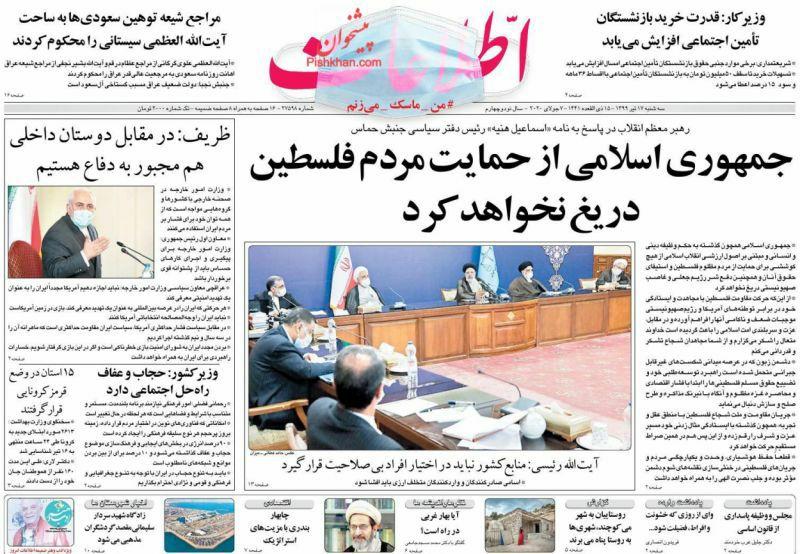
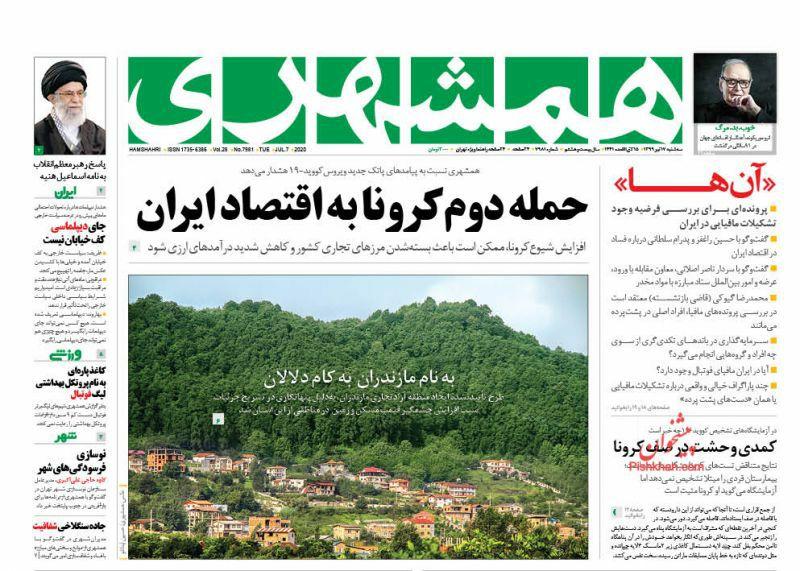
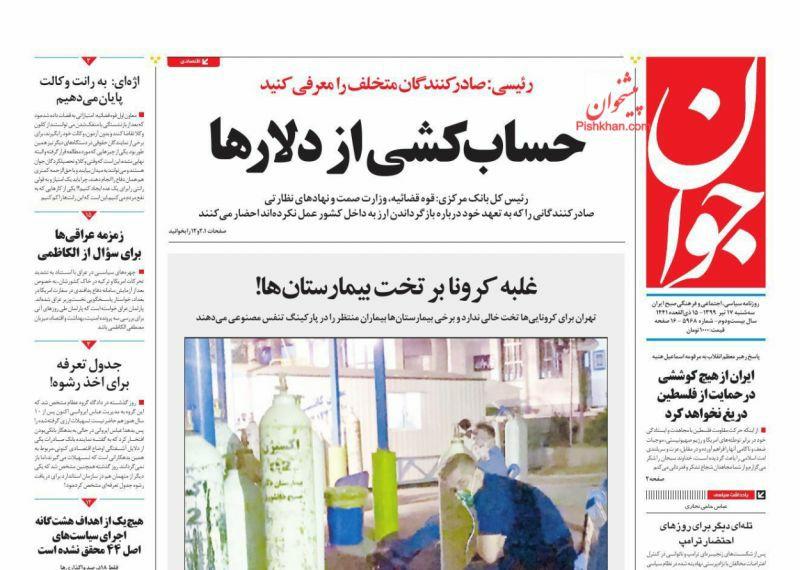
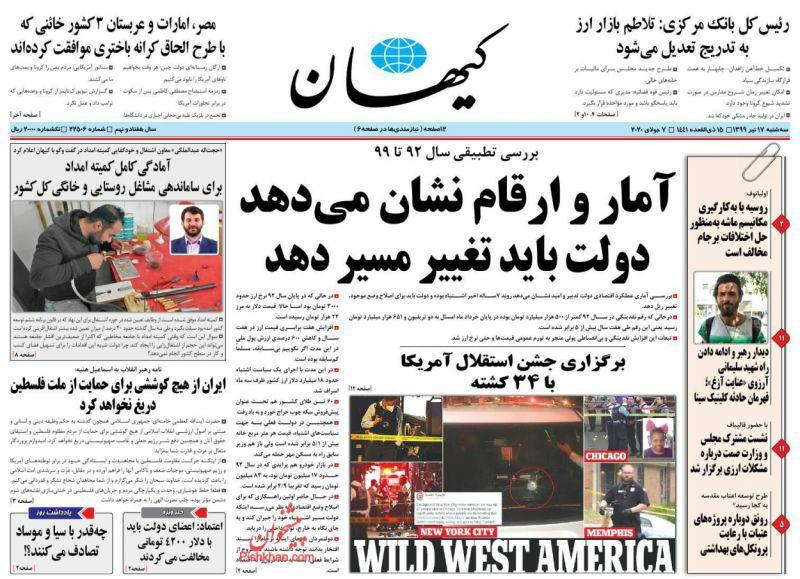
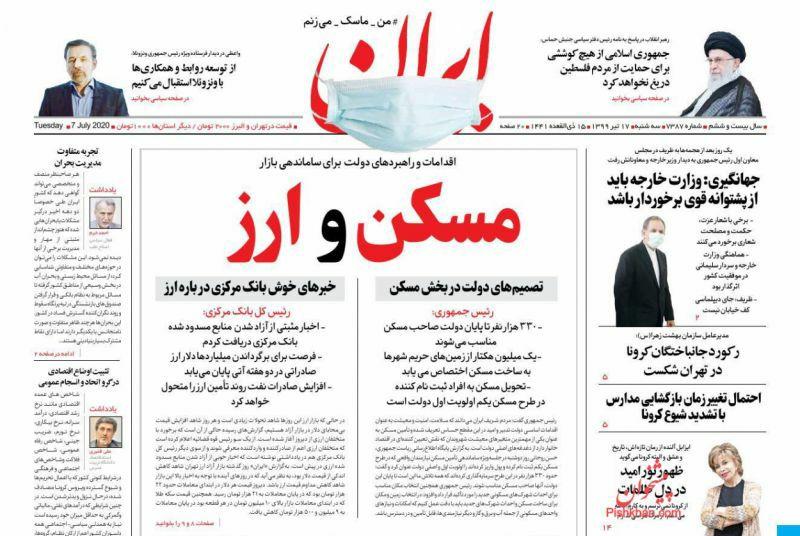
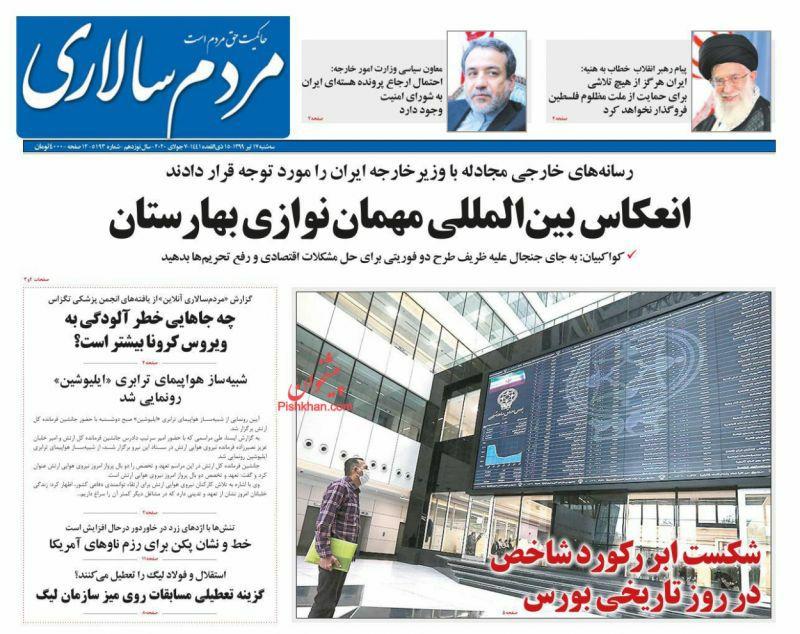
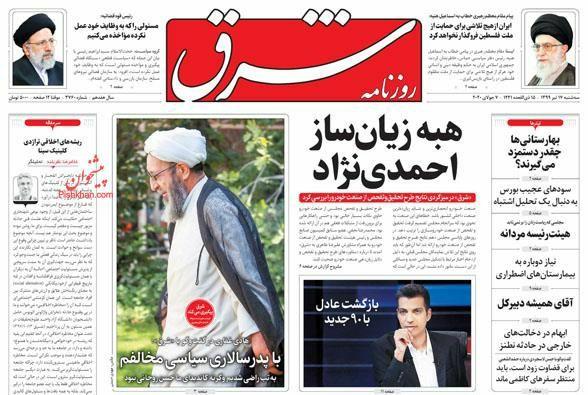
A Look at Iranian Newspaper Front Pages on July 7

A Look at Iranian Newspaper Front Pages on November 19

Iranian Newspapers

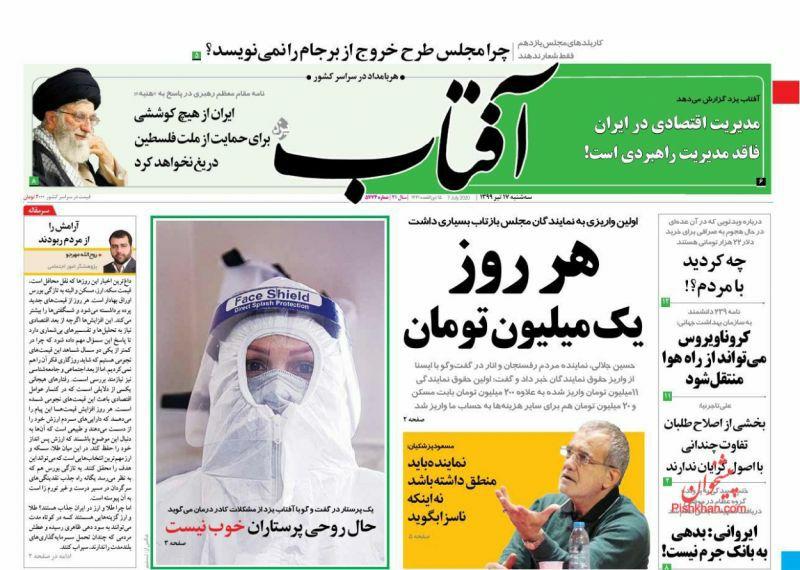
Aftab-e Yazd Newspaper:

1- Iranian Nurse: My Colleagues Don’t Feel Well Emotionally
2- 239 Scientists to WHO: Coronavirus Can Be Transmitted through AirA Look at Iranian Newspaper Front Pages on July 7


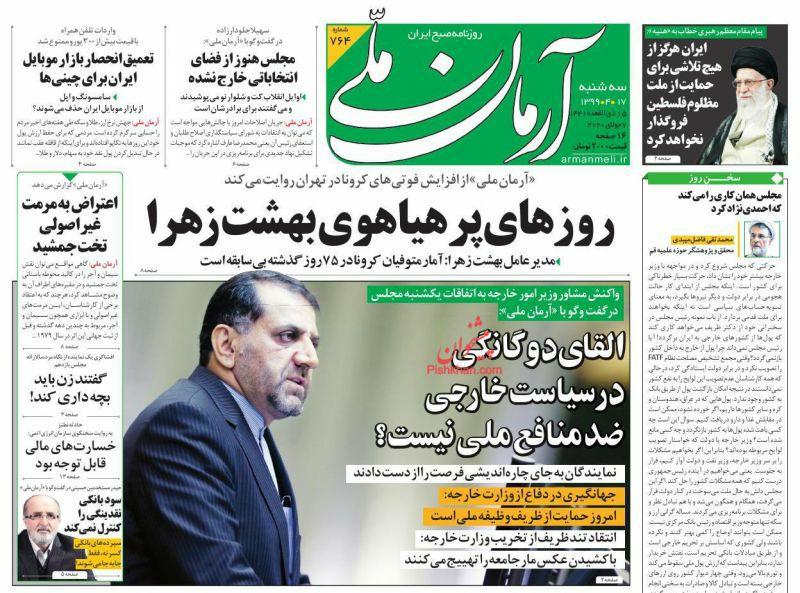
Arman-e Melli Newspaper:

1- Iran Leader to Hamas Chief: Tehran Will Spare No Effort to Support Innocent People of PalestineA Look at Iranian Newspaper Front Pages on July 7


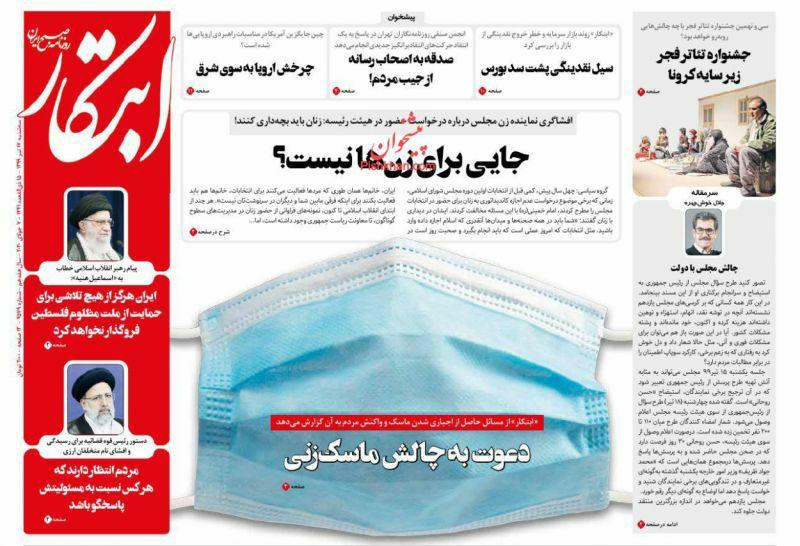
Ebtekar Newspaper

1- Social Campaign Invites People to Wear Mask
* How People React to Obligation of Wearing Face Mask
2- Europe Turning Eastward: Has China Replaced US in Europe’s Strategic Ties?
3- Parliament’s Challenge with Government [Editorial]A Look at Iranian Newspaper Front Pages on July 7


Ettela’at Newspaper:

1- Zarif: We Have to Defend Ourselves Even against Iranian FriendsA Look at Iranian Newspaper Front Pages on July 7


Iran Newspaper:

1- Vaezi: Iran Welcomes Expansion of Cooperation with Venezuela
2- Coronavirus Deaths in Tehran Break Records
3- Date of Reopening Schools May Change If Pandemic WorsensA Look at Iranian Newspaper Front Pages on July 7


Hamshahri Newspaper:

1- Coronavirus’ Second Attack on Iran’s Economy
2- Comedy of Horror in COVID-19 Queues: What’s Going on in COVID-19 Testing Labs?A Look at Iranian Newspaper Front Pages on July 7


Javan Newspaper:

1- Coronavirus Defeats Hospital Beds!A Look at Iranian Newspaper Front Pages on July 7


Kayhan Newspaper:

1- US’ Independence Day Celebrations Kill 34
2- Egypt, UAE, Saudi: Three Traitors Who Endorsed Israel’s Annexation Plan
3- Russia’s Envoy to IAEA: Moscow Opposed to Triggering Dispute Mechanism for JCPOA Dispute ResolutionA Look at Iranian Newspaper Front Pages on July 7


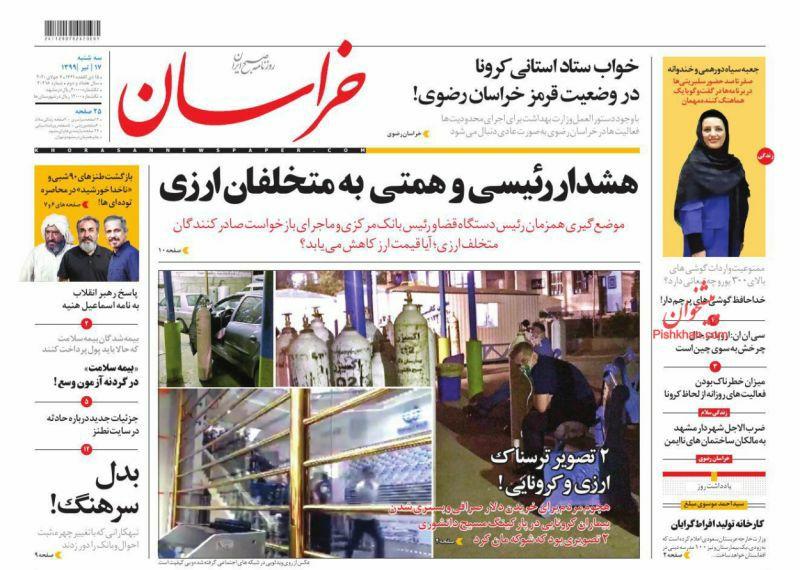
Khorasan Newspaper:

1- Judiciary Chief, Central Bank Governor Warn Those Who Disrupt Forex MarketA Look at Iranian Newspaper Front Pages on July 7


Mardom Salari Newspaper:

1- Parliament’s Treatment of Zarif Widely Covered by World Media
2- Araqchi: Iran’s Nuclear Case May Be Taken to UN Security CouncilA Look at Iranian Newspaper Front Pages on July 7


Shargh Newspaper:

1- Judiciary Chief: We’ll Reprimand Officials Who Fail to Fulfil Their DutiesA Look at Iranian Newspaper Front Pages on July 7

Iran’s COVID-19 Deaths Hit All-Time High: 200 Die in 24 Hours

Iran's COVID-19 Deaths Hit All-Time High 200 Die in 24 Hours

Health Ministry spokeswoman says the record-high number of deaths raise the overall death toll to 11,931.

In her press briefing, Sima-Sadat Lari also confirmed 2,637 new cases of COVID-19 infection, increasing the total number of infections to 245,688.

According to the spokeswoman, 207,000 patients have so far recovered from COVID-19, but 3,270 are still in severe conditions of the disease.

She said so far 1,846,793 COVID-19 tests have been taken across the country.
Lari added that Khuzestan, Hormozgan, Bushehr, Kermanshah, Kurdistan, Ilam, West Azarbaijan, East Azarbaijan, and Khorasan Razavi are considered as “red zones”.

Tehran, Isfahan, Mazandaran, Golestan, Alborz, Kerman, Yazd, Sistan and Baluchestan, Hamadan, and Ardabil are also in danger zone.

Coronavirus online test
If you are worried that you may have contracted the Coronavirus, take this test right now.