Sunday, May 3, 2026
Home Blog Page 2691

Master Farshchian: I Saw Imam Reza’s Face and Painted Him!

Master Farshchian I Saw Imam Reza’s Face and Painted Him 1

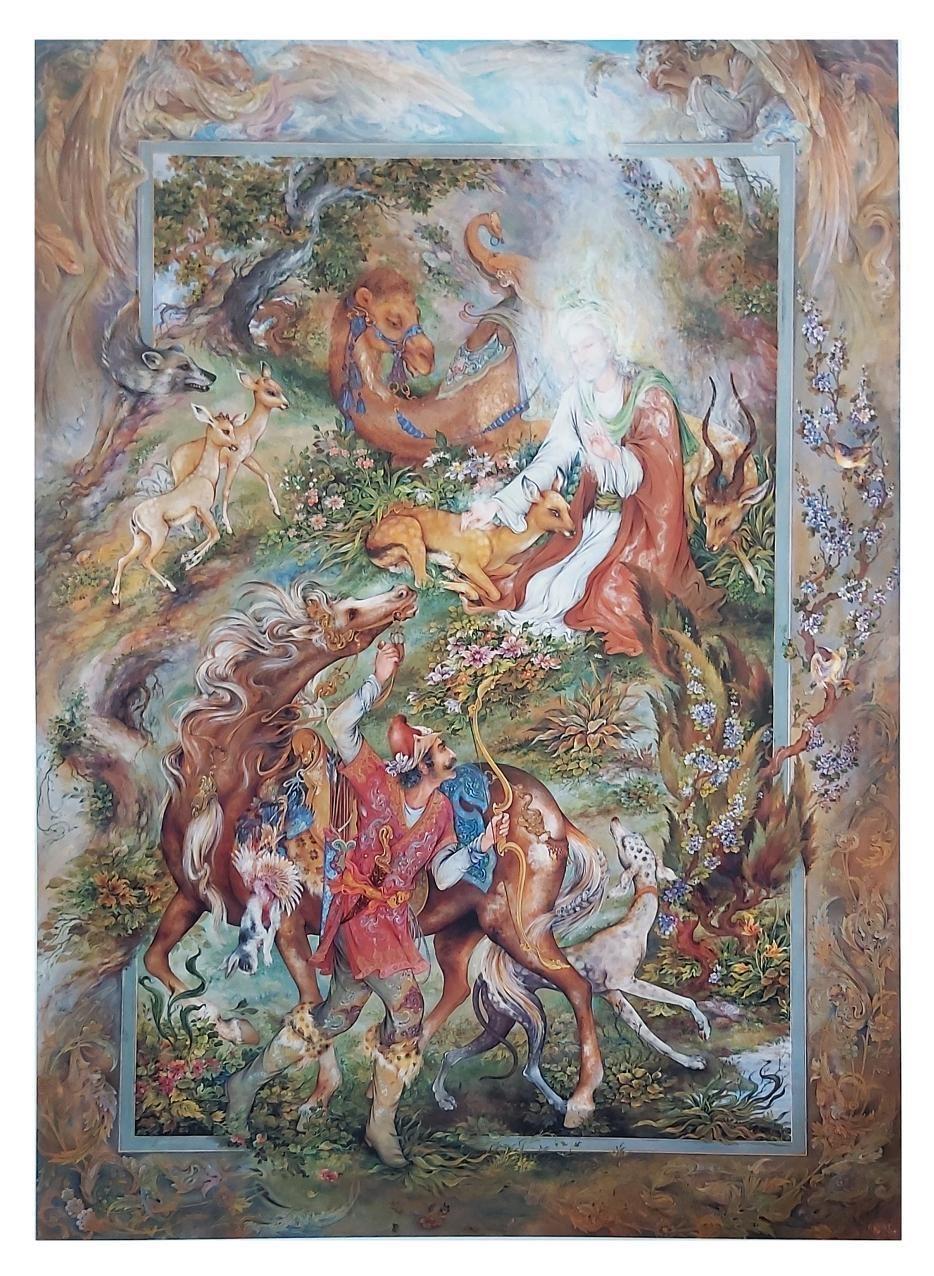
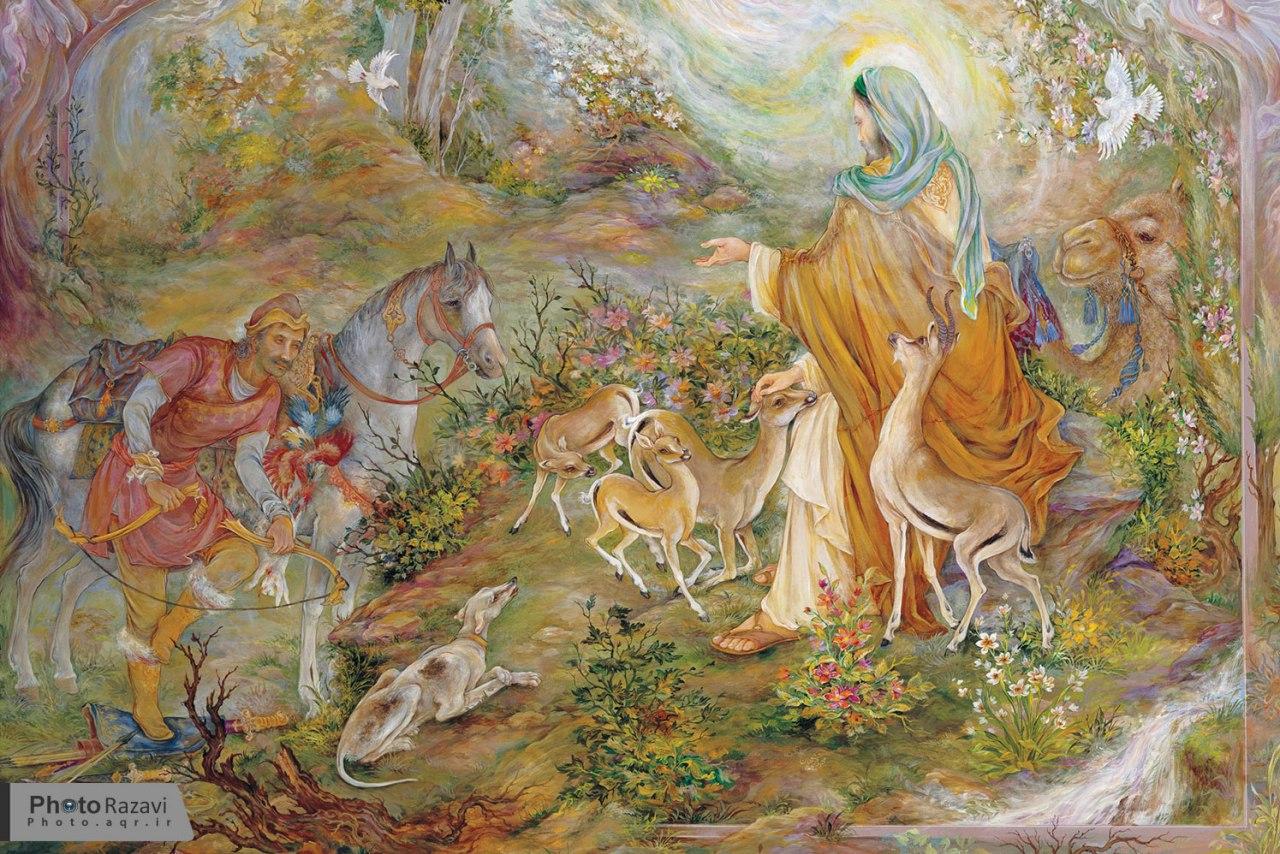
The painting “The Guarantor of the Gazelle” praises Imam Reza, depicting a story in which the Shiite leader acted as a mediator between a gazelle and a hunter.

The Guarantor of the Gazelle refers to the story of a deer caught by a hunter in a forest. Passing by, Imam Reza asked the hunter to free the deer, so that she could raise her babies, but he promised the deer would come back afterward. The hunter accepted and freed the deer.

Months later, the deer returned to the hunter’s home. However, the hunter declined to kill her as he saw the miracle in what had happened.

In the painting, Imam Reza is illustrated with a halo all around his body unlike other paintings by other artists in which only the faces of revered figures have a halo around them.Master Farshchian: I Saw Imam Reza’s Face and Painted Him!
Farshchian tells the story of how he saw the face of Imam Reza before painting the artwork.
He says he had gone to the US to undergo a heart surgery back in 1980. Farshchian says he asked Imam Reza to help him throughout his treatment procedure.

He says in the last test that he had to undergo before the operation, there was, surprisingly enough, no sign of illness! He says the doctors wouldn’t believe what had happened.

“Your heart is healthy and does not need any surgery!” they told Farshchian.

He says it was then that he decided to paint “The Guarantor of the Gazelle.” He says he saw Imam Reza in his dream.

“Imam Reza kindly said, ‘See me and draw me!’,” says Farshchian.

Farshchian has also painted another artwork called “The Guarantor of the Gazelle II,” depicting the deer taking refuge in Imam Reza and showing the hunter repenting of his plan to kill the gazelle, disposing of his hunting equipment and saluting to Imam Reza.
Master Farshchian I Saw Imam Reza’s Face and Painted Him 3

Iran, Ukraine Hold New Round of Talks on January Plane Crash

Iran, Ukraine Hold New Round of Talks on January Plane Crash

The second round of negotiations between Tehran and Kiev about the Ukrainian plane crash was held in the Iranian capital on Monday.

The meeting was co-chaired by Iran’s Deputy Foreign Minister for International and Legal Affairs Mohsen Baharvand, who heads the Iranian delegation, and by Deputy Foreign Minister of Ukraine Yevgheniy Yenin, head of the Ukrainian delegation.

In the gathering, the head of the Iranian delegation expressed sympathy with the families of victims of the plane crash, saying, “The Ukrainian plane was shot due to human error, and the Islamic Republic of Iran will try to assure the Ukrainian side of this issue as well.”

“Iran’s stance is based upon transparency, as it has nothing to hide about this incident and is ready to genuinely inform the Ukrainian people and delegation about details of the incident,” Baharvand stated.

Iran and Ukraine are two friends that have sadly experienced such incident, he added, saying the two countries should now reach an agreement at the negotiating table.

Baharvand also reaffirmed Iran’s determination to take punitive action on and punish those at fault, ensure justice, and pay compensation to the families of victims.

For his part, the Ukrainian deputy foreign minister commended the Islamic Republic of Iran for its warm welcome despite the outbreak of the coronavirus pandemic, hailed as positive the first round of negotiations in Kiev, and praised the Islamic Republic for its cooperation and efforts to ensure justice.

The Iranian and Ukrainian delegations started the Monday’s negotiations with a minute’s silence to honour the victims of the plane crash.

The expert negotiations between Iran and Ukraine about the plane crash will go on for two days.

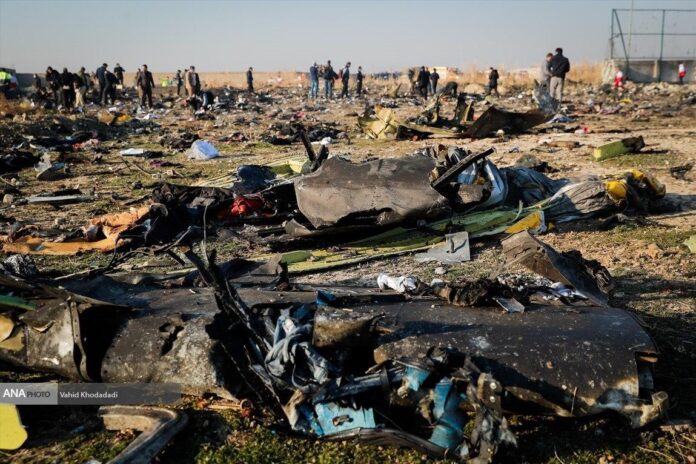
The Kiev-bound UIA Boeing 737 crashed shortly after taking off from Tehran on January 8, killing all 176 people on board, mostly Iranian and Canadian citizens.

Iran said the plane was hit by an anti-aircraft missile due to human error.

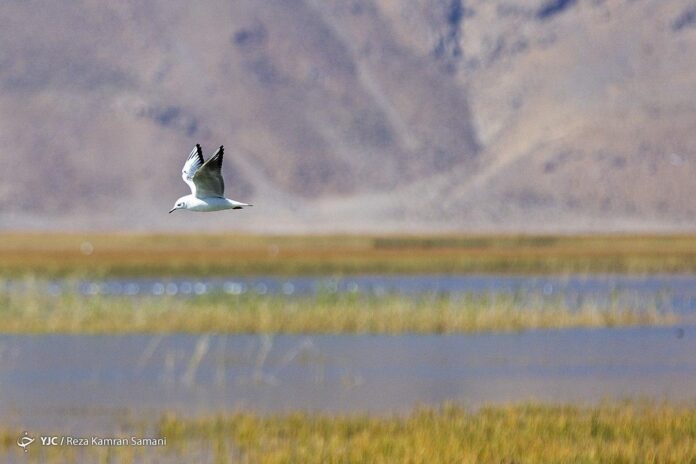
Migratory Birds Arrive in Iran’s Western Wetlands

Photo by Reza Kamran Samani, Mehr News Agency

Pompeo’s Remarks Show Failure of US Sanctions: Iran

Iran Condemns Canada’s Human Rights Resolution

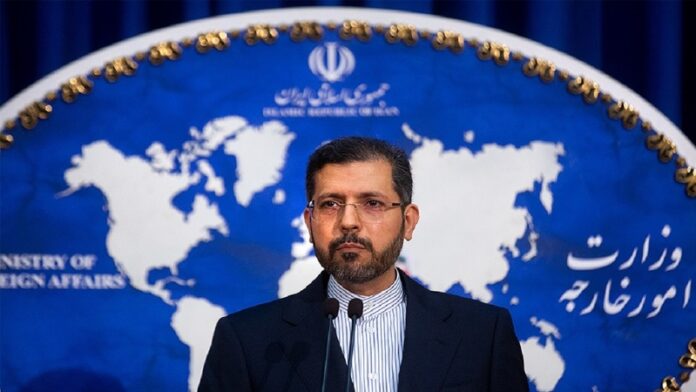
Speaking at a weekly press conference on Monday, Khatibzadeh described the US state secretary’s recent comments about Iran as an obvious sign of failure of the American sanctions against Tehran.

“Mr. Pompeo’s comments are the most important sign that even he himself does not believe that the US’ unilateral sanctions have been successful,” he said.

“Nothing has changed. The Islamic Republic of Iran still believes that it can work within the framework of international treaties,” the spokesman said about the Islamic Republic’s arms trade with the other countries.

After a UN arms embargo on Iran was terminated on Sunday in accordance with the UNSC Resolution 2231, US Secretary of State Mike Pompeo said the US will levy sanctions for selling arms to Iran even as the embargo has expired.

“The United States is prepared to use its domestic authorities to sanction any individual or entity that materially contributes to the supply, sale, or transfer of conventional arms to or from Iran, as well as those who provide technical training, financial support and services, and other assistance related to these arms,” he said in a statement.

Gargoor: A Basket Fish Trap Made in Southern Iran

A Basket Fish Trap Made in Southern Iran

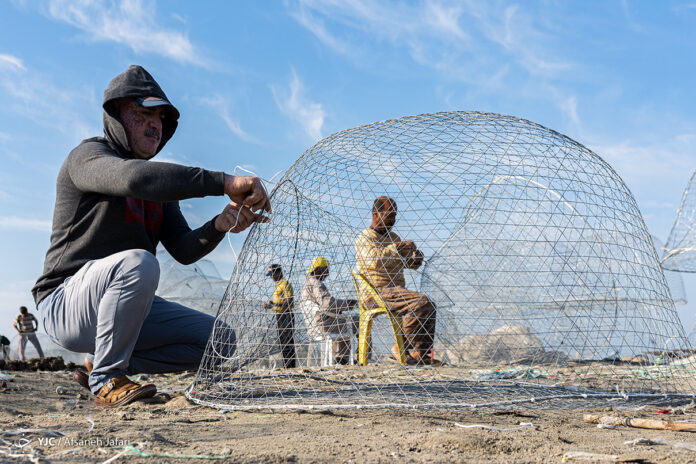
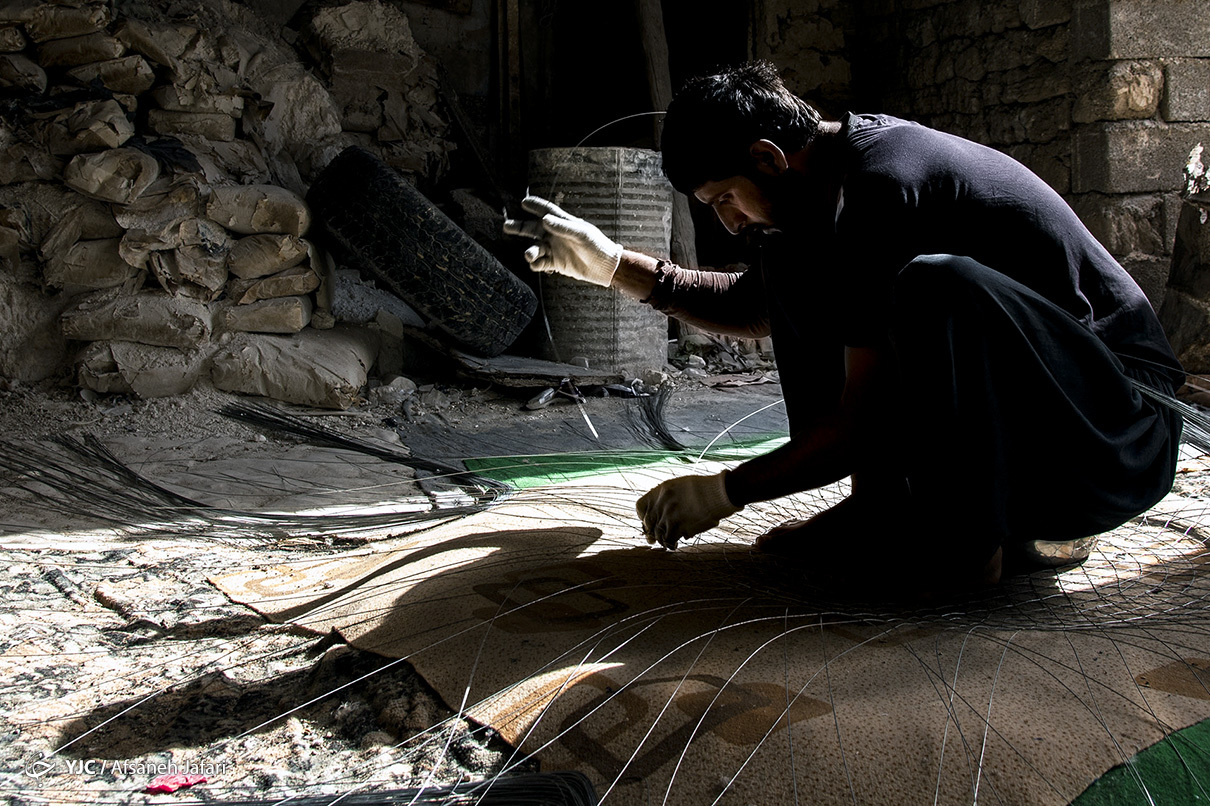
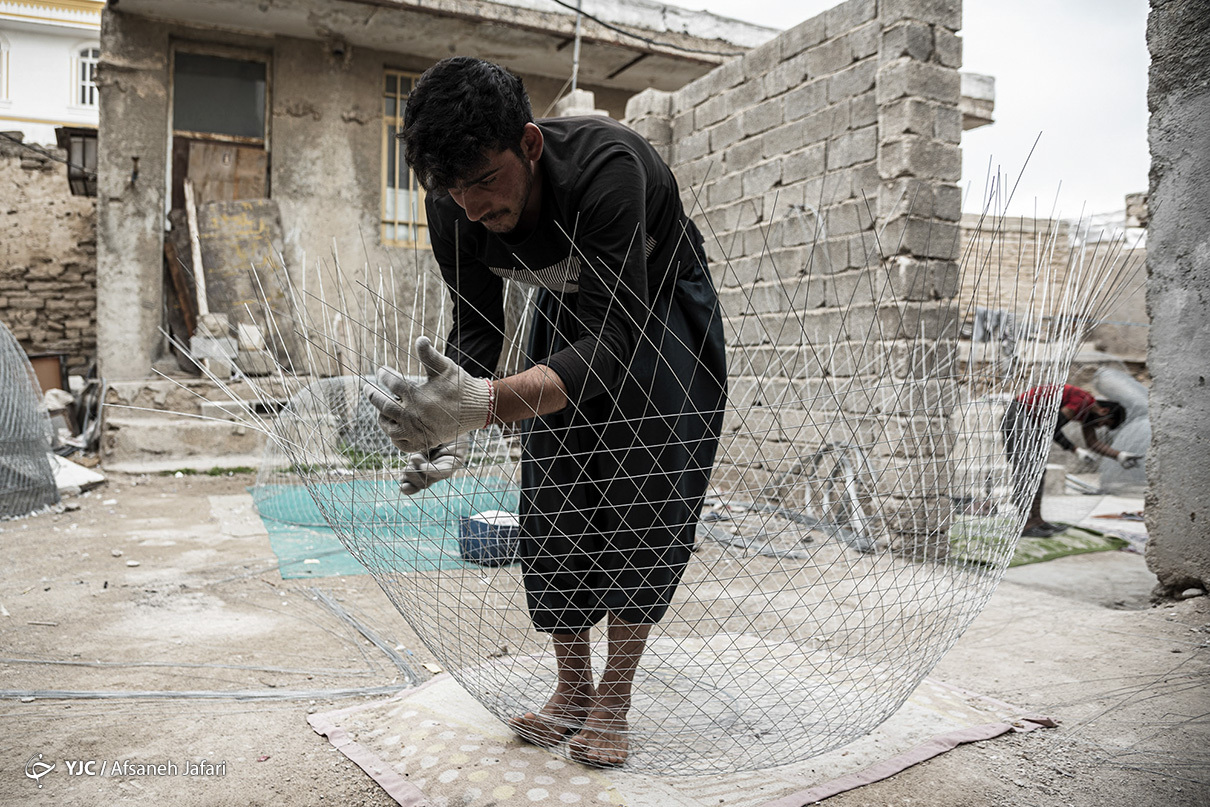
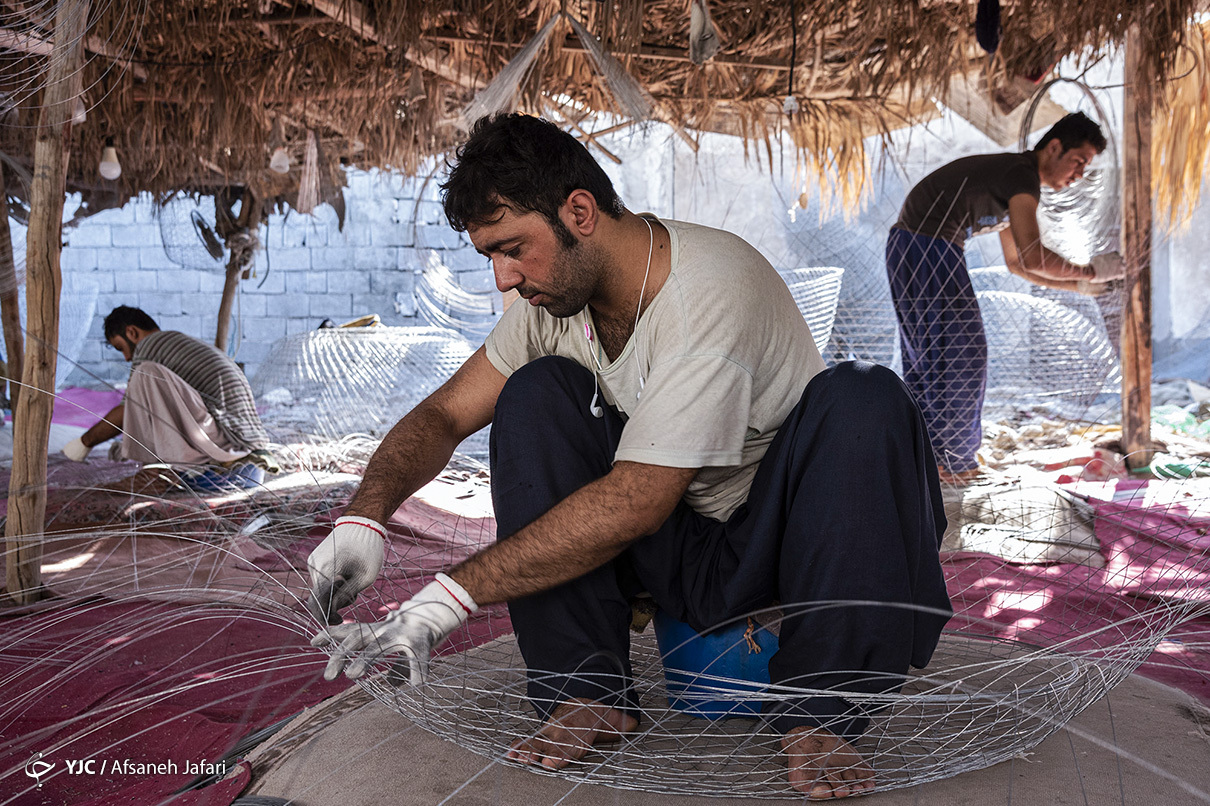
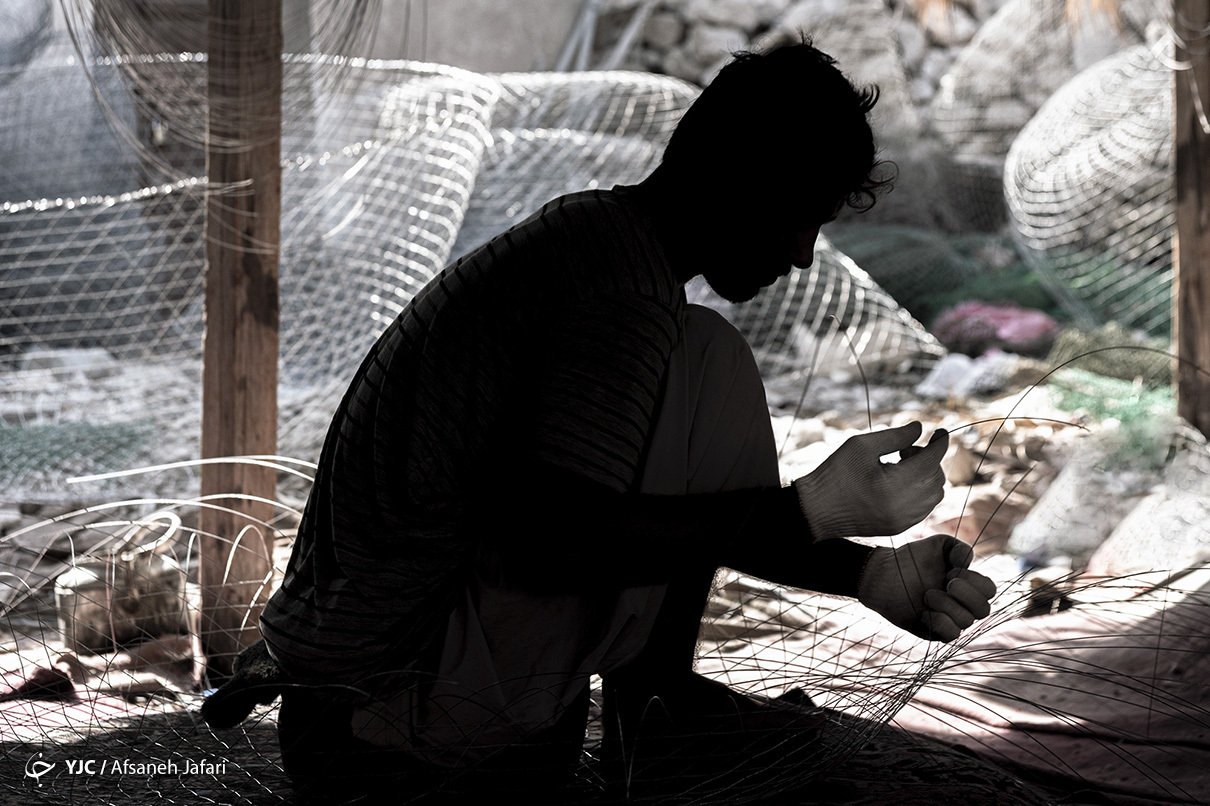
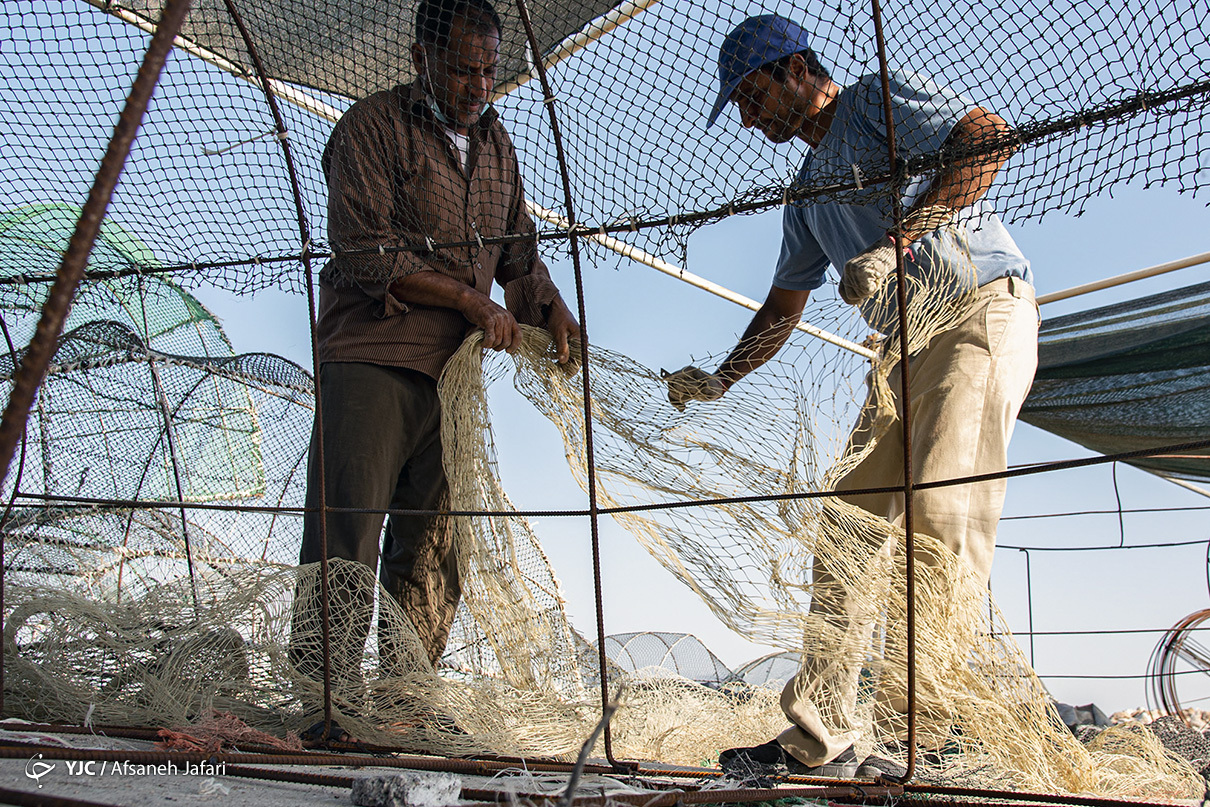
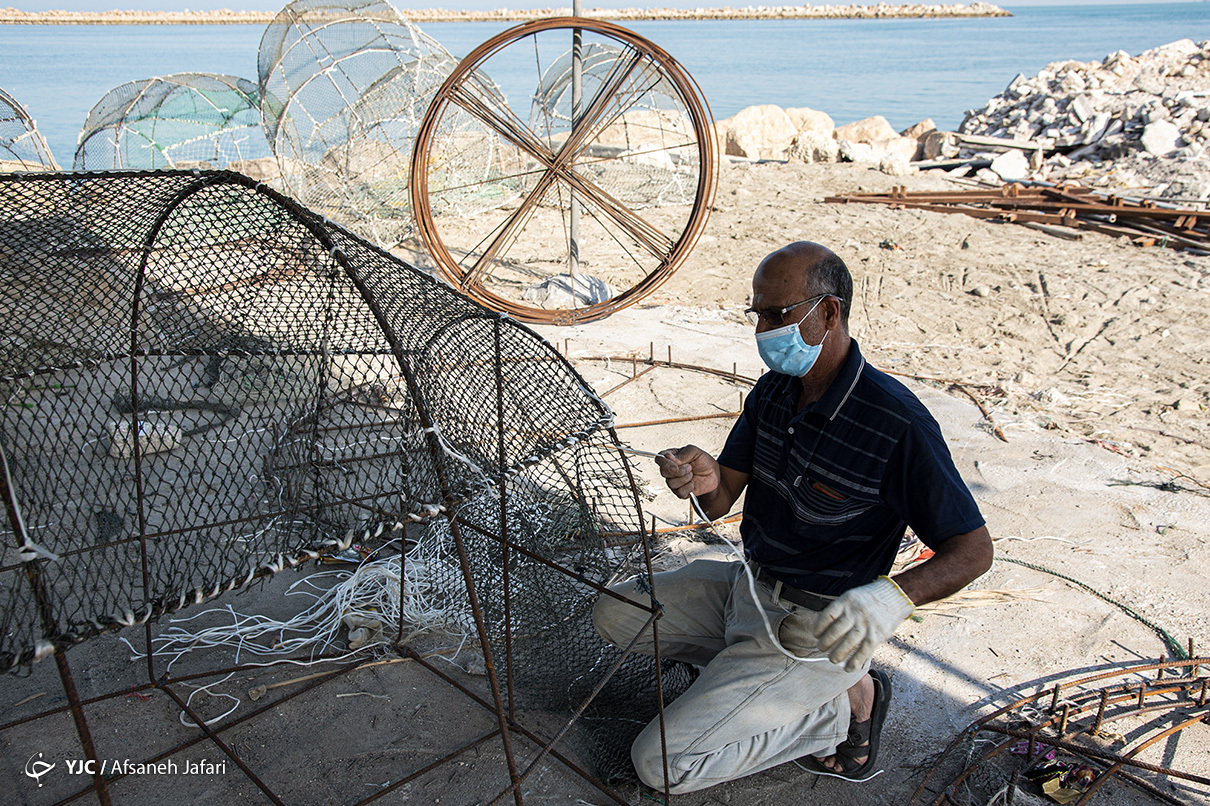
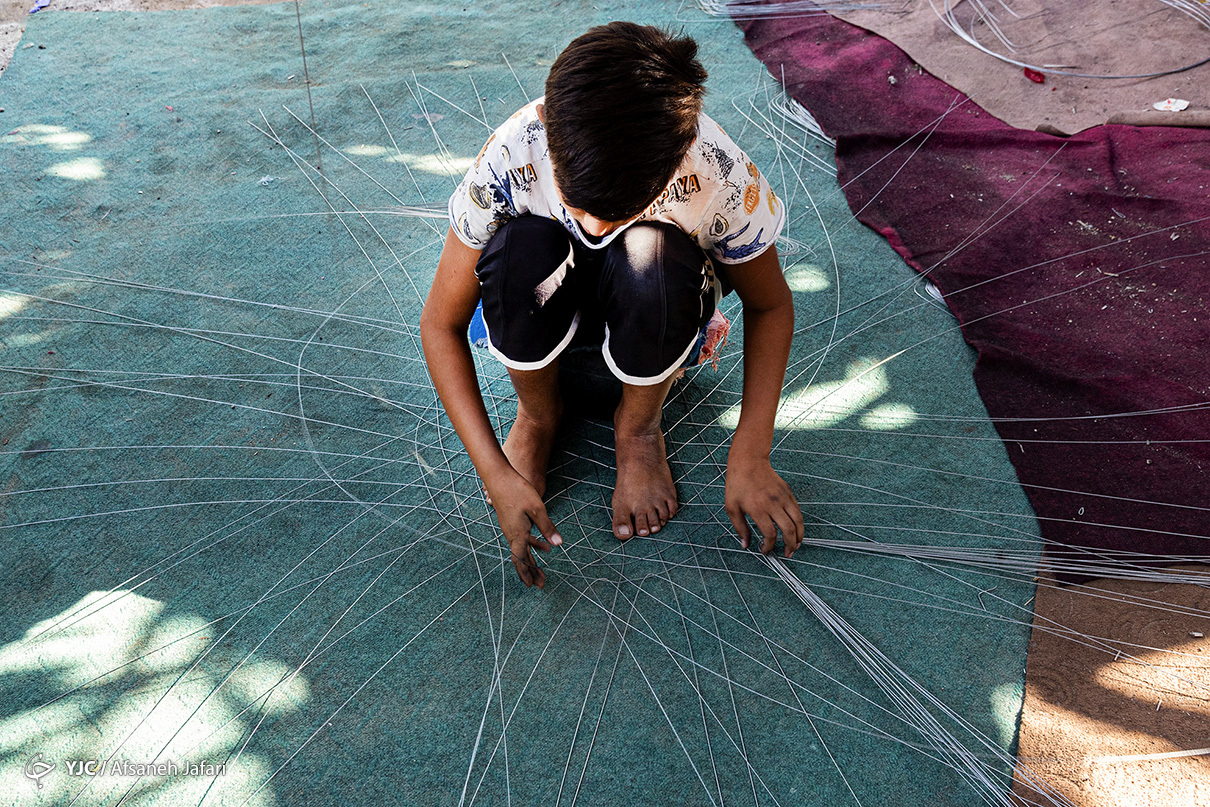
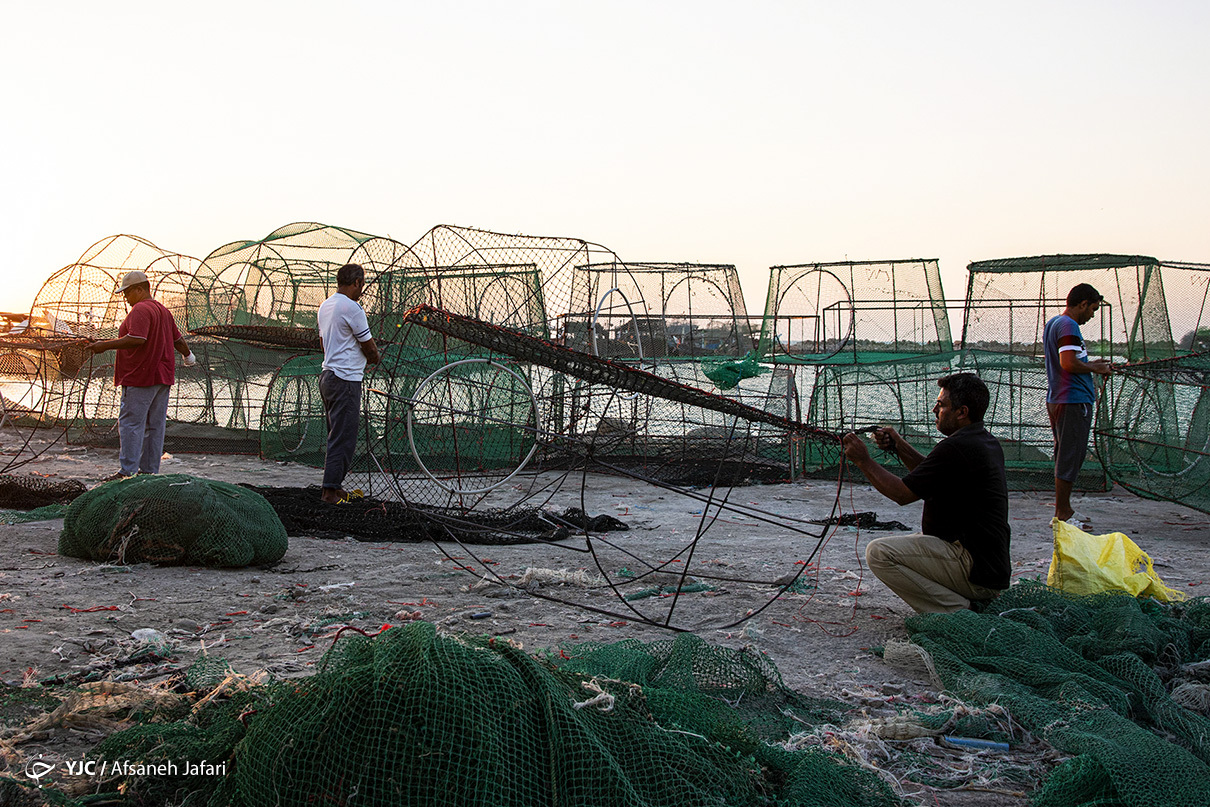
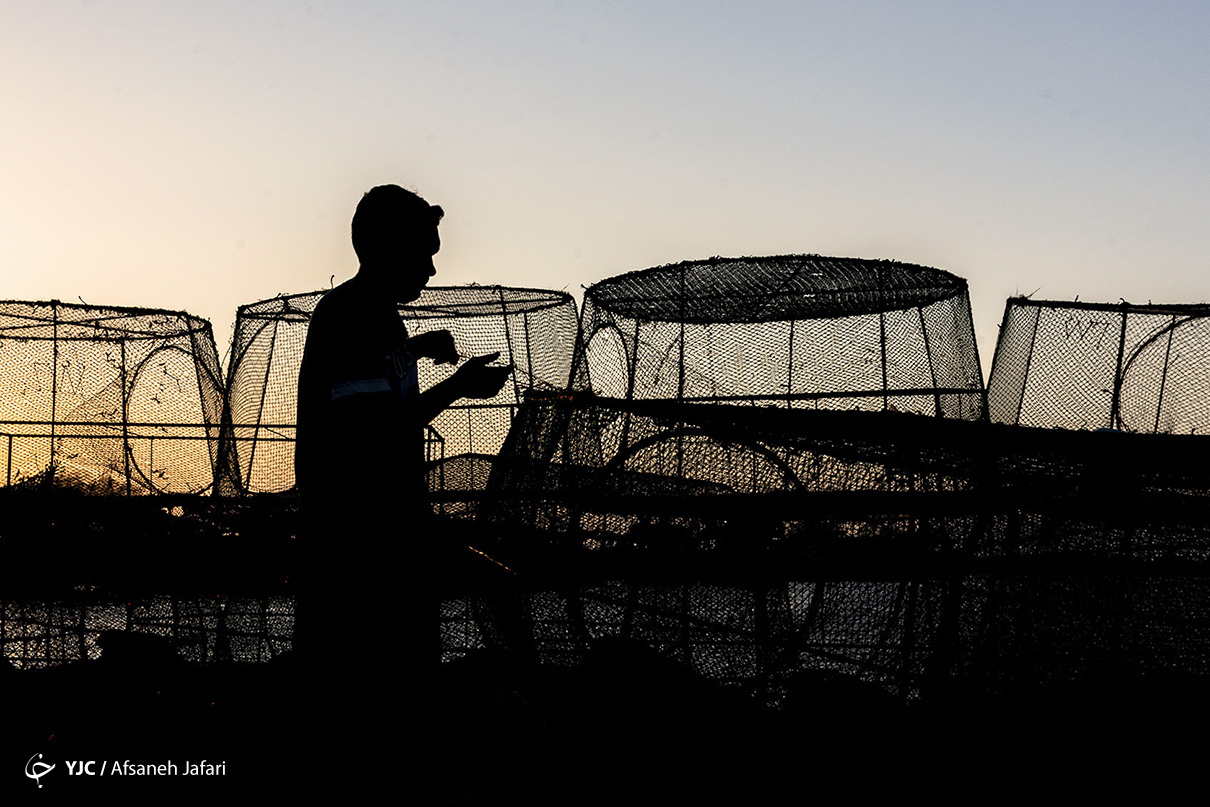
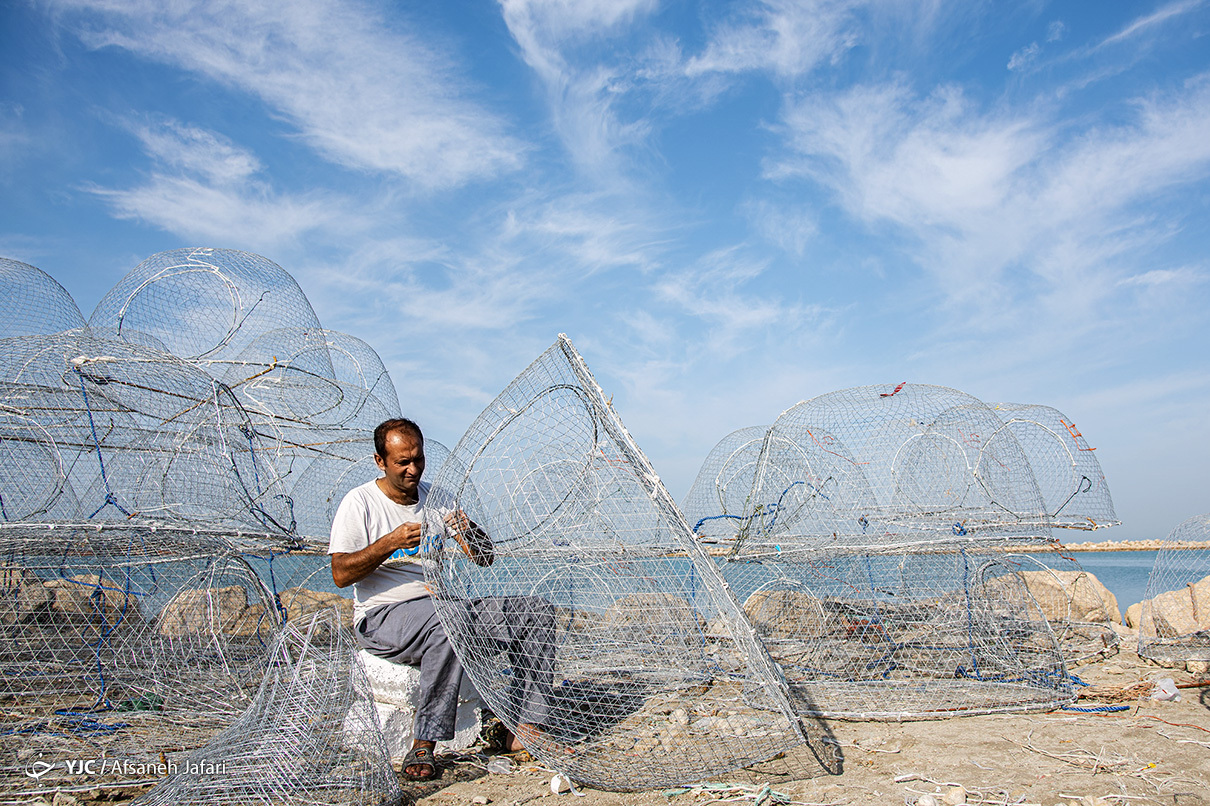
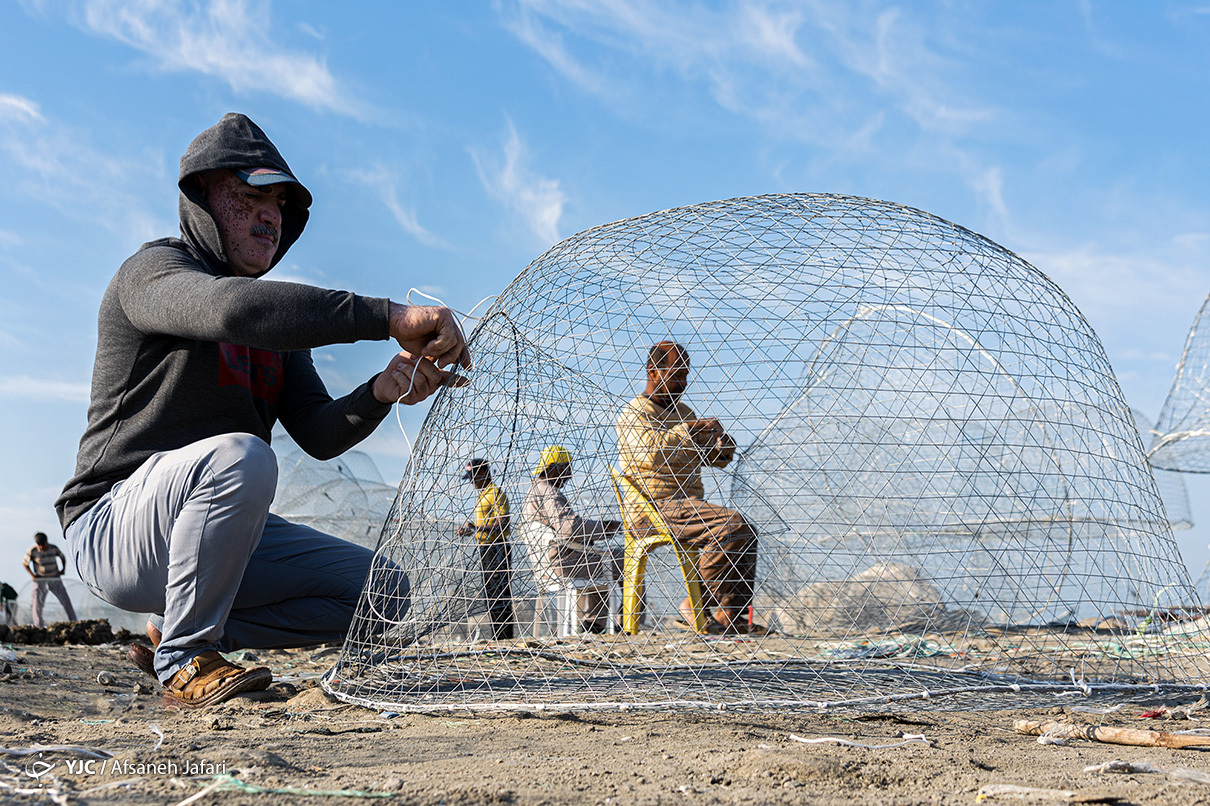
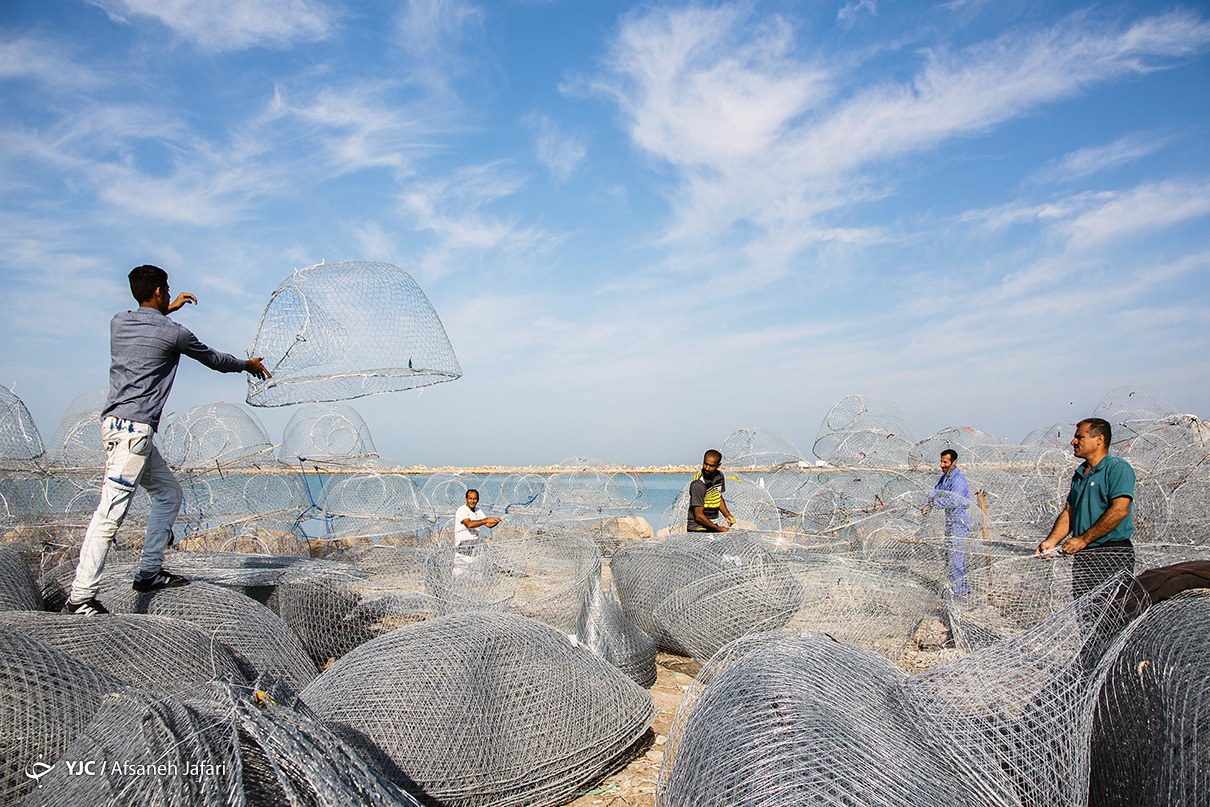
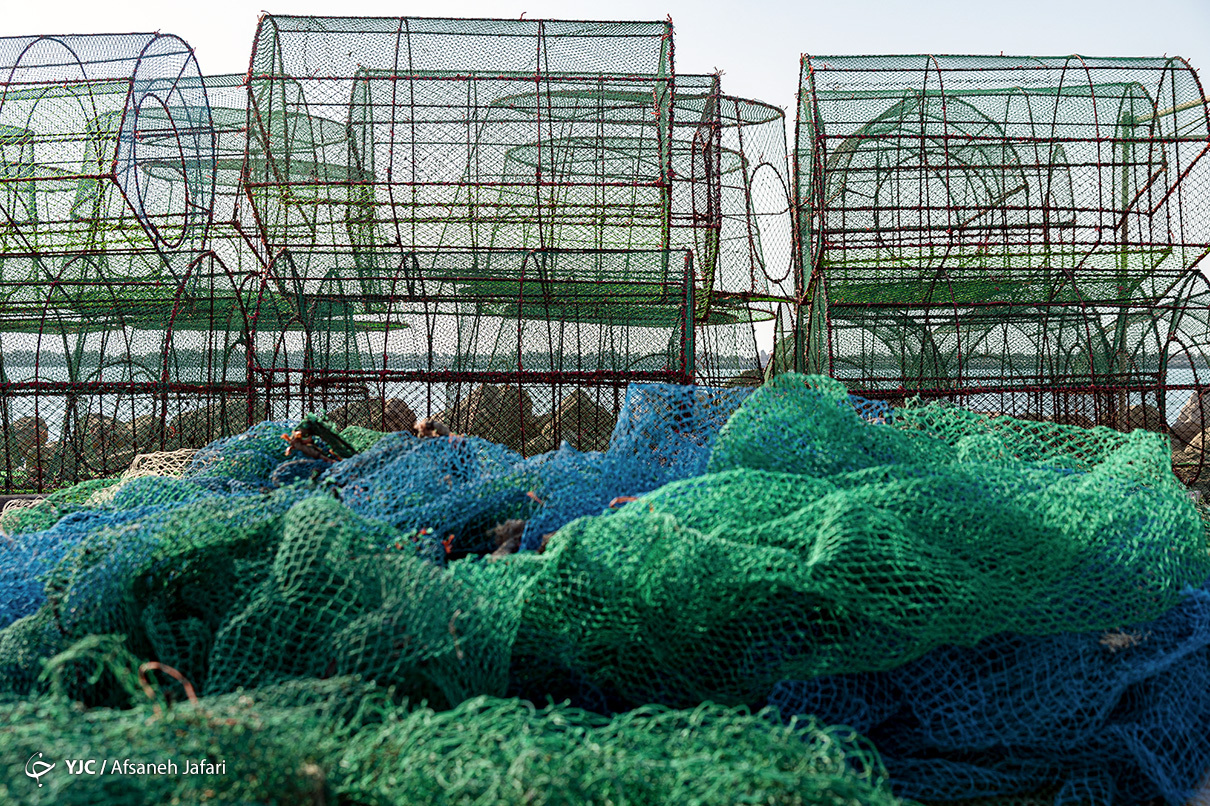
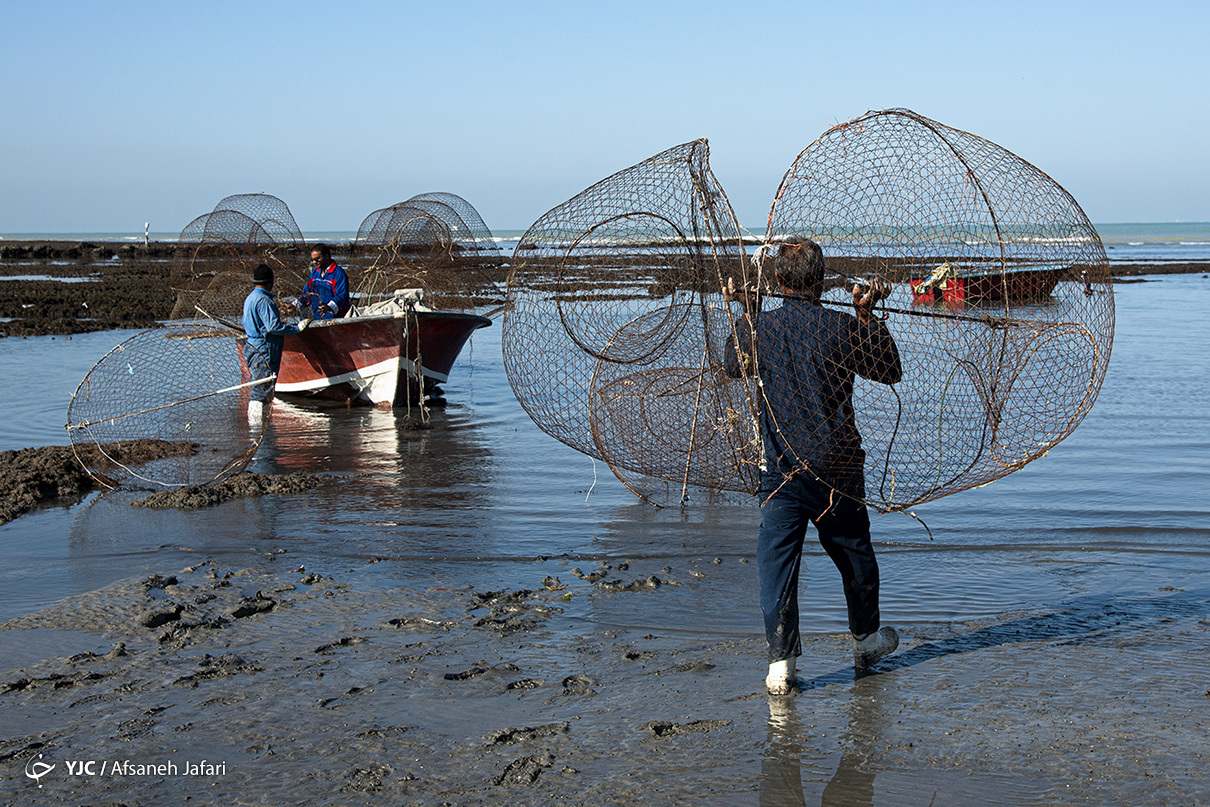
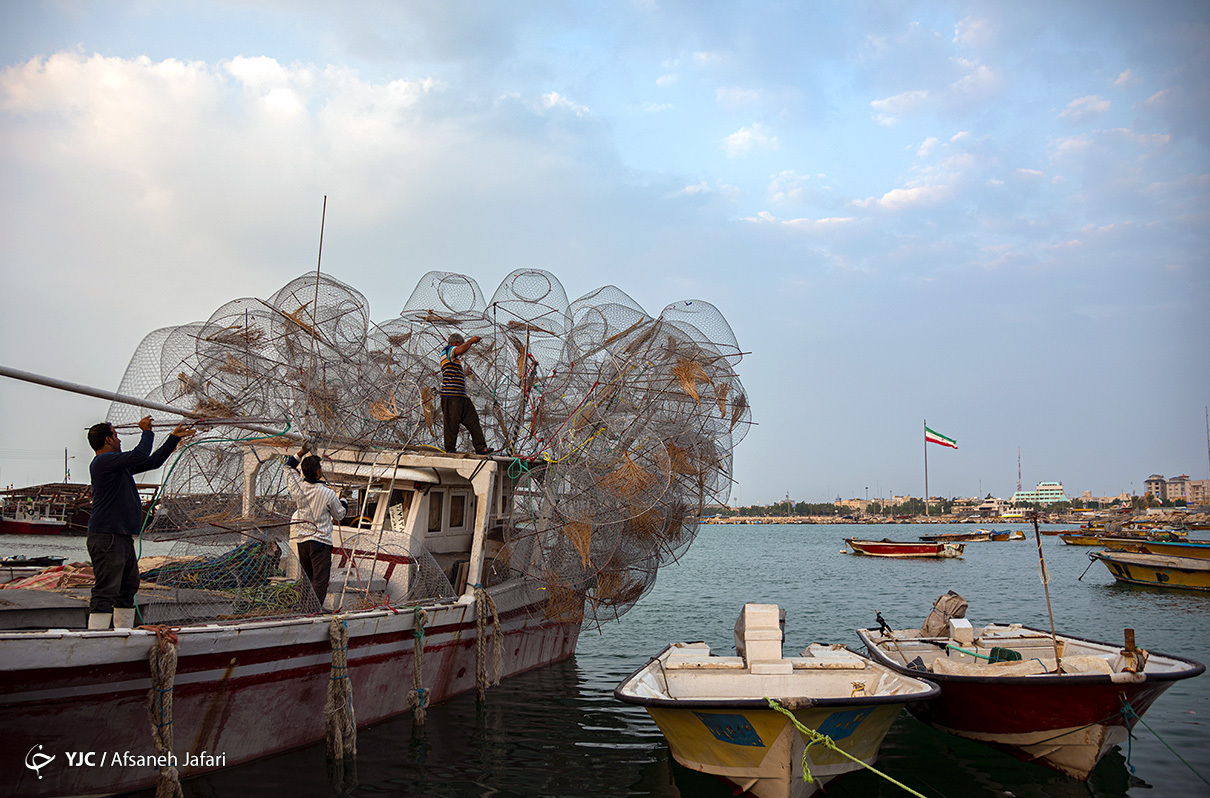
Gargoors are basket traps used to catch fish. Craftspeople carefully and patiently weave metal wire into a basket-shaped cage which is used as a fishing trap.

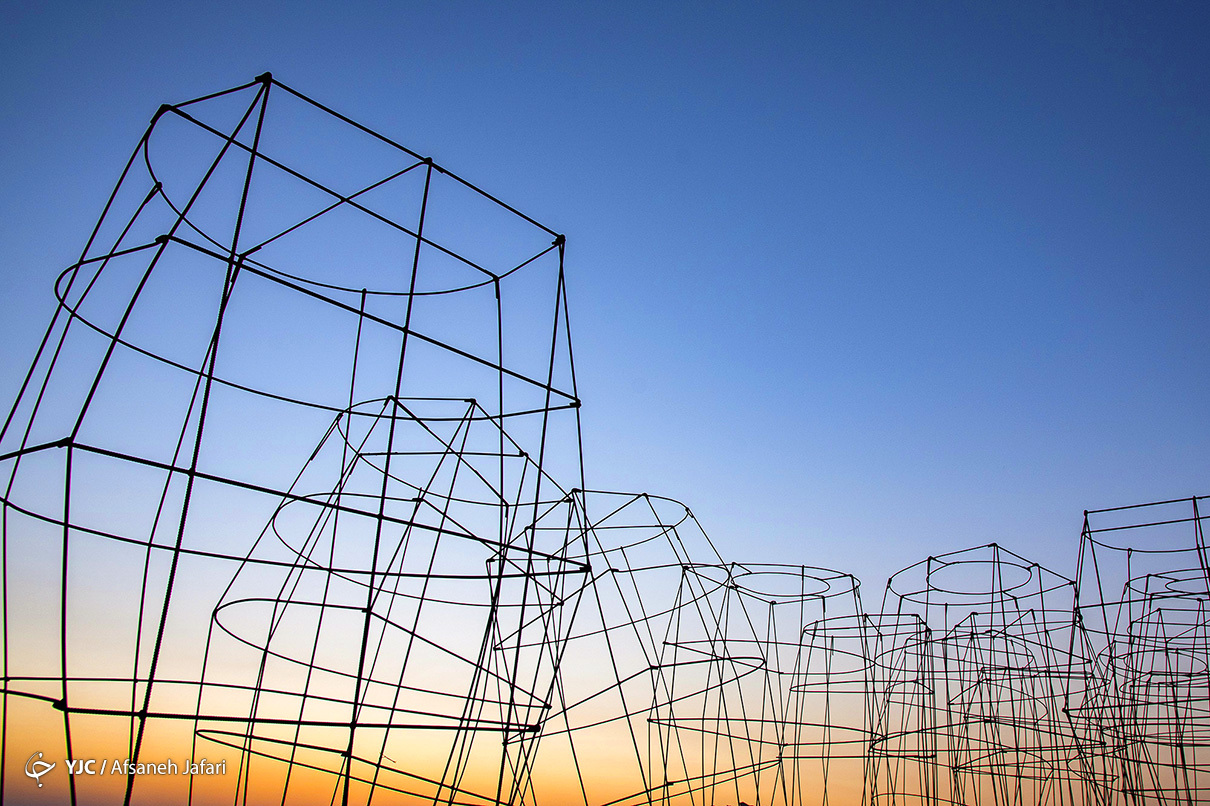
Recently, larger gargoors have been made with metal bars covered with a net in order to catch bigger fish.

Gargoors are dome-shaped cages used to catch marine animals. The door of the gargoor functions as a one-way funnel. Fish are unable to get out of the trap after entering it, and that is how they are entrapped.

In the past, gargoors used to be made with branches of the palm tree and tamarisk. After metal wire hit the market, the use of wood and palm tree branches to make gargoors gradually died out.

The following are pictures of gargoor-weaving courtesy of the Young Journalists’ Club (YJC).


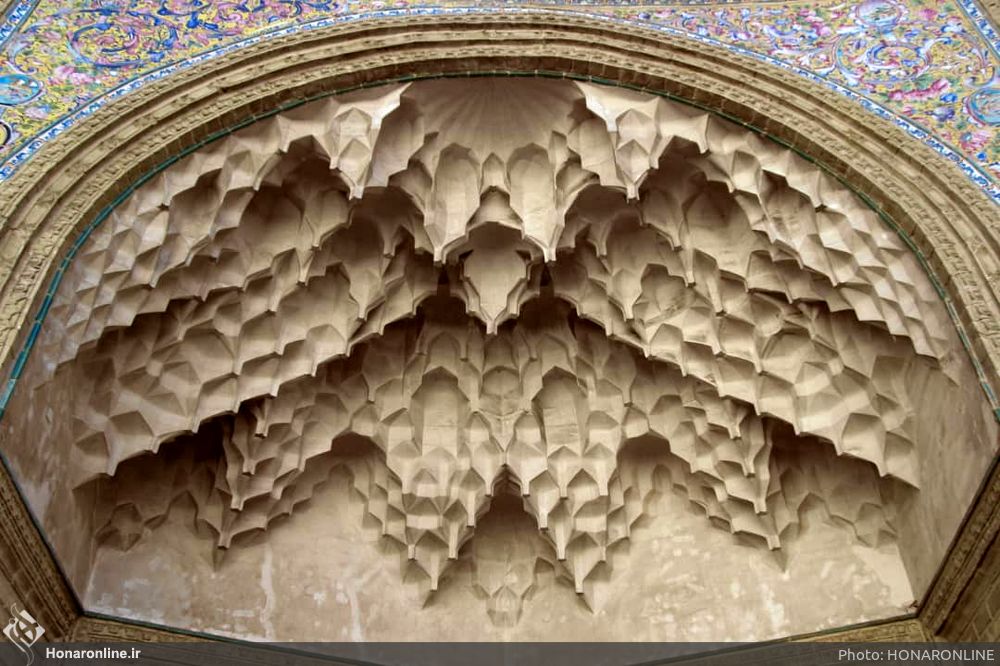
Muqarnas: An Exquisite Ornamental Art in Iranian Architecture

Muqarnas

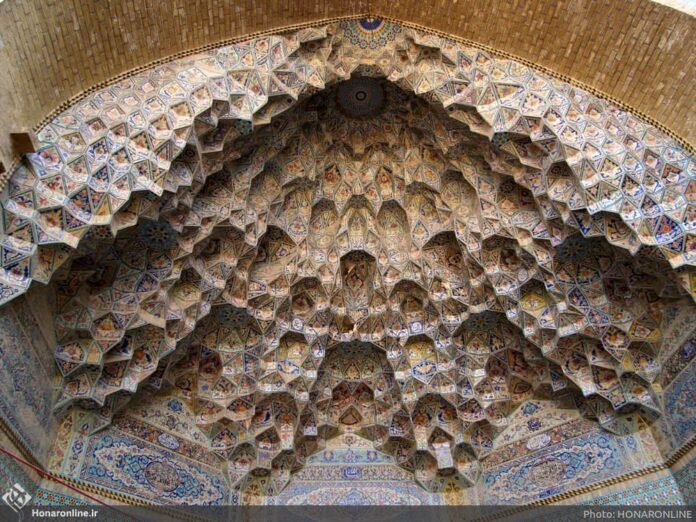
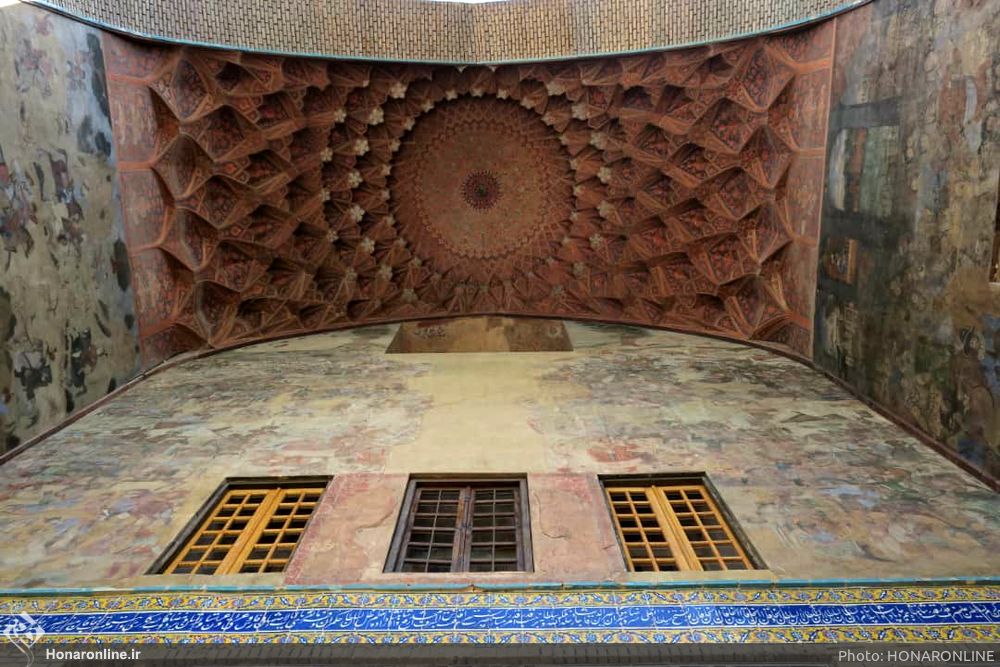
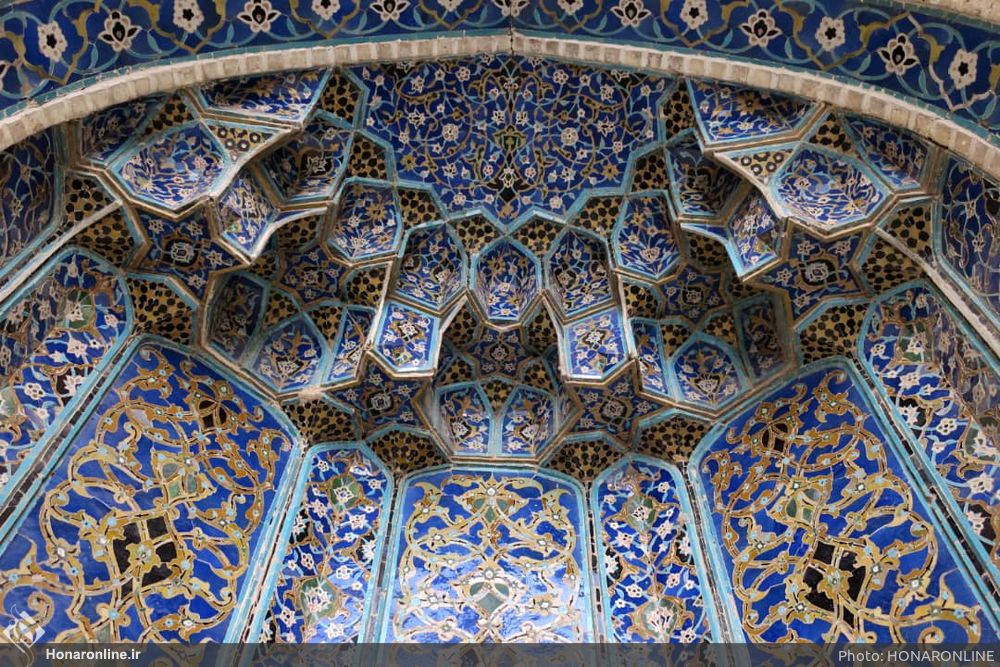
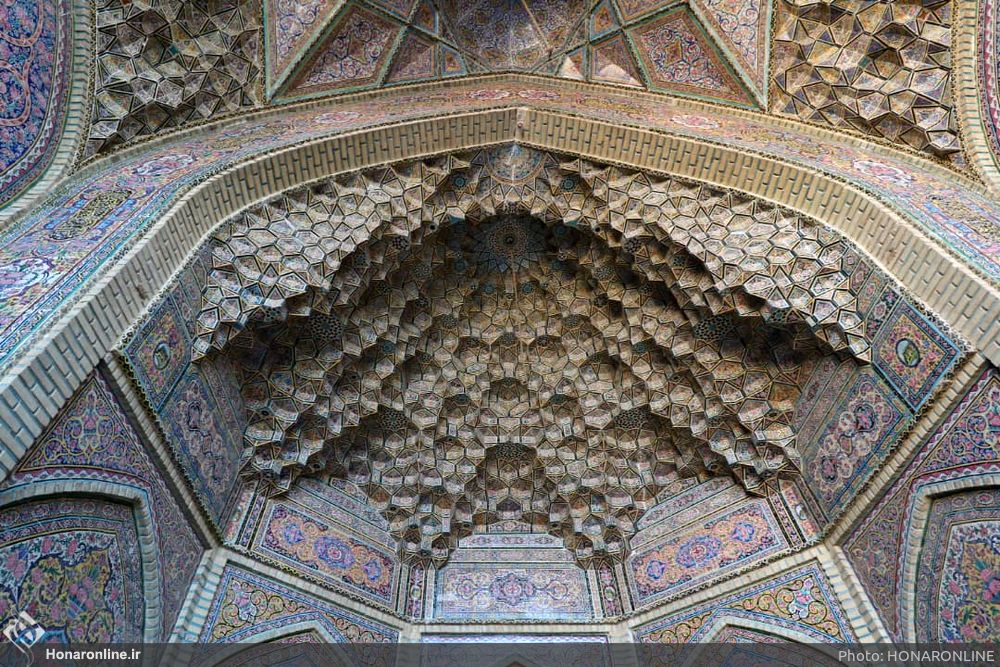
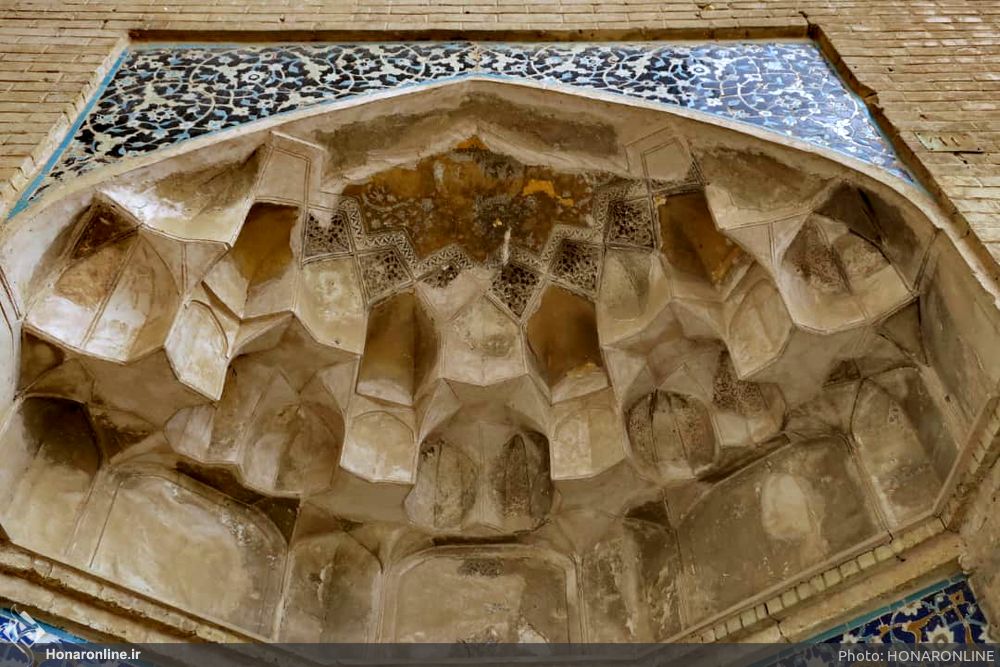
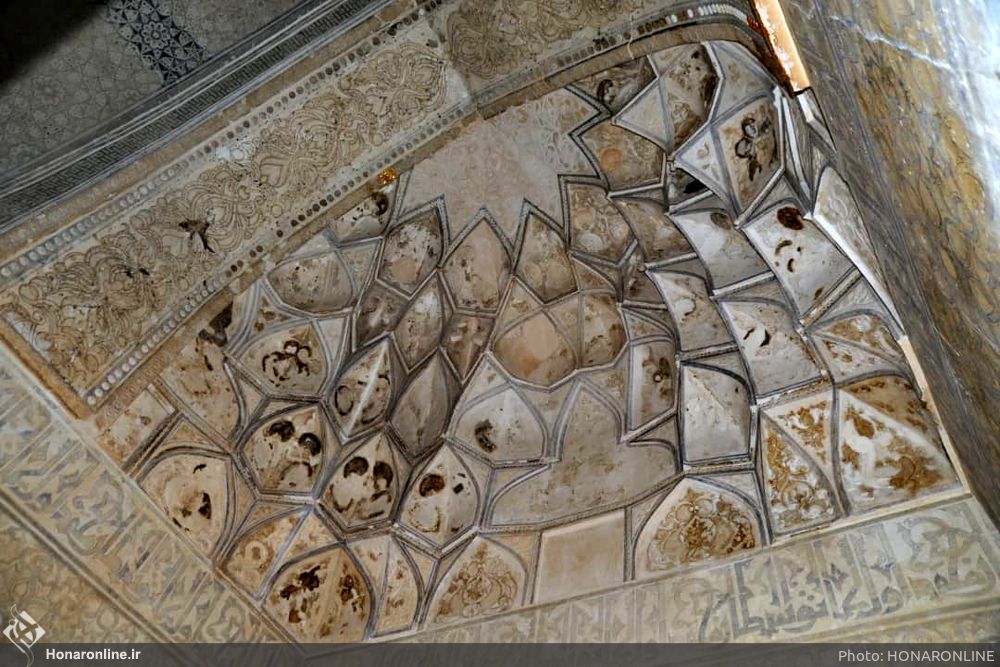
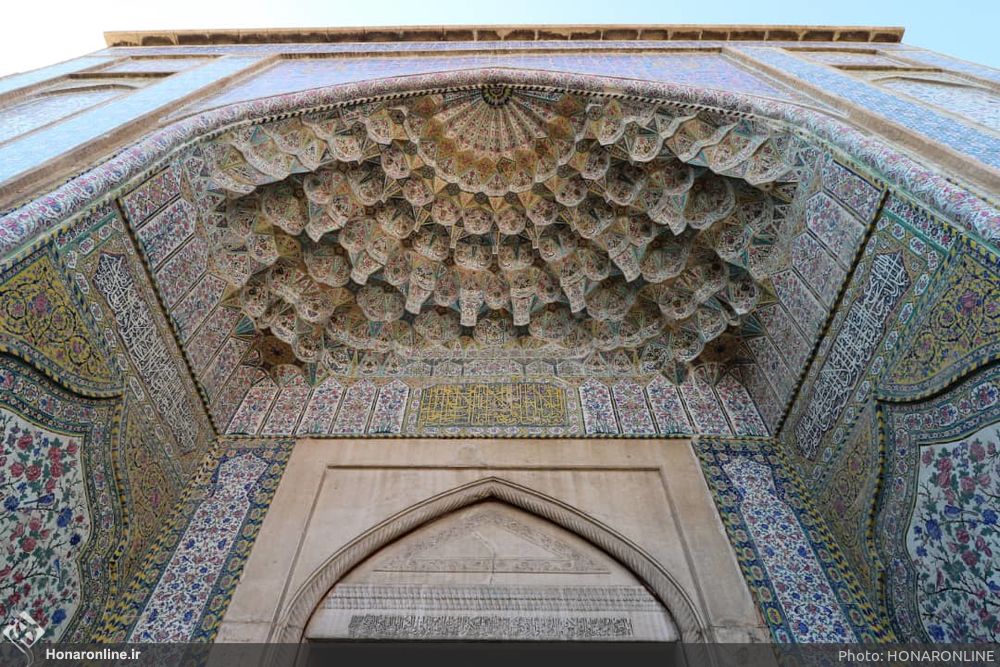
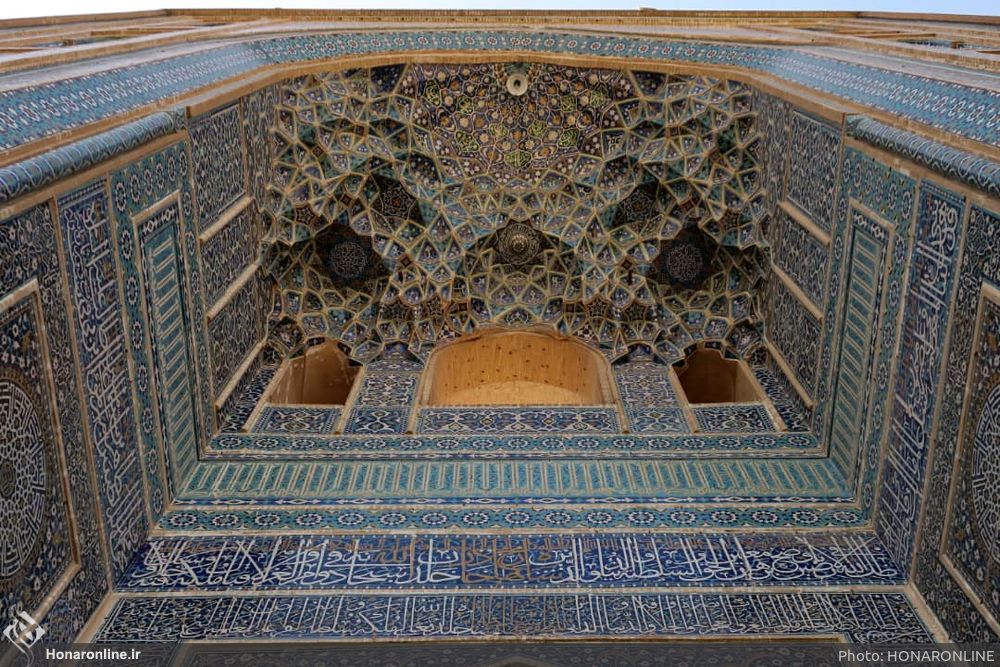
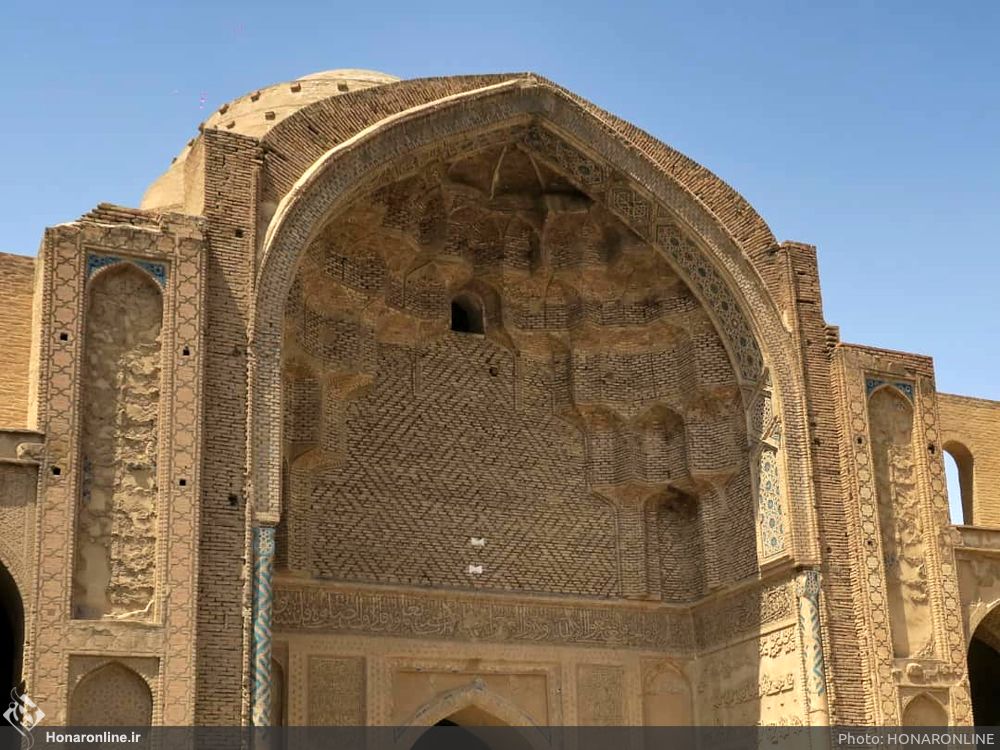
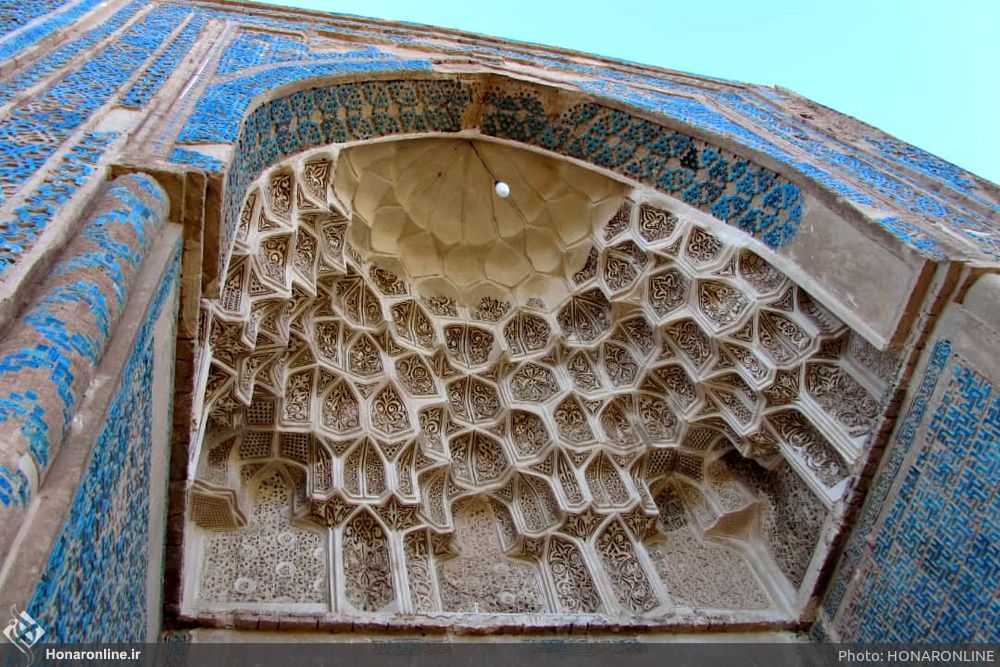
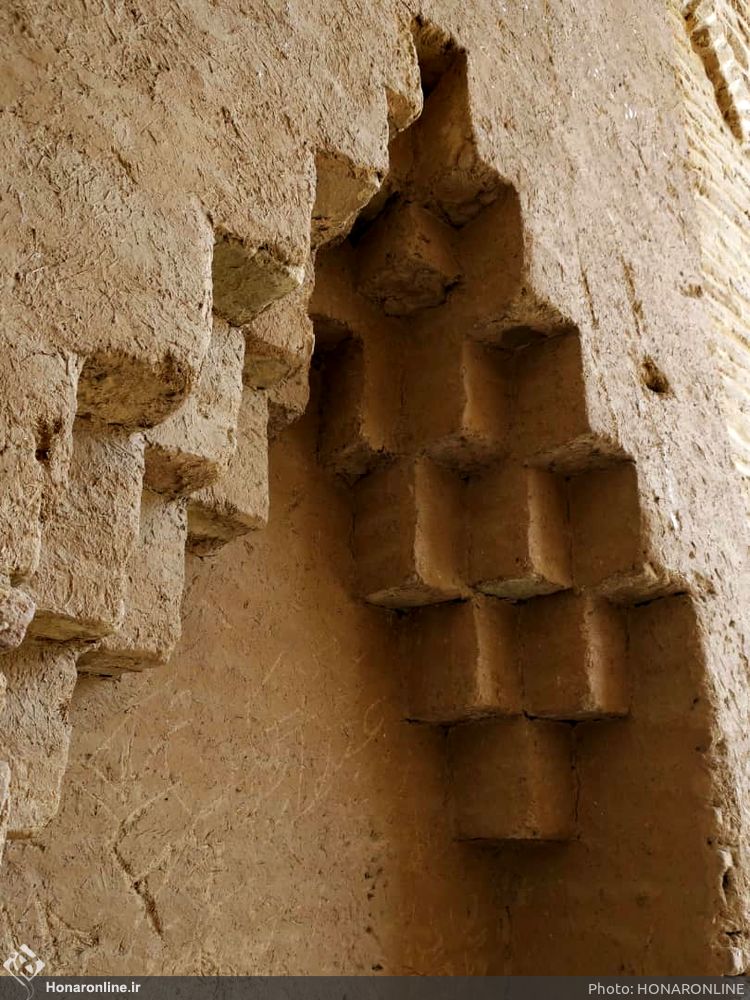
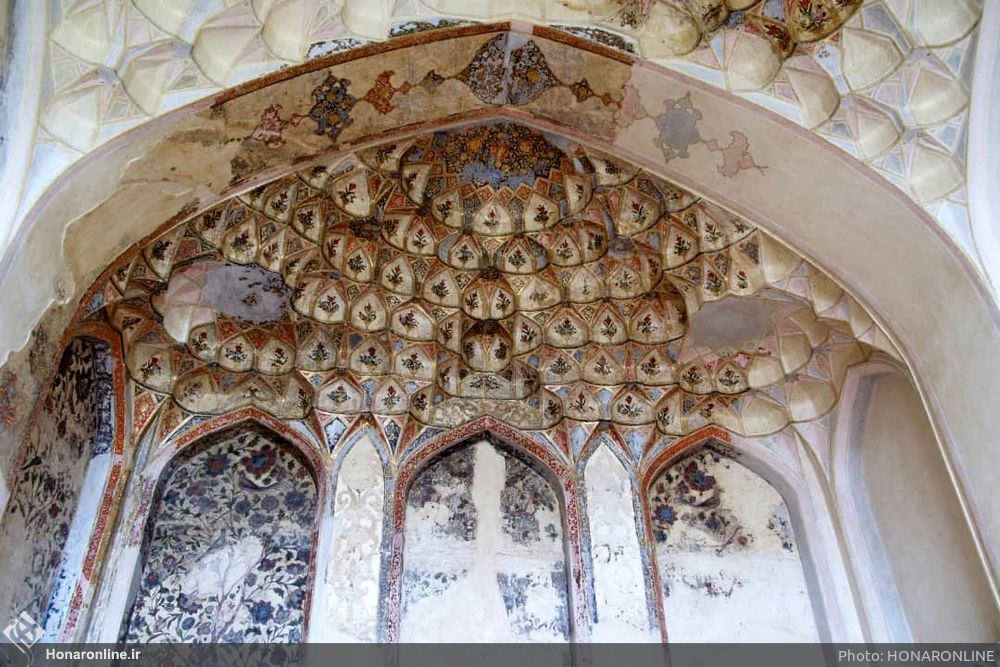
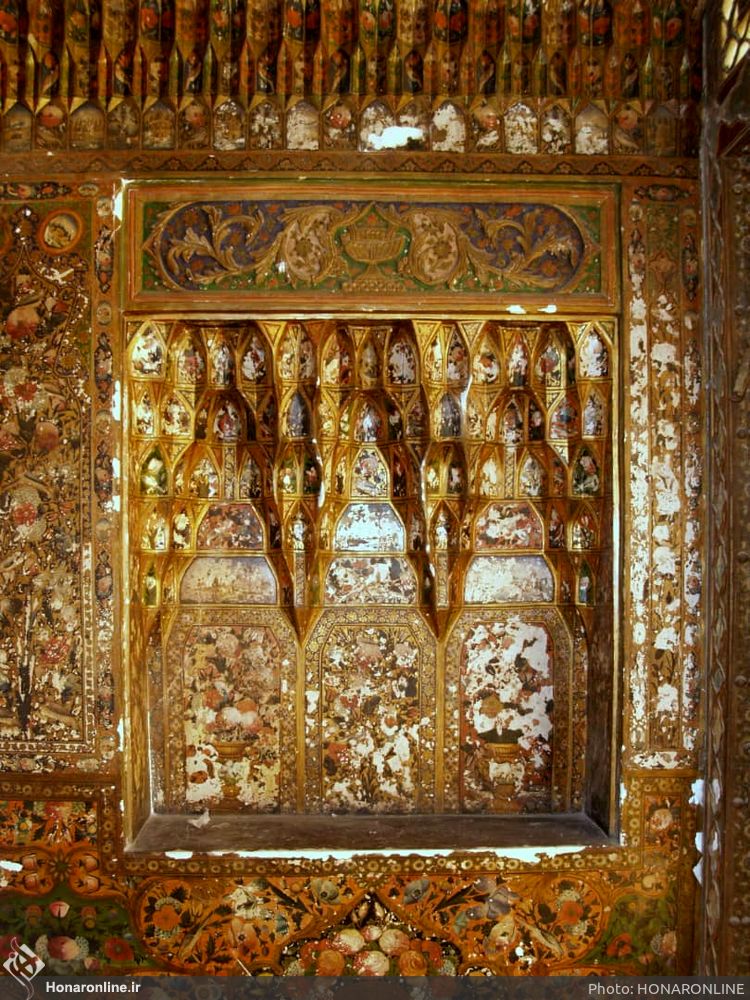
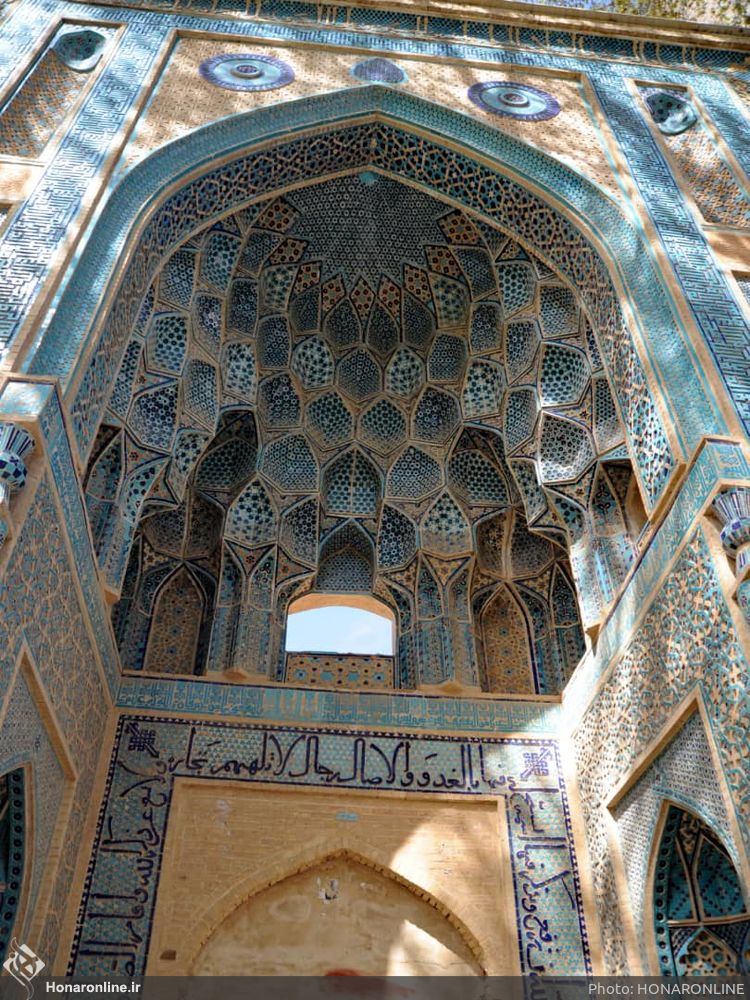
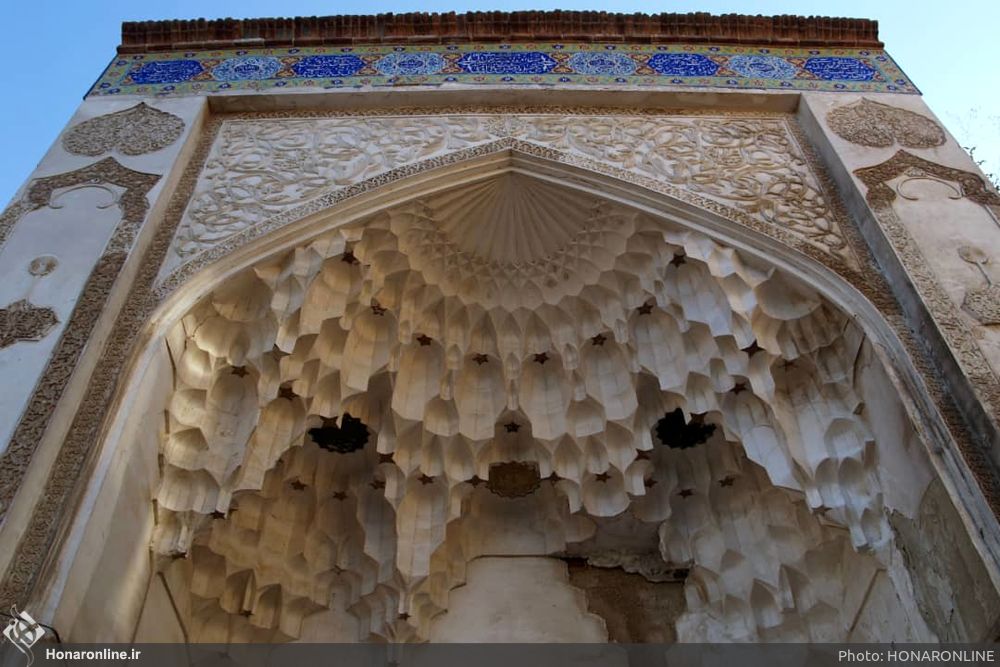
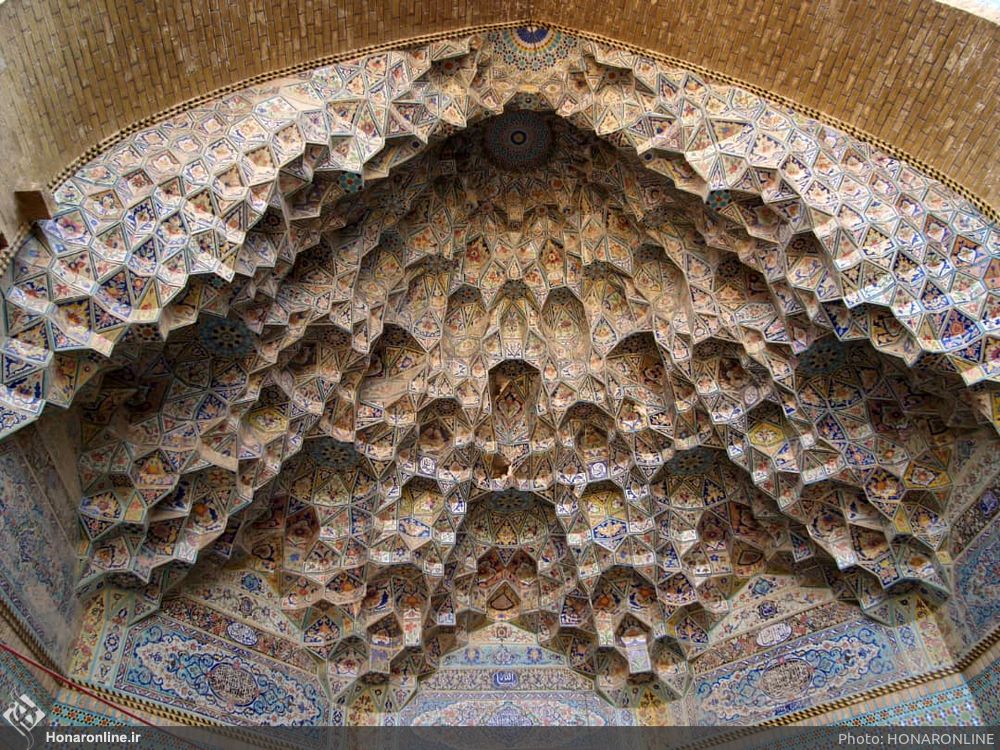
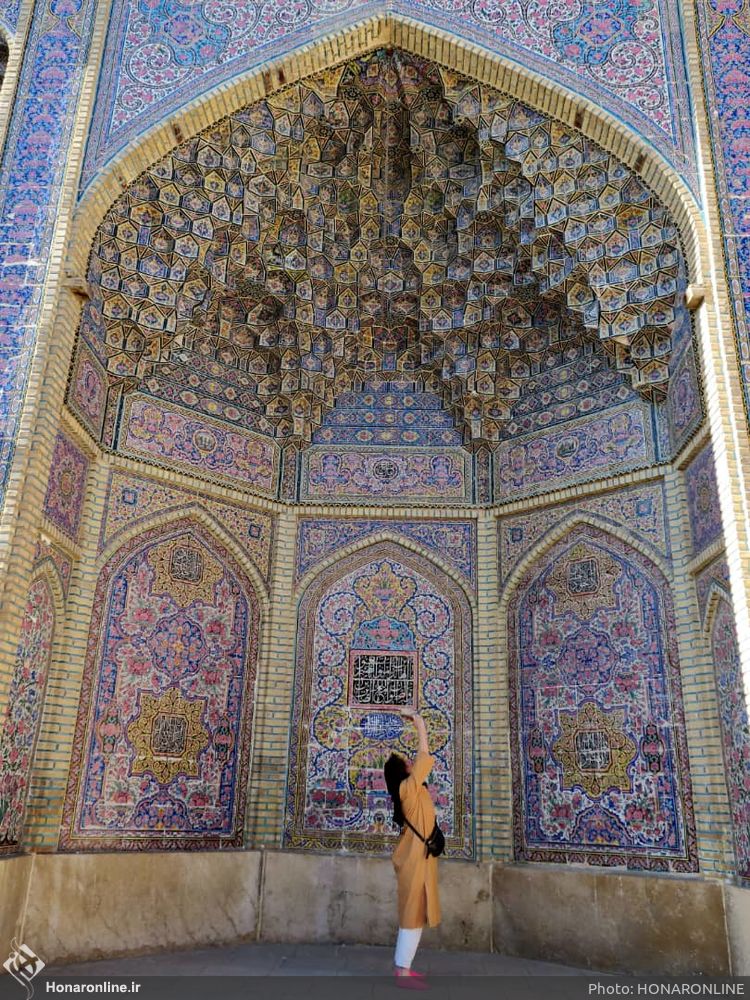
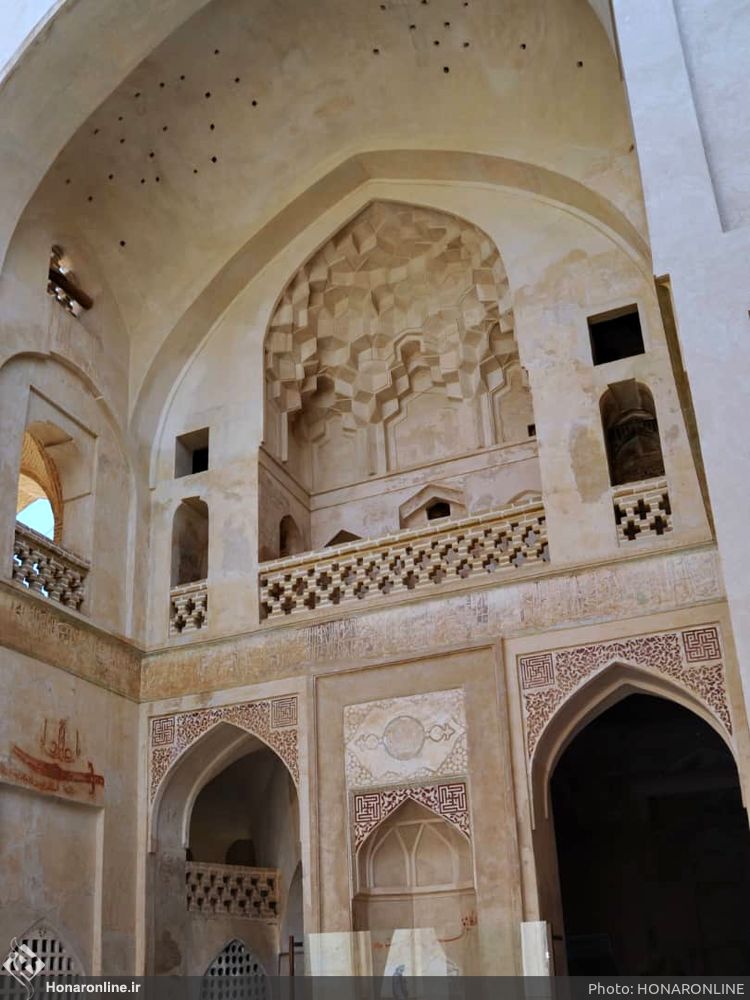
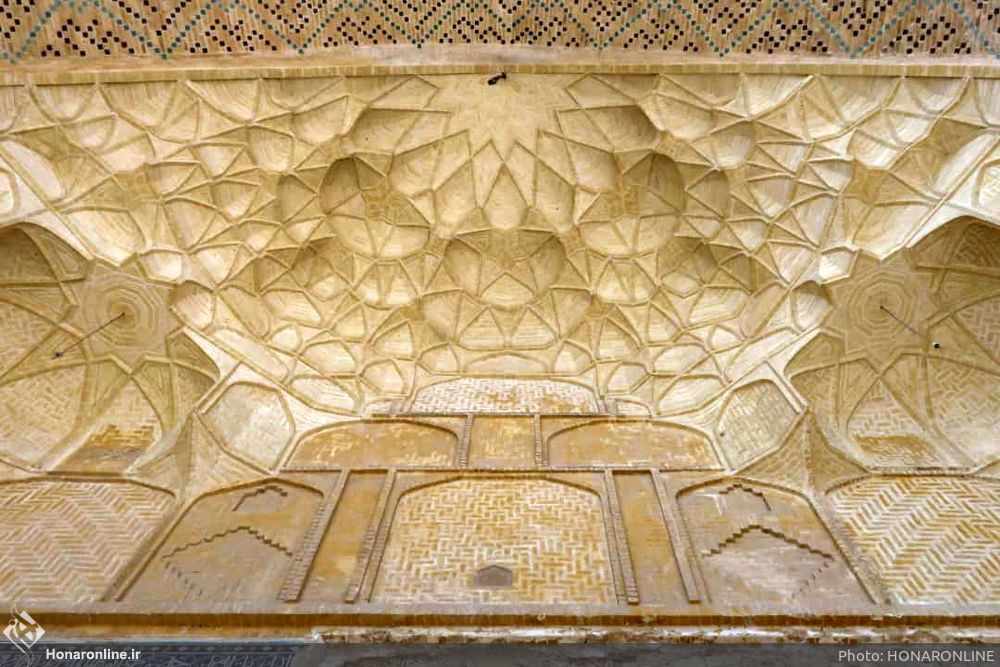
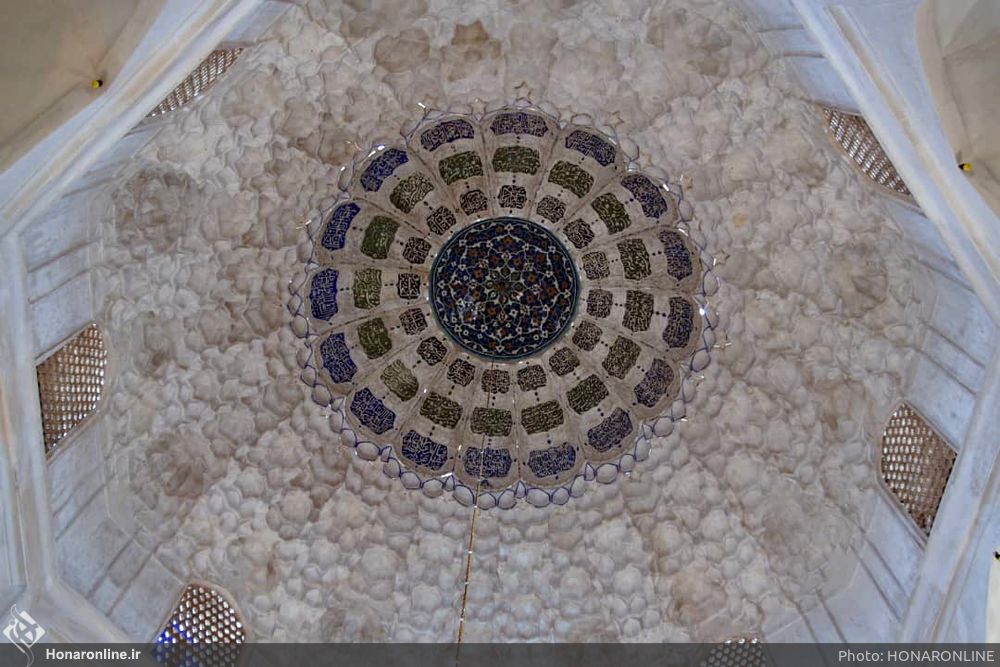
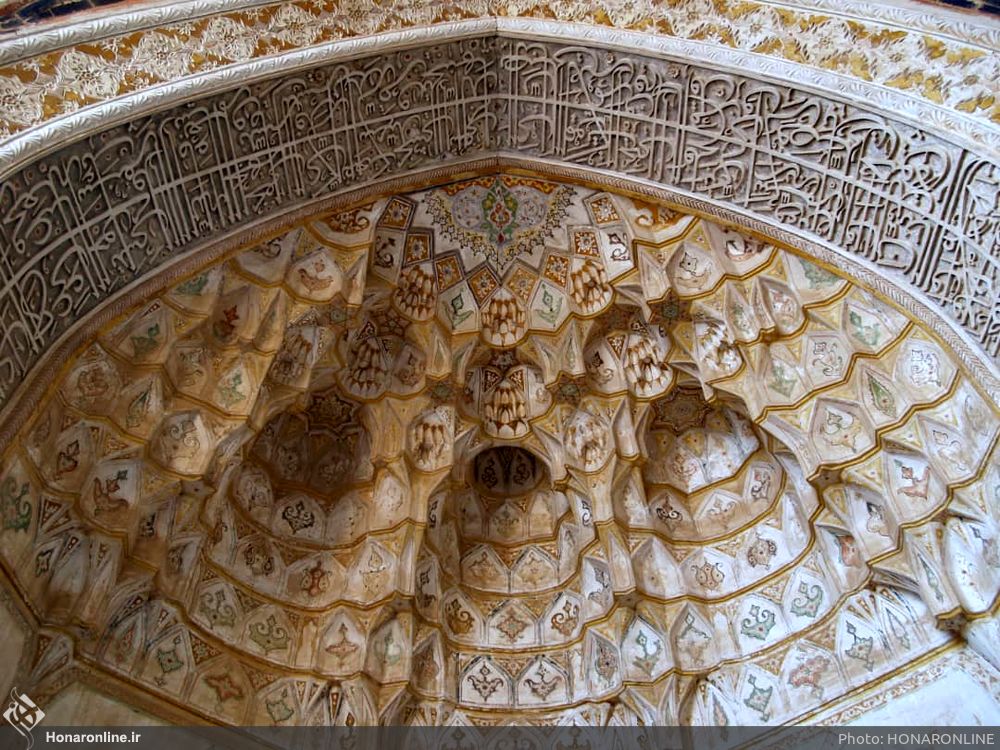
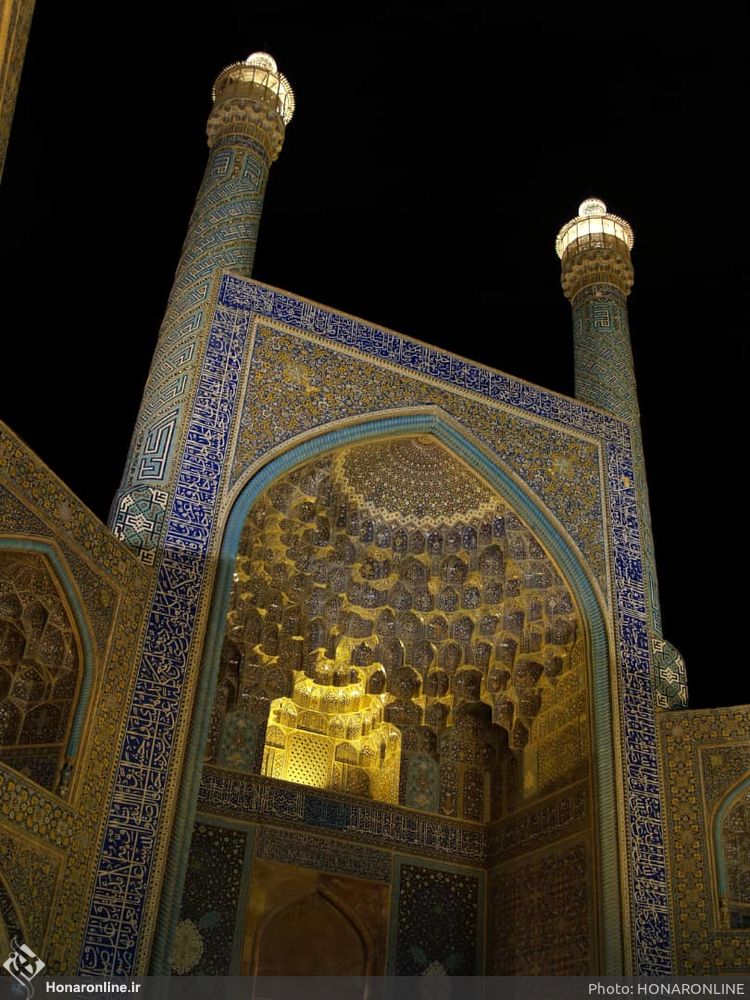
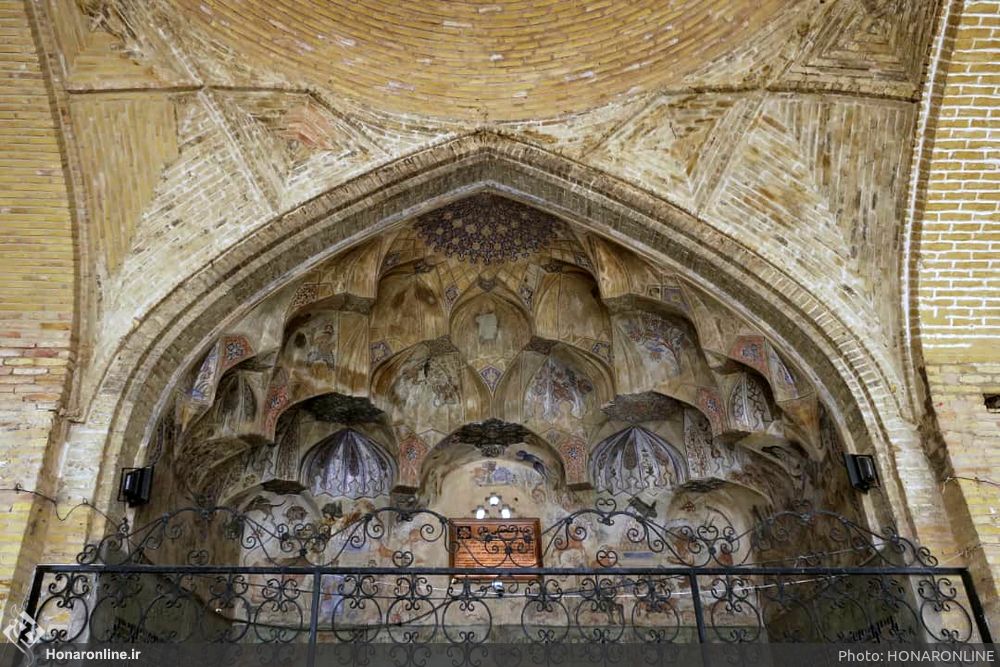
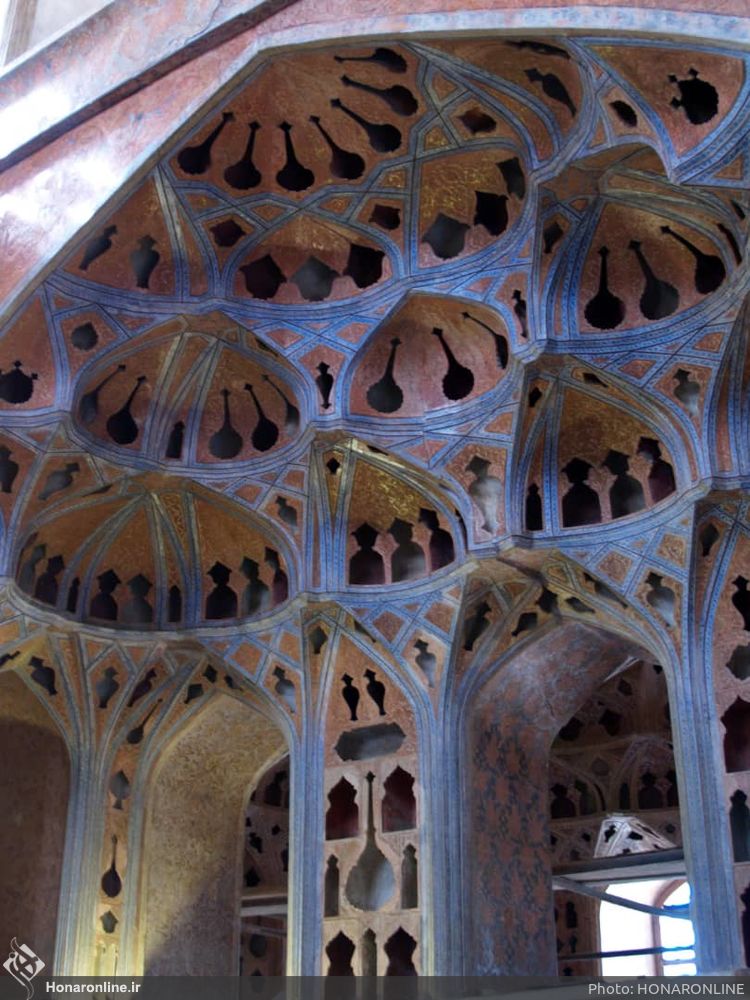
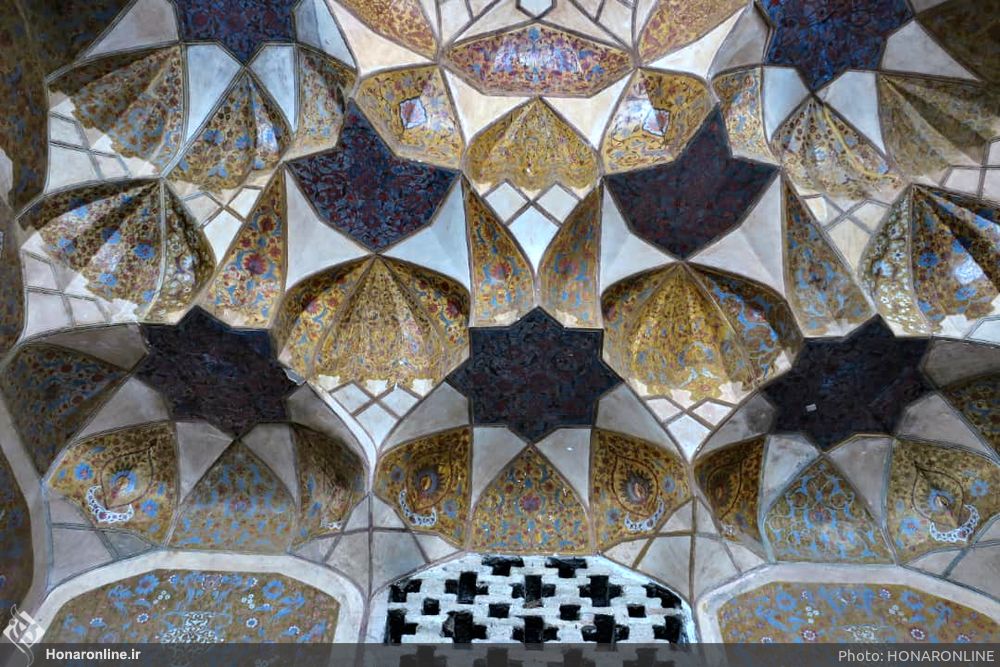
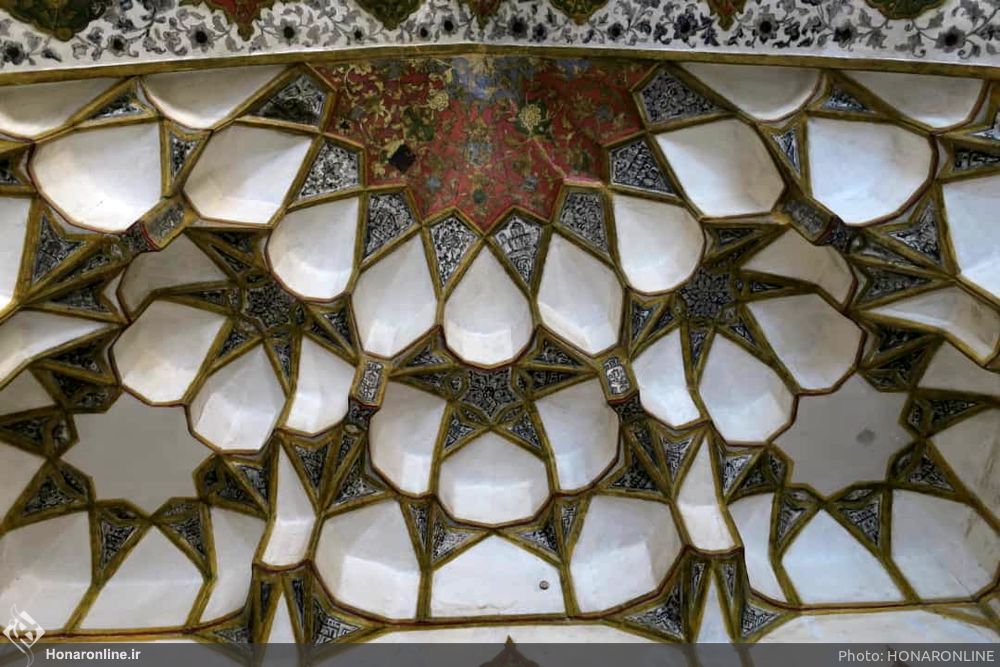
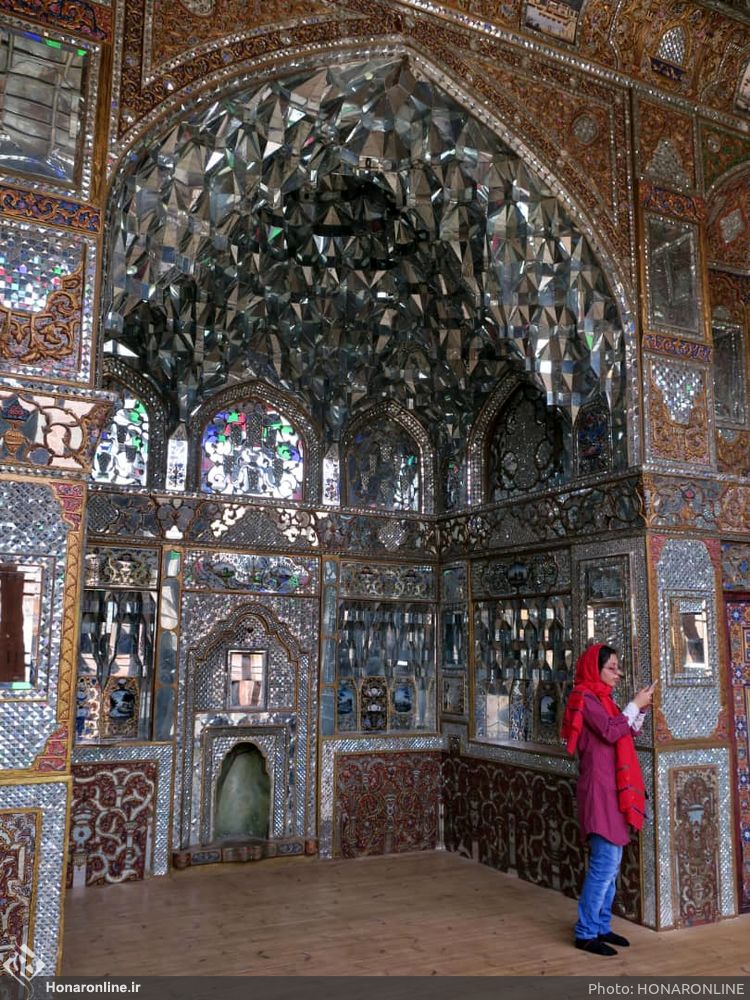
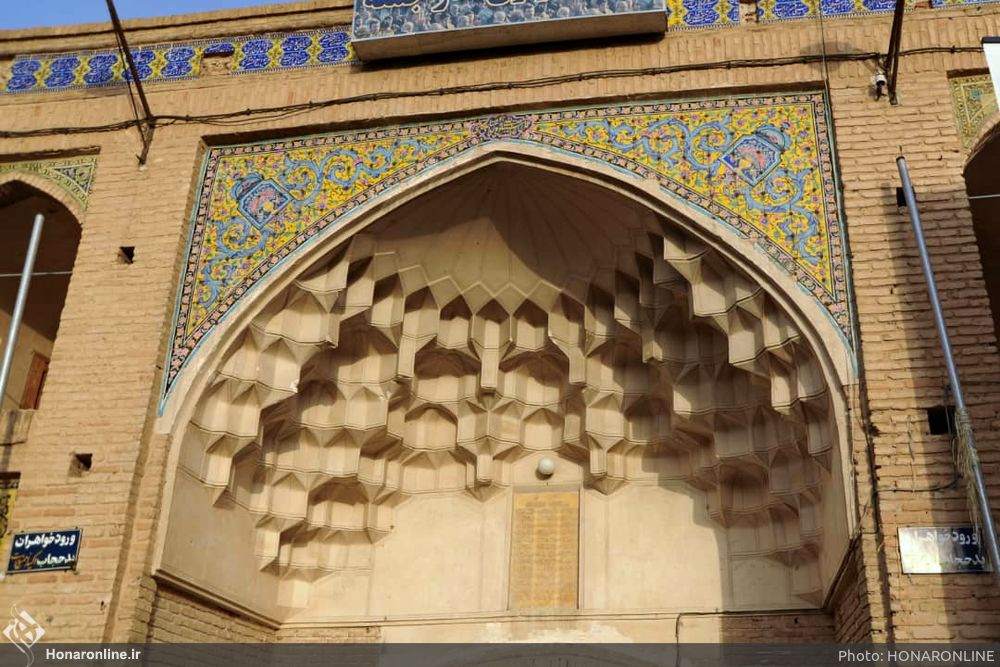
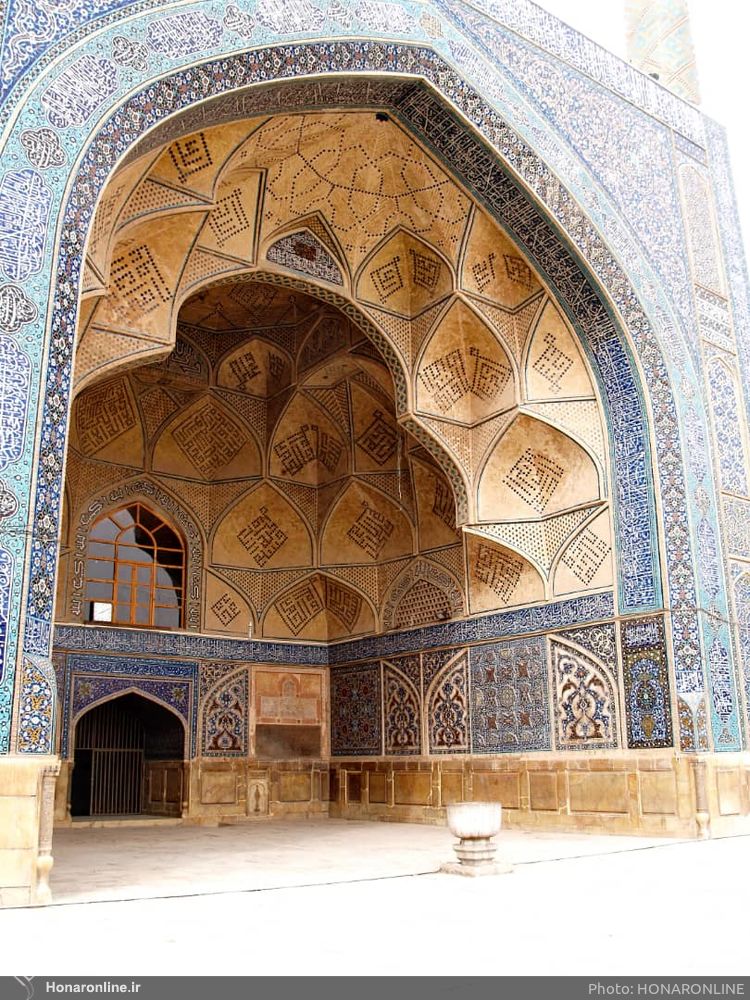
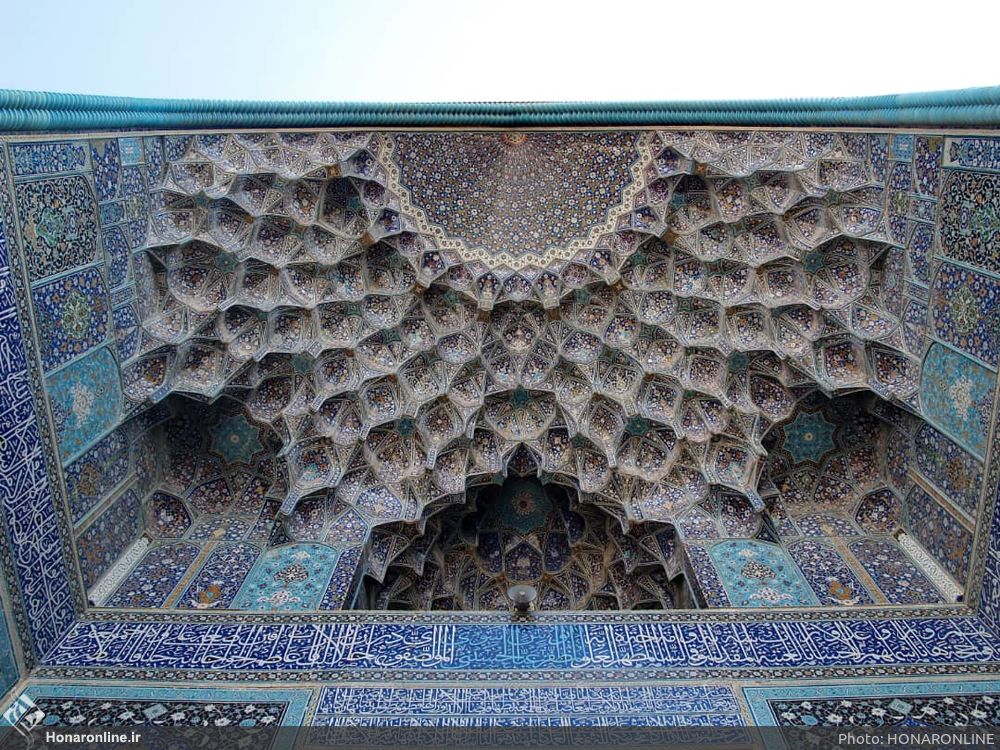
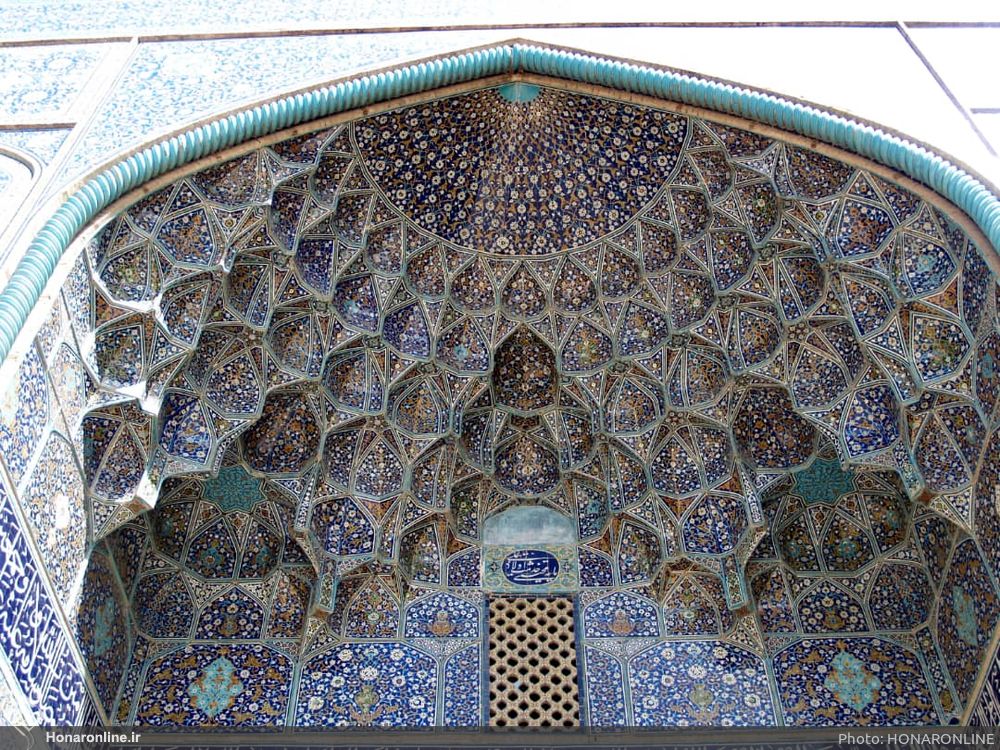
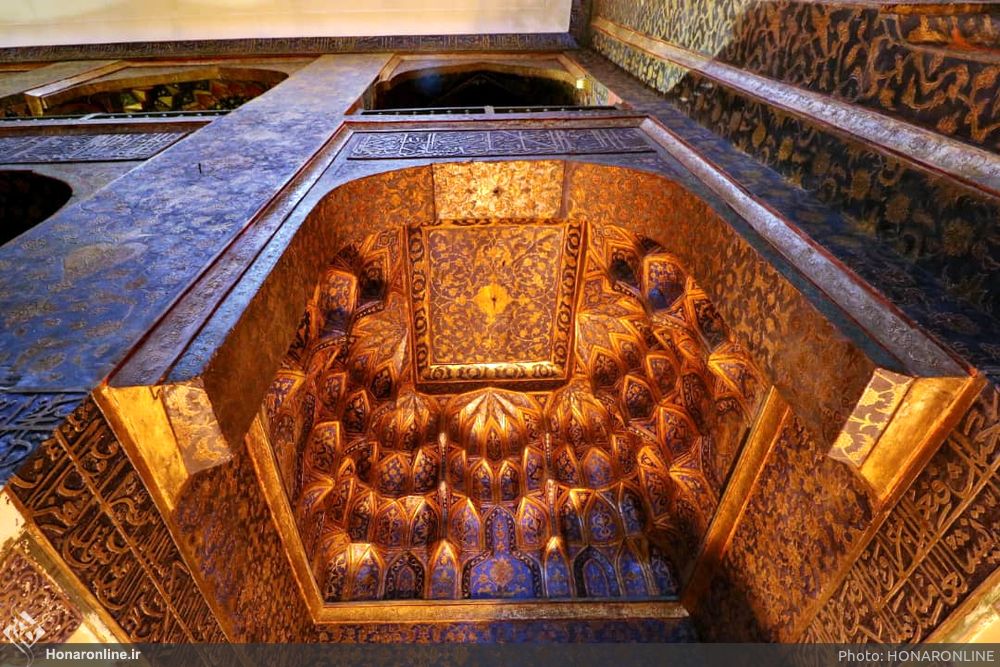
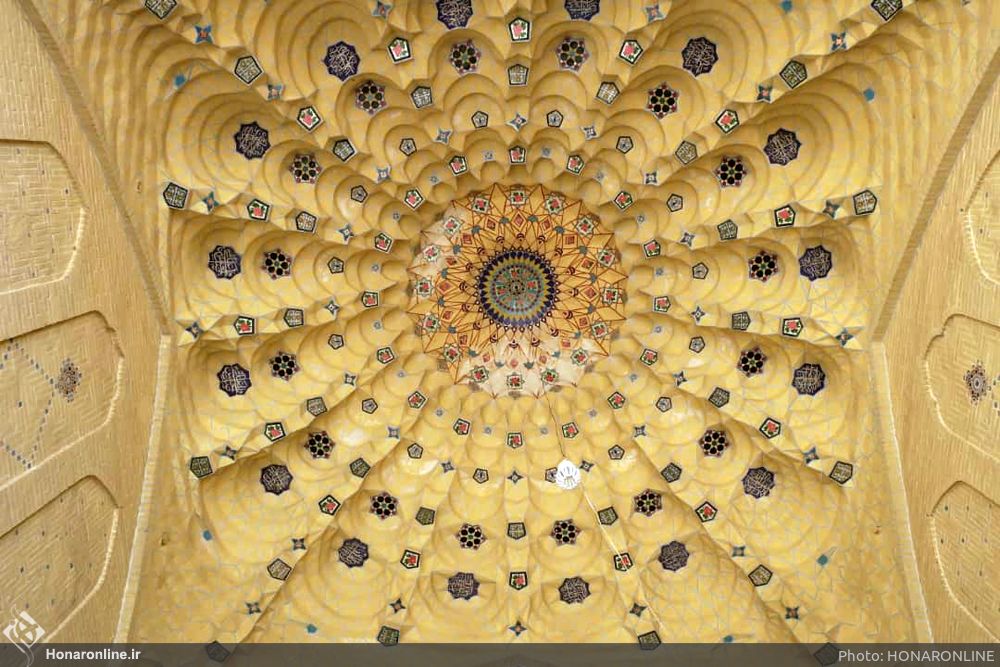
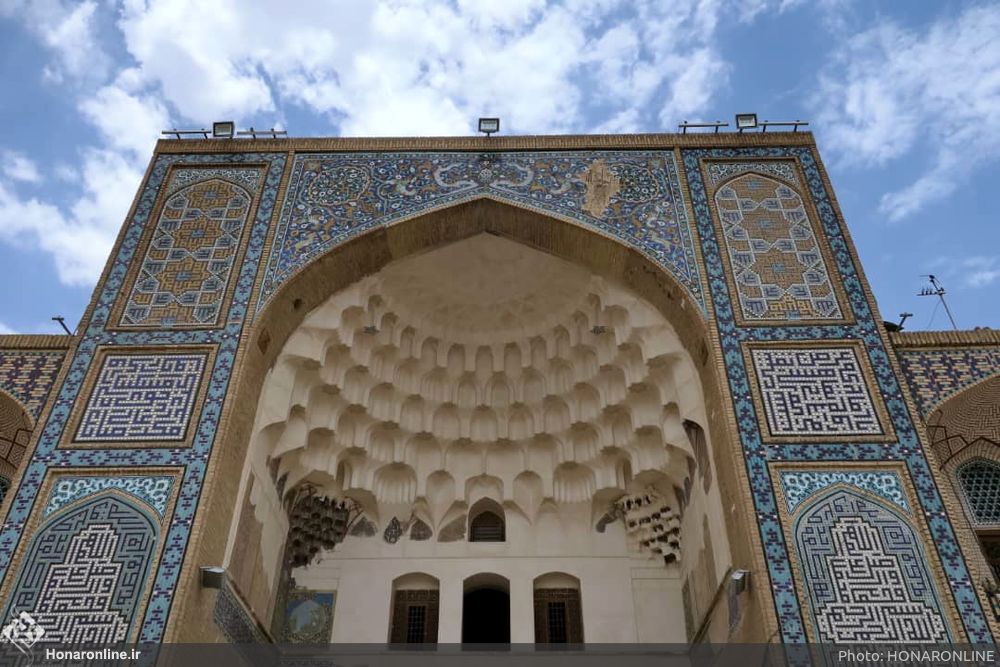
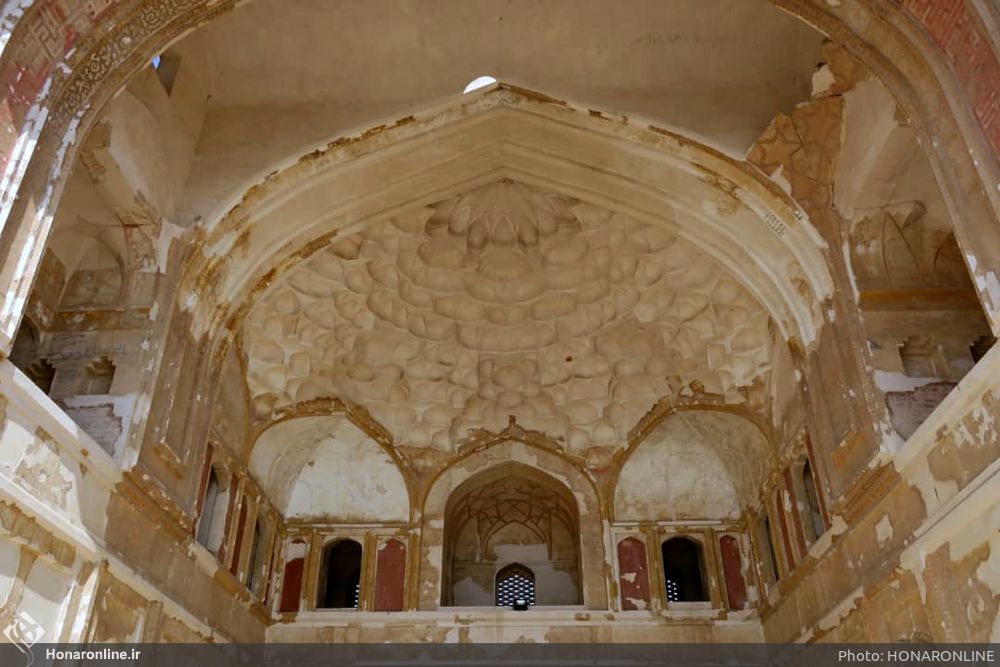
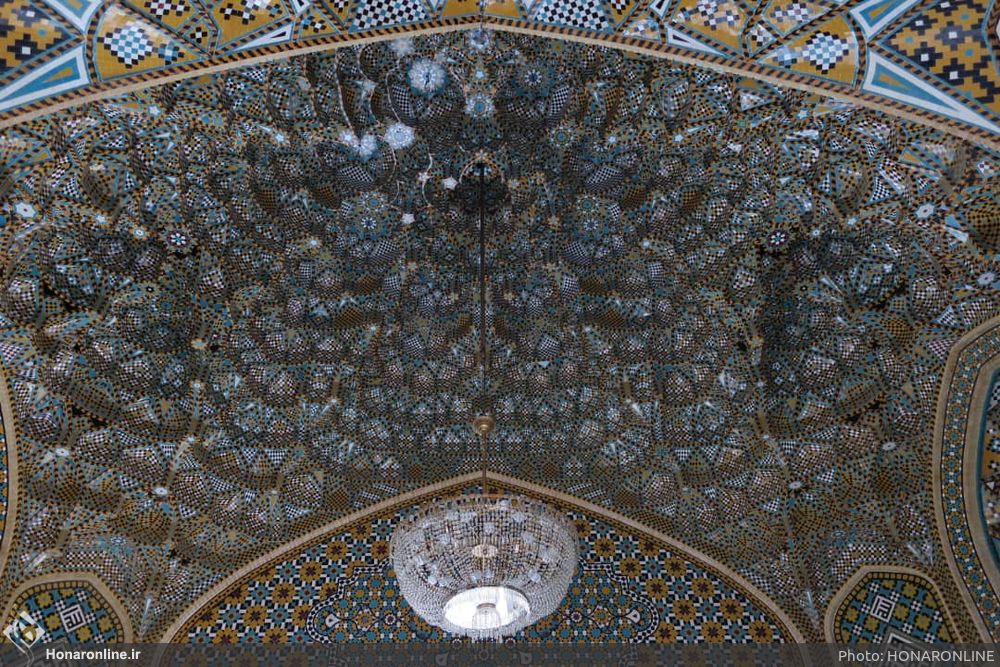
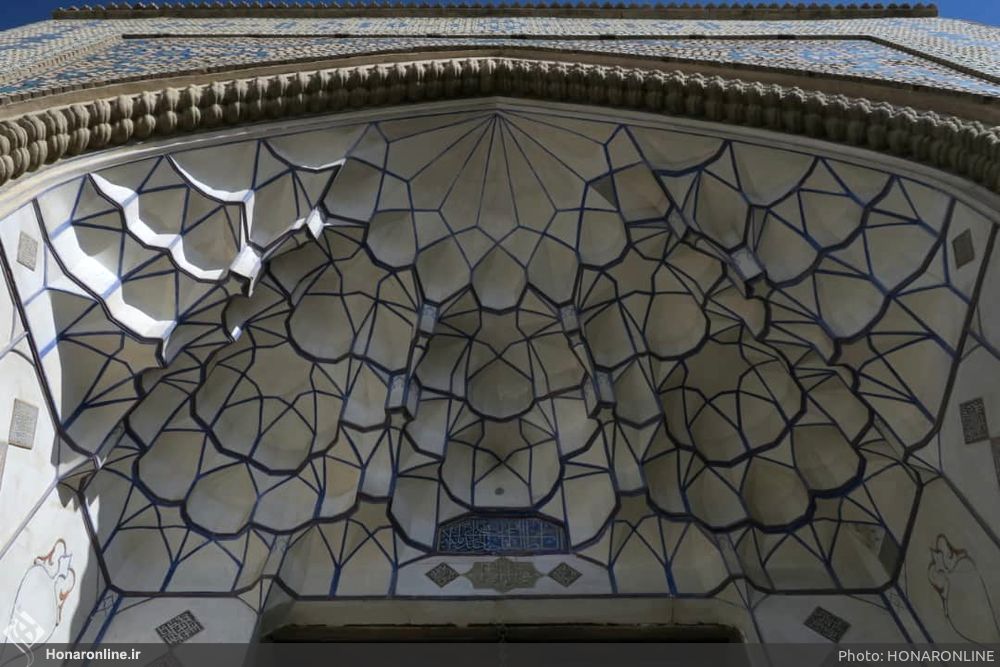
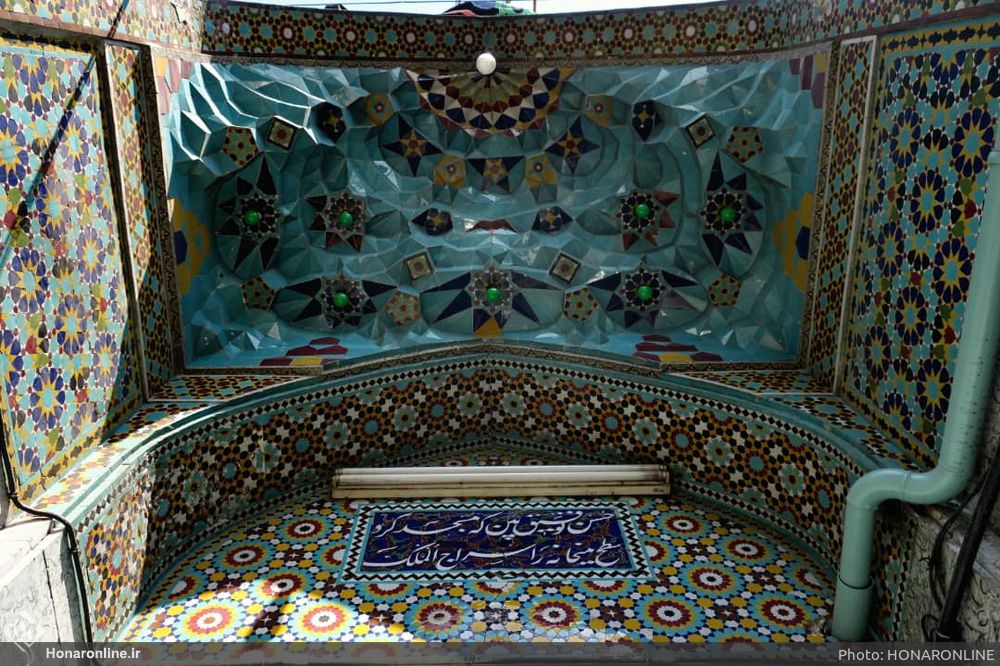
Muqarnas is a form of ornamented vaulting applied to the underside of domes or semi-domes above porches, entrance gates, underside of minarets, top of porches of mosques, top of altars inside mosques and other structures. Muqarnas ornaments are made with bricks, plater, tiles and wood or metal.

Muqarnas ornaments are very similar to beehives. They are built in the form of layers built on top of one another in order to decorate buildings, and sometimes gradually change in appearance from one geometric shape to another.

By looking at natural icicles and limestone cones inside caves in Iran, one finds out that the first Muqarnas artists were inspired by the same stalactites and stalagmites and built similar shapes on the inside and outside of buildings using bricks, plaster or cement.

Muqarnas ornaments are usually applied to concave surfaces underside ceilings, but could also be applied to the top of walls, ceilings, corners of gates, etc.

Fresco Art Key Contributor to Traditional Persian Architecture 1
Fresco Art, Key Contributor to Traditional Persian Architecture

Muqarnas was very popular in Iranian architecture before the advent of Islam. Of course, it was somehow different from the Muqarnas art after the advent of Islam. During the Achaemenid era, the Muqarnas art underwent considerable changes and grew into more beautiful designs in the Parthian era.
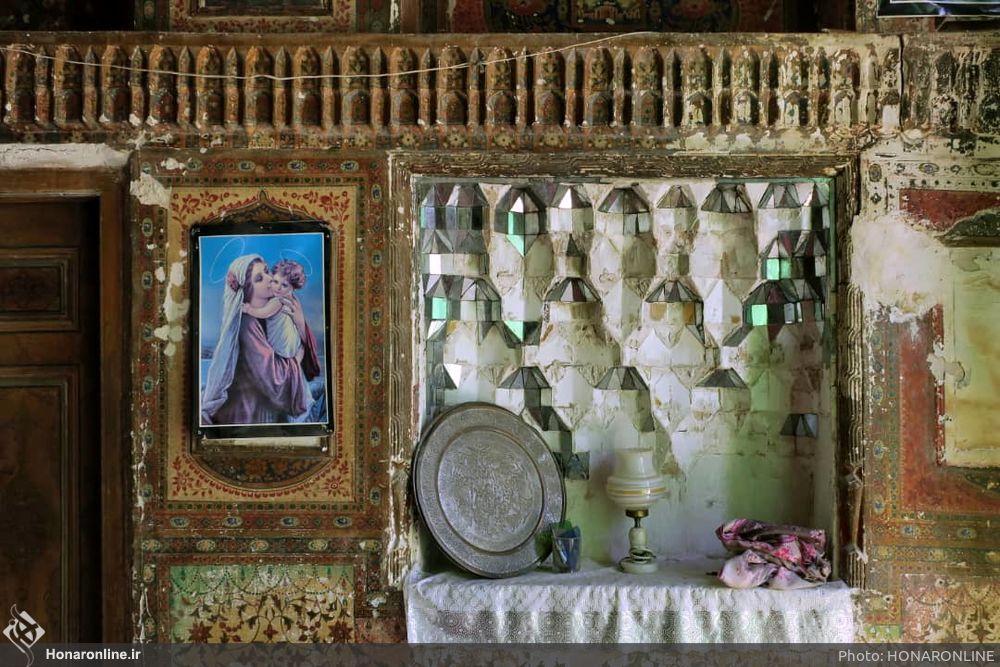
Muqarnas also influenced and led to the evolution of other ornamental arts and handicrafts such carpet weaving, tilework, the stucco art, etc.
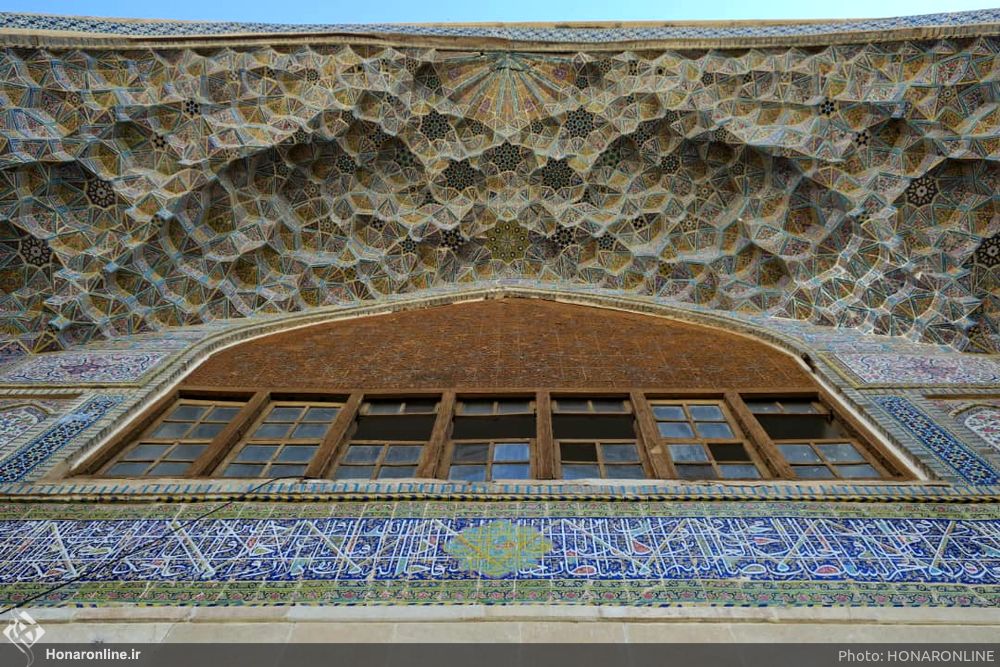
Many an exquisite Muqarnas artwork on portals as well as inside domes, prayer halls and altars led to the ever-growing evolution of the tiling art and wood carving, which was applied to wooden pillars inside mosques, etc.

Unrivalled samples of such woodcarving can be seen in mosques dating back to the Safavid era.

Among the most exquisite brick and tile Muqarnas artworks on Iranian monuments are the ones at Aali Qapu Palace in Isfahan, Blue Mosque in Tabriz, Shah Mosque in Isfahan, the Great Mosque of Yazd, Chehel Sotoun Garden in Isfahan, Vakil Mosque in Shiraz and Sepahsalar Mosque in Tehran.

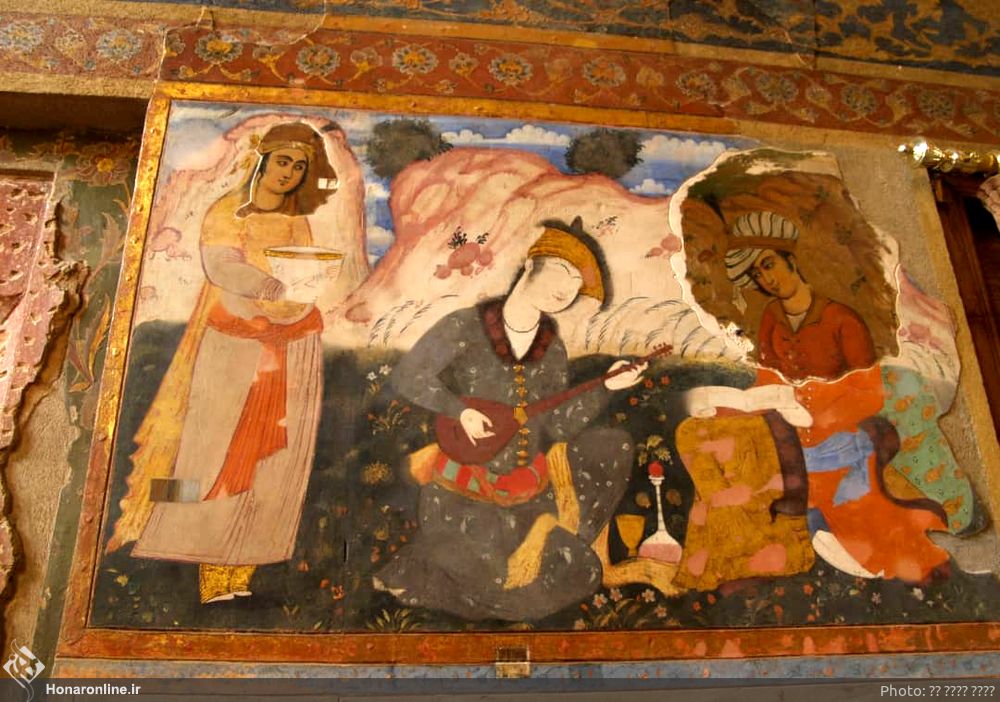
The following are images of some Muqarnas artworks in Iranian architecture courtesy of Iran’s Honar Online news agency.

Iran Can Meet 90% of Defence Needs Domestically: DM

Iran Can Meet 90% of Defence Needs Domestically: DM
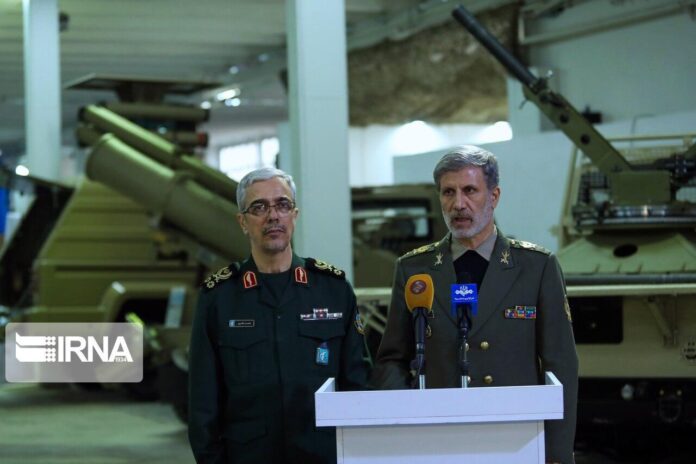
Iranian Defence Minister Amir Hatami (right) speaks in a press conference with Chief of Staff of Iranian Armed Forces Major General Mohammad Hossein Baqeri after a joint visit to an exhibition of Iranian defence products in Tehran / Photo by IRNA

Brigadier General Amir Hatami said Iran has developed such capability on the back of self-sufficiency.

“When we came under sanctions during the Holy Defence era (the eight years of the Iraqi-imposed war on Iran in the 1980s), we adopted a strategy and realized the importance of self-reliance given [other countries’] refusal to sell arms to us,” said the defence chief in a televised interview on Sunday night.

“We need to rely on ourselves in order to safeguard the country’s territorial integrity,” he said.

The top general underlined that US sanctions turned out to be an opportunity for Iran to stand on its own feet.

“The pressure and sanctions imposed on us by the US for years led us to move, so much so that we can now produce and provide 90 percent of our defence needs inside the country,” he said.

General Hatami said Iran’s defence capabilities are a bitter pill to swallow for Washington.

“It is very hard for the Americans to see Iran has developed such a capability,” he said.

The senior commander said the White House has tried its utmost to strip Iran of its legitimate rights.

He underscored the US had been trying over the past year to extend the UN arms embargo on Iran, which expired on October 18, 2020.

“The Americans asked the UN Security Council repeatedly to keep the restrictions in place or impose new restrictions, but they were discredited,” said the defence chief.

“Today, all bans on weapons sales were lifted and we are authorized to procure whatever we need in the world legally and in accordance with the UN Security Council’s approval, and we can also provide other countries with what they need,” he noted.

Hatami said despite the US and its arms-producing allies which only think about profit, Iran will sell weapons only to those who do not abuse it, and those who are despised by the US.

“Many countries have already talked to us; we have held negotiations with some countries, and the grounds are totally prepared for exchanges [of weapons], both for selling [arms to other countries] and for supplying certain needs [buying weapons],” he noted.

“Of course our sales will be much more extensive [than our purchases],” he added.

General Hatami said all nations have the right to defend their territorial integrity, and Iran will be a good and successful actor in this regard as it seeks to preserve peace.

He said Iran’s goal is first to become self-sufficient and powerful in terms of defensive capabilities, and second to support the countries that seek to defend their existence.

Meanwhile, he gave an assurance to regional countries that the Islamic Republic wants peace, stability and security for the region and the world. “This is the clear defense policy of the Islamic Republic of Iran.”

“You can’t find any move against this policy in the past four decades …. Wherever we took action, it was meant to create peace, help establish security and stability in the region. We honestly showed it to the entire world in the course of fight against the terrorists trained by the Americans,” Hatami said.

A Look at Iranian Newspaper Front Pages on October 18

Iran Newspaper Headlines

Aftab-e Yazd Newspaper:

1- How China Contained Coronavirus

2- Four Scenarios for US Elections [Editorial]

A Look at Iranian Newspaper Front Pages on October 18


Arman-e Melli Newspaper:

1- Biden’s Victory to Revive Nuclear Talks

2- Government Officials Respond in Twitter to MP Who Called for Execution of Rouhani

3- Why Isn’t Parliament Holding Rouhani Accountable in Practice?

A Look at Iranian Newspaper Front Pages on October 18


Ebtekar Newspaper:

1- Rouhani Target of Conservatives’ Insults

2- Iran’s Air Defence Shoots Down Three Flying Objects Engaged in Baku-Yerevan Conflict over Karabakh

3- Reformists Ready to Apologize to People

A Look at Iranian Newspaper Front Pages on October 18


Etemad Newspaper:

1- Futile Ceasefire

2- Where’s Origin of Drugs Discovered in Iraq?

A Look at Iranian Newspaper Front Pages on October 18


Ettela’at Newspaper:

1- Iran to Implement Local Version of Smart City Next Year

2- Iran Scientists Ready to Counter US Bullying

3- Iran’s COVID-19 Death Toll Exceeds 30,000

A Look at Iranian Newspaper Front Pages on October 18


Hamshahri Newspaper:

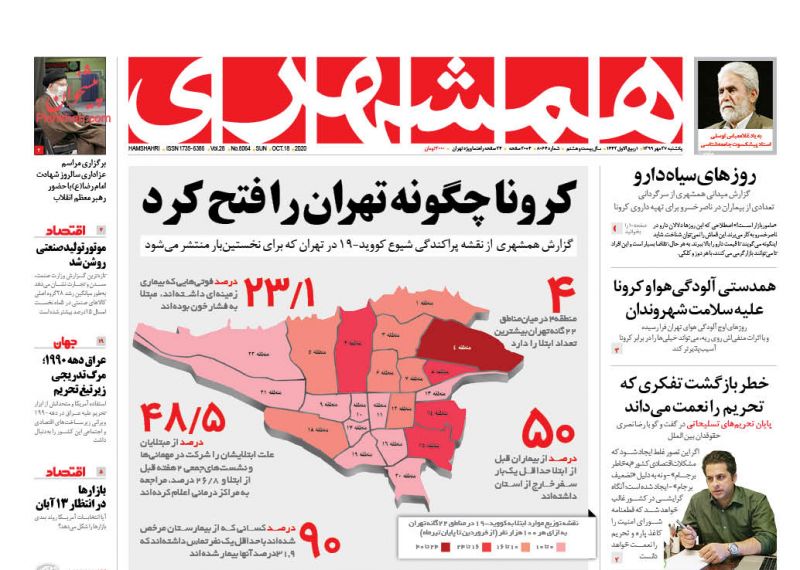
1- How Coronavirus Conquered Tehran

A Look at Iranian Newspaper Front Pages on October 18


Iran Newspaper:

1- From Insults to Death Penalty Threat

* Reactions to Chain Attacks against Rouhani

2- US’ Economic Decline: Fall of Trump?

3- Iran’s Arms Embargo Lifted

A Look at Iranian Newspaper Front Pages on October 18


Javan Newspaper:

1- US Ready for Vote Fraud Scenario

A Look at Iranian Newspaper Front Pages on October 18


Kayhan Newspaper:

1- Sana’a: We Hold Thousands of More Prisoners of War

2- Rouhani’s Comments about Imam Hassan’s Peace Widely Criticized

3- Health Ministry Shouldn’t Ignore Power of Traditional Medicine in Treating COVID-19

A Look at Iranian Newspaper Front Pages on October 18


Khorasan Newspaper:

1- Victory at 3:30 am (Tehran Time): UN Arms Bans on Iran Lifted

A Look at Iranian Newspaper Front Pages on October 18


Mardom Salari Newspaper:

1- End of Countdown for Removal of UN Arms Bans on Iran

2- From JCPOA to Death Penalty: Reactions to Rouhani’s Comments about Imam Hassan’s Peace

3- Tehran Coronavirus Restrictions Extended Until Next Weekend

A Look at Iranian Newspaper Front Pages on October 18


Shargh Newspaper:

1- Attacks on Rouhani, An Operation to Escape Forward

2- Difficult Peace Mission in Tehran: Abdullah Starts 3-Day Trip to Iran

3- Iraqis’ Enthusiasm for Buying Products from Iran Market

A Look at Iranian Newspaper Front Pages on October 18

Iran Will Now Conduct Legal Arms Trade with Other Countries: UN Mission

Iran Will Now Conduct Legal Arms Trade with Other Countries: UN Mission
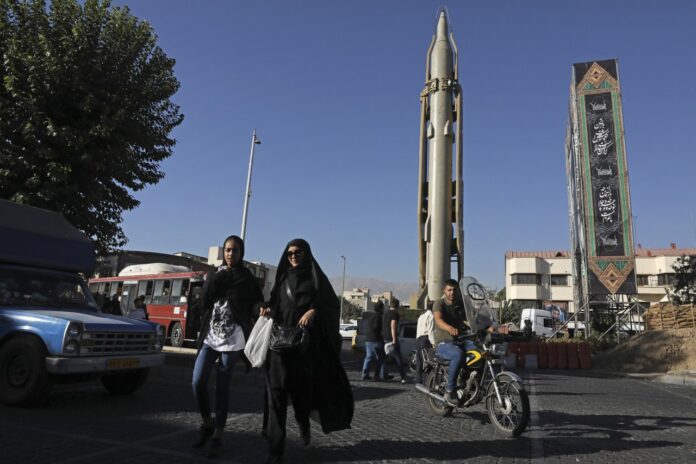
A Shahab-3 surface-to-surface missile is on display at an exhibition by Iran's army and IRGC in downtown Tehran, Iran, Sept. 25, 2019. / Photo by AP

In a statement, the mission announced the expiration of the arms restrictions on Iran in accordance with UN Security Council Resolution 2231.

According to the statement, governments will no longer be required, as of October 22, 2020, to get permission from the UN Security Council to transfer weapons and related equipment to/from Iran.

“Moreover, travel bans on individuals mentioned on List 2231 will be cancelled,” it read.

“It should be emphasized that the Islamic Republic of Iran has always regarded as baseless, unfair and illegal all sanctions and restrictions imposed on Iranian people,” said part of the statement.

The statement also touched upon the United States’ illegal efforts over the past months to reinstate the UN arms embargo as well as international sanctions on Iran, but to no avail.

The statement said the Trump administration’s unilateral withdrawal from the Iran nuclear deal amounted to “economic terrorism” against Iranian people, saying Washington tried to keep Iran from reaping the benefits of the agreement.

“Iran has many friends and trade partners as well as a strong weapons industry inside the country which can meet the country’s defense needs against any foreign aggression,” read the statement.

WHO Donates Respirators, PCR Test Devices to Iran

WHO Donates Respirators, PCR Test Devices to Iran

The PCR test is the proven method to diagnose COVID-19. The consignment of these apparatuses worth more than $2.8 million has been purchased with the humanitarian aid offered by Germany and other international partners. That will increase the capacity of Iran’s national laboratory tests.

Currently, some 27 thousand PCR tests, on average, are carried out at the country’s labs.

WHO representative in Iran Christoph Hamelmann says it is of significance to boost the capacity of conducting tests in order to identify and separate COVID-19 patients in the early stages of the disease and track infected individuals.

This, he says, plays a key role in the early prevention of the spread of the disease and its effective treatment.

According to the WHO official, the equipment that Iran has bought will be instrumental in increasing the rate of recovery among patients who are in critical condition suffering from coronavirus.

The equipment purchases will be sent to reference laboratories to 24 provinces across Iran.

Since the outbreak of the disease in Iran, the WHO has actively supported the Iranian health ministry by providing medical equipment and items.