Sunday, May 3, 2026
Home Blog Page 2692

Iran’s COVID-19 Cases Rise to 530,000: Ministry

Iran's COVID-19 Cases Rise to 530,000: Ministry

In a press briefing on Saturday, Sima-Sadat Lari said the virus has killed 252 patients since Friday noon, raising the overall death toll to 30,375.

So far, she added, 427,400 patients have recovered from the disease or been discharged from the hospital.

Lari said 4,744 patients are also in critical conditions caused by more severe infection.
The spokeswoman noted that 4,511,154 COVID-19 tests have been taken across the country so far.

She said the high-risk “red” zones include Tehran, Qom, Mazandaran, East Azarbaijan, Isfahan, Yazd, Ardabil, Khorasan Razavi, Khuzestan, Hamadan, West Azarbaijan, Bushehr, Chaharmahal and Bakhtiari, Kohgiluyeh and Boyer-Ahmad, Alborz, Lorestan, Markazi, Ilam, South Khorasan, Kermanshah, North Khorasan, Semnan, Gilan, Zanjan, Qazvin, Kurdistan, and Kerman provinces.

The “orange” zones also include Golestan, Hormozgan, and Fars provinces, she added.

Iran Vows Support for Taliban Presence in Afghan Political Structure

Iran Vows Support for Taliban Presence in Afghan Political Structure

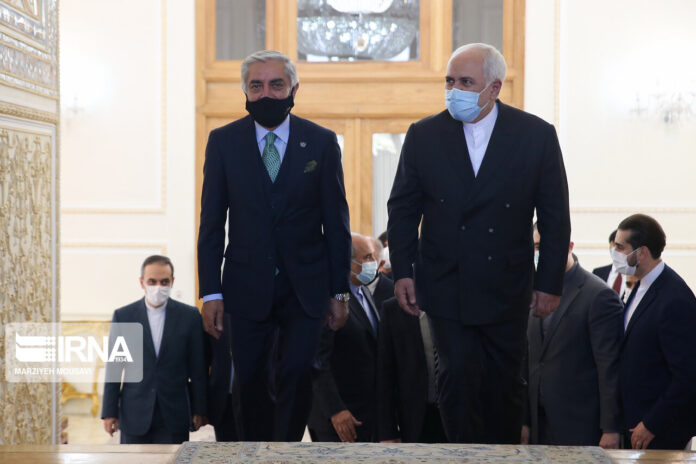
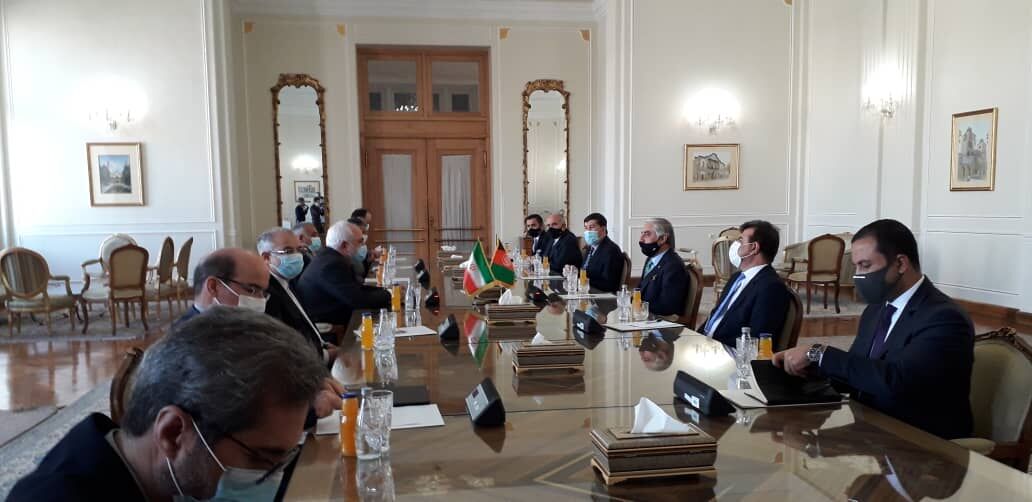
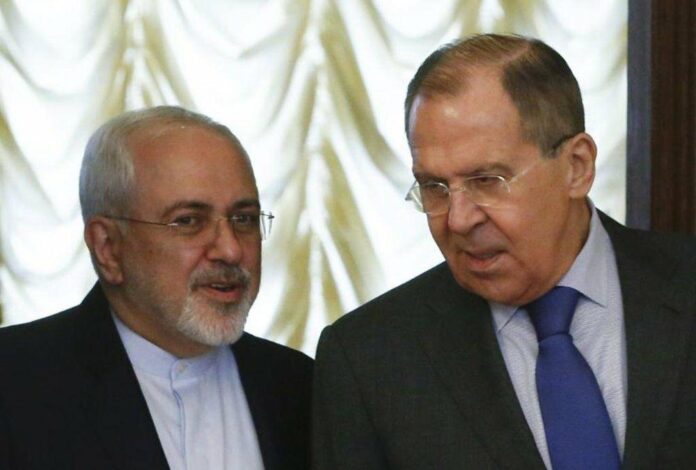
Zarif made the remarks in a Sunday meeting with Head of Afghanistan’s High Council for National Reconciliation Abdullah Abdullah, who is visiting Tehran at the head of a delegation for talks with Iranian officials.

The Iranian top diplomat also reaffirmed Iran’s support for the government of the Islamic Republic of Afghanistan, the process of peace under the leadership and management of Afghans, and the agreements among the participants in the intra-Afghan negotiations.Iran Vows Support for Taliban Presence in Afghan Political Structure 2

The top Iranian diplomat admired Abdullah for his participation in the political process and assuming responsibility to run Afghanistan’s High Council for National Reconciliation.

For his part, Abdullah Abdullah expounded on the most recent developments in Afghanistan and the latest status of the intra-Afghan talks.

Abdullah, the former chief executive officer of the Afghan unity government, is on a three-day trip to Iran for talks on the Afghan peace process, the intra-Afghan dialogue in Qatar, and the need for regional consensus and support for the Afghanistan peace efforts.

He is going to meet Iranian President Hassan Rouhani, Parliament Speaker Mohammad Baqer Qalibaf, and Secretary of the Supreme National Security Council Ali Shamkhani.

Plane Carrying Live Sheep Makes Emergency Landing in Iran

Plane Carrying Live Sheep Makes Emergency Landing in Iran

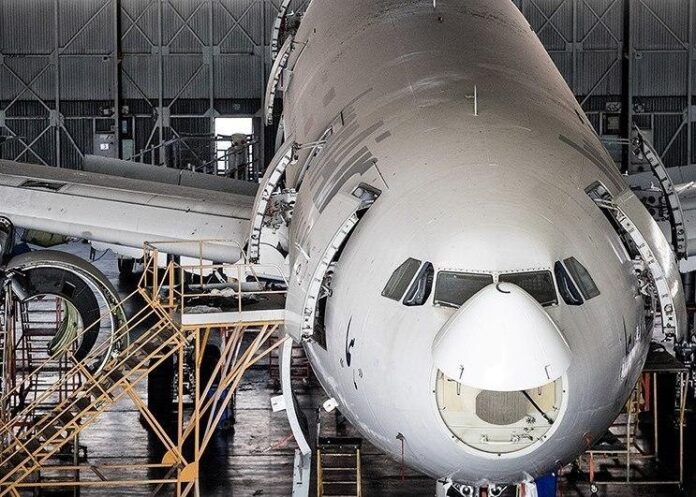
The Iran Air flight was en route from Turkey to one of the Persian Gulf countries when it experienced an engine problem and was forced to land at Imam Khomeini International Airport near the capital, Tehran.

Iranian experts repaired the engine in three days despite the problems Iran is facing due to the US sanctions.

The faulty engine was taken to the engineering and repair unit of Tehran’s Mehrabad Airport and transferred back to Imam Khomeini airport after undergoing repair.

Termination of UN Arms Embargo Another JCPOA Achievement: Iran

Termination of UN Arms Embargo Another JCPOA Achievement

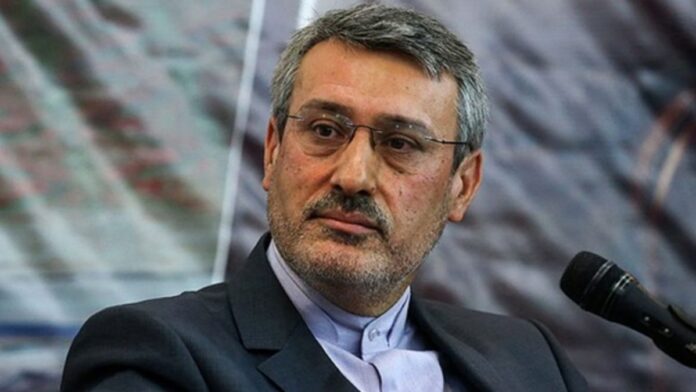
Hamid Baeedijenad said the lifting of the restrictions was another defeat for the United States.

“The termination of the arms embargo on our country in accordance with UN Security Council Resolution 2231 is one of the key accomplishments of the JCPOA; the US has failed in its diplomacy against Iran,” he noted.

“Today, the international community once again backed multilateralism and opposed the United States’ efforts to sabotage the enforcement of one the important achievements of international diplomacy,” said the top diplomat.

“No unilateral action can block the implementation of the UN Security Council resolution and the lifting of arms restrictions on our country,” he noted.

The ambassador said Washington made every effort it could to stop the termination of the arms embargo, by failed to win international support.

“The US failed in its diplomacy, and this is a clear reality,” he said.

Baeedinejad further said Britain, France and Germany, the three EU signatories to the Iran nuclear deal, played a key role in terminating the UN arms embargo on Iran.

He also appreciated the support by other EU members as well as Russia and China in that regard.

Iranian Kid Dies after Taking on ‘Momo Challenge’

Iranian Kid Dies after Taking on 'Momo Challenge'

The 11-year-old student reportedly died after leaving home due to cardiac arrest resulting from intense anxiety caused by the challenge.

The “Momo Challenge” is a hoax and an Internet urban legend that was rumoured to spread through social media and other outlets.

It was reported that children and adolescents were being enticed by a user named Momo to perform a series of dangerous tasks, including violent attacks, self-harm and suicide.

There are reports that the challenge has led some users to actually commit suicide.

It is now spreading in Iran, and is particularly targeting children who are using messenger apps for online education amid the Coronavirus pandemic.

Iran, Russia Have No Disagreement on Nagorno-Karabakh Conflict: Ex-Envoy

Iran, Russia Have No Disagreement on Nagorno-Karabakh Conflict: Ex-Envoy

Mohsen Pakaeen made the comment in an interview with ILNA amid nearly two weeks of fierce fighting between the Azerbaijan Republic and Armenia over the Nagorno-Karabakh region.

He said the Minsk Group – established in 1994 and co-chaired by Russia, France and the US – is mainly tasked with mediating between Armenia and Azerbaijan, and the two countries have also accepted that the group be the only mediator in the conflict.

“And now, the ceasefire between Baku and Yerevan was established upon a request by Russia as one of the members of the Minsk Group,” he said.

“So, this group is responsible for the mediation, and if Iran wants so mediate, too, both the Azerbaijan Republic and Armenia should accept it, but they have accepted the Minsk Group as the mediator,” he said.

However, he added, Iran has tapped into its potential to help end the conflict.
“Iran is not seen as the main mediator because Iran does not have the authority that the Minsk Group does. Iran has just contributed to Russia’s mediation efforts as Iran’s call for self-restraint and ceasefire can help mediating groups,” said the former ambassador.

“Iran and Russia have no differences of opinion with regards to the Nagorno-Karabakh conflict; both countries want the conflict to be resolved peacefully and they both stress that the conflict has no military solution,” he said.

“Both Iran and Russia support the Azerbaijan Republic’s territorial integrity; so, Tehran and Moscow have very close viewpoints on the issue of Karabakh and there are no serious differences in that regard,” he added.

He said Iran has growing and very good relations with both the Azerbaijan Republic and Armenia.

“But naturally, we have broader relations with Azerbaijan as there is more potential for cooperation between the two countries.

He said, however, the Nagorno-Karabakh conflict has no bearing on Iran’s relations with either of these two countries.

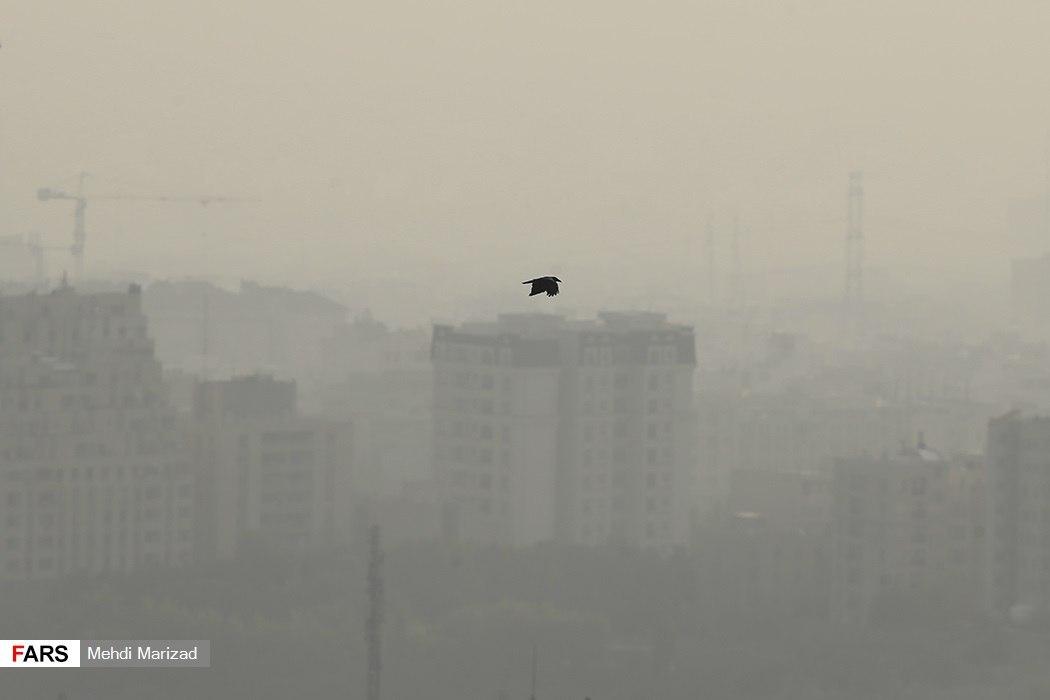
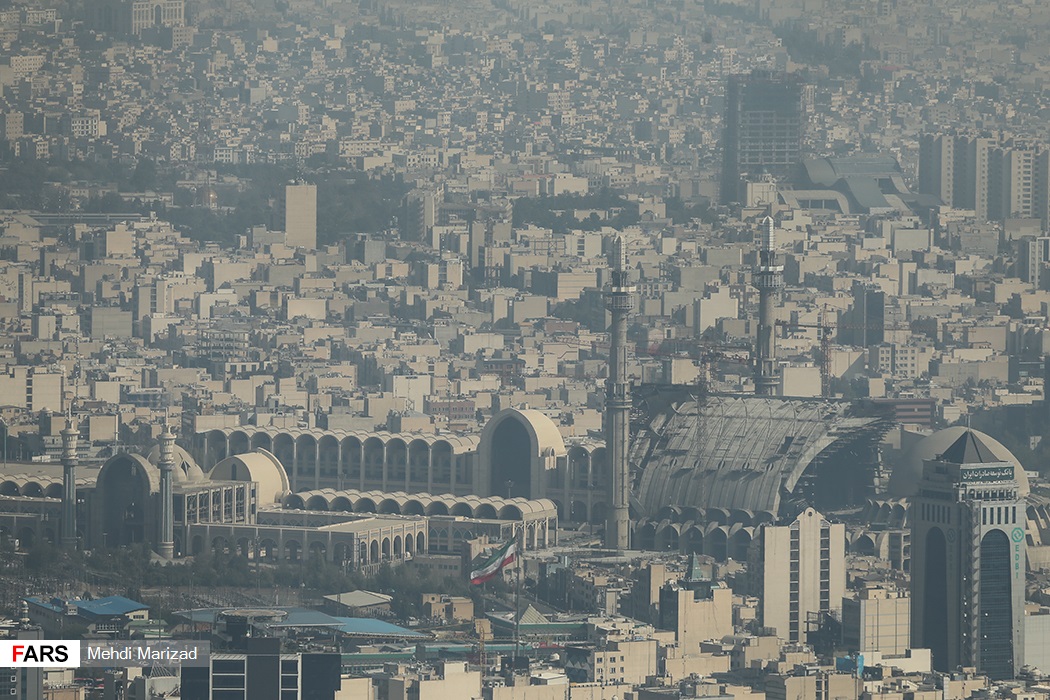
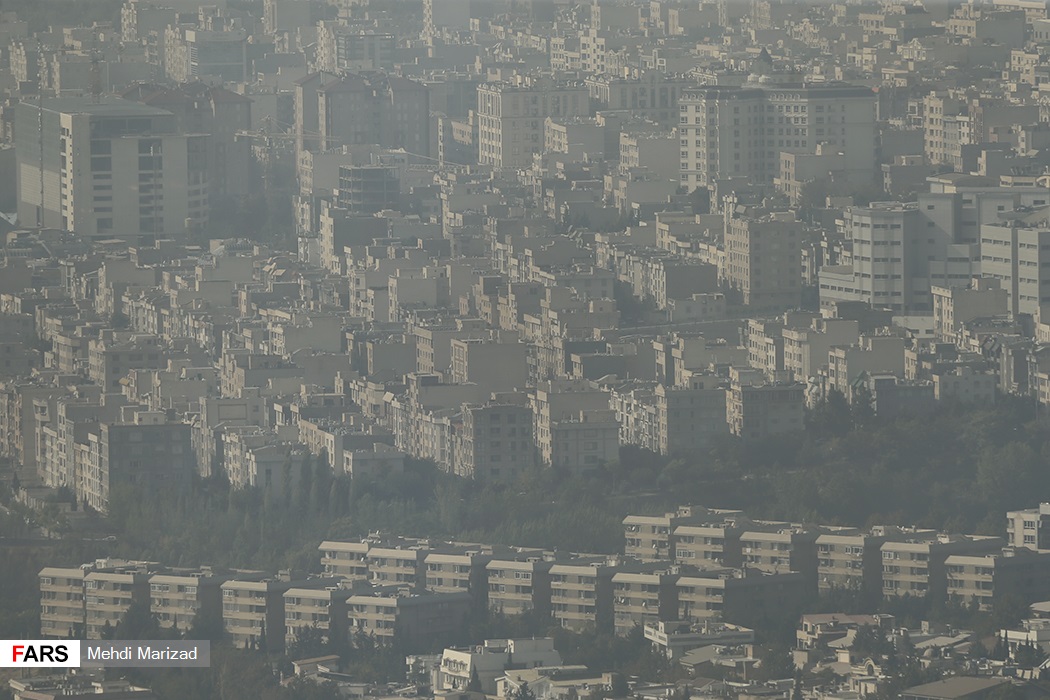
Air Polution Returns to Tehran as Winter Looms

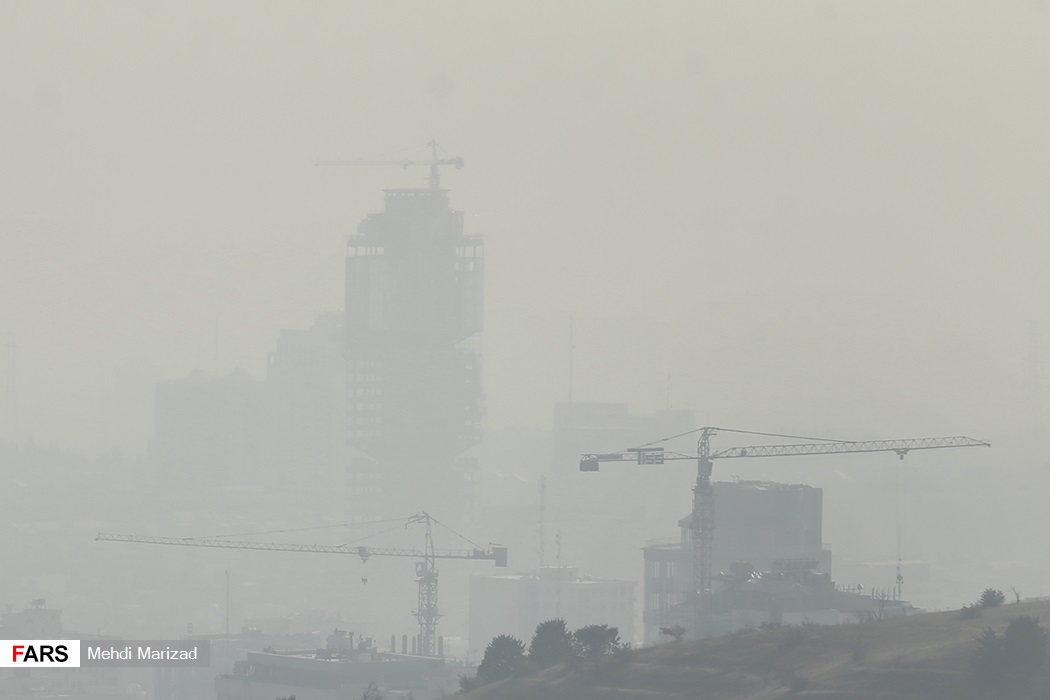
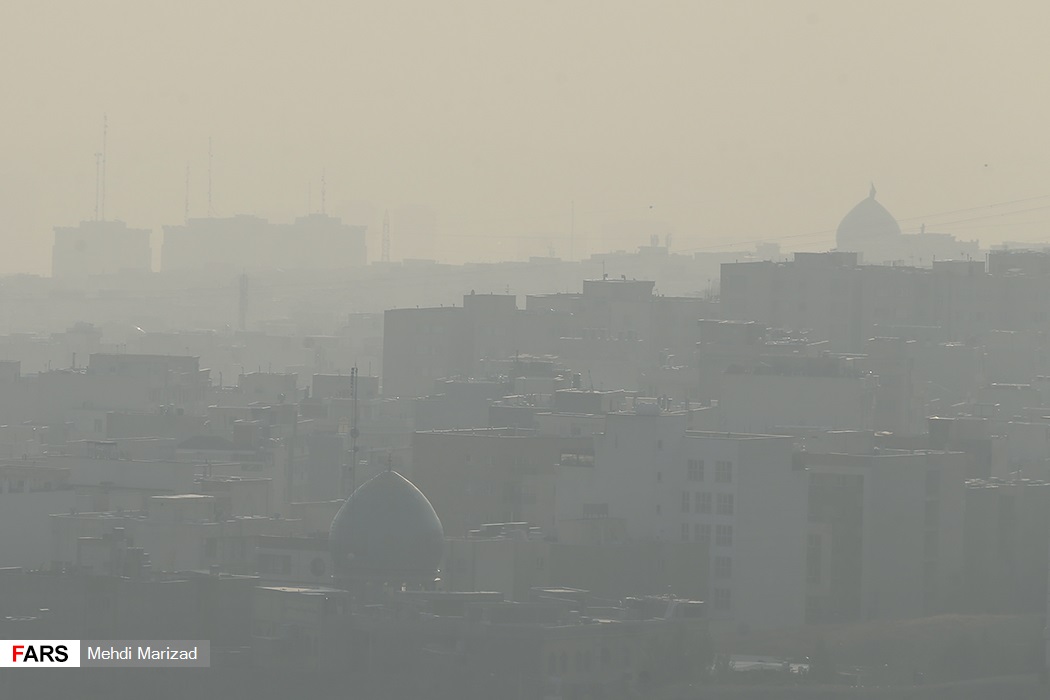
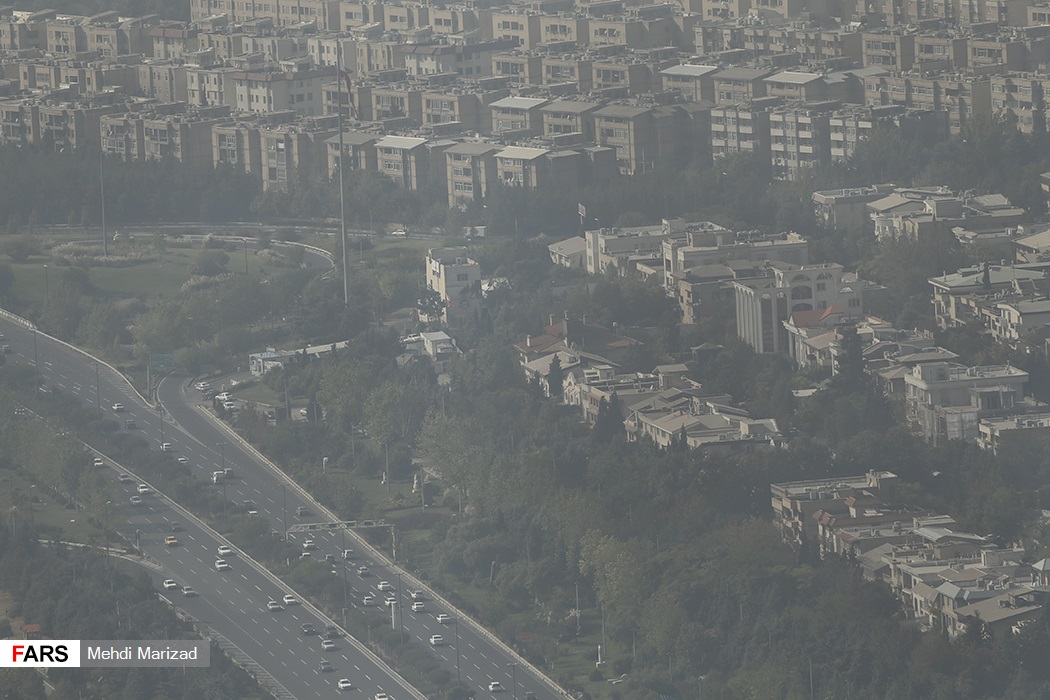
Air Polution Returns to Tehran as Winter Looms 1

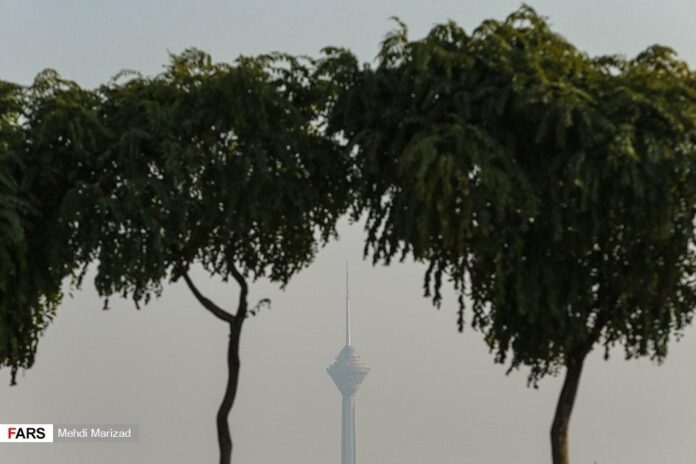
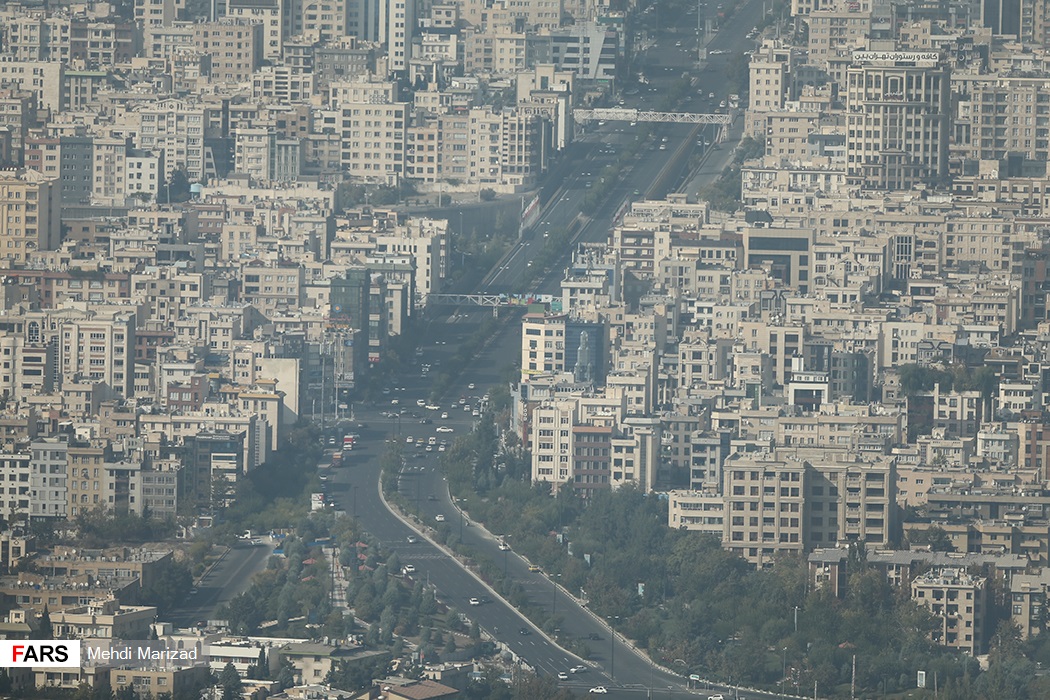
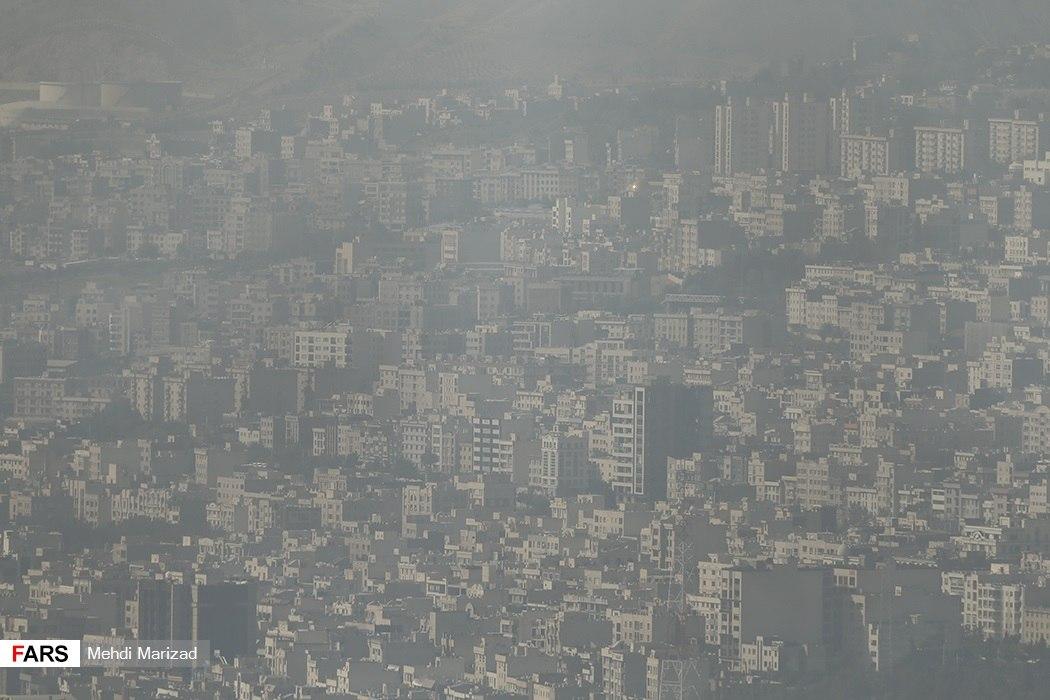
Since the beginning of the current Iranian calendar year, Tehran‘s weather has been ‘good’ in 15 days, ‘moderate’ in 155 days, ‘unhealthy for sensitive groups’ in 39 days, and ‘unhealthy’ in two days.

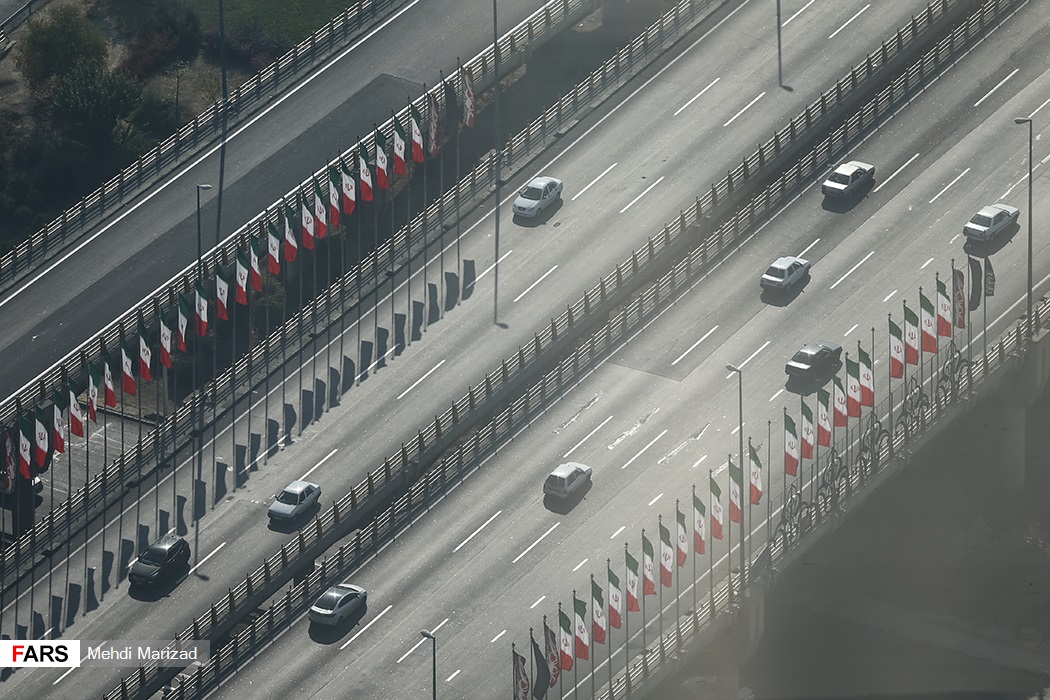
What follows are photos of the air pollution Tehran citizens grapple with these days:

‘Bans Can No More Be Cited as Excuse to Seize Arms of Iranian Origin’

'Bans Can No More Be Cited as Excuse to Seize Arms of Iranian Origin'

Iran’s Ambassador to international organizations Kazem Gharibabadi made the comment after the UN arms embargo on Iran expired on October 18, 2020.

“From now on, governments cannot refer to sanctions or binding international restrictions in that regard when it comes to arms deals or even the existence of weapons of Iranian origin in other countries,” he said minutes after the Iranian Foreign Ministry issued a statement on the expiry of the UN arms embargo on Iran.

He said the US resorted to whatever means it could to prevent the termination of the embargo.

“The US first put pressure on UN Security Council member states to make them adopt a new resolution to extend the restrictions, but failed and suffered a major defeat,” he noted.

“Afterwards, the US made every effort, on its own, to activate the mechanism to bring back former UN Security Council sanctions, which faced opposition from the member states of the council,” said the top official.

He said Washington’s failure to portray Iran as a security issue and move forward with its unilateral measures among its allies at the UN Security Council led to its isolation, which is an important issue.

“The Islamic Republic of Iran will closely monitor the US behaviour and measures in that regard, and will take the necessary action in accordance with the existing mechanisms if the lifting of the arms embargo faces any obstacles in practice,” he said.

He also urged the European countries to live up to their commitments under the Iran nuclear deal.

Iran Officially Announces Termination of UN Arms Embargo

Iran Officially Announces Termination of UN Arms Embargo

What follows is the full text of the statement released early Sunday, October 18, 2020:

In the name of God, the Compassionate, the Merciful

 Today is a momentous day for the international community, which in defiance of the U.S. regime’s efforts, has protected UN Security Council Resolution 2231 and the Joint Comprehensive Plan of Action (JCPOA).

As of today, all restrictions on the transfer of arms, related activities and financial services to and from the Islamic Republic of Iran[1], and all prohibitions regarding the entry into or transit through territories of the United Nations Member States previously imposed on a number of Iranian citizens and military officials[2], are all automatically terminated.[3]

In one of the JCPOA’s innovations, the definitive and unconditional termination of arms restrictions and travel bans requires no new resolution, nor does it require any statement or any other measure by the Security Council. The lifting of arms restrictions and the travel ban were designed to be automatic with no other action required. This was achieved after painstaking negotiations, and with a prescient anticipation of the possibility of a breach of obligations by one or more of the other parties to the JCPOA. The very same procedure is applied for the termination of missile-related restrictions in the year 2023, and the subsequent conclusion of “consideration of the Iranian nuclear issue” in the Security Council in the year 2025.

Therefore, as of today, the Islamic Republic of Iran may procure any necessary arms and equipment from any source without any legal restrictions and solely based on its defensive needs, and may also export defensive armaments based on its own policies. It should be underlined here that rejecting imposition in any form is the cornerstone of Iran’s foreign policy. Therefore, the imposition of any restriction on any field—including finance, the economy, energy, and armaments—has never been recognized by Iran.

At the same time, Iran’s defense doctrine is premised on strong reliance on its people and indigenous capabilities. Ever since the eight-year imposed war on Iran by Saddam Hussein’s regime—during which the Iranian people were victims of sophisticated and lethal weapons provided to Saddam by the West while Iran was deprived of procuring even the most basic defensive weaponry—the Islamic Republic of Iran has provided for its defensive needs through indigenous capacities and capabilities. This doctrine has been and will continue to be the principal driver behind all measures of the Islamic Republic of Iran in maintaining its strong defensive power. Unconventional arms, weapons of mass destruction and a buying spree of conventional arms have no place in Iran’s defense doctrine. The country’s deterrence stems from native knowledge and capability, as well as our people’s power and resilience. In contemporary history Iran—despite its power disparity—has never started a war.

Regrettably lucrative weapon deals—concluded mainly between Western powers and some regional countries—have contributed greatly to, and aggravated commission of, war crimes in the region, including the ongoing aggression against the Yemeni people.

Notwithstanding the failed attempts by the U.S. to withhold and eliminate Iran’s benefits from Resolution 2231, Member States are required to make their laws and regulations compatible with the resolution, which “invites Member States to give due regard to these changes”. The Islamic Republic of Iran draws the attention of all Member States to the unambiguous provisions of the Resolution 2231 and its relevant timetables.

The United States, whose unlawful and malign subterfuge in its attempts to further violate a UNSC Resolution have been categorically rejected several times in the past three months by the Security Council, must abandon its destructive approach vis-à-vis Resolution 2231; return to full compliance with its commitments under the United Nations Charter; stop violating international law and ignoring international order, and cease further destabilization in the West Asia region.

It is evident that any measure against the provisions of UNSC Resolution 2231—particularly paragraph 1 and its defined timetables—will amount to a material breach of the resolution and the purposes of the JCPOA. In that event, the Islamic Republic of Iran reserves the right to take any necessary countermeasures to secure its national interests.


[1] In accordance with paragraphs 5 and 6(b) of Annex B to UNSCR resolution 2231.

[2] In accordance with paragraph 6(e) of Annex B to resolution 2231.

[3] The UN Security Council sanctions on aspects of Iran’s international defense cooperation—illegitimate and unfounded as they were—began with Resolution 1737 in 2006, and were expanded until the adoption of Resolution 1929 in 2010. Of note, Resolutions 1737, 1747 (2007), and 1929 also introduced unjustifiable travel bans on a significant number of Iranian citizens and military officials. Pursuant to the signing of the JCPOA and adoption of UN Security Council Resolution 2231 in 2015, provisions of Resolutions 1696, 1737, 1747, 1803, 1835, 1929 and 2224 were all terminated. In parallel, the Security Council established a case-by-case authorization mechanism for the import and export of defined armaments for five years, and at the same time, the travel ban remained in force on only a limited number of Iranian citizens and military officials. All of these restrictions were terminated today, October 18, 2020.

If You Are Looking for Teenager Car Insurance 

If your Son already has the required driving age and has obtained his new license then he most be very excited to start driving a car and have the freedom to go anywhere. Now, the challenge is to find a company that offer car insurance for less than $50 a month, for this you need to shop around and get some important advice.


New Drivers and the Lack of Experience


The problem is that teenagers are new drivers and lack of any experience so insurance companies charge higher premiums due to the risk they are. They won’t ever offer very cheap car insurance with no down payment for teens drivers. However, it is also because statistically teens tend to drive a high speed and cause more accidents than older people.


Very cheap car insurance with no deposit for teens is not always easy to find as this age group of drivers are considered high-risk by most insurers. Some product’s providers may not even offer you a quote. Depending on your age and driving history you can still locate a reasonably priced policy if you take into account the points raised in this article. In this article we are going to examine choosing a suitable car, safe driving courses, keeping up good grades in school and limited usage policies. After you have read through this guide you ought to have some good ideas about how you can find cheap car insurance no down payment for young drivers.


A suitable Car for Teens Driver


The first point we are going to address is the issue of selecting a suitable car for a teen driver. You need to choose a vehicle which is in the least expensive insurance bands. Ideally your car will also have all the recommended safety devices fitted as standard. This usually includes such things as daytime running lights (which are soon to be mandatory on new cars in Europe), ABS braking systems, driver and passenger air bags and a high overall safety rating.


Teenage motorists should take any available safe driving courses which are available and which are recognised by insurance companies. New drivers in the State of Florida have the option of completing the best driving curse. This is a safety course designed to improve road awareness and safe driving techniques which are not covered in the usual course of instruction leading up to the driving test such as night driving and using the motorway.


Reduced Premium for Good Student


Some insurers will reduce your premiums if you are a good student. They equate a good school grade point average or being an honour student with being a safer driver. Check with your insurance company to see if they offer this type of discount. It may be necessary to provide proof of your academic record to your insurer.


Limited usage policies can often allow you to achieve a reduced-price car insurance quote and lower premiums. If you do not mind being limited to when and how much you can drive then these policies offer a good alternative. Usually, no other passengers who are also teenagers may be carried with you in the vehicle. You are also usually limited to driving between certain hours, there may be an annual driving limit imposed too. If these restrictions are acceptable, you can find a much more reasonably priced policy this way.


Affordable Insurance for Teenager


In conclusion, teenager car insurance can be found at an affordable price if you follow the advice laid out above. Choose a sensible car, take a safe driving course, maintain good school grades and maybe also go for the limited usage policy option. If you are still unable to find a cheap auto insurance with no deposit, then there is always the option of being put on your parent’s auto insurance policy if they are willing to let you.


Is important that you talk to your Son and tell him how important is to keep a clean good driving record, to drive carefully, follow all the traffic signs and don’t do any traffic violations. Tell him not to drive with alcohol and avoid any risky driving.


There Are a Few Things That You Can Do to Reduce the Rates of Your Teen:


  1. Increase your deductibles as much as you can afford to pay lower premium rates, just keep in mind that you will need to take more out of pocket money in case of an accident.


  1. Choose a vehicle that has safety devices and features such as car alarm, anti lock theft, air bags and so on.


  1. Avoid sports cars because they are considered high risk, statistically they cause more accidents due to high speed. Also avoid cars that are very expensive and that have a high repair cost.


In the USA it has come to affect the graduated licensing laws that restrict the new drivers by limiting their license to what they are allowed to do. They have nighttime driving restrictions, cero alcohol tolerance and vehicle occupant restrictions. After a certain period of time they will need to take a test to remove them from the new driver program.


You can get cheap teenage auto insurance by buying a stand-alone policy from an agent that specializes in teen auto insurance. It means that they are not added as an additional driver to your insurance.


If the teen follows the restrictions impose by the insurance company, then the risk is reduced and you will get a cheaper rate. For example, they may drive to school, but not too late at night, no alcohol, etc. 


This will Lower Your Premiums


Statistics show that a 16-year-old driver is ten times more likely to have an accident than people between 30 and 60 years old, that is why insurance companies don’t give good rates.


Teach your teenager to be responsible, not to drive with alcohol, not to drive at speed and make him accountable. Once your teenager has some experience driving without any claims or tickets you will see that his insurance rates will drop.


Keep his milage low to get a better rate, the less he drives the less likely he is to get in to an accident.

Now you need to compare quotes from different auto insurance companies, is easy to do it online, just enter your zip code in the box above this page.