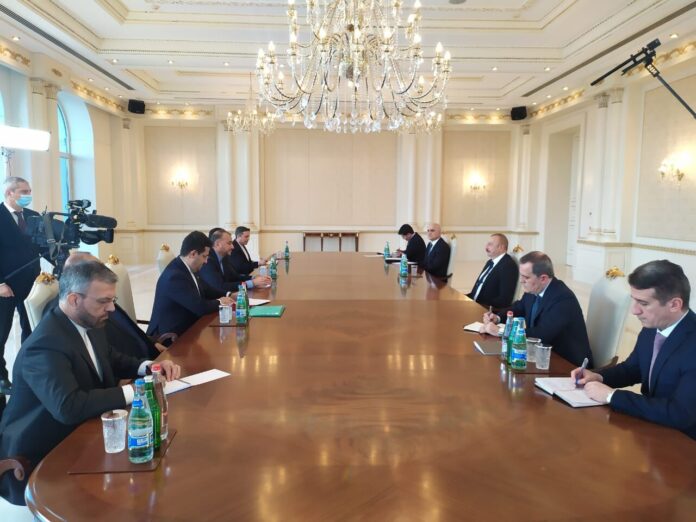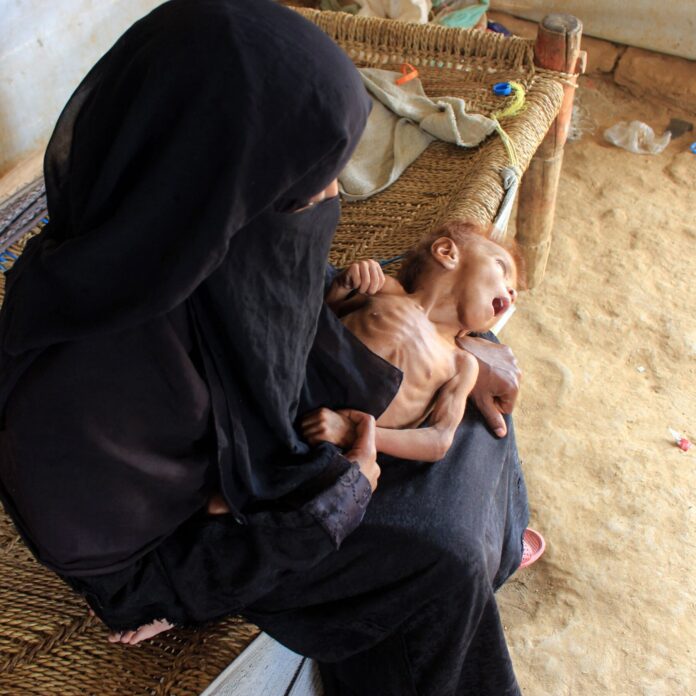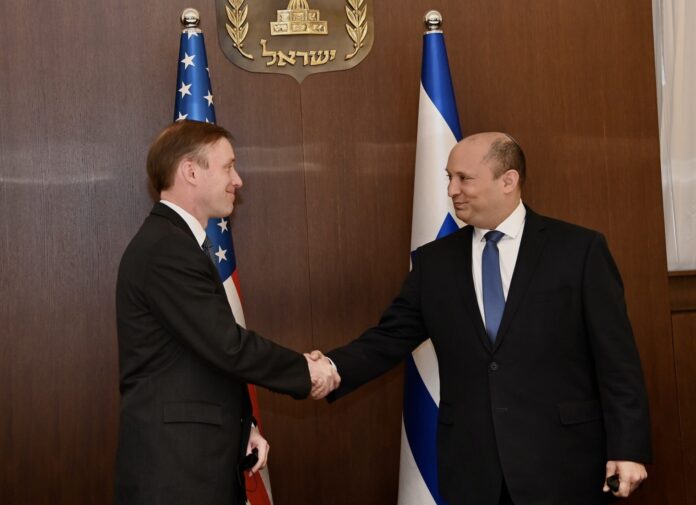
“The main approach to fighting terrorism is respect for countries’ sovereignty. We welcome cooperation with all countries in fighting terrorism, seeing the Islamic Republic of Iran’s impressive record in countering terror,” Raisi said.
The president also underlined the significance of trade and economic ties between Iran and Turkey.
“Soon, with the joint meeting in Tehran, the development of mutual cooperation will enter a new phase,” he said.
Raisi also touched on his recent meetings and consultations with officials of other countries in the region, stressing that Iran is adamant about regional countries resolving regional problems, away from any foreign interference.
During the phone call, Erdogan also called for cooperation with Iran in the economic and security spheres.
“The idea of joint cooperation is now dominant among regional countries and recent visits and consultations are indications of its success,” he said.
“During my upcoming visit to Tehran, a new chapter will be opened in bilateral relations,” he noted.
Iran Turkey Presidents call for economic, security cooperation
Report: Saudi king holed up for over 480 days
Salman, 85, became king in 2015 following the death of his half-brother King Abdullah, and rumors of ill health have dogged him since. He is considered to have pre-dementia, according to several experts, and underwent gall-bladder surgery in July 2020.
The true state of his health is a closely guarded secret. In 2015, lawyers for the Saudi royal court told The Washington Post that the king was “most certainly not suffering from dementia or any other kind of mental impairment” after the newspaper reported that claim.
Following his gall-bladder surgery, King Salman flew to his palace at Neom, a newly-developed region on the Red Sea, for “rest and relaxation” on August 12, 2020, the official Saudi Press Agency said. At the time Saudi Arabia had just experienced the peak of its COVID-19 outbreak.
King Salman has remained in Neom since, chairing cabinet meetings by video link.
“He is in Neom because that is actually safer, because it limits access to him,” Bernard Haykel, a leading expert on Saudi politics at Princeton University, told Insider.
“They’re being super careful because they want him to live on,” Haykel added.
Though King Salman is secluded, he has the best medical care money can buy.
He is tended by more than a dozen medical experts from the Cleveland Clinic, a person with knowledge of the arrangement told Insider. The clinic, a leading US-based medical provider, has cared for many of the world’s elite since the 1980s, including former President Donald Trump and numerous members of the Saudi royal family.
Speculation that King Salman may soon die is mounting once more, Haykel noted: “There are always rumors toward the ends of the year.”
King Salman’s heir, 36-year-old Crown Prince MBS, is widely expected to take the throne after his father’s death.
“It would just be seamless,” Haykel stated.
Like his father, MBS has been keeping his distance from the bustle of Riyadh this year, spending much of his time in his palace in Neom or his yacht moored in the Red Sea, The Wall Street Journal reported.
MBS and King Salman’s palaces in Neom are two of five palaces that the Saudi government commissioned for the royal family in 2018, Reuters reported.
MBS is already Saudi Arabia’s de facto ruler, and the reality is that little will change in terms of the day-to-day running of the country when he becomes king.
Since becoming crown prince in June 2017, MBS has been busy remaking Saudi Arabia by reforming the economic, entertainment, and tourism sectors. Saudi Arabia’s crown princes have historically wielded substantial power, but MBS has blown past many of his predecessors in terms of ambition and impact.
However, part of the reason MBS faces no public opposition to his rule is that he has cracked down on them.
In late 2017, dozens of royals were rounded up in Riyadh’s Ritz-Carlton hotel as part of an anti-corruption drive led by MBS.
In 2020, Mohammed bin Nayef, the former crown prince, was arrested and placed under house arrest. Royals perceived to have links to bin Nayef, such as Prince Faisal bin Abdullah al-Saud and Princess Basmah bint Saud, have vanished from the public eye for more than a year.
In August 2020, Saad al-Jabri, a former top Saudi intelligence official who was close to bin Nayef, accused MBS of sending a hit squad to Canada to kill him two years prior. But MBS has rejected those claims.
Two weeks before the date al-Jabri said MBS tried to kill him, a group of Saudi state agents murdered the dissident journalist Jamal Khashoggi in Istanbul. The CIA would later conclude that MBS likely ordered the hit.
As a result of the Khashoggi murder, President Joe Biden effectively demoted MBS, saying in February that Biden’s counterpart was King Salman. By that logic, when MBS becomes king, he will become the US president’s diplomatic equal.
Despite international backlash to his crackdown, all signs suggest MBS will be king when Salman dies.
“I don’t expect there to be any resistance,” Hakyel added.
Iran MP: Oil sales considerably increased in recent months
Hossein Hosseinzadeh attributed the rise in crude exports to measures taken by the Oil Ministry.
He also referred to the gas swap agreement with Turkmenistan, saying the deal promises to revive and develop economic cooperation with the country, which could thwart the US scheme to remove Iran from the regional gas market.
The lawmaker also said the gas swap deal revived economic relations with Turkmenistan, which is certainly in the interest of the Islamic Republic.
Hosseinzadeh added that the agreement is also a good opening in the field of diplomacy.
On Tuesday, Iranian President Seyyed Ebrahim Raisi also said Iran’s foreign currency reserves are in good condition, and unlike the first days when we took over the government, we are not worried about the situation.
He added that oil sales are in good condition as well despite threats and sanctions.
UN warns of Afghan refugee surge, calls for urgent assistance
“We risk having an implosion that will cause an inflow of people inside the country for sure but at that point also outside of the country in quest of better conditions of life,” Grandi told reporters via video link from Geneva.
The UN has repeatedly warned that Afghanistan is on the brink of the world’s worst humanitarian crisis.
More than half of Afghanistan’s 38 million population is expected to face hunger this winter, according to aid groups, as the economy teeters on the verge of collapse following the Taliban’s return to power and as international aid remains frozen.
Grandi noted that the crisis can still be avoided, but it requires faster action in terms of implementing systems to ensure the Afghan economy can function, that services continue and that cash flow into the country resumes.
He added that he will travel to Tehran in several days to discuss the issue with Iran’s leaders.
Iran has been a leading destination for Afghan refugees fleeing war and economic troubles for decades.
According to the UNHCR, there are 3.4 million Afghans in Iran, including nearly two million undocumented migrants and 800,000 refugees.
Furthermore, some 3.5 million Afghans have been displaced inside their country, many of them before the Taliban came to power in August, according to UN estimates.
Grandi would not say how many people have been displaced since the Taliban takeover and how many new refugees are expected because he didn’t not have those numbers yet.
United Nations International Children’s Emergency Fund (UNICEF) has also announced that they need up to $2 billion to save the lives of children and their families and the health system of Afghanistan overall.
The humanitarian organization said in a statement on Tuesday amount of money will address the needs of 24 million people half of whom are children.
UNICEF has further added that the humanitarian situation in Afghanistan is getting worse and that the Afghans are facing shocking health systems, disastrous food dearth, the spread of measles, diarrheas, Polio, and other preventable diseases ahead.
“Humanitarian situation, in particular, the situation of children is dire in Afghanistan. The winter has approached but without enough money, UNICEF and its partners will not be able to address the needs of children and their families. Millions of people are starving,” noted Alice Akunga, UNICEF representative to Afghanistan.
In the meantime, UNICEF has stated that half of the Afghan children under five will be facing food shortages and unhealthy water in 2022.
It comes as the UN has also estimated that over 24 million people in Afghanistan are living in humanitarian crisis.
US Senate rejects attempt to block Biden’s Saudi arms sale
Senators voted 30-67 on the resolution from Sens. Rand Paul (R-Ky.), Mike Lee (R-Utah) and Bernie Sanders (I-Vt.) falling short of the simple majority needed to overcome the procedural hurdle.
Supporters of the resolution pushed to block the arms sale, which includes 280 air-to-air missiles made by Raytheon Technologies, due to Saudi Arabia’s role in Yemen’s war, including an air and naval blockade of Yemen.
“The US should end all arms sales to the Saudis until they end their blockade of Yemen. President Biden said he would change the [Donald] Trump policy of supporting Saudi’s war in Yemen, but it’s not at all that apparent that policy has changed,” Paul said ahead of the vote.
Sanders — who quipped that he found himself in the “somewhat uncomfortable and unusual position” of agreeing with Paul — added that the United States should “not be rewarding” Saudi Arabia with military arms.
“We should demand that they end the devastating war in Yemen. …It is long past time that we took a very hard look at our relationship with Saudi Arabia, a country whose government represents the very opposite of what we process to believe,” he stated.
But the vote split Democrats, with 28 voting to advance the resolution. Every Republican senator besides Lee and Paul voted against the resolution.
Senate GOP Leader Mitch McConnell (R-Ky.), who voted against the resolution, argued that senators should be “wary of turning our backs on long-time partners.”
“Here’s what our colleagues’ resolution would actually do; it would give the world yet another reason to doubt the resolve of the United States of America,” he said.
Senate Foreign Relations Committee Chairman Robert Menendez (D-N.J.) added that he was opposing the sale because “it’s important that our security partners know that we will uphold our commitments and prioritize security arrangements that protect civilians.”
The White House also pushed back on the resolution, saying in a statement of policy that it “strongly opposes” the measure.
“The FMS case at issue is fully consistent with the Administration’s pledge to lead with diplomacy to end conflict in Yemen and end US support for offensive operations in the war in Yemen, while also ensuring that Saudi Arabia has the means to defend itself from Iranian-backed Houthi air attacks,” the White House added.
The US-Saudi relationship has been a source of years-long frustration in Congress. The Senate previously blocked a Saudi arms sale under then-President Trump but failed to override his veto.
The Wall Street Journal has reported, citing US and Saudi officials, Saudi Arabia has appealed to the United States and its allies in Europe and the Persian Gulf for resupplies of ammunition it uses to defend the kingdom against drone and missile attacks.
Riyadh has been using its Patriot surface-to-air missile system over the past several months to thwart weekly ballistic missile and drone attacks launched by Houthi rebels based in Yemen, the officials told the WSJ. But the kingdom’s stock of Patriot missiles to intercept aerial attacks has run dangerously low.
The call for resupplies comes after the US has scaled back a large of portion its military presence in the Middle East that shored up the kingdom’s security as the administration of Biden pivots to counter China’s growing prowess on the global stage.
Though the US is expected to approve the Saudi request for more Patriot interceptors, Saudi officials told the Journal they are concerned that insufficient stocks could result in a successful missile or drone attack, costing lives in the kingdom or harming the Saudi economy by damaging its critical oil infrastructure.
In 2019, a swarm of missiles and drones successfully evaded Saudi’s air defenses and temporarily knocked out half of the kingdom’s oil production. That attack was claimed by Houthi fighters, but the US and Saudi Arabia have said Iran, which is aligned with the Houthis, was directly behind the offensive.
The US and Saudi officials told the Journal that the kingdom was attacked by drones more than 50 times during October and November and suffered more than 20 ballistic missiles attacks across the same period.
Tim Lenderking, the US special envoy for Yemen, stated last week that Houthi rebels have conducted about 375 cross-border attacks into Saudi Arabia this year.
Saudi Arabia and its allies launched a war against the Arab world’s most impoverished nation in March 2015. The war has been seeking to restore power in Yemen to Riyadh’s favorite officials.
The death toll of the war, now in its seventh year, will reach an estimated 377,000 by the end of 2021, according to a recent report from the UN’s Development Programme.
The fighting has seen some 80 percent of the population, or 24 million people, relying on aid and assistance, including 14.3 million who are in acute need.
While the US initially provided “logistical and intelligence” support to the Saudi-led campaign, Biden in February announced that the US was ending support for all “offensive operations” in Yemen. The administration said it would continue to support the kingdom’s ability to defend itself.
Still, the situation represents the latest test for US-Saudi relations, which the Biden administration has sought to reshape in light of the October 2018 murder of Saudi dissident journalist Jamal Khashoggi by Saudi operatives in Istanbul.
A US intelligence report concluded the agents were acting on the command of the kingdom’s de facto ruler, Crown Prince Mohammed bin Salman (MBS), who maintained close ties with Trump.
While Biden called Saudi Arabia a “pariah” state on the campaign trail, like many presidents before him, he has taken a pragmatic approach towards relations with the kingdom. His administration elected not to sanction MBS after the Khashoggi report became public and has moved ahead with a planned $650m deal to export 280 Raytheon-made missiles and 596 missile launchers to the kingdom.
According to the Wall Street Journal, Riyadh is asking Washington for “hundreds more” Patriot interceptors manufactured by Raytheon Technologies Corp and that a direct sale is being considered by the State Department. The Journal said the kingdom has also approached European allies and Qatar about transferring Patriot interceptors to its arsenal, but such a deal would require approval from the US, two officials told the newspaper.
“The United States is fully committed to supporting Saudi Arabia’s territorial defense, including against missiles and drones launched by Iranian-backed Houthi militants in Yemen,” said a senior administration official in statement to the Wall Street Journal.
“We are working closely with the Saudis and other partner countries to ensure there is no gap in coverage,” the official added.
Beyond the threat of increased civilian deaths, the US and other allies have a keen interest in protecting Saudi Arabia’s fossil fuel infrastructure. Though the US is the world’s biggest oil producer, Saudi Arabia has the lowest production costs on the planet and its output swings can dramatically impact global oil prices – and by extenstion what Americans pay at the pump for gasoline.
Last month, Saudi-led OPEC rebuffed a request by Biden to boost output more aggressively to cool oil prices, prompting the US and other nations to tap their strategic oil reserves instead to ease energy inflation.
Iranian official warns of 6th wave of Covid-19
Mohamamd Mehdi Gooya, director of Iran’s Ministry of Health’s Center for Management of Infectious Diseases said attending meetings and reopening schools amid the cold season, if left unchecked, can shoot up Covid cases. Gooya added that most of new Covid cases are detected among unvaccinated people. He however noted that vaccination alone does not guarantee immunity to the disease.
Gooya urged citizens to observe health protocols, saying all those who have received their jabs must also do so swiftly.
Gooya’s comments come as the number of Covid deaths have jumped by over 30 since Tuesday compared with the previous day.
Health Ministry figures announced on Wednesday show 90 people died of Covid in the last 24 hours.
Now the total Covid deaths stand at 130,446. The vaccination campaign is continuing across Iran. The total number of doses administered since inoculation started has reached 108,990,935.
The vaccination drive has lowered the number of deaths and new infections countrywide over the past months. But a small number of people still resist vaccination. Officials have time and again said most of people who contract Covid these days have not been vaccinated against the disease.
Handwoven Takab carpets registered by WIPO
“We have been trying for years to register Afshar Takab Iron Carpet internationally, but this year this important result has been achieved with the continuous follow-up efforts of the organization, and in the coming days, the certificate of world registration of Afshar Takab carpet will be unveiled in the presence of national and provincial officials,” Head of the Industry, Mining and Trade Organization of West Azerbaijan Gholamreza Babaie said on Tuesday.
He added that West Azerbaijan Province is one of the production hubs of handwoven carpets in the country, where 72,000 weavers produce 290,000 square meters annually and send them to domestic and international markets.
Takab’s handwoven carpets are famous for their quality and durability and are also known as iron carpets.
Officials say the WIPO registration will help preserve the authenticity and identity of the Iranian goods internationally.
Former Iranian ambassador to UAE hails Emirati official’s visit to Tehran
Hamidreza Asefi told ISNA Sheikh Tahnoon bin Zayed Al Nahyan, Emirati Secretary of the Supreme National Security Council, wields much power in the country and he’s way more than a top security official.
Asefi noted that Sheikh Tahnoon’s trip can bolster bilateral ties.
Asefi added that the US’s humiliating retreat from Afghanistan and the wider region has persuaded regional countries to resolve issues on their own.
Asefi also referred to the UAE’s normalization with Israel. He said the Emiratis have given assurances their ties with the Zionist regime will not pose a threat against Iran and that they won’t allow Tel Aviv to ignite a fire.
He also praised President Raisi administration’s policy on neighboring countries, saying it can transform Iran’s relations with regional nations, which is a source of concern for Israel.
Blinken: US withdrawal from Iran nuclear deal “terrible mistake”
Former US President Donald Trump, a stern critic of the historic deal, unilaterally pulled Washington out of the agreement in 2018, and unleashed the “toughest ever” sanctions against Iran.
Blinken stated the US continues to promote a diplomatic solution to the nuclear question, but “the runway is getting very, very short” for negotiations, given Tehran’s technological advances.
He characterized the Trump administration’s withdrawal from the 2015 international nuclear agreement as “a terrible mistake”.
“We continue to believe that the best way, the most effective way, to resolve the nuclear challenge posed by Iran is through diplomacy and through a return to mutual compliance with the so-called JCPOA, the Iran nuclear deal,” he said.
“Given all of the alternatives – and there are alternatives – it remains the best way to actually answer the problem,” the top diplomat added.
In early November, US President Joe Biden stated the United States is “continuing to suffer” from Trump’s decision to pull Washington out of the Iran nuclear deal.
However, the Biden administration has imposed sanctions on Iranian entities and officials. Iran has called Washington sanctions against Tehran the continuation of US failed policies pursued by the Trump administration.
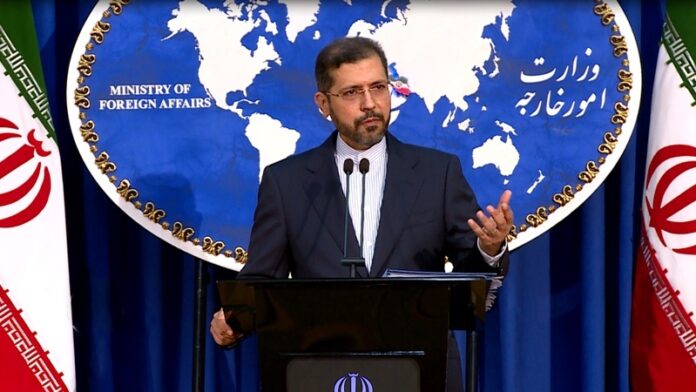
Iranian Foreign Ministry spokesman has condemned latest US sanctions even when talks over reviving the Iran nuclear deal have restarted. Saeed Khatibzadeh said in a tweet that the US cannot stop imposing sanctions against Iran.
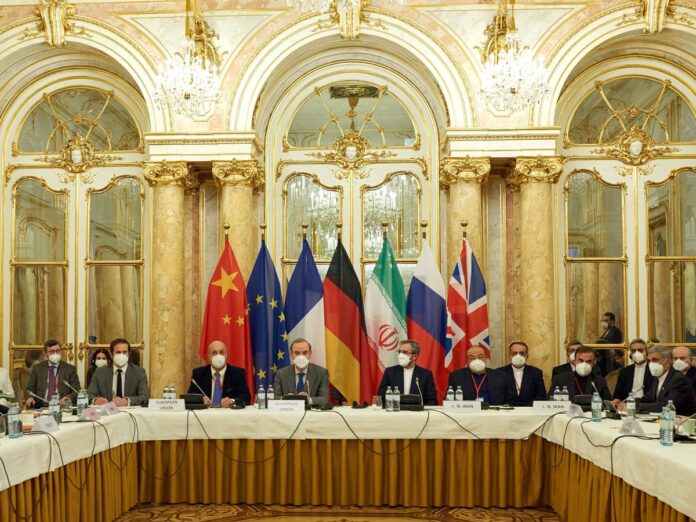
After a five-month hiatus, diplomats have resumed negotiations on reviving the nuclear deal, which the United States abandoned in 2018 and reimposed harsh economic sanctions.
Iran has tabled two draft documents in the highly fraught nuclear negotiations in Vienna demanding all sanctions imposed by Washington be removed.
Iran’s top negotiator and Deputy Foreign Minister Ali Bagheri has noted the ball is in the court of the United States over nuclear dispute, and Washington must remove the anti-Tehran sanctions.
Iran’s Foreign Minister Hossein Amir Abdollahian has also reiterated that there is no way to revive the landmark agreement without removing all anti-Tehran sanctions.
Iranian Leader advisor: Syria to continue path of resistance
“The path of resistance and confrontation with enemies in Syria continues and unity of the Resistance Front’s member states in recent years has made it possible to take effective, successful and unprecedented measures against continued domination of foreigners in this very sensitive region coveted by the United States and Britain in the past,” Velayati stated in a meeting with Syrian Foreign Minister Faisal Mekdad in Tehran on Tuesday.
He added that the formation of the resistance front has resulted in “very useful” outcomes and brought hope to the Muslim world that aggressive powers would be defeated through resistance.
The senior Iranian official stated that the Syrian president has managed to carry out unique measures in recent years — with the support of Iran, Russia and the Lebanese Hezbollah resistance movement and most importantly resistance of the brave Syrian people — in the face of the cowardly invasion of the Arab country, led by the United States, the Israeli regime and some reactionary countries in the region.
“The resistance front will undoubtedly achieve a final victory, God willing,” Velayati pointed out.
He further pointed to “strategic” relations between Tehran and Damascus and called on both sides to concentrate their efforts on the expansion of all-out ties.
Elsewhere in the meeting, Velayati noted Yemen’s resistance has defeated the occupying powers and would soon force them to retreat, adding, “We will see an independent and powerful country and a strong supporter of Islamic values and the interests of the suffering nation of the country.”
He also expressed confidence that the Lebanese people would overcome the problems caused by the United States and its mercenaries in the region and would continue their resistance against enemies to defend the country’s independence and territorial integrity.
This kind of battle, which is the result of unity among the resistance front’s countries, can be regarded as a model for the whole world, especially Muslim nations, with its positive effects in recent years, the Leader’s advisor continued.
The Syrian foreign minister, for his part, commended Iran’s support for the Arab country’s people and government and said the two states’ president would meet in the future given strategic mutual relations.
Mekdad said constant acts of aggression by the Zionist regime and its military presence in Syria as well as US unlawful sanctions against Damascus are in violation of Syria’s territorial integrity and the root cause of insecurity and economic pressure in the country.
However, he emphasized, the Syrian people have thwarted all enemies’ plots by its full resistance.
He also added the US must withdraw from the region and Syria in particular.
Mekdad, who is in Tehran on an official visit, held talks with senior Iranian officials, including President Ebrahim Raeisi, Foreign Minister Hossein Amir-Abdollahian and Parliament Speaker Mohammad Baqer Qalibaf on Monday. He sat down with Secretary of Iran’s Supreme National Security Council Ali Shamkhani earlier on Tuesday.
President Raeisi told the top Syrian diplomat that continued presence of foreign forces in Syria and elsewhere in the West Asia region is detrimental to security and stability of the entire region.
“Continuation of the illegal presence of foreign forces in the region and on the Syrian soil is detrimental to security and stability of the region,” he said, adding, “Daesh [terrorist group] was created by Americans and today, presence of both Daesh and America at any place in the region will be a great threat to security, stability and welfare of [regional] nations.”