
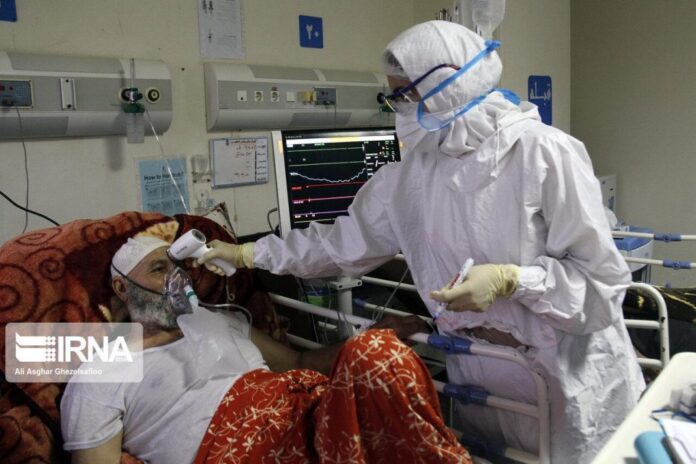
The ministry said almost one in six of the patients have been hospitalized.
This comes as 44 Covid patients also lost their lives over the period, taking the total number of deaths to 131,211 in Iran since the pandemic began.
The ministry also noted that many Iranian cities had zero or single fatalities Wednesday, with Tehran Province accounting for most of the deaths, followed by the provinces of East Azarbaijan and Yazd.
That, the ministry said, leaves no city in the red or orange zones – the most serious Covid alert levels. Currently, 395 cities are in the blue zone and 53 in the slightly serious yellow alert.
Iran logs +2000 new Covid cases, 44 new deaths
Report: UAE placed spyware on Khashoggi fiancee’s phone
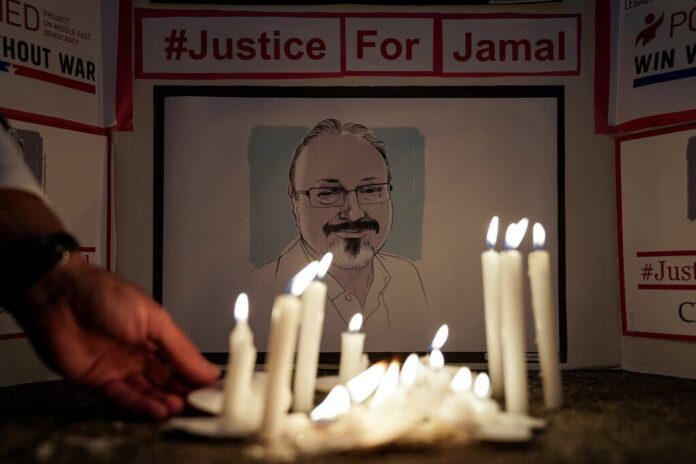
The Washington Post cited findings from Citizen Lab that found that Hanan Elatr, then the fiance of Khashoggi, was arrested by UAE officials in Dubai in 2018. NSO Group’s Pegasus software was downloaded onto her Android phone in just more than a minute while she underwent hours of questioning, with the phone returned to her days later.
“We found the smoking gun on her phone,” Bill Marczak, a senior research fellow at Citizen Lab, told the Post after examining Elatr’s phones.
Pegasus spyware has been used by governments and other groups to steal data, turn on microphones, and record calls without users’ knowledge. NSO Group has come under fire in recent months for allegations that it developed and sold Pegasus to foreign governments as a tool to spy on dissidents, journalists and others.
As a result, NSO Group was added to the Commerce Department’s entity list last month, effectively blacklisting the company, and The Wall Street Journal reported earlier this month that top executives are considering selling the company.
Khashoggi, who wrote for The Washington Post and was often critical of Saudi Crown Prince Mohammed bin Salman, was murdered in October 2018 at the Saudi Consulate in Istanbul. A US intelligence report concluded earlier this year that the murder was ordered and approved by the crown prince, with Khashoggi’s remains likely dismembered by Saudi agents.
A spokesperson for NSO Group strongly pushed back against the findings outlined by the Post on Tuesday.
“The repeatedly false media reports, recycled again today, are false and technologically impossible,” the spokesperson said in a statement provided to The Hill, adding, “As NSO has previously stated, our technology had no role in the heinous murder of Jamal Khashoggi or any of his family members, including Hanan Elatr.”
Israel’s Ministry of Defense must approve the sale of Pegasus software to foreign governments, and according to information provided by NSO Group to the Post, the software has been sold to 60 government agencies in 40 countries.
A wide swath of allegations have been brought against NSO Group. A data leak in July revealed a list of around 50,000 individuals who may have been targeted by Pegasus since 2016, while Apple issued an emergency update for most of its products in September after Citizen Lab discovered vulnerabilities being exploited by the NSO Group spyware.
Palestinian youth burnt to death at Israeli checkpoint
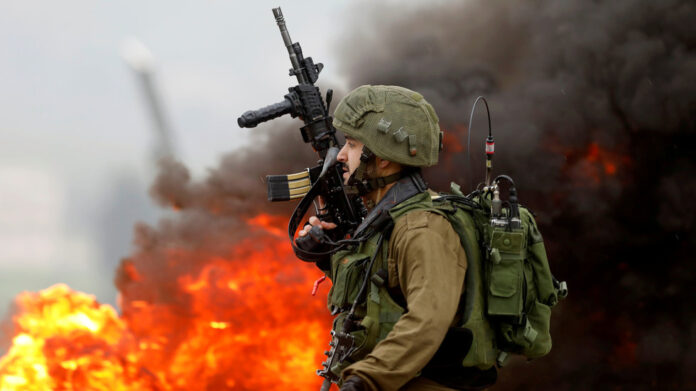
Israeli forces have killed a Palestinian youth in the occupied West Bank city of Jenin after his car was fired at over what they claimed to be a car-ramming attack on their checkpoint.
Palestine’s official WAFA news agency reported the Palestinian, identified as Abd al-Aziz Hekmat Mousa, was killed on Tuesday evening when his car was caught on fire near the Israeli military checkpoint of Dotan in the town of Ya’bad, southwest of the city of Jenin.
Citing local sources, WAFA added the Israeli soldiers had opened fire at the car following an alleged car-ramming attack by the 22-year-old.
Israeli media claimed that the forces opened fire at the driver after he had accelerated toward their guard post and “tried to run over a number of Israeli soldiers”. The vehicle then crashed into a military jeep, causing both to catch on fire.
Israeli reports said the Palestinian driver of the car lost his life inside it after it caught on fire. They also added two soldiers were lightly injured in the incident.
The latest killing comes as the Israeli regime has amended its open-fire rules, allowing forces to shoot Palestinian protesters who throw rocks and stones in the occupied West Bank even if they do not pose an imminent threat. Israel has long been criticized for using excessive and deadly force against Palestinians.
Minister: Natural gas swap with Turkmenistan to start soon
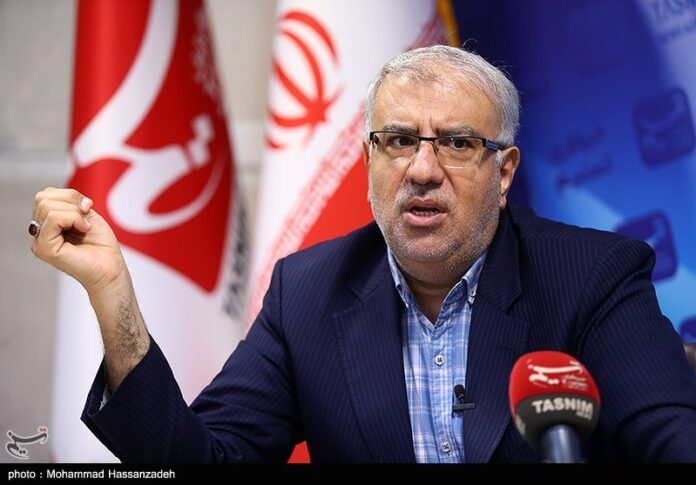
“The size of the swap contract is 1.5 to 2 billion cubic meters of natural gas annually, with which we can also use to help the stability of the natural gas network of the northern parts of the country in the cold season of the year,” said Javad Owji in an exclusive interview with Tasnim News Agency.
He also touched on the oil ministry’s new plan to increase the efficiency of oil production from low-yield oil wells, describing the approach as “a revolution in the oil industry” of Iran.
“We have defined a target to improve the production level at some 700 low-yield oil wells,” Owji said.
He further explained that developing an untapped oil field to reach the production stage needs 10 to 12 million dollars in investment, while working on low-yield oil wells, using the potential of knowledge-based companies significantly reduces the costs and the required time to increase the national oil production.
The minister stressed that knowledge-based companies are paid by taking a share of the output of the upgraded wells for a duration of three to five years.
“With the implementation of this plan for some 700 oil wells, the national oil production rises by 80 million barrels a year, that is 200,000 barrels a day, and we are seriously pursuing the plan to make sure it becomes operational next year,” he said.
Russia: US leaving JCPOA like shooting itself in foot

“The decision to withdraw from JCPOA was like shooting in one of US legs. It doesn’t matter if it was left or right leg,” Russia’s Permanent Representative to the Vienna-based international organizations Mikhail Ulyanov wrote on Twitter on Wednesday.
US Secretary of State Antony Blinken has recently called Washington’s withdrawal from the 2015 Iran nuclear deal “a terrible mistake”.
Former US President Donald Trump, a stern critic of the historic deal, unilaterally pulled Washington out of the agreement in 2018, and unleashed the “toughest ever” sanctions against Iran.
Blinken stated the US continues to promote a diplomatic solution to the nuclear question, but “the runway is getting very, very short” for negotiations, given Tehran’s technological advances.
He characterized the Trump administration’s withdrawal from the 2015 international nuclear agreement as “a terrible mistake”.
“We continue to believe that the best way, the most effective way, to resolve the nuclear challenge posed by Iran is through diplomacy and through a return to mutual compliance with the so-called JCPOA, the Iran nuclear deal,” he said.
“Given all of the alternatives – and there are alternatives – it remains the best way to actually answer the problem,” the top diplomat added.
In early November, US President Joe Biden stated the United States is “continuing to suffer” from Trump’s decision to pull Washington out of the Iran nuclear deal.
However, the Biden administration has imposed sanctions on Iranian entities and officials. Iran has called Washington sanctions against Tehran the continuation of US failed policies pursued by the Trump administration.
After a five-month hiatus, diplomats have resumed negotiations on reviving the nuclear deal.
Iran has tabled two draft documents in the highly fraught nuclear negotiations in Vienna demanding all sanctions imposed by Washington be removed.
Iran’s top negotiator and Deputy Foreign Minister Ali Bagheri has noted the ball is in the court of the United States over nuclear dispute, and Washington must remove the anti-Tehran sanctions.
Iran’s Foreign Minister Hossein Amir Abdollahian has also reiterated that there is no way to revive the landmark agreement without removing all anti-Tehran sanctions.



Iran FM in Baku for talks with Azeri officials
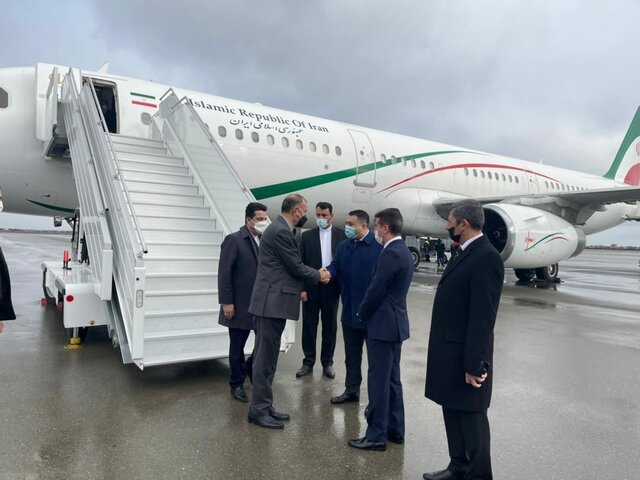
Amir Abdollahian made the comment upon arriving in Baku on Wednesday.
He said he will put forth those ideas during a meeting with Azerbaijani president Ilham Aliyev.
Amir Abdollahian added that he will also hold talks with other high-ranking Azeri officials during his visit to the country.
He added that he has numerous contacts with his Azeri counterpart Jeyhoun Bayramov and that the two top diplomats agreed on good frameworks to expand ties. Amir Abdollahian added that the two sides will finalize those frameworks during this visit and then there will be more visits by economic and cultural delegations of the two countries.
Iran blames Saudi foot-dragging for envoy death
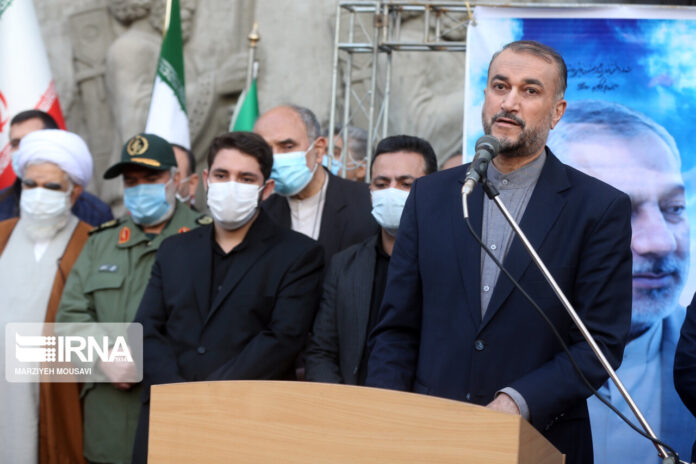
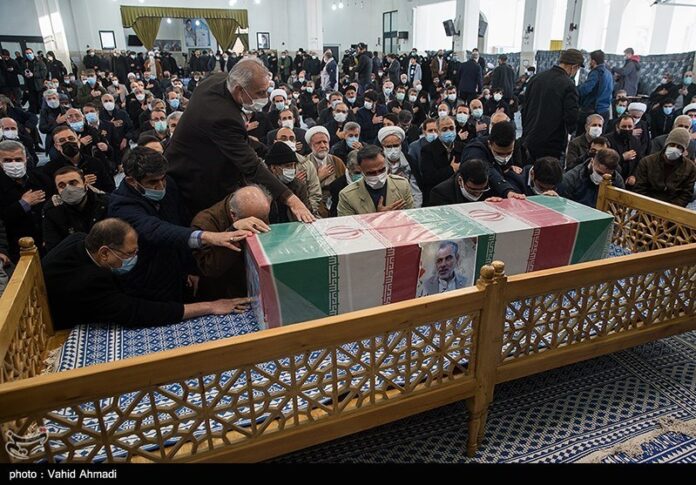
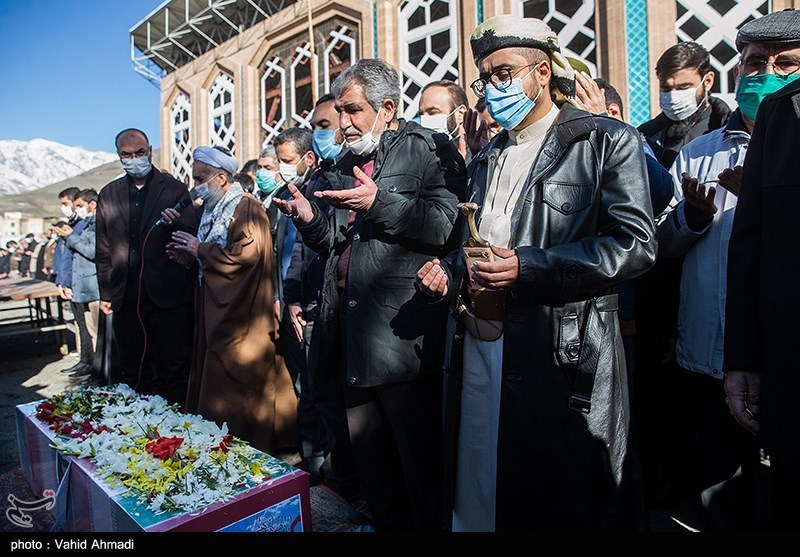
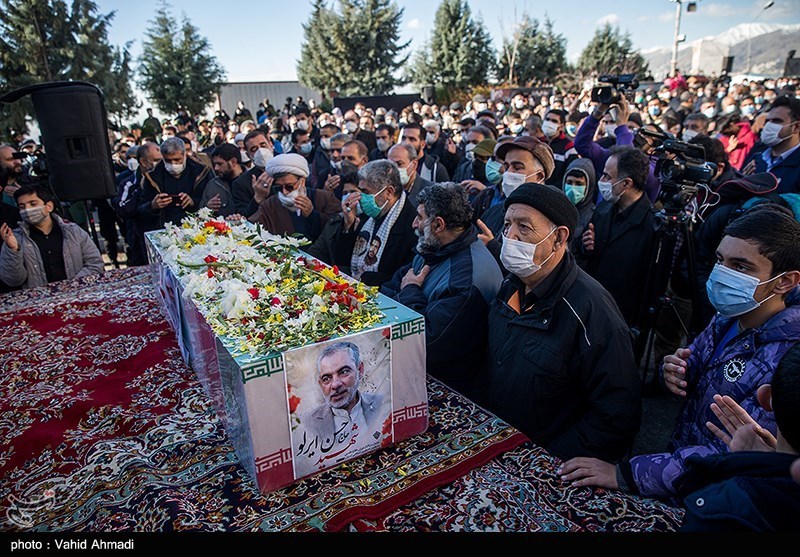
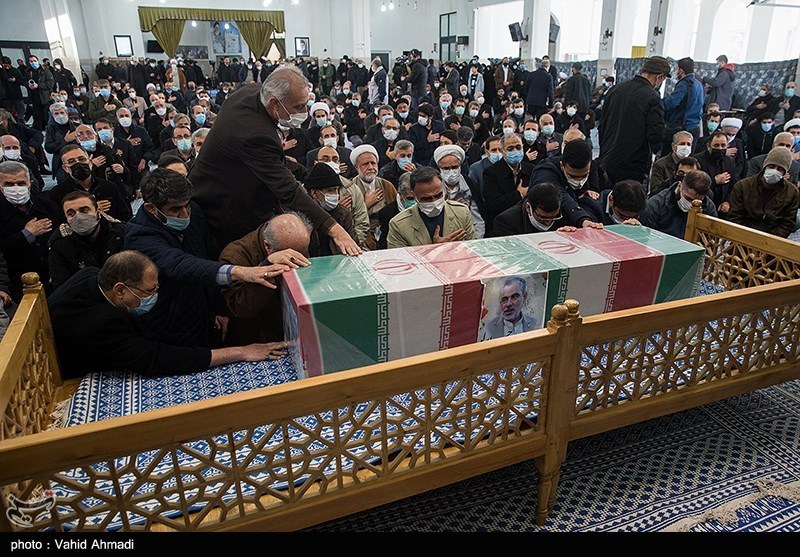
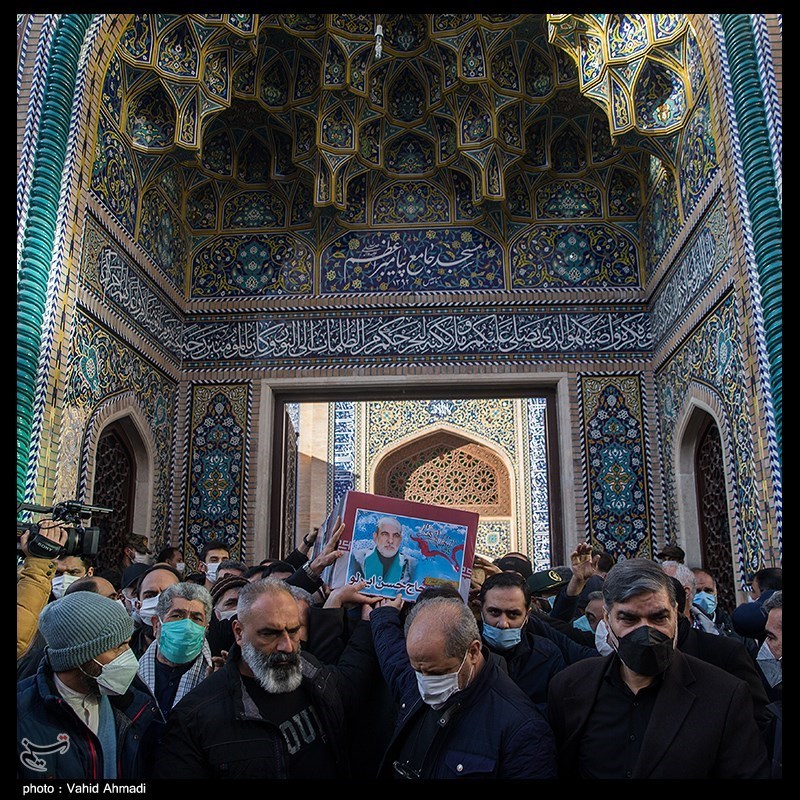
Iran’s Ambassador to Yemen Hassan Irloo passed away of COVID-19 complications on Tuesday. He had earlier this week been repatriated from Yemen amid a Saudi-led blockade of the war-torn Arab country to receive treatment at a hospital in Tehran.
Speaking to reporters on the sidelines of the ambassador’s funeral procession in Tehran on Tuesday, Amir-Abdollahian said prior to Irloo’s death, the Foreign Ministry had been trying for several days to obtain a permission from Riyadh via a third country to send a plane either from Iran or another state to Sana’a to bring the coronavirus-stricken diplomat home and immediately transfer him to a hospital in Tehran for treatment.
“However, the Saudi side was unfortunately very late in making a decision in this regard and some executive bodies of Saudi Arabia dragged their feet,” he added.
“We will formally lodge a protest in accordance with international conventions, and at the same time, we hope that Yemen will be able to get out of this war and severe humanitarian siege as soon as possible through a political solution,” the top Iranian diplomat continued.
He once again reiterated Iran’s stance on the need to solve the ongoing crisis through political channels, saying Tehran believes all Yemenis should play a role in determining their country’s future.
The chief diplomat condemned the military campaign that the Saudi regime and its allies have been waging on Yemen since early 2015.
“The experience of six years of war showed that the aggressors cannot achieve any victory through military means. Yemen must be left to the Yemenis themselves so that the problems will be solved through the intra-Yemeni talks,” he stated.
During his two-year mission in Sana’a, the Iranian ambassador made efforts to help find a political solution to the Yemen conflict, end the war in the impoverished country and restore stability, security and peace to it, Amir-Abdollahian noted.
Saeed Khatibzadeh, spokesman for Iran’s Foreign Ministry, said Irloo was transferred to the country in a “bad state” and due to the “late cooperation” of some countries, a reference to Saudi Arabia.
A war veteran, Irloo had sustained injuries from chemical warfare attacks on Iran during Iraq’s 1980-88 imposed war, backed by the West.
He contracted the coronavirus at the place of his mission and passed away early on Tuesday “despite undergoing all stages of treatment to improve his condition”, Khatibzadeh added.
Irloo officially began his diplomatic mission to Yemen in November 2020, in defiance of the US opposition to close ties between Tehran and Sana’a.
In December 2020, he was sanctioned by the former US president Donald Trump for his links to the Islamic Revolution Guard Corps (IRGC)’s Quds Force.
Saudi Arabia, backed by the US and regional allies, launched the war on Yemen in March 2015, with the aim of reinstalling the unpopular regime of Yemen’s former president Abd Rabbuh Mansur Hadi and to crush the popular Ansarullah movement.
The Saudi war has left hundreds of thousands of Yemenis dead, and displaced millions more. It has also destroyed Yemen’s infrastructure and spread famine and infectious diseases in the Arab country.
Despite Saudi Arabia’s relentless bombardment of the impoverished country, Yemeni armed forces and the allied popular committees have grown in strength against the Saudi-led invaders.
Farhadi’s ‘A Hero’ makes Oscars international shortlist
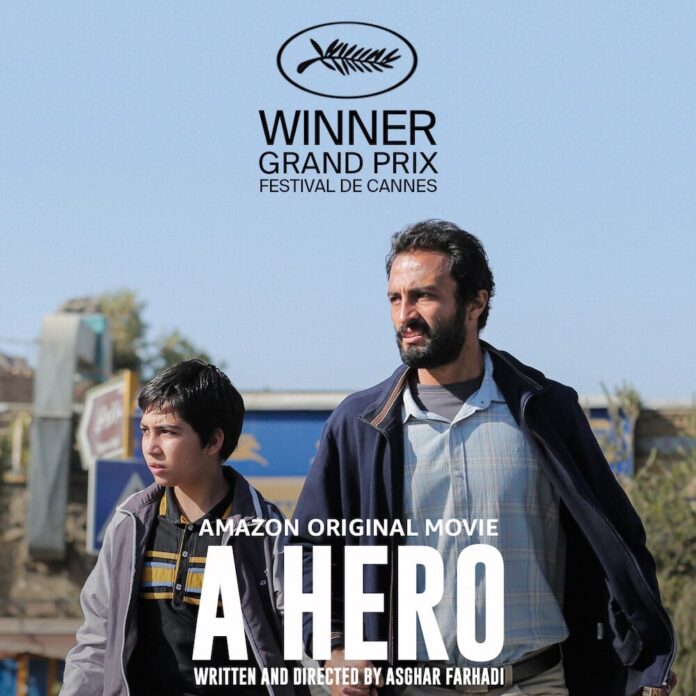
The shortlist, one of 10 lists that were revealed by AMPAS after a first round of voting, contained relatively few surprises, also including high-profile films from Germany (I’m Your Man”, starring Dan Stevens), Spain (“The Good Boss”, with Javier Bardem), Denmark (the animated documentary “Flee”, which also made the doc shortlist), Finland (“Compartment No. 6”) and Iceland (“Lamb”).
But it did not include France’s entry, Julia Ducournau’s drama “Titane”, which won the Palme d’Or at this year’s Cannes Film Festival. The dark and bloody critics’ favorite was by far the highest-profile film not to advance, with Apichatpong Weerasethakul’s dreamy “Memoria”, starring Tilda Swinton, also getting lots of attention from critics and cineastes but not clicking with Oscar voters.
Other films to make the shortlist were Mexico’s “Prayers for the Stolen”, Austria’s “Great Freedom”, Belgium’s “Playground”, Kosovo’s “Hive”, Bhutan’s “Lunana: A Yak in the Classroom” and Panama’s “Plaza Catedral”.
The films from Kosovo, Bhutan and Panama mark those countries’ first appearance on the Oscar shortlist.
The shortlist is heavily European, with 10 of the 15 films coming from that continent. Four of the European films are from Scandinavia, with Denmark, Norway, Iceland and Finland on the list. (Of the five Nordic countries that submitted films, only Sweden failed to advance.)
Two of the shortlisted films were from the Americas, and three from Asia.
Four of the films are directed by women: Blerta Basholli with Kosovo’s “Hive”, Tatiana Huezo with Mexico’s “Prayers for the Stolen”, Maria Schrader with Germany’s “I’m Your Man” and Laura Wandel with Belgium’s “Playground”.
A record-tying 93 films qualified in the category, but Jordan later withdrew its entry, “Amira”, after the film was criticized by Palestinian families and prisoners-rights organizations.
The shortlist:
Austria, “Great Freedom”
Belgium, “Playground”
Bhutan, “Lunana: A Yak in the Classroom”
Denmark, “Flee”
Finland, “Compartment No. 6”
Germany, “I’m Your Man”
Iceland, “Lamb”
Iran, “A Hero”
Italy, “The Hand of God”
Japan, “Drive My Car”
Kosovo, “Hive”
Mexico, “Prayers for the Stolen”
Norway, “The Worst Person in the World”
Panama, “Plaza Catedral”
Spain, “The Good Boss”
Iran-made vessels join Navy, further boosting the force
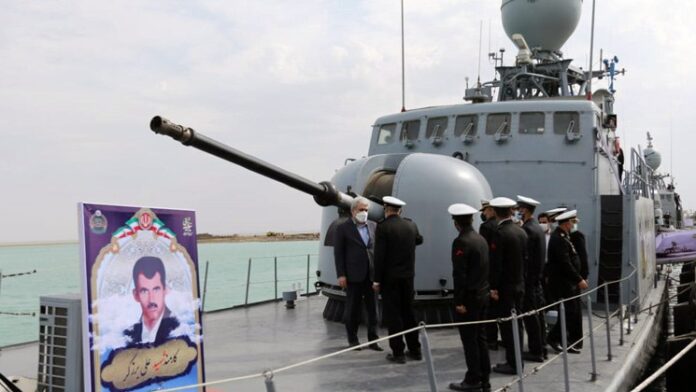
The corvettes are dubbed Gorz (mace) and Khanjar (dagger). The homegrown vessels officially joined the Iranian Navy at a ceremony in the southern port city of Bushehr on Tuesday.
Iranian Navy Commander Rear Admiral Shahram Irani attended the ceremony.
Gorz and Khanjar are each 50 meters long and weigh 300 tons. They are equipped with advanced radar-controlled missiles, anti-surface and air defense guns, modern radars, sea-to-sea missiles, and radar jamming systems that enable them to operate in oceans.
In another ceremony, attended by the Iranian vice president for science and technology, the first Iranian marine engine was unveiled.
The engine is named Makran. This is a 3,600 horsepower engine that can be installed on naval vessels.
The Navy ships propelled by the new engine can hit a speed of 30 knots, which is twice more than their previous speed.
Rear Admiral Irani says the diesel engine has been fully manufactured by Iranian experts. He also said Makran will drive the country’s first missile-launching warship. Iran has in the past years beefed up its naval, air and ground deterrence amid repeated threats of attack by the US and the Zionist regime.
