Saturday, December 27, 2025
Home Blog Page 2106

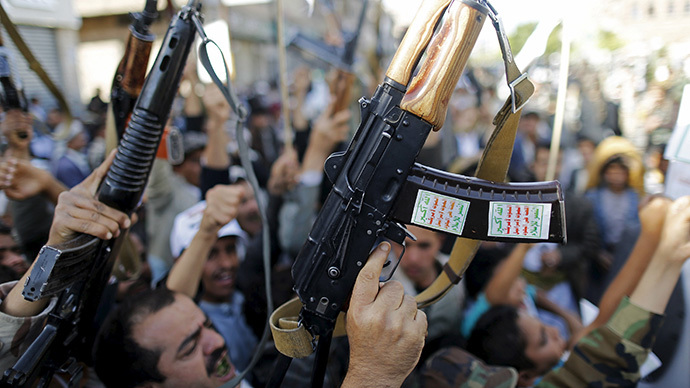
White House holds meeting over re-designating Yemenis as terror group

The White House last Friday held an interagency meeting to discuss the possibility of redesignating the Houthis as a foreign terrorist organization, two sources briefed on the issue say.

Less than a month after he assumed office, President Joe Biden rolled back the Donald Trump administration’s designation of the Houthi rebels, arguing it hampered humanitarian assistance to the Yemeni people.

In recent weeks, the Houthis carried out several missile and drone attacks targeting the UAE, a member of the Saudi-led coalition that has waged a war against Yemen.

Following the first attack in which three people were killed, the Emiratis asked the Biden administration to redesignate the Houthis as a terror group.

The White House National Security Council is more open to redesignate the Houthis, while the State Department supports targeting specific Houthi leaders with sanctions, but not the Houthis as an organization, according to the sources.

State Department spokesperson Ned Price said last Thursday that the Biden administration won’t relent in using sanctions and designations against Houthi leaders or entities who are involved in military attacks against civilians or commit human rights abuses, without referring to the crimes of the Saudi-UAE coalition on Yemeni civilians.

At the same time, Price stated the U.S. remains committed to addressing the humanitarian emergency in Yemen.

An National Security Council spokesperson added Biden has already noted the redesignation of the Houthis was under consideration.

In early 2021, Biden claimed he would withdraw support for the Saudi coalition’s airstrikes operations. However, a year later, the U.S. continues to provide assistance for the Saudi offensive. Recently, the Biden administration sold $650 million worth of arms to Riyadh.

Human rights organization Amnesty International has recently announced the Saudi-led coalition used U.S-manufactured precision-guided munition in its Saada prison massacre which killed dozens of people.

Yemenis have slammed the United States’ interference in the war-torn country, stressing that Washington was hindering a political resolution of the conflict. They say the U.S. policies have emboldened Saudi Arabia to increase its pressure on the impoverished nation.

Saudi Arabia and its allies launched a war against the Arab world’s most impoverished nation in March 2015. The war has been seeking to restore power in Yemen to Riyadh’s favorite officials.

The death toll of the war, now in its seventh year, will reach an estimated 377,000 by the end of 2021, according to a recent report from the UN’s Development Programme.

The fighting has seen some 80 percent of the population, or 24 million people, relying on aid and assistance, including 14.3 million who are in acute need.
Rights activists blast Israel for ‘enforcing apartheid’ on Palestinians

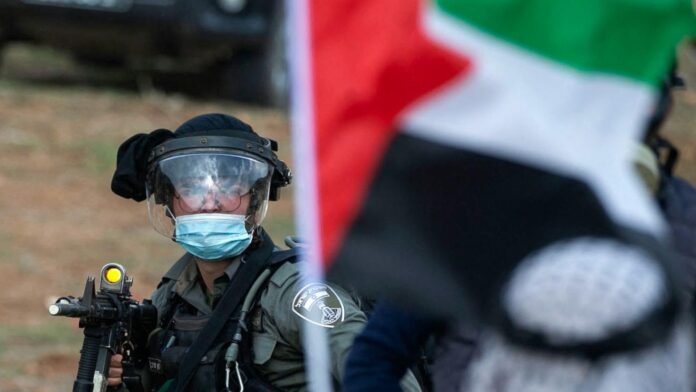
The organizations, which come from 16 Arab countries as well as six European and Latin American states, demanded in a joint statement the trial of Israeli authorities involved in perpetration of genocide, war crimes and racial discrimination against Palestinians.

They condemned Israel’s racist practices against Palestinians and its treatment of the latter as an inferior racial group, and called for the launch of a campaign to put an ultimate end to the regime’s apartheid actions.

The human rights organizations also urged punitive measures, including travel bans and asset freezing, against Israeli military officials besides arms embargoes against the Tel Aviv regime.

They called upon the International Criminal Court (ICC) to include apartheid crimes in the Occupied Palestinian Territory in its future investigations.

The organizations then voiced support for pro-Palestinian groups that document and expose Israel’s atrocities and racism, above all the international Boycott, Divestment and Sanctions (BDS) movement.

The BDS movement, which is modeled after the anti-apartheid movement in South Africa, was initiated in 2005 by over 170 Palestinian organizations that were pushing for “various forms of boycott against Israel until it meets its obligations under international law.”

Thousands of volunteers worldwide have since then joined the BDS movement, which calls for people and groups across the world to cut economic, cultural, and academic ties to Tel Aviv, to help promote the Palestinian cause.

Last year, more than 600 scholars, artists, and intellectuals from over 45 countries across the world lambasted the Israeli practices against Palestinians, calling for an immediate end to “Israel’s apartheid regime” in the occupied territories.

Back in July 2018, Israel’s parliament (Knesset) adopted a controversial bill that declares the occupying entity as the so-called “nation-state of the Jewish people.”

The law prioritizes “Jewish” values over democratic ones in the occupied territories, declares Jerusalem al-Quds the “capital” of Israel, allows Jewish-only communities, sets Hebrew as the official language of Israel, and relegates Arabic from an official language to one with “special status.”

Observers blame US-led Western powers for enabling Israel’s violations against Palestinians.

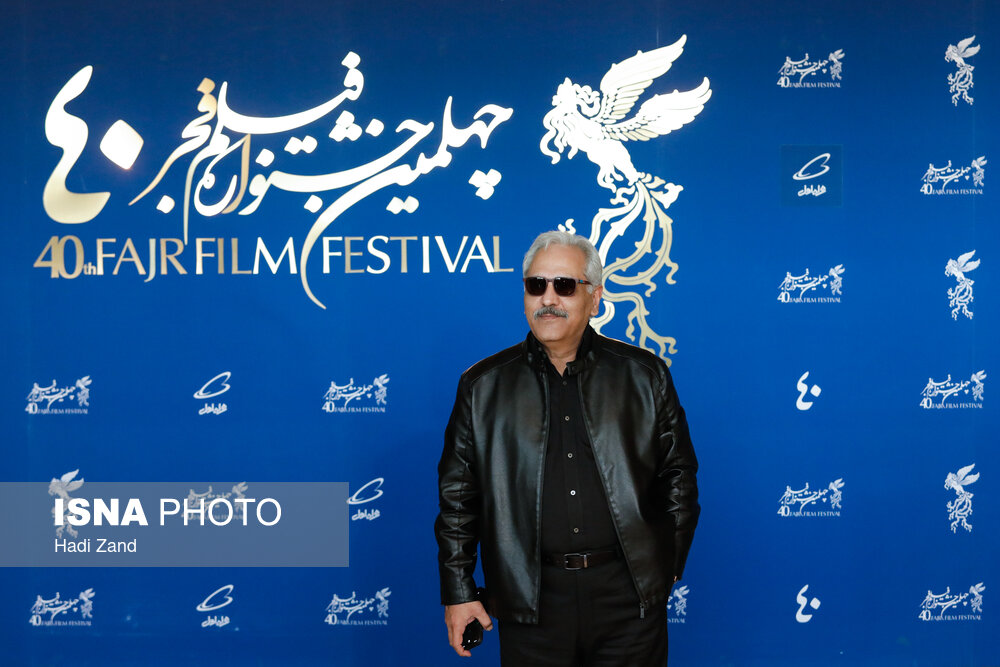
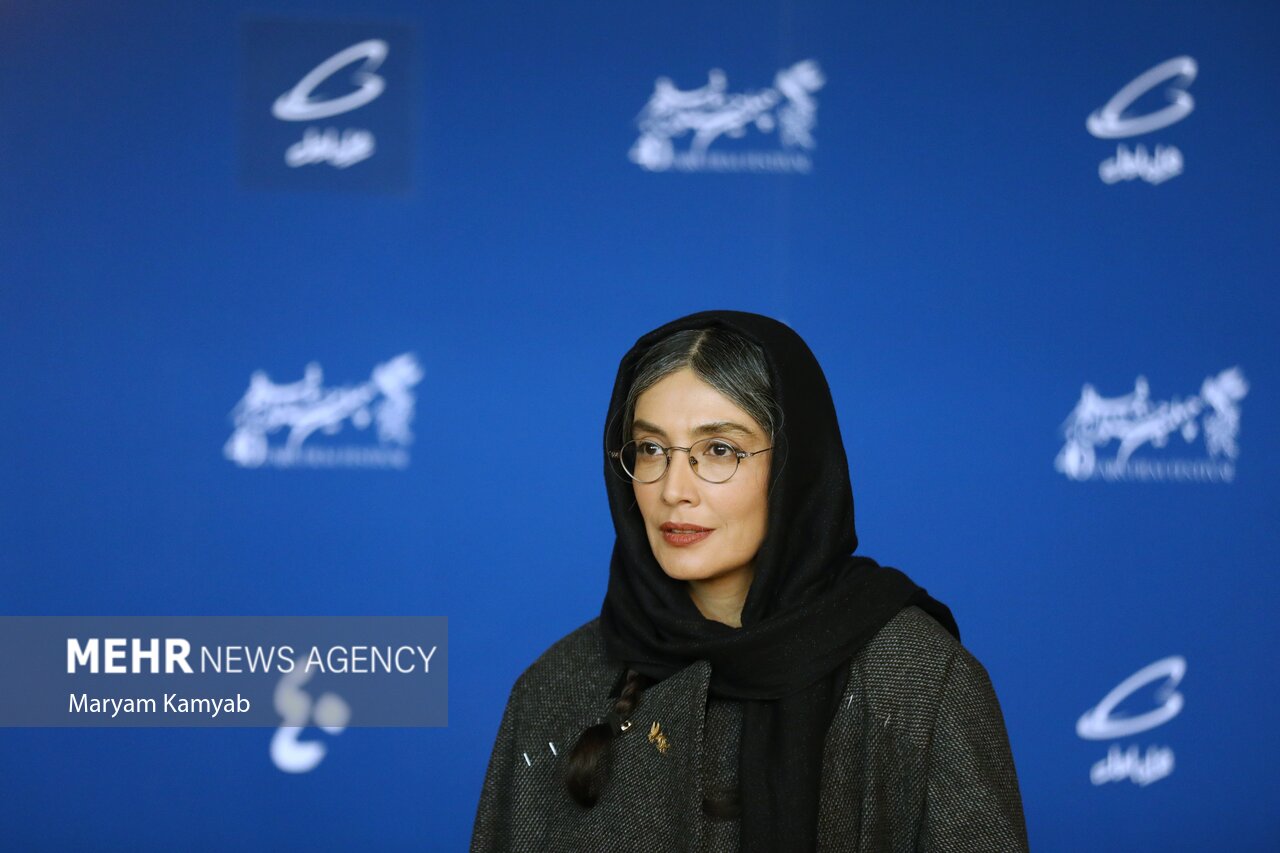
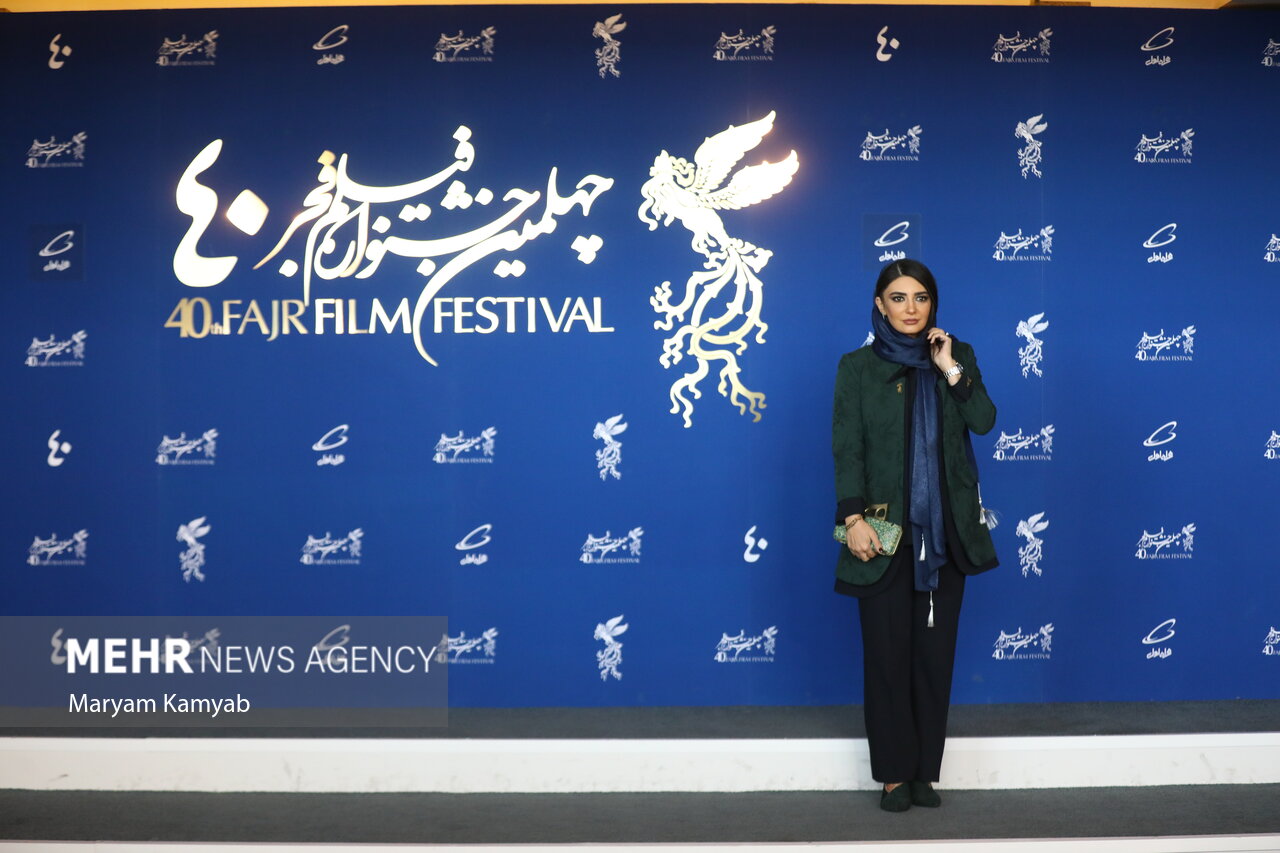
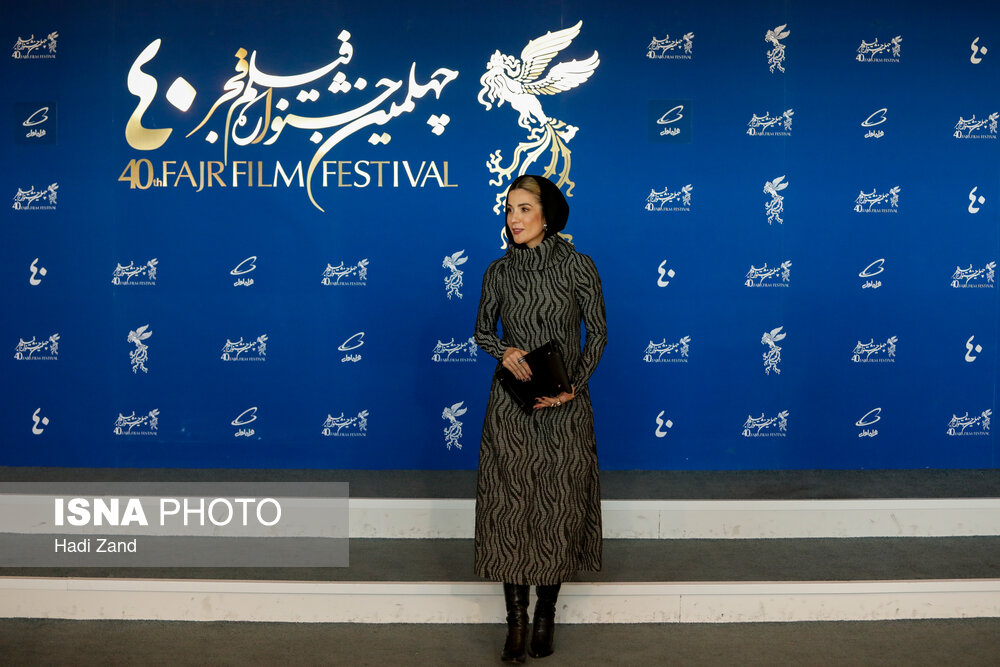
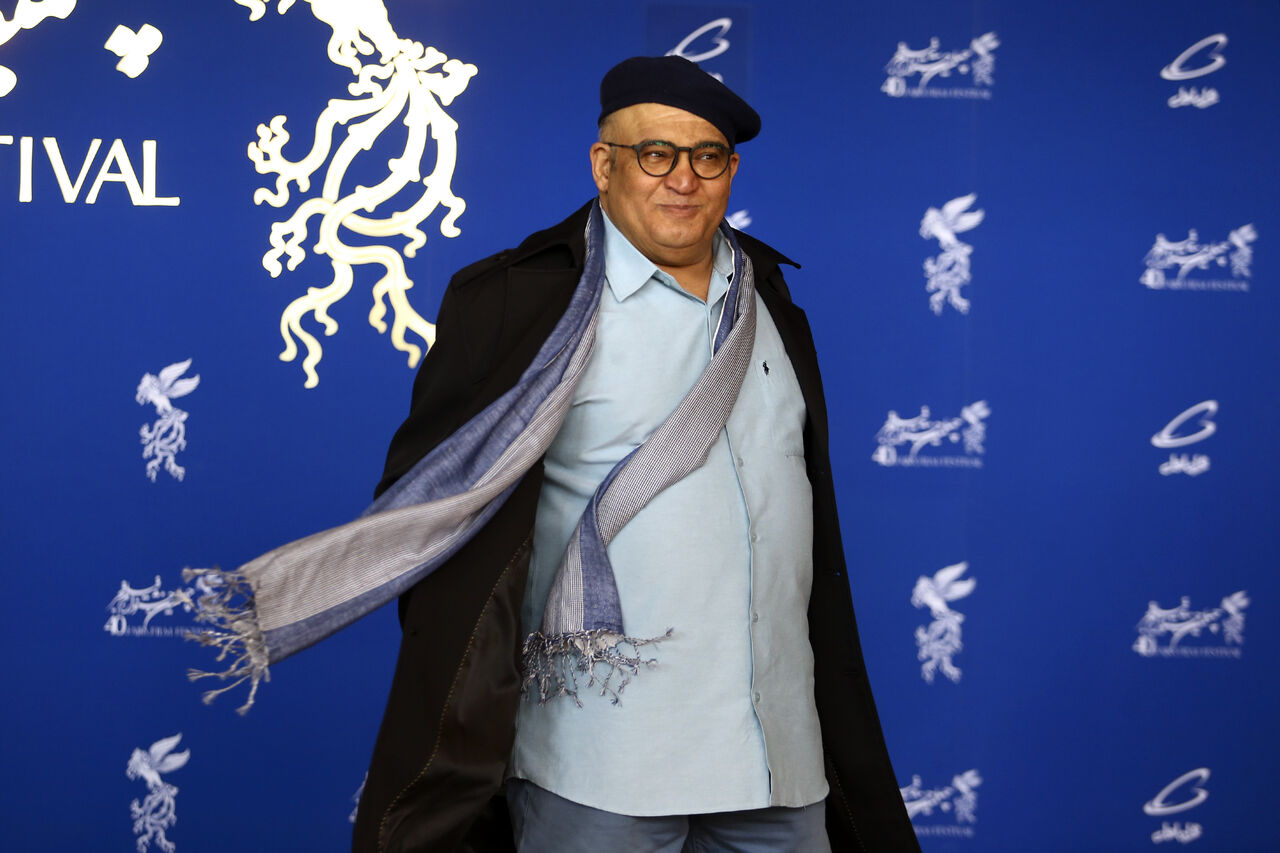
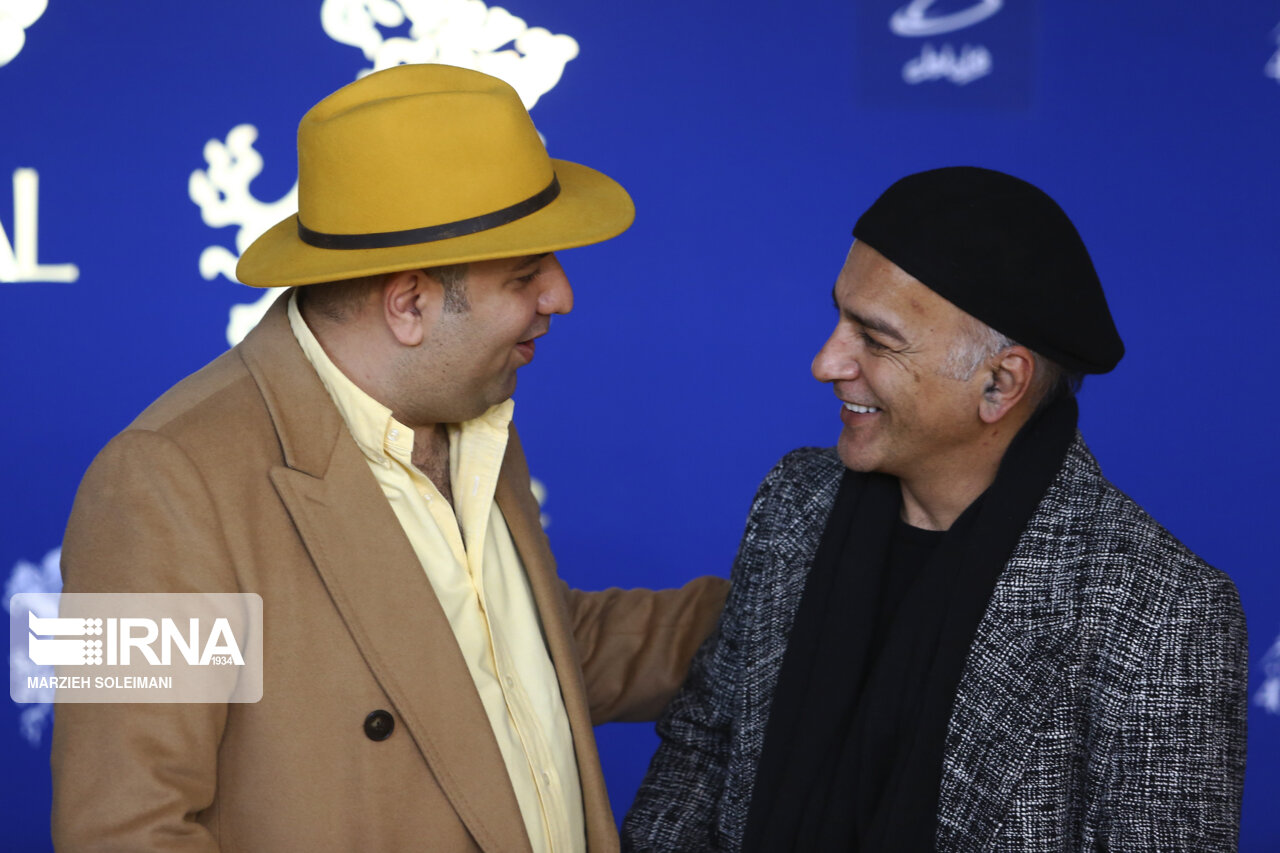
Day 10 of Fajr Intl. Film Festival: Round-up

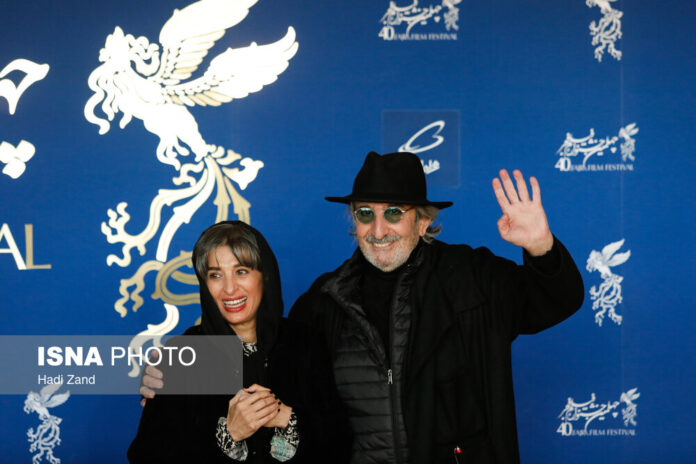
Zed tells the story of a love that flares up after years amid key political events. The story begins in the winter of 1981 and continues into the summer of the next year.

“We produced this movie based on the Islamic Revolution Leader’s preoccupation with Hafte Tir incident,” producer Mohammad Reza Shafiei said in reference to the bombing of the headquarters of the Islamic Republic Party of Iran by the MKO terrorists on June 28, 1981, which killed 74 people, including Chief Justice Ayatollah Mohammad Beheshti.

“This incident was the beginning of the operations of the MKO organization against our country’s establishment,” he added.

Khaen Koshi also recounts the story of a group of people who want to rob Bank Melli. That is planned in the dark during a solar eclipse in Tehran.
The film’s producer Ali Owji said it was produced in two 120-minute and 230-minute versions, the latter being planned to turn into a TV series.

During the screening, director Kimiai and lead actor Amir Aghaei were absent due to surgery and infection with the coronavirus, respectively.

Mogheiate Mahdi – Mahdi’s Position- was also another of the movies screened at Milad Tower, where the festival is underway.

The screening, as predicted, raised the movie’s standing in people’s choice, closing its gap with Molaghate Khosusi – Private Meeting. The two are so far the top candidates to win the People’s Choice Simorgh Award of the 12-day festival, which is held every year to mark the anniversary of the 1979 Islamic Revolution in Iran.

President Raisi: US adherence to Trump’s policies main hurdle to Vienna talks

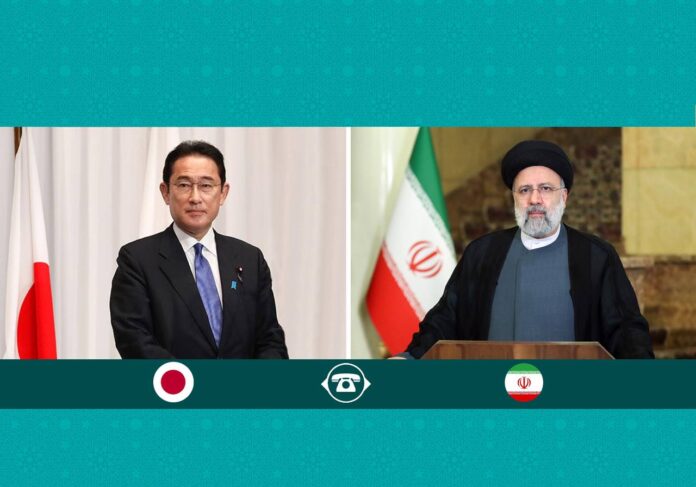
Raisi was speaking with Japanese Prime Minister Fumio Kishida on the phone on Wednesday.

Raisi however noted that Tehran is ready for expanding ties with other countries including Japan regardless of the talks which aim to revive the Iran nuclear deal, JCPOA.

He said Iran and Japan are two peace-loving civilizations with dignified histories and closer ties between them will benefit all countries.

Raisi said Iran and Japan also can play a key role in expanding peace and stability in West Asia and beyond.

He said extra-regional interference is the main factor in destabilizing the region.

The president also called for the resolution of the Yemen crisis through talks among Yemeni factions. He said it is necessary that the oppressive siege of Yemen be lifted.

Raisi further called for the international community to end the heinous crimes by the Saudi-led coalition against the defenseless Yemenis.

Kishida for his part congratulated the Iranian people and government on the victory of the 1979 Islamic Revolution, saying he had traveled to Tehran several times as Japanese foreign minister and the head of the Iran-Japan Friendship Group.

Kishida added that as Japan’s prime minister, he will seek to develop relations and activate joint cooperation as he is aware of the high capacities of the two countries.

Iran’s service sector inflation rate hits record high

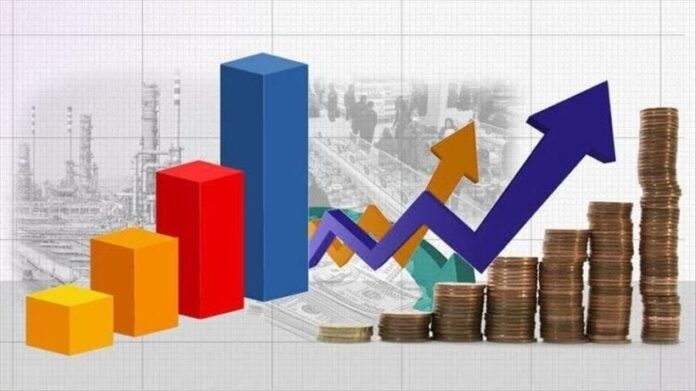
The Statistics Center of Iran said the producer inflation in the service sector in the season was 46.3, up 1.2% compared to the same period in 2020.

According to Eghtesdanews Website, one of the most important ways of assessing inflation in the consumer sector and what people in society experience at any given time is to examine price changes on the production side.

In other words, if the cost of production grows in any consumer sector in a country, this growth will subsequently be transferred to the consumers and will increase inflation in the sector.

The source added in that vein, monthly consumer inflation in January showed that this figure reached 3.6 percent and stood at its 5-month peak. A closer look reveals that this is the second record in the last fourteen months.

In the first month of winter, service inflation accounted for 1.8 percent, explaining more than half of the month’s 2.4 percent inflation.

The seasonal and point trend also have shown a downward trend in the rate of producer inflation in the service sector.

In this regard, the inflation of services in the fall of 2021 was equal to 10 percent, which is about 1.1 percentage points lower than the previous season.

Point inflation also showed a 2 percentage point decrease compared to the summer of 2021, which is equal to 45.8 percent.

Despite the decrease, the producer inflation rate in this sector is still high in Iran on a point scale. One example of the hikes in the service sector is that of the education sector.

Producer seasonal inflation in the education sector was 22.5 percent in the fall of 2021, the highest seasonal inflation in the last two years. Point inflation in the sector also rose, reaching its highest level in ten years this fall.

This figure is 34.2 percent, which is unprecedented in the last decade.

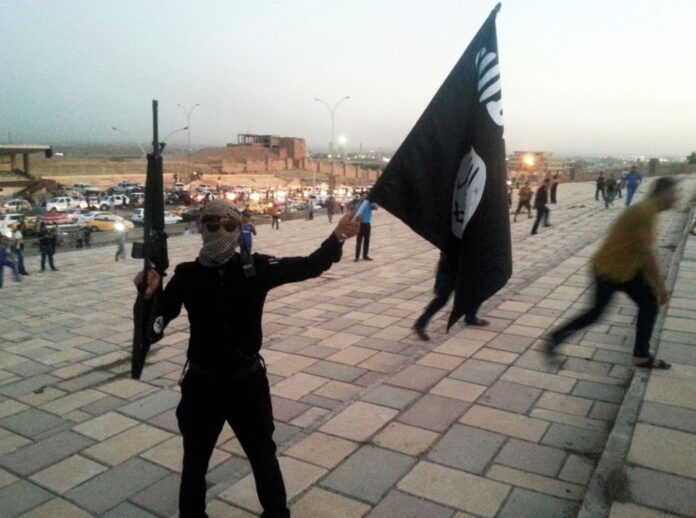
Report: Next Daesh leader to emerge from battle-hardened Iraqis

The group of potential successors to Abu Ibrahim al-Quraishi, who blew himself up during a U.S. operation to capture him in Syria last week, includes one commander whom Washington and Baghdad declared killed last year, the Iraqi officials said.

The death of Quraishi, 45, was another crushing blow to IS two years after the violent group lost longtime leader Abu Bakr al-Baghdadi in a similar raid in 2019.

Quraishi, an Iraqi, never publicly addressed his fighters or followers, avoided electronic communications and oversaw a move to fighting in small devolved units in response to intense pressure from Iraqi and U.S.-led forces.

But those following Islamic State closely expect it to name a successor in coming weeks, as the group which imposed brutal rule over vast swathes of Iraq and Syria from 2014 to 2017 continues a stubborn and deadly insurgency in the Middle East.

Fadhil Abu Rgheef, an Iraqi expert who advises its security services, stated there were at least four possible successors.

“These include … Abu Khadija, whose last known role was Iraq leader for Islamic State, Abu Muslim, its leader for Anbar province, and another called Abu Salih, of whom there’s very little information but who was close to Baghdadi and Quraishi,” he added.

“There’s also Abu Yassir al-Issawi, who is suspected to be still alive. He’s valuable to the group as he has long military experience,” he continued.

Issawi’s death in an air strike in January 2021 was reported at the time by both Iraqi forces as well as the U.S.-led military coalition fighting Islamic State in Iraq and Syria.

But an Iraqi security official confirmed there were strong suspicions Issawi is still alive.

“If he’s not dead he’d be a candidate, he’s tried and tested in planning military attacks and has thousands of supporters,” the official noted.

The official added that Islamic State was likely carrying out a security sweep for potential leaks that led to the death of Quraishi before convening to choose or announce a successor.

Hassan Hassan, editor of New Lines magazine which has published research on Quraishi, said the new leader would be a veteran Iraqi jihadist.

“If they choose one in the coming weeks they’ll have to choose someone from among the same circle … the group that was part of the Anbari group which operated under (the name) ISIS since the early days,” he said.

Baghdadi and Quraishi, both members of al Qaeda in Iraq, did time in U.S. detention in the mid-2000s. In contrast, none of the four potential successors to Quraishi had been captured by U.S. forces, one security official and one army colonel told Reuters.

Officials and analysts in various countries agree Islamic State is under more pressure than it’s ever been and will never restore its self-styled caliphate. But they are divided on how significant a setback Quraishi’s death is for the group.

Some say the fight against ISIL will suck in the United States and its allies for years to come as it develops into a permanent insurgency with new leaders ready to take the reins.

“In Syria, Islamic State units work as a devolved network of individual groups in order to avoid them being targeted. We don’t therefore believe that Quraishi’s death will have an enormous impact,” one of the Iraqi security officials said.

“It’s also become more difficult to follow them because they’ve long stopped using mobile phones for communication,” the official added.

Since their territorial defeat in Iraq in 2017 and Syria in 2019, Islamic State leaders have found it increasingly easy to move between the two countries, helped by a gap in areas of control between different armed forces, some officials say.
Security and military officials stated the 600 km (372 mile) long border with Syria made it a very hard for Iraqi forces to prevent militants infiltrating via underground tunnels.

Lahur Talabany, former counter-terrorism chief for Iraq’s autonomous Kurdistan region, said some IS leaders can travel on a route across the full expanse of Iraq.

“When you see attacks increasing in a particular area I wouldn’t be surprised if somebody important has been through that region,” he told Reuters, adding, “The caliphate was defeated but ISIS was never eradicated. I don’t believe we managed to finish the job.”

Islamic State’s possession of land in Iraq and Syria set it apart from other like-minded groups such as al Qaeda and became central to its mission when it declared a caliphate in 2014, claiming sovereignty over all Muslim lands and peoples.

Abu Rgheef said the new leader could have stronger military credentials than Quraishi, who Iraqi officials say was seen by followers as more of an Islamic legal mind than a military man.

“Attacks and operations will change in character depending on the style of the new leader. The new one might believe in big and intensive attacks, bombs or suicide bombers,” he added.

Despite Quraishi’s low profile and operational secrecy, his killing is likely to affect the group’s fighters, analysts say.

Hassan said Quraishi’s removal would reduce morale, adding, “ISIS is also locked into personalities and who’s most trusted.”

Aaron Zelin, senior fellow at the Washington Institute, stated a figurehead is very important to ISIL.

“Whenever a leader of the group is killed, your oath is to the (next) leader, the individual themselves, and not to the group,” Zelin continued.

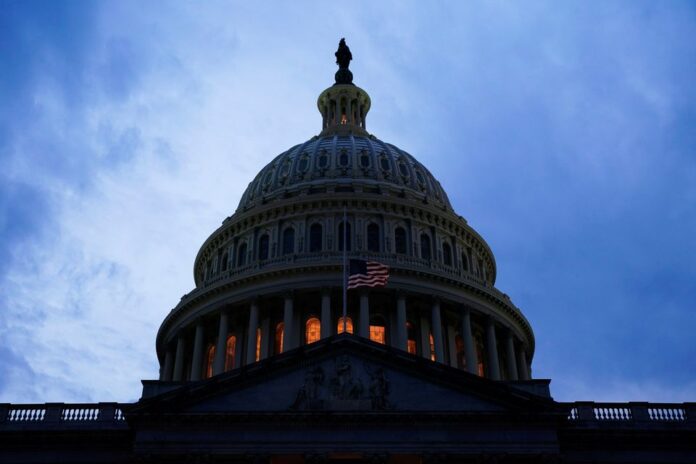
Biden administration says to cooperate with Congress over Iran

“Special Envoy [Robert] Malley has actually just recently returned to Vienna. He continues to meet on the sidelines with our partners in Vienna. He also continues to brief Congress virtually,” Deputy U.S. State Department Spokeswoman Jalina Porter said.

“What I’ll say more specifically is that the administration will carefully consider the facts as well as the circumstances of any U.S. return to the JCPOA to determine the legal implications, which would include under INARA. We’re committed to ensuring the requirements of INARA are satisfied,” she stated.

She noted that President Joe Biden “believes that a bipartisan approach to Iran is the strongest way to safeguard U.S. interests for the long term”.

“And the administration officials have reached out at all levels to members of Congress as well as their staff to discuss our approach to Iran. Special Envoy Malley remains deeply committed to continued close engagement with Congress in a bipartisan manner as Iran policy continues to develop,” Porter continued.

A group of 33 Republican senators have warned Biden that they would work to thwart implementation of any new Iran nuclear agreement if his government did not allow Congress to review and vote on its terms. Led by Senator Ted Cruz, a long-time opponent of the 2015 nuclear deal, the senators told Biden in a letter dated Monday that they would use “the full range of options and leverage available” to ensure that his government adhered to U.S. laws governing any new accord with Iran.

It comes just days after 110 Republican lawmakers called on the Biden administration to abandon negotiations with Iran and issue new sanctions against Tehran.

In 2018, the U.S., under President Donald Trump, pulled out of the pact and reinstated sanctions under the so-called ‘maximum pressure campaign’ against Tehran, effectively depriving Iran of the deal’s benefits by forcing third parties to stop doing business with Iran.

Iran remained patient for an entire year, after which it began to take incremental steps away from its nuclear obligations, especially after Europeans failed to salvage the deal under the U.S. pressure.

Iran and the five remaining parties to the Joint Comprehensive Plan of Action (JCPOA) — Germany, Britain, France, Russia and China — began the talks in the Austrian capital in April with the aim of removing the sanctions after the U.S. voiced its willingness to return to the agreement.

During the seventh round of the Vienna talks, the first under President Ebrahim Raeisi, Iran presented two draft texts which address, separately, the removal of U.S. sanctions and Iran’s return to its nuclear commitments under the JCPOA. Tehran also said it was preparing a third draft text on the verification of the sanctions removal.

The eighth round of talks kicked off in Vienna in late December.

Iran insists that the talks must lead to the removal of all American sanctions that were imposed against Tehran following Washington’s unilateral withdrawal from the landmark agreement in May 2018. Tehran has also demanded credible guarantees that Washington will not abandon the deal again.

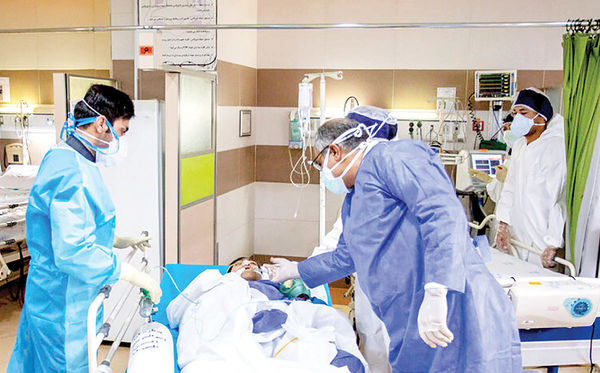
Iran records nearly 40k daily Covid infections for 3rd straight day

According to the Health Ministry, 39,085 new cases were identified in the 24 hours to Wednesday and 116 Covid patients lost their lives during the period, a rise over the previous days.

The figures raise the national caseload of infections, so far, to 6,696,927 and the total fatalities to 133,164.

As cases surge, officials say, more people are visiting health centers to get booster doses of the coronavirus vaccine.

The Health Ministry says third-dose vaccinations doubled over the past week.

Official figures show, 54,666,259 people have received two doses of Covid jabs, so far, but only 20,516,478 people have received the booster shot.

Currently, 120 counties across Iran are in the red zone in terms of coronavirus risks and 1543 others are in the “orange zone”, that is one step away from the critical point.

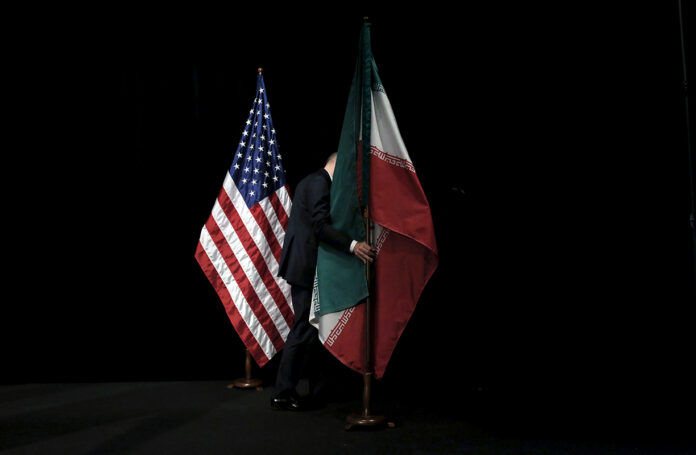
US says it has until end of Feb. to salvage JCPOA

“This session is the critical one,” a senior administration official said, referring to high level talks that have resumed in Vienna.

“We are genuinely in the very final stretch,” the official added.

“Nothing with Iran is ever a straight line, but we are getting to a decisive moment,” stated a second administration official.

The officials also said that Iran needed to make political decisions if an agreement was to be reached.

“We made progress narrowing down the list of differences to just the key priorities on all sides. And that’s why now is the time for political decisions,” they added.

Iran, Russia and China have pushed back on the need to establish a fixed deadline for the nuclear negotiations to conclude. Iranian officials have rejected western diplomats’ remarks about a deadline for reaching an agreement in Vienna talks, and stressed Tehran is only after a good agreement.

On Tuesday, Iran and the other parties to the nuclear deal, officially called the Joint Comprehensive Plan of Action (JCPOA), gathered in the Austrian capital, Vienna, to resume the eighth round of talks aimed at reviving the accord.

The US has so far failed to remove its “maximum pressure” sanctions, which it imposed on Iran after Washington pulled out of the JCPOA, and give guarantees that a future administration will not ditch the agreement again.

The US Administration has recently announced it sees a path to an agreement in the Vienna talks over the nuclear deal, but Iran must make “tough political decisions now”. Iran has repeatedly rejected any deadline or precondition over the deal, stressing the US that unilaterally withdrew from the JCPOA must first lift its sanctions against Tehran. Iran has also stated that a deal can be reached immediately if the US gives the necessary guarantees that it will remove the sanctions and honor its obligations.

Iran parliament sounds alarm over key economic indicators

Iran parliament sounds alarm over key economic indicators

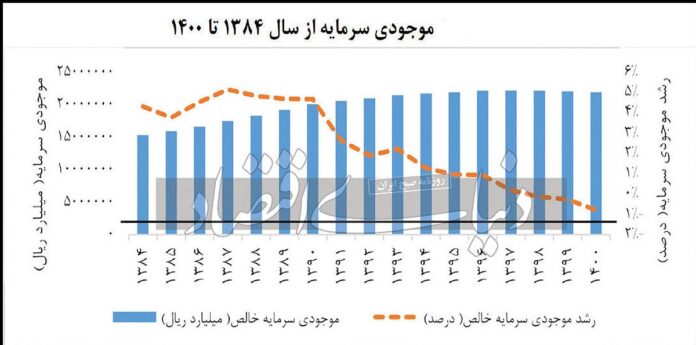
According to Donyaye Eghtesad website, capital inventory growth and growth in efficiency are the two key factors that prompt Iran’s economic growth.

With the long-term average for efficiency hovering around zero, the falling capital inventory means the economy is heading for a plunge, especially seeing that capital is depreciating faster than it is formed.

“Continuation of this process is a source of concern for the realization of high economic growth and achievement of welfare objectives,” the parliamentary report says.

The report calls for major reforms to change the current negative trend of the economy.

“Considering budget, monetary, trade and foreign currency policies, along with structural reforms to stabilize the economy, reduce insecurity and provide the necessary grounds to attract foreign investment, steps should be taken to prevent diminishing investments,” the report added.

The parliamentary body stressed the need for budget reforms as a priority before other structural changes.

It also warned that continuation of the current process and the downward trend in the formation of capital directly affects national economic growth, leading to major loss of national production in the long term.
Iran parliament sounds alarm over key economic indicators
The report also warned about the economic situation of the people, saying the rate of poverty, which was decreasing over the past years, once more hit the unprecedented record high of 28.8 percent in the year to March 2021, a surge of nearly 11 percent compared to poverty levels in the year to March 2012.

This comes amid estimates that Iranians’ income per capita plunged by more than 3 percent in the 9-year period, which is also a record.

In a decade of surging inflation figures, official statistics also show that Iranian households have been forced to cut on consumption of even basic goods.

The government officials have yet to comment on this report.