Monday, December 29, 2025
Home Blog Page 2082

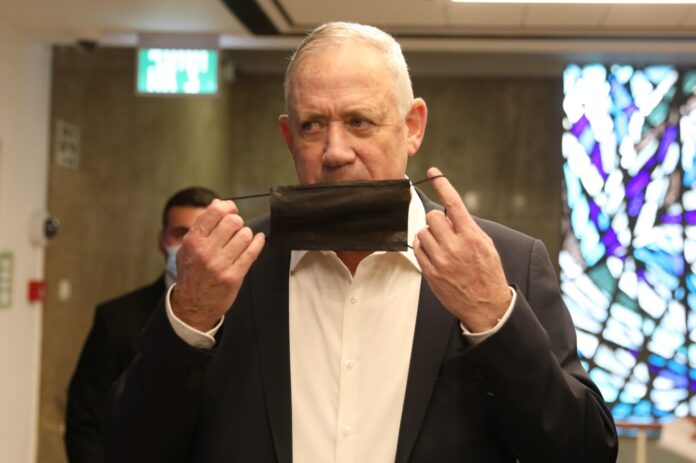
Israeli minister of military affairs makes surprise visit to Bahrain

Israeli media reported Gantz would sign a memorandum of understanding with Bahraini leaders during the two-day visit, but gave no details about the agreement.

In a statement, the Israeli Defense Ministry said Gantz flew to Bahrain on an Israeli air force plane, adding that it was the first time an Israeli defense chief had visited the Persian Gulf nation or that an Israeli military aircraft had landed there.

Bahrain and Persian Gulf neighbour the UAE normalised relations with Israel in 2020 in a U.S.-brokered deal known as the Abraham Accords that built on common commercial interests and worries about Iran. Sudan and Morocco followed suit.

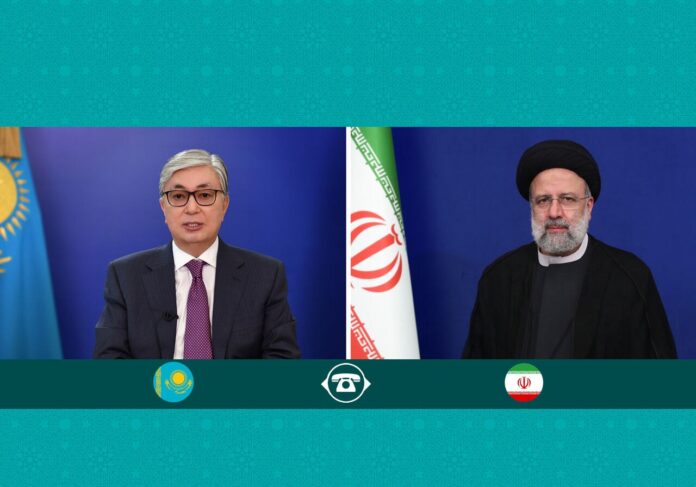
Iranian president urges efforts to boost trade ties with Kazakhstan

In a telephone conversation with his Kazakh counterpart Kassym-Jomart Tokayev, Raisi also expressed hope that a big step will be taken to improve the level of economic interaction between Tehran and Nur Sultan.

He also described the security, stability and peace in the friendly brotherly country of the Republic of Kazakhstan as important for the Islamic Republic of Iran, saying, “We support the establishment of peace and stability in the region.”

The Iranian president also spoke of his recent meeting with Tokayev on the sidelines of the Shanghani Cooperation Organization summit in Tajikistan.

He urged further efforts to boost bilateral trade.

Tokayev also said that in the 30 years since their establishment of diplomatic relations, the two countries have been able to create a desirable level of close and friendly relations with each other.

He thanked the Islamic Republic of Iran for supporting the region’s independence.

Tokayev expressed confidence that the future of bilateral relations will be very fruitful and bright.

The Kazakh president said that the growing expansion of relations with Iran, especially in the field of economic and trade cooperation, is very important for him.

Tokayev expressed hope that the forthcoming meeting of the Joint Commission on Economic Cooperation will hugely boost relations.

“China and Russia to invest in Iran aviation infrastructure”

“Seeing the serious limitations in development projects at some Iranian airports, including in the cities of Ahvaz, Bushehr and Mashhad, which are proportionate to demand for air travel there, there have been discussions on the need for the construction of new airports in the long term, to replace the existing airports, or implementing development projects at Imam Khomeini Airport,” managing director of the company Siavash Amirmakri told the IRIB News.

He added, there have been meetings with the Chinese side to discuss investments, which are still short of the final agreement.

He added that Iran is now self-sufficient in the creation of airport infrastructure, in terms of implementation and engineering.

Amirmakri said the negotiations with the Russian side is also focused on parts and aviation systems, the production of which is not currently possible inside the country.

“We have reached agreements [on production of airport equipment] and part of them have led to contracts,” he said.

Amirmakri also noted that the Airports and Air Navigation Company has already signed contracts with Iranian companies for production of equipment in a wide range of areas, including aviation. He said these include communication, navigation assistance and supervision systems.

Iran’s civil aviation sector has been under US sanctions targeting its purchase of any aircraft and spare parts.

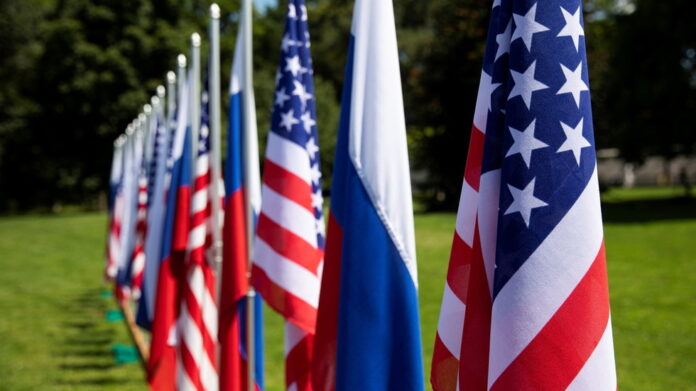
Russia says planning to alleviate sanctions effects

“The Kremlin, of course, is concerned because the sanctions behavior of the United States is absolutely unpredictable. The US retains its unpredictability internationally in this regard. There are plans, risk hedging plans to minimise the consequences of such unpredictable actions,” Peskov told reporters.

Moscow once again urges Washington to abandon its provocative actions and escalating tension on the European continent, the Kremlin spokesman stated.

Earlier this week, the US announced it was preparing a package of sanctions that would be imposed against Russia in case it invades Ukraine and would target the country’s banking sector and export controls, as well as “key people and industries” that were spared by Washington in sanctions it introduced in 2014 after Russia’s reunification with Crimea.

The UK, for its part, also threatened Russia with sanctions, with UK Foreign Secretary Liz Truss saying that the government was preparing a draft law that would expand the anti-Russian sanctions list that is already in place in Britain and would hit Russian energy companies and other “strategic” industries.

Europe has been reportedly considering sanctions against Russia as well, and they will possibly include restrictions on currency conversion, export control measures, import and export bans, as well as limiting access to the SWIFT interbank system.

Reports about new Western sanctions against Russia have been made in the past few weeks amid a continuing row between Russia, US and NATO over Ukraine. There has been speculation in the Western media about Moscow amassing tens of thousands of troops on the border with Ukraine and preparing to “invade” the country, an allegation Russia has repeatedly denied as groundless and stressing it has no plans to attack any country. Moscow also said that NATO’s increased military activity in Eastern Europe and active technical assistance to Ukraine pose a serious threat to Russia’s national security.

Russian Ambassador to Washington Anatoly Antonov also told journalists on Wednesday US White House Press Secretary Jen Psaki claims on Russia’s alleged use of “chemical weapons” and its “multiple invasions” of other states are “fundamentally false” and “have no grounds”.

“The statement of the White House official representative is fundamentally false, aimed at demonizing Russia in the eyes of the US public and the world community,” Antonov stated.

“The US has not backed up with any credible evidence its fantasies built on outright lies about the alleged use of chemical weapons by our country,” he added.

“Let me remind you that the United States remains the only country that has not yet fulfilled its obligations under the Chemical Weapons Convention (CWC) and has not eliminated national chemical weapons arsenals,” the Russian envoy noted, saying, “The Russian Federation has completely destroyed its stocks of this type of weapons.”

“This fact has received international recognition,” according to Antonov.

“We are waiting for concrete actions from Washington to liberate the world from chemical warfare agents,” he continued.

The high-ranking Russian diplomat also said, “The accusations against our country of ‘invading’ other states also have no grounds.”

“Russia adheres to the principle of “non-interference” in the affairs of foreign countries and strictly follows international law – unlike the United States, whose modern history looks more like a chronology of US military operations in different parts of the globe,” Antonov stressed.

“Washington’s “bloody” experiments on the “democratization” of the world have brought nothing but chaos, instability, and loss of lives. Yugoslavia, Iraq, Libya, Syria and Afghanistan are just some of the countries that have experienced the aggressiveness of the US foreign policy,” he added.

“We encourage our colleagues to look in the mirror more often before blaming or lecturing others,” the head of the Russian diplomatic mission in the United States stressed.

On Tuesday, Russian President Vladimir Putin stated in their responses to the Russian proposals on security guarantees, the US and NATO ignored Moscow’s fundamental demands.

Russian Foreign Minister Sergey Lavrov noted after a phone talk with US Secretary of State Antony Blinken on Tuesday the United States reacted negatively to Moscow’s key demand that the accords on indivisible security be implemented responsibly.

The US, its NATO allies, and Ukraine have accused Russia of amassing troops near Ukraine’s border for a possible invasion. Moscow has rejected the allegation, saying the troop build-up is defensive as NATO has increased its activities near Russian borders.

Russia asked the United States for certain security guarantees in an attempt to defuse the escalation of tensions over Ukraine, demanding that the US-led NATO military alliance deny Ukraine membership to the Western bloc. Moscow also proposed that the US not establish any military bases in the former Soviet states that are not part of NATO, and not develop a bilateral military alliance with them. Washington rejected the proposals as “non-starters.”

Russia’s envoy to the UN Vasily Nebenzya on Tuesday brushed aside threats of sanctions by the US and its allies concerning a Ukraine row, saying they will backfire.

“We learned to live with that,” Nebenzya stated at a news conference at UN headquarters when asked if Moscow would respond to any sanctions.

“We’ve been sanctioned so many times that we lost count,” he said, adding, “I hope they will have enough reason not to move forward with that. But that will backfire.”

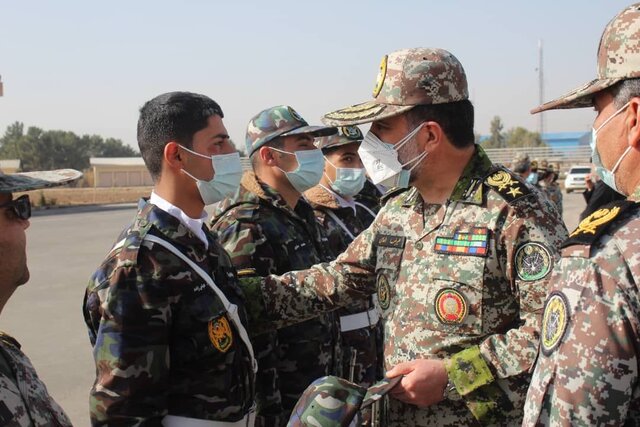
Iranian commander: Air defense unit fully ready to defend country

Brigadier General Alireza Elhami made the comment during a visit to the air defense unit of the city of Shirza in southern Iran.

Elhami added that readiness to wage jihad for the cause of God is an inexorable principle of the Air Force’s air defense unit.

He said the specialized, diligent and zealous air defense manpower will protect the airspace of the Islamic Republic of Iran with full intelligence and vigilance and will not allow the slightest encroachment by the enemies on the country’s territory.

Addressing the commanders of the air defense unit, Elhami said, “You have a duty to explain the achievements of the Islamic Revolution in all fields to improve the insight, decision-making power and accuracy of your subordinates in line with the dignity and authority of the armed forces, the Islamic Revolution and the Islamic establishment.”

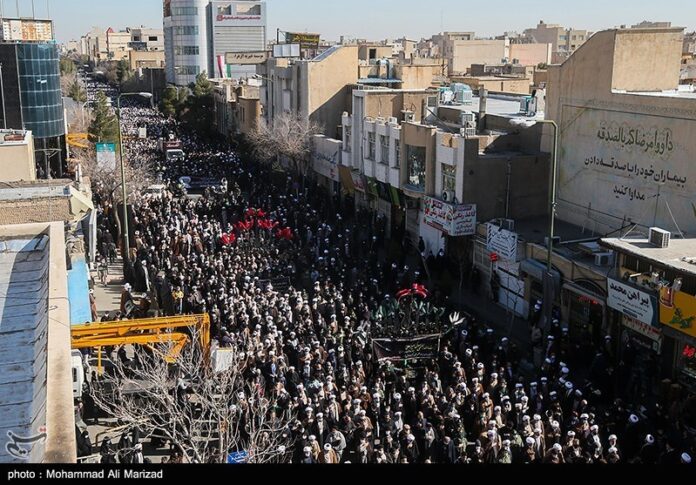
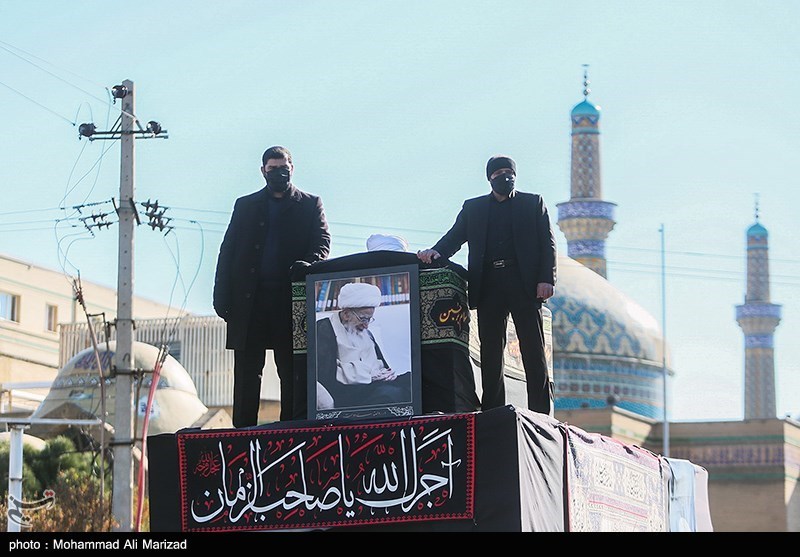
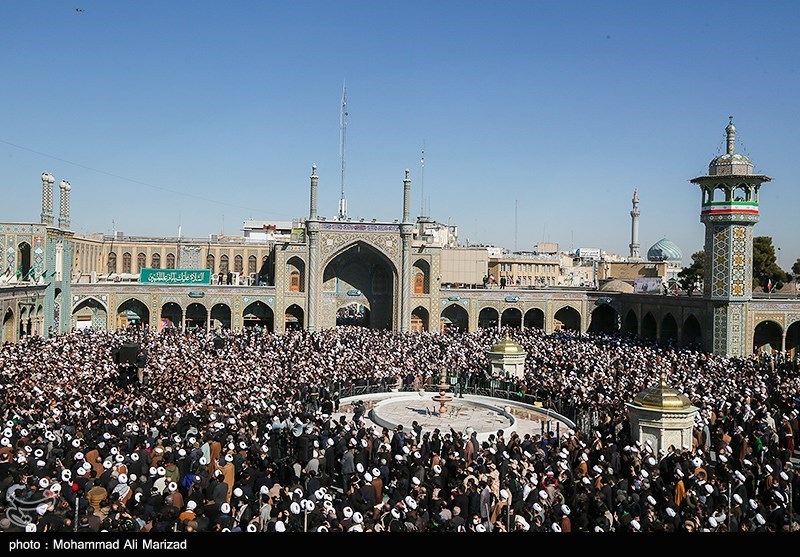
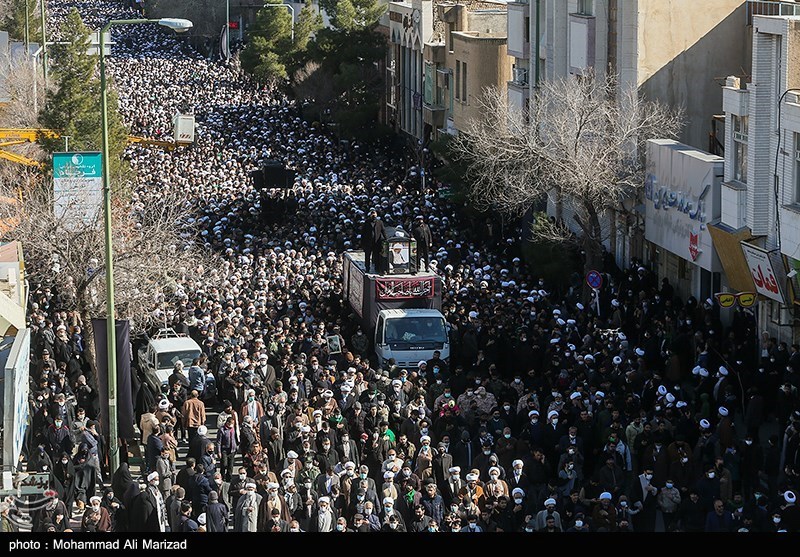
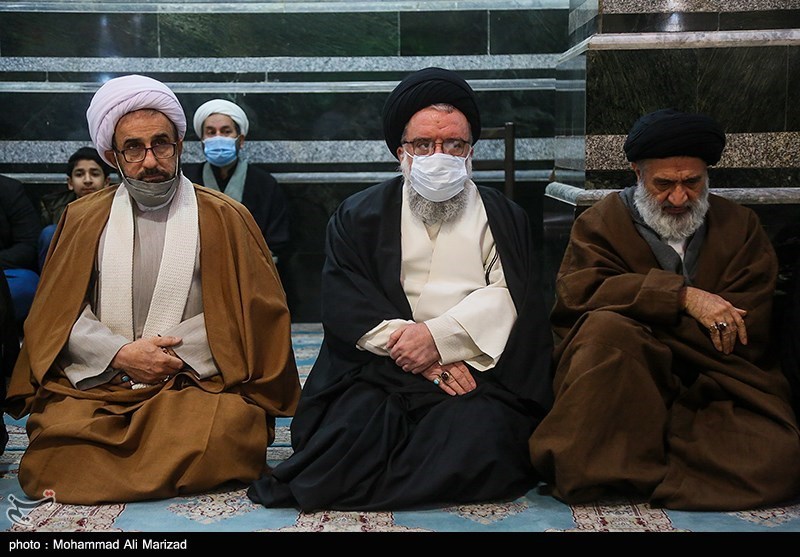
Funeral ceremony held in Qom for Ayatollah Safi Golpayegani

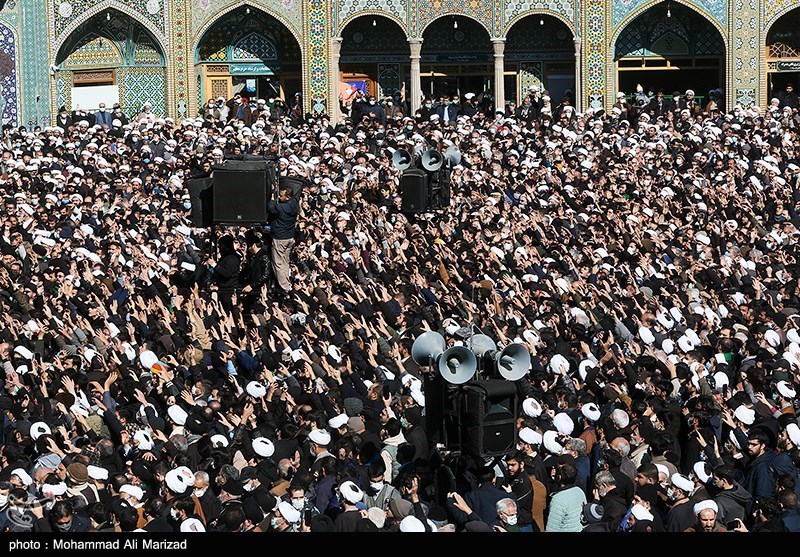
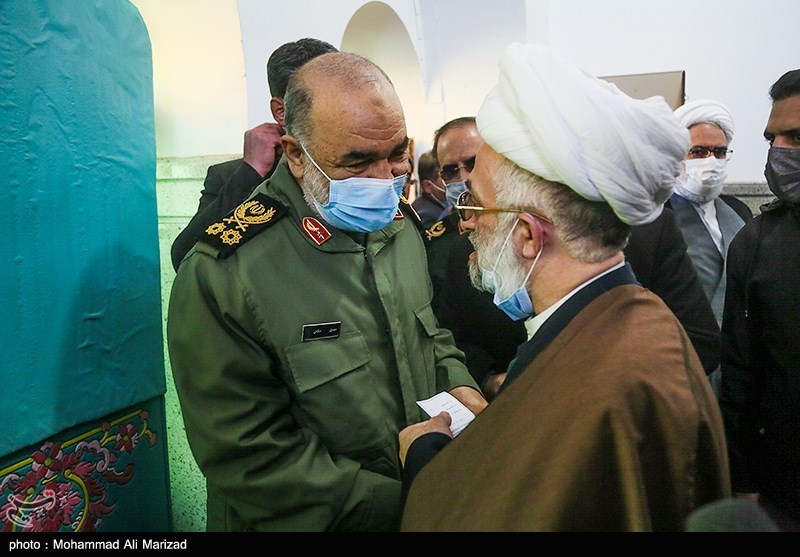
Huge crowds of people attended the funeral. They included the commander of Iran’s Islamic Revolution Guards Corps and a number of senior clerics.

The government earlier declared Wednesday a national day of mourning. A public holiday was also announced in Qom, in southern Tehran.

Ayatollah Safi Golpayengani had willed that he would be buried in Karbala, Iraq, and he will be transferred to the holy city following the funeral ceremony.

Iran’s leader Ayatollah Seyyed Ali Khamenei offered condolences over Ayatollah Safi Golpayegani’s passing. Ayatollah Khamenei described Ayatollah Safi Golpayegani as a pillar of the Qom seminary and a prominent religious scholar.

Iraq’s top Shia authority Ayatollah Ali Sistani also expressed grief over the departure of Ayatollah Safi Golpayegani, describing the cleric’s death as a great loss. Iranian officials including President Ebrahim Raisi and Foreign Minister Hossein Amir Abdollahian as well as former president Hassan Rouhani also offered their condolences.

Ayatollah Safi Golpayegan died on Tuesday after a heart attack. He was 103.

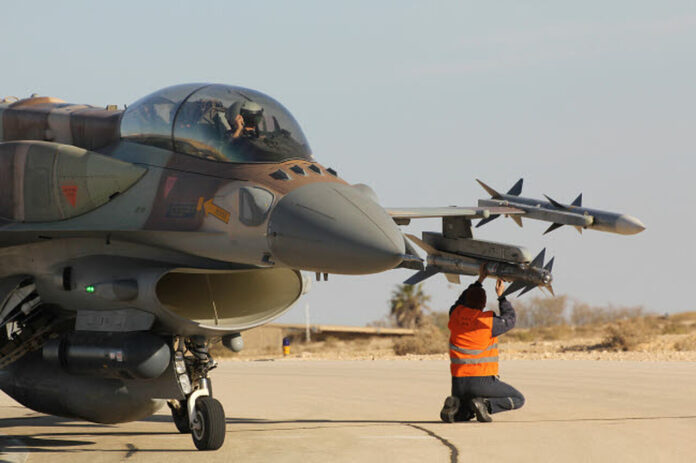
Report: Israel simulates massive attack on Iran’s nuclear sites

Held in mid-January, the classified exercise envisioned a “massive” strike on Iran’s nuclear facilities and played out multiple scenarios, including mid-air refueling, responding to anti-aircraft munitions, and performing long-range attacks.

An unnamed US Air Force officer allegedly attended the drill as an observer, the outlet added, noting that the official’s presence was unusual for this type of exercise.

The report follows a meeting between US military officials and Israeli Defense Minister Benny Gantz in December, during which similar drills were discussed, according to a senior US official cited by Reuters. While the official declined to elaborate on the plans, they said the exercise would prepare for a “worst-case scenario to destroy Iran’s nuclear facilities should diplomacy fail.”

Earlier on Tuesday, the Israeli military announced that it would take part in the massive, US-led International Naval Exercise involving 50 vessels from 60 partner nations and 9,000 personnel. Launched earlier this week, the 18-day drill is being held in the Red Sea off the coast of Bahrain, near the headquarters of the US 5th Fleet.

Tehran denies seeking nuclear weapons, stressing it wants to master nuclear technology for peaceful purposes. Iranian officials have also stressed the country reserves the right to respond to any adventurism by the United States and Israel.

Tehran says Israel is well aware of Iran’s capabilities and capacities and its own limited capabilities as well as the fact that the Islamic Republic does not compromise or joke about its national security.

In late December, Iran simulated an attack on the Zionist regime’s nuclear facilities known as Dimona during extensive military drills.

Iran has stressed that the recent wargames were intended to send a warning to Israel.

Commander of the Islamic Revolution Guards Corps (IRGC) Major General Hossein Salami stated after the exercises that Iran will cut off the hands of enemies if they make a wrong move and that the distance between actual operations and military exercises is only a change in the angle of launching the missiles.

Major General Mohammad Bagheri has also noted the exercise made it clear that Israel’s Iron Dome system can be defeated and penetrated if a barrage of missiles is fired from different directions at a target at once.

The top Iranian general described the drill as one of Iran’s most successful military exercises.

Iran’s ballistic missiles have a range of 2,000 km and the entire occupied Palestine and US bases in the region are within their reach.

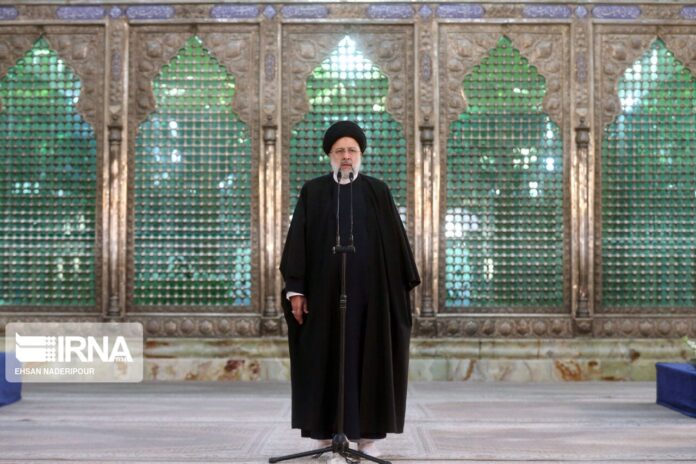
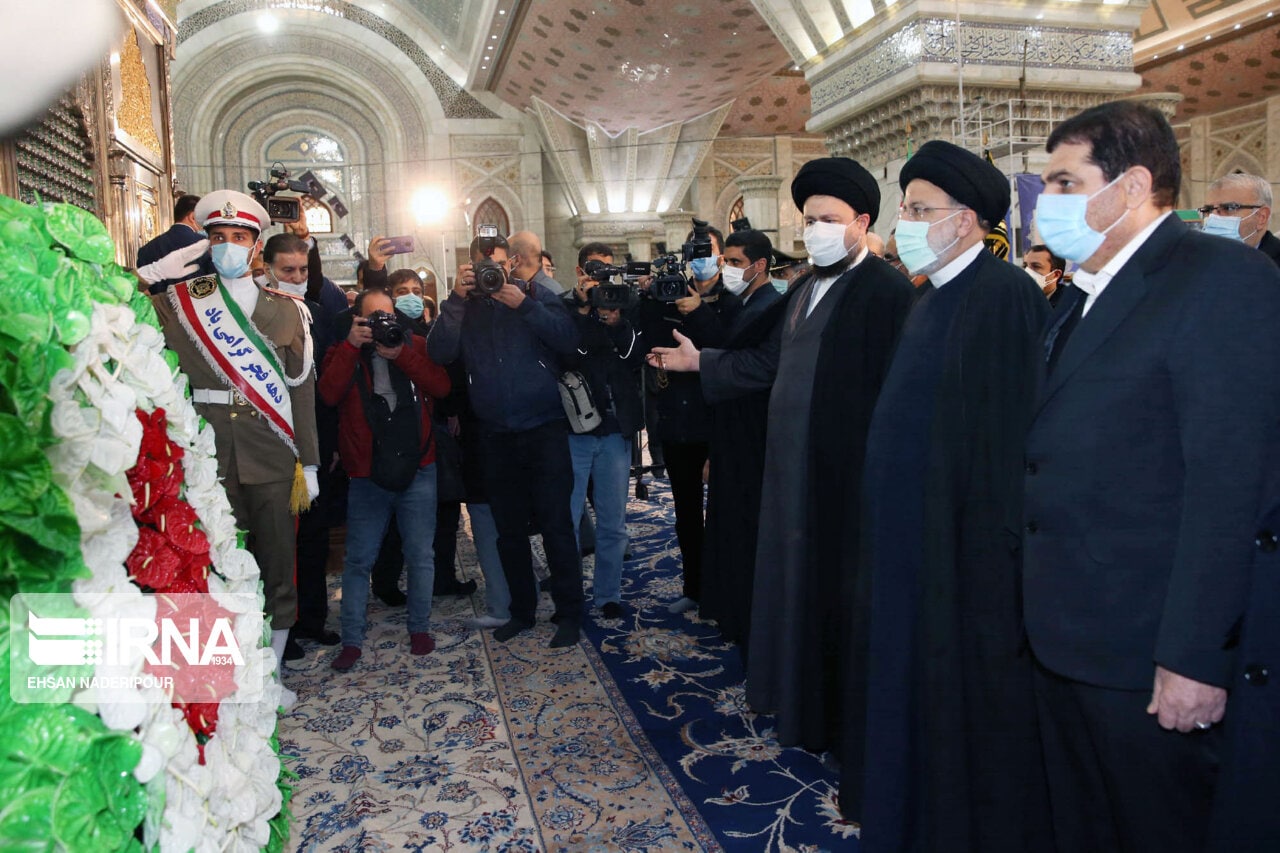
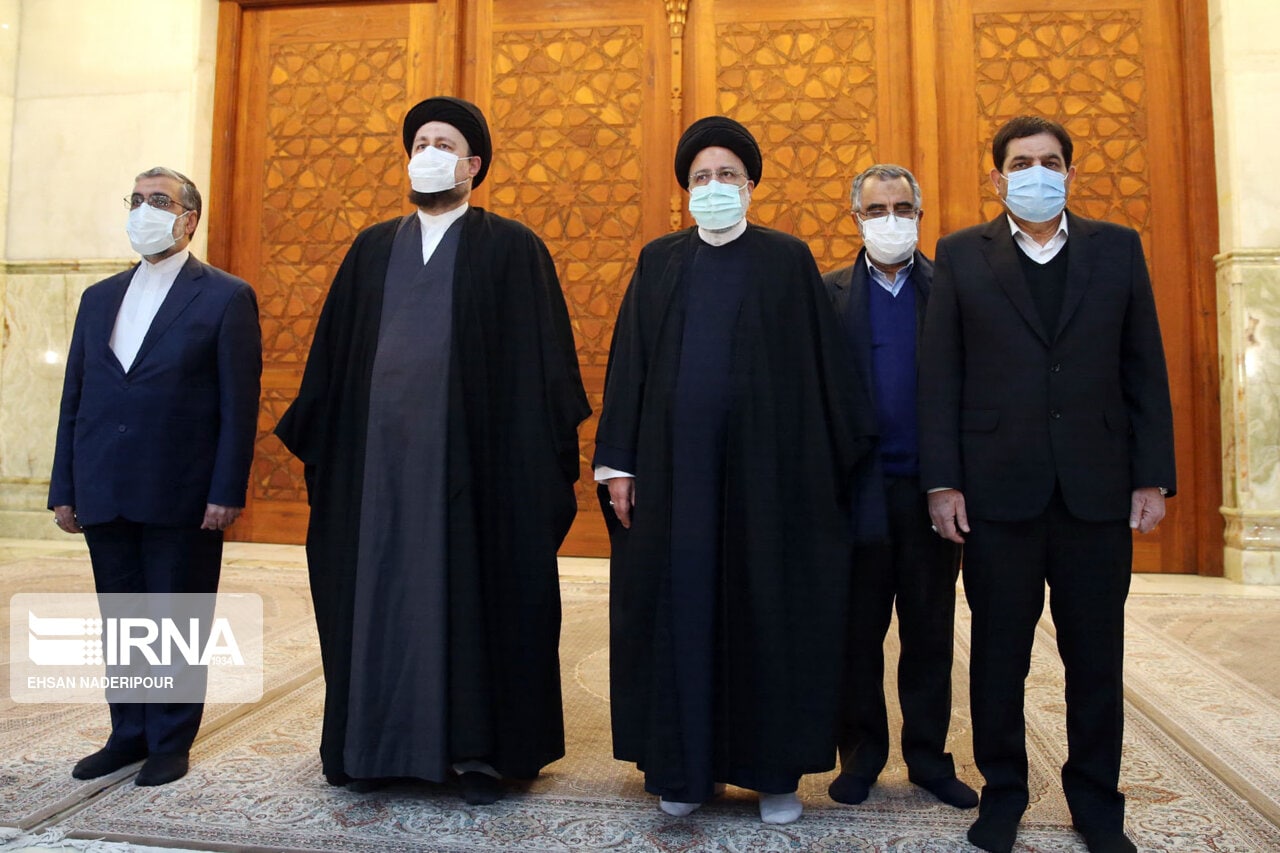
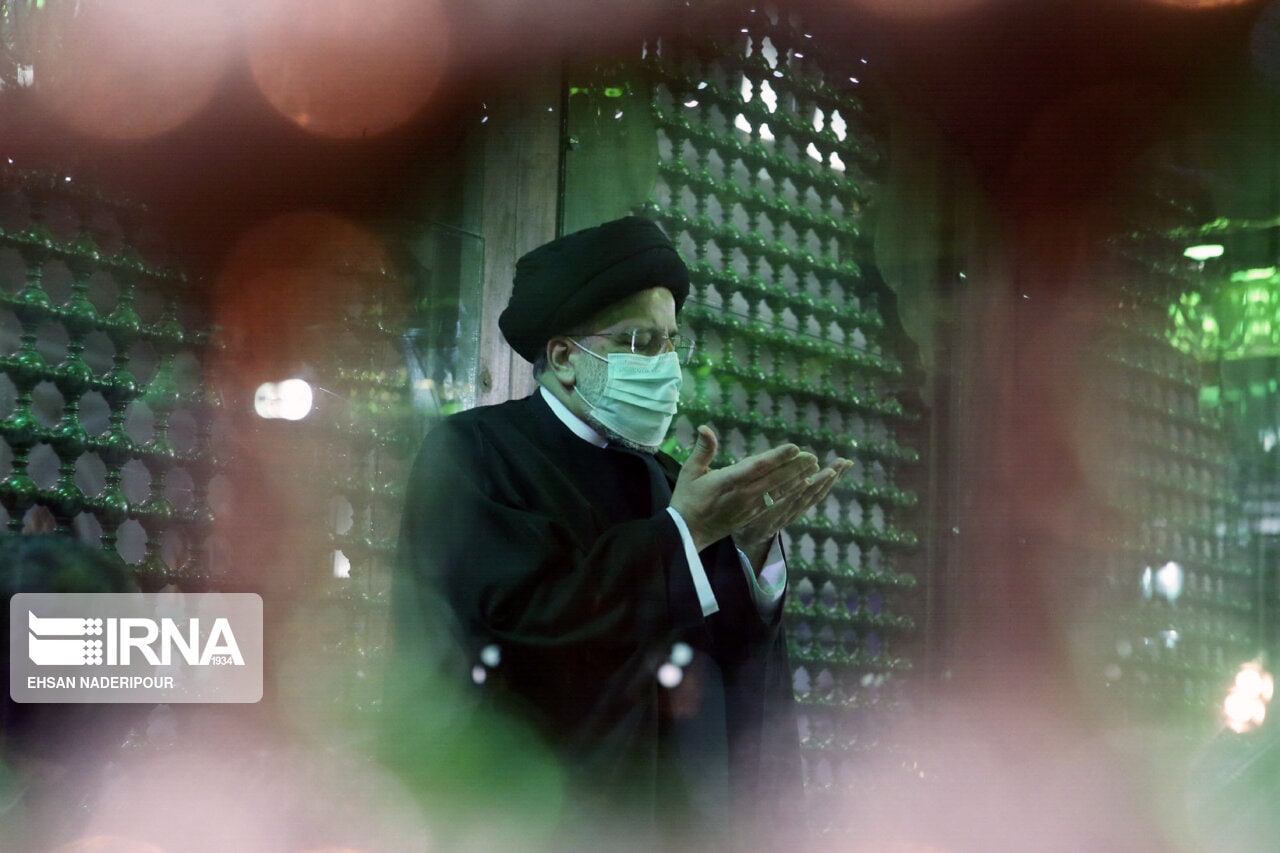
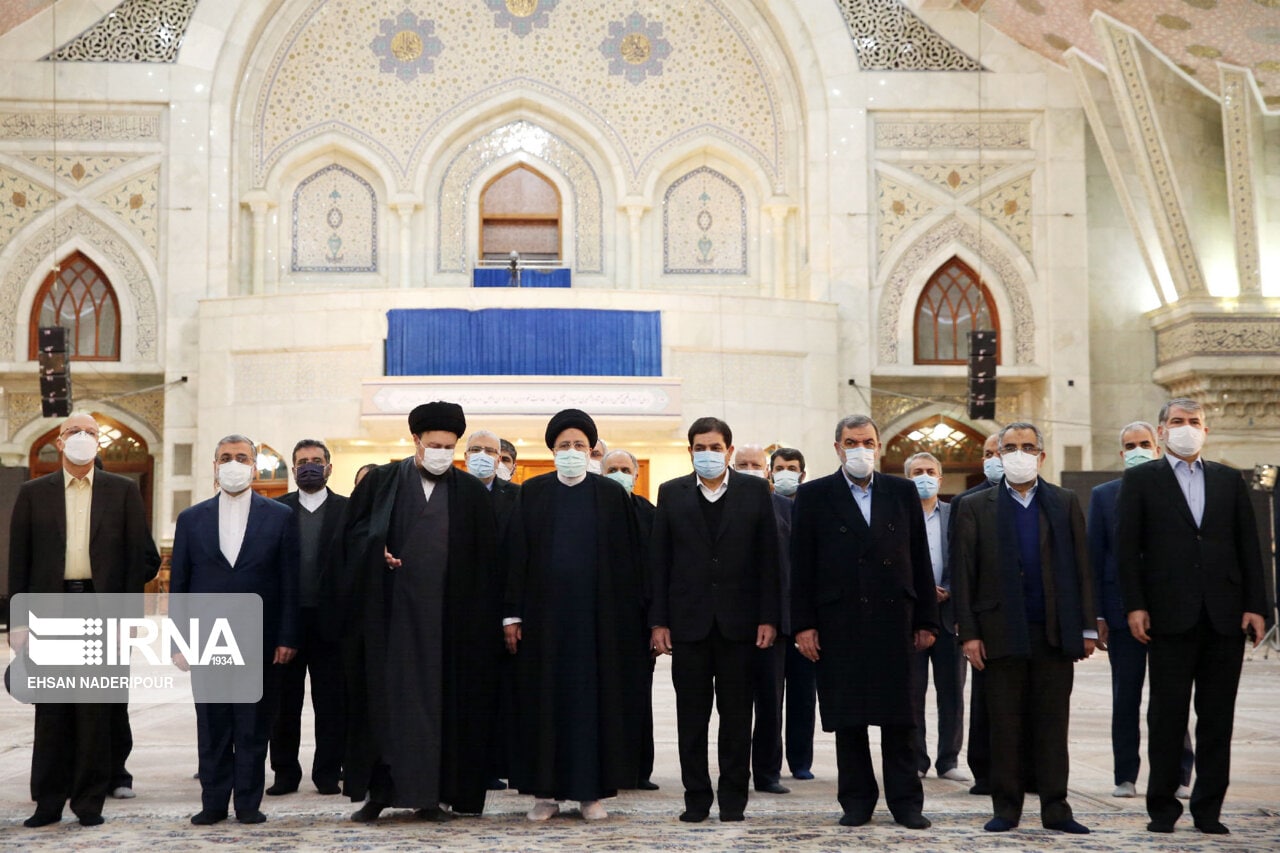
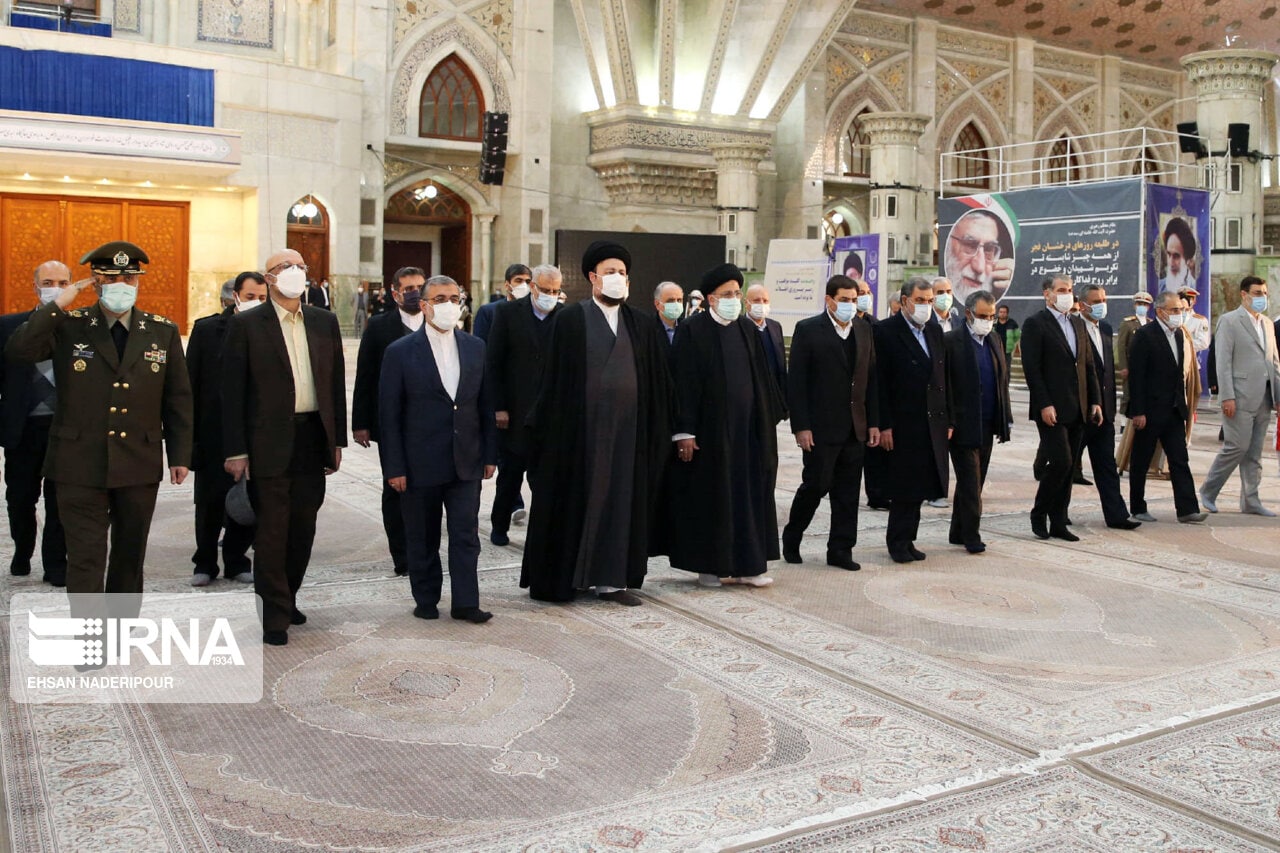
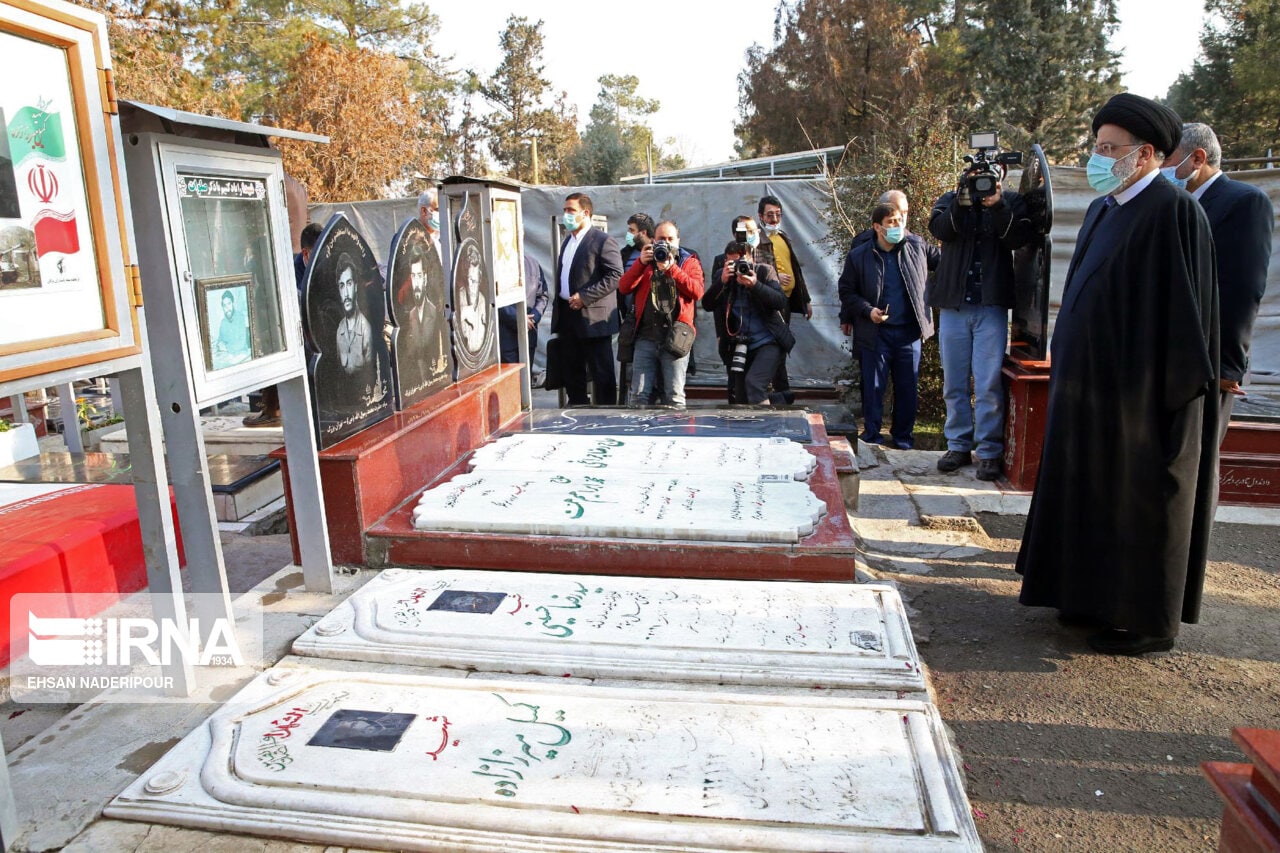
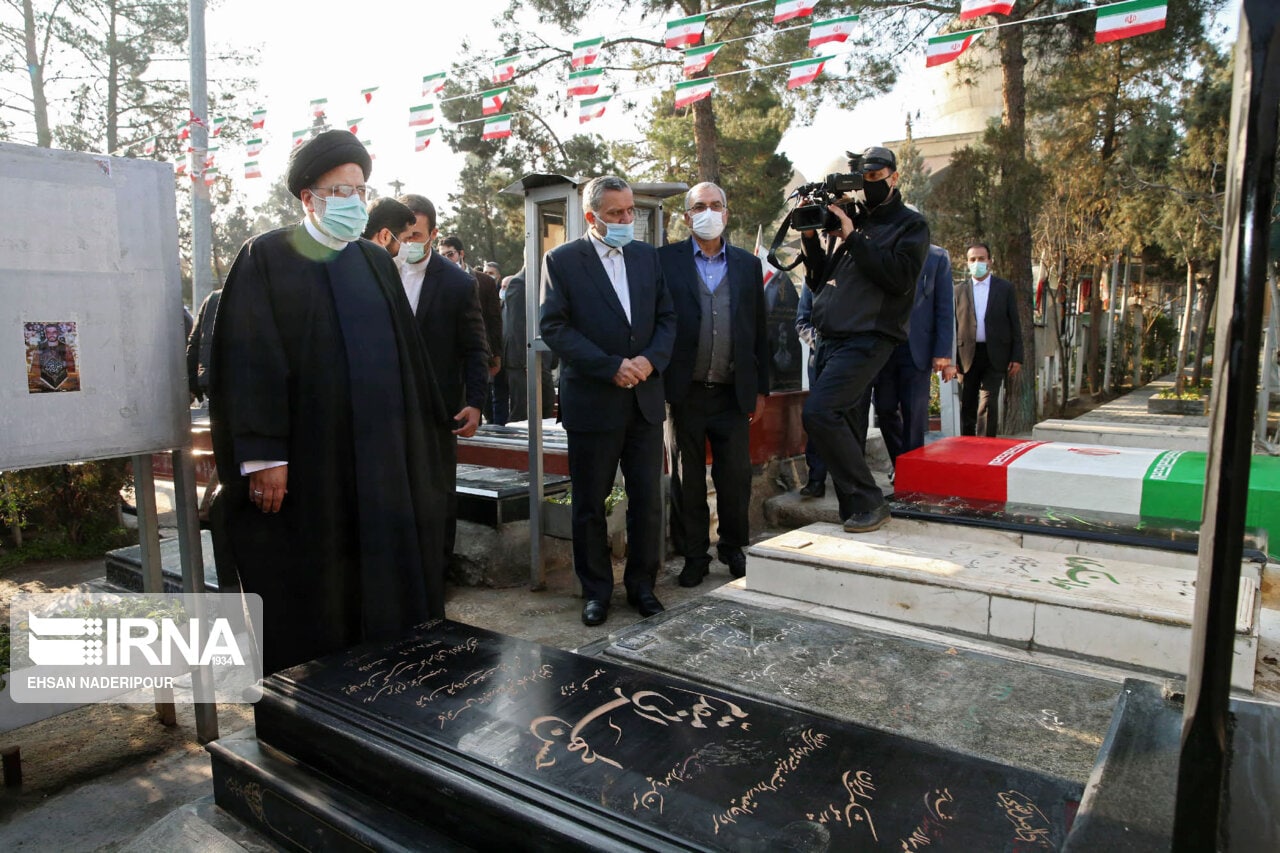
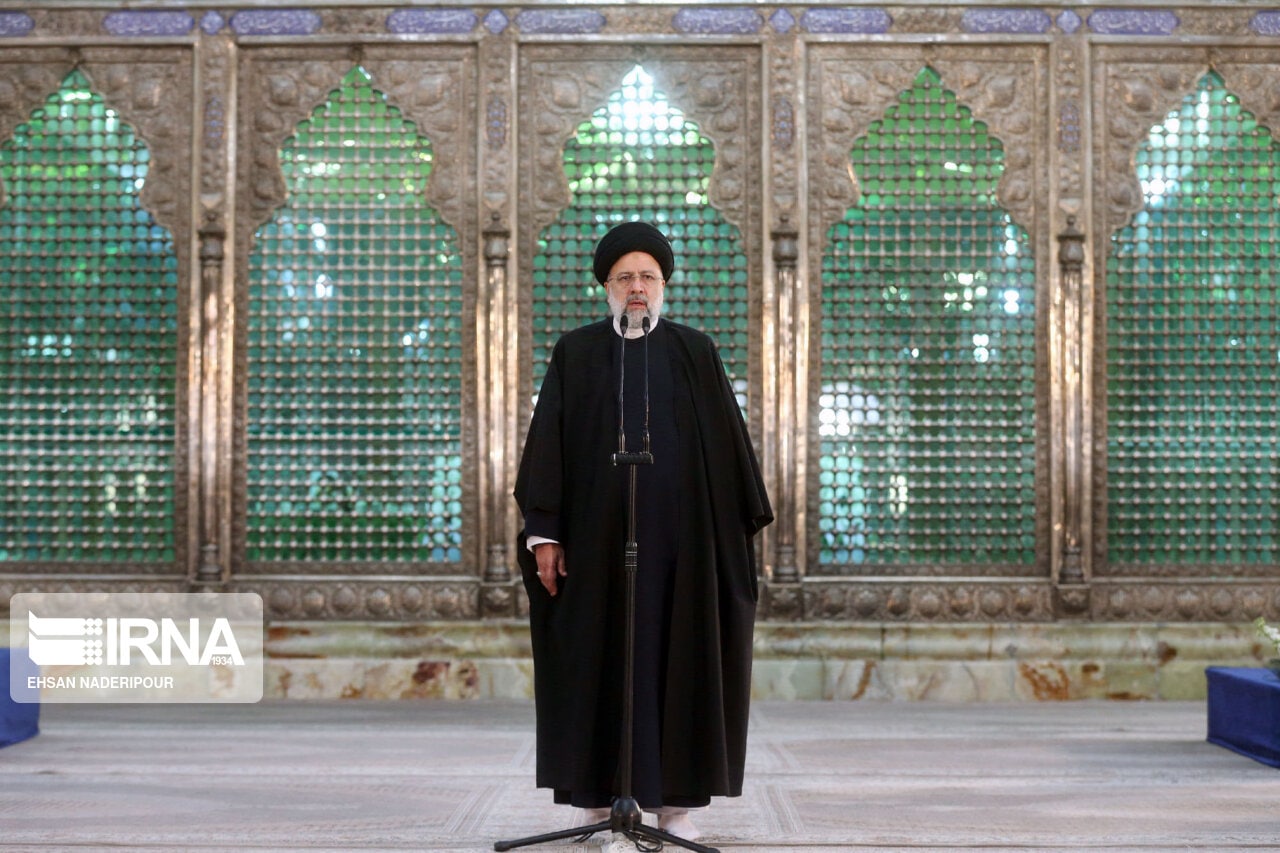
In photos: Iran’s administration, led by President Ebrahim Raisi

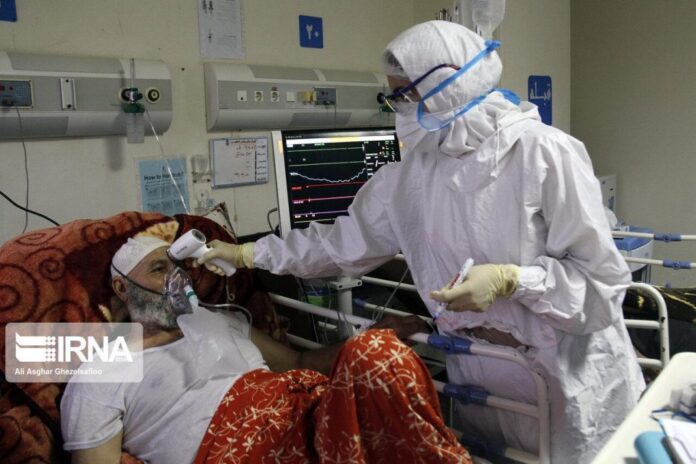
Officials caution against Omicron’s quick spread in Iran

Alireza Oliyayi-Manesh, with Tehran’s National Committee to Combat the Coronavirus, said on Wednesday that Omicron was highly transmissible and thus, the latest wave of the pandemic in Iran had peaked quickly.

“Predictions are that daily infections will reach very high levels,” he warned, adding, however, that since the Omicron variant does not engage the lungs, it is less perilous.

“The main hazard is directed at people who are not vaccinated, or not fully vaccinated,” Oliyayi-Manesh said, advising people to receive their third doses of inoculation at the earliest.

Meanwhile, another Iranian health official warned on Wednesday that the lightning spread of the Omicron variant could lead to “a grave crisis.”

Ramin Sarrafi Foroushani, a member of the Jahad-e Daneshgahi Coronavirus Committee, said that while scientific data showed that the new variant was less of a health risk, public inattention could lead to serious problems both for citizens and the administrative apparatus of the country.

He also urged officials to reconsider plans to reopen schools and public facilities, given the fast pace of the virus’ spread.

Separately, Tehran’s Provincial Governor Mohsen Mansouri said that elementary schools in Tehran Province would hold classes remotely for one week because of the quick spread of Omicron.

He said 78 percent more people were visiting medical centers compared to the last week and 61 percent more hospitalizations were taking place.

The Health Ministry announced on Wednesday over the past 24 hours, Iran recorded 59 deaths from the coronavirus, registering an upward trend compared to the recent days.

Also, 38,160 new infections were logged, taking the overall infection toll since the pandemic began in Iran to 6,446,404.

A total of 132,563 Iranians have lost their lives to COVID-19 so far.

‘Conditions right for win-win nuclear deal’

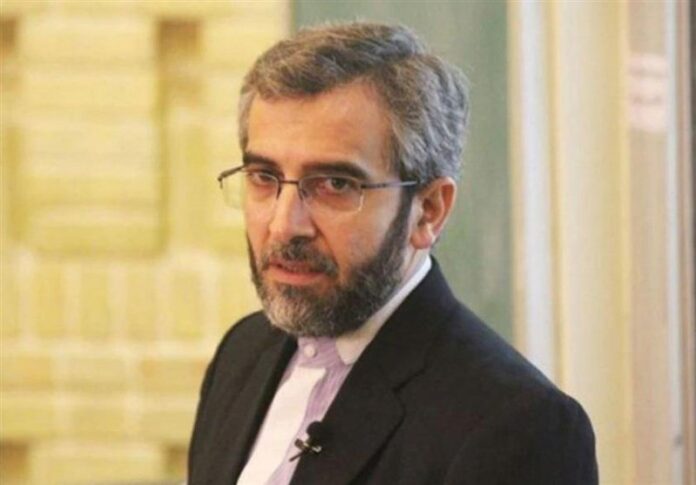
Mahmoud Abbaszadeh, spokesman for the Iranian Parliament’s National Security and Foreign Policy Commission made the remarks on Tuesday after the body’s members met with chief nuclear negotiator Ali Bagheri Kani. 

Abbaszadeh said Bagheri outlined the National Security and Foreign Policy Commission on the talks in Vienna with the P4+1 group of countries and answered their questions. 

Abbaszadeh also quoted Bagheri as describing the trend of negotiations as positive. 

According to the MP, Bagheri also underlined the Islamic Republic of Iran’s good will and seriousness in the talks, saying the Iranian delegation has had no direct talks with the US negotiating team yet. 

Abbaszadeh stressed the outcome of possible negotiations with the US is not clear yet. 

The spokesman of the National Security and Foreign Policy Commission added that for all the talks with the P4+1 being positive and moving forward, key issues remain to be resolved. 

Abbaszadeh noted that Iran has a right to sanctions removal but the other side (the US) has so far agreed to partially lift the bans. 

The Iranian MP also called on the Western parties to the Vienna negotiations to show seriousness and good will so as to set the stage for a ‘good, win-win’ deal. 

The administration of Iranian President Ebrahim Raisi began talks with the P4+1 namely Russia, China, Britain, France and Germany, several months ago. 

The negotiations aim to revive the Iran nuclear deal by enabling anti-Iran sanctions removal and the US return to the agreement. The negotiators of all sides have now returned to their capitals for consultations over what decisions to make as to the future course of the talks.