Monday, May 4, 2026
Home Blog Page 2075

Putin: US trying to reconcile with Iran and Venezuela to counter Russia

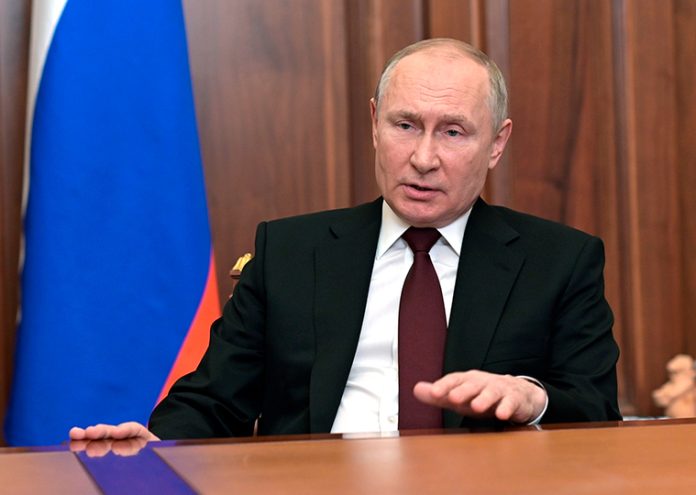
Russian President Vladimir Putin addresses the nation in the Kremlin in Moscow, Russia, Monday, Feb. 21, 2022. Russia's Putin has recognized the independence of separatist regions in eastern Ukraine, raising tensions with West. (Alexei Nikolsky, Sputnik, Kremlin Pool Photo via AP)

Putin said on Thursday that it is odd when Western countries blame sanctions on Russia for their domestic economic woes.

Speaking at a government meeting in Moscow, Putin stressed that Russia is fulfilling its contract obligations to Western countries in full despite any restrictions.

“As for those countries that are taking unfriendly steps towards our country and economy … they point to the sanctions they are imposing on us as the reason for the deterioration of their situation,” he added.

“It looks very strange, especially since we are fulfilling all our obligations. I would like to stress once again that we fulfill all our obligations in the field of energy supply,” he continued.

Putin said Russia continues to supply its main consumers, both in Europe and in other regions of the world.

“Even the east transport system of Ukraine is 100% percent loaded under our contracts. It’s surprising, but the fact is, we do it,” he added.

Putin stated the US government is trying to deceive its own population, making Russia a scapegoat for their own miscalculations. Russia’s oil deliveries to the US are less than 3% of the total, so this is a negligible value to cause a spike in prices, he said.

“Even the ban on the import of Russian oil has absolutely nothing to do with it (rising prices). They are simply hiding behind these decisions in order to deceive their own people,” he added.

Putin noted the US is trying to reconcile with both Iran and Venezuela to counter Russia on energy markets.

“They are ready to make peace with Iran, immediately sign all the documents (to renew the Iran nuclear deal). And with Venezuela. They went to Venezuela to negotiate with them,” he stated.

Russia will not close its markets to foreign partners and is ready to work with everyone who wants it, he stressed.

Last Thursday, Putin announced a “special military operation” aimed at “demilitarization” of the Donetsk and Lugansk regions in eastern Ukraine.

The EU, the UK and the US have issued a wave of economic sanctions against Russia in response to its invasion of Ukraine. The West’s sanctions cover a wide array of economic sectors.

US President Joe Biden has recently ordered a total ban on the import of Russian oil and gas supplies, saying the step was being taken “to inflict further pain on Putin”. Biden admitted that the step would have “costs as well here in the United States”, but suggested that “defending freedom has a cost”.

Russia has become the country with the largest number of sanctions imposed against it, overtaking Iran. Since late February, 2,778 new sanctions have been introduced against Moscow, nearly doubling the pre-existing number.
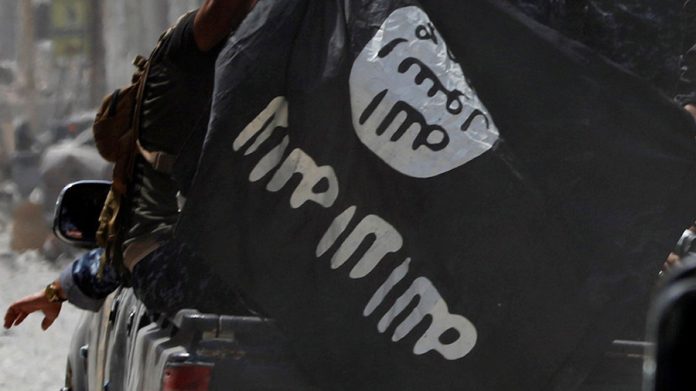
Daesh confirms death of its chief, names new leader

U.S. special forces killed the leader of the group in a raid in northwest Syria, President Joe Biden stated in February.
Biden celebrated that no American died in the operation. Local residents reported a number of Syrian women and children died in the strike.

The United Nations war crimes panel on Syria has recently urged the United States to investigate the civilian casualties caused by American air raids on the Arab country.

The death of Quraishi, 45, was another crushing blow to Daesh two years after the violent group lost longtime leader Abu Bakr al-Baghdadi in a similar raid in 2019.

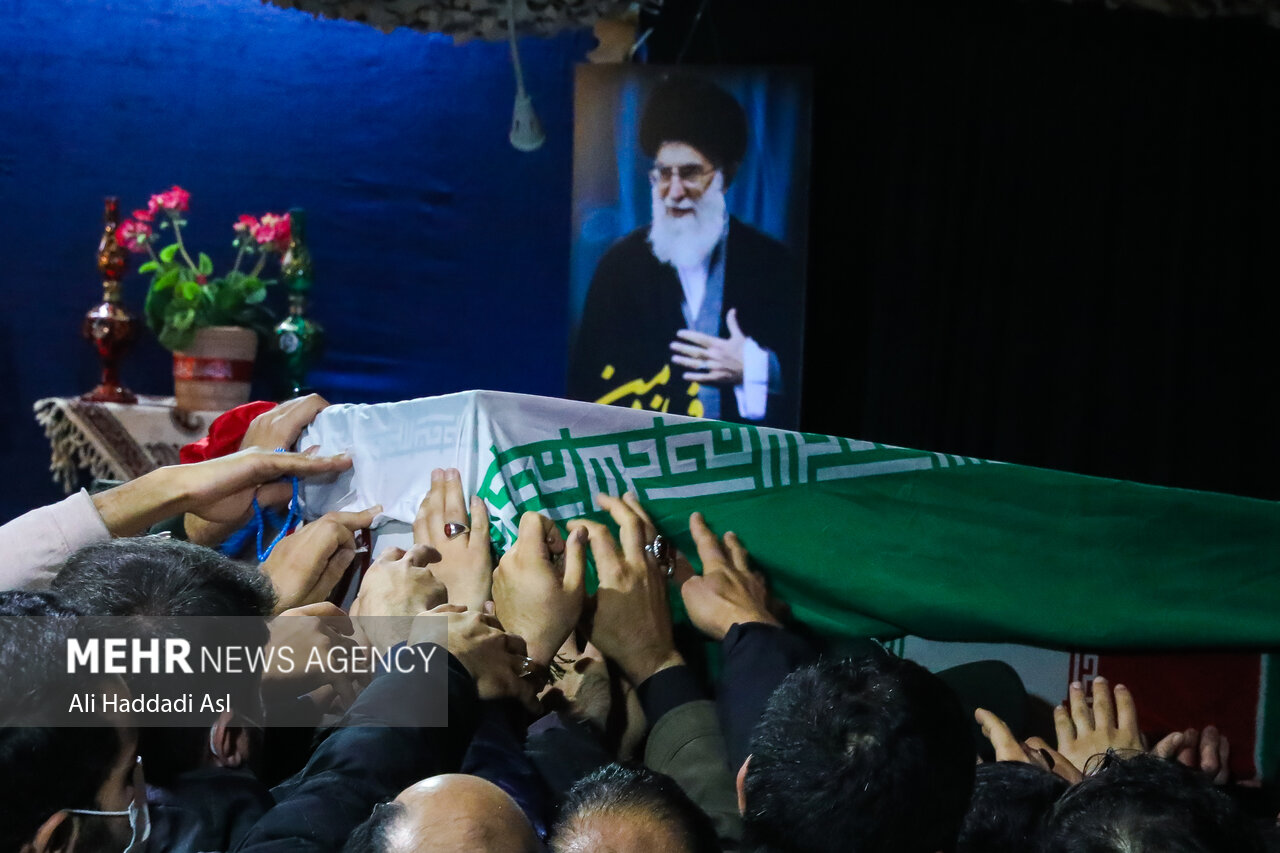
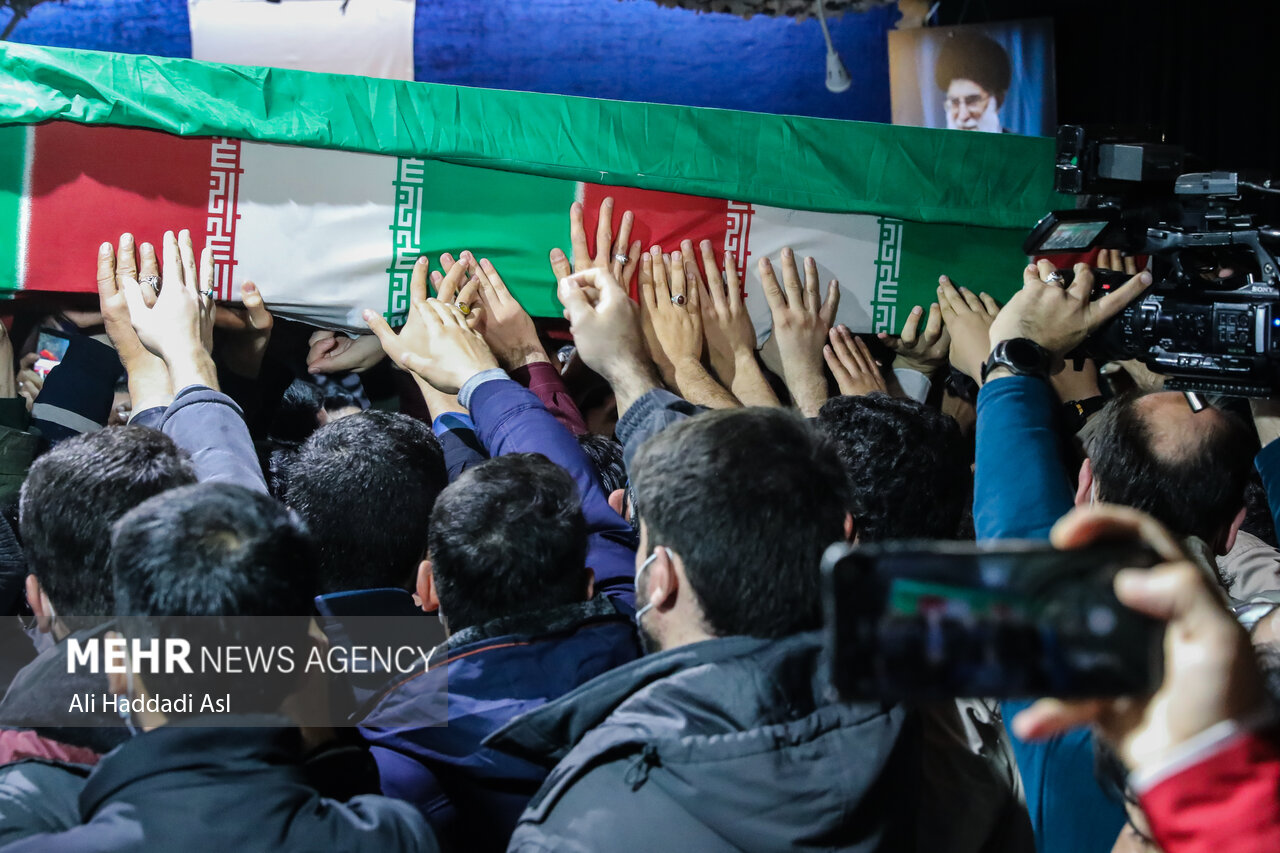
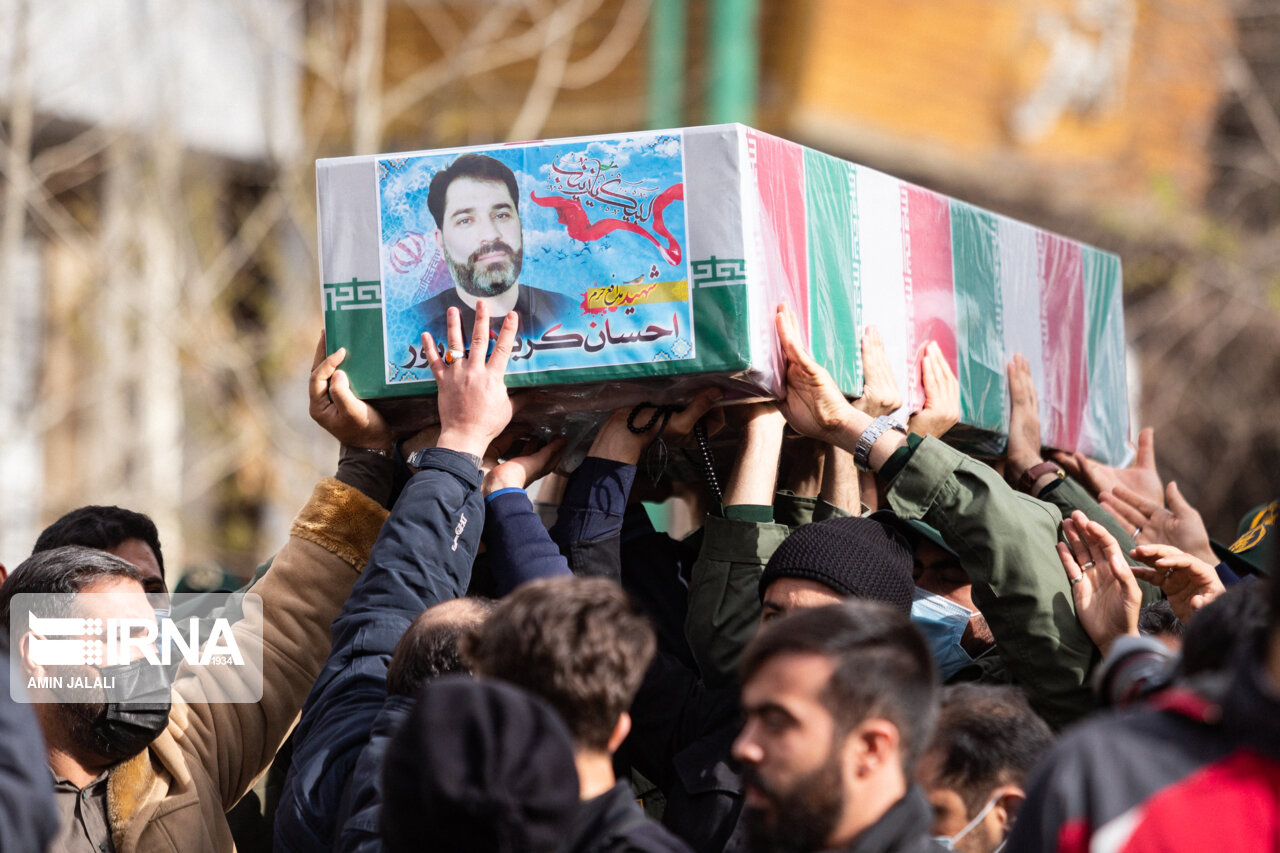
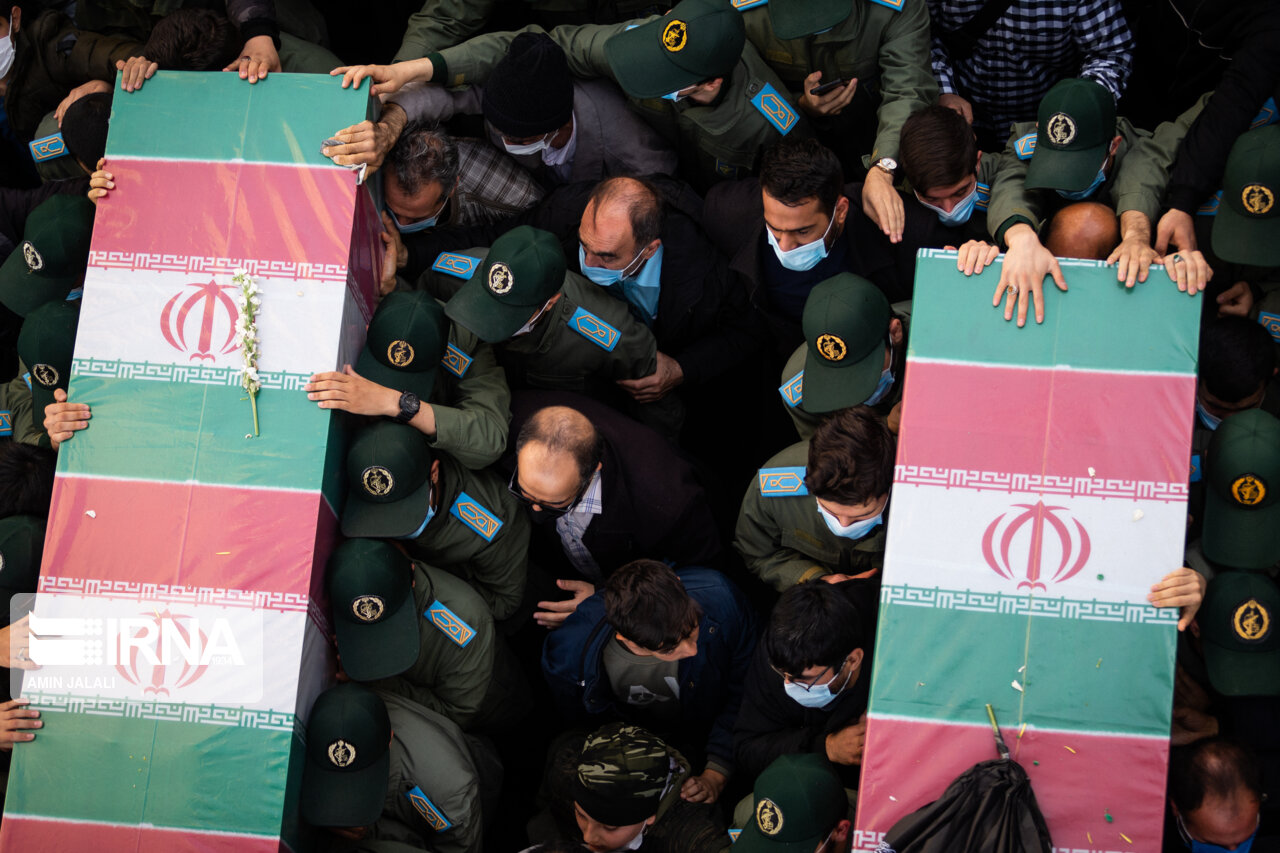
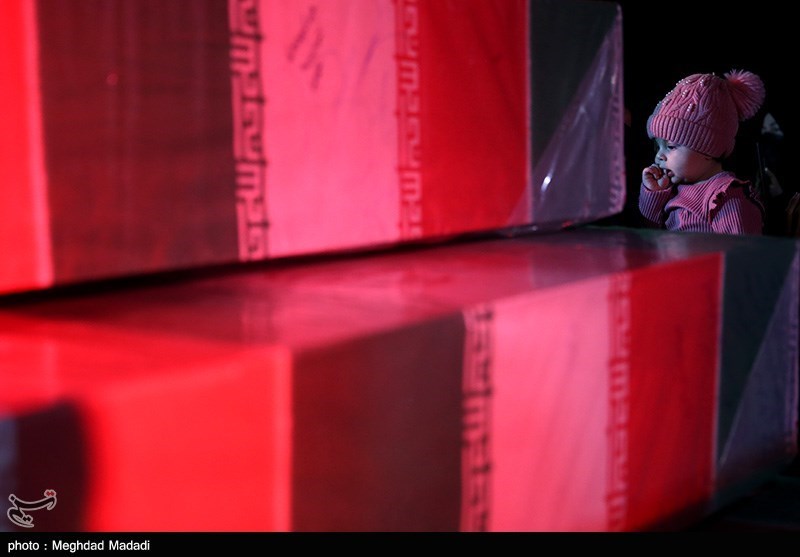
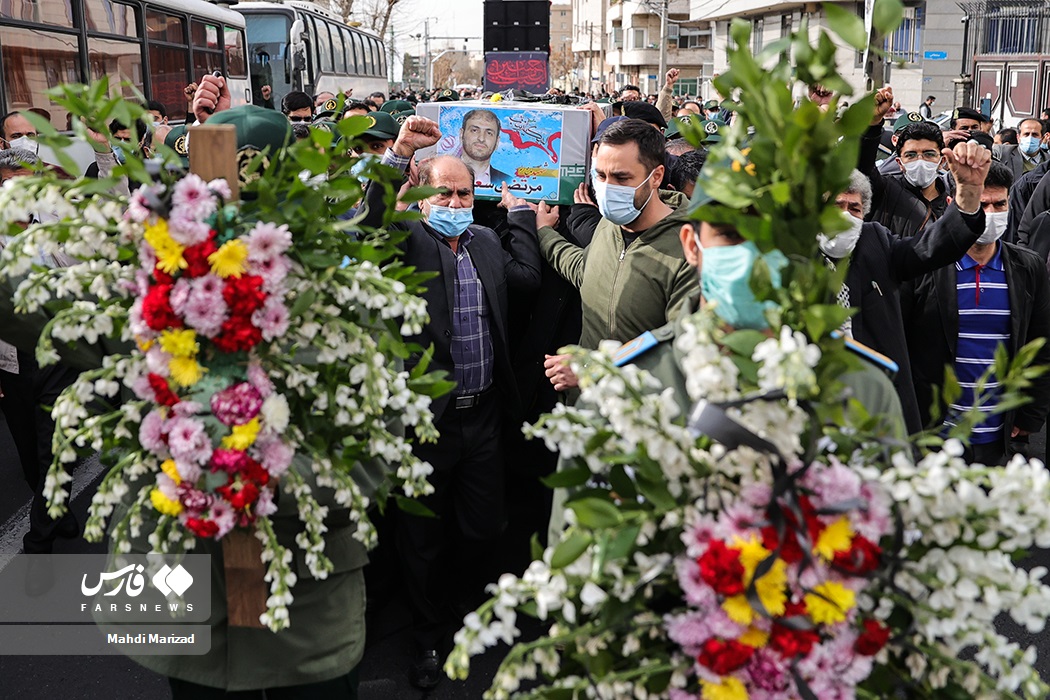
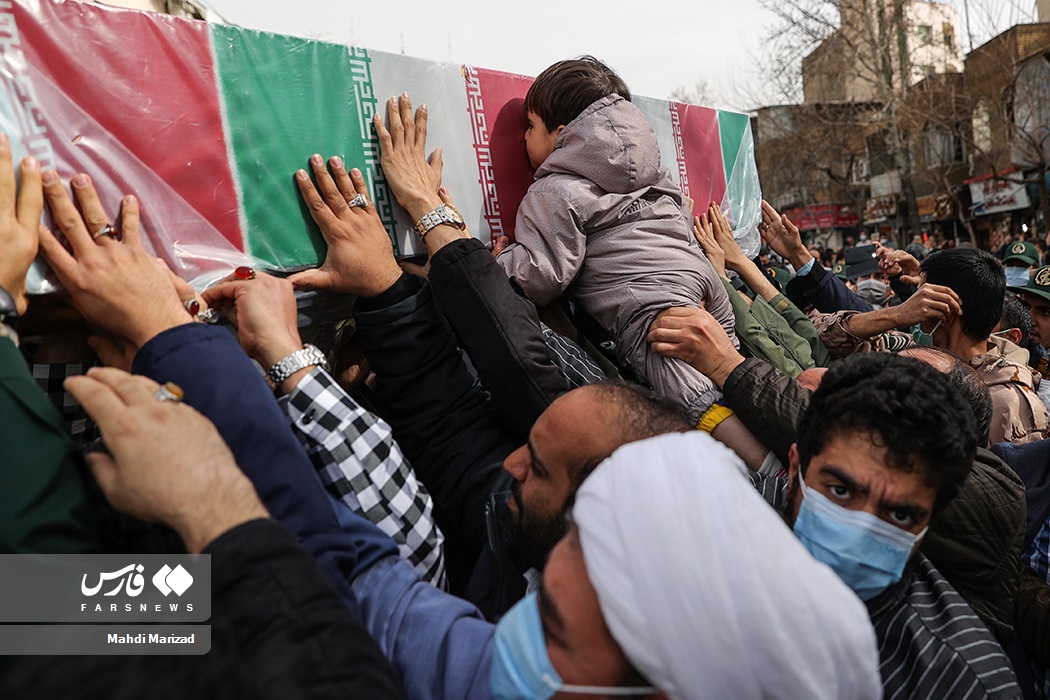
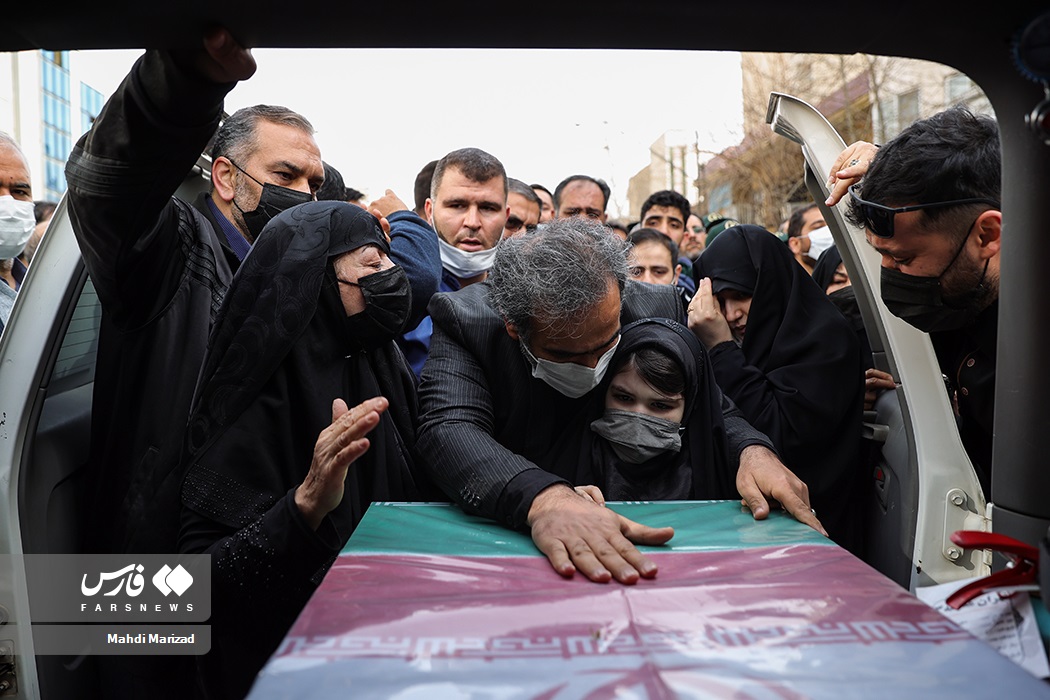
Iran holds mass funeral for military advisers killed in Israeli attack on Damascus

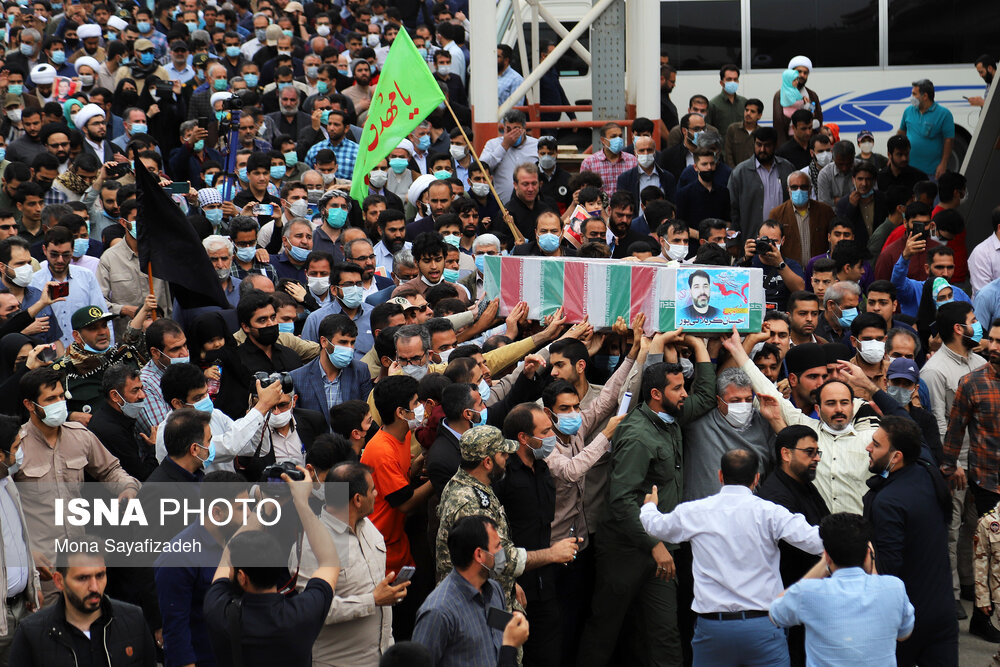
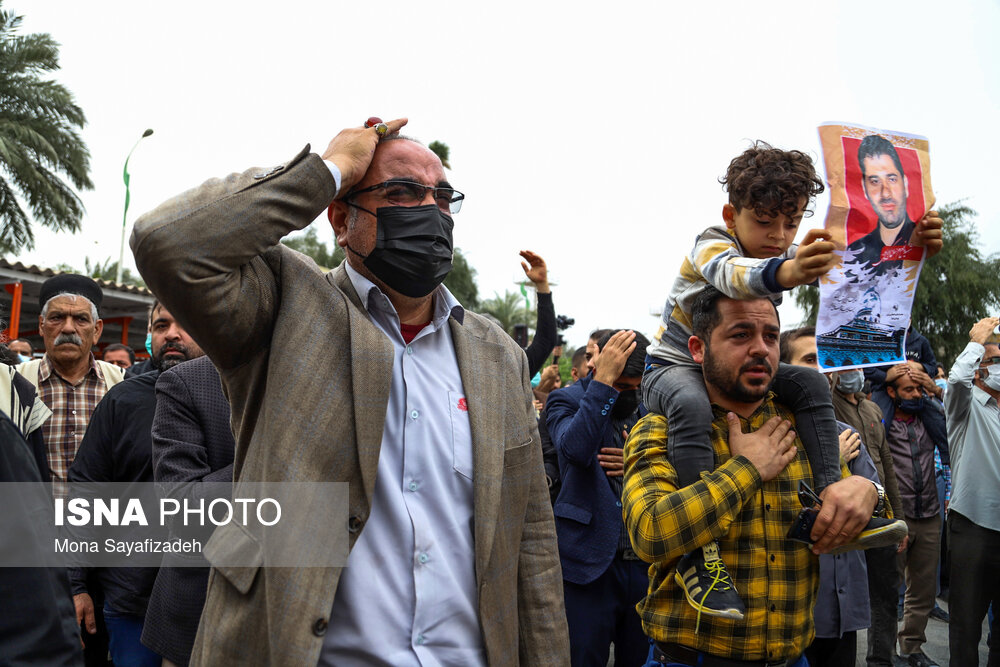
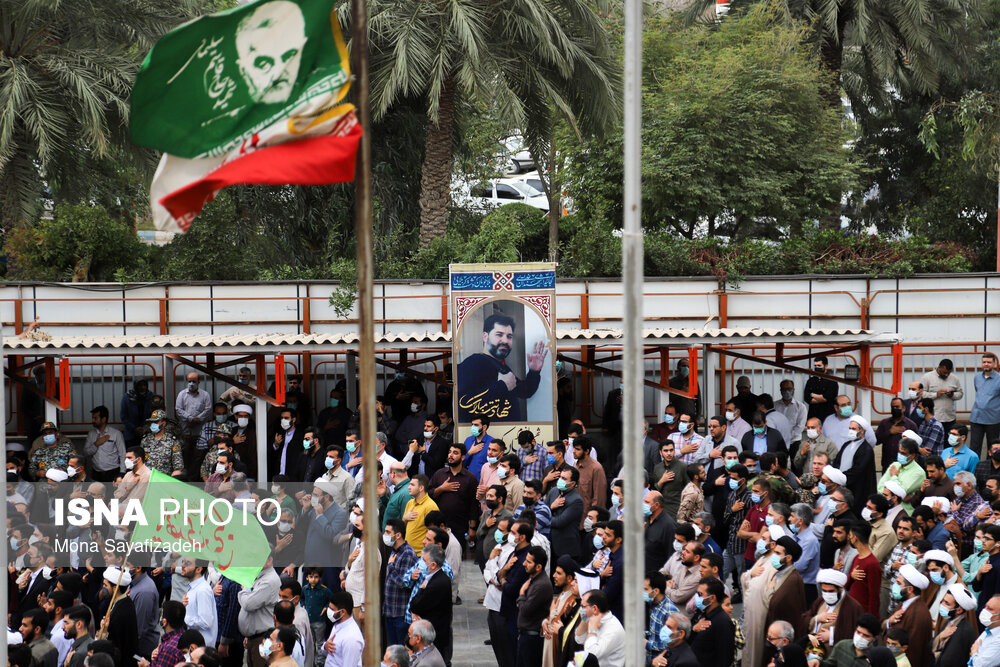
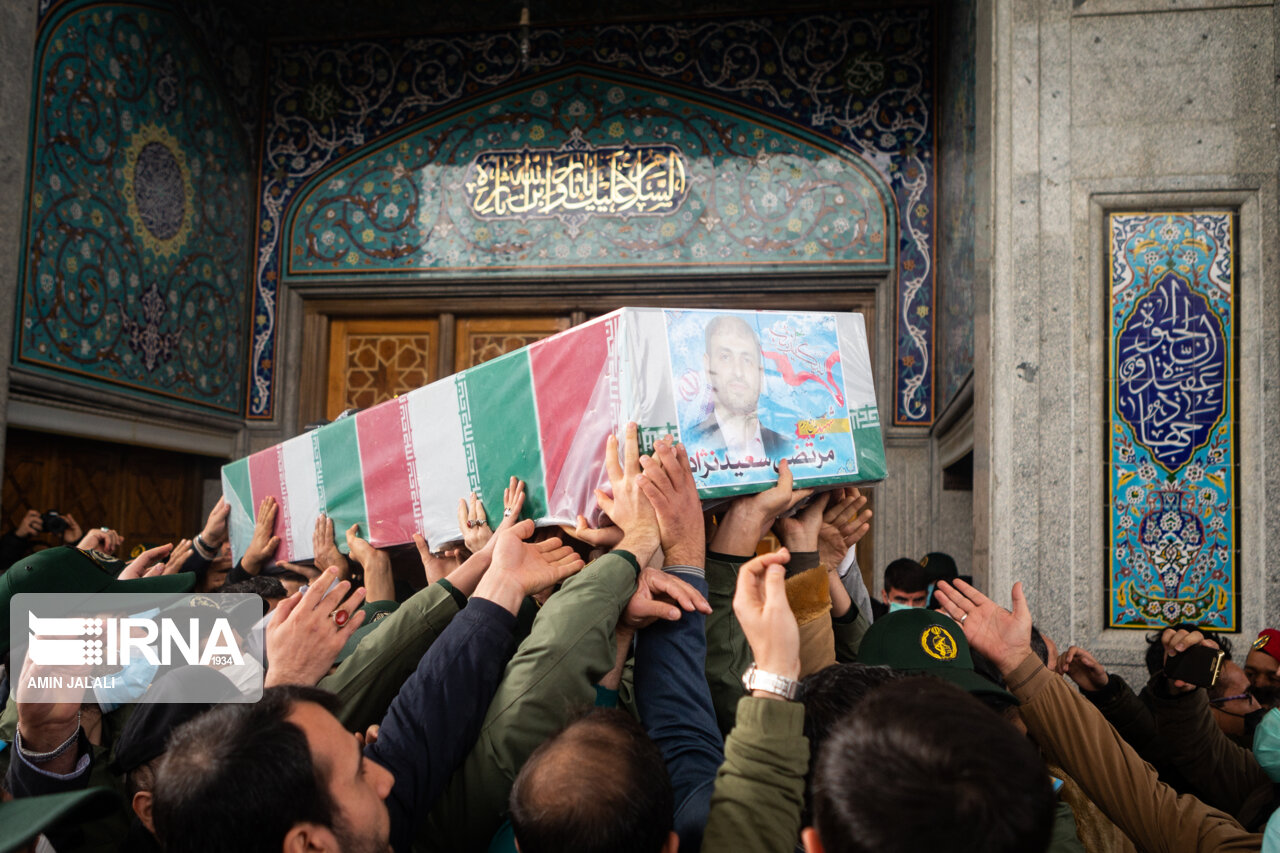
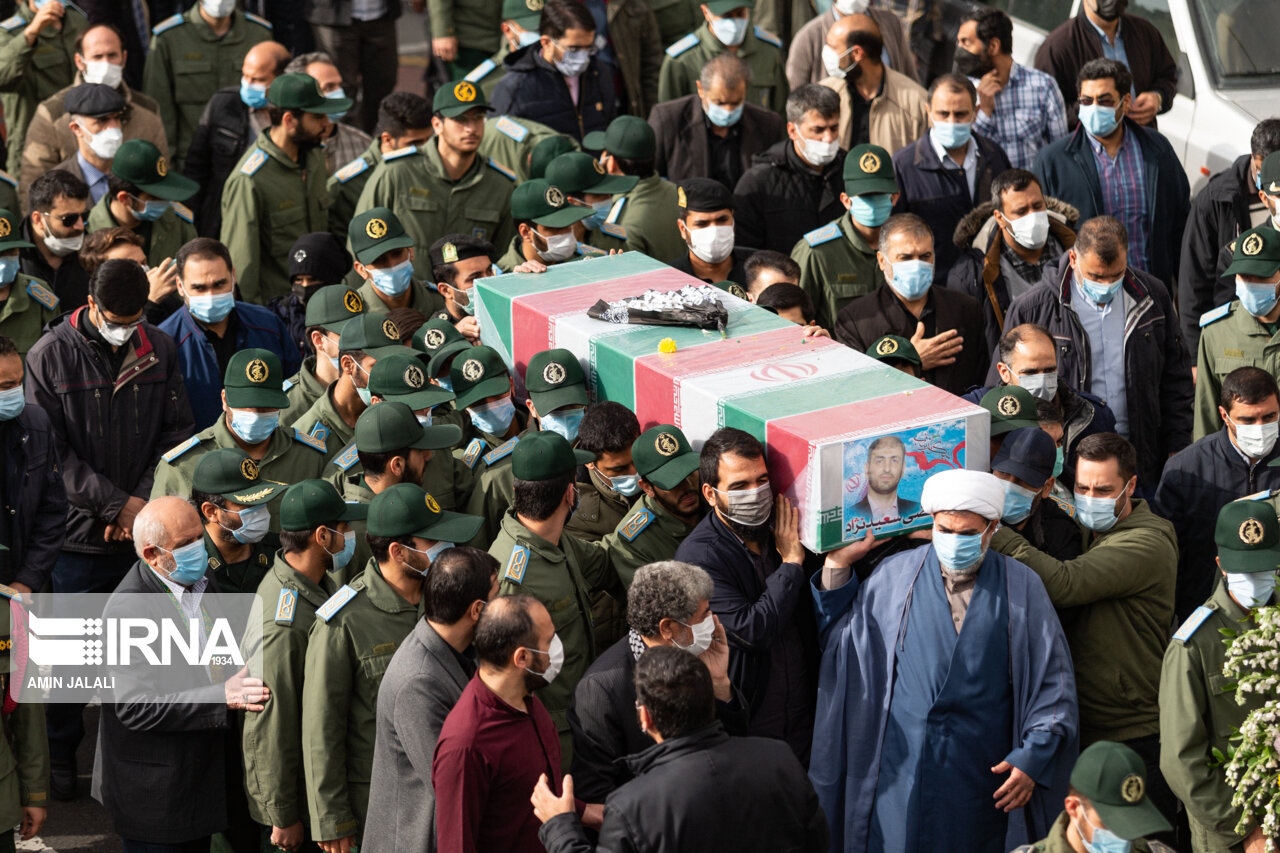
Hundreds of people along with senior commanders of the Islamic Revolution Guards Corps (IRGC) and the Army took part in the funeral procession.

After the ceremony on Thursday morning in Tehran, the body of Morteza Saeednejad was buried, but Ehsan Karbalayipour’s body was flown to the southern city of Ahvaz for a memorial before burial in Qom.

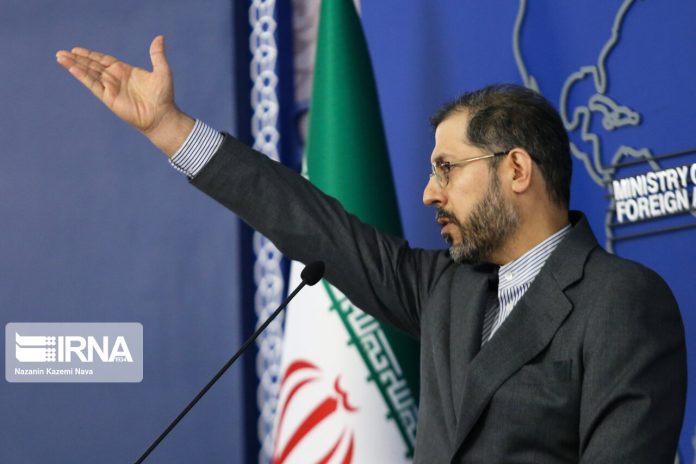
Iran has strongly condemned the Israeli missile attack, with Foreign Ministry Spokesman Saeed Khatibzadeh saying revenge for the Monday strike will undoubtedly be taken.

The IRGC has also warned that the Israeli regime will pay for its crime. Iran routinely sends military advisers to Syria to help the Syrian government in the battle against terrorist groups.

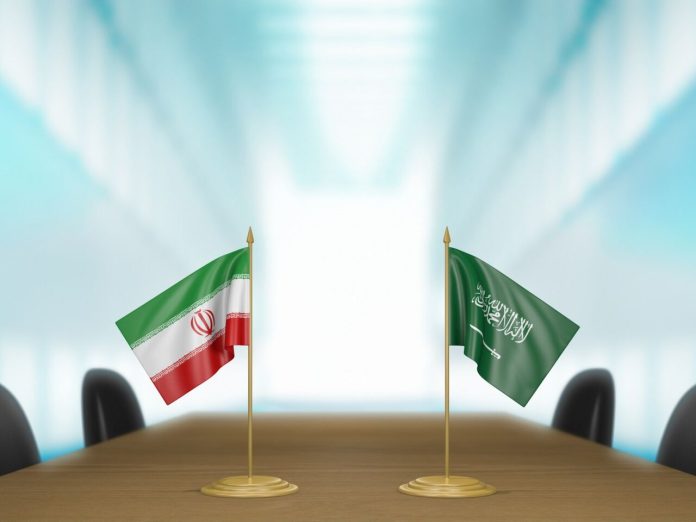
Iranian diplomat: Saudi Arabia’s claim of Iran’s interference totally baseless

The Saudi ambassador had told Egypt’s Al Akhbar Newspaper that Iran interferes in the internal affairs of the regional countries.

Nasser Kanaani said noted that such claims are totally false. He maintained that Iran has shown in action that it stands by regional governments and nations and is opposed to using force and acts of terrorism to destabilize the region.

“The Islamic Republic of Iran is proud that it has always stood by regional nations including Lebanon and Palestine in their fight against the Zionist regime, and it has achieved more success than any other country in empowering these nations to defend themselves against the aggressor”, Kanaani reiterated.

He also said Iran has played a key role in the fight against the Daesh terrorist group and Takfiri terrorism including in Iraq and Syria, adding the ideological origins and the sponsors of the terrorists are known to the whole world.

Also referring to the Yemen war, the Iranian diplomat said the dire conditions in Yemen are the result of the 7-year immoral aggression by the Saudi-led coalition against the country.

Kanaani however noted that Iran welcomes any decision by the Saudi government to engage in dialog with Tehran.

Yemen Oil Company: U.S., Britain leading acts of piracy against fuel ships

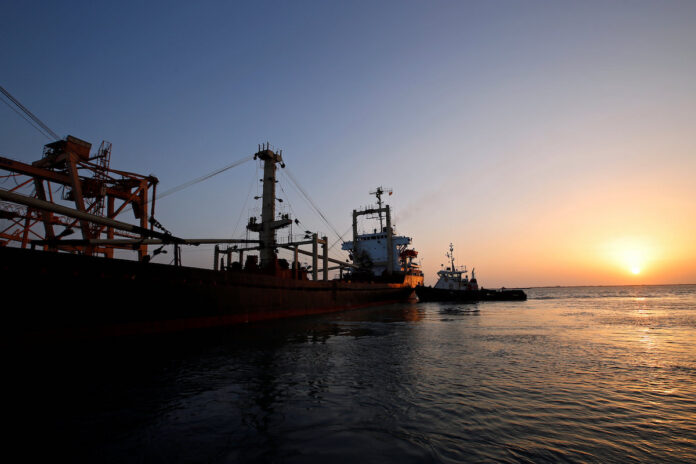
“Britain and the United States pursue a systematic policy of piracy against Yemeni vessels carrying fuel and enforcing a blockade on the country that mainly targets oil products to achieve their political and military goals,” Ammar al-Azra’i said.

He noted that acts of piracy against Yemeni vessels intensified in 2021, with Yemenis obtaining only 5% of the fuel they needed.

Al-Azra’i stressed that supplying fuel through ports occupied by the Saudi-led coalition would cost about 50 percent more than importing fuel through al-Hudaydah port which is run by the national salvation government.

In 2021, the Yemeni people paid about $6 million to receive fuel through land crossings, which went into the pockets of mercenaries, he added.

While the whole world is crying foul over surging crude prices; we have been shouting for two years that no tanker will enter Yemen unless it pays a 60 to 80 percent fine, he added.

Saudi Arabia launched its onslaught against Yemen in March 2015. Since then, it has imposed an all-out blockade of Yemen and refuses to ease its draconian restrictions despite untold human suffering. The devastating military campaign has caused a humanitarian catastrophe in Yemen and claimed hundreds of thousands of Yemeni lives.

Iran FM to EU foreign policy chief: New US demands not logical

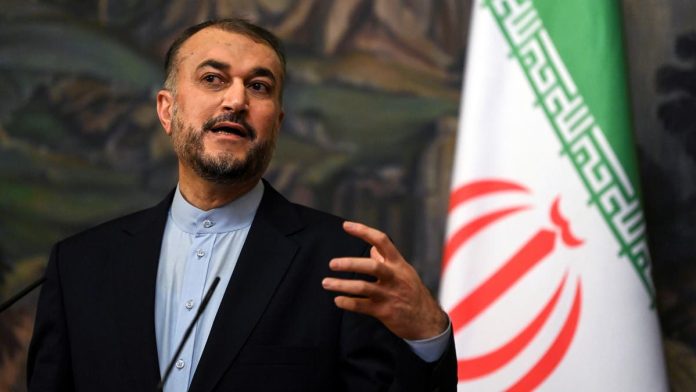
Referring to the Vienna talks aimed at removing the anti-Iran sanctions and the revival of the Iran nuclear deal, Hossein Amir Abdollahian added that the main issues and sanctions removal must not be affected by the excessive demands on the part of the US.

The top Iranian diplomat also said the US cannot convey a new and different message to the Iranian negotiating team through the coordinator under the pretext of being under the pressure of the American public opinion.

If the US faces a problem in terms of public opinion, I should say that we also face the problem of public opinion in Iran; they are monitoring the developments very closely and carefully and seek answers from the government and demand it get the sanctions lifted and preserve a highly peaceful nuclear energy.

Amir Abdollahian also underscored that issues related to Iran’s national heroes are non-negotiable.

Elsewhere in his comments, the Iranian foreign minister outlined the principled position of the Islamic Republic of Iran regarding the Ukraine crisis.

He emphasized, “We believe, while considering the UN Charter, that the root-cause of this crisis must be addressed so that lasting stability and security are established in the region through halting the war and focusing on political solutions.”

Josep Borrell, for his part, said the Vienna negotiations are at a critical juncture and now the US and Iran must show more flexibility in their message exchanges and must try to overcome the time limit.

Borrell said that economic guarantees are important for Iran and the EU supports this, adding, “You and we will continue our efforts to reach a deal because we have come a long way. You Iranians are tough and highly capable negotiators.”

Iran dismisses latest ‘absurd allegations’ by Arab League foreign ministers

Khatibzadeh expressed deep regret that a “vicious cycle of making anti-Iran allegations” continues adding that such futile actions are contrary to the other side’s moves to interact and engage in regional diplomacy with the Islamic Republic in the recent months.

He dismissed the “repeated and unfounded” allegations of Iranian interference in the internal affairs of other countries, brought by states that “have a long history of creating tensions and warmongering” especially in Yemen and other parts of West Asia and North Africa.

The Iranian Foreign Ministry spokesman also described such “hackneyed statements” as an obstacle in the way of growing ties between Iran and its neighbors, and once again stated Iran’s longstanding stance that misunderstandings among neighbors must be cleared through diplomatic channels. He invited the neighboring countries to dialog in this regard.

Khatibzadeh also dismissed the territorial claims to three southern Iranian islands made in the Arab League’s statement, saying Iran has always acted in the framework of its sovereignty and territorial integrity and that Tehran condemns any foreign interference in this regard.

Khatibzadeh called the preservation of nuclear achievements and defense capabilities of the Islamic Republic of Iran among the strategic policies of the country and stressed that such statements will never impact the development of Iran’s nuclear energy program.

The meeting of the foreign ministers of the Arab League was held in Cairo on Wednesday and approved a statement issued by the so called Arab Quartet Committee.

The committee comprises Saudi Arabia, the United Arab Emirates, Bahrain, and Egypt.

In their statement, the Arab states once again accused Iran of supporting terrorist groups and interference in Arab countries among other claims.

Covid-19 fatalities in Iran steadily decreasing

COVID in Iran

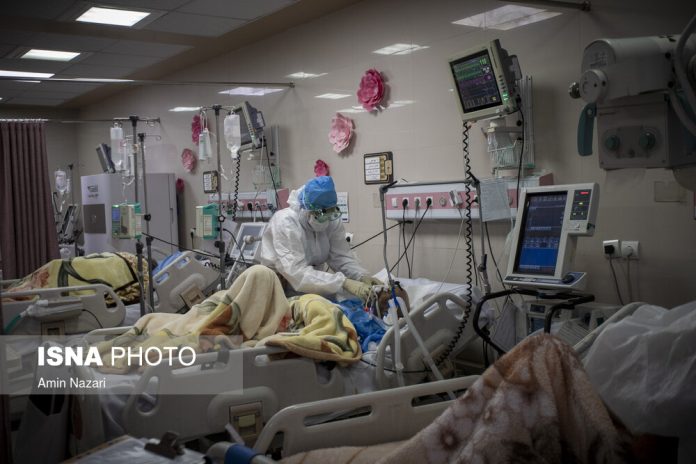
The Health Ministry announced on Thursday that the total number of fatalities now stands at over 138,570.

It also reported more than 6,400 newly detected infection cases over the past 24 hours.

On Wednesday, the ministry registered 173 Covid-19 deaths.

The sixth wave of the outbreak in Iran has so far been much less deadly than the previous surges partly because a very large part of Iran’s population has been vaccinated against the virus.

Iran has so far administered over 144 million doses of Covid-19 vaccine with about 56 million fully inoculated and well over 24 million triple-vaxxed.

Ayatollah Khamenei: Retreating in the face of the US big mistake

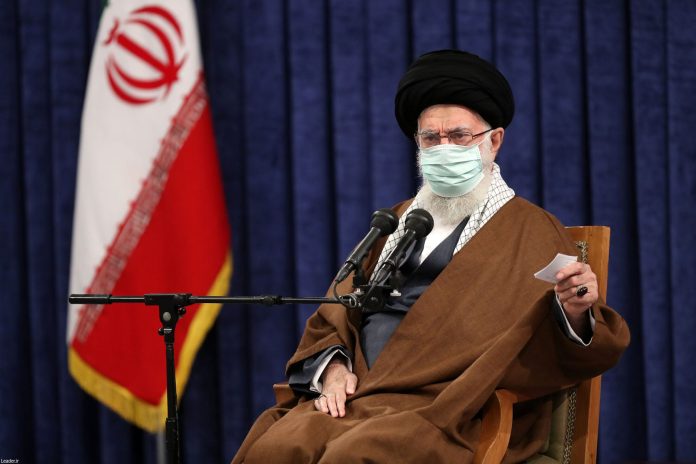
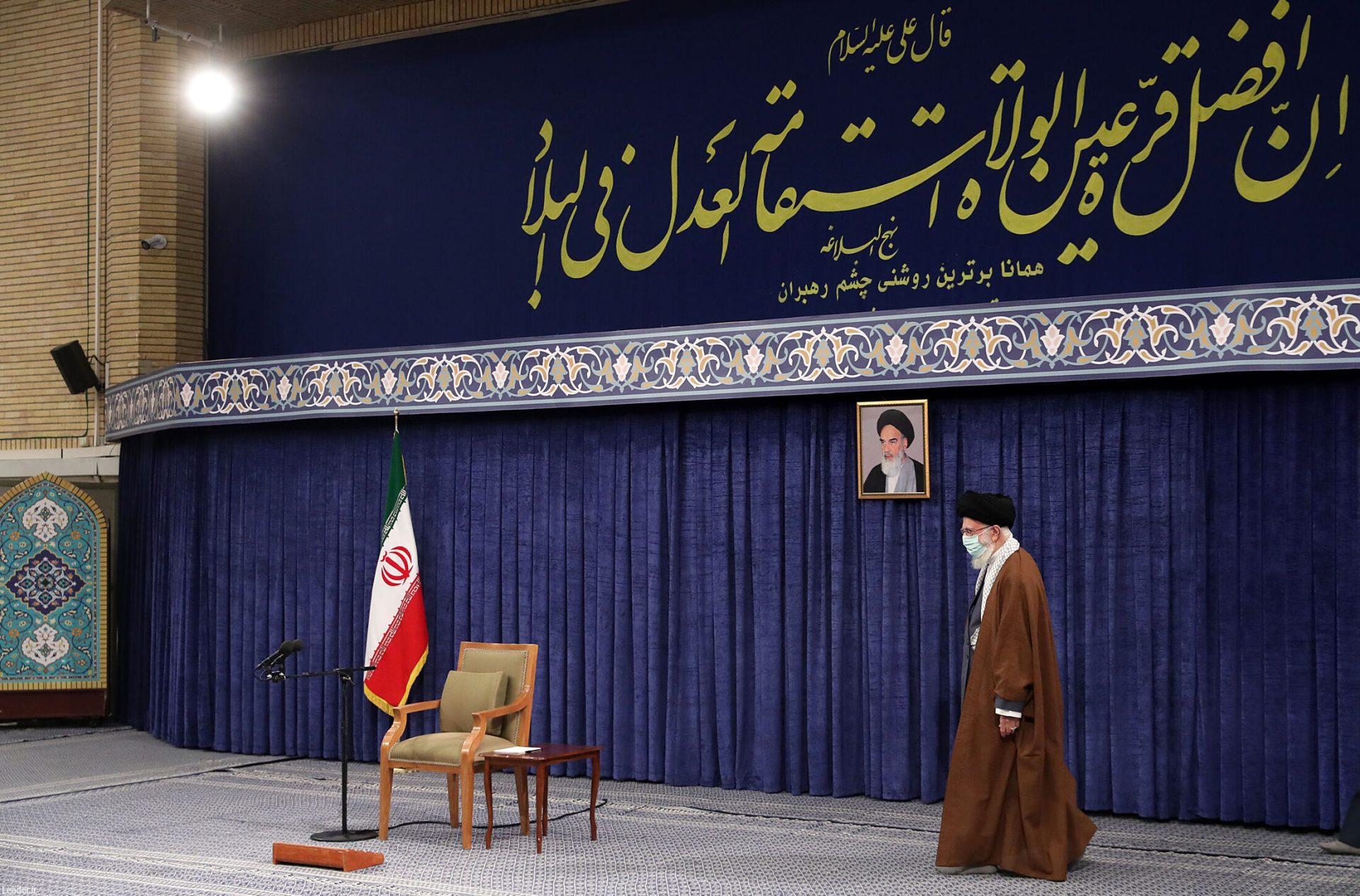
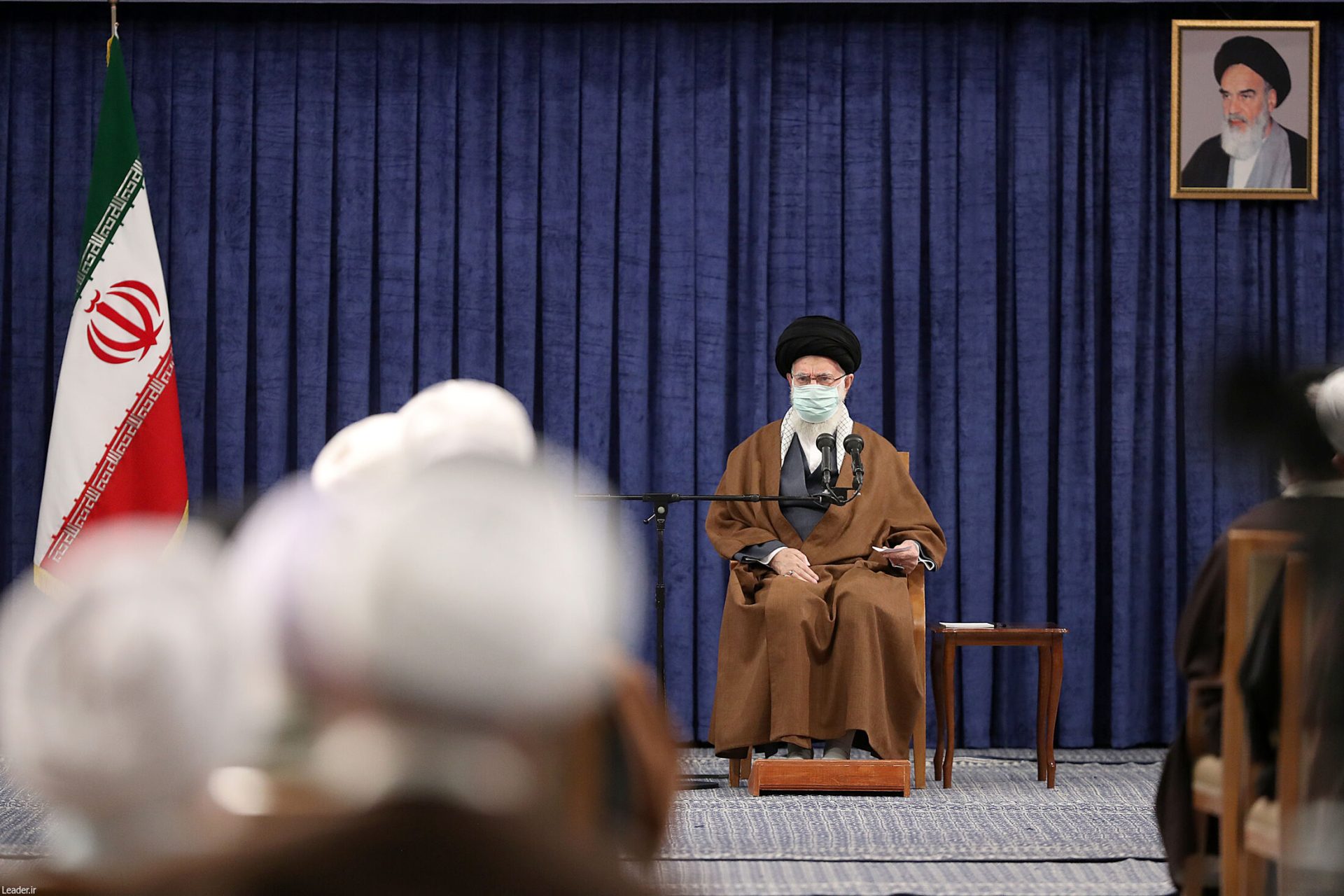
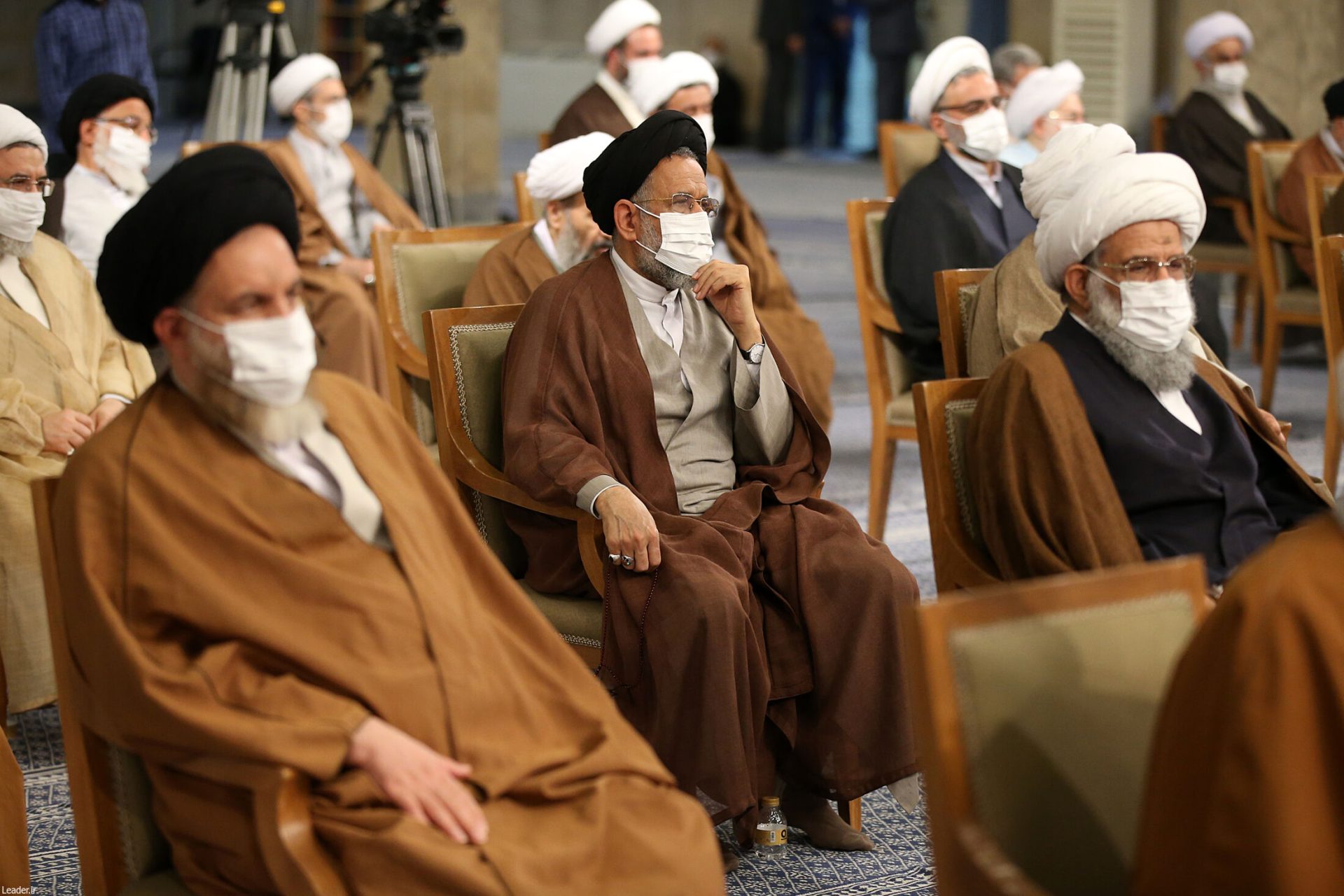
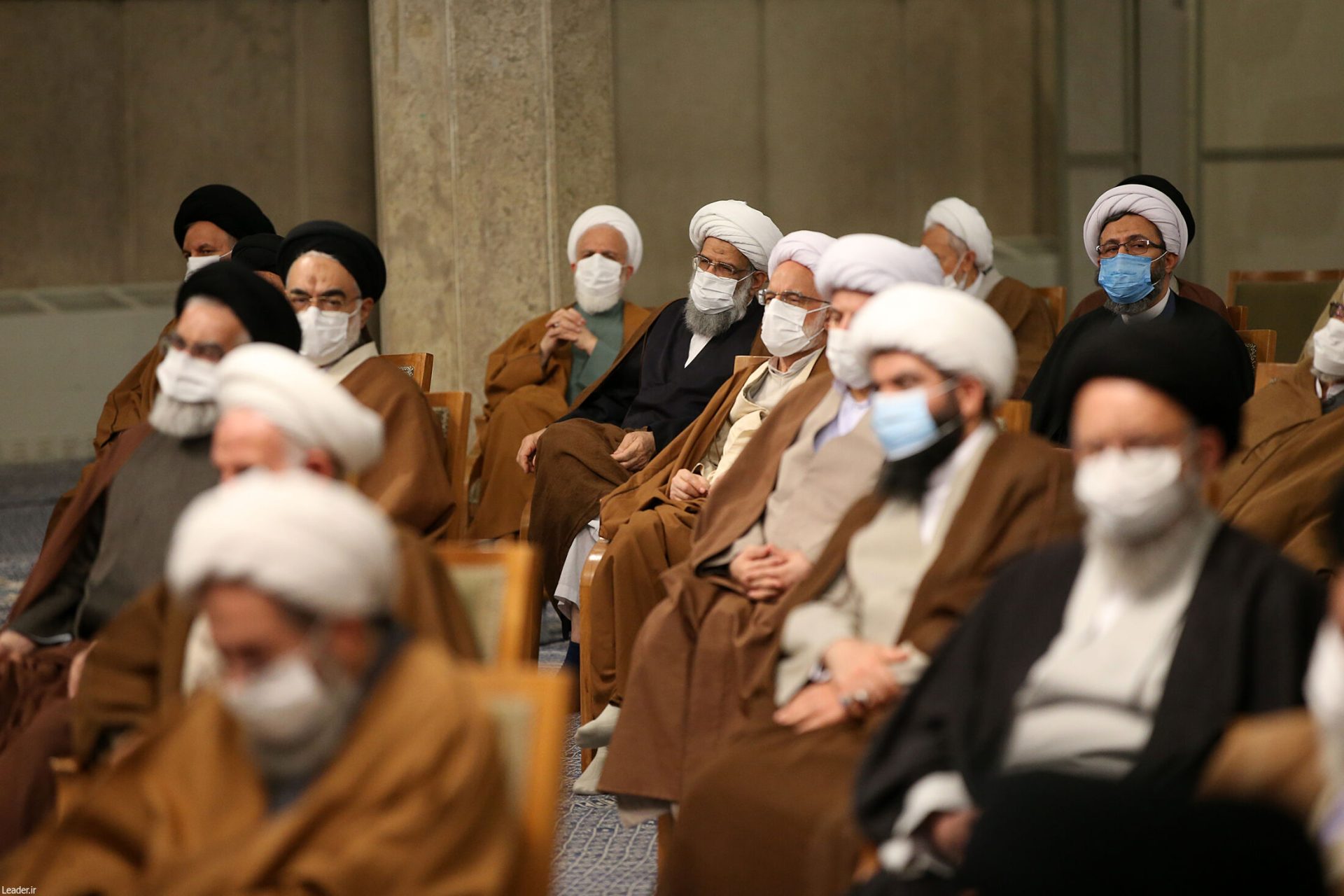
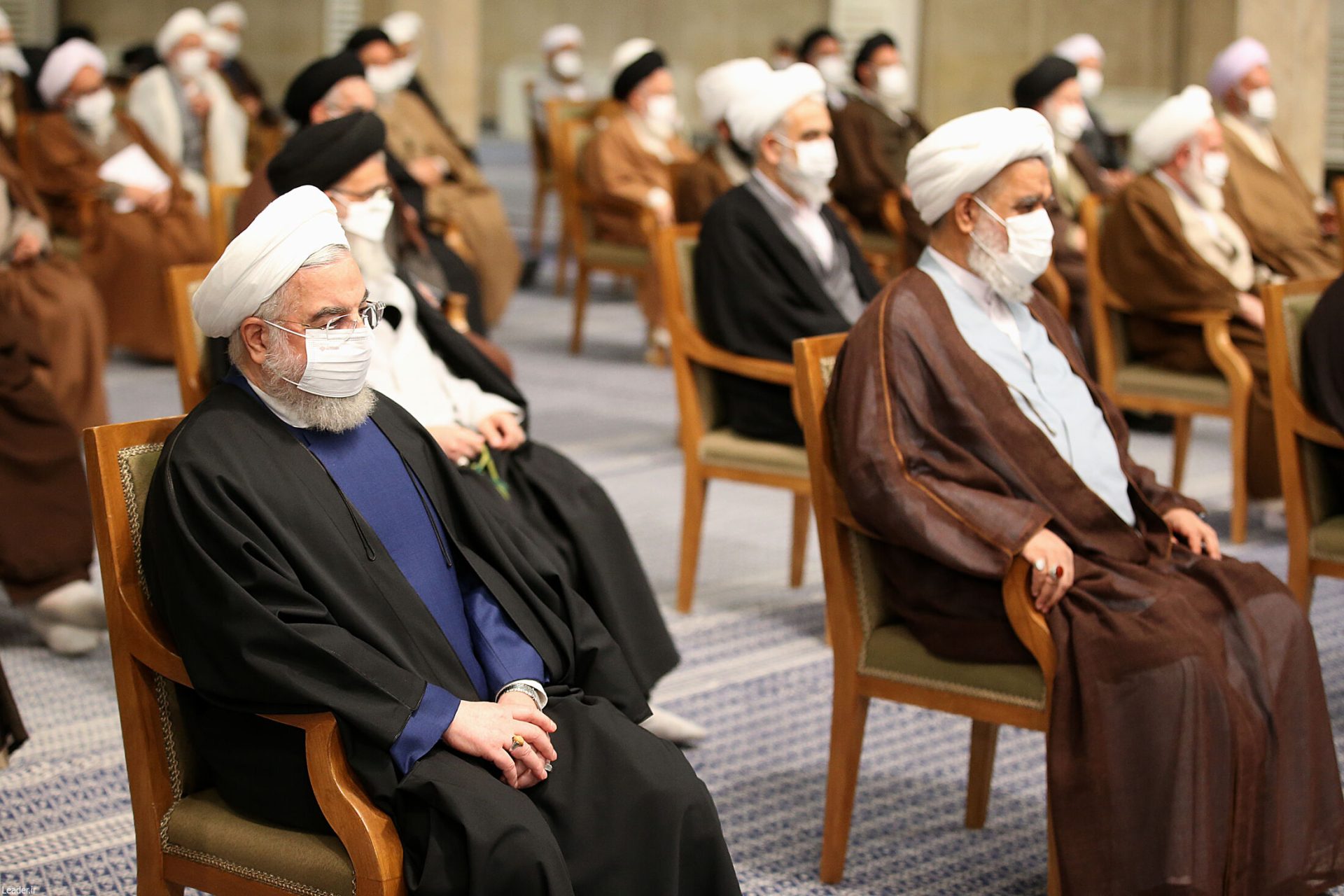
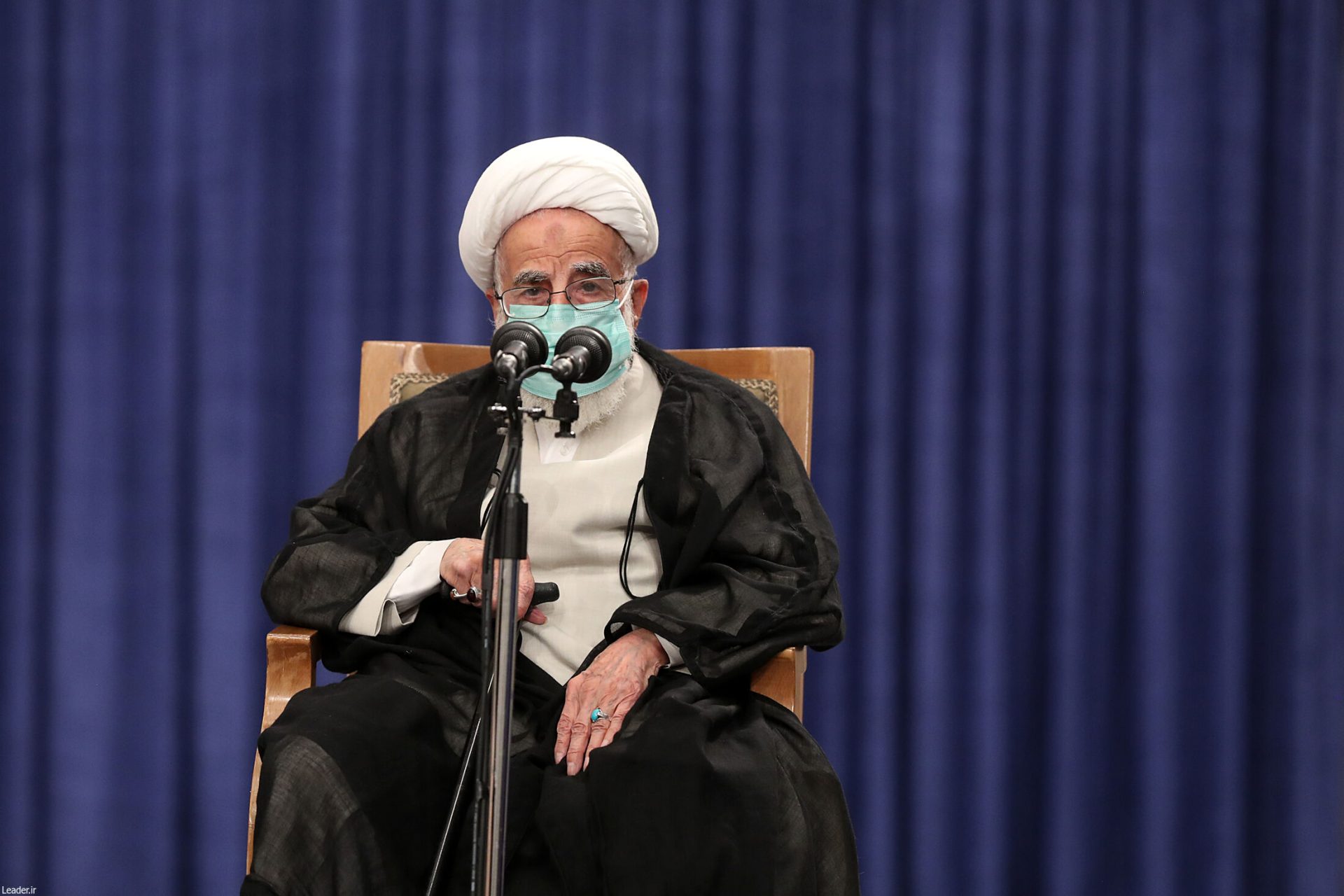
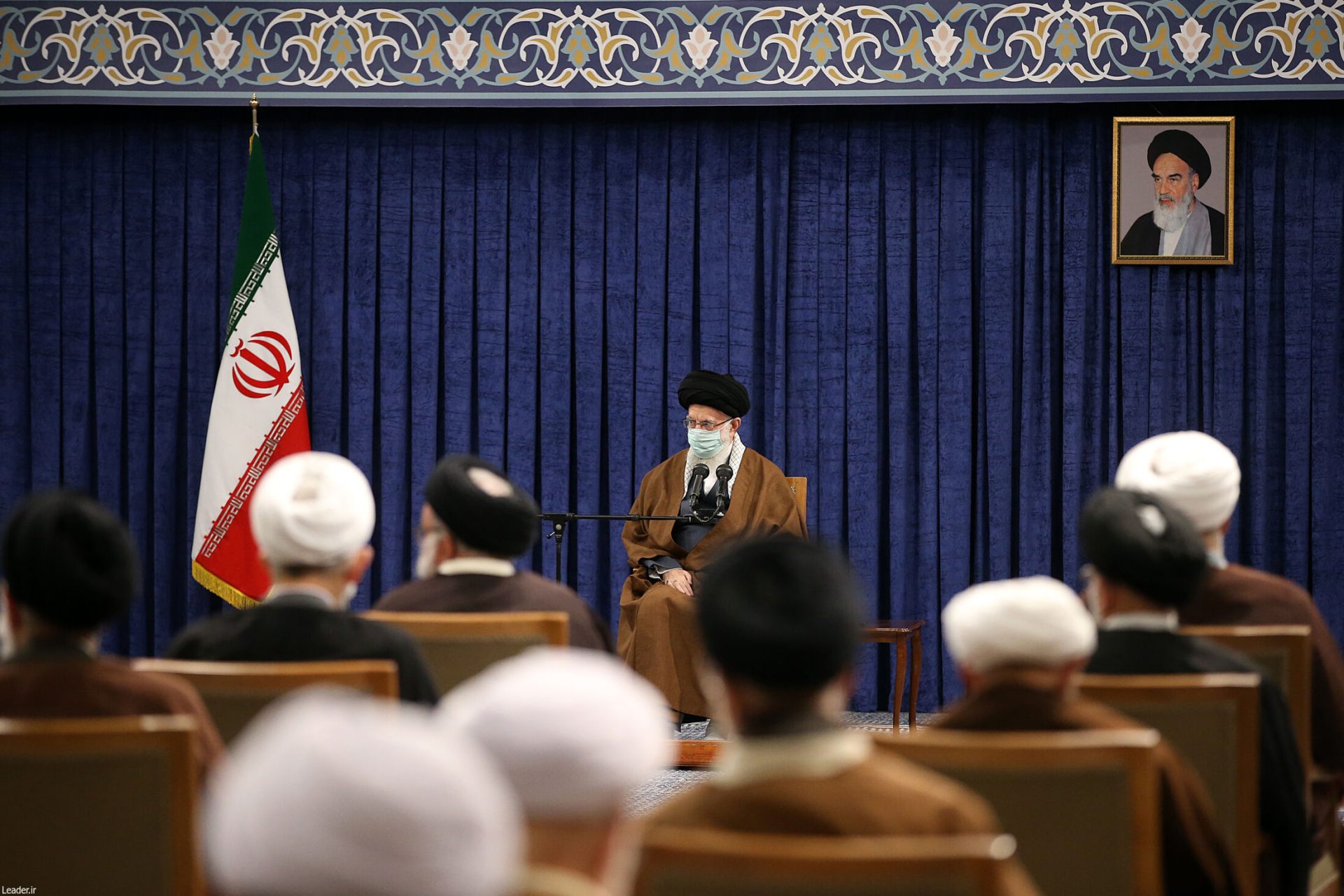
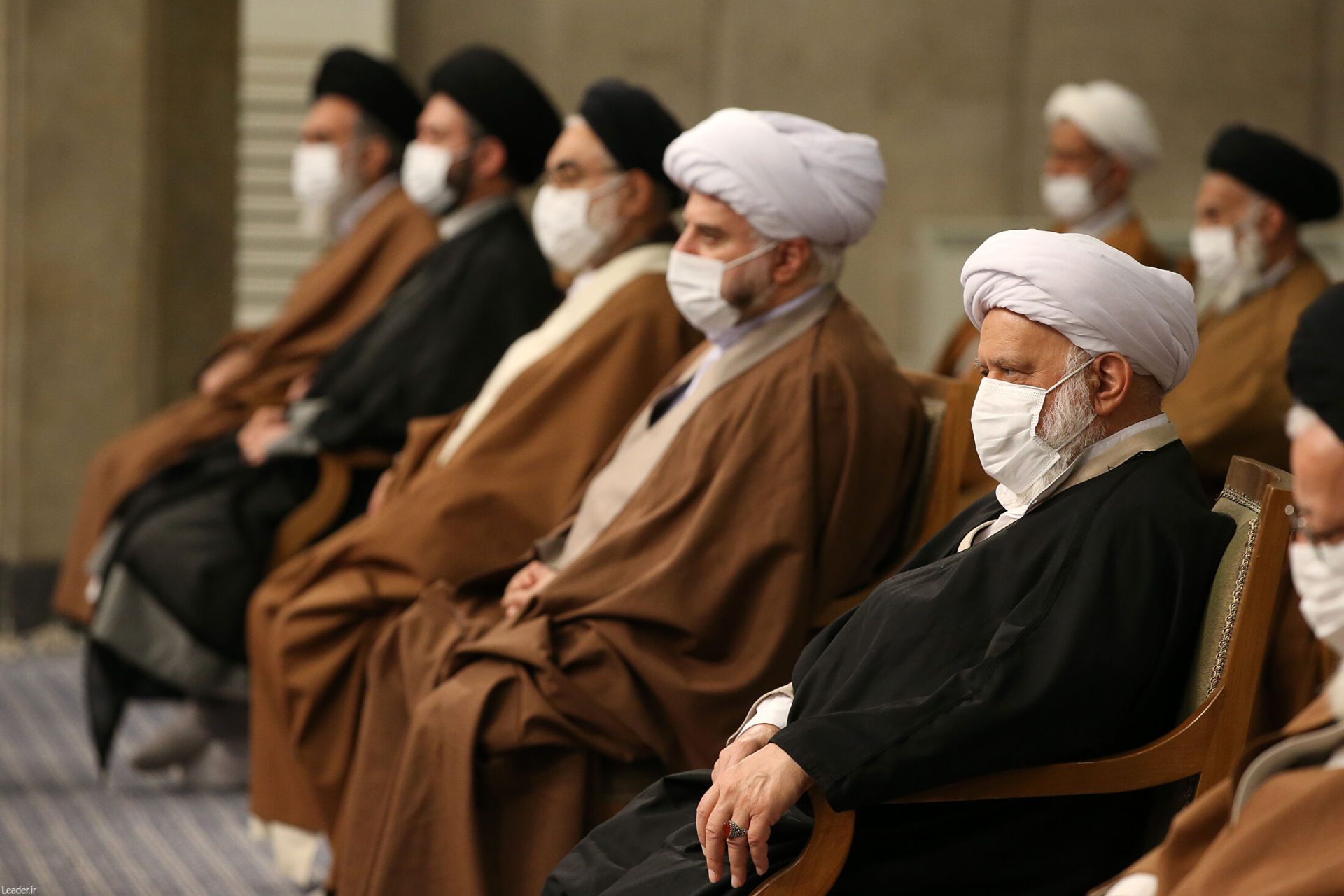
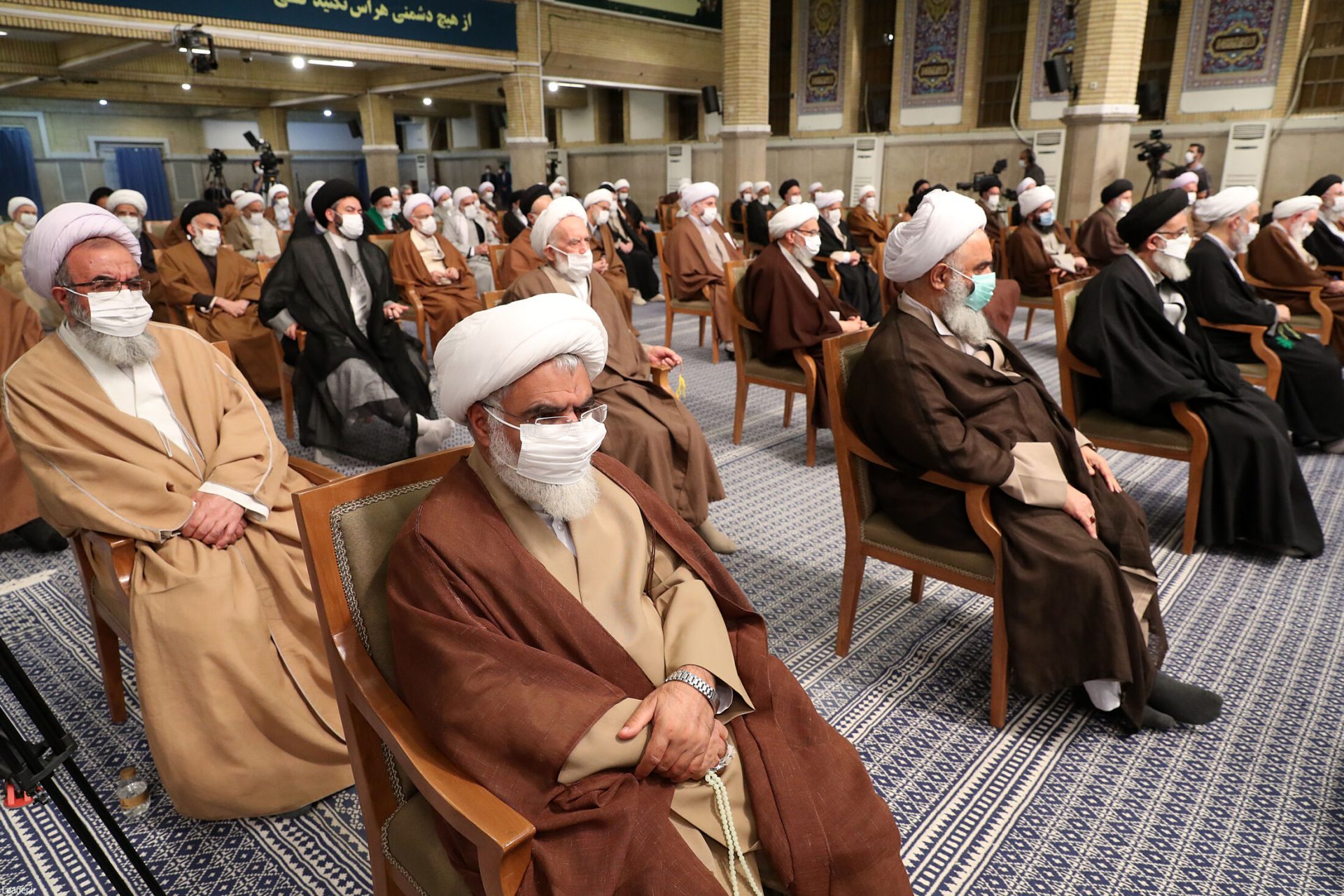
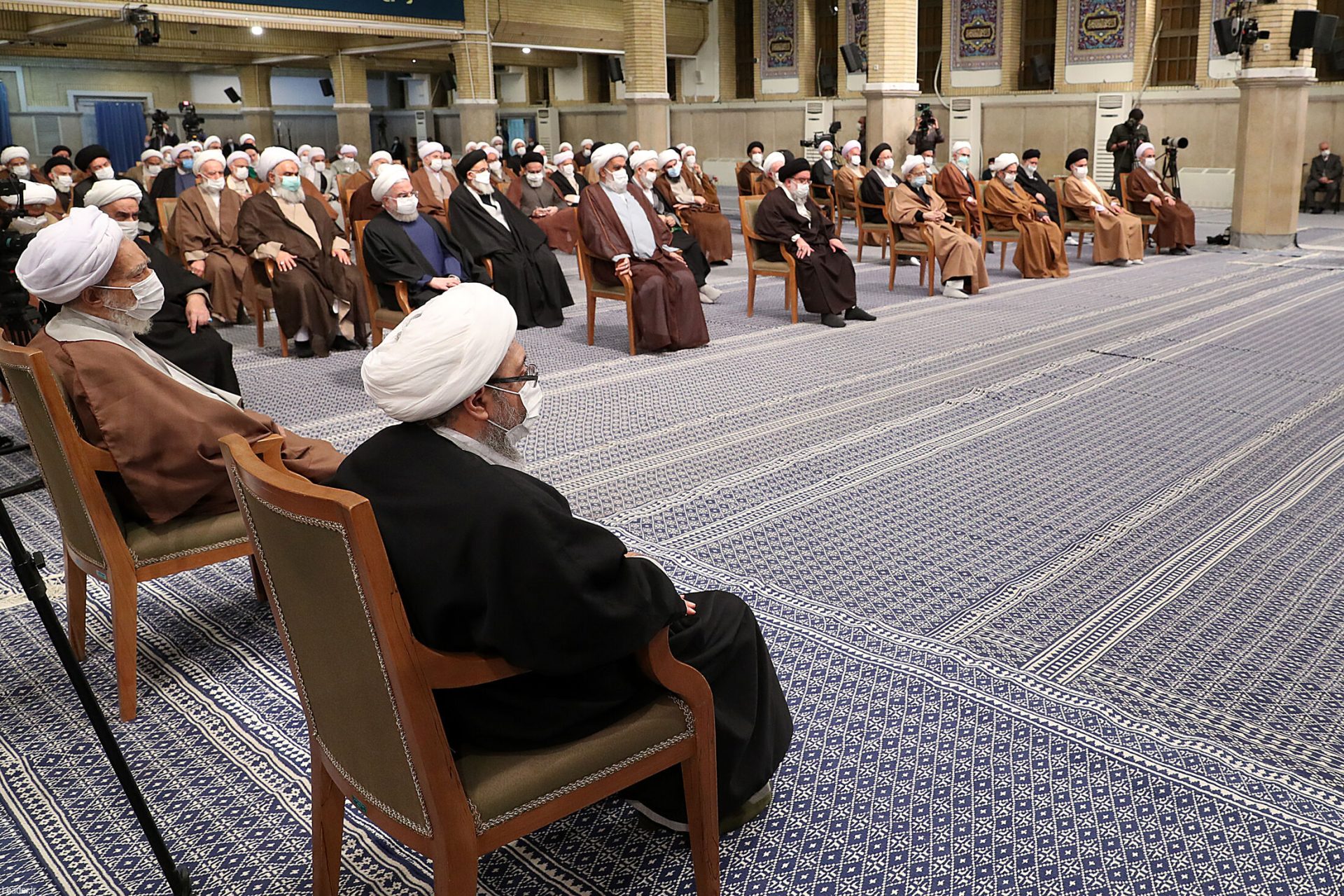
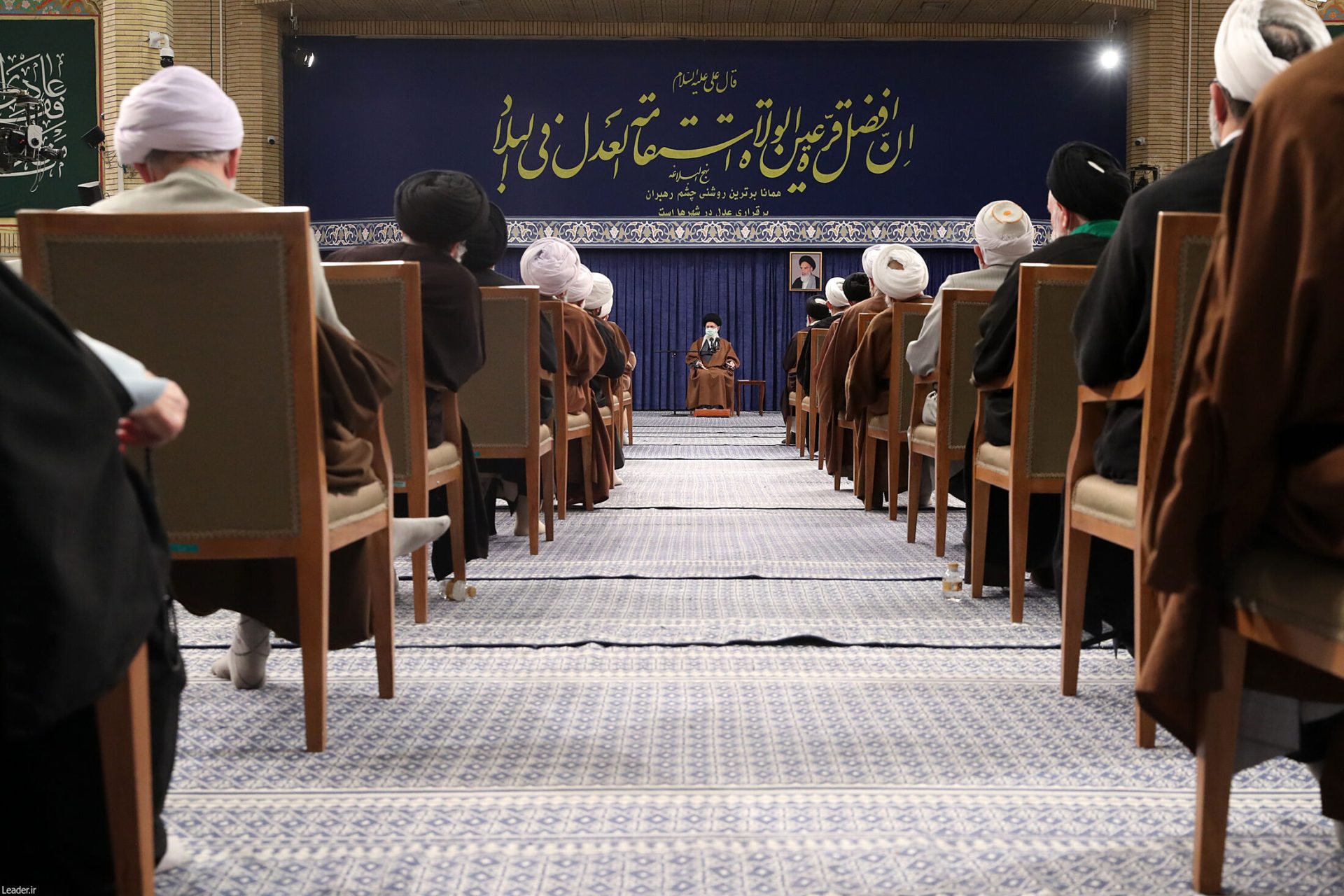
Speaking to members of the Assembly of Experts on Thursday, Ayatollah Seyyed Ali Khamenei said backing down in the face of the US or any other powers for the purpose of averting sanctions is a big mistake and deals a blow to the country’s political clout.

Ayatollah Khamenei also said there is nothing more naïve than the proposal that Iran should weaken its military deterrence to avoid making the enemy sensitive.

He said such untenable proposals have also been made before which were all rejected.

The leader said had it been allowed to cut off the arms of national clout, Iran would now be facing big dangers.

He also referred to proposals that Iran curtail regional presence and give up progress in the nuclear technology to eschew playing into the hands of the enemy, saying such offers deal a blow to national clout.

Ayatollah Khamenei sadi, “Regional presence gives us strategic depth and strengths our national clout. Why would we relinquish them?” The leader also said Iran also need progress in nuclear technology for the future and “if we forsake it, whom should we beg [nuclear energy] several years from now?”

Ayatollah Khamenei noted that the establishment’s strength will result in national clout, adding that national clout is vital for any nation.

He said any country who wants to be self-sufficient, use its resources on its own and hold its head high, it must be strong.

The leader said when a country becomes weak, it is coveted by foreigners.

He enumerated security and defense power, public welfare, policy-making and bargaining power and culture as other arms of national clout.

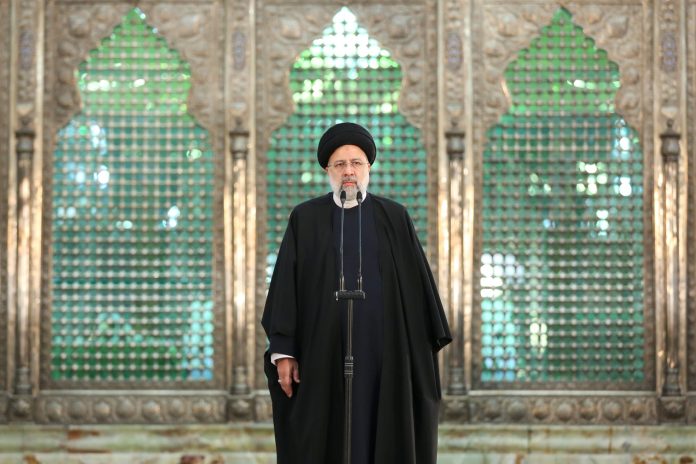
Iran’s Raeisi stresses continued adherence to Imam Khomeini’s teachings

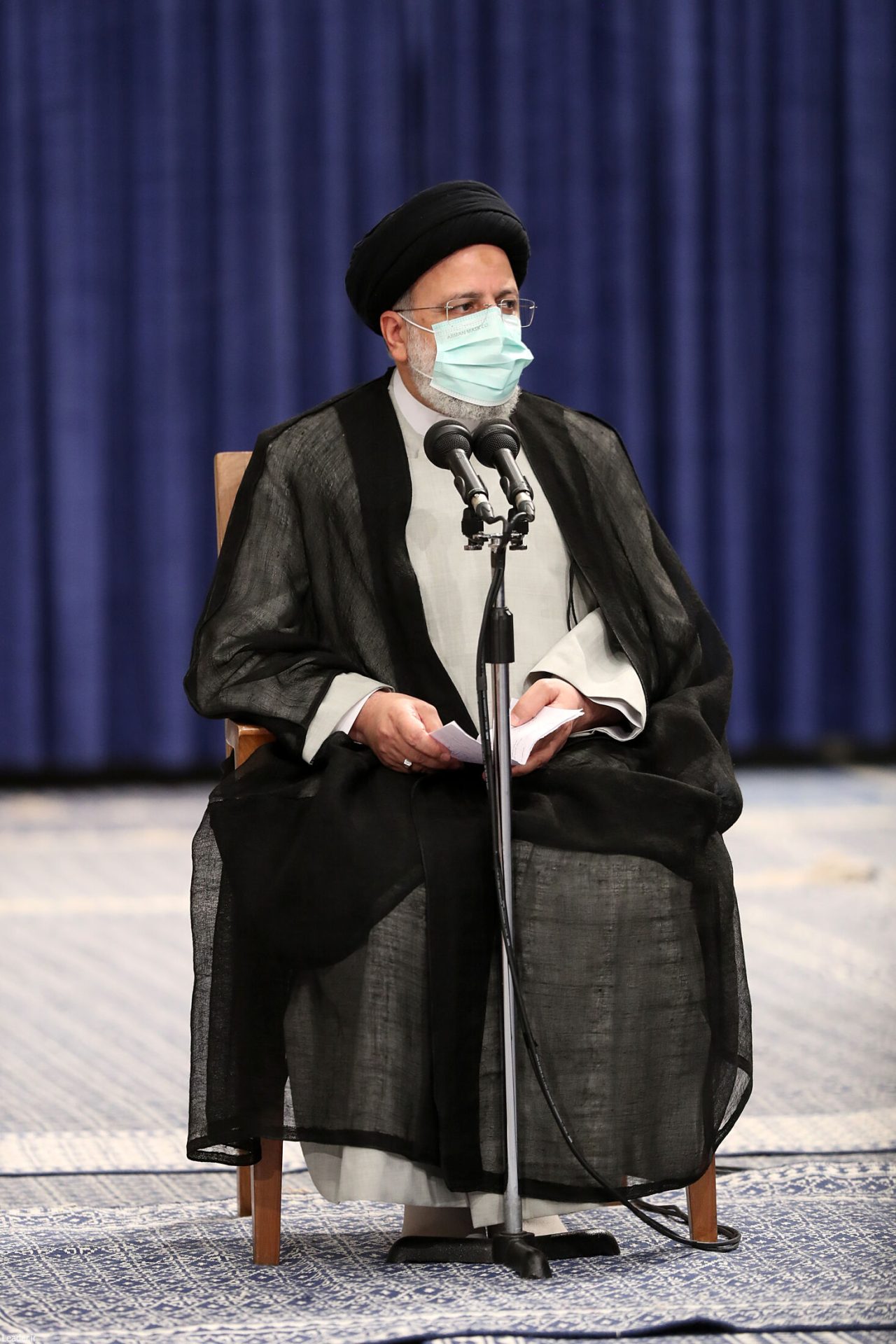
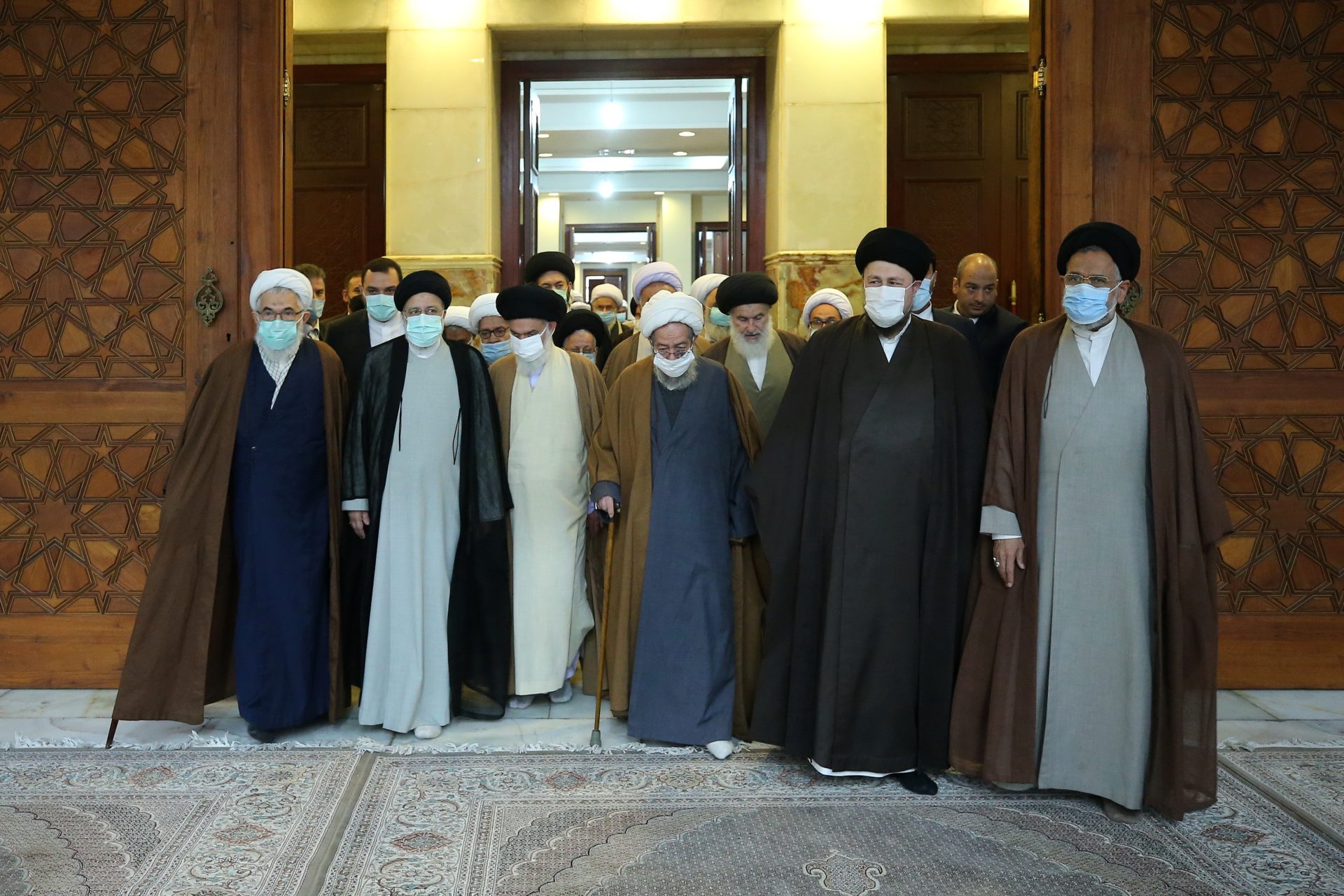
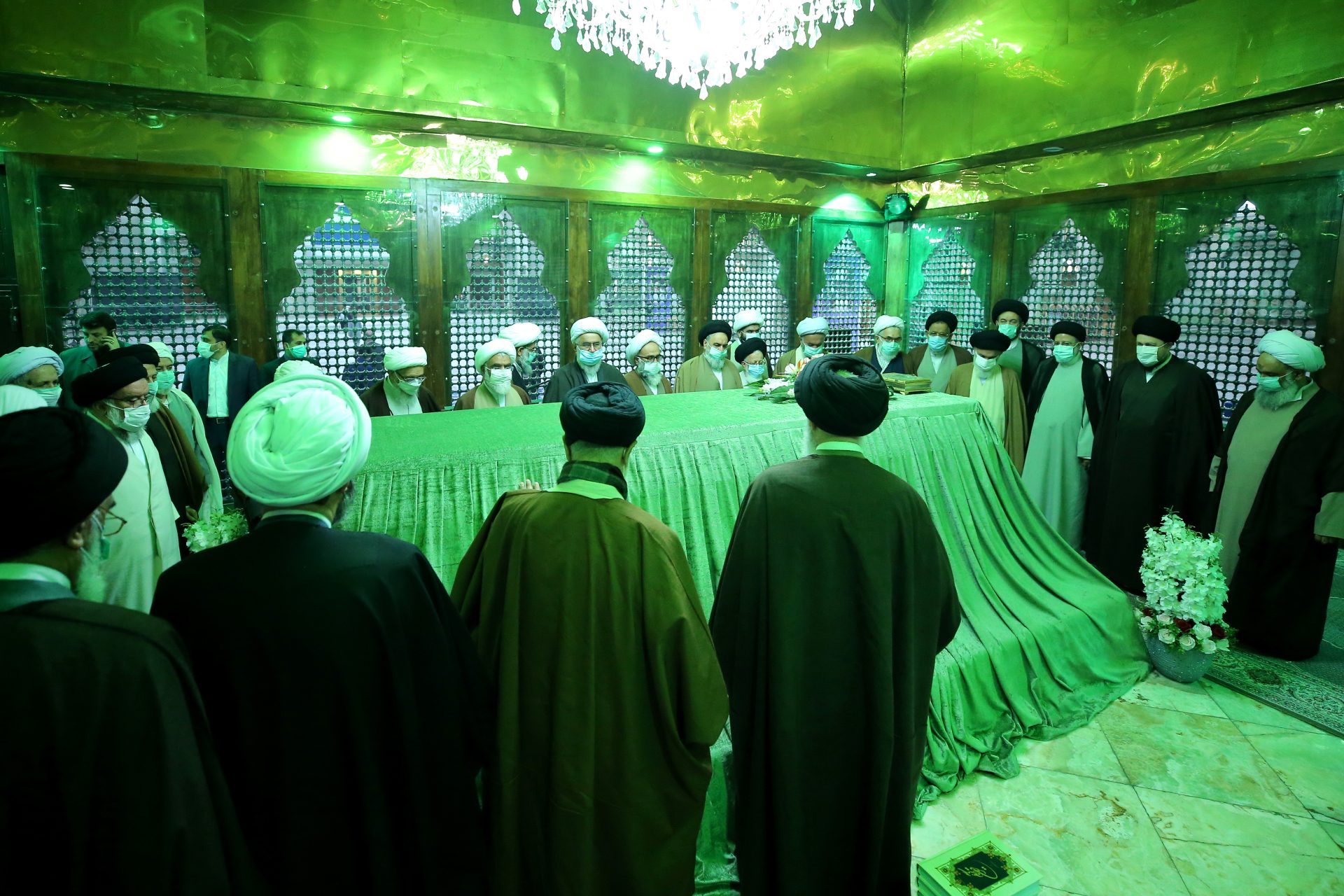
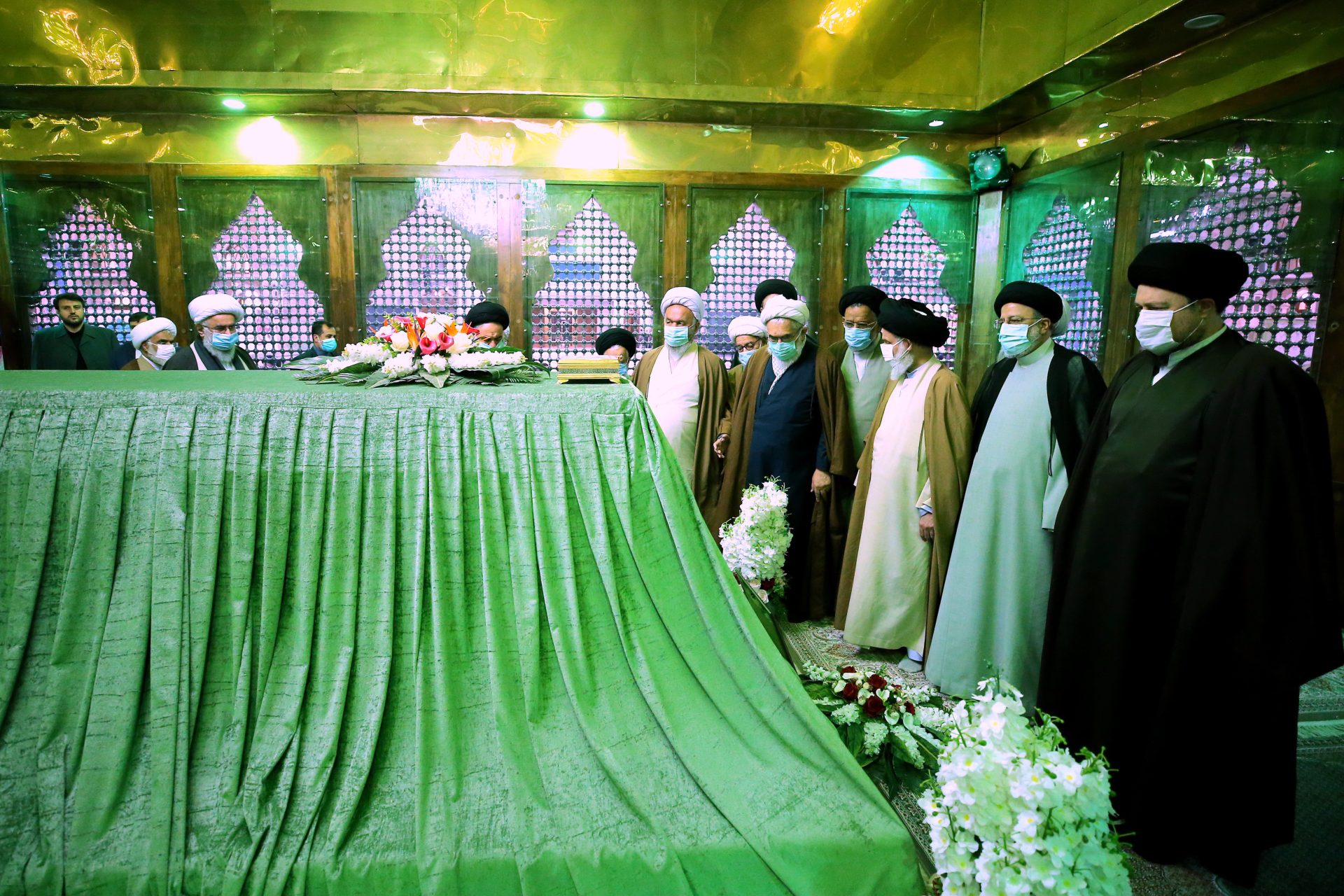
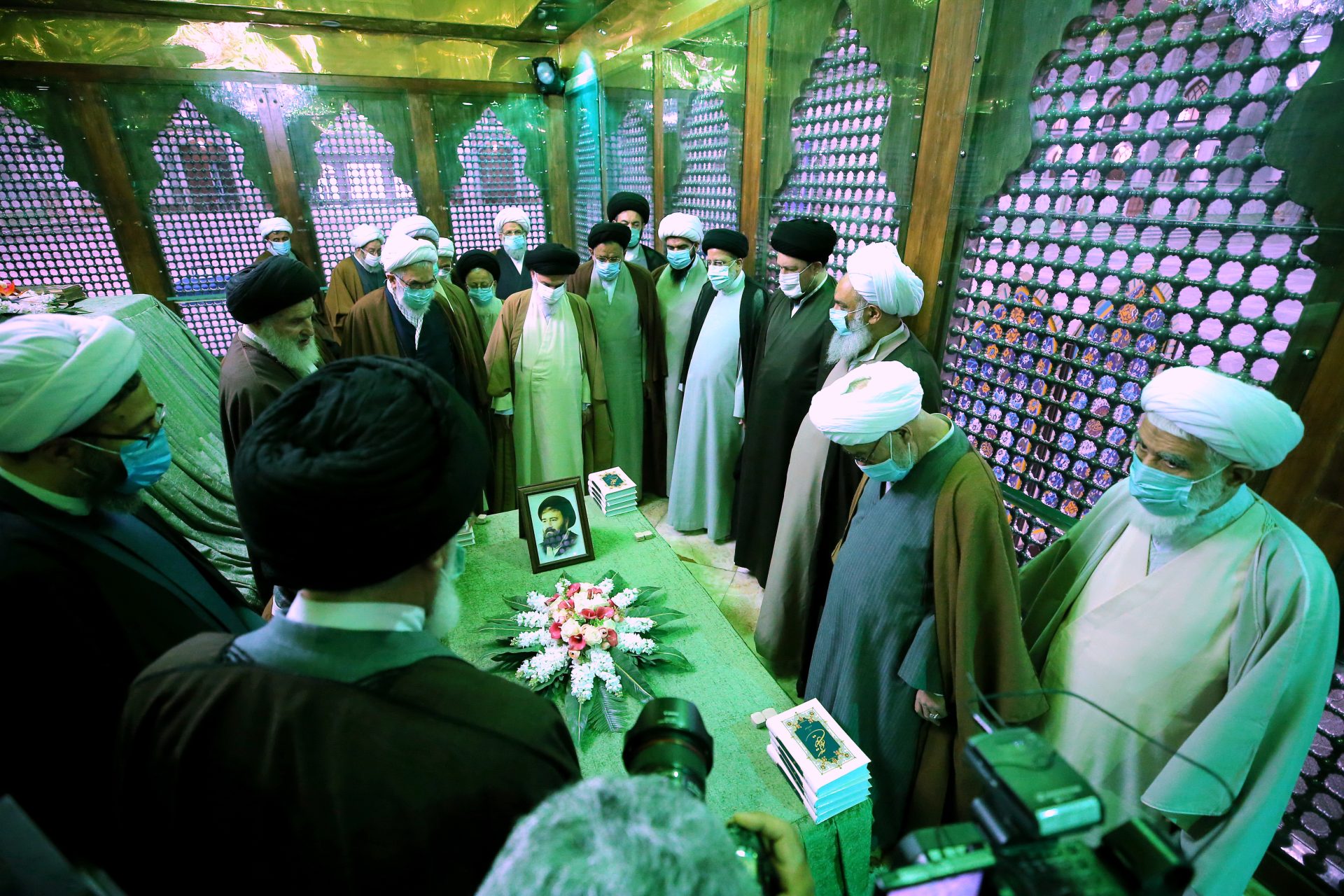
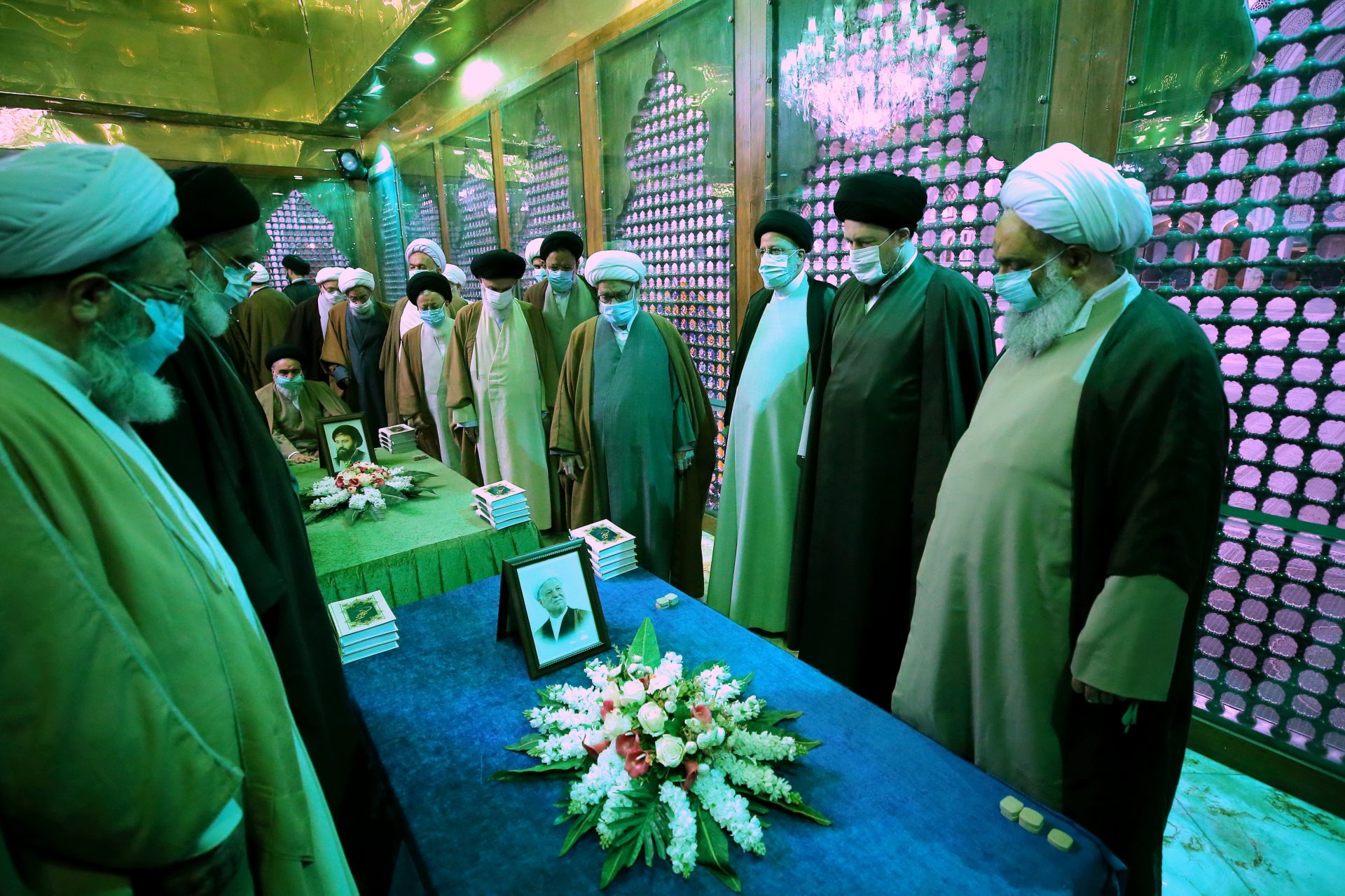
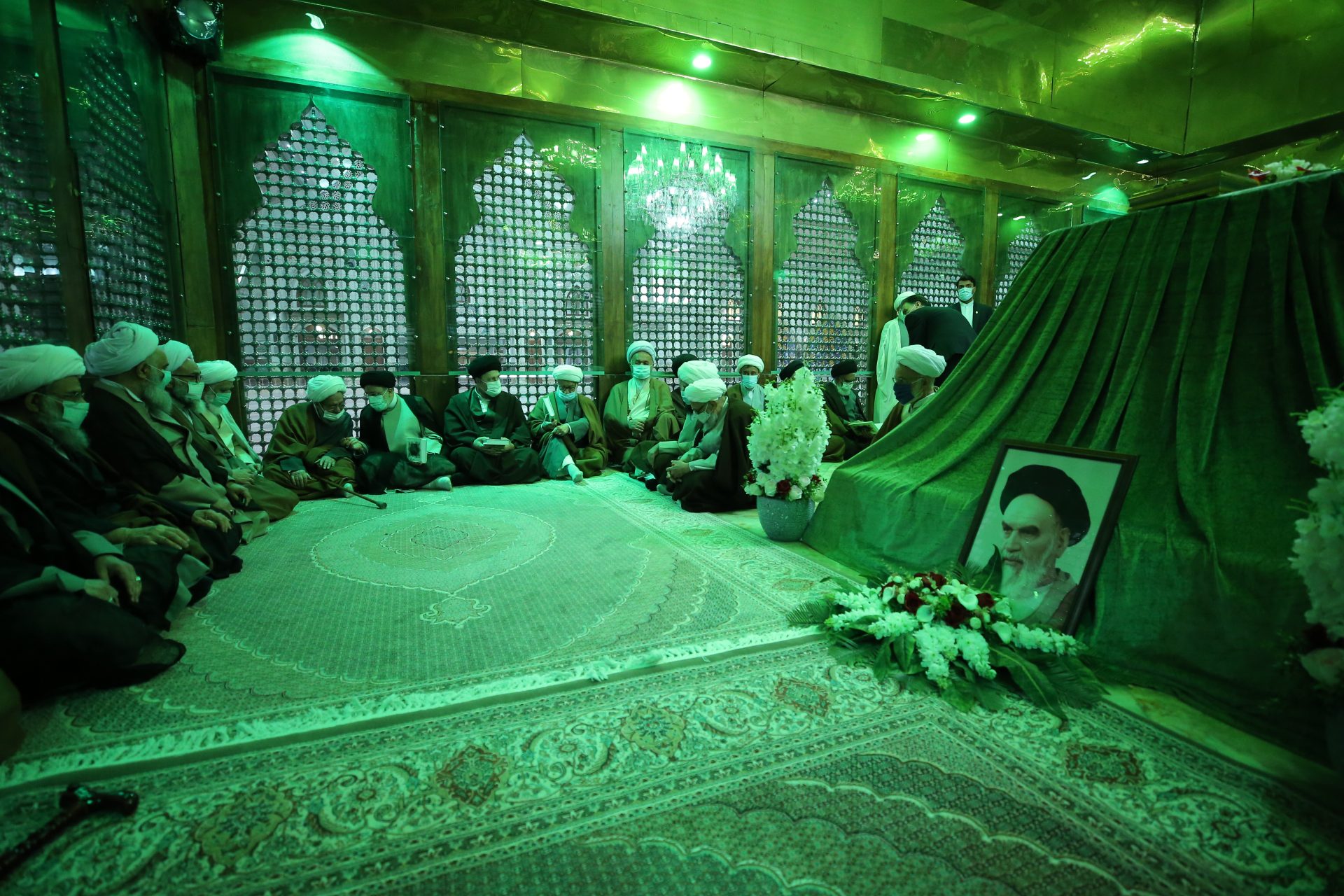
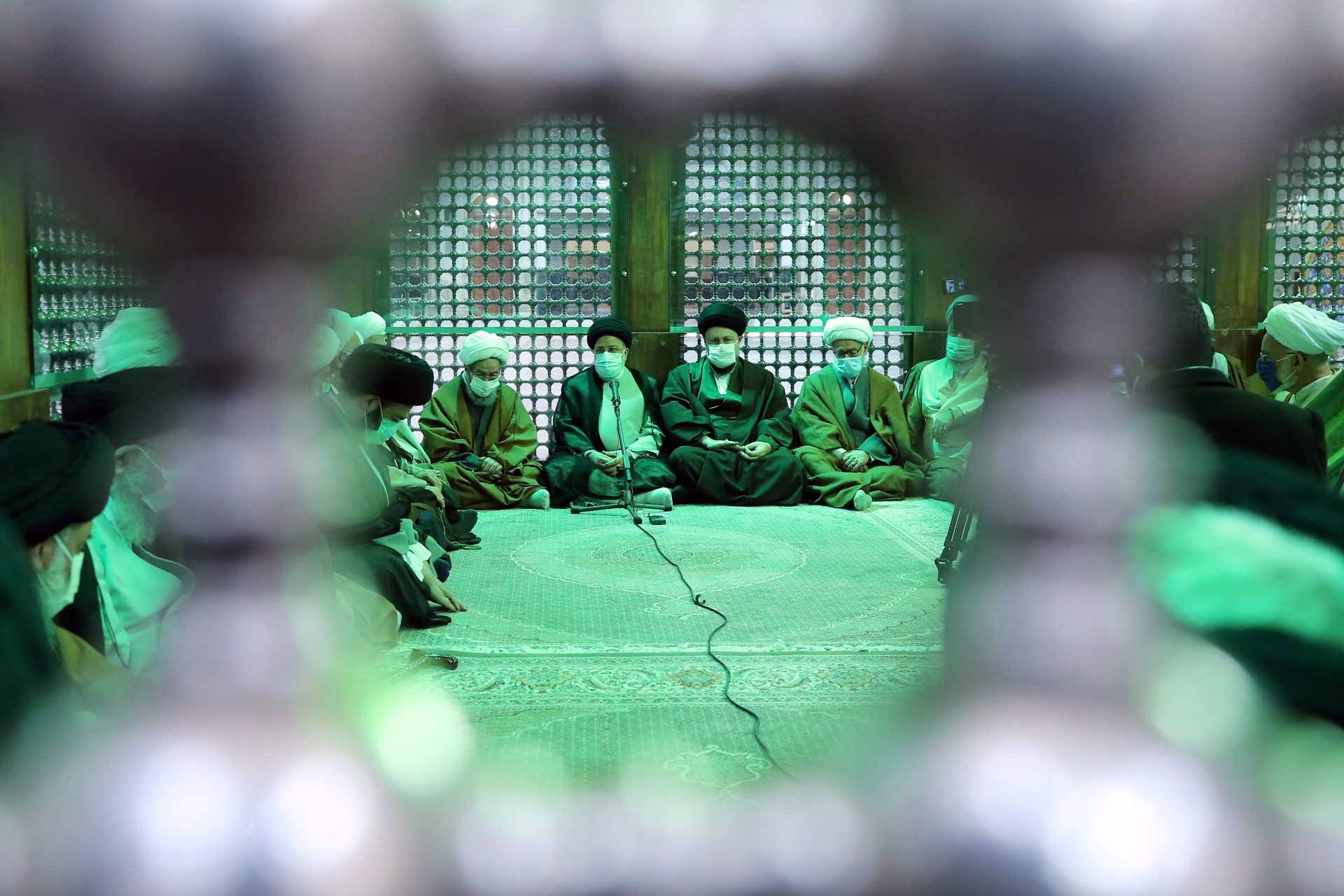
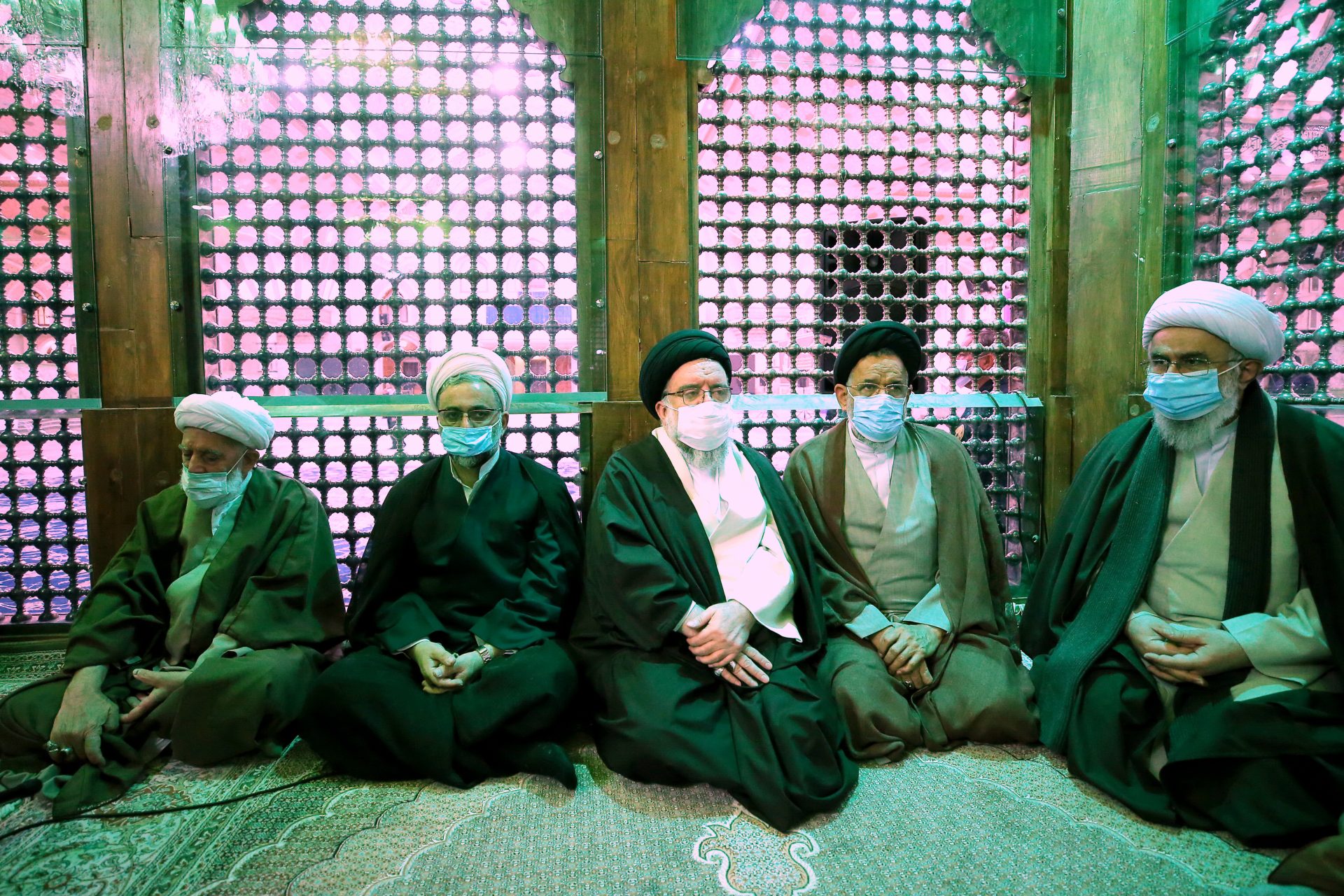
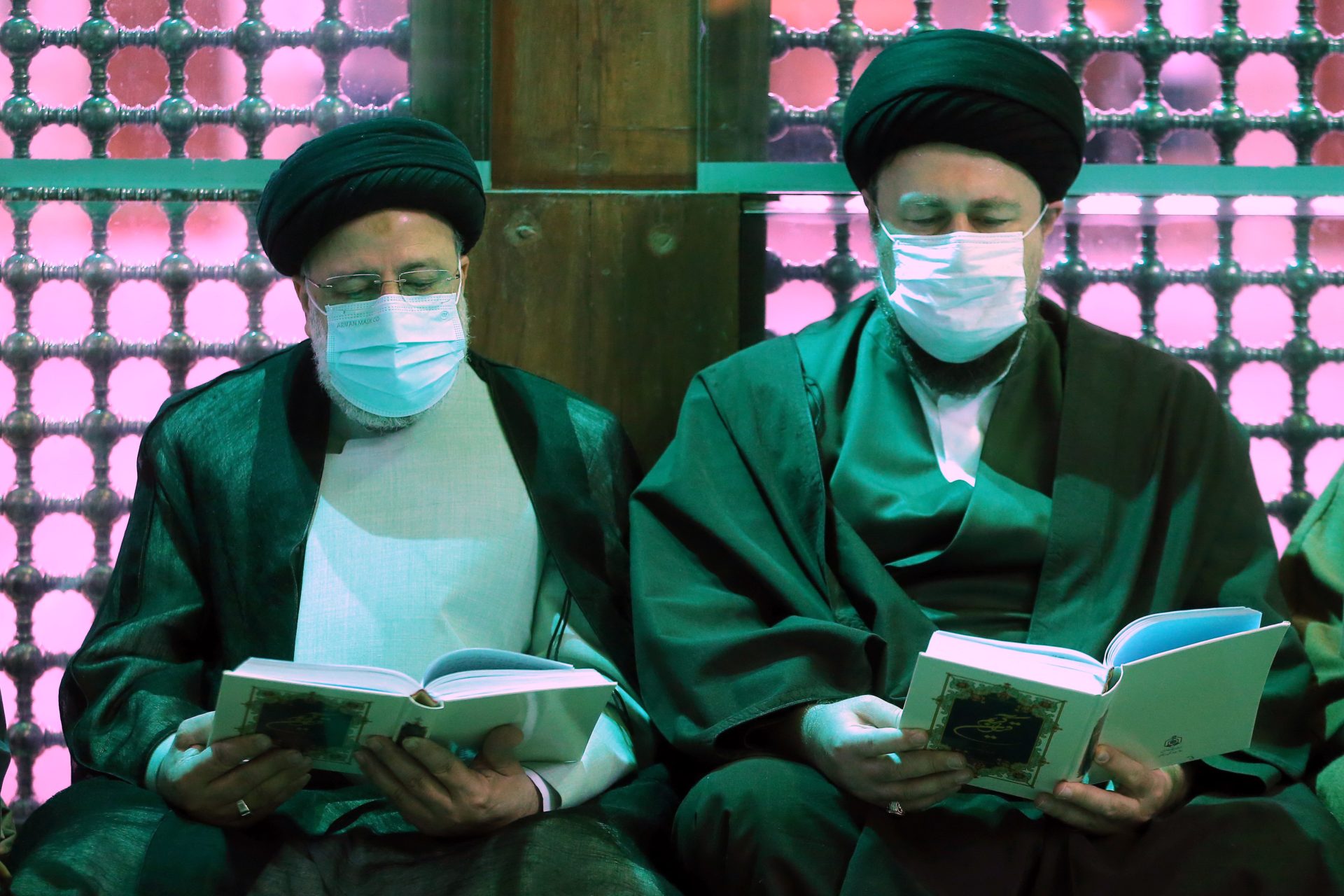
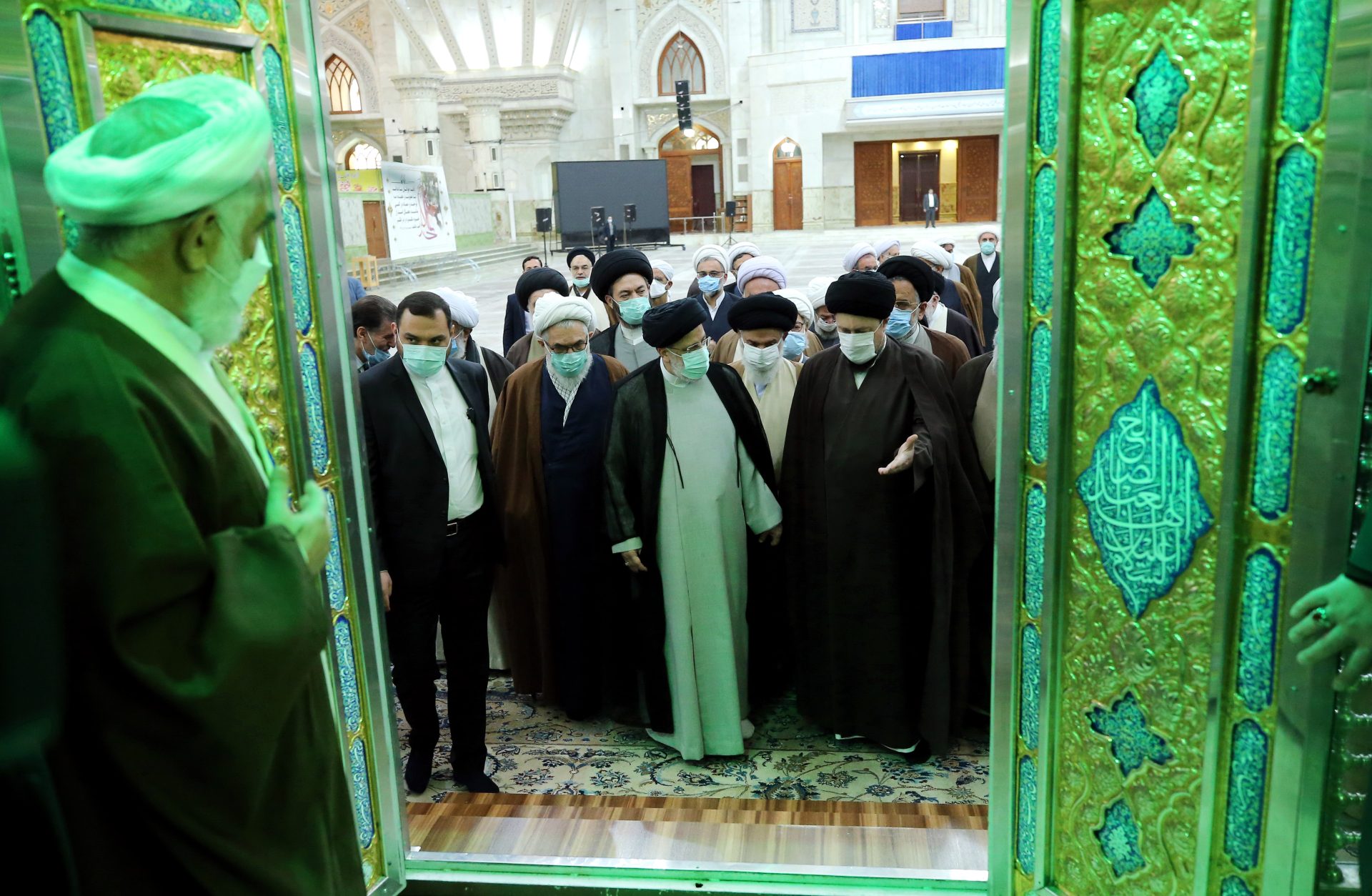
During a visit by members of the Assembly of Experts to Imam Khomeini’s Masoleum in southern Tehran on Thursday, Raisi said that continued adherence to the imam’s teachings would guarantee Iran’s success.

The Iranian president said Imam Khomeini believed in the principle of relying on God and trusting people, a teaching that he said should be properly studied and learned.

Raisi said the dynamic Islamic fiqh (jurisprudence) was capable of meeting man’s needs and pave the way for the society’s success and advance.

During the Thursday visit, the members of the Assembly of Experts renewed their allegiance to Imam Khomeini.