Tuesday, December 23, 2025
Home Blog Page 2015

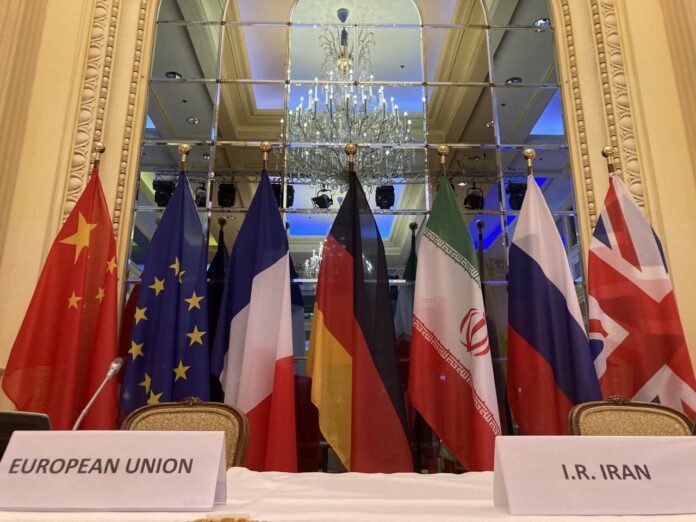
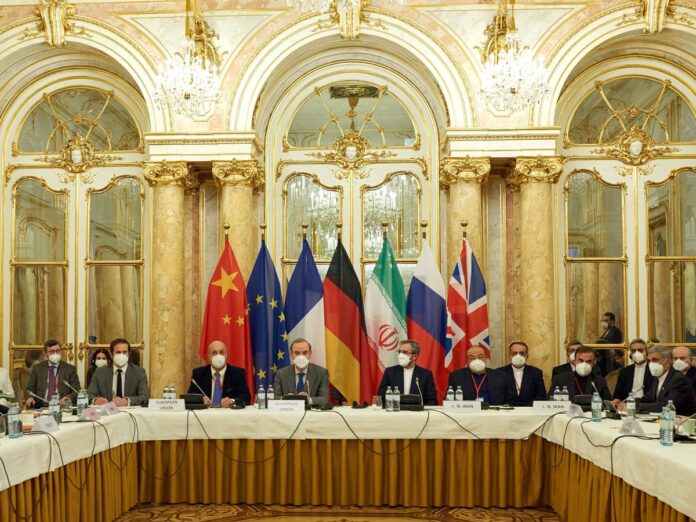
Report: Iran says Russia’s demand for US guarantees may harm nuclear talks

The announcement by Russia, which could torpedo months of intensive indirect talks between Tehran and Washington in Vienna, came shortly after Tehran announced it had agreed a roadmap with the UN nuclear watchdog to resolve outstanding issues which could help secure the nuclear pact.

“Russians had put this demand on the table (at the Vienna talks) since two days ago,” said the Iranian official in Tehran

“There is an understanding that by changing its position in Vienna talks Russia wants to secure its interests in other places. This move is not constructive for Vienna nuclear talks,” the official added.

Demanding written US guarantees that Western sanctions imposed on Russia over the conflict in Ukraine would not damage its cooperation with Iran, Russian Foreign Minister Sergei Lavrov stated the limitations had become a stumbling block for the Iran nuclear deal, warning the West that Russian national interests would have to be taken into account.

Lavrov noted the sanctions on Russia over the conflict in Ukraine had created a “problem” from Moscow’s perspective.

When asked whether Russia’s demand would harm 11 months of talks between Tehran and world powers, including Russia, Iran Project Director at International Crisis Group, Ali Vaez said, “Not yet. But it’s impossible to segregate the two crises for much longer.”

“The US can issue waivers for the work related to the transfer of excess fissile material to Russia. But it’s a sign that the commingling of the two issues has started,” Vaez added.

All parties involved in Vienna talks announced on Friday they were close to reaching an agreement.

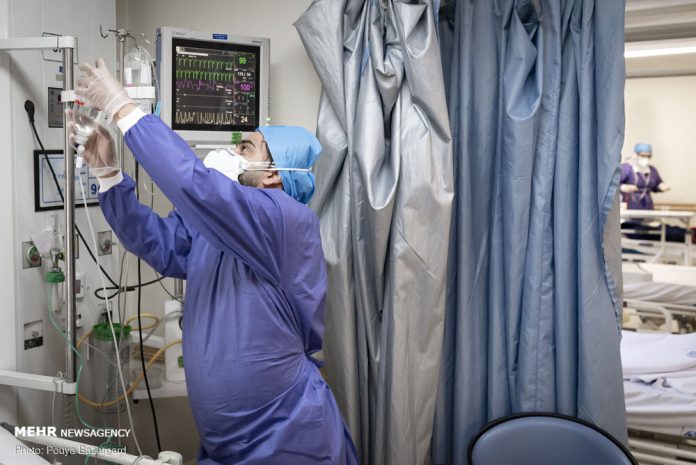
Iran Covid: 154 deaths; infection cases decreasing

The deaths push the total fatalities from the disease to 137,747 since the start of the pandemic in early 2020.

The daily caseload from Friday to Saturday stood at 4,089 including 912 hospitalizations, compared to the 6,470 new cases during the last 24 hours.

Meanwhile, the vaccination campaign against Covid-19 continues in Iran. The number of triple-vaxxed people in the country is inching toward the 24 million mark.

The number of cities marked red, with the highest risk, is slowly decreasing as well. Currently, 148 cities across Iran are red while 196 ones are orange, which are respectively the highest and second highest danger zones.

There are 3 cities marked blue, the lowest risk from Covid.

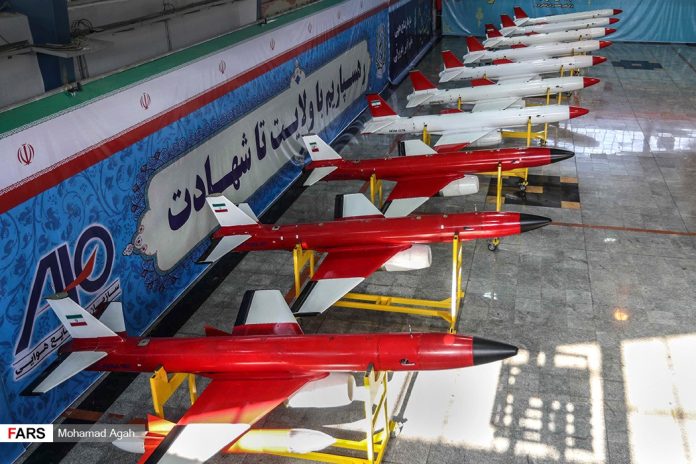
IRGC: Iran capable of launching 60 drones at one time

Iran Drones

Brigadier General Hajizadeh made the announcement at a ceremony where the IRGC unveiled two new missile and drone bases.

He added that Iranian forces do not face any limitations in terms of the number of targets designated to hit because there are so many of the UAVs.

Hajizadeh noted that Iran’s simultaneous hitting firepower has increased 7-fold and the time between preparation of the projectile and firing has drastically decreased.

Iran has beefed up its military might in recent years amid continued threats of war against the country by the US and the Zionist Regime.

The Islamic Republic has carried out many military drills as well.

Iran urges IAEA not to be swayed by political considerations

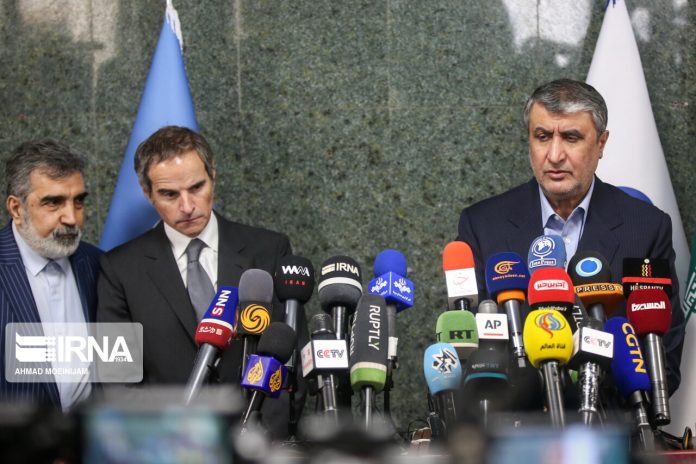
Rafael Grossi and Mohammad Eslami

Mohammad Eslami made the comment in a press conference following his meeting with Secretary General of the International Atomic Energy Agency (IAEA) Rafael Grossi in Tehran on Saturday.

“Today, I and IAEA chief Mr. Grossi reviewed the outstanding issues remaining from his previous trips as well as visits by our colleagues, and we reach a conclusion. We agreed that the necessary documents be exchanged between Iran and the IAEA by the end of spring,” said Eslami.

He urged the IAEA to move on a “completely professional path” and behave within the framework of expert views, adding “there is no room for politicization.”

He said the obstacles created by enemies, namely the Israeli regime, in the way of Iran’s national development have been removed.

“We should lay the foundation for a new path and new engagement with the agency,” he noted.

Grossi, in turn, said he had intense and fruitful talks with Eslami in a bid to settle the existing issues.

The IAEA chief added efforts have been made to adopt a “pragmatic” approach.

He also said if Iran and the IAEA “do not see eye to eye” on issues pertaining to the Safeguards Agreement, then it will be unlikely for negotiators in Vienna to reach an agreement on the revival of the 2015 Iran nuclear deal known as the Joint Comprehensive Plan of Action (JCPOA).

So, he added, it is important to reach a mutual understanding in that regard.

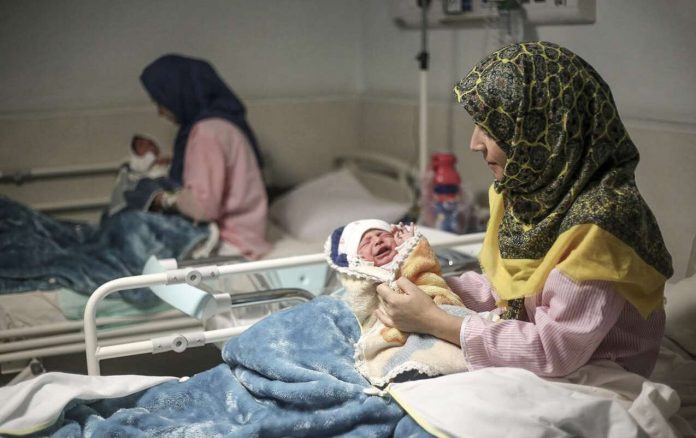
Iran health minister warns about ‘lowest ever’ fertility rate

Iran’s population growth is unfortunately in a critical situation, the minister said on Saturday adding that the fertility rate is at its lowest level.

“At the Ministry of Health, we have to provide services for population growth, we promise to pay for the health expenses of pregnant mothers, and if a pregnant mother does not have insurance coverage, she will be covered for free,” Einollahi stated.

The Iranian health minister said earlier this week that free maternity services will be offered to all pregnant women in a bid to encourage childbirth.

According to the Statistical Center of Iran, childbirth rate fell to 1.6 per woman in the year ending March 2021, which is one of its lowest in decades.

The Iranian government has been working on a package of incentives to prevent population decline. Authorities are offering low interest loans for each newly-born baby among other incentives.

The current population of Iran is more than 85.000.000 as of last March.

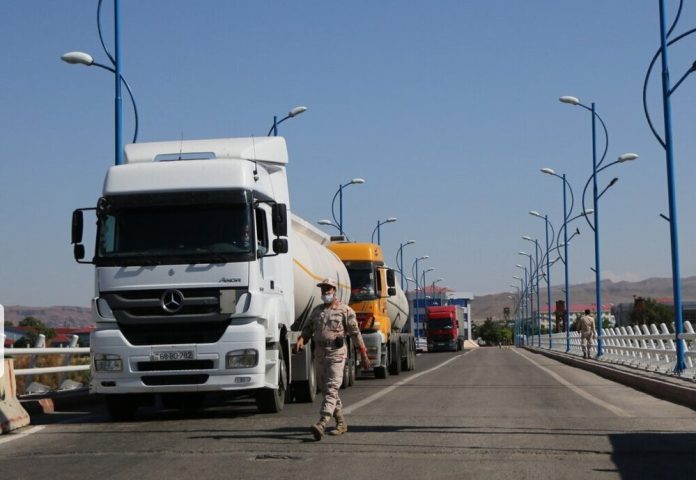
Iran, Armenia agree to reduce transit duty

“We had two agreements with Armenia regarding the transportation and transit of goods. One is to reduce the transit tax for trucks in both countries in the short term and to base the amount of duty on the distance traveled,” Iranian Minister of Industry, Mines, and Trade Reza Fatemi Amin said on the sidelines of his meeting with Armenian Minister for Economy Vahan Kerobyan in Yerevan on Friday.

He also said the two sides have reached an agreement to allow Iranian companies to transfer technology, raw materials or spare parts in the field of medicines and home appliances to Armenia and to jointly manufacture goods in Armenia for export to other countries.

Heading a high-ranking delegation, the Iranian minister arrived in Armenia on Thursday mainly to follow up on the implementation of economic agreements previously reached between the two sides.

The value of Iran-Armenia annual trade volume stands at over $300 million dollars with both sides exploring ways of expanding bilateral trade relations.

Trade ties between the two neighbors have increased considerably since Iran signed a Free Trade Agreement with the Eurasian Economic Union in 2019.

Source: Three issues unresolved in Vienna besides safeguards matters

The unnamed source has told Iran’s Tasnim News Agency that Iran has shown maximum flexibility and the ball is now in the P4+1 group’s court.

He said the West needs to make logical decisions to allow the negotiations in the Austrian capital to bear fruit.

The comments come after certain Western officials and media claimed that the fate of the Vienna talks is tied to the ongoing visit of Director General of the International Atomic Energy Agency Rafael Grossi to Tehran and his discussions with Iranian officials.

The IAEA has said in a statement that Grossi will sit down for talks with Iranian officials to discuss outstanding safeguards issues with a view to addressing them.

Many months of negotiations between Iran and the P4+1 to revive the 2015 nuclear deal seem to be ending with the draft text of an agreement almost complete.

The intensive diplomatic efforts seem to have reached a make or break moment with Iran saying that the West needs to make necessary political decisions.

Iran says all American sanctions imposed against it since May 2018 must be removed in a verifiable manner and that the U.S. must provide guarantees that it will not abandon the deal again.

UN chief condemns deadly mosque attack in Pakistan

UN Secretary General Antonio Guterres said places of worship should be safe havens, not targets of attacks.

He also expressed condolences to families of victims as well as the Pakistan government on the tragic incident.

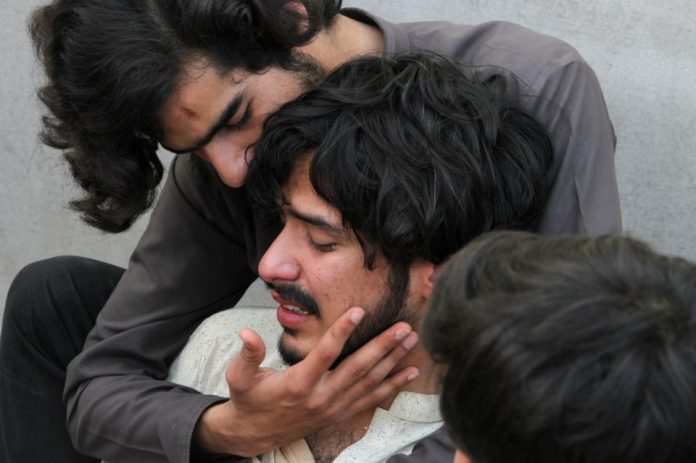
The blast in the Kucha Risaldar mosque targeted worshippers during Friday prayers, killing 56 and injuring dozens.

Iraq’s top Shia cleric Ayatollah Ali Sistani condemned the terrorist attack, too.

He called on Islamabad to tackle terrorist groups and not allow them to commit crimes against innocent people, especially religious minorities.

Iran has also condemned the attack, saying the bombing was aimed at sowing discord among Muslims.

The European Union also slammed the bombing as a heinous crime.
The Daesh terrorist group claimed responsibility.

Iranian national dies in Ukraine

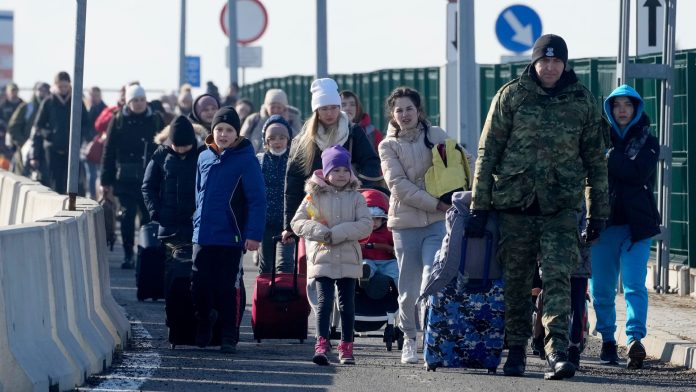
“After receiving news of an Iranian national’s death, the Islamic Republic of Iran’s embassy in Ukraine examined the sources of the news and contacted Ukrainian police charged with looking into the matter, and regrettably announced that the above-mentioned national named Mohammad Hossein Shoostarian, son of Nasrallah, 51 years old, suffered a heart failure while leaving the city of Kharkiv (along with two other Iranian and Ukrainian nationals) around the city of Novaya Ladoga, and lost his life despite preliminary medical assistance,” read an announcement by the Iranian embassy.

The Islamic Republic has urged all Iranian citizens to leave Ukraine in the wake of Russia’s invasion.

The Iran Air (Homa) Airline has already sent a passenger plane, with a seating capacity of 270 people, to the Romanian capital, Bucharest, where many of the Iranian nationals who resided in Ukraine are waiting to return to the homeland, Hossein Jahani, the spokesman for the airline’s PR department, said Friday.

“The emergency flight was planned following coordination between Iran’s Civil Aviation Organization and that of Ukraine and after receiving the necessary permits,” Jahani said.

“The number of the passengers will depend on the [number of] the Iranians present at the Bucharest airport, but we will do our utmost to bring the compatriots there back home,” he added.

Days earlier, national flag career Iran Air brought back a first group of 100 Iranian students and other nationals who had fled Ukraine to Poland’s capital of Warsaw.

The Iranian Foreign Ministry said almost all Iranian nationals have left the Ukrainian soil since February 24, when Russia began a ‘special military operation’ in its Western neighbor.
According to official figures, some 4,200 Iranians were estimated to have resided in Ukraine prior to the war.

Daesh claims responsibility for Pakistan mosque deadly bombing

The Daesh affiliate in the region known as Islamic State in Khorasan province and headquartered in Afghanistan claimed Friday’s devastating attack in a statement translated by the SITE Intelligence group.
The statement was posted on the group’s Amaq News Agency.

The statement identified the attacker as Afghan, posted his picture and said “Islamic State fighters are constantly targeting Shi’ites living in Pakistan and Afghanistan despite the intense security measures adopted by the Taliban militia and the Pakistani police to secure Shi’a temples and centers.”

The carnage at the mosque buried deep inside the narrow streets of Peshawar’s old city was horrific.
According to the spokesman at Peshawar’s Lady Reading Hospital, Asim Khan, many of the wounded were in critical condition. Scores of victims were peppered with shrapnel, several had limbs amputated and others were injured by flying debris.

Peshawar Police Chief Muhammed Ejaz Khan stated the violence started when an armed attacker opened fire on police outside the mosque in Peshawar’s old city. One policeman was killed in the gunfight, and another police officer was wounded. The attacker then ran inside the mosque and detonated his suicide vest.

The suicide bomber had strapped a powerful explosive device to his body, packed with 5 kilograms (12 pounds) of explosives, noted Moazzam Jah Ansari, the top police official for Khyber Pukhtunkhwa province where Peshawar is the capital.

The device was hidden beneath a large black shawl that covered much of the attacker’s body, according to CCTV footage. The footage showed the bomber moving quickly up a narrow street toward the mosque entrance. He fired at the police protecting the mosque before entering inside.

Within seconds, a powerful explosion occurred and the camera lens was obscured with dust and debris. Ansari added the crudely made device was packed with ball bearings, a deadly method of constructing a bomb to inflict the most carnage spraying a larger area with deadly projectiles. The ball bearings caused the high death toll, Ansari continued.

Local police official Waheed Khan said the explosion occurred as worshippers had gathered in the Kucha Risaldar Mosque for Friday prayers. There are fears the death toll could still rise further, he added.

Ambulances rushed through congested narrow streets carrying the wounded to Lady Reading Hospital, where doctors worked feverishly.

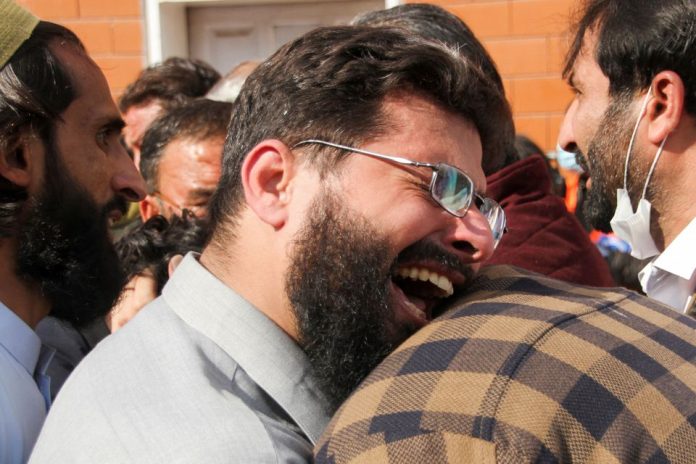
At the Lady Reading Hospital Emergency department, there was chaos as doctors struggled to move the many wounded into operating theaters. Hundreds of relatives gathered outside the emergency department, many of them wailing and beating their chests, pleading for information about their loved ones.

Outside the mosque, Shiites pressed through the cordoned-off streets. Kucha Risaldar Mosque is one of the oldest in the area, predating the creation of Pakistan in 1947 as a separate homeland for the Muslims of the Indian subcontinent.

The prayer leader, Allama Irshad Hussein Khalil, a prominent up and coming young Shiite leader, was among the dead.

In majority Sunni Pakistan, minority Shiites have come under repeated attacks. Also, in recent months, the country has experienced a significant increase of violence and dozens of military personnel have been killed in scores of attacks on army outposts along the border with Afghanistan.

Many attacks have been claimed by the Pakistani Taliban, who analysts say have been emboldened by the Afghan Taliban seizing power last August in Afghanistan.

Pakistan has urged Afghanistan’s new rulers to handover Pakistani Taliban militants who have been staging their attacks from Afghanistan. The Afghan Taliban have announced their territory will not be used to stage attacks against anyone, but until now have not handed over any wanted Pakistani militants.