Monday, December 22, 2025
Home Blog Page 2005

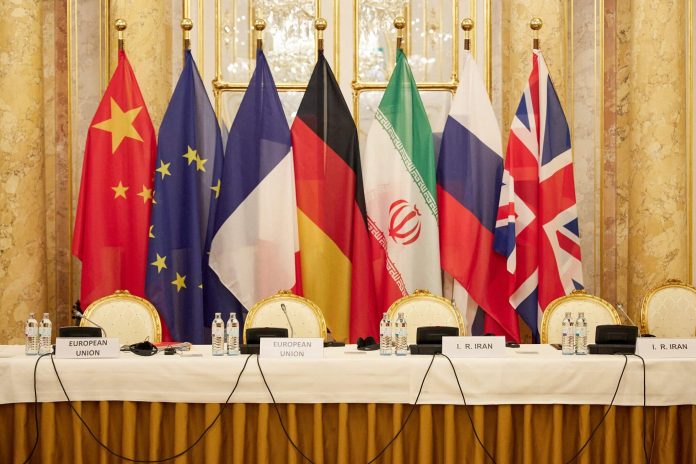
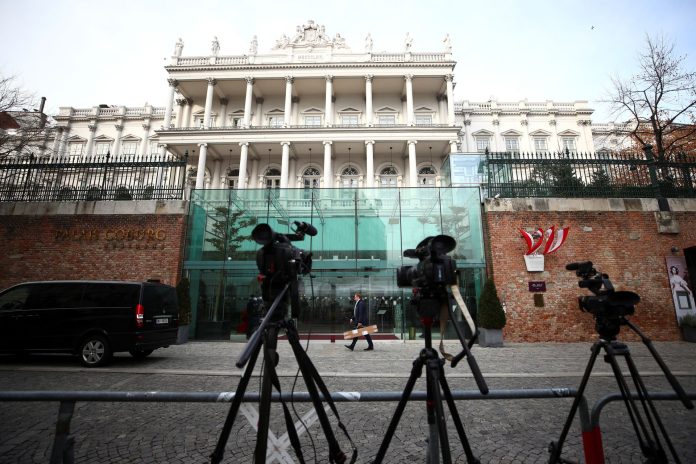
Iranian MP: Iran’s red lines being observed in Vienna talks

Abbas Moqtadaei said the Iranian delegation has the necessary skills, and the foreign minister personally oversees the talks in Vienna that are taking place under the auspices of the Supreme National Security Council.

Moqtadaei also said given that negotiations are underway, everyone must be patient, adding the Islamic Republic has been able to speak decisively in the talks and its red lines have been clarified for other sides including the US.

The MP also said talks under the previous administration were conducted orally, so Europe and the United States reneged on their obligations but this time around things are different because the Iranian delegation has practical experience.

Moqtadaei added that chief Iranian negotiator Ali Bagheri is an expert and advances the negotiations according to the instructions.

The lawmaker noted that the JCPOA and these negotiations are a national issue and it should not be reduced to a factional matter. Elsewhere, the MP said the Strategic Action to Lift Sanctions and Protect the Rights of the Iranian People Law has clarified the goal of the negotiations.

President Raisi congratulates Armenian counterpart on his election

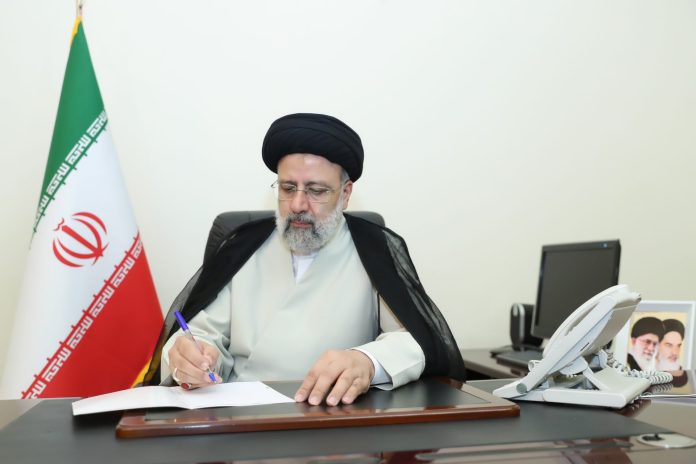
In his message, Raisi described historical and cultural bonds and friendly ties between the people of the two countries, over the past three decades, as a strong and safe ground for expansion of comprehensive relations between the two countries.

The president added that this can benefit the interests of both sides and help strengthen peace, stability and security in the region.

Raisi also expressed hope that the two countries would use past experiences and tap into their “will and efforts” to open a new chapter in their ties.

Russian ambassador to Tehran: Moscow does not want JCPOA to collapse

Levan Dzhagaryan was speaking in an interview with the Iranian Labor News Agency (ILNA).

He said Russia played a significant role in the 2015 agreement, and its trade exchanges with Iran must be guaranteed.

In response to a question about Russia’s claim that its request for a written guarantee from the United States is in Iran’s favor as well, he said, “We are in touch with our Iranian counterparts on this issue, but I cannot give the details, and only high-ranking officials in Tehran and negotiators in Vienna are involved.”

“Our interests are important to us, but our interests are not to the detriment of others. Do you not think that Westerners want to create a rift between us? You should know that our officials, Mr. Lavrov and Mr. Amir Abdollahian, are in constant contact.”

He also spoke about Ukraine. He said Russia will continue its military operation in Ukraine until it achieves victory.

He also denied that Russia has invaded Ukraine, saying, “This is a special military operation, not an invasion”.

He accused the West of double standard regarding the issue of Ukraine, noting that during the eight years since 2014 when eastern Ukraine was bombed by the country’s army and many civilians including kids were killed, the West was silent.

Iran’s security chief meets with Uzbekistan’s president

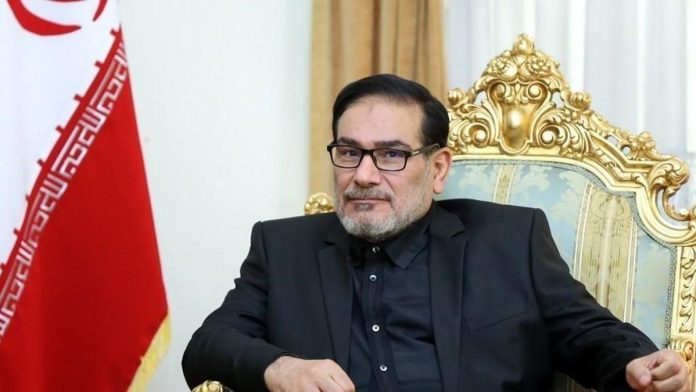
Ali Shamkhani

In the meeting, Admiral Ali Shamkhani conveyed the warm message of the president of the Islamic Republic of Iran to Mirziyoyev and congratulated him on the 30th anniversary of the independence of the friendly and brotherly country of Uzbekistan.

Shamkhani also announced Iran’s readiness to develop and deepen relations with Uzbekistan in all areas.

Referring to the size of trade between the two countries, the secretary of Iran’s Supreme National Security Council said it’s necessary to realize all economic possibilities and pave the way for increasing bilateral trade.

He expressed hope that the signing of an important document on security cooperation between the two countries will pave the way for further success in overcoming common threats.

Shamkhani thanked Uzbekistan for its support for Tehran’s membership in the Shanghai Cooperation Organization.

During the meeting, the Uzbek president sent his regards to Iran’s leader and president.

Mirziyoyev said, “It is very important for us to accelerate the realization of capacities for joint cooperation that we agreed on in the meeting with President Raisi.”

Mirziyoyev expressed pleasure with the signing of the document on security cooperation between Uzbekistan and Iran, saying Tehran and Tashkent must strictly implement the document by increasing communication between their security institutions.

The Uzbek president added that the cooperation between Iran and Uzbekistan to establish rail and road transport corridors through Turkmenistan and Afghanistan to the waters of southern Iran will yield significant economic benefits for the four countries.

Referring to the need for redoubled efforts by Afghanistan neighbors to reduce livelihood pressures on the Afghan people, the Uzbek president said the establishment of an inclusive government in Afghanistan can be an important step in establishing peace in the country.

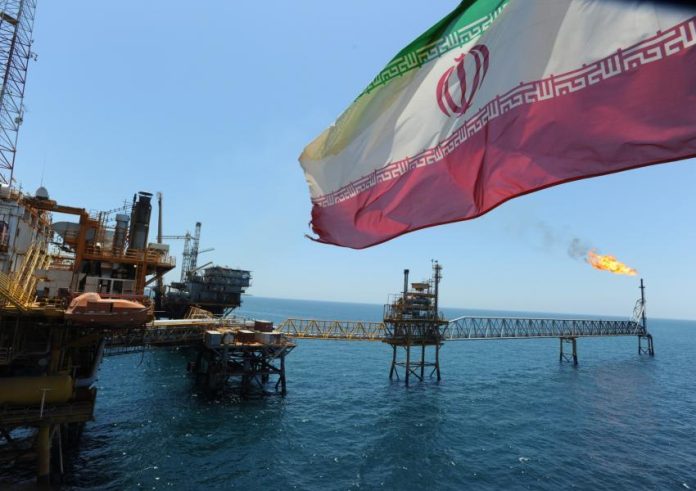
Iran’s collection of oil and gas revenues increases 2.5 times

Iran Oil

Javad Oji called these successes a step toward progress in the country’s political positions, saying increasing revenue collection has increased the bargaining chip of Iran’s negotiators in Vienna.

The oil minister said it’s likely that Iran and the P4+1 group reach a deal in the Vienna talks. Oji added that this issue can lead to openings for the country, but given the international situation, it is unclear how long the openings will last.

He said international openings should not replace domestic opportunities, adding: “There have been good domestic possibilities during these years, and these opportunities should not be sacrificed to international openings.”

Oji announced the Oil Ministry is to facilitate the implementation of refining and petro-refining projects in the near future.”

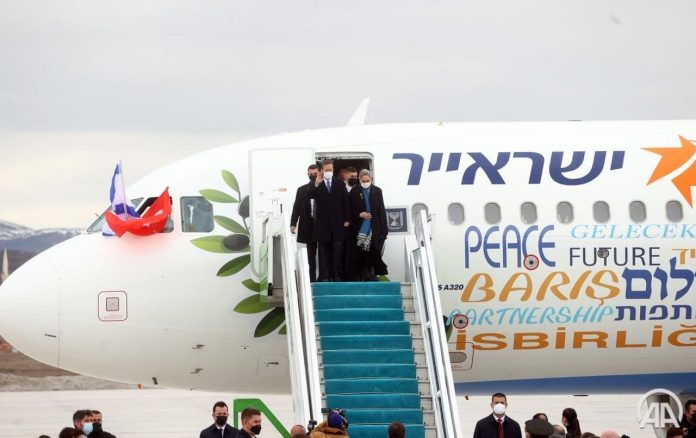
Israeli president lands in Turkey amid widespread protests

Isaac Herzog’s visit to Ankara and Istanbul, on Wednesday and Thursday, was in the making for weeks as the countries sought a rapprochement. It in the first visit to Turkey by an Israeli head of state since 2007.

Before departing Israel, Herzog noted that in talks with Turkish President Recep Tayyip Erdogan, he would seek to “restart” relations undermined by “ups and downs”.

Erdogan has stated the visit, announced first in January, will herald a “new era” and that the two countries could work together to carry Israeli natural gas to Europe, reviving an idea first discussed more than 20 years ago.

Turkey and Israel have traded accusations constantly over Israel’s occupation of Palestinian territories and Ankara’s support for the Hamas group.

Hundreds of demonstrators burnt the Israeli flag in a gathering in Taksim Square, where they also shouted “Death to Israel” and “Death to America”. The protesters denounced any normalization with the regime in Tel Aviv and vowed to support the Palestinian cause.

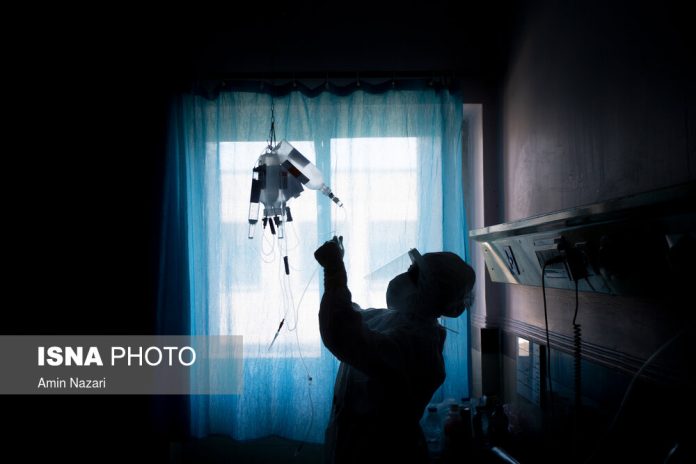
Covid kills 173 more people in Iran in 24 hours

Health Ministry figures on Wednesday showed the disease killed 173 people in the past 24 hours. On Tuesday, the death toll was 144.

The latest deaths push the total fatalities from the disease to 138,433 since the start of the pandemic in early 2020.

The daily caseload from Tuesday to Wednesday stood at 5,008 including 911 hospitalizations. Many of the new infections are Omicron, the last variant of Covid, which is said to be highly contagious.

This as the vaccination campaign against Covid-19 continues in Iran. The number of triple-vaxxed people in the country is 24,517,348. Over 143 million doses of vaccine have been given to people in the country so far.

Meanwhile148 cities across Iran are marked red, the highest level of risk from Covid. 196 cities are orange, 101 ones are yellow, and only 3 are blue, the last color denoting the lowest level of danger.

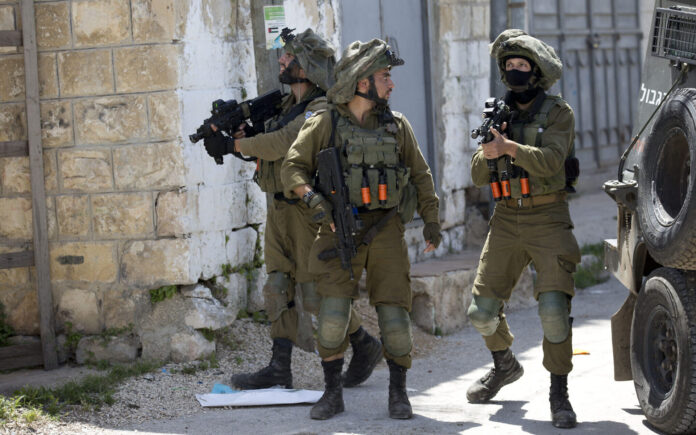
Palestinian succumbs to wounds from Israeli gunfire

Israel Palestine

Medical sources reported that 23-year-old Ahmad Hikmat Saif, died of his serious injuries early on Wednesday.

Local sources, speaking on condition of anonymity, announced Israeli troops shot the young man with three live rounds in his chest and abdomen last week during skirmishes that erupted when the forces stormed the village of Burqa, northwest of Nablus.

Saif underwent several surgeries and remained in a critical condition at the Intensive Care Unit in a hospital in Nablus until he passed away.

Medical director of the An-Najah National University Hospital in Nablus, Dr. Abdul-Karim Barqawi, said the young Palestinian man suffered severe bleeding as one of the bullets had severed a main artery. He required intensive treatment because bullets had seriously damaged his internal organs.

The incident comes less than two days after Israeli forces shot dead a young Palestinian man after he allegedly stabbed two officers in the Old City of occupied al-Quds.

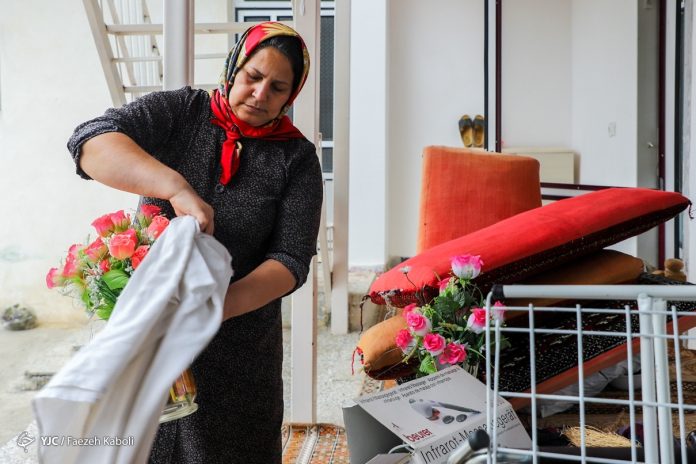
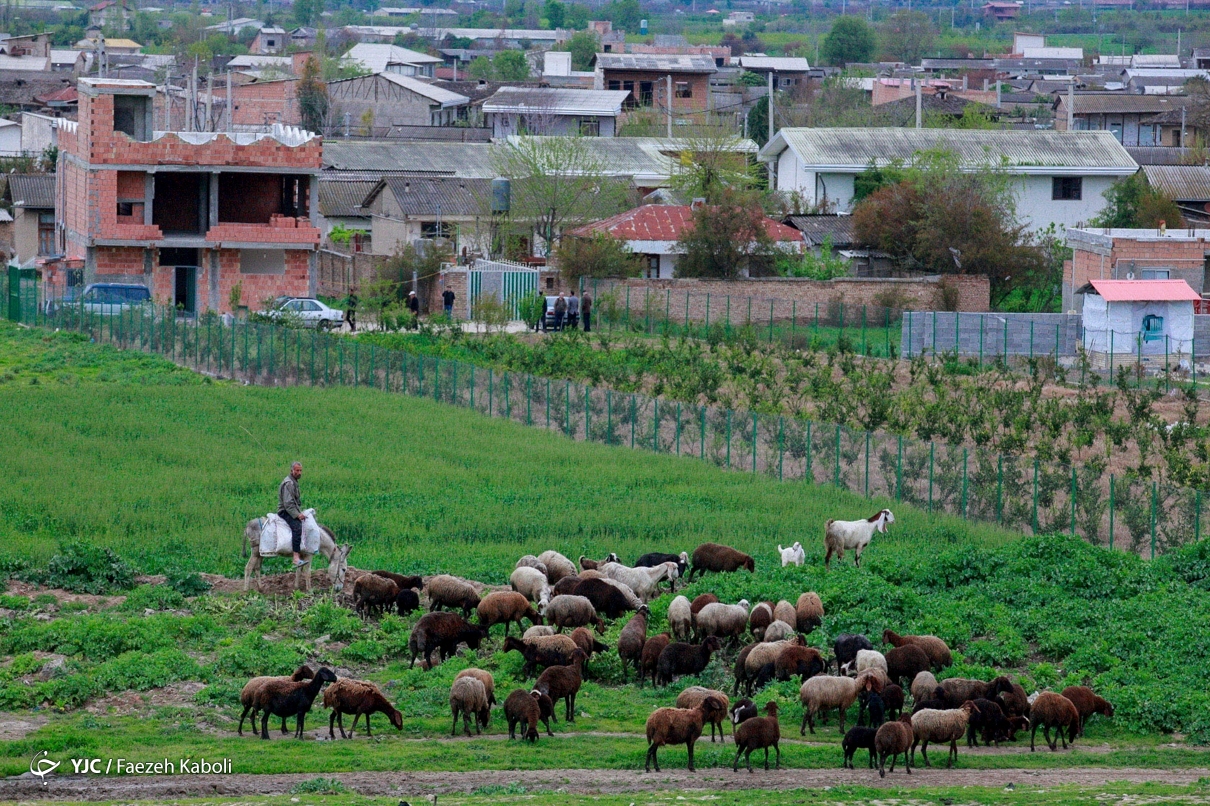
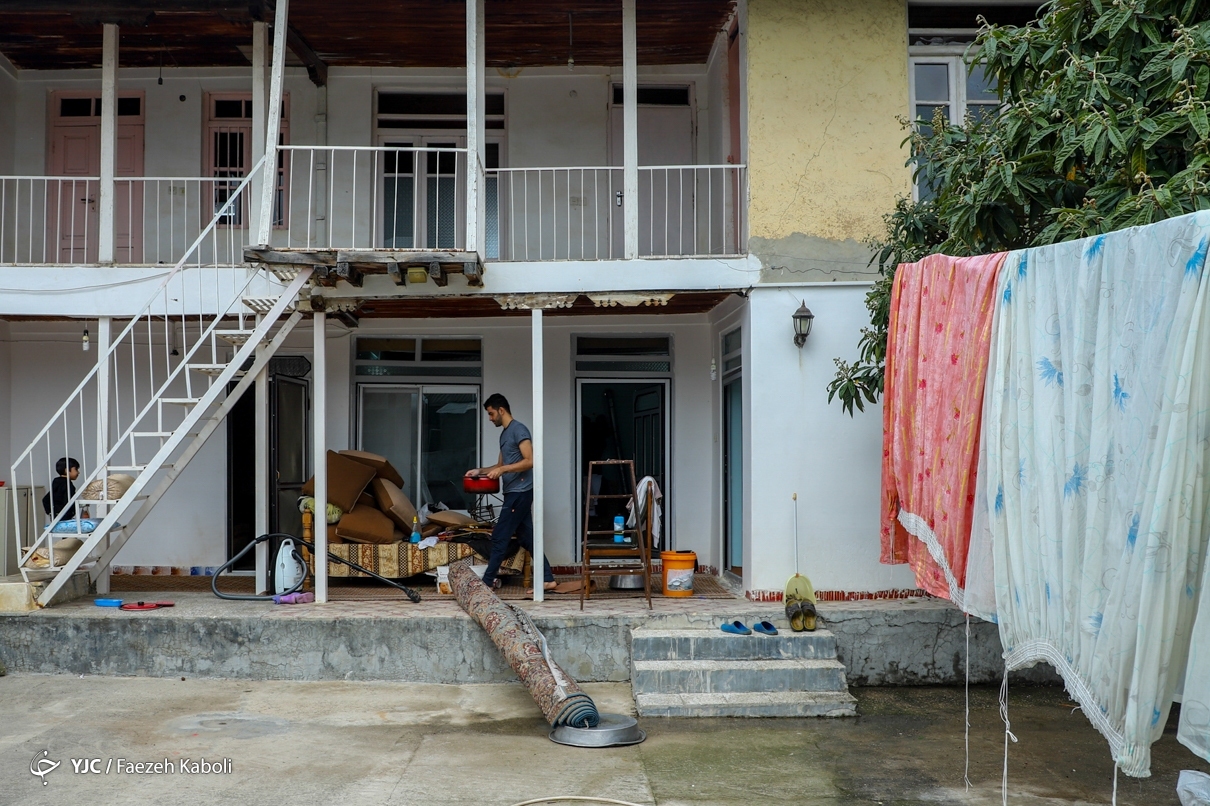
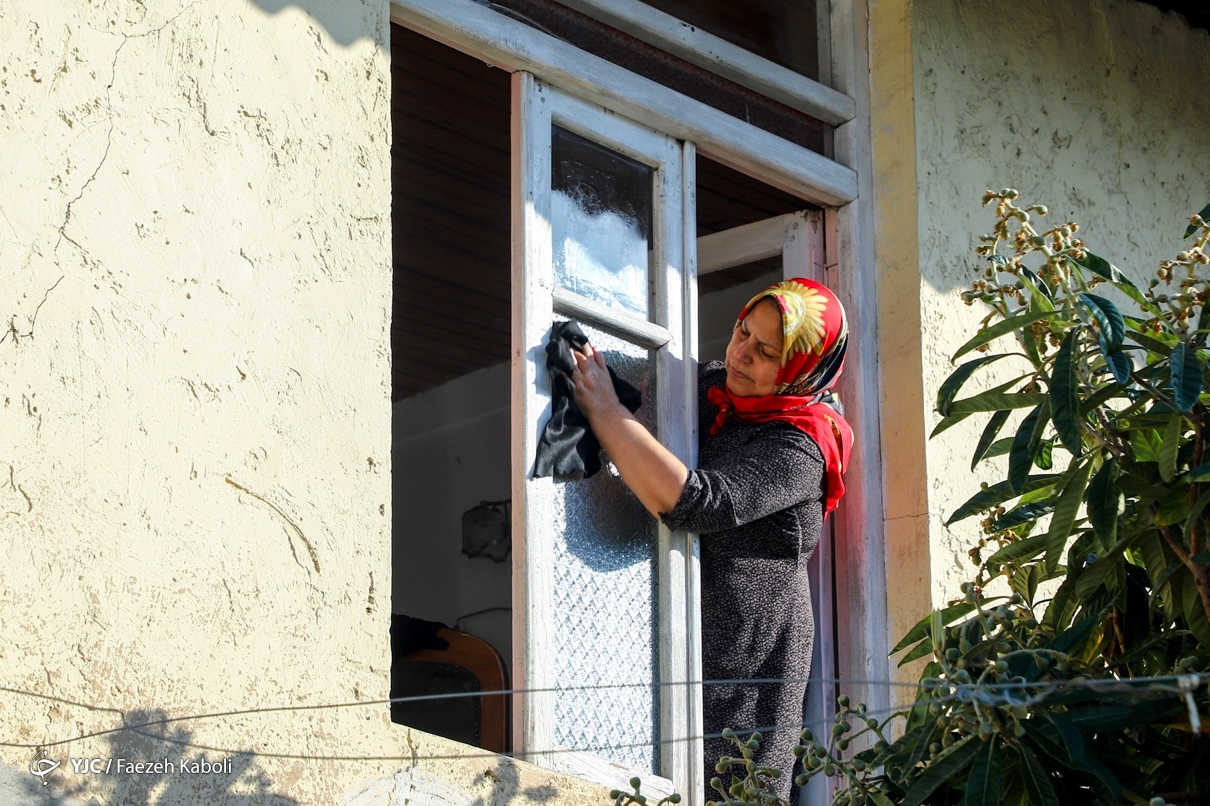
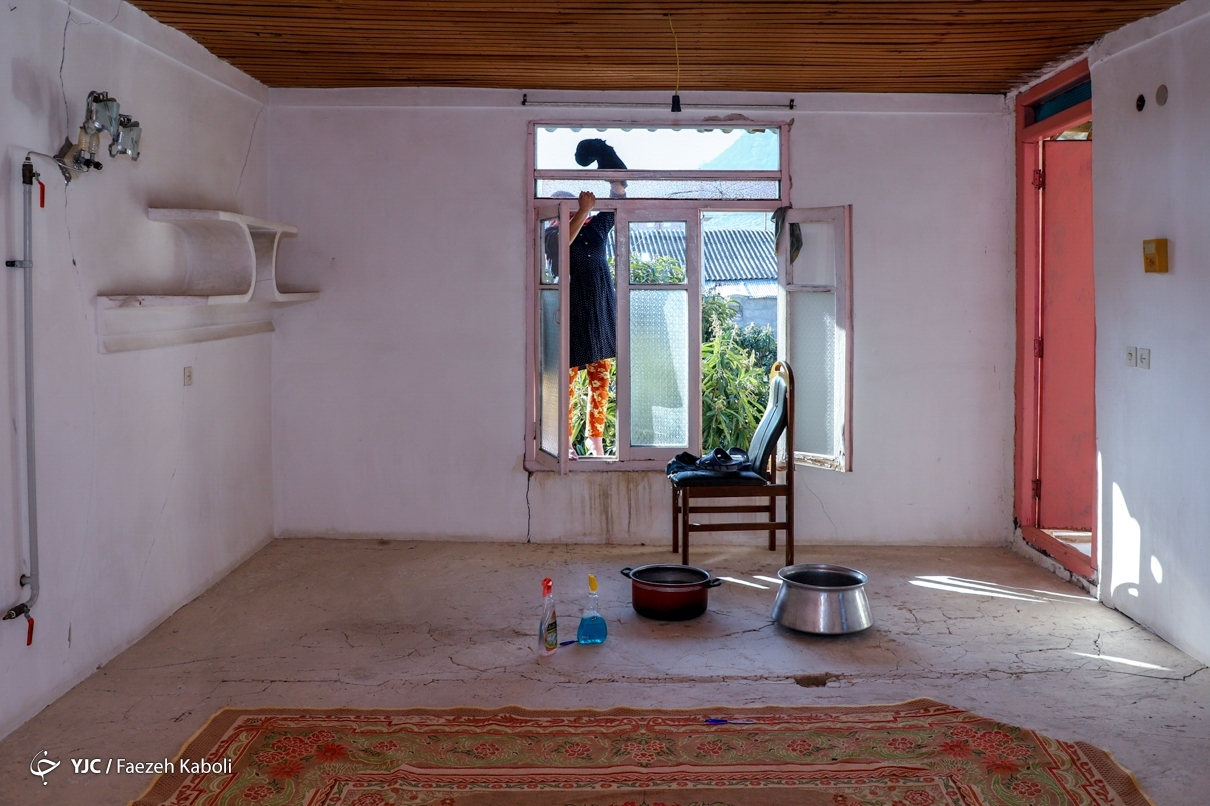
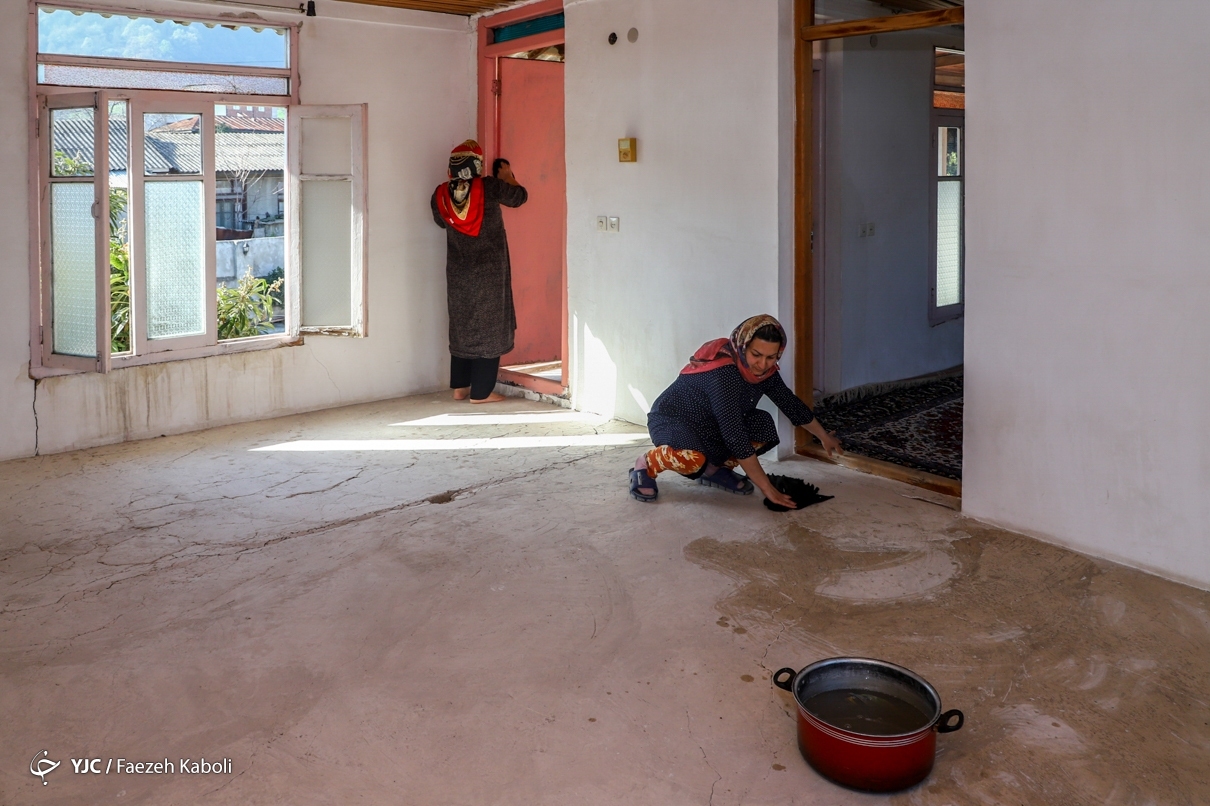
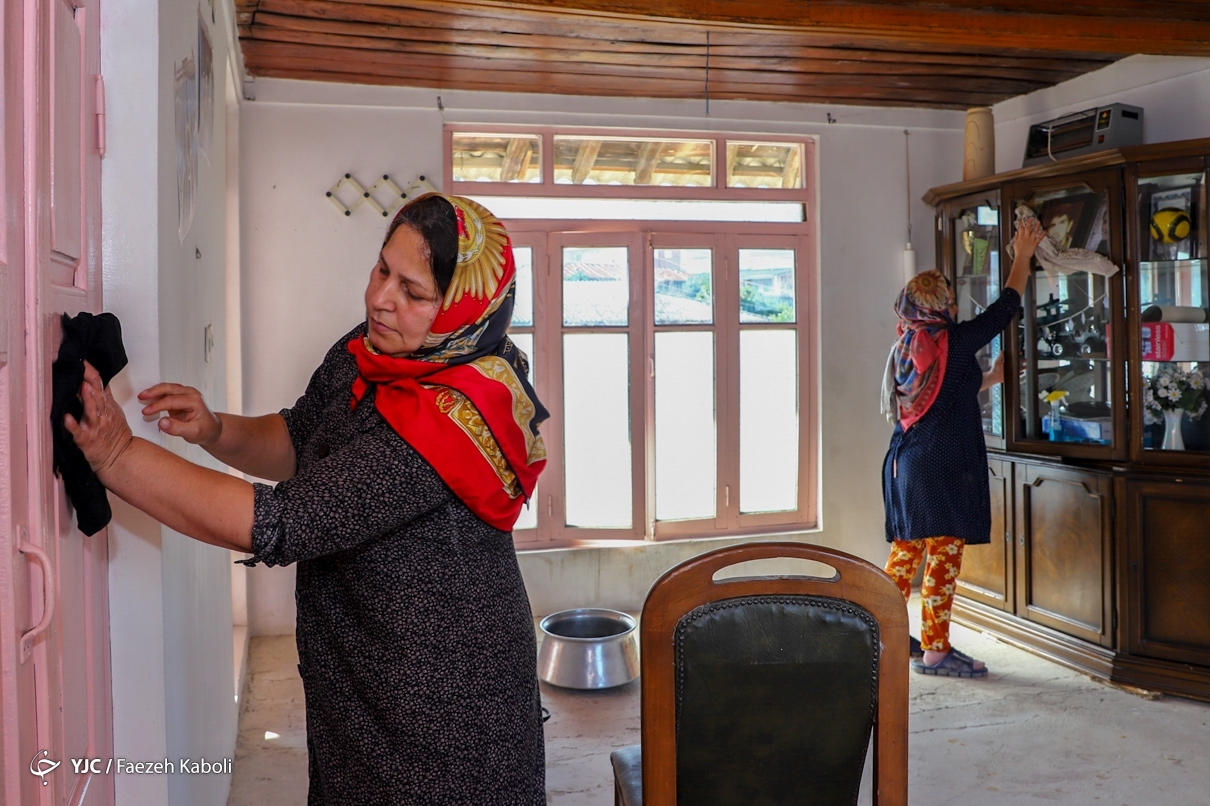
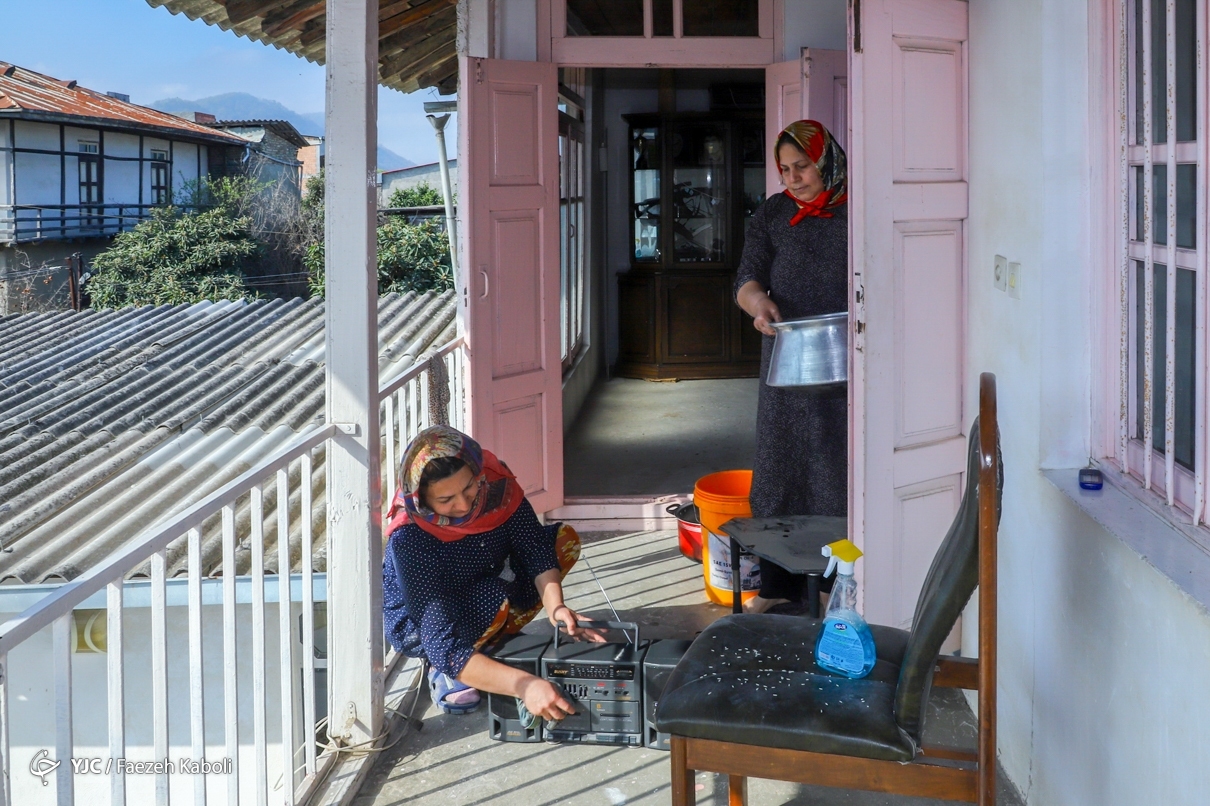
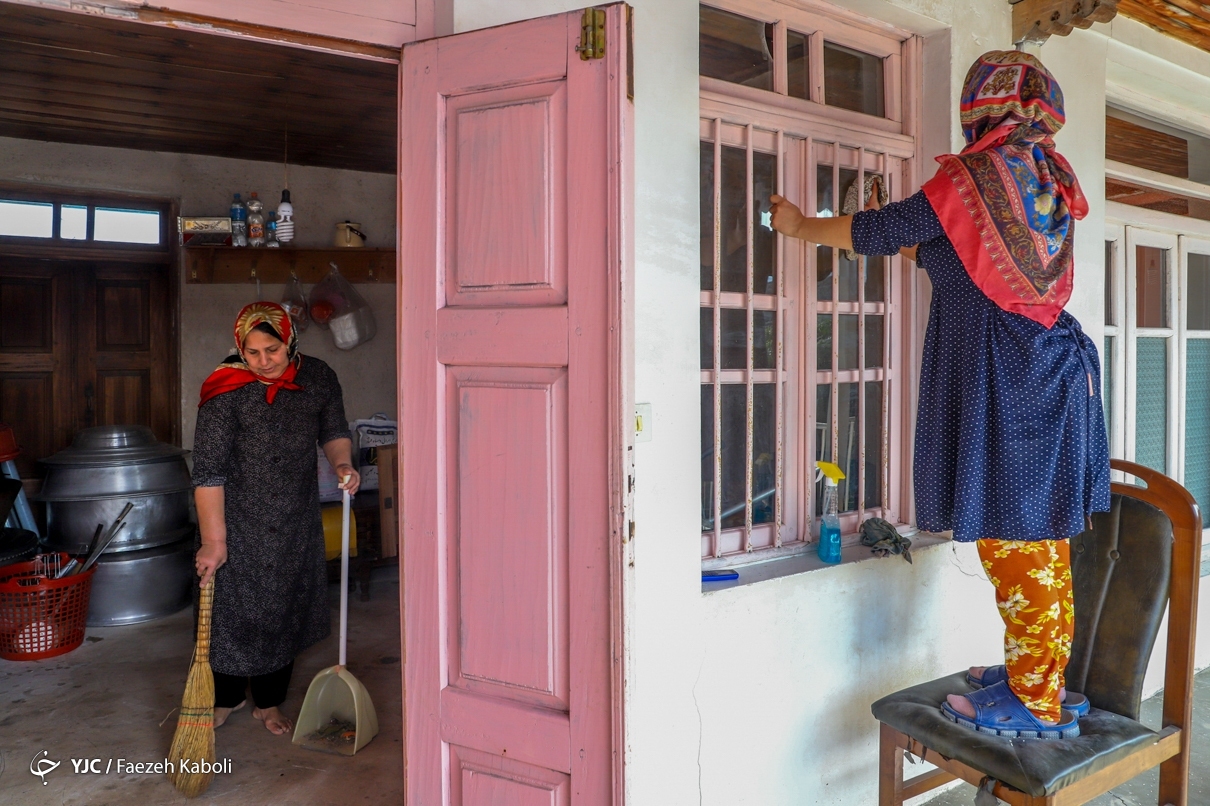
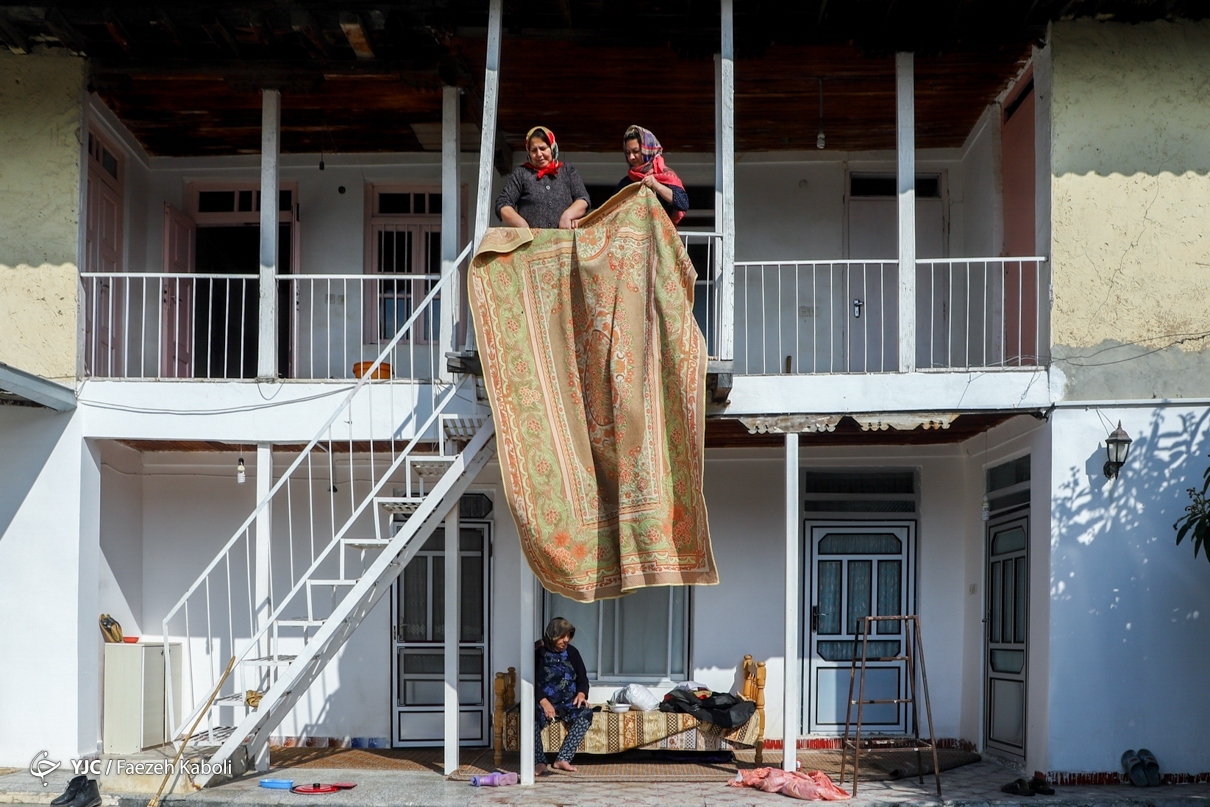
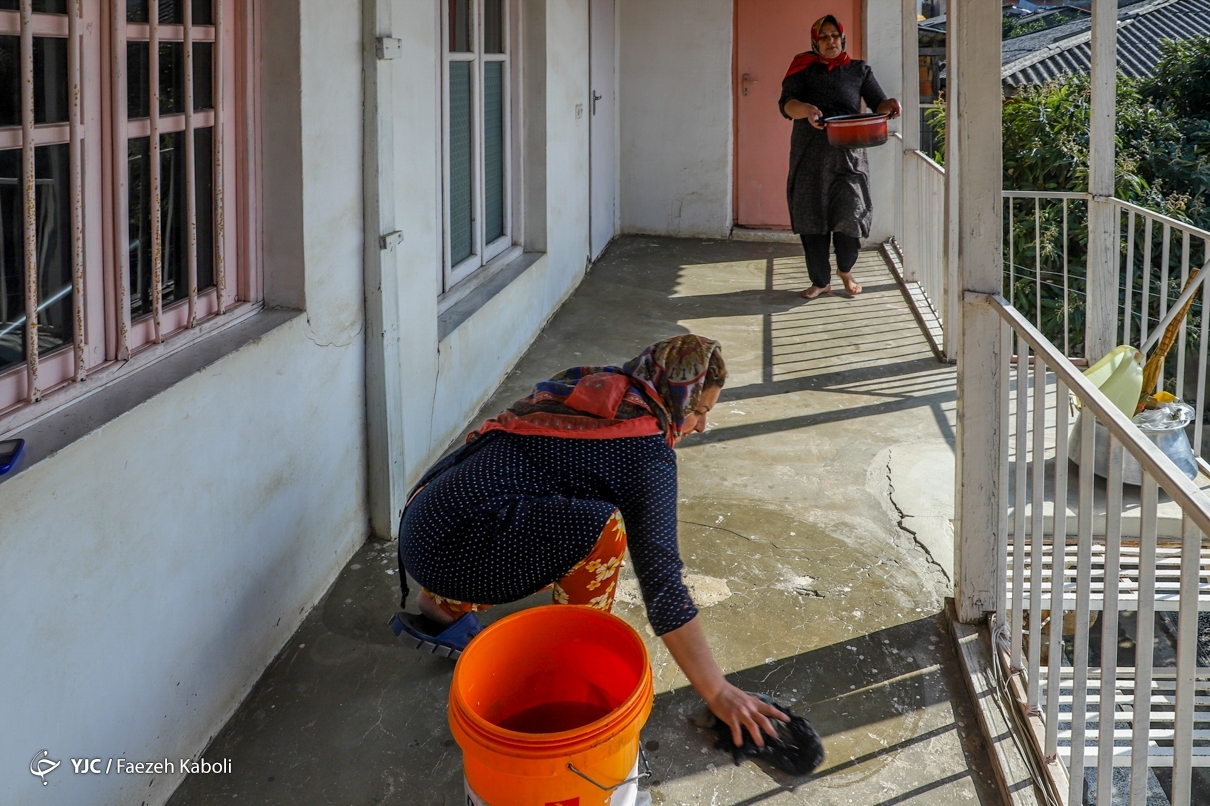
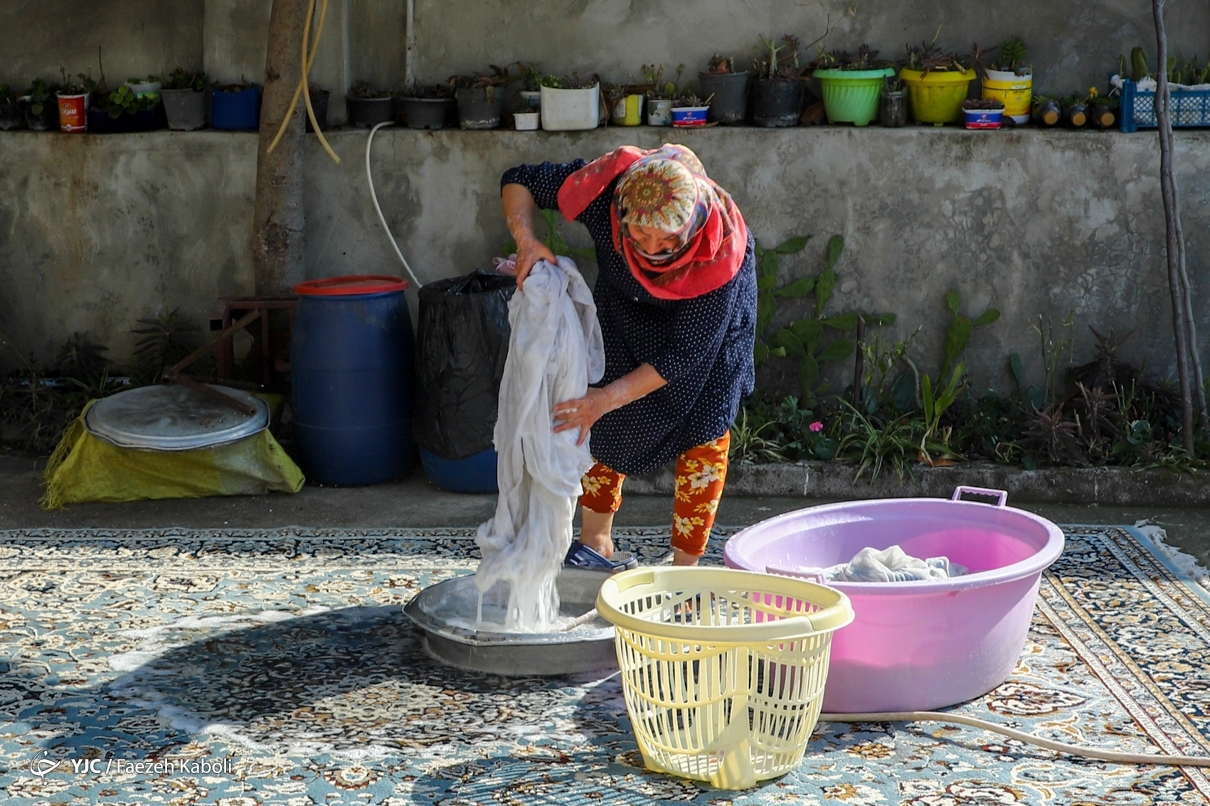
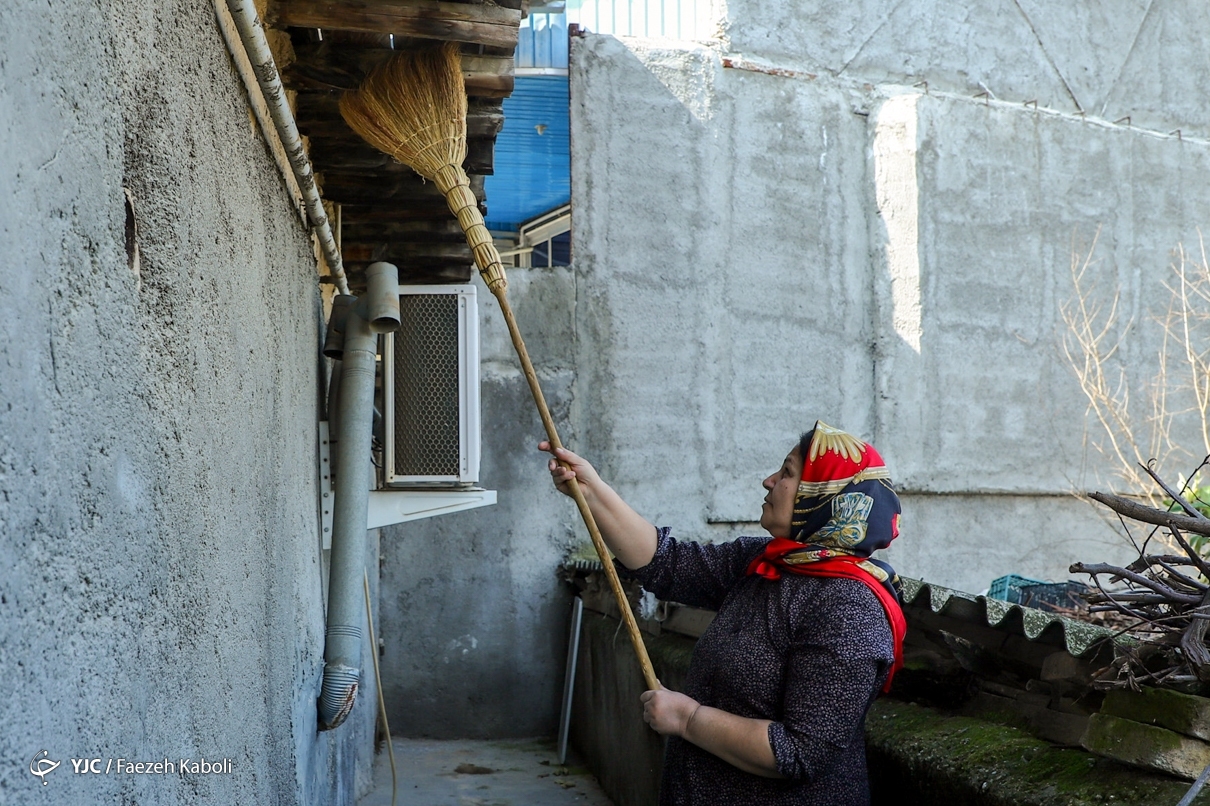
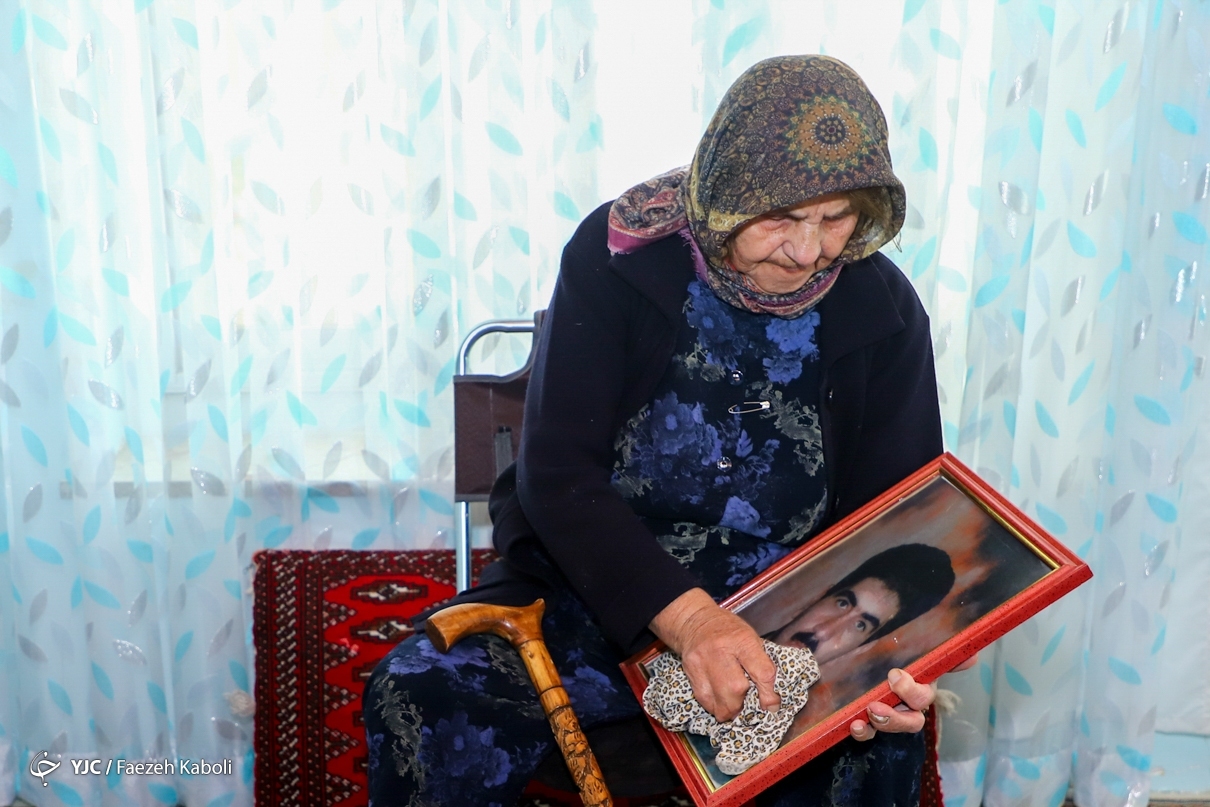
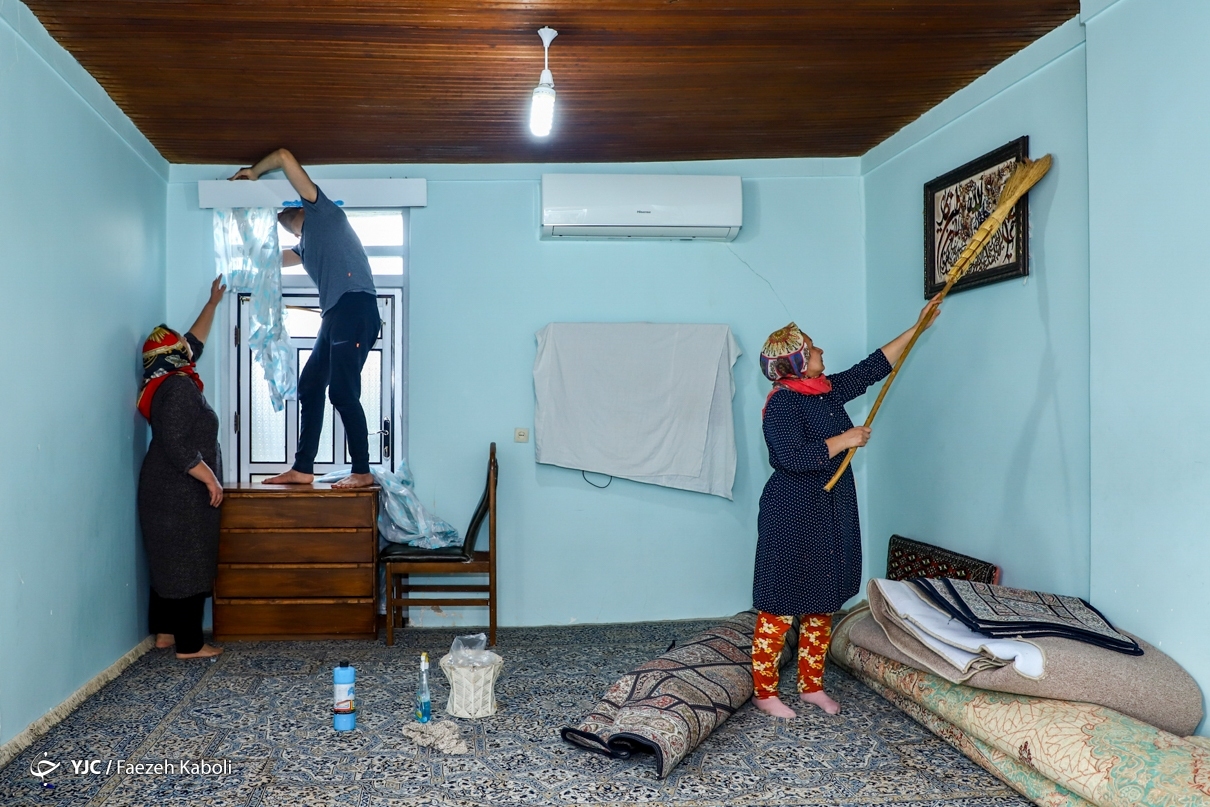
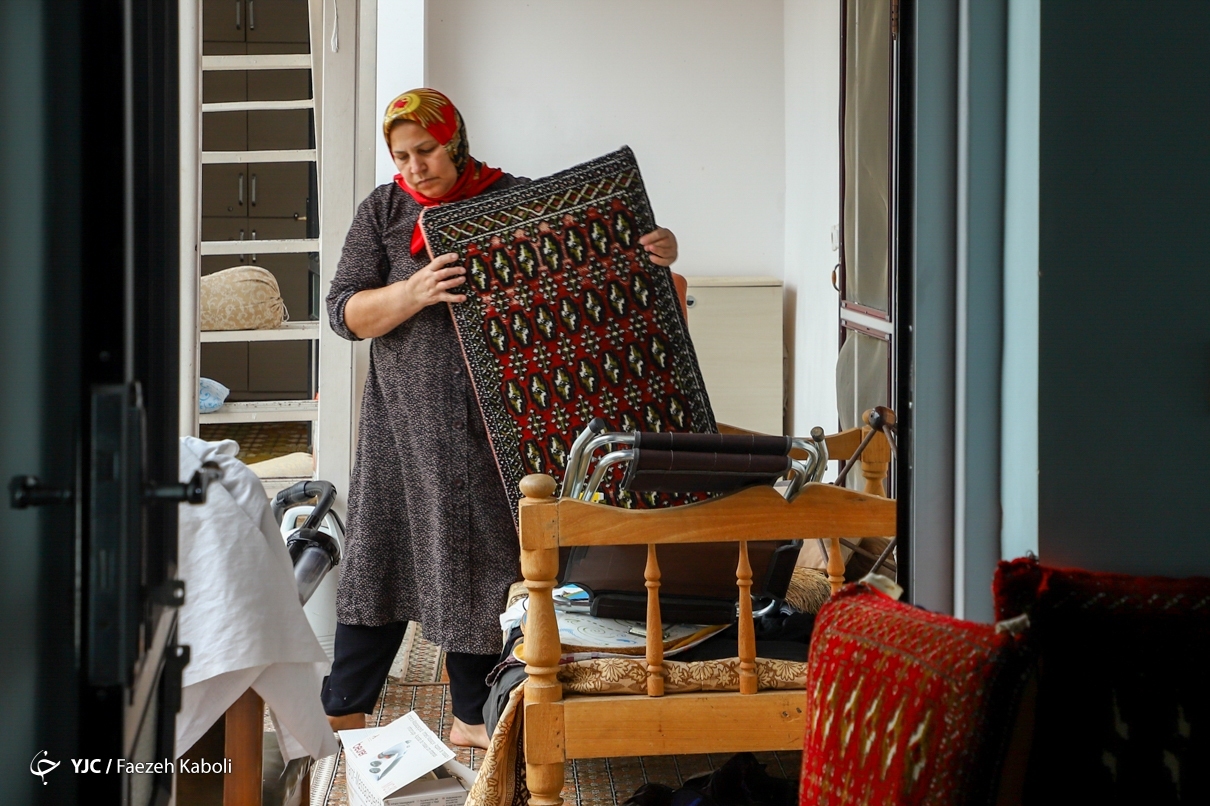
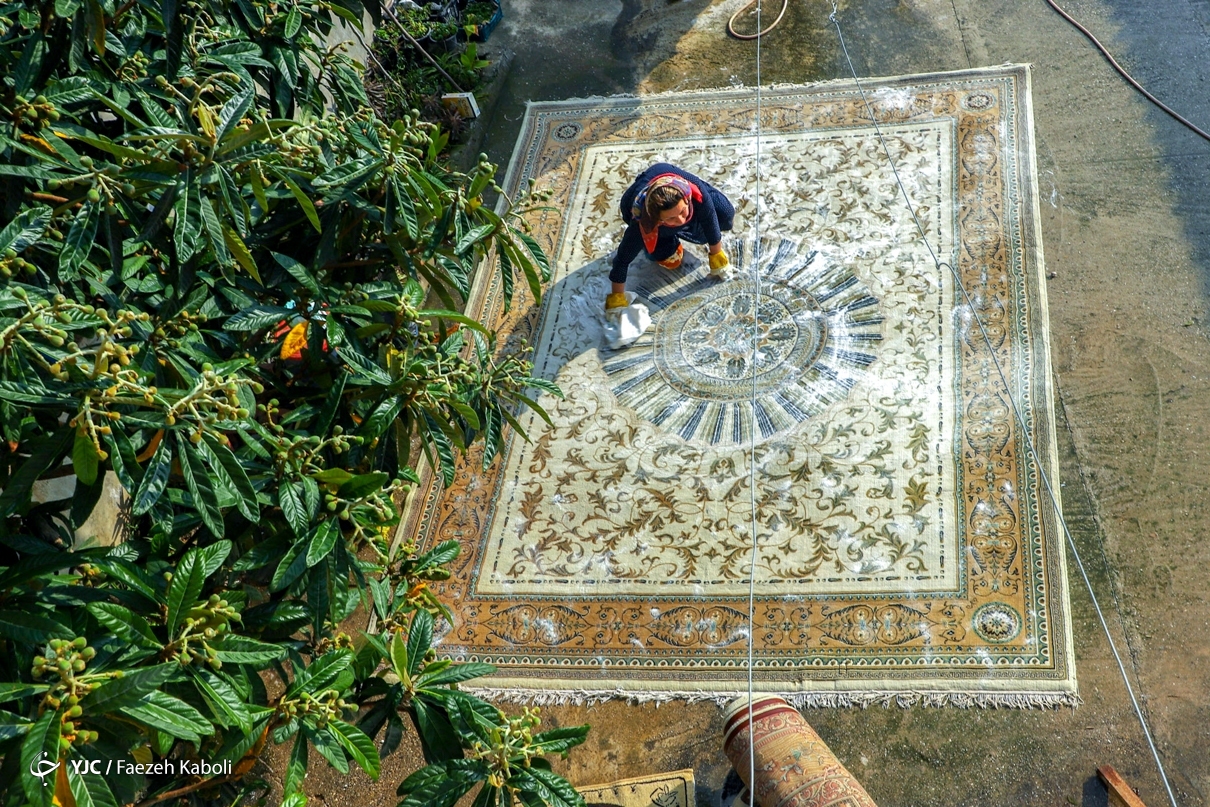
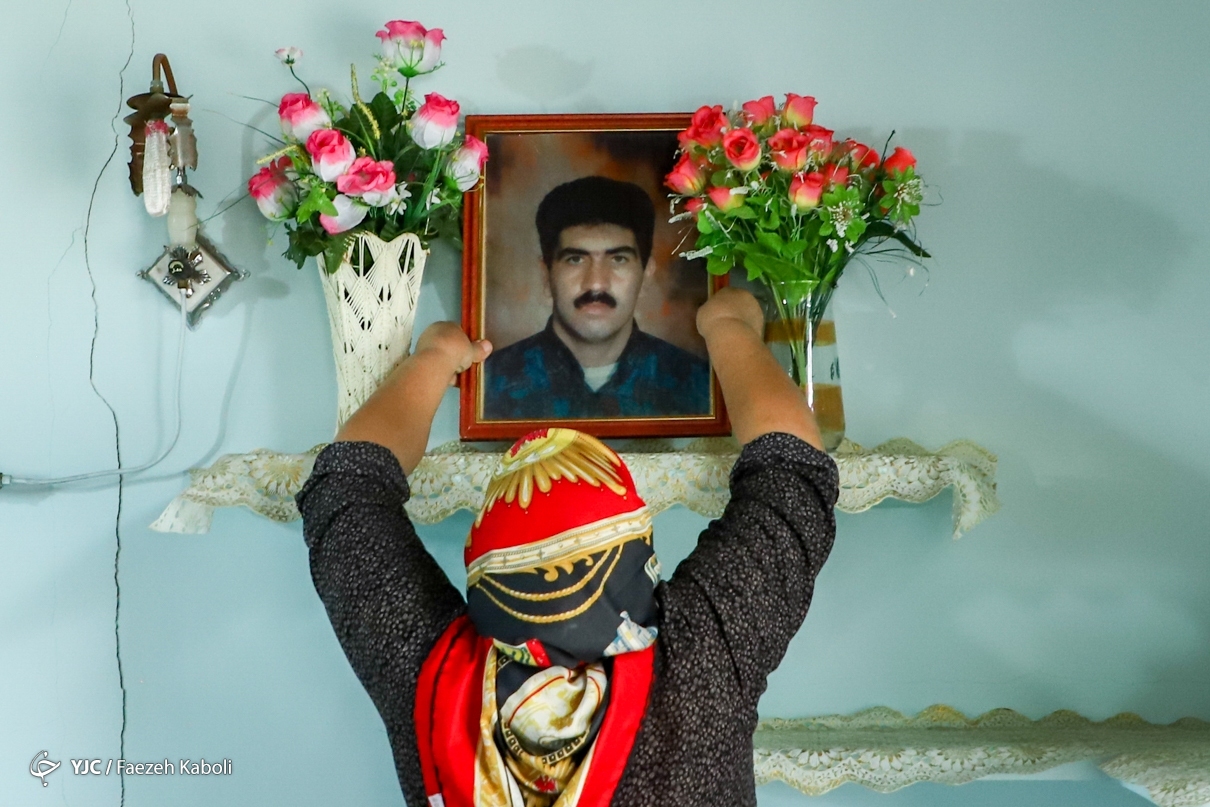
Pics: Iran villagers begin spring house cleaning before Nowruz

Iranians believe everything at the house should be clean and fresh just like the spring!

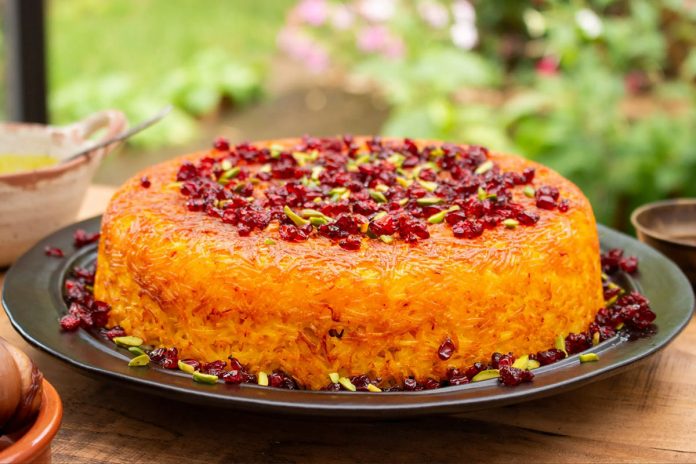
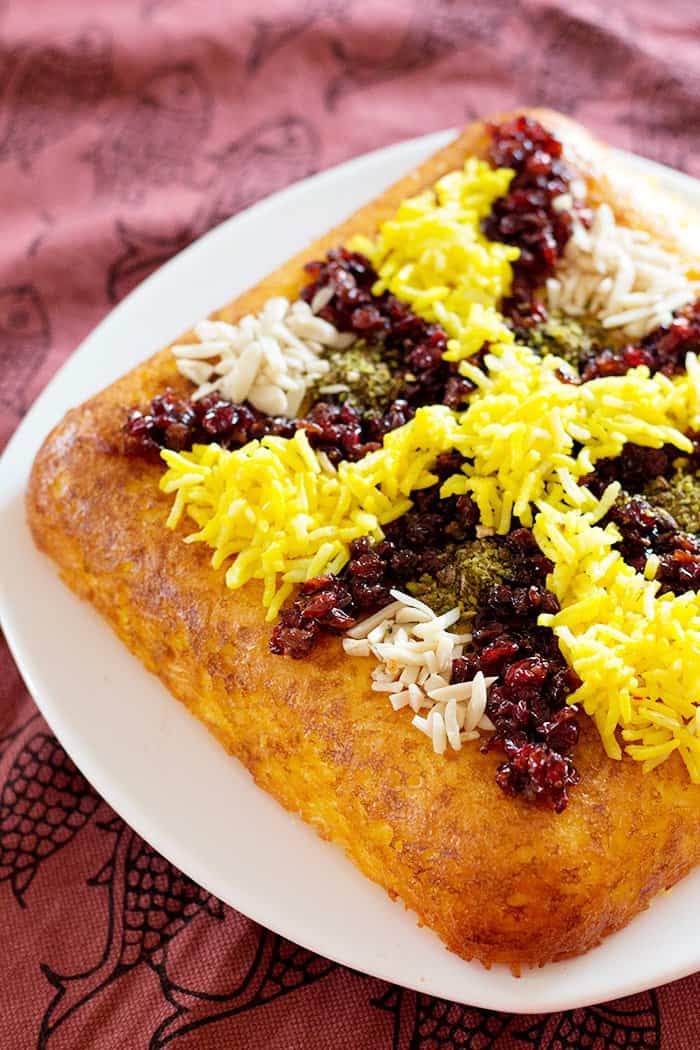
Recipe for Tahchin

Tahchin Recipe

Tahchin is a rice dish flavored with saffron which can appear in one or a few layers with different fillings including chicken, barberries, fried spinach and onions, lamb, or an optional mixture of them. It can also be cooked in one layer with no filling.

The following are instructions for cooking the dish with a filling of chicken pieces and barberries.

Ingredients For Tahchin:

1. Four cups rice (400 grams)

2. Four to five egg yolks

3. 300 grams strained plain yoghurt

4. 300 grams chicken breast

  • To give it a pleasant taste, you can cook it with some sticks of celery, one carrot, one onion, some cloves of garlic and salt to taste. Cut the cooked chicken into pieces. You can marinate the pieces in yoghurt flavored with saffron a night before, if you like.

5. One heaped teaspoon saffron

  • You will need a pestle and mortar to grind it into powder; the powder should not be prepared much in advance, because it will lose part of its aromatic smell. You had better brew it with a little hot water to have better color and aroma. The more saffron is used in the dish, the darker yellow the final meal will be.

6. ½ cup oil/ melted butter

7. 50 grams barberries

  • Soak the barberries for about 10 minutes, then rinse and drain them. Add one tablespoon of sugar, one tablespoon of oil and one tablespoon of brewed saffron to them and leave the mix for half an hour. After that in a frying pan over a low heat, fry them for about two minutes just to let them get warm.

8. Slivered pistachios to taste as a garnish

9. Salt to taste

Cooking Steps For Tahchin

1. Rinse the rice with lukewarm water a few times, then soak it for a few hours in water to which four tablespoons of salt has been added. Bring some water to a boil in a pot. Drain the salt water from the rice and then add the rice to the boiling water. Leave the rice in the boiling water until it is al dente. The rice should be neither too hard nor too soft; it should be firm and slightly chewy. Avoid overcooking the rice.
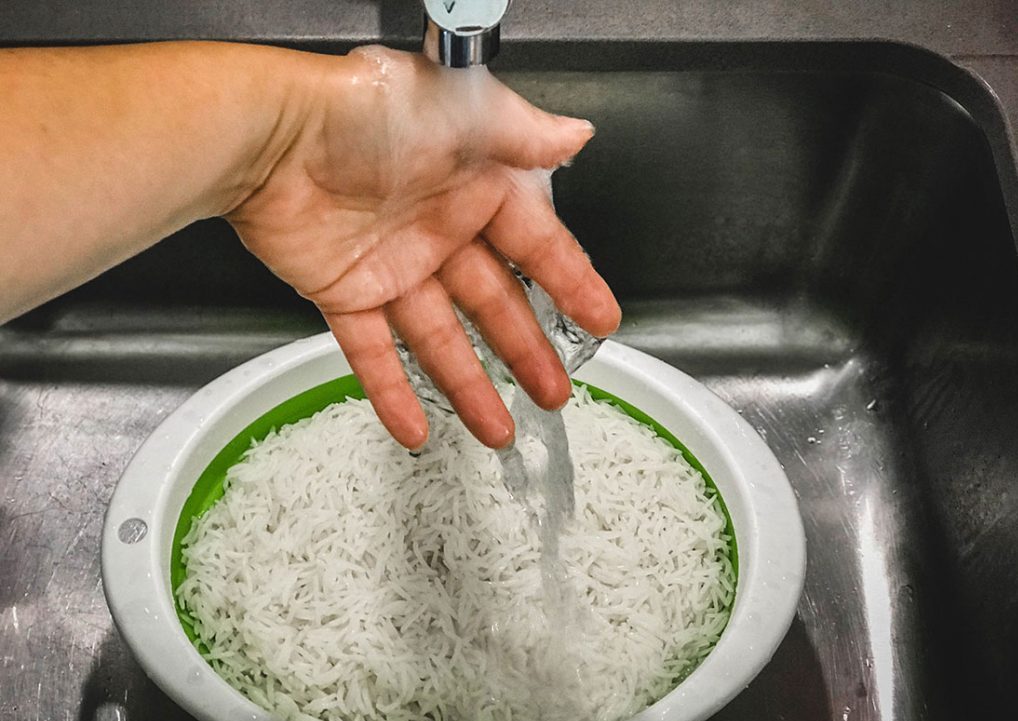
Cooking Steps For Tahchin

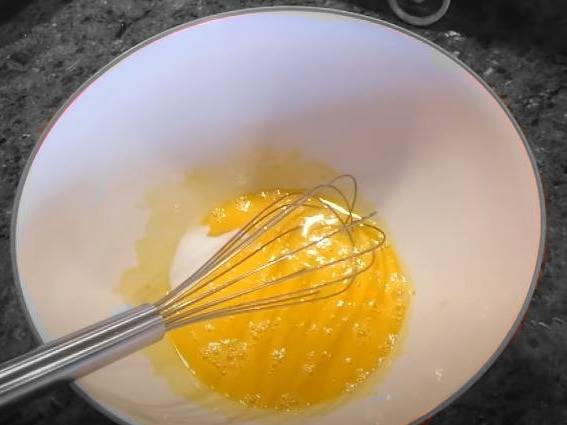
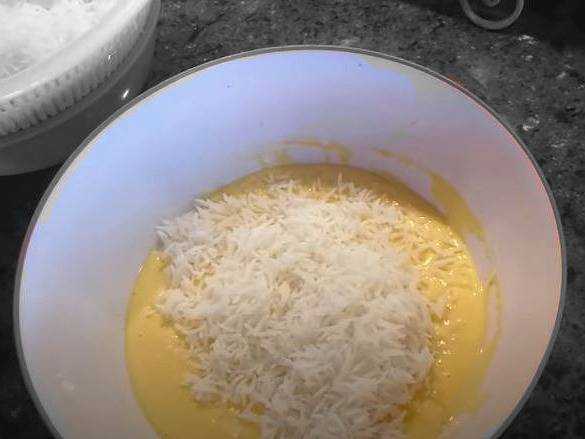
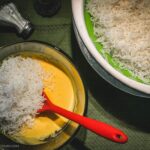
2. In a large bowl, beat the egg yolks, brewed saffron (wikipedia), strained plain yoghurt and oil. Add salt to the mix to taste. Then add in the rice and mix them altogether.

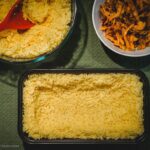
3. Take an oven-safe glass dish [because it’s easier to check on Tahchin and find out when the bottom and side of the dish have turned golden and crispy] and grease it well.With a spatula, spread a layer of the mix evenly at the bottom of the dish.

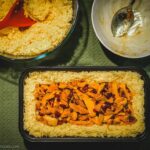
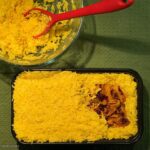
4. Press the first layer down with the back of the spatula, and then cover it with chicken pieces and fried barberries.Place the barberries toward the center, because they tend to burn if they are close to the sides of the dish. Put another layer of the mix on top.

The number of layers depends on the depth of your dish. What is important is that each layer should be spread evenly and pressed firmly down, so that your Tahchin won’t finally fall apart.

Pour a few spoons of melted butter over the last layer if you like. Cover the dish with silver foil. You can make a few small holes in the foil to let steam go away while it is being prepared in the oven.

5. Preheat the oven to 180˚ C for a quarter. Place the dish in the oven. It usually takes between one to two hours to be ready. You need to check on the dish after one hour and take it out when a golden, crispy crust is formed at the bottom and the sides.
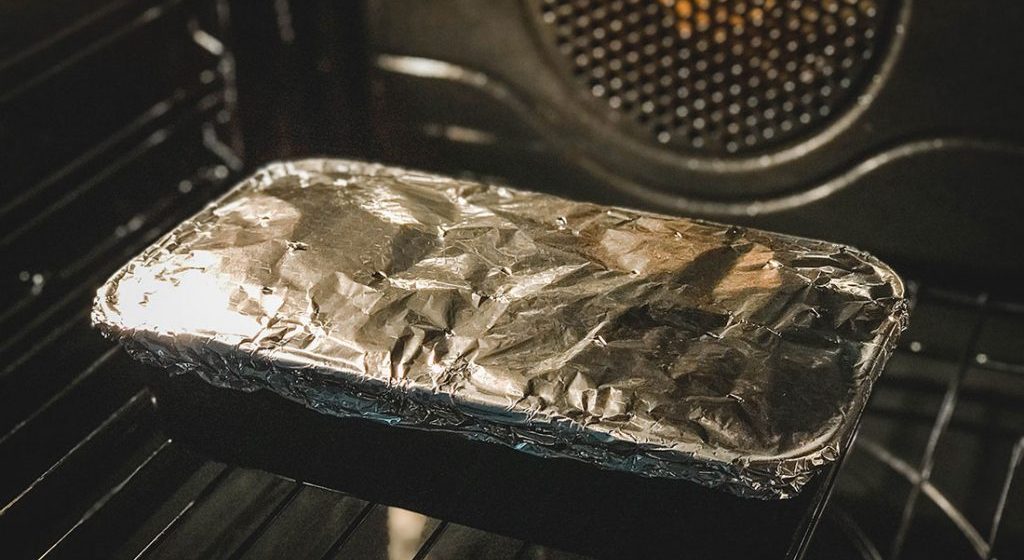
What You Need To Make Tahchin Recipe

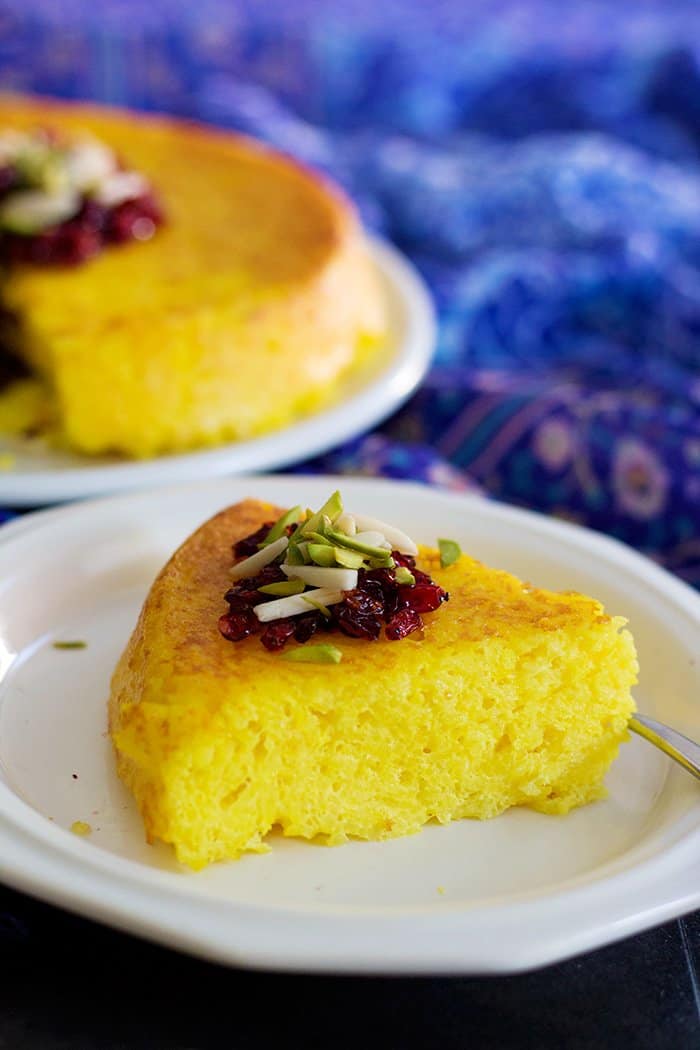
6. Remove the dish from the oven and let it cool for a few minutes. Put the serving platter upside down on the dish and then flip it over so that the crispy golden crust will be on top. If you fail to grease the dish, Tahchin won’t come off easily.

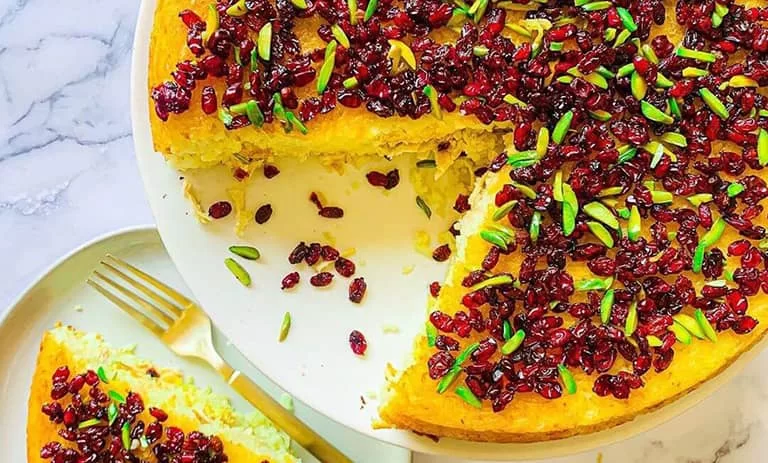
7. You can garnish the dish with fried barberries and slivered pistachios.
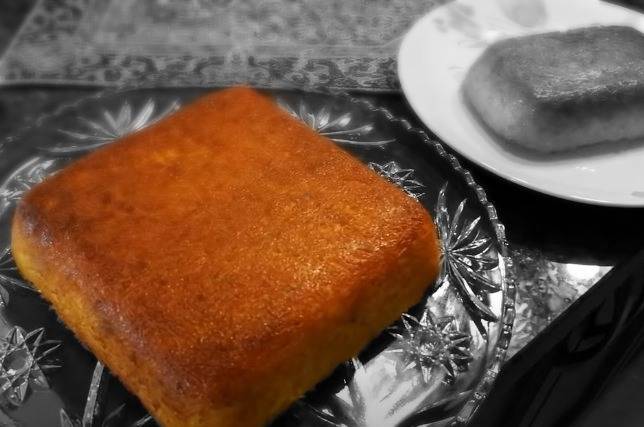
 Make Tahchin

Additional tips for making Tahchin

  1. The shape of your mold can be different and therefore your Tahchin can be round, square, rectangular, etc. according to your taste.

2. The mold can be large or small. You can cut the Tahchin made in a large mold according to your taste or make it in small molds for each person.
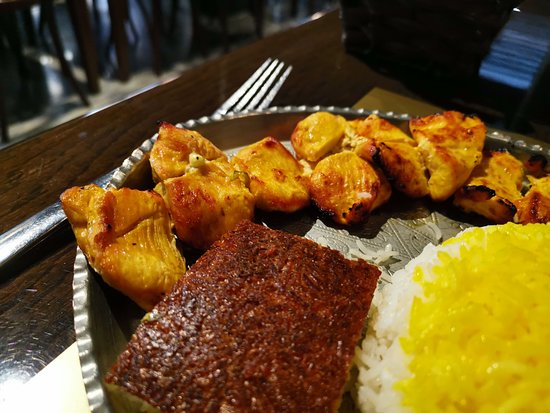
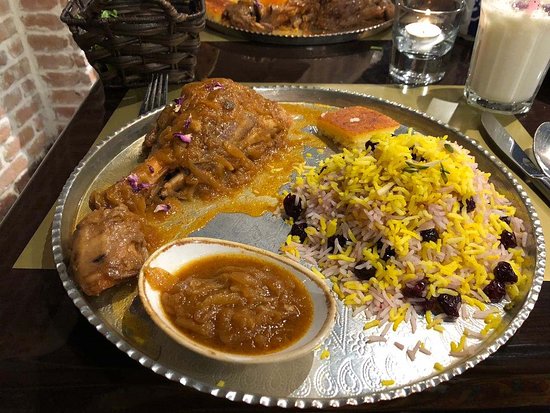
3. In Iranian restaurants and at parties, small slices of Tahchin are usually served next to the main course of the meal.
4. You can use different things such as barberries, pistachio, almond, etc. to decorate Tahchin.

Different types of Tehchin are cooked in Iranian cities.

This difference is due to the use of different ingredients (such as chicken, meat, spinach and…) that are added to the main paste (rice, saffron, yogurt, eggs.) Chicken Tahchin, meat Tahchin, eggplant Tahchin and spinach Tahchin are the most common types in Iran.