Sunday, December 21, 2025
Home Blog Page 1993

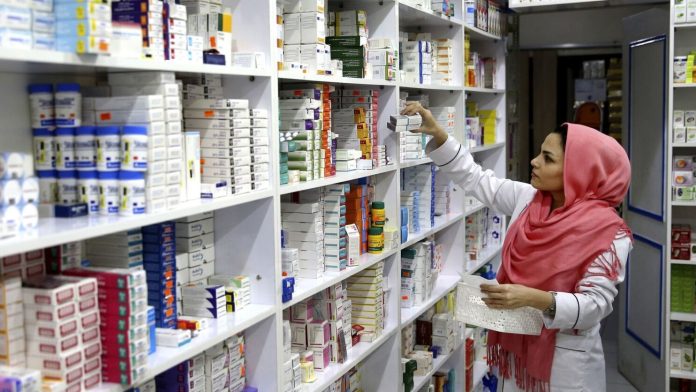
Iran allocates $3bn to provide medicines this year

Iran Medicine

Einollahi said last year’s budget for the procurement of medicine was 2 billion dollars.

He added that the Health Ministry will not let people suffer due to drug shortages.

The minister noted that some medicines are produced inside the country and it is not necessary to import them because the foreign products are unreasonably expensive.

Elsewhere, the Iranian health minister said 6 million Iranians will receive insurance coverage for medicine.

Einollahi added that Iran is going to export domestically made Covid vaccine to 10 African countries.

He said the exports will involve 10 million doses of vaccine although demands are higher than that

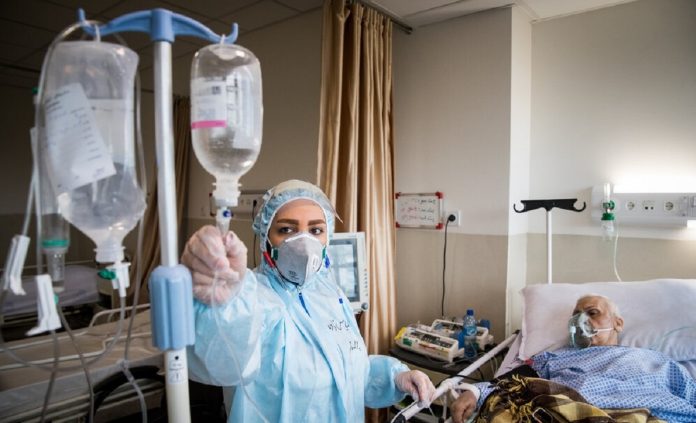
Covid kills 39 in Iran in 24 hours

COVID in Iran

The deaths show a nearly 20% decrease compared to Saturday’s tally which was 49.

Sunday’s fatalities pushed to 140,616 the Covid death toll in Iran since the onset of the pandemic.

The Health Ministry also said that the daily caseload on Sunday stood at 2,894 including 384 hospitalizations.

The downward trend in the Covid deaths and infections has been attributed to a nationwide vaccination campaign that has seen over 140 million doses of vaccine administered to people since last year. Over 26 million people are triple-vaxxed.

However, the pace of the vaccination process has fallen compared to several months ago. This is perhaps due to reluctance on part of many people to get their third shots, also known as booster.

The issue is a source of concern for Iranian officials. They, particularly President Ebrahim Raisi, have time and again urged people to get the third dose as soon as possible. This, they say, will considerably reduce chances of a resurgence of Covid in Iran

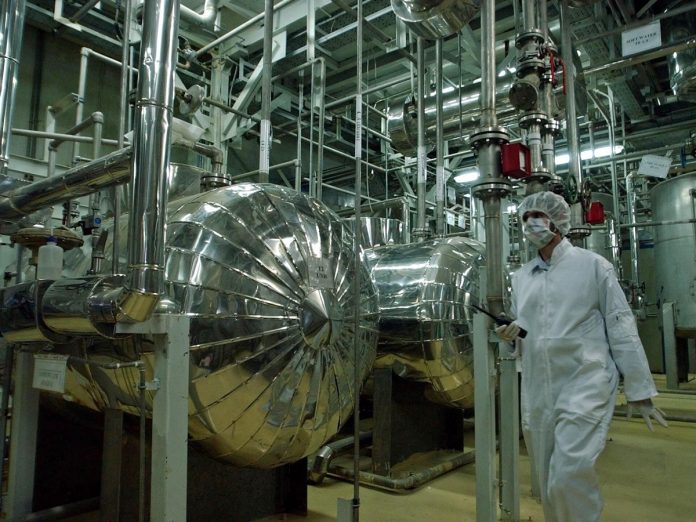
Iran has complete knowledge of nuclear fuel cycle: Official

Iran Nuclear Program

In an article about Iran’s nuclear advancements, Behrouz Kamalvandi said Iran had made great strides in the nuclear industry, including the production of stable zirconium.

“In the field of fuel and the fuel cycle, after gaining full command of the fuel cycle, which includes everything from exploring uranium and thorium… to turning raw material into concentrate and yellow cake, [and] enrichment, fuel production, and managing fuel waste, we have been able to produce stable zirconium,” he wrote, elaborating on Iran’s nuclear achievements.

He said stable zirconium could also be used in the manufacturing of aircraft and vehicles and was a clear indication of the fact that an expansive range of industries in Iran could make use of the knowledge that overflows from the nuclear industry.

“This level of concentration on peaceful nuclear technology, which can save hundreds of million dollars in foreign exchange for Iran, comes as Western countries… have focused all their attention on the phobia of increased enrichment in Iran and the false impression that Iran seeks to produce nuclear weapons and have attempted to deprive us of such a vast range of technology,” Kamalvandi said.

“Let’s not forget that building nuclear plants is not a fancy move, but is a necessity for the country,” he stressed, adding that after several years of focusing on renewable energies, European countries were realizing that nuclear energy is inevitable

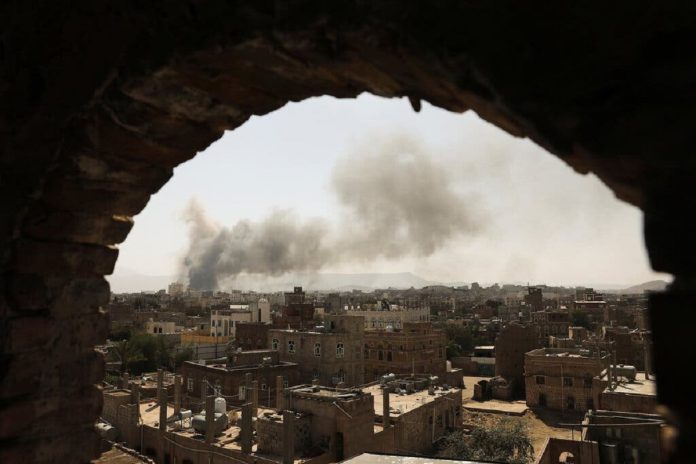
Yemen: Saudis, allies violated truce 1,647 times

Yemen War

Lebanon’s Al-Mayadeen news channel quoted the Yemeni Army as saying the attacks by the Saudi-led forces killed a number of Yemeni military forces and civilians.

It added the attacks involved airstrikes by warplanes and Apache choppers, missile strikes, shelling and mopping-up operations using all kinds of live ammunition.

The Saudi-led coalition declared last week that it would cease its operations in Yemen. But observers have independently verified truce violations by the coalition in several provinces across Yemen.

The Saudis and their allies called ceasefire after the Yemeni forces launched missile and drone strikes deep inside the Saudi and the UAE territories. The targets hit included key oil installations, especially those belonging to Saudi Arabia’s oil giant Aramco.

The Saudis and their allies waged a war on Yemen in March 2015. The war has killed tens of thousands of Yemenis, mostly civilians.

The UN has called Yemen the worst humanitarian catastrophe in the world as the conflict has pushed Yemen to the brink of famine

Iran says will not benefit from direct talks with US

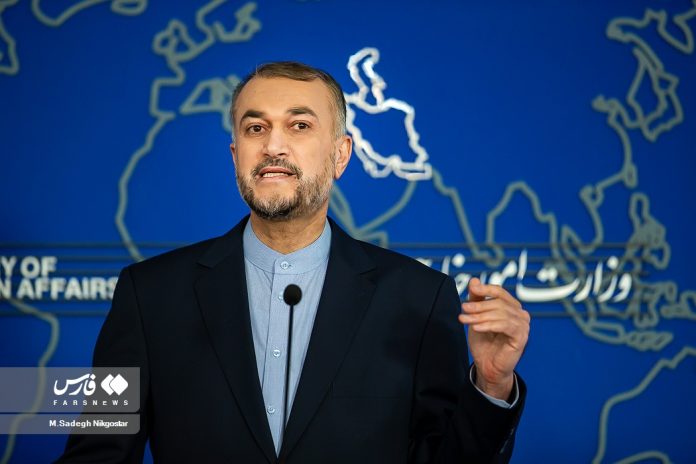
Iran’s Foreign Minister Hossein Amir-Abdollahian

The negotiations, which have been ongoing in Vienna since 2021, exclude the United States because the country unilaterally withdrew from the Iran deal in 2015.

Since US President Joe Biden took office last year, the United States has been indirectly negotiating with Iran, via the European parties to the deal as well as China and Russia, to rejoin.

“The Americans constantly talk of the necessity of directly talking to Iran,” Amir-Abollahian said on Sunday. “We have looked into the matter and concluded that we will not benefit from directly negotiating with America.”

“The Americans are yet to take action on the ground that would open a [new] horizon and have us say that they have taken some concrete action besides expressing goodwill,” he added.

The Iranian foreign minister said that to prove good faith in practice, the United States could go ahead and take palpable action, for instance by unblocking some of Iran’s assets.

He said President Biden could take such an action via an executive order

Tomshi Bread; A Tasty Bread Made of Soil!

Tomshi Bread; A Tasty Bread Made of Soil!

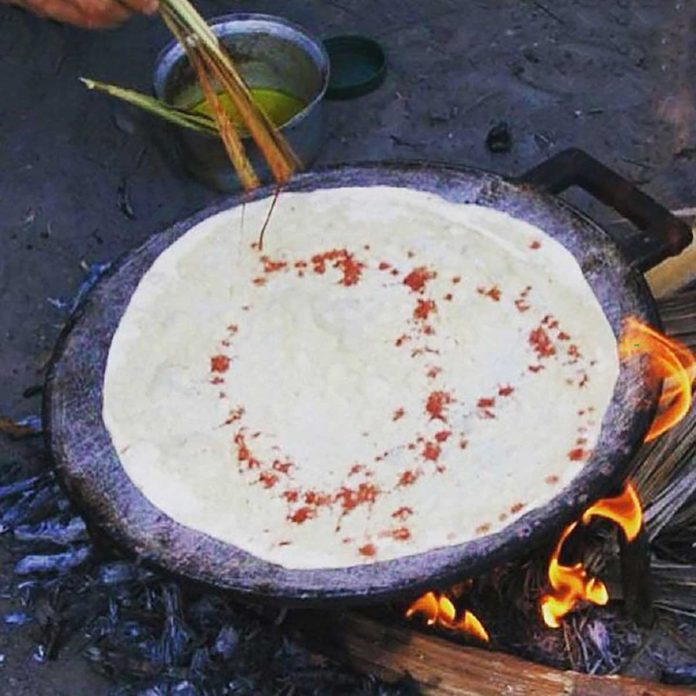
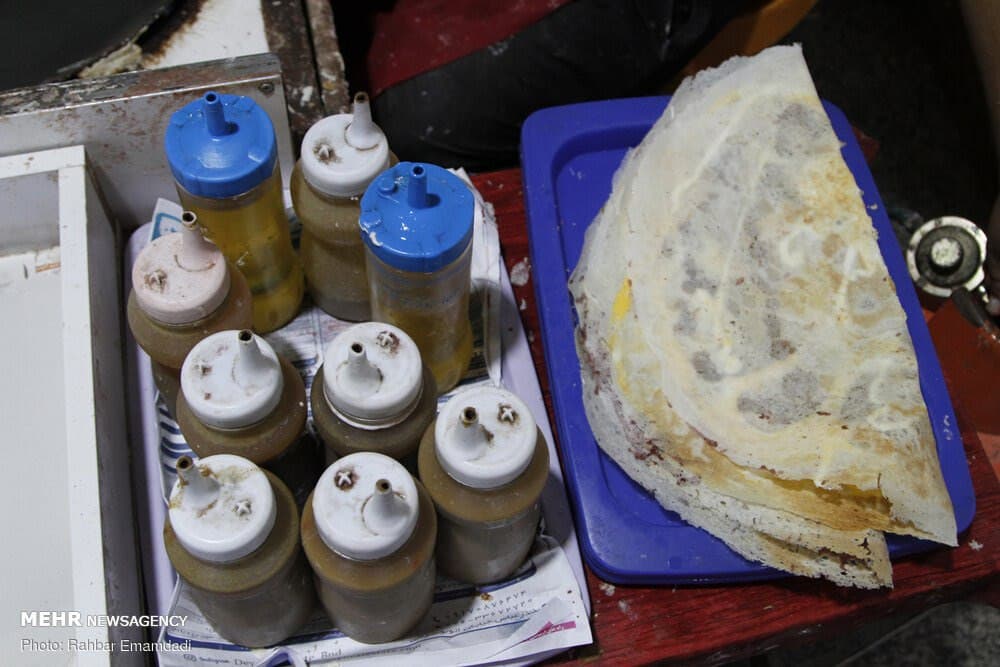
In Hormuz Island , there are 20 types of home-made bread, whose lovely smell wafts through many neighborhoods of the island during baking. They all make perfect travel gifts. Most of the bread types are made of flour, oil, and sugar, with the most famous one being Tomshi bread. This bread made of soil of the mountain.

How To Make Tomshi Bread

The soil of the mountain is used by the locals to bake fish and bread, and make pickles, jams, and sauces.

This beautifully-coloured soil has a special place in the native foods of the island. It is used in many seafood recipes and even in a local bread called “Tomshi”. The name is derived from the Farsi phrase “Tou Moshti” which means a handful of something. This is because you need a handful of the dough to bake this special type of bread.

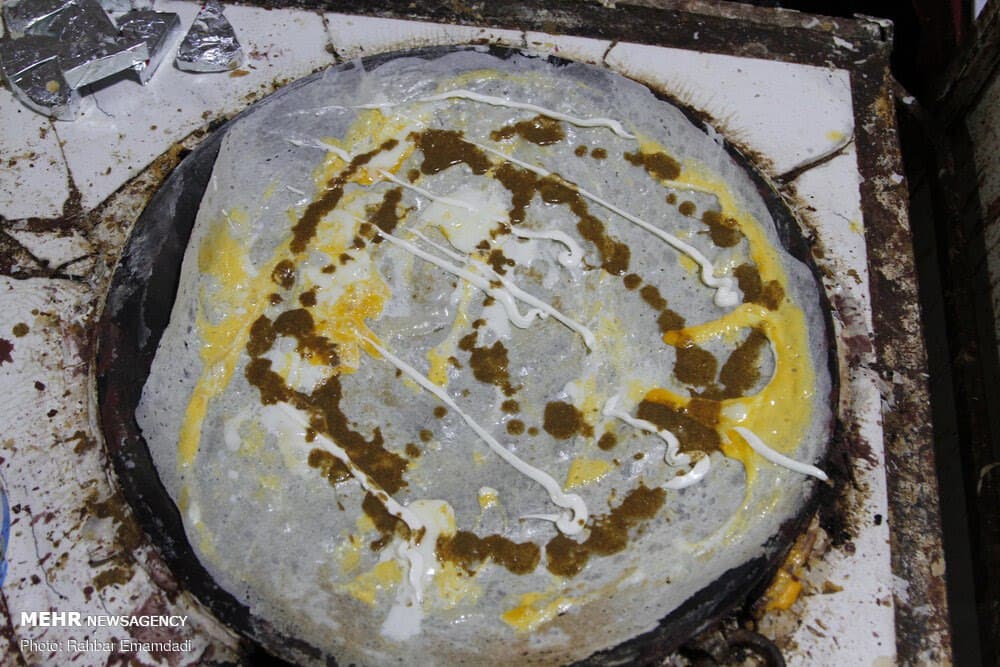
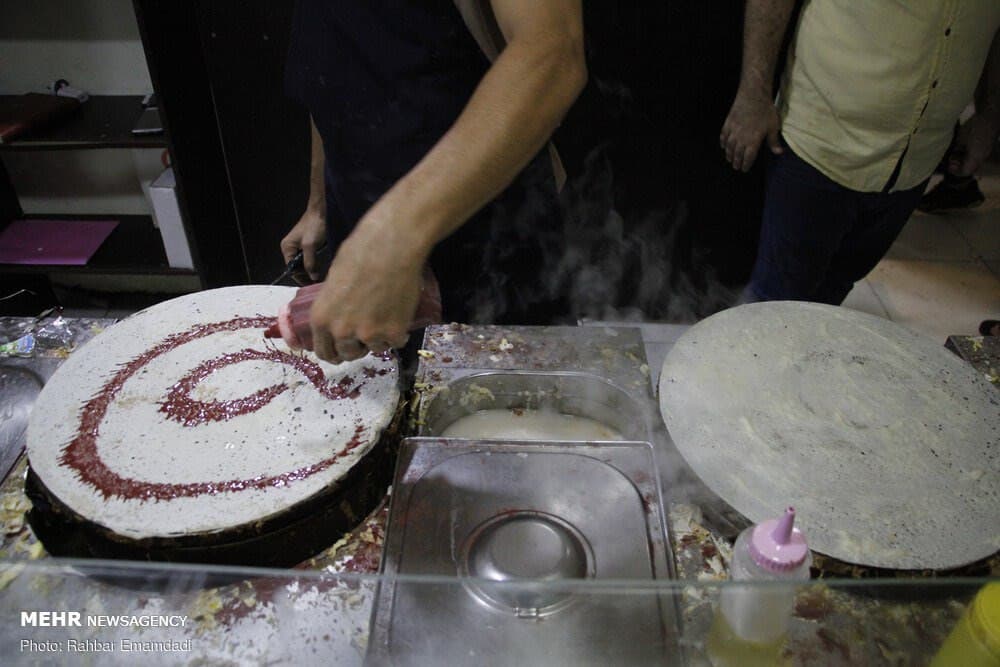
In order to bake this bread, the locals spread a thin layer of dough on a thin tray. Then they add eggs and cheese. At this stage, they add a sauce made from the island’s soil. Next, they add the fish sauce.

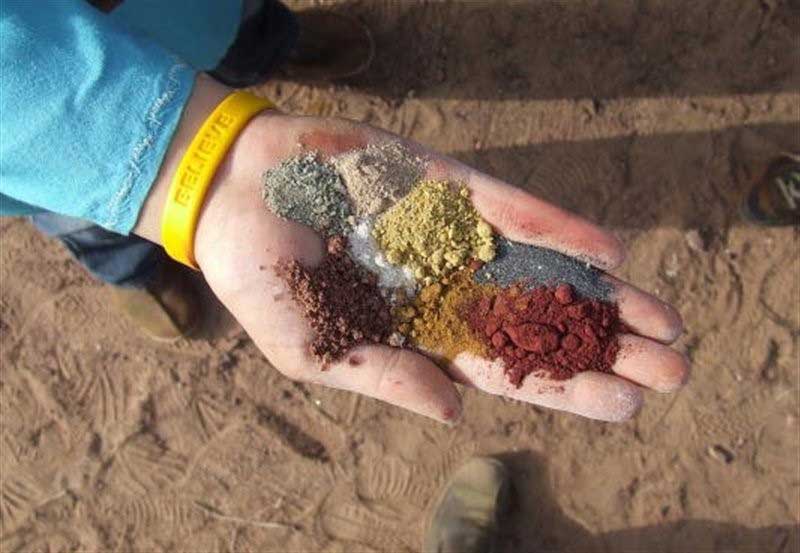
Colorful soil of Hormuz Island

The same bread is cooked in neighbouring islands;, but the one in Hormuz has its own special recipe.

The wide-ranging colours of the soil include white, yellow, red, green, orange, beige, brown, light turquoise, and even gold. From a geological perspective, the island is one of the most important salt domes of the world. Due to these features, it is given the name lithology lab.

Supplementary tips:

1. Since the bread is usually served with local Mahyawa and Souraq sauces, you’d better not add salt. You can, however, add a half-spoon of it if you want a saltier taste.

2. You need to use the pan especially designed to cook Tomshi.

3. The bread is served with cheese and eggs in different regions of Hormozgan Province, in southern Iran.

Frequently asked questions

– What are Mahyawa and Souraq?

Mahyawa is a type of sauce made of fish, salt, mustard, coriander, and fennel.
Souraq is also another type of sauce prepared with a mixture of sardines, water, salt, roses, and bitter orange peel. It is served with local bread.

– Where can you get the best Tomshi bread?

It can be found at Hormuz Island and Qeshm Island. In addition, if you wish to watch the baking process of different types of bread, you should go the Ramchah village located in southwestern Qeshm, located 4 kilometers away from the southern shores and 17 kilometers from the easternmost section of the island.


Located in the Strait of Hormuz, eight kilometres off the Iranian coast, the Hormuz Island is part of Hormozgan Province (Wikipedia). There is a strange mountain on the island whose soil is used as a kind of spice by the locals! This seems to be the only edible mountain of the world.

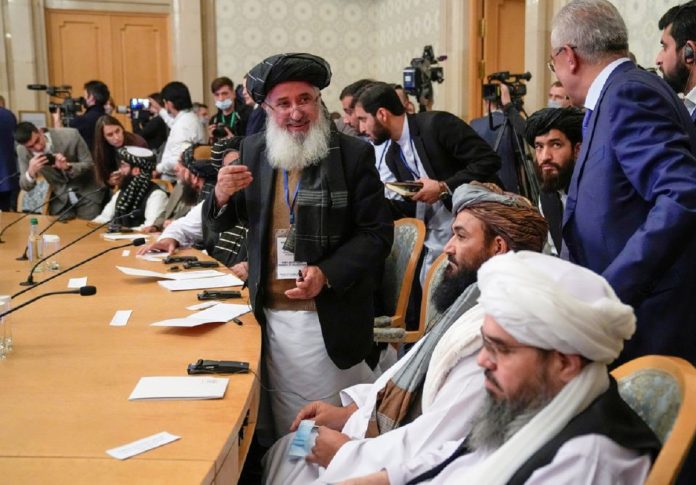
Taliban say taken over Afghan embassy in Moscow

Taliban

Balkhi also thanked Russia for acceptance of the Taliban’s diplomat.

This comes after Russian Foreign Minister Sergei Lavrov said during the recent meeting of Afghanistan’s neighbors in Beijing that Moscow will approve a Taliban diplomat as Afghanistan’s ambassador.

“We are convinced that the international community should actively work with the new government of Afghanistan and promote steps taken by the UN and its members to recognize the [Taliban] government,” Lavrov said.

Meanwhile, Russian Foreign Ministry Spokesman Maria Zakharova said the handing over of the Afghan embassy to the Taliban “is an important step for resumption of diplomatic contacts between Afghanistan and Russia”.

“It is still too early to talk of recognizing the Taliban and approval of the credentials of the ambassador does not amount to recognition of the Taliban government,” Zakharova said.

So far, no country has recognized the Taliban government in Afghanistan. But Uzbekistan, Pakistan, Turkmenistan, China and Russia have admitted Taliban diplomats as envoys

Iran parliament chief: Nuclear deal should lead to ‘guaranteed economic benefits’

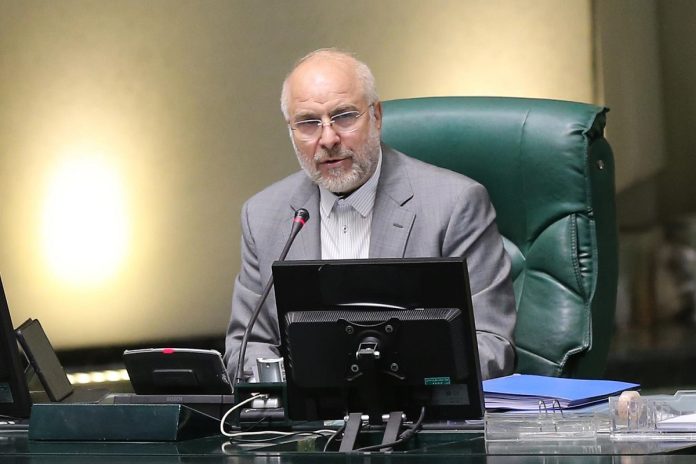
Iranian Parliament Speaker Mohammad Bagher Ghalibaf

“Now, we hope the invaluable asset that is Iran’s advanced nuclear knowhow and technology, coupled with good negotiations, will lead to a good agreement for economic benefits of the Iranian people,” Ghalibaf said on Sunday during an open session of the parliament.

“It should be mentioned that Iran’s nuclear advancements provide strong grounds for economic benefits of the Iranian nation and the 11th parliament, just as in the past, is adamant that nuclear negotiations should bring guaranteed, lasting and tangible economic benefits for all the great people of Iran.”

Ghalibaf also hailed the so-called “Strategic Action” law, the 11th parliament approved, as a move that “shattered the locks on the nuclear industry”.

He said the law removed obstacles to Iran’s progress in the field and untied Iranian diplomats’ hands in the Vienna talks.

Iran and the P4+1 began the talks in early 2021 to revive the 2015 nuclear deal after it was thrown into chaos by the US withdrawal in 2018.

Participants say the talks have advanced to the point that an agreement is near at hand. But Iran and the US say they are not still there, with a few key issues still unresolved.

Iran says the ball in the US’s court on removal of its unilateral sanctions and offering guarantees that it will not withdraw from the agreement again and that it will ensure Iran’s economic benefits

Report: Iran govt. reconsidering Miankaleh Petrochemical plant

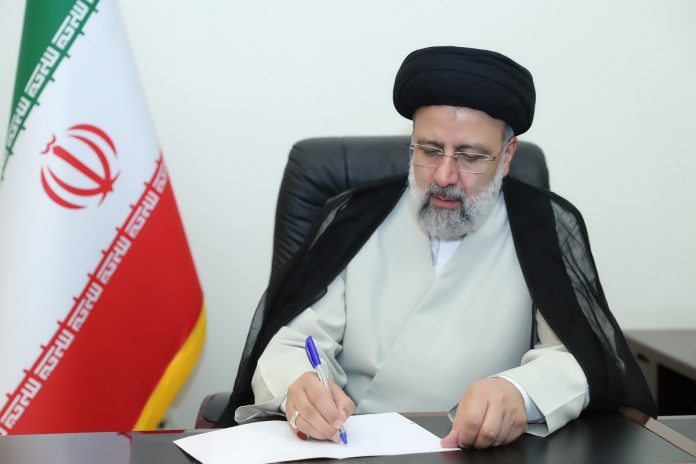
President Ebrahim Raisi

IRNA cited its own sources as saying that President Ebrahim Raisi has ordered the Department of Environment to examine the issue and prevent the implementation of the parts of the project that harm the environment.

The project was approved by the previous government, but was halted after opposition by environmental activists.

Ground was broken for the project under the current government. But that triggered a new wave of concerns by environmental activists.

In response, the government spokesman announced that officials “will not back down on the implementation of the project”, but will make sure all environmental authorizations are secured before going ahead.

Miankaleh in Iran’s Mazandaran Province is home to many species of birds and environmental activists believe it’s highly vital to the ecosystem of the region

Pakistan PM loses no-confidence vote

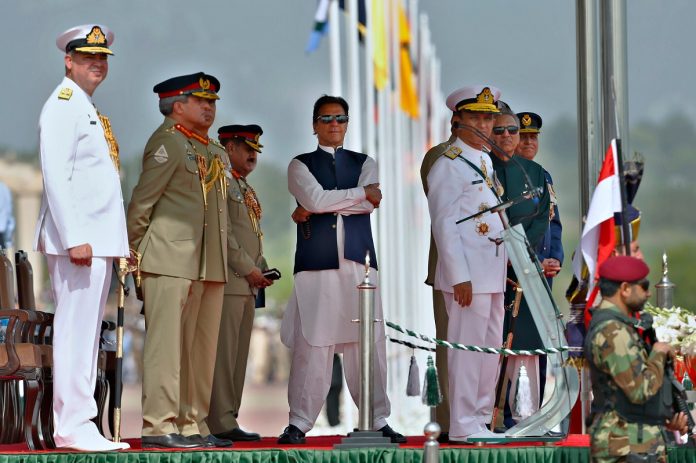
Pakistan PM Imran Khan

The no-confidence motion, which required 172 votes in the 342-seat parliament to pass, was supported by 174 politicians.

Anticipating his loss, Khan, who alleged the opposition colluded with the United States to unseat him, on Friday called on his supporters to stage rallies nationwide on Sunday.

Khan’s options are limited and should he see a big turnout in his support, he may try to keep the momentum of street protests as a way to pressure parliament to hold early elections.

“I will not accept an imported government,” Khan told the nation in a late-night address.

“I’m ready for a struggle,” he stressed.

Khan earlier tried to sidestep the vote by dissolving parliament and calling early elections, but a Supreme Court ruling ordered the vote to go ahead.

“We will not seek revenge. We will not put people in jails, but the law will take its course,” Pakistan opposition leader Shehbaz Sharif said in a speech after Saturday’s vote.

It is widely expected that Sharif – the younger brother of former three-time prime minister Nawaz Sharif – will replace Khan on Sunday or Monday.

Khan became the first prime minister in the country’s history overthrown through a vote of no confidence, the only constitutional way to remove the head of government in Pakistan. No Pakistani prime minister has ever completed a five-year term in office in the country’s 75-year history.

Khan, 69, surged to power in 2018 with the military’s support, but recently lost his parliamentary majority when allies quit his coalition government.

Opposition parties say he has failed to revive an economy battered by COVID-19 or fulfil promises to make Pakistan corruption free.

Earlier, lower house Speaker Asad Qaisar, a member of Khan’s Pakistan Tehreek-e-Insaf party, who adjourned the house three times on Saturday, announced his resignation, heightening the drama in the chamber.

“The country’s interests must be the priority,” he stated.

Whoever becomes Pakistan’s next prime minister will inherit the same issues that bedevilled Khan.

“We are aware of the enormity of challenges facing the country both internally and externally,” Sharif recently told Al Jazeera.

“The collapse of governance is so complete that it will take real work to stem the rot. We have had discussions with our allies on the way forward once this government goes home,” Sharif added.

A poorly performing economy, attacks by armed groups and shaky relations with former allies will top the agenda for the next administration.

The incoming government will need to stave off “multiple challenges on domestic and foreign relations levels”, said Professor Jaffar Ahmed, director of the Institute of Historical and Social Research.

Crippling debt, galloping inflation and a feeble currency have combined to keep growth stagnant for the past three years with little prospect of genuine improvement. “We don’t have any direction,” stated Nadeem ul Haque, vice-chancellor of the Pakistan Institute of Development Economics, a research organisation in Islamabad.

“Radical policy reforms are needed to turn around the economy,” ul Haque added.

Khan alleged the US orchestrated his removal by conspiring with the opposition, and the next government will have to work hard to patch up relations with Washington – a key arms supplier. The US denied any involvement.

Foreign Minister Shah Mahmood Qureshi offered to hold a public meeting with the opposition on the alleged foreign conspiracy.

“Let’s go into an in-camera session and let the ambassador of Pakistan to the USA come and tell the house,” Qureshi said, adding there were “blatant attempts of regime change”.

Khan angered the West by continuing with a visit to Moscow on the day Russia invaded Ukraine, and was also one of the few world leaders to attend the opening of the Beijing Winter Olympics when others boycotted in protest over China’s human rights record.

Still, army chief General Qamar Javed Bajwa allayed some fears last weekend by saying good relations with the United States remain high on Pakistan’s agenda – and the military holds huge sway regardless of the civilian administration in power.

“The incoming government … needs to put in hard effort to undo the damage,” noted Tauseef Ahmed Khan, a political analyst