Friday, December 26, 2025
Home Blog Page 1954

Taliban order Afghan women to cover faces in public

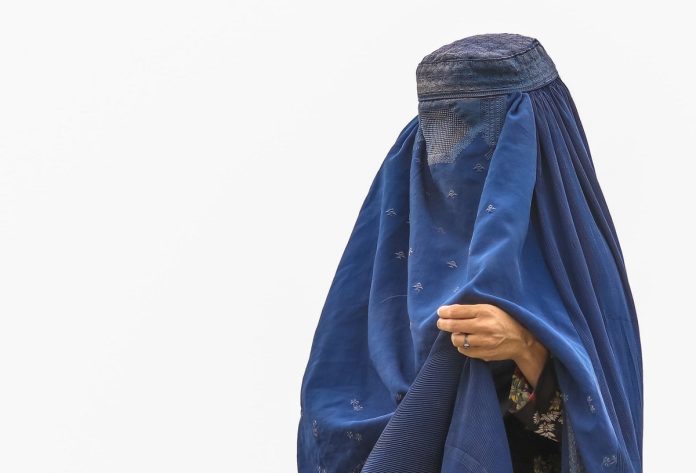
Afghan Woman

A spokesman for the Ministry for the Propagation of Virtue and the Prevention of Vice read the decree from the group’s supreme leader Hibatullah Akhundzada at a press conference in Kabul, saying that a woman’s father or closest male relative would be visited and eventually imprisoned or fired from government jobs if she did not cover her face outside the home.

They added the ideal face covering was the all-encompassing blue burqa, which became a global symbol of the Taliban’s previous hardline regime from 1996 until 2001.

Most women in Afghanistan wear a headscarf for religious reasons, but many in urban areas such as Kabul do not cover their faces.

The group has faced intense pushback, led by Western governments but joined by some religious scholars and Islamic countries for their growing limits on women’s rights.

A surprise U-turn in March in which the group shuttered girls’ high schools on the morning they were due to open drew the ire of the international community and prompted the United States to cancel planned meetings on easing country’s financial crisis.

Washington and other nations have cut development aid and enforced strict sanctions on the banking system, since the Taliban took over in August, pushing the country towards economic ruin.

The Taliban announced it has changed since it last ruled when it banned girls’ education or women leaving the house without a male relative and women were required to wear cover their faces.

However in recent months the administration has increased its restrictions on women including rules limiting their travel without a male chaperone and banning men and women from visiting parks at the same time.
Recognition of Taliban not on Iran’s agenda for now: Ex-envoy

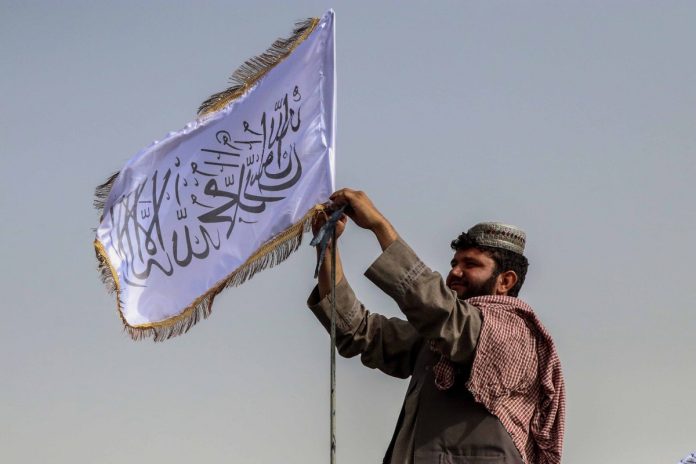
Taliban Afghanistan

Fada-Hossein Maleki told ILNA that Iran had repeatedly emphasized the need for the formation of an all-inclusive government in Kabul, but there are “serious internal divisions” among the Taliban and they do not hold unified positions in terms of receiving neighbors.

He said the recent wave of Daesh terror attacks that targeted Afghan mosques are a sign of the same internal rift, which hampers the restoration of stability, adding, “We hold sessions of talks with the Taliban and bring up such issues with them.”

“Recognition of the Taliban is not on our agenda for now, he said.

“Today, we maintain ties with the Afghan people and have stayed in the country with the goal of supporting the people. We have not shut the borders and offered assistance.”

“We emphasize that the Taliban must accept international regulations, while the issue of Iran’s share of water is a priority,” he added.

The former envoy said, “If the Taliban accept the formation of an inclusive government, stability will return to the country and all ethnic groups will be able to participate” in running the country’s affairs.

Health minister: 85% received 2nd dose of Covid vaccine in Iran

Covid in Iran

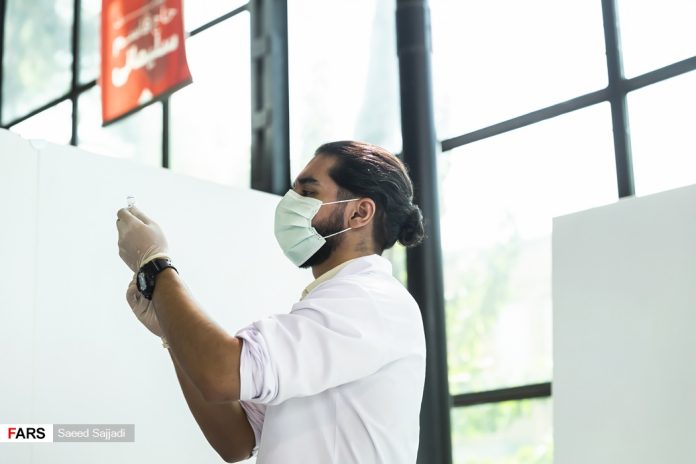
Bahram Einollahi said the health sector made a “great move” to stem the fast spread of the coronavirus across Iran through widespread vaccinations, which took place within a short period of time.

“We set a record of 1.6 million doses of vaccine administered daily and over 8 million in a week,” he added.

The minister said, “The key to Iran’s success in bringing about a remarkable decline in coronavirus figures was the people’s solidarity with the administration’s plans” against the pandemic.

Across Iran, daily Covid-19 cases, deaths and hospitalizations have been on the decline, along with many other parts of the world.

Einollahi, however, cautioned the public on Thursday against taking the virus lightly since it still remains active in the world and claims lives.

He advised people to take a fourth dose of vaccine to bolster their immune system against the respiratory disease.

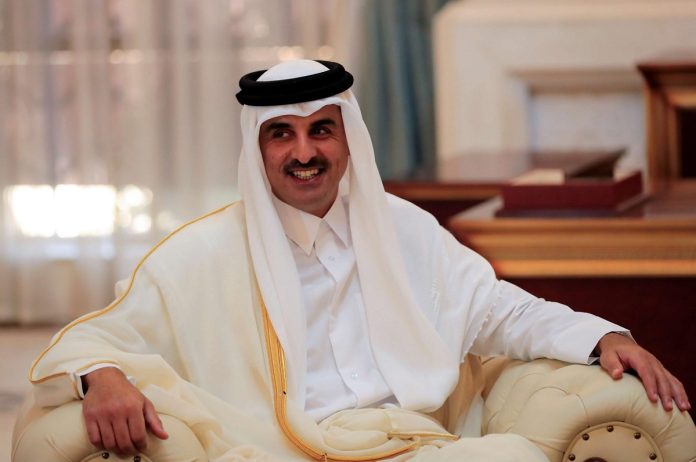
Qatari emir set to visit Iran for follow-up on recent agreements

Emir of Qatar Sheikh Tamim bin Hamad Al Thani

IRNA reported Saturday that the Qatari monarch was slated to travel to Tehran at the head of a high-ranking politico-economic delegation, without providing a date.

The upcoming visit comes a few months after Iranian President Ebrahim Raisi made a two-day visit to the kingdom, where Tehran and Qatar signed 14 major agreements on various areas of cooperation, mainly economy and trade.

According to the report, during the emir’s stay, Tehran and Doha will discuss ways to accelerate the implementation of the deals.

The two sides will also explore ways to help Iran receive its debts.

The Raisi administration has placed ties with neighbors high on its foreign policy agenda, a factor that many observers believe has led to a rise in exchanges between Iran and regional states in recent months.

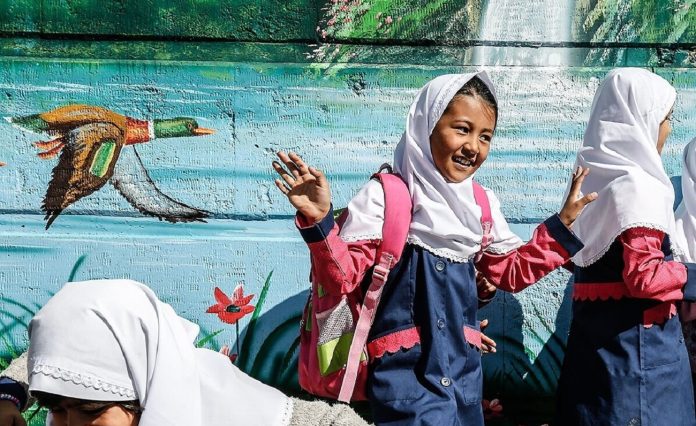
Official: 527k foreign children study in Iranian schools

Foreign children study in Iranian schools

In an interview with IRNA on Saturday, Abolfazl Kamaali, said that Iran’s Ministry of Education has adopted appropriate policies for foreign national students, with 22 schools exclusively established for them.

He stated that special schools were established in popular immigration destinations like Tehran, Qom, Kashan, and Mashhad and the ministry would welcome private investment in such areas.

About 10,000 foreign national children study in these special schools, Kamali noted, adding that the students are taught in accordance with Iran education system.

No immigrant child, no matter legal or illegal, is deprived of education in Iran in line with official guidelines and in accordance with the instruction given by Supreme Leader of the Islamic Revolution Ayatollah Seyyed Ali Khamenei, as said by the official.

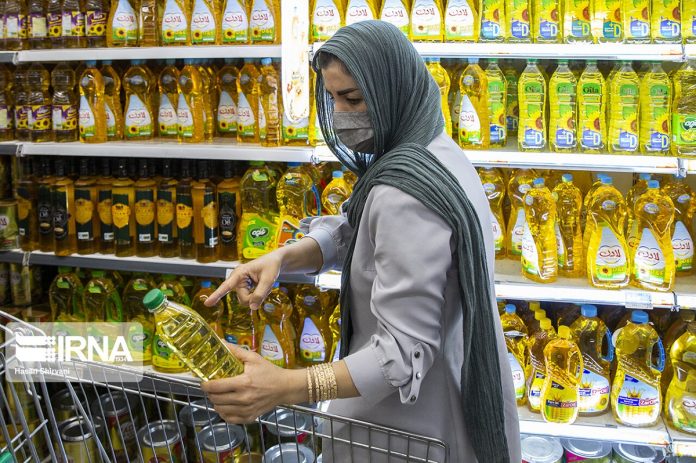
Iran’s VP: Govt. seeking fair distribution of subsidies

Iran Economy

In a TV interview, Mohammad Mokhbar briefed Iranians on the administration’s measures to pave the way for a fair distribution of the subsidies and explained the root causes of the recent increases of prices in the country and the food security challenges currently gripping the world.

He said the shortages of some essential items and their rising prices were mainly caused by drought in regions that served as the main suppliers of such items, the war between Russia and Ukraine, two of the major providers of grain to the global market, as well as hoarding in different parts of the world.

The official also provided explanations on the decision by the government to eliminate the subsidy for industrial use of flour, which has led to a sharp hike in prices of a number of wheat-based items, such as sweets, pasta, baguettes, and noodles.

The issue of eliminating the subsidies was not brought up in the budget bill for the current fiscal year, but the administration placed the measure on its agenda to prevent shortages of essential items and fight their smuggling to other countries, he said.

Mokhber reassured the public that the subsidies for bread and medicine would never be eliminated.

“Following their defeat on the military field, the enemies of Iran have shifted the battle ground to economic war with the Iranian nation, which is even more dangerous,” he added.

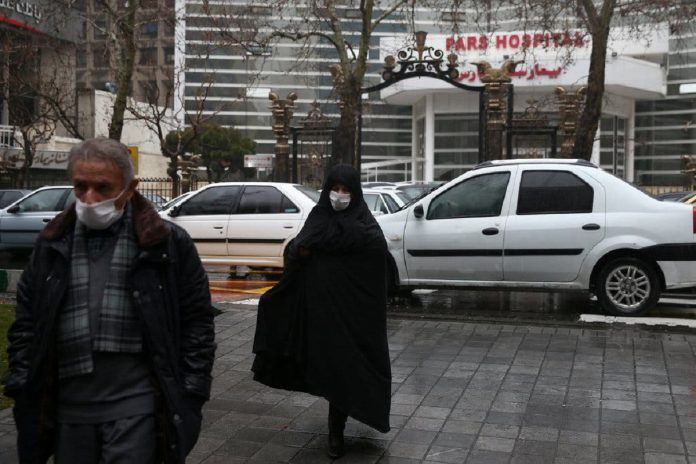
All Iran cities exit ‘red’ category on Covid map as infections recede

COVID in Iran

According to the latest updates released by the Iranian Health Ministry on Saturday, the number of cities classified as “orange” on the map has reached four, down from 33.

The number of “yellow” cities has also gone down from 321 to 319. On the contrary, the number of “blue” cities, when the situation is fully normal, increased from 94 to 125.

The latest figures come as new daily Covid-19 cases, deaths and hospitalizations have been on the decline in Iran, along with many other parts of the world.

Iranian officials and experts have, however, warned that the pandemic may still be far from over and a new wave of infections may hit the country in the summer.

On Thursday, Health Minister Bahram Einollahi cautioned the public against taking the coronavirus lightly, advising the people to get a fourth dose of vaccine this year to further boost their immune system against Covid-19.

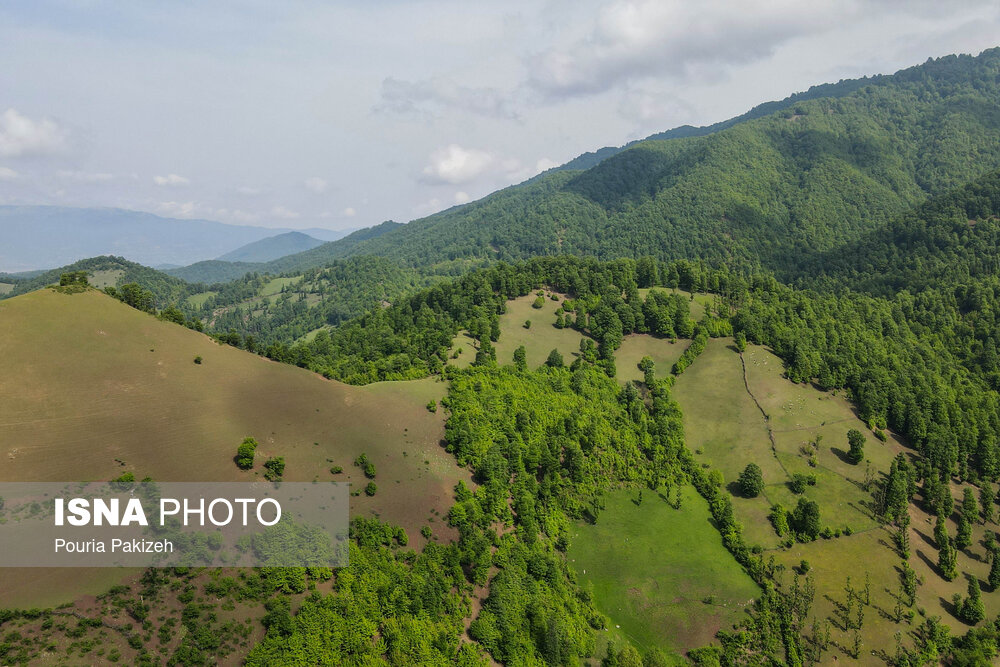
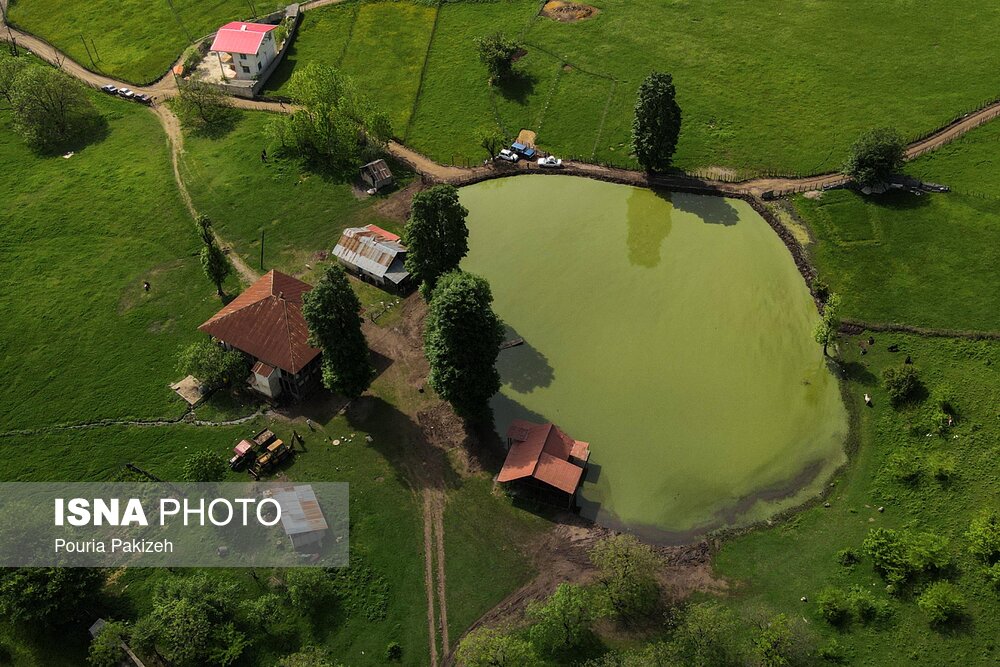
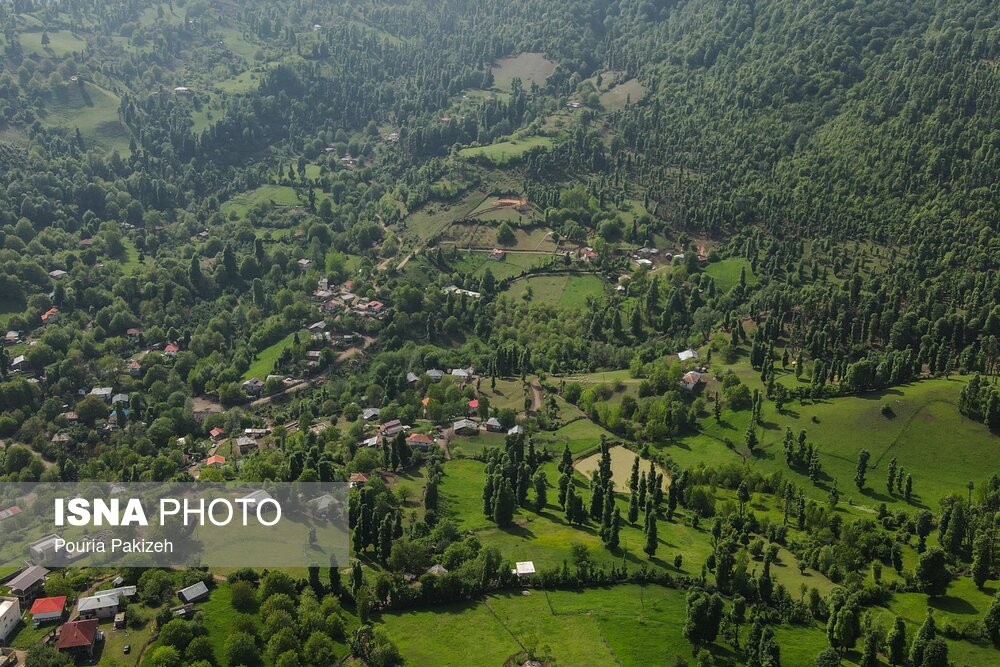
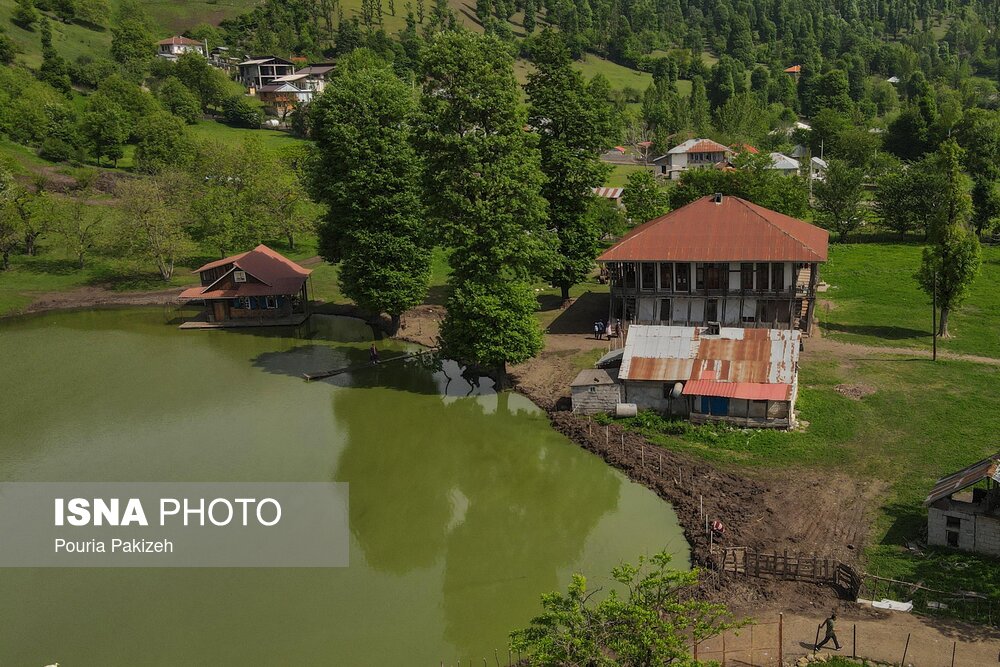
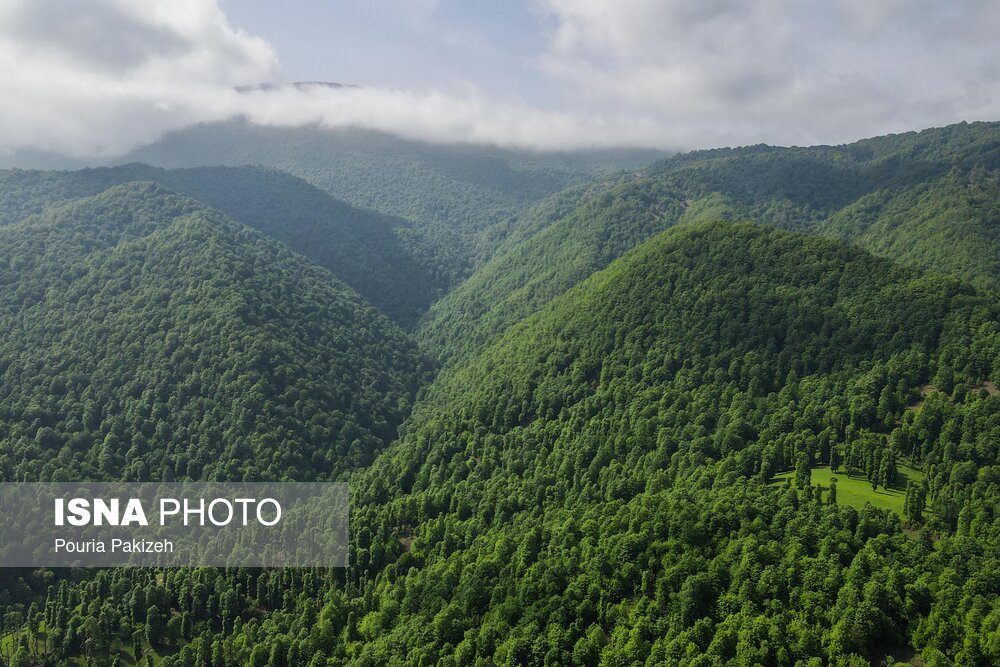
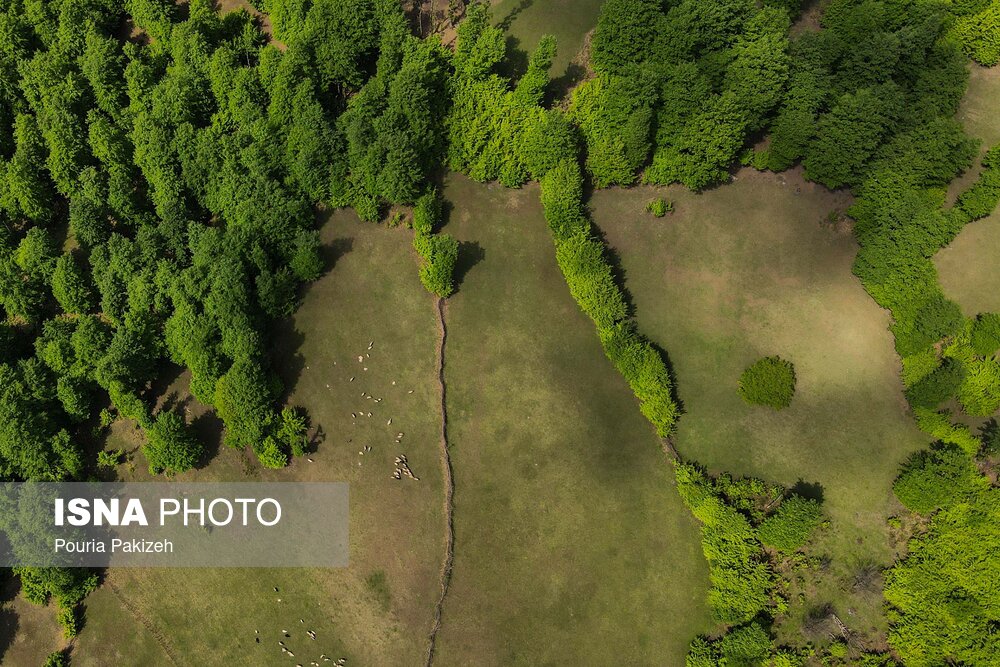
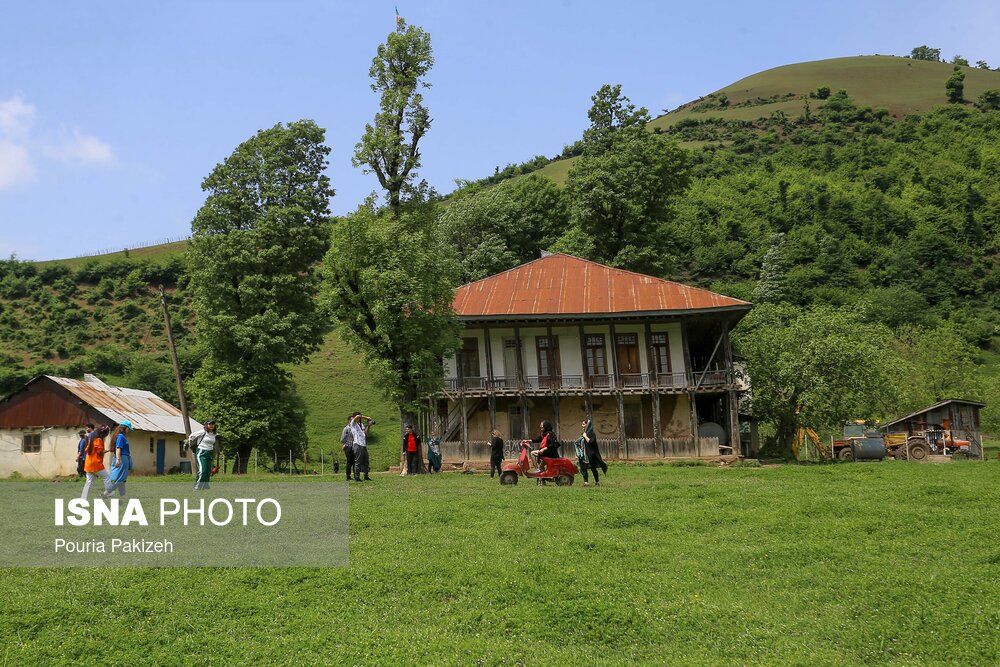
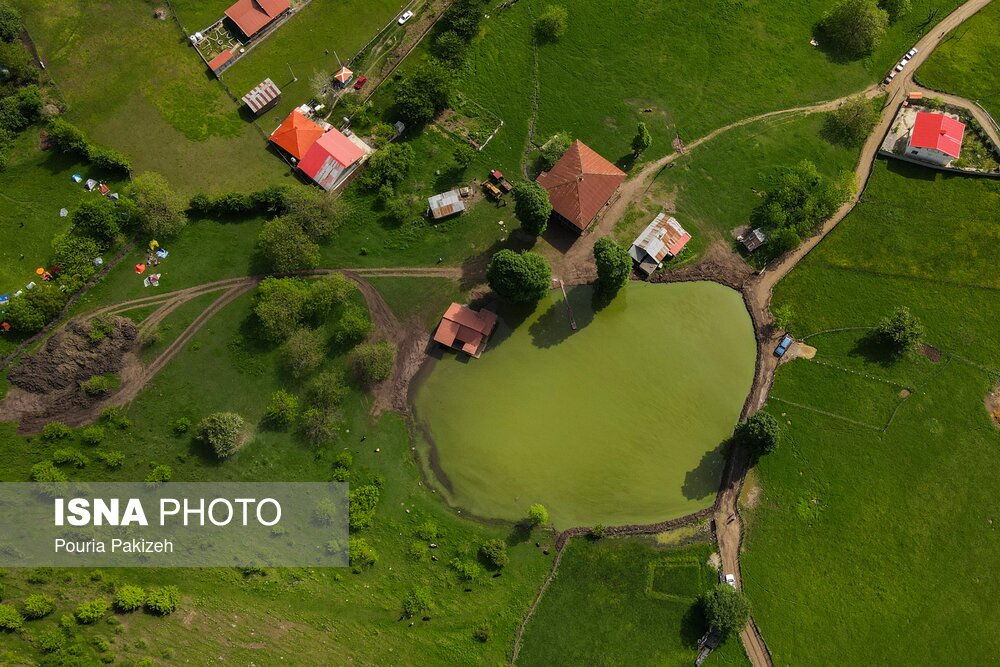
Iran tourism: Estakhrgah village, the hidden paradise near Rudbar

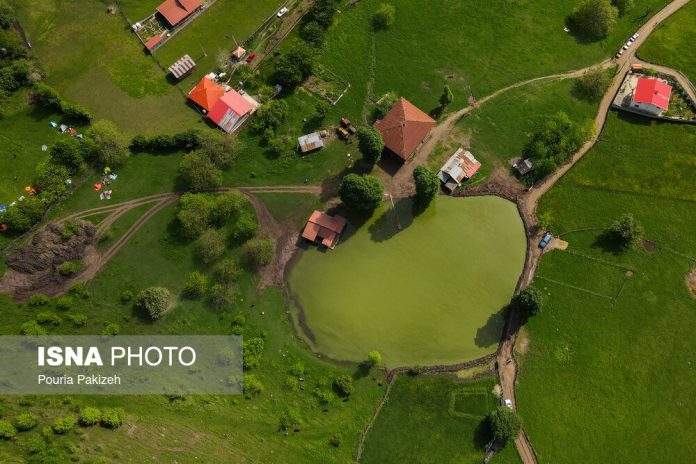
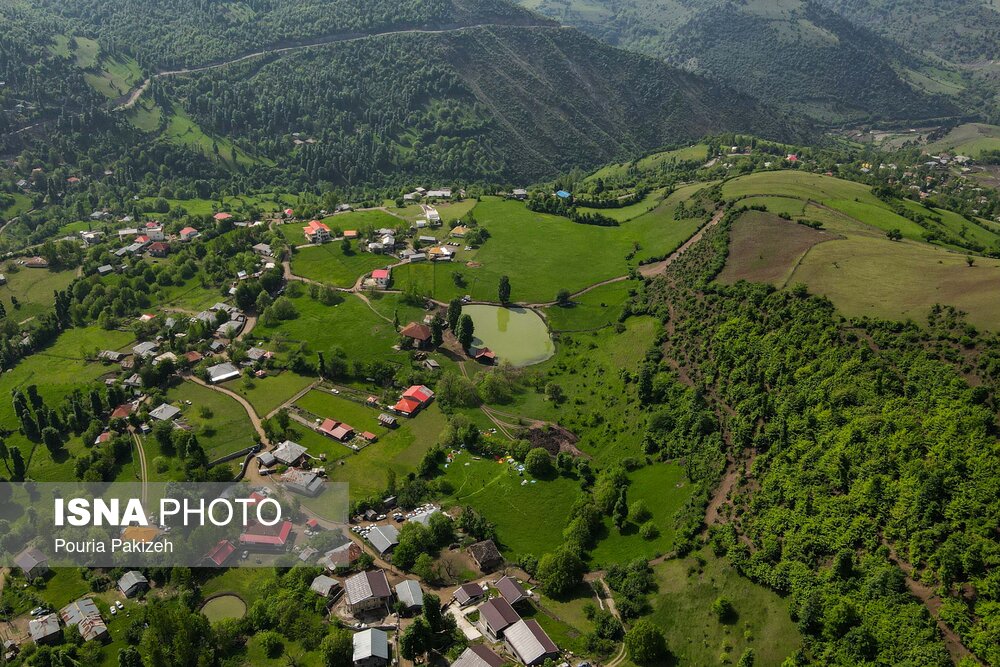
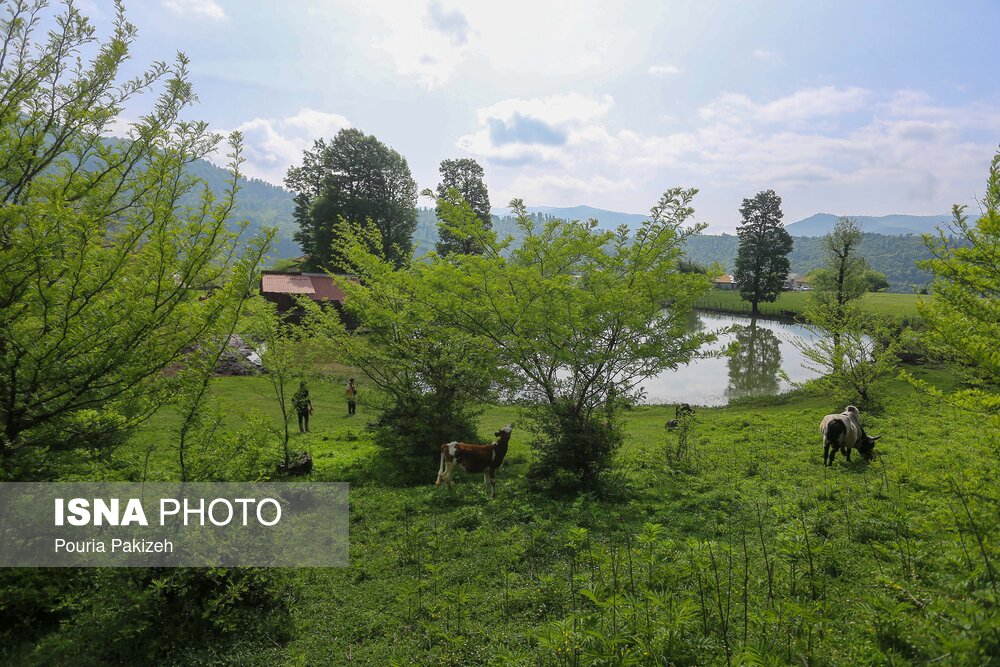
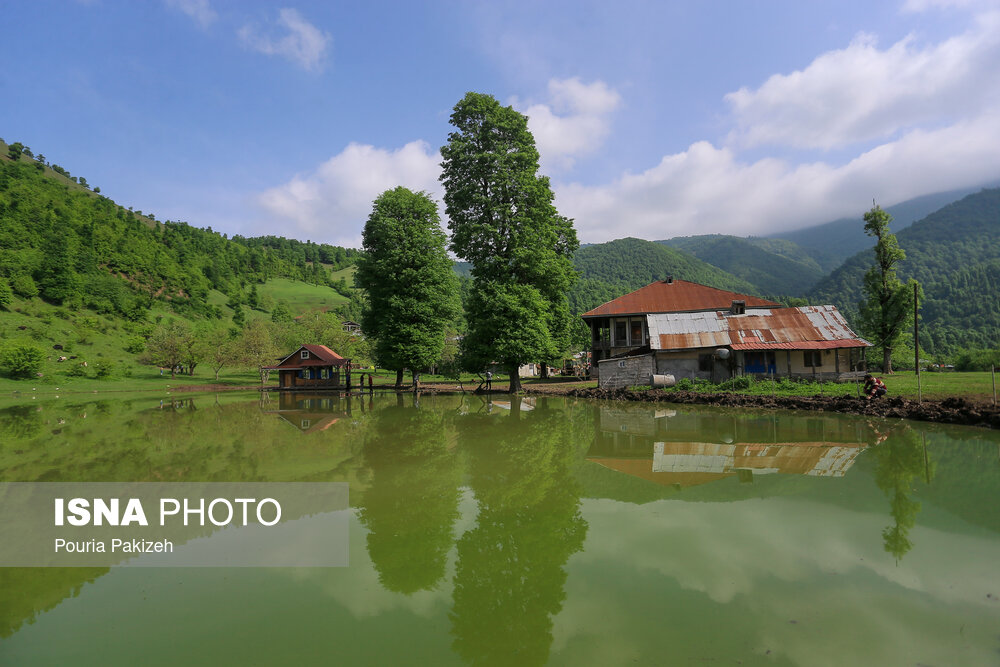
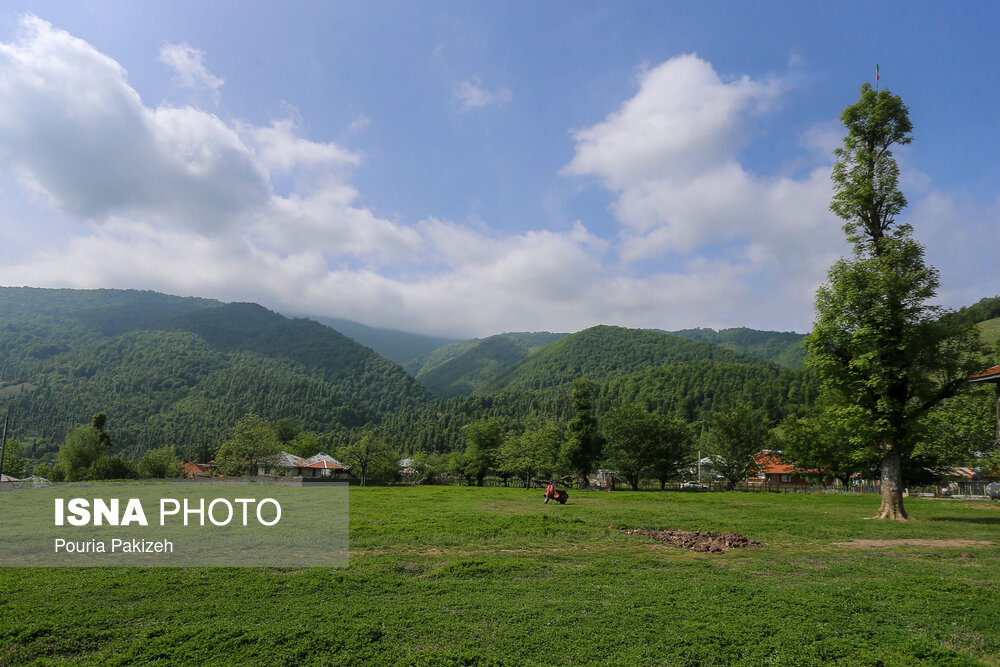
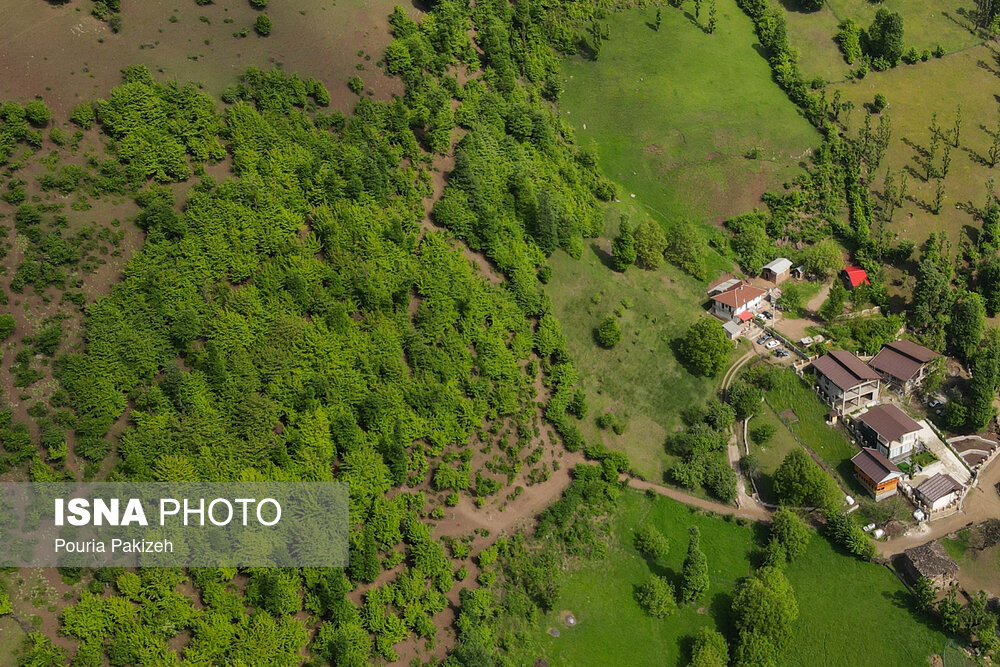
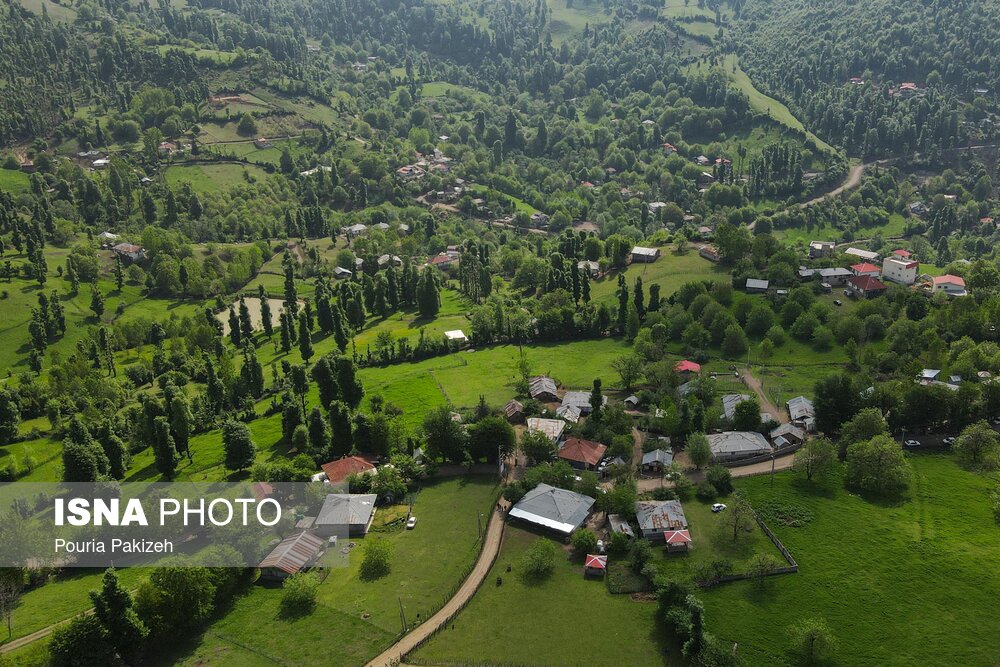
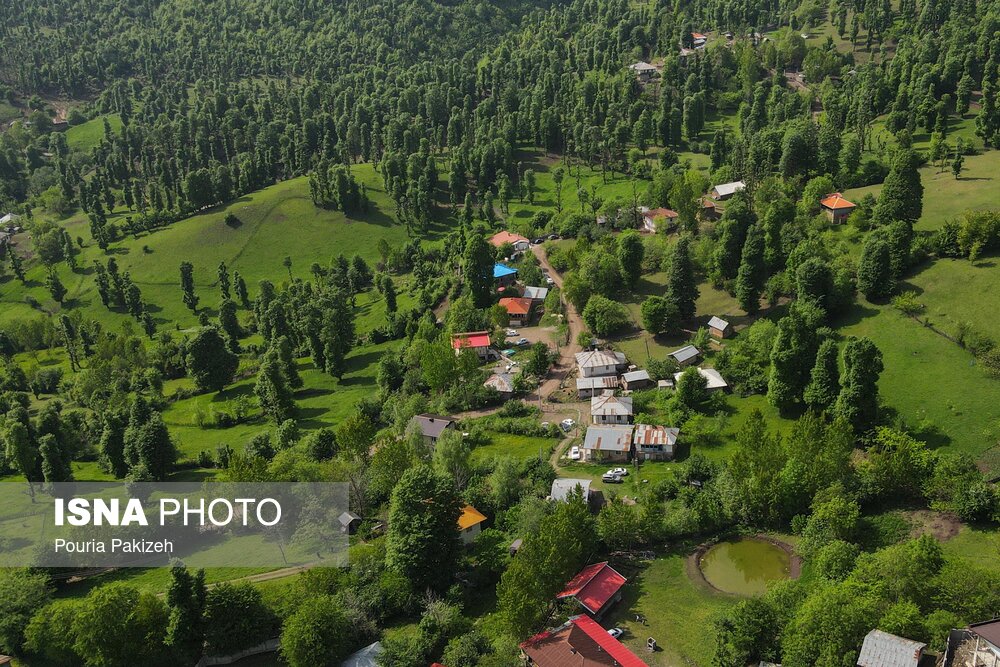
Estakhrgah village in Iran

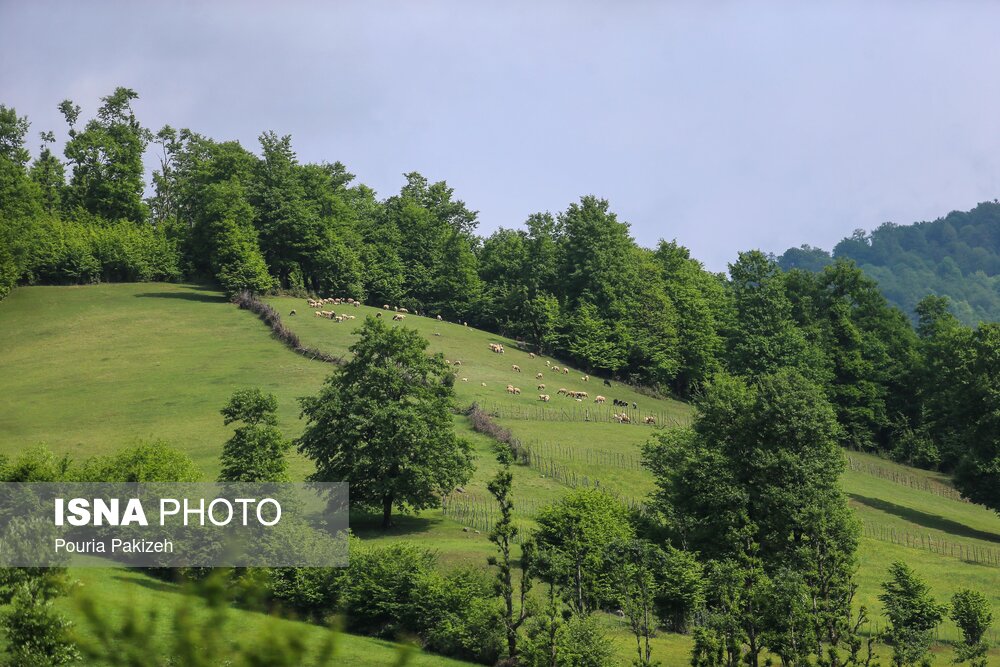
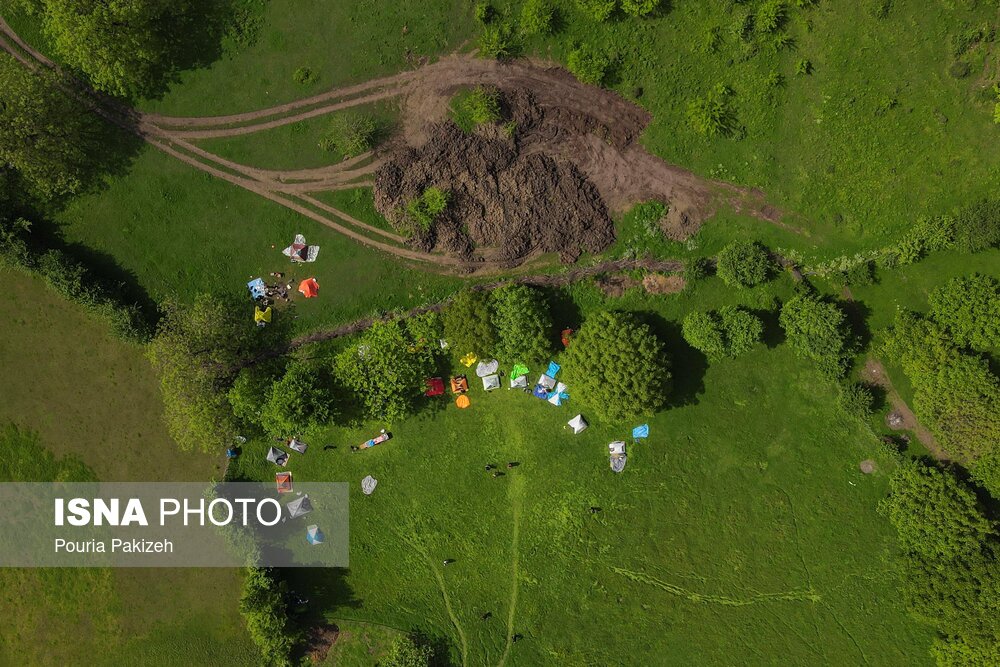
The village is located near the city of Rudbar, the land of olive trees. Estakhrgah’s unique beauty of the four seasons attracts many tourists every year.

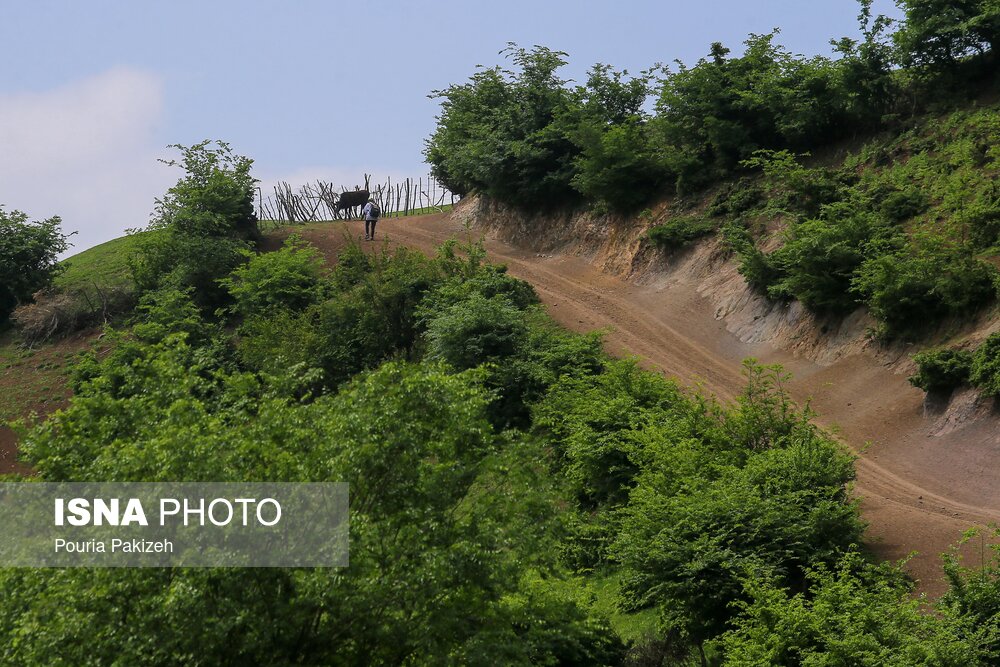
You have to cross paddy fields and go through beautiful mountain roads to reach this village which is one of the attractions of Rudbar.

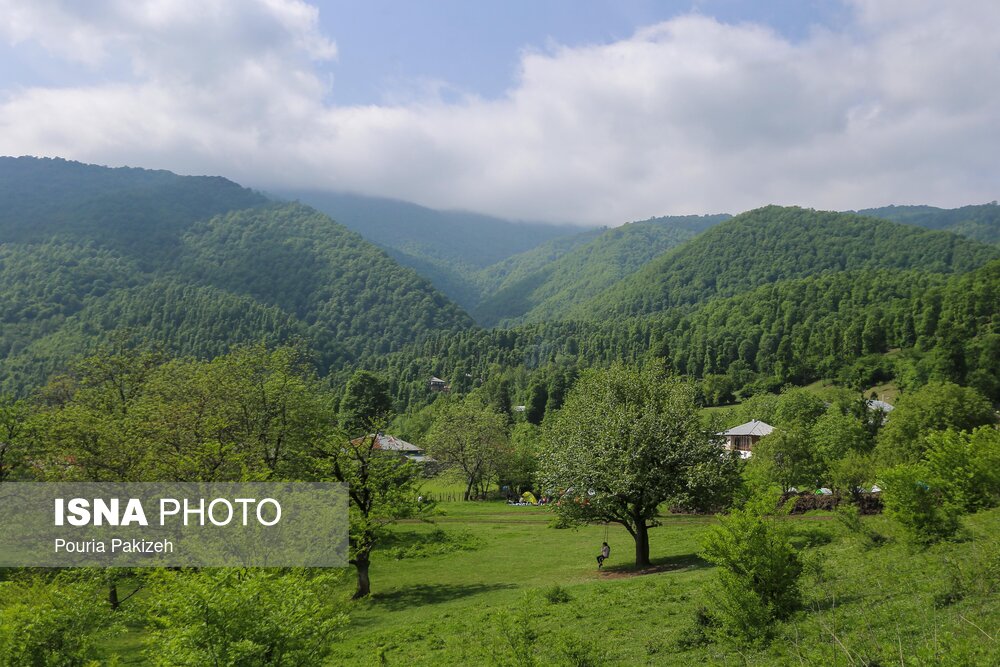
Estakhrgah, with the pleasant climate of a mountainous area, hosts guests from other cities in all seasons.

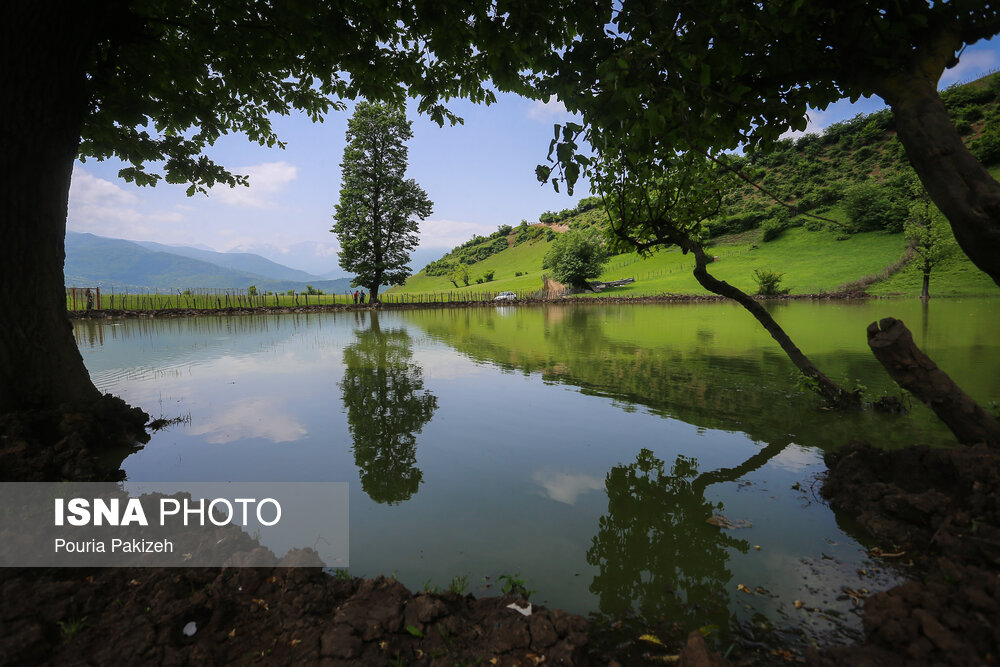
Estahkrgah’s pond or pool is one of the reasons tourists choose this village as their destination. But the forest beauty of this village is also mesmerizing.

The forests around the village are so beautiful that if you go hiking there in the morning, you will need to spend the rest of the day in the beauties of Darfak slope.

Khatibzadeh: Normalization with Israel encouraging violence

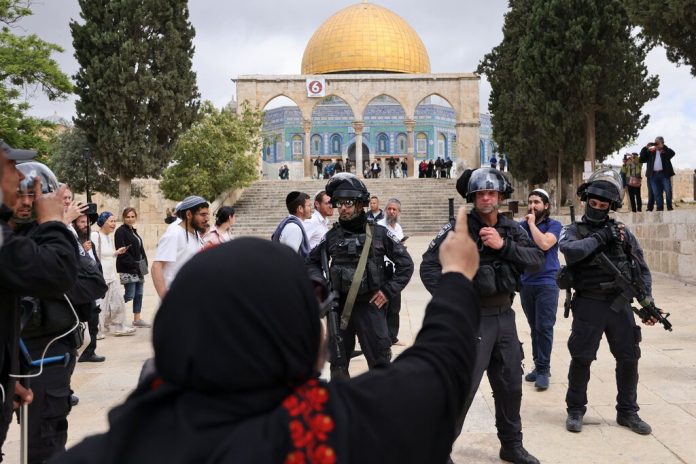
Al-Aqsa Mosque

Khatibzadeh made the comment in reaction to the fresh Israeli forces’ attacks on Palestinians worshippers and the al-Aqsa Mosque.

Khatibzadeh emphasized the need for the unity of the Islamic world to defend Palestine and save al-Aqsa Mosque, Islam’s third holiest site.

He condemned the Zionists’ repeated attacks on al-Aqsa Mosque and the brutal attacks by Israeli forces on worshipers and defenders of Palestinian holy sites.

Khatibzadeh added occupation and the occupiers are on the decline, and the struggle against the usurpers of al-Quds and Palestine is a natural, legitimate and legal right of the Palestinian people.

The foreign ministry spokesman called on nations, governments and regional as well as international organizations to help the Palestinians defend themselves against the Zionist occupiers.

Iran FM says US brave and realistic decision needed for robust nuclear deal

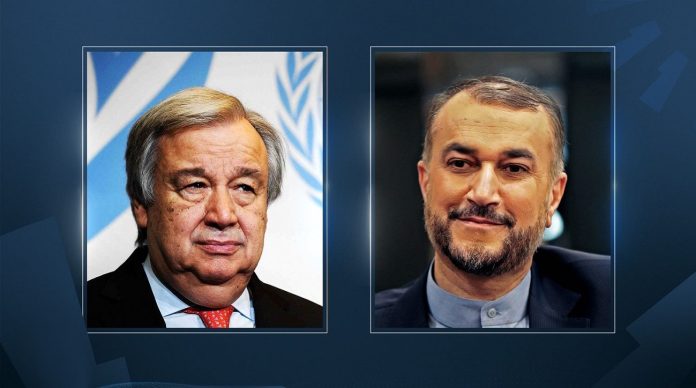
Antonio Guterres and Hossein Amir Abdollahian

Hossein Amir Abdollahian, in a phone conversation with the UN chief, criticized the recent non-binding bill approved by the US Congress barring the White House from lifting the name of Iran’s Islamic Revolution Guards Corps from the US’s so-called terror list.

Amir Abdollahian blamed the US’s so-called maximum pressure campaign for the current situation regarding the Iran nuclear deal.

Amir Abdollahian also referred to the temporary ceasefire in Yemen and said the continuation of the truce is necessary. He called for the removal of the humanitarian siege of Yemen.

The Iranian foreign minister in other comments called the security and humanitarian situation in Afghanistan very worrying and underlined the need for the formation of an inclusive government there with the participation of all ethnic groups.

Amir Abdollahian also referred to the Afghan refugee influx into Iran and demanded that the UN fulfill its obligations regarding the Afghan refugees.

Amir Abdollahian further spoke about the surge in terrorist attacks in Afghanistan and also the problems that stem from poverty in the country. He then underscored the necessity of releasing frozen Afghan assets.

Amir Abdollahian reaffirmed Iran’s opposition to the war in Ukraine and referred to Tehran’s focus on a political solution and attention to the humanitarian aspects of the Ukraine crisis.

He said the Ukraine crisis must not prevent attention of the international community to the humanitarian catastrophe in Afghanistan.

During the conversation, the UN chief also thanked Iran for its constructive efforts and stance to support the Yemen truce.

Antonio Guterres expressed hope that with the removal of all obstacles, “we will witness the resumption of flights from the San’aa Airport and the reestablishment of link between Yemeni provinces and also the continuation of the ceasefire.”

The UN secretary general welcomed the continuation of talks and movement toward the normalization of diplomatic ties between Tehran and Riyadh.

The UN chief underlined the significance of the formation of an inclusive government in Afghanistan and also appreciated the constructive role of the Islamic Republic of Iran in accepting Afghan refugees and providing them with humanitarian aid.