Friday, December 26, 2025
Home Blog Page 1928

Communiqué: Iran president visit to Oman opened new chapter in ties

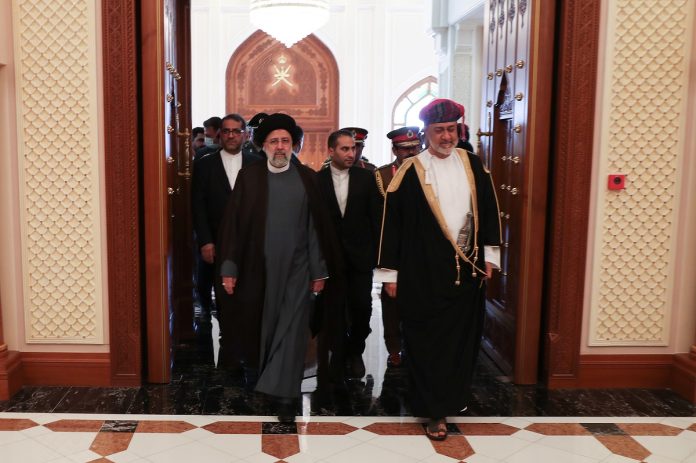
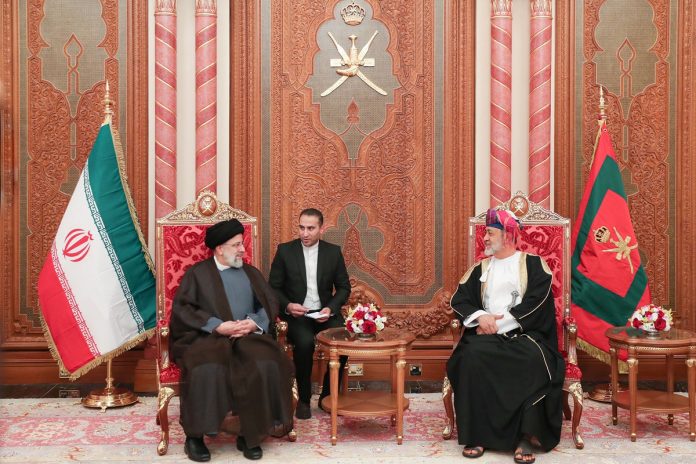
Iran President Ebrahim Raisi & Omani Sultan Haitham Bin Tarik

The communiqué said the decision by Tehran and Muscat to expand ties during Raisi’s visit opened new chapters in economic cooperation.

It underlined the positive and constructive role of the private sectors of Iran and Oman in increasing investments and trade exchanges.

In the communiqué, Oman’s sultan appreciated the Iranian government for adopting a policy of constructive and all-out interaction with world countries, especially neighbors.

Iran and Oman also reiterated in their communiqué that Raisi visited the Persian Gulf country in light of strong historical bonds between the two nations and with the aim of strengthening lasting ties between the leaders and people of the two countries.

Raisi traveled to Oman at the invitation of the country’s Sultan Haitham bin Tariq Al Said.

During his 1-day stay, he met with the Omani sultan and attended a lunch banquet hosted by him.

Then he held talks with Oman’s Deputy Prime Minister Fahd bin Mahmud Al Said. In the meeting, Raisi said the Iran-Oman ties have always been good and constructive throughout history, noting, “Despite that, this level of relations is not convincing”.

The president said the Islamic Republic can be a good medical tourism destination for Omanis.

Raisi also stressed that despite the US sanctions, Iran has made long strides in areas which were hit heaviest by the bans, such as nuclear energy and defense industries.

The president stressed that Western governments including the US sought to stop Iran’s progress by imposing sanctions, but the whole world saw Washington concede the failure of its so-called maximum pressure policy toward Iran.

President Raisi once again rejected Western claims that Iran is after nukes, saying nuclear arms have no place in Iran’s defensive doctrine and that the Islamic Republic uses peaceful nuclear know-how for purely civilian purposes like for medicine and agriculture.

The Omani deputy prime minister for his part said the Tehran-Muscat relations will not be limited to trade relations and will include major areas such as political interactions and cooperation.

During Raisi’s visit, Iran and Oman signed 12 cooperation deals in fields of energy, politics, transportation, diplomacy, trade, science, environment and sport.

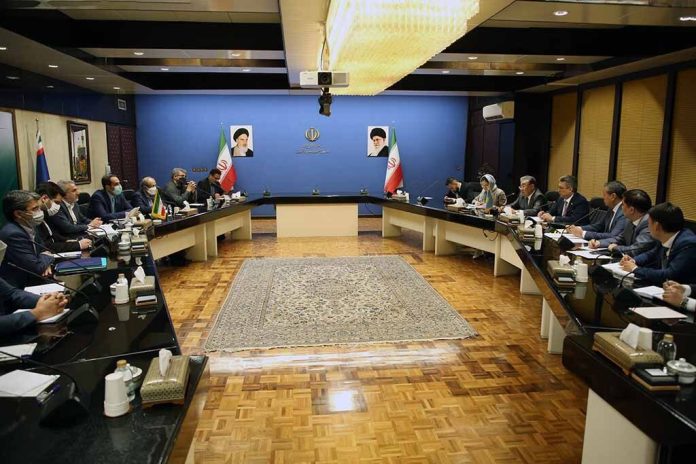
Iran, Oman sign MoU on extension of bilateral trade cooperation

Iranian Trade Minister Seyed Reza Fatemi Amin and his Omani counterpart Qais bin Mohammed Al Yousef

Several other trade agreements were signed by Iranian and Omani officials. Top Iranian officials are accompanying President Ebrahim Raisi in his official trip to Oman.

Over the past 50 years, the two neighboring countries have moved on a trajectory of sustained coexistence and mutual respect in their diplomatic relationship, irrespective of occasional hiccups in ties between Iran and some Arab states of the region.

The visit by President Raisi to Muscat comes as part of his administration’s agenda to bolster trade diplomacy with regional countries.

Since President Raisi took office back in August 2021, Tehran has broadened its focus on boosting ties with the regional and neighboring countries.

President Raisi seeks to promote trade with neighboring countries instead of waiting for Western powers to ease the US-led sanctions regime against Iran.

To this end, Raisi has called for strengthening regional bonds especially in the Persian Gulf region.

His two-day visit to Oman is decisive, sensitive and effective which can pave the way for further improvement of Iran’s relations with other Persian Gulf states at a time of the most draconian sanctions on Iran.

Last year, Iran and Oman recorded bilateral trade of $1.3 billion, but they are looking to make maximum use of their potentials in various sectors of economy and investment opportunities to raise it to new highs.

Iran, Kazakhstan mull improving economic relations

Iran & Kazakhstan

Iran and Kazakhstan are set to strengthen trade ties as Tehran is moves closer to join the Eurasian Economic Union.

“The most important issue that exists and needs to be resolved is the issue of financial transfer… There are several mechanisms for financial transfer that we are examining, and if this issue is resolved, we will witness a huge leap in the field of bilateral commercial activities,” said the Iranian minister of trade.

“Kazakhstan is very rich in mining and has big mining companies like Iran. We import two million tons of steel sheets annually, part of which can be imported from Kazakhstan,” Fatemi-Amin added.

Heading a delegation, Deputy Prime Minister and Minister of Trade and Integration of Kazakhstan, Sultanov is in Iran on an official visit to discuss expansion of bilateral trade with high-ranking Iranian officials.

Exploring ways to boost bilateral trade

Sultanov said Iran and Kazakhstan need to draft new forms of cooperation to enhance bilateral trade.

“Iran has good products in various fields including agricultural machinery, chemical fertilizers and other industrial products. Iran has 120 years of experience in oil extraction and also enjoys good knowhow in various fields of technology. We want to exchange experience with Iran not only in oil and gas sector, but also in the field of industry and mining…” added the Kazakh deputy prime minister.

He also referred to Iran’s “high capacity of logistic transit” that can facilitate the implementation of joint projects aimed at deepening bilateral trade ties.

“Iran has several economic zones. We also have 13 free economic zones, in addition to neighboring countries such as Uzbekistan and Kyrgyzstan. We invite Iranian companies to participate and operate in our free economic zones,” Sultanov stated.

Facilitating business for private sector

“A key issue for the development of trade relations is that we must provide the best possible conditions for trade companies so that they can conduct their own business directly,” noted the Minister of Trade and Integration of Kazakhstan.

“A number of entrepreneurs and private sector businessmen are with us on this trip. They have already achieved good results in the meetings with their Iranian counterparts. In the first step, they were able to sign a $ 14 million contract. This is not a big amount, but it is effective for expanding cooperation,” the top Kazakh official continued.

Sultanov said Kazakhstan will offer 72-hour visa free stay for Iranian business as the first step to pave the way for bilateral trade extension between Tehran and Astana.

He expressed hope that Iran and Kazakhstan can set up a permanent chamber of commerce to boost bilateral trade.

“We are ready for cooperation on mining, as well as oil, gas and petrochemical industries. We also welcome joint work with Iran on various sectors including home appliances, medical equipment and medicine, can prepare the ground for the Iranian companies to operate in our free zones…” he added.

Support for Iran membership in EAEU

Deputy prime minister and minister of trade and integration of Kazakhstan also emphasized that his country supports Iran’s membership in the Eurasian Economic Union (EAEU).

Kazakhstan, along with Armenia, Belarus, Kyrgyzstan, and Russia is one of the member states of the EAEU. Iran and the Eurasian Economic Union seek to finalize a free trade agreement by the end of 2022.

Iran signed a Free Trade Agreement with the Eurasian Economic Union (EAEU) in October 2019.

Under the three-year preferential trade deal, the EAEU and Tehran obliged to accept the conditions for achieving a full free trade plan for tariff-free essential commodities.

The economic bloc is estimated to offer an integrated market of 184 million people and a gross domestic product of over $5 trillion.

The deal has already increased the trade volume between Iran and the member countries of the economic bloc.

The trade volume between Iran and the EAEU member states skyrocketed by over 84% in the period between October 2019 and October 2020, before the outbreak of the Covid-19 pandemic.

Meanwhile, Iran’s Customs Administration announced that the value of the annual trade between Iran and the EAEU member states witnessed a 66% year on year increase, soaring to $5.643 billion over the past Iranian calendar year (ended on March 20, 2022).

Iran exported 2.77 million tons of commodities worth over $1.170 billion to EAEU member states over the same period.

Iranian MP: Israel behind assassination of IRGC member

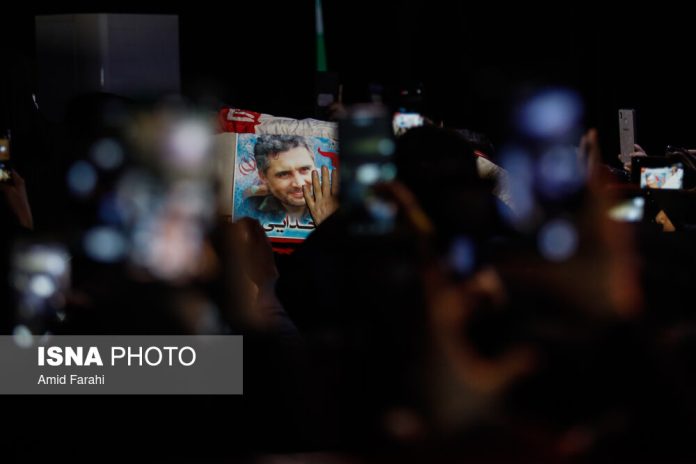
IRGC Member Colonel Hassan Khodaei

Mojtaba Zolnour, a member of the Iranian parliament’s national security and foreign policy commission said the intelligence ministry and the IRGC’s intelligence agency have found some clues about the perpetrators of the terrorist attack.

Colonel Hassan Khodaei was assassinated by two assailants riding motorbikes in downtown Tehran on Sunday afternoon while he was entering his house. The attackers fled the scene after killing the IRGC officer.

Zolnour said, “This incident was brought about by the pawns of global arrogance and our understanding is that the mercenaries of international Zionism and the Israeli regime committed the crime”.

He added that those who killed Khodaei will pay a heavy price, just as Israel has put all its embassies worldwide on high alert.
The MP noted that the assassination of Khodaei does not show courage or boldness but is a sign of evil.

He vowed revenge for the killing “because it crossed our redline.”

Man hanged in Iran for murdering wildlife rangers

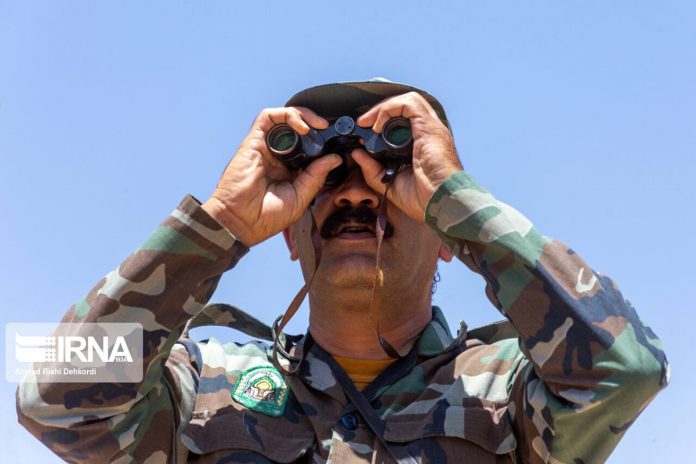
Iran wildlife rangers

The convict had killed the environment protection agents with live fire during a chase in Zanjan Province.

The chief of the Zanjan justice department said those who had fought the agents were arrested soon after the clash.

Esmail Sadeghi added that the trial was concluded quickly given that people were highly sensitive to the issue and that the incident had had a negative psychological impact on the society.

Sadeghi noted that the convict was hanged after the death sentence was upheld by Iran’s Supreme Court. The wildlife rangers were killed by the illegal hunters last year.

They tried to stop the violators who were seeking to hunt deer in a wildlife protected area.

5.5-magnitude quake hits southeastern Iran

Earthquake

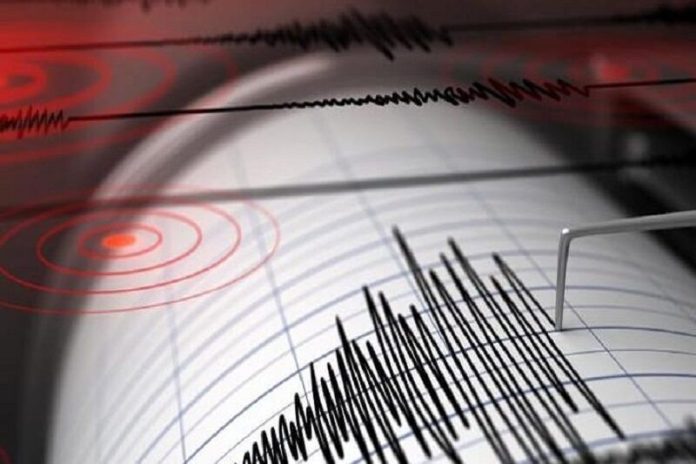
The director general of the crisis control department of Sistan and Balouchestan said the quake happened at 12:06 on Monday.

The tremor took place at a depth of 16 kilometers. There are no immediate reports of casualties or damage.

But several teams have been dispatched by the crisis control department to the site of the earthquake.

Iran is a quake-prone country and is criss-crossed by many fault-lines.

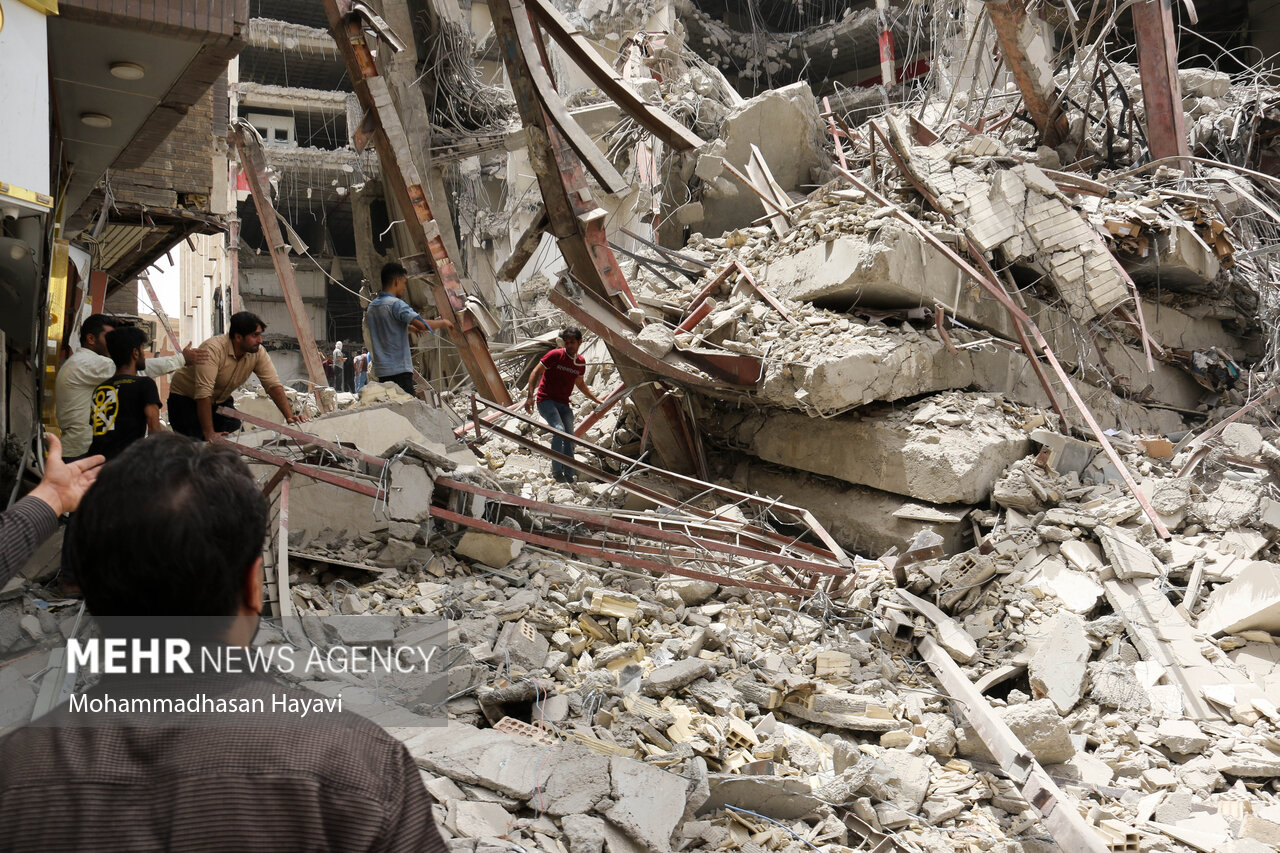
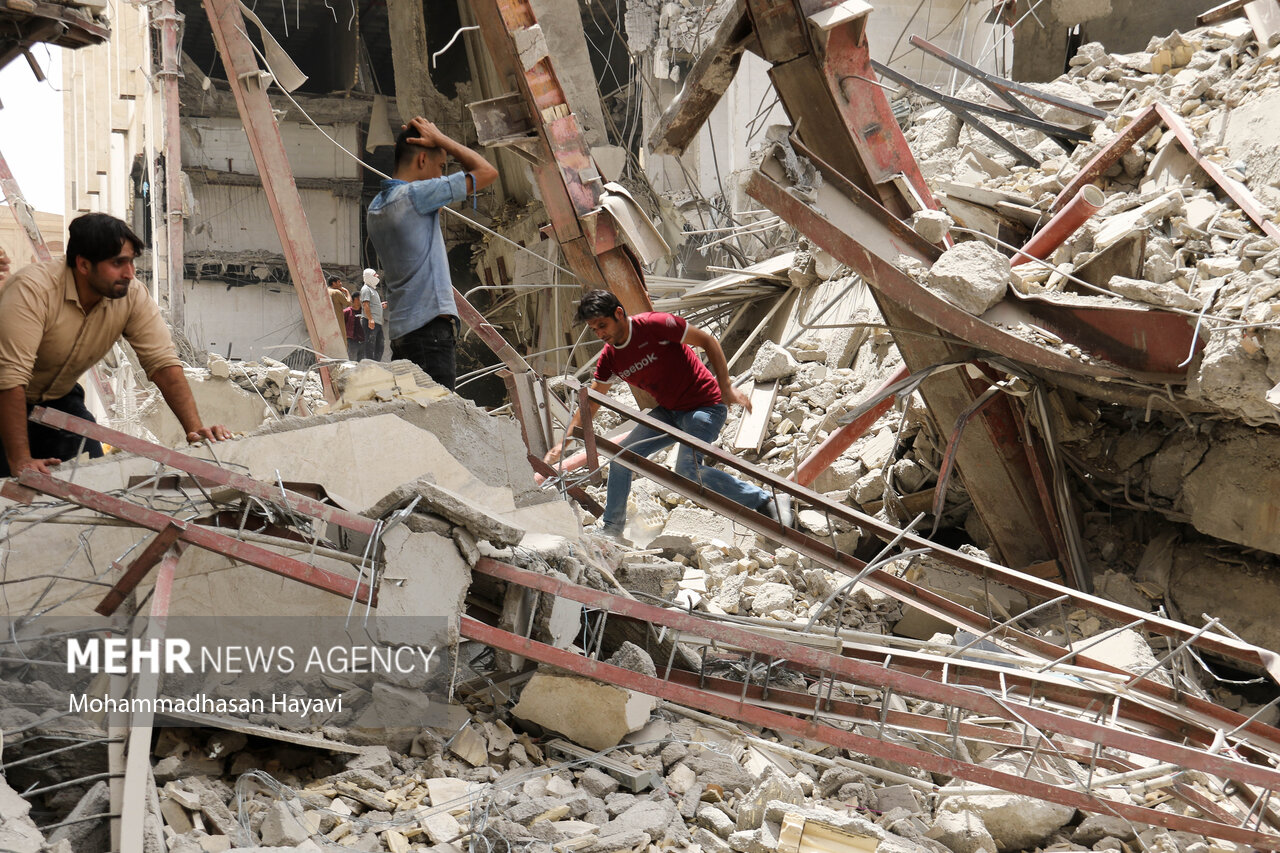
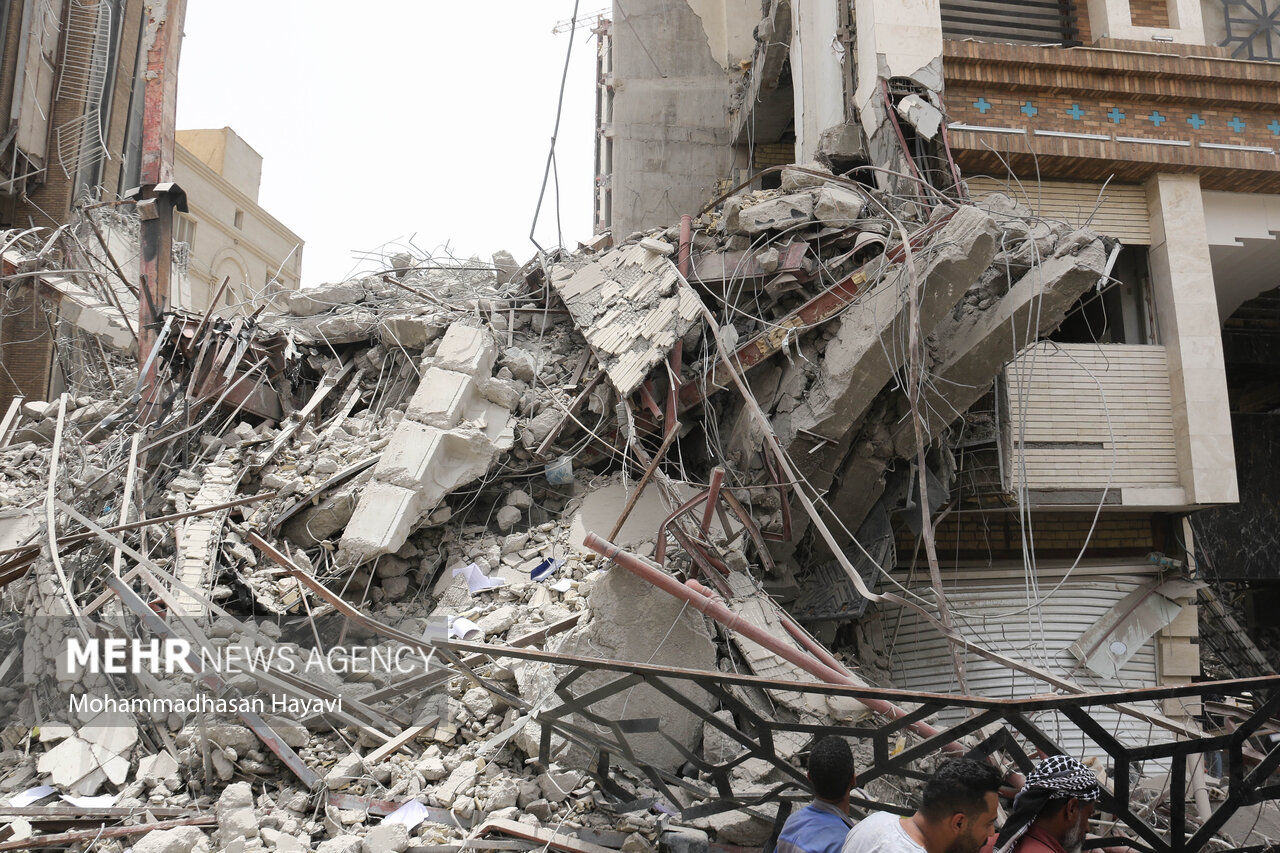
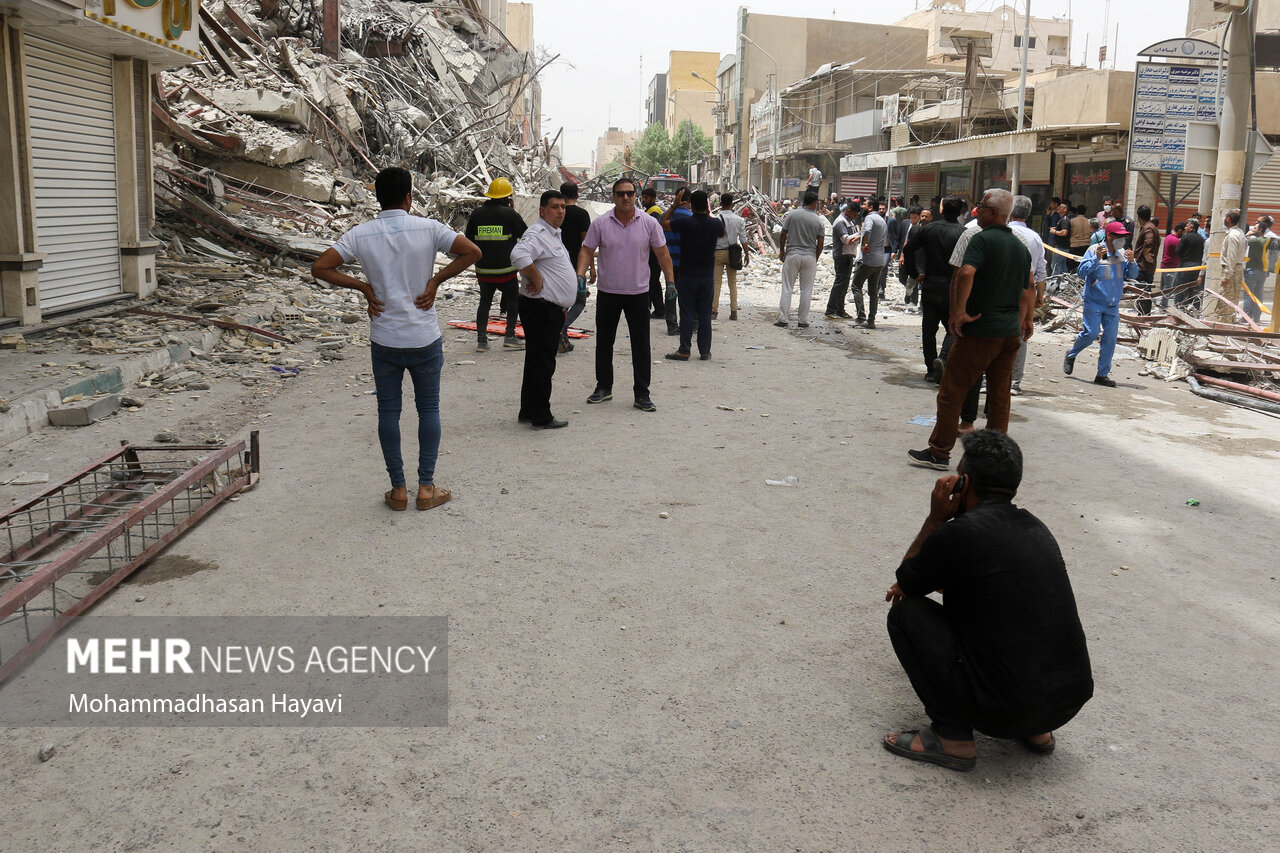
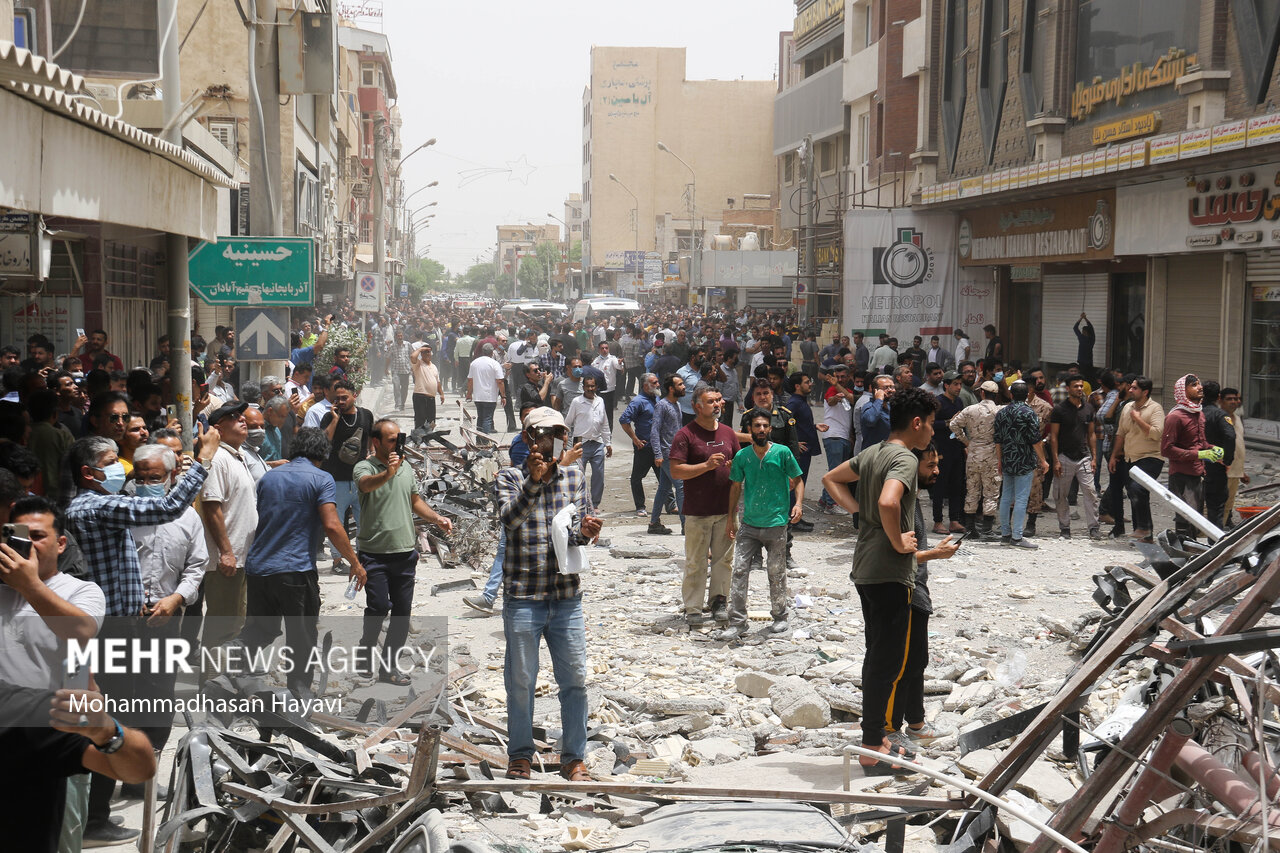
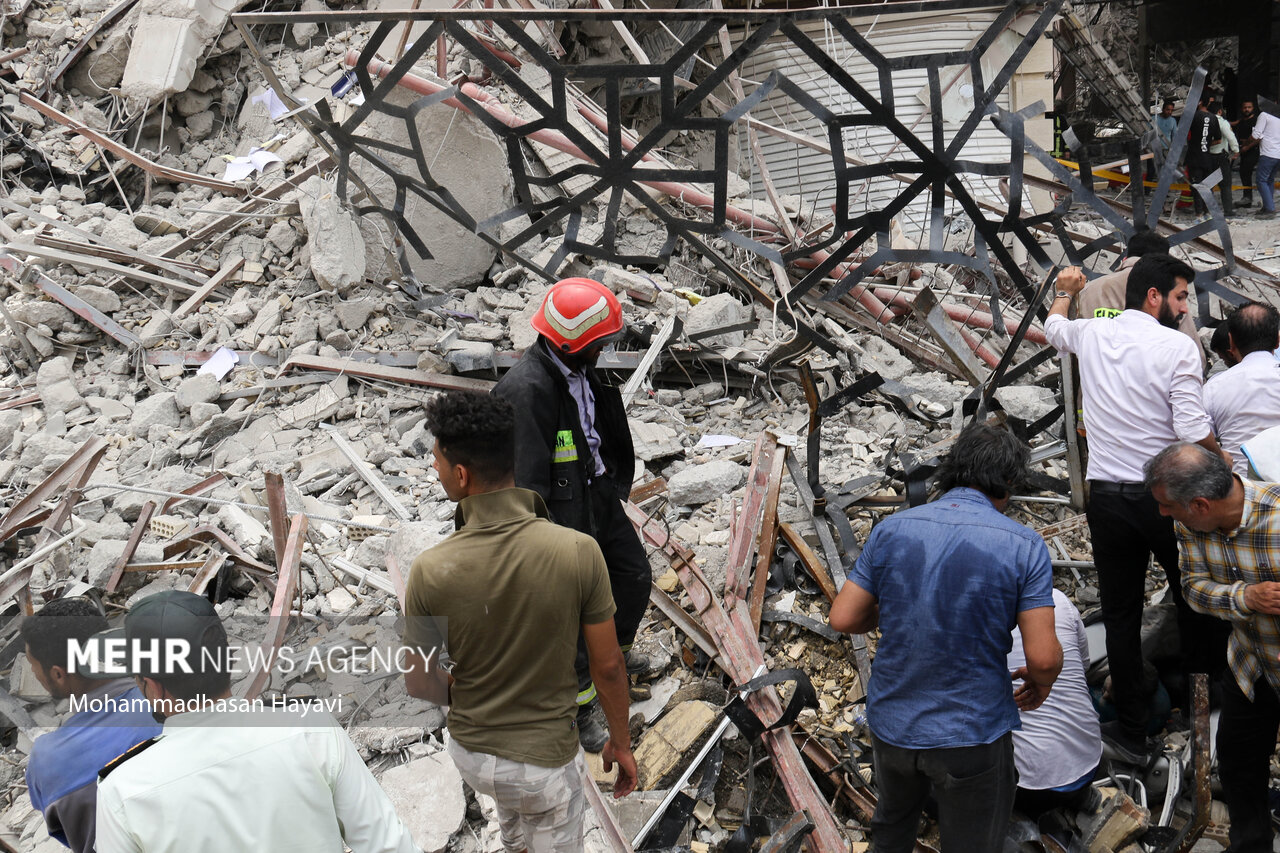
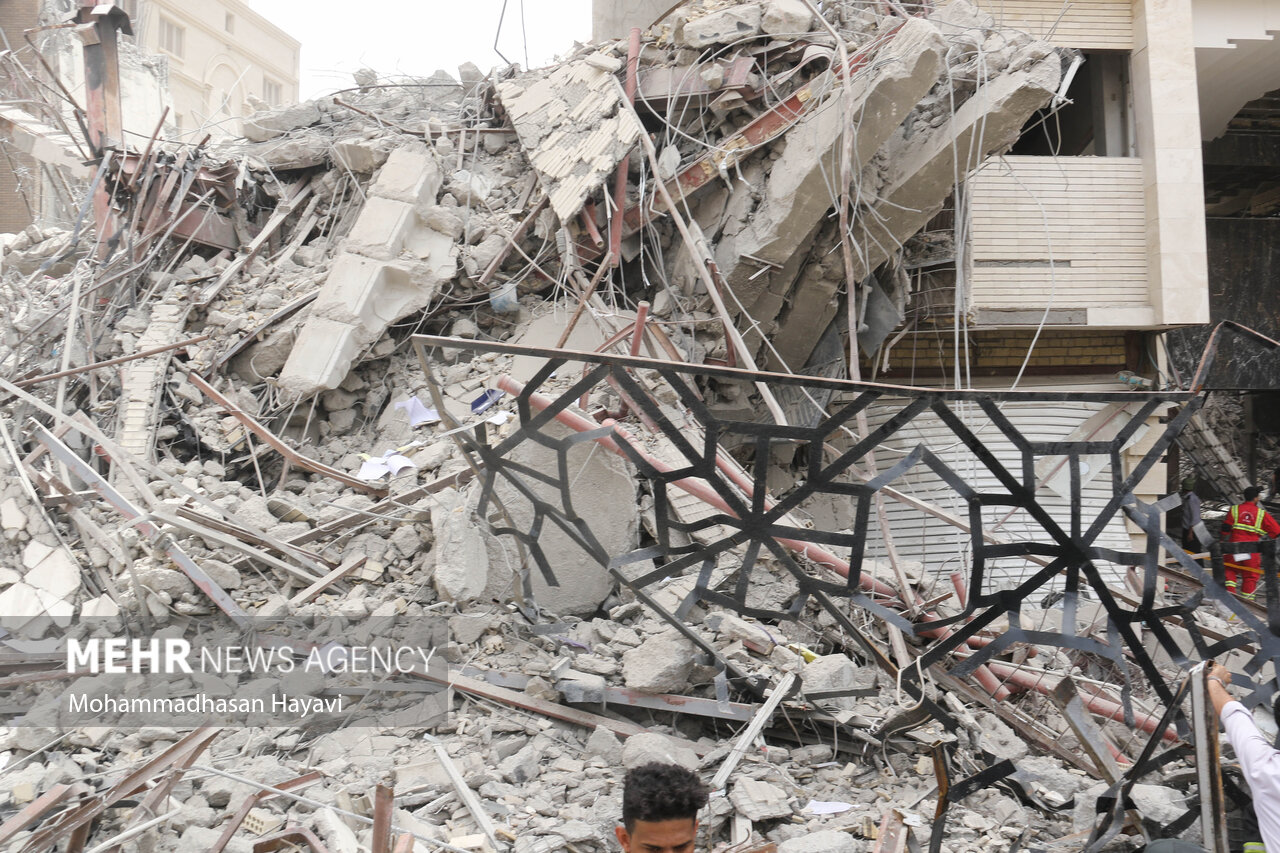
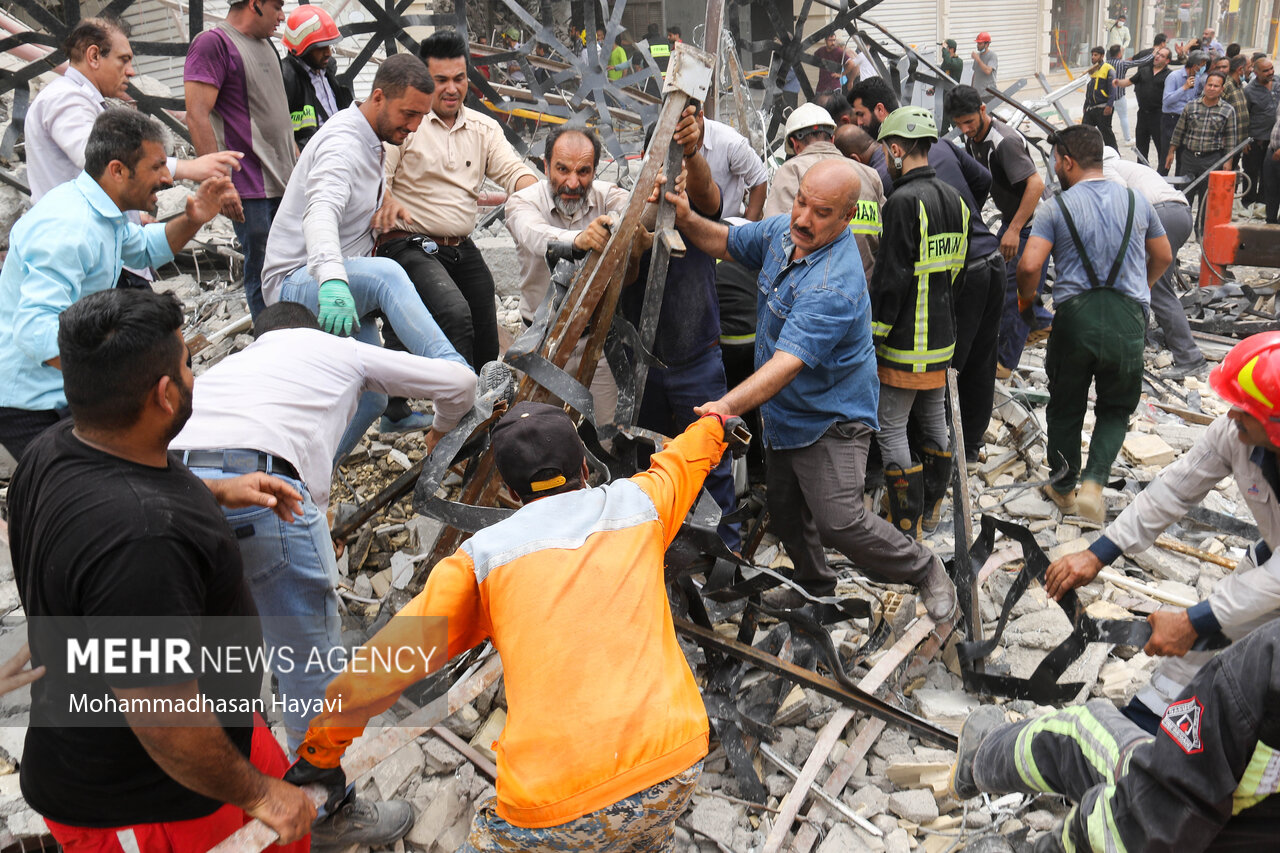
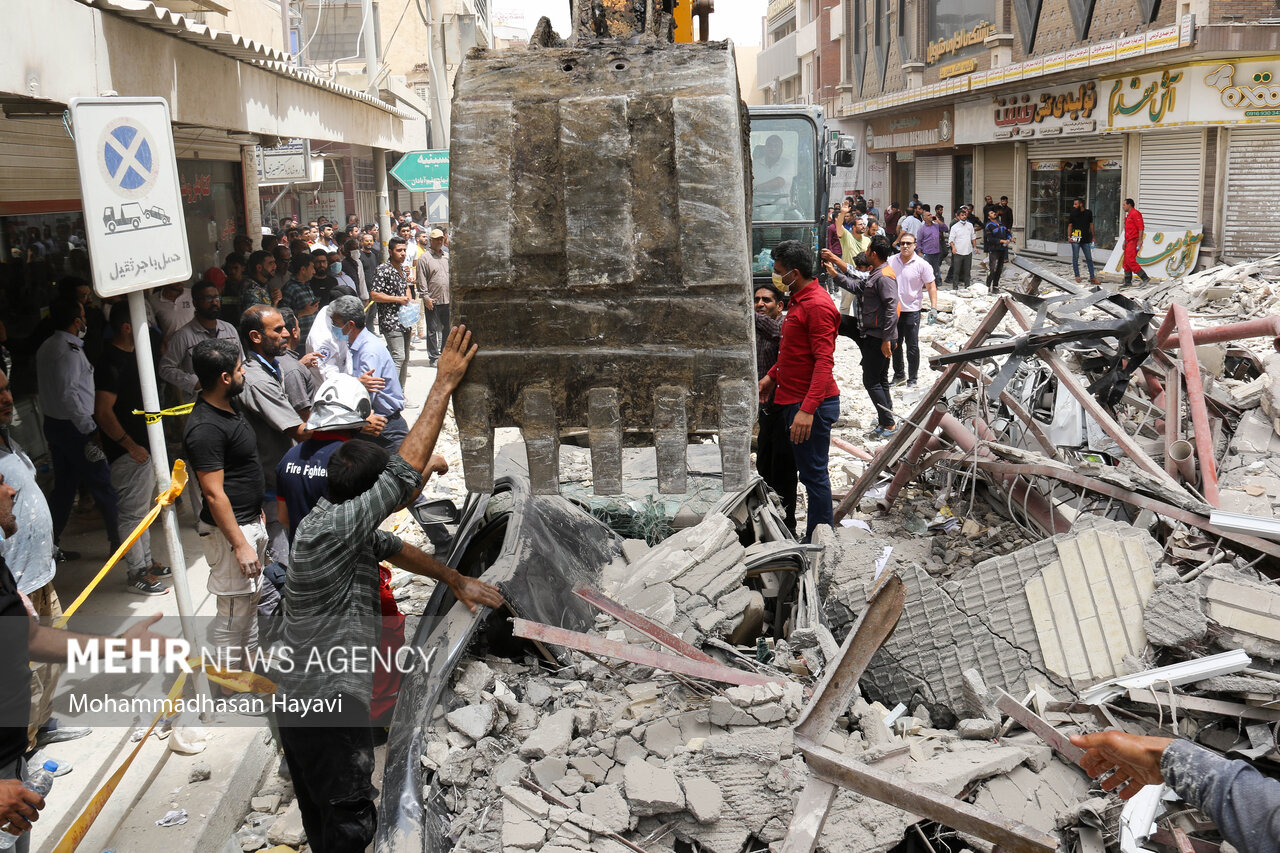
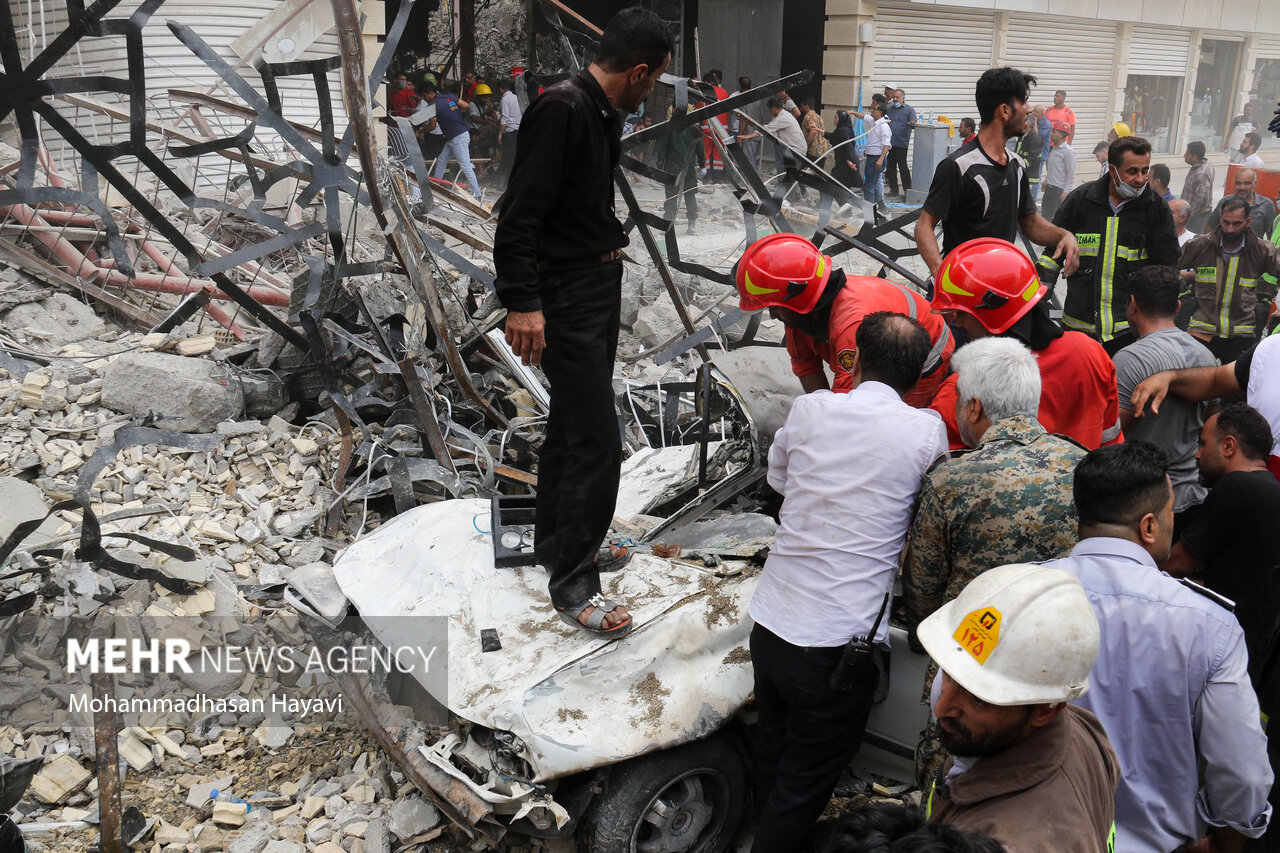
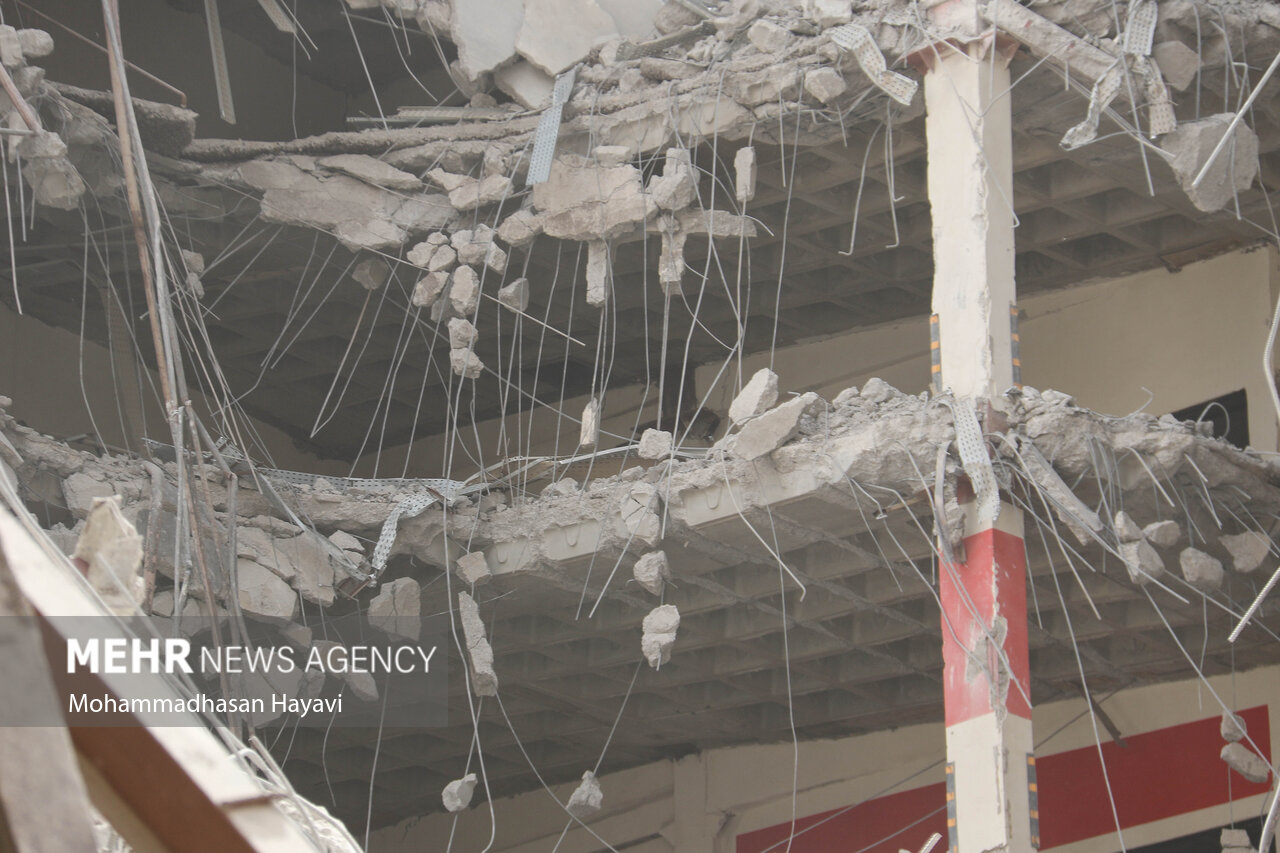
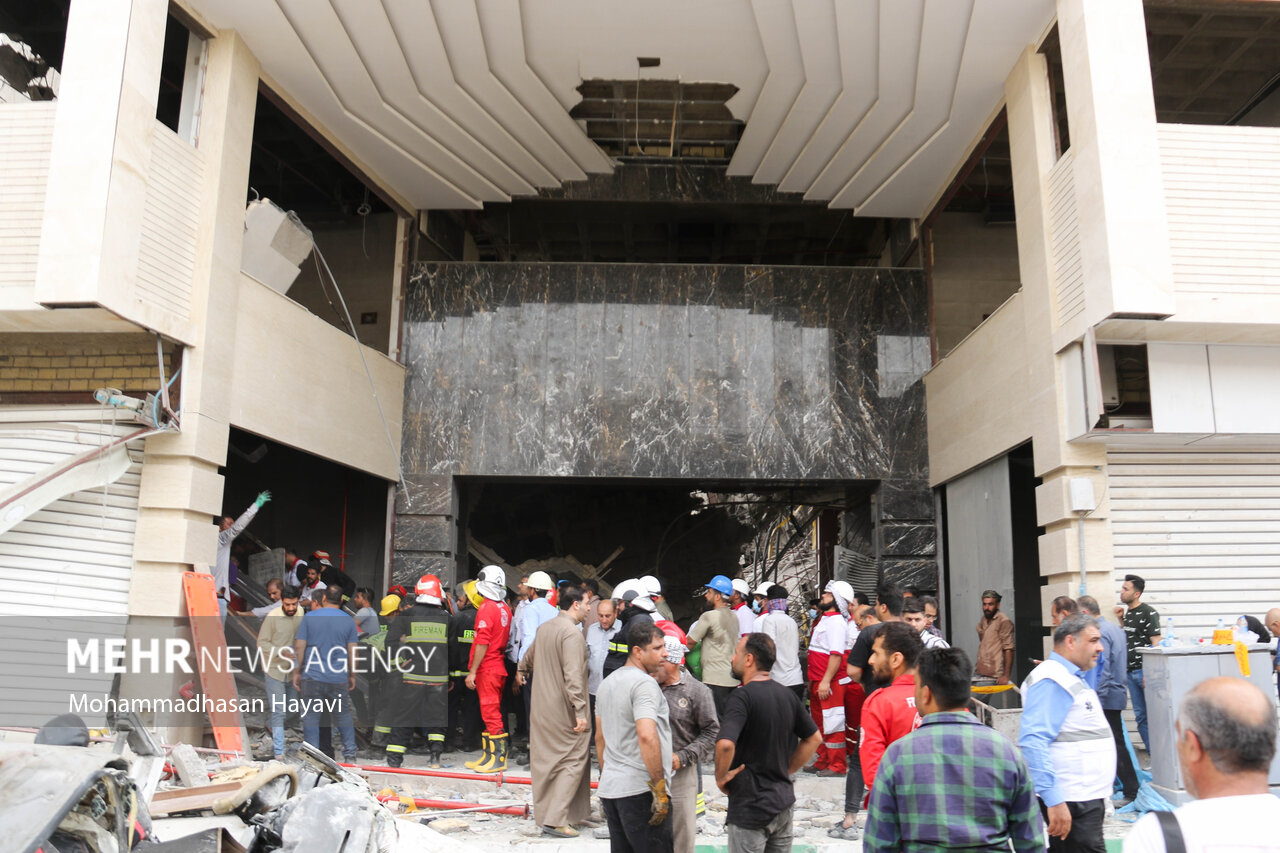
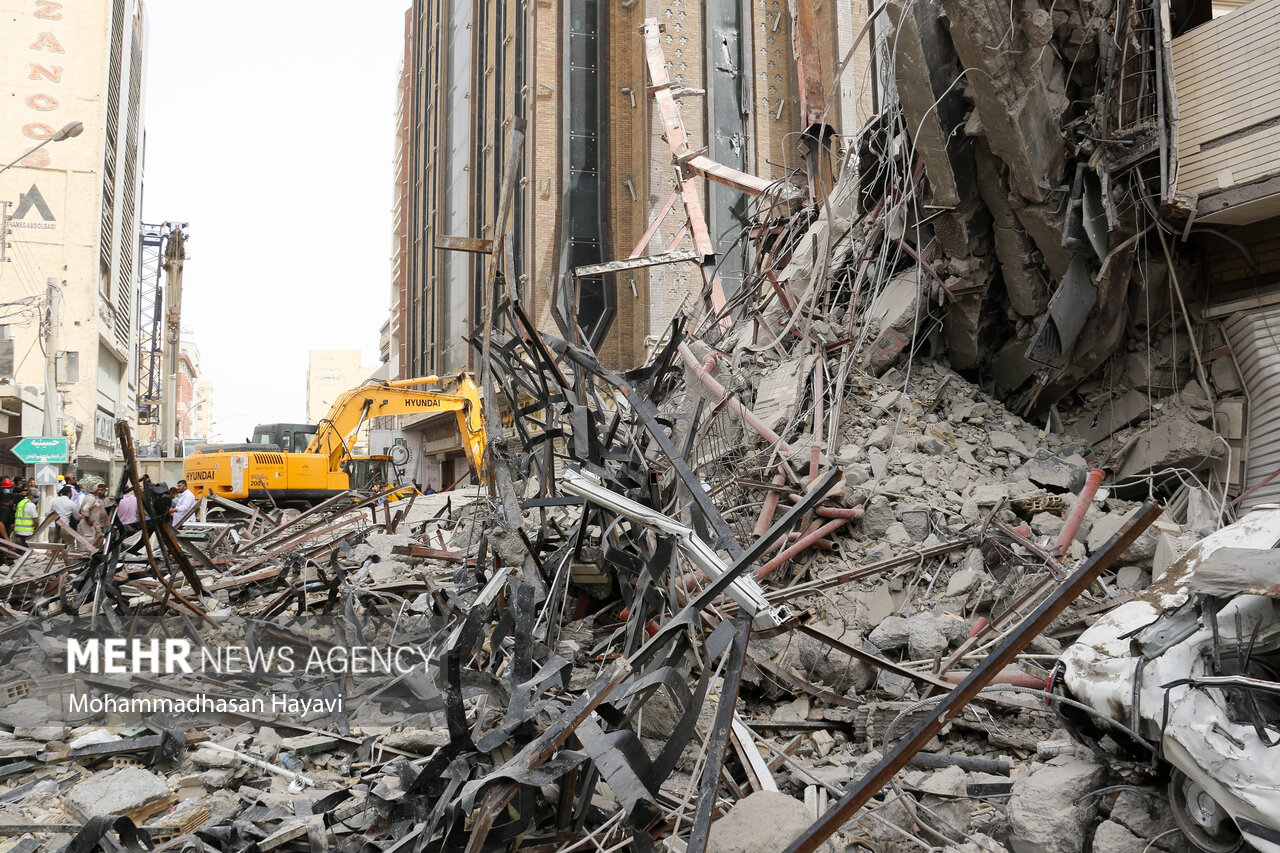
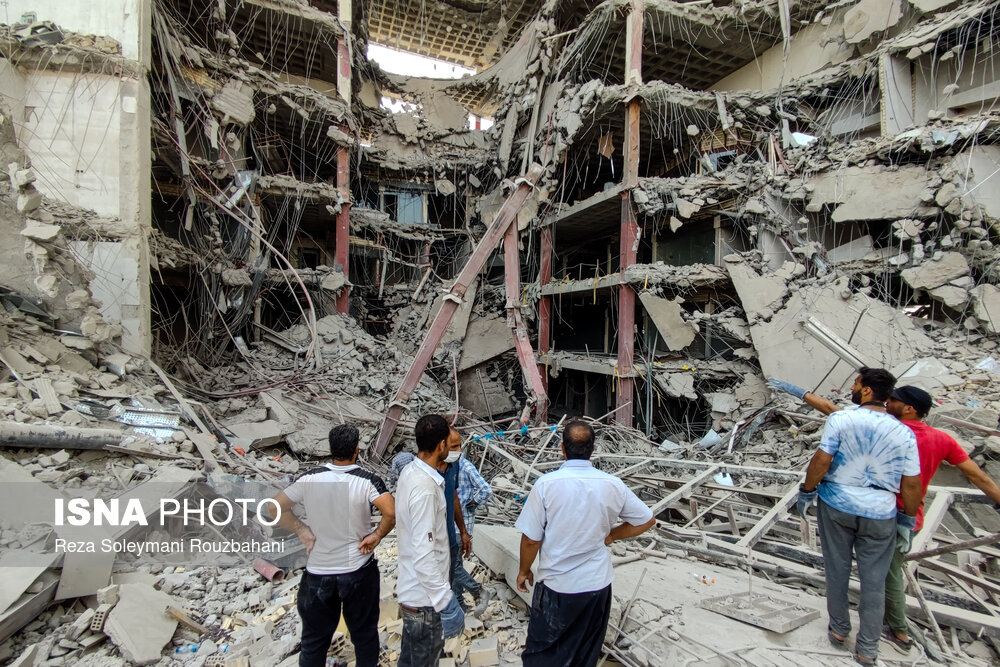
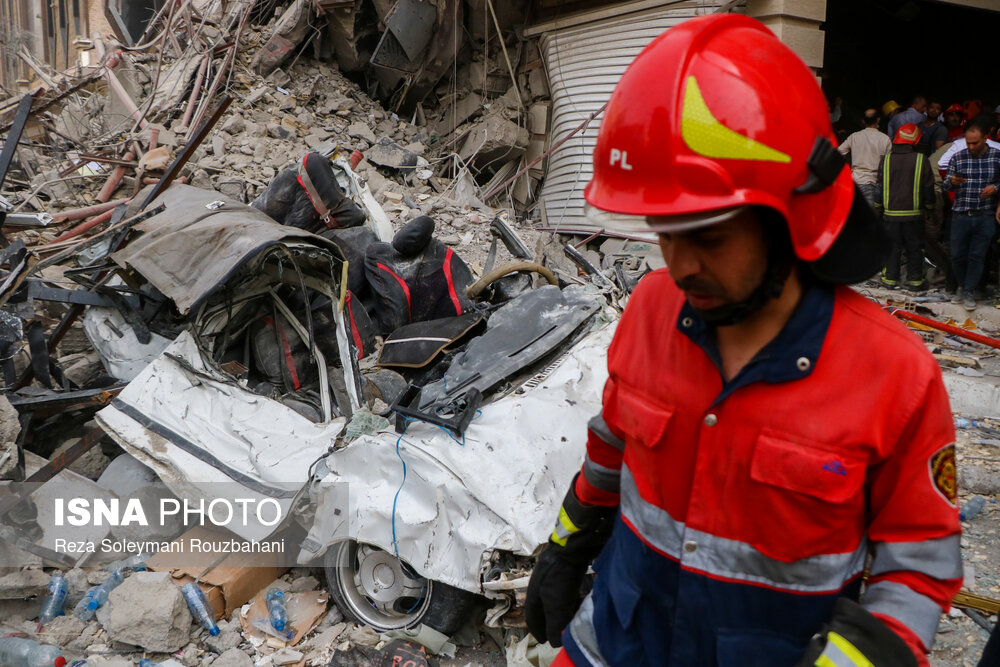
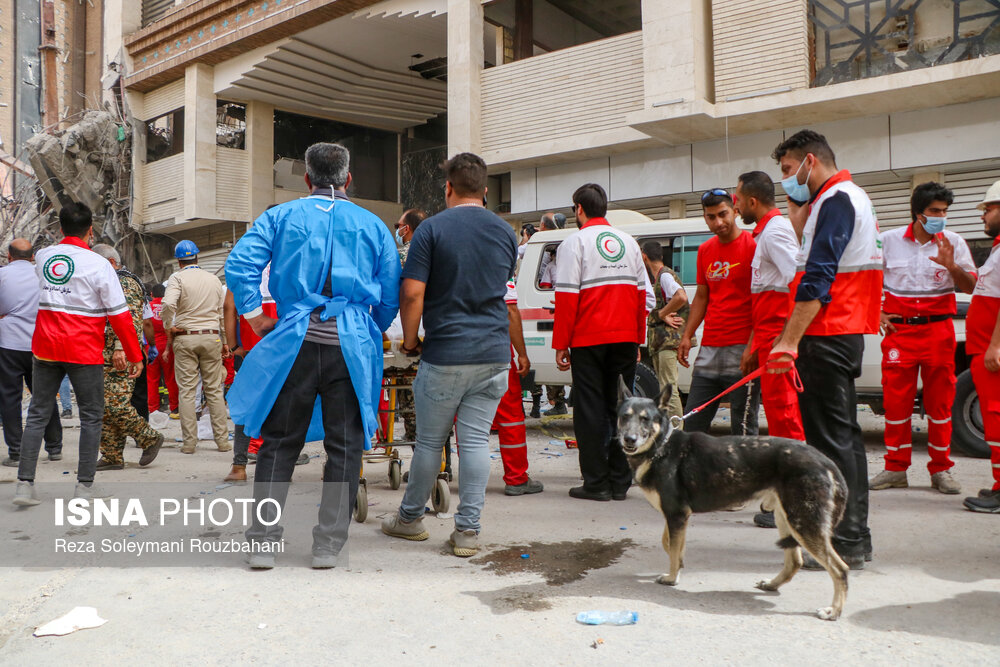
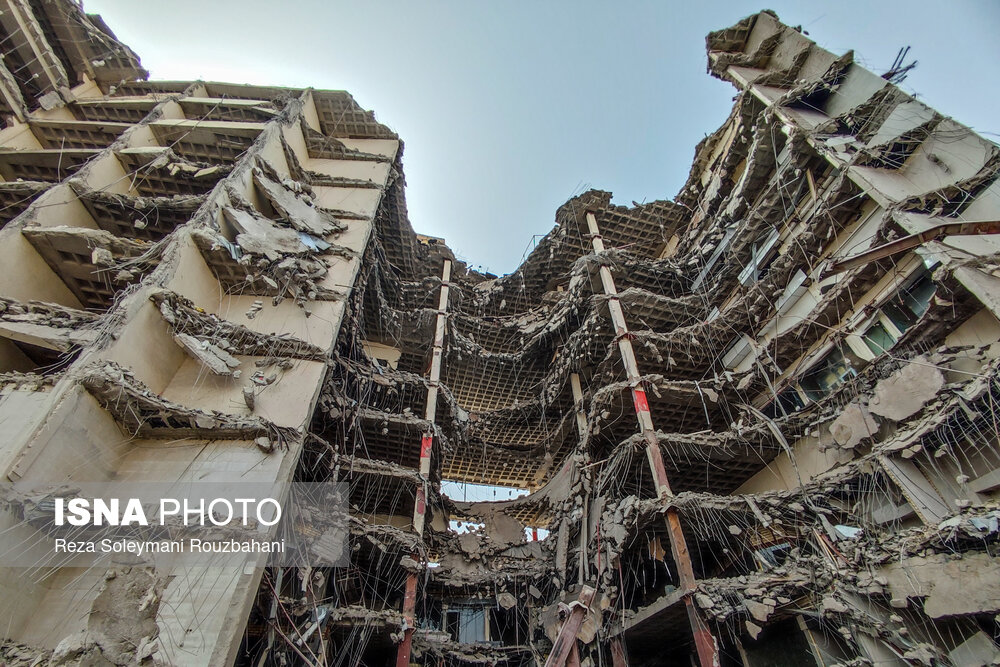
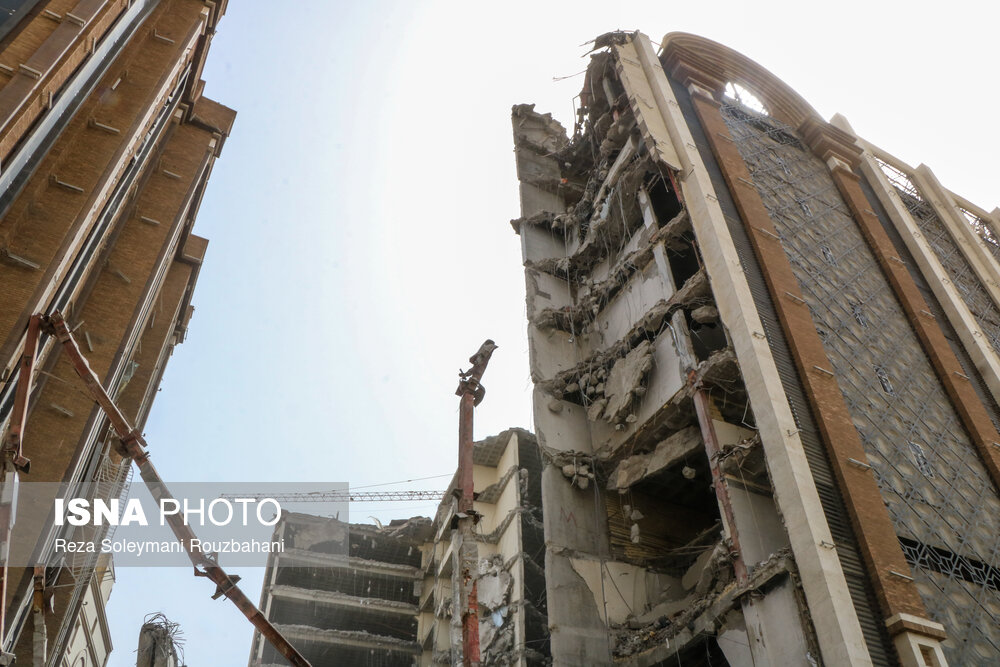
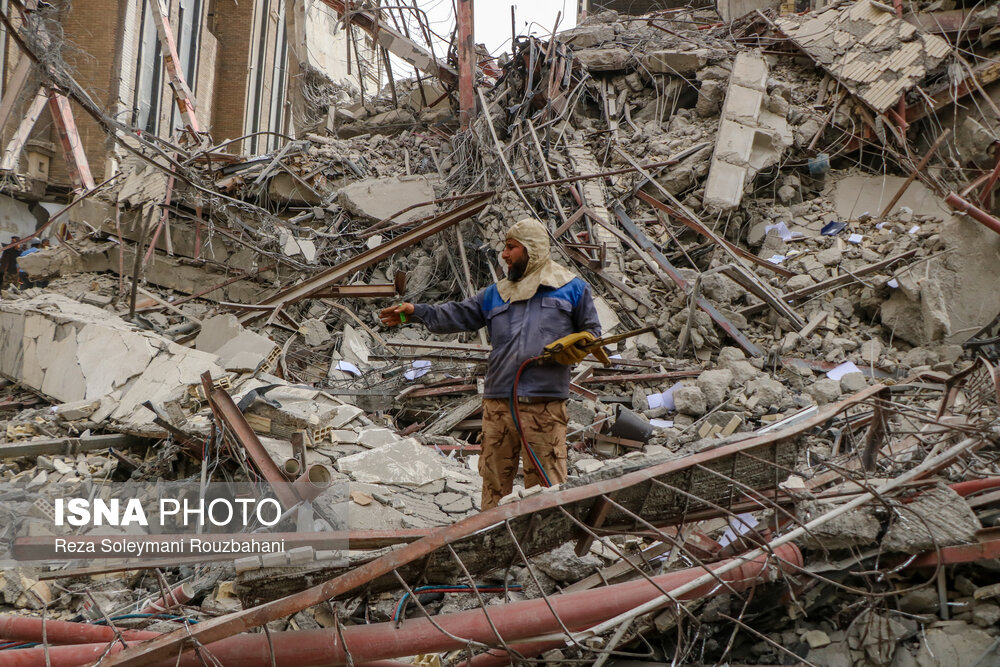
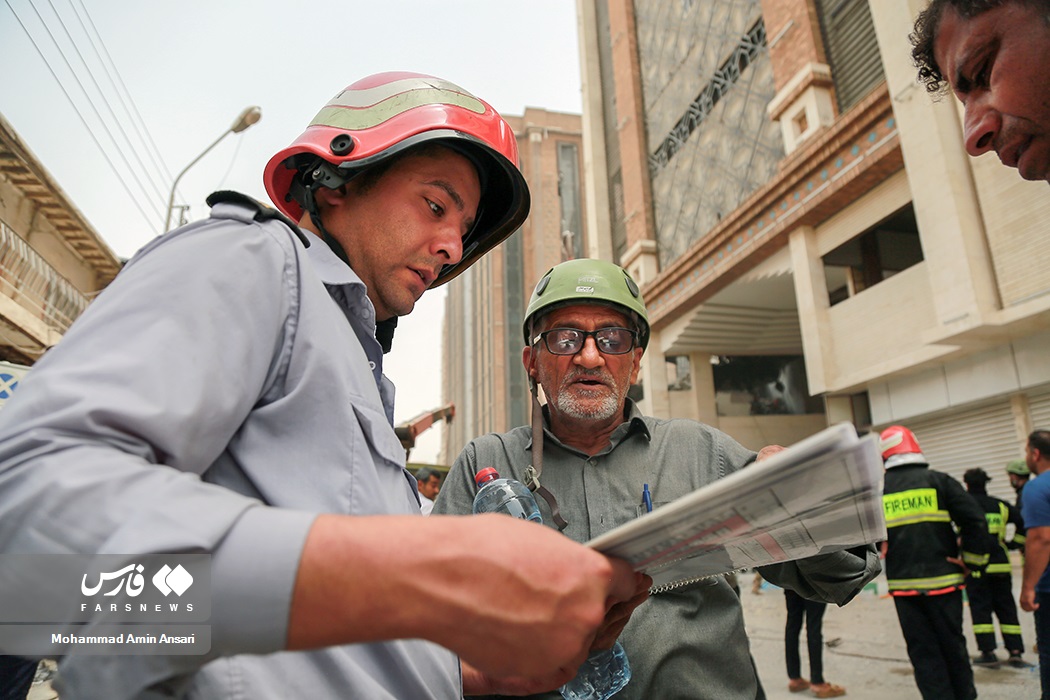
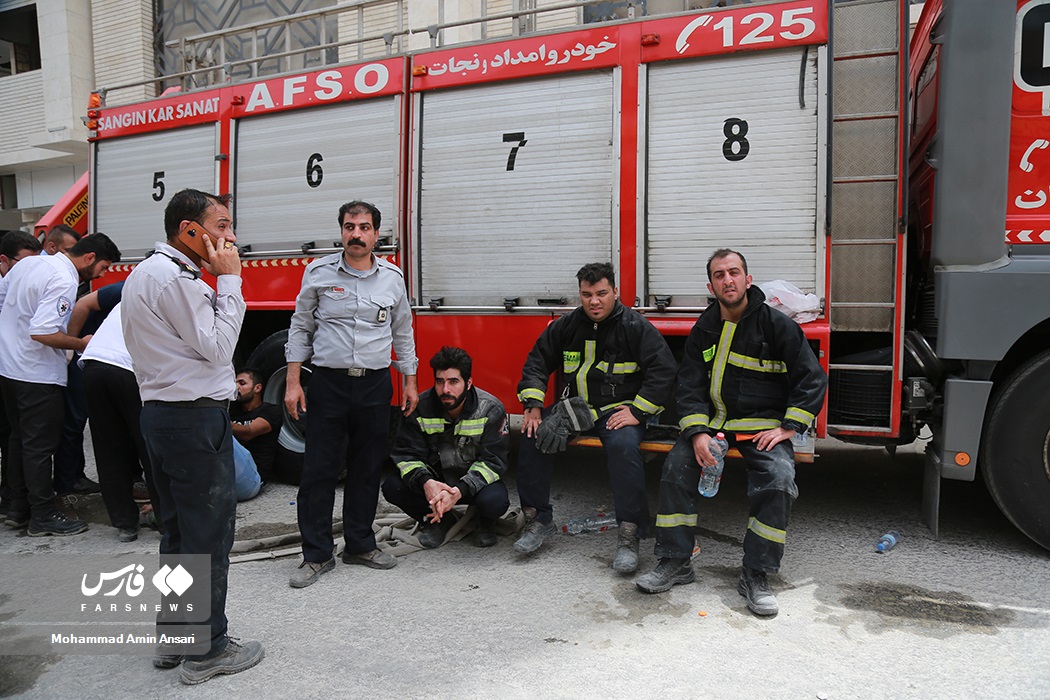
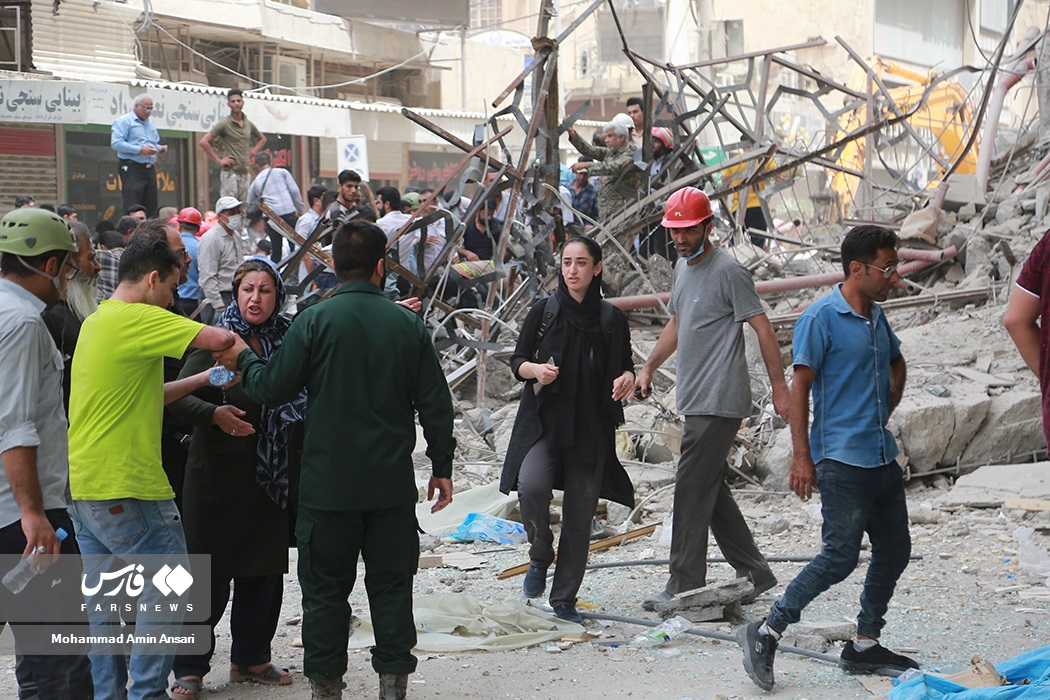
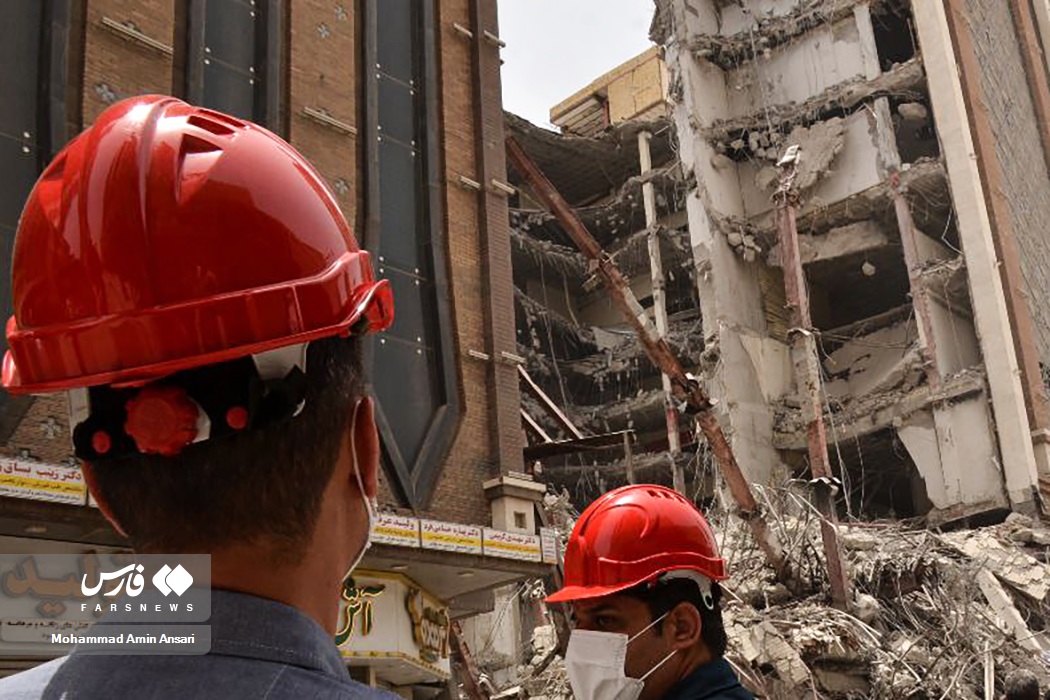
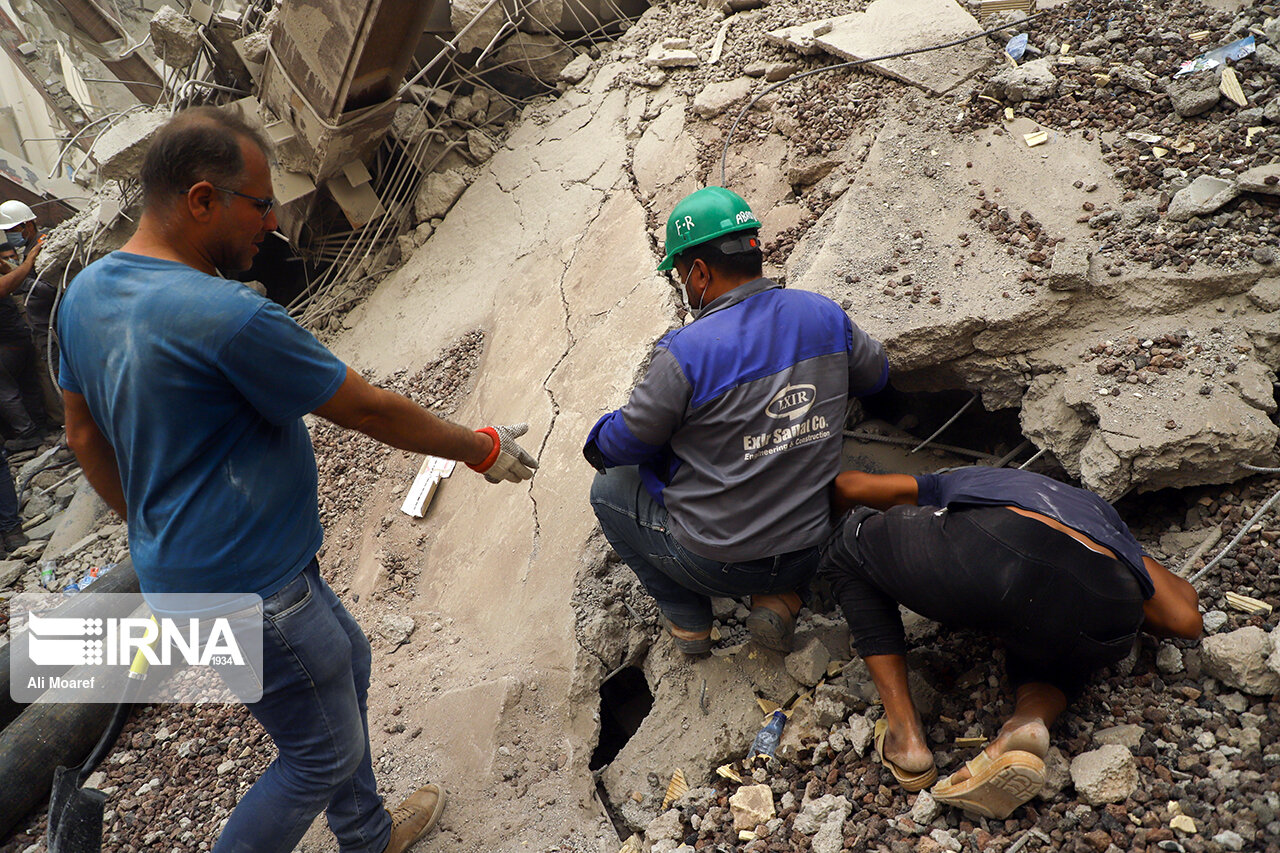
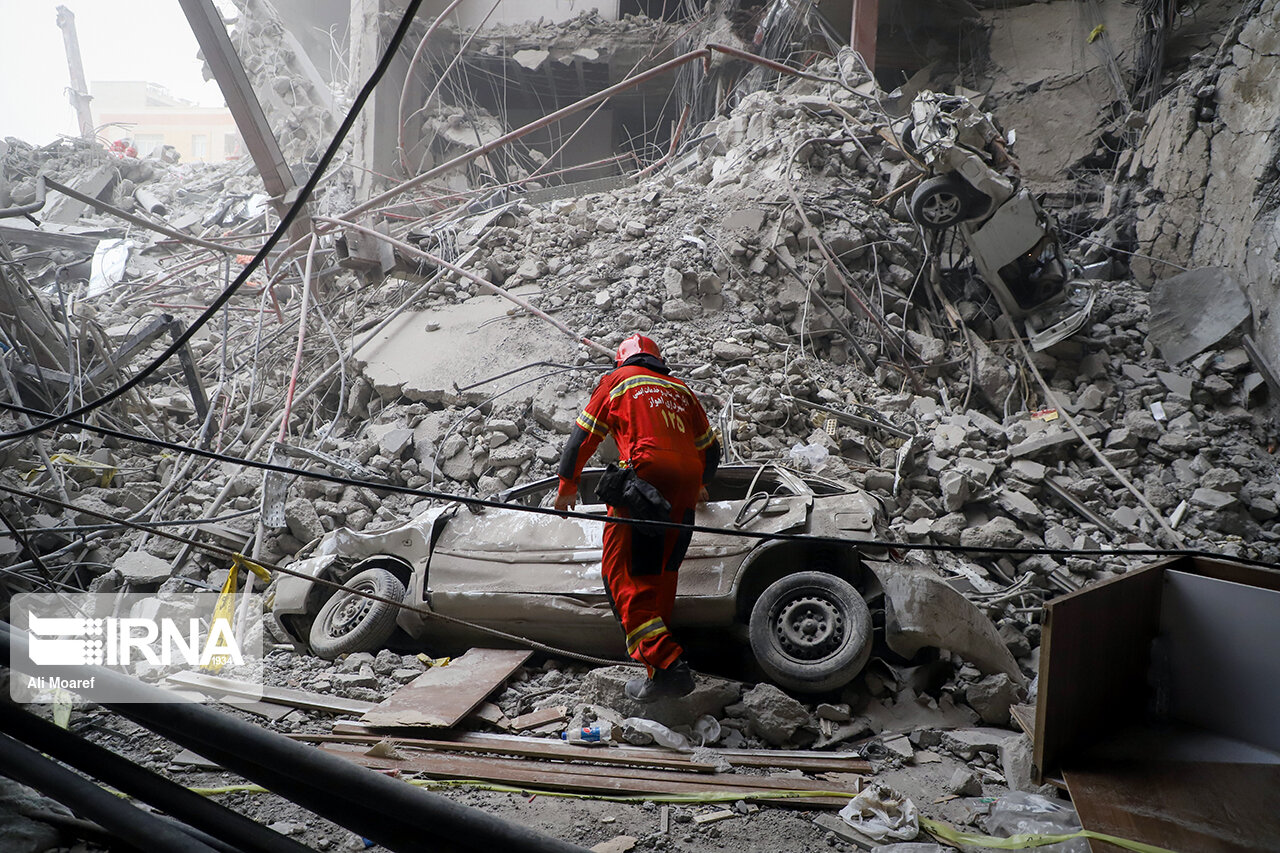
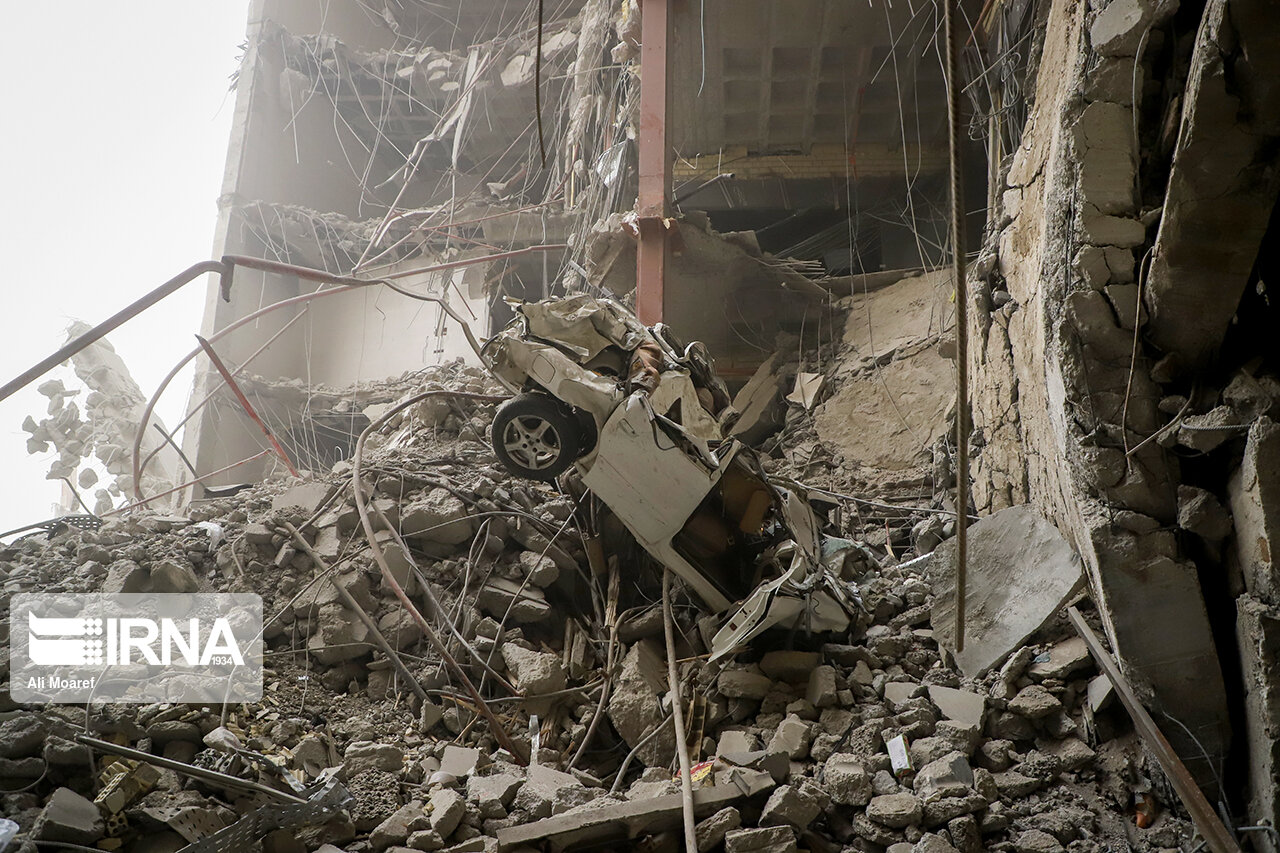
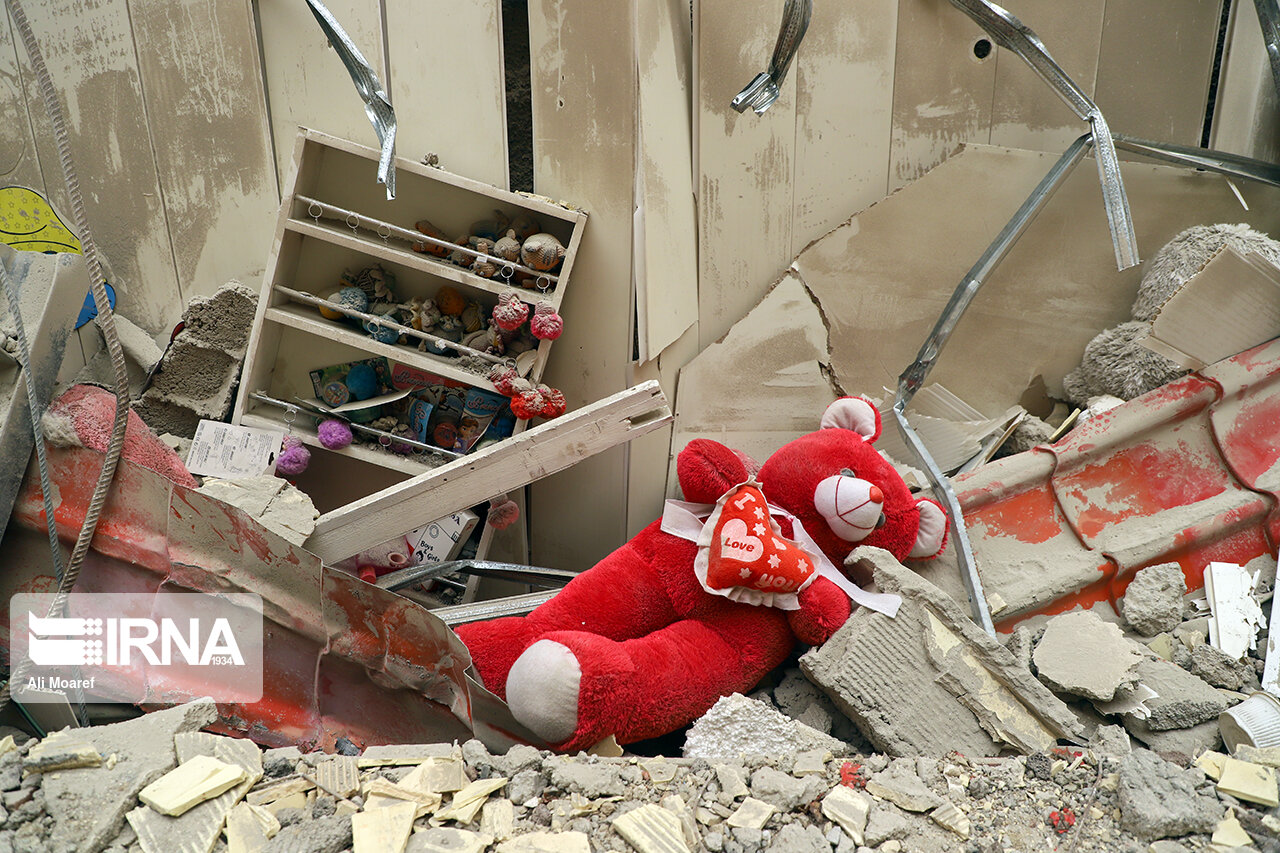
10-story building collapses in southern Iran, killing at least 5

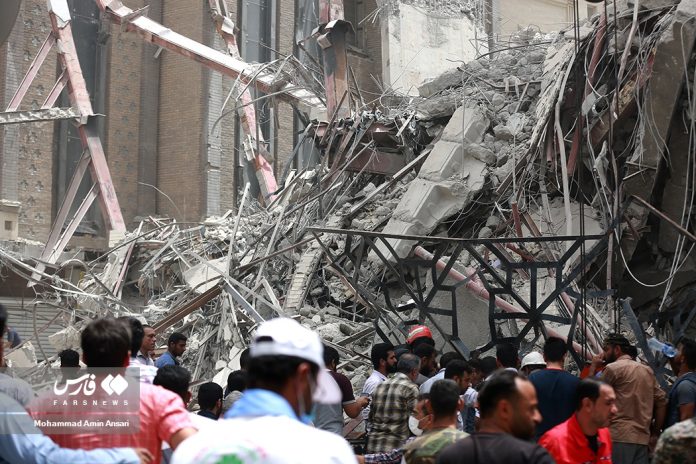
Ten-Storey Building Collapses in Iran

There is no word yet on the cause of the collapse.

A spokesman for Iran’s emergency organization however said the tally is based on the statements of local sources and that it’s not exactly known how many people were inside the building when it collapsed.

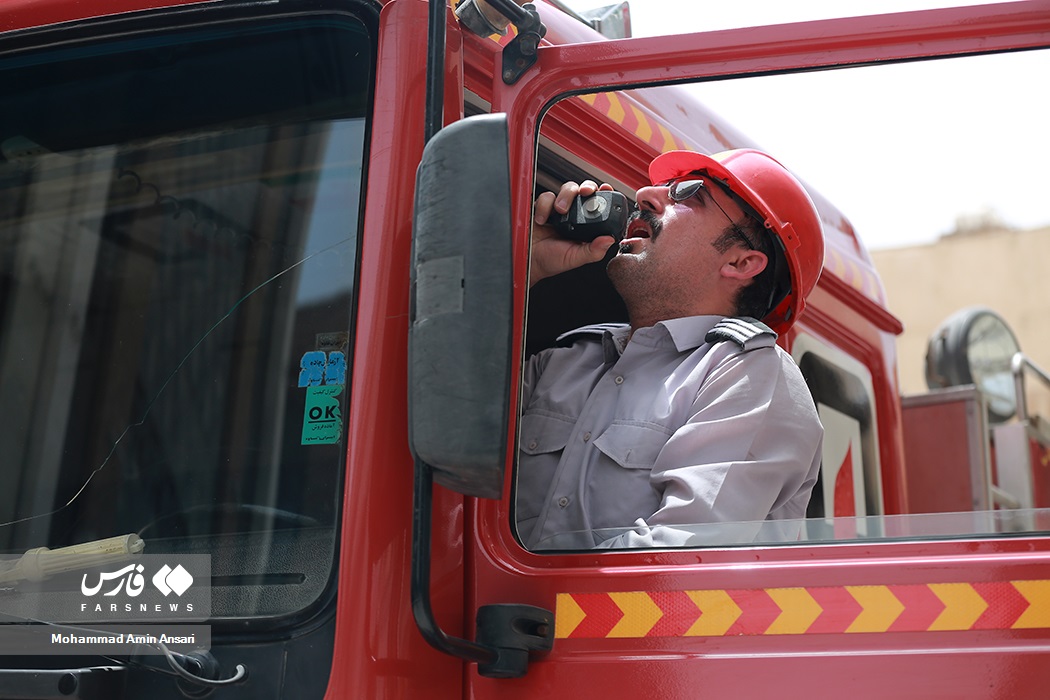
Other officials at the emergency organization say search and rescue dogs are being used to find the missing.

Reports from the site of the incident say several ambulances have been sent to give assistance to those injured.

Metropol is an office and commercial building on Abadan’s Amir Street surrounded by residential houses.

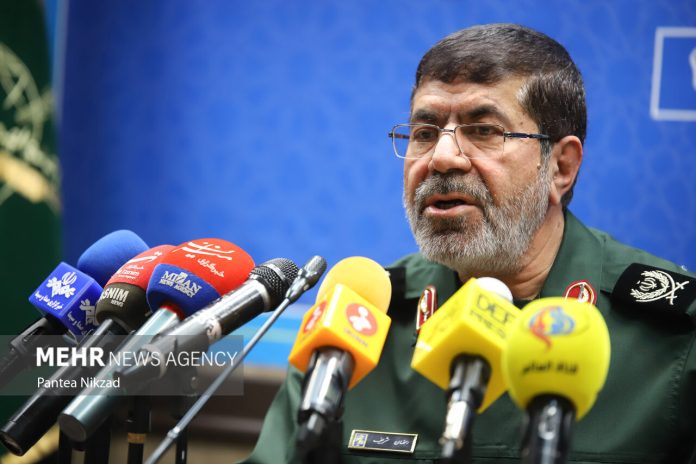
IRGC spokesman: Killers of General Khodaei to pay for their crime

Brigadier General Ramezan Sharif

Brigadier General Ramezan Sharif described the assassins who did the terrorist attack as remnants of terror groups linked to global arrogance and Zionism.

He added that General Khodaei’s martyrdom will only further strengthen the determination of the IRGC to defend the security and independence of Iran and to fight the enemies of the Iranian people.

Sharif offered condolences to Iran’s leader and the family of General Khodaei over his martyrdom, saying that he fell victim to the enmity of the mercenaries of the intelligence agencies of global arrogance and Zionists.

General Khodaei was shot three times in the head by two terrorists riding motorbikes while he was entering his house in downtown Tehran.

Iran says security forces have launched a manhunt for the terrorists.

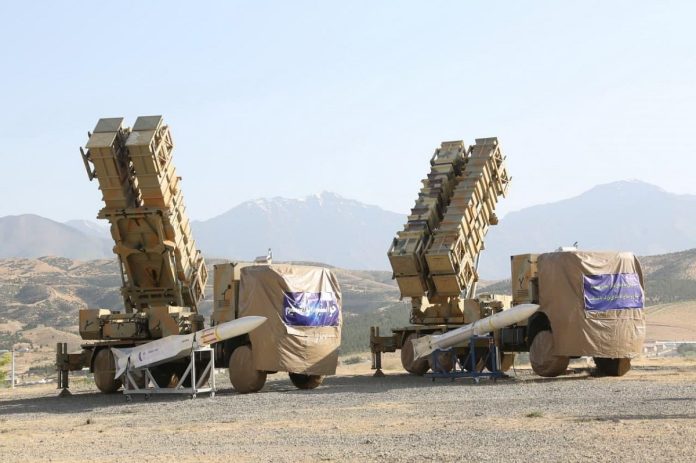
Iran made missile defense system deployed, now fully operational

Bavar-373 missile defense system

Commander of the force Brigadier General Alireza Sabahifard says the deployment has multiplied the combat capability of the Air Defense Force.

Sabahifard added that the domestic system engaged and intercepted targets at a range of 152 kilometers during the army’s latest drills, stressing that Bavar-373 will be tested for longer ranges in the near future.

“Today the intelligence coverage of the Army’s Air Defense Force is hundreds of kilometers beyond national borders and this has guaranteed the security and peace of mind of fellow Iranians,” he said.

The general added that radar systems such as Moragheb, Meraj 4, Kavosh, Fath 14 as well as short-range missile defense systems are deployed along with artillery and electronic warfare systems across the country.

Sabahifard added that the defensive umbrella is propped up by the drones operated by the Air Defense Force.

“For the first time across the armed forces, an interception test with Azarakhsh missiles fired from a drone was successfully carried out,” he said.

The general stressed that Iranian experts have “made possible every impossible” concerning air defense technologies and the country is now an exporter of the know-how.

Iranian President Raisi in Muscat, officially welcomed by Sultan

Iran President Ebrahim Raisi & Omani Sultan Haitham Bin Tarik

President Raisi was welcomed by Oman’s Sultan Haitham bin Tarik upon arrival at his official al-Alam Palace.

The president is scheduled to hold talks with Sultan Haitham before meeting with his deputy prime minister and foreign minister as well as other members of Oman’s cabinet.
The two sides will also sign several memoranda of understanding.

Meetings with Iranian expatriates and Omani businessmen and economic operators are also on Raisi’s agenda.

The visit is aimed at upgrading relations in the fields of trade, transportation, energy and tourism, especially health tourism.

Raisi said before departure for Muscat that his visit is in line with the policy of expanding relations with neighboring countries and “is of high significance”.

“Our economic and political relations with the friendly, brotherly and neighboring country of Oman are good. But this level of relations is acceptable to neither of the countries. This is why the two countries are determined and have decided to upgrade their political and economic relations,” he said.

He added that his visit will focus on expansion of bilateral ties and mutual cooperation in different fields as well as discussions on regional cooperation.