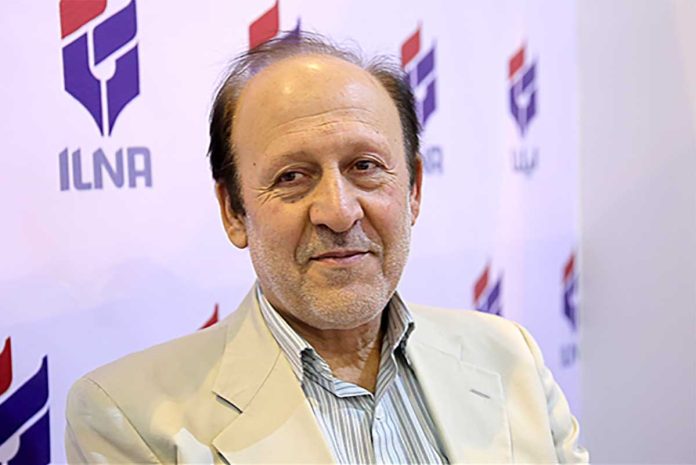
A former Iranian diplomat has said closeness between the US and Europe can result in an attempt by the two sides to trigger the snapback mechanism against Iran.
Seyyed Jalal Sadatian told Iranian Labor News Agency, ILNA, that the US-EU troika drafted resolution against Iran that’s going to be put to a vote at the IAEA’s board of governors does not contain a clause calling for dragging Iran before the UN Security Council and even if they did this, China and Russia would veto a resolution there.
Sadatian however said if the US and the European troika trigger the snapback mechanism, the situation will become more difficult for the Islamic Republic.
The former Iranian diplomat also said approval of the resolution at the board of governors could also cause tension and turn public opinion outside Iran against the country.
Iran has warned that it will give a proportionate response if the IAEA board passes the US-EU troika’s resolution.
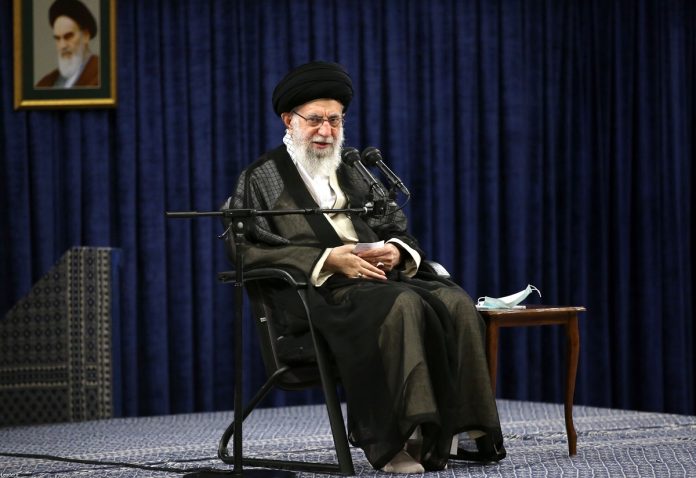
Ayatollah Khamenei held the meeting on the threshold of this year’s hajj congregation to delivered his message to the pilgrims and the organizers of the religious ritual.
The Leader said one of the most important issues in Hajj is coexistence, as people from different cultures, places, colors, and languages stay together during the pilgrimage.
He cited a Qur’anic verse, advising the pilgrims against foul language or misbehavior.
The Leader also noted that living a simple life is another important lesson of the Hajj as the garment used for the pilgrimage is a symbol of simplicity.
Ayatollah Khamenei also said Hajj is a manifestation of unity among Muslims and advised the pilgrims not to focus on the differences between the Shias and Sunnis, and instead highlight the common grounds between the two Islamic sects.
The Leader said the main issue that Muslims need to highlight during the ritual is the “plague of Zionism”.
The comments by the Iranian Leader was made as the occupying regime of Israel has normalized ties with a number of Arab states through a US-brokered deal, which sparked fury among Muslims who condemned the agreement as a betrayal against Palestinians.
Ayatollah Khamenei stated that the Arab states will not benefit from the rapprochement as the Zionist regime will only exploit them to further its own agendas.
39,600 Iranians will depart for Medina on June 13 for this year’s Hajj pilgrimage after a two-year hiatus due to the Coronavirus pandemic.
The AEOI said the UN atomic body has not appreciated this good-will gesture from the Iranian side and has instead viewed Tehran’s voluntary move as part of Iran’s obligations.
The Iranian atomic organization noted that for these reasons, it orders the Online Enrichment Monitor and the flow meter to be taken offline.
The AEOI however noted that 80 percent of the IAEA’s surveillance cameras are within Iran’s obligations under the safeguards agreement and that they will be in place and will keep working.
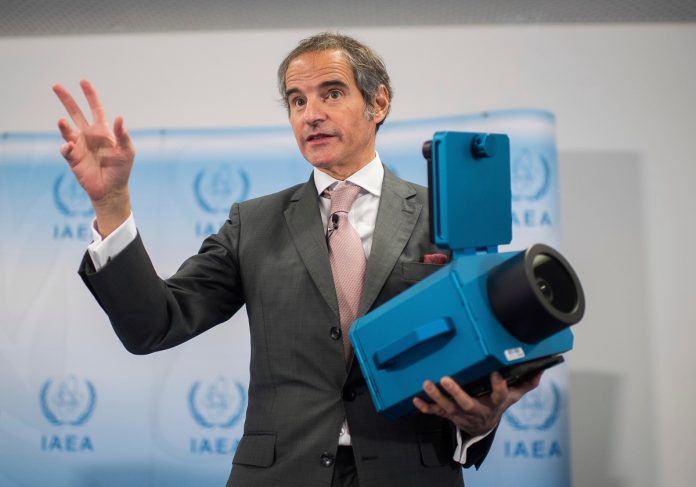
Iran is angry at the IAEA over its chief’s recent visit to occupied Palestine and his accusations that Iran has not cooperated with the UN atomic agency.
Tehran says Rafael Grossi’s meeting with the Israeli regime officials shows that he has reduced the body to a political organization while the IAEA must only focus on its technical tasks.
Iran’s move to take the IAEA cameras offline also comes as the body’s board of governors is going to vote on a US-European troika drafted resolution that slams Tehran for what they call its failure to cooperate with the IAEA.
Tehran has said if the resolution gets approved, it will reconsider participation in the Vienna talks aimed at reviving the 2015 nuclear deal, otherwise known as the JCPOA.
“Ending the occupation alone will not be sufficient,” according to the report released on Tuesday, urging that additional action be taken to ensure the equal enjoyment of human rights for Palestinians.
The report cites evidence that Israel has “no intention of ending the occupation”.
Israel is pursuing “complete control” over what the report calls the Occupied Palestinian Territory, including East Jerusalem, which was taken by Israel in a 1967 war and later annexed in a move never recognised by the international community.
The Israeli government, the commission said, has been “acting to alter the demography through the maintenance of a repressive environment for Palestinians and a favourable environment for Israeli settlers”.
Citing an Israeli law denying naturalisation to Palestinians married to Israeli citizens, the report accuses Israel of affording “different civil status, rights and legal protection” for Palestinian citizens of Israel.
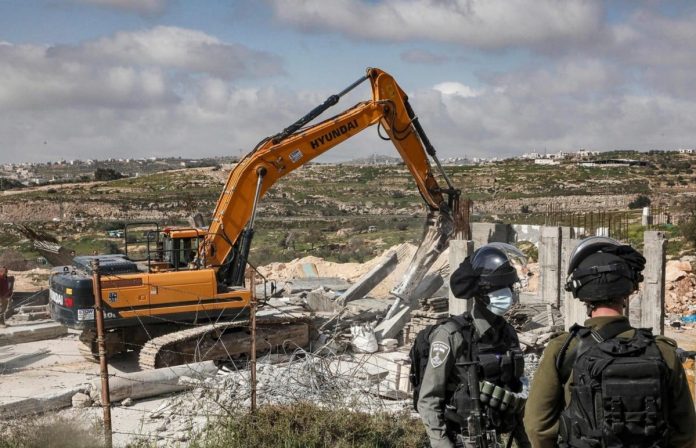
More than 700,000 Israeli settlers now live in settlements and outposts across the West Bank and East Jerusalem, which is home to more than three million Palestinians. The Israeli settlements are fortified, Jewish-only housing complexes that are considered illegal under international law.
Leading human rights groups, including Human Rights Watch and Amnesty International, have equated Israeli policies against Palestinians to apartheid.
The UN inquiry and report was prompted by the 11-day Israeli military offensive in May 2021 during which more than 260 Palestinians in Gaza were killed, and 13 people died in Israel.
In May 2021, Hamas fired rockets towards Israel after Israeli forces cracked down on Palestinian worshippers in the Al-Aqsa Mosque compound – Islam’s third holiest site – where dozens were injured and detained. It also followed an Israeli court decision to forcibly expel Palestinian families from Sheikh Jarrah, a neighbourhood in East Jerusalem.
The inquiry’s mandate included investigation of alleged human rights abuses before and after Israel’s onslaught against Gaza, and sought to also investigate the “root causes” of the conflict.
Hamas welcomed the report and urged the prosecution of Israeli leaders in what it said were “crimes” against the Palestinian people.
The Palestinian Authority also praised the report and called for accountability “in a manner that puts an end to Israel’s impunity”.
Israel’s Ministry of Foreign Affairs called the report “a waste of money and effort” that amounted to a witch-hunt.
Israel boycotted the inquiry, accusing it of bias and barred entry to its investigators to Israel and Palestinian territories, leading investigators to collect testimonies from Geneva and Jordan.
The report will be discussed at the Geneva-based UN Human Rights Council next week. The United States quit the Council in 2018 over what it described as its “chronic bias” against Israel and only fully rejoined this year.
The commission, headed by former UN human rights chief Navi Pillay, and is the first to have an “ongoing” mandate from the UN rights body.
Proponents say the commission is needed to keep tabs on persistent injustices faced by Palestinians under decades of Israeli occupation.
Mustafa al-Kadhimi told Lebanon’s Al-Mayadeen television network on Tuesday that Iraq is playing its part by hosting Iran and Saudi Arabia to help them bring their views closer.
The two sides have so far held five rounds of talks brokered by Iraq.
Saudi Foreign Minister Prince Faisal bin Farhan Al Saud told a World Economic Forum panel in May that there has been “some but not enough” progress in talks with Iran.
Iran’s Foreign Ministry spokesman Saeed Khatibzadeh confirmed that talks with Riyadh in Baghdad on normalizing bilateral relations were “positive”.
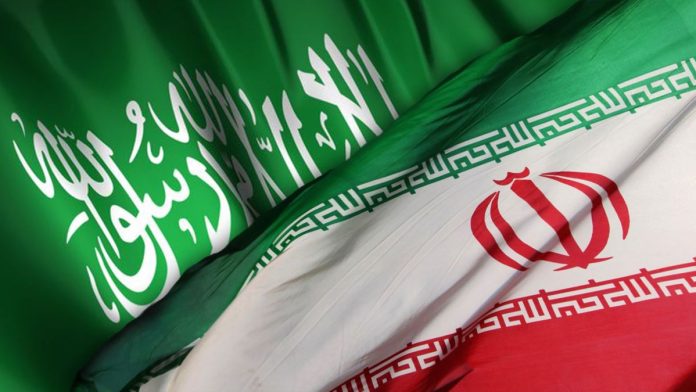
Saudi Arabia cut off diplomatic ties with Iran in January 2016 after Iranian protesters, enraged by the Saudi execution of prominent Shia cleric Sheikh Nimr Baqir al-Nimr, stormed its embassy in Tehran.
Iran has been criticizing the kingdom for pursuing what it calls a confrontational foreign policy toward the Islamic Republic.
Saudi Arabia accuses Iran of supporting the Houthis, fighting the Riyadh-led coalition. Meanwhile, Iran says Saudi war on Yemen and its support for the Takfiri groups are among major issues blocking the normalization of their ties.
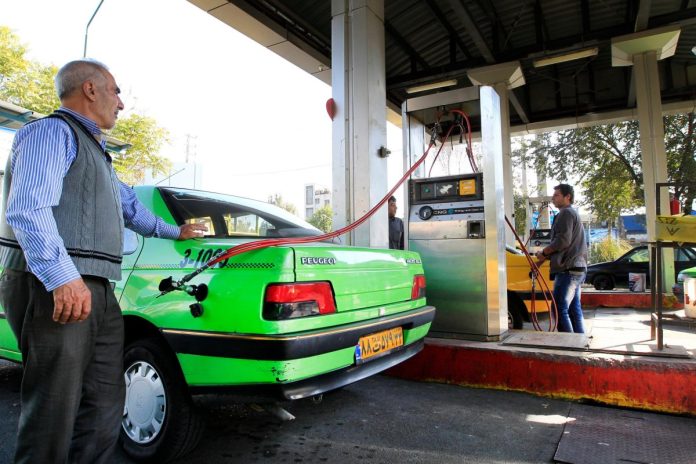
Parviz Mohammadnejad said the government and the legislative body have no plans to increase fuel prices or change the rationing program though they believe a more accurate scheme must be put in place for the consumption of gas, kerosene and other oil products.
The MP noted that if officials decide to change fuel prices, they will take great care to not harm consumers.
“We will not let fuel prices go up because no additional pressure must be put on people “, Mohammadnejad added.
The last time Iran increased gas prices was under former president Hassan Rohani.
The 3-fold price hike caused huge anger among citizens and sparked protests in many cities.
Iran is among few countries in the world where fuel is way cheaper compared to most of others due to huge subsidies paid by the government to protect consumers.
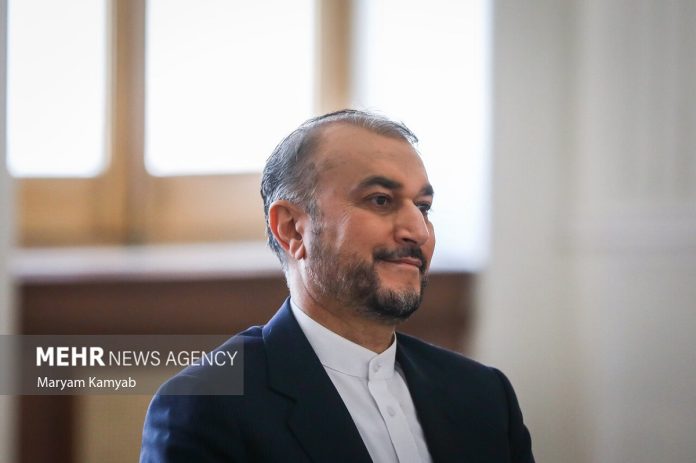
Hossein Amirabdollahian arrived in the Indian capital New Delhi early Wednesday at an invitation by his Indian counterpart, Subrahmanyam Jaishankar.
The trip will also take him to Mumbai and Hyderabad for meetings with Iranian businesspeople residing in India as well local and religious scholars.
The trip comes as India is facing a diplomatic backlash from Muslim nations after two senior officials of the ruling party made insulting remarks about revered Prophet Muhammad (PBUH).
Upon his arrival in the Indian capital, Amirabdollahian said several Indian officials have condemned the offensive remarks as “arbitrary”, stressing that India has always stepped towards peaceful coexistence.
The Iranian foreign minister said Tehran and New Delhi enjoy cordial ties and added finalizing a roadmap for bilateral relationship is top on the agenda of his trip.
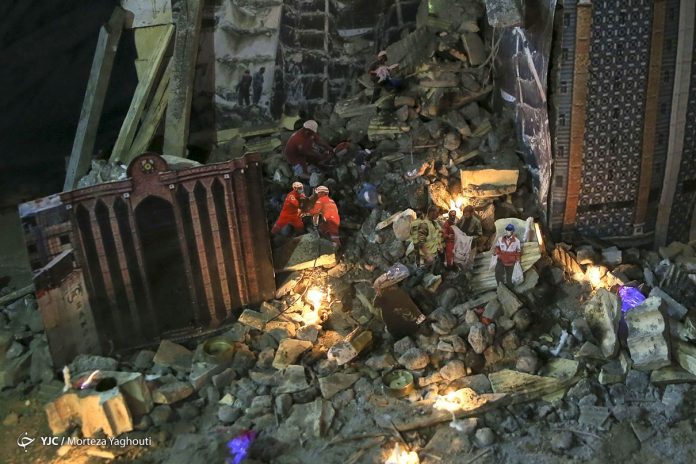
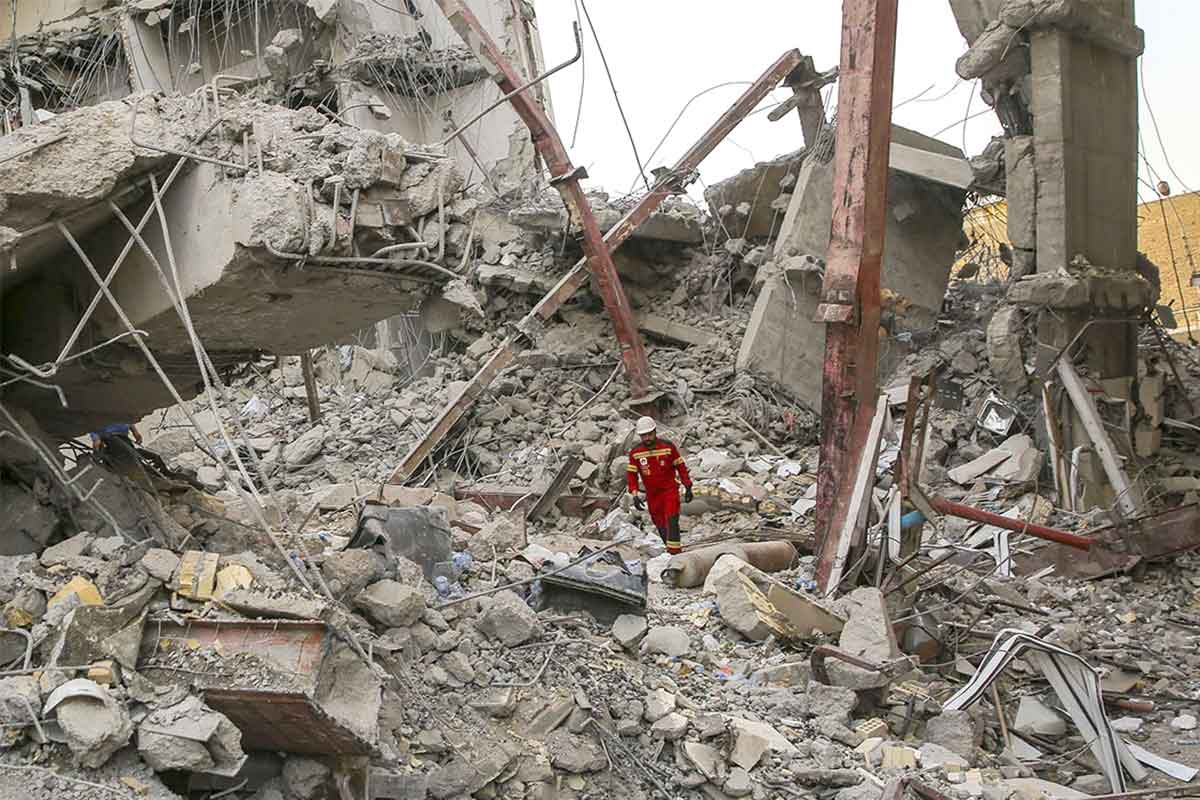
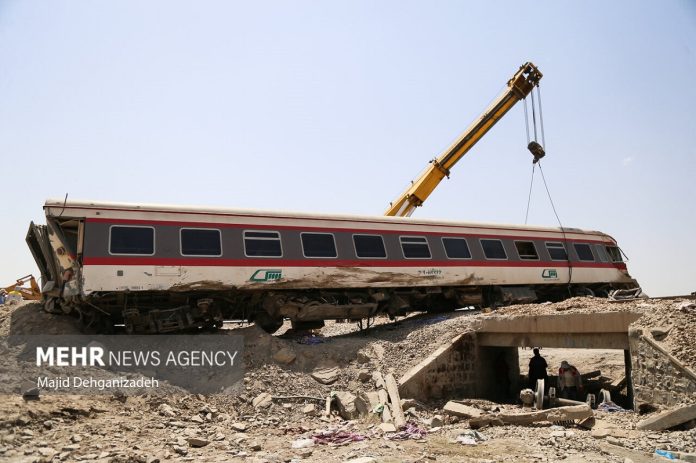
The incident happened in an area 50 kilometers from the city of Tabas in South Khorasan Province at 5 am on Wednesday local time when the train hit an excavator that was apparently crossing the railway.
Following the crash, several cars of the train got derailed.
The train was traveling from the city of Mashhad to the city of Yazd. The derailment happened some 50 kilometers to the desert city of Tabas, on the rail that connects the town with the central city of Yazd.
Rescue teams on ambulances and three helicopters have arrived in the area. Reports say the number of deaths could rise as many of the injured are in critical condition.
Iran has railway lines spanning almost 14,000 kilometers. But train accidents are not commonplace in the country.
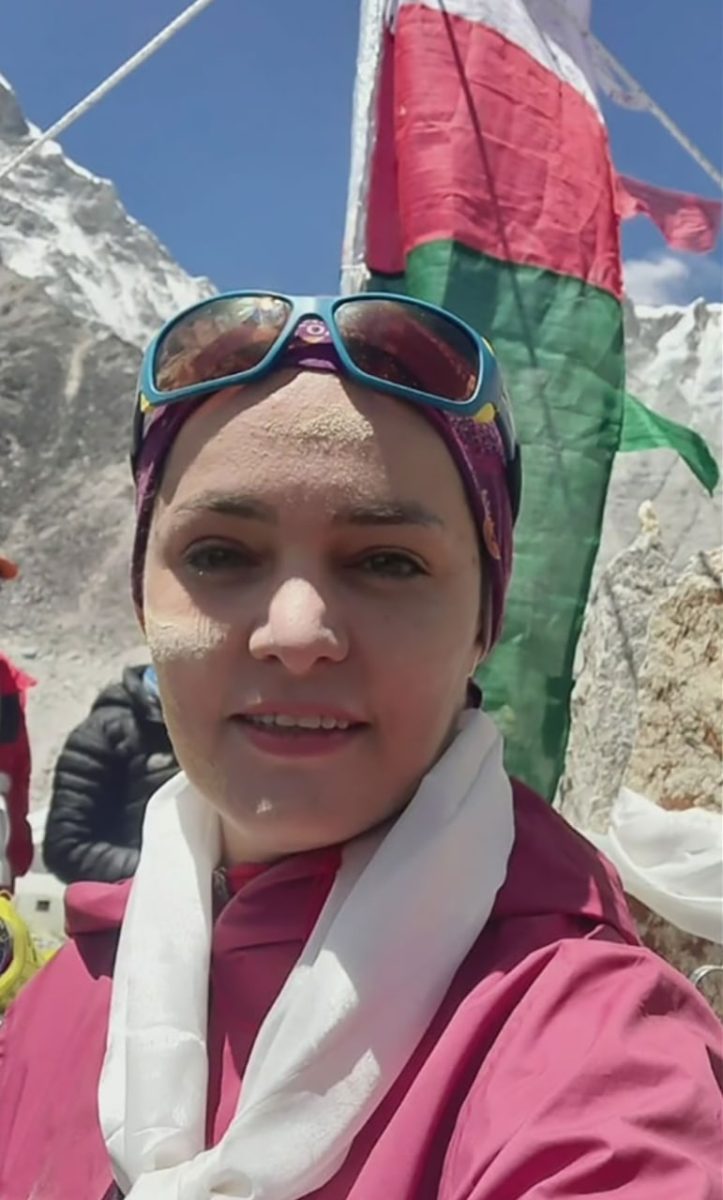
Afsaneh Hesamifard (R) & Elham Ramezani (L); Iranian women who reached the peak of Mount Everest
Over the past years, many Iranian mountain climbers have successfully reached the top of Mount Everest, which sits in the Himalayan heights. But prior to May 2022, no Iranian women had not managed to get to the peak of the world’s highest mountain.
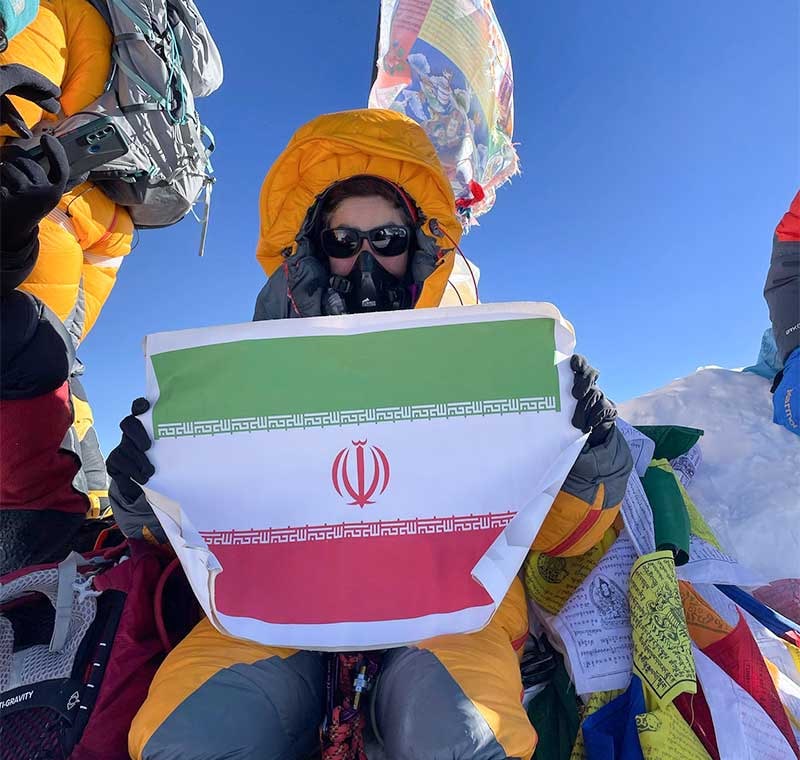
Afsaneh and Elham became the first Iranian women to have set foot on the top of Mount Everest. Afsaneh was the first to reach the destination and was followed by Elham a few days later.
Afsaneh Hesamifard: The first Iranian woman to climb to the top
Afsaneh Hesamifard, originally from Iran’s North Khorasan Province, finished climbing to the top on Saturday, May 14. She went to Damavand on April 6 and joined a week-long training camp there, before setting out for Everest.
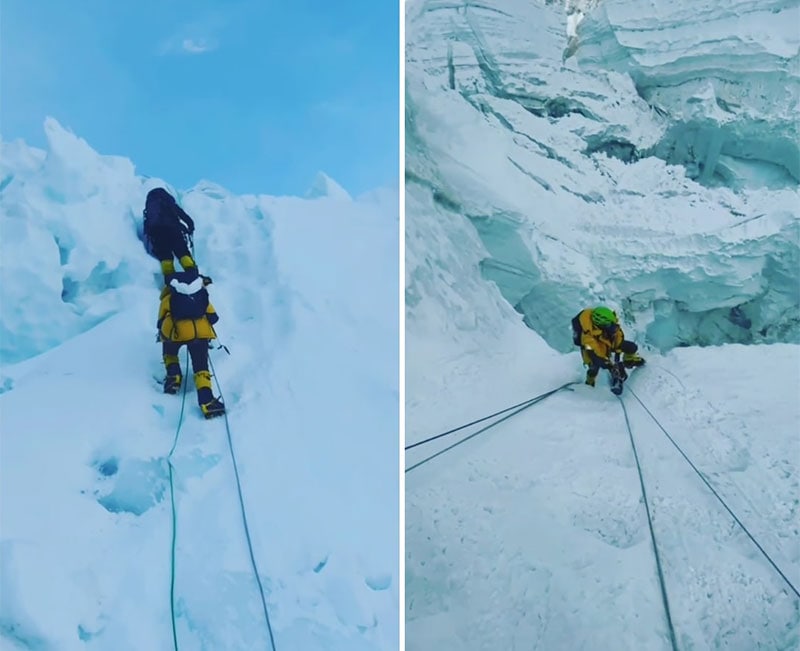
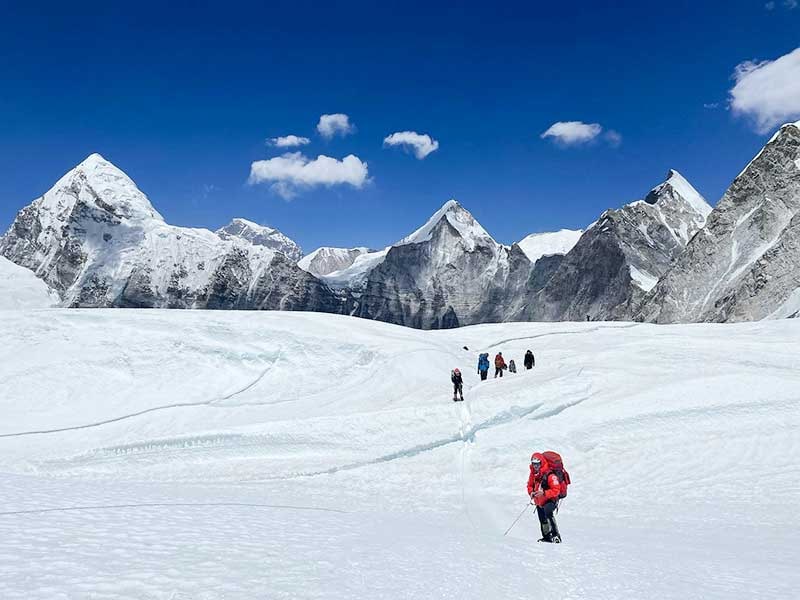
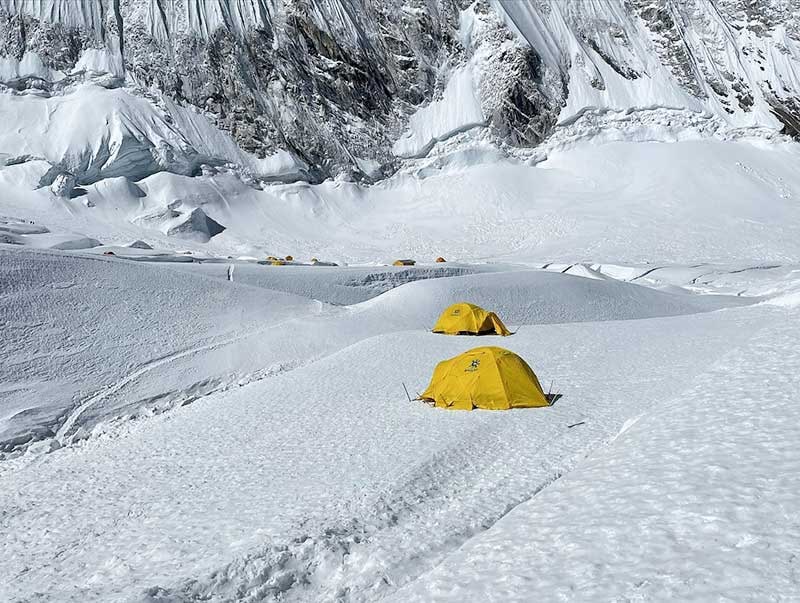
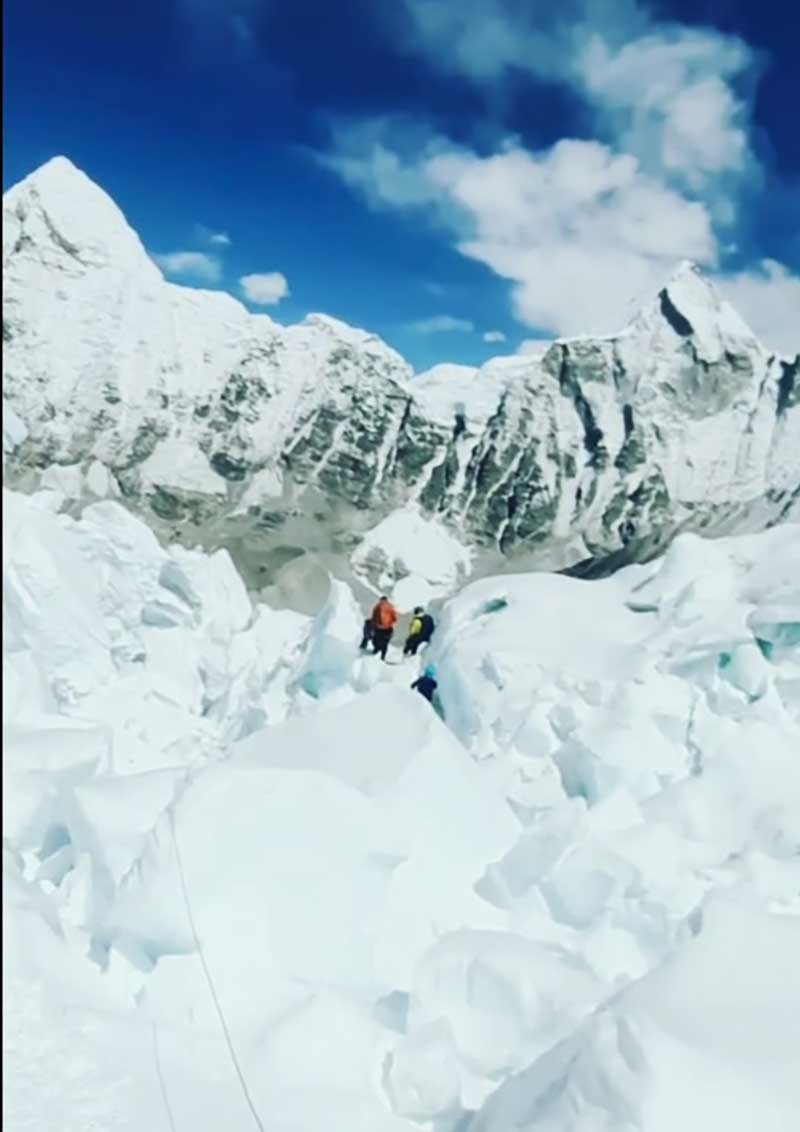
It normally takes 45 days for climbers to reach the top of Everest, a mountain with an elevation of 8,848 meters, which makes it the highest mountain above the sea level on the earth. It is located on the border between Nepal and China.
Hesamifard had reached the top of Nepal’s Mount Manaslu a year earlier.
Elham Ramezani: Second Iranian woman to reach the top
Elham Ramezani is a former member of Iran’s national squash team. She is known as the second Iranian woman who has succeeded in reaching the peak of Mount Everest this year. She announced via social media that she had reached the finish spot at 09:00 a.m. on May 15.
Photo by Elham Ramezani / Instagram
Here are excerpts of interviews with the two successful mountain climbers:
Why climbing to top of the world?
Afsaneh Hesamifard says, “Reaching the top of Everest is a big goal not just for me but for all professional mountain climbers. I think this is the greatest thing that can happen or the greatest dream that can come true in the lives of all climbers.”
Elham Ramezani also elaborated on her decision and said, “To tell you the truth, I used to be a member of the national squash team in the past. I suffered a severe injury in the knee and had to undergo surgery twice. That is why I had to part ways with squash, but it was difficult for me to stay away from sports. In those circumstances, I decided to define a goal for my sportive activities.”
“I would go to Mount Tochal in Tehran every week and later succeeded in reaching the top of Mount Damavand, Iran’s highest. After that, I promised myself that my next goal would be the world’s highest mountain, and thank God I achieved that objective.”
Photo by Elham Ramezani / Instagram
Reaching the top sooner than expected; how and why?
It usually takes between 45 to 60 days to arrive at the peak. The two Iranian women, however, accomplished the mission in around 30 days.
Commenting on that achievement, Afsaneh said, “My acclimatization process went smoothly and the weather window was suitable, allowing me to finish climbing in less than 30 days.”
The successful scaling of Mount Everest by the first Iranian women on social media
Hesamifard and Ramezani were the first Iranian women to have climbed to the top of Mount Everest, a feat that drew much public attention. They have interesting opinions about the matter.
Hesamifard says, “My climbing plans would proceed very slowly and as I wished them to in recent years. I did different climbs in the world, but I never wanted to raise a hype and have my activities covered in the media.”
“I wasn’t on social media, but I learned that my Mount Everest climb has attracted so much attention and that I have been able to bring a smile to people’s faces. This is valuable to me and I hope this good feeling of the people will continue.”
“On social media, I got so many messages from people saying that they moved with me and sent me good thoughts. They said that with every step I took, they felt they were there for themselves. These really gave me good vibes to reach the Everest mountaintop.”
Photo by Afsaneh Hesamifard / Instagram
Elham Ramezani says of the public and media attention to her climb, “This was a completely personal goal for me. I set out to prove my capabilities to myself. Nevertheless, I felt really good after scaling Mount Everest and hoisting my country’s flag in the world’s highest spot. That’s why I’m dedicating this achievement to the dear people of my country.”
“I enjoyed every moment of this, and I was really excited. After all, I had practiced day and night for two whole years and was looking forward to that very moment. That’s why I tried to record everything with as many details as possible so I wouldn’t forget what I went through, in the future.”
The two were asked, “How did it feel to stand on a place with an over 8,000-meter altitude?”
Asfaneh Hesamifard said, “It was the second time that I stood somewhere with an altitude of over 8,000 meters. Last autumn, I climbed to the top of Mount Manaslu, which is the world’s eighth highest mountain and is 8,163 meters high.
I already had the experience, but standing on the top of Everest felt different. It feels great to be at the peak of the world; a feeling of lightness and freedom! Reaching the peak of Everest is different from other climbs.”
Ramezani replied, “It was like dream. You may not believe but it felt like I was dreaming. I was constantly asking myself: Did I really make it? Then, I looked around and felt I was free and was flying.”