Thursday, January 1, 2026
Home Blog Page 1891

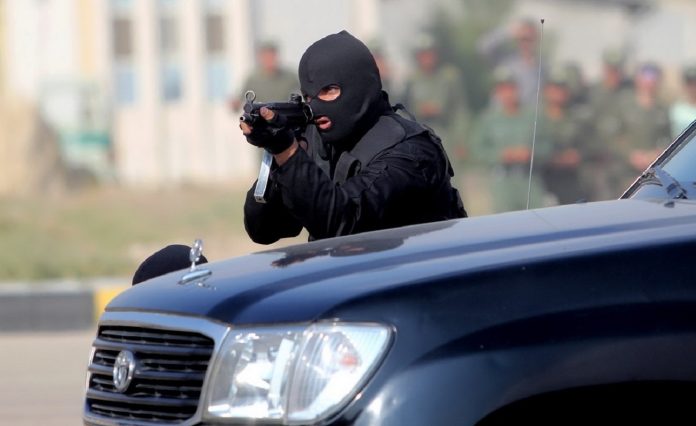
Judiciary official: Mossad agents arrested in southeast Iran

Iran Security Forces

Mehdi Shamsabadi, prosecutor of the provincial capital city of Zahedan added that Iran’s Intelligence Ministry operatives arrested the Mossad spies after keeping close tabs on them for nearly 8 months.

Shamsabadi also said the spies aimed to assassinate some of Iran’s nuclear scientists.

He said that there is ample evidence to charge these people and that they will be put on trial soon.

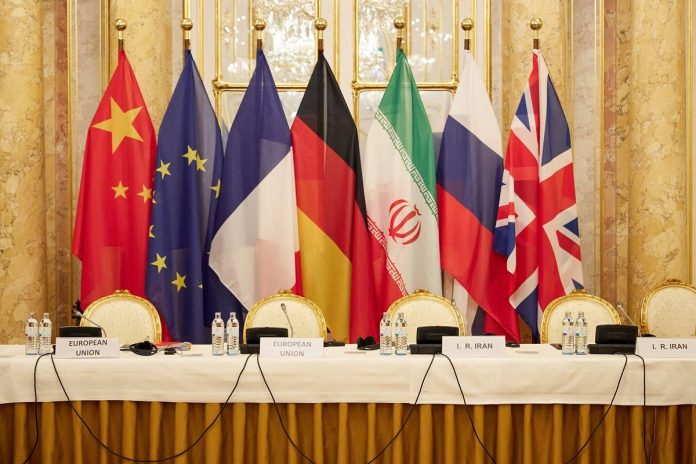
EU: Nuclear deal at hand in Vienna

Nuclear Negotiations in Vienna

Peter Stano added that a deal will ensure the full implementation of the nuclear agreement, otherwise known as the Joint Comprehensive Plan of Action, JCPOA.

He said, “We have yet to reach the finish line.”

Stano reiterated that there is still a chance to resume the implementation of the JCPOA and that EU Foreign Policy Chief Josef Borrell and his team are trying to make efforts in order for the Vienna talks to bear fruit.

Borrell’s spokesman added that the top EU diplomat will do his utmost to make sure all sides will return to full compliance with the JCPOA.

Stano added that the EU is worried about the IAEA’s recent anti-Iran resolution and that’s why it is pushing for the full implementation of the nuclear deal.

He noted that only after all commitments are fulfilled, Iran’s nuclear activities are 100% monitored and other parties to the JCPOA follow through on their side of the agreement, will the deal be fully reinstated.

In response to a question as to what from Iran’s side prevents a deal, Stano said, “This is a diplomatic process and we do not comment on the content of negotiations.”

Iran says the current impasse in the Vienna talks is blamed on the US because Washington refuses to respect Iran’s red lines in the negotiations.

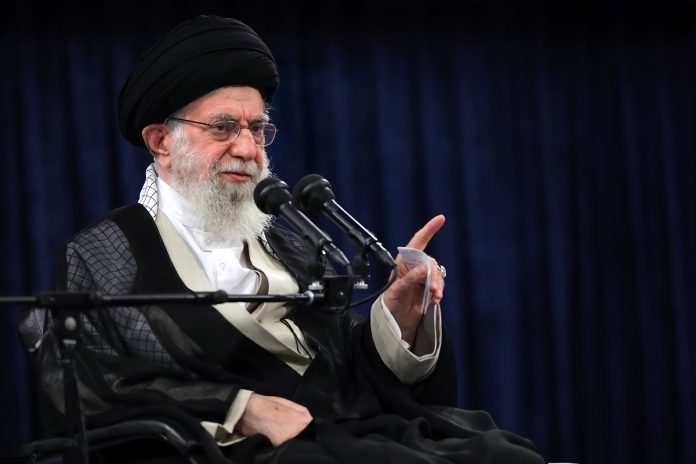
The Leader: Ill-wishers of Iran, Islam rely on soft war

Leader of the Islamic Revolution Ayatollah Seyyed Ali Khamenei

Ayatollah Khamenei made the remarks on June 12, addressing the organizers of the National Congress of Nomads’ Martyrs in Shahr-e Kord, the capital city of Chaharmahal and Bakhtiari Province. The state media published his speech on Tuesday.

“Today, the ill-wishers of Iran and Islam rely on soft war. Therefore all Iranians, including nomads, need to produce cultural products, namely books and movies” to counter such plots, he stated.

The Leader noted that shaking people’s religious faith or instilling hopelessness into them are among the most important prerequisites for waging a soft war against the Iranian nation.

“Today, whatever is done against the religion, traditions, and religious sanctities and rituals is driven by a political motive pushed by the enemy, whereas the agent of that deed may or may not be aware of this fact,” he added.

“Inculcating the sense of futurelessness and impasse, as well as the feeling that the officials do not know how to run the country are among the actions of ill-wishers,” the leader cautioned.

Elsewhere in his remarks, the leader recounted how the late founder of the Islamic Revolution Ayatollah Khomeini called the nomads “the resources of the country,” saying that the enemies have tried in vain over the past two or three centuries to provoke the nomads to betray the country by starting civil wars and disintegrating the country.

He then praised the Iranian nomads for being among the most loyal communities in the country.

Ayatollah Khamenei further hailed the nomads’ loyalty and their sacrifices during the 1979 revolution and the 8-year Iran-Iraq war, saying that “the most important factor contributing to the people’s – especially nomads’ – unity, progress, and sacrifices was religion.”

“While some, who are indifferent to religion, are making efforts to downplay the religious motives of the martyrs and war veterans, we should not reduce their motives to anything less than their devotion to God and religion,” he added.

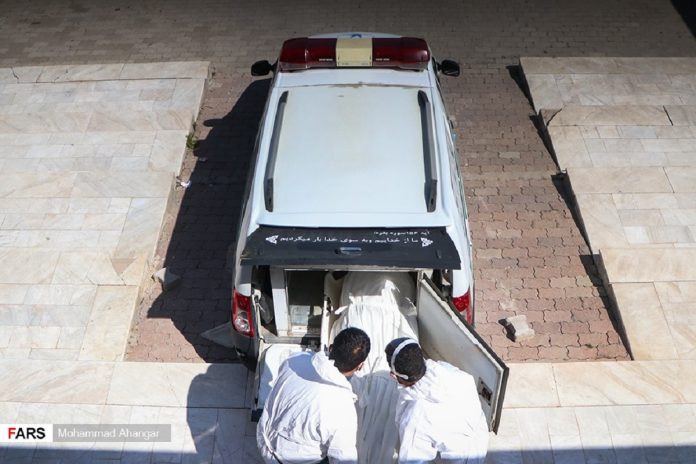
Covid kills 4 people in Iran in 24 hours

COVID in Iran

The Tuesday death toll is however single-digit and shows that the downward trend in Coronavirus deaths are holding in Iran.

The latest figures also showed that 187 people had tested positive for Covid in the past 24 hours. They included 38 hospitalizations.

Officials in Iran are optimistic about the trend with a top virology expert saying recently the country is doing a good job in terms of containing the Covid pandemic.

Despite that, officials are demanding that Iranians get their booster shots to prevent a resurgence of the Coronavirus.

Some 90 percent of the Iranian people have received two doses of vaccine. But the majority of them have yet to get a third dose of the jab, much less a fourth.

This is while authorities have made it mandatory for all those over the age of 70 to get their fourth shot.

The total Covid deaths in Iran now stand at 141,370 while the global fatalities are millions.

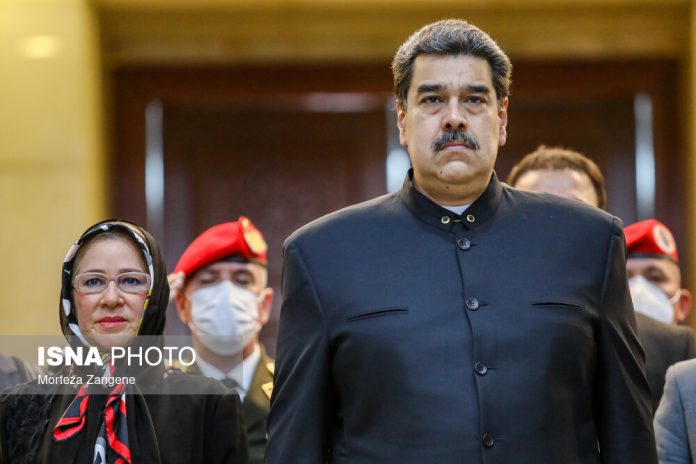
Venezuela’s Maduro says impressed by scientific, technological progress in Iran

Venezuelan President Nicolas Maduro

In an interview with Lebanon’s Al-Mayadeen network, Maduro praised Iran for beating decades-long US sanctions and pushing the scientific boundaries.

The Venezuelan president arrived in Tehran on Friday at the head of a high-ranking delegation and met with Iranian officials.

During his stay, Maduro was taken on a tour of Iranian scientific sites and plants to witness achievements of Iranian knowledge-based companies first-hand.

“We got very surprised by the level of progress Iran has made in the field of science and technology in recent years,” Maduro told Al-Mayadeen.

He also met the Leader of the Islamic Revolution, Ayatollah Seyyed Ali Khamenei and President Ebrahim Raisi. The two countries signed a 20-year deal aimed at bolstering cooperation in various fields.

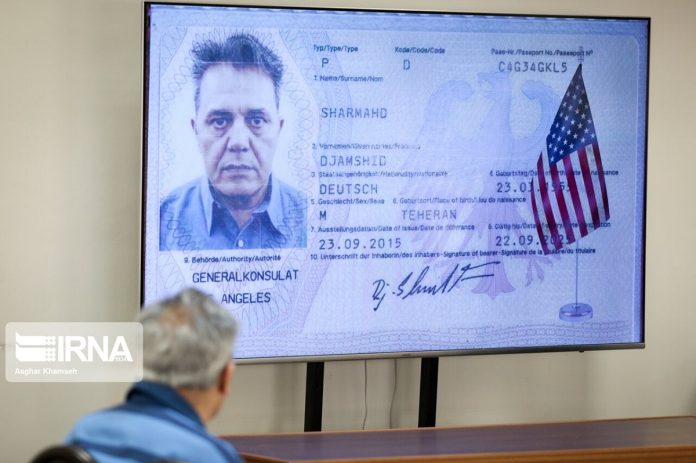
Iran holds 4th hearing into Tondar terrorist grouping’s ringleader

Jamshid Sharmahd

The grouping, which is officially known as the Monarchy Assembly of Iran, has been behind a string of terrorist attacks including the 2008 bombing of a religious congregation center in the City of Shiraz that left dozens of people dead as well as a bombing plot to destroy the city’s Sivand hydro-electric dam.

The grouping’s ringleader Jamshid Sharmahd was arrested in 2020 in an operation by the Iranian intelligence ministry.

He has been leading the grouping since 2007.

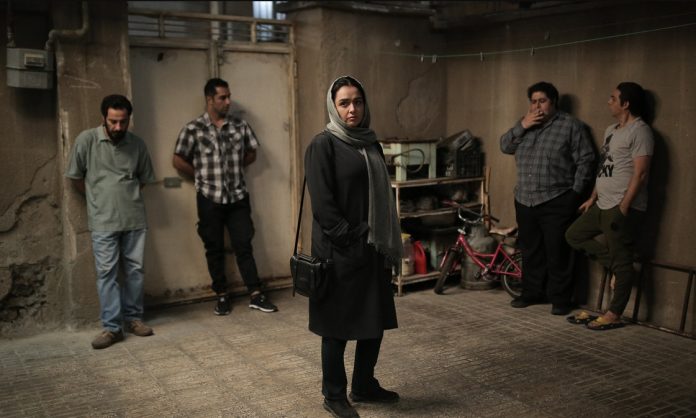
Iranian movie Leila’s Brothers banned

Leila's Brothers

In a statement on Monday, the organization said, “The movie Leila’s Brothers was sent to the Cannes Film Festival without going through the legal process.”

The filmmaker was supposed to make changes to the movie based on the talks with organization officials in order to get a license for screening, but submitted the movie to the festival without fulfilling the agreement, according to the statement.

The drama is about a debt-stricken family in Iran struggling to make ends meet due to sanctions and economic crisis.

READ MORE: Iranian filmmakers slammed for making “opposition gestures”

Apart from the disagreements over the content of the movie, the cast caused ‘controversies’ at the Cannes festival.

The ‘bizarre’ costumes of the cast and the famous actor Navid Mohammadzdeh kissing his wife on the red carpet which many took a sign of disrespect and flouting Iranian customs, angered many Iranians who demanded a ban on the movie.

Meanwhile the director of the movie, Saeed Roustaee, has lashed out at the decision to ban his film.

The move is going to be screened at Munich Film Festival later June.

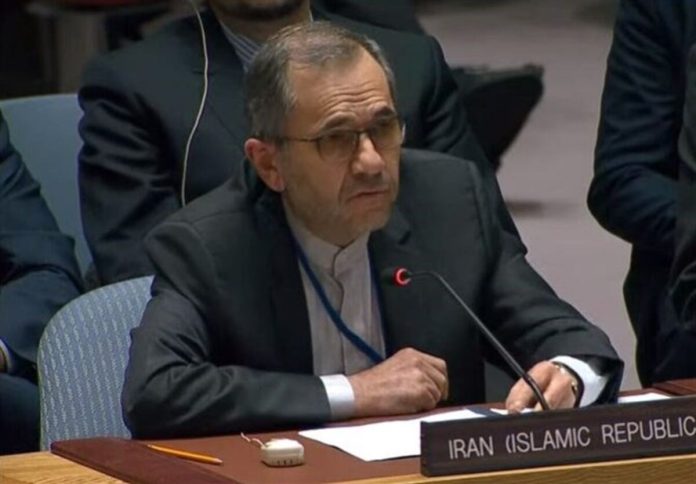
Iran UN envoy warns of rising Islamophobia

Majid Takht Ravanchi

Takht Ravanchi spoke on Monday at a UN meeting marking International Day for Countering Hate Speech.

He stated that the growing wave of incitement to people based on their religious beliefs is a serious challenge to co-existence and tolerance among nations.

The following is the full text of the statement read by Takht Ravanchi in his address to the meeting:

I would like to express my appreciation to you for convening this High-level Meeting to commemorate the International Day for Countering Hate Speech.

We value the proclamation of this international day to highlight the commitments to the purposes and principles of the United Nations, and to promote intercultural and interreligious dialogue, dialogue among civilizations, as well as tolerance and reconciliation in matters relating to peaceful coexistence among cultures and religions.

In our increasingly interconnected world, we need to rely on diverse cultures to enrich our ability to confront multitude of challenges facing human beings.

We should recognize the potentials of this diversity and create a new sense of togetherness and closeness.

Today, such phenomenon as hate speech, xenophobia and Islamophobia, as well as incitement to hatred based on religion, have seriously challenged the essentials of tolerance among nations.

Notably, proliferating hate speech, discrimination and violence, has caused great suffering toward Muslim communities around the world.

The growing trend of Islamophobia has been fueled by the lack of resolve on the part of certain governments to confront hate speech and acts of hate against Muslims, anti-Muslim media outlets, as well as civic groups promoting a hostile and abusive environment against Muslims in the West. It is unfortunate to witness that the politicization and restriction of the Hijab, the burning of the Holy Qur’an, and the desecration of Islamic symbols and holy sites are being pursued in certain countries. In this regard, we would like to recall Article 20 (2) of the International Covenant on Civil and Political Rights, which states that any advocacy of national, racial or religious hatred that constitutes incitement to discrimination, hostility or violence shall be prohibited by law.

In addressing this growing phenomenon, we may also refer to the gender aspects, as Muslim girls and women are frequently targeted because of the way they dress.

Such Islamophobic tendencies have created an environment conducive to violence and violent extremism which poses serious threats to the social cohesion as well as security and well-being of all societies.

The designation of 15 March as International Day to Combat Islamophobia by the General Assembly was a milestone in our collective efforts to combat this menace.

We just heard outrageous allegations made by the representative of the Zionist regime against my country.

We reject these allegations which are made to deflect attention from Israeli crimes and atrocities in our region. The Zionist regime is well known for its racist policies and spread of hate speech and its propaganda cannot hide this very fact.

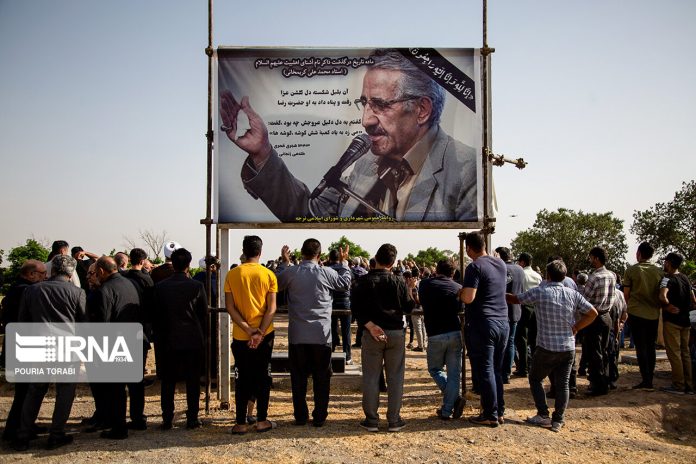
Iranian religious eulogist Mohammad Ali Karimkhani passes away at 72

Mohammad Ali Karimkhani

Mohammad Ali Karimkhani was born in the city of Narjeh in Qazvin Province in 1950.

He was shot to fame by the popular song, produced by Iranian musician Arya Aziminejad, that goes “Amadam Ey Shah Panaham Bedeh” – I am here at your shrine oh King, accept me in your sanctuary.

Karimkhani began singing eulogies in religious gatherings when still child. Later, he moved to Tehran to further his talent.

His works include an album dubbed Saghi Sarmast, also produced by Aziminejad, which is a eulogy of the martyrs of Karbala incidents 14 centuries ago.

His works are focused on the members of the infallible household of Prophet Mohammad (PBUH).

Iran Tourism: A Guide to the City of Khansar

Khansar Iran

History of Khansar

The presence of fire temples and other places of worship, especially Heikal Temple, as well as a grave stone bearing an inscription in Pahlavi Language – Middle Persian language – all indicate how old this central Iranian city is. It is said that the history of Khansar goes back to the pre-Islamic period.

Khansar county, just as other Iranian areas and cities, did not escape looting during the Mongol invasion of the country and suffered massive damage. But, almost 300 years later, during the Safavid era, the city was redeveloped and witnessed great cultural, artistic and industrial progress.

The construction of carpet-weaving workshops and the revival of vase pottery and other arts and crafts date to this era.
City of Khansar

Khansar’s Nature and Climate

Khansar is 2250 meters above the seal level and has a pleasant climate. It enjoys a diverse vegetation and is home to different fruit trees including walnut, almond, plums and apples. Khansar’s honey is also highly popular.

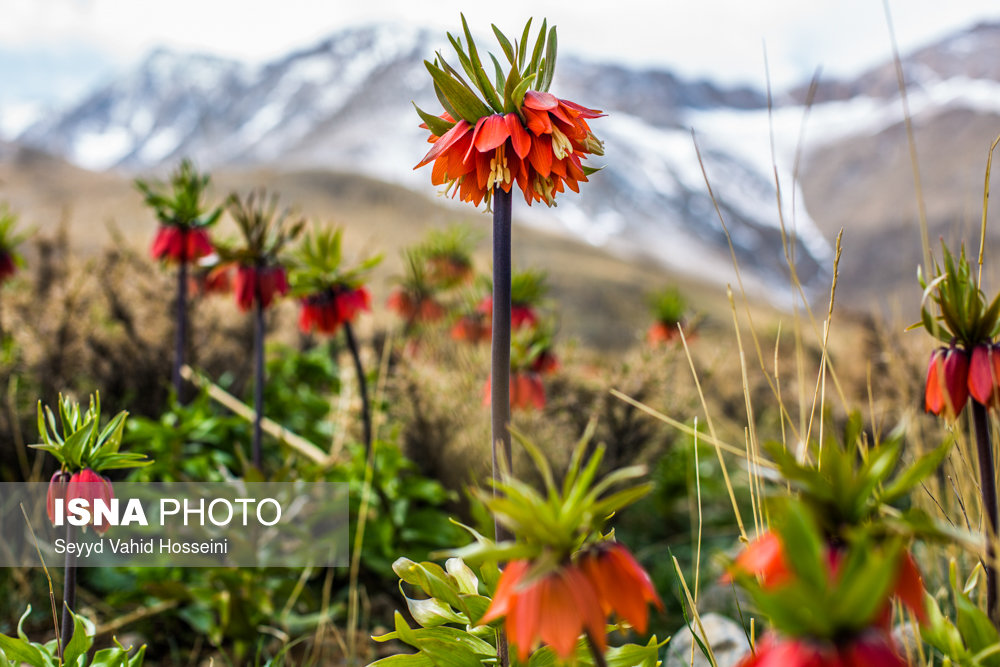
These are besides its fascinating fields and groves located in Cheshmeh Saar and Golsaar areas as well as its farmlands and Golestankouh plain, where the local inverted tulips are world-renowned.
Khansar’s Nature and Climate

Khansar’s Attractions

Khansar is a small city located near the central Iranian city of Isfahan. Khansar’s sights are very unique and striking. This is a city with rare beauties that have earned it the title of a paradise in desert.

Khansar is well-known for its high-quality honey, bewitching mountains and plains, covered with inverted tulips. However, the city’s sights are not limited to its nature. Every visitor should know that Khansar’s marvels go well beyond what was said and one can spend several days enjoying them.

Here we would like to introduce you to some of the attraction of Khansar

Golestankouh Tourist Village

Golestankouh is an area with a nice weather in Khansar that, thanks to its numerous natural springs, has an exceptional appeal. The area is a lush plain located in a valley close to Golestankouh, which is home to inverted tulips. The best time to visit this area is during the spring.

The area has a local vegetation of almost 70 different plants, some of them herbs.
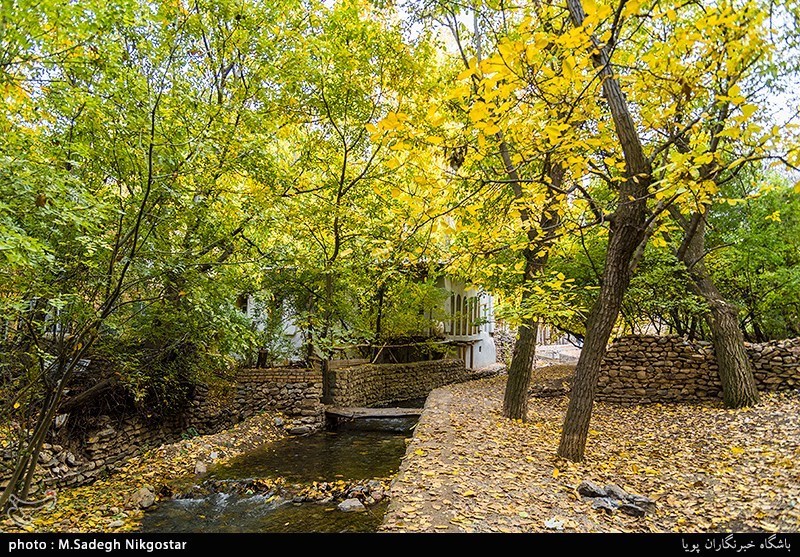
khansar - Golestankouh Tourist Village

Roads Passing Through Khansar’s Gardens

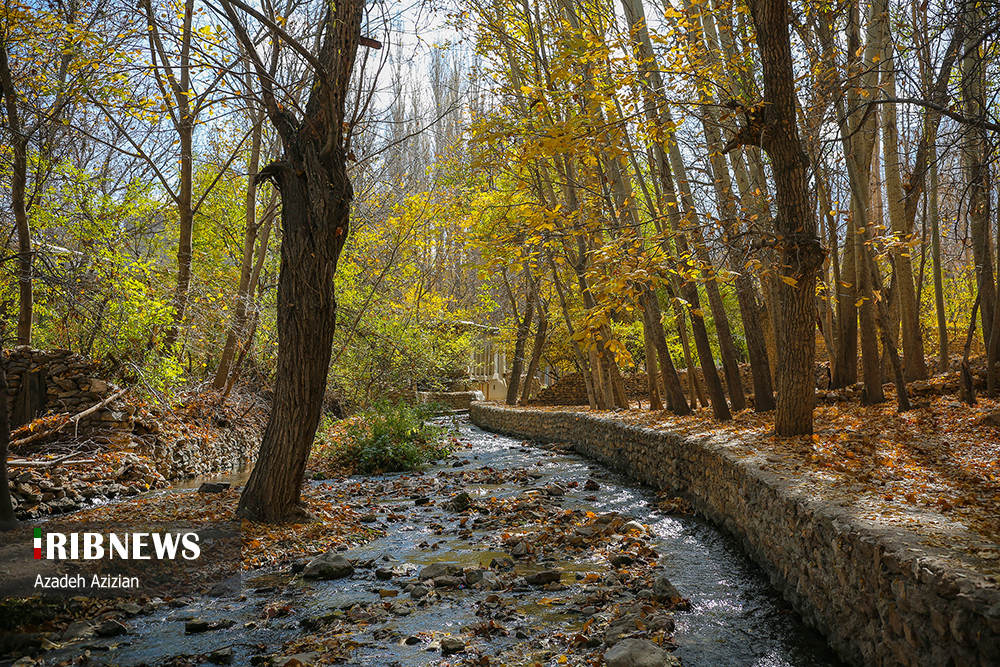
Khansar is a perfect example of a garden city in Iran. Trees form green domes in different parts of the city. The water is largely supplied by some 450 natural springs flowing in the city and this attracts many tourists every year.

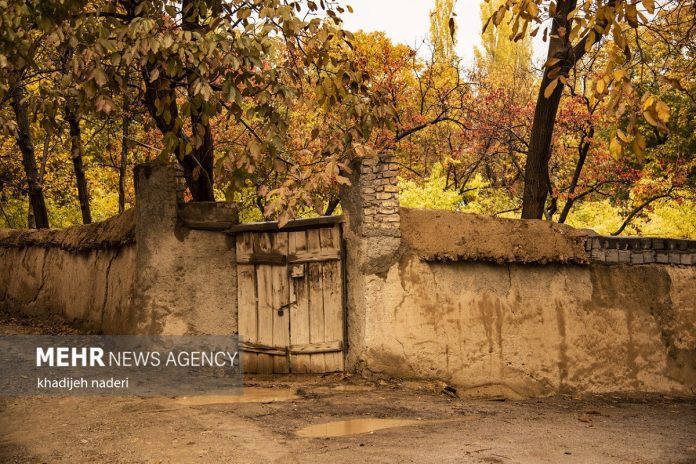
If you are into ecotourism, another item on the list of Khansar’s sights that would catch your eyes would be the roads passing through the city’s old garden walls. Adobe garden walls are still there in some parts of the city.
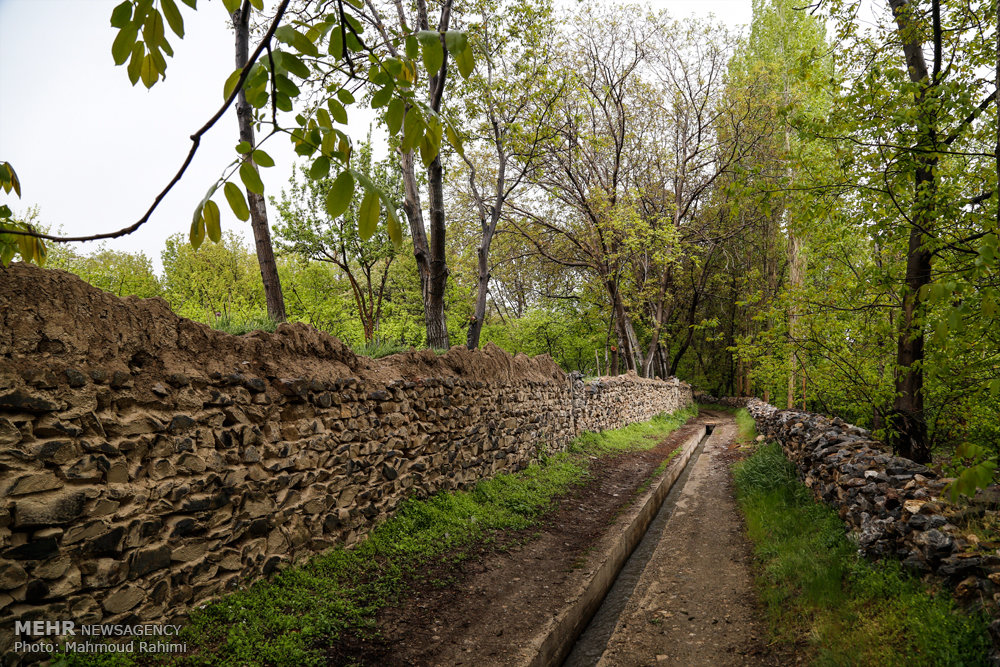
Roads Passing Through Khansar’s Gardens

Sarcheshmeh National Park

One of the most attractive locations to visit in Khansar is its Sarcheshmeh Forest Park. The park boasts many ponds that are fed by streams flowing from the local Kouh Seil Mountain. The water is extremely clear and is potable.
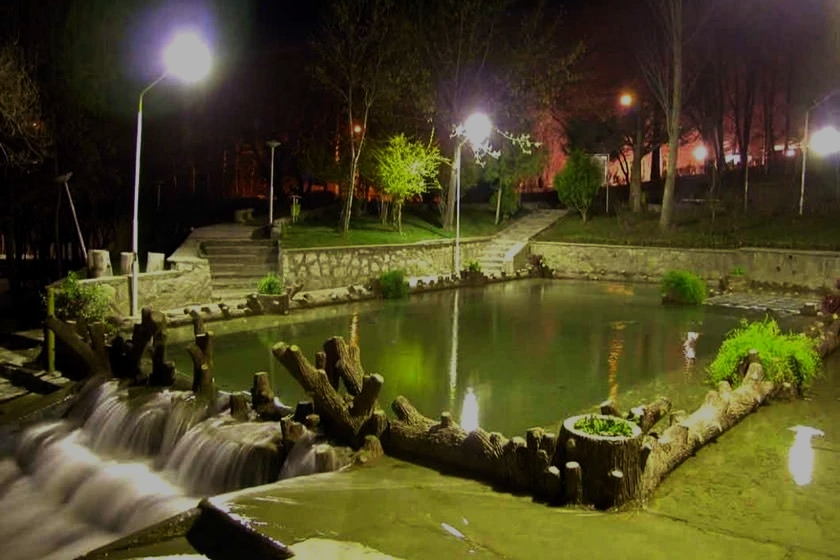
Sarcheshmeh National Park in khansar

Khansar’s Mill

Khansar’s mill is located within Sarcheshmeh Park. The sound of a little bell attached to the millstone is still heard as it revolves.

The mill is the sole ancient mill in Isfahan Province. It is renovated and now, in addition to grinding wheat, attracts visitors, who want to take a look at the structure.
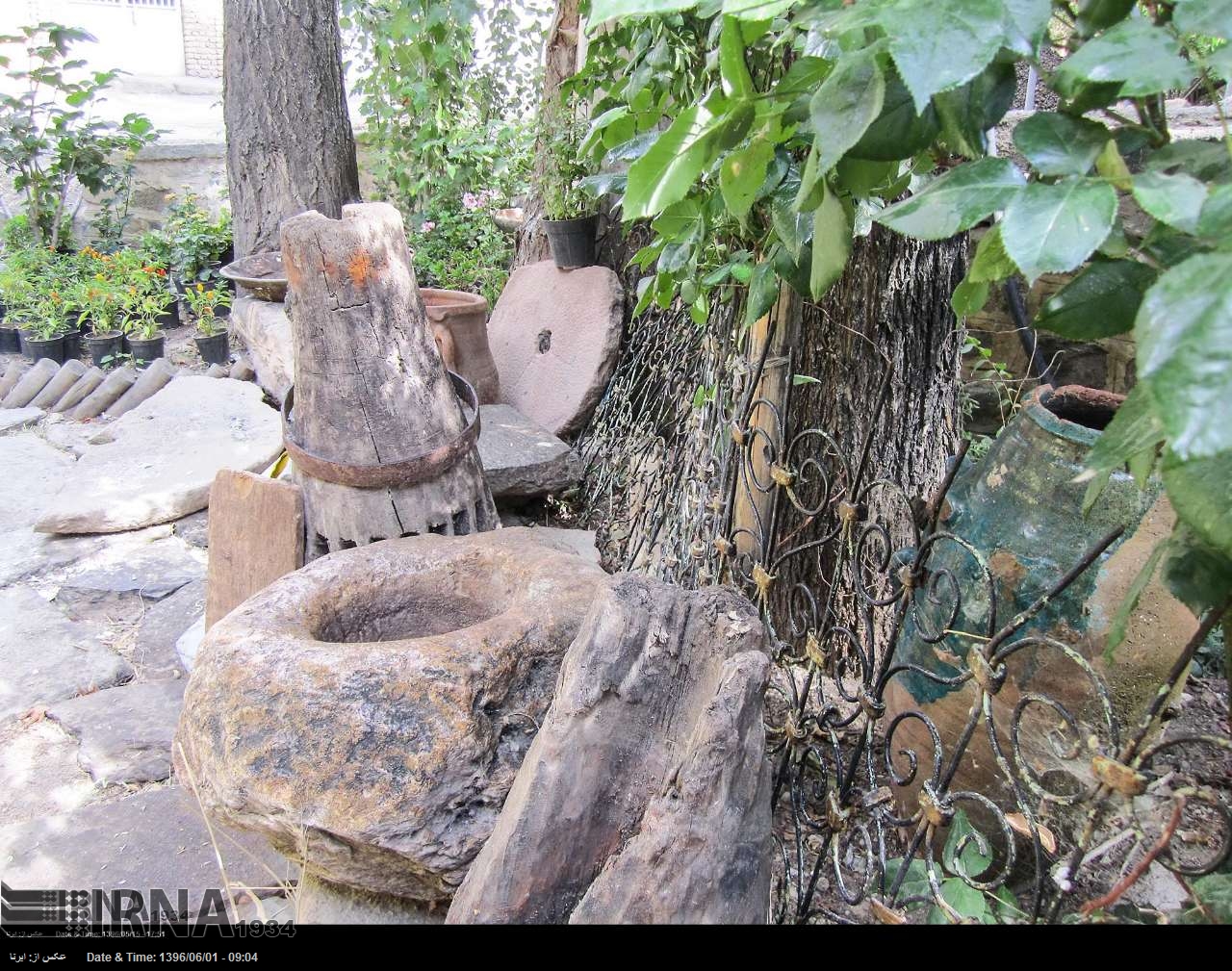
Khansar

Heikal Mountain and Cave

Caves are common in Khansar, which is located in a mountainous area. One of the most famous caves of the city is called Eshkaf, which has a 10-meter high mouth. Nearby, there is another cave where corrosion has cut a stone column into a body very similar to a human’s.
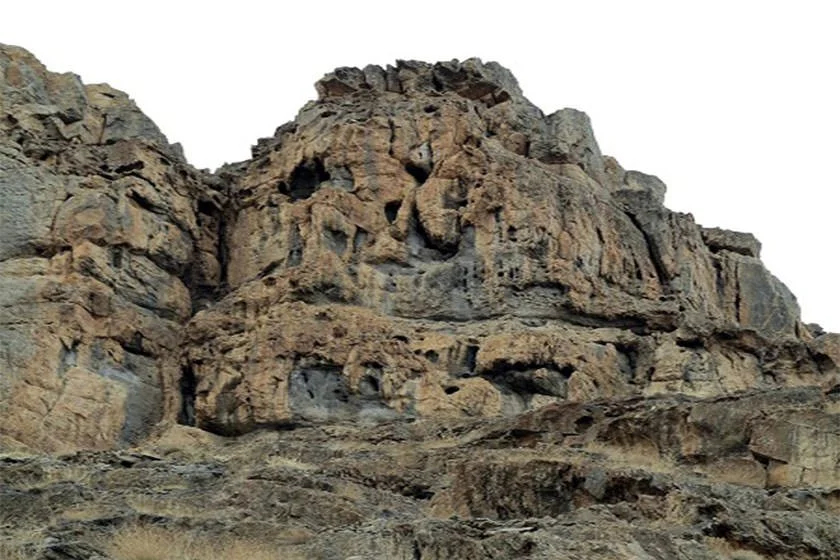
Heikal Mountain and Cave

Jameh Mosque

The structure is one of the unique mosques in Iran. It has no dome and has a single minaret. The mosque was registered as a national heritage in 1975. Masjid Jameh, as the mosque is known in Persian, is located in the southeast of Khansar.

It features exceptional plasterwork and fretwork and was built during the Safavid era. The mosque’s very unique and serene architecture adds to its historical appeal. The ceiling of the mosque is constructed using wood posts.

Only two structures with this designs are to be found in Isfahan, which is itself known for hosting some of Iran’s most unique and magnificent architectural designs.
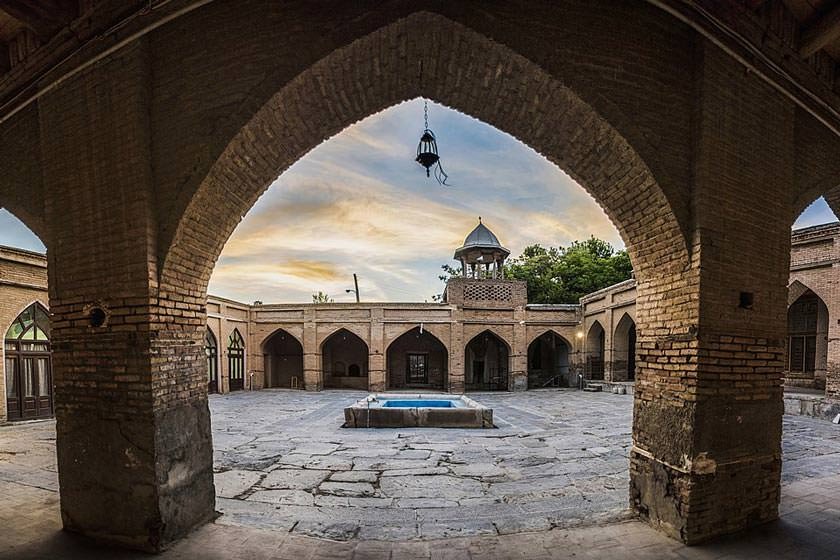
Jameh Mosque in khansar

Marym Beig Safavi – wife of Shah Tahmasb – School

This school is one of the oldest seminaries in Khansar and was built next to the river that passes through the city, during the rule of Shah Soleiman Safavi in 1695 AD (Safavid area- Britannica).

Abhariha Historical House

If you want to visit a historical site in Khansar, you should make sure to visit the House of Abhariha – Abharis’ House. This is a gorgeous residence located in Ayatollah Khansari Street in the city’s Ra’eisan neighborhood.

The house dates to the Qajar era — 1789 to 1925 – and features stunning plasterwork and paintings. This house is more than 220 years old and is one of the most attractive places to visit in Khansar.
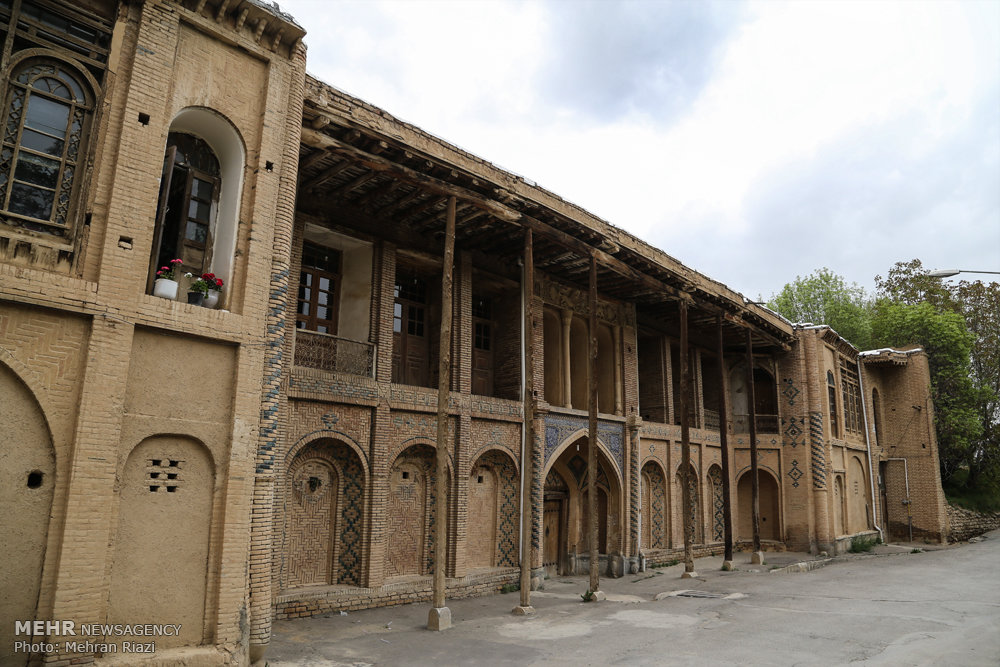
Abhariha Historical House - khansar

Souvenirs and Palatable Mementos from Khansar

Honey and Gaz – Persian Nougat – are the most famous souvenirs of Khansar County. Khansar is also known for its local cookies and confections including Halva Sohan.

Khansar’s souvenirs, however, are not limited to foodstuff. Sarough Rugs, otherwise known as Visti Carpets, which are woven in the village of Vist, are also among the key industries of Khansar and one of the city’s souvenirs.

Souvenirs and Palatable Mementos from Khansar

More Information on Khansar

1. Which season is best for a visit to Khansar?
    • Khansar has a cold mountainous climate. Therefore, it would best to visit during the spring or the summer.
2. What are some of the attractions of Khansar?
    • Jameh Mosque, Heikal Fire Temple, the Mausoluem of Baba Pir, Abhari House, the mill, Shahzadeh Ahmad, Emamzadeh Seyed Mahmoud, Emamzadeh Seyed Saleh, Sarcheshmeh National Park, etc.
3. Where to stay in Khansar?
    • The city has several ecotourism residences as well as suites and motels and some of these also serve meals.