Friday, January 2, 2026
Home Blog Page 1887

Iranian knowledge-based company produces medicine countering respiratory infection

respiratory infection

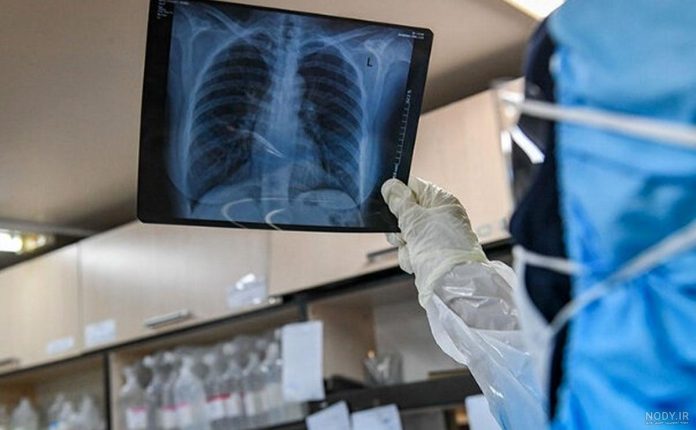
The production line for Bio-Boost was unveiled during a ceremony attended by Iran’s Vice President for Scientific and Technological Affairs Sorena Sattari at the knowledge-based company.

Bio-boost is a natural product of useful living bacteria along with vital vitamins and minerals.

The medicine improves the quality of people’s lives by reducing respiratory infection and the length of the infection as well as helping with the treatment of allergic diseases and the supply of the energy human body needs.

Iran has taken long strides in the scientific and technological spheres in recent years despite it’s been under the harshest US sanctions over its nuclear program.

Iran FM to Chinese counterpart: Tehran ready for deal in Vienna

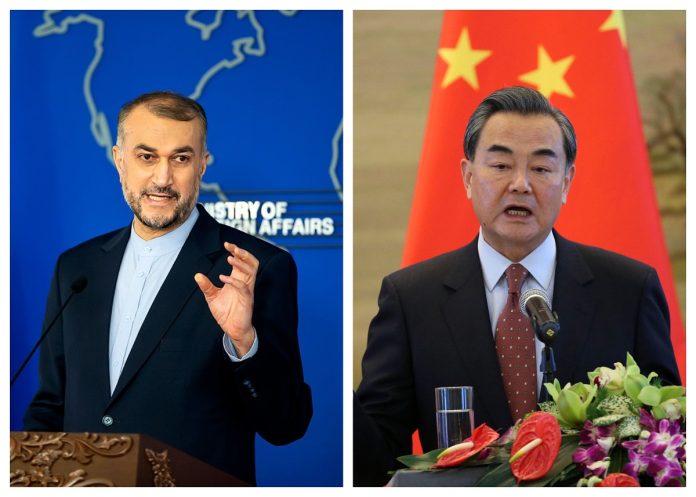
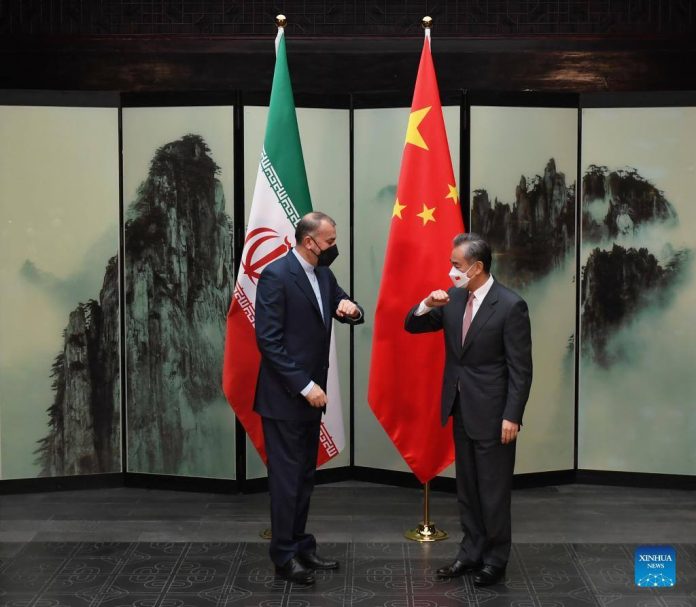
Iran and China FMs Amirabdollahian and Yi

Amirabdollahian said Iran is in good faith ready for a lasting deal that would preserve the interests of the Iranian people.

He further described the recent anti-Iran resolution at the meeting of the International Atomic Energy Agency’s board of governors unconstructive.

The Iranian foreign minister also thanked China for inviting Iran’s President Ebrahim Raisi to attend the upcoming summit of the BRICS grouping.

He welcomed China’s initiative for global development and security and expressed hope that during Beijing’s presidency at BRICS, ties between Iran and China will further expand.

Wang Yi for his part welcomed President Raisi’s participation in the BRICS summit, saying the meeting is aimed at shifting attention to emerging markets and economic solidarity among developing countries.

Elsewhere in his remarks, the Chinese foreign minister reaffirmed his country’s opposition to unilateralism and said a strategic partnership with Iran will be useful and constructive for both nations.

Wang Yi also once again declared China’s support for the Vienna talks and voiced hope that diplomay will pay off in the negotiations.

Iranian social media users react to Russian diplomat’s picture with scarf 

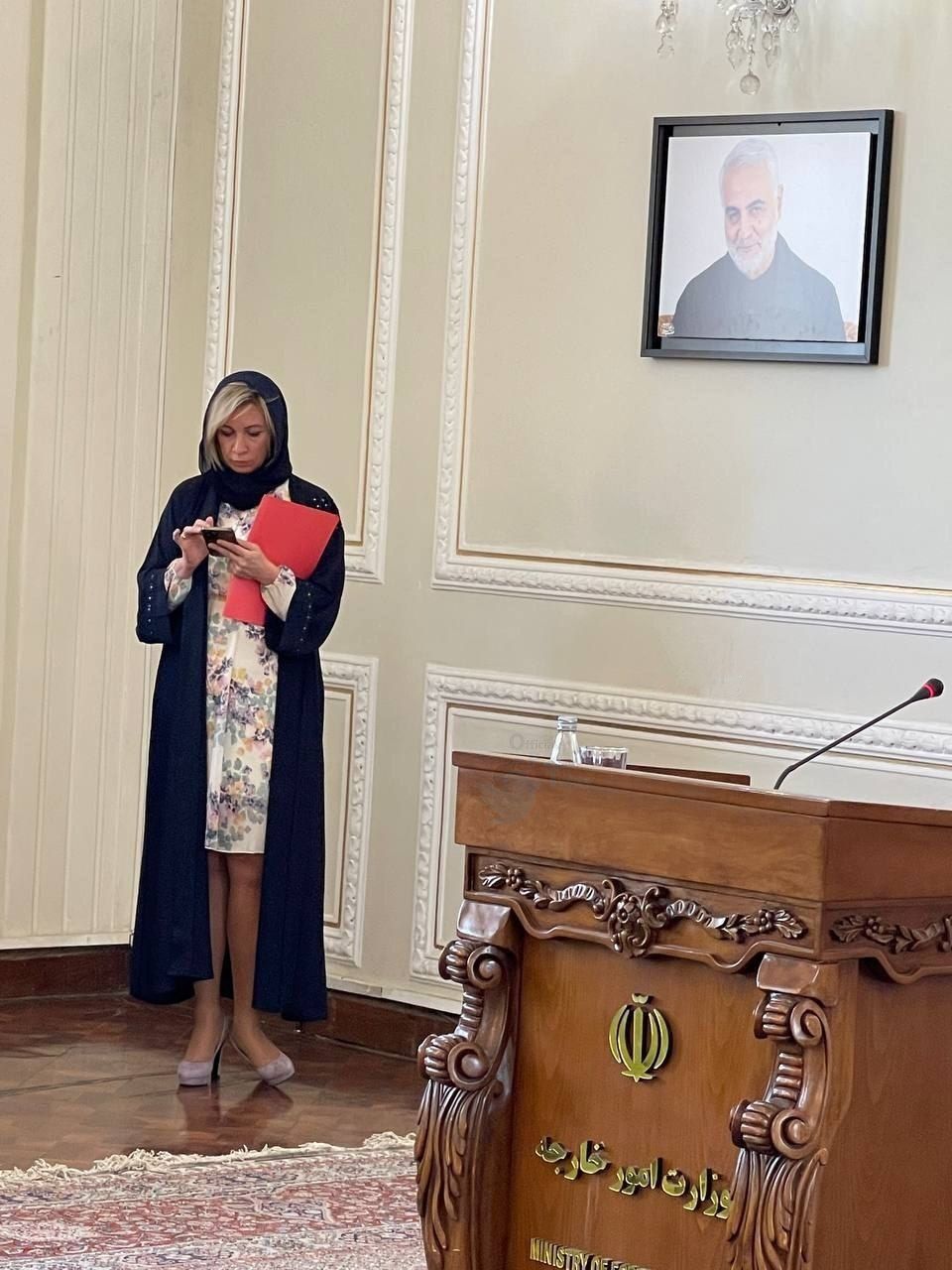
Russian Foreign Ministry Spokeswoman Maria Zakharova

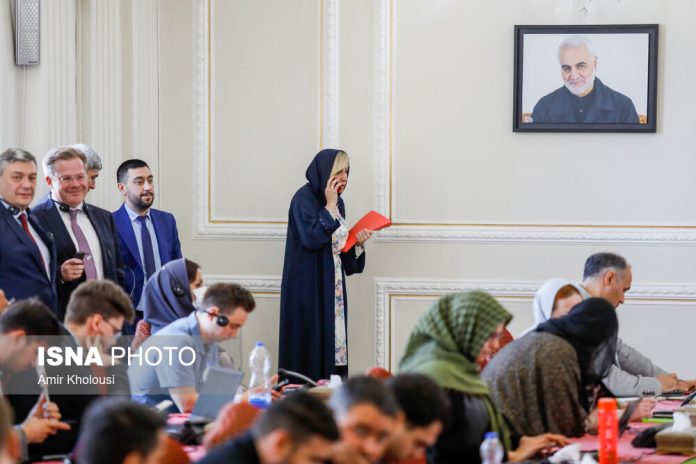
In the photo, Zakharova is wearing a headscarf and a loose gown. Under the gown, she has a skirt on that is not long enough in line with the Islamic Republic of Iran’s dress code for women.


Some people on Twitter reacted to this with criticism. Others said this shows the dress code is not draconian.

Meanwhile Zakharova, who travelled to Iran as part of Russia’s Foreign Minister Sergei Lavrov’s entourage, posted a tweet in which she hailed Iranian women.

She said, “Beautiful Iranian women behind the scene deserve to be within the frame.”

Russian Foreign Ministry Spokeswoman Maria Zakharova

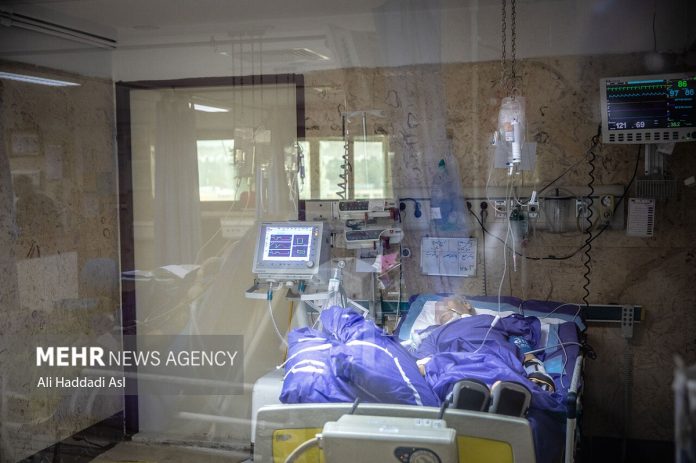
Iran Covid: 4 deaths, 256 new infections

COVID in Iran

The tally also shows that 256 people have tested positive for the Coronavirus from Wednesday to Thursday.

Covid daily deaths have remained single-digit in Iran for the past few weeks.

The daily death toll from the virus was zero several days, though not in a row.

Authorities attribute the declining numbers of fatalities and new cases to a nationwide vaccination campaign, non-stop efforts by the healthcare staff and people’s observance of health protocols.

The number of vaccine doses administered since the start of the inoculation process one and a half years ago has crossed the 150 million mark.

Nearly 90 percent of the population of roughly 85 million have been double inoculated against the Coronavirus.

Iranian and Chinese FMs hold telephone conversation

Iran and China FMs Amirabdollahian and Yi

He said the summit of the BRICS members as well as the Afghanistan issue and the latest developments in the nuclear deal revival talks were discussed by Hossein Amir Abdollahian and Wang Yi.

China and Iran both oppose unilateralism and believe that the US’s maximum pressure campaign against Tehran is doomed to failure.

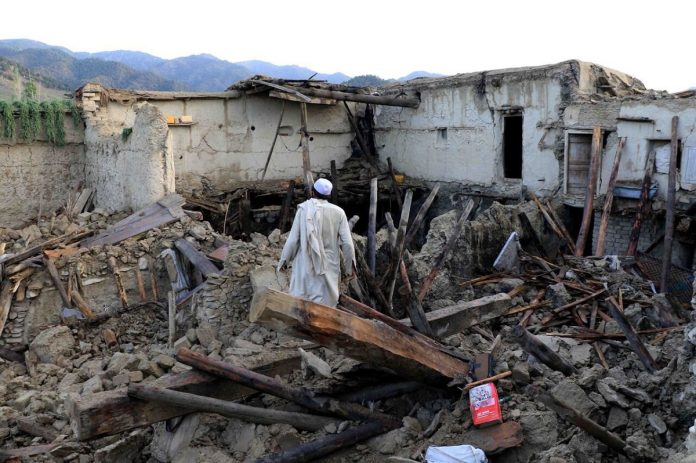
Iran sends first team of rescue workers to Afghanistan’s quake zone

Afghanistan Quake

The secretary general of Iran Red Crescent Society said the team involves 18 people who were dispatched to Afghanistan by air for rescue operation in the country’s east.

Iran’s Red Crescent Society has earlier sent two cargo planes carrying first aid supplies to the crisis-hit areas.

The first shipment of humanitarian aid that was sent from Tehran in army airplanes included 400 relief tents and 800 rugs.

The second shipment dispatched from Iran’s southeastern Sistan and Baluchestan Province via land route, included 1,200 rugs, 1,000 food packages and 600 relief tents.

On Wednesday, the director of Iran’s Red Crescent Society declared readiness to send aid to Afghanistan.

Pirhossein Koulivand said Iran’s Red Crescent Society can provide medical assistance for the quake-hit Afghans.

The 6.1 tremor has killed at least 1500 people and more than 2000 injured. Many are missing.

The quake has also destroyed or heavily damaged large numbers of houses and buildings.

IRGC names Mohammad Kazemi as its new intelligence chief

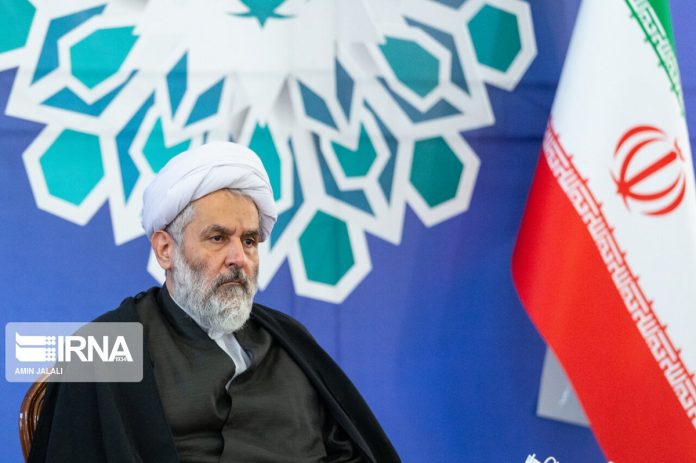
Hossein Taeb

Kazemi’s predecessor Hossein Taeb will serve as an advisor to the IRGC’s Commander in chief, General Hossein Salami.

Kazemi was the head of the IRGC’s counter-intelligence agency for many years and is a seasoned official with regard to security and intelligence matters in the IRGC.

Taeb was the head of the Basij Organization before being appointed as the head of the IRGC’s intelligence.

MP: Motion to impeach Iran industries minister still on track

Iran Parliament

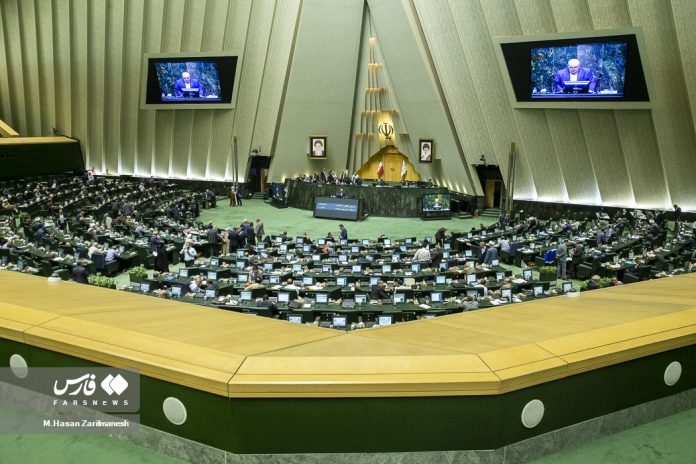
The spokesperson for the parliament’s Industries and Mines Committee said on Thursday that more than 10 parliamentarians are still standing their ground to grill the minister, Reza Fatemi-Amin, over his ‘weak performance’.

Some 20 MPs withdrew their signatures on Tuesday, citing bad timing of the move.
Fatemi-Amin has been under fire for his handling of industries in Iran, especially the sluggish auto-industry that has failed to rein in the skyrocketing prices and meet the domestic needs.

Iranian auto makers have also been criticized for the low quality of their products despite the exorbitant prices.

The move comes days after Iran’s Minister of Labor and Social Welfare Hojjatollah Abdolmaleki resigned after coming under criticism for the problems involving the labor market and pensions.

Daily critical of soaring prices of goods in Iran

Iran Economy

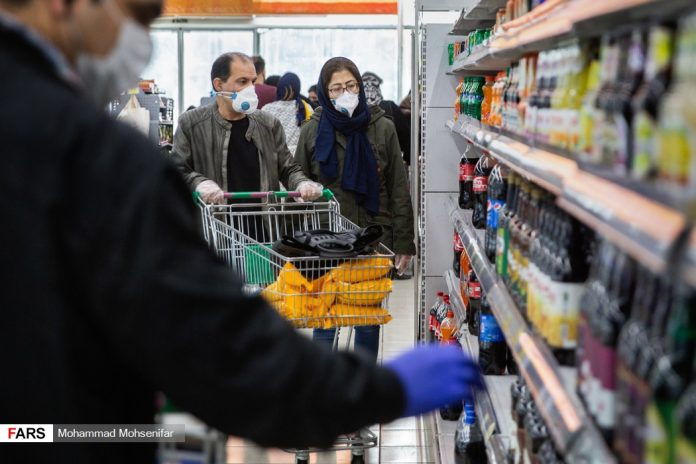
Khorasasn Daily wrote in an article that contrary to the pledge by the government that the prices for only four products will increase, almost all goods on the market have hit the consumers hard in the pocket.

The economic team of the Raisi administration had promised the heavily-subsidized prices of cooking oil, chicken, eggs and dairy products will increase after slashing the subsidies, but almost all goods, most notably detergents, have spiraled out of control, the daily wrote.

According to the International Monetary Fund, price growth in Iran has been rampant for years, over 30 percent annually every year since 2018.

The Russian war on Ukraine and the Iranian administration’s bold decision to reform the subsidy system have fueled the inflation in recent months.

Another factor that sent the prices soaring was to abolish the allocation of subsidized “preferential” exchange for imports of wheat, cooking oil and medicine that was fixed at 42,000 rials to the dollar, while the rate on the free market is over 310,000 rials these days.

Iran’s monthly inflation hit a four-decade record high of 12.2 percent over the Persian calendar month of Khordad – May 22 to June 21.

The figure announced by the Statistical Center of Iran is an 8.7 percent jump compared to the previous month and is the highest monthly inflation recorded in the country since the Islamic Revolution of 1979.

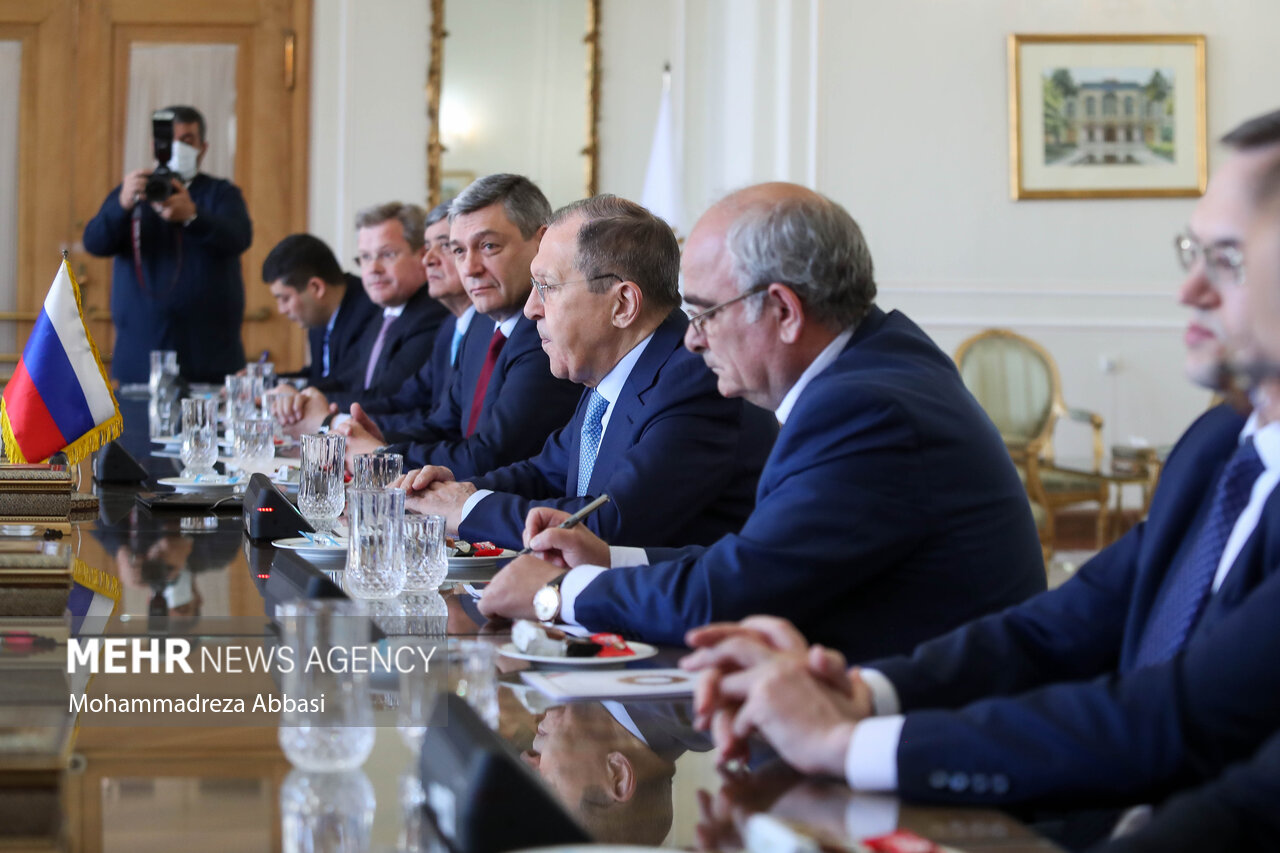
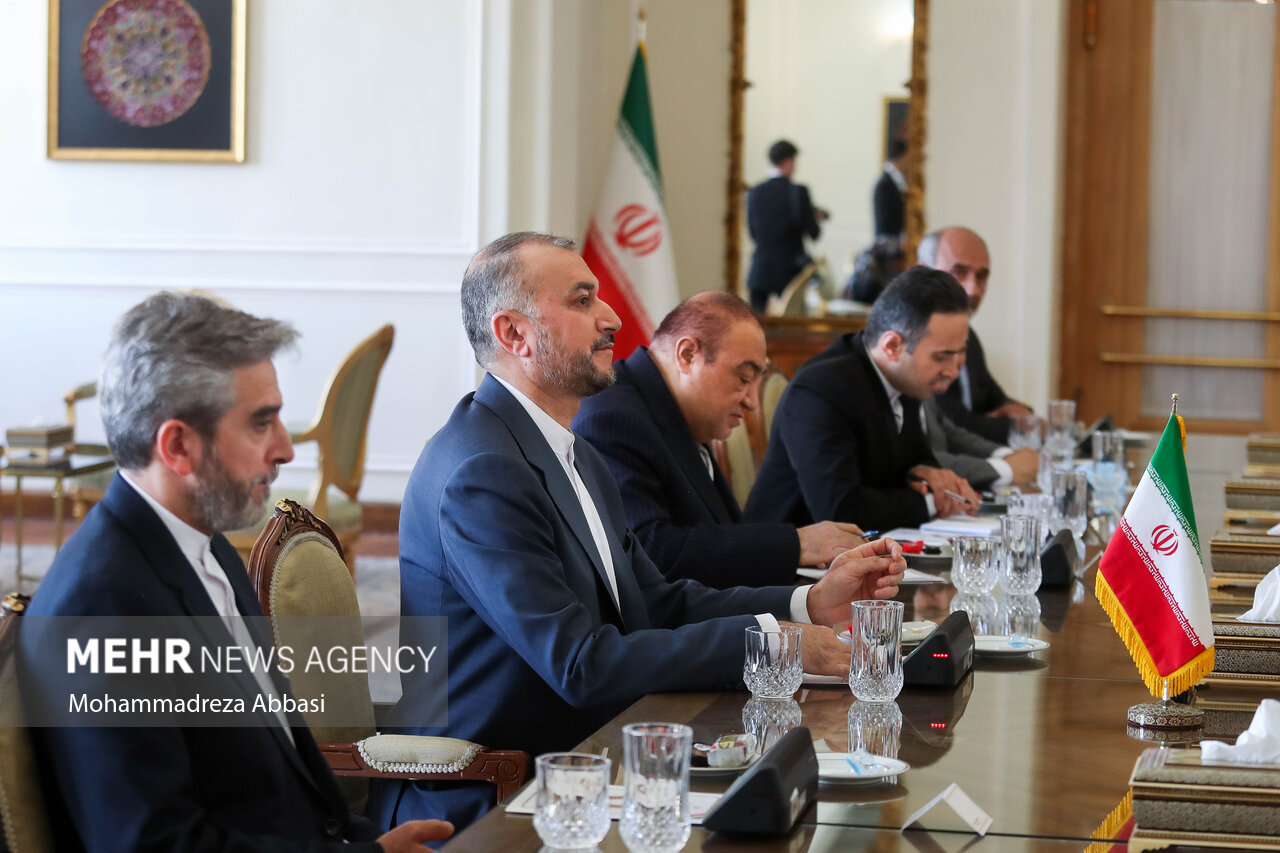
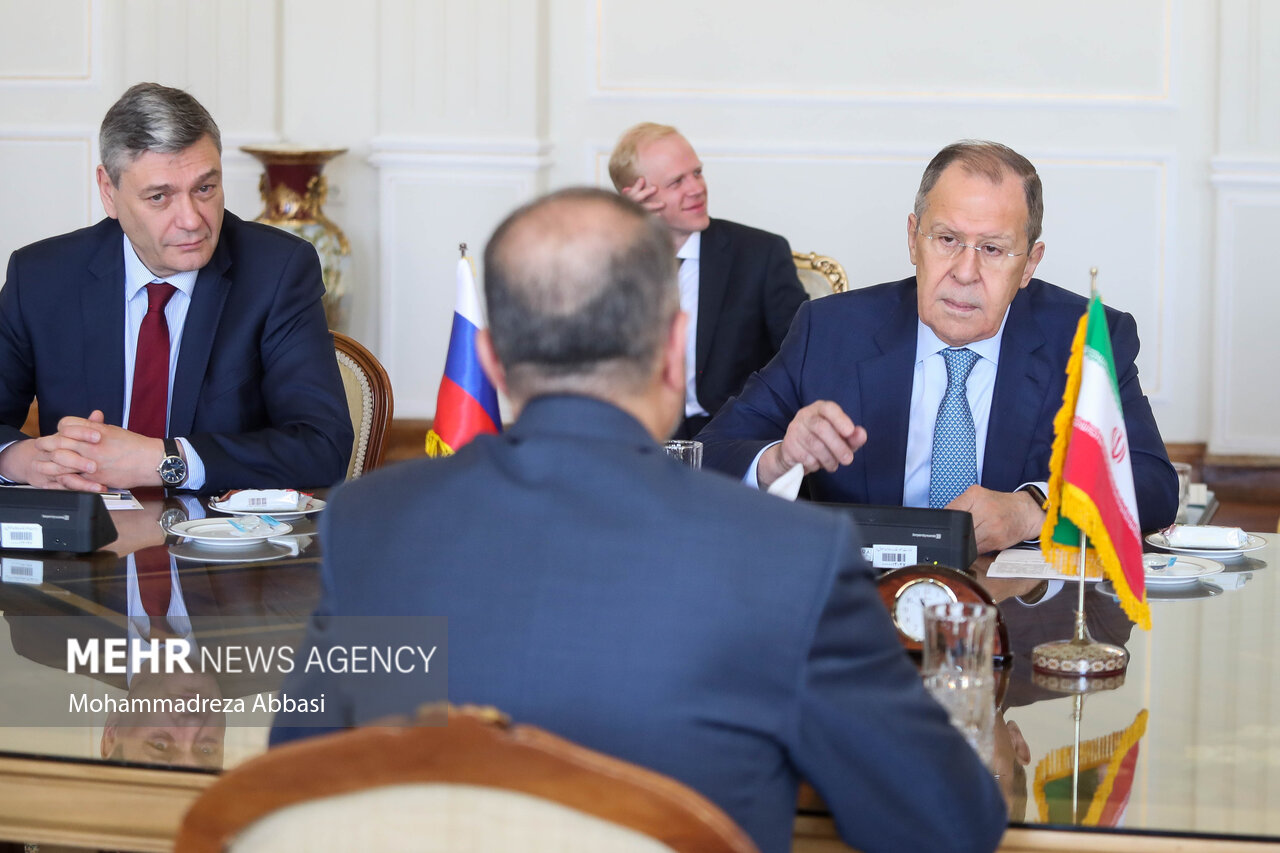
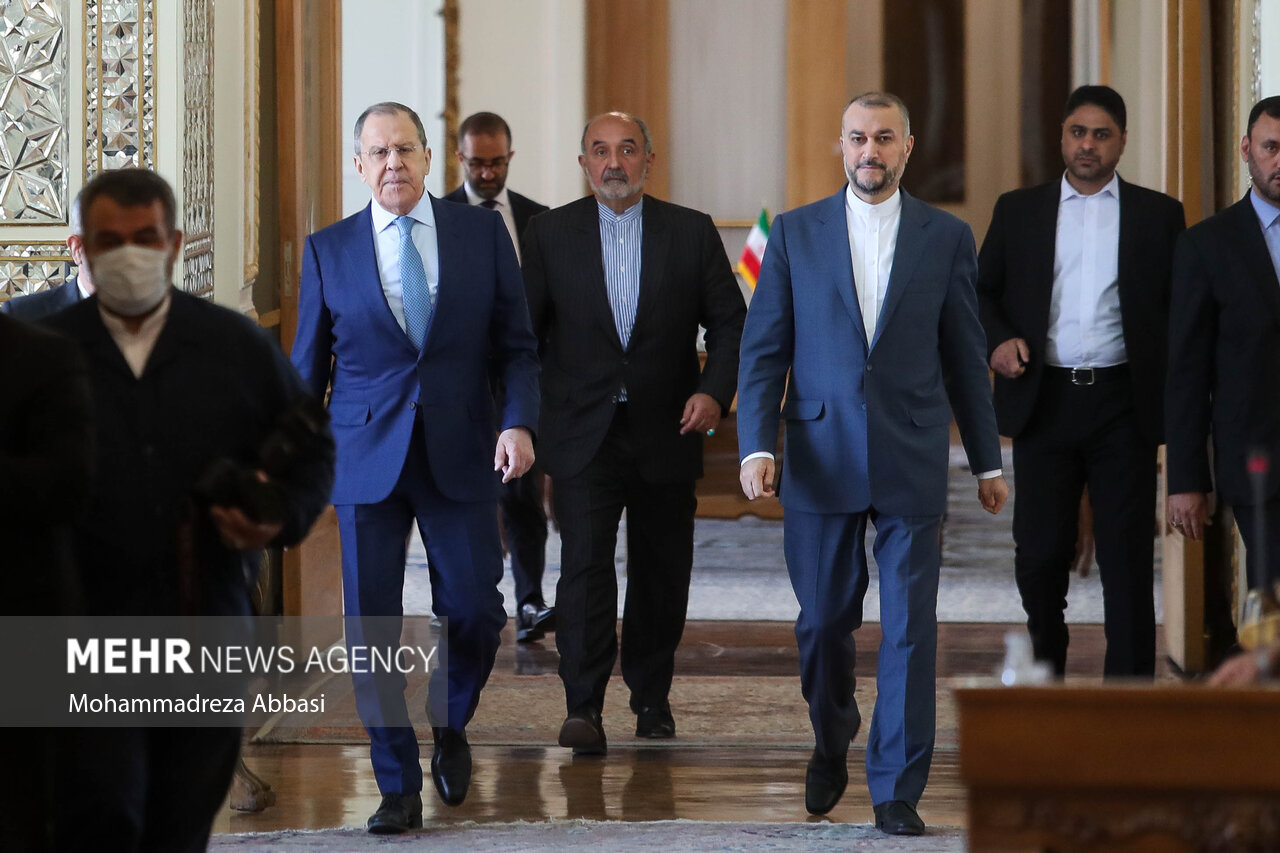
In Tehran, Russia FM slams US for ‘hindering revival of Iran nuclear deal’

Iran & Russian FMs Lavrov Amirabdolahian

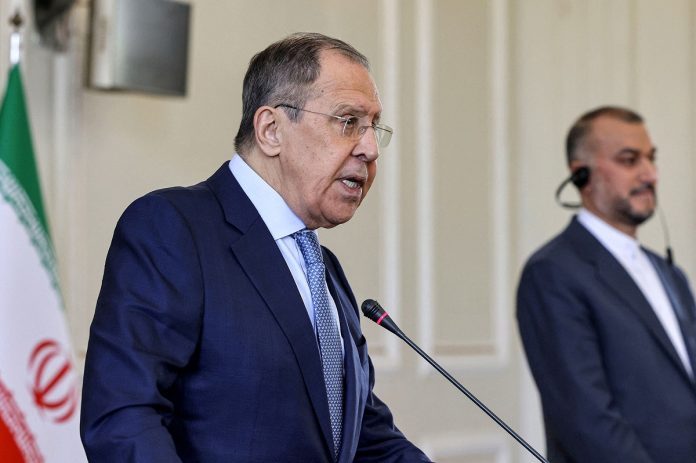
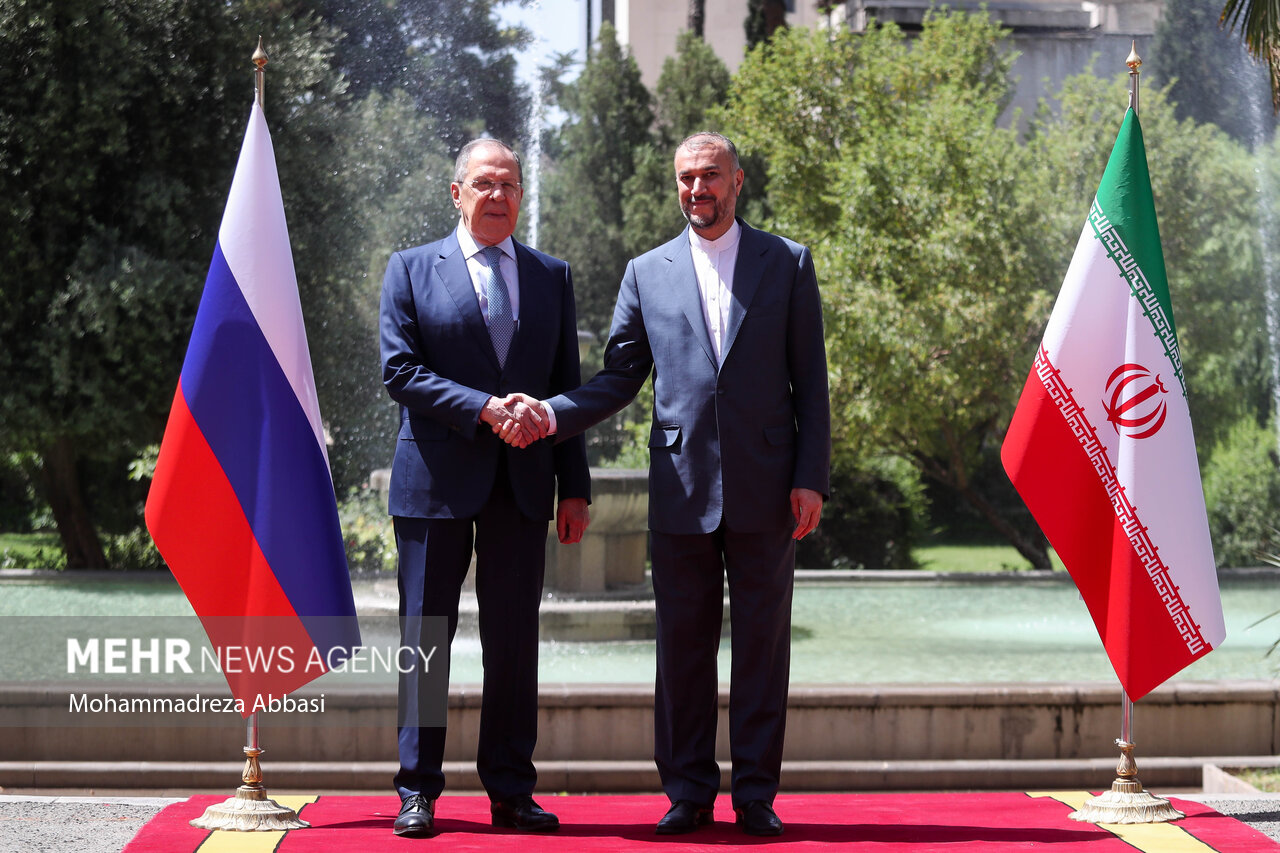
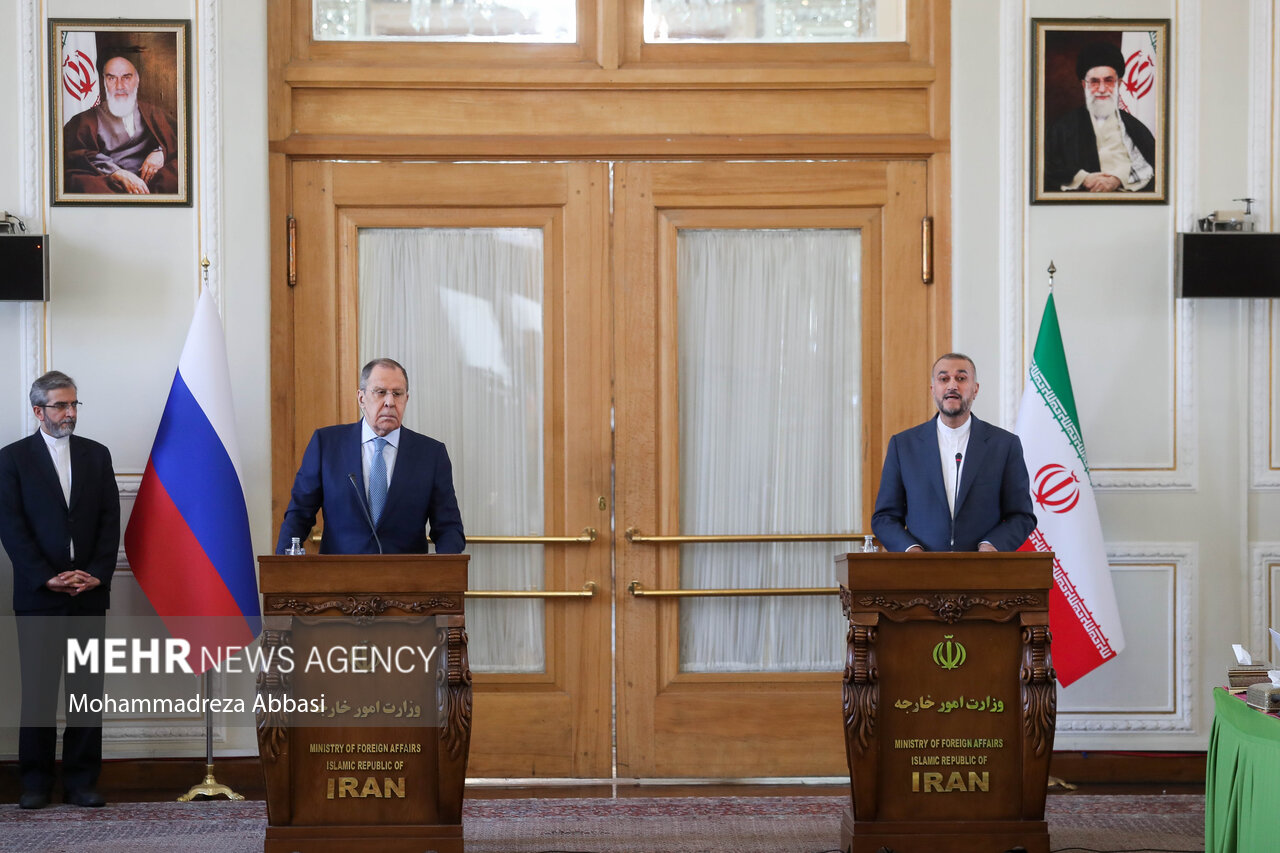
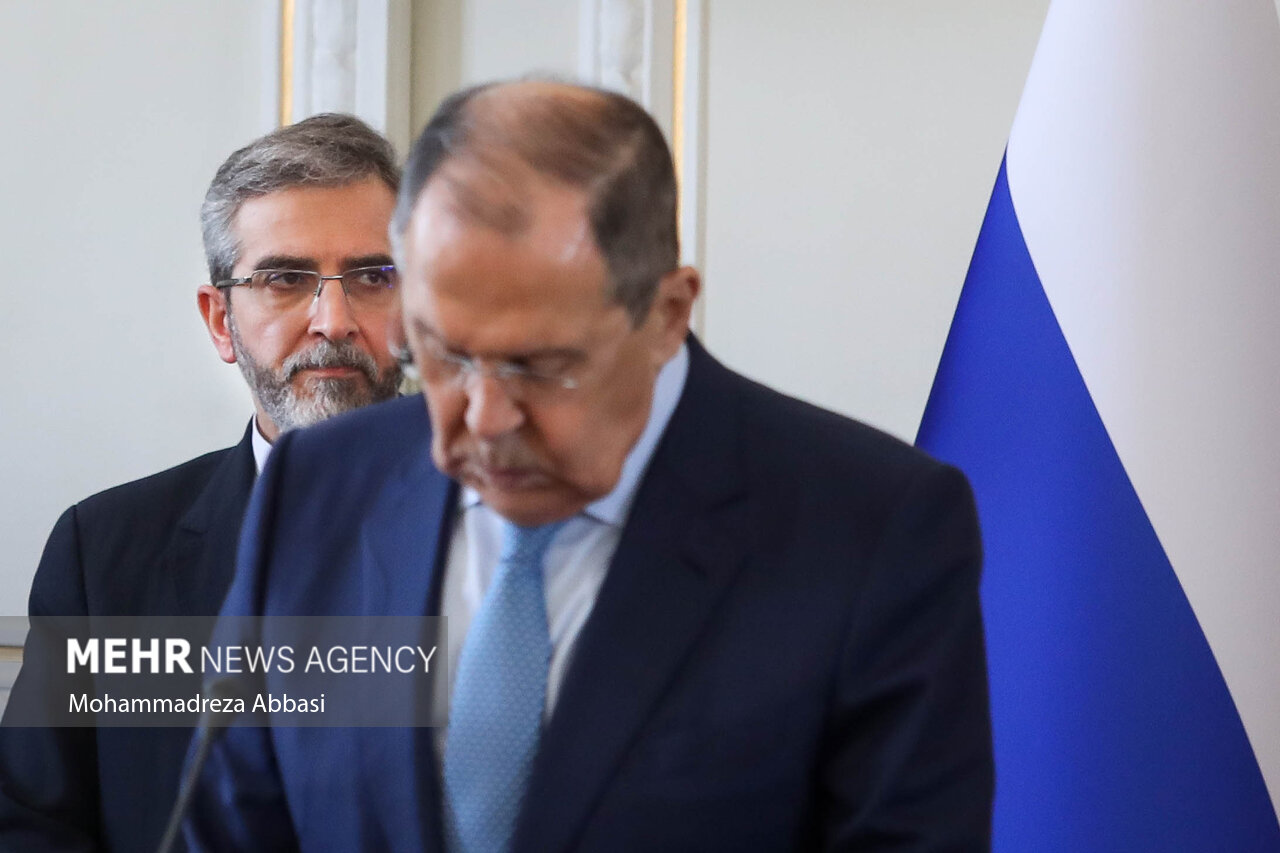
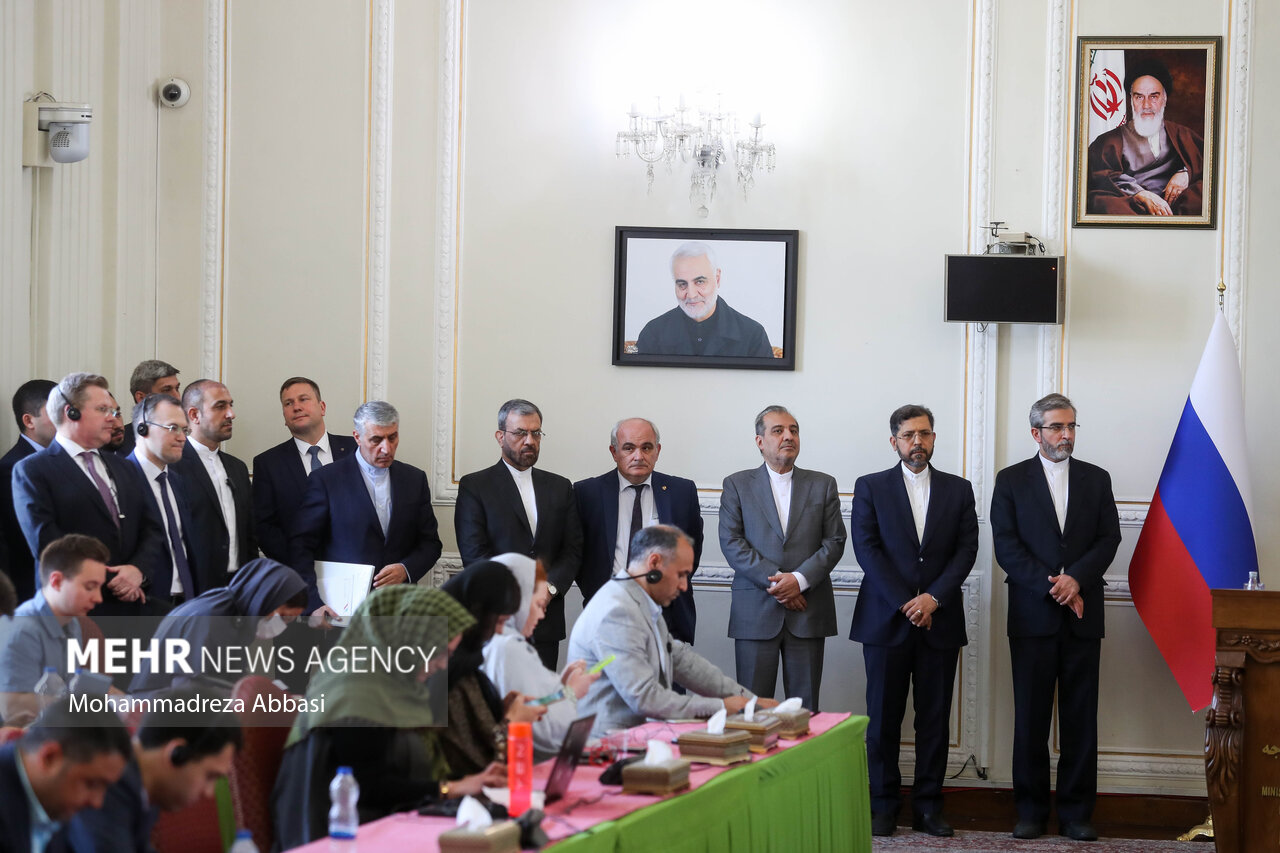
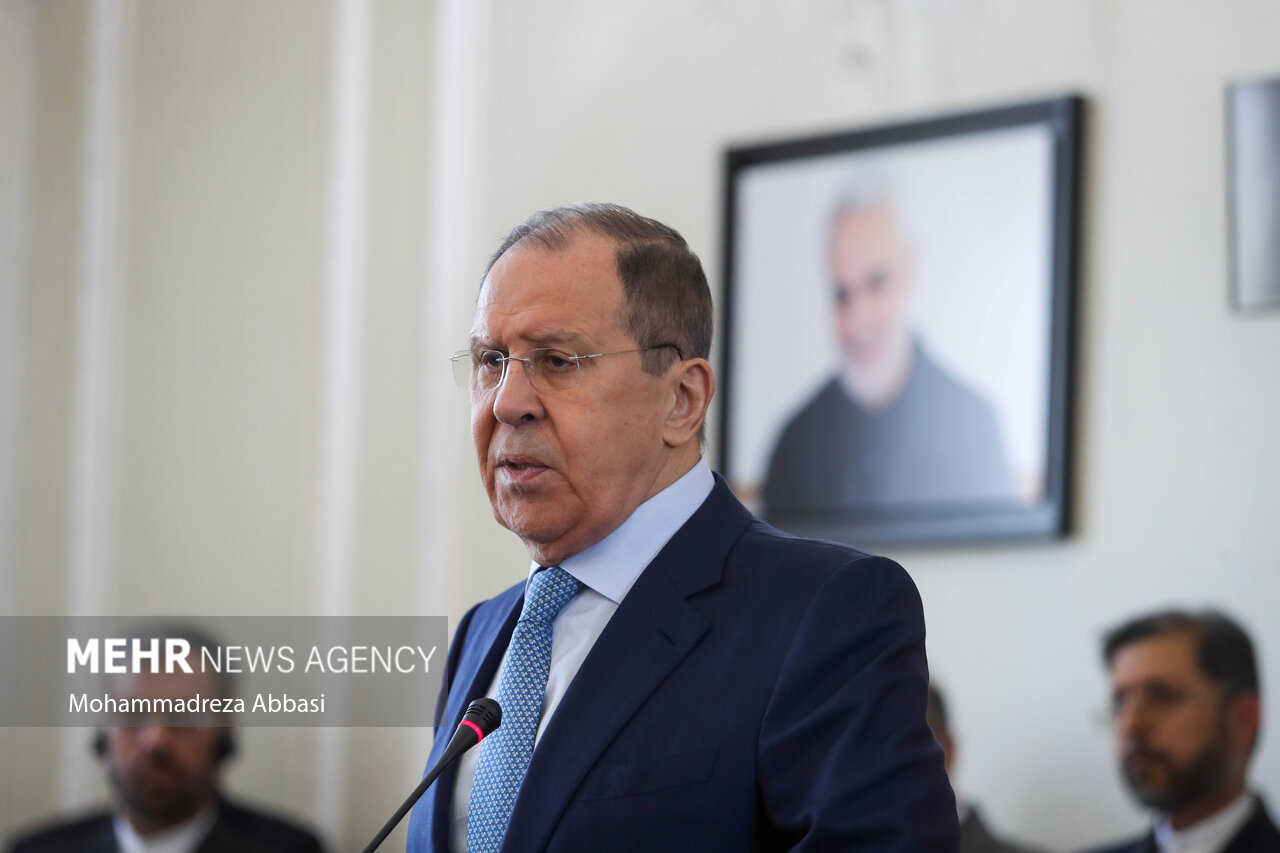
Standing alongside his Iranian counterpart, Hossein Amirabdollahian, during a pressure in Tehran, Lavrov said Thursday that Washington accuses Moscow of hindering the talks on restoration of the Iran deal, while it is the US itself that is hampering the diplomatic process.

The two ministers had joined a meeting prior to the news conference.
Lavrov denounced a US-drafted resolution adopted against Iran’s nuclear program at the International Atomic Energy Agency (IAEA) as yet another “mistake” similar to that of Washington’s withdrawal from the 2015 nuclear agreement.

Iran-Russia against sanctions

The Russian foreign minister said Tehran and Moscow have a mechanism that enables them to engage in energy cooperation despite the sanctions.

He said the US’s initiative and the missile systems do not create a balance in West Asia.

Lavrov noted that all problems should be resolved through cooperation.
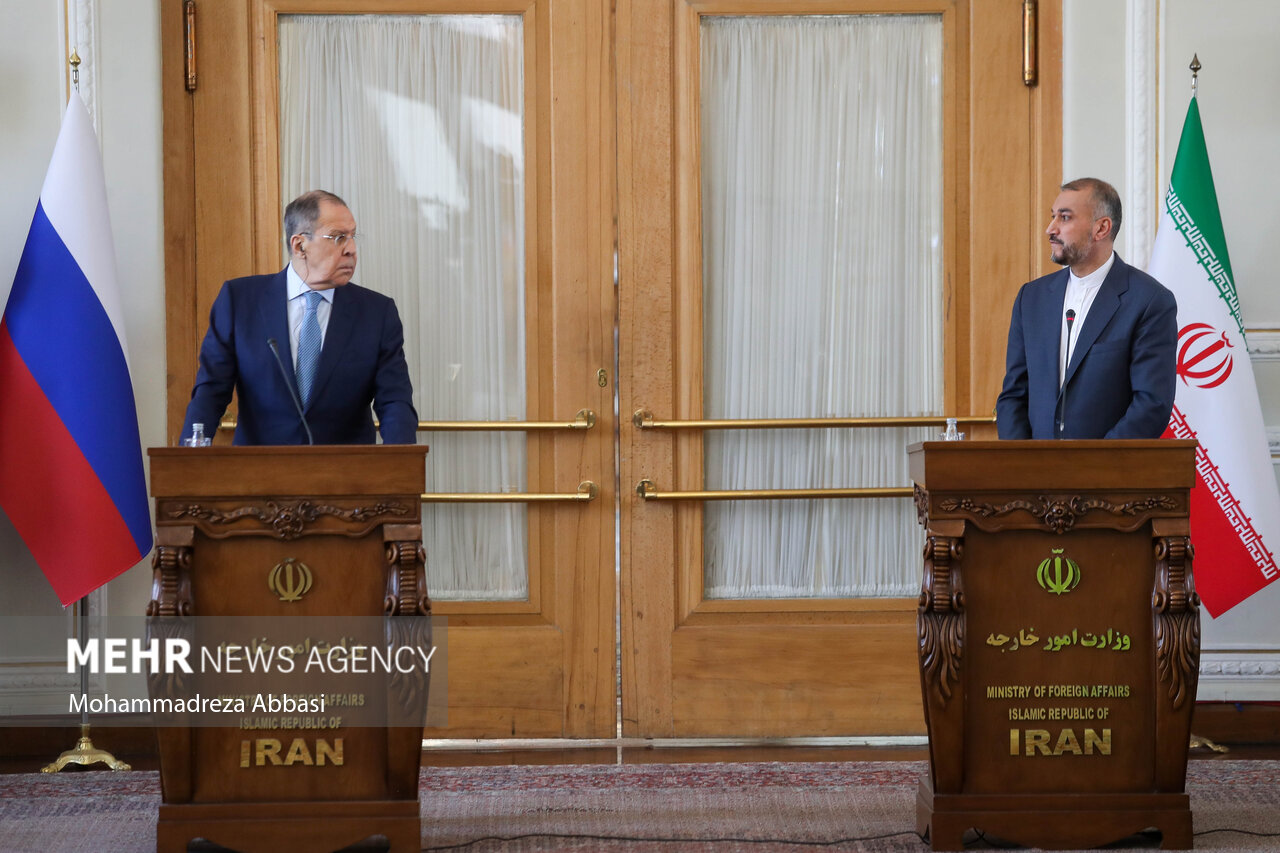
Russian Foreign Minister Sergei Lavrov (L) and Iran's Foreign Minister Hossein Amirabdolahian (R)

Ukraine war and food crisis

The top Russian diplomat also spoke of the global food crisis.

Lavrov said there is no link between Russia’s military operation in Ukraine and the food crisis, adding everybody knows that the crisis began several years ago.

Israeli attack on Syria

On the Zionist regime’s attack on Syria, Lavrov said Israel must respect the Arab country’s sovereignty.

He also said Russia will investigate the Israeli attack on the Damascus airport at the United Nations.
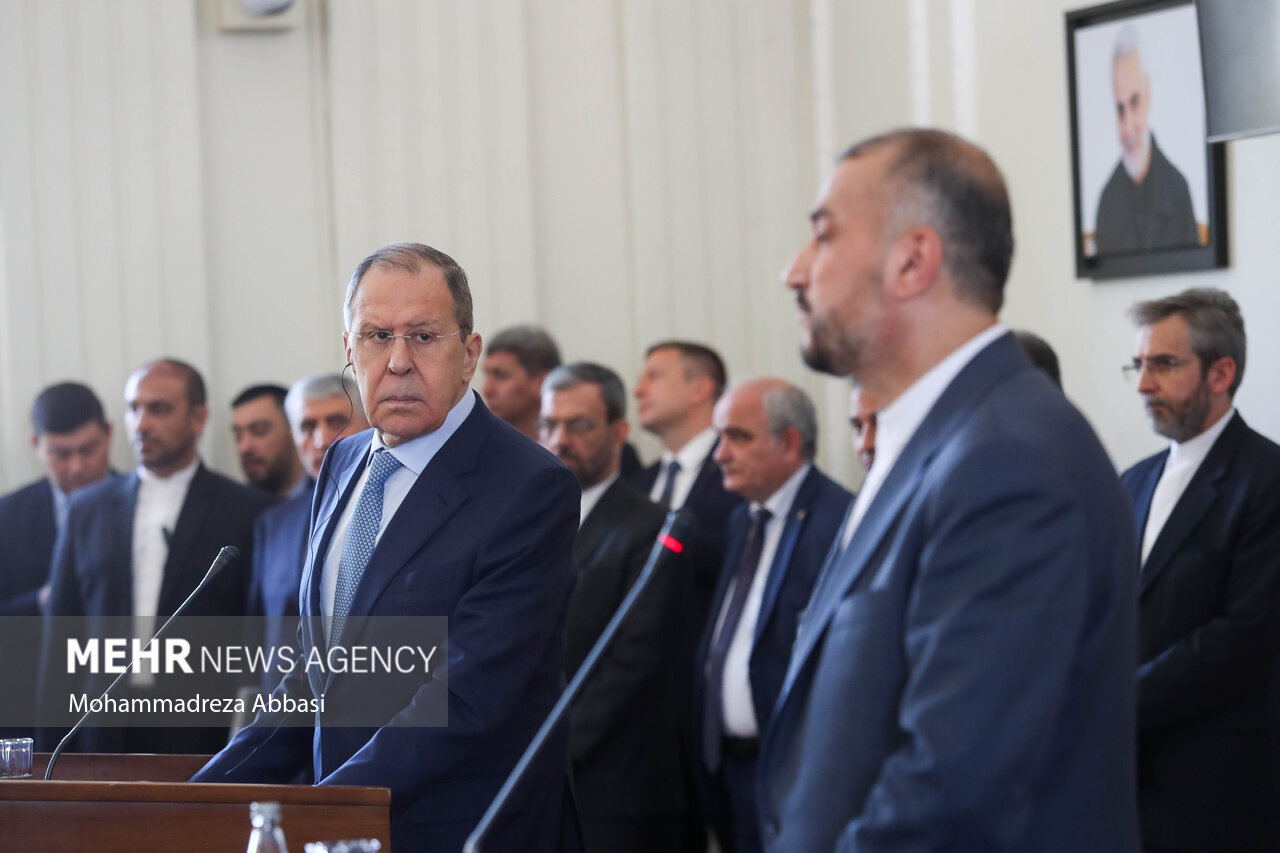
Russian Foreign Minister Sergei Lavrov (L) and Iran's Foreign Minister Hossein Amirabdolahian (R)

Amirabdollahian, in turn, expressed hope that the US would adopt a “realistic approach” and enable Iran and the P4+1 group of states to reach an agreement on reviving the 2015 nuclear deal in the near future.

Iran, he added, was seeking a “serious, good, and lasting” agreement in talks with the remaining parties to the deal, known as the Joint Comprehensive Plan of Action (JCPOA).

Commenting on Iran’s proposed package to the US, the Iranian foreign minister said, “The train is in the hard, final stations. It necessitates that we consider halting at a certain station.”

“Sometimes, it has been the need and demand of the negotiating sides for the termination of the sanctions, and other times, we needed a stop and intermission in the negotiations to sum things up,” he said.

“Following the wrong and unusual resolution that was passed at the [International Atomic Energy] Agency on a US proposal, in return, we took three important steps for additional nuclear action, including the issue of the 27 JCPOA-related cameras that were deactivated,” he said.

“The opposite sides, to be specific the United States, [Josep] Borrell, and [Enrique] Mora, are continuing their efforts to get everyone back to the negotiating table. Over the past hour, Baqeri was in constant contact with Mora, and I with Borrell,” he added.

“I hope we will be able to keep this train moving on the tracks, the negotiating tracks…, in the near future,” the Iranian foreign minister said.

Iran's Foreign Minister Hossein Amirabdollahian

On bilateral ties

Amirabdollahian said his talks with Lavrov focused on a long-term cooperation agreement between Iran and Russia, among other things, expressing hope for expert meetings to be held between mutual officials to finalize the terms of the agreement.

The two sides, he said, reached “good” agreements on the expansion of relations in the fields of economy, commerce, trade, culture, science and technology.
Lavrov, in turn, said a 20-year cooperation deal between Iran and Russia needs to be finalized soon.

“We are working on another big deal with Iran, which has been put forward by Iranian President [Ebrahim Raisi],” he said.

The top Russian diplomat praised a record 80-percent growth in bilateral economic ties, which has reached nearly $4 billion in value.

Lavrov said Iran and Russia, both under tough Western economic sanctions, should explore new ways for interactions in the fields of energy as well as banking and agricultural trade.

The Iranian foreign minister was asked to elaborate on the plans of Tehran and Moscow to improve their economic cooperation in the face of the latest wave of sanctions imposed by the US against them.

As part of the Iranian administration’s strategy, he replied, Iran is pursuing two paths in parallel: One is working to neutralize the sanctions and the other is diplomatic efforts aimed at paving the way for the removal of the restrictions.

‘We won’t allow Israel to disrupt regional peace’

Elsewhere, the Iranian foreign minister slammed the Israeli regime’s destructive role in the region, saying, “The region will not allow this regime, to threaten its security, stability and progress.”