Sunday, December 28, 2025
Home Blog Page 1886

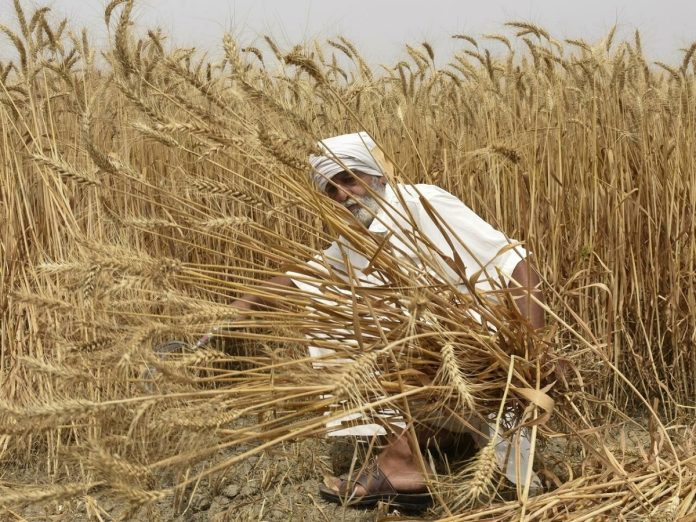
Iranian government authorizes private sector to import wheat

Wheat

The move is aimed at achieving the administration’s goal to supply and store essential commodities in large amounts.

In a session presided by President Ebrahim Raisi, the economic coordination headquarters instructed the ministry of agriculture to enter into necessary agreements as soon as possible.

It also underlined the need to use existing capacities of the region, especially neighboring countries to expand trade and exports of non-oil products.

Following a report by the minister of industry, mines and trade and a review of the achievements of the president’s visit to Oman on Tuesday, some strategic proposals were put forth regarding non-oil exports by Iran to the rest of the region.

Raisi noted that that it’s urgent to launch economic diplomacy and use the high potential of the north-south corridor.

He also underlined the necessity of a momentum in expansion of trade with regional countries including Eurasian and African nations

Biden’s Iran envoy says odds against reviving nuclear deal

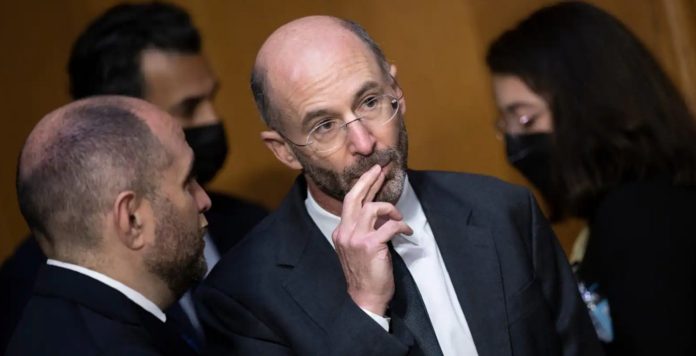
US Special Envoy for Iran Robert Malley

Malley, who has led more than a year of indirect talks with Iran in Vienna, nonetheless told lawmakers that President Joe Biden’s administration still supported the 2015 nuclear accord and was ready to lift sanctions if it secures an agreement.

“As of today the odds of a successful negotiation are lower than the odds of failure and that is because of excessive Iranian demands to which we will not succumb,” Malley told the Senate Foreign Relations Committee.

He said the United States would reject “demands that go beyond the scope of the JCPOA,” using the official name for the Joint Comprehensive Plan of Action.

“We are fully prepared to live with and confront that reality if that is Iran’s choice,” Malley added.

He was likely referring to demands to remove a terrorism blacklisting of the Iran’s Revolution Guard Corps (IRGC), a step rejected by Biden and bitterly opposed by many in Congress.

Iranian officials have stressed the IRGC is a national army and no one can blacklist a national army as a terrorist entity.

But Malley made clear that Biden did not support military action — an option loudly mulled by Israel, which is suspected in a shadowy campaign of assassination against Iranian nuclear scientists.

“All options are on the table,” Malley noted, while adding that military action would only “set back” Iran’s nuclear program.

Referring to the US history of war in the Middle East, Malley stated, “We know that it costs.”

“But let’s leave it at this — the only solution here is a diplomatic one,” he continued.

Iran has repeatedly warned that any mistake by the US and Israel will be met with Tehran’s crushing response. Iranian officials have also stressed the country reserves the right to respond to any adventurism by the United States and Israel.

Iran insists that the nuclear talks must lead to the removal of all American sanctions that were imposed against Tehran following Washington’s unilateral withdrawal from the landmark agreement in May 2018. Tehran has also demanded credible guarantees that Washington will not abandon the deal again.

Iran summons Greece envoy over ship seizure

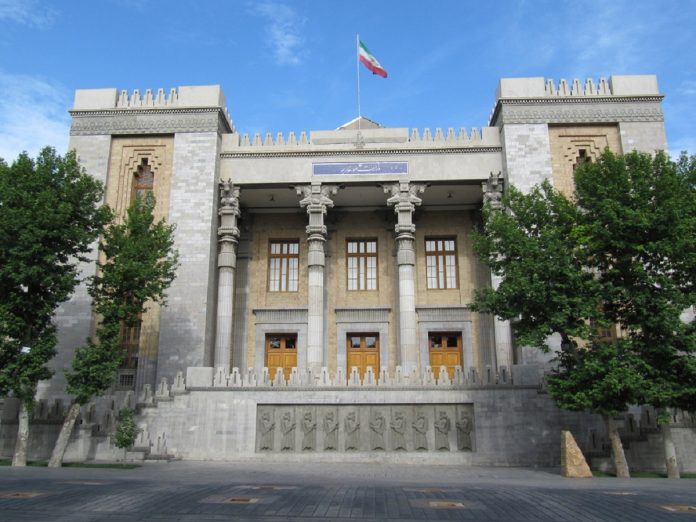
Ministry of Foreign Affairs of the Islamic Republic of Iran

In the meeting, the director of the Mediterranean Department of the Foreign Ministry reminded the Greek government of its international obligations given that the vessel had stopped due to a technical problem.

He also condemned Greece’s surrender to US pressure in this regard as unacceptable.

The director of the Mediterranean Department of the Foreign Ministry said confiscation of the cargo of the ship with Iran’s flag was an example of international piracy for which Athens and those who seized the ship illegally will be responsible.

He added that the Islamic Republic of Iran will not relinquish its legal rights and expects the Greek government to abide by its commitments regarding navigation and shipping.

Greece’s Chargé d’Affaires said he will convey Iran’s protest and displeasure to his country’s government

Iran FM says to use Davos meetings to expand economic ties with others

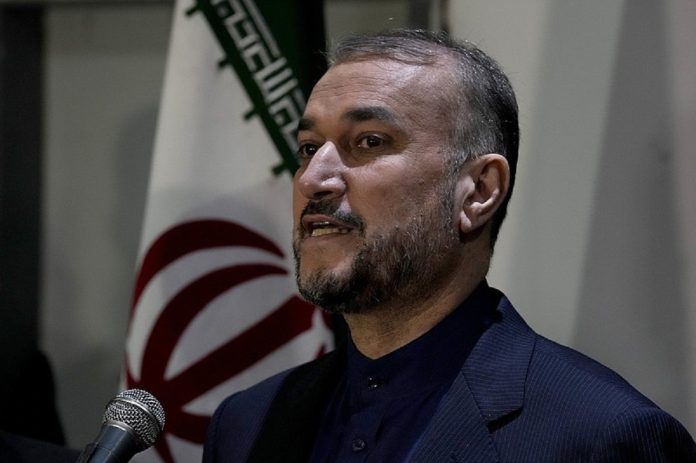
Iran’s Foreign Minister Hosseni Amir Abdollahian

He said he will hold several bilateral meetings on Wednesday before taking part in a number of expert panels on political, security, economic and international affairs on Thursday.

“During the [Davos] meeting and the scheduled panels, I will first of all outline the priorities of the Islamic Republic of Iran under the new government and secondly, seeing that at least 40 percent of the foreign policy plans of the popular government focuses on economic and trade issues, I will elaborate on Iran’s viewpoints, opportunities and capacities in this regard,” he said.

This is the first presence of Amir Abdollahian in the World Economic Forum as Iranian foreign minister.

The forum is being held between May 22 and May 26 after a two-year pause due to the coronavirus pandemic.

Almost a third of all 270 expert panels planned on the sidelines of this year’s forum will be focused on climate change and its direct effect on other issues.

Other major issues on the agenda of the talks include the unprecedented warming in parts of the world including Europe, drought and its impact on food supply across the world, the Ukraine crisis and inflation and rising cost of livelihood across the world.

IAEA says talks with Iran at ‘very difficult juncture’

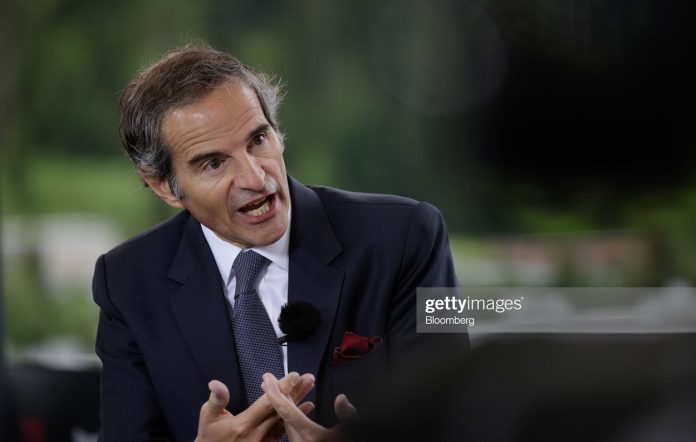
Rafael Grossi

Grossi and Iran agreed in March on a three-month plan to get to the bottom of the issue, which has been a source of tension between Iran and Western powers even during wider negotiations aimed at bringing Tehran and Washington back into full compliance with the 2015 nuclear deal.

“I suppose I should abstain from having a final conclusion at this point since we haven’t finished the process yet but let me say that we are at a very difficult juncture at the moment,” Grossi told a panel discussion at the World Economic Forum in Davos, Switzerland, on Wednesday.

Grossi is due to report to the IAEA’s 35-nation Board of Governors on how talks on the open issues have progressed by the time the Board starts a quarterly meeting on June 6.

“I hope that the time … between now and the issuance of my report will (be) put to good use to come (up) at least with a start of a credible answer to these things,” he added.

While Grossi’s effort to obtain answers from Iran is not part of the wider talks to revive the 2015 deal, a lack of progress could lead to fresh confrontation between Iran and the West at the Board that would only complicate the indirect talks between Iran and the United States that were last held in March.

In mid-May, the spokesman for the Atomic Energy Organization of Iran reacted to comments attributed to the director general of the IAEA about undeclared nuclear activity in the Islamic Republic.

Grossi was quoted as saying that the agency had detected uranium in undeclared sites in Iran and that Tehran did not respond to a demand for explanation.

Behrouz Kamavandi however stated distortion of remarks like those is not unprecedented.

He added that Iran believes that the IAEA chief’s comments were distorted for political purposes.

The spokesman for the Atomic Energy Organization of Iran also noted that Iran is cooperating with the IAEA as much as needed and that any announcement of an assessment by the agency’s director general is premature.

The comments attributed to Grossi come as the IAEA has in numerous reports verified non-diversion in Iran’s nuclear activities toward military purposes.

The US and its Western allies have been accusing Iran of seeking nukes. Tehran denies this accusation strongly.

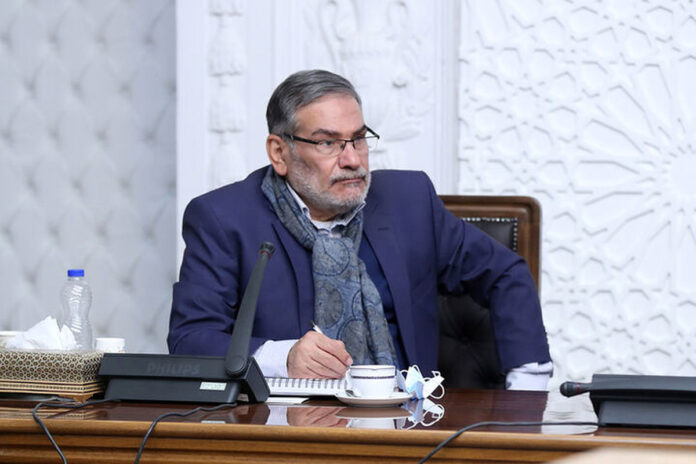
Shamkhani to visit Tajikistan for regional security meeting

Ali Shamkhani

The meeting will be held with the presence of representatives of the national security bodies of Iran, Russia, China, India, Tajikistan, Uzbekistan, Turkmenistan and Kazakhstan, and will focus on the developments of Afghanistan.

On the sidelines of the meeting, Ali Shamkhani will hold separate bilateral talks with his counterparts to discuss bilateral, regional and international topics.

The regional security meetings are an initiative of Iran and began in 2018. Tehran hosted the first and second edition of the event and India hosted the third meeting

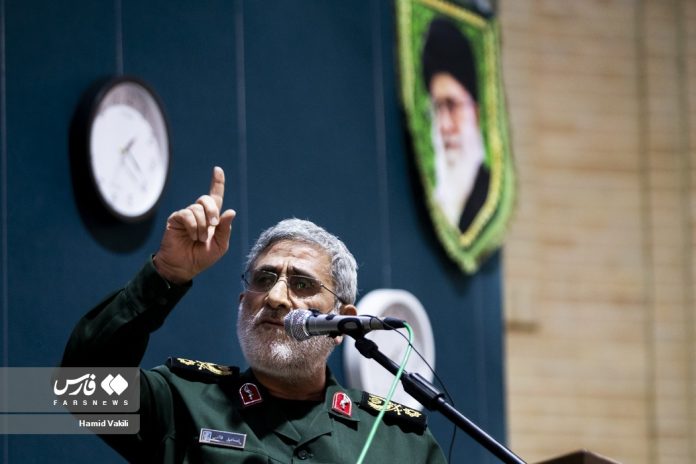
Quds Force commander: Iran stood up against US despite pressures

General Esmaeel Qahani

General Esmaeel Qahani said a look at the situation of countries that have good ties with the US and the Zionist regime disproves this claim.

Qahani added that Iran stood up against the US despite all pressures.

The Quds Force commander noted that the Islamic Republic is shining with honor in the world.

Qahani said that by going down that path, Iran has preserved its dignity and is teaching other nations a lesson of dignity and is assisting them as well.

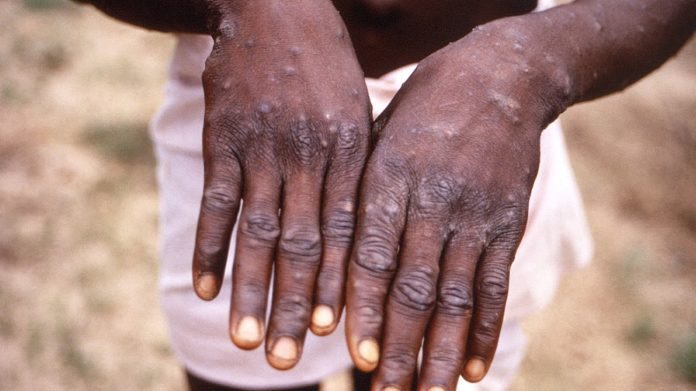
Health official: No monkeypox cases in Iran yet

Monkeypox

Behzad Amiri, head of the human-animal transmissible diseases control group of the Iranian Health Ministry, added that no positive case of monkeypox has been detected in the country.

He also said tests proved that all suspected cases of monkeypox have turned out to be chickenpox.

The official noted that suspected cases are carefully studied at healthcare centers.

Amiri then spoke of the detection of monkeypox in some neighboring countries.

He said the cases were passengers and upon their arrival in Iran, they were detected and that there is nothing called an outbreak of the disease in the country.

Meanwhile, a media advisor to the Iranian health minister has said the number of monkeypox cases in the world is 200.

He added that all healthcare centers have been put on high alert to tackle the disease if detected.

The official also said necessary equipment has been put in place to diagnose cases of monkeypox

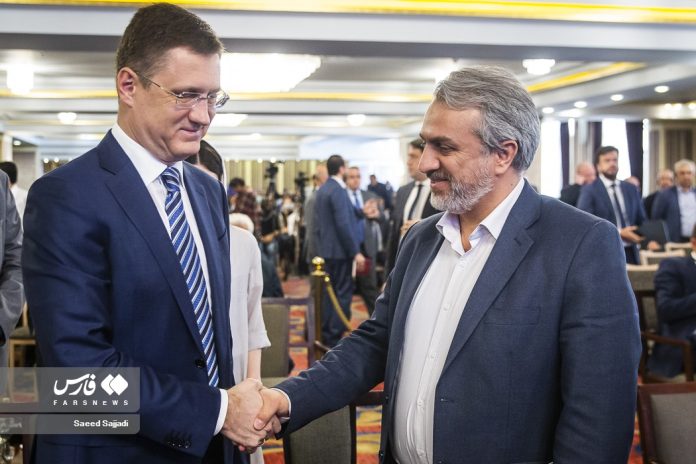
Iran says ready to supply Russian auto makers with components

Reza Fatemi-Amin & Alexander Novak

“Russian car companies need Iranian-made wares and we can cooperate with them,” Seyyed Reza Fatemi-Amin told reporters on the sidelines of the Iran-Russia Joint Trade Commission in Tehran on Wednesday.

Since Russia’s military invasion of Ukraine in February, major car manufacturers stopped production and sales of their cars or parts to Moscow.

In recent years, the Iranian companies have already exported auto components, including engine cooling and suspension systems to Russia.

Back in April, a member of Iran’s syndicate of car parts manufacturers announced that a prominent Russian carmaker has requested Iran to supply components it cannot access due to Western sanctions.

The parts in demand included brake systems, seat belts, airbags, alternators, air conditioners, thermostats, and power window systems, Hossein Bahrainian, from the Iranian Auto Parts Makers Association.

“Given the Russian automaker’s demand for cooperation with Iranian equipment manufacturers, companies that have the capacity to supply Russia… in terms of quality and quantity of production, can try their luck for a presence in the market of this northern neighbor,” he was quoted as saying by the Iranian media.

Mining cooperation with Russia

The Iranian trade minister also announced that Tehran is ready to cooperate with Moscow in mining sector.

“We have a good situation in the mining sector; we need to import some items such as steel sheets. We import minerals such as alumina, zinc and lead and can cooperate with Russia,” stated Fatemi-Amin.

Both Iran and Russia are under US sanctions. They have had close relations in recent years. The two countries share a maritime border across the Caspian Sea.

Eurasian Economic Union

Russia along with Armenia, Belarus, Kazakhstan and Kyrgyzstan is a member state of Eurasian Economic Union (EAEU), a trade bloc Iran seeking to join.

Iran and the EAEU seek to finalize a free trade agreement by the end of 2022.

Iran signed a Free Trade Agreement with the Eurasian Economic Union (EAEU) in October 2019.

Under the three-year preferential trade deal, the EAEU and Tehran obliged to accept the conditions for achieving a full free trade plan for tariff-free essential commodities.

The deal has already increased the trade volume between Iran and the member countries of the economic bloc. The trade volume between Iran and the EAEU member states skyrocketed by over 84% in the period between October 2019 and October 2020, before the outbreak of the Covid-19 pandemic.

The economic bloc is estimated to offer an integrated market of 184 million people and a gross domestic product of over $5 trillion.

According to Iran’s Customs Administration, the value of the annual trade between Iran and the EAEU member states witnessed a 66% year on year increase, soaring to $5.643 billion over the past Iranian calendar year (ended on March 20, 2022).

Iran exported 2.77 million tons of commodities worth over $1.170 billion to EAEU member states over the same period

Iran Covid: 5 killed, 293 new infections

COVID in Iran

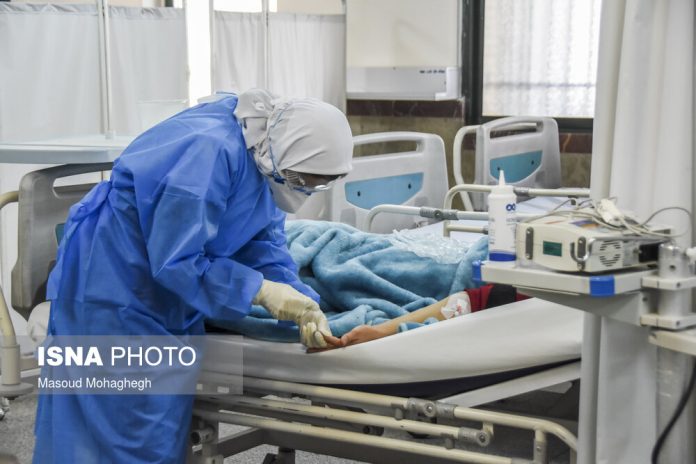
The daily caseload was 293 including 46 hospitalizations.

With the downward trend holding, a vaccination campaign that started over one and a half years ago has now slowed down.

This is while the healthcare personnel of Iran managed to double-vax some 80 percent of the population of around 85 million people during the period.

Iranian Health Minister Bahram Einollahi earlier told the World Health Organization’s Secretary General Tedros Adhanom that Iran has successfully contained the Covid pandemic thanks to round-the-clock efforts by its healthcare staff and people’s support for the drive.

Authorities are urging those who have not received their third shot, to do so.

They have also warned that the achievements of the country in this regard are on the line because if people fail to get their third and fourth shots of vaccine, chances are Covid will resurge.