Sunday, December 28, 2025
Home Blog Page 1868

Iranian MP: Doha talks are continuation of Vienna

Vienna talks

Amouei added that in Vienna, the parties to the talks came up with a draft that focuses on several issues.

He noted that those issues are the sanctions the US is trying to keep in place but Iran is determined to remove in order to protect the interests of its people.

Amouei went on to say that all sides have agreed to press ahead with the negotiations fast and that if the US is ready to lift the sanctions, then the talks will produce results swiftly.

He noted that parliament will follow the trend of the talks in Doha and will demand a report from the foreign minister and other officials involved in the discussions in Doha.

Talks over the revival of the Iran nuclear deal (JCPOA) and the lifting of Iran sanctions, are to resume in Doha on Tuesday.05:02 PM

20 Iranian MPs seek impeachment of road minister over fatal train derailment

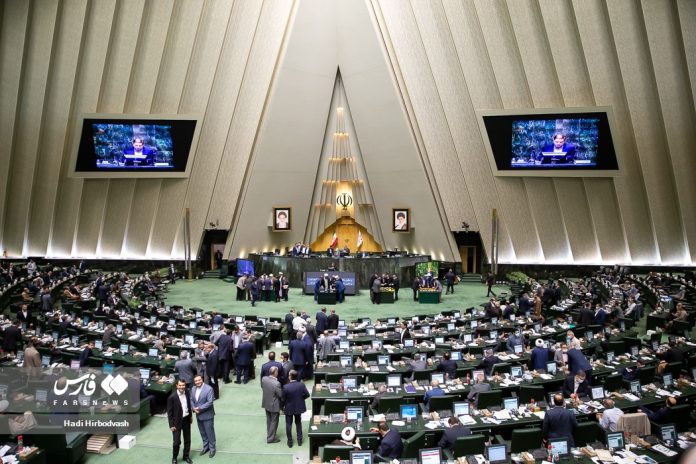
Iran Parliament

Iranian media reported on Tuesday that 20 legislators had put their signatures on a proposal for the impeachment of Rostam Qassemi over his ministry’s report on a deadly train derailment in the eastern part of the country earlier this month.

During a session earlier in the day, the parliament heard the report delivered by Mi’ad Salehi, the head of the Islamic Republic of Iran Railways, over the incident, which left 22 people dead and dozens more injured on the rail road linking the northeastern city of Mashhad to Yazd, in central Iran.

Those supporting the new impeachment bid were not persuaded by Salehi’s explanations on the tragedy and want him removed from the post, according to the reports.

Earlier on Tuesday, an impeachment bid against Iranian Industry, Mining, and Trade Minister Reza Fatemi-Amin was temporarily put on hold.

He has been under scrutiny for what some view as his mishandling of Iranian industries, especially the auto-industry.

The minister was given two months to meet the demands of the lawmakers after Parliament Speaker Mohammad-Baqer Qalibaf intervened in the case.

Ayatollah Khamenei: Reason behind victory of Iranian nation is resistance

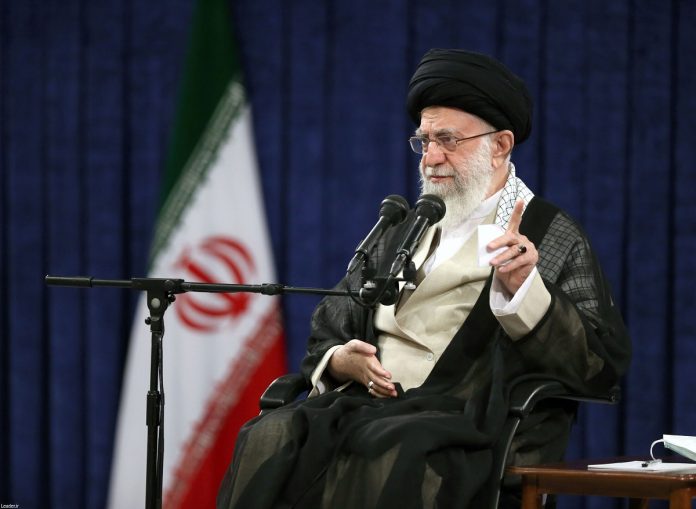
Leader of the Islamic Revolution Ayatollah Seyyed Ali Khamenei

Ayatollah Khamenei met a group of judiciary personnel and staff in Tehran Tuesday on the anniversary of a terrorist bombing which killed 74 leading officials, including then chief justice Ayatollah Mohammad Beheshti, on June 28, 1981.

The Leader said the same divine attention which helped the Iranian nation overcome the trial, prevails today.

“The reason behind the stunning triumph and victory of the Iranian nation and the Islamic Republic in the face of the great and bitter events of 1981 was their resistance, effort and fearless from the enemies,” Ayatollah Khamenei said.

“This divine tradition can be repeated in all times and we should know that God in [the current Persian year of] 1401 is the same God” in 1981, he added.

The enemies, the Leader said, have been frustrated time and again thanks to the Iranian nation’s resistance against their pressure.

Ayatollah Khamenei said over the past four decades, the enemies have been hoping that certain weaknesses and shortfalls would eventually result in the collapse of the Islamic Republic, but the Iranian people have dashed their hopes time and again.

Ayatollah Khamenei said the Iranian people’s resilience, their endeavors and a refusal to be intimidated are what make them victorious vis-a-vis the enemies.

The Leader advised judiciary officials to make the fight against corruption a priority.

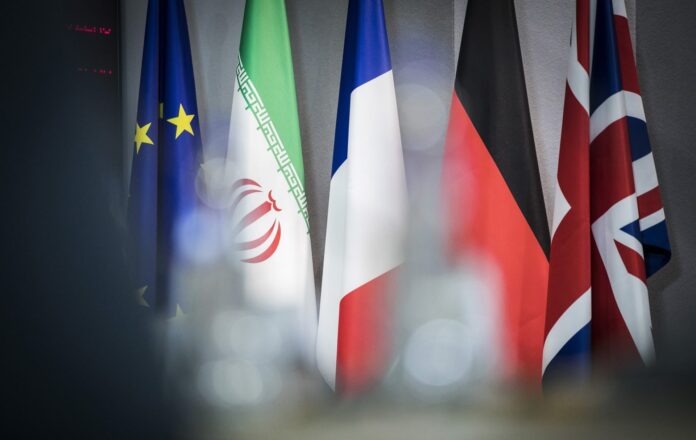
Qatar welcomes hosting indirect Iran-US talks on JCPOA revival

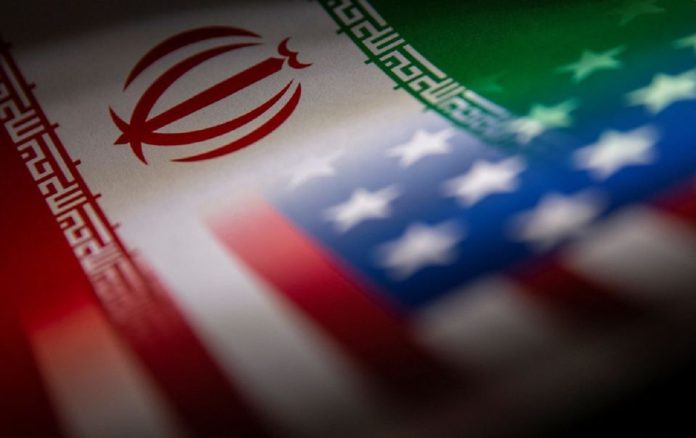
Iran US Flags

In a statement issued on Tuesday, the Qatari Foreign Ministry said the Persian Gulf kingdom was fully ready to “provide the environment that will help all parties achieve successful results.”

Qatar hopes that the new round of negotiations will bring “positive results” that enable a revival of the Iran deal, officially named the Joint Comprehensive Plan of Action (JCPOA), “thereby strengthening security, stability and peace in the region and opening up new prospects for wider regional cooperation and dialogue with the Islamic Republic of Iran.”

The indirect negotiations will be held in Doha under the auspices of the European Union.

Iran’s lead negotiator Ali Bagheri Kani arrived in the Qatari capital on Tuesday. Robert Malley, the US special envoy for Iran, also headed to Qatar on Monday.

Since last April, several rounds of negotiations had been held in the Austrian capital, Vienna, on restoring the JCPOA, whose fate has been in doubt following Washington’s unilateral withdrawal in May 2018.

The talks, however, hit a stalemate a few months ago over what Iran calls Washington’s failure to take political decisions on a range of issues, mainly an effective removal of the sanctions it has imposed on the Islamic Republic and provision of guarantees that it won’t violate the multilateral agreement again.

Top Iranian commander: Normalization with Israel to cause bitter consequences

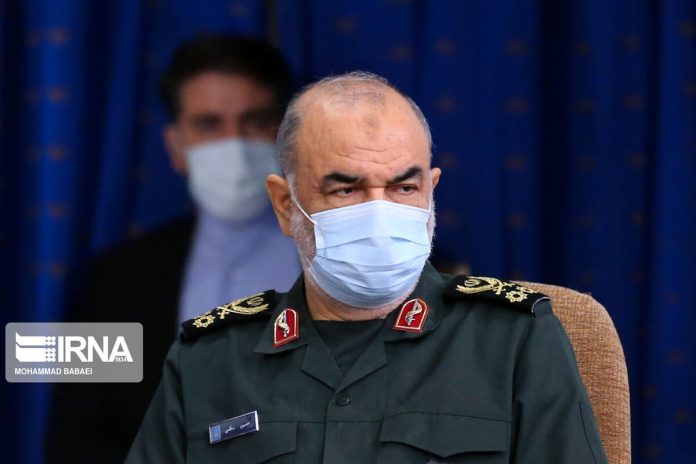
Major General Hossein Salami

In a meeting with visiting Chairman of the Joint Chiefs of Staff Committee of Pakistan General Nadeem Raza in the Iranian capital Tehran on Tuesday, Commander of the Islamic Revolution Guards Corps (IRGC) Major General Hossein Salami said Israel and its main ally, the United States, are “enemies of Islam and humanity”.

The Iranian commander warned some Arab states of the “bitter consequences” of normalization of ties with Israel.

The United Arab Emirates, Bahrain, Morocco and Sudan have been slammed by Muslims across the world for signing a US-sponsored normalization agreement with Israel in 2020.
Palestinians have described the deal as a betrayal to their cause and a “stab in the back”.

General Salami had also some harsh words for Washington, saying, “US presence in the Islamic world brings about major divisions, long civil wars, destruction of homes, displacement of people, deprivation of Muslim nations of their own wealth, and insecurity, poverty, and backwardness.”

As a case in point, he highlighted the “irreversible damage” in Afghanistan after the chaotic withdrawal of US-led forces from the country last year following two decades of occupation.

The Iranian and Pakistani commanders also discussed the cordial relations and historical bonds between the two Muslim nations, and stressed on developing intelligence and military cooperation to boost border security.

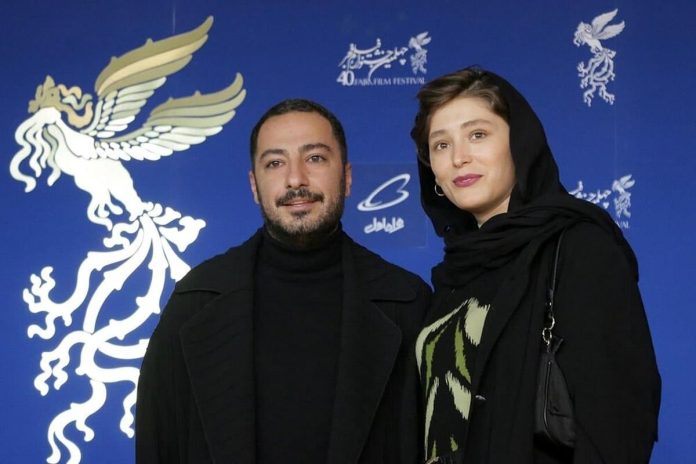
“Night of Doubt” play, produced by prominent Iranian actor, banned

Navid Mohammadzadeh & Freshteh Hosseini

Amir Hossein Barimani, the director of the play Night of Doubt told Saba news agency, “We have been informed by the Evaluation and Supervision Council of the General Directorate of Dramatic News that if we remove Navid Mohammadzadeh’s name (as the producer of the play), we will be allowed to perform it again.”

“We do not consider removing Navid Mohammadzadeh’s name a moral act,” Barimani said, “If we have no other choice, we will stop performing the play.”

The Department of Performance Arts affiliated with Iran’s Ministry of Culture and Islamic Guidance said that the reason for stopping Night of Doubt was that it was made outside the legal framework and received a license for the trailer through illegal procedures.

There are speculations that the reason for the ban is Mohammadzadeh as the producer. He is a prominent actor in Iranian cinema who recently took part in the Cannes Film Festival with the movie Leila’s Brothers.

His participation involved a lot of controversies for some sideline issues, including kissing his wife Fereshteh Hosseini on the red carpet, which is considered rude in the Iranian mores.

The Cinema Organization of Iran announced that the license for screening Leila’s Brothers will not be issued due to “infringement and violation of regulations by the producer and director.”

Some sources have also said that Mohammadzadeh and his wife have been banned from Iranian cinema.

However, Yazdan Ashiri, the director general of the Public Relations Office at the Ministry of Culture and Islamic Guidance, rejected the ban as a rumor, and said, “This is a speculation solely based on hearsay and it is not true.”

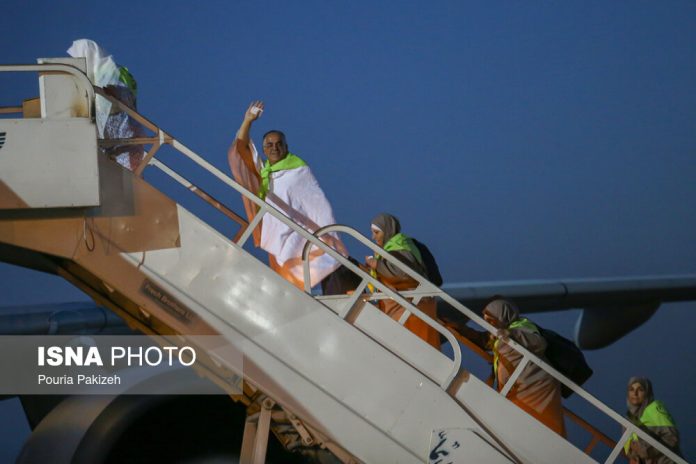
Over 30,000 Iranian pilgrims in Saudi Arabia for Hajj

Iranian pilgrims Hajj

This, the headquarters says, is nearly 80 percent of Iran’s total quota of 39,600 pilgrims to dispatch for this year’s Hajj rituals.

Hajj is one of the world’s largest religious gatherings and attracted millions of pilgrims up until 2019, just before the coronavirus pandemic.

In 2020, Saudi authorities announced that they will only allow 1,000 pilgrims from inside the country to take part.

That was raised to a total of 60,000 Saudi citizens and residents in 2021, before authorities announced they will authorize one million Muslims to take part in 2022. That includes both Saudi and foreign citizens.

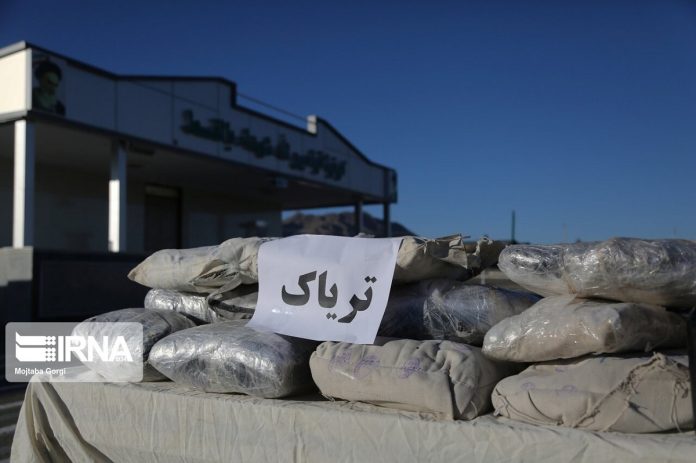
Iran seized over 1,000 tons of drugs last year

Iran War on Drug

Nasser Aslani, Deputy for International Affairs of Iran Drugs Control Headquarters, made the remarks on the World Anti-Narcotics Day on Monday.

Iran is a major transit route for drug trafficking from its eastern neighbor Afghanistan to European countries and has been praised by international organizations for its role in cutting supply lines to the West.

In an event in the Iranian capital Tehran on Sunday, United Nations Office on Drugs and Crime (UNODC) representative Alexander Fedulov highlighted Iran’s role at the forefront in the battle against illicit drugs.

Afghanistan is the major supplier of the vast majority of the world’s opium and heroin even during the 20-year occupation of the county by US-led forces.

Thousands of Iranian forces have been killed in the fight against drug trafficking over the past 40 years.

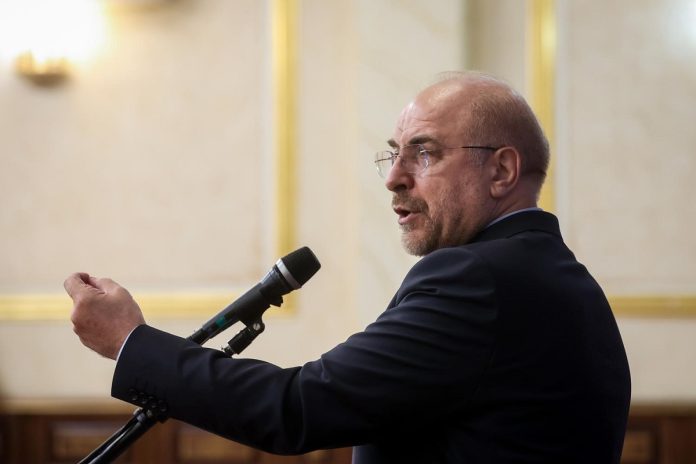
Iran parliament shelves industry minister impeachment for now

Mohammad Baqer Ghalibaf

Mohammad Baqer Ghalibaf says the impeachment proposals have already been handed to the parliament’s presiding board and can be sent to the floor for a vote.

Ghalibaf added that the relevant commissions have backed the impeachment and 17 lawmakers have already laid their weight behind the proposals.

The speaker, however, said that the MPs have decided to delay a vote for two months to allow the government to make the changes it has announced.

“We talked with the president and the first vice president. The president has come to the conclusion that this ministry needs a review and should be divided into two ministries. This will be settled by a government bill,” he said.

“As the government has decided to make reforms, I request that we give the government a two-month deadline.”

Fatemi Amin has been under heavy criticism for his handling of the industries in the country, especially the sluggish auto-industry that has failed to rein in the skyrocketing prices and meet the domestic needs.

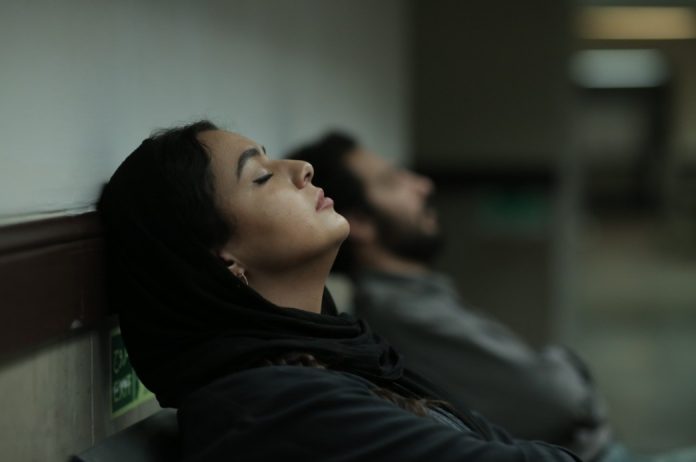
Leila’s Brothers director: Movies shows how Iranians suffered under sanctions

Leila's Brothers

Iranian director Saeed Roustaei who is in Munich for a screening of his Leila’s Brothers feature film says his film shows how Iranian people paid the price of the sanctions imposed on the country.

“A large part of my film deals with sanctions. One can as well make a series about the sanctions and what happened in Iran. Because the west had problems with the government officials of Iran, but only people paid the price,” Roustaei said in an interview on the sidelines of the Munich Film Festival.

The young director’s latest movie is being screened in Munich after it attracted attentions in Cannes.

The movie, however, has been detained in Iran after the Cinema Organization said Roustaei has failed to secure the needed permits before taking it to Cannes.

The organization said the director had failed to make the mandated changes to the film before its screening.

Leila’s Brothers is Roustaei’s third work and won International Critics’ Prize for best film in Cannes main competition section.