Wednesday, January 7, 2026
Home Blog Page 1865

Heated debate erupts in Iran on how to address increasing street dogs

Street Dogs in Iran

Earlier this month, a six-year-old boy was critically wounded when street dogs attacked him while he was playing near his house in the Damshahr neighborhood of Qom, south of Tehran. He later died of his injuries.

Another four-year-old boy had also lost his life in a similar incident in the same neighborhood days earlier.

Meanwhile, a video went viral of a media activist, Javad Heidari, in which he recounts how he was attacked by dogs when he was riding a bike. He said he fell off his bike and broke a leg.

A sharp rise in similar incidents has prompted growing calls among the public for authorities in municipalities to collect street dogs.

At the same time, however, animal rights activists have voiced concerns over possible mistreatment of the animals in case they are collected by from the streets, where many animal lovers get to feed them or provide them with shelters.

Following the deaths of the two kids, Iranian lawmaker Hojjatoleslam Mojtaba Zonnouri said earlier this week that the Parliament was set to place on agenda a bill on protecting the people’s lives against dangerous animals.

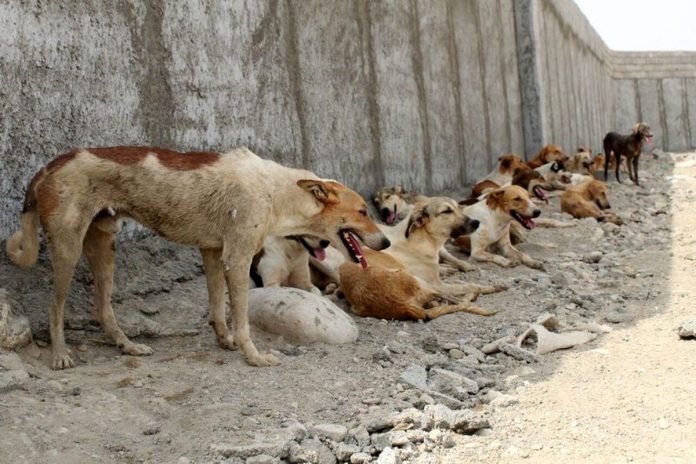
Iranian cities, suburban areas and villages are home to tens of thousands of stray dogs that live in packs in neighborhoods, streets and wooded areas and usually find food by going through garbage.

There have been countless instances of conflicts between feeders and other citizens over attacks by dogs that are fed on the streets, with rival campaigns having been launched online for and against getting the stray dogs off streets.

Environmental observers have raised the alarm at a rise in numbers of stray dogs and their attacks on people, mostly kids, in the country. They argue that the excessive feeding of these animals only work to disrupt the ecosystem and increase the population of stray dogs as well as cats.

Shadi Maleki, an official with Tehran Municipality, told the IRIB that there were no precise data available on the exact number of stray dogs.

In Tehran alone, between 5,000 to 6,000 dogs are estimated to be living on the streets, she said.

Although many view it as a good deed to feed stray dogs, many wildlife experts agree that feeding species that are not facing the risk of extinction “is not the right thing to do,” she added.

Maleki rejected claims by animal rights activists that municipalities were after collecting and “killing” the street dogs and said this had never been on the agenda.

She said the collected dogs are kept in shelters. The sick ones receive treatment before being sterilized and vaccinated. They are then given license plates and handed over to those willing to keep the dogs as guardians.
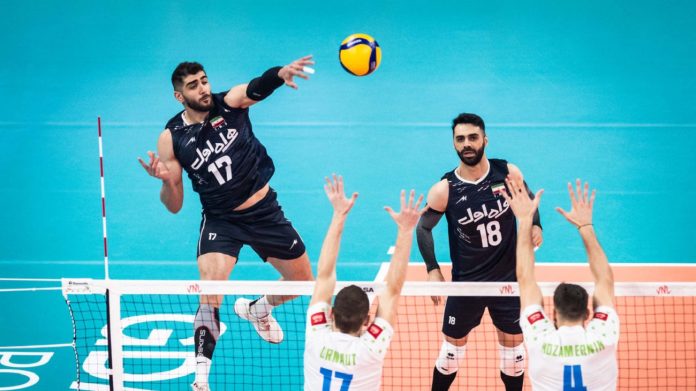
Iran back among 10 best volleyball teams in world

Iran men's national volleyball team

The achievement comes after Iran’s remarkable performance during the third week of the 2022 Volleyball Nations League (VNL) which put Iran path to ascend to the semi-finals.

Iran on Friday defeated Slovenia 3-0 and increased its chance of advancing to the next stage.

After the match, Slovenia’s head coach Mark Lebedew said, “We had a tough game. It was a very important game and had a key role in advancing to the next stage of the tournament. Both teams tried to play with high motivation in this match.”

In the latest FIVB ranking, Poland, France, and Brazil are the first to third top teams respectively.

FAO predicts 13.5% rise in Iran’s production of cereals in 2022

Production of grains in Iran

In a reported titled ‘Crop Prospects and Food Situation,’ released on Friday, FAO provided a forward-looking analysis of the food situation by geographic region, focusing on the cereal production outlook, market situation and food security conditions.

In parts of the report, the agency examined the conditions of grain production in Iran and said, “Although crops in center-southern regions of Iran suffered from drier-than-average conditions, rainfall in the rest of the country was generally favorable and total cereal production is estimated at 20.3 million tons.”

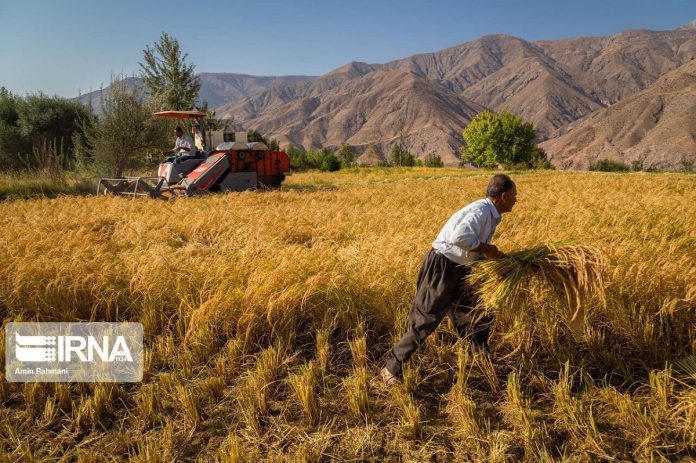
According to the report, Iran’s wheat production is forecast to reach 13 million tons, in what would be a 25-percent increase compared to the previous year’s 10.4 million tons.

FAO estimated that Iran’s grain reserves stood at 11.5 million tons at the end of 2021, and that the figure would increase by 1.3 million tons by the end of the current year.

The production of rice (paddy) is also estimated to decrease by 100 thousand tons to reach 3 million tons.

The report, which is published four times a year, comes at a time when the world is grappling with a food security crisis amid a military confrontation against two of the world’s major grain producers, Russia and Ukraine.

Tehran mayor in Iraq for Arabaeen preparations

Arabaeen Ceremony in Karbala

During his trip, Zakani will meet with the governors of the holy cities of Najaf and Karbala and the custodians of holy shrines in several cities in Iraq.

The Islamic Republic of Iran and neighboring Iraq are boosting cooperation to step up security for the ceremony.

On Wednesday, Iranian Deputy Interior Minister for Security and Law Enforcement Seyyed Majid Mir Ahmadi, in a meeting with Iraq’s Minister of Interior Othman al-Ghanimi in Baghdad, signed two memoranda of understanding on border security cooperation.

Iraq has removed visa requirements for Iranian pilgrims who have received at least two doses of the coronavirus vaccine.

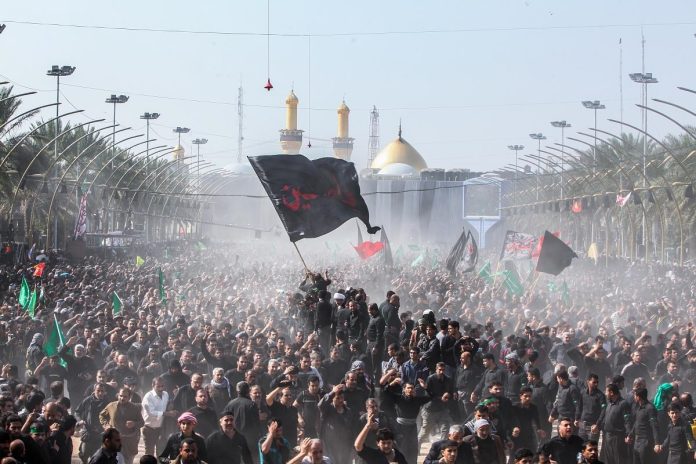
The Arbaeen mourning ceremony, which commemorates the fortieth day after the martyrdom of the grandson of Prophet Muhammad (PBUH), Imam Hussein (AS) over 14 centuries ago, is one of the largest religious gatherings in the world.

Every year, millions of Muslims from Iran, Iraq and many other countries set out on an 80-kilometer-long walk from the holy city of Najaf, where Imam Hussein’s father Imam Ali (AS)’s shrine is located, to Imam Hussein’s shrine in Karbala.

Covid-19 pandemic had put a damper on the mourning ceremony for the past two years but the event is expected to reach its peak after Coronavirus-related restrictions have been eased.

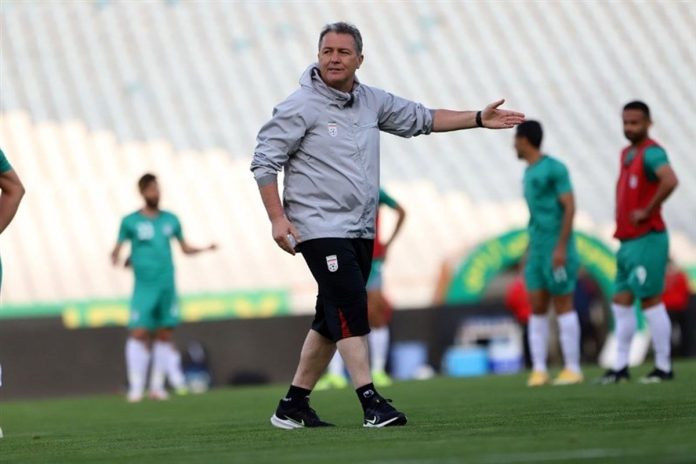
Iran’s coach Skocic to players: Stay away from sideline issues

Dragan Skocic

The plea came after several Iranian payers, including Sardar Azmoun, Shoja’ Khalilzadeh, Alireza Biranvand, Mohammad Hossein Kananizadegan, and Sadegh Moharami expressed their support for Skocic and asked officials to postpone any change until after the 2022 World Cup slated to be held in Qatar.

On the other side of the spectrum, there are other players, including Alireza Jahanbakhsh, Mehdi Taremi, Saeed Ezatollahi and Morteza Pourali Ganji who are critical of the current conditions of Team Melli and therefore, did not lend support for the pro-Skocic campaign.

The Iranian Sports Ministry has reportedly held talks with the football federation’s technical committee to change the head coach of Team Melli ahead of the World Cup games.

There are conflicting reports that the sports ministry is planning to hire former Portuguese head coach of Iran’s national team Carlos Queiroz.

However, a spokesperson of the football federation announced on Friday that the board of directors had not reached an agreement on the issue, and that Skocic will continue to be at the helm, Mehr News Agency reported.

The reports of changing the head coach spread after the Iranian national team’s poor performance during World Cup qualification and preparation games.

Analyst: Arab states dropping confrontational policy with Iran

Persian Gulf Cooperation Council

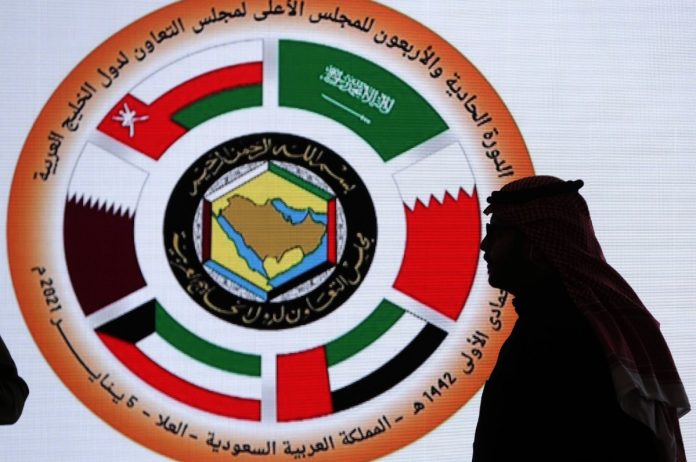
Hassan Hanizadeh in an interview with ISNA said fence-mending talks between Iran and Saudi Arabia raise hopes for a thaw in ties which can positively affect the entire region.

He said if the Iraqi-mediated talks held in Baghdad since May last year, lead to resumption of diplomatic ties between Tehran and Riyadh, it can affect other countries, including Egypt.

Saudi Arabia severed ties with Iran in 2016 after a group of angry Iranians attacked the kingdom’s embassy in Tehran over the execution of a Shia Muslim dissident cleric by Riyadh.

Iran and Saudi Arabia are also divided over some other issues including Iran’s nuclear program and missle defence, the Saudi-led invasion of Yemen and Saudi support for Takfiri groups.

Also referring to recent moves by Tehran and Cairo to remove tensions and restore diplomatic ties, the political analyst said Egypt considers itself a major player in the Arab and Islamic world and wants to take the upper hand in regional developments.

However, he added Egypt’s reconciliation with Iran will only happen after the United States and Saudi Arabia give the thumbs-up.

Meanwhile, Hanizadeh gave a central role to Iran’s nuclear deal with the West, saying if talks to revive the Joint Comprehensive Plan of Action (JCPOA) end up in an agreement, relations between the Islamic Republic and some other countries in the region will also be restored.

‘Red’ spots back on Iran’s color-coded Covid map as infections rise

COVID in Iran

According to the latest updates to the map, released by the Health Ministry on Friday, 14 cities were also classified as “orange,” where there is a “moderately elevated” risk of infection with the respiratory disease.

The number of “yellow” or “low risk” cities also increased from 105 to 142, while the number of “blue” cities, where the situation is normal, decreased from 343 to 288.

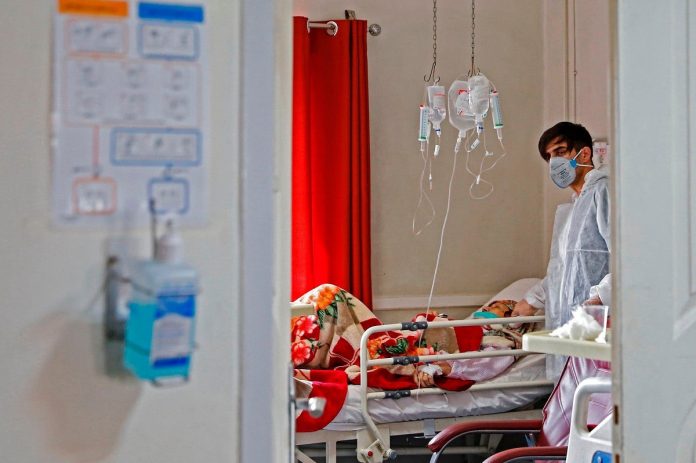
The country has been witnessing a gradual rise in infections with Covid-19, with an increasing number of patients seeking medical assistance or hospitalized.

On Friday, the Health Ministry reported 2,013 new cases of infection in 24 hours, up from 1,775 and 1,271 registered in the previous two days.

Dr. Mohammad Alavi, Vice President of Jundi Shapour University of Medical Sciences in the southwestern city of Ahvaz, told ISNA that cases of infection with the BA.4 and BA.5 sub-variants of Omicron have “not yet been reported in Iran on a large scale,” unlike in the rest of the world.

“If a new wave occurs, it will probably be with these sub-variants,” he said, urging people to stick with health protocols, as scientists are still studying the behavior of the new Omicron sub-variants.

Iran records 51 cases of Crimean-Congo hemorrhagic fever, 3 deaths

Crimean-Congo hemorrhagic fever

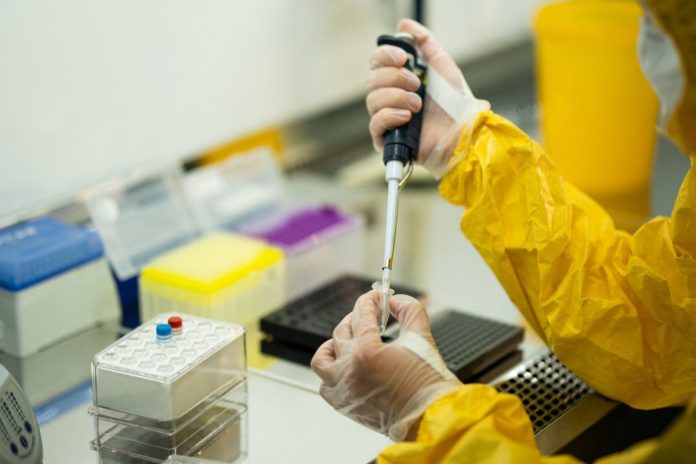
Behzad Amiri, who heads the ministry’s Department for Management of Diseases Transmissible between Humans and Animals, said the numbers had been recorded since the start of the Persian calendar year on March 20, 2022.

The CCHF virus is typically spread by tick bites or close contact with the blood, secretions, organs or other bodily fluids of infected persons or animals.

The individuals who are in close contact with livestock, and also farmers and those who work in slaughterhouses, face a higher risk of infection with the severe hemorrhagic disease.

Amiri warned the public to refrain from buying livestock or meat that are not under the Veterinary Organization’s subversion, as Iranians are preparing to celebrate the Muslim holiday of Eid al-Adha, during which many slaughter livestock.

“Never slaughter any kind of animal in houses or on public roads because this could lead to the spread of dangerous diseases,” he said.

The health official said the people who work in slaughterhouses should use protective equipment, such as gloves, boots and appropriate clothes, and disinfect their tools.

Symptoms of CCHF may include fever, muscle pains, headache, vomiting, diarrhea, and bleeding into the skin. Complications may include liver failure.

In those who survive, recovery generally occurs around two weeks after onset.

Iran, Russia resolved to eliminate US dollar from bilateral transactions

Rial Dollar

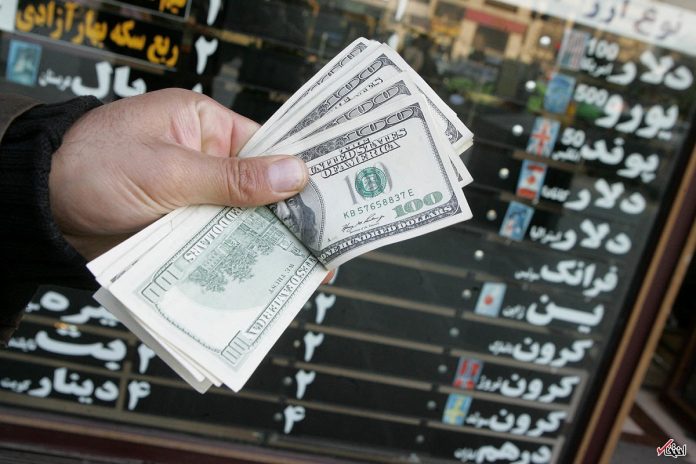
Following extensive talks with Russian Deputy Prime Minister Alexander Novak and Minister of Economic Development Maksim Reshetnikov, Ali Saleh-Abadi said on Friday that “good agreements” were reached between the two sides in banking, financial and economic sectors.

Saleh-Abadi said the topic of using national currencies instead of the US dollar in mutual transactions was high on the agenda of the discussions in Moscow.

The Iranian and Russian officials, he added, also held talks on the replacement of SWIFT with domestic financial messaging systems.

The agreements will be put in action in the near future and the outcome will be “tangible” in bilateral trade ties, Saleh-Abadi said.

The CBI chief said his trip contributed to the enhancement of relations between the business people of the two countries.

Iran and Russia, both subjected to tough economic sanctions by the Western countries, are determined to deepen their economic cooperation, said Saleh-Abadi, adding that there are great capacities for increasing the volume of bilateral trade.

Reformist Iranian politician detained

Mostafa Tajzadeh

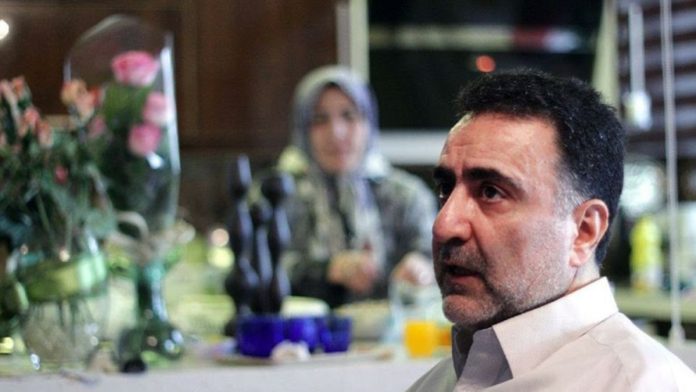
Tajzadeh is a former deputy interior and culture minister and was an advisor to former president Mohammad Khatami.

Fakhrossadat Mohtashamipour, a political activist and Tajzadeh’s wife, has confirmed reports of his arrest.

After the presidential election in 2009, Tajzadeh was arrested and handed a 6-year prison sentence and a 10-year ban from political activities over his involvement in the unrest that followed the election.

He filed for candidacy in the 2021 presidential election, but was disqualified by the Guardian Council.