Tuesday, January 13, 2026
Home Blog Page 1836

Iranian researchers design cheaper, more effective pipeline valves

Iran pipelines

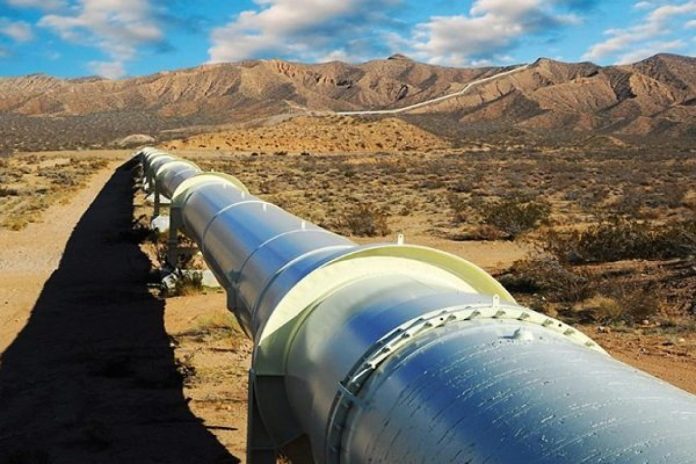
The manager of the project dubbed the achievement a “three-stage, one-way, remote-controlled line stopping valve.”

“Water pumping stations and transfer pipelines are among the main and most expensive installations in the transfer of water or any other fluid including oil or wastewater,” he said.

He noted that the valves and links used for such installments are very costly due to the material used, the uses and the pressure they are subjected to.

“Failure of such valves to work properly causes heavy damage to the installations and the transfer pipelines,” he added.

The project manager said one-way and line stop valves are the most widely used in the transfer pipelines and facilities.

One-way valves, he explained, prevent water hammer that is caused by the pressure caused when water backflows.

Without such valves, he said, water hammer can cause ruptures in the pipelines, damage electric pumps and cause other mechanical and electric problems that eventually lead to a breakdown in the facilities and, in turn, damages and loss of water.

“The application of the achievements of this plan is in metal or composite tanks and in storing such fluids as oil, gasoline, diesel and water. This type of valve is installed mechanically inside the tank and while reducing initial costs, has no maintenance or repair costs,” he said.

“Stop valves lose part of their efficiency after a short period of time and cause fluid waste as well as heavy costs. To address this challenge, we combined a one-way and a stop valve together in a single valve.”

The result, he said, is a 50-percent cut in the final cost compared to separate one-way and stop valves, very quick response to shocks, five-times quicker closing of the valve, the option to adjust the flow and pressure and faster replacement of parts as well as protection of the pumps and counters and pump stations.
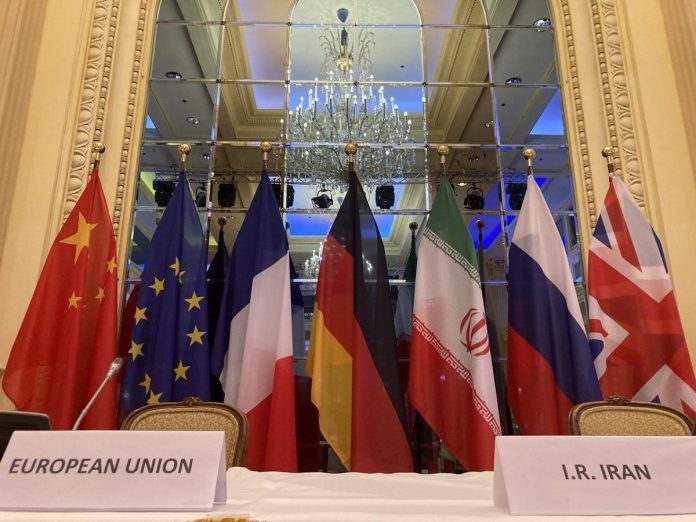
Iran says JCPOA cameras to return only after nuclear talks bear fruit

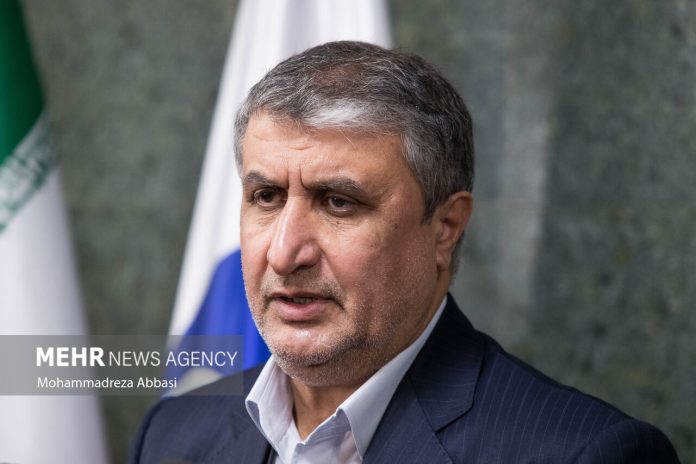
Director of the Atomic Energy Organization of Iran, Mohammad Eslami

Mohammad Eslami says Iran has been facing accusations on its nuclear program for the past 20 years and signed up to the JCPOA to end those accusations.

This, he said, was aimed at removing the pretexts used to take Iran’s case to the UN Security Council and issue resolutions and sanctions against Iran.

Eslami says despite Iran’s trust-building steps and slowdown on its nuclear activities under the JCPOA, “the other party has not stayed committed” to its obligations.

The Iranian nuclear chief added that Iran has never acted on its nuclear enrichment and other nuclear-related measures without coordination with the International Atomic Energy Agency and the entire nuclear program of Iran remains under the agency’s supervision within the framework of the Safeguard Agreement.

He stressed that the removed cameras are only those installed under the nuclear deal for additional trust-building.

“The so-called JCPOA cameras installed beyond the requirements of the Safeguard Agreement are linked to the nuclear deal. If the other parties would return to the agreement, and they once more close the PMD case just as they did in the JCPOA, they can rest assured that we will move to take the appropriate decision when we are persuaded that there is no mischief at work,” He said.

Last week, IAEA Director General Rafael Grossi once more talked about Iran’s nuclear program claiming it is “galloping ahead”, and that the agency has limited visibility into what is happening.

Iran has hit back at Grossi saying those comments are beyond his technical capacity and politicized.

Iranian MP: Iran-Russia military bond changed political equations in world

Iran and Russian Presidents Raisi and Putin

Hadi Beiginejad, a member of the Energy Committee of the parliament, told IRNA on Tuesday, Iran’s military ties with friendly countries could increase their might and would lead to peace and stability in the region.

Saying that bolstering Iran’s defense capabilities in various fields is an important factor in deterrence, the lawmaker stressed, the defense power of many countries has moved towards deterrence as “weak nations are doomed to be attacked by imperialist powers.”

Russia is reportedly interested in acquiring hundreds of Iranian drones and Russian officials have been eying on different models, including the Shahed-191 and Shahed-129.

Beiginejad said US officials have acknowledged Iran’s growing capabilities in drone power as the superior country in the region and have warned any confrontation with the Islamic Republic will inflict a heavy cost.

Iran and Russia, both targeted by harsh US sanctions, say they are devising strategies to form a stronger alliance against Washington’s hostile policies.

Iranian dailies divided over Ukraine war

Russia Ukraine War
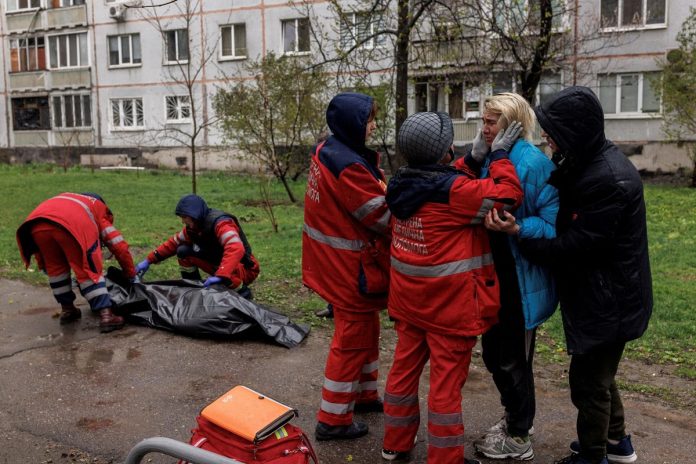
Yana Bachek is consoled by her partner Yevgeniy Vlasenko as medical workers retrieve the body of her father. Victor Gubarev stepped out to buy bread when he was killed by a fragment from a shell that landed in front of his apartment block in Kharkiv.

Jomhouri-e Eslami wrote in an article on Tuesday that campaigns to drag Iran into the war in Ukraine aimed at turning the tide in favor of Russia, “Can plunge our country into a deep vortex and cause problems that can’t be compensated for decades.”

The daily also wrote, “The efforts to pin Iran on Russia counter to the Iranian nation and the Islamic Republic’s dignity,” adding Iran needs a balancing act in its policy regarding the West and East to preserve its independence and international standing.

Iran has said it is opposed to the war in Ukraine and backs a political solution to the conflict.

Iran abstained in a UN General Assembly resolution condemning the Russian war on Ukraine, sending a message the Islamic Republic is preserving its neutral stance on the war.

Kayhan, another Iranian daily, showed a harsh reaction to the article by Jomhouri-e Eslami, castigating its suggestion for a ‘balancing act between the East and the West’ as a ‘passive stance.’

Kayhan wrote, “In these major international developments, some have called on Tehran to remain restrained and neutral and have spoken of a balancing role between the East and West.”

“This is a passive offer, if not imported. In this process, Iran should not close its eyes to the great opportunities of the developments and harm itself in the name of neutrality,” Kayhan concluded.

Analyst: JCPOA can’t satisfy Iran’s needs

Vienna Talks

Kourosh Ahmadi told ILNA that the Joint Comprehensive Plan of Action (JCPOA) got off to a rocky start in 2015 as it failed to lift many of the US-led Western sanctions on Iran back then.

He said Iranian authorities are not optimistic about the nuclear deal as it has failed to help Iran ‘benefit completely’ from the deal and draw foreign investments due to the murky atmosphere surrounding the agreement.

Iran and other parties to the JCPOA have held several rounds of inconclusive talks to restore the agreement after Washington unilaterally withdrew from the deal in 2018.

Tehran has blamed Washington’s ‘excessive demands’ and ‘unfounded accusations’ for the impasse.

The political analyst warned that Washington is setting the stage to turn the tables on Iran in an upcoming meeting of the International Atomic Energy Agency (IAEA)’s Board of Governors by adopting a new anti-Iran resolution and sending Tehran’s case to the United Nations Security Council.

However, he said a prolonged conflict in Ukraine could change the course of Western action against Iran to opt for keeping the JCPOA in limbo, as Washington and its European allies cannot afford a new tension.

Ahmadi said the US has launched a new smear campaign against Iran by claiming that Tehran supplies Russia with drones in its war on Ukraine, an allegation rejected by the Islamic Republic.

He highlighted that the accusations are made while Iran casted a vote of abstention on a UN General Assembly resolution condemning the Russian war on Ukraine, sending a clear message that Iran is preserving a neutral stance on the war.

Police killed in armed conflict in southeast Iran

Iran Police

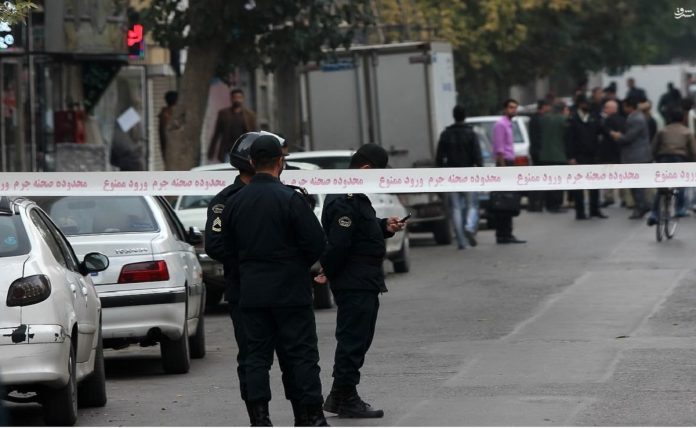
Colonel Amin Ghafouri, the spokesman of the Police Headquarters of Kerman Province, told Tasnim News Agency that a police officer, identified as Colonel Ali Barzegar, was killed in the clash that erupted on Monday evening.

He said a funeral ceremony will be held in Kerman on Tuesday.

The province witnesses occasional skirmishes between law enforcement forces and drug traffickers, who smuggle drug consignments from neighboring Afghanistan.

Pakistan-based armed bandits are also another scourge for the police forces in the region.

Nasrallah: Hezbollah missiles can hit any Israeli targets

Sayyed Hassan Nasrallah

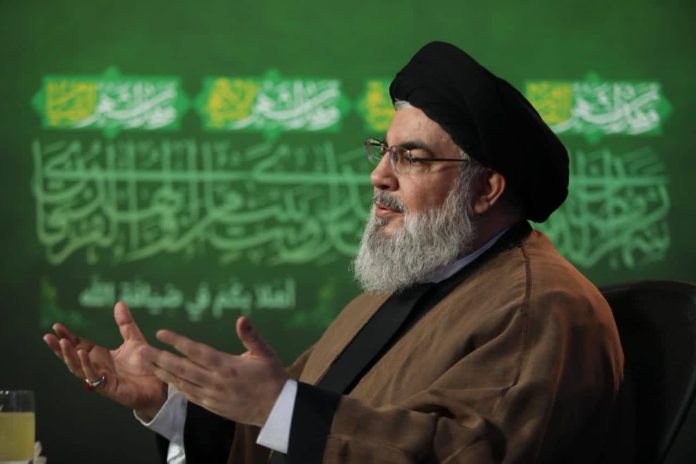
“All fields are under threat, not only Karish, and no Israeli target at sea or on land is out of the reach of the resistance’s precision missiles,” Nasrallah told Al Mayadeen television’s Ghassan Ben Jeddou on Monday.

Earlier this month, Hezbollah launched three unarmed drones towards a vessel operated by London-based Energean.

Nasrallah noted then that it was the “first time” such an operation had taken place and that it was meant to alert workers aboard the vessel that it “is not a safe area.”

“Our drones entered and returned from the Galilee and occupied Palestine dozens of times over the past years and the enemy failed to shoot them down,” he added.

Energean has announced it expects first gas from Karish to flow in the third quarter, but Narallah has warned that “no one” would be allowed to operate in maritime oil and gas fields if Lebanon was barred from its “rights” in extracting from areas off of its coast.

“If the extraction of oil and gas from Karish begins in September before Lebanon obtains its right, we would be heading to a problem and we’ll do anything to achieve our objective,” he added.

“Due to Europe’s need to replace Russian oil and gas, Lebanon is facing a historic opportunity,” he continued.

US President Joe Biden recently came to the region because of oil and gas, Nasrallah said, adding, “But the additional oil of Saudi Arabia and the UAE will not solve Europe’s needs either. The war between Ukraine and Russia has made them look for alternatives to Russian oil and gas.”

Nasrallah underlined, “The Lebanese government is not able to make a proper decision to protect this country and its resources. Therefore, the resistance is forced to make a decision. Our goal is for Lebanon to extract oil and gas, because this is the only way to save Lebanon.”

“This is an action that must be taken. We will not accept any deception and we must take back our rights. Our goal is to make Lebanon extract oil and gas and to draw the maritime borders of this country correctly,” he underscored.

He also stated, “I’m ready to bring free Iranian fuel for the Lebanese power plants if the Lebanese government agrees to this, but unfortunately there is no political courage in Lebanon for such a step, because they fear US sanctions on individuals and their families.”

Nasrallah detailed Hezbollah’s capabilities, saying the resistance movement has built a significant deterrent power.

“I tell the Lebanese people that they should be confident in the resistance’s capabilities,” he stated, adding, “There has been safety and security in Lebanon since 2006 due to the balance of deterrence.”

Nasrallah stated prior to 1982, nothing deterred the Israeli enemy from invading Lebanon.

“The beginnings of deterrence started in 1985, when the enemy withdrew from several Lebanese regions due to a host of military operations. High deterrence occurred between 1993 and 1996,” he continued.

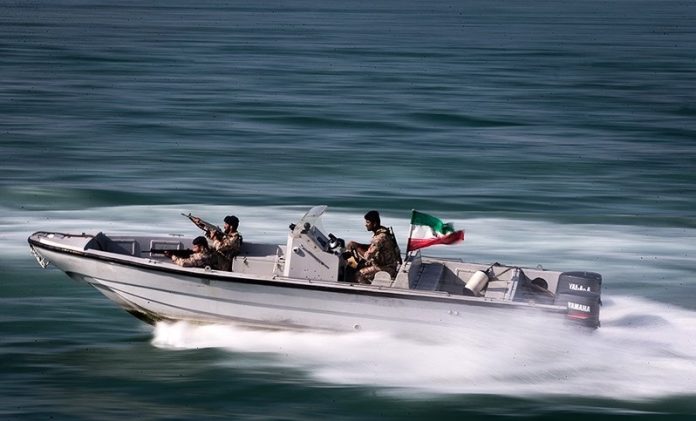
IRGC’s speedboats go sonar-evading

IRGC Boat

Admiral Alireza Tangsiri said the body of the IRGC’s speedboats cannot be detected by radar systems.

Admiral Tangsiri added that Iran’s presence in the Persian Gulf is such in terms of quality and size that has forced the enemies flee the region.

The Iranian speedboats are a highly component weapon in the arsenal of the naval forces of both Iranian Army and the IRGC.

Iran has beefed up its naval forces in recent years in a bid to protect the country’s maritime borders against threats by the enemies.

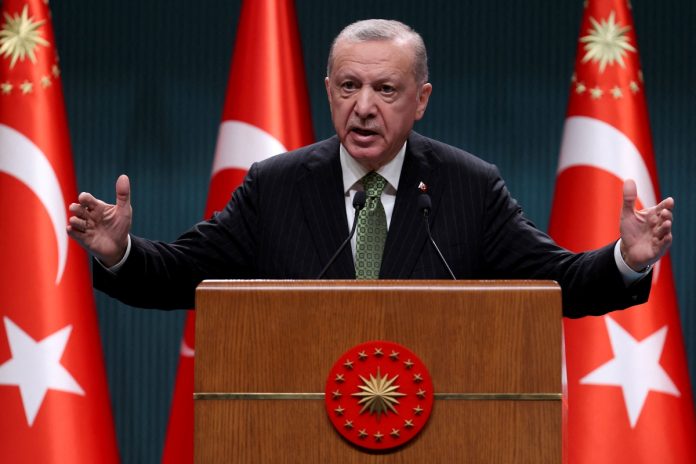
Erdogan: Turkey to increase oil, natural gas imports from Iran

Turkish President Recep Tayyip Erdogan

Erdogan told Turkey TRT news that he signed eight important agreements with Iran last week during his visit to Tehran.

He said the two countries are targeting for an annual trade volume of $30 billion, describing his meeting with Iranian President Ebrahim Raisi as successful.

“Together with my dear brother, we had a bilateral meeting and successfully held the meeting of the supreme cooperation council of Turkey and Iran. I believe the consolations will lead to a jump in the ties,” he said.

“Our aim is to reach a trade volume of $30 billion. Unfortunately, due to the coronavirus disease, the volume of trade reduced significantly and is now at $7 billion. We can also take steps in the fields of oil and natural gas to speed up the process.”

The Turkish president recently visited Tehran to attend a tripartite meeting with his Iranian and Russian counterparts on the Syria crisis.

Iran tourism: Historical House of Anisoddoleh, unofficial Qajar queen

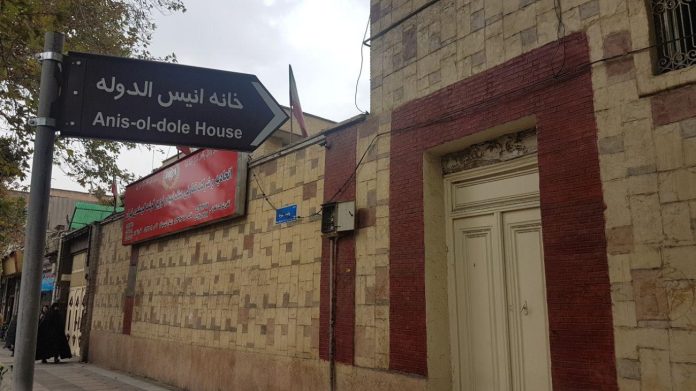
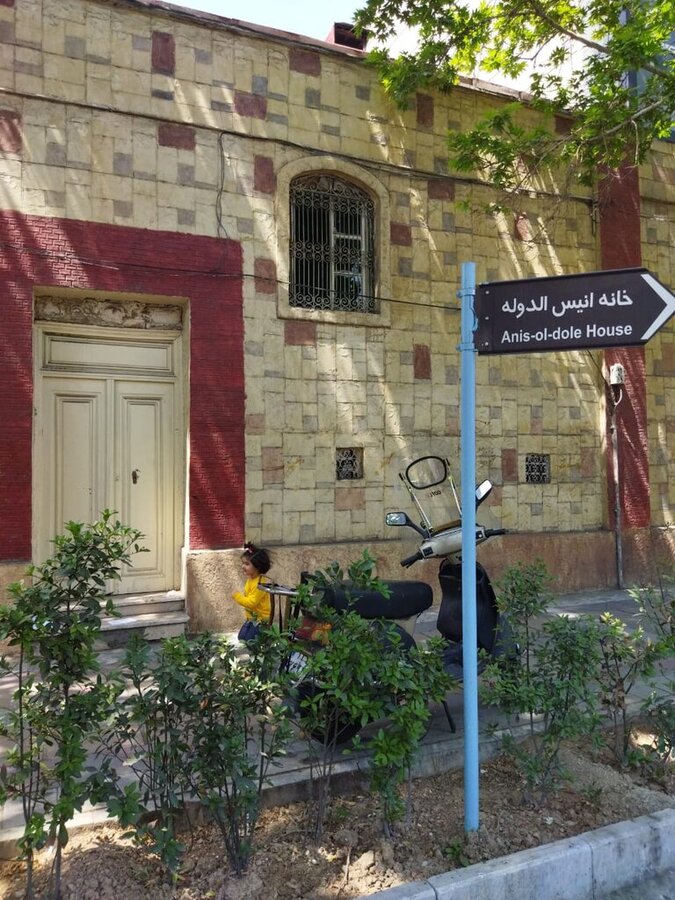
Historical House of Anisoddoleh

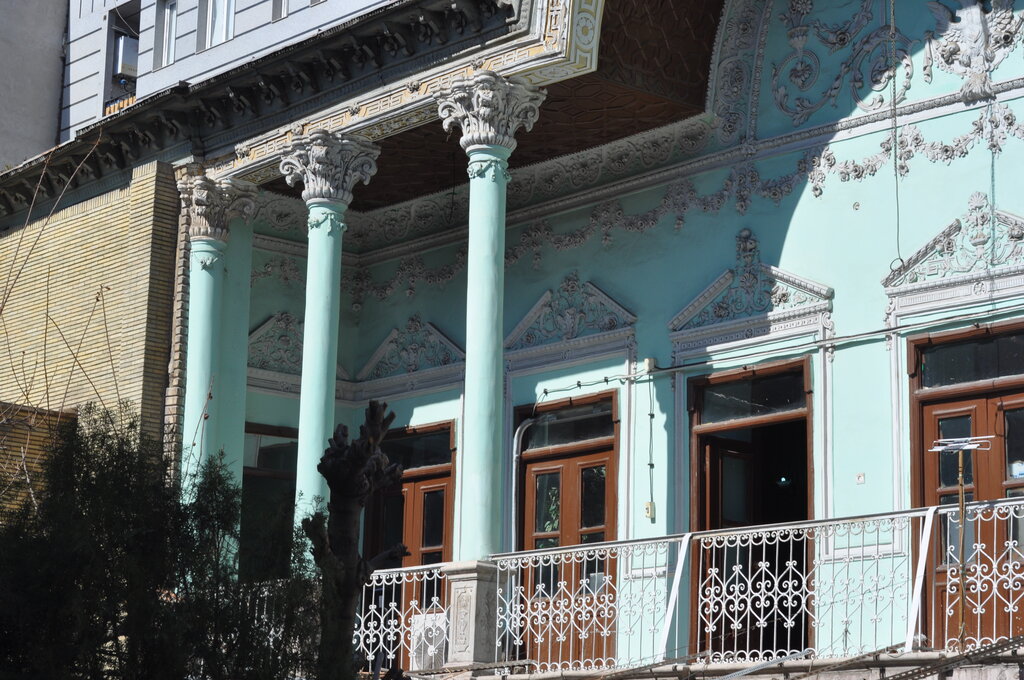
The house is 140 years old and belongs to Ms Fatemeh Soltan Anisoddoleh, the third official wife of Qajar king Nassereddin Shah. Her nickname was “Queen of Iran.”

She was the famous and influential wife of Nassereddin Shah (1314-1258) and the house, which was named after her, seems to have been the woman’s residence in the last months of her life following the assassination of Nassereddin Shah.

Historical House of Anisoddoleh

Who is Anisoddoleh?

Anisoddoleh was the most beloved and most influential figure in the court of Nassereddin Shah.

She was superior to other wives of the Qajar king and we can view her as the queen of the Iranian monarchy back then as she had been decorated with the Order of the Sun (a decoration founded by Nassereddin Shah and reserved for princesses and women of high rank) and the Icon of His Majesty (a badge bestowed on important people by the Qajar king).

A history of the House of Anisoddoleh’s applications

After Nassereddin Shah’s assassination, Anisoddoleh resides in the house. During the Pahlavi Dynasty and after her death, the Qajar owners of the house sell it to the Ministry of Education and it changes from a house to a school. Famous Iranian scientist Professor Mahmoud Hesabi would study at the school.

A man named Nader Esfahani takes possession of the house in the year 1951. In the 1970s, it becomes the sheep meat guild union due to its closeness to Tehran’s slaughterhouse. It’s still the meat guild union.

Historical House of Anisoddoleh

Architecture of the House of Anisoddoleh

The house covers an area of 721 square meters. It’s a two-story building in which there are few signs of the splendor of the Qajar mansions.

Built 140 years ago, the house has two doors. One door opens to the yard and the other opens directly to the building. There are very old trees in the yard. The building is one stair below the yard and has a porch with Greek columns.

Historical House of Anisoddoleh

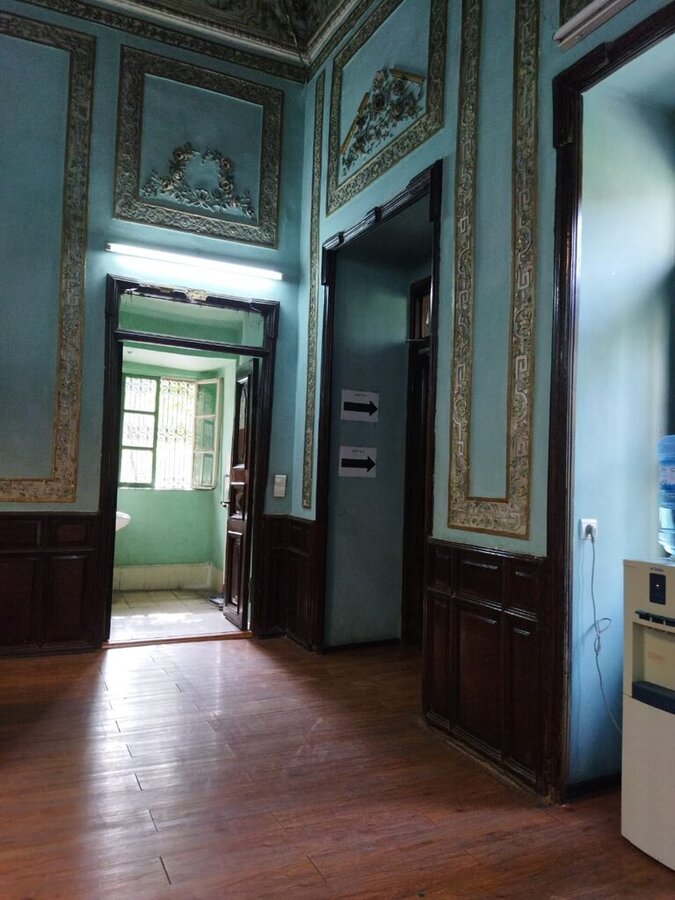
The first floor has two rooms, a kitchen, a bathroom, a dressing room, a storage room and a toilet. A staircase connects the first floor to the second floor where there are two big halls and a kitchen. The only decorations are the fireplaces.

The most important feature of this building is the facade of the porch thereof. The middle of the facade is decorated with a semicircular arch covered with stucco embellishments. Thus, this part of the building is reminiscent of the Massoudieh monument.

Frequently Asked Questions

1-Where’s the House of Anisoddoleh?

The House of Anisoddoleh is on Tehran’s longest street, that is, Valiasr. Its exact location is above Molawi Crossroads, across from the Tehran Mahdieh.

2-Is the House of Anisoddoleh open to the public?

The monument is currently an administrative building and is not open to the public.