Saturday, January 17, 2026
Home Blog Page 1778

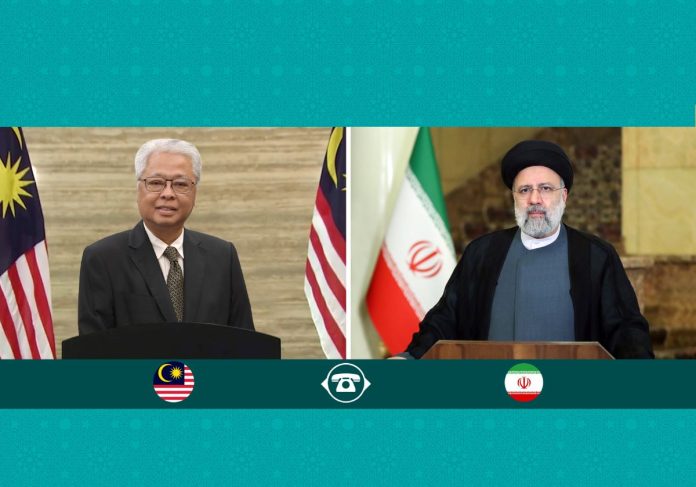
Raisi: Iran interested in boosting ties with Malaysia

Ebrahim Raisi and Ismail Sabri Yaakob

In a phone conversation with Malaysian Prime Minister Ismail Sabri Yaakob on Tuesday, Raisi expressed hope that relations between the two countries would improve in political, economic, and cultural fields as well as with regards to science and new technologies.

The Iranian president said the level of bilateral trade between Iran and Malaysia was not proportionate to the available capacities for enhanced relations.

Sabri Yaakob also said ties with Iran were “cause for pride” for the Malaysian government and nation, and called the Islamic Republic “an important and influential country” and a major source of support for the Islamic nations.

He also expressed satisfaction with the increase in the level of bilateral trade and condemned the “cruel” sanctions on Tehran.

The Malaysian prime minister said there was a strong political will to further develop bilateral ties in various fields.

Nuclear official: IAEA making ‘excessive’ demands from Iran

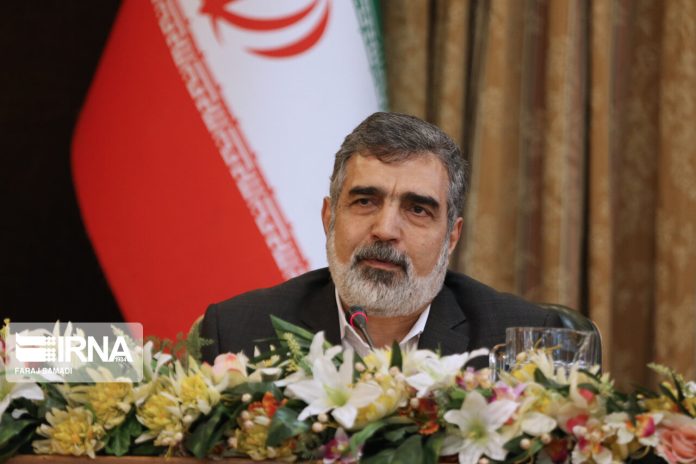
Spokesman for the Atomic Energy Organization of Iran (AEOI) Behrouz Kamalvandi

In a radio interview on Tuesday, Behrouz Kamalvandi explained that the Safeguards agreement revolves around nuclear materials, and under that agreement, Iran is required to inform the International Atomic Energy Agency (IAEA) of the amount of the nuclear materials it has, where they are located and how they are put to use.

As part of the Additional Protocol, countries, including Iran, place their uranium enrichment equipment under the Agency’s monitoring, he added.

Besides, the 2015 Iran nuclear deal — which has been in trouble due to the US’s withdrawal —allows the IAEA to conduct further inspections of Tehran’s nuclear work, Kamalvani said.

However, he added, Tehran’s cooperation with the Agency is currently restricted to the Safeguards agreement due to several issues, as part of a law adopted by the Iranian Parliament in December 2020, in response to Washington’s exit from the Iran nuclear deal and the European signatories’ failure to fulfill their contractual commitments to Iran.

Kamalvandi said the IAEA’s current “demands are considered to be excessive since they cannot be fulfilled to the sanctions,” which the US restored on Iran after leaving the nuclear deal in 2018.

“Of course, if the Westerners remove the sanctions and return to their obligations, Iran will likewise return to its commitments under the nuclear deal,” he added.

Muqtada al-Sadr calls on supporters to withdraw after deadly clashes

Iraq Crisis

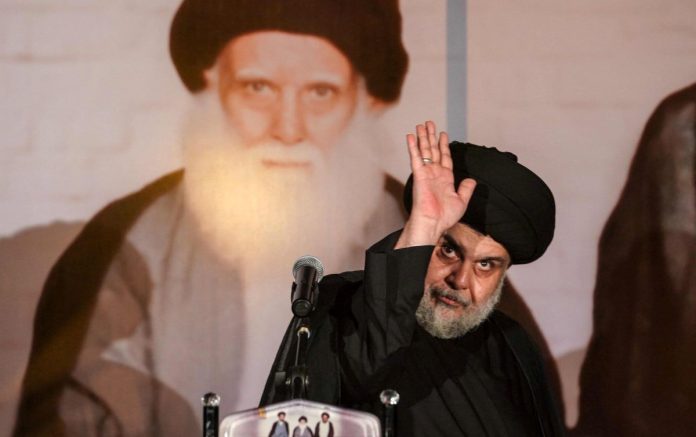
“The party is disciplined and obedient, and I was my hands of those who do not withdraw from parliament building within an hour,” al-Sadr said in a televised speech on Tuesday.

He also apologised to the Iraqi people for the violence, which killed dozens of people and wounded hundreds more.

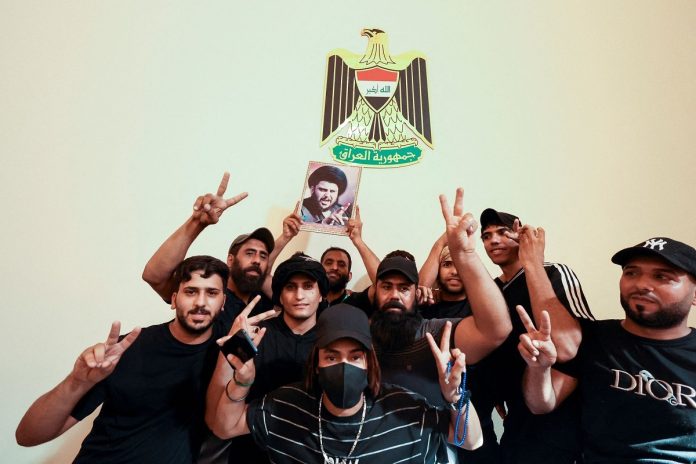
Supporters of al-Sadr have started to leave the Green Zone area, after their leader told them to end protests.

A nationwide curfew, which went into effect on Monday has also been lifted.

The unrest broke out Monday, when al-Sadr announced he would resign from politics and his supporters stormed the Green Zone. At least 30 people have been killed.

Iraq’s government has been deadlocked since al-Sadr’s party won the largest share of seats in October parliamentary elections but not enough to secure a majority government — unleashing months of infighting between different factions.

Covid kills 44 more people in Iran

COVID in Iran

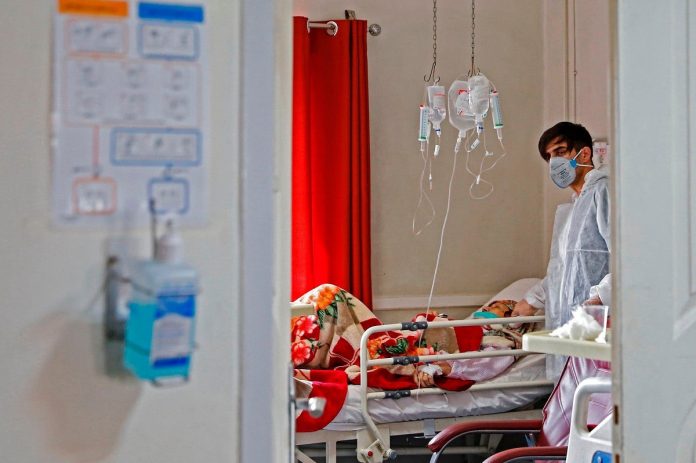
Some 44 more Iranians have died from the coronavirus over the past 24 hours bringing the total deaths to 143,820, Iran’s Health Ministry said on Tuesday.

1,871 new cases of infection with COVID-19 were found over the past 24 hours, 373 of whom were hospitalized, it added.

The Iranian Health Ministry noted that 7,292,566 patients out of a total of 7,527,499 infected people have recovered or been discharged from hospitals.

1,104 COVID-19 patients are in critical conditions and in intensive care units, it continued.

The Iranian Health Ministry also announced that 64,989,397 Iranians have received the first dose and 58,369,452 people have so far received the second dose of the COVID-19 vaccine.

Moreover, 30,748,122 people have also received the third or fourth shots as the booster jab.

Iraq unrest: Dozens killed in clashes between Sadr supporters, security forces

Iraq Crisis

An Iraqi medical source has told Al Jazeera that at least 30 people were killed during the clashes in Baghdad’s Green Zone.

The source added 700 people were wounded, including 110 members of the security forces.

Al-Sadr has announced he is quitting political life and closing his political offices in a move that inflamed tensions and prompted protests by his supporters.

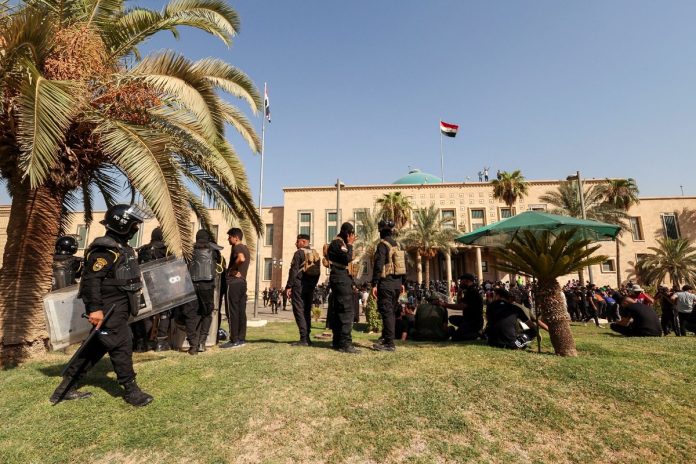
Gunfire rang out in the Green Zone of Baghdad and security forces launched tear gas canisters on Monday to disperse al-Sadr supporters converging on the area.

The cleric is going on a hunger strike until “violence and the use of weapons” ends, according to an allied legislator.

Mustafa al-Kadhimi, al-Sadr’s ally who remains Iraq’s caretaker prime minister, stated he suspended cabinet meetings until further notice after Sadrist protesters stormed the government headquarters on Monday.

Al-Kadhimi also directed an “urgent investigation” into Monday’s events and stressed that the use of live ammunition by security forces against protesters is “strictly prohibited”, Iraq’s state news agency INA reported.

Official: Air pollution killed 21,000 Iranians last year

Iran Air Pollution

Dariush Gol’alizadeh, the head of the center told a news conference that dust and sand storms originating from neighboring countries have been the main culprits in polluting major cities in Iran this year.

Tehran has had 90 days of non-clean days so far this year, which started on March 21, compared to 30 days during the entire last year and 40 days the year before, according to Gol’alizadeh.

He added the pollution caused an $11-billion loss for the country, raising the alarm that swift measures need to be taken to reverse the trend.

Gol’alizadeh also blamed low-quality gasoline and dilapidated automobiles, which need to be replaced with new ones, for the pollution.

Many Iranian cities, including the capital Tehran, surrounded by mountains, suffer some of the worst air pollution in the world throughout the year, with the pollution reaching levels considered unsafe for all groups of people during many days.

UN warns millions of Afghans at risk of famine

Poverty in Afghanistan

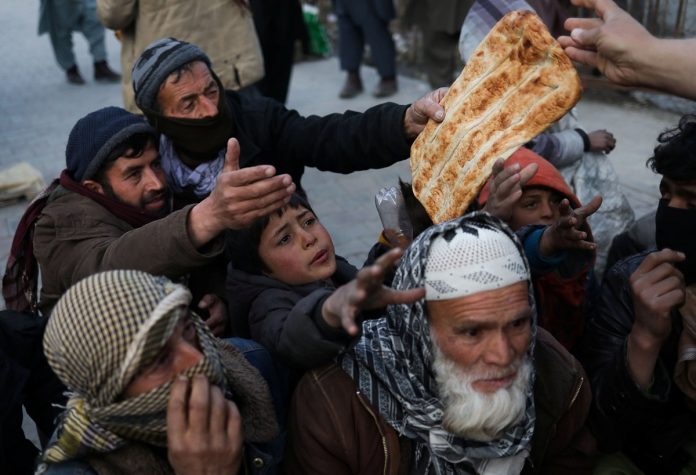
Griffiths told the UN Security Council that Afghanistan faces multiple crises — humanitarian, economic, climate, hunger and financial.

Conflict, poverty, climate shocks and food insecurity “have long been a sad reality” in Afghanistan, but he said what makes the current situation “so critical” is the halt to large-scale development aid since the Taliban takeover a year ago.

More than half the Afghan population — some 24 million people — need assistance and close to 19 million are facing acute levels of food insecurity, Griffiths added. And “we worry” that the figures will soon become worse because winter weather will send already high fuel and food prices skyrocketing.

Despite the challenges, he stated UN agencies and their NGO partners have mounted “an unprecedented response” over the past year, reaching almost 23 million people.

But he noted $614 million is urgently required to prepare for winter including repairing and upgrading shelters and providing warm clothes and blankets — and an additional $154 million is needed to preposition food and other supplies before the weather cuts access to certain areas.

Griffiths stressed, however, that “humanitarian aid will never be able to replace the provision of system-wide services to 40 million people across the country.”

The Taliban “have no budget to invest in their own future,” he continued, and “it’s clear that some development support needs to be started.”

With more than 70 percent of Afghan’s living in rural areas, Griffiths warned that if agriculture and livestock production aren’t protected “millions of lives and livelihoods will be risked, and the country’s capacity to produce food imperiled.”

He noted the country’s banking and liquidity crisis, and the extreme difficulty of international financial transactions must also be tackled.

“The consequences of inaction on both the humanitarian and development fronts will be catastrophic and difficult to reverse,” Griffiths warned.

Expert: Lifting sanctions can revitalize Iran-India trade ties

Iran Trade

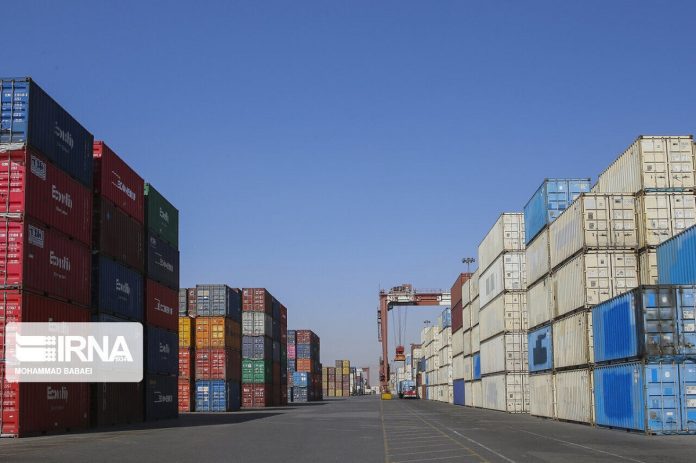
The director of the Indian Institute of Foreign Trade, Manoj Pant, told Iran’s Labor News Agency (ILNA) that trade ties between Iran and India experienced a 56 percent drop in 2022 compared to the $2.1-billion trade volume in 2018 when the US withdrew from a nuclear agreement with Iran, known as the Joint Comprehensive Plan of Action (JCPOA).

Pant said Iran’s oil comprised a major chunk of trade ties between the two countries, but added Iran’s transit routes played a pivotal role for India’s exports to Russia.

He expressed optimism that salvaging the nuclear accord can facilitate financial transactions between Iran and India, an indispensable part of their bilateral ties.

Iraqi Analyst: Sadr ‘withdrawal from politics’ attempt to pressure federal court on his demands

Muqtada al-Sadr

Muqtada al-Sadr announced his withdrawal and the halt in the political activities of all organizations affiliated to him on Monday.

Sadr, who has been demanding the dissolution of parliament and snap elections, had earlier said he will abandon those demands only if members of all other parties resign from their government posts.

There is speculation that his withdrawal from politics is a stunt to advance his earlier demands.

This view is supported by political analyst Najm al-Ghassab.

He told Iranian Labor News Agency (ILNA) that Sadr’s withdrawal was predictable and the only solution to the current political crisis seems to be granting him his demands of dissolution of parliament and snap elections.

He said Sadr effectively got his demands by tricking ordinary people, who did not support him, to come to the streets and force the federal court to fulfill his demands.

Ghassad, however, said Sadr may once again return to politics after his demands are met.

Official reaffirms Iran SCO, BRICS partnership in intl. decision-making

Ali Bagheri Kani

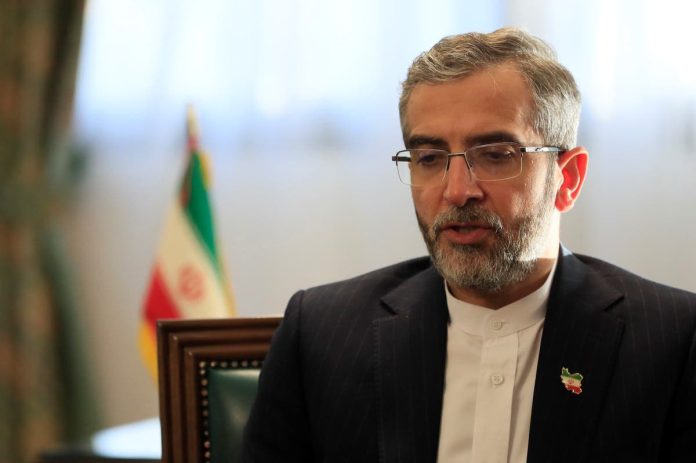
Ali Baqeri made the comments in a meeting with Brazilian Deputy Foreign Minsiter for Middle East, European and African Affairs Kenneth Nobrega, who is visiting Iran for the 11th round of political consultations between the two countries.

Baqeri added that such partnerships also strengthen the multilateralist front, which he said can now outline the contour of a new world order.

The deputy foreign minister also said the US is trying to shape international relations based on its unilateralist interests, using sanctions as a means to secure its economic, political and security goals.

Baqeri called for concerted efforts by the multilateralist front to form independent financial, economic, political and cultural mechanisms to pave the way for the transition to a multilateralist world order.

He also underlined Iran’s will for all-out expansion of ties with Brazil as a “reliable partner.”

Nobrega, in turn, said his country is against unilateralist measures including economic sanctions and called for further bilateral cooperation with Iran in political, economic and cultural spheres.