Monday, April 20, 2026
Home Blog Page 150

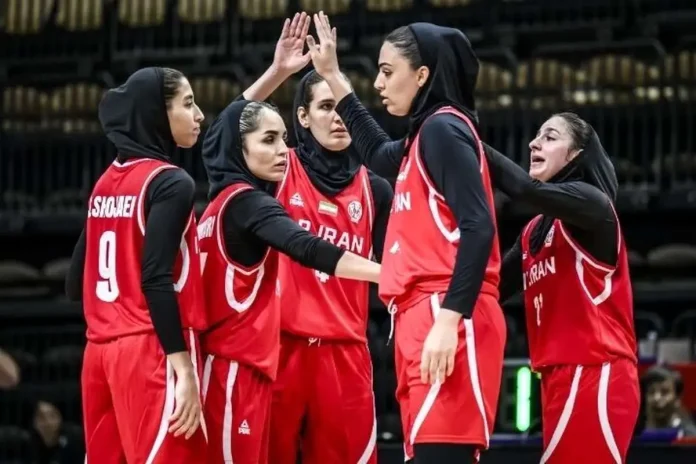
Iran women’s basketball team reaches final of FIBA Asia Cup

Led by head coach Eleni Kapogianni, Iran dominated from the start, winning the first quarter 18-7 and maintaining the lead to close the first half 42-21. Key contributions came from Bahraman and Asadi, who scored the most points in the first half. Tehrani and Shahriari also made impactful three-pointers.

Thailand increased its intensity in the second half, but Iran maintained control through solid defense and effective shooting. Asadi, Shahriari, and Rasoulipour delivered crucial three-point shots in the third quarter, which ended 60-34 in Iran’s favor. Despite Thailand’s attempts to narrow the gap in the final quarter, Bahraman’s late three-pointers and free throws secured the win.

Earlier in the tournament, Iran topped the group with wins over the Cook Islands (82-32), Mongolia (89-55), and Thailand (8-62).

Iran will face the winner of the Mongolia vs. Chinese Taipei match in the final on Sunday. The tournament winner will earn promotion to Division A.

Beyond their performance on the court, the Iranian players have drawn attention for their unified, respectful salute during the national anthem, a symbolic gesture of national pride after the Israeli aggression on Iran’s territory on June 13.

Iran security chief reaffirms opposition to regional geopolitical changes in call with Armenian counterpart

Ali Akbar Ahmadian

According to Iranian media, the two officials discussed regional and bilateral issues in the conversation, with a particular focus on the situation in the South Caucasus.

Ahmadian emphasized that Iran continues to view the preservation of existing regional borders and arrangements as beneficial to all regional actors.

Grigoryan briefed Ahmadian on the latest developments in Armenia’s negotiations with the Republic of Azerbaijan and affirmed that there has been no shift in Armenia’s position regarding regional transit routes.

Ahmadian also expressed appreciation for Armenia’s condemnation of the recent Israeli attack on Iran and welcomed Yerevan’s support in international forums.

Both sides also underscored the importance of strengthening bilateral ties, particularly in the economic domain, as part of broader efforts to promote stability and cooperation in the region.

Tasnim: Iran reviewing European request to resume nuclear talks

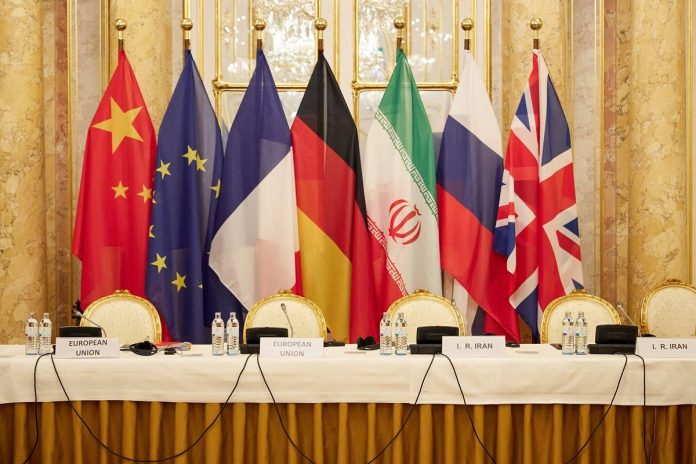
Nuclear Negotiations in Vienna

This development follows recent Western media reports suggesting that talks between Iran and the E3 – France, Germany, and the UK – could resume next week.

Citing informed sources, Tasnim’s correspondent confirmed that the proposal from the European trio is under consideration by Iranian officials.

The report notes that no final decision has yet been made regarding the timing or location of the potential negotiations, which are expected to be held at the deputy foreign ministerial level.

Earlier, the news outlet Axios claimed that the talks are scheduled to take place next week in a European location, although no official confirmation has been provided by either side.

If confirmed, the renewed diplomatic engagement would mark the latest attempt to revive dialogue amid ongoing tensions, especially after Israel and the US bombed Iran while talks were still ongoing.

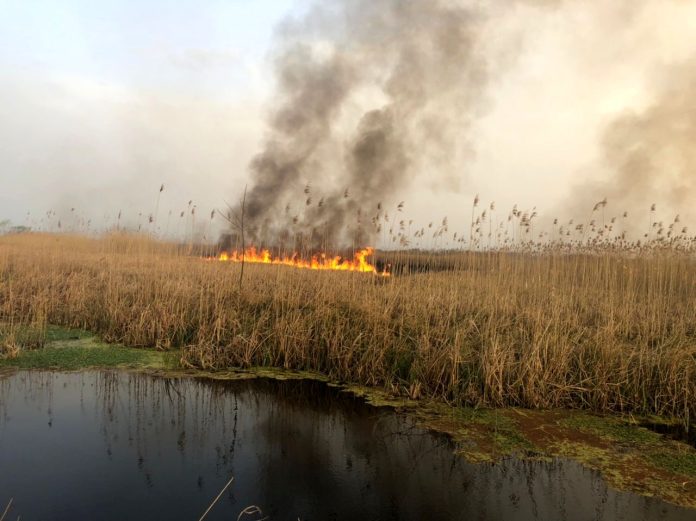
Smoke from fire in Hoor al-Azim wetland forces remote work in six cities in Iran’s Khuzestan province

Mohammad Javad Ashrafi, Secretary of the Air Pollution Emergency Task Force in Khuzestan, stated that the fire has significantly affected air quality in the western part of the province.

As a result, public offices in the cities of Hoveyzeh, Dasht-e Azadegan, Hamidiyeh, Ahvaz, Karun, and Bavi will shift to remote operations for the day.

He added that the operation of banks will be determined by the Coordination Council of Banks in the province.

Essential services including health, emergency, and public utilities are required to maintain in-person staffing.
Citizens are urged to limit outdoor activities, avoid unnecessary travel, and follow health and environmental guidelines to protect themselves from the hazardous air quality.

The Hoor al-Azim wetland, straddling the Iran-Iraq border, is a critical ecological zone and has been the site of recurrent fires during hot and dry summer months, often causing transboundary air pollution.

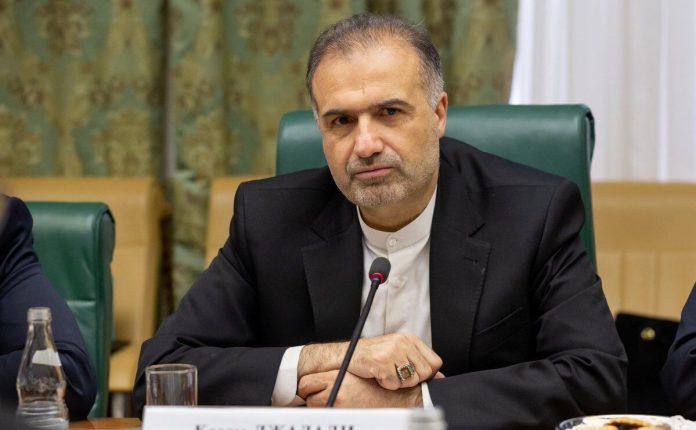
Iran’s ambassador to Moscow: Bushehr nuclear power plant with Russia progressing as planned 

In an interview with the Russian outlet RIA Novosti, Jalali noted that all Russian specialists and Iranian contractors are actively working in Bushehr.

He added that operations are fully underway and the war had no impact on the Bushehr power plant.

He noted that the first unit is already operational and generating electricity, while work on the remaining two units continues based on mutual commitments.

Jalali also reaffirmed continued Iran–Russia cooperation on other key infrastructure projects, including the Rasht–Astara railway, which is part of the North–South International Transport Corridor.

He said these joint ventures are independent of regional tensions and are designed to benefit not only Iran and Russia but also other nations involved in global trade.

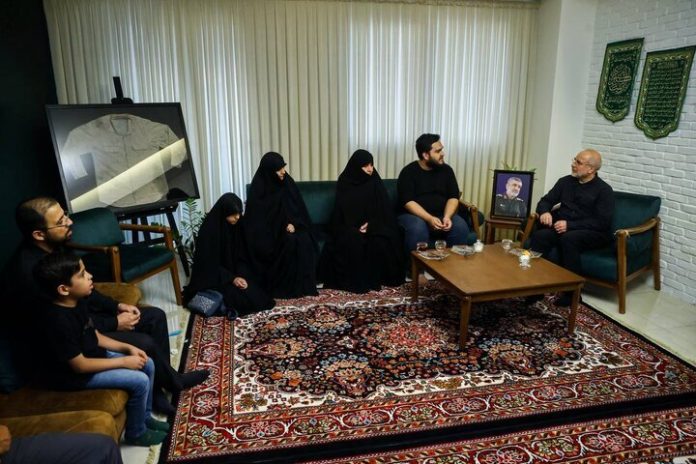
Iranian parliament speaker visits family of martyred IRGC aerospace commander 

During the visit, Ghalibaf praised Hajizadeh’s legacy, calling the IRGC aerospace force a source of pride and strength for the Islamic Republic.

“This is no exaggeration,” he said, adding that, “Aerospace is the only tool that has truly confronted the Zionist regime”. The parliament speaker noted that for the first time in decades, the Zionist regime has suffered serious damage in the occupied territories.

Ghalibaf noted that Iran’s current strategic position is the result of tireless efforts in aerospace development, largely driven by Hajizadeh’s leadership.

He described Hajizadeh’s martyrdom as a reward for a lifetime of devotion.

Iran FM urges Europeans to abandon snapback threats

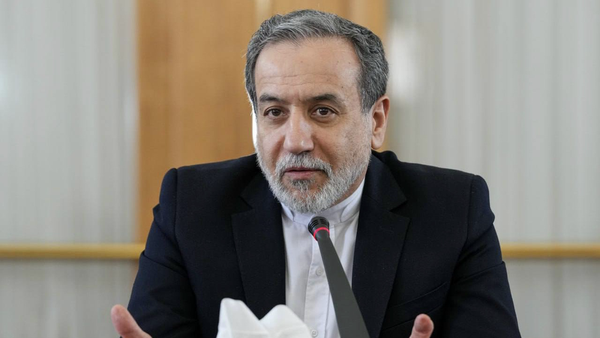
Speaking on Friday following a joint phone conference with the foreign ministers of the UK, France, and Germany, as well as the EU foreign policy chief Kaja Kallas, Araghchi said the three European countries must refrain from threatening to trigger the snapback mechanism — a measure that lacks any legal or moral basis.

He emphasized that if the European Union and the E3 — Britain, France, and Germany — truly want to have a constructive role in the nuclear issue, they must abandon outdated policies of pressure and intimidation, including the threat of snapback.

Araghchi reminded his European counterparts, as well as Kaja Kallas, that it was the United States — not Iran — that withdrew from the 2015 nuclear deal (JCPOA), which had been achieved after two years of negotiations with the facilitation of the European Union.

He added that it was again the United States that walked away from the negotiating table in June this year and opted for military confrontation instead — not Iran.

Earlier, European sources had reported that the foreign ministers of the three European countries along with EU foreign policy chief had held a joint phone call with Araghchi.

According to a statement from the French Foreign Ministry, the European ministers reiterated their decision to resort to the snapback mechanism during the call.

Araghchi stressed that any new round of negotiations would only be possible if the other side is prepared for a fair, balanced agreement based on mutual interests.

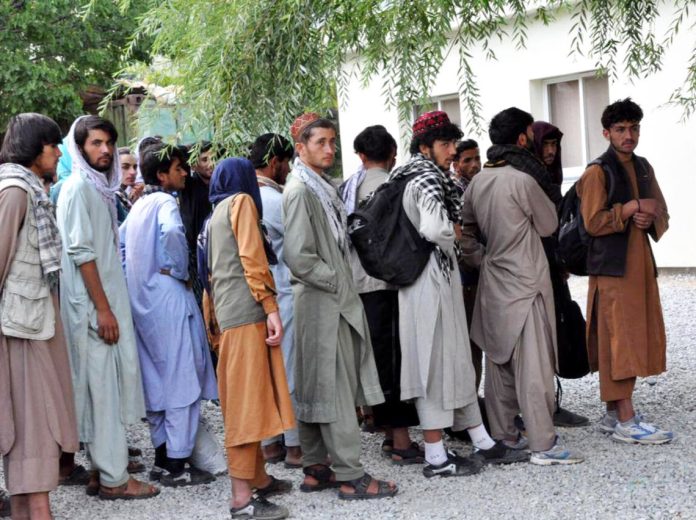
Iran says 2 million undocumented Afghan migrants must leave, denies racism claims 

He said that about 2 million undocumented Afghans remain in Iran and are expected to depart.

“We are not a racist country,” Momeni stated. “Iran is not anti-immigrant. Around six million Afghan nationals currently reside in Iran, and we share deep historical ties with Afghanistan.”

He emphasized that while many of these individuals have contributed to Iran’s economy and society, all countries have rules, and undocumented residents must follow legal procedures if they wish to remain.

“The majority of these migrants are honorable people who have played a role in production. However, those without legal status must leave,” Momeni said, adding that legal migrants are not subject to expulsion.

He also noted that in cases where legal migrants were mistakenly deported, the matter has been or is being reviewed.

Iran continues to face challenges in balancing immigration enforcement with humanitarian and historical ties, particularly concerning Afghan refugees and workers who have caused a strain on the country’s already restricted resources.

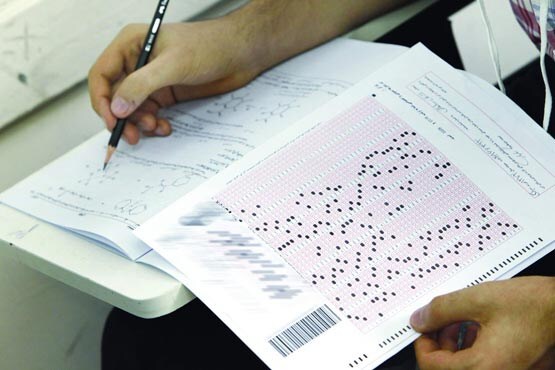
Hundreds of thousands compete in Iran’s most popular university entrance exam

Approximately 500,000 candidates took part in the exam, hoping to take up mainly medical fields which are lucrative in Iran, besides its high social status.

This followed Thursday’s exams for candidates in the Humanities, Mathematics, Arts, and Foreign Languages groups.

The Experimental Sciences group had the highest participation rate, accounting for 48.5% of all examinees. Female candidates made up 64% of participants in the nationwide exam.

According to Iran’s National Education Evaluation Organization, 60% of this year’s final score will be based on high school academic records, while 40% will come from the exam itself.

Preliminary results will be announced in mid-August. Final results and admissions decisions are expected by early October.

The youngest candidate was born in 2010, and the oldest in 1945.

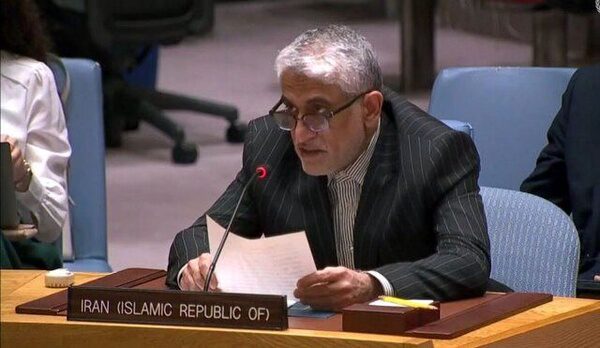
Iran UN envoy calls on Security Council to end Israel’s impunity

Speaking at a Security Council session on the situation in the Middle East (Syria), Amir Saeid Iravani said Israel’s attacks on Syria are a direct result of the Security Council’s silence and the international community’s failure to take deterrent action. He stressed that the Council must fulfill its responsibilities under the UN Charter and ensure Israel is held responsible for its actions.

Iravani described Israel’s deliberate strikes on Syrian public and state infrastructure as a dangerous escalation by a regime that continues to illegally occupy parts of Syrian territory.

He further stated that Israel poses the most serious and dangerous threat to regional peace and security — a threat exacerbated by its ongoing aggressive actions and the unconditional political and military support it receives from the United States and certain other Western countries.

Iravani also referred to Israel’s 12-day military campaign against the Islamic Republic of Iran, during which it deliberately targeted Iran’s peaceful nuclear facilities — all under IAEA safeguards — as well as civilian infrastructure, including hospitals and residential areas.

He said these unlawful attacks resulted in the killing of over 1,100 civilians, including 41 children and 126 women. Seven hospitals, eleven ambulances, and more than 3,500 residential units were destroyed in the attacks.

“These undeniable facts clearly expose the criminal and aggressive nature of the Israeli regime,” Iravani concluded.